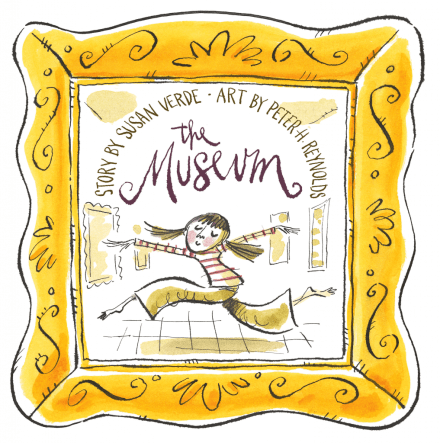
February 25 – Museums Advocacy Day

celebrate-picture-books-picture-book-review-the-museum-cover

About the Holiday

Today is a day when we can show our museum curators and government representatives how much we value museums. Museums are vital parts of our communities and economy. Did you know that more than 850 million people visit American museums every year? This is more than the number of visitors to all major-league sporting events and theme parks combined. Museums across the country employ more than 726, 000 workers and contribute $50 billion to the economy. While museums enjoy overwhelming support among people, advocacy is needed to ensure that museums continue to receive funding and governmental protections so that they can continue to grow while  preserving and teaching about our history, culture, and scientific achievements. Show your support for museum funding by contacting your city and state representatives and by visiting and/or donating to your favorite museum!

The Museum

Written by Susan Verde | Illustrated by Peter H. Reynolds


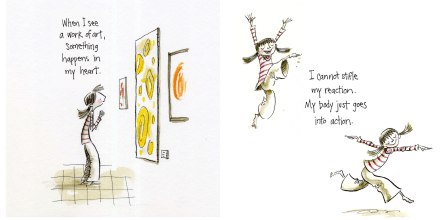
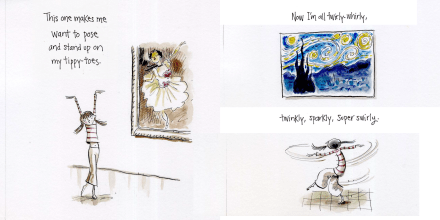
A lanky young girl enters an art museum and goes right up to an abstract painting of sunlight yellow circles. She says, “When I see a work of art, something happens in my heart.” The painting makes her feel like dancing and leaping, and in front of a painting of a ballerina, the girl lifts up on her toes and raises her arms gracefully.

Van Gogh’s Starry Night makes her “all twirly-whirly” and she spins around like the painting’s swirling winds. She sees off-beat sculptures that inspire her to turn upside down and become a human work of art with bent legs and pointed toes. She sits face to face with The Thinker, contemplating “the whos and whats and wheres and whys.” A woman’s abstract face painted in blues makes her sad, while a plate of apples reminds her she’s hungry.
celebrate-picture-books-picture-book-review-the-museum-coming-to-museum

Image copyright Peter H. Reynolds, 2013, text copyright Susan Verde, 2013. Courtesy of Harry N. Abrams Books for Young Readers.

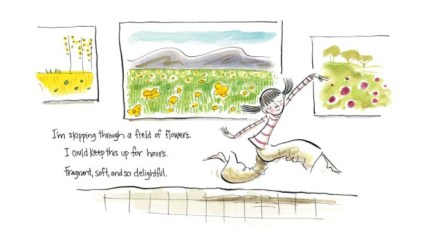
The girl skips past a wall lined with paintings of flowers, mirrors The Scream, and makes “silly faces at a guy” by Picasso. Paintings of squiggles make her burst out in giggles. But then she sees a wall-sized painting that makes her stop and stare. The canvas is completely blank. She looks long and hard, then shuts her eyes and says, “I start to see things / in my head, / yellow, blue, then green / and red, / circles, lines, all kinds of shapes, / faces, flowers, and landscapes.” The idea of a world that’s hers to fill anyway she wants leaves her elated, and as she walks out the door at the end of the day, the girl is happy and content because, she says, “The museum lives inside of me.”
celebrate-picture-books-picture-book-review-the-museum-flowers

Image copyright Peter H. Reynolds, 2013, text copyright Susan Verde, 2013. Courtesy of Harry N. Abrams Books for Young Readers.

Through one girl’s trip to a museum Susan Verde celebrates the emotions and dreams that experiencing art can stimulate in visitors. Her jaunty rhymes and conversational rhythm create an atmosphere of active participation for her happy museum-goer as well as for readers, leading them to the realization that not only a canvas, but their life itself, is a unique work of art.
celebrate-picture-books-picture-book-review-the-museum-ballet

Image copyright Peter H. Reynolds, 2013, text copyright Susan Verde, 2013. Courtesy of Harry N. Abrams Books for Young Readers.

Peter H. Reynolds’ fluid, uninhibited line drawings are ideally suited to Verde’s inspirational story. As the girl flits, twirls, and skips from gallery to gallery and mimics the paintings and sculpture she sees, readers’ imaginations will also take off, remembering art that they’ve seen and conjuring up some of their own. Reproductions of famous works of art give younger kids a chance to learn about some pieces of world art and allows older children the opportunity to show their knowledge.

A smart and stylish tribute to art museums, the feelings expressed in The Museum are also fitting for any child who finds inspiration in a museum of history, natural science, science, or any discipline. The book makes a beautiful gift, a stirring addition to home bookshelves, and a terrific book to pair with museum trips, art classes, and inspirational story times in any classroom.

Ages 5 – 7 (and up)

Abrams Books for Young Readers, 2013 | ISBN 978-1419705946

Discover more about Susan Verde and her books on her website.

To learn more about Peter H. Reynolds and view a gallery of his books and art, visit his website

Museums Advocacy Day Activity
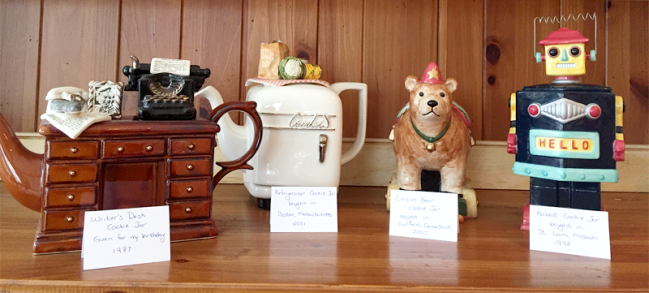
CPB - Cookie Jar Museum (2)

Create a Museum Exhibit


Every item has a story. Is there a funny anecdote behind that knick-knack on the shelf? Does your favorite serving dish hold sentimental value? A fun and educational way for kids to learn family stories and interact with their own history is to create a museum exhibit of objects in your home.

For teachers this can be a fun classroom activity that incorporates writing, art, and speaking, and categorizing skills. Students can use objects in the classroom or bring items from home to set up museum exhibits. This activity can be done as a whole-class project or by smaller groups, who then present their exhibit to the rest of the class.

Supplies

  • A number of household or classroom items
  • Paper or index cards
  • Markers
  • A table, shelf, or other area for display

Directions

  1. To get started have children gather a number of items from around the house to be the subjects of their exhibit. An exhibit can have a theme, such as Grandma’s China or Travel Souvenirs, or it can contain random items of your child’s choice, such as toys, plants, tools, even the furniture they see and use every day.
  2. Using the paper or cards and markers, children can create labels for their exhibit items. Older children will be able to write the labels themselves; younger children may need adult help.
  3. Spend a little time relating the story behind each object: where it came from, how long you’ve had it, when and how it was used in the past, and include any funny or touching memories attached to the item. Or let your child’s imagination run free, and let them create histories for the objects.
  4. When the labels are finished, arrange the items on a table, shelf, or in a room, and let your child lead family members or classmates on a tour. You can even share the exhibit with family and friends on social media.
  5. If extended family members live in your area, this is a wonderful way for your child to interact with them and learn about their heritage.

celebrate-picture-books-picture-book-review-the-museum-cover

You can find The Museum at these booksellers

Amazon | Barnes & Noble | Books-a-Million | IndieBound

Picture Book Review

February 24 – National Tortilla Chip Day

celebrate-picture-books-picture-book-review-round-is-a-tortilla-a-book-of-shapes-cover-2

About the Holiday

If the tortilla-making machine had produced perfect rounds every time back in the 1950s, the world may never have known the crunchy deliciousness of tortilla chips. Back in the day, Rebecca Webb Carranza and her husband owned the El Zarape Tortilla Factory in Los Angeles, California and were one of the first to automate tortilla production. Instead of wasting the odd-shaped ones, Carranza cut them into triangles, fried them, and sold them in bags.They were a hit! People all over began enjoying them dipped in salsa and guacamole and smothering them in cheese. In 1994 Carranza was honored with the Golden Tortilla Award for her contributions to the Mexican food industry, and in 2003 Texas named the tortilla chip the official state snack!

Round is a Tortilla: A Book of Shapes

Written by Roseanne Greenfield Thong | Illustrated by John Parra


“Round are sombreros. / Round is the moon. / Round are the trumpets that blare out a tune. Round are tortillas and tacos too. / Round is a pot of abuela’s stew. / I can name more round things can you?” With wonderful, lyrical verses, Roseanne Thong introduces children to the shapes—circles, squares, triangles, rectangles, ovals, stars, and more—that make up their multicultural world.

celebrate-picture-books-picture-book-review-round-is-a-tortilla-squares

Image copyright John Parra, 2013, text copyright Roseanne Thong, 2013. Courtesy of Chronicle Books.

Here are round chiming campanas and nests full of swallows, square ventanas for peering through and clocks for telling time. Rectangles are cold paletas to eat on a hot summer day and the ice-cream carts that deliver them, and triangles make tasty quesadillas and gliding sailboats. Each verse ends with an invitation for kids to find more shapes around them—an invitation that’s hard to resist!

celebrate-picture-books-picture-book-review-round-is-a-tortilla-triangles

Image copyright John Parra, 2013, text copyright Roseanne Thong, 2013. Courtesy of Chronicle Books.

Rebecca Thong’s bright, fun-to-read verses shine with evocative words that create a concept book that goes beyond the introduction of shapes to celebrate the sights, sounds, and sensations that make up readers’ lives. Helping children find shapes in household objects, food, and other familiar places, makes them more aware of the math all around them. They will be excited to point out the squares, triangles, circles, and more that they encounter every day. Spanish words sprinkled throughout the story are defined following the text. 

celebrate-picture-books-picture-book-review-round-is-a-tortilla-star

Image copyright John Parra, 2013, text copyright Roseanne Thong, 2013. Courtesy of Chronicle Books.

John Parra’s beautiful folk-art illustrations, which are sure to put a smile on kids’ faces, immerse readers in the daily life of a Latino town. People dance, cook, play games, walk in the park, attend a festival, and more—all while surrounded by colorful shapes. Kids will love lingering over the pages to find all of the intricate details and may well want to learn more about what they see.

Round is a Tortilla is not only a book of shapes, it makes shapes exciting! The book is a wonderful stepping stone to discussions about early math concepts as well as the places, celebrations, symbols, and decorations found on each page. The book would be a welcome addition to any classroom or child’s bookshelf

Ages 3 – 6

Chronicle Books, San Francisco, 2013 | ISBN 978-1452106168 (Hardcover) | ISBN 978-1452145686 (Paperback)

Learn more about Roseanne Thong and her books for children and adults on her website!

View a gallery of books and artwork by John Parra on his website!

National Tortilla Chip Day Activity

CPB - Tortilla chips (2)

Homemade Baked Cinnamon Tortilla Chips


It’s easy to make these yummy tortilla chips at home! Why not invite your friends over and bake up a batch or two to enjoy while playing or reading together?

Ingredients

  • 2 10-inch flour tortillas
  • ¾ teaspoon cinnamon
  • 2 ½ tablespoons sugar
  • Butter

Directions

  1. Preheat oven to 350 degrees
  2. Combine the cinnamon and the sugar in a bowl
  3. Butter the tortillas
  4. Sprinkle the tortillas with the cinnamon sugar mixture
  5. Cut the tortillas into 8 pieces
  6. Place pieces on a baking sheet
  7. Bake in 350-degree oven for 12 – 15 minutes
  8. Chips will become crispier as they cool.

Makes 16 chips

celebrate-picture-books-picture-book-review-round-is-a-tortilla-a-book-of-shapes-cover-2

You can find Round is a Tortilla: A Book of Shapes at these booksellers

Amazon | Barnes & Noble | Books-a-Million | IndieBound

February 22 – National Wildlife Day

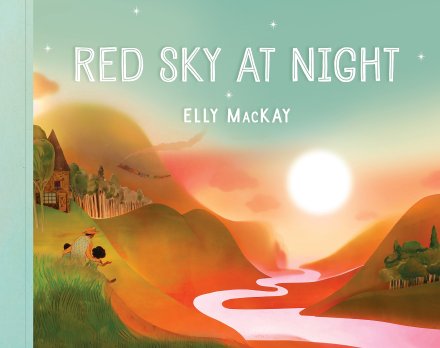
celebrate-picture-books-picture-book-review-red-sky-at-night-cover

About the Holiday

Founded in 2005 by animal behaviorist and philanthropist Colleen Paige, National Wildlife Day was traditionally held on September 4. Today’s date was added to the calendar recently in honor and memory of wildlife activist Steve Irwin’s birthday. The holiday was established to celebrate the diversity of nature and promote the awareness of endangered species worldwide. The day also acknowledges the work of zoos, outstanding animal sanctuaries, and other global organizations in helping to preserve this planet’s animals and educate the public about conservation – especially the children, who are our future conservationists and animal’s caretakers. To celebrate visit an animal sanctuary, zoo, or aquarium—or think about donating your time to a worthy animal cause.

Red Sky at Night

By Elly MacKay


The weather is a powerful force of nature, affecting animals, vegetation, and people in beneficial and detrimental ways. Watching and reacting to weather patterns is a specialty of animals as they prepare for long, cold winters, protect themselves from storms, and take advantage of food grown during fair, sunny days. People, too, have paid attention to the weather since earliest times, devising instruments that continue to improve as technology advances to measure rainfall, air pressure, and wind. Long before mechanical instruments took over the forecasting duties, however, sailors, farmers, and others “learned from experience by watching the shapes of clouds or noticing the behavior of animals.”

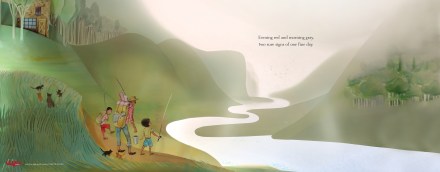
celebrate-picture-books-picture-book-review-red-sky-at-night-evening-red-morning-gray

Copyright Elly MacKay, 2018, courtesy of Tundra Books.

They looked to the sky, the ground, and other elements of nature and came up with catchy phrases that reflected cause and effect weather changes. “This wisdom was passed down through sayings like the ones in this book,” which Elly MacKay pairs with her resplendent mixed media illustrations. Perhaps the most well-known saying is “Red sky at night, sailor’s delight,” and as two children and their grandpa look out their window at the glorious setting sun, readers will be happy to see—along with the little boy who is eagerly holding his fishing pole—that they won’t need the umbrellas in the stand next to the shelf that contains a book on the weather.

Out in their sailboat, Cloud Nine, the grandpa reveals another truism that promises a nice day for fishing on the lake: “When the mist creeps up the hill, fishers, it’s time to try your skill.” As they steer their little boat away from the shore, they can be sure that the sun will smile on them as they see the tiny red insects flying behind them that confirm: “When ladybugs swarm, expect a day that’s warm.”

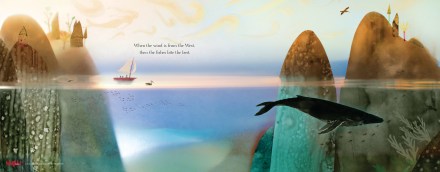
celebrate-picture-books-picture-book-review-red-sky-at-night-wind-from-west

Copyright Elly MacKay, 2018, courtesy of Tundra Books.

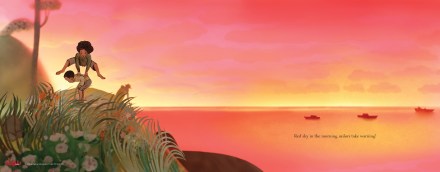
But if “ring around the moon, rain will come soon” is true, their calm overnight camping trip, may end in a shower. As the children play leapfrog on a grassy hill early in the morning, the sky dawns pink and red—a sure warning! And if the sky isn’t warning enough, the fish leaping to capture a moth for breakfast shows just how true “trout jump high when rain is nigh” is.

The little boat begins to make its way back home, but the wind whips up, and as “seabirds fly to land, / there truly is a storm at hand.” Just as the winds begin to roar, Grandpa and the kids dash for home carrying a net full of the fish they caught. Safe and cozy inside, they sit down to a steaming dinner and smile at each other, happy to be home because they know “the more rain, the more rest. / Fair weather’s not always best.”

Following the story, Elly MacKay offers a fascinating explanation of each of the twenty-three sayings in the book. There is also a short discussion on how MacKay creates her distinctive illustrations created through intricate photographed dioramas.

celebrate-picture-books-picture-book-review-red-sky-in-the-morning

Copyright Elly MacKay, 2018, courtesy of Tundra Books.

Readers will love following this family as they go about a fishing trip in tranquil weather and come back home just in time to enjoy a hearty meal as the rain pelts down outside. The Mama cat and her five little kittens are also adorable as they pop up here and there throughout the pages and play a part in one particularly interesting saying. Various perspectives and charming details (look for the nod to the picture book This Is Sadie, the pelican motif, and mystical cloud shapes) makes Red Sky at Night a book to dip into whatever the weather at home and in the classroom.

Ages 3 – 7

Tundra Books, 2018 | ISBN 978-1101917831

To learn more about Elly MacKay, her books, and her art, visit her website.

National Wildlife Day Activity

celebrate-picture-books-picture-book-review-wonderful-wildlife-board-game

Wonderful Wildlife Board Game


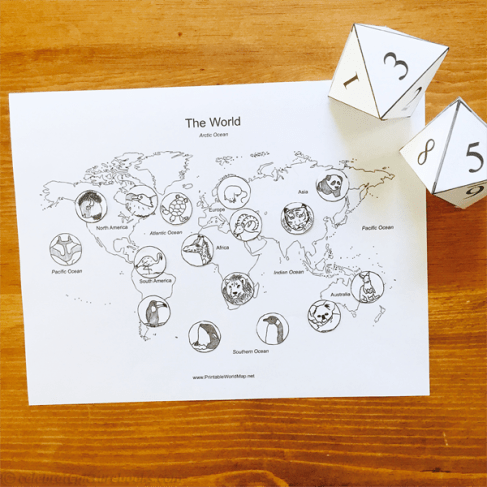
Fascinating animals are found in every part of the world. Play this fun printable Wonderful Wildlife Board Game to match each animal to the area where it lives.

Supplies

Directions

  1. Print a World Map for each player
  2. Print one set of 16 Wildlife Tokens for each player
  3. Print two copies of the 8-sided die, fold, and tape together
  4. If you would like, color the map and tokens
  5. Choose a player to go first
  6. Each player rolls both dice and places an animal on their map according to these corresponding sums of the dice below
  7. The first player to fill their map is the winner!
  • 1 = Flamingo – South America
  • 2 = Emperor Penguin – Antarctica (Southern Ocean)
  • 3 = Giraffe – Africa
  • 4 = Bald Eagle – North America
  • 5 = Ibex – Europe
  • 6 = Kangaroo – Australia
  • 7 = Panda – Asia
  • 8 = Orca – Antarctica (Southern Ocean)
  • 9 = Toucan – South America
  • 10 = Buffalo – North America
  • 11 = Koala – Australia
  • 12 = Lion – Africa
  • 13 = Etruscan Shrew – Europe
  • 14 = Manta Ray – Pacific Ocean
  • 15 = Sea Turtle – Atlantic Ocean
  • 16 = Tiger – Asia

celebrate-picture-books-picture-book-review-red-sky-at-night-cover

You can find Red Sky at Night at these booksellers

Amazon | Barnes & Noble | Books-a-Million | IndieBound

Picture Book Review

February 21 – World Anthropology Day

celebrate-picture-books-picture-book-review-this-is-how-we-do-it-cover-2

About the Holiday

World Anthropology Day was established as a day when anthropologists around the globe can celebrate and share their discipline with students and others interested in the world around us. What is anthropology? The short answer would be: the study of what makes us human. And what does this entail? That answer is much longer and includes the things people do, what we eat, what we wear, the way we communicate, and even such subjects as economics, health, education, law, and genetics. It studies the past but also looks to the future. The field of Anthropology and one of its subsets archaeology are endlessly fascinating. To learn more about Anthropology and careers in the field, find podcasts, and learn about resources, visit the American Archaeological Association Website

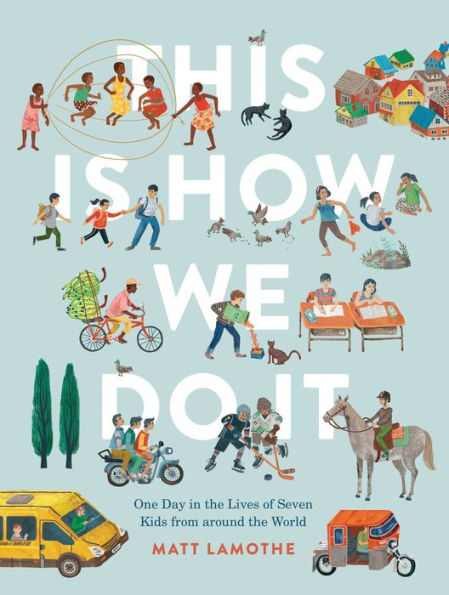
This Is How We Do It: One Day in the Lives of Seven Kids from around the World

By Matt Lamothe


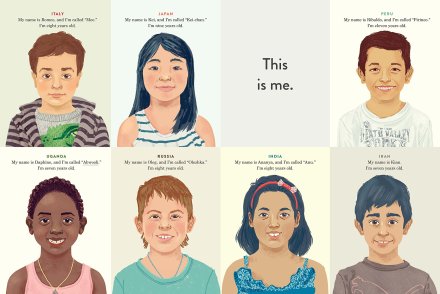
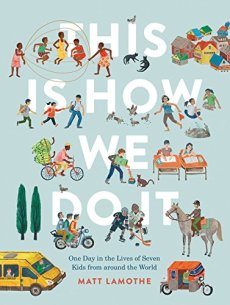
Opening the book, readers are introduced to the seven children they will learn more about. From Codrignano, Italy comes eight-year-old Romeo who lives in a house with a vineyard in the back. Nine-year-old Kei is from Japan, and she lives in a house in Tokyo. Daphine is seven and lives in Uganda in a “house made of wood and mud in the village of Kanyawara. Eight-year-old Oleg lives in an apartment in Uchaly, Russia, “a mining town near the Ural mountains.” From Los Naranjos, Peru comes Ribaldo, who’s eleven and lives in a house his father built. Ananaya is eight and lives in an apartment in Haridwar, India, which is near the Ganges River. And from Gorgan, Iran comes Kian, who’s seven and who also lives in an apartment.

celebrate-picture-books-picture-book-review-this-is-how-we-do-it-kids

Copyright Matt Lamothe, 2017, courtesy of Chronicle Books.

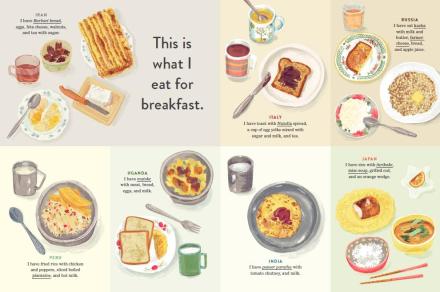
Each child lives with their mom and dad and various siblings. The largest family is Ribaldo’s; he has two younger brothers and a younger sister who still live at home. He also has four older siblings who don’t live at home anymore. When they go to school, four of the children wear uniforms and three choose their own outfits. Breakfast may be different for each child—with foods such as cheese, fried rice, plantains, eggs, bread and fish on the menus—but every morning starts out delicious.

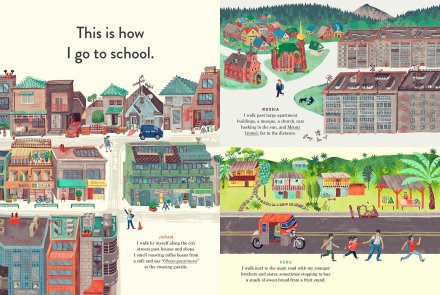
After breakfast, it’s time to go to school. Kei walks along neighborhood streets in Tokyo, while Ribaldo and his sister and brothers walk along the main road, “sometimes stopping to buy a snack of sweet bread from a fruit stand.” Kian rides with his mother or father through the city, and Ananaya is driven to school through busy streets “past hotels, shops, and cows that freely roam the roads.” Romeo takes a school bus, and Daphine must walk a half-hour on a path that meanders past “groves of eucalyptus and banana trees.”

celebrate-picture-books-picture-book-review-this-is-how-we-do-it-breakfast

Copyright Matt Lamothe, 2017, courtesy of Chronicle Books.

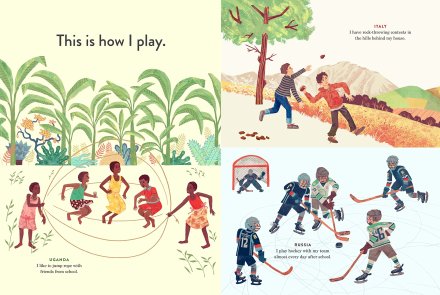
Each child enjoys learning different subjects with their friends. Ribaldo’s school in Peru is small, so the fifth and sixth graders study together in the same room, and in Russia Oleg has the same teacher and classmates from first through fourth grades. There’s time for lunch and then, after school, it’s time to play. Daphine likes to jump rope, Romeo and his friends have stone-throwing contests, and Ananaya plays “Rumaal Chor or ‘Hanky Thief’” in the part with her friends. Kei gets together with her friends at the neighborhood playground and plays “Koori Oni, or ‘Freeze Tag.’” Oleg is on a hockey team and practices almost every day.

celebrate-picture-books-picture-book-review-this-is-how-we-do-it-going-to-school

Copyright Matt Lamothe, 2017, courtesy of Chronicle Books.

Each child also helps around the house doing chores, tending the garden, feeding pets, and other jobs. Dinner is eaten with siblings and parents. Some families eat around 6:00 or 7:00, while others don’t eat until 9:00 or 10:00. After dinner, the kids engage in various activities: Oleg plays chess with his dad, Ananaya plays the board game Carrom with her sister, Kei reads mysteries with her mom, and Romeo and his dad build model cars. Then it’s time to go to sleep in their own comfortable bed underneath the same night sky.

Back matter includes photographs of the families that Matt Lamothe followed in writing this book as well as a glossary of words found throughout the text. The endpapers contain a world map that shows where each child lives. Author’s notes provide insight into the text and his own experiences in researching the book.

celebrate-picture-books-picture-book-review-this-is-how-we-do-it-play

Copyright Matt Lamothe, 2017, courtesy of Chronicle Books.

Matt Lamothe’s fascinating look at the lives of seven children from diverse countries of the world will captivate young readers. The snapshots of the children’s lives from breakfast to bedtime spotlight the subjects that kids are most interested in as they wonder what other children eat, what they wear, how they get to school and what they study, how they play, and what their bedtime routines are. In his straightforward text, Lamothe shows that children around the world are more similar than different with traditions that the readers themselves may share.

celebrate-picture-books-picture-book-review-this-is-how-we-do-it-map

Copyright Matt Lamothe, 2017, courtesy of Chronicle Books.

Lamothe’s colorful illustrations clearly depict food and clothing, neighborhoods and landscapes, classrooms and playtime, families and homes. Children will want to linger over the pages to take in all the details. His portrayals of kids in action at school, at home, and at play will have readers excitedly pointing out, “I do that!” “We eat that!” and wanting to try some of the things that are new as well.

A thought-provoking book to spark stimulating conversations among kids about their world, This Is the Way We Do It is a book to dip into again and again at home and in the classroom.

Ages 5 – 12

Chronicle Books, 2017 | ISBN 978-1452150185

To learn more about Matt Lamothe, his books, and his art, visit his website.

World Anthropology Day Activity

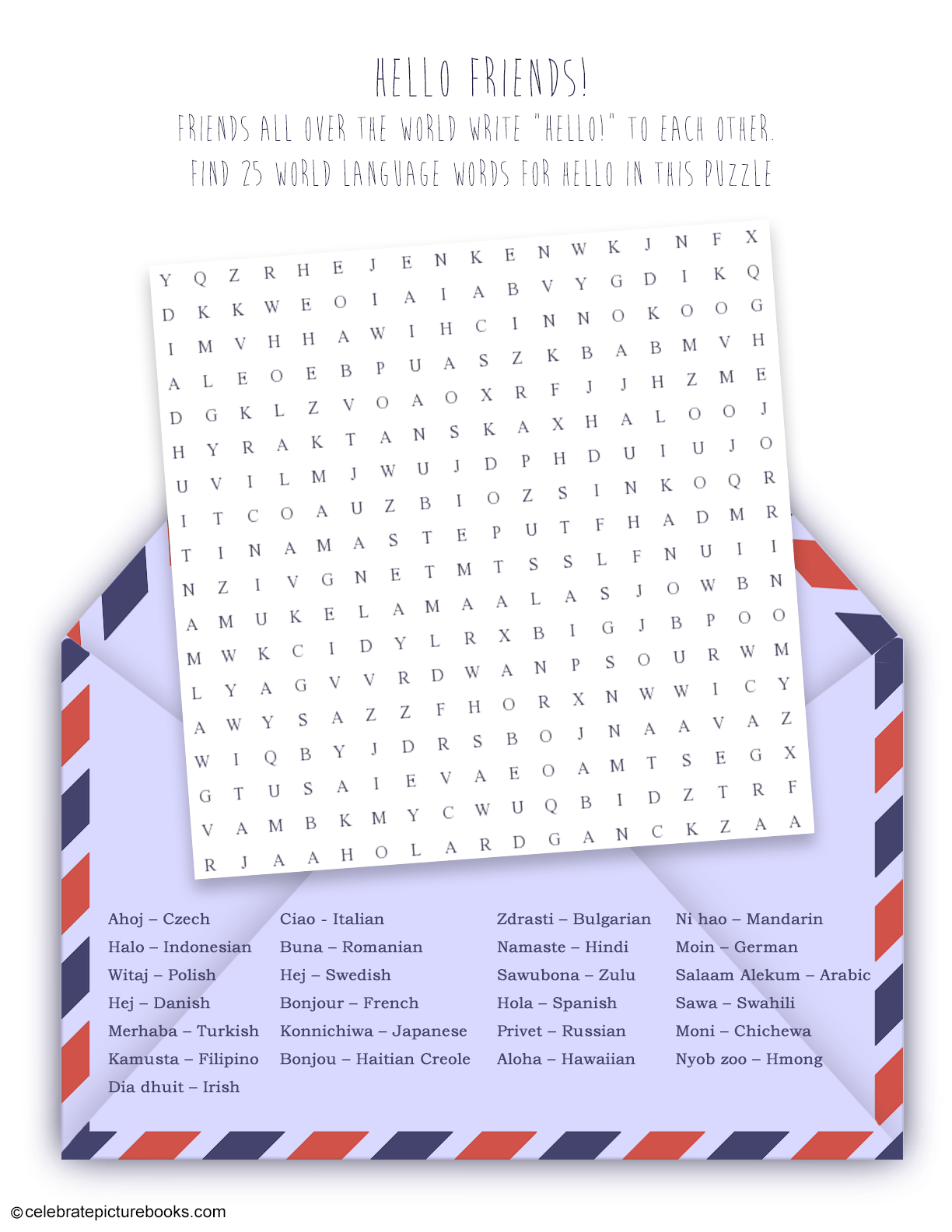
Hello, Friends! Word Search Puzzle


Saying “hello” to our friends and those we meet is something people do all around the world. Find the word for “Friend” in twenty-five languages in this printable puzzle.

Hello, Friends! Word Search Puzzle | Hello, Friends! Word Search Solution

celebrate-picture-books-picture-book-review-this-is-how-we-do-it-cover

You can find This Is How We Do It: One Day in the Lives of Seven Kids from Around the World at these booksellers

Amazon | Barnes & Noble | Books-a-Million | IndieBound

Picture Books


February 20 – National Love Your Pet Day

celebrate-picture-books-picture-book-review-a-pet-for-petunia-cover

About the Holiday

Whether you have a dog or cat, hamster or fish, parakeet, iguana, or horse, your pet is one of the most loved parts of your family. Sharing your life with a furry friend and their funny antics, eager personalities, and unconditional love simply makes things better. Today’s holiday encourages people to spend more time with their pet or pets by taking a longer walk, extending playtime, and giving special treats that show your them how much they mean to you. If you don’t have a pet, but have been considering getting one, maybe today’s the day!

A Pet for Petunia

By Paul Schmid


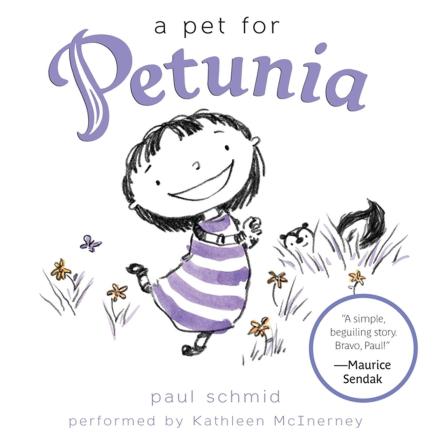
You might say that “Petunia likes skunks,” but that wouldn’t be quite right because “Petunia LOVES skunks!” She loves everything about them from their nose to their tail, and the best thing of all is that they have stripes. Petunia loves stripes. Petunia likes sharing her love of skunks with everyone. Of course, Petunia doesn’t just love skunks, she wants one of her very own. Sure, her plush skunk is great, but “Petunia wants, wants, wants! a REAL pet skunk.”

celebrate-picture-books-picture-book-review-a-pet-for-petunia-loves-skunks

Copyright Paul Schmid, 2011, courtesy of HarperCollins.

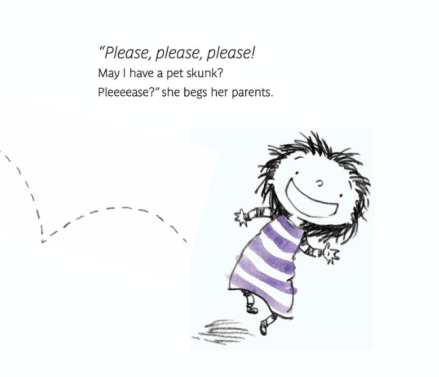
She hops up and down and uses please and begs her parents for a pet skunk. Her parents try to explain, but Petunia has jumped in with her list of all the things she’ll do for her skunk. She’ll feed it everyday, and walk it, and play with it, and even empty the litter box. “‘Every week. Day! Hour! Whatever! Promise! Please, please, please may I have a pet skunk? Please!’”

Petunia is shocked when her parents say no. She can’t understand why not. “‘They stink,’ say her parents.” Petunia is incensed. She explodes in a tirade of how unfair it all is, she defends the aroma of skunks up and down, she compares her parents to Katie’s parents (who “would get her a skunk), and lets them know that she has to run away from home.

celebrate-picture-books-picture-book-review-a-pet-for-petunia-loves-cute

Copyright Paul Schmid, 2011, courtesy of HarperCollins.

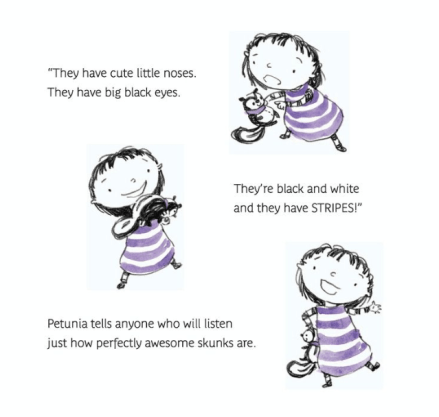
She flees out the front door and towards the woods where she half hopes a bear eats her, knowing that then her lunkhead parents would get her a skunk. And, lo and behold, there on the path is a real-life skunk complete with “cute little nose. Big black eyes. Stripes.” They stare at each other, and “Petunia gives a joyful gasp.” But the gasp comes with a horrible smell. “Smell” isn’t even strong enough. “It is a STINK!” With tears in her eyes, Petunia turns and races back home.

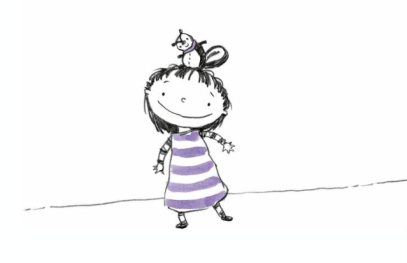
After a little while in bed to contemplate, Petunia decides that “Skunks…are…so…AWESOME!” But looking at her cute little toy skunk, she also “decides she already has a perfectly awesome pet.” Until…well, you’ll just have to see….

celebrate-picture-books-picture-book-review-a-pet-for-petunia-please

Copyright Paul Schmid, 2011, courtesy of HarperCollins.

Paul Schmid’s pitch-perfect story of a little girl who just has to have a skunk for a pet will delight kids and adults with its adorably earnest Petunia and her realistic dialog. Petunia’s long list of promises leads into the perfectly shocked expression when she discovers that her parents are saying “no” to a pet skunk. A page full of bold, italics, fancy, and shrinking typefaces that lay out Petunia’s argument follows, mirroring the barrage of words that flow from this disappointed little girl. To her credit, when she is presented with (confronted by?) her heart’s desire and treated to its particular talent, Petunia makes a smart choice—until…. Kids will no doubt appreciate Petunia’s sincerity while adults will understand it on a more experienced level. And both will laugh at Petunia’s exasperation and stinky predicament.

celebrate-picture-books-picture-book-review-a-pet-for-petunia-skunk-toy

Copyright Paul Schmid, 2011, courtesy of HarperCollins.

Schmid is well-known for his expressive illustrations, and Petunia is a shining example. Schmid’s simple line drawings combine just-right body poses, skipping, jumping, somersaulting, and eventually running with sweet smiles, wide grins, and surprise to create a lovable and loving child that readers of all ages will embrace. Her pet skunk is adorable too—and, like all favorite toys, possesses a true personality of its own. Tinted with purple and a hint of orange, the clean, black-and-white images put the spotlight on endearing Petunia.

For pet lovers, toy lovers, and book lovers, A Pet for Petunia is a charming and captivating story to add to home and classroom bookshelves.

Ages 4 – 8

HarperCollins, 2011 | ISBN 978-0061963315

To learn more about Paul Schmid, his books, and his art, visit his website.

National Love Your Pet Day Activity

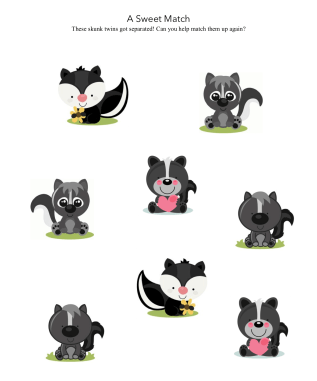
celebrate-picture-books-picture-book-review-a-sweet-match-puzzle

A Sweet Match! Puzzle


These sweet skunk twins got separated! Can you help them find their match again in this printable puzzle?

A Sweet Match Puzzle

celebrate-picture-books-picture-book-review-a-pet-for-petunia-cover

You can find A Pet for Petunia at these booksellers

Amazon | Barnes & Noble | Books-a-Million | IndieBound

Picture Book Review

February 19 – It’s Bird-Feeding Month

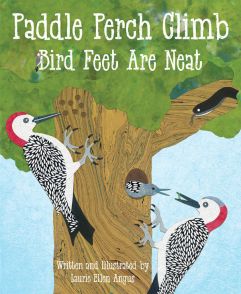
celebrate-picture-books-picture-book-review-paddle-perch-climb-cover

About the Holiday

Have you been noticing more bird activity in your yard or neighborhood? Maybe you’ve been awakened by birdsong that you haven’t heard in many months. During February, as temperatures creep up, birds begin returning to their homes to nest and mate. But the effects of the long winter still make it hard for these little creatures to find enough to eat. Recognizing a need, John Porter created a Congressional resolution in 1994 recognizing February as National Bird-Feeding Month. One-third of Americans have backyard feeders that provide the sustenance birds need to survive when natural resources are scarce. To celebrate this month, if you have feeders make sure they are well stocked. If you don’t have a feeder in your yard, consider hanging one and enjoy the beauty and songs of the birds in your area. 

Paddle Perch Climb: Bird Feet Are Neat

By Laurie Ellen Angus


All birds get hungry, but not all birds eat the same thing, of course. Did you know that a bird’s feet are important in determining what they eat? Let’s find out how different kinds of feet help birds find the right food for them. “If you had webbing between your toes, you could… Paddle like a swan to dabble for pond plants.” Long legs and toes could help you “wade like a heron to sneak up on a school of fish.”

celebrate-picture-books-picture-book-review-paddle-perch-climb-heron

Copyright Laurie Ellen Angus, 2018, courtesy of Dawn Publications.

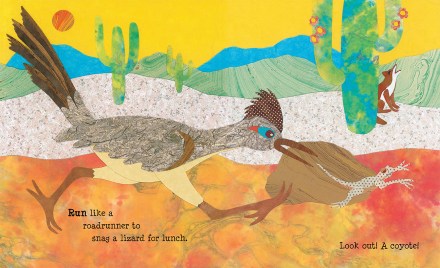
Birds who have long, strong legs can run and catch their dinner, and birds whose feet have sharp claws can climb tree trunks and hunt for insects in the bark. Birds with “small flexible toes” find their feet handy for perching on branches of trees and bushes to pick berries or—like towhees—to scratch in the dirt for bugs. There are also those birds that have “powerful feet with sharp talons” to snatch a meaty meal for themselves or their babies.

celebrate-picture-books-picture-book-review-paddle-perch-climb-roadrunner

Copyright Laurie Ellen Angus, 2018, courtesy of Dawn Publications.

There are many kinds of birds in the world, and each one has just the right kind of feet that help them move through their environment, find or catch food, and survive.

Extensive back matter that offers many opportunities to extend STEM learning in the classroom or at home includes

  • a detailed and illustrated exploration of each bird mentioned in the text, complete with a description of their feet and how they help the bird procure food. Kids will also enjoy learning the fun fact about each
  • A description of the bird that inspired the book
  • A discussion of adaptations, with a chart categorized with facts on habitat, feet, and beaks for seven birds and suggestions for a creative activity 
  • Common characteristics of birds
  • A discussion on predators
  • Bird-watching tips
  • More resources for further learning
celebrate-picture-books-picture-book-review-paddle-perch-climb-back-matter

Copyright Laurie Ellen Angus, 2018, courtesy of Dawn Publications.

In her engaging text, Laurie Ellen Angus takes kids out to the pond, desert, forest, and backyard to watch as a variety of birds catch or gather their dinner. Using evocative verbs, Angus reveals not only the action of getting a meal, but the way each bird goes about it—through stealth, quick motion, pecking, scratching, and more. Specific examples of bird/feet combinations give readers a starting point for further exploration. Each category also includes a partially hidden predator, such as a fox, bobcat, snake, and hawk, that the particular bird is warned about and which readers will want to join in pointing out.

celebrate-picture-books-picture-book-review-paddle-perch-climb-cardinals

Copyright Laurie Ellen Angus, 2018, courtesy of Dawn Publications.

Angus beautifully employs collage-style illustrations to give her birds and environments texture, color, and movement. Her use of various perspectives, lets readers wade into the pond with the heron, chase after the roadrunner that is trotting off the edge of page, cling to a tree trunk with a woodpecker, and come in for a landing with an owl. 

A visually stunning book, Paddle Perch Climb: Bird Feet Are Neat is a science book that will attract the attention of young learners and excite them to learn more about the wonders of the natural world.

Ages 4 – 8

Dawn Publications, 2018 | | ISBN 978-1584696131 (Hardcover) | ISBN 978-1584696148 (Paperback) 

To learn more about Laurie Ellen Angus, her books, and her art on her website.

Wild Bird Feeding Month Activity

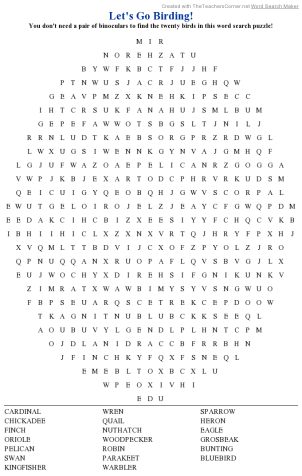
celebrate-picture-books-picture-book-review-let's-go-birding-word-search

When you put up a bird feeder in your yard, you’ll see so many different types of birds come to visit! Find the names of twenty types of birds in this printable Let’s Go Birding! Word Search Puzzle.

Let’s Go Birding! Word Search Puzzle | Let’s Go Birding! Word Search Solution

celebrate-picture-books-picture-book-review-paddle-perch-climb-cover

You can find Paddle Perch Climb: Bird Feet Are Neat at these booksellers

Amazon | Barnes & Noble | Books-a-Million | IndieBound

Picture Book Review

February 17 – Random Acts of Kindness Day

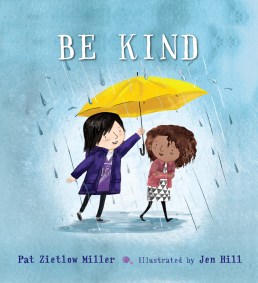
celebrate-picture-books-picture-book-review-be-kind-cover

About the Holiday

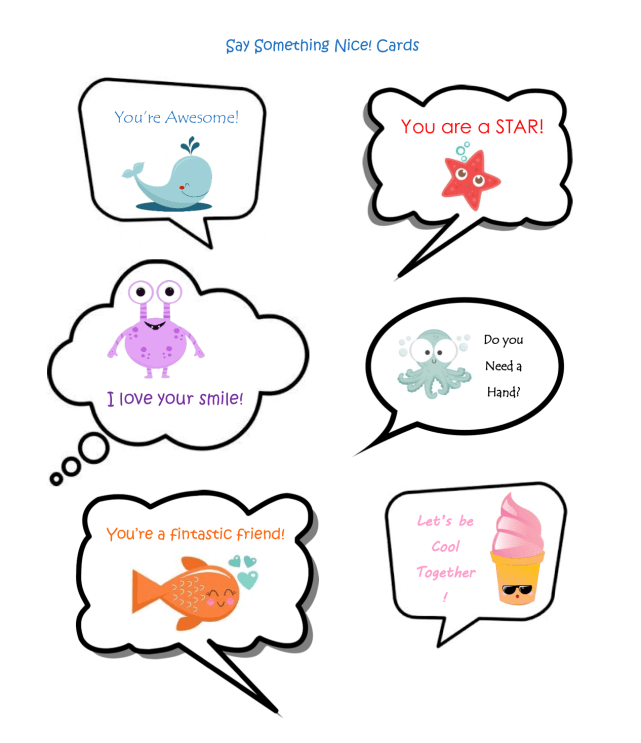
It’s Random Acts of Kindness Day and the beginning of Random Acts of Kindness Week. Today offers a terrific time to begin or reconfirm your commitment to doing nice things for those around you. When you become a RAKtivist (Random Acts of Kindness Activist), you can change people’s lives. Simple gestures of kindness make anyone feel better and create a bond that bring a community closer. If you see someone having a bad day, give them a smile. Is someone struggling with a box, a bag, or keeping their stuff in their locker? Give them a hand. Does someone always eat lunch alone? Offer to sit with them and have a conversation. You’re also encouraged to give others a card to brighten their day. You’ll find some to print out at the end of this post!

There are as many ways to be a RAKtivist as there are people on the planet. You can  learn more about this uplifting holiday and find free resources—including downloadable teachers’ lesson plans for K-8 grades, posters, a calendar full of ideas on how to incorporate kindness into your life, kindness quotes, and more—on the Random Acts of Kindness Website!

Be Kind

Written by Pat Zietlow Miller | Illustrated by Jen Hill

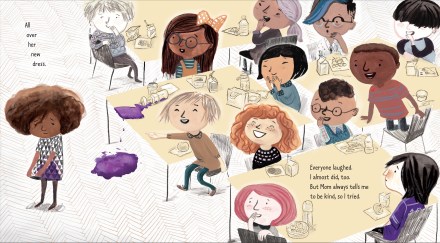
At school during snack time when Tanisha spilled grape juice on her new dress, the class burst out laughing. One student remembered that their mom always taught them to be kind and tried to make Tanisha feel better by saying, “Purple is my favorite color.” The student thought Tanisha would smile, but she just ran away. All during art class, Tanisha’s classmate thought about what they should have done instead, wondering, “What does it mean to be kind anyway?”
celebrate-picture-books-picture-book-review-be-kind-spilled-juice

Image copyright Jen Hill, 2018, text copyright Pat Zietlow Miller, 2018. Courtesy of us.macmillan.com.
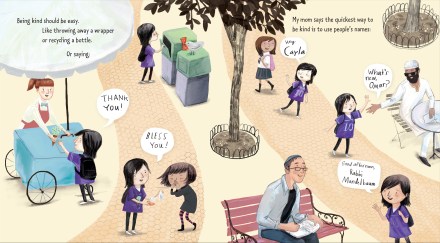
They think, “Maybe it’s giving.” Like baking treats for someone who lives alone, or giving away old clothes to someone who can use them. Helping out might also show kindness. For instance, “putting dirty dishes in the sink” or taking care of a pet. Paying attention to others could be another way to show you care. Like noticing someone’s new shoes, offering to be the new girl’s partner in class, or even just listening to someone’s stories—even if you’ve heard them before. Sometimes being kind is easy, but there are other times when it can be challenging or even scary—“like sticking up for someone when other kids aren’t kind.”

celebrate-picture-books-picture-book-review-be-kind-in-the-neighborhood

Image copyright Jen Hill, 2018, text copyright Pat Zietlow Miller, 2018. Courtesy of us.macmillan.com.

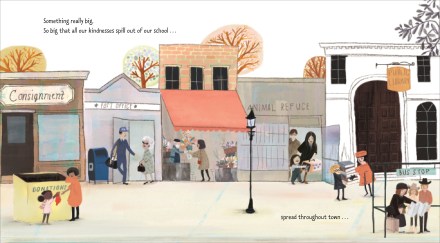
The child decides that maybe all they can do for Tanisha is to sit near her and paint her a picture of purple and green—of pretty violets. They hope that small acts like these will join with other people’s and that they will expand, fanning out from school into the community, across the country, around the world, and back. “So we can be kind. Again. And again. And again.”

celebrate-picture-books-picture-book-review-be-kind-around-town

Image copyright Jen Hill, 2018, text copyright Pat Zietlow Miller, 2018. Courtesy of us.macmillan.com.

Miller’s tender prose is perfect for planting the seeds of kindness and opening discussions about what it means to be caring and compassionate. With more and more children speaking up and creating change, Miller’s gentle and affirming story shows readers that it’s often the little things that count the most. Some of the examples she gives are acts that many children may do already, confirming their innate sensitivity, while others may spark new ideas and expand readers’ definition of kindness.

Jen Hill’s soft-hued illustrations beautifully depict the emotional tug at the heart that Tanisha’s spilled grape juice sets in motion for the protagonist and young readers. As one caring child wonders what kindness really is, Hill clearly portrays diverse children helping out at home, at school, and in their community locally and—as the kindness spreads—around the world. Hill draws the caring student with gender neutral clothing and hair, allowing all children to relate to the story’s main character. 

Be Kind is a lovely perceptive and sensitive book that would be an asset to any home or classroom library.

Ages 3 – 6

Roaring Brook Press, 2018 | ISBN 978-1626723214

Discover more about Pat Zietlow Miller and her books on her website.

To learn more about Jen Hill, her books, and her art, visit her website.

World Kindness Week Activity

celebrate-picture-books-picture-book-review-say-something-nice-cards

Say Something Nice! Cards

Do you want to give someone a nice surprise? Print out these cards and give one to a friend, to someone you’d like to know, or to anyone who looks like they need a pick-me-up! If you’d like to make your own cards, print out the blank template and write and/or draw your own message! You can also print these on adhesive paper and make your own stickers.

Say Something Nice! Cards | Say Something Nice! Cards Blank Template

celebrate-picture-books-picture-book-review-be-kind-cover

You can find Be Kind at these booksellers

Amazon | Barnes & Noble | Books-a-Million

To support your local independent bookstore, order from

Bookshop | IndieBound

Picture book review