September 25 – Math Storytelling Day

National Math Storytelling Day was established in 2009 by Maria Droujkova, founder of The Natural Math Community at Naturalmath.com, and her daughter to encourage people to share the joys of math with children through stories and games. Having fun with math is one of the best ways to get kids excited about learning and working with this most important subject. Celebrate today with math stories that involve patterns, spatial relations, quantities, logic, puzzles, and numbers. You can even sing math songs and tell math jokes! You’ll find lots of resources for Math Storytelling Day and every day on the Natural Math website. Today’s book comes from Charlesbridge, who early on embraced the power of picture books to get children involved with math in everyday life.

Thank you to Charlesbridge for sending me a copy of this book for review!

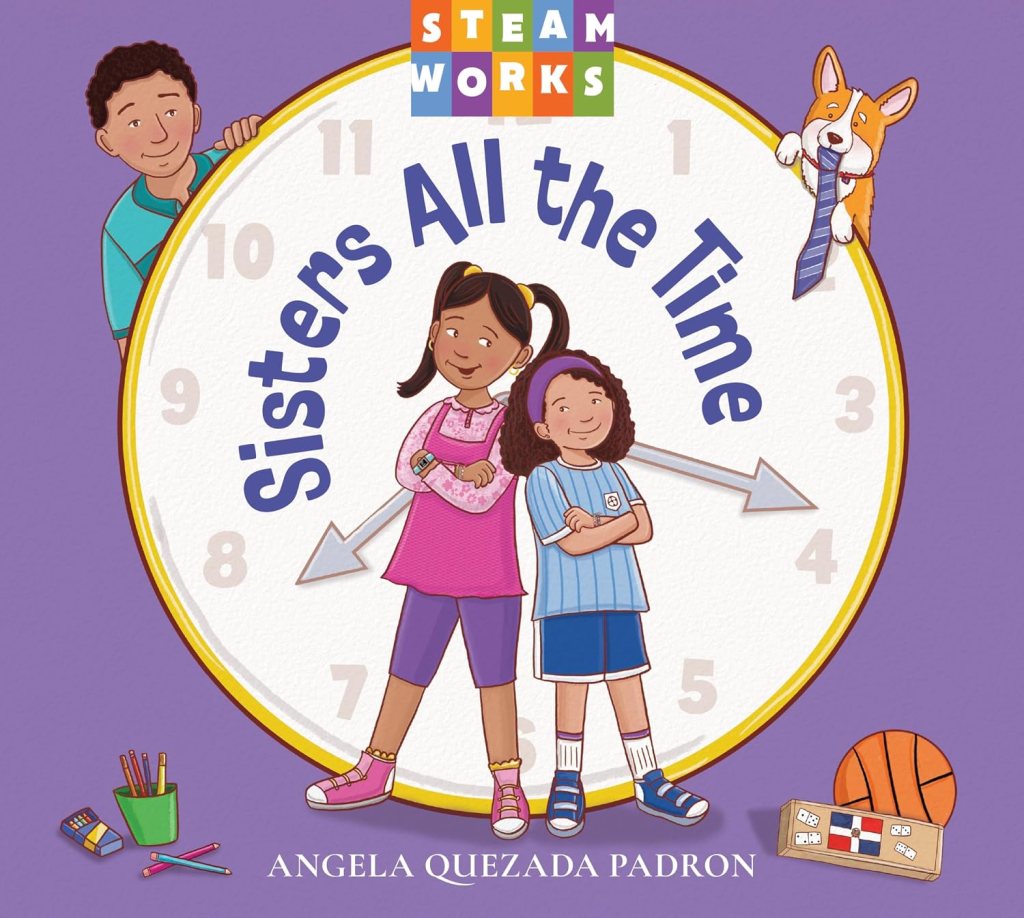
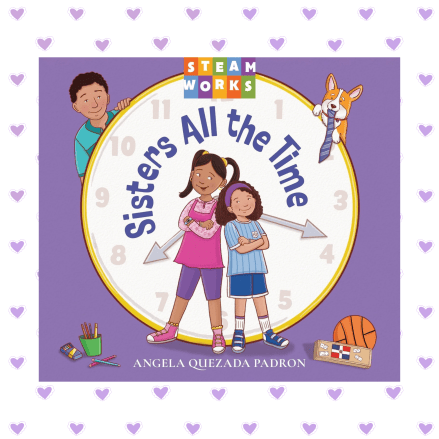
Sisters All the Time (Steamworks)

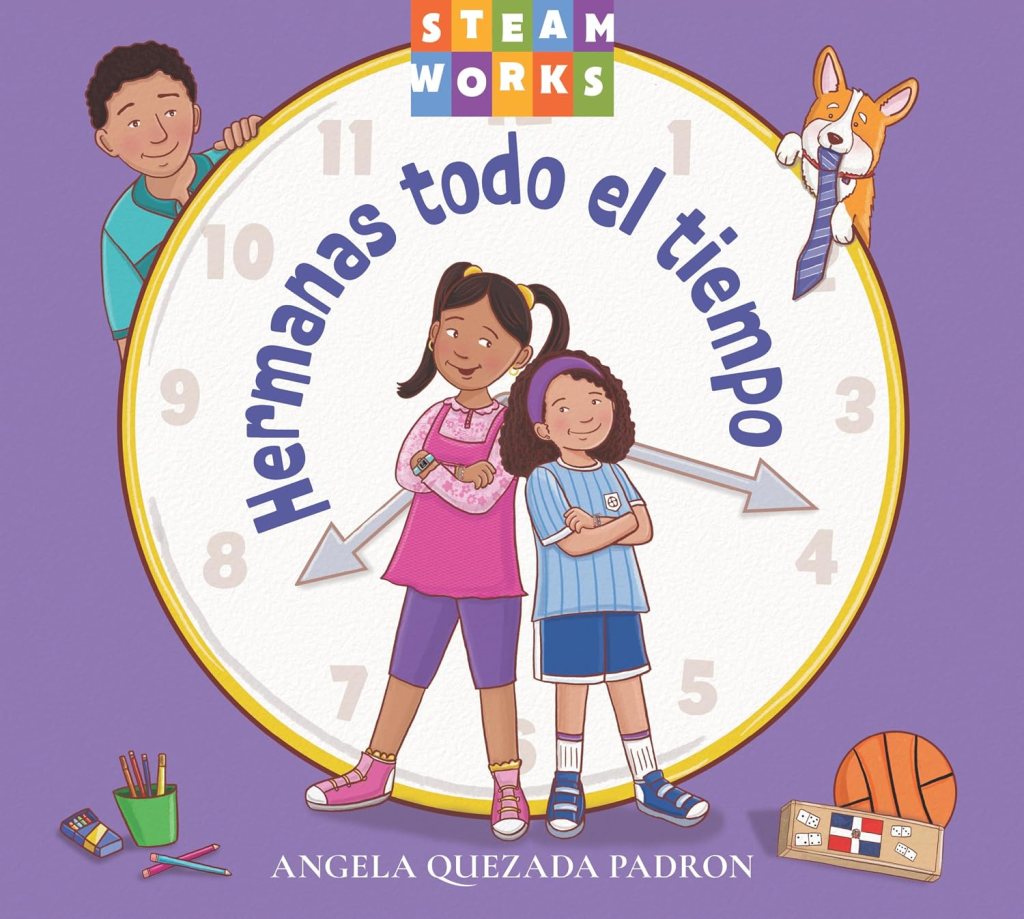
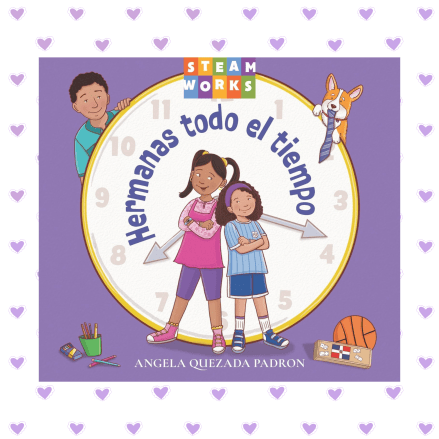
Hermanas todo el tiempo (Steamworks) (Spanish Edition)

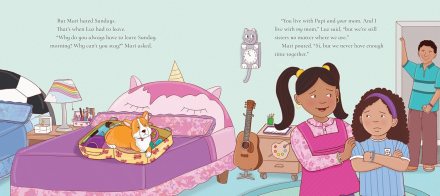
For Mari Saturday was the best day of the week because her half-sister Luz came over. “They laughed and played all day [and] giggled and acted silly all night.” But when Sunday came and Luz had to leave, Mari felt sad. She never seemed to have enough time with her big sister. On this Sunday, just five minutes before Luz’s mom was scheduled to pick Luz up, she called to say she’d be two hours late. Excited to have extra time together, Mari and Luz planned out which activities they wanted to do. Mari wanted to do all of them, but Luz knew they didn’t have time for that.
Text and illustration copyright © 2026 by Angela Quezada Padron. Published by Charlesbridge copyright © 2026.

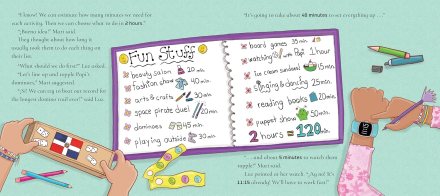
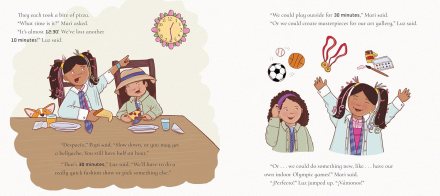
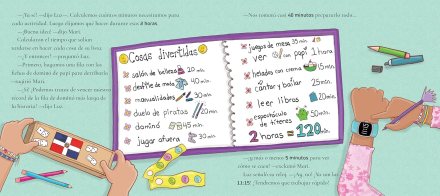
They decided to write down all of their favorite activities and estimate how long each took. First up, they wanted to “try to beat [their] record for the longest domino trail ever.” This would take about 40 minutes to set up . . . “and about 5 minutes to watch them all topple.” They had one hour and 45 minutes left to fill. With the trail built and a new world record accomplished, it was time to have a fashion show. Part way through their preps (including making up Papi and doing his hair), pizza arrived. After lunch, they only had 30 minutes left, so they decided to play indoor Olympics.
Text and illustration copyright © 2026 by Angela Quezada Padron. Published by Charlesbridge copyright © 2026.

Luz and Mari had just gotten started when Papi reminded them that their lunch dishes needed cleaning. Then during their trampoline contest, he told them they needed to pick up the dominoes and hang up the fashion show clothes. All of these ate into the time the girls had left. With only five minutes before Luz’s mom was expected, they jumped into a sock race, but “Ding Dong!” time was up. Mari pleaded for more time. She thought that sisters should not “live together SOME of the time,” but ALL the time. Luz took her little sister’s hand and told her, “No matter where I am, you’ll always be my hermanita, 365 days a year.” Throughout the week, the sisters called and planned their “time to smile together, laugh together, and love together.”

Back matter includes an Author’s Note about her own half siblings and a spread titled “Picking Up STEAM” with English time-related words to know, Spanish words that appear in the story, concepts of time management, basic facts about time, hours from 1:00 to 12:00 shown on an analog and digital clock, and ideas for readers to play with and explore time on their own.
Text and illustration copyright © 2026 by Angela Quezada Padron. Published by Charlesbridge copyright © 2026.

Angela Quezada Padron’s warmhearted story of half sisters who love spending time together provides a perfect frame for children learning about time management and tempering expectations of how much can be accomplished in measured amounts of time. The sisters’ enthusiasm and imagination will captivate readers, and the time spans for each activity on their list are realistic and may prompt kids to time themselves doing each one. Quezada Padron’s inclusion of clean-up time will be appreciated by parents and caregivers and is a good reminder about responsibility for children as well. Her vibrant, action-packed illustrations portray the close relationship between the sisters and eye-catching perspectives on the girls’ activities. There are plenty of scenes to make kids giggle too as they minutes tick down on a fun day.

Education wrapped in engaging fun, Sisters All the Time (Steamworks) and Hermanas todo el tiempo (Steamworks) offer an affectionate family story in which concepts of time unfold as naturally as they do at home, in a classroom, or other settings. The book will spark recognition of how time passes and a beginning to better time management of busy days and is a top pick for all libraries, classrooms, and home collections.

Ages 4 – 7

Charlesbridge, 2026 | ISBN 978-1623546779

About the Author

Angela Quezada Padron is a Latina author-illustrator who spent childhood days writing stories and doodling on garage walls of her New Jersey home while enjoying summers visiting family in the Dominican Republic. She writes fiction and nonfiction picture books and novels, and she creates colorful, textured illustrations with diverse characters & heartwarming scenes. Angela won first place in the Portfolio Showcase at the 2023 Florida SCBWI Conference and was chosen as a semi-finalist for the SCBWI Tomie dePaola Award in 2014. Visit her at angelapadron.com.

Mari y Luz son un tipo de hermanas especial: ¡medias hermanas! Comparten el mismo papá, pero tienen mamás distintas, por lo que solo pasan los fines de semana juntas. Cuando la mamá de Luz se retrasa un día, las chicas deciden aprovechar su tiempo adicional al máximo, así que planifican sus actividades, estiman cuánto tiempo les llevará cada una y se lanzan a hacerlas. Pero el tiempo se les acaba demasiado rápido, y Mari se siente triste. Luz le recuerda que son hermanas TODO el tiempo, aunque solo puedan estar juntas una parte del tiempo.
Text and illustration copyright © 2026 by Angela Quezada Padron. Published by Charlesbridge copyright © 2026.

Ages 4 – 7

Charlesbridge, 2026 | ISBN 978-1623546779

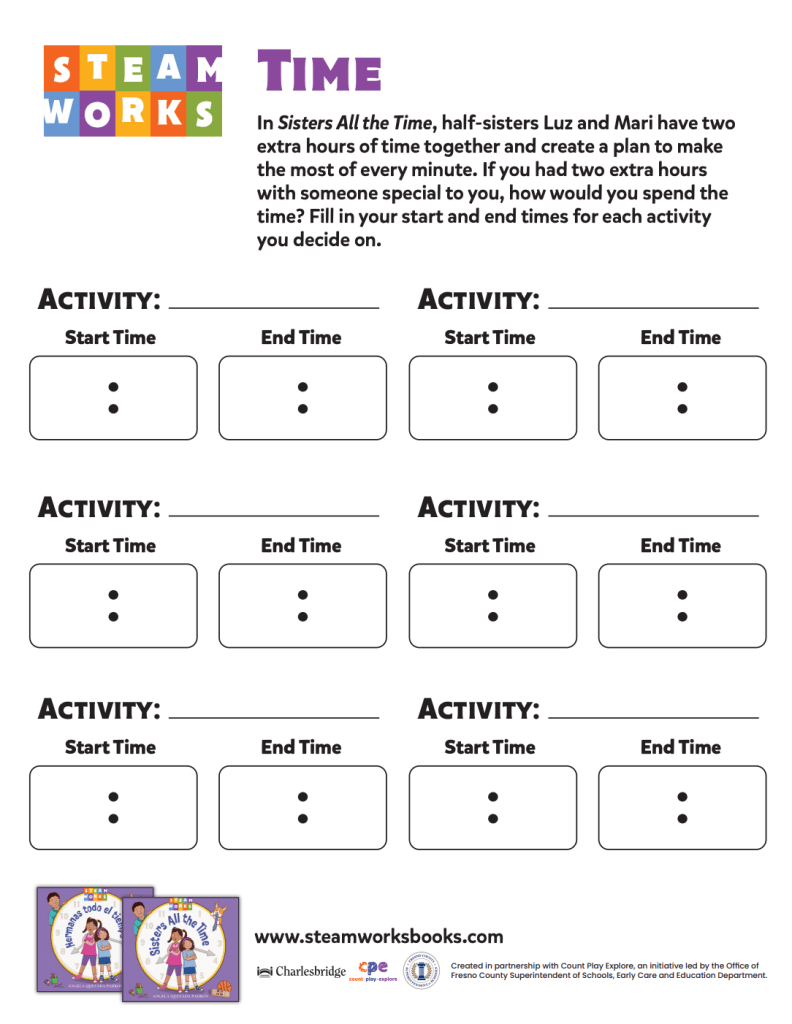
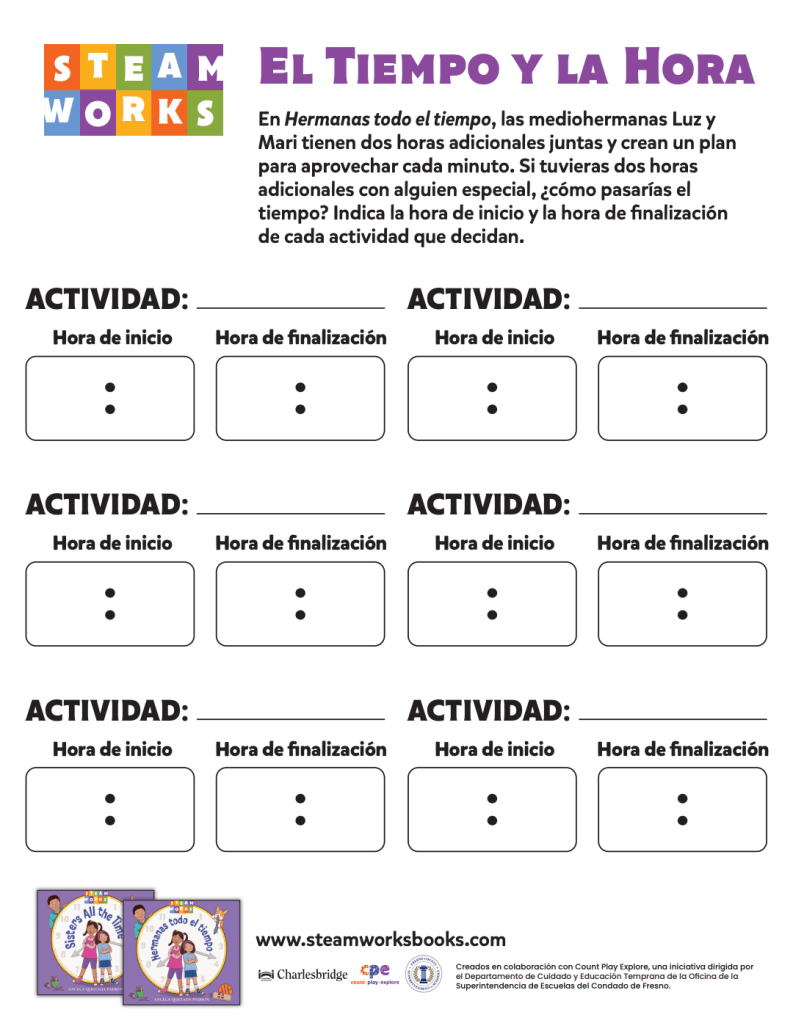
Kids can have eye-opening fun keeping track of their favorite activities, chores, mealtimes, or other events of the day with this Time and El tiempo y la hora pages from Charlesbridge!
You can purchase Sisters All the Time from these booksellers

Amazon | Barnes & Noble | Bookshop
You can purchase Hermanas todo el tiempo (Steamworks) (Spanish Edition) from these booksellers

Amazon | Barnes & Noble | Bookshop

August 11 – Happiness Happens Month

Happiness Happens Month reminds us that happiness can happen anywhere and at any time. In fact paying attention to all of the little moments during each day, going on spontaneous outings with friends or family, or taking time to do a favorite activity may be all you need to feel happier every day! Spending time reading with your kids is one of those activities that’s sure to bring a smile and comforting a sense of “ahhhh!” With school starting again soon, it’s a great time to reflect on the fun you’ve had over the past months and as well as the memories and learning to come. Today’s book combines fun and learning in a way that’s sure to make happiness happen every time you read it!

Thank you to Abrams Appleseed for sending me this book for review!

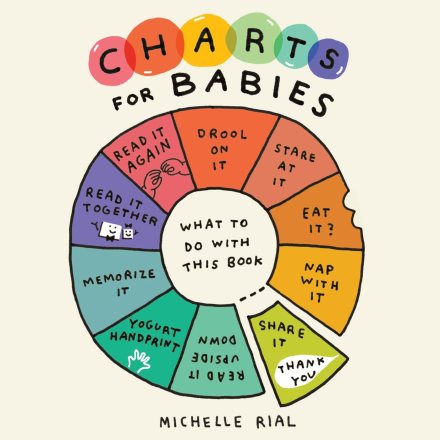
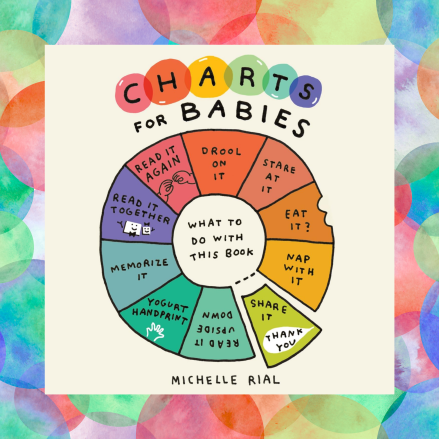
Charts for Babies

Little ones may not know about all the visual tools people use to corral the data that that keeps the world working and connected, but knowing how to read these helpful graphics is a crucial skill as children climb higher and higher in math and science classes at school. So, is there a way for even the youngest children to begin learning these important concepts? Michelle Rial says wholeheartedly, “Yes!” But is there a way to make it relatable and exciting and—dare I ask?—fun? Like really fun?

Text and illustration copyright © 2026 by Michelle Rial. Published by Abrams Appleseed, © 2026.

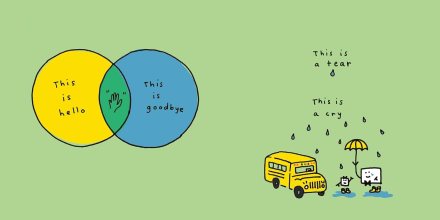
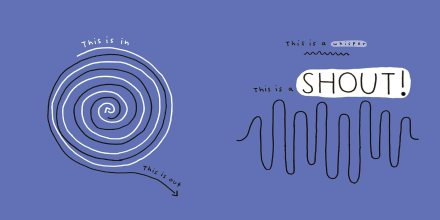
Michelle Rial has all that covered in Charts for Babies, a bright and bubbly jaunt through ideas big and small that encompass the building blocks of math and vocabulary (including visual representations of nouns, verbs, adjectives, those beguiling prepositions, and opposites) as well as cuddly emotions adults and kids love to share. And Rial does all of this with adorable graphics and rhymes that will make your heart sing.

Text and illustration copyright © 2026 by Michelle Rial. Published by Abrams Appleseed, © 2026.

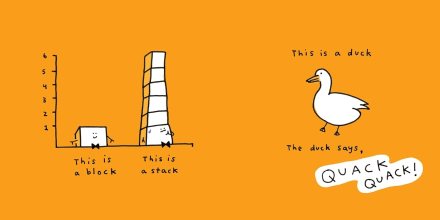
With her trademark wit, Rial presents 16 types of charts and graphs—including a Venn diagram, column chart, scatter plot, timelines, bar chart, and decision tree. She also introduces kids to concepts such as “snug” and “loose,” the difference between a circle and a dot, a single object and a pair, how manipulating shapes can create new shapes, and many others. A few random visitors, like a duck and a sneeze, pull double duty—making little ones giggle while completing a rhyme.

Along the way, Rial also invites kids to count, name colors, find components of five kinds of charts in the midst of a “mess,” and discover other ways to connect with and talk about the text. I can guarantee that both adults and kids will embrace the book’s sweet ending.

Text and illustration copyright © 2026 by Michelle Rial. Published by Abrams Appleseed, © 2026.

A book that will immediately bring smiles to every reader, Charts for Babies is really a love letter to, yes, mathematical and scientific organization but also to sharing concepts, ideas, and humor that unite us all in a way that will have kids and adults excited for repeat reading. Older children will also enjoy the cleverness and cadence of this story and will eagerly chime in on read alouds or read it independently themselves. Charts for Babies is a must for any library or home collection and makes a wonderful gift.

Ages 2 – 5+

Harry N. Abrams, 2026 | ISBN 978-1419785184

About the Author

Michelle Rial is a graphic designer who makes charts. Named by Vulture as one of “9 of the Funniest Cartoonists and Illustrators on Instagram,” she is the author and illustrator of the books Am I Overthinking This? and Maybe This Will Help. Her work has been featured by The New Yorker, Oprah Daily, USA Today, Wired, and more. She lives in the redwoods of California with Lenny, Jude, and Einstein. You can visit her at michellerial.com. Follow her on Instagram.

CPB - Happiness typography

Happiness is all around you! Grab one or more friends to play this game that reveals what things make you happy. 

Similar to the “Geography” game, the first player names something that makes them happy. The second player must think of something that makes them happy and starts with the last letter of the word the previous player said. The game continues with each player continuing the pattern. To finish the game, set a time limit or have players drop out if they can’t think of a word. The last player left is the winner!

    You can purchase Charts for Babies from these booksellers

    Amazon | Barnes & Noble | Bookshop

    May 29 – National Bike Month

    Established in 1956 and sponsored by the League of American Bicyclists, National Bike Month celebrates all the fun and benefits of cycling. Communities around the country celebrate with special events, tours, and safety lessons. The month also hosts Bike to School and Bike to Work days to encourage people to leave their cars at home, get fresh air and exercise, and have fun at the same time. Although the month of May is winding down, biking is always a fantastic way to enjoy family time! For more information visit the League of American Bicyclists.

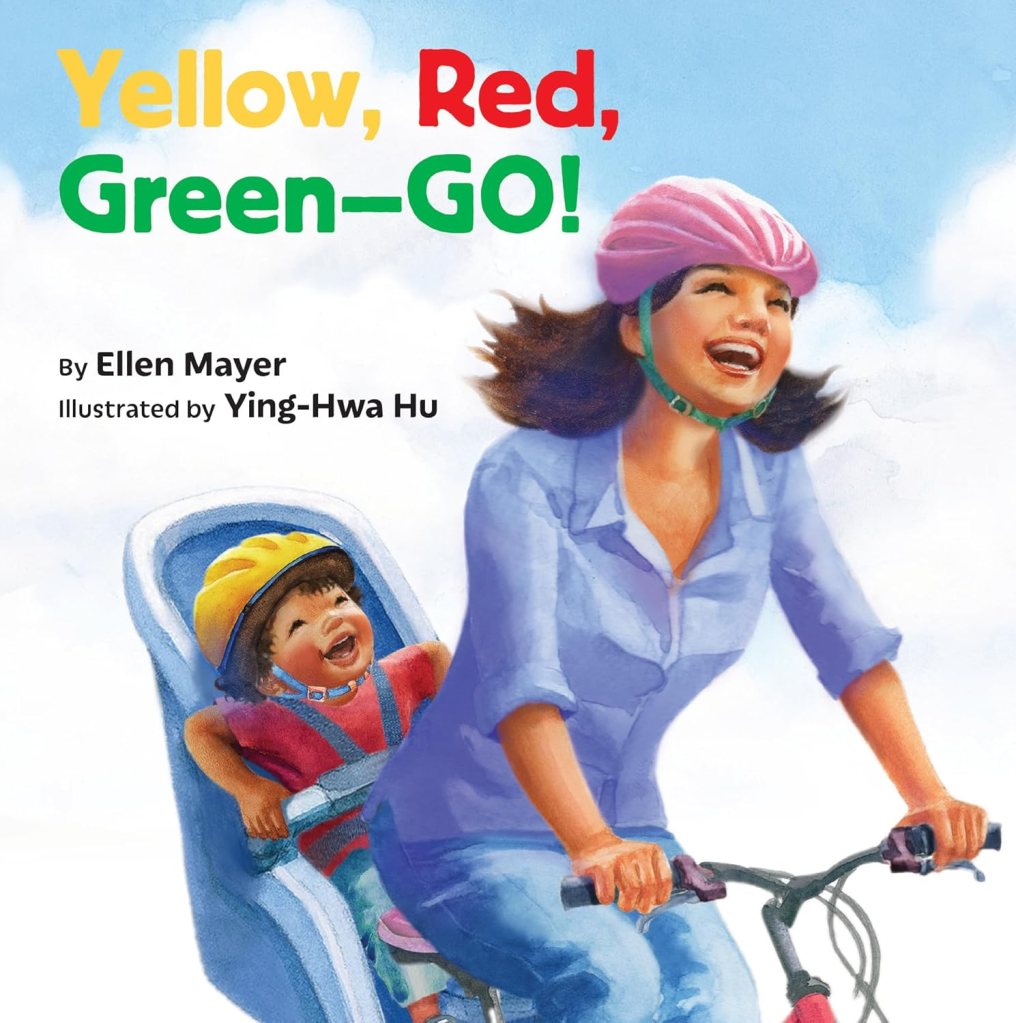
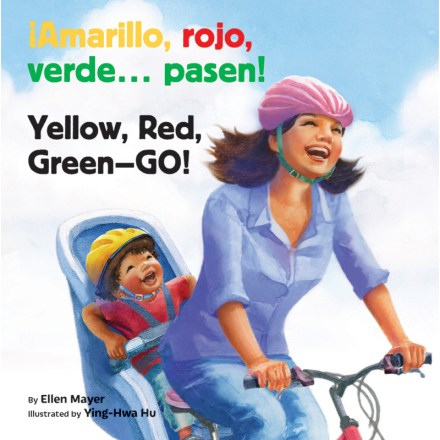
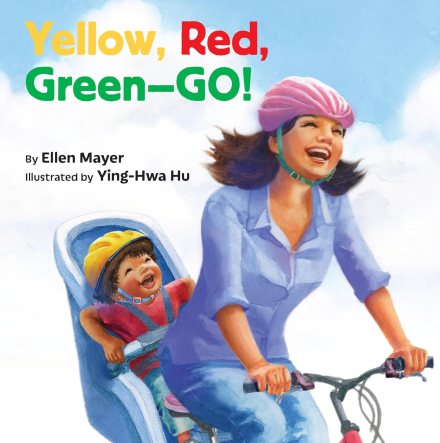
    Yellow, Red, Green—Go!

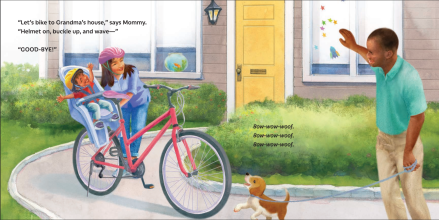
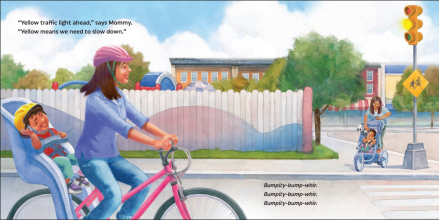
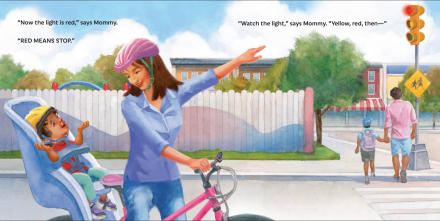
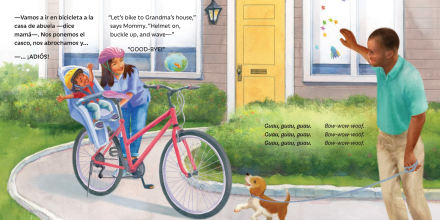
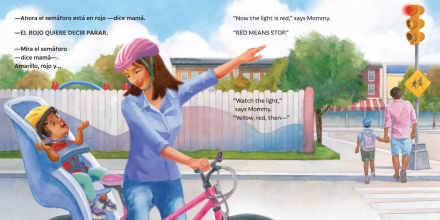
    Mommy and her child are off on a bike ride to visit Grandma! On the way, Mommy points out the traffic lights they pass—and sometimes need to stop for. Mommy explains what each color means and the pattern the colors make. “‘Yellow means we have to slow down,’ says Mommy.” When the light changes, her little one is excited to explain “‘Red means stop.'” But in a minute, the eager tyke urges her on: “‘Green, Mommy! Go!'”

    Illustration copyright © 2024 by Ying-Hwa Hu. Text copyright © 2024 by Ellen Mayer. Courtesy of Star Bright Books.

    As they continue on, the pair continues to repeat the pattern, making a playful game of it. They pass a toy store and go inside, where they find more patterns in the toys and displays. It’s one more fun thing to tell Grandma! Back on their bike, they soon roll into Grandma’s neighborhood. Here the little one finds a pattern on the facade of her apartment block and points out, “‘Window, light, door. Window, light, door. Window, light . . . .'” Wait! there’s a surprise! “‘Window, light . . . Grandma!'”

    Illustration copyright © 2024 by Ying-Hwa Hu. Text copyright © 2024 by Ellen Mayer. Courtesy of Star Bright Books.

    The story includes a Note for Parents and Caregivers from Dr. Ashli-Ann Douglas, a Research Associate II at WestEd, whose
    research focuses on improving mathematics teaching and learning to support children’s development of strong math skills and
    positive math beliefs.

    In her Note, Dr. Douglas discusses the benefits of talking to young children about recognizing patterns—one of the important building blocks to understanding many parts of math that children will encounter as they move through school. Dr. Douglas then invites adults to engage their children in pattern scavenger hunts within the story’s text as well as at home and away while encouraging them to find patterns in sounds, routines, and other areas of daily life.

    Illustration copyright © 2024 by Ying-Hwa Hu. Text copyright © 2024 by Ellen Mayer. Courtesy of Star Bright Books.

    Endearing parent-child interactions are at the heart of award-winning author Ellen Mayer’s Small Talk Books® that model rich conversations between a young child and an adult and enhance fun learning opportunities naturally present in many daily activities. In Yellow, Red, Green—GO! the child’s excitement to show an understanding of patterns is infectious, and youngest readers will eagerly want to join in around their own home and community. Readers will notice the strong back-and-forth patter between Mommy and child as they get on the bike and react to what they see on the way to Grandma’s—a stimulating dynamic that creates a fertile environment for language development and is a sweet way to build bonds.

    Ying-Hwa Hu’s adorable illustrations glow with the child’s giggly enthusiasm for finding patterns and the close relationship between Mommy and her little one. Hu populates the community with other child-adult pairs and favorite objects and scenes that readers can talk about. She also includes plenty of opportunities to point out other patterns and to name colors, animals, toys, and other city features. As Mommy and the child interact, Hu demonstrates ways in which adults can engage their children through body language. Fans of other books in this series will be excited to see familiar objects and characters throughout the pages.

    A delightful addition to the Small Talks Books® series, Yellow, Red, Green—GO! is a must for every library, daycare, or preschool board book collection and is highly recommended for any young child’s home bookshelf.

    Illustration copyright © 2024 by Ying-Hwa Hu. Text copyright © 2024 by Ellen Mayer. Courtesy of Star Bright Books.
    Illustration copyright © 2024 by Ying-Hwa Hu. Text copyright © 2024 by Ellen Mayer. Courtesy of Star Bright Books.

    Ages 2 – 5

    Star Bright Books, 2026 | ISBN 978-1595729798 | Bilingual Edition ISBN 978-1595729804

    Ellen Mayer is an award-winning children’s author who has worked as an education researcher and early literacy home visitor. Her other math story books published by Star Bright Books include Banana for Two, Clean Up, Up, Up!, and Leaves to My Knees. She lives with her husband in Cambridge, Massachusetts. Visit her at ellenmayerbooks.com.

    Ying-Hwa Hu is an award-winning illustrator. Her work has been exhibited at the Bologna Book Fair and The Society of Illustrators Original Art Show. Ying-Hwa has illustrated over 30 books, many of which she collaborated on with her husband Cornelius Van Wright, also an illustrator and author. They live in New York City. Visit her at yinghwahu.com.

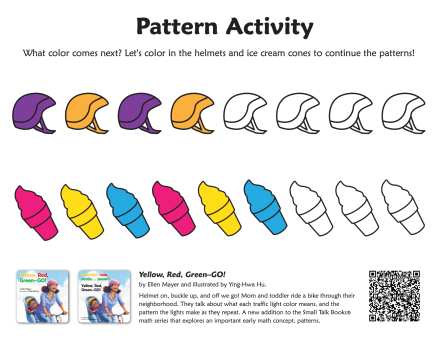
    You can find lots of Yellow, Red, Green—GO! activities, including a pattern coloring page; a song sheet with lyrics for “The Wheels on the Bike,” a take off on “The Wheels on the Bus;” an original song that explores patterns, sung by Anna Adler; a Teaching Guide by California Early Math Project; and more to download on the Star Bright Books website.

    You can also find the above activities and a fun craft on Ellen Mayer’s website.

    You can purchase Yellow, Red, Green—GO! from these booksellers

    English: Amazon | Barnes & Noble | Bookshop

    You can order ¡Amarillo, rojo, verde… pasen! / Yellow, Red, Green—GO! from these booksellers

    Spanish/English: Amazon | Barnes & Noble | Bookshop

    February 24 – It’s Bake for Family Fun Month

    About the Holiday

    This time of year is perfect for gathering with family and friends and spending those cold, indoor days making sweet treats and savory dishes! Baking together is a great way to teach valuable cooking skills and a little math. Talking with kids while baking is fun too! Tell old family stories, talk about favorite recipes, and share funny or memorable culinary experiences. Of course, the best part of baking together is eating the delicious meals or treats afterward!

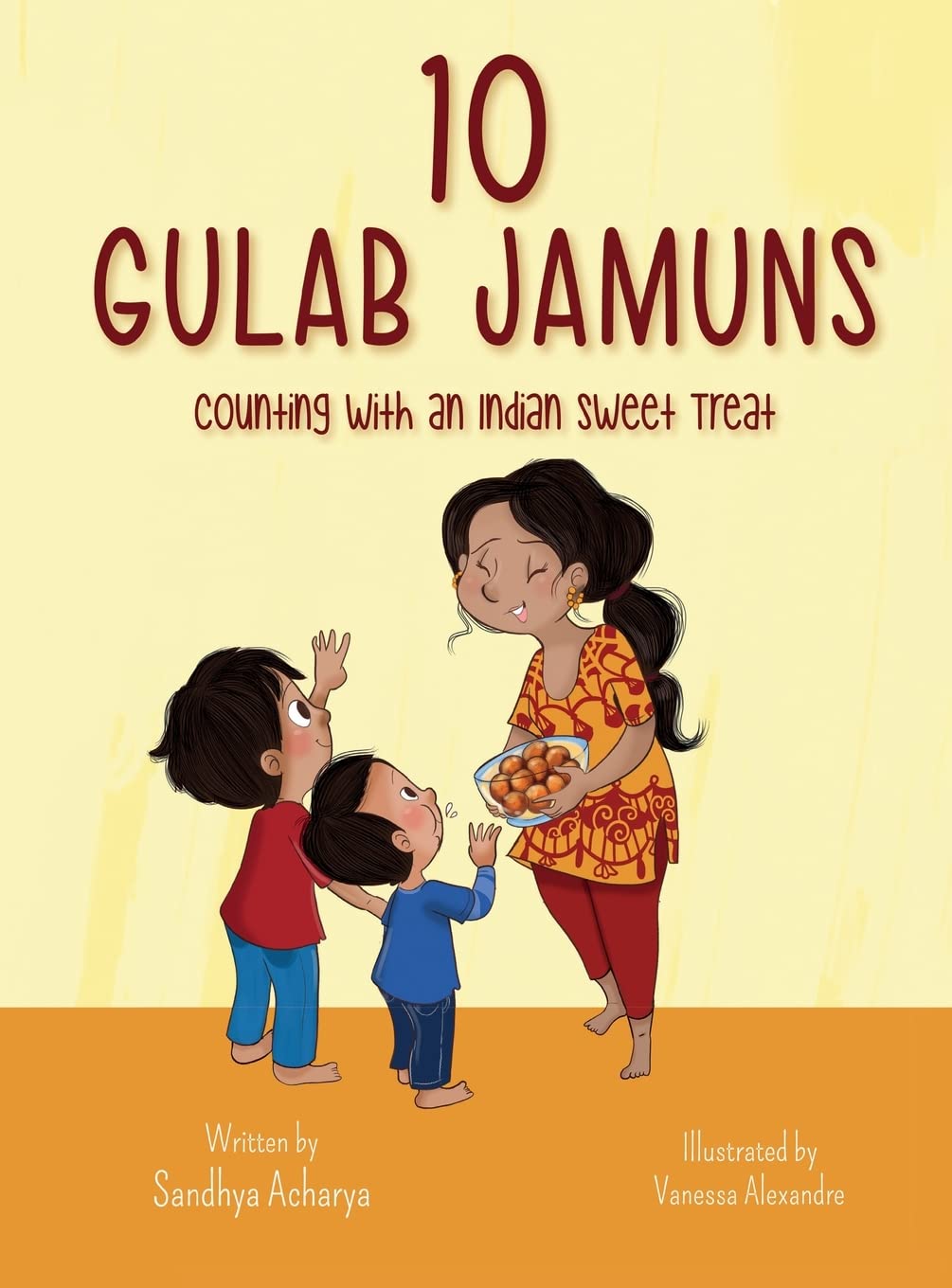
    10 Gulub Jamuns: Counting with an Indian Sweet Treat

    Written by Sandhya Acharya | Illustrated by Vanessa Alexandre


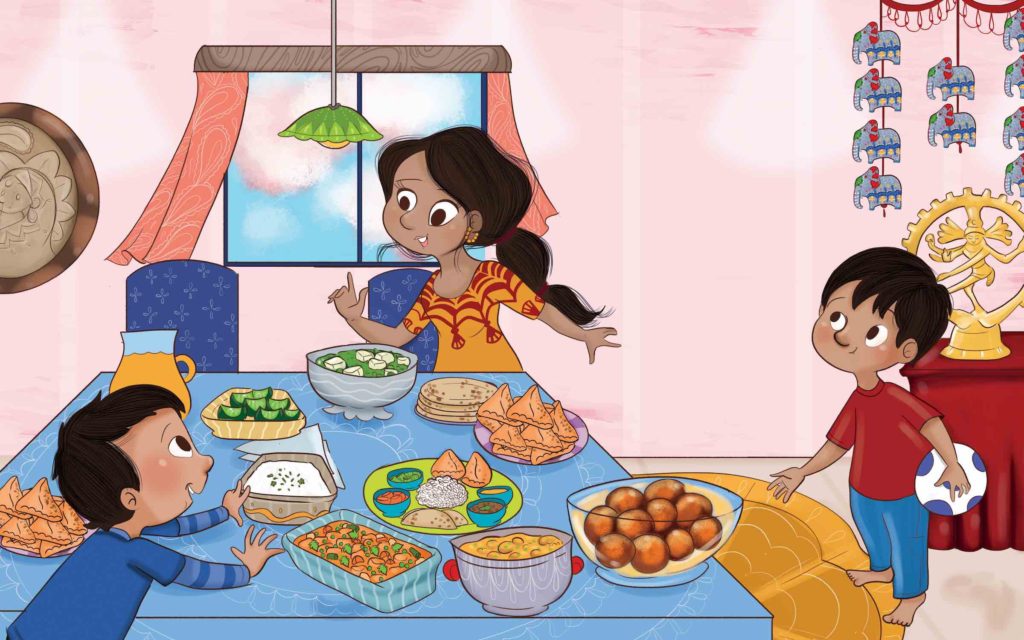
    Idu and his little brother Adu were excited to help their mom get ready for their friends Dia and Mia and their parents who would be coming later that evening for dinner. The delicious aroma of spices Mamma’s cooking already perfumed the house. At last it was time for Mamma to make the dessert: gulab jamuns! Idu and Adu tried to imagine what gulab jamuns were. “‘They are little round sweets that look like doughnuts,'” their mother explained. “‘They are soaked in sugary syrup so when you bite into one, they melt in your mouth.'” Idu and Adu thought they sounded yummy.

    After the treats were finished, Idu counted them in the bowl. “‘1, 2, 3, 4, 5, 6, 7, 8, 9, 10. 10 gulab jamuns!'” Adu echoed his big brother: “’10 gulab jamuns!'” Mamma sent the boys off to play, but the bowl of sweets was too enticing. Adu climbed onto the table and ate one. Then he stuffed his cheeks with two more.

    Illustration © 2022 Vanessa Alexandre, text © 2022 Sandhya Acharya.

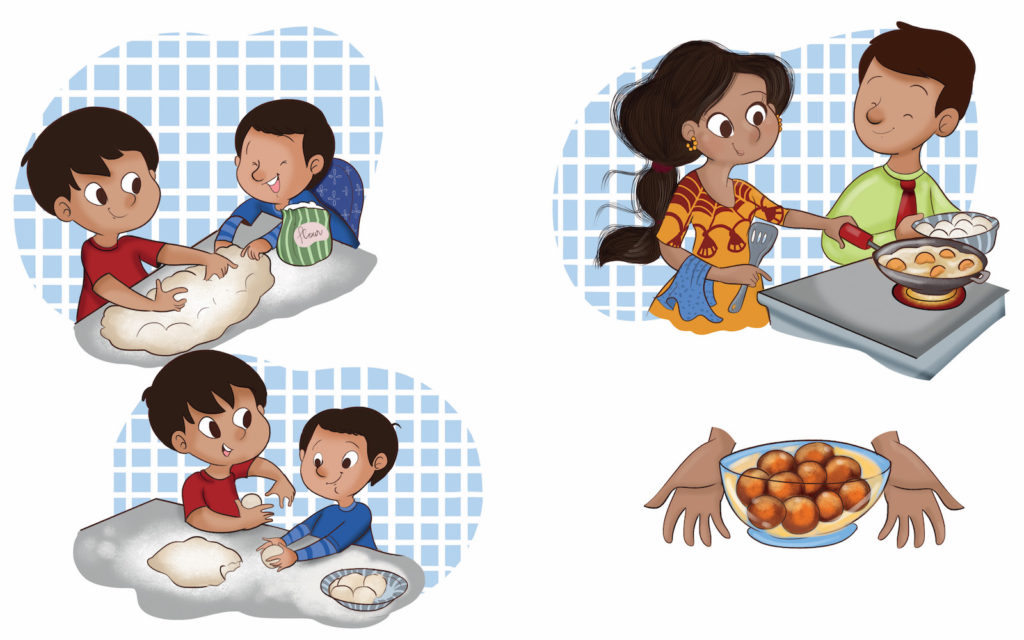
    Idu thought his brother was funny until Mamma caught them. She asked Idu to tell her how many gulab jamuns she had made and then count how many were left. “‘1, 2, 3, 4, 5, 6, 7. 7 gulab jamuns,'” he answered. “‘Swa gua amoons,’ Adu repeated” through his full mouth. When Mamma asked what had happened to the other three, Idu told her. Then she wanted to know how it had happened.

    Idu obliged, exactly imitating Adu’s actions. Adu then turned and gave Mamma a big sweet-treat smile. Mamma laughed, then grabbed one gulab jamun for herself and handed one each to her sons. That left just one more for . . . Daddy, who was just coming home from work. But what would they serve their special guests for dessert now? Idu and Adu enthusiastically offered to help their mother make more. Later, after dinner, Idu and Adu helped pass out the gulab jamuns, but there were two left over. Why? Idu’s and Adu’s bellies were already full of their new favorite dessert!

    A recipe for gulab jamuns follows the story.

    Illustration © 2022 Vanessa Alexandre, text © 2022 Sandhya Acharya.

    Sandhya Acharya’s humorous counting story is the recipe for an entertaining read aloud the whole family will enjoy. Adu and Idu’s sibling shenanigans will have young readers giggling, and the naturally occurring opportunities for kids to count the gulab jamuns offer a fun way for them to engage with math. The exercise can even be extended at home or in classrooms as children add or subtract treats or other foods from their own plates. A multilayered story, 10 Gulab Jamuns also contains gentle lessons in honesty, taking responsibility, and making amends for one’s behavior, 

    Vanessa Alexandre’s vivid and expressive illustrations bring out all the comical fun as Adu and Idu sneak the sweet treats, get caught, and ultimately help their mother make more. Children will especially like images of the brothers’ playful mischief-making, the bright kitchen and table laden with delicious Indian foods, and the cheerful depictions of a traditional Indian home and clothing.

    A heartwarming, dialogue-rich story you can count on to become a favorite, 10 Gulab Jamuns would be a delightful addition to home, classroom, and library collections.

    Ages 2 – 7

    Sandhya Acharya, 2022 | ISBN 979-8985609516

    About the Author

    Sandhya Acharya grew up in Mumbai, India and now lives in the Bay Area. She is a mother to two young boys from whom she often draws inspiration for her writing. She worked in corporate finance and is a dance enthusiast as well. She hopes her readers have as much fun as she did with this story.

    Bake for Family Fun Month Activity

    celebrate-pictureb-books-picture-book-review-Kids-Baking-Cake-in-Cooking-Show-Bakery-Coloring-Pages

    Let’s Bake Together Coloring Page


    It’s fun for friends or siblings to create new recipes or just cook up some favorite treats! Have fun with this sweet coloring page!

    You can purchase 10 Gulab Jamuns at these booksellers

    Amazon | Barnes & Noble | Bookshop (to support your local independent bookstore)

    Picture Book Review
    August 21 – It’s Family Fun Month

    celebrate-picture-books-picture-book-review-the-quest-for-a tangram-dragon-cover

    About the Holiday

    As summer activities transition into going-back-to-school prep and starting a new year of learning, there’s still time to enjoy fun with the family. Whether you plan special events at home, take trips to local attractions, or take a faraway excursion, your shared experiences as a family will make lifelong memories!

    Thanks to Bloomsbury Children’s Books for sharing a copy of The Quest for a Tangram Dragon with me for review consideration.

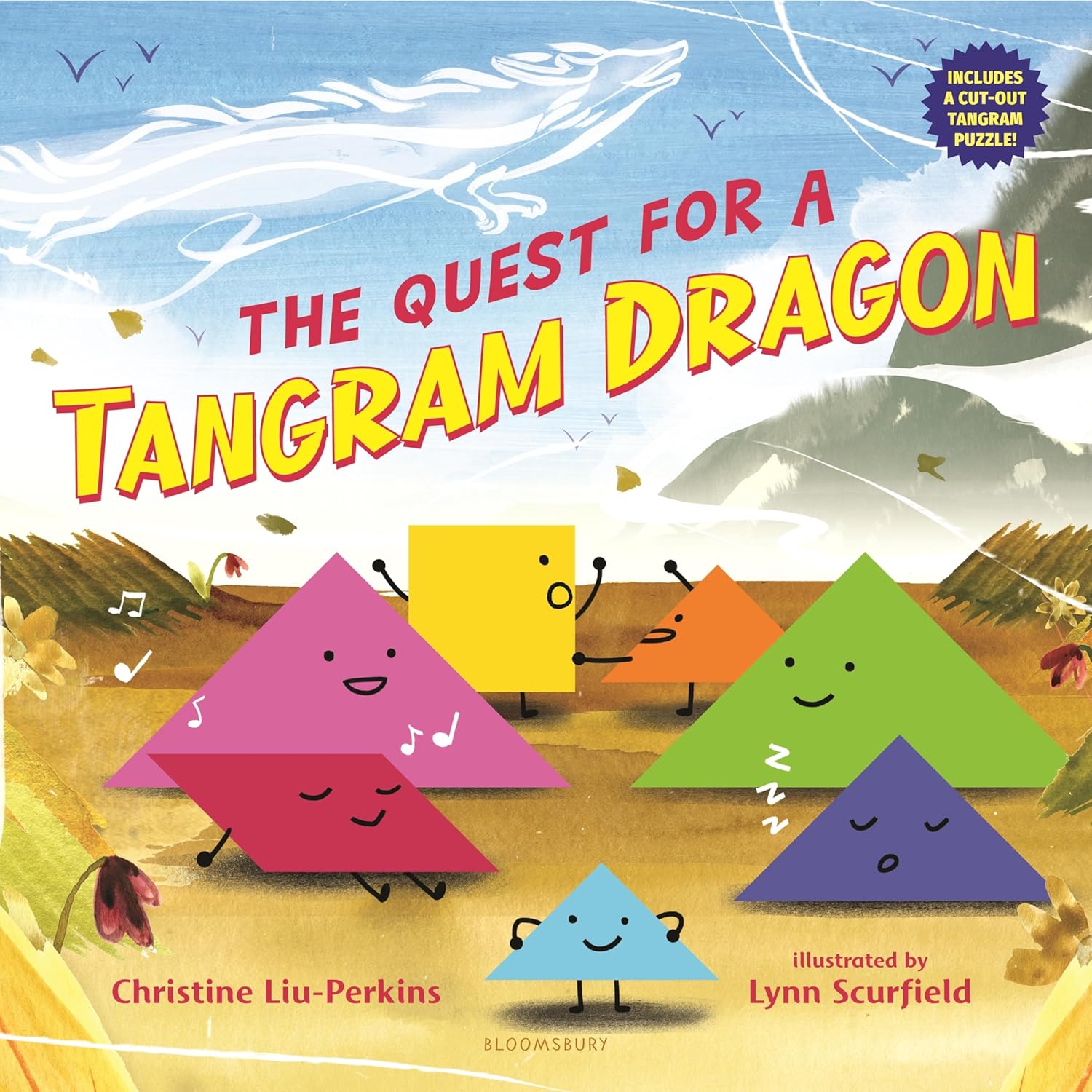
    The Quest for a Tangram Dragon

    Written by Christine Liu-Perkins | Illustrated by Lynn Scurfield

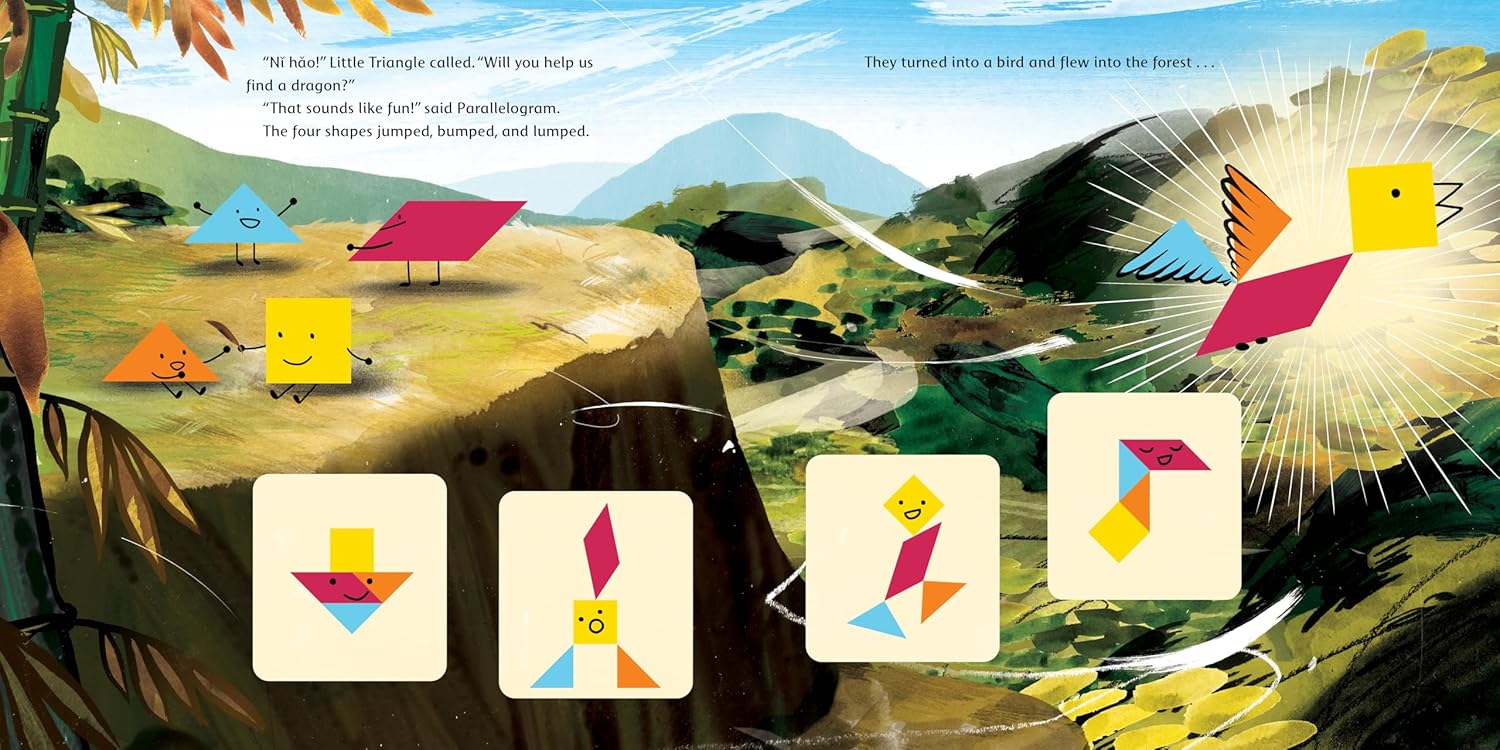
    Little Triangle, tired of waiting for rain to quench the thirst of the brown grass and wilted leaves of the countryside, “decided to search for a good, kind dragon.” Along the way, it played around with all of the things it could make and do, but then it fell point over point down a hill and right into another small triangle. “Nǐ hǎo! Hello!” Little Triangle said in greeting. They talked like old friends, and Second Little Triangle agreed to join Little Triangle’s search for a dragon. They needed to cross a vast meadow, so they flipped and flopped and made three shapes: a bigger triangle, a square, and a parallelogram. None of these shapes would help them, though.  But when they “bumped heads, they turned into a butterfly” and soared into the sky. 

    celebrate-picture-books-picture-book-review-the-quest-for-a tangram-dragon-bird

    Illustration copyright Lynn Scurfield, 2024. Text copyright Christine Liu-Perkins, 2024. Courtesy of Bloomsbury Children’s Books.

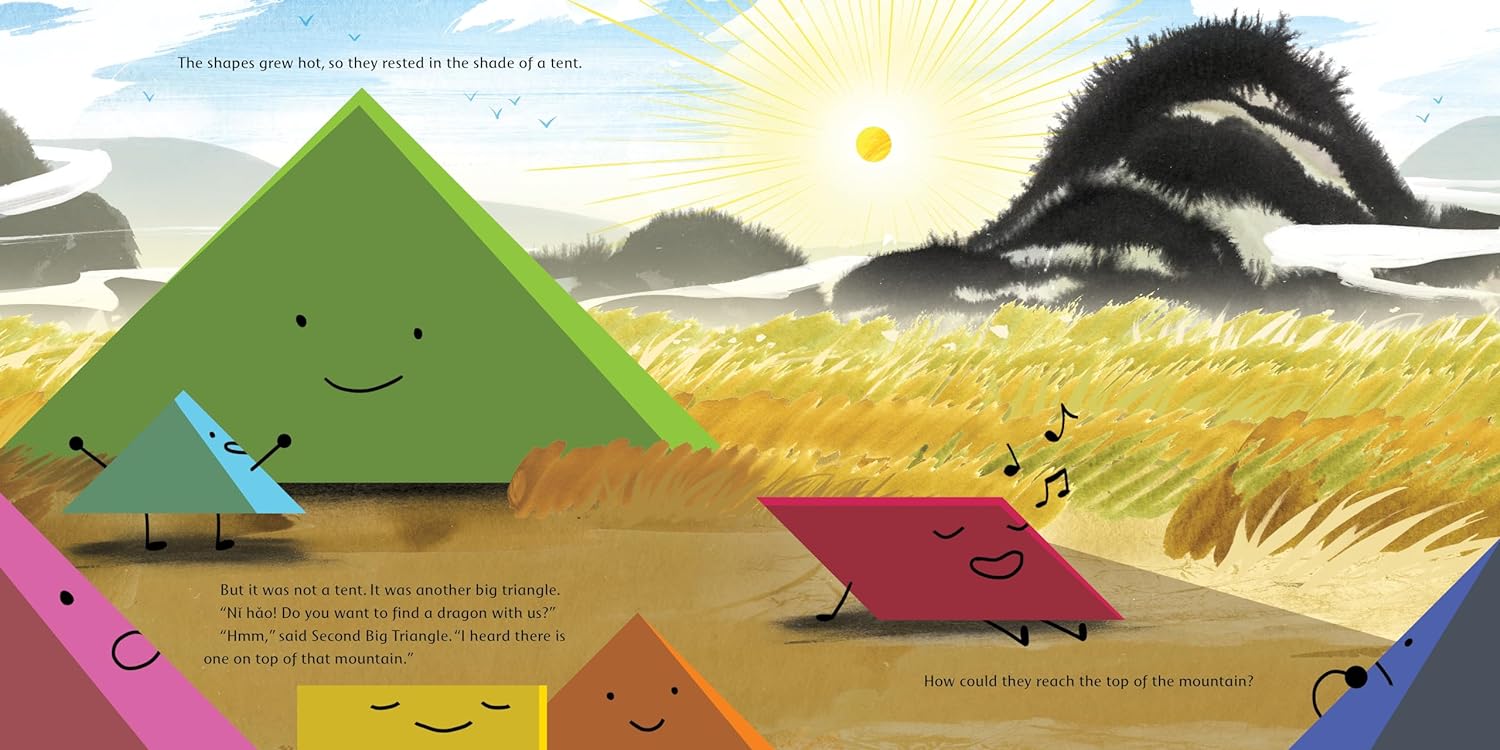
    They didn’t find a dragon, but they did see a square. Square was happy to help them on their quest, but how? The three new friends “switched, swapped, and swiveled. Soon they hit on just the right configuration and “turned into a bat.” They listened carefully, but instead of a dragon, they heard another shape singing and dancing and found Parallelogram. It didn’t take long for the four shapes to be off again on their adventure.

    celebrate-picture-books-picture-book-review-the-quest-for-a tangram-dragon-tent

    Illustration copyright Lynn Scurfield, 2024. Text copyright Christine Liu-Perkins, 2024. Courtesy of Bloomsbury Children’s Books.

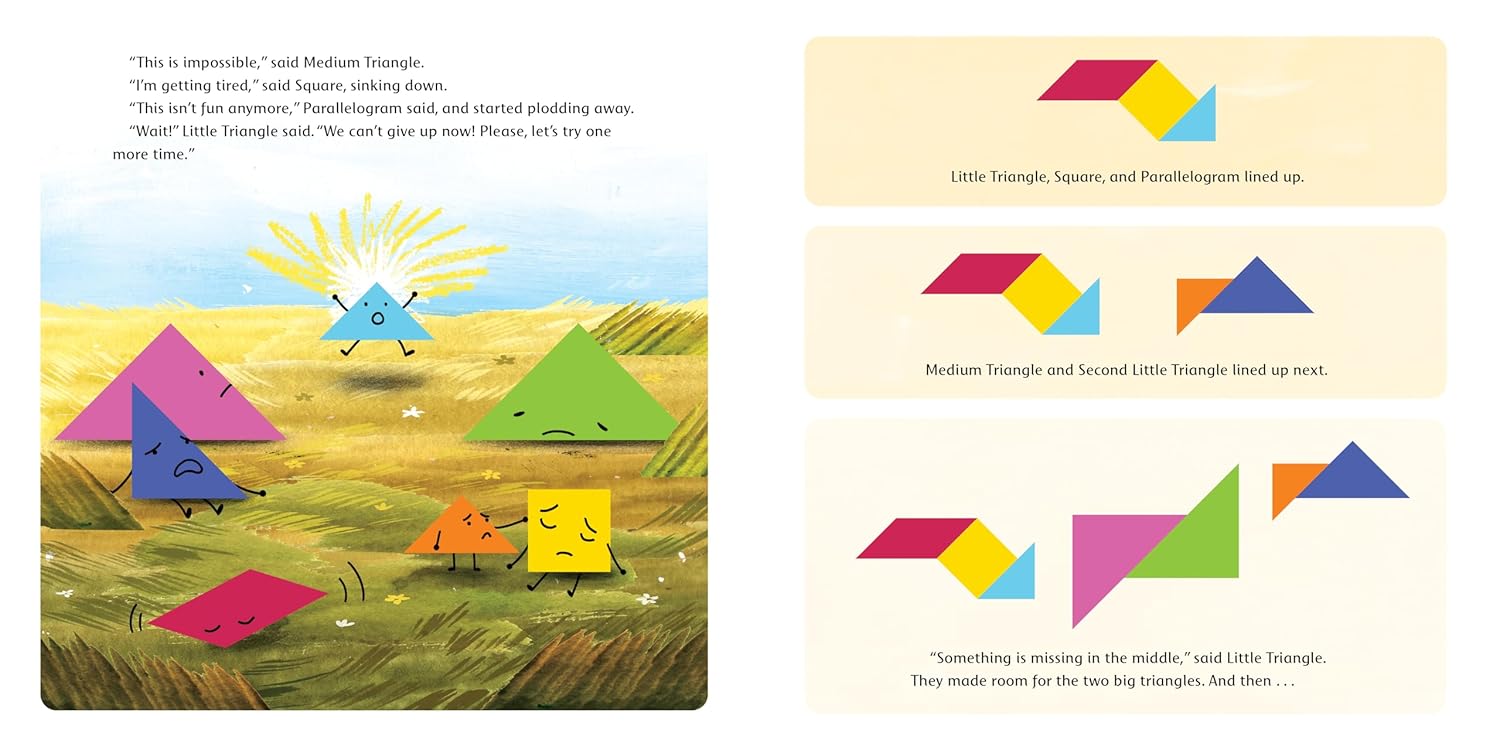
    While their search resulted in no dragon sightings, they did meet Medium Triangle, Big Triangle and Second Big Triangle. The group continued shape shifting and looked high and low, but they never spotted a dragon. At last, weary and dejected, the shapes were ready to give up their quest, but Little Triangle convinced them to try one more time.

    celebrate-picture-books-picture-book-review-the-quest-for-a tangram-dragon-getting-tired

    Illustration copyright Lynn Scurfield, 2024. Text copyright Christine Liu-Perkins, 2024. Courtesy of Bloomsbury Children’s Books.

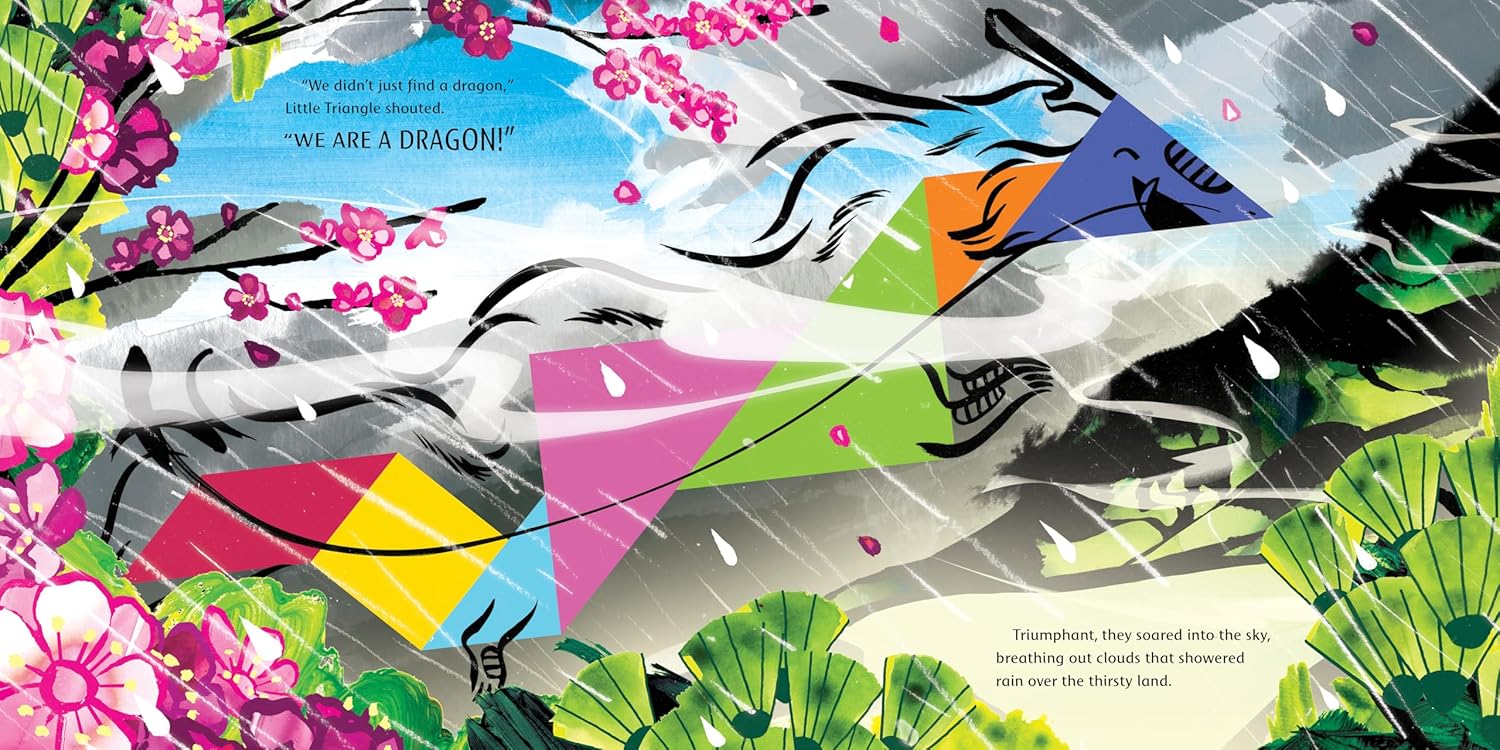
    The shapes chose partners and lined up: Little Triangle, Square, and Parallelogram; Medium Triangle and Second Little Triangle; and Big Triangle and Second Big Triangle. Then they got in position and . . . discovered something amazing! They didn’t need to search for a dragon any longer—they were a dragon! “Triumphant, they soared into the sky, breathing out clouds that showered rain over the thirsty land.”

    In an Author’s Note following the story, Christine Liu-Perkins explains how to use tans to create geographical configurations, noting that while traditionally all seven tans are used to make a tangram, with her book she wants to encourage young beginners to experiment with fewer tans while building skills. She also reveals the positive meanings of the animals created throughout her story in Chinese culture. She goes on to explain the history of tangrams as well as their value in teaching problem-solving skills, logical thinking, and a vast array of mathematical concepts.

    A colorful set of the seven tans found in the story are included for readers to cut out from a flap on the book’s jacket.

    celebrate-picture-books-picture-book-review-the-quest-for-a tangram-dragon-make-a-dragon

    Illustration copyright Lynn Scurfield, 2024. Text copyright Christine Liu-Perkins, 2024. Courtesy of Bloomsbury Children’s Books.

    Christine Liu-Perkins’ story will excite kids with an engaging and friendship-filled adventure while introducing them to the fun and creative power of tangrams. As the group grows with the addition of tans, Liu-Perkins uses consonance and rhyming to mirror the way tans can be flipped and swiveled to fit together to create different shapes. The mystery of which creatures or objects the friends will experiment with while seeking just the right one to extend their search will keep readers eagerly turning the pages.

    Liu-Perkins layers her story with a series of obstacles the tans need to overcome in order to reach their goal. These include physical barriers, accidental mishaps, and even their own disappointment and exhaustion. As the tans work through these obstacles, kids see how cooperation, understanding, and communication build friendships and contribute to the success of any undertaking. Their final discovery of the dragon is a pleasure.

    Set against lush natural backgrounds in Lynn Scurfield’s mixed-media illustrations, the colorful tans create a vivid focal point for kids to easily see what shapes they will make next. Simple lines and brushstrokes added to the tans convey emotion and flesh out distinguishing features of wings, ears, tails, and more for each animal created. The end papers and a two-page spread within the story provide plenty more tangram fun and inspiration.

    The Quest for a Tangram Dragon offers simple, creative, and challenging fun that families can enjoy on a game night, relaxing afternoon, or even during a spontaneous break between chores or other activities. The book also makes a terrific addition to classrooms across grade levels to enhance math, problem solving, art, and social studies lessons. School and public libraries will also want to add The Quest for a Tangram Dragon to their collections. The book is especially suited for library interactive story times, combined with magnetic tangram tiles in play areas, and for circulating book and toy kits. For gift-giving occasions, you can’t go wrong coupling this book with a set of tangram tiles. 

    Ages 5 – 8

    Bloomsbury Children’s Books, 2024 | ISBN 978-1547608058

    About the Author

    Christine Liu-Perkins is a writer and researcher who specializes in Chinese history and culture. Her book At Home in Her Tomb: Lady Dai and the Ancient Chinese Treasures of Mawangdui unearths one of China’s top archaeological finds of the last century. She has a Ph.D. in educational psychology. Born in Boston and raised near Kansas City, Christine now lives in Colorado. Visit her at christineliuperkins.com.

    About the Illustrator

    Lynn Scurfield is a mixed media illustrator based just outside of Toronto, Canada, who has worked on a variety of projects in newspapers, magazines, comics, and children’s publishing. Her books include Friends Are Friends, Forever and Hold That Thought! Visit her at lynnscurfield.com.

    Family Fun Month Activity

    celebrate-picture-books-picture-book-review-dragon-pencil-case-front-eyes-down

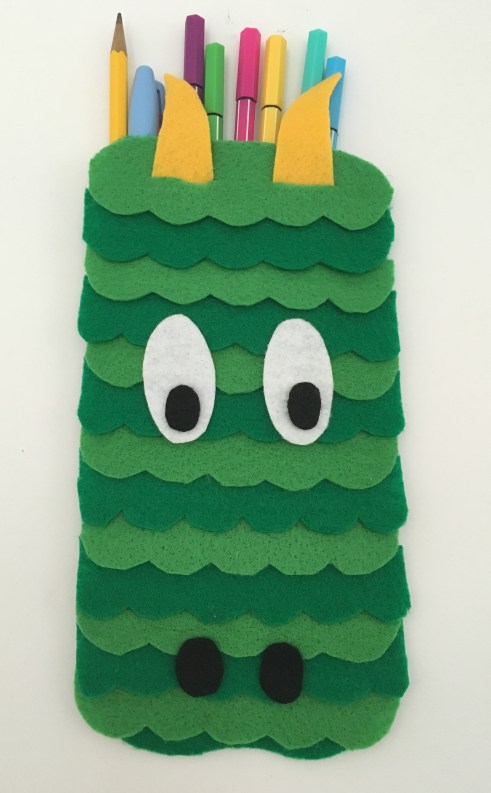
    Dependable Dragon Pencil Case

    You can always depend on a dragon to help out when needed! With this Dependable Dragon Pencil Case you’ll know just where your pencils, pens, markers, and other creative tools are when inspiration hits!

    Supplies      

    • Printable Dragon Pencil Case Templates – Wings | Face
    • Sheets of felt, 8 ½-inch by 11-inch (foam & heavy stock paper could work too)
      • 2 Dark green (or color of your choice)
      • 1 Light green (or color of your choice)
      • 1 white
      • 1 black
      • 1 yellow (or color of your choice)
      • 1 purple (or color of your choice)
    • Fabric Glue
    • Scissors
    • Velcro (optional)
    • Green Thread and needle (if you would like to sew instead of glue your case)
    • Glitter glue (optional)

    Directions

    1. Print the Dragon Templates
    2. Cut out alternating 7 rows of scales from the dark green felt and 7 rows of light green felt (One row of the template scales is longer so you can tile them as shown on double row of scales the template. You will trim them later.)
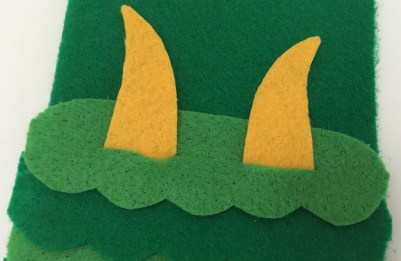
    3. To make the top of the head, cut a rounded top (instead of straight across—see picture).
    4. Cut the eyes from the white felt, pupils and nostrils from the black felt, horns from the yellow felt, and wings from the purple felt. Set aside.

    celebrate-picture-books-picture-book-review-dragon-pencil-case-top-of-head

    To make the head

    1. Fold one dark piece of felt in half lengthwise to make the pocket for your supplies
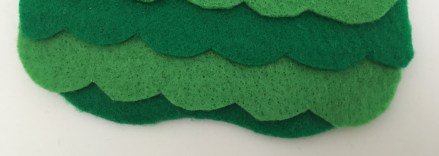
    2. Cut a wavy line along the bottom of the felt to make lips (see picture)
    3. Glue or sew the open side and bottom together, leaving the top open

    celebrate-picture-books-picture-book-review-dragon-pencil-case-bottom-snout

    To add the scales

    1. Starting at the bottom, lay one row of scales a little above the wavy bottom. Glue the top of the row to the folded pocket base.
    2. Overlap an alternating green row of scales on the first row, glue the top to the folded pocket base
    3. Continue alternating dark and light green scales until you reach 9 inches on the folded pocked base
    4. Use the rounded row of scales for the top of the head. See how to insert horns below before attaching the top of head.

    To insert the horns

    1. On the rounded row of scales, mark where you want the horns to be
    2. Cut two small slits in the felt where the horns will go
    3. Insert the bottoms of the horns into the slits

    To finish the head

    1. Glue the top of the head with horns to the folded pocket base
    2. Trim any longer rows of scales to meet the edges of the folded pocket base
    3. Add the eyes and nostrils to the face

    To make a Velcro closure for the case

    1. Cut the base following the line of the rounded row of scales
    2. Glue or sew strips of Velcro along the inside edges

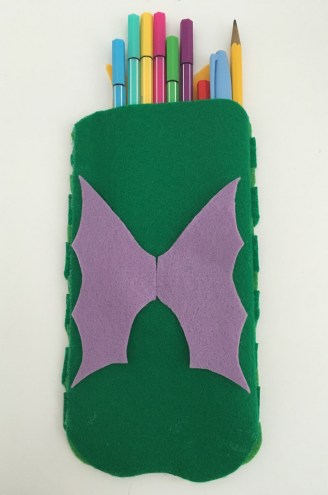
    To attach the wings

    1. Turn the dragon case to the back
    2. Glue or sew the wings to the center of the back, attaching them at the center edge
    3. Outline or sprinkle the wings with glitter glue (optional)

    celebrate-picture-books-picture-book-review-dragon-pencil-case-back


    celebrate-picture-books-picture-book-review-the-quest-for-a tangram-dragon-cover

    You can purchase The Quest for a Tangram Dragon at these booksellers

    Amazon | Barnes & Noble | Bookshop (to support your local independent bookstore)

    Picture Book Review
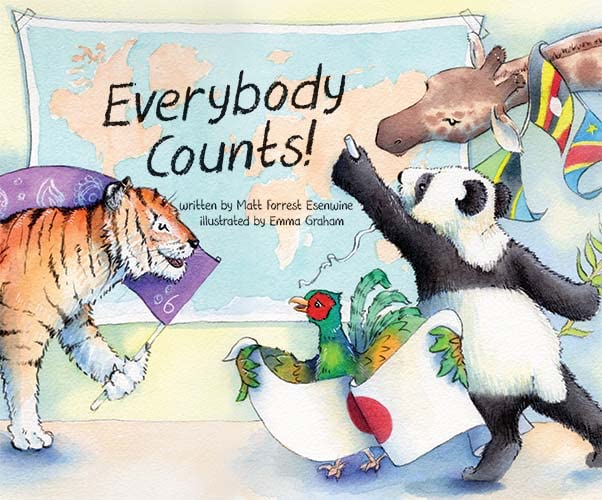
    January 5 – Blog Tour Stop for Everybody Counts!

    celebrate-picture-books-picture-book-review-everybody-counts-cover-3

    I’d like to thank Matt Forrest Esenwine for sharing a digital copy of Everybody Counts! with me for review consideration. All opinions on the book are my own.

    Everybody Counts!

    Written by Matt Forrest Esenwine | Illustrated by Emma Graham


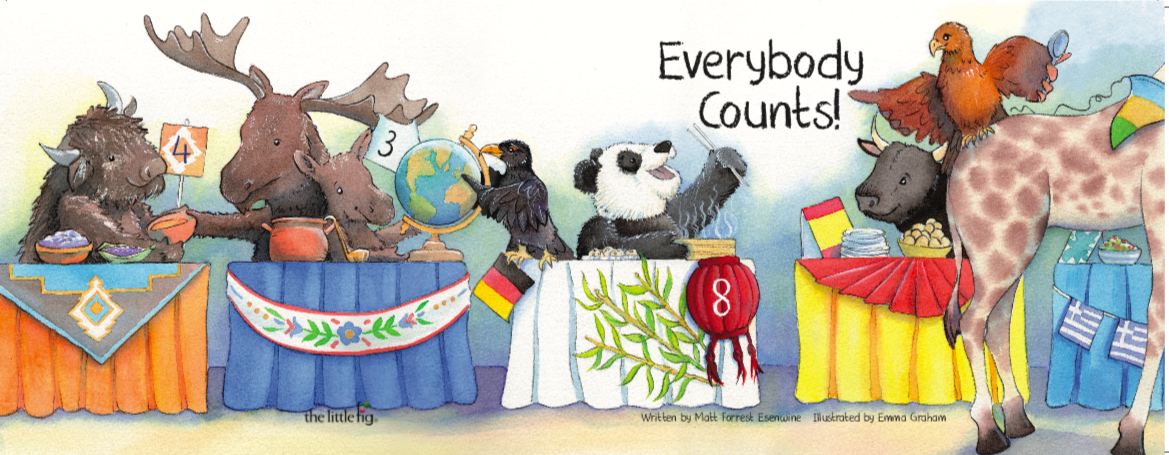
    Children are invited to a lively international food festival in this rhyming and educational book that introduces readers to twelve nationalities through their cardinal numbers from 1 to 10 and a favorite dish that kids will be eager to try. As they visit each “booth,” readers learn about the ingredients and how each meal is made and meet an animal commonly found in each country. Along the way, they also gain a sprinkling of history, traditions, and information on the featured language. Kids even discover which number is considered the luckiest in China and why.

    celebrate-picture-books-picture-book-review-everybody-counts-verse

    Image copyright Emma Graham, 2023, text copyright Matt Forrest Esenwine, 2023. Courtesy of The Little Fig.

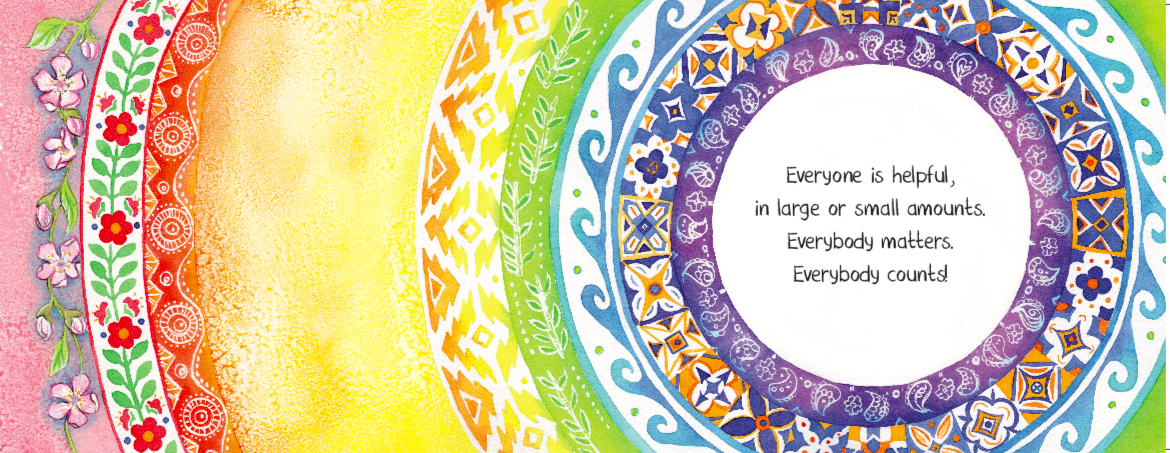
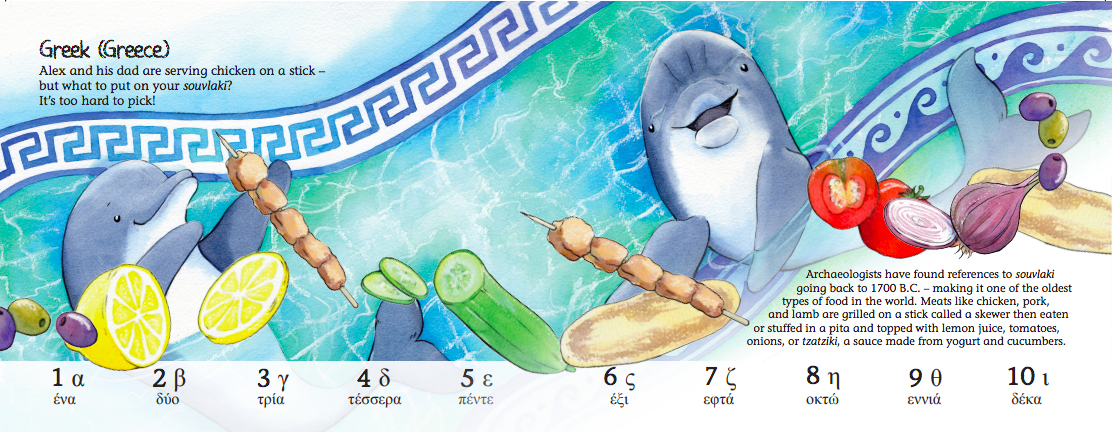
    With a verse that plays on the idea of counting, Matt Forrest Esenwine starts off his world tour by prompting readers to look not only for the special attributes of each animal and their country but for those inside themselves and in those around them too: “Everyone is helpful, / in large or small amounts. / Everybody matters. / Everybody counts!” The enthusiasm in these words carry over onto each page spread, which includes a deliciously descriptive rhyming verse, a charming paragraph of explanatory text, and a row of numbers along the bottom, presented in their written form and how each is spelled in the particular language.

    celebrate-picture-books-picture-book-review-everybody-counts-title-page

    Image copyright Emma Graham, 2023, text copyright Matt Forrest Esenwine, 2023. Courtesy of The Little Fig.

    Emma Graham immediately captivates readers with her vibrant opening spread that frames Esenwine’s introductory verse with a series of beautifully patterned plates representing the countries found within the book’s pages. With a page turn, kids are invited into the festival to meet some of the excited participants as they chat with their neighbors and show off their dishes. Graham packs her pages with personality, adorable animals, images of ingredients, and symbols, patterns, landscapes, and colors that give kids plenty to talk about and to jumpstart research projects or new recipes to try. 

    celebrate-picture-books-picture-book-review-everybody-counts-greece

    Image copyright Emma Graham, 2023, text copyright Matt Forrest Esenwine, 2023. Courtesy of The Little Fig.

    The multifaceted approach of Everybody Counts! is sure to engage kids in many ways—from feeling pride in their own heritage to the sense of accomplishment in learning to count in another language to wanting to try new tastes and foods. For teachers, homeschoolers, parents, and other adults, the book provides an enticing way to introduce geography, language learning, math, and even art lessons. The book’s familiar frame of an international festival can also spark ideas for events in classrooms, schools, and extracurricular clubs or organizations. 

    Sure to prompt enthusiasm for story times, educational reading, and a host of extended activities, Everybody Counts! is highly recommended for home libraries and is a must for school and public library collections.

    Ages 4 – 8

    The Little Fig, 2023 | ISBN 978-1633330559

    About the Author

    Matt Forrest Esenwine’s children’s poetry can be found in numerous anthologies, including The National Geographic Book of Nature Poetry. His various poems and picture books have received numerous positive reviews, including a Kirkus star. Flashlight Night was selected by the New York Public Library as one of the Best Books for Kids and chosen by Kirkus as one of the Best Picture Books of the Year. Matt currently has twelve other books under contract and coming soon. He lives in New Hampshire with his wife, kids, and more pets than he has fingers. You can visit Matt on His website | Facebook | Instagram | Twitter.

    About the Illustrator

    Emma Graham is a versatile and experienced illustrator and graphic artist. Since graduating from Norfolk Institute of Art she has build a vibrant portfolio including children’s picture books, private commissions, and Wild In Art sculptures. She was longlisted for the Picture Books Hooks mentoring scheme and a finalist in The Hook at the SCBWI BI conference. As author, she was a finalist in the Stratford Literary Festival’s Salariya Prize for picture books. Emma is commissioned illustrator for the Children’s Appeal at Ipswich Hospital(UK)–a charity raising funds for a full refurbishment of the children’s ward. You can connect with Emma on Her website | Facebook | Instagram | Twitter.

    celebrate-picture-books-picture-book-review-everybody-counts-cover

    You can find Everybody Counts! at these booksellers

    Amazon | Barnes & Noble | Books-a-Million

    To support your local, independent bookstore, order from

    Bookshop | IndieBound

    Picture Book Review
    December 9 – It’s Read a New Book Month

    celebrate-picture-books-picture-book-review-octopuses-have-zero-bones-cover

    About the Holiday

    The month of December is a gift-giver’s delight, and there’s no better gift for everyone on your list than a book (or two or…). With so many new books hitting bookstore shelves, there really is a perfect one to fit everyone’s taste. Young children, especially, benefit from reading a wide range of picture books from laugh-out-loud or touching stories to nonfiction that introduces them to influential people, science, history, nature, math—like today’s book. If you’re looking for gifts to give, it’s not too late to head to your local bookstore to find books that will make your child’s eyes light up.

    I’d like to thank Tra Publishing for sending me a copy of Octopuses Have Zero Bones for review consideration. All opinions on the book are my own.
    Octopuses Have Zero Bones: A Counting Book about Our Amazing World

    Written by Anne Richardson | Illustrated by Andrea Antinori


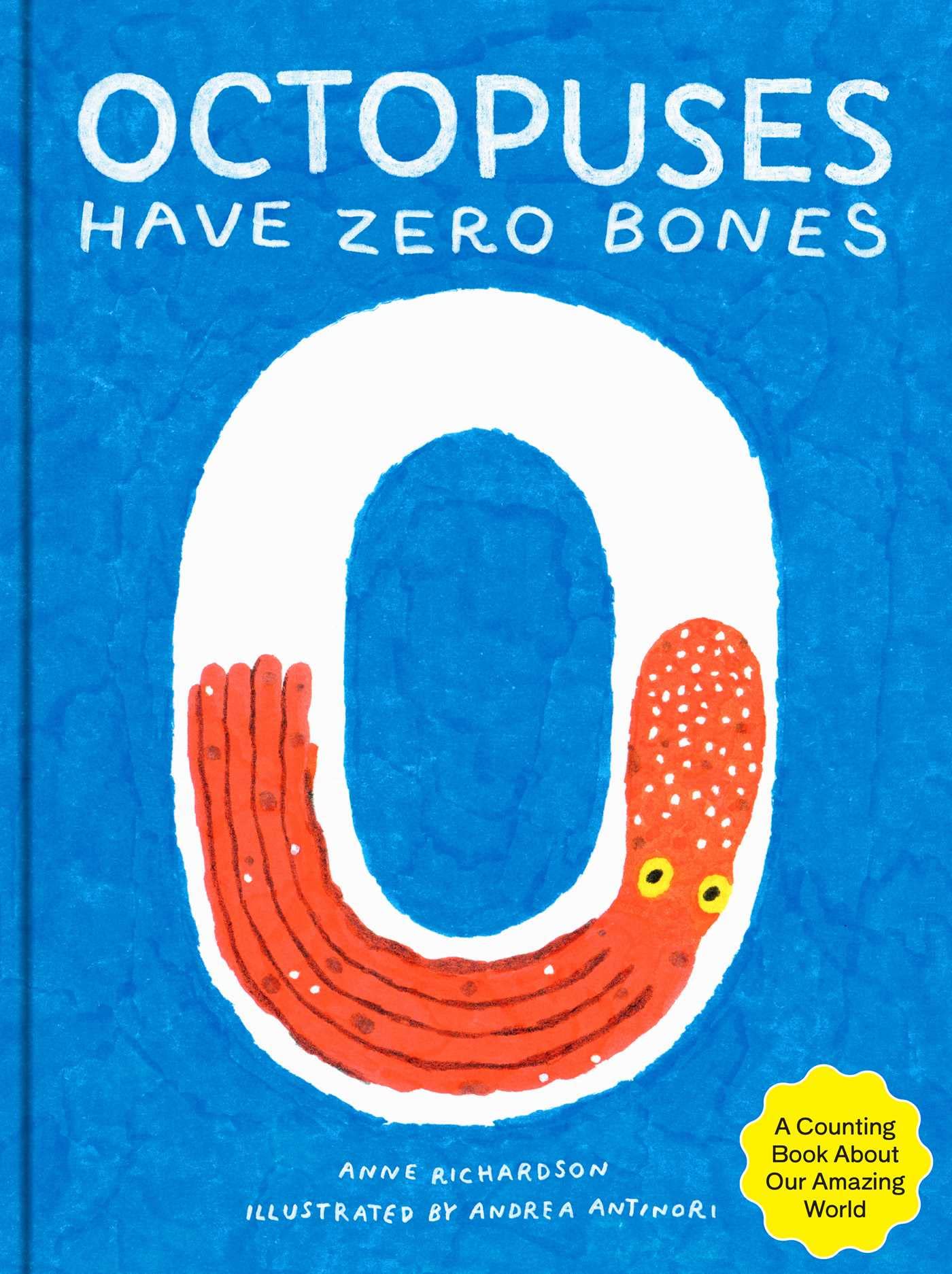
    If you’re looking for a book that opens kids’ eyes and mind to new ways to interact with numbers and fall in love with everything they have to tell about us and the world around us, then you’ll want to wrap your arms around Octopuses Have Zero Bones. This multilayered and eye-opening romp through the ability of numbers to describe, explain, provide perspective, and amaze celebrates the numbers from zero to nine and the power of numbers ten to nine billion.
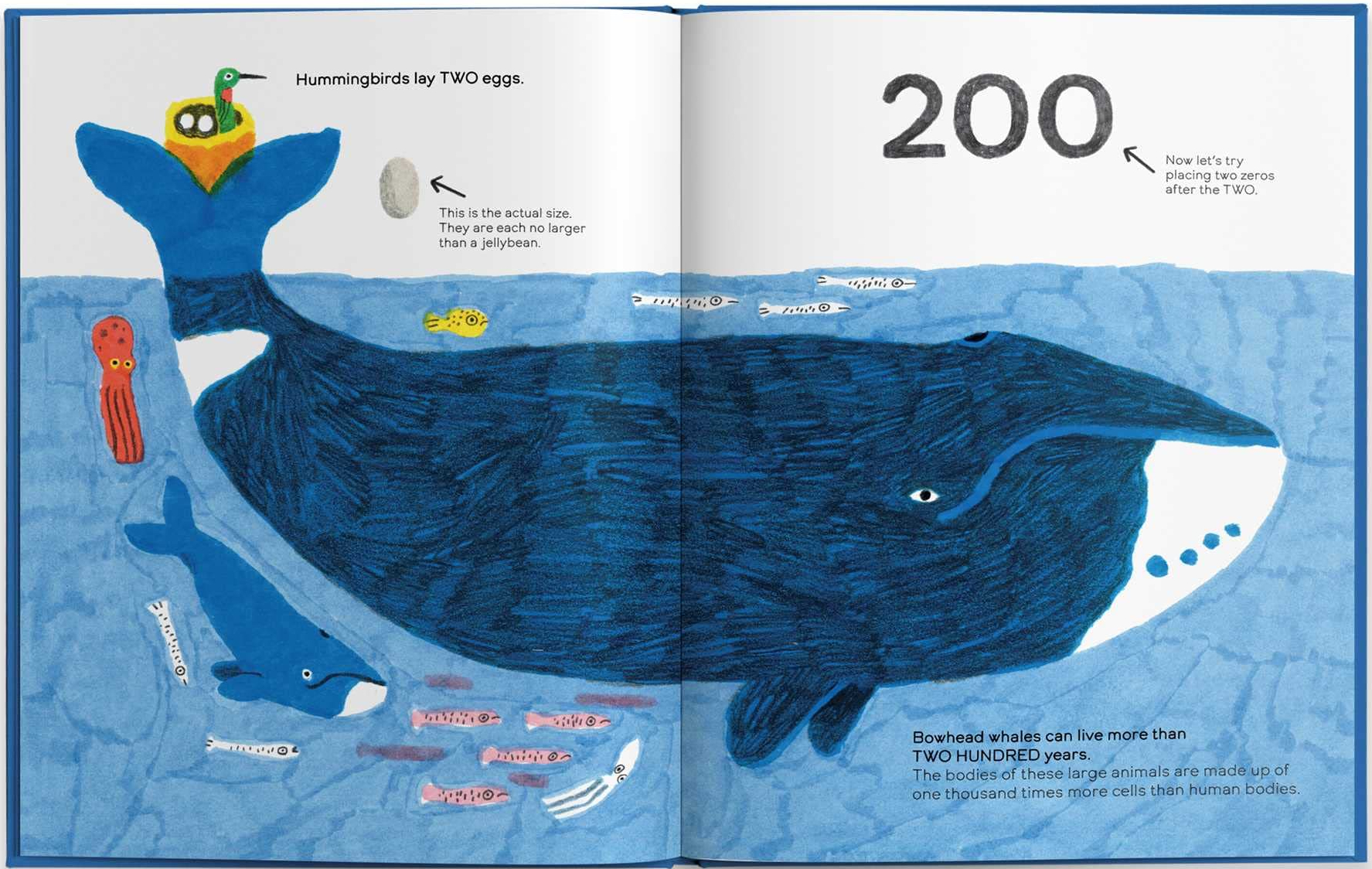
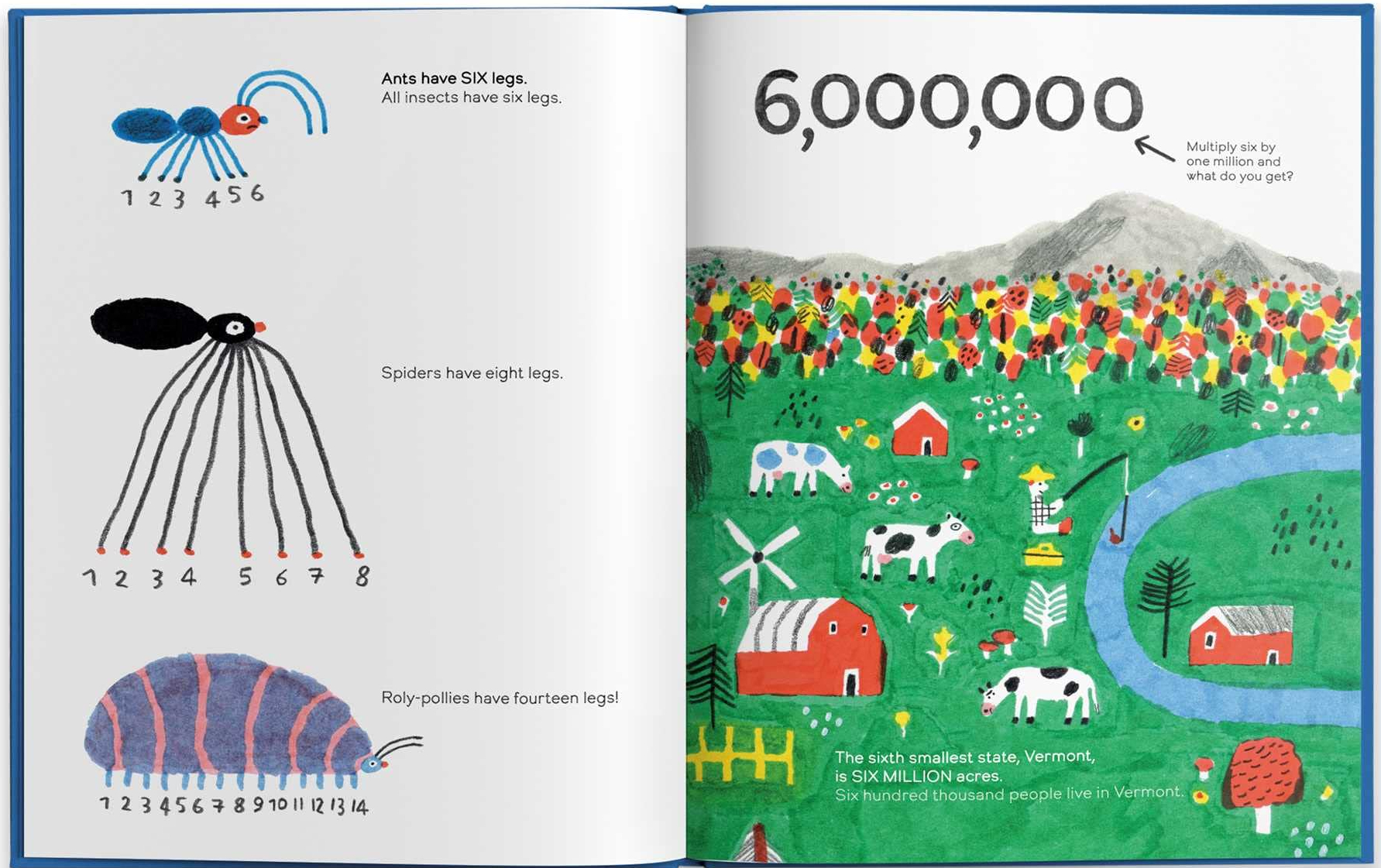
    Kids at all levels will find accessible ways to explore the math concepts that enliven every page, from basic counting to higher-level ideas that include measurement, extrapolation, and estimation as well as complex scientific facts. And how does all of this learning begin? With 0 and simple statement and probing question: “ZERO, all by itself, is nothing. Can you imagine nothing?” It might be hard for kids to think about how “nothing” can be important or have an effect. But Anne Richardson, with illustrative help from Andrea Antinori, reveals that because “octopuses have ZERO bones…” they “can squeeze through very small places.” And, if that doesn’t surprise you, she also presents this fascinating tidbit: “Dry Valleys, Antarctica, gets ZERO rain or snow.” In fact “there’s been no precipitation for two million years.” Two million! That’s nearly as impressive as zero!

    celebrate-picture-books-picture-book-review-octopuses-have-zero-bones-whale

    Image copyright Andrea Antinori, 2022, text copyright Anne Richardson, 2022. Courtesy of Tra Publishing.

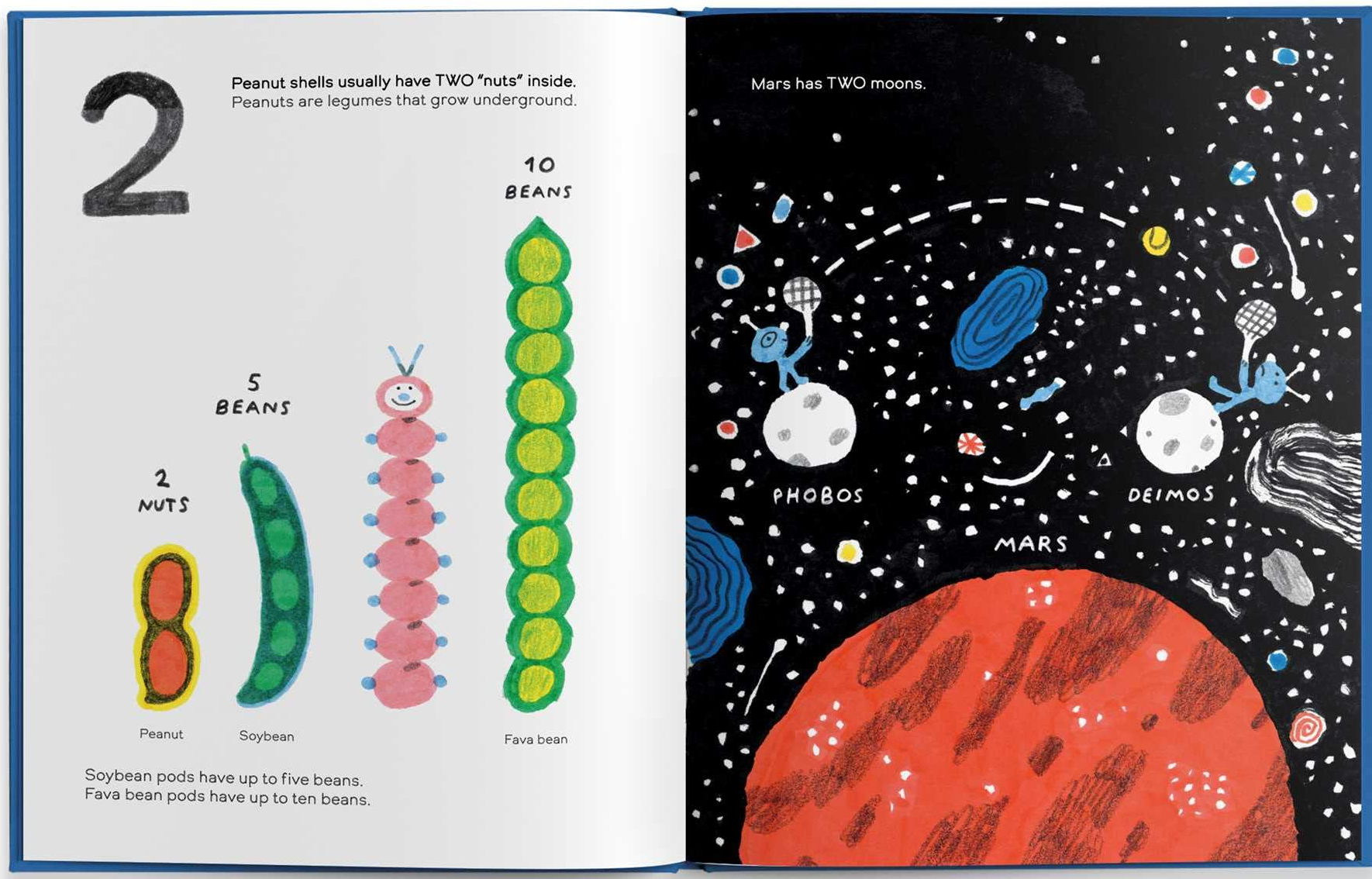
    But that’s not all! There are more examples, and then Richardson shows how that simple digit 0 can make a single whole number explode into 100, 1,000, 100,000 and so on. She moves from there to tackle the numbers 1 through 9, by themselves and then attached to one 0. Readers next learn about 10—10 decibels, a creature with 10 legs, 10 fingers, and 10 toes. Those familiar with counting know that 2 comes after 1, and Richardson and Antinori help kids visualize this number with peanut shells that contain two individual nuts, the 2 moons of Mars, and more. Here, readers are shown what happens when two zeros are attached to the number two, and, of course, they’re given a few intriguing examples of 200.

    This pattern is continued throughout the pages from 3 and 3,000 to 9 and 9,000,000,000. Along the way, children learn about the different types of clouds, how many times a bear’s heart beats per hour, how many chambers the human heart has, how many grains are in a two-pound bag of rice, and the astounding number of leaves you’d find on a typical mature oak tree. Ever wonder how many gallons of water flow over Niagara Falls every ninety seconds? You’ll find out here—along with the ph of water (7), what that means, and the ph number of other common liquids.

    celebrate-picture-books-picture-book-review-octopuses-have-zero-bones-two

    Image copyright Andrea Antinori, 2022, text copyright Anne Richardson, 2022. Courtesy of Tra Publishing.

    Have you ever tried to measure a raindrop? It’s okay! Richardson shows kids just how big the biggest raindrop can be and reveals what happens if one happens to exceed this limit. Kids fascinated by space will want to check out the pages about the number 8, and future biologists will find interesting facts there too. Entomologists may want to flip to the discussions of the numbers 4, 6, and 9 before settling in to start again at the beginning. The number 9 is pretty awesome, especially if you like narwhals and bananas, and you’ll discover that no matter how antsy you might get while waiting for what seems like for. ev. er, you’ll never, ever be able to jiggle as many times as a cesium atom.

    While Octopuses Have Zero Bones ends at nine billion, Richardson reminds readers that while “NINE BILLION is a big number…it’s not the biggest. You can keep counting forever.” Even into the trillions and beyond. In her Author’s Note that follows the text, she reveals the event that sparked the idea for this book and encourages children to “go out into the world and count or measure something, anything”; to do this short-term and long-term; to “be astonished, take a closer look” and “discover many wonderful things.”

    celebrate-picture-books-picture-book-review-octopuses-have-zero-bones-six-million

    Image copyright Andrea Antinori, 2022, text copyright Anne Richardson, 2022. Courtesy of Tra Publishing.

    Andrea Antinori depicts each concept with whimsical illustrations that exude humor and personality while pointing readers to examples of the featured number or numbers. But her pages do much, much more as well. Take two page spreads that portray the number 1 for example. There is an image of our one sun as is mentioned in the text, and there is an image of a man with one heart as mentioned in the text. But this heart is a tattoo, which leads kids to notice that the man has other tattoos—all single images.

    He is raising one arm, but at the end of that arm is a hand with five fingers just waiting to be counted. And—oh yeah—next to him is the adorable red octopus from the page about zero, who is also waving at the reader with one arm, but there’s a line of suckers on it (some singular, some in pairs) that also invite counting. And that’s just to get kids started. There are clouds, birds, and a sea full of dots to check out too. Now multiply that kind of clever detail and recurring characters by 30 pages and kids have almost innumerable ways to learn from and engage with this book.

    Octopuses Have Zero Bones is a book that readers can page through from beginning to end or dip into whenever curiosity hits. It’s the perfect boredom buster because, as Anne Richardson notes, kids can jump off from any randomly chosen page into their own discovery and research at home, in their neighborhood, or on the Internet.

    This book would be a much-used reference on home and bookshelves and is a must for classroom, school, and library collections.

    Ages 5 – 9 and up

    Tra Publishing, 2022 | ISBN 978-1735311524

    You can find a Kids Activity Guide, Teacher’s Guide, and Posters for Octopuses Have Zero Bones to download on the Tra Publishing website.

    About the Author

    Anne Richardson is an author of experiences that kindle your curiosity. In her work, everything in the world is astonishing and worthy of our attention, from a drop of rain to the way we figure things out together. She is the senior director of Global Collaborations at the Exploratorium, San Francisco, where she works with partners worldwide to imagine and create new science centers and other extraordinary learning experiences. Richardson holds a PhD and an MS in environmental studies from Antioch University New England, and a BA in art history from Northwestern University. She lives in the San Francisco Bay Area with her family, including two little explorers. Visit her at her website.

    About the Illustrator

    Andrea Antinori is an award-winning illustrator based in Bologna, Italy. Since he was a child, he has loved animals and he has loved to draw them. His favorite animal changes all the time. He likes octopuses very much, but right now, lemurs are the creatures he loves most. He wrote and illustrated the book On the Lives of Lemurs: A Short Treatise on Natural History. Other books he has illustrated include A Book about Whales and The Great Battle, the latter of which has received major international awards including: Best International Illustrated Book — China Shanghai International Children’s Book Fair, Premio Andersen — Best book 6-9 years olds, Selected illustrator for exhibition of Bologna Children’s Book Fair 2017, Italian illustrator in IBBY Honor List 2016. You can learn more about her books and her art on her website and connect with her on Instagram.

    Read a New Book Month Activity

    celebrate-picture-books-picture-book-review-sock-octopus-craft

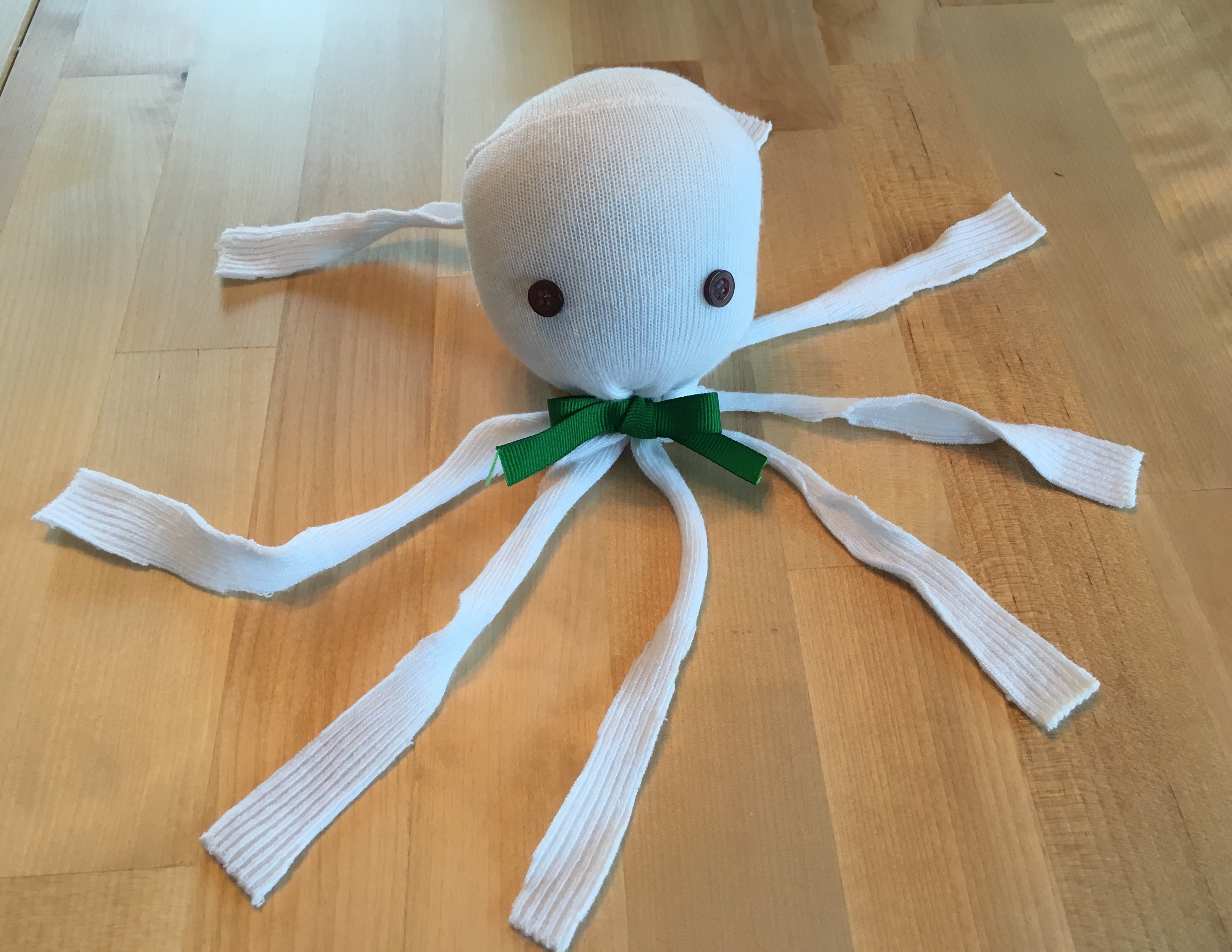
    Cute Sock Octopus Craft


    Octopuses may have zero bones but they sure do have a lot of arms! With this fast and easy craft you can make your own little octopus to count on to keep you company on your bed, your shelves, or on your desk!

    Supplies

    • Child’s medium or large size sock, in any color
    • Polyfill, available at craft and sewing stores
    • Ribbon
    • 2 Small buttons
    • Scissors
    • Hot glue or strong glue

    Directions

    1. Fill the toe of the sock with a handful of polyfiber fill
    2. Tie the ribbon tightly around the sock underneath the fiber fill to separate the head from the legs
    3. Tie the ribbon into a bow tie
    4. With the scissor cut up both sides of the sock almost to the ribbon
    5. Cut these two sections in half almost to the ribbon
    6. Cut the four sections in half almost to the ribbon
    7. Glue the eyes to the lower part of the head

    celebrate-picture-books-picture-book-review-octopuses-have-zero-bones-cover

    Buy a Book, Plant a Tree

    If you purchase Octopuses Have Zero Bones from the Tra Publishing website, they, in partnership with One Tree Planted, plant one tree for every book purchased. At checkout, you have the opportunity to make an additional donation.

    Purchase from the Tra Publishing website

    You can find Octopuses Have Zero Bones at these booksellers

    Amazon | Barnes & Noble | Books-a-Million

    To support your local independent bookstore, order from

    Bookshop | IndieBound

    Picture Book Review