August 15 – World Greatness Day

World Greatness Day was established in 2019 by Professor Patrick Businge as a day to highlight the greatness in every person. The holiday encourages people to acknowledge their own unique brilliance, engage in the pursuits that bring them happiness and fulfillment, and thank their mentors or teachers, family, friends, and anyone who has had a positive impact on their lives. Children are just getting started on discovering who they are and what activities excite them. Today’s book celebrates children’s creativity, ingenuity, friendships, and empathy. Why not make every day Greatness Day and discover your and your children’s full potential!

Thank you to Charlesbridge for sending me a copy of Sounds of Trash for review!

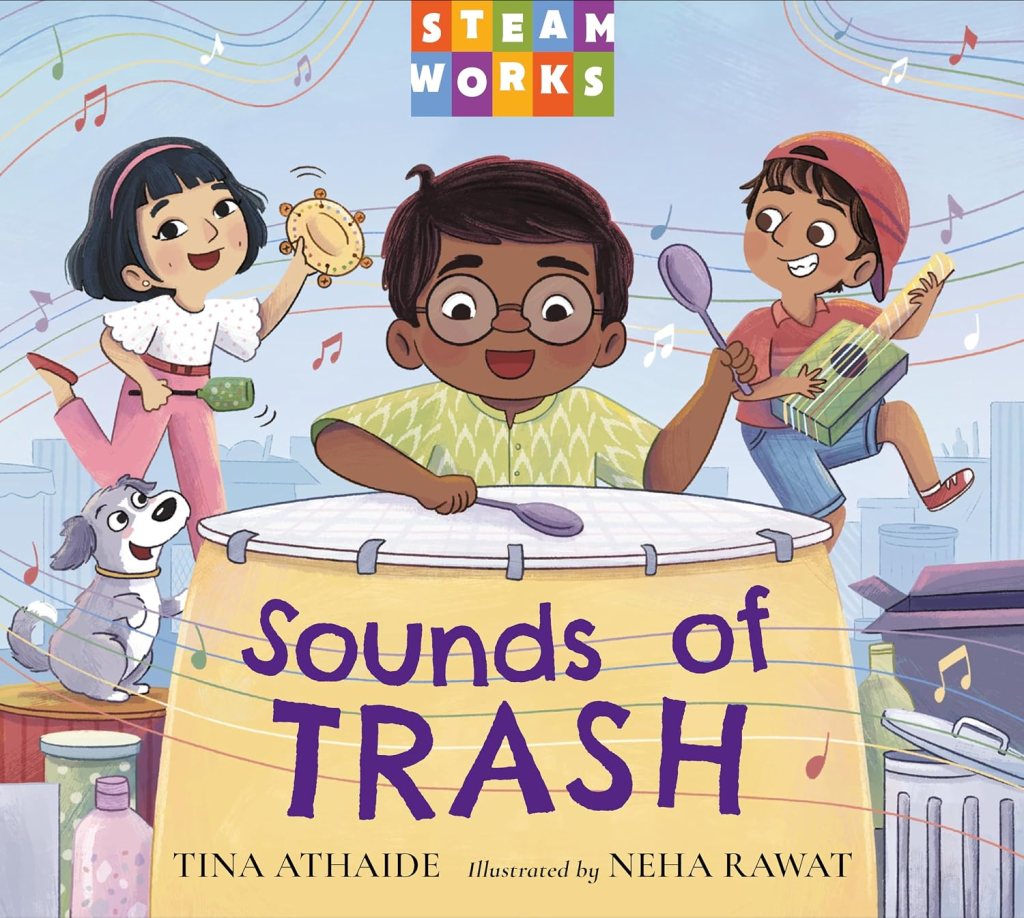
Sounds of Trash (STEAMWORKS)

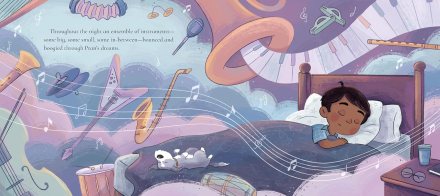
Pran, Raúl, and Mira couldn’t wait for the annual block party. This year, though, it was being held in the park. This meant no electricity, and “no electricity meant no booming bhangra beats.” What was a party without music? Pran’s grandpa suggested they make their own music. But how? They didn’t have any instruments they could carry along. The three friends weren’t sure what to do. That night Pran had a dream, and in the morning he woke up with a fantastic idea.

Illustration copyright © 2026 by Neha Rawat. Text copyright © 2026 by Tina Athaide. Published by Charlesbridge © 2026.

When Raúl and Mira heard Pran’s idea to make their own instruments, they were both excited. They had four days to think and tinker and create. First, they brainstormed ideas and drew designs. Then they set off through the neighborhood to find materials and recyclables to make their instruments. They came back with their wagons full of cans, bottles, jars, and small items to turn into shakers. The next day, they searched their homes for anything that could become drums and drumsticks.

Illustration copyright © 2026 by Neha Rawat. Text copyright © 2026 by Tina Athaide. Published by Charlesbridge © 2026.

While the three friends were testing their instruments, other kids in the neighborhood heard the sounds and were inspired to make their own instruments too. On Friday—one day before the block party—Mira, Pran, and Raúl made stringed instruments that twanged, pinged, and thrummed. Saturday finally arrived, and they brought all of the instruments they’d made to the park. When they looked at them now, though, they worried that there weren’t enough for everyone. They were in for a surprise! As more and more neighbors arrived, many were playing their own homemade instruments! “It was a marvelous mash, all these sounds made from trash.”

“Picking up STEAM” Back matter includes a glossary; a discussion on the science of sound and how the type, size, and material of an instrument affects vibrations and sound; the various steps of the engineering design process; and an invitation for kids to create their own instruments.

Illustration copyright © 2026 by Neha Rawat. Text copyright © 2026 by Tina Athaide. Published by Charlesbridge © 2026.

Tina Athaide invites children to become creators through her infectious, enthusiastic storytelling. As readers follow Pran, Mira, and Raúl as they brainstorm designs, gather materials, and experiment with prototypes, Athaide demonstrates the steps of engineering design in a natural way that will excite and encourage kids to try it on there own.

Neha Rawat’s expressive illustrations teem with clear depictions of the designs the three friends make, including the number of items needed, their size, how the instruments will be played, and so much more. They also show that part of creating is experimenting as well as rejecting and rethinking plans that don’t work. Rawat’s portraits of the children’s eager collaboration and persistence over the four days are joyful and applicable for demonstrating cooperation in group projects.

Sounds of Trash is an inspiring story of ingenuity, creativity, and friendship that will spark independent explorations into the sciences of sound and engineering as well as creative pursuits at home and in the classroom. The book is a top pick for any library’s STEAM/STEM or picture book collection.

About STEAMWORKS Books from Charlesbridge

STEAMWORKS features children of all backgrounds and abilities using scientific and mathematical thinking to solve everyday problems and answer questions that matter to them. Playful stories and extension activities ignite excitement for science, technology, engineering, arts, and math (STEAM) and empower children as thinkers, problem solvers, and innovators.

Ages 4 – 8

Charlesbridge, 2026 | ISBN 978-1623546847

About the Author

Tina Athaide is an educator and children’s book author who wrote the middle grade novel Orange For The Sunsets, which was awarded the Geoffrey Bilson Award by the Canadian Children’s Book Council, and Wings to Soar, as well as picture book Meena’s Mindful Moment. Tina was born in Uganda and emigrated to London and then Canada and now lives in Southern California. Visit her at tinaathaide.com.

About the Illustrator

Neha Rawat is a children’s book author-illustrator from India who loves stories that explore emotions, relationships, humor, culture, and diversity. She has illustrated many books, including Zuni and the Memory Jar, Masala Chai, Fast and Slow, and Buddha and the Rose. Visit her at neharawat.com.

You can purchase Sounds of Trash from these booksellers

Amazon | Barnes & Noble | Bookshop

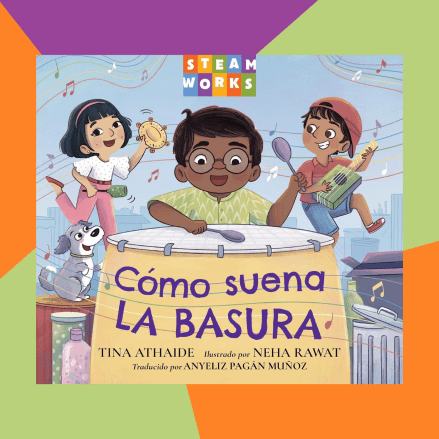
Cómo suena la basura (Spanish Edition) (STEAMWORKS)

Cuando Pran y sus amistades se enteran de que la fiesta del vecindario se trasladó al parque donde no habrá música, deciden encontrar la manera de que esta forme parte de la celebración. Después de algunas pruebas y más de un prototipo hecho con materiales reciclables, ¡están listos para ingeniar un día lleno de jazz y bhangra!

Illustration copyright © 2026 by Neha Rawat. Text copyright © 2026 by Tina Athaide. Published by Charlesbridge © 2026. Translation copyright © 2026 by Anyeliz Pagan Munoz.

Amplía lo aprendido más allá de la historia con el material de apoyo elaborado por expertos que incluye información adicional sobre el sonido y el proceso de ingeniería de diseño y actividades STEAM divertidas.

STEAMWORKS presenta a niños de diversos trasfondos y habilidades que utilizan el pensamiento científico-matemático para solucionar problemas cotidianos y responder a preguntas que les interesan. Estas historias lúdicas y las actividades de extensión despiertan el entusiasmo por la ciencia, la tecnología, la ingeniería, las artes y las matemáticas (STEAM) y empoderan a los niños para pensar, solucionar problemas e innovar.

Illustration copyright © 2026 by Neha Rawat. Text copyright © 2026 by Tina Athaide. Published by Charlesbridge © 2026. Translation copyright © 2026 by Anyeliz Pagan Munoz.

Tina Athaide (tinaathaide.com) es educadora y autora de libros infantiles. Escribió la novela para niños de 8 a 12 años Orange for the Sunsets, la cual recibió el premio Geoffrey Bilson otorgado por el Canadian Children’s Book Council, y Wings to Soar, al igual que el libro ilustrado Meena’s Mindful Moment. Tina nació en Uganda y emigró a Londres, luego a Canadá y ahora vive en el sur de California.

Neha Rawat (neharawat.com) es autora e ilustradora de libros infantiles, proveniente de la India, y le encantan las historias que exploran las emociones, las relaciones, el humor, las culturas y la diversidad. Ha ilustrado numerosos libros, entre ellos Zuni and the Memory JarMasala Chai, Fast and Slow y Buddha and the Rose.

Ages 4 – 8

Charlesbridge, 2026 | ISBN 978-1623546854

You can purchase Cómo suena la basura from these booksellers

Amazon | Barnes & Noble | Bookshop

August 11 – Happiness Happens Month

Happiness Happens Month reminds us that happiness can happen anywhere and at any time. In fact paying attention to all of the little moments during each day, going on spontaneous outings with friends or family, or taking time to do a favorite activity may be all you need to feel happier every day! Spending time reading with your kids is one of those activities that’s sure to bring a smile and comforting a sense of “ahhhh!” With school starting again soon, it’s a great time to reflect on the fun you’ve had over the past months and as well as the memories and learning to come. Today’s book combines fun and learning in a way that’s sure to make happiness happen every time you read it!

Thank you to Abrams Appleseed for sending me this book for review!

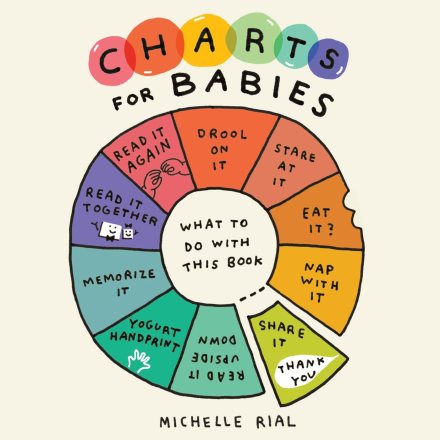
Charts for Babies

Little ones may not know about all the visual tools people use to corral the data that that keeps the world working and connected, but knowing how to read these helpful graphics is a crucial skill as children climb higher and higher in math and science classes at school. So, is there a way for even the youngest children to begin learning these important concepts? Michelle Rial says wholeheartedly, “Yes!” But is there a way to make it relatable and exciting and—dare I ask?—fun? Like really fun?

Text and illustration copyright © 2026 by Michelle Rial. Published by Abrams Appleseed, © 2026.

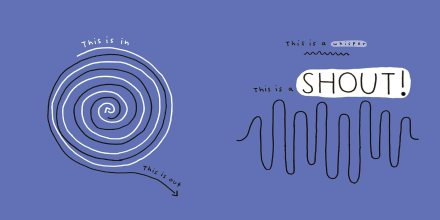
Michelle Rial has all that covered in Charts for Babies, a bright and bubbly jaunt through ideas big and small that encompass the building blocks of math and vocabulary (including visual representations of nouns, verbs, adjectives, those beguiling prepositions, and opposites) as well as cuddly emotions adults and kids love to share. And Rial does all of this with adorable graphics and rhymes that will make your heart sing.

Text and illustration copyright © 2026 by Michelle Rial. Published by Abrams Appleseed, © 2026.

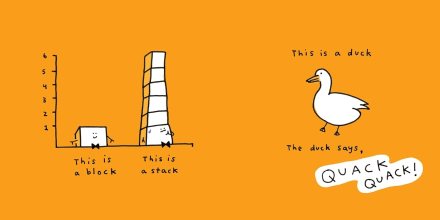
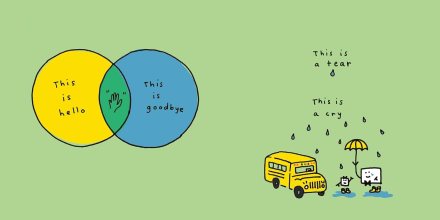
With her trademark wit, Rial presents 16 types of charts and graphs—including a Venn diagram, column chart, scatter plot, timelines, bar chart, and decision tree. She also introduces kids to concepts such as “snug” and “loose,” the difference between a circle and a dot, a single object and a pair, how manipulating shapes can create new shapes, and many others. A few random visitors, like a duck and a sneeze, pull double duty—making little ones giggle while completing a rhyme.

Along the way, Rial also invites kids to count, name colors, find components of five kinds of charts in the midst of a “mess,” and discover other ways to connect with and talk about the text. I can guarantee that both adults and kids will embrace the book’s sweet ending.

Text and illustration copyright © 2026 by Michelle Rial. Published by Abrams Appleseed, © 2026.

A book that will immediately bring smiles to every reader, Charts for Babies is really a love letter to, yes, mathematical and scientific organization but also to sharing concepts, ideas, and humor that unite us all in a way that will have kids and adults excited for repeat reading. Older children will also enjoy the cleverness and cadence of this story and will eagerly chime in on read alouds or read it independently themselves. Charts for Babies is a must for any library or home collection and makes a wonderful gift.

Ages 2 – 5+

Harry N. Abrams, 2026 | ISBN 978-1419785184

About the Author

Michelle Rial is a graphic designer who makes charts. Named by Vulture as one of “9 of the Funniest Cartoonists and Illustrators on Instagram,” she is the author and illustrator of the books Am I Overthinking This? and Maybe This Will Help. Her work has been featured by The New YorkerOprah Daily, USA TodayWired, and more. She lives in the redwoods of California with Lenny, Jude, and Einstein. You can visit her at michellerial.com. Follow her on Instagram.

CPB - Happiness typography

Happiness is all around you! Grab one or more friends to play this game that reveals what things make you happy. 

Similar to the “Geography” game, the first player names something that makes them happy. The second player must think of something that makes them happy and starts with the last letter of the word the previous player said. The game continues with each player continuing the pattern. To finish the game, set a time limit or have players drop out if they can’t think of a word. The last player left is the winner!

    You can purchase Charts for Babies from these booksellers

    Amazon | Barnes & Noble | Bookshop

    June 2 – National Zoo and Aquarium Month

    This month’s observance pays tribute to the role of zoos and aquariums and the work they do for education, conservation, and research to protect the world’s animals. Through interactive and hands-on programs, zoos and aquariums provide visitors with up-close experiences in which they can learn about the environments and science of each amazing creature. These institutions are also reaching out with personal and online visits to schools by zoologists and other experts, increasing the interest in biology and animal science to students. To celebrate, plan a visit to your local zoo or aquarium—or make it a “must see” of any vacation!

    Thanks to Chronicle Books and Barbara Fisch of Blue Slip Media for sending me a copy of this beautiful book for review!

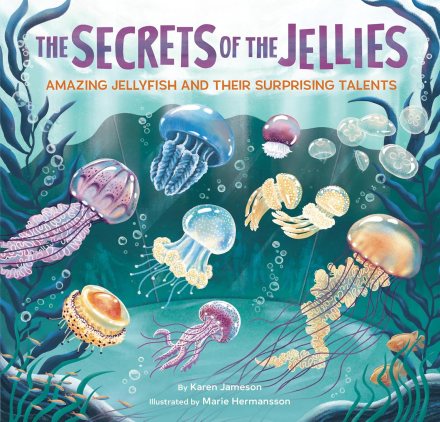
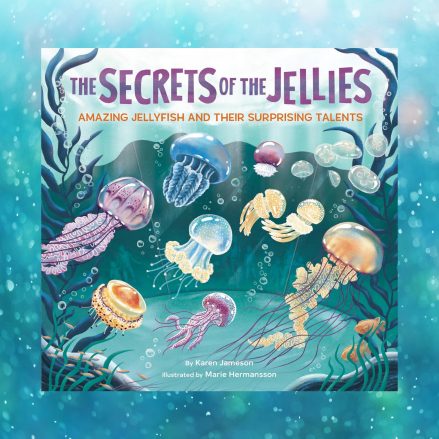
    The Secrets of the Jellies: Amazing Jellyfish and Their Surprising Talents

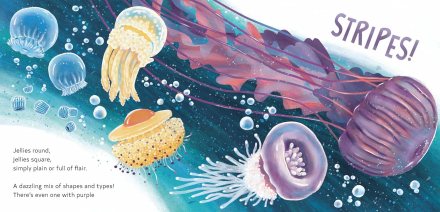
    It’s impossible not to be fascinated by jellyfish. We’re captivated by their beauty and grace and can’t help but admire their defensive subterfuge—as long as we’re not on the receiving end! In her lyrical nonfiction picture book, Karen Jameson reveals intriguing facts about these dazzling underwater creatures that can be found in every ocean zone, from the shallows to the deepest recesses. She celebrates “see-through jellies, bright ones, too—colors in each shade and hue! / And in the darkness, down below, they radiate a blue-green glow!”

    Illustration copyright © 2026 by Marie Hermansson. Text copyright © 2026 by Karen Jameson. Courtesy of Chronicle Books.

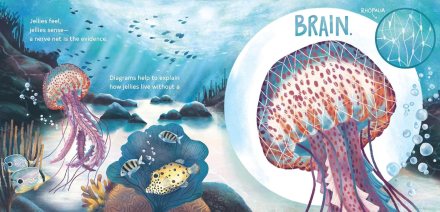
    Jellies bioluminescence is only part of their charm, however. We marvel as we watch jellyfish seemingly glide effortlessly through the water, wondering, “how do they do that?” Jameson has the answer, not only to how they propel themselves, but also to how “jellies live without a brain,” how they reproduce, how they satisfy their hunger, and even how other sea creatures befriend jellies for their own survival.

    You might think that by just bobbing along, jellyfish would be easy prey, but Jameson reassures readers that “jellies hide, jellies dodge with super-sneaky camouflage! / In the depths or close to shores, they stay away from predators!” With such smarts and agility, it’s no wonder the sea blooms with “jellies here, jellies there—hundreds, thousands everywhere!” or that “we’ll study them for years to come, these stars of the aquarium!”

    Illustration copyright © 2026 by Marie Hermansson. Text copyright © 2026 by Karen Jameson. Courtesy of Chronicle Books.

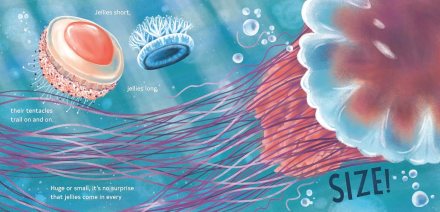
    Extensive back matter follows the story, with a section on Jellyfish Facts that explains more about the number of “true jellies” around the world, information on the smallest and largest jellyfish, their bioluminescent properties, how they move, how they “think,” their life cycle, diet, predators, groupies, and jellyfish blooms. Readers also learn about how aquariums care for their jellyfish, their role in the ocean’s ecosystem, how they sting, and how climate change affects them. In a paragraph on current jellyfish research, children are invited to become citizen scientists and track jellyfish through a provided website link. Children are next introduced to 22 types of jellyfish that they will then enjoy finding throughout the book.

    Illustration copyright © 2026 by Marie Hermansson. Text copyright © 2026 by Karen Jameson. Courtesy of Chronicle Books.

    Readers will happily glide along with the incredible jellyfish Karen Jameson introduces through her perfectly rhyming and rhythmic storytelling that educates while also providing the fun of an interactive read-aloud. Excitement builds as the verses flow toward the final rhyming word, which kids will be eager to call out as they engage with Jameson’s clever learning experience. In her conversational back matter, Jameson explains jellyfish facts and features in clear terms, using examples and vocabulary that resonates with her young audience. Each paragraph offers fascinating information to spur further research for classroom or homeschool cross-curricular assignments.

    Marie Hermansson’s vibrant lifelike digital illustrations float and swirl with the motion of jellies, transporting readers under the ocean to witness the variety of shapes, colors, and sizes of these aquatic marvels. Scientific concepts, such as jellies’ propulsion and nerve net, are clearly portrayed to enhance understanding. The endpapers give kids a glimpse of the Monterey Aquarium, whose jellyfish exhibits inspired this book.

    Shimmering with the magic and mystery of jellyfish, The Secrets of the Jellies: Amazing Jellyfish and Their Surprising Talents is scintillating nonfiction at its best. The book is a must for any public, school, or classroom library collection and an exciting addition to home bookshelves for any child fascinated with the ocean or marine biology.

    Ages 5 – 8+

    Chronicle Books, 2026 | ISBN 978-1797221977

    About the Author

    Karen Jameson is a children’s author, poet, teacher, and literacy advocate. Her picture books include Woodland Dreams and Wake Up, Woodlands, illustrated by Marc Boutavant; Farm Lullaby, illustrated by Wednesday Kirwan; and Where the Wee Ones Go, illustrated by Zosienka. She lives and works in Southern California. Visit her at karenjameson.com.

    About the Illustrator

    Marie Hermansson has a deep appreciation for the natural world, with a love of illustrating animals, plants, landscapes, and the ecosystems they exist in. She has illustrated numerous picture books, including Tera Kelley’s award-winning Listen to the Language of the Trees. When she’s not working, she enjoys traveling, hiking, beachcombing, and reading. Marie currently resides in North Carolina with her husband and two children. Visit her at mariehermanssonillustration.com.

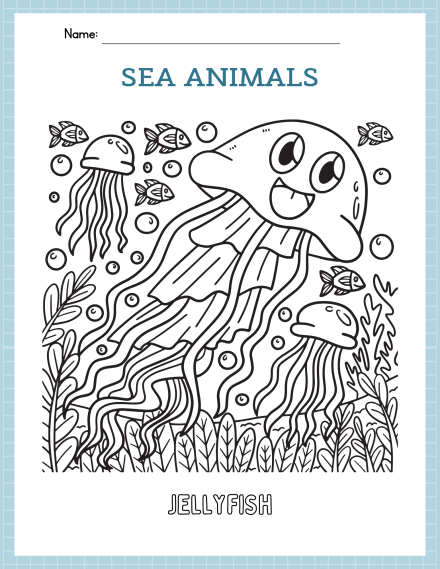
    Kids can bring a bit of the ocean or aquarium to their room with these marine animal coloring pages!

    Jellyfish | Whale | Seahorse | Squid | Octopus | Angelfish

    You can purchase The Secrets of the Jellies: Amazing Jellyfish and Their Surprising Talents from these booksellers

    Amazon | Barnes & Noble | Bookshop

    September 16 – Collect Rocks Day

    About the Holiday

    You can find rocks almost everywhere you go—from tiny pebbles to imposing boulders. Most of the time we may not pay much attention to the pebbles under our feet or the rock formations we pass frequently, but today’s holiday encourages people to really take a look at the variety of sizes and colors that make each rock unique. Rock collecting can be a fun and educational hobby as each type of stone has its own fascinating history and science to learn about. Why not get outside, do a bit of rock hunting, and start your collections today?!

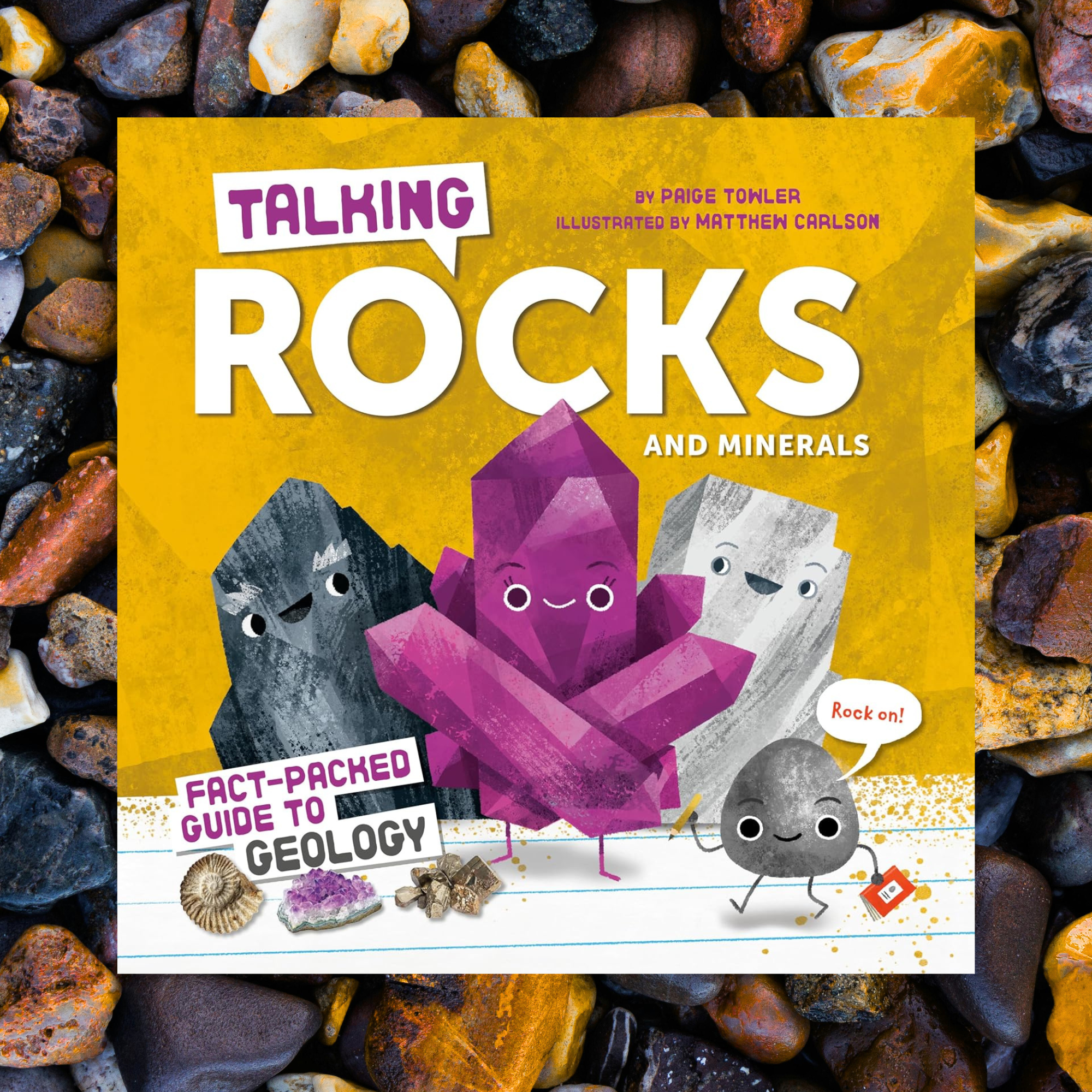
    Talking Rocks and Minerals: Fact-Packed Guide to Geology

    Written by Paige Towler | Illustrated by Matthew Carlson


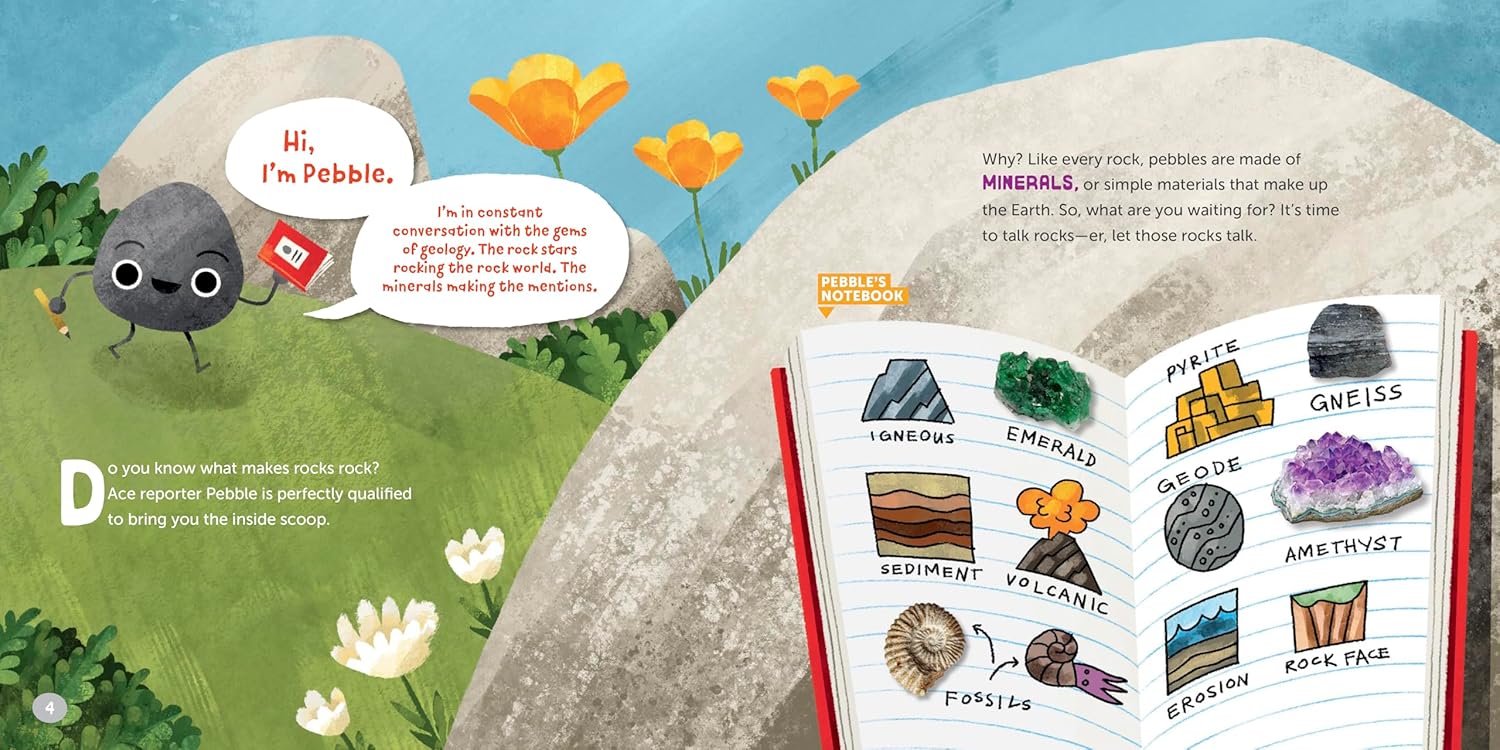
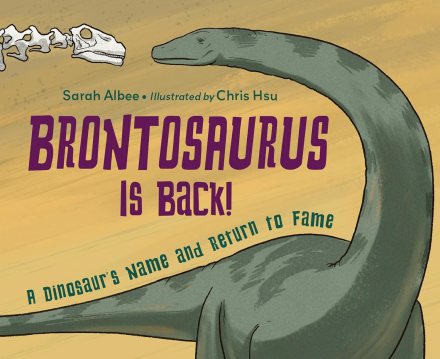
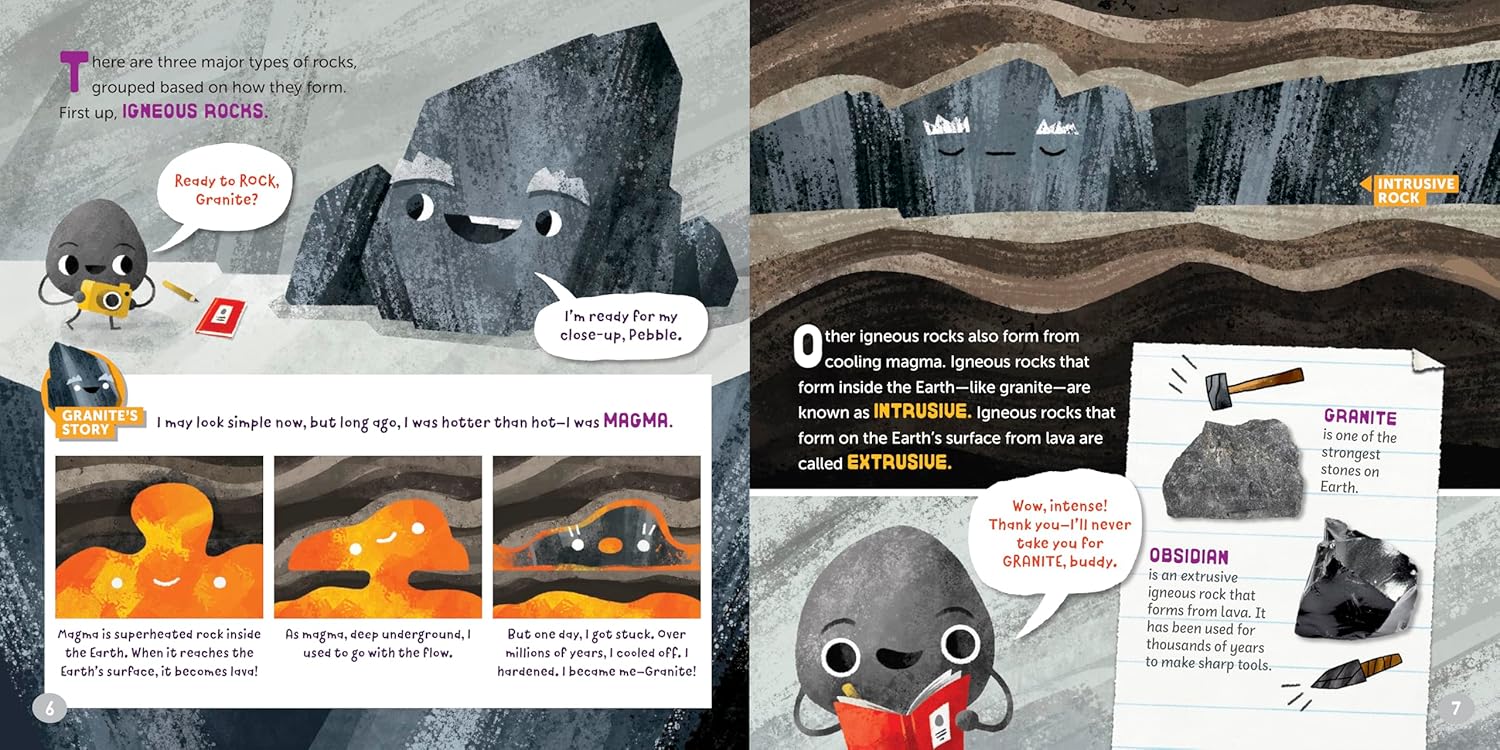
    In Talking Rocks and Minerals, readers meet ace reporter Pebble, whose resume boasts, “I’m in constant conversation with the gems of geology. The rock stars of rocking the rock world. The minerals making the mentions.” And he’s not kidding! A quick scan of his notebook reveals interviews scheduled with all the big names in rock, and he’s sent an open invitation for kids to come along and hear what they have to say. First up, readers meet an igneous rock, who regales them with memories of long, long, long ago when he started out as magma then cooled to become granite, “one of the strongest stones on earth.”

    Illustration © 2025 by Matthew Carlson. Text © 2025 by Paige Towler. Courtesy of Grosset & Dunlap.

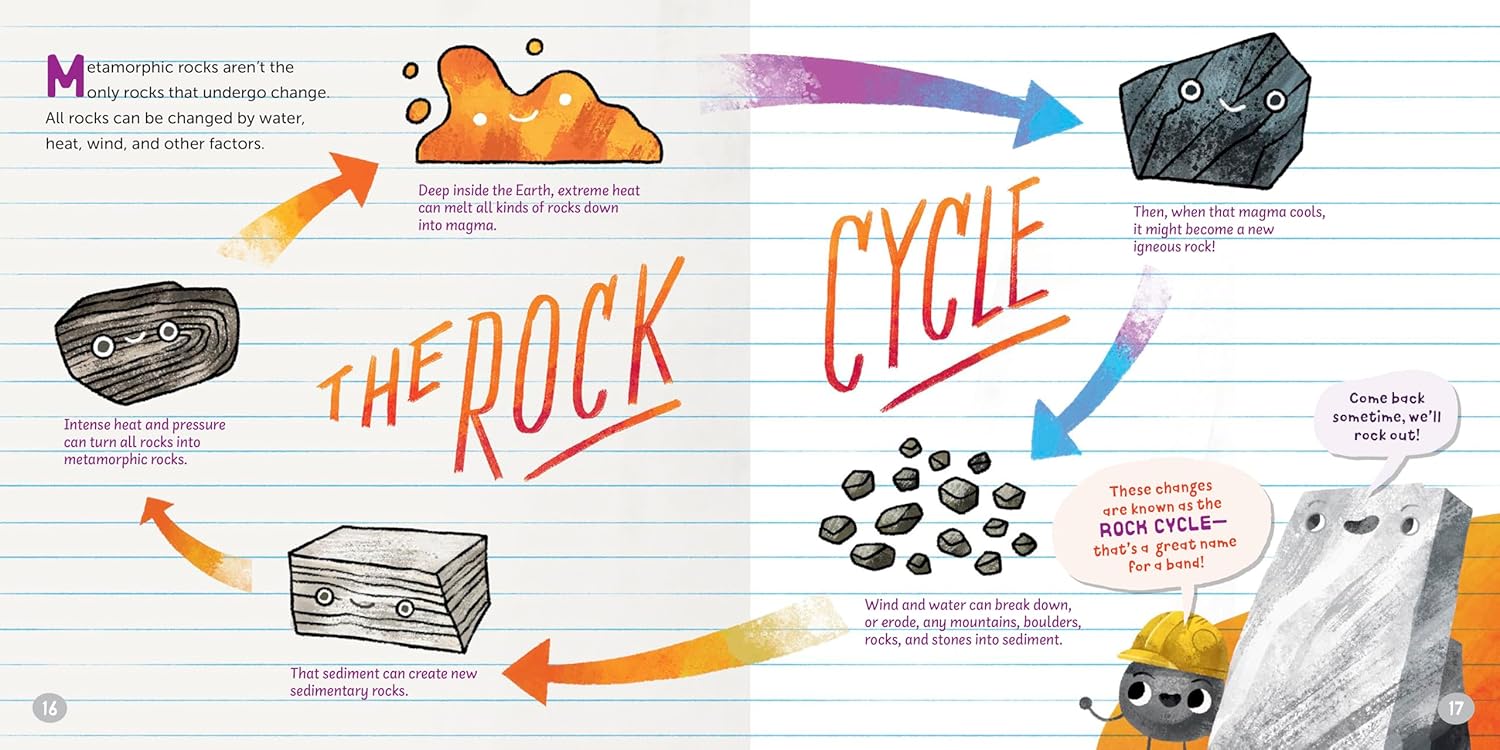
    From there, Pebble moves on to talk to Coal and Limestone and discovers the layered story of what it’s like being a sedimentary rock. A couple of geodes then roll by to give kids a peek of the secrets they hold inside and make their story “crystal clear.” Amethyst gives an exclusive, showing how this royal gem developed, from when “a volcano blew its top” to the gamma rays that turned it purple. Pebble then introduces kids to two types of metamorphic rock—Marble and Gneiss—that start out as one kind of stone but under pressure and heat become another.

    Illustration © 2025 by Matthew Carlson. Text © 2025 by Paige Towler. Courtesy of Grosset & Dunlap.

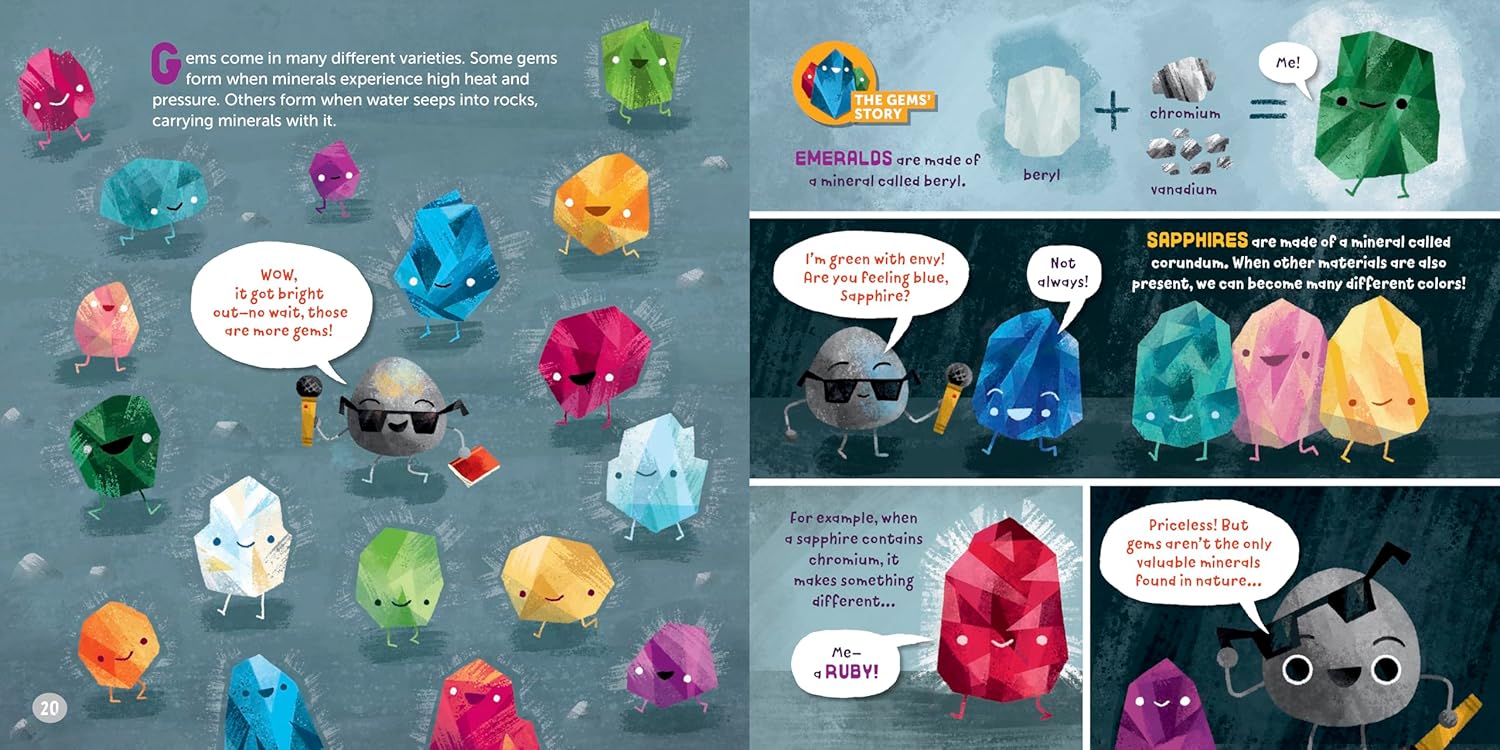
    After learning the steps to the rock cycle, kids go deep underground to meet Diamond and learn how diamonds are formed from carbon and how they appear before they’re polished to a shine. Pebble interviews other gems too, like Emerald, Sapphire, and Ruby, who shine a light on how different minerals create such a variety of colorful and valuable stones.

    Illustration © 2025 by Matthew Carlson. Text © 2025 by Paige Towler. Courtesy of Grosset & Dunlap.

    Emerging from underground, Pebble talks with pyrite, a shiny, golden mineral that often fooled prospectors during California’s gold rush, who has a surprising revelation to share. Continuing his walk, Pebble encounters a dinosaur fossil, who recounts how bones, leaves, and footprints become fossilized, leaving evidence of creatures and plants from eons ago. Speaking of eons ago, a trio of space rocks drop in—assuring Pebble “We come in pieces.”—to contrast asteroids from meteorites and tell how meteorites come to Earth.

    Surrounded by all of his new friends, Pebbles signs off, but the learning continues. Back matter includes a glossary, a note from a geologist, a list of ideas on how kids can become rock hounds, and a bibliography of more books to check out.

    Illustration © 2025 by Matthew Carlson. Text © 2025 by Paige Towler. Courtesy of Grosset & Dunlap.

    Gem-packed with puns, jokes, and hard-core facts, Paige Towler’s Talking Rocks and Minerals will excite kids already enthralled with geology and spark enthusiasm in those unfamiliar with the science, variety, and history of rocks we see every day as well as the stones we prize as valuable. Towler’s accessible text will appeal to all learners, making the book an excellent resource for educators. Her conversational delivery draws children in, creating a personal connection between them and the subject that will continue as they grow in their scientific studies.

    Matthew Carlson’s eye-catching pages reflect how children learn today, offering adorable interacting characters, separate panels or full-page spreads that illustrate particular facts or scientific processes, and a wealth of detail that allows children to see the layers in sedimentary rock, look inside a geode, follow the rock cycle and the preservation of prehistoric creatures in fossils, and watch an asteroid plummet through Earth’s atmosphere to become a meteorite, among so many other elements.

    A brilliant teaming of author and illustrator, Talking Rocks and Minerals: Fact-Packed Guide to Geology is an enriching and enlightening STEM book that is a must for all elementary classrooms, geology-loving children, science educators, and library collections.

    Ages 6 – 9

    Grosset & Dunlap, 2025 | ISBN 978-0593890950

    About the Author

    Paige Towler is a children’s book author and poet living in Washington, DC. She loves writing scary stories, tales about animals, and nonfiction facts about the weird and wonderful world around us. Her previous picture books include Mysterious, Marvelous Octopus! (National Geographic Kids), Baby Bat Bedtime (Smithsonian Institution/Sleeping Bear Press), Yoga Animals (National Geographic Kids), and more. Visit her at paigetowler.com.

    About the Illustrator

    Matthew Carlson is an illustrator, game designer, and graphic designer in Northern California. He studied art and English literature at the University of California, Berkeley. He’s illustrated projects for Robert Mondavi Wines, Facebook, and Twitter, and is currently the director of UX Design for Education, Fonts, and Drawing & Painting at Adobe. Originally from Seattle, Washington, Matthew now lives in Marin, California, with his partner, two kids, two dogs, and a growing collection of rocks.

    You can purchase Talking Rocks and Minerals: Fact-Packed Guide to Geology from these booksellers:

    Amazon | Barnes & Noble | Bookshop

    Picture Book Review

    February 24 – It’s Bake for Family Fun Month

    About the Holiday

    This time of year is perfect for gathering with family and friends and spending those cold, indoor days making sweet treats and savory dishes! Baking together is a great way to teach valuable cooking skills and a little math. Talking with kids while baking is fun too! Tell old family stories, talk about favorite recipes, and share funny or memorable culinary experiences. Of course, the best part of baking together is eating the delicious meals or treats afterward!

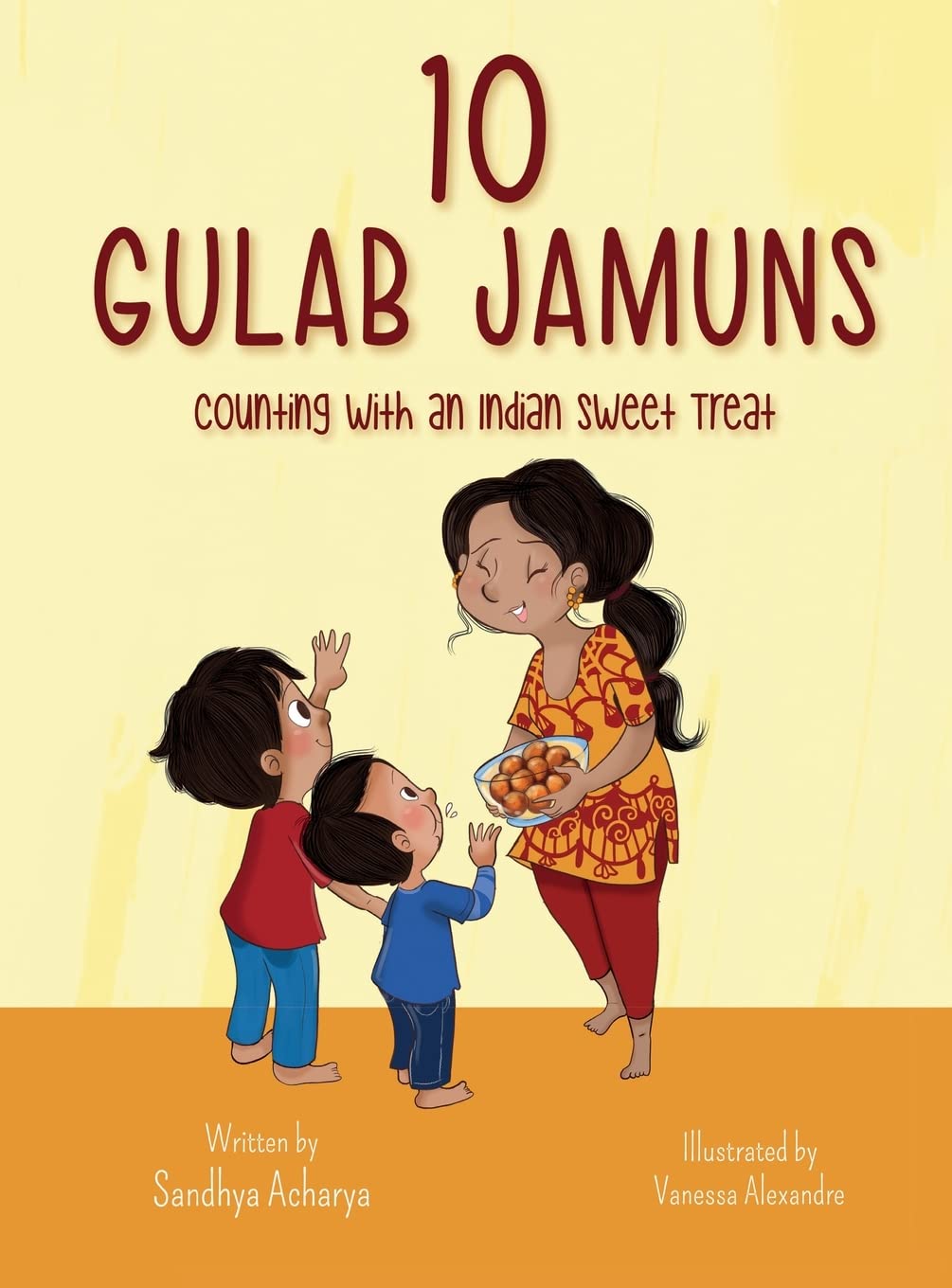
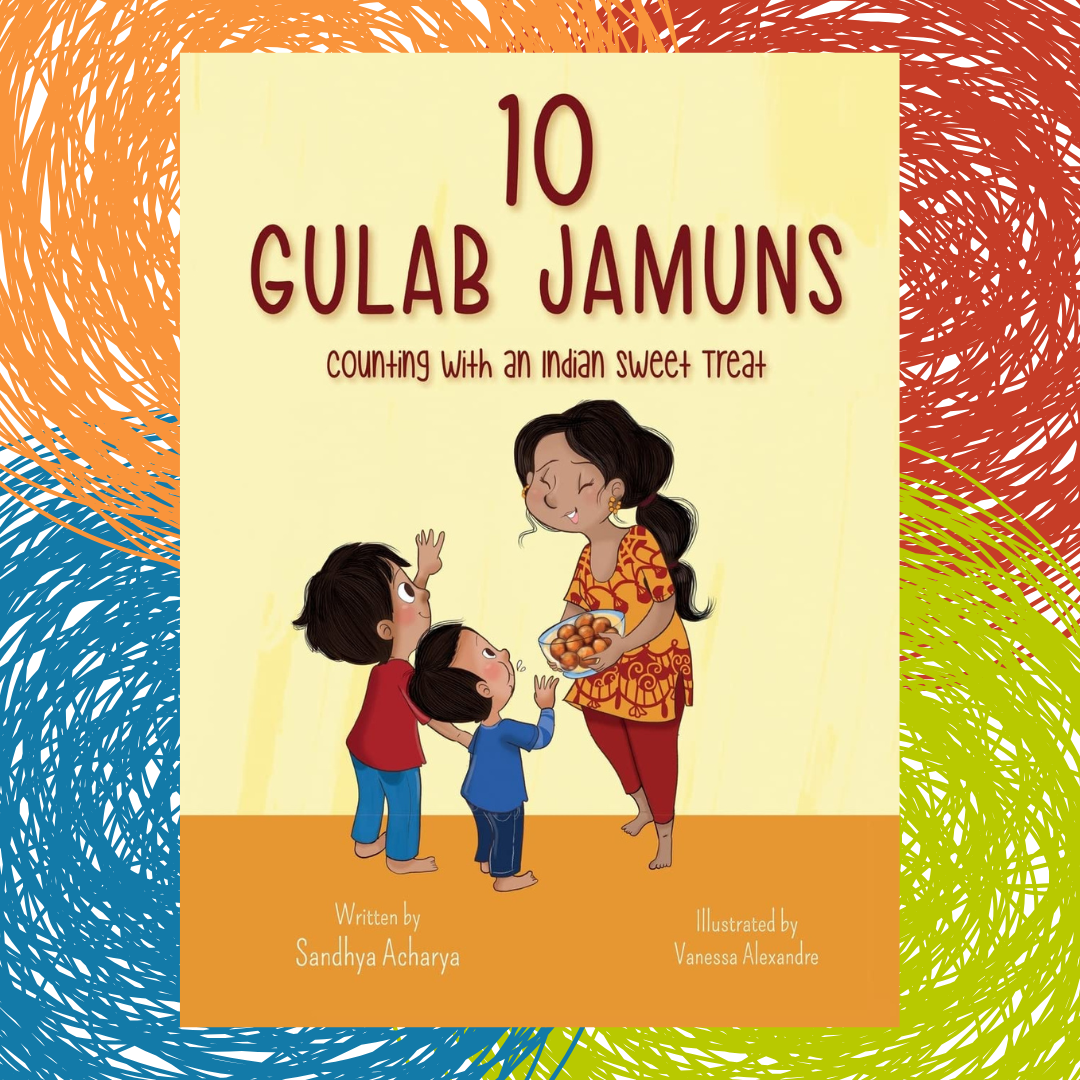
    10 Gulub Jamuns: Counting with an Indian Sweet Treat

    Written by Sandhya Acharya | Illustrated by Vanessa Alexandre


    Idu and his little brother Adu were excited to help their mom get ready for their friends Dia and Mia and their parents who would be coming later that evening for dinner. The delicious aroma of spices Mamma’s cooking already perfumed the house. At last it was time for Mamma to make the dessert: gulab jamuns! Idu and Adu tried to imagine what gulab jamuns were. “‘They are little round sweets that look like doughnuts,'” their mother explained. “‘They are soaked in sugary syrup so when you bite into one, they melt in your mouth.'” Idu and Adu thought they sounded yummy.

    After the treats were finished, Idu counted them in the bowl. “‘1, 2, 3, 4, 5, 6, 7, 8, 9, 10. 10 gulab jamuns!'” Adu echoed his big brother: “’10 gulab jamuns!'” Mamma sent the boys off to play, but the bowl of sweets was too enticing. Adu climbed onto the table and ate one. Then he stuffed his cheeks with two more.

    Illustration © 2022 Vanessa Alexandre, text © 2022 Sandhya Acharya.

    Idu thought his brother was funny until Mamma caught them. She asked Idu to tell her how many gulab jamuns she had made and then count how many were left. “‘1, 2, 3, 4, 5, 6, 7. 7 gulab jamuns,'” he answered. “‘Swa gua amoons,’ Adu repeated” through his full mouth. When Mamma asked what had happened to the other three, Idu told her. Then she wanted to know how it had happened.

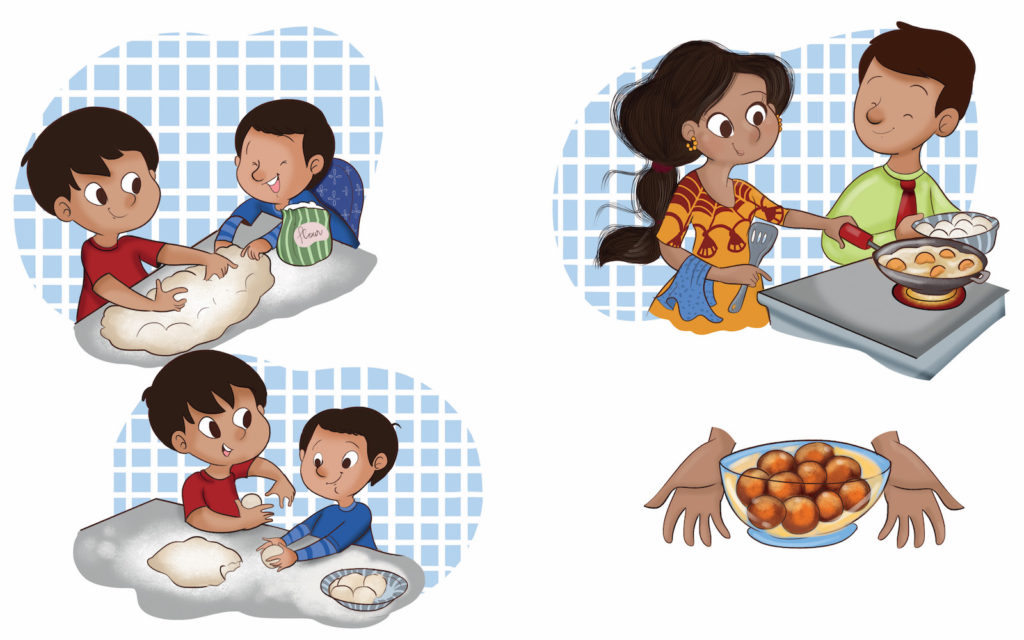
    Idu obliged, exactly imitating Adu’s actions. Adu then turned and gave Mamma a big sweet-treat smile. Mamma laughed, then grabbed one gulab jamun for herself and handed one each to her sons. That left just one more for . . . Daddy, who was just coming home from work. But what would they serve their special guests for dessert now? Idu and Adu enthusiastically offered to help their mother make more. Later, after dinner, Idu and Adu helped pass out the gulab jamuns, but there were two left over. Why? Idu’s and Adu’s bellies were already full of their new favorite dessert!

    A recipe for gulab jamuns follows the story.

    Illustration © 2022 Vanessa Alexandre, text © 2022 Sandhya Acharya.

    Sandhya Acharya’s humorous counting story is the recipe for an entertaining read aloud the whole family will enjoy. Adu and Idu’s sibling shenanigans will have young readers giggling, and the naturally occurring opportunities for kids to count the gulab jamuns offer a fun way for them to engage with math. The exercise can even be extended at home or in classrooms as children add or subtract treats or other foods from their own plates. A multilayered story, 10 Gulab Jamuns also contains gentle lessons in honesty, taking responsibility, and making amends for one’s behavior, 

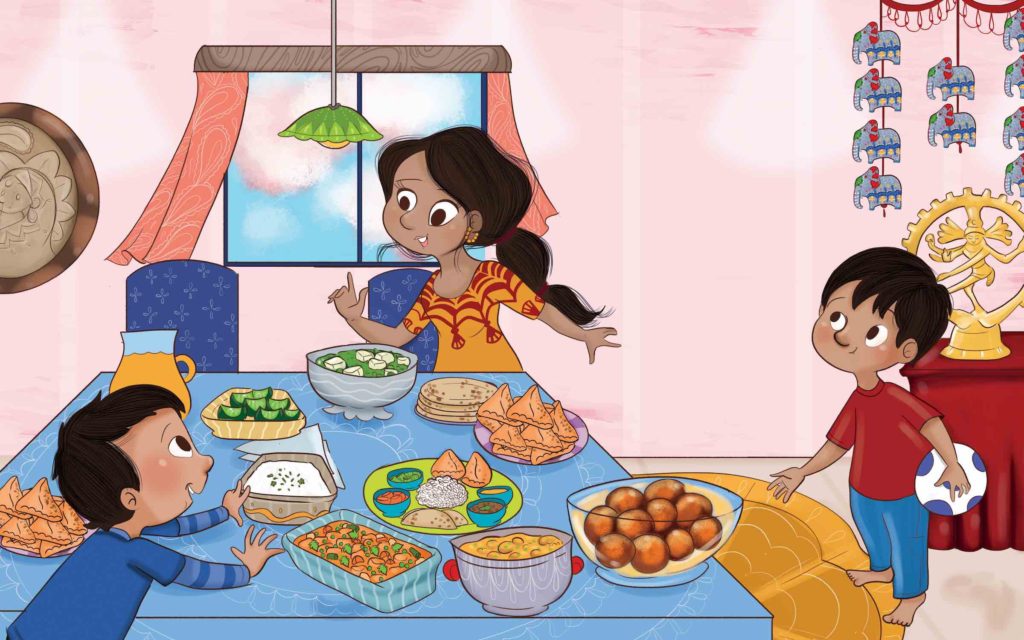
    Vanessa Alexandre’s vivid and expressive illustrations bring out all the comical fun as Adu and Idu sneak the sweet treats, get caught, and ultimately help their mother make more. Children will especially like images of the brothers’ playful mischief-making, the bright kitchen and table laden with delicious Indian foods, and the cheerful depictions of a traditional Indian home and clothing.

    A heartwarming, dialogue-rich story you can count on to become a favorite, 10 Gulab Jamuns would be a delightful addition to home, classroom, and library collections.

    Ages 2 – 7

    Sandhya Acharya, 2022 | ISBN 979-8985609516

    About the Author

    Sandhya Acharya grew up in Mumbai, India and now lives in the Bay Area. She is a mother to two young boys from whom she often draws inspiration for her writing. She worked in corporate finance and is a dance enthusiast as well. She hopes her readers have as much fun as she did with this story.

    Bake for Family Fun Month Activity

    celebrate-pictureb-books-picture-book-review-Kids-Baking-Cake-in-Cooking-Show-Bakery-Coloring-Pages

    Let’s Bake Together Coloring Page


    It’s fun for friends or siblings to create new recipes or just cook up some favorite treats! Have fun with this sweet coloring page!

    You can purchase 10 Gulab Jamuns at these booksellers

    Amazon | Barnes & Noble | Bookshop (to support your local independent bookstore)

    Picture Book Review
    February 11 – National Inventors’ Day

    About the Holiday

    Today’s holiday was established in 1983 and is celebrated on February 11 to honor the birthday of Thomas Edison. The day recognizes the spirit of inventors who look at life a little differently, let their imagination fly, and create a new . . . something! While we often think of inventions that change the world on a day like today, simple ideas implemented at home also make a big impact—or just lead to lots of fun. If you and/or your kids enjoy being creative, today’s the day to tinker around with your ideas. 

    Thanks to Eerdman’s Books for Young Readers for sharing a digital copy of The Quiet One with me!

    The Quiet One

    By Yiting Lee


    In her noisy classroom, Milly was the quiet one. She wasn’t exactly sure why she didn’t join in with her talkative classmates or why she especially dreaded Show and Tell, which was coming up on Friday. She most liked hanging out in her “secret place”—a shed filled with all sorts of things people didn’t need anymore or had forgotten. Milly was happy in her own company and liked to entertain herself by transforming other people’s old junk into amazing inventions like a running wheel for the shed’s mice and a working train from unused roller skates.

    Copyright Yiting Lee, 2025. Courtesy of Eerdmans Books for Young Readers.

    Then Milly found a broken cleaning robot. Getting out her toolbox, two caster wheels, and other supplies, Milly went to work. When she was finished and rebooted the robot, she was astonished to discover that it could talk—”Hi, I’m Arnold,” it said. Milly told Arnold her name. All afternoon Milly and Arnold worked to turn Milly’s secret place into a playground. Then as Milly explained what she wanted to build next, she “realized it was the first time she ever really enjoyed talking.”

    Copyright Yiting Lee, 2025. Courtesy of Eerdmans Books for Young Readers.

    Milly was still nervous about Show and Tell, but Arnold told her he would go with her and she could talk about him. On Friday, under the gaze of her classmates who seemed to loom above her, Milly froze. Arnold came to the rescue. He introduced himself and began: “Milly made me out of . . . of . . .”. He stopped, not knowing what came next. But Milly found her voice and finished the story, becoming more passionate about her subject as she went along. In fact, “she was so caught up in the moment that she forgot all about her fear.” Her classmates thought Milly was amazing, and Milly, later playing with her new friends on the playground she and Arnold had built, “was happy that she had been heard.”

    Copyright Yiting Lee, 2025. Courtesy of Eerdmans Books for Young Readers.

    Yiting Lee’s story offers reassurance to quiet, introspective children as well as to those who feel anxious when talking in or to a group. Through Milly’s experience, such children may feel encouraged to talk about a special skill, experience, or talent or to share the “stage” with a supportive friend who can help them overcome their fear. Lee also reminds readers that—as a favorite teacher of mine liked to say—”still waters run deep”, and that beneath a quiet exterior often bubbles unique perspectives, creativity, and loyal friendship.

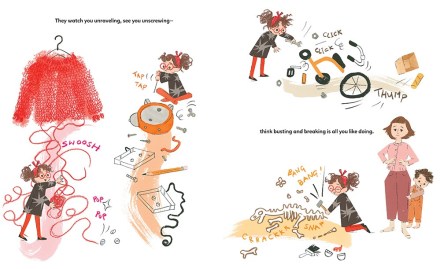
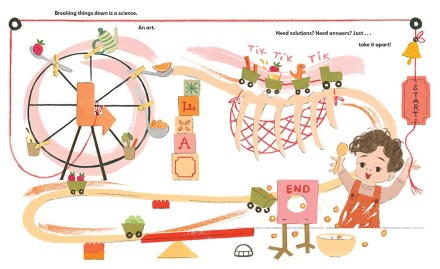
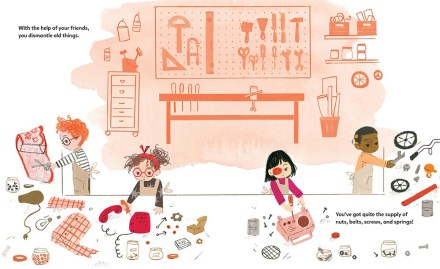
    Lee’s charming, cartoon illustrations contrast how Milly shrinks in her raucous classroom with how she comes alive in the junk shed—for her, a lab full of exploration, inspiration, and energy. Readers will enjoy stopping to look over all the images of Milly’s inventions and be inspired to create a few themselves.

    A fast-paced, multilayered and inspiring story to spark confidence, foster understanding, and build connections among kids of all talents, The Quiet One offers a valuable resource for classrooms and school libraries and is a heartening choice for home and library collections.

    Ages 4 – 8

    Eerdman’s Books for Young Readers, 2025 | ISBN 978-0802856418

    About the Author/illustrator

    Yiting Lee was once the quiet one in class, much like Milly. She followed her love of art to earn her MA in children’s book illustration at the University of Cambridge. Originally from Taiwan, Yiting currently lives in Surrey, England, where she has illustrated books like What’s the Rush? (Princeton Architectural) and Little Dinosaurs, Big Feelings (Magic Cat). Follow her on Instagram @yitinglee_art and visit her website at yitinglee.com.

    National Inventors’ Day Activity

    celebrate-picture-books-picture-book-review-inventor's-box

    Inventor’s Box


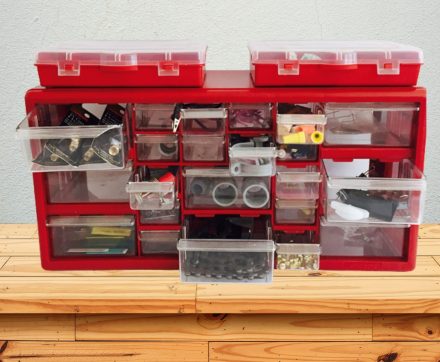
    For young inventors or tinkerers, having bits and pieces of this and that as well as some tools to work with all stored in one place encourages creative thinking. Filling the drawers of a tool case, a tool box, or a tackle box with items like springs, brads, wheels, hinges, plastic piping, pieces of wood, glue, tape, and simple tools can spark a child’s imagination. Take your child along to the craft or hardware store and choose items together!

    You can purchase The Quiet One at these booksellers

    Amazon | Barnes & Noble | Bookshop (to support your local independent bookstore)

    Picture Book Review
    January 31 – It’s National Mentoring Month

    celebrate-picture-books-picture-book-review-professor-goose-debunks-the-three-little-pigs-cover

    About the Holiday

    Learning—and the success that comes with it—can be easier and more fun when it’s shared with a mentor. Teachers, instructors, coaches, crafters, family members, and other adults like passing on their knowledge to younger generations, and while kids gain valuable skills, they also benefit from the bonds that form between them and their mentor. If you’re interested in becoming a mentor check out the resources at mentoring.org. National Mentoring Month is also a terrific time to thank a mentor in your life and tell them what a difference they made. 

    Thanks to Tundra Books for sharing a copy of Professor Goose Debunks the Three Little Pigs with me for review consideration. All opinions on the book are my own.
    Professor Goose Debunks the Three Little Pigs

    Written by Paulette Bourgeoise | Illustrated by Alex G. Griffiths 

    Professor Marie Curious Goose—”renowned and distinguished scientist”—is on a mission to correct the science in her great-aunt Mother Goose’s stories. This time, she’s tackling The Three Little Pigs. The story starts off in the familiar way: “Once upon a time, there were three little pigs.” The first pig liked to eat and play. The second little pig liked to laze in the mud. And the third little pig worked hard and sweated every day. One day their mother sends them off into the world with the admonition to “‘Save your own bacon!'” Sounds about right, right?

    Image copyright Alex G. Griffiths, 2024, text copyright Paulette Bourgeois, 2024. Courtesy of Tundra Books.

    But wait! Before you move on in the story, Professor Goose reveals that even these brief profiles are full of erroneous myths! To clear things up, the professor imparts zoologist-approved information, including such facts as pigs don’t gorge themselves, they lay in mud to lower “their body temperature on hot days,” and, because pigs have few sweat glands, they always stay fresh and dry. 
    Finally on their own, the siblings get down to the business of living their best lives. The first little pig builds himself a house of straw then goes off to play basketball. Here, Professor Goose takes a moment to imaprt a lesson on the states of Matter and what Matter is made of. By now the wolf has caught up with the first little pig, who rebuffs him with the familiar “‘Not by the hair of my chinny-chin-chin.'” Despite this the wolf does his huffing and puffing—you know the drill—and the pig runs off to his sister’s house. But waaaiit . . .. The prof takes exception to a few tidbits here, too, such as the chinny-chin-chin line and the house destruction method.

    Image copyright Alex G. Griffiths, 2024, text copyright Paulette Bourgeois, 2024. Courtesy of Tundra Books.

    Soon, while the wolf is menacing the second little pig, Professor Goose works herself into a lather over the “lone wolf” attack and the story’s depiction of wolves in general. To calm herself down, she instructs readers in details about structures and construction. 

    Undeterred, the wolf high tails it to the third little pig’s house of bricks, where she and her siblings are cozily ensconced. The wolf huffs and puffs, can’t blow the brick house down, and the pigs are triumphant. But is this where the story ends? No! The prof explains how many fairy tales—just like this one—use a pattern of three and that patterns are found in everything, including nature, music, and math. Finally, Professor Goose concludes with her own version of what became of these three pig siblings—and the story even turns out well for the wolf!

    Image copyright Alex G. Griffiths, 2024, text copyright Paulette Bourgeois, 2024. Courtesy of Tundra Books.

    Paulette Bourgeouis’s clever take on the familiar tale of The Three Little Pigs will have kids captivated and laughing from beginning to end as Professor Goose points out foibles in the story and connects the setting, the wolf’s powerful breath, the pigs’ houses, the pigs themselves, and the story’s structure to a wide range of scientific principles. Through Professor Goose’s Fact Checks, kids learn surprising and educational facts about zoology, matter, weather, architecture, patterns, and even coding. 

    Alex G. Griffith’s engaging illustrations make for a fun and funny learning experience that will have kids in stitches and their eyes glued to every page. Griffith’s tiny details, facial expressions, and slap-stick humor give a fresh, comic-style look to this well-known story and enhance the science-based facts this fractured fairytale is built on for today’s kids.

    A unique retelling of a favorite classic that takes superb advantage of all a fractured fairy tale can offer, Professor Goose Debunks The Three Little Pigs is sure to be asked for again and again…and again. The STEM-related connections make this book a terrific and educational introduction to a variety of units for science educators.

    Ages 3 – 8 and up

    Tundra Books, 2024 | ISBN 978-0735267329

    About the Author

    Paulette Bourgeouis is best known for creating Franklin the Turtle, the character who appears in the bestselling picture books illustrated by Brenda Clark. The series has been translated into thirty-eight languages and adapted into an animated television series, merchandise, and feature-length films. She is also the author of award-winning books for children including Oma’s Quilt, which was developed as a short film by the National Film Board of Canada, and more than two dozen non-fiction science books. She is a member of the Order of Canada, received an honorary doctorate degree from Western University, an award of merit from the Canadian Association of Occupational Therapists and most recently graduated with an M.F.A. in Creative Writing from the University of British Columbia. Paulette frequently teaches and she has been the writer-in-residence at UBC, Whistler, BC, and Terra Nova National Park, Newfoundland.

    About the Illustrator

    Alex G. Griffiths is a children’s book illustrator originally from London, UK. The majority of his work is done by hand, using a combination of pen and ink line work and brush textures in a messy way to create an unusual illustration style. He now lives in Canada with his wife and two children. Visit him at alexgfriffiths.com.

    National Mentoring Month Activity

    CPB - Playhouse craft

    Cardboard Playhouse

    Kids love pretending with their toys and playhouses. With this craft you and your child can make a playhouse with recycled items and lots of imagination. While you and your child make the house, talk about the building process and ask questions that get them thinking about how various parts of a house work. Once the house is finished, kids can make up their own stories with it—or create their own fractured tale of The Three Little Pigs

    Supplies

    1. Cardboard box

         2. Recycled items, such as:

    • Bottle caps for door knobs,
    • Small boxes for a chimney
    • Use the cardboard cut from the windows to make shutters
    • Scraps of cloth for curtains

        3. Craft paint

        4. Markers

        5. Glue

    You can purchase Professor Goose Debunks the Three Little Pigs at these booksellers

    Amazon | Barnes & NobleBookshop (to support your local independent bookstore)

    Picture Book Review