January 14 – National Soup Month

About the Holiday

On a frigid January day, there’s nothing more satisfying than a steaming-hot bowl of your favorite soup! Or if you live in a southern climate, a cold soup can be so deliciously refreshing. While there are many tasty prepared soups, in honor of today’s holiday, you may want to try cooking a pot your own. Why not check out recipes from your heritage, geographical location, or even inspired by your favorite book? Bon appétit!

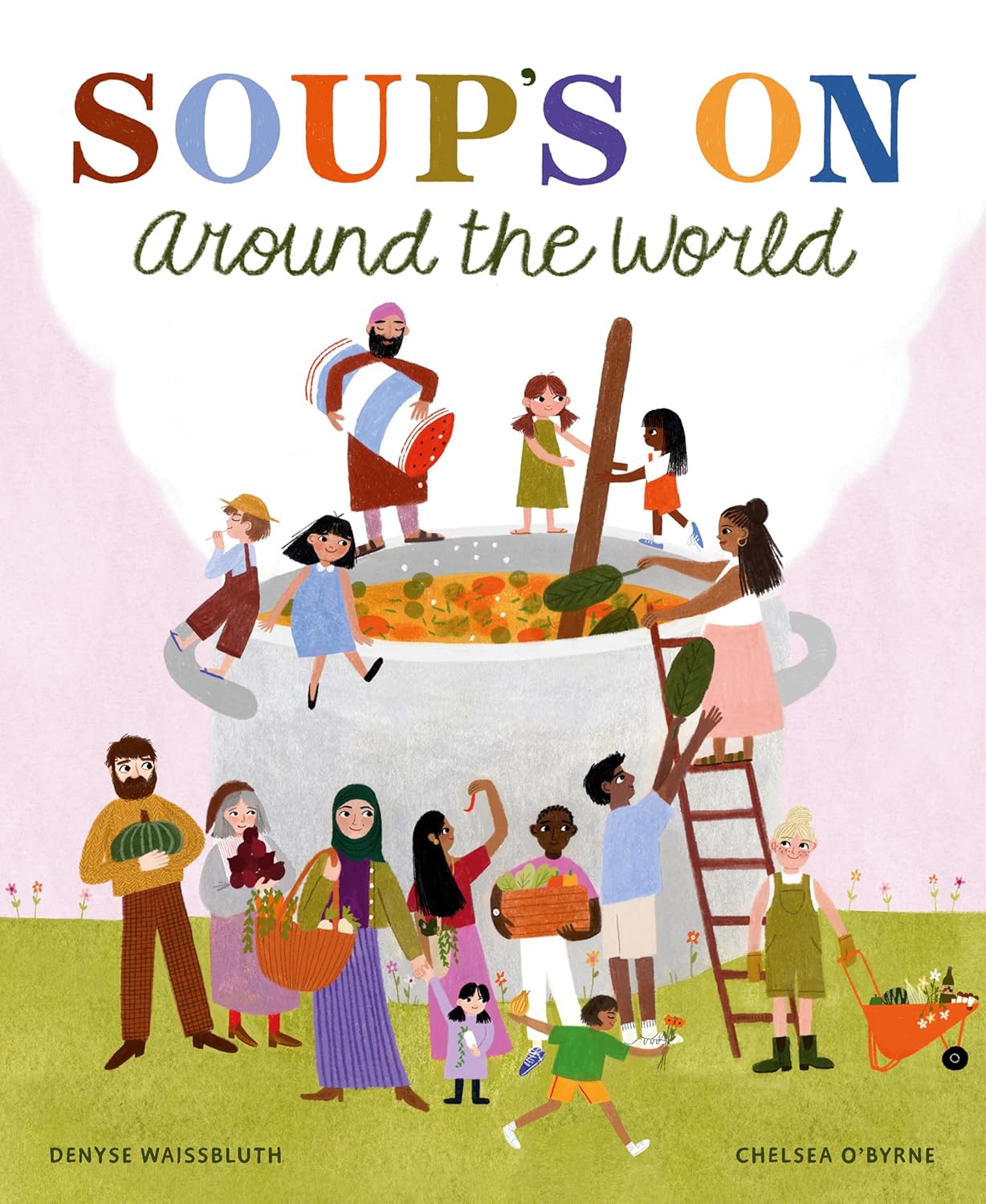
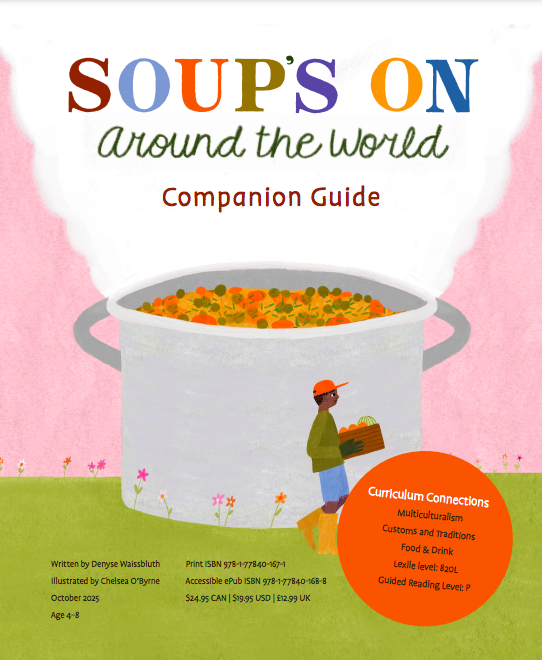
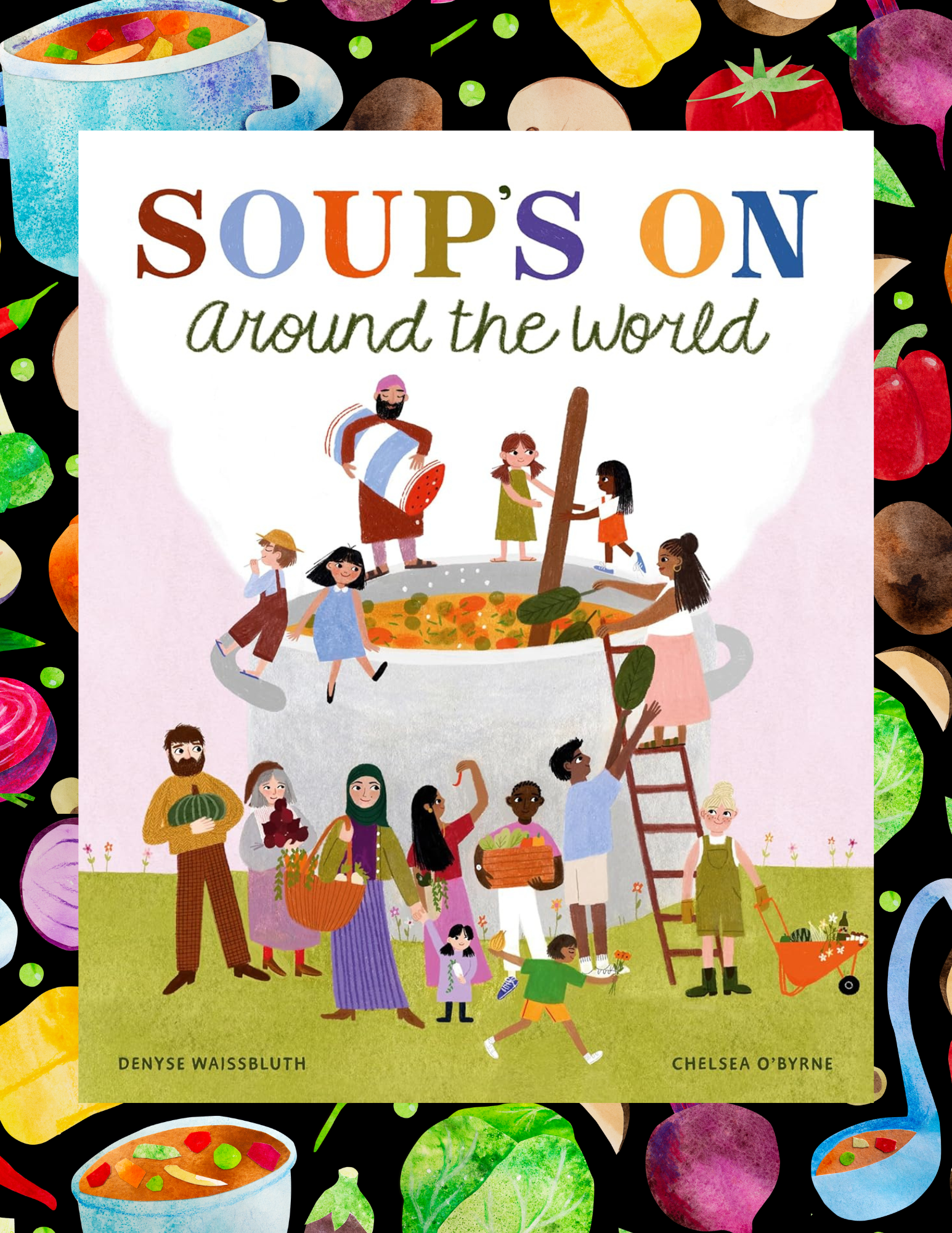
Soup’s On Around the World

Written by Denyse Waissbluth | Illustrated by Chelsea O’Byrne


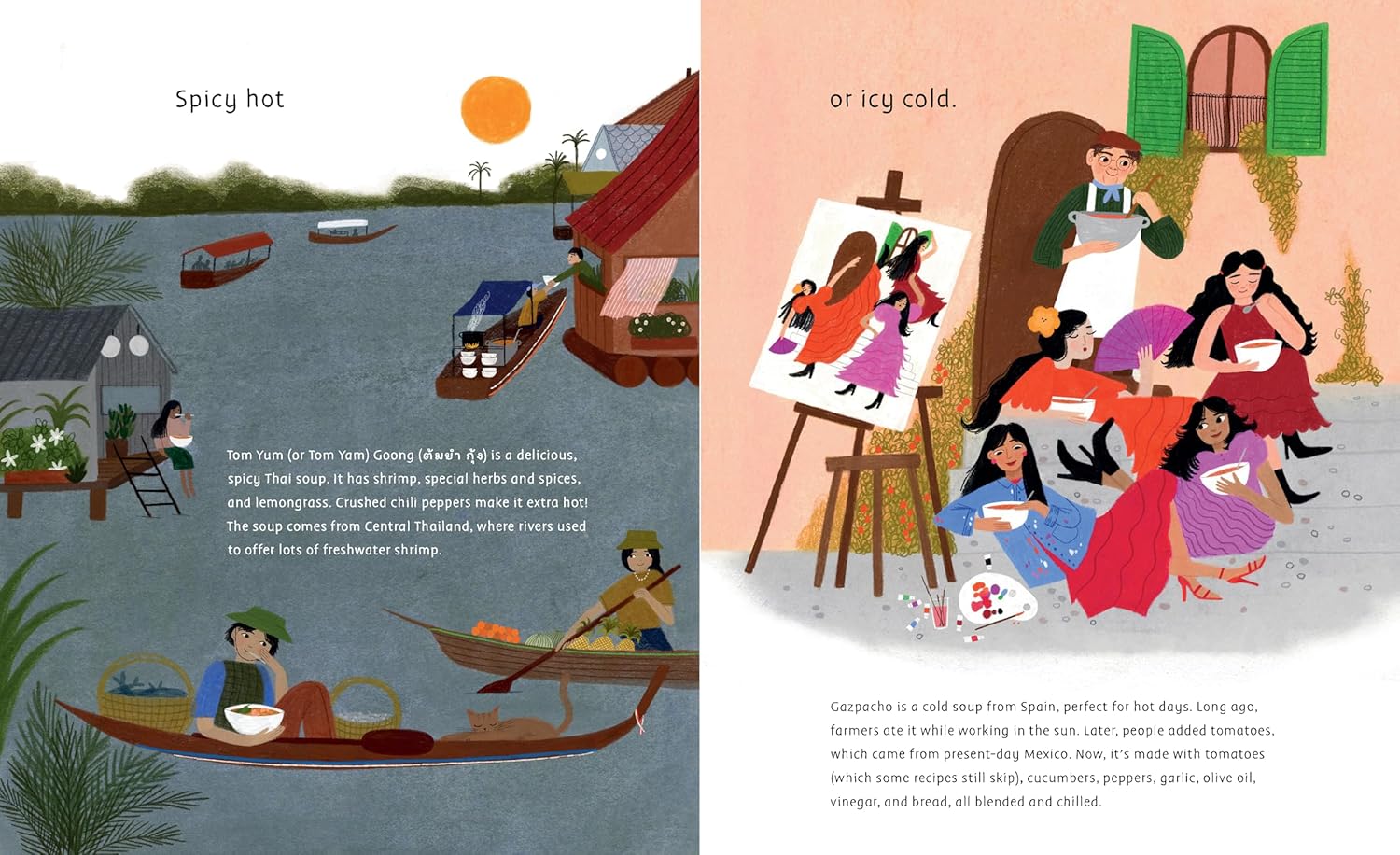
Denyse Waissbluth and Chelsea O’Bryne invite readers to pull up a chair at a communal table where people from around the globe dip their spoons into bowls of delicious, nourishing soup. Traveling first to Thailand, children meet people living and plying their trade on a river. On open porches—feet dangling above the water—in boats, and even from floating restaurants people enjoy spicy tom yum goong (or tom yam goong) made from shrimp, lemongrass, and herbs and spices, including hot pepper flakes.

Illustration © 2025 by Chelsea O’Bryne. Text © 2025 by Denyse Waissbluth. Courtesy of Greystone Kids.

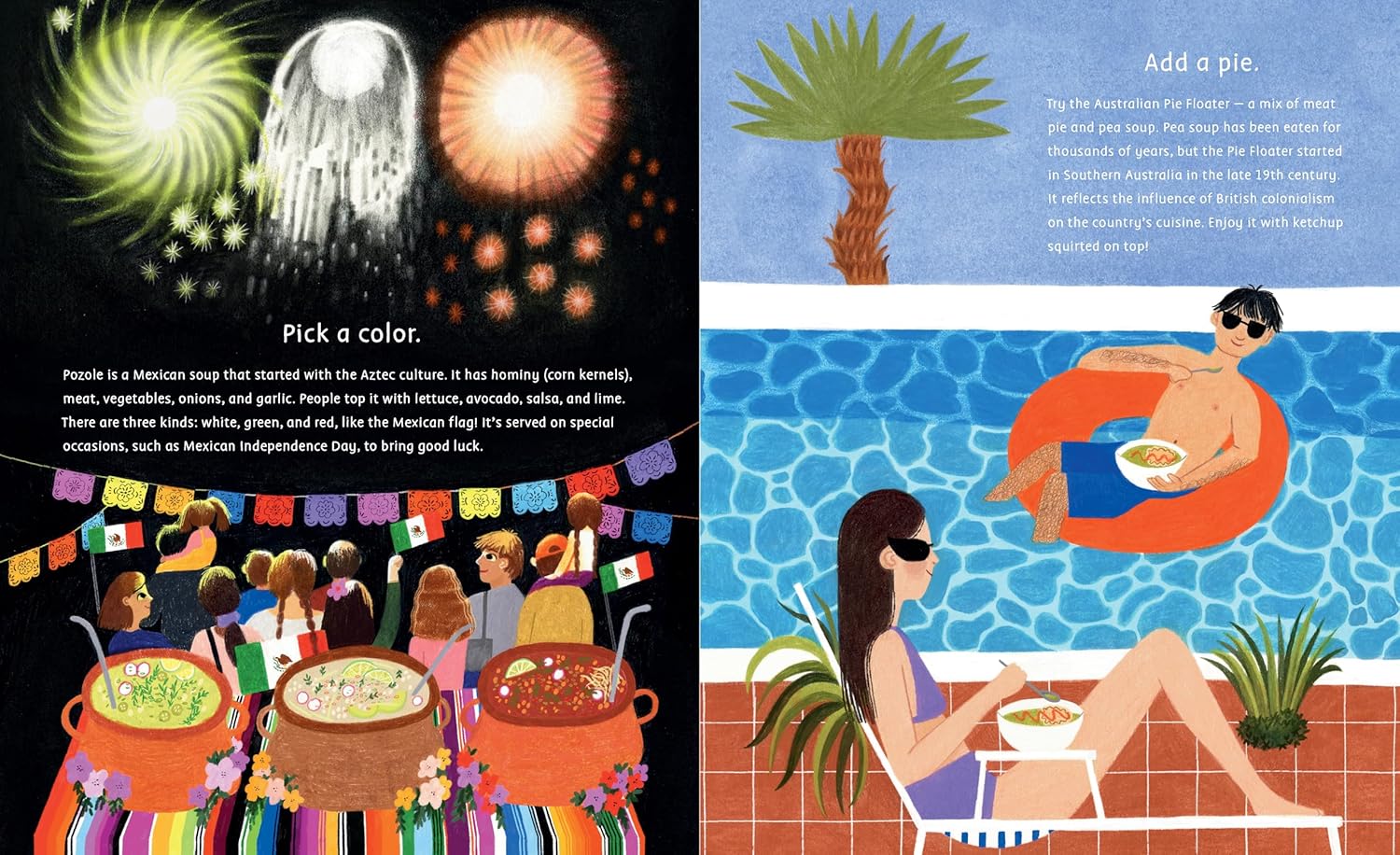
From spicy hot soup, Waissbluth pivots to cold with gazpacho, a cool refreshment of blended veggies, vinegar, olive oil, and bread from Spain once eaten by farmers working the fields, but now enjoyed worldwide. She also takes kids to countries where soup is the star of celebrations. In Haiti soup joumou is served every January first to commemorate the country’s Independence Day. Likewise, Mexican families dine on pozole, a meat and vegetable soup that comes in three types: green, white, and red to represent the Mexican flag to celebrate their Independence Day. In addition, those who observe Ramadan often break their fast after sundown with harira soup, a mix of meat, tomatoes, noodles or rice, and spices.

Illustration © 2025 by Chelsea O’Bryne. Text © 2025 by Denyse Waissbluth. Courtesy of Greystone Kids.

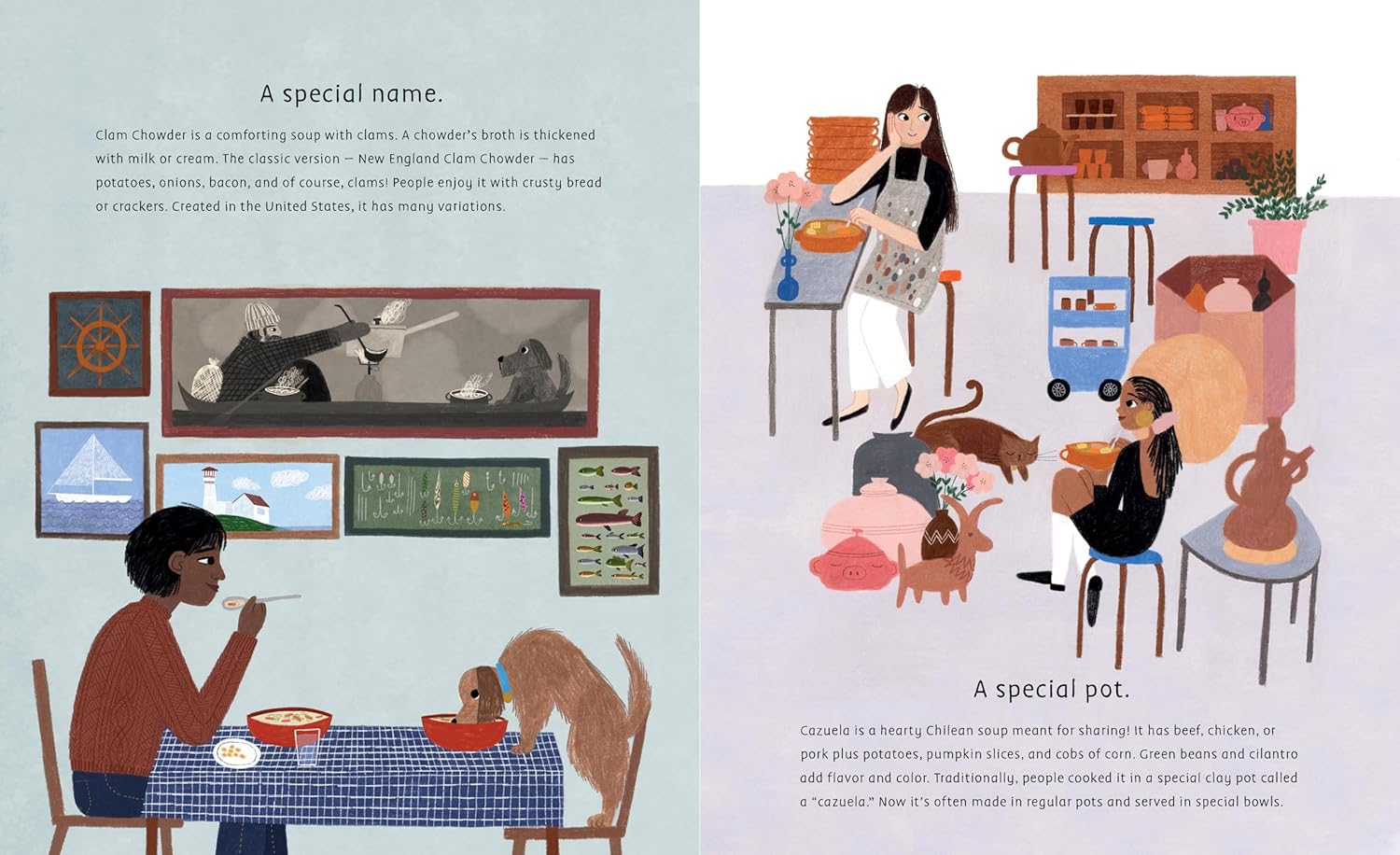
In all, Waissbluth serves up the stories and scrumptious ingredients for 20 delectable soups that we and our global neighbors enjoy for breakfast, lunch, dinner, and even dessert! She also reminds us that soup isn’t strictly for meals, either. We all know the healing balm of chicken soup, and soup-making (and eating) have brought communities together for centuries. Soup really is a universal language!

Back matter includes an author’s note as well as recipes for Denyse’s and Chelsea’s favorite soups.

Illustration © 2025 by Chelsea O’Bryne. Text © 2025 by Denyse Waissbluth. Courtesy of Greystone Kids.

As in her first book in this series, Teatime Around the World, Denyse Waissbluth ferries young readers from country to country to get a taste of a dish that, while universal also bursts with unique flavors that represent diverse cultures; varied, local ingredients; and even history. Her light touch, broad range of countries and cultures, and admiration for the stories or traditions behind each type of soup keep children engaged and will spur them to think more deeply about their own relationship to special traditional family meals. 

In her vivid illustrations, Chelsea O’Bryne dishes up charming scenes that drop readers into the midst of homes, picnics, celebrations, cafes, and even mountains where they join in with preparations and enjoyment of a wide variety of soups. Her clever illustrations reward thoughtful viewing with their depth, cultural details, and humor. 

A meaningful way to engage young readers in cultural and social studies and of particular interest to children who love to cook and explore different foods and flavors, Soup’s On Around the World is highly recommended for home and library collections.

Ages 4 – 8

Greystone Kids, 2025 | ISBN 978-1778401671

About the Author

Denyse Waissbluth has eaten her way through every Canadian province and territory and more than twenty countries. Her appreciation for how food (like soup!) opens doors to different cultures, and her love of travel has inspired her first two children’s books Teatime Around the World, and now Soup’s On Around the World, both published by Greystone Kids. When she’s not working in the agricultural sector, you can find her exploring new places—both near and far—with her husband and son, enjoying a good book, or sipping a cup of tea. Visit her at denysewaissbluth.com.

About the Illustrator

Chelsea O’Byrne is an artist and teacher living and working in Vancouver, BC. She is the acclaimed illustrator of four books, including Hello, Crow! by Candace Savage (Greystone Kids, 2019), and Teatime Around the World, both published by Greystone Kids (Greystone Kids, 2020). One of Chelsea’s favorite things to eat in her studio is a nice big bowl of home-cooked soup . . . but she is very careful not to spill any on her drawings! You can visit her at chelseaobyrne.ca.

National Soup Month Activity

Soup’s On Around the World Curriculum Guide


This fun and colorful curriculum guide for Soup’s On Around the World provided by Greystone Books is the perfect way for teachers, parents, and other educators and caregivers to engage kids in interacting with their own favorite kinds of soup as well as the memories and stories this hearty meal inspires!

You can purchase Soup’s On Around the World from these booksellers

Amazon | Barnes & Noble | Bookshop

Picture Book Review

January 5 – Blog Tour Stop for Everybody Counts!

celebrate-picture-books-picture-book-review-everybody-counts-cover-3

I’d like to thank Matt Forrest Esenwine for sharing a digital copy of Everybody Counts! with me for review consideration. All opinions on the book are my own.

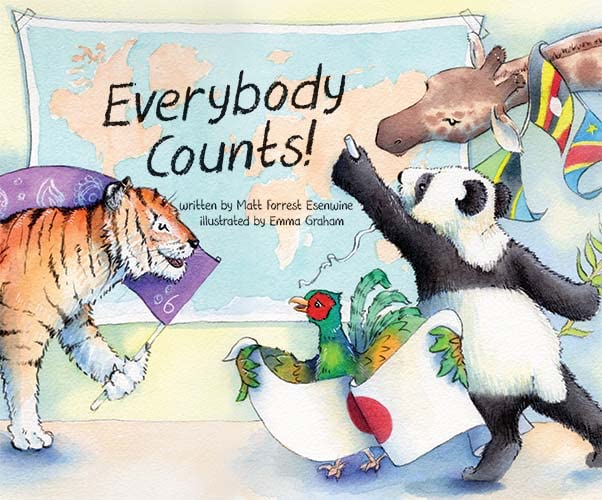
Everybody Counts!

Written by Matt Forrest Esenwine | Illustrated by Emma Graham


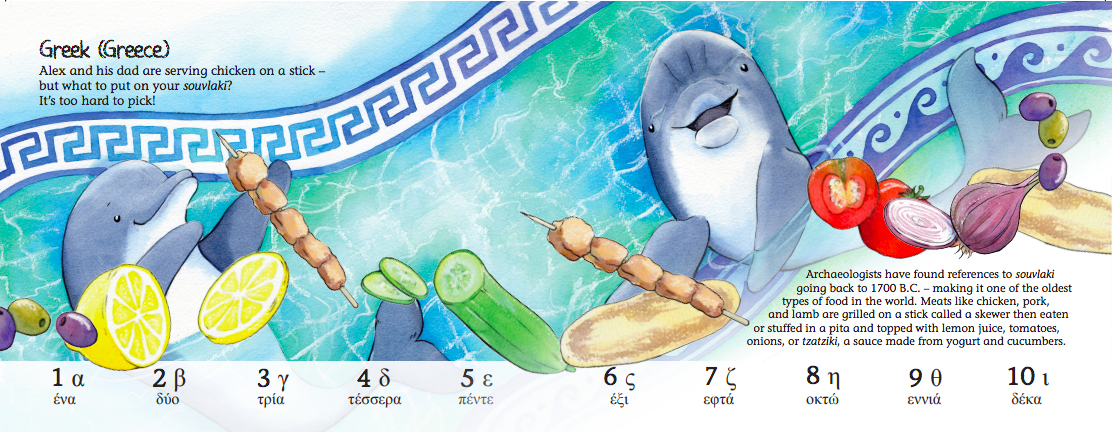
Children are invited to a lively international food festival in this rhyming and educational book that introduces readers to twelve nationalities through their cardinal numbers from 1 to 10 and a favorite dish that kids will be eager to try. As they visit each “booth,” readers learn about the ingredients and how each meal is made and meet an animal commonly found in each country. Along the way, they also gain a sprinkling of history, traditions, and information on the featured language. Kids even discover which number is considered the luckiest in China and why.

celebrate-picture-books-picture-book-review-everybody-counts-verse

Image copyright Emma Graham, 2023, text copyright Matt Forrest Esenwine, 2023. Courtesy of The Little Fig.

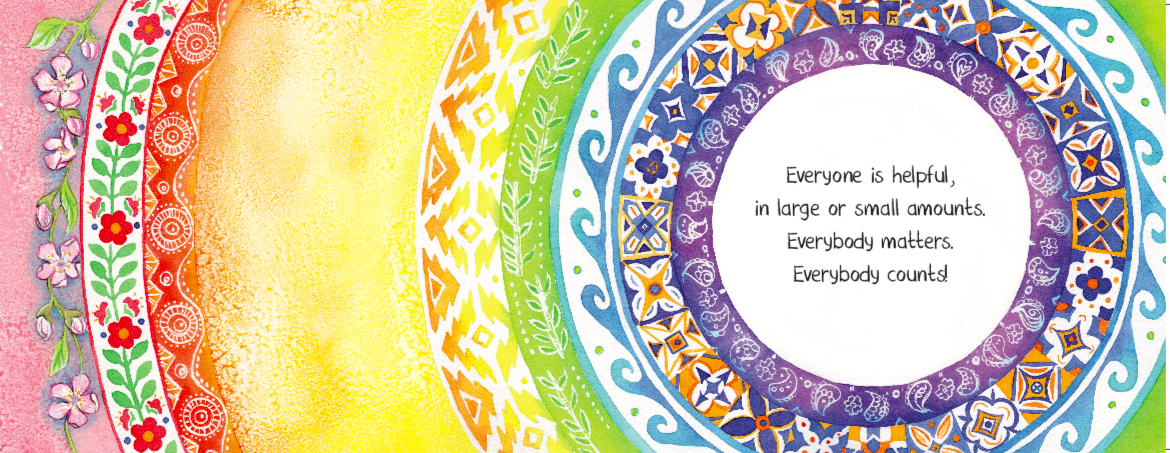
With a verse that plays on the idea of counting, Matt Forrest Esenwine starts off his world tour by prompting readers to look not only for the special attributes of each animal and their country but for those inside themselves and in those around them too: “Everyone is helpful, / in large or small amounts. / Everybody matters. / Everybody counts!” The enthusiasm in these words carry over onto each page spread, which includes a deliciously descriptive rhyming verse, a charming paragraph of explanatory text, and a row of numbers along the bottom, presented in their written form and how each is spelled in the particular language.

celebrate-picture-books-picture-book-review-everybody-counts-title-page

Image copyright Emma Graham, 2023, text copyright Matt Forrest Esenwine, 2023. Courtesy of The Little Fig.

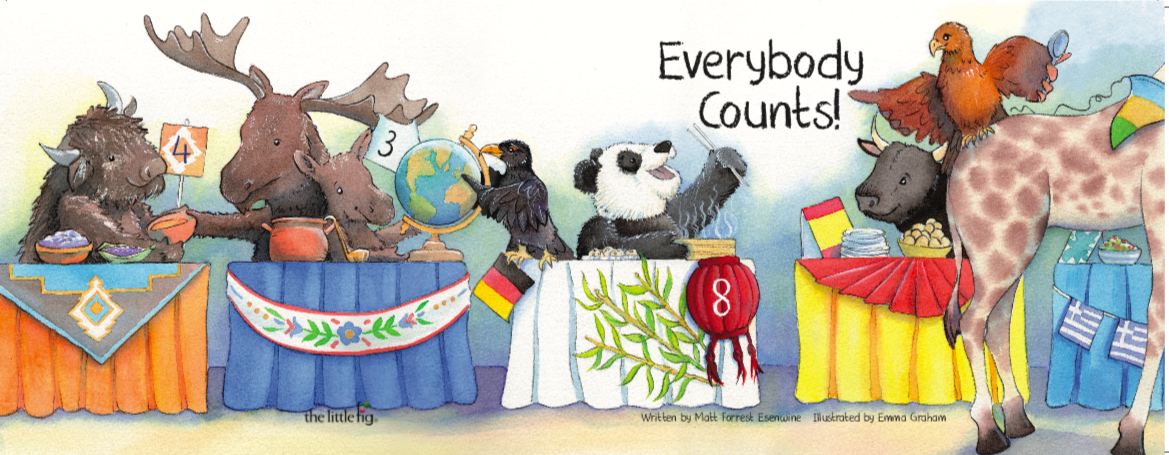
Emma Graham immediately captivates readers with her vibrant opening spread that frames Esenwine’s introductory verse with a series of beautifully patterned plates representing the countries found within the book’s pages. With a page turn, kids are invited into the festival to meet some of the excited participants as they chat with their neighbors and show off their dishes. Graham packs her pages with personality, adorable animals, images of ingredients, and symbols, patterns, landscapes, and colors that give kids plenty to talk about and to jumpstart research projects or new recipes to try. 

celebrate-picture-books-picture-book-review-everybody-counts-greece

Image copyright Emma Graham, 2023, text copyright Matt Forrest Esenwine, 2023. Courtesy of The Little Fig.

The multifaceted approach of Everybody Counts! is sure to engage kids in many ways—from feeling pride in their own heritage to the sense of accomplishment in learning to count in another language to wanting to try new tastes and foods. For teachers, homeschoolers, parents, and other adults, the book provides an enticing way to introduce geography, language learning, math, and even art lessons. The book’s familiar frame of an international festival can also spark ideas for events in classrooms, schools, and extracurricular clubs or organizations. 

Sure to prompt enthusiasm for story times, educational reading, and a host of extended activities, Everybody Counts! is highly recommended for home libraries and is a must for school and public library collections.

Ages 4 – 8

The Little Fig, 2023 | ISBN 978-1633330559

About the Author

Matt Forrest Esenwine’s children’s poetry can be found in numerous anthologies, including The National Geographic Book of Nature Poetry. His various poems and picture books have received numerous positive reviews, including a Kirkus star. Flashlight Night was selected by the New York Public Library as one of the Best Books for Kids and chosen by Kirkus as one of the Best Picture Books of the Year. Matt currently has twelve other books under contract and coming soon. He lives in New Hampshire with his wife, kids, and more pets than he has fingers. You can visit Matt on His website | Facebook | Instagram | Twitter.

About the Illustrator

Emma Graham is a versatile and experienced illustrator and graphic artist. Since graduating from Norfolk Institute of Art she has build a vibrant portfolio including children’s picture books, private commissions, and Wild In Art sculptures. She was longlisted for the Picture Books Hooks mentoring scheme and a finalist in The Hook at the SCBWI BI conference. As author, she was a finalist in the Stratford Literary Festival’s Salariya Prize for picture books. Emma is commissioned illustrator for the Children’s Appeal at Ipswich Hospital(UK)–a charity raising funds for a full refurbishment of the children’s ward. You can connect with Emma on Her website | Facebook | Instagram | Twitter.

celebrate-picture-books-picture-book-review-everybody-counts-cover

You can find Everybody Counts! at these booksellers

Amazon | Barnes & Noble | Books-a-Million

To support your local, independent bookstore, order from

Bookshop | IndieBound

Picture Book Review

July 1 – It’s National Culinary Arts Month

celebrate-picture-books-picture-book-review-we-love-pizza-cover

About the Holiday

There’s a true art in putting together a delicious meal from seemingly disparate parts, and this month’s holiday honors those with a talent for combining tastes, flavors, and textures. With fresh ingredients available at farm stores, farmers markets, grocery stores, and maybe even your own garden, July is a great month for celebrating the culinary arts. This month spend time with your kids in the kitchen. It’s a terrific way to learn new cooking skills and practice practical math while creating experimental or favorite recipes. And, of course, be sure to remember to make a few treats! Today’s book should get you off to a great start!

Thanks to Little Gestalten for sending me a copy of We Love Pizza for review consideration. All opinions about the book are my own. I’m happy to be teaming with Gestalten in a giveaway of the book. See details below.

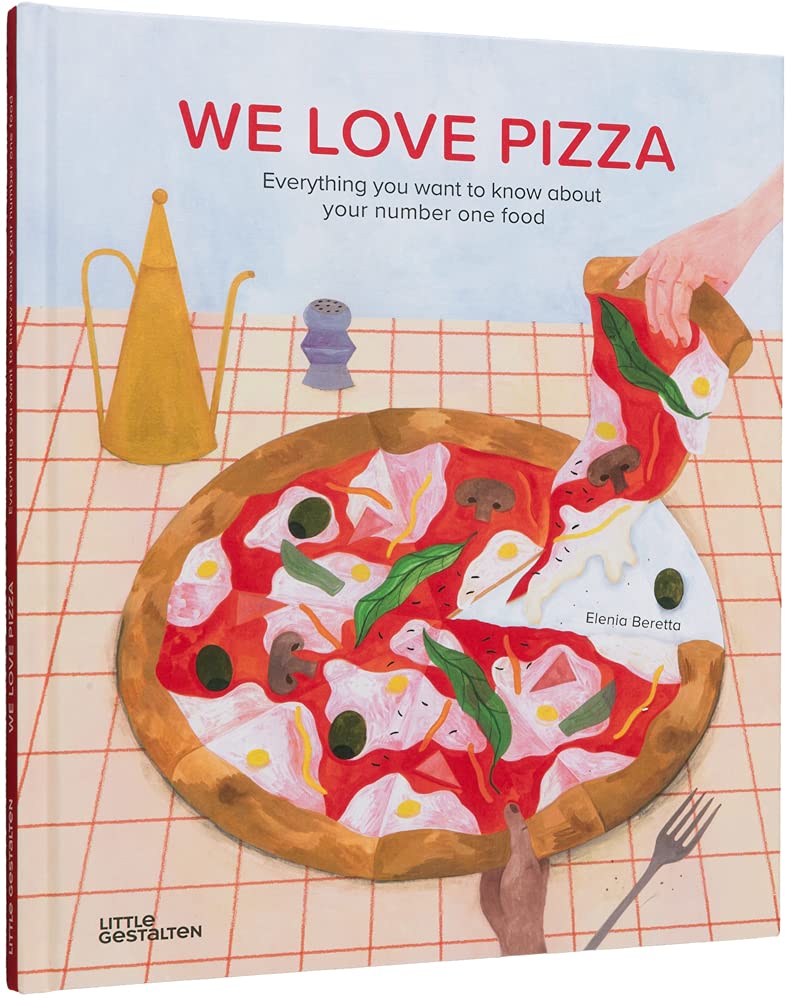
We Love Pizza: Everything you want to know about your number one food

By Elenia Beretta


A spritely poem opens this compendium of all things pizza and invites readers to learn about this world-favorite dish, from its origins in Italy to a trip into outer space. First up, though, you’ll learn that “pizzas can be round or square, / In different shapes and sizes, / And sometimes what is in or on them / Is full of big surprises.” For instance, if you (or you and your friends) are super hungry, you might want to try a pizza al metro from Sorrento, Italy. “‘Metro’ means ‘meter’ (39 inches)—not the subway!—and that’s how long it is.”

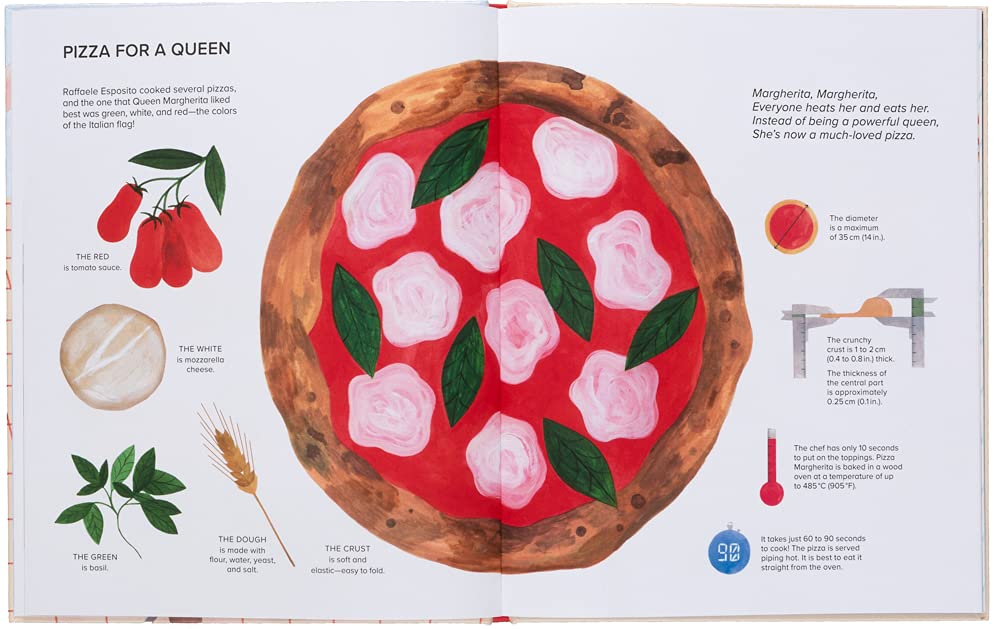
celebrate-picture-books-picture-book-review-we-love-pizza-margherita

Copyright Elenia Beretta, 2021, courtesy of Little Gestalten.

Or you might like a slice of New York pizza, which is so big “you’ll need to fold it before you can hold it.” If you like your pizza ingredients inside the pizza, try a calzone or a lahmacun from Turkey and Armenia, which is “rolled up like a sleeping hedgehog, with minced meat on top and some super spicy vegetables inside, like onions, peppers, and garlic.”

So we know that people all over the world love pizza, but who invented it? That honor would go to some creative chef (or chefs) in Naples, Italy, who began selling pizza in 1738. At first, pizza was considered “a simple food for the poor,” but when Antica Pizzeria Port’Alba opened its doors in 1830 “as a proper restaurant,” pizza went upscale. Pizza became so popular that kings and queens even began enjoying it. One particular style of pizza was even created for a queen and was named after her. Can you guess which one? You may have even eaten one yourself!

celebrate-picture-books-picture-book-review-we-love-pizza-baking

Copyright Elenia Beretta, 2021, courtesy of Little Gestalten.

Since you like to eat pizza so much, maybe you’d like to learn how to make it—from scratch, of course. Including the crust. When the pizza is bubbly, cheesy, and HOT, there’s only one thing left to do—eat it! But how you eat it is up to you. Is your way described in the next pages?

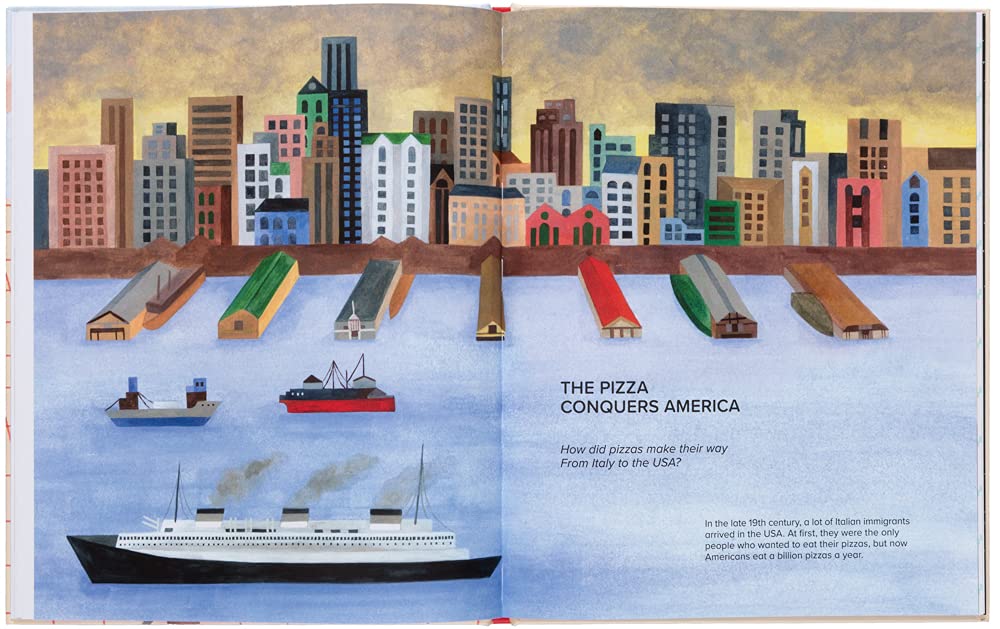
You may wonder when pizza came to America. When Italian immigrants moved to the US in the late 19th century, they brought their love of pizza with them. “When the first pizzerias in the USA were opened, more and more toppings were introduced, and more and more people became pizza fans.” In fact some of today’s best loved pizza places once housed much different businesses.

celebrate-picture-books-picture-book-review-we-love-pizza-america

Copyright Elenia Beretta, 2021, courtesy of Little Gestalten.

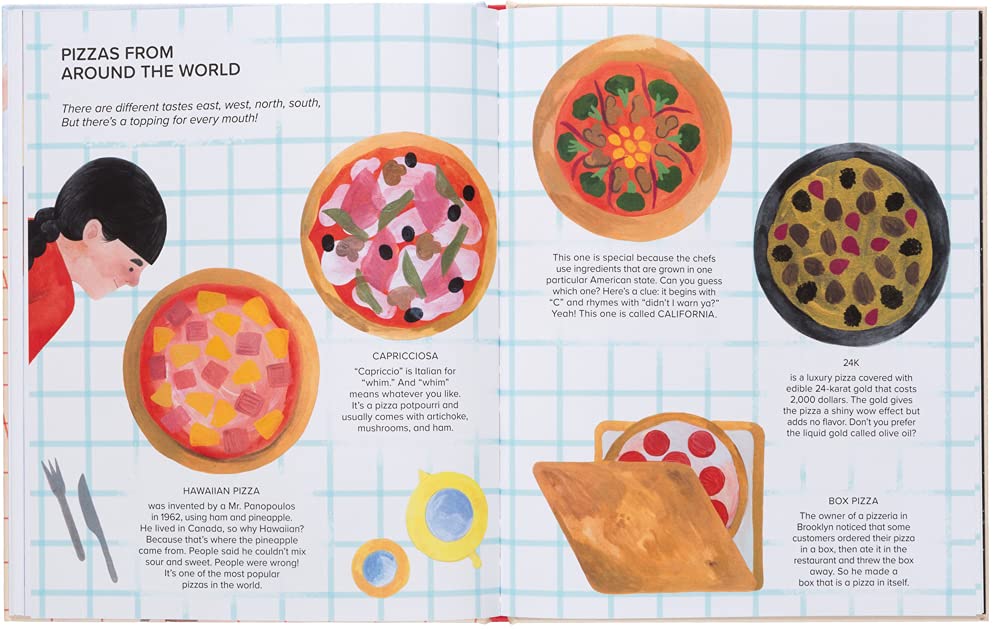
By now, you’re probably pretty hungry, so you’ll want to check out the fifteen very different types of pizza from around the world. One costs $2,000; one comes in a box made of pizza; and another is probably the sweetest pizza you’ve ever heard of. Of course, no book can celebrate pizza without mentioning all the people who have a hand in growing the ingredients, baking it, and serving it. You’ll be impressed with how much care goes into just one pizza!

Along the way, you’ll also learn fascinating facts about where in the world the most pizza is eaten, the video game character inspired by pizza, some incredible pizza records, and delivery options for every pizza lover.

celebrate-picture-books-picture-book-review-we-love-pizza-around-the-world

Copyright Elenia Beretta, 2021, courtesy of Little Gestalten.

Elenia Beretta pairs her engaging and educational text about pizza with bright, whimsical images that introduce kids to a plethora of pizza styles and flavors as well as the people who created them long ago and those who gobble them down today. A highlight for any would-be pizza baker is the step-by-step illustrated tutorial on making a pizza starting with flour and yeast and ending with “Yum!” Depictions of pizzas enjoyed by readers’ peers around the world may inspire some kids to try something other than their usual order.

For kids who love pizza, history, cooking, and learning more about the world’s cultures, We Love Pizza is a smart and fun addition to any book collection.

Ages 5 – 9

Little Gestalten, 2021 | ISBN 978-3967047059

To learn more about Elenia Beretta, her books, and her art, visit her website.

We Love Pizza Giveaway

I’m happy to be teaming with Little Gestalten in a giveaway. There will be two (2) lucky winners – One entrant and a friend they have tagged. Each winner will receive: 

  • One (1) copy of We Love Pizza by Elenia Beretta

To enter:

This giveaway is open from July 1 to July 5 and ends at 8:00 p.m. EST.

A winner will be chosen on July 6. 

Prizing provided by Little Gestalten

Giveaway open to U.S. addresses only | No Giveaway Accounts 

National Culinary Arts Month Activity

CPB - Pizza Day Toppings


Create Your Pizza! Game


Play this fun game to build your pizza ingredient by ingredient before the others! For 2 – 8 players.

Supplies

Object of the Game: to be the first player to fill a pizza slice with 5 delicious ingredients

Directions

  1. Print a Pizza Crust Game Board and Ingredients Cards on regular paper or heavy stock
  2. Each player picks a slice on the board to fill
  3. Roll the dice to choose who goes first 
  4. The first player rolls the dice and places the facing ingredient on their slice according to the numbers below
  5. Play then passes to the right
  6. After the first round of play, when players roll an ingredient they already have, the die is passed to the next player
  7. The player who fills their slice with all 5 ingredients first, wins

Alternative for older kids: Print a game board and ingredients cards for each player. The first player to fill all the slices on the pizza is the winner

Each number on the playing die corresponds to one ingredient or other instruction, as noted below:

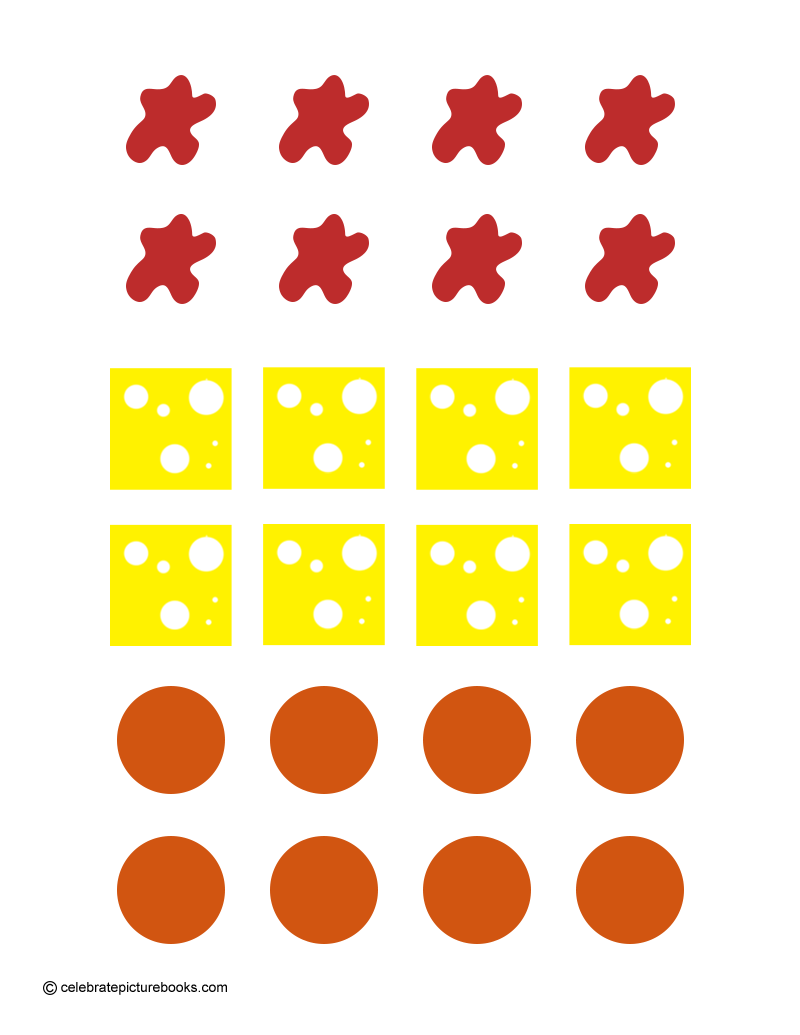
1: add sauce (red x)

2: add cheese

3: add green peppers (green squares)

4: add garlic (white half moons)

5: add pepperoni

6: remove one ingredient and pass the playing die to the next player

celebrate-picture-books-picture-book-review-we-love-pizza-cover

You can find We Love Pizza at these booksellers

Amazon | Barnes & Noble | Books-a-Million

To support your local independent bookstore, order from

Bookshop | IndieBound

Picture Book Review

October 28 – It’s Eat Better, Eat Together Month

celebrate-picture-books-picture-book-review-let's-eat-mealtime-around-the-world-cover

About the Holiday

National Eat Better, Eat Together Month encourages families to gather for at least one meal a day. When families gather for a meal, they tend to make more balanced food choices. Uninterrupted time together also allows each member of the family share stories about their day and lets everyone laugh, commiserate, and build strong bonds. Spending more time together this year provides families the opportunity to get everyone involved in everything from choosing recipes and shopping to preparing and cooking the food to cleaning up. According to the Academy of Nutrition and Dietetics he benefits of eating together are wide ranging and can include better grades, better health, and fewer behavioral problems. To celebrate this holiday, make your own plans for family meals and discover how families from around the world enjoy their meals with today’s book!

Let’s Eat! Mealtime Around the World

Written by Lynne Marie | Illustrated by Parwinder Singh


If you’re raising a culinary conscious and curious kid satisfies that gnawing hunger for more information on world cuisine. Visiting families around the globe at breakfast, lunch, and dinner time, Lynne Marie offers up tidbits about what kids eat plus other interesting food facts. The first stop is China, where Yu Yan is enjoying a bowl of congee—or rice porridge—before heading out to school. This morning, the congee includes squid that her father has caught. Yu Yan “slurps loudly to show how much she likes it.”

celebrate-picture-books-picture-book-review-let's-eat-mealtime-around-the-world-peru

Image copyright Parwinder Singh, 2019, text copyright Lynne Marie, 2019. Courtesy of Beaming Books.

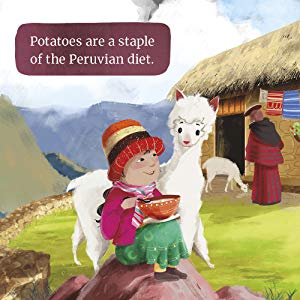
High in the mountains of Peru, Luz is bundled up in the early morning air as she gets ready to help out with her grandfather’s llamas. First, she warms up with chuño cola—a soup made from freeze-dried potatoes. For Luz, breakfast usually consists of leftovers from dinner the night before. Hospitality is so important to people in the Philippines that one of the most common greetings is “‘Kumain ka na?’ meaning ‘Have you eaten yet?’” If not, you may be invited to join in a breakfast of spamsilog—a dish of fried SPAM, fried eggs, and garlic rice.

celebrate-picture-books-picture-book-review-let's-eat-mealtime-around-the-world-philippines

Image copyright Parwinder Singh, 2019, text copyright Lynne Marie, 2019. Courtesy of Beaming Books.

In Jamaica, Zhade and her mother make savory pastries filled with spicy ground beef. These can be eaten on their own or wrapped in coco bread—a soft, sweet bread—to make sandwiches. For Camille, living in France, lunch is a four-course meal served at school. Today, Camille and her friends are having “a cucumber and tomato salad, then a main course of roast beef with cooked broccoli. Next, a small plate of cheese, finished with apple tart for dessert.” It must not be Wednesday, though. In France, there’s no school on Wednesday afternoons. “Instead, many attend on Saturday mornings.”

It’s dinnertime for Priya, who lives in India. She and her family are at their favorite restaurant, where Priya has ordered Tandoori chicken. “Tandoori chicken is marinated in yogurt and spices then roasted in a tandoor, a round clay oven.” After dinner, she and her family go home to watch cricket on TV.

celebrate-picture-books-picture-book-review-let's-eat-mealtime-around-the-world-jamaica

Image copyright Parwinder Singh, 2019, text copyright Lynne Marie, 2019. Courtesy of Beaming Books.

For many families in Sweden, Thursday dinners follow a tradition that goes back to the fifteenth century. Tonight, Hugo is having “pea soup and pancakes with lingonberry jam. Perfect for keeping warm on a cold winter night.” Lingonberry jam isn’t just for pancakes. It can be used in a variety of sweet and savory dishes.

At last! It’s time for dessert! In Egypt, Mandisa and her brother are enjoying basbousa—a coconut cake. They especially like it with a topping of rose-blossom or orange-blossom syrup that makes it taste extra sweet. In Nigeria, Chetachi can’t wait to dig into the bowl of tropical fruit sprinkled with coconut. It looks like his sister would like some too! All over the world, people sit down to meals with foods they love. Learning more about these dishes and trying them is a great way to feel a sense of community with other kids.

celebrate-picture-books-picture-book-review-let's-eat-mealtime-around-the-world-egypt

Image copyright Parwinder Singh, 2019, text copyright Lynne Marie, 2019. Courtesy of Beaming Books.

In her conversational tour around the world, Lynne Marie invites readers to sit down with their peers and enjoy a variety of meals and snacks while also learning a little about the history, culture, environment, and animals of each area. A question prompting readers to think about their own connection to food accompanies each two-page spread and offers an opportunity for classroom or home discussion and exploration.

Parwinder Singh populates his illustrations with enthusiastic kids dipping into soups, dishing up a plateful around the family dining table, helping out in the kitchen, and licking their fingers to enjoy every drop of a delicious treat. Singh’s colorful backdrops give kids a glimpse into the homes that nourish each child and the landscape that often influences the ingredients that make up their favorite foods.

Sure to spark children’s interest in tasting foods from around the world and learning more about the cultures of the thirteen countries represented here, Let’s Eat! Mealtime around the World makes for a deletable lead-in for social studies and geography lessons, events highlighting international foods, and multicultural explorations at home.

Ages 4 – 8

Beaming Books, 2019 | ISBN 978-1506451947

Discover more about Lynne Marie and her books on her website.

You can view a portfolio of artwork by Parwinder Singh on ArtStation.

Eat Better, Eat Together Month Activity

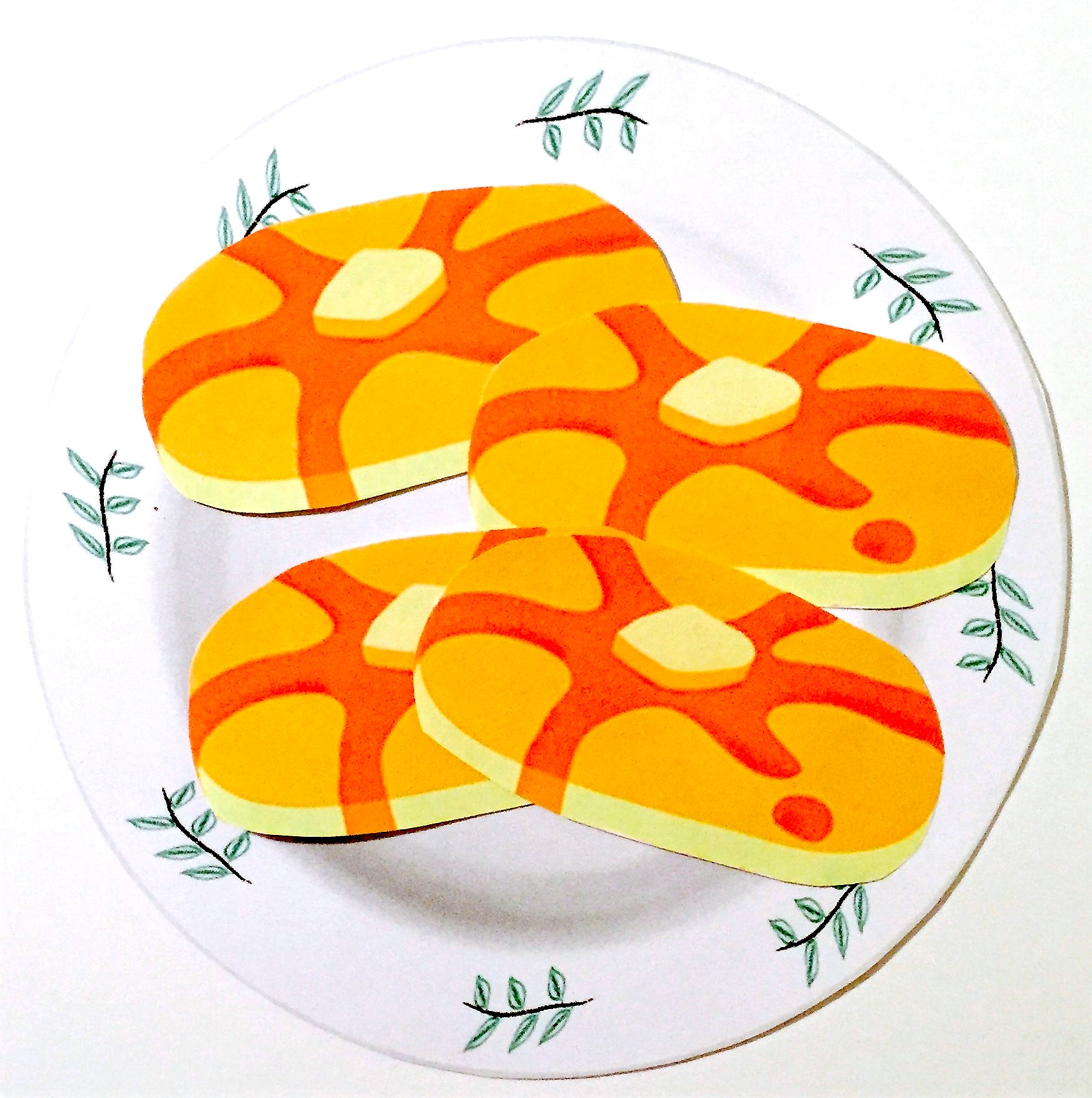
celebrate-picture-books-picture-book-review-pancake-game-four (2)

Pancake Flip-Out Game


A favorite family breakfast is pancakes! If you can’t get enough of pancakes at breakfast (or that other treat: breakfast for dinner), you can play this Pancake Flip-Out Game to fill your plate.

Supplies

You can play this game several ways:

  1. Print and cut out the pancakes and plate (or use your own paper plate or other dish) and glue them to the heavy paper, poster board, or foam sheet
  2. Place the plate on the floor
  3. Draw 3 concentric circles around the plate about 12 inches apart.  For younger children make the circles closer together.
  4. Give each player the same number of pancakes and choose someone to go first
  5. Each player takes turns tossing or flipping their pancakes, trying to get them onto the plate
  6. When a player has used all of their pancakes add up their score:
  • Hitting the target can earn you 20 points
  • Getting your pancake in the first circle around the plate earns you 15 point
  • Hitting the second circle is worth 10 points
  • Pancakes landing in the third circle are worth 5 points

Rotate through the players as many times as you like and add up the points at the end. The player with the most points wins!

Try this Option:

Instead of tossing the pancakes with your hands, try flipping them with a spatula!

Or: Make up your own rules—and have fun!

celebrate-picture-books-picture-book-review-let's-eat-mealtime-around-the-world-cover

You can find Let’s Eat! Mealtime Around the World at these booksellers

Amazon | Barnes & Noble | Books-a-Million

To support your local independent bookstore, order from

Bookshop | IndieBound

Picture Book Review

October 12 – National Farmers Day

celebrate-picture-books-picture-book-review-the-farm-that-feeds-us-cover

About the Holiday

National Farmers Day events have taken place across the country since the 1800s, and these days events are held on different dates in different towns throughout the fall. The holiday celebrates the hardworking farmers who grow and raise the food that fills our grocery stores, farm markets, and tables. Beyond food, farmers contribute to our economy across industries.

Thanks to Quarto Knows for sending me a copy of The Farm That Feeds Us for review consideration. I used a digital copy of The Kitchen Pantry Scientist: Chemistry for Kids for my review. All opinions on the books are my own.

Introducing Quarto Classroom
celebrate-picture-books-picture-book-review-Quarto-Classroom-Logo

New this year, Quarto Classroom is a free video library on YouTube of expert authors using their books to teach everything from math to arts & crafts to social emotional learning. There are videos and activity sheets for every age, which can be used as supplements to your normal school curriculum—plus, you to get to know some pretty cool authors! Perfect to enhance virtual schooling and homeschooling, the videos and materials are exciting ways to engage your kids in hands-on learning. Today, I’m reviewing two books that approach science in different ways. The first covers the science of organic farming, and the second gets kids involved in chemistry experiments in their own kitchen. You can find all the available videos on various topics at Quarto Classroom.

The Farm That Feeds Us: A Year in the Life of an Organic Farm

Written by Nancy Castaldo | Illustrated by Ginnie Hsu


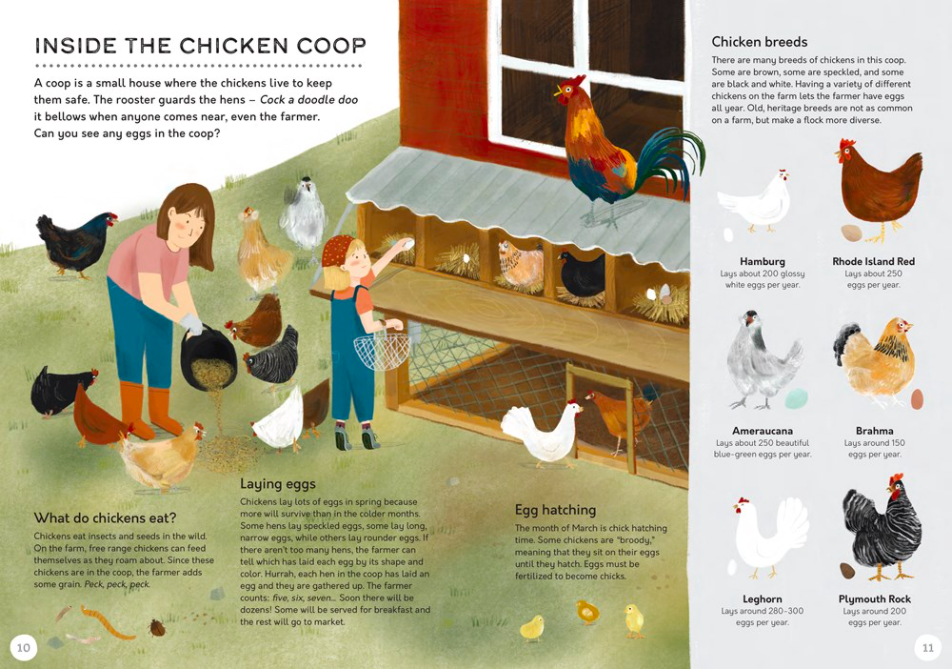
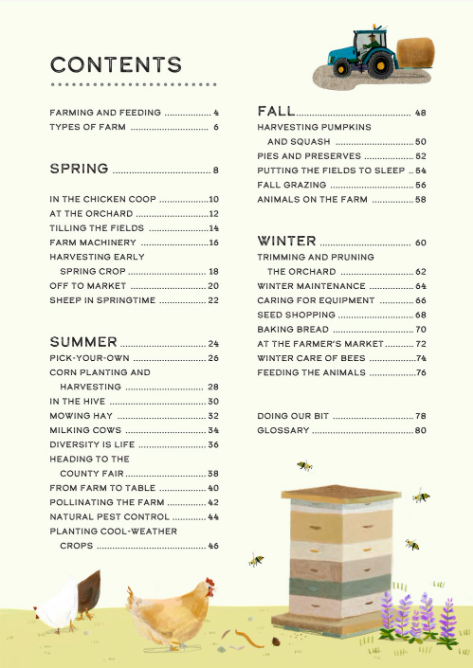
This encyclopedic beauty takes readers to an organic family farm, where they spend a year learning about various types of farms and then get a close-up look at the activities and transformations that take place from season to season. In Spring, the farmer is up before the birds to feed the animals and mild the cows and goats. The chicken coop is busy as the kids feed the chickens and rooster and collect eggs. Some chickens are “broody” today—sitting on their eggs until they hatch. What kind of chickens are there? This coop is home to Hamburg, Rhode Island Red, Ameraucana, Brahma, Plymouth Rock, and Leghorn, which can lay “around 280–300 eggs per year.”

Out in the orchard among the apple, cherry, pear, and plum trees, the bee hives are being checked. In the fields, the farmer is tilling the soil to plant lettuce, carrots, beans, radishes, beets, and peas. You can see many kinds of equipment and machinery farmers use here. Some crops love the cool weather of early spring, so workers are already harvesting the peas, lettuces and greens, asparagus, and radishes. Then it’s off to the farm market to sell the food to eager customers.
celebrate-picture-books-picture-book-review-the-farm-that-feeds-us-chicken-coop

Image copyright Ginnie Hsu, 2020, text copyright Nancy Castaldo, 2020. Courtesy of Words & Pictures, Quarto Knows.

With temperatures getting warmer, it’s time to sheer the sheep. Lambs are born now too. You can see and learn about six breeds of sheep that are found around the world. Summer brings thousands of strawberries, raspberries, and cherries in the farm’s pick-your-own fields. Summer also means corn, which comes in many colors and is used for different purposes, from feeding people and livestock to making fuel. “Some varieties of corn have hears filled with kernels that look like multi-colored gems. Come take a look!

Twice a day the cows are milked. “On some industrial farms, cows are kept in pens and are bred to produce unnaturally high volumes of milk. On this organic, family farm, the cows are free to roam around” pesticide-free fields. Without antibiotics or hormones to increase milk production, their milk is “healthier for people to drink.” You can learn about five distinct breeds of cows here too.

It’s been an exciting time for the farmers! This weekend was the county fair, where “farmers come from all over the county to show off their produce and livestock.” Come take a look at all the exhibits! Then a local chef visits, eager to learn about the fresh produce and heirloom varieties available. “Squash blossoms, tomatoes, and radishes are picked and packed for the chef to take back to the kitchen for tonight’s menu.” You can also learn about food distribution and why eating local is healthier and more delicious.

celebrate-picture-books-picture-book-review-the-farm-that-feeds-us-chicken-farm-machinery

Image copyright Ginnie Hsu, 2020, text copyright Nancy Castaldo, 2020. Courtesy of Words & Pictures, Quarto Knows.

While large farms often use manmade pesticides to thwart insects and other pests, “organic farms use many different methods, including crop rotation, crop isolation, and growing other plants nearby that ward off pests.” Take a look at how these methods work.

Autumn brings pumpkins—in so many varieties! Orange, white, and green; warty, smooth, and tiny, each pumpkin has its own use and flavor. In the farmhouse kitchen, freshly picked fruit and vegetables are becoming jams, pies, sauces, and chutneys. In preparation for winter, the fields must be “put to sleep to keep the soil healthy for the spring plantings. Discover how important cover crops, mowing, and even fall grazing by the animals is to the farm’s health.

While no crops are growing during the winter, that doesn’t mean things slow down on the farm. Now is the time when repairs and cleaning are done, the apple trees are pruned, and logs are split for the woodstove. The bee hives are also wrapped to keep them warm. As the snow falls, the family feeds the animals in the barn and then gathers around and chooses the seeds they want to plant in the spring.

A bread recipe, a discussion on how we can make a difference to ensure a variety of healthy food remains available, and a glossary of words used in the book close out the text.
celebrate-picture-books-picture-book-review-the-farm-that-feeds-us-contents

Nancy Castaldo’s gorgeous and informative book, written in a lyrical, conversational style and full of fascinating details about the life of a farm and its crops and animals will entice readers to learn more about their local farms, the food grown there, and shopping at farmers markets.

Ginnie Hsu’s bright and homey illustrations will enchant readers of all ages as they discover realistic depictions of farm equipment, planting methods, crops, animals, and the beauty and intricacies of a small farm. Two-page spreads allow for detailed and panoramic views of the always-changing scenery and activities that make a farm such an exciting and intriguing place.

Whether you’re a teacher, homeschooler, or gardener; love farms; or are a proponent of an organic lifestyle, The Farm That Feeds Us would be an excellent accompaniment to science, social studies, and environmental lessons. The book offers untold opportunities to spark further research into the topics presented and ideas for classroom or home gardens. It is highly recommended for home bookshelves and is a must for school and public libraries.

Ages 7 – 11

Words & Pictures, Quarto Knows, 2020 | ISBN 978-0711242531

Discover more about Nancy Castaldo and her books on her website

To learn more about Ginnie Hsu and view a portfolio of her art, visit her website.

celebrate-picture-books-picture-book-review-the-farm-that-feeds-us-cover

You can find The Farm That Feeds Us at these booksellers

Amazon | Barnes & Noble | Books-a-Million

To support your local independent bookstore, order from 

Bookshop | IndieBound

The Farm That Feeds Us Quarto Classroom Video

You can visit with Nancy Castaldo as she reads from her book and talks about food from her local farms as well as about food you may find in your own pantry, clothing hanging in your closet, and other items in your house and the farms where they came from. Nancy invites kids to go on a scavenger hunt in their classroom or home to discover how many things we eat and use come from farms. You can find her video and download a teachers’ guide on the Quarto Classroom website under Science.
celebrate-picture-books-picture-book-review-chemistry-for-kids-coverThe Kitchen Pantry Scientist: Chemistry for Kids 

By Liz Lee Heinecke | Illustrated by Kelly Anne Dalton | Photography by Amber Procaccini Photography


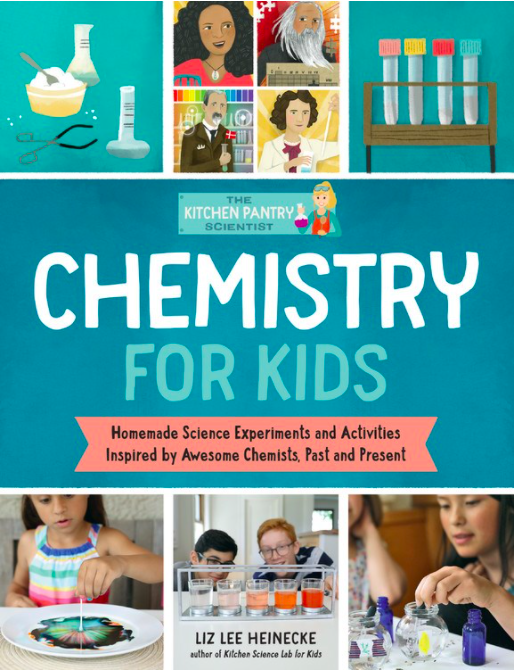
Replicating the experiments of twenty-five of the world’s most influential scientists from 1200 BCE to 1975 will give children and young people an appreciation for the long history and vast influence of chemistry since the beginning of time. Along with each experiment, readers learn about the scientists, background on their work, and “where you can still find it used or reflected in today’s world.”
celebrate-picture-books-picture-book-review-chemistry-for-kids-dmitri-mendeleev

Image copyright Kelly Anne Dalton, 2020, text copyright Liz Lee Heinecke, 2020. Courtesy of Quarry Books, Quarto Knows.

First up is Tapputi-Belatikallim—a woman and the first recorded chemist, who lived in ancient Mesopotamia over 3200 years ago. Her position within the royal household was that of fragrance preparer, an important role as scents were “believed to transcend the physical world to reach their gods, who would be pleased by their sacrifice.” Her recipe “includes the first description of a distillation apparatus ever recorded and a number of her methods are still used today….” With a slow cooker or pot, fresh or dried lemon, herbs, or flowers, and other common kitchen tools, readers can create their own fragrance. Clear photographs show budding chemists the steps to success.

What would carbonated-drink fans do without their sparkling bubbles? Fortunately, because of Joseph Priestley’s work in 1767, they’ll never need to know. With baking soda and vinegar, young scientists can go beyond the volcano and create their own carbonated water. They’ll also learn more about this man who was ahead of his time in many ways. Don’t put the vinegar away too soon! With the next experiment, kids can turn a pad of steel wool into a powdery rust with oxidation—just like Antoine Lavoisier.
celebrate-picture-books-picture-book-review-chemistry-for-kids-periodic-table

Photographs copyright Amber Procaccini, copyright 2020, text copyright Liz Lee Heinecke, 2020. Courtesy of Quarry Books, Quarto Knows.

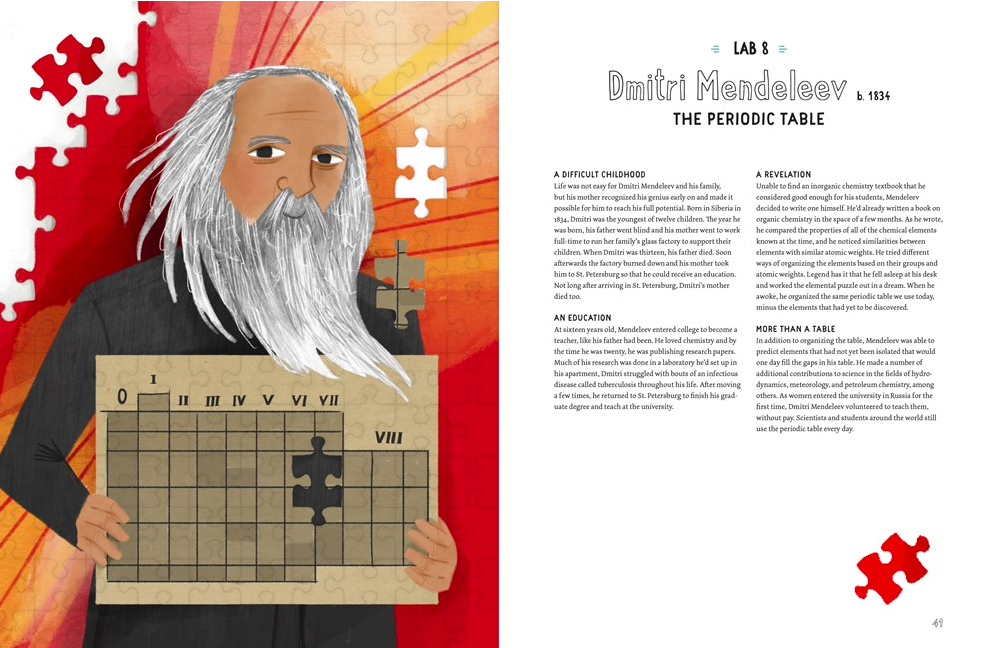
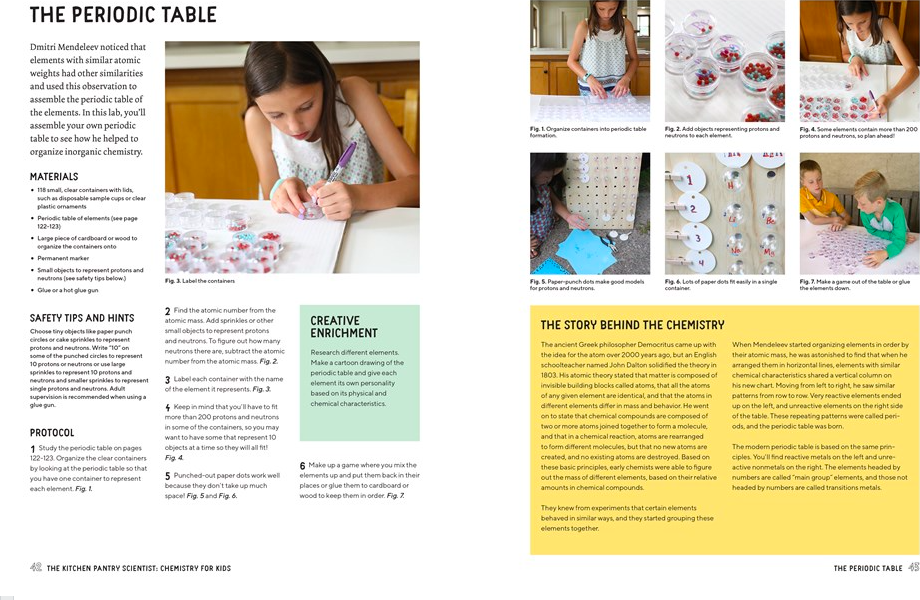
Can’t quite get your head around the periodic table? With this experiment you can make your own and really see what’s up with all of those protons and neutrons! Who came up with the periodic table? That would be Dmitri Mendeleev, who legend has it dreamed up the format in…well…a dream. Can washing dishes ever be more than a chore? For Agnes Pockels, born in 1862, it led to a revelation about surface tension and how various soaps and other materials could disturb it. Get out a plate, some water, milk, food coloring, oil, and other ingredients and get to work!

How do you smell? I mean…how well can you smell? In 1991 Dr. Linda Buck discovered “a group of genes that no one had ever seen before. These genes coded for a group of 350 smell receptors that work in combination to detect thousands of different odors. “In 2004 Linda and her colleague Richard Axel won the Noble Prize in Physiology or Medicine for their discoveries of odorant receptors….” With the experiment here, you and your family can discover how sensitive your nose is by blind-testing a variety of objects.
celebrate-picture-books-picture-book-review-chemistry-for-kids-margaret-cairns-etter

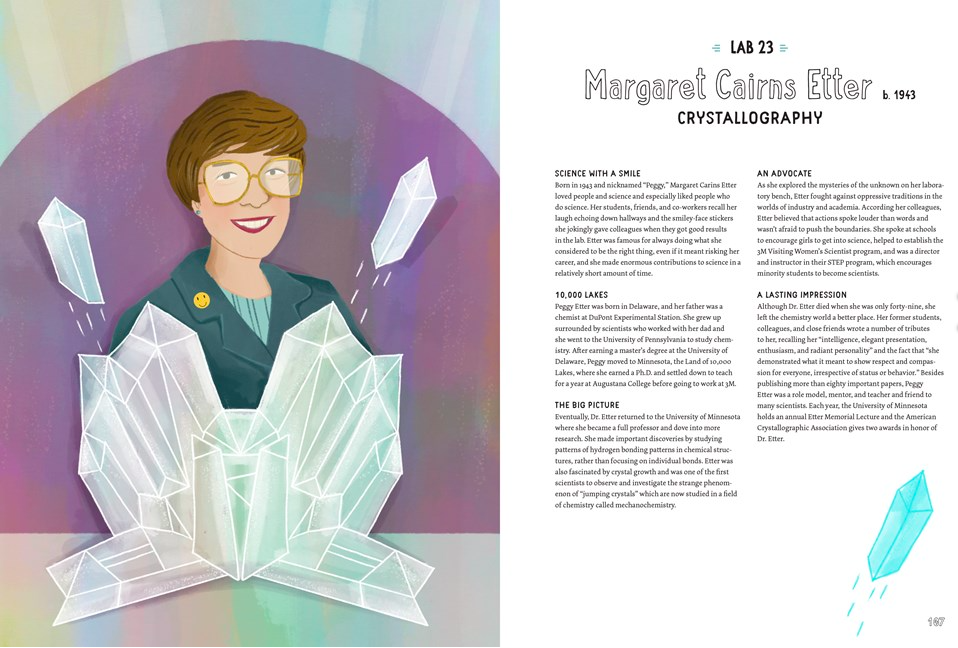
Image copyright Kelly Anne Dalton, 2020, text copyright Liz Lee Heinecke, 2020. Courtesy of Quarry Books, Quarto Knows.

The next time your teacher, mom, or dad sees you using your phone in class, it might be because you’re doing Raychelle Burks’ colorimetric sensors experiment. With an app you can turn your phone into a spectrometer to test RGB ratings for a series of diluted liquids. Burks’ current research is focused on designing “sensing systems that can identify chemical clues tied to crime.” Who knows—you may find yourself working as a CSI after getting hooked by the science behind this fascinating experiment.

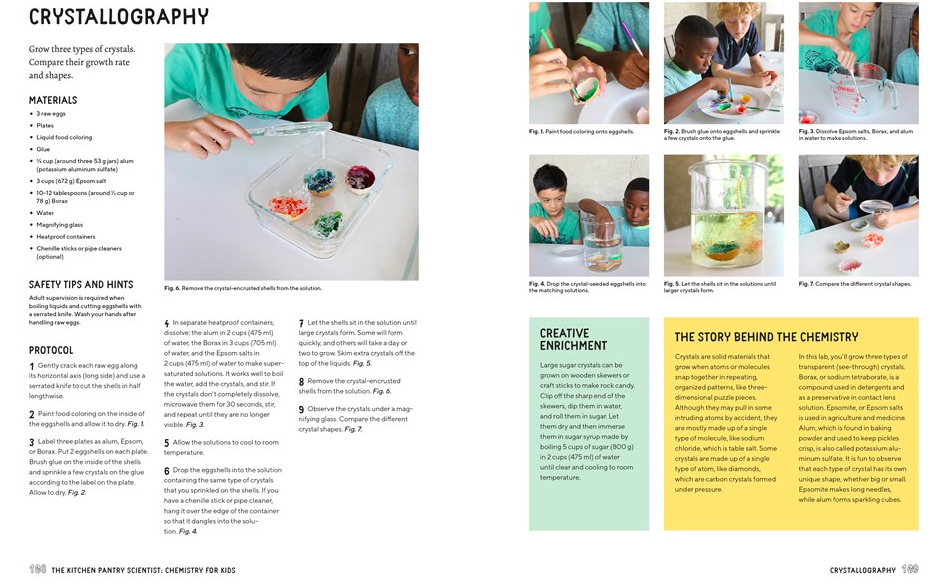
Along the way, young scientists can make soap, create chemical batteries, work with synthetic dyes, make lava lamps to test temperature and chemical reactions, do elemental extraction, discover the pH scale, learn about chromatography, extract organic oils, make crystals, extract medicinal compounds from aloe, and take part in many more educational and fun experiments. A glossary, the periodic table, and a list of resources and references follows the text.
celebrate-picture-books-picture-book-review-chemistry-for-kids-crystallography

Photographs copyright Amber Procaccini, copyright 2020, text copyright Liz Lee Heinecke, 2020. Courtesy of Quarry Books, Quarto Knows.

Prior to each experiment, readers learn about each chemist through Kitchen Pantry Scientist Liz Lee Heinecke’s lively biographies that spotlight stories from the scientist’s childhood, family life, education, early work, and influence on the world at large.

Kelly Anne Dalton’s engaging and vivid illustrated portraits of each chemist introduce each experiment and set the scientist in her or his time period.

A superb reference and resource for schools, homeschooling, today’s virtual schooling as well as for kids who just like to tinker (like many of the scientists highlighted), Chemistry for Kids would be a favorite go-to book for science lessons and free time and is highly recommended for home, school, and public library collections. The book would also make an excellent gift.

Ages 7 – 12

Quarry Books/QuartoKnows, 2020 | ISBN 978-1631598302

To learn more about Liz Lee Heinecke, her books, and her work, visit her website The Kitchen Pantry Scientist.

Discover more about Kelly Anne Dalton, her books, and her art on her website.

Chemistry for Kids Quarto Classroom Video

Liz Lee Heinecke invites you into her kitchen to talk about her book and hear the story of Agnus Pockles. Following the reading she takes kids step-by-step through Agnus’s experiment on surface tension, using milk and food coloring to explain how this phenomenon works. She then shows how detergents break surface tension with dramatic results. You can find Liz’s video and download a teachers’ guide at the Quarto Classroom website under Science.

celebrate-picture-books-picture-book-review-chemistry-for-kids-cover

You can find Chemistry for Kids at these booksellers

Amazon | Barnes & Noble | Books-a-Million

To support your local independent bookstore, order from

Bookshop | IndieBound

Picture Book Review


February 7 – National Bubble Gum Day

celebrate-picture-books-picture-book-review-Pop!-the-invention-of-bubble-gum-cover

About the Holiday

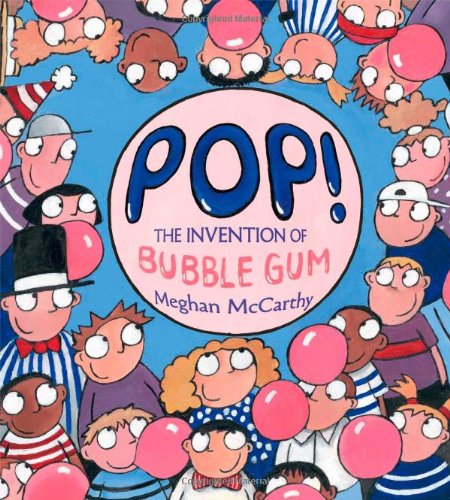
In 2006, Ruth Spiro, a children’s author and mother, established National Bubble Gum Day as a way for children to raise funds for their school and the charities it supports while having a little fun in the process. For this one day a year, students can earn permission to chew gum in class by donating 50 cents to the cause. Another fun and educational way to celebrate the day is by reading today’s book that tells the story of Walter Diemer and how he came up with the formula for bubble gum.

POP! The Invention of Bubble Gum

By Meghan McCarthy

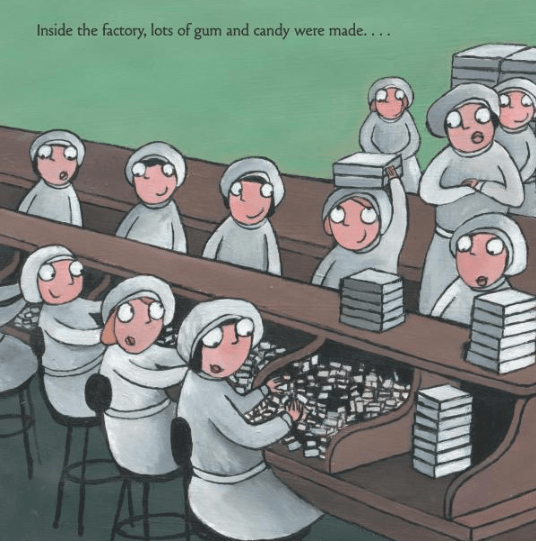
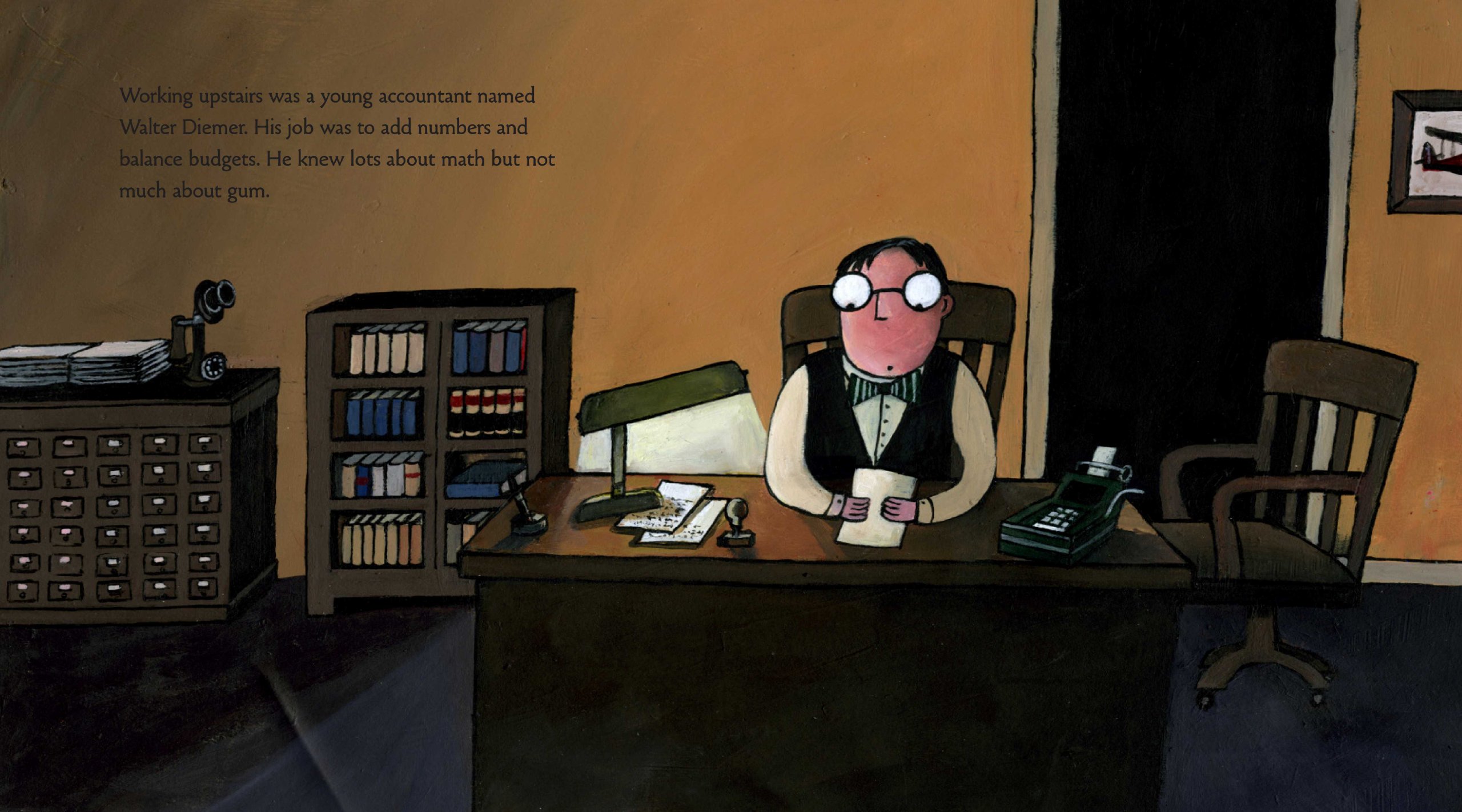
In the 1920s, the Fleer family of Philadelphia was known for their factory where candy and gum were made. In an office upstairs the company’s accountant, Walter Diemer worked on the books and balanced the budgets. “He knew lots about math but not much about gum.” As the company outgrew its laboratory space downstairs, a new, experimental laboratory was set up in a room next to Walter’s office. Walter watched with curiosity as beakers, tubes, pots, and other equipment were moved into the lab.

Soon he learned that “the company was trying to make a new kind of chewing gum.” Chewing gum had been around in various forms for centuries and used for fun and also for medicinal purposes. Gum, the Fleers thought had become kind of boring. “But what if gum chewers could blow bubbles?”

celebrate-picture-books-picture-book-review-Pop!-the-invention-of-bubble-gum-candy

Copyright Meghan McCarthy, 2010, courtesy of Simon and Schuster.

In the experimental laboratory, Walter watched as the scientists tinkered and tested. Not much progress was made. Then one day Walter’s boss asked him to watch one of the experimental batches. Walter became so intrigued that he began experimenting with it himself, adding this and that. Still nothing happened. Finally, Walter’s boss gave up.

Walter, however, kept trying. Months later he had a bubbling concoction. All it needed, Walter thought, was some flavor. He “added a bit of cinnamon, a dash of wintergreen, a drop of vanilla…” and wondered if this could be bubble gum at last. He “put a wad into his mouth and began to chew.” Then “he blew a magnificent bubble!” He gave some to his coworkers, and as Walter remembered it, “‘We were blowing bubbles and prancing all over the place!’”

celebrate-picture-books-picture-book-review-Pop!-the-invention-of-bubble-gum-walter

Copyright Meghan McCarthy, 2010, courtesy of Simon and Schuster.

But the next day when Walter came to work, his batch of bubble gum was as hard as a rock. Walter went back to work on his invention. Months—and some top-secret ingredients—later, Walter had just the consistency he wanted. The gum now needed some color. Pink was the only food coloring he had, so he poured it in.

On the day after Christmas, a batch of the bubble gum was cut into pieces and delivered to a small candy store. The people who came in were given a piece to chew and became “the first people in the world to try a bubble gum that worked.” Walter even “gave lessons on how to blow bubbles.” Soon, truckloads of Walter’s Double Bubble were being delivered to stores, big and small, all over.

celebrate-picture-books-picture-book-review-Pop!-the-invention-of-bubble-gum-lab

Copyright Meghan McCarthy, 2010, courtesy of Simon and Schuster.

Walter went on to become the vice president of the Fleer company. When he retired, Walter spent his time riding his giant tricycle and engaging the neighborhood kids in bubble gum blowing contests. Walter didn’t get rich from his invention, but knowing that he had made kids all over the world happy was enough reward for him.

Extensive back matter includes more information on Walter Diemer, facts about gum, and resources on the quotes found in the story.

celebrate-picture-books-picture-book-review-Pop!-the-invention-of-bubble-gum-pink

Copyright Meghan McCarthy, 2010, courtesy of Simon and Schuster.

Kids who love bubble gum and inventing will find lots of information to chew on as they follow Walter’s journey from accountant to inventor. His stick-to-itivness in the face of defeat and even after the scientists and his boss had given up offers inspiration and a good lesson that sometimes success takes longer than you think. The included bits of history may spur readers to learn more about how gum was used by our ancestors and other cultures, and chemists in the making may want to investigate and compare Walter’s flavor and color ingredients against today’s bubble gum.

Meghan McCarthy’s storytelling is delightfully conversational and sprinkled with quotes from Walter Diemer, creating a personal narrative that will resonate with kids.McCarthy’s cartoon-inspired illustrations match the light-hearted tone of her story, and the laboratory scenes froth and bubble mysteriously as Walter adds and stirs up the secret ingredients that finally succeeded in bringing the world this long-favorite treat.

A charming, quick-paced look at the creation of a best-loved treat, POP! The Invention of Bubble Gum will engage kids in history and inspire them to keep trying even when everyone else has given up. The book would also make an entertaining and accessible lead in to chemistry lessons in the classroom.

Ages 4 – 8

Simon and Schuster, 2010 | ISBN 978-1416979708

To learn more about Meghan McCarthy, her books, and her art, visit her website

National Bubble Gum Day Activity

celebrate-picture-books-picture-book-review-gumball-machine-coloring-page

Gumball Machine Coloring Page

Where’s a great place to get some bubble gum? A gumball machine, of course! Have fun adding all of your favorite colors to this printable Gumball Machine Coloring Page.

celebrate-picture-books-picture-book-review-Pop!-the-invention-of-bubble-gum-cover

You can find POP! The Invention of Bubble Gum at these booksellers

Amazon | Barnes & Noble | Books-a-Million | IndieBound

Picture Book Review
January 17 – Kid Inventors’ Day

celebrate-picture-books-picture-books-review-the-hole-story-of-the-doughnut

About the Holiday

Today’s holiday celebrates all those ingenious kids who have improved the world with their inventions. This date was chosen to commemorate another child inventor—Benjamin Franklin—who designed the first swim fins when he was just 12 years old! (Seriously, is there nothing this man didn’t or couldn’t do?) With their supple minds and can-do attitudes, kids have changed the ways things are done in the fields of medicine, technology, communications, and even food—as today’s book shows! To learn more about the day and find resources for young inventors, visit the K.I.D website.

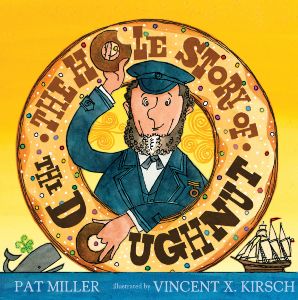
The Hole Story of the Doughnut

Written by Pat Miller | Illustrated by Vincent X. Kirsch


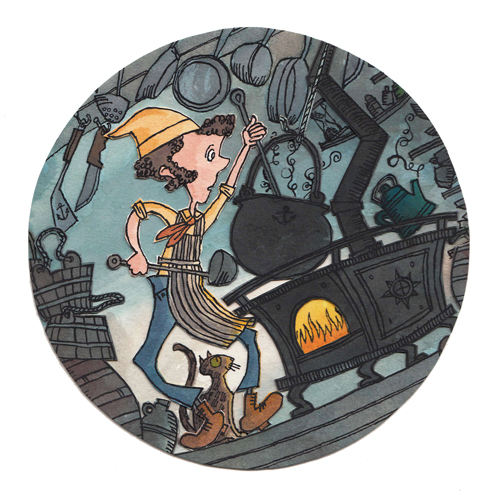
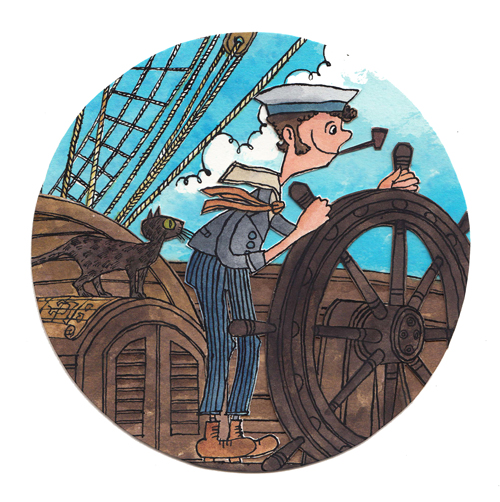
In 1844 at the tender age of 13, Hanson Gregory left the family farm and went to sea as a cabin boy on the schooner Isaac Achorn. He quickly became the cook’s assistant and also learned how to rig the sails and “steer a ship over trackless waves by sun and stars.” By the age of 19 Gregory had become the captain of the schooner Hardscrabble, and within a few more years was racing “his cargo from Maine to California as commander of a clipper, the fastest ship on any ocean.”

celebrate-picture-books-picture-book-review-hole-story-of-the-doughnut

Image copyright Vincent X. Kirsch, courtesy of vincentxkirsch.com

Hanson Gregory may have been one of the best captains to sail the seas—once awarded a medal for heroism for rescuing seven shipwrecked Spanish sailors even though his own ship and crew were endangered. But his greatest achievement was not attained because of his seafaring skills—it was his ingenuity in the galley that people remember.

On June 22, 1847 as a 16-year-old cook’s assistant, Hanson was rustling up the crew’s breakfast—coffee and fried cakes, the same as every morning. While the pot of lard bubbled on the stove, Gregory formed balls of sweetened dough and dropped them in. They sizzled and crisped—at least around the edges. The centers were raw, heavy with grease, and they dropped like cannonballs in the stomach. “Sailors called them Sinkers.” But this morning Gregory had an idea. He removed the lid from the pepper can and cut out the center of the balls. “Then he tossed the rings into the bubbling lard.”

celebrate-picture-books-picture-book-review-hole-story-of-the-doughnut

Image copyright Vincent X. Kirsch, courtesy of vincentxkirsch.com

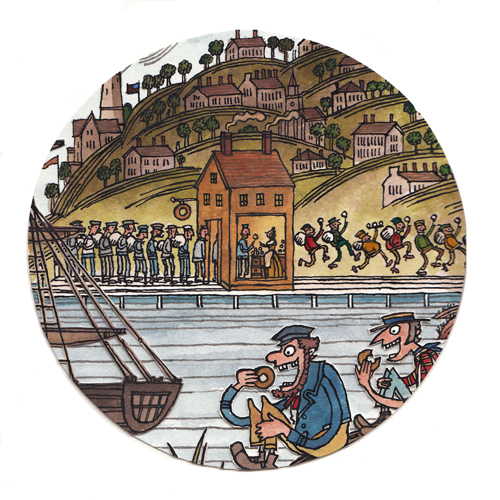
The cook and the sailors took one look at this odd concoction and…ate them up! “The cakes were brown, and sweet, and fully cooked. Sighs of delight rose above the noisy sea. A new breakfast tradition was born.” Gregory told his mom about his invention, and she fried up large batches of these ‘holey cakes’ that became a sensation at a friend’s store and on the docks.

You might think this is a pretty interesting tale in itself, “but sailors like their stories bold” and so they “spun legends worthy of such a delicious treat.” One tale had Captain Gregory inventing the doughnut while he saved his ship from disaster. Another told how Gregory, distraught over the drowning of five sailors pulled to the ocean floor by their “sinker” breakfast, punched holes in every cake to make them look like life rings and vowed, “‘Never again!’”

Captain Gregory had a sense of humor about his accomplishment. During an interview he once stated that “he had invented ‘the first hole ever seen by mortal eyes.’” Gregory lived to be 89 and is buried “overlooking the sea where stormy weather can be spotted as readily as it once was from the quarterdeck of the Hardscrabble.”
An author’s note expanding on the story of Captain Gregory, the doughnut, doughnut shops, a timeline, and a selected bibliography follow the text.
celebrate-picture-books-picture-book-review-hole-story-of-the-doughnut

Image copyright Vincent X. Kirsch, courtesy of vincentxkirsch.com

Doughnuts have never been so evocative! In Pat Miller’s humorous, informative history of this favorite pastry treat, readers can smell the salt air, feel the ocean swell and roll under their feet, and even ache a little for those poor sailors forced to eat “sinkers.” Seamlessly interwoven into this foodography is a fascinating look at the early days of sail. Miller’s language is immediately stirring: the Ivanhoe bucks and plunges, the sea becomes a monster, and Captain Gregory spears a sinker on the wheel spoke. Kids will marvel at a 13-year-old going off to sea and becoming an inventor at 16.

Vincent X. Kirsch provides just the right touch to this captivating true story with his cartoon-inspired watercolor and cut paper artwork. Ingeniously incorporating Hanson Gregory’s innovation of removing the center of the fried cakes, Kirsch’s illustrations are “cored” to allow for text, while the extracted section appears on the facing page as a glimpse through a porthole. The maritime atmosphere—from ship to shore—of the mid-1800s is beautifully represented in the folk-style sketches, and the humor that is so intrinsic to this story is wonderfully embraced.

The Hole Story of the Doughnut will delight foodies and history buffs alike and would make a fun gift and a delectable addition to personal libraries for all ages.

Ages 5 – 12

Houghton Mifflin Harcourt, 2016 | ISBN 978-0544319615

Vincent X. Kirsch’s website is full of illustrations from his books for children—take a look at his portfolio!

Spend some time with Pat Miller on her website that offers activities, tips, resources and many more books!

Kid Inventors’ Day Activity

celebrate-picture-books-picture-book-review-cd-doughnut-craft

CD (Compact Doughnuts) Decoration


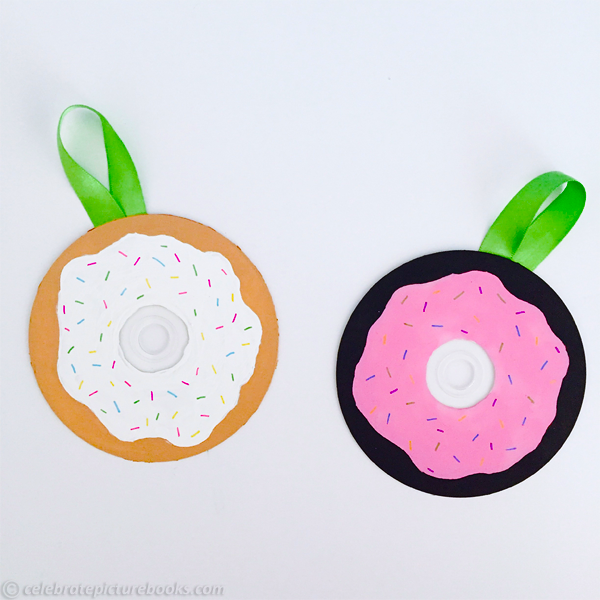
Are some of  your CDs a little passé? Not if you can turn them into cute décor like this doughnut hanging.

Supplies

  • Unused CDs
  • Craft paint in tan, black, pink, yellow, white (or any colors you want for the doughnut and the icing)
  • Ribbon, any color and length you want
  • Fine-tip markers in bright colors
  • Glue
  • Glue dots (optional)
  • Paint brush

Directions

  1. Paint a wavy edge around the CD, let dry
  2. Paint the center of the CD, leaving the clear circle unpainted
  3. When the icing paint is dry, draw sprinkles on the icing with the markers
  4. With the ribbon make a loop hanger and attach it to the back of the CD with glue or glue dots
  5. Hang your decoration

celebrate-picture-books-picture-books-review-the-hole-story-of-the-doughnut

You can find The Hole Story of the Doughnut at these booksellers

Amazon | Barnes & Noble | Books-a-Million | IndieBound

Picture Book Review