May 15 – National Inventors Month

Today we celebrate the creative minds who devise new products, better ways of performing tasks, faster methods of communication, and all kinds of innovative ways to interact with our world. Established in 1998 by the United Inventors Association of the USA, the Academy of Applied Science, and Inventors’ Digest magazine, this month’s holiday encourages people to embrace their creativity and go that extra step toward producing their invention. If you’re a tinkerer, who knows—your product or service could make the world a better place! Today’s book introduces readers to an innovator in the medical field.

Thank you to Beach Lane Books and Barbara Fisch at Blue Slip Media for sending me a copy of this book for review!

A Doctor at Heart: The Story of Groundbreaking Scientist and Teacher Vivien Thomas

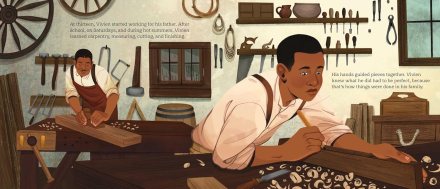
Vivien Thomas had always loved figuring things out. As a teenager he worked in his father’s carpentry shop, always making and guiding pieces to fit together perfectly because “that’s how things were done in his family.” While in high school, Vivien decided to become a doctor. When the financial crash of 1930 wiped out his college savings, Vivien got a job as a lab assistant for Dr. Blalock at the Vanderbilt University School of Medicine. He was a quick learner, and within a month was performing surgery on dogs.

Illustration copyright © 2026 by Steffi Walthall. Text copyright © 2026 by Joan Schoettler. Courtesy of Beach Lane Books.

Even though his job entailed much responsibility, as a Black man he was only paid as much as a hospital custodian. When Vivien considered returning to “his better-paying carpentry job,” Dr. Blalock procured a raise. Dr. Blalock thought so highly of Vivien’s work that he took Vivien with him to a new job at Johns Hopkins Hospital in Baltimore, Maryland.

There, Vivien and Dr. Blalock began working on heart defects in babies that led to “blue baby syndrome,” in which the “babies’ blood lacked oxygen” because their lungs did not work properly. After the two designing a shunt to reroute the blood from the heart to the lungs and Vivien’s extensive experimental surgery on dogs, the new procedure was ready to apply to a child. Vivien designed tiny surgical tools to use on the first patient, a toddler. When it came time to perform the surgery, however, he had to watch from above as only white doctors and nurses were allowed to work on white patients.

Illustration copyright © 2026 by Steffi Walthall. Text copyright © 2026 by Joan Schoettler. Courtesy of Beach Lane Books.

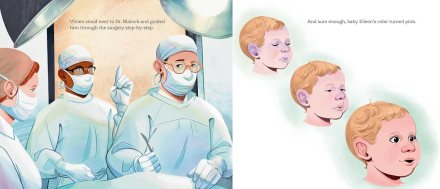
But Vivien had much more experience performing the surgery than Dr. Blalock, and Dr. Blalock called him down to “guide him step-by-step.” This first open-heart surgery on a child was a success, leading many parents of similar children to come to the hospital for treatment. Some of these children arrived in wheelchairs, some being held by their parents. Following their surgery, these once-sick children thrived.

Illustration copyright © 2026 by Steffi Walthall. Text copyright © 2026 by Joan Schoettler. Courtesy of Beach Lane Books.

Vivien taught other surgeons the procedure and went on to teach many medical students who became renowned cardiac surgeons as well as training Black lab technicians, some of whom went on to medical school. At the age of 66, Vivien Thomas was awarded an honorary doctorate and named an instructor of surgery in the School of Medicine.

Back matter includes an Author’s Note that expands on Vivien Thomas’s life and experiences as well as a list of book, video, and internet sources and further reading for children. A photograph of Vivien Thomas as a lab technician in the 1930s and his painted portrait at Johns Hopkins Hospital are also included.

Illustration copyright © 2026 by Steffi Walthall. Text copyright © 2026 by Joan Schoettler. Courtesy of Beach Lane Books.

In her inspiring biography of Vivien Thomas, Joan Schoettler presents a fascinating portrait of this brilliant and precise scientist who, along with his mentor and without formal medical training, pioneered open-heart surgery on children. Schoettler clearly explains medical terms and hospital conditions and reveals Thomas’s gentle and caring nature that made him beloved by patients, hospital staff, and his students. Through eye-opening examples, she helps children understand the times in which Thomas lived, the discrimination that constrained his advancement, and the challenges he overcame. Her book also serves as a reminder that these injustices and the loss of talent, both personal and for society, continue today.

Steffi Walthall’s stirring illustrations follow Vivien Thomas throughout his life from his father’s carpentry workshop to Vanderbilt University, Johns Hopkins Hospital, and the operating room. Her realistic depictions of medical equipment and procedures help children see how “blue baby syndrome” affected children and how the shunt that Thomas and Dr. Blalock devised to reroute blood worked. Children interested in medical science and history will be especially drawn to Walthall’s compelling and educational imagery.

Ages 4 – 8

Beach Lane Books, 2026 | ISBN 978-1481476669

About the Author

Joan Schoettler is a children’s author and professor of children’s literature and storytelling at California State University, Fresno. Her book The Honey Jar won the Gold Medal for Juvenile Books at the 2024 California Book Awards and was a 2024 Bank Street College Best Children’s Book of the Year. Joan lives in central California with her husband. Visit her at JoanSchoettler.com.

About the Illustrator

Steffi Walthall is an illustrator and character designer born and raised in Virginia. She received her BFA in Game Development from the Savannah College of Art & Design (SCAD). Steffi focuses on crafting a diverse range of characters and unique stories and is the illustrator of Joan Schoettler’s A Doctor at Heart, Chris Barton’s Moving Forward, and J.E. Bright’s Wonder Woman: The Way of the Amazons. For more information about Steffi, please visit SteffiWalthallArt.com.

celebrate-picture-books-picture-book-review-sparkle-test-tubes-II

Kids love inventing and experimenting! This activity lets kids use their imagination to create medicines, potions, or specimens to accompany imaginative play. Note: the contents of these test tubes is not for eating or drinking.

Supplies

  • Plastic test tubes with tight-fitting screw cap, available at craft or science supply stores. Having two or three will allow for more experimentation
  • Glitter glue
  • Hot water
  • Fine glitter
  • Chunky glitter
  • Small glass beads (optional)
  • Neon food coloring (optional)
  • Test tube stand (optional)
  • Whisk
  • Mixing bowl
  • Teaspoon

Directions

  1. Fill a test tube 1/3 full of hot water and pour the water into the mixing bowl
  2. Add 1 – 2 teaspoons of glitter glue (the more glitter glue that is added the thicker the liquid will be and the more the objects will be suspended in the liquid. To allow the objects to flow more freely when the test tube is shaken, add less glue
  3. Whisk the water and glitter glue together
  4. Add chunky glitter, glass beads, or try other small objects
  5. Pour into test tube
  6. Add more water to within a ½ – 1 inch of the top to allow for shaking
  7. Experiment with amount of glitter glue, glitter, and colors

You can purchase A Doctor at Heart: the Story of Groundbreaking Scientist and Teacher Vivien Thomas from these booksellers

Amazon | Barnes & Noble | Bookshop

May 7 – Get Caught Reading Month

About the Holiday

When you love to read, you want to share all the excitement that books contain. The Get Caught Reading campaign was initiated in 1999 by the Association of American Publishers with the idea to promote literacy and language development through reading to children and spurring them to read on their own. All month long, people are encouraged to pass along their love of literature—from board books to Shakespeare and everything in between—by taking pictures of themselves reading and sharing them on social media. Movie and TV celebrities, sports figures, authors, illustrators, teachers, moms and dads, grandmas and grandpas, and kids of all ages take part in this favorite annual event. Why don’t you?! For more information, visit the Get Caught Reading website.

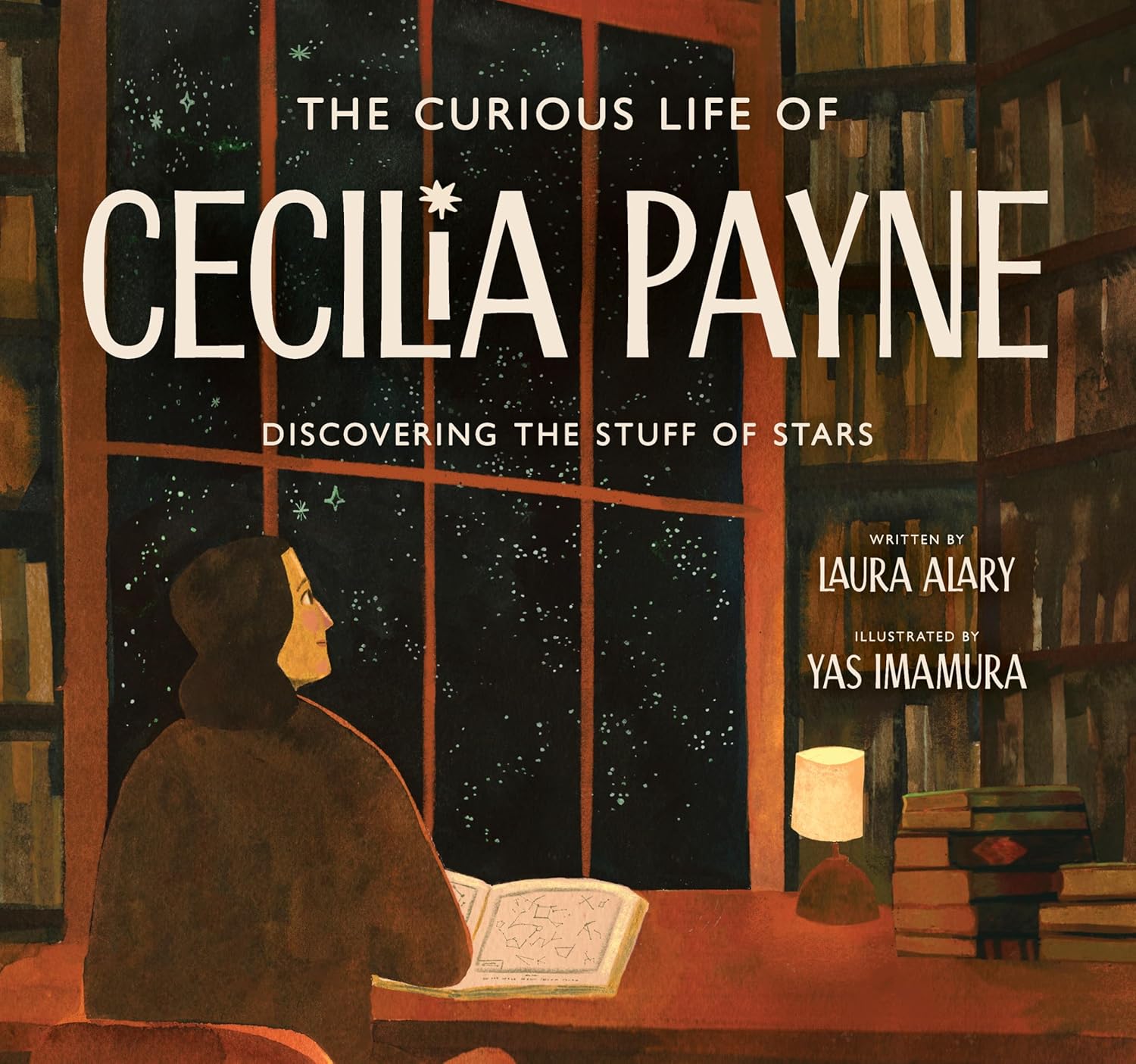
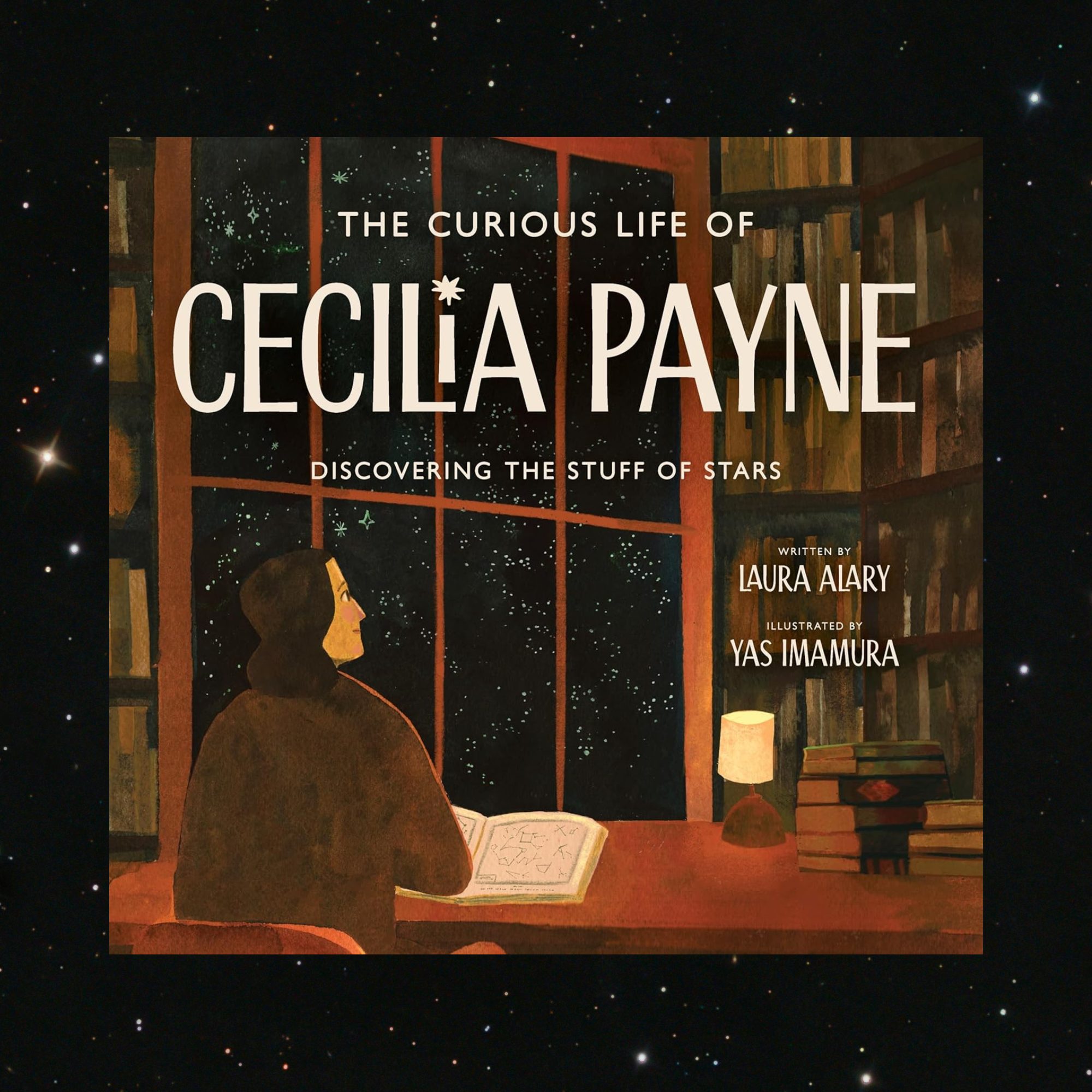
The Curious Life of Cecilia Payne: Discovering the Stuff of Stars

Written by Laura Alary | Illustrated by Yas Imamura


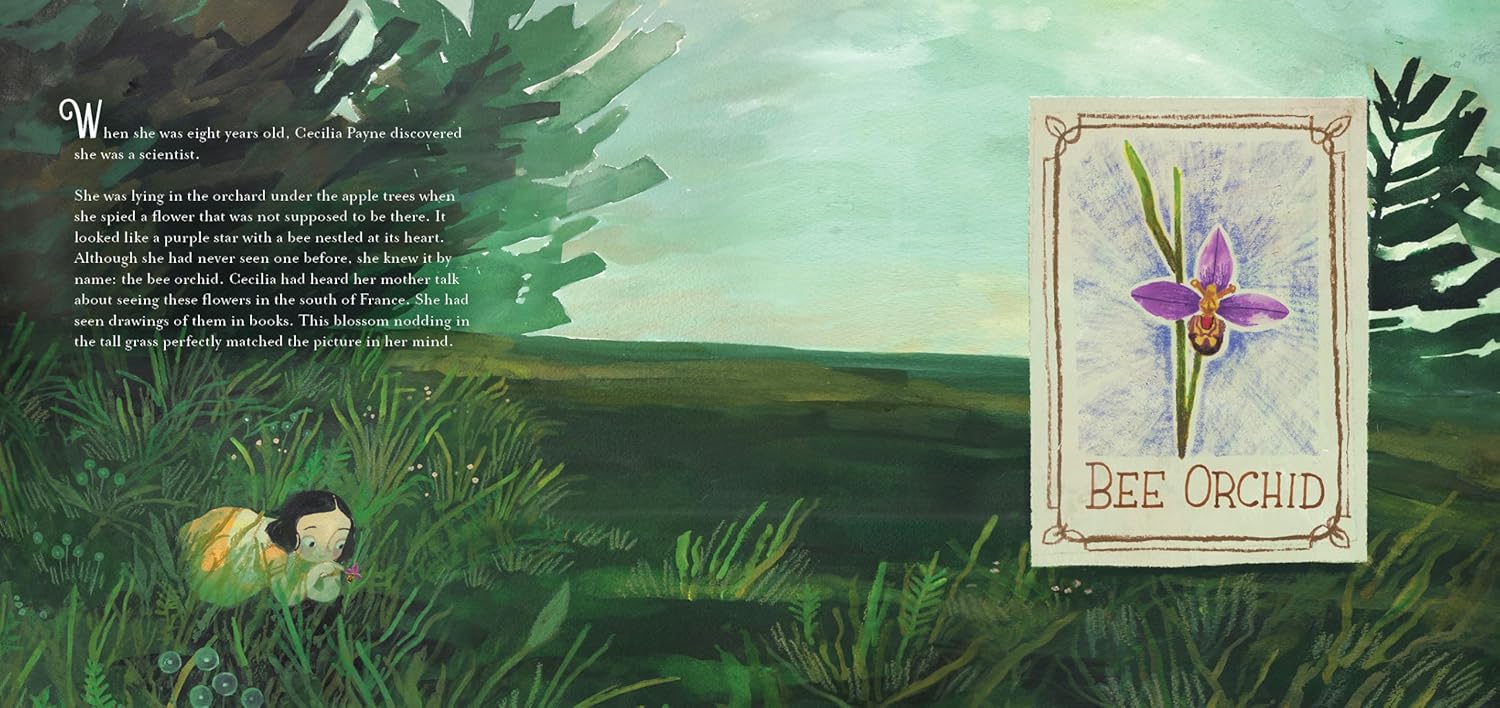
When Cecilia Payne was eight years old, she found a bee orchid in the apple orchid. This would not have been surprising had she lived in the south of France, but this was England, where the flower did not (normally) grow. The discovery led her to make two promises to herself: 1: “she would learn to see all the wonders in the world,” and 2: “she would always trust what she knew was right.” 

illustration copyright © 2026 by Yas Imamura. Text copyright © 2026 by Laura Alary. Courtesy of Eerdmans Books for Young Readers.

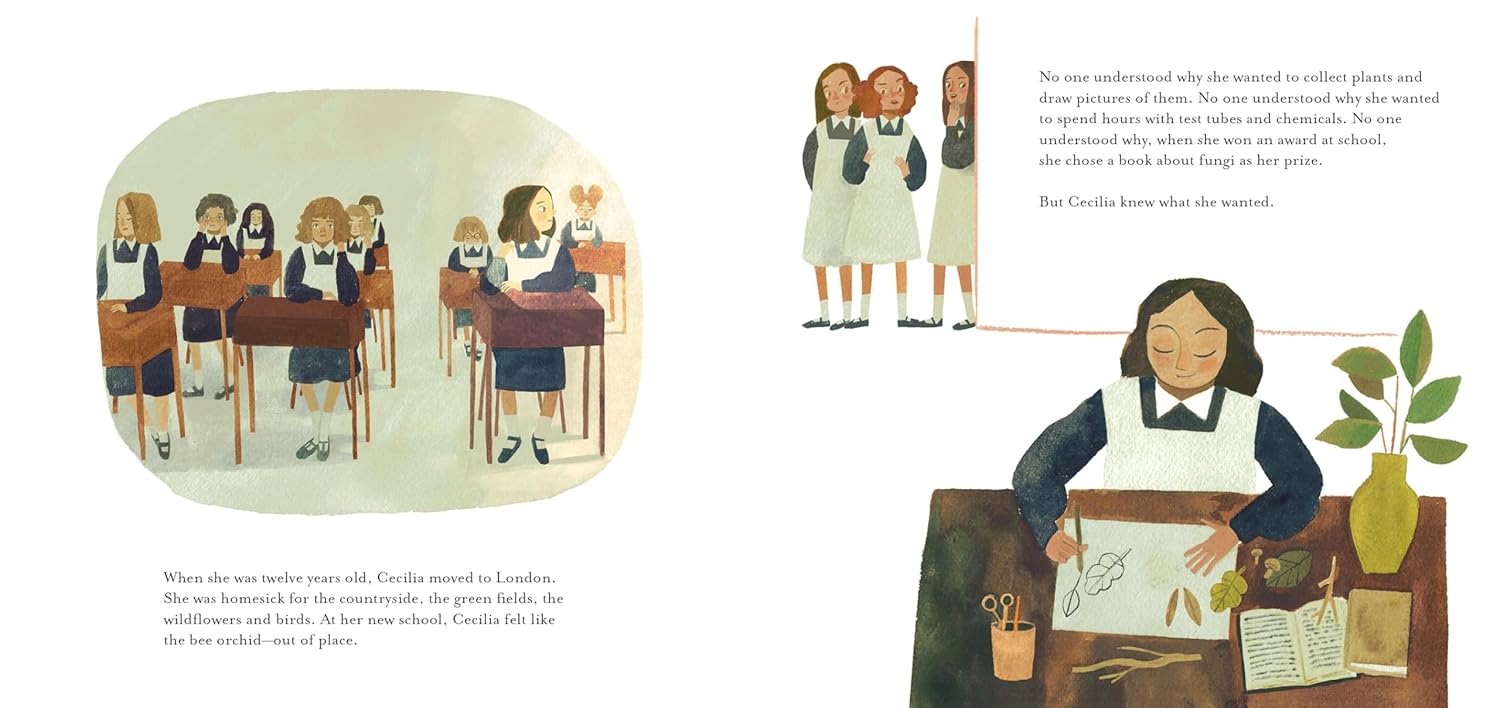
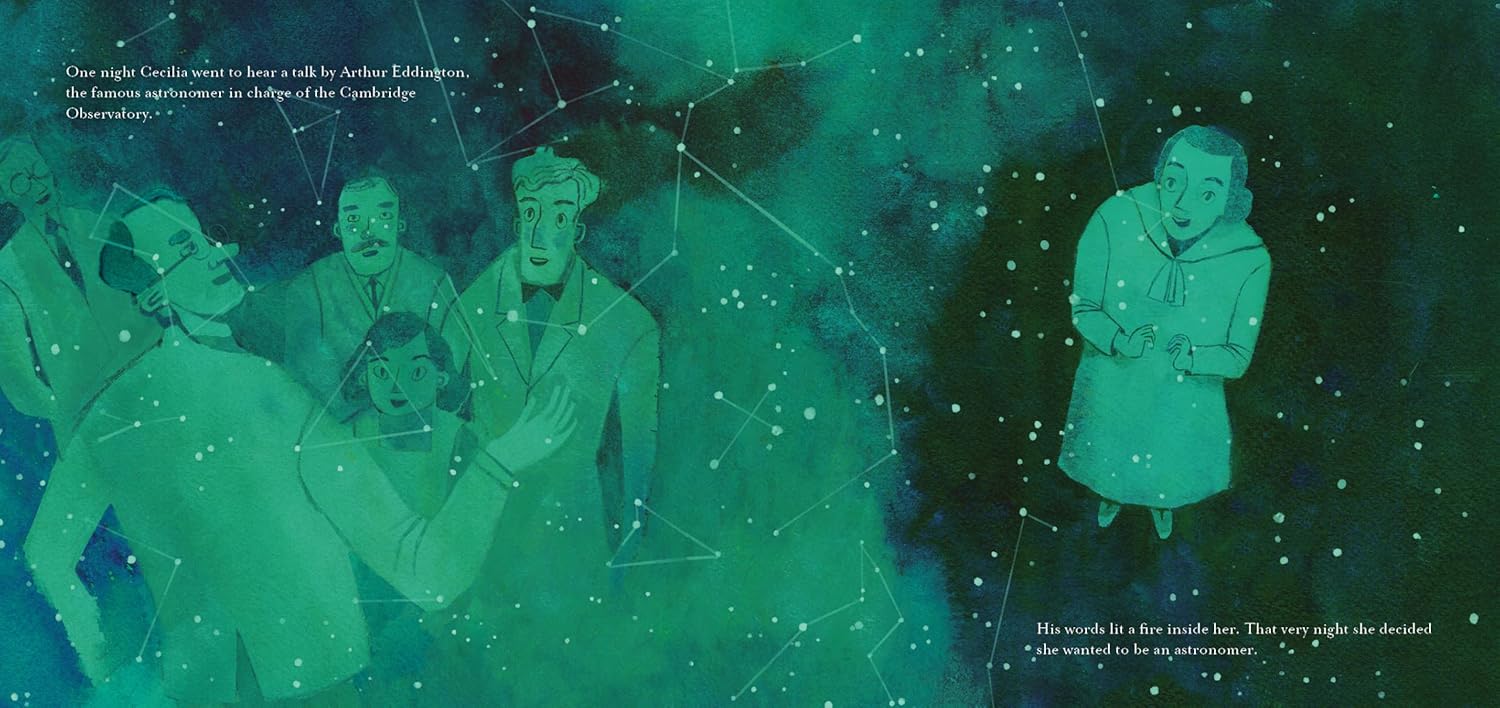
Always intellectually curious, Cecilia explored the forests, learned the names of all the constellations, adopted the scientific method to her studies, and even read the encyclopedia. At school the other girls couldn’t understand her fascination with science. Later, when she went to Cambridge University, she was surrounded by renowned scientists who “were seeing what no one could see with their eyes, hidden things that were visible only to the imagination.” When she heard the famous astronomer Arthur Eddington speak, she decided to become an astronomer too.

illustration copyright © 2026 by Yas Imamura. Text copyright © 2026 by Laura Alary. Courtesy of Eerdmans Books for Young Readers.

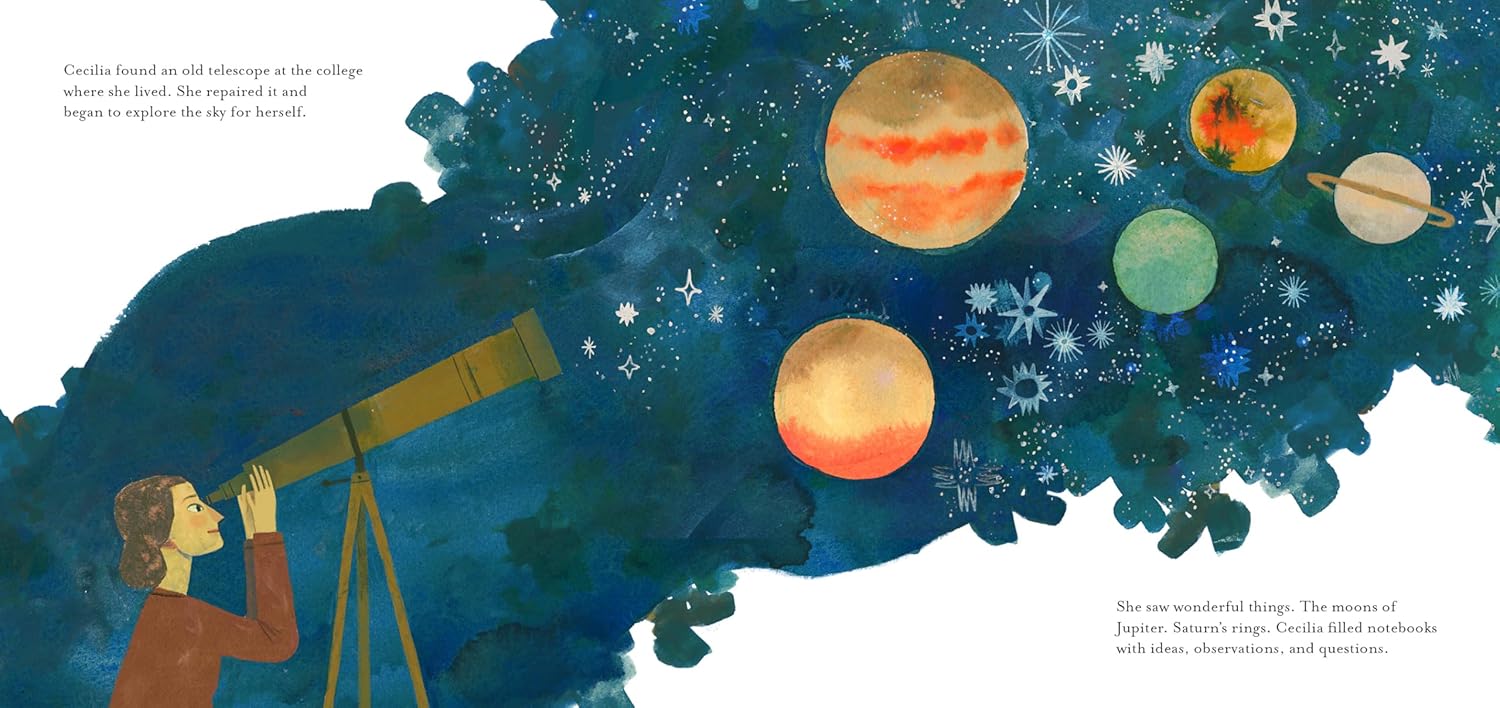
She found an old telescope, and Arthur Eddington gave her a key to the observatory library. What she found there made Cecelia want to join the ranks of the greatest astronomers, but she was not as welcome in the classroom, where some professors ignored her and others told her she’d never become an astronomer. Cecelia packed her bags and moved to America to study at Harvard.

At Harvard she found freedom—and other women studying the stars. These women “shared with her their greatest treasure—thousands of glass photographs of starlight.” The mystery they were trying to solve was what stars are made of. Cecilia had brought new ideas from Cambridge that might help her find out. She learned to read the patterns of black lines in the spectrums found in the spectrums on the glass plates. These led her to believe that stars were not made of rock but of gases. 

illustration copyright © 2026 by Yas Imamura. Text copyright © 2026 by Laura Alary. Courtesy of Eerdmans Books for Young Readers.

When she finally shared her research and conclusions, the men told her “it was impossible. That Cecilia must be mistaken.” For the first time Cecilia broke that long-ago promise she’d make herself and “backed down.” Four years later, however, they admitted she was right. It took another decade for Cecilia to be promoted to the rank of astronomer at Harvard and another 18 years before she was appointed as Professor of Astronomy—becoming the “first woman to become a full professor at Harvard University.” One thing she taught her students was that “becoming a scientist . . . can be a tough climb up a steep hill. But if you keep going, the view is amazing.”

Extensive back matter includes an Author’s Note revealing interesting aspects of Cecilia’s life and how she can inspire children; a detailed timeline of Cecilia’s life; a timeline of pivotal dates in Astronomy, an introduction to the women known as the “Harvard Computers” and more about Cecilia’s work; Honors and Awards given to Cecilia; and a list of books for further reading. 

illustration copyright © 2026 by Yas Imamura. Text copyright © 2026 by Laura Alary. Courtesy of Eerdmans Books for Young Readers.

Laura Alary draws children into the life and work of Cecilia Payne through her factual and lyrical storytelling that allows them to experience the wonder Cecilia saw in everything around her, especially the cosmos. Weaving in the observational methods that came naturally to Cecilia, Alary creates a well-rounded portrait of this trailblazing scientist who overcame the dismissals and discrimination of the time to prove her theories correct. The comprehensive information she includes following the story will spark much interest in Cecilia’s work and the history of astronomy and will serve young researchers very well. 

Yas Imamura’s stunning gouache and watercolor illustrations welcome young readers into Cecilia Payne’s world with warmth and the excitement of discovery. Exciting collage-inspired images replicate Cecilia’s scientific vision and her fascination with the stars and astronomy. The pages introducing the other women astronomers at Harvard are a welcome depiction of their influence on science. Imamura’s colors are lush and deep, giving children the feeling of gazing into space along with Cecilia to unlock its mysteries. 

An inspiring and illuminating biography of a premier astronomer, The Curious Life of Cecilia Payne: Discovering the Stuff of Stars is a must for all school and public libraries and will be an influential book on any young science lover’s home bookshelf.

Ages 7 – 12

Eerdman’s Books for Young Readers, 2026 | ISBN 978-0802855152

About the Author

Laura Alary has written over a dozen books for children, including The Astronomer Who Questioned Everything (Kids Can), Here (Paraclete), What Grew in Larry’s Garden (Kids Can), and All the Faces of Me (Owlkids). She hopes that Cecilia’s story inspires children to follow their curiosity and find confidence in their own unique voices. Laura lives in Toronto, Canada. Visit her website at lauraalary.ca.

About the Illustrator

Yas Imamura is the acclaimed illustrator of many picture books, including Love in the Library (Candlewick), Can You Imagine? (Atheneum), Winged Wonders (Sleeping Bear), and The Bicycle (Balzer + Bray). She frequently works with gouache and watercolor, and she is often drawn to playful and slightly offbeat projects. Yas lives and works in Portland, Oregon. Follow her on Instagram.

Get Caught Reading Month Activity 

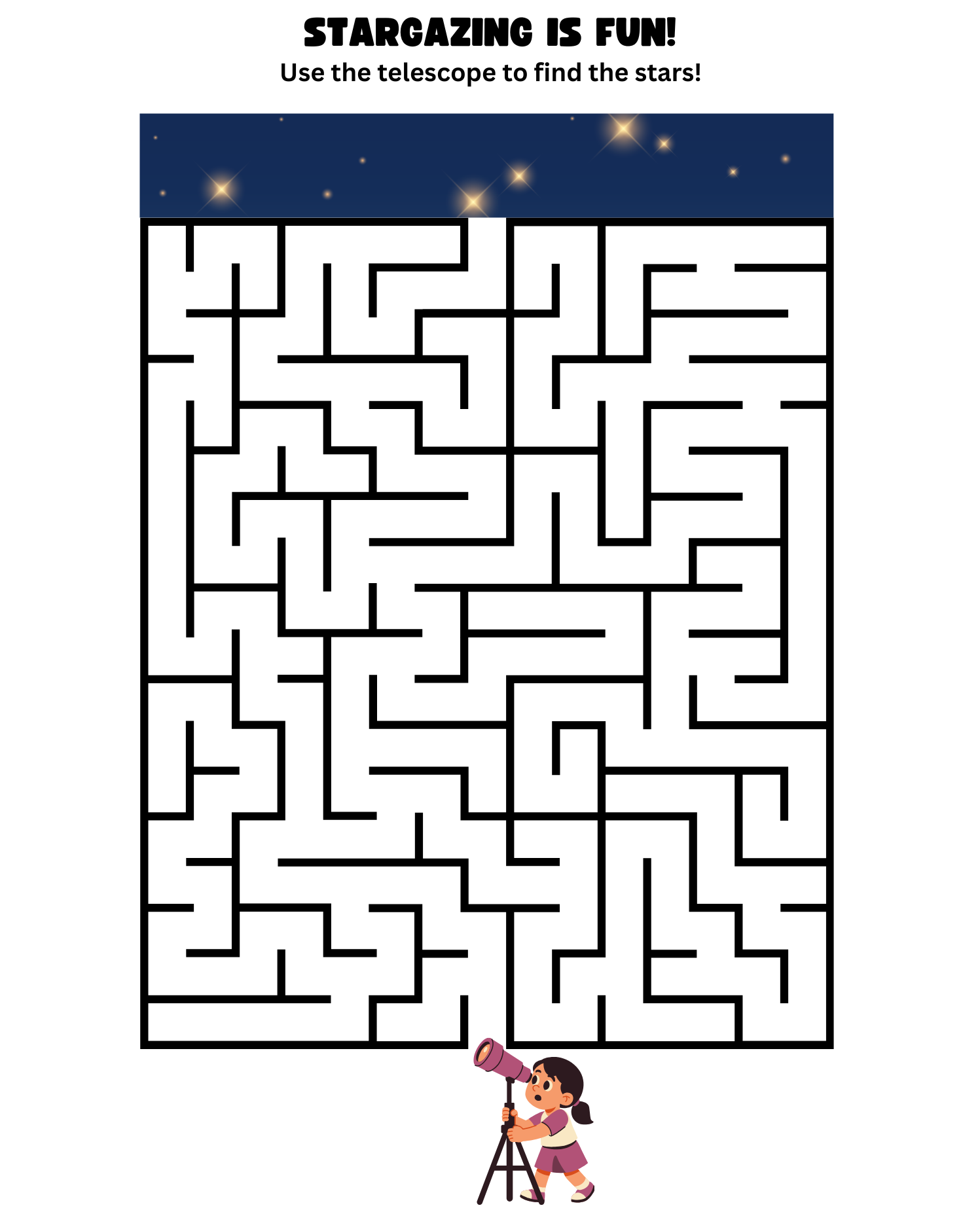
Stargazing is Fun Maze


Look through the telescope to fine the stars in this maze!

Stargazing is Fun Maze | Stargazing is Fun Maze Solution

You can purchase The Curious Life of Cecilia Payne: Discovering the Stuff of Stars from these booksellers

Amazon | Barnes & Noble | Bookshop

Picture Book Review


April 2 – Celebrating Hans Christian Andersen’s Birthday and International Children’s Book Day

About the Holiday

Since 1967, April 2—Hans Christian Andersen’s birthday—has served as the date for International Children’s Book Day. The International Board on Books for Young People (IBBY), a non-profit organization founded in Zurich, sponsors the day to promote a love of reading and call attention to children’s books. National Sections of IBBY around the world alternate in hosting the event. The host for 2026 is Cyprus, and this year’s theme is “plant stories and the world will bloom.” Each year a prominent author and illustrator from the sponsoring country prepare materials for the event. This year’s poster was designed by Sandra Elephteriou. Elena Perikleous wrote this year’s message, and Giorgos Hatzipieris wrote this year’s official song, “The Little Gardener.” To learn more about the initiative and download digital materials, visit the IBBY website

Thank you to Levine Querido and Barbara Fisch at Blue Slip Media for sending me this book for review!

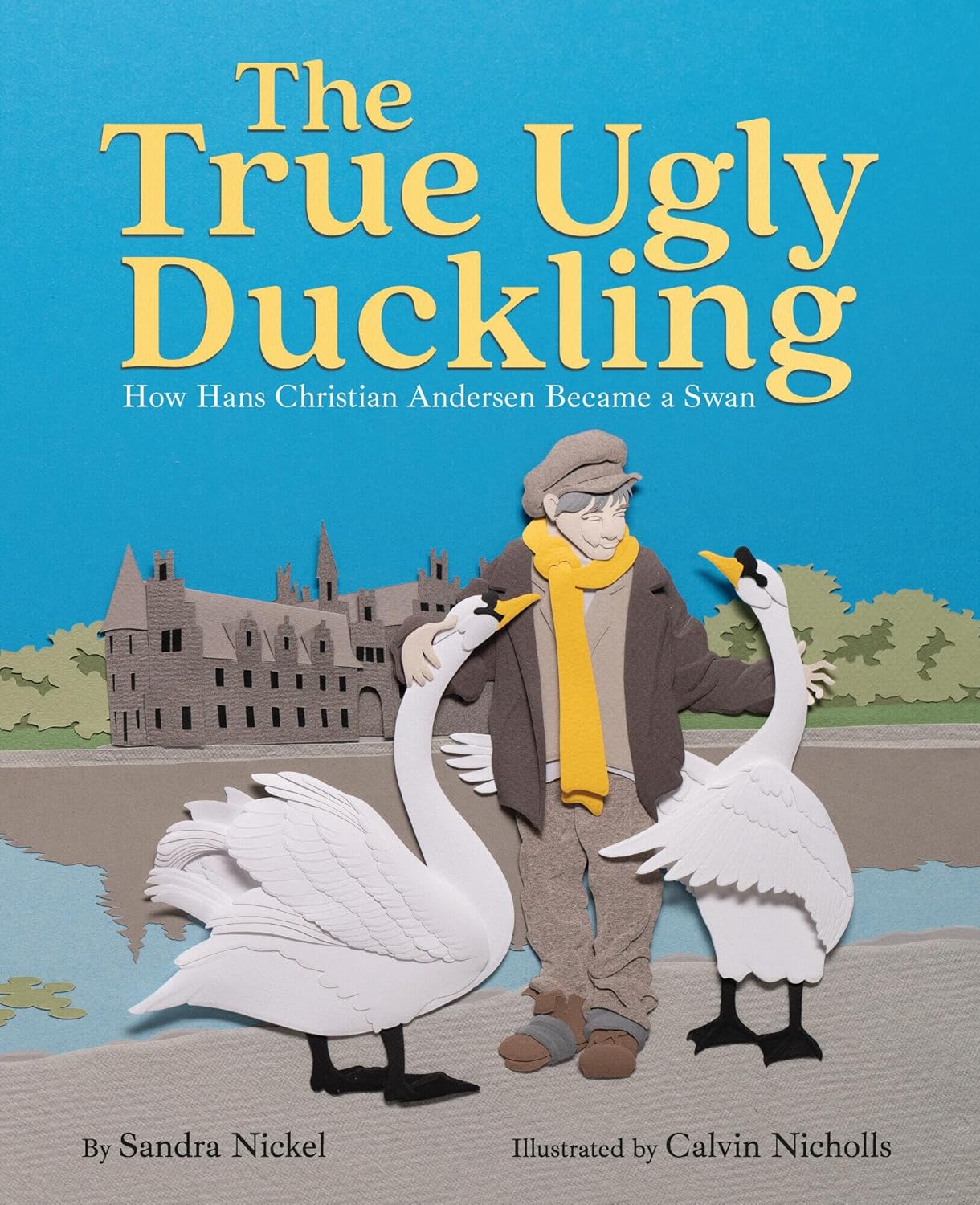
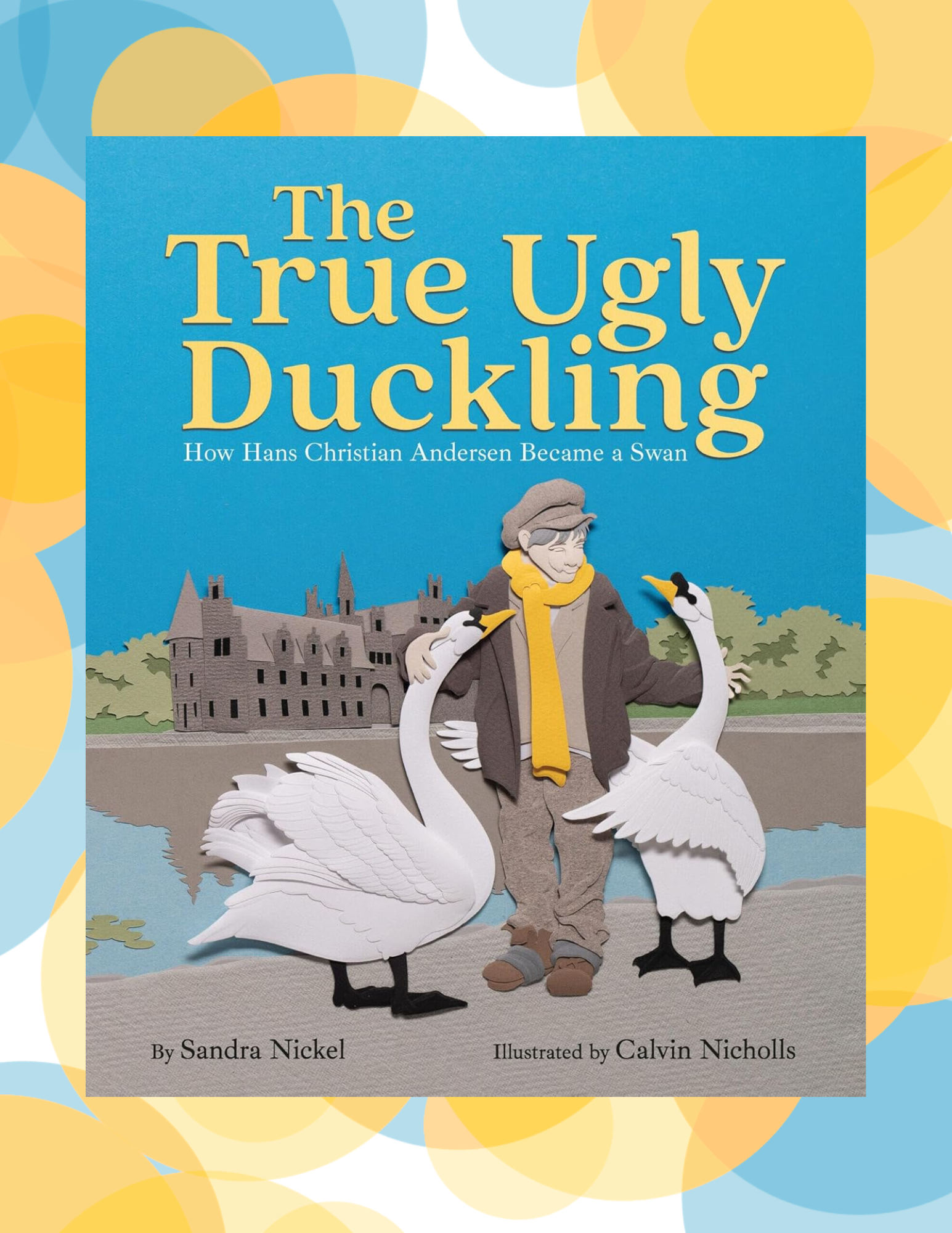
The True Ugly Duckling: How Hans Christian Andersen Became a Swan

Written by Sandra Nickel | Illustrated by Calvin Nicholls


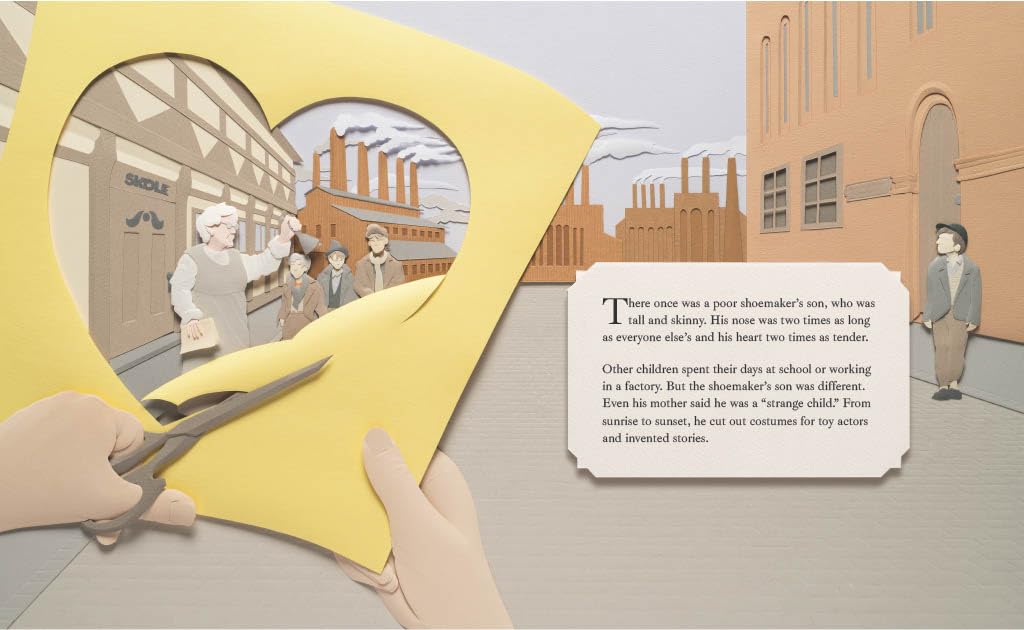
“There once was a poor shoemaker’s son, who was tall and skinny. His nose was two times as long as everyone else’s and his heart two times as tender.” Thus begins not a fairy tale, but Sandra Nickel’s real life story of Hans Christian Anderson.

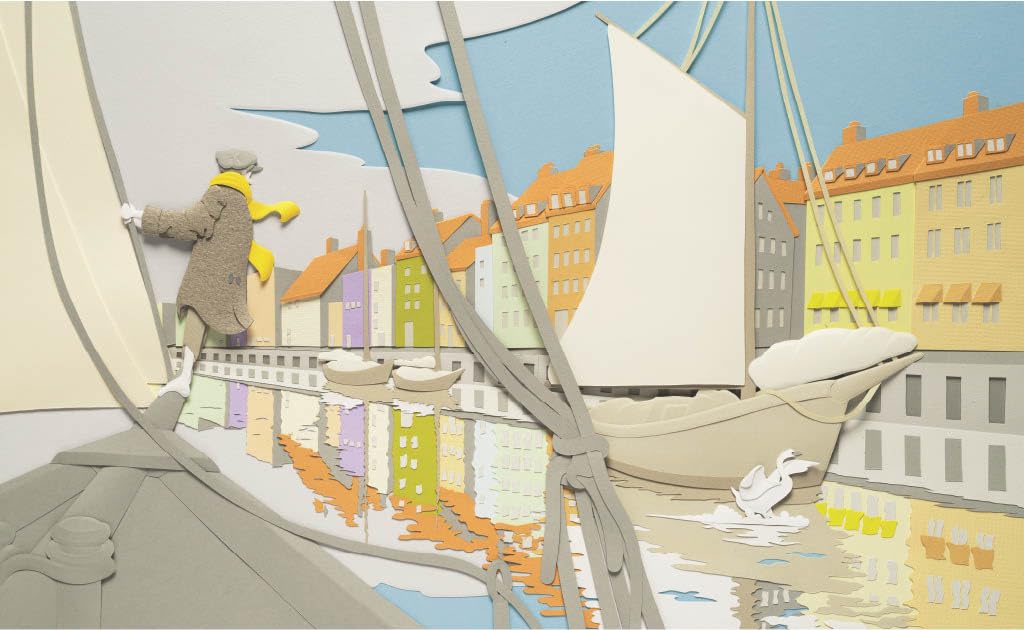
While most children spent their days working at the factory or going to school, Hans cut out costumes for his toys and invented stories that he performed for whomever would watch. Some neighbors gave him a few coins, but the factory workers and other children bullied and teased him. Hans “soothed his wounded heart by cutting out shapes from cloth.” At fourteen, knowing there was more for him in the world, Hans sailed alone for Copenhagen. There, he tried to find a place to express his talents, but each attempt ended in disappointment. Soon all his money was gone.

Illustration copyright © 2026 by Calvin Nicholls. Text copyright © 2026 by Sandra Nickel. Courtesy of Levine Querido.

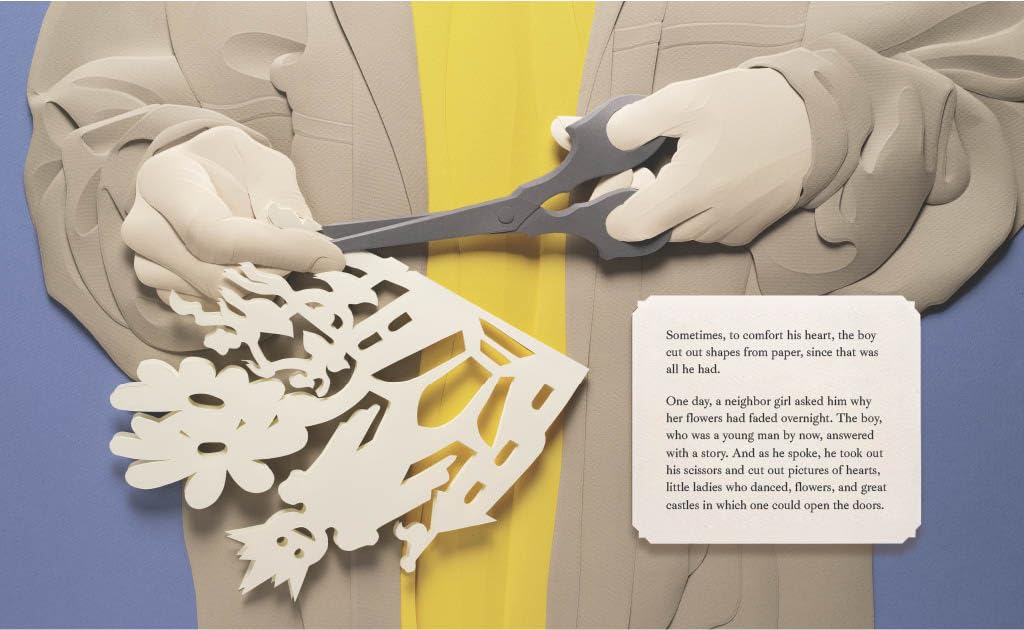
When he sent a play to the Royal Theater, one director rejected it brutally, but another found a “few jewels” in it and arranged for him to go to school. At 17 Hans was taking classes for the first time. The other students laughed at him, and the headmaster dashed his dreams of becoming a storyteller, forbidding him to write. For six years Hans obeyed. “To comfort his heart, the boy cut out shapes from paper.”

Then one day when a girl asked him why her flowers had faded, Hans—now a young man—answered her by telling a story while cutting a scene in paper of hearts, dancers, flowers, and castles with working doors. The girl loved the story so much that Hans wrote it down and had it printed into a book. “The children of Copenhagen adored every word.” 

Illustration copyright © 2026 by Calvin Nicholls. Text copyright © 2026 by Sandra Nickel. Courtesy of Levine Querido.

Soon, Hans was telling and publishing more and more stories. Adults began reading them, and even Copenhagen royalty invited him to their castles for dinners and afterward to entertain the other guests by weaving “magic with his words and scissors.”

Back matter includes an Author’s Note recounting that experts now believe Hans Christian Andersen was likely on the autism spectrum and may also have had Marfan syndrome. She also discusses her choice to follow the story arc of The Ugly Duckling to depict Andersen’s life.

Illustration copyright © 2026 by Calvin Nicholls. Text copyright © 2026 by Sandra Nickel. Courtesy of Levine Querido.

Sandra Nickel’s mesmerizing and sensitive portrait of Hans Christian Andersen highlights his seemingly limitless creativity, imagination, and courage as he stays true to himself despite the treatment and rejections he endured. Her lyrical and moving biography is not only an inspiring tribute to this unique storyteller and artist, but a buoy for children struggling themselves and a reminder for all to embrace each person as a whole, recognizing and encouraging their talents, dreams, and contributions. Although his enduring popularity is already known to readers, her account of his ultimate triumph still has the power to astonish and prompt cheers.

Visually arresting, Calvin Nicholls’ extraordinary paper sculpture illustrations pop with action and emotion, immersing readers in the sights and sounds of Andersen’s factory hometown, his experiences in Copenhagen, and the joy of his long-dreamed-for success. The realism of Nicholls’ low-relief sculptures, assembled from various weight and textured papers then photographed, is astounding. Nicholls’ color scheme mirrors the theme of the “Ugly Duckling,” portraying Andersen in muted grays and browns until his full transformation when he dazzles Copenhagen royalty in a white tuxedo.

The True Ugly Duckling: How Hans Christian Andersen Became a Swan belongs in every classroom, school, and library collection to edify and inspire and would be an inspirational addition to home bookshelves, especially to pair with readings of his stories.

Ages 4 – 8

Levine Querido, 2026 | ISBN 978-1646146093

Hans Christian Andersen’s Birthday Activity

Easy Origami Swan


Kids can have fun on Hans Christian Andersen’s Birthday and International Children’s Book Day by making this easy origami swan to celebrate their unique personalities and talents! All you need is origami paper or you can cut your own 6-inch by 6-inch paper or any size square.

You can purchase The True Ugly Duckling: How Hans Christian Andersen Became a Swan from these booksellers

Amazon | Barnes & Noble | Bookshop

Picture Book Review
March 24 – National Agriculture Day

About the Holiday

Established in 1973 by the Agriculture Council of America (ACA), National Agriculture Day raises awareness about the importance and wide reach of farming to help people understand how much agriculture contributes to the economy and daily life—from the food we eat to the clothes we wear​ to the products we use. Today, we celebrate the farmers, ranchers, and all farm workers involved in producing the food, clothing, and even the biofuels we rely on every day.

This year’s theme is Together We Grow and includes activities like farm tours and educational programs for kids​ that encourage younger generations to consider careers in farming​. The work of agriculture is always evolving. Today, farmers use technology to grow more food while protecting the environment. Such sustainable farming practices are a highlight of this year’s celebration​.

Thank you to Atheneum Books for Young Readers for sending me a copy of this book for review!

From the Fields to the Fight: How Jessica Govea Thorbourne Organized for Justice

Written by Angela Quezada Padron | Illustrated by Sol Salinas


Every summer morning before dawn four-year-old Jessica and her Mexican-American family joined other families in the fields to pick crops, earning only a few dollars a day while suffering hunger, physically punishing labor, and constant exposure to chemical pesticides. Jessica picked cotton, clipped grapes, and retrieved plums from the ground. As she got older, Jessica became more aware of the struggles in her community for whom education, housing, medical care, and equal treatment were denied “just because they were Latino.”

Illustration copyright © 2026 by Sol Salinas. Text copyright © 2026 by Angela Quezada Padron. Courtesy of Atheneum Books for Young Readers.

When her father joined other farmworkers to raise awareness of the unfair treatment and conditions, young Jessica joined him in passing out flyers door-to-door and paid close attention to the growing organization. Jessica was a born leader: beginning in childhood, she began speaking to crowds, learning to be persistent, and even organizing “other kids to petition for a neighborhood park.” 

When Jessica was a teenager, their burgeoning organization joined with the Agricultural Workers Organizing Committee, founded by Filipino farm workers, in a strike for higher pay against grape growers in Delano, California. When the grape growers hired other workers, leaving many farmworkers without a job, Jessica delayed going to college to further help the cause.

Illustration copyright © 2026 by Sol Salinas. Text copyright © 2026 by Angela Quezada Padron. Courtesy of Atheneum Books for Young Readers.

Grape boycotts in grocery stores followed the strikes, but many growers began shipping their grapes to other stores and even to Canada to avoid improving wages and conditions for workers. “Putting her fears aside to do what was needed for justice,” Jessica went to Canada with the union. For months she and her team protested at grocery stores and elsewhere, gaining the support of Canadian union workers and increasing numbers of shoppers who stopped buying grapes. Finally, the growers agreed to provide “higher pay, better working conditions, and medical care.” Throughout her life, Jessica Govea Thorbourne continued to stand up for equality, empowering people of all ages to organize and create impactful change and “showed that making a difference can start with just one child.”

Back matter includes a short biography of Jessica Govea Thorbourne’s life, a glossary, pointers on organizing for a cause, and a timeline of the events related in the text.

Illustration copyright © 2026 by Sol Salinas. Text copyright © 2026 by Angela Quezada Padron. Courtesy of Atheneum Books for Young Readers.

Angela Quezada Padron writes a powerful biography of Latina activist Jessica Govea Thorbourne, who even as a child made an impact within her family and for her community of farm workers. Through Thorbourne’s example, Padron empowers today’s children to speak out and act when they see or experience injustice and shows them that with determination, passion, and persistence they can influence others and create necessary change. Quezada Padron’s straightforward text clearly outlines the growth of the labor unions in a way that children can understand while also spotlighting Jessica’s emotions, character, and contributions in single, stand-alone sentences sprinkled throughout the pages that will resonate with young readers.

Sol Salinas’s richly hued, layered illustrations take readers from the hot, sun-drenched fields to Jessica and her father’s door-to-door rallying to union meetings and protests to a victory celebration. The workers’ struggles are evident in their facial expressions. One potent image captures 21-year-old Jessica volunteering to join the protesters in Canada, leaving behind her family and everything familiar. Children may enjoy following and talking about the wispy, symbolic vine that emanates from a seed in Jessica’s hand and wends its way from the front cover and page to page, connecting Jessica to her life’s work and community.

Ages 4 – 8

Atheneum Books for Young Readers, 2026 | ISBN 978-1665946704

Angela Quezada Padron is a Latina author-illustrator who spent her childhood days writing stories and doodling on the garage walls of her New Jersey home and her summers visiting family in the Dominican Republic. In addition to writing From the Fields to the Fight: How Jessica Govea Thorbourne Organized for Justice, she is the author-illustrator of As the Seas Rise: Nicole Hernández Hammer and the Fight for Climate Justice. She won first place in the Portfolio Showcase at the 2023 Florida SCBWI Conference and was a semifinalist for the SCBWI Tomie dePaola Award in 2014. Visit her at AngelaPadron.com.

Sol Salinas is a non-binary artist from San Antonio, Texas. At a young age, they fell in love with history while watching old Hollywood movies with their grandmother. When they aren’t drawing, Sol can usually be found playing Dungeons & Dragons, collecting rose quartz, drinking warm cups of tea, and listening to their favorite music: Fleetwood Mac. Find more at SolSalinasIllustration.com.

You can purchase From the Fields to the Fight: How Jessica Govea Thorbourne Organized for Justice from these booksellers

Amazon | Barnes & Noble | Bookshop

Picture Book Review
March 6 – National Women’s History Month

About the Holiday

Women have been inventing, discovering, questioning, challenging, and changing the world just as long as men have—but often without recognition, the ability to take jobs in their fields of expertise, or equal (or even any) pay. Established by the United States Congress in 1987, National Women’s History Month serves to educate people on the amazing women who have blazed trails in the past and those who are continuing that tradition today.

This year’s theme is Leading the Change: Women Shaping a Sustainable Future and encompasses a wide understanding of sustainability, including climate change, economic and financial sustainability, community resilience, healthcare disparities, leadership succession, intergenerational equity, and threats to democratic participation. In all these areas, women are at the forefront of sustainable transformation that will carry us into a supportive future for all. To learn more visit the National Women’s History Alliance website.

Thanks to Beach Lane Books and Barbara Fisch at Blue Slip Media for sending me this book!

Mary Morland in the Time of Dinosaur Discovery

Written by Jane Kurtz | Illustrated by Giselle Potter


In the early 1800s, when Mary Morland was a child, girls were seen as “dainty, delicate decorations” who embroidered, arranged flowers, and played with dolls. Mary Morland had other ideas. From the first page, Jane Kurtz allies readers with the spirited Mary through cleverly posed questions that contrast the stifling conventions of her time with the freedoms of today: “Did [Mary] perch on her chair like a prim little miss?” Kurtz posits. “Well what would you do if the whole world was waiting outside? Mary tromped around, exploring. Wouldn’t you?”

Illustration © 2026 by Giselle Potter. Text © 2026 by Jane Kurtz. Courtesy of Beach Lane Books.

“Of course!” kids will say, and off they go, following Mary as, following the death of her mother, her father sends her to live with family friends who encourage her curiosity and teach her to study nature and fossils. From there readers view her drawings of “everything that fascinated her,” and discover that instead of calling herself a “cork-brain” and spending mannerly afternoons sipping tea in a fancy hat, Mary tooled around in her donkey-pulled carriage to “collect shells and fossils.”

Illustration © 2026 by Giselle Potter. Text © 2026 by Jane Kurtz. Courtesy of Beach Lane Books.

Did teenage Mary keep her discoveries to herself? No! She corresponded with Georges Cuvier, a famous French scientist, impressing him with the drawings and specimens she sent. And instead of trying to find a husband, Mary spent her time with old fossils, labeling and mending them. Then one day, she did meet the man she would marry: William Buckland, England’s best fossilist. In fact, it was he who had theorized that a collection of bones had come from a “giant land reptile,” named it Megalosaurus (before the word dinosaur was even created), and asked Mary to draw them for an important meeting of England’s geologists.

Illustration © 2026 by Giselle Potter. Text © 2026 by Jane Kurtz. Courtesy of Beach Lane Books.

After Mary and William were married, did she give up drawing and studying to keep a tidy house? Not at all! She kept exploring, writing, and drawing. She helped William turn his work into books—with her illustrations—and served as a curator for his collections of fossils. And, oh yes! She raised and taught their nine children and welcomed a menagerie of creatures—including a pony her the kids rode around the dining room—into their home! You might wonder: after all this, “did William say, ‘I am so fortunate that my wife is not a cork-brain?'” or acknowledge her contributions on his papers? Well, this was a time when women could not vote, own property, or go to college. So, what do you think? But that didn’t stop Mary from learning and using her gifts wherever she could throughout her life.

Back matter includes an Author’s Note highlighting other women intrinsic to the discovery and understanding of dinosaurs as well as how scientists came to accept that dinosaurs once existed, further resources for young readers, and a selection of resources.

Illustration © 2026 by Giselle Potter. Text © 2026 by Jane Kurtz. Courtesy of Beach Lane Books.

Jane Kurtz combines pluck, humor, and illuminating cultural mores of the past to weave an absorbing biography of Mary Morland, a brilliant paleontologist, writer, and illustrator with whom children will immediately connect. Mary’s personality and intelligence shine from each page, drawing children not only into her life, but into this incredible time of scientific discovery. Readers will be inspired by Mary’s example of self-confidence to set their own path, buck the norm, and prevail over obstacles on their way to success.

Giselle Potter’s illustrations are always a delight, and here she perfectly captures Mary Morland’s singular affinity for exploration, scientific thought, and illustration. In her folk art, watercolor paintings, Potter recreates the fashions, transportation, and traditions of the 1800s as well as Morland’s and her husband’s work. Readers will envy Mary’s children when they get a glimpse of the rambunctious Buckland home. In several instances, Mary’s and William’s facial expressions eloquently (and comically) reveal their innermost thoughts. 

Biographical storytelling at its best, Mary Morland in the Time of Dinosaur Discovery will captivate children with its verve and beauty. The book is a must for classroom, school, and public libraries and will become a favorite on home bookshelves as well.

Ages 4 – 8

Beach Lane Books, 2026 | ISBN 978-1665955546

Jane Kurtz was born in Portland, Oregon, but spent most of her childhood in Ethiopia. Jane speaks about being an author at schools and conferences and helped start Ethiopia Reads (EthiopiaReads.org), a nonprofit that has opened the first libraries for children in Ethiopia. She is the author of many books for children, including The Bone Wars, illustrated by Alexander Vidal; What Do They Do with All that Poo?, illustrated by Allison Black; Do Kangaroos Wear Seat Belts?, illustrated by Jane Manning; Anna Was Here; Clara the Triumphant Rhinoceros, illustrated by Claire Messer; and the American Girl book Lanie. You can visit her to learn more at janekurtz.com.

Giselle Potter has illustrated many books, including Once Upon a Fairy Tale House by Mary Lyn Ray, Try It! by Mara Rockliff, All by Himself? by Elana K. Arnold, and Kate and the Beanstalk by Mary Pope Osborne, as well as her own Tell Me What to Dream AboutThis Is My Dollhouse, and The Year I Didn’t Go to School, about traveling through Italy with her parents’ puppet troupe when she was eight. She lives in Rosendale, New York, with her husband and two daughters. Visit her at gisellepotter.com.

National Women’s History Month Activity

Women’s History Month Coloring Page


Celebrate Women’s History Month with this coloring page! In the letters write the names of women from history and today that you admire!

Women’s History Month Coloring Page

You can purchase Mary Morland in the Time of Dinosaur Discovery from these booksellers

Amazon | Barnes & Noble | Bookshop

Picture Book Review
February 3 – Black History Month

About the Holiday

Marking 100 years of celebrating Black history, this year’s theme for Black History Month is A Century of Black History Commemorations and looks back to 1926, when Dr. Carter G. Woodson, a historian and educator, instituted the first week-long celebration, to today’s month-long observance. Throughout this time Woodson’s goal to show that Black history, culture, and accomplishments are all woven into the fabric of America has been championed and embraced by individuals and institutions that recognize the immeasurable contributions of Black thinkers, creators, scientists, educators, entertainers, athletes, military personnel, builders, business owners, workers, and friends.

During this centennial celebration, especially, when displays of Black biographies and contributions are being dismantled and historical records rewritten and erased, it is all the more important to stand up for and support our neighbors, to look around and see the beauty in the vibrant, diversity of our country. To celebrate, look for special events in your local schools, libraries, museums, and other venues.

Everywhere Beauty Is Harlem: The Vision of Photographer Roy DeCarava

Written by Gary Golio | Illustrated by E. B. Lewis


Come join Gary Golio and E. B. Lewis on a walk through 1940s Harlem with photographer Roy DeCarava as he captures this neighborhood’s people and spirit through his camera lens. No need to hurry to catch up. It’s just now 5:00, and Roy’s leaving work to begin doing what he loves best. “On the subway, he pulls out a new roll of film, opens the back of his camera, and pops it in. He’s ready.” You are too.

Illustration © 2024 by E.B. Lewis. Text © 2024 by Gary Golio. Courtesy of Calkins Creek.

At the stop, follow Roy onto the street where the air smells delicious, but you’re not stopping to eat. There’s so much to see: a boy drawing with chalk, an artist selling his paintings, and a woman taking a picture of a young boy. “Roy watches the boy, who’s looking at his mother. There’s a lot of love in those eyes.” “Snap! Snap! Snap!” Roy will tell you, “Beauty is not in the camera. Beauty is in the person.”

Everywhere Roy looks, he sees beauty. In hidden crafts of nature, in shy smiles, in the rainbow spray from a fire hydrant dousing boys playing in the street. “Snap!” Do you see it too? Follow Roy’s gaze as he watches people passing on the street, “some happy, some sad. Their eyes are like mirrors. Looking into them, Roy sees Harlem.”

Illustration © 2024 by E.B. Lewis. Text © 2024 by Gary Golio. Courtesy of Calkins Creek.

As the sun fades, there’s time for perhaps one more picture. Roy continues looking. Then, there, in an empty lot appears a young girl in a formal white dress with a flower behind her ear. Roy aims his camera. “Snap!” It’s time to head home, but Roy leaves you with one more thought to contemplate: “We’re looking for truth and truth is living, so we find truth in living.”

Extensive back matter includes an extended biographical look at his life from childhood to early jobs to his dappling in painting before turning to photography, as well as his own words about his work, a portrait, and a timeline from his birth in 1919 to his death in 2009. A bibliography and a list of museums featuring his work are also included.

Illustration © 2024 by E.B. Lewis. Text © 2024 by Gary Golio. Courtesy of Calkins Creek.

In his stirring tribute, Gary Golio invites readers to view Harlem through the mind, eyes, and camera of photographer Roy DeCarava—and by association, to see their own neighborhood and beyond with clarity, appreciation, and love. Golio’s spare, graceful storytelling is all the more absorbing for its simple depictions of the everyday, often fleeting moments that bring surprise and beauty to life and which DeCarava captured so poignantly. Meaningful quotes from DeCarava sprinkled throughout the pages further enhance the feeling of being present on one of DeCarava’s walks to listen to and learn from one of this country’s preeminent artists.

Drawing readers in to Roy DeCarava’s worldview are E. B. Lewis’s astonishing and homey watercolor paintings that recreate scenes DeCarava encountered in his walks through Harlem and memorialized in his black-and-white photographs. Working with light and shadow, subdued-yet-detailed backgrounds, and the constant of movement on the streets, Lewis highlights the subjects of DeCarava’s photos in ways that allow readers to see the beauty Roy saw. Each page invites lingering as you feel the suppressed energy of the little boy posing for his picture, appreciate the charm of a crumpled soda can, and hear the laughs of the boys in the spray of the fire hydrant.

A picture book that rewards repeat reading with new perspectives and appreciation for the large and small aspects of the world around us, Everywhere Beauty is Harlem is a must for all libraries and will enhance any home collection.

Ages 7 – 10

Calkins Creek, 2024 | ISBN 978-1662680557

About the Author

A visual artist, musician, and psychotherapist, Gary Golio is the author of the New York Times–bestselling picture book Jimi: Sounds Like A Rainbow, which received the 2011 Coretta Scott King Illustrator Award. His other books, most of which profile important artists, include When Bob Met WoodyStrange Fruit, and most recently Sonny Rollins Plays the Bridge. Visit him at garygolio.com.

About the Illustrator

The recipient of a Caldecott Honor and an Orbis Pictus Award, along with many others, E. B. Lewis is the illustrator of more than seventy books for children. His Calkins Creek titles include Seeking Freedom by Selene Castrovilla and Lizzie Demands a Seat by Beth Anderson, which won Bank Street College of Education’s Flora Stieglitz Straus Award for excellence in fiction, along with many other honors.

Black History Month Activity

A Slide Show of Roy DeCarava’s Photographs and Family Photo Fun!


First, view photographs by Roy DeCarava in this slide show of some of his best-known work presented by NPR. Talk about the subject of each picture and the effect it has on you. Then using a phone or camera, kids and adults can take turns snapping pictures of family, friends, pets, special objects or the neighborhood. Afterward, share your pictures and talk about why you chose certain subjects and what story or feeling you wanted to convey.

You can purchase Everywhere Beauty is Harlem: The Vision of Photographer Roy DeCarava from these booksellers

Amazon | Barnes & Noble | Bookshop

Picture Book Review
 

October 10 – World Space Week


About the Holiday

First declared by the United Nations in 1999, World Space Week has grown to be the largest public space-related event in the world. The week is an international celebration of science and technology, and their contribution to the betterment of the human condition. This year’s theme is “Living in Space” and “explores humanity’s journey toward making space a habitat, emphasizing the innovative technologies, challenges, and collaborative efforts that make this vision a reality.” Looking to celebrate this initiative with more than 15,000 events in more than 90 countries, the week sponsors space education and outreach events held by space agencies, aerospace companies, schools, planetaria, museums, and astronomy clubs around the world. To learn more about the week, visit worldspaceweek.org.

Thank you to Simon & Schuster/Paula Wiseman Books and Barbara Fisch at Blue Slip Media for sending me a copy of this book for review.

Rock Star: How Ursula Marvin Mapped Moon Rocks and Meteorites

Written by Sandra Neil Wallace | Illustrated by Nancy Carpenter

As a child growing up in Vermont, Ursula Marvin was captivated by the adventures winter brought. She was especially awed by the snowy mountains illuminated by “the frosty moonlight.” Her father was Vermont’s official entomologist, but Ursula had no intention of following in his footsteps or becoming any kind of scientist. She had her sights set on being an explorer. That was until she examined a rock under the microscope in college and decided to become a geologist. Her professor, however, denied her new major “because she was a woman.”

Illustration © 2025 Nancy Carpenter. Text © 2025 Sandra Neil Wallace. Courtesy of Simon & Schuster/Paula Wiseman Books.

Ursula took her talents to another university and earned a geology degree. She was an expert in recognizing rare minerals in Earth rocks and was tapped to be one of the first geologists to study rocks brought back from the moon. What she found was a world of color, minerals that proved “its surface was once a bubbling ocean of melted rock.” Ursula also studied meteorites, finding “minerals no one knew existed beyond Earth.” Her work revolutionized scientists’ views of the solar system.

But Ursula still yearned to explore, in particular she wanted to be the first woman to find meteorites in Antarctica—the coldest place on Earth. She loaded up a bag with frigid-cold-weather gear and joined an expedition. When Ursula and her male teammates landed, they set up camp. They had to work fast because winter was on its way, threatening to bury any meteorites under ice and snow for another year.

Illustration © 2025 Nancy Carpenter. Text © 2025 Sandra Neil Wallace. Courtesy of Simon & Schuster/Paula Wiseman Books.

Ursula wondered if she’d be able to recognize meteorites under these conditions, but she needn’t have worried. On her first day, a rock caught her eye. Examining it, she discovered distinctive traits—she’d discovered her first meteorite! Ursula was in her element, thriving in the harsh weather and “collecting meteorites more than four billion years old.”

But not every day was a success. Ursula struggled to climb a mountain-like nunatak in her too-big boots, she mistook an ordinary Earth rock for a meteorite, and on the worst day, with one snowmobile broken, the team went exploring without her. Ursula vowed never to be left behind again.

Illustration © 2025 Nancy Carpenter. Text © 2025 Sandra Neil Wallace. Courtesy of Simon & Schuster/Paula Wiseman Books.

With only one week left in the expedition, Ursula rode across the ice to “unexplored places where the meteorites were bigger and rarer.” She wanted to be the one to find the last meteorite of the trip, to be the one to discover a meteorite from the moon. But a fall dashed those dreams as she was airlifted to the hospital, leaving her teammates to collect the final meteorite.

Illustration © 2025 Nancy Carpenter. Text © 2025 Sandra Neil Wallace. Courtesy of Simon & Schuster/Paula Wiseman Books.

Back at home, Ursula was excited to examine this small meteorite, which looked so different from the others. She recognized the world of color from her earlier studies. “Ursula’s teammates had discovered the first lunar meteorite on Earth without her.” Instead of feeling disappointed, she was “jubilant.” She went on to become a preeminent expert on this moon meteorite and others and to inspire women to become scientists, many exploring Antarctica, where they found more moon meteorites and even some from Mars more than four billion years old. Ursula’s influence can still be seen today in her work as well as in the Marvin Asteroid and Moon’s Marvin Crater named for her.

Extensive back matter following the story includes an Author’s Note about the astonishing life and influence of Ursula Marvin; quotations from Ursula’s Antarctica journals; facts about Antarctica; dated milestones of Ursula’s life, education, and work; resources; and two photographs.

Illustration © 2025 Nancy Carpenter. Text © 2025 Sandra Neil Wallace. Courtesy of Simon & Schuster/Paula Wiseman Books.

Sandra Neil Wallace’s exhilarating biography of Ursula Marvin transports readers to the snow and ice of Antarctica, where they get to ride along with this extraordinary woman as she fulfills childhood goals while changing the face of science and forging new opportunities for women. Wallace’s storytelling is fast-paced and evocative and infused with emotion, suspense, and scintillating details that will captivate readers no matter what their interests.

Nancy Carpenter’s beautiful mixed media illustrations allow children to see early influences and experiences that spurred Ursula Marvin to pursue geology and the study of meteorites in particular. Her images of Antarctica bring chills and thrills as Ursula sets up her tent, speeds over icy fields in the swirling snow on her snowmobile, and flops on the ground to inspect rocks up close. Carpenter also depicts Ursula’s victories and disappointments, giving children a well-rounded view of this remarkable woman. Rock hounds will be wowed by Carpenter’s drawings of moon rocks and meteorites.
With much to impart not only on the life of Ursula Marvin but on believing in yourself, overcoming disappointments, and chasing your goals with gusto, Rock Star: How Ursula Marvin Mapped Moon Rocks and Meteorites is a top pick for home, school, and public library collections.

Ages 4 – 8

Simon & Schuster/Paula Wiseman Books, 2025 | ISBN 978-1534493339

Sandra Neil Wallace writes about people who break barriers and change the world. She is the author of several award-winning books for children, including Love Is Loud: How Diane Nash Led the Civil Rights Movement, illustrated by Bryan Collier; Marjory Saves the Everglades: The Story of Marjory Stoneman Douglas, illustrated by Rebecca Gibbon; and Between the Lines: How Ernie Barnes Went from the Football Field to the Art Gallery, illustrated by Bryan Collier, which received the Orbis Pictus Book Award and was an ALA Notable Book. A former ESPN reporter and the first woman to host an NHL broadcast, she is the recipient of the Outstanding Women of New Hampshire Award and creates change as cofounder of The Daily Good, a nonprofit bringing twenty thousand free, culturally diverse foods to college students each year through its Global Foods Pantries. Visit Sandra at sandraneilwallace.com.
Nancy Carpenter is the acclaimed illustrator of Thomas Jefferson and the Mammoth HuntQueen Victoria’s Bathing MachineFannie in the Kitchen, and Loud Emily, among other books. Her works have garnered many honors, including two Christopher Awards and the Jane Addams Children’s Book Award. She lives in Brooklyn, New York. Visit her at nancycarpenter.website.
World Space Week Activity

celebrate-picture-books-picture-book-review-rocket-to-the-moon-tic-tac-toe-game

Out-of-this-World Tic-Tac-Toe Game

If you’re kids are fascinated by the moon, moon rocks, and meteors, they’ll enjoy making this tic-tac-toe game from simple materials you have at home!

Supplies

  • Printable Moon Tic-Tac-Toe Game Board
  • 2 cardboard egg cartons
  • Heavy stock paper or regular printer paper
  • Crayons
  • Black or gray fine-tip marker

Directions

To Make the Rockets

  1. Cut the tall center cones from the egg carton
  2. Trim the bottoms of each form so they stand steadily, leaving the arched corners intact
  3. Pencil in a circular window on one side near the top of the cone
  4. Color the rocket body any colors you like, going around the window and stopping where the arched corners begin
  5. With the marker color the arched corners of the form to make legs
  6. On the cardboard between the legs, color flames for blast off

To Make the Capsule

  1. Cut the egg cups from an egg carton
  2. Color the sides silver, leaving the curved section uncolored. (If your egg cup has no pre-pressed curve on the sides of the cup, draw one on each side.)
  3. Color the curved section yellow to make windows
  4. With the marker, dot “rivets” across the capsule

Print the Moon Game Board and play!

You can purchase Rock Star: How Ursula Marvin Mapped Moon Rocks and Meteorites from these booksellers

Amazon | Barnes & Noble | Bookshop

Picture Book Review