October 29 – Bat Appreciation Week & Month

It makes sense that October—with its focus on all things spooky and nocturnal—hosts Bat Appreciation Week and Bat Appreciation Month. We don’t celebrate bats this month just because they fit Halloween themes, though. Bats are cool every day of the year! Why? Scientists estimate there are 1,300 species of bats, most of which are beneficial for the areas where they live. Some bats are awesome at keeping the insect population under control. Fruit bats help distribute seeds, and other bats eat pollen, helping to pollinate foods, including bananas, guava, and agave. This month learn more about these fascinating creatures and enjoy a newest adventure of Bitsy Bat in this third book in the series!

Thank you to Beach Lane for sending me this book for review!

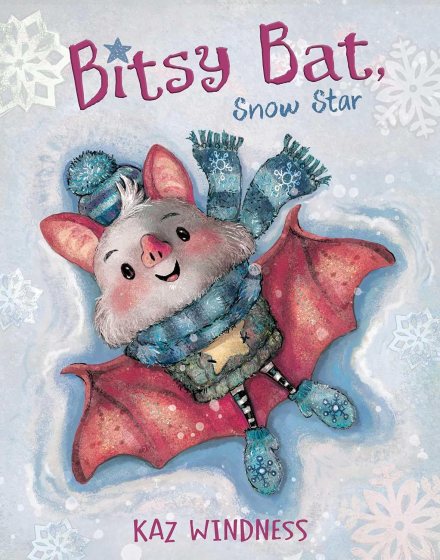
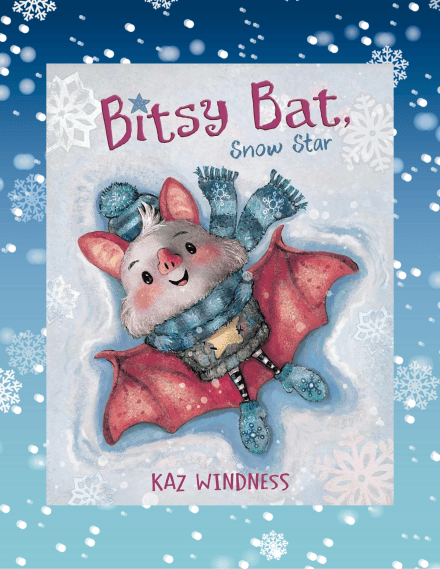
Bitsy Bat, Snow Star (The Bitsy Bat Series)

Bitsy Bat’s family woke up to an unusual surprise. Winter snow had come early—even before she, mama, papa, and baby bat could begin hibernating. Mama took this as a sign that the long winter snooze should begin, but Bitsy wanted to go to school. When Bitsy’s friends, Benjamin and Winnie, stopped by to pick her up (even bringing her a “cute snow outfit”), Mama relented.
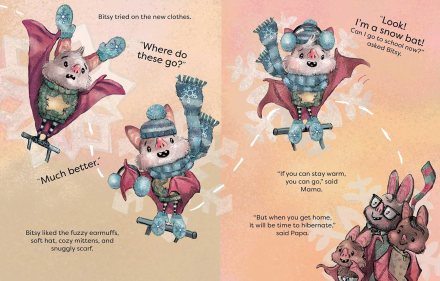
Text and illustration copyright © 2026 by Kaz Windness. Published by Beach Lane copyright © 2026.

At school, to celebrate the early snow, Bitsy’s teacher Mr. Nibbles announced that instead of lessons, they’d “all enjoy the snow together.” Everyone wanted to make snow angels, and Bitsy was eager to learn how. But after she plopped into the snow and moved her wings up and down, she shivered and hoped the other activities would be more fun. But Bitsy didn’t enjoy sledding, making a snowman, or the snowball fight afterwards, either. She didn’t like being wet and cold. In fact, Bitsy decided she didn’t like snow at all. As he flew back to the classroom, she worried that she’d lose her friends if they found out.
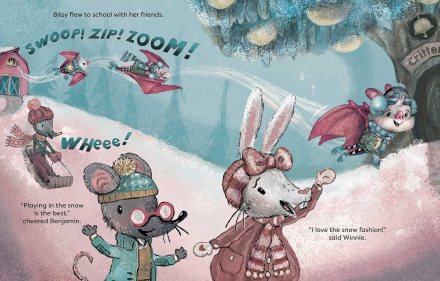
Text and illustration copyright © 2026 by Kaz Windness. Published by Beach Lane copyright © 2026.

Noticing how miserable Bitsy seemed, Mr. Nibbles took her to the reading nook to warm up. There, she found Mo and Enzo. When Bitsy asked if they didn’t like snow either, they both said they loved the snow. Bitsy was confused. Then she discovered that Mo and Enzo liked watching the snow while being warm and cozy and reading inside. She understood then that it was okay to like different things, and when Mr. Nibbles offered hot chocolate, she politely declined while asking for a bugmallow treat instead.
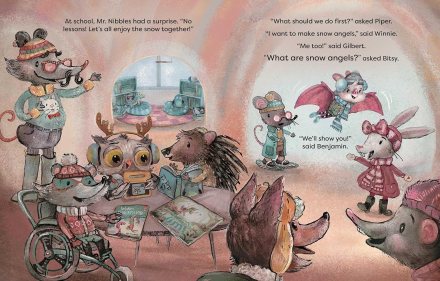
Text and illustration copyright © 2026 by Kaz Windness. Published by Beach Lane copyright © 2026.

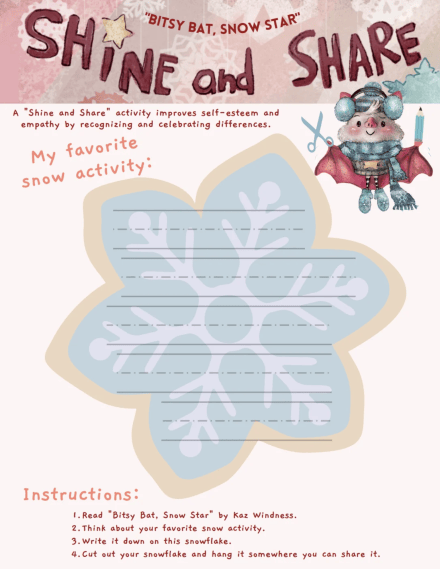
When the snow started falling, Bitsy had the idea to make paper snowflakes, and when the rest of the class came inside, they joined in too. When Mr. Nibbles suggested each student write their favorite snow activity on their flake, Bitsy bravely admitted that she hadn’t liked any of the outdoor activities, and was assured that that was okay. Back home, Bitsy hung her paper snowflakes then prepared with her family for their long winter hibernation.

Back matter includes a detailed discussion about autism that defines and explains important terms as well as an Author’s Note by Kaz Windness, who is herself autistic.
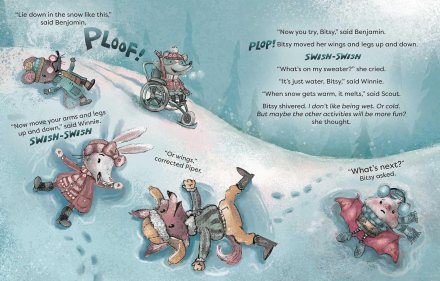
Text and illustration copyright © 2026 by Kaz Windness. Published by Beach Lane copyright © 2026.

It’s easy to see why Kas Windness’s Bitsy Bat series—including Bitsy Bat, School Star and Bitsy Bat, Team Star—is such a beloved part of any child’s library. Told from an autistic perspective, the stories celebrate each student’s differences, and welcome readers as a friend. In Bitsy Bat, Snow Star, Bitsy steps out of her comfort zone to try a new experience. Windness invites children along to witness Bitsy proudly becoming a “snow bat” in winter clothing but also discovering that her sensory differences make the outdoor activities uncomfortable. As Bitsy’s school day progresses, Windness incorporates responses such as stimming, fawning, and autistic masking into the story.

Once inside, Bitsy demonstrates her creativity and imagination by making paper snowflakes as an alternative to real snow. Through Enzo’s, Mo’s, and Bitsy’s preference to watch the snow from the window, Windness also emphasizes that people can enjoy the same activities in different ways. Readers will find Bitsy’s bravery, worries, disappointments, and empathy relatable and her undimmable spirit inspiring.

Windness’s dialogue-rich storytelling is accompanied by her adorable and expressive illustrations that envelope readers in Bitsy’s companionable classroom, where students accept and support each other and their teacher is understanding. Other students use a wheelchair (and snow wheelchair for sledding), noise-reducing headphones, light-filtering glasses, a communication tablet, and glasses.

Whether you’re already a fan of Bitsy Bat or just getting to know her, Bitsy Bat, Snow Star would be a favorite read aloud on any home bookshelf. The book is a must for any public and school library.

Ages 4 – 8

Beach Lane, 2026 | ISBN 978-1665963664

About the Author

Kaz Windness is the author-illustrator of picture books Swim, Jim!; Bitsy Bat, School Star; Bitsy Bat, Team Star; and Bitsy Bat, Snow Star. She created the Theodor Seuss Geisel Honor Level 1 Ready-to-Read Graphics book Worm and Caterpillar Are Friends, and its sequel, Worm and Butterfly Are Friends, Always; the Star Chapter Book Time Traveling Chickens series; and the Level 1 Ready-to-Reads Cat vs. Vac; Go! Go! Dino!; Squid in Pants; and Speeder Spider. Kaz is also the illustrator of Ollie, the Acorn, and the Mighty Idea by Andrew Hacket and the author of When You Love a Book, illustrated by Heather Brockman Lee. Kaz lives in Denver, Colorado with her husband, two children, and Boston terrier. Visit her at WindnessBooks.com.

You can find a wide range of materials for the Bitsy Bat Series for educators, parents, and other caregivers, from lesson plans to animated read-alouds, to detailed hands-on activities and instructions in Kaz Windness’s Bitsy Bat Media Kit on her website.
You can purchase Bitsy Bat, Snow Star from these booksellers

Amazon | Barnes & Noble | Bookshop

April 2 – Celebrating Hans Christian Andersen’s Birthday and International Children’s Book Day

About the Holiday

Since 1967, April 2—Hans Christian Andersen’s birthday—has served as the date for International Children’s Book Day. The International Board on Books for Young People (IBBY), a non-profit organization founded in Zurich, sponsors the day to promote a love of reading and call attention to children’s books. National Sections of IBBY around the world alternate in hosting the event. The host for 2026 is Cyprus, and this year’s theme is “plant stories and the world will bloom.” Each year a prominent author and illustrator from the sponsoring country prepare materials for the event. This year’s poster was designed by Sandra Elephteriou. Elena Perikleous wrote this year’s message, and Giorgos Hatzipieris wrote this year’s official song, “The Little Gardener.” To learn more about the initiative and download digital materials, visit the IBBY website. 

Thank you to Levine Querido and Barbara Fisch at Blue Slip Media for sending me this book for review!

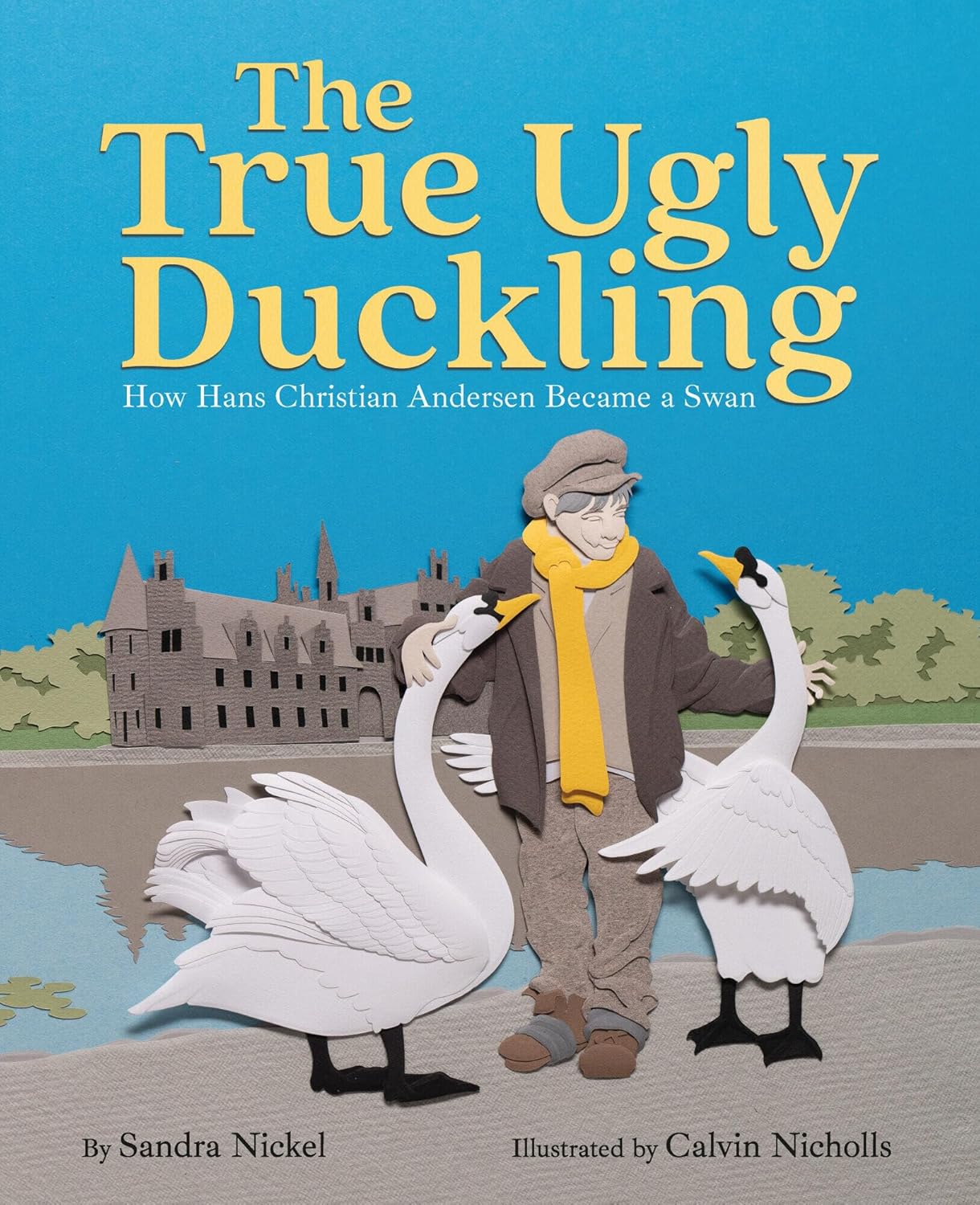
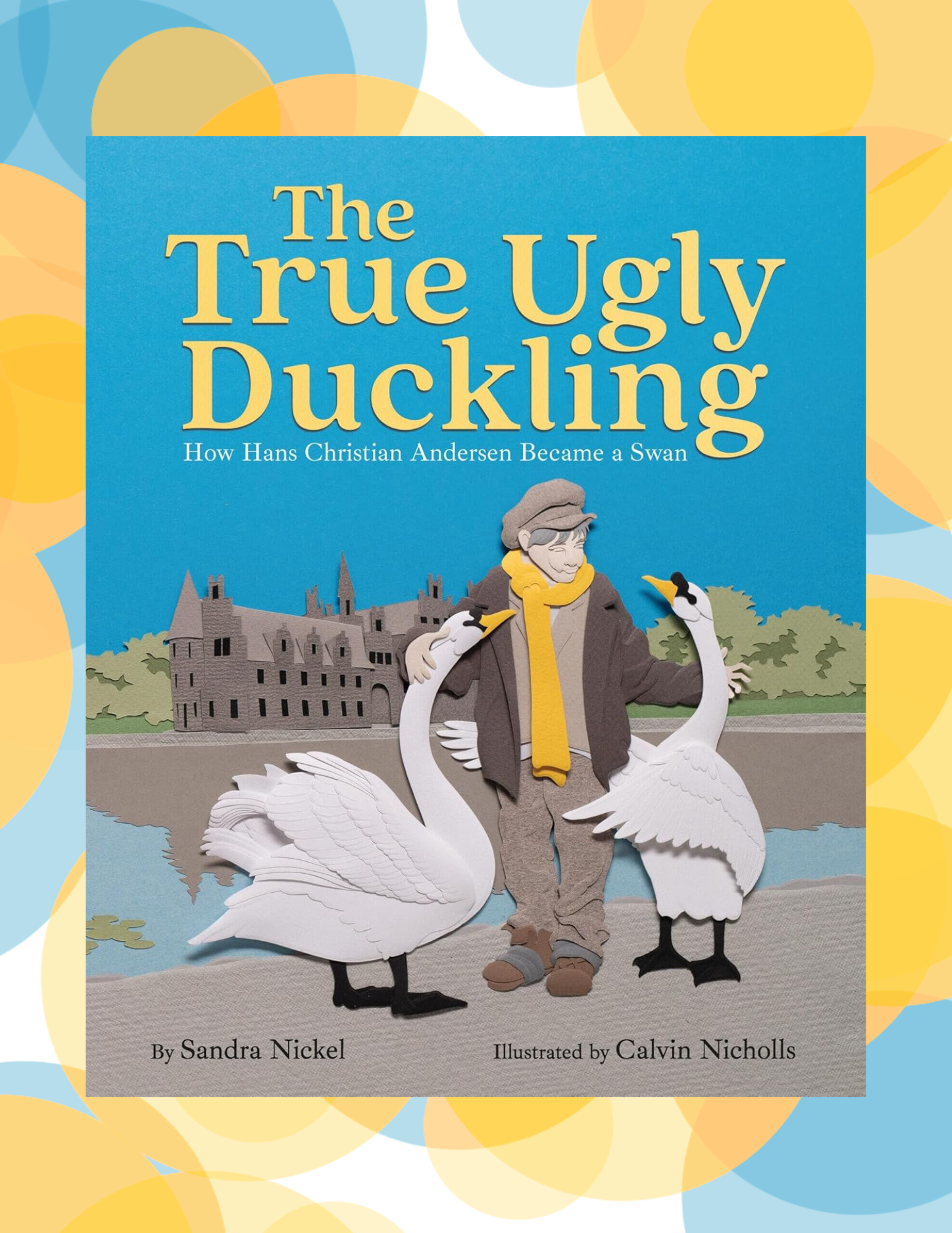
The True Ugly Duckling: How Hans Christian Andersen Became a Swan

Written by Sandra Nickel | Illustrated by Calvin Nicholls


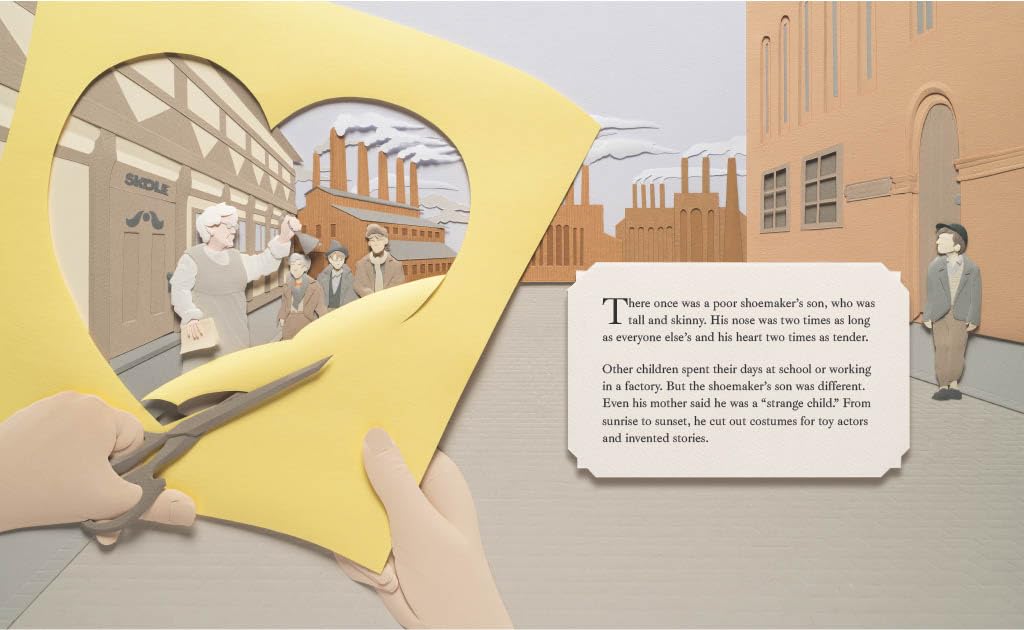
“There once was a poor shoemaker’s son, who was tall and skinny. His nose was two times as long as everyone else’s and his heart two times as tender.” Thus begins not a fairy tale, but Sandra Nickel’s real life story of Hans Christian Anderson.

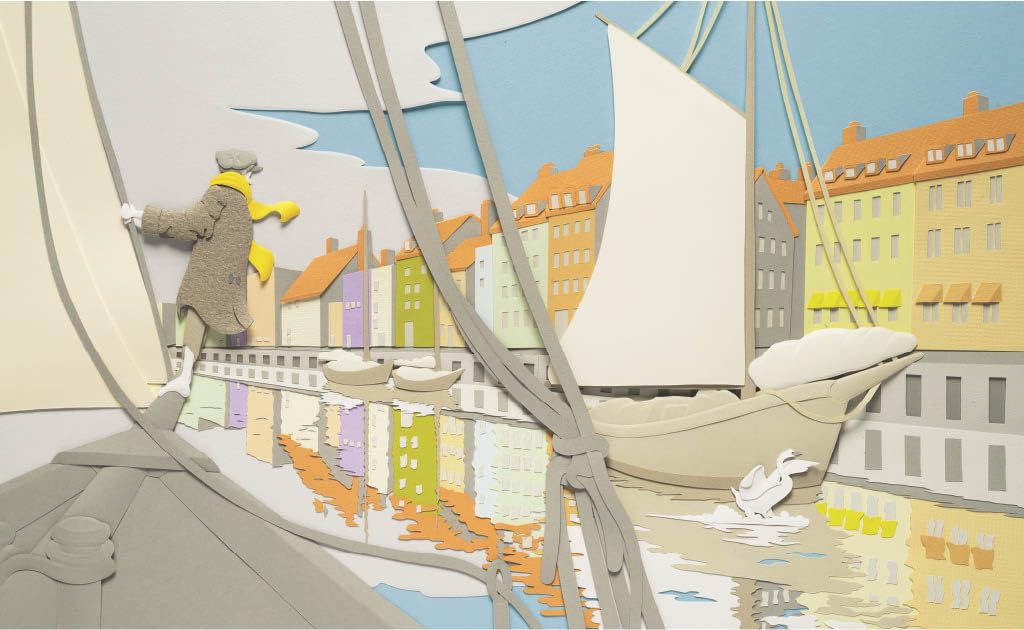
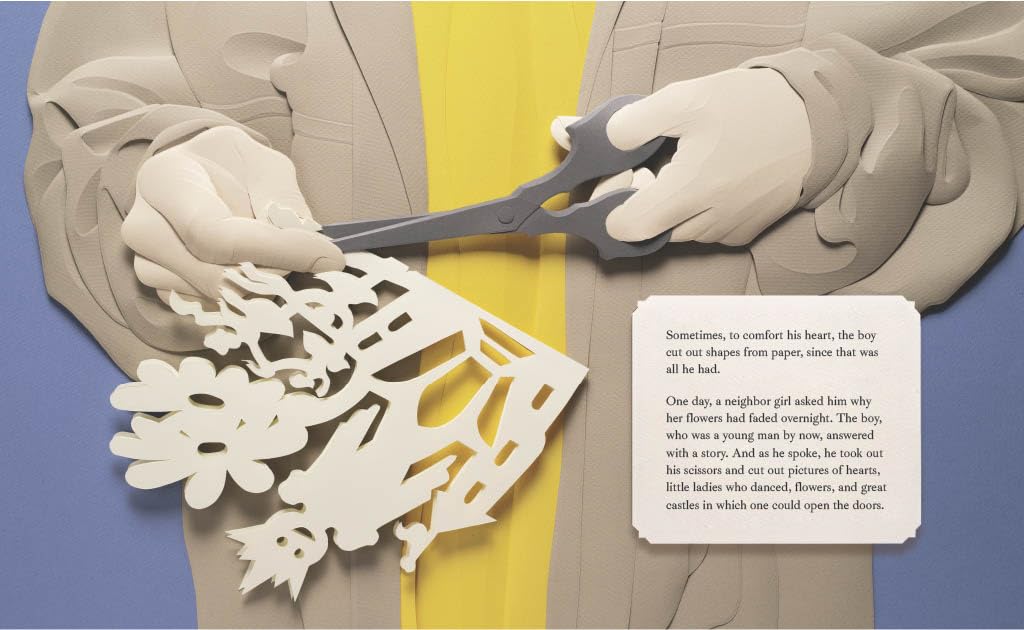
While most children spent their days working at the factory or going to school, Hans cut out costumes for his toys and invented stories that he performed for whomever would watch. Some neighbors gave him a few coins, but the factory workers and other children bullied and teased him. Hans “soothed his wounded heart by cutting out shapes from cloth.” At fourteen, knowing there was more for him in the world, Hans sailed alone for Copenhagen. There, he tried to find a place to express his talents, but each attempt ended in disappointment. Soon all his money was gone.

Illustration copyright © 2026 by Calvin Nicholls. Text copyright © 2026 by Sandra Nickel. Courtesy of Levine Querido.

When he sent a play to the Royal Theater, one director rejected it brutally, but another found a “few jewels” in it and arranged for him to go to school. At 17 Hans was taking classes for the first time. The other students laughed at him, and the headmaster dashed his dreams of becoming a storyteller, forbidding him to write. For six years Hans obeyed. “To comfort his heart, the boy cut out shapes from paper.”

Then one day when a girl asked him why her flowers had faded, Hans—now a young man—answered her by telling a story while cutting a scene in paper of hearts, dancers, flowers, and castles with working doors. The girl loved the story so much that Hans wrote it down and had it printed into a book. “The children of Copenhagen adored every word.” 

Illustration copyright © 2026 by Calvin Nicholls. Text copyright © 2026 by Sandra Nickel. Courtesy of Levine Querido.

Soon, Hans was telling and publishing more and more stories. Adults began reading them, and even Copenhagen royalty invited him to their castles for dinners and afterward to entertain the other guests by weaving “magic with his words and scissors.”

Back matter includes an Author’s Note recounting that experts now believe Hans Christian Andersen was likely on the autism spectrum and may also have had Marfan syndrome. She also discusses her choice to follow the story arc of The Ugly Duckling to depict Andersen’s life.

Illustration copyright © 2026 by Calvin Nicholls. Text copyright © 2026 by Sandra Nickel. Courtesy of Levine Querido.

Sandra Nickel’s mesmerizing and sensitive portrait of Hans Christian Andersen highlights his seemingly limitless creativity, imagination, and courage as he stays true to himself despite the treatment and rejections he endured. Her lyrical and moving biography is not only an inspiring tribute to this unique storyteller and artist, but a buoy for children struggling themselves and a reminder for all to embrace each person as a whole, recognizing and encouraging their talents, dreams, and contributions. Although his enduring popularity is already known to readers, her account of his ultimate triumph still has the power to astonish and prompt cheers.

Visually arresting, Calvin Nicholls’ extraordinary paper sculpture illustrations pop with action and emotion, immersing readers in the sights and sounds of Andersen’s factory hometown, his experiences in Copenhagen, and the joy of his long-dreamed-for success. The realism of Nicholls’ low-relief sculptures, assembled from various weight and textured papers then photographed, is astounding. Nicholls’ color scheme mirrors the theme of the “Ugly Duckling,” portraying Andersen in muted grays and browns until his full transformation when he dazzles Copenhagen royalty in a white tuxedo.

The True Ugly Duckling: How Hans Christian Andersen Became a Swan belongs in every classroom, school, and library collection to edify and inspire and would be an inspirational addition to home bookshelves, especially to pair with readings of his stories.

Ages 4 – 8

Levine Querido, 2026 | ISBN 978-1646146093

Hans Christian Andersen’s Birthday Activity

Easy Origami Swan


Kids can have fun on Hans Christian Andersen’s Birthday and International Children’s Book Day by making this easy origami swan to celebrate their unique personalities and talents! All you need is origami paper or you can cut your own 6-inch by 6-inch paper or any size square.

You can purchase The True Ugly Duckling: How Hans Christian Andersen Became a Swan from these booksellers

Amazon | Barnes & Noble | Bookshop

Picture Book Review

February 2 – It’s National Women Inventors Month

celebrate-picture-books-picture-book-review-the-girl-who-thought-in-pictures-cover

About the Holiday

This month we celebrate all the women, past and present, who have changed the world for the better with their inventions and innovations! Every day, women are working in all industries researching and creating the next products, services, medicines, machinery, games, and some things we can’t even imagine yet that will revolutionize the way we live. Who are these women? They might be your friends, neighbors, sisters, daughters—or maybe even you! To celebrate this month, read up on amazing women inventors, and, if you have a big idea, work to get it noticed and on the market!

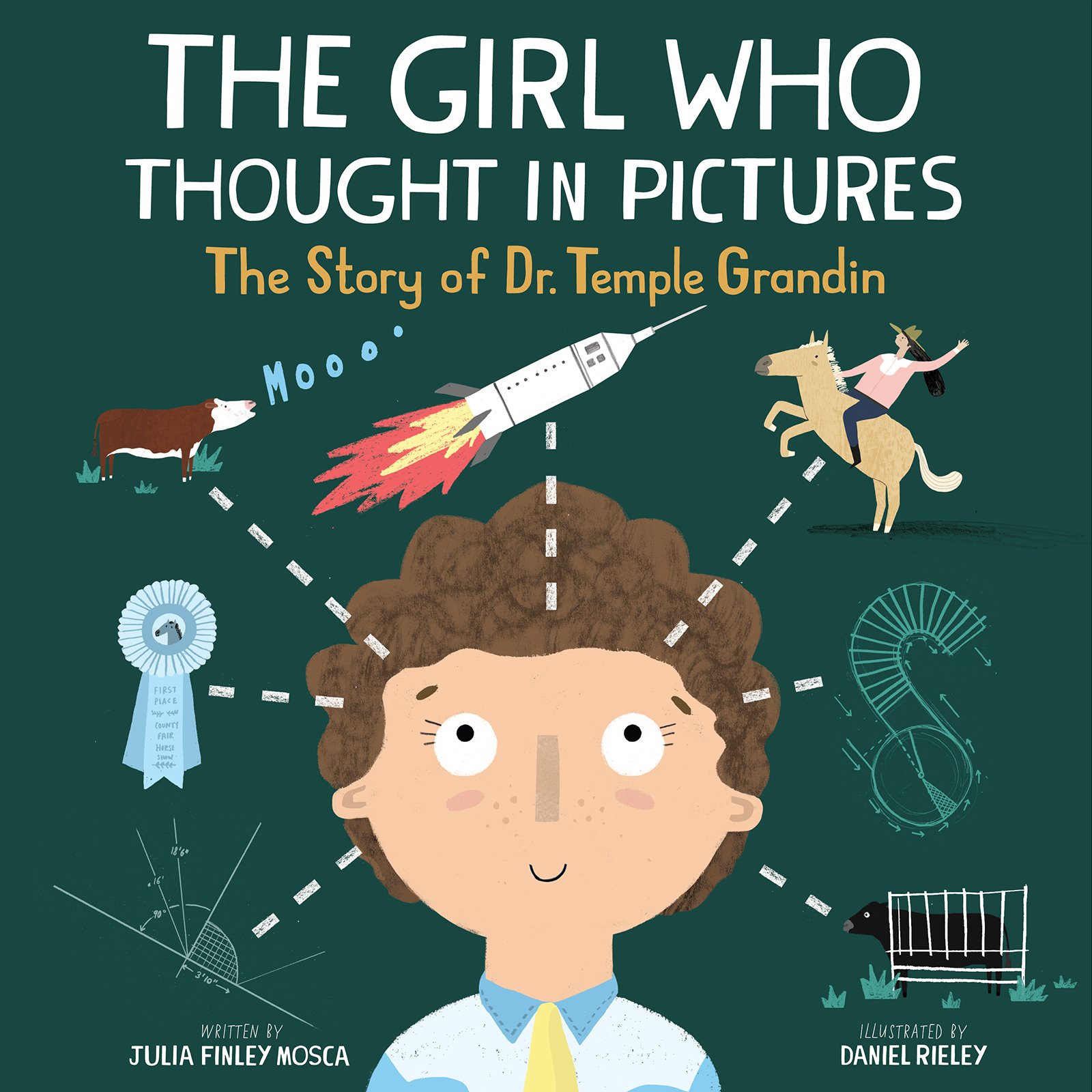
The Girl Who Thought in Pictures: The Story of Dr. Temple Grandin

Written by Julia Finley Mosca | Illustrated by Daniel Rieley


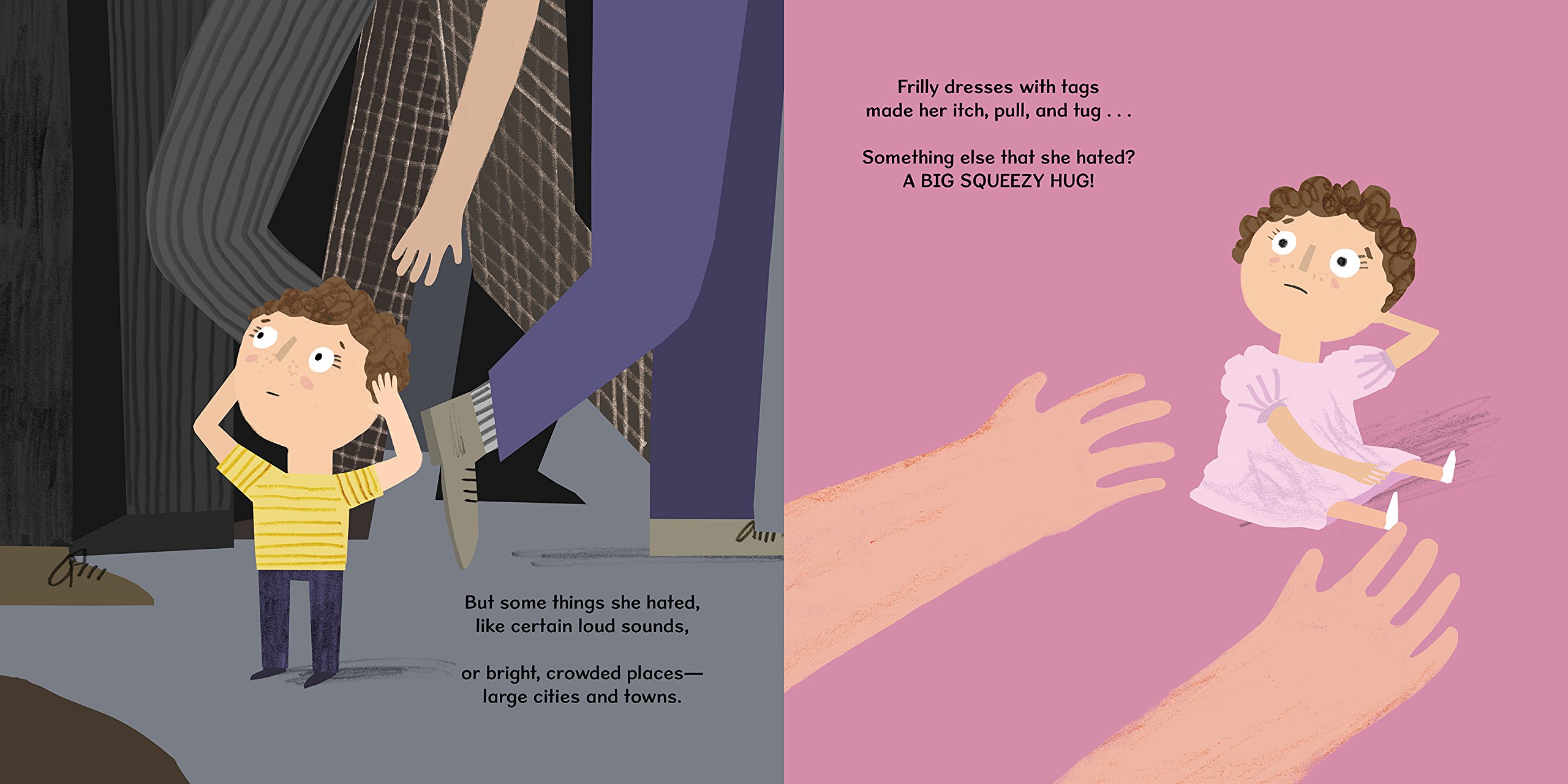
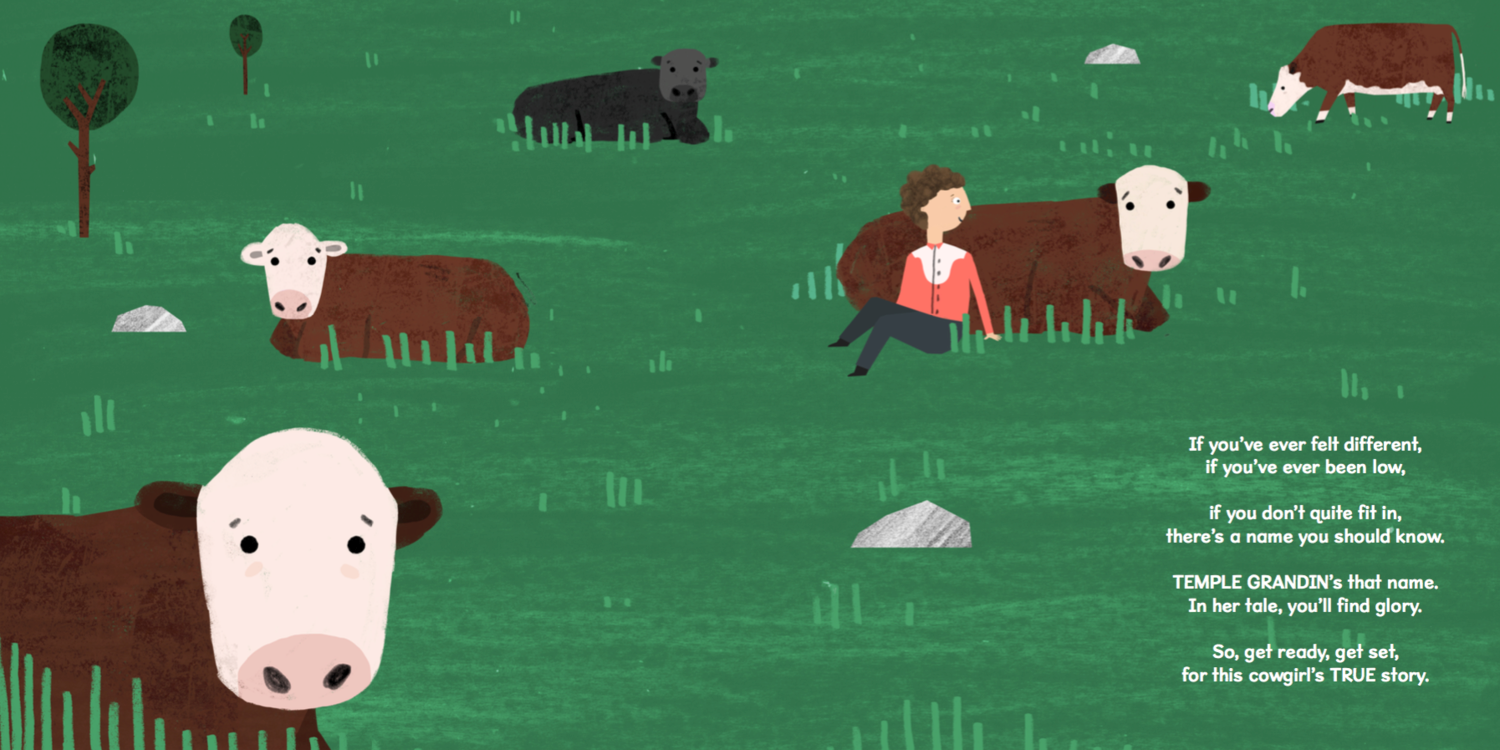
If you feel different and sometimes discouraged, the story of Temple Grandin may help you see that everyone has a talent and their own place in the world. Temple was born in Boston and “unique from the start, / an unusual girl, / she loved spinning in circles / and watching things twirl.” Loud sounds, big crowds, bright lights, and scratchy clothes disturbed her. And she did not like to get a “big squeezy hug.”

celebrate-picture-books-picture-book-review-the-girl-who-thought-in-pictures-too-loud

Image copyright Daniel Rieley, 2017, text copyright Julia Finley Mosca, 2017. Courtesy of The Innovation Press.

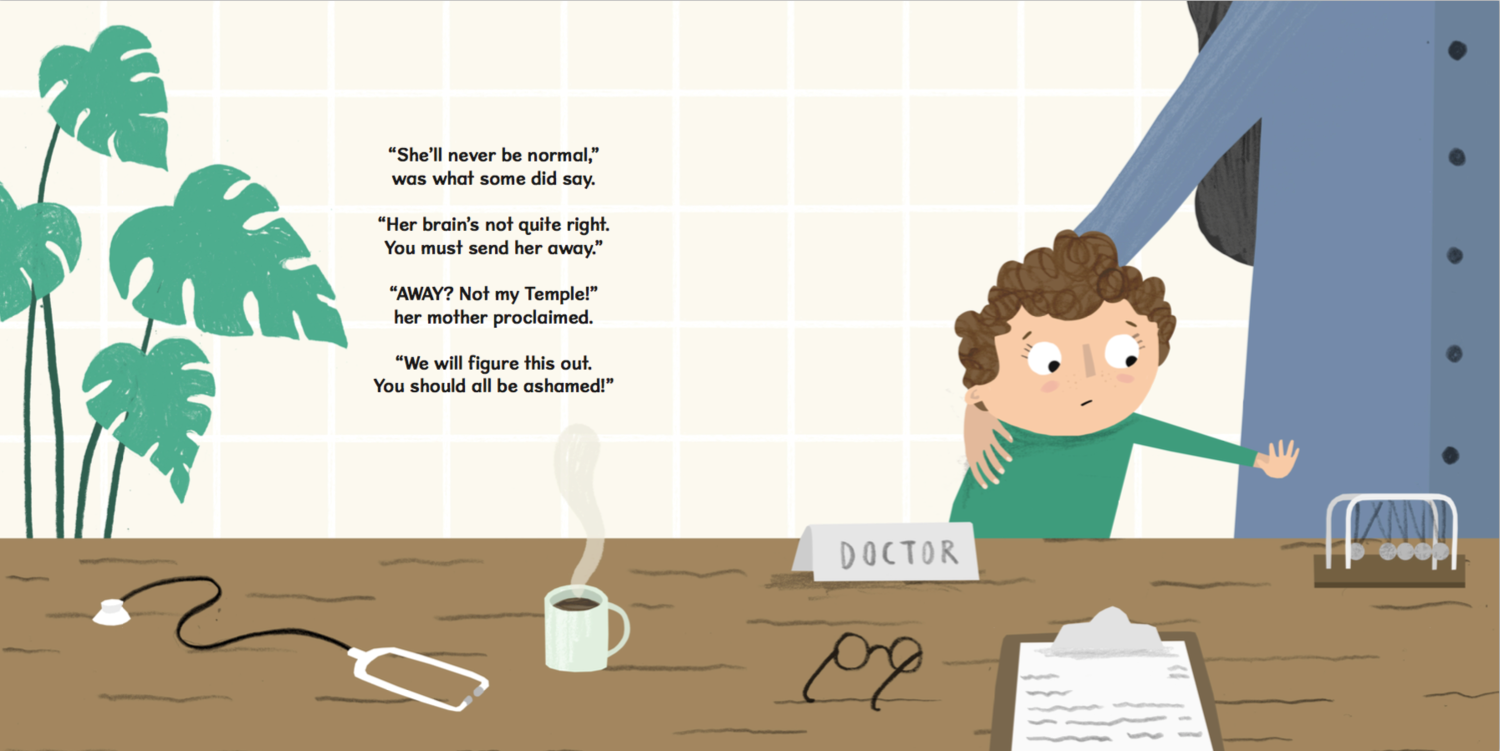
When she became overloaded with stress and frustration, Temple was known to “kick, holler, bang, shrieeeeek! Yet, still, by age three, not one word did she speak.” People told Temple’s parents that she’d never be normal and to send her away, but her mother would not hear of it. With a lot of work, special teachers helped Temple learn to talk. “And that thing with her brain… / it was AUTISM, see? / She was ‘different not less,’ / they all finally agreed.”

celebrate-picture-books-picture-book-review-the-girl-who-thought-in-pictures-doctor

Image copyright Daniel Rieley, 2017, text copyright Julia Finley Mosca, 2017. Courtesy of The Innovation Press.

While Temple was like her peers in many ways, she interacted with words differently. “If something was mentioned, / for instance, a fly, / in her mind, she’d see dozens / of PHOTOS buzz by.” Her different view point made it hard for her at school. The other kids chased her and teased her for the way that she acted and for “…saying things / over and over. / and over… / and over… / AND over.” When she had finally had enough, “she threw a book at a kid / and was kicked out of school!” No one understood Temple and Temple couldn’t understand them.

celebrate-picture-books-picture-book-review-the-girl-who-thought-in-pictures-fly

Image copyright Daniel Rieley, 2017, text copyright Julia Finley Mosca, 2017. Courtesy of The Innovation Press.

Her mother then sent her to visit her aunt, who lived on a ranch out west. Here, among the animals, Temple felt better. Her favorites were the cows, so silent and sweet. “At a NEW school that fall, / Temple found more support / said a teacher who taught her: / ‘You’ll never fall short.” That teacher was right, and at engineering and science she felt right at home.

Her first invention—made from memory—was “a machine / like she’d seen on some farms, / an INVENTION that hugged her / with boards, and not arms.” In this device she felt snug and calm, just like the cows. As she began to succeed, Temple came to see that her attention to detail was a benefit, and she began to feel special. Then she learned about farms where the cows were not treated kindly and resolved to change that.

celebrate-picture-books-picture-book-review-the-girl-who-thought-in-pictures-cows

Image copyright Daniel Rieley, 2017, text copyright Julia Finley Mosca, 2017. Courtesy of The Innovation Press.

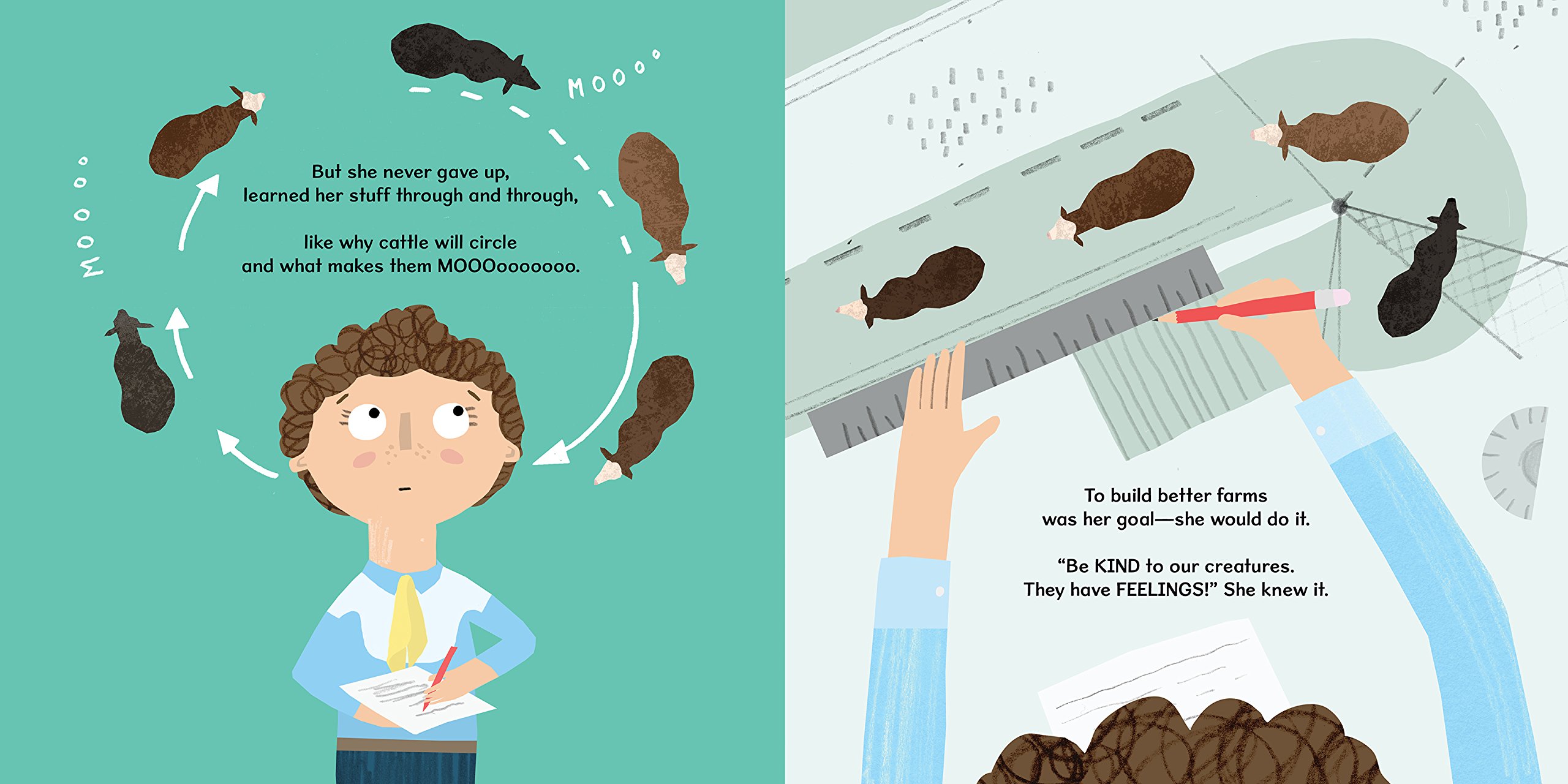
She went on to college and became an expert on farms, earning three degrees. Telling people about her ideas for farming improvements was sometimes scary because they ignored her and, well…weren’t very sweet. But she didn’t give up. She learned more about cattle, like why they circle and moo. “To build better farms / was her goal—she would do it. / ‘Be KIND to our creatures. / They have FEELINGS!’ She knew it.”

It took time, but people began to see that Temple was right, and farm after farm implemented her ideas. She won awards for this work and other ideas, a movie was made about her life, and she now travels the world telling her story and teaching: “‘Each person is special– / so UNIQUE are our minds. / This world needs YOUR ideas. / It takes brains of ALL kinds!”

celebrate-picture-books-picture-book-review-the-girl-who-thought-in-pictures-letter

Image copyright Daniel Rieley, 2017, text copyright Julia Finley Mosca, 2017. Courtesy of The Innovation Press.

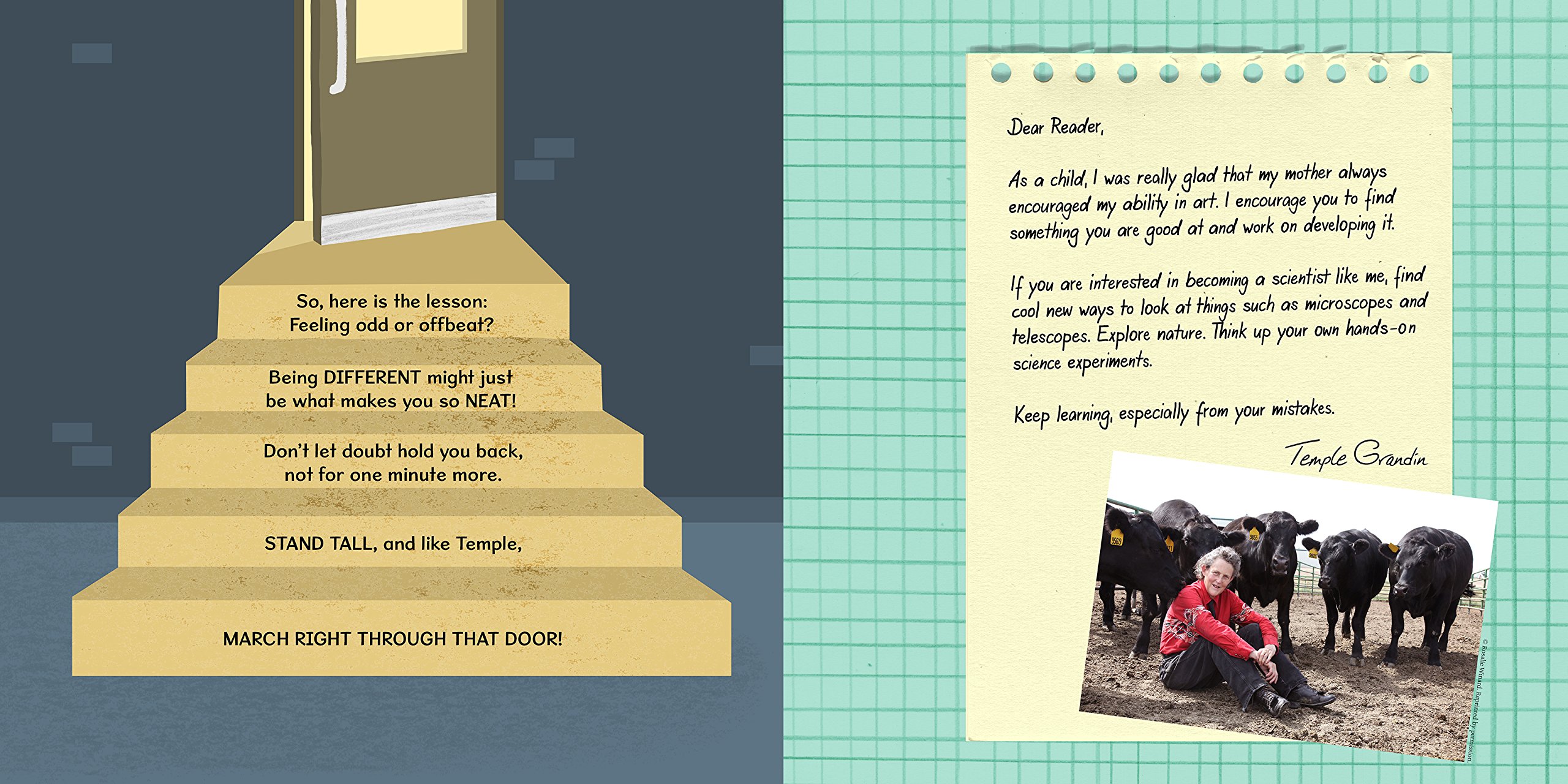
A letter from Temple Grandin to young readers, extensive information about Temple and tidbits from her interview with the author, a timeline of her life, and resources follow the text.

Julia Finley Mosca’s insightful biography of Temple Grandin offers inspiration and encouragement to children at those times when life seems difficult or if they feel misunderstood. Childhood can be filled with moments—both small and large, short or long—when comfort and reassurance are needed. Mosca’s rhyming verses make Temple’s story accessible to a wide age range of readers while providing an inclusive way to show how autism creates a different way of experiencing the world. Temple’s supportive teachers are role models for all educators. Temple Grandin’s fascinating life demonstrates that there is a niche for everyone and that through understanding, perseverance, and acceptance, all children can go far.

celebrate-picture-books-picture-book-review-the-girl-who-thought-in-pictures-cows-in-field

Image copyright Daniel Rieley, 2017, text copyright Julia Finley Mosca, 2017. Courtesy of The Innovation Press.

Daniel Rieley’s cartoon-style illustrations will resonate with readers as Temple takes in everything she sees with wide-open eyes and interprets it in her own way—even before she can speak. The separation between Temple and the other students at her first school is poignantly communicated in a two-page spread in which pointing hands and a lobbed ball of paper appear from the left-hand margin and Temple reads alone on the far side of the right-hand page. Temple’s ability to think in pictures is demonstrated throughout the book with inset images. Readers see some of the farming practices Temple wanted to change, her original drawings, and the resulting equipment now used on farms to improve the conditions of the animals raised there.

The Girl Who Thought in Pictures: The Story of Dr. Temple Grandin is a moving and motivational story for all children and is a must for school and public libraries.

Ages 5 – 10

The Innovation Press, 2017 | ISBN  978-1943147304

Discover more about Julia Finley Mosca and her Amazing Scientists series on the Amazing Scientists website.

Learn more about Daniel Rieley, his books, and his art on his website.

National Women Inventors Month Activity

celebrate-picture-books-picture-book-review-women-in-stem-coloring-book

Historical Women in STEM Coloring Book


From civil engineering to chemistry and botany from radio waves to computer programming, the five women in this coloring book changed science and the world. Enjoy coloring the pages and learning about these amazing women in this printable: Historical Women in STEM Coloring Book

Picture Book Review