May 6 – National Smile Month

celebrate-picture-books-picture-book-review-mom-loves-little-jumbo-cover

About the Holiday

During this month we take time to make sure our smiles are as bright and healthy as they can be by ensuring that we’re following the latest advice by dental professionals about brushing, diet, and oral health and scheduling dental visits for ourselves and our children. It’s also a great time to celebrate all the things that make us smile. One of which is spending time with our kids. On May 12 families will celebrate Mother’s Day—a holiday that’s guaranteed to bring out smiles all around!

Mom Loves Little Jumbo: Hello I Am Jumbo

By Yasushi Muraki


When young readers open the cover of this sweet board book, a tiny elephant named Jumbo introduces himself and his mom. “Mom is big,” he says. “I am small.” Mom’s size and strength come in handy when he falls, Jumbo explains, and if he’s in trouble, his mom keeps him safe. Jumbo’s mom not only protects him from big dangers like lions but from small bothers like rain.

Every day Jumbo’s mom takes good care of him. She shows him where to find the freshest grass and the most delicious fruit. Jumbo’s mom also remembers other things he loves, like having fun and playing hide-and-seek “She makes me laugh,” he says.

To show Mom how much he loves her, Jumbo picks “the most beautiful flower” for her. And at the end of the day? “At bedtime Mom cuddles me tightly. I like this best of all.” Yes, Jumbo reveals, “My mom loves me. And I love my Mom.”

Yasushi Muraki revels in that deeply felt awe little ones feel for their mom and all the things she does for them in his adorable board book. By using the matriarchal, close-knit structure of elephant families for his story, Muraki reinforces the bond between mother and child, which he simply, but lovingly demonstrates in his rich, textured images. Each page welcomes children with comforting  earth tones and actions by Jumbo’s caring mom that even the youngest readers will find meaningful.

Told from Jumbo’s point of view, Muraki’s storytelling incorporates two straightforward sentences on each page. In the first, Jumbo reveals something that his mom does for him, and in the second, he explains how it makes him feel. Jumbo even plays a game with readers midway through the book. When Jumbo picks a flower for his mom, little ones will learn that gestures of love are reciprocal, and the cuddly ending will lead to lots of snuggling between mom and child.

A perfect book for little ones to share with their mom on Mothers’ Day or any day, as a new baby present, or baby shower gift, Mom Loves Little Jumbo: Hello I Am Jumbo would be a favorite on home bookshelves and to find at public libraries.

Ages 3 – 5

minedition, 2019 | ISBN 978-9888341788

Discover more about Yasushi Muraki, his books, and his art on his website.

National Smile Month Activity

celebrate-picture-books-picture-book-review-Spool-Elephant-Craft

Spool Elephant and Baby


Who wouldn’t like a tiny elephant for a pet?! With this easy craft you can make your own little pal to keep you company.

Supplies

  • Printable Elephant Ears Template
  • 1¾-inch wooden spool with center hole, available at craft stores
  • ¾ -inch wooden spool with center hole, available at craft stores
  • Gray craft paint
  • Chunky gray yarn
  • Gray felt, 1 8 ½ x 11 piece
  • Paint brush
  • Black fine-tip marker
  • Hot glue gun or fabric glue

Directions

To Make the Ears

  1. Print the Elephant Ears Template
  2. Trace and cut out the large and small ears

To Make the Body

  1. Paint the spools with the gray paint, let dry
  2. Glue the tab on the ears to the body of the spool to secure, allowing the ears to stick out on either side of one flat end of the spools
  3. Wind the gray yarn back and forth around the spool, creating several layers of thickness
  4. When the body is as thick as you desire, cut the end and secure with glue

To Make the Trunk

  1. Cut a 2 x 4-inch piece of felt for the large elephant; 1/2 x 2-inch piece for small elephant
  2. Roll tightly and secure with glue
  3. Feed one end of the roll into the hole in the middle of the spool
  4. Cut to desired length

To Make the Tail

  1. Twist a small length of yarn and push it into the hole on the back of the spool
  2. With the marker draw eyes and a mouth on the face

celebrate-picture-books-picture-book-review-mom-loves-little-jumbo-cover

You can find Mom Loves Little Jumbo at these booksellers

Amazon | Barnes & Noble | Books-a-Million | IndieBound

Picture Book Review


May 3 – Wild Koala Day

celebrate-picture-books-picture-book-review-koala-is-not-a-bear-cover

About the Holiday

If you love koalas, you’ll want to join in on this Australian holiday that’s dedicated to celebrating koalas and protecting their habitats. Koalas survive by eating the gum leaves of eucalyptus trees, but these forests are threatened by deforestation, fire, and climate change. Conservationists are calling for the preservation and replanting of these important forests. To show solidarity with the cause and koalas, people are encouraged to wear gum leaves (or any leaf), plant a tree, and post a picture of a wild koala on social media, using #wildkoaladay. You can learn more about today’s holiday by visiting the Wild Koala Day website.

I received a copy of Koala Is Not a Bear from Sterling Children’s Books for review consideration. All opinions are my own. I’m happy to be teaming with Sterling Children’s Books in a giveaway of the book. See details below.

Koala Is Not a Bear

Written by Kristin L. Gray | Illustrated by Pachel McAlister


Koala couldn’t wait to go to camp, meet the other campers, and have lots of fun. Since this was her first trip away from home, she packed some of her favorite things in case she felt homesick. When she got to camp, she found a cabin for birds, one for crocodiles, and one for cats, but she couldn’t find her cabin. Just as she was about to ask for directions, Grizzly came running out to meet her and welcome her to Bear Cabin.

celebrate-picture-books-picture-book-review-koala-is-not-a-bear-packing

Image copyright Rachel McAlister, 2019, text copyright Kristin L. Gray, 2019. Courtesy of Sterling Children’s Books.

Koala was introducing herself when, “‘Hold it!’ said a voice. ‘Koala is NOT a bear.’” It was Kangaroo, who, Grizzly said, was “‘a bit of a know-it-all.’” Koala was tired from looking for the right cabin and only wanted a place to put her gear and relax. She showed off her “‘sharp teeth and claws,’” and Grizzly agreed that Koala must be a bear. But then Kangaroo reminded them that “‘crocodiles have sharp teeth and claws’” too.

Koala was not to be deterred and scampered up a tree just like a bear. Kangaroo countered with the example of lemurs, who also climb trees but are not bears. Koala had another bear-like trick up her sleeve, though, and let out a growl a bear could be proud of. Kangaroo brought up tigers. Koala then got down on all fours and crawled along accompanied by Grizzly. Duck had a sage observation that went like this: “‘If she walks like a bear and talks like a bear, she must be a bear.’”

celebrate-picture-books-picture-book-review-koala-is-not-a-bear-cabins

Image copyright Rachel McAlister, 2019, text copyright Kristin L. Gray, 2019. Courtesy of Sterling Children’s Books.

“‘Tail?’” questioned Kangaroo, and while Koala didn’t have a proper tail, she did have thick fur that kept her warm and dry. Grizzly figured the issue was settled and they all went into the cafeteria to eat. But not so fast. Kangaroo had a book, which she said proved Koala was not a bear. And instead of similarities, Koala began to see the differences between her and Grizzly. She didn’t like berries or fish and she didn’t hibernate during winter. Suddenly, Koala thought she “didn’t belong in Bear Cabin. Maybe she didn’t even belong at camp.”

celebrate-picture-books-picture-book-review-koala-is-not-a-bear-kangaroo

Image copyright Rachel McAlister, 2019, text copyright Kristin L. Gray, 2019. Courtesy of Sterling Children’s Books.

Koala began to feel homesick and went off to a corner to look at the picture of her family she’d brought along. She had just opened her pouch to get out the photograph when, right behind her, Koala heard that familiar voice. “‘Aha! I knew it,’ cried Kangaroo. ‘Koala has a pouch! Like ME.” But when Kangaroo got a glimpse of Koala’s photograph, she recognized her great-aunt Quokka. “‘Your great-aunt?’” said Koala. “‘Quokka’s my great-aunt.’”

celebrate-picture-books-picture-book-review-koala-is-not-a-bear-crocodile

Image copyright Rachel McAlister, 2019, text copyright Kristin L. Gray, 2019. Courtesy of Sterling Children’s Books.

Koala had a feeling…and asked some more questions: had Kangaroo ridden in her mother’s pouch, been called a joey, and come from Australia? Yes, yes, yes, answered Kangaroo. Suddenly, Koala and Kangaroo knew exactly what Koala was—a marsupial—which made her and Kangaroo family! They both got a bear hug from Grizzly and went off to settle into Marsupial Cabin, just as Platypus arrived looking for Duck Cabin….

A short Author’s Note about marsupials follows the text.

celebrate-picture-books-picture-book-review-koala-is-not-a-bear-kangaroo

Image copyright Rachel McAlister, 2019, text copyright Kristin L. Gray, 2019. Courtesy of Sterling Children’s Books.

In her funny and layered story of mistaken identity, Kristin L. Gray reveals facts about koalas and the order marsupials while also making the point that we all embody more similarities than differences. As Koala narrows in on which cabin is hers, alert readers will enjoy besting Kangaroo in discovering who Koala will be bunking with. Duck provides humorous asides that will keep kids giggling, and the pitch-perfect surprise ending promises to send young animal lovers scurrying to do some research.

Through vibrant, action-packed illustrations, Rachel McAlister showcases all the ways in which Koala is like a bear—as well as crocodiles, lemurs, and tigers—but ultimately belongs in the marsupial family. Grizzly’s stalwart support of her new friend is endearing as she also shows her claws and teeth, climbs a tree, growls fiercely, crawls beside her, and in the end clasps her in a big bear hug when it’s discovered that Koala is actually a marsupial. The cafeteria scene shows happy camaraderie and invites readers to learn which scientific families the other campers fall into.

A fun story for animal lovers or to accompany science and STEM lessons in the classroom, Koala Is Not a Bear would make for an engaging story time at home or at school.

Ages 4 – 7

Sterling Children’s Books, 2019 | ISBN 978-1454927457

Discover more about Kristin L. Gray and her books on her website.

To learn more about Rachel McAlister, her books, and her art, visit her website.

Koala Is Not a Bear Giveaway

I’m excited to partner with Sterling Children’s Books in a Twitter giveaway of:

  • One (1) copy of Koala Is Not a Bear written by Kristin L. Gray | illustrated by Rachel McAlister

To enter Follow me @CelebratePicBks on Twitter and Retweet a giveaway tweet.

This giveaway is open from May 3 through March 9 and ends at 8:00 p.m. EST.

A winner will be chosen on May 10.

Prizing provided by Sterling Children’s Books

Giveaway open to U.S. addresses only. | No Giveaway Accounts 

Wild Koala Day Activity

celebrate-picture-books-picture-book-review-koala-coloring-page

Cute Koala Coloring Page


For a koala, a eucalyptus leaf is the perfect snack! Here’s a printable coloring page of a koala in its natural habitat to help you celebrate Wild Koala Day!

Cute Koala Coloring Page

celebrate-picture-books-picture-book-review-koala-is-not-a-bear-cover

You can find Koala Is Not a Bear at these booksellers

Amazon | Barnes & Noble | Books-a-Million | IndieBound

Picture Book Review
 

May 2 – It’s Get Caught Reading Month

celebrate-picture-books-picture-book-review-we-are-not-friends-cover

About the Holiday

The Get Caught Reading campaign was initiated in 1999 by the Association of American Publishers with the idea to promote literacy and language development through reading to children and encouraging them to read on their own. Research shows that early experience with language and reading stimulates a child’s brain and gives them an advantage in learning and school. As part of the campaign, celebrities, dignitaries, and even fictional characters are pictured book-in-hand and enjoying reading. Posters of these readers are available for schools, libraries, and other organizations, and the excitement of reading also takes over social media all month long. To celebrate this holiday, make sure you stock up your shelves with new and favorite books and get caught reading!

We Are (Not) Friends

Written by Anna Kang | Illustrated by Christopher Weyant


This big, brown, fuzzy bear and little, purple, fuzzy bear have been through a lot together—disagreements, fear, problems with sharing—but nothing has prepared them for the blue, fluffy rabbit who bounces onto the scene and into their friendship. When the newcomer asks to join them just as they’re about to explore the stuff in the big, green trunk, Big Bear is all for it, but Little Bear is wary. Rabbit pulls two canes from the trunk and, handing one to Big Bear, suggests they perform a duet. Big Bear’s in, but Little Bear feels left out.

celebrate-picture-books-picture-book-review-we-are-not-friends-dinosaur-hunters

Image copyright Christopher Weyant, 2019, text copyright Anna Kang, 2019. Courtesy of Two Lions.

Big Bear and Rabbit do a tap routine in perfect sync. Then Little Bear shows his stuff with flying feet that aren’t exactly in rhythm. When they all toss their hats in the air, Big Bear and Rabbit neatly catch theirs on their heads while Little Bear’s bonks him on the noggin and bounces off. Little Bear storms off and comes back with a fan so powerful it blows Rabbit’s hat nearly off the page. “What? It was getting hot,” Little Bear replies to Big Bear’s questioning look.

When Little Bear wants to “play dinosaur hunters,” Big Bear looks for their new friend. Little Bear, for his part, denies all knowledge of who he’s talking about. “Our friend—” Big Bear begins to explain, but Little Bear counters “We are friends. We are not friends with—” But then Rabbit’s back and a game of dinosaur hunters gets underway without Little Bear.

celebrate-picture-books-picture-book-review-we-are-not-friends-car

Image copyright Christopher Weyant, 2019, text copyright Anna Kang, 2019. Courtesy of Two Lions.

Little Bear then has a brainstorm that Rabbit likes, and a new duo is formed that doesn’t include Big Bear. Now Big Bear’s feeling left out. Rabbit decides they can combine both games and proclaims Big Bear a dinosaur. “Yeah! Attack, T. rex!” Little Bear urges. Big Bear lets out a tiny roar, then a bigger roar, and finally a huge “ROAR!!!” at which Rabbit Whumps him over the head with a net. Big Bear begins to cry and shouts “WE ARE NOT FRIENDS!!!”

Shaken, the two quiet down and look on sadly. Little Bear gazes at Big Bear and understands. He lays his paw on Big Bear’s arm and clarifies: “We are best friends.” And Bear offers, “And this is our new friend?” That’s exactly it! With everyone satisfied, they’re all happy playing spies, until….”

celebrate-picture-books-picture-book-review-we-are-not-friends

Image copyright Christopher Weyant, 2019, text copyright Anna Kang, 2019. Courtesy of Two Lions.

Anna Kang continues to develop the relationship between her sweet friends in this funny and heartwarming story about how to make room for new buddies in a well-established relationship. Kang perfectly captures the fluctuating dynamics that occur when a new person joins a group and through honest dialogue portrays the hurt feelings and misunderstandings that can happen while children play together. Little Bear’s sensitivity to Big Bear’s feelings strengthens their friendship while allowing it to grow. The story gives adults and children an opportunity to discuss this complex challenge that’s a common part of growing up.

celebrate-picture-books-picture-book-review-we-are-not-friends-dancing

Image copyright Christopher Weyant, 2019, text copyright Anna Kang, 2019. Courtesy of Two Lions.

Christopher Weyant’s lovable and beloved fuzzy friends are joined by an equally cute character who brings new energy and ideas into the relationship between Big Bear and Little Bear but also dismay. Weyant portrays the actions that lead to hurt feelings clearly through images of Big Bear and Rabbit dancing perfectly in synch while Little Bear flounders and then Little Bear and Rabbit building a car that has no room for Big Bear. The characters’ changing facial expressions also provide distinct emotional clues that lead young readers to recognize and empathize with each friend’s experience.

A touching ride through the sometimes-choppy waters of friendship, We Are (Not) Friends reassures young readers that there’s room enough for all. The book is a must for fans of the series and a great place to start if you have not yet been introduced to these adorable characters. We Are (Not) Friends will be a much-asked-for addition to home, classroom, and public library shelves.

Ages 3 – 7

Two Lions, 2019 | ISBN 978-1542044288

Discover more about Anna Kang and her books on her website.

To learn more about Christopher Weyant, his books, and his art, visit his website.

Get Caught Reading Month Activity

celebrate-picture-books-picture-book-review-catch-a-book-maze

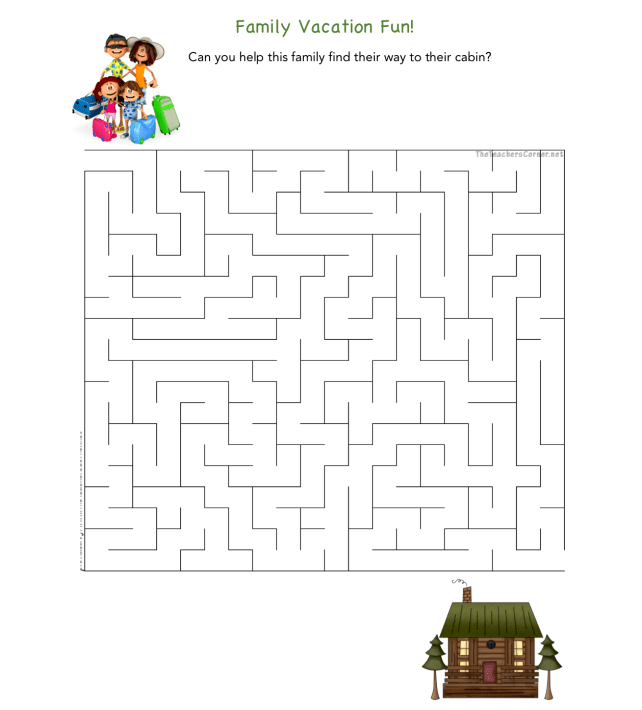
Catch a Book! Maze


One boy has a whole stack of books to share with his friends! Can you help him through this printable Catch a Book! Maze? Here’s the Solution!

celebrate-picture-books-picture-book-review-we-are-not-friends-cover

You can find We Are (Not) Friends at these booksellers

Amazon | Barnes & Noble | Books-a-Million | IndieBound

Picture Book Review


May 1 – It’s Children’s Book Week & Interview with Jodi McKay

celebrate-picture-books-picture-book-review-pencil's-perfect-picture-cover

About the Holiday

Children’s Book Week, a celebration of reading and books, turns 100 this year! Founded in 1919, this longest-running literacy initiative in the US, was a collaborative effort by Franklin K. Matthiews, the librarian of the Boy Scouts of America, Frederic G. Melcher, the editor of Publishers Weekly, and Anne Carroll Moore, the Superintendent of Children’s Works at the New York Public Library. In 1916, the American Booksellers Association and the American Library Association, in conjunction with the Boy Scouts, sponsored the first Good Book Week.

When the Children’s Book Council was established in 1944, they assumed responsibility of running this important initiative. The holiday is celebrated with special events in schools, libraries, bookstores, and communities across the country with the participation of authors, illustrators, publishers, librarians, teachers, and booksellers. This year the theme of the week is Read Now, Read Forever. To find out more about the week as well as activities to download and locations of events in your area, visit Every Child a Reader.

I received a copy of Pencil’s Perfect Picture from Albert Whitman & Company for review consideration. All opinions are my own. I’m thrilled to be partnering with Albert Whitman & Company in a giveaway of the book. See details below.

Pencil’s Perfect Picture

Written by Jodi McKay | Illustrated by Juliana Motzko


Pencil loves his dad so much that he wants to do something special for him. He thinks about baking him a cupcake or giving him a bouquet of flowers, but then he hits on just the right thing. Pencil decides “I’ll draw him the greatest, the best, the most perfect picture he has ever seen!” But there’s a hitch, Pencil doesn’t really know what that is. He heads off to the Art School to find out.

celebrate-picture-books-picture-book-review-pencil's-perfect-picture-dad

Image copyright Juliana Motzko, 2019, text copyright Jodi McKay, 2019. Courtesy of Albert Whitman & Company.

He finds Brush doing a headstand in a paint can, and after Brush adds a golden swoop to a sunset painting, Pencil asks if that’s what makes the picture perfect. “Perfection?” Brush answers. “Pah! I paint for pleasure.” This answer doesn’t really help, so Pencil goes in search of Marker.

Marker shows Pencil all the fancy moves he uses when drawing. Pencil loves the action in Marker’s work and wonders if that’s what makes it perfect. Marker’s not that interested in perfection though, just in doing his best. Pencil then thinks he’ll go ask Pastel for her opinion. He finds Pastel practicing yoga before she creates. Then she faces her blank paper and in a few minutes has a picture that makes Pencil “feel happy.” Could this be the secret to perfection? Pastel says peace is her aim, but Pencil counters, “I don’t think I’ll find peace until I know how to draw a perfect picture” and walks off to find the crayons.

celebrate-picture-books-picture-book-review-pencil's-perfect-picture-dipping

Image copyright Juliana Motzko, 2019, text copyright Jodi McKay, 2019. Courtesy of Albert Whitman & Company.

The little crayons have all been working hard on their drawings and are proud to show them off. Pencil thinks they’re all perfect and asks how they achieved it, but their teacher reveals that they just “draw because it’s fun.” Pencil’s still no wiser when he meets up with Chalk, but in describing his frustrations, Pencil has a brainstorm.

He hurries home to try a little bit of everything he’s learned. He stands back to take a look at his drawing just as his dad comes in. Pencil explains that he wanted to make a special drawing for him, but he’s just not sure it’s…. His dad studies the drawing and says, “Wow, this picture is PERFECT!” Pencil is excited and wants to know why. As they gaze at the drawing in which Pencil and his dad are smiling and have their arms around each other, Pencil’s dad says, “It’s perfect because YOU drew it for me.”

celebrate-picture-books-picture-book-review-pencil's-perfect-picture-paint-brush

Image copyright Juliana Motzko, 2019, text copyright Jodi McKay, 2019. Courtesy of Albert Whitman & Company.

Jodi McKay so sweetly taps into the desire of little ones to show their parents, grandparents, or other caregivers how much they love them while including that lump-in-the-throat moment adults experience when it happens. Through Pencil’s unwavering determination to find the answer, kids are introduced to all their favorite drawing tools and lots of ways to look at art or any pursuit. Pencil’s enthusiasm is infectious and charming, and readers will be happy to take the journey with him. When Pencil puts his own spin on what he’s learned and creates the drawing for his dad, little ones will see that they too have great creative ideas. The reaction of Pencil’s dad is reassuring and teaches an important lesson about anything children pursue—that “perfection” is personal and in the eye of the beholder.

celebrate-picture-books-picture-book-review-pencil's-perfect-picture-crayons

Opening the cover of Pencil’s Perfect Picture is like stepping into a classroom full of color and joyful kids eager for fun. Juliana Motzko’s adorable Pencil with his stick arms and legs and expressive smile and eyebrows is just the kind of friend readers would love to spend time with. Cleverly, Motzko depicts the other drawing tools as other influences that children meet along their way in life—teachers, coaches, and classmates. Readers will love seeing all of the drawings these artists create and may even want to try drawing some of them themselves (in their own style, of course!). Every page will make kids and adults smile, and the final spreads in which Pencil and his dad stand with their arms around in real life and in the portrait make for the perfect ending.

Sprinkled with humor, Pencil’s Perfect Picture is an adorable and endearing read that would quickly become a favorite on home, classroom, and public library bookshelves.

Ages 3 – 5

Albert Whitman & Company, 2019 | ISBN 978-0807564769

Discover more about Jodi McKay and her books on her website.

To learn more about Juliana Motzko, her books, and her art, visit her website.

Meet Jodi McKay

celebrate-picture-books-picture-book-review-jodi-mckay-headshot

Jodi McKay lives in Michigan with her husband, son, and two furry friends. She is the PAL coordinator for SCBWI-MI, and is active in several online writing groups. She has two books published by Albert Whitman & Co., WHERE ARE THE WORDS? (2016) and PENCIL’S PERFECT PICTURE (May, 2019). Jodi is represented by Linda Epstein of Emerald City Literary Agency.

Today, I’m excited to chat with Jodi McKay about Pencil’s origin, how adults can help kids develop and keep their own style, and some of the best parts of book events.

What inspired you to write Pencil’s Perfect Picture?

I actually wrote Pencil’s Perfect Picture thinking that it would be a companion book to my first book, Where Are The Words? That story ends with the characters asking Pencil to draw them pictures for the story they just wrote. I figured book number two would show Pencil trying to draw pictures for them, but not just any pictures, they had to be perfect. That idea came from watching my son struggle with drawing something “just right.” He had developed a sense of perfection when it came to his art and that broke my heart a little. I realize that kids start to compare themselves to their peers or others as they grow up, but I didn’t want that to affect how he approached his creativity. I had to make sure the story addressed that idea of perfection especially when it comes to art. My editor suggested that I change who Pencil draws his picture for to include more of a family theme which I loved. It adds a layer of heart that is relatable to kids as they often draw pictures for their parents or loved ones.

I love the message of Pencil’s Perfect Picture. As you say, children seem to learn so quickly to compare their work and themselves to others. What are a couple of ways that adults can help them appreciate and embrace their unique view of the world.

Yes, agreed! I know it has to do with some developmental stage where the self becomes less important and peer opinions more important, but it’s imperative not to lose that sense of self. We have to celebrate our individuality, explore what makes us unique, and find ways to express ourselves with our imaginations. Parents have a special job when it comes to fostering all of that, and for me it really comes down to creating a judgement-free zone not just with art, but with all aspects of life. For the sake of time let’s stick with art here.

  • Provide your child with different types of art supplies: markers, crayons, paint, fabrics, clay, etc. Let them pick what they want to use and how they want to use it (watch where those small pieces go!).
  • When your child is finished, talk to him or her about what they made, how it made them feel, what is their favorite part about their art project. Keep it positive.
  • Remember, art is never wrong. Emphasize that to your child. It is awesome because they imagined it and brought it to life. No one else can make that same picture.
  • Consider creating with your child. I think kids love to see their parents use their imaginations so grab a marker or a crayon and draw together! Need a fun idea? Try to draw a perfect picture together.

Here’s what you will need:

  • Paper
  • Pencil, crayon, marker, whatever is fun to draw with

Instructions:

One person starts by drawing something simple, a shape, a line, etc. Take turns adding elements to the picture until you both decide it’s perfect. Enjoy your masterpiece!

Another wonderful aspect of your book is that you include so many different personalities in Brush, Marker, Pastel, and the Crayons. Which do you identify with most and why?

I really like this question! It’s taken me a minute to think about it and the one I have chosen is not an obvious answer if you know me. I think I’m most like Marker. I’m not particularly sporty or a fan of sweat bands, but I am organized like him. He’s a “First, Next, Last” kind of guy which is how I can be when it comes to tackling a project. Also, his motto, “Do your best” resonates with me.

When my son was young, he and his friends took to sharpening old pencils down to the eraser to see how small they could get them. We loved those cute nubbins! Your first book, the very clever Where Are the Words? also has a pencil character. Do you have a special place in your heart for pencils, a favorite pencil or a special memory involving pencils or writing instruments?

I know, it must seem like I have a thing for pencils, but I’m sorry to say that I don’t. I used to draw a ton with pencils, color and plain. Lots of doodles in the margins of notebooks, drawing pads full of patterns, cartoons, likenesses. I never write with pencils though, I use pens for the most part which makes one wonder why I didn’t include a pen in the story, right? I do have a favorite pen—it has a sloth on it, which makes me very happy.

On your website you mention that The Story of Ferdinand was your favorite book as a child. Me too! In fact, I just found a boxed edition for $3.00 at my wonderful local used book store and snapped it up. I really identified with Ferdinand, but there’s also so much sage advice in that book. What is about that book that made it a favorite for you?

There is so much to love about that book—the sense of calm I feel when I read it, the way pacing is used to create both tension and ease, the words Leaf chose that paint beautiful pictures (smelling flowers under a cork tree), and how Ferdinand stayed true to himself. LOVE it!

One fun part of being a children’s author must be visiting schools and holding other events. What do you like best about meeting your readers? Do you have any anecdote you’d like to share?

Yes! I love meeting readers and chatting with them about books—what they like, what they don’t like, and listening to their story ideas. It’s such a great feeling to see kids get excited about writing and reading, it makes me think that I’ve done my job as an author.

Some of my favorite moments happen when I see a young reader connect with the humor in my books. I love the laughs and the, “aha!” moment of understanding the joke. Some of my funnier experiences have happened during school visits. There’s always the question, “How old are you?” and the follow up comment, “My mom is that old!” or the looks I receive when the kids walk into the room and say, “That’s her!” and “She’s the author!” I’ve never seen myself as that person and hearing their whispers is funny to me. Of course, there are also sweet moments filled with hugs and thank you’s from the students.

What’s up next for you?

At the moment I am busy preparing for upcoming book-signing events as well as a few future events for the Michigan SCBWI members. Otherwise, I am still writing, writing, and writing some more. I have a couple of stories ready to send to my agent, one ready for submission to editors (fingers crossed!), and a bunch waiting for revisions or reworking.

What’s your favorite holiday?

Christmas all the way. I love the joy of the holiday, the shared excitement, the smells and sounds, and the colorful, glittery décor. It’s all about family, love, and giving. There’s not much better than that!

Has a holiday ever influenced your work?

Christmas definitely has inspired some stories (surprise!), however I was informed that holiday, Christmas specifically, stories are really hard to sell. I’m not giving up hope though, I will just need to find the right spin on a holiday theme and maybe it will become one of those few that are chosen.

Thanks so much Jodi! This was fun! I wish you all the best with Pencil’s Perfect Picture, Where Are the Words, and all of your future projects!

You can connect with Jodi on

Her website | Facebook | Twitter | You can email her at Jodi@JodiMcKayBooks.com

Children’s Book Week Activities

celebrate-picture-books-picture-book-review-jodi-mckay-drawing-page

Pencil’s Draw Your Own Picture Page


Are you eager artist? Then Jodi McKay and Pencil have a treat for you—a page where you can create their own “perfect picture!” Download it here and get drawing!

Draw Your Own Picture Page

celebrate-picture-books-picture-book-review-fish-craft-whack

Surprise Ferocious Beings Paper Project


Today, Jodi’s also sharing one of her favorite craft ideas courtesy of Janette Nyberg’s Craft Whack website. If you love to draw—and add an element of surprise to your work—you’ll love this clever idea! After your kids do this one, they’ll want to take a look at all of the fun ideas on this fantastic site!

Surprise Ferocious Beings Paper Project

celebrate-picture-books-picture-book-review-pencil's-perfect-picture-cover

You can find Pencil’s Perfect Picture at these booksellers

Albert Whitman & Co. | Amazon | Barnes & Noble | Books-a-Million | IndieBound

Picture Book Review


April 30 – It’s Jazz Appreciation Month

celebrate-picture-books-picture-book-review-birth-of-the-cool-cover

About the Holiday

Jazz Appreciation Month got its start at the Smithsonian National Museum of American History in 2001. The aim was to celebrate and educate people on the history of and continuing love for jazz. The holiday encourages people of all ages to become familiar with jazz music and the musicians of the past who created this original sound and those today who keep innovating jazz for new audiences. This year’s theme is “jazz beyond borders” and looks at the “dynamic ways jazz can unite people across the culture and geography.” In connection with this initiative, the Smithsonian Masterworks Orchestra will travel to cities in North America, Europe, and Asia as a way to use music to open dialogue about “diversity, identity, diplomacy, and innovation.” To celebrate jazz not only this month but anytime, attend a concert, listen to recordings, and read up on your favorite musicians or a new one. And don’t forget to share your love of jazz with your kids! A great place to start is with today’s book!

Birth of the Cool: How Jazz Great Miles Davis Found His Sound

Written by Kathleen Cornell Berman | Illustrated by Keith Henry Brown


As a child, Miles Davis listens to the radio before school, clapping and swaying along to “Louis Armstrong’s soaring trumpet” and “Duke Ellington’s sensational big band.” The “swinging sounds of jazz / swirl together like / colors on a pinwheel.” When he’s older, Miles watches the riverboats on the Mississippi as they bring musicians from New Orleans to play in the East St. Louis clubs. At night he listens as “melodies drift down the street. / Some croon country, / some cry the blues. / Sassy saxophones wail / through the night.”

During the summer, Miles visits his grandfather’s farm in Arkansas. Here, he hears the music of horses’ hooves. On his walks through town, he listens to the sounds of guitars and singing, and at church he learns the notes of “soulful singing.” For his thirteenth birthday, Miles receives a trumpet. He takes lessons and practices again and again.

While he’s still in high school, Miles begins being paid to play at dance halls. His confidence grows and he begins to develop his own sound. A new form of jazz is attracting attention—Bebop: “far-out harmonies / with fast, flipping beats / that hop and bop.” He goes to clubsto listen to Charlie “Bird” Parker and Dizzy Gillespie play. He’s “blown away / by the energy of the music.”

Then one night, one of the band members doesn’t show up, and Miles—who always has his trumpet with him—is asked to fill the spot. In awe and a little intimidated in the presence of his idols, Miles’ playing “doesn’t shine.” But he knows that “jazz / is all he wants to play.” Miles moves to New York to go to school at Juilliard, but, really, to learn from Bird, Dizzy, and all of his idols. In the morning he goes to class, practicing between classes. At night he plays clubs throughout the city.

Soon, he leaves Juilliard to concentrate on playing and learning from the greats. His father advises him: “Don’t be like the mockingbird / that copies others. / Be your own man. / Be your own sound.” When Dizzy leaves Bird’s band, Miles takes his place. But he plays differently than Dizzy. “Some listeners put him down— / they want Dizzy’s rippling trumpet.” The criticism make Miles lose confidence and want to quit. But Bird encourages him.

With practice and patience, he discovers his own sound, holding and savoring perfect notes “just for the beauty of it.” He forms his own group with talented musicians who want to create new sounds. The nine musicians play “slowly and mysteriously…. Cool— / relaxed, / with a lighter, / lyrical feel.” Mile’s solos enchant audiences.

But the endless work takes its toll. He begins to lose gigs; his health declines. Miles doesn’t give up. “He climbs out / of his dark days / by playing his horn again.” Then in 1955 he takes the stage at the Newport Jazz Festival and begins to play. “…His mystical voice hangs / like a cloud, / leaving space / for each listener’s / imagination to wander.” The crowd cheers and applauds. Miles is back with his unmistakable sound and new ideas for the future of the music he loves.

Notes about Miles Davis from Wynton Marsalis, Kathleen Cornell Berman, and Keith Henry Brown as well as a selected discography and bibliography follow the text.

Kathleen Cornell Berman’s lyrical passages reveal a boy, a teenager, and a man who embodied music, listening to and absorbing the various sounds around him and incorporating them into his own, unique sound. Her evocative vocabulary (swirl, rollicking, croon, rumbling, far-out, rippling, blizzard of notes, itching to play) and phrasing that blends short staccato lines with longer sentences echoes the rhythm of jazz and will keep readers riveted to the story. Berman emphasizes the listening, practice, and experimentation that informed Miles Davis’s original sound, showing children that innovation is built on hard work, dedication, and even history. Her inclusion of Davis’s setbacks also demonstrates that perseverance is part of the success of any endeavor.

Keith Henry Brown’s gorgeous, detailed pen-and-ink and watercolor illustrations take readers from Miles Davis’s living room, where he listens to the radio as images of Louis Armstrong and Duke Ellington swirl through his imagination, to an overlook on the Mississippi River and its paddlewheel steam ships to the clubs and jam sessions of New York and finally, to the Newport Jazz Festival. Brown’s color palette of cool blues, greens, purples, and browns, punctuated with Davis’s ever-present gleaming brass trumpet, brings Davis’s country and city experiences to life while mirroring the tone and feel of his unique sound. Quotes from Miles Davis are sprinkled throughout the story and set apart with type that looks handwritten, giving his words a personal touch.

Sure to inspire readers to learn more about Miles Davis and listen to his music, Birth of the Cool: How Jazz Great Miles Davis Found His Sound would be an excellent accompaniment to school music programs, an inspiring book for biography lovers and young musicians of all types, and a beautiful addition to home, school, and public library collections.

Ages 8 – 12

Page Street Kids, 2019 | ISBN 978-1624146909

Discover more about Kathleen Cornell Berman and her books on her website.

To learn more about Keith Henry Brown, his books, and his art, visit his website.

Meet Kathleen Cornell Berman

celebrate-picture-books-picture-book-review-kathleen-cornell-berman-headshot

In your author’s bio you say that you fell in love with Mile’s Davis’ music when you were 10 years old. Was there a particular spark that made you love his music?

As a kid I loved all kinds of music. When I first heard Miles’ trumpet sound, I fell in love. His trumpet sound was different. It wasn’t flashy, it was slow, haunting and very beautiful. I longed to hear it again.

Can you take readers on your journey of writing Birth of the Cool and having it published? What kind of research did you do? What was the most surprising thing you learned about Miles Davis?

I was thrilled when I got the email from Charlotte Wenger from Page Street. It’s beyond exciting when you find someone who loves your story as much as you do. And Charlotte was a dream editor to work with.

I read Miles’ autobiography and many other books about him, as well as journal and magazine articles. I listened to countless interviews and researched players in his band. And I listened to his music a lot. He went through many changes in his musical career. I realized I had to keep my focus on his early career. 

I was surprised to learn he had slave ancestors who played music in the main house on a plantation. It was interesting to discover that Miles loved rural life (from his visits to his relatives’ farms). When he first moved to NYC, he visited the stables and asked to ride their horses. He had fond memories of riding them on his grandfather’s farm.

Keith Henry Brown’s pen-and-ink and watercolor illustrations are gorgeous and full of expression. Can you talk about your reaction to seeing the illustrations for the first time. Do you have a favorite spread?  

celebrate-picture-books-picture-book-review-kathleen-cornell-berman-and-keith-henry-brown

Kathleen Cornell Berman and Keith Henry Brown at the book launch for Birth of the Cool and the Jazz Gallery in New York City.

My first reaction to Keith’s illustrations was like an “out of the body” experience. To see my words come to life was a wonderful feeling. His art illuminated Miles’ journey in a jazz inspired way. I was very happy when he accepted the job. I already knew he was a jazz fan, so he was a good choice.

Keith’s goal was to create drawings that weren’t too tight or realistic. He wanted to create a loose, abstract feeling. I think Keith achieved that beautifully. Kudos to his courage in creating illustrations in watercolor, a very unpredictable medium. It’s difficult for me to pick a favorite illustration, I really love them all.

Your inspirational biography highlights the ups—and downs—of Miles Davis’ early career. What message would you like readers to take away from the story?

Miles is a great example of how hard work pays off. Some kids today think it’s easy to play an instrument. For some it might be, but inventing your own sound, is extremely difficult. It takes perseverance and dedication to create your own voice on the instrument. That goes for anything you attempt, whether you become an architect, a visual artist, writer, or a singer. Unfortunately, many jobs don’t allow individuality, but finding something, anything that you’re good at can boost happiness.

I hope this story inspires kids to reach for the stars, to find their own voice, and never give up. I also hope kids will take time to listen to jazz; it’s America’s classical music. Listening to music has so many benefits, intellectually as well as emotionally.

I saw on your website that you like to collect words. Can you tell me five of your favorites and what you love about them? Do you remember where they first caught your eye—or ear?

I’m usually attracted to words that tickle the tongue and have a unique sound, like mesmerizing, prickly, crumpled, nuzzle, etc. There are so many. I love alliteration. When words are paired with another, they sing and make the text come alive. I usually have my wordbook at my side as I read any kind of book. I also use my phone memo to jot words as I hear them in daily life.  

Besides writing, you paint, and create assemblages from found objects. Your sculptures are gorgeous and fun and have so much personality! Which came first—writing or art? When creating an assemblage, do you start with one object or do you see how several of the materials you have can fit together?

Thank you very much. Creating found art sculptures is like therapy. I’ve always been into creating something out of ordinary things. The art and writing coincided with a strong desire to break out of the box of being a teacher.

I collect a lot of wood as well as words. When I find a piece that inspires me, I visualize what it might become and I begin the search for a complimentary piece. It’s kind of like doing puzzles.

Is there a similarity for you in constructing a sculpture and creating text for a picture book?

Yes, there is. I look for a seed of an idea that touches my senses or emotions. And in art I choose a piece of wood that inspires me visually. Then it all comes down to layering and adding details that make the story or art shine in a new way. Finally, adding the “just right” color or details can be compared to the continual revisions to discover perfect words that fit my story.

Birth of the Cool is your debut picture book. What are you looking forward to most as a picture book author?

Reading the book to children and getting them to reflect about their feelings. And, of course, introducing them to jazz.

I love writing picture book biographies. I also enjoy writing books that will amuse kids, as well challenge their thoughts about nature.

What’s up next for you?

I have a new picture book bio about another musician that I just started submitting. And I’ve started research on another interesting, relatively unknown musician that had a big impact on many.                                  

What is your favorite holiday?

My favorite holiday is Thanksgiving. I love the traditions and the history. Holidays are so important in bringing busy families together. As a former teacher,             Thanksgiving gave me the opportunity to discuss the importance of the Native American people. They taught us so much. At the Thanksgiving table, we as a family celebrate the Native American contributions to our country. I wish more people did the same.

You can connect with Kathleen Cornell Berman on

Her website | Facebook | Instagram | Twitter

Jazz Appreciation Month Activity

celebrate-picture-books-picture-book-review-jazz-trumpet-word-search-puzzle

Cool Jazz! Word Search Puzzle


Jazz has a sound and vocabulary all it’s own! Can you find the twenty jazz-related words in this printable puzzle? Then have fun coloring it!

Cool Jazz! Word Search Puzzle | Cool Jazz! Word Search Solution

celebrate-picture-books-picture-book-review-birth-of-the-cool-cover

You can find Birth of the Cool: How Jazz Great Miles Davis Found His Sound at these booksellers

Amazon | Barnes & Noble | Books-a-Million | IndieBound

Picture Book Review
 

April 28 – National Superhero Day

celebrate-picture-books-picture-book-review-even-superheroes-make-mistakes-cover

About the Holiday

Perhaps it’s fitting that the final Avengers movie hit the big screen the same weekend that we celebrate National Superhero Day since the founders of the day were Marvel employees, In 1995 they designated April 28 as a day to honor the real-life heroes who serve and protect. If you have some human superheroes in your life, take time today to tell them how much you appreciate them. It’s also a perfect day to settle in with some comic books or movies and defeat those bad guys!

Even Superheroes Make Mistakes

Written by Shelly Becker | Illustrated by Eda Kaban


It may seem that superheroes always make the perfect moves, are in just the right place, or have the exact power needed to take down the bad guys. But if you take a closer look, you might see things a little differently. “When superheroes are not up to speed, / when they slip up, and trip up, and fail to succeed…/ they could cry, or deny, or claim it’s not fair / or rip off their capes and quit in despair.” But do they?

celebrate-picture-books-picture-book-review-even-superheroes-make-mistakes-antiques-store

Image copyright Eda Kaban, 2018, text copyright Shelly Becker, 2018. Courtesy of Sterling Children’s Books.

When their baking goes awry they could claim it was only store-bought, when their convention appearance turns awkward, they could use their powers to create a diversion, and if they nab the wrong perp, they could just tiptoe away. But do they? No! Instead, “…ashamed superheroes who goofed up somehow… / first STOP and consider what’s best to do NOW.” To stay in top shape, they devise inventions to help them, polish their skills, and make sure they always look the best that they can.

celebrate-picture-books-picture-book-review-even-superheroes-make-mistakes-planets

Image copyright Eda Kaban, 2018, text copyright Shelly Becker, 2018. Courtesy of Sterling Children’s Books.

But still, mistakes happen. “If they bash through the planets while flying in space, / they could claim someone’s cape was obstructing their face.” If things don’t turn out quite as expected, they could argue and fight or “stock up supplies and hide out FOREVER.” But “instead they remember that perfection is rare, / and they choose super ways to respond when they err.” What do they do? “They fix what they wrecked and apologize too!” It’s okay that they make a mistake—even two—then they pick themselves up and “…get on with their day… / saving the world in their most super way.”

celebrate-picture-books-picture-book-review-even-superheroes-make-mistakes-bridge

Image copyright Eda Kaban, 2018, text copyright Shelly Becker, 2018. Courtesy of Sterling Children’s Books.

With her perfect, jaunty rhymes that are a joy to read aloud, Shelly Becker transports readers to an alternate universe, in which the superheroes make some pretty spectacular missteps, to demonstrate what they could do to throw blame elsewhere, distract attention, or evade responsibility altogether. Becker follows these up, however, with how a real superhero handles the mistakes they make, which include such kid-friendly ideas as making sure you wake up on time, combing your hair, and practicing your talent. What’s not on the list is arguing, blaming, or—importantly—losing self-confidence. Superhero-loving kids and adults will be charmed by and embrace Becker’s advice to own those slip-ups and then move on to bigger and better things.

celebrate-picture-books-picture-book-review-even-superheroes-make-mistakes-typhoon-icky

Eda Kaban’s funny lineup of superheroes, introduced by name on the front and back endpapers (Magnifique, Screecher, Typhoon. Icky, Beastie, Zing, Thrash, and Laserman), may look tough and poised on the title page, but it doesn’t take long for them to be hogtied and carried away by bandits who have just robbed an antiques store. As the day wears on and each seems to have lost their touch, readers will laugh as Laserman creates a fireworks’ display with his eyes to excite the crowd bored by his speech and Magnifique gets ready in the morning thanks to a intricate and handy contraption. Images of the superheroes cooperating to fix their bloopers and make amends, give adults and kids opportunities to talk about ways they too can handle mistakes and disappointments. The final spread of the superheroes playing mini-golf cleverly puts the day’s blunders into perspective.

A terrific follow up to Shelly Becker’s and Eda Kaban’s Even Superheroes Have Bad Days, Even Superheroes Make Mistakes would be an often-asked-for addition to home, classroom, and library collections.

Ages 3 – 9

Sterling Children’s Books, 2018 | ISBN 978-145492703

Discover more about Shelly Becker and her books on her website.

You can connect with Eda Kaban on Instagram.

National Superhero Day Activity

celebrate-picture-books-picture-book-review-superhero-desi

Create Your Own Superhero!


If you could create a superhero what qualities would you give them? Let your imagination run wild in this printable, super worksheet.

Create Your Own Superhero! Worksheet

celebrate-picture-books-picture-book-review-even-superheroes-make-mistakes-cover

You can find Even Superheroes Make Mistakes at these booksellers

Amazon | Barnes & Noble | Books-a-Million | IndieBound

Picture Book Review
 

April 26 – It’s National Park Week and Arbor Day

celebrate-picture-books-picture-book-review-if-I-were-a-park-ranger-cover

About the Holidays

This week the country celebrates National Park Week, a collaboration between the National Park Service and the National Park Foundation, the official charity of America’s national parks, to honor our national treasures. During the week, people are encouraged to visit their local parks or take a trip to a new park and enjoy all it has to offer. Each day of the week has a special theme. Today’s is Friendship Friday and it commemorates all the organizations and groups who work to protect the parks. To discover national parks near you and discover their stories as well as to learn more about the week and how to help out all year round, visit the National Park Foundation website and the National Park Service website.

Today is also Arbor Day, a national celebration of trees that began as a campaign by J. Morton Sterling and his wife after they moved from Michigan to Nebraska in 1854. Morton advocated for the planting of trees not only for their beauty but as windbreaks for crops on the state’s flat farmland, to keep soil from washing away, as building materials, and for shade. In 1872, Morton proposed a tree-planting day to take place on April 10. On that day nearly one million trees were planted in Nebraska. The idea was made official in 1874, and soon, other states joined in. In 1882 schools began taking part. Today, most states celebrate Arbor Day either today or on a day more suited for their growing season. To learn about events in your area, find activities to download, and more, visit the Arbor Day Foundation website.

I received a copy of If I Were a Park Ranger from Albert Whitman and Company for review consideration. All opinions are my own. 
If I Were a Park Ranger

Written by Catherine Stier | Illustrated by Patrick Corrigan

If you love trees, animals, and all the beauty of nature, you may think about being a park ranger in one of the United States national parks. How would you get there? By studying “wildlife biology, conservation, or education” in college. Historian William Stegner called national parks “America’s ‘best idea.’” Being a park ranger means you’d be part of a proud history of people who have cared for the “country’s most beautiful, historic, and unique areas.”

celebrate-picture-books-picture-book-review-if-I-were-a-park-ranger-redwood-national-park

Image copyright Patrick Corrigan, 2019, text copyright Catherine Stier, 2019. Courtesy of Albert Whitman & Company.

Who are some of these people? Stephen Mather and Horace Albright were the first directors of the National Park Service, Captain Charles Young was “the first African American superintendent of a national park,” and Gerard Baker “brought Native American heritage and perspectives to the parks.” There are also writers, like Marjory Stoneman Douglas ,and artists, like John Muir and Ansel Adams, who shared the grandeur of the parks.

Park rangers work in some of the most exciting places in the country—in caves, deserts, and mountains and near volcanos or the sea shore. And that’s just the beginning! Ships, homes, battlefields, and monuments are also part of the National Park System. As a park ranger, you would protect the animals, plants, and buildings, you might work with scientists, or archaeologists, and you would help visitors gain new perspectives. How would you do that?

You’d “be a great storyteller.” As part of your job, you’d “learn about the natural history, the human history, and the legends” of you park so you “could share those tales…” and maybe “a few spooky campfire stories too.” You’d also learn all about the animals and landmarks of your park so you could provide interesting tours.

celebrate-picture-books-picture-book-review-if-I-were-a-park-ranger-redwood-national-mesa-verde

Image copyright Patrick Corrigan, 2019, text copyright Catherine Stier, 2019. Courtesy of Albert Whitman & Company.

Rangers are always on the lookout for fires, bad weather, or visitors who require help and alert emergency services when they’re needed. But rangers don’t spend all of their time outdoors. Sometimes they spend time inside using “computers to design exhibits, make maps, write articles, and keep track of endangered animal populations” or keep the park’s website updated. Park rangers are also invited to talk to students in schools and for organizations.

If you were a park ranger, you would make a big impact. Your park would be “cleaner and safer,” the “animals living there would be stronger and healthier,” and visitors might “experience something astonishing…a moment that could happen nowhere else in the world. A moment they’d remember forever” all because of you!

An Author’s Note reveals other riches of the National Park System, including STEM research, creative programs, artifacts and primary source materials, and more as well as a discussion on the education and various roles of rangers and a link where kids can find out about becoming a junior ranger at many parks.

celebrate-picture-books-picture-book-review-if-I-were-a-park-ranger-redwood-national-cave

Image copyright Patrick Corrigan, 2019, text copyright Catherine Stier, 2019. Courtesy of Albert Whitman & Company.

Catherine Stier’s inspiring look at the role of a ranger in the National Park Service takes readers from shore to shore and shows them the exciting and diverse jobs that are part of a ranger’s day. Stier’s use of the first-person point of view empowers readers to see themselves as a ranger protecting the treasures of the park and sharing them with visitors. Her straightforward storytelling is full of details readers will love about the duties of a park ranger and the parks themselves. Her stirring ending swells the heart. It’s certain to plant the seed of interest in jobs within the National Park Service as well as in planning a vacation trip to one of these beautiful areas.

celebrate-picture-books-picture-book-review-if-i-were-a-park-ranger-portraits

Image copyright Patrick Corrigan, 2019, text copyright Catherine Stier, 2019. Courtesy of Albert Whitman & Company.

Through vibrant snapshots and two-page spreads, Patrick Corrigan transports readers to twenty-five national parks, including Redwood National Park, California; Hawai’i Volcanoes National Park; Petroglyph National Monument, New Mexico; Acadia National Park, Maine; and Great Smoky Mountains National Park. To immerse young readers in the story, the rangers are depicted as diverse children helping visitors, giving talks, protecting animals, translating petroglyphs, giving tours, calling firefighters, and even brushing dirt from an unearthed animal skull. In one image a ranger gives a flashlight tour of Mammoth Cave National Park to a girl who uses a wheelchair, and in another a ranger uses sign language to describe the beauty of her park. Children will want to linger over the pages to take in all the details and will be moved to learn more about each park.
Sure to spark expressions of “ooh,” “ahh,” and “I’d like to do that!,” If I Were a Park Ranger makes an inspiring addition to classroom geography and nature lessons and would be a terrific addition to home libraries for kids who love nature and travel and would like to explore future possibilities.

Ages 5 – 9

Albert Whitman and Company, 2019 | ISBN 978-0807535455

Discover more about Catherine Stier and her books on her website.

To learn more about Patrick Corrigan, his books, and his art, visit his website.

National Park Week Activity

celebrate-picture-books-picture-book-review-if-I-were-a-park-ranger-mesa-verde-coloring-page

Majestic Parks Coloring Pages

You may not be able to visit all of these parks, but you can still enjoy their beauty with these printable coloring pages!

Mesa Verde National Park | Gates of the Arctic National Park | Hawaii Volcanoes National Park | Biscayne National Park

celebrate-picture-books-picture-book-review-if-I-were-a-park-ranger-cover

You can find If I Were a Park Ranger at these booksellers

Amazon | Barnes & Noble | Books-a-Million | IndieBound

Picture Book Review