April 23 – It’s National Dance Week and Interview with Author/Illustrator Anne Lambelet

celebrate-picture-books-picture-book-review-maria-the-matador

About the Holiday

The National Dance Federation wants everyone to fall in love with dance, and National Dance Week is just the time to do it! With so many types of dance, there are ways to enjoy this activity throughout one’s life. This week has been established to introduce the fun and benefits of dance in schools, community centers, dance studios, and through special performances. If you—or your kids—feel your toes tapping or a desire to get up and move as soon as the music starts, why not check out the opportunities for learning your favorite dance styles in your community?

Thanks to Page Street Kids for sending me a copy of Maria the Matador for review consideration. All opinions about the book are my own.

Maria the Matador

By Anne Lambelet


Even more than “tea parties and dancing and wearing her hair in pigtails…Maria loved churros.” So when she saw that a lifetime supply of churros went to the matador who could remain in the arena with the bull the longest, she knew she had to enter the contest. But as “one of the smallest girls in all of Spain,” could Maria pull it off? She knew she couldn’t outrun the bull, intimidate him, or overpower him. So, what could she do?

celebrate-picture-books-picture-book-review-maria-the-matador-tea-party-with-churros

Copyright Anne Lambelet, 2019, courtesy of Page Street Kids.

Maria wandered through the streets of town, gazing at the posters on the walls advertising the brave matadors who would challenge the bull and the Feria de Mayo, with its beautiful dance performances, looking for inspiration. When the big day came and Maria walked into the room where the other matadors had gathered, they burst out laughing. “‘You should just give up now,’ they all agreed. ‘There is no way such a little girl could ever fight such an enormous bull.’”

celebrate-picture-books-picture-book-review-maria-the-matador-churro-contest

Copyright Anne Lambelet, 2019, courtesy of Page Street Kids.

Maria kept her mind on the grand prize even though she was growing worried. Soon the bullfight began. The fastest matador was quickly run out of the arena, the strongest matador was soon lying on the ground, and the biggest matador was nothing but a plaything for the big bull. At last it was Maria’s turn.

She entered the ring and saw “the most ferocious-looking bull she had ever seen, but she marched up to him anyway…and asked the bull to dance.” The bull was charmed by the little girl’s kind request and offered his hoof to her outstretched hand. The bull, it turned out, was a very good dancer. Around and around the ring they danced, and when the men carrying trays of churros entered the arena, “the crowd burst into thunderous applause.” And Maria and the bull? They enjoyed a churros tea party!

celebrate-picture-books-picture-book-review-maria-the-matador-dancing

Copyright Anne Lambelet, 2019, courtesy of Page Street Kids.

Anne Lambelet’s highly original story shows young readers that with motivation, confidence, and creative thinking they can accomplish their heart’s desires. With a pragmatic take on her situation, Maria realizes she’s not fast enough, strong enough, or big enough to best the bull the usual way, and lacking anyone to ask for advice, she comes up with her own solution. Lambelet’s storytelling is rich with examples of Maria’s courage in the face of adversity and her own misgivings, allowing kids to see that bravery comes in many forms. And Lambelet’s clever solution to Maria’s dilemma demonstrates that kindness wins out. The humorous frame of Maria’s churros obsession will resonate with kids, who all seem to have their own favorite motivators to rely on.

Lambelet’s stylized illustrations combine the texture of wood etchings with the colors and feeling of a small Spanish village. Her brown, maroon, and purple palette sprinkled with bits of blue is striking and lends depth, light, and shadow to the tale. Kids will love the expressive crowd as they “ooh,” “ahh,” and gasp at the formidable bull. (One mother even shields her son’s eyes with her hand.) When tiny Maria marches out into the ring the crowd’s disbelief brings finger pointing and shocked faces, but cheers and celebration erupt as Maria and the bull take their bows.

Maria the Matador is a story that kids will embrace as it sparks ideas for creative problem solving with more than a dash of kindness thrown in. The book will be asked for again and again and would be a welcome addition to home, classroom, and public library bookshelves.

Ages 4 – 8

Page Street Kids, 2019 | ISBN 978-1624146565

To learn more about Anne Lambelet, her books, and her art, visit her website.

Meet Anne Lambelet

celebrate-picture-books-picture-book-review-anne-lambelet-headshot

I’m excited to be chatting with Anne Lambelet about art, influences, inspiration and what she might do to get her favorite treat!

What was the inspiration behind Maria the Matador?

Maria the Matador, as crazy as it might sound, actually started out as a dream I had about having to fight a bull! I woke up and instantly felt like that was the sort of silly idea that could, just possibly, be perfect for a children’s book. From there, though, it had to go through a lot of development. I had to return to my roots and really examine my original picture book influences…The Story of Ferdinand, World Famous Muriel, Madeline, etc. Using those as inspiration, I figured out what it was that had made me love them as a child (silliness, whimsy, problem-solving, getting paid in food), and tried to combine that with what made them stick with me now that I’m an adult (peaceful, fun solutions in situations where it seems like violence is the only answer, indictments of toxic masculinity, female empowerment, culturally immersive settings). Maria the Matador was a long road of editing and re-writing to try and get my favorite elements to co-exist in the same story.

You’ve enjoyed success as an illustrator since your college days. Can you talk a little about how you developed your style and how it’s changed over the years?

In high school I’d say my artistic style leaned more towards photo-realism. Like most high school students, I accepted a sort of un-original, generic idea of what it means to make a “good drawing,” and, although I wasn’t terrible at hitting that mark, I wasn’t making anything very special either. Without a real sense of artistic individuality and purpose, I shied away from going to college for art and instead chose to major in computer science after graduating. I was, perhaps unsurprisingly, miserable during most of those four years, and I ended up pouring all my free time into discovering new artistic outlets to assuage that misery. What I discovered (online t-shirt design competitions, lowbrow pop surrealism, street art, artists like Gris Grimly, Brandi Milne, Lori Early, Mark Ryden, etc.) gave me a new, darkly humorous, and whimsical artistic voice as well as newfound confidence in my skills. 

So, I put together a portfolio of monsters and creepy, big-eyed women and returned to college to give illustration an honest shot. The classes I took at the University of the Arts exposed me to so many new influences. Each one opened my mind to new, fascinating approaches to illustration, and my style fluctuated dramatically in relation to whatever artist was my latest craze. As a result, most of my sophomore/junior work just looks like one bad rip-off after another. The more influences I accumulated though, the more I began to figure out what about each “rip-off” had worked with my own identity and what didn’t. I started cherry-picking little bits of each style I’d loved and mushing them together into an amalgam of aesthetics and techniques that could begin to be called a “unique style.” Instead of stealing everything from one artist I liked, I stole one thing from every artist I liked, and, by the end of my senior year, that resulted in basically what you see now!  Style takes a lot of failing and soul-searching and figuring yourself out. I feel like I’m still evolving and changing to this day, but the increments of change get smaller and smaller every time. 

What were your favorite books growing up? Who were your artistic influences when you were a child and now?

Oh wow, picking favorite books is so hard. There are so many to love, and it’s a struggle to narrow them down! I’ll try though! For picture books some favorites were World Famous Muriel by Sue Alexander, The Jolly Postman by Janet and Allan Ahlberg, Cloudy with a Chance of Meatballs by Judi Barrett, Santa Calls by William Joyce, and The Eleventh Hour by Graeme Base.  I also adored almost all Dr. Seuss books, but especially McElligot’s Pool and Happy Birthday to You. I liked picture books that were whimsical and imaginative while being infused with a sense of humor as well as emotional poignancy. Interactive elements like the letters in The Jolly Postman or the hidden picture puzzles in The Eleventh Hour were always great too.  

Then, as I grew out of picture books, I began a love affair with middle grade fantasy that has persisted to this day. Favorites then became Harry Potter, Brian Jacque’s Redwall series, Dinotopia by James Gurney, The Phantom Tollbooth by Norton Juster and The Lioness Quartet by Tamora Pierce.  Also, although it’s not fantasy per se, I think Holes by Louis Sachar is one of the greatest kid’s books of all time. 

Because of my love for fantasy, I spent most of my childhood drawing dragons and fairies and other mythical creatures. As such, major artistic influences back then were Brian Froud, John Howe, Jan Brett and James C. Christensen. I also loved looking at my older brother’s Magic: The Gathering cards and watching Jim Henson movies like Labyrinth and The Dark Crystal. Unfortunately, as previously mentioned, I lost sight of that important self-defining nerdy-ness in my high school art. I guess I was trying to be “too cool” or something, haha.  I re-discovered them again later, though, and incorporated them into new influences I’d found that also dealt with whimsy and nostalgia. My current greatest influences are Eyvind Earl, Carson Ellis, Julia Sarda, Rankin/Bass’s The Last Unicorn and Cartoon Saloon’s Song of the Sea

In Maria the Matador, Maria will do anything—even get in the ring with a bull—for a lifetime supply of churros. What’s your favorite treat and what would you do for an endless supply?

I’ve given this a lot of thought, and I think my greatest food weakness is doughnuts. If a doughnut enters my field of vision, I just can’t not be immediately hungry for doughnuts. I don’t know what I would do for them. Right now, I feel like the struggle is to stop myself from eating them, not to get more. I do really dislike public speaking and cleaning the toilet, but I think I’d probably clean the toilet while reciting the Gettysburg Address in front of a very large audience if I was promised a bunch of doughnuts afterwards! 

When did you become interested in writing and illustrating picture books? Can you describe your journey to publication?

Since before I can remember, I’ve always been making up stories and characters and illustrating them, but, like I said, I didn’t always believe in my ability to leverage those skills into a viable career. I think what really changed my mind was being introduced to online t-shirt design competitions where I got hooked on having to design around certain prompts and parameters, meet deadlines, and then sometimes (miraculously) even get paid for my work! I realized the potential to build a career on doing that professionally and that’s when I officially decided to go back to school for illustration.  

Then, throughout all that soul-searching for style I previously mentioned, I discovered that a key, defining aspect of my art is nostalgia. I realized that, all along, every drawing had been an attempt to re-open the floodgates of imagination that had flown so freely in my childhood games of pretend. At some point in my time at the University of the Arts, I figured that if childhood was where my heart was, then the people that I should make illustrations for were children!

After that I joined SCBWI which provided me with a ton of essential resources for embarking on the journey to publication. I got an agent through a local SCBWI pitch day and we workshopped Maria a little bit but ultimately made the mutual decision to go our separate ways. I regrouped after that setback, used the SCBWI handbook to create a small list of dream agents, and sent my portfolio out to all of them. A little while later, I got an email from Stephanie Fretwell-Hill at Red Fox Literary and immediately felt like she was a great fit. Stephanie helped me re-visit Maria and while we were polishing that up together, I attended the SCBWI winter conference in New York, where I went to a breakout session hosted by Kristen Nobles of Page Street Kids.  She said she was on the hunt for new manuscripts so almost as soon as I got back, Stephanie and I made sure to get Maria in front of her. Luckily, she liked it, and within a few months, we’d signed a contract for my very first author-illustrated picture book!

You have another book coming soon from Page Street called Dogs and Their People. Can you give readers a sneak peek? In your bio you mention that you have a dog Eevee (that’s such a cute name!). What kind of dog is she, and is she like you or anyone in your family? If so, how?

Dogs and Their People is basically an anthology of different types of people-dog relationships tied together by who the narrator sees on her walk home from school. There are small people with tall dogs, people and dogs who share ice cream, and even pairs with matching mustachios. Some people are just like their dogs and some are very different, but no matter what, each person and each dog is clearly with their very best friend. When the girl finally makes it home, the best friend that she has waiting for her provides a surprising comedic twist to the story’s end.

My dog, Eevee is a chowbrador (a mix between a labrador and a chow-chow). I definitely think she and I have a lot in common. She’s a little aloof for a dog, and it takes her a little while to warm up to new places and new people. However, once you’re “in” her enthusiasm to hang out with you will verge on embarrassing. She’s completely comfortable spending time alone, but she’s still very excited when she gets to have all her favorite people in one place. And lastly, like me (and Maria for that matter), she is highly food-motivated and loves her snacks!

What advice would you give a young person who would like to pursue art as a career?

Never be ashamed of what you love even if—actually especially if—it’s something that you feel like no one else loves. Your personal combination of unique interests is going to be what makes your artistic style something the world has never seen before. Also, understanding why you love that thing that no one else loves will be a big clue to figuring out your ultimate purpose as an illustrator and/or author and the types of messages you want to convey. 

What’s up next for you?

After Dogs and their People, I illustrated another picture book called The Traveler’s Gift by Danielle Davison. That’s set to hit shelves in October of this year. I’ve also just begun work on two new picture books, How to Build an Insect by Roberta Gibson for Millbrook Press and The Poisoned Apple, my third author/illustrated book with Page Street Kids. Both of those are set to come out fall of 2020. I’m super excited about both of them!

What’s your favorite holiday

Oh boy…another hard choice to make.  It might be cliché, but I’ve always loved Christmas. I love the decorations and the lights and the food, and I love spending time with my family and re-visiting all the good memories and traditions we’ve built since I was small. I also consider myself a champion gift-giver and getting to see other people open gifts from me is way more fun (in my opinion), than getting to open my own.

A close second, though, would be Halloween. Once I’ve thought of a costume idea I really like, I feel giddy anticipation about it for weeks to months in advance. 

Do you have any anecdote from a holiday that you’d like to share? Has a holiday ever influenced your work?

I remember one Christmas Eve when I was very little, my mom was reading me a bedtime story. Meanwhile, my dad went outside, stood under my bedroom window and shook a set of sleigh bells. My mom convinced me that it was the sound of Santa’s sleigh flying by overhead.  It was probably one of the most magical moments of my life, and I love that my parents were so enthusiastic about making the magic of Christmas seem real for me. One of my favorite things about both Christmas and Halloween is that, as a kid, they made me feel like there was actually magic tucked away in the unseen corners of the world…whether that be toy-making elves at the North Pole or a ghost in an old, abandoned house or just the promise that if you put on a mask, you can become whoever you want. I think the best children’s books bring that same promise of magic to the world, and that will always be something that motivates what I create.

Thanks, Anne, for this amazing talk and the reminder that people should always embrace their uniqueness and be true to themselves. I wish you all the best with Maria the Matador and all of your upcoming projects!

National Dance Week Activity

celebrate-picture-books-picture-book-review-dance-word-search-puzzle-with-art

Get up and Dance! Word Search Puzzle


There are so many different kinds of dances to learn and enjoy! Can you find the sixteen styles in this printable puzzle?

Get up and Dance! Word Search Puzzle | Get up and Dance! Word Search Solution

celebrate-picture-books-picture-book-review-maria-the-matador

You can find Maria the Matador at these booksellers

Amazon | Barnes & Noble | Books-a-Million

To support your local independent bookstore, order from

Bookshop | IndieBound

Picture Book Review

April 23 – It’s National Humor Month

celebrate-picture-books-picture-book-review-too-much-not-enough-cover

National Humor Month was established in 1976 by comedian and author Larry Wilde who is also the director of the Carmel Institute of Humor to promote all things funny and raise awareness of the benefits of laughter and joy. The health benefits of an optimistic outlook are well documented. Lightheartedness also improves communication skills and boosts morale. Reading funny books is a fantastic way to share a laugh—for kids and adults—and to encourage a love of literature. In fact, there’s even a Funny Literacy Program that offers lots of resources and activities to fill your days with humor! Click here to learn more. Get started with today’s book and enjoy a good guffaw not only during April but everyday! 

Too Much! Not Enough!

By Gina Perry


It’s bedtime and Moe is just trying to get to sleep. “‘Too much jumping,’” Moe calls up from the bottom bunk. But Peanut’s still wide awake and thinks there’s “‘Not enough time to play!’” When pint-sized Peanut and towering Moe head out into the rain to go to the store, Peanut loves stomping in the puddles, but Moe’s not so crazy about all the splashing.

celebrate-picture-books-picture-book-review-too-much-not-enough-bed

Copyright Gina Perry, 2018, courtesy of Tundra Books.

When Moe’s tummy is grumbling, Peanut springs into action and whips up a breakfast in which there’s never “too much” of anything. When Moe and Peanut sit down to the food-laden table, though, Moe’s shocked to see “‘too much food.” Peanut’s only concerned is that there’s “‘Not enough syrup!’” Washing up, playtime, and art time also bring some gentle differences of opinion until Peanut, teetering on a stack of chairs to add to his growing block building, crashes to the floor sending toys, musical instruments, and even half a sandwich flying.

celebrate-picture-books-picture-book-review-too-much-not-enough-dishes

Copyright Gina Perry, 2018, courtesy of Tundra Books.

Moe loses it and shouts “TOO MUCH!” Grabbing a book about the stars, Moe steps outside and sits on the porch as rain pours down. With a remorseful look, Peanut peeks out the window and watches Moe sadly reading about the constellations. Peanut wipes away a tear and begins to clean up all of the “too much” around the house. Meanwhile, Moe, lonely among the “not enough” on the porch, begins to have a change of heart. Moe comes back inside to see a perfectly clean house. Peanut worries and asks if it’s a bit “‘too much?’” But with a hug Moe reassures Peanut that it’s “‘Just enough.’”

celebrate-picture-books-picture-book-review-too-much-not-enough-cars

Copyright Gina Perry, 2018, courtesy of Tundra Books.

Gina Perry takes on those differences of opinion that can vex even the most devoted friends and siblings in her humorous and charming story of two besties who, together, aren’t “too much” or “not enough” but just perfect. Perry’s enthusiastic, dialogue-rich storytelling makes for an engaging read aloud that young readers will love chiming in with. Young actors and actresses would have a blast acting out the story, and the facial expressions on Perry’s sweet and caring characters give adults and kids lots of opportunities to talk about empathy, understanding, and listening to one another.

Moe and Peanut, drawn in Perry’s smile-inducing signature style may seem like opposites in every way—Peanut is small with a button nose and long ears while Moe is tall, aqua, and sports a large pink nose between his tiny ears—but their love for each other is evident. Readers will notice it’s clear that Peanut looks up to Moe (in more ways than one): When Moe is hungry, Peanut makes breakfast; while Moe washes dishes, Peanut entertains; during art time, Peanut creates a portrait of Moe; and when Moe explodes, Peanut worries and is sorry. Perry’s vibrant pages are full of details that kids will love lingering over, naming, and counting—and don’t forget to keep an eye out for that half sandwich!

A fun and funny book that adults and kids will love sharing, Too Much! Not Enough! makes a terrific choice for pre-readers and early readers at home, in the classroom, and for public libraries.

Ages 3 – 7

Tundra Books, 2018 | ISBN 978-1101919507

To learn more about Gina Perry, her books, and her art and to find fun activity sheets—including ones on how to draw Moe and Peanut—visit her website.

You can’t get too much of this Too Much! Not Enough! book trailer!

National Humor Month Activity

celebrate-picture-books-picture-book-review-silly-balloons

Silly Balloons


You can have lots of silly fun with balloons! Try some of these ideas—they’re sure to make you laugh!

Goofy Faces

Blow up a balloon and draw a funny face on it. Rub the balloon on your shirt or a blanket and stick it to the wall, your shirt, or even your mom or dad!

Crazy Hair

Rub a blown-up balloon on your shirt or a blanket (fleece works well) then hold it near your hair and watch it go a little crazy!

Bend Water

This bit of balloon magic will amaze you! Rub a blown-up balloon on a blanket (fleece works well). Turn on a faucet to a thin stream of water. Hold the balloon near the stream of water and watch it bend toward the balloon. 

Volleyballoon

This is a fun game for two or more people played like volleyball—but with balloons! All you need is a balloon and a line on the floor. Players form teams and bat the balloon back and forth over the line, keeping it in the air.as long as possible. A team wins a point when the opposing team can’t return the balloon.

celebrate-picture-books-picture-book-review-too-much-not-enough-cover

You can find Too Much! Not Enough! at these booksellers

Amazon | Barnes & Noble | Books-a-Million | IndieBound

Picture Book Review

April 22 – Earth Day

celebrate-picture-books-picture-book-review-soar-high-dragonfly-cover

About the Holiday

By 1970 awareness was growing worldwide about the damage that industrialization, pollution, and pesticides were causing people and the environment. On April 22, 1970, millions of people demonstrated for change. In response, in July President Nixon and the US Congress created the Environmental Protections Agency and enacted laws such as the Clean Water Act and the Endangered Species Act among others. Earth Day is now celebrated around the globe as a day for political action and civic participation.

Today, it’s more important than ever for citizens to participate in the protection of the environment so that the advances we have made are not rolled back or lost. This year the theme of Earth Day is Protect Our Species. To learn more about endangered and threatened species—from plants to animals to insects, including the Hines emerald dragonfly, and how you can help, visit the Earth Day Network. To celebrate today’s holiday, join an action group in your community dedicated to protecting natural resources.

I received a copy of Soar High, Dragonfly! from Sleeping Bear Press for review consideration. All opinions are my own. I’m happy to be teaming with Sleeping Bear Press for a giveaway of the book. See details below.

Soar High, Dragonfly!

Written by Sheri Mabry Bestor | Illustrated by Jonny Lambert


As winter turns to spring, flowers bloom, baby birds hatch, and “high above, tiny wings hum like wind through the leaves.” The sound comes from dragonflies. In the warm air, the females are looking for places to lay their eggs. They find a pond, where they can lay eggs in the water or within the stem of a plant. While some eggs are eaten, many others hatch into nymphs. Underwater, the nymphs have a special way of swimming that propels them to find food to eat.

celebrate-picture-books-picture-book-review-birds

Image copyright Jonny Lambert, 2019, text copyright Sheri Mabry Bestor, 2019. Courtesy of Sleeping Bear Press.

As a nymph “he eats, he grows. As he grows, he sheds his casing. Squirt. Gulp! Squirt. Gulp!” At last the nymph is ready to leave the water. During the night, he climbs the stem of a water reed and waits for daylight. The nymph has undergone many casing changes, but finally, his last casing grows too tight. “It cracks. He wiggles and squiggles. Out he crawls!” Although his wings are free, he is too tired to fly.

celebrate-picture-books-picture-book-review-soar-high-dragonfly-nymph

Image copyright Jonny Lambert, 2019, text copyright Sheri Mabry Bestor, 2019. Courtesy of Sleeping Bear Press.

In the warmth of the sun, the dragonfly’s wings dry. “They hum in the morning light.” When he is ready, he takes off into the sky… “he’s flying! Soar high, dragonfly!” Without practice, the dragonfly can fly forward, backward, and even hover. Using his large eyes, he scans for predators, darting away at the last moment.

The dragonfly is a marvel, moving his wings and changing his body to keep warm day and night. Summer brings mating season, and with the autumn the dragonflies migrate to warmer climates to lay their eggs and begin their life cycle again.

celebrate-picture-books-picture-book-review-soar-high-dragonfly-laying-eggs

Image copyright Jonny Lambert, 2019, text copyright Sheri Mabry Bestor, 2019. Courtesy of Sleeping Bear Press.

Sheri Mabry Bestor’s lyrical text is accompanied by equally engaging factual information about dragonflies, and the green darner dragonfly in particular. Each page contains a sentence or two of fascinating description about egg laying, life stages, feeding customs, movement (“Nymphs squirt water out of their back ends to propel themselves forward.”), body regulation (“Dragonflies have special ways to keep warm. They can capture the heat of the sun by adjusting their four wings just right.”), and migratory habits of these favorite insects.

For young readers interested in insects and nature, Bestor’s captivating storytelling, which uses short sentences that echo the quick, darting movement of dragonflies, will keep them absorbed as they learn about this most intriguing creature.

celebrate-picture-books-picture-book-review-soar-high-dragonfly-pond

Image copyright Jonny Lambert, 2019, text copyright Sheri Mabry Bestor, 2019. Courtesy of Sleeping Bear Press.

Jonny Lambert brings his talent as a paper engineer to the vibrant, collage-style illustrations that will wow kids with their beauty. The iridescent brilliance of the green darner dragonfly is represented through a green and yellow-mottled head and thorax that gives way to a blue striped abdomen. Light-sage-colored wings mirror the dragonfly’s delicate appearance. A stunning palette of greens and blues usher children into the underwater world of the pond where the nymphs grow among fish, frogs, snails, and other creatures. Each stage and change the dragonfly experiences is clearly shown and enhances learning.

A superb book for general story times as well as STEM learning, Soar High, Dragonfly! would find eager readers at home as well as in classroom and public libraries. Check out the first gorgeous collaboration between Sheri Mabry Bestor and Jonny Lambert, Good Trick, Walking Stick!, too! You can read my review of that book here.

Ages 5 – 8

Sleeping Bear Press, 2019 | ISBN 978-1585364107

Discover more about Sheri Mabry Bestor and her books on her website.

Earth Day Activity

celebrate-picture-books-picture-book-review-dragonfly-craft-3

Dragonfly Decoration


Your kids can bring the beauty of nature inside with this easy-to-make dragonfly craft.

Supplies

  • Wooden clothespin
  • Wax paper
  • Bright green craft paint
  • Bright blue craft paint
  • Green glitter
  • Blue glitter
  • Paint brush
  • Thread or fishing line (optional)
  • Adhesive magnet (optional)

celebrate-picture-books-picture-book-review-dragonfly-craft

Directions

To Make the Body

  1. Paint the top part of the clothespin (to the point where the metal hinge crosses the wood) green
  2. Sprinkle green glitter on the wet paint, let dry
  3. Paint the bottom part of the clothespin blue
  4. Sprinkle blue glitter on the wet paint, let dry
  5. If the glitter doesn’t completely stick, apply a thin layer of glue with a toothpick and add more glitter

To Make the Wings

  1. Cut two 5-inch-by-3/4-inch strips from the wax paper
  2. Cut a curved edge at each end of the wax paper strips, cutting straight down from the top and curving around the bottom corner
  3. Cut curved notches in the center, top and bottom, of each wing to allow the wings to fit into the clothespin
  4. Open the clothespin and slip the wings in, curved edge down and allowing the top wing to overlap the bottom wing slightly

Attach the thread or fishing line to the dragonfly to hang, or to make a refrigerator magnet, attach an adhesive magnetic strip to the back.

celebrate-picture-books-picture-book-review-soar-high-dragonfly-cover

You can find Soar High, Dragonfly! at these booksellers

Amazon | Barnes & Noble | Books-a-Million | IndieBound

Picture Book Review


April 19 – National Hanging Out Day and Interview with Author/Illustrator Catherine Lazar Odell

celebrate-picture-books-picture-book-review-pepper-and-frannie-cover

About the Holiday

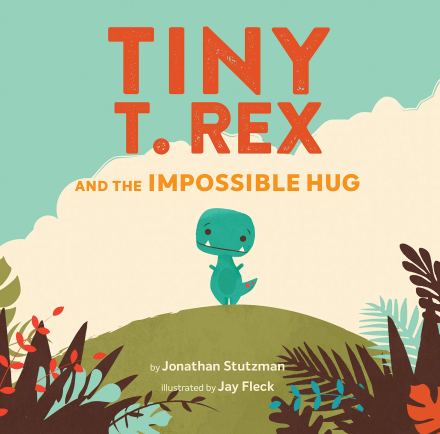
National Hanging Out Day began in 1995 as a way to encourage people to use less electricity by hanging out their laundry. A look at social media shows that it’s also celebrated at a day to get out and enjoy some time with friends. Why not combine them both? While your wash is drying, take a break with your friends or family and do something fun—or learn a new skill like the Pepper in today’s story!

I received a copy of Pepper and Frannie from Page Street Kids for review consideration. All opinions are my own. I’m excited to be teaming with Page Street Kids in a giveaway of two copies of the book. See details below.

Pepper and Frannie

By Catherine Lazar Odell

“Pepper is practical and prepared, and follows the rules. Fannie is fancy and free, and follows her own path.” They are best friends. They love to go on adventures together and enjoy activities in their own particular way. This weekend they’re heading off to the forest—Pepper to photograph a wildflower and Frannie to participate in the Wheels in the Woods skateboarding festival.

celebrate-picture-books-picture-book-review-Pepper-and-Frannie-skate-park

Copyright Catherine Lazar Odell, 2019, courtesy of Page Street Kids.

As Pepper passes the bus stop on her motorcycle, she’s flagged down by Frannie, who has missed her bus. When they get to the festival, Pepper’s interested in what’s going on, and Frannie convinces her to stay. “Pepper is mesmerized. She snaps photos of perfect flips, ollies, and tailstalls on the half pipe,” as Frannie joins the skaters.

celebrate-picture-books-picture-book-review-Pepper-and-Frannie-try

Copyright Catherine Lazar Odell, 2019, courtesy of Page Street Kids.

Then Frannie wants Pepper to try skating. When she stands on the board, she feels a bit shaky, but Frannie is right there to support and teach her. When Frannie thinks Pepper is ready, she lets go of her friend. Pepper glides along until…she falls. Then “Pepper is done skating.” But Frannie has her up and trying again and again until…she’s got it. The two speed down the forest path with the other skaters. Pepper’s success inspires her to dream of all the things she could accomplish. They spend the rest of the day skating and helping each other when they fall. It becomes a weekend adventure to remember.

celebrate-picture-books-picture-book-review-Pepper-and-Frannie-can-do-anything

Copyright Catherine Lazar Odell, 2019, courtesy of Page Street Kids.

Catherine Lazar Odell takes kids out to the skate park in her fresh and original story about friendship and the courage to try new things. For more cautious Pepper, succeeding on the skateboard is a revelation and leads her to contemplate all the things she might be and do. Frannie exemplifies the kind of enthusiasm, camaraderie, and support a good friend shows to a more reluctant companion, and the friends’ love and concern for each other is a highlight of the story.

Odell’s evocative and action-packed mixed-media illustrations will charm readers as Frannie hops up and down and waves her arms with excitement and Pepper gets up again and again while learning her new skill. Images of the skateboarding characters doing tricks on their boards will thrill young skaters and would-be skaters. Early images of Pepper reading a “stay on path” sign but then leaving the path to photograph a wildflower and her choice of a motorbike for transportation both hint at Pepper’s unrecognized bravery.

A lovely book sure to encourage and inspire kids to reach out of their comfort zone as well as to support friends in their varied pursuits, Pepper and Frannie would be heartening addition to home, classroom, and public libraries.

Ages 4 – 8

Page Street Kids, 2019 | ISBN 978-1624146602

To learn more about Catherine Lazar Odell, her books, and her art, visit her website.

Meet Catherine Lazar Odell

celebrate-picture-books-picture-book-review-Catherine-Lazar-Odell-headshot

I’m excited to be talking with Catherine Lazar Odell today about how her world travels influences her work, the most rewarding part about being a children’s author, the value of community and more. 

Pepper and Frannie is your debut as an author-illustrator. You’re also the illustrator for the recently released I’m Done! with Gretchen Brandenburg McLellan. What inspired you to start writing and illustrating for children?

To be honest, writing and illustrating books was not the career I had been dreaming of since I was little. I’ve never had that kind of clarity. But I’ve always loved drawing, and I’ve always loved things that were deceptively simple. I was visiting my parents at a point when I wasn’t totally sure what I was going to do next. I had worked at a fancy design job, and I had toured as a musician in a band, and I was just getting by on freelance design gigs and starting to dedicate more time to drawing from my imagination. My mother had kept a couple shelves of my favorite books from childhood and I found myself in the basement flipping through them, absolutely flooded with memories and excitement. I couldn’t believe how much had stuck with me after all these years. It was almost like I could see some of the blueprints to my own way of thinking.  It was actually my brother who suggested I give it a try. He’s always been my biggest fan.

You’ve traveled all over the world and called many places home. How did those experiences influence your creative development? What’s one thing you’ve learned that you’d like to pass on to kids?

As we flew from one side of the world to the other, I remember thinking about all the people we were passing over, all the different countries, cities and towns, and how different their lives were from mine. I was fascinated by all the ways you could grow up, and while I felt like I was getting a sampling platter, I knew that others were having very specific experiences—on a farm, in a city, somewhere hot, somewhere cold, in a big house, or a little hut. I guess this might have contributed to my obsession with the idea that we are all different, but we are the same. I believe that it’s important to celebrate and honor our unique stories, and then to remember that those differences make us stronger when we work together.

You’ve created designs for many companies. Can you reveal one or two designs we’d recognize?

Nothing that really made it to a shelf. Most of the work I’ve done for recognizable companies was what we call ‘blue sky’ design, so it was more conceptual and behind the scenes—great work for a dreamer. That work also helped develop my interest in storytelling, because at the end of the day it’s less about the object and more about the story it tells or the one it is a part of. I learned a lot about everything that goes into making a single bottle of shampoo, or a diaper. Yes, I worked on diapers, and I can tell you that the technology and design behind those things is riveting. 

As a new author, what are some of the things you’re enjoying most about the process and engaging with readers?

I love hearing the responses I get while sharing the book—comments, questions, interruptions—attention is a wonderful gift. When I see young minds giving thought and consideration to something I spent many, many hours developing, it’s the best reward. I’m also thrilled about meeting all the people that have such a passion for books and helping to bring them to young readers.

I love Pepper and Frannie and their seemingly opposite personalities. One of my favorite parts of your book comes when Pepper skateboards for the first time without Frannie’s help, but then falls. The simple line that follows—“Pepper is done skating.”—is such an honest reaction, and it sets up a wonderful sense of suspense in the story. What is some advice you’d give for encouraging a child (or an adult) to keep trying?

I have been stopping at this page during readings and asking kids if they think Pepper will try again. I feel like it’s pretty obvious—all the great stories have so much failure before the success! But I’ve been shocked to hear some “no’s” from a few children at readings. I want to come to a full stop and talk to them, but instead I turn the page and hope that they can get a different perspective by the end of the book. One girl who said no at my last reading came up and gave me an unannounced hug before leaving. That might be the best moment so far. I want to remind folks (at any age) that the enjoyment is in the effort, and every time you try, you’re one step closer to getting it.

Skating is a perfect example because it’s so literal: falling is an inescapable part of learning. Really great skaters have fallen a lot more than skaters with less skill. It’s the same with writing, or playing an instrument, or baking…everything! I’ve always been drawn to perseverance. My favorite book when I was very small was The Carrot Seed by Ruth Krauss. That little boy planted a seed and he believed the carrot would come up. He watered it and tended to it, and it didn’t look like anything was happening, but he believed.  And, of course, underneath, things were happening. He remained faithful through the constant skepticism from others and guess what—the carrot came up. Ugh, I still get the feels just thinking about that final page turn.

Animals feature prominently in your work. What do you love about animals and nature?

What’s not to love? I think it’s easy to forget that we share this place, and to think of ourselves as separate from the natural world. But I think anything that deepens our sense of connection is really important, from a good poem, to a community garden, or a walk in the park, or… bunnies on skateboards. Making art takes a lot of time, so it’s good to make art about things you love.

You can be found at the Portland Saturday Market selling your work, at P & Q’s Market holding Sip and Sketch gatherings with a friend. Can you describe both of these and talk a little about how connecting with the community this way inspires you?

Let’s see, The Portland Saturday Market is a craft market that is open every weekend March – December, and it has been running for over 40 years. It’s a big attraction for visitors to the city, and I’m in my 6th season now—not sure how that happened! It has been a wonderful way to connect with others through my work. I get to people watch for two days a week, and it takes me out of my bubble. People are an endless source of inspiration. I get to watch facial reactions, and hear what memories come up for people when they look at my drawings. I also see what doesn’t resonate. It’s all helpful.

P’s and Q’s is entirely different. It’s more like a neighborhood restaurant with a small food market. It’s the epitome of quaint, and the perfect place to have a group sit around a farm table and enjoy each other’s company. Selfishly, hosting a drawing night has been a great reason for me to get out of the house, eat a delicious meal and draw without purpose—it’s more like art therapy. I always come home with some new insight or perspective or curiosity, and maybe a new friend. Hosting our drawing night at a space like P’s and Q’s means that all ages are welcome to join—which is important to me. Connecting with other humans in real spaces is something we are doing less and less, and I don’t think that it’s benefiting us. I’m inclined to think that gathering together is almost a subversive act at this point. A casual drawing night is very low key, and it takes off some of the social discomfort for introverts.

What’s up next for you?

Book 2 for Pepper and Frannie! I’m deep in the final art-making phase right now, and really excited that I get to continue their story. The second book experience has been totally different from the first, mainly because I’m more comfortable with the process of making a book. It’s such a long timeline, but now that I know more about what to expect I’m able to settle in and enjoy it more. I’m also spending more time with the same characters. I already know them, so we can skip the getting to know you phase of character development  and jump right into a new situation. Really, I’m just digging into a different part of my own past.

What’s your favorite holiday and why?

I’m particularly fond of the New Year. I love the global awareness that comes with the idea of time sweeping around the planet. I suppose technically it’s the planet spinning and orbiting, but it kinda feels the other way around. (I know everyone doesn’t celebrate the New Year on the same day, but I’ll have to pull from my own experiences here.) I love the reflective aspects of this holiday. Looking back and looking forward, and everyone around you doing the same.

Did a holiday ever influence your work? If so, how?

Can’t say that has yet, but anything is possible.

Thanks so much Catherine for chatting with me today and sharing so much about your life and work! It’s been so nice getting to know you! I wish you the best with Pepper and Frannie and their next adventure too!

You can connect with Catherine Lazar Odell on

Her website | Instagram | Twitter

Pepper and Frannie Giveaway

I’m excited to be teaming with Page Street Kids in a Twitter giveaway of

  • One (2) copies of Pepper and Frannie by Catherine Lazar Odell

To enter Follow me @CelebratePicBks on Twitter and Retweet a giveaway tweet.

This giveaway is open from April 19 through April 25 and ends at 8:00 p.m. EST.

Prizing provided by Page Street Kids.

Giveaway open to U.S. addresses only. | No Giveaway Accounts. 

National Hanging Out Day Activity

celebrate-picture-books-Shredding-is-Fun-Skateboarding-Word-Search

Shredding is Fun! Word Search Puzzle & Coloring  Page

There are so many cool tricks to learn in skateboarding! Can you find the names of fifteen tricks in this printable puzzle? Then color the skateboard in your own style!

Shredding is Fun Word Search Puzzle | Shredding is Fun Word Search Puzzle 

celebrate-picture-books-picture-book-review-pepper-and-frannie-cover

You can find Pepper and Frannie at these booksellers

Amazon | Barnes & Noble | Books-a-Million | IndieBound

Picture Book Review
April 18 – It’s National Garden Month

celebrate-picture-books-picture-book-review-growing-season-cover

About the Holiday

April is the month when the earth comes alive again after a long winter! Flowers bloom in brilliant colors, trees bud and blossom with pale, green leaves, and the birds and animals prepare for new life to come. Today, enjoy the warmer weather, plan a garden or flower bed, or visit a nursery or park and take in the sights and smells of spring!

Growing Season

By Maryann Cocca-Leffler


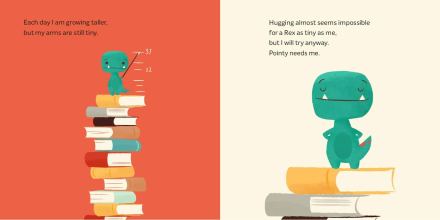
El and Jo weren’t only best friends, they were the smallest kids in their class. They did everything together, even helping “each other reach the unreachable.” On picture day, Jo and El always got to be in front, and during reading time they could both fit into the comfy reading chair. “But in springtime, something BIG happened.” Jo began to grow. Their teacher, Mr. Diaz, said she was “growing like a weed.”

celebrate-picture-books-picture-book-review-growing-season-best-friends

Copyright Maryann Cocca-Leffler, 2019, courtesy of Sterling Children’s Books.

She no longer needed El’s help to water the plants on the windowsill, and she had graduated to needing a bigger desk. On the last day of school, when Mr. Diaz told everyone they could take a plant home for the summer, El was overlooked and reached over as the other kids took all the colorful flowers. By the time El got to the windowsill, the only plant left was an aster, with no blooms at all.

Mr. Diaz told her that “aster means ‘star.’” El didn’t think her plant was a star, but Mr. Diaz encouraged her to wait and see. “Jo looked over at El’s sad plant, and then at her own” and offered to let El have her zinnia since she was going to be away all summer anyway. El said she’d plant them side by side, and Jo said they could be best friends.

celebrate-picture-books-picture-book-review-growing-season-desks

Copyright Maryann Cocca-Leffler, 2019, courtesy of Sterling Children’s Books.

At home, El planted her aster and Jo’s zinnia. She cared for them and waited. They grew bigger, but while the zinnia had many colorful flowers, El’s aster still had none. All summer long, El and Jo wrote letters to each other. El sent a photograph of her zinnia to Jo and told her that waiting for aster was hard. Finally, Jo came home. It was the last day of summer, and the two girls ran to the garden. There, they saw that “something BIG had happened. Aster had finally bloomed…and so had El!”

An Author’s Note on plant life cycles describes the differences between annual, perennial, biennial, and tender perennial flowers and includes fun facts about peonies, dahlias, marigolds, and foxgloves.

celebrate-picture-books-picture-book-review-growing-season-picture-day

Copyright Maryann Cocca-Leffler, 2019, courtesy of Sterling Children’s Books.

With her signature warmth and attention to children’s feelings, Maryann Cocca-Leffler offers a sweet story about growth and how each child’s experience is as varied as garden flowers. El and Jo, as the smallest kids in the class, are natural best friends—a relationship which, in a welcome demonstration of steadfastness, remains strong even when Jo begins to grow. As summer comes, El’s focus is not on herself but on caring for the aster and zinnia and staying in touch with Jo.

When Jo returns, readers will see that something more has happened over the summer too. As the two girls hug, excited to see each other again, children will notice that they are now the same height—a surprise that El and Jo also seem to share with smiles and sidelong glances at each other. The purple asters that greet the reunited pair, remind kids that growth in many forms follows the natural path for each individual.

Cocca-Leffler’s fresh and cheerful gouache, colored pencil, and collage illustrations present a diverse classroom and school details that will be familiar to readers, making this a highly relatable story. Mr. Diaz shows kindness and understanding as he crouches down to talk with El about the aster and offer encouragement.

A gentle, reassuring story, Growing Season would make an excellent story to pair with plant or garden lessons as well as to remind children that everyone grows and develops at their own pace for home, classroom, and library story times.

Ages 4 – 8

Sterling Children’s Books, 2019 | ISBN 978-1454927044

Discover more about Maryann Cocca-Leffler, her books, and her art on her website.

National Garden Month Activity

celebrate-picture-books-picture-book-review-flip-flop-craft

Flip-Flop Plant Holder


Starting to dig out the flip-flops for warmer weather and finding they’re a little too small? Don’t get rid of them! Make them into this sandal-ightful way to hang succulents and other light plants on walls or even windows!

Supplies

  • Child’s flip-flops with elastic heel straps
  • Buttons or charms
  • Small plastic solid-bottom pot
  • Hot glue gun
  • Heavy duty mounting strips
  • Small plant
  • Dirt
  • Small shovel or spoon

Directions

  1. Place the flip-flop toe down on your work surface. With the hot glue gun, attach the buttons to the plastic toe straps of the flip-flops.
  2. Add dirt to the pot
  3. Add plant to the pot
  4. Slip the pot into the elastic strap and gently push down so it is also supported by the plastic toe straps
  5. To hang, use appropriate-weight mountable strips.
  6. To make an interesting and attractive arrangement, use various sizes of flip-flops

celebrate-picture-books-picture-book-review-growing-season-cover

You can find Growing Season at these booksellers

Amazon | Barnes & Noble | Books-a-Million | IndieBound

Picture Book Review
April 17 – Month of the Young Child

celebrate-picture-books-picture-book-review-the-very-first-easter-cover

About the Holiday

During the month of April, we celebrate families and their young children. The aim of the holiday is to raise awareness of all the ways people can support and advance children’s happiness and wellbeing. One way families do this is by celebrating meaningful holidays together and passing on beliefs,  history, and traditions. Easter, which falls on April 21 this year, celebrates the biblical resurrection of Jesus and the fulfillment of God’s promise of salvation. The day is also one for fun family Easter egg hunts and a visit from the Easter Bunny, who brings candy and other treats. 

Today, I’m reviewing two Berenstain Bears Easter books. The first is a bit simpler for younger readers while the second contains more details of the biblical story and how secular traditions fit into the day. I received copies of both books for review consideration. All opinions are my own.

The Berenstain Bears: The Very First Easter

Written by Jan and Mike Berenstain


On the night before Easter, Papa Bear gathered Sister, Brother, and Honey together to read a bedtime story. Brother wants to hear one from their storybook Bible, and Papa finds one about the very first Easter. The story begins when Jesus and his disciples come to Jerusalem and are greeted with “Hosannas” and a crowd waving palm branches. “They believed Jesus was the new king of Israel.” The officials in Jerusalem thought Jesus was stirring up trouble. “They did not understand that the kingdom of Jesus was really the kingdom of heaven.”

The day was Passover, and Jesus and his disciples gathered for a special Passover dinner. During the supper, Jesus told his followers that he loved them. They ate bread and drank wine, which Jesus said were like his body and blood. He told them that he would be leaving them soon, but they did not understand what he meant.

celebrate-picture-books-picture-book-review-the-very-first-easter-hosanna

Copyright Jan and Mike Berenstain, 2019, courtesy of Zonderkidz.

Later, Jesus went to a garden to pray. The followers that went along with him soon fell asleep. Another disciple, Judas, had “decided to help the angry city leaders put Jesus in prison.” He showed the soldiers where Jesus was praying. The leaders of Jerusalem brought Jesus to their Roman ruler, Pilate. He ordered that Jesus be put to death by hanging on a wooden cross.

On the day Jesus died, the sky turned black and a wind whipped across the land. People were afraid; some prayed and some hid. Jesus was buried in a tomb, and the opening was covered by a huge, heavy stone. Roman guards were placed in front of the tomb.

Three days after Jesus died, an angel appeared. The angel rolled away the stone and frightened the guards away. When three women came to visit the tomb, the angel told them that Jesus had risen. The women hurried away to tell all of Jesus’ friends. Later, Jesus visited his followers in the room where they had been fearfully staying together.

They were amazed to see him. “‘Peace be with you,’ Jesus said.” He then told them to “spread the good news about what had happened.” Forty days later, Jesus rose into heaven “to be with God, his father.” Jesus’ friends and followers “rejoiced and praised God.” As Papa closed the Bible, he saw that Brother, Sister, and Honey were asleep. “‘Good night,’ Papa whispers, ‘and God bless.’”

celebrate-picture-books-picture-book-review-the-very-first-easter-angry-leaders

Copyright Jan and Mike Berenstain, 2019, courtesy of Zonderkidz.

Jan and Mike Berenstain’s The Very First Easter is a traditional telling of the biblical Easter story for young readers. Composed of the important events in the days surrounding Jesus’ death and resurrection, the story reinforces the miracle of Jesus’ rising from the dead and his directive that his followers should spread the good news. Children will enjoy learning the Easter story along with Sister, Brother, and Honey as their own parent or caregiver joins Papa Bear in sharing this highlight of the church calendar. The book makes a good companion to personal discussions about the holiday and can grow with the child as they age and learn more details of the story.

An Easter word search puzzle is included on the inside back cover.

Ages 4 – 8

Zonderkidz, 2019 | ISBN 978-0310762188

celebrate-picture-books-picture-book-review-the-berenstain-bears-and-the-easter-story-cover

About the Holiday

The definition of spiritual wellness is unique to each person. When you think deep down about what gives your life purpose, meaning, and happiness, what do you find? This month encourages people to discover if their beliefs, activities, work, family relationships and friendships are all in harmony. It’s also important to take care of you, by taking time to reflect each day and to plan fun and relaxing activities. Springtime and Easter are opportunities for renewal, making March a great time to consider your spiritual wellness.

The Berenstain Bears and the Easter Story

Written by Jan and Mike Berenstain


On the way to Sunday school one spring morning, all Brother, Sister, and Honey Bear could think about was Easter candy. As they entered their classroom, Brother said his favorite Easter candy was chocolate bunnies, Sister said hers was marshmallow chicks, and Honey Bear cried “‘Jelly beans!’” Then Missus Ursula revealed that her favorite was black jelly beans, but also that Easter is about more than candy.

Brother and Sister said they knew that. Easter was about “‘stuff in the Bible,’” Brother told Missus Ursula. “‘Yeah,’ agreed Sister. ‘Bible stuff.’” And Honey Bear added, “‘Stuff!’” Missus Ursula thought the cubs’ understanding could use a little more rounding out, so she took them into the next classroom, where the older bear cubs were putting on a play.

celebrate-picture-books-picture-book-review-the-berenstain-bears-and-the-easter-story-candy

Copyright Jan and Mike Berenstain, 2012, courtesy of Zondervan.

The stage was set with props of the Holy Land, and cubs were dressed in costumes. One of the performers began telling the Easter story. “‘Long ago, in the Holy Land, there was a man named Jesus. He traveled the countryside teaching about God and what God wanted for his people.’” The narrator went on to tell about Jesus’s miracles and how “‘he could do these wonderful things because he was the Son of God.’”

Government officials and others were angry. They were afraid that Jesus wanted to become the king. One day Jesus rode into the city of Jerusalem and crowds greeted him with shouts of “‘Hosanna!’” The leaders believed Jesus was becoming too powerful. One night while Jesus was praying in a garden, “‘soldiers were sent to arrest him.’” He was questioned by a “‘wicked judge…who wanted to show everyone that Jesus was not a king. He ordered for Jesus to be put to death by hanging on a wooden cross.’” 

After Jesus died, he was put in a tomb. A huge stone was rolled in front of the entrance. “‘On the morning of the third day after Jesus died, some women who knew Jesus came to weep at his tomb.’” They saw that the stone had been rolled away. Jesus was no longer in the tomb. “‘An angel told the women…that Jesus was alive once more.’”

celebrate-picture-books-picture-book-review-the-berenstain-bears-and-the-easter-story-missus-ursula

Copyright Jan and Mike Berenstain, 2012, courtesy of Zondervan.

In the days and weeks after Jesus rose, he visited his friends. “‘Jesus told them they should spread the good news about what had happened.’” After visiting with his friends, “‘Jesus rose up to heaven to be with God, his Father.’” Following the play, the cubs understood that Easter is about more than candy. But “‘does this mean we shouldn’t eat any Easter candy?’” Brother asked.

“‘Certainly not!’ Missus Ursula laughed” and confessed that she’d miss her jelly beans too. But she reminded the cubs that they should go to church after they got their Easter baskets. “‘Hooray!’ the cubs said. ‘And Hosanna!’ added Missus Ursula. ‘He is risen!’”

A page of colorful stickers depicting images from the story are included, and discussion questions and fun activities related to the book follow the text. 

Since the early 1960s, the Berenstain Bears have been delighting readers with their shenanigans, wit, and always-close family relationships. In The Berenstain Bears: The Very First Easter The Berenstain Bears and the Easter Story, part of the Living Lights series, these beloved characters talk about and reveal to children the deeper meaning of Easter, with a focus on Jesus’s resurrection. The dialogue-rich structure lends a personal touch to any reading, letting the adult sound as if they are telling the story themselves.

The illustrations of Bear Country are bathed in the warm glow of spring as the sun rises over the Bear’s tidy treehouse home. Brother’s, Sister’s, and Honey Bear’s dreams of candy will enchant little ones as will the familiar scene of walking into church on Easter morning. Depictions of the play are vibrant and detailed but with a homey and childlike feeling to the props and acting.

For adults looking for a traditional, Bible-centered telling of the Easter story with engaging  characters that children will respond to, The Berenstain Bears: The Very First Easter and The Berenstain Bears and the Easter Story is a superb choice for home and church libraries.

Ages 4 – 7

Zonderkidz, 2012 | ISBN 978-0310720874

To learn more about Bear Country and all of The Berenstain Bears books as well as to find fun activities visit the Berenstain Bears’ website.

Month of the Young Child Activity

celebrate-picture-books-picture-book-review-sweet-bunny-candy-jar

Sweet Bunny Candy Jar


A little bit of candy makes Easter or any spring day sweeter! With this Sweet Bunny Candy Jar, you can give a child, a friend, or even yourself a special treat that will make you hoppy!

Supplies

  • Printable Hat Rim and Bunny Ears Template
  • Baby food jar (I used a Beech-Nut Naturals jar)
  • White fleece, 8 ½ inches by 11 inches
  • 1 piece of purple foam (Or any color you’d like to make the hat)
  • Small piece of pink foam or felt for nose
  • Googly eyes (I used oval)
  • Medium pom-pom
  • Multi-surface paint, purple (or whatever color you’d like to make the hat)
  • Fabric glue (I used Fabric-Tac)
  • Black ultra-fine or fine tip permanent marker
  • Large nail or ice pick
  • Hammer
  • Scissors

IMG-2614

Directions

  1. Remove label from baby food jar
  2. Clean and dry jar and lid
  3. Trace the hat rim template onto the purple foam
  4. Cut out the rim of the hat and remove the center
  5. Trace the ears template onto the white fleece and cut out

To Make the Body and Face

  1. Cut a 2-inch wide by 7-inch long strip of white fleece
  2. Glue the strip of fleece to the jar under the lip and leaving about ½ inch of glass showing at the bottom
  3. Glue on the googly eyes
  4. Cut a little nose from the pink foam and glue to the face
  5. Make the mouth with the permanent marker on a little piece of fleece, cut out and glue under the nose

To Make the Hat

  1. Paint the lid with the purple paint. Let dry.
  2. With the nail or ice pick and hammer, make a hole on either side of the lid to insert the ears. You can make the hole a little bigger with a phillips head screwdriver
  3. Flip the lid over and hammer the edges of the hole flat
  4. Trace the hat rim template onto the purple foam

To Insert the Ears

  1. Pinch the end of one ear together and push it through one hole in the lid.
  2. Pull it through the hole a bit to form the ear
  3. Repeat with the other ear

Finish the Bunny

  1. Add the foam rim to the lid
  2. Glue the pom-pom to the back of the jar for the tail
  3. Add M&Ms, jelly beans, or other small candy

celebrate-picture-books-picture-book-review-the-berenstain-bears-and-the-easter-story-cover

You can find The Berenstain Bears and the Easter Story at these booksellers

Amazon | Barnes & Noble | Books-a-Million | IndieBound

celebrate-picture-books-picture-book-review-the-very-first-easter-cover

You can find The Berenstain Bears: The Very First Easter at these booksellers

Amazon | Barnes & Noble | Books-a-Million | IndieBound

Picture Book Review
Picture Book Review


April 16 – National Wear Your Pajamas to Work Day

celebrate-picture-books-picture-book-review-night-train-cover

About the Holiday

If you like dressing casually for work, then you’re going to love today’s holiday. Why is National Wear Your Pajamas to Work Day celebrated today? It follows what may be one of the most stressful days in the US calendar—April 15, or Tax Day. While it may not actually be possible to wear your comfiest clothes to the office, you and your family could make that change as soon as you get home and wear your pajamas for dinner, homework, house projects, or whatever you have going.

Night Train: A Journey from Dusk to Dawn

Written by Annie Cronin Romano | Illustrated by Ileana Soon

As dusk descends, the night train wakens, “groggy, stretching.” Coal’s loaded in while excited passengers get on board. The night train creeps up the hills, winding its way through stands of pine trees, startling small creatures with its clattering wheels. After navigating the hills, the night train crosses wide plains, where “wheat fields sway their golden greetings.”

The train chugs across a bridge, where, below, a deer has come to the edge of the river to drink and a raccoon silently watches. As a dad and his son eat and chat in the dining car, the train travels by “whitewashed barns” and races wild stallions. The train rumbles into a tunnel where the track is cloaked in darkness by the “granite passage.” But its “headlamp brightens, pathway lightens— / never-fearing, calmly steering night train.”

The train approaches its destination just as the sun begins to lighten the sky. The city is coming awake; children rising, workmen rushing. The night train’s breaks squeal as it thunders into the station, slows and stops. The “worn conductor yawns and stretches,” and the train, its journey finished, gets to sleep.

Annie Cronin Romano’s lovely, lyrical ode to the mystery and allure of a nighttime journey by train is the perfect antidote to a busy day for sleepy children or those who just need some down time. Through rhythmic phrasing, the sounds of the train as it progresses on its steady route play out, enveloping readers in a blanket of security and custom that mirrors the constant love and care of the adults in the young reader’s life.

Ileana Soon takes children on a gorgeous journey from golden sunset to velvet blue night to pastel dawn. As evening settles in, the train makes its way up dusky brown hills while small animals scurry away from the clattering wheels. Seen from above, the train puffs along tracks that are as straight as an arrow cutting through a vast wheat field. Silhouetted horses race the train, but like the little bats in the sky, they are soon left behind. When dawn breaks, the town welcomes the train and its passengers with lighted windows and a busy station.
Night Train: A Journey from Dusk to Dawn is a beautiful bedtime or quiet time story and would be a favorite on home, school, or public library bookshelves.

Ages 4 – 8

Page Street Kids, 2019 | ISBN 978-1624146572

Discover more about Annie Cronin Romano and her books on her website

To learn more about Ileana Soon and her art, visit her website.

National Wear Your Pajamas to Work Day Activity

celebrate-picture-books-picture-book-review-train-dot-to-dot

Riding the Rails Dot to Dot

Taking a trip by train long distance can be fun—especially if you travel overnight in a sleeper car! Instead of counting sheep, count and follow the numbers in this printable Riding the Rails Dot to Dot.

celebrate-picture-books-picture-book-review-night-train-cover

You can find Night Train: A Journey from Dusk to Dawn at these booksellers

Amazon | Barnes & Noble | Books-a-Million

To support your local independent bookstore, order from

Bookshop | IndieBound

Picture Book Review