April 15 – It’s National Garden Month

celebrate-picture-books-picture-book-review-fruit-bowl-cover

About the Holiday

In 1987 National Garden Week sprouted on the calendar to celebrate the beginning of spring and the growing season. But a week just isn’t enough to enjoy all the fun and excitement (and delicious food and glorious flowers) of gardening. In 2002, the National Gardening Association extended the holiday to encompass the full month of April. A perfect activity for the whole family gardening is a wonderful way to teach kids about the growth cycle, pollinators, nutrition, and more! If young plants or seeds are available in you area, creating a garden in your yard or even indoors makes a fun and educational addition to homeschool lessons with delicious rewards to come. Today’s book takes a look at an age-old question to whet your appetite for summer’s bounty.

By Jakki Licare

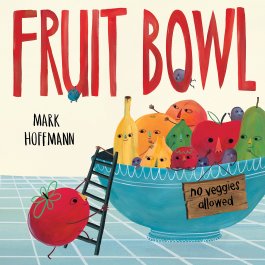
Fruit Bowl

By Mark Hoffmann

A mother and her child are back from the grocery store. Mom asks her child to put away all of the fruit and veggies. The child greets the fruit and asks how they are doing. “Peachy keen,” Peach replies. “Full of zest,” says Lemon. But Strawberry complains, “I was jammed in that bag.” The fruit all get into the bowl. Apple, peach, banana, lemon, orange, pear, strawberry, grapes, lime, blueberry, and…tomato. The child stops and tells the tomato he doesn’t belong in the fruit bowl. He is a vegetable and should be in the fridge. Tomato tells them he is fruit, but they all tell him he has to leave. “You’ll have to split,” Banana says. 

celebrate-picture-books-picture-book-review-fruit-bowl-tomato

Copyright Mark Hoffmann, 2018, courtesy of Knopf Books for Young Readers.

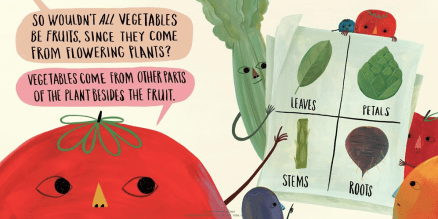
The child directs Tomato to the fridge, telling him he’ll go bad if he doesn’t cool it. Sitting on the edge of the crisper drawer, Tomato tells everyone he doesn’t belong in the fridge and he can prove it. He pulls out a book and begins to explain that all fruit start out as flowers. Banana remembers, “My flower was the best of the bunch.” The child asks if all vegetables are fruit since they come from flowering plants too. Tomato explains that vegetables come from different parts of the plant: leaves, stems, petals, and roots. Tomato then shows an x-ray of himself. The x-ray clearly shows his seeds on the inside. Potato exclaims, “I can’t believe my eyes!”

The child agrees that maybe he is a fruit, but tomatoes aren’t sweet like other fruit. Tomato is indignant and points out that cranberries and grapefruit aren’t sweet. The child wonders if anyone can settle this debate for them. Blueberry mentions that there is an old legend about Old Man Produce who is “hidden in this very kitchen.” The fruits all climb out of the bowl to seek out this sage.

celebrate-picture-books-picture-book-review-fruit-bowl-vegetables

Copyright Mark Hoffmann, 2018, courtesy of Knopf Books for Young Readers.

In the corner of the counter, the fruits and vegetables find a very wrinkled raisin. Old Man Produce welcomes them with mystical knowledge about what they seek. The child asks him if a tomato is really a fruit. “Well that is the question of all questions. If the tomato is not a fruit. Is he not delicious?” Old Man Produce talks on for a long time until Tomato interrupts him with a curt “Yes or No?”

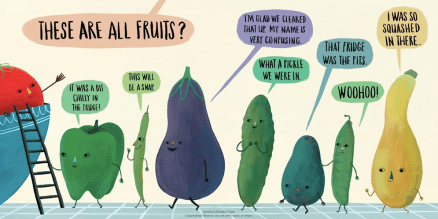
Finally, Old Man Produce confirms that tomato is a fruit. The child agrees that tomato should go in the bowl then. Lemon and Blueberry welcome him warmly. The child asks, “Are there any other vegetables that are fruits in disguise?” Tomato says, “Funny you should ask.” Suddenly, Pepper, Snap Pea, Eggplant, Pickle, Avocado, String Bean, and Yellow Squash all climb into the bowl too. The child agrees they all can stay, and the fruits all snuggle in happily. The vegetables in the fridge wish they had a bowl instead of a drawer. Tomato replies, “Those veggies are just greens with envy.”

celebrate-picture-books-picture-book-review-fruit-bowl-pickle

Copyright Mark Hoffmann, 2018, courtesy of Knopf Books for Young Readers.

In this playful tale told entirely through dialogue balloons, Mark Hoffmann explains to young readers what makes a fruit a fruit. He introduces facts like: all fruits start off as flowers and carry seeds as well. Hoffmann also explains that vegetables come from other parts of the plants such as roots, petals, stems, and leaves. His wonderful and silly vegetable and fruit puns keep young children interested and laughing. Hoffmann also shows a huge array of fruits and vegetables which hopefully will make our more tentative eaters curious. 

Hoffmann’s bold illustrations fill each page with a colorful variety of fruit and vegetables that are a treat for the eyes. The vivid personalities of the fruit are easily conveyed through the artful and simplistic faces. Children will sympathize with Tomato when he sadly walks away from the fruit bowl in the beginning and then cheer along with the other fruit when, with a big smile, he climbs into the fruit bowl at the end.  Fun characters, such as Old Man Produce – a wrinkly raisin with a cane that’s a take off on wise wizards in books and movies – are sure to make children giggle throughout the story.

Flower Bowl is an educational and entertaining read for story times about nutrition, gardening, or plants and a wonderful addition to any classroom or home, or public library. 

Ages 3 – 7

Knopf Books for Young Readers, 2018 | ISBN 9781524719937

Discover more about Mark Hoffmann, his books, and his art on his website.

National Garden Month Activity

celebrate-picture-books-picture-book-review-fruit-bowl-craft-finished

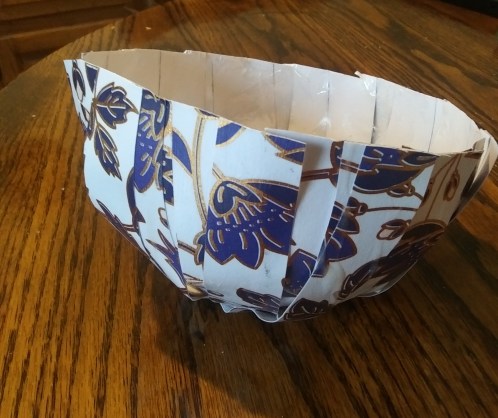
Make your Own Fruit Bowl


Do your fruit need a home? Try this craft and make a place for all your fruit to hang out together (even tomato!)

Supplies

  • Modge Podge
  • Balloon
  • Plastic cup
  • 2 sheets of 12×12 cardstock
  • Foam brush
  • Scissors
  • Scrap Paper

celebrate-picture-books-picture-book-review-fruit-bowl-craft

Directions

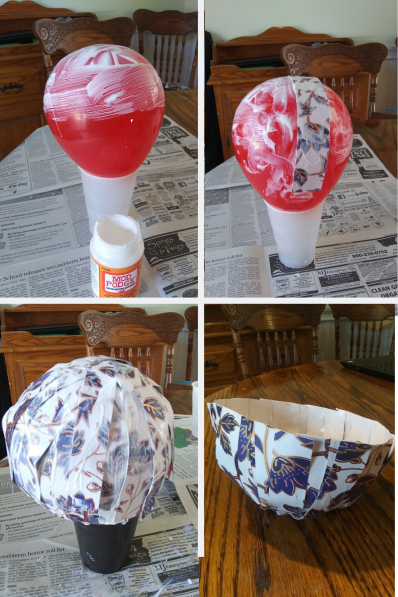
  1. Cut sheets of card stock into 1-inch strips
  2. Blow up balloon to the size of the bowl you wish
  3. Before gluing be sure to lay down scrap paper on your work surface. This is a messy project! 
  4. Rest balloon on plastic cup
  5. Cover the top and sides of balloon in Modge Podge
  6. Take a strip of paper and coat the bottom side of the paper with Modge Podge. This is a great activity for younger children to help with.
  7. Lay strip along the balloon. Coat the top of the strip until it can lay smoothly along the balloon. The ends of the strips will stick up a bit and that is okay. Laying down the strips can be tricky and should probably be done by older children or adults.
  8. Repeat steps 6 & 7 until half of the balloon is covered. You can make your bowl shallow or deep depending on how much of the balloon you cover.
  9. Go over all the strips with another layer of Modge Podge
  10. Let balloon and strips rest in a safe place over night
  11. Next pop or cut balloon
  12. Cut edges off to even out bowl

celebrate-picture-books-picture-book-review-fruit-bowl-cover

You can find Fruit Bowl at these booksellers

Amazon | Barnes & Noble | Books-a-Million | IndieBound

Picture Book Review

April 14 – National Gardening Day

celebrate-picture-books-picture-book-review-in-the-garden-cover

About the Holiday

For many of us, spring means gardening. Today’s holiday encourages avid gardeners and those new to this rewarding activity to turn over some dirt, plant seeds, and prepare to tend the little sprouts on their way through the season. While this year may pose challenges to regular gardening routines, ordering options, creative solutions

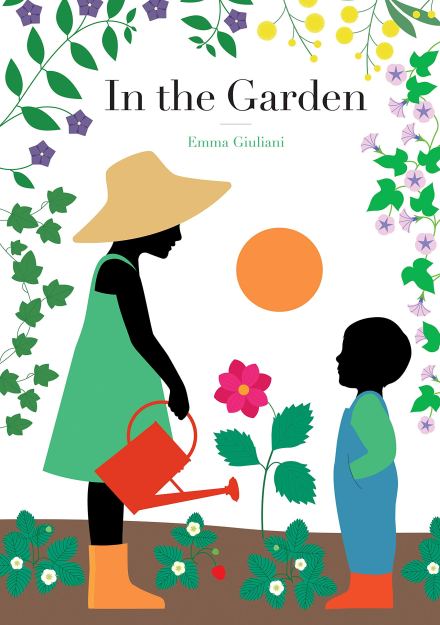
In the Garden

By Emma Giuliani


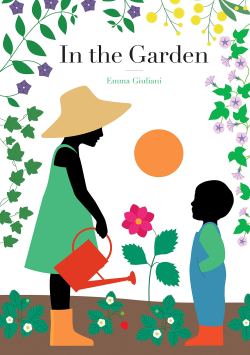
In her stunningly illustrated interactive guide through the seasons, Emma Giuliani introduces Plum and her little brother, Robin, and invites readers to join them as they tend to their garden and all the plants, animals, and birds that call it home. Plum and Robin begin at winter’s end. “This morning it’s cold. It’s not yet spring, but, in the garden, Plum and her brother Robin see the first catkins appearing on the branches of the willows and hazels. The blossoming mimosa makes the gardeners impatient for spring to come.” As Robin counts the long, drooping catkins, Plum rakes a layer of compost over the ground. On the facing page, children get a close-up view of the fuzzy catkins, can peek inside a bud, burrow underground with earthworms just waking from hibernation, and view a few early bloomers. They also learn about what makes up the earth’s soil and get a recipe for compost.

celebrate-picture-books-picture-book-review-in-the-garden-shed

Copyright Emma Giuliani, 2020, courtesy of Princeton Architectural Press.

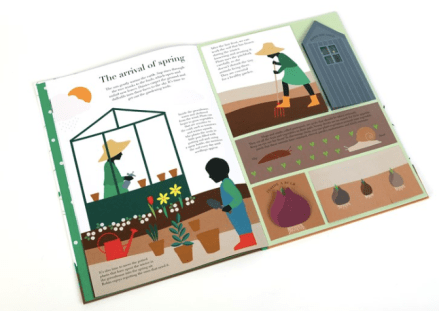
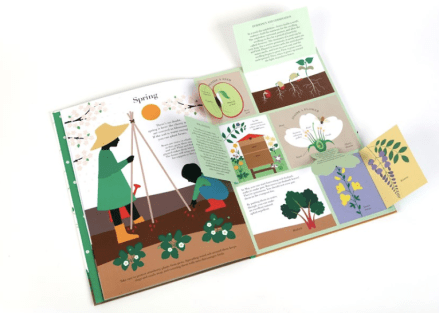
With the arrival of spring, Plum is in her little greenhouse, planting vegetable seeds and spritzing the soil with water to keep it moist while Robin repots some plants who have spent the winter in the greenhouse. Outside, Plum aerates the garden bed with a pitchfork, careful of any tiny creatures below. Children can open the door to Plum’s well-stocked shed to see all the tools tidily stored there and lift the flaps to look inside a bulb and help a hyacinth, a daffodil, and a tulip grow.

celebrate-picture-books-picture-book-review-in-the-garden-open-shed

Copyright Emma Giuliani, 2020, courtesy of Princeton Architectural Press.

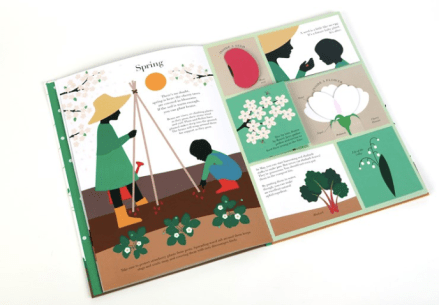
At last the warm weather of spring has arrived. The cherry trees are blossoming, and Plum and Robin are setting stakes and planting bean seeds. Next, they provide protection for the tender strawberry plants that are beginning to bloom. Young gardeners will enjoy opening a bean seed to learn what’s inside and then following its growing process. The bees are visiting the cherry blossoms, pollinating the flowers and making honey. What does a bee see as it hovers around the flower? Pull down the flap to see for yourself and learn all the parts of a flower. What other plants are flowering now? Open the flap to see!

celebrate-picture-books-picture-book-review-in-the-garden-spring

Copyright Emma Giuliani, 2020, courtesy of Princeton Architectural Press.

Summer begins and “what a joy to be in the garden in June! The gentle breeze, the smell of cut grass, and the tangy taste of strawberries and cherries make the gardeners smile.” While Plum waters the tomato plants, “Robin looks for ripe strawberries under the leaves.” Join him! Robin is also picking cherries before the birds eat them. How do those bright red, round fruits grow? Lift the flap to learn and see how they develop from flower to fruit. Plum is getting help with the aphids on the bean plants from industrious—and hungry—ladybugs. “Dragonfly larvae are transforming into graceful flying insects….Their presence is a sign of a healthy garden.”

celebrate-picture-books-picture-book-review-in-the-garden-open-spring

Copyright Emma Giuliani, 2020, courtesy of Princeton Architectural Press.

It’s high summer and the garden is glorious. Bean pods hang from the vines, and Plum contemplates whether they are ready to pick. She may leave some “husks dry out on the plant before picking them.” Dried completely indoors, they can be stored and eaten during the fall and winter. Take a look inside a pod to see the seven red beans there. Flowers greet you too: an orange marigold with petals like a pinwheel, a brilliant pink and purple fuchsia, and a perky mignon dahlia. Robin took cuttings of these plants and potted them to grow some more. Learn how you can do that with your plants too!

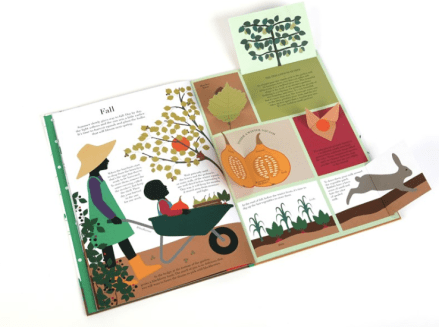
The summer heat is waning and the days are growing shorter. Fall is here. The catkins of early spring have become hazelnuts that are ready to be harvested. Even the squirrel approves! Plum and Robin teach you how to store them—and when to pick the winter squash and keep them for months as well. Can you count the number of seeds inside the winter squash? Plum’s beautiful trellised pear tree is bearing sweet fruit. Yum! But look out—a crafty rabbit is after the last leafy vegetables in the garden. No need for a fence, though. Milk will do the trick of shooing him away.

celebrate-picture-books-picture-book-review-in-the-garden-open-fall

Copyright Emma Giuliani, 2020, courtesy of Princeton Architectural Press.

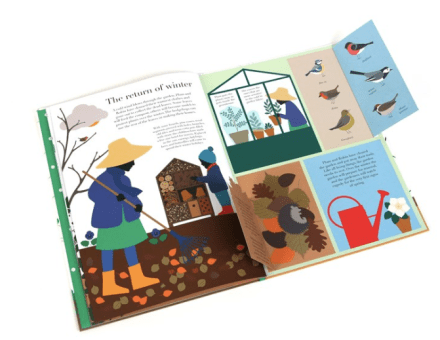
The air is chilly again and winter is on the horizon. “Plum and Robin have donned their warmest clothes and gone out to collect the dead leaves. Some leaves will feed the compost, others will become mulch to protect plants over the winter. The hedgehogs can use the rest of the leaves in making their homes.” Do you see the pile of crunchy leaves? Lift them gently…shhh! A hedgehog is snoozing underneath. Robin and Plum have built an insect hotel to keep the bugs cozy during the winter and have filled the greenhouse again. For the colorful birds who stay awhile or all winter, Robin and Plum put out a bird feeder and fill it with locally produced seeds.

After putting all of their tools back in the shed, Plum and Robin head indoors to plan next year’s garden and “watch eagerly for the very first signs of spring.”

celebrate-picture-books-picture-book-review-in-the-garden-open-winter

Copyright Emma Giuliani, 2020, courtesy of Princeton Architectural Press.

If your family tends a garden or is thinking of starting one, Emma Guiliani’s superb book is a must. At 16 inches tall, In the Garden provides fascinating facts about plants, insects, and animals; helpful tips on when and how to plant a variety of fruit, vegetables, and flowers, information on natural ways to ward off pests; and how to recognize when fruit and vegetables are ready for picking and how to store them. Through copious flaps, children get inside views of flowers, seeds, buds, and vegetables to learn the names of each part and how they contribute to the growth of the plant. Along the way, young and adult gardeners discover how early gardening can begin, directions on how to create and use compost, when bushes can be planted, information on pollination; and how to winter over the garden for the coming spring.

Giuliani’s crisp, lush illustrations are marvels, combining intricate paper cuts that replicate the shapes of delicate bulbs and buds, flowers and seeds, smooth and serrated leaves, the long bean pod, and even Plum’s garden shed with a window in the door. Her extraordinarily beautiful color palette immerses readers in the garden experience; you can almost smell the rich earth, hear the bees buzzing at the blossoms, and feel the air changing season to season.

A brilliant resource and a joy to peruse, In the Garden is a book that adults and children—both gardeners or nature lovers—will share throughout the seasons and from year to year. The book is most highly recommended for home, school, and public library collections.

Ages 7 – 12

Princeton Architectural Press, 2020 | ISBN 978-1616898939

You can connect with Emma Giuliani on Instagram.

National Gardening Day Activity

celebrate-picture-books-picture-book-review-flower-garden-game

Plant a Flower Garden Game


With this fun game you and your family and friends can grow gardens inside! Roll the dice to see whose garden will fully blossom first!

Supplies

Directions

Object: The object of the game is for each player to fill their garden or garden rows with flowers. Depending on the ages of the players, the game can be adjusted to fill all of the rows, some or all rows, or just one.           

  1. Print one Game Board for each player
  2. Print one or more sets of Flower Playing Cards for each player, depending on how  (for sturdier playing items, print on card stock)
  3. Cut the flowers into their individual playing cards
  4. Print one Flower Playing Die and assemble it (for a sturdier die, print on card stock)
  5. Color the “dirt” on the Garden Plot with the crayon (optional)
  6. Choose a player to go first
  7. The player rolls the die and then “plants” the flower rolled in a row on the game board
  8. Play moves to the person on the right
  9. Players continue rolling the die and “planting” flowers until each of the number of determined rows have been filled with flowers or one row has been filled with all six flowers.
  10. The first person to “grow” all of their flowers wins!

To play a printable Vegetable Garden Board Game, click here.

celebrate-picture-books-picture-book-review-in-the-garden-cover

You can find In the Garden at these booksellers

Amazon | Barnes & Noble | Books-a-Million | IndieBound | Princeton Architectural Press

Picture Book Review

April 11 – National Submarine Day

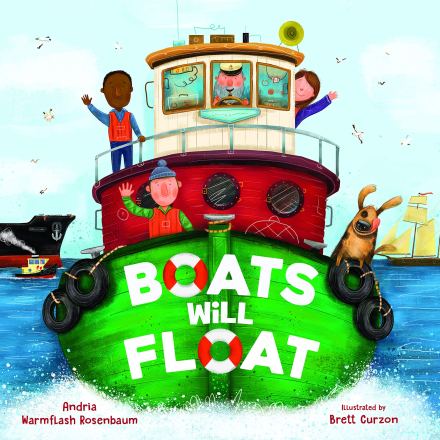
celebrate-picture-books-picture-book-review-boats-will-float-cover

About the Holiday

Today we commemorate the day in 1900 when the United States Navy acquired its first modern commissioned submarine, the Holland VI. The vessel was designed in 1896 by John Phillip Holland, an Irish-American inventor, and launched in 1897 in Elizabeth, New Jersey. It was later purchased by the U.S. Navy and commissioned on October 12 with Lieutenant Harry H. Caldwell commanding. It was renamed the USS Holland (SS-1). Submarines are now employed not only for military purposes but for scientific research as well. To celebrate, learn more about the history and service of these vessels. You can even take a virtual tour of the USS Torsk – part of the fleet of Historic Boats in Baltimore, Maryland.

Boats Will Float

Written by Andria Warmflash Rosenbaum | Illustrated by Brett Curzon


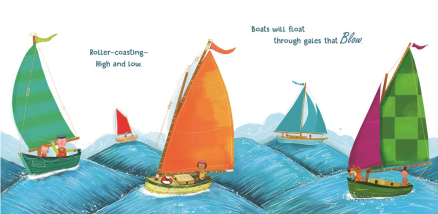
As the sun rises, “boats are bobbing in the bay, / waiting to be on their way. / Longing for the reaching tide. / Needing to explore and glide.” The day is clear and the sun shines brightly on fishing boats, where fishermen pull up their nets and drop their lines, and dragon boats, where rowers steer the boat to the rhythm of the drum. Captains hail each other as their boats pass on the way out to the open ocean. Seagulls swoop and call out too.

celebrate-picture-books-picture-book-review-boats-will-float-sailboats

Image copyright Brett Curzon, 2020, text copyright Andria Warmflash Rosenbaum, 2020. Courtesy of Sleeping Bear Press.

At a family picnic, the “speedboat launches human kite.” Is that Grandma taking flight? The ocean’s busy on this day with tugboats, a tanker, and an old-fashioned schooner. A fireboat’s needed to put some smoldering out. The coast guard is keeping the water safe while cruise ship passengers spy “passing pods of spouting whales.”

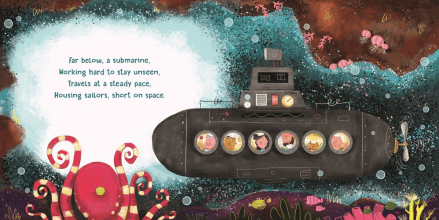
A research vessel way out to sea launches scientists and divers to learn more about what lies beneath. While “far below, a submarine, / working hard to stay unseen, / travels at a steady pace, housing sailors, short on space.” A trawler rounds a rocky shore where a lighthouse warns of dangers below. Nighttime brings a starlit sail and a houseboat rocks its family to sleep. “Safely moored in dreams all night– / Boats will float…toward morning’s light.”

An illustrated glossary telling more about each of the sixteen boats in the story follows the text.

celebrate-picture-books-picture-book-review-boats-will-float-submarine

Image copyright Brett Curzon, 2020, text copyright Andria Warmflash Rosenbaum, 2020. Courtesy of Sleeping Bear Press.

A day on the water has never felt so inviting as in Andria Warmflash Rosenbaum’s engaging tale of boats big and small sailing the ocean for work and pleasure. Rosenbaum introduces young readers to a community of boats all enjoyed by industrious and enthusiastic skippers, sailors, paddlers, and even a dog or two. Her lyrical storytelling brings the sights, sounds, and flowing rhythms of the sea inside for rousing and educational story times while the cozy nightly routine of the family who lives in a houseboat makes for snuggly bedtime reading.

celebrate-picture-books-picture-book-review-boats-will-float-houseboat

Image copyright Brett Curzon, 2020, text copyright Andria Warmflash Rosenbaum, 2020. Courtesy of Sleeping Bear Press.

You can almost feel the salty breeze in Brett Curzon’s bright and charming illustrations that place the boats in tranquil waters and amid roiling waves. Whitecaps and frothy spray, leaping dolphins and whales, and circling seagulls looking for a treat create a vivid experience for readers. Curzon faithfully recreates each vessel with clear details that will enthrall kids. The fun of the dragon boats, drama of the fireboat, and porthole view from the submarine will enchant readers. The nighttime sail by a child and father is gorgeously lit by an explosion of stars, a vibrant moon, and the stalwart lighthouse and buoy that guides them.

A captivating introduction to boats, work, and life on the sea for vehicle lovers and any child, Boats Will Float, will be a favorite for story times and as a take along on ocean, lake, river, and other outings.

Ages 5 – 7

Sleeping Bear Press, 2020 | ISBN 978-1534110410

Discover more about Andria Warmflash Rosenbaum and her books on her website.

National Submarine Day Activity

Sleeping-Bear-Press-Boats-Will-Float-Activity-Page

Boats Will Float Activity Page

Set sail with this Boats Will Float Activity Page available to download from Sleeping Bear Press.

celebrate-picture-books-picture-book-review-boats-will-float-cover

You can find Boats Will Float at these booksellers

Amazon | Barnes & Noble | Books-a-Million | IndieBound | Sleeping Bear Press

  |Picture Book Review


April 1 – National Siblings Day

celebrate-picture-books-picture-book-review-elsie-cover

About the Holiday

National Siblings Day gives people a chance to honor the special bond they have with their brothers and/or sisters. Whether you come from a big family or small, are the oldest, youngest, or somewhere in between, your siblings have had a big influence on your life. Today, take a little time to text or call and do a little reminiscing. At home, engage in some special sibling-bonding fun!

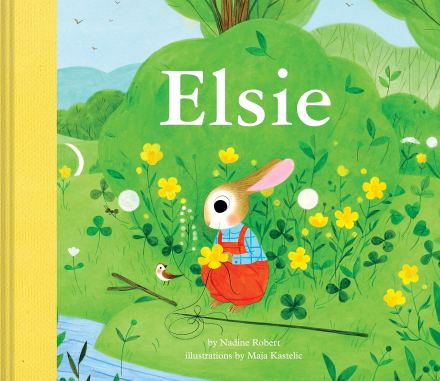
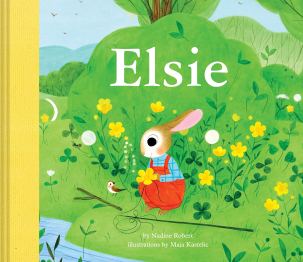
Elsie

Written by Nadine Robert | Illustrated by Maja Kastelic

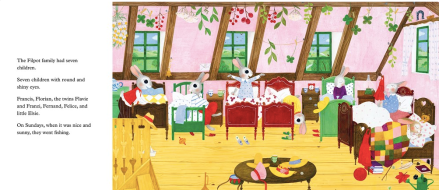
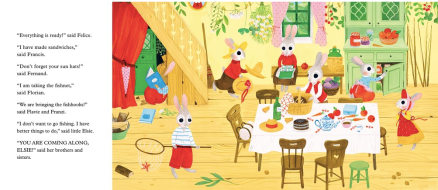
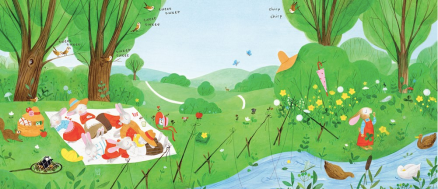
Elsie Filpot had six siblings—“Francis, Florian, the twins Flavie and Franzi, Fernand, [and] Felice.” They loved to go fishing on sunny Sundays. On this Sunday, each brother and sister gathered something for the trip. But little Elsie didn’t feel like going. She had “better things to do.” But her siblings shouted, “‘YOU ARE COMING ALONG, ELSIE!’” So Elsie tagged along.

celebrate-picture-books-picture-book-review-elsie-bedroom

Image copyright Maja Kastelic, 2020, text copyright Nadine Robert, 2020. Courtesy of Abrams Books for Young Readers.

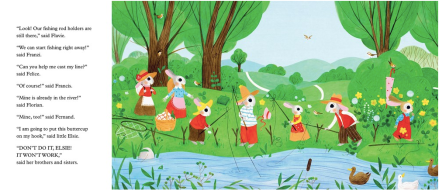
Outside, each one wanted to take the path through the woods they’d used before. Franzi remembered that the “trail is so pretty.” Francis liked the “wild rose bushes along the way,” and Felice added: “they smell so nice.’” But Elsie wanted to “walk along the brook. It’s faster,’” she said. Her siblings said, “‘DON’T DO IT, ELSIE! FOLLOW US.’” So Elsie followed them down to the river where their little stick fishing rod holders still stood.

Elsie’s sisters and brothers were eager to get started. Felice needed help casting her line, and Francis offered to help. Florian and Fernand had already dipped their lines in the water when Elsie said, “‘I am going to put this little buttercup on my hook.’” Her siblings told her that would never work, but she baited her line anyway. It was lunchtime before they knew it, so they set out a picnic with sandwiches and cake. Elsie wasn’t hungry and said she was going to feed her sandwich to the ducks. When her siblings heard this, they said, “‘DON’T DO IT, ELSIE! THEY WON’T EAT IT.’’ But the ducks did nibble the bit she gave them.

celebrate-picture-books-picture-book-review-elsie-kitchen

Image copyright Maja Kastelic, 2020, text copyright Nadine Robert, 2020. Courtesy of Abrams Books for Young Readers.

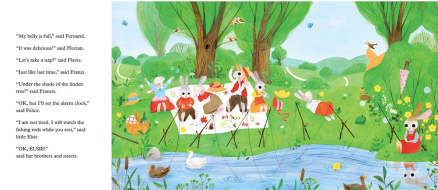
After lunch Elsie’s sisters and brothers were so full and sleepy that they took a nap. Elsie watched their rods as she continued fishing with her buttercup lure. In time, even Elsie fell asleep. When her siblings woke up, they rushed to check their lines. One was bobbing—Elsie’s! Fernand tried to wake her, but she just wanted “‘five more minutes…just five minutes. Pleeeease!’” When she heard she’d caught a fish, though, she jumped up to go see.

celebrate-picture-books-picture-book-review-elsie-river

Image copyright Maja Kastelic, 2020, text copyright Nadine Robert, 2020. Courtesy of Abrams Books for Young Readers.

Each of Elsie’s siblings gave advice on how to bring the fish out of the water. Francis declared that it was “‘a big one!’” Elsie went down into the water with the fishnet, but her brothers and sisters told her that “‘was useless.’” But was it? Everyone was amazed when little Elsie brought up the big fish. The sun was beginning to set, so the Filpot bunnies got ready to go home. Franzi, Flavie, Felice, and Francis carried the fish; Florian grabbed the picnic basket; and Fernand gathered up the rods. And Elsie? She carried her pink umbrella and led the way along the brook. Which her siblings thought was “…AN EXCELLENT IDEA!’”

celebrate-picture-books-picture-book-review-elsie-lunch

Image copyright Maja Kastelic, 2020, text copyright Nadine Robert, 2020. Courtesy of Abrams Books for Young Readers.

Charming and sunny, Nadine Robert’s Elsie combines the feel and rhythms of a traditional classic with the camaraderie and humor that makes for a family favorite today. As each brother and sister chimes in on the plans and execution of their Sunday fishing trip, Robert’s bouncy dialogue is a joy to read aloud and leads to littlest sister Elsie’s contributions and her siblings’ insistent response. On successive readings, children will love joining in on these lines. With the whimsy of little ones, Elsie goes in her own direction, and, to the delight of readers, comes up with the day’s big catch. While the older siblings initially take charge, Robert depicts the family dynamics with love. Elsie’s siblings don’t stop her from doing what she wants and when she does catch a fish with a buttercup and a net, they enthusiastically congratulate her, help her bring it in, and then follow her lead home.

celebrate-picture-books-picture-book-review-elsie-naps

Image copyright Maja Kastelic, 2020, text copyright Nadine Robert, 2020. Courtesy of Abrams Books for Young Readers.

Maja Kastelic’s tempera and watercolor illustrations are as delightful as a lazy warm summer day. From the Filpot’s enchanting home, decorated with dried flowers and cozy touches, to the rolling green hills that lead to the river and are populated with birds, squirrels, deer, and even a hapless mole who pops out of the ground at an inopportune place, Kastelic gives children plenty of “look at that!” moments on each page. She also adds bits of humor—as in the parade of ants that appears as soon as the picnic basket is opened and the bunnies snooze. Children will want to linger over the pages to match the dialogue to the speakers and to keep up with Elsie as she does her own thing. As the sun goes down and stars fill the midnight blue sky, the story may come to an end, but only until you flip to the beginning to read it again.

Lovely in every way, Elsie will become a quick favorite for kids and adults to share. With lots of opportunities for dramatic readings, the book is perfect for bedtime or energetic story times. Elsie makes an excellent gift and is highly recommended for home, school, and public library collections.

Ages 4 – 8

Abrams Books for Young Readers, 2020 | ISBN 978-1419740725

Discover more about Nadine Robert and her books on her website.

To learn more about Maja Kastelic, her books, and her art on her website.

National Siblings Day Activity

celebrate-picture-books-picture-book-review-sweet-bunny-candy-jar

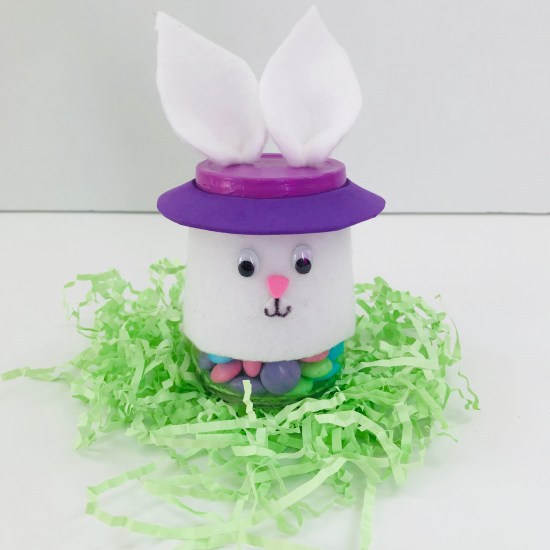
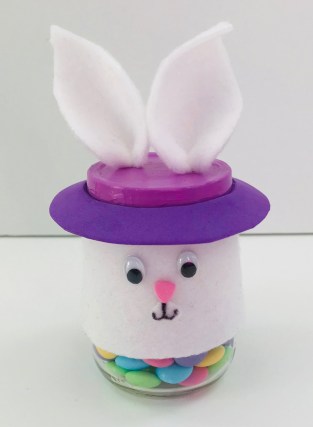
A little bit of candy makes any day sweeter! With this Sweet Bunny Candy Jar, you can give a child, a friend, or even yourself a special treat that will make you hoppy!

Supplies

  • Printable Hat Rim and Bunny Ears Template
  • Baby food jar (or any small jar)
  • White fleece, 8 ½ inches by 11 inches (paper, felt, or other material works too)
  • 1 piece of purple foam or paper (Or any color you’d like to make the hat) 
  • Small piece of pink foam, felt, or paper for nose
  • Googly eyes (I used oval)
  • Medium pom-pom or cotton ball
  • Craft paint, purple (or whatever color you’d like to make the hat)
  • Fabric glue or other glue
  • Black ultra-fine or fine tip permanent marker
  • Scissors
  • Large nail (optional)
  • Hammer (optional)

IMG-2614

Directions

  1. Remove label from baby food jar
  2. Clean and dry jar and lid
  3. Trace the hat rim template onto the purple foam
  4. Cut out the rim of the hat and remove the center
  5. Trace the ears template onto the white fleece and cut out

To Make the Body and Face

  1. Cut a 2-inch wide by 7-inch long strip of white fleece
  2. Glue the strip of fleece to the jar under the threaded lip and leaving about ½ inch of glass showing at the bottom
  3. Glue on the googly eyes
  4. Cut a little nose from the pink foam and glue to the face
  5. Make the mouth with the permanent marker on a little piece of fleece, cut out and glue under the nose

To Make the Hat

  1. Paint the lid with the purple paint. Let dry.
  2. With the nail or ice pick and hammer, make a hole on either side of the lid to insert the ears. You can make the hole a little bigger with a phillips head screwdriver
  3. Flip the lid over and hammer the edges of the hole flat
  4. Attach the hat rim to the lid

Option: Instead of making holes in the jar lid, gather and glue together the wide ends of the ears, let dry. Glue ears to lid. If using paper, fold wide end and glue to lid.

To Insert the Ears

  1. Pinch the end of one ear together and push it through one hole in the lid.
  2. Pull it through the hole a bit to form the ear
  3. Repeat with the other ear

Finish the Bunny

  1. Add the foam rim to the lid
  2. Glue the pom-pom to the back of the jar for the tail
  3. Add M&Ms, jelly beans, or other small candy

celebrate-picture-books-picture-book-review-elsie-cover

You can find Elsie at these booksellers

Barnes & Noble | Books-a-Million

To support your local independent bookstore, order from

Bookshop | IndieBound | Powell’s 

Picture Book Review

April 9 – International Unicorn Day COVER REVEAL of Unicorn Yoga

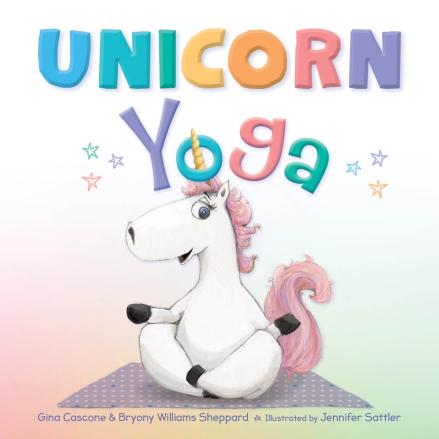
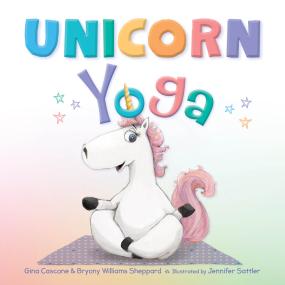
celebrate-picture-books-picture-book-review-unicorn-yoga-cover

About the Holiday

If you ask a child—maybe even an adult—to name a magical creature, chances are they’ll say, “a unicorn!” Unicorns have been part of legend since ancient times, undergoing changes from an image of fierceness and power to a representation of strength and true love to today’s more glittery superstar. To celebrate today, I’m thrilled to be hosting the cover reveal for a book about a very special—and nimble!—trio of unicorns that kids will fall in love with!

Unicorn Yoga

Written by Gina Cascone and Bryony Williams Sheppard | Illustrated by Jennifer Sattler


The healing, restorative power of yoga has been known for centuries, and more people than ever are active practitioners. Now even the youngest of readers can learn this mind and body exercise, helping them set up a lifetime of healthy habits. Through clear, easy-to-follow instructions, a unicorn yogi, along with two energetic students, leads children through a ten-pose class. Kid-friendly back matter provides additional information on yoga, as well as tips on mindfulness, encouraging readers to develop their own daily practice.

Children reap tremendous benefits from learning the mindfulness that yoga has to offer—from stress reduction to better concentration in school. The adorable unicorns in Unicorn Yoga make giggly and supportive companions for kids learning this health-boosting exercise.

Ages 5 – 7

Sleeping Bear Press, 2020 | ISBN 978-1534111066

Unicorn Yoga will be released on July 15. The book is available for preorder with these booksellers

Amazon | Barnes & Noble | Books-a-Million | IndieBound

I was delighted to talk with authors Gina Cascone and Bryony Williams Sheppard and illustrator Jennifer Sattler about Unicorn Yoga, their inspirations, the best part of writing for children, and so much more!

Meet Gina Cascone and Bryony Williams Sheppard
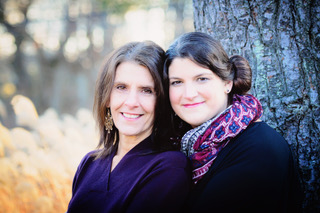
celebrate-picture-books-picture-book-review-gina-cascone-and-bryony-williams-sheppard-headshot

Photograph by Cari Ellen Hermann

Gina Cascone is the author of 30 books in several different genres, and has written for screen and television. Around the World Right Now is her first picture book, a joyful collaboration with her daughter inspired by her granddaughter’s unrelenting curiosity. She lives with her husband in central New Jersey. They have two grown children, two grandchildren, and three cats.

Bryony Williams Sheppard holds a degree in Theater Education from Emerson College in Boston, Massachusetts and a master’s degree in educational psychology. She has been teaching since the age of 17 and loves bringing different stories to life with her students. She is also a teacher near Princeton, New Jersey, where her favorite part of lesson planning is choosing the best book for each class. When not working, Bryony enjoys spending time in her noisy house with her husband, two children, two cats, and a dog.

Welcome, Gina and Bryony! I’m really happy to be talking with you about your book! Before we jump into questions about Unicorn Yoga, let’s let readers get to know you both a little better.

Gina, When did you become interested in being a children’s writer?

My first published book was actually a memoir, Pagan Babies and Other Catholic Memories, a humorous, child’s eye view of parochial education. Then I wrote fiction for adults, until an editor asked if I could write thrillers for teens. So, I did that for a while and enjoyed it very much. Until yet another editor asked for scary chiller stories for middle-grade readers. That was great fun and a great fit for me since Bree insists that I have the soul of an eight-year-old boy – which is probably why I am so happy and comfortable in the company of children.

You’re known for your middle-grade Deadtime Stories series and young adult thrillers.  What have you found to be the challenges and rewards of writing picture books?

For me, the greatest challenge of writing picture books is the economy of the medium.  To convey an idea that could fill many pages in just a few, well-chosen words to teach, entertain, and inspire is hard work. The reward is the great joy of being able to read an entire book in one sitting to the best audience in the world – children.

Bree, You have a degree in theater education as well as a Master’s degree in educational psychology and work as an elementary school teacher. How does your theater background influence your teaching style? Does it have an impact on your writing?

I often say that teaching preschool is a lot like being in theater. You always have to be on and ready to entertain your crowd because the moment you lose them, they turn on you! Many of the skills that you gain from being involved in theater can develop academic abilities and are general skills. Reading comprehension, public speaking, confidence, team building, creativity, and so much more, are developed through theater. I often use lessons and games I’ve learned in theater over the years in my class to help challenge my students both socially and academically.

Since your mom is a writer, have you also always been interested in writing?

Honestly, no.  It never really crossed my mind until she asked me – well, told me actually – to write Around the World Right Now with her. It was such a wonderful experience!

Thanks so much! It’s wonderful to see how in sync you two are and what fun you have together. Now I just have to ask: unicorns and yoga make an intriguing pair!  What was the spark for this adorable concept?

Because yoga provides so many benefits, it seems only logical to introduce the practice to children as early as possible.  So, we approached our editor with a picture book to do just that. She shared it with the wonderfully creative team at Sleeping Bear Press and came back to us with the idea that unicorns might encourage children to become engaged.

The concept was not as far-fetched as our editor feared we might find it. After all, both yogis and unicorns are joyful, playful, and magical. There is an even more concrete correlation. In the Indus River Valley, in India, five-thousand-year-old bronze seals have been found; some depicting yogis and some depicting unicorns.
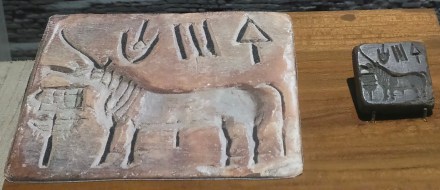
Indus_civilisation_seal_unicorn_at_Indian_Museum,_Kolkata

Unicorn Yoga is the second picture book, after Around the World Right Now (Sleeping Bear Press) that you’ve collaborated on. What inspired you to begin writing picture books?

When I first started writing children’s books, Bree was a child herself.  She was my perfect little creative consultant. When she’d come home from school, after we’d chatted about her day, I’d ask her to read what I’d written and tell me what she thought. Her feedback always pointed me in the right direction.

When Bree became a teacher, she was sometimes frustrated that she couldn’t find just the right book for her lessons. So, she decided that we should write picture books.

But it was Bree’s daughter, my Sydney Rose, who brought the idea to fruition. When Syd was about six years old, she became obsessed with time zones. “What time is it in China?” “What time is it in Italy?”  “What time is it … What time is it?” Her questions were driving Bree crazy. She told me that she was going to put up a big map covered with clocks set to the correct times so she wouldn’t have to keep doing the math to figure it out. Around the World Right Now is the result of three generations of girl brain power.

As a mother/daughter team, Gina, what’s the best part of working with Bree?

The laughter. We always find ourselves giggling about something. And learning and creating together gives a wonderful sense of continuity to my life.  Seeing my daughter as my equal and even my better is an incredibly rewarding experience.

Bree, what do you love best about working with your mom?

I have spent my life watching her write and create. Being a part of the process with her has been so much fun because I get to see her excitement over an idea take shape and grow.

Can you each talk a little about your process in writing Unicorn Yoga together? Gina, would you like to take the lead?

I have been practicing yoga for ten years, taking classes at least five times a week with truly amazing teachers who are very generous with their knowledge. So, we had a wealth of resources. Bree’s teaching experience tailored my practices to a kid-and-unicorn-friendly experience. I do think, however, that her constant demands for demonstrations of poses, requiring me to get on the floor, were more for her amusements than edification.

What was your first impression when you saw Jennifer Sattler’s amazing cover?

We were absolutely charmed.  And we are so excited to be working with such a celebrated and talented artist.

What’s your favorite part about the cover and Jennifer’s illustrations of your story?

The softness and playfulness of Jennifer’s illustrations set exactly the right tone for a children’s practice.  And we love that while the unicorn students provide comic relief, the teacher’s poses are spot-on.  Namaste to Jennifer!
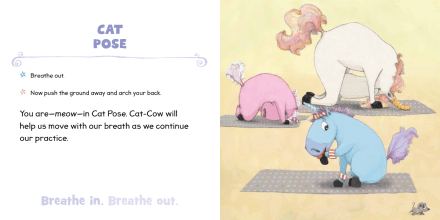
celebrate-picture-books-picture-book-review-unicorn-yoga-cat-pose

Image copyright Jennifer Sattler, 2020, text copyright Gina Cascone and Bryony Williams Sheppard, 2020. Courtesy of Sleeping Bear Press.

You also team up to give presentations at schools.  What do your visits entail?

We usually visit a school for a full day, spending about forty-five minutes with each grade, level K-5.  We discuss developing an idea, doing research, writing and rewriting. We like to spend most of our time answering students’ questions, to relate to their experiences and encourage their interests and creativity. The goal is always to engage and inspire children.

Do you have an anecdote from a school presentation or other event you could share?

One of the most touching things about school visits is that students treat us like rock stars.  The little ones all want hugs.  And the older students bombard us with questions.

When I was writing Deadtime Stories, the schedule was challenging – a book a month and there were seventeen in all. It was hard to keep track of every plot line. At a school visit, one very careful reader asked a specific question about one of the earlier books – his favorite. I couldn’t remember the character. I couldn’t remember the plot. I could barely remember the title. I took a deep breath and asked him what he thought about it and if he would have done anything differently. The conversation changed immediately to the process of storytelling and how writers make creative choices.

I learned then what Bree knows all too well, in the classroom you’ve always got to be fast on your feet.

It’s National Unicorn Day.  How do you think your Unicorn would spend the holiday?

Enjoying all the magic this world has to offer in deepest gratitude. And eating ice cream.

What a sweet way to end our chat! Thanks, Gina and Bryony! I can’t wait until Unicorn Yoga hits bookstores on July 15!

You can connect with Gina and Bree on their Website | Facebook | Twitter

Meet Jennifer Sattler
celebrate-picture-books-picture-book-review-jennifer-sattler-headshot

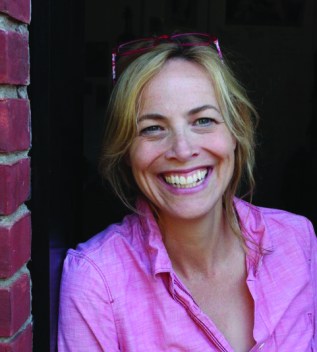
Jennifer Sattler is the award-winning author and illustrator of numerous children’s books, including the new board books Dirty Birdies and Jungle Gym, the picture book Sylvie, and the Pig Kahuna and the Chick ’n’ Pug series. She lives in upstate New York, where she delights in embarrassing her children and having meaningful conversations with her dog, Henry.

Hi Jennifer! I’m excited to be talking with you today about this special book. When I first saw the cover, I was immediately drawn to the unicorn’s eyes. I love how they promise lots of fun while also inviting kids to join in practicing yoga.

Thanks! I’m glad you see that in her eyes. Because this is the teacher, she had to be doing a pose “correctly,” but I also wanted to hint at the fun and silly ways that the other unicorns do these poses. It’s not all serious business.

Did you need to do any special research for drawing yoga poses or did you rely on your own knowledge?

I’ve done yoga for years. But, having a UNICORN do yoga is a whole different thing! I don’t know if you’ve noticed, but their bodies are slightly different than ours…plus there’s the issue of the horn. It tends to get in the way in certain poses. I had a lot of different solutions to that, but we settled on the horn being “bendy.” The younger ones have shorter horns, so they don’t get in the way as much.

You’re also the author/illustrator of many books that are sweet and funny and make kids laugh—which you say is your passion. Has humor always been a big part of your life?

I have always loved the earnest try that ends up in laughs. It cracks me up every time, whether it’s a “grown up” or a kid…or a unicorn. Laughter is the most important part of my life, it makes me happy when nothing else can. I hope I can share some of it.

On your website, you mention that part of your school presentations includes talking to kids about the mistakes and changes that are made along the way to finishing a book and how fun—and funny—those can be. Were there any mistakes or surprising changes that occurred while you created the illustrations for Unicorn Yoga? Can you share a bit about it?
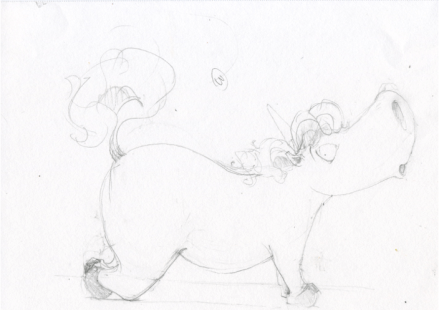
celebrate-picture-books-picture-book-review-early-unicorn-yoga-drawing

As I always do when starting a new book, I went through tons of sketches to try to get the look of my characters. I assumed I knew what a unicorn looked like, but it took a LOT of drawings to realize, “wait a minute, they just look like horses with party hats on. That’s not right!”  I look back at those early drawings and they crack me up. It’s best for me not to take myself too seriously!

What’s the best part of being a children’s author and illustrator for you?

Kids,kids,kids! I was a painter for years, making big oil paintings to hang on the wall, teaching college students. I was trying to be taken very seriously! But it wasn’t much fun. As soon as I started doing children’s books I thought, “YES! This is what I should’ve been doing the whole time!”

Thanks for talking with me, Jennifer! I’m sure readers—both young and young at heart—are looking forward to doing yoga with your charming unicorns. I know I am!

You can learn more about Jennifer Sattler, her books, and her art on her website.
celebrate-picture-books-picture-book-review-unicorn-yoga-cover

You can preorder Unicorn Yoga with these booksellers

Amazon | Barnes & Noble | Books-a-Million | IndieBound

Picture Book Review

April 8 – National Zoo Lovers Day

celebrate-picture-books-picture-book-review-this-zoo-is-not-for-you-cover

About the Holiday

Zoos are wonderful places to see and learn about exotic animals from around the world. In addition to creating educational exhibits, zoological experts are involved in the preservation of endangered species. Although we can’t visit a zoo in person right now, there are still lots of ways to stay in touch with a zoo near you or even far away. Many zoos and aquariums provide webcams so you can check in with your favorite animals whenever you want. Connect online with your favorite zoo. Many are bringing the zoo to you with behind-the-scenes videos, activities for kids and families, and lots of learning opportunities. Here are a few to get you started: Dallas Zoo | Oregon Zoo | San Diego Zoo | Smithsonian’s National Zoo Monterey Bay Aquarium | Shedd Aquarium.

By Jakki Licare

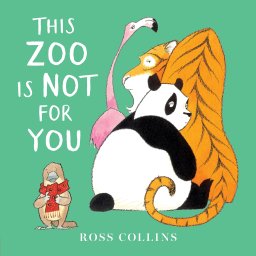
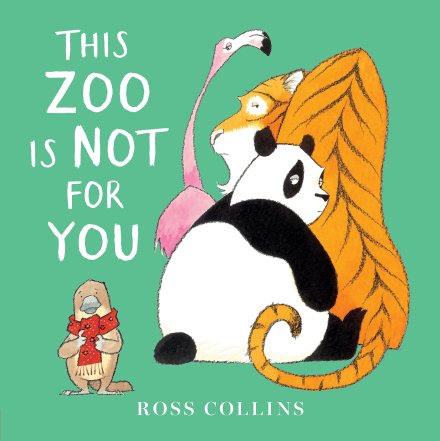
This Zoo is Not for You

Written and Illustrated by Ross Collins


The zoo is holding interviews and when a platypus walks with an envelope in hand, Tiger assumes he’s there to apply for entry. Tiger rushes him through to the first interviewer, Panda. Panda thinks she is incredibly special and rare and isn’t impressed with platypus who doesn’t even eat bamboo! She concludes, “I think this zoo is not for you.”

Next, Platypus meets the flamingos. They talk about how beautiful and graceful they are, but they are disappointed platypus. He’s rather brown after all. The wild monkeys provide a very active interview for Platypus. They talk about all the tricks they can do like throw poo and play the kazoo. Does Platypus have any cool tricks? “If not, this zoo is not for you.”

celebrate-picture-books-picture-book-review-this-zoo-is-not-for-you-panda

Copyright Ross Collins, 2018, courtesy of Nosy Crow.

Platypus passes a tree filled with multicolored chameleons. They greet him with: “We’re green, then red, then pink or blue. Is brownish-gray your only hue?” Unimpressed the chameleons send him on to Elephant. Elephant rudely tells him that he isn’t powerful or huge like him. Instead he’s small and weird and has “failed this interview.”

The other animals watch surprised as the Platypus drops his envelope on the ground and walks away. They look at each other, saying, “I’m not proud of that interview. I think I was unkind. Were you?” All the animals gather around and wonder what they can do to make it up to Platypus. Monkey picks up the envelope Platypus dropped. The other animals look shocked as monkey holds up the letter that platypus had left.

All the animals leave the zoo and head towards Platypus’s bus. The zoo animals apologize to Platypus. They realize they had gotten it wrong and that Platypus hadn’t wanted to join their zoo. He wanted to give them an invitation. They ask if Platypus would still be willing to be friends. Platypus tells them it’s all right, “this platybus is for all of us!” The animals climb aboard and party away together with a DJ, a hot tub, fancy drinks with little umbrellas, and, of course, a shiny disco ball.

celebrate-picture-books-picture-book-review-this-zoo-is-not-for-you-sorry

Copyright Ross Collins, 2018, courtesy of Nosy Crow.

Fun rhyming couplets paired with bold colorful illustrations make for a delightful read. Collins’s  rhymes have a wonderful rhythm that make the reader flow right through the book. The repetitive phrasing “this zoo is not for you,” makes it easy for young readers to join in.  All the zoo animals have  strong personalities which are further enhanced by Collins’s striking illustrations. The flamingos are drawn with their heads held high and stand out against a yellow background. The panda is slouched against her pile of panda souvenirs. The monkeys are all over the page: swinging, playing the kazoo, and, to many kids’ delight, flinging poo. 

Collins has provided many opportunities to discuss the problems of presumptions and the necessity for open mindedness. The zoo animals are snobs who quickly dismiss the platypus for being odd looking, brown, common, and unexciting. Their quick dismissals make it obvious to young readers that they are being judgmental. This Zoo is Not for You reminds all of us that  we should be open minded when meeting someone new. Another strong theme through the book is the necessity of making amends. When the zoo animals realize their mistake, they hang their heads looking sad. They realize they could have been kinder to the platypus and decide to apologize. Platypus graciously accepts their apologies and invites them in. The readers can see how apologies can solve conflicts and strengthen friendships.

A fun book in rhyme that offers a great opportunity to open discussions about presumptuousness, quick judgement, and forgiveness. This Zoo is Not for You would make a wonderful addition to home and classroom bookshelves.

Ages 3-7

Nosy Crow 2018| ISBN  978-1536200157

Discover more about Ross Collins, his books, and his art on his website.

You can find a game of This Zoo is Not for You! Animal Snap on the Nosy Crow website.

National Zoo Lovers Day Activity

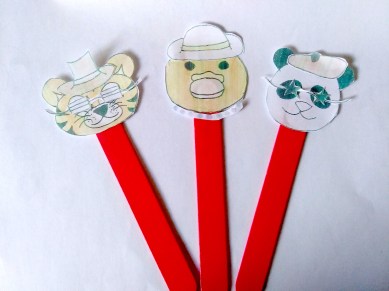
celebrate-picture-books-picture-book-review-Platybus-Craft-bus

Platybus Play Set


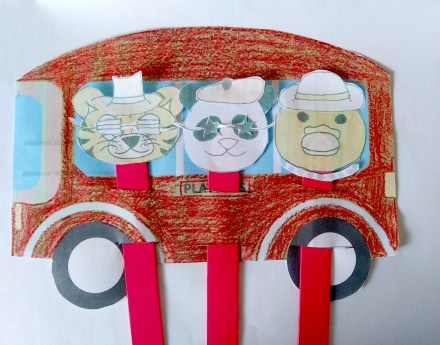
The Platybus has arrived at your house!  Print and accessorize your characters for their big party.

Supplies

celebrate-picture-books-picture-book-review-Platybus-Craft-animals

Directions

  1. Print out Platybus, characters and accessories.
  2. Cut out Platybus, characters and accessories. Make 6 slits marked on the platybus. These slits will hold the puppets in place.
  3. Glue characters to popsicle sticks.
  4. Glue accessories to characters.
  5. Slip puppets into bus.

celebrate-picture-books-picture-book-review-this-zoo-is-not-for-you-cover

You can find This Zoo Is Not for You at these booksellers

Amazon | Barnes & Noble | Books-a-Million | IndieBound

Picture Book Review

April 7 – It’s National Poetry Month

celebrate-picture-books-picture-book-review-exquisite-cover

About the Holiday

This month we celebrate poets and the poetry they create to illuminate our lives in new and often surprising ways. National Poetry Month is a world-wide event, bringing together tens of millions of poets, readers, teachers, librarians, booksellers, publishers, and other poetry lovers in readings, school visits, and special events. To celebrate, check out some events in your area and enjoy reading the work of your favorite—or a new—poet. You might even try writing your own poetry! Get inspired with today’s book!

I received a copy of Exquisite: The Poetry and Life of Gwendolyn Brooks from Abrams Books for Young Readers for review consideration. All opinions about the book are my own.
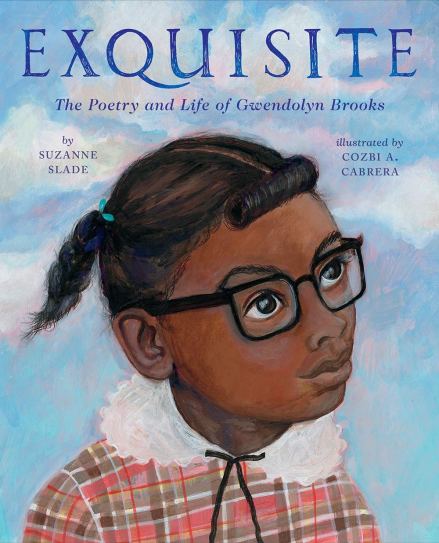
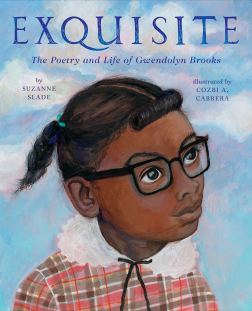
Exquisite: The Poetry and Life of Gwendolyn Brooks

Written by Suzanne Slade | Illustrated by Cozbi A. Cabrera


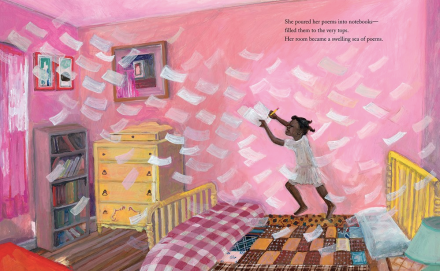
Growing up in Chicago, Gwendolyn Brooks’ family didn’t have a lot of money but they did own “great treasure—a bookcase filled with precious poems.” Every night Gwendolyn’s father read aloud from those books, and, mesmerized, Gwendolyn memorized poems to recite for her visiting aunts. “When she was seven, Gwendolyn began arranging words into poems of her own.” One day, her mother read her poems and declared that one day she would be as great as Paul Laurence Dunbar—Gwendolyn’s favorite poet.

celebrate-picture-books-picture-book-review-exquisite-library

Image copyright Cozbi A. Cabrera, 2020, text copyright Suzanne Slade, 2020. Courtesy of Abrams Books for Young Readers.

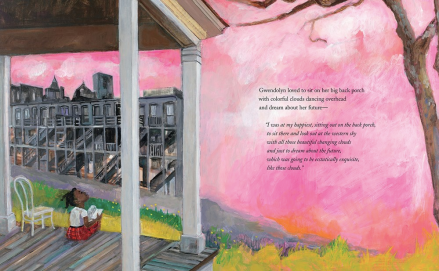
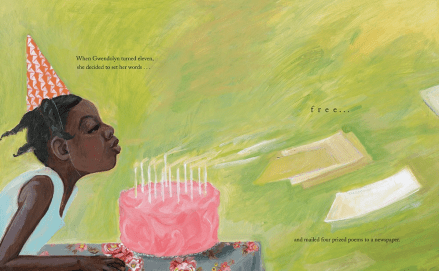
Gwendolyn loved to sit on her porch and watch the clouds float by. She filled notebooks about them and about her “paper dolls, ticktock clocks, raindrops, sunsets, and climbing rocks.” When Gwendolyn was eleven, she sent four of her poems to a newspaper, and, much to her delight, they were printed. A poem she sent to a national magazine also appeared in print.

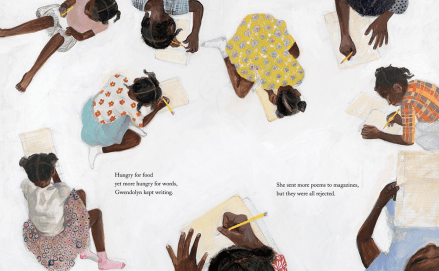
Gwendolyn was looking forward to a bright future when the Great Depression hit. But Gwendolyn kept writing. In high school she was an outsider, never seeming to fit in despite trying several schools. “Gwendolyn felt invisible. But when words flowed from her pen, she became invincible.” After college she took whatever jobs she could find and continued writing. She got married and had a baby boy. Even though she was busy, she took poetry classes about modern poems and wrote in a new style herself.
celebrate-picture-books-picture-book-review-exquisite-chicago

Image copyright Cozbi A. Cabrera, 2020, text copyright Suzanne Slade, 2020. Courtesy of Abrams Books for Young Readers.

She wrote about what and who she saw in her South Side Chicago neighborhood, Bronzeville. She began to win poetry contests and had some poems published in a well-known poetry journal. She and her family were still poor, but that didn’t stop her from writing “‘what she saw and heard in the street’” even when there was no electricity. Just as when she was a little girl, Gwendolyn “kept dreaming about a future that was going to be exquisite.”

celebrate-picture-books-picture-book-review-exquisite-notebooks

Image copyright Cozbi A. Cabrera, 2020, text copyright Suzanne Slade, 2020. Courtesy of Abrams Books for Young Readers.

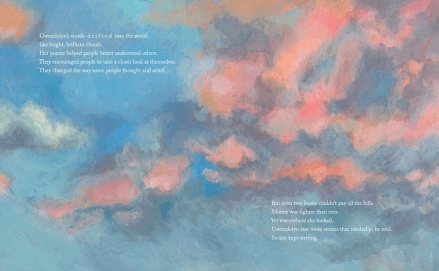
One day, she gathered her best poems and submitted them to a book publisher in New York. Soon after, they wrote asking for more. She wrote and wrote until she had enough to send. With the next letter from the publisher, she learned that they “loved her poems!” They were published with the title A Street in Bronzeville. After that book, came a second, Annie Allen. Her poems were now read all over the world. They “helped people better understand others” and “changed the way some people thought and acted.”

celebrate-picture-books-picture-book-review-exquisite-eleven

Image copyright Cozbi A. Cabrera, 2020, text copyright Suzanne Slade, 2020. Courtesy of Abrams Books for Young Readers.

Even with two books published, money was scarce. And yet she kept writing because “everywhere she looked, Gwendolyn saw more stories that needed to be told.” One day two things happened in Gwendolyn’s apartment: the electricity was turned off—again. And the phone rang. The reporter on the phone had one question for her: “‘Do you know that you have won the Pulitzer Prize?’” She and her young son danced around the apartment as “outside, exquisite clouds exploded in the sunset sky, because Gwendolyn had won the greatest prize in poetry!”

“Clouds,” a poem written by Gwendolyn Brooks when she was fifteen, follows the story. An Author’s Note giving more information about Brooks’ work, a timeline of her life, and resources are also included.

celebrate-picture-books-picture-book-review-exquisite-writing

Image copyright Cozbi A. Cabrera, 2020, text copyright Suzanne Slade, 2020. Courtesy of Abrams Books for Young Readers.

In her outstanding biography, Suzanne Slade highlights the prodigious talent of Gwendolyn Brooks, illuminating the influences, continual study, and inborn voice that informed and created her poetry. Gwendolyn’s self-confidence, unique perspective, and the support she received throughout her youth and career are strong themes that will inspire readers. Slade focuses on the awe Brooks found in her subjects, demonstrating her singular vision and how poetry is found in the everyday aspects of life. Beginning with Gwendolyn’s childhood, Slade links the events of Brooks’ life with beautiful imagery of the clouds she once likened to her exquisite future. Quotes are sprinkled throughout Slade’s lyrical text, allowing children to hear Brooks’ own voice and the dreams and pride had for her work.

celebrate-picture-books-picture-book-review-exquisite-clouds

Image copyright Cozbi A. Cabrera, 2020, text copyright Suzanne Slade, 2020. Courtesy of Abrams Books for Young Readers.

Cozbi A. Cabrera’s acrylic paintings are stunning representations of Gwendolyn’s life. Her family life with her well-read and supportive family comes alive with images of their home, where the large glass bookcase has pride of place, portraits hang on the walls, Gwendolyn practices the piano while her mother exclaims over her poetry, and the family gathers for a meager dinner during hard times. For young readers, Cabrera visualizes the parts of Gwendolyn’s life that fed her imagination and work and the copious amounts of poetry that she created—even as a child. Images of Gwendolyn’s early publishing successes give way to the changes brought by the Depression, school, marriage, and motherhood, but a pen, paper, and books are still her constant companions. Scenes from Chicago give children a look at the city that inspired Gwendolyn’s poetry, and intermittent views of the pastel clouds let readers dream along with her.

A stirring biography to inspire the dreams of any child, Exquisite: The Poetry and Life of Gwendolyn Brooks is a story that children will want to hear again and again. On its own or paired with Gwendolyn Brooks’ poetry, the book also makes an impactful lesson for homeschooling. The book is highly recommended for home, school, and public library collections.

Ages 6 – 9

Abrams Books for Young Readers, 2020 | ISBN 978-1419734113

Discover more about Suzanne Slade and her books on her website.

To learn more about Cozbi A. Cabrera, her books, and her art on her website.

Watch the Exquisite: The Poetry and Life of Gwendolyn Brooks book trailer

National Poetry Month Activity

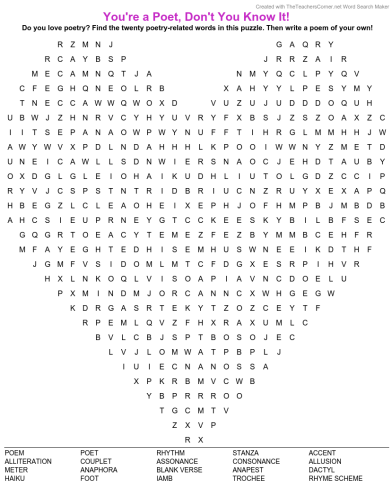
celebrate-picture-books-picture-book-review-poetry-word-search

You’re a Poet, Don’t You Know It! Word Search Puzzle


Find the twenty poetry-related words in this printable puzzle then write a poem of your own!

You’re a Poet, Don’t You Know It! Puzzle | You’re a Poet, Don’t You Know It! Solution

celebrate-picture-books-picture-book-review-exquisite-cover

You can find Exquisite: The Poetry and Life of Gwendolyn Brooks at these booksellers

Amazon | Barnes & Noble | Books-a-Million | IndieBound