September 2 – Friendship Month

Friendship Month has been celebrated ever since the Oddfellows organization was established in England in the 1730s. Their official title is The Grand Order of Oddfellows Friendly Society (or GUOOFS), and it is an international organization dedicated to philanthropy, charity, and, of course, friendship. All month long people are encouraged to spend more time with their friends, get in touch with those they haven’t seen or talked to in a while, and to reach out to others who are alone or need a friend. As school gets underway, there are plenty of opportunities for kids to meet new people and form friendships – some of which may last a lifetime.

Thank you to Charlesbridge and Barbara Fisch at Blue Slip Media for sending me this book for review!

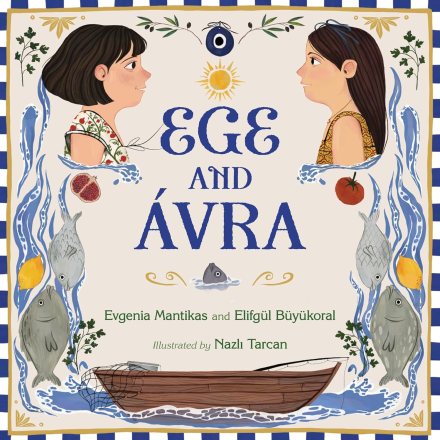
Ege and Ávra

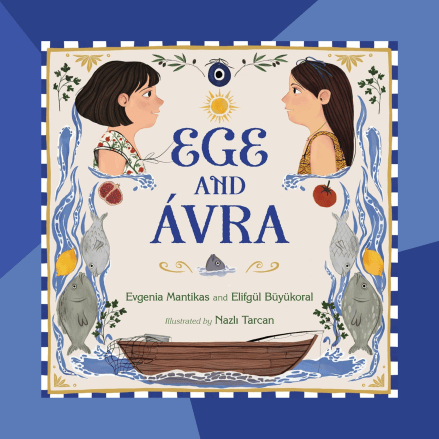
Ege, who lives on the east side of the Aegean Sea in Türkiye, is going fishing with her grandfather. “‘Do you think I’ll catch a çipura, Salih Dede?'” she asks. He doesn’t know, he tells Ege and adds “‘but the sea gives us what we need.'” A short way away on the west side of the Aegean Sea in Greece, Ávra asks her grandfather, “‘Pappoú, will I catch a tsipoúra?'” He answers “‘Perhaps. But the sea knows what is best for us.'” As the girls and their grandfathers steer their boats into fishing waters, they come upon each other in close proximity. Ege complains that Ávra’s boat is in their way, while Ávra fears Ege will steal their fish. Both grandfathers repeat their wisdom from the morning.
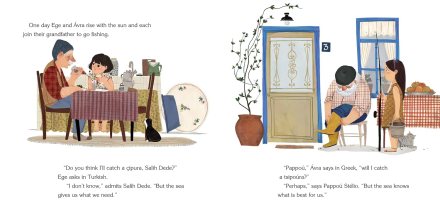
Illustration copyright © 2026 by Nazlı Tarcan. Text copyright © 2026 by Evgenia Mantikas and Elifgül Büyükoral. Published by Charlesbridge copyright © 2026.

As Ege and Ávra cast their fishing lines, they get hopelessly tangled. They pull and wrestle with their poles until Ege is thrown into a bucket and Ávra finds herself wrapped in a net. The two girls lock eyes while their grandfathers erupt in laughter. The girls laugh too, then, and introduce themselves, overcoming their language barrier by placing a hand over their heart as they say their name. Ávra offers Ege the corner of a net, and together they cast it into the sea.

It doesn’t take long before a school of fish swim into the net. With excitement, Ege shouts, “‘çipura!'” “‘Tsipoúra!'” Ávra cries. They stare at each other in awe; “their words for the fish sound the same!” Aboard their respective boats, Ege and Dede and Ávra and Pappoú cook lunch with some of the fish they’ve caught, spices, lemon, and vegetables. They gather on Pappoú’s boat, giving thanks before they begin. Afterward, there’s dessert—a favorite of everyone.
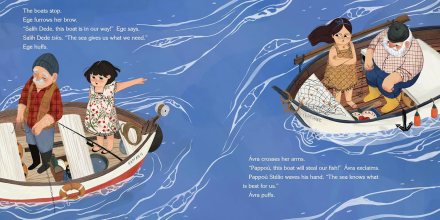
Illustration copyright © 2026 by Nazlı Tarcan. Text copyright © 2026 by Evgenia Mantikas and Elifgül Büyükoral. Published by Charlesbridge copyright © 2026.

Too soon, it’s time for each family to return home. Ege and Ávra wave goodbye “until they both disappear into the horizon,” each believing that they will meet again. As the two girls drift off, with the sea air gently lulling them to sleep, they whisper “Good night” to the new friend they each made.

Back matter includes an Authors’ Note relating how Evgenia Mantikas and Elifgül Büyükoral met and became friends in college; a brief history of the clash between Türkiye and Greece, a map, and a glossary of Turkish and Greek terms in the story.
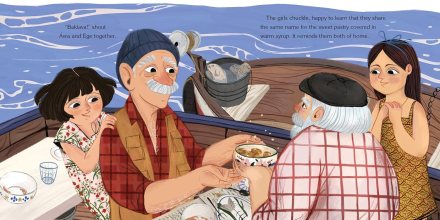
Illustration copyright © 2026 by Nazlı Tarcan. Text copyright © 2026 by Evgenia Mantikas and Elifgül Büyükoral. Published by Charlesbridge copyright © 2026.

As children meet Ege and Ávra and their grandfathers at home and on their boats, they are privy—through visual and textual clues—to something neither girl yet knows: how similar they are. Instantly, readers become invested in how their meeting will play out, starting as it does with suspicion and grumbling. Throughout their story, Evgenia Mantikas and Elifgül Büyükoral beautifully use metaphor, humor, and lyrical prose to bring the two families together in the universal languages of laughter, food, and shared experiences. Büyükoral and Mantikas imbue their lovely, simple storytelling with true surprise and delight that will captivate both children and adults.

Children will eagerly linger over Nazlı Tarcan’s beautiful and evocative illustrations to point out the similarities between the girls as well as their grandfathers. Even the boats boast commonalities. Tarcan’s gorgeous color palette and expressive portraits suffuse her pages with feelings of camaraderie and peace. You can almost feel the sea breeze and smell the aromas wafting from the impromptu meal, and as the girls wish each other “Good night,” their wistful faces will fill readers hearts with hope.

A poignant and uplifting read aloud for meaningful story times, Ege and Ávra is a must for all public and school libraries and would be an exceptional addition to any home bookshelf.

Ages 4 – 8

Charlesbridge, 2026 | ISBN 978-1623546670

A third generation Greek American, Evgenia Mantikas grew up immersed in her family’s culture. She visited Xios every summer, reading for hours on the beach. Evgenia’s love for stories grew as she studied creative writing and received her BA and MA in English literature. After teaching ELA for two years, Evgenia returned to school and earned her MFA from Simmons University and uses her voice to tell cultural stories about family. You can visit her at evgeniamantikas.com.

Elifgül Büyükoral was born and raised in Türkiye, where her close-knit family nurtured her love for books. Elifgül delved into the world of literature and language when she earned her BA in ESL. Fueled by her passion for storytelling, Elifgül moved to the United States to receive her MA in children’s literature from Simmons University. Elifgül writes stories that shine light on her heritage and Islamic faith, hoping to amplify diverse voices. Follow her on Instagram.

Nazlı Tarcan is a Turkish artist and illustrator based in Namur, Belgium. After studying illustration in high school, she studied photography at one of Türkiye’s most prestigious fine art universities, Yildiz Technical University. Midway through her studies, she followed her creative call and ran away with the circus, performing for ten years, traveling through Qatar, Georgia, Tajikistan, Greece, France, Poland, and many other countries. As an artist, she takes inspiration from the tiny details of everyday life. Visit her at nazlisillustrations.com.

celebrate-picture-books-picture-book-review-give-me-your-hand-puzzle

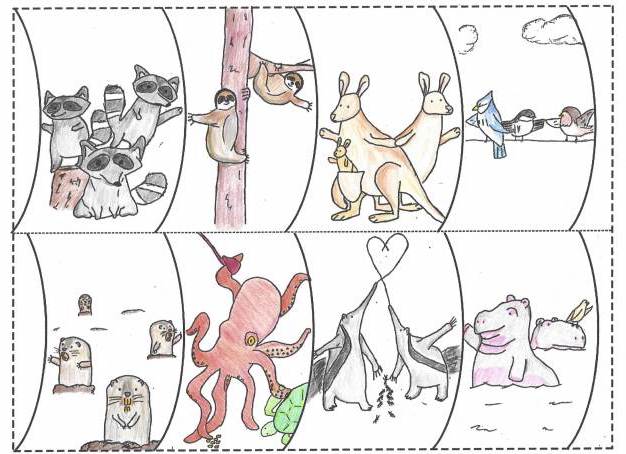
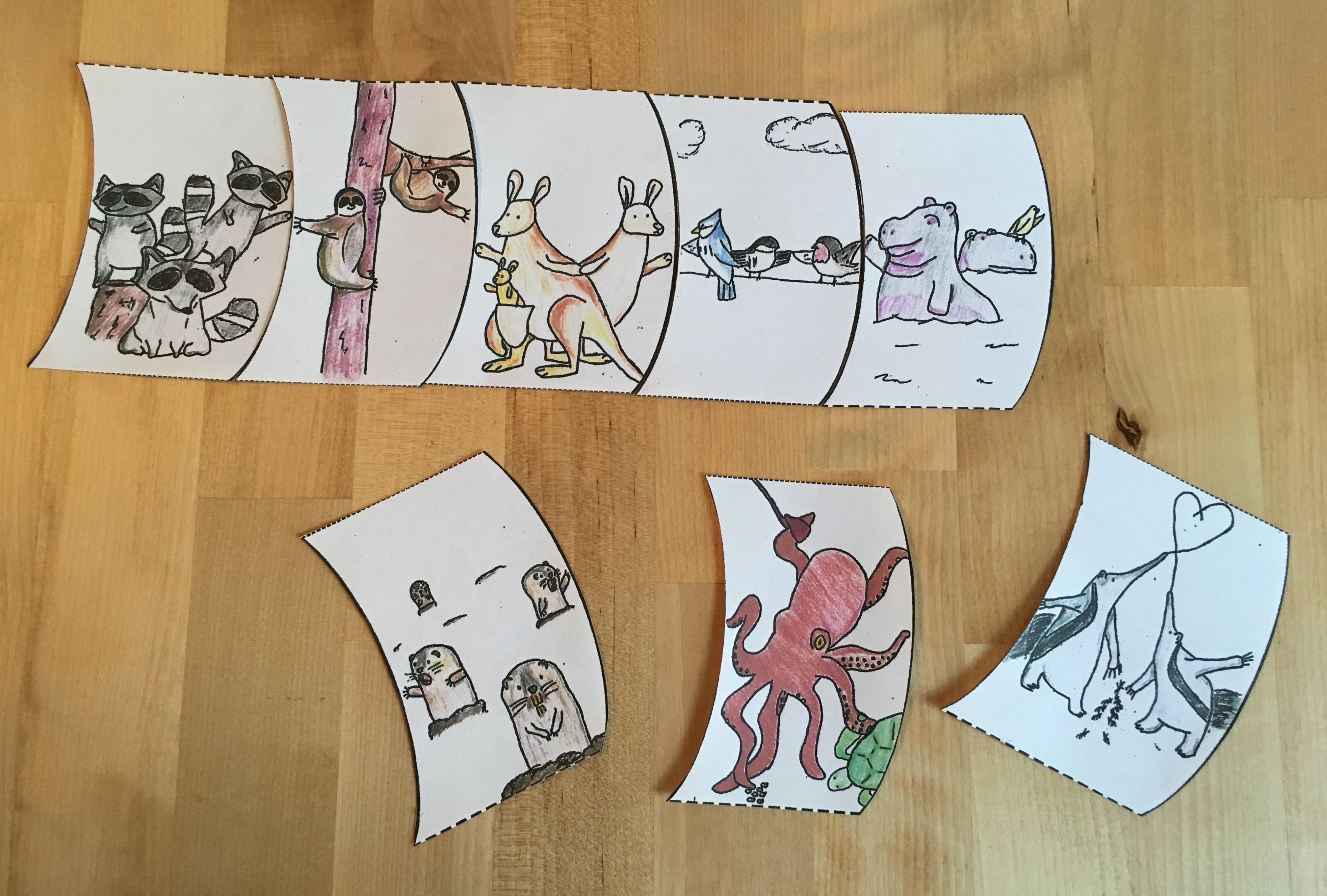
In this Give Me Your Hand! Puzzle, everyone is welcomed with a handshake. Offering friendship to all, the interchangeable pieces can be mixed and matched as the animals become buddies with one another. 

Supplies

celebrate-picture-books-picture-book-review-UN-day-puzzle

Directions

  1. Print the puzzle: to make the puzzle sturdier: Print on heavy stock paper or glue the page to poster board
  2. Color the pictures with colored pencils or crayons
  3. Cut the pieces apart
  4. Switch the pieces around to make many alternate pictures
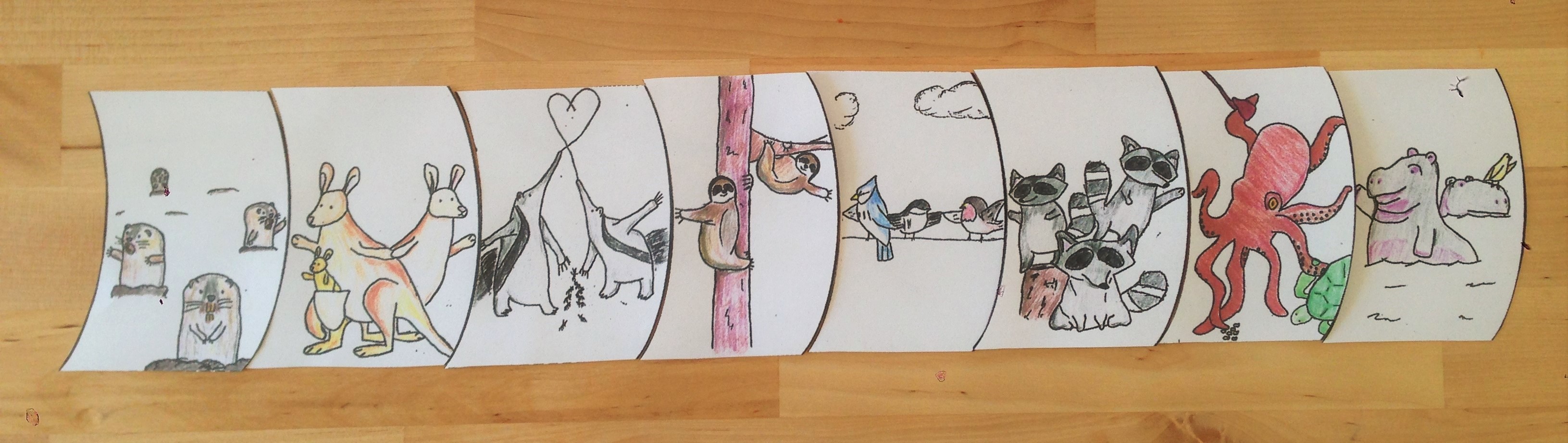
celebrate-picture-books-picture-book-review-UN-day-puzzle

You can purchase Ege and Ávra from these booksellers

Amazon | Barnes & Noble | Bookshop

July 16 – Wild About Wildlife Month

The theme of this month-long holiday is simple: it’s all about wildlife. Whether you like mammals, birds, fish, or insects best, July is the time to celebrate the wondrous diversity of our planet’s wildlife. We may be halfway through the month, but you and your kids still have lots of time to explore the wildlife in your area and learn about the creatures that populate all parts of our world. Today’s book takes a humorous look at what you might expect—or not—during your explorations!

Thank you to Tundra Books for sending me a copy of this book for review!

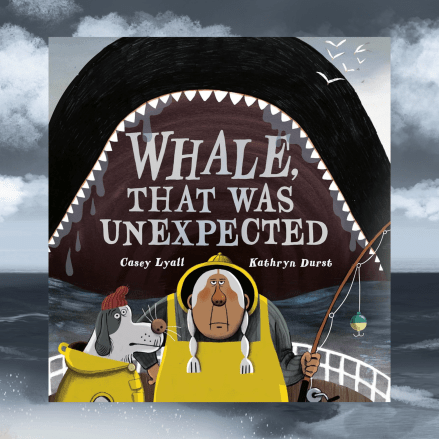
Whale, That Was Unexpected

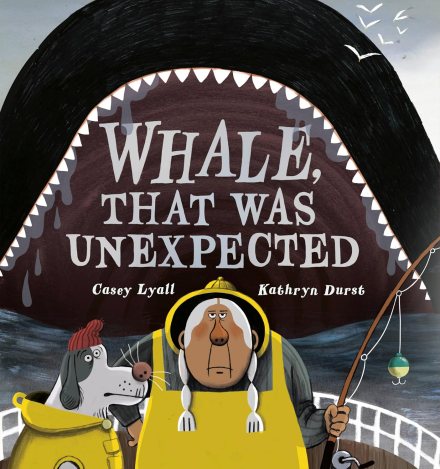
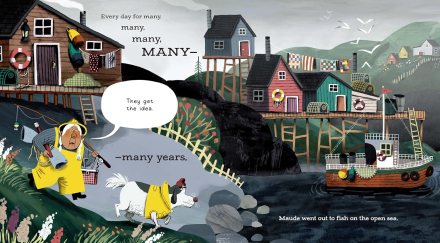
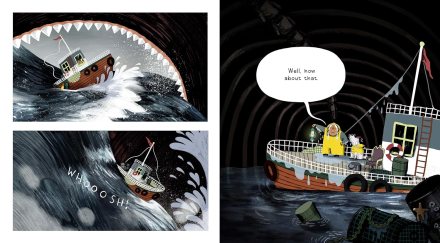
Every day of her long, long, long life, Maude—a bit cranky after all these long, long years—fished the “open sea.” Today was no different as she and her dog, Claude, stepped aboard the “trusty little boat” and left the harbor. “After all these years, Maude had seen everything,” that is until she, Claude, and their boat were swallowed by a whale. Inside the dark recesses of this behemoth, Maude lifted her lantern and took stock of the flotsam and jetsam floating below.

Illustration copyright © 2026 by Kathryn Durst. Text copyright © by Casey Lyall. Courtesy of Tundra Books.

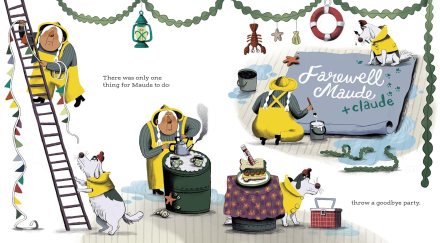
Maude knew just what to do. She strung decorations, brewed tea, made snacks, and painted a sign that read: “Farewell Maude + Claude.” She unfurled the sign from the bridge and asked the narrator to “do the honors” for their going away party. The narrator obliged—barely. “Farewell, Maude. Farewell, Claude.” Maude was unimpressed. The narrator obliged—better: “Farewell, Maude, a grand old dame. Farewell, Claude, sixth of his name. Farewell, trusty little boat.”

Illustration copyright © 2026 by Kathryn Durst. Text copyright © by Casey Lyall. Courtesy of Tundra Books.

But the whale wasn’t satisfied with crusty Maude and faithful Claude, and their boat was, apparently, too little. It sucked in an octopus and a crab, each requiring their own eulogies. The whale swallowed again . . . and again. It was getting tricky updating the sign. Even the narrator was slowing down. But once more, from the top, the party got into full swing. As the whale quieted, though, Maude decided “that’s all she wrote.” She lit the candle on the celebratory sandwich, which made the whale “Ah, ah, AH”—sneeze! Through the blowhole, the little boat shot into the air and safety. But is there something else lurking?

Illustration copyright © 2026 by Kathryn Durst. Text copyright © by Casey Lyall. Courtesy of Tundra Books.

Casey Lyall’s nautical treasure sails along on deadpan humor, fueled by Maude’s cantankerous intrusions into the narrator’s storytelling and blasé acceptance of each newcomer. The cumulative eulogy is all the funnier for the interruptions and shenanigans of the growing crew, and both kids and adults will have a blast starting and restarting this hilarious send-off. Maude’s prompt for the narrator to speed up makes reading Lyall’s perfectly rhyming and rhythmic ode even more fun.

As kids set out to sea with Kathryn Durst’s sturdy Maude and her sidekick Claude, they’ll be charmed by and completely invested in this humorous duo. Durst gives them all the comforts of home on their “trusty little boat” as tea is formally laid on a barrel table and a tufted armchair and bucket footstool await calm seas. The first view of the whale is cleverly ominous, building suspense. The pair’s farewell pathos will have readers giggling, and as the doomed crew expands, their resigned acceptance of their fate provides plenty of laugh-out-loud moments. The final scenes just off the lovely coastal town offer surprise and delight.

Whale, That Was Unexpected is the catch you don’t want to let get away. Funny and loaded with personality, this fresh read aloud is one that kids and adults will love to share over and over.

Ages 4 – 8

Tundra Books, 2026 | ISBN 978-1774883617

About the Author

Casey Lyall lives in Southwestern Ontario where she also works at her local library (and waits for management to discover they’re actually paying her to have fun). When she’s not writing, Casey loves to bake, doodle and learn extremely groan-worthy jokes to tell her friends. Casey is the author of the humorous middle-grade mystery series Howard Wallace, P.I. and books A Spoonful of Frogs and Vampire Jam Sandwich. Visit her at caseylyall.com.

About the Illustrator

Kathryn Durst is a graduate of Sheridan College in Ontario, Canada. She has a background in animation, having interned with Pixar Animation Studios. Kathryn has illustrated numerous children’s books, including You’re In Good Paws, the Polite Predators books and the #1 New York Times bestseller from Paul McCartney, Hey Grandude! When she is not illustrating books, she can be found playing the accordion, growing vegetables, folk dancing or putting on shadow puppet shows. She lives in Toronto, Canada, with her grumpy mini dachshund named Chili Dog. Follow her on Instagram.

Don’t go fishing around for the last page you read! Use this Whaley Cute Bookmark instead!

You can purchase Whale, That Was Unexpected from these booksellers

Amazon | Barnes & Noble | Bookshop

June 18 – National Go Fishing Day

Is fishing your thing? Do you like nothing better than heading down to the lake or stream and spending a relaxing day with a fishing pole, some bait, and the possibility of reeling in a “whopper?” Perhaps you like fly fishing better, challenging yourself to flick that hook in just the right place. Then again, maybe taking a boat out to deep water and pitting yourself against the truly big fish is more your style. However you like to fish, make some time to enjoy your hobby today! If you haven’t yet discovered the joys of fishing, today’s book is sure to get you hooked!

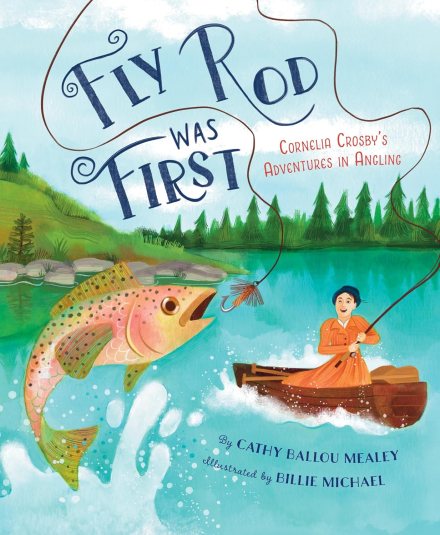
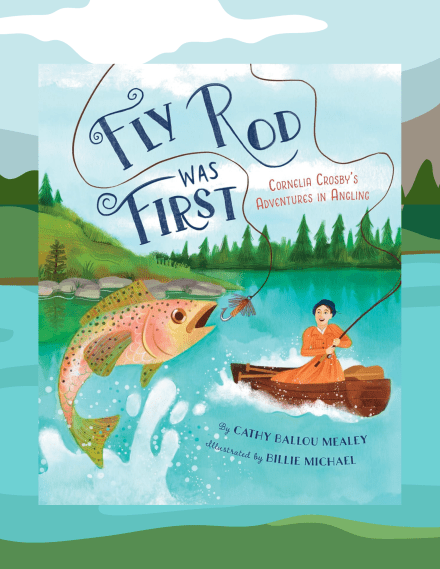
Fly Rod Was First: Cornelia Crosby’s Adventures in Angling

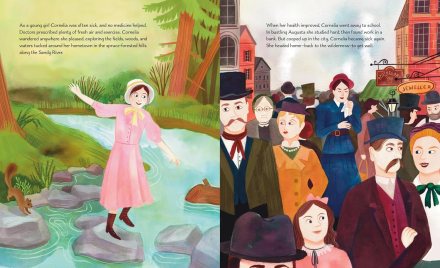
When Cornelia Crosby was born in 1854, Maine was a fishing paradise. “From lunkers to whoppers, the biggest trout and salmon pulled from the rivers and lakes were longer and heavier than baby Cornelia.” As a young girl, Cornelia spent much of her days outdoors, exploring the fields, woods, and waterways around her home—an antidote for her poor health. As a young woman, with her health improved, Cornelia was sent to the city to attend school, but she relapsed and returned home.

Illustration copyright © 2026 by Billie Michael. Text copyright © by Cathy Ballou Mealey. Courtesy of Sleeping Bear Press.

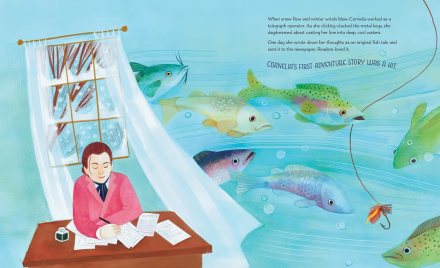
Here, the long days stretched out before her. She decided to try fishing, and with her first catch she was hooked. Cornelia spent spring and summer traveling among the fishing camps that dotted the state of Maine, wearing a full-length skirt and high-neck collar that amused her male counterparts. With her bamboo fishing rod, she reeled in fish after fish. During the winter, Cornelia worked as a telegraph operator and “daydreamed about casting her line into deep, cool waters.”

Illustration copyright © 2026 by Billie Michael. Text copyright © by Cathy Ballou Mealey. Courtesy of Sleeping Bear Press.

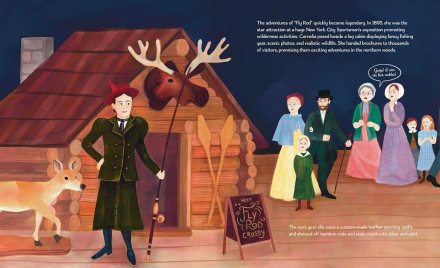
One day she crafted an original fish tale from her experiences and sent it to the newspaper, which published it. Readers were enthralled, and the editor wanted more of Cornelia’s stories. He even gave her a nickname, “Fly Rod.” “Fly Rod” Crosby’s columns about Maine’s natural beauty and extraordinary fishing opportunities took off. How good was fishing in Maine? It was so exceptional that Cornelia and her guide “once landed fifty-two trout in forty-four minutes.” On another “especially good day, she caught more than 200 fish!” But as one of the first public advocates for “catch-and-release,” Cornelia returned most of these to the water.

Illustration copyright © 2026 by Billie Michael. Text copyright © by Cathy Ballou Mealey. Courtesy of Sleeping Bear Press.

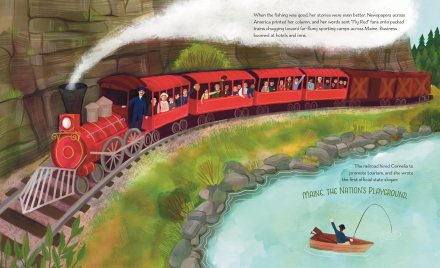
Cornelia’s stories began appearing in newspapers across the country, bringing visitors to all parts of Maine. Hotels and restaurants thrived. The railroad even “hired Cornelia to promote tourism and she wrote the first official state slogan. By 1895 “Fly Rod” Crosby was a legend, and Maine had become a top vacation destination. But at the height of her career, an accident curtailed her ability to hike or get out on the water. She fished from docks, however, and wrote her column into her eighties. Cornelia is remembered with a statue in the Maine Women’s Hall of Fame, a wilderness trail named for her, and even a bluegrass tune, “The Ballad of Fly Rod Crosby.”

Following the story, readers can enjoy Cathy Ballou Mealey’s step-by-step tips on how to write a fish story and see a photograph of Cornelia Crosby holding an impressive catch of fish.

Illustration copyright © 2026 by Billie Michael. Text copyright © by Cathy Ballou Mealey. Courtesy of Sleeping Bear Press.

Cathy Ballou Mealey’s biography of the trail-blazing Cornelia Crosby will fascinate children as well as adults as she transports them back more than 180 years to the pristine waters of Maine. With lovely, evocative language, Mealey puts readers at Fly Rod’s side to witness her fishing prowess, follow her innate talent for storytelling, and experience her impact on Maine’s nascent tourism boom. Mealey’s distinctive subject easily lends itself to a wide range of topics for educators and students to further explore, including fishing, the growth of US tourism and tourist attractions, women in journalism, changing fish and animal populations, and so many more.

Billie Michael’s magnificent illustrations transport readers to the mid-1800s with shimmering lakes and roaring rivers teeming with dazzling salmon and rainbow trout, sport undertaken in formal clothing, steam train travel, and the country-wide influence of newspaper columnists. Her images of Cornelia “Fly Rod” Crosby are packed with personality, exhibiting her brilliance and indefatigable spirit. Readers can almost hear the “swish” and “snap” of Crosby’s fishing line, while each page contains clear depictions of life and common objects from the period, inviting children into an exciting transitional era.

An exceptional biography of a remarkable woman, Fly Rod Was First: Cornelia Crosby’s Adventures in Angling will charm and inspire readers to embrace their passion and generate excitement for learning about the past. The book is a must for any school and public library collection as well as for children who love fishing, young adventurers, and history and biography buffs.

Ages 6 – 9

Sleeping Bear Press, 2026 | ISBN 978-1534113602

Cathy Ballou Mealey lives in Massachusetts where she still tells fish stories about the giant hornpout she caught (and released) at midnight on a dock at Beaver Lake. She is the author of Make More S’mores and the Sloth and Squirrel books. To learn more, visit her website. You can also find her on Instagram or BlueSky @catballoumealey.

Billie Michael is an illustrator with a passion for creating artwork that is full of detail, texture, and rich colors. She works with watercolor, colored pencil, and other media to bring stories and characters to life. When she’s not drawing, Billie loves watching movies, going on very long walks, and playing guitar. She lives with her cat, Louise, in Philadelphia. Visit her at billiemichael.com and on Instagram.

celebrate-picture-books-picture-book-review-go-fishing-game-4

Kids can go fishing right at home with this easy-to-make game! With a paper plate pond, a few printable fish, and a few other supplies, kids will be catching a whole lot of fun!

Supplies

celebrate-picture-books-picture-book-review-go-fishing-game-1

Directions

  1. Color the paper plate blue
  2. Print the Go Fishing! Game Playing Die (optional)

To Make the Fish

  1. Print the fish templates or have kids draw and color their own fish and cut out
  2. Tape a paper clip to the back of the fish or slip a paperclip onto the nose of the fish
  3. If using back-to-back templates, cut fish out, put a paper clip between the sides and glue or tape the two sides together

To Make the Fishing Pole

  1. Tie a length of string to the straw, pencil, or dowel
  2. Sandwich the other end of the string between the two circular magnets
  3. Lay the fish on the plate
  4. Go fishing!

Optional Game: Kids can roll the die to determine which fish to catch.

You can purchase Fly Rod Was First: Cornelia Crosby’s Adventures in Angling from these booksellers

Amazon | Barnes & Noble | Bookshop

August 18 – Serendipity Day

About the Holiday

The word “serendipitous” was first coined in 1754 by Horace Walpole in a letter to a friend as he described a Persian fairy tale known in English as The Three Princes of Serendip. In the story three young men, having been banished from the kingdom of Serendip (commonly known as Sri Lanka) to prove their worth, travel the world continuously enjoying surprising good luck—or serendipity—along the way. In 2001 author Madeleine Kay founded Serendipity Day to encourage people “to live your life . . . with the belief that at any moment, something wonderful is about to happen.” Let today’s holiday inspire you to pay closer attention to those moments of serendipitous magic that occur each day. They’re all around us as long as we recognize and embrace them!

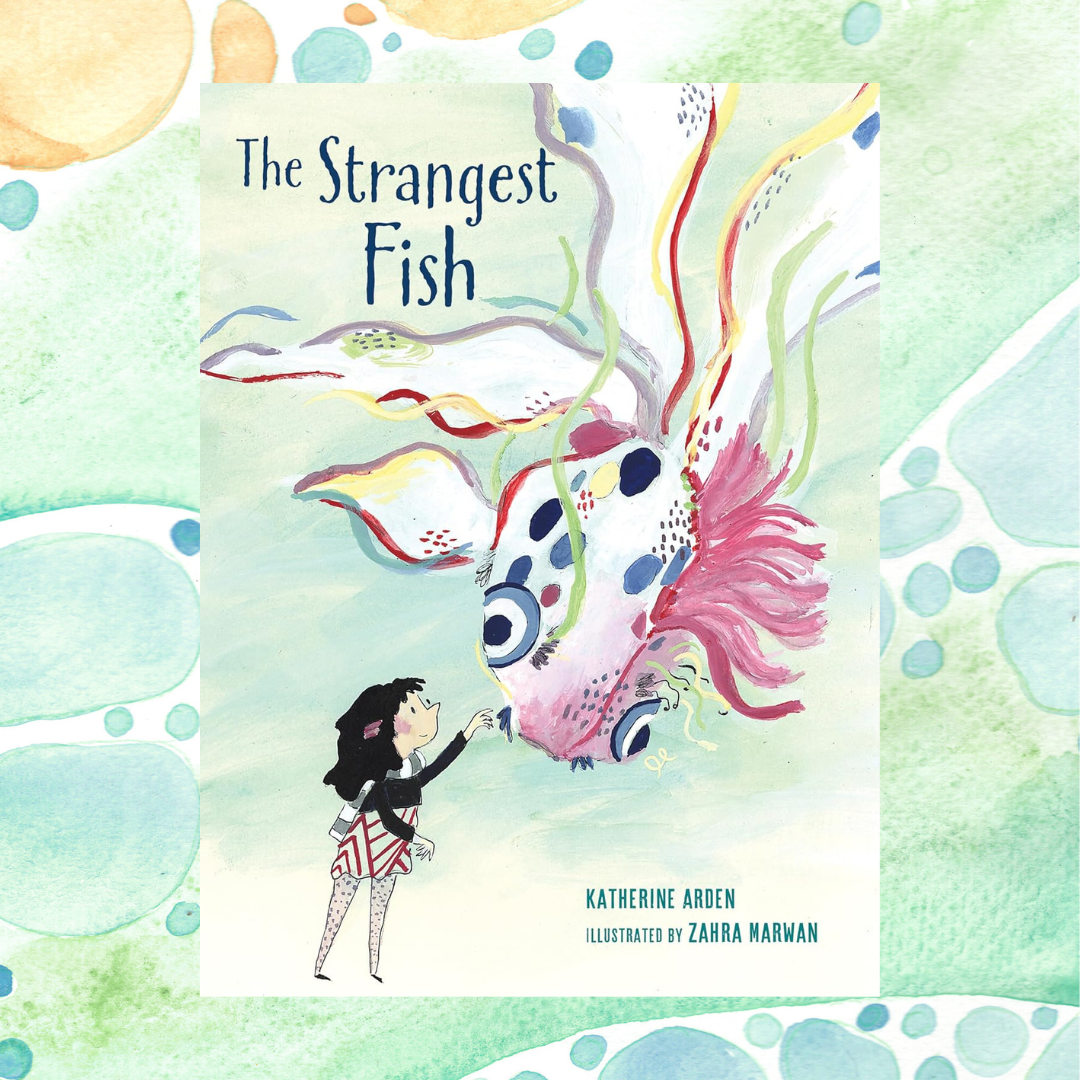
The Strangest Fish

Written by Katherine Arden | Illustrated by Zahra Marwan


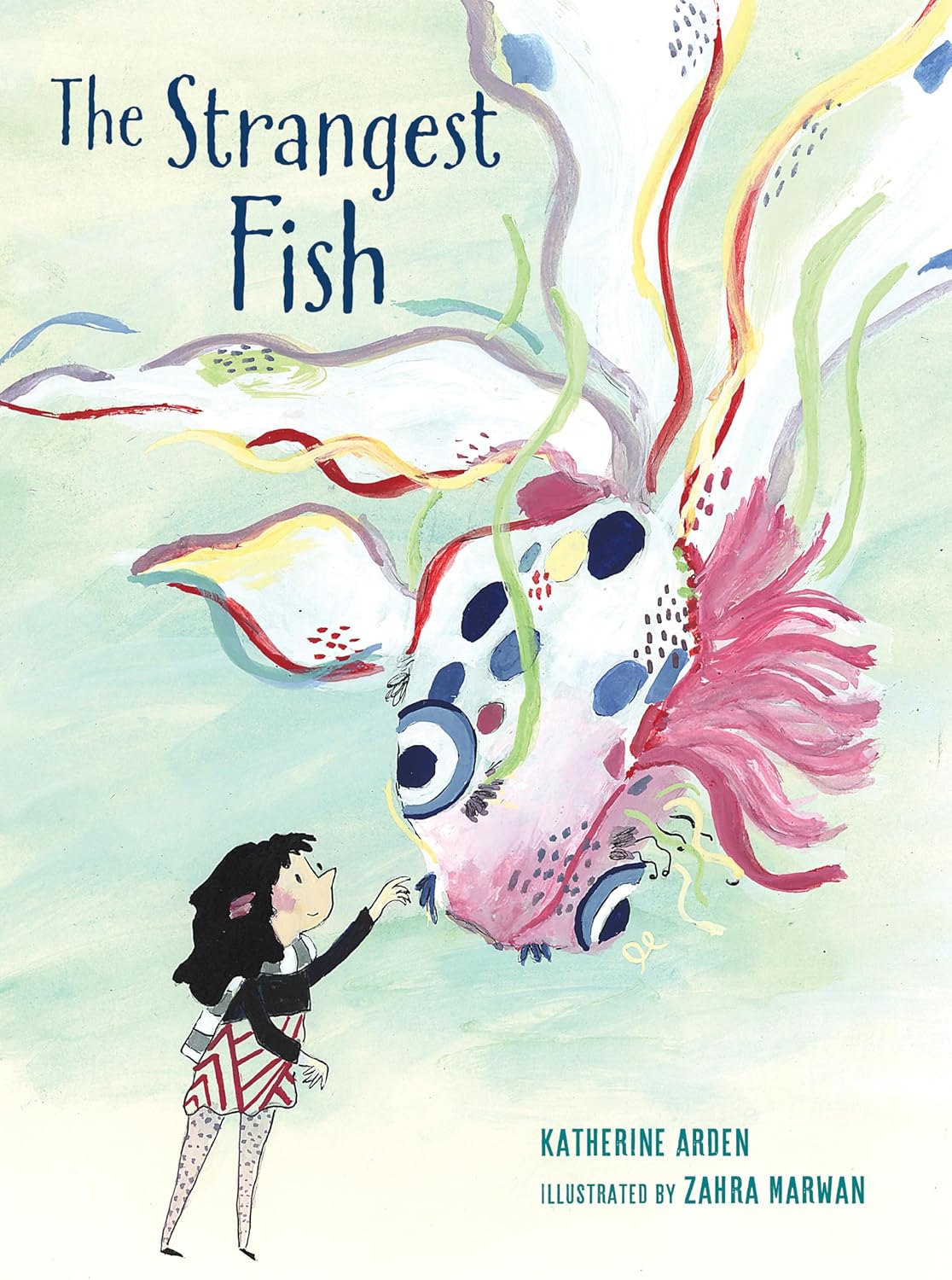
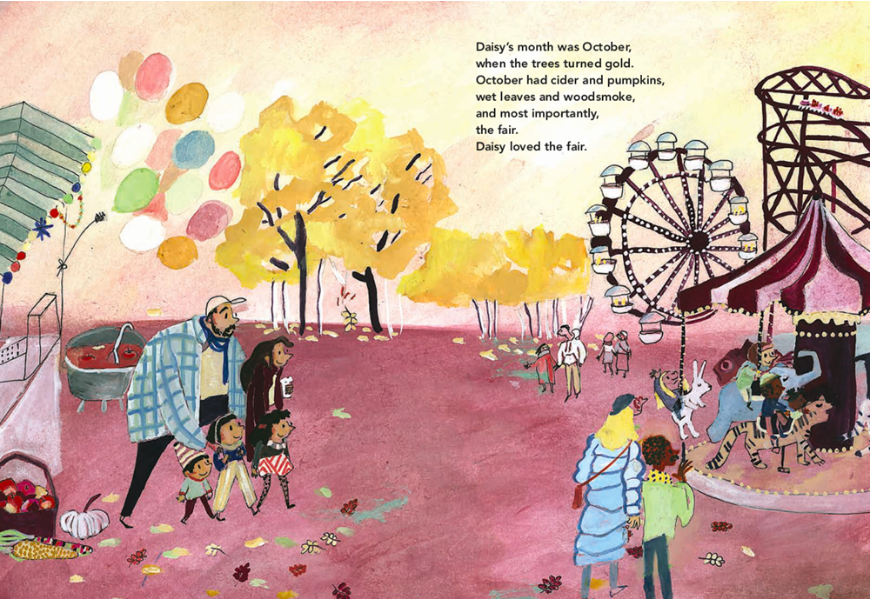
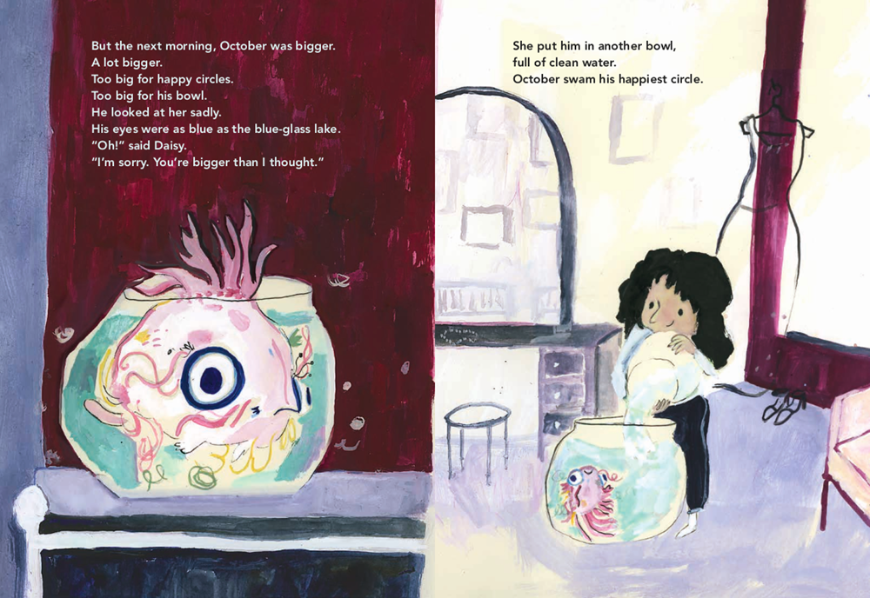
Daisy lives in a colorful house on the edge of a lake with water like “blue glass.” She loves the month of October for its golden trees, pumpkins, cider, and, especially, the county fair. After riding the teacups and munching popcorn, Daisy “fished for prizes from the go-fish booth.” She came away with her own, real, strange fish. Despite the fish’s extra fins, leaf-like scales, and big head, Daisy loved him and vowed to take care of him. At home she placed him in the nicest bowl and named him October.

Illustration ©2024 by Zahra Marwan, text ©2024 by Katherine Arden. Courtesy of Astra Young Readers.

In the morning, October had outgrown his bowl, so Daisy gave him a bigger one. The same thing happened the next morning, and the next, even though Daisy had transferred him to the bathtub. October looked like a pile of leaves. Daisy’s brother proclaimed him “so weird.” Daisy, though, thought “October was the best fish,” and when “she petted his scales, she was sure his blue eye winked at her.”

Illustration ©2024 by Zahra Marwan, text ©2024 by Katherine Arden. Courtesy of Astra Young Readers.

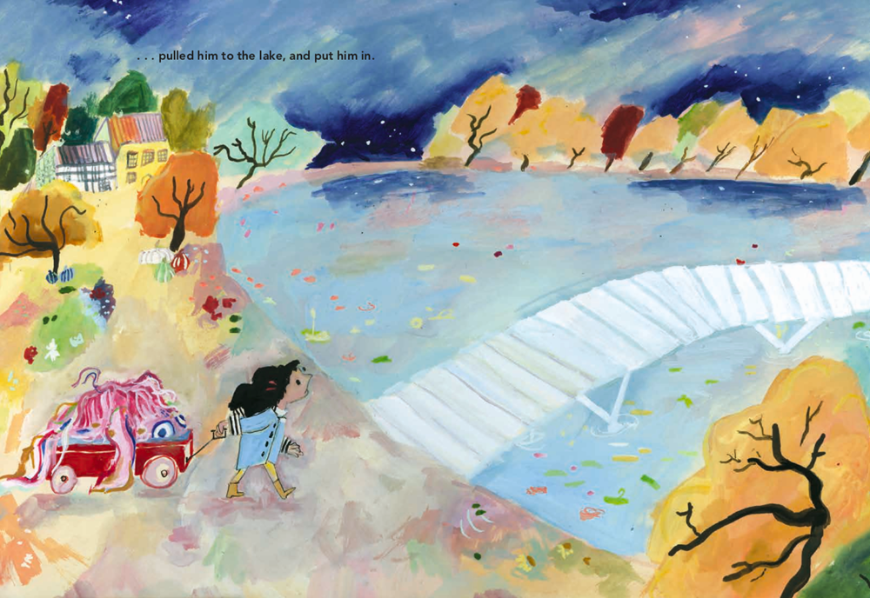
The next morning Daisy knew she had to move October again. But where? He “blinked his lake-blue eyes,” and she knew. She rolled October to the lake in her wagon then worried and worried about him all night. In the morning she ran to the lake but saw only a small ripple. Then a snout and a head broke the surface of the water, and Daisy was gazing into the lake-blue eyes of a water dragon. She cried “‘I knew you weren’t a fish!’” and happily climbed on his back for a magical trip around the lake.

Illustration ©2024 by Zahra Marwan, text ©2024 by Katherine Arden. Courtesy of Astra Young Readers.

Katherine Arden’s The Strangest Fish radiates charm and the type of serendipity children make happen every day with their open hearts. Daisy is a dear, and in one masterful scene that is both touching and candid, Arden reveals the depths of Daisy’s kindness: While carrying her unusual new pet from the car to the house, Daisy feels a pang of jealousy for the cute and more conventional stuffed koala bear her sister has won, but, not wanting to hurt the fish’s feelings, she keeps it to herself. “Friends didn’t hurt friends’ feelings,” she knows. Instead, Daisy tells her fish that she will give him “the nicest bowl.” Arden extends such perception to each family member, as well, through lyrical descriptions and dialog peppered with honest sibling and parental banter and Daisy’s loving reassurances to October that make her story a read aloud with poignancy for all ages.

Fanciful and shimmering with breathtaking color, Zahra Marwan’s watercolor and pen-and-ink illustrations invite readers to enjoy a nostalgic autumn fair before welcoming them into Daisy’s close-knit family life. The siblings’ love for each other shows up in heart-patterned clothing and the way Daisy and her sister and brother huddle under one blanket as they worry about October together. Marwan’s singular fish is part punk aesthetic, part balloon, and completely adorable, stealing readers’ hearts from their first glimpse of him. The details Marwan sprinkles throughout her pages are both evocative and quirky, and she even adds a bit of foreshadowing (but I won’t tell you where). October’s final incarnation will delight kids and adults alike.

Enchanting, unforgettable, and with an ending that fulfills all of a child’s heartfelt wishes, The Strangest Fish is a story that kids will want to hear again and again and is a must addition to home, classroom, and all library collections. 

Ages 4 – 8

Astra Young Readers, 2024 | ISBN 978-1662620782

About the Author

Katherine Arden is the NYT-bestselling author of the Winternight Trilogy and the middle-grade series Small Spaces. She won the 2020 Vermont Golden Dome Book Award and was a finalist for the 2020 Hugo Award for Best Series. She graduated from Middlebury College in 2011, where she obtained her degree in Russian and French.

About the Illustrator

Zahra Marwan is a children’s book author-illustrator and the 2022 recipient of the Dilys Evans Founder’s Award. Her first picture book, Where Butterflies Fill the Sky, was named one of NPR’s Best Books of 2022 and a NYT Best Illustrated Children’s Book. Originally from Kuwait, Zahra now lives in New Mexico.

Serendipity Day Activity

celebrate-picture-books-picture-book-review-go-fishing-game-4

Go Fishing Game


Kids can engage in their own serendipitous adventure with this Go Fishing Game! With a paper plate pond, some printable fish, and a few other supplies, kids will be catching a whole lot of fun in no time!

Supplies

celebrate-picture-books-picture-book-review-go-fishing-game-1

Directions

  1. Color the paper plate blue
  2. Print the Go Fishing! Game Playing Die (optional)

To Make the Fish

  1. Print the fish templates or have kids draw and color their own fish and cut out
  2. Tape a paper clip to the back of the fish or slip a paperclip on the nose of the fish
  3. If using back-to-back templates, cut fish out, put a paper clip between the sides and glue or tape the two sides together

To Make the Fishing Pole

  1. Tie a length of string to the straw, pencil, or dowel
  2. Sandwich the other end of the string between the two circular magnets
  3. Lay the fish on the plate
  4. Go fishing!

Optional Game: Kids can roll the die to determine which fish to catch.

You can purchase The Strangest Fish from these booksellers

Amazon | Barnes & Noble | Bookshop (discounted books and support for your local independent bookstore)

Picture Book Review

March 14 – It’s Expanding Girls’ Horizons in Science and Engineering Month

About the Holiday

Expanding Girls’ Horizons in Science and Engineering Month was established in 2020 by the Expanding Your Horizons (EYH) Network. Founded in 1974 as a series of conferences aimed at promoting STEM careers to middle and high school girls, EYH provides hands-on activities, mentoring, and contact with role models as well as information about science and engineering fields.

Women still make up only 28% of the science and engineering workforce. With this month-long observance, the EYH Network hopes to make a significant impact on girls’ perceptions and career choices, encouraging them to explore and embrace STEM subjects​.

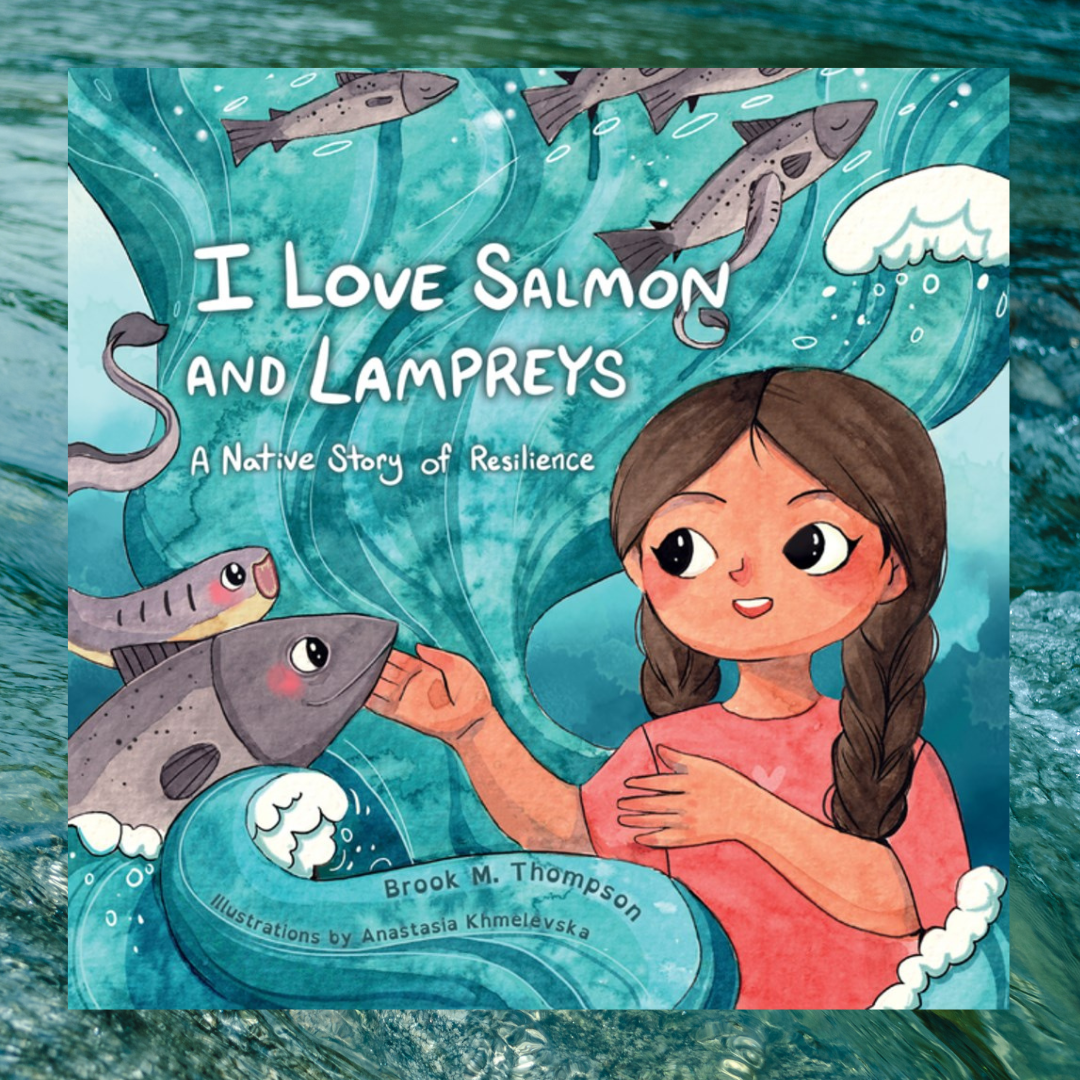
Thank you to Heyday and Barbara Fisch at Blue Slip Media for sharing a copy of I Love Salmon and Lampreys: A Native Story of Resilience with me!

I Love Salmon and Lampreys: A Native Story of Resilience

Written by Brook M. Thompson | Illustrated by Anastasia Khmelevska


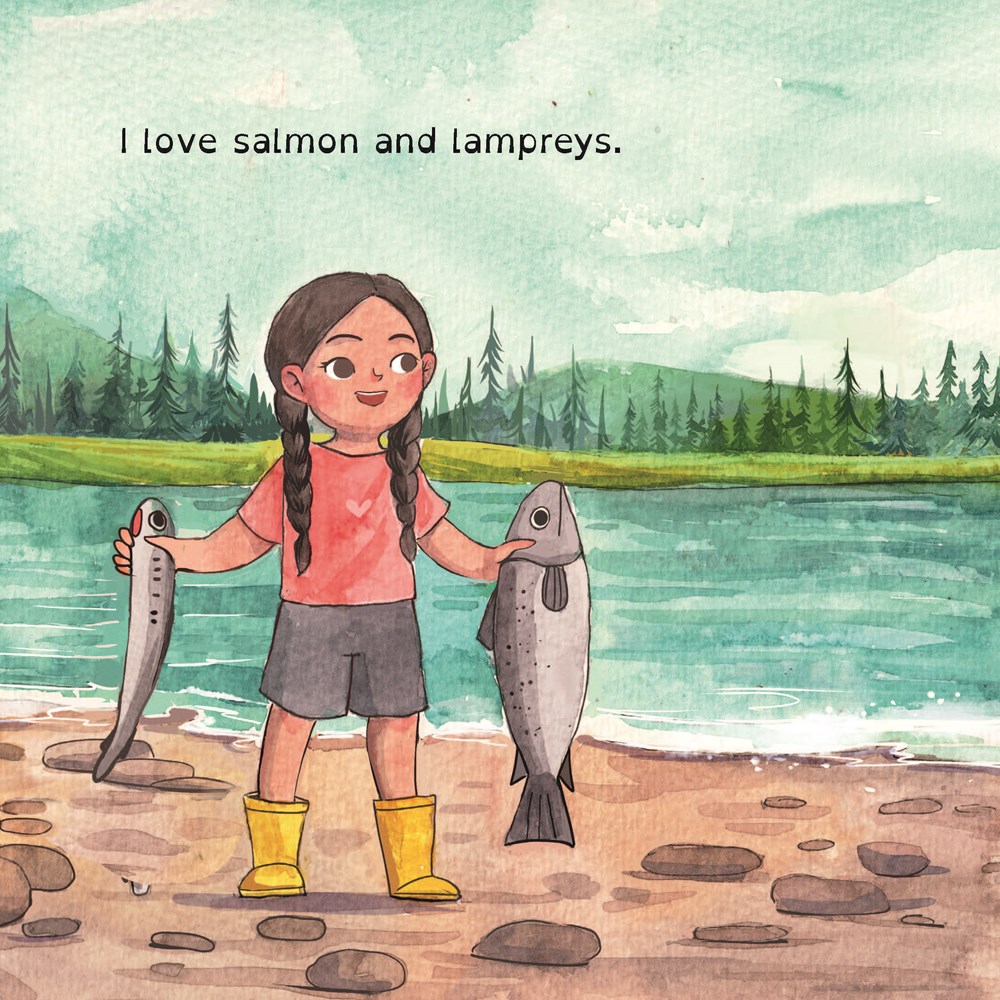
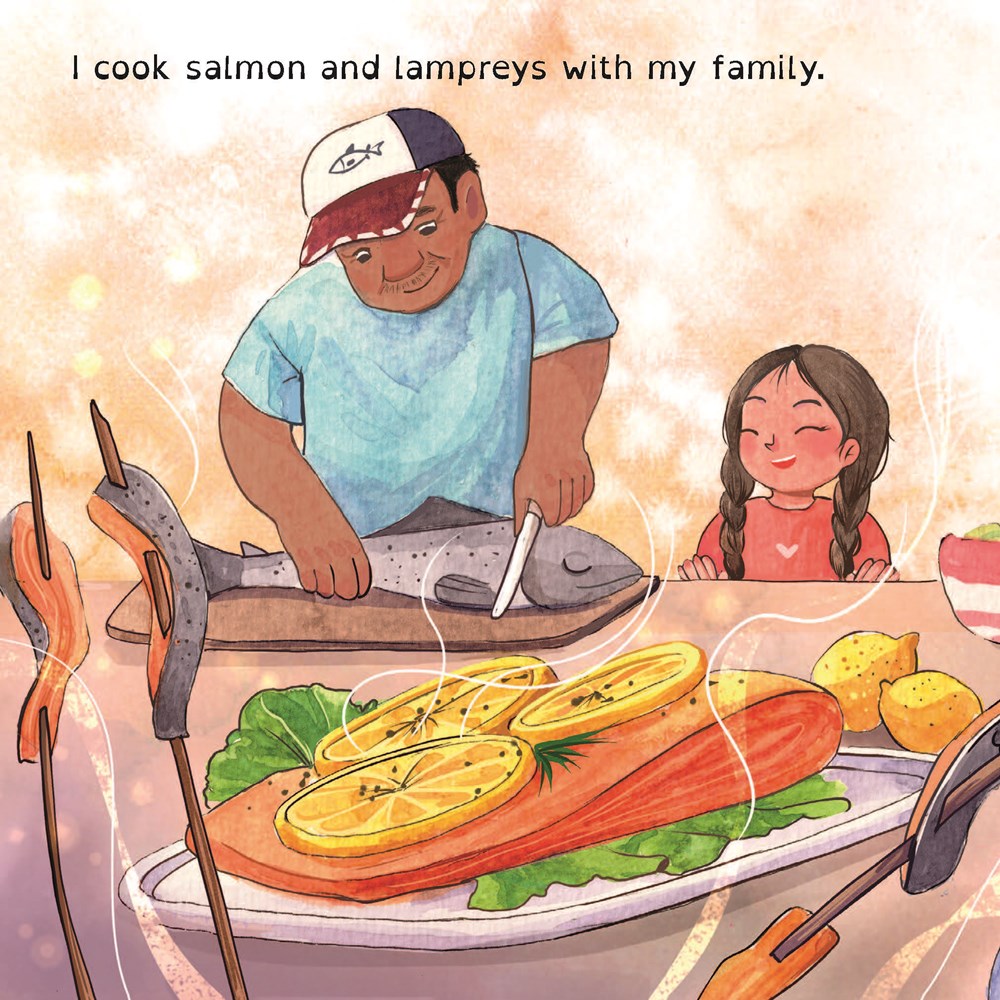
In her powerful autobiographical story, Brook Thompson, a member of the Yurok and Karuk Tribes, warmly invites readers to join her on her journey from childhood to the present day to experience her intense love for her tribes’ traditions and the fish that sustain them. Readers are first taken out on Brook’s family’s fishing boat, where her father and her grandfather tell stories of their own childhoods as they check the nets in their designated fishing spots along the Klamath River in Northern California. Then it’s back home to learn how Brook helps cook the fish (lampreys in the winter and salmon the rest of the year) in a wide variety of delicious ways.

Illustration © 2025 by Anastasia Khmelevska, text © 2025 by Brook M. Thompson. Courtesy of Heyday.

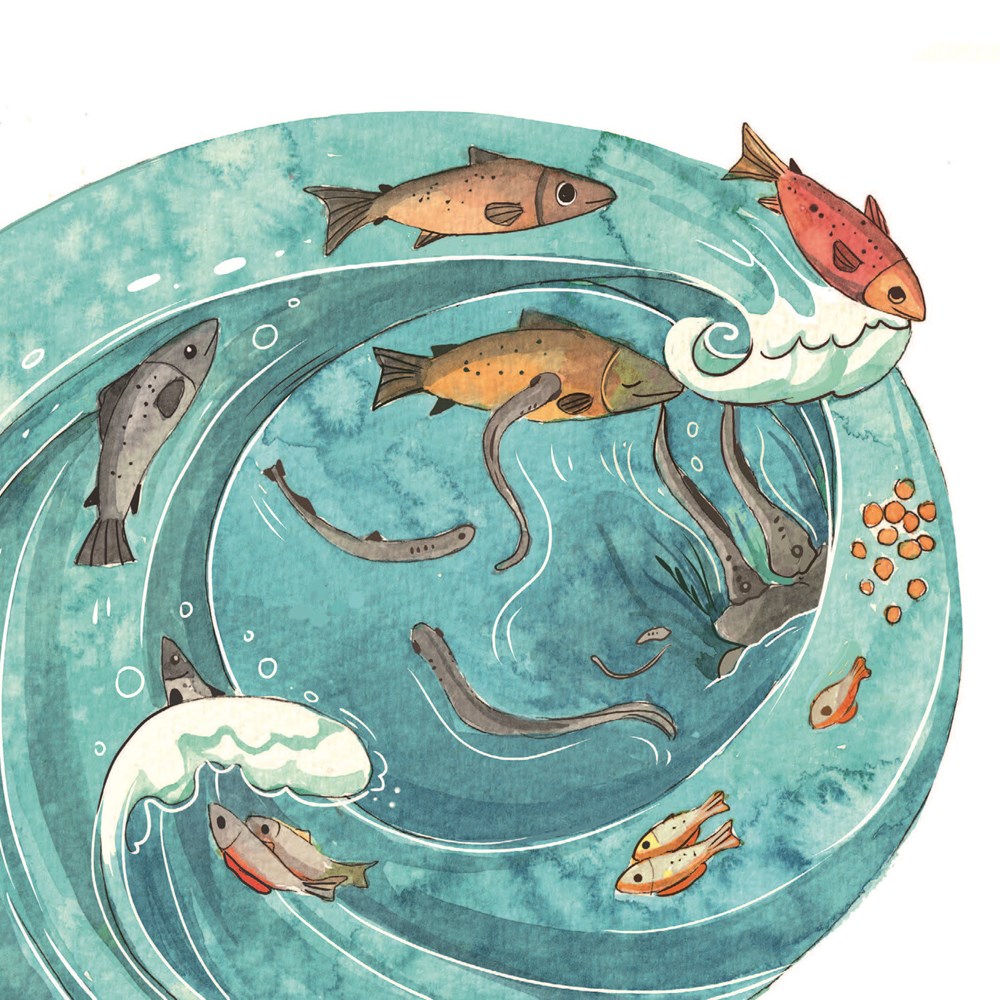
Salmon and lampreys are more than just food to Brook, however. They are creatures of the earth to be admired and honored. She tells readers about their life and spawning cycles, how they predate the dinosaurs, and even about their fascinating symbiotic relationship. For Brook, this love she feels is shared. She says, “I feel loved by salmon because years ago my ancestors took care of the salmon for their future family” and reveals that the fish in the river now “are the great-great-great-great-great-great-grandkids of the salmon who had a relationship with my great-grandparents.”

Illustration © 2025 by Anastasia Khmelevska, text © 2025 by Brook M. Thompson. Courtesy of Heyday.

In 2002, when Brook was still young, over 60,000 salmon perished from a parasite which spread when the water level of the river became too low and the temperature too hot due to the six dams erected on the river. She explains how dams “block the salmon’s way home” and how the warming water promotes the growth of toxic green algae, which affects the fishes’ breathing and spreads disease. 

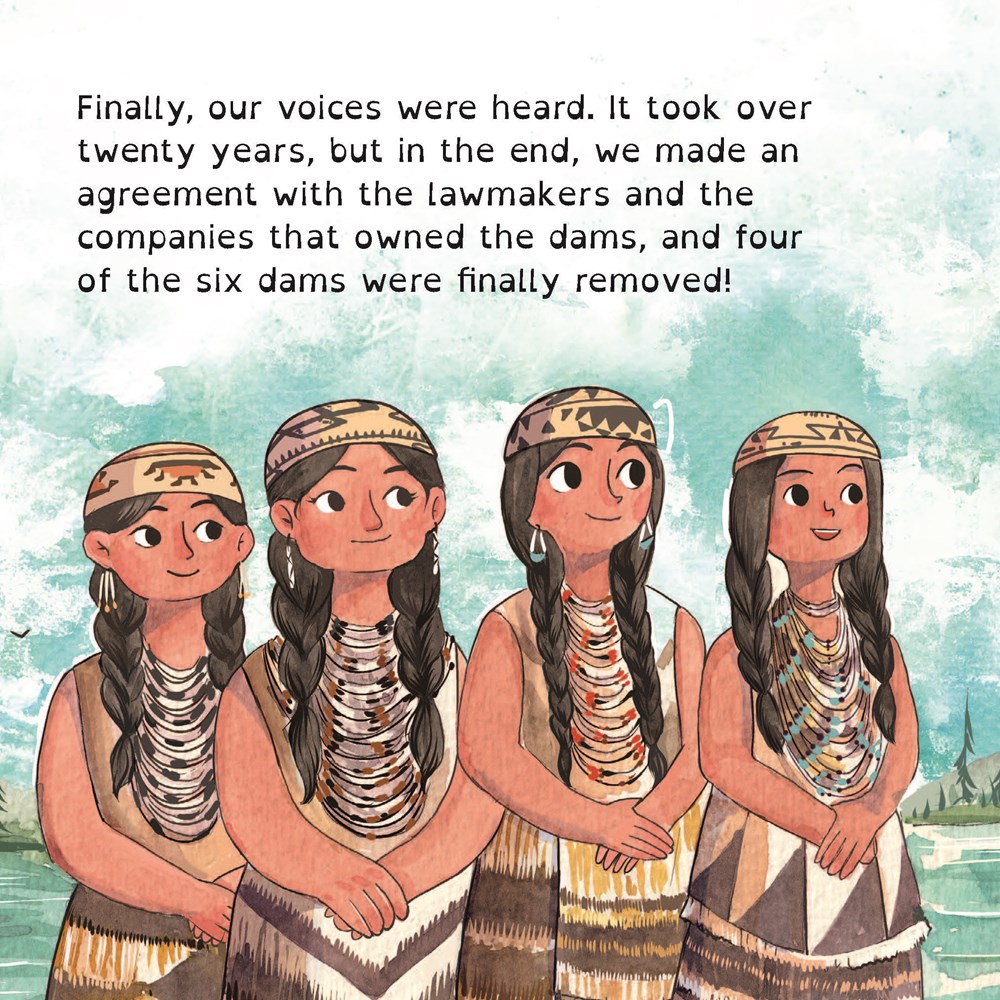
Brook joined protests by the tribal people and others, while scientists did research and local politicians lobbied for change. More than 20 years later agreements with the politicians and the companies that owned the dams were signed, and four of the six dams along the Klamath River were removed.

Illustration © 2025 by Anastasia Khmelevska, text © 2025 by Brook M. Thompson. Courtesy of Heyday.

As she grew into adulthood and inspired by her experiences, Brook set her eyes on higher education. She “went to college to learn about dams and about how to protect salmon in the future.” She became an engineer and a scientist who studies the interconnectedness of  “water, nature, people, animals, and buildings” and returned home to the Klamath River, where she continues the legacy of her ancestors in caring for the salmon, lampreys, and the environment.

Back matter includes Fun Facts about lampreys and salmon; photographs of Brook with salmon and at Iron Gate Dam, which was removed in 2024; a map of the Klamath River Watershed area; a note about the inspiration behind the book as well as the book’s font, OpenDyslexic, which makes it easier for those with dyslexia, like Brook, to read; and notes about the author and illustrator.

Illustration © 2025 by Anastasia Khmelevska, text © 2025 by Brook M. Thompson. Courtesy of Heyday.

Brook Thompson, in her compelling autobiographical story, will captivate children and touch their hearts. Thompson’s eloquent and straightforward storytelling immediately immerses readers in the Native relationship with nature and will inspire both young and adult readers to think deeply about how the earth sustains us and how we can show our appreciation in return. The theme of environmental justice and how citizens can and do make a difference is made personal through Thompson’s clear explanations of how the dams affected the salmon population and the long-term steps people took to reverse their damage. Thompson’s dedication—even from childhood—to her tribes, family, and future generations will impress readers. Children will also develop an understanding of how issues of interest to them now can inform their future endeavors.

Anastasia Khmelevska’s vibrant earth tone illustrations endear Brook to children through her evident passion for family, fishing, and the salmon and lampreys that have been a constant in her tribes’ lives. Her pacing and realistic depictions of people and events help children clearly understand the importance of each element of Thompson’s story from how the cyclical lives of salmon and lampreys are demonstrated in a swirling wave to the stunning landscapes highlight of the Pacific Northwest. These images make her depiction of the salmon die-off all the more impactful. Her final portrait of Brook Thompson coming home after earning her university degrees links her life to the salmon she loves so well. 

The combination of Native culture and environmental awareness makes I Love Salmon and Lampreys: A Native Story of Resilience a must addition to school and public libraries. The book offers extensive value and research opportunities for science and social studies classes. For families who care about the environment, sustainability, activism, and the future of our planet, I Love Salmon and Lampreys would be a much-loved choice.

Ages 4 – 8

Heyday, 2025 | ISBN 978-1597146685

About the Author

Brook M. Thompson is a part of the Yurok and Karuk Tribes. She is a neurodivergent and Two-Spirit author with dyslexia. She has a BS in civil engineering from Portland State University and an MS in environmental engineering from Stanford University, and she will soon have a PhD in environmental studies from University of California, Santa Cruz, where she studies water, politics, restoration, and salmon. You can find out more about her at brookmthompson.com.

About the Illustrator

Anastasia Khmelevska is an illustrator based in Lviv, Ukraine. She has illustrated several children’s books, including My Invisible Zoo, Marella the Mermaid, and Anything Helps. Follow her on Instagram @cute_miuu.

Expanding Girls’ Horizons in Science and Engineering Month Activities

Illustration © 2025 by Anastasia Khmelevska, text © 2025 by Brook M. Thompson. Courtesy of Heyday.

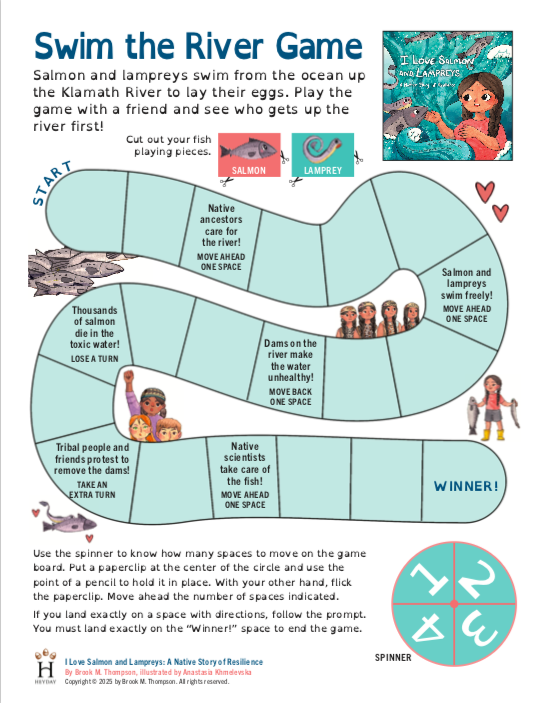
I Love Salmon and Lampreys Activity Pages

Play a printable board game, write about your dreams for the future, and learn fun facts about salmon and lampreys with these three I Love Salmon and Lampreys Activity Pages!

Chinook and Coho Salmon Coloring Pages

Coho and Chinook Salmon are vital to the Pacific Northwest. You can learn more about California salmon at caltrout.org. Enjoy these coloring pages of coho and chinook salmon. Colored images are included for your reference.

Chinook Salmon Coloring Page | Colored Image of Chinook Salmon

Coho Salmon Coloring Page | Colored Image of Coho Salmon

You can purchase I Love Salmon and Lampreys: A Native Story of Resilience at these bookstores

Amazon | Barnes & Noble | Bookshop

Picture Book Review

August 23 – It’s National Fishing Month

celebrate-picture-books-picture-book-review-back-roads-country-toads-cover

About the Holiday

Is fishing your thing? Do you like nothing better than heading down to the lake or stream and spending a relaxing day with a fishing pole, some bait, and the possibility of reeling in a “big one?” Perhaps you like fly fishing better, challenging yourself to flick that hook in just the right place. Then again, maybe taking a boat out to deep water and pitting yourself against the truly big fish is more your style. However you like to fish, make some time to enjoy your hobby this month!

Back Roads, Country Toads

Written by Devin Scillian | Illustrated by Tim Bowers


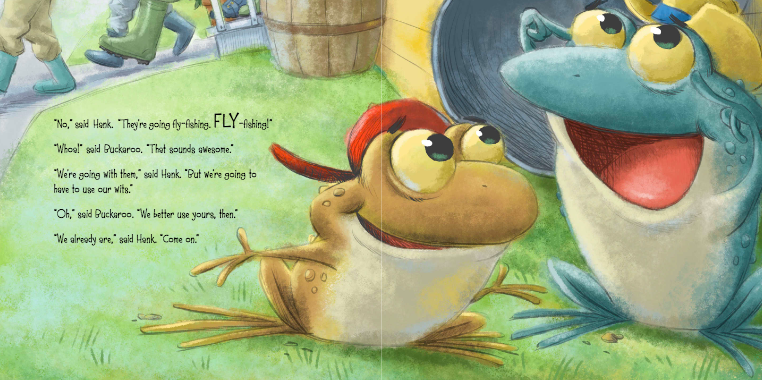
Best toady friends, Hank and Buckaroo, were just hanging out in “their favorite drainpipe near Cooper’s General Store” sipping the last drops from a discarded bottle of strawberry soda when they overheard Mr. Cooper and his friends talking about going fly-fishing. Hank and Buckaroo thought FLY-fishing sounded awesome and wanted to go along. They spied the perfect place to catch a ride: the fishermen’s open lunch basket. With a KERPLOP! they jumped in.

celebrate-picture-books-picture-book-review-back-roads-country-toads-drain-pipe

Image copyright Tim Bowers, 2019, text copyright Devin Scillian, 2019. Courtesy of Sleeping Bear Press.

Soon they were on their way to what Buckaroo said would be “‘the greatest day of their lives.’” “‘Toadally,’” agreed Hank. While they rode to the fishing stream, Hank and Buckaroo sang “When You Fish Upon a Star,” and as soon as the truck stopped they jumped out and hid in a nearby bush. But Emmitt the raccoon was already there. Hank and Buckaroo were reveling in the glory that was going to be that day’s “‘fly cafeteria’” and “‘down-home big-time fly barbecue’” when Emmitt gave them the bad news. Hank didn’t believe it. He thought “‘fishing WITH flies’” instead of “‘fishing FOR flies’” sounded ridiculous.

celebrate-picture-books-picture-book-review-back-roads-country-toads-fly-fishing

Image copyright Tim Bowers, 2019, text copyright Devin Scillian, 2019. Courtesy of Sleeping Bear Press.

And just then a nice juicy fly sailed by. Hank leaped and released his long tongue, but Emmitt pulled him back just before he grabbed onto the fake fly. The three watched as the fishermen caught fish after fish with the imitation flies. Hank and Buckaroo couldn’t imagine what Mr. Cooper and the rest of the fishermen would want with “‘those smelly fish.’” Emmitt disagreed—he loved smelly fish. To prove his point, he ran up and snatched one from the fishermen’s bucket.

celebrate-picture-books-picture-book-review-back-roads-country-toads-picnic-basket

Image copyright Tim Bowers, 2019, text copyright Devin Scillian, 2019. Courtesy of Sleeping Bear Press.

Seeing the fish, Hank had a brainstorm and asked to “‘borrow’” Emmitt’s fish. He placed it on a rock in the sun and went back to their hiding place in the bushes. Emmitt and Buckaroo were confused. But “before long, a swarm of flies hovered over the fish.” When there was a large cloud of flies, “Hank croaked, ‘Let’s go fishing!’” Their tongues snapped in the air, reeling in dozens of flies. When they were filled to the brim, they gave the fish back to Emmitt and happily made plans to go fly-fishing again the next Saturday.

celebrate-picture-books-picture-book-review-back-roads-country-toads-pork-rinds

Image copyright Tim Bowers, 2019, text copyright Devin Scillian, 2019. Courtesy of Sleeping Bear Press.

Devin Scillian’s clever, pun-filled fish story has everything needed to hook young readers and deliver a funny story time. With the lure of all the flies they can eat, Hank and Buckaroo take action to have the best day of their lives and discover a new hobby. When they meet up with Emmitt the raccoon and learn that their initial idea was a bit off the mark, Hank shows persistence and innovative thinking to make their fishing dreams come true. Demonstrating acceptance of each other’s different tastes and some creative cooperation, the camaraderie among Hank, Buckaroo, and Emmitt serves as a good example for readers. The close bond between Hank and Buckaroo—and their hilarious dialog—will endear them to kids, leaving them wanting more from this “toadally” charming duo.

Screen Shot 2019-08-28 at 3.36.36 PM

Tim Bowers’ energetic toads, with their wide smiles, eager eyes, and spirited personalities are obvious best friends from the first page. Bowers’ vibrant, action-packed illustrations are laugh-out-loud funny as Buckaroo and Hank grow giddy at the thought of all those flies they’re going to catch, flick their loooong tongues, and hobble down the road with overstuffed bellies. Emmitt may chuckle at the toads’ misinterpretation of “fly-fishing,” but he’s a true and trusting friend to rescue Hank from a fisherman’s line and lend his filched treat to attract their lunch. In the background, images of the two fishermen and their young protégés casting their lines and reeling in bucket-loads of fish add depth, interest, and visual clues for readers.

A comical, well-developed tale that will captivate kids, Back Roads, Country Toads is a winner for group story times or one-on-one fun at home, in the classroom, or for public libraries.

Ages 5 – 8

Sleeping Bear Press, 2019 | ISBN 978-153411039

Discover more about Devin Scillian, his books, music, and journalism on his website.

To learn more about Tim Bowers, his books, and his art, visit his website.

National Fishing Month Activity

celebrate-picture-books-picture-book-review-tackle-the-tackle-box-game

Tackle the Tackle Box Board Game


A good fisherman always needs a well-stocked tackle box. Play the Tackle the Tackle Box Game to earn lures, bobbers, hooks and more to fill your box. The first player to complete their set is the winner! For more fun, you can color the tackle box items any way you like. There are even three extra cards for you to draw your own tackle box items!

Supplies

celebrate-picture-books-picture-book-review-tackle-the-tackle-box-game-cards

Directions

  1. On card stock, heavy paper, or regular paper, print one Tackle the Tackle Box Game Board for every player
  2. On card stock, heavy paper, or regular paper, print one set of Tackle the Tackle Box Game Cards for every player
  3. Each player can color their set of playing cards (optional)
  4. Three spaces are left blank for kids to design their own lures, bait, and flies too (optional)
  5. Cut the cards apart
  6. Gather all the cards and set in separate piles
  7. Roll the die to determine who goes first, highest roll goes first
  8. The first player rolls the die, and adds the item that corresponds to the number on the die. The list is below.
  9. Play continues with each player rolling the die and collecting cards
  10. If the player rolls a number for a card that he or she already has, the die passes to the next player
  11. The first player to fix their tackle box is the winner!

Each number of dots on the die corresponds to these cards:

1: FISH LURES

2: HOOKS

3: WORMS

4: FISHING LINE

5: FLIES

6: BOBBERS

celebrate-picture-books-picture-book-review-back-roads-country-toads-cover

You can find Back Roads, Country Toads at these booksellers

Amazon | Barnes & Noble | Books-a-Million

To support your local independent bookstore, order from

Bookshop | IndieBound

Picture Book Review
Pic

April 1 – National Siblings Day

celebrate-picture-books-picture-book-review-elsie-cover

About the Holiday

National Siblings Day gives people a chance to honor the special bond they have with their brothers and/or sisters. Whether you come from a big family or small, are the oldest, youngest, or somewhere in between, your siblings have had a big influence on your life. Today, take a little time to text or call and do a little reminiscing. At home, engage in some special sibling-bonding fun!

Elsie

Written by Nadine Robert | Illustrated by Maja Kastelic

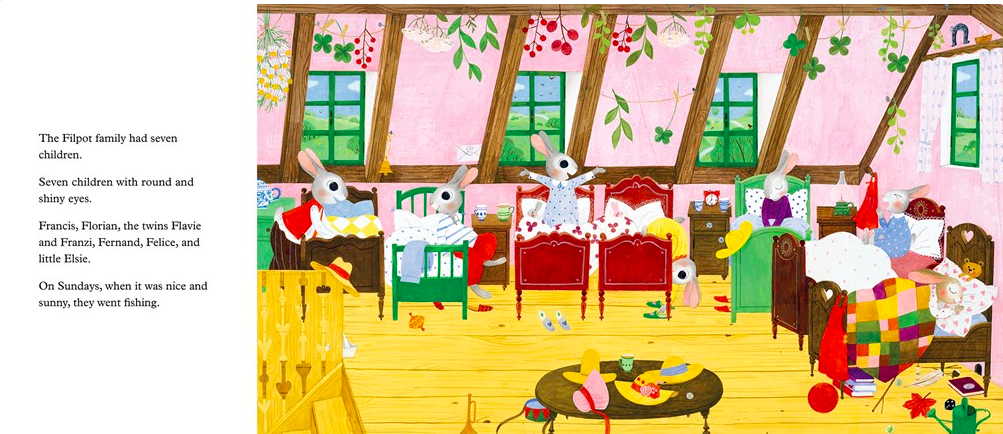
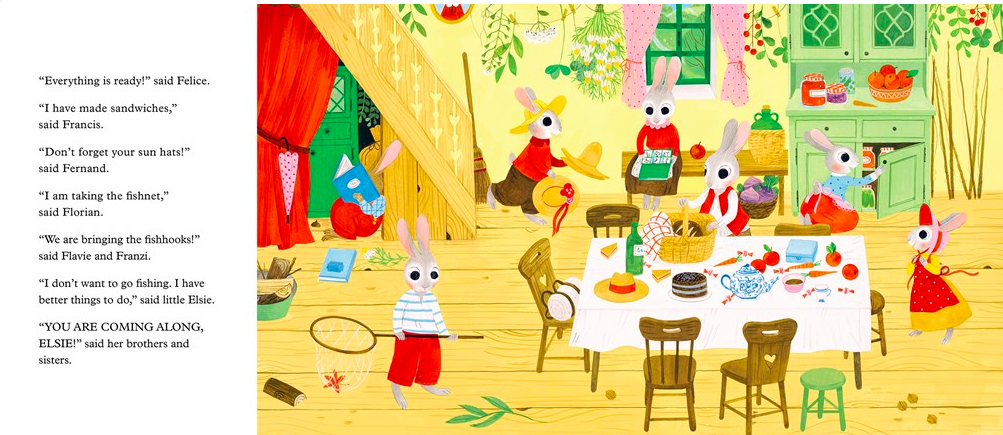
Elsie Filpot had six siblings—“Francis, Florian, the twins Flavie and Franzi, Fernand, [and] Felice.” They loved to go fishing on sunny Sundays. On this Sunday, each brother and sister gathered something for the trip. But little Elsie didn’t feel like going. She had “better things to do.” But her siblings shouted, “‘YOU ARE COMING ALONG, ELSIE!’” So Elsie tagged along.

celebrate-picture-books-picture-book-review-elsie-bedroom

Image copyright Maja Kastelic, 2020, text copyright Nadine Robert, 2020. Courtesy of Abrams Books for Young Readers.

Outside, each one wanted to take the path through the woods they’d used before. Franzi remembered that the “trail is so pretty.” Francis liked the “wild rose bushes along the way,” and Felice added: “they smell so nice.’” But Elsie wanted to “walk along the brook. It’s faster,’” she said. Her siblings said, “‘DON’T DO IT, ELSIE! FOLLOW US.’” So Elsie followed them down to the river where their little stick fishing rod holders still stood.

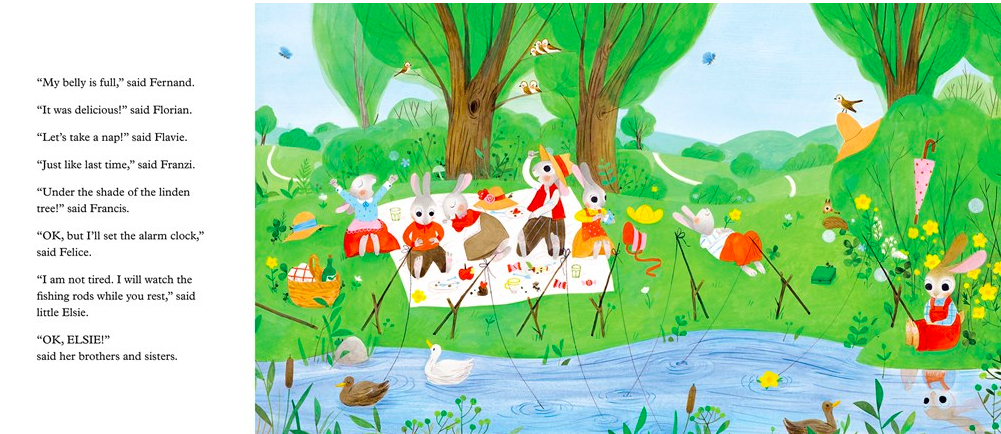
Elsie’s sisters and brothers were eager to get started. Felice needed help casting her line, and Francis offered to help. Florian and Fernand had already dipped their lines in the water when Elsie said, “‘I am going to put this little buttercup on my hook.’” Her siblings told her that would never work, but she baited her line anyway. It was lunchtime before they knew it, so they set out a picnic with sandwiches and cake. Elsie wasn’t hungry and said she was going to feed her sandwich to the ducks. When her siblings heard this, they said, “‘DON’T DO IT, ELSIE! THEY WON’T EAT IT.’’ But the ducks did nibble the bit she gave them.

celebrate-picture-books-picture-book-review-elsie-kitchen

Image copyright Maja Kastelic, 2020, text copyright Nadine Robert, 2020. Courtesy of Abrams Books for Young Readers.

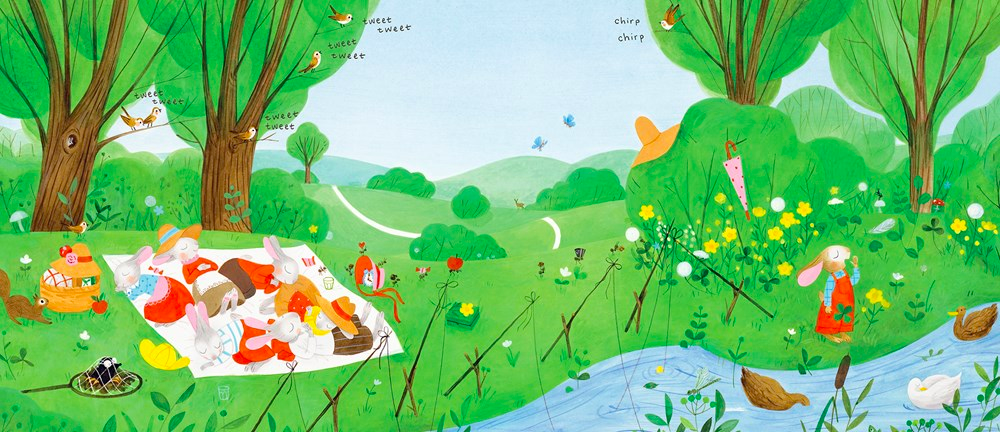
After lunch Elsie’s sisters and brothers were so full and sleepy that they took a nap. Elsie watched their rods as she continued fishing with her buttercup lure. In time, even Elsie fell asleep. When her siblings woke up, they rushed to check their lines. One was bobbing—Elsie’s! Fernand tried to wake her, but she just wanted “‘five more minutes…just five minutes. Pleeeease!’” When she heard she’d caught a fish, though, she jumped up to go see.

celebrate-picture-books-picture-book-review-elsie-river

Image copyright Maja Kastelic, 2020, text copyright Nadine Robert, 2020. Courtesy of Abrams Books for Young Readers.

Each of Elsie’s siblings gave advice on how to bring the fish out of the water. Francis declared that it was “‘a big one!’” Elsie went down into the water with the fishnet, but her brothers and sisters told her that “‘was useless.’” But was it? Everyone was amazed when little Elsie brought up the big fish. The sun was beginning to set, so the Filpot bunnies got ready to go home. Franzi, Flavie, Felice, and Francis carried the fish; Florian grabbed the picnic basket; and Fernand gathered up the rods. And Elsie? She carried her pink umbrella and led the way along the brook. Which her siblings thought was “…AN EXCELLENT IDEA!’”

celebrate-picture-books-picture-book-review-elsie-lunch

Image copyright Maja Kastelic, 2020, text copyright Nadine Robert, 2020. Courtesy of Abrams Books for Young Readers.

Charming and sunny, Nadine Robert’s Elsie combines the feel and rhythms of a traditional classic with the camaraderie and humor that makes for a family favorite today. As each brother and sister chimes in on the plans and execution of their Sunday fishing trip, Robert’s bouncy dialogue is a joy to read aloud and leads to littlest sister Elsie’s contributions and her siblings’ insistent response. On successive readings, children will love joining in on these lines. With the whimsy of little ones, Elsie goes in her own direction, and, to the delight of readers, comes up with the day’s big catch. While the older siblings initially take charge, Robert depicts the family dynamics with love. Elsie’s siblings don’t stop her from doing what she wants and when she does catch a fish with a buttercup and a net, they enthusiastically congratulate her, help her bring it in, and then follow her lead home.

celebrate-picture-books-picture-book-review-elsie-naps

Image copyright Maja Kastelic, 2020, text copyright Nadine Robert, 2020. Courtesy of Abrams Books for Young Readers.

Maja Kastelic’s tempera and watercolor illustrations are as delightful as a lazy warm summer day. From the Filpot’s enchanting home, decorated with dried flowers and cozy touches, to the rolling green hills that lead to the river and are populated with birds, squirrels, deer, and even a hapless mole who pops out of the ground at an inopportune place, Kastelic gives children plenty of “look at that!” moments on each page. She also adds bits of humor—as in the parade of ants that appears as soon as the picnic basket is opened and the bunnies snooze. Children will want to linger over the pages to match the dialogue to the speakers and to keep up with Elsie as she does her own thing. As the sun goes down and stars fill the midnight blue sky, the story may come to an end, but only until you flip to the beginning to read it again.

Lovely in every way, Elsie will become a quick favorite for kids and adults to share. With lots of opportunities for dramatic readings, the book is perfect for bedtime or energetic story times. Elsie makes an excellent gift and is highly recommended for home, school, and public library collections.

Ages 4 – 8

Abrams Books for Young Readers, 2020 | ISBN 978-1419740725

Discover more about Nadine Robert and her books on her website.

To learn more about Maja Kastelic, her books, and her art on her website.

National Siblings Day Activity

celebrate-picture-books-picture-book-review-sweet-bunny-candy-jar

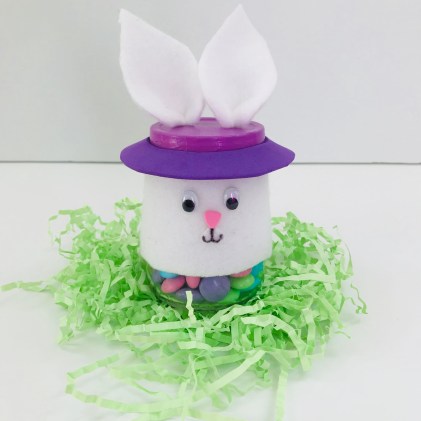
A little bit of candy makes any day sweeter! With this Sweet Bunny Candy Jar, you can give a child, a friend, or even yourself a special treat that will make you hoppy!

Supplies

  • Printable Hat Rim and Bunny Ears Template
  • Baby food jar (or any small jar)
  • White fleece, 8 ½ inches by 11 inches (paper, felt, or other material works too)
  • 1 piece of purple foam or paper (Or any color you’d like to make the hat) 
  • Small piece of pink foam, felt, or paper for nose
  • Googly eyes (I used oval)
  • Medium pom-pom or cotton ball
  • Craft paint, purple (or whatever color you’d like to make the hat)
  • Fabric glue or other glue
  • Black ultra-fine or fine tip permanent marker
  • Scissors
  • Large nail (optional)
  • Hammer (optional)

IMG-2614

Directions

  1. Remove label from baby food jar
  2. Clean and dry jar and lid
  3. Trace the hat rim template onto the purple foam
  4. Cut out the rim of the hat and remove the center
  5. Trace the ears template onto the white fleece and cut out

To Make the Body and Face

  1. Cut a 2-inch wide by 7-inch long strip of white fleece
  2. Glue the strip of fleece to the jar under the threaded lip and leaving about ½ inch of glass showing at the bottom
  3. Glue on the googly eyes
  4. Cut a little nose from the pink foam and glue to the face
  5. Make the mouth with the permanent marker on a little piece of fleece, cut out and glue under the nose

To Make the Hat

  1. Paint the lid with the purple paint. Let dry.
  2. With the nail or ice pick and hammer, make a hole on either side of the lid to insert the ears. You can make the hole a little bigger with a phillips head screwdriver
  3. Flip the lid over and hammer the edges of the hole flat
  4. Attach the hat rim to the lid

Option: Instead of making holes in the jar lid, gather and glue together the wide ends of the ears, let dry. Glue ears to lid. If using paper, fold wide end and glue to lid.

To Insert the Ears

  1. Pinch the end of one ear together and push it through one hole in the lid.
  2. Pull it through the hole a bit to form the ear
  3. Repeat with the other ear

Finish the Bunny

  1. Add the foam rim to the lid
  2. Glue the pom-pom to the back of the jar for the tail
  3. Add M&Ms, jelly beans, or other small candy

celebrate-picture-books-picture-book-review-elsie-cover

You can find Elsie at these booksellers

Barnes & Noble | Books-a-Million

To support your local independent bookstore, order from

Bookshop | IndieBound | Powell’s 

Picture Book Review