October 2 – It’s Family History Month

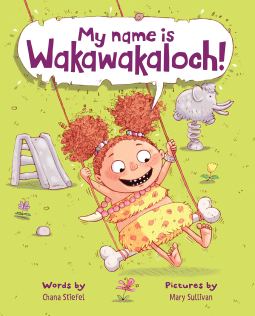
celebrate-picture-books-picture-book-review-my-name-is-wakawakaloch-cover

About the Holiday

Family History Month has been celebrated in October since 2001. Coming before the family holidays of fall and winter, it’s a fantastic time to explore your family history. Knowing the people who you came from can be enlightening in so many ways. Not only can you find out where your ancestors came from geographically, you can learn what traits have been passed down from generation to generation—traits that have made you who are. This month take time to dig into your genealogy. Online databases and other research methods make it easier than ever to learn more about your family history!

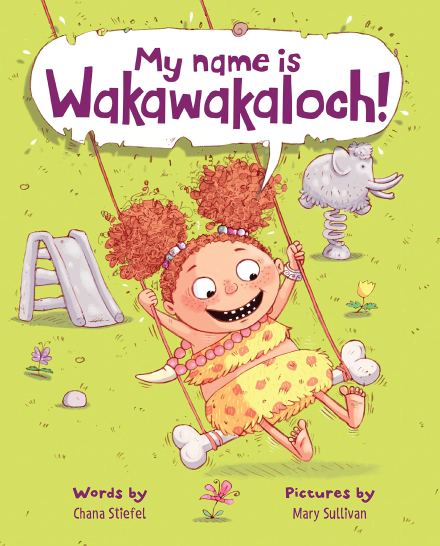
My Name is Wakawakaloch!

Written by Chana Stiefel | Pictures by Mary Sullivan


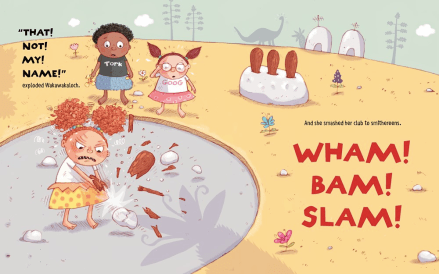
Wakawakaloch had a problem. Well, it wasn’t really her problem; none of the kids at school could pronounce or even remember her name. After another day in which her name was mangled (Oog called her “‘Walawala,’” Boog shouted “‘Look out, Wammabammaslamma!’” and Goog cheered her on during Club Club with “‘Swing, Lokamokatok!’”), Wakawakaloch was as angry as an erupting volcano.

celebrate-picture-books-picture-book-review-my-name-is-wakawakaloch-easy-club-club

Image copyright Mary Sullivan, 2019, text copyright Chana Stiefel, 2019. Courtesy of HMH Books for Young Readers.

When her parents asked what was wrong, Wakawakaloch said she wanted to change her name to Gloop. Pa thought Gloop was a good name, but reminded his daughter that her name had been “‘in family many, many moons.’” But Wakawakaloch was inconsolable. Not only could no one say her name right, but she never found it on any T-shirts. Ma and Pa thought there was only one thing to do—take her to see Elder Mooch.

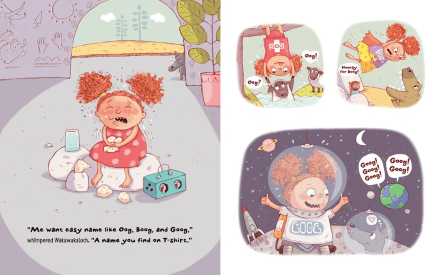
Despite his leathery skin and aroma of “rotting mammoth poop,” Elder Mooch was an insightful Neanderthal. He started off with an ill-considered joke that set Wakawakaloch reaching for tissues from the nearby dispenser rock. But she poured out her heart and the fact that she wanted an easy name, one found on T-shirts. She could just imagine all of the heroic and adventurous things she could do with a name and T-shirt like that.

celebrate-picture-books-picture-book-review-my-name-is-wakawakaloch-easy-name

Image copyright Mary Sullivan, 2019, text copyright Chana Stiefel, 2019. Courtesy of HMH Books for Young Readers.

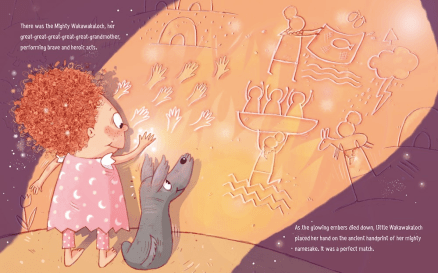
Elder Mooch looked at her and then bestowed his wisdom. He told her she was a “‘forward thinker’” but “‘must be a backward seer too.’” This bit of knowledge cost her two pigeons and left her smoldering. What did he mean by that? Later that night as she tossed and turned in bed, she caught a glimpse of the paintings on her wall. They showed her great-great-great-great-great grandmother Wakawakaloch “performing brave and heroic acts…. Little Wakawakaloch placed her hand on the ancient handprint of her mighty namesake. It was a perfect match.”

celebrate-picture-books-picture-book-review-my-name-is-wakawakaloch-cave-drawing

Image copyright Mary Sullivan, 2019, text copyright Chana Stiefel, 2019. Courtesy of HMH Books for Young Readers.

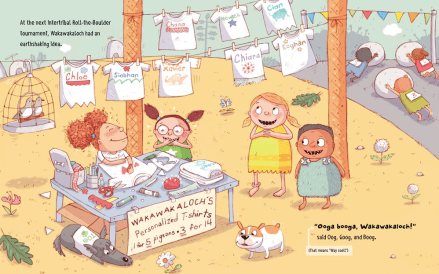
In the morning, Wakawakaloch was smiling. She no longer wanted to be called Gloop, and she told her parents that she was ready to help others. When the Roll-the-Boulder tournament came round, Wakawakaloch had her personalized T-shirt stand all set. Oog, Boog, and Goog thought her shirts for Chana, Sioban, Xavier, Eoghan were “‘Ooga booga’ (way cool).” Wakawakaloch had even made one for herself. Elder Mooch wanted to buy three, and when little Hoopaloopie came by, Wakawakaloch got to work on another shirt.

celebrate-picture-books-picture-book-review-my-name-is-wakawakaloch-tee-shirts

Image copyright Mary Sullivan, 2019, text copyright Chana Stiefel, 2019. Courtesy of HMH Books for Young Readers.

For all those kids who never find their names on shirts, mugs, necklaces, keychains, or other personalized items and who frequently hear the question, “How do you pronounce that?,” Chana Stiefel’s book is for you! This fresh tale will also resonate with any child who feels different for any reason. Wakawakaloch, with her strong personality, thoughtful introspection, and creative solution, is a character that readers will love and want to emulate. Stiefel deftly navigates this sensitive landscape with a combination of honest feelings and hilarious mispronunciations, prehistorical details, and descriptions. Readers will laugh all the way through but will also be absorbing the lesson that everyone should embrace their own “mighty” personality and be celebrated and recognized for their unique qualities.

In her vibrant illustrations, Mary Sullivan creates a comically anachronistic ancient world, where safety cones made of stone mark the playground, a stone telescope is aimed out the window, mail is delivered (this part may be accurate, I’d have to check), and cupcakes are eaten with forks. Kids will want to linger over each page to point out all of the funny elements that add depth and glee to this story. Wakawakaloch shows the feelings bubbling up inside her with furrowed brows, livid gestures, and ready tears, while the other kids cluelessly continue to distort her name even after being told the right pronunciation multiple times. Wakawakaloch’s visit to Elder Mooch is a funny take on therapy sessions, but his advice leads to a welcome image of contemplation and realization that makes Wakawakaloch appreciate her family history and also want to contribute to its—and society’s—advancement. Wakawakaloch’s T-shirt booth is sure to inspire kids to make their own shirt too.

A delightfully inventive story with many applications and prompts for further discussion as well as activities celebrating individuality, My Name is Wakawakaloch! will be a much-asked-for favorite on home, classroom, and public library shelves.

Ages 4 – 7

HMH Books for Young Readers, 2019 | ISBN 978-1328732095

Discover more about Chana Stiefel and her books on her website.

To learn more about Mary Sullivan, her books, and her art, visit her website.

Check out My Name is Wakawakaloch! “ooga booga” book trailer!

Family History Month Activity

celebrate-picture-books-picture-book-review-family-tree-coloring-page

I Love My Family Tree! Coloring Page


Family trees are often filled with the names of grandparents, aunts, uncles, cousins, and where your family came from. But you can also fill the spaces with family traits that have made you who you are. Print this I Love My Family Tree! Coloring Page then write the names or draw pictures of your family members or family qualities that you admire in the hearts. Afterwards, grab your crayons, color the picture, and hang it where you can see!

celebrate-picture-books-picture-book-review-my-name-is-wakawakaloch-cover

You can find My Name is Wakawakaloch! at these booksellers

Amazon | Barnes & Noble | Books-a-Million | IndieBound

Picture Book Review


September 27 – Read a New Book Month

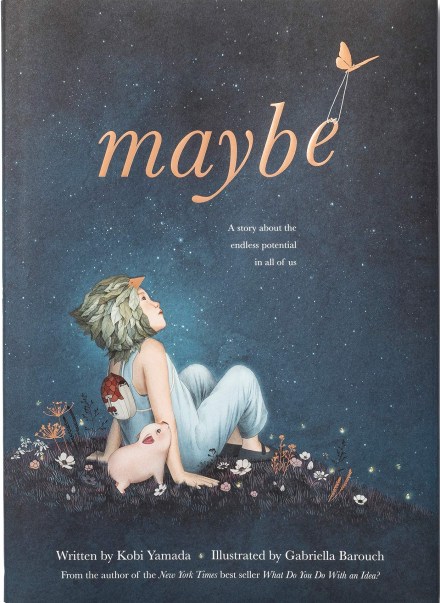
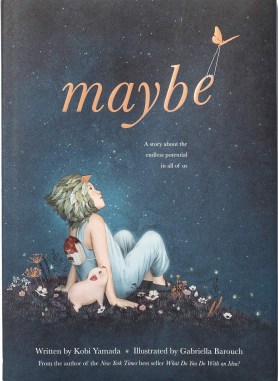
celebrate-picture-books-picture-book-review-maybe-cover

About the Holiday

As September winds down, there’s still time to feature one more new book for this month’s special holiday. Searching for and sharing new books—whether they are recently published or just new to you—is not only a fun way to spend a day together with kids, but an experience that pays big benefits now and in the future. Make a plan to add a few new books to your home library or visit your local library today!

Maybe

Written by Kobi Yamada | Illustrated by Gabriella Barouch


“Have you ever wondered why you are here?” Not why are you HERE? But why are YOU here? There is a very special reason, you know. “You are the only you there ever has been or ever will be,” and because of this “you have so much to offer.” You might discover or design something completely new. But first, you should experiment and explore, guided by your hopes and dreams.

celebrate-picture-books-picture-book-review-maybe-mushroom

Image copyright Gabriella Barouch, 2019, text copyright Kobi Yamada, 2019. Courtesy of Compendium.

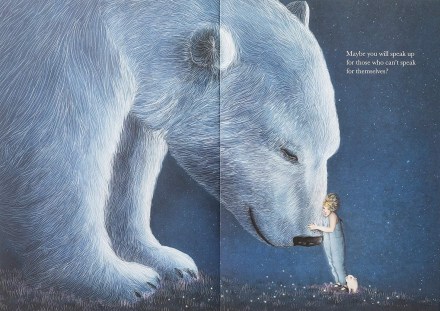
Perhaps your talent lies in helping “others to see the beauty in each day?” or maybe you will be the one that people cheer for. No matter what you do, do it with your whole heart and follow where that leads. It could be that you’ll be a light in the darkness. Or “maybe you will speak up for those who can’t speak for themselves?”This is not to say that life will always be easy. There will be struggles and fears and even failures, but each one will make you stronger and smarter.

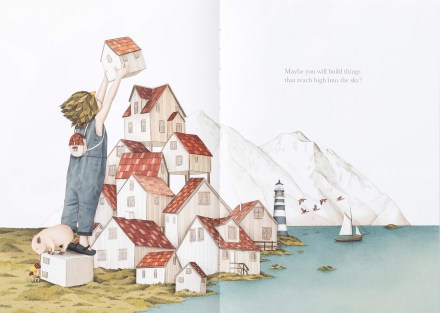
celebrate-picture-books-picture-book-review-maybe-houses

Image copyright Gabriella Barouch, 2019, text copyright Kobi Yamada, 2019. Courtesy of Compendium.

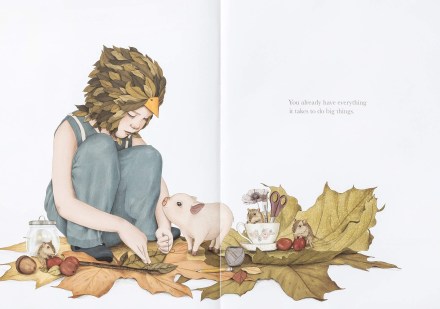
You have more courage than you might think, and the world is waiting for you. Just think—maybe “you are only scratching the surface of what you can do and who you can be?” But even now everything you need to do great things is inside of you. “Maybe you have no idea just how good you really can be” or “how much you matter?” But just your presence means that “anything is possible.”

celebrate-picture-books-picture-book-review-maybe-polar-bear

Image copyright Gabriella Barouch, 2019, text copyright Kobi Yamada, 2019. Courtesy of Compendium.

Like all parents and caregivers, Kobi Yamada understands that from day one children exhibit unique talents, personalities, and ideas that they will use to make their mark on the world. In Maybe, he beautifully expresses the ideals every adult wants their children to know and embrace. Yamada addresses that essential question that everyone asks themselves, starting in childhood and continuing throughout life. He offers reassurance that discovering one’s gift, place, or method of influence is not a one-time thing or quickly and easily found, and he encourages readers to take their time, explore, think, and keep their eyes and hearts open.

Kamada’s phrasing throughout the story is designed to uplift and also to promote thought and discussion. By ending lines that speak to what the reader might be or become with question marks, he invites children and adults to reflect on each suggestion. Sentences composed of self-esteem building ideas end with a period, reinforcing the wisdom in them. Yamada’s use of the word Maybe is also ingenious. Not only is it an adverb, prompting consideration, but deconstructed, May be becomes a verb bursting with promise. Sharing this book with their children, adults will also appreciate the sentiments—for as we know, life is ever-changing and we are too.

celebrate-picture-books-picture-book-review-maybe-sewing

Image copyright Gabriella Barouch, 2019, text copyright Kobi Yamada, 2019. Courtesy of Compendium.

Gabriella Barouch’s breathtaking illustrations immediately draw readers into the world of this story and the world of childhood with its mix of wonder, concreteness, imagination, and potential. The child’s striking cap made of leaves, coupled with their overalls, creates a clever way for Barouch to make the book gender-neutral while piquing readers’ interest in what they are doing from page to page. This child of nature quietly coexists with a fawn, bunny, birds, and squirrels and has, as a companion, one of the cutest piglets ever seen. Barouch’s use of various perspectives contributes to a fluid fluctuation between elements of fantasy and realism. As the story progresses, kids watch the child gathering supplies that she assembles in the final scenes to send her piglet off on its own adventure.

No maybe’s about it, Maybe is a book you’ll  want to add to your home, classroom, or public library collection.

Ages 5 and up

Compendium, 2019 | ISBN 978-1946873750

You can discover more about Kobi Yamada and his books on the Compendium website.

To learn more about Gabriella Barouch, her books, and her art, visit her website.

Read a New Book Month Activity

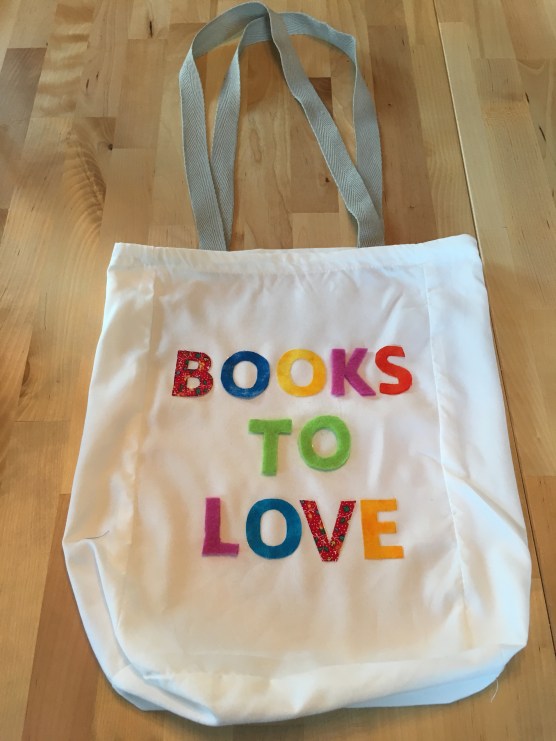
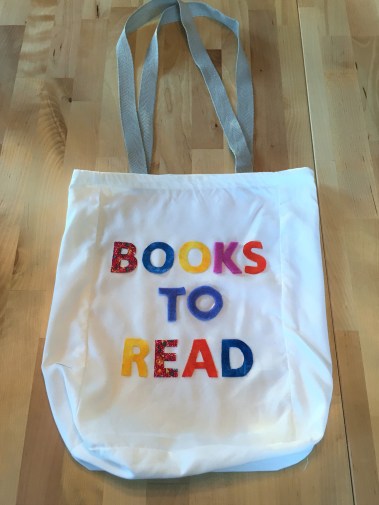
celebrate-picture-books-picture-book-review-book-bag-craft

Books to Love, Books to Read Book Bag


True book lovers can’t go anywhere without a book (or two or three) to read along the way. With this easy craft you can turn a cloth bag into a kid-size book bag!

Supplies

  • Printable Templates: Books to Read Template | Books to Love Template
  • Small cloth bag, available from craft or sewing stores—Recyclable Idea: I used the bag that sheet sets now come in
  • Cloth trim or strong ribbon, available from craft or sewing stores—Recyclable Idea: I used the cloth handles from shopping bags provided from some clothing stores
  • Scraps of different colored and patterned cloth. Or use quilting squares, available at craft and sewing stores
  • Pen or pencil for tracing letters onto cloth
  • Scissors
  • Small sharp scissors (or cuticle scissors) for cutting out the center of the letters
  • Fabric glue
  • Thread (optional)
  • Needle (optional)

celebrate-picture-books-picture-book-review-books-bag-craft

Directions

  1. Print the sayings and cut out the letters
  2. Trace letters onto different kinds of cloth
  3. Cut out cloth letters
  4. Iron cloth bag if necessary
  5. Attach words “Books to Read” to one side of bag with fabric glue
  6. Attach words “Books to Love” to other side of bag with fabric glue
  7. Cut cloth trim or ribbon to desired length to create handles
  8. Glue (or sew) handles onto the inside edge of bag

celebrate-picture-books-picture-book-review-maybe-cover

You can find Maybe at these booksellers

Amazon | Barnes & Noble | Books-a-Million | IndieBound

Picture Book Review

September 17 – It’s Friendship Month

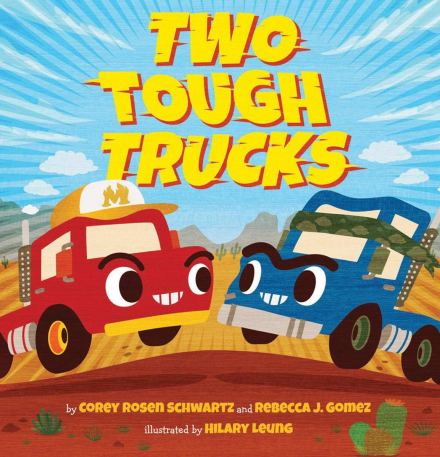
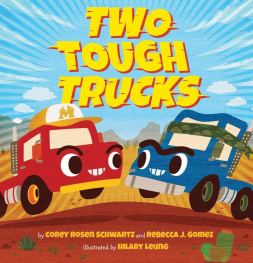
celebrate-picture-books-picture-book-review-two-tough-trucks-cover

About the Holiday

Established by the Oddfellows, an organization dedicated to philanthropy and charity, about ten years ago, Friendship Month encourages people to spend more time with their friends, get in touch with those they haven’t seen or talked to in a while, and especially to reach out to others who are alone or need a friend. As school gets underway, there are plenty of opportunities for kids to meet new people and form friendships – some of which may last a lifetime.

I received a copy of Two Tough Trucks from Scholastic for review consideration. All opinions are my own. I’m excited to be teaming with Scholastic in a giveaway of the book. See details below.

Two Tough Trucks

Written by Corey Rosen Schwartz and Rebecca J. Gomez | Illustrated by Hilary Leung


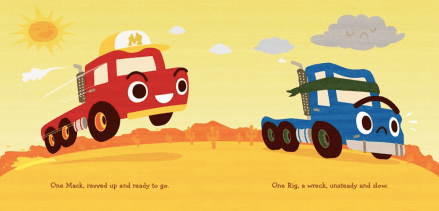
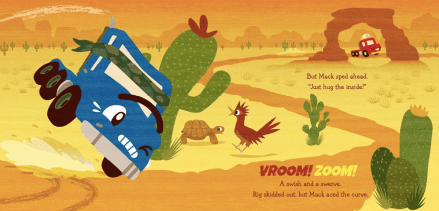
One morning, two trucks are ready “for their first day of class.” But Rig’s “riding the brakes” while Mack’s “hitting the gas.” In their classroom, their teacher Miss Rhodes pairs these two up for a practice run on the track. First up is the circuit, with twists and a hairpin turn. Rig feels shaky, but Mack’s “a speedy red blur.” Mack picks up speed going into the turn and keeps on going, but Rig hits the brakes and skids off the course.

celebrate-picture-books-picture-book-review-two-tough-trucks-meeting

Image copyright Hilary Leung, 2019, text copyright Corey Rosen Schwartz and Rebecca J. Gomez, 2019. Courtesy of Orchard Books.

Next comes learning to downshift while climbing a hill. Mack breezes up as Rig carefully inches along. First to the top, Mack gloats, “‘I knew I was fast.’” And although Rig tried his best he “finished dead last.” Mack thought Rig was just dragging him down. For Rig, Mack just seemed liked a braggart. As he vroomed, Mack fumed and left Rig “in the dust.”

celebrate-picture-books-picture-book-review-two-tough-trucks-sharp-curve

Image copyright Hilary Leung, 2019, text copyright Corey Rosen Schwartz and Rebecca J. Gomez, 2019. Courtesy of Orchard Books.

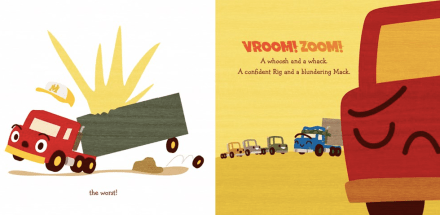
The students moved on to practicing backing up. As they moved around traffic cones,  “they veered and corrected, / they turned and reversed. / Rig had good instincts, but Mack was… the worst.” Rig aced the course, but Mack? He was ready to quit until Rig steered him right. “Vroom! Zoom! / They backtracked and bumped. / A Mack making progress, / a Rig feeling pumped!”

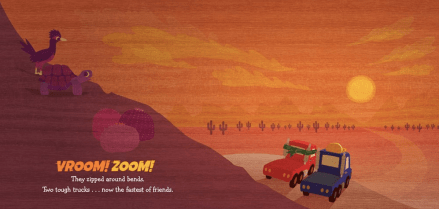
Mack was surprised that Rig had helped him, but for Rig it was just the right thing to do. They headed back to the track and took it by storm. These two trucks were “now the fastest of friends.”

celebrate-picture-books-picture-book-review-two-tough-trucks-blundering-mack

Image copyright Hilary Leung, 2019, text copyright Corey Rosen Schwartz and Rebecca J. Gomez, 2019. Courtesy of Orchard Books.

Like life’s road itself, this original story of two trucks with distinct personalities and different strengths has lots of twists and turns and takes little ones on a multilayered journey of discovery. While Mack is rarin’ to go on his first day of truck school, Rig is more hesitant. When these two are teamed up for the day, Mack’s fast and daring approach to the track seems to be the right one as he nails the sharp curve and is the first to reach the peak of the hill, leaving Rig far behind. These early successes cause him to honk his own horn and complain about Rig.

But then in a clever literal and metaphorical reversal, Rig’s thoughtful restraint makes backing up his forte. In Mack’s reaction to being last, Schwartz and Gomez gently ramp up life lessons about perseverance and losing gracefully. In addition, Rig goes on to demonstrate another winning trait in his generosity to teach Mack the finer points of driving in reverse. Mack’s acceptance of Rig’s kindness shows that the experience has taught him to be humble. Kudos to Miss Rhodes for creating a track that leads to strong bonds and friendship.

A book by Schwartz and Gomez always charms with smart rhyming and jaunty rhythms and Two Tough Trucks is no exception. Ingenious puns, evocative and active vocabulary, and plenty of “vrooms” and “zooms” for kids to chime in on make this book a lively read aloud.

celebrate-picture-books-picture-book-review-two-tough-trucks-sunset

Image copyright Hilary Leung, 2019, text copyright Corey Rosen Schwartz and Rebecca J. Gomez, 2019. Courtesy of Orchard Books.

Hilary Leung’s textured and boldly colored pages will thrill little readers as Mack and Rig take center stage on the dusty, western track. Mack’s confidence shows in his straight, crisp lines and grinning grill while Rig’s wariness takes the form of wobbly tires, bent frame, furrowed brow, and grimacing grill. Fittingly, the Truck School building is shaped like a parking garage, complete with a spiral ramp that takes students to the second and third story. Cacti, roadrunners, and craggy rock formations dot the sun-drenched desert track where Mack, Rig, and the rest of the students strut their stuff.

A joy to read out loud and offering so much repeat readability, Two Tough Trucks is highly recommended for home bookshelves, preschool and kindergarten classrooms, and public libraries.

Ages 3 – 5

Orchard Books, 2019 | ISBN 978-1338236545

Discover more about Corey Rosen Schwartz and her books on her website.

To learn more about Rebecca J. Gomez and her books, visit her website.

To view a portfolio of work by Hilary Leung and learn more about his work, visit her website.

Friendship Month Activity

celebrate-picture-books-picture-book-review-truck-racing-game-wood

Racing for Friendship Game

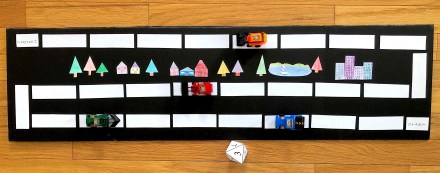
Here’s a racing game that kids will love making and playing with friends or family! With poster board, paper, and chalk or other art supplies, kids can place their track in, a city, the country, the desert, or even in outer space! Then get out your own toy cars and trucks to play with or use the printable truck tokens included below. Use a traditional playing die or the included printable 8-sided playing die. The first player to the finish line wins—or shake it up a bit and make the last person to the line the winner.

Supplies

  • Black poster board, thick poster board, or tri-fold display board. I used a 12-inch by 4-foot section of a tri-fold board in my example. This allows you to fold up the board for easier storing.
  • White paper
  • Chalk, crayons, or colored pencils
  • Glue or tape
  • Scissors
  • Toy trucks or cars
  • Printable Truck Tokens (optional)
  • Printable 8-sided Playing Die

Directions

  1. Cut about 30 4- or 5-inch by 1½-inch strips from the white paper
  2. Have kids lay out a track on the board using the white paper strips (each strip is one space) leaving room in between the rows for scenery
  3. Glue or tape the strips in place
  4. Cut trees, buildings, landmarks, or other scenery from paper and color. Glue or tape to board. Alternately, draw scenery on the board with chalk
  5. Print and assemble 8-sided playing die with tape (optional)
  6. Gather one toy truck or car for each player. Alternately, print and cut out included Truck Tokens. (To make them sturdier, print on heavy paper or glue them to cardboard)
  7. Choose a player to go first
  8. Players take turns rolling the die and moving the appropriate number of spaces
  9. The first (or last) player to the finish line is the winner

celebrate-picture-books-picture-book-review-two-tough-trucks-cover

You can find Two Tough Trucks at these booksellers

Amazon | Barnes & Noble | Books-a-Million | IndieBound

Picture Book Review

August 27 – It’s Happiness Happens Month

celebrate-picture-books-picture-review-twins-cover

About the Holiday

It’s all up to you to make his month-long holiday happen. It offers an opportunity for each person to ask: What makes me happy? As the summer comes to a close and the hustle-bustle of school and extracurricular activities starts up again, be sure to include those things that truly bring you and your children joy. Spending more time with siblings and friends may be at the top of the list—just like in today’s book!

Twins

By Mike Ciccotello

A little boy and a giraffe love being twins. In fact, they are so alike, the boy says, that “sometimes our friends can’t tell us apart.” Having a twin means there’s always someone to play games—“and piano duets”—with. While it’s true that twins like many of the same things, the way they do activities is way different. Take the little boy and his giraffe twin, for instance. The boy’s tricycle is short, while his twin’s is looong, and the snowman the boy makes has three sections while the giraffe’s snowman has six—and antlers.

celebrate-picture-books-picture-review-twins-bowtie

Copyright Mike Ciccotello, 2019, courtesy of Farrar Straus Giroux.

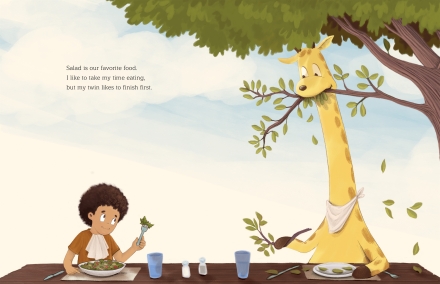
As you might imagine, salad is high on the list of favorite foods. Other faves include dancing, reading, and drawing. But who does these best? That question sometimes causes squabbles. And when there’s, say, only one tool to share or a big issue like “who is stronger,” sometimes that “disagreement…might last all afternoon, and turn into a big, rotten fight.”

celebrate-picture-books-picture-review-twins-salad

Copyright Mike Ciccotello, 2019, courtesy of Farrar Straus Giroux.

But after a little alone time, the boy and his twin and the giraffe and his twin “can never stay mad for very long.” Then they end up compromising because they know that they “work best together.” Yes, “it’s great being a twin, knowing there’s someone who’s just like you.”

celebrate-picture-books-picture-review-twins-activities

Copyright Mike Ciccotello, 2019, courtesy of Farrar Straus Giroux.

Mike Ciccotello’s sweet tribute to twins, whether they’re siblings, best friends, or even pet-and-people pairs will have kids giggling at the juxtapositions of the little boy and his extra-tall twin as they play and work together. The two are exuberant partners, smiling, laughing, and making knowing eye contact, as they dress the same, share the same activities, and talk in their bunk beds before going to sleep. When the inevitable quarrels come, readers will recognize the mixed emotions that ultimately bring these two best friends back together. Ciccotello’s emphasis on resolving disputes, compromise, and staying mindful of all the benefits to having a twin or “near twin” gives the story deeper resonance for building bonds between siblings and friends.

Ciccotello’s vibrant illustrations are clever and cheerful, touching on kid-favorite year-round events and everyday routines. They also give a sly wink to the idea that twins are always identical and highlight the individuality of not only these twins but each reader too. The wide-open pages and spotlighted vignettes allow the youngest readers to focus on the relationship between the boy and the giraffe and offer opportunities for adults and kids to talk about that special bond.

A funny book with a lot of heart, Twins would be an endearing addition to home, classroom, and public library bookshelves.

Ages 2 – 6

Farrar Straus Giroux Books for Young Readers, 2019 | ISBN 978-0374312121

To learn more about Mike Ciccotello and his work, visit his website.

Happiness Happens Month Activity

CPB - Happiness typography

Happiness Is…Game


Happiness is all around you! Grab one or more friends to play a game that reveals what things make you happy. Here are two ways to play:

  1. Like the “Geography” game: the first player names something that makes them happy, the next player must think of something that starts with the last letter of the word the previous player said. The game continues with each player continuing the pattern. Players drop out as they cannot think of a word. The last player left is the winner.
  2. Using a time limit (depending on age): players must think of something that makes them happy. Players drop out if they cannot think of a word within the time limit. The last player left is the winner.

celebrate-picture-books-picture-review-twins-cover

You can find Twins at these booksellers

Amazon | Barnes & Noble | Books-a-Million | IndieBound

Picture Book Review

July 25 – It’s World Watercolor Month

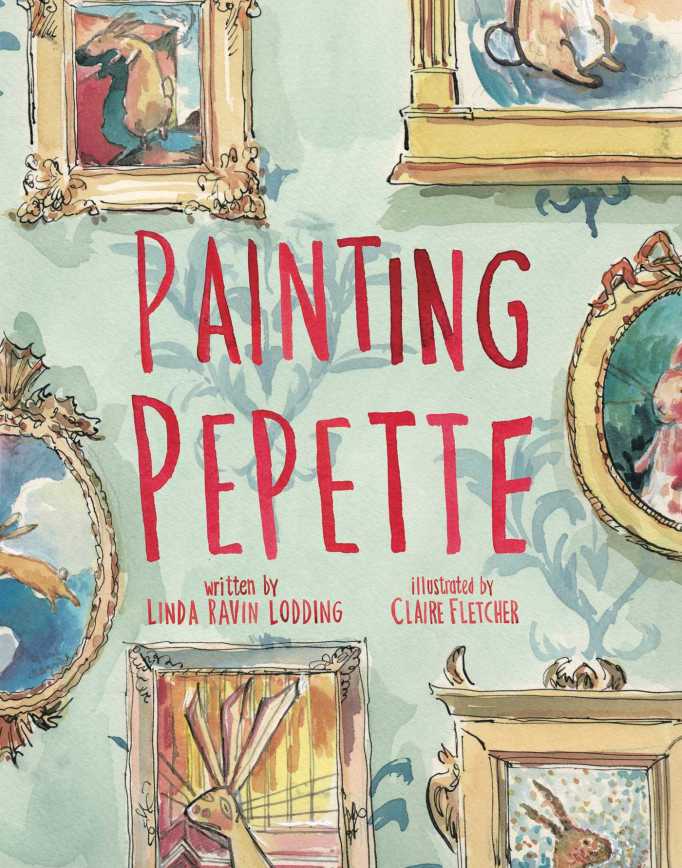
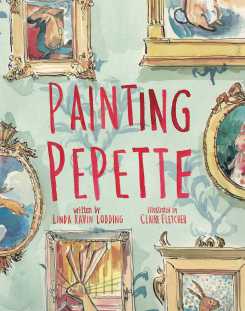
celebrate-picture-books-picture-book-review-painting-pepette

About the Holiday

World Watercolor Month was begun in 2016 by Charlie O’Shields, the creator of Doodlewash®, host of the Sketching Stuff podcast, and a social artist movement dedicated to promoting and connecting watercolor artists from all over the world. The holiday also raises awareness of the importance of art and creativity to the world. Everyone from amateurs to professionals are welcome to participate—and if you’ve never painted with watercolors before, now’s a great time to try! If you want to find prompts to inspire your work and other ways to enjoy the month and take your love of watercolor painting into next month and beyond, visit Doodlewash.

Painting Pepette

Written by Linda Ravin Lodding | Illustrated by Claire Fletcher

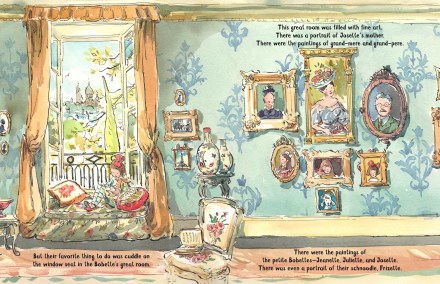
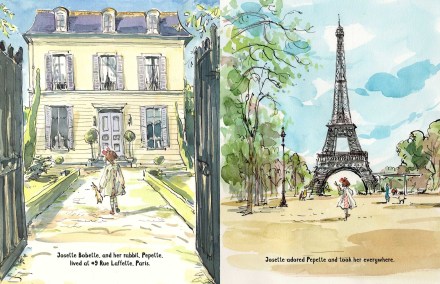
If you were to peek in the great room window of the grand yellow house at #9 Rue Laffette in Paris, you would most likely see Josette Bobette and her beloved stuffed rabbit Pepette cuddled together on the comfortable seat. It was their favorite place. Looking past them you would see that on the walls hung portraits of the family—Josette’s mother was there as well as grand-mère and grand-père, the three Bobette sisters, and even their schnoodle Frizette.

celebrate-picture-books-picture-book-review-painting-pepette-great-room

Image copyright Claire Fletcher, 2016, text copyright Linda Ravin Lodding, 2016. Courtesy of simonandschuster.com

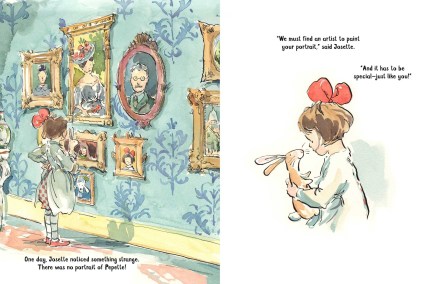
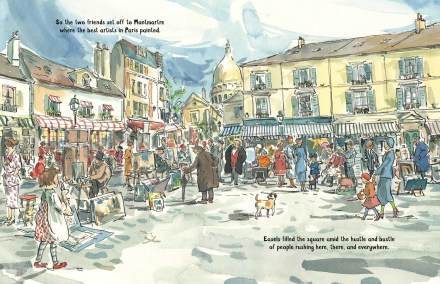
“One day Josette noticed something strange. There was no portrait of Pepette!” Josette at once determined to find an artist to paint a special portrait of her best friend. The pair head out to Montmartre, where all of the best artists set up their easels to paint and sell their work. It didn’t take long for a man in a striped shirt to stop them.

“‘Those ears!’” he cried. “‘Never have I seen such majestic ears. I must paint this rabbit’s portrait!’” Pepette blushed at such an effusive compliment, and Josette exclaimed, “‘Magnifique!’” It appeared that Josette had found just the artist to create Pepette’s portrait. The painter waved his brush with a flourish, “declared his painting a ‘masterpiece,’” and held it up for inspection. Josette gazed at a Pepette with two noses and three ears. Diplomatically, she proclaimed the picture “‘nice’” but not quite Pepette. Her best friend agreed.

celebrate-picture-books-picture-book-review-painting-pepette-pepette-with-bunny

Image copyright Claire Fletcher, 2016, text copyright Linda Ravin Lodding, 2016. Courtesy of simonandschuster.com

Just then a man with a thin, curved handlebar mustache spied the pair. Admiring Pepette’s whiskers, the artist begged to capture “‘the very essence of her rabbitness!’” He immediately set to work, and in no time a most unusual portrait emerged. Pepette seemed to melt from atop a tall red wall. Josette considered it—and her reaction—carefully. “‘It’s imaginative,’” she said. “‘But you’ve painted Pepette quite, well, droopy.’” Pepette agreed.

As Josette and Pepette enjoyed a Parisian snack on the curb of Montmartre, a rakish young man happened along. He was arrested by Pepette’s nose, which he likened to “‘a faint star twinkling in a misty, velvet night.’” Josette had a good feeling about this artist and followed him across the square to his easel. Pepette posed on a red tufted stool as the artist painted a rabbit soaring through the clouds. He proclaimed the finished portrait “‘one of my best works’” as he displayed it to the crowd. Josette liked the clouds but told the painter that Pepette is afraid of heights and not fond of flying. Pepette agreed.

celebrate-picture-books-picture-book-review-painting-pepette-pepette-at-home-and-in-paris

Image copyright Claire Fletcher, 2016, text copyright Linda Ravin Lodding, 2016. Courtesy of simonandschuster.com

By now Pepette was the most sought-after model in Paris, and another artist rushed up, captivated by her beauty. The balding man in a dapper suit and round spectacles peered at Pepette. “‘What a colorful lady—balloon blue, pansy pink, and radish red!’” Although a little suspicious of his vision, Josette allowed him to paint Pepette. “‘Ta da!’” the man exclaimed, revealing the magic of his brush. Josette studied the canvas with its vibrant dots, dashes, and splashes. While she admired the colors, she reminded the artist that Pepette isn’t pink. “‘Ah, yes,’” nodded the painter. “‘But through art we can see the world any way we want.’”

With the sun setting low in the sky, Josette politely said thank-you and goodbye to the artists. She and Pepette had enjoyed their day, but it was time to go home. Curled up once more on the window seat, Josette sighed. She had so hoped to have the perfect portrait of Pepette—one that showed her velvety grey listening ears, her heart-shaped nose, and her soft arms that give tight hugs. Suddenly, Josette had an idea! After gathering all of her art supplies, she created the perfect likeness—one as special as Pepette herself!

celebrate-picture-books-picture-book-review-painting-pepette-pepette-at-montmartre

Image copyright Claire Fletcher, 2016, text copyright Linda Ravin Lodding, 2016. Courtesy of simonandschuster.com

An author’s note on the last page describes the creative atmosphere of 1920s Paris, home to writers, artists, musicians, and fashion designers, that gives a frame to her story. The artists that Josette meets are inspired by Pablo Picasso, Salvador Dalí, Marc Chagall, and Henri Matisse.

In Painting Pepette Linda Ravin Lodding has written a multi-layered story of love, friendship, and unique vision. Through the sweet relationship between Josette and Pepette and with a sprinkling of humorous self-congratulation by the artists, Lodding nudges readers to appreciate that while art can reveal and obscure, reflect or transcend reality, ultimately the success of a piece—complex or simple—lies within the viewer’s heart. Children will also see that their creative endeavors, undertaken with love, are just as meaningful and appreciated as those of professional artists. Lodding’s lyrical language trips off the tongue and is a joy to read—as if readers are following Josette as she skips happily through Paris.

Claire Fletcher’s striking pen-and-ink and watercolor illustrations pay delicate homage to cityscapes of a bygone Paris. Adorable Josette and her enchanting rabbit are the perfect tour guides through crowded Montmartre and this introduction to art history. Soft tones of yellow, rose, and green illuminate the apartments and cafes of the square, where colorful shoppers and artists mingle. Fletcher’s renderings of Pepette’s various portraits will not only make kids giggle, but entice them to learn more about each artistic style. The final endpapers reveal that the four fine-art portraits now hang in the Muse of Paris, while readers already know that Josette’s perfectly perfect portrait of her well-loved friend has taken its rightful place on the wall in the Bobette’s great room!

Painting Pepette is a beautiful addition to any child’s bookshelf and a lovely way for teachers to initiate a discussion of art history and get kids excited about artists and different art styles.

Ages 4 – 9

little bee books, 2016 | ISBN 978-1499801361

Follow Josette through Paris as she searches for just the right artist to paint a portrait of her best friend Pepette and comes to a surprising discovery in this beautiful Painting Pepette book trailer:

Discover more books by author Linda Ravin Lodding on her website.

Illustrator Clair Fletcher invites you to find more of her artwork by visiting her online gallery.

National Watercolor Month Activities

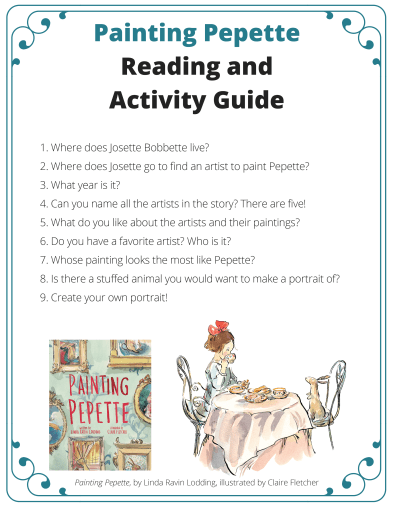
celebrate-picture-books-picture-book-review-painting-pepette-activity-guide

Painting Pepette Reading and Activity Guide

little bee books has created an interactive activity so you can continue to explore Josette’s world and your own artistic talent! Just click here—Painting Pepette Reading and Activity Guide—to start having fun!

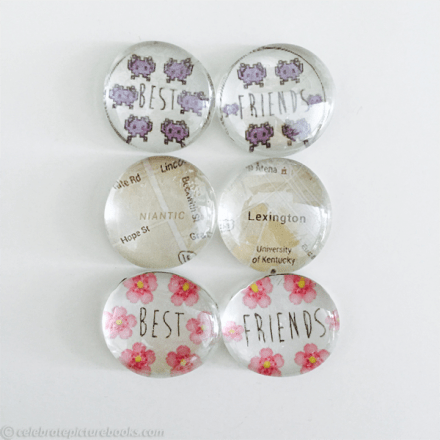
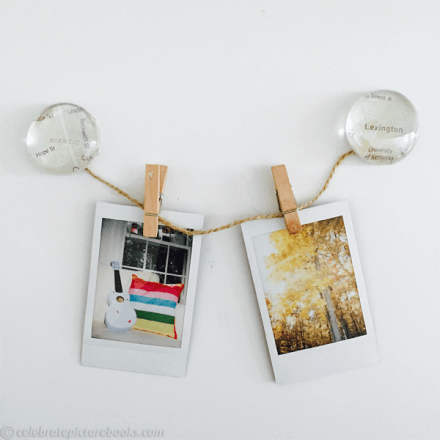
Stuck on You Magnets or Picture Hanger

Creativity is meant to be shared! Here’s an easy craft that you can make to give to your friends whether they live close by or far away. These magnets can used by themselves or to hold a picture-hanging wire. Use inside jokes, favorite characters, or shared experiences to make these  crafts personal!

celebrate-picture-books-picture-book-review-friends-magnets-craft

For Magnets

Supplies

  • To get you started, here are two printable Best Friends Templates! Template 1 Template 2
  • Poster board
  • Large, 1 ½-inch clear glass stones (decorative fillers), available in craft stores
  • Markers or colored pencils OR find images online to print out
  • Medium to large flexible magnets, available in craft stores
  • Super glue
  • Toothpicks
  • Scissors

Directions

  • Place the glass stone on the poster board and trace around it
  • Draw your design in the circle on the poster board
  • Cut out the circle
  • With the toothpick, apply glue around the very edge of the design side of the circle
  • Attach the circle to the flat side of the stone, let dry
  • Trim the cardboard circle if needed
  • Attach the magnet to the back of the cardboard with glue

celebrate-picture-books-picture-book-review-friends-picture-hanger-craft

For Map Picture Holder

Supplies

  • Use a mapping program to find a map of your town and your friend’s town
  • Poster board
  • Large, 1 ½-inch clear glass stones (decorative fillers), available in craft stores
  • Twine
  • Super Glue
  • Toothpicks
  • Scissors
  • Heavy duty mounting squares

Directions

  1. Find maps of your and your friend’s towns
  2. Zoom in so the name of your and your friend’s towns are displayed well. You will be using about a 1-inch area around the towns’ names.
  3. Take a screen shot of the maps
  4. Print the maps
  5. Place the glass stone on the map and trace around it
  6. Place the glass stone on the poster board and trace around it
  7. Cut out the circles on the map and poster board
  8. With the toothpick, glue the map to the poster board, let dry
  9. With the toothpick, apply glue around the very edge of the map side of the circle
  10. Attach the circle to the flat side of the glass stone, let dry
  11. Trim the cardboard circle if needed
  12. Repeat with the other map
  13. Attach a length of twine to the back of each glass stone
  14. Attach heavy duty mounting squares to the back of each glass stone
  15. Attach stones to the wall and hang pictures on the twine

celebrate-picture-books-picture-book-review-painting-pepette

You can find Painting Pepette at these booksellers

Amazon | Barnes & Noble | Books-a-Million | IndieBound

Picture Book Review

July 9 – Cow Appreciation Day

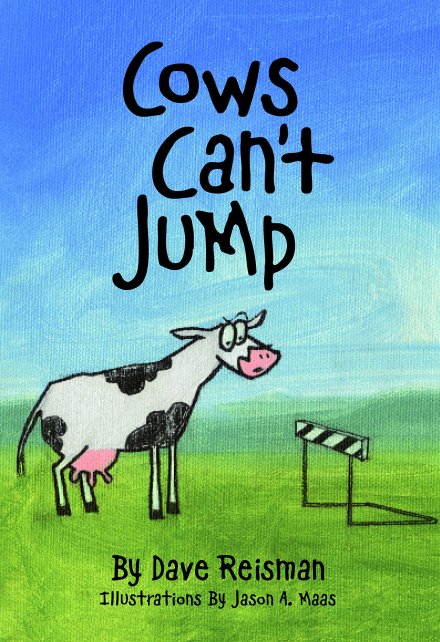
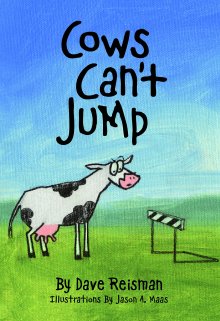
celebrate-picture-books-picture-book-review-cows-can't-jump-cover

About the Holiday

While today’s holiday started out as a clever ruse to entice people to eat more chicken, it also gives us an opportunity to think about the world’s bovine citizens. These gentle animals deserve healthy and humane treatment as they provide our diets with needed protein as well as delicious treats. Cows appear in untold numbers of stories and songs for little ones, making them a favorite of young readers everywhere!

Cows Can’t Jump

Written by Dave Reisman | Illustrated by Jason A. Maas


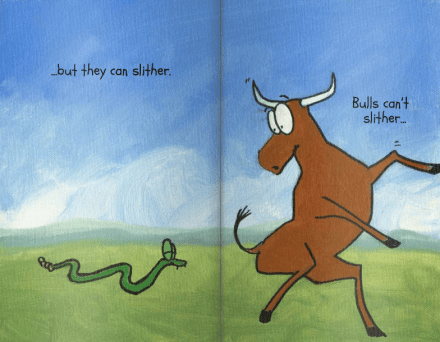
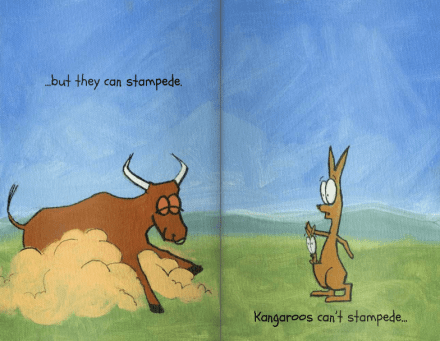
In this early literacy/beginning reader picture book, Dave Reisman introduces kids to nineteen animals and the way they can move. The repeated refrain, which begins with “cows can’t jump, but they can swim,” leads to young readers meeting a gorilla who can’t swim but who can swing, a galloping giraffe, a slithering snake, a stampeding bull, and many other favorite animals reacting to the previous interloper in humorous ways. Reisman presents active, evocative, and high-interest verbs that will capture the attention and imagination of young readers and help with their vocabulary development.

celebrate-picture-books-picture-book-review-cows-can't-jump-slither

Copyright 2019, Jumping Cow Press.

The short, simple sentences will have even the youngest child joining in on the repeated phrases, and with repeat readings, they’ll begin to remember how each animal moves and be able to happily read along. The underlying theme of the story—that each animal is unique—will resonate with adult readers and their little ones.

Jason A. Maas’s bright, textured paintings put the focus on each animal and their movements. Page turns are cleverly designed so that the animals meet under startling and funny circumstances. The cartoon-inspired drawings will delight kids and elicit plenty of giggles as each animal responds to the newcomer with wide eyes and quick getaways, until…the lizard leaps onto a branch that is already occupied and discovers that “sloths can’t leap…but they can sleep.”

celebrate-picture-books-picture-book-review-cows-can't-jump-stampede

Copyright 2019, Jumping Cow Press.

Cows Can’t Jump will be released in a bilingual English/Spanish edition: Las vacas no pueden saltar in August, 2019.

Ages 2 – 7

Jumping Cow Press, 2018 | ISBN 978-0980143300 (Paperback) | ISBN 978-0998001005 (Stubby and Stout Board Book)

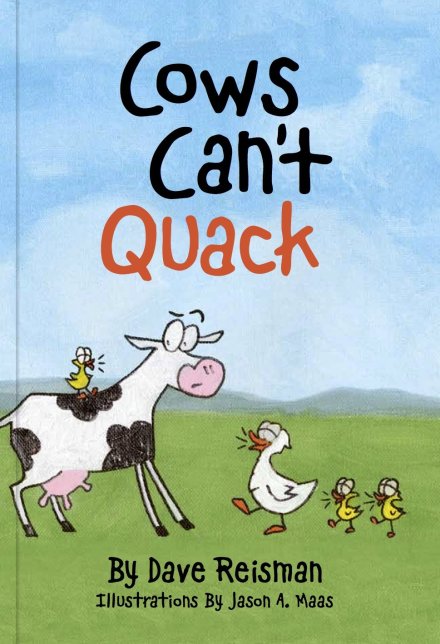
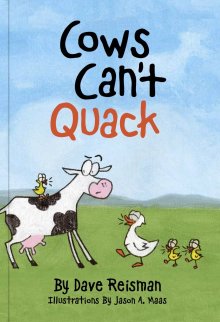
celebrate-picture-books-picture-book-review-cows-can't-quack-cover

Cows Can’t Quack

Written by Dave Reisman | Illustrated by Jason A. Maas


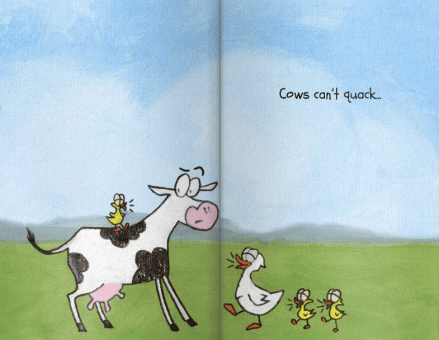
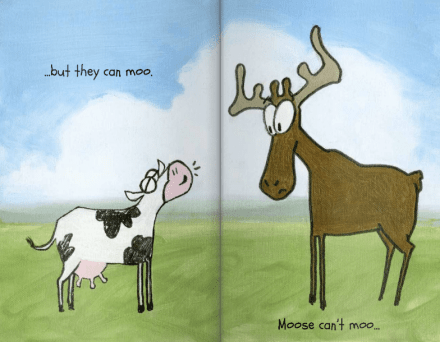
Following the same format as Cows Can’t Jump, Dave Reisman brings together a gaggle of animals all making their own unique sounds. Here twenty-two animals from the farm, forest, ocean, and air show off their vocal stylings with funny results. As the moose grunts, the donkey hee-haws, the hippo brays, the goose cackles, and the day ends with a puppy snoring, little ones will be eager to learn more about these creatures.

celebrate-picture-books-picture-book-review-cows-can't-spin-silk-quack

Copyright 2019, Jumping Cow Press.

Just as in Cows Can’t Jump, Reisman enchants with verbs that invite kids to participate in the reading with their own interpretations of the sounds. Children will also enthusiastically read along on the repeated phrasing. While each animal speaks in its own language, children are reminded of the diversity and richness of the world’s languages.

celebrate-picture-books-picture-book-review-cows-can't-spin-silk-moo

Copyright 2019, Jumping Cow Press.

Once again Jason A. Maas’s animals, with their rakish charm and humorous responses that cause feathers to fly, a baby penguin to hatch, and a donkey to kick up his heels, will have little ones laughing along with their language learning.

Ages 3 – 7

Jumping Cow Press, 2016 | ISBN 978-0980143348 | ISBN 978-0998001012 (Stubby and Stout Board Book)

celebrate-picture-books-picture-book-review-cows-can't-spin-silk-cover

Cows Can’t Spin Silk

Written by Dave Reisman | Illustrated by Jason A. Maas


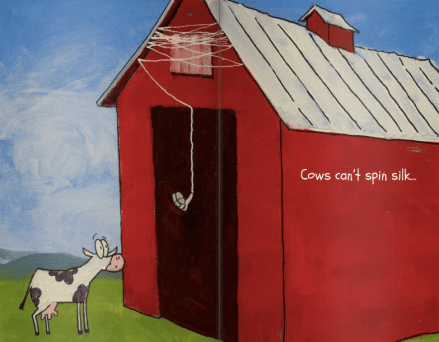
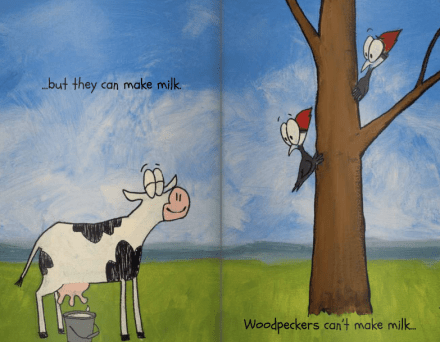
Little ones will be happy to see their cow friend from Cows Can’t Jump and Cows Can’t Quack in this third book in the Cows Can’t… Series. This time, she looks on astonished as a silk worm drops down into the barn doorway on a long, silky thread. Cows may not be able to “spin silk…but they can make milk.” The woodpeckers in the nearby tree look astonished at this talent, but in the next moment they return to what they do best: “hammer holes.” The surprised alligator can’t do that, but he “can dig gator-ponds.”

celebrate-picture-books-picture-book-review-cows-can't-spin-silk-silk

Copyright 2019, Jumping Cow Press.

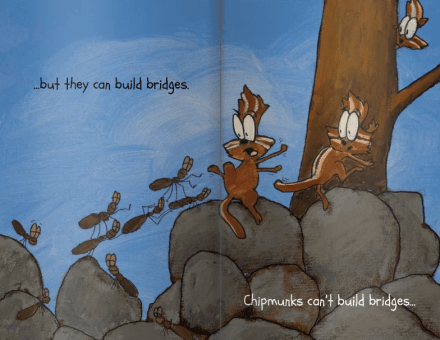
The alligator in their midst sends the rest of the animals scurrying—from the spider that weaves a web to the chickens that “lay eggs” to the ants that “build bridges.” Joining the animals are some other talented insects—caterpillars that “construct cocoons, wasps that “craft paper,” and bees that create honey”—and a few sea creatures like squid that “can squirt ink,” oysters that “can produce pearls,” and octopuses that “can erect barricades.”

celebrate-picture-books-picture-book-review-cows-can't-spin-silk-milk

Copyright 2019, Jumping Cow Press.

The inclusion of some more unusual animals and their impressive talents in Cows Can’t Spin Silk offer adults and kids an opportunity to discover more about the animal kingdom and what each animal can do. In addition to presenting new vocabulary, and a read aloud treat, the book can encourage families to get outdoors to see if they can find evidence of any of the animal creations mentioned in the story.

celebrate-picture-books-picture-book-review-cows-can't-spin-silk-bridges

Copyright 2019, Jumping Cow Press.

Readers familiar with Jason A. Maas’s illustrations for the series will be delighted with the gentle suspense that carries the story as the alligators, skunks, chipmunks, beavers, bears and fourteen other animals use their smarts to create homes, defend themselves, make tools, and display other skills.

Connecting this story to the idea that each person has their own special talent or talents extends the educational language and literacy learning of the book to personal discussions and explorations adults can share with their kids.

Ages 3 – 7

Jumping Cow Press, 2018 | ISBN 978-0998001029 (Paperback ) | ISBN 978-0998001036 (Stubby and Stout Board Book)

Recommended by early literacy organizations, such as the Parent-Child Home program, the Cows Can’t Series offers little learners and beginning readers familiar, reassuring, and fun encouragement as they begin learning the structures of language and developing confidence in their own skills. The books would be welcome additions to home, classroom, and public library collections for read aloud story times or for beginning readers.

To learn more about Jumping Cow Press and find  printable activities, visit their website. And watch for the newest title in the Cows Can’t… Series: Cows Can’t Blow Bubbles, coming in August 2019.

Discover more about Jason A. Maas, his books, and his art, visit his website.

Cow Appreciation Day Activity

Screen Shot 2019-07-08 at 5.06.04 PM

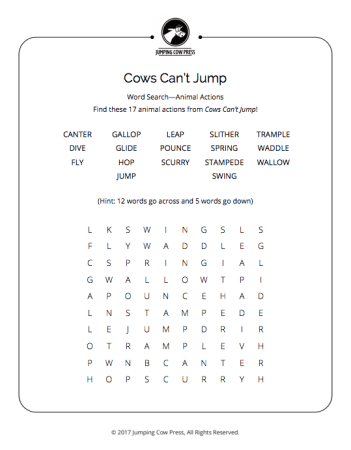
Cows Can’t Jump Word Search


Each animal in Cows Can’t Jump has a special way of moving. Can you find seventeen words that describe how different animals get around in this printable puzzle?

Cows Can’t Jump Word Search Puzzle | Cows Can’t Jump Word Search Solution

You can find the Cows Can’t Series at these booksellers

celebrate-picture-books-picture-book-review-cows-can't-spin-silk-cover

Cows Can’t Spin Silk

Amazon 

celebrate-picture-books-picture-book-review-cows-can't-quack-cover

Cows Can’t Quack

Amazon | Barnes & Noble 

celebrate-picture-books-picture-book-review-cows-can't-jump-cover

Cows Can’t Jump

Amazon | Barnes & Noble 

Picture Book Review


June 21 – World Giraffe Day & Interview with Author Monica Bond, Illustrator Kayla Harren, and Educator David Brown

celebrate-picture-books-picture-book-review-juma-the-giraffe-cover

About the Holiday

Today’s holiday, established by the Giraffe Conservation Foundation, celebrates the animal with the longest neck on the longest day or night of the year, depending on which hemisphere you live in. The purpose of World Giraffe Day is to honor these majestic animals while also promote awareness of the dangers and threats they face. Events supporting these gentle giants are held around the world at zoos and conservation organizations as well as by governments, institutions, and companies involved in education about and protection of the giraffe. To celebrate today, learn more about these animals, visit a zoo or wildlife refuge, or consider donating to the cause of giraffe conservation. To learn more visit the Giraffe Conservation Foundation website.

Juma the Giraffe

Written by Monica Bond | Illustrated by Kayla Harren


Juma, a baby giraffe, loved to play with his friends Upendo and Rafiki on the African safari while their mothers watched. “Upendo likes to explore new places” while “Rafiki jokes and makes everyone laugh with his silly faces. Juma is kind and generous.” With his long neck, he’s able to reach the sweet acacia leaves to share with the dik-diks. One day, though, while the giraffes were at the water hole, Juma caught a glimpse of his reflection.

celebrate-picture-books-picture-book-review-juma-the-giraffe-juma-and-dik-diks

Image copyright Kayla Harren, 2016, text copyright Monica Bond, 2016. Courtesy of Kayla Harren and Wild Nature Institute.

Looking at himself alongside all the other giraffes, he realized that they all looked the same. “And because they all looked alike, he felt he wasn’t special.” His mama noticed Juma standing alone and sad and asked him what was wrong. He told her that he wished he “looked different from everyone else.”

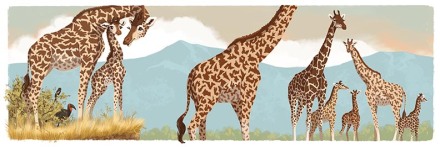
Juma’s mama gazed at her child lovingly and told him how special giraffes are. “‘There is no other animal in the whole world like us,’” she said. Then she gently reminded him how his long legs and neck help him get food, how his thick tongue and lips protect him from the thorns of the acacia trees, and how his “‘swishy tail sweep away the pesky flies that like to bite us.’” Their brown spots camouflaged them from lions and hyenas.
celebrate-picture-books-picture-book-review-juma-the-giraffe-herd

Image copyright Kayla Harren, 2016, text copyright Monica Bond, 2016. Courtesy of Kayla Harren and Wild Nature Institute.

Then Mama asked Juma to look closely at his spots and notice that “‘each spot is different from the others and every giraffe has a unique pattern of spots.’” Juma saw that Mama was right. He saw one spot “shaped like a star and another like a flower.” Mama’s spots were different too, and so were Upendo’s and Rafiki’s. Mama reassured Juma that each giraffe was unique outside and inside.

Juma was happy and continued to notice other ways that each giraffe was different, including their various personalities. Then Mama nuzzled her little one and told him that to her he was the “‘most special giraffe of all’” because he was her baby and she loved him.

Fascinating facts about the anatomy of giraffes, newborn giraffes, and where giraffes live follow the text.

celebrate-picture-books-picture-book-review-juma-the-giraffe-juma-and-panorama

Image copyright Kayla Harren, 2016, text copyright Monica Bond, 2016. Courtesy of Kayla Harren and Wild Nature Institute.

Young readers who are at that stage where they wonder about how they are different from other kids and how they fit into their community will find loving reassurance in Monica Bond’s touching story even as they learn about a giraffe’s distinctive features. The sweet relationship between Juma and Mama, depicted through tender dialogue, will charm little ones. A welcome exchange comes when Mama points out Juma’s unique features and the little giraffe enthusiastically adds more observations of his own. Just as Juma does, young readers will see that they too are special in their own way.

As readers open the cover, Kayla Harren’s stunning panoramic view of the verdant African savanna places them close to zebras, an ostrich, a greater kudu, a grey crowned crane, a stalwart warthog, a family of mongoose, and a herd of elephants. Smiling out from the page is little Juma. As the story progresses, Mama spotlights each of Juma’s attributes, and readers see how he uses them. A shimmering two-page spread of the giraffes lined up at the watering hole and the close-up on the next page will awe kids and adults. Images of smaller animals hiding in rock crevices and big cats and monkeys resting on tree limbs will entice readers to learn more about these creatures. As Mama nuzzles Juma on the book’s final page, adults and little ones are sure to find time to cuddle too.

A sweet story that gives parents, teachers, and other caregivers a way to show the children in their life how special they are, Juma the Giraffe would be an often-asked for addition to home, classroom, and public library bookshelves.

Ages 4 – 8

Wild Nature Institute, 2016 | ISBN 978-0989818292

Learn more about Juma the Giraffe and find videos and teachers resources here.

You can connect with Kayla Harren on

Her website | Facebook | Instagram

celebrate-picture-books-picture-book-review-helping-brother-rinoceros-cover

Helping Brother Rhinoceros

Written by Monica Bond | Illustrated by Kayla Harren


Brother Rhinoceros and his friend Father Oxpecker went to the waterhole to cool off on a blazing hot day. When they got there, they saw “that most of the water had dried up, leaving a big patch of gooey, sticky mud.” But Brother Rhinoceros lied down in the cool mud anyway and pronounced it “‘Perfect!’” Then Father Oxpecker nestled in behind Brother Rhinoceros’s ear, folded his wings, and the two drifted off to sleep.

celebrate-picture-books-picture-book-review-helping-brother-rhinoceros-rhino

Image copyright Kayla Harren, 2018, text copyright Monica Bond, 2018. Courtesy of Kayla Harren and Wild Nature Institute.

Brother Rhinoceros woke up hungry, but when he tried to leave the waterhole, he discovered that he was stuck in the mud. Father Oxpecker flew off to find help. First he brought back Sister Vervet Monkey, who was good at tying. “She ran around the mud patch looking for something to tie together that might help Brother Rhinoceros. But there was nothing.”

Next, Father Oxpecker brought Grandfather Giraffe, who thought his height could help, but he didn’t know exactly how. So, the bird flew off again in search of someone else. This time he came back with Grandmother Spider, who “produced a delicate thread of beautiful silk from her abdomen. It fluttered in the breeze, of no help whatsoever to Brother Rhinoceros.”

celebrate-picture-books-picture-book-review-helping-brother-rhinoceros-monkey

Image copyright Kayla Harren, 2018, text copyright Monica Bond, 2018. Courtesy of Kayla Harren and Wild Nature Institute.

Father Oxpecker left once again and returned with Mother Elephant. Although she was big and strong, she could only watch from the sidelines. Last, Father Oxpecker found Brother Weaverbird, who declared that he could “weave anything” if only there was something to weave. All of the animals sat nearby wondering what they could do. “They were all so proud of the things they could do, but none of them could help Brother Rhinoceros out of the mud.”

It was Grandmother Spider who suggested that they combine their talents and work as a team. She began by “spinning long streams of silk.” Brother Weaverbird braided “the silk into a long, strong rope.” Sister Vervet Monkey tied the rope around Brother Rhinoceros, using Grandfather Giraffe’s long neck as a bridge to reach him. Then it was Mother Elephant’s turn. She grabbed the rope, “took a deep breath and began to pull.”

celebrate-picture-books-picture-book-review-helping-brother-rhinoceros-oxpecker

Image copyright Kayla Harren, 2018, text copyright Monica Bond, 2018. Courtesy of Kayla Harren and Wild Nature Institute.

Brother Rhinoceros helped push. “Finally, with a big squishy sound, Brother Rhinoceros lifted his body up out of the mud.” He was free! His friends cheered. Brother Rhinoceros thanked each one individually for their special skills that helped to save him. “They certainly made a great team and the best friends a muddy rhinoceros could ever have.”

Back matter reveals facts about Africa’s black and white rhinoceros. A map of Africa shows the historical range and the much smaller current range for each type of rhino.

celebrate-picture-books-picture-book-review-helping-brother-rhinoceros-giraffe

Image copyright Kayla Harren, 2018, text copyright Monica Bond, 2018. Courtesy of Kayla Harren and Wild Nature Institute.

With the lyricism of a fable, Monica Bond weaves a story about individuality and teamwork and how every person has the ability to help others. As Father Oxpecker flies off again and again searching for just the right animal to help, readers will enjoy the suspense and learning each animal’s special ability. When Grandmother Spider suggests they all work together, kids will see that by combining their talents with friends and classmates, they can move mountains. The format of the story makes it a multi-layered choice for teaching the elements of a story, prediction, and comprehension.

Kayla Harren’s sun-drenched pages are bathed not only in the heat of a hot African day but in the warmth of friendship these animals share. Harren’s beautifully textured and realistic depictions of the animals and the surrounding savanna will inspire awe and an enthusiastic desire in kids to learn more about the animals, insects, and birds in the story.

A perfect book for social studies, science, and reading classes and for kids who love nature and animals, Helping Brother Rhinoceros makes an excellent choice for home, classroom, and public libraries.

Ages 5 – 10

Wild Nature Institute, 2018 | ISBN 978-1732323414
celebrate-picture-books-picture-book-review-our-elephant-neighbors-cover

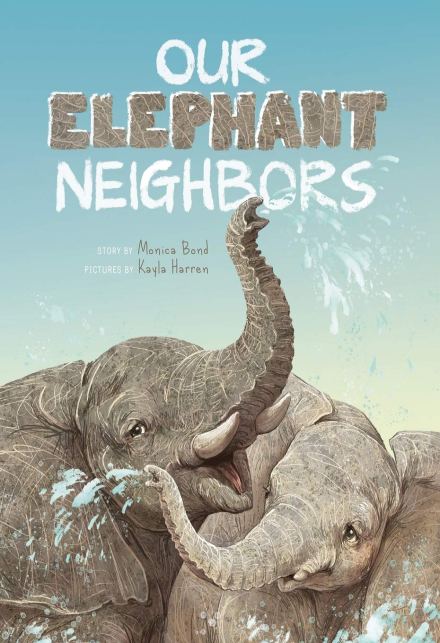
Our Elephant Neighbors

Written by Monica Bond | Illustrated by Kayla Harren


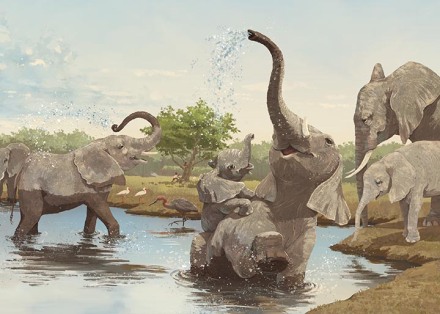
Robert and his little sister Mary live on their family’s small farm in Tanzania. There are cattle and goats, which Robert helps watch while Mary helps her mother wash clothes and cook. Sometimes they went to the waterhole to get water. “They splash each other with cool water on hot days.” One day, when it was very hot, they saw something amazing at the waterhole. A family of elephants was enjoying the cool water too. “Robert and Mary climbed up a nearby tree to watch and wait for the elephants to leave.”
celebrate-picture-books-picture-book-review-our-elephant-neighbors-splashing

Image copyright Kayla Harren, 2017, text copyright Monica Bond, 2017. Courtesy of Kayla Harren and Wild Nature Institute.

Soon, two elephants came to stand in the shade of the tree, right under the branch where the two children sat. “The elephants looked up and saw Robert and Mary.” They had been taught to fear people. Nervous, they backed up a few steps. Robert and Mary had been taught to fear elephants, and Mary hid behind her brother. The bigger elephant, Tomas, introduced himself and his little sister, Teresa. Robert introduced himself and Mary.

“Robert looked thoughtfully at the elephants below. ‘You are an elephant, and elephants can hurt people,’ Robert pointed out.” Tomas replied, “‘Well, you are a human, and humans can hurt elephants too.’” Even though Mary knew she should be afraid, she liked the elephants. She reached down and touched Teresa’s upturned trunk. Mary said that she could pick things up with her fingers, and Teresa showed her how she could pick things up with her trunk.

celebrate-picture-books-picture-book-review-our-elephant-neighbors-meeting

Image copyright Kayla Harren, 2017, text copyright Monica Bond, 2017. Courtesy of Kayla Harren and Wild Nature Institute.

The elephants and the children talked back and forth about all of their similarities. They were even the same ages. They talked about how all the aunties help out when a baby person and a baby elephant are born, how the mothers, grandmothers, and aunts in both human and elephant families teach the children important lessons and protect them, and how all the members of a both families feel sad when another member dies.

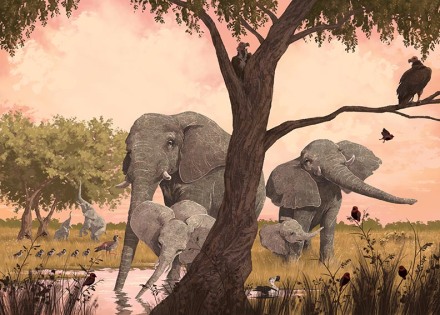
When they talked about the food they liked, Robert said that his “‘father gets angry when elephants eat” the vegetables in their garden.’ Then Tomas told Robert and Mary a secret.” He said that “all elephants hate chili pepper powder” and if they hung chili pepper powder on their fences, it would keep the elephants away. One reason elephants were eating from people’s gardens, Tomas said, was because their habitat was getting smaller as people planted more and more farms. Also “more and more of their family members are being hurt by people, because the elephants have fewer places to go.”
celebrate-picture-books-picture-book-review-our-elephant-neighbors-elephant-family

Image copyright Kayla Harren, 2017, text copyright Monica Bond, 2017. Courtesy of Kayla Harren and Wild Nature Institute.

Robert promised Tomas that when he grew up and had a farm of his own, he would build it where it would not disturb the elephants. He also promised to report anyone who tried to hurt the elephants. Soon it was time for Robert and Mary to get back home with the water, and Tomas and Teresa heard their mother calling for them. “They shook hands and trunks” and hoped they would see each other again. They knew “they would never forget their new friends from the waterhole.”

Interesting facts about African elephants follows the text.

celebrate-picture-books-picture-book-review-our-elephant-neighbors-fetching-water

Image copyright Kayla Harren, 2017, text copyright Monica Bond, 2017. Courtesy of Kayla Harren and Wild Nature Institute.

Through Monica Bond’s charming story of a sister-brother pair and their elephant counterparts, young readers learn surprising ways in which they and elephants are alike. With similar abilities, family units, and even feelings, people and elephants should be friends, but too often they come into conflict, and the result has been a decrease in the elephant population and at times danger for humans as well. As the adorable Robert and Mary talk with Tomas and Teresa, Bond’s enchanting storytelling and realistic dialogue, draw in children, giving them even more reasons to love these popular animals. A major take-away is how people can protect and care for these gentle and intelligent animals and their habitats now and in the future.

Against gorgeous backdrops of Tanzania and its savanna, forests, and mountains, Kayla Harren depicts one family’s simple farm and a family of elephants enjoying a day at the nearby waterhole. At nine and five years old, Robert and Mary will steal readers’ hearts with their infectious smiles, sweet sibling relationship, and enthusiastic interactions with elephants Tomas and Teresa. Harren juxtaposes illustrations of the elephants’ family with those of Robert and Mary’s family in similar situations, showing readers how alike we really are. The pages are washed in soft-blue skies and glowing peach-hued sunsets, as realistic portrayals of the elephants, birds, and other animals create detailed and awe-inspiring panoramas.

Our Elephant Neighbors is an excellent addition to home, classroom, and public libraries to further understanding of elephants, conservation, and nature.

Ages 4 – 8

Wild Nature Institute, 2017 | ISBN 978-1732323407

celebrate-picture-books-picture-book-review-natures-giants-magazine-cover

Nature’s Giants Magazine

In this new magazine from the Wild Nature Institute, an enthusiastic dung beetle named Doug invites kids to learn about animal and plant giants of the African savanna through articles, games, crafts, and other activities that will keep them busy having fun and learning for a long time. Let’s get rolling and see what’s inside! Kids love finding stuff and right on the first pages they’re prompted to spot five differences on two identical (?) giraffes and search the pages for five beetles to see which one will would win a beetle race.

Along the way kids will enjoy:

Comics:

  • Doug engages kids in funny and interesting banter about the dung beetle’s ecological importance, including facts on their very, very long family history, three different dung beetle lifestyles, how dung beetles roll their dung balls in a straight line, and various job sites where dung beetles do their work.

Articles:

  • Ele-Fence!: About new ways farmers are protecting their crops from elephant raiders without engaging in Human-Elephant Conflict
  • Lions vs. Giraffes: About ways scientists use scars found on giraffes to study predation
  • Black Mambas: about the women rangers who patrol the Balule Nature Preserve to stop poaching of black and white rhinoceros and who teach environmental education programs in local schools. Since the group was formed “poaching of all species has decreased by 79%.”
  • Barking up the Right Tree: about the beautiful, sprawling baobab trees.
  • Infographic: on elephants, giraffes, termites and a surprising fact about biomass

celebrate-picture-books-nature's-giants-inside-layout

Activities:

  • Ideas for backyard or neighborhood science exploration
  • A savanna word search puzzle
  • An illustrated search-and-find animal puzzle
  • Craft instructions for making an Insect Hotel and an African Savana Scene
  • Jokes
  • A maze
  • How to draw an elephant, a giraffe, and a rhinoceros
  • A Giant Birds coloring page

Meet the Team Behind the Books and Magazine

I’m excited to have an opportunity to talk with Kayla Harren, Monica Bond, and David Brown about the work of the Wild Nature Institute, their lovely books that combine nature science with enchanting writing, and their new magazine for children.

Meet Monica Bond

celebrate-picture-books-picture-book-review-Monica-Bond-headshot

Hi, Monica! It’s nice to be chatting with you today! The love you have for Tanzania comes through in your stories so clearly and touchingly. Can you talk a little about your work and what brought you to this area?

My partner Dr. Derek Lee—quantitative ecologist and population biologist—and I chose to live and work in Tanzania because this country has some of the best wildlife experiences on Earth. As wildlife scientists, the lure of the African savanna is very strong; it is truly a wildlife paradise. In Tanzania there is incredible biological diversity combined with an extremely high density of mammals and birds, and we still have the full suite of predators and scavengers which means that the food web is intact. Tanzania also holds some of the best habitat for the last remnants of our planet’s pleistocene megafauna — elephant, rhino, and giraffe.

Derek and I are studying giraffes in Tanzania using a computer program that matches each individual’s unique spot patterns from photographs. We are monitoring thousands of giraffes in northern Tanzania, and learning where they spend their time, which other giraffes they hang out with, and how they move around the ecosystem. Our goal is to understand the things that hurt or help giraffes so we can help to preserve these magnificent animals for the future.

What is it like to live so closely to these majestic animals?

Every time I go to the bush and interact with these creatures, I am awed anew. They are so very special. Every day I feel that I am living the dream and I cannot get enough of watching them in their beautiful savanna habitat. Although we work in the bush, we often go back out to the bush on our days off!

celebrate-picture-books-picture-book-review-Monica-At-Work

How did the Wild Nature Institute get its start? Can you talk a bit about the organization?

Formed in 2010, Wild Nature Institute conducts scientific research on endangered wildlife and inspires the public to protect wild nature. Next year we will celebrate a decade of work! The Institute was started as a platform for two dedicated wildlife scientists to realize our dream of doing interesting and bold science that protects the earth’s remaining bits of wild nature. The Wild Nature Institute is me and Derek at the core, but with lots of other partners and cooperators in our network (like David Brown and Kayla Harren) who are all critical to accomplishing our important work.

The giraffe is the national animal of Tanzania. As we celebrate World Giraffe Day today, could you talk about the giraffe—it’s importance to its ecosystem, the threats and pressures the animal faces from human and environmental factors, and how people can help protect them?

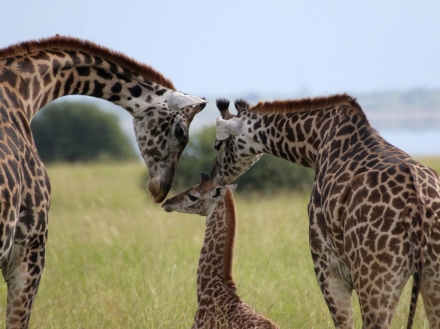
The gentle, iconic giraffe is popular around the world, but scientists know surprisingly little about them in the wild. We chose to work with giraffes because they are amazingly beautiful and peaceful animals, but they are vulnerable to extinction because people have taken so much of their wild natural habitat for human uses like farming and houses. Poaching is also a serious problem for giraffes. They need our help.
celebrate-picture-books-picture-book-review-Giraffe-Love

Tanzania in East Africa is a stronghold for giraffes, supporting more than any other country. Although the Masai giraffe is the national animal of Tanzania, populations have declined here since the 1980s—yet few people are aware of the plight of the beloved giraffe in the wild. It is our job as scientists to bring this problem to light.

How are can families and organizations around the world help in the mission?

What can you do to help save giraffes and wild nature? (1) You can donate money or time to conservation groups like Wild Nature Institute and others. People can use their skills by providing advice, services, or goods in their personal area of expertise that can help the cause. (2) You can raise awareness about the silent extinction of giraffes. Speak up within your social circles and encourage others to donate money or time to saving giraffes. You can raise awareness in your home communities by writing, speaking, and contributing to the global conversation about our planet’s climate and biodiversity crises. (3) You can plant native trees.

Giraffes, elephants, and many other species need native trees, but deforestation continues worldwide. Planting native trees helps fight the global climate crisis and helps biodiversity too! (4) You can support legal protections for wildlife. Laws like the Endangered Species Act and other environmental laws make the world safer for wildlife and people. Call and write to your congressperson, senator, governor, and president telling them you support strong law enforcement to protect wildlife. (5) You can commit to not buying body parts, and if you live in Africa you can commit to not eating bushmeat.

The programs that the Institute sponsors and supports—from education in schools and communities to environmental conservation of animals and land to publishing materials for children—is extensive. How has your work been received? What successes have been achieved and what benefits do you hope to see in the future?

To save wild nature, we must know it and love it, so Wild Nature Institute and our partners developed environmental educational materials for children and teachers. The materials teach biology, geography, science, math, and language skills using focal animals and fun, beautifully illustrated stories. Our first book, The Amazing Migration of Lucky the Wildebeest, was a tri-lingual children’s book about wildebeest migration, and the ecological and economic benefits of conservation. The book was so successful that we created our “Celebrating Africa’s Giants” program to use environmental education to build community support for conservation efforts that will ensure the long-term survival of Africa’s giants giraffes, elephants, and rhinos.

celebrate-picture-books-picture-book-review-Peace-for-Conservation

We now produce and distribute our four multi-lingual storybooks, two Swahili activity books, and seven posters, as well as learning activities to accompany the books and posters, to tens of thousands of children throughout Tanzania. These materials teach ecological and social lessons, build national pride in Tanzanian wildlife, and motivate children to read and learn about their natural world. The learning activities help Tanzanian teachers meet environmental education curricula requirements, and also meet Next Generation Science Standards for American schools.

To ensure the materials are used to their best advantage, we host workshops for teachers, led by our education consultant Lise Levy, a retired high school biology teacher with 32 years of experience in education. At the workshops, teachers have a wonderful time learning the stories and practicing the hands-on activities that they will use in the classroom to accompany the books and posters.

Can you talk a little about the impact that these books and the new Nature’s Giants Magazine have on the children and families in Tanzania?

Every year since we introduced our education program, we have expanded its reach and impact through word-of-mouth. Our books and posters are now recognized and requested by Tanzanian educators throughout Tanzania, from Ruaha and Ruvuma in the south to Serengeti in the west to Dar es Salaam in the east. We hired a Tanzanian education coordinator who regularly visits classrooms, orphanages, and community centers and brings “Giraffe in a Box,” “Elephant in a Box,” and “Rhino in a Box” with all of the materials needed to implement the activities. We made our storybooks into videobooks which are playing on Tanzanian television. We organize “fun days” at the schools to celebrate Africa’s giants where we do tree-planting, sports, drama and arts, and creative learning. 

celebrate-picture-books-picture-book-review-school

We are constantly dreaming up new and fun ways to spread the word about the fascinating animals of the African savanna. Our ultimate goal is to inspire the next generation to love and care for their wildlife and conserve the environment.

On your website you talk about the importance of zoos in supporting the environmental work in Tanzania. How do/can zoos help?

Zoos have an important role to play both in providing financial support for field conservation as well as promoting the conservation of giraffes, elephants, and rhinoceros through environmental education directed at visitors. Many zoos are using our Celebrating Africa’s Giants education program. Zoos also conduct their own scientific research. We couldn’t do our work without our zoo partnerships and we are really grateful for their support.

To learn more about Monica Bond and the work of the Wild Nature Institute, visit their website.

Meet Kayla Harren

celebrate-picture-books-picture-book-review-Kayla-Harren-headshot

Welcome back, Kayla! I’m thrilled to be talking with you about these three beautiful books and Nature’s Giants Magazine.

How did you get involved with the Wild Nature Institute and this project? What does it mean to you to be part of it?

In 2015 my husband, Peter, who is also an artist, was asked to illustrate a picture book about a baby giraffe that was written by a friend of a friend. He wanted to pursue a different path in his illustration career, so he passed the job to me. I fell immediately in love with the story of Juma. My passions have always been art and animals. Being able to combine those two loves feels incredible.

I feel so lucky to be involved with the Wild Nature Institute because I get to help wildlife in my own way even though I am not a scientist. I am grateful for this opportunity to contribute to wildlife education and hopefully spark a love for nature in other people. It feels like fate the way the first book found me through a friend of a friend of a friend and now it has turned into an amazing partnership.

Your artwork in Juma the Giraffe, Our Elephant Neighbors, and Helping Brother Rhinoceros is stunning and full of such wonderful detail and personality. What kind of research did you do to bring the characters to life? Do Juma—or any of the animals—depict real giraffes, elephants, or rhinos in the area?

Thank you! Monica was incredibly helpful with providing plenty of photographs that she and the other scientists had taken of the scenery and wildlife in Tanzania. It made my job so much easier to know that people who actually lived in Tanzania and knew the area were checking all the details of my work to make sure it was accurate. For each book I was able to look through images provided by Wild Nature Institute of people, landscapes, giraffes, elephants, rhinos, and plenty of birds and animals to add in the background of each illustration. I did study the spot patterns of many giraffes, but Juma is a made-up combination of many giraffes I studied.

celebrate-picture-books-picture-book-review-juma-the-giraffe-juma-and-mama

Readers of your many books know what realism and sensitivity you bring to your illustrations of animals. Do you have a special affinity for animals and nature? Where did that come from?

Absolutely! Animals are my favorite. It started with my love of stuffed animals when I was very young. I had a huge collection, and I would spread them all out on my bed so none were hidden and they all got equal attention from me. I was introduced to many animal species through my toys. I remember fondly a stuffed white Bengal tiger that was bigger than me and a plump little panda bear. I loved the zoo, nature shows, and all the pet cats and dogs my family had. I feel most comfortable and relaxed in nature. I love going for walks with my dog because she stops every few steps to sniff something and that makes me pause and look around at all the beautiful shapes and textures and colors of the plants surrounding me. Nature is infinitely inspiring.

Have you ever visited Tanzania?

Not yet. Visiting Tanzania is very high on my list of things I need to do. Seeing a giraffe in the wild would be an absolute dream come true.

I’m going to let David Brown answer the next few questions about “Nature’s Giants Magazine.” David is a biologist, wildlife conservationist, and environmental educator—and he’s the co-creator and major writer of “Nature’s Giants.”

Welcome, David! As a nature lover, puzzle doer, and crafter myself, I love “Nature’s Giant’s Magazine!” There’s so much for kids to fall in love with!

“Nature’s Giants” magazine is full of fascinating articles (I learned a lot!), fun crafts, science prompts, challenging puzzles, and even a funny dung beetle named Doug. Can you talk about how the magazine came to be, what your role in the magazine is. and about how it can be used in the classroom? 

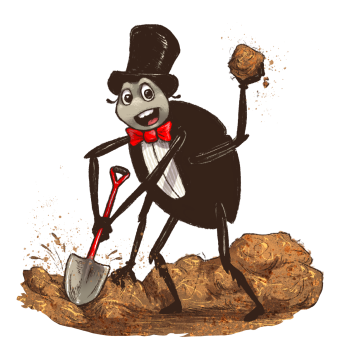
A group of conservationists and educators were meeting about how we could make Celebrating Africa’s Giants accessible and interesting to kids who love giraffes, elephants, and rhinos. We discussed how magazines like “Ranger Rick” and “National Geographic Kids” helped spark and sustain our love of nature when we were young, and we realized that there wasn’t really anything like that for even the most popular animals like giraffes and elephants. We decided to start our own nature magazine to fill that gap. We decided that our host of the magazine should be a dung beetle named Doug Beetle.  Doug Beetle helps show that there are many ways to be a giant in nature beyond physical size.
celebrate-picture-books-nature's-giants-Doug-Beetle-digging

My role is to help coordinate the creation of the magazine, develop story and activity ideas, and write the articles that bring those ideas to life. I also write the Doug Beetle comics. Megan Strauss, a wildlife biologist and illustrator, creates activities, crafts, and provides content for the magazine with her scientific expertise.  Kayla creates illustrations to accompany the articles and designs the layout of each page.

Accessible and interesting are perfect adjectives for Nature’s Giants! The magazine really promotes exploration and hands-on activities to engage kids in science learning. Can you describe some of the elements parents, teachers, and kids will find inside?

The magazine can be enjoyed casually for its art, stories, and activities. We also designed it for use in classrooms, zoo education programs, and other learning environments. In the first issue, we have a story about how scientific information can be visualized with infographics and how that helps us see the world in different ways.

celebrate-picture-books-nature's-giants-Magazine-Infographic

We also have a story about how a scientist makes an observation, asks questions about what she observed, and then solves a scientific mystery. Readers will learn how scientists study animals in the field, and hopefully get inspired to take part in citizen science themselves. 

celebrate-picture-books-nature's-giants-insect-hotel-craft

celebrate-picture-books-nature's-giants-diorama-craft

Environmental issues around the world are important to all of us. In what ways can children help from home or in their own communities?

The young people of the early 21st century are going to be the deciders of whether big animals like giraffes, elephants, and rhinos and their habitat survive this century and beyond. These animals are beloved around the world. They are the biological equivalent of the great works of art, architecture, and popular culture that are the common heritage of people around the world.

The young people in countries like Tanzania and Kenya, where these species and their habitats live, are the primary decision makers, but these animals need a global constituency of conservationists. They need people to help pay attention to them and keep their conservation needs visible in the world. Just as we pay constant attention to our favorite sports teams, celebrities, and technology products, we need to find ways to keep attention on giraffes, elephants, rhinos, and other animals.

If you love a species, then helping your local social network of family and friends be aware of the animal is a meaningful conservation action. Our goal for “Nature’s Giants” is to help connect young people with these animals and their conservation challenges and find ways to keep that connection growing.

What are the future plans for the magazine? How can teachers or other organizations order copies?

The first issue of “Nature’s Giants” is themed about African animals and plants. If the magazine finds an audience and there is an appetite for future issues, we would love to do a theme issue for each continent. We have also thought about doing an issue about the oceans. There are endless possibilities for issue themes. We would love to explore the future adventures of Doug Beetle.

To order copies of the magazine and all three storybooks, you can contact Monica Bond: monica@wildnatureinstitute.org

If you are interested in ordering Juma the Giraffe, Helping Brother Rhinoceros, and/or Our Elephant Neighbors for your classroom, organization, or yourself, contact Monica Bond monica@wildnatureinstitute.org. Individual copies of the books cost $12.00. Substantial discounts are offered when ordering multiple copies. All prices include shipping and handling.

Individuals, schools, and other organizations can also order single and/or multiple copies of “Nature’s Giants Magazine” for $4.25 each, plus shipping and handling.

You can also download printable posters with illustrations and information about giraffes, rhinos, and elephants from the Africa’s Giants website: www.africasgiants.org

To find the books with major online booksellers, see the information and links below.

celebrate-picture-books-picture-book-review-helping-brother-rinoceros-cover

You can find Helping Brother Rhinoceros at these booksellers

Amazon | Barnes & Noble | Books-a-Million | IndieBound

celebrate-picture-books-picture-book-review-our-elephant-neighbors-cover

You can find Our Elephant Neighbors at these booksellers

Amazon | Barnes & Noble | Books-a-Million | IndieBound
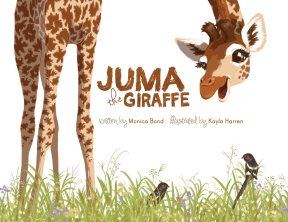
celebrate-picture-books-picture-book-review-juma-the-giraffe-cover

You can find Juma the Giraffe at these booksellers

Amazon | Barnes & Noble | Books-a-Million | IndieBound

Picture Book Review