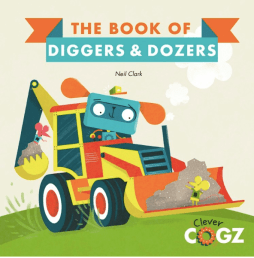
December 22 – Hanukkah Begins

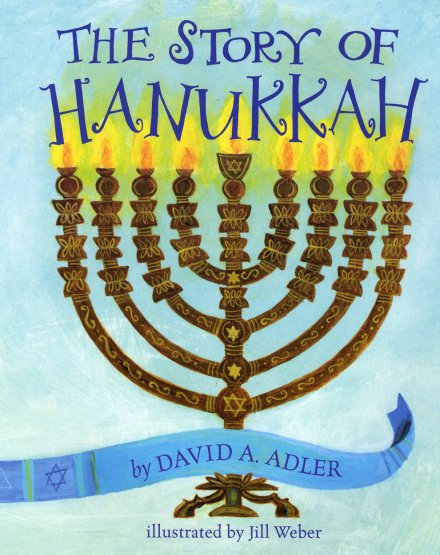
celebrate-picture-books-picture-book-review-story-of-hanukkah-cover

About the Holiday

Hanukkah is the eight-day Jewish wintertime “festival of lights” that commemorates the rededication of the Holy Temple in Jerusalem in the 2nd century BCE. Special prayers, oil-based foods, and gifts are also part of this looked-forward to holiday. Today’s reviewed book reveals the history and traditions of Hanukkah. If you are celebrating Hanukkah this week—many wishes for a meaningful and enjoyable holiday!

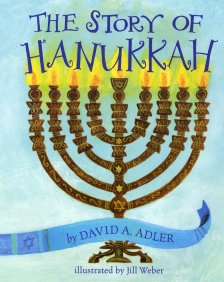
The Story of Hanukkah

Written by David A. Adler | Illustrated by Jill Weber


The story of Hanukkah began many centuries ago when Israel was known as Judea and the Jews living there worked as farmers and shepherds. Holidays were spent at the beautiful Temple, where the gates were covered in gold and silver. and a light—the ner tamid—always burned. While the Jews did not rule their land, they lived in peace. “Then a Greek, Antiochus IV became king. He tore down the walls of Jerusalem. Thousands were killed. Anyone who lit Sabbath candles, studied Jewish law, or refused to bow to Greek idols was put to death.”

When Antiochus’s army came to the town of Modiin, “they demanded that Mattathias, an old priest, worship one of their gods.” He refused and with his five sons and other followers ran into the hills. The soldiers chased them, but were attacked by “brave Jews hiding behind large rocks and inside caves….” When Mattathias died his son Judah became the group’s leader. He was known as the Maccabee, or “the hammer,” and the people who fought with him were called Maccabees.

celebrate-picture-books-picture-book-review-the-story-of-hanukkah-battle

Image copyright Jill Weber, courtesy of Holiday House Publishing

Antiochus did not give up easily. He sent his soldiers back on horses and even armored elephants. They carried swords and bows and arrows and were well-trained fighters. But despite the fact that there were 600 soldiers for every one Maccabee, the Maccabees defeated the mighty army. “Judah then led the Maccabees to Jerusalem. The Maccabees cried when they saw the Temple ruined and filled with garbage.” They went to work to restore the Temple to its former beauty.

Finally, the Temple was rebuilt and it came time to light the ner tamid. When the people looked for oil to fuel the light, however, all they found was a single jar with only enough oil to burn for one day. They lit the ner tamidm and although supplied with only a meager amount of oil, it burned for eight days—enough time for more oil to be prepared. “On the twenty-fifth day of the Hebrew month of Kislev, the Temple again became the ‘House of God.’”
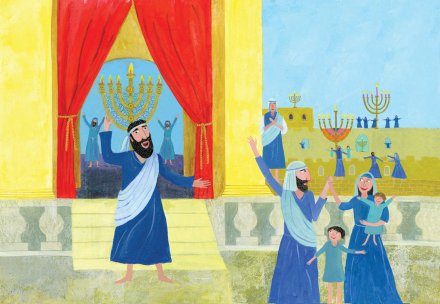
celebrate-picture-books-picture-book-review-the-story-of-hanukkah-celebrating-restored-temple

Image copyright Jill Weber, courtesy of Holiday House Publishing

Judah told his people that “every year on that date an eight-day holiday would begin.” The holiday would be called Hanukkah, meaning “dedication.” Today, Jews all over the world celebrate Hanukkah. Every night they light one more candle on the menorah. They sing special songs, eat latkes (potato pancakes) and sufganiyot (jelly doughnuts), and exchange gifts. Children also enjoy playing a game with a four-sided top called a dreidel. On each side of the dreidel “is a different Hebrew letter—the first letters of the Hebrew sentence Nes gadol hayah sham, which means ‘A great miracle happened there.’” “Hanukkah celebrates one of the first fights for religious freedom.”

With his exceptional storytelling skills, David A. Adler reveals the history of Hanukkah to children. In simple, yet compelling sentences, Adler clearly depicts the faith of the Jews and the dangers they faced from Antiochus and his army. Children will marvel over the astounding defeat of Antiochus’s soldiers at the hands of the Maccabees and be filled with awe as the Temple is rebuilt and the small amount of oil sustains the flame in the ner tamid for eight days. Children unfamiliar with Hanukkah celebrations will discover the meanings behind the traditional foods, dreidel game, and lighting of the Menorah in clear language full of the pride and emotions Jewish families feel during the holiday.

In her bright acrylic paintings Jill Weber brings to life the story of the Jews and the Maccabees, allowing children to fully experience the environment and perils of the time period. Her patchwork fields tended by farmers and shepherds give way to the majesty of the Temple with its central altar and glowing eternal flame. Weber’s battle scenes are particularly effective in presenting the destruction, fear, and final victory experienced by the Jews. Readers will be cheered by the joy depicted in the faces of the people celebrating the restoration of the Temple and the excitement of families observing Hanukkah today.

A recipe for Latkes as well as instructions on how to play Dreidel follow the text

The Story of Hanukkah is a wonderful introduction to the holiday for children learning their own heritage or for children discovering the traditions of friends, family, and others.

Ages 5 – 8

Holiday House, 2012 | ISBN 978-0823425471 (Paperback) | ISBN 978-0823440320 (Board Book)

To view more of the many, many books by David A. Adler, visit his website!

Discover a gallery of book illustration and other design work by Jill Weber on her website!

Hanukkah Activity
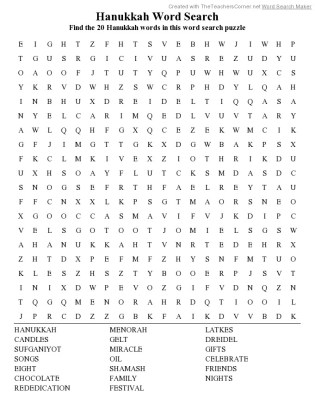
celebrate-picture-books-picture-book-hanukkah-word-search

Festival of Lights Word Search


Find 20 words related to Hanukkah celebrations in this printable Festival of Lights Word Search puzzle. Here’s the Solution.
celebrate-picture-books-picture-book-review-story-of-hanukkah-cover

You can find The Story of Hanukkah at these booksellers

Amazon | Barnes & Noble | Books-a-Million | IndieBound


Picture Book Review

December 21 – It’s Read a New Book Month

celebrate-picture-books-picture-book-review-odd-dog-out-cover

About the Holiday

There’s nothing better than spending the chilly days of winter snuggled up with a new or favorite book. If you’re still looking for gifts to give, it’s not too late to head to your local bookstore to find stories that will make kids (and adults) eyes light up. And if you’re a post-holiday shopper (and who isn’t?), make sure to check out those bookstores again. After all, it’s a loooong winter!

Odd Dog Out

By Rob Biddulph


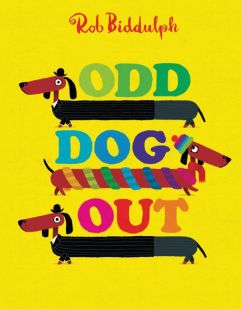
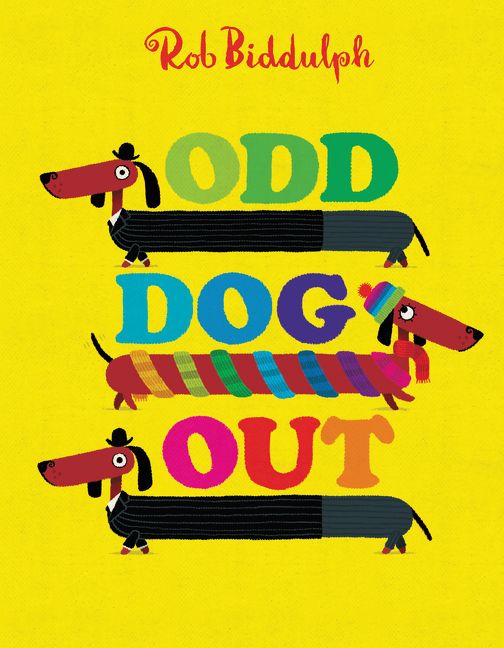
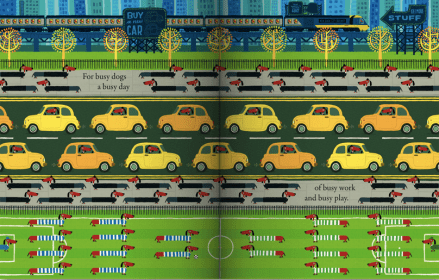
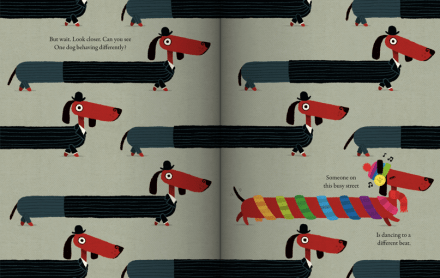
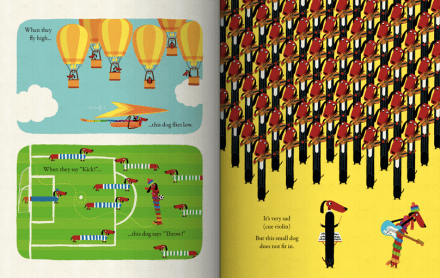
Busy dogs all dressed in black and white make their way to work while dogs at play in identical stripes take to the soccer field. At the pool, swimmer dogs don yellow caps and yellow tubes while sailor dogs in their uniform uniforms pilot their yellow boats. In fact, “soldier…scout…. They all blend in. / No dog stands out. / But wait.” On a certain street, you’ll see “someone…is dancing to a different beat.”

celebrate-picture-books-picture-book-review-odd-dog-out-busy-day

Copyright Rob Biddulph, 2016, courtesy of HarperCollins.

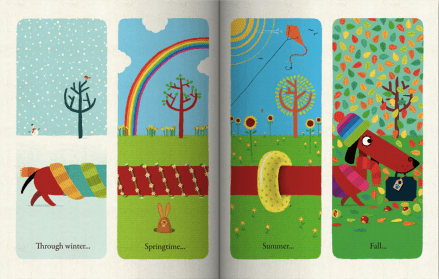
Wrapped in a rainbow-colored scarf, “this dog flies low” when others fly high, and “when they say ‘Kick!’…this dog ways ‘Throw!’” It’s plain to see that this dog just “does not fit in.” Having tried her best to be like the others, this unique pup packs her bag and leaves town. As she walks, the seasons change from winter to spring to summer to fall. She traverses the sea and climbs mountains until she comes to Doggywood and wonders if this is the place for her.

celebrate-picture-books-picture-book-review-odd-dog-out-dancing

Copyright Rob Biddulph, 2016, courtesy of HarperCollins.

She takes a look and her eyes light up. “‘Well, bless my bow-wow, can it be? / A hundred others just like me!’” There are dogs playing guitar and riding bikes, gliding on the wind, and playing basketball. And coming and going on the street, dogs in rainbow-colored scarves stream by. “But wait.” Are they really all alike? Do you see? “Somebody this afternoon / is whistling a different tune.”

The newcomer thinks that she can help. She approaches this dog with his black cap and sweater to commiserate and tell him she knows how he feels being the “‘Odd Dog Out.’” But it turns out that this dog is proud of being unique and standing out. And he tells her that she should feel that way too. After a bit of thought, she has to agree “‘…there’s nothing wrong with being me.’”

celebrate-picture-books-picture-book-review-odd-dog-out-fly-high

Copyright Rob Biddulph, 2016, courtesy of HarperCollins.

Then she knows just what to do. She grabs her bag and takes a flight. And when she lands in her old hometown, all those busy dogs and playing dogs turn to look. “‘They cheer! They clap! They whoop! They shout! / ‘We’ve really missed our Odd Dog Out!’” It seems that while she was away, some of these “identical” dogs did some thinking. Now what do you see? “Each one a doggy superstar… So blaze a trail. / Be who you are.”

celebrate-picture-books-picture-book-review-odd-dog-out-seasons

Copyright Rob Biddulph, 2016, courtesy of HarperCollins.

Through his charming rhymes and bouncy rhythm, Rob Biddulph creates a surprising tale that highlights that well-known advice: “bloom where you are planted.” When a dog who does her own thing amidst a sea of uniformity leaves home and finds a place where she fits in, readers will notice that she just replaces one homogenous place for another. The dog may feel more “at home” surrounded by other dogs who wear colorful scarves, soar on wind gliders, play guitar, and ride bikes, but is she really stretching herself and building her self-esteem? It can be difficult for kids (and people of all ages) to display their full personality, but when that happens they can’t display their full potential either. Biddulph encourages kids to be proud to let their uniqueness show while demonstrating that differences are recognized and appreciated more than they might think.

Kids will love Biddulph’s enchanting dachshunds and especially the sweet “Odd Dog Out.” His vibrant digital illustrations are superb at showing the cookie-cutter sameness of all the other dogs in humorous two-page spreads and smaller snapshots that remind one of the patterns of wrapping paper. When our colorful heroine appears among a cadre of black-suited business dogs, her satisfied smile and dancing feet stand in stark contrast to the other, serious dogs that have their feet firmly planted on the ground. Many clever spreads that readers will want to linger over bring them to the final pages where they’ll have fun pointing out and talking about the dogs who have decided to embrace their true natures.

Under the book jacket, a delightful cityscape and a “Where’s Waldo?” type of challenge awaits.

A terrific book offering lots of opportunities to talk about self-acceptance, accepting others, and the value of being different (and showing it), Odd Dog Out is highly recommended for home, classroom, and public library collections.         

Ages 4 – 8

HarperCollins, 2019 | ISBN 978-0062367266

To learn more about Rob Biddulph, his books, and his art, visit his website.

celebrate-picture-books-picture-book-review-odd-dog-out-cover

You can find Odd Dog Out at these booksellers

Amazon | Barnes & Noble | Books-a-Million | IndieBound

Picture Book Review
December 19 – Look for an Evergreen Day

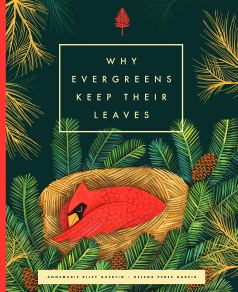
celebrate-picture-books-picture-book-review-why-evergreens-keep-their-leaves-cover

About the Holiday

Today’s holiday gives people an opportunity to learn about and appreciate the variety of evergreen trees that grow locally and around the world. During the winter these giants stand out against snowy landscapes with their deep-green needles that retain their color all year around and always offer the hope of spring. For those who celebrate Christmas, the evergreen is a highlight of the celebration. Decorated with lights and sparkly ornaments, the tree is where family and friends gather to exchange gifts and share time together. Look for an Evergreen Day was created by the National Arborist Association to encourage people to enjoy the beauty of these special trees.

Why Evergreens Keep Their Leaves

Written by Annemarie Riley Guertin | Illustrated by Helena Pérez Garcia


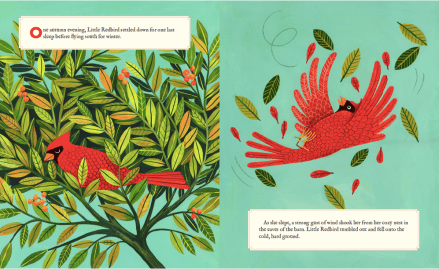
Little Redbird was taking her last sleep before flying south for the winter when she was thrown from her nest onto the hard ground by a strong gust of wind. When she got up, the pain in her wing told her she would not be able to fly. “‘How will I survive the long, harsh winter winds? Surely I will perish,’” she thought. But then she saw all the trees in the forest and “chirped with relief.” She could build a new nest on a low branch of one of them and find shelter.

celebrate-picture-books-picture-book-review-why-evergreens-keep-their-leaves-frost-wind

Image copyright Helena Pérez Garcia, 2019, text copyright AnneMarie Riley Guertin, 2019. Courtesy of Familius.

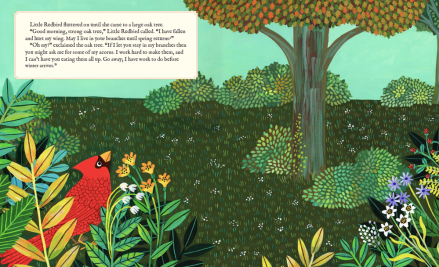
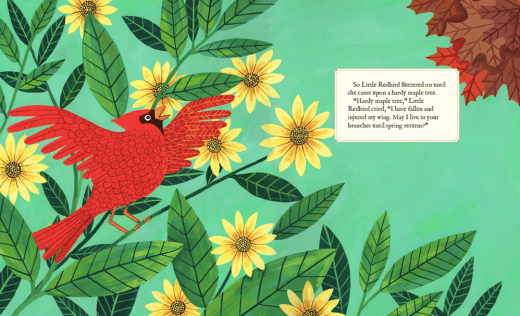
The first tree she hopped to was a birch. Politely, she told the tree her predicament and asked, “‘May I live in your warm branches until spring returns?’” But the birch only wanted to look out for itself and told Little Redbird to “‘move along.’” Next, Little Redbird came to a large oak tree. She explained about her injured wing and asked if she could spend the winter in the oak’s strong branches. The oak was surprised by the request and suspicious that the little bird would also want to eat up all of its acorns. The oak shooed Little Redbird away. When she came to the maple tree, Little Redbird repeated her request. The maple told her that it was “‘too busy making sap for maple syrup. I have no time for little birds,’” it continued and sent Little Redbird on her way.

celebrate-picture-books-picture-book-review-why-evergreens-keep-their-leaves-frost-oak-tree

Image copyright Helena Pérez Garcia, 2019, text copyright AnneMarie Riley Guertin, 2019. Courtesy of Familius.

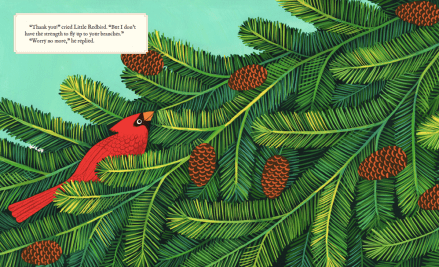
Afraid and uncertain, Little Redbird began to cry. Then she heard a voice offering to help. She looked up and saw “a smiling fir tree.” She approached and told her story again. At once, the fir tree offered Little Redbird a safe and warm place to stay within its many branches. Little Redbird thanked the fir tree, but said that she didn’t have the strength to fly up into the branches. The fir told the little bird not to worry as he reached out his lower branches.

celebrate-picture-books-picture-book-review-why-evergreens-keep-their-leaves-frost-pinecones

Image copyright Helena Pérez Garcia, 2019, text copyright AnneMarie Riley Guertin, 2019. Courtesy of Familius.

Overhearing this exchange, a nearby blue spruce called out that he would help shield Little Redbird from the wind with his strong branches. “‘How kind of you!’ replied Little Redbird.” Then another voice came whispering on the breeze. It was the juniper tree offering berries to heal the little bird’s wing. Little Redbird happily “built a warm nest inside the fir tree’s branches and waited for winter’s arrival.”

celebrate-picture-books-picture-book-review-why-evergreens-keep-their-leaves-frost-queen

Image copyright Helena Pérez Garcia, 2019, text copyright AnneMarie Riley Guertin, 2019. Courtesy of Familius.

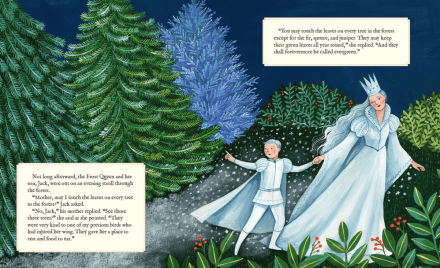
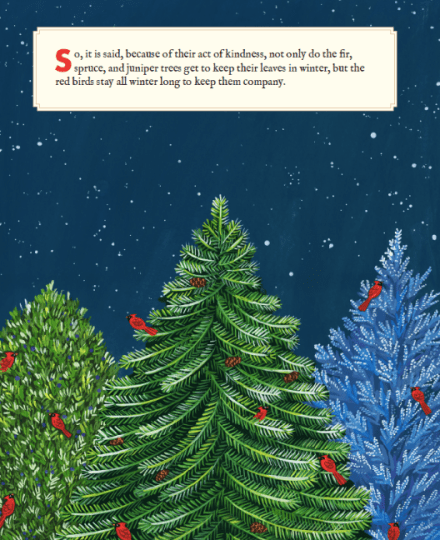
One evening soon after, the Frost Queen and her son Jack came strolling through the forest. Jack wondered if he could touch the leaves on every tree. His mother pointed to the fir, the blue spruce, and the juniper and explained that he could touch the leaves on every tree except these. “‘They were very kind to one of my precious birds who had injured her wing,’” the Frost Queen told Jack. “‘They may keep their green leaves all year round. And they shall forevermore be called evergreen.’” It is also said that these acts of kindness inspired these little red birds to stay and keep these trees company all winter long.

celebrate-picture-books-picture-book-review-why-evergreens-keep-their-leaves-kindness

Image copyright Helena Pérez Garcia, 2019, text copyright AnneMarie Riley Guertin, 2019. Courtesy of Familius.

Annemarie Riley Guertin offers a charming and well-rounded telling of the legend of how evergreens got their name and their unique feature that also provides a heartwarming reason for why cardinals do not fly south for the winter. This delightful pairing deepens the meaning of the story by demonstrating that kindness is recognized and often comes back to those who give it. Guertin’s clear and emotionally rich dialogue allows readers to fully appreciate Little Redbird’s distress, the rebuffs of the deciduous trees, and the acceptance of the others. The appearance of the Snow Queen and her son Jack bring a human element to the story that will resonate with children, who are themselves learning to be kind.

celebrate-picture-books-picture-book-review-why-evergreens-keep-their-leaves-frost-maple-tree

Image copyright Helena Pérez Garcia, 2019, text copyright AnneMarie Riley Guertin, 2019. Courtesy of Familius.

Helena Pérez Garcia’s vibrant, folk-art inspired illustrations are simply gorgeous. Set against a black forest floor, the autumn flowers, fallen leaves, and trees in full fiery color pop off the page. Just as in any real-life garden, the red cardinal immediately catches the eye, putting readers’ focus on Little Redbird and her plight. The image of Little Redbird crying is touching, making the fir tree’s offer of help and outstretched branches all the more emotional. Garcia’s imaging of the Snow Queen and her son Jack will enchant any lover of fairy tales, and the final image of a flock of cardinals keeping the evergreens company during the winter is a sight we can all hope to see.

A beautiful tale to share during the winter season or along with other fairy tales or fables, Why Evergreens Keep Their Leaves would make a terrific addition to home, classroom, and public library collections. Pair with a bird feeder or small evergreen tree to plant to make a gift any child would love.

Ages 5 – 8 

Familius, 2019 | ISBN 978-1641701587

Discover more about Annemarie Riley Guertin and her books on her website.

To learn more about Helena Pérez Garcia, her books, and her art, visit her website.

Look for an Evergreen Day Activity

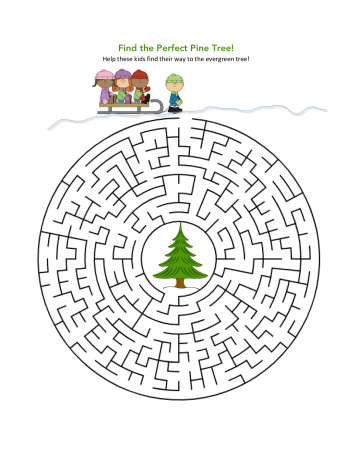
celebrate-picture-books-picture-book-review-Find-the-Perfect-Pine-Tree-maze

Find the Perfect Pine Tree! Maze


Can you help the kids sled their way to find the evergreen tree in this printable maze?

Find the Perfect Pine Tree! Maze | Find the Perfect Pine Tree! Maze Solution

celebrate-picture-books-picture-book-review-why-evergreens-keep-their-leaves-cover

You can find Why Evergreens Keep Their Leaves at these booksellers

Amazon | Barnes & Noble | Books-a-Million | IndieBound

Picture Book Review
December 18 – It’s Cat Lovers Month

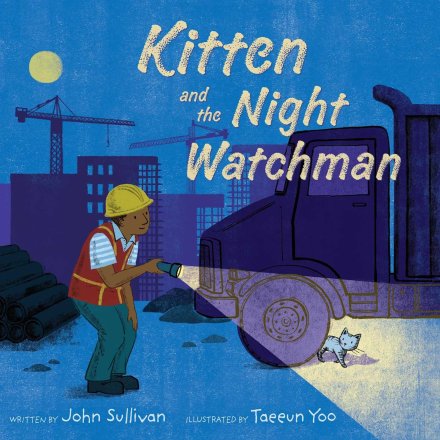
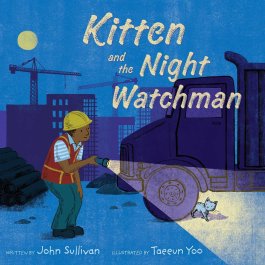
celebrate-picture-books-picture-book-review-kitten-and-the-night-watchman-cover

About the Holiday

If you share a home with a cat, then you know how these furry friends can change your life. Whether you love them for their playful antics, for their companionship, or even for their independent spirit, your life just wouldn’t be the same without their daily presence. Cat Lovers Month is the perfect time to celebrate your cat or kitten with some extra attention and care. If you’re considering adopting a cat, visit your local animal shelter to give a cat a forever home.

Kitten and the Night Watchman

Written by John Sullivan | Illustrated by Taeeun Yoo


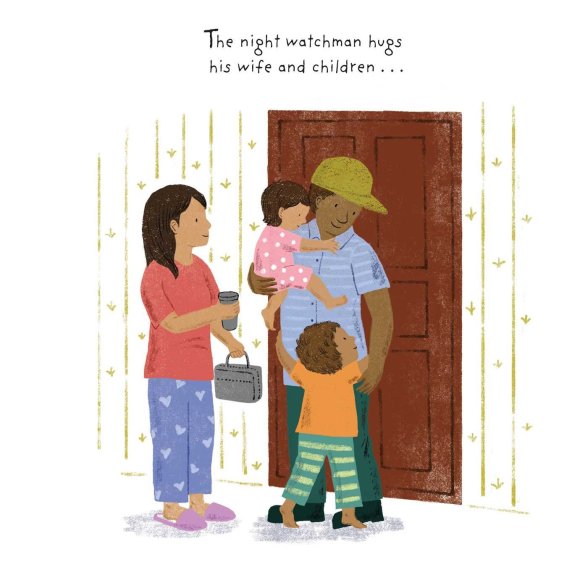
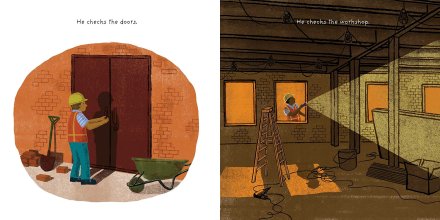
On his way out the door, the night watchman “hugs his wife and children…and drives to work” as the sun is setting. As the sky darkens, he patrols the construction site once an hour. There’s a lot to do. He makes sure every door is locked, that the workshop is clear, and that no one is disturbing the vehicles or equipment.

celebrate-picture-books-picture-book-review-kitten-and-the-night-watchman-leaving

Image copyright Taeeun Yoo, 2018, text copyright John Sullivan, 2018. Courtesy of simonandschuster.com.

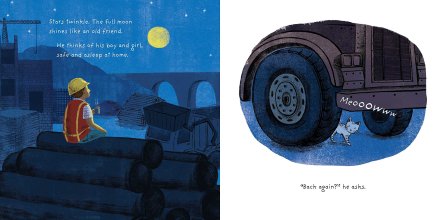
He rests for a moment with a hot cup of coffee under the twinkling stars and “thinks of his boy and girl, safe and asleep at home.” But the night watchman is not alone. A little gray kitten peeks out from behind a truck’s tire. The kitten approaches the night watchman and follows him as he continues his rounds through the yard, where “an excavator bows like a strange giraffe.”

celebrate-picture-books-picture-book-review-kitten-and-the-night-watchman-making-rounds

Image copyright Taeeun Yoo, 2018, text copyright John Sullivan, 2018. Courtesy of simonandschuster.com.

The kitten knows the night watchman will share his dinner before they are off on their rounds again. They see insects hovering in the light of the lamppost and hear birds call to each other. But when the night watchman goes back to his office and waits for the kitten to follow him through the door, “the kitten isn’t there. She is nowhere to be seen.” The night watchman hears a dog bark, cars roar, and the rattle of the train passing and worries.

celebrate-picture-books-picture-book-review-kitten-and-the-night-watchman-checking

Image copyright Taeeun Yoo, 2018, text copyright John Sullivan, 2018. Courtesy of simonandschuster.com.

A moth flits around the desk lamp, and the night watchman gently carries it outside. When he opens the door, the little kitten is waiting for him. He picks her up and gives her a cuddle. Then it’s time again for their rounds. While the sun breaks on the horizon, the night watchman packs up his things to go home. As he drives through the wakening city, “this time he is not alone.” He talks to the kitten and tells her, “‘I know a boy and girl who will want to give you a name.’”

celebrate-picture-books-picture-book-review-kitten-and-the-night-watchman-kitten

Image copyright Taeeun Yoo, 2018, text copyright John Sullivan, 2018. Courtesy of simonandschuster.com.

Through his beautiful and emotionally resonant story, debut author John Sullivan lets kids follow along as a night watchman quietly makes his rounds during those midnight hours that are so mysterious and intriguing to young children. Sullivan’s lyrical phrasing, attention to nighttime creatures, and whimsical transformations of trucks, cranes, and backhoes create poetry and art from the concrete world of a construction site. The endearing relationship between the night watchman and the kitten makes the moment of suspense a tug at the heart, and its quick and loving resolution will charm young readers.

celebrate-picture-books-picture-book-review-kitten-and-the-night-watchman-driving-to-work

Image copyright Taeeun Yoo, 2018, text copyright John Sullivan, 2018. Courtesy of simonandschuster.com.

Taeeun Yoo’s soft, textured illustrations envelop readers in fiery sunrises and sunsets, the lovely purple’s and blues of early evening, and the shadowy indigo of midnight. The darkness is broken here and there by the night watchman’s flashlight that throws a grainy and fading beam across the construction site, the full moon and blinking stars, lamplight, and the cozy lit windows of the watchman’s office. Standing silently silhouetted against this backdrop are the buildings and machinery of the construction site.

When the little kitten peeks from behind a truck tire, her little presence is surprising and endearing. An unseen—but heard—dog, speeding car, and rumbling train interrupt the calm night and disquiets the night watchman. Again, the kitten makes a surprising and endearing entrance. The little gray ball of fluff is another bright spot in the night—a friend to keep loneliness at bay—and as the sun rises, the promise of a sunny morning for the watchman’s children will delight readers.

Kitten and the Night Watchman is a quiet, poignant story that would be an often-read choice for home and classroom libraries.

Ages 4 – 8

Simon and Schuster, A Paula Wiseman Book, 2018 | ISBN 978-1481461917

Discover more about Taeeun Yoo, her books, and her art on her website.

Cat Lovers Month Activity

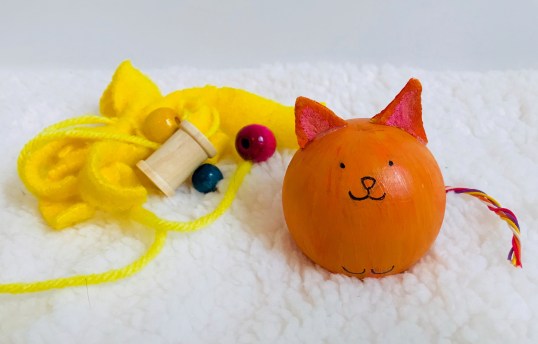
celebrate-picture-books-picture-book-review-wooden-bead-cat-craft

A Little Ball of Kitten


This happy little kitten is easy to make and can keep you company on your desk or shelf! Since every kitten is different, you can make yours to look just the way you want. Here’s how I made mine:

Supplies

  • Wooden ball with a flat bottom, available in craft stores and in different sizes
  • Craft paint in any color kitten you’d like (I used red and yellow and mixed it to make a mottled orange)
  • Craft paint in pink or white for the inner ear
  • Scrap of fleece for the ears. Fleece is easily shaped to the rounded ball and when painted is stiff enough to stand up on its own.
  • Thin, colored wire in several colors for the tail (string or twine, wrapped wire, fleece, stiff paper, and other materials could also be used)
  • Paint brush
  • Permanent marker for making the face
  • Hot glue gun or strong glue

Directions

  1. Paint the wooden ball and let dry
  2. Paint the scrap of fleece to match the wooden ball, let dry
  3. Cut out small triangular shapes for the ears. Round the bottom of the ears slightly so they fit the shape of the ball
  4. If making a tail from several colors of thin wire, twist them together, leaving one end untwisted
  5. With the glue gun or strong glue attach the ears to the top of the head
  6. With the glue gun attach the tail to the back of the wooden ball in the center near the base
  7. With the marker, draw eyes, nose, and mouth for the face and semicircles near the bottom for the paws

celebrate-picture-books-picture-book-review-kitten-and-the-night-watchman-cover

You can find Kitten and the Night Watchman at these booksellers

Amazon | Barnes & Noble | Books-a-Million | IndieBound

Picture Book Review
December 17 – Celebrating Read a New Book Month with Art

celebrate-picture-books-picture-book-review-frank-lloyd-wright-cover

About the Holiday

Today, I’m featuring another interactive book that will get young readers excited about learning more about art—or in this case—architecture. A great book can help kids find role models from the past or today that they can connect with philosophically and creatively. A book that touches on, validates, and encourages a child’s talent or dream is a gift that lasts a lifetime.

Meet the Architect! Frank Lloyd Wright

By Patricia Geis


Artists can be endlessly fascinating not only for their work but for their lives, which influence where they get their ideas, how they create each piece, and what made them an artist in the first place. In Meet the Architect! Frank Lloyd Wright, readers get an opportunity to discover the backstory, the influences, the three architectural rules, the clients, and, of course, the buildings of this master architect, whose mother predicted his profession before he was even born and “surrounded his crib with drawings of cathedrals.” This deep dive into Frank Lloyd Wright’s life is accomplished not only through text, but with little fold-outs that are themselves illustrated booklets, 3D popups, illustrated panels that extent the pages, tabs, a portfolio of postcards, and more.

celebrate-picture-books-picture-book-review-frank-lloyd-wright-getting-started

Copyright Patricia Geis, 2019, courtesy of Princeton Architectural Press.

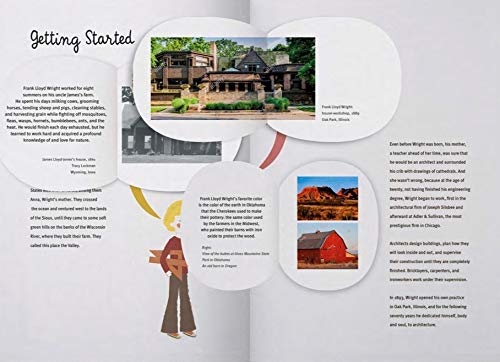
But let’s get started! Young readers may wonder what Frank was like as a kid. Learning that his grandfather, Richard Lloyd Jones, a Welsh milliner who made “‘black cone-shaped hats that ended in a point, worn as much by witches when they flew on their broomsticks as by other Welshmen,” will only whet their appetite to know more, and they won’t be disappointed. In addition to the text that briefly outlines Wright’s ancestry and earliest work experiences and defines what an architect is, a child asks a few questions.

celebrate-picture-books-picture-book-review-frank-lloyd-wright-getting-started-2

Copyright Patricia Geis, 2019, courtesy of Princeton Architectural Press.

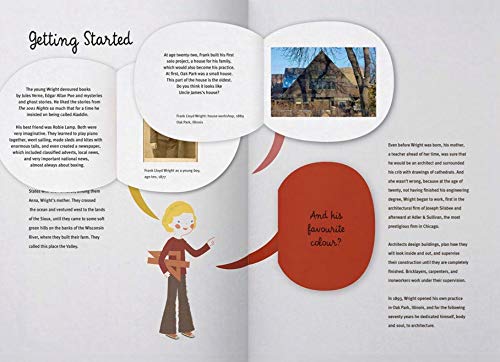
The first speech bubble asks, “How was he as a kid?” Readers open it up to see a photograph of Frank at age 10 accompanying a description of the books he read, the activities he and his best friend did, the newspaper he created, and even why “he called himself Aladdin” for a while. Readers next meet him at 16 in a photo of his very large extended family, and they also get to see his Uncle James’ house where he spent eight summers working on the farm. The exterior photo of the house Wright made for his family. Two other speech bubbles introduce children to the house Wright designed and built for his family and a discussion of his favorite color, complete with full-color photographs.

celebrate-picture-books-picture-book-review-frank-lloyd-wright-getting-started-3

Copyright Patricia Geis, 2019, courtesy of Princeton Architectural Press.

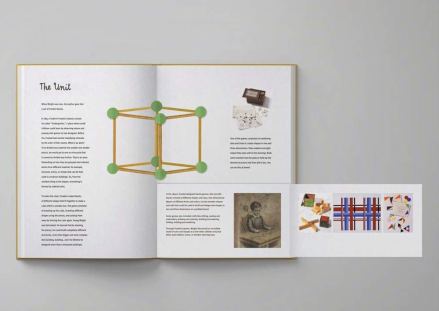
No artist is created in a vacuum, so author Patricia Geis includes a discussion of Friedrich Froebel, the creator of kindergarten and designer of twenty games that engaged children in geometry, creating dimensional shapes, building, and crafts and were influential in Wright’s development as well as in that of many well-known “artists, philosophers, and architects who would invent the abstract language of modern art.” A popup on the page replicates one of Froebel’s games.

celebrate-picture-books-picture-book-review-frank-lloyd-wright-the-unit-2

Copyright Patricia Geis, 2019, courtesy of Princeton Architectural Press.

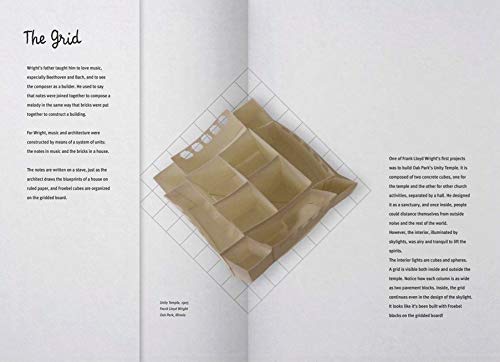
Wright’s father was also influential in his son’s education. He taught him to love music and “see the composer as a builder. For Wright, music and architecture were constructed by means of a system of units: the notes in music and the bricks in a house.” Just as notes are written on a staff, an architectural drawing is created on a grid. A detailed popup of Unity Temple built in 1908 in Oak Park, Illinois demonstrates how the building is positioned on a grid while a fold-out panel presents images of a floor plan, a cross section, a perspective drawing, and two photographs—one of the exterior and one of the interior of this beautiful temple.

celebrate-picture-books-picture-book-review-frank-lloyd-wright-the-unit

Copyright Patricia Geis, 2019, courtesy of Princeton Architectural Press.

Wright is well-known for setting his buildings in harmony with their surroundings. In her chapter “The Landscape,” Geis explains that Wright believed all buildings should adhere to “‘organic architecture,’” which meant they should “be in harmony with the landscape, respect the materials of construction, and respond to the need of the client.” She goes on to talk about Taliesin, the house, studio, and farm where he opened a school of architecture in 1932,, and Taliesin West in Arizona. These two landmarks are presented first with small framed photos (which cleverly mirror pictures on an art gallery wall) that open up to show how the buildings blend in with the environment and second with foldouts that include interior and exterior photographs as well as accompanying text.

celebrate-picture-books-picture-book-review-frank-lloyd-wright-the-grid

Copyright Patricia Geis, 2019, courtesy of Princeton Architectural Press.

Fallingwater, built in 1936, is one of Wright’s most famous designs, and with the pull of a tab, readers can transform the waterfall that hosts this house into the showstopper it became. More photographs and text present Wright’s philosophy about the house and land as well as the level of detail that went into building it—even to his choice to paint “the upper part the same color as the underside of a rhododendron leaf.”

celebrate-picture-books-picture-book-review-frank-lloyd-wright-the-grid-2

Copyright Patricia Geis, 2019, courtesy of Princeton Architectural Press.

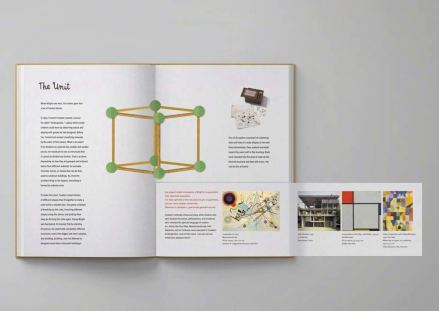
“Wright believed that every house should fit its inhabitants, like a made-to-measure suit.” To see just how he accomplished creating one-of-a-kind houses, readers can flip through a portfolio of five postcards, each of which presents a color photograph of the exterior of the house on the front and a description and interior photographs on the back. Visitors to the Guggenheim Museum in New York have experienced how Wright brought “the forms of nature to the city.” Shaped with the spiral of a snail’s shell, the museum showcases the art collection of Solomon r. Guggenheim, who bought “the works of such avant-garde artists as Kandinsky, Klee, Picasso, and Mondrian. Perhaps Wright’s connection with some of these artists through their common adoption of Froebel’s games early in their development is one reason the museum and the art work so well together.

A natural teacher, Wright would no doubt invite readers of this book to do some architectural exploration of their own, and so Geis has included sheets of card stock blocks, shapes, cubes to build, and other elements as well as a grid for children to play with.

celebrate-picture-books-picture-book-review-frank-lloyd-wright-postcards

Copyright Patricia Geis, 2019, courtesy of Princeton Architectural Press.

Patricia Geis is an engaging and compelling tour guide on this absorbing survey of Frank Lloyd Wright’s life that spanned from 1867 to 1959 taking in Reconstruction, “the Industrial Revolution, the coming of electricity, two world wars, and the invention of television.” Her clear and straightforward storytelling draws readers in with intriguing details, information about his childhood, and sprinkled-in direct appeals for them to look closer at or notice something in the photographs. Geis does an excellent job of connecting Wright’s early influences to his later work and his architectural philosophies to his finished projects. Each two-page spread creates a chapter of sorts, making it easy for kids and adults to dip into the book as they wish or to read it all in one sitting. Charming illustrations of wanna-be architects on various pages invite kids along on this beautiful and beautifully done journey of discovery.

A stunning book that any child—or adult—would cherish, Meet the Architect! Frank Lloyd Wright is highly recommended for anyone interested in architecture or any of the arts. I would also encourage readers to check out the other books in this series, including Meet the Artist! books about Henri Matisse, Pablo Picasso, Alexander Calder, Vincent van Gogh, and Leonardo da Vinci. If you are looking for a unique gift for a teacher or someone on your list, you can’t go wrong with this book.

Ages 7 – 12 and up

Princeton Architectural Press, 2019 | ISBN 978-1616895938

You can learn more about Patricia Geis, her books, and her art here.

celebrate-picture-books-picture-book-review-frank-lloyd-wright-cover

You can find Meet the Architect! Frank Lloyd Wright at these booksellers

Amazon | Barnes & Noble | Books-a-Million | IndieBound

Picture Book Review
December 16 – Celebrating Read a New Book Month with Art

celebrate-picture-books-picture-book-review-art-this-way-cover

About the Holiday

Discovering new books about a favorite subject or one that presents a topic in a new and interactive way is one of the joys of reading. Today and tomorrow, I am featuring two new books that engage kids in the study of art in interactive and exciting ways. Getting to see the world in unique and creative ways is one of the purposes of art, and these books get readers thinking about the whys and hows of some of the world’s influential artists.

Art this Way

By Tamara Shopsin and Jason Fulford


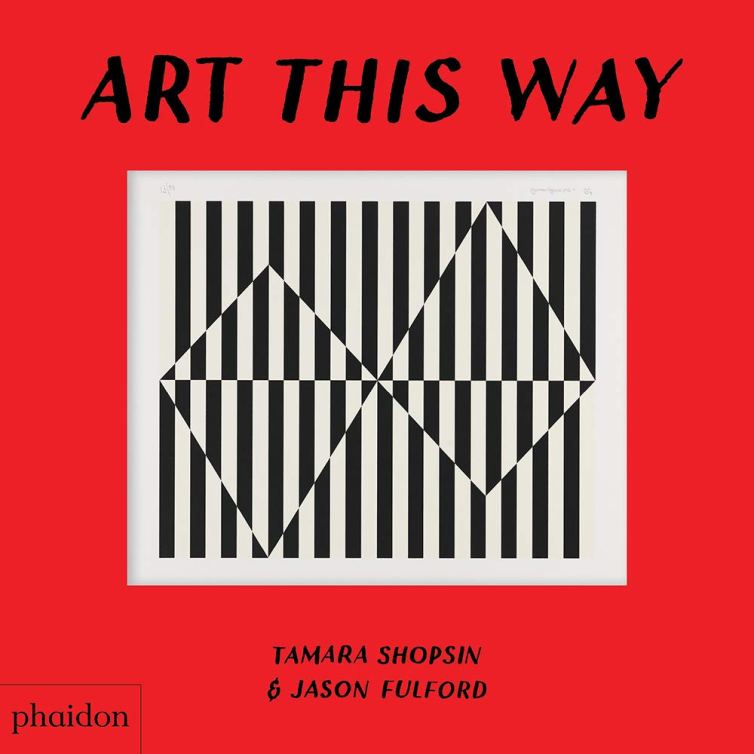
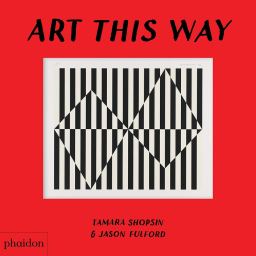
As children—who are naturally creative—know, art is not static but interactive and thought-producing. In Art This Way, author-artists Tamara Shopsin and Jason Fulford invite readers to “see like artists” by introducing them to twelve works of art in the collection of the Whitney Museum of American Art. The eye-catching cover with a cut-out window that frames Carmen Herrera’s Black and White screen print—a black-and-white-striped optical illusion—that, as children discover when they open the cover, looks the same upside down.

celebrate-picture-books-picture-book-review-art-this-way-women-and-dog

Copyright Tamara Shopsin and Jason Fulford, 2019. Courtesy of Phaidon.

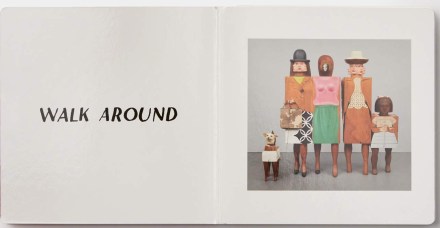
One photograph of Marisol’s sculpture Women and Dog—in which “each of the women is a self-portrait of the artist—can’t fully represent this piece, so readers are presented with three. These fold-out images allow children to “walk around” the sculpture to see the intriguing (and humorous) back and get an up-close view of one of the women’s head, which appears to be looking in all directions.

celebrate-picture-books-picture-book-review-art-this-way-look-up-open

Copyright Tamara Shopsin and Jason Fulford, 2019. Courtesy of Phaidon.

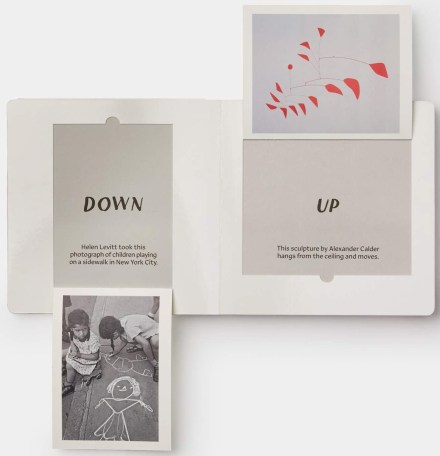
Five screen prints from Andy Warhol’s portfolio Flowers demonstrate the impact of identical images of flowers rendered in different colors. Folding out the pages puts these paintings side-by-side so that kids can choose their favorite or discuss the differences. Sometimes art isn’t at eye level, but below our feet or above our heads. Two doors—one that opens down and one that opens up—reveal two such examples. A photograph by Helen Levitt of children creating chalk drawings on a sidewalk and a whimsical mobile by Alexander Calder will captivate readers.

celebrate-picture-books-picture-book-review-art-this-way-look-close

Copyright Tamara Shopsin and Jason Fulford, 2019. Courtesy of Phaidon.

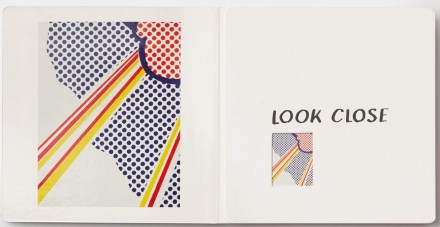
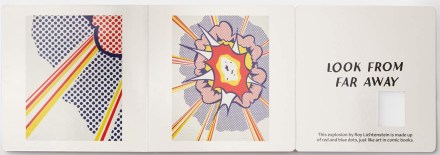
Lovers of comics and graphic novels will be drawn to the close-up and far-away views of an explosion by Roy Lichtenstein, which is composed of solid-color blasts and rays amidst clouds of red and blue dots. Cindy Sherman showed the personal side of art with photographs of “herself pretending to be different characters.” Kids get to try out their own artistic side with the mirror that beckons them to “look in” and try on the round glasses for size. Finally, one of the wrapped objects that have made Christo well-known around the world awaits readers, enticing them to guess what might be inside.

celebrate-picture-books-picture-book-review-art-this-way-look-far-away

Copyright Tamara Shopsin and Jason Fulford, 2019. Courtesy of Phaidon.

Each of the works of art presented here have been well-chosen by Tamar Shopsin and Jason Fulford to encourage young readers to discover art not only in museums but all around them and to explore their own creativity. Each page invites readers to talk about the piece and to try their hand at using it to inspire a piece of their own.

A wonderful and fun way to introduce youngest readers to the joys of creativity, Art This Way makes a unique addition to home, classroom, and public library board book collections.

Ages 2 – 4

Phaidon, 2019 | ISBN 978-071487721

To find a portfolio of work by Tamara Shopsin and in collaboration with her husband Jason Fulford, visit her website.

Celebrating New Book Month with Art Activity

celebrate-picture-books-picture-book-review-motivation-and-inspiration-day-craft

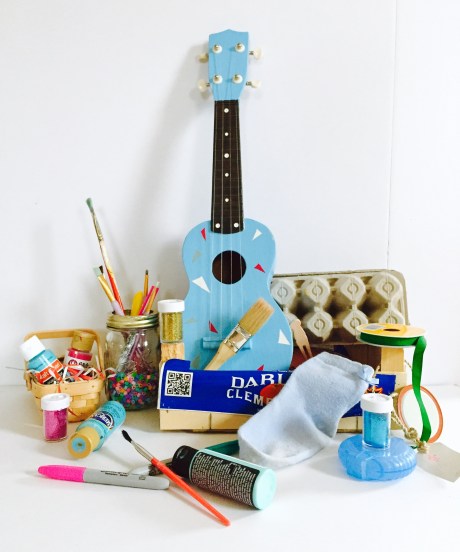
Make Art from Found Objects


Each person finds inspiration in different things, places, and people. Today, try to create something new from the materials around you. Boxes, bottles, wire, magazines, cloth, wood, sponges—almost anything—can be transformed with some imagination. With those old socks, corks, flower pots, candle stubs, bits of ribbon, clementine crate, paint, glitter, beads, and more, you can make something useful, a decoration for your room, or even a gift for a friend!

celebrate-picture-books-picture-book-review-art-this-way-cover

You can find Art This Way at these booksellers

Amazon | Barnes & Noble | Books-a-Million | IndieBound

Picture Book Review
December 13 – Celebrating Read a New Book Month with STEM

celebrate-picture-books-picture-book-the-book-of-flying-machines-cover

About the Holiday

Today I’m featuring two books that bring the world of big machines down to size for little readers. Being introduced to the various parts of favorite machines and what they do can spark a life-long interest in engineering and its many applications!

The Book of Flying Machines

By Neil Clark

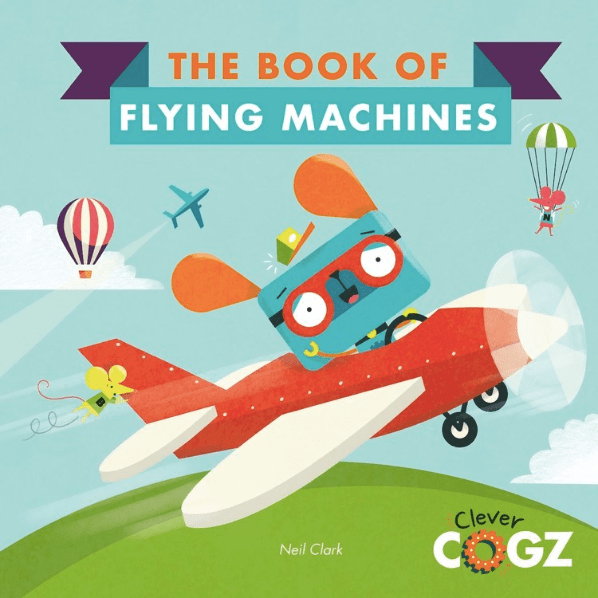
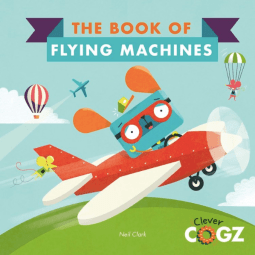
Readers join Clever Cogz and his sidekicks, Nutty and Bolt, as they get up-close to airplanes, hot air balloons, helicopters, supersonic jets, and the latest technological advances to fill the skies. Little ones who love air travel or just watching planes soar through the clouds learn all about the “clever parts” that allow these machines to ascend, fly, descend, and land.

After defining the engine, cockpit, fuselage, tail, rudder, wheels, and fins, Clark presents a closer look at the wings, with all of their moving parts “that work together to control the speed and direction of the plane.” But how does a plane stay in the air? Kids discover that a wing’s special shape allows air to travel “faster over the top than it does underneath,” and that “the slow-moving air under the wing creates a force called lift.”  Clever Cogz reveals that “lift is the force that keeps an aircraft in the air.”

celebrate-picture-books-picture-book-the-book-of-flying-machines-helicopter

Copyright Neil Clark, 2019, courtesy of QEB Publishing.

Now that the plane is in the air, how does it move forward? Working together, the engine and the propeller use air to create thrust, and budding engineers get to see just how this works. Next, children get to join Nutty and Bolt in a hot air balloon ride and discover how pilots use the science of hot air to make the balloon rise. They also learn the names of the various parts of these beautiful machines that make them work—and allow them to come back down.

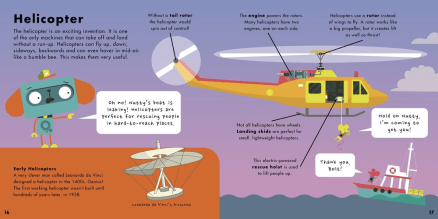
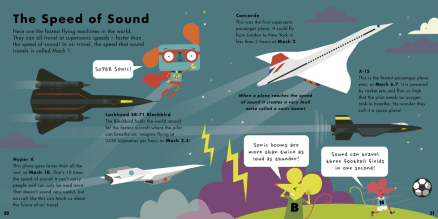
No one can resist watching a helicopter hover overhead, and its ability to “take off and land without a run-up” makes it very useful in emergency situations. Readers get to learn about the engine, the landing skids, the rescue hoist, and the two rotors that provide the power for this unique machine while Bolt comes to Nutty’s aid on his sinking boat. Kids fascinated by speed will love learning about the various types of jets that “travel at supersonic speeds—faster than the speed of sound” and the definition of Mach 1, against which they can compare the speed of jets that fly at Mach 3.3, 6.7, and even 9.6.

celebrate-picture-books-picture-book-the-book-of-flying-machines-supersonic

Copyright Neil Clark, 2019, courtesy of QEB Publishing.

Of course, kids are familiar with drones, so they’ll be eager to discover how three different types—one that can even predict storms. Finally, flying here and there powered by a jet pack may seem like science fiction, but “real ones have been built for the army, for astronauts, and for spectacular stunt shows,” including the Bell Rocket Belt, which can fly up to 60 mph (95 kmph) and the Jetman, invented by Yves Rossy, that can fly at 100 mph (160 kmph). Along the way, bits of trivia about the history and facts of air flight give kids even more information. A short quiz on the last page lets readers show off what they’ve learned.

Ages 5 – 7

QEB Publishing, 2019 | ISBN 978-0711243446

celebrate-picture-books-picture-book-the-book-of-diggers-and-dozers-cover

The Book of Diggers & Dozers

By Neil Clark


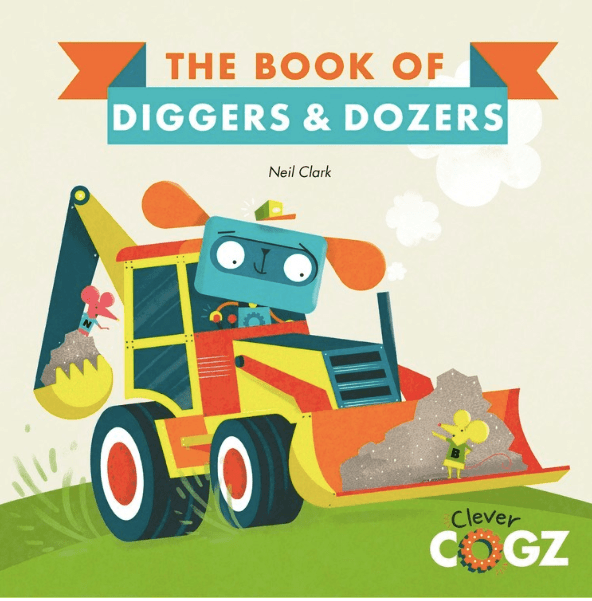
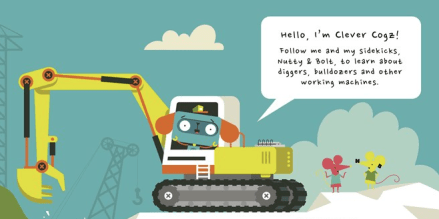
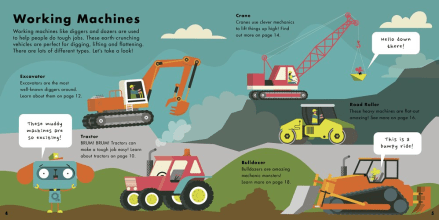
Clever Cogz, Nutty, and Bolt are back in this book all about working machines. From backhoe loaders to excavators to bulldozers to the giants and the latest tech wonders, Neil Clark takes readers above and below ground to see how these machines work. Take a moment to get to know the intricate parts of a backhoe, which can lift the weight of three cars with its front loader and dig deep holes with its hydraulic-powered bucket in the back. The spinning seat in the cab makes it easy for the operator to do both jobs! What are hydraulics? Dog Clever Cogz, Nutty, and Bolt demonstrate the concepts on a backhoe and with a water gun.

celebrate-picture-books-picture-book-the-book-of-diggers-and-dozers-clever-cogz

Copyright Neil Clark, 2019, courtesy of QEB Publishing.

Little ones know tractors belong on farms, but they’ll be surprised at how many jobs they can do using different attachments. There’s even a hole digger that makes planting trees much easier. The excavator may be best known for the tracks that wrap around sprockets and allow it to move over bumpy ground, but its bucket deserves some attention too. It has “an extra part called a thumb” that “turns the bucket into a giant claw, perfect for grabbing things.” Did you know that there are “new, electric powered excavators that will help keep our planet clean?”

The tallest machines are cranes—and “the biggest mobile crane is over 800 feet (245 m) high.” Nutty tells kids “that’s as tall as 50 giraffes standing on top of each other!” A crane’s height and power help it move objects too heavy to move any other way. When roads need fixing and repaving, it’s time to break out the road roller. These useful machines have been around since 1800, when horses pulled them. The steamroller was invented in 1865, and the diesel-powered version came along in 1950. The new road rollers are electric and better for the environment.

celebrate-picture-books-picture-book-the-book-of-diggers-and-dozers-working-machines

Copyright Neil Clark, 2019, courtesy of QEB Publishing.

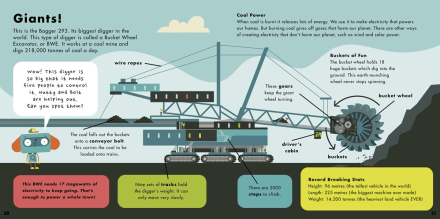
Fans of the bulldozer will see what a powerhouse this machine really is. With high tracks to allow it to travel through muddy ground, a ripper that claws at the ground and breaks up big lumps of earth, and a blade that can push piles of rock or sand or even knock down a building, the bulldozer is multi-functional. Whoa! Have you seen the Bagger 293? “It’s the biggest digger in the world” and its bucket wheel can dig “240,000 tons of coal a day.” It’s so big that it requires as much electricity as a whole town and needs 5 people to control it. Today, robot diggers controlled remotely, such as sensors, demolition bots, and the XE15R, are also taking on tasks in dangerous, tight, or other situations. A final quiz lets children review what they’ve learned.

celebrate-picture-books-picture-book-the-book-of-diggers-and-dozers-bagger-293

Copyright Neil Clark, 2019, courtesy of QEB Publishing.

Neil Clark’s fascinating looks at aircraft and the biggest machines will delight vehicle lovers of all types. His straightforward text is accessible for all ages while introducing children to vocabulary and concepts that empower them to understand the workings of not only these big machines but smaller, everyday machines as well. Loaded with information and hosted by charming characters who lend a bit of humor to the pages, Clark’s books are wonderful for dipping into again and again.

Clark’s vivid illustrations clearly mark and define the parts of each machine and demonstrate how these work together to power the machine and allow it to perform its job. Nutty and Bolt are there to translate some of the concepts into ideas kids are already familiar with (for example, Nutty wears big shoes to demonstrate the function of a backhoe’s stabilizers). Similarly, Clark incorporates easy-to-understand graphics to explain scientific concepts like air flow and the clustering of hot and cold air molecules. Boxed information and speech bubbles add interest to the pages. One even invites kids to a “where’s Waldo” type of hunt for Nutty and Bolt near a jumbo jet.

Terrific books for introducing all children to machines, how they work, and the science behind them, The Book of Flying Machines and The Book of Diggers & Dozers would be valuable additions to home, classroom, and public library collections. Check out the other books in the series: The Book of Cars and Trucks and The Book of Space Rockets.

Ages 5 – 7

QEB Publishing, 2019 | ISBN 978-071124341

Read a New Book Month with STEM Activity

celebrate-picture-books-picture-book-review-digger-coloring-page

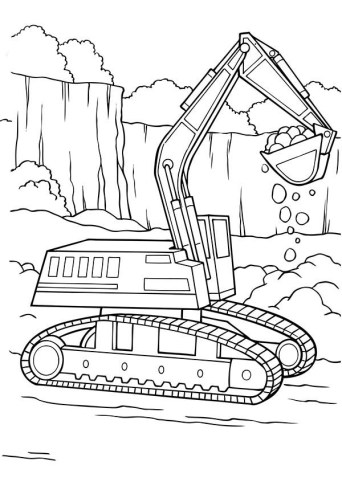
Big Machines Coloring Pages


Children can have fun coloring and adding their own touches to these printable pages.

Airplane | Hot Air Balloon | Digger | Crane

celebrate-picture-books-picture-book-the-book-of-flying-machines-cover

You can find The Book of Flying Machines at these booksellers

Amazon | Barnes & Noble | Books-a-Million | IndieBound

celebrate-picture-books-picture-book-the-book-of-diggers-and-dozers-cover

You can find The Book of Diggers & Dozers at these booksellers

Amazon | Barnes & Noble | Books-a-Million | IndieBound

Picture Book Review