National Bao Day, established as an annual holiday in 2017, was founded by Wow Bao to celebrate the anniversary of the launch of their first restaurant in Chicago on August 22 and to honor the ancient Chinese tradition of bao. To celebrate today, order dinner from your favorite Chinese restaurant or make this delicious meal at home.
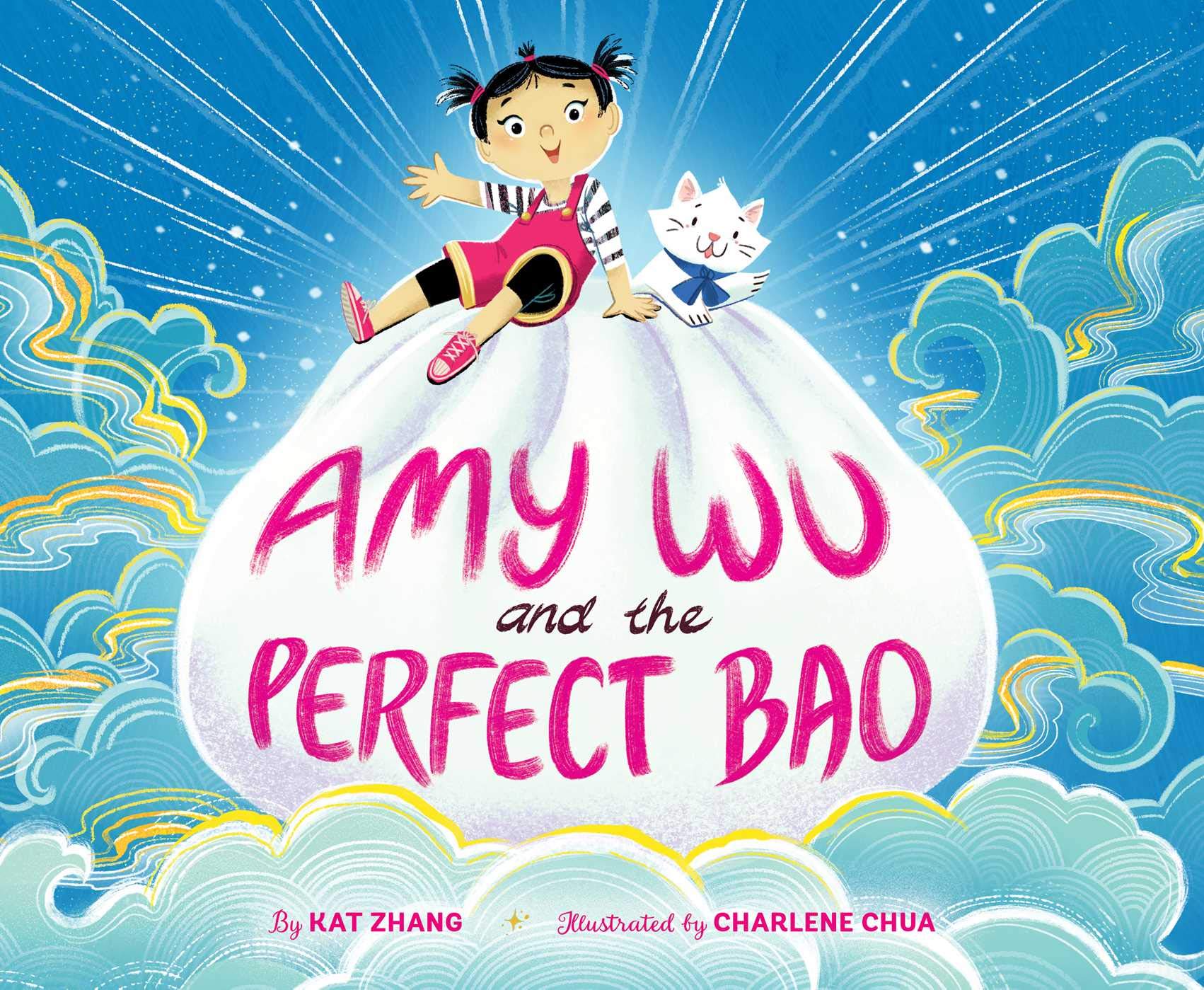
Amy Wu and the Perfect Bao
Written by Kat Zhang | Illustrated by Charlene Chua
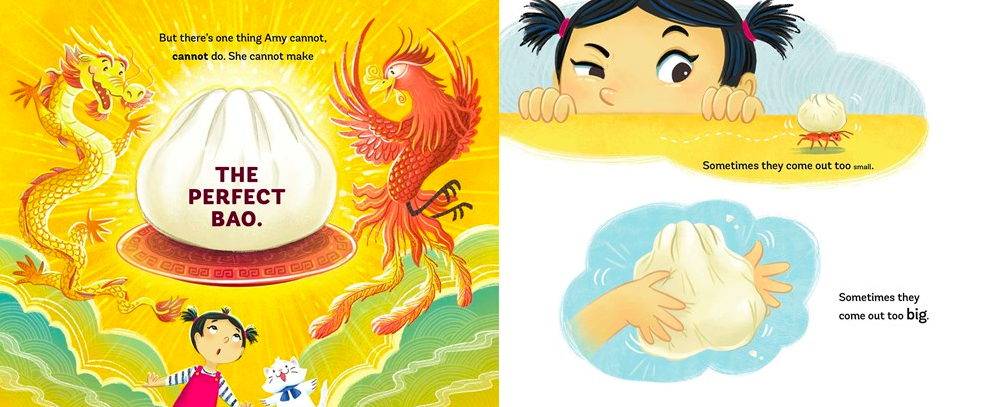
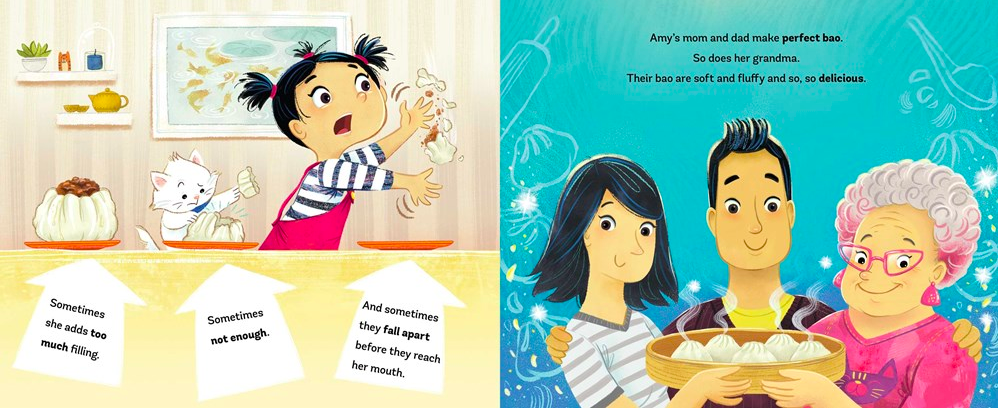
Amy can do lots of things well. She can even multitask. But when it comes to making the perfect bao—the thing she wants to do most of all—she has no luck. “Sometimes they come out too small. Sometimes they come out too big.” Sometimes the filling is oozing from the top; sometimes the bao is empty; and then there are the times when the whole bao crumbles before she can even eat it. Everyone else in the family can make a perfect bao. “Their bao are soft and fluffy and so, so delicious.”
Image copyright Charlene Chua, 2019, text copyright Kat Shang, 2019. Courtesy of Aladdin.
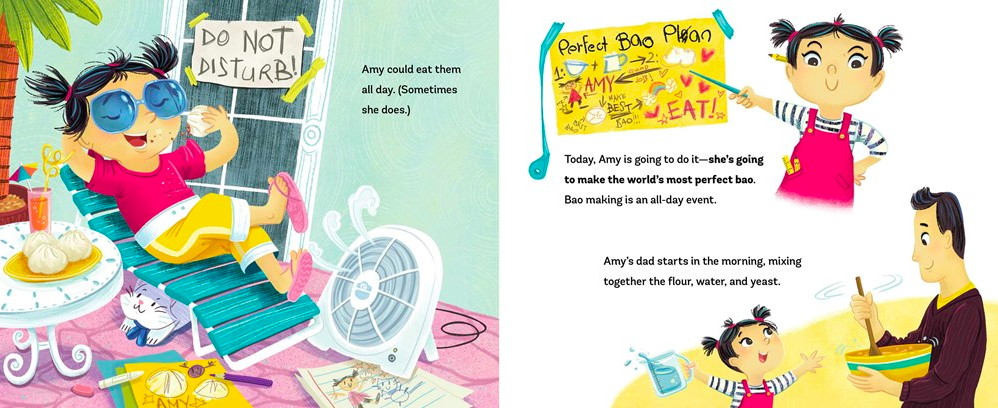
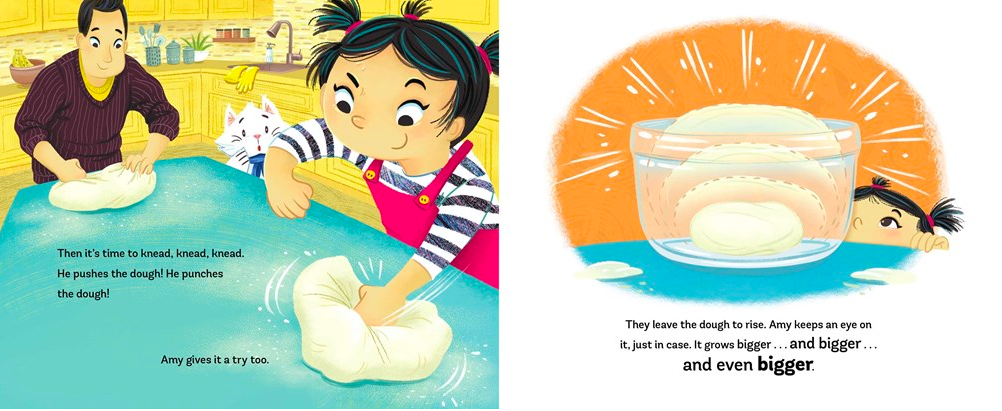
Today, Amy has decided, is the day she will do it. “She’s going to make the world’s most perfect bao.” Her dad helps her mix up the dough. Then they knead it and pound it and leave it to rise. Soon the little lump of dough fills the bowl. Amy’s dad squashes it, rolls it, and cuts little rounds while Amy’s mom makes the filling on the stove.
Image copyright Charlene Chua, 2019, text copyright Kat Shang, 2019. Courtesy of Aladdin.
Now it’s time to make the bao. Amy’s mom, dad, and grandma gather at the table and start filling the dough. Amy fills a round too, but turns out a little lumpy, so she tries again. This one is too full and no matter how much she pinches the top, it just doesn’t close right. Her dad, mom, and grandma are all making perfect bao. They try giving her advice, but it doesn’t help. Amy feels dejected. Then she has an idea. She looks at her hands, she looks at the grown-ups’ hands. She looks at the dough. “She whispers her idea into her grandma’s ear.” In a moment she has two “Amy-size pieces” of dough in her hands. She rolls out the dough, fills it just right, and “pinch, pinch, pinches it shut.” Amy holds up her “perfect bao!”
Image copyright Charlene Chua, 2019, text copyright Kat Shang, 2019. Courtesy of Aladdin.
Amy makes perfect bao after perfect bao. Now it’s time to steam them. Inside the bamboo steamer are all of Amy’s bao—the good and the bad. When they’re done, the family sits down to munch. Amy eats two of her perfect bao. Then she eats one of her lesser attempts and discovers that it tastes just as good as the perfect ones. The next day she takes her bao to school to share at lunchtime, and her classmates think they are just perfect.
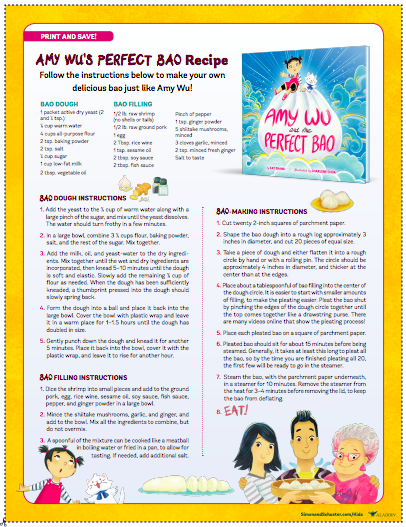
Amy’s family recipe for bao follows the story.
Image copyright Charlene Chua, 2019, text copyright Kat Shang, 2019. Courtesy of Aladdin.
In her charming culinary tale, Kat Zhang introduces a little girl who dreams of perfection. In Zhang’s straightforward storytelling, kids will recognize their own desires to reach perfect heights—whether in art, music, sports, or other activity. Kids will be captivated by the step-by-step process in making bao—especially if their own family has joined the bread-making phenomena of recent months. As Amy begins assembling her bao, only to have them turn our lumpy or empty once again, suspense builds. Amy’s realization of problem and solution is an empowering lesson for children struggling to achieve their own goals while her discovery that both perfect and imperfect bao are just as delicious is a reminder that perfection isn’t everything.
Charlene Chua’s Amy Wu is a powerhouse of enthusiasm and personality who tackles tasks with everything she’s got, and she has her heart set on making the perfect bao. Chua depicts Amy’s imagined perfect bun floating above her, surrounded by light and celebrated by a dragon and a fenghuang, humorously portraying the lofty goal Amy, like many kids attempting to achieve a goal, has given herself. As Amy sets her plan in motion on the appointed day, Chua realistically illustrates each step. Readers will empathize with images of Amy struggling to fill and close her bao, and a clever close-up illustration of Amy with her family behind her reflects the way people, advice, and even one’s own thoughts can intrude. When Amy realizes that the size of her hands in relation to the amount of dough is the problem, savvy readers may think back to the first spread, where Amy has similar problems with a toothpaste tube and her shoelaces.
An empowering story, Amy Wu and the Perfect Bao inspires children to keep striving to achieve their goals while including comforting reassurance for the journey along the way. The book would be a welcome addition to home, school, and public library collections.
Ages 4 – 8
Aladdin, 2019 | ISBN 978-1534411333
Discover more about Kat Zhang and her books on her website.
To learn more about Charlene Chua, her books, and her art, visit her website.
National Bao Day Activity
Amy Wu’s Family Bao Recipe
Try your hand at making perfect – or not so perfect – bao. Either way, you know they’ll taste delicious! You can find Amy Wu’s family recipe at Simon & Schuster.
The radio has provided entertainment, news, comfort, and information and united people both near and far ever since Guglielmo Marconi invented it in 1895. Today, radio continues to be an important part of people’s lives around the world. While the origins of National Radio Day are uncertain, today’s holiday gives us a chance to appreciate this age-old and always adapting technology. To celebrate, listen to your favorite radio station. For some interesting statistics about radio-listening habits, check out this survey on National Today
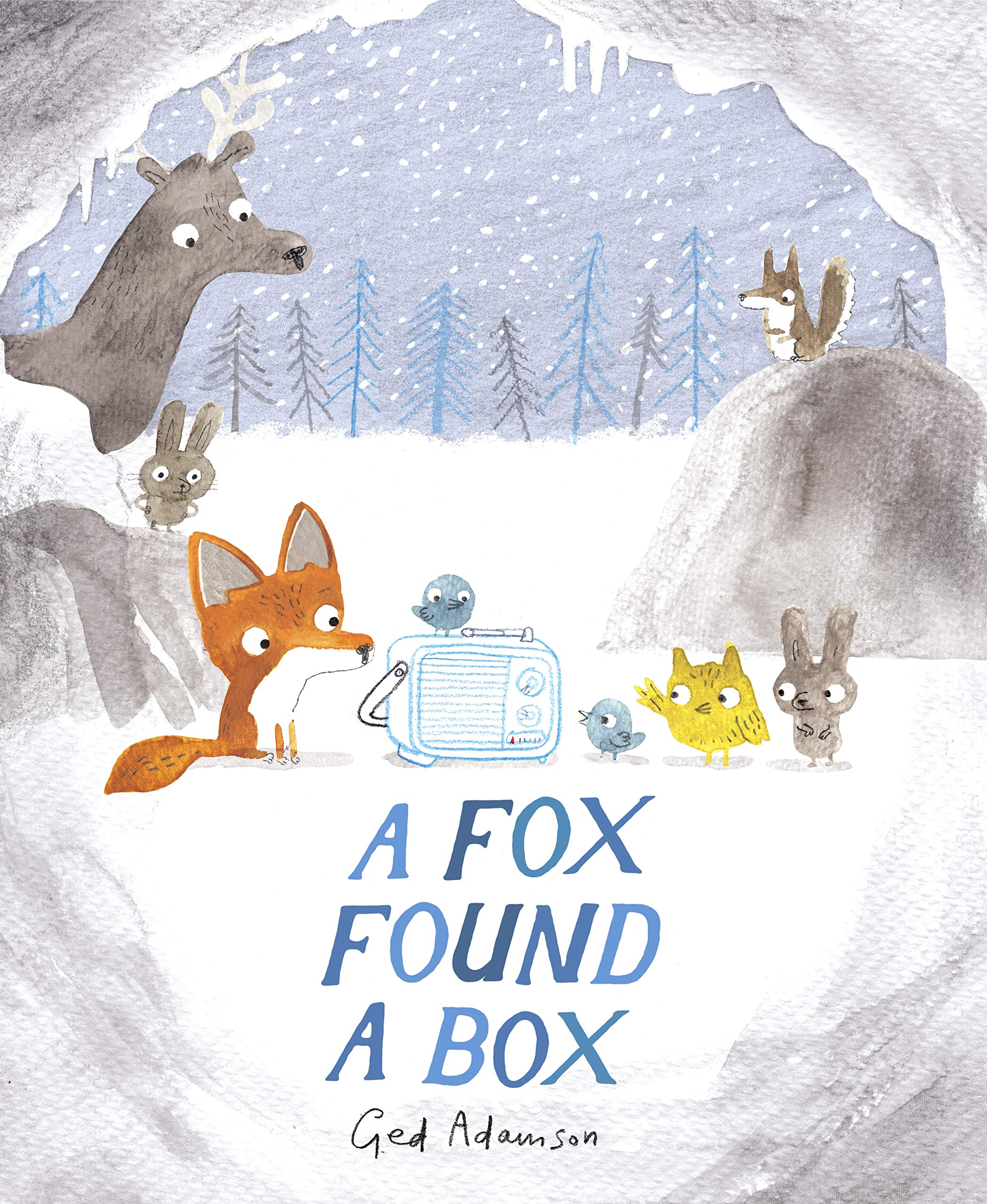
A Fox Found a Box
By Ged Adamson
Fox was diving over and over into the fluffy snow looking for food. But one head-first leap wasn’t so soft—“Ouch!” Fox discovered an unusual-looking object under the snow and pulled it out. Fox and the other animals gathered around to study it. Finally, Owl said, “‘I think it’s a box.’” The box had a “stick on top that moved,” and curious “round things” on the front. Fox tried turning one.
Copyright Ged Adamson, 2019, courtesy of Schwartz & Wade.
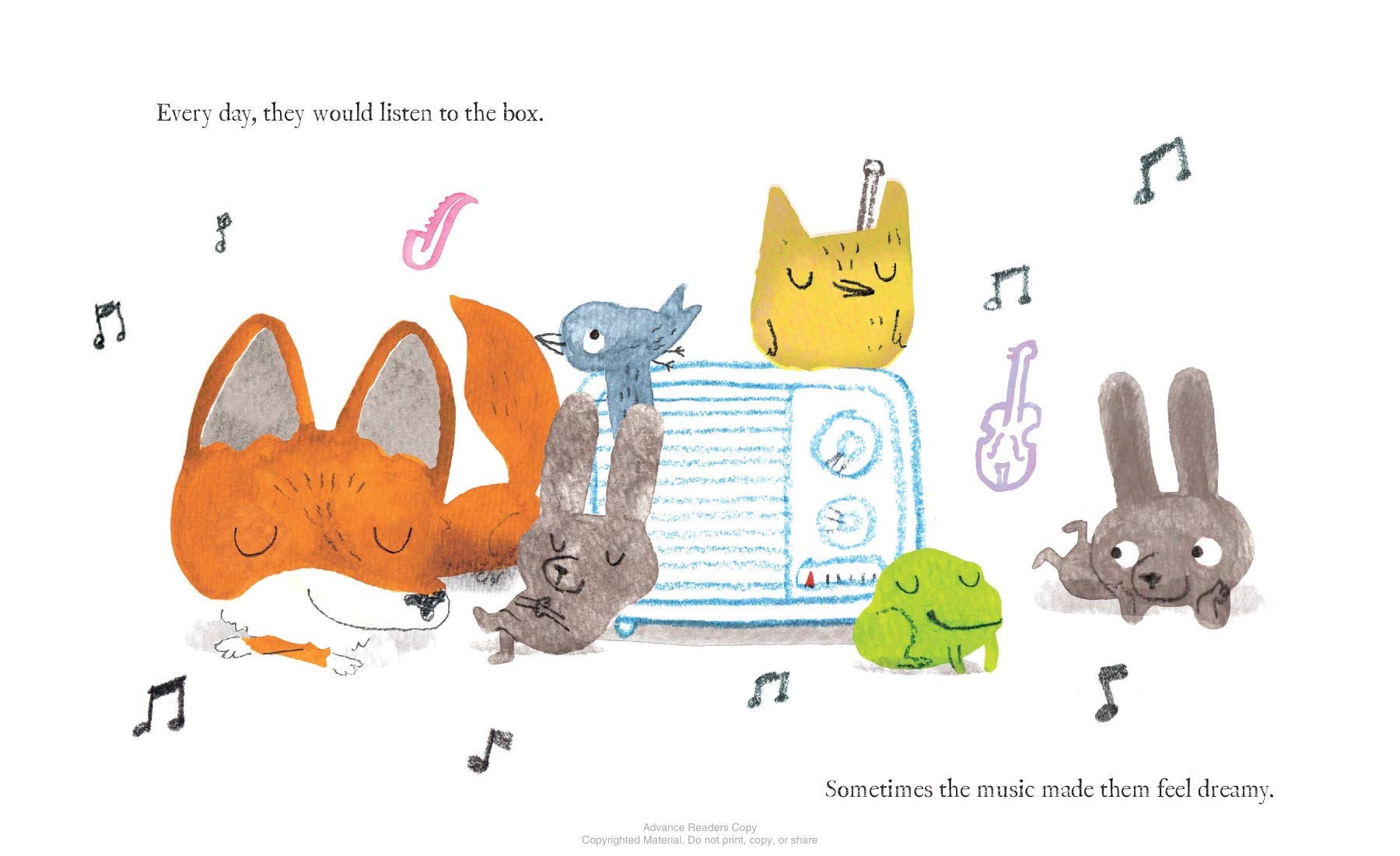
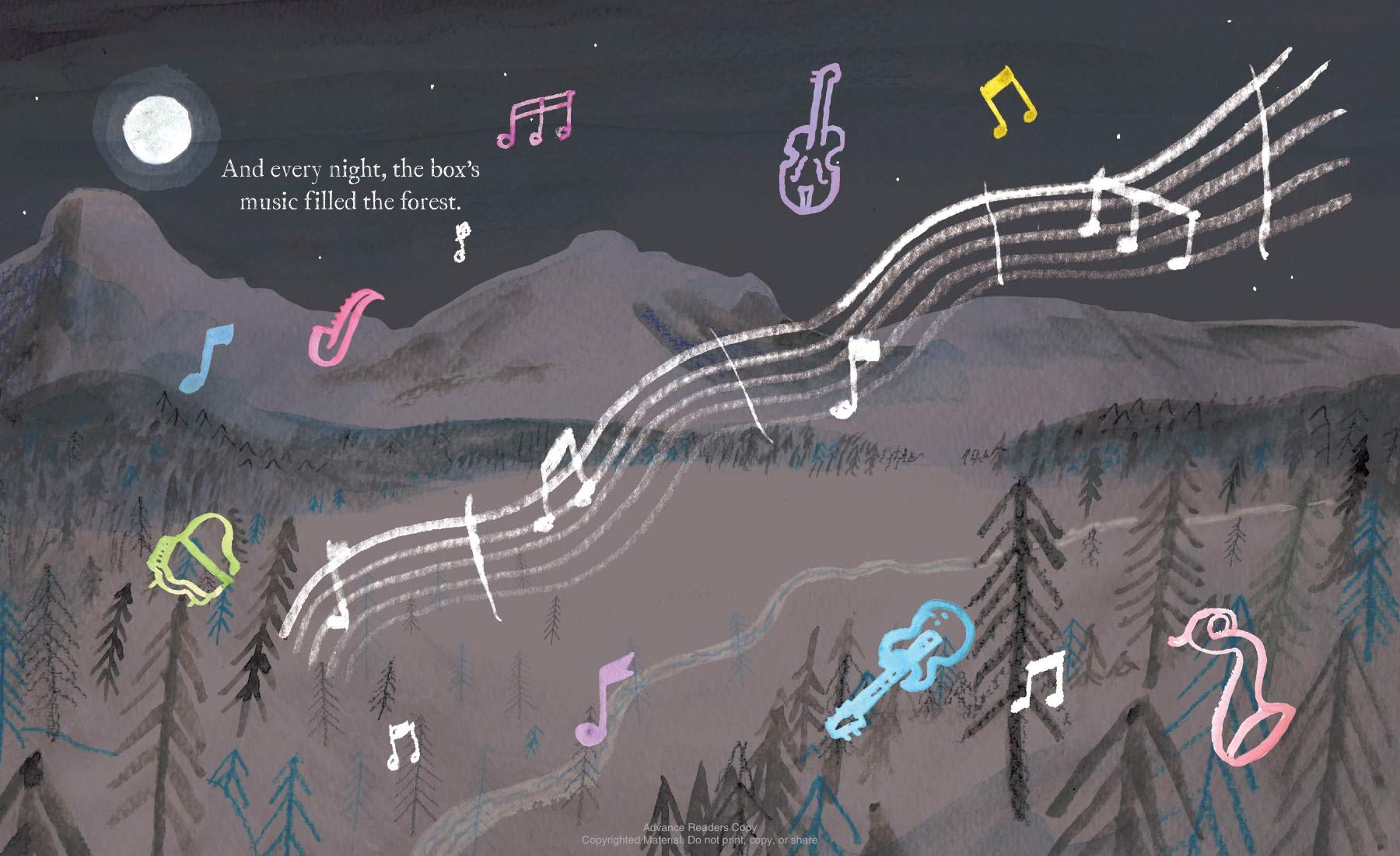
Suddenly, sound filled Fox’s den. “‘The box is singing,’” chirped the birds. The animals began to move along with the music. “It felt nice.” Every day the animals listened to the box. The music was always different. Sometimes the animals listened quietly; sometimes they danced. At night the music wafted through the forest.
Copyright Ged Adamson, 2019, courtesy of Schwartz & Wade.
But one morning the box stayed silent. No matter what the animals did, the box refused to sing. The animals missed their box. But then Fox heard a “drip! drop! drip! drop!” He felt his ears twitch and his tail swish the way they did to the music from the box. The other animals began to notice the sound of the wind, the river, and the “chitter chatter of geese.” Even the snow made a beautiful sound when they walked in it.
And that wasn’t all they noticed. Smells tickled their noses and the drifting snow tasted delicious. There was always a gorgeous view. Now, every night the animals went to sleep to the music of the forest. “It felt nice.”
Copyright Ged Adamson, 2019, courtesy of Schwartz & Wade.
There’s a quiet magic to this tale that is as enchanting as the first snow of winter. Ged Adamson’s simple entreaty for people to look on their surroundings with new eyes and appreciate all they see, hear, smell, taste, and experience also touches on the joys of the unexpected and on the melancholy of and recovery from loss. Through it all these friends—who exude the charm, kindness, and thoughtfulness of all of Adamson’s characters—relish their time together, sharing whatever comes. Adamson’s adorable forest animals, rendered in a smart, fresh color palette, will make readers of all ages smile as they revel in new-found emotions while gathered around the radio and, later, when rediscovering their familiar woodland home.
A charming layered story perfect for read alouds on its own or in combination with various styles of music for listening and movement story times, A Fox Found a Box would be a favorite on home, classroom, or public library bookshelves
Ages 3 – 7
Schwartz & Wade, 2019 | ISBN 978-1984830531
To learn more about Ged Adamson, his books, and his art, visit his website.
World Radio Day Activity
Box Radio Desk Organizer
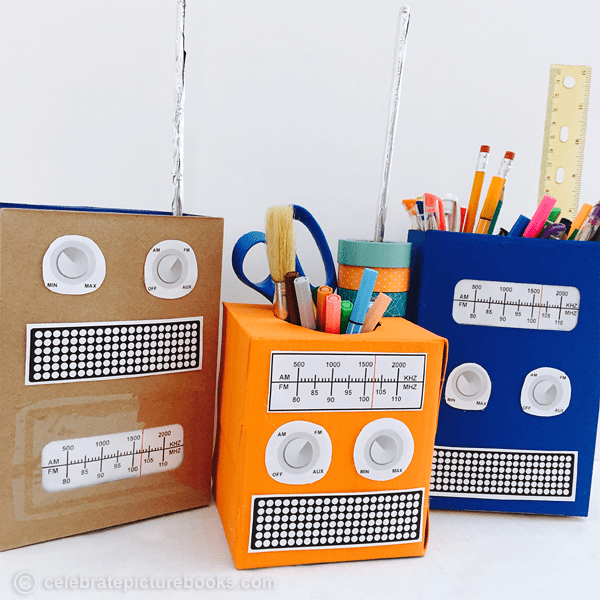
With a recycled box and the provided printable templates you can make a desk organizer that looks like a radio with this fun craft!
Supplies
Cardboard box – Use an empty cube-shaped tissue box, pasta box, or any small box
Glue – a hot-glue gun works well on the cardboard; regular glue for the buttons and tape for the station tuner window
Paint (optional)
Paint brush
Scissors
Directions
Prepare the box:
Choose a box to be your radio. In the pictures I used a cube-shaped tissue box and a penne pasta box with a cellophane window in it.
If you are using a box without an opening in the top, cut the top or bottom flaps off of one end of the box, depending on where you want the station tuner window to go.
Paint the box:
You can paint the printed front, back and sides of the box.
OR if you want a plain box to use “as-is” or to paint: take the box apart at the seams and turn it “inside out.”
If you are using a pasta box with a window in it, tape the stations tuner template to the cellophane window before gluing the seams
Glue the original seam and flaps (a hot-glue gun works well).
Paint. Let dry
Cut out the radio dials, speaker, and stations tuner window and attach to box
To make the antenna, wrap the chopstick, stick, or straw in a strip of aluminum foil
Attach the antenna to your box:
For pasta boxes tape the antenna to the inside corner of the box
For cube tissue boxes, make a hole in the right hand corner and push antenna in
Use your Radio Desk Organizer to hold pencils, rulers, bookmarks, anything!
You can find A Fox Found a Box at these booksellers
While some celebrate Sandcastle Day on the first Saturday of August and others take part in National Sandcastle and Sculpture Day on August 19, any sunny summer day is perfect for going to the beach and letting your artistic abilities take over! In expert hands, sand and water become elaborate multistory castles and sculptures of animals, ships, mermaids, and nearly anything one can imagine.
Sandcastle
By Einat Tsarfati
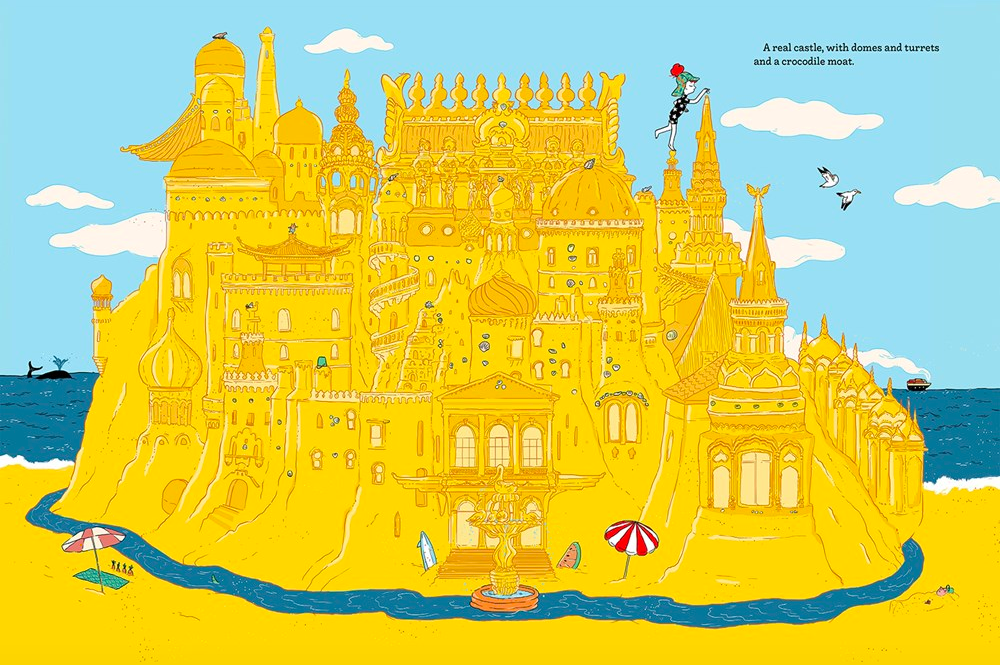
A girl finds an empty spot near the water’s edge and begins to build a sandcastle. This is no ordinary castle, though. It’s “a real castle with domes and turrets and a crocodile moat. And large windows with an ocean view.” Indeed, it is a spectacular castle, representing all the world’s architecture and decorated with seashells. Winding staircases lead to outside viewing spots, and its sculptural features are astounding. The girl stands on tippy-toe on a tall tower to place a pebble just on the tip of a taller tower.
Copyright Einat Tsarfati, 2020, courtesy of Candlewick.
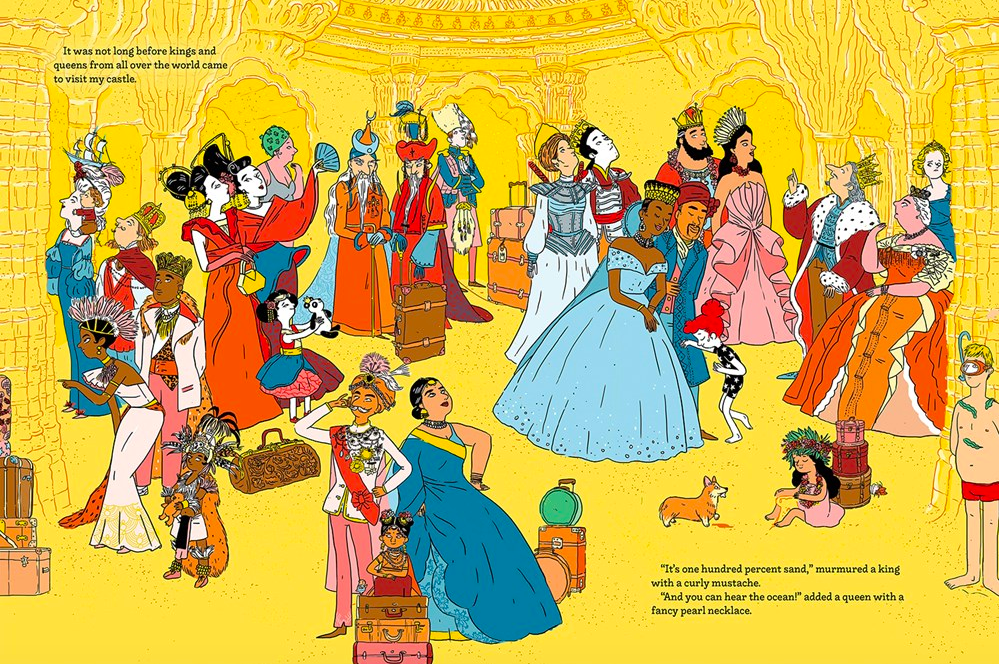
Inside chandeliers hang in the great hall and above the double staircase on either side. The girl pauses her construction for a moment to gaze out of the five-paned bay window at the rolling sea. But she is not alone. A king peaks out of a doorway, watching her. Soon more kings and queens from across the globe had discovered the girl’s castle and came to visit, bringing along their children and pets and plenty of luggage.
They took in their surroundings, marveling at the girl’s craftsmanship. “‘It’s one hundred percent sand,’ murmured a king with a curly mustache. ‘And you can hear the ocean!’ added a queen with a fancy pearl necklace.” From the great hall they fanned out into the castle to enjoy its many rooms—the music room and the aquarium room; the camping room, complete with trees and a tent; the ice-skating rink and the carousel; the natural history room and the archaeology room with its brontosaurus skeleton. There was a library and a room with many safes for the royal jewelry. Visitors could play tennis, dance, and spend time feeding the swan in the pond room. Of course, there were bedrooms, and bathroom, and dining rooms galore.
Copyright Einat Tsarfati, 2020, courtesy of Candlewick.
The first night there was a “grand party in the ballroom. Dollops of ice cream were served all night long. It was awesome.” But in the morning the kings and queens saw things quite differently. The almond strudel, the pizza, the soups, the sandwiches, and all the cakes were full of sand. The next day, the Triathlon of Knights Tournament of badminton, cards, and Twister was “completely ruined. ‘Aargh! There is sand in my suit of armor!’ sobbed the bravest knight in the kingdom.” It was so bad that he couldn’t even pick up a card from the pile. Royal toes grew itchy. Royal treasure chests became welded shut. And one old queen thought it was “even worse than a single pea underneath [her] mattress.
They all came to the girl to bitterly complain. There wasn’t much the girl could do. After all, the castle was made of sand. She decided to make a sand ball and then another and another until there were enough for a huge sand ball fight. Then, suddenly, the castle sprung a leak, and the kings and queens, their kids, and their luggage floated away on furniture, towers, and pedestals. Everything was washed away, so the girl “built a sandcastle.”
Copyright Einat Tsarfati, 2020, courtesy of Candlewick.
Einat Tsarfati’s Sandcastle is a feast for the eyes, loaded with humor, marvels, and whimsy on every page. From the crowded beach to the luxurious interior of the sandcastle, kids will have a blast scouring the detailed drawings for their favorite feature. As the royal visitors’ initial awe dissolves into whiny complaining, Tsarfati’s droll storytelling will elicit plenty of laughs (and maybe even a bit of recognition). The girl’s clever solution to her guests’ dissatisfaction may surprise readers, but with a turn of the page, Tsarfati promises to begin the imaginative journey all over again.
Highly recommended for funny and immersive story times, Sandcastle wows with ingenuity and will inspire kids’ imaginations. Sure to be an often-asked-for favorite on home, school, or public library bookshelves.
Ages 4 – 7
Candlewick, 2020 | ISBN 978-1536211436
Discover more aboutEinat Tsarfati, her books, and her art on her website.
National Sandcastle and Sculpture Day Activity
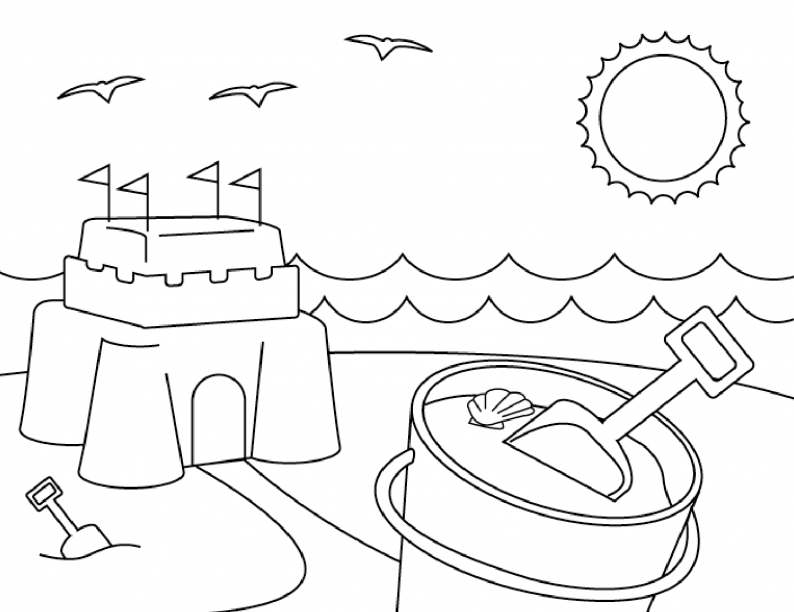
Sandcastle Coloring Page
No matter whether you live near a beach or in the city, if the day is sunny or rainy, you can make a sandcastle with this printable coloring page.
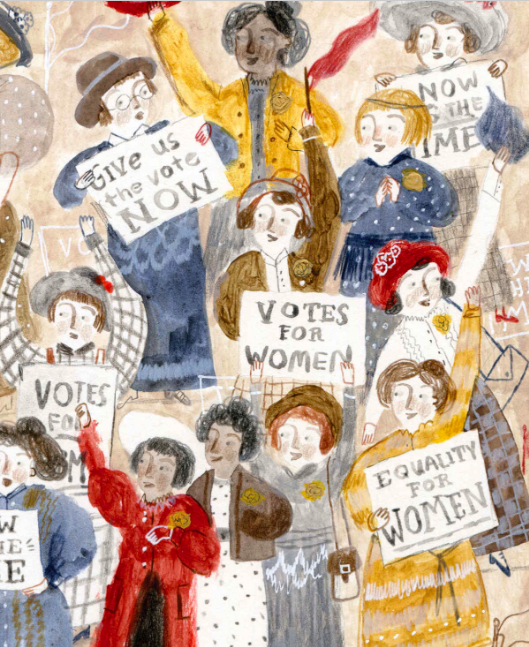
Today we celebrate the ratification of the 19th Amendment, which guaranteed a woman’s right to vote. Yet even as we commemorate this achievement, we must remain vigilant to protect our voting rights and access and teach children that most-important lesson – that every voice, every vote is important. Today’s book reveals the true story of that nail-biting vote for the 19th amendment while also keeping it’s eye on the future. For more information on the history of suffrage and to learn more about the brave women on the front lines of progress, visit the 2020 Women’s Vote Centennial Initiative website and Women’s Vote Centennial. You’ll find extensive resources, curriculum for middle school and high school students, as well as online exhibits, videos, and so much more.
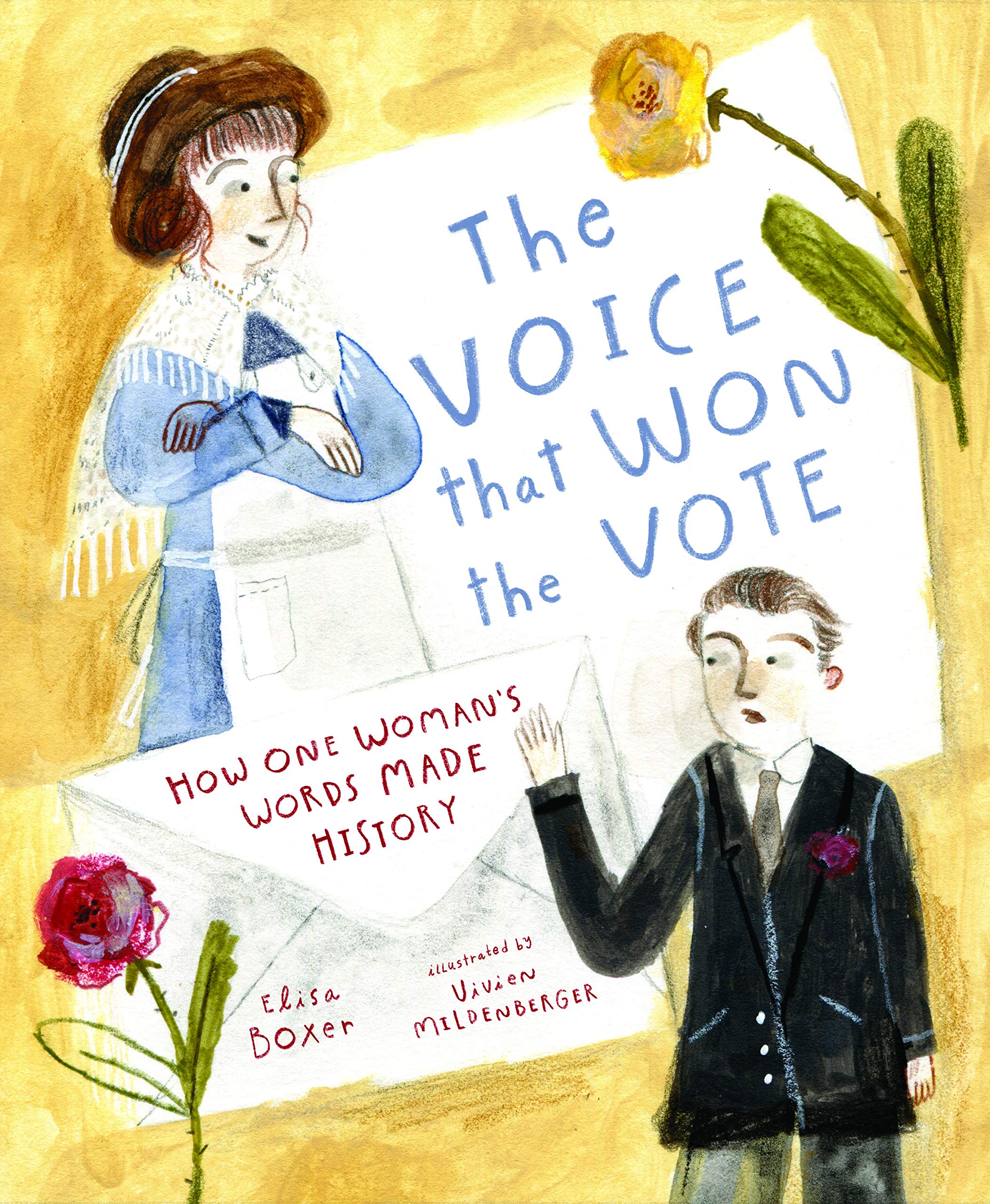
The Voice that Won the Vote: How One Woman’s Words Made History
Written by Elisa Boxer | Illustrated by Vivien Mildenberger
The year was 1920 and women were demanding the right to vote, just as they had been for the last seventy-five years. But all of their meetings, shouting, and signs were silenced. Men called the women “troublemakers” and “uncivilized.” Some men said it would “cause chaos” if women could vote, and others said “‘the only vote a woman needs is the vote to choose her husband.” There were even other women who thought women shouldn’t vote.
Image copyright Vivien Mildenberger, 2020, text copyright Elisa Boxer, 2020. Courtesy of Sleeping Bear Press.
But then there was Febb Burn from East Tennessee who had gone to college, become a teacher, and loved to keep learning. She was especially interested in laws and how they were made, and every year as she watched her farmhands head off to vote on election day, she wanted to be able to go too. Finally, she grew so tired of being “shut out of the process” that she wrote a letter to her son.
Who was her son? His name was Harry Burn, and he was the “youngest lawmaker in Tennessee.” As he read his mother’s letter, he watched out his window as people from across the country gathered to decide the fate of women’s suffrage. One round of voting had already taken place, and it had resulted in a tie. Thirty-five states had voted yes on the issue, but thirty-six were needed to make it a law. Harry Burn for Tennessee had been one of the “no” votes in the first round. Now in the second round, Harry Burn would be the deciding vote. A “no” would deny women the vote, while a “yes” would change elections forever.
Image copyright Vivien Mildenberger, 2020, text copyright Elisa Boxer, 2020. Courtesy of Sleeping Bear Press.
“He knew that most of the people who had elected him hated the idea of women voting.” Many of them were even in the audience and were counting on him. He was, after all, wearing a red rose—”the symbol of keeping women in the home, and out of the voting booth”—in his pocket. When it came time for Harry to vote, all eyes were on him as he said “‘Yes.’” The officials thought he’d “made a mistake” or “gotten confused,” but he hadn’t. The suffragettes cheered and hugged.
Everyone wanted to know why Harry Burn had changed his mind. In answer, he pulled from his pocket the letter his mother had written urging him to vote for suffrage. Harry constituents were shocked and angry. They vowed to vote against him in the next election. The headlines in the newspapers said that Harry had ruined his career. But Harry already knew that. He knew that his vote would mean “giving up his seat in the Tennessee House of Representatives.”
Image copyright Vivien Mildenberger, 2020, text copyright Elisa Boxer, 2020. Courtesy of Sleeping Bear Press.
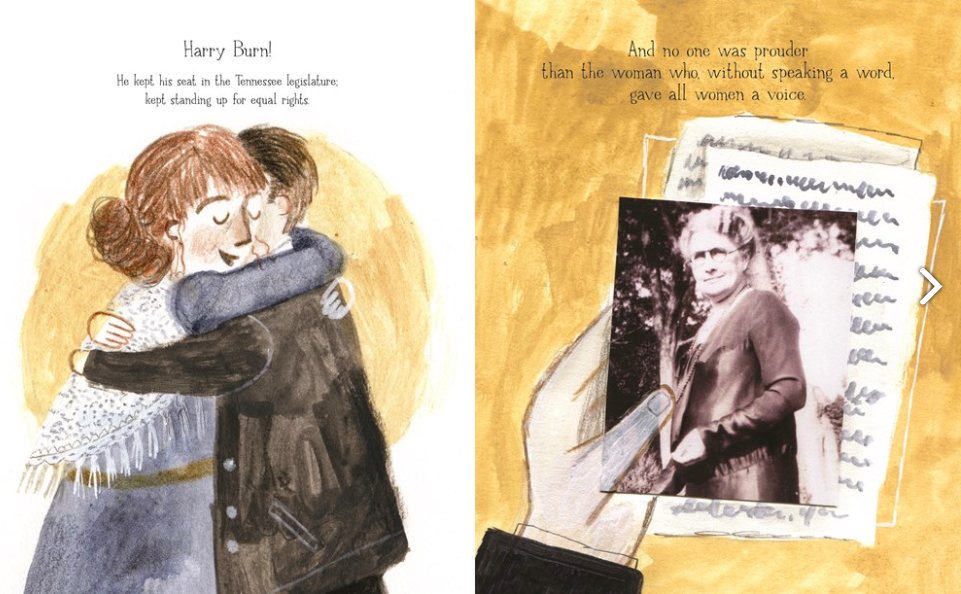
When interviewed for newspaper articles, Harry said that he had followed his conscience that all people should have the right to vote. At last the election was held, and Harry awaited his fate as all the votes were counted. Who would be the next Tennessee Representative? Harry Burn! “And no one was prouder than the woman who, without speaking a word, gave all women a vote.”
In an Author’s Note, Elisa Boxer talks more about the women’s suffrage movement, the courage to stand up for what you believe in, and the power of using the vote to voice your opinion. A timeline of significant events in the women’s suffrage movement is also included.
Image copyright Vivien Mildenberger, 2020, text copyright Elisa Boxer, 2020. Courtesy of Sleeping Bear Press.
For anyone wondering about the power of one vote, Elisa Boxer puts all doubts to rest with her engaging recounting of this little-known true story. While Harry Burn’s vote took place 100 years ago, the courage he showed in standing up for his own conscience and in opposition to what was expected of him reverberates today. Boxer opens the story with a clear and meaningful definition of how a vote equals one’s voice, instilling in children who are learning to speak up for themselves in classrooms, on social media, and elsewhere the importance of voting when they come of age.
Her inclusion of quotes revealing the reasons behind opposition to women’s suffrage will be eye-opening. Her well-paced building of suspense going into the second vote and the aftermath will have kids on the edge of their seat and offers many opportunities to discuss the mechanisms of politics, expectations, and courage. Through her straightforward yet multilayered storytelling, Boxer presents two heroes for children to look up to: Harry, who put the good of the country and women ahead of his own career and Febb, who used her voice to make lasting change.
Image copyright Vivien Mildenberger, 2020. Courtesy of Sleeping Bear Press.
Vivien Mildenberger’s lovely, textured illustrations take readers back to the pivotal year of 1920, when vocal suffragettes faced their equally vocal opposition and Febb Burn, sitting on her front porch decided to write her life-changing letter. Images of politicians sporting yellow and red roses reveal the long tradition of color as an identifying symbol. An especially powerful spread comes after Harry’s vote as he walks among his angry constituents, all of whom shun him behind newspapers full of articles about the historic vote. The inclusion of the actual Febb Burn’s letter to Harry and a photograph of Febb give readers see and hear from this influential woman.
A stirring true story about the power of one person to make a difference, The Voice that Won the Vote is highly recommended for home, school, and public library collections.
Discover more about Elisa Boxer, her book, journalism, and other work on her website.
To learn more about Vivien Mildenberger, her books, and her art on her website.
Meet Elisa Boxer
Elisa Boxer is an Emmy-winning journalist and columnist whose work has appeared in publications including The New York Times, Inc., and Fast Company. She has always been passionate about children’s literature, and finds herself especially drawn to stories of unsung heroes like Febb and Harry Burn. The Voice That Won the Vote is her first book, and she hopes it inspires children to give voice to what matters to them. Elisa lives in Maine with her family.
Today, I’m excited to chat with Elisa Boxer about her timely The Voice Who Won the Vote, her work as a journalist, and the themes woven through all of her stories. Elisa also gives kids an intriguing writing prompt. And my blogging partner Jakki’s sons, Steve and Jack, are back with their questions too!
Steve asked: How did you find the letter Febb Burn wrote to her son?
Hi Steve! So glad you liked the book. The story of how I found the letter goes back to a couple of years ago when my agent, Steven Chudney, let me know that 2020 would be the 100th Anniversary of women getting the right to vote. He asked if I could come up with a picture book about it. I’ve always been drawn to stories of unsung heroes, so I scoured the internet for little-known figures in the suffrage movement. When I stumbled across the story of Febb Burn and learned that she was the mom who saved suffrage, I knew this was a story I wanted to tell! More digging led me to the online archives at the Knox County Library in Tennessee. These archives included the letter.
I think it’s so cool to see the original papers that Harry received and read that day in the legislature back in 1920. And to see Febb’s actual handwriting! Aaah! I tend to geek out over historical documents like this.
Jack wondered: How much research did you have to do?
Hi Jack! The short answer is: Lots. After I found Febb’s story on the internet, I read as many articles online as I could find. I also read several books about the women’s suffrage movement. I wanted more background information to put the story in context, and I also wanted to know more about the legislative session in Tennessee that led to Harry Burn tipping the scales and giving women the right to vote. I also enlisted the help of the Special Collections department at the University of Tennessee Libraries. One of the most exciting things they shared with me was a scanned version of Harry Burn’s personal scrapbook from 1920, containing newspaper clippings and headlines from his historic vote!
Jack and Steve would like to know: Is voting important to you?
Definitely. I started the book with the line: “A vote is a voice,” because I believe that voting is one of the most powerful ways we can have our say in society.
Hi Elisa! I read in your bio that even as a child you loved to write. In fact, if readers look on your website they’ll see a picture of quite a large group of books with covers written in crayon. I’m sure kids would love to know what some of those stories were about. Can you share a few of the ideas you wrote about as a child?
Sure! It’s fun to look back on those and see some common themes, like defying authority (You Can’t Catch Me, for example, about a girl outrunning her parents) and grief (I wrote The Kitten and the Puppy after losing my beloved dog). And then, there was a book about a dinosaur making friends with a little girl and moving into her house, which I think I wrote because I had just learned how to draw dinosaurs ;).
With your early interest in writing books, did you ever consider becoming a children’s writer or novelist before going into journalism? What was it about journalism that attracted you?
Even though I’ve loved reading and writing children’s books for as long as I can remember, I never really considered making a career of it. I wish I had followed that passion earlier. I’m 49 and my first book was just published. So if you have any interest in creating children’s books, don’t wait as long as I did! Although, having said that, I really do love print and broadcast journalism. My specialty has always been long-form journalism, which involves in-depth research, multiple interviews, and spending time crafting a story. A lot like writing nonfiction picture books, actually. A couple of years ago, I got sidelined with a severe case of Lyme disease. It hurt to move and breathe and I was basically housebound. So that’s when I decided to re-visit my childhood passion. I began dusting off old picture book manuscripts, revising them, and querying agents.
Your stories in print for newspapers and for television news have garnered many awards. What aspects of story do you infuse into each of your pieces? What do you like best about each medium?
(Blushing). I am always looking for the soul of the story. Even with straight news pieces, I want to find people and circumstances to bring those stories to life in a way that readers or viewers can relate to. The thing I like best is the same for each medium, and that is finding the point of emotional resonance, the subtext, the theme that will stick with the audience long after they put down the paper or the magazine or turn off the TV. In fact, that’s one of the reasons I love books so much: people pick them up again and again. Sure, you can save a newspaper or magazine article that resonates with you. But it’s not the same as that feeling of finishing a book, internalizing its message, holding it in your hands and knowing it’s yours to return to whenever you want.
It seems very fitting that your first published book is a picture book. What is it about Febb Burn’s story that you think is most important for kids to know?
I really want kids to know how much their voices matter. It’s so easy to feel powerless, especially given the state of the world right now. But I hope kids come away from the book realizing that one small act of courage, in the form of giving voice to what matters to them, really can change the world.
Vivien Mildenberger’s illustrations are so evocative of 1920. What was your first reaction to seeing your story illustrated? Do you have a favorite spread?
Aren’t Vivien’s illustrations amazing? I’m still blown away by them every time I see the book. When I first saw her work on her website, even before I saw her illustrations for the book, I knew that her old-world style would be a perfect fit for this story. And then when I first saw her preliminary sketches, I thought, WHOA, this is going to be even better than I could have imagined. Hmmm, it’s tough to pick a favorite spread. But I’d have to say the one where Harry Burn is looking out the window of the state capitol, watching the throngs of people arrive to witness history. She really captures the mood here. “America was on the verge of change,” the text reads. You can’t even see Harry’s face, but Vivien somehow managed to convey so much tension and anticipation in this spread. You can feel his inner struggle to do what’s right and follow his heart in the face of opposition.
What’s up next for you?
I’m super excited to say that I have several more picture books on the way during the next couple of years, all nonfiction. I’m also working on a chapter book and two middle grade books, one nonfiction and the other historical fiction.
As kids stay home and are schooled at home, it’s wonderful to see them interacting with the kidlit community. Would you like to give readers a writing prompt?
It really is so wonderful to be interacting with kids, their parents and their teachers. As for a prompt, I’d ask kids: With the world the way it is, what are the words, the scenes, the images, and the messages that would touch your heart? In other words, what is the book you need right now? Take one small step to start creating it. And then another…
Thanks, Elisa! It’s been wonderful talking with you! I wish you all the best with The Voice Who Won the Vote, and I can’t wait to read your upcoming books. I hope we’ll have a chance to chat again!
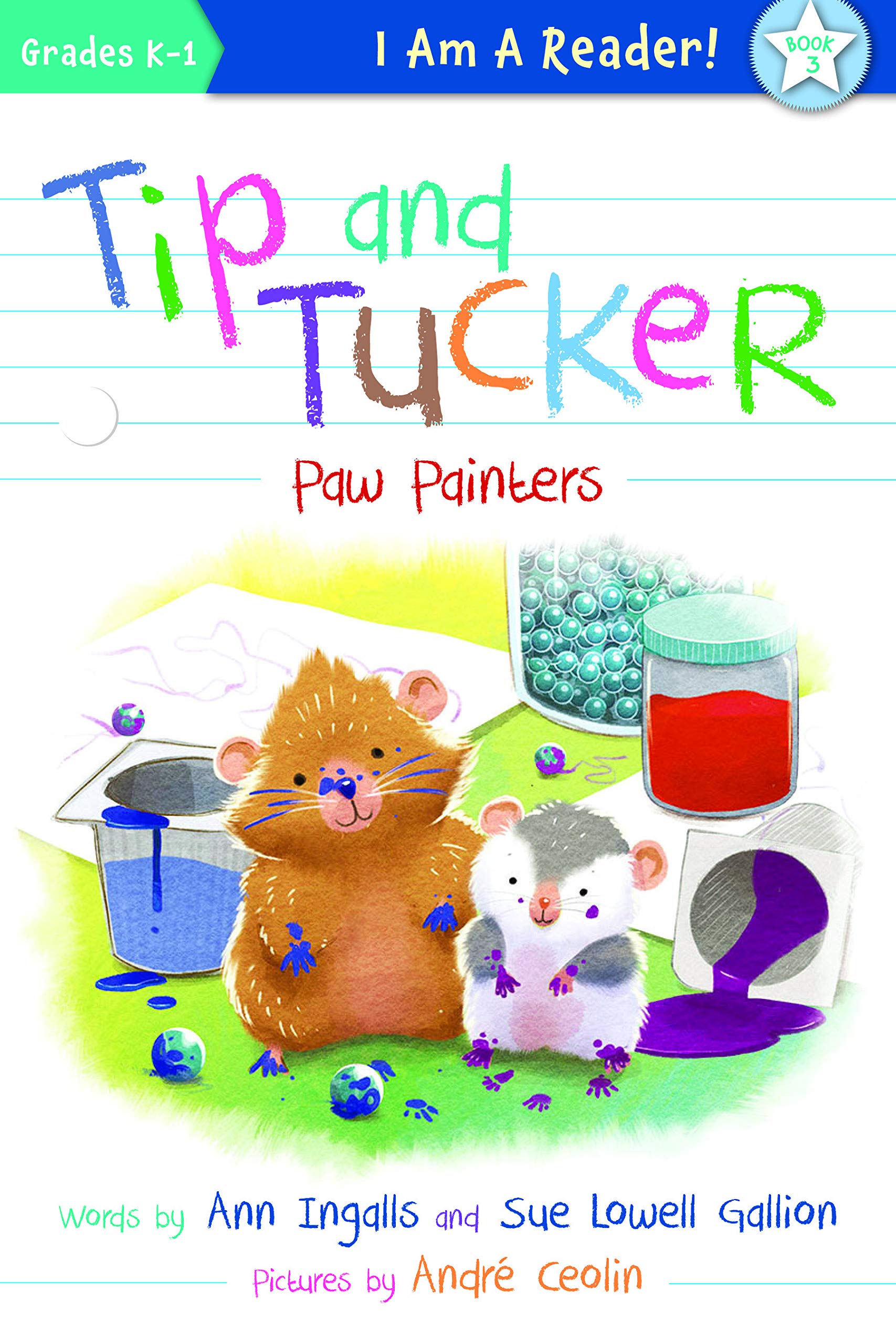
For kids, going back to school means new art projects and using their creativity and ingenuity. For many it also means getting to know a new class pet or sharing their school day at home with a beloved furry or feathered friend. In today’s book the two are combined in a sweet and funny beginning reader – the third book in the kid-favorite Tip and Tucker series.
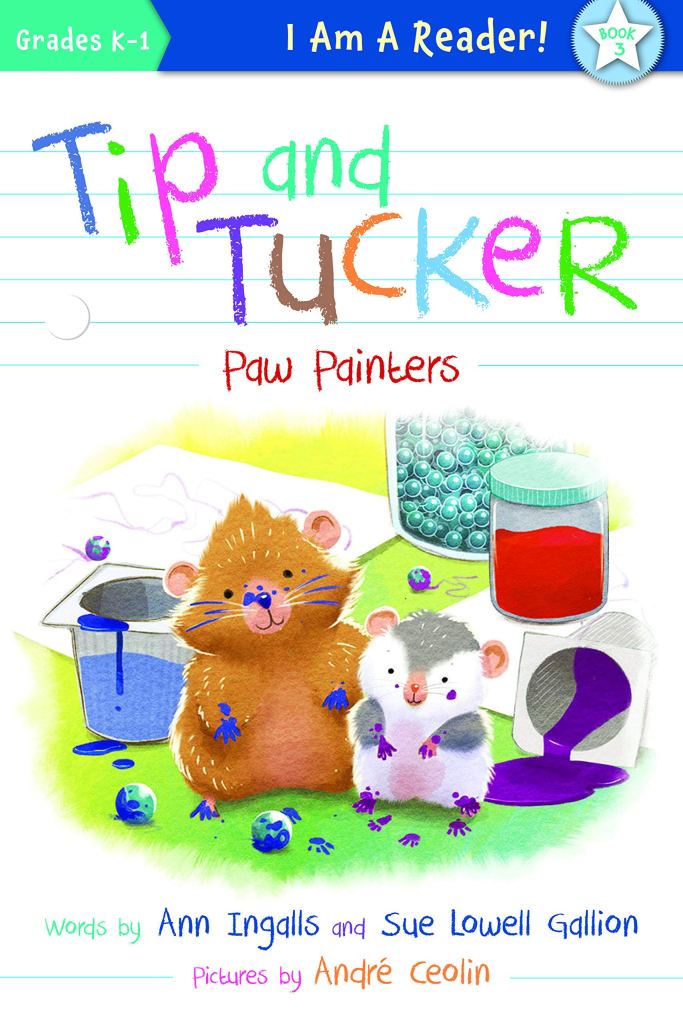
Tip and Tucker Paw Painters
Written by Ann Ingalls and Sue Lowell Gallion | Illustrated by André Ceolin
It’s art week in Mr. Lopez’s class, and the kids are choosing between painting with marbles and building with boxes—or doing both. The colors of paint available are listed on the whiteboard in English and Spanish. Emma picks up her marble as Tucker, one of the class’s hamsters, peeks over the top of his cage at all those boxes.
Image copyright André Ceolin, 2020, text copyright Ann Ingalls and Sue Lowell Gallion, 2020. Courtesy of Sleeping Bear Press.
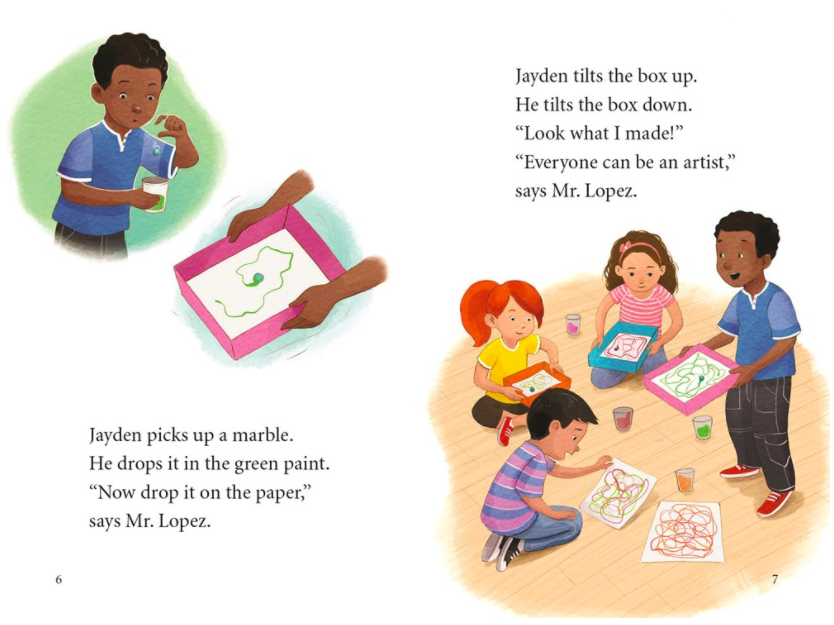
Jayden has chosen to paint with marbles too. “He drops it in the green paint. ‘Now drop it on the paper,’ says Mr. Lopez.” Jayden puts a sheet of paper in his box and drops the green-painted marble on top. He “tilts the box up and down.” A squiggly line snakes around Jayden’s paper. “‘Everyone can be an artist,’ says Mr. Lopez.”
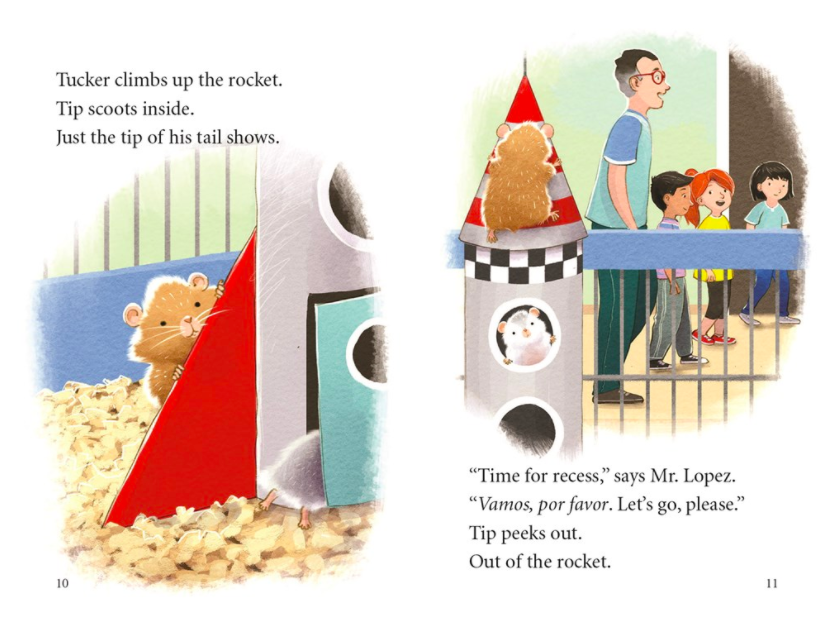
Emma and Pim are making a rocket with the boxes. It’s a special rocket to go in Tip and Tucker’s cage. Tucker climbs up the outside of the rocket while Tip scurries inside. They watch the class go to recess. Tucker wants Tip to join him at the top of the rocket, but when he gets there, “the rocket tips. The hamsters tumble.” They “BUMP! THUMP!” onto the tabletop.
Image copyright André Ceolin, 2020, text copyright Ann Ingalls and Sue Lowell Gallion, 2020. Courtesy of Sleeping Bear Press.
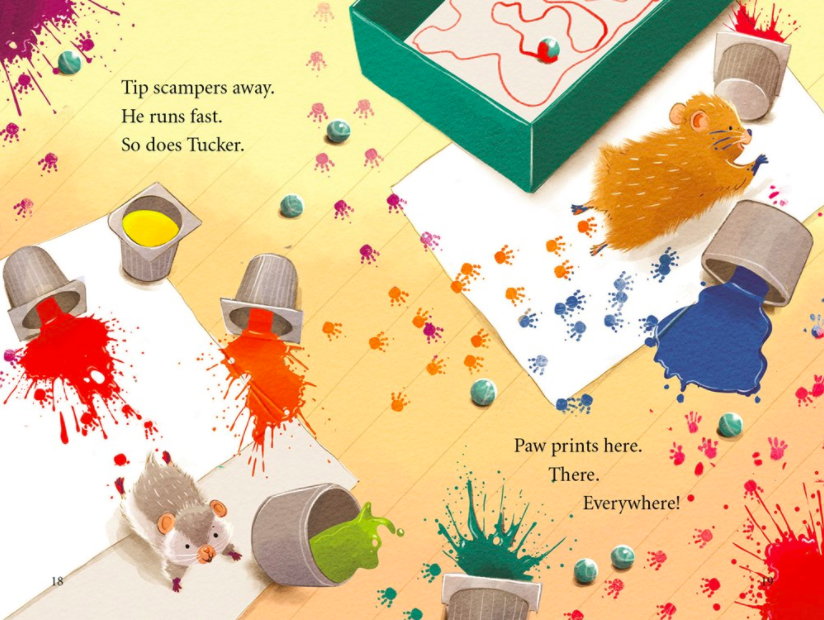
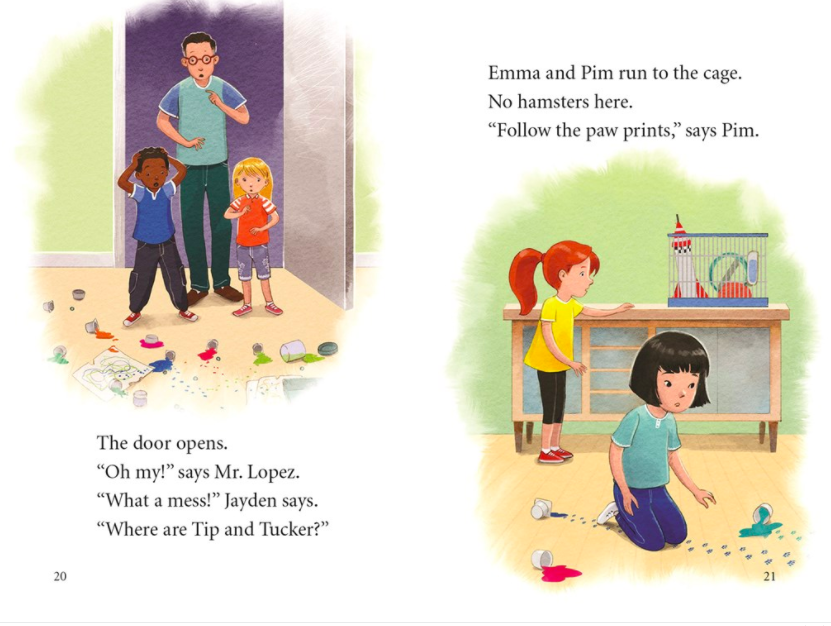
Tucker inspects a cup of paint, and when he looks up his whiskers are blue. Tip topples a cup of purple paint. “Now Tip’s paws are purple!” Both Tip and Tucker run away, leaving “paw prints here. There. Everywhere!” When the class returns from recess, they find a big mess, but no hamsters. “‘Follow the paw prints,’ says Pim.” The paw prints lead Carlos to his nibbled painting and Mr. Lopez to his nibbled lunch bag.
Image copyright André Ceolin, 2020, text copyright Ann Ingalls and Sue Lowell Gallion, 2020. Courtesy of Sleeping Bear Press.
But what, the kids wonder, is that crunching sound coming from inside the bag? Tip and Tucker wonder what that noise is that’s coming from outside the bag. Tucker “peeks out of the bag. Tip peeks too.” The class goes to work cleaning their room—and Tip and Tucker. While the hamsters settle in for a nap, Mr. Lopez hangs the students’ marble paintings, including one decorated with tiny paw prints. Then the class goes to lunch. In the quiet room, Tip wakes up Tucker and points to the wall. “Sleepy Tucker looks. ‘We are artists too!’ Tip says.”
Image copyright André Ceolin, 2020, text copyright Ann Ingalls and Sue Lowell Gallion, 2020. Courtesy of Sleeping Bear Press.
Tip and Tucker, back at school in their third adventure, are as cute and mischievous as ever. Children who are beginning to read independently will be charmed by Ann Ingalls’ and Sue Lowell Gallion’s tiny duo who make a big mess while the class is away in this high-interest and humorous story that also introduces an easy, satisfying art project to do in school or at home. For beginning readers, the authors’ short sentences, dialogue, and repeated words and phrases build confidence while instilling an appreciation for the fun of reading. As clues are dropped and suspense increases, fans of the series will eagerly read each page to discover what their favorite class pets get up to this time. Their funny discovery and the responses of the children are endearing, and the addition of Tip and Tucker’s work of art on the classroom wall reinforces the story’s themes of creativity and inclusion.
Readers will enthusiastically welcome back André Ceolin’s adorable Tip and Tucker and be happy to rejoin Mr. Lopez’s class with their friends Pim, Jayden, Emma, Carlos, and the others. Little Tucker with his blue whiskers and Tip with his purple paws will melt kids’ hearts, and their willy-nilly dash around the classroom is sure to bring on the giggles. Ceolin clearly depicts the concepts presented in the text on each page so that beginning readers can make the association between perhaps unknown words and their meaning. Images of the children’s happy faces as they create their art projects and cooperate in cleaning up contrast with their shock upon seeing their messy classroom and nibbled papers and their concern for Tip and Tucker. Tip and Tucker also display feelings of curiosity, joy, and surprise. These portrayals help kids explore their emotions and learn how to navigate new experiences.
Sure to captivate new and beginning readers, Tip and Tucker Paw Painters is one to add to your home, classroom, or public library collection. Check out the other I Am a Reader: Tip and Tucker books as well as an interview with Ann Ingalls and Sue Lowell Gallion here:
Sleeping Bear Press, 2020 | ISBN 978-1534110991 (Hardcover) | ISBN 978-1534111004 (Paperback)
Discover more about Ann Ingalls and her books on her website.
To learn more about Sue Lowell Gallion and her books, visit her website.
You can learn more about André Ceolin and find a portfolio of his work on his website.
Back to School Month Activity
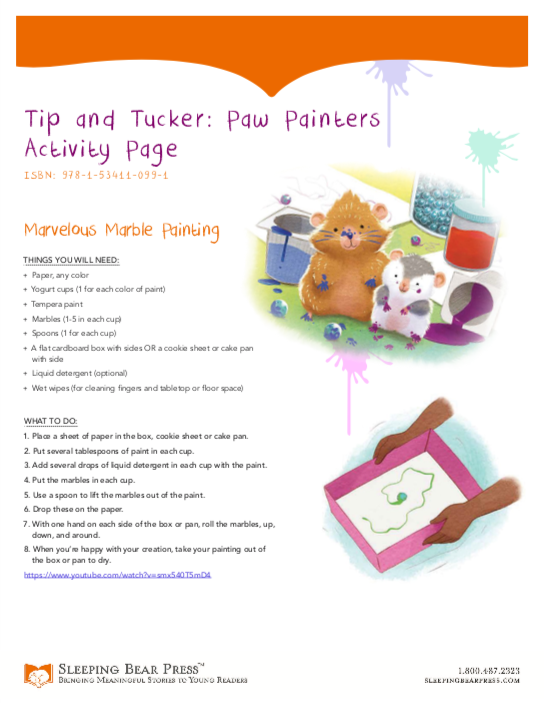
Marble Painting with Tip and Tucker Paw Painters Activity Sheet
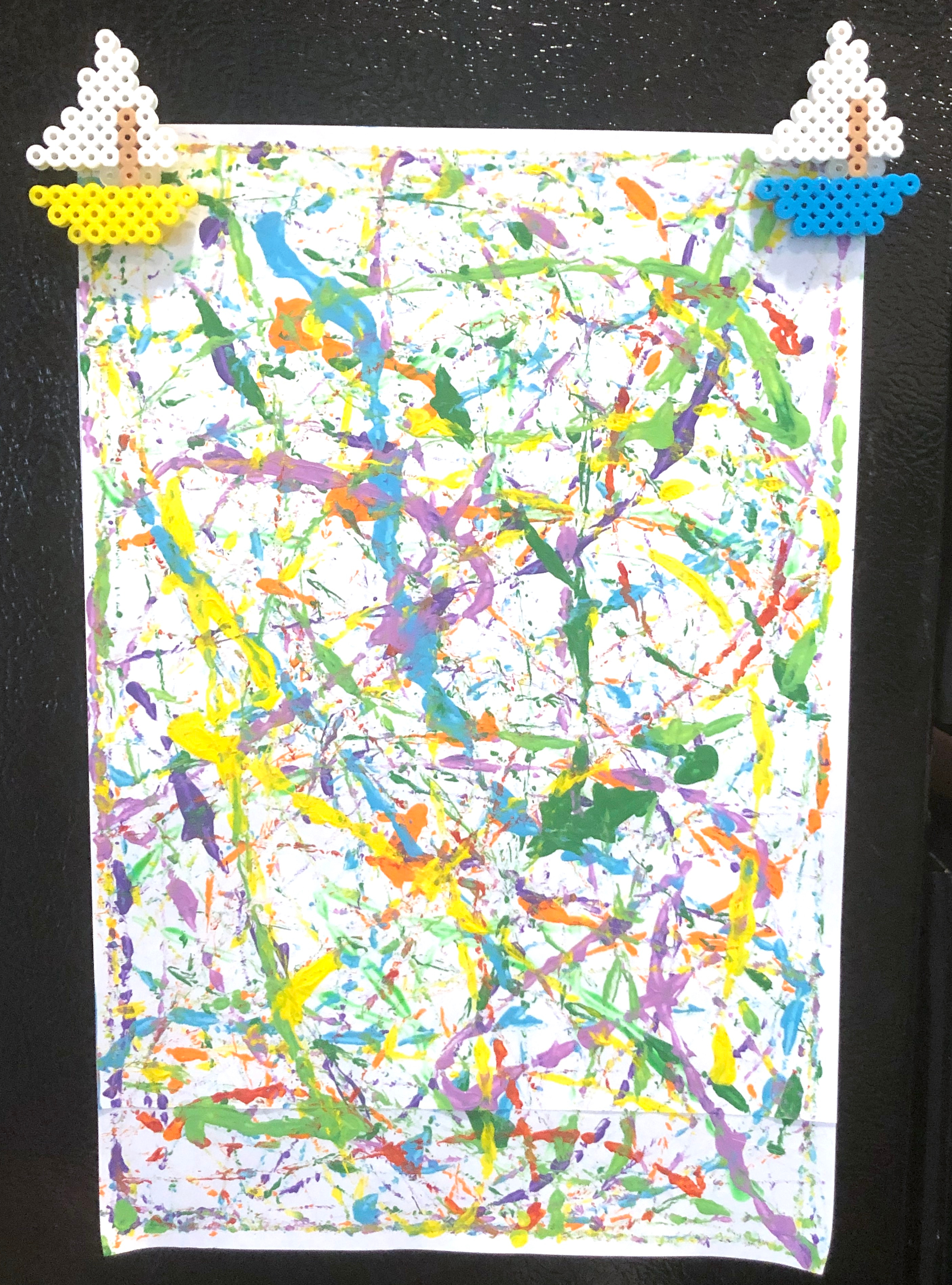
You can make a marble painting just like the kids in Mr. Lopez’s class with these printable directions from Sleeping Bear Press. And… you can even get as messy as Tip and Tucker!
Founded in October 2019 by Professor Patrick Businge, World Greatness Day celebrates greatness in all things – people, places, pets, businesses, and especially the unsung heroes among us. Businge encourages us to honor and thank the people who are instrumental in our lives. He also wants us to recognize the greatness that we all have inside. Ensuring that each child understands how unique and special they are improves their self-esteem and self-confidence and sets them on a path to greater success and happiness. Sharing today’s book is a terrific place to start.
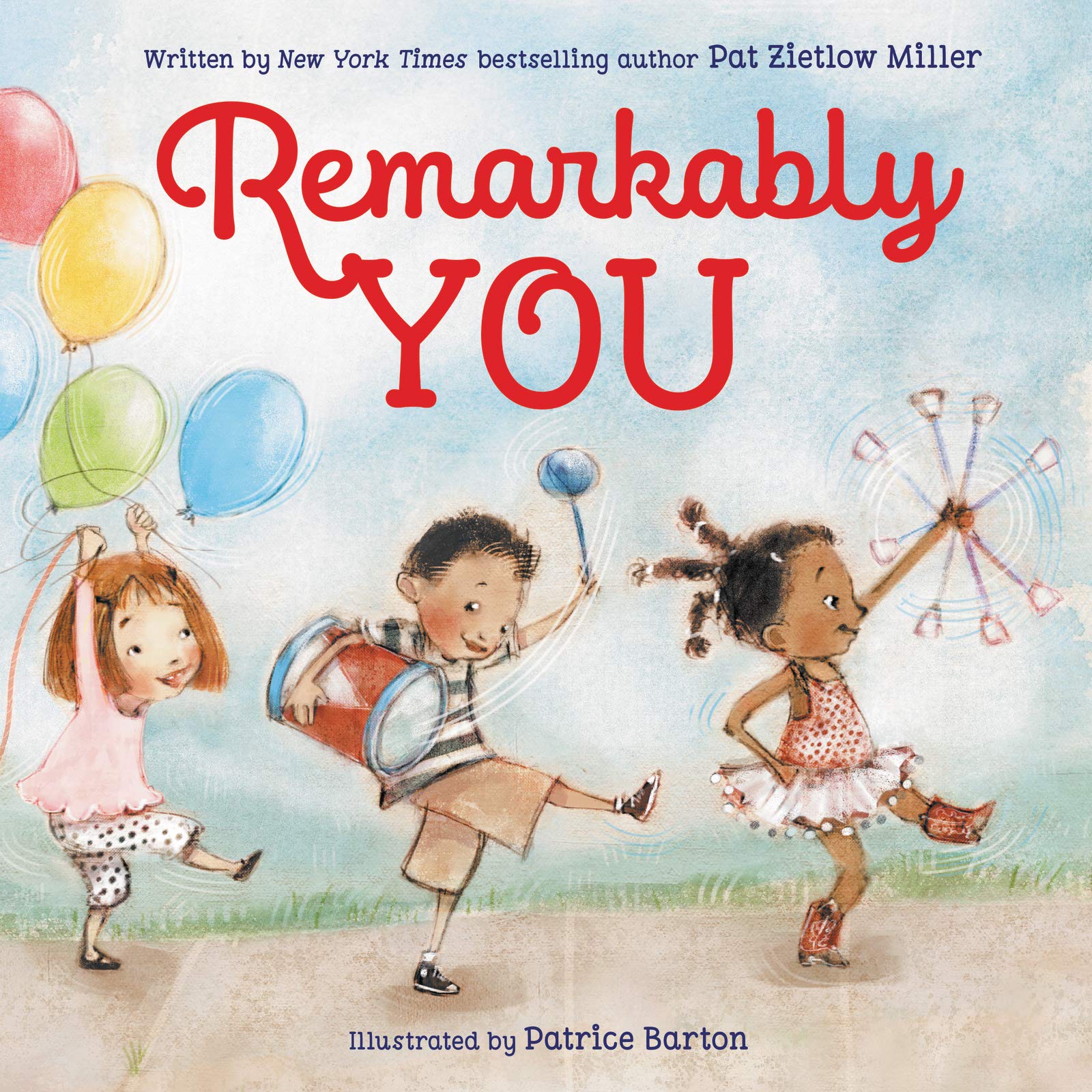
Remarkably You
Written by Pat Zeitlow Miller | Illustrated by Patrice Barton
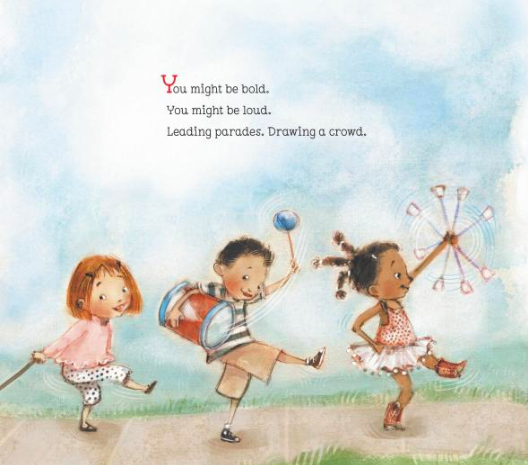
In her stirring Remarkably You, Pat Zeitlow Miller celebrates each child’s individuality and gifts. She talks directly to the reader assuring them that they are exceptional, whether they’re bold, timid, small or “practically grown.” She then fills them with confidence, telling them that they are smart, have power, and can change the world.
Image copyright Patrice Barton, 2019, text copyright Pat Zeitlow Miller, 2019. Courtesy of HarperCollins.
With encouragement Miller beckons each child to find their place in the world and do what they can; and when that is done to “choose a new problem and do it again.” How do kids know where they fit in? “Just look for the moments that let you be you.” Miller goes on to validate each child, saying, “You have your own spirit, unparalleled flair. / So rock what you’ve got—every day everywhere.”
She then channels how every parent or caregiver feels about their child—“You are a blessing, / a promise, a prize. / You’re capable, caring, courageous, and wise.”—and emboldens kids to embrace who they are and get out there and enjoy life—their own, remarkable life.
In her stirring Remarkably You, Pat Zeitlow Miller celebrates each child’s individuality and gifts. She talks directly to the reader assuring them that they are exceptional, whether they’re bold, timid, small or “practically grown.” She then fills them with confidence, telling them that they are smart, have power, and can change the world.
Image copyright Patrice Barton, 2019, text copyright Pat Zeitlow Miller, 2019. Courtesy of HarperCollins.
With encouragement Miller beckons each child to find their place in the world and do what they can; and when that is done to “choose a new problem and do it again.” How do kids know where they fit in? “Just look for the moments that let you be you.” Miller goes on to validate each child, saying, “You have your own spirit, unparalleled flair. / So rock what you’ve got—every day everywhere.”
She then channels how every parent or caregiver feels about their child—“You are a blessing, / a promise, a prize. / You’re capable, caring, courageous, and wise.”—and emboldens kids to embrace who they are and get out there and enjoy life—their own, remarkable life.
World Greatness Day Activity
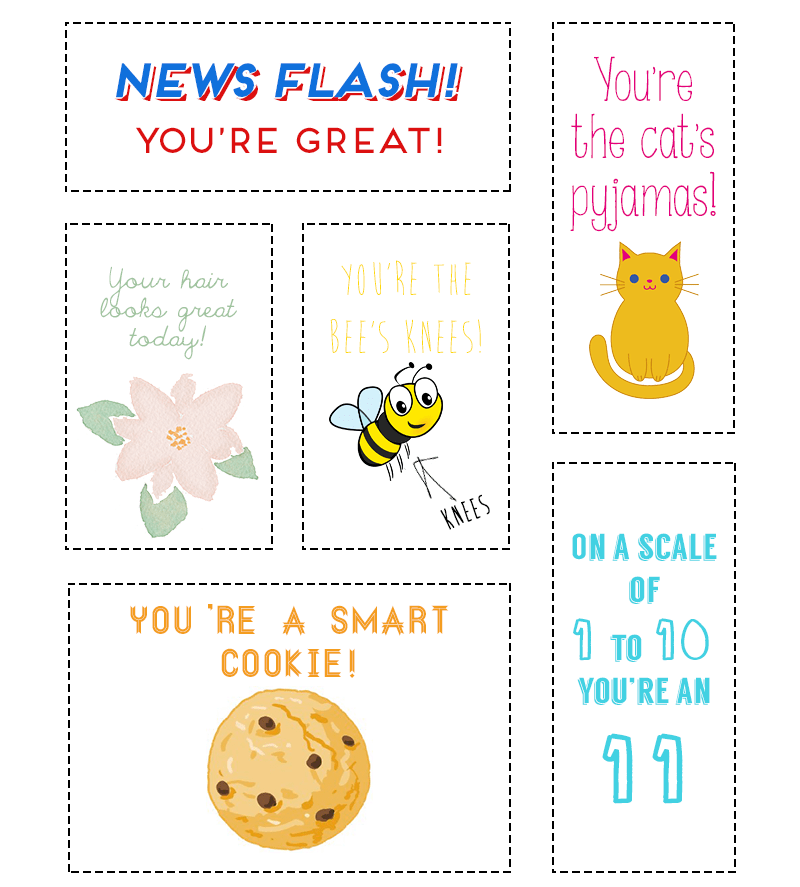
You’re Amazing Magnets
You can remind your kids about how special they are with these complimentary sayings. Print them out and attach adhesive magnet strips to create decorations for a child’s room, their locker, the fridge or anywhere they’ll see them and take the message to heart. You can also use heavy paper or poster board, markers, and stickers to create your own encouraging magnets.
Kids love going to restaurants that provide a fun placemat and crayons to color with while they wait. But what happens to those crayons when the meal is over? Most times they’re thrown in the trash with the napkins and straws and other items left behind. Wouldn’t it be great if those gently used crayons could go on to be used by other kids at schools that can’t afford such supplies? They can! Begun by Crayon Collection, National Crayon Collection Month encourages restaurants, hotels, and other organizations that provide free crayons to collect the ones left behind and donate them to under-serviced schools. As school arts programs are threatened with budget cuts, these important supplies can make a big difference in the lives of students. The ability of children to express their creativity is a crucial part of their education and growth. You can get involved too! To learn how you can make an impact, visit CrayonCollection.org. Or look into donating crayons (and other supplies) to a school in your area.
The Crayon Man: The True Story of the Invention of Crayola Crayons
Written by Natascha Biebow | Illustrated by Steven Salerno
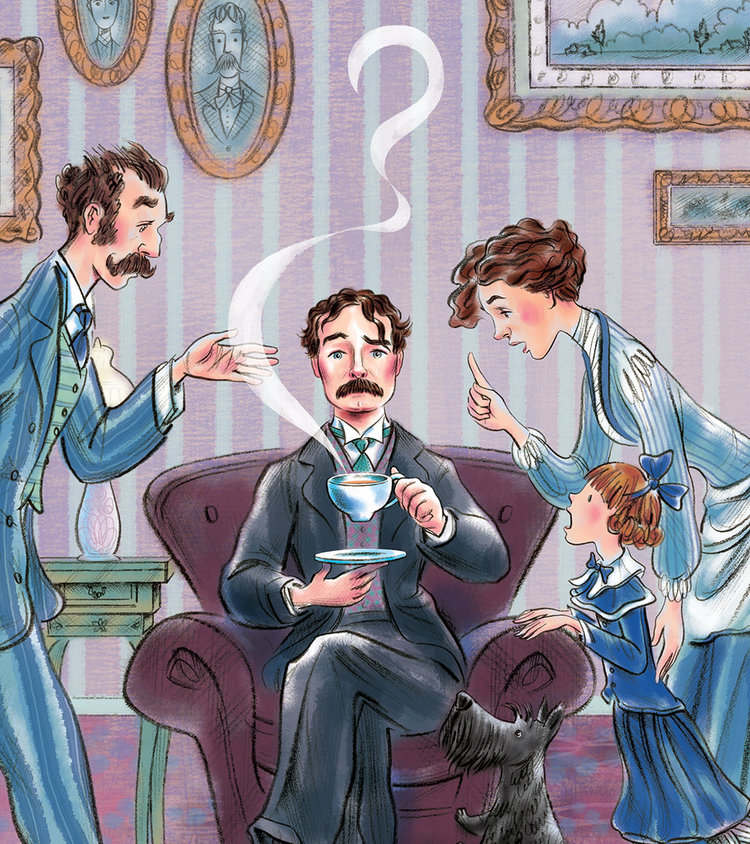
Edwin Binney was an inventor who truly appreciated all the colors around him. In fact, “color made him really, really HAPPY!” Perhaps he loved color so much because all day long in the mill where he worked he was surrounded by nothing but black: “black dust, black tar, black smoke, black ink, black dye, black shoe polish. His company sold carbon black, a new kind of pigment, or colored substance, make from the soot of burning oil and natural gas.” Edwin worked with his cousin C. Harold Smith, and their company was called Binney and Smith.
Image copyright Steven Salerno, 2019, text copyright Natascha Biebow, 2019. Courtesy of HMH Books for Young Readers.
While Harold was the salesman, Edwin was the tinkerer who had made better pencils for writing on slate and a wax crayon that wrote on both paper and wood. His wife, Alice, thought he was just the person to create better crayons for kids. The existing crayons were too big and clunky, and artists’ crayons were too expensive.
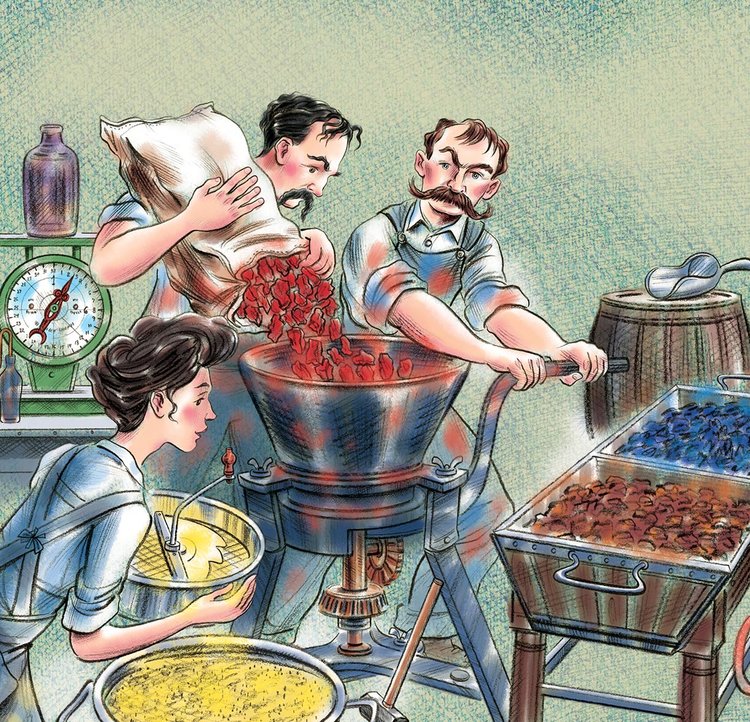
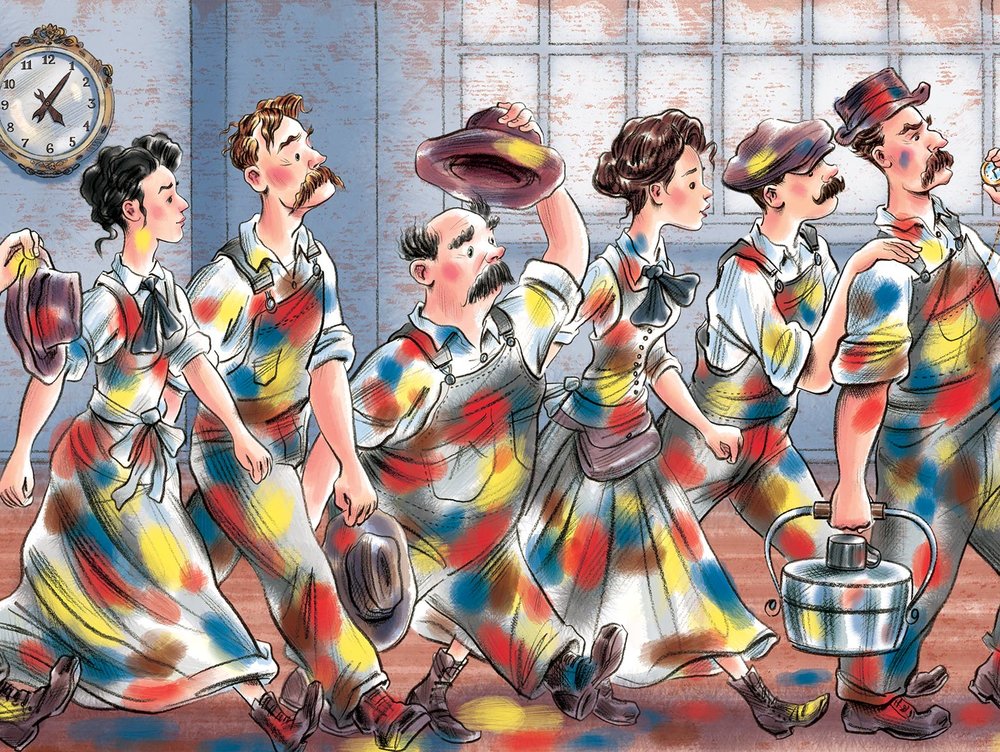
Edwin gave it some thought and started experimenting with wax for substance and rocks and minerals for color. Then he and his workers fine-tuned their batches, adding only “a pinch of this pigment, a sploosh of that one, a little hotter, a little cooler…and voilà, LOTS of different shades!” Now, instead of being covered in black dust at the end of the day, “Edwin came home covered in color.”
Image copyright Steven Salerno, 2019, text copyright Natascha Biebow, 2019. Courtesy of HMH Books for Young Readers.
At the factory, Edwin’s team worked on their top-secret formula and finally poured the mixtures into “thin, crayon-shaped molds” to make crayons that were just the right size for children. Finally, in 1903, Edwin had the product he wanted. “He’d invented a new kind of colored crayon” and wanted a new name to go with it. Alice had just the right suggestion, and Crayola crayons were born.
The first boxes contained eight colors and sold for a nickel. As they shipped out to stores, Edwin wondered if the kids would like them. Children loved their fine points, clear lines, and long-lasting color. By this time, inexpensive paper was also available, so kids didn’t have to draw or write on slate tablets anymore.
Image copyright Steven Salerno, 2019, text copyright Natascha Biebow, 2019. Courtesy of HMH Books for Young Readers.
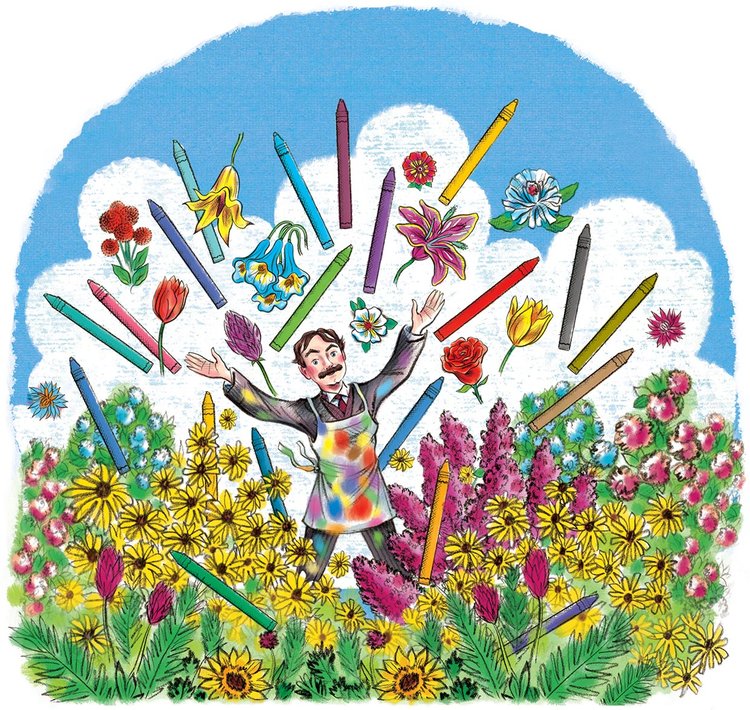
At the St. Louis World’s Fair in 1904, Edwin’s Crayola crayons won a gold medal. As time went on, Edwin and his team made even more colors, many inspired by nature and even the flowers in Edwin’s own garden. Some of the colors you’ll find in a box today were given their names by children, including “macaroni and cheese” and “robin’s egg blue.” Now, kids all around the world can create just the picture they want, with lots and lots of color.
Back matter includes an illustrated description of the process of making Crayola crayons, an extended biography of Edwin Binney, and a bibliography of resources.
Image copyright Steven Salerno, 2019, text copyright Natascha Biebow, 2019. Courtesy of HMH Books for Young Readers.
Natascha Biebow’s quickly paced biography of Edwin Binney and the invention of Crayola crayons is a deft portrait of the man and his times that were on the cusp of and central to so many innovations that created the modern world. Biebow’s emphasis on Binney’s willingness to listen and match his inventions to people’s needs is a lesson on collaboration and the true spirit of invention for today’s future pioneers. In her fascinating and accessible text, Biebow relates the problems with late 1800s writing and drawing mediums while also building suspense on how Binney and his team created the new crayons. Children will be awed to discover the thought, experiments, and materials that went into those first thin sticks of color. Short paragraphs that explain more factual information about topics in the story, including carbon black, the availability of paper, European crayons, and pigments are sprinkled throughout the pages.
Image copyright Steven Salerno, 2019, text copyright Natascha Biebow, 2019. Courtesy of HMH Books for Young Readers.
Steven Salerno’s color-drenched pages are beautiful tributes to the man who brought a new age of color into children’s lives. In a clever page turn, Edwin Binney stands in his garden with his arms outstretched appreciating the rainbow of flowers, the deep-blue sea, the light-blue sky, and a fiery red cardinal flying by. The next page takes kids into Binney’s mill, where he stands in the same position, but now seeming to bemoan the sooty environment. Salerno brings the time period alive for kids through hair and clothing styles and school and home furnishings. Several pages give readers a field trip into Binney’s secret lab to see the mechanics of making crayons at work. The front and end papers invite kids to give the wrapper-less crayons pictured a name based on their colors and then to make a drawing of their own.
A high-interest biography of the man who changed the way kids could interpret their world, The Crayon Man is a must for young inventors, artists, and thinkers as well as for classroom story times, social studies lessons, and art classes. The book would be a welcome addition to home, school, and public libraries.
Ages 6 – 9
HMH Books for Young Readers, 2019 | ISBN 978-1328866844
Discover more aboutNatascha Biebowand her books on her website.
To learn more aboutSteven Salerno, his books, and his art, visit his website.
National Coloring Book Day Activity
Cool Coloring Pages
You know what to do during Crayon Collection Month! Collect some crayons and enjoy these printable coloring pages for you to print and enjoy!















 celebratepicturebooks.com