February 16 – Do a Grouch a Favor Day

celebrate-picture-books-picture-book-review-be-quiet-cover

About the Holiday

It’s probably safe to say that everyone knows a grouch. And if we’re being honest, it’s probably safe to say that we’ve all been a grouch at one time or another. Some days (weeks?) are just like that. Today’s holiday aims to make life just a little better for those who are having a grouchy day. If you know someone who’s grumpy or complainy try giving them a smile or a little special treat. Even doing something goofy or surprising might make them laugh in spite of the doldrums. Perhaps there’s something going on in their life that they’d like to talk about. Spending a little time listening as a friend, may help brighten their day too. Sometimes, though, no matter how much we try to help, all the grouch really wants is for us to…

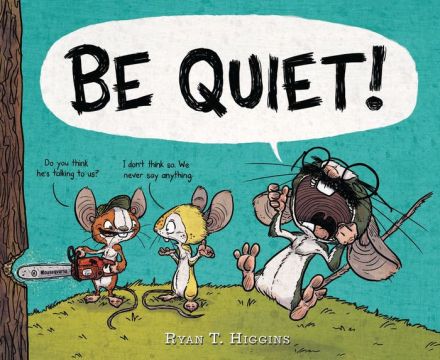
BE QUIET!

By Ryan T. Higgins


Rupert, a scholarly little mouse is so excited to be writing a book in which he will be the starring character. It’s going to be great—a wordless book that is “very artistic.” But just as he gets started his friend Nibbs, pops over and wonders what Rupert is doing. Rupert tells him, “Shhh. Be QUIET. This book does not have words.” When Nibbs hears this, he wants to help, but there’s supposed to be no talking and he’s talking. In fact, he’s “talking about talking.”
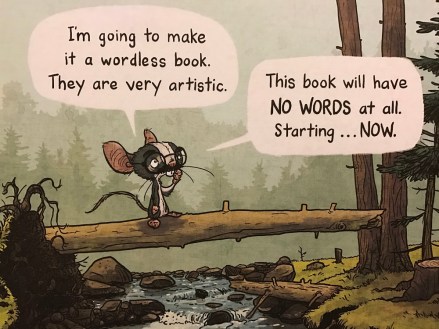
celebrate-picture-books-picture-book-review-be-quiet-wordless-book-beginning

Copyright Ryan T. Higgins, 2017, courtesy of Disney-Hyperion.

Rupert wants to throw his friend out of the book, but Nibbs begs and pleads to be included. He’ll even be “extra wordless” if he can just stay. Rupert is beside himself. “I said BE QUIET. This book is wordless!” Just then their friend Thistle drops by wondering what all the shouting is about. Nibbs tells him in some detail what’s going on and why he can’t talk about it.
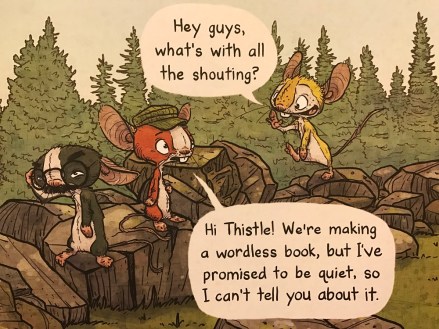
celebrate-picture-books-picture-book-review-be-quiet-thistle

Copyright Ryan T. Higgins, 2017, courtesy of Disney-Hyperion.

Thistle thinks a wordless book sounds perfect and also wants to be included. Nibbs says sure, but says they won’t tell Rupert because they’re not supposed to be talking. Rupert, though, is keeping count of all these words, and there are too many of them. Thistle rubs his hands in glee: it’s going to be such fun. But Rupert takes him to task. His book is going “to be more than FUN. It will be visually stimulating.” Nibbs isn’t sure what that means, so Thistle explains that it means they’re going to “poke our readers in the eyeballs with pictures.”

After a bit of strong-man silliness, Nibbs and Thistle buckle down to find “strong-but-silent types.” Nibbs suggests a very familiar bear, but Thistle thinks he looks too grumpy. Rupert thinks a cute kitten would be a good addition, but those claws? And those teeth? On second thought perhaps a cucumber would be better. With just a squiggly smile and some googly eyes, the cucumber makes a great vegetarian character. Thistle tries to explain about vegetarians, and Rupert is in a fury over all this nonsense clogging up his “brilliant piece of wordless literature.”
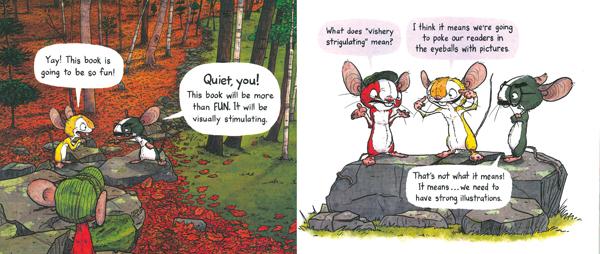
celebrate-picture-books-picture-book-review-be-quiet-visually-stimulating

Copyright Ryan T. Higgins, 2017, courtesy of Disney-Hyperion.

Oh! Well, if “serious” is what Rupert wants, how about a portrait of Vincent van Mouse? Too esoteric? Then maybe the three mice should be converted into three potatoes. Rupert yells that he doesn’t even like potatoes. Action is what’s needed, says Thistle. A silent superhero, like “Captain Quiet the Vocabulary Vigilante. Bam! Pow! Kaboom!” No, no, no! Rupert is hopping mad. “No superheroes and no onomatopoeia either.” Say what? “I’m-a-gonna-pee-a?” asks Nibbs “What’s that mean?” Thistle thinks Rupert “should have gone to the bathroom before the book started.”

Really, Thistle and Nibbs just want to help. What about mimes? Nibbs comes up with a great routine, flapping arms and all. Thistle tries to guess what he is, and Rupert can’t understand how they don’t know what “quiet” means. Oh!, say Nibbs and Thistle. Like that saying about the tree in the forest. Is that what quiet is? With a chain saw and a nearby tree, they try it. But Rupert is screaming so much they can’t hear if it makes a sound or not.

celebrate-picture-books-picture-book-review-be-quiet-cutting-down-tree

Copyright Ryan T. Higgins, 2017, courtesy of Disney-Hyperion.

Poor Rupert! All he wants is for them to “be quiet for just one page!” He can’t hold his frustration in any longer. He goes on a tirade of words. Nibbs quietly interrupts him. “WHAT?!” yells Rupert. “Shhh. Be Quiet. This book does not have words,” Nibbs reminds him just as the book ends. Now that the book is finished, Thistle and Nibbs think it came out pretty good and hope they can do another one.

Ryan T. Higgins’ laugh-out-loud book about best intentions gone awry is a definite day brightener. Kids and adults will recognize the zany truth of control lost to the unexpected or the oblivious. While we may often feel Rupert’s frustration in real-life situations, Higgins reminds us that it’s good to step back and see the humor in it all. Higgins’ action-packed illustrations and rakish mice ramp up the fun. Kids will enjoy seeing a glimpse of their favorite grumpy bear, Bruce, and discovering what the three mice have been up to since they transformed Bruce’s home into a hotel.

Clever wordplay, realistic dialogue, and sweet characters make BE QUIET! a perfect read-aloud book that kids will want to hear again and again. It would be a funny and fun addition to any child’s bookshelf.

Ages 3 – 6

Disney-Hyperion, 2017 | ISBN 978-1484731628

Discover more about Ryan T. Higgins and his books on his website!

Do a Grouch a Favor Day Activity

celebrate-picture-books-picture-book-review-grouchy-wordsearch-puzzle


Smile If You’re Grouchy! Word Search Puzzle


Do you feel grouchy, grumpy, cantankerous? Then maybe a smile would help! Find all twenty words in this printable Smile if You’re Grouchy! puzzle. You’ll be smiling when you do!

Smile if You’re Grouchy! Word Search PuzzleSmile if You’re Grouchy! Word Search Solution

celebrate-picture-books-picture-book-review-be-quiet-cover

You can find BE QUIET! at these booksellers

Amazon | Barnes & Noble | Books-a-Million | IndieBound

Picture Book Review

February 15 – National Flag Day of Canada

celebrate-picture-books-picture-book-review-carson-crosses-canada-cover

About the Holiday

On February 15, 1965 the national flag of Canada was raised for the first time on Parliament Hill. National Flag Day of Canada was officially established in 1996. As Canadians celebrate the 53rd anniversary of their flag this year, they can take special pride as they watch their Olympic team strive for glory in Pyeongchang, South Korea under their distinctive maple-leaf flag. All across the country today, Canadians are cheering their athletes and their flag.

Carson Crosses Canada

Written by Linda Bailey | Illustrated by Kass Reich


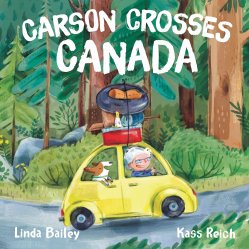
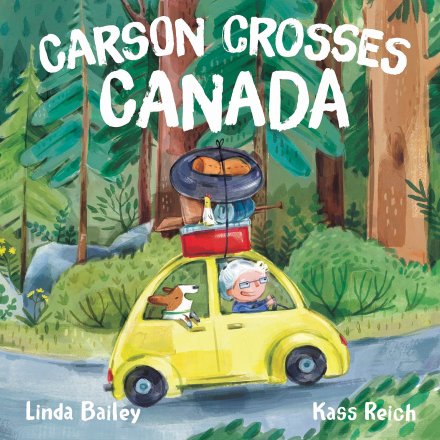
Annie Magruder and her little dog, Carson, had a pretty great life living along the shore of the Pacific Ocean. One day a letter arrived for Annie from her sister Elsie. Elsie was sick and needed cheering up so Annie packed her bags, loaded up her camping gear, and “filled a cooler with baloney sandwiches.” For Carson she brought along dog food and of course Squeaky Chicken. They pulled away from their house and headed east.

celebrate-picture-books-picture-book-review-carson-crosses-canada-cover

Illustrations copyright © 2017 by Kass Reich. Courtesy of Tundra Books.

“All morning they drove in the rattlebang car.” Were they there yet? Carson wanted to know. But they were on a loooong trip—all across Canada, Annie told him. She also said there’d be a surprise for him at the end. “Carson loved surprises. Squeaky Chicken had been a surprise. Every time Carson chewed, he got a brand-new noise. Skreeeee! Wheeeee! Iiiiiy!”

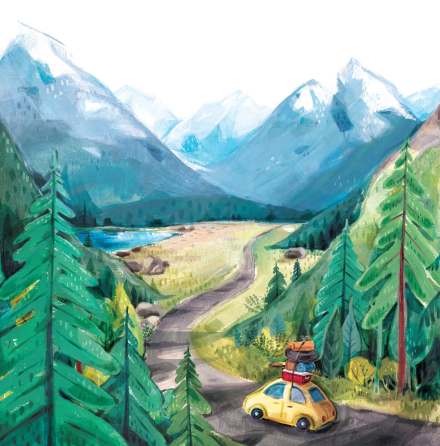
Twisty roads took them into the Rocky Mountains, where Annie pitched her tent for the night. Carson stood guard, watching for bears. The next day they rolled into dinosaur country. Carson could hardly control his excitement at seeing the enormous bones. Could this be his surprise? But Carson didn’t get to take a single bite—not even a little lick.

celebrate-picture-books-picture-book-review-carson-crosses-canada-loons

Illustrations copyright © 2017 by Kass Reich. Courtesy of Tundra Books.

On day three they came to flat farmland, where “grain grew in carpets—yellow, blue, gold.” While Annie admired the wide-open sky during a picnic lunch, Carson chased after grasshoppers, finally snatching one for his dessert. On the next day, the sun was so hot that as Annie and Carson drove past Lake Winnipeg, they stopped to take a dip.

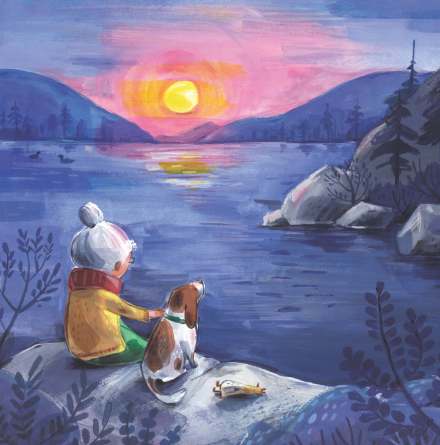
After that there were more days and even more days spent in the car passing forests of trees and boulders. Carson passed the time barking and wondering about his surprise. At night, when he and Annie camped, they listened to the loons calling, “Ooo-wooooo. Ooo-hoo-hoo.” When they reached Niagara Falls, they stopped to watch the thundering water and got soaked with its spray.

celebrate-picture-books-picture-book-review-carson-crosses-canada-niagara-falls

Illustrations copyright © 2017 by Kass Reich. Courtesy of Tundra Books.

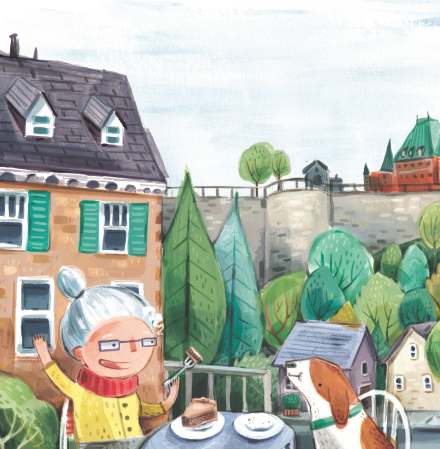
In Quebec City, Annie and Carson enjoyed French delights, including a pork pie called tourtière, which Carson gobbled up in two bites. Was this their destination? Oh, no—they still had a ways to go! Once, while Carson was napping, he heard Annie shout, “‘Look! The Atlantic Ocean!’” Carson was so thrilled to see an ocean once more that he ran to the edge and rolled in the mud until he was covered.

The next day brought “an island of red and green” as pretty as a postcard plus lobster rolls for two. Here, Annie told Carson, they were getting close. There was still one night’s stop, however. “In the campground that night, there was fiddle music—so friendly and fast, it made everyone dance. Annie clapped and jigged. Carson chased his tail.” With the promise of “‘tomorrow’” whispered in his ear, Carson fell asleep.

celebrate-picture-books-picture-book-review-carson-crosses-canada-quebec

Illustrations copyright © 2017 by Kass Reich. Courtesy of Tundra Books.

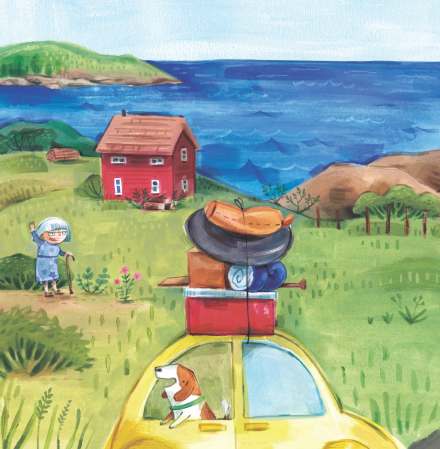
A ferry ride took them to Elsie’s. Her “house stood waiting beside the ocean. It was red like the house back home. Out came a woman who looked like Annie. Her steps were slow, but her smile was as wide as the sea.” Annie and her sister hugged for a long time until Carson yipped, looking for his surprise. Bounding toward him came a dog that looked “so much like Carson, it was like looking into a mirror.” It was his brother, Digby! They hadn’t seen each other since they were puppies. Spending time with Annie and Carson was just what Elsie needed. The four “loved the salt air. They loved the red house. And they loved their sweet time together.”

celebrate-picture-books-picture-book-review-carson-crosses-canada-elsie's-house

Illustrations copyright © 2017 by Kass Reich. Courtesy of Tundra Books.

For young armchair travelers, Linda Bailey has crafted a wonderful story that combines the best of sightseeing with an emotional tug that is warm and uplifting. The love between Annie and Carson is evident from the first page and swells as they reunite with Elsie and Digby, taking readers along for the rewarding ride. Bailey’s lyrical and humorous view of Canada’s expansive beauty through the eyes of both Annie and Carson will delight kids and leave them wanting to learn more. The reaffirmation that family stays strong even across many miles will cheer children and adult readers alike.

Kass Reich’s gorgeous hand-painted gouache illustrations put children in the back seat of the little, well-packed “rattlebang” car with sweet Carson on a tour of Canada. They’ll view awesome redwood trees, majestic mountains, the bone yards of Dinosaur Provincial Park, Quebec City, fields, lakes, and clear nights. Reich’s vivid colors and rich details invite kids to linger over the pages and learn even more about Canada. Little ones will also like pointing out Squeaky Chicken, who is happily enjoying the trip as well.

The book’s endpapers provide a colorful map of Canada with Carson and Annie’s route clearly marked along with their sightseeing stops.

Carson Crosses Canada is a sweet, beautiful book that kids will want to read again and again. It would be a wonderful addition to home and library bookshelves.

Ages 4 – 8

Tundra Books, 2017 | ISBN 978-1101918838  

Discover more about Linda Bailey and her books on her website!

You can learn more about Kass Reich and her books as well as view a portfolio of her illustration work on her website!

National Flag Day of Canada Day Activity

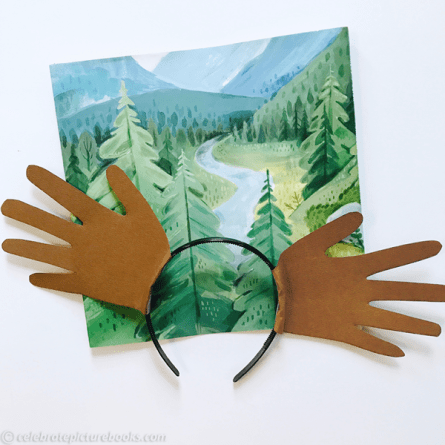
celebrate-picture-books-picture-book-review-hand-print-moose-antlers-headband


Make Me a Moose! Headband


Moose love calling Canada home! With this easy craft you can turn your hand prints into cute antlers to wear!

Supplies

  • Stiff brown paper
  • Brown hair band
  • Pencil
  • Scissors
  • Tape

Directions

  1. Trace your hands with fingers spread on the brown paper. Leave a 1 – 2 inch tab on the end of the wrist for wrapping around the head band
  2. Cut out the hand prints
  3. Place one hand print on the right side of the headband with the thumb of the hand pointing up.
  4. Wrap the tab around the headband and secure with tape
  5. Place the second hand print on the left side of the headband with the thumb pointing up.
  6. Wrap the tab around the headband and secure with tape
  7. Enjoy being a Canadian Moose!

celebrate-picture-books-picture-book-review-carson-crosses-canada-cover

You can find Carson Crosses Canada at these booksellers

Amazon | Barnes & Noble | Books-a-Million | IndieBound

Picture Book Review
February 14 – International Book Giving Day

celebrate-picture-books-picture-book-review-a-different-pond-cover

About the Holiday

February 14th is all about love! Sharing Valentines, sharing hugs, candy, and fun, and… sharing books! There’s no better way to show a child how much they mean to you than by giving them a book. Unfortunately, many children don’t have access to or own books. International Book Giving Day was established to encourage people to buy, share, and donate books so that the children in their lives and communities can know the pleasure and educational benefits of reading. To learn more about today’s holiday and to find some tips on easy ways to get involved, visit the official International Book Giving Day website.

A Different Pond

Written by Bao Phi | Illustrated by Thi Bui


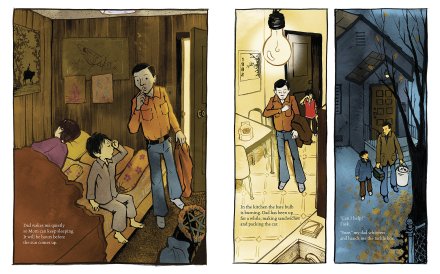
A little boy yawns and rubs the sleep from his eyes as his dad wakes him even before the sun has risen. His dad has already made sandwiches and packed the car for their fishing trip. As they drive out of town, the streets are silent and a chill tinges the air. The little boy’s father entertains him with stories. As he listens, the boy thinks of the kid at school who says his dad’s “English sounds like a thick, dirty river.” To him, though, his father’s “English sounds like gentle rain.”

celebrate-picture-books-picture-book-review-a-different-pond-getting-up

Image copyright Thi Bui, 2017, text copyright Bao Phi, 2017. Courtesy of Capstone Young Readers.

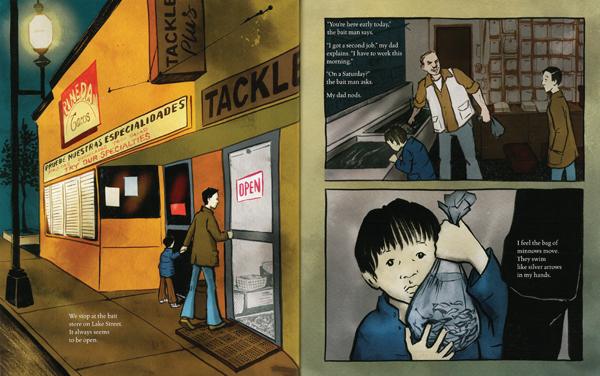
Even at this early hour the bait shop is open while the Mexican restaurant next door is dark. The bait man comments that the pair are earlier than usual, and the boy’s father explains that he has to work at his second job later that morning even though it’s Saturday. The little boy carefully carries the bag of minnows, feeling them “swim like silver arrows in my hands.” They stop the car along the road, climb over the guard rail, and gingerly make their way “through the tangle and scrub” to the pond.

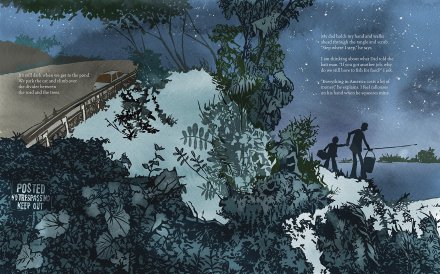
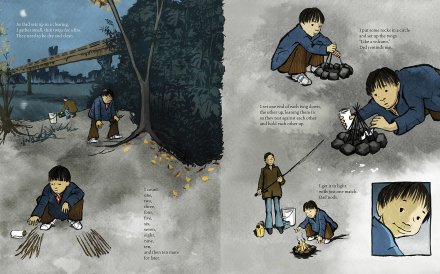
As the boy holds his father’s calloused hand, he wonders why they still need to fish for food if his father has a second job, and his dad answers that “everything in America costs a lot of money.” Sometimes, they meet other men fishing at the pond, but today they are alone under the stars that look “like freckles.” While his father sets up their equipment, the boy gathers sticks and rocks and makes a small fire ring to provide warmth.

celebrate-picture-books-picture-book-review-a-different-pond-bait-shop

Image copyright Thi Bui, 2017, text copyright Bao Phi, 2017. Courtesy of Capstone Young Readers.

The little boy wants to help with the fishing, but he can’t bring himself to put the minnow on the hook. His father smiles, understanding how he feels. For breakfast they eat the bologna sandwiches the father made. “‘I used to fish by a pond like this one when I was a boy in Vietnam,’” the dad tells his son. The boy looks into his father’s face and asks if he fished with his brother. His father “nods, then looks away.” The boy knows that his father and uncle fought in the war side by side until the day when his dad’s “brother didn’t come home.”

When the bobber dips, the boy’s father pulls in a crappy and soon after, another. This time the boy holds the fish between his hands “to help guide the fish into the bucket. The fish feels slimy and rough at the same time,” and the boy makes a face that makes his dad laugh. His father is happy because they caught “a few fish and he knows [they] will eat tonight.”

celebrate-picture-books-picture-book-review-a-different-pond-parked-car

Image copyright Thi Bui, 2017, text copyright Bao Phi, 2017. Courtesy of Capstone Young Readers.

As they walk back to the car, the boy wonders “what the trees look like at that other pond in the country [his] dad comes from.” The sky is just brightening as they reach home and show Mom the fish they’ve caught. She smiles, even though she’s tired, and asks her son to help with the fish before she too goes to work. Their praise for his help in catching that night’s dinner, makes the boy feel that he is growing up.

The little boy waves to his mom as she bicycles away to her job comforted by the knowledge that he, his brothers and sisters, and his mom and dad will all be together again that night around the dinner table. They’ll share crispy fried fish, rice, and funny stories. Then later they will go to sleep and “dream of fish in faraway ponds.”

celebrate-picture-books-picture-book-review-a-different-pond-making-fire

Image copyright Thi Bui, 2017, text copyright Bao Phi, 2017. Courtesy of Capstone Young Readers.

As deep and quietly moving as a fishing pond, Bao Phi’s tribute to family, parental sacrifice, and the profound understanding of children wrenches your heart with its beautiful and honest language and touching details. Phi uses the fishing trip—which at first seems to be simply a fun outing for father and son, but is in fact an act of survival—to relate one family’s relationship with their adopted country while also delving into the universal bond between children and parents or other adults. Taken before sunup, the trip provides moments—both spoken and unspoken—for the little boy to learn and internalize the stories, feelings, and history of his heritage at a time when his own identity is dawning. The camaraderie at the dinner table is one more time to connect with and be connected to family and traditions old and new.

celebrate-picture-books-picture-book-review-a-different-pond-guiding-fish

Image copyright Thi Bui, 2017, text copyright Bao Phi, 2017. Courtesy of Capstone Young Readers.

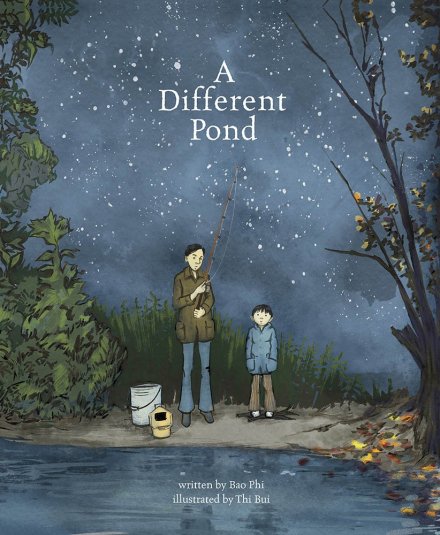
Thi Bui’s detailed illustrations are washed in the mysterious and hopeful blues and grays of early morning sprinkled with stars and lit with the glow of streetlamps. The pond shimmers with moonlight—a unifying link to that other pond so far away. A No Trespassing Keep Out sign that marks the place where the little boy and his father pull over to access the pond offers an opportunity for readers to reflect on wider immigration and refugee issues. Bui’s captures the nuanced expressions passed between the loving parents who are doing everything they can to provide a better life for their children, and their  equally loving children who are dreaming of and learning what that life is. 

Extensive notes from Bao Phi and Thi Bui follow the text.

A Different Pond is an exquisite story with wisdom and insight that will impact readers during quiet story times at home and in the classroom. The book would be a warm and welcome addition to home, school, and public library bookshelves.

Ages 6 – 9

Capstone Young Readers, 2017 | ISBN 978-1623708030

Discover more about Bao Phi and his books on his website.

Learn more about Thi Bui, her books, and her art on her website.

You’re invited to go fishing in this A Different Pond book trailer!

International Book Giving Day Activity

celebrate-picture-books-picture-book-review-international-book-giving-day-bookplate-activity

International Book Giving Day Bookmark and Bookplate


Get the official bookmark and bookplate of today’s holiday! With this energetic little character in your books, you’ll always have a fun reading buddy nearby! Poke around the website and find more great bookmarks and bookplates from previous years available for download too!

International Book Giving Day Bookmark | International Book Giving Day Bookplate

Picture Book Review

February 13 – Get a Different Name Day

celebrate-picture-books-picture-book-review-my-name-is-not-isabella-cover

About the Holiday

It can be fun to try out new names or special nicknames in forming your identity. For those who are not so fond of their birth name, choosing a new name offers comfort, control, and happiness. Actors, writers, and other creative types sometimes change their name to something that is more memorable, easier to say, is flashier, or has more cred. To celebrate today’s holiday, try on a few different names. If you were going to change yours, what would you pick?

My Name Is Not Isabella: Just How Big Can a Little Girl Dream?

Written by Jennifer Fosberry | Illustrated by Mike Litwin


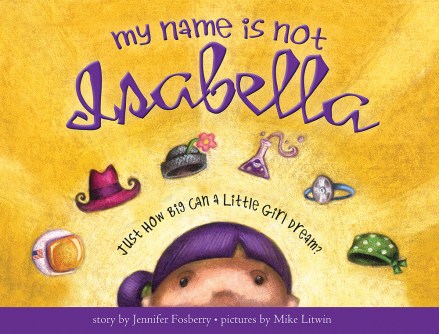
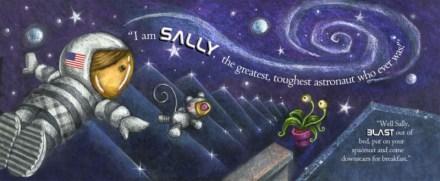
Mom opens her daughter’s bedroom door with a cheery “‘Good morning, Isabella. It’s time to get up and out of bed.’” But the little girl yawns and stretches and most emphatically states, “‘My name is not Isabella!’” Mom plays along, wondering who has then been sleeping here. “‘My name is Sally,’” Isabelle states, “‘The greatest, toughest astronaut there ever was!’” Having Sally Ride in the house is fine with Mom, as long as she puts on her space suit and comes down for breakfast.

celebrate-picture-books-picture-book-review-my-name-is-not-isabella-sally-ride

Image copyright Mike Litwin, 2010, text copyright Jennifer Fosberry, 2010. Courtesy of Sourcebook Jabberwocky.

When the little girl comes to the table, it seems she is no longer Sally. Hmmm… her mother says. She doesn’t know who will eat the delicious waffles she has made. Annie, the greatest, fastest sharpshooter, grabs the syrup and aims for her target.

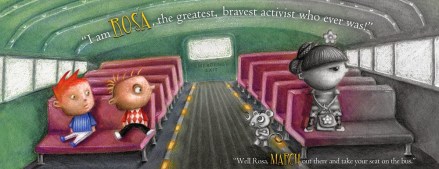
Soon it’s time for school, but when the bus arrives, Annie is nowhere to be found. In her place is “‘Rosa, the greatest, bravest activist that ever was.’ ‘Well, Rosa’” her mother says, “‘March over there and take your seat on the bus.’” School ends, but the bus doesn’t drop off Rosa. Instead, the freshly made chocolate chip cookies will be enjoyed by “‘Marie, the greatest, smartest scientist who ever was.’”

celebrate-picture-books-picture-book-review-my-name-is-not-isabella-rosa-parks

Image copyright Mike Litwin, 2010, text copyright Jennifer Fosberry, 2010. Courtesy of Sourcebook Jabberwocky.

Her mom is happy to see Marie and offers to get the cookies while Marie discovers the answers to her homework. Well, the cookies must fill Marie up, because when dinner rolls around, Elizabeth Blackwell shows up to set the table. At bath time, Elizabeth doesn’t feel like soaking in the relaxing bubbles, so she sends “‘Mommy, the greatest, sweetest mother who ever was,’” instead.

celebrate-picture-books-picture-book-review-my-name-is-not-isabella-marie-curie

Image copyright Mike Litwin, 2010. Courtesy of Sourcebook Jabberwocky.

With pajamas on and teeth brushed the “little girl climbed into bed, [and] the mother says, “‘Good night, Mommy.’” But Mommy is standing near the starlit window, so who is sleeping in the little girl’s bed? “‘Isabella, the sweetest, kindest, smartest, bravest, fastest, toughest, greatest girl that ever was.’” And as she sleeps, she “dreamed about who she would be tomorrow.”

celebrate-picture-books-picture-book-review-my-name-is-not-isabella-annie-oakley

Image copyright Mike Litwin, 2010. Courtesy of Sourcebook Jabberwocky.

In Jennifer Fosberry’s inspiring story, it’s not that the little girl doesn’t want to be Isabella, it’s that she wants to be the best Isabella she can be. In thinking about her role in the world, she’s chosen to emulate five of the most amazing women the world has ever known—and that’s just on day one. Fosberry’s ending, with its view toward tomorrow, allows children to consider all of the influential women throughout history and working today as role models. Her inclusion of “Mommy” as one of Isabella’s heroines is a welcome tribute to the job of motherhood. After all, it’s clear from the way Isabella’s mother supports her daughter’s alter egos without a “Sally who? or a “Rosa who?” that she has taught Isabella about these “greatest” women. It’s just one lesson this mother—and all mothers—teach their children.

celebrate-picture-books-picture-book-review-my-name-is-not-isabella-isabella (2)

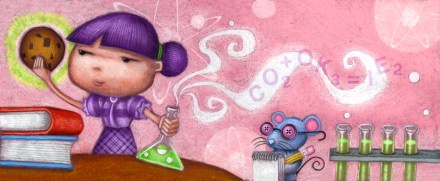
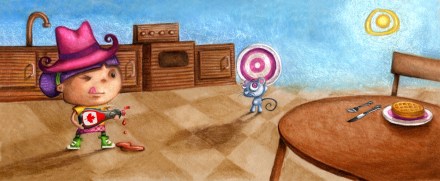
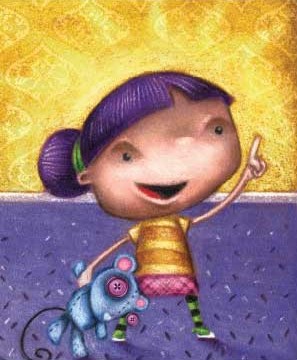
Mike Litwin will enchant readers with his colorful illustrations of Isabella and her transformations. Whimsical details and even the way Isabella’s stuffed toy mouse changes into a real companion for Sally, Rosa, Annie, Marie, and Elizabeth mirrors the power of imagination and education in the formation of a child’s identity and the discovery of their particular talents. Isabella is adorable with her purple hair—just another proof of her individuality—and inspirational in her can-do attitude

Short biographies and portraits of Sally Ride, Rosa Parks, Annie Oakley, Marie Curie, and Elizabeth Blackwell follow the text.

A book that will charm as well as educate, My Name is Not Isabella is a classic that makes a great introduction to the women mentioned in the story and can spur further discovery for younger readers. It would be a welcome addition to home and classroom bookshelves.

Ages 4 – 8

Sourcebooks Jabberwocky, 2010 | ISBN 978-1402243950

Discover more about Jennifer Fosberry and her books on her website.

Learn more about Mike Litwin, his books, and his art on his website.

Get a Different Name Day Activity

celebrate-picture-books-picture-book-review-initial-bookend

First and Last Initials Bookends


You can show your pride in your name (or play with changing it) with this easy craft that will keep all your books tidy on their shelf! This makes a great gift too!

Supplies

  • Sturdy wooden letter blocks in the child’s first and last initials. Or, if the child would like to try on a new name or nickname, the first letter of their new name.
  • Chalkboard or acrylic paint
  • Colored chalk
  • Paint brush


Directions

  1. Paint the letters, let dry
  2. With the chalk write words that describe you or names of your heroines and/or heroes
  3. Display your bookends

Picture Book Review

February 12 – Abraham Lincoln’s Birthday

celebrate-picture-books-picture-book-review-lincoln-tells-a-joke-cover

About the Holiday

Today we celebrate the birthday of Abraham Lincoln, who was born in 1809 in Hodgenville, Kentucky.  He rose from poverty to become a statesman, lawyer, and the 16th president of the United States, serving from 1861 until he was assassinated in 1865. He guided the country through the Civil War and on January 1, 1983 signed the Emancipation Proclamation, which ended slavery. By 1890, Lincoln’s birthday was recognized as a state holiday but never became a federal holiday. The celebration of Lincoln’s birthday was combined with George Washington’s in 1971 when President’s Day was instituted. Only a handful of states still recognize Lincoln’s birthday as a separate state holiday. 

Lincoln Tells a Joke: How Laughter Saved the President (and the Country)

Written by Kathleen Krull and Paul Brewer | Illustrated by Stacy Innerst


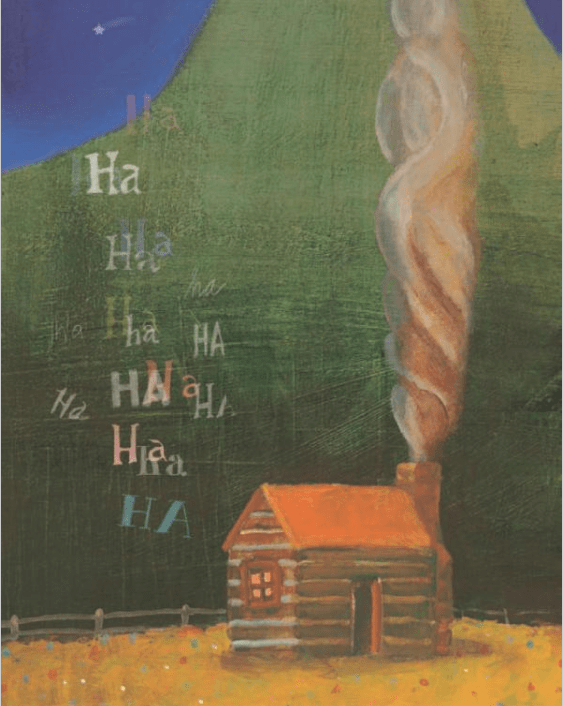
Throughout his life things were grim for Abraham Lincoln, but he had a way of responding that made them better. He was born in 1809 in a log cabin that had a dirt floor, cornhusk mattresses, and cracks in the walls so thick that the snow blew in. All day long he did backbreaking work for his strict father, but in the evenings his father “told jokes and the family laughed together.” Of his father, Lincoln once said, “‘My father taught me how to work, but not to love it. I’d rather read, tell stories, crack jokes, talk, laugh.’”

celebrate-picture-books-picture-book-review-lincoln-tells-a-joke-log-cabin

Image copyright Stacy Innerst, 2016, text copyright Kathleen Krull and Paul Brewer, 2016. Courtesy of HMH Books for Young People.

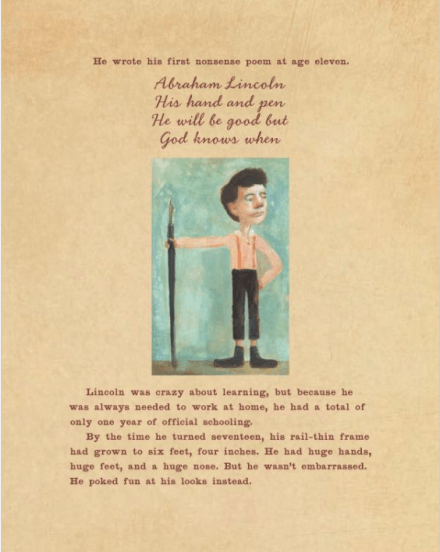
Even as a child, Lincoln loved to read and write. His mother died when Lincoln was only nine years old, but “words and humor seemed to ease the pain.” He liked to get together with friends and read aloud from joke books, and at the age of eleven, he wrote his first nonsense poem. Lincoln loved to learn, but because of all the work at home, he “had a total of only one year of official schooling.” Instead, he read everything he could.

celebrate-picture-books-picture-book-review-lincoln-tells-a-joke-with-pen

Image copyright Stacy Innerst, 2016, text copyright Kathleen Krull and Paul Brewer, 2016. Courtesy of HMH Books for Young People.

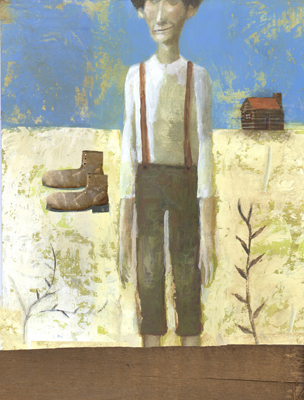
He grew up to be six feet, four inches tall, with huge feet and hands, and a big nose. His appearance was one of the things he joked about the most. When he was nineteen, Lincoln moved to New Salem, Illinois. He had such a reputation for humor that a local judge asked him to come to court to comment on cases. Here, Lincoln learned the importance of words and how they could be used by watching and listening to the lawyers. Despite all their learning, these men couldn’t fool Abe. He once commented of one lawyer: “‘That man can pack the most words into the least ideas of any man I know.’”

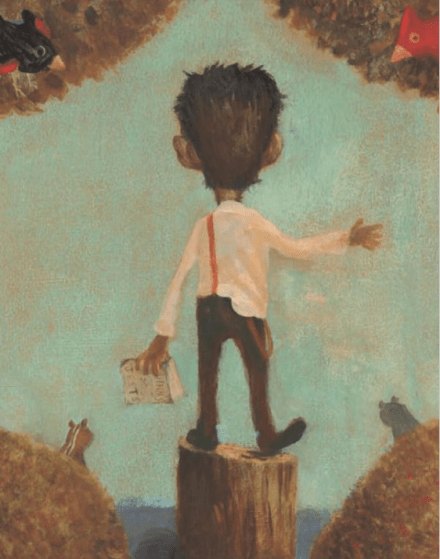
When he was twenty-three he served in the military, but he said the only battles he saw were with mosquitoes. After he was discharged that same year, he ran for the Illinois state legislature and lost. When he tried again two years later, he won and went on to serve for four terms, keeping the “‘House in a continuous roar of merriment.’”

celebrate-picture-books-picture-book-review-lincoln-tells-a-joke-on-stump

Image copyright Stacy Innerst, 2016, text copyright Kathleen Krull and Paul Brewer, 2016. Courtesy of HMH Books for Young People.

As he got older his looks and sometimes depressive personality only seemed to get worse, but Lincoln kept joking and was a favorite of children. When he, himself, became a lawyer, he was brilliant at summing up hours of testimony in “one clever story that would get the jury on his side.” Then he met Mary Todd, who was “witty, bubbly, and very smart about politics.” He loved her and she loved him, but her family rejected him as not wealthy or high-society enough. Even their attitude, though, was fodder for Lincoln’s jests.

When Abe and Mary did marry, he joked about their sixteen-inch height difference, and when they had four boys, he kept them entertained with his humor. Lincoln even thought jokes should be taught in school because he believed they made kids smarter.

Lincoln continued to run for higher political offices, losing many races, but always maintaining his sense of humor. Along the way, he gained a reputation for honesty. He also had a talent for skewering even serious topics in a way that brought out the truth: “‘Whenever I hear anyone arguing for slavery, I feel a strong impulse to see it tried on him personally.’”

celebrate-picture-books-picture-book-review-lincoln-tells-a-joke-lincoln

Image copyright Stacy Innerst, 2016, text copyright Kathleen Krull and Paul Brewer, 2016. Courtesy of HMH Books for Young People.

When Lincoln was elected president, his White House rang with laughter. Guests were charmed, while reporters, those wanting inside knowledge, or people asking for favors were left chuckling but not any wiser. During the Civil War years, Lincoln alleviated the stress and kept a clear head by reading his favorite humor writers, encouraging his advisers to do the same.

Lincoln’s talent for words helped keep the country together even through its worst crisis.  “His gift for language—and how it can inspire people—is one reason he is considered one of our best presidents” even though during his presidency he was one of the most unpopular due to his politics. When he was shot at Ford’s Theater five days after the war ended, Lincoln was attending a comic play and may have been “laughing even in the final moments of his life.” Abraham Lincoln had an amazing life, fueled by his sense of humor that took him from a tiny log cabin to the White House and into American’s hearts.

celebrate-picture-books-picture-book-review-lincoln-tells-a-joke-lincoln-portrait

Image copyright Stacy Innerst, 2016, text copyright Kathleen Krull and Paul Brewer, 2016. Courtesy of HMH Books for Young People.

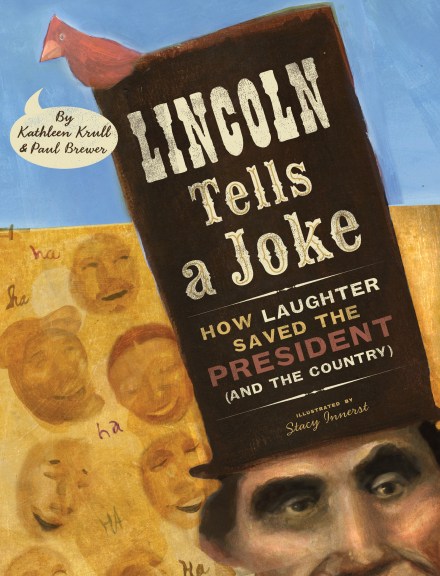
Kathleen Krull and Paul Brewer have written a terrific biography of Abraham Lincoln focusing on the personality trait that made him such a unique individual and uniquely qualified to shepherd America through its most difficult time. Lincoln’s sense of humor was charged with intelligence and true cleverness and showcased his love and understanding of words and language. Children, with their own well-developed senses of humor and affinity for a good joke, will be captivated by Krull and Brewer’s conversational tone that is sprinkled with the wit and wisdom Abraham Lincoln displayed from the time he, himself, was a child. Lincoln Tells a Joke reveals not only facts from Lincoln’s life but the all-important aspects of his character that allowed him to rise above his lack of formal education and leading-man looks to become one of the most admired men ever born. 

Stacy Innerst’s hip, folk-art-style paintings mirror Abraham Lincoln’s humor with unusual perspectives, quirky details, and plenty of peppered-in “ha, ha, ha’s” while highlighting his stature both as a sensitive, thoughtful man and as a politician. Lincoln’s elongated arms and legs stretch across the pages, children laughing at his jokes don’t even reach his knees, and the tall tower of papers in front of him on his desk completely hide him except for his arms. Innerst’s color pallet of muddy sepia tones, rusty reds, and deep aqua blues; flat landscapes, and political imagery give readers the feel and spirit of the 1800s Midwest and Washington DC. In a moving double-spread illustration, Innerst seats Lincoln at his desk as the handwritten words of the Gettysburg Address form the backdrop. As the story closes, Innerst re-imagines the Lincoln Memorial statue with  Lincoln laughing while reading his favorite book, Quinn’s Jests. It’s a fitting tribute to both Lincoln and the power of laughter.

Lincoln Tells a Joke is a fantastic biography for home libraries for children who like biographies, history, Abraham Lincoln, or a well-told story. The book would be an inspired choice for classroom, school, and public libraries.

Ages 6 – 10

HMH Books for Young Readers, 2016

Discover more about Kathleen Krull and her books on her website.

Learn more about Paul Brewer, his books and his art on his website.

To view a portfolio of books and artwork by Stacy Innerst, visit his website.

Abraham Lincoln’s Birthday Activity

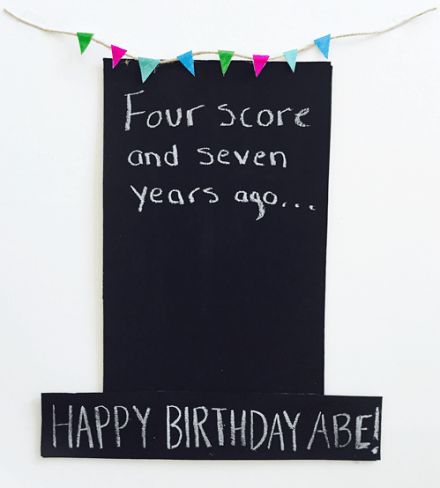
celebrate-picture-books-picture-book-review-abraham-lincoln's-stovepipe-hat-chalkboard

Abe Lincoln’s Stovepipe Hat Chalkboard


Abraham Lincoln was known for the black top hat he wore – and for his inspiring words In this activity you can learn how to make a top hat chalkboard to use for your own drawings or inspiring words!

Supplies

  • Cereal Box (I used a large sized cereal box), cardboard or poster board
  • Chalkboard Paint (black)
  • Paint brush
  • Hot Glue Gun or extra-strength glue
  • Removable mounting squares
  • Chalk

Directions

  1. If you are using cardboard or poster board: cut a rectangle at least 8 inches wide by 12 inches long for the hat and 12 inches long by 2 inches wide for the brim (but your top hat can be any size you’d like!)
  2. If you are using a Cereal Box: open the seams of the Cereal Box
  3. Cut the panels of the cereal box apart
  4. Take one face panel and one side panel
  5. With the chalkboard paint, paint both panels
  6. Let the panels dry
  7. Attach the side panel to the bottom of the face panel to create the shape of Lincoln’s top hat
  8. Hang Abe Lincoln’s Top Hat Chalkboard 

Picture Book Review
February 11 – National Inventors’ Day

celebrate-picture-books-picture-book-review-women-in-science-cover

About the Holiday

Today’s holiday recognizes the spirit of inventors—those women and men, girls and boys who look at life just a little bit differently and not only imagine the “what if?” but make it happen. Inventors come from all backgrounds and with all different kinds of experience. Today, we celebrate those pioneers of the past, present, and future! If you have a creative mind, today’s the day to tinker around with your idea. Inventions don’t always have to change the world. Have a better way of organizing your closets, a new game to play with your pet, or a new recipe to use the leftovers in the fridge? Go for it—and be proud of yourself!

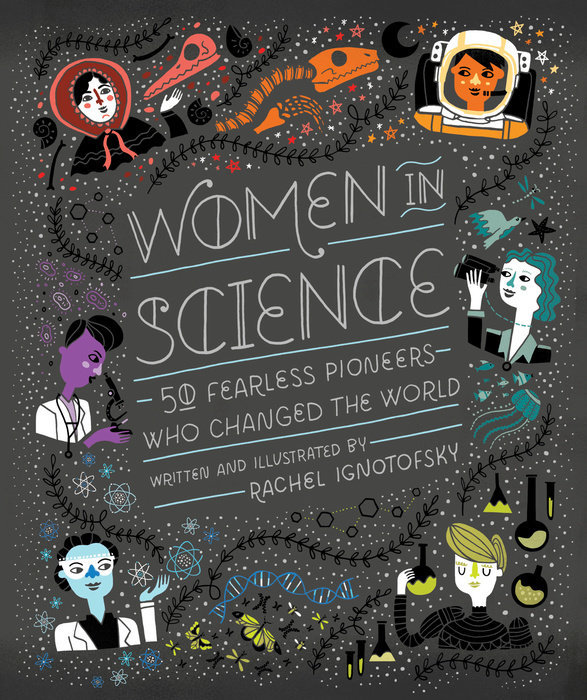
Women in Science: 50 Fearless Pioneers Who Changed the World

By Rachel Ignotofsky

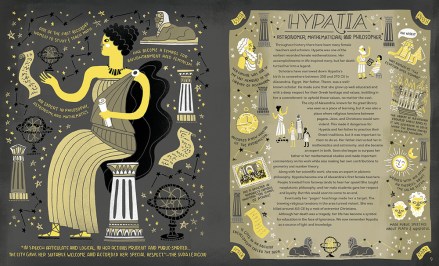
“Nothing says trouble like a woman in pants.” With this revealing attitude from the 1930s, Rachel Ignotofsky introduces her scintillating biographies of 50 intelligent, self-confident, persevering, and inspiring women working in engineering, math, medicine, psychology, geology, physics, astronomy, and more sciences from ancient history through today. The book begins with Hypatia who lived in Greece in the late 300s to early 400s CE and became an expert in astronomy, philosophy,and mathematics, making “contributions to geometry and number theory.” She became one of Alexandria’s first female teachers, “invented a new version of the hydrometer,” and can be found among the intellects in Raphael’s painting “The School of Athens.”

celebrate-picture-books-picture-book-review-women-in-science-hypatia

Image and text copyright Rachel Ignotofsky, courtesy of rachelignotofskydesign.com

Zipping ahead to 1647 readers find Maria Sibylla Merian, considered one of the “greatest scientific illustrators of all time.” Her specialty was entomology. By carefully documenting the lifespan of butterflies, she taught people about the science of metamorphosis, publishing a book on the subject filled with notes and illustrations in 1679. Later she scoured the rainforests of South America, gathering information on never-before-seen insects from that region. Her book, The Metamorphosis of the Insects of Suriname “was published in 1705 and became a hit all over Europe.” Maria was so famous, her picture appeared on German money and stamps.

celebrate-picture-books-picture-book-review-women-in-science-mary-anning

Image and text copyright Rachel Ignotofsky, courtesy of rachelignotofskydesign.com

Other women in the nature sciences include Mary Anning, who as a child discovered the first complete ichthyosaur skeleton and went on to become a paleontologist; Mary Agnes Chase, a botanist and expert on grasses; Marjorie Stoneman Douglas, who as a conservationist helped save the Florida Everglades; and Joan Beauchamp Procter, a zoologist specializing in reptiles who discovered the Peninsula Dragon Lizard in 1923; and more.

celebrate-picture-books-picture-book-review-women-in-science-marie-curie

Image and text copyright Rachel Ignotofsky, courtesy of rachelignotofskydesign.com

One of the earliest women astronomers and mathematicians was Wang Zhenyi, born in China in 1768. Creating her own eclipse model, she proved her advanced “theories about how the moon blocks our view of the sun—or the earth blocks the sun’s light from reaching the moon—during an eclipse.” She also measured the stars and explained the rotation of the solar system. At the age of 24 she published the 5-volume Simple Principles of Calculation. Zhenyi died at the age of 29, but in her short life she published many books on math and astronomy as well as books of poetry.

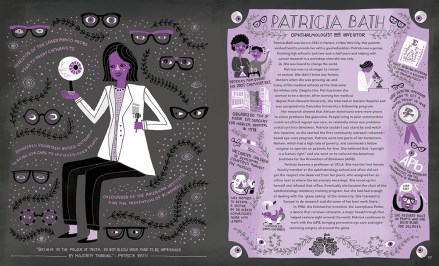
celebrate-picture-books-picture-book-review-women-in-science-patricia-bath

Image and text copyright Rachel Ignotofsky, courtesy of rachelignotofskydesign.com

Women in Science includes many other women who have looked to the stars and mathematics for their careers. Some of these are: Ada Lovelace, the first person to write a computer program; Emmy Noether, who helped Albert Einstein develop his theory relativity, created the field of abstract algebra, and “made new connections between energy and time, and angular momentum”; Cecilia Payne-Gaposchkin a quantum physicist in 1900s England who “discovered that the sun is made mostly of hydrogen and helium gas” and in 1956 became Harvard University’s first astronomy professor; Mae Jemison, who in 1992 became the first African-American woman in space and later started her own technology consulting firm as well as founding BioSentient Corporation, and a science camp for kids; plus many others.

celebrate-picture-books-picture-book-review-women-in-science-rosalind-franklin

Image and text copyright Rachel Ignotofsky, courtesy of rachelignotofskydesign.com

The book also features Engineers, such as Hertha Ayrton who improved electric lights by inventing “a new rod that made a clean and quiet bright light” and the Ayrton fan that blew away mustard gas during World War I; and Lillian Gilbreth, who used her theories of “organizational psychology” in inventing the foot pedal for garbage cans, shelving for refrigerators, and even the “work triangle” for kitchens “that determines the distance from the sink to the stove” and saves time. There are Geneticists such as Nettie Stevens who discovered the “X” and “Y” chromosomes, and Barbara McClintock—the pants wearer from the beginning of the post—and the first person “to make a complete genetic map of corn” and discover jumping genes, or “transposons.”

The field of Medicine has benefited from women such as Elizabeth Blackwell, the first woman doctor; Alice Ball, a chemist and the first African-American woman to graduate from the University of Hawaii, who helped cure leprosy with her chemical work; and Gerty Cori who discovered how our bodies covert glucose, helping us better understand diabetes. In 1947 she became the first American woman to win a Nobel Prize.

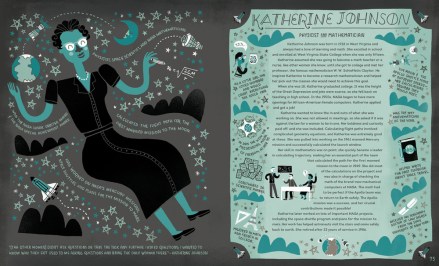
celebrate-picture-books-picture-book-review-women-in-science-katherine-johnson

Image and text copyright Rachel Ignotofsky, courtesy of rachelignotofskydesign.com

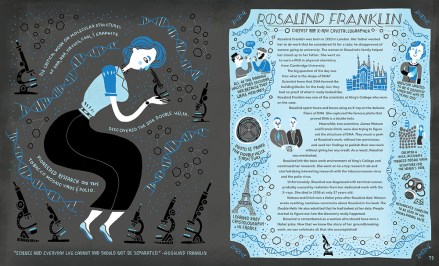
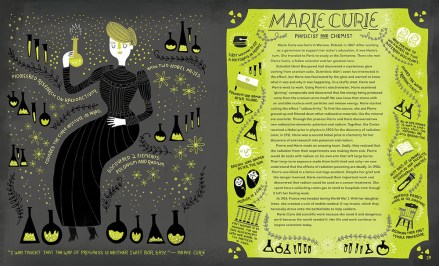
And this list only begins to scratch the surface of all the fascinating stories of women who overcame social, political, and personal obstacles to follow where their intelligence took them. Inspirational, entertaining, and undeniably eye-catching Rachel Ignotofsky’s Women in Science presents expertly written, one-page biographies that hit all the high (and sometimes unfortunate low) points in these scientist’s lives. The striking layout of both the text and illustrations keep readers riveted to the page, The left-hand side contains a representational drawing of the scientist surrounded by the subjects and materials of her work as well as trivia about her and a quotation. On the right-hand page, small illustrated facts frame the woman’s life story.

Interspersed between the biographies are pages offering a timeline of women’s milestones, depicting lab tools, and graphing statistics of women in STEM. The back matter is impressive, with two more pages presenting 15 more scientists, a four-page, illustrated glossary, resources including films, websites, and books, and an index. Rachel Ignotofsky concludes her book by saying, “Let us celebrate these trailblazers so we can inspire the next generation. Together, we can pick up where they left off and continue the search for knowledge. So go out and tackle new problems, find your answers and learn everything you can to make your own discoveries!”

Ages 7 and up

Ten Speed Press, 2016 | ISBN 978-160774976

To discover more books by Rachel Ignotofsky, visit her website!

National Inventors’ Day Activity

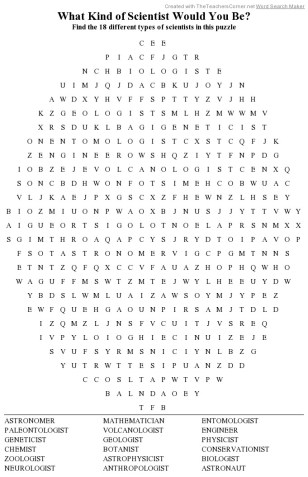
celebrate-picture-books-picture-book-review-scientists-word-search

What Kind of Scientist Would You Be? Word Search

Scientists like the women in today’s book make inventions for every area of life! In the future you might become a scientist and develop something new or different. If so, what kind of scientist would you like to be? Find the names of eighteen scientists in this printable puzzle! Then pick one and write why you would like to be that type of scientist!

What Kind of Scientist Would You Be? Puzzle What Kind of Scientist Would You Be? Puzzle Solution!  

Picture Book Review
February 10 – National Umbrella Day

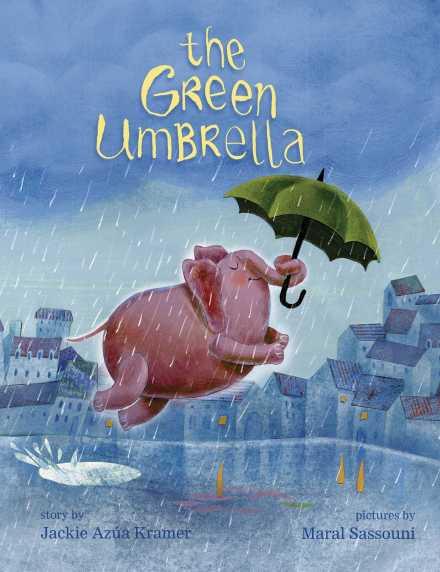
celebrate-picture-books-picture-book-review-the-green-umbrella-cover

About the Holiday

When you grab your umbrella and open it (not indoors of course!), do you ever think about what an ancient device it is? The umbrella was invented over four thousand years ago and appears in art from ancient Greece, Egypt, China, and Assyria. The Chinese developed waterproof umbrellas to use in the rain by waxing and lacquering paper umbrellas. One of the first umbrella shops opened in London in 1830 and is still open for business there today. If it’s raining or snowing where you are today, celebrate the holiday by taking your umbrella for a spin. If you’re having fair weather, why not get yourself a new umbrella? After all, spring is coming!
The Green Umbrella

Written by Jackie Azúa Kramer | Illustrated by Maral Sassouni


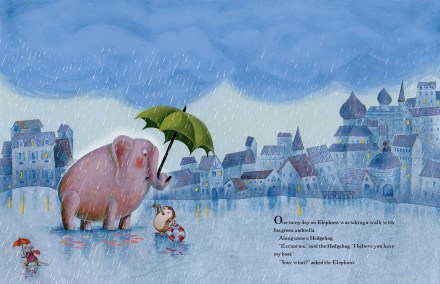
On a gray and rainy day, Elephant went out walking with his green umbrella. He met a hedgehog who hailed him and said, “‘Excuse me. I believe you have my boat.’” Elephant was perplexed, so Hedgehog expounded on his theory. “‘I crossed deep oceans on my boat and faced the crash of icy waves. I saw dolphins leap two by two and tasted the salty spray of whales. The stars were my guide and my boat a faithful friend.”
celebrate-picture-books-picture-book-review-the-green-umbrella-hedgehog

Copyright Maral Sassouni, 2017, text copyright Jackie Azúa Kramer, 2017. Courtesy of simonandschuster.com.

This poetic travelogue did not convince Elephant of the umbrella’s provenance, but he offered to let Hedgehog ride along and share in its protection. The two came upon a Cat, who took one look at the green umbrella and recognized it as her tent. Hmmm…said Elephant and Hedgehog. It was true replied Cat, and she related how when she visited the woods to study plants and flowers, she would rest in its shade and drink a cup of tea.

celebrate-picture-books-picture-book-review-the-green-umbrella-bear

Copyright Maral Sassouni, 2017, text copyright Jackie Azúa Kramer, 2017. Courtesy of simonandschuster.com.

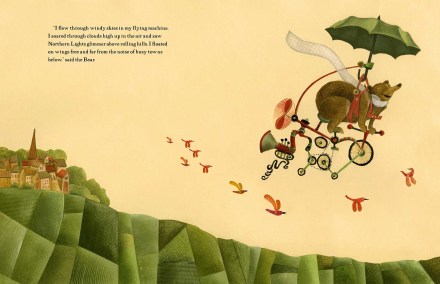
This story seemed no more plausible than Hedgehog’s, but Elephant invited Cat to ride along and share in the umbrella’s protection. As they continued on, the Bear approached, sure that they had his flying machine. “‘Your what?’ asked the Elephant, the Hedgehog, and the Cat.” The Bear got a faraway look in his eyes as he said, “‘I soared through clouds high up in the air and saw Northern Lights glimmer above rolling hills. I floated on wings free and far from the noise of busy towns below.’”

Well, Elephant could play this game too. The umbrella was his and his alone. When he was a child, Elephant said, the umbrella was his pirate sword, his tightrope balance, and his baseball bat. By this time the rain had stopped. Elephant rolled up his umbrella and said good-bye to the Hedgehog, the Cat, and the Bear. The three couldn’t stand to see their boat/tent/flying machine taken away, so they clung to the Elephant.

celebrate-picture-books-picture-book-review-the-green-umbrella-tea-party

Copyright Maral Sassouni, 2017, text copyright Jackie Azúa Kramer, 2017. Courtesy of simonandschuster.com.

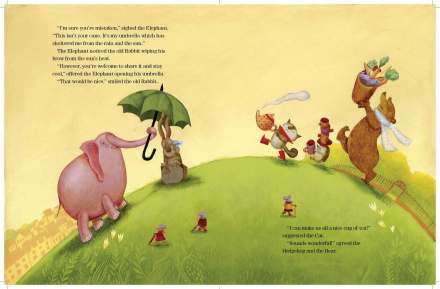
A moment later they met an old Rabbit. “‘I believe you have my cane,’” he said. The others thought he was wrong. But this handy stick, the Rabbit explained, had helped him climb pyramids, hike mountains to ancient ruins, and navigate dark caves full of treasure. Again the Elephant objected, but seeing the old Rabbit mopping his forehead, he opened it and shaded the Rabbit from the sun. The Cat offered to make a pot of tea, and the Bear and the Hedgehog helped lay out a picnic lunch.

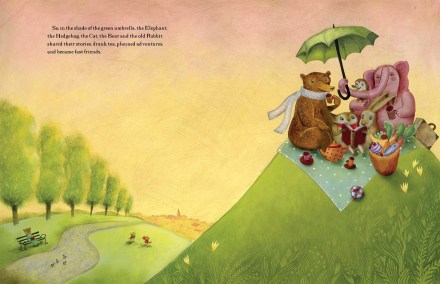
Under the cool umbrella, the five “shared their stories, drank tea, planned adventures, and became fast friends.” From then on when it was sunny, they went “Sailing, Camping, Flying, and Hiking” together. “And when it rained they stayed dry under the green umbrella.”

celebrate-picture-books-picture-book-review-the-green-umbrella-friends

Copyright Maral Sassouni, 2017, text copyright Jackie Azúa Kramer, 2017. Courtesy of simonandschuster.com.

Jackie Azúa Kramer’s multi-layered story delves into the large points and small nuances of relationships old and new. The Elephant’s green umbrella is both a subject of envy and a uniting object. It also serves to demonstrate Elephant’s ability to stick up for himself as well as his willingness to share. As each animal presents an imaginative and compelling reason why the green umbrella belongs to them, the Elephant rejects the story while accepting the friend. In each animal’s lushly described imagination, Kramer does a beautiful job of showing readers how each of these friends are similar. She reveals that while friends can have different opinions, they can still find common ground.

celebrate-picture-books-picture-book-review-the-green-umbrella-followers

Copyright Maral Sassouni, 2017, courtesy of simonandschuster.com

Maral Sassouni’s dream-like illustrations are both exotic and homey. Village houses give way to turreted and domed towers, and the imaginative stories the animals tell are accompanied by details as free, cozy, or eccentric as their tales. The Elephant’s account is cleverly rendered in sepia tones, showing the age of the memories and who the original owner of the coveted umbrella really is. The final images of the five new friends sharing adventures in the green umbrella are sure to delight little ones.

The Green Umbrella is a perfect book to share on rainy days or sunny days. With humor and creativity, the book provides an opportunity to talk about the nature of friendship and sharing with children. It would make an often-read addition to public, classroom, and home libraries.

Ages 4 – 8

NorthSouth Books, 2017 | ISBN 978-0735842182

Discover more about Jackie Azúa Kramer, her books, and a fun book-related activity on her website!

Learn more about Maral Sassouni and her artwork on her website!

Don’t wait for a rainy day to watch The Green Umbrella book trailer!

National Umbrella Day Activity

celebrate-picture-books-picture-book-review-rain-stick-craft

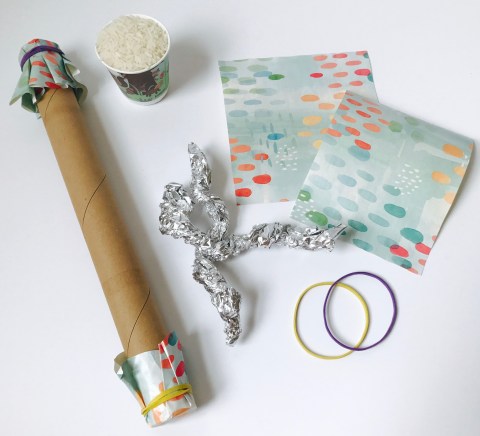
Rain Stick Craft


The steady sssshhhhhh of gentle rain is a sound that never fails to relax. With this easy craft, you can create your own rainfall for whenever you need  to de-stress.

Supplies

  • Heavy cardboard tube
  • Aluminum foil
  • Wrapping paper or other paper 
  • Rice or popcorn – 1/3 to 1/2 cup
  • Paint (optional)
  • Paint brushes (optional)
  • Rubber bands – 2

Directions

  1. Paint the cardboard tube, let dry (optional)
  2. Cut the paper into 3-inch or 4-inch squares
  3. Cover one end of the tube with paper and secure with a rubber band
  4. Crumple and twist two or three long pieces of foil 
  5. Put the foil strips into the tube
  6. Add the rice or popcorn to the tube
  7. Cover the open end of the tube with paper and a rubberband
  8. Turn the tube end-to-end and listen to the rain

Picture Book Review