May 6 – Children’s Book Week

About the Holiday

Founded in 1919, Children’s Book Week is the longest-running literacy initiative in the United States. The 2025 theme is An Ocean of Stories, which celebrates “the vast, collective ocean populated by the stories we read, share, and tell.” The holiday attracts participation from authors, illustrators, publishers, librarians, teachers, and booksellers in schools, libraries, bookstores, and communities across the country. To learn more about the holiday and download bookmarks and posters, activities in English and Spanish, coloring pages in 15 different languages, and much more, visit Every Child a Reader. You can even sign up to continue to get fantastic ideas for connecting with books and reading all year around!

Thank you to Scholastic for sharing a copy of Ballet Brown with me!

Review by Dorothy Levine

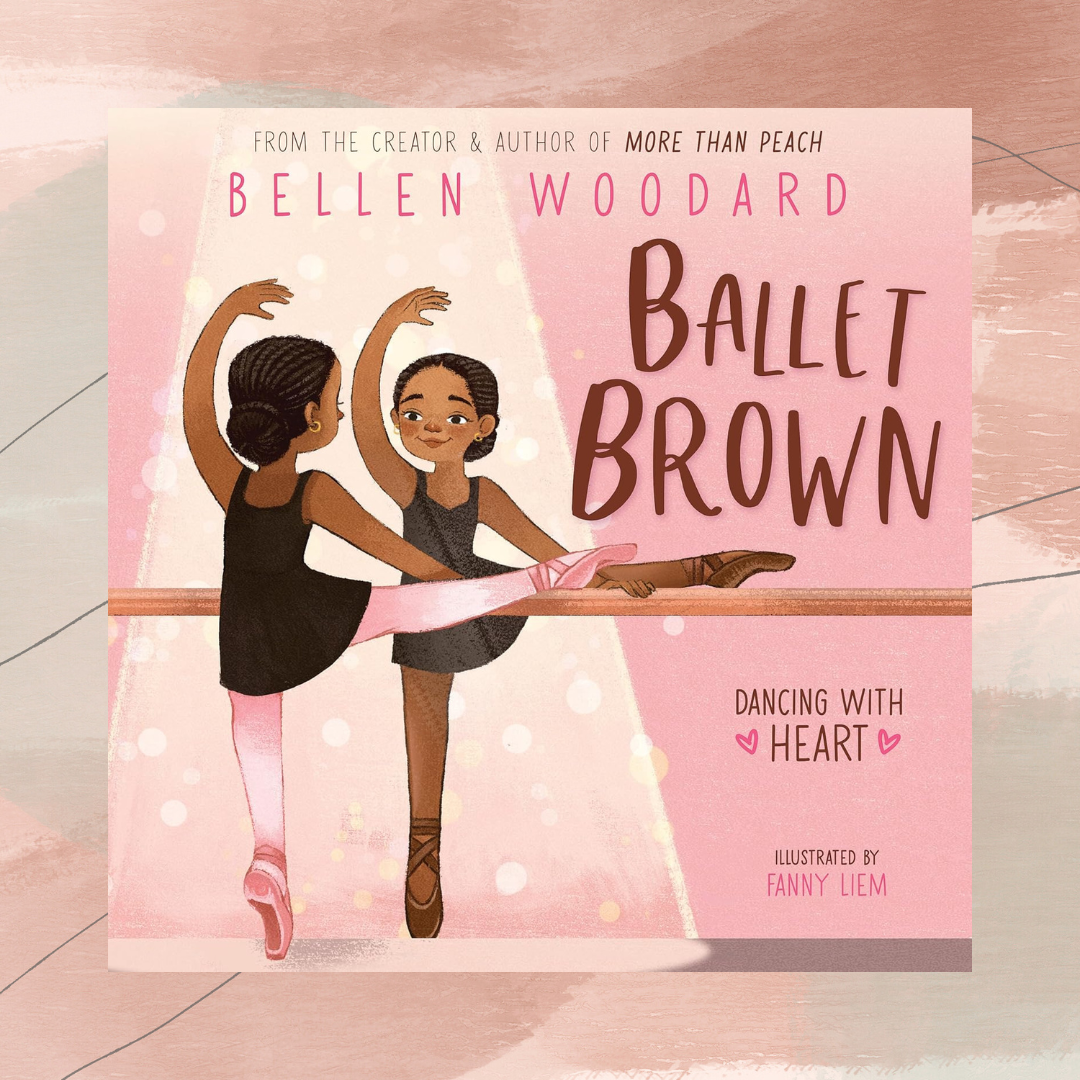
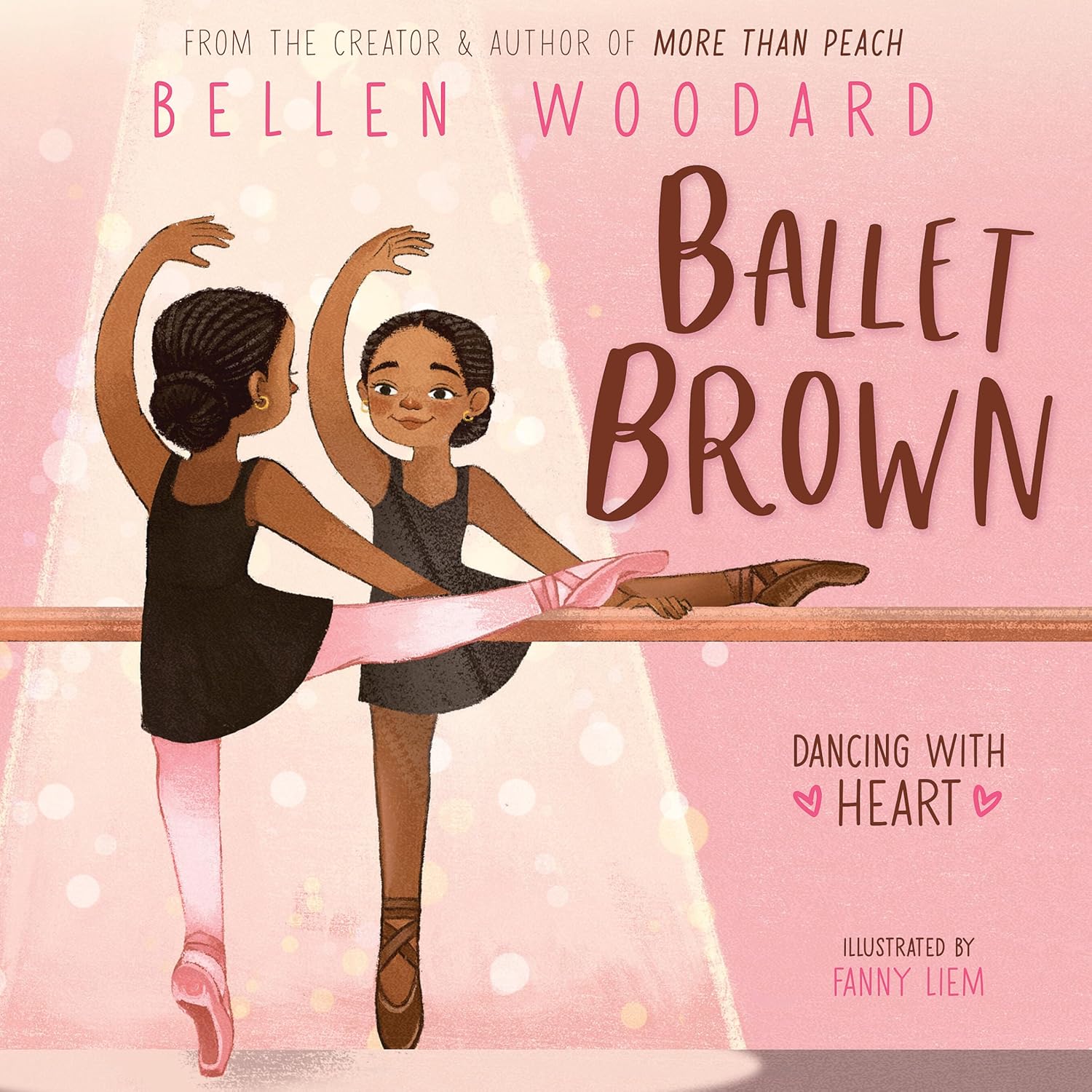
Ballet Brown

Written by Bellen Woodard | Illustrated by Fanny Liem


To Bellen, “dance is a conversation with the world,”—one she has been in love with since she was two years old. As a young ballet dancer, Bellen’s world was full of color. From brightly colored tutus to rainbow tights, Bellen fit in with the menagerie of outfits the ballerinas wore.

But as Bellen grew older, and dance became more serious, “the rainbow vanished. Pink became the priority. Pink leotard. Pink tights. Pink ballet shoes.” Bellen followed suit, narrowing her wardrobe and pinning back her afro to fit the dress code. But while dancing in class, she gazed in the mirror and reflected: “it looked like my legs didn’t belong with me.” Her legs, in the pink tights, didn’t match her natural skin tone. Delving deeper, Bellen read books about the history of ballet. She discovered that “’ballet pink’ was chosen to be an extension of the ballerina, to appear as beautiful skin gliding across the stage.”

“This tradition needs an upgrade,” Bellen declared. Her mother agreed, and together they shopped for new dance clothing. Bellen showed up at the studio the next day, adorned in her new ballet brown attire—brown tights and brown shoes. Her studio, however, wasn’t ready to make the leap. “‘Pink is tradition,’ the owner said. / ‘Traditions should grow just like we do,’” Bellen replied.

But as time twirled past and the studio stayed the same, Bellen realized they were just not willing to grow into new traditions with her. She knew it was time for a change. “And that’s when I learned sometimes the most powerful thing you can do is walk away.”

When Bellen and her mother walked into a new studio, they knew immediately this would be the right fit. Even the air felt different: “vibrant, warm, and welcoming.” At this new studio, Bellen’s ballet brown inspired other dancers to bring back the rainbow to ballet and show their true colors. Bellen says, “I had finally found a place that would join hands and duet with me. A place where self-expression, like the coolest crayons, colored the room.”

Bellen Woodard’s autobiographical story concludes with a brief overview of her activism and founding of the More than Peach Project, plus a further explanation of ballet brown versus ballet pink. Back matter also includes a conversation with studio owners, tips for dyeing pointe shoes, and heart-felt advice for young dancers and families.

A one-of-a-kind story about a one-of-a-kind dancer and writer. At just fourteen years old, Bellen Woodard has crafted a beautiful story of her journey to stretch the ballet standards and make room for inclusion. Ballet Brown showcases themes of resistance and persistence—that sticking up for yourself can make a difference, not only for you but for others too. In expanding the possibilities for ballet wear, Woodard opened the door for others to do the same. Through this lyrical story, more and more young dancers will feel inspired to do the same—to dance in their own style, however makes them feel seen.

Fanny Liem colors the elegant ballet scenes with rich shades of brown and pink. Liem cleverly plays with mirror reflections, showing “Ballet Pink Bellen” imagining her reflection in brown, and, later, her legs looking wobbly in pink, to show how she felt disconnected from their pale look. When Bellen describes her new studio as having a welcoming air, this is reflected in warmer yellow background tones, whereas her old studio is drawn in stark white. Fanny Liem animates the story with ballerinas of all backgrounds dancing across the pages—further driving the point that dancers shine in all different races, genders, and styles.

Ages 5 – 7

Scholastic, Inc., 2025 | ISBN 978-1546134077


Fanny Liem was born and raised in Indonesia. She’s loved drawing since she was a child. Her passion for storytelling and illustration started the first time she grabbed picture books, which were gifted to her by her uncle. When she is not drawing, she enjoys watching movies and listening to country music. You’ll find her on Instagram at wenfancy.

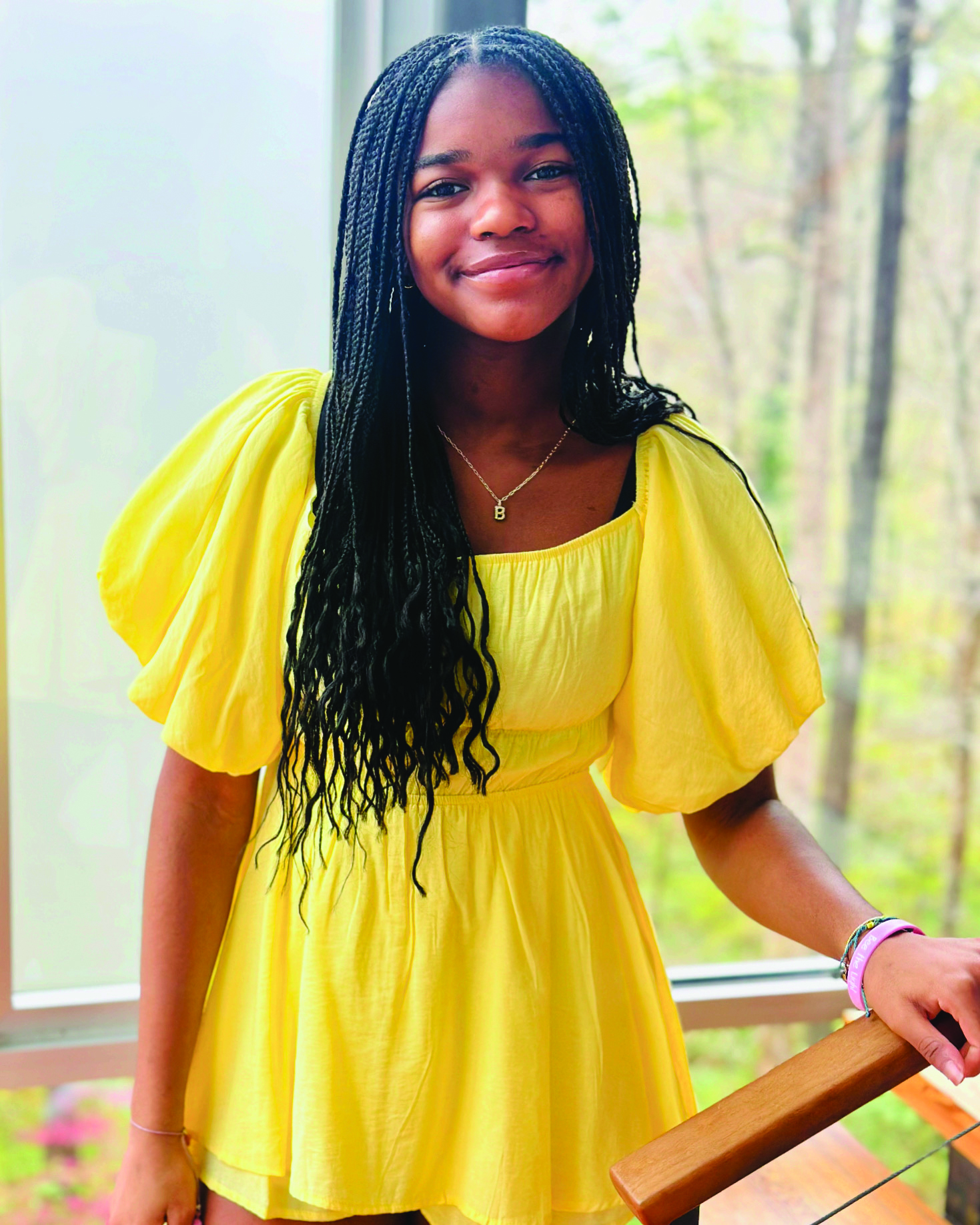
Meet Bellen Woodard

Photo © Tosha Woodard

Bellen Woodard is the young scholar, beloved trailblazer, and CEO of Bellen’s More than Peach Project. As the world’s first Crayon Activist, pioneer of “skin-color” crayons, and founder of the crayon/school supply brand for a new generation, Bellen has transformed an entire industry with a first-of-its-kind, innovative and inclusive project and brand that have become a global movement. She’s received many notable awards and has been featured by Scholastic, TIME, Nickelodeon, and many others. Now entering high school, Bellen embodies self-expression and discovery. She also enjoys world travel, dance, and spending time with family, friends, and her two dogs. And she’s just getting started! Visit Bellen’s More than Peach Project website to learn more.

Hi Bellen, I’m excited to be talking with you today about Ballet Brown and your More than Peach Project. 

In addition to being an author, you launched More than Peach, a global initiative, company, and brand, at just eight years old. Can you tell us about that?

I started Bellen’s More than Peach Project —“More than Peach”—only after successfully changing the language and perception around the “skin-color” crayon in my own school class and community. I wanted to bring that change for the benefit of every single kid around the world. I also had an amazing teacher, friends, and classmates and I loved school (I still do . . .), so I first imagined More than Peach and More than Peach crayons to “let kids be kids and give them their best options” and to celebrate youth leadership and many beautiful colors.

How did you come to write this book? And why did you pick to share this story in a children’s book format as opposed to other mediums?

Well, I’ve been dancing since I was two, and with the support of my parents and lots of advocacy along the way, it’s been a very rewarding dance journey overall. I also began wearing brown in ballet (ballet slippers and tights) almost from the very start and benefited from that in much the same way as another dancer does wearing pink. So, I wanted to be able to share my story and the advocacy in a picture book to connect with all kids and share tools too. I know that having a visual representation can be so important. Most of all, I want young dancers and their families to have built-in support from the dance community and to know that it’s okay to advocate for what’s essential. I also want Ballet Brown to be a conversation with dance studios and spaces that invite young dancers in.

Can you tell us more about the term “ballet brown”?

I coined the term “ballet brown” really to fill a void and capture more of the beauty of ballet and in dance as a whole. We commonly refer to “ballet pink” and not just in dance—so it really surprised me that we had yet to succinctly name and qualify “ballet brown.”  So, to create parity between the two partners, I began using the term “ballet brown” in my own language and saw firsthand how it helped to grow perceptions/a mindset in those around me. I wanted to share that with the whole world. My call to action is simply to apply ballet brown in much the same way as ballet pink to ensure each dancer gets what they need. And it goes way beyond brown tights and shoes. I think taking that step helps expand the world of dance in the most amazing, positive ways.

Can you tell me more about the process of getting this book published?

I was already in touch with Scholastic after being interviewed around More than Peach, and of course I already knew and loved their books. The Scholastic Book Fairs were also one of my favorite times during the school year!  When interviewed, we talked about all of the things I was up to at the time and writing a book was one. So, when they offered to become my publisher, it was a huge honor and a no-brainer.

What was the most unexpected or surprising part of writing and publishing a children’s book?

I think one of the most surprising things has been seeing my first book published in other world languages (English, Spanish, and French) and being able to literally see it change the world . . . one crayon at a time! Early on, I was also surprised at how long the process takes from start to finish.  For example, I began writing MORE THAN PEACH, my first children’s book, in early 2020 once Covid hit because suddenly I had way more time on my hands. (It was published in July 2022.) It’s also been at least 2 years since I began writing Ballet Brown so to see it finally arrive feels surreal! I also never expected to see my books in so many places across the globe, including classrooms, libraries, and museums—even the Library of Congress!

What was your favorite part? I think I have two favorite parts: One is having the creative license to share my story, and the other is being able to collaborate with such a great team throughout the entire process.

What advice would you give to young writers or dancers hoping to follow in your footsteps?

I would say to trust yourself and know that you are the absolute best person to tell and celebrate the story inside of you.

Do you have any new creative projects in the works that you’d like to share about?

There’s a bunch going on! I’ve been very excited about the growth of More than Peach and would have never dreamed I would see my crayons on shelves at Target and other places and my books everywhere! Also, I have such worthwhile partnerships with educators that are growing, which means a lot because my dad’s an educator too, and teachers have always been some of my favorite people! I have also been writing my next book which I’m very excited about and hope to share more about that soon!

Thanks so much for sharing so much about your inspiring work! I’m sure readers can’t wait to see your next book! 

Children’s Book Week Activity

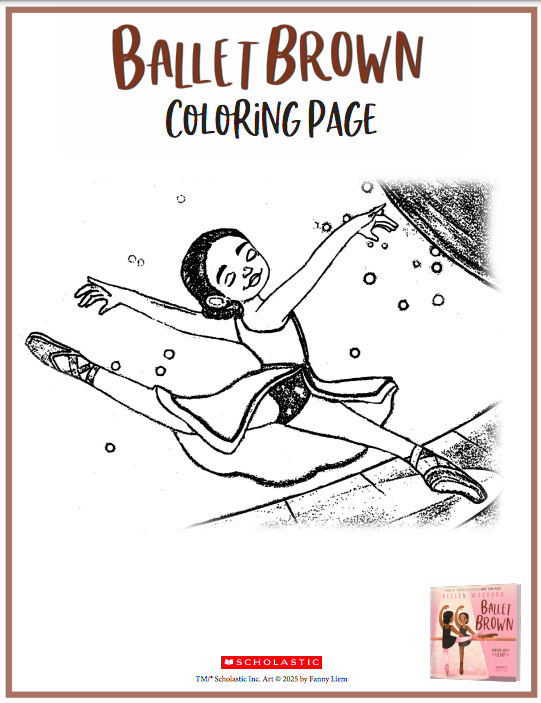
Ballet Brown Activity Pages


Be inspired to stand up for something you believe should be changed with these Ballet Brown Activity Pages!

You can purchase Ballet Brown from these booksellers

Amazon | Barnes & Noble | Bookshop

Picture Book Review

January 5 – Blog Tour Stop for Everybody Counts!

celebrate-picture-books-picture-book-review-everybody-counts-cover-3

I’d like to thank Matt Forrest Esenwine for sharing a digital copy of Everybody Counts! with me for review consideration. All opinions on the book are my own.

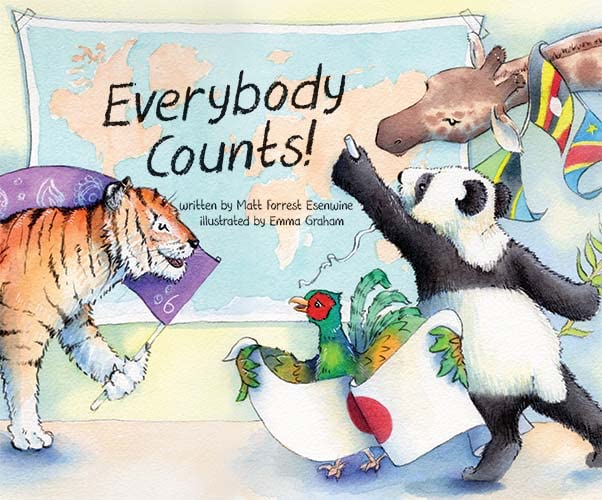
Everybody Counts!

Written by Matt Forrest Esenwine | Illustrated by Emma Graham


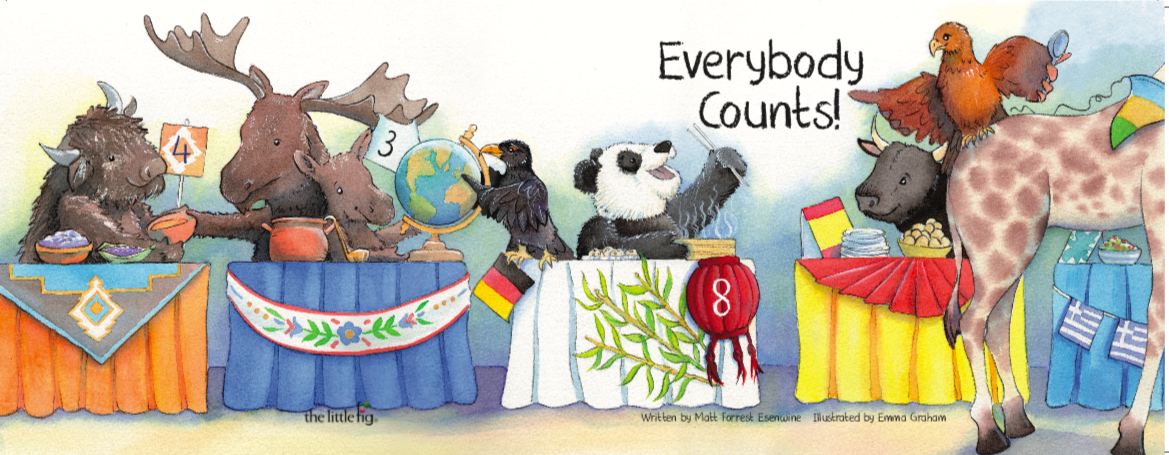
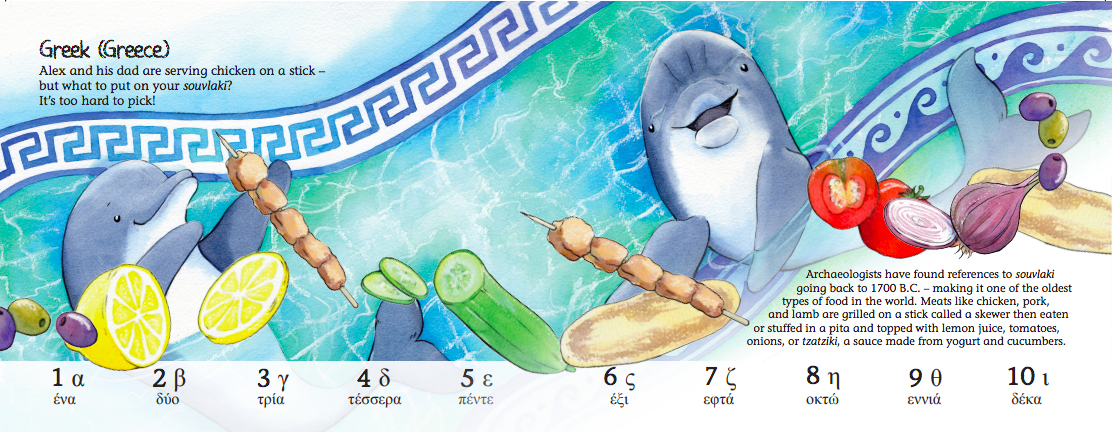
Children are invited to a lively international food festival in this rhyming and educational book that introduces readers to twelve nationalities through their cardinal numbers from 1 to 10 and a favorite dish that kids will be eager to try. As they visit each “booth,” readers learn about the ingredients and how each meal is made and meet an animal commonly found in each country. Along the way, they also gain a sprinkling of history, traditions, and information on the featured language. Kids even discover which number is considered the luckiest in China and why.

celebrate-picture-books-picture-book-review-everybody-counts-verse

Image copyright Emma Graham, 2023, text copyright Matt Forrest Esenwine, 2023. Courtesy of The Little Fig.

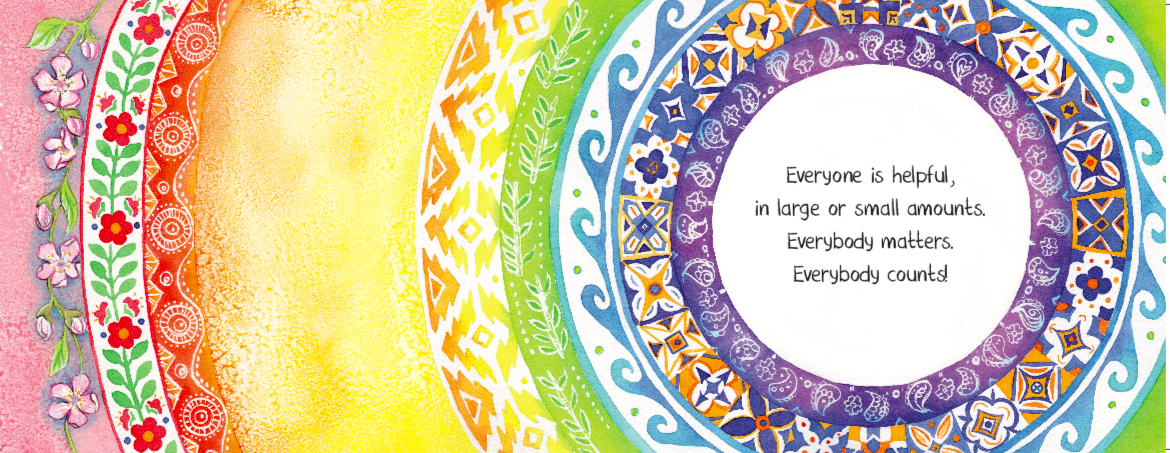
With a verse that plays on the idea of counting, Matt Forrest Esenwine starts off his world tour by prompting readers to look not only for the special attributes of each animal and their country but for those inside themselves and in those around them too: “Everyone is helpful, / in large or small amounts. / Everybody matters. / Everybody counts!” The enthusiasm in these words carry over onto each page spread, which includes a deliciously descriptive rhyming verse, a charming paragraph of explanatory text, and a row of numbers along the bottom, presented in their written form and how each is spelled in the particular language.

celebrate-picture-books-picture-book-review-everybody-counts-title-page

Image copyright Emma Graham, 2023, text copyright Matt Forrest Esenwine, 2023. Courtesy of The Little Fig.

Emma Graham immediately captivates readers with her vibrant opening spread that frames Esenwine’s introductory verse with a series of beautifully patterned plates representing the countries found within the book’s pages. With a page turn, kids are invited into the festival to meet some of the excited participants as they chat with their neighbors and show off their dishes. Graham packs her pages with personality, adorable animals, images of ingredients, and symbols, patterns, landscapes, and colors that give kids plenty to talk about and to jumpstart research projects or new recipes to try. 

celebrate-picture-books-picture-book-review-everybody-counts-greece

Image copyright Emma Graham, 2023, text copyright Matt Forrest Esenwine, 2023. Courtesy of The Little Fig.

The multifaceted approach of Everybody Counts! is sure to engage kids in many ways—from feeling pride in their own heritage to the sense of accomplishment in learning to count in another language to wanting to try new tastes and foods. For teachers, homeschoolers, parents, and other adults, the book provides an enticing way to introduce geography, language learning, math, and even art lessons. The book’s familiar frame of an international festival can also spark ideas for events in classrooms, schools, and extracurricular clubs or organizations. 

Sure to prompt enthusiasm for story times, educational reading, and a host of extended activities, Everybody Counts! is highly recommended for home libraries and is a must for school and public library collections.

Ages 4 – 8

The Little Fig, 2023 | ISBN 978-1633330559

About the Author

Matt Forrest Esenwine’s children’s poetry can be found in numerous anthologies, including The National Geographic Book of Nature Poetry. His various poems and picture books have received numerous positive reviews, including a Kirkus star. Flashlight Night was selected by the New York Public Library as one of the Best Books for Kids and chosen by Kirkus as one of the Best Picture Books of the Year. Matt currently has twelve other books under contract and coming soon. He lives in New Hampshire with his wife, kids, and more pets than he has fingers. You can visit Matt on His website | Facebook | Instagram | Twitter.

About the Illustrator

Emma Graham is a versatile and experienced illustrator and graphic artist. Since graduating from Norfolk Institute of Art she has build a vibrant portfolio including children’s picture books, private commissions, and Wild In Art sculptures. She was longlisted for the Picture Books Hooks mentoring scheme and a finalist in The Hook at the SCBWI BI conference. As author, she was a finalist in the Stratford Literary Festival’s Salariya Prize for picture books. Emma is commissioned illustrator for the Children’s Appeal at Ipswich Hospital(UK)–a charity raising funds for a full refurbishment of the children’s ward. You can connect with Emma on Her website | Facebook | Instagram | Twitter.

celebrate-picture-books-picture-book-review-everybody-counts-cover

You can find Everybody Counts! at these booksellers

Amazon | Barnes & Noble | Books-a-Million

To support your local, independent bookstore, order from

Bookshop | IndieBound

Picture Book Review
November 18 – It’s Family Stories Month

celebrate-picture-books-picture-book-review-my-grandmom-cover

About the Holiday

Children benefit so much from close relationships to grandparents, aunts, uncles, cousins, and other extended family members. This month and next, as family gathers together for special holiday events, it’s fun for adults to share family history and their own funny or moving stories of growing up with the younger generation. Letting kids know how much they’re loved by everyone in the family is important too. It helps them develop a sense of belonging, a good self-image, and confidence. Reading together is a perfect way to spend time together and get conversations started.

Thanks to Amazon Crossing Kids and Barbara Fisch of Blue Slip Media for sending me a copy of My GrandMom for review consideration. All opinions on the book are my own.

My GrandMom

By Gee-eun Lee | Translated by Sophie Bowman


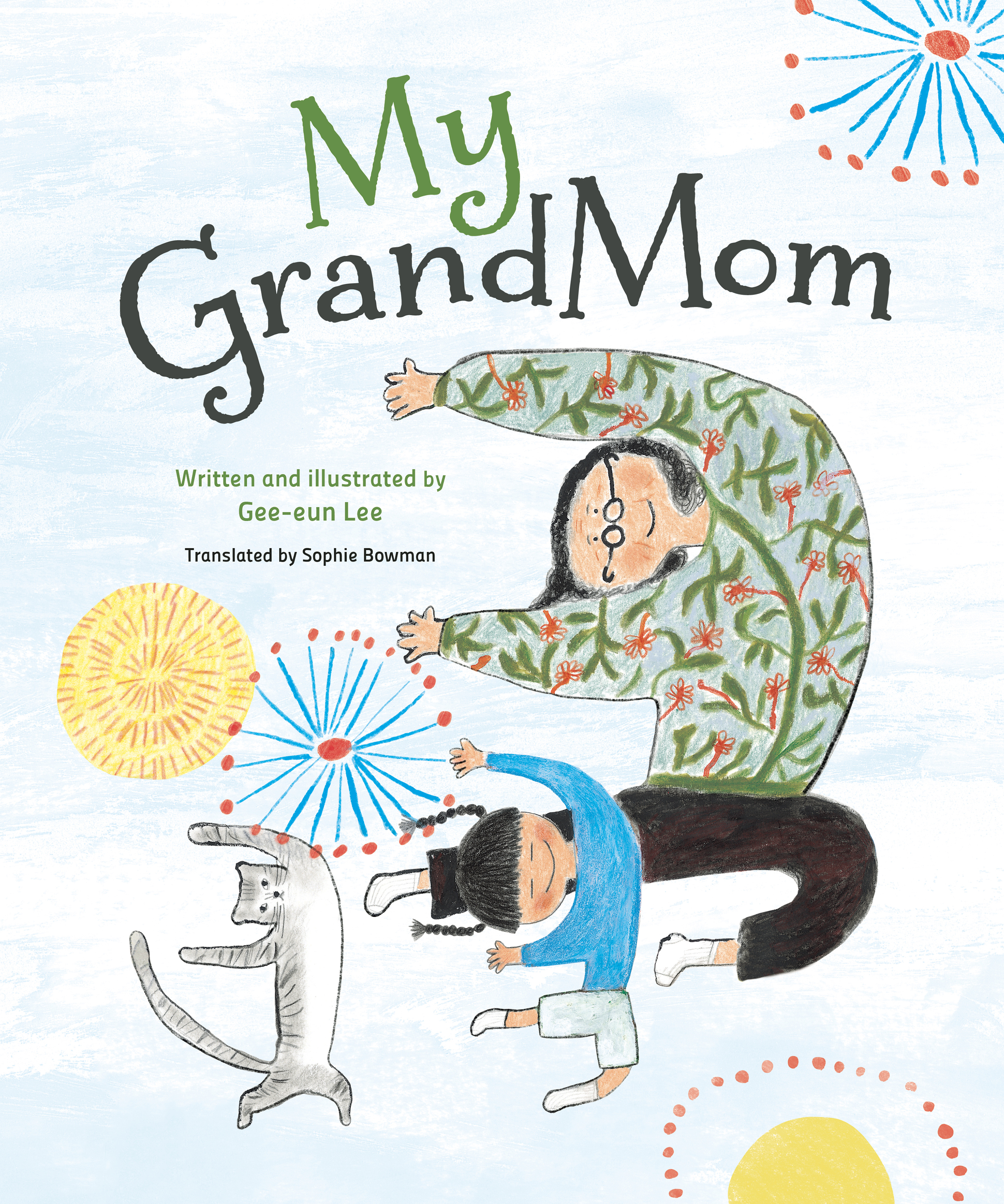
Gee-eun’s Grandma sits on the floor, holding her sobbing granddaughter in her lap. Breakfast is on the table and toys are strewn about. A gray cat comes to see what’s going on. “‘Dear me, your mom will have to take a boat to work to get across all these tears,'” she says. Grandma, who Gee-eun calls Halmoni in Korean, distracts her by letting her help make kalguksu. She gives Gee-eun a bit of the noodle dough, and while Halmoni rolls out the dough and slices the noodles, Gee-eun fashions little figures of her, her mom, dad, grandma, and their cat, Mari. When it comes time to make the kalguksu, Gee-eun’s dough family goes into the boiling pot along with the other ingredients. “‘…You tell them to hang on tight to the noodles so they stay afloat,'” Halmoni says.

celebrate-picture-books-picture-book-review-my-grandmom-kalguksu

Copyright Gee-eun Lee, 2022, translation by Sophie Bowman, 2022. Courtesy of Amazon Crossing Kids.

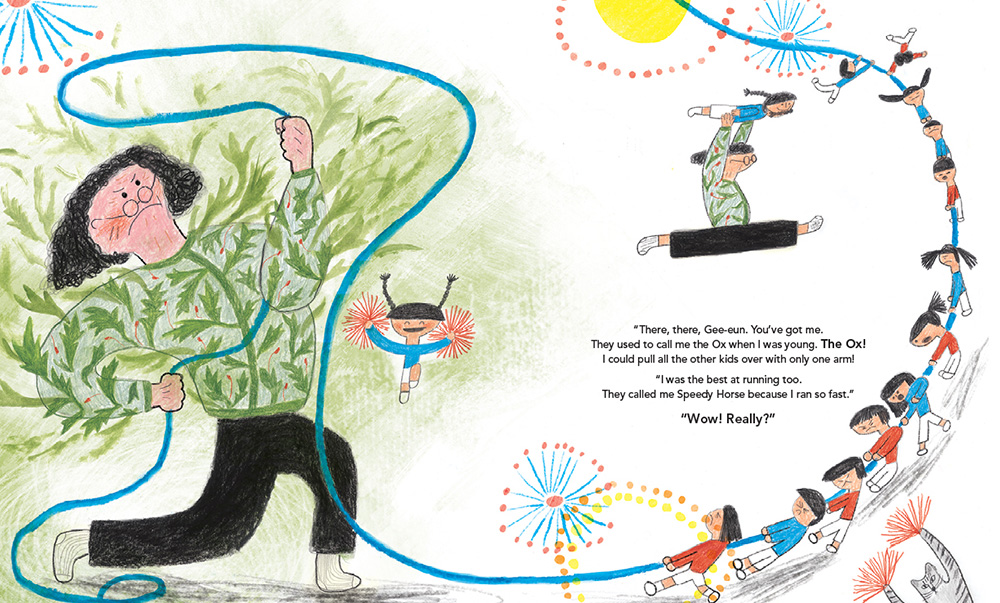
Gee-eun has been waiting and waiting for Family Sports Day to arrive, but when it does, her mom has to work and can’t go along as she had promised. Gee-eun was looking forward to doing the cheer dance, the tug-of-war, and the running race with her. Now who can she go with? Halmoni tells her granddaughter that she will go. She then relates tales from her own childhood, when she was so strong at tug-of-war that she “could pull all the other kids over with only one arm,” she was such a fast racer that they called her “Speedy Horse,” and was such a good dancer that it “goes without saying.” Then she shows Gee-eun some of her moves.

celebrate-picture-books-picture-book-review-my-grandmom-tug-of-war

Copyright Gee-eun Lee, 2022, translation by Sophie Bowman, 2022. Courtesy of Amazon Crossing Kids.

At Family Sports Day, Gee-eun feels confident in her and her grandma’s chances. But things don’t pan out exactly as she’d hoped, and Halmoni even trips and falls during the race.  Gee-eun is so disappointed that her tears flow freely. Walking home, Halmoni and Gee-eun get a curry bun—and then a second one that is their secret. “No matter how you may be feeling, curry buns are always delicious, especially when shared with Grandma,” Gee-eun says.

They then buy mackerel, bean sprouts, and eggs for dinner, while Gee-eun’s grandma assures her that her father would easily beat a mackerel in a swimming race, that she once bought a bean sprout as big as Gee-eun to season just for her mom, and that a hen always misses her eggs. “‘Halmoni,'” Gee-eun then asks, “‘when will Mom get home?'” The food is on the table when her parents get home, and she runs to the door to greet them so they can eat dinner together…because “nothing beats a mean made by Grandma.”

celebrate-picture-books-picture-book-review-my-grandmom-running-race

Copyright Gee-eun Lee, 2022, translation by Sophie Bowman, 2022. Courtesy of Amazon Crossing Kids.

Gee-eun Lee’s story is infused with those types of events in life, both inconsequential and significant, that are filled with emotional power that make them memorable. From Gee-eun’s meltdown at her mother’s leaving to her grandma’s quick thinking that leads to bonding over food and creativity to the bravado and disappointment of the Family Sports Day, Lee invites readers into the touching and humorous relationship between Gee-eun and her grandmother. Wily, proud, comforting, and understanding, Gee-eun’s grandmother is the heart of the family, bridging the generations with her wisdom and constant love. Lee’s storytelling draws readers in with her warm and familiar dialogue that ingeniously pivots back and forth in time, tying together moments in Gee-eun’s mother’s life, her grandmother’s life, and Gee-eun’s experiences. 

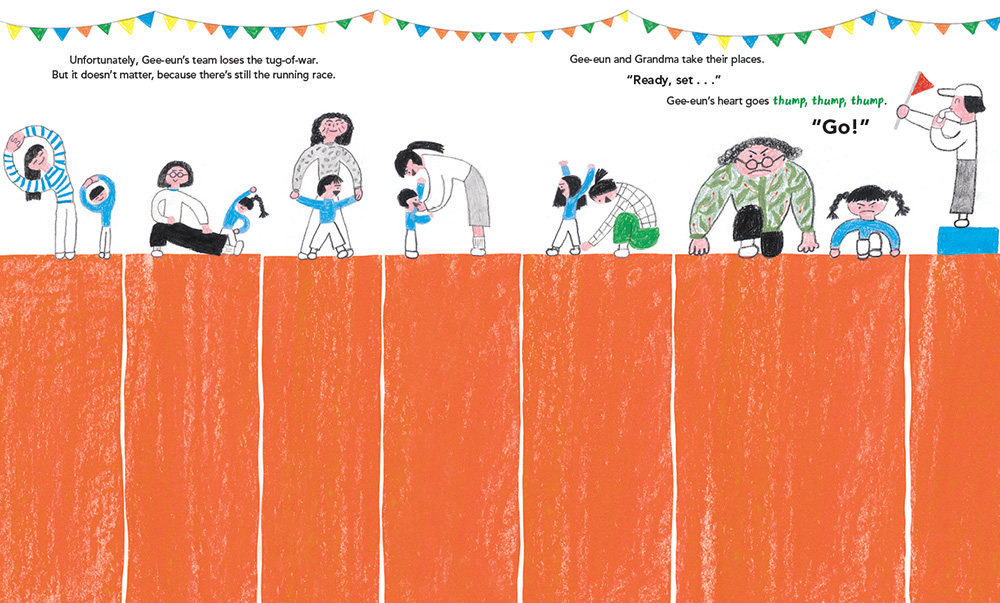
Gee-eun Lee’s soft colored pencil and paint illustrations are delightfully childlike, as if the character Gee-eun had drawn them. In that vein the expressive depictions of Gee-eun’s adult grandma fiercely besting a dozen children at tug of war, her smooth dance and nimble dance moves, and her and Gee-eun’s “set and ready” stance at the track while other mother/child pairs stretch, play, and tie laces are comical joy. The theme of bridging generations also appears cleverly in the image of Gee-eun’s dough family floating together in the soup and the portrait of Gee-eun brushing her doll’s hair while her grandmother brushes and braids Gee-eun’s, among others.

Written with a unique voice that echoes universal truths about family relationships, My GrandMom is a humorous, poignant, and heartening read aloud that will quickly become a favorite for parents, grandparents, other caregivers, and children to share. The book is highly recommended for home and classroom libraries and a must for school and public library collections.  

Ages 3 – 7

Amazon Crossing Kids, 2022 | ISBN 978-1662508257

About the Author

Gee-eun Lee is an award-winning Korean author/illustrator. She recently won the prestigious BolognaRagazzi Award in the comics category for her book, The Story of How the Korean Shaved Ice Dessert Was Born, and is also a top winner of the Korean Young Illustrator Award. She studied design and illustration in Korea and the UK. Her first picture book, Paper Dad, was made into a children’s musical in Korea. My GrandMom is the second book she both wrote and illustrated and is based on her own grandmother.  You can connect with Gee-eun on Instagram: @studio_geeeun

About the Translator

Sophie Bowman is a PhD student at the University of Toronto, studying Korean literature. She was awarded the ICF Literature Translation Fellowship at Ewha Womans University. In 2015, she won the Korea Times Modern Korean Literature Translation Award grand prize for poetry with her translations of Jin Eun-young and co-translated Kim Bo-Young’s I’m Waiting for You and Other Stories. She recently translated the picture book Magic Candies by Heena Baek, which received a starred review from Publishers Weekly. Follow her on Twitter @SophieOrbital.

celebrate-picture-books-picture-book-review-my-grandmom-cover

You can find My GrandMom at these booksellers

Amazon | Barnes & Noble | Books-a-Million

To support your local independent bookstore, order from

Bookshop | IndieBound

Picture Book Review

November 11 – It’s Children’s Book Week

celebrate-picture-books-picture-book-review-building-an-orchestra-of-hope-cover

About the Holiday

Children’s Book Week is the longest-running national literacy program in the United States. The history of the holiday goes back to 1913, when Franklin K. Matthiews, the librarian of the Boy Scouts of America, toured the country to promote a higher standard in children’s books and proposed a Children’s Book Week. He then enlisted the help of Frederic G. Melcher, editor of Publishers Weekly, who believed that “a great nation is a reading nation,” and Anne Carroll Moore, the Superintendent of Children’s Works at the New York Public Library to help spread the word. This year’s theme is “How Do You Book?” The thought-provoking theme encourages readers to think about what they read, where they read, and how they read. To learn more about this literary holiday, visit Every Child a Reader to find out more about the week, how to join online, and lots of bookmarks and activities to download.

Building an Orchestra of Hope: How Favio Chávez Taught Children to Make Music from Trash

Written by Carmen Oliver | Illustrated by Luisa Uribe


As a child, Favio Chávez looked to music as an important touchstone. When he grew up, he was still involved with music, but his profession was as an environmental engineer. He was given a job in “Cateura, Paraguay—a small village built on a landfill—to try to help the families who lived and worked amid the hills of trash.” When trucks came and dumped load after load of trash, recyclers, called gancheros, filled bags of items they could resell. The air was choked with the stench of garbage, and anywhere the gancheros walked “they waded through filth.” It made Favio sad to think of people living this way.

celebrate-picture-books-picture-book-review-building-an-orchestra-of-hope-arriving

Image copyright Louisa Uribe, 2022, text copyright Carmen Oliver, 2022. Courtesy of Eerdmans Books for Young Readers.

As Favio supervised the gancheros, he “became friends with them and their children. He worried about what kind of lives they would live when they grew up. Besides his job at the landfill, “Favio conducted a youth orchestra in a nearby village.” One day, the people he worked with came to listen. They wondered if their kids could also learn to play instruments. Favio was excited by the prospect. 

He even brought his own guitars and violins for the children to play, but soon he had more kids in class than he had instruments. But there was another problem too. The instruments were valuable and could attract thieves to the homes of his students. He needed another idea, and while watching Nicolás “Colá” Gómez, a talented carpenter, picking through the trash, he thought of something that might work. 

celebrate-picture-books-picture-book-review-Colá-making-violin

Image copyright Louisa Uribe, 2022, text copyright Carmen Oliver, 2022. Courtesy of Eerdmans Books for Young Readers.

Colá began searching through the piles for anything that he could use to make instruments. He collected cans and pipes, crates and buttons, even X-ray film and eating utensils. As he looked at his materials, Colá envisioned how he could create a violin. Finally with violins and other instruments for each child, Favio began teaching them how to play and how to read music. They practiced and practiced until they were ready to perform for their parents.

celebrate-picture-books-picture-book-review-Colá-making-instruments

Image copyright Louisa Uribe, 2022, text copyright Carmen Oliver, 2022. Courtesy of Eerdmans Books for Young Readers.

At a local church, with the audience packed and excited, the notes of the children’s first song ‘”New York, New York’ floated out the windows and into the warm night air.” The adults were overcome with happiness. While their lives had been only about survival, they now “had hope in their hearts and dreams for a better tomorrow.”

Back matter includes further information about Favio Chávez and the Recycled Orchestra of Cateura from 1975, when Favio was born in Argentina to 2006, when he arrived to work at the Cateura landfill to today, when the Orchestra supports more children and families with building projects, food, computers for school, scholarships, and many more humanitarian efforts. A selected bibliography is also included.

celebrate-picture-books-picture-book-review-building-an-orchestra-of-hope-school-yard-practice

Image copyright Louisa Uribe, 2022, text copyright Carmen Oliver, 2022. Courtesy of Eerdmans Books for Young Readers.

From its earliest days the Recycled Orchestra of Cateura has inspired musicians, authors, movie makers, and listeners from around the world. In Building an Orchestra of Hope, Carmen Oliver tells the story through the lens of a hope fulfilled. As Favio Chávez begins his new job at the landfill educating the gancheros on how to work more efficiently, his initial thought is for the future of the children of the village. Oliver shows how Chávez not only supervised the workers but became their friend, honored to be included. While relating Chávez’s eagerness to share his love of music with the children, Oliver hints at what’s to come with lyrical descriptions of the sounds the glass, metal, and plastic makes as the gancheros rake through the piles of trash. She also includes pertinent facts that allow readers to understand the challenges the community faced and what a monumental undertaking the idea was.

While this story revolves around Favio Chávez, his idea could never have been brought to fruition without the talents of Nicolás “Colá” Gómez, who could envision the instruments and even hear their sound as he pored through the trash for materials. Oliver provides a satisfyingly detailed list of the types of items Colá repurposed and later reveals which items were used to create violins, drums, violas, flutes, saxophones, and trumpets, pages that are sure to pique young crafters’ interest. The emotional ending to this true story will swell the hearts of readers—those who already know about the orchestra and those being introduced to it for the first time.

Louisa Uribe’s soft-hued illustrations realistically depict the village of Cateura and the landfill it is built upon. They meet Favio Chávez and Nicolás Gómez and witness the idea of creating instruments from trash come to life. Uribe’s close up of a violin lets kids see how disparate items are used creatively to replicate each part of the instrument. As instruments are made, the number of children filling the courtyard grows until their hard work and practice is rewarded on a real stage, a microcosm of the growth and impact of one man’s caring and creativity.

Special Note: The inspirational back matter, worthy of its own picture book, will astound readers with just how far-reaching one idea when explored in collaboration with others can be. Themes of the vital importance and life-changing impact of the arts, persistence, determination, overcoming seemingly insurmountable challenges and odds, and the power of hope are what this true story is built on, and this factual back matter is sure to affect readers and get them thinking about how they can make a difference to a cause they believe in.

Powerful, accessible, and impactful, Building an Orchestra of Hope is a must for all home, school, and library collections, not only to tell this compelling, ongoing story but to remind them that their actions, too—from a single kind word or smile to large community effort—can change lives. 

Ages 4 – 9 

Eerdmans Books for Young Readers, 2022 | ISBN 978-0802854674

You can learn more about Luisa Uribe, her books, and her art on her website.

You can connect with Carmen Oliver on Twitter.

Children’s Book Week Activity

celebrate-picture-books-picture-book-review-bookworm-bookmark

Bookworm Bookmark


Are you a bookworm? If so, then this bookmark is for you! Just print, color, and cut along the dotted line. This little worm will happily save your page for you!

Bookworm Bookmark Template

celebrate-picture-books-picture-book-review-building-an-orchestra-of-hope-cover

You can find Building an Orchestra of Hope at these booksellers

Amazon | Barnes & Noble | Books-a-Million

To support your local independent bookstore, order from

Bookshop | IndieBound

Picture Book Review
October 11 – Celebrating the Book Birthday of Madani’s Best Game

celebrate-picture-books-picture-book-review-madani's-best-game-cover

Thanks to Eerdmans Books for Young Readers for sharing a copy of Madani’s Best Game with me for review consideration. All opinions on the book are my own.

Madani’s Best Game

Written by Fran Pintadera | Illustrated by Raquel Catalina | Translated from the Spanish by Lawrence Schimel


“Our whole neighborhood knows it: no one plays soccer like Madani does.” Thus, a teammate of Madani’s begins the story about this friend who captivates the neighborhood (and sometimes it seems the whole world) with his barefoot ball-handling prowess. Madani has elevated the team’s game to “the best soccer we’ve ever seen.” After Madani has scored a “Gooooal!” the sound of the cheers soars above the playing field and “…crosses through doorways, rushes past the magazine stand, slips down alleyways, swirls around the fountain, and, growing fainter and fainter, climbs the steps up to Madani’s house.” 

celebrate-picture-books-picture-book-review-madani's-best-game-bare-feet

Image copyright Raquel Catalina, 2022, text copyright Fran Pintadera, 2022. Courtesy of Eerdmans Books for Young Readers.

There, his mother hears it and knows the cheers are for Madani. She wishes she could attend his games, but she’s a seamstress and has so many garments to sew by hand. After the game, Madani’s teammates can only imagine how much better he would play if he only had a good pair of cleats. Their team might even be able to beat the Southside team—their biggest rival.

celebrate-picture-books-picture-book-review-madani's-best-game-madani's-moves

Image copyright Raquel Catalina, 2022, text copyright Fran Pintadera, 2022. Courtesy of Eerdmans Books for Young Readers.

The members of the team know that Madani’s saving up money in a special tin that gets heavier every time he declines to buy a snack, walks to away games instead of riding the bus, and makes other sacrifices. They know that when the box is full, Madani’s going shopping. “…then our games will be better than ever!’” he says, and they all dream of the day Madani buys his new cleats.

celebrate-picture-books-picture-book-review-madani's-best-game-listening

Image copyright Raquel Catalina, 2022, text copyright Fran Pintadera, 2022. Courtesy of Eerdmans Books for Young Readers.

The big game against Southside is only a day away, but Madani doesn’t come to practice. Instead, his friends watch him head downtown with the tin under his arm. Without Madani at practice, the team falls apart, but they don’t worry. Finally, they thought, their dreams of new cleats and beating Southside would come true!

When Madani shows up at the game the next day, “he looks radiant,” but he’s still barefoot. His teammates question him about his new cleats, but Madani doesn’t know what they’re talking about. The money wasn’t for shoes but for a present for his mother so that “‘she’ll be able to finish her work faster and come watch me play every Saturday.’”

celebrate-picture-books-picture-book-review-madani's-best-game-mother

Image copyright Raquel Catalina, 2022, text copyright Fran Pintadera, 2022. Courtesy of Eerdmans Books for Young Readers.

Madani’s friends still don’t quite get it, but the game begins, and in moments Madani has already stolen the ball away from the Southside players, run downfield and scored. He looks into the stands, sees his mother, and shouts “‘This goal is for you, Mom!’” Madani makes another goal, but Southside scores too, and the game ends in a tie. It’s okay, though, Madani’s teammate says, “‘because now more than ever, everyone in the neighborhood knows … There’s no player like Madani!’”

Back matter consists of notes from Fran Pintadera and Raquel Catalina that reveal their creative journeys and connections to this story.

celebrate-picture-books-picture-book-review-madani's-best-game-mother-at-game

Image copyright Raquel Catalina, 2022, text copyright Fran Pintadera, 2022. Courtesy of Eerdmans Books for Young Readers.

Fran Pintadera, who based Madani’s Best Game on his experiences as a social educator in new immigrant housing, tells his story with open-hearted affection for his subject as well as the relationships between teammates and mother and child. Through his perceptive and humorously observed details and lyrical language, Pintadera captures the wide-eyed wonder of children in awe of a great player (or artist, singer, scientist, or other talent). When Madani gets the ball, readers will hold their breath along with the neighbors, traffic, and even pigeons while he entertains the crowd and scores a goal. Then the action begins again, but this time the suspense revolves not around the game but on what Madani will buy. The answer is joyous, affirming family devotion and revealing the pure giving nature of a child’s heart.

From their first introduction to Madani, smiling out from the page, his bare foot on a soccer ball, readers will be captivated by him, his teammates, his neighborhood, and the game. Raquel Catalina’s endearing pencil, gouache, and colored pencil illustrations charm with realistic images of kids on the soccer field surrounded by city onlookers. Catalina creates not only gorgeous visuals of Madani’s supportive neighborhood, but an almost auditory experience as well.

Readers can almost hear the players’ running feet, the sudden cheers, the flap of the rising pigeons’ wings, and – as the celebration reaches Madani’s mother’s ears – even the whisper of her sewing needle through the fabric on her knees. Catalina deftly weaves the theme of friendship, between people both young and old, throughout the pages, enhancing the bond between Madoni and his mom as well as Madani’s teammates’ understanding of the true importance of that long-awaited game.

A beautiful poignant, joyful, and affirming story of family and friendship, Madani’s Best Game is a read aloud that adults and kids will love to share over and over. The book is a must for all home, classroom, school, and public libraries.

Ages 5 – 9

Eerdmans Books for Young Readers, 2022 | ISBN 978-0802855978

You can discover more about Fran Pintadera and his work on his website and connect with him on Instagram.

To learn more about Raquel Catalina, her books, and her art, visit her website. You can also connect with her on Instagram.

You can connect with Lawrence Schimel and learn more about his writing and his translating work on Instagram and Twitter.

celebrate-picture-books-picture-book-review-madani's-best-game-cover

You can find Madani’s Best Game at these booksellers

Amazon | Barnes & Noble | Books-a-Million

To support your local independent bookstore, order from

Bookshop | IndieBound

Picture Book Review
Picture Book Revi

January 10 – It’s National Hot Tea Month

celebrate-picture-books-picture-book-review-teatime-around-the-world-cover

About the Holiday

I must confess that this is one of my favorite holidays. To me there’s nothing better than waking up with a well-steeped cup of tea, writing while a favorite mug brimming with hot tea sweetened with honey sits nearby, enjoying scones with clotted cream and jam and a hot cuppa…well…you get the picture. People have drunk tea since earliest times for its soothing and medicinal properties. Mellower than coffee and available in endless varieties and tastes, hot tea is just the thing for relaxing moments. Today, enjoy your favorite tea or try a new kind! There’s a world of tea to be discovered – as today’s book reveals!

Thank you to Greystone Books for sharing a copy of Teatime Around the World with me for review consideration. All opinions on the book are my own.

Teatime Around the World

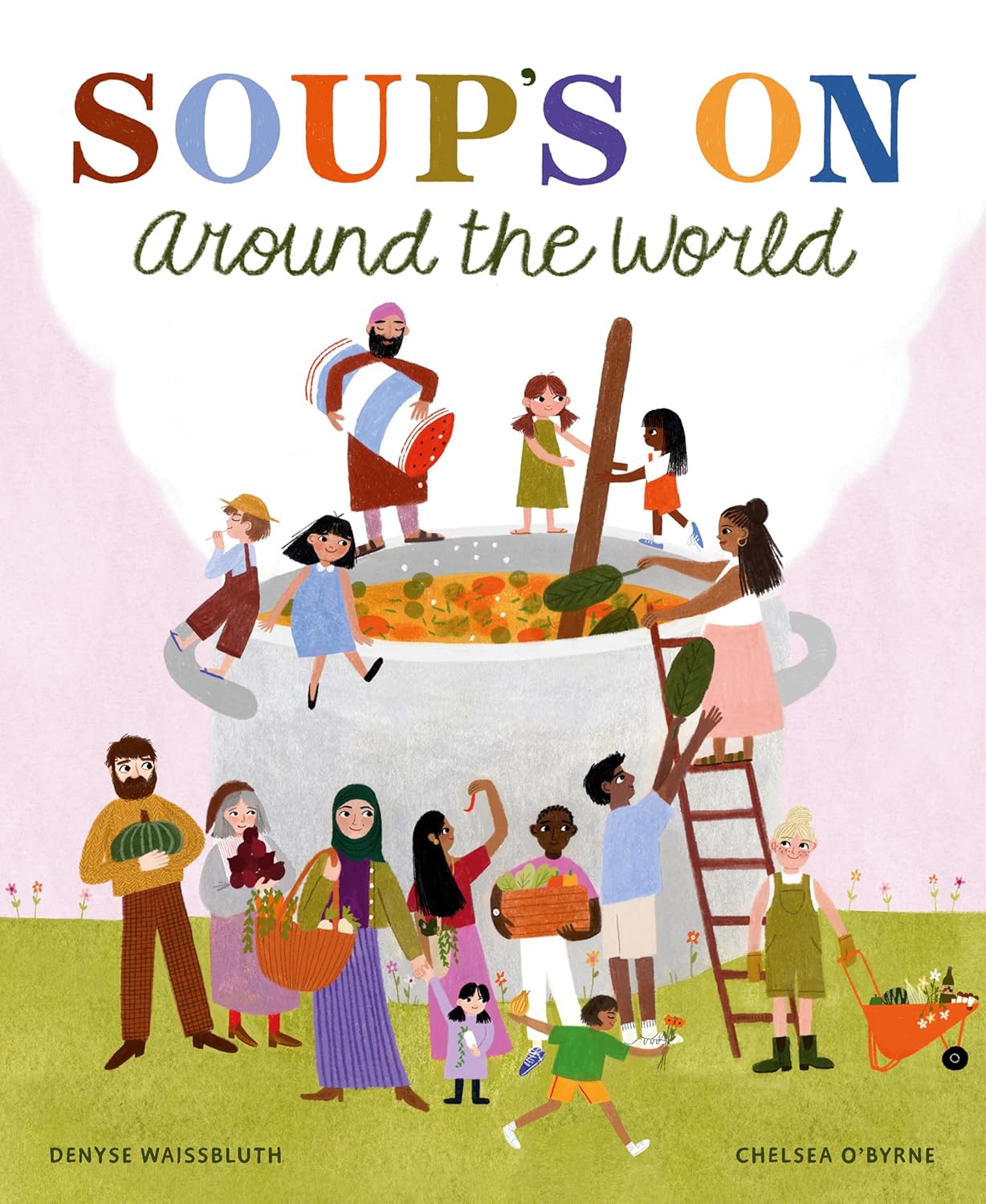
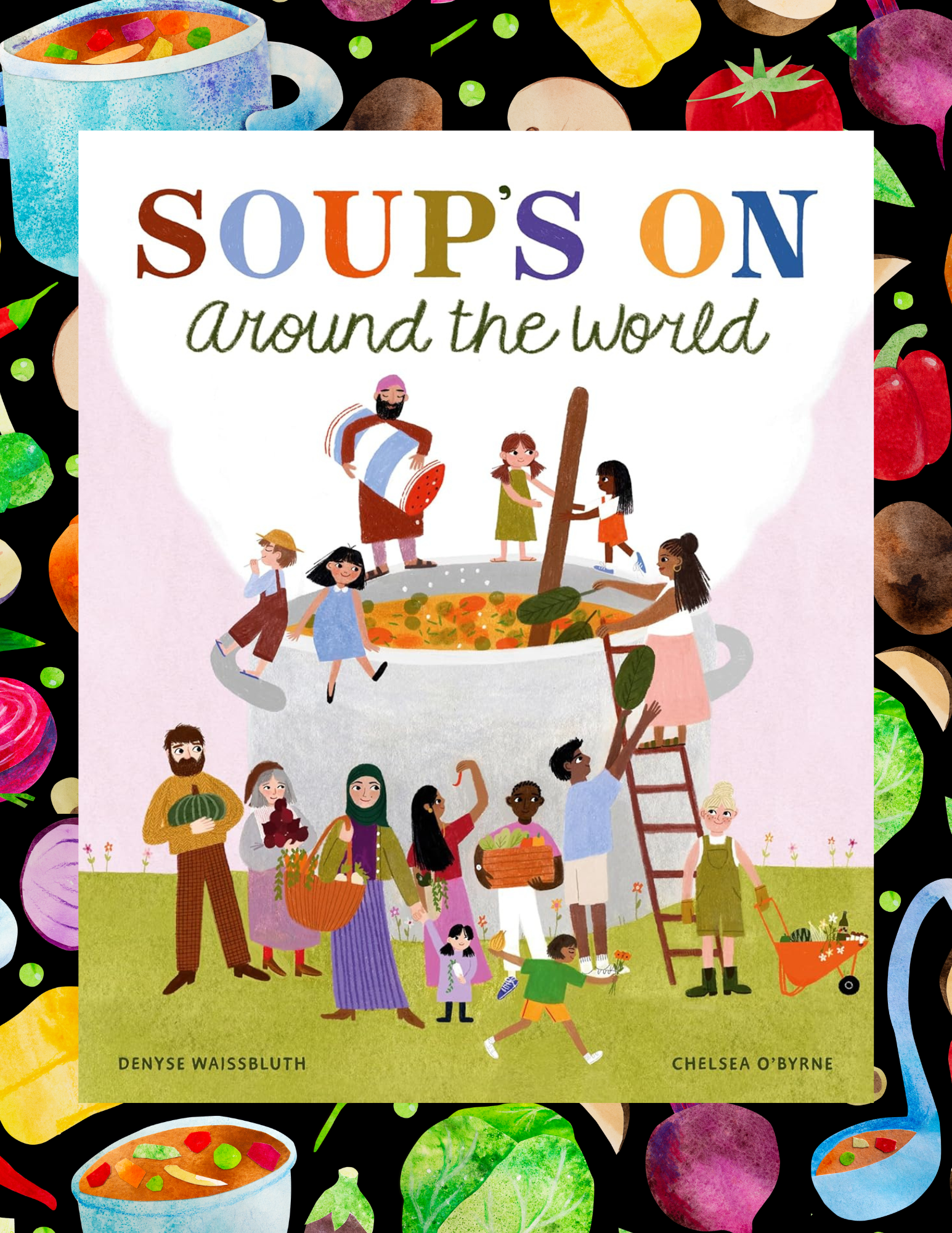
Written by Denyse Waissbluth | Illustrated by Chelsea O’Byrne


Two women sit at a table with steaming cups of tea in front of them, talking. “Tea for one. Tea for two.” To the side sits a teapot, its contents still warm. At their feet a child is having a tea party with a bear, jauntily clad in a feathered hat. Cookies, strawberries, and croissants fill out this feast served from a special tea set. “Tea for me. Tea for you.” Tea time continues in Morocco, where a father and child kneel on pillows. The father pours out three cups of mint tea. Made with green tea, mint, and sugar, each cup of tea will have “a slightly different taste.”

celebrate-picture-books-picture-book-review-teatime-around-the-world-sugar

Image copyright Chelsea O’Byrne, 2020, text copyright Denyse Waissbluth, 2020. Courtesy of Greystone Books.

In India a street vendor sells a cup of masala chai to a woman, who’s looking for a peaceful break during her day. The “strong tea and spices like cinnamon, ginger, cloves, cardamom, and pepper…boiled with milk and sweetened” will hit the spot. Hot tea is relaxing, but on a hot day there’s nothing more refreshing than a glass of iced tea. In Thailand, locals and tourists enjoy cha yen, sold from street vendors’ carts. This “strongly brewed sweet tea is poured over ice and drunk from a bag through a straw. Indigenous people in North America soothe fevers, colds, sore muscles, and even sleepless nights with tea made from “berries, plants, and roots.”

celebrate-picture-books-picture-book-review-teatime-around-the-world-russia

Image copyright Chelsea O’Byrne, 2020, text copyright Denyse Waissbluth, 2020. Courtesy of Greystone Books.

Special tea times—like chanoyu, the Japanese tea ceremony during which matcha, a powdered green tea is served, and afternoon tea, enjoyed with trays of treats world wide—bring people together for comforting respites. You’ll be interested to discover the origins of afternoon tea too! Tea can be served quietly or dramatically, like “teh tarik, or pulled tea…the national drink of Malaysia,” is “poured from up high, or ‘pulled’ between two mugs, to make it frothy.”

celebrate-picture-books-picture-book-review-teatime-around-the-world-poured

Image copyright Chelsea O’Byrne, 2020, text copyright Denyse Waissbluth, 2020. Courtesy of Greystone Books.

Tea is as old as its discovery thousands of years ago in China and as new as bubble tea, created in Taiwan in the 1980s. In Argentina, Chile, and Uruguay, yerba maté tea is served in hollowed-out gourds with a “special straw called a bombilla,” while in Jamaica sorrel, made from roselle hibiscus buds, “spiced with ginger, cloves, and sugar,” is perfect for any festive occasion. No matter where you live, what flavors of tea you enjoy, or how you serve it, you can always count on “tea for one. / Tea for two. / Loved by all / the whole world through.”

celebrate-picture-books-picture-book-review-teatime-around-the-world-for-group

Image copyright Chelsea O’Byrne, 2020, text copyright Denyse Waissbluth, 2020. Courtesy of Greystone Books.

With a lilting poem that flows from page to page, Denyse Waissbluth introduces unique flavors, special brew methods, and the comforting feeling a cup of hot or iced tea infuses into a day. The shared experience of tea drinking provides a fascinating touchstone for Waissbluth’s travelogue that takes kids around the world to experience the rituals, recipes, and traditions from each country that make their tea unique. Waissbluth’s conversational style will appeal to kids looking to learn how global cultures are similar to and different from their own.

Chelsea O’Byrne’s lovely matte illustrations take children to cities, the countryside, and the seaside around the globe, revealing not only diverse scenes of how tea is made, served, and enjoyed, but homes, food, and clothing as well. Children will be excited to see such homey and intimate portraits of their peers around the world.

Sure to spur readers to learn more about the countries featured and entice them to try their signature teas, Teatime Around the World would enhance geography, history, and multicultural lessons for school and homeschooling and is highly recommended for school and public library collections.

Ages 3 – 7

Greystone Books, 2020 | ISBN 978-1771646017

You can connect with Denyse Waissbluth on Instagram.

To learn more about Chelsea O’Byrne, her books, and her art, visit her website.

National Hot Tea Month Activity

celebrate-picture-books-picture-book-review-tea-word-search-puzzle

Tea for You! Word Search


Can you find the names of eighteen delicious teas from around the world in this printable puzzle?

Tea for You! Word Search Puzzle | Tea for You! Word Search Solution

celebrate-picture-books-picture-book-review-teatime-around-the-world-cover

You can find Teatime Around the World at these booksellers

Amazon | Barnes & Noble | Books-a-Million

To support your local independent bookstore, order from

Bookshop | IndieBound

Picture Book Review
December 20 – Get Ready to Celebrate New Year’s Eve

celebrate-picture-books-picture-book-review-feliz-new-year-ava-gabriela-cover

About the Holiday

As we get ready to celebrate New Year’s Eve and the beginning of a new year, adults and kids often look for opportunities to reflect and grow while sharing the traditions that keep our families and friendships strong. Today’s book embraces all three of these parts of New Year’s Eve and is a reassuring and uplifting read aloud for the holiday and throughout the year.

Thanks to Albert Whitman & Company for sharing a copy of Feliz New Year, Ava Gabriela! with me for review consideration. All opinions on the book are my own.
Feliz New Year, Ava Gabriela!

Written by Alexandra Alessandri | Illustrated by Addy Rivera Sonda


Ava Gabriela and her mamá and papa were visiting her grandmother’s farm for the New Years holiday. Her aunts, uncles and cousins were there too, but she had never met her tías and tíos or primas and primos before, and they “didn’t feel like familia yet.” When her mother prompted her to say hola, Ava Gabriela nervously opened her mouth, but no words came out. And when Abuelita asked if a mouse had nibbled her tongue, Ava hid behind Mamá. But then Tía Nena approached with her hand extended and asked, “‘Want to help us make buñuelos?’ Ava hesitated. But the fried cheesy fritters were her favorite.” Ava took Tía Nena’s hand and went into the kitchen.

celebrate-picture-books-picture-book-review-feliz-new-year-ava-gabriela-abuelita

Image copyright Addy Rivera Sondo, 2020, text copyright Alexandra Alessandri, 2020. Courtesy of Albert Whitman & Company.

There she found her cousins Sarita and Javier. Together they made the dough. As Tía Nena rolled it out, Sarita and Javier laughed and talked, but Ava watched silently. Even when Tía Nena sprinkled flour in her hair, Ava couldn’t call for a food fight like she wanted to but only giggled. After the buñuelos were finished, Ava’s cousins ran outside. Ava wanted to call after them to wait, “but her voice hid like a mouse in its hole” so Ava explored the farm by herself. When she found her mamá talking with Abuelita, she quietly asked her why she was so shy. Mamá reassured her that when she was ready, her voice would “come out and play.” After a hug, Ava felt a little better.

In another part of the house, Ava found her primo Pedro blowing up balloons for “el Año Viejo,” the balloon doll they would pop when the old year turned into a new year. When Pedro asked if she’d like to help, her words stuck in her throat again, but Pedro invited her to build the Año Viejo while he blew up balloons. When the doll’s clothes were all stuffed, Pedro handed Ava the marker to add the face. In her heart she was saying thank you, and then she realized that “she could say thank you. ‘Gracias,’” she said. “The word was whispery soft but tasted sweet like dulce de leche.”

celebrate-picture-books-picture-book-review-feliz-new-year-ava-gabriela-kitchen

Image copyright Addy Rivera Sondo, 2020, text copyright Alexandra Alessandri, 2020. Courtesy of Albert Whitman & Company.

The next morning, when Ava saw Mamá and Abuelita filling cups with twelve grapes that would bring good luck in the new year, Ava “plucked one and said a silent wish: Please let me not be shy today.” Then she ran outside. This time when her tía and Pedro talked to her, she answered back, but when Tío Mario called out, her voice disappeared again. Soon it was time to change for the celebration. Outside, lanterns twinkled and the table was spread with delicious food. While everyone else talked and played, Ava sat next to the Año Viejo. “Don’t you want to play? It seemed to ask.”

celebrate-picture-books-picture-book-review-feliz-new-year-ava-gabriela-mamá

Image copyright Addy Rivera Sondo, 2020, text copyright Alexandra Alessandri, 2020. Courtesy of Albert Whitman & Company.

Just then fireworks burst across the sky. Ava ran out into the yard. Her cousins came out too and asked if she’d like to play tag. Once again she knew she could and would say yes. “With her heart galloping, Ava blurted, ‘Sí.’ Her cousins cheered.” As she ran off with her primos, Ava felt feliz. When midnight came, Ava helped pop the Año Viejo and joined in as they all called out “‘¡Feliz Año Nuevo!’”

In an Author’s Note, Alexandra Alessandri reveals more about the Christmas season, which is celebrated from December 7 through January 6, in her native Columbia and across Latin America and the Caribbean. She describes the food, music, traditions, and superstitions associated with New Year’s Eve and talks about the significance of the Año Viejo. A glossary of words and phrases used in the story is also provided in the back matter.

celebrate-picture-books-picture-book-review-feliz-new-year-ava-gabriela-new-years-eve

Image copyright Addy Rivera Sondo, 2020, text copyright Alexandra Alessandri, 2020. Courtesy of Albert Whitman & Company.

Alexandra Alessandri’s lovely story organically combines Spanish and English to create a smoothly flowing story that brings to life the Columbian traditions of New Years and el Año Viejo while acknowledging how big gatherings of family and friends can be intimidating for some children. Through beautiful, lyrical language that incorporates imagery from Spanish idioms, food, animals, and musical instruments, Alessandri portrays a realistic picture of the emotions shyness can cause in children – and adults. Readers will be charmed by sweet and thoughtful Ava Gabriela and empathize with her feelings as she has small successes as well as setbacks on her way to feeling comfortable and finding her voice with her family. Hesitant and shy children will recognize themselves in Ava and welcome Alessandri’s sensitive depiction of her inner conflict. The understanding Ava’s mamá gives her is full of heartfelt love and models the kind of support that helps shy children thrive.

Addy Rivera Sonda’s fresh, cheerful illustrations will captivate readers with details that paint an enchanting portrait of this loving family and Abuelita’s tidy farmhouse from the opening scene, in which Ava’s family is welcomed home, to the tiled accents, chickens in the yard, and preparations for the New Year’s celebration. Sonda does an excellent job of portraying Ava’s fluctuating emotions—giggling at silly things but then too hesitant to say the words on the tip of her tongue and wandering the farm alone when she’d like to be playing with her cousins. Children who celebrate el Año Viejo will be excited to see their fun and meaningful tradition depicted here and kids who are not familiar with it will be intrigued to learn more. As Ava’s family gets ready for New Year’s Eve, children will also enjoy seeing other parts of the celebration that are aimed at bringing good luck for the next year.

A beautiful and superbly composed book rich in Columbian and Latin American culture that can also ease discussions about shyness, Feliz New Year, Ava Gabriela! will be a favorite on home bookshelves for all kids. The book would also spark fun and educational cross-curricular activities, making it a must for school and public library collections.

Ages 4 – 8

Albert Whitman & Company, 2020 | ISBN 978-0807504505

Discover more about Alexandra Alessandri and her books on her website.

To learn more about Addy Rivera Sonda and view a portfolio of her work, visit her website.
Get Ready for New Year’s Eve Activity

celebrate-picture-books-picture-book-review-new-years-coloring-page

New Year’s Eve Coloring Page


Celebrate the New Year with this printable coloring page! You might even want to add some glitter to make the fireworks even more spectacular!

New Year’s Eve Coloring Page

celebrate-picture-books-picture-book-review-feliz-new-year-ava-gabriela-cover

You can find Feliz New Year, Ava Gabriela! at these booksellers

Amazon | Barnes & Noble | Books-a-Million

To support your local independent bookstore, order from

Bookshop | IndieBound

Picture Book Review