July 7 -World Chocolate Day

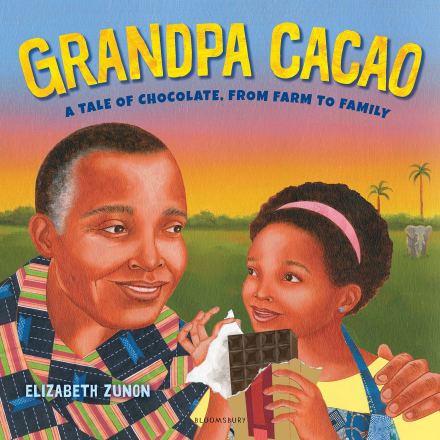
celebrate-picture-books-picture-book-review-grandpa-cacao-cover

About the Holiday

The purpose of World Chocolate Day is simple! Most likely instituted to celebrate the introduction of chocolate to Europe on July 7, 1550, the day gives people everywhere the perfect excuse to indulge in this favorite flavor sensation. You know what to do! Bake some brownies, order a double scoop of your favorite chocolate-based ice cream, make a chocolate cake (with chocolate frosting, of course), or whip up a batch of chocolate chocolate chip cookies, and enjoy!

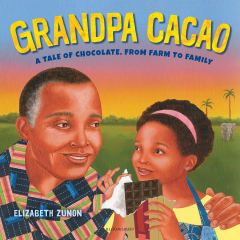
Grandpa Cocoa: A Tale of Chocolate, from Farm to Family

By Elizabeth Zunon


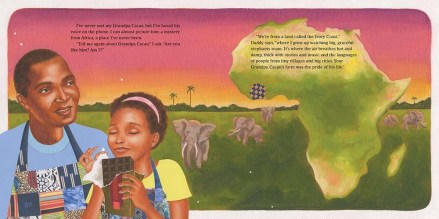
It’s a little girl’s birthday, and she and her daddy are making her “family’s special celebration cake” while her mom “goes to pick up another treat.” While they bake, the girl’s father reminds her that “‘chocolate is a gift to you from Grandpa Cacao.” The girl has never met her grandfather since he lives in Africa and she wonders if she is like him. Her father begins to tell her the story of his growing up on her Grandpa Cacao’s Ivory Coast farm.

celebrate-picture-books-picture-book-review-grandpa-cacao-africa

Copyright Elizabeth Zunon, 2019, courtesy of Bloomsbury Children’s Books.

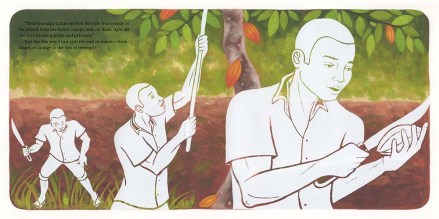
As they add flour to the bowl, Daddy explains how her grandfather knew just when the fruit was ripe for picking. “Just like the way I can spot the end of summer from tinges of orange at the tips of treetops,” the girl thinks. Then, her father goes on, Grandpa Cacao expertly sliced the pods without damaging any of the beans inside. “‘Did you ever help?’” the girl asks as they melt the chocolate and butter for the cake. Her daddy says that everyone in the village worked together and that when he turned seven, he was allowed to help but only after he’d finished his homework and chores.

The white beans were put into pits lined with banana leaves and stirred periodically until they became light brown. Then they were moved to a cement floor to dry in the sun. The beans had to be taken in each night, and when storms came the beans had to be covered. The girl imagines her grandpa could smell the rain coming the way she could “smell a cold day.”

celebrate-picture-books-picture-book-review-grandpa-cacao-ripe-fruit

Copyright Elizabeth Zunon, 2019, courtesy of Bloomsbury Children’s Books.

While they crack and add the eggs, the girl’s father tells her how the beans sounded and tasted when they were ready to sell. The story is making her hungry, and she wonders what Mommy could be bringing home. When he was older, Daddy says, he helped bag the beans to sell to the cacao buyers, who would send them to factories to be made into chocolate. With the money from the cacao beans, they bought “food, school supplies, uniforms, books, and fabric to have out special occasion clothes made.”

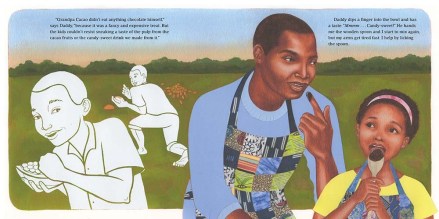
The cake batter is ready to pour into the pan, and she carries the big bowl to her daddy. She reminds him of Grandpa Cacao carrying a big basket of cacao pods. The thought makes them both smile. Then the girl’s thoughts return to what her mother is bringing home. Perhaps it’s a new dress or the puppy she wants. Daddy dips his finger in the chocolate batter and the girls licks the spoon. It makes him think of how he and the other kids snuck tastes “of the pulp from the cacao fruits or the candy-sweet drink” they made.

celebrate-picture-books-picture-book-review-grandpa-cacao-chocolate

Copyright Elizabeth Zunon, 2019, courtesy of Bloomsbury Children’s Books.

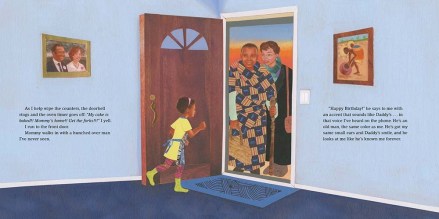
Baking in the oven, the cake smells delicious. Just as the timer rings, the doorbell chimes. When the girl opens it, she sees her mommy with an older man she’s never seen before. “‘Happy Birthday!’” he says, and the girl recognizes his voice from their phone calls. He hugs her and then gives her a big orange pod. It’s her birthday present, he tells her. But being with her Grandpa Cacao is “the best birthday present ever in the world.”

An Author’s Note following the text describes Elizabeth Zunon’s childhood in Abidjan, the realities of the cacao trade and Fair Trade products and a bit about how the illustrations were created. There are also brief discussions on the science and history of chocolate as well as a page on how cacao goes from bean to treat. Bakers will also be pleased to see the recipe for the special Chocolate Celebration Cake made in the story.

celebrate-picture-books-picture-book-review-grandpa-cacao-birthday

Copyright Elizabeth Zunon, 2019, courtesy of Bloomsbury Children’s Books.

Elizabeth Zunon’s celebration of family and pride in one’s heritage is a compelling read that shines with a strong father – daughter relationship, shared memories, and the joys of working together. The warmth shared by the girl and her daddy is evident as she revels in hearing the story of Grandpa Cacao and identifying with him even though he lives far away. Zunon’s smooth delivery of Grandpa Cacao and Daddy’s story imparts fascinating details of how cacao is grown, harvested, and prepared for sale. While the little girl may wish for a new dress or a puppy, she is happier with the surprise of meeting her grandfather at last.

Zunon’s mixed-media, collage style illustrations beautifully meld the world inside the family kitchen with the girl’s imagining of life in Africa on Grandpa Cacao’s farm. The opaque screen-printed images of Grandpa Cacao, the girl’s father as a child and young man, and the other villagers, are powerful reminders to readers that their family and family history is always with them and supporting them.

A unique book to share during family story time, in the classroom, or during a library program, Grandpa Cacao: A Tale of Chocolate, from Farm to Family would be a much-loved addition to home, school, and public library collections. And don’t forget to include cake!

Ages 3 – 8

Bloomsbury Children’s Books, 2019 | ISBN 978-1681196404

Discover more about Elizabeth Zunon, her books, and her art on her website.

World Chocolate Day Activity

cookies-and-cups-my-kids-favorite-brownies-recipe-picture

My Kids’ Favorite Brownies from Cookies & Cups, copyright Shelly Jaronsky, January 29, 2019. Courtesy of cookies&cups.com.

Cookies & Cups My Kids’ Favorite Brownies


If you’re looking for a scrumptious chocolatey brownie that melts in your mouth, look no further than Shelly Jaronsky’s My Kids’ Favorite Brownies recipe on Cookies & Cups. While you’re there, you’ll want to look around at all of Shelly’s delicious recipes! 

celebrate-picture-books-picture-book-review-grandpa-cacao-cover

You can find Grandpa Cocoa: A Tale of Chocolate, from Farm to Family at these booksellers

Amazon | Barnes & Noble | Books-a-Million | IndieBound

Picture Book Review

June 25 – It’s National Oceans Month

celebrate-picture-books-picture-book-review-bedtime-for-baby-shark-cover

About the Holiday

The world’s oceans offer beauty, resources, and mystery. This month we celebrate these vast wonders while committing ourselves to their preservation. We also remember the communities that rely on the oceans for economic stability as well as the men and women who work to protect the oceans and their unique creatures.

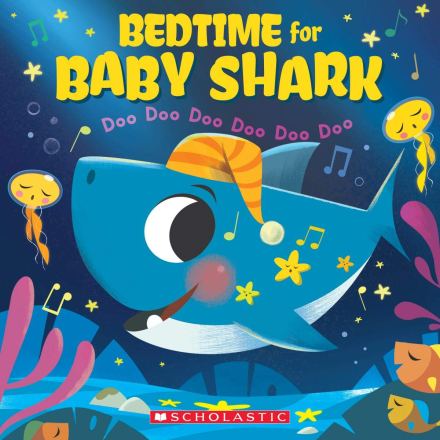
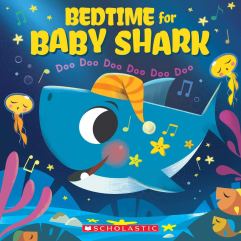
Bedtime for Baby Shark: Doo Doo Doo Doo Doo Doo

Illustrated by John John Bajet


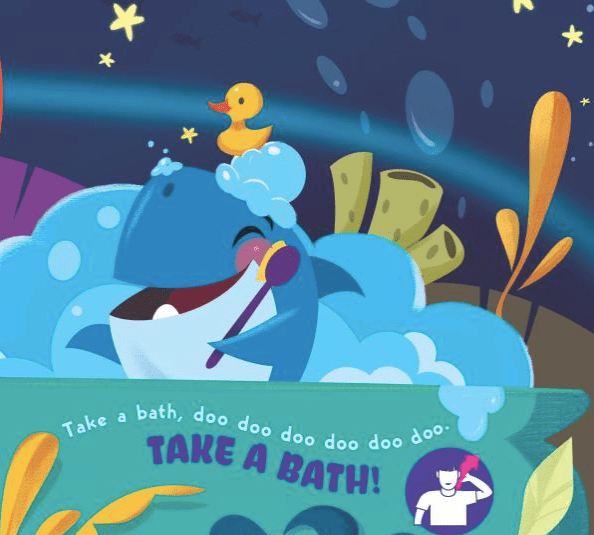
Who doesn’t love Baby Shark with his big smile, bright eyes, and vivacious personality? Baby Shark could play all day—and night—long, and so could his many friends. But everyone needs a good night’s sleep! Just how do you get a little one off to bed? Fortunately, Mama Shark’s there to show him how to brush his teeth…well…tooth, and Daddy Shark helps him “take a bath, doo doo doo doo doo doo. / take a bath, doo doo doo doo doo doo. / take a bath, doo doo doo doo doo doo. / Take a bath!”

celebrate-picture-books-picture-book-review-bedtime-for-baby-shark-bath

Image copyright John John Bajet, 2019. Courtesy of Scholastic, Inc.

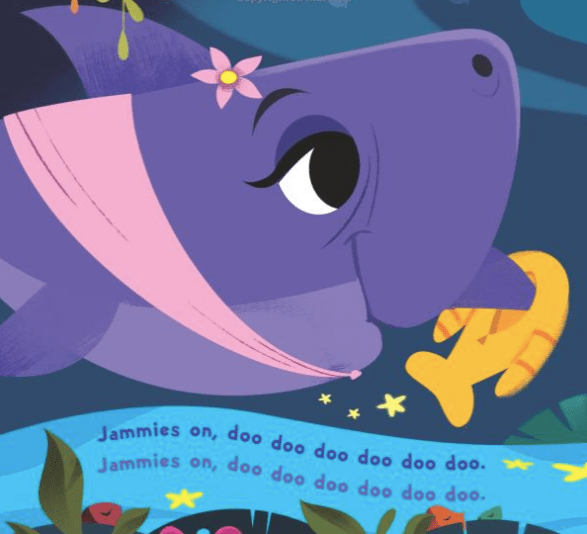
When Baby Shark is all clean and wet Grandma Shark hands him his cozy jammies, and then it’s time for Grandpa Shark to “read a book doo doo doo doo doo doo. / read a book doo doo doo doo doo doo. / read a book doo doo doo doo doo doo. / Read a book!” When Grandpa closes the book, he turns out the nightlight and the family swims quietly out of his room.

But Baby Shark isn’t tired. He tosses and turns and finally swims out of bed to “run and hide.” Who shows up to stop him? It’s Great White Shark! He waggles his fin and tells Baby Shark, “No more tricks, doo doo doo doo doo doo. / No more tricks, doo doo doo doo doo doo. / No more tricks, doo doo doo doo doo doo. / No more tricks!” Obediently, Baby Shark climbs back into bed. Then with a kiss from Mama Shark, he’s “all tucked in,” and he drifts “off to sleep.”

celebrate-picture-books-picture-book-review-bedtime-for-baby-shark-grandma-shark

Image copyright John John Bajet, 2019. Courtesy of Scholastic, Inc.

Each verse of the story is accompanied by hand motions that make this book a perfect interactive story time favorite.

Little ones who can’t get enough of Baby Shark and his humorous antics will love going to bed (or delaying it a bit) with Baby Shark, his family, and even Great White Shark who shows up just in time to add a giggle or two to this extended story line of the favorite song. Illustrated in vibrant color by John John Bajet, the pages will capture young readers’ attention with up-close encounters with these beloved characters. Touches of humor highlight the action as Baby Shark brushes his one nubby tooth, Daddy Shark sports a shower cap while giving his baby a bath, and Baby Shark pretends to be asleep with one eye open. Befitting his place in the underwater world, Great White Shark spans two pages and will awe kids. As the whole family gathers to say a final goodnight to Baby Shark, little readers should be ready for sweet dreams too.

A sweet sequel to Baby Shark, Bedtime for Baby Shark: Doo Doo Doo Doo Doo Doo is sure to spark giggle-filled fun for kids and adults be a much-asked-for addition to home bookshelves.

Ages 3 – 5

Cartwheel Books, 2019 | ISBN 978-1338588989

To learn more about John John Bajet, his books, and his art, visit his website.

You can find printable activity sheets and a guide to the Baby Shark Bedtime Dance on the Scholastic website.

National Oceans Month Activity

celebrate-picture-books-picture-book-review-bedtime-for-baby-shark-scholastic-coloring-page-activity

Baby Shark Activity Pages


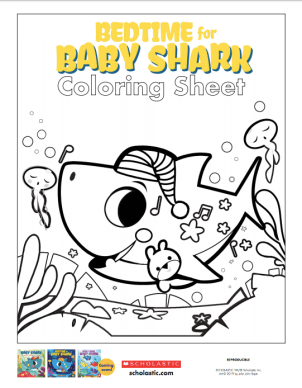
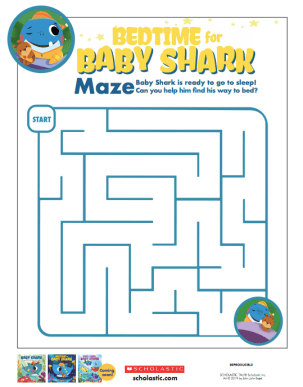
Baby Shark loves to play! He even has two printable activity pages for kids to enjoy! Download the Baby Shark Coloring Sheet and Maze from Scholastic and have some fun!

celebrate-picture-books-picture-book-review-bedtime-for-baby-shark-scholastic-coloring-page-activity

Baby Shark in His Jammies Coloring Page 

celebrate-picture-books-picture-book-review-bedtime-for-baby-shark-maze-activity

 Baby Shark Bedtime Maze

celebrate-picture-books-picture-book-review-bedtime-for-baby-shark-cover

You can find Bedtime for Baby Shark: Doo Doo Doo Doo Doo Doo at these booksellers

Amazon | Barnes & Noble | Books-a-Million | IndieBound

Picture Book Review


June 21 – World Giraffe Day & Interview with Author Monica Bond, Illustrator Kayla Harren, and Educator David Brown

celebrate-picture-books-picture-book-review-juma-the-giraffe-cover

About the Holiday

Today’s holiday, established by the Giraffe Conservation Foundation, celebrates the animal with the longest neck on the longest day or night of the year, depending on which hemisphere you live in. The purpose of World Giraffe Day is to honor these majestic animals while also promote awareness of the dangers and threats they face. Events supporting these gentle giants are held around the world at zoos and conservation organizations as well as by governments, institutions, and companies involved in education about and protection of the giraffe. To celebrate today, learn more about these animals, visit a zoo or wildlife refuge, or consider donating to the cause of giraffe conservation. To learn more visit the Giraffe Conservation Foundation website.

Juma the Giraffe

Written by Monica Bond | Illustrated by Kayla Harren


Juma, a baby giraffe, loved to play with his friends Upendo and Rafiki on the African safari while their mothers watched. “Upendo likes to explore new places” while “Rafiki jokes and makes everyone laugh with his silly faces. Juma is kind and generous.” With his long neck, he’s able to reach the sweet acacia leaves to share with the dik-diks. One day, though, while the giraffes were at the water hole, Juma caught a glimpse of his reflection.

celebrate-picture-books-picture-book-review-juma-the-giraffe-juma-and-dik-diks

Image copyright Kayla Harren, 2016, text copyright Monica Bond, 2016. Courtesy of Kayla Harren and Wild Nature Institute.

Looking at himself alongside all the other giraffes, he realized that they all looked the same. “And because they all looked alike, he felt he wasn’t special.” His mama noticed Juma standing alone and sad and asked him what was wrong. He told her that he wished he “looked different from everyone else.”

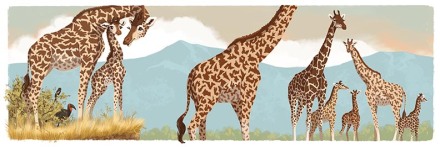
Juma’s mama gazed at her child lovingly and told him how special giraffes are. “‘There is no other animal in the whole world like us,’” she said. Then she gently reminded him how his long legs and neck help him get food, how his thick tongue and lips protect him from the thorns of the acacia trees, and how his “‘swishy tail sweep away the pesky flies that like to bite us.’” Their brown spots camouflaged them from lions and hyenas.
celebrate-picture-books-picture-book-review-juma-the-giraffe-herd

Image copyright Kayla Harren, 2016, text copyright Monica Bond, 2016. Courtesy of Kayla Harren and Wild Nature Institute.

Then Mama asked Juma to look closely at his spots and notice that “‘each spot is different from the others and every giraffe has a unique pattern of spots.’” Juma saw that Mama was right. He saw one spot “shaped like a star and another like a flower.” Mama’s spots were different too, and so were Upendo’s and Rafiki’s. Mama reassured Juma that each giraffe was unique outside and inside.

Juma was happy and continued to notice other ways that each giraffe was different, including their various personalities. Then Mama nuzzled her little one and told him that to her he was the “‘most special giraffe of all’” because he was her baby and she loved him.

Fascinating facts about the anatomy of giraffes, newborn giraffes, and where giraffes live follow the text.

celebrate-picture-books-picture-book-review-juma-the-giraffe-juma-and-panorama

Image copyright Kayla Harren, 2016, text copyright Monica Bond, 2016. Courtesy of Kayla Harren and Wild Nature Institute.

Young readers who are at that stage where they wonder about how they are different from other kids and how they fit into their community will find loving reassurance in Monica Bond’s touching story even as they learn about a giraffe’s distinctive features. The sweet relationship between Juma and Mama, depicted through tender dialogue, will charm little ones. A welcome exchange comes when Mama points out Juma’s unique features and the little giraffe enthusiastically adds more observations of his own. Just as Juma does, young readers will see that they too are special in their own way.

As readers open the cover, Kayla Harren’s stunning panoramic view of the verdant African savanna places them close to zebras, an ostrich, a greater kudu, a grey crowned crane, a stalwart warthog, a family of mongoose, and a herd of elephants. Smiling out from the page is little Juma. As the story progresses, Mama spotlights each of Juma’s attributes, and readers see how he uses them. A shimmering two-page spread of the giraffes lined up at the watering hole and the close-up on the next page will awe kids and adults. Images of smaller animals hiding in rock crevices and big cats and monkeys resting on tree limbs will entice readers to learn more about these creatures. As Mama nuzzles Juma on the book’s final page, adults and little ones are sure to find time to cuddle too.

A sweet story that gives parents, teachers, and other caregivers a way to show the children in their life how special they are, Juma the Giraffe would be an often-asked for addition to home, classroom, and public library bookshelves.

Ages 4 – 8

Wild Nature Institute, 2016 | ISBN 978-0989818292

Learn more about Juma the Giraffe and find videos and teachers resources here.

You can connect with Kayla Harren on

Her website | Facebook | Instagram

celebrate-picture-books-picture-book-review-helping-brother-rinoceros-cover

Helping Brother Rhinoceros

Written by Monica Bond | Illustrated by Kayla Harren


Brother Rhinoceros and his friend Father Oxpecker went to the waterhole to cool off on a blazing hot day. When they got there, they saw “that most of the water had dried up, leaving a big patch of gooey, sticky mud.” But Brother Rhinoceros lied down in the cool mud anyway and pronounced it “‘Perfect!’” Then Father Oxpecker nestled in behind Brother Rhinoceros’s ear, folded his wings, and the two drifted off to sleep.

celebrate-picture-books-picture-book-review-helping-brother-rhinoceros-rhino

Image copyright Kayla Harren, 2018, text copyright Monica Bond, 2018. Courtesy of Kayla Harren and Wild Nature Institute.

Brother Rhinoceros woke up hungry, but when he tried to leave the waterhole, he discovered that he was stuck in the mud. Father Oxpecker flew off to find help. First he brought back Sister Vervet Monkey, who was good at tying. “She ran around the mud patch looking for something to tie together that might help Brother Rhinoceros. But there was nothing.”

Next, Father Oxpecker brought Grandfather Giraffe, who thought his height could help, but he didn’t know exactly how. So, the bird flew off again in search of someone else. This time he came back with Grandmother Spider, who “produced a delicate thread of beautiful silk from her abdomen. It fluttered in the breeze, of no help whatsoever to Brother Rhinoceros.”

celebrate-picture-books-picture-book-review-helping-brother-rhinoceros-monkey

Image copyright Kayla Harren, 2018, text copyright Monica Bond, 2018. Courtesy of Kayla Harren and Wild Nature Institute.

Father Oxpecker left once again and returned with Mother Elephant. Although she was big and strong, she could only watch from the sidelines. Last, Father Oxpecker found Brother Weaverbird, who declared that he could “weave anything” if only there was something to weave. All of the animals sat nearby wondering what they could do. “They were all so proud of the things they could do, but none of them could help Brother Rhinoceros out of the mud.”

It was Grandmother Spider who suggested that they combine their talents and work as a team. She began by “spinning long streams of silk.” Brother Weaverbird braided “the silk into a long, strong rope.” Sister Vervet Monkey tied the rope around Brother Rhinoceros, using Grandfather Giraffe’s long neck as a bridge to reach him. Then it was Mother Elephant’s turn. She grabbed the rope, “took a deep breath and began to pull.”

celebrate-picture-books-picture-book-review-helping-brother-rhinoceros-oxpecker

Image copyright Kayla Harren, 2018, text copyright Monica Bond, 2018. Courtesy of Kayla Harren and Wild Nature Institute.

Brother Rhinoceros helped push. “Finally, with a big squishy sound, Brother Rhinoceros lifted his body up out of the mud.” He was free! His friends cheered. Brother Rhinoceros thanked each one individually for their special skills that helped to save him. “They certainly made a great team and the best friends a muddy rhinoceros could ever have.”

Back matter reveals facts about Africa’s black and white rhinoceros. A map of Africa shows the historical range and the much smaller current range for each type of rhino.

celebrate-picture-books-picture-book-review-helping-brother-rhinoceros-giraffe

Image copyright Kayla Harren, 2018, text copyright Monica Bond, 2018. Courtesy of Kayla Harren and Wild Nature Institute.

With the lyricism of a fable, Monica Bond weaves a story about individuality and teamwork and how every person has the ability to help others. As Father Oxpecker flies off again and again searching for just the right animal to help, readers will enjoy the suspense and learning each animal’s special ability. When Grandmother Spider suggests they all work together, kids will see that by combining their talents with friends and classmates, they can move mountains. The format of the story makes it a multi-layered choice for teaching the elements of a story, prediction, and comprehension.

Kayla Harren’s sun-drenched pages are bathed not only in the heat of a hot African day but in the warmth of friendship these animals share. Harren’s beautifully textured and realistic depictions of the animals and the surrounding savanna will inspire awe and an enthusiastic desire in kids to learn more about the animals, insects, and birds in the story.

A perfect book for social studies, science, and reading classes and for kids who love nature and animals, Helping Brother Rhinoceros makes an excellent choice for home, classroom, and public libraries.

Ages 5 – 10

Wild Nature Institute, 2018 | ISBN 978-1732323414
celebrate-picture-books-picture-book-review-our-elephant-neighbors-cover

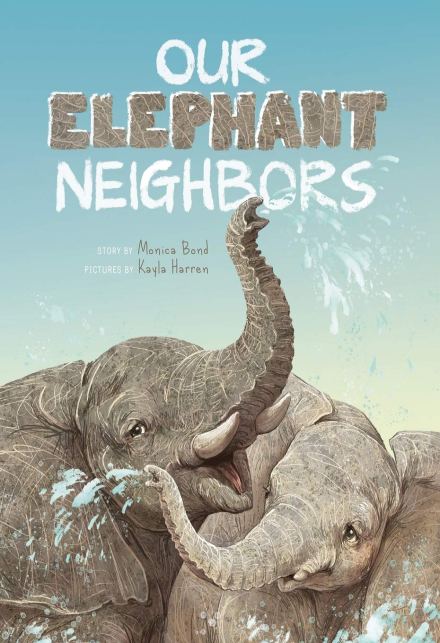
Our Elephant Neighbors

Written by Monica Bond | Illustrated by Kayla Harren


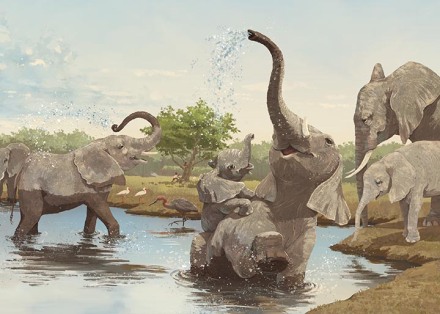
Robert and his little sister Mary live on their family’s small farm in Tanzania. There are cattle and goats, which Robert helps watch while Mary helps her mother wash clothes and cook. Sometimes they went to the waterhole to get water. “They splash each other with cool water on hot days.” One day, when it was very hot, they saw something amazing at the waterhole. A family of elephants was enjoying the cool water too. “Robert and Mary climbed up a nearby tree to watch and wait for the elephants to leave.”
celebrate-picture-books-picture-book-review-our-elephant-neighbors-splashing

Image copyright Kayla Harren, 2017, text copyright Monica Bond, 2017. Courtesy of Kayla Harren and Wild Nature Institute.

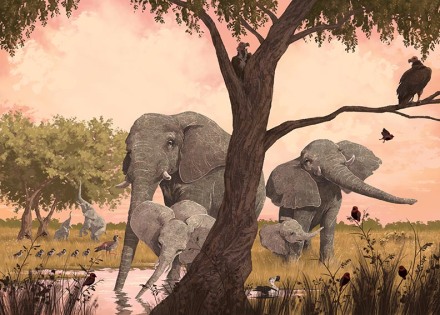
Soon, two elephants came to stand in the shade of the tree, right under the branch where the two children sat. “The elephants looked up and saw Robert and Mary.” They had been taught to fear people. Nervous, they backed up a few steps. Robert and Mary had been taught to fear elephants, and Mary hid behind her brother. The bigger elephant, Tomas, introduced himself and his little sister, Teresa. Robert introduced himself and Mary.

“Robert looked thoughtfully at the elephants below. ‘You are an elephant, and elephants can hurt people,’ Robert pointed out.” Tomas replied, “‘Well, you are a human, and humans can hurt elephants too.’” Even though Mary knew she should be afraid, she liked the elephants. She reached down and touched Teresa’s upturned trunk. Mary said that she could pick things up with her fingers, and Teresa showed her how she could pick things up with her trunk.

celebrate-picture-books-picture-book-review-our-elephant-neighbors-meeting

Image copyright Kayla Harren, 2017, text copyright Monica Bond, 2017. Courtesy of Kayla Harren and Wild Nature Institute.

The elephants and the children talked back and forth about all of their similarities. They were even the same ages. They talked about how all the aunties help out when a baby person and a baby elephant are born, how the mothers, grandmothers, and aunts in both human and elephant families teach the children important lessons and protect them, and how all the members of a both families feel sad when another member dies.

When they talked about the food they liked, Robert said that his “‘father gets angry when elephants eat” the vegetables in their garden.’ Then Tomas told Robert and Mary a secret.” He said that “all elephants hate chili pepper powder” and if they hung chili pepper powder on their fences, it would keep the elephants away. One reason elephants were eating from people’s gardens, Tomas said, was because their habitat was getting smaller as people planted more and more farms. Also “more and more of their family members are being hurt by people, because the elephants have fewer places to go.”
celebrate-picture-books-picture-book-review-our-elephant-neighbors-elephant-family

Image copyright Kayla Harren, 2017, text copyright Monica Bond, 2017. Courtesy of Kayla Harren and Wild Nature Institute.

Robert promised Tomas that when he grew up and had a farm of his own, he would build it where it would not disturb the elephants. He also promised to report anyone who tried to hurt the elephants. Soon it was time for Robert and Mary to get back home with the water, and Tomas and Teresa heard their mother calling for them. “They shook hands and trunks” and hoped they would see each other again. They knew “they would never forget their new friends from the waterhole.”

Interesting facts about African elephants follows the text.

celebrate-picture-books-picture-book-review-our-elephant-neighbors-fetching-water

Image copyright Kayla Harren, 2017, text copyright Monica Bond, 2017. Courtesy of Kayla Harren and Wild Nature Institute.

Through Monica Bond’s charming story of a sister-brother pair and their elephant counterparts, young readers learn surprising ways in which they and elephants are alike. With similar abilities, family units, and even feelings, people and elephants should be friends, but too often they come into conflict, and the result has been a decrease in the elephant population and at times danger for humans as well. As the adorable Robert and Mary talk with Tomas and Teresa, Bond’s enchanting storytelling and realistic dialogue, draw in children, giving them even more reasons to love these popular animals. A major take-away is how people can protect and care for these gentle and intelligent animals and their habitats now and in the future.

Against gorgeous backdrops of Tanzania and its savanna, forests, and mountains, Kayla Harren depicts one family’s simple farm and a family of elephants enjoying a day at the nearby waterhole. At nine and five years old, Robert and Mary will steal readers’ hearts with their infectious smiles, sweet sibling relationship, and enthusiastic interactions with elephants Tomas and Teresa. Harren juxtaposes illustrations of the elephants’ family with those of Robert and Mary’s family in similar situations, showing readers how alike we really are. The pages are washed in soft-blue skies and glowing peach-hued sunsets, as realistic portrayals of the elephants, birds, and other animals create detailed and awe-inspiring panoramas.

Our Elephant Neighbors is an excellent addition to home, classroom, and public libraries to further understanding of elephants, conservation, and nature.

Ages 4 – 8

Wild Nature Institute, 2017 | ISBN 978-1732323407

celebrate-picture-books-picture-book-review-natures-giants-magazine-cover

Nature’s Giants Magazine

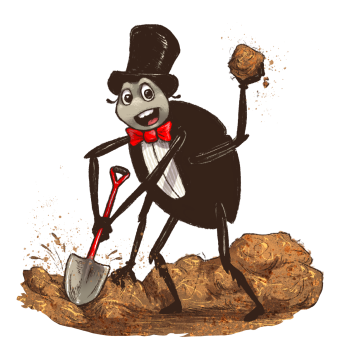
In this new magazine from the Wild Nature Institute, an enthusiastic dung beetle named Doug invites kids to learn about animal and plant giants of the African savanna through articles, games, crafts, and other activities that will keep them busy having fun and learning for a long time. Let’s get rolling and see what’s inside! Kids love finding stuff and right on the first pages they’re prompted to spot five differences on two identical (?) giraffes and search the pages for five beetles to see which one will would win a beetle race.

Along the way kids will enjoy:

Comics:

  • Doug engages kids in funny and interesting banter about the dung beetle’s ecological importance, including facts on their very, very long family history, three different dung beetle lifestyles, how dung beetles roll their dung balls in a straight line, and various job sites where dung beetles do their work.

Articles:

  • Ele-Fence!: About new ways farmers are protecting their crops from elephant raiders without engaging in Human-Elephant Conflict
  • Lions vs. Giraffes: About ways scientists use scars found on giraffes to study predation
  • Black Mambas: about the women rangers who patrol the Balule Nature Preserve to stop poaching of black and white rhinoceros and who teach environmental education programs in local schools. Since the group was formed “poaching of all species has decreased by 79%.”
  • Barking up the Right Tree: about the beautiful, sprawling baobab trees.
  • Infographic: on elephants, giraffes, termites and a surprising fact about biomass

celebrate-picture-books-nature's-giants-inside-layout

Activities:

  • Ideas for backyard or neighborhood science exploration
  • A savanna word search puzzle
  • An illustrated search-and-find animal puzzle
  • Craft instructions for making an Insect Hotel and an African Savana Scene
  • Jokes
  • A maze
  • How to draw an elephant, a giraffe, and a rhinoceros
  • A Giant Birds coloring page

Meet the Team Behind the Books and Magazine

I’m excited to have an opportunity to talk with Kayla Harren, Monica Bond, and David Brown about the work of the Wild Nature Institute, their lovely books that combine nature science with enchanting writing, and their new magazine for children.

Meet Monica Bond

celebrate-picture-books-picture-book-review-Monica-Bond-headshot

Hi, Monica! It’s nice to be chatting with you today! The love you have for Tanzania comes through in your stories so clearly and touchingly. Can you talk a little about your work and what brought you to this area?

My partner Dr. Derek Lee—quantitative ecologist and population biologist—and I chose to live and work in Tanzania because this country has some of the best wildlife experiences on Earth. As wildlife scientists, the lure of the African savanna is very strong; it is truly a wildlife paradise. In Tanzania there is incredible biological diversity combined with an extremely high density of mammals and birds, and we still have the full suite of predators and scavengers which means that the food web is intact. Tanzania also holds some of the best habitat for the last remnants of our planet’s pleistocene megafauna — elephant, rhino, and giraffe.

Derek and I are studying giraffes in Tanzania using a computer program that matches each individual’s unique spot patterns from photographs. We are monitoring thousands of giraffes in northern Tanzania, and learning where they spend their time, which other giraffes they hang out with, and how they move around the ecosystem. Our goal is to understand the things that hurt or help giraffes so we can help to preserve these magnificent animals for the future.

What is it like to live so closely to these majestic animals?

Every time I go to the bush and interact with these creatures, I am awed anew. They are so very special. Every day I feel that I am living the dream and I cannot get enough of watching them in their beautiful savanna habitat. Although we work in the bush, we often go back out to the bush on our days off!

celebrate-picture-books-picture-book-review-Monica-At-Work

How did the Wild Nature Institute get its start? Can you talk a bit about the organization?

Formed in 2010, Wild Nature Institute conducts scientific research on endangered wildlife and inspires the public to protect wild nature. Next year we will celebrate a decade of work! The Institute was started as a platform for two dedicated wildlife scientists to realize our dream of doing interesting and bold science that protects the earth’s remaining bits of wild nature. The Wild Nature Institute is me and Derek at the core, but with lots of other partners and cooperators in our network (like David Brown and Kayla Harren) who are all critical to accomplishing our important work.

The giraffe is the national animal of Tanzania. As we celebrate World Giraffe Day today, could you talk about the giraffe—it’s importance to its ecosystem, the threats and pressures the animal faces from human and environmental factors, and how people can help protect them?

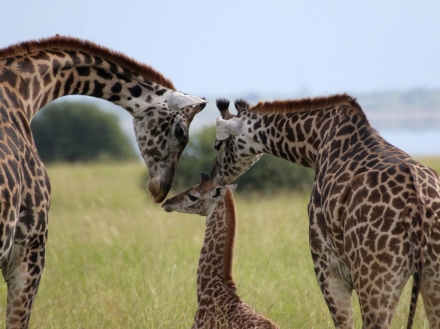
The gentle, iconic giraffe is popular around the world, but scientists know surprisingly little about them in the wild. We chose to work with giraffes because they are amazingly beautiful and peaceful animals, but they are vulnerable to extinction because people have taken so much of their wild natural habitat for human uses like farming and houses. Poaching is also a serious problem for giraffes. They need our help.
celebrate-picture-books-picture-book-review-Giraffe-Love

Tanzania in East Africa is a stronghold for giraffes, supporting more than any other country. Although the Masai giraffe is the national animal of Tanzania, populations have declined here since the 1980s—yet few people are aware of the plight of the beloved giraffe in the wild. It is our job as scientists to bring this problem to light.

How are can families and organizations around the world help in the mission?

What can you do to help save giraffes and wild nature? (1) You can donate money or time to conservation groups like Wild Nature Institute and others. People can use their skills by providing advice, services, or goods in their personal area of expertise that can help the cause. (2) You can raise awareness about the silent extinction of giraffes. Speak up within your social circles and encourage others to donate money or time to saving giraffes. You can raise awareness in your home communities by writing, speaking, and contributing to the global conversation about our planet’s climate and biodiversity crises. (3) You can plant native trees.

Giraffes, elephants, and many other species need native trees, but deforestation continues worldwide. Planting native trees helps fight the global climate crisis and helps biodiversity too! (4) You can support legal protections for wildlife. Laws like the Endangered Species Act and other environmental laws make the world safer for wildlife and people. Call and write to your congressperson, senator, governor, and president telling them you support strong law enforcement to protect wildlife. (5) You can commit to not buying body parts, and if you live in Africa you can commit to not eating bushmeat.

The programs that the Institute sponsors and supports—from education in schools and communities to environmental conservation of animals and land to publishing materials for children—is extensive. How has your work been received? What successes have been achieved and what benefits do you hope to see in the future?

To save wild nature, we must know it and love it, so Wild Nature Institute and our partners developed environmental educational materials for children and teachers. The materials teach biology, geography, science, math, and language skills using focal animals and fun, beautifully illustrated stories. Our first book, The Amazing Migration of Lucky the Wildebeest, was a tri-lingual children’s book about wildebeest migration, and the ecological and economic benefits of conservation. The book was so successful that we created our “Celebrating Africa’s Giants” program to use environmental education to build community support for conservation efforts that will ensure the long-term survival of Africa’s giants giraffes, elephants, and rhinos.

celebrate-picture-books-picture-book-review-Peace-for-Conservation

We now produce and distribute our four multi-lingual storybooks, two Swahili activity books, and seven posters, as well as learning activities to accompany the books and posters, to tens of thousands of children throughout Tanzania. These materials teach ecological and social lessons, build national pride in Tanzanian wildlife, and motivate children to read and learn about their natural world. The learning activities help Tanzanian teachers meet environmental education curricula requirements, and also meet Next Generation Science Standards for American schools.

To ensure the materials are used to their best advantage, we host workshops for teachers, led by our education consultant Lise Levy, a retired high school biology teacher with 32 years of experience in education. At the workshops, teachers have a wonderful time learning the stories and practicing the hands-on activities that they will use in the classroom to accompany the books and posters.

Can you talk a little about the impact that these books and the new Nature’s Giants Magazine have on the children and families in Tanzania?

Every year since we introduced our education program, we have expanded its reach and impact through word-of-mouth. Our books and posters are now recognized and requested by Tanzanian educators throughout Tanzania, from Ruaha and Ruvuma in the south to Serengeti in the west to Dar es Salaam in the east. We hired a Tanzanian education coordinator who regularly visits classrooms, orphanages, and community centers and brings “Giraffe in a Box,” “Elephant in a Box,” and “Rhino in a Box” with all of the materials needed to implement the activities. We made our storybooks into videobooks which are playing on Tanzanian television. We organize “fun days” at the schools to celebrate Africa’s giants where we do tree-planting, sports, drama and arts, and creative learning. 

celebrate-picture-books-picture-book-review-school

We are constantly dreaming up new and fun ways to spread the word about the fascinating animals of the African savanna. Our ultimate goal is to inspire the next generation to love and care for their wildlife and conserve the environment.

On your website you talk about the importance of zoos in supporting the environmental work in Tanzania. How do/can zoos help?

Zoos have an important role to play both in providing financial support for field conservation as well as promoting the conservation of giraffes, elephants, and rhinoceros through environmental education directed at visitors. Many zoos are using our Celebrating Africa’s Giants education program. Zoos also conduct their own scientific research. We couldn’t do our work without our zoo partnerships and we are really grateful for their support.

To learn more about Monica Bond and the work of the Wild Nature Institute, visit their website.

Meet Kayla Harren

celebrate-picture-books-picture-book-review-Kayla-Harren-headshot

Welcome back, Kayla! I’m thrilled to be talking with you about these three beautiful books and Nature’s Giants Magazine.

How did you get involved with the Wild Nature Institute and this project? What does it mean to you to be part of it?

In 2015 my husband, Peter, who is also an artist, was asked to illustrate a picture book about a baby giraffe that was written by a friend of a friend. He wanted to pursue a different path in his illustration career, so he passed the job to me. I fell immediately in love with the story of Juma. My passions have always been art and animals. Being able to combine those two loves feels incredible.

I feel so lucky to be involved with the Wild Nature Institute because I get to help wildlife in my own way even though I am not a scientist. I am grateful for this opportunity to contribute to wildlife education and hopefully spark a love for nature in other people. It feels like fate the way the first book found me through a friend of a friend of a friend and now it has turned into an amazing partnership.

Your artwork in Juma the Giraffe, Our Elephant Neighbors, and Helping Brother Rhinoceros is stunning and full of such wonderful detail and personality. What kind of research did you do to bring the characters to life? Do Juma—or any of the animals—depict real giraffes, elephants, or rhinos in the area?

Thank you! Monica was incredibly helpful with providing plenty of photographs that she and the other scientists had taken of the scenery and wildlife in Tanzania. It made my job so much easier to know that people who actually lived in Tanzania and knew the area were checking all the details of my work to make sure it was accurate. For each book I was able to look through images provided by Wild Nature Institute of people, landscapes, giraffes, elephants, rhinos, and plenty of birds and animals to add in the background of each illustration. I did study the spot patterns of many giraffes, but Juma is a made-up combination of many giraffes I studied.

celebrate-picture-books-picture-book-review-juma-the-giraffe-juma-and-mama

Readers of your many books know what realism and sensitivity you bring to your illustrations of animals. Do you have a special affinity for animals and nature? Where did that come from?

Absolutely! Animals are my favorite. It started with my love of stuffed animals when I was very young. I had a huge collection, and I would spread them all out on my bed so none were hidden and they all got equal attention from me. I was introduced to many animal species through my toys. I remember fondly a stuffed white Bengal tiger that was bigger than me and a plump little panda bear. I loved the zoo, nature shows, and all the pet cats and dogs my family had. I feel most comfortable and relaxed in nature. I love going for walks with my dog because she stops every few steps to sniff something and that makes me pause and look around at all the beautiful shapes and textures and colors of the plants surrounding me. Nature is infinitely inspiring.

Have you ever visited Tanzania?

Not yet. Visiting Tanzania is very high on my list of things I need to do. Seeing a giraffe in the wild would be an absolute dream come true.

I’m going to let David Brown answer the next few questions about “Nature’s Giants Magazine.” David is a biologist, wildlife conservationist, and environmental educator—and he’s the co-creator and major writer of “Nature’s Giants.”

Welcome, David! As a nature lover, puzzle doer, and crafter myself, I love “Nature’s Giant’s Magazine!” There’s so much for kids to fall in love with!

“Nature’s Giants” magazine is full of fascinating articles (I learned a lot!), fun crafts, science prompts, challenging puzzles, and even a funny dung beetle named Doug. Can you talk about how the magazine came to be, what your role in the magazine is. and about how it can be used in the classroom? 

A group of conservationists and educators were meeting about how we could make Celebrating Africa’s Giants accessible and interesting to kids who love giraffes, elephants, and rhinos. We discussed how magazines like “Ranger Rick” and “National Geographic Kids” helped spark and sustain our love of nature when we were young, and we realized that there wasn’t really anything like that for even the most popular animals like giraffes and elephants. We decided to start our own nature magazine to fill that gap. We decided that our host of the magazine should be a dung beetle named Doug Beetle.  Doug Beetle helps show that there are many ways to be a giant in nature beyond physical size.
celebrate-picture-books-nature's-giants-Doug-Beetle-digging

My role is to help coordinate the creation of the magazine, develop story and activity ideas, and write the articles that bring those ideas to life. I also write the Doug Beetle comics. Megan Strauss, a wildlife biologist and illustrator, creates activities, crafts, and provides content for the magazine with her scientific expertise.  Kayla creates illustrations to accompany the articles and designs the layout of each page.

Accessible and interesting are perfect adjectives for Nature’s Giants! The magazine really promotes exploration and hands-on activities to engage kids in science learning. Can you describe some of the elements parents, teachers, and kids will find inside?

The magazine can be enjoyed casually for its art, stories, and activities. We also designed it for use in classrooms, zoo education programs, and other learning environments. In the first issue, we have a story about how scientific information can be visualized with infographics and how that helps us see the world in different ways.

celebrate-picture-books-nature's-giants-Magazine-Infographic

We also have a story about how a scientist makes an observation, asks questions about what she observed, and then solves a scientific mystery. Readers will learn how scientists study animals in the field, and hopefully get inspired to take part in citizen science themselves. 

celebrate-picture-books-nature's-giants-insect-hotel-craft

celebrate-picture-books-nature's-giants-diorama-craft

Environmental issues around the world are important to all of us. In what ways can children help from home or in their own communities?

The young people of the early 21st century are going to be the deciders of whether big animals like giraffes, elephants, and rhinos and their habitat survive this century and beyond. These animals are beloved around the world. They are the biological equivalent of the great works of art, architecture, and popular culture that are the common heritage of people around the world.

The young people in countries like Tanzania and Kenya, where these species and their habitats live, are the primary decision makers, but these animals need a global constituency of conservationists. They need people to help pay attention to them and keep their conservation needs visible in the world. Just as we pay constant attention to our favorite sports teams, celebrities, and technology products, we need to find ways to keep attention on giraffes, elephants, rhinos, and other animals.

If you love a species, then helping your local social network of family and friends be aware of the animal is a meaningful conservation action. Our goal for “Nature’s Giants” is to help connect young people with these animals and their conservation challenges and find ways to keep that connection growing.

What are the future plans for the magazine? How can teachers or other organizations order copies?

The first issue of “Nature’s Giants” is themed about African animals and plants. If the magazine finds an audience and there is an appetite for future issues, we would love to do a theme issue for each continent. We have also thought about doing an issue about the oceans. There are endless possibilities for issue themes. We would love to explore the future adventures of Doug Beetle.

To order copies of the magazine and all three storybooks, you can contact Monica Bond: monica@wildnatureinstitute.org

If you are interested in ordering Juma the Giraffe, Helping Brother Rhinoceros, and/or Our Elephant Neighbors for your classroom, organization, or yourself, contact Monica Bond monica@wildnatureinstitute.org. Individual copies of the books cost $12.00. Substantial discounts are offered when ordering multiple copies. All prices include shipping and handling.

Individuals, schools, and other organizations can also order single and/or multiple copies of “Nature’s Giants Magazine” for $4.25 each, plus shipping and handling.

You can also download printable posters with illustrations and information about giraffes, rhinos, and elephants from the Africa’s Giants website: www.africasgiants.org

To find the books with major online booksellers, see the information and links below.

celebrate-picture-books-picture-book-review-helping-brother-rinoceros-cover

You can find Helping Brother Rhinoceros at these booksellers

Amazon | Barnes & Noble | Books-a-Million | IndieBound

celebrate-picture-books-picture-book-review-our-elephant-neighbors-cover

You can find Our Elephant Neighbors at these booksellers

Amazon | Barnes & Noble | Books-a-Million | IndieBound
celebrate-picture-books-picture-book-review-juma-the-giraffe-cover

You can find Juma the Giraffe at these booksellers

Amazon | Barnes & Noble | Books-a-Million | IndieBound

Picture Book Review


June 20 – International Tennis Day

celebrate-picture-books-picture-book-review-serena-the-littlest-sister-cover

About the Holiday

Established in 2014 and sponsored by the U.S. Court Tennis Preservation Foundation with support from world-wide national tennis governing bodies and associations, today’s holiday aims at raising interest in the game of tennis. One goal of the day’s celebrations is to have simultaneous matches, tournaments, and exhibitions at tennis clubs, schools, and universities around the world. Those who participate are encouraged to upload images to social media with the hashtag #itennisday. Why was June 20 chosen for this holiday? It commemorates the Tennis Court Oath of June 20, 1789, on which date nearly 600 people packed a tennis court near the Palace of Versailles during the French Revolution in a show of hope and solidarity. A painting of the event by Jacques-Louis David honors this pivotal protest. To celebrate, grab a racquet and head to a court near you. 

Thanks to Page Street Kids for sending me a copy of Serena: The Littlest Sister for review consideration. All opinions about the book are my own.

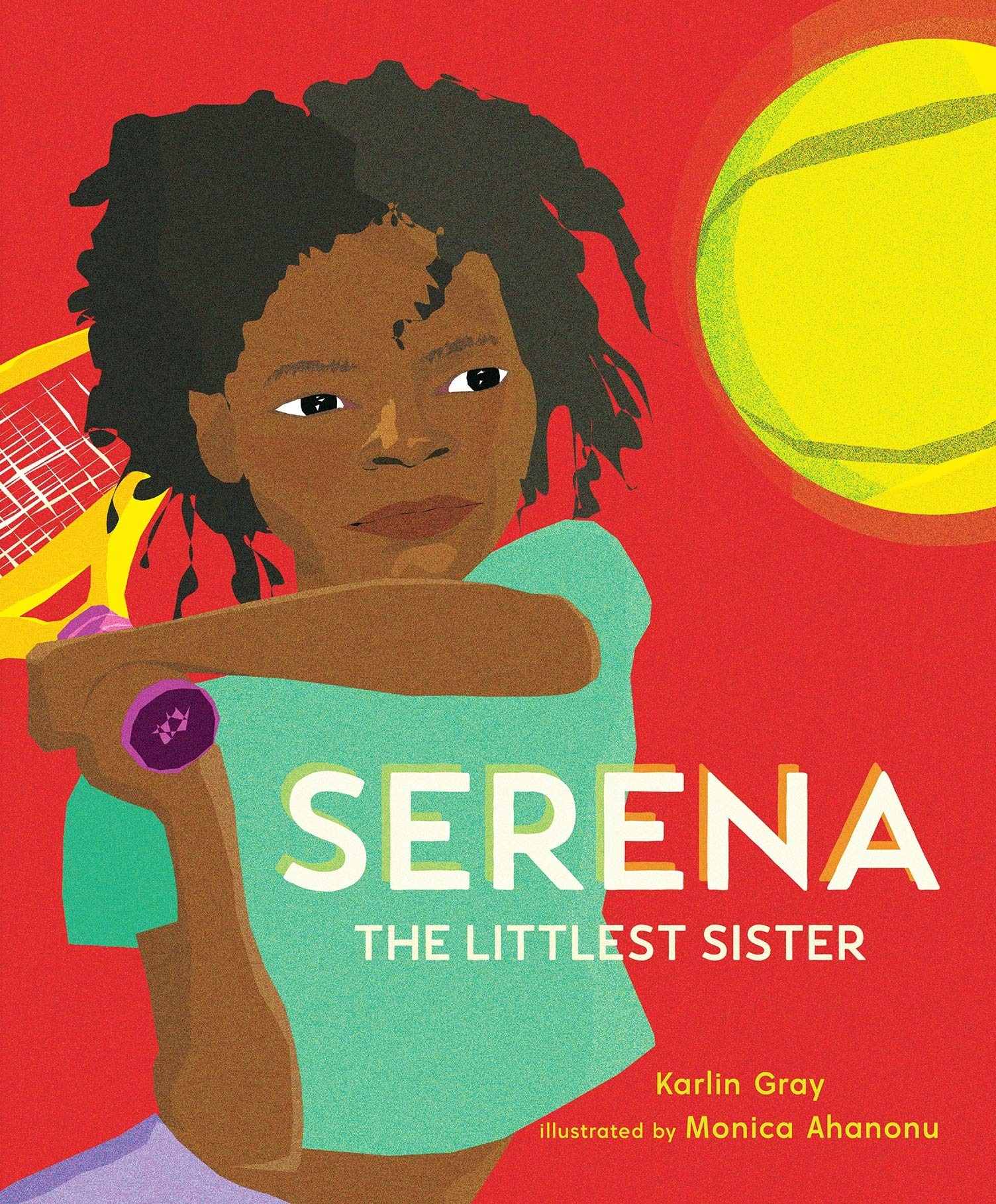
Serena: The Littlest Sister

Written by Karlin Gray | Illustrated by Monica Ahanonu


On that day when “Serena stood in Arthur Ashe Stadium and kissed the trophy,” her fans, sisters, and parents cheered. How had that day come about? It started thirteen years earlier when Serena, then four years old, joined her older sisters on the tennis court where their dad coached them. As he showed Serena how to swing, her sisters celebrated when she hit one and ran after the ones she didn’t. Mostly, the equipment they used was old and donated. Sometimes the balls had even lost their bounce, but “their father explained that it was good practice for Wimbledon—a Grand Slam tournament where the balls bounced lower because the tennis court was made of grass.”

celebrate-picture-books-picture-book-review-serena-the-littlest-sister-grand-Venus

Image copyright Monica Ahanonu, 2019, text copyright Karlin Gray, 2019. Courtesy of Page Street Kids.

When they weren’t on a real tennis court, the girls played a pretend game of tennis on the sidewalk. Serena loved when she won these games “because, well, Serena loved being the star.” As they grew older, their father never allowed them “to use the word can’t.” Their mom told them, “‘Whatever you become, you become in your head first.’ So the girls dreamed of what they could become.” While the other sisters became a nurse, a lawyer, and a singer, Venus and Serena became top tennis players.

Venus was taking the tennis world by storm with her hard hitting, speed, and 100-miles-per-hour serve. Serena wanted to play in tournaments too, but her father said she wasn’t ready. But one day, Serena noticed an application for a tournament Venus was playing in. Serena filled it out and sent it in. At the tournament, Serena snuck off to play on one court while her parents watched Venus on another. Serena ran her opponent ragged and won the match.

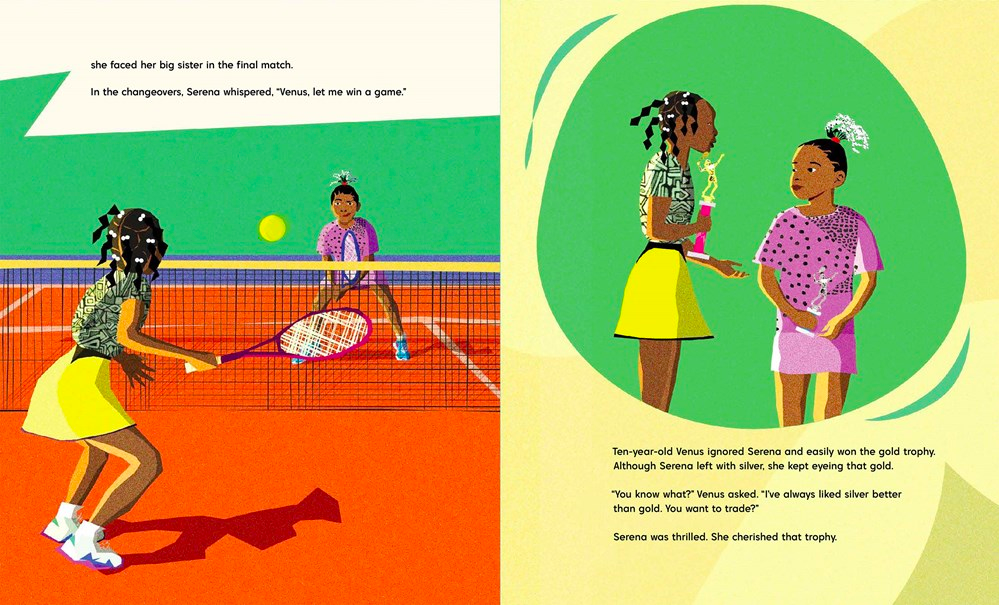
Serena thought her father might be angry, but instead he was proud and began teaching her how to play against her next opponent. “Serena won all her matches, moving up and up until…she faced her big sister in the final match.” During the match, Serena asked Venus to let her win one game, but Venus ignored her plea. Later at home, though, Venus traded her gold trophy for Serena’s silver one. “Serena cherished that trophy.” Serena idolized Venus and did everything she did until her father reminded her that she was her own person. Some people didn’t think Serena would have the success Venus did, but her oldest sister told her, “‘You’ll have your day. And it’s gonna be even bigger.’”

celebrate-picture-books-picture-book-review-serena-the-littlest-sister-grand-sixteen

Image copyright Monica Ahanonu, 2019, text copyright Karlin Gray, 2019. Courtesy of Page Street Kids.

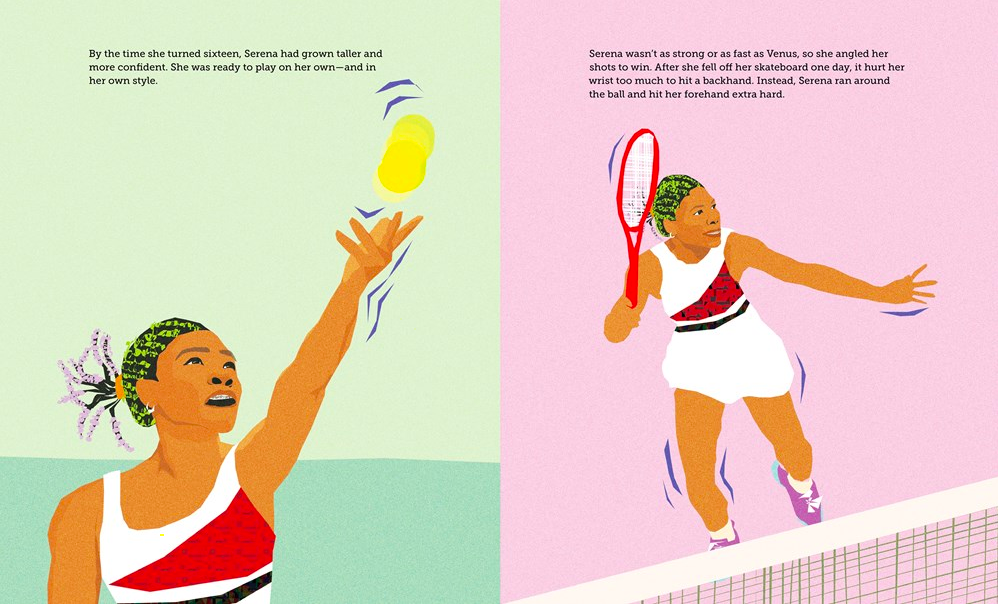
After several years of winning, Serena, Venus, and her family moved to Florida for training. On those courts the girls stood out for their skin color, their beaded braids—and “their powerful strokes.” When Venus was fourteen, she was allowed to enter professional tournaments. She won her first match. When Serena turned pro, she didn’t win. The two teamed up as doubles partners, and by the time she was sixteen, Serena had grown in both height and confidence. She had her own style of play too.

The sisters continued to play as a doubles team, and in 1999 they won the French Open Doubles competition. Venus was eighteen and Serena was seventeen. That same year, the sisters entered the US Open, the tournament Serena had long dreamed of winning. Surprisingly, Venus was knocked out early, but Serena kept winning her matches. In the finals she met the player who had beaten Venus. Serena served eight aces and “her fierce forehand earned her point after point.” Serena won the match and became “the first black woman to win a Grand Slam singles tournament in more than forty years.” At the awards ceremony, Serena thanked her dad, her mom, and her sisters for all of their support. The crowd cheered as cameras flashed. “And one of the many headlines of the day read, Little Sister, BIG HIT!”

An Afterword highlights other victories Serena and Venus have enjoyed during their careers, follow-ups on their sisters, and quotes from each of the five sisters.

celebrate-picture-books-picture-book-review-serena-the-littlest-sister-grand-slam

Image copyright Monica Ahanonu, 2019, text copyright Karlin Gray, 2019. Courtesy of Page Street Kids.

Karlin Gray’s masterful biography of Serena Williams shows young readers the determination, confidence, and strong familial bond that followed Serena throughout her life and made her one of tennis’s most influential women players. The family’s remarkable life and focus on what one can achieve will inspire all kids, no matter what their dream is. Choosing seminal events in Serena’s and Venus’s life, Gray follows Serena’s reputation on the court as she loses and wins matches, building suspense until that day when she accomplishes her goal and wins the US Open. Her inclusion of articles and comments that cast doubt on Serena’s future success demonstrates that even the greats face opposition and naysaying, and Serena’s sister’s advice to ignore it is sound.

Monica Ahanonu’s textured, collage-style illustrations leap off the page with vibrant images full of action and the girls’ personalities. As the girls race onto a court for practice, their eager expressions show their love of the game and being together. Even as a four-year-old Serena has the steely-eyed gaze of a champion as she watches the bouncing ball and lines up for her swing. Ahanonu’s use of various perspectives and shadowing create dynamic scenes on the court, and tennis lovers will be thrilled at the many illustrations of Venus and Serena playing their sport. The bond between the sisters is evident in images of Serena interacting with one or more of her sisters. Those who remember Serena’s win at the 1999 US Open will recognize her joy.

Perfectly aimed at young readers who are the same age as Serena and Venus when they began developing their skills and sport, Serena: The Littlest Sister is an inspirational biography of a present-day role model that is sure to spark an “I can” attitude. Adults who have followed the Williams sisters’ rise to tennis stardom will be equally enthralled with this beautiful biography. The book would make a stirring addition to home, classroom, and library collections.

Ages 8 – 11

Page Street Kids, 2019 | ISBN 978-1624146947

Discover more about Karlin Gray and her books on her website.

To learn more about Monica Ahanonu and her work, visit her website.

International Tennis Day Activity

celebrate-picture-books-picture-book-review-tennis-word-search-puzzle

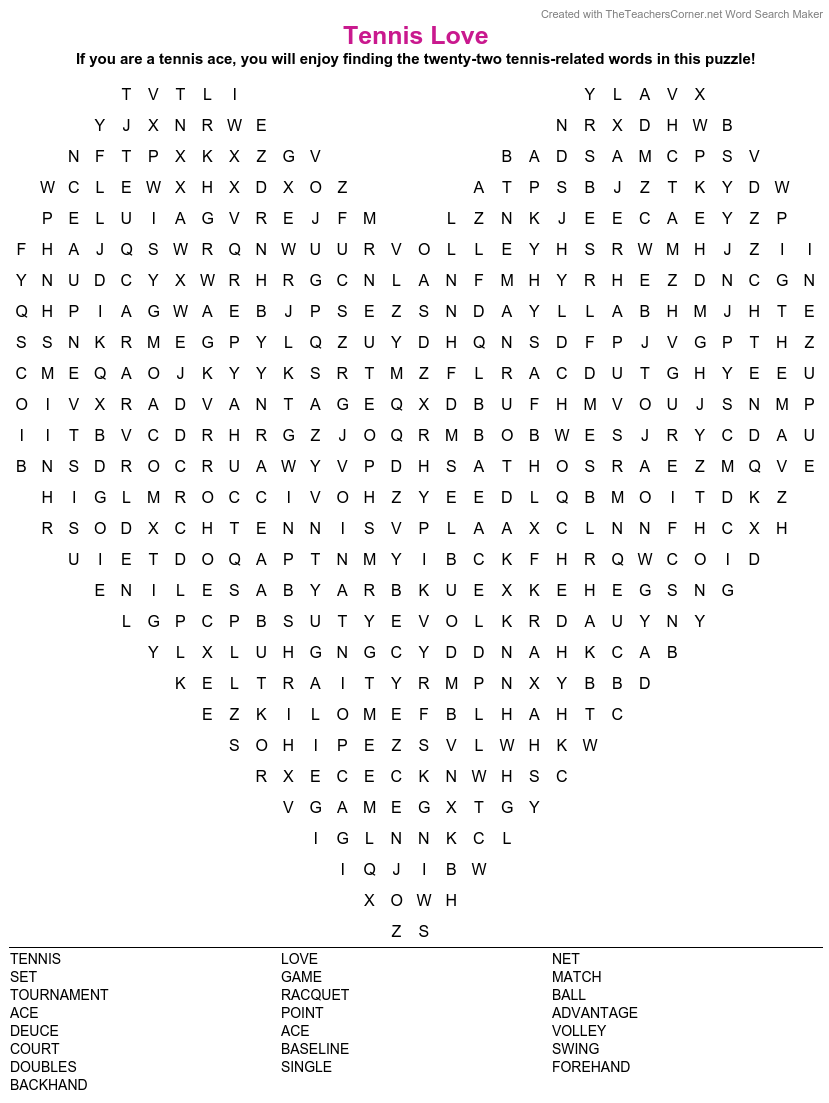
Tennis Love Word Search Puzzle


If you’re a tennis ace, you’ll enjoy finding the tennis-related words in this printable word search puzzle.

Tennis Love Word Search Puzzle | Tennis Love Word Search Solution

celebrate-picture-books-picture-book-review-serena-the-littlest-sister-cover

You can find Serena: The Littlest Sister at these booksellers

Amazon | Barnes & Noble | Books-a-Million

To support your local independent bookstore, order from

Bookshop | IndieBound

Picture Book Review
June 16 – Father’s Day

celebrate-picture-books-picture-book-review-it's-great-being-a-dad

About the Holiday

Today is all about celebrating dads and telling them how much you love them. It’s a great day to think of all the things dads do for their kids and their families and to share a thank-you, a hug, and of course a book! Reading together is one of the best ways for dads and their kids to bond not only today, but every day!

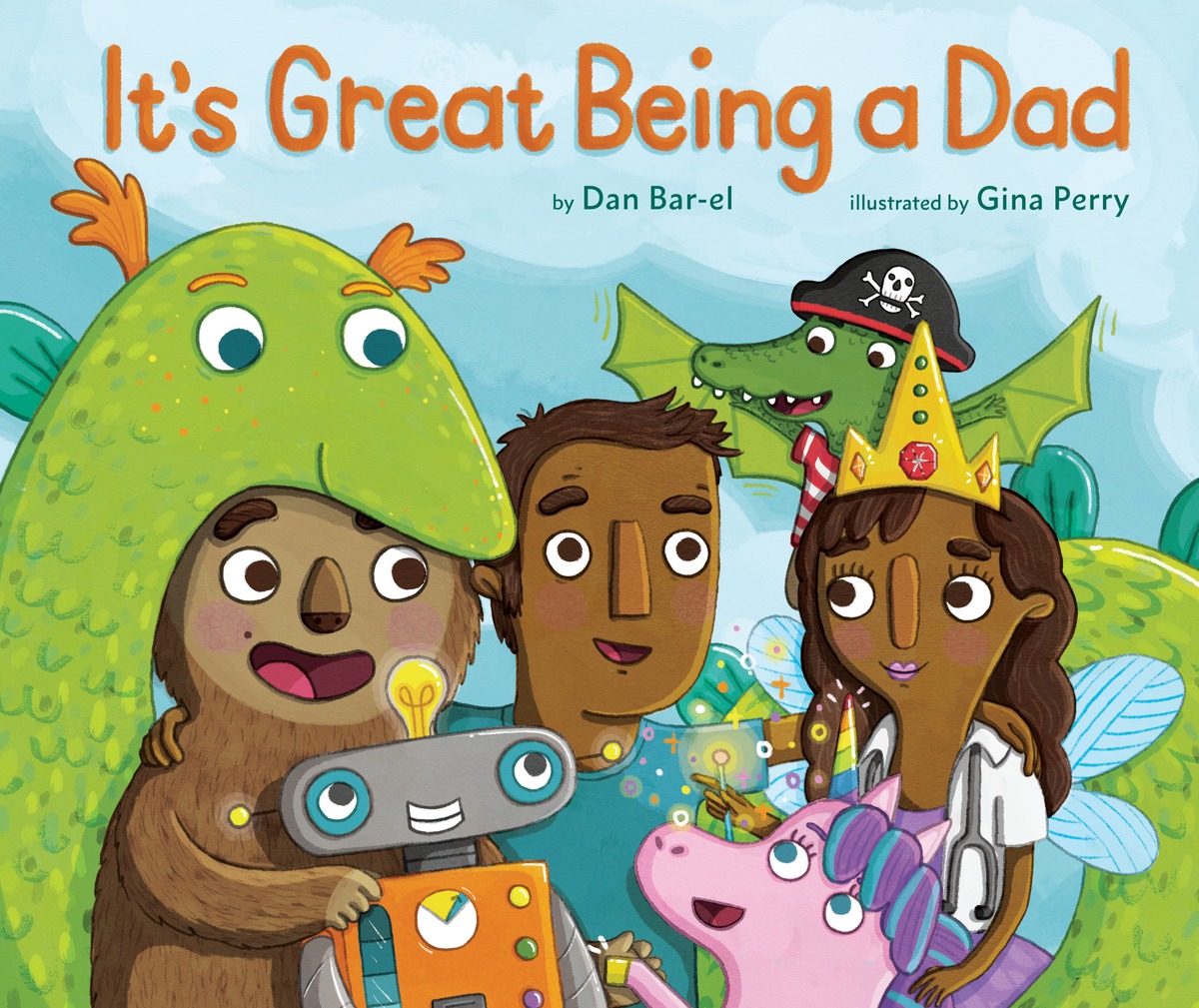
It’s Great Being a Dad

Written by Dan Bar-el | Illustrated by Gina Perry


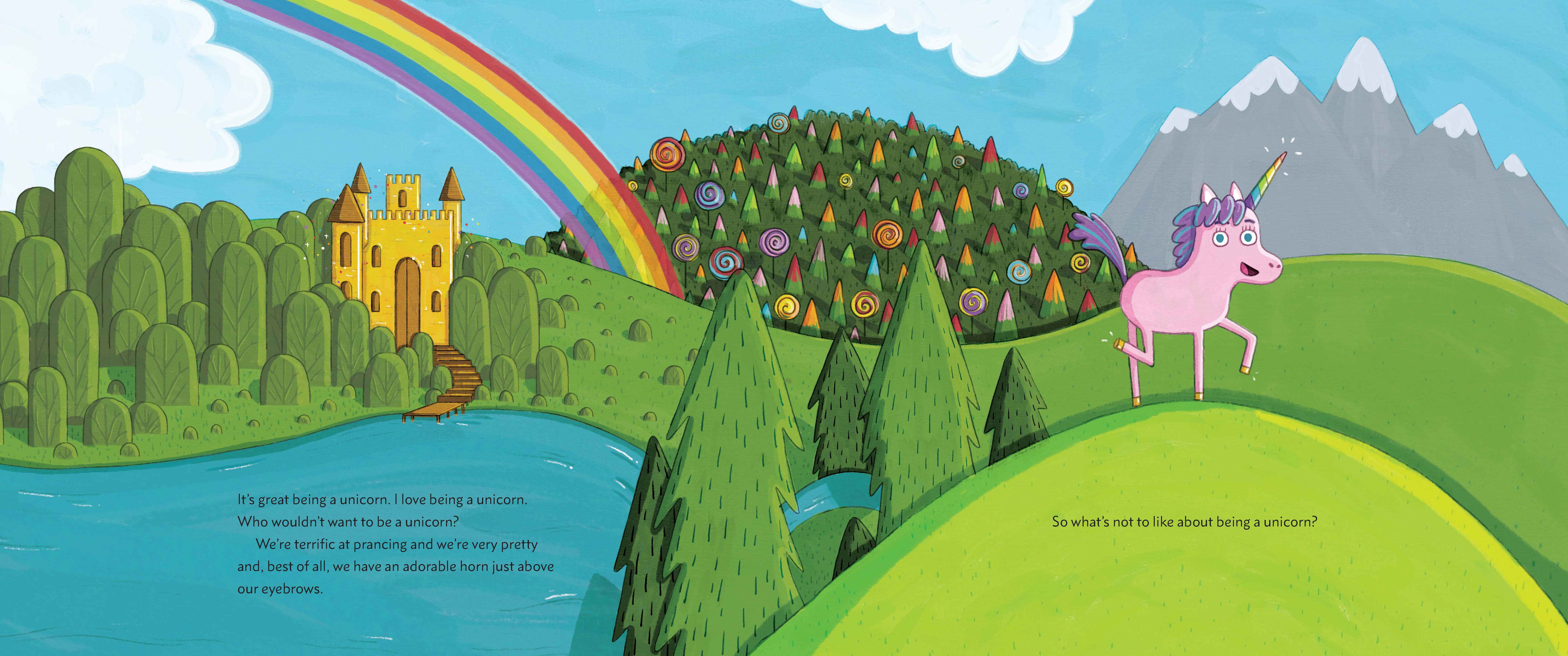
A lovely pink unicorn with a sparkling rainbow horn clip-clops over a grassy hill, a golden castle and a candy forest in the background. The playful animal believes it’s “great being a unicorn. Who wouldn’t want to be a unicorn?” What makes them so special? Well…as she says, “We’re terrific at prancing and we’re very pretty and, best of all, we have an adorable horn just above our eyebrows.” It’s hard to argue with those reasons!

celebrate-picture-books-picture-book-review-it's-great-being-a-dad

Image copyright Gina Perry, 2017, text copyright Dan Bar-el, 2017. Courtesy of Tundra Books.

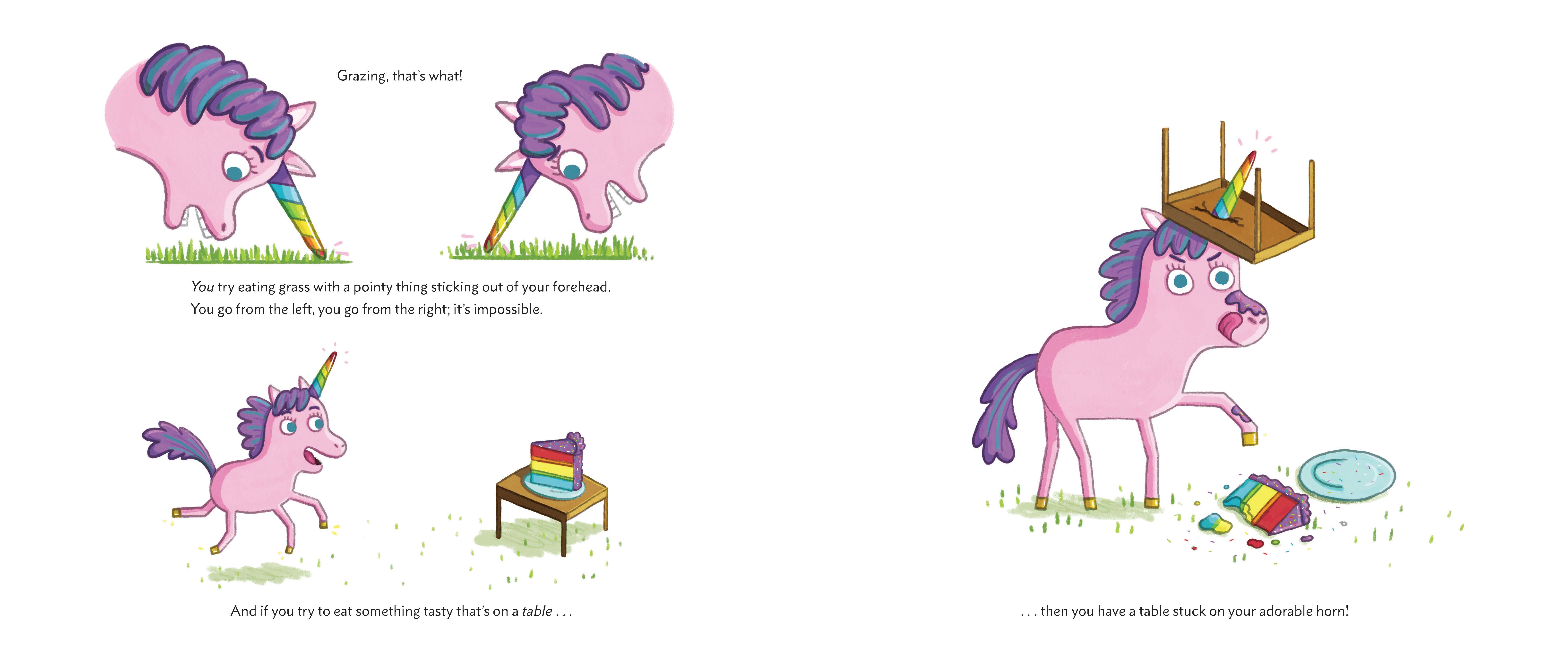
But it seems there are some downsides to this whole unicorn thing. Grazing might be at the top of the list. That shiny horn just always seems to get in the way. There’s no way for teeth to touch the ground, and trying to grab a snack off a table just results in the table being stuck on the “adorable horn.”

celebrate-picture-books-picture-book-review-it's-great-being-a-dad

Image copyright Gina Perry, 2017, text copyright Dan Bar-el, 2017. Courtesy of Tundra Books.

How about Bigfoot? What’s it like for him? Let’s ask—here comes Bigfoot now! “It’s great being Bigfoot. I love being Bigfoot. Who wouldn’t want to be Bigfoot?” What’s so great about being…you know…? Well…he’s warm in his furry coat, he’s well camouflaged among the trees, and his super strength “can help unicorns get tables off their heads.” Sounds great! What could go wrong? Hmmm…. It seems those big feet get themselves into some sticky situations—like ending up with a tree trunk lodged around your leg.

celebrate-picture-books-picture-book-review-it's-great-being-a-dad

Image copyright Gina Perry, 2017, text copyright Dan Bar-el, 2017. Courtesy of Tundra Books.

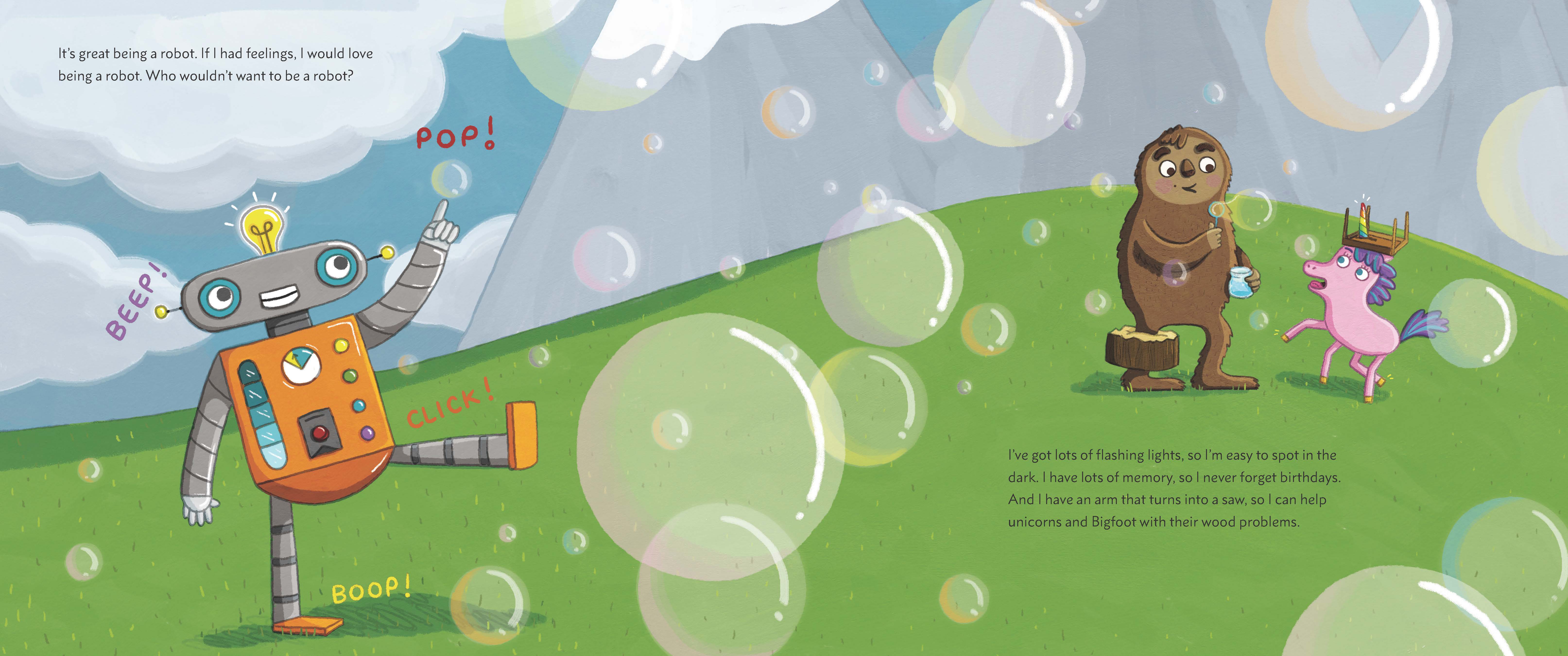
Maybe being a Robot is better. Indeed! In fact, Robot says, “If I had feelings, I would love being a robot.” Pretty compelling stuff there. Robot is very flashy and has lots of memory and has an arm that can convert into a saw just in time to help “unicorns and Bigfoot with their wood problems.” So what’s not to like? Rain can really mess with the mo(tor)-jo.

Poor Loch Ness Monster! She’s not even going to try being positive. It kind of stinks being a monster—especially when you don’t feel like one. But maybe things aren’t all bad. Unicorn, Bigfoot, and Robot hitch a ride on Nessie’s back across the lake to the hospital. There they meet a “fairy queen ballerina doctor” who loves being a fairy queen ballerina doctor. Who wouldn’t?

celebrate-picture-books-picture-book-review-it's-great-being-a-dad

Image copyright Gina Perry, 2017, text copyright Dan Bar-el, 2017. Courtesy of Tundra Books.

This Jill-of-all-trades can prescribe medicine for the sick, “perform a happy dance” for the sad, and wave her magic wand “if you have trouble with your saw arm…or your head horn or your big foot.” Sounds perfect…until a “sneaky flying alligator pirate” swoops in and swipes the magic wand just as the fairy queen ballerina doctor is about the save the day. “Dad!”

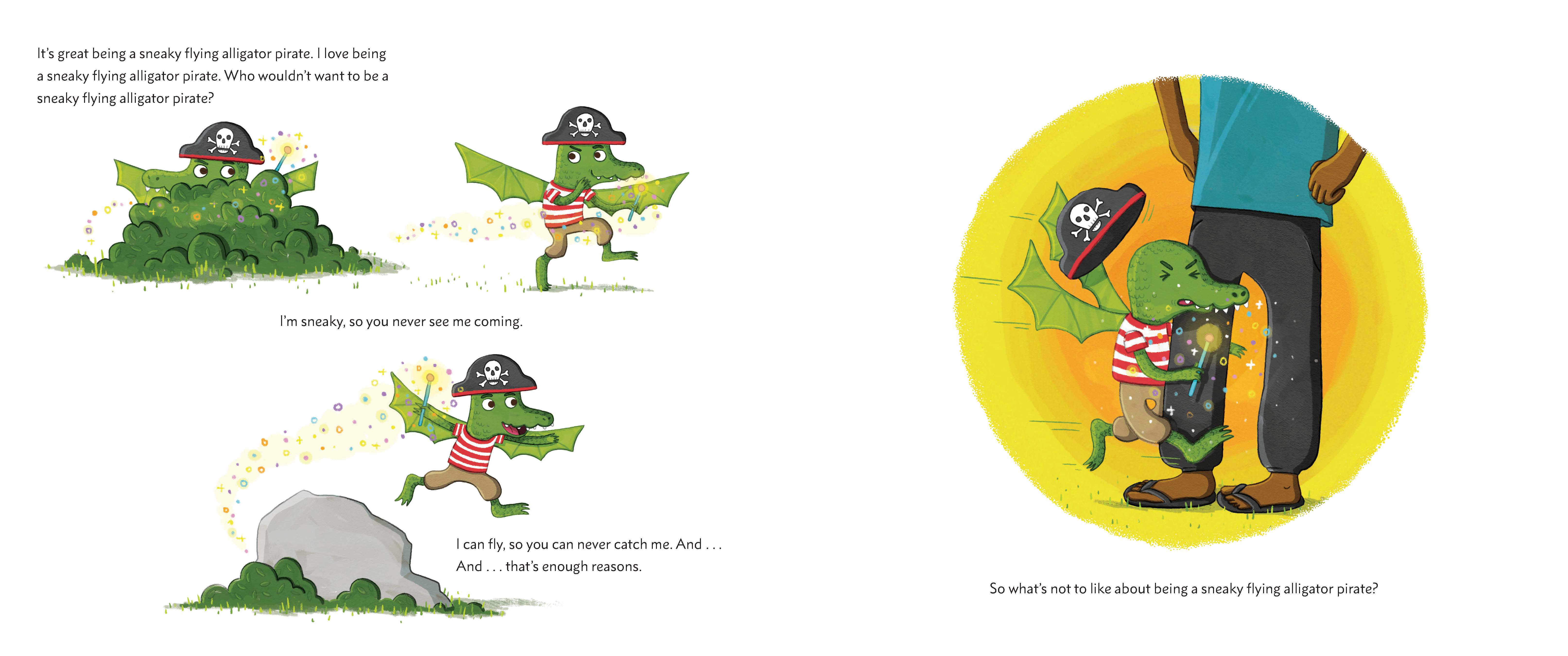
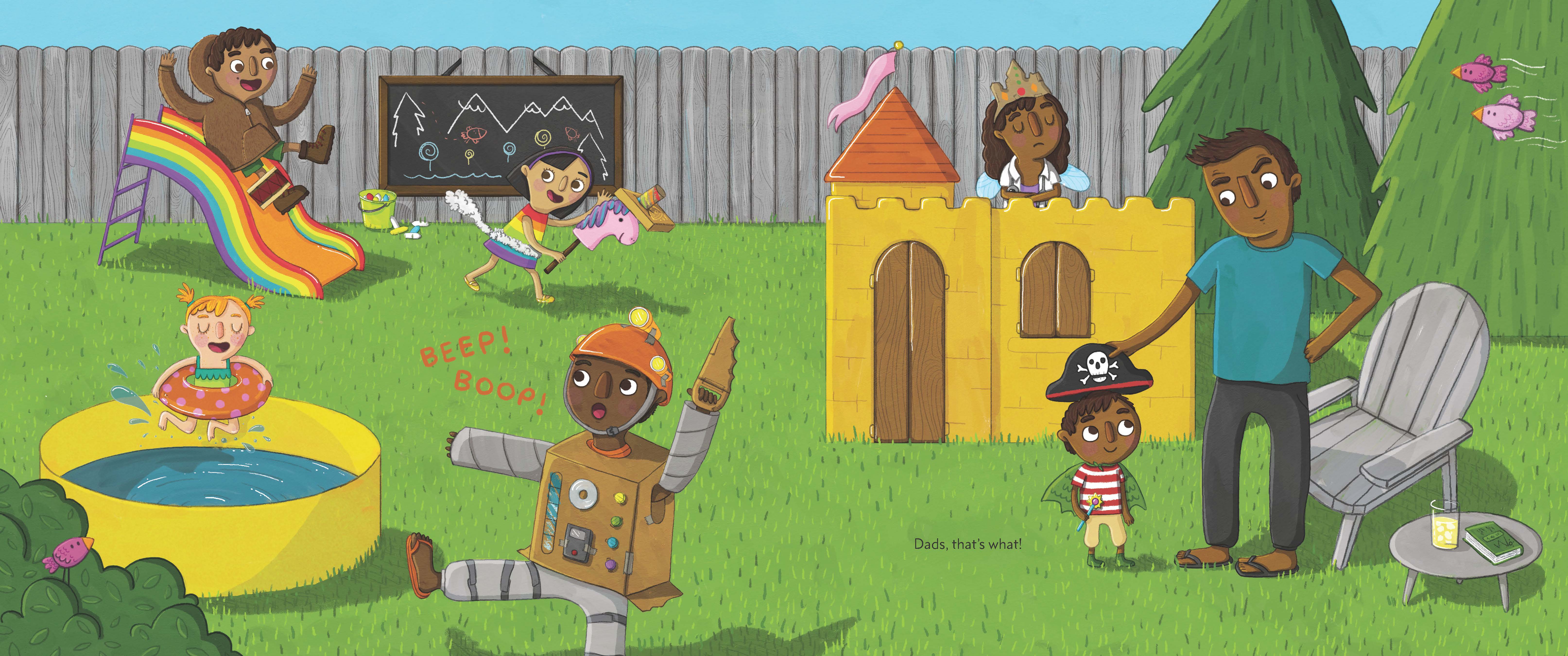
Ha! Ha! Here’s a little guy who’s super excited to be a sneaky flying alligator pirate. “I’m sneaky, so you never see me coming. I can fly, so you can never catch me. And… And…that’s enough reasons. So what’s not to like about being a sneaky flying alligator pirate?” Ooof! “Dads, that’s what!”

celebrate-picture-books-picture-book-review-it's-great-being-a-dad

Image copyright Gina Perry, 2017, text copyright Dan Bar-el, 2017. Courtesy of Tundra Books.

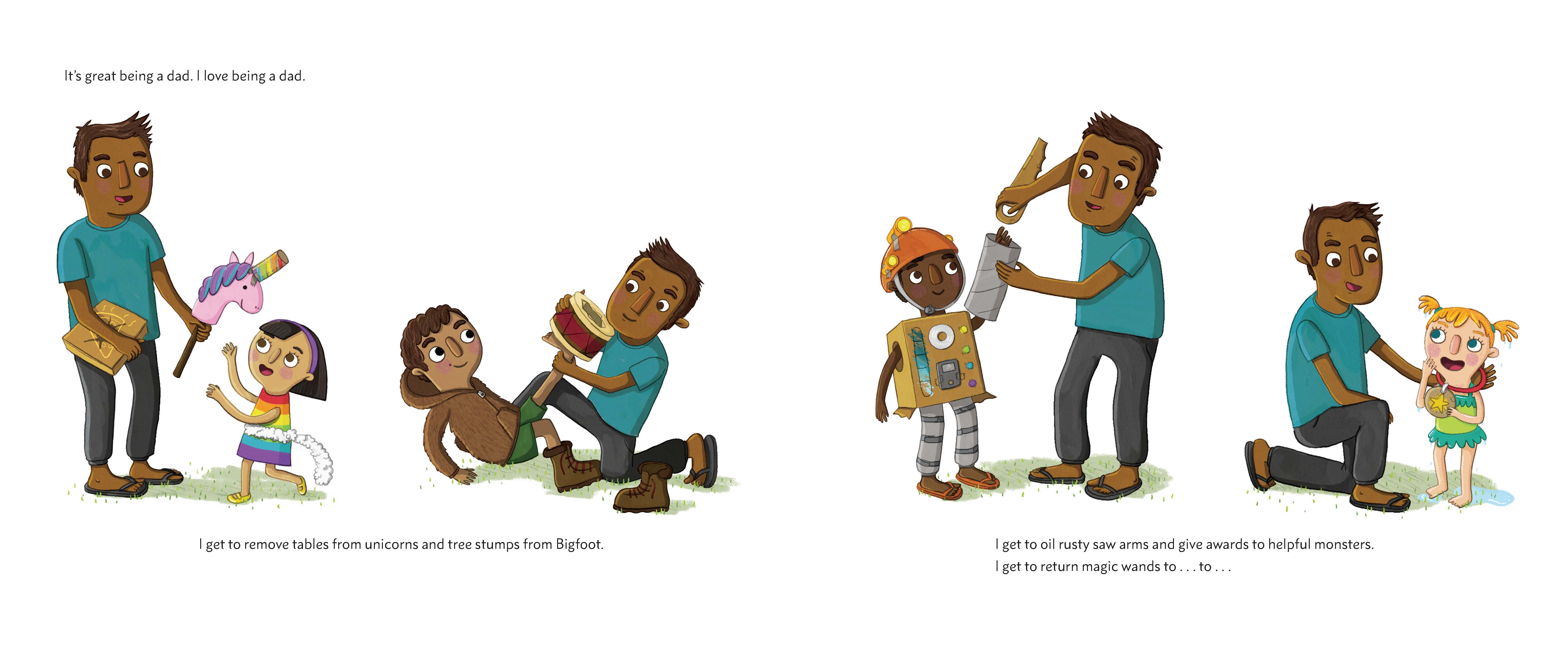
But how does Dad feel about being a dad? Let’s see: “It’s great being a dad. I love being a dad.” It does look pretty fun! Dad gets to remove pizza box “tables” from hobby horse unicorns; remove stepped-on drums from a brown-fuzzy-hoodied-and-hiking-booted Bigfoot; fix cardboard-saw arms; give medals to super swimmers; and “return magic wands to… to… ‘Fairy queen ballerina doctors. I told you a million times already.’ Right. What she said.” Plus Dad can help little brothers play nicely.

So you must be wondering… “what’s not to like about being a dad? Sudden makeovers, that’s what.”

celebrate-picture-books-picture-book-review-it's-great-being-a-dad

Image copyright Gina Perry, 2017, text copyright Dan Bar-el, 2017. Courtesy of Tundra Books.

Dan Bar-el’s laugh-out-loud romp through an afternoon of play hits the perfect tone to entertain kids and adults as well. Bar-el’s wry delivery and repetition of the appealing—and not-so—traits of each fantasy character will have readers giggling and eagerly anticipating the next page. The revelation that the characters are kids with big imaginations offers multiple payouts in creativity, personalities, friendship, and family.

Gina Perry’s vibrant, whimsical illustrations riff on all the fantasy clichés to ramp up the humor in this vivacious story. When happily-ever-after turns into happily-never-after for each character, Perry amusingly depicts their dismay, but the next page finds them cheerfully adjusted to their new circumstance and weaving it into a revised storyline. As the story wraps up, readers will enjoy pointing out aspects of the kids’ interests and the parts of the backyard that spurred their imagination in earlier pages. The diverse group of friends is welcome, and good-natured Dad doesn’t really seem to mind his impromptu makeover.

It’s Great Being a Dad is a fantastically fun read-aloud that makes a wonderful gift for dad and would be an often-asked-for addition to home and school bookshelves.

Ages 4 – 8

Tundra Books, 2017 | ISBN 978-1770496057

Discover more about Dan Bar-el and his books on his website!

You find a gallery of illustration work and books by Gina Perry on her website! Click here for a funtastic It’s Great Being a Dad activity kit!

Father’s Day Activity

celebrate-picture-books-picture-book-review-building-blocks-craft

I Love Dad Building Blocks


This craft will stack up to be a favorite with kids! With wooden blocks and a little chalkboard paint, it’s easy for kids to make these unique building blocks that show dad just how they feel about him. They’re also great for gifts, decorating, party favors, or when you just have a little time to play!

Supplies

  • Wooden blocks in various sizes, available from craft stores
  • Chalkboard paint in various colors
  • Paint brush
  • Chalk in various colors

Directions

  1. Paint the wooden blocks with the chalkboard paint, let dry
  2. Write words or draw pictures on the blocks
  3. Have fun!

celebrate-picture-books-picture-book-review-it's-great-being-a-dad

You can find It’s Great Being a Dad at these booksellers

Amazon | Barnes & Noble | Books-a-Million | IndieBoundi

Picture Book Review
 

June 15 – National Smile Day

celebrate-picture-books-picture-book-review-happy-emma-dodd

About the Holiday

Where do you find enough smiles to fill twenty-four hours? Come on, you know! Friends, loved ones, books, movies, videos, jokes, and more funny stuff can instantly elicit that bright, shiny facial expression! Today is a day to share smiles with people you know and those you don’t. So get out there and be happy!

Happy

By Emma Dodd


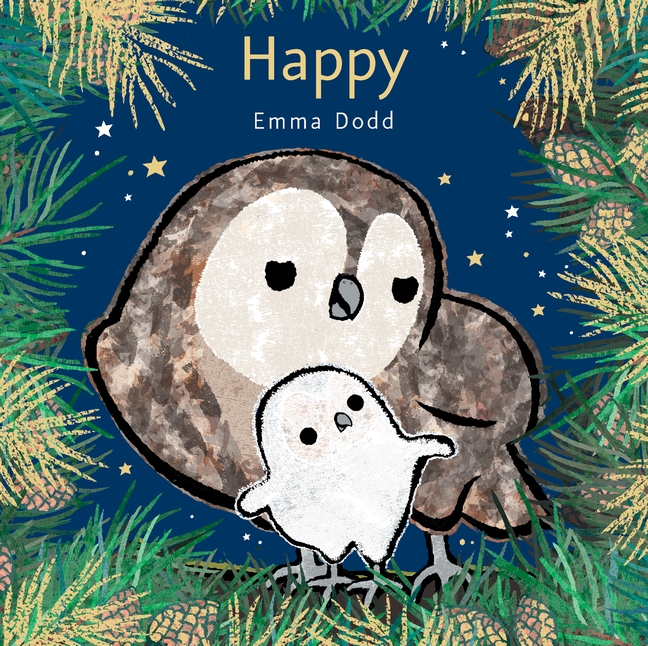
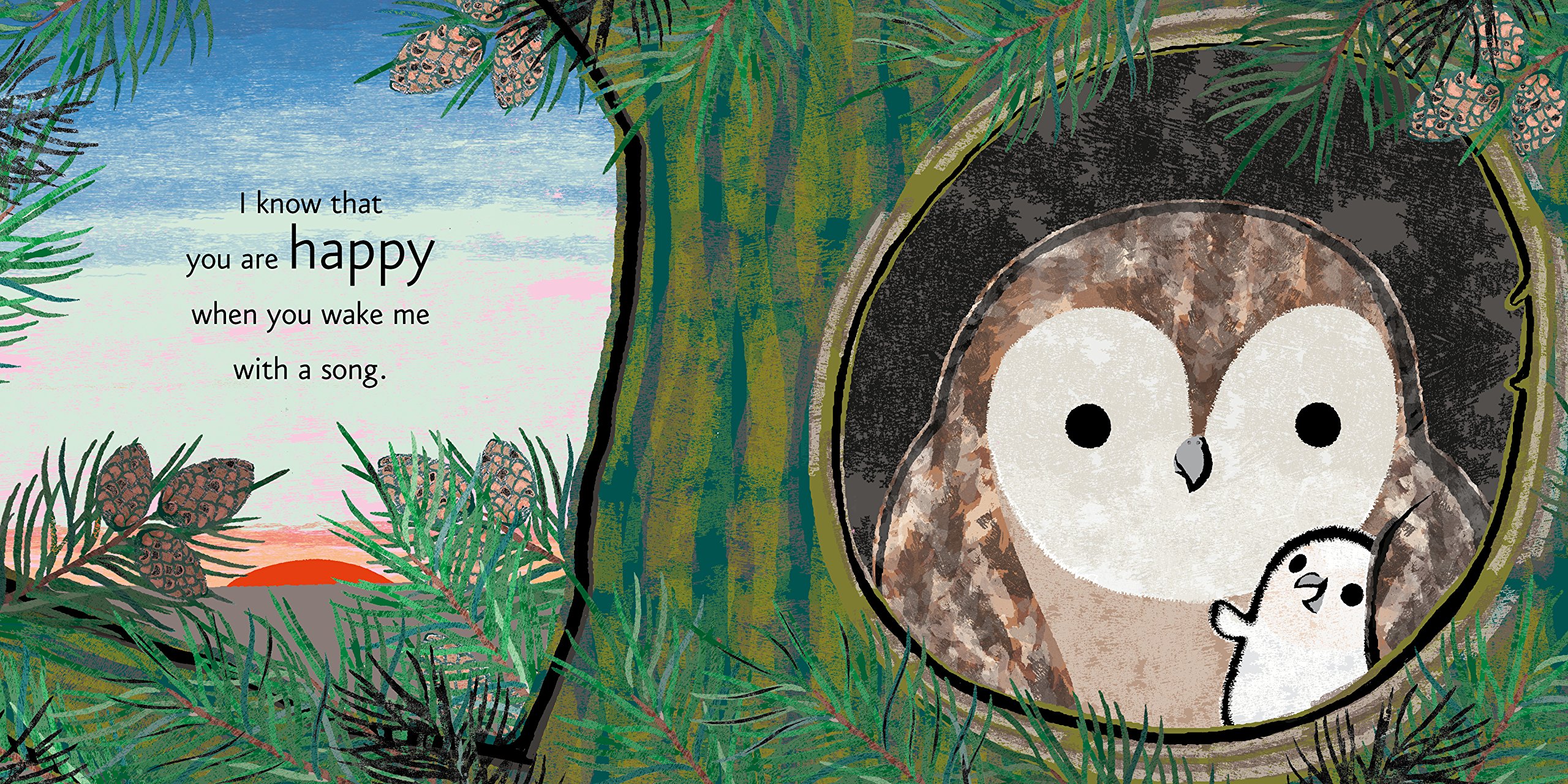
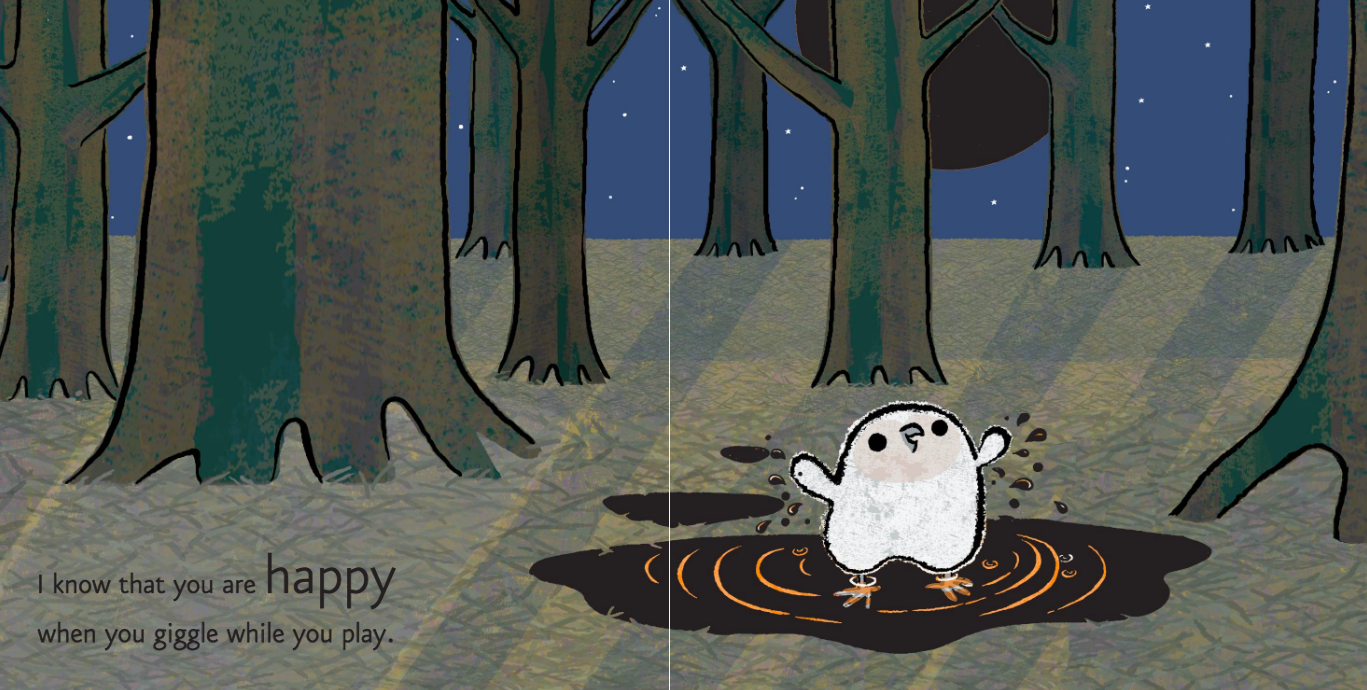
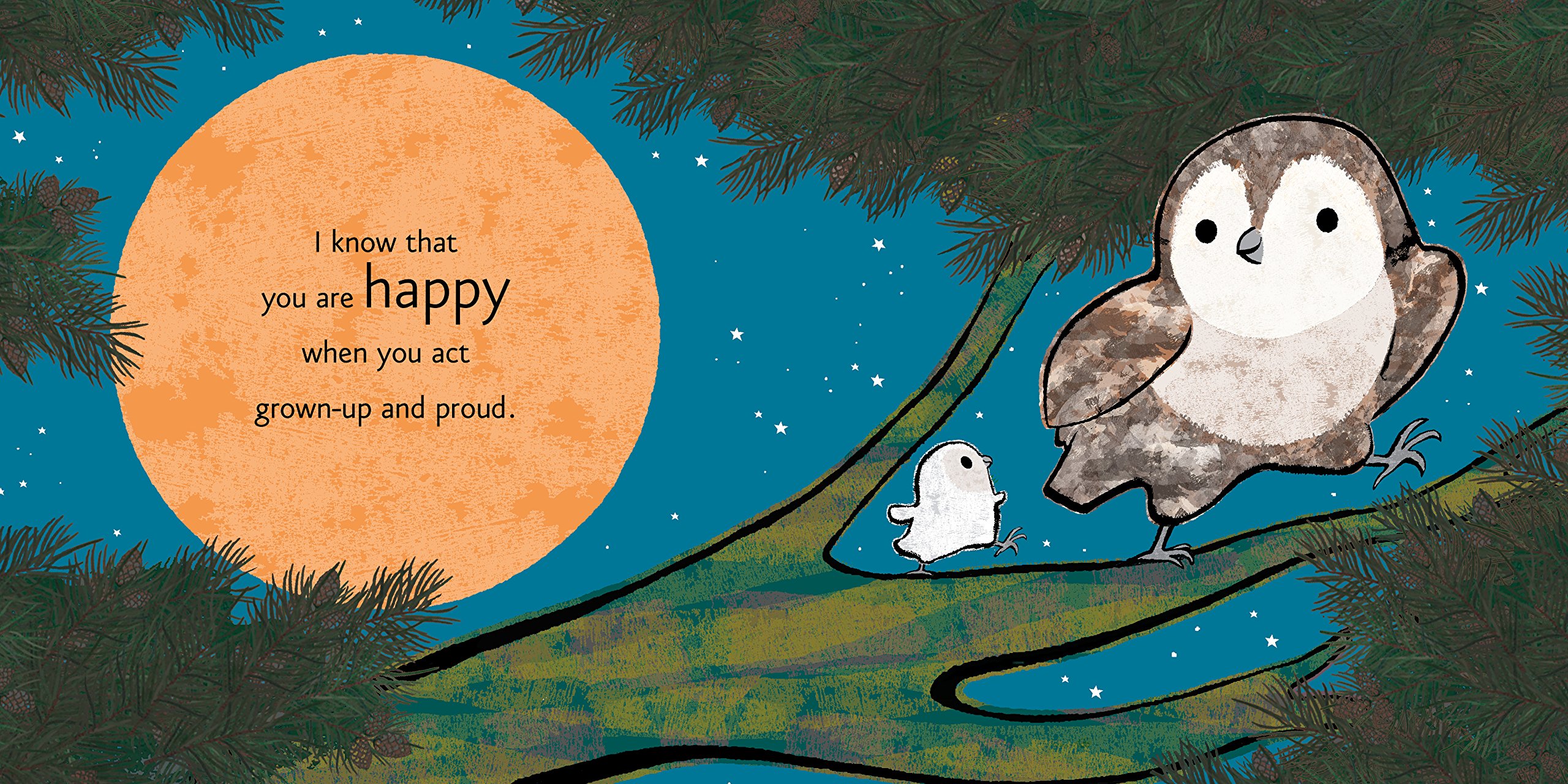
Nestled in a hole in a pine tree, an owl—who could be a mom, a dad, or any caregiver—cradles an adorable tiny owlet under its wing. “I know that / you are happy / when you wake me / with a song,” the owl says. As they venture out onto a limb, the owl adds, “I know that / you are happy / when you hop / and skip along.” With the repeated “I know that you are happy” the owl describes other ways the owlet shows her joy: giggling, with rambling conversation, playing loudly, acting proud, and trying “something new…and / if you don’t succeed at first, I’ll help until you do,” the owl reassures the little one.

celebrate-picture-books-picture-book-review-Happy-song

Copyright Emma Dodd, 2015, courtesy of Nosy Crow.

But every day cannot be happy, the owl concedes, and when “things are looking gray, / I’ll do my best to chase / the gloomy clouds away.” As the sun sets on the secluded home and the owl and owlet drift into sleep, the owl reveals: “I love it when you cuddle close / and whisper, ‘I love you.’ / And I am happiest / of all… / when you are happy too.”

celebrate-picture-books-picture-book-review-Happy-act-grown-up

Copyright Emma Dodd, 2015, courtesy of Nosy Crow.

Perfect for all parents and caregivers, Emma Dodd’s celebration of how a child’s joy resonates in others’ hearts makes shared reading time special. The lyrical rhythm of the repeated lines accompanied by the sentiments of encouragement and the transposition of point of view give this book impact and poignancy.
celebrate-picture-books-picture-book-review-Happy-act-giggle

Copyright Emma Dodd, 2015, courtesy of Nosy Crow.

Dodd’s lovely illustrations of the endearing owl and owlet pair perfectly express the type of discovery that leads to joy on both a child’s and an adult’s part. With its little raised foot, extended tiny wings, and jubilant, smiling beak, the young owlet is both lovable and loved. Dodd’s beautiful muted, blue, green, brown and orange settings shimmer with gilded accents: delicate gold pine needles frame the owls’ home, the baby owl splashes in a glistening puddle under a gleaming moon, sparkling stars light the midnight blue sky, and rain showers fall in glinting streaks as the owls look on.

Simply put, Happy will put a smile on your face and bring a tear to your eye. This lovely lullaby will quickly become a favorite for bedtime or cuddle time and is a must for young children’s bookshelves. Happy also makes a perfect gift for new parents or other caregivers. 

Ages Birth – 5

Nosy Crow, 2015 | ISBN 978-0763680084 (Hardcover) | ISBN 978-0763696429 (Paperback)

Smile Power Day Activity

celebrate-picture-books-picture-book-review-smile-cards

Make Someone Smile Cards


Sharing a smile can make someone’s day! With these printable Make Someone Smile Cards you can spread joy to people you know—and even to those you don’t! Give one to a family member, coworker, or friend. You can surprise your favorite barista, hair stylist, librarian, or shop owner by handing them a card or leaving it where they’ll find it. It’s even fun to tuck a card among the items on a shelf or in a book for someone to find later. Remember, the power of a smile is awesome!

celebrate-picture-books-picture-book-review-happy-emma-dodd

You can find Happy at these booksellers

Amazon | Barnes & Noble | Books-a-Million | IndieBound

June 14 -It’s National Camping Month

celebrate-picture-books-picture-book-review-digger-and-daisy-go-camping

About the Holiday

June is the perfect month to explore the great outdoors up close through camping. Whether you enjoy pitching a tent, renting a cabin, or parking an RV, all the enjoyment of hiking, fishing, swimming, and of course toasting marshmallows and singing around the campfire await! 

Digger and Daisy Go Camping

Written by Judy Young | Illustrated by Dana Sullivan


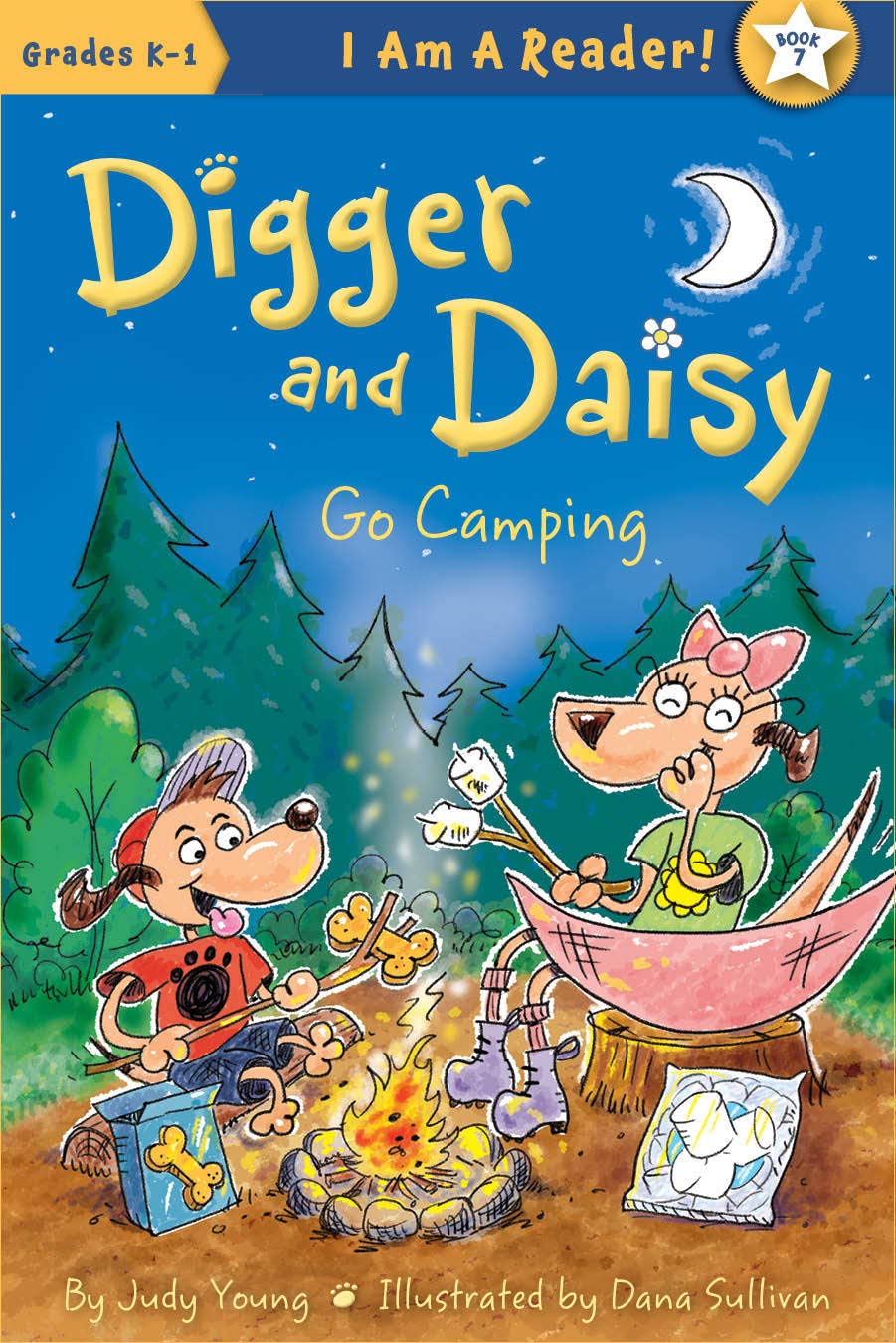
Summer vacation has come and Digger and Daisy are packing up for another adventure together. At least Daisy is. She’s excited to go camping, “but Digger is worried. There might be bears,” he thinks. With reassurance from Daisy that the trip will be fun, Digger fills his own backpack and grabs his sleeping bag. Out on the trail, “There is a noise. Digger hears it. He looks all around. He is worried. ‘I hear a bear!’ says Digger.”

Daisy points out that “bears growl” and the sound Digger hears is just a bird singing in a tree. Digger and Daisy sing along too all the way to the lake. Here there’s another noise that worries Digger. “‘I hear a bear!’” he tells Daisy. But this sound is just a fish jumping, and soon Daisy and Digger are splashing along with it. After a nice swim, Daisy thinks a fire will warm them up. While they’re picking up sticks, Digger hears another noise that he’s sure is a bear. But this sound isn’t a growl either. It’s a squirrel munching on nuts.

Digger and Daisy enjoy roasted nuts too along with their hot dogs and marshmallows. “‘It will be dark soon,’ says Daisy. ‘We need to put up the tent.’” Daisy feels safe and cozy in her sleeping bag, but Digger hears a noise. “He looks all around. He is worried. ‘I hear a bear!’ says Digger.” But this sound isn’t a growl—Daisy tells him it’s a howl from the wind.

Daisy quickly falls asleep, but Digger doesn’t. He listens to all the sounds and recognizes the wind, a jumping fish, and the hoot of an owl. Satisfied, “Digger closes his eyes. Soon he is sound asleep.” Suddenly, there is a noise that Digger does not hear. It wakes Daisy. She shines her flashlight all around. “She is worried. ‘Digger, wake up! I hear a bear!’ says Daisy.” When Digger opens his eyes, the sound stops. Is a bear on their trail, or was it something a little tamer?

In their seventh adventure, Daisy plans an overnight camping trip. Daisy’s protective older-sibling instincts are sweetly in evidence as she encourages Digger to put his fear of bears aside and join her. Once in the forest, she reassures him that the noises he hears are harmless woodland creatures. Kids will love catching up with their favorite canine duo through Judy Young’s simple sentences that contain enough repetition of key words to bolster early readers’ confidence as well as accumulative drama, gentle suspense, and a humorous ending.

Every camping trip is filled with moments of wonder and humor, and Digger and Daisy’s adventure is no exception. In Dana Sullivan’s colorful snapshots, the birds are singing, butterflies flutter along, a gymnastic fish startles a fly, and a squirrel stuffs its cheeks with nuts. Daisy sports her trademark tutu skirt (even her bathing suit is a one-piece tutu), and Digger has not forgotten his favorite cap. Young readers will giggle as Digger panics, sending his firewood flying, and gets tied up in the tent ropes. They’ll also appreciate Sullivan’s cleverness in making Daisy and Digger’s tent look like a red doghouse. Of course, the siblings’ loving relationship is a highlight of this series, and this story strengthens that bond as Daisy takes care of her little brother and he in turn trusts her.

Fans of Digger and Daisy will want to add this new adventure to their collection. Digger and Daisy Go Camping also makes a sweet introduction to the series and will entice readers who have not yet met this brother and sister team to explore all of their escapades. The book would make a welcome addition to classroom and public library shelves as well.

Ages 5 – 7

Sleeping Bear Press, 2019 | ISBN 978-1534110229

Discover more about Judy Young and her books on her website.

To learn more about Dana Sullivan, his books, and his art, visit her website.

National Camping Month Activitycelebrate-picture-books-picture-book-review-canoe-maze

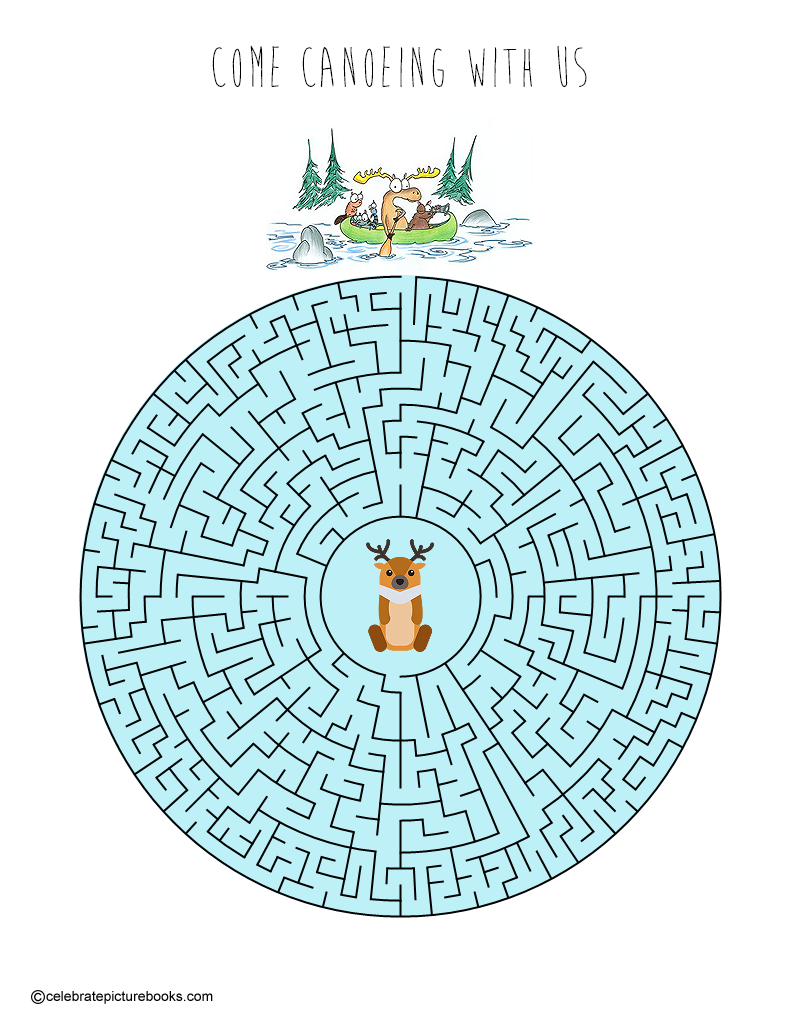
Come Canoeing With Us Maze


These campers want to canoe together but first they must pick up their friend from the center of the lake. They need your help navigating their way in this printable puzzle.

Come Canoeing With Us Maze Puzzle |  Come Canoeing With Us Maze Solution

celebrate-picture-books-picture-book-review-digger-and-daisy-go-camping

You can find Digger and Daisy Go Camping at these booksellers

Amazon | Barnes & Noble | Books-a-Million | IndieBound

Picture Book Review