May 1 – May Day and Interview with Author Denise Brennan-Nelson

celebrate-picture-books-picture-book-review-mae-the-mayfly-cover

About the Holiday

May Day has for centuries celebrated the coming of spring. In ancient calendars May 1 heralded the first day of summer. Often celebrated with flowers and dancing, May Day has ushered in many traditions, such as dancing around a Maypole and May Day baskets, which are cone-shaped baskets filled with flowers. A May Day basket is usually given in secret as the giver hangs it on a friend’s doorknob and then rings the doorbell and runs away. (Which sounds like a perfect way to celebrate the holiday in these days of social distancing.) Whether nature is blooming in full or just starting to bud where you live, May Day offers the promise of brighter days ahead. Today’s book—and its adorable character Mae—shows us how to celebrate that feeling every day.

I received a copy of Mae the Mayfly from Sleeping Bear Press for review consideration. All opinions of the book are my own.

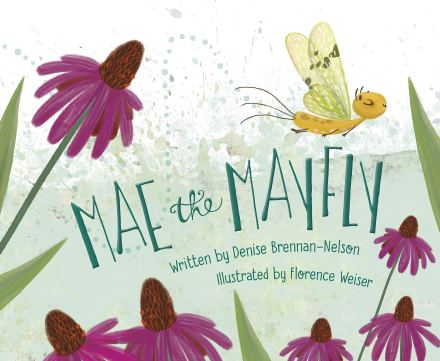
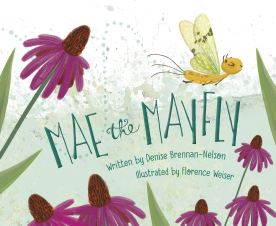
Mae the Mayfly

Written by Denise Brennan-Nelson | Illustrated by Florence Weiser


“Near the bank of the river one warm spring day / a new life began, and her name was Mae.” Before her mama said goodbye, she hugged her daughter and told her that she had her “whole life—a day, perhaps more” to explore her world. As Mae flitted along the river, a large, hungry trout waited for just the right moment to lure her in. It smiled deceitfully and beckoned to her, and, even though her inner voice told her not to, Mae flew down closer to take a look.
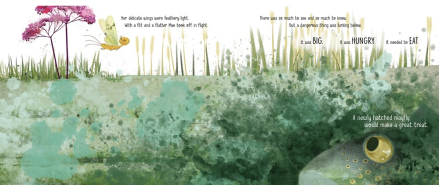
celebrate-picture-books-picture-book-review-mae-the-mayfly-fish

Image by Florence Weiser, 2020, text copyright Denise Brennan-Nelson, 2020. Courtesy of Sleeping Bear Press.

That’s when the trout leapt from the water to snatch Mae from the air. But she darted and dodged and got away. Shaking with fear, Mae found a hole in a hollow tree and flew in. “I’ll stay here forever! I’m not coming out!” she told herself.  But once her heart stopped beating so loud, she heard a happy tweet and peeked out of the tree. She saw a mother robin feeding her chicks and a spider web glittered in the sun. “The mist on the river was a fine, pink cloak. / A bullfrog bellowed his morning croak.” 

Mae remembered what her Mama had said and “launched herself from the dark, hollow place.” She followed the river, where she saw flowers and birds, a deer and a bear and one “stubby toad.” Then, she came to a clearing where she found “a singing, dancing jamboree… a wild mayfly jubilee! / Joining in, Mae danced with glee!”

celebrate-picture-books-picture-book-review-mae-the-mayfly-bird

Image by Florence Weiser, 2020, text copyright Denise Brennan-Nelson, 2020. Courtesy of Sleeping Bear Press.

As morning turned to afternoon, Mae was floating on the breeze when she heard a call for help. She went in search of who it was and found Trout lying motionless and barely breathing. Fearful that he might leap at her again, she carefully went closer to inspect. “But Trout was weak, no flip or flail. / Tangled line had caught his tail.” Then Mae noticed something else—his shimmering “rainbow stripes in every hue, silver, pink, and shades of blue.” And in his eyes she saw his fear and realized that she and Trout were alike.

Mae went to work to try to free him. The knot was tight, but Mae worked patiently until the line slipped free and Trout swam away with the current. Mae hoped that he would be okay. Just then she saw a flash as Trout returned and with a flip of his tail said, “Thank you.” As nighttime settled over the river and the moon rose high, Mae settled on a cattail leaf. She listened to the bullfrogs and watched the fireflies glow. “The stars came out early for  sweet, little Mae. / She counted each one… then called it a day.”

Back matter includes a message about mindfulness, an exercise to try and facts about mayflies.
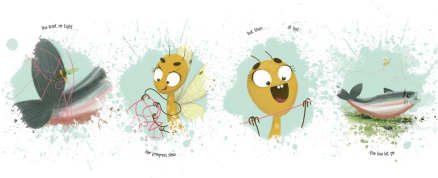
celebrate-picture-books-picture-book-review-mae-the-mayfly-fishing-line

Image by Florence Weiser, 2020, text copyright Denise Brennan-Nelson, 2020. Courtesy of Sleeping Bear Press.

Soaring and uplifting, Denise Brennan-Nelson’s unique story reminds children and adults alike to live each day to the fullest and reveals where the treasures that make life so fulfilling can be found. The short lifespan of a mayfly gives Brennan-Nelson a perfect canvas for compressing the lessons of a lifetime into one day, and her superlative storytelling incorporates parental love, fear, appreciation for our surroundings, courage, selflessness, and friendship. Her language is triumphant, carried breezily on rhyming couplets that are a joy to read aloud. The pitch-perfect ending may bring a tear to the eye but spur readers to find the beauty in every day.

Through Florence Weiser’s lovely textured illustrations, readers can almost feel the breeze ruffling the tall grasses, the spray of river water, and the warmth of the sun as they follow Mae on her adventure. Mae is a cutie with lacy wings and a sweet, expressive face. A powerful image of empathy comes in a close-up, two-page spread in which Mae, looking into Trout’s frightened eye, sees her own reflection. Whereas up to now Mae has been an observer of life, she now becomes an active participant by helping a fellow creature. Working in perfect tandem with Brennan-Nelson’s text, Weiser’s pages take readers on a journey of growth and discovery they’ll take to heart. Calming shades of green dotted with subtle pinks, purples blues, and browns reflect Mae’s mindful approach to life, making this a delightful book to share for quiet story times.

Beautiful and resonant, Mae the Mayfly is highly recommended and would be an often-asked-for addition to home, school, and public library collections.

Ages 5 – 8

Sleeping Bear Press, 2020 | ISBN 978-1534110519

Discover more about Denise Brennan-Nelson and her books on her website.

To learn more about Florence Weiser, her books, and her art, visit her website.

Meet Denise Brennan-Nelson

celebrate-picture-books-picture-book-review-Denise-Brennan-Nelson-headshot

Denise Brennan-Nelson has written a number of books for children, including Tallulah: Mermaid of the Great Lakes, Leopold the Lion, Someday Is Not a Day of the Week, My Momma Likes to Say, Santa’s Secret, and the popular Willow series. As a national speaker, Denise encourages adults and children to tap into their imaginations to create richer, fuller lives. She travels the country, sharing her reading and writing enthusiasm with schoolchildren and teachers. Denise lives in Howell, Michigan with her husband, Bob. She strives to spend each day teaching and learning with a creative spirit. Find out more about Denise at www.denisebrennannelson.com.

Today, I’m really thrilled to be talking with Denise Brennan-Nelson about her inspiring story, her journey in writing it, and how we can all appreciate the life around us. My blog partner Jakki’s sons, Jack and Steve, also loves Mae the Mayfly and had a few questions of their own. 

Jack wonders: What inspired you to write about a mayfly? 

The inspiration to write about a mayfly came when I discovered that they live, on an average, only one day. I started digging and discovered that while mayflies have many interesting qualities, it was their life cycle that reeled me in and set the basis for the story: a mayfly begins as an egg, then hatches into a nymph. It then lives as a nymph for one to three years before emerging from the water as an adult. Once they have molted––the only insect known to molt twice!––they only have about a day to live. ONE DAY? How do you live your entire life in ONE day? Where would you go? What would you do? I had so many questions. And so, the journey began!

Steve would like to know: Where is your favorite place to go and enjoy nature?

Our backyard has many trees and a few paths to meander on. One of those paths leads to a playhouse that my husband built years ago for our children, Rebecca and Rachel. I love to sit on the steps and take it all in––especially the forever-changing trees and the way the light filters through them. It’s quiet and I watch the birds and the chipmunks, squirrels, and occasionally deer show up. It’s far enough away from our house that I can forget about my “to-do” list and relax.

There are also a couple of parks nearby that have trails and lakes and offer a beautiful place to enjoy nature.

Jack and Steve asked if you spent a lot of time at a pond while creating the story.

No, I didn’t spend a lot of time at a pond, but I did a lot of research to help me visualize the setting.

In early drafts, I pictured Mae’s life beginning on a pond but as the story emerged it turned into a river. Unlike a pond, a river “flows.” It seemed to fit with the ebb and flow of Mae’s life.

The river became integral to the story; Mae’s life began there, she experiences a harrowing ordeal with Trout, which causes her to flee the river out of fear, but ultimately, Mae returns “home” to the river and completes her life. (This was in keeping with a mayfly’s lifecycle.)  

Hi Denise! I love your answers to Jack and Steve’s questions! What an amazing character a mayfly makes. You’ve published many, many books for kids. What inspired you to become a children’s writer? What’s the best part about your job?

I had been happily writing for myself – journals and poetry mostly – when inspiration came knocking at my door in the form of a documented study about bumblebees. According to scientists, bumblebees are not “equipped” to fly. Aeronautically, their wings are too small for their bodies. Upon hearing that, I was compelled to write what was in my head and my heart. I wanted to answer the questions I had: What would happen if bumblebees found out about their small wings? Would fear and doubt stop them from doing what they love to do? Once it was written, I felt I had written something that I wanted to share with others. Four years and many rejection letters later, my first book, Buzzy the Bumblebee was published.

The best part about my job is creating something – taking an idea and turning it into something new that entertains and inspires children and adults. I also love the freedom to work when and where I want to, often in my pajamas in the wee hours of the morning.

Mae the Mayfly is a gorgeous, poignant reminder for both kids and adults to look around and appreciate the beauty all around us. Not only the mayfly, but all of the sights that Mae sees are ephemeral parts of nature. How did you choose each of these?

I felt they had to be simple, yet remarkable acts of nature that would draw Mae out from the hollow of a tree. You know that awe-inspiring feeling you get when you discover a bird’s nest or a spider’s web? That was the basis for the sights and sounds Mae encountered.

I also drew from a trip to Yellowstone where the vivid images of rivers, flowers, bear cubs, and other magnificent acts of nature are forever embedded in my mind.

The rhymes of Mae the Mayfly are as light as she is, and your rhythm is as jaunty as a mayfly’s flight. Could you describe your journey in writing this story?

After learning of a mayfly’s short lifespan, the mulling-over period ensued. A lot of thinking and dialogue in my head takes place before taking pen to paper. Often, I share my initial thoughts with family and friends which helps the pieces come together.

I did more research, too. I watched a video showing how some mayfly nymphs resist the pull to come to the surface when it is time to shed their outer covering and expose their wings. After spending years at the bottom of the dark river, why would they resist? I wondered. Why would they want to stay at the bottom of the river when they could break through the surface into the light, and fly––if only for a day?

Ah, fear.

It was starting to come together – I would write about a mayfly and how beautiful and meaningful one day could be, if she can overcome her fears.

Initially, the story was written in prose and then I wrote it in verse. At one point, I even wrote a funny version for my kids about Mae being stubborn and not listening to her mama. That version didn’t end well for Mae, because, well, she didn’t listen to her mama! My kids got a kick out of it.

Before she was Mae, she was Martha. From Martha to Marvin. Then I changed it to May. And then May became Mae.

My first submission was declined. So, I gave it a rest. The idea was there but I needed to start over. I believed in this story with my whole being and I wasn’t giving up. In June 2018, I resubmitted it and in August I learned that Sleeping Bear Press wanted to move forward with it. I signed the contract in September and it was released in March of 2020 amid a pandemic. It wasn’t the launch I envisioned, but the story is about appreciating the simple things and living life to the fullest. It is also about empathy, fear, and gratitude. Perhaps the timing was just right.

Florence Weiser’s illustrations are adorable while truly highlighting the beauty of what Mae sees. Do you have a favorite spread? Why do you love it?

I love the cover and the end sheets, and the illustration of Mama saying good-bye to Mae tugs at my heart. But my favorite is the spread where Mae encounters Trout tangled in fishing line and Mae sees herself – literally and figuratively – in Trout’s eyes. Mae is confronted with a difficult decision between fear, or courage and compassion. This was a pivotal part of the story and Florence did a remarkable job capturing the emotion of both Mae and Trout.

You encourage people to be aware of and open to inspiration and those small moments in life that make them the best version of themselves they can be. How can kids and adults practice this kind of mindfulness while at home during this time of self-isolating and social distancing?

In a robust and enthusiastic voice my dad often proclaims, “This is living!” He says it with such conviction that you might think he won the lottery. On the contrary, he says it to express his delight over life’s simple/small pleasures; a sunset, eating a fresh-picked tomato from the vine, watching the birds, the daffodils sprouting, a delectable meal, a rainstorm . . .

I am by no means an expert on mindfulness, but I have learned a few things that help me enjoy life a little bit more:

  • Be aware/pay attention – the list of things to delight over is endless when we notice what is going on around us
  • Make room for quiet time and stillness every day
  • Focus on one thing at a time and do it with intention and purpose
  • Write down 3-5 things daily that you are grateful for. Do it as a family with a “family journal” or get a notebook for every member and make it a nightly ritual

Lately I’ve been asking people, “What do you like most about the shelter-in-place order that we are being asked to follow?” Over and over, I’ve heard, “It feels good to slow down . . . less hectic . . .” I hope we emerge from this unique experience with the realization that life is not a race, it’s a gift.

What’s up next for you?

My publisher is currently reviewing two stories that I have submitted. Fingers crossed that they accept both of them!

What inspires you each time you start a new story?

When I have an idea that interests me I feel invigorated and purposeful. What can I do with it? Where will it take me? What can I learn from it?

In Bird by Bird, Anne Lamott writes, “If you are writing the clearest, truest words you can find and doing the best you can to understand and communicate, this will shine on paper like its only little lighthouse.”

Each time I begin a story I am hopeful that what I write “will shine on paper like its own little lighthouse.”

Thanks so much, Denise! This has been such a wonderful talk! I wish you all the best with Mae, the Mayfly and can’t wait to see more from you in the future.

You can connect with Denise Brennan-Nelson on 

Her website | Facebook | Twitter

May Day Activity
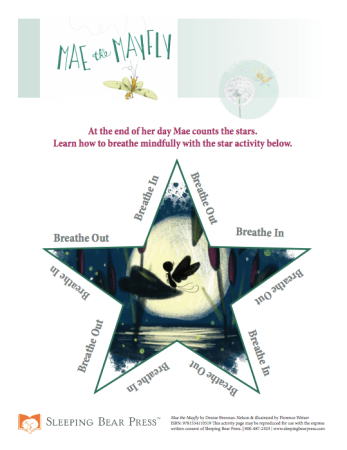
celebrate-picture-books-picture-book-review-mae-the-mayfly-activity-page

Mae the Mayfly Mindfulness Activity


Like Mae, you can calm your mind and be present in the moment as you enjoy your surroundings. Use this printable activity to get into that peaceful state of mind. Just look at the picture inside the star and follow the breathing directions as you trace each arm. You can download it from the Sleeping Bear Press Website under Teachers Guides here:

Mae the Mayfly Mindfulness Activity
celebrate-picture-books-picture-book-review-mae-the-mayfly-cover

You can find Mae the Mayfly at these booksellers

Amazon | Barnes & Noble | Books-a-Million | IndieBound | Sleeping Bear Press

Picture Book Review

April 21 – National Kindergarten Day

celebrate-picture-books-picture-book-review-kindergarrrten-bus-cover

About the Holiday

National Kindergarten Day honors the birthday of Friedrich Wilhelm August Frobel who was born April 21, 1782 and is credited with starting the very first Kindergarten in Germany in 1837. Recognizing that children learn through play and experience, Frobel established a foundation for modern education. The first kindergarten in America was opened by Margarethe Schurtz in 1856 in Watertown, Wisconsin. Kindergarten became part of some public school systems in 1873. Even though kids aren’t in their regular classes right now, we still celebrate all of their achievements, creativity, and love of fun. Little ones’ enthusiasm and natural empathy can make them great teachers too—as today’s book shows.

Sleeping Bear Press sent me a copy of Kindergarrrten Bus to check out. All opinions are my own.

Kindergarrrten Bus

Written by Mike Ornstein | Illustrated by Kevin M. Barry


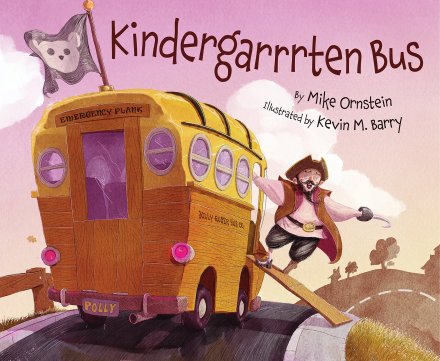
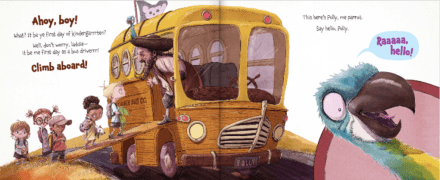
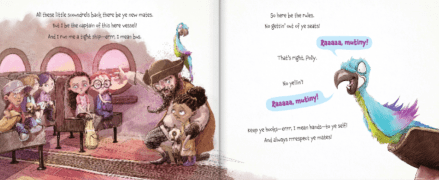
As the little tykes climb the plank into the kindergarten school bus, they’re met by a most unusual driver. He has a hook hand, a peg leg, a curly beard, a broad-brimmed hat with a parrot perched on the edge, and he greets the first little boy like this: “Ahoy, boy! What? It be ye first day of kindergarrrten? Well, don’t worry, laddie—it be me first day as a bus driverrr!” The pirate shows the kids to their seats and lays down the rules. Any infractions…. Well, Polly will tell ya: “Raaaaa, mutiny!”

celebrate-picture-books-picture-book-review-kindergarrrten-bus-scared-plank

Image copyright Kevin M. Barry, 2018, text copyright Mike Ornstein, 2018. Courtesy of Sleeping Bear Press.

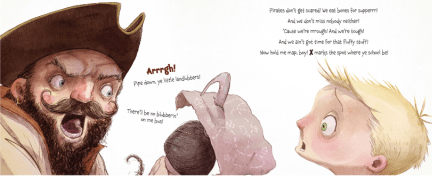
The kids don’t seem too sure of this turn of events. They each talk about how they miss their family, their pets, their toys, and how it’s all a little scary. But the pirate will have “no blubberin’ on me bus! Pirates don’t get scared! We eat bones for supperrr!” he tells them. And as far as them missing their moms and dads? “We ain’t got time for that fluffy stuff!” he says. So the bus takes off, and the driver sings a ditty about brave these little buccaneers are as they go.

But the route turns as bumpy as a churning sea with potholes that rattle Polly so much she flies out the window…I mean “winderrr.” The pirate wails after his parrot, “Waaaa arrrgh waaaa arrrgh!” Then the bus comes to a screeching halt amid a pirate melt-down. “I can’t drive me bus without me sweet snuggly Polly! I can’t do it, I tells ya! I can’t! I can’t I can’t!”

celebrate-picture-books-picture-book-review-kindergarrrten-bus-scared-mutiny

Image copyright Kevin M. Barry, 2018, text copyright Mike Ornstein, 2018. Courtesy of Sleeping Bear Press.

Everyone piles out, and the kids try to reassure the poor driver, reminding him of all the things he told them. Turns out that ol’ pirate “was only hornswogglin’” and that he considers himself “nothin’ but a scared, blubberin’ boob of a buccaneer.” The kids are empathetic and reassuring, and pretty soon the pirate is feeling better about things.

Back on the bus, the little ditty is less bravado and more true bravery. As they pull up at the X, where “the treasure of all treasures” awaits the kids, the pirate gives one more lesson before letting all those little “scoundrels walk the plank—errr, I mean, exit the bus.” But why is a pirate driving a school bus? one little boy wants to know. Well, that answer may surprise you and it be somethin’ ye just have to see for yourself!

An afterword from the author discussing tips for talking with kids about fears and worries follows the story.

celebrate-picture-books-picture-book-review-kindergarrrten-bus-scared-kids

Image copyright Kevin M. Barry, 2018, text copyright Mike Ornstein, 2018. Courtesy of Sleeping Bear Press.

Could Mike Ornstein actually be a pirate? I’m thinking yes! His ease with Pirate-ese makes this dialogue-rich story a comical treasure that will have kids “Harrr, harrr, harrr-ing” at every twist and turn in the book—and lucky for them, there’s a whole loot of those. Scrumptious words like “blubberin’, hornswogglin’, landlubbers,” and “blue-footed booby bird” as well as a liberal sprinkling of rrrrs make this book a joyful read-aloud that kids will clamor to participate in. Nuggets of reassurance about “rrrespect,” admitting fears and worries, and enjoying school are pure gold.

celebrate-picture-books-picture-book-review-kindergarrrten-bus-scared-map

Image copyright Kevin M. Barry, 2018, text copyright Mike Ornstein, 2018. Courtesy of Sleeping Bear Press.

Kevin M. Barry’s wide-eyed, rakish kids and scallywag of a bus driver are the perfect companions on this hilarious journey to the first day of kindergarten. The school bus—a wooden jalopy with porthole windows, a ship’s wheel steering wheel, and a teddy bear jolly roger—comes to a tipping point when the pirate’s beloved Polly flies the coop. As the pirate dramatically looks to the skies and admits his false bravado, the kids—skeptical, astonished, and empathetic—look on. While one curly-haired little girl reassures the pirate, the other kids channel their own bravery and get ready to have a fun day at school. Readers will love the expressive faces, small details (a fish-skeleton belt buckle, a girl’s “I Got This” t-shirt), and, of course, ruffled Polly.

Kindergarrrten Bus is a rip-roarin’ yarn with a heart of gold that will get kids and grown-ups laughing and talking about feelings, fears, and the fact that everyone gets scared sometimes. A go-to book for fun story times and moments when a little more encouragement is needed, Kindergarrrten Bus would be a favorite on home and classroom bookshelves.

Ages 5 – 8

Sleeping Bear Press, 2018 | ISBN 978-1585363988

To learn more about Kevin M. Barry, his books, and his art on his website.

National Kindergarten Day Activity

celebrate-picture-books-picture-book-review-pirate-maze

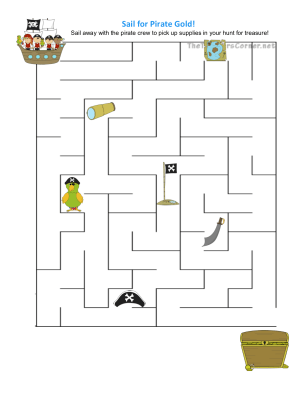
Sail for Pirate Treasure Maze


Join the crew of scallywags to pick up supplies on your way to finding a treasure chest full of gold in this printable maze.

Sail for Pirate Treasure Maze Puzzle | Sail for Pirate Treasure Maze Solution

celebrate-picture-books-picture-book-review-kindergarrrten-bus-cover

You can find Kindergarrrten Bus at these booksellers

Amazon | Barnes & Noble | Books-a-Million | IndieBound

Picture Book Review

 

January 7 – Old Rock Day

celebrate-picture-books-picture-book-review-lubna-and-pebble-cover

About the Holiday

Do you love rocks—the history they tell, their versatility, their intricate patterns? Today’s holiday celebrates these wonders of nature and encourages geologists—both professionals and amateurs—to indulge their passion. To celebrate today, take a walk in your area or even in your own backyard, pick up a few rocks, and research a little more about them. Then build a rock cairn or have fun with today’s craft.

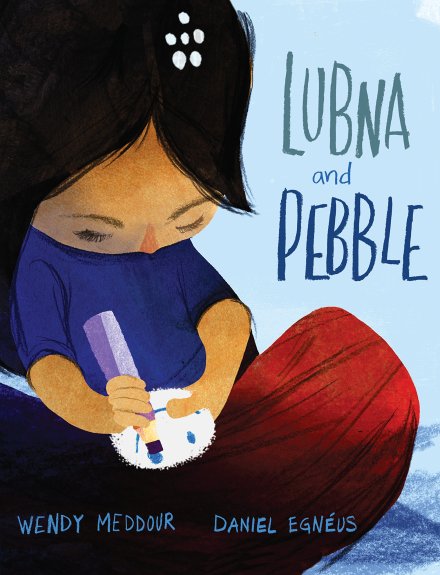
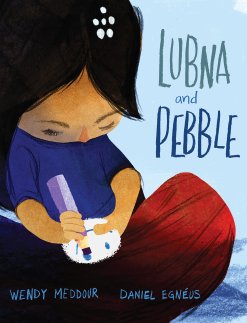
Lubna and Pebble

Written by Wendy Meddour | Illustrated by Daniel Egnéus


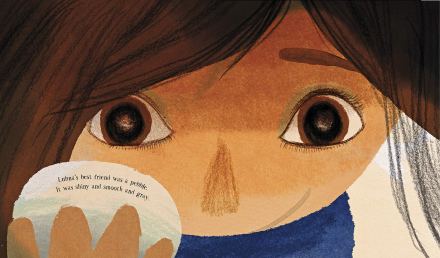
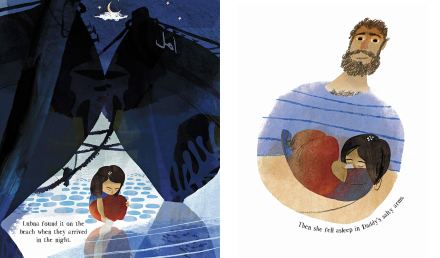
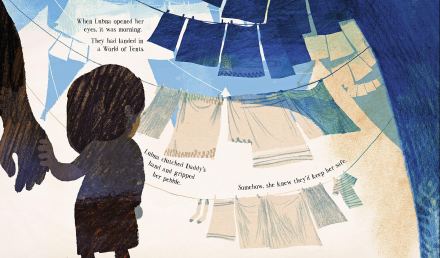
As Lubna and her father disembarked from the boat onto a new shore, Lubna bent down and picked up a pebble. “It was shiny and smooth and gray” and it became her best friend. She fell asleep in her father’s arms and when she woke up in the morning, she was in “a World of Tents.” With one hand, she held onto Daddy’s fingers and with the other she “gripped her pebble. Somehow, she knew they’d keep her safe.”

celebrate-picture-books-picture-book-review-lubna-and-pebble-best-friend

Image copyright Daniel Egnéus, 2019, text copyright Wendy Meddour, 2019. Courtesy of Dial Books for Young Readers.

With a marker that she found in one of the tents, Lubna drew a smiley face on her pebble. Lubna told Pebble all of her stories about home, about her brothers, and about the war. Pebble was a good listener and made her feel better when she was frightened. “‘I love you, Pebble,’ Lubna said with a sigh.” Winter came with snow and bitter winds, but Daddy kept Lubna warm. Lubna worried about Pebble: how would it stay warm? What if it caught a cold? Daddy gave her a shoebox and a tea towel, and Lubna settled Pebble in and gave it a kiss before going to sleep.

Not long after, a little boy named Amir arrived. He and Lubna played together, but every night Lubna reassured Pebble that it was still her best friend. One day Daddy brought happy news. He had found them a new home; they were leaving the World of Tents. Lubna was happy too. “Then sad. Amir cried.” That night Lubna lay in bed wide awake. “She asked Pebble what to do,” but Pebble remained silent.

celebrate-picture-books-picture-book-review-lubna-and-pebble-asleep

Image copyright Daniel Egnéus, 2019, text copyright Wendy Meddour, 2019. Courtesy of Dial Books for Young Readers.

In the morning, though, Lubna had her answer. She found Amir and gave him “the shoe box with Pebble and the pen.” Amir wanted to know what to do if Pebble missed Lubna, and she told him to “‘draw the smile back on.’” And when Amir asked what he should do if he missed Lubna, she told him to talk to Pebble. Amir and Pebble watched as Lubna sailed away on the sea. “‘Good-bye, Pebble, Lubna whispered,’” while Amir greeted his new best friend.

celebrate-picture-books-picture-book-review-lubna-and-pebble-tent-world

Image copyright Daniel Egnéus, 2019, text copyright Wendy Meddour, 2019. Courtesy of Dial Books for Young Readers.

At once heartrending and uplifting, Wendy Meddour’s story about the resilience of children will resonate not only with children who have experienced major life changes but also with those sensitive to the ups and downs of growing up. Meddour captures the beauty of children’s ability to find strength and comfort in inanimate objects, creating in Pebble a fourth main character that readers will care about. Lubna’s selfless act in giving Pebble to Amir will ring true with young readers, whose hearts are generous and kind. Meddour’s straightforward storytelling is more powerful for its brevity and inclusion of well-chosen details that kids will recognize and empathize with. Lubna’s new home and Amir’s adoption of Pebble end this story on the note of hope and optimism embodied naturally in our children.

In his gorgeous collage-style illustrations, Daniel Egnéus uses the power of shadow and light, of darkness and color to create the real and imaginative worlds that Lubna and Amir traverse. The play with imagery begins on the title page, where the ship carrying Lubna, her father, and other refugees seems to be poised for flight as vibrant flowers are projected on its dark hull. Readers first meet Lubna eye-to-eye in a two-page spread as she gazes upon Pebble, while the next page zooms out to show her crouched on the beach beneath two hulking ships and a golden sliver of moon. The “World of Tents” is represented with laundry lines filled with towels and clothes that present both a barrier and a welcome to Lubna and her daddy. As Lubna tells Pebble about her old life, her memories take her back to a day when her brothers’ kites shared the sky with three fighter jets, the kites’ strings mirrored in the planes’ contrails. Alert readers will notice that Egnéus often depicts Lubna’s daddy with his arms cradling his daughter, creating the same rounded profile of comfort as Pebble. Ingenious touches of floral motifs add to the meaning and impact of this beautiful story.

A stirring story with many applications for discussing kindness, courage, and friendship, Lubna and Pebble is highly recommended for home, classroom, and public library collections.

Ages 4 – 8

Dial Books for Young Readers, 2019 | ISBN 978-0525554165

Discover more about Wendy Meddour and her books on her website.

To learn more about Daniel Egnéus, his books, and his art, visit his website.

Old Rock Day Activity

CPB - Nasty Bugs magnet II (2)

Rock This Craft!


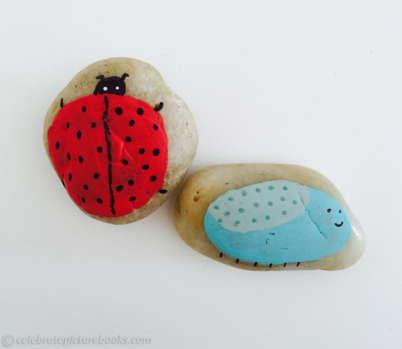
Smooth stones can give you a natural canvas for your creativity! With a little bit of paint, pins or magnets, and some imagination, you can make refrigerator magnets, jewelry, paper weights, and more!

Supplies

  • Smooth stones in various sizes
  • Paint or markers
  • Small magnets, available at craft stores
  • Jewelry pins, available at craft stores
  • Paint brush
  • Strong glue

Directions

To make magnets

  1. Design and paint an image on the stone
  2. Attach a magnet to the back with strong glue, let dry
  3. Use to hang pictures, notes, or other bits of important stuff on your refrigerator or magnetic board

To make jewelry

  1. Using a smaller, flatter stone, design and paint an image on the stone
  2. Attach a jewelry pin to the back with the strong glue, let dry
  3. Wear your pin proudly

To make a paper weight

  1. Using a large stone, design and paint an image on the stone
  2. Let dry
  3. Display and use on your desk to keep those papers in place

celebrate-picture-books-picture-book-review-lubna-and-pebble-cover

You can find Lubna and Pebble at these booksellers

Amazon | Barnes & Noble | Books-a-Million | IndieBound

Picture Book Review
September 29 – World Rivers Day

celebrate-picture-books-picture-book-review-river-cover

About the Holiday

Following the 2005 launch of the United Nations Water for Life Decade, internationally known river advocate, Mark Angelo, proposed the establishment of World Rivers Day. The holiday celebrates the value of rivers worldwide and promotes awareness of the importance of keeping rivers pollution free. In the United States alone, 65% of drinking water comes from rivers and streams. Rivers in virtually every country face an array of threats, and only through our active involvement can we ensure their health in the years ahead. To help the cause, join a volunteer river clean-up crew, help monitor water quality, or learn more about your local river system. To learn more, visit the World Rivers Day website.

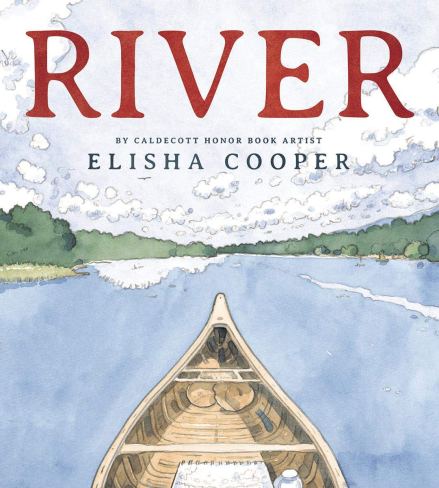
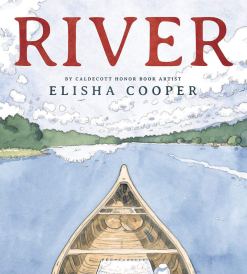
River

By Elisha Cooper


As a woman begins her solitary trip on a mountain lake, she turns and waves to her family. The familiar shore recedes, and she dips her oar into the blue water under gray skies and in the shadow of the tall mountains. “Three hundred miles stretch in front of her. A faraway destination, a wild plan. And the question: Can she do this?” As she enters the Hudson River, she plucks a pebble from the shallow water and places it beside her gear. Here, she must navigate the scattered rocks—and one that is not a rock at all, but a moose taking a dip.

celebrate-picture-books-picture-book-review-river-alone

Copyright Elisha Cooper, 2019, courtesy of Orchard Books, Scholastic, Inc.

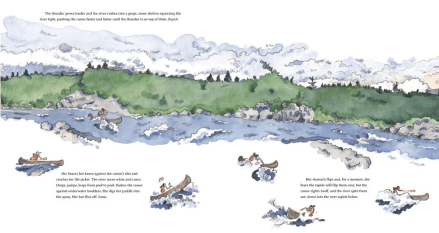
Ahead, she rides rapids that steal her hat and threaten to flip her. But she hangs on and makes it out on the other side. Now it’s time to set up camp for the night. Huddled in her tent, “she is alone, but not. The river stays beside her, mumbling to her and to itself all through the night.” With the dawn, she is on the river again, along with “otters, ducks, dragonflies, a kingfisher.” When she stops to pick blackberries, a bear cub ambles by to watch. The woman backs away slowly and continues down the river.

When she comes to a dam, she must carry her canoe. She trips, falls, and bloodies her knee, but on the other side of the dam, she returns to her paddling. When she comes to a waterfall, she gets in line for her turn to go through the lock. Once on her way again, she moves on to “farms with faded barns, to villages with white clapboard houses, to chimneyed factories on the outskirts of a town. Here, she pulls her canoe onto a levee where two boys are fishing. They ask her where she’s going, and she tells them. “It feels funny to talk.” As she walks into town, her legs also feel funny beneath her. She buys supplies and replaces her hat. That night is spent on a small island.

celebrate-picture-books-picture-book-review-river-rapids

Copyright Elisha Cooper, 2019, courtesy of Orchard Books, Scholastic, Inc.

When she wakes, the white fog has blanketed everything. She can’t see the river, but she watches an eagle high in a tree eating its breakfast. She takes out her sketchbook and draws. The fog lifts and she continues her journey. The days and nights are marked by her hardening callouses and darkening suntan, shortening pencils and waning sketchbook pages. She paddles past “craggy hills” and “around bell-ringing buoys, next to railway tracks and a clattering freight train.”

She dodges a tugboat oblivious to her presence and makes it to another village, where she mails postcards and buys a cookie. A rain drop falls just as she climbs back into her canoe. The raindrop turns into a drizzle and then “a single sheet blowing sideways. A squall.” Her canoe capsizes, “dumping her into the raging water.” When she is able, she drags her canoe and herself onto a rocky shore. “Shivering, she takes stock. Tent, gone, Clothes, soaked. Sketchbook, safe.”

celebrate-picture-books-picture-book-review-river-city

Copyright Elisha Cooper, 2019, courtesy of Orchard Books, Scholastic, Inc.

In the morning she starts again. As she rounds a bluff, the city spreads out in front of her. Far above her a gull watches as she makes her way past skyscrapers and boats large and small to the harbor and on to the boatyard, where “a bearded man in overalls—the builder of her canoe”—eagerly waits to hear about her trip and the sturdiness of her craft. After a cup of coffee, she launches her canoe for the last leg of her journey.

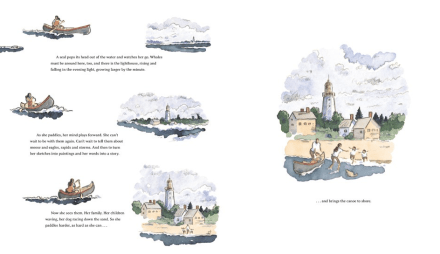
She is now in the open ocean with its wild waves. The horizon beckons, “but closer in she sees the lighthouse, and she knows it is time for her to be home.” She paddles harder and faster. “She can’t wait to be with them again. Can’t wait to tell them about moose and eagles, rapids and storms…to turn her sketches into paintings and her words into a story.” Her family is on shore waving, her dog running into the surf to greet her. She scuds into the shallows “…and brings the canoe to shore.”

An Author’s Note about the creation of River as well as a Note on the Hudson River and a list of sources and reading resources follows the text.

celebrate-picture-books-picture-book-review-river-home

Copyright Elisha Cooper, 2019, courtesy of Orchard Books, Scholastic, Inc.

Elisha Cooper’s loving and lyrical tribute to nature, courage, and self-reliance is nothing short of spectacular. His fluid storytelling plays out with the rhythm of an oar cutting and pushing a canoe along while transporting readers smoothly through this most evocative journey. With exquisite descriptions and compelling obstacles that will leave children wide-eyed and holding their breath, River is an expansive adventure story of one woman pitting herself against the power of the Hudson River and her own tenacity. The story is also one of love—respect for the environment, awe for community, and devotion to family and the support found there.

Cooper’s soft and sprawling watercolors envelop readers in the river setting, where the woman appears tiny against the rocky coastline, towering mountains, waterfalls, dams, and cityscapes. Double-page spreads swell the heart and invite wanderlust in even the most ardent homebodies. And there may be no better way to share this personal and universal journey than by gathering together and reading River in one sitting or—for younger children—breaking away at one of the many cliffhangers that will have everyone yearning to dip into the story again.

A must for school and public library collections, River is highly recommended for all home bookshelves as well for its inspiration for personal goals, it’s reflections on nature, and its encouragement that anything is possible.

Ages 4 – 8 and up

Orchard Books, 2019 | ISBN 978-1338312263

To learn more about Elisha Cooper, his books, and his art, visit his website.

National River Day Activity

celebrate-picture-books-picture-book-review-rivers-word-search

World Rivers Word Search Puzzle


The world’s rivers provide homes for fish, animals, and birds; offer opportunities for recreation; and supply drinking water for millions. Can you find the names of twenty rivers of the world in this printable puzzle?

World Rivers Word Search | World Rivers Word Search Solution

celebrate-picture-books-picture-book-review-river-cover

You can find River at these booksellers

Amazon | Barnes & Noble | Books-a-Million | IndieBound

September 10 – It’s Read a New Book Month

celebrate-picture-books-picture-book-review-miep-and-the-most-famous-diary-cover

About the Holiday

There are so many perfect times to read a book and so many new books to fill those hours. Kids love reading or being read to in school or before going to sleep. And adults they try to snatch a few minutes here and there during lunch or a break or before turning out the light. Whether you read a newly published book, a book that’s new at your local library or bookstore, or a book that’s just new to you, grab your favorite kind of book and start reading!  

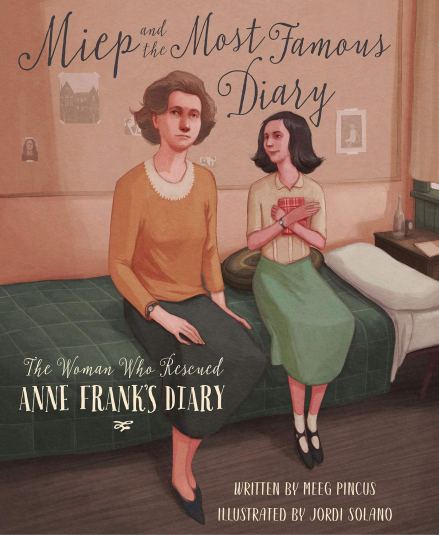
Miep and the Most Famous Diary: The Woman Who Rescued Anne Frank’s Diary

Written by Meeg Pincus | Illustrated by Jordi Solano


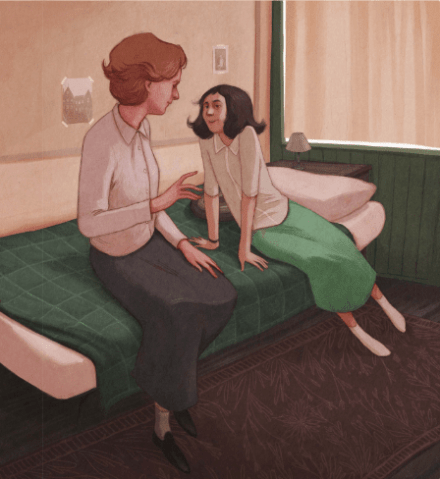
On August 4, 1944, Miep Gies hears the worst sound she’s ever heard: “footsteps on the secret back stairs.” The sound is “worse than the World War II bomber planes…. Worse than the queen’s quivering voice on the radio announcing the invading Nazi army.” The sound means that Nazi officers have come to arrest the Frank family who Miep has been hiding for two years. Miep hears the van carrying her friends roar away. She knows that soon Nazi movers will return to take away all of the Frank’s possessions. She knows too that she could be arrested for keeping anything belonging to her friends, but there is one item she must rescue. “It calls silently from the musty rooms above.”

celebrate-picture-books-picture-book-review-miep-and-the-most-famous-diary-august-4-1944

Image copyright Jordi Solano, 2019, text copyright Meeg Pincus, 2019. Courtesy of Sleeping Bear Press.

It takes many hours before Miep can bring herself to enter the secret annex. With her husband, Henk, and a coworker, Elli, they enter the rooms. In the bedroom, Miep finds what she is looking for: a red checkered diary that holds the thoughts and hopes of the Franks’ young daughter Anne. Miep “knows Anne dreams of publishing it as a book after the war.” Elli gathers up more of Anne’s writing that lies strewn across the floor, and Miep “grabs…Anne’s delicate combing shawl, strands of her dark hair clinging to its fabric like silky noodles.”

celebrate-picture-books-picture-book-review-miep-and-the-most-famous-diary-officer

Image copyright Jordi Solano, 2019, text copyright Meeg Pincus, 2019. Courtesy of Sleeping Bear Press.

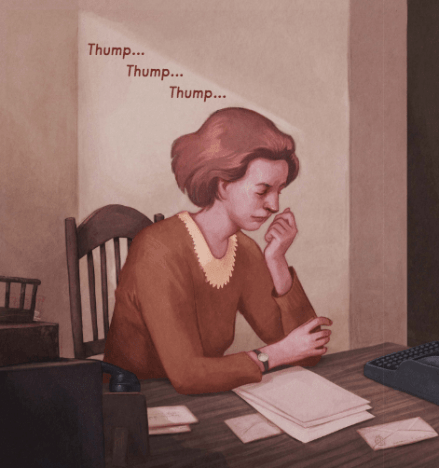
Miep hides Anne’s diary and combing shawl in the drawer of her desk, never reading it. Nine months go by then one day Henk rushes into their apartment with news that the war is over and that the Nazis have surrendered. Miep and Hank wait for their “friends and neighbors to return from the camps,” wondering if the Franks will be among them. One day, Miep sees a familiar figure approaching her door. It’s Mr. Frank. He is alone, his wife having died in the camp. He has no knowledge about Anne and her sister as they were sent to another camp. While Mr. Frank regains his strength with the help of Miep, he sends letter after letter trying to locate his daughters.

At last a letter arrives, but it “contains the worst possible news: Anne and her sister did not survive the war. The air in the office hangs as still and shattered as the day of the capture.” With a broken heart, Miep opens her desk drawer and retrieves “Anne’s diary, papers, and shawl.” As she hands them to Mr. Frank, he gasps. He takes them to his office and reads Anne’s diary. “He savors her tales of growing up in hiding, her bright calls for hope when all seems lost.” He urges Miep to read it too, but she feels that she “will drown in sorrow” if she does.

celebrate-picture-books-picture-book-review-miep-and-the-most-famous-diary-anne's-room

Image copyright Jordi Solano, 2019, text copyright Meeg Pincus, 2019. Courtesy of Sleeping Bear Press.

With the help of a war historian, Mr. Frank has Anne’s diary published. But, still, Miep cannot read it. Years go by before Miep opens the cover of Anne’s book. As she reads Anne’s words, she feels “as if Anne is standing right beside her, chattering away. Within the pages of her diary, Anne expressed her gratitude for the “gift…of writing, of expressing all that is in me” and her desire to “go on living even after my death!” After reading Anne’s words, Miep’s sadness lessens and she realizes that by saving her diary, “her beloved Anne will live on and on.”

An Author’s Note about how this book came to be written as well as more about the life of Miep Gies follows the text.

celebrate-picture-books-picture-book-review-miep-and-the-most-famous-diary-arrest

Image copyright Jordi Solano, 2019, text copyright Meeg Pincus, 2019. Courtesy of Sleeping Bear Press.

Reading Meeg Pincus’s compelling first page, readers can almost hear the stomp of Nazi footsteps on the stairs leading to the secret annex and feel the constriction of Miep Gies’s heart as the Franks are arrested and taken away. Miep’s courage amid her sadness reverberates throughout this true story, tinted with the secrecy of grocery runs, the hurried collection of Anne’s most precious possession, and her ongoing mission to protect her friends. Pincus’s excellent pacing and evocative storytelling, which includes actual quotes from Miep’s writings and is punctuated with emotion will have children holding their breath as they listen or read on their own. Heartbreaking facts are portrayed candidly and with respect for the target age, allowing Anne’s boundless hope to shine through.

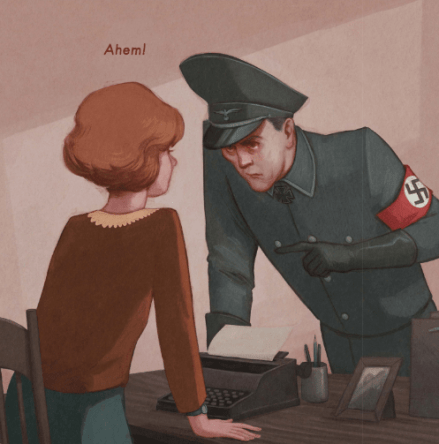
Seeming to take inspiration in color and tone from photographs on the front endpaper of Anne and her father flanked by Miep Gies and other helpers, Jordi Solano washes his illustrations in somber grays and greens, preserving bright spots for Anne’s red diary and her grass-green skirt that connects her to the colorfully clothed children who, on the final page, have come to visit the Anne Frank Museum. Miep’s grief at the arrest of her friends is palpable, and the Nazi officer who threatens her with arrest is depicted with sharp angles and an unrelenting stare. Children see Miep hide Anne’s diary in the back of a drawer and the approaching figure of Mr. Frank coming home from the detention camp. Solano portrays the moment when Mr. Frank, reunited with Anne’s diary and papers, clasps his daughter’s things to his heart. It is a poignant glimpse into this most private experience. As Miep finally reads Anne’s diary, Anne, herself, appears as she was, full of curiosity, joy, and love.

A must to be included in lessons about World War II, the Holocaust, and Anne Frank, Miep and the Most Famous Diary is also a poignant reminder of the crucial role of personal courage as well as the everlasting endurance of hope. The book should be included in all school and public libraries and would make a powerful addition to home libraries as well.

Ages 6 – 9

Sleeping Bear Press, 2019 | ISBN 978-1534110250

Discover more about Meeg Pincus and her books on her website.

To learn more about Jordi Solano, his books, and his art, visit his website.

Read a New Book Month Activity

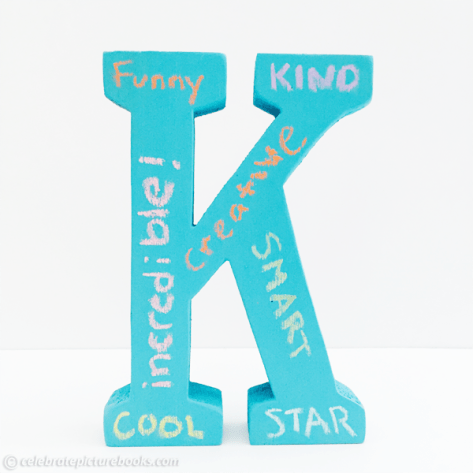
celebrate-picture-books-picture-book-review-initial-bookends-craft

Initials Bookends


You can display your personality along with your favorite books with this easy craft! This makes a great gift too!

Supplies

  • Sturdy wooden letter blocks in the child’s first and last initials. Or, if the child would like to try on a new name or nickname, the first letter of their new name.
  • Chalkboard or acrylic paint
  • Colored chalk
  • Paint brush

Directions

  1. Paint the letters, let dry
  2. With the chalk write words that describe you or names of your heroines and/or heroes
  3. Display your bookends

celebrate-picture-books-picture-book-review-miep-and-the-most-famous-diary-cover

You can find Miep and the Most Famous Diary at these booksellers

Amazon | Barnes & Noble | Books-a-Million | IndieBound

Picture Book Review

September 9 – It’s National Hispanic Heritage Month

celebrate-picture-books-picture-book-review-dancing-hands-cover

About the Holiday

Beginning on September 15th  and running through October 15th, National Hispanic Heritage Month celebrates the contributions of those who come from or whose ancestors immigrated from Spain, Mexico, the Caribbean, Central America, and South America. Each year the holiday adopts a particular theme. This year’s theme is Hispanic Americans: A History of Serving Our Nation. From the military, to business and industry to culture, sports, and entertainment Hispanic Americans have made an important and indelible imprint on our country. First observed in 1968 as a week-long holiday, the commemoration was expanded to a month in 1988 under President Ronald Reagan. To celebrate, learn more about Hispanic Americans who have influenced our culture, attend a special event, and enjoy great books by Hispanic authors like today’s book! You can learn more about the holiday at the official Hispanic Heritage Month website.

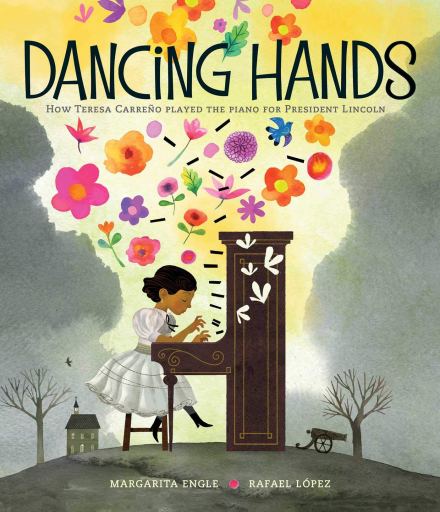
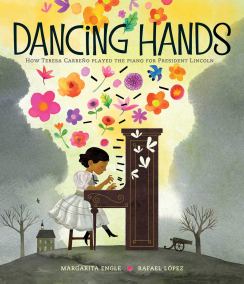
Dancing Hands: How Teresa Carreño Played the Piano for President Lincoln

Written by Margarita Engle | Illustrated by Rafael López


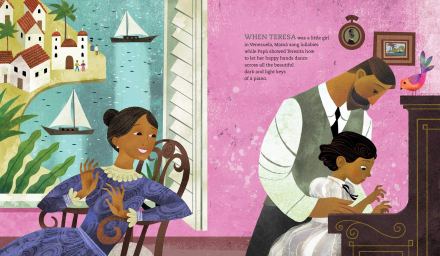
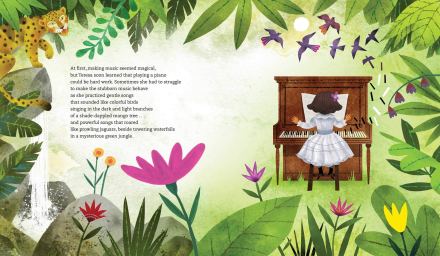
Growing up in Venezuela, Teresa listened to her mother’s lullabies and learned how to play the piano from her father. It wasn’t always easy “to make the stubborn music behave as she practiced gentle songs that sounded like colorful birds…and powerful songs that roared like prowling jaguars, beside towering waterfalls in a mysterious green jungle.” But by the time she was six, she was composing her own songs and at seven, she played in the cathedral.

celebrate-picture-books-picture-book-review-dancing-hands-papa

Image copyright Rafael López, 2019, text copyright Margarita Engle, 2019. Courtesy of Atheneum Books for Young Readers.

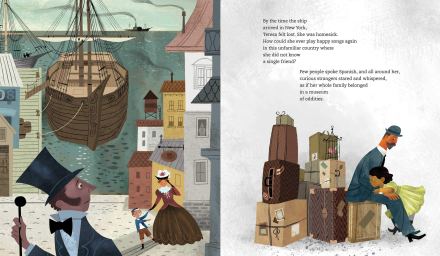
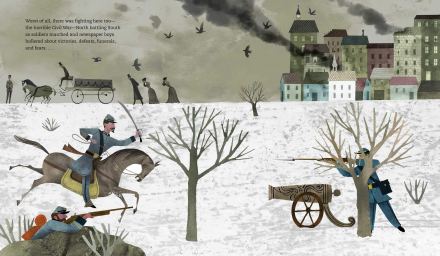
When Teresa was eight, however, her world was rocked by war, and she and her family escaped by ship to America. In New York, she felt lost among all of the strangers, who didn’t speak Spanish and gawked at her and her family as if they “belonged in a museum of oddities.” Even here, they had not escaped conflict as the Civil War waged, pitting the North against the South and family against family.

celebrate-picture-books-picture-book-review-dancing-hands-jungle

Image copyright Rafael López, 2019, text copyright Margarita Engle, 2019. Courtesy of Atheneum Books for Young Readers.

Teresa found refuge in her new piano and began to make friends with musicians who came to her home to listen and play along. Teresa practiced all types of music, “her strong hands accepting the challenge of life’s many dark and light moods.” She became well known as “the Piano Girl” and performed with big orchestras and in theaters. She became so famous that she was even invited to play for President Abraham Lincoln and his family at the White House.

celebrate-picture-books-picture-book-review-dancing-hands-cathedral

Image copyright Rafael López, 2019, text copyright Margarita Engle, 2019. Courtesy of Atheneum Books for Young Readers.

At the time Washington DC was awash in suffering, torn by war and weariness. President Lincoln’s young son had recently become sick and died. How, Teresa wondered, “could music soothe so much trouble?” Holding tightly to Papá’s hand, she entered the White House and was ushered into a room “as red as a storm or a sunrise.” As she sat at the piano, Teresa recalled past challenges and her discover that life was a “mixture of all sorts of feelings, happy and sad.”

celebrate-picture-books-picture-book-review-dancing-hands-ship

Image copyright Rafael López, 2019, text copyright Margarita Engle, 2019. Courtesy of Atheneum Books for Young Readers.

She began to play, but the piano was out of tune, “making her music sound ugly.” She stopped, but then President Lincoln requested she play his “favorite song, ‘Listen to the Mockingbird.’” This was a song Teresa could play on this imperfect piano. “Her fingers leaped across all the dark and light keys, improvising the way mockingbirds do, the melody changing as she went along.” Lincoln closed his eyes and was taken away on the soaring notes.

celebrate-picture-books-picture-book-review-dancing-hands-new-york

Image copyright Rafael López, 2019, text copyright Margarita Engle, 2019. Courtesy of Atheneum Books for Young Readers.

When the song ended, the President rose and applauded. He smiled at Teresa and she smiled back, understanding that “her music had brought comfort to a grieving family, at least for one brief, wonderful evening of dancing hands.” Teresa continued to share her gift with the world, always bringing “beautiful dark and light moments of hope” to her listeners.

A Historical Note about the life of Teresa Carreño follows the text.

celebrate-picture-books-picture-book-review-dancing-hands-war

Image copyright Rafael López, 2019, text copyright Margarita Engle, 2019. Courtesy of Atheneum Books for Young Readers.

Margarita Engle’s soaring biography introduces readers to an astounding woman who, even as a child, had not only a prodigious talent for the piano but a gift for understanding life as well. Engle, the 2017 -2019 national Young People’s Poet Laureate, infuses her story with beautiful lyricism and stirring metaphors that evoke the power of music in Teresa’s heart and hands. On these pages, music becomes a living thing, capable of forming friendships, soothing grief, providing escape, and offering hope. Engle’s focus on the meeting between Teresa Carreño and Abraham Lincoln is significant and offers inspiration to young readers. Like Teresa, who, concerned with playing just right, was presented with an imperfect piano but encouraged by Lincoln’s kindness, they too can learn that with a steady and courageous heart, anyone can use their talents to overcome challenges.

In Rafael López’s crisp, stylish illustrations, Teresa Carreño’s love of music and its emotional power serves as a counter point to the distress of war and anguish of grief. Using vibrant greens, pinks, oranges, and blues, Lopez surrounds Teresa with lush vegetation, dazzling birds, and the security of home. Muted variations of  these colors depict the bleakness of war. A moving image, washed completely in gray except for an approaching vivid bird and a tinge of soft rose dawn shows a mourning Abraham Lincoln alone in his office but soon to be comforted by Teresa’s music.

A beautiful and uplifting biography for kids of all talents, Dancing Hands: How Teresa Carreño Played the Piano for President Lincoln would be an inspiring addition to home, school, and public library bookshelves.

Ages 4 – 8

Atheneum Books for Young Readers, 2019 | ISBN 978-1481487405

Discover more about Margarita Engle, her books, and her poetry on her website.

To learn more about Rafael López, his books, and his art, visit his website.

National Hispanic Heritage Month Activity

CPB - Tortilla chips (2)

Homemade Baked Cinnamon Tortilla Chips


It’s easy to make these yummy tortilla chips at home! Why not invite your friends over and bake up a batch or two to enjoy while playing or reading together?

Ingredients

  • 2 10-inch flour tortillas
  • ¾ teaspoon cinnamon
  • 2 ½ tablespoons sugar
  • Butter

Directions

  1. Preheat oven to 350 degrees
  2. Combine the cinnamon and the sugar in a bowl
  3. Butter the tortillas
  4. Sprinkle the tortillas with the cinnamon sugar mixture
  5. Cut the tortillas into 8 pieces
  6. Place pieces on a baking sheet
  7. Bake in 350-degree oven for 12 – 15 minutes
  8. Chips will become crispier as they cool.

Makes 16 chips

celebrate-picture-books-picture-book-review-dancing-hands-cover

You can find Dancing Hands: How Teresa Carreño Played the Piano for President Lincoln at these booksellers

Amazon | Barnes & Noble | Books-a-Million | IndieBound

Picture Book Review
August 21 – It’s Back to School Month

celebrate-picture-books-picture-book-review-truman-cover

About the Holiday

For many children across the country August is the month for going back to school—or just starting on that journey. Some children eagerly look forward to spending the day in a classroom with other kids and learning new things from their teacher or teachers. For others the transition from home to school is a little more daunting. Finding ways to reassure hesitant students can go a long way toward happiness and success in school. Books can help! Through the experiences and feeling of all types of children and characters in picture books, chapter books, and middle grade and young adult novels, kids can share their feelings, whether they are excited or more uncertain about the school year ahead.
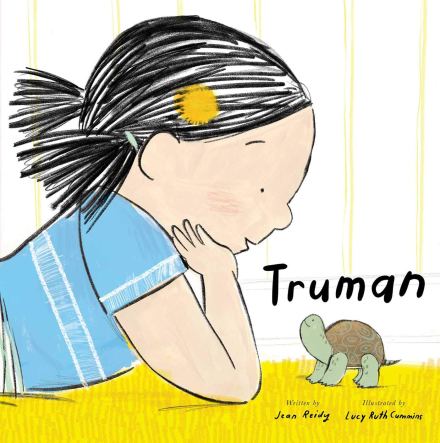
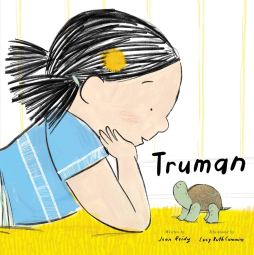
Truman

Written by Jean Reidy | Illustrated by Lucy Ruth Cummins


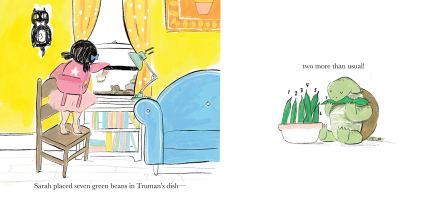
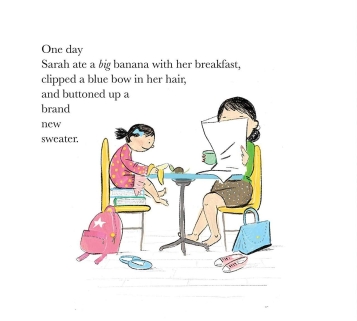
Truman was a little round tortoise “the size of a donut—a small donut—and every bit as sweet.” He lived with “his Sarah,” who was just as quiet and thoughtful as he was, in an apartment above a busy street. One day, Sarah ate an extra-big banana, wore a new sweater, and strapped on an enormous backpack. She even gave Truman extra green beans for breakfast. Then before she left, “she kissed her finger and touched it to his shell and whispered, ‘Be brave.’”
celebrate-picture-books-picture-book-review-truman-coloring

Image copyright Lucy Ruth Cummins, 2019, text copyright Jean Reidy, 2019. Courtesy of Atheneum Books for Young Readers.

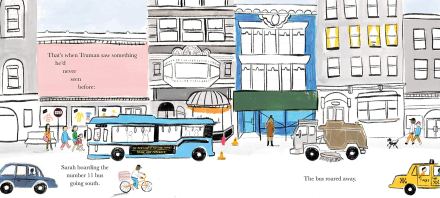
Truman got to thinking about all the new things he’d seen that morning. He looked out the window and saw Sarah getting on the number 11 southbound bus. She had never done that before. Truman waited and waited and waited for Sarah to return. At last, we could wait no longer and decided he would go after her, even if it meant catching the bus “amid the honking and the growling and the shrieking” of the street below. Of course, his tank might be a problem, but there was that nice rock pile….

celebrate-picture-books-picture-book-review-truman-green-beans

Image copyright Lucy Ruth Cummins, 2019, text copyright Jean Reidy, 2019. Courtesy of Atheneum Books for Young Readers.

In a moment he was out and traversing the soft pillows and rubber boots, wooden floor and “endless rug. Without Sarah, their home seemed vast and uncharted and unsettling.” But as Truman reached the window, he realized that he couldn’t see the street at all and that he didn’t even know which way was south. Truman was beginning to lose heart. Then he heard, amid all the other sounds, the number 11 bus and Truman felt brave.

celebrate-picture-books-picture-book-review-truman-kiss

Image copyright Lucy Ruth Cummins, 2019, text copyright Jean Reidy, 2019. Courtesy of Atheneum Books for Young Readers.

“He was just about to slip under the door” when it opened and Sarah walked in. She saw him immediately and was so full of wonder at his amazing feat. She gently put him back in his tank. Truman felt proud. Later, Sarah read him a story she’d written and he couldn’t wait for that day when Sarah would take him with her south where they would “see new sights and hear new sounds and think new thoughts…together.”

celebrate-picture-books-picture-book-review-truman-bus

Image copyright Lucy Ruth Cummins, 2019, text copyright Jean Reidy, 2019. Courtesy of Atheneum Books for Young Readers.

Jean Reidy’s sweet and surprising tale of a tiny tortoise with a big heart has everything you’d want in a story of friendship and new experiences. This adorable pair are two of a kind, ready to explore and meet new challenges. Truman’s trek from his tank to the front door is as daring as any grand adventure, and Sarah’s recognition of her pet’s bravery is reassuring and affirming for all those facing journeys of their own. Reidy’s gentle storytelling sparkles with evocative vocabulary and the kinds of perfect little details that draw kids in. As Sarah tells Truman to “be brave,” she could be encouraging herself as well, and their day, each successful in its own way, is something both can take pride in. Readers will relate to Reidy’s touches of humor and Truman’s indefatigable spirit.

celebrate-picture-books-picture-book-review-truman-backpack

Lucy Ruth Cummins’ stylish illustrations, rendered in a bright yet soothing color palette have a wonderful welcoming feeling as readers are introduces to Sarah, who has a delightful affinity for tutu-like skirts, and Truman, who likes nothing better than being close to “his Sarah.” Kids will fall in love with this tiny, adorable tortoise as he nibbles green beans, contemplates the differences in the morning routine, and makes his way across the rug and past scary toys to the front door. Kids will enjoy keeping an eye on the Sarah’s little yellow flower from page to page. The moment when Sarah finds Truman at the front door shines with their mutual love for each other, and their tender story time will captivate any child.

Endearing from beginning to end, Truman will be an often-asked-for addition to home, classroom, and public library collections.

Ages 4 – 8

Atheneum Books for Young Readers, 2019 | ISBN 978-1534416642

Discover more about Jean Reidy and her books on her website.

To learn more about Lucy Ruth Cummins, her books, and her art, visit her website.

Back to School Month Activity

celebrate-picture-books-picture-book-turtle-shell-game

Follow the Turtles! Game


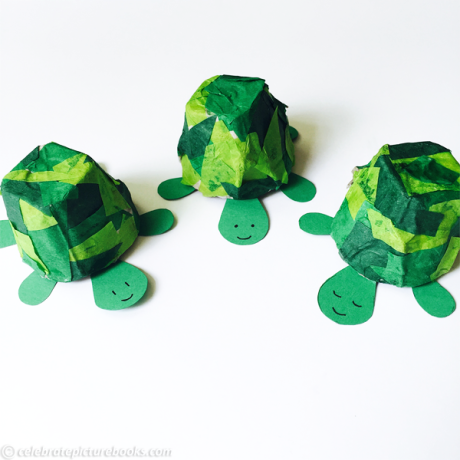
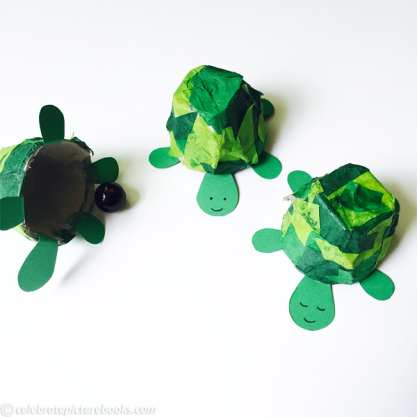
You can make this fun game from recycled materials and a little creativity! When you’re finished making the turtle shells, have fun guessing where the marble, bead or bean is hiding!

Supplies

  • Cardboard egg carton
  • Green tissue paper in different hues
  • Green construction or craft paper
  • A marble, bead, or bean
  • Glue
  • Scissors

celebrate-picture-books-picture-book-turtle-game

Directions

  1. Cut the egg carton apart into individual cups. You will need 3 cups for each game made.
  2. Cut the rims of the cups so they sit flat on a table.
  3. If the cups have open sides, fit two cups inside one another to fill the gaps
  4. Cut the tissue paper into small shapes
  5. Brush glue on a cup (I used a paper towel to apply glue)
  6. Cover the egg cup with pieces of tissue paper. Repeat with other cups.
  7. Let dry
  8. Cut a head and feet from the green craft paper
  9. Tape or glue the edges of head and feet to the inside of the cups
  10. Add a face to the head

To play the game:

  1. Line up the cups on a table
  2. Put a bead, bean, or marble under one of the cups
  3. Show the other player which cup the object is under
  4. Quickly move the cups around each other several times
  5. Ask the other player which cup they think the object is under
  6. Take turns playing

Extra Game: Make three more and play turtle tic-tac-toe! 

celebrate-picture-books-picture-book-review-truman-cover

You can find Truman at these booksellers

Amazon | Barnes & Noble | Books-a-Million | IndieBound

Picture Book Review