January 9 – It’s International Creativity Month

celebrate-picture-books-picture-book-review-the-marvelous-thing-that-came-from-a-spring-cover

About the Holiday

There’s no better time than the beginning of the year to start letting your creative juices flow! Quick fixes or long-leisurely projects are all within your grasp! Want to repaint a room? Build a tree house in the spring? Learn some new recipes? Discover a new hobby? Start planning today how you will accomplish the inventive inspirations that swirl through your imagination.

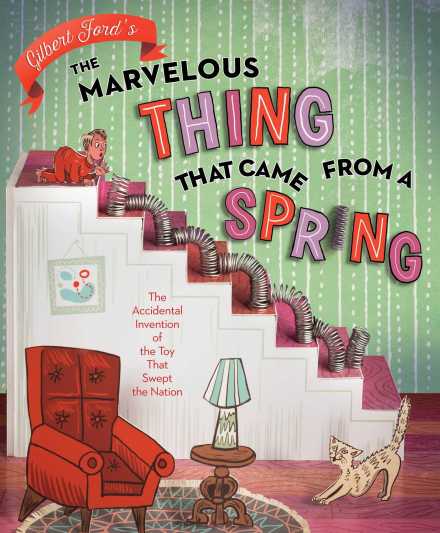
The Marvelous Thing That Came from a Spring: The Accidental Invention of the Toy That Swept the Nation

By Gilbert Ford


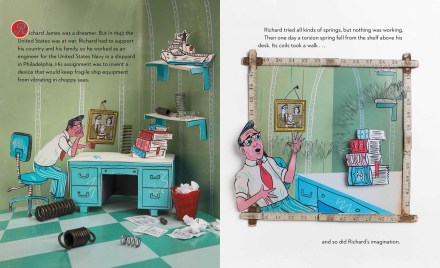
In 1943, during World War II, the United States Navy asked one of their engineers, Richard James, to “invent a device that would keep fragile ship equipment from vibrating in choppy seas.” Richard tried all kinds of springs, but none worked just right. “One day a torsion spring fell from a shelf onto his desk, and “its coils took a walk…” This sparked Richard’s imagination. While Richard knew the spring wasn’t right for his Navy work, he recognized that it might be perfect for something else. But what?
celebrate-picture-books-picture-book-review-the-marvelous-thing-that-came-from-a-spring-spring-walks-spring-falls-off-shelf

Copyright Gilbert Ford, courtesy of simonandschuster.com

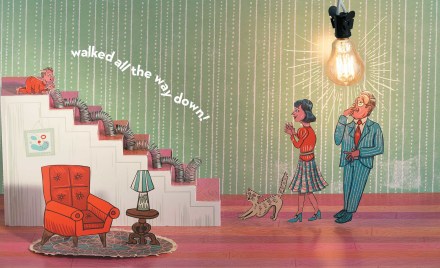
He took the spring home from work that day, showed it to his wife Betty, and gave it to his young son Tom. Tom took it to the top of the stairs and let it go. “The family watched in astonishment as it…walked all the way down!” They lost no time in realizing that this spring made a marvelous toy. But what to call it? “Betty thumbed through a dictionary for two days, underlining words. None really caught her fancy, until she came to ‘slinky,’ which means “‘graceful’ and ‘curvy in movement.’” It also “sounded like the swish and clink of the spring’s coils in motion.”
celebrate-picture-books-picture-book-review-the-marvelous-thing-that-came-from-a-spring-spring-walks-downstairs

Copyright Gilbert Ford, courtesy of simonandschuster.com

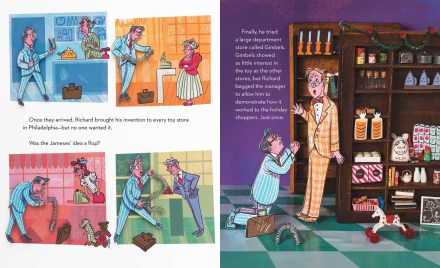
Richard and Betty thought they had a unique hit on their hands, so Richard went to the bank and borrowed five-hundred dollars to make 400 Slinkys. But while Richard and Betty loved their Slinky, toy store managers did not. Finally, Richard went to Gimbels, the big department store. The manager there didn’t see the merits of the Slinky either, but when Richard begged to be allowed to demonstrate it just once, he relented.

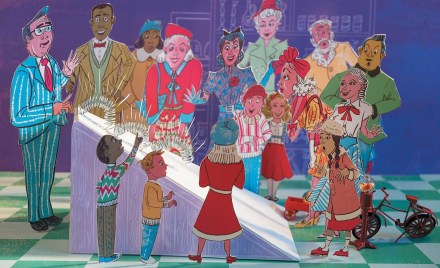
It was now November 1945 and the Christmas shoppers were out looking for stocking stuffers. Richard set up a ramp in the middle of the toy department and placed the Slinky at the top. He looked around for Betty, but she was nowhere to be seen. In fact, Betty was still at home worried that no one would like their toy. She was so concerned that she convinced a friend to “pose as an excited shopper” and buy one with the dollar Betty gave her. At Gimbels, however, time—and shoppers—were passing, so Richard let go of the Slinky. The astonished faces of the children and adults crowded around the ramp said it all. By the time Betty and her friend reached Gimbels, all 400 Slinkys had been sold—in only 90 minutes!
celebrate-picture-books-picture-book-review-the-marvelous-thing-that-came-from-a-spring-spring-walks-spring-richard-begs-gimbels

Copyright Gilbert Ford, courtesy of simonandschuster.com

With the end of the war that same year, troops returned home and a baby boom soon followed. “Demand for the Slinky skyrocketed.” Production needed to speed up, so Richard devised a “machine that could coil eighty feet of steel wire into a Slinky in ten seconds.” The Slinky business became a family business with Betty filling orders and doing the accounting while Richard made and delivered Slinkys. Pretty soon they needed a factory to satisfy demand. That demand still exists today as kids all over the world love the Slinky.
celebrate-picture-books-picture-book-review-the-marvelous-thing-that-came-from-a-spring-spring-walks-spring-at-gimbels

Copyright Gilbert Ford, courtesy of simonandschuster.com

An extended Author’s Note picks up the story of the Slinky where the text leaves off, revealing other creative ways the Slinky has been used and the fact that when Richard went to Bolivia in 1960 to do missionary work, Betty took over the business, relocated the factory to Hollidaysburg, Pennsylvania, and gave the toy a rebirth in popularity. More than 250 million Slinkys have been produced, and in 2001 Betty was inducted into the Toy Industry Hall of Fame.

Gilbert Ford’s Slinky-ography of the man and woman behind one of the world’s most beloved toys is a skip, jump, and bounce through the ingenious brainstorm that transposed a simple spring into a phenomenon. The down-to-earth details of how this invention came to be harken back to a simpler time but also reaffirm that even today there are dreamers sitting in homes across the world imagining the next big thing. Ford’s story is well paced, leading readers through the production process to experience cheerful surprise when the Slinkys sell out at Gimbels. Kids will appreciate the easy-going language that suits its subject perfectly and the emphasis on the teamwork of both Richard and Betty James that made the Slinky possible.

Ford’s illustrations are ingenious in themselves. Careful observation reveals that each page is not merely a drawing, but a 3D experience. As the front matter explains, the illustrations were drawn and colored then printed, assembled into dioramas that incorporate found objects and other popular toys of the period, such as dominoes, jacks, and pick-up sticks, and finally photographed. The effect drops readers into the middle of a 1940s home and department store, giving them a personal stake in the drama.

The Marvelous Thing That Came from a Spring is a fun book for would-be-inventors and kids interested in the history of objects they use and play with.

Ages 4 – 8

Atheneum Books for Young Readers, Simon & Schuster, 2016 | ISBN 978-1481450652

Discover a portfolio of work by Gilbert Ford for books, book jackets, advertising, and more on his website!

International Creativity Month Activity
celebrate-picture-books-picture-book-review-national-archives-coloring-book-of-patents

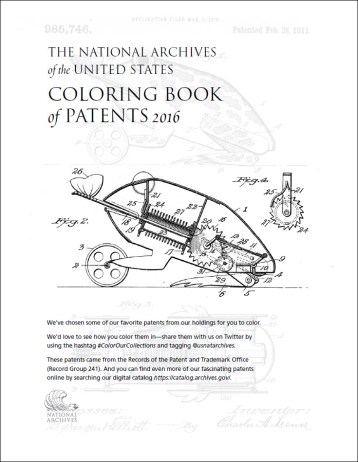
National Archives Coloring Book of Patents


The people at the National Archives of the United States in Washington DC chose some of their favorite patents from the past to share with you as a coloring book. As you have fun coloring these pages of ideas, let yours fly too!

Click here to get your printable National Archives Coloring Book of Patents

Picture Book Review

December 29 – Tick Tock Day

celebrate-picture-books-picture-book-review-ticktock-banneker's-clock-cover

About the Holiday

As the year winds down Tick Tock Day reminds us of the passage of time and encourages us to examine our life and find opportunities to accomplish the things we really want to. While the day only has 24 hours, a little creative scheduling, letting go of those tasks that aren’t so important, and even saying “no,” can help us achieve the things that matter.

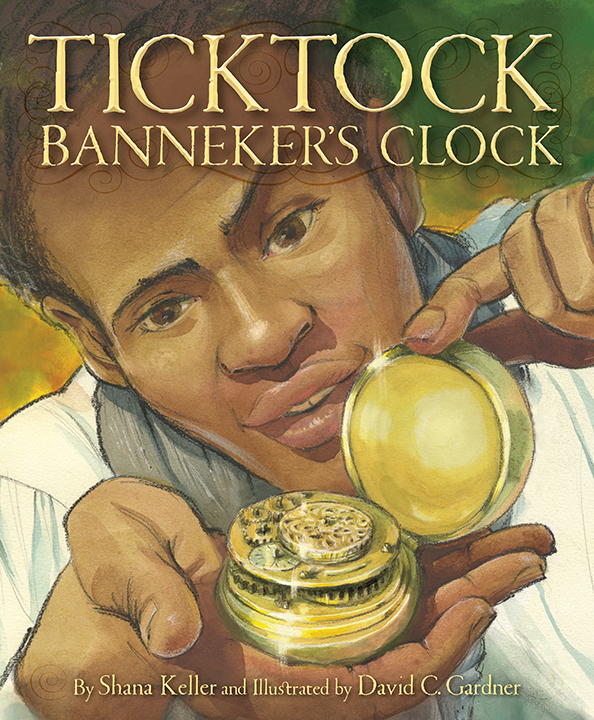
Ticktock Banneker’s Clock

Written by Shana Keller | Illustrated by David C. Gardner


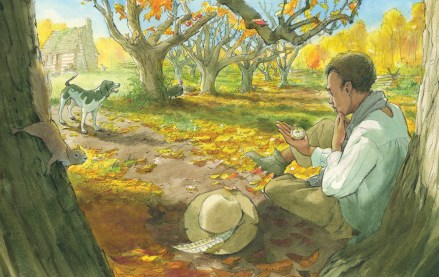
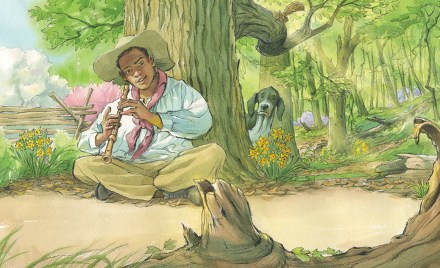
With winter approaching Benjamin Banneker has finished up his autumn chores and is looking forward to time to indulge his creative dreams. He finds his favorite spot under the chestnut tree—the place where during the summer he plays his violin and flute, “blending his soft music with the bird’s songs”—and pulls out a pocket watch he has borrowed from a gentleman. Benjamin is fascinated by the ticking and the movement of the small hands. He carefully opens the back of the watch and discovers “a world of wonderful whirls. There were gears of all shapes and sizes. Such a tiny maze!”

celebrate-picture-books-picture-book-review-ticktock-banneker's-clock-studying-pocket-watch

Image copyright David C. Gardner, courtesy of flyingdogstudio.com

The miniature timepiece is mesmerizing, but Benjamin’s mind holds a challenge—a big challenge. He envisions a large clock, one that chimes to tell the time. Remembering his math skills, Benjamin mulls over the scale needed to turn “something small into something big.” As the snow falls, Benjamin goes to work. First, he dismantles the pocket watch and draws careful diagrams of the gears and workings. Then he begins transposing these into larger drawings.

celebrate-picture-books-picture-book-review-ticktock-banneker's-clock-flute

Image copyright David C. Gardner, courtesy of flyingdogstudio.com

With the coming of spring and his drawings finished, Benjamin plans how he will build his clock. While the little pocket watch is made of metal, that material is much too expensive for a large version. As he ponders the problem under his favorite tree, Benjamin looks around him. Suddenly he knows! The answer is “right in front of him, even in his hands! The very instrument he played was made of wood!” There is a forest of trees on his farm, and this material is free.

During the summer between farm chores, Benjamin uses “every spare moment he had to find the perfect pieces of wood.” Once he has enough he begins to convert his drawings into carvings, whittling the gears and other pieces he will need. Soon, however, he becomes discouraged. The wood begins to split and come apart. Benjamin thinks about how his family cures tobacco leaves—drying them out until all the moisture evaporates. Perhaps, he thinks, he can do the same with wood to make it stronger. The process would take months, but Benjamin is patient.

celebrate-picture-books-picture-book-review-ticktock-banneker's-clock-carving

Image copyright David C. Gardner, courtesy of flyingdogstudio.com

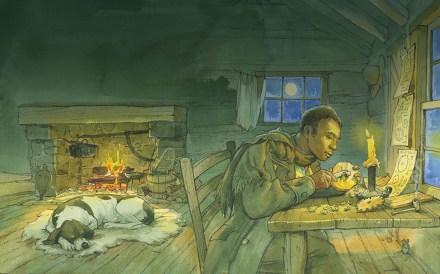
Winter has come around again, and the wood is finally ready. In his warm house Benjamin sets about carving again. During the day he carves near the sunny window, and at night he works by candlelight. At last he has all the parts he needs to build his clock. Gears, wheels, tiny pins, and the boards that will become the case are scattered across Benjamin’s work table. There is only one piece missing. A piece that cannot be made of wood—the bell!

Benjamin buys a bell from a metalsmith, and back home begins to build his clock. With his drawings to guide him, he fits the gears together and then sets the hands to “match up perfectly with the second, minute, and hour of each day. It took more than one try, but Benjamin had learned to be patient.” Using the sun to determine the correct time, Benjamin positions the hands and steps back. His clock works! “The little iron bell chimed every hour, on the dot, for the next forty years.” Benjamin becomes famous, and neighbors from near and far come “to see his amazing invention.”  

An Author’s Note expanding on Benjamin Banneker’s life and work follows the text.

celebrate-picture-books-picture-book-review-ticktock-banneker's-clock-winter

Image copyright David C. Gardner, courtesy of flyingdogstudio.com

With lyrical language that glides as smoothly as a well-oiled timepiece, Shana Keller reveals the remarkable story of Benjamin Banneker, born free during the time of slavery, who possessed exceptional math and scientific skills and used them to help his friends and neighbors and to make real his vision of a striking clock. Keller’s detailed and descriptive storytelling animates this life story, allowing readers to take the journey with Banneker as he experiences excitement, setbacks, and ultimately success. Banneker, embodying determination, persistence, and creativity, is an excellent role model for kids with big dreams of their own.

celebrate-picture-books-picture-book-review-ticktock-banneker's-clock-studying-fall-chores

Image copyright David C. Gardner, courtesy of flyingdogstudio.com

David C. Gardner’s lovely full-page and two-page-spread illustrations gloriously portray Benjamin Banneker’s farm and home as well as his dedicated commitment to building a striking clock despite—or perhaps spurred on by—the challenges he faced. Gardner’s detailed images set the biography firmly in its time period, letting children experience farm and home life in the 1750s. Banneker carries wooden buckets to feed the animals, tobacco leaves hang in a dry shed, a fire blazes in a large, open fireplace, and a candle flickers as Banneker whittles wheels and gears with his pocket knife. The realistic paintings that depict Banneker’s emotions as he imagines creating a large clock, overcomes obstacles, and studiously works on his drawings and carvings will inspire readers to attempt their own inventions—whatever they may be.

For any would-be inventors, history lovers, tinkerers, and science buffs, Ticktock Banneker’s Clock is a stirring biography that would make an inspirational addition to home, school and public libraries.

Ages 6 – 10

Sleeping Bear Press, 2016 | ISBN 978-1585369560

Learn more about Shana Keller and her work on her website!

Discover a portfolio of picture book art, fine art, animation, and videos by David C. Gardner on his website!

Tick Tock Day Activity

celebrate-picture-books-picture-book-review-cuckoo-clock-coloring-page

Cuckoo Clock Coloring Page


The chirp of a cuckoo clock keeps you on time—or at least aware of the passing of time! Here’s a printable Cuckoo Clock Coloring Page for you to enjoy!

Picture Book Review

December 28 -Christmas Bird Count Week

celebrate-picture-books-picture-book-review-some-birds-cover

About the Holiday

For 117 years the Audubon Society has held a bird count in North America, Central America, and South America from December 14 through January 5. The count is conducted by professionals and volunteers who sign up to monitor various areas designated in 15-mile-wide diameter circles. The information and statistics gathered help to keep track of bird populations and aid in protecting our beautiful feathered friends. During the snowy, cold winter months, remember to set out seed and suet for birds to eat. For more information or to get involved, visit the Audubon Society website.

Some Birds

By Matt Spink


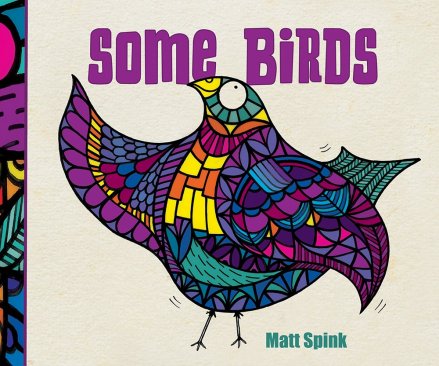
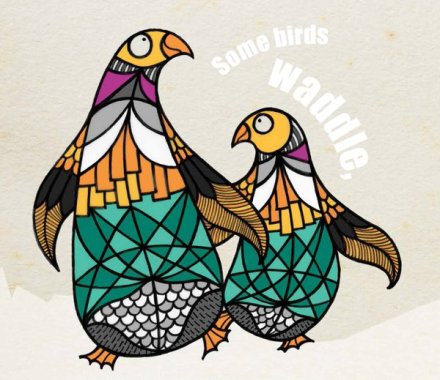
The variety of birds in the world is astounding! With their unique coloring, songs, and behaviors, our feathered friends provide entertainment and beauty wherever we are. Most times, we only need peer out the window or gaze into the sky to find a fascinating array of life. In his illustrated poem Matt Spink takes readers on a flight of fancy to show the charm, power, and even quirkiness of birds. “Some birds are big / some birds are small / and some birds are just incredibly tall,” the book starts.

celebrate-picture-books-picture-book-review-some-birds-tall-bird

Image copyright Matt Spink, courtesy Matt Spink

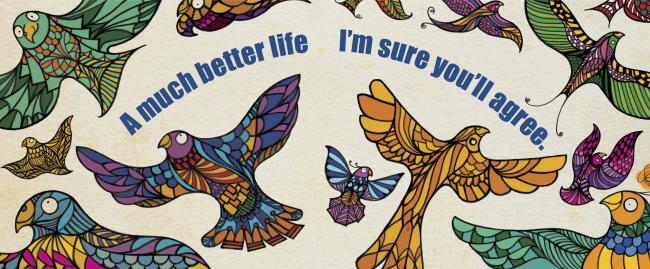
How do these birds get around? Sure, they fly but “some birds swoop,” others “soar high,” and still others walk or waddle or hop. And when they get hungry? “Some birds eat worms until they go pop!” Some birds get the itch to swim, tweet, squawk, or twitch, and while some cling to trees making rat-a-tat-tats, others build nests to escape “from sly cats.” Though some birds live in cages, “most birds are free. / A much better life, I’m sure you’ll agree.”

celebrate-picture-books-picture-book-review-some-birds-tall-penguins

Image copyright Matt Spink, courtesy Matt Spink

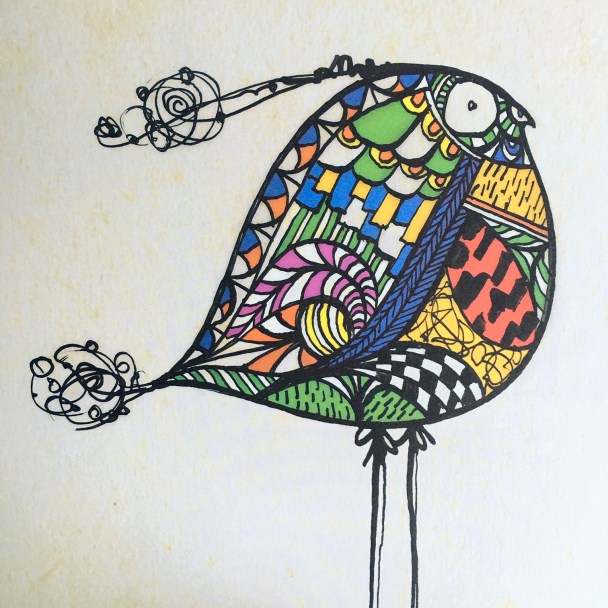
Matt Spink’s sleek birds, each as shining as a stained glass window and as detailed as an Amish quilt or Native American carving, embody the distinct personalities that make these creatures so endearing. With expressions that will make kids giggle and brilliant color combinations that will inspire their creativity, Some Birds is a page-turner. Teetering on loooong knitting-needle-thin legs, a little ball of a bird with a teeny beak and scroll-work head and tail feathers humorously spans two pages. A green-and-white quail with a frilly orange topknot cranes her neck to get a better look (at you, the reader?). Two psychedelic friends flutter and flap as they compare plumage.

Matt Spink’s Some Birds is a mosaic of wonder for young and older readers, and would make a vibrant addition to home bookshelves. After all, who among us does not yearn to “fly free?”

celebrate-picture-books-picture-book-review-some-birds-free

Image copyright Matt Spink, courtesy Matt Spink

Ages 2 – 5

Harry Abrams, 2016 | ISBN 978-1419720703

Christmas Bird Count Activity

celebrate-picture-books-picture-book-review-bird-coloring-page

Feathered Friends Coloring Page


Watching birds flit and fly through the sky is a pleasure of being outdoors or just gazing through your window. Enjoy this printable Feathered Friends Coloring Page of a parent bird and their little one!

Picture Book Review

December 18 – Bake Cookies Day

celebrate-picture-books-picture-book-review-the-way-the-cookie-crumbled-cover

About the Holiday

Winter and the holiday season just doesn’t seem right without cookies. Baking those traditional morsels passed down from generation to generation makes the house smell yummy, creates family bonds, and provides delicious gifts for parties, neighbors, friends, and even you! To celebrate, bake up a batch or two of your favorite cookies, and discover fascinating facts in today’s book!

The Way the Cookie Crumbled

Written by Jody Jenson Shaffer | Illustrated by Kelly Kennedy


You might love lemon cookies, chomp chocolate chip cookies, and munch macaroons, but do you know where cookies came from or their perhaps less-than-delicious beginnings? Well, one of our fav snacks most likely got its start on a hot rock around 10,000 years ago. Ingenious farmers created a paste of wheat and water and baked this concoction by the heat of the sun. Convenient? Sure! Tasty? Maybe not so much.

celebrate-picture-books-picture-book-review-the-way-the-cookie-crumbled-clay-oven

Image copyright Kelly Kennedy, text copyright Jody Jensen Shaffer. Courtesy of Simon Spotlight, Simon & Schuster.

Fast forward to the 600s and the Persians began making improvements to the recipe. “They added things like eggs, butter, cream, fruit, honey, and eventually sugar. By this time hot rocks had been replaced by clay ovens. But the temperature was hard to determine, so “bakers dropped a bit of batter in them as a test.” While the batter went on to be used for cakes, these “tiny test cakes became treats themselves—what we would now call cookies.”

As time went by and people began traveling more, new ingredients, such as ginger, cinnamon, nutmeg, and powdered deer horns were introduced. Wait!…What? That’s right…ground up deer horns were used like baking powder and baking soda are used today to make baked goods rise. It wasn’t until 1850 that those conveniences came around; and not until the early 1900s that ovens and refrigerators made baking and storing foods easier.

celebrate-picture-books-picture-book-review-the-way-the-cookie-crumbled-shopping

Image copyright Kelly Kennedy, text copyright Jody Jensen Shaffer. Courtesy of Simon Spotlight, Simon & Schuster.

English and Dutch immigrants brought these hand-held treats to America, and while everyone enjoyed them, during the Revolutionary War Americans didn’t want anything to do with British things. This might have been when we adopted the word “cookie” instead of the English “biscuit.” Whatever they were called, though, they were still mostly made in home kitchens. That changed when a New York company imported machines to make crackers in factories and cookie companies followed suit.

But why are cookies so popular at this time of year? It seems that long, long ago, fruit and nuts were considered party food. I know, right? As time went on people rethought their party platters, and cookies won out. Even Queen Elizabeth I got in on the fun, having “gingerbread men made in the shape of her favorite advisors. Sweet!” Of course, she’s not the only famous person to get special cookies—how about that jolly old elf in the red suit? You’ll have to read the book to see how that tradition got started. Let’s just say that around the same time, another tradition took off—that of putting chocolate chips in cookie batter.

Of course cookies kept evolving by adding different flavors, changing shapes, including filling and in other ways. Today, stores shelves and bakeries are loaded with a vast variety of cookies, and home bakers are inventing new recipes all the time. Cookies are favorites the world over, and lucky for us they have a very bright future!

celebrate-picture-books-picture-book-review-the-way-the-cookie-crumbled-vendors

Image copyright Kelly Kennedy, text copyright Jody Jensen Shaffer. Courtesy of Simon Spotlight, Simon & Schuster.

After becoming a “history of fun stuff expert on cookies,” readers can learn even more with pages dedicated to traditional cookies from around the world, the science behind baking cookies, and of course a recipe. There’s even a quiz so kids can test their newly acquired knowledge.

In her History of Fun Stuff: The Way the Cookie Crumbled early reader, Jody Jensen Shaffer introduces kids to the fascinating origins of one of their favorite snack foods. With tidbits sure to amaze and even raise giggles, Shaffer reveals not only the history of cookies, but facts on the development of cooking, the changes in baking methods, and the beginnings of automation. Her breezy, conversational style is perfectly aimed at her young audience, and the inclusion of facts on well-known favorites makes history relatable, relevant, and entertaining.

Kelly Kennedy infuses his cartoon-inspired illustrations with humor and realism to creatively depict the concepts in the text. His full and half-page vibrant and dynamic scenes of people baking in various types of ovens, shopping for ingredients, selling cookies, and more excellently bridge the transition from picture books to chapter books for developing readers. Images of clay ovens, Colonial homes, early-model refrigerators, factory assembly lines, and others bring the text to life is ways that kids respond to.

For developing independent readers or as a read-to for kids interested in history, baking, and the origins of one of their favorite snacks, The Way the Cookie Crumbled dishes up a winning gift or addition to a child’s library.

Ages 6 – 8

Simon Spotlight, Simon & Schuster, 2016 | ISBN 978-1481461801

To learn more about Jody Jensen Shaffer and her other books, visit her blog!

A gallery of illustration work for kids and adults as well as video awaits at Kelly Kennedy’s website!

Bake Cookies Day Activity

celebrate-picture-books-picture-book-review-boy-and-girl-baking-coloring-page

Bake up Fun! Coloring Pages


It’s fun to whip up a recipe together and then enjoy the results! With these two printable Bake up Fun! Coloring Pages, you can do both!

Boy and girl baking together | Delicious baked cookies

Picture Book Review

December 16 – Chocolate Covered Anything Day

celebrate-picture-books-picture-book-review-betty-bunny-loves-chocolate-cake-cover

About the Holiday

Fermented chocolate drinks date back to 1900 BCE and the Aztecs believed cacao seeds were a gift from Quetzalcoatl, their god of wisdom. Who can argue that chocolate is a pretty smart thing? Almost anything is better covered in chocolate, and today’s holiday proves it! Whether you like your chocolate straight up or on the…potato chips, enjoy the day with a little indulgence!

Betty Bunny Loves Chocolate Cake

Written by Michael B. Kaplan | Illustrated by Stéphane Jorisch


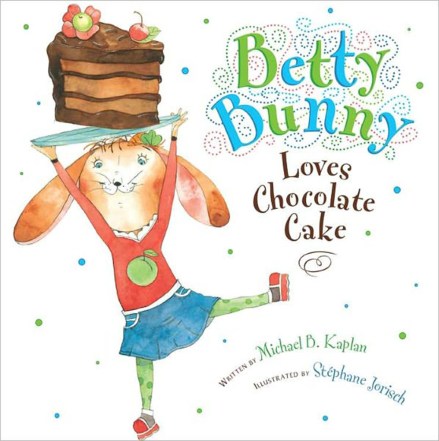
Betty Bunny knows she’s a “handful” because her parents often tell her so. Betty Bunny also knew her parents love her, so she figures that “being a handful must be very, very good.” One day when her mom offered her a piece of chocolate cake after dinner, Betty Bunny declined. She didn’t like trying new things, and “announced: ‘I hate chocolate cake. Chocolate cake is yucky.” But then added “‘What’s chocolate cake?’”

celebrate-picture-books-picture-book-review-betty-bunny-loves-chocolate-yucky-cake

Image copyright Stéphane Jorisch, text copyright Michael B. Kaplan. Courtesy of Penguin Books

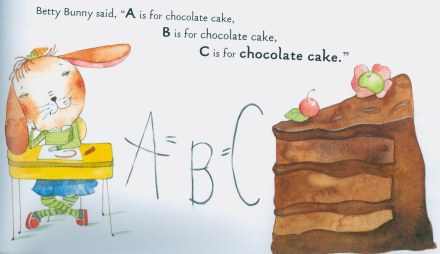
With her first bite, Betty Bunny was in love. She was so in love, in fact, that she decided that when she grew up she was “going to marry chocolate cake.” Her siblings were supportive—kind of—but her older brother Bill thought “‘you’re going to have really weird-looking kids.’” The next day at school, Betty Bunny had chocolate on the brain. When her teacher went over the A B C’s Betty said, “‘A is for chocolate cake, B is for chocolate cake, C is for chocolate cake.’”

On the playground when Betty Bunny mixed together dirt and water, it looked like chocolate cake, but sure didn’t taste like it. At dinner Betty Bunny was ready for her dessert before her healthy dinner, but her mom said no; and her dad agreed with her mom. Her siblings tried to help—kind of. Henry suggested she eat some peas. Kate told her to eat her carrots, and Bill taunted, “‘Why don’t you have some chocolate cake? That’s what you really want. Oh, no, wait. You can’t. Ha-Ha.’”

celebrate-picture-books-picture-book-review-betty-bunny-loves-chocolate-cake-abc-for-chocolate-cake

Image copyright Stéphane Jorisch, text copyright Michael B. Kaplan. Courtesy of Penguin Books

Betty Bunny exploded. She threw peas at Henry, tossed carrots at Kate, and lobbed mashed potatoes at Bill. Betty Bunny’s mother was not pleased and sent her little daughter to bed without chocolate cake. “Betty Bunny screamed, ‘This family is yucky!’” and stomped up the stairs. Later, her mom came up to kiss her goodnight, and she had a plan. She would put a piece of cake in the fridge and the next day after a good dinner, Betty Bunny could have it. “‘Maybe if you know it’s there waiting for you, it will be easier to be patient,’” her mom said. Betty Bunny thought this was a great idea and “wanted to say something especially nice to her mother. ‘Mommy,’ she said, ‘you are a handful.’”  

celebrate-picture-books-picture-book-review-betty-bunny-loves-chocolate-cake-kiss-goodnight

Image copyright Stéphane Jorisch, text copyright Michael B. Kaplan. Courtesy of Penguin Books

The next morning Betty Bunny couldn’t leave the house without first checking on her piece of cake. It looked so alone sitting on the plate all by itself, so Betty Bunny decided to put it in her pocket and take it to school with her. All day the secret knowledge of what was in her pocket made Betty Bunny happy. At dinner, after she had cleaned her plate, she reached into her pocket for her chocolate cake, but all she found was “a brown, goopy mess” that made her cry.

After her mom explained to her that putting the cake in her pocket was not the same as being patient, she prepared another piece for the next day. In the morning, Betty Bunny remembered her lesson in patience—and that’s why she put the cake…in her sock.

Michael B. Kaplan’s adorable Betty Bunny Loves Chocolate Cake is a delight from its beginning to its smashing ending. He hits all the right notes in this humorous family drama, from the “helpful” siblings to the hair-trigger tantrums to the Ramona Quimby-esque misunderstanding of phrase. Along with the giggle-inducing fun kids learn a bit about patience, and adults discover insight into what goes on in their little bunny’s mind when obsession meets disappointment.

Stéphane Jorisch’s Bunny family is as cute as…well…a bunny.  His watercolor, pen and ink, and gouche paintings employ brilliant color and crisp lines to depict the loving relationship among the siblings and parents as well as the realistic home and school environments. The perfectly drawn body language—including folded arms, sly looks, emotional meltdowns, and understanding smiles—will resonate with kids and adults alike. And once the piece of chocolate cake appears, it’s easy to see how little Betty Bunny could become such a fan.

Ages 3 – 7

Puffin Books, 2016 (paperback) | ISBN 978-1101998632

Chocolate Covered Anything Day

celebrate-picture-books-picture-book-review-cake-dot-to-dot

Delicious Dot-to-Dot


Everything is better with chocolate—even this printable Delicious Dot-to-Dot! Get your pencils, follow the dots, and then color this delectable page!

Picture Book Review

December 14 – It’s Human Rights Month

celebrate-picture-books-picture-book-review-emmanuel's-dream

About the Holiday

December is Human Rights Month, an observance established by the United Nations in order to raise awareness of, promote, and protect the equality of the world’s citizens. It takes vigilence, compassion, dedication, and determination, but achieving the goal of equal human rights is a responsibility we all share.

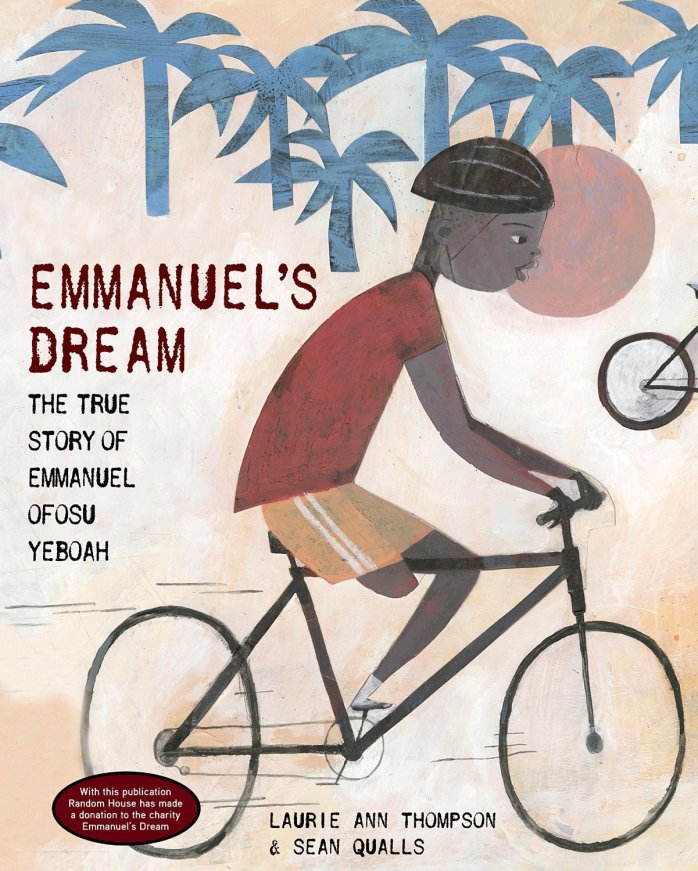
Emmanuel’s Dream: The True Story of Emmanuel Ofosu Yeboah

Written by Laurie Ann Thompson | Illustrated by Sean Qualls


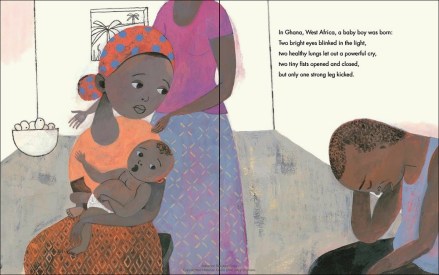
A baby is born in Ghana, West Africa with bright eyes, healthy lungs, and tiny, clasping fingers—but with only one strong leg. Most people think the baby will grow up to be a burden or worse—a curse. His father leaves the family, but his mother keeps the faith. Her name is Comfort and she names her child Emmanuel, which means “God is with us.”

celebrate-picture-books-picture-book-review-emmanuel's-dream-baby

Image copyright Sean Qualls, text copyright Laurie Ann Thompson. Courtesy of Schwartz & Wade

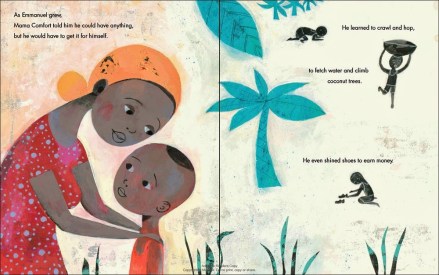
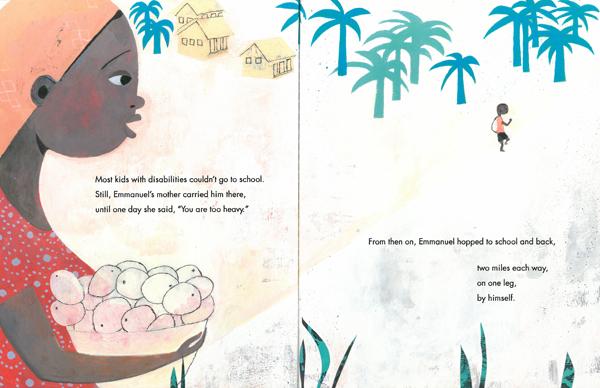
As Emmanuel grows, his mother encourages his independence. He learns how to crawl and hop to complete his daily work all with one leg. Most kids with disabilities don’t go to school, but Comfort carries her son back and forth until he becomes too heavy. From then on Emmanuel hops the two miles each way all by himself. At first the other kids won’t play with him, but Emmanuel is clever. He buys a soccer ball with the money he earns shining shoes and when he offers to share it, the kids include him. On crutches he is a fierce competitor and earns his classmates’ respect. Riding bikes is another favorite activity. Can Emmanuel pump those pedals with only one leg? He practices and falls, practices and falls some more until he masters the technique.

celebrate-picture-books-picture-book-review-emmanuel's-dream-growing-up

Image copyright Sean Qualls, text copyright Laurie Ann Thompson. Courtesy of Schwartz & Wade

When Emmanuel is 13 years old, his mother becomes ill. As the only family member capable of working, Emmanuel takes a train to a city 150 miles away to find a job. He doesn’t see his family again for two years. Because of his disability it is hard for him to find work. Finally, a food stand owner hires him and gives him a place to live. Over time Comfort grows sicker. When Emmanuel goes to be with her, she tells him to never beg and never give up. He takes these words to heart.

Emmanuel has an idea to show the world that “disabled does not mean unable”—all he needs is a bike. When the Challenged Athletes Foundation learns of his plan to bike around Ghana, they give him a bike, a helmet, and clothing. He trains and receives a blessing from the king of his region. Then accompanied by people who will document his trip, he takes off. “He pedaled through rain forests, over rolling hills, and across wide, muddy rivers….He pedaled as trucks roared past on the narrow highways and wild animals stalked his thoughts….He rode up, down, across, and around his country, proudly wearing the colors of its flag on a shirt printed with the words “The Pozo” or “the disabled person.”

celebrate-picture-books-picture-book-review-emmanuel's-dream-going-to-school

Image copyright Sean Qualls, text copyright Laurie Ann Thompson. Courtesy of Schwartz & Wade

Emmanuel talks to others with physical challenges and to those without. He meets farmers, landowners, government officials, and reporters. He wants everyone to learn of his message. People begin to pay attention—they ride and run alongside him; people with disabilities come out of their houses to see him (some leaving home for the first time ever). Emmanuel is becoming a national hero! Emmanuel completes his journey—nearly 400 miles—in only 10 days. In that short amount of time he proves that anyone can do great things and that one person is enough to change the world.

An Author’s Note expanding on Emmanuel Ofosu Yeboah’s life since his bike ride follows the text.

Laurie Ann Thompson tells this story of courage and achievement in straightforward language that highlights the difficulties and prejudices Emmanuel overcame to live the full life his mother envisioned for him. The details Thompson reveals—both within the school setting and in the world beyond—will inspire anyone who reads this special and moving true story.

Sean Qualls renders the story of Emmanuel Ofosu Yeboah in the vibrant colors and patterns of his native West Africa, giving energy and spirit to the fire that burned inside the young boy who rose above his disability and the expectations of his community. His relationship with his strong, supportive mother is drawn with obvious love and compassion. The use of a folk-art style combined with scenes of African markets, landscapes, and traditional tableaus, effectively sets the story for children. One particularly touching illustration shows a tiny Emmanuel hopping off to school as his mother, shown larger in the foreground, watches.

Ages 4 – 9

Schwartz & Wade, Random House, 2015 | ISBN 978-0449817445

Discover more about Laurie Ann Thompson and her books on her website!

To view a gallery of picture book illustration by Sean Qualls, visit his website!

Human Rights Month Activity

celebrate-picture-books-picture-book-review-change-your-world-coloring-page

Change Your World Coloring Page


You can make a difference in your school, your town, and the world around you. Here’s a printable Change Your World message that you can color and hang in your room or locker to remember how much power you have.

Picture Book Review

December 13 – National Day of the Horse

celebrate-picture

About the Holiday

Established in 2004, today’s observance encourages people to remember the importance of horses to American history, culture, and character. Both wild and domesticated horses need our care and compassion. To celebrate consider volunteering at a facility that cares for horses, for an organization that uses horses in therapy programs for children or adults, or donating to the protection of wild horses.

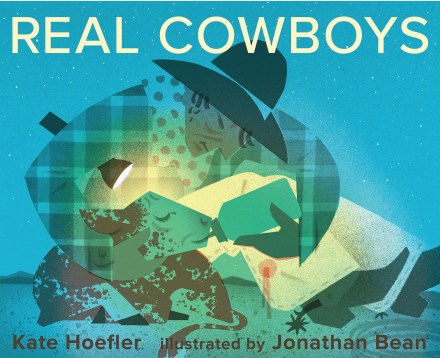
Real Cowboys

Written by Kate Hoefler | Illustrated by Jonathan Bean


Real cowboys wake with the dawn’s light and are careful not to make too much noise for the people still sleeping in the “little houses in the hollow, and up the mountains, and at the edge of fields in the distance.” It is natural for the cowboys to think of others. Their job is to care for the herd; to help a stranded calf and their dog who is trying to lure it to safety; to soothe the herd when thunder rumbles overhead.

celebrate-picture-books-picture-book-review-real-cowboys-dawn

Image copyright Jonathan Bean, courtesy of Houghton Mifflin Harcourt

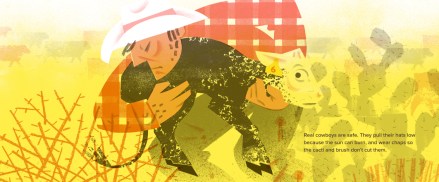
Real cowboys sing soft, slow songs to their cows to encourage them to continue moving when the path is narrow and dangerous and to sleep when coyotes howl in the night. Cowboys are good listeners—heeding the advice and warnings of the trail boss and other cowhands. “Sometimes they listen for trucks, and wolves, and rushing water. And sometimes they just listen to the big wide world and its grass song.” Along the way cowboys keep themselves safe with their wide-brimmed hats and leather chaps.

celebrate-picture-books-picture-book-review-real-cowboys-saving-calf

Image copyright Jonathan Bean, text copyright Kate Hoefler. Courtesy of Houghton Mifflin Harcourt

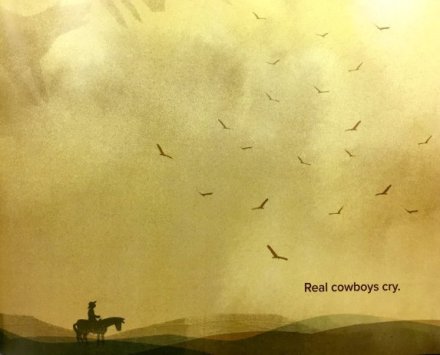
Because the cattle drive is long—lasting “for hours, or days, or weeks”—cowboys learn to be patient. “Even on a fast horse, they have to move with the slow rhythm of a herd….” When they need help, real cowboys don’t hesitate to ask, using hand and hat signals to alert other cowhands. “Real cowboys want peace. They don’t want stampedes, where all the cattle spook, and thunder over the earth, and scatter in dust storms.” Sometimes, however, this happens, and sometimes a few cattle and dogs are lost. Thinking of them when times are quiet, “real cowboys cry.”

celebrate-picture-books-picture-book-review-real-cowboys-cowboys-cry

Image copyright Jonathan Bean, text copyright Kate Hoefler. Courtesy of Houghton Mifflin Harcourt

At night cowboys take turns eating and sleeping so there is always someone to watch over the herd. When they pack up camp and move on, real cowboys are mindful of the earth, and when they are far from home, inside themselves they can feel homesick, even if they look tough on the outside. “Real cowboys are as many different colors as the earth. Real cowboys are girls too.” In their hearts “real cowboys are artists,” creating stories that are bigger than the wide open prairie. “They wonder what’s past the horizon. And one day, when their work is done, real cowboys find out.”

Kate Hoefler’s moving tribute to cowboys and cowgirls demonstrates the qualities of kindness, thoughtfulness, and mindfulness that we want to share with our children. With lyrical language she follows cowboys on a cattle drive, where they experience the joys and sorrows that life entails for all. Hoefler’s pacing echoes the day-to-day movement of the herd as well as readers’ daily life. Delving into the responsibilities and characteristics of these men and women is a unique way to open the world to children and promote discussions about the traits of caring individuals.

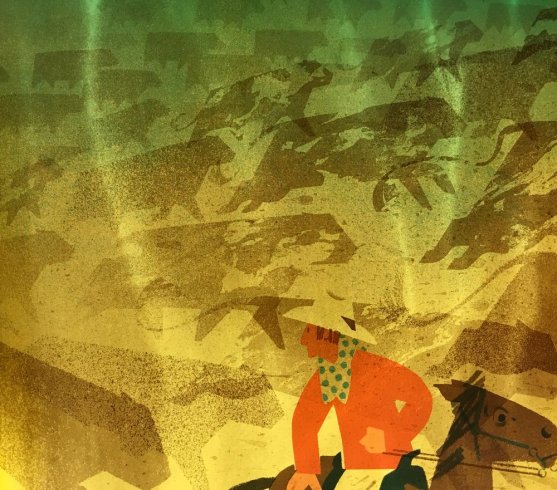
celebrate-picture-books-picture-book-review-real-cowboys-stampede

Image copyright Jonathan Bean, courtesy of Houghton Mifflin Harcourt

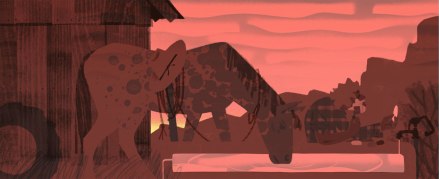
Jonathan Bean’s hand-stenciled illustrations printed in four Pantone colors are particularly effective in portraying the life of the cowboys and cowgirls entrusted with herds of cattle. Early morning dawns to rose skies that color even the horses and reflect in the drinking trough. Cattle, obscured by dust raised on the trail, form the backdrop to a cowboy worriedly watching his dog coax a calf from a cliff, and afternoon turns to night in a two-page spread where a cow nuzzles her calf as it sleeps. Depictions of the enormity of the herd traveling from one place to another amid sweltering days, rain storms, and blizzards are beautifully rendered, and the emotions of the cowboys are clearly discernable and touching.

Real Cowboys is stunning in both language and illustrations. For quiet story times, bedtime, or times for reflection and inspiration, this book would make an excellent addition to children’s bookshelves.

Ages 4 – 7

Houghton Mifflin Harcourt, 2016 | ISBN 978-0544148925

To view a gallery of illustration by Jonathan Bean, visit his website!
National Day of the Horse Activity

celebrate-picture-books-picture-book-review-galloping-horse-coloring-page


Galloping Horse Coloring Page


A horse running at top speed is a beautiful sight! Enjoy this printable Galloping Horse Coloring Page—would you be riding?

Picture Book Review