November 18 – It’s Picture Book Month and Interview with Karen Rostoker-Gruber

celebrate-picture-books-picture-book-review-happy-birthday-trees-cover

About the Holiday

There’s still time to celebrate one of the best months of the year—Picture Book Month! If you’re in shopping mode, be sure to put plenty of picture books on your list for the kids in your life. And don’t forget the littlest readers in your life. Sharing board books, with their sturdy pages and just-right size, is the perfect way to get babies and preschoolers excited about books, reading, and the special times in their life – as you’ll see with today’s book.

Happy Birthday, Trees!

Written by Karen Rostoker-Gruber | Illustrated by Holly Sterling


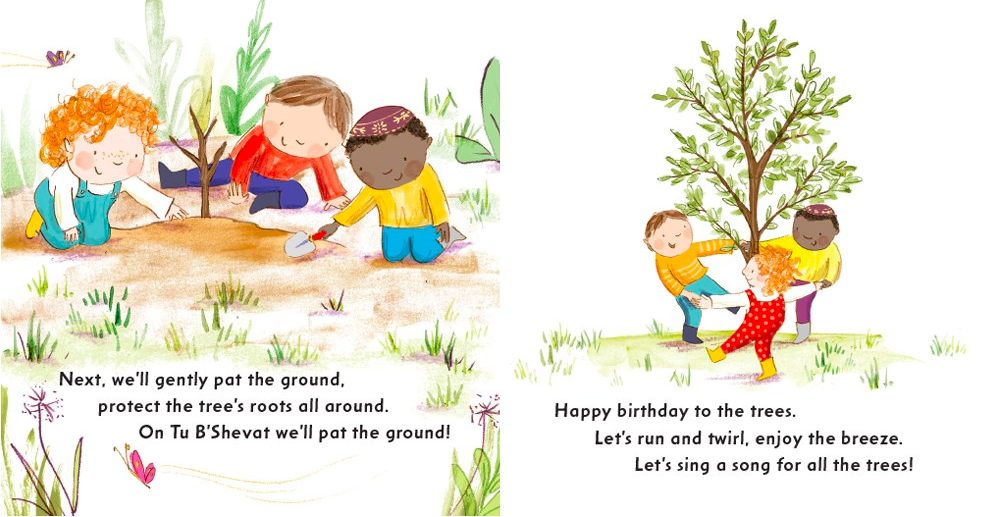
Three children are excited to be celebrating Tu B’Shevat together. One boy shows the others the little sapling they can plant then the three dig in with their shovels to create the perfect hole to nurture it. When the hole is just the right size, they carefully place the tree in it and tell readers, “then, we’ll fill the hole with dirt. / (An extra shovel doesn’t hurt.) / We’ll fill the hole with lots of dirt!”
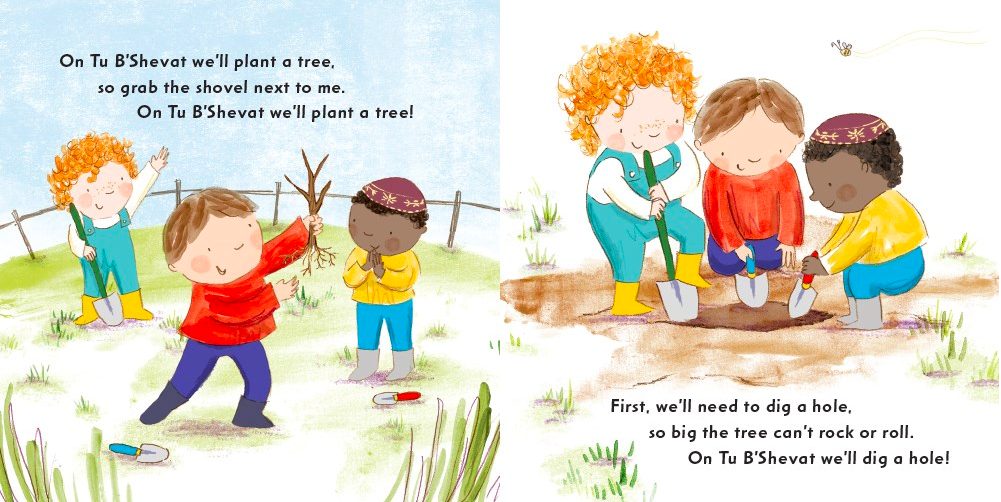
celebrate-picture-books-picture-book-review-happy-birthday-trees-planting

Image copyright Holly Sterling, 2020, text copyright Karen Rostoker-Gruber, 2020. Courtesy of Kar-Ben Publishing.

When the tree is all snug in its new home, it’s time to feed it (and have some giggly fun). “Then, we’ll spray the garden hose, / and wet the tree (and soak our clothes). / On Tu B’Shevat we’ll spray the hose! Throughout the year, the kids watch as their tree grows taller and sturdier. When the weather turns warm, they play around the tree, singing “for all the trees” with delight as they await the day when Tu B’Shevat comes around again and the tree’s blossoms “fill the air with sweet perfume.”
celebrate-picture-books-picture-book-review-happy-birthday-trees-dancing

Image copyright Holly Sterling, 2020, text copyright Karen Rostoker-Gruber, 2020. Courtesy of Kar-Ben Publishing.

Karen Rostoker-Gruber’s celebration of Tu B’Shevat takes little ones step-by-step through the thrill of planting a tree and watching it grow. Her breezy, exuberant verses incorporate simple rhymes and repeated phrases that will allow even the youngest children to join in after a first reading. In her sweet board book Rostoker-Gruber captures the excitement kids feel for special holidays and the pride they feel when participating in their family’s or friends traditions. The cyclical nature of her story will also inspire children to want to plant and tend to their own tree for Tu B’Shevat (celebrated beginning at sundown on January 27, 2021 through nightfall on January 28) or when weather conditions permit.

Bright and filled with the high spirits of childhood, Holly Sterling’s illustrations of three adorable kids working together to plant a tree will captivate little readers. Decked out in their gardening clothes and each with a shovel, the three crouch and lie on the ground next to the hole to make sure the tree goes in straight and safely. Sterling has an eye for the kinds of realistic details that define children’s behavior: to make sure the hole is filled to the brim, one little boy pours on dirt from two shovels—one in each hand; and under the arched spray of the hose, the girl raises her arms to welcome the cool spray while a boy sticks out his tongue for a sip. Sterling’s lovely color palette and graceful lines create a cheerful, fresh story that adults will want to share with their children again and again.

A joyful and lively way to celebrate and/or introduce Tu B’Shevat to little ones as well as a charming story for young nature lovers any time of the year, Happy Birthday, Trees! would be an enchanting addition to home, school, and public library collections.

Ages 1 – 4

Kar-Ben Publishing, 2020 | ISBN 978-1541545649

You can download a teacher’s guide to Happy Birthday, Trees! from the Kar-Ben Publishing website here.

Discover more about Karen Rostoker-Gruber and her books on her website.

To learn more about Holly Sterling, her books, and her art, visit her website.

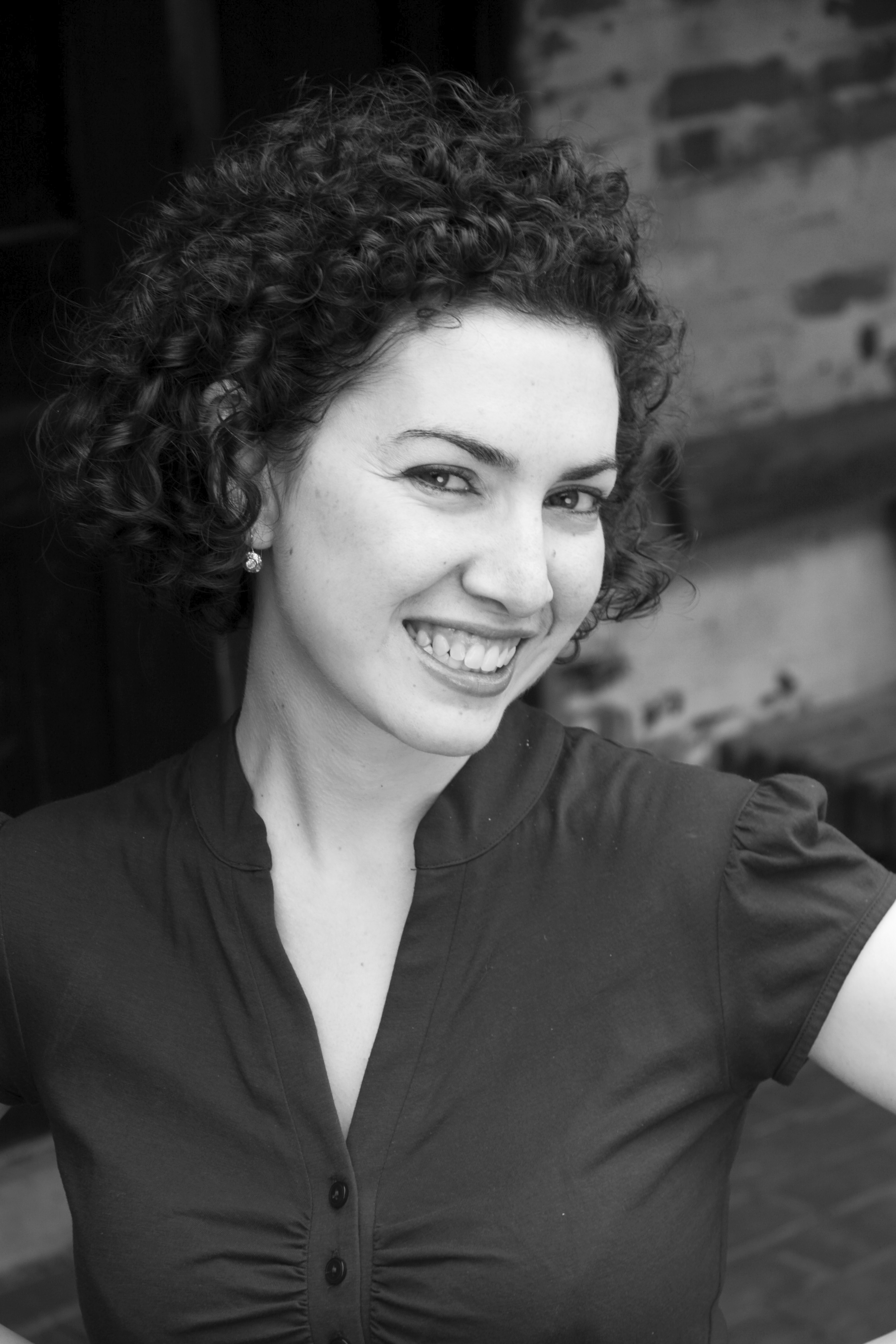
Meet Karen Rostoker-Gruber

celebrate-picture-books-picture-book-review-karen-rostoker-gruber-headshot

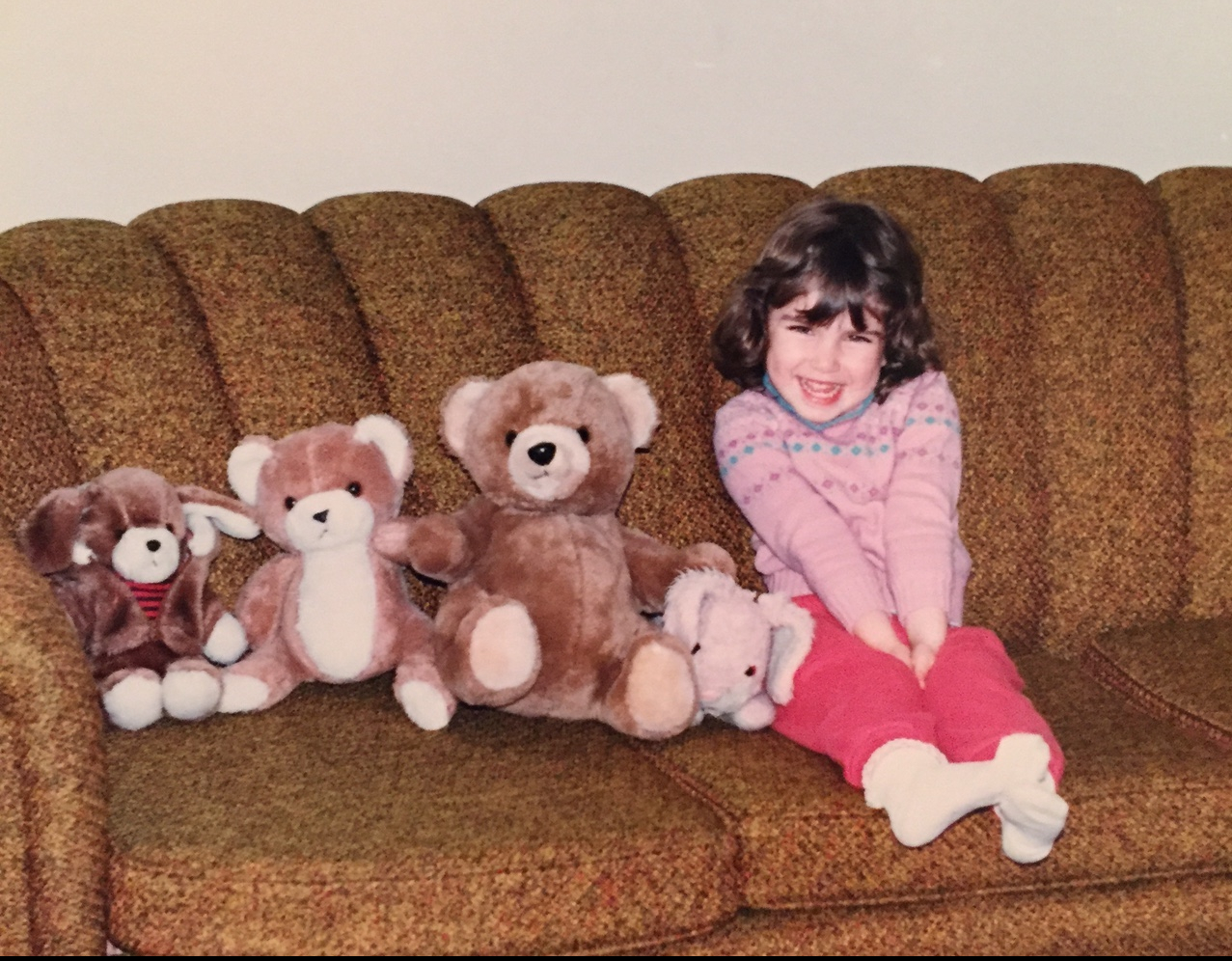
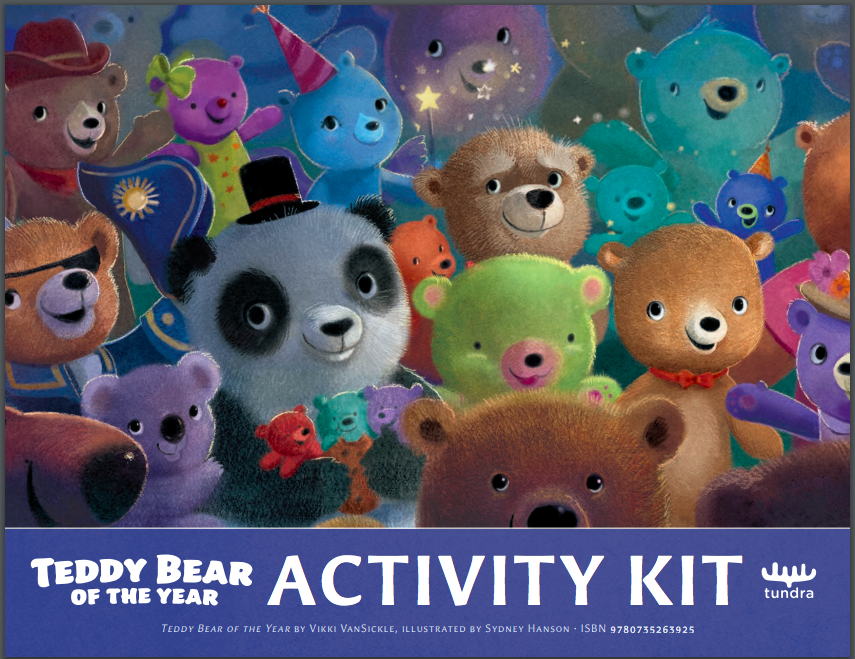
You have a very interesting and varied career! Before you wrote books for children, you published several humorous books for adults. Your children’s books also incorporate humor. Can you talk a little about your style of humor and how you’ve expressed it throughout your life?

I’ve been writing since I was 8 years old. I wanted to write for children, but the adult humor market was easier, at the time, to break into.  

I started writing humor when I began college. Things were so strange at Trenton State that I had to start writing things down. The first humor book I wrote was called The Unofficial College Survival Guide.  

I had worked in the kitchen as a waitress for the college serving alumni dinners—sometimes to 200 – 300 people. I needed the money and it was the only way to secure edible food. 

 
image.png
 

One night, while piling my tray with plates of food for the next alumni dinner, I noticed a sign on a barrel that said, “grade D,” but edible. I opened the barrel and there were thousands of hot dogs. I had no idea what “grade D, but edible” meant, but I no longer wanted to find out. After that day, I started eating cereal for breakfast, lunch and dinner.

I also kept finding humor on campus—mostly in the cafeteria; it wasn’t hard. There was literally humor everywhere I looked.  

When I got married, my humor book, Remote Controls Are Better Than Woman Because. . . became a HUGE hit.  I was on the Ricki Lake Show back then and over 60 live radio shows.  Then came my book, Telephones Are Better Than Men Because. . . I wrote both of those books on sticky notes in my car because I had a stop-and-go, 45-minute drive to work every day. I’d write new quotes down on a sticky note and fling them around in my car.  

celebrate-picture-books-picture-book-review-remote-controls-are-better-than-women-cover

My book, If Men Had Babies, (lullabies would be burped… Prenatal vitamins would taste like honey-roasted beer nuts…, Golf carts would come equipped with car seats…”) was hysterical to me as a first-time mom. I wrote in between my daughter’s nap time, doing the laundry, the dishwasher, cleaning the house, and making breakfast, lunch, and dinner.  

image.pngAs far as incorporating humor into my children’s books, sometimes I use puns, which is why my characters are mostly animals. Animal puns are fun. I would sit on my driveway for hours, while my daughter drove her Barbie car, looking at the dictionary to find good cow, sheep, goat, chicken, and cat puns.

celebrate-picture-books-picture-book-review-farmer-kobi's-hanukkah-match-cover

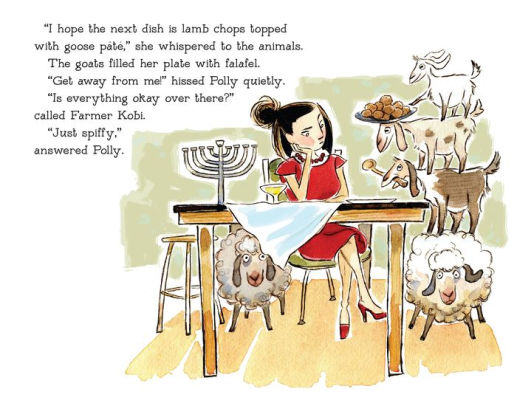
I also use a bit of adult humor in my books. There should be humor for the adult reading the book, too. In my book, Farmer Kobi’s Hanukkah Match my favorite line is when the sheep say, “Her name was Polly Ester, she was a faaake,” baaed the sheep.

(Get it?  Polyester is fake vs. wool from the sheep!)  

Here’s also a favorite page from my book:
celebrate-picture-books-picture-book-review-farmer-kobi's-hanukkah-match-lamb-chops-topped-with-goose-pate

You’ve had a long and steady career as a children’s author. What first inspired you to write for children? What’s one thing that has changed for writers since you began? What’s one thing that has stayed the same?

I’ve been writing for children since I was 8 years old. The only thing that really changed was that I actually started sending out my work in 1988-ish instead of just keeping manuscripts in my drawer. But from 1988 until 2000, I mostly received rejection letters—nice ones (that are now in my oxymoronic rejection letter binder), but rejection letters nevertheless.

My path to publication changed once I went to a conference and met with editors.  After attending the conference, each mentee was able to submit directly to their mentor and other editors that you met there. And, you were able to write “requested material” on the outside of the envelope. This was important back then because all “Requested Material” manuscripts passed the slush pile and went directly to the editor it was addressed to. (Back in 2000 you submitted via snail-mail and there really were slush piles.)  I saw them! For real!

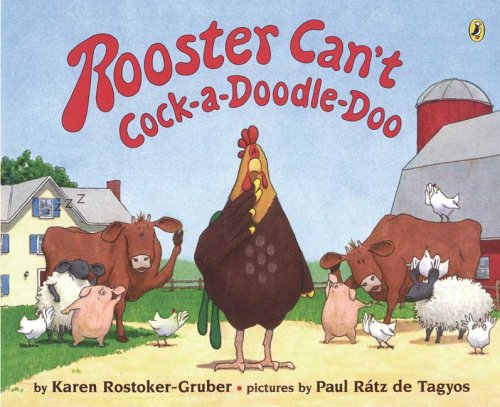
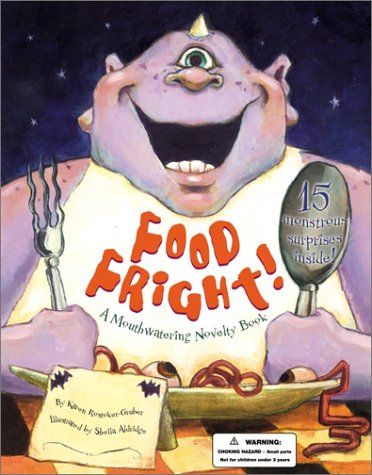
The conference that I went to was the Rutgers One-on-One Conference. At that conference my mentor (Karen Riskin from Dial Books for Young Readers) took two of my manuscripts back with her to Penguin Putnam (it’s called Penguin Random House now). Both manuscripts wound up getting published: Food Fright was published by Price Stern Sloan in 2003 and Rooster Can’t Cock-a-Doodle-Doo was published with Dial Books for Young Readers in 2004.  
celebrate-picture-books-picture-book-review-food-fright-cover

celebrate-picture-books-picture-book-review-rooster-can't-cockadoodledoo-cover

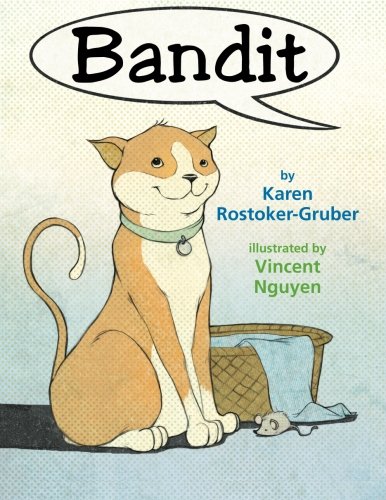
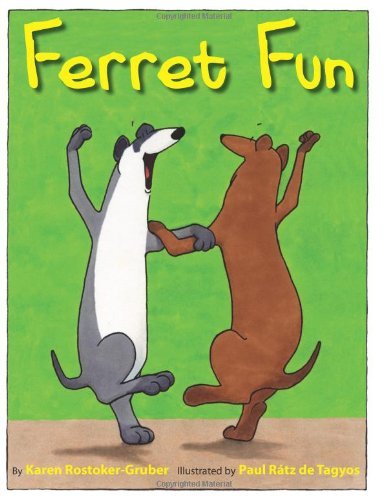
After the success of Rooster Can’t Cock-a-Doodle-Doo, (selling 250,000 copies) I met another editor (Margery Cuyer) at an informal conference.  She went on to acquire five of my books for Marshall Cavendish: Bandit, Bandit’s Surprise, Ferret Fun, Ferret Fun in the Sun, and Tea Time.
celebrate-picture-books-picture-book-review-bandit-cover

celebrate-picture-books-picture-book-review-ferret-fun-cover

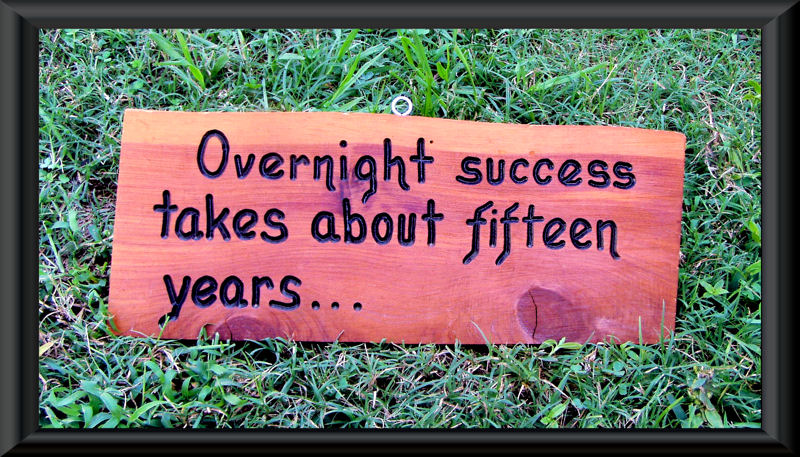
The difference from then to now is that these days you need to meet editors one-on-one or you need to have an agent. I can’t get into the big publishing houses that I used to submit to before because their policies have changed.  I had 14 traditionally-published books out there with great houses before I got an agent. I’m NOT an overnight success story—far from it. 
CPB - overnight success sign

The setting for Happy Birthday, Trees! is Tu B’Shevat or the Jewish Arbor Day. Can you talk a bit about this holiday, it’s meaning, and how it is traditionally celebrated?

Tu B’Shevat is basically Earth Day. I think the PJ Library says it best on my teacher’s guide:

“The Jewish holiday of Tu B’Shevat, also known as the Birthday of the Trees, celebrates the critical role that trees play in life.” Jewish concepts: “Trees and the environment have particular importance in Jewish thought. From the very beginning of the Torah (the first five books of the Bible) we are taught to respect all things that grow, as Adam is placed in the Garden of Eden to “keep it and watch over it” (Genesis 2:15). The value of bal tashchit, which translates from the Hebrew as “do not destroy,” has become the Jewish ecology mantra. Put into action, this concept means we are all partners in preserving the beauty and sustainability of our world.” “Traditionally, Jews eat the fruit of a tree only after it is three years old. The 15th day of the Hebrew month of Shevat, called Tu B’Shevat, became the trees’ birthday to help people determine when to first harvest their fruit. This holiday is gaining significance today as the Jewish Earth Day.”   

I love the structure of Happy Birthday, Trees!, especially the rhythmic repetition that’s so enticing for little ones to join in on. There’s also a playful humor that kids will love. What was your writing journey for this book?

I love bits of rhyme, repeated refrains, humor, and animal puns, so I always try to incorporate a few of these things in my books. I also know that kids love predictability. The journey for the book, “Happy Birthday, Trees”:  

I was invited to a luncheon in NY for the PJ Library.  About 20 other authors were there. At that time I had three published Jewish-themed  books, Farmer Kobi’s Hanukkah Match, Maddie the Mitzvah Clown, and The Family and Frog Haggadah, which is a real haggadah that was featured in the NY Times!  

CPB - maddie the mitzva clown
 
CPB - the family and frog haggadah


They told us that they were actively looking for board books and chapter books at the time. I had a lot of board books in my drawer already, so I sent them the one that I liked the best. At that time it was called, “Happy Birthday to the Trees.” 

celebrate-picture-books-picture-book-review-happy-birthday-trees-coverMonths later (I forgot all about sending that story into the PJ Library) I got a call from the PJ Library that I won the author incentive award—2,000 dollars. Then my agent (I now had an agent) Karen Grencik found a publisher for it.

Holly Sterling’s illustrations are adorable and really capture the delight of the children. What was your first impression when you saw Holly’s pages?

I was super-excited about Holly’s illustration sample that Joni Sussman from KarBen showed me, so I couldn’t wait to see what she would do with this very simple board book. I LOVE the illustrations. The children look like they are having a blast on the front cover.

A Crowded Farmhouse Folktale definitely combines humor with a heartfelt message. The story is a retelling of a traditional Yiddish tale. What about this tale really resonated with you for today’s kids? How did you make it your own?

celebrate-picture-books-picture-book-review-a-crowded-farmhouse-folktale-cover

I was reworking a folktale for one editor, but by the time I found a folktale that I liked and reworked that editor had already taken on a story too similar to it. I remembered this story as a child, but I wanted to make it a folktale for everyone, so I took out the Rabbi and added a wise woman instead.  Every story that I read had a wise man—times have changed.  

I also added a bit of rhyme and a repeated refrain.  The story is basically about being grateful for what you have, which is perfect for COVID times as everyone is feeling like Farmer Earl with family members working and learning in the house; it’s too crowded.

If you had to live with three groups of animals like the family in your book—small, medium, and large—what would they be?

I love hamsters (They’re sooo cute and fuzzy).

Goats crack me up; they always look like they’re up to something. 

As far as large animals go, there are too many that I’d like to have: elephants (I could teach them to paint), dolphins and gorillas (I could teach them to speak—I’m fascinated by Koko the gorilla), and pandas—just because they look so cuddly.

Oh, and unicorns (because they’re magical).

I love Kritina Swarner’s whimsical-yet-realistic illustrations, especially as the house becomes more and more crowded and chaotic. Do you have a favorite spread?

I love her work. There’s so much detail: in the wise woman’s dress, the fabric on her chair. Also, if you look closely, the plants are growing in her window from scene to scene, there’s a mouse under a bed, and my favorite spread is the toilet paper scene. However, I also like the expressions on the cat’s faces throughout the book. They are NOT amused at the amount of animals in the house.

FullSizeRender (43).jpg

You’re also an accomplished ventriloquist and have an adorable puppet named Maria who accompanies you on visits to schools and libraries. How did you get involved in ventriloquism and can you describe your program briefly? How do the kids respond to Maria?

I am a self-taught ventriloquist. I used to talk for my sister’s blanket, her food, and her dolls. She was 5 years younger than I was so she was the perfect audience.  

jpeg image from roland--USE THIS ONE for pr in papers.jpg

I take Maria to every school visit–even my virtual ones (I just did one with 600 children). In my program I talk to children about every step I take from sticky notes at 3 am, to revisions, to submitting a polished manuscript to an agent or an editor.  

Maria is my side-kick, because you had better be funny if you are in front of 350 – 600 children. Plus, kids LOVE Maria! Some don’t know how she talks; it’s magical to them and I don’t want to ruin that magic.  

If Maria and I are doing “high tea” at a tea house or a public show at a library, I have to bring Maria’s car seat, eye mask, and blanket. Children follow me out to my car to watch me buckle her in with a seat belt. 

maria at a tea party with friends.jpg
 
IMG-1260.JPG

One time, after a show, a boy came up to me and wanted to know how his parents could “buy” him a puppet like Maria. I told him that I got the last talking puppet on the internet. Enough said. 

Here’s Maria as Alice in Wonderland for another show that we did.  She likes to dress up. (It took me three hours to sew felt Mary Janes onto her white socks. Ugh!)

IMG-1417.JPG

One day I had to take Maria shopping to Walmart to get her PJs because we had a bedtime, bears, and books show. I didn’t know her size. I held Maria up in the seat of the cart with my right hand while pushing the cart with my left hand. We had quite the following that day up and down the aisles.  Kids just wanted to follow her around. 

What do you like best about being an author for children?

My favorite part is when I get to see the illustrations; to see if the illustrator took my words to a new level. And, I LOVE seeing children enjoying my books and laughing at the puns.  

What’s up next for you?

I’m always working on something, but it’s always a waiting game.  Anything can happen on any day. An editor can email me from a year ago to tell me that something that I sent them is now a go.  I’m not going to lie— 
CPB - Pinochio

every day is full of surprises and disappointments.  Being an author is very emotional. You have to have thick skin.

Thanks so much, Karen, for this awesome discussion about your books and sharing so much about your life as an author! I wish you all the best with Happy Birthday, Trees!, A Crowded Farmhouse Folktale, and all of your books!

Picture Book Month Activity

celebrate-picture-books-picture-book-review-tu-b'shevat-coloring-page

Plant a Tree! Activity Pages


Whether you need to wait awhile before you can plant a tree or are in a warm-weather locale that allows for planting now, you can enjoy these two tree activity pages!

Plant a Tree Coloring Page | Stately Tree Dot-to-Dot

celebrate-picture-books-picture-book-review-happy-birthday-trees-cover

You can find Happy Birthday, Trees! at these booksellers

Amazon | Barnes & Noble | Books-a-Million

To support your local independent bookstore, order from

Bookshop | IndieBound


October 1 – International Music Day and Interview with Author Gary Golio

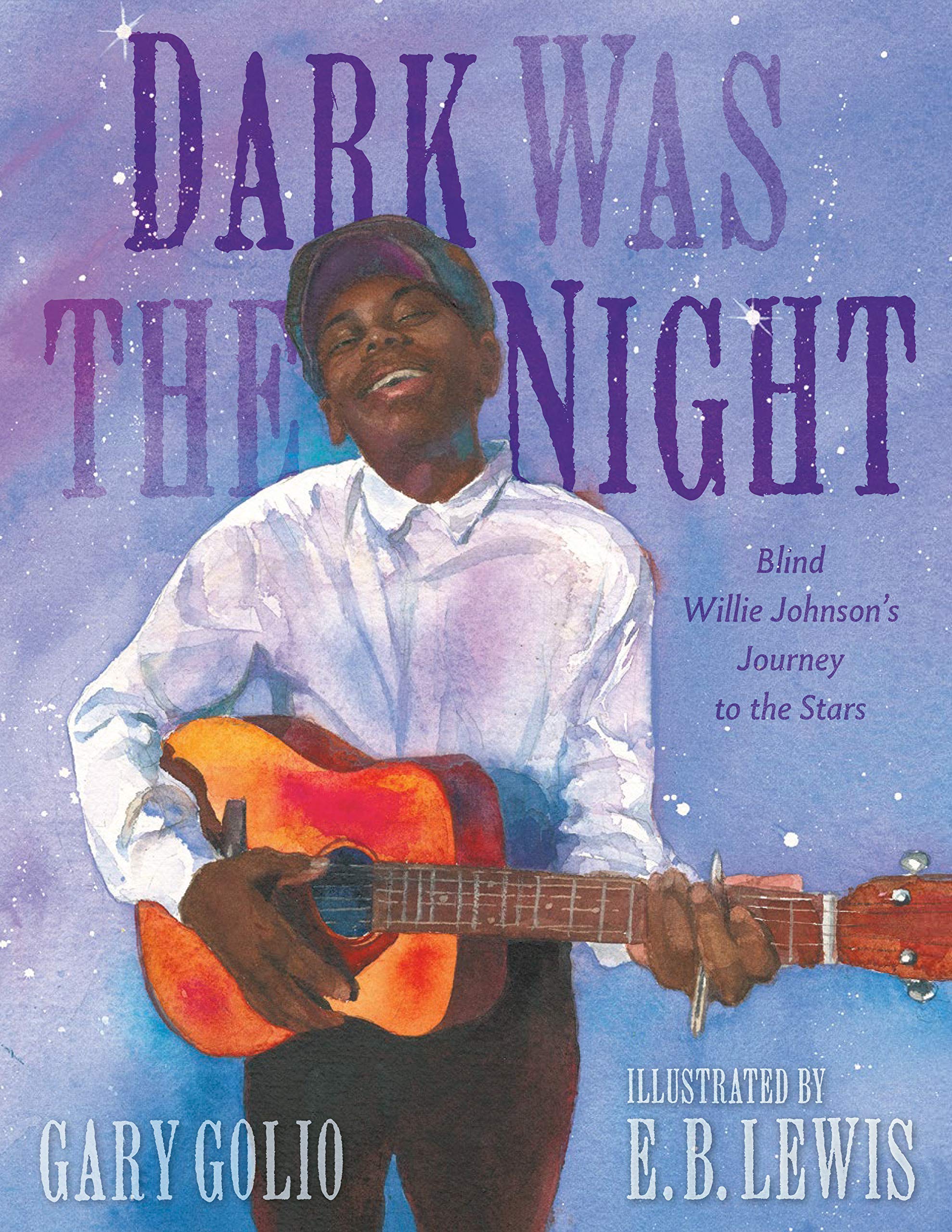
celebrate-picture-books-picture-book-review-dark-was-the-night-cover

About the Holiday

International Music Day was established in 1975 by Lord Yehudi Menuhin, an American-born violinist and conductor  – widely considered to be one of the great violinists of the 20th century – to promote the art of music across all segments of society and to apply the UNESCO ideals of peace and friendship among all people, with an exchange of experiences and mutual appreciation of all cultures and their aesthetic values. To celebrate today’s holiday, listen to your favorite music and take some time to discover a new style – it might just become a favorite too!

Dark Was the Night: Blind Willie Johnson’s Journey to the Stars

Written by Gary Golio | Illustrated by E.B. Lewis


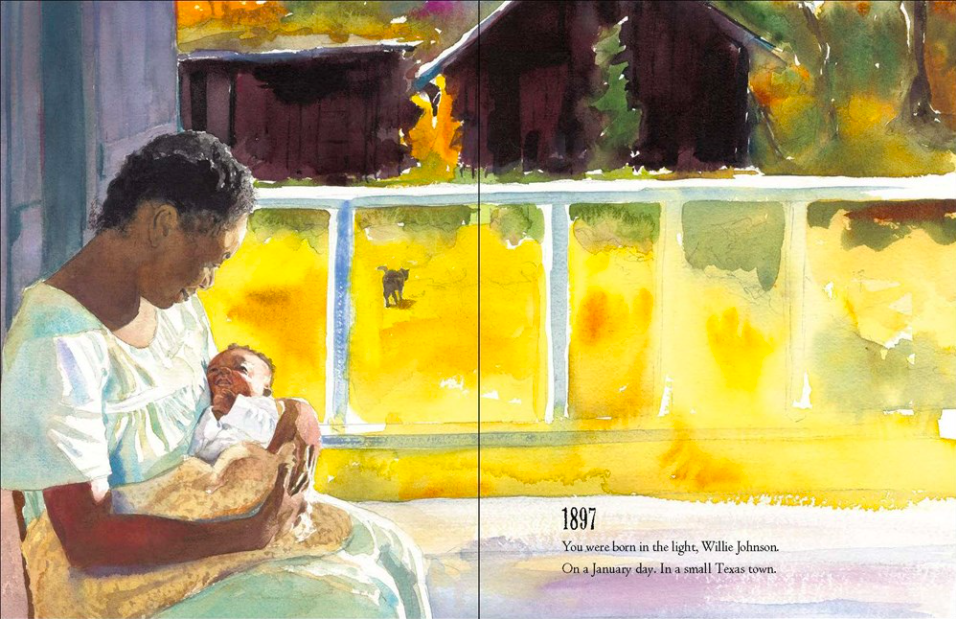
As readers open the cover to Dark Was the Night, they discover a date: 1977. In this year Voyager I was shot into space carrying “a precious Golden Record, a message to the Universe from Planet Earth.” The record contained pictures of the people and things that make up our life, sounds we hear every day, music from Navajo chants and West African drumming to Beethoven and Chuck Berry. There was also one “ghostly song, about loneliness and the night….a tune of light and hope” from a blind man named Willie Johnson.

celebrate-picture-books-picture-book-review-dark-was-the-night-baby

Image copyright E.B. Lewis, 2020, text copyright Gary Golio, 2020. Courtesy of Nancy Paulsen Books.

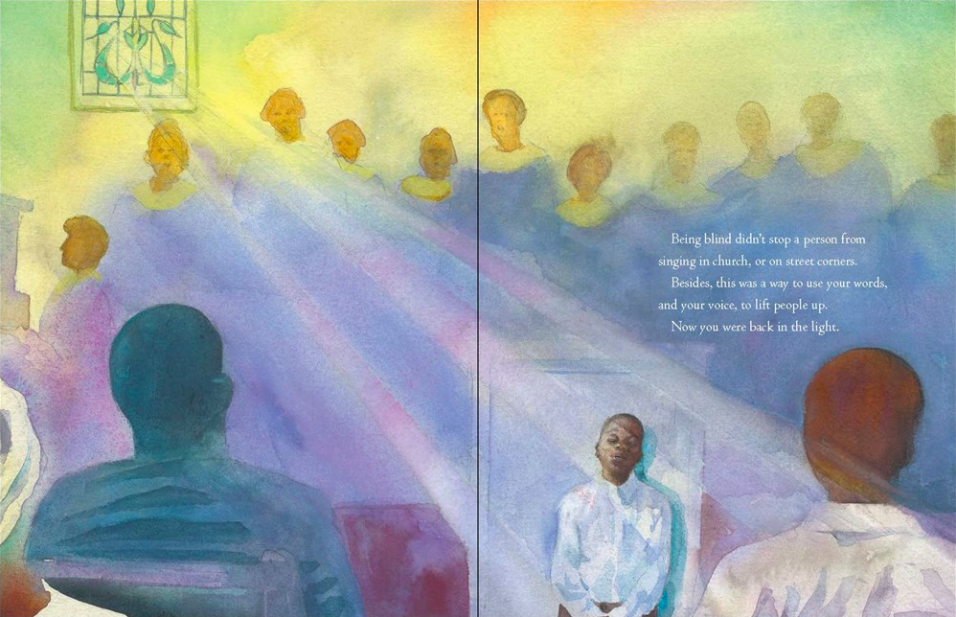
Who was Willie Johnson? In 1897, he was a newborn baby in a small Texas town wrapped in his mother’s love. narrator picks up the thread of Willie’s story when he’s become a small boy who “loved to sing” and play the cigar box guitar his father made him. But that joy was interrupted when “your mama died, and some light went out of your life.” Then at seven or eight, Willie became blind, “and that’s when things got darker still.” But Willie rose above these hurdles. His blindness didn’t keep him “from singing in church, or on street corners.” Using his voice to uplift people brought him “back in the light.”

celebrate-picture-books-picture-book-review-dark-was-the-night-choir

Image copyright E.B. Lewis, 2020, text copyright Gary Golio, 2020. Courtesy of Nancy Paulsen Books.

He sang blues and learned how to play a slide by running the edge of a pocketknife along the steel strings of his guitar. “This made a sound like someone laughing or crying, as if the guitar had a voice of its own.” He traveled from town to town in Texas, wherever farmers came to socialize and shop, setting up on street corners and collecting the coins people tossed into his tin cup. Little by little, people grew to know his name. “Then a man from a music company heard you sing. You were given the chance to make a record….”

celebrate-picture-books-picture-book-review-dark-was-the-night-street-corner

Image copyright E.B. Lewis, 2020, text copyright Gary Golio, 2020. Courtesy of Nancy Paulsen Books.

On that record listeners heard “the sound of one human being reaching out to all the others, telling them not to be afraid of the dark.” That first record was a hit, lauded for its unique sound. One song in particular, “Dark Was the Night,” “touched people deep in their souls” and made Willie “a shining star.” The light Willie brought to people has never dimmed; in fact it continues to shine through the darkness on Earth and through Space.

Back matter includes a discussion on what is known about Blind Willie Johnson and what still remains a mystery as well more information about Voyager I and why Johnson’s song Dark Was the Night was chosen for inclusion on the Golden Record. A link to NASA’s Jet Propulsion Laboratory website, where readers can access Voyager I—The Golden Record is also included.

celebrate-picture-books-picture-book-review-dark-was-the-night-song

Image copyright E.B. Lewis, 2020, text copyright Gary Golio, 2020. Courtesy of Nancy Paulsen Books.

Gary Golio’s ethereal tale of the life of Blind Willie Johnson and his song, which has touched and continues to move so many people, is a stirring tribute to a unique artist and the power of music to change lives. Golio’s use of the second person creates a poignant personal bond between the story and reader, which allows children to put themselves in Willie’s shoes and believe that they, too, can inspire others with their talent and life. Golio’s lyrical storytelling flows with the cadence of the blues, and his evocative vocabulary brings Willie Johnson’s voice and times fully to life for young readers.

E.B. Lewis transports readers to early 1900s Texas in his stunning watercolor paintings rendered in soft washes of grays, blues, and greens punctuated with yellows that reflect the hope and light that spurred Willie on and flowed from his music. As his mother holds him in her arms as a baby, the landscape outside the window blazes with gold that reflects on Willie’s and his mother’s face. As children learn about Willie’s blindness, the page turns dark, except for a swatch of light across Willie’s eyes, representational, perhaps, of his inner sight that sustained him.

Among the realistic depictions of his farm home, the outskirts of a Texas town seen from a train, and a bustling city, where Johnson plays on a street corner to an appreciative audience, his tin cup hanging from a tuner on his guitar, are transcendent images of Willie performing, his face always lifted to the light. As people gather around a radio listening to Blind Willie Johnson, light once again streams into the shop, and as Golio describes how “Dark Was the Night” becomes a hit, Willie is bathed in a golden glow, his face euphoric with the joy of singing.

At once sensitive, rousing, and inspirational, Dark Was the Night is a beautiful book about one man’s talent and dream that will resonate with all readers. The book is highly recommended for home libraries and is a must for school and public library collections.

Ages 5 – 8

Nancy Paulsen Books, 2020 | ISBN 978-1524738884

Discover more about Gary Golio and his books on his website.

To learn more about E.B. Lewis, his books, and his art, visit his website.

Listen to Blind Willie Johnson’s “Dark Was the Night.”

Meet Gary Golio

celebrate-picture-books-picture-book-review-gary-golio-headshot

Gary Golio is the author of the New York Times bestseller JIMI: Sounds Like a Rainbow – A Story of the Young Jimi Hendrixwinner of a Coretta Scott King Illustrator Award; Bird & Diz and Strange Fruit – Billie Holiday and the Power of a Protest Song, both ALA Notables; and other books about legendary artists. A writer and musician, Golio has been featured on NPR’s “Weekend Edition”, CBS-TV’s “Sunday Morning News,” and on radio stations nationwide. He lives in the Hudson Valley with his wife, children’s book author Susanna Reich.

Today, I’m thrilled to talk with the multi-talented Gary Golio about Dark Was the Night, his love for writing and art, his father’s influence in his life, and the power of music.

Welcome, Gary! To start off, can you tell readers about your journey with this Dark Was the Night from idea to publication?

A few years back I was listening to some early blues songs, and came upon Willie Johnson’s “Dark Was the Night.” The song stunned me—and gave me the chills. I knew of Willie’s connection with the Voyager I space probe, but had no idea that blues aficionados and amateur music sleuths were devotedly digging for details of his life through the decades. So much mystery surrounded this man—revered by Jimmy Paige, Eric Clapton, and Lucinda Williams—but what intrigued me the most was that, after dying in poverty and being forgotten, Willie and his work enjoyed a revival of interest during the 1960s Folk Movement. Then, in 1978, “Dark Was the Night” ended up on Voyager‘s Golden Record, hurtling through space. And what that said to me is, you never know how a life, and its effect on others, will play out. It’s a hopeful message that inspired me to write the book.

Your father was an artist and you have worked as a fine-artist since you were a teenager. Can you talk about what inspired you to begin writing picture books? Did you always like to write?

My father is an ongoing inspiration in my life. He was a talented amateur artist who provided me with a real-life example of the Art Spirit by how he thought and created. Most importantly, he was a skilled improviser, and didn’t allow himself to be limited by what he didn’t have, something that’s always meant a lot to me. As for writing picture books, I mostly read comics as a boy, and I think it was that combination of pictures and text that really struck a chord. For me, the picture book is a modern descendant of cave painting, Egyptian wall art (images + hieoroglyphs), and Etruscan/Pompeian murals: using words and pictures to tell a story.

In your Author’s Note you talk about the dearth of knowledge about Willie Johnson’s life. Can you share one thing you learned about Willie that didn’t make it into the book?

Willie has a unique voice that somehow manages to balance the rough and the tender. There’s raw power there, but also delicacy, which is very rare. So Willie was in New Orleans at one point—during a recording session there in 1928—and the story goes that he began singing “If I Had My Way I’d Tear this Building Down” in front of the Customs House. A crowd had gathered, listening to him, and a police officer reportedly became so worried—thinking Willie was instigating a riot—that he considered arresting the man. That’s the power of music—to rouse, protest, and stir up human souls—and it’s easy to see why it threatens authority and institutions.

Dark Was the Night is your eighth biography of a musician or entertainer for children. Could you discuss what drew you to write about these musicians?

While there are no actual musicians in my family-of-origin, my parents, grandmother, and maternal aunt all had strong musical interests. Each exposed me to very specific genres and musical tastes—from Frank Sinatra and Bing Crosby to Count Basie, Louis Armstrong, Ella Fitzgerald, Nat King Cole (whom I adore), Willie Nelson, and Elvis Presley. Many of these people were Black, and many were strongly influenced by blues and jazz, and I have vivid memories of watching them on TV with my beloved grandmother, even at five and six years old. That openness to all kinds of music really shaped me, and growing up I looked for clues, in the lives of artists, that would help me find my own path and direction. So my books often focus on the early years of an artist’s/musician’s life, highlighting the roots of their artistry—what inspired and shaped them—to provide young readers with roadmaps, of sorts, to a life in the arts.

In addition to being an artist and writer, you also admit to being “a pretty good musician” – something you share with kids on school visits that sound awesome. Which instruments do you play and how do you incorporate music into your book events?

I play acoustic and electric guitar, mandolin, banjo, and very simple piano, but love above all to improvise. Since my first book on Jimi Hendrix came out, I’ve used the guitar (both electric and acoustic) to demonstrate a wide range of effects and possibilities (Hendrix and Santana), but also to accompany singalongs I did for my Bob Dylan/Woody Guthrie book. At one school visit, the entire fifth grade and I sang “This Land is Your Land” in Spanish, which was both meaningful and fun.

Each of your books has such distinctive illustrations from incredible illustrators. Can you talk a little about E.B. Lewis’s gorgeous illustrations in Dark Was the Night and how he captured your story and Willie’s personality?

E.B. is truly a master of illustration, and specifically of the watercolor medium. His real superpower, however, lies in his ability to convey human feeling, to mysteriously imbue a person or setting with mood and life. That’s remarkable—reminiscent of watching my father draw an American Indian on horseback, straight out of his head—and it’s what lends E.B.’s work both its power and subtlety. Not surprisingly, he has a real love for human beings, a quality fed by his passion for traveling and teaching all over the world. Though we only met at a bookstore panel five years ago, Earl and I have become close friends, and spend a lot of time on the phone collaborating about the joining of text and image. He’s a pleasure to work with, and his art for Dark Was the Night is truly sublime. This book also gave him the chance to bring his use of color (in his own words) to another level, something that will be obvious to anyone who knows his artwork and sees the new images.

From your bio on your website, you sound as if you were a pretty inventive kid – creating all sorts of cool electronic devices. And I love your story about being “shocked” to find books with Van Gogh’s paintings in them as a child and how formative that was. Could you discuss the importance of nonfiction, and biographies in particular, to children?

celebrate-picture-books-picture-book-review-gary-golio-childhood-photo

My father could fix most anything, and it was that spirit of improvisation and inventiveness that led me to create little electronic gadgets a la James Bond and The Man from Uncle. For a time, I wanted to be an inventor or electrical engineer, but Art won out. As for van Gogh, watching Lust for Life with my dad had a HUGE impact on me, and seeing a book in the middle school library with all those paintings reproduced made it clear to me—even at 10 years old—that there was gold in reading about the lives of artists.

While I love fantasy, myth, and good stories, the thing about nonfiction is that you’re reading about real people—with all their talents and troubles—and so it’s easier to believe that if someone else muddled through to achieve something, you can also. That’s why I don’t shy away from talking about a person’s “faults” and failures (particularly in my books about John Coltrane and Billie Holiday), because I want kids to see that great people and artists are just as human as everyone else.

What’s up next for you?

Author-wise, I’ve a book coming out next year on the revered jazz saxophonist Sonny Rollins (based on many phone conversations we’ve shared), to be illustrated by the great James Ransome. I’ve also sold, just this year, two new picture book texts: one on Roy DeCarava—a gifted artist who photographed the people of Harlem in all their humanity—and another on Walt Whitman, focused on his remarkable and moving nursing experience during the Civil War. After that, who knows where Destiny will lead me?

International Music Day Activity

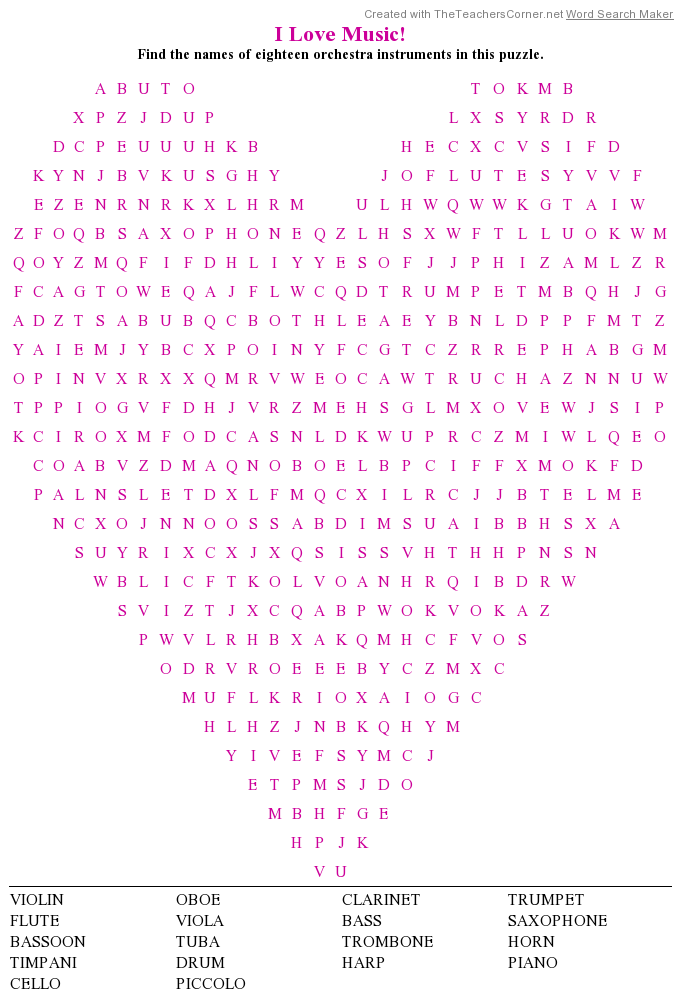
celebrate-picture-books-picture-book-review-musical-instruments-word-search

I Love Music! Word Search Puzzle


International Music Day celebrates all types of music and instruments. Can you find the eighteen different instruments in this printable word search puzzle?

I Love Music! Word Search Puzzle | I Love Music! Word Search Solution!

celebrate-picture-books-picture-book-review-dark-was-the-night-cover

You can find Dark Was the Night: Blind Willie Johnson’s Journey to the Stars at these booksellers

The Village Bookstore, Pleasantville, NY | Amazon | Barnes & Noble | Books-a-Million
To support your local independent bookstore, order from

Bookshop | IndieBound

Picture Book Review


August 18 – Centennial Anniversary of the 19th Amendment Ratification

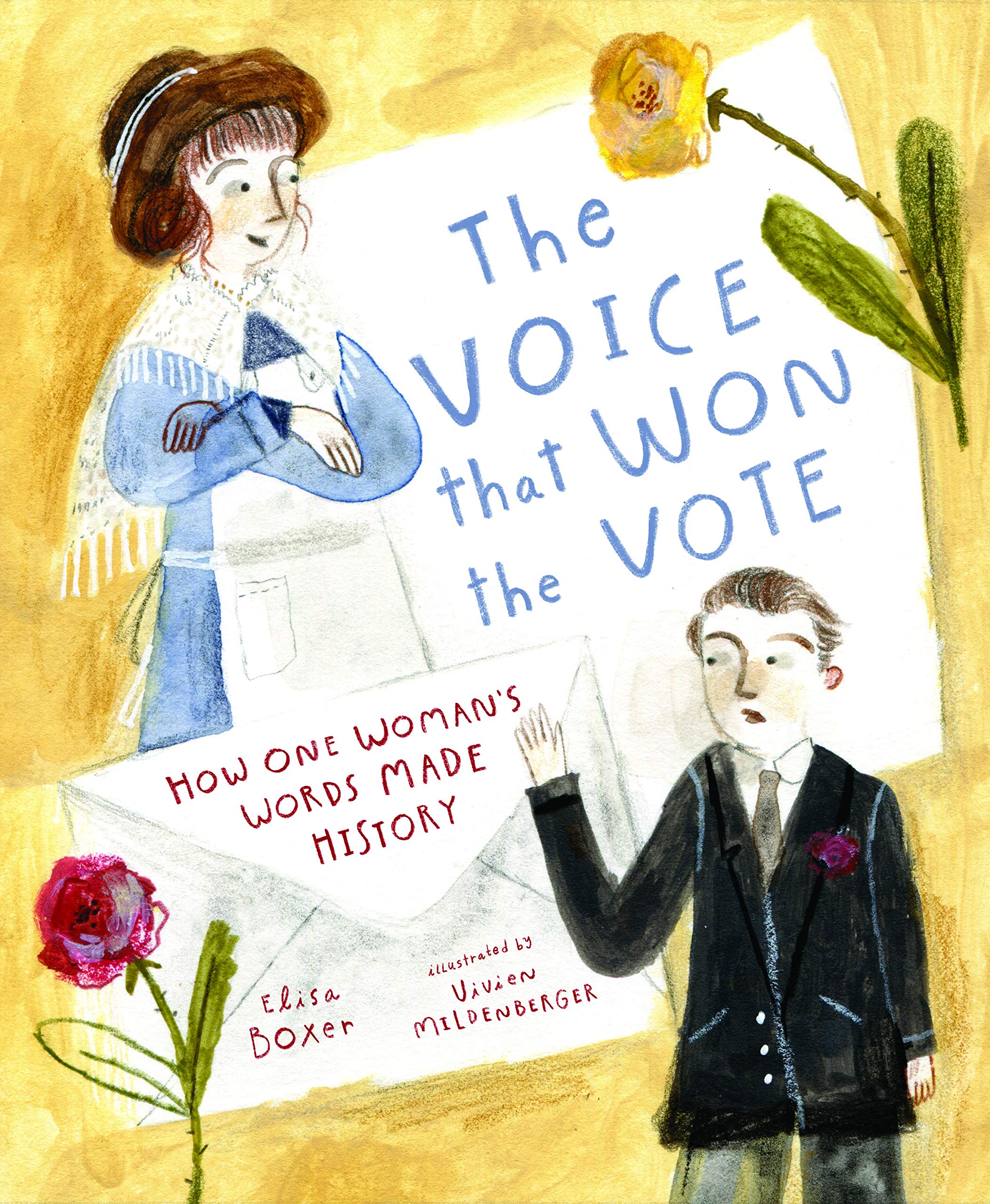
celebrate-picture-books-picture-book-review-the-vote-that-won-the-vote-cover

About the Holiday

Today we celebrate the ratification of the 19th Amendment, which guaranteed a woman’s right to vote. Yet even as we commemorate this achievement, we must remain vigilant to protect our voting rights and access and teach children that most-important lesson – that every voice, every vote is important. Today’s book reveals the true story of that nail-biting vote for the 19th amendment while also keeping it’s eye on the future. For more information on the history of suffrage and to learn more about the brave women on the front lines of progress, visit the 2020 Women’s Vote Centennial Initiative website and Women’s Vote Centennial. You’ll find extensive resources, curriculum for middle school and high school students, as well as online exhibits, videos, and so much more.

The Voice that Won the Vote: How One Woman’s Words Made History

Written by Elisa Boxer | Illustrated by Vivien Mildenberger

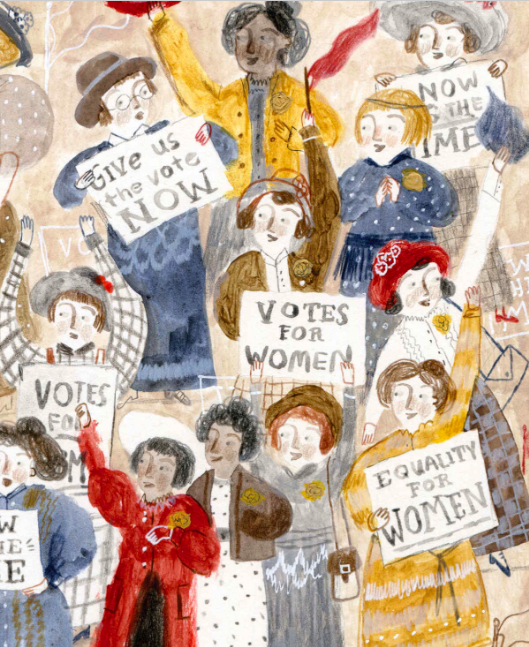
The year was 1920 and women were demanding the right to vote, just as they had been for the last seventy-five years. But all of their meetings, shouting, and signs were silenced. Men called the women “troublemakers” and “uncivilized.” Some men said it would “cause chaos” if women could vote, and others said “‘the only vote a woman needs is the vote to choose her husband.” There were even other women who thought women shouldn’t vote.

celebrate-picture-books-picture-book-review-the-vote-that-won-the-vote-silenced
Image copyright Vivien Mildenberger, 2020, text copyright Elisa Boxer, 2020. Courtesy of Sleeping Bear Press.

But then there was Febb Burn from East Tennessee who had gone to college, become a teacher, and loved to keep learning. She was especially interested in laws and how they were made, and every year as she watched her farmhands head off to vote on election day, she wanted to be able to go too. Finally, she grew so tired of being “shut out of the process” that she wrote a letter to her son.

Who was her son? His name was Harry Burn, and he was the “youngest lawmaker in Tennessee.” As he read his mother’s letter, he watched out his window as people from across the country gathered to decide the fate of women’s suffrage. One round of voting had already taken place, and it had resulted in a tie. Thirty-five states had voted yes on the issue, but thirty-six were needed to make it a law. Harry Burn for Tennessee had been one of the “no” votes in the first round. Now in the second round, Harry Burn would be the deciding vote. A “no” would deny women the vote, while a “yes” would change elections forever.

celebrate-picture-books-picture-book-review-the-vote-that-won-the-vote-letter
Image copyright Vivien Mildenberger, 2020, text copyright Elisa Boxer, 2020. Courtesy of Sleeping Bear Press.

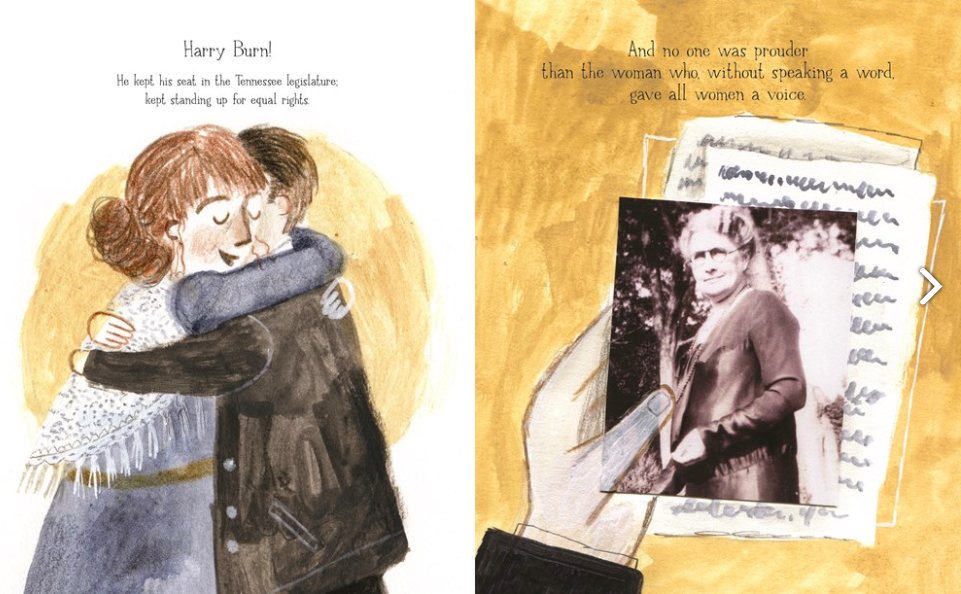
“He knew that most of the people who had elected him hated the idea of women voting.” Many of them were even in the audience and were counting on him. He was, after all, wearing a red rose—”the symbol of keeping women in the home, and out of the voting booth”—in his pocket. When it came time for Harry to vote, all eyes were on him as he said “‘Yes.’” The officials thought he’d “made a mistake” or “gotten confused,” but he hadn’t. The suffragettes cheered and hugged.

Everyone wanted to know why Harry Burn had changed his mind. In answer, he pulled from his pocket the letter his mother had written urging him to vote for suffrage. Harry constituents were shocked and angry. They vowed to vote against him in the next election. The headlines in the newspapers said that Harry had ruined his career. But Harry already knew that. He knew that his vote would mean “giving up his seat in the Tennessee House of Representatives.”

celebrate-picture-books-picture-book-review-the-vote-that-won-the-vote-Harry
Image copyright Vivien Mildenberger, 2020, text copyright Elisa Boxer, 2020. Courtesy of Sleeping Bear Press.

When interviewed for newspaper articles, Harry said that he had followed his conscience that all people should have the right to vote. At last the election was held, and Harry awaited his fate as all the votes were counted. Who would be the next Tennessee Representative? Harry Burn! “And no one was prouder than the woman who, without speaking a word, gave all women a vote.”

In an Author’s Note, Elisa Boxer talks more about the women’s suffrage movement, the courage to stand up for what you believe in, and the power of using the vote to voice your opinion. A timeline of significant events in the women’s suffrage movement is also included.

celebrate-picture-books-picture-book-review-the-vote-that-won-the-vote-Harry-Burn
Image copyright Vivien Mildenberger, 2020, text copyright Elisa Boxer, 2020. Courtesy of Sleeping Bear Press.

For anyone wondering about the power of one vote, Elisa Boxer puts all doubts to rest with her engaging recounting of this little-known true story. While Harry Burn’s vote took place 100 years ago, the courage he showed in standing up for his own conscience and in opposition to what was expected of him reverberates today. Boxer opens the story with a clear and meaningful definition of how a vote equals one’s voice, instilling in children who are learning to speak up for themselves in classrooms, on social media, and elsewhere the importance of voting when they come of age.

Her inclusion of quotes revealing the reasons behind opposition to women’s suffrage will be eye-opening. Her well-paced building of suspense going into the second vote and the aftermath will have kids on the edge of their seat and offers many opportunities to discuss the mechanisms of politics, expectations, and courage. Through her straightforward yet multilayered storytelling, Boxer presents two heroes for children to look up to: Harry, who put the good of the country and women ahead of his own career and Febb, who used her voice to make lasting change.

celebrate-picture-books-picture-book-review-the-vote-that-won-the-vote-suffragettes
Image copyright Vivien Mildenberger, 2020. Courtesy of Sleeping Bear Press.

Vivien Mildenberger’s lovely, textured illustrations take readers back to the pivotal year of 1920, when vocal suffragettes faced their equally vocal opposition and Febb Burn, sitting on her front porch decided to write her life-changing letter. Images of politicians sporting yellow and red roses reveal the long tradition of color as an identifying symbol. An especially powerful spread comes after Harry’s vote as he walks among his angry constituents, all of whom shun him behind newspapers full of articles about the historic vote. The inclusion of the actual Febb Burn’s letter to Harry and a photograph of Febb give readers see and hear from this influential woman.

A stirring true story about the power of one person to make a difference, The Voice that Won the Vote is highly recommended for home, school, and public library collections.

Ages 7 – 10

Sleeping Bear Press, 2020 | ISBN 978-1534110496

You can download a The Voice that Won the Vote Teaching Guide from Sleeping Bear Press here.

Discover more about Elisa Boxer, her book, journalism, and other work on her website.

To learn more about Vivien Mildenberger, her books, and her art on her website.

Meet Elisa Boxer

celebrate-picture-books-picture-book-review-Elisa-Boxer-headshot

Elisa Boxer is an Emmy-winning journalist and columnist whose work has appeared in publications including The New York Times, Inc., and Fast Company. She has always been passionate about children’s literature, and finds herself especially drawn to stories of unsung heroes like Febb and Harry Burn. The Voice That Won the Vote is her first book, and she hopes it inspires children to give voice to what matters to them. Elisa lives in Maine with her family.

Today, I’m excited to chat with Elisa Boxer about her timely The Voice Who Won the Vote, her work as a journalist, and the themes woven through all of her stories. Elisa also gives kids an intriguing writing prompt. And my blogging partner Jakki’s sons, Steve and Jack, are back with their questions too!

Steve asked: How did you find the letter Febb Burn wrote to her son?

Hi Steve! So glad you liked the book. The story of how I found the letter goes back to a couple of years ago when my agent, Steven Chudney, let me know that 2020 would be the 100th Anniversary of women getting the right to vote. He asked if I could come up with a picture book about it. I’ve always been drawn to stories of unsung heroes, so I scoured the internet for little-known figures in the suffrage movement. When I stumbled across the story of Febb Burn and learned that she was the mom who saved suffrage, I knew this was a story I wanted to tell! More digging led me to the online archives at the Knox County Library in Tennessee. These archives included the letter.

By the way, in case you haven’t seen it, here’s a link to the photo of the actual letter: http://cmdc.knoxlib.org/cdm/ref/collection/p265301coll8/id/699

I think it’s so cool to see the original papers that Harry received and read that day in the legislature back in 1920.  And to see Febb’s actual handwriting! Aaah! I tend to geek out over historical documents like this.

Jack wondered: How much research did you have to do?

Hi Jack! The short answer is: Lots. After I found Febb’s story on the internet, I read as many articles online as I could find. I also read several books about the women’s suffrage movement. I wanted more background information to put the story in context, and I also wanted to know more about the legislative session in Tennessee that led to Harry Burn tipping the scales and giving women the right to vote. I also enlisted the help of the Special Collections department at the University of Tennessee Libraries. One of the most exciting things they shared with me was a scanned version of Harry Burn’s personal scrapbook from 1920, containing newspaper clippings and headlines from his historic vote!

Jack and Steve would like to know: Is voting important to you?

Definitely. I started the book with the line: “A vote is a voice,” because I believe that voting is one of the most powerful ways we can have our say in society.

Hi Elisa! I read in your bio that even as a child you loved to write. In fact, if readers look on your website they’ll see a picture of quite a large group of books with covers written in crayon. I’m sure kids would love to know what some of those stories were about. Can you share a few of the ideas you wrote about as a child?

Sure! It’s fun to look back on those and see some common themes, like defying authority (You Can’t Catch Me, for example, about a girl outrunning her parents) and grief (I wrote The Kitten and the Puppy after losing my beloved dog). And then, there was a book about a dinosaur making friends with a little girl and moving into her house, which I think I wrote because I had just learned how to draw dinosaurs ;).

With your early interest in writing books, did you ever consider becoming a children’s writer or novelist before going into journalism? What was it about journalism that attracted you?

Even though I’ve loved reading and writing children’s books for as long as I can remember, I never really considered making a career of it. I wish I had followed that passion earlier. I’m 49 and my first book was just published. So if you have any interest in creating children’s books, don’t wait as long as I did! Although, having said that, I really do love print and broadcast journalism. My specialty has always been long-form journalism, which involves in-depth research, multiple interviews, and spending time crafting a story. A lot like writing nonfiction picture books, actually. A couple of years ago, I got sidelined with a severe case of Lyme disease. It hurt to move and breathe and I was basically housebound. So that’s when I decided to re-visit my childhood passion. I began dusting off old picture book manuscripts, revising them, and querying agents.

Your stories in print for newspapers and for television news have garnered many awards. What aspects of story do you infuse into each of your pieces? What do you like best about each medium?

(Blushing). I am always looking for the soul of the story. Even with straight news pieces, I want to find people and circumstances to bring those stories to life in a way that readers or viewers can relate to. The thing I like best is the same for each medium, and that is finding the point of emotional resonance, the subtext, the theme that will stick with the audience long after they put down the paper or the magazine or turn off the TV. In fact, that’s one of the reasons I love books so much: people pick them up again and again. Sure, you can save a newspaper or magazine article that resonates with you. But it’s not the same as that feeling of finishing a book, internalizing its message, holding it in your hands and knowing it’s yours to return to whenever you want.

It seems very fitting that your first published book is a picture book. What is it about Febb Burn’s story that you think is most important for kids to know?

I really want kids to know how much their voices matter. It’s so easy to feel powerless, especially given the state of the world right now. But I hope kids come away from the book realizing that one small act of courage, in the form of giving voice to what matters to them, really can change the world.

Vivien Mildenberger’s illustrations are so evocative of 1920. What was your first reaction to seeing your story illustrated? Do you have a favorite spread?

Aren’t Vivien’s illustrations amazing? I’m still blown away by them every time I see the book. When I first saw her work on her website, even before I saw her illustrations for the book, I knew that her old-world style would be a perfect fit for this story. And then when I first saw her preliminary sketches, I thought, WHOA, this is going to be even better than I could have imagined. Hmmm, it’s tough to pick a favorite spread. But I’d have to say the one where Harry Burn is looking out the window of the state capitol, watching the throngs of people arrive to witness history. She really captures the mood here. “America was on the verge of change,” the text reads. You can’t even see Harry’s face, but Vivien somehow managed to convey so much tension and anticipation in this spread. You can feel his inner struggle to do what’s right and follow his heart in the face of opposition.

What’s up next for you?

I’m super excited to say that I have several more picture books on the way during the next couple of years, all nonfiction. I’m also working on a chapter book and two middle grade books, one nonfiction and the other historical fiction.

As kids stay home and are schooled at home, it’s wonderful to see them interacting with the kidlit community. Would you like to give readers a writing prompt?

It really is so wonderful to be interacting with kids, their parents and their teachers. As for a prompt, I’d ask kids: With the world the way it is, what are the words, the scenes, the images, and the messages that would touch your heart? In other words, what is the book you need right now? Take one small step to start creating it. And then another…

Thanks, Elisa! It’s been wonderful talking with you! I wish you all the best with The Voice Who Won the Vote, and I can’t wait to read your upcoming books. I hope we’ll have a chance to chat again!

You can connect with Elisa on

Her website | Facebook | Twitter 

To order a signed, personalized copy of The Voice that Won the Vote, visit Print: A Bookstore.

19th Amendment Ratification Activity

celebrate-picture-books-picture-book-review-get-out-and-vote-maze

Get Out and Vote! Maze

Help the girl find her way through the maze to the ballot box so she can cast her vote in this printable maze.

Get Out and Vote! Maze | Get Out and Vote! Maze Solution

celebrate-picture-books-picture-book-review-the-vote-that-won-the-vote-cover

You can find The Voice the Won the Vote at these booksellers

Amazon | Barnes & Noble | Books-a-Million
To support your local independent bookstore, order from

BookshopIndieBound 

Picture Book Review

July 30 – International Day of Friendship

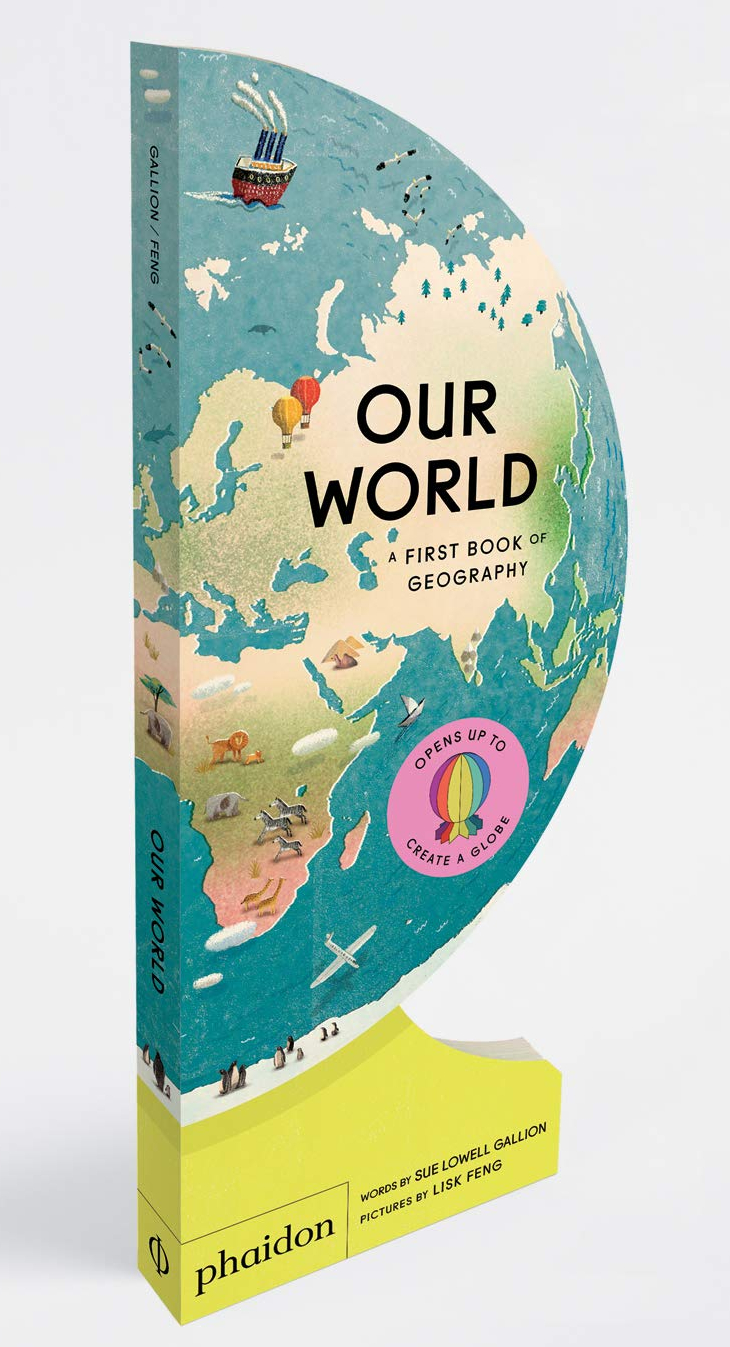
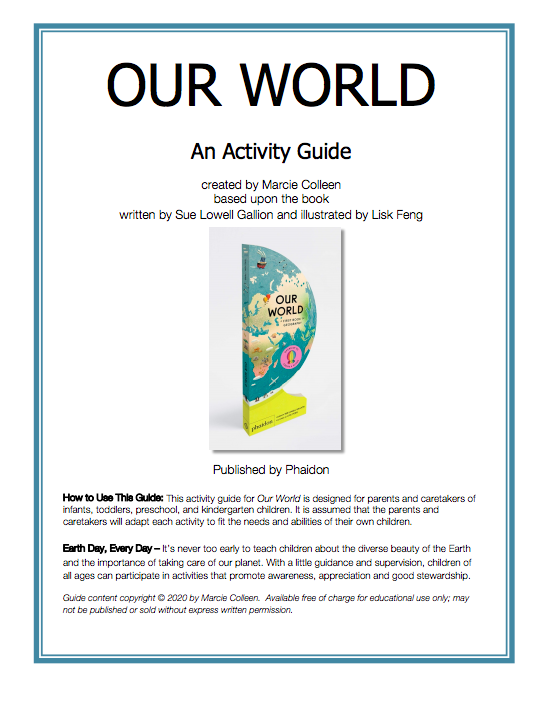
celebrate-picture-books-picture-book-review-our-world-cover

About the Holiday

Established in 2011 by the United Nations General Assembly, the International Day of Friendship asserts the idea that friendship between peoples, countries, cultures, and individuals can inspire peace efforts and build bridges between communities. The UN resolution places particular emphasis on involving young people in community activities that include different cultures and promote respect for individual diversity. On this day UN Secretary General Ban Ki-moon urges everyone, especially young people who will be our future leaders, “to resolve to cherish and cultivate as many warm relationships as possible, enriching our own lives and enhancing the future.” The day is celebrated with special initiatives, events, and activities that promote dialogue, education, understanding, and cooperation. Children are especially receptive to learning about and reaching out to others to achieve common goals. Today’s book can get them started. For more information about the International Day of Friendship and a list of actions we can all take, visit the United Nations website

Our World: A First Book of Geography

Written by Sue Lowell Gallion | Illustrated by Lisk Feng


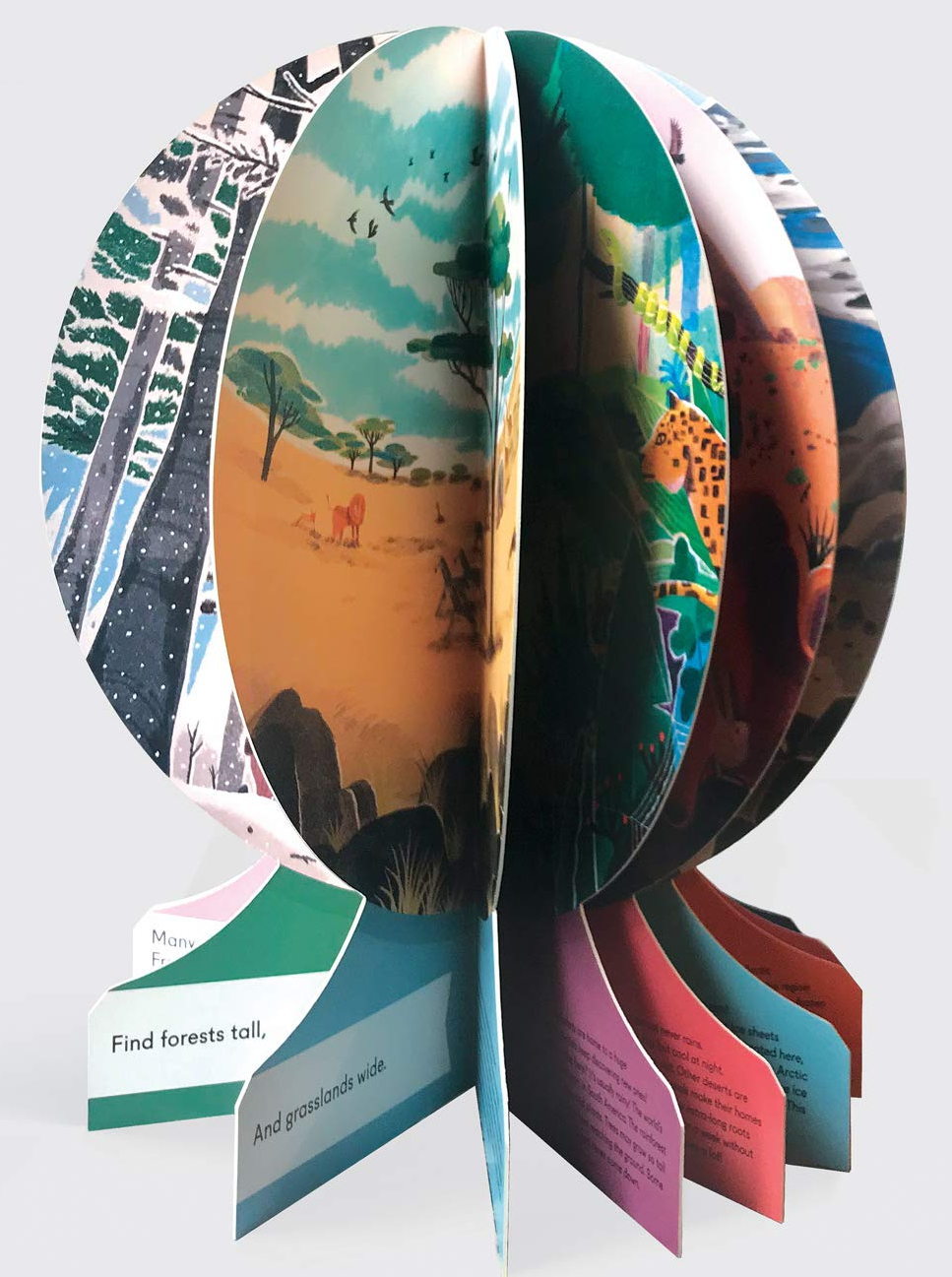
A board book like no other, Our World literally gives kids a well-rounded look at the geography of the countries, oceans, animals, plants, and climate that make up our home planet while engaging them with lyrical verses and information-packed paragraphs. Sue Lowell Gallion invites readers on her journey around the world as the sun, rising over a cool sea where scuba divers swim, brightens the sky with pastel colors: “Many places to explore, / From mountain peaks to ocean floor. / Look around you, step outside… / Find forests tall, / And grasslands wide.”

celebrate-picture-books-picture-book-review-our-world-open

Image copyright Lisk Feng, 2020, text copyright Sue Lowell Gallion, 2020. Courtesy of Phaidon Press.

Over the three spreads that contain this verse, children learn how the weather influences the types of trees that inhabit wooded areas and what types of leaves they have. Next, Gallion contrasts forests with open grasslands and reveals that while trees may be scarce on the plains, a diversity of animals is not. While herbivores easily find plenty to satisfy their hunger in grassy environments, carnivores must hunt, and their prey have adapted to survive: “Many animals, like zebras, are fast runners because there are few places to hide.”

celebrate-picture-books-picture-book-review-our-world-swimming

Image copyright Lisk Feng, 2020, text copyright Sue Lowell Gallion, 2020. Courtesy of Phaidon Press.

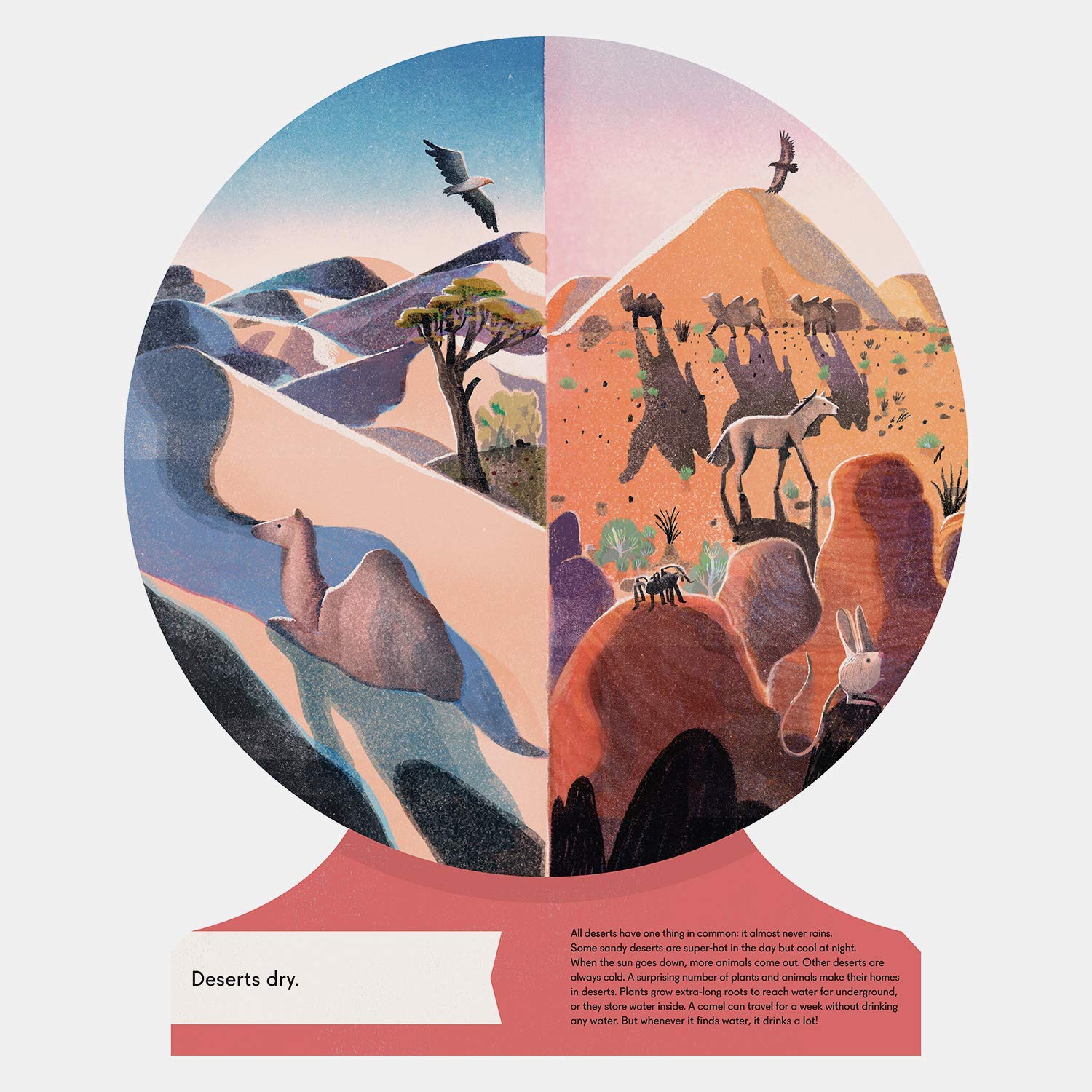
Traveling on to the world’s lush rainforests, Gallion provides little learners with enticing snippets of information about the profusion of plants and animals that live here. What might be the counterpoint to rainforests? If you’d say deserts, you’d be right! While some deserts are hot and others cold, Gallion writes, “all deserts have one thing in common: it almost never rains.” Still, an amazing variety of plants and animals thrive in these formidable conditions. Gallion shares how with her young readers.

celebrate-picture-books-picture-book-review-our-world-deserts

Image copyright Lisk Feng, 2020, text copyright Sue Lowell Gallion, 2020. Courtesy of Phaidon Press.

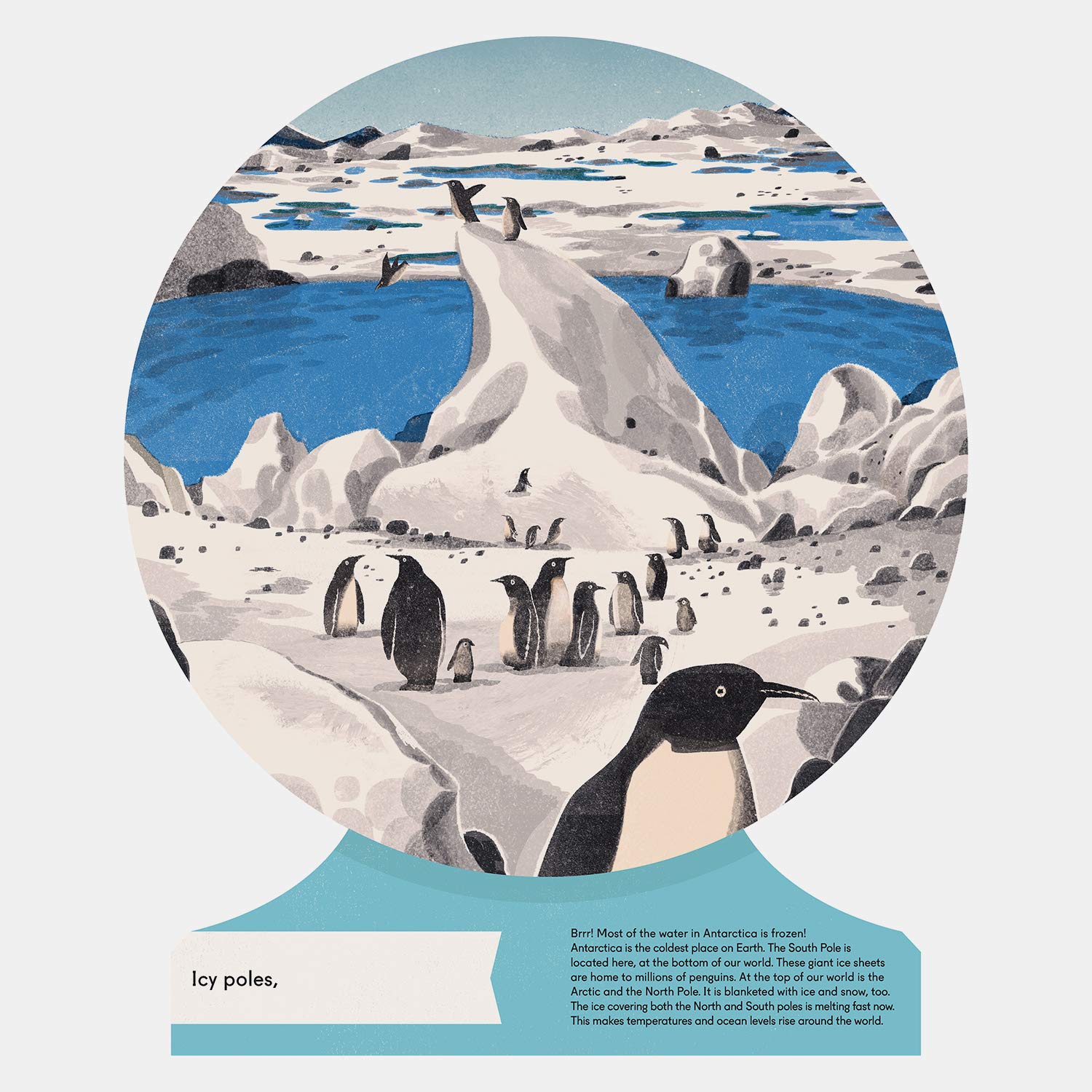
Antarctica and the icy tundra of the Arctic and high mountain peaks are populated with animals specially suited to life in our planet’s coldest regions. But, Gallion reveals, “the ice covering both the North and South poles is melting fast now. This makes temperatures and ocean levels rise around the world.” The book’s journey also spans “rivers, lakes, / Oceans deep. / Valleys, hills, / Mountains steep.” Over these pages, children learn how rivers form and where they flow; they discover what types of creatures live in shallow ocean waters as well as those pockets that are “deeper than the tallest mountains on Earth”; and they learn how the most majestic mountains and their valleys were created. 

celebrate-picture-books-picture-book-review-our-world-antarctica

Image copyright Lisk Feng, 2020, text copyright Sue Lowell Gallion, 2020. Courtesy of Phaidon Press.

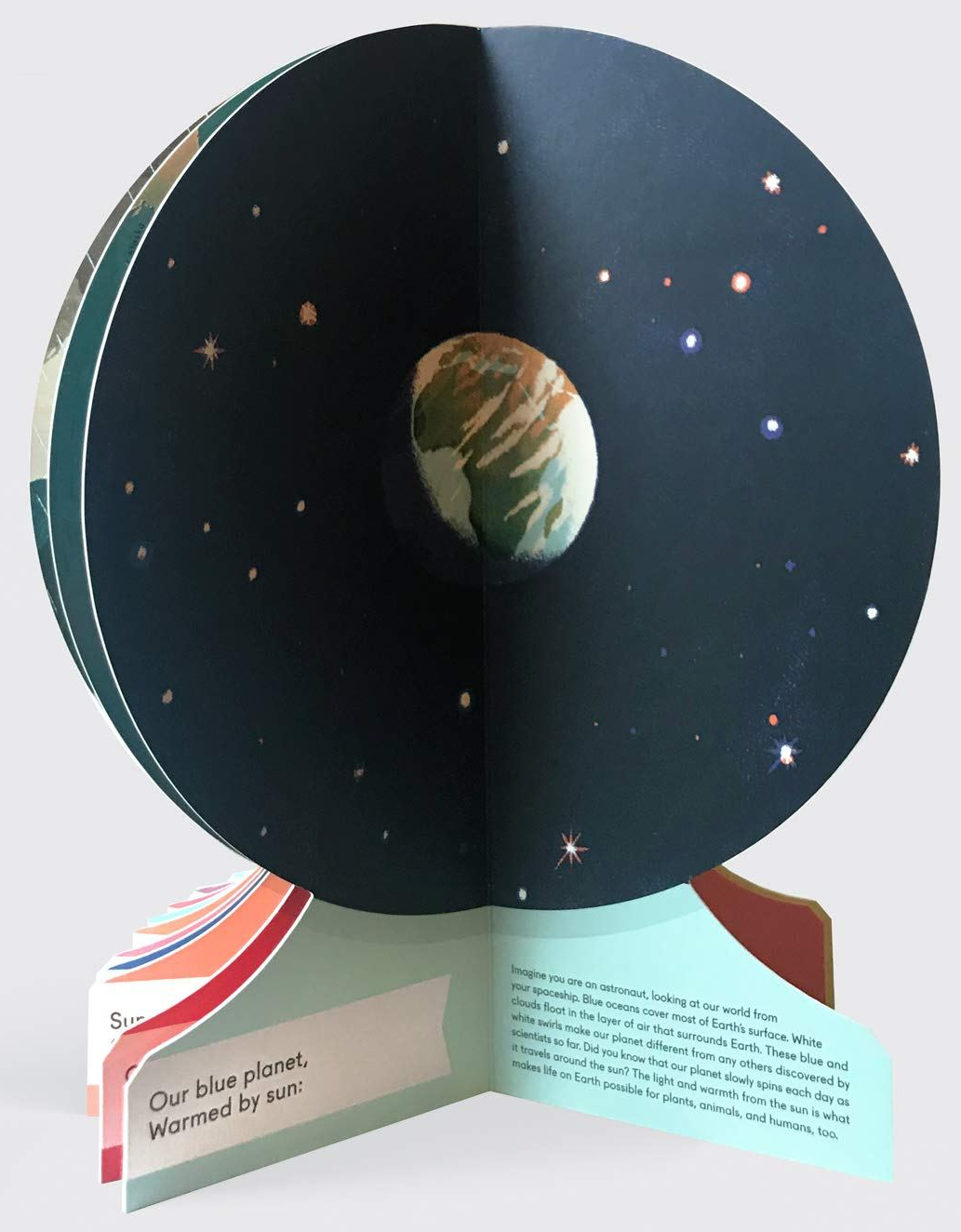
One two-page spread opens to a world map, where the seven continents and major oceans, seas, and gulfs are clearly labeled. Children will love pointing out where they, friends, and family live as well as places they’d like to visit someday. Panning back and back and back again, readers see Earth floating in space as Gallion explains “what makes life on Earth possible for plants, animals, and humans, too.” Then it’s time to zoom in to view a single house under a star-lit sky; a house that will spark in readers an appreciation for the wonder of “our blue planet, / Warmed by sun: / A living home for everyone.”

celebrate-picture-books-picture-book-review-our-world-from-space

Image copyright Lisk Feng, 2020, text copyright Sue Lowell Gallion, 2020. Courtesy of Phaidon Press.

Sue Lowell Gallion’s enchanting poem and informational text, which is sure to inspire kids to learn more about all of Earth’s natural wonders, are set off in a unique design which allows the book to open into a 3D, freestanding globe that will wow kids and adults alike. Magnets embedded in the front and back cover hold the spherical shape while the fanned-out pages create a sturdy base. 

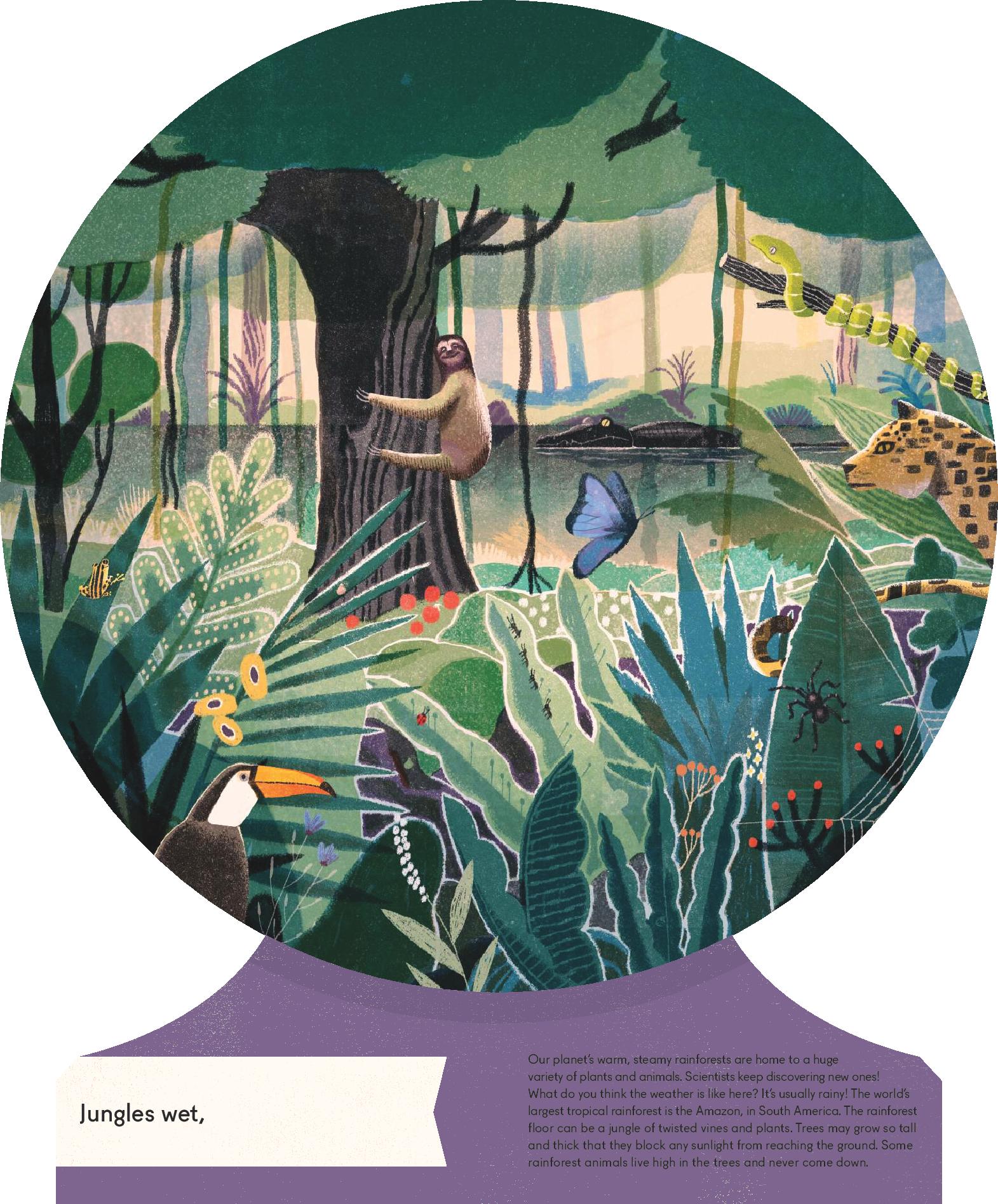
Giving this view of the world its vibrant and distinctive look are Lisk Feng’s spectacular illustrations of dawn-streaked hills, forests frosted white in winter and ablaze with color in autumn, and an array of creatures big and small that make each region exceptional. The image of the rainforest is especially rich, with its multi-hued vegetation that hides a snake, a jaguar, a toucan, a crocodile, and more creatures that kids will love searching for. Transitioning from the world map to a view of Earth from outer space to a single home at the end of the book reminds readers of their singularly important place in the world as individuals and as custodians of its resources.

A gorgeous and perfectly designed book to spark learning and research about the world’s natural features, Our World: A First Book of Geography is a must for children who love travel, nature, science, social studies, and learning about the environment. It would be a valuable asset for every classroom and homeschooler as well as a favorite pick for public library collections.

Ages 2 – 6

Phaidon Press, 2020 | ISBN 978-1838660819

Discover more about Sue Lowell Gallion and her books on her website.

A Chat with Sue Lowell Gallion

celebrate-picture-books-picture-book-review-Sue-Lowell-Gallion-headshot

Sue Lowell Gallion writes for children because she is passionate about children, reading, and any combination of the two! She’s the author of the award-winning Pug Meets Pig and more.

Sue has three books releasing in 2020. Our World, A First Book of Geography, illustrated by Lisk Feng, is a uniquely formatted board book that opens up to form a free standing globe. Her latest picture book is All Except Axle, illustrated by Lisa Manuzak Wiley, is the story of a new car anxious about leaving the assembly plant and learning to drive. Tip and Tucker Paw Painters is the third in her early reader series written with her author pal Ann Ingalls and illustrated by Andre Ceolin. 

Welcome, Sue! As soon as I saw Our World (and, of course, played with it a bit), I knew I had to talk with you about your and Lisk Feng’s eye-popping book. Our World: A First Book of Geography is stunning! Can you take readers on the journey from your original idea for this book to how it became this 3D, free-standing beauty?

I’m a huge fan of the innovative, creative board books on the market now that are such fun for kids and adults to share. Also, I grew up in a family printing company, so I’m intrigued with paper engineering and unique book forms. We did a lot of hand bindery work at home on unusual jobs like pop-up advertising pieces. I was a pro with a tape machine early on.

I went to an SCBWI (Society of Children’s Book Writers and Illustrators) workshop on board books for authors and illustrators in late 2017. During a brainstorming time, I imagined a board book about the Earth in the shape of a globe with its stand. Afterward, I searched the market to see if something like this already existed. It didn’t! Over the next month, I wrote a rhyming text to match that concept.

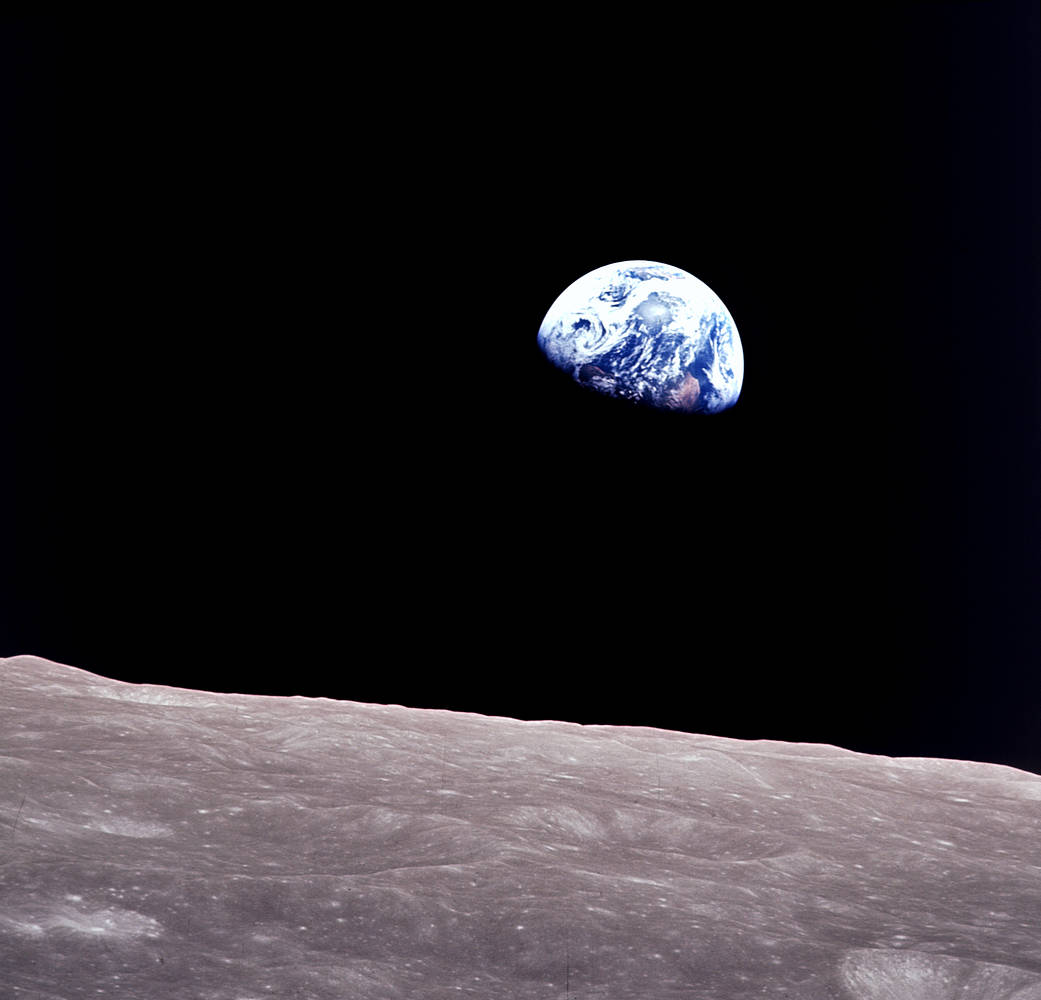
celebrate-picture-books-picture-book-review-Sue-Gallion-interview-apollo08-earthrise

The iconic Earthrise image taken from Apollo 8 in 1968 was part of my initial vision. From space, there are no national borders. I hope this book might inspire people around the world to further value our world, and to act to save and protect our planet and its environment. The melting glaciers, catastrophic weather changes, and other effects of climate change show that immediate action is long overdue.  

When the Phaidon team became interested in the manuscript, we started revising. I can’t tell you how many versions there were over a year and a half! The manuscript went from 56 words to almost 1,000 with the addition of supplementary nonfiction text for older kids. Maya Gartner, the editor, and Meagan Bennett, the art director, are in Phaidon’s London office. The two of them, plus Lisk Feng, the illustrator, were a great team. Many other Phaidon staff were involved in making this idea into a reality, of course. The way the front and back covers connect magnetically to hold the book open is incredible. My 88-year-old printer dad is impressed!

From the cover – which, with its chugging steamer, wheeling seabirds, and diving whale, seems to be in motion – to its lush interior spreads, Lisk Feng’s illustrations are gorgeous representations of each area. What was your first impression of her artwork? How were the final images chosen? Do you have a favorite?

My Phaidon editor told me they had been wanting to do a project with Lisk Feng for some time. I could see why! My first impression of her work was from her website and the middle grade nonfiction book Everest, written by Sangma Francis and illustrated by Lisk (Flying Eye Books, 2018.) It is a fascinating and gorgeous book; do get your hands on a copy! I was thrilled with the opportunity to create a nonfiction book with Lisk.

We worked to make sure each continent and a variety of geographic locations are represented in the illustrations. Each spread representing a biome is based on specific locations that both Lisk and I researched. As the illustrations were in process, I continued to research and revise the text to match the art.

My favorite spread changes all the time. I love the jungle/rainforest spread. The colors and composition are amazing. And I’ve been drawn to the water feature spread, which illustrates rivers, lakes, and oceans, from the very beginning.

celebrate-picture-books-picture-book-review-Sue-Gallion-interview-Our-World-rainforest

Image copyright Lisk Feng, 2020, text copyright Sue Lowell Gallion, 2020. Courtesy of Phaidon Press.

As far as the cover, one of the themes of the book is the connectedness of the world. Early versions of the manuscript included how transportation links the world, and that’s represented on the cover. It’s another conversation point with kids – where would you like to go, and how could you get there? Which oceans would you fly over or sail through?

The text is a combination of lyrical, rhyming verses and explanatory paragraphs that are just right for introducing the youngest readers as well as older kids to geography. How did you choose which details to include? How would you recommend readers, teachers, and homeschoolers use Our World?

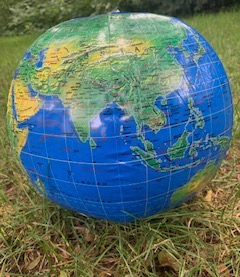
I’d love to direct your readers to the two activity guides for the book. One is for babies through kindergarteners, and another guide has games to use with a globe beach ball. Some work with a real globe, too. Globe beach balls are inexpensive and easy to find online. The games can be as simple as playing catch and noticing whether your hand is holding land or water – and a child is learning how much of our earth is covered with ocean. The guides are free to download from my website, suegallion.com, under Resources. Most libraries have globes, so that’s one more reason to go to the library!

celebrate-picture-books-picture-book-review-inflatable-globe-beachball

The dual narrative makes the book appeal to a range of ages, I hope. The rhyming text is an introduction, and the supplementary text adds more. We tried to make the text interactive, to encourage conversation and further learning. For example, in the spread about water features (lakes, rivers, and oceans) we mention that places in the ocean are as deep as the tallest mountains on land. Perhaps that will inspire a family to talk about Dr. Kathy Sullivan, the first woman to walk in space, who recently dove in a submersible to Challenger Deep, the deepest known point on Earth, located in the Pacific Ocean.

It was important to me to include the fact that ocean water is too salty to drink. An easy experiment to do with kids is to have them mix their own saltwater and see what it tastes like. This can lead to a conversation about how in many places people don’t have enough safe, clean freshwater to drink, and what happens when people have to drink dirty or polluted water.

I hope as kids and adults turn the pages to reveal different places in our world, they can talk about contrasts and similarities. What would it be like to live in this place? What would you feel or hear if you were there? What else would you like to know?

Why do you think it’s important for children to learn geography from the earliest ages?

A child’s understanding of the world around them begins at birth, then grows as sight, dexterity, and mobility develop. I like the definition of geography as learning place and space. Spatial thinking and mapping skills are important to understanding concepts later on in math, the sciences, history, and more.

Experiencing other places, either in person or through books, can expand a young child’s world tremendously. Books can help kids feel a connection with places they haven’t been, and people they’ve never met. And in our nature-deficit culture, books also encourage kids and families to explore the outdoors and expand curiosity.

Which of the areas described in the book most closely resembles where you live? What do you like best about this area? Have you ever traveled to any of the other regions in the book? What surprised you most about it/them?

I live on the eastern edge of the Great Plains in the U.S., a grassland biome. In the book, grasslands are represented by the African savanna. We wanted the illustrations to feature animals whenever possible, because animals are so interesting to kids. The African savanna, with all its marvelous large mammals, was the natural choice.

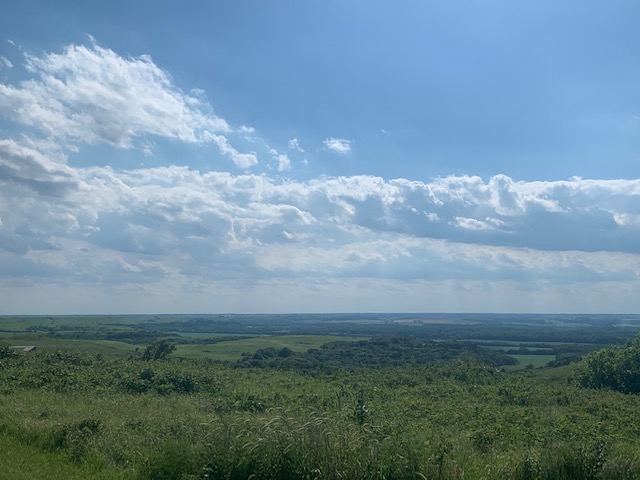
I did want to give a shout out to my region in the book, so you’ll find the cold winters and blizzards that cross the Great Plains of North America included in the secondary text. What do I like best about this region? Well, Kansas City is my hometown. It is a beautiful part of the country, as you see in this image of the Konza tallgrass prairie in eastern Kansas.

celebrate-picture-books-picture-book-review-Sue-Gallion-interview-Konza-Prairie

My family circled back here after living in several other regions of the U.S. I love to travel, and I can’t wait for it to be safe to start planning my next trips. I have four more continents to go: South America, Africa, Australia, and Antarctica. And I haven’t visited a polar biome yet. It’s on my list.

Thanks, Sue, for sharing the fascinating story of Our World! What an amazing resource for parents, teachers, and homeschoolers! And I hope you get to visit all the places on your list! 

You can connect with Sue on

Her website | Facebook | Twitter 

International Day of Friendship Activity

celebrate-picture-books-picture-book-review-our-world-activity-kit-image

Our World Activity Kits


You’ll find lots of activities that get kids – from infants to kindergarteners and beyond – interacting with geography through games, movement, songs, a scavenger hunt, and crafts on Sue Lowell Gallion’s website. Learning about our world has never been so much fun!

Our World Activity Kits

celebrate-picture-books-picture-book-review-our-world-cover

You can find Our World: A First Book of Geography at these booksellers

Amazon | Barnes & Noble | Books-a-Million
To support your local independent bookstore, order from

Bookshop | IndieBound

Picture Book Review

July 28 – It’s Wild about Wildlife Month

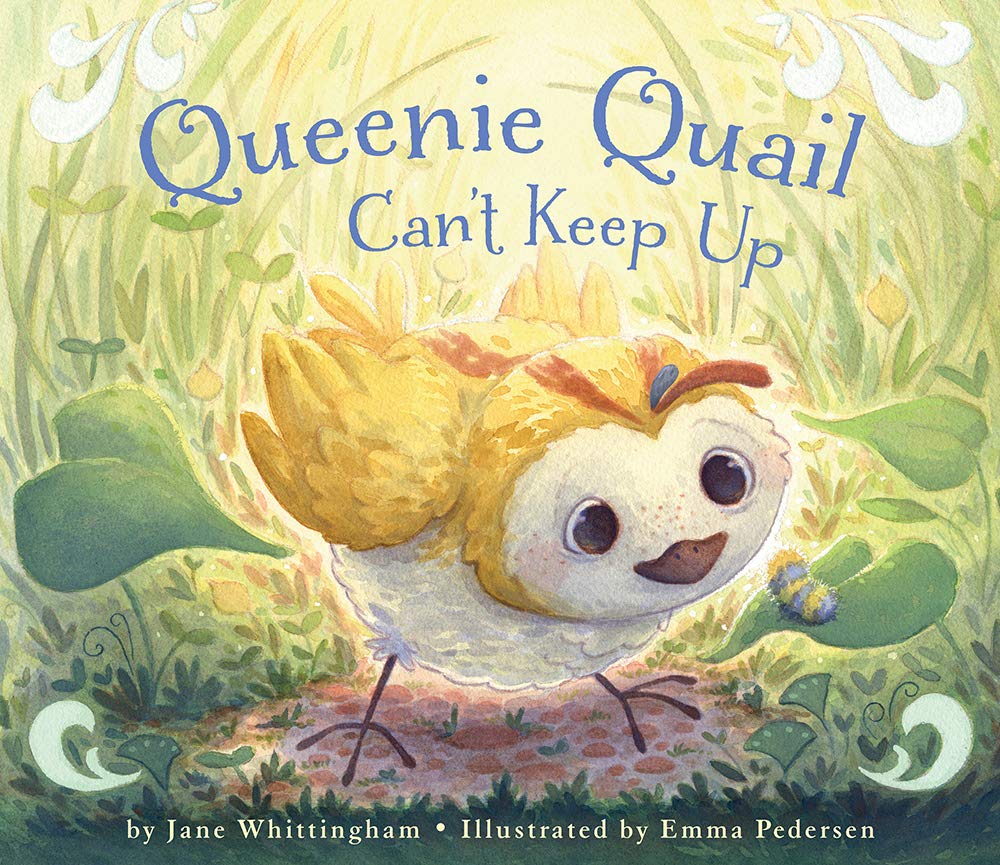
celebrate-picture-books-picture-book-review-queenie-quail-can't-keep-up-cover

About the Holiday

We may be winding down Wild about Wildlife Month, but that doesn’t mean we can’t enjoy all that nature has to offer the rest of the summer and all year long. Exploring parks, woodlands, grassy fields, or the shores of lakes, rivers, or the ocean is a fun and educational family activity that is different each time you head out the door. Whether you and your kids like plants, animals, insects, or the rocks that hold everything together, a nature walk provides something for everyone. The best way to enjoy the outdoors is with a relaxed pace that lets you decompress, take it all in, and say “Ahhh!” The little quail in today’s book definitely has the right idea!

Thanks to Pajama Press for sending me a copy of Queenie Quail Can’t Keep Up for review consideration. All opinions on the book are my own. 

Queenie Quail Can’t Keep Up

Written by Jane Whittingham | Illustrated by Emma Pedersen


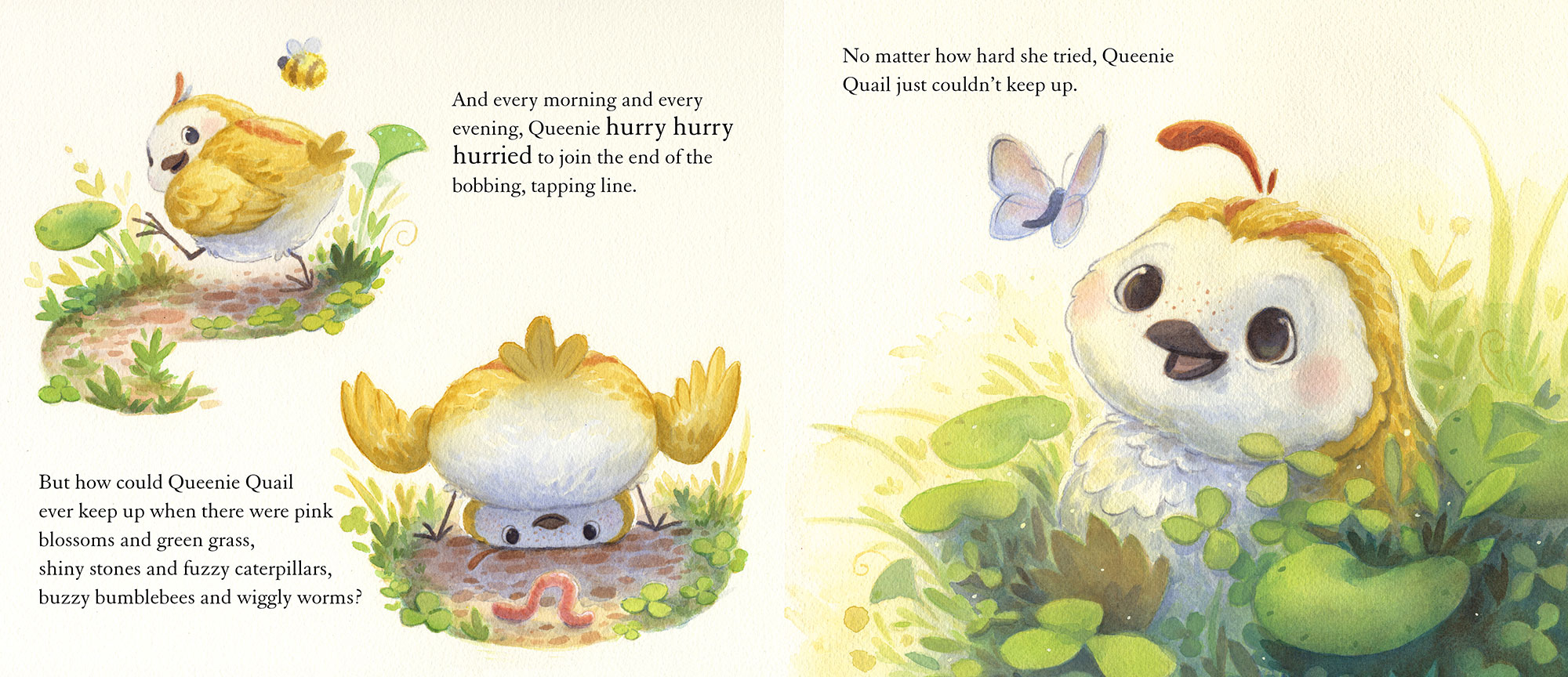
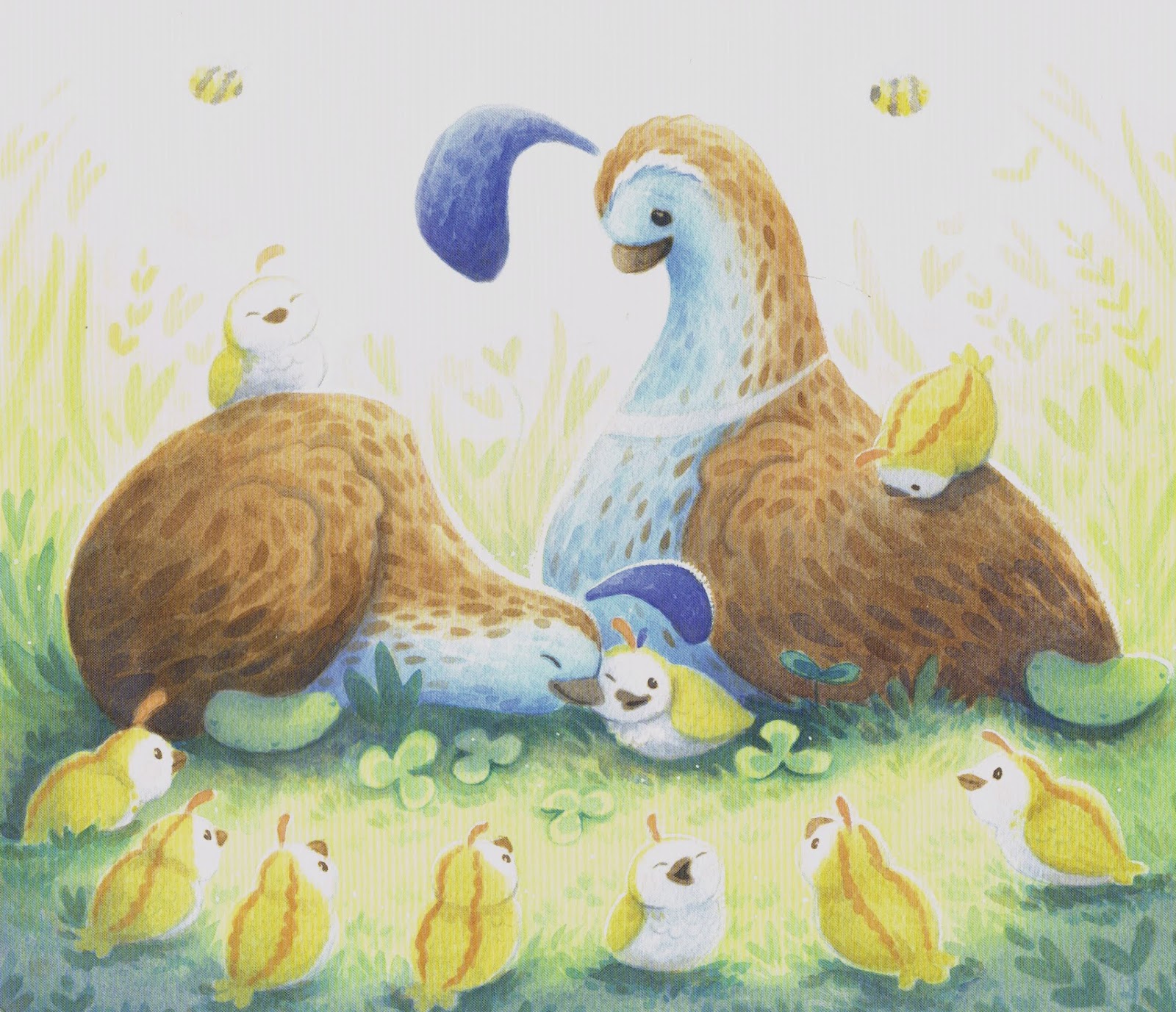
Twice every day Mama Quail led her ten chicks through the meadow, and while nine hurried and scurried along after Mama, Queenie, the smallest, always lagged behind. Mama and the other chicks chirped and cheeped for Queenie to “hurry hurry hurry,” but it was just so hard when there was so much to see. Queenie loved stopping to look at the “pink blossoms and green grass, shiny stones and fuzzy caterpillars, buzzy bumblebees and wiggly worms.”

celebrate-picture-books-picture-book-review-queenie-quail-can't-keep-up-bee

Image copyright Emma Pedersen, 2019, text copyright Jane Whittingham, 2019. Courtesy of Pajama Press.

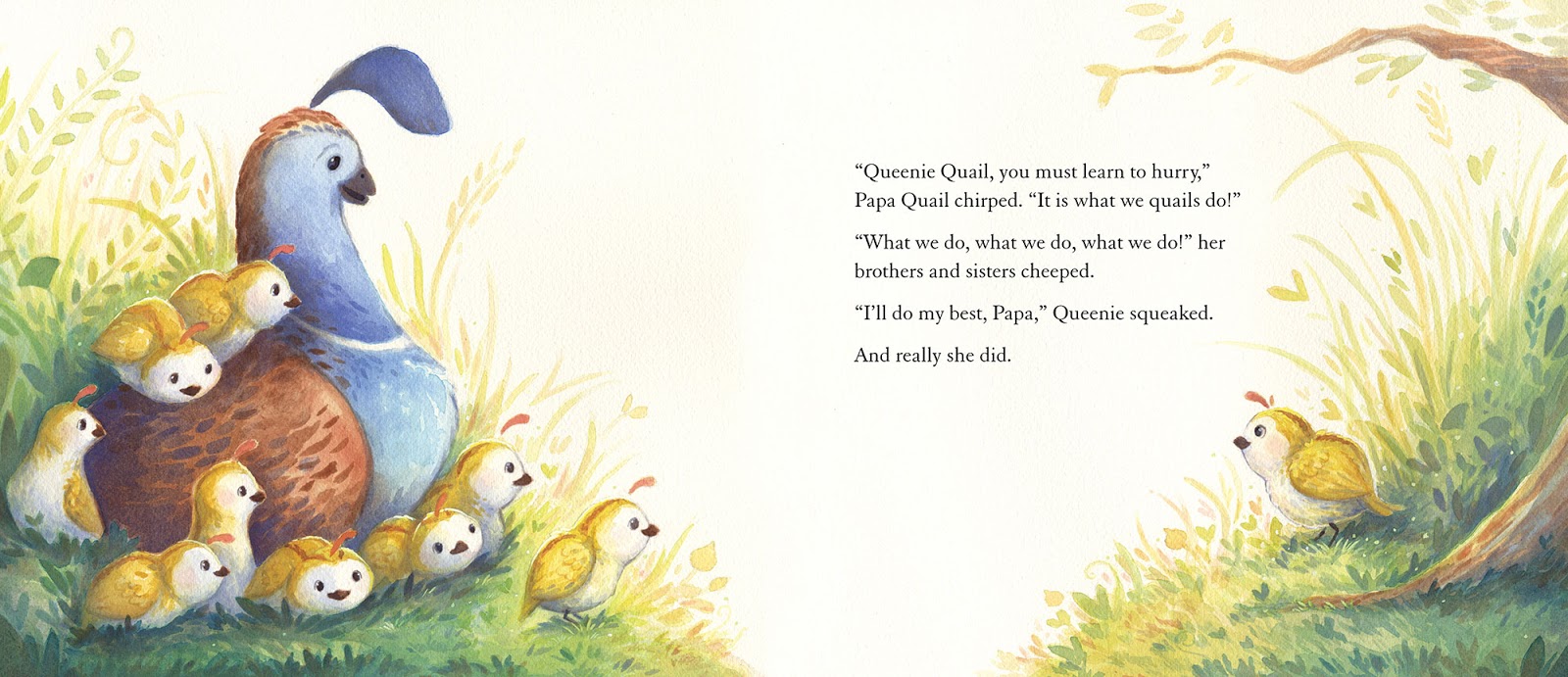
Her papa admonished her to learn to hurry—“It is what we quails do!” he told her. And Queenie promised to try. She really did try too, but she just couldn’t pass by all her favorite things without stopping to enjoy them. One day, in addition to the blossoms, grass, stones, caterpillars, bees, and worms, Queenie spied a feather. And when she stopped to admire it, she saw “an unusual flash of orange.”

As Queenie watched, the “the furry orange slid softly, smoothly, silently through the green grass.” Queenie followed at a careful distance. Suddenly, Queenie saw that she was following a cat—a cat that was stalking her mama and brothers and sisters. Queenie knew just what she had to do. She raced down the path “hurry, hurry, hurrying,” chirping, cheeping, and warning her family.

celebrate-picture-books-picture-book-review-queenie-quail-can't-keep-up-hurry

Image copyright Emma Pedersen, 2019, text copyright Jane Whittingham, 2019. Courtesy of Pajama Press.

In the nick of time, Papa heard her and swooped down on the cat. Mama came running too. With a hiss, the cat jumped into the grass and fled. “‘You’ve saved us, Queenie Quail!’ Mama Quail chirped.” And Papa and her little siblings praised her too. Now, when the family heads out along the meadow trail and Queenie can’t keep up, they all ask, “‘What have you found, what have you found, what have you found?’” And they stop and hurry hurry hurry over to take a look too.

celebrate-picture-books-picture-book-review-queenie-quail-can't-keep-up-nuzzling

Image copyright Emma Pedersen, 2019, text copyright Jane Whittingham, 2019. Courtesy of Pajama Press.

Jane Whittingham’s story of an adorable quail who stops to smell all the roses is a charming, charming, charming read-aloud that adults will love sharing and kids will enthusiastically chime in on during the fun repeated phrases. Whittingham’s agile storytelling shines with lyrical rhythms and alliteration that bounce along like the little stars of her book. The gentle suspense will keep young listeners riveted to the story, and afterward they’re sure to join Queenie and her brothers and sisters in slowing down to enjoy the world around them.

Readers will immediately fall in love with Queenie and her siblings as Emma Pedersen’s cute-as-can-be, tufted quail babies race and bob along the trail to keep up with Mama. With expressive eyes and tiny beaks that form a perpetual smile, they nestle next to Mama and pile on top of Papa. As they watch out for Queenie, one or two often peer out at readers, inviting them along on their excursions. As the heroine of the story, Queenie is a sweetie, fascinated by everything she sees. Pedersen’s lovely gauche paintings are as fresh as a spring meadow and will entice kids and adults to take a nice slow walk together.

A unique and tender story that will have children entranced from the first page, Queenie Quail Can’t Keep Up will be a favorite on home, school, and public library shelves.

Ages 3 – 7

Pajama Press, 2019 | ISBN 978-1772780673

You’ll discover more about Jane Whittingham and her books as well as blog posts, interviews, and lots more on her website.

To learn more about Emma Pedersen, her books, and her art, visit her website.

Meet Jane Whittingham

celebrate-picture-books-picture-book-review-Jane-Whittingham-Interview-headshot

Today, I’m excited to be talking with Jane Whittingham an author and librarian from British Columbia, Canada, about the inspiration for her adorable quails, what she loves about being a librarian, and how nature features in her life and books.

I believe Queenie Quail Can’t Keep Up was inspired by your dad and a true story. Can you talk about that a little?

My parents moved to a small town on Vancouver Island when they retired, and their backyard is home to all sorts of wildlife, including families of quails that hurry and scurry here and there. My dad  always liked watching them, and he mentioned to me once that quails would make perfect picture book stars with their round little bodies and their amusing personalities and antics. Well, I was inspired! I’d never really thought much about quails, since we don’t have them where I live, so every time I visited my parents I would spend a bit of time watching the quails for inspiration.

Queenie, the little quail who is just too easily distracted to keep up with her siblings, is definitely inspired by me, and the fact that I’m always falling behind because I have to stop and look at everything! The book is a bit bittersweet to me because my father passed away before it was published, but I know he would’ve gotten a real kick out of it, and he would have probably introduced himself to everyone as my muse!  

Have you always liked to write? Can you talk a little about your process? Do you have a favorite place to write?

I’ve always been a writer, and even before I could physically write I was a storyteller. I was an only child and spent a lot of time using my toys to tell epic stories, which I would then recount breathlessly to my parents in an endless stream of words.

I don’t really have a process – like many people I fit writing around my full-time job (I’m a librarian) and into my busy life, so I snatch moments here and there whenever I can. I write on my phone, I write on scraps of paper, I write on my computer. I write on my commute, at coffee shops, and in grocery store lineups. You never know when inspiration will strike!

Besides Queenie Quail Can’t Keep Up,  you have two more very well-received books out from Pajama Press—Wild One and A Good Day for Ducks. The outdoors features in all of your books in some way. Are you inspired by the outdoors? What is your favorite outside activity or a memorable experience you’ve had?

I am absolutely inspired by the outdoors – even though my childhood wasn’t that long ago in the grand scheme of things, I do feel like I had a very different childhood than many kids experience today. I spent a lot of my free time outdoors, wandering or biking around the neighborhood with a band of kids, making (and falling out of) tree forts, playing kickball on the street, and turning local playgrounds into the settings for all sorts of imaginary worlds. My parents often had no idea where I was, but that was totally normal for the time—I never left the neighborhood, and they knew I would come home when it started to get dark.

Sometimes it feels like I grew up in a whole other era! Through my books I really want to encourage families to get outside, to explore, to learn through doing and through experiencing. Nature is such an incredible source of inspiration, of knowledge, of enjoyment, and even of healing, and we really miss out on so much by cooping ourselves up in front of our screens all day long!

In doing a little research for this interview, I raided your wonderful website and discovered that you made a few resolutions this year. One is to read outside your comfort zone, which includes murder mysteries, historical fiction, and narrative nonfiction. How is that going? Can you give me one mystery title in your comfort zone and one “departure” book you’ve dipped your toes (eyes?) into?

Oh dearie me, you’re holding me accountable! I recently finished a YA novel, which is very, very unusual for me—I never read young adult fiction even when I was a young adult, so this was a major departure for me! It’s called The Love and Lies of Rukhsana Ali, and tells the story of a young Muslim lesbian whose family discovers her secret girlfriend and sends her off to Bangladesh to straighten her out, as it were. It’s definitely an eye-opening look into a culture and experience very different from my own, and I really enjoyed it.

As for my taste in mysteries, I tend to favour the classic British who-dunnit style, with authors like Dorothy L. Sayers and Ngaio Marsh being particular favorites. I also really enjoy mysteries with historical settings, which allow me to check off two favorite genres at once!

Queenie is an adorable little quail! What was your reaction to seeing Emma Pedersen’s illustrations for the first time? In your blog post “Queenie Quail and the Road to Publication,” you talk about needing to cut your original manuscript. Can you describe one place where the illustration reflects the text that is no longer there? Can you describe a place where Emma included something that surprised or particularly delighted you?

I was absolutely floored when I first saw Emma’s illustrations, they’re beyond wonderful, and even more adorable than I ever could have imagined! It’s a funny thing, being a picture book author, because you craft these characters and this environment, and then you hand the whole thing over to a stranger to make real—it can be a bit nerve-wracking, not knowing what your little characters will end up looking like! I was immensely relieved when I saw Queenie and her siblings, and I think Emma’s classic artistic style perfectly complements my old-fashioned writing style.

One of the aspects of the text that was really shortened related to all the things that distracted Queenie on her daily walks with her family. I described the worms and the bees and the flowers in great detail, which turned out to be entirely unnecessary, since everything appeared so beautifully in Emma’s illustrations!

And as for an illustration that particularly delighted me, there’s a spread where Mama and Papa quail nuzzle Queenie as they thank her for saving the day, and the loving expressions on everyone’s faces really just melted my heart, I loved them so much!

What drew you to becoming a librarian? What is a favorite part of your day?

I am a children’s librarian for an urban library system here in British Columbia, Canada, and I’m responsible for developing and facilitating programming for children and families in an older residential neighborhood. I get to do a lot of fun things in my job—I lead story times for caregivers and their babies, facilitate writing and book clubs for tweens, and get to host and visit local preschools, daycares and elementary schools. I think my favourite part of the entire year is Summer Reading Club, which runs from June – August every year. We spend the entire year planning all sorts of exciting programs to get kids reading all summer long, and it’s so much fun! Sometimes I can’t quite believe I get to do this as my job. I also manage the physical collections in the library, organizing and weeding the books to make sure the collection is in tip- top shape and helps meet the reading needs of my community.

I was raised in a family of voracious readers and I love working with people, so librarianship always seemed like a natural fit, but it took me quite a while to get here. I worked in various jobs for about six years following my initial graduation from university, before finally feeling confident enough to take the plunge and go back to school to do my masters in librarianship. It was a real leap of faith, quitting a well-paying, stable but unfulfilling job to take a chance on a career that everyone around me said was dying out, but it’s certainly paid out for me, so far at least! I can’t stress enough that simply loving books is not enough of a reason to become a librarian, especially not a public librarian – you really do need to love working with people more than anything, because it’s definitely not for the faint of heart sometimes!

On your website you have a gallery of pictures from libraries you’ve visited. How many libraries have you been to? Which library is the farthest from home? Which was your favorite and why?

I love visiting libraries at home and abroad, I find so much inspiration from looking at how other libraries organize their collections, decorate their spaces, and plan their events. I’m not even sure at this point how many libraries I’ve visited. I need to update my website to include the ones I visited on my most recent trip to Nova Scotia, Prince Edward Island, and New Brunswick!

celebrate-picture-books-picture-book-review-Library-in-Nikko-Japan-Jane-Whittingham-Interview

Jane visits one of her favorite libraries – the Nikko Library – in Japan

celebrate-picture-books-picture-book-review-Bridge-in-Nikko-Japan-Jane-Whittingham-Interview

A view of a bridge and beyond in Nikko, Japan

Some of the furthest libraries I’ve visited have been in New Zealand and Japan (which I’ve visited on three separate occasions so far), though I’ve visited libraries in different US states and Canadian provinces, too. I don’t know that I have a single favorite library, but I do particularly enjoy visiting rural libraries – they can be so creative with their often-limited resources, and really do serve as the hearts and souls of their communities. 

What’s the best part about being a children’s author? Can you share an anecdote from an author’s event you’ve held or been part of?

I love everything about writing for kids! I really am a big kid at heart, which is why I’m a children’s librarian, too! I’ve had wonderful experiences reading my books to kids at different author events, and it’s so much fun to get everyone involved.

celebrate-picture-books-picture-book-review-author-visit-Japan-Jane-Whittingham-Interview

Jane and kids act out animals during an exciting author visit.

With Wild One I like to get kids to guess which animal they think the protagonist is pretending to be, and then we act out the animals together, which is heaps of fun, and with A Good Day for Ducks we act out all sorts of fun raining day actions, then talk together about all the things you can do, inside and outside, on a rainy day. I live in a very rainy place, so it’s important to find the joy in even the gloomiest of days! One of the most meaningful events I’ve done was a visit to a local children’s hospice, where I was able to connect with a small group of really amazing children who have been through so much in their short lives. To be able to share my stories with them, and listen to their stories, was an incredibly inspiring and moving experience.

What’s up next for you?

I’m not quite sure! I’ve got a couple of manuscripts that I’m still working on, and some that I’m waiting to hear back about from editors, so I don’t really know yet what’s coming down the pipeline. But I’ll always keep on telling stories, no matter what. 🙂

What is your favorite holiday and why?

My favourite holiday is definitely Christmas. I love Christmas. I love the music, the baking, the food, the decorating, the music, the family get-togethers, I love it all! I don’t actually do any of the decorating or baking or cooking myself, I mostly just listen to Christmas carols for a month straight and watch hours of Christmas movies on TV, but I love it all the same!

Thanks, so much, Jane! I’ve thoroughly enjoyed getting to know more about you and am sure readers have too! I wish you all the best with Queenie Quail Can’t Keep Up and all of your books!

You can connect with Jane Whittingham on:

Her website | Instagram

Wild about Wildlife Month Activity

celebrate-picture-books-picture-book-review-wonderful-wildlife-board-game

Fascinating animals are found in every part of the world. Play this fun printable Wonderful Wildlife Board Game to match each animal to the area where it lives.

Supplies

Directions

  1. Print a World Map for each player
  2. Print one set of 16 Wildlife Tokens for each player
  3. Print two copies of the 8-sided die, fold, and tape together
  4. If you would like, color the map and tokens
  5. Choose a player to go first
  6. Each player rolls both dice and places an animal on their map according to these corresponding sums of the dice below
  7. The first player to fill their map is the winner!
  • 1 = Flamingo – South America
  • 2 = Emperor Penguin – Antarctica (Southern Ocean)
  • 3 = Giraffe – Africa
  • 4 = Bald Eagle – North America
  • 5 = Ibex – Europe
  • 6 = Kangaroo – Australia
  • 7 = Panda – Asia
  • 8 = Orca – Antarctica (Southern Ocean)
  • 9 = Toucan – South America
  • 10 = Buffalo – North America
  • 11 = Koala – Australia
  • 12 = Lion – Africa
  • 13 = Etruscan Shrew – Europe
  • 14 = Manta Ray – Pacific Ocean
  • 15 = Sea Turtle – Atlantic Ocean
  • 16 = Tiger – Asia

celebrate-picture-books-picture-book-review-queenie-quail-can't-keep-up-cover

You can find Queenie Quail Can’t Keep Up at these booksellers

Amazon | Barnes & Noble | Books-a-Million
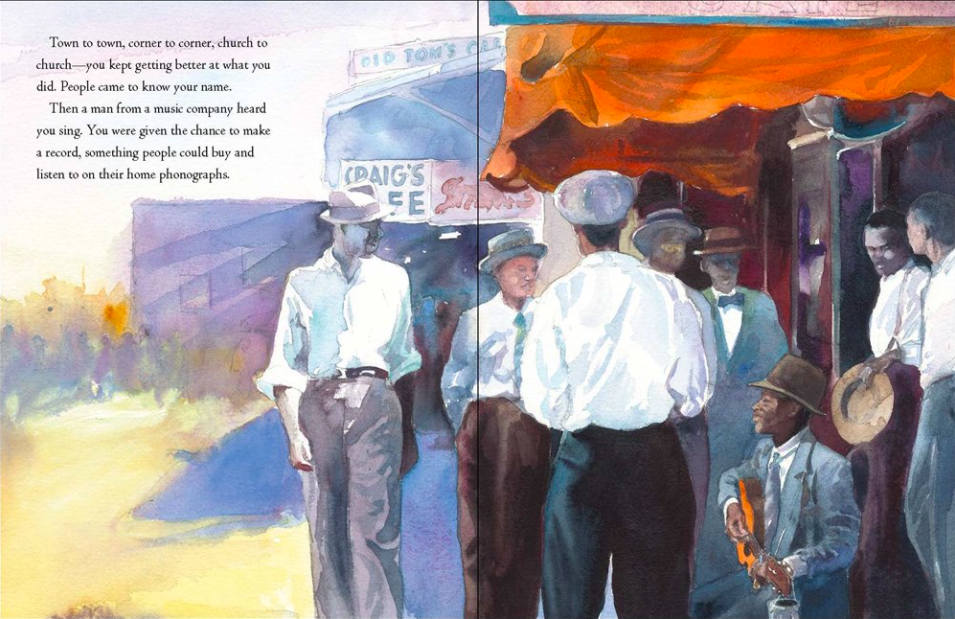
To support your local independent bookstore, order from

Bookshop | IndieBound

Picture Book Review

July 14 – Pandemonium Day and Interview with Author/Illustrator Abi Cushman

celebrate-picture-books-picture-book-review-soaked-cover

About the Holiday

Do you feel like you’re in a rut? Is life too organized, too sedate? Then what you need is a little pandemonium! If you and your kids have a set plan for today, throw it out and have fun doing whatever comes to mind. Feel like joining the kids in a water balloon fight? Do it! Ever wonder what pickle chocolate-chip cookies taste like? Make them! Today’s holiday is all about freeing yourself from preconceptions and inhibitions that might keep you from letting go and enjoying life to the fullest. Celebrate today by doing something wild with your family. You may even be inspired by today’s book!

By Jakki Licare

Soaked!

By Abi Cushman


It is a rainy day and Bear points out that no one is happy. Not even the hula hooping moose! Bear hates when it rains. The rain wrecks all of his favorite things: “ice cream cones, sand castles, cashmere sweaters. What’s that you say?” Bear asks readers. “Why don’t we just go inside my cave until the rain stops?” It’s a good idea, but when Bear and all his friends enter the cave, the Hula-Hooping moose takes up all the space. Bear begins to look for his umbrella. He searches for it everywhere and all his friends help, but no one can find it. Bear explains, “Badger said she found her blue bumblebee umbrella. But not mine.”

celebrate-picture-books-picture-book-review-soaked-umbrella

Copyright Abi Cushman, 2020, courtesy of Viking Books for Young Readers.

Unhappy, Bear sits on a fallen tree wallowing in what a “Blahhhhhhhhhhhhh…” day it is as Moose passes by, cartwheeling and Hula-Hooping at the same time. With a Fwoop, he loses control of the hoop and it flies into a tree. The animals look up, and Bear makes an observation: “Wait a minute. We can’t have a Hula-Hooping moose without a Hula-Hoop, can we.” So they stack up to get moose’s Hula-Hoop out of the tree. Bunny’s juuuuust got it when they lose their balance and all fall into a giant puddle.

celebrate-picture-books-picture-book-review-soaked-tree

Copyright Abi Cushman, 2020, courtesy of Viking Books for Young Readers.

The Hula Hoop falls over Bear’s head and the animals encourage him to try it. Bear gives it a whirl. “There. I did it. Totally unfun. Just like I thought. Now if you’ll excuse me, I need a moment to myself.” Bear sneaks around the tree with the Hula-Hoop and twirls it round and round, kicking up big puddle waves. Then all the animals join him and have a blast splashing and Hula-Hooping in the puddles until “everyone is soaked!” Somehow, Bear has acquired everyone’s Hula Hoops, and he’s having so much fun—“It’s so splishy and sploshy! Silly and soggy!” he exclaims—that he hasn’t noticed the rain has stopped. Bear drops the Hula Hoops and shuffles off, grumbling, “Blah. Too sunny.”

celebrate-picture-books-picture-book-review-soaked-fall

Copyright Abi Cushman, 2020, courtesy of Viking Books for Young Readers.

Told in first person from Bear’s perspective, Abi Cushman’s Bear humorously reflects every kid’s rainy day blues. Cushman’s humor will bring readers back to read her story again and again. Little kids will giggle at mopey Bear who wishes he could just eat his ice cream cone, Bear’s  hilarious and random Hula-Hooping moose friend, and how no one can fit into Bear’s cave because moose is taking up all the space twirling his hula hoops. Her poignant pauses in the text allow for the momentum of the story to build up to the great big splash! Every child will enjoy diving into this silly story.

Cushman’s soft backgrounds and great animal expressions will pull readers into this soggy adventure. Her illustrations of the melted ice cream cone, rain-drenched fur, and collapsed sandcastles perfectly reflect sad rainy-day blues. Little ones will be sure to pick up on all of the fun illustrative details and the moment when Bear has a change of heart. My kids loved how Badger is sneakily catching Bear’s melting ice cream in his own cup. Also, be on the look out for Bunny who wears Bear’s shrunken cashmere sweater as well as Badger’s broken umbrella after the fall. When the animals tumble into the puddle, Cushman uses a variety of textures and colors that really make the splash jump right off the page. Even the endpapers showcase her visual humor from start to finish. The front endpapers show Badger taking one of the bumblebee umbrellas, and at the end we see Bunny in her oversized cashmere sweater Hula Hooping.

Goofy pandemonium saves the day in the hilarious Soaked!, which is sure to be an often-asked-for favorite on home, classroom, and public library bookshelves.

Ages 3 – 7

Viking Books for Young Readers, 2020 | ISBN 978-1984836625

Discover more about Abi Cushman, her book, and her art as well as a Soaked Bear Craft and a 10-page Activity Kit on her website.

Meet Abi Cushman

celebrate-picture-books-picture-book-review-soaked-interview-headshot

Today I’m excited to talk with Abi Cushman about the inspiration for her debut picture book, her road to publication, and how she developed her distinctive art style.

I’m in love with Soaked! and Bear’s rainy adventure. What was the inspiration for Soaked!? And how did you come up with a hula hooping moose?

Thanks, Jakki! I’m thrilled to share Soaked! with you and all the Celebrate Picture Books readers. The initial idea for Soaked! came to me while out for a walk and got caught in a torrential rainstorm. I was 8 months pregnant and well into the waddling stage of my pregnancy. On my slow, soggy walk home, I realized it was actually quite pleasant to be completely soaked. So I wrote this tidbit into my Ugly Sketchbook (the sketchbook where I keep my story ideas):

celebrate-picture-books-picture-book-review-soaked-interview-notebook-image-9

After mulling it over for months, I kept drawing various versions of this sorry-looking wet bear. And at that point, I realized I wanted to write a funny story centered around him.

celebrate-picture-books-picture-book-review-soaked-interview-notebook-bears

As for the hula-hooping moose, the beginning of my story involves a badger and a bunny, and I wanted something absurd to break up the rhythm of woodland animals starting with the letter B. (Bear also starts with the letter B, but he’s the narrator.) So, the first absurd thing I thought of was a dancing moose. I pictured him dancing it up in the cave with glow sticks.

celebrate-picture-books-picture-book-review-soaked-interview-image-4

But in revisions, I changed the dancing moose to a hula-hooping one (but made sure those hoops were glow-in-the-dark).

celebrate-picture-books-picture-book-review-soaked-interview-moose

Soaked! is your debut book. Can you talk about your path to publication?

In 2018, I entered the Portfolio Showcase at the New England SCBWI Conference in Springfield, MA. I included a rough dummy of Soaked! with my portfolio. To my complete amazement, I ended up winning the showcase.

celebrate-picture-books-picture-book-review-soaked-interview-abi-with-award

One of the judges was Jim Hoover, art director at Viking. He asked to see the dummy again and shared it with Tracy Gates, an editor he thought would get my quirky sense of humor. At that point, I introduced them to my agent, Kendra Marcus from BookStop Literary, and she handled all the communications from then on. Jim and Tracy offered feedback on the dummy, so I did some revisions based on their notes. And happily, they loved the revision, and I got an offer for a two-book deal!

Later in the year, I started working with Jim and Tracy on the book. And I can say that making the book was such a collaborative effort, and the final book is so much better than I ever could have imagined because of the experience, knowledge, and talent that Jim and Tracy brought to the table. I finished up all my final art in the fall of 2019, and I finally got to hold the real book in my hands at the end of June this year. It’s a dream come true.

celebrate-picture-books-picture-book-review-soaked-interview-abi-with-book

I know you have your hands full taking care of two little ones. How do you manage making time for your art, writing and creativity in general? Also, has being a mother changed your approach to creating picture books or the content in your picture books?

Yes, life with small children is intense! But, luckily, I have a very supportive husband, which makes all the difference. He’s a teacher and has summers off and he definitely takes the brunt of the childcare/housework in the summer months. Also, I have always been a night owl, so my natural inclination is to work late at night. And that is how I balance home life with work and art. I do most of my writing and art after the kids go to sleep, and the house is quiet.

Being a mother has definitely influenced my writing/illustrating career. For one thing, I’m really well-versed in current picture books. Before the quarantine, my kids and I would visit the library every week. I always took the opportunity to read all the new kids’ books. It was great. And of course, I love that I get to experience the world anew with my kids. Their unbridled curiosity and enthusiasm is infectious. And I think being in touch with kids’ sense of wonder and their sense of humor is so important when you’re writing for kids.

Were there any books that inspired you as a child to become a writer or illustrator or both?

I loved poring over the illustrations in books by Richard Scarry and Beatrix Potter when I was a kid. I would try to draw characters in their style. I always loved that their stories featured animal characters with a lot of personality because I always gravitated toward drawing animals myself. But I never thought of myself as a writer growing up, to be honest. I gained confidence that I could write my own stories when I enrolled in Storyteller Academy in 2016.

Your portfolio is full of lovable creatures who are positively brimming with personality. My favorites are the skydiving hippo and the buffalo standing in the tall grass on a windy day. How did you develop your illustrative style? What mediums do you work in?

Thank you! I am so hopeful that I will come up with a story for both the sky diving hippo and the highland cow. I did both of those pieces as illustration prompts for SCBWI’s DrawThis challenge.

celebrate-picture-books-picture-book-review-soaked-interview-hippo

It took me years to figure out a drawing style that would work for me for kids’ books. When I graduated from college, I was doing a fairly realistic style. My favorite medium was pastels. I later experimented with a cartoonier style that was all digital. I loved the realistic style/traditional approach for the textures and the organic feel. But it was hard for me to work small enough and neat enough.

The cartoony style/digital approach was fun and really easy to correct mistakes and adjust the layout. But it lacked the expressiveness that children’s book illustrations need. When I learned that Mike Curato (Little Elliott) and Sam Garton (I Am Otter) worked in a hybrid manner, it was a game changer for me. I now draw all my characters with a mechanical pencil on computer paper. I scan those into Photoshop, then I color in the characters and paint in the backgrounds using the pastel brush with a Wacom Cintiq tablet. It’s the best of both worlds!

celebrate-picture-books-picture-book-review-soaked-interview-photoshop

Can you walk us through how you create your stories? As an author/illustrator do you usually start with writing or sketching or does it depend on the story?

In general, I start with sketches of characters and scenes. I also jot down funny lines. Then I piece those parts together like a puzzle. I’ll draw little thumbnails, and then I put together a little mini-dummy by cutting some computer paper in half and then folding it into a booklet. There’s a lot of cutting and pasting that happens to get the pacing right. Usually, I don’t even sit down to type out the manuscript until I have the story figured out in dummy form first.

celebrate-picture-books-picture-book-review-soaked-interview-dummies

What’s next for you?

I am wrapping up final art for my second book with Viking called Animals Go Vroom!, which comes out next summer and combines animal sounds with transportation. It has die-cut peekaboo windows and challenges readers to guess what goes roar, hiss, and honk. I think kids will have a lot of fun yelling out the answers as they read along.

Thanks so much, Abi, for chatting with me and sharing so many pictures! This has been great fun. I wish you all the best with Soaked! and can’t wait to see Animals Go Vroom!

You can connect with Abi Cushman on

Her websiteInstagram | Twitter

You’ll also enjoy Abi’s two websites

Animal Fact Guide | My House Rabbit 

Pandemonium Day Activity

celebrate-picture-books-picture-book-review-soaked-umbrella-craft

Rain Drops Keep Falling on my Head Craft


Looking for a rainy-day activity to keep the kids busy? Create this active picture that will wow kids even after the craft is done. Blue beads slide on thread making it look like it is actually raining

Supplies

  • Printable Umbrella Template
  • Picture of child pretending to hold umbrella
  • Scissors
  • Tape
  • Blue Beads
  • White thread, Yarn or Pipe Cleaners (pipe cleaners will work better for pre-school aged children)

Directions

  1. Print out Template
  2. Cut out picture of your child
  3. Tape picture under the umbrella
  4. Cut a small horizontal slit at the top about an inch down
  5. Cut another slit 3″ down
  6. Cut another 1/4″ down
  7. Cut another slit 3″ down
  8. Cut another 1/4″ down
  9. Cut another slit 3″ down
  10. Repeat slits about 2” over. Make about 10 slits total
  11. Tape string/thread/pipe cleaner to the back of picture
  12. Pull string/thread/pipe cleaner to the front
  13. Add a bead or two or three!
  14. Weave string to back through the next slit and then to front again
  15. Add another bead
  16. Repeat till you reach the bottom
  17. Tape string/thread/pipe cleaner to the back
  18. Repeat for the rest of the slits.
  19. Move the picture around and beads will mimic rain falling!

celebrate-picture-books-picture-book-review-soaked-cover

You can find Soaked! at these booksellers

Amazon | Barnes & Noble | Books-a-Million
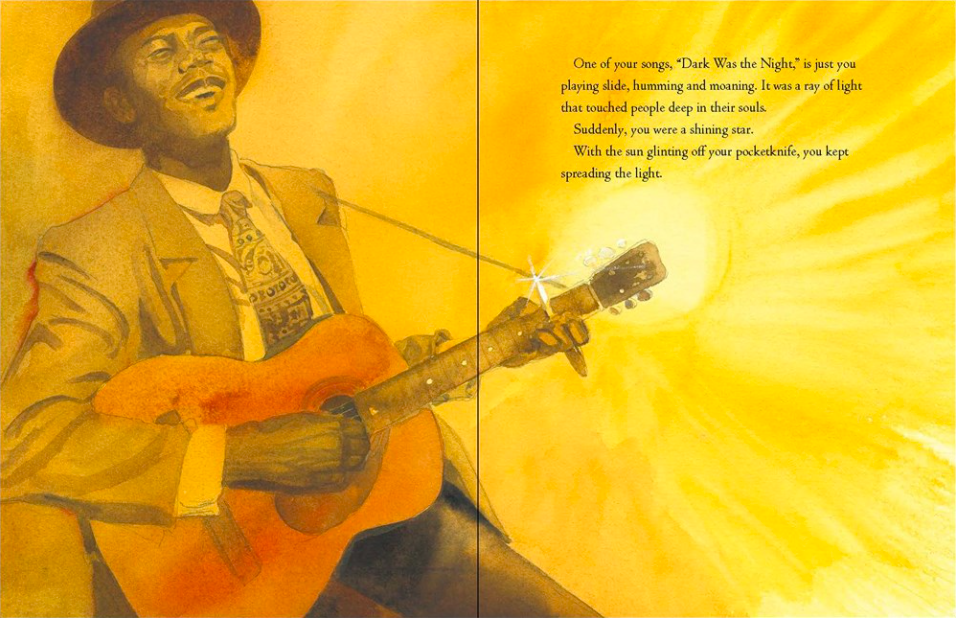
To support your local independent bookstore, order from

Bookshop | IndieBound

Picture Book Review

July 10 – Teddy Bears’ Picnic Day

celebrate-picture-books-picture-book-review-teddy-bear-of-the-year-cover

About the Holiday

The classic picture book The Teddy Bears’ Picnic, written by Jimmy Kennedy and illustrated by Michael Hague has inspired kids for more than two decades to pack a basket of treats, grab their favorite teddy bear, and find a sunny or shady spot to enjoy a picnic. Today’s holiday reminds kids and their families of this simple summer pleasure and encourages them to celebrate with a teddy bear picnic of their own. Today’s book—a sweet, updated take on the original—as well as the  accompanying activity kit will spark ideas for fun, friendship, kindness and a picnic any time of the year.

I received a copy of Teddy Bear of the Year from Tundra Books for review consideration. All opinions are my own.

Teddy Bear of the Year

Written by Vikki VanSickle | Illustrated by Sydney Hanson


Ollie loved his job as Amena’s teddy bear. During the week his shift ran from three in the afternoon to after breakfast the next day. “On weekends and in the summer he was on call twenty-four hours a day.” Every day, Ollie looked forward to the moment when Amena came home and told him all about her adventures. “At night, when he snuggled in next to Amena, he would think about her stories and smile.”

celebrate-picture-books-picture-book-review-teddy-bear-of-the-year-tea

Image copyright Sydney Hanson, 2020, text copyright Vikki VanSickle, 2020. Courtesy of Tundra Books.

One night as Amena slept, Ollie saw a “shining silver sailboat” outside her window. The captain (Snuggles, aka The Snug) called to him and told him he was there to bring Ollie to the Teddy Bear’s Picnic. The picnic, Snuggles explained, was put on each summer by the Teddy Bears’ Association “to celebrate the year in teddy-care.” Ollie was excited but wondered about how Amena might feel if she woke up and he wasn’t there.

The Snug told him that for her time would stand still until Ollie returned. With one more cuddle for Amena, Ollie stepped aboard the sailboat. The Snug was impressed by Ollie’s knowledge of his “ABCs: Always Be Cuddling.” Soon, they arrived in the woods, where strings of lights glowed and a stage was set up. When they got closer, “Ollie saw teddies of all shapes and sizes.”

celebrate-picture-books-picture-book-review-teddy-bear-of-the-year-sleeping

Image copyright Sydney Hanson, 2020, text copyright Vikki VanSickle, 2020. Courtesy of Tundra Books.

Ollie met some of Snuggles’ friends, ate delicious sweets, played games, and even sang “bearaoke.” At last, Pinkie, the president of the Teddy Bears’ Association, took to the stage to begin the awards ceremony. Boo Bear won a star for comforting her boy through a long hospital stay. Fang received a star for accompanying “his girl, Tina, on her first sleepover party.” And Snuggles was given a star for his years of service to a family of six children and his many adventures.

celebrate-picture-books-picture-book-review-teddy-bear-of-the-year-ship

Image copyright Sydney Hanson, 2020, text copyright Vikki VanSickle, 2020. Courtesy of Tundra Books.

As Pinkie pinned stars on each of the teddy bears, Ollie “tried to think of a single thing that he had done that deserved a star, but nothing came to mind.” He felt that “he was just an ordinary bear.” But then he hear Pinkie announcing the Teddy Bear of the Year Award and…his name! Ollie couldn’t believe it. “‘I haven’t done anything special at all!’” he said.

But then Pinkie showed him how he’d helped Amena when she fell off her bike and “turned a bad day into a good day” by using the ABCs of teddy-care. The ability to do this is very special Pinkie told him. “‘Even the smallest actions—a cuddle, a kind word, a hug—have great impact’” and help their children feel strong. Pinkie pinned the star on Ollie’s chest and then all the teddy bears celebrated. When the picnic ended, The Snug sailed Ollie home. As Ollie snuggled in next to Amena, he whispered to her all about his adventures, and Amena smiled.

celebrate-picture-books-picture-book-review-teddy-bear-of-the-year-sailing

Image copyright Sydney Hanson, 2020, text copyright Vikki VanSickle, 2020. Courtesy of Tundra Books.

Vikki VanSickle’s well-conceived teddy bear world will captivate readers with its sweet combination of magic and reality. Details such as Ollie’s shift schedule and his excitement to hear Amena’s stories when she got home hit just the right note, mirroring both a young child’s imagination and their experience, especially if they have siblings. VanSickle’s message about the importance of kindness and providing comfort is woven naturally into the storyline, increasing its impact and allowing readers to see that simple acts of friendship are just as valuable, and often more so, than large, dramatic acts. Her Teddy Bear Picnic is sprinkled with humor and the kind of fun that makes it a party any child would love to attend.

Sydney Hanson’s illustrations are as soft and fuzzy as Ollie and as warmly glowing as a comforting nightlight. As Amena and Ollie snuggle side by side, the wispy bedroom curtains sway gently then frame the magical sailboat that arrives to take Ollie to the Teddy Bear’s Association picnic. From afar, the get-together in the woods twinkles with shimmering light. As Ollie and readers get closer, they meet a wide variety of teddy bears, from a pirate bear to a lavender koala riding a lavender-and-brown horse to teeny-tiny bears in a rainbow of colors. Kids will recognize the picnic activities from birthday parties and school events, and as all of the teddies gather around the stage, their anticipation for the awards will grow just as Ollie’s do. As readers watch scenes from Amena’s bad day along with Ollie, they see a specific example of how friendship can make anyone feel better.  

Cuddly and endearing, Teddy Bear of the Year will be a favorite for snuggly bedtimes with little ones (and their teddies, of course). The book would be an often-asked-for addition to home, school, and public library bookshelves.

Ages 3 – 7

Tundra Books, 2020 | ISBN 978-0735263925

Discover more about Vikki VanSickle and her books on her website.

A Chat with Vikki VanSickle

celebrate-picture-books-picture-book-review-vikki-vansickle-head-shot

Welcome back, Vikki! The last time we chatted your mythical and funny If I Had a
Gryphon had just been released. Since then If I Had a Gryphon has been named as a Best Book for Children and won multiple other honors, has been released as a paperback and a board book, and has even been recorded as a rap by some creative students. You’ve also published a award-winning middle grade novel, The Winnowing. Can you catch readers up on these successes and what else you’ve been doing?

Isn’t it bananas how much can happen in four years? I’ve been very fortunate, as you kindly pointed out, to receive such accolades for my books. A highlight was certainly winning the Red Maple Award for The Winnowing at the 2018 Festival of Trees. There’s nothing like bursting into tears in front of your peers and a few hundred readers! I’ve also had a lot of smaller, personal moments with readers who have shared their own artwork or story ideas with me, which I consider a great privilege. In addition to writing and presenting to kids, I am the director of marketing and publicity for the young readers program at Penguin Random House Canada, which means I get to work on amazing kids’ books all day, every day.

Teddy Bear of the Year is super sweet and a great reminder that kind acts are recognized and appreciated. What inspired you to write this story?

Small acts of kindness has always been a big theme for me and it shows up in a lot of my work. In my first novel, Words That Start With B, I wanted to address the idea of bravery with a lower-case b—meaning actions that might not appear typically brave or even noteworthy but made all the difference in the world to someone. This idea has manifested in many ways in all of my work. I am less interested in narratives about saving the world at large, and more interested in what little things we can do every day to change the lives of people around us.

When you’re a kid, so many goals seem huge and out of reach to you. Especially in an increasingly loud and bombastic society it’s easy to feel small or helpless or insignificant. But every major feat consists of a series of smaller actions and decisions and it’s the smaller, everyday things that can change a person’s entire outlook.

Ollie and the other teddy bears in your book reminded me of my own childhood teddy bear, Brownie, who is still with me even after much fur loss and a long-ago surgery to remove the music box that made him a little less cuddly than I wanted. Is there an Ollie in your life? Can you tell readers a little about this special friend?celebrate-picture-books-picture-book-review-Vikki-VanSickle-and-Teddy-Bear-Gang

Vikki and her Teddy Bear Gang

I had a number of cherished stuffed animals that held major roles in my imaginary play and nighttime rituals. I was constantly worried that one would feel ignored or less loved, and therefore took great pains to treat them equally, including rotating which stuffed animal I slept with each night. But one toy did stand out above the rest, and that was a stuffed rabbit named Bunny. I’ve had Bunny as long as I can remember. He’s in pretty rough shape, but currently lives a quiet life of retirement in my closet.

Sydney Hanson’s soft illustrations are so dreamy and I love how all the different teddy bears mirror different kids and what they like. What was your reaction when you first saw her sweet interpretation of your story? Do you have a favorite spread?

I was so thrilled with Sydney’s sweet, fuzzy illustrations. A bedtime story is only as cozy as the art, and I think she really nailed it. I really enjoy the group scenes, especially the spread when Ollie arrives at the picnic for the first time and gets a glimpse of the snacks table. I love how all of the bears, even the unnamed ones, have their own personalities and storylines you can follow throughout the book.

Two of my favorite parts of your story are the Teddy Bear ABCs—which is inspirational for everyone, especially on National Hugging Day—and the idea of Teddy Bear Magic.  What ideas about friendship would you like young readers to take away from your story?

I love that those things resonated with you! The working title of the book was Teddy Bear Magic, which Ollie and the reader first associate with the magic of the flying sailboat and the stoppage of time, but eventually come to realize that the bigger magic is how kindness, comfort, and support can transform someone’s experience. I hope readers recognize that by being kind you have the magical ability to transform someone’s day.

The ABCs of Teddy Care—aka “Always Be Cuddling”—is a reference to the phrase “Always Be Closing,” a business philosophy made famous by the movie (and play) Glengarry Glen Ross. I modeled the Teddy Bear’s Picnic depicted in the book on contemporary office parties, and I got a kick out of taking such a cold corporate mantra and turning it into something warm and fuzzy.

I always enjoy watching your appearances on Your Morning, the Canadian breakfast-time show. You’re such a natural on camera and a fantastic advocate for children’s books. Can you talk about the segments you do and how you became involved with them? Where can people see past segments and when is your next one?

Thanks so much! I’m very much enjoying it. I read a lot and curating lists is something I have always loved doing. It must be my bookselling roots! I had visited CTV Your Morning as an author and chatted with the book producer about themed segments for major book-buying moments, such as back to school, summer reading, and the holidays. The first few segments were popular and so we’ve continued to find other themes—such as building your baby’s library and kids’ books that address mental health and wellness, which aired on January 20th of this year—that would resonate with their audience outside those traditional moments. You can find past clips at theloop.ca, and I also post them on my own website at www.vikkivansickle.com.

From the long events and presentations list on your website, I can tell you love meeting your readers! Do you have an anecdote from any event that you’d like to share?

I really love meeting readers! It’s important for me to stay connected to the audience, especially since I no longer work in a bookstore and I have less “kid contact.” One of my favorite anecdotes happened at an IF I HAD A GRYPHON event with second grade students. I noticed one boy in the front frowning the whole time—which was unusual, not to mention disconcerting— and when it came time for questions his arm shot up and he asked, “Do you know how many species of dragon there are?” I told him that no, I did not know, and he broke into a smile and responded, “Nobody knows. That was a trick question.” I realized he had spent the whole presentation waiting to ask me that question, wondering if I would trip up or give him false information. You can never lie to kids—they smell it a mile away—and it’s important to treat every question seriously. If you don’t respect your audience, why should they respect you?

Before you go, I’m sure readers would love to know how they can hold their own Teddy Bear Picnics.

Tundra also created an amazing downloadable Teddy Bear of the Year event kit so anyone can hold a similar event. You can find that kit below.

Teddy Bears’ Picnic Day Activity

celebrate-picture-books-picture-book-review-teddy-bear-of-the-year-activity-kit

Teddy Bear of the Year Activity Kit


You can hold your own Teddy Bear Picnic with this fun activity kit that includes a puzzle, a coloring sheet, a headband, and even a Teddy Bear of the Year certificate for your special friend. You’ll also find ideas for hosting your own Teddy Bear Service Awards!

Teddy Bear of the Year Activity Kit

celebrate-picture-books-picture-book-review-teddy-bear-of-the-year-cover

You can find Teddy Bear of the Year at these booksellers

Amazon | Barnes & Noble | Books-a-Million

To support your local independent bookstore, order from

Bookshop | IndieBound

Picture Book Review