December 20 – It’s Tomato and Winter Squash Month

celebrate-picture-books-picture-book-review-rabbit-stew-cover

About the Holiday

The cold months of the year call for warm, hearty meals, and what better way to satisfy the desire for comfort food than to incorporate some of the most flavorful vegetables around? Tomatoes are a staple in many dishes, while the many varieties of winter squash (including acorn, butternut, spaghetti, kabocha, and delicate) are versatile and can add new taste sensations to any dinner. So as the temperature dips, scout out these vegetables and savor their rich flavors!

Rabbit Stew

By Wendy Wahman


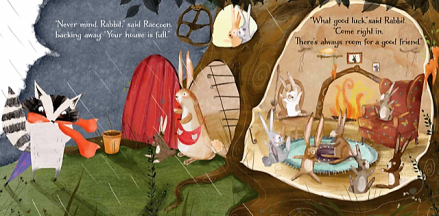
“Rusty and Rojo toiled and tilled in their vegetable garden all summer long.” But now the crops have ripened, and the two foxes are ready to enjoy the bounty of their hard work—so are their neighbors, the Rabbits. As Mommy Rabbit and the bunnies nibble away in a corner of the garden, Rusty gently squeezes the tomatoes and finds them “plump, yet firm.” “Perfectly so,” Rojo agrees as he lifts Daddy Rabbit from the carrot patch. “At last,” Rusty and Rojo exclaim, “the time is ripe for our prizewinning Rabbit Stew!”

celebrate-picture-books-picture-book-review-rabbit-stew-picking-veggies

Image copyright Wendy Wahman, 2017. Courtesy of wendywahman.com.

While Rojo picks “lean, green runner beans,” the Rabbits look on worriedly. Daddy tries to hide, but Rusty spies him in the wheelbarrow full of purple kale. Then, when the family dives back into their cozy “hole sweet hole,” they find that their convenient carrot snacks are being abruptly snatched away—only to be added to the pot of “splendid Rabbit Stew.”

celebrate-picture-books-picture-book-review-rabbit-stew-in-the-burrow

Image copyright Wendy Wahman, 2017. Courtesy of wendywahman.com.

Next come raisins and celery “and roly-poly blueberries.” But what about those white and gray bits of fluff? Will they end up in the foxes’ buckets too? Of course “juicy red tomatoes, fresh sprigs of parsley, and sweet yellow peppers” are also musts for the foxes’ “finest-ever Rabbit Stew.” With the pot overflowing with colorful veggies, only one more thing is needed—“one…big…round…white…bowl…for our favorite Rabbit, Stew—and his family too!”

celebrate-picture-books-picture-book-review-rabbit-stew-kitchen

Image copyright Wendy Wahman, 2017. Courtesy of wendywahman.com.

With her fertile imagination and a clever play on words, Wendy Wahman offers up a delightful story that will have readers guessing until the very end. Along with the mystery and the yummy descriptions of each ingredient, Wahman presents a counting game for readers. As Rusty and Rojo pick their vegetables, children can count the ten runner beans on the trellis, nine purple kale leaves in the wheelbarrow, eight carrots from the burrow, and all of the other ingredients on down to one. But do Rusty and Rojo need one big white rabbit or something else? Kids will love the twist at the end and cheer to see Daddy Stew, Mommy Strudel, and their little bunnies—Dumpling, Biscuit, and Ragu—dining on the special meal grown and created just for them.

Everyone’s garden should look as deliciously vibrant as Wahman’s riotous patch of vegetables! The vivid colors jump off the page while providing texture and nuance to the illustrations. They also give kids another concept to learn and talk about. Little details, such as the tiny caterpillar and the yellow butterfly that follow the bunnies from page to page, as well as the fancy burrow lined with photos of friends and family will enchant readers. 

celebrate-picture-books-picture-book-review-wendy-wahman-interview-Fox-Lemonade

Image copyright Wendy Wahman, 2017, courtesy o f Wendy Wahman.

Welcome themes of friendship, diversity, and inclusiveness can also be found within the illustrations and the story.

Rabbit Stew is a bright, humorously sly story that would be a wonderful addition to any child’s library. The book also makes a perfect companion for trips to the farmers market, on picnics, or to spur interest in home gardening. The attention to the details of what rabbits can safely eat, as well as the number and color concepts provided in the illustrations, makes Rabbit Stew a great choice for school story times and spring lessons.

Ages 3 – 7

Boyds Mills Press, 2017 | ISBN 978-1629795836

You can download a fun Rabbit Stew Activity Sheets from Boyds Mills Press!

Discover more about Wendy Wahman, her art, and her books on her website!

You’ll dig this Rabbit Stew book trailer!

National Garden Month Activity

celebrate-picture-books-picture-book-review-garden-board-game

Grow a Vegetable Garden Board Game, copyright Celebrate Picture Books, 2017

Grow a Vegetable Garden Board Game


With this fun game you and your family and friends can grow gardens inside! Roll the dice to see whose garden will fully ripen first!

Supplies

Directions

Object: The object of the game is for each player to fill their garden rows with vegetables. Depending on the ages of the players, the required winning number of rows to fill and the number of vegetables to “plant” in each row can be adjusted.

  1. Print one Game Board for each player
  2. Print one set of Playing Cards for each player (for sturdier playing items, print on card stock)
  3. Print one Vegetable Playing Die and assemble it (for a sturdier die, print on card stock)
  4. Cut the vegetables into their individual playing cards
  5. Color the “dirt” on the Garden Plot with the crayon (optional)
  6. Choose a player to go first
  7. The player rolls the die and then “plants” the facing vegetable in a row on the game board
  8. Play moves to the person on the right
  9. Players continue rolling the die and “planting” vegetables until each of the number of determined rows have been filled with the determined number of vegetables.
  10. The first person to “grow” all of their veggies wins!

Meet Author/Illustrator Wendy Wahman

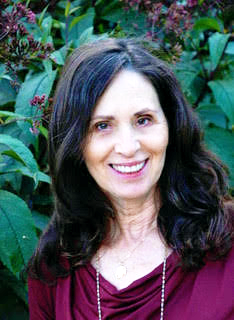
celebrate-picture-books-picture-book-review-Wendy-Wahman-head-shot

Today, I’m really happy to be chatting with Wendy Wahman about her art, her books, her inspirations, and a really sweet school visit she had recently.

Your bio mentions that you worked for the Seattle Post-Intelligencer until 2009. Can you describe your work there?

I worked in the art department doing maps, graphics, info-graphics and illustrations for every section of the newspaper. Ninety percent of the work was on deadline, so I learned to think and draw fast.

Our poor beloved P-I. It was 146 years old when Hearst closed it down. About 150 of us went down with the ship. Best job I ever had. I miss the variety and culture and importance — and honesty — of journalism. I miss my P-I family, very much.

How did you get started illustrating and writing books for children?

I was really just snooping around for illustration work. I had an idea for a book on dog body language I wanted to do, but imagined ‘a real writer’ should write it. I sent out some of the dog body-language art samples and heard back from four major publishers. Laura Godwin at Henry Holt called me, and was so passionate about dogs and kids—and my art. She asked to see a dummy. What dummy, right? I had no dummy, just an idea and some art samples. I took two weeks off from the P-I and put together a dummy. Laura helped me tremendously, as did my brilliant writer husband, Joe Wahman.    

Don’t Lick the Dog is a how-to primer on being safe with dogs. We followed with the companion book, A Cat Like That. We never did do my dog body-language book. It’s sitting here patient as can be. “Good dog, book.”

celebrate-picture-books-picture-book-review-interview-with-wendy-wahman-yawn-back

Image copyright Wendy Wahman, Don’t Lick the Dog. Courtesy of Wendy Wahman.


celebrate-picture-books-picture-book-review-interview-with-wendy-wahman-cat-like-that

Image copyright Wendy Wahman, A Cat Like That. Courtesy of Wendy Wahman.

Your art is so varied—from humorous to infographics to striking, serious editorial work. You also work with crisp, clean lines and beautiful textures. Can you talk about your process and inspirations?

Thank you so much, Kathy. Well. I sit and think and read a lot. Mostly I just look and try to distract myself from thinking too hard. I like to thumb through my Thesaurus. When I’m stuck, I try to remember to move away. This can be physically—exercise or a walk; mentally—read or look through books; or emotionally—play with my dogs or call somebody. I say, try, because too often I sit rooted, thinking, thinking. Better to get up and move.

What was the inspiration for Rabbit Stew?

I feed my dogs a homemade stew of meat & veggies. Long ago, I was stirring up an enormous batch of dog food, when “rabbit stew” fluttered to mind. Rabbit Stew is also a counting book, counting down veggies from ten to one. It’s also a color book. It was a challenge to find ingredients safe for rabbits, in different colors and not give it away. Like, rabbits love dandelions and they’re very good for them, but I only know a couple of people who would knowingly toss dandelions into the pot. No potatoes; they are toxic to bunnies, and cabbage isn’t good for them either. 

celebrate-picture-books-picture-book-review-rabbit-stew-fan

A happy fan enjoys reading “Rabbit Stew” with lunch! Photo courtesy of Wendy Wahman.

You give presentations at schools and libraries. Do you have an anecdote you’d like to share?

I did a school visit recently in southern California and got to take my mom to a presentation for 4th graders. I introduced her to the students, and they gave her a loud round of applause! Even more tender, when I was signing books (and the other stuff kids want signed), they asked if my mother would also give them an autograph. Is that the sweetest or what? Children can be so inspiring, healing, and wise. 

celebrate-picture-books-picture-book-review-interview-with-wendy-wahman-wendy-talking-to-a-class

Wendy reads “Don’t Lick the Dog” to enthusiastic kindergarteners in Kennewick, WA. Photograph courtesy of Wendy Wahman

You also teach bookmaking to kids. That sounds fun and fascinating! Can you tell me a little bit about these classes?

I’m so glad you asked about these little books, Kathy. I love making them and sharing the process. Anyone can make one. I’ve taught them to kindergarteners through seniors. I call them “Insight Books,” because what comes out can be surprising, revealing, and often cathartic. Random lines inspire images and ideas. Some people write, others write and draw. Sometimes we collage. Even if you do nothing at all put look, the lines may stimulate ideas. These book are fun to make with a partner too. 

What’s up next for you?

I’m very excited about my next book, Pony in the City (Sterling Publishers). Kevan Atteberry’s book, Swamp Gas, releases the same day, Sept. 9th, and we’re talking about having a co- launch party.

celebrate-picture-books-picture-book-review-interview-with-wendy-wahman-pony-in-the-city-proofs

Image copyright Wendy Wahman. Proofs of “Pony in the City” (Sterling, releasing Sept. 9 this year) courtesy of Wendy Wahman.

I’m working on Nanny Paws (Two Lions), a book inspired by my little white poodle, LaRoo, and the children next door. Here’s a picture of LaRoo and my other dog Jody with my friend Vikki Kaufman‘s poodles. Vikki is a breeder of beautiful silver and blue standard poodles. Vikki took the picture, can you tell?  Her dogs are staring straight at her. Poor LaRoo. She is a shy girl and just wants to get away from the masses.

celebrate-picture-books-picture-book-review-interview-with-wendy-wahman-poodles

Wendy with LeRoo and Jody and Vikki’s TinTin, Nickel and Eureka.

I’m also working on a dummy for a beautiful story written by Joe, “One Bird” (www.joewahman.com). I’m doing the art for both Nanny Paws and Joe’s story in a new/old style for me: pencil and watercolor.

celebrate-picture-books-picture-book-review-interview-with-wendy-wahman-one-bird

Image from “One Bird,” written by Joe Wahman, illustrated by Wendy Wahman. Courtesy of Wendy Wahman

Do you have a favorite holiday?

Thanksgiving.

Do you have an anecdote from a holiday you would like to share

If you come over for Thanksgiving, prepare yourself for a vegetarian feast. We don’t eat animals here — but we do make them big, round, splendid bowls of stew.

Thanks so much, Wendy! It’s been a lot of fun! I wish you all the best with all of your books!

celebrate-picture-books-picture-book-review-wendy-wahman-interview-all-covers

You can find Wendy’s books at these booksellers:

Amazon | Barnes & Noble | IndieBound | Boyds Mills Press

You can connect with Wendy on:

BēhanceFacebook | LinkedIn | PinterestTwitter

Visit Wendy’s shops:

Cafe Press: http://www.cafepress.com/profile/109591016

RedBubble:  http://www.redbubble.com/people/wendywahman/portfolio

Zazzle: http://www.zazzle.com/wendoodles/products

Wendoodles coloring book: http://www.amazon.ca/Wendoodles-Wendy-E-Wahman/dp/1517403456

Picture Book Review
December 19 – It’s Read a New Book Month

celebrate-picture-books-picture-book-review-dinoblock-cover

About the Holiday

Read a New Book Month is a fantastic time to scour your local bookstore and library for books that have recently been published or books that are new to you. Finding a book that you’ve never read before is exciting at any age, and discovering a new book about a favorite topic is one of life’s greatest pleasures. Today’s book shows that there’s always an intriguing way to present a subject—even if it’s millions of years old!

Dinoblock

Written by Christopher Franceschelli | Illustrated by Peskimo


Welcome to the dinosaur museum! Open the doors and let’s see what’s inside! “Who are the dinosaurs” and where are they? You can explore the Triassic, Jurassic, and Cretaceous period and find out! One of the best ways to learn about those creatures from so long ago is to compare them to animals and things you’re familiar with now. For example: What dinosaur has a “neck like a goose?” A coelophysis—and they even like to find food in the water too!

celebrate-picture-books-picture-book-review-dinoblock-opening

Image copyright Peskimo, 2015, courtesy of Harry N. Abrams Books for Young Readers.

celebrate-picture-books-picture-book-review-dinoblock-eras

Do you want to guess which dino is “quick like a fox?” The eoraptor is swift and enjoys nighttime hunts as well. Do you like sleeping in a tent? Did you know there’s a dinosaur that has “a back like tents on a hill?” It’s called a stegosaurus! The diplodocus is as long as a blue whale, and a brachiosaurus can reach the tops of tall trees just “like the ladder on a fire truck.” And if you think that is tall, the sauroposeidon stands as tall as a six-story building.

celebrate-picture-books-picture-book-review-dinoblock-firetruck

Image copyright Peskimo, 2015, courtesy of Harry N. Abrams Books for Young Readers.

You might say that the argentinosaurus was the cement truck of the dinosaur world. You know how bunnies like to burrow? So did the oryctodromeus, while spinosaurus floated in water as well as a crocodile. A couple of the smallest dinosaurs are the chicken-sized microraptor and the turkey-sized micropachycephalosaurus. Phew!

celebrate-picture-books-picture-book-review-dinoblock-braciosaurus

Image copyright Peskimo, 2015, courtesy of Harry N. Abrams Books for Young Readers.

In the museum, you’ll also discover a dinosaur that had excellent night vision, a dino built like an armored truck, one that boasted a fancy head crest, one that trumpeted like an elephant, a type that roamed in herd like zebras, and a few that were could be ferocious—like the fanged sinornithosaurus, the triceratops, and, of course, the tyrannosaurus.

celebrate-picture-books-picture-book-review-dinoblock-cement-trucks

Image copyright Peskimo, 2015, courtesy of Harry N. Abrams Books for Young Readers.

Christopher Franceschelli’s clever take on paleontology for those little ones that are enthralled with dinosaurs (and which ones aren’t?) welcomes readers to appreciate these fascinating creatures in a whole new way. From the double gate-fold first page that opens the door to this chunky mini-museum to the final double gate-fold spread that depicts a stunning exhibit of dinosaur skeletons, Franceschelli describes twenty-three dinosaurs in language that even the youngest readers will understand. His examples take in the size, personality, diet, and body features that draw kids to these creatures from the past.

celebrate-picture-books-picture-book-review-dinoblock-argentinosaurus

Image copyright Peskimo, 2015, courtesy of Harry N. Abrams Books for Young Readers.

The charm of this little wonder extends to the illustrations by Peskimo, in which cute-but-realistically portrayed dinosaurs roam in what was their native habitat and Franceschelli’s smart comparisons are traced with smooth die-cuts. Turn the page, and the dinosaur in question fits neatly into the die-cut’s curves, providing young readers with learning on multiple levels. Peskimo’s eye-catching illustrations are rendered in a sophisticated palette that will keep little ones riveted to each page. Two young museum-goers lead the way from page to page in this stylish field trip in a book, and Peskimo’s final image of the hall of dinosaur skeletons is sure to raise an “Ooooh!” from children and adults alike.

Dinoblock is a beautifully crafted sturdy board book that will stand up to plenty of exploration. It would be a much-loved gift and a favorite on any young child’s bookshelf.

Ages 1 – 4

Harry N. Abrams, 2015 | ISBN 978-1419716744

View a portfolio of artwork by Peskimo on his website

Read a New Book Activity

celebrate-picture-books-picture-book-review-bookend-initial

Initial Book End


With so many new books to add to your shelf, you might need a bookend to keep them all neat and tidy! With this easy craft that uses your name’s first initial

, you make a bookend that is just as unique as you are!

Supplies

  • Wooden block initial
  • Chalk board paint
  • Chalk
  • Paint brush

Directions

  1. Paint the wooden initial, let dry
  2. Write words that describe you on the front, sides, and back of the initial with the chalk
  3. Place on your bookshelf to keep your books straight and neat

Picture Book Review
December 18 – Bake Cookies Day

celebrate-picture-books-picture-book-review-how-the-cookie-crumbled-cover

About the Holiday

Baking cookies is a wonderful to get the whole family together! Not only does everyone have fun, but it’s a great time to share traditional family recipes and tell kids the stories that go with them. By baking together children can also learn important skills that translate into future success in school and elsewhere. So, grab your recipes, ingredients, and utensils and bake up a few batches of scrumptious cookies!

How the Cooke Crumbled: The True (and Not-So-True) Stories of the Invention of the Chocolate Chip Cookie

By Gilbert Ford


As you’re gobbling down delicious chocolate chip cookies, do you ever wonder who invented them or how they came to be such favorites? Well, the “who” part is easy: chocolate chip cookies were the brainchild of Ruth Wakefield. But the “how” is a bit more tricky. Here are the three popular stories surrounding this yummy treat—which do you think is right?

celebrate-picture-books-picture-book-review-how-the-cookie-crumbled-ruth

Copyright Gilbert Ford, 2017, courtesy of simonandschuster.com.

Ruth was a born baker. She loved helping her grandmother out in the kitchen as soon as she “was old enough to hold a spoon.” Ruth had a special feeling about cooking—to her “cooking was a science, and the kitchen was her lab.” When Ruth graduated from high school, she went to college to study nutrition. With her degree in hand, Ruth taught cooking in a high school. But while “she enjoyed leading her classes, she hungered for something more.”

celebrate-picture-books-picture-book-review-how-the-cookie-crumbled-teacher

Copyright Gilbert Ford, 2017, courtesy of simonandschuster.com.

Ruth met and married Kenneth Wakefield, who also “shared her passion for cooking.” Together, they planned to open their own restaurant. Four years later, even though the economy was in depression and they had a young son, Ruth and Kenneth bought an old tollhouse in Whitman, Massachusetts. They fixed it up and named their restaurant the Toll House Inn.

celebrate-picture-books-picture-book-review-how-the-cookie-crumbled-inside-restaurant

Copyright Gilbert Ford, 2017, courtesy of simonandschuster.com.

Ruth did “most of the cooking herself while Kenneth ordered food and helped out in the kitchen.” Ruth was very particular about how the Toll House Inn was run, even measuring “the distance between the fork and the plate for accuracy. Hungry diners began visiting the Toll House Inn, leaving satisfied and ready to return.

So how did chocolate chip cookies come to be? Here are the three popular theories: “The Disaster”—One story says that while Ruth was “whipping up a batch of Butter Drop Do cookies,” her mixer, spinning at top speed, “knocked a Nestlé chocolate bar off the shelf” and right into the dough. “What a disaster!” The grill man thought Ruth should bake them anyway, and when the cookies were done, Ruth “discovered pure heaven.”

celebrate-picture-books-picture-book-review-how-the-cookie-crumbled-the-disaster

Copyright Gilbert Ford, 2017, courtesy of simonandschuster.com.

“The Substitute”—Having forgotten to order baking chocolate, Ruth chopped up a Nestlé chocolate bar and added it to the dough, thinking that it would melt evenly in the oven. “But when she pulled the cookies from the oven, boy, was she wrong. ‘They’re ruined!’ she cried.” But some waitresses and kitchen workers tried them and found them to be delicious. When Ruth tried them herself, she agreed.

“The Mastermind”—Inspiration struck Ruth while returning from a trip to Egypt. Back in the kitchen, “she deliberately took an ice pick to that chocolate bar” and “dropped the chunks into the mix.” The baked cookies were “exactly how she imagined it. She “took a bite and savored the warm, gooey chocolate as it melted right in her mouth.”

celebrate-picture-books-picture-book-review-how-the-cookie-crumbled-the-mastermind

Copyright Gilbert Ford, 2017, courtesy of gilbertford.com.

“So, which version do you believe?”

The Disaster seems a little random, and the Substitute is “a little hard to swallow,” considering Ruth’s vast knowledge of cooking and ingredients. That leaves the Mastermind. Ruth was well-known for her ability to create delectable desserts and for searching out new recipes. It seems that “Ruth deserves some credit. She was one smart cookie!”

celebrate-picture-books-picture-book-review-how-the-cookie-crumbled-serving-cookies

Copyright Gilbert Ford, 2017, courtesy of gilbertford.com.

So with new cookies on the menu, Ruth began serving them to her customers. Everyone loved them and word spread about her “Toll House Chocolate Crunch Cookies.” People came from far away to try them. So many people, in fact, that Ruth had to expand her restaurant. You might think that Ruth kept her recipe a secret, but instead, she shared it with anyone who asked! She even let it be printed in the newspaper. Soon, people throughout Boston were baking Ruth’s cookies.

celebrate-picture-books-picture-book-review-how-the-cookie-crumbled-yummy

Copyright Gilbert Ford, 2017, courtesy of gilbertford.com.

When Ruth was interviewed on the Betty Crocker radio show, her recipe spread across the country. Seeing an unusual increase in sales of Nestle chocolate bars, the managers set out to find the cause. Soon they showed up at Ruth’s door begging for her recipe. “She gave it to them, and Nestlé began to produce chocolate chips designed specifically for Ruth’s cookies.” In payment, it’s said “she was awarded a lifetime supply of Nestlé chocolate!”

By the 1940s Ruth’s recipe appeared on every bag of Nestlé chocolate chips. From then on, Ruth’s cookies became a favorite of adults and kids alike!

An Author’s Note relating more about Ruth Wakefield and her famous cookies, as well as her classic recipe follow the text.

celebrate-picture-books-picture-book-review-how-the-cookie-crumbled-free-chocolate

Copyright Gilbert Ford, 2017, courtesy of gilbertford.com.

Gilbert Ford presents this sweet story with all the intrigue that has grown up around the invention of the chocolate chip cookie while giving Ruth Wakefield her proper due for her cleverness in the kitchen. Ford’s conversational style invites kids to participate in the story—a nice touch considering that the chocolate chip cookie is a perennial favorite with children. Relating the three separate theories gives readers an opportunity to think about the nature of invention. Including the facts about Ruth’s generosity with her recipe show readers that sharing ideas can be beneficial and could even prompt discussions about different ways to handle proprietary information.

celebrate-picture-books-picture-book-review-how-the-cookie-crumbled-table-setting

Copyright Gilbert Ford, 2017, courtesy of gilbertford.com.

In keeping with his light tone, Ford’s illustrations combine realistic and whimsical elements. The three theories are presented in more comic-book style, while the rest of the story portrays the historical time period, Ruth and Kenneth’s growing restaurant, and, of course, the star of the plate—the chocolate chip cookie.

For kids who love cooking and baking, history, and biographies as well as for its value in initiating discussion and even projects, How the Cookie Crumbled would be a welcome addition to home and classroom bookshelves.

Ages 4 – 8

Atheneum Books for Young Readers, 2017 | ISBN 978-1481450676

Discover more about Gilbert Ford, his books, and his art on his website.

Bake Cookies Day Activity

celebrate-picture-books-picture-book-review-cookies-coloring-page

Baking Together Coloring Page


Baking together is a fun activity for kids and adults to do anytime! Before gathering all the ingredients and utensils, enjoy this printable Baking Together Coloring Page!

Picture Book Review
December 17 – Maple Syrup Day

celebrate-picture-books-picture-book-review-pancakes-cover

About the Holiday

Pancakes and waffles are great, but they’re even more delicious with maple syrup! That sweet, golden slooow-pouring topping that makes for a perfect breakfast (and breakfast-for-dinner meal) deserves its own holiday! Before you get out into the hustle and bustle of the weekend, why not celebrate a little with a tall stack and lots of maple syrup?!

Pancakes! An Interactive Recipe Book

Illustrated by Lotta Nieminen


Sometimes a novelty book comes along that transcends the “kid” category and provides fun and “Ooooh!’ moments for readers of all ages. Pancakes! An Interactive Recipe Book offers just this kind of delicious excitement. Opening the cover is like walking into a cozy kitchen, finding your favorite recipe and gathering all the necessary ingredients. The first two-page spread presents in visuals and words the recipe and the utensils and other cooking items needed to make pancakes.

celebrate-picture-books-picture-book-review-pancakes-an-interactive-recipe-book-ingredients

Image copyright Lotta Neiminen, 2016, courtesy of phaidon.com

With the second two-page spread, cooking begins! A scoop of baking powder, two tablespoons of sugar, and half a teaspoon of salt are added to the bowl. But what about the cup of flour? Readers get to add that themselves with a pull tab that simulates the flour joining the other ingredients in the green mixing bowl. The clever cut of the opening and the mottled and powdery appearance of the illustrated flour gives the sensation of actual pouring.

celebrate-picture-books-picture-book-review-pancakes-an-interactive-recipe-book-measuring-milk

Image copyright Lotta Neiminen, 2016, courtesy of phaidon.com

Next readers get to measure out the cup of milk with the help of a pull tab that gives kids control over the amount being served. Four marks on the side of the measuring cup provide an opportunity to talk about fractions and the ¼, ½, and ¾ lines that are also incorporated into real glass measuring cups or the separate cups that come as part of a set. Once the milk is ready, it goes into the mixing bowl with the melted butter and the egg.

Grab your whisk and get stirring! A wheel on the side of the page lets kids “combine” these wet ingredients from their individual parts into a cohesive yellow batter. Now that the batter is ready, it’s time for “STEP 4: Ladle the batter into separate circles in the hot, buttered frying pan.” Readers will love pulling the tab that releases the batter into the pan—leaving just a drop of batter to sizzle on its own (and you know how good those crispy drops can be!)

celebrate-picture-books-picture-book-review-pancakes-an-interactive-recipe-book-flipping-pancakes

Image copyright Lotta Neiminen, 2016, courtesy of phaidon.com

The batter is bubbling—which means it’s time to flip the flap jacks! As the spatula appears from the top of the page, kids can lift one of the little round yellow pancakes from the fry pan and turn it over. Ingeniously, the reverse side is delectably browned. A turn of the page invites by-now-hungry readers to follow “STEP 6: When both sides are browned, stack the finished pancakes on a plate.”

celebrate-picture-books-picture-book-review-pancakes-an-interactive-recipe-book-on-plate

Image copyright Lotta Neiminen, 2016, courtesy of phaidon.com

A pancake-sized round indentation on the plate just begs to be filled with the browned pancake from the previous page. Adding the pancake to the sunny plate, kids will feel as if they are holding the spatula and carefully slipping it atop a stack ready to be eaten. The last page encourages readers to “add butter, syrup, fruit, jam, lemon juice, honey, or whipped cream and taste what you’ve made! Delicious!”

Lotta Nieminen’s Pancakes! is so wonderfully conceived in its bold vibrant images and simple recitation of a pancake recipe. The crisp lines and absence of labels on the ingredients packages, puts the focus on the shapes, providing a chance for discussion of concepts such as rectangle, circle, half-circle, cylinder, oval, and triangle; flat and round; and bigger and smaller. Ideas such as hot and cold, measuring, pouring, mixing, stacking and others can also be introduced. The brilliant interactive elements invite kids and adults alike to play with this book over and over.

The sturdy board pages and convenient size make this a perfect take-along for trips to the market, picnics, appointments, siblings’ activities, or other outings where waiting is required. For kids and adults who like to help out in the kitchen, love to cook, or are attracted by all things culinary, Pancakes! An Interactive Recipe Book makes a terrific gift and must have for home bookshelves. 

Ages 2 and up

Phaidon Press, 2016 | ISBN 978-0714872834

To view a gallery of graphic design and illustration work by Lotta Nieminen, visit her website!

Maple Syrup Day Activity

celebrate-picture-books-picture-book-review-pancake-game

Pancake Flip-Out


Pancakes are served in a stack because they’re so delicious each one doesn’t last long! This game gives you the chance to see how many pancakes you can flip onto a plate! You can play this game several ways:

To Play Pancake Toss

  1. Give each player the same number of pancakes and see how many they can toss onto the plate during their turn
  2. Make a target with the plate in the middle and draw 3 concentric circles around it. Hitting the target can earn you 20 points. Getting your pancake in the first circle around the plate earns you 15 point, the second circle is worth 10 points, and the third is worth 5 points. Rotate through the players as many times as you like and add up the points at the end. The player with the most points wins!
  3. Instead of tossing the pancakes with your hands, try throwing them with a spatula!
  4. Make up your own rules—and have fun!

To Play With Dice

  1. Choose a number of pancakes that each player must add to their plate—say, maybe, a baker’s dozen.
  2. Take turns rolling the dice and adding the number of pancakes rolled to the plate. The first player to reach the agreed-upon number is the winner.

Supplies

Directions

  1. Print enough copies of the Pancakes and Breakfast Plates for the game you choose and cut them out. Playing pieces can be printed on card stock or on paper. 
  2. If printing on paper, you can glue the pancakes and plate to poster board, cardboard, or foam to give the pancakes more weight for throwing and the plate more support
  3. Once dry, the game pieces are ready for fun!

Picture Book Review
December 16 – It’s Read a New Book Month

celebrate-picture-books-picture-book-review-the glassmaker's-daughter-cover

About the Holiday

With so many gift-giving opportunities this month, December is the perfect time to discover new books for any age! The delight, wonder, and shared experiences of great books is one of the best presents you can give. This month visit your local bookstore and pick out a special book for the loved ones on your list. (And don’t forget to treat yourself!)

The Glassmaker’s Daughter

Written by Dianne Hofmeyr | Illustrated by Jane Ray


Have you heard about the wondrous city built on water? “Its palaces floated like birds in nests on the the sea and its lamplight danced like fireflies across the ripples.” In one of these beautiful buildings lived Daniela, the glassmaker’s daughter. You might think that Daniela would be happy to be surrounded by so much loveliness, but instead she spent her days staring glumly into the canal. Her father, wanting his daughter to be happy, offered a glass palace to the person who could make his daughter smile.”

celebrate-picture-books-picture-book-review-the glassmaker's-daughter-venice

Image copyright Jane Ray, 2017, text copyright Dianne Hofmeyr. Courtesy of Frances Lincoln Children’s Books.

Right away he had his glassmakers begin construction. “They blew and pulled and pinched the molten glass into sliver-spun walls with pineapple-topped turrets and winged-dragon doors.” Soon people where coming from all over to try to make Daniela smile. First was Maestro Barbagelata, who could breathe fire, swallow swords and snakes, and do tricks on a tightrope. But his performance just made Daniela “gloomier than ever.”

celebrate-picture-books-picture-book-review-the glassmaker's-daughter-glum

Image copyright Jane Ray, 2017, text copyright Dianne Hofmeyr. Courtesy of Frances Lincoln Children’s Books.

Next the mask maker Donna Violetta Rufina Zangara arrived with a carriage full of masks made with jewels, birds’ eggs, shells and pearls, and peacock feathers. But Daniela was not enticed by these masks; in fact, they made her “glummer than ever.” Leonardo Leonino Grandi brought his fierce lion, which instead of amazing Daniela caused Leonardo to topple from his gondola into the water. “But even this didn’t bring a smile to Daniela’s lips.”

So many tradespeople, performers, tricksters, and adventurers were sure that they could make Daniella smile, but none of them succeeded. Daniela’s father was at a loss. But down in a corner of the glassmaker’s workshop Angelo thought he knew just what to do. He “longed more than anyone to make Daniela smile.” As he removed the hot glass from the furnace and began blowing it, he whispered, “‘Flux and fire.’” As he laid the glass flat and spread slivers of silver mercury on the surface, he chanted, “‘Mercury and tin,’” As he smoothed the slivers, he said, “‘Foiled and finished. And polished thin,’” When he finished “he sang his secret song again.”

celebrate-picture-books-picture-book-review-the glassmaker's-daughter-glass-palace

Image copyright Jane Ray, 2017, text copyright Dianne Hofmeyr. Courtesy of Frances Lincoln Children’s Books.

The other glassmakers scoffed when Angelo told them he was making something that would make Daniela smile. But with his gift carefully wrapped, Angelo went in search of Daniela. When he found her and she saw the glass in his hand, she rejected his gift. But Angelo told her to “‘Look again, Principessa. This is no ordinary piece of glass. It’s different. Look into it.”

Daniela did as she was told, and when Angelo asked her what she saw, Daniela described “a creature with a mouth like an upside-down slice of lemon and the eyes of a cross dragon.” She thought it was the funniest face she had ever seen. And right before her eyes, the face changed. The lips turned up and the eyes began to shine. “Daniela burst out laughing.” As she laughed, the newly made glass palace began to splinter and crack until the “entire palace fell to smithereens.”

celebrate-picture-books-picture-book-review-the glassmaker's-daughter-sword-swallower

Image copyright Jane Ray, 2017, text copyright Dianne Hofmeyr. Courtesy of Frances Lincoln Children’s Books.

Daniela’s father promised to build Angelo another palace if he would only tell him how his “magic glass” had made his daughter smile. But Angelo told him that Daniela had changed herself. “‘My glass only reflects what’s already there,’” he said. “‘Happiness is inside all of us. You only have to discover it.’” Daniela agreed, and laughed once more as she peered into the glass. The sound of her laughter set every bell in the city ringing. Men, women, and children began to laugh with her. They danced and played. Even the Grand Doge emerged from his palace to join in the celebration.

So if you hear the bells of Venice ringing, you know that Daniela is laughing, and if you “peep into a looking glass,” you will most likely see a smile on your face too.

A brief and fascinating history of glassmaking and mirror making precedes the story.

celebrate-picture-books-picture-book-review-the glassmaker's-daughter-mask-maker

celebrate-picture-books-picture-book-review-the glassmaker’s-daughter-sword-swallower

Written in the style of classic fairy tales, Dianne Hofmeyr’s story has a very contemporary message—one that is a timely reminder and allows young readers to embrace their power to determine their own happiness. Children may smile at the various attempts to please Daniela, but they—like Angelo—will also appreciate and understand that Daniela was searching not for outward but inward happiness all along.  

Jane Ray’s lush illustrations mirror the colors and atmosphere of Venice, as the performers don carnival masks and costumes, gondolas are poled along the canals, and the dark glassmaker’s workshop glows with molten glass. The delicate and lovely glass palace depicted at the beginning of the story shatters into shimmering shards in a two-page spread which makes dazzling use of iridescent paper accents. This stunning image is a beautiful metaphor for Daniela’s warmth breaking through her seemingly cold and fragile exterior when she finally smiles and laughs.

Ages 4 – 8

Frances Lincoln Children’s Books, 2017 | ISBN 978-1847806765

Discover more about Dianne Hofmeyr and her books on her website

Learn more about Jane Ray, her books, and her art on her website.

Read a New Book Activity

celebrate-picture-books-picture-book-review-I-love-to-read-coloring-page

I Love to Read Coloring Page


If you love books as much as this little bookworm, you’ll like coloring this printable I Love to Read Coloring Page!

Picture Book Review
December 15 – It’s Universal Human Rights Month

celebrate-picture-books-picture-book-review-school-days-around-the-world-cover

About the Holiday

December is Human Rights Month, an observance established by the United Nations in order to raise awareness of, promote, and protect the equality of the world’s citizens. Following World War II the United Nations General Assembly put forth thirty articles covering rights of education, freedom, health, and more. These articles serve to protect people in times of war and peace to help ensure that all people around the world are allowed to live in freedom and safety. It takes vigilance, compassion, dedication, and determination, but achieving the goal of equal human rights is a responsibility we all share.

School Days Around the World

Written by Margriet Ruurs | Illustrated by Alice Feagan


Every day millions of children around the world go to school, but schools can vary from place to place. Some classes are held in large buildings with libraries, science labs, and computer rooms while others gather in small buildings or even outside. “Schools around the world may be very different, but children everywhere like to have friends and learn new things.” In School Days Around the World, readers meet children from thirteen countries to learn what their educational day is like.

celebrate-picture-books-picture-book-review-school-days-around-the-world-violin.jpg

Image copyright Alice Feagan, 2015, text copyright Margriet Ruurs, 2015. Courtesy of Kids Can Press.

First, children meet Tamatoa, who attends school on Rarotonga, one of the Cook Islands in the South Pacific. Tamatoa arrives to school on a scooter just as the “thang-Thong-thang! of the wooden slit drum calls students inside. Tamatoa’s teacher is wearing flowers in her hair as she does every day. She teaches the children their Ura language, and in the afternoon they dance the hupa, the island’s traditional dance. In Singapore Raphael goes to an international school where the students speak many languages. Raphael knows Dutch, English, and Spanish. His best friend Aamon speaks Hindi, Chinese, and English. Raphael likes to read and write stories on the computer. Sometimes they “have a craft fair to raise money to help children in other parts of the world.”

celebrate-picture-books-picture-book-review-school-days-around-the-world-international-school

Image copyright Alice Feagan, 2015, text copyright Margriet Ruurs, 2015. Courtesy of Kids Can Press.

Marta walks to her school in Azezo, Ethiopi, even though she is blind. Her friend Ayana holds her hand tightly to help “her around potholes and cow patties.” There are so many students that there are two different sessions. Marta goes in the morning with 500 other children. There are 70 students in her class. They learn Amharic and about Ethiopia. At noon Ayana and Marta “hurry home to help feed the ox and cow and to fetch water from the village well.”

celebrate-picture-books-picture-book-review-school-days-around-the-world-china

Image copyright Alice Feagan, 2015, text copyright Margriet Ruurs, 2015. Courtesy of Kids Can Press.

Camilla is from Germany. Her older brother Johannes lives at a boarding school during the school year. He shares his room in an old stone house with three boys. Everyone eats together and cleans up afterward—just like in a family. In class he learns “about nature and science. They also learn how to sail.” Camilla can’t wait until it’s her turn to go to school.

If you visited Annika at school in Copenhagan, Denmark, you would probably spend most of the day outside. Some days the students take a bus to their forest school. There the “run and climb on an old boat.” They “play on swings and with a ball.” Outside they also listen to birds and learn about plants and insects and other parts of nature.

celebrate-picture-books-picture-book-review-school-days-around-the-world-craft-fair

Image copyright Alice Feagan, 2015, text copyright Margriet Ruurs, 2015. Courtesy of Kids Can Press.

While Annika enjoys spending cold days outside, Ana’s days are usually warm. She lives in San Luis, Honduras and walks an hour from her home in the hills to her new school. Inside, two teachers show the children how to read and write. Sometimes, Ana says, “a nurse visits our school. She teaches us how to brush our teeth and stay healthy.” One day a van delivers backpacks full of school supplies, books, and even running shoes.

In Alberta Canada, Shanika goes to a First Nations school where she learns her traditional Cree language along with math and language arts. After lunch, they hear stories, and elders teach them “powwow dances, drumming and how to raise a teepee. They also hold feasts where there are prayers, and the whole community shares tea, soup, bannock loaded with beans and cheese, and berries.

celebrate-picture-books-picture-book-review-school-days-around-the-world-turkey

You can also spend school days with Lu in China, Alina in Kazakhstan, Mathii in Kenya, Bilge in Turkey, Luciano in Venezuela, and Amy and Gwen in Alaska, USA.

 In her short, engaging stories based on the lives of real families, Margriet Ruurs takes readers globe-trotting with new friends to show readers a typical school day in cities big and small. The details of each child’s experience—both familiar and unique—help readers learn more about their peers, promoting greater empathy and understanding now and for a better future.

celebrate-picture-books-picture-book-review-school-days-around-the-world-dancing

Image copyright Alice Feagan, 2015, text copyright Margriet Ruurs, 2015. Courtesy of Kids Can Press.

Alice Feagan’s cut paper collages are full of joy and personality as kids dance, play, read, and study together. While the students’ clothing, lunches, and school buildings may differ from country to country, readers will see that the enthusiasm to learn is universal. A world map at the beginning of the book points out where each featured child lives.

A discussion following the text gives teachers, homeschoolers, and individuals tips on using the book to expand on the stories told. A glossary provides definitions and a pronunciation key for the native words found throughout the book. School Days Around the World offers a wonderful opportunity to jumpstart lessons on world customs and geography.

Ages  3 – 8

Kids Can Press, 2015 | ISBN 978-1771380478

Discover more about Margriet Ruurs and her books as well as activities for teachers and readers on her website!

You’ll find more about Alice Feagan and a portfolio of her illustration work on her website!

Universal Human Rights Month Activity

celebrate-picture-books-picture-book-review-human-rights-month-coloring-page

Friends Around the World Coloring Page


Having friends from all over the world is fun! Grab your colored pencils or crayons and enjoy this printable Friends Around the World Coloring Page!

Picture Book Review

December 14 – Monkey Day

celebrate-picture-books-picture-book-review-three-little-monkeys-cover

About the Holiday

Today’s holiday actually got started with some monkeying around by art students at Michigan State University when Casey Sorrow wrote “Monkey Day” on this date on his roommate’s calendar. The idea sparked a real celebration with other art students and later became popularized through a comic strip that Sorrow and a friend published. Since then Monkey Day has become an international opportunity to raise awareness of primates and the dangers facing them. To celebrate today’s holiday, learn more about these mischievous animals, visit a zoo, or have a little fun in honor of these favorite animals!

Three Little Monkeys

Written by Quentin Blake | Illustrated by Emma Chichester Clark


Whenever Hilda Snibbs came home, the first thing she did was call out “‘I’m home! Where are you?’” You  might think she was talking to her kids, her dog, or her cat, but she was actually addressing her three little monkeys whose “names were Tim and Sam and Lulu.” Hilda was sure to give them healthy snacks because “they were very lively.”

celebrate-picture-books-picture-book-review-three-little-monkeys-snack

Copyright Emma Chichester Clark, 2016, courtesy of HarperCollins.

One day when Hilda went to the grocery store, the monkeys grew bored. They opened the hall closet and “threw everything into the hall.” They opened the umbrellas, tore the laces from all the shoes, and plucked all the feathers from Hilda’s favorite hat. When Hilda came home and saw the mess she had one thing to say: “‘I’m really very disappointed in such naughty little monkeys.” Tim, Sam, and Lulu just gazed at her silently.
celebrate-picture-books-picture-book-review-three-little-monkeys-hall

Image copyright Emma Chichester Clark, 2016, text copyright Quentin Blake, 2016. Courtesy of HarperCollins.

The next day Hilda went to the hat store. Before she left she told her little monkeys to be good. But as soon as she was out the door, they hurried to the living room to play. They upended the wastebasket, spilled the flower vase, tore the newspapers, and tangled Hilda’s knitting into knots. “When Hilda came home and went into the living room she found the most awful mess. There were flowers all over the place. And her poor knitting!” She admonished the little monkeys, but they just “looked at her with their big round eyes and said nothing.”

celebrate-picture-books-picture-book-review-three-little-monkeys-living-room

Copyright Emma Chichester Clark, 2016, courtesy of HarperCollins.

Needing more wool, Hilda headed into town the next day with a reminder to her monkeys to be good while she was away. But the kitchen was so enticing, and they tossed everything out of the cupboards, scattered the powdered soap, emptied the trashcan, and tipped the soup pan onto the floor. This time when Hilda got home, she became angry. “‘Great grief! How long can I put up with these terrible little monkeys?’” But Tim, Sam, and Lulu just smiled at her.

celebrate-picture-books-picture-book-review-three-little-monkeys-kitchen

Copyright Emma Chichester Clark, 2016, courtesy of HarperCollins.

The next day was market day again and once again the monkeys grew bored as soon as Hilda was gone. The bathroom was a perfect playroom with its toilet paper to unroll, toothpaste tube to squeeze, and shampoo to splash around. Hilda nearly tore her hair out when she returned to this mayhem. As she stared at her monkeys wrapped in toilet paper and sporting sudsy costumes, she cried, “‘Oh, for a peaceful life without these wicked little monkeys!’”

celebrate-picture-books-picture-book-review-three-little-monkeys-closet

Copyright Emma Chichester Clark, 2016, courtesy of HarperCollins.

Before going out the next morning, Hilda gave Tim, Sam, and Lulu a stern talking to. It was late when she returned and as she stepped through the door something seemed amiss. The living room was in perfect order, the kitchen was spotless, and the bathroom shone. Hilda broke down in tears. Something horrible must have happened to her three little monkeys. Her handkerchief was soaked through, and when she went to the closet to get a new one, she found Tim, Sam, and Lulu waiting quietly for her.

Hilda hugged them all and “that night…went up the stairs to bed with a happy heart.” As she got under the covers, she found herself lying on all her forks, spoons, and cans of sardines. “But that is the kind of thing you have to expect if you have three little monkeys.”

celebrate-picture-books-picture-book-review-three-little-monkeys-coming-home

Copyright Emma Chichester Clark, 2016, courtesy of HarperCollins.

Quentin Blake’s hilarious tale of three little monkeys has all the charm and style of classic storytelling that will set young readers giggling and eagerly anticipating each of Hilda’s trips into town. Adults with “little monkeys” of their own will anticipate the tenderhearted ending, and children will be delighted with the assurance of enduring love Hilda’s tears provide. A dramatic reading of Hilda’s increasing frustration with her mischievous charges will enthrall listeners as they gaze at the reader with the same sweet expression as Tim, Sam, and Lulu.

celebrate-picture-books-picture-book-review-three-little-monkeys-gazing

Copyright Emma Chichester Clark, 2016, courtesy of HarperCollins.

Emma Chichester Clark’s sophistcated illustrations begin on the endpapers, where Hilda is leaving her elegant brownstone under the watchful gaze of her little monkeys. Tim, Sam, and Lulu are as cute as can be as they happily eat their snack and give a hint of the shenanigans to come. With each new day, the monkeys get into more and more trouble, leading to wonderful, fully detailed two-page masterpieces of the mayhem they cause. Hilda’s growing consternation is clear in her facial expressions and gestures. Kids will love Hilda’s collection of hats and matching outfits and scenes of her home. When Hilda comes home to a pristine house, the brightly colored pages turn as gray as a cloudy day. The sunny hues return with the discovery of her precious little ones, and the bedtime surprise is a delight.

Ages 4 – 8

HarperCollins, 2017 | ISBN 978-0062670670

Discover more about Quentin Blake, his books, and his illustration work on his website

To learn more about Emma Chichester Clark, her books, and her paintings, visit her website.

Monkey Day Activity

celebrate-picture-books-picture-book-review-types-of-monkeys-word-search

Just Monkeying Around! Word Search Puzzle


Monkeys are interesting and fun to watch! Can you find the names of twenty-one types of monkeys in this printable Just Monkeying Around! Word Search Puzzle? Here’s the Solution.

Picture Book Review