November 18 – It’s National Pet Awareness Month and Q & A with Author Vikki VanSickle

celebrate-picture-books-picture-book-review-if-I-had-a-gryphon-cover

About the Holiday

Pets give us unconditional love, provide companionship, and add entertainment and fun to our lives. This month is set aside to focus on our pets. To celebrate spend extra time with your furry friend, make sure they have everything they need to stay healthy, and give them a little extra treat. If you don’t have a pet, consider adopting a dog, cat, bird, or small animal from your local animal shelter. You’ll both benefit!

If I Had a Gryphon

Written by Vikki VanSickle | Illustrated by Cale Atkinson


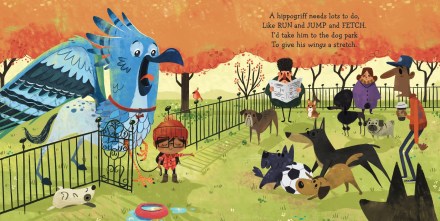
Sam gazes at her first pet—a hamster—as he slumbers on his bed of shavings. She’s a little disappointed because mostly all he does is eat, sleep, and hide. She snuggles into her reading chair with a cup of tea and a book of mythical creatures and thinks: “If only I could have a pet / With strange, exotic powers, / I know that I’d find lots to do / To while away the hours.” She considers having a unicorn whose mane she could braid and who she could ride through fields of posies, then remembers that “Unicorns are pretty, / but they’re also very shy. / On second thought, I’d like to give a hippogriff a try.”
celebrate-picture-books-picture-book-review-if-I-had-a-gryphon-hippogriff

Image copyright Cale Atkinson, text copyright Vikki VanSickle. Courtesy of Tundra Books

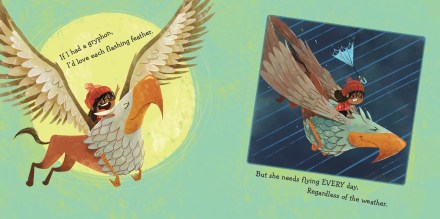
Sam plans to take her hippogriff to the dog park to “run and jump and fetch” and “to give his wings a stretch.” Considering it again, though, she realizes that the dogs may find a hippogriff scary and that “when it comes to playing ball, / Well, things could get quite hairy.” Instead, she decides to get a sasquatch “with burly, curly fur,” but then she remembers all the time she’d spend brushing out the tangles. A gryphon with “flashing feathers” sounds better until she thinks how she’d have to fly it every day “regardless of the weather.”
celebrate-picture-books-picture-book-review-if-I-had-a-gryphon-gryphon

Image copyright Cale Atkinson, text copyright Vikki VanSickle. Courtesy of Tundra Books

A kraken would be an unique pet, but to survive the cold, wet depths while playing with it she’d need a scuba suit. A warmer companion might be a dragon, although she thinks with its “temperamental snout / I’d need a fire extinguisher / to put her sneezes out.” A kirin could be a possibility, although it needs an ocean of grass to keep it happy; and a jackalope, while cute, is much, much, much too hoppy.

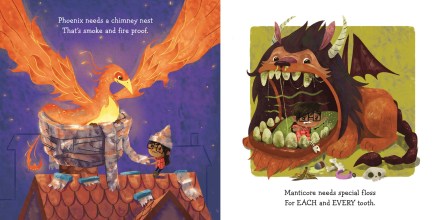
A phoenix might be an enduring pet, but it “needs a chimney nest / That’s smoke and fire proof” while a “Manticore needs special floss / For EACH and EVERY tooth.” There are oh so many creatures to contemplate—from harpies and chupacabras to fairies and kelpies to basilisks and sprites—but each is problematic in its own way.
celebrate-picture-books-picture-book-review-if-I-had-a-gryphon-phoenix

Image copyright Cale Atkinson, text copyright Vikki VanSickle. Courtesy of Tundra Books

Sam takes another look at the adorable hamster in its cage and reconsiders: “He may not be a gryphon, / Or a creature from the sea, / But I am his and he is mine / And that’s enough for me.”

Vikki VanSickle’s entertaining rhymes frolic, gallop, and prance through her encyclopedic array of fantastic beasts. Her young readers will be delighted that the fun of an imaginary menagerie is not just for the older set and will eagerly await each newly considered pet. VanSickle includes all the favorite mystical creatures, plus fascinating new ones that will spark kids’ imaginations and have them scrambling to find out more about them. The juxtaposition of attractive and less so traits of each possible pet adds a nip of humor to the verses that will make kids giggle. Sam’s ultimate realization that her hamster is the perfect companion is a sweet ending that reaffirms readers’ own relationship with their pets.

Cale Atkinson’s Sam is already a dreamer when she acquires her hamster. Her mug of tea sports a picture of a narwhal, her bookmark is a paper-thin dragon, and the book of Mythological Creatures that she consults is already well-thumbed. As the little girl with the square-rimmed glasses contemplates each creature as pet, Atkinson presents an illustration that is both humorous and beautiful. The hippogriff with its bird legs in front and horse legs in back is a gorgeous hue of blue, but it’s expressive reaction to seeing the dogs at the park as well as its enthusiasm to play along also causes the dogs to hide behind a tree; the sasquatch is a cutie, but he also snarls her bike, her bed, trees, and road signs in its thick brown hair; and a turquoise dragon may shimmer with lovely scales, but it also chars walls and furniture. Despite its apparent sloth, Sam’s hamster actually is the perfect pet—besides, he might have a secret of his own!

If I Had a Griffin is a fun romp through a mystical realm of pets that kids will love to hear again and again. The book would be a welcome addition to kids’ bookshelves, especially if they have older siblings enjoying that other series that features magical creatures!

Ages 3 – 7

Tundra Books, 2016 | ISBN 978-1770498099

To learn more about Vikki VanSickle and her books as well as to download an If I Had a Gryphon Activity Guide and coloring page, visit her website!

National Pet Awareness Month Activity
CPB - Dog Biscuits

Homemade Dog Treats


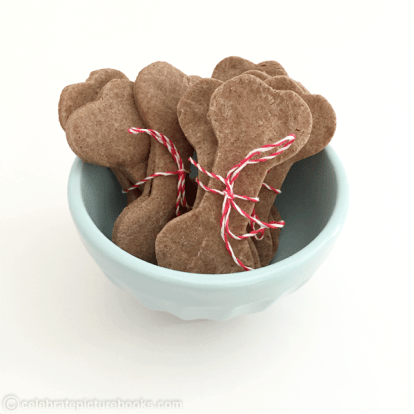
Pets love it when you do something special for them! Here’s a recipe for homemade dog biscuits that will taste even better than store-bought because they’re made with love! Making dog biscuits is a fun way to spend time together and benefit furry friends. These biscuits make tasty treats for your own pet, or consider making a batch to donate to your local animal shelter. This recipe is easy and proven to be a favorite.

Children should get help from an adult when using the oven.

Supplies

  • 1 large bowl
  • Large spoon or whisk
  • Cookie cutters – shaped like traditional dog biscuits or any favorite shape

Ingredients

  • 3 cups Buckwheat flour
  • ½ cup powdered milk
  • 1 teaspoon salt
  • ¾ cup water
  • 1/3 cup margarine or butter, melted
  • 1 egg beaten

Directions

  1. Preheat oven to 325 degrees
  2. Add buckwheat flour to bowl
  3. Add powdered milk to bowl
  4. Add salt to bowl
  5. Stir to mix dry ingredients
  6. Add water
  7. Add melted margarine or butter
  8. Add egg
  9. Stir until liquid is absorbed
  10. Knead for a few minutes to form a dough
  11. If the dough is too dry, add a little more water, 1 Tablespoon at a time
  12. Place the dough on a board
  13. Roll dough to ½ inch thickness
  14. Cut into shapes with cookie cutters
  15. Bake at 325 degrees for 35 minutes
  16. Biscuits will be hard when cool.

Makes about 40 biscuits

Q & A with Author Vikki VanSickle
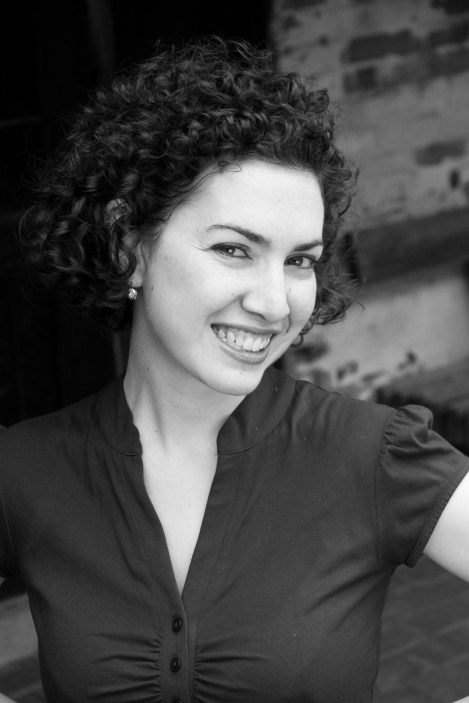
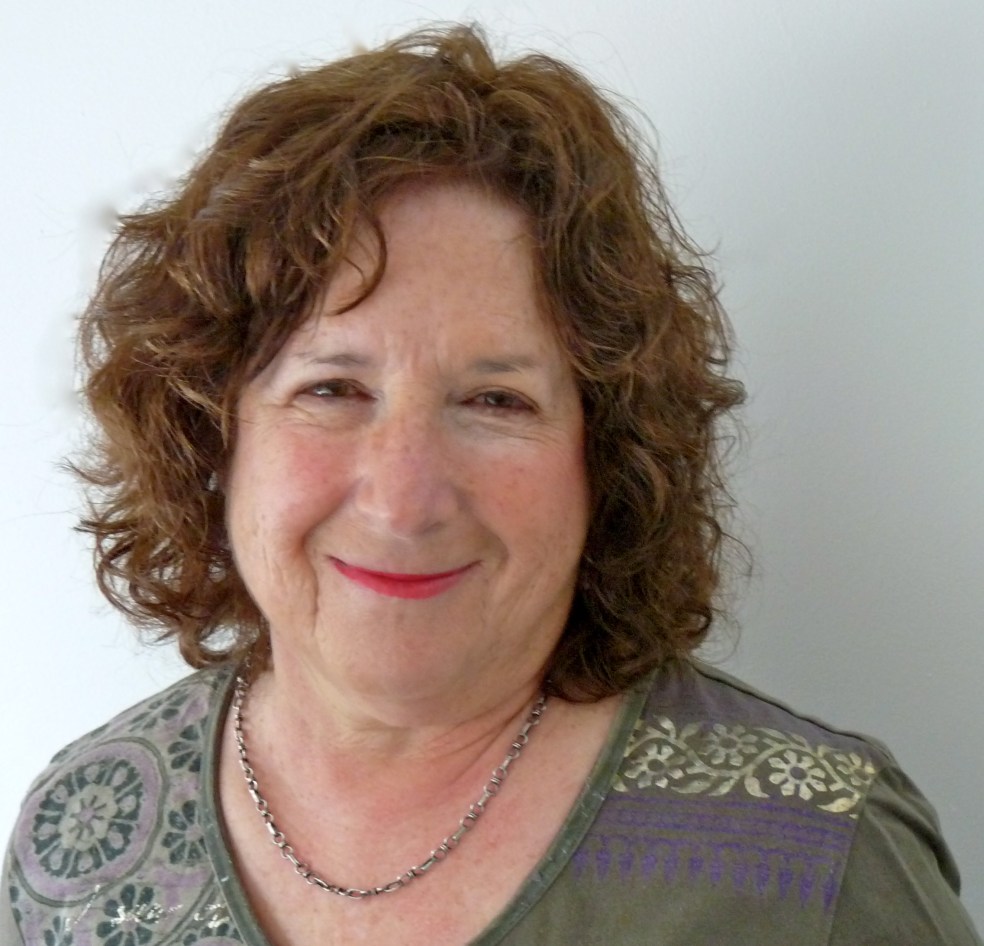
celebrate-picture-books-picture-book-review-vikki-vansickle-head-shot

Today I’m pleased to talk with Vikki VanSickle about her books for kids and tweens, her influences, and the unique place she draws inspiration from.

What were your favorite picture books growing up?

My mind was absolutely blown by Miss Nelson Is Missing by Harry Allard and James Marshall. It was likely the first mystery I was exposed to and I have loved mysteries ever since. This is a perfect example of text and illustration working together. Nothing in the text explains the true identity of Viola Swamp (what a name!), but there are hints in the illustration. It takes a certain kind of genius to make readers side with the adult—a beleaguered teacher—instead of the children in the book

Teddy Rabbit by Kathy Stinson and Stephane Poulin really spoke to me because like the main character, I had a teddy rabbit instead of a teddy bear. It also spoke to my deep fear of the subway. Growing up in a small town I was equally fascinated and terrified by the big city. I found Toronto loud, overwhelming, and very fast-paced. The subway in particular was frightening, and the idea of dropping my beloved Bunny on the tracks was as high stakes as it gets. If little Vikki knew that she would grow up to take the subway every day (without fear or incident, in fact I look forward to the extra reading time) she would not believe it.
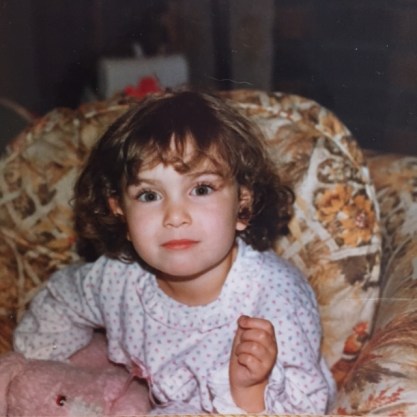
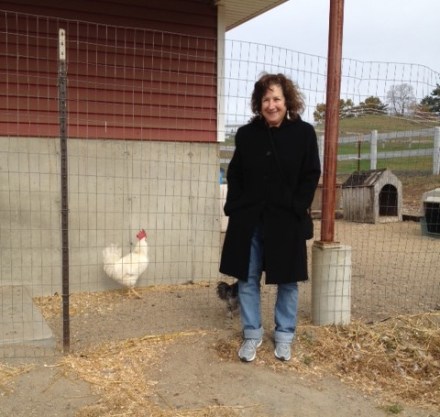
celebrate-picture-books-picture-book-review-vikki-vansickle-as-child

Lastly, Steven Kellogg’s Pinkerton books, Pinkerton, Behave and A Rose for Pinkerton were also favourites of mine. I have always loved pet stories, and the giant, clumsy Great Dane with a heart of gold totally captivated me. Especially when he meets his match in tiny but fierce Rose, a kitten after my own heart.

You’ve said that the idea for If I Had a Gryphon grew out of an observation at a bookshop story time. Can you tell me a little about that?

I used to watch my colleague Elaine create actual magic during story time. I was fascinated with which books resonated with the kids. It wasn’t always the ones that I expected. You don’t know how a book will land until you see it read aloud to children. Two things became clear: rhyme was always a hit (plus it was so fun to read) and pet stories were perennial favourites.

At the same time, I had a lot of little customers with older siblings who were obsessed with Harry Potter. They wanted to share in their older siblings’ love of the series, but when I went looking for good storybooks featuring similar creatures I came up short. There were lots of stories about dragons and unicorns, and some beautiful anthologies about mythological creatures, but no storybooks for the youngest readers. I’m a Harry Potter and mythology fan myself, and decided to write a sort of primer to magical pets.

Which of the mythical creatures that you mention in your book do you like best? Why?

This is a tricky one! Before I saw Cale’s illustrations I would have said a phoenix or gryphon, because I think they’re such majestic and fiercely beautiful creatures. But then the art came in and I found myself totally charmed by the enthusiasm of poor hippogriff, who just wants to play ball. I also love that cuddly-looking sasquatch, I think he’d make a great reading buddy.

You mention in your bio that you liked to go to flea markets when you were growing up. Do you have a favorite item that you found at one? Why is it special?

I am like a kid in a candy store at a flea market—I hardly know where to start and I could spend all day browsing through tables and shelves of random objects. It is such a rich source of story ideas that it’s almost overwhelming. Did that trunk come from overseas? Why? When? Who did it belong to? What does the inscription in this book mean? Who wore that wedding dress, and what happened at the party? How did that teddy bear rip its jacket? The possibilities are endless.

I didn’t bring the treasures home very often, it was enough to ponder the ideas they inspired. The one thing I did buy was Nancy Drew books. I completed my entire collection by searching garage sales, flea markets and antique stores.

You interact with your readers through school visits, library presentations, and at festivals. What do you like best about meeting your readers in person? Do you have a fun or interesting anecdote to share from any of your appearances?

Now that I no longer work in a bookstore, I don’t have as much kid-contact as I would like. Visiting schools and libraries gives me a chance to chat with kids, find out what’s important to them, what books they love, what makes them laugh, and just generally be reminded of what a privilege it is to write for this audience.
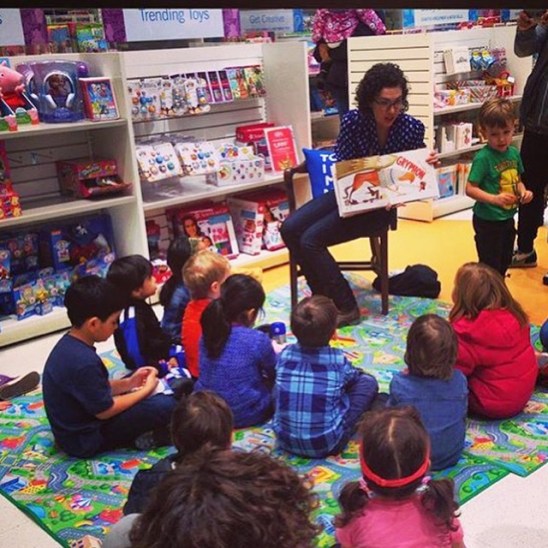
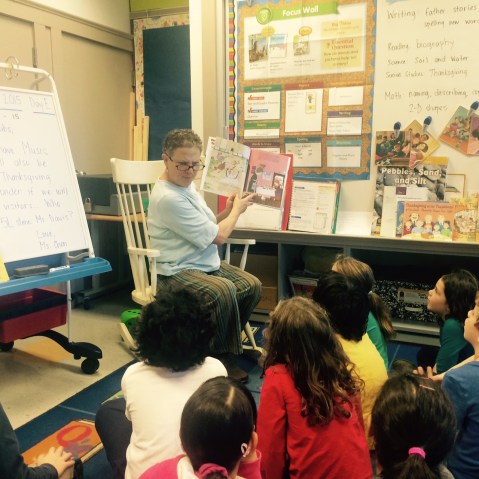
celebrate-picture-books-picture-book-review-vikki-vansickle-reading-to-kids

In terms of presentations, the students keep me on my toes with insightful questions, comments, and by pushing me to be flexible when an activity doesn’t work or they are more interested in process rather than plot. It sounds obvious, but you need to be very present when you’re working with children. I appreciate the opportunity to be in the moment, connect with readers, and talk about stories.

Earlier this fall during the question period a little boy asked me if I knew how many species of dragon there were in the world. When I told him I did not, he replied “That was a trick question. Nobody knows.”

Besides If I Had a Gryphon you’ve written a series of three middle grade novels (Words That Start with B, Love is a Four-Letter Word, and Days That End in Y) and a coming of age novel (Summer Days, Starry Nights). Can you tell me a little about how you approach the different genres and what you enjoy most about each?

I find them to be entirely different experiences. Picture books to me are about structure, space, and beats. It’s very much like writing a play. As the playwright, you do not cast, direct, or design the costumes, set, or lighting for your show. Your task is to create the bones of a project that many other people will then flesh out. With a picture book, the illustrator takes on role of casting director, costume, set and lighting designer. I believe in the interplay between text and pictures, and as the writer I need to leave the space for an illustrator to do so in the narrative.

Novel writing is a messy, chaotic, immersive process, at least for me. It’s very instinctual. I write in first person, trying to understand the voice of the narrator and her motivations, and the plot is often secondary. I’ll jump all over the place, sometimes writing the same scene in many different ways, occasionally working backwards from what I think might be the end, or switching narrators. I get to a certain point (usually between 60-80 pages) when I stop writing to seriously consider what I have done. I read, take notes, reorder, cut, refine, and then I have the beginning of a structured draft.

What’s up next for you?

I’m in the final throes of a middle grade novel which I’ve been describing as “Stranger Things” for tweens and I have a picture book I’ve been muddling over for awhile now that’s starting to come together.

Since Celebrate Picture Books is a holiday-themed blog, I can’t let you get away without asking you a few questions about holidays, so…

What is your favorite holiday?

Definitely Halloween—costumes, black cats, AND candy? What’s not to love?

Do you have a funny or interesting holiday anecdote you’d like to share?

Here I am dressed as a Rockford Peach, my all-time favourite Halloween costume.
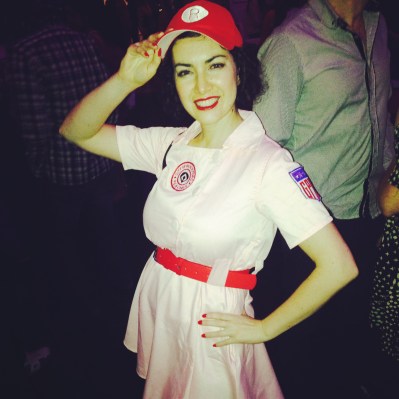
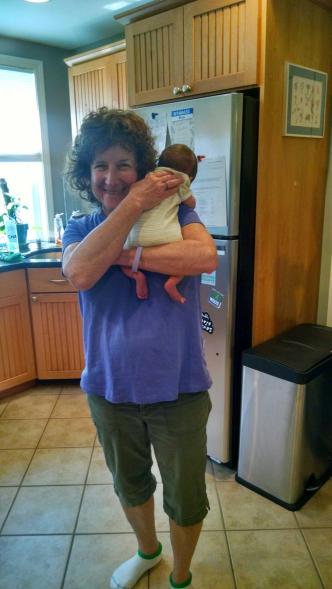
celebrate-picture-books-picture-book-review-vikki-vansickle-halloween-costume

Has a holiday ever influenced your work?

Not yet, but I would love to write something with a Halloween theme eventually. I have a few ideas rolling around in my head but I haven’t settled on the perfect one yet.

Thanks so much for spending time with me, Vikki! I wish you the best with all of your books!
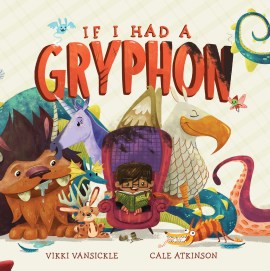
celebrate-picture-books-picture-book-review-if-I-had-a-gryphon-cover

You can find If I Had a Gryphon at these booksellers:

Amazon | Barnes & Noble | Books-a-Million | IndieBound | Tundra Books

You can connect with Vikki on:

Her Website | Facebook | Twitter

Picture Book Review

November 8 – X-Ray Day and Q & A with Author Sara Levine

celebrate-picture-books-picture-book-review-bone-by-bone-cover

About the Holiday

In 1895 while Wilhelm Conrad Rontgen was experimenting with cathode rays and glass, he noticed a glow coming from a nearby chemically coated screen. This led him to make an astounding discovery. He found that the electromagnetic energy that caused the glow—which he named X-rays—could penetrate human flesh, but not bone, thus allowing bone to be photographed. For the first time doctors could see inside the body without surgery. X-rays were first used during the Balkan War in 1897 to find bullets, shrapnel, and broken bones in soldiers. While X-rays were an amazing advancement for medical research and patient care, their danger was not readily understood. The novelty of this new technology was used by shoe stores as a fitting device in the 1930s through 50s until the harmful properties of radiation were better appreciated. Today, X-rays and the technology they led to are instrumental in diagnosing injuries and diseases and in targeting a medical response.

Bone by Bone: Comparing Animal Skeletons

Written by Sara Levine | Illustrated by T.S Spookytooth


Can you imagine if we sloshed through life like soup without a bowl? What would we set our hats on? Where would we carry our phones? How could we sit in class or the office or perform our favorite activities? And what would happen to our organs, our hair, our homes? It’s all a little disturbing! Fortunately, we don’t have to worry about that scenario because “we’re vertebrates, animals with bones. Our bones hold us up.” Phew!

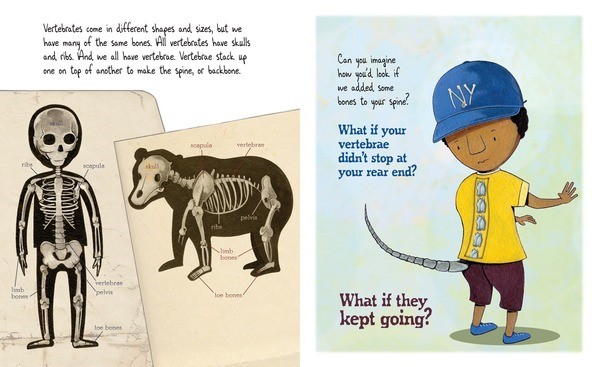
There are different kinds of vertebrates—mammals, reptiles, fish, and more—but many of our bones are similar. For example, “all vertebrates have skulls and ribs. And we all have vertebrae. Vertebrae stack up one on top of another to make the spine, or backbone.” Humans have vertebrae that end…well…you know where, but imagine for a minute if your vertebra kept on going. What if they poked a hole right through your shorts? Yes! You’re right—you’d have a tail. Tails are pretty helpful for some animals. They help them swim, communicate, even keep their balance.

celebrate-picture-books-picture-book-review-bone-by-bone-tailbone

Image copyright T. S Spookytooth, text copyright Sara Levine. Courtesy of Lerner Publishing

Good job! Let’s try again…how about if you only had a skull, vertebrae, and ribs. No arm bones; no leg bones. You’ve got it! A slithery snake! Nah…really…you’d look great! Okay, maybe you’d prefer if you had a skull, vertebrae, and arm bones—but no leg bones—and your nose was transferred to the top of your head. Sounds fishy? Maybe, but not quite. Oh! Did I give it away? Yep, you’d be a whale or a dolphin, and you’d use those powerful vertebrae to propel yourself to the ocean’s surface to grab a breath.

Imagine what kind of gloves and shoes you’d need if your “middle fingers and middle toes were so thick that they supported your whole body.” Hey, you’re good at this! It was a trick question. You wouldn’t need gloves, but you’d wear horse shoes (or no shoes if you’re a less domesticated animal like a zebra). Now, let’s take a trip through a room full of fun-house mirrors. What kind of animal would you be if your neck was reeeaally long and each vertebrae was “as big as your head?” Or if your legs were muuuuuch longer than your arms? Or your “finger bones grew so long that they reached your feet? Seeing those transformations is definitely worth the price of admission, right?

celebrate-picture-books-picture-book-review-bone-by-bone-bat

Image copyright T. S Spookytooth, text copyright Sara Levine. Courtesy of Lerner Publishing

But getting back to the bowl of soup: “Could you be an animal if you didn’t have any bones at all?” Sure! Some insects and sea creatures “have their hard parts on the outside,” and some are just “mushy.” Think of worms, slugs, and jellyfish, just to name a few. But bones make life more fun, don’t ya think? So if all vertebrates have bones, what makes humans different? Well, for one thing we (as well as some apes and monkeys) have opposable thumbs, which means that “we can move our thumbs in a special way that allows us to do many things, including turning the pages of a book,” using tools, and picking up objects. “Did you get that one? If so, give yourself a thumbs-up!”

An Author’s Note including more about bones, the types of vertebrates, a glossary, and resources for further reading follow the text.

With humor and a kid’s sensibility of the bizarre, Sara Levine presents an anatomy lesson that young readers will respond to. Juxtaposing individual bony features of humans and animals is a brilliant idea to give children perspective on the differences in animal skeletons and the uses of each unique trait. Levine’s quiz-like format engages readers, encouraging independent thought and active participation as well as building suspense for what transformation comes next. Kids will laugh and learn and be on the lookout for other ways human and animal skeletons differ as they become more aware of the natural world around them.

With illustrations of tailbones sticking out of pants, empty socks, two fingered hands and two toed feet, a neck that needs two scarves, and more, T. S Spookytooth illuminates what it means to be human in an animal world or an animal in a human world. Kids will laugh imagining themselves as Spookytooth depicts them with animal features and “Ewww” when their portrayal dissolves into a muddy mess. The accurate drawings of human and animal skeletons educate readers on the names and placement of particular bones.

The unique approach to the study of human and animal skeletons, the wide range of animals presented, and the enticing writing and illustrations make Bone by Bone: Comparing Animal Skeletons a wonderful choice for libraries and home bookshelves of budding scientists and nature lovers.

Ages 5 – 10

Millbrook Press, 2014 | ISBN 978-0761384649

To learn more about Sara Levine and her books, visit her website! You’ll also discover fun Bone by Bone activities to enhance your reading!

View a gallery of artwork by T. S Spookytooth, plus videos and more on his website!

X-Ray Day Activity

celebrate-picture-books-picture-book-review-x-ray-craft-dog-paw

Dog Paw and Human Hand X-Ray Craft


X-rays are cool to look at, but they always stay at the doctor’s office! With this craft you can simulate an X-ray of a dog’s paw and a human hand!

Supplies

  • Printable skeleton templates: Human Hand Template | Dog Paw Template
  • Black chalkboard drawing paper, 8 ½ inches by 11 inches
  • White colored pencil
  • White chalk
  • Clear Plastic Report Sheet Protectors
  • Magnetic clip to hang your x-ray on the refrigerator or other metal surface (optional) OR
  • String or wire, adhesive squares, and clothes pins to hang x-ray on the wall (optional)
  • Scissors

Directions

  1. Print the Human Hand and Dog Paw Templates (you may want to print two—one to cut and one to follow when transferring the bones to the black paper)
  2. Cut the bones apart
  3. Lay the bones on the black chalkboard paper
  4. Trace the bones with the white colored pencil
  5. Color in the bones with the white chalk
  6. Slip the black paper into the plastic report sheet protector
  7. If desired, hang the x-ray on the refrigerator with the magnetic clip or on the wall using string, adhesive squares and clothespins


Q & A with Author Sara Levine

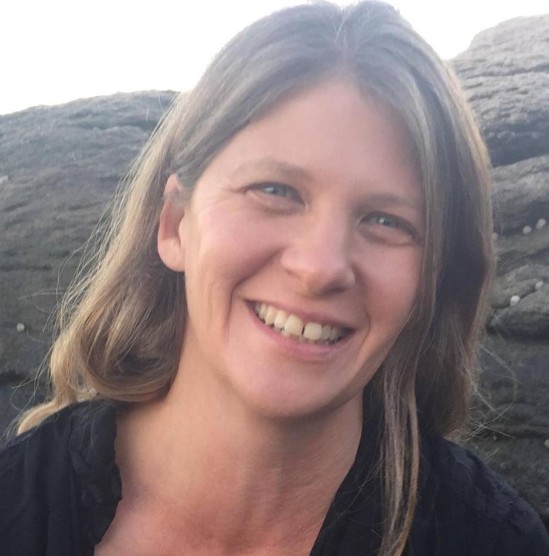
celebrate-picture-books-picture-book-review-author-sara-levine

Today, I’m thrilled to talk to Sara Levine about her writing as well as to learn about her early experiences with animals and to discover a kid’s-eye-view of women in science.

Your writing for kids is so infused with humor that really captures their attention. What were some of the books that you liked best as a child?

When I was younger, one of my favorite picture books was Katerine and the Box by Patricia Lee Gauch. I’ve noticed that this book has gone back into print; I was so happy to find it online. It’s basically about creativity. A girl and her friend keep finding new uses for a large cardboard box—a house, a car, a dance platform. I can still recall my feeling of excitement when hearing it read to me—it made me want to go make something. It’s actually a feeling very similar to what I have today when I think of a new idea for a book. There was also a book called Wisher, which was about difference—about a cat who dreamt he was really a fish. I remember that the illustrations were beautiful and somewhat scary—just done in blues, browns and yellows.  As an older child, I loved Charlotte’s Web by E.B White, Lizard Music by Daniel Pinkwater and pretty much everything by Judy Blume.

I don’t suppose any of these books are like the books I write. I used to tell people that I liked my science and my books separate. I just wanted to go outside to learn about science. But, I wanted stories in my books. I don’t think there were any of the sorts of books I write about science out for kids when I was young. At least I didn’t find them. But if I had, I think I would have enjoyed them—the fact that they were funny and interactive. But here’s a picture book I LOVE that I found as an adult that is certainly infused with humor and captures a kid’s (and a grown-up’s) attention: Bark, George, by Jules Feiffer. I think this is currently my favorite picture book.

You grew up on a farm in Guilford, Connecticut. Can you tell me a little about the farm and how or if it influenced your current work?

Calling it a “farm” might be a bit of a stretch. My parents were two kids who grew up in Brooklyn and then moved to CT and decided to get some animals, cheered on by their enthusiastic offspring. First there was a goat, who got lonely. So then there was another goat. And they had a baby. And there was a chicken at school who needed a place to go for the summer. And then never went back to school… And so on. We ended up having over 100 named animals—a horse, a cow, peacocks, geese, a donkey and more. I loved taking care of the animals, with my siblings. It was a wonderful experience, one that I’m very grateful for. But it wasn’t at all lucrative. I think the only money made was by my brother who would sell extra eggs to his teachers.

How did it influence my current work? I’m not sure. Certainly my interest in animals is a lifelong one. I think the stories about the animals actually show up more in my writing for adults than in my picture books. The ideas for the books for children come more from teaching ideas that I think will translate well into a picture book format.

You have a doctorate in veterinary medicine and a masters in fine art. When and how did the two merge into your work as an author?

What a great question. I have always had this science side and this humanities side. A lot of my life, I’ve been struggling with how to balance and feed both sides of myself. It’s taken me a long time to find a way to merge the two interests, and it’s been very satisfying to do so in writing about science, especially for kids.

You offer four different school and library programs, all of which sound fascinating. Do you have any anecdotes from a presentation you’d like to share?

In one of my workshops, the one for Bone by Bone: Comparing Animal Skeletons, I bring in an articulated skeleton for the kids to see and a disarticulated skeleton in a box. The kids learn the bones, and I then hand them each a bone which they take up to the standing skeleton to figure out which bone it is, and then work together to put together the second skeleton on the floor. Inevitably, someone asks if the skeletons are real. They are. I literally found them in the closets, when I started my teaching at Wheelock. There are all sorts of questions about that, generated by the kids, and then, often, someone will ask if the skeletons are “boys or girls.” Recently, at a school near Boston, I was explaining to a group of second graders that both were female, that we could tell by the shape of the hips, and I heard one girl, going, “YES!” and pumping her arm up and down, in victory. The boy next to her says, “Why are you so happy? That means a girl died.” To which she responds, “That’s true. But it also means one more girl in science!”

celebrate-picture-books-picture-book-review-bone-by-bone-workshop

Sara Levine leads a workshop at Cold Spring School

What’s the best thing about writing for kids?

I enjoy trying to think of engaging and interactive ways to teach something that hasn’t been taught before. I like the creativity involved. And, of course, reading it to the kids when I’m done and seeing them respond!

celebrate-picture-books-picture-book-review-bone-by-bone-students-at-al-hamra-school

Students at Al Hamra Academy examine a skeleton

You also write articles for adults and were nominated for a Pushcart Prize in 2007. Can you tell me more about your writing for adults?

I write science related essays for adults. The writing comes more from my own experiences.  I do have a handful of essays published. I think the one that was nominated for the Pushcart, “What Hands Can Do” is still available to read online. Here’s a link to it on Fictionaut. It’s about spaying a dog. And more, of course. I think my most successful essay is “The Body of a Cow” which originally appeared in the Massachusetts Review. It’s also on Fictionaut, if anyone wants to have a look. Eventually, I hope to work the essays into a memoir for adults.

What’s up next for you?

I have a book on dinosaur bones which will be published by Lerner next year. I also have three children’s books written which I’m trying to find homes for at the moment—one on animal classification (but interactive, written like a “do your own adventure” story), one on how plants communicate with animals, and one very funny one (if I can say so myself) called “Breakfast at the Omnivore Café,” which is about what animals eat. This one might never get published because it falls into the cracks between nonfiction and narrative fiction, but I haven’t given up on it yet. The book I’m currently working on is an attempt to explain climate change through stories of the carbon cycle. Doesn’t sound very interesting when put that way, but it’s written as an interactive story, and is also actually quite funny in parts, so I think kids will like it.

Since Celebrate Picture Books is a holiday-themed blog, I can’t let you get away without asking you what your favorite holiday is…

Passover. You get to tell a story to children in a way that is interactive and engaging for kids, AND it involves food. What could be better?

Thanks so much for chatting and sharing your unique perspective on the natural world, Sara! I, for one, would love to read Breakfast at the Omnivore Café—that would be one interesting menu, I bet! I wish you the best with all of your books!

You can connect with Sara Levine on:

Her Website | FacebookTwitter

About Sara Levine

Sara Levine is an assistant professor of biology at Wheelock College and a veterinarian.  Her science books for children include Bone by Bone: Comparing Animal Skeletons (2013) and Tooth by Tooth: Comparing Fangs, Tusks and Chompers (2016).  Her third book, Fossil by Fossil: Comparing Dinosaur Bones will be published in 2018.  Bone by Bone: Comparing Animal Skeletons has received much recognition, including the Utah Beehive Book Award, selection as a Bank Street College Best Children’s Book of the Year, and finalist for the Cook Prize for best STEM picture book.

Sara also writes science-related essays for adults, one of which was nominated for a Pushcart Prize in 2007.  Her writing has appeared in the Boston Globe, the Massachusetts Review, Bayou, and in the anthology And Baby Makes More. In addition to teaching college students, she has taught children’s environmental education classes for the Massachusetts Audubon Society and other nature centers in Massachusetts and Connecticut for over 15 years. 

Sara holds a doctorate in veterinary medicine (DVM) from Tufts University, a master of fine arts degree (MFA) in creative nonfiction writing from Lesley University and a bachelor of arts degree (BA) in English from Haverford College.  She is a native New Englander and lives with her daughter and their dogs and cat in Cambridge, Massachusetts.  

celebrate-picture-books-picture-book-review-bone-by-bone-cover

Bone by Bone: Comparing Animal Skeletons and Sara’s other books can be found at:

Amazon | Barnes & Noble | Books-a-Million | IndieBoundLerner Publishing

Picture Book Review

October 14 – World Egg Day

celebrate-picture-books-picture-book-review-what's-up-with-this-chicken-cover

About the Holiday

Marking its 21st birthday, World Egg Day celebrates the health benefits of the humble egg—which offers the highest quality of protein available. An important dietary component for fulfilling the nutritional requirements of people living in both developed and developing communities, the egg is a versatile food, able to be eaten on its own or as a necessary ingredient in many recipes. Eggs are essential for fetal development, healthy brain development, maintaining concentration, aiding the immune system, and more. Today, enjoy eggs your favorite way!

What’s Up with This Chicken?

Written by Jane Sutton | Illustrated by Peter J. Welling


When Sylvia goes out to the barn to collect the chicken’s eggs, something’s up with Trudy. She squawks and screeches when Sylvia tries to reach under her, but Sylvia takes it in stride and with humor: “‘Don’t get so egg-cited!’” she says “‘I’ll get your egg tomorrow.’” But the next day Sylvia is met with the same reaction. Trudy isn’t acting like the other chickens in Grandma’s backyard; if fact, she isn’t even acting like Trudy! “‘What’s up with this chicken?’” Sylvia wonders.

While she and Grandma enjoy “omelets with eggs from Sue, Clara, Doris, and Olga,” Sylvia tells her about “stubborn Trudy.” Grandma doesn’t know what’s wrong either. The next morning Trudy is even more obstinate. Not only does she make a racket, she tries to peck Sylvia, and she puffs “herself up to twice her size.” Sylvia also notices “that Trudy left her roost just once a day to eat, drink, and poop. She was getting skinny.”

Sylvia decides Trudy must be hungry and tries to lure her off her nest by offering chicken feed, but while all the other hens “wolfed it down like chocolate,” Trudy remains firmly on her roost. Sylvia tries everything she can think of to move Trudy, but nothing works. That night she and Grandma consult The Big Book About Chickens. Here they discover that “‘Trudy is broody!’” Grandma reads on: “‘Broody hens stay on their eggs so they will hatch into chicks.’” But Sylvia and Grandma know that Trudy’s eggs are not the kind that hatch.

Sylvia realizes that Trudy just wants to be a mother, and she wishes there were some way to help her. She thinks and thinks and finally comes up with an idea. She runs to Grandma who thinks Sylvia’s plan is “an egg-cellent idea.” A few days later a box arrives with four eggs that would hatch. With thick rubber gloves, a dose of determination, and two tries, Grandma is able to lift Trudy off her nest. Sylvia makes a quick switch of the eggs, and “Broody Trudy settled down on the new eggs.”

Trudy grows thinner every day but she stays on her roost, rolling the eggs to keep them uniformly warm and even blanketing them with her own feathers. One day Sylvia hears peeping! Grandma and she are even in time to watch the fourth little chick peck its way out of its shell. They name the new “little yellow fluff balls Sophie, Danielle, Mildred, and Judy.”

Trudy is a proud and protective mother, shielding them with her wings “like a feathery beach umbrella” and teaching them how to find food and water. Trudy goes back to her regular routine and begins gaining weight. As the chicks grow they get their own nests in Grandma’s coop. But one day Judy squawks and screeches. This time Sylvia knows exactly what’s up with this chicken!”

An Author’s Note about the real-life “Broody Trudy” that inspired the story follows the text.

With a deft and delightful understanding of the puns and humor that set kids to giggling, Jane Sutton has written a fun—and informative—story for animal lovers and anyone who loves a good, natural mystery. Through the well-paced plot and action-packed description, readers learn about a particular behavioral aspect of some chickens and the clever and sensitive way that Sylvia solves the problem. The close relationship between Sylvia and her grandmother adds charm and depth to the story, and their dialogue is spontaneous and playful.

Peter J. Welling’s bright, homey illustrations are the perfect accompaniment to the story. Animated Trudy shoos Sylvia away while the other chickens take dust baths, scratch for bugs, and look just as perplexed as Sylvia and Grandma. Humorous touches abound in Grandma’s choice of home décor and Sylvia’s printed T-shirts as well as in the facial expressions of the human and feathered characters. Trudy’s chicks are adorable, and readers will cheer to see Trudy fulfill her heart’s desire.

What’s Up with This Chicken is a wonderful read-aloud for younger kids’ story times and a fun romp that will keep older, independent readers guessing and wondering how it all comes out right up to the end. The likeable characters—both human and chicken—make this a book kids will like to hear again and again!

Ages 3 – 8

Pelican Publishing, 2015 | ISBN 978-1455620852

Discover more about Jane Sutton and her books on her website!

To view a gallery of artwork plus more books for readers of all ages by Peter J. Welling, visit his website!

World Egg Day Activity

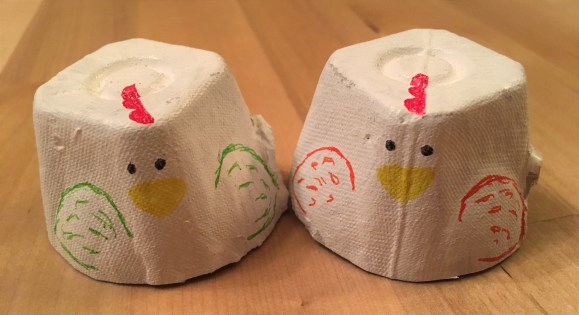
celebrate-picture-books-picture-book-review-egg-carton-chicken-double-chickens

Egg Carton Chickens and a Basket Full of Games


With twelve little chickens you can come up with lots of games to play! This fun craft and game activity is eggs-actly what you need to start hatching some real fun!

Supplies

  • Cardboard egg carton
  • White craft paint
  • Markers: red, yellow, black for the face; any colors you’d like for wings and eggs
  • Paint brush
  • Scissors
  • Glue
  • Construction or craft paper in white and a color of your choice

Directions

  1. Cut the notched flap off the egg carton and set aside
  2. Cut the top off the egg carton
  3. Cut apart all the egg cups and trim slightly so they sit flat
  4. Paint the egg cups with the white paint, let dry
  5. Add the face, comb and wings to the chicken with the markers. Make six chickens with one color wings and six chickens with another color wings.
  6. From the egg carton flap cut thirteen small egg-shaped playing pieces
  7. With the markers, decorate twelve of the eggs in pairs—each egg in the pair with the same design
  8. Color one egg yellow and add a beak, eyes, and wings to make it a chick

Games to Play

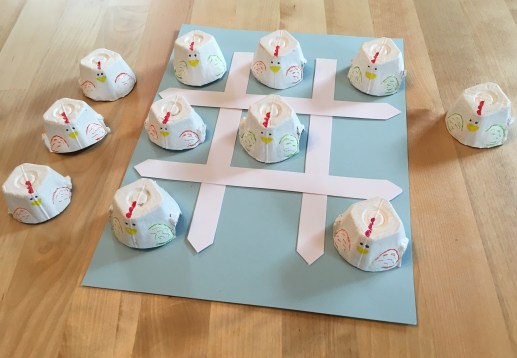
Tic-Tac-Toe (2 players)

  1. On a 8 ½” x 11” piece of paper draw a regular tic-tac-toe board or make it fancy – like the picket fence-inspired board in the picture
  2. To make the fence-inspired board on a colored background, cut 2 9-inch-long x 3/4-inch wide strips of white paper, cutting a pointed tip at one or both ends. Cut 2 white  8-inch x 3/4-inch strips of paper with a pointed tip at one or both ends. Glue the strips to the background.
  3. Each player chooses a set of chickens with the same colored wings
  4. Play the game as you usually do

celebrate-picture-books-picture-book-review-egg-carton-chicken-tic-tac-toe

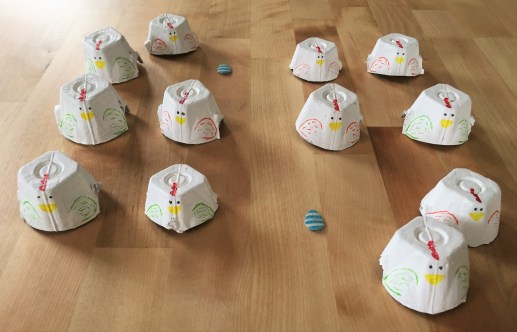
Find the Matching Eggs (2 or more players)

  1. Have one player hide one egg under each chicken
  2. Shuffle the eggs around and form them into three lines of 4 chickens each
  3. Another player lifts one chicken at a time to find matching eggs. If the eggs don’t match, put both chickens back and start again

celebrate-picture-books-picture-book-review-egg-carton-chicken-matching

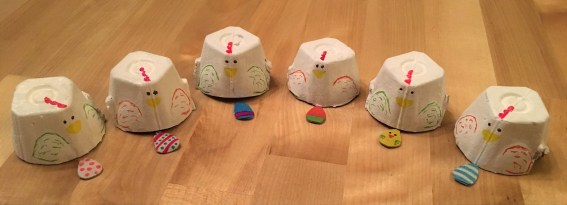
Where’s the Chick?

  1. Use as many chickens and eggs as you want (fewer for younger children, more for older)
  2. One player hides the chick under one of the chickens and eggs under the others.
  3. Another player has three chances to find the chick

celebrate-picture-books-picture-book-review-egg-carton-chicken-where's-the-chick

I’m sure you can also design your own games for your adorable chickens to play! With more chickens you can even make a checkers set or replicate another of your favorite board games!

Q & A with Author Jane Sutton

JanePhoto2013email.JPG

Today, I’m pleased to talk to Jane Sutton about her books, her journey as a writer, her family, and the joys and inspiration of being a new grandmother! 

As someone who loves humor and was voted class comedienne in high school, what were some of the books you most enjoyed as a child and young adult?

 Two of my childhood favorites were Dr. Seuss’s Horton Hatches an Egg and Robert Louis Stevenson’s A Child’s Garden of Verses. As a young adult, I was drawn to Virginia Woolf novels (I know–not exactly humorous, but most comedians are prone to depression).

You write both picture books and books for older children. What inspires or influences your stories?

My childhood memories have been the basis of many of my books—experiences and feelings. What’s Up with This Chicken? was inspired by a true story my friend-since-we-were-11 Fay told me about one of her backyard hens who refused to get off her eggs. I said, “This has to be a children’s book!” So I invented characters, had the child protagonist solve the problem, and snuck in a subtle message about the importance of empathy.

celebrate-picture-books-picture-book-review-jane-sutton-and-chicken

As someone who always wanted to write and who achieved the goal of becoming a published author, can you briefly describe your journey?

At a young age, I was encouraged by my teachers. They would be impressed by something I wrote and send me to show it to another teacher, which really pumped me up. I was an editor of my high school newspaper and after graduating from college had a job writing for a newspaper, wrote ads and press releases, and sold some stories for reading comprehension tests. My first book, What Should a Hippo Wear? was published when I was 29. I’ve had periods where everything I wrote was selling, and periods when nothing I wrote was selling. It’s a tough market!

What’s the best part about writing books for kids?

Well, I never wanted to grow up, and when I realized it was happening whether I liked it or not, I vowed to always remember what it felt like to be a child. Writing for kids helps me do that.

You conduct school presentations and workshops for kids from kindergarten age through grade 5, can you describe a funny or poignant anecdote from one of your events? 

One school had a wonderful program that paired parents and their children as writing partners. The culminating event was a presentation by me about how to make writing come alive. Then the parent-children pairs displayed their books, and it was so lovely to see how much the experience meant to the adults and the children. They also loved showing me—the big famous author—what they’d written and I could sincerely point out parts of their writing that were especially effective. The whole thing made me ferklempt.celebrate-picture-books-picture-book-review-jane-sutton-reading-to-kids

I read that you love elephants and collect elephant-inspired items. Can you tell me about one of your favorites?

One of my favorite elephants is gray and plastic (about the size of a toaster) and lives outside, in view of our kitchen window. My mother, who died in 2004, gave him to me and named him “Sabu.” He has survived about 18 New England winters so far, sometimes getting totally buried by snow and then poking out the tip of his trunk as the snow starts to melt. My mom asked me once if the elephant made me think of her, and yes, he surely does.

Talking about your mom makes me think of the strong relationship between Sylvia and her grandmother in What’s Up with This Chicken. Can you tell me about your own family?

My husband, Alan, taught a variety of grade levels spanning grades 1-6. He served as a science coordinator, curriculum developer, and teacher mentor. He’s written and co-authored six books for educators, four focused on science instruction and two about systems thinking. Currently, he coordinates the systems thinking program at a grades 5-12 public school and also presents workshops at meetings and conferences. We met in college and have been married for 41 years!

My son, Charlie, works for a coalition made up of organizations pushing for a better transportation system in Massachusetts. He’s worked in Massachusetts public policy since graduating from college in 2007. He married the wonderful Amberly, a nurse, in 2014, and they recently had a baby!

My daughter Becky is the director of an SAT tutoring program. Her company tries to make SAT tutoring as fun and effective as possible, so they try to match the kids with tutors who have the right personality for the student’s learning style. The SAT has completely changed in the last year, so they have had to retrain all of their tutors and rewrite all their curricula. For any tutoring program, building students’ confidence is key. So much of standardized testing is psychological.

I understand Becky also writes a blog for all of us grammarians who like a laugh once in awhile called Apostrophe Catastrophes: The Worlds’ Worst. Punctuation. Can you tell me a little about how she got started?

Yes, Becky does a great job with that blog. I love the examples she posts, and her comments are hilarious! She started Apostrophe Catastrophes almost 10 years ago after seeing an errant apostrophe on a giant cake at Governor Deval Patrick’s Inauguration. She pointed it out to the catering staff, and they had no idea what she was talking about, and then she started to notice misused apostrophes everywhere! Friends and family started taking pictures and sending them to her, and eventually, strangers from all over the world started sending in pictures! The Facebook group has almost 4,000 members now! Becky says, “I guess a lot of people share my love for proper punctuation.”

You’re a new grandmother! Can you tell me a little about your grandson?

That’s a dangerous question! How much time do you have? Caleb is an adorable, cuddly little person. And he’s now a month old!

celebrate-picture-books-picture-book-review-jane-sutton-and-grandson

What is the best part about being a grandmother? 

 As a new mother, I was very anxious and questioned all my decisions. But as a grandma, there’s none of that anxiety. Being with my grandson is pure joy. And seeing how loving, confident, and tender my son and daughter-in-law are with the baby fills me even more love. And seeing him in my husband’s arms as he gazes down at him…I’m getting ferklempt again!

Have you thought about how being a grandmother might influence or inspire your future work? 

You betcha! Stay tuned.

What’s up next for you?

My next book, a Passover-themed picture book, is scheduled for publication by Kar-Ben in the spring of 2018.

Since Celebrate Picture Books is a holiday-themed blog, I can’t let you get away without asking you a few holiday-related questions! So…

 What is your favorite holiday?

I love Mother’s Day and Father’s Day because they are occasions for my husband and me to get together with our children. And there’s good eating involved.

Do you have an anecdote from any holiday that you’d like to share?

The first time I hosted Thanksgiving, rather than attending one at my parents’ house, my mother gave me very, very specific instructions about what to buy. For example, there had to be 2 Butterball frozen turkeys, both between 11 and 13 pounds. The reason for 2 is so that each of the 4 grandchildren could have a drumstick. My daughter and I were rummaging through the supermarket frozen case trying to find the exact acceptable weight for exacting Grandma. Our fingers were half frozen, and I admit that I kind of dropped a turkey on my daughter’s finger. The turkeys, by the way, were quite delicious.

How has a holiday influenced your work?

The festive, joyous celebration of Chanukah shows up in my 2 Chanukah picture books: Esther’s Hanukkah Disaster (Kar-Ben) and Aiden’s Magical Hanukkah (Hallmark).

celebrate-picture-books-picture-book-review-jane-sutton-and-her books

Thanks so much for chatting, Jane! It’s been wonderful getting to know you. I wish you all the best with all of your books, and am looking forward to seeing your next book!

Connect with Jane Sutton on her website and catch up with her events and other fun activities on her blog!

What’s Up with This Chicken can be found at these booksellers:

Amazon | Barnes & Noble | Books-a-Million | IndieBound | Pelican Publishing Company

Picture Book Review

October 4 – World Animal Day and Q&A with Author Jess Keating

celebrate-picture-books-picture-book-review-pink-is-for-blobfish-cover

About the Holiday

We love animals, but do we take care of them the way we should? Today’s holiday was established in 1931 to promote global awareness of animals and the issues surrounding their welfare. From pets to domesticated animals to wild creatures, humans must protect and advocate for their companions and fellow travelers on this earth. Issues such as pollution, habitat destruction, and poaching threaten the world’s wide variety of species, while closer to home spaying and neutering controls the population of feral animals that often suffer from a lack of resources.

The wildlife kingdom is majestic and awe-inspiring. Today celebrate the world’s animals by taking a trip to a zoo, aquarium, or animal preserve, consider adopting a shelter animal, or donating your time or talents to your favorite animal cause.

Pink is for Blob Fish: Discovering the World’s Perfectly Pink Animals

Written by Jess Keating | Illustrated by David DeGrand


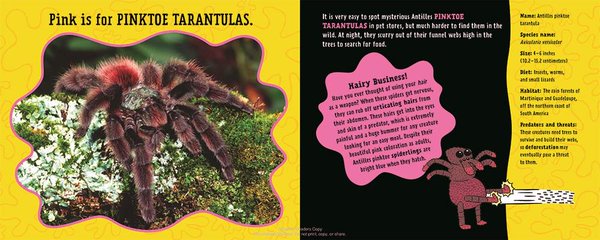
Pink is sweet like cotton candy, right? Pink is pretty like a rose, isn’t it? Pink is quiet like twightlight, don’t cha think? Well…yes, and…maybe not so much. You’d be pardoned for squirming in the presence of a pinktoe tarantula which is found in the rain forests of Matinique and Guadeloupe and can defeat predators with their spiky hairs, and if you can’t make heads or tails of the Pink Fairy Armadillo, which looks like a cross between a lobster tail and a shag rug, no one will blame you.

celebrate-picture-books-picture-book-review-pink-is-for-blobfish-pinktoe-tarantula

Text copyright Jess Keating, illustration copyright David DeGrand, courtesy of Penguin Random House

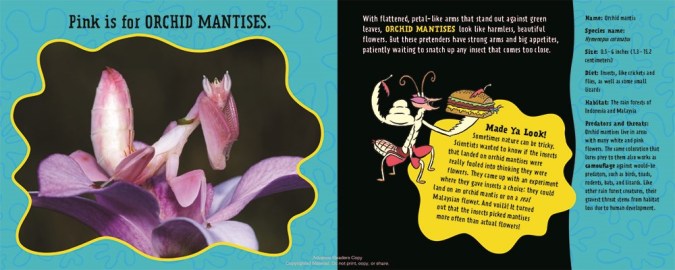
But the world is full of pink, and for each of these grimace-inducing bubble-gum-hued creatures there are plenty who simply take your breath away with their beauty. Imagine watching a duo-toned light-and-dark-pink Roseate Spoonbill take off and soar over marshland along America’s Gulf Coast or a river in South America or the West Indies like a valentine on the wind. You will likewise marvel when you see the delicate form of the Orchid Mantis. This variety of praying mantis found in the rain forests of Indonesia and Malaysia is so identical to real orchids that other insects can’t tell the difference and often land in the grasp of their tricky predator.

celebrate-picture-books-picture-book-review-pink-is-for-blobfish-orchid-mantis

Text copyright Jess Keating, illustration copyright David DeGrand, courtesy of Penguin Random House

Seas and rivers also teem with pink wildlife. Pygmy Seahorses swimming in the waters of the South Pacific blend in to their coral surroundings like a spiky ball among hedgehogs. With white-and-pinkish bodies dotted with strawberry-colored knobs, these seahorses are perfectly camouflaged against predators. The rose-colored Amazon River Dolphin hunts for piranhas, crustaceans and bottom dwelling fish with its long snout in the freshwater rivers of South America. The rivers, lakes, and swamps of sub-Sahara Africa are home to Hippopotamuses, which “ooze thick pink oil all over their skin. This pink ‘sweat’ acts like an antibiotic sunscreen, so hippos can stay out in the sun all day without getting burned.” Imagine if you could do that!

Of course, there is also the Blobfish, recently voted as the world’s ugliest animal. But isn’t this little glob of gelatinous goo really so ugly it’s cute? Found in deep waters off the coasts of Australia and New Zealand, this fish survives where others cannot by simply opening its mouth and gobbling down whatever floats by.

With many more examples of pink wildlife in this captivating book, it’s guaranteed that after flipping through the pages of Pink is for Blobfish you will never look at pink the same way again! 

celebrate-picture-books-picture-book-review-pink-is-for-blobfish-blobfish

Text copyright Jess Keating, illustration copyright David DeGrand, courtesy of Penguin Random House

Jess Keating highlights a host of fascinating pink animals in this volume that is sure to delight kids and get them excited about the world less seen. The first in the World of Weird Animals series, Pink is for Blobfish is loaded with scientific facts, remarkable trivia, and humorous asides to pique the interest of readers’ inner zoologist. Each two-page spread provides a spectacular up-close photograph of the animal, insect, or fish described as well as its common name, species name, size, diet, habitat, and predators or threats. Keating also taps into her audience’s love of the unique and even the bizarre with conversational paragraphs that reveal unusual habits, traits, survival mechanisms, and more for each creature featured.

David DeGrand lends his unique illustration style to the pages with funny cartoon portrayals of the creatures and one of their signature traits. These humorous depictions will not only make kids and adults laugh but will promote better understanding of each unique animal.

Pink is for Blobfish is a perfect addition to personal libraries for budding environmental scientists or anyone interested in the wider, wilder animal world and is an exciting title for school libraries and classrooms, where it could inspire scientific study.

Ages 5 – 10

Knopf Books for Young Readers, Penguin/Random House, 2016 | ISBN 978-0553512274

You’ll discover books, videos, creature features, resources, and lots more on Jess Keating’s website!

You will find the world of David DeGrand‘s art and comics on his website!

Pink is for book trailers—at least this one!

World Animal Day Activity

celebrate-picture-books-picture-book-review-wonderful-wildlife-board-game

Play the Wonderful Wildlife Board Game! Animal tokens images copyright Conor Carroll

Wonderful Wildlife Board Game


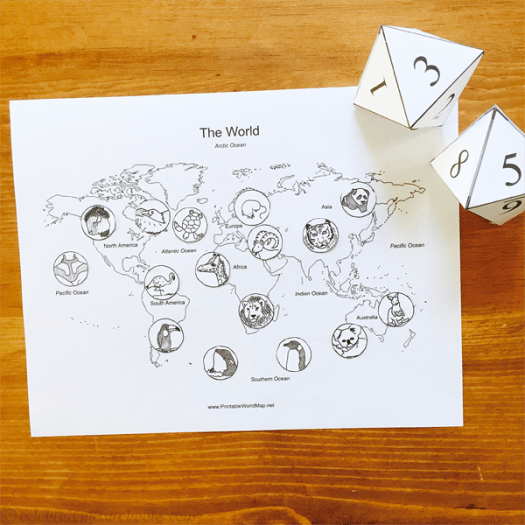
Fascinating animals are found in every part of the world. Play this fun printable Wonderful Wildlife Board Game to match each animal to the area where it lives.

Supplies

Directions

  1. Print a World Map for each player
  2. Print one set of 16 Wildlife Tokens for each player
  3. Print two copies of the 8-sided die, fold, and tape together
  4. If you would like, color the map and tokens
  5. Choose a player to go first
  6. Each player rolls both dice and places an animal on their map according to these corresponding sums of the dice below
  7. The first player to fill their map is the winner!
  • 1 = Flamingo – South America
  • 2 = Emperor Penguin – Antarctica (Southern Ocean)
  • 3 = Giraffe – Africa
  • 4 = Bald Eagle – North America
  • 5 = Ibex – Europe
  • 6 = Kangaroo – Australia
  • 7 = Panda – Asia
  • 8 = Orca – Antarctica (Southern Ocean)
  • 9 = Toucan – South America
  • 10 = Buffalo – North America
  • 11 = Koala – Australia
  • 12 = Lion – Africa
  • 13 = Etruscan Shrew – Europe
  • 14 = Manta Ray – Pacific Ocean
  • 15 = Sea Turtle – Atlantic Ocean
  • 16 = Tiger – Asia

Q&A with Author Jess Keating

celebrate-picture-books-picture-book-review-interview-with-jess-keating

Today I’m tickled pink to talk to Jess Keating about her work as a zoologist and an author, her favorite animals, and a very cool holiday tradition.

In your work, your books, and your online presence, you bring kids and adults closer to the animal kingdom. What in your early years inspired you to become a zoologist?

I wish there was one poignant answer to this question! The truth is, all my life I’ve been enamored with animals. A physicist I admire once said this: The world is beautiful to look at, but it’s even more beautiful to understand. To me, that sums it all up perfectly.

As a kid, animals sparked my curiosity, my imagination, and even my creativity. The diversity they represent is so amazing to me—they all live their lives so differently, with different senses, abilities, and environments, yet it works perfectly for them. I instantly felt a kinship with them, and as a kid, I wanted to know everything about them.

As I got older and was able to really get into zoology, my goal shifted. The world of animals is so endlessly fascinating, and I now I want to take every opportunity to share it with others, especially young readers.  

All animals are amazing, but do you have a soft spot for one particular animal or species? If so, why?

Now this is such a hard question! My favorite animal has always been the wolf. I was lucky enough to see one in the wild once, and it’s pretty hard to come away from that experience without believing in magic!

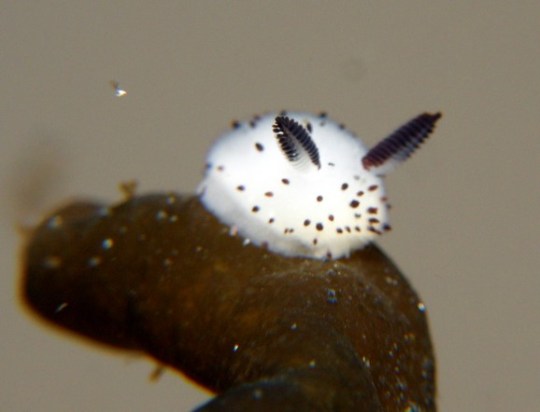
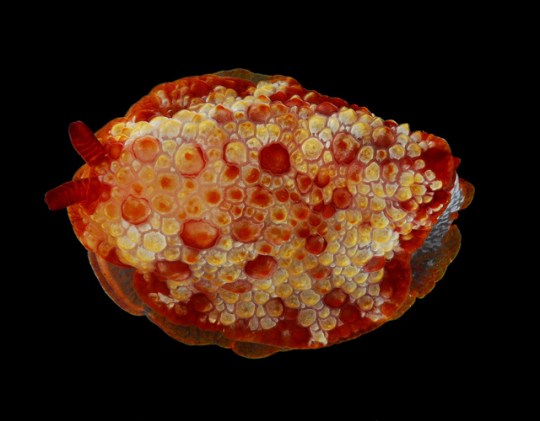
Lately, I also have a soft spot for nudibranchs! I included one (the Hopkins’ rose nudibranch) in my last book, but there are so many other species that we know so little about! As I mentioned above, it’s the diversity that takes my breath away. Some of them look like bunnies:

celebrate-picture-books-review-interview-with-jess-keating-nudibranch

Image courtesy of crawl_ray on flickr.com

Some even look like pizzas!

celebrate-picture-books-picture-book-review-jess-keeting-interview-nudibranch

Image courtesy of Arthur Anker on flickr.com

You do such a great job of reaching out to kids through videos, KeatingCreature on Twitter, your YouTube Channel: Animals for Smart People, personal appearances, and Skype visits. Can you describe a funny or favorite anecdote from one of your events?

Thank you for the Youtube shout out! I really hope teachers find my videos useful! As for a favorite event, when you mix animals and kids, the results are often hilarious. Usually, my visits involve a lot of dead things. I bring a collection of skulls, animal bones, and animal track castings with me. Every so often, we get lucky with some live specimens.

One of my favorite events was a library visit that involved a 10+ foot python. I had her resting on my shoulders (as you do), and I remember laughing because almost all of the adults in the room were skittish, backing off toward the door.

When I asked who else wanted to hold this lovely python, every adult shook their head. There was no way they were going near it! But then, a tiny six year old girl rushed up to the front, with a massive smile on her face. She wasn’t afraid at all as she held that snake—and I’m pretty sure that her big moment meant as much to me as it did to her!   

What inspired you to write Pink is for Blobfish?

 Pink is for Blobfish is a book so close to my heart! I know that sounds strange, because it’s essentially a book filled with weirdos!

As you can probably guess, I’ve been reading animal books my whole life. I loved them all, but what I really wanted was to write something that says as much about us as it does about the wild animals on each page. A book that not only shares amazing animals with kids, but also gets them thinking critically about how they view the world, especially regarding their assumptions and judgments. Pink is for Blobfish is my way of getting readers to look at gender expectations, while (hopefully) instilling them with a little wonder about the natural world.

There’s so much humor in your writing and videos. How does your love of comedy help you connect to readers?

The short answer is, I’m just a big ham and love making people laugh. There’s also the added bonus with nonfiction: we’re much more likely to remember something if we connect with it emotionally. My way of accomplishing that is to be funny and get kids laughing. Fiction or nonfiction, one of the easiest ways for me to reach readers is through a well-timed joke.

But, you can also get a little deeper with it. I once heard that Jim Carrey doesn’t think of his job as “making people laugh.” Instead, he views it as “freeing people from concern.” The minute I heard that, it resonated with me. For those few moments, when you’ve got a reader laughing, they’re free from any concern in their lives. It’s a reprieve, a bright moment. It’s true for us as adults too—it’s pretty much impossible to be stressed out when you’re reading about a pigeon that wants to drive a bus!

Now, when I approach my writing, I look for those moments. If I can make myself laugh, that’s half the battle.

What’s the best part about writing books for kids?

For both fiction and nonfiction, my favorite part is seeing the look on a kid’s face when you open a door for them into a whole new world. Sometimes, it’s the ridiculously colorful world of nudibranchs. And sometimes, it’s helping them to the realization that they aren’t alone, no matter how weird they feel.

What’s up next for you?

I’m so glad you asked! I just received F&Gs of the second book in the World of Weird Animals series! I can’t give away the title just yet, but I can say we are going to look at MONSTERS. This isn’t just going to be a book of creepy creatures. We’re going to dig into why we see certain animals as monsters, and how those judgments and assumptions affect how we think of them. I was blown away with the discussions that Pink is for Blobfish prompted with kids, and I can’t wait to see how they respond to this book!

I also have my first picture book biography, SHARK LADY, coming out next year! I’ve always been a fan of sharks, and I was thrilled to tell the story of Eugenie Clark, one of the world’s first female shark scientists. Eugenie is one of those incredible women that changed the world just by being her fearless self, and I am so eager to share this book with everyone. Look for it around June!

I can’t let you get away without asking you a few holiday-themed questions, so…

You told me that World Animal Day is one of your favorite holidays. Can you talk a little about that?

What could be better than a day devoted to animals!? World Animal Day is a day to chat about animals all over the world, and how we can best protect them and their futures. A funny thing happens when you start talking about animals in the global sense—you can’t help them without also helping us. Education and awareness can accomplish so much!

Do you have an anecdote from any holiday that you’d like to share?

I have one that ties in really well here! When I was a teen, I had a really cool Christmas tradition that I highly recommend to parents of animal lovers. On Christmas morning (or any special holiday morning for you!) I would go to my local humane society, bring treats, and walk the dogs. Usually, these centers have lots of volunteers, but busy holidays are often pretty slow for them and there’s not a lot of help. I guarantee the dogs will love the company, and you’ll get to spend an hour surrounded by wagging tails! You can’t lose.

Has a holiday ever influenced your work?

Yes! A very savvy bookstore (DDG Books!) organized a “Valentine for Blobfish” event when Pink is for Blobfish came out. So many young readers felt bad that the blobfish was voted the world’s “Ugliest Animal” (true story!) and they wanted to send him valentine cards to make him feel better!

You can see more about it here in this video:


And read some blobfish poetry here. Or, you can see some of the adorable cards on my blog.

Thank you so much for chatting with me today!

Thank you, Jess! It’s been so much fun! I wish you all the best with all of your books and your other ventures!

Learn more about Jess Keating!

As a zoologist turned middle grade and picture book author, Jess Keating has been sprayed by skunks, bitten by crocodiles, and been a victim to the dreaded paper cut. Her MY LIFE IS A ZOO series earned two Kirkus stars, a Red Maple nomination, a Rocky Mountain Book Award nomination, and a spot on the LA Times Summer Book Pick List. 

Her quirky nonfiction picture book series kicked off with PINK IS FOR BLOBFISH, with a sequel to follow in 2017. Her first picture book biography, SHARK LADY, will also be published in 2017. 

Jess is also the creator, writer and host of Animals for Smart People, a Youtube series about animals, science, and nature. Subscribe today and bring Jess into your classroom!

Connect with Jess Keating:

You can  find Jess on Twitter @Jess_Keating and on Facebook @JessKeatingBooks!

Pink is for Blobfish can be found at these booksellers

Amazon | Barnes & Noble | Books-a-Million | IndigoIndieBound | PenguinRandom House

Picture Book Review


September 26 – Family Day

celebrate-picture-books-picture-book-review-meet-the-mckaws-cover

About the Holiday

The purpose of today’s holiday is simple—to fully appreciate the family one has, whether it is small or large, with a whole crew of siblings, aunts, uncles, cousins, grandparents, and others. The founders of Family Day, which is celebrated on different dates around the world, wanted people to relax their busy schedules and spend time with those they love in a meaningful and fun way. The great thing about family is they are always there for you when you need them most—as we see in today’s book!

Meet the McKaws

By Ged Adamson


Captain Stan and Tiny McKaw, Stan’s parrot first mate, love everything about being pirates—“Sailinng the seven seas, fighting battles, and searching for treasure! What could be better? Yes, life is pretty perfect for Stan and Tiny” until…Tiny’s parents come to visit. Mr. and Mrs. McKaw aren’t on board 5 minutes before the squawking begins. Mrs. McKaw takes exception to Stan: “‘He doesn’t’ look like much of a captain to me. He’s just a boy!’” And while Mr. McKaw is trying to apologize for his wife’s behavior, he lets out “a huge, disgusting BURP!”

Tiny’s mom is appalled at the state of the ship, calling it “a messy old wreck,” and Tiny’s dad starts in with a long, meandering story of his days as a pirate, complete with a treasure map, a deserted island, the Kraken, sword fights, canon fire, a treasure chest, and even a commendation. I think you get the picture. Problem is…Mr. McKaw never was a pirate.

Maybe a nice sit-down dinner will clear the air and get things started off on the right pegleg again. With a big grin the cook presents the special meal he has prepared in the McKaw’s honor, but after “just one mouthful, both the McKaws were violently sick. ‘Horrible! Horrible!’” cries Mrs. McKaw. The poor cook bursts into tears and runs back to the galley. Perhaps nighttime will bring a little relief. But no, Mr. McKaw snores and Mrs. McKaw nags in her sleep.

celebrate-picture-books-picture-book-review-meet-the-mckaws-get-off-my-ship

Image copyright Ged Adamson, courtesy of gedadamson.com

The next morning Captain Stan wakes up to the worst insult of all—guano dots his royal blue pirate coat. Even this offense, thought, pales in comparison to what Stan sees next. Perched between his parents sits Tiny in a crisp white shirt and tie with his feathers slicked back. This is the last straw. “GET OFF MY SHIP!!” yells Captain Stan. Mr. and Mrs. McKaw waste no time in flying the coop, but there’s no respite for Captain Stan and Tiny for dead ahead is a colossal storm.

The ship is no match for the lightning, crashing waves, and fierce winds. The cook, the cabin boy, Captain Stan, and the remains of the broken brigand are washed into the roiling sea. “Just when all seems lost, however, Tiny gives a great SQUAWK! ‘It’s Mr. and Mrs. McKaw!’” cries Stan. “‘And my aunts, uncles, cousins…everyone!’” says Tiny. The parrots rescue everyone and fly them safely to a nearby island—Blue Feather Island, which just happens to be Tiny’s home.

All the members of the parrot family help Stan build a new ship, and in the process he discovers a new perspective on Mrs. and Mr. McKaw’s personalities. “Mrs. McKaw’s bossiness turned out to be very useful” as she delegates jobs, and Mr. McKaw keeps the crew entertained while they work “just by being Mr. McKaw.” The two are even hungry enough to eat up everything the cook prepares, much to his delight.

celebrate-picture-books-picture-book-review-meet-the-mckaws-building-new-ship

Image copyright Ged Adamson, courtesy of gedadamson.com

With a new ship finally complete, it’s time for the McKaws to take wing. Stan thanks them for all their help and apologizes for throwing them off his ship. On her part, Mrs. McKaw apologizes for being rude and thanks Stan for taking care of Tiny. And what about the new ship? It might be even better than the original with a bold parrot-emblazoned sail and a parrot figurehead pointing the way. As the crew sets sail, Captain Stan acknowledges, “‘You know, Tiny, I’m really glad I met the McKaws.’”

With the dash of a swashbuckler and the true aim of a compass, Ged Adamson depicts the high and low tides of family life in this high seas adventure. His humorous portrayals of personality traits that can drive family members crazy will resonate with kids and adults alike as they laugh through the travails Captain Stan and Tiny suffer during a visit by Tiny’s parents. In a sweet turn of events, though, Adamson reminds us that when storms come—in whatever form—the momentary squalls are forgotten, the anchor of family relationships is dropped, and everyone battens the hatches together.

Adamson’s vivid illustrations of Captain Stan in his sharp pirate garb, colorful (in more ways than one) Mr. and Mrs. McKaw, and the well-fitted wooden ship will delight pirate fans of all ages. Mr. McKaw’s imaginary stories are cleverly portrayed as chalk drawings on a black background, and the sea swirls with cool hues of blue and turquoise. Like Captain Stan readers will be glad they have a chance to Meet the McKaws and will want them to visit again and again.

Ages 4 – 8

Sky Pony Press, 2015 | ISBN 978-1629146188

Discover more of Ged Adamson’s work on his website!

Meet Ged Adamson and learn about his inspirations, his writing life, and his other books in this funny and insightful Q & A!

Family Day Activity

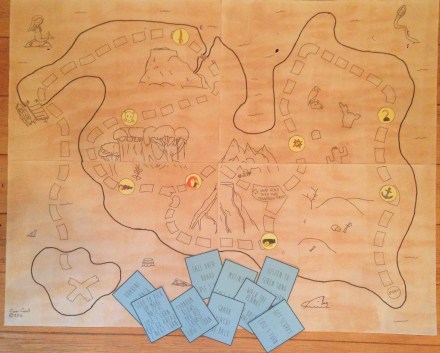
celebrate-picture-books-picture-book-copyright-review-avast!-pirate-treasure-map-game

Original Avast! Pirate Treasure Map Board Game design by Conor Carroll copyright 2016

Avast! Pirate Treasure Map Board Game


Gather your family around and set out to discover buried treasure and the treasure of spending time together! This printable, original board game has all the excitement of a pirate voyage across the bounding main, including shark attacks, mutiny, the Kraken, mermaids, mateys, and more!

Supplies

Printable Avast! Game Board and Game Pieces

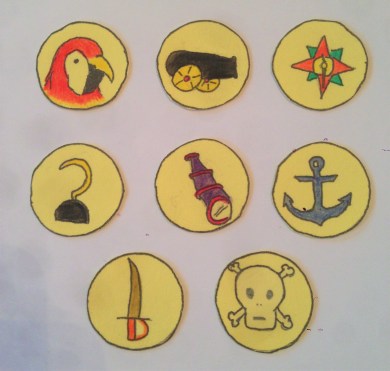
celebrate-picture-books-picture-book-review-avast!-pirate-game-tokens

Original artwork copyright Conor Carroll and Celebrate Picture Books, 2016

Directions

  1. Print the Avast! Board Game pages (Options: print on white paper, parchment-colored paper, or on card stock. To make white paper appear old – as in the picture – paint with a tea wash before taping together. See directions for tea wash below)
  2. Tape together the 4 pieces of the map. (Option: map pages printed on regular paper can be  glued to a piece of poster board to make the game board more sturdy.) 
  3. Print the Avast! Pirate Loot Tokens
  4. Cut out the Avast! Pirate Loot Tokens
  5. Print the Avast! Game Cards
  6. Cut out the Avast! Game Cards

To use a tea bag to make the map look old:

  1. Steep a black tea tea bag in 1/4 cup boiling water for 3 minutes
  2. Squeeze the tea bag dry over the cup and discard
  3. With the paint brush, paint the 4 pages of the map with the tea before taping them together
  4. Let dry or dry with a hair drier set on Low.

To Play the Game

  1. Each player chooses a Pirate Loot Token as their playing piece to move along the board
  2. Shuffle and stack the Game Cards
  3. Choose which player will go first
  4. Players choose the top card from the pile and follow the directions to move spaces on the game board.
  5. After moving, players should put their game card in a discard pile
  6. If Game Cards run out before the end of the game, flip over the discard pile and use the cards again
  7. The first player to arrive at the X on the map finds the treasure and is the winner!

Picture Book Review

September 19 – Talk Like a Pirate Day

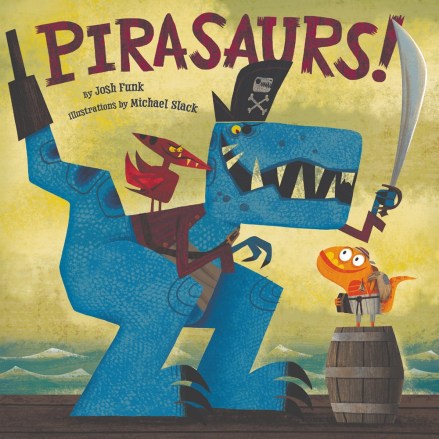
celebrate-picture-books-picture-book-review-pirasaurs!-cover

About the Holiday

Shiver me timbers! Avast, ye mateys! Today it be arrgh-uably the best day of the year for all us swashbuckling swabbies that sail the ocean blue a-lookin’ for treasure! Talk Like a Pirate Day, ironically got started in the walled confines of a racquetball court, where a group of guys were doing…well what a group of guys do to encourage each other—toss around pirate phrases. They decided the idea was too good to keep on the court, so they designated September 19th as Talk Like a Pirate Day. They then alerted Dave Barry, comedic writer extraordinaire, who spread word of this day far and wide. Now it’s a favorite of young and old alike. So get out there and do some plunderin’ ye scalliwags!

Pirasaurs!

Written by Josh Funk | Illustrated by Michael Slack


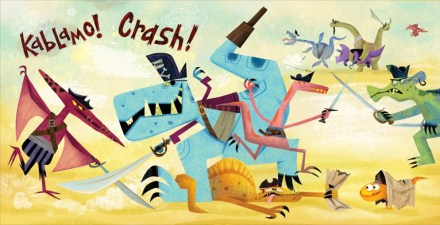
There’s a new brigand sailing the bounding main with a crew more rag-tag and wild than any seen before. They roar their chanteys as they set the rigging with their “spiky tails” and play watery pranks on the newbie recruit Who are they? They’ll be happy to tell you themselves—“We’re Pirasaurs! We’re Pirasaurs! We rule the open seas! / We’ll cannon-blast you to the past! We do just what we please!”

All this commotion can be a bit intimidating to the newest matey who knows just what he’s up against: “With lots to learn, I’ve got to earn the crew’s respect and trust. / I’ll rise in rank or walk the plank…I hope I can adjust!” At the point of Captain Rex’s “fabled sword” this little guy—who has yet to cut his sharp teeth—swabs the deck, scrubbing and brushing so fast he ends up in the plesiosaur-infested deep.

Brontobeard steers the ship over the briny waves while “with handy hook, Triceracook / prepares Jurassic feasts!” which leads them all to “…slurp and belch and burp / with buccaneering beasts!” Of course these pirasaurs are after more than fun times—they want treasure! Velocimate navigates by using the stars while our seapuppy reveals that he uses his “smarts to map the charts. / But still we’re led astray!”

celebrate-picture-books-picture-book-review-pirasaurs!-fight

Image copyright Michael Slace, courtesy of slackart.com

Land ho! The pirasaurs come ashore on a distant island. Can treasure be nearby? The crew fans out looking for the X, but no matter how hard they search, they can’t find it. “The crew begins to search within / The frayed and tattered map, / a shadow looms, the water fumes / revealing—It’s a trap!” It seems the pirasaurs had a spy onboard, and now that they’ve found the right spot, he’s alerted his true mates.

They come brandishing swords, sizzling cannon balls, knives, oars, and sneering looks. But Captain Rex’s troop is ready for them. While “a mighty clash erupts upon the sand,” the littlest buccaneer notices a very interesting development. Clutched in the claws of a saur enemy, he sees a fragment of a map. “Ahoy! Avast!” He shouts above the fray. “We’ve got to stop these duels! / Let’s share the scraps of each our maps / To find the gold and jewels!”  The pirasaurs stop fighting and they carefully connect the two shards of paper. Lo and behold! The X is clearly visible! Together the two pirasaur crews uncover the treasure—and what a treasure it is! Not only are there gems, and gold, and silver—the chests contain the nugget of friendship! Now the pirasaurs want readers to join up and join in! “Through battles, brawls and fireballs, / Plus prehistoric roars, / The salty deep is ours to keep— / Come join the Pirasaurs!”

Like rolling waves on the high seas, Josh Funk takes readers on a boisterous journey full of twists, turns, and tricks with the rowdiest group of pirates ever to set sail! Funk’s rhymes flow as fast and smooth as a sloop on a fair-weather day. The new recruit is understandably intimidated by the Jurassic giants, but while these pirates may be dinosaurs, they are modern in their thinking. When the little guy suggests they share, they’re all for it, leading to the best discovery of all—friendship!

Michael Slack signed up all the faves—brontosaurs, triceratops, stegosaurus, spinosaurus, velociraptor, pterodactyl, of course T-rex, and some dinos that haven’t even been discovered yet—in this cross-epoch epic! And these aren’t the scurvy dogs you’re used to from science class. They’ve got eye patches, peg legs, hooks, earrings, and some pretty rad hats and jaggedy shorts. And oh, yes, did I mention they’re super colorful? Purple, orange, green, blue, mauve…. Readers can almost smell the sea air in Slack’s detailed, full-bleed pages of rowdy pirasaurs, tangled rigging, gross cooking, brave swashbuckling, and, ultimately, found treasure.

Pirasaurs! is definitely treasure for your bookshelves, as kids will want to read it again and again. Savvy?

Ages 3 – 9

Scholastic, 2016 | ISBN 978-0545750493

Josh Funk’s website has information on his books, fun activities for kids, book trailers, and much more!

You know Michael Slack’s awesome books! Find them as well as a gallery of illustrations and more on his website!

Ahoy, me Hearties! You be watchin’ this Pirasaurs! book trailer!

Talk Like a Pirate Day Activity

celebrate-picture-books-picture-book-review-avast!-pirate-game-board

Original artwork copyright Conor Carroll and Celebrate Picture Books, 2016

Avast! Board Game


Ahoy, Mateys! Avast! Somewhere on the island is buried treasure! Test your skills against rotten food, stormy seas, and even the Kraken (don’t worry, there are good days too!) as you traverse the forbidding landscape in search of jewels and gold!

Supplies

Printable Avast! Game Board and Game Pieces

celebrate-picture-books-picture-book-review-avast!-pirate-game-tokens

Original artwork copyright Conor Carroll and Celebrate Picture Books, 2016

Directions

  1. Print the Avast! Board Game pages on white paper or parchment-colored paper or on card stock.
  2. To make regular white paper appear old – as in the picture – paint with a tea wash before taping together. (See directions for tea wash below)
  3. Cut out the Avast! Pirate Loot Tokens
  4. Cut out the Avast! Game Cards
  5. Tape together the 4 pieces of the map. Option: map pages printed on regular paper can be  glued to a piece of poster board to make the game board more sturdy. 

To use a tea bag to make the map look old:

  1. Steep a black tea tea bag in 1/4 cup boiling water for 3 minutes
  2. Squeeze the tea bag dry over the cup and discard
  3. With the paint brush, paint the 4 pages of the map with the tea before taping them together
  4. Let dry or dry with a hair drier set on Low.

To Play the Game

  1. Each player chooses a Pirate Loot Token as their playing piece to move along the board
  2. Shuffle and stack the Game Cards
  3. Choose which player will go first
  4. Players choose the top card from the pile and follow the directions to move spaces on the game board.
  5. After moving, players should put their game card in a discard pile
  6. If game cards run out before the end, flip over the discard pile and use the cards again
  7. The first player to arrive at the X on the map finds the treasure and is the winner!


Q & A with Author Josh Funk

celebrate-picture-books-picture-book-review-josh-funk-and-monkey-dude

Today Josh Funk, author of Pirasaurs!, Dear Dragon, and Lady Pancake & Sir French Toast drops by to talk about his work, his influences, upcoming books, and a very special ironing board!

What were some of the books you enjoyed most as a child?

Hmm. I hate starting this interview off negatively, but I find this question a bit problematic as it’s in the past tense. In many (most?) ways I’m still very much a child. Hee hee (wink).

I had a lot of the standard favorite picture books: CorduroySylvester and the Magic PebbleCaps for SaleThe LoraxLyle, Lyle, Crocodile.

But one of my more underrated favorites is The Adventures of the S.S. Happiness Crew: The First Adventure: Cap’n Joshua’s Dangerous Dilemma. The illustrations probably look familiar as it’s Eric Hill of the Spot series. My Aunt Betty gave me this book on the day my younger brother was born (I was three). I think it was the first book that I encountered where I shared a name with a character—which I certainly found thrilling as a three year old.

celebrate-picture-books-picture-book-review-josh-funk-s.s.-happiness-crew

Your rhymes are so inspired—have you always wanted to be a writer? How did you come to be a picture book author?

Actually, I wouldn’t say I’ve always wanted to be a writer. When I was a child, maybe 3rd grade, I wrote a rhyming poem about Larry Bird and another about Roger Clemens (I grew up a Celtics and Red Sox fan in the Boston suburbs). My parents were pretty impressed with the poems (and still have copies of them), but I didn’t really do too much writing after that as a child.

Until late high school and college when I learned how to play guitar. I wrote a bunch of songs, but I was always more of the clever & quirky type of songwriter, not the smooth and poetic type. It might have something to do with being a huge fan of They Might Be Giants for most of my life. When I had kids, any time I broke out the guitar, the kids just saw it as a toy, and I’d be halfway through a song before they started telling me, ‘My Turn!’

But around the same time, I was reading a lot of great picture books to my kids, and that’s when I decided to try writing my own. Some of my favorites included Iggy Peck, ArchitectThe Curious GardenThe Gardener, and Vunce Upon a Time. I was inspired, and it turns out that my rhyming songwriting skills actually paid off when it came to writing rhyming picture books.

I was quickly introduced to The Society of Children’s Book Writers and Illustrators (SCBWI) and went to the annual New England spring conference in 2012 – and I learned a ton. At the same spring conference in 2013, I met Heather Kelly who had just founded The Writer’s Loft  in another Boston suburb and immediately jumped on board. Both SCBWI and The Writers’ Loft have been extremely influential in my writing life, both in regards to the craft and the business. Fast forward to 2016, and I co-coordinated this past spring’s New England SCBWI conference (along with Heather Kelly) and I’m a member of the board of The Writers’ Loft.

And I can still use the guitar a little bit. I recorded the music for both the Lady Pancake & Sir French Toast book trailer and the Pirasaurs! book trailer. 

Your books are so varied. What sparks an idea for a book in general, or what was the spark for any of your books in particular?

I often think about what I’d like to see illustrated. I can’t draw particularly well, but I sure thought it would be fun to see what a Pirate-Dinosaur looked like, so I wrote Pirasaurs! I thought it might cool to see a boy and a dragon as pen pals, so I wrote Dear Dragon. I was entertained by the idea of breakfast foods causing catastrophic culinary chaos in the fridge. So I wrote Lady Pancake & Sir French Toast.

I think the varied styles are mostly due to the fact that each of the books is published by a different publisher and illustrated by a different illustrator. But I couldn’t be happier with the look of all three.

Your books contain such rollicking rhymes—can you describe your writing process?

Well it took some time to discover and then implement the following tidbit, but the most important thing about a rhyming picture book is not the rhyme … or the rhythm. Most important is a good story. So figuring out the story has to come first.

I’ll spend some time getting to know the characters, their goals, conflicts, and making sure I’ve got a satisfying ending in mind. Once I’m through the brainstorming process, I’ll usually hammer out a first draft over the course of a few days to a week. Then I’ll revise. I share the manuscript with critique partners and groups over the next few days/weeks/months. If it ever gets to the point where I think it’s good enough, I’ll send it to my agent.

I’ve refined my process over the last five years, and my first drafts are better now than they were then. I know better which ideas to pursue and which aren’t as marketable. I’ve made lots of valuable mistakes along the way. But I still have lots to learn. I can always improve my process.

What is the best part of writing picture books?

Probably when a parent says to me that they’ve read a book I wrote 5 times because their child kept requesting it over and over again. And that the parent was happy to oblige.

Can you describe your work space a little?

I mostly write (like I am now, answering these questions) on my laptop while laying in bed. Sometimes there’s music or a movie on in the background (often it’s Scott Pilgrim vs the World). Sometimes I wake up in the middle of the night and have an idea or a line or a scene that I just can’t get out of my head, so I write it on my phone … again, while in bed.

So, as far as work space, I guess it’s mostly a digital one. I do most of my writing in google docs in a chrome browser, often with thesaurus.com open in one tab and possibly rhymezone.com open in another.

My office mates are authors Jess Keating, Tara Lazar, and Anna Staniszewski who I ‘speak’ with in google chat, while I converse with my editors and agent via email.

What is the favorite object in your work space and why?

Probably my puffalump, Monkey Dude, who you can see in my head shot above

You have two more books scheduled for release in 2017: a sequel to Lady Pancake & Sir French Toast and It’s Not Jack and the Beanstalk. Can you give readers a sneak peek? Are there any other books on the horizon?

In LP&SFT: The Case of the Stinky Stench, there’s something foul in the fridge and Inspector Croissant (Sir French Toast’s nephew) asks our main characters to help him find the source of a terrible odor. They search everywhere from Onion Ring Cave to Corn Chowder Lake, confident that the culprit is right under their noses… but I won’t spoil any more of it for you – you’ll just have to wait until next spring. Brendan Kearney is back as the illustrator and I kinda think it might be better than the first one.

It’s Not Jack and the Beanstalk is my first story not written in rhyme. It was supposed to be the tale of Jack … and the beanstalk, but really … it’s not. All the narrator wants to do is tell the traditional tale properly. But Jack just won’t do what he’s supposed to! Jack constantly questions why he should sell his cow (Bessie’s my best friend) or climb the beanstalk (but it’s soooo tall) or enter the castle (there’s probably a giant in there). This one is illustrated by Edwardian Taylor – and he’s so talented! Follow him on Instagram to see his greatness!

And yes, there are certainly more books on the horizon. But … I can’t talk about them yet. Stay tuned.

I can’t properly call my blog holiday themed without asking you a few related questions, so…

What is your favorite holiday?

Halloween. Can’t beat candy corn and costumes.

Do you have an anecdote from any holiday you’d like to share?

A few years back I needed to wrap some holiday presents in private. So I went to the basement bathroom and stacked them up on an old ironing board. Over the next few days, the kids noticed the wrapped gifts and asked why they were in there, so I jokingly said that I was storing them on the ‘Winter Solstice Ironing Board.’

And now, every year around the holidays, we put all the family’s presents on that same ironing board during the holiday season … but we now keep the ‘Winter Solstice Ironing Board’ in the living room. Luckily, I haven’t needed to iron anything in the month of December since then.

Has a holiday ever influenced your work?

Nothing I can report on yet … but hopefully I’ll have news on that soon!

Well, Josh, I can’t wait to find out—and I’m sure readers can’t either! Thanks so much for sharing more about your work and influences! I wish you all the best with Pirasaurs! and all of your other books!

Josh Funk writes silly stories and somehow tricks people into publishing them as picture books – such as the Award-Winning LADY PANCAKE & SIR FRENCH TOAST (Sterling), PIRASAURS! (Scholastic), DEAR DRAGON (Viking/Penguin), LP&SFT: THE CASE OF THE STINKY STENCH (Sterling, 2017), IT’S NOT JACK AND THE BEANSTALK (Two Lions, 2017), and more.

Josh is a board member of The Writers’ Loft in Sherborn, MA and the co-coordinator of the 2016 and 2017 New England Regional SCBWI Conferences.

Josh grew up in New England and studied Computer Science in school. Today, he still lives in New England and when not writing Java code or Python scripts, he drinks Java coffee and writes picture book manuscripts.

Josh is terrible at writing bios, so please help fill in the blanks. Josh enjoys _______ during ________ and has always loved __________. He has played ____________ since age __ and his biggest fear in life is being eaten by a __________.

Find out more about Josh Funk at www.joshfunkbooks.com and on Twitter at @joshfunkbooks.

Pirasaurs! and Josh Funk’s other books can be found at:

Amazon | Barnes & Noble | Books-a-Million | IndieBound

Connect with Josh on:

joshfunkbooks.com | Facebook | Twitter

Picture Book Review
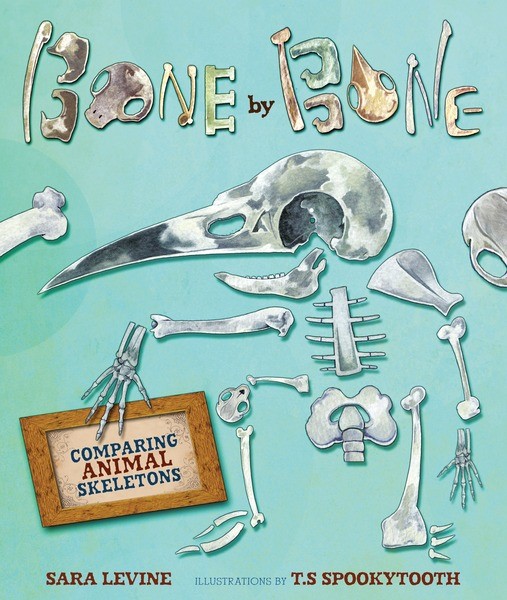
 

September 12 – National Day of Encouragement and Q&A with Author Kate Louise & Illustrator Grace Sandford

celebrate-picture-books-picture-book-review-tough-cookie-cover

About the Holiday

Instituted in 2007 by the Encouragement Foundation at Harding University in Searcy, Arkansas, today’s holiday entreats us to cheer on our friends, coworkers, and even those we don’t know as they attempt to reach goals or start new endeavors. A pat on the back, a simple “you can do it!,” or a reassuring “great job!” boosts people’s self-confidence and makes the world a happier place.

Tough Cookie

Written by Kate Louise | Illustrated by Grace Sandford


Although one gingerbread man in the bakery looks like all the others, there is one important difference. Yes, the batter had “eggs and cinnamon and flour and butter and sugar—but wait! The baker forgot to add the ginger!” Without this signature ingredient the gingerbread man just doesn’t feel like a gingerbread man at all. In fact his whole life has been turned upside down. He’s different from his friends, and what’s worse, he can’t be sold. Instead, he lives in the back of the bakery  and in his sadness makes all kinds of mischief.

celebrate-picture-books-picture-book-review-tough-cookie-gingerbread-man-feels-bad

Image copyright Grace Sandford, text copyright Kate Louise, courtesy of Sky Pony Press

The gingerbread man chases the cat, splatters icing on other cookies, and squirts icing on the walls. “‘I need that for my cupcakes!’” the baker yells, but the gingerbread man just laughs. He moves on to the decorative candies, stuffing them in his mouth as fast as he can even though the baker needs them for his other treats and stands by tapping his foot. Next the gingerbread man scatters sprinkles all over the counter and slips and slides along on his belly—“‘woohoo!’” But the baker is not amused. “‘I need those for the donuts!’” he shouts.

celebrate-picture-books-picture-book-review-tough-cookie-gingerbread-man-causes mischief

Image copyright Grace Sandford, text copyright Kate Louise, courtesy of Sky Pony Press

Finally, the baker has had enough. Not only is the gingerbread man upsetting the other gingerbread men and women, he is ruining the business. The baker orders the gingerbread man to leave the store. But this is one gingerbread man that does not want to run away. “‘I don’t want to leave!’” he cries. The baker relents. He takes the little cookie in hand and teaches him that even though he is missing an ingredient he can still be kind. The baker shows him by being nice he can become one of the group. 

Now, the little gingerbread man is happy. Instead of gobbling up all the candy, he helps create the other cookies. He no longer shoots icing on the walls or flings sprinkles around the kitchen. Rather, he helps the baker decorate the cupcakes and the donuts. He’s even learned how to sift flour and roll out dough, and he uses the cookie cutter to make new friends. And he never forgets to add the ginger!

celebrate-picture-books-picture-book-review-tough-cookie-baker-forgets-ginger

Image copyright Grace Sandford, text copyright Kate Louise, courtesy of Sky Pony Press

In her sweet story, Kate Louise reminds readers that true happiness comes from within and that each person can decide for themselves how to perceive the world around them. While each of us is human, we all have different ingredients that make us unique. We can use those qualities to be kind and make positive changes in the world. Kids will recognize and giggle at the mischief the little gingerbread man makes with icing and sprinkles, but will also realize that friendships are built by using that same energy to help others. Sometimes tough cookies are actually softies at heart.

Grace Sandford’s bakery gleams with the golden hues of fresh-baked bread, the festive colors of sprinkles and icing, and the sparkle of sugar. Kids will love the vibrant pictures of cupcakes; lollypops; stacks of cakes, donuts, and candy; and decorated gingerbread houses surrounded by cookie forests. Her expressive gingerbread men and women register dismay at the wayward gingerbread man’s shenanigans and joy at his kindness. And the hero of the story? When he leaves behind his impish pranks he becomes a charming baker’s companion, sifting clouds of flour, running on the rolling pin to flatten dough, and passing out sugar-shiny gumdrop buttons to his new friends.

Young children will ask for this fun and funny read over and over. Tough Cookie makes an especially delicious accompaniment to an afternoon of baking or decorating gingerbread houses!

Ages 3 – 6

Sky Pony Press, 2015 | ISBN 978-1634501972

Discover more of Kate Louise’s books for kids and young adults as well as Tough Cookie Coloring Pages on her website!

View the colorful world and signature style of Grace Sandford’s artwork on her website!

Gobble up this Tough Cookie book Trailer!

National Day of Encouragement Activity

CPB - Random Acts of Kindness cards

Kindness Cards

Encourage your friends – and even strangers with these printable Kindness Cards! You can hand them to people and tell them how much they mean to you or slip them into a lunch bag, locker, shelf, backpack or other place and let the person discover a secret day brightener!

Q&A with Author Kate Louise & Illustrator Grace Sandford

Today I am happy to include a double Q & A with both author Kate Louise and illustrator Grace Sandford in which they share their inspirations, their other work, and the joys of creating picture books as well as reveal a favorite place for tea and cake and a ghostly pastime!

Meet Kate Louise

celebrate-picture-books-picture-book-review-kate-louise

What were some of the books you most enjoyed as a child?

I loved Funny Bones and Winnie the Witch! And I was a big fan of Roald Dahl (especially Matlida) – I still am! 

What influenced you to write Tough Cookie?

I had the idea at Christmastime. I was measuring ingredients for a batch of gingerbread cookies and wondered what a cookie character without sugar would do because they’d be unable to fulfill their cookie purpose without an important ingredient! I later changed the missing sugar to missing ginger, which is the most important ingredient of all for a gingerbread man.

You write picture books as well as young adult novels. Which came first? What is the biggest challenge in writing each? What is the biggest joy?

When I started writing, I knew I wanted to write young-adult fiction. So that came first. Writing picture books kind of felt like starting over again. It was scary, but exciting, too. And I could learn a lot from both and apply new skills to different projects.
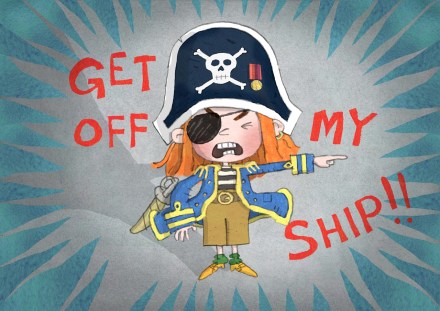
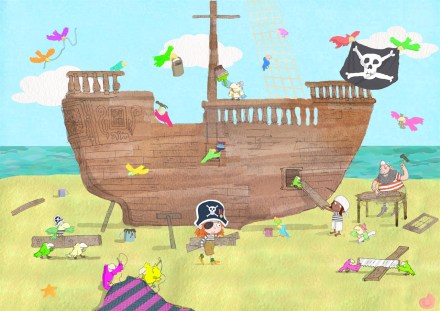
Both have their charms and their tough moments. Writing novels can be really hard going at times when I get the feeling that I’m never going to make it to the end, or if I get myself tangled up somewhere along the way. I don’t get that feeling quite as much with picture books, though I would say they’re harder to write! To tell a story with a much, much smaller word count and to get used to letting the illustrations tell it too.

The biggest joy for me is always seeing the finished work. After putting so much into each project, getting it back as something I can hold in my hands and feel proud of is a great feeling.

Can you describe your writing space a little?

I can answer with a photo! Though, it depends when you catch me and how busy I am. Sometimes it can be piled up with books or notepads or pieces of paper and mugs of tea! My screen desktop (as you can see) can get pretty hectic sometimes too.

photo-2

Since Tough Cookie is set in a bakery, I’m wondering if you have a favorite bakery and if so what is special about it?

Oh, nice question! My fave place to visit for tea and cake is a little farm shop tea room, where the cake is made by my friend Bethany at Picture Frame Puds and is seriously delicious! It has a lovely vibe and I can take my dog!

photo-3

What are you working on next?

I’m working on The Pack, which is the sequel to my YA shape-shifter circus novel The Wanderers that came out last year.

Since this is a holiday-themed blog, I can’t let you get away without asking you a few holiday-related questions, so…

What is your favorite holiday?

It would have to be Christmas. But Halloween is a very close second.

photo-4

Do you have an anecdote from any holiday you’d like to share?

I like to make a big deal about Halloween with movies, decorating, pumpkin carving, and themed baking. We’ve just started going to a pumpkin farm to pick the pumpkins ourselves too. There’s a corn maze and little wheelbarrows and the field stretches on forever. It’s a new tradition and a fun extra activity for us at Halloween.

photo-5

Meet Grace Sandford

celebrate-picture-books-picture-book-review-grace-sandford

What inspired you to become an illustrator and a picture book illustrator specifically?

Growing up, I loved drawing and creating characters from my imagination. I believe a lot of that stemmed from picture books and animated film and television. I love Disney and Pixar and as a teenager I was fascinated with the concept art from Pixar films. I always knew that I wanted a career in art of some form but it’s hard discovering what jobs are out there when you’re at school! I did some studying in Graphic Design and eventually went to university to study Illustration, which is where I got truly passionate about picture books. I always admired the art of picture books and they have been a huge part of my life but having a reason to dissect them and create your own really made me want to be a children’s illustrator.

What were some of the books and/or artists you liked most as a child?

The Very Hungry Caterpillar by Eric Carle, I am a Bunny illustrated by Richard Scarry and when I was 16 I stumbled across Catherine Rayner’s debut Augustus and his Smile. I think that book was a huge influence in wanting to be a children’s book illustrator, both the writing and illustrations are perfect! 

Can you describe your process when illustrating a picture book?

It usually begins with the editor sending you the story/text. Then I start to do lots of sketches of the main character, the secondary characters and the environment around them. Pinterest is a godsend during this bit as you can flick through and look at photos of certain animals or buildings for reference to make sure you’re creating characters that will look believable (even if it is a walking, talking gingerbread man!) 

Then I create roughs for each spread showing how the pages will look and which parts I have chosen to illustrate. This gives the editor a rough idea of how the final artwork is going to look and this is where most of the edits happen until it’s approved. Once all edits are approved I can create the final artwork which is my favourite part seeing all the hard work come together! 

Can you describe your work space a little?

I now have a studio where I live, but when I worked on Tough Cookie I lived in a one bed apartment with my boyfriend straight after university and I had to work on the kitchen table! I’m so glad I have my own room to work in now (and I’m sure my boyfriend is too!)

My work space now involves a desk, my iMac, an A3 scanner, a windowsill with lots of pens and paints (and most importantly plants!) and I have a space that alternates between a lightbox and a graphics tablet. I also have a bad habit of putting all projects I’m working on into separate piles around the room until they are done! 

You say in your bio that you like ghost hunting. How did you get involved in that? What is your favorite place to hunt ghosts?

Haha, this is the best question! I love Ghost Hunting although it’s been a while since I’ve been on a walk. It started off when I was a teenager living in a small village in England, being bored with friends and wandering around abandoned churches at night, hunting for things that go bump in the night, and it grew over time into a huge interest. When I went to University in Lincoln, a historical city, I got very interested in the social history of the place. Ghost stories are ultimately another fantastic way of storytelling. There are some very scary but interesting stories about Lincolnshire if you’re ever interested! Fun fact, Tom Hank’s bodyguard tripped over a phantom ghost head rolling down Steep Hill in Lincoln during a Professional Ghost Tour!

What are you working on next?

This year I’ve been working on a four book series based on Minecraft which has been a complete joy to be a part of! It’s been hard work as I knew very little about the franchise before this and knowing how loyal the fans are, I’ve wanted to draw everything right whilst staying faithful to my style! I just finished some more colouring books for a Spanish publisher and I have also been writing a picture book that I have a good feeling about (fingers crossed!)

What is your favorite holiday?

I personally love Christmas just because I get to spend time with my family and chill out but I love Mexico’s Day of the Dead holiday too. It is such a vibrant and beautiful celebration of something that we all sadly experience in life. 

Do you have an anecdote from any holiday you’d like to share?

Every Christmas it’s become a tradition to be at home with my family playing Jigsaws, watching films and eating a little bit too much! 

grace-signing

Thanks, Kate and Grace, for sharing about your work and your favorite places and pursuits! I wish you all the best with Tough Cookie and your other projects!

Tough Cookie can be found at:

Amazon | Barnes & Noble | Books-a-Million | IndieBound | Sky Pony Press