September 10 – It’s Read a New Book Month

celebrate-picture-books-picture-book-review-outside-in-cover

About the Holiday

You’ve heard the saying “Too Many Books, Too Little Time,” right? Well, this truism has spawned not only one, but two Read a New Book Month celebrations! Both September and December have been designated as times to make special plans to search out and read new books. These can be books that are newly published or books that are new to you. And if you find yourself putting a few old favorites in the pile, that’s okay too! It’s also never too early to think about adding books to those upcoming holiday gift lists!

By Jakkie Licare

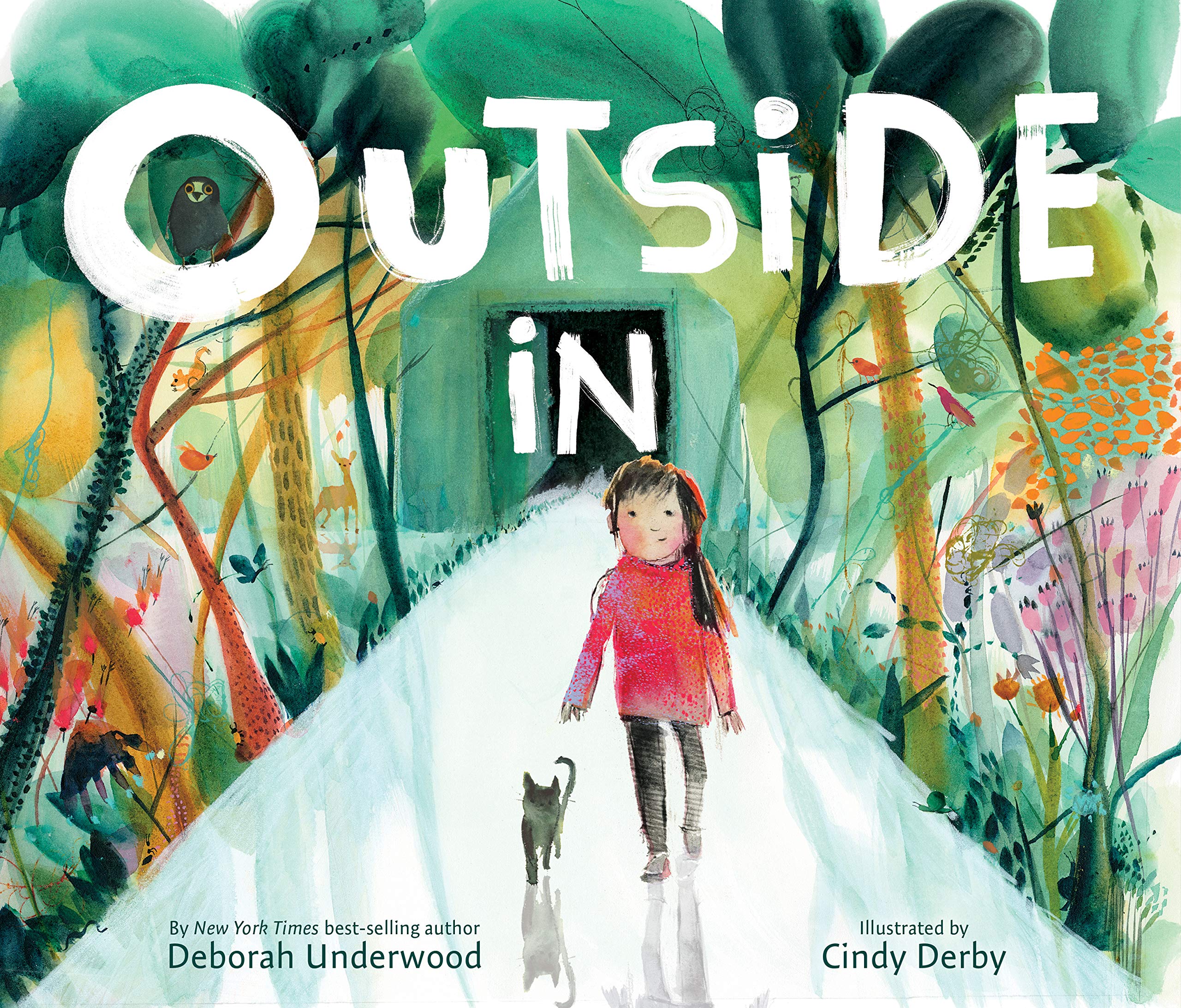
Outside In

Written by Deborah Underwood | Illustrated by Cindy Derby


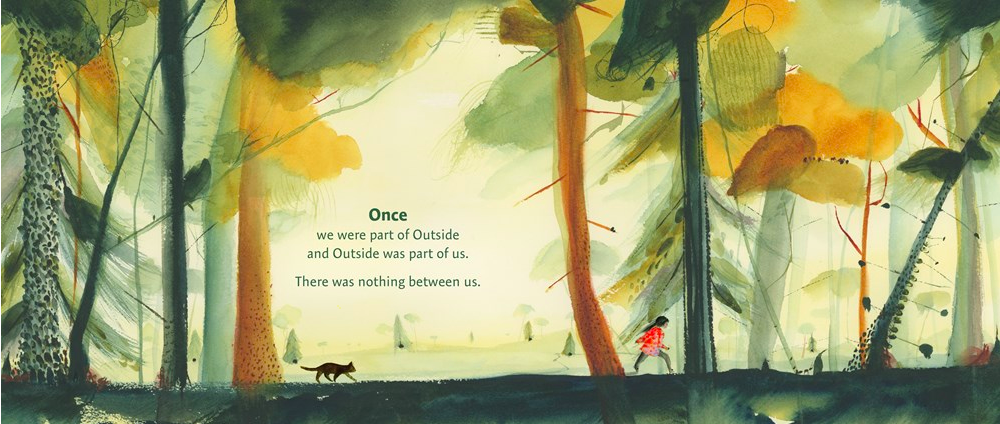
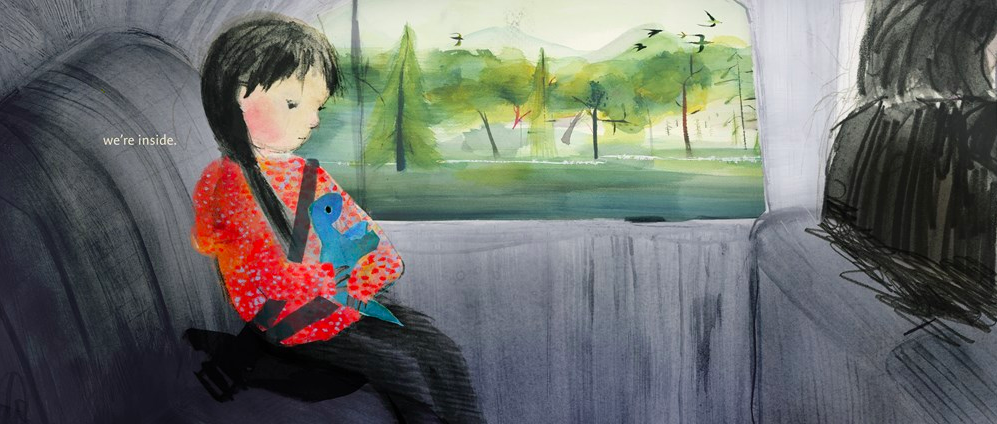
“Once we were part of Outside and Outside was part of us. There was nothing between us,” the narrator reminds readers.Once we walked through a forest to get somewhere else, but now? A little girl sits strapped into her family’s car as they quickly pass through the forest. She’s concentrating on the toy in her lap, too busy to enjoy the outdoors through the window. She and her mother move directly from the car to the house, unaware of the vibrant colors and wildlife close by.
celebrate-picture-books-picture-book-review-outside-in-outside

Image copyright Cindy Derby, 2020, text copyright Deborah Underwood, 2020. Courtesy of HMH Books for Young Readers.

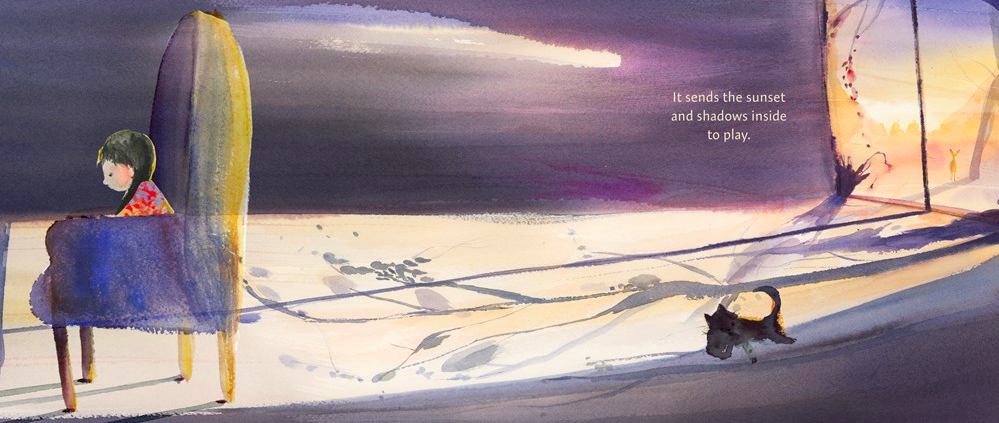
Luckily, nature sends her lots of reminders. As she ties her shoe, a hummingbird hovers at the glass doors. If she’d turn from her homework, she’d see the beauty of the outdoors through her window or maybe catch a peek of the caterpillar turning into a beautiful butterfly. Nature also sends shadows to sneak along her walls and floors, begging for her to come out and play. Birds call out to her with their songs, while flowers perfume the air enticing her to come out. 
celebrate-picture-books-picture-book-review-outside-in-car

Image copyright Cindy Derby, 2020, text copyright Deborah Underwood, 2020. Courtesy of HMH Books for Young Readers.

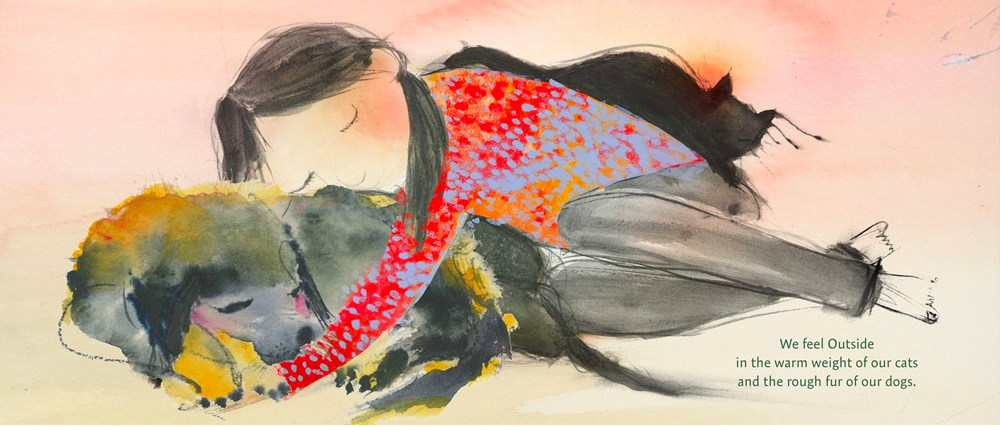
“Outside feeds us,” the narrator says. “Sun, rain, and seeds become warm bread and berries.” She wears what was  “…once puffs of cotton” to keep warm and sits in a chair that was “once trees.” Even her pet’s fur and warmth remind her of the importance of the outdoors. The outdoors keeps time for her, reminding her when to sleep and when to wake up.
celebrate-picture-books-picture-book-review-outside-in-chair

Image copyright Cindy Derby, 2020, text copyright Deborah Underwood, 2020. Courtesy of HMH Books for Young Readers.

The outdoors sneaks inside her house as small bugs seek refuge and food and remind the girl to enjoy the outdoors. Even rivers rush into the house through pipes and return to their deep depths. When she considers going leaving her house, Outside holds its breath and celebrates as she joins in.

The end pages are filled with beautiful wispy images of trees and birds in green paint.
celebrate-picture-books-picture-book-review-outside-in-dog

Image copyright Cindy Derby, 2020, text copyright Deborah Underwood, 2020. Courtesy of HMH Books for Young Readers.

Deborah Underwood’s evocative story reminds readers that nature is always calling us to come out and play, to appreciate and relish its marvels. The idea that the sun’s shadows, birds’ calls, and even intrusive bugs are all nature’s sneaky way of trying to grab our attention is unique. Underwood’s gentle tone and lyrical writing allow the reader to contemplate their own interactions with nature and her invitation. Thoughtful and emotionally resonant, Outside In is a beautiful story of how nature wishes to be a child’s favorite playmate. 

Cindy Derby brings the outdoors inside this book with her use of thread soaked in ink, watercolors, and powder graphite. Derby plays with perspective, giving children a new view of how they fit into the world. In the beginning of the book, from a bird’s eye perspective, we see a small car driving through an immense forest. Then on the next page, we are inside the car and can only see a tiny bit of the forest through the car’s window, but even this glimpse goes unnoticed by the young passenger. The girl’s home, it seems, is made almost entirely of glass, and yet, as readers see, the girl and her mother are nearly always shown with their heads down, preoccupied with homework, the computer, baking, and just hanging out—bored.

In Derby’s lush, sun-dappled illustrations, children can also see the wild and vibrant trees, animals, birds, and insects that all keep vigil, willing and waiting for the little girl to come out. In contrast to these exquisite images, Derby paints the car and surrounding houses in dull washed-out tones; the mother too is portrayed in gray while the girl wears a bright red sweater. When the girl does finally notice the view from her window, readers will be enveloped in the same sense of freedom and wonder as the little girl as she steps outside with her head held high and her eyes on the fiery sunset that mirrors the colors in her sweater.

A stirring celebration of the wonders of nature and an exhilarating reminder of the joys that being outside brings, Outside In is a must-have for all bookshelves.

Ages 4 – 7

HMH Books for Young Readers, 2020 | ISBN 978-1328866820

Discover more about Deborah Underwood and her books on her website.

To learn more about Cindy Derby, her books, and her art, visit her website.

Read a New Book Month Activity
celebrate-picture-books-picture-book-review-nature-scavenger-hunt

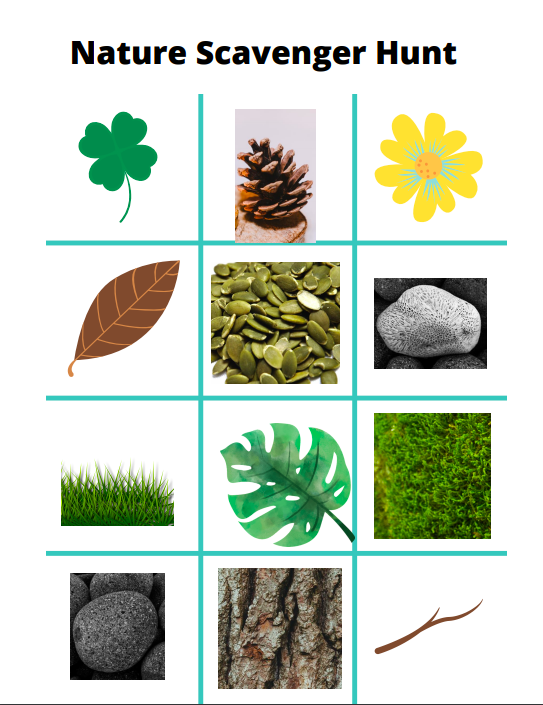
Nature Hike Scavenger Hike 


Take a nature hike and collect the items on this printable sheet. When you get home, use the item to

Nature Hike Scavenger Hike Sheet
celebrate-picture-books-picture-book-review-outside-in-cover

You can find Outside In at these booksellers

Amazon | Barnes & Noble | Books-a-Million

To support your local independent bookstore, order from

Bookshop | IndieBound

Picture Book Review

September 9 – It’s National Honey Month

celebrate-picture-books-picture-book-review-h-is-for-honey-bee-cover

About the Holiday

Established by the National Honey Board in conjunction with the US Department of Agriculture in 1989, National Honey Month celebrates beekeepers, bees, and of course honey. September was chosen for this honor because here in the US, it’s the time when bees begin to secure their hive and prepare for winter and well as the month when the majority of honey is harvested. To celebrate this month, explore a variety of honey flavors, try a few new recipes that incorporate honey, and learn all the buzz about bees, honey, and beekeeping with today’s book!

I’d like to thank Sleeping Bear Press for sharing H is for Honey Bee: A Beekeeping Alphabet with me for review consideration. All opinions are my own.

H is for Honey Bee: A Beekeeping Alphabet

Written by Robbyn Smith van Frankenhuyzen | Illustrated by Eileen Ryan Ewen


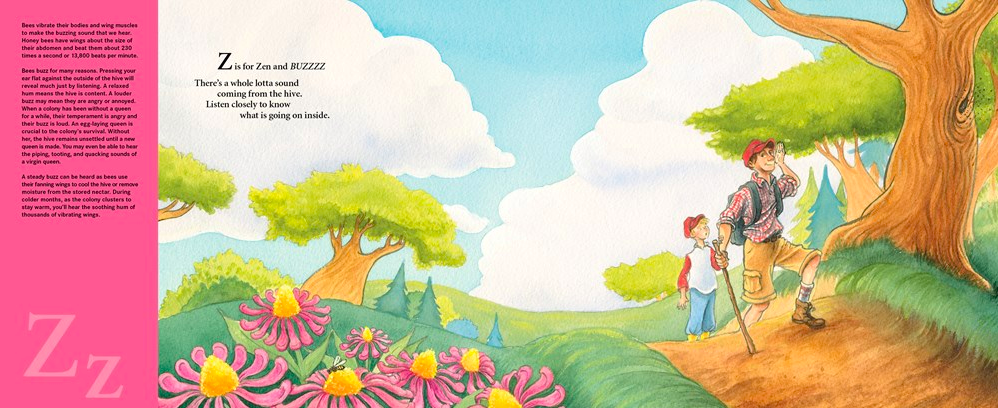
If your garden or yard is anything like mine, the bees are humming around late-summer blooms and tracing their circuitous route to nearby or far-flung hives. The mystery and marvel of how honey bees convert powdery pollen into sweet honey never fails to awe and delight. In H is for Honey Bee, readers of all ages discover fascinating facts and stories about Bees from Apis mellifera (“Apis is the clue that we’re talking about a bee. / And mellifera means it’s all about honey”) to Z “for Zen and BUZZZZ.”

celebrate-picture-books-picture-book-review-h-is-for-honey-bee-A-and-B

Image copyright Eileen Ryan Ewen, 2020, text copyright Robbyn Smith van Frankenhuyzen, 2020. Courtesy of Sleeping Bear Press.

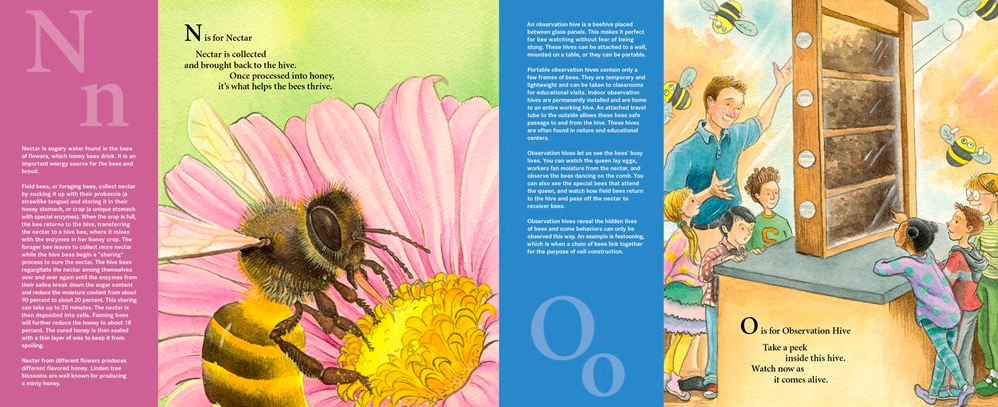
In between children learn all about a bee hive, its resident bees (from Drones to Guards to the Queen), how bees communicate, and at E how organized beekeeping dates back to 2400 BC and how important it was to Egyptian culture. “Found on hieroglyphs in the sun temple of Pharaoh Ne-user-re near Cairo, Egypt, an Egyptian peasant is depicted smoking stacked hives while other workers are storing and sealing honey in jars.”

celebrate-picture-books-picture-book-review-h-is-for-honey-bee-N-and-O

Image copyright Eileen Ryan Ewen, 2020, text copyright Robbyn Smith van Frankenhuyzen, 2020. Courtesy of Sleeping Bear Press.

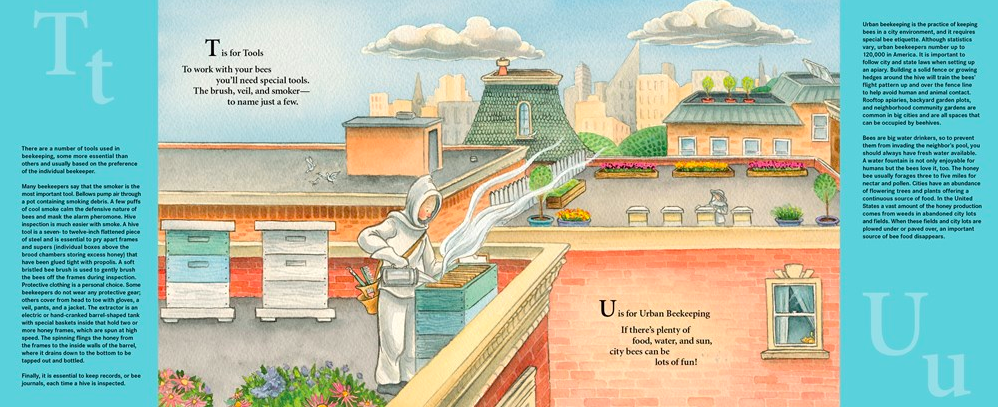
At L kids learn about Lorenzo Langstroth, “the father of humane, practical beekeeping.” After discovering that natural hives had small passages that allowed bees to move freely though them, he invented a hive with removable frames that didn’t upset the other bees or damage the combs. Langstroth’s hive paved the way for other innovations, such as the Observation Hive at O, that gives people a clear view of bees at work. “You can watch the queen lay eggs, workers fan moisture from the nectar, and observe the bees dancing on the comb” and other marvels of a bee’s day.

celebrate-picture-books-picture-book-review-h-is-for-honey-bee-T-and-U

Image copyright Eileen Ryan Ewen, 2020, text copyright Robbyn Smith van Frankenhuyzen, 2020. Courtesy of Sleeping Bear Press.

Humans aren’t the only innovative ones, and readers will be fascinated to learn about Propolis at P, which bees make from their own saliva and other natural ingredients to protect their hive. V is for Venom—the bee’s defense that is more fun to learn about than experience. If you’re interested in where Beeswax comes from, just flip to W, and if you want to know how to tell if a hive is happy, Z is where you’ll find it.

Back matter includes resources on how you can create a safe and productive atmosphere for bees in your own yard, tips for becoming a beekeeper, and fun facts about busy bees.

celebrate-picture-books-picture-book-review-h-is-for-honey-bee-Z

Image copyright Eileen Ryan Ewen, 2020, text copyright Robbyn Smith van Frankenhuyzen, 2020. Courtesy of Sleeping Bear Press.

Through charming and informative four-line rhymes and a column of detailed facts for each letter of the alphabet, Robbyn Smith van Frankenhuyzen presents a full and exhilarating look at bees, honey, and the job of beekeeping. She describes the behavior of bees—from how they communicate to how they survive winter temperatures to how the queen rules the hive and more—as well as the dangers bees face, from inside the hive and out, in vivid language that will captivate kids. Discussions on the healthy properties of honey as well as the joys of amateur beekeeping are here as well.

Accompanying the text are Eileen Ryan Ewen’s vibrant illustrations that give readers an up-close view of honey bees developing from egg to adult, gathering nectar, and working in their hive. Kids also meet Lorenzo Langstroth, see beekeepers working at their hives in yards and on rooftops, and travel down the Nile River with ancient beekeepers who moved their hives to continually provide them with the nectar and pollen they needed. Each page invites lingering to see and discuss all the details.

A well-rounded and comprehensive resource for those interested in bees and insects, gardeners of any age, and kids who love nature as well as for elementary and middle-grade science classes, H is for Honey Bee: A Beekeeping Alphabet is highly recommended for home, school, and public libraries.

Ages 7 – 10 and up

Sleeping Bear Press, 2020 | ISBN 978-1534110700

Discover more about Robbyn Smith van Frankenhuyzen and her books on her website.

To learn more about Eileen Ryan Ewen, her books, and her art, visit her website.

National Honey Month Activity

CPB---Busy-Buzzy-Bee-Maze

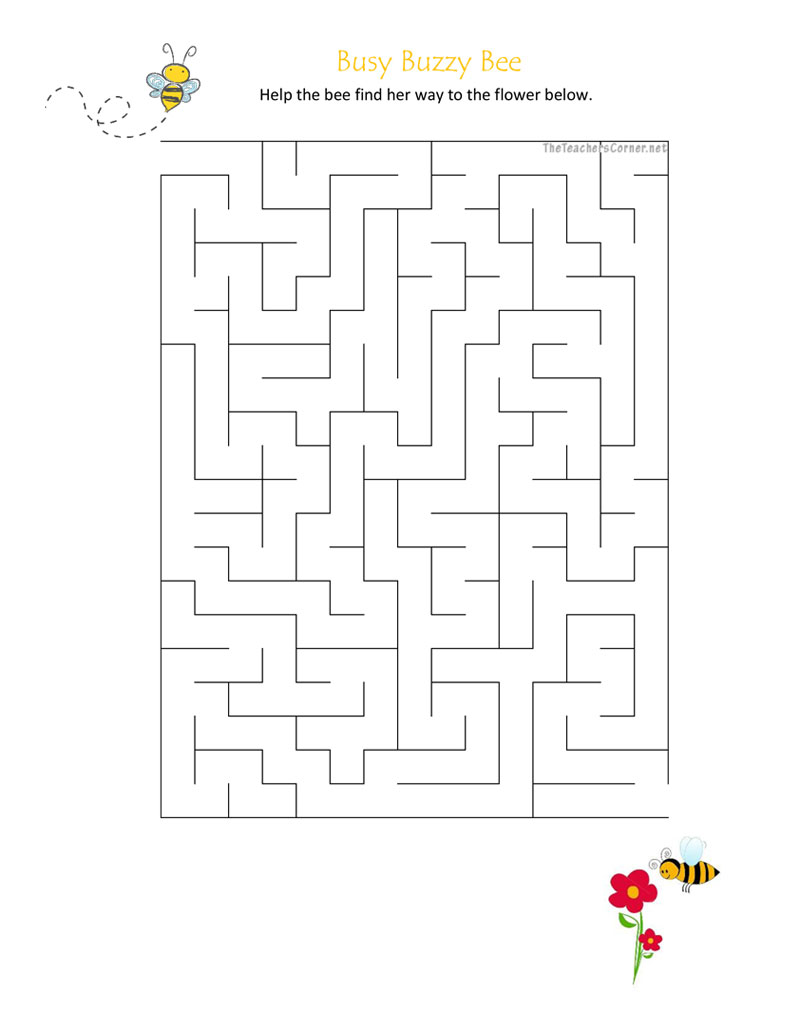
Busy Buzzy Bee Maze


Can you help the little bee find her way to the flower and her friend in this printable maze?

Busy Buzzy Bee Maze PuzzleBusy Buzzy Bee Maze Solution

celebrate-picture-books-picture-book-review-h-is-for-honey-bee-cover

You can find H is for Honey Bee: A Beekeeping Alphabet at these bookseller

Amazon | Barnes & Noble | Books-a-Million

To support your local independent bookstore, order from

Bookshop | IndieBound

Picture Book Review

September 8 – International Literacy Day

celebrate-picture-books-picture-book-review-the-oldest-student-cover

About the Holiday

In 1966 UNESCO (United Nations Organization for Education, Science and Culture) established International Literacy Day on this date to “actively mobilize the international community to promote literacy as an instrument to empower individuals, communities, and societies.” This year, the COVID-19 pandemic has affected education and educational resources around the world. In response, this year’s initiative focuses on “‘literacy teaching and learning in the COVID-19 crisis and beyond,’ and especially on the role of educators and changing pedagogies.” 2020 also ushers in a new five-year program: UNESCO Strategy for Youth and Adult Literacy to develop policies and strategies to address the learning needs of disadvantaged groups, especially women and girls; to leverage digital technologies to expand access and improve outcomes; and to monitor and assess literacy programs. To learn more about today’s holiday and UNESCO’s global literacy programs, visit the United Nations International Literacy Day webpage.

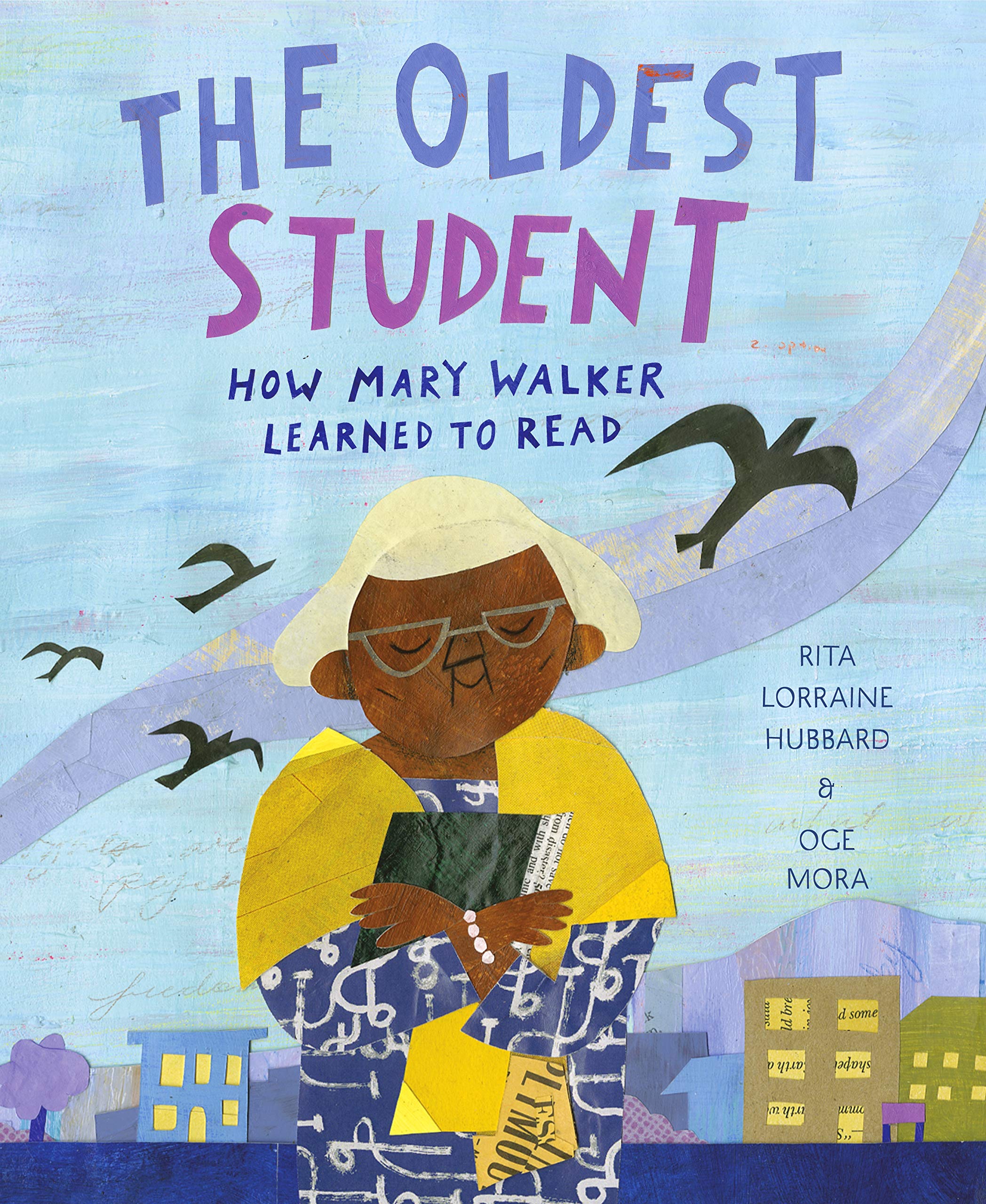
The Oldest Student: How Mary Walker Learned to Read

Written by Rita Lorraine Hubbard | Illustrated by Oge Mora


As a child slave on an Alabama plantation, Mary Walker knew the rules: Keep working and no learning to read or write. But when she stopped for a moment to rest while “picking cotton, toting water to Papa and the other slaves who chopped wood for the train tracks, or helping Mama clean the Big House,” she watched the birds and dreamed of being free. In bed at night, she would think “When I’m free, I’ll go where I want and rest when I want. And I’ll learn to read too.”

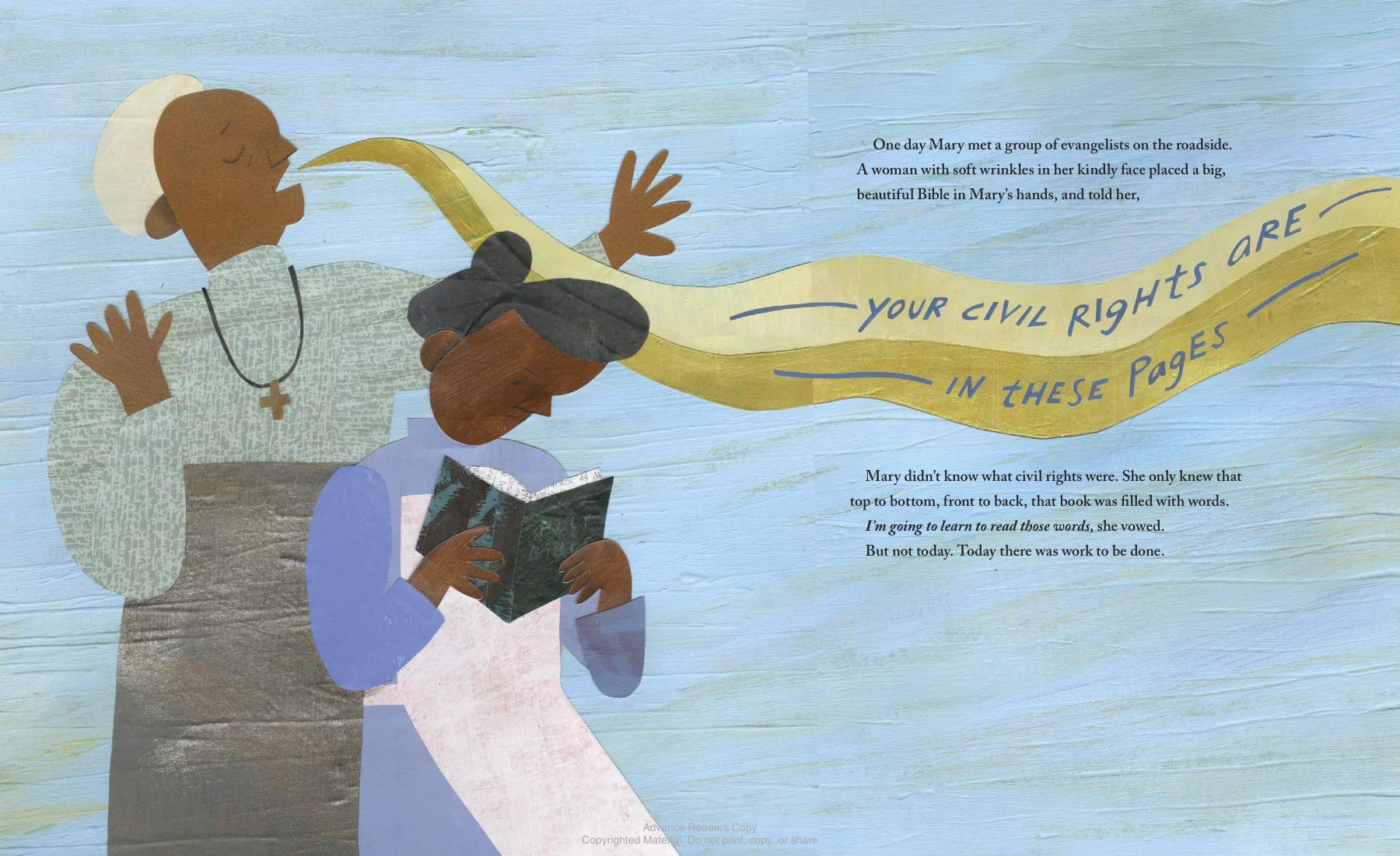
When Mary was fifteen, the Emancipation Proclamation was signed. While many freed slaves moved north, Mary and her family, like others, chose to stay in the South. With the help of the Freedmen’s Bureau, they moved into a one-room cabin. To raise money, Mary worked long hours every day of the week without a break to eat, drink, or even use the outhouse. “At week’s end, she would offer Mama the one lonely quarter she had earned.” One day, Mary met an evangelist who gave her a Bible, telling her “Your civil rights are in these pages.”

celebrate-picture-books-picture-book-review-the-oldest-student-bible

Image copyright Oge Mora, 2020, text copyright Rita Lorraine Hubbard, 2020. Courtesy of Schwartz & Wade.

Mary didn’t know what that meant. “She only knew that top to bottom, front to back, that book was filled with words”—words she vowed to learn…someday. But first came marriage, sharecropping, and a son. When a friend wrote his birth date in the Bible, all Mary could do was make a mark beside the words.

When Mary’s first husband died, she married again and had two more sons. To bring them up, Mary spent the next forty years sharecropping and doing odd jobs to help support her family. Eventually, the family moved to Chattanooga, Tennessee. Mary was sixty-eight and too old to farm, but she still cooked, cleaned, and cared for other people’s children to make money. She also cooked and sold food to support her church. On Sunday’s she listened to the preacher while clutching “her family Bible—the Bible she still couldn’t read.”

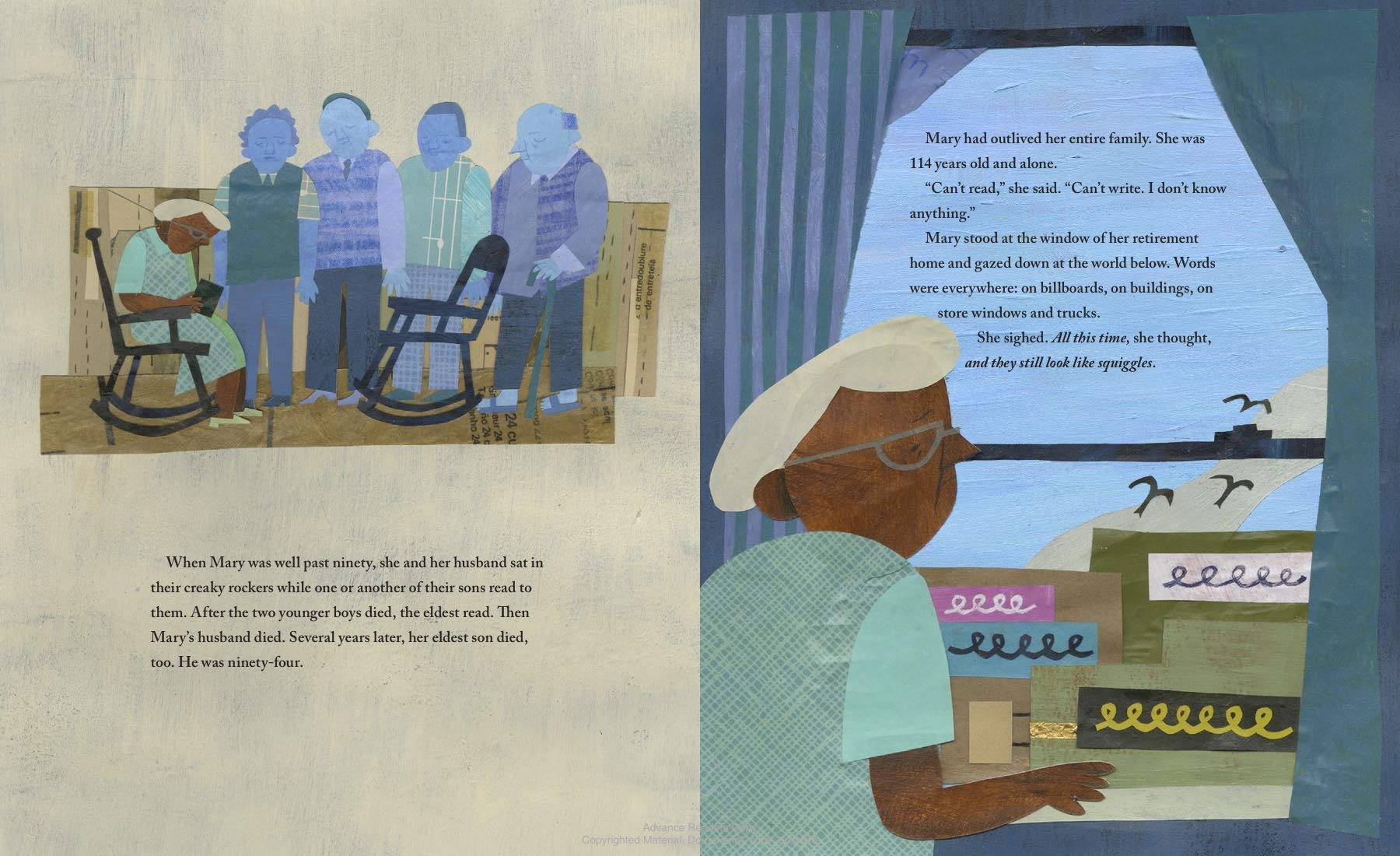
“When Mary was well past ninety,” her sons read to her and her husband. As time passed, her younger sons died and then her husband. Her oldest son died at the age of ninety-four, leaving Mary alone and living in a retirement home. As she looked out the window at the signs and billboards, “she sighed. All this time, she thought, and they still look like squiggles.”

celebrate-picture-books-picture-book-review-the-oldest-student-ninety

Image copyright Oge Mora, 2020, text copyright Rita Lorraine Hubbard, 2020. Courtesy of Schwartz & Wade.

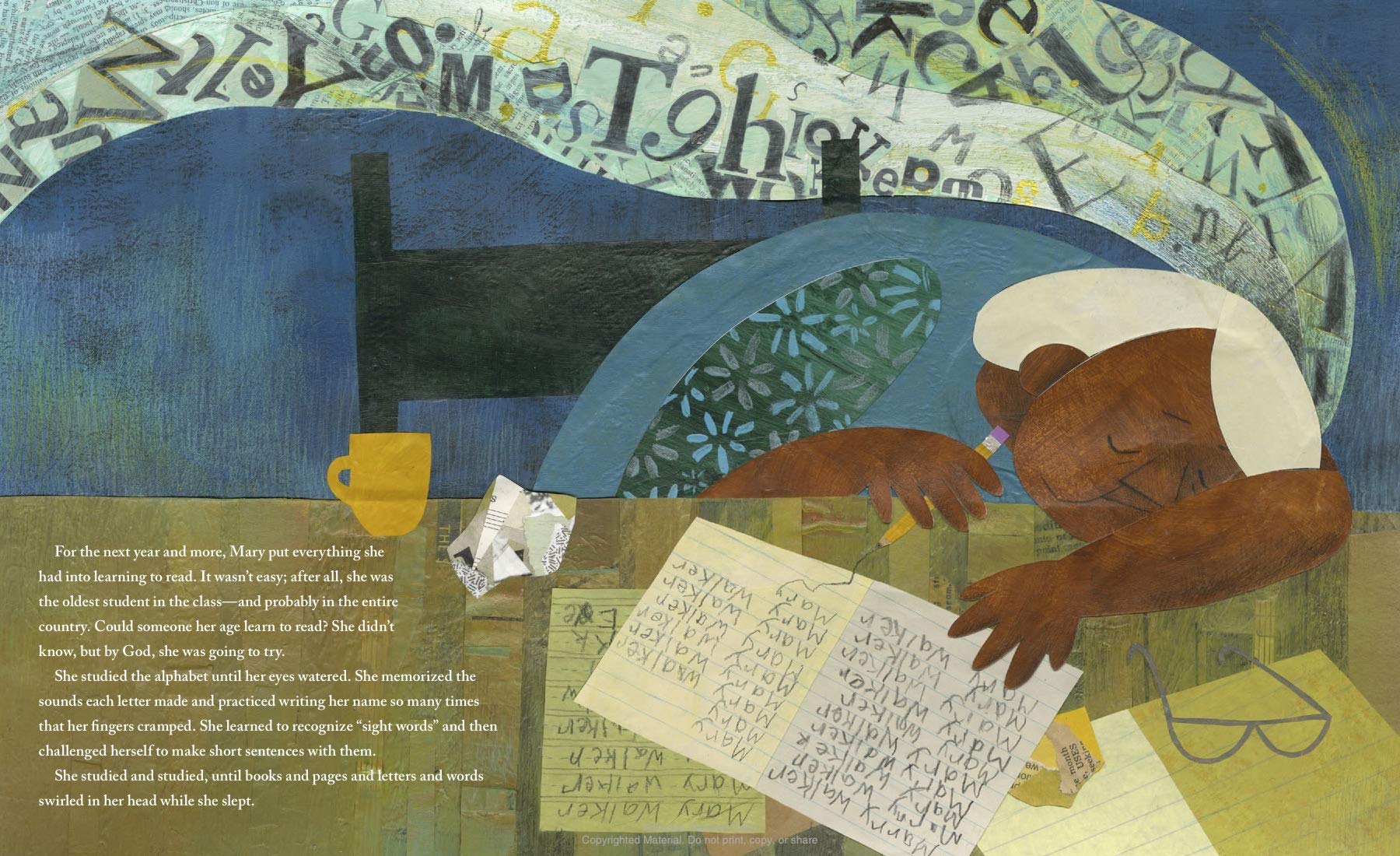
When her retirement home offered a reading class, Mary joined in. At 114, “she was the oldest student in the class—and probably in the entire country.” For the next year and longer, she studied and wrote and memorized. She began recognizing sight words and putting them together into short sentences. All of Mary’s hard work came together, and at last at the age of 116, she could read! Mary’s story traveled across the country, and journalists came to interview her. A representative from the US Department of Education pronounced her “‘the world’s oldest student.’”

“Mary felt complete.” When she felt lonely, she read her Bible or the signs she could see from her window. In Chattanooga, Mary’s accomplishment was celebrated with annual birthday parties. President Lyndon B. Johnson sent her a letter when she turned 118 in 1969, and President Richard Nixon sent a card when she turned 121. Among all the gifts she received over those years, her favorite was a ride in small airplane that dipped and soared like the birds she had watched as a child. As she looked at the landscape below, “Mary decided that flying was a lot like reading: they both made a body feel as free as a bird.” Each year, to start her birthday celebration, Mary read to the people gathered and as she closed the book, she always said, “You’re never too old to learn.”

An Author’s Note that reveals more about Mary Walker’s life follows the text.

celebrate-picture-books-picture-book-review-the-oldest-student-studying

Image copyright Oge Mora, 2020, text copyright Rita Lorraine Hubbard, 2020. Courtesy of Schwartz & Wade.

Rita Lorraine Hubbard’s moving portrait of Mary Walker and her resolve to learn to read even at an advanced age is inspirational for all. Hubbard’s straightforward storytelling focuses on Mary’s grueling work and the obstacles and responsibilities that delayed her education while also revealing her resilience, her generosity, and the strong bonds she shared with her family. Mary’s equating reading and education with freedom even as a child will resonate with today’s students and offers encouragement when lessons are difficult. With excellent pacing and a depth of details that will keep children riveted to this true story, Hubbard tells not only Mary’s history but that of many African-American families, making The Oldest Student a poignant book to share for reading, history, and social studies in classrooms as well as for home story times.

Oge Mora’s collage-style illustrations, incorporating strips of written text and musical scores, enrich Hubbard’s story with images of Mary working as a slave and later at various jobs always surrounded by words she cannot read. Later, as Mary gazes out of the window of her retirement home and passes fliers on the bulletin board there, the signs and papers are covered in squiggles, giving young readers an idea of how Mary sees the written world. After Mary learns to read, Mora replaces these with the actual signs, a clear example of the difference the ability to read makes. Mora’s early depictions of Mary, her head and back bowed by arduous, exhausting labor, are heartbreaking, making later images of her, head held high with pride and accomplishment, all the more emotional.

An uplifting and powerful lesson on perseverance and never giving up on a dream, The Oldest Student: How Mary Walker Learned to Read is highly recommended for home bookshelves and a must for school and library collections.

Ages 4 – 8 

Schwartz & Wade, 2020 | ISBN 978-1524768287

Discover more about Rita Lorraine Hubbard and her books, visit her website.

To learn more about Oge Mora, her books, and her art, visit her website.

International Literacy Day Activity

celebrate-picture-books-picture-book-review-book-love-word-search-puzzle

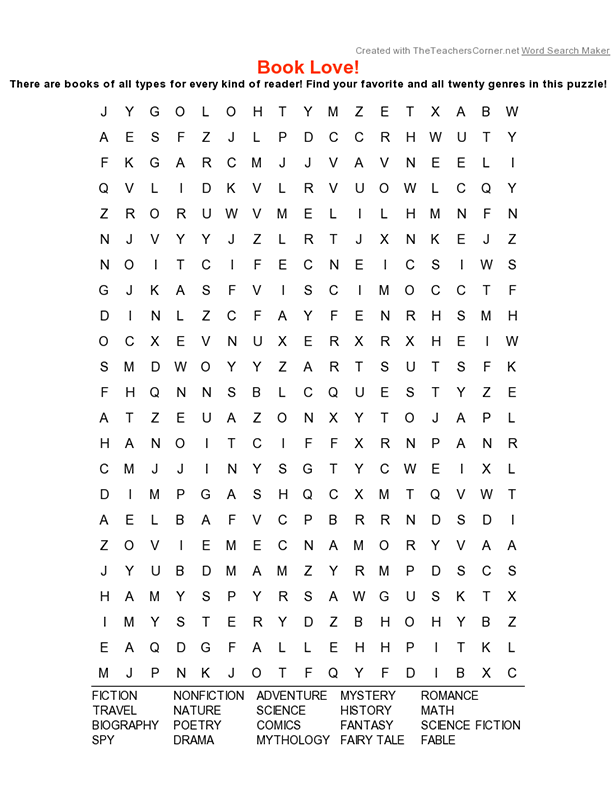
Book Love! Word Search


There are all kinds of books for every reader. Find your favorite genre along with nineteen others in this printable puzzle.

Book Love! Word Search Puzzle | Book Love! Word Search Solution

celebrate-picture-books-picture-book-review-the-oldest-student-cover

You can find The Oldest Student: How Mary Walker Learned to Read at these booksellers

Amazon | Barnes & Noble | Books-a-Million

To support your local independent bookstore, order from

Bookshop | IndieBound

Picture Book Review
September 7 – National Buy a Book Day

celebrate-picture-books-picture-book-review-going-up-cover

About the Holiday

Today’s holiday was established in 2010 to promote an appreciation for physical paperback and hardbound books. Whether you’re cracking open a brand-new release or gently turning the pages in a well-worn volume, holding an actual book in your hands makes an unforgettable connection between you, the author, and another world—real or imaginary. To celebrate, drop into your local bookstore and peruse the shelves, call up and order, or order online to buy great reads for everyone in the family. An don’t forget to add today’s reviewed book to the list!

Going Up!

Written by Sherry J. Lee | Illustrated by Charlene Chua


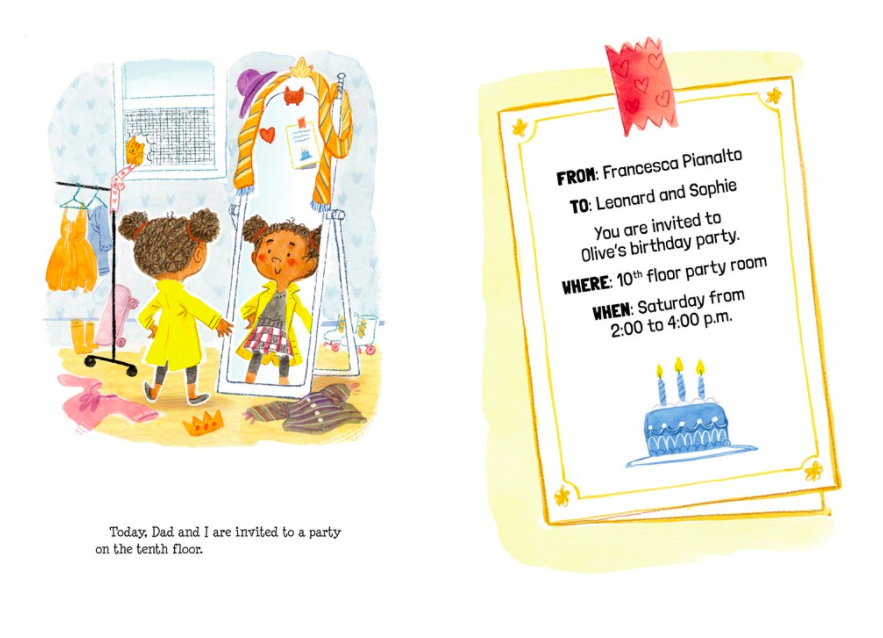
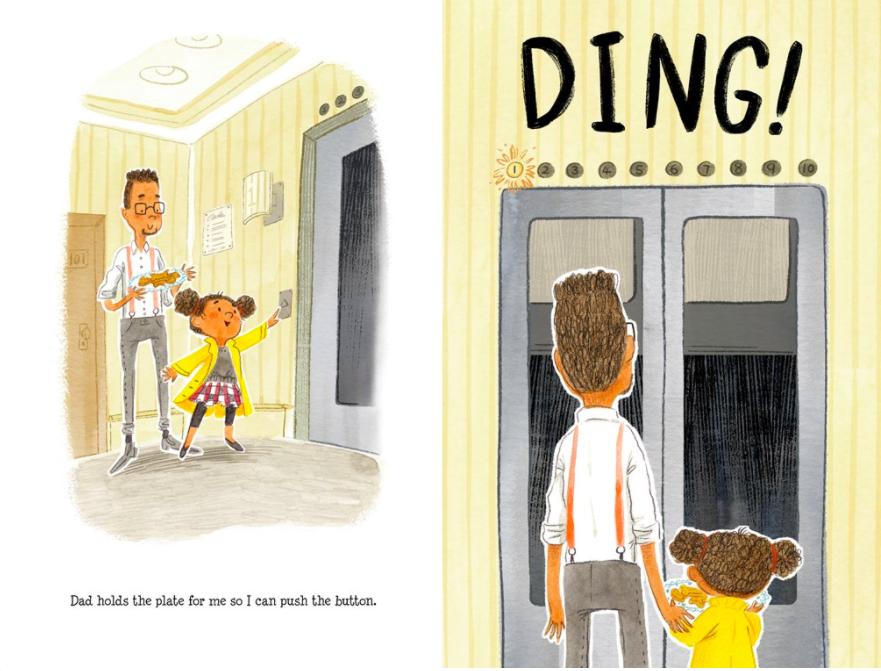
Sophie and her dad, Leonard, have been invited to Olive’s birthday party on the tenth floor of their apartment building. She and her dad bake their favorite cookies to bring—”molasses with jam in the middle. It’s my grandma’s recipe,” Sophie says. Sophie and her dad live on the first floor, so just before 2:00, they head for the elevator, where Sophie pushes the button to go up.

celebrate-picture-books-picture-book-review-going-up-first-invitation

Image copyright Charlene Chua, 2020, text copyright Sherry J. Lee, 2020. Courtesy of Kids Can Press.

The elevator stops at the second floor, and when the door opens, “the Santucci brothers, Andrew and Pippo”—two biker dudes—get on. “‘Hey, Little Bit!’” Pippo says to Sophie. On the third floor, a couple and their dog, Norman, get on, along with a “Happy Birthday” balloon. On the fourth floor, Mr. and Mrs. Habib and their grandkids, Yasmin and Jamal, are waiting with a “big bowl of gulab jamun” which they made especially for Sophie and her dad.

celebrate-picture-books-picture-book-review-going-up-first-kitchen

Image copyright Charlene Chua, 2020, text copyright Sherry J. Lee, 2020. Courtesy of Kids Can Press.

Things are getting pretty tight in the elevator by the time it reaches the fifth floor, so Leonard puts Sophie on his shoulders and Sophie holds the cookies on her head like a hat. The elevator door opens at the eighth floor to find Grace and Arnie standing there with a bass and a clarinet. Can they fit too? With a squeeze or two, they juuust make it. One more floor to go…. Will anyone else fit?

At last, the elevator reaches the tenth floor, and with a DING everyone runs, cartwheels, dances, and tumbles out—all to wish Olive a Happy Birthday. And who is Olive? Take the elevator up to see!

celebrate-picture-books-picture-book-review-going-up-first-floor

Image copyright Charlene Chua, 2020, text copyright Sherry J. Lee, 2020. Courtesy of Kids Can Press.

Sherry J. Lee’s warm and welcoming story of a group of diverse neighbors getting together to celebrate the birthday of one of their favorite tenants will delight kids. With the thrill of riding a real elevator, readers will eagerly await the door’s opening on every floor, where they’re introduced to a new family or individual. Told from Sophie’s point of view and rich in dialogue, the story shines with inclusiveness as the neighbors greet each other enthusiastically. Humor and suspense builds as the elevator stops on each floor and more and more people bringing food, instruments, pets, and housewarming gifts squeeze into the tiny space. The elevator provides a natural setting for fun math and observational engagement, and kids will love flipping back through the pages to count, add, talk about spatial relationships, and notice hints about the favorite talents and activities of each neighbor.

With her colored pencil-and-watercolor illustrations, Charlene Chua creates a vibrant apartment building community that works in perfect synchronicity with Lee’s story. Images of the diverse neighbors—from Black Sophie and Leonard to two supposed tough guys (who sport cat tattoos and carry the tiniest of kittens) to a same-sex couple and a South Asian family to Oliver’s owner, who uses a wheelchair—reflect readers’ urban, suburban, and rural experiences. On the journey from the first floor to the tenth, Chua includes a cornucopia of humorous, sweet, and “oh no!” clues that define personalities, add to the suspense, and hint at the identity of the birthday girl. The pull-out page as everyone tumbles out of the elevator is a showstopper that will have readers of all ages pointing, giggling, and appreciating all the residents of this special home. Opportunities to visualize and discuss math concepts occur with each push of the button or turn of the page. After taking this trip, kids will eagerly look for and welcome the diversity and individuality in their own neighborhoods.

Clever, sweet, and organically inclusive, Going Up! is a book kids will want to read again and again. As a charming story on its own and with so many applications for discussion and cross-curricular activities, the book is a must for home, classroom, and public library collections.

Ages 3 – 7

Kids Can Press, 2020 | ISBN 978-1525301131

Discover more about Sherry J. Lee and her books as well as a fun Going Up! Activity Kit on her website.

To learn more about Charlene Chua, her books, and her art, visit her website.

National Buy a Book Day Activity

celebrate-picture-books-picture-book-review-i've-got-the-reading-bug-books-to-read-list

I’ve Got the Reading Bug! Collection


When you buy a new book, you need new book bling to go with it! Here’s a printable book plate and bookmark, plus a want-to-read list to help you choose your next new book to buy! 

I’ve Got the Reading Bug! Books to Read List | I’ve Got the Reading Bug Bookmark | I’ve Got the Reading Bug Bookplate

celebrate-picture-books-picture-book-review-going-up-cover

You can find Going Up! at these booksellers

Amazon | Barnes & Noble | Books-a-Million

To support your local independent bookstore, order from

Bookshop | IndieBound

Picture Book Review
 

September 5 – National Cheese Pizza Day

celebrate-picture-books-picture-book-review-lorenzo-the-pizza-loving-lobster-cover

About the Holiday

If you’re wondering what you should have for dinner or lunch…or…heck—even breakfast!—ponder no longer. It’s National Cheese Pizza Day, which gives you carte blanche to indulge in this hot, bubbly favorite any time today. And even though the official holiday only mentions cheese, I don’t think anyone will mind if you add a few toppings!

Lorenzo the Pizza-Loving Lobster

By Claire Lordon


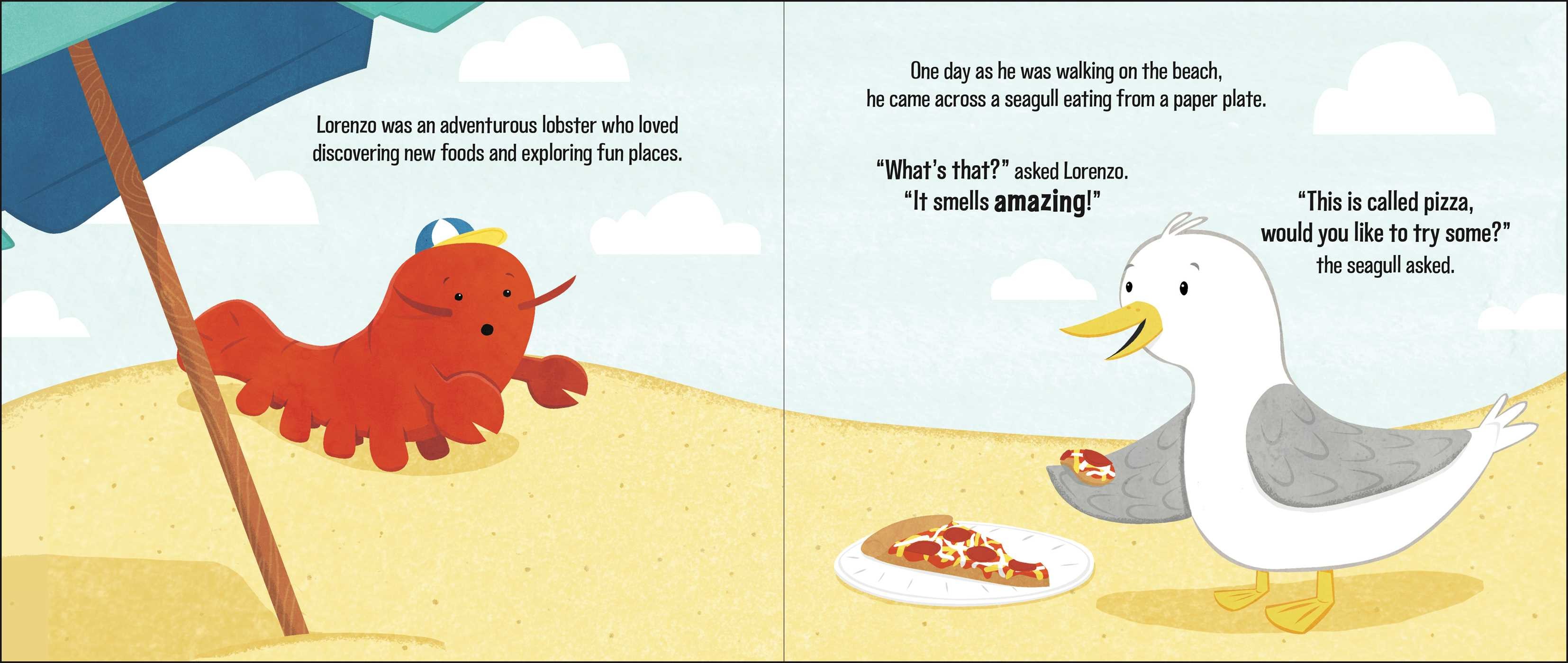
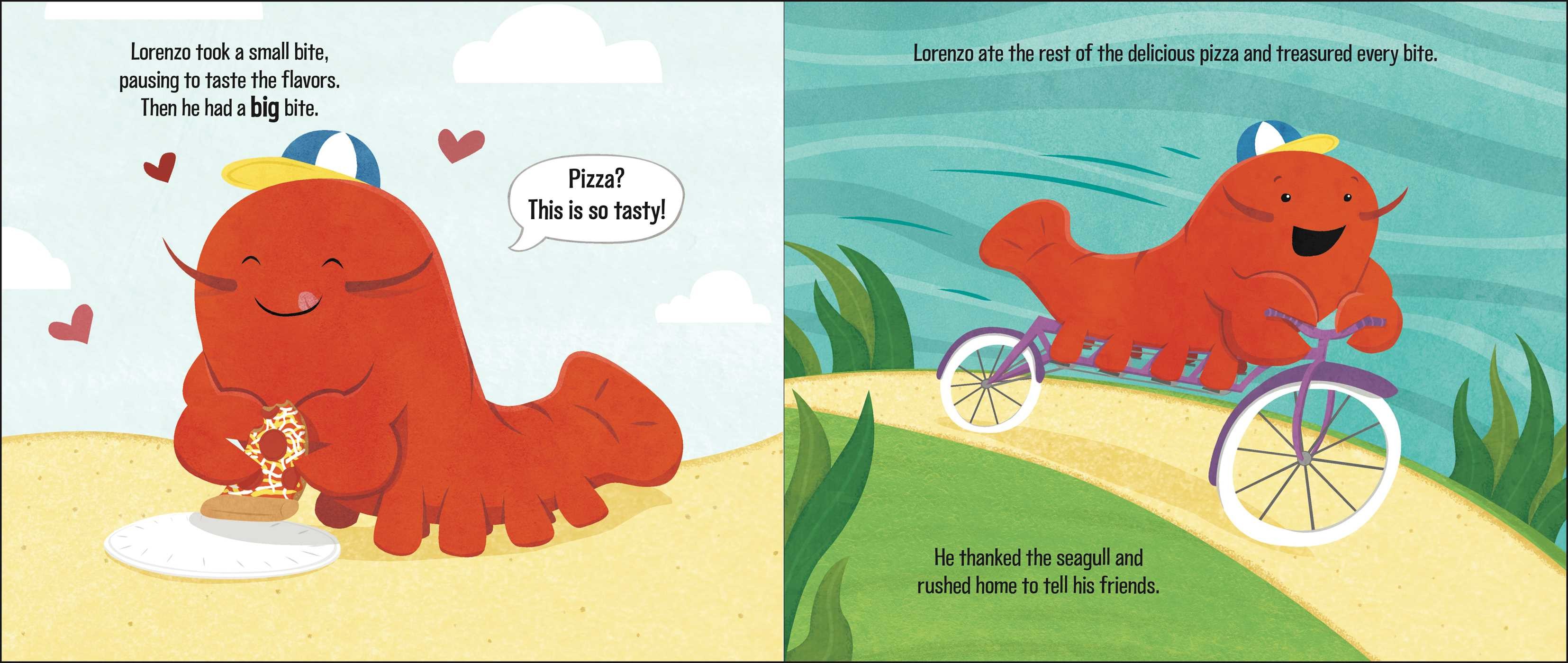
Lorenzo is one adventurous lobster! Not only does he like exploring new places, he loves getting his claws on new foods. One day while at the beach, Lorenzo meets a seagull who has found a tasty slice of pizza to nosh on. “‘What’s that?’” Lorenzo asks, “‘It smells amazing!’” The seagull tells him and invites him to try it. Lorenzo takes a nibble…and then a bigger bite. He loves this pizza thing so much that he eats it all up.

celebrate-picture-books-picture-book-review-lorenzo-the-pizza-loving-lobster-riding-introduced-to-pizza

Image and text copyright Claire Lordon, 2016, courtesy of simonandschuster.com

On his way home to tell his friends about his discovery, Lorenzo runs into Kalena, his turtle friend, and tells her all about the triangular food that is “‘crispy and chewy at the same time; salty, tangy, and full of flavor, too!’” Kalena is intrigued and suggests they try to make one themselves. At Lorenzo’s house they begin gathering the ingredients, but when Kalena asks what was in the pizza, Lorenzo can’t remember. Kalena looks in the cupboard and pulls out seaweed cake and kelp paste. “‘Perfect!’” agrees Lorenzo. For the “stringy” part, Kalena suggests eelgrass, which also has the benefit of being extra salty. And the “round things on top”? Sand dollars sound delicious!

celebrate-picture-books-picture-book-review-lorenzo-the-pizza-loving-lobster-bicycle

Image and text copyright Claire Lorden, 2016, courtesy of simonandschuster.com

So the pair bake up their green concoction, and when the timer rings they dig in only to find that it “‘isn’t quite right.’” Not one to give up, Kalena offers a new set of ingredients: “‘kelp dough, squid ink, algae, and coral rings.’” This pizza isn’t right either—in fact, Kalena says, “‘This tastes icky! And the algae is stuck in my teeth!’” Suddenly, Lorenzo has a brainstorm. He remembers that the pizza was made of “‘sponge patties, jellyfish jelly, seaweed noodles, and seashells.’”

Listening to that recipe, Kalena isn’t so sure, but they make it anyway. When this creation comes out of the oven, one small nip convinces Kalena that this one is “‘gross.’” Poor Lorenzo—he so badly wanted to make a delicious pizza with his friend. Kalena leaves Lorenzo’s house with the distinct impression that pizza is terrible. But as she heads up the beach toward home, she smells a delicious aroma. Coming closer she spies a “round food,” and buys one.

celebrate-picture-books-picture-book-review-lorenzo-the-pizza-loving-lobster-making-pizza

Image and text copyright Claire Lordon, 2016, courtesy of simonandschuster.com

With one bite, she’s smitten! This round food is “‘so chewy, and salty, and…wait a minute.’” It dawns on Kalena that this might be the very pizza Lorenzo was talking about. There’s just one thing—why is it a circle? Even though Kalena wants to devour the whole thing, she thinks about how sad Lorenzo was and hurries back to his house with the steaming box. Sure enough, Lorenzo is moping about the afternoon’s debacle.

“‘Hey Lorenzo, look what I found!’” Kalena calls. “‘Holy anchovy!’” Lorenzo exclaims when he tastes it, “‘This is exactly like the pizza I had earlier, but this time it’s big and round!’” They are excited to dig into their treat, but they carefully study the pizza’s ingredients before eating it all up. One pizza just isn’t enough, so Lorenzo and Kalena make another…and another…and another—and share them with all their friends at a huge pizza party.

celebrate-picture-books-picture-book-review-lorenzo-the-pizza-loving-lobster-telling-kalena

Image and text copyright Claire Lordon, 2016, courtesy of simonandschuster.com

Who knew pizza and the ocean had so much in common—the same salty tang, the same appealing aromas, the same recognizable shapes? Claire Lordon, that’s who! In her funny culinary adventure, Lordon captures the enthusiasm children have to share and replicate a new discovery  but also presents the moments of disappointment when reality and memory don’t match. Kids will “ewww…ohhh…yuck…and yuck it up at the alternative pizza ingredients Lorenzo and Kalena combine in their attempts at a “normal” pizza. These two friends are sweetly supportive of each other through kelp paste and pepperoni and know how to share life’s ups and downs.

Lordon’s adorable sea creatures populate vibrant underwater and beach environments that will be as familiar to kids as their own homes and playgrounds, but with an oceanic twist. Images of the alternate ingredients are clever adaptations of the elements of a normal pizza as Lorenzo remembers the shapes but not the names of the fixings.

Lorenzo, the Pizza-Loving Lobster is a delicious ingredient to add to any child’s bookshelf, and kids will no doubt want to build their own pizzas just like Lorenzo—a crustacean who really knows his crust!

Ages 3 – 8

little bee books, 2016 | ISBN 978-1499802283

Learn more about Claire Lordon and her work on her website!

To read my interview with Claire, click here!

Cheese Pizza Day Activity

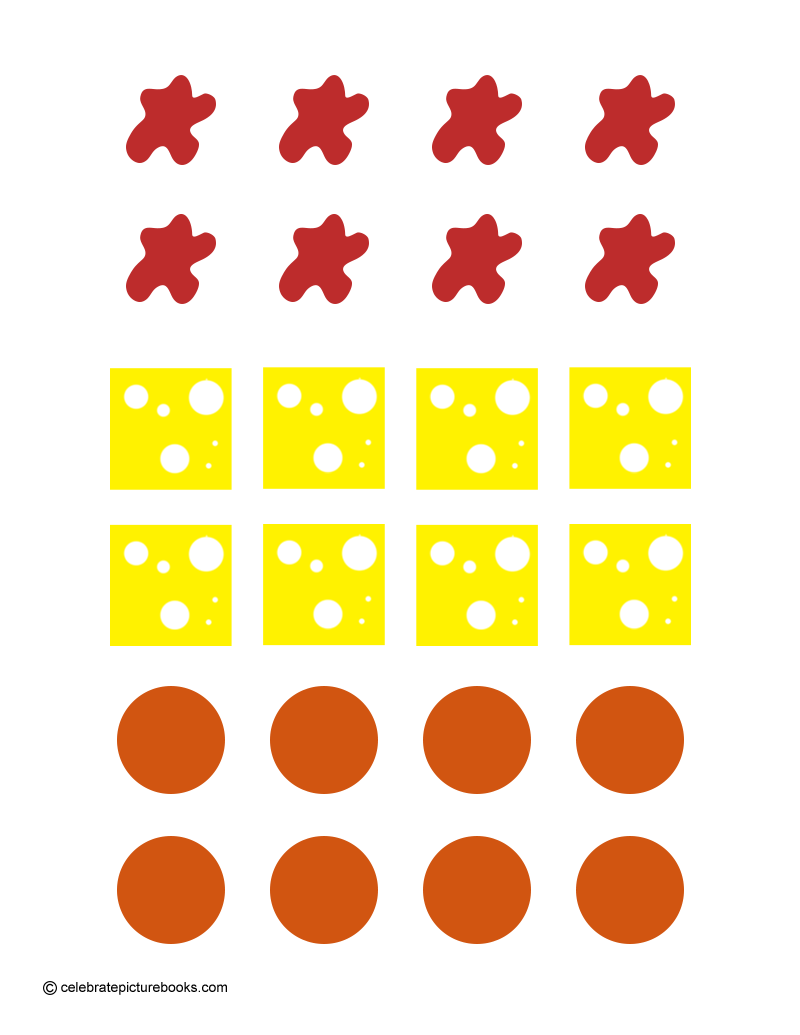
CPB - Pizza Day Toppings

Create Your Pizza Game


Play this fun game to build your pizza ingredient by ingredient before the others! For 2 – 8 players.

Supplies

Directions

Object of the Game: to fill a pizza slice with 5 delicious ingredients

  1. Print a Pizza Crust Game Board and Ingredients Cards
  2. Each player picks a slice on the board to fill
  3. Roll the dice to choose who goes first. Play
  4. The first player rolls the dice and places an ingredient on their slice according to the numbers below
  5. Play passes to the right
  6. The player who fills their slice with all 5 ingredients first, wins

Alternative for older kids: Print a game board for each player. The first player to complete the whole pizza is the winner

Each number on the playing die corresponds to one ingredient or other instruction, as noted below:

1: Sauce (red x)

2: Cheese

3: Green peppers (green squares)

4: Garlic (white half moons)

5: Pepperoni

6: Remove one ingredient and pass the playing die to the next player

celebrate-picture-books-picture-book-review-lorenzo-the-pizza-loving-lobster-cover

You can find Lorenzo the Pizza-Loving Lobster at these booksellers

Amazon | Barnes & Noble | Books-a-Million

To support your local independent bookseller, order from

Bookshop | IndieBound


Picture Book Review


September 4 – National Wildlife Day

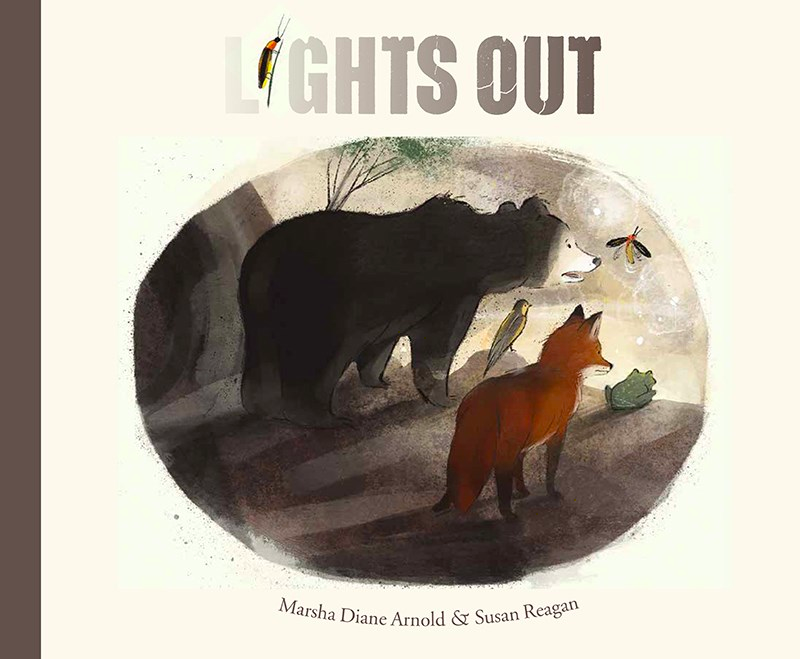
celebrate-picture-books-picture-book-review-Lights-Out-cover

About the Holiday

National Wildlife Day was established in 2005 by author and pet lifestyle expert Colleen Paige to promote awareness of the importance of conservation of animals, habitats, and the environment worldwide as well as to acknowledge the education and conservation work of zoos and animal sanctuaries. To honor the memory and birthday of Steve Irwin, National Wildlife Day is also celebrated on February 2. To celebrate today’s holiday, take time to learn about what you can do to help protect the environment. One action might be as easy as turning off a light – as today’s book shows.

Lights Out

Written by Marsha Diane Arnold | Illustrated by Susan Reagan


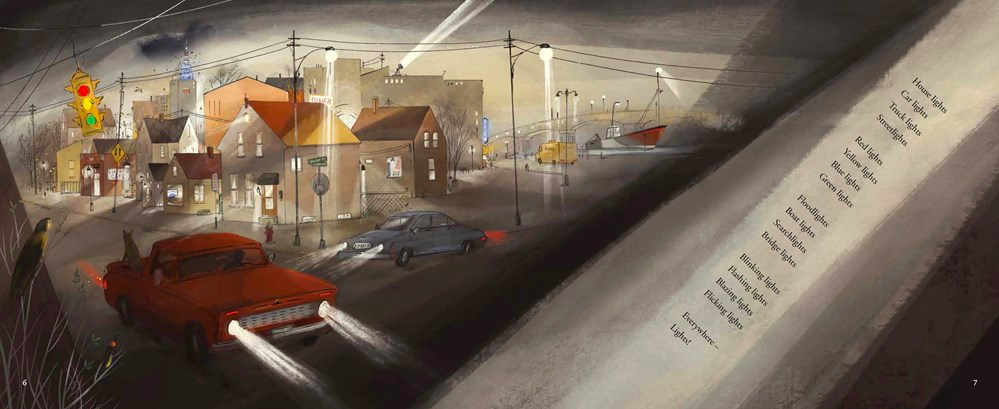
A little fox peeks out of her den. It’s night, but her surroundings are lit up as if it were noon. A Beetle hovers nearby taking in all the “House lights / Car lights / Truck lights / Street lights… / Blinking lights / Flashing lights / Blazing lights / Flickering lights.” There are lights in every color and on every structure. Fox and Beetle wonder where Darkness is—the dark of Night that invites coyotes to sing, owls to hunt, foxes to hunt, and beetles to become “more than beetles.” Perhaps, they think, Night is lost.

celebrate-picture-books-picture-book-review-Lights-Out-city

Image copyright Susan Reagan, 2020, text copyright Marsha Diane Arnold, 2020. Courtesy of Creative Editions.

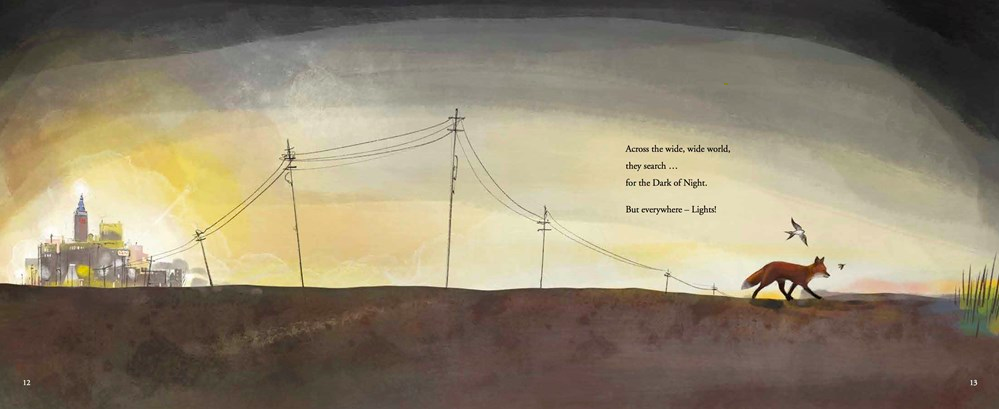
Fox and Beetle set out to find Night. They pass a wetlands, where Frog waits in vain for darkness to lend his voice to the nighttime chorus. “Across the wide, wide world, / they search… / for the Dark of Night. / But everywhere – Lights!” Up on the mountain, Bear is waiting for the signal to hibernate, but the brightness keeps him awake. Frog and Bear join in the search for Night.

celebrate-picture-books-picture-book-review-Lights-Out-wandering

Image copyright Susan Reagan, 2020, text copyright Marsha Diane Arnold, 2020. Courtesy of Creative Editions.

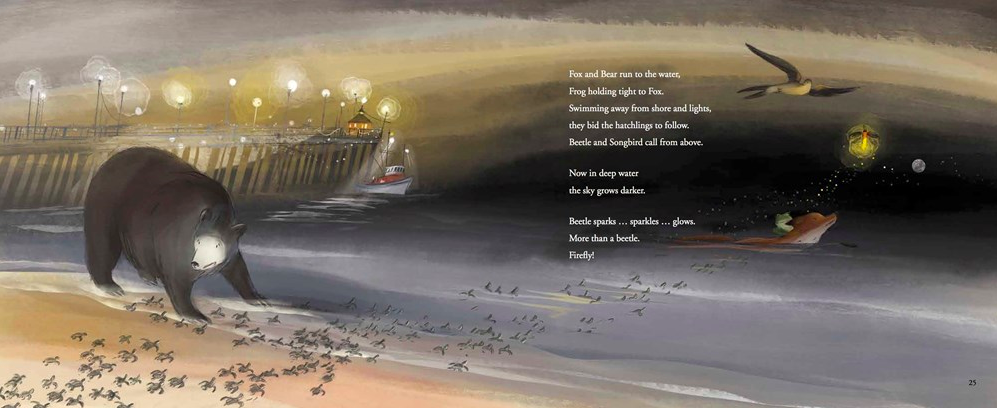
Fox and Beetle travel through forests and fields, over deserts and dunes, and across wide prairies, but don’t find Night. When they come to the seashore, they witness baby turtles hatching. Instead of scuttling toward the ocean, they’re running toward the lights of the boardwalk shops. Frog stops the little turtles then Bear, Fox, and Frog wade out into the waves and shows them the way.

celebrate-picture-books-picture-book-review-Lights-Out-turtles

Image copyright Susan Reagan, 2020, text copyright Marsha Diane Arnold, 2020. Courtesy of Creative Editions.

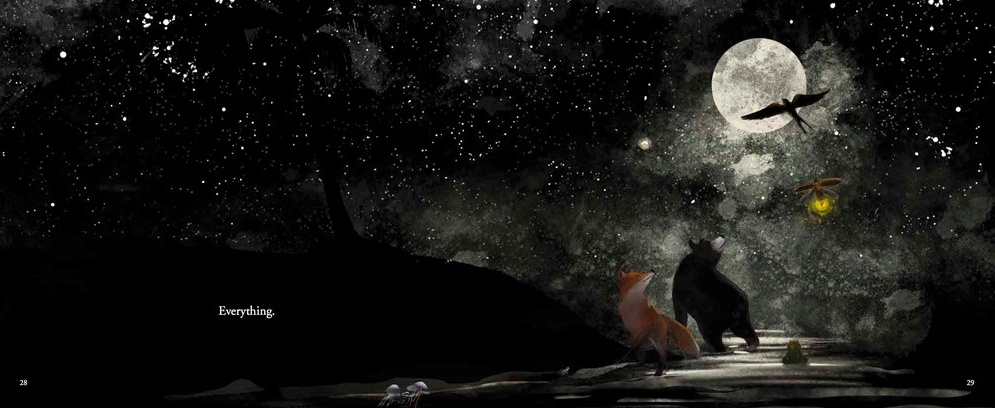
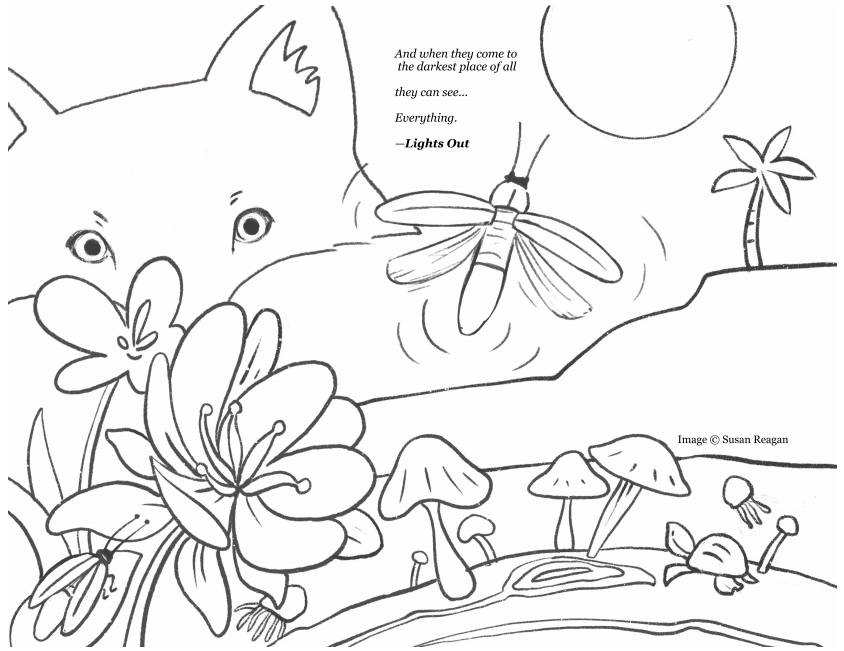
The three friends swim “away from shore and lights” while Beetle and Songbird fly above. Out here, where the sky is dark, Beetle at last sparks and glows. At last the friends reach a far-away island that’s cloaked in darkness. Here “they can see…Everything…. / Mushrooms glowing / Fireflies / Moonlit garden / Shining eyes / Nighttime weavers / Webs of stars / Constellations / Venus, Mars….” Here, they find Night.

An Author’s Note discussing light pollution and its effect on animals and humans and including a resource where readers can learn more about light pollution and what we can do to help precedes the story.

celebrate-picture-books-picture-book-review-Lights-Out-moon

Image copyright Susan Reagan, 2020, text copyright Marsha Diane Arnold, 2020. Courtesy of Creative Editions.

Marsha Diane Arnold’s affecting story about how light pollution changes animal behavior and confuses the natural order of life is a poignant appeal to today’s young environmentally conscious kids, sparking an awareness of the extent of the problem while inviting them to consider ways to restore the darkness of night so important to the health of our planet. Through non-rhyming, yet lyrical language, Arnold takes readers on a journey to find Night. As the friends search place after place, children come to understand that light pollution is a worldwide issue.

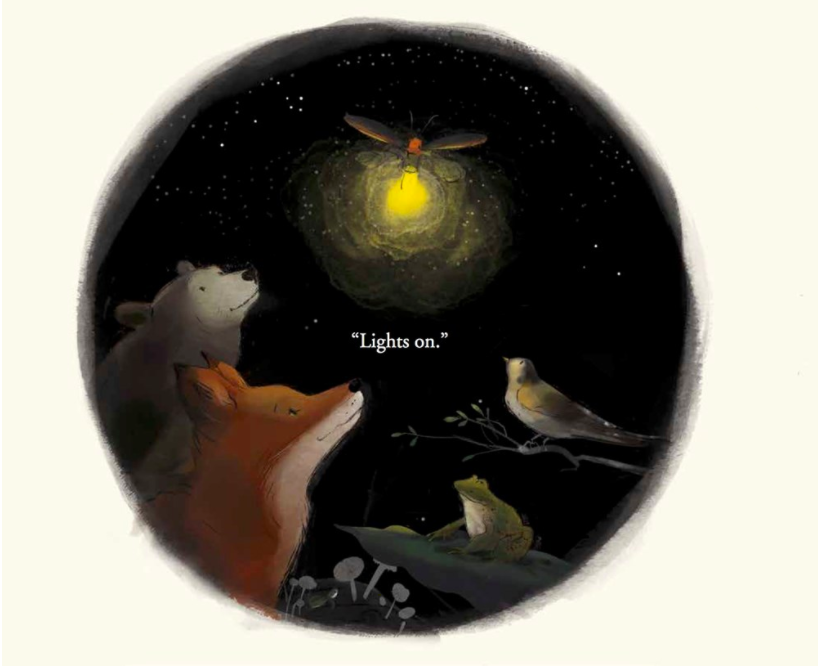
Arnold’s capitalization of Night and Darkness makes them characters in the story as well, imbued with living traits and purpose that are just as crucial to wildlife as food and shelter. In one powerful combination of text and illustration, a list of light sources streams from corner to corner in a beam of white light. The number of examples builds to create a glaring realization of all the types of lights that keep the world turned on twenty-four hours a day. After reading Lights Out, children and adults will find themselves paying attention to the lights around them and even in and near their own home.

celebrate-picture-books-picture-book-review-Lights-Out-lights-on

Image copyright Susan Reagan, 2020, text copyright Marsha Diane Arnold, 2020. Courtesy of Creative Editions.

Susan Reagan’s stunning illustrations of cities, waterways, and even out-of-the-way places bathed in a permanent twilight by street lamps, headlights, lighted windows, neon signs, and more are compelling reminders of just how pervasive light pollution is. As the animals wander from place to place looking for Night, their weary and distressed expressions reflect the loss of their natural nocturnal activities. When Beetle and Fox and their friends reach the distant island, Reagan’s gorgeous spreads of a star-and-moonlit sky and vegetation, in which nocturnal animals hunt, luminescent flowers glow, and spider webs glint will have readers taking a nighttime jaunt to discover what they can see in their surroundings.

A unique and important book that raises awareness not only about light pollution but about natural cycles of sleep and wakefulness, Lights Out would be an excellent addition to lessons in science and the environment and is highly recommended for home, school, and public library collections.

Ages 6 – 8

Creative Editions, 2020 | ISBN 978-1568463407

Discover more about Marsha Diane Arnold and her books on her website.

To learn more about Susan Reagan, her books, and her art, visit her website.

National Wildlife Day Activity

celebrate-picture-books-picture-book-review-Lights-Out-activity

Image copyright Susan Reagan, 2020, text copyright Marsha Diane Arnold, 2020. Courtesy of Creative Editions.

Lights Out Activity Kit


This extensive Activity Kit gives teachers, homeschoolers, and parents many ways to engage with Lights Out in the disciplines of science, language arts, art, and social action. Through the various activities, children will learn about light pollution and its effects as well as about the ways in which darkness benefits wildlife. You can download the kit from Marsha Diane Arnold’s website:

Lights Out Activity Kit

celebrate-picture-books-picture-book-review-Lights-Out-cover

You can find Lights Out at these booksellers

Amazon | Barnes & Noble | Books-a-Million

To support your local independent bookstore, order from

Bookshop | IndieBound

Picture Book Review

September 3 – It’s Read a New Book Month

celebrate-picture-books-picture-book-review-the-little-red-crane-cover

About the Holiday

Read a New Book Month is a fantastic time to scour your local bookstore and library for books that have recently been published or books that are new to you. Finding a book that you’ve never read before is exciting at any age, and discovering a new book about a favorite topic is one of life’s greatest pleasures. Today’s book is definitely one that will lift the spirits of all kids who love vehicles and good stories.

Thanks go to Star Bright Books for sending me a copy of The Little Red Crane for review consideration. All opinions about the book are my own. I’m happy to be teaming with Star Bright Books in a giveaway of the book. See details below.

The Little Red Crane

By Cornelius Van Wright


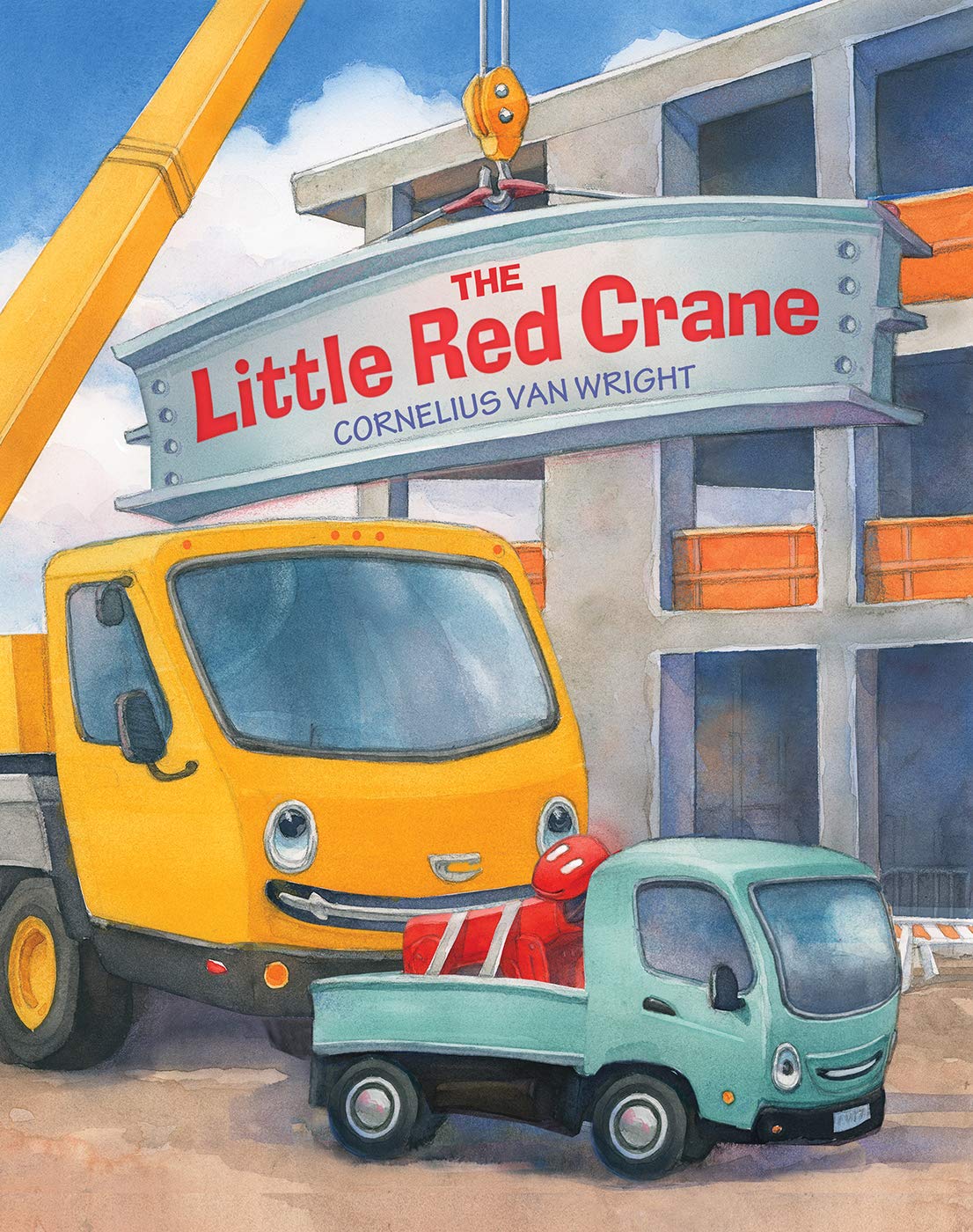
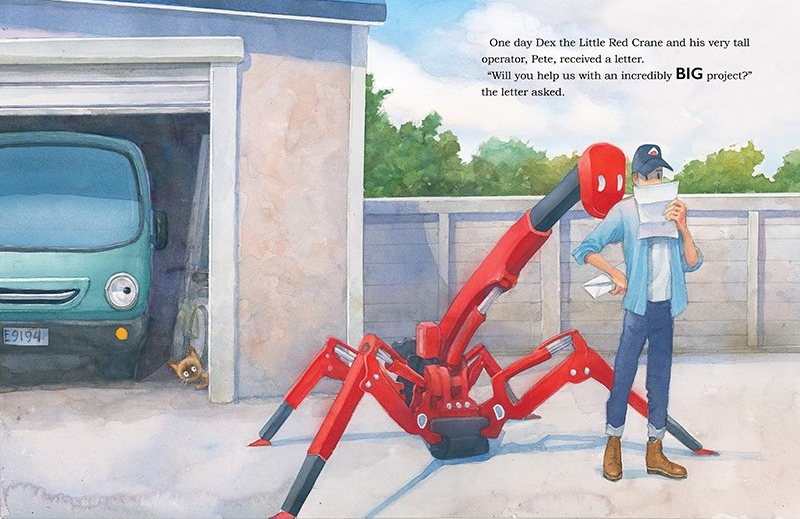
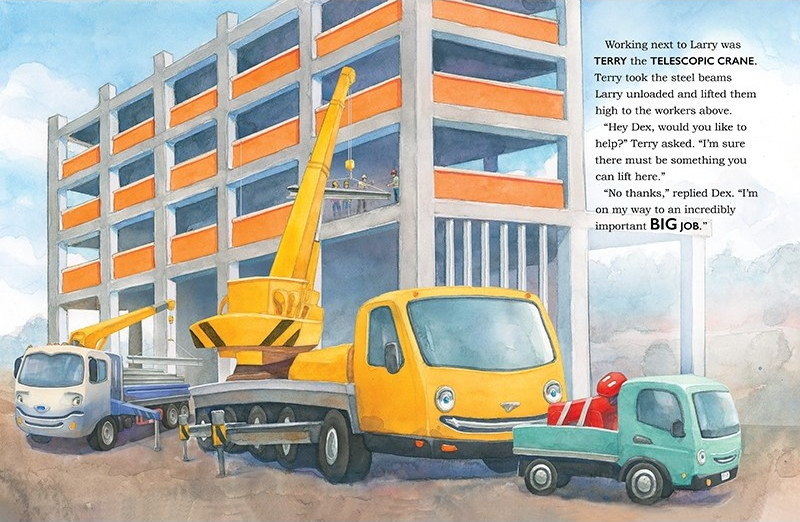
One day Dex, a little red crane, and his operator Pete received a letter from a place far away asking for help. The next day they set out to begin their long trip. On the way, Pete had to stop his truck to let their friend Larry the Loader Crane pass by. Larry was delivering steel beams to a construction site where a tall building was going up. He steadied himself with his outriggers so he didn’t tip over. Terry the Telescopic Crane was there too, helping to lift the beams into place. They both wondered if Dex would like to help. “No thanks,’ replied Dex. ‘I’m on my way to an incredibly important BIG job.’”

celebrate-picture-books-picture-book-review-the-little-red-crane-letter

Copyright Cornelius Van Wright, 2020, courtesy of Star Bright Books.

When Pete and Dex reached the docks, they met Sam the Ship-Building Crane. He was as tall as a skyscraper and straddled the new ocean liner he was helping to build. Dex would like to have accepted Sam’s invitation to watch, but they were due at Pier 11. When they got there, another giant, Sally the Ship-to-Shore Crane, was waiting to lift Dex and Pete and their truck onto the cargo ship that would take them across the ocean.
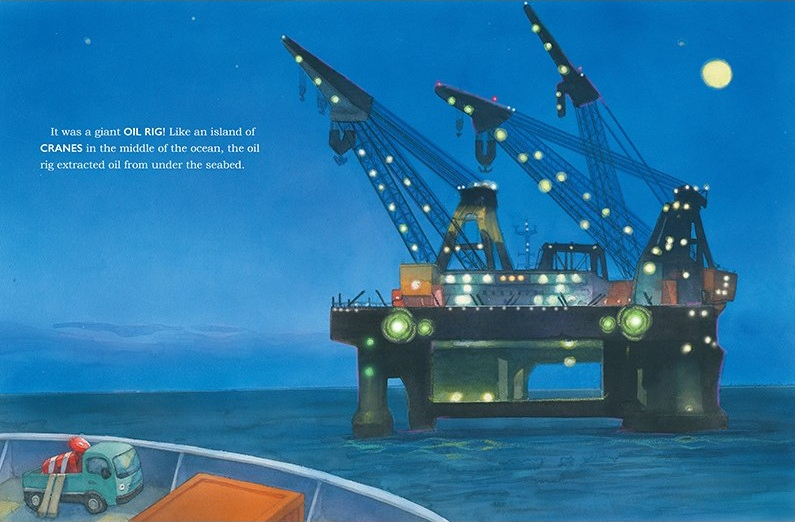
After sailing for a few days far out to sea, Dex heard the “sounds of offshore cranes at work” on a huge Oil Rig which was extracting “oil from under the seabed.” Coming close to land at last, the cargo ship passed under a bridge where Dex watched a Floating Crane installing a new section of concrete. Back on land and driving through the city, Dex marveled at the number of cranes he saw. “Giant Tower Cranes were busy helping to construct tall skyscrapers. Dex began to think someone had made a mistake in asking him to come to the city.
celebrate-picture-books-picture-book-review-the-little-red-crane-terry

Copyright Cornelius Van Wright, 2020, courtesy of Star Bright Books.

Finally, Pete and Dex arrived at a stately building. Dex felt tiny in the shadow of the mammoth marble columns that flanked the doorway. Inside, Pete used his remote control device to steer “Dex through narrow halls and doorways. Warning: Don’t try this, 18-Wheelers! They stopped in the center of a large room filled with crates. Ahhhhh! It felt good to “unfold and stretch his long legs.”

Carefully, Dex lifted piece after piece from the crates and lifted them into the air so that workers could put them together. Dex may have been little, but he was capable of lifting 2,000 pounds, which came in handy since he had just helped assemble the skeleton of a Tyrannosaurus Rex! Pete congratulated Dex on a job well done, and the museum visitors who streamed in to see the exhibit would agree.

An illustrated guide with fascinating facts about each crane, including alternate names for each, descriptions of how they work, and the amount of weight each can lift or carry, follows the story. 

celebrate-picture-books-picture-book-review-the-little-red-crane-oil-rig

Copyright Cornelius Van Wright, 2020, courtesy of Star Bright Books.

Little fans of big construction vehicles will be awestruck by Cornelius Van Wright’s story and vibrant illustrations. Van Wright understands young reader’s thirst for knowledge, and his straightforward descriptions of the work each type of crane performs are satisfying. The mystery of Dex’s very important job will pique kids’ interest, and the revelation that Dex, because of his small size, is the only kind of crane able to help assemble a dinosaur skeleton is empowering and will delight readers. The pages of back matter are sure to spark further research and learning.

Bold and bright, Van Wright’s illustrations depict realistic and detailed images of each type of crane while the natural formation of grills, headlights, and insignia create the slightly anthropomorphized faces that give each character its personality. In addition to the cranes, Van Wright includes construction materials and proportionate building and ships that allow children to visualize scale. Children will be fascinated by Van Wright’s gorgeous landscapes and seascapes as they learn that cranes work on land as well as on water. Images inside the museum will have kids guessing about the job Dex is about to do, and as he lifts bones and finally the T-rex skull from their crates, you can be sure there will be plenty of exclamations of “Wow!” and “Awesome!”

Sure to fascinate kids interested in vehicles and construction and to have them searching streets and skylines for the real thing, The Little Red Crane is also a unique book for sparking math and early physics extensions on size, scale, measurements, weight, and simple machines for young learners. The book would be a favorite go-to for home, school, and public library collections.

Ages 3 – 6

Star Bright Books, 2020 | ISBN 978-1595728432

To learn more about Cornelius Van Wright, his books, and his art, visit his website.

Follow Dex in this book trailer that’s loads of fun!

Read a New Book Month Activity

IMG_4264

Playful Pulleys


Exploring simple machines is fun for kids and a great way to learn about scientific concepts of physics and engineering. With this activity, children can experiment with the idea of pulleys by changing the number of lids the string wraps around, varying the thickness of the string they use, and trying heavy and lighter loads to discover what works and what doesn’t.

Supplies

  • Thick white board or cardboard
  • Plastic jar and bottle lids in various sizes (I used 8 lids)
  • String and/or cord (I used macramé cord). Kids can experiment with various materials, such as ribbon and different weights of string.
  • Binder clip (option: use a small pail or container)
  • Magnet (optional)
  • Small metal items to pick up
  • Hot glue gun or strong glue

Directions

  1. Attach lids to white board or cardboard in a scattered pattern with glue
  2. Cut a 7 or 8-foot length of string or cord
  3. Tie the binder clip to the string, attach the magnet to the bottom
  4. Wrap the string from lid to lid, allowing the two ends of the string to hang free
  5. Pulling the string should raise the binder clip; loosening the string should allow the clip to lower
  6. Put small metal items on the floor and lower the binder clip to pick them up
  7. Have fun experimenting with wrapping the string in various patterns around the lids

celebrate-picture-books-picture-book-review-the-little-red-crane-cover

You can find The Little Red Crane at these booksellers

Amazon | Books-a-Million

To support your local independent bookstore, order from

Bookshop | IndieBound

Picture Book Review