April 21 – National Kindergarten Day

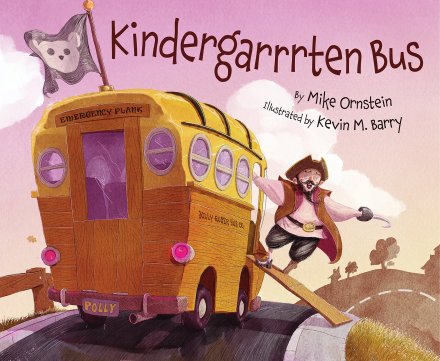
celebrate-picture-books-picture-book-review-kindergarrrten-bus-cover

About the Holiday

National Kindergarten Day honors the birthday of Friedrich Wilhelm August Frobel who was born April 21, 1782 and is credited with starting the very first Kindergarten in Germany in 1837. Recognizing that children learn through play and experience, Frobel established a foundation for modern education. The first kindergarten in America was opened by Margarethe Schurtz in 1856 in Watertown, Wisconsin. Kindergarten became part of some public school systems in 1873. Even though kids aren’t in their regular classes right now, we still celebrate all of their achievements, creativity, and love of fun. Little ones’ enthusiasm and natural empathy can make them great teachers too—as today’s book shows.

Sleeping Bear Press sent me a copy of Kindergarrrten Bus to check out. All opinions are my own.

Kindergarrrten Bus

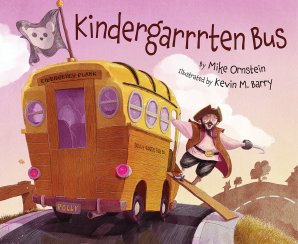
Written by Mike Ornstein | Illustrated by Kevin M. Barry


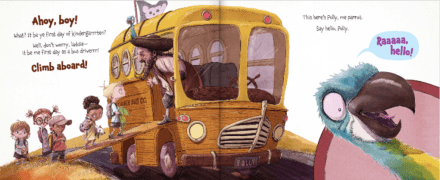
As the little tykes climb the plank into the kindergarten school bus, they’re met by a most unusual driver. He has a hook hand, a peg leg, a curly beard, a broad-brimmed hat with a parrot perched on the edge, and he greets the first little boy like this: “Ahoy, boy! What? It be ye first day of kindergarrrten? Well, don’t worry, laddie—it be me first day as a bus driverrr!” The pirate shows the kids to their seats and lays down the rules. Any infractions…. Well, Polly will tell ya: “Raaaaa, mutiny!”

celebrate-picture-books-picture-book-review-kindergarrrten-bus-scared-plank

Image copyright Kevin M. Barry, 2018, text copyright Mike Ornstein, 2018. Courtesy of Sleeping Bear Press.

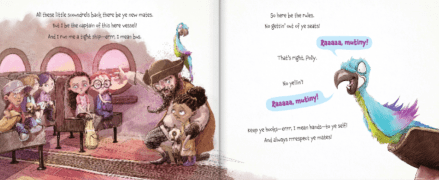
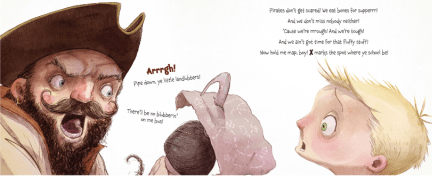
The kids don’t seem too sure of this turn of events. They each talk about how they miss their family, their pets, their toys, and how it’s all a little scary. But the pirate will have “no blubberin’ on me bus! Pirates don’t get scared! We eat bones for supperrr!” he tells them. And as far as them missing their moms and dads? “We ain’t got time for that fluffy stuff!” he says. So the bus takes off, and the driver sings a ditty about brave these little buccaneers are as they go.

But the route turns as bumpy as a churning sea with potholes that rattle Polly so much she flies out the window…I mean “winderrr.” The pirate wails after his parrot, “Waaaa arrrgh waaaa arrrgh!” Then the bus comes to a screeching halt amid a pirate melt-down. “I can’t drive me bus without me sweet snuggly Polly! I can’t do it, I tells ya! I can’t! I can’t I can’t!”

celebrate-picture-books-picture-book-review-kindergarrrten-bus-scared-mutiny

Image copyright Kevin M. Barry, 2018, text copyright Mike Ornstein, 2018. Courtesy of Sleeping Bear Press.

Everyone piles out, and the kids try to reassure the poor driver, reminding him of all the things he told them. Turns out that ol’ pirate “was only hornswogglin’” and that he considers himself “nothin’ but a scared, blubberin’ boob of a buccaneer.” The kids are empathetic and reassuring, and pretty soon the pirate is feeling better about things.

Back on the bus, the little ditty is less bravado and more true bravery. As they pull up at the X, where “the treasure of all treasures” awaits the kids, the pirate gives one more lesson before letting all those little “scoundrels walk the plank—errr, I mean, exit the bus.” But why is a pirate driving a school bus? one little boy wants to know. Well, that answer may surprise you and it be somethin’ ye just have to see for yourself!

An afterword from the author discussing tips for talking with kids about fears and worries follows the story.

celebrate-picture-books-picture-book-review-kindergarrrten-bus-scared-kids

Image copyright Kevin M. Barry, 2018, text copyright Mike Ornstein, 2018. Courtesy of Sleeping Bear Press.

Could Mike Ornstein actually be a pirate? I’m thinking yes! His ease with Pirate-ese makes this dialogue-rich story a comical treasure that will have kids “Harrr, harrr, harrr-ing” at every twist and turn in the book—and lucky for them, there’s a whole loot of those. Scrumptious words like “blubberin’, hornswogglin’, landlubbers,” and “blue-footed booby bird” as well as a liberal sprinkling of rrrrs make this book a joyful read-aloud that kids will clamor to participate in. Nuggets of reassurance about “rrrespect,” admitting fears and worries, and enjoying school are pure gold.

celebrate-picture-books-picture-book-review-kindergarrrten-bus-scared-map

Image copyright Kevin M. Barry, 2018, text copyright Mike Ornstein, 2018. Courtesy of Sleeping Bear Press.

Kevin M. Barry’s wide-eyed, rakish kids and scallywag of a bus driver are the perfect companions on this hilarious journey to the first day of kindergarten. The school bus—a wooden jalopy with porthole windows, a ship’s wheel steering wheel, and a teddy bear jolly roger—comes to a tipping point when the pirate’s beloved Polly flies the coop. As the pirate dramatically looks to the skies and admits his false bravado, the kids—skeptical, astonished, and empathetic—look on. While one curly-haired little girl reassures the pirate, the other kids channel their own bravery and get ready to have a fun day at school. Readers will love the expressive faces, small details (a fish-skeleton belt buckle, a girl’s “I Got This” t-shirt), and, of course, ruffled Polly.

Kindergarrrten Bus is a rip-roarin’ yarn with a heart of gold that will get kids and grown-ups laughing and talking about feelings, fears, and the fact that everyone gets scared sometimes. A go-to book for fun story times and moments when a little more encouragement is needed, Kindergarrrten Bus would be a favorite on home and classroom bookshelves.

Ages 5 – 8

Sleeping Bear Press, 2018 | ISBN 978-1585363988

To learn more about Kevin M. Barry, his books, and his art on his website.

National Kindergarten Day Activity

celebrate-picture-books-picture-book-review-pirate-maze

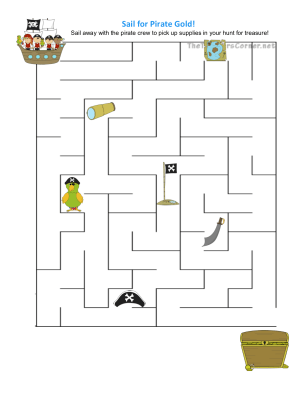
Sail for Pirate Treasure Maze


Join the crew of scallywags to pick up supplies on your way to finding a treasure chest full of gold in this printable maze.

Sail for Pirate Treasure Maze Puzzle | Sail for Pirate Treasure Maze Solution

celebrate-picture-books-picture-book-review-kindergarrrten-bus-cover

You can find Kindergarrrten Bus at these booksellers

Amazon | Barnes & Noble | Books-a-Million | IndieBound

Picture Book Review


April 20 – It’s National Humor Month

celebrate-picture-books-picture-book-review-when-a-tree-grows-cover

About the Holiday

National Humor Month was established in 1976 by comedian and author Larry Wilde, who is also the director of the Carmel Institute of Humor, to promote all things funny and raise awareness of the benefits of laughter and joy. The health benefits of an optimistic outlook are well documented. Lightheartedness also improves communication skills and boosts morale. Reading funny books is a fantastic way to share a laugh—for kids and adults—and to encourage a love of literature. In fact, there’s even a Funny Literacy Program that offers lots of resources and activities to fill your days with humor! Click here to learn more. This year, perhaps more than any, a little laughter helps us and our kids get through difficult times. Get started with today’s book and enjoy a laugh not only during April but every day! 

I received a copy of When a Tree Grows from Sterling Children’s Books for review consideration. All opinions are my own.

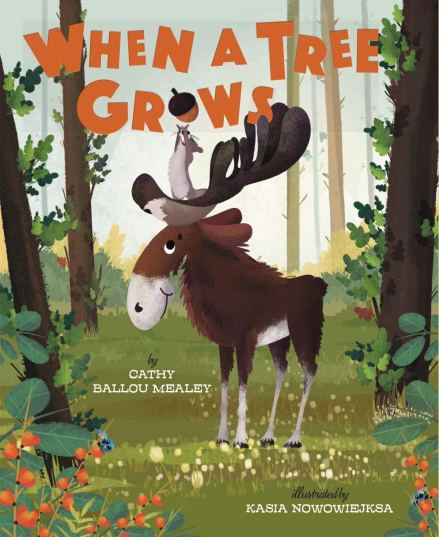
When a Tree Grows

Written by Cathy Ballou Mealey | Illustrated by Kasia Nowowiejska


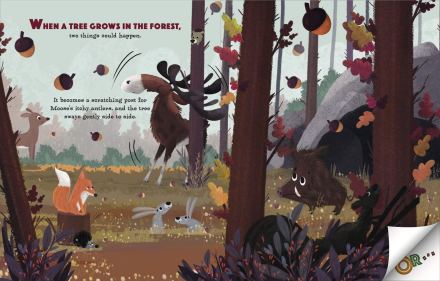
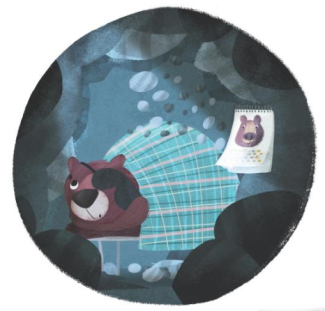
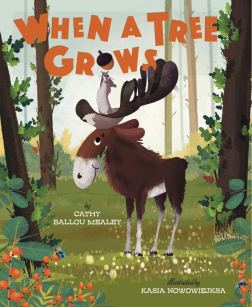
We all know that age-old question “When a tree falls in a forest does it make a sound?” Inexplicably, this riddle seems to forget all about the adorable woodland animals—many of which we meet in this hilarious book that poses many thought-provoking conundrums of its own. For instance: “When a tree grows in the forest, two things can happen. It becomes a scratching post for Moose’s itchy antlers, and the tree sways gently side to side. OR… CRASH-BOOM! Moose pushes a little too hard, the tree falls on a cave, and the bear inside wakes up.”

celebrate-picture-books-picture-book-review-when-a-tree-grows-scratchcelebrate-picture-books-picture-book-review-when-a-tree-grows-scratch

Image copyright Kasia Nowowiejska, 2019, text copyright Cathy Ballou Mealey, 2019. Courtesy of Sterling Children’s Books.

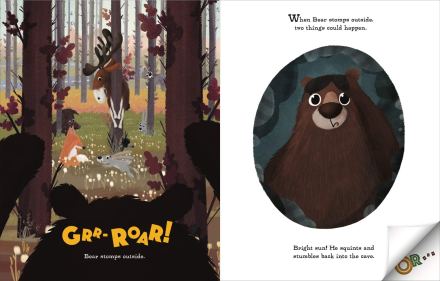
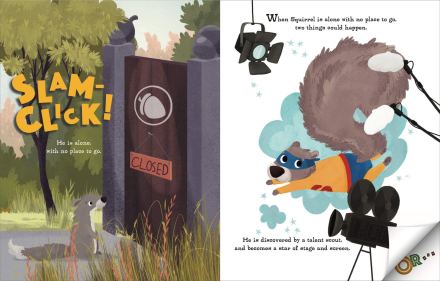
But how does Bear react? He can stay inside… OR come out to see what all the ruckus is about. And when he comes outside? Well, the domino effect could take over the forest… OR not. Alert readers will notice that Bear’s not the only one affected by the falling tree. Squirrel loses his home, but does he find the perfect replacement when a Nifty Nuts truck loaded with acorns gets entangled in this roller-coaster ride of a story… OR not?

celebrate-picture-books-picture-book-review-when-a-tree-grows-bear

Image copyright Kasia Nowowiejska, 2019, text copyright Cathy Ballou Mealey, 2019. Courtesy of Sterling Children’s Books.

As readers follow the action, they’ll wonder—will Squirrel discover a lifetime supply of nuts? Fame and fortune? An empty spot in his heart? And when (if?) “Scribble-Scratch! He writes a letter to Moose,” will Moose eat it or read it? The answers to these forest-related questions lead to a fantastic welcome-home feast with party hats and decorations and, of course, lots and lots of acorns that Squirrel will either gobble all up… OR….

celebrate-picture-books-picture-book-review-when-a-tree-grows-squirrel

Image copyright Kasia Nowowiejska, 2019, text copyright Cathy Ballou Mealey, 2019. Courtesy of Sterling Children’s Books.

Nuttiness abounds in this funny story that will have kids on the edge of their seats and excitedly chiming in as each situation plays out, leading to more and more consequences for Squirrel. Cathy Ballou Mealey’s action-packed storytelling, punctuated with onomatopoeia, makes each page a joy to read aloud. Underlying all of the shenanigans is a sweet friendship story that will tug at readers’ hearts as the gently suspenseful circumstances seem to take Squirrel farther and farther away from the forest. Kids will cheer along with Moose, Bear, and a bevy of other cute animals as they celebrate Squirrel’s homecoming and enthusiastically approve of what Squirrel does with his windfall to guarantee that all the friends can stick together forever.

celebrate-picture-books-picture-book-review-when-a-tree-grows-bear-awake

Kasia Nowowiejska populates this most friendly of forests with adorable, wide-eyed animals whose expressions perfectly reflect their dilemmas without giving away the secret answers. Kids will laugh out loud to see Moose nervously clinging half-way up a tree as Bear growls, applaud squirrel’s aim with a slingshot, and wish they could join in the party when Squirrel comes home. Nowowiejska’s beautiful earth-tone color palette provides depth and texture to the lush foliage while highlighting each animal’s choices in clever and original ways that kids will love. The onomatopoeic phrases are spotlighted with vibrant, bold lettering, ensuring that readers will add their own spin to this fun element of the story.

No “OR…”s about it, When a Tree Grows will be a hit for lively, animated story times and would be an often-requested addition to home, classroom, and public libraries.

Ages 3 and up 

Sterling Children’s Books, 2019 | ISBN 978-1454921202

Discover more about Cathy Ballou Mealey and her books on her website.

To learn more about Kasia Nowowiejska, her books, and her art, visit her website.

Meet Cathy Ballou Mealey

celebrate-picture-books-picture-book-review-Cathy-Mealey-headshot

Cathy Ballou Mealey lives with her family north of Boston, where she delights in watching silly squirrel antics and is waiting patiently for a moose to appear. Her favorite nut is the hazelnut and her favorite cupcake is cardamom crème.

Thank you for inviting me to the fabulous Celebrate Picture Books! I am delighted to join your celebration of Get Caught Reading Week by talking about writing inspiration and what we might learn from our hobbies and jobs, and also sharing a story starter for a favorite fall holiday!

I’m delighted that we get to talk about all of these things—and more! So let’s get started at the beginning of your journey with When a Tree Grows!

What was the spark of inspiration that led to When a Tree Grows?

When A Tree Grows was inspired by a distant creaky Crash! that I heard in the woods while hiking with my family. Was it a falling tree? An animal? I wondered: What if that crash had scared a bear or frightened a deer?

Building on that “OR” question, I framed a wacky story with two different possible outcomes, one rather expected and one funny, unexpected outcome. Readers will find that “OR” spotlighted on the bottom corner of each recto page with a clever curled paper art effect.

You must have had fun coming up with the alternate scenarios in your book. Can you share any that didn’t make the cut?

An early draft had a sweet city scene between Squirrel and a pigeon, but it didn’t make the final cut. It was tender and poignant, but needed a funnier alternative outcome to move the storyline along. In the end, I am happy that only Squirrel, Moose and Bear share the spotlight!

I love Kasia Nowowiejska’s illustrations that combine adorable, expressive animals with silly antics. Do you have a favorite spread? Did anything in the illustrations surprise you? 

I agree! Kasia is from Poland, and I loved the European flair in her forest sketches. Seeing the warthog was a complete, delightful surprise. Warthogs are not animals we would typically see in a North American woodland, and that leads to great discussions with young readers.

You have degrees in psychobiology and classical civilization. Can you describe these a bit and how they are connected? Does your study of psychobiology help inform the character development in your stories?

Psychobiology is the study of the brain, behavior and cognitive processes. I found it fascinating to research why and how we think, feel and do the things we do! I learned how to be a good observer, listener, and follower of the empirical method. I also studied classical civilization because I loved Latin, and the professors were extremely gifted storytellers. They brought ancient texts to life through dramatic readings and captivating extemporaneous performances. Exactly how these field of study inform my present work is unclear, but a liberal arts education really does cultivate curious minds!

In your bio, you also say that you were a crossing guard, hash-slinger, gift-wrapper, and pet sitter. This sounds like perfect prep for becoming a picture book author! Have any of these jobs inspired a story? Do you have a funny or surprising experience you’d like to share?

Writers DO find a way to wring fictional purpose out of anything, don’t we? I have found that one common theme across many of my stories is work. In When A Tree Grows, Squirrel gets a job in the Nifty Nuts factory as a quality control inspector. That’s one job I have not done! But working as a department store gift-wrapper was a job where quality mattered. Customers could buy a specialty paper/ribbon combination or choose the free “store wrap” which was red with tiny white checkered squares. The squares had to line up perfectly, no matter how lumpy or bumpy the item was, or the boss would make us re-wrap it. Wrap a floor lamp? Rocking chair? I like to imagine one of my co-wrappers invented printed gift bags out of desperation.

In previous interviews, you’ve described how you wrote your first picture book to enter the Cheerios “spoonful of stories” contest. But did you always like to write? What kinds of writing did you do? What inspired you to try the picture book form?

As a kid I loved to write and illustrate greeting cards, so my earliest efforts were short and to the point, just like picture books. I also wrote scripts for Muppet-like puppet shows, assigning the best roles to myself, of course. When school assignments piled up and writing lost its luster, I stopped scribbling for pleasure. Decades later, having children led to reading many picture books and to many boxes of Cheerios. So those factors definitely helped re-ignite my passion for writing and picture books specifically.

When a Tree Grows was released on April 2. What have you found to be the best part of being a published author? If you’ve held any book events, can you describe the reactions of kids to your story?

Of course seeing Tree on bookstore shelves and in readers’ hands is delightful. Hearing people laugh at the funny spots is a thrill! I like to ask a helper to wave a big sign that says “OR” to dramatize the page turns during readings. And kids love to see Squirrel scooping coins out of the fountain to buy a bus ticket home – so naughty!

What’s up next for you?

Next up for me is a still-secret, super funny picture book with an amazing publisher in Canada. A sloth and a squirrel team up for a special mission. Look for an announcement soon, and a book sometime in 2021!

What’s your favorite holiday and why?

Halloween – because it is in the fall, my favorite season. It also happens to be my birthday! Costumes, candy, glowing pumpkins, being outside after dark – all these elements make magical memories for kids. And on top of all that I got a cake, candles, and presents too? Pretty great.

Has a holiday ever influenced your work?

What a great idea! Let’s imagine re-casting When A Tree Grows as a Halloween story.

When an Owl hoots in the forest on Halloween, two things could happen.

Warthog blows out the candle in her pumpkin. Trick or treat is over.

OR…

Eek! Warthog is startled and tosses her candy into the air.

When Warthog tosses her candy into the air, two things could happen.

What do YOU think should happen next?

Oh my! Let’s see…

Bat neatly snatches all the candy out of the air with her trick-or-treat bag.

OR…

A candy corn ricochets off a tree and bonks bat, sending her wildly off course.

Readers? What do YOU think? Add your ideas in the comments section below!

Well, this was tons of fun, Cathy! I’m so glad we had a chance to chat! I wish you all the best with When a Tree Grows!

You can connect with Cathy Ballou Mealey on

Her website | Facebook | Instagram | Twitter

Get Caught Reading Month Activity

celebrate-picture-books-picture-book-review-moose-headband-craft-when-a-tree-grows

Moose starts a whole string of events in today’s book! What will you get up to in your own moose antlers?

Supplies

  • Stiff brown paper
  • Brown hair band
  • Pencil
  • Scissors
  • Tape

Directions

  1. Trace your hands with fingers spread on the brown paper. Leave a 1 – 2 inch tab on the end of the wrist for wrapping around the head band
  2. Cut out the hand prints
  3. Place one hand print on the right side of the headband with the thumb of the hand pointing up.
  4. Wrap the tab around the headband and secure with tape
  5. Place the second hand print on the left side of the headband with the thumb pointing up.
  6. Wrap the tab around the headband and secure with tape.

celebrate-picture-books-picture-book-review-when-a-tree-grows-cover

You can find When a Tree Grows at these booksellers

Amazon | Barnes & Noble | Books-a-Million | IndieBound

Picture Book Review

April 17 – International Haiku Poetry Day

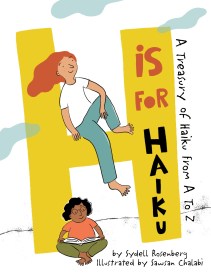
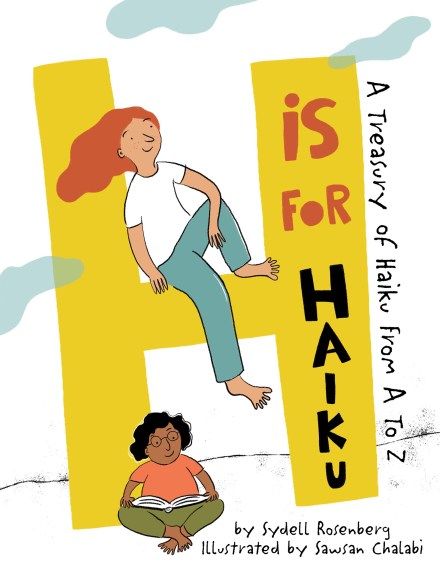
celebrate-picture-books-picture-book-review-h-is-for-haiku-cover

About the Holiday

Small things are amazing—and surprising! We all know good things come in small packages, and just look at the wisdom, humor, and capacity for love of children. The same goes for haiku—the smallest form of poetry in size but never in impact. During National Poetry Month, today is set aside to especially celebrate the haiku. The simple 5-7-5 rule that we all learn in school doesn’t begin to define the complexity of these three-line beauties that distill the world into little nuggets that make readers see life in amazing and surprising ways.

H is for Haiku: A Treasury of Haiku from A to Z

Written by Sydell Rosenberg | Illustrated by Sawsan Chalabi


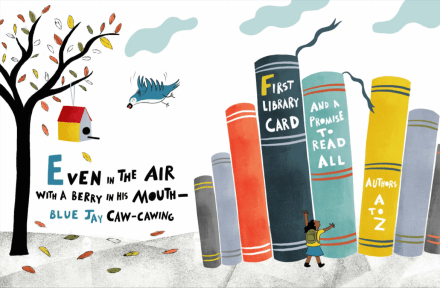
In her lovely and delightfully whimsical poems, Sydell Rosenberg holds moments in the palms of her hands, letting readers immerse themselves in the tender, humorous, and wistful flashes of a day before they shift, evolve, or fade away. H is for Haiku begins, appropriately, with Adventure and its dreamy memory for a worn-out kitten as he slumbers.
celebrate-picture-books-picture-book-review-h-is-for-haiku-blue-jay

Image copyright Sawsan Chalabi, 2018, text copyright Sydell Rosenberg, 2018. Courtesy of Penny Candy Books.

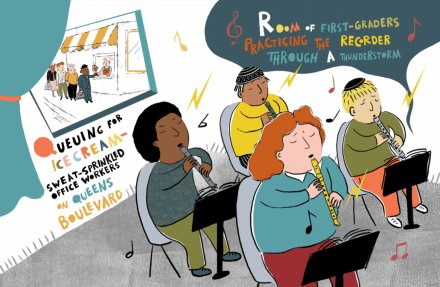
The journey continues as readers meander along a city sidewalk and see a “Boy on a mailbox / perched like a solitary bird / watching the sunset.” Walking on, readers peek into car backseats, queue for ice-cream on a sweaty summer day, and visit a barbershop where you always ask for Xavier. Down country lanes, you’ll spy a pale moon, turn the heads of sunflowers, share bike rides and car rides, and watch as “Munching on acorns / a squirrel sweeps up sunbeams / with her transparent tail.”

celebrate-picture-books-picture-book-review-h-is-for-haiku-flamingo

Image copyright Sawsan Chalabi, 2018, text copyright Sydell Rosenberg, 2018. Courtesy of Penny Candy Books.

Rosenberg’s studied eye for connections makes her poems especially enchanting. Leaves and flowers, birds and insects, rain and thunder interact with those in their midst, adorning hair, scurrying away, playing musical backup, meeting danger, and creating transformations like the one at Y: “Yesterday’s cool rain / left this flat puddle smoothing / the wrinkled leaves.” A trip to the fish market is infused with humor, and an optical illusion makes you look twice at the flamingos in a pond.

Even in her observations of the routine, Rosenberg reminds readers that there is music and poetry in common actions. For example, at U we hear: “Up and down the block / homeowners mate the covers / of gusted trash cans.” As a teacher sits grading papers to close out the book, readers can’t be faulted for wishing our alphabet had a few more letters.
celebrate-picture-books-picture-book-review-h-is-for-haiku-recorders

Image copyright Sawsan Chalabi, 2018, text copyright Sydell Rosenberg, 2018. Courtesy of Penny Candy Books.

As a teacher Sydell Rosenberg was attuned to the spirit of children, and her sophisticated and fun haiku are particularly accessible for young readers. Touching on a wide range of subjects, Rosenberg invites kids to look and look again. Her keen observations and lilting imagery will inspire them to do just that. 

Sawsan Chalabi’s charmingly quirky illustrations and stylized lettering present each poem with dash and personality that will enchant kids. Her delicately lined drawings are infused with vibrancy from a gorgeous color palette. Just like Rosenberg’s haiku, Chalabi’s pages are animated with a love for life that will resonate with kids—and adults.

H is for Haiku will spark a love for this special form of poetry and inspire kids to write their own. A terrific gift for poetry lovers and an imagination-boosting addition to homeschool lessons, the book makes a wonderful addition to home, school, and public library collections.

Ages 5 – 11 (and up)

Penny Candy Books, 2018 | ISBN 978-0998799971

Discover more about Sawsan Chalabi and view a portfolio of her work on her website.

 Amy Losak talks about her mom, Sydell Rosenberg
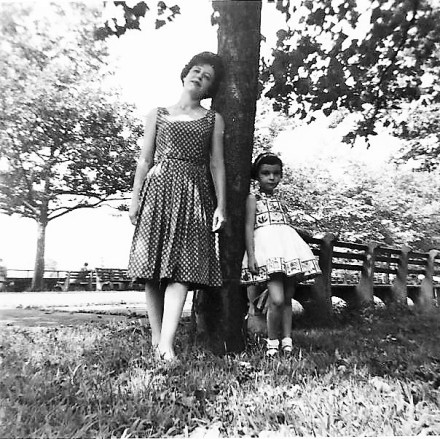
celebrate-picture-books-picture-book-review-h-is-for-haiku-sydell-rosenberg-and-amy

Sydell Rosenberg and her daughter Amy enjoying the park n 1961.

SYDELL ROSENBERG (1929-1996) lived, wrote and taught in New York City. Syd was a charter member of the Haiku Society of America in 1968 and served as HSA’s Secretary in 1975. Her short poems – notably haiku and senryu – as well as other poetry, were published in various magazines and anthologies. Syd received her M.A. in English as a Second Language from Hunter College in 1972. It was Syd’s dream to publish a book of haiku for children.

Compiled by her daughter, Amy Losak, H is for Haiku is the fulfilment of the late poet Sydell Rosenberg’s dream to write a book of poetry for children. I was excited to talk with Amy about her mother, her journey with H is for Haiku, and her own poetry.

Can you talk a little about your mother and her love for haiku and senryu?

Sydell Rosenberg was a New York City teacher (various grades; substitute, English, literacy; and also adult ESL). I think Syd Rosenberg “discovered” haiku and senryu in the early-to-mid 1960s. How she may have stumbled upon these poetic forms, I wish I knew. Mom always was a writer – short stories, poetry, literary and word puzzles, and more. Syd wrote in English and in Spanish and translated literature from and into Spanish too. In her early 20s, she published a racy novel, “Strange Circle,” under a male pseudonym, Gale Sydney (a reversal of the initials of her maiden name, Sydell Gasnick). This was in the early 1950s! This potboiler sold a respectable number of copies. In fact, “Strange Circle” is still floating around online.

In the 1960s, as a still-young wife and mother, perhaps she was restless and searching for a challenging format to test her talents and reflect, or give credence to, her singular way of viewing the world around her. Syd was a native New Yorker who loved nature and found marvels in mundane moments. Perhaps the lucid qualities of haiku and senryu, with their concise yet intense focus on such things, gave her—paradoxically—the amplitude she wanted to express her vision and ideas.

What is the difference between the two forms?

I’m no expert on haiku and senryu. Poets spend years studying and they labor over their work. These are difficult forms to write well. Like any creative art, it takes practice. It seems as though the definitions can get “in the weeds”—and then there are some poets who don’t get too “hung up” on the distinctions. Here are topline definitions from the Haiku Society of America, and readers can go to this Haiku Society of America page for more details:

The Haiku Foundation also is a great source of information, and there are many other fine resources in books, online and in social media.

HAIKU: A haiku is a short poem that uses imagistic language to convey the essence of an experience of nature or the season intuitively linked to the human condition.

SENRYU: A senryu is a poem, structurally similar to haiku, that highlights the foibles of human nature, usually in a humorous or satiric way.

Were the poems in H is for Haiku originally written as an alphabet-inspired collection?

Yes, some of the poems in H Is for Haiku were in one (or more, possibly) alphabet-themed manuscripts I located among mom’s many materials. And some were previously published in journals decades ago.

It was Syd’s lifelong dream to publish a book of haiku for children. Can you talk about the journey you’ve taken with H Is for Haiku?

Mom was submitting at least one of her kids’ poetry manuscripts (I’m not sure how many she created, and I don’t think they were all haiku) to publishers since the 1980s. My fuzzy memory tells me she may have submitted as far back as the 1970s. This has been a long and zigzagging timeline, by any measure.

Mom’s poetry was well-anthologized in a variety of media over several decades (including classic texts such as The Haiku Anthology, The Haiku Handbook, The Teachers & Writers Handbook of Poetic Forms, among others). Syd was a teacher, and she had this desire to publish a poetry picture book, preferably a haiku A-B-C reader. I think she wanted kids to illustrate it, although she also had illustrators she liked in mind (in one old cover letter I found, she mentions Arnold Lobel).

After her sudden death in October of 1996, her family promised to try and publish her dream book. But it wasn’t until around 2011 that I knuckled down—and even then, the process of collecting and organizing some of her work was, to be frank, tortuous. But I managed to curate a good compilation.

In the meantime, I spearheaded other projects to revive some of her work for today’s audiences, especially children. For example, I’ve been in a partnership for several years with a terrific nonprofit arts education organization in NY, Arts for All which brings a variety of arts programs into public schools. Teaching artists have used mom’s “word-picture” haiku to convey the basics of painting, drawing and collage; music; and theater to young students.

In 2015, I finally started to send out her manuscript to publishers that didn’t require agents. In 2016, I connected with the wonderful Penny Candy Books, thanks to a poet and teacher, Aubrie Cox Warner. Penny Candy’s Chad Reynolds and Alexis Orgera have been such a joy; and Sawsan Chalabi’s dynamic illustrations vividly augment the gentle playfulness in mom’s poems.

celebrate-picture-books-picture-book-review-h-is-for-haiku-sydell-rosenberg

Syd was a charter member of the Haiku Society of America. Can you talk about her work with the HSA?

 HSA celebrates its 50th anniversary this year. Syd attended the founding meeting in October of 1968. She also served as HSA secretary in 1975 and twice on committees for HSA’s Merit Book Awards “for excellence in published haiku, translation and criticism.” Of course, mom’s work was published in HSA’s beautiful journal, Frogpond, and a good number of other journals and publications, including (but not limited to) Modern Haiku, Wind Chimes, and Haiku West. HSA memorialized Syd by reading some of her work shortly after her death in 1996. In addition, Frogpond published a lovely memorial page in its December 1996 issue. It also published one of her posthumous haiku in a 1997 issue. Her first published haiku in a journal was in 1967 in American Haiku (although I believe she may have published haiku even earlier, in the poetry column of a now-defunct newspaper).

HSA and all things haiku—and writing overall—were important, even essential, components of her life. Creative expression was aa important to her as breathing.

The haiku in H Is for Haiku have such a wonderful sense of active observation and eye for personality and fun. Do you remember this as a quality of your mom while you were growing up?

Yes! Mom had a playful, offbeat, and I think an innate optimistic spirit. Mom was a “knowledge-adventurer.” Her intellect sometimes had an almost childlike quality. She tried to instill this expansive sense of curiosity in my brother Nathan and me. I have come to realize that mom looked forward to each new day as jam-packed with the possibilities for new experiences. And she sought them out for herself and her family.

I read that you also write poetry. Can you share a little about your work?

I’m a beginner as a poet. I think I always will be, and I’m fine with this. There’s a lot to learn.

I especially enjoy the process of trying to write haiku and senryu. It allows me to “be in the moment” and dial down distracting “chatter” that can bombard and dull my senses. Some of my work has been published. I’m slowly improving.

Thanks to social media, I find inspiration in the work of other poets today, especially haiku and senryu poets (and others, as well). There’s so much great poetry out there! I also have learned to find “bits” of inspiration in my daily life. Our pixilated cats, for example, were a wellspring of inspiration! And New York City, of course, offers an inexhaustible supply of both small and big moments. Even something as routine as my bus commute can sometimes trigger “slices” of awareness that lead to a short poem. Or I will be walking to the bagel shop for an iced coffee, and something out of nowhere—the peep of a sparrow in a forsythia bush, a squashed pine cone on the pavement—will draw my attention. Maybe this “haiku moment” will result in a poem. Or maybe not, but I’m still richer because of these “slivers” of experience.

And mom, it turns out, has had more of an influence on me that either one of us could have imagined. Syd’s spirit resonates today. I like to think she would be pleased with this book. And of course, kids and their parents!

The poetry and kidlit communities are caring and supportive. I’m grateful for all their encouragement over the years. And I’m grateful to my husband, Cliff, brother, Nathan; sister-in-law, Debbie; other loving family members; friends; colleagues, etc. So many terrific people! They’ve kept me going, and I can’t thank them enough.

Thanks, Amy, for sharing so much about your mom. I wish you all the best with H is for Haiku and your own work.

International Haiku Poetry Day Activity
celebrate-picture-books-picture-book-review-haiku-art-craft-2

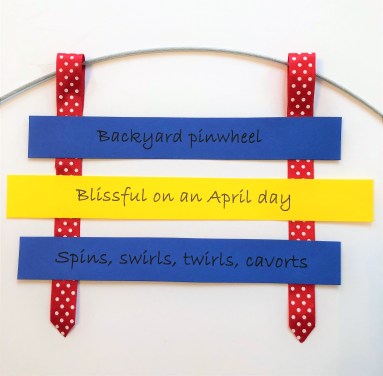
Haiku Wall Art


The haiku you write deserves to be shared with others! With this easy craft you can display your poem in style.

Supplies

  • Colorful heavy stock paper, 2 or three colors
  • Ribbon
  • Glue or glue dots, or double-sided tape
  • Dowel or wire for hanging
  • Paint to paint the dowel (optional)

Directions

  1. Write a haiku and print the lines on colored paper
  2. Cut the lines apart, making the first and third line shorter than the second line
  3. Glue or tape the lines to the ribbon, leaving about a half inch between them
  4. To make the hangers, fold the tops of the ribbon over and glue or tape it closed
  5. If using a dowel to hold the poem, you can paint it to match or contrast with the paper
  6. Hang the poem from a dowel or wire

celebrate-picture-books-picture-book-review-h-is-for-haiku-cover

You can find H is for Haiku at these booksellers:

Amazon | Barnes & Noble | Books-a-Million | IndieBound | Penny Candy Books

Picture Book Review


view

April 16 –National Orchid Day

celebrate-picture-books-picture-book-review-flower-talk-cover

About the Holiday

National Orchid Day was established to celebrate one of the world’s most intricate and diverse flowering plants. With over 25,000 recognized species each, the orchid and the sunflower families of flowers vie for the title of largest as new species are discovered every year. Orchids range in size from a tiny 2.1mm flower with transparent petals only one cell thick to the grammatophyllum speciosum or Queen of Orchids, which grows to nearly 10 feet tall. Vivid coloring and striking patterns make the petals of each species things of wonder and prized plants for homes and botanical gardens. To celebrate today, learn how flowers use their colors and other features with today’s book!

I received a copy of Flower Talk: How Plants Use Color to Communicate from Millbrook Press to check out. All opinions are my own.

Flower Talk: How Plants Use Color to Communicate

Written by Sara Levine | Illustrated by Masha D’yans


A little purple prickly pear has something he wants to get off his spines. He shouts up at the reader holding the book. “Pssst! Down here! That’s right—I’m a plant, and I’m talking to you!” Once the reader is all attention, he goes on: “I want to clear up some of your crazy ideas about what the colors of our flowers mean.” You’ve got it all wrong if you think “red roses stand for love and white ones are good for weddings.” The prickly pear may see that the reader feels a bit confused, even a little embarrassed, so he softens his tone a bit and explains that while we may interpret a flower’s colors in certain ways, that’s not what they’re really for.

celebrate-picture-books-picture-book-review-flower-talk-cactu

Image copyright Masha D’yans, 2019, text copyright Sara Levine, 2019. Courtesy of Millbrook Press.

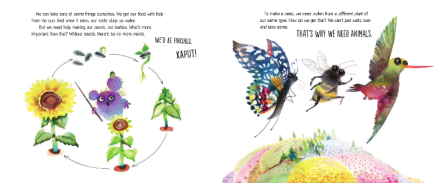
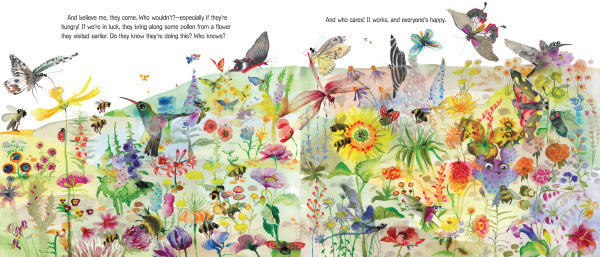
He then continues to reveal “we use our flowers to talk to the animals” so that we can make seeds and more plants. To do that each plant needs pollen from another plant of the same kind. Flowers are like big ads, the prickly pear explains, that attract just the right birds, bees, or butterflies to help them out. Often, if they’re hungry, they fly from flower to flower and bring pollen along with them.

celebrate-picture-books-picture-book-review-flower-talk-insects

Image copyright Masha D’yans, 2019, text copyright Sara Levine, 2019. Courtesy of Millbrook Press.

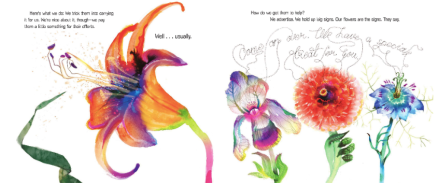
But how does each bird, butterfly, or bee know which flowers to pollinate? That’s where a flower’s colors come in, the prickly pear says. “A flower’s color invites specific animals to visit.” Then he lets children in on their conversations. Hear the red flowers talking? They’re calling out to birds, offering hummingbirds a bit of nectar in exchange for carrying pollen. Insects can’t see the color red. Blue and other vibrant flowers whisper sweet nothings to bees, inviting them to take along some pollen – to their hives and also to other flowers, thanks! White flowers are perfectly hued to attract pollinators at a particular time of day. Brown flowers may not be showy, but they appeal to certain insects too. And green flowers? Well they don’t need to talk at all. The prickly pear encourages kids to guess why.

celebrate-picture-books-picture-book-review-Flower-talk-ads

Image copyright Masha D’yans, 2019, text copyright Sara Levine, 2019. Courtesy of Millbrook Press

Colors aren’t the only trick that flowers have either. Most emit a scent and some are just the right shape. But now, the prickly pear excuses himself with an abrupt “Go take a hike.” Why the brush off? It seems he’s making a new flower and is just about done with it. When you see it, you’ll think it’s the bee’s knees!

Back matter includes an illustrated step-by-step look at how pollination works, information on how to protect pollinators, and a list of other books for further reading.

celebrate-picture-books-picture-book-review-flower-talk-field

Image copyright Masha D’yans, 2019, text copyright Sara Levine, 2019. Courtesy of Millbrook Press.

With an impish attitude, Sara Levine’s hilarious and knowledgeable prickly pear narrator engages kids in witty banter while taking them on a colorful garden tour. As the cactus explains a plant’s growing cycle and the need for pollinators, the information it imparts is eye-opening for children and adults. Why and how each flower’s color and scent attract just the right pollinator is clearly described in conversational language that kids will laugh along with and learn from. Every page contains an “ah-ha” moment that will spark discussion and an excitement to plant a colorful garden and watch nature at work.

Like a riotous field of wildflowers, Masha D’yan’s dazzling illustrations put colors on glorious display as the flowers lure insects and animals to them. D’yan’s detailed images provide a great place for young naturalists to start researching the various plants introduced. Depictions of the prickly pear, birds, and bees match the humor of Levine’s text. Kids will love lingering over the two-page spreads to point out the various animals and insects and how they interact with the plants. They’ll also like following the growth of the prickly pear’s bud as it grows bigger and blossoms.

A superb book for teaching children about this fascinating feature of flowers and plants as well as providing a guide for gardeners interested in attracting a variety of pollinators, Flower Talk: How Plants Use Color to Communicate would be an outstanding addition to home, classroom, and public libraries.

Ages 7 – 11

Millbrook Press, 2019 | ISBN 978-1541519282

Discover more about Sara Levine and her books on her website.

To learn more about Masha D’yans, her books, and her art, visit her website.

National Plant a Flower Day Activity

celebrate-picture-books-picture-book-review-flower-pot-stake-craft

Flower Garden Stakes


It’s fun to start a garden from seeds, but how do you remember what you’ve planted where? With these easy to make garden stakes, you can mark your pots with style! 

Supplies

  • Wide craft sticks
  • Chalkboard paint in various colors
  • Colorful chalk
  • Paint brush

Directions

  1. Paint the stakes with the chalkboard paint, let dry
  2. With the chalk, write the name of the different flowers or plants
  3. After planting your seeds, stick the stake in the pot 
  4. Wait for your seeds to grow!

celebrate-picture-books-picture-book-review-flower-talk-cover

You can find Flower Talk: How Plants Use Color to Communicate at these booksellers

Amazon | Barnes & Noble | Books-a-Million | IndieBound

Picture Book Review

April 15 – It’s National Garden Month

celebrate-picture-books-picture-book-review-fruit-bowl-cover

About the Holiday

In 1987 National Garden Week sprouted on the calendar to celebrate the beginning of spring and the growing season. But a week just isn’t enough to enjoy all the fun and excitement (and delicious food and glorious flowers) of gardening. In 2002, the National Gardening Association extended the holiday to encompass the full month of April. A perfect activity for the whole family gardening is a wonderful way to teach kids about the growth cycle, pollinators, nutrition, and more! If young plants or seeds are available in you area, creating a garden in your yard or even indoors makes a fun and educational addition to homeschool lessons with delicious rewards to come. Today’s book takes a look at an age-old question to whet your appetite for summer’s bounty.

By Jakki Licare

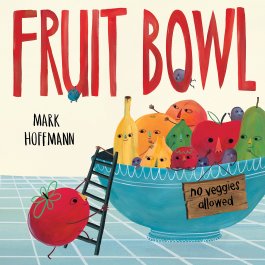
Fruit Bowl

By Mark Hoffmann

A mother and her child are back from the grocery store. Mom asks her child to put away all of the fruit and veggies. The child greets the fruit and asks how they are doing. “Peachy keen,” Peach replies. “Full of zest,” says Lemon. But Strawberry complains, “I was jammed in that bag.” The fruit all get into the bowl. Apple, peach, banana, lemon, orange, pear, strawberry, grapes, lime, blueberry, and…tomato. The child stops and tells the tomato he doesn’t belong in the fruit bowl. He is a vegetable and should be in the fridge. Tomato tells them he is fruit, but they all tell him he has to leave. “You’ll have to split,” Banana says. 

celebrate-picture-books-picture-book-review-fruit-bowl-tomato

Copyright Mark Hoffmann, 2018, courtesy of Knopf Books for Young Readers.

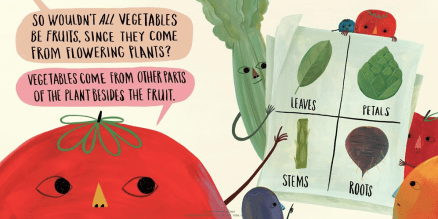
The child directs Tomato to the fridge, telling him he’ll go bad if he doesn’t cool it. Sitting on the edge of the crisper drawer, Tomato tells everyone he doesn’t belong in the fridge and he can prove it. He pulls out a book and begins to explain that all fruit start out as flowers. Banana remembers, “My flower was the best of the bunch.” The child asks if all vegetables are fruit since they come from flowering plants too. Tomato explains that vegetables come from different parts of the plant: leaves, stems, petals, and roots. Tomato then shows an x-ray of himself. The x-ray clearly shows his seeds on the inside. Potato exclaims, “I can’t believe my eyes!”

The child agrees that maybe he is a fruit, but tomatoes aren’t sweet like other fruit. Tomato is indignant and points out that cranberries and grapefruit aren’t sweet. The child wonders if anyone can settle this debate for them. Blueberry mentions that there is an old legend about Old Man Produce who is “hidden in this very kitchen.” The fruits all climb out of the bowl to seek out this sage.

celebrate-picture-books-picture-book-review-fruit-bowl-vegetables

Copyright Mark Hoffmann, 2018, courtesy of Knopf Books for Young Readers.

In the corner of the counter, the fruits and vegetables find a very wrinkled raisin. Old Man Produce welcomes them with mystical knowledge about what they seek. The child asks him if a tomato is really a fruit. “Well that is the question of all questions. If the tomato is not a fruit. Is he not delicious?” Old Man Produce talks on for a long time until Tomato interrupts him with a curt “Yes or No?”

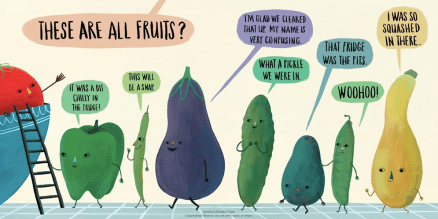
Finally, Old Man Produce confirms that tomato is a fruit. The child agrees that tomato should go in the bowl then. Lemon and Blueberry welcome him warmly. The child asks, “Are there any other vegetables that are fruits in disguise?” Tomato says, “Funny you should ask.” Suddenly, Pepper, Snap Pea, Eggplant, Pickle, Avocado, String Bean, and Yellow Squash all climb into the bowl too. The child agrees they all can stay, and the fruits all snuggle in happily. The vegetables in the fridge wish they had a bowl instead of a drawer. Tomato replies, “Those veggies are just greens with envy.”

celebrate-picture-books-picture-book-review-fruit-bowl-pickle

Copyright Mark Hoffmann, 2018, courtesy of Knopf Books for Young Readers.

In this playful tale told entirely through dialogue balloons, Mark Hoffmann explains to young readers what makes a fruit a fruit. He introduces facts like: all fruits start off as flowers and carry seeds as well. Hoffmann also explains that vegetables come from other parts of the plants such as roots, petals, stems, and leaves. His wonderful and silly vegetable and fruit puns keep young children interested and laughing. Hoffmann also shows a huge array of fruits and vegetables which hopefully will make our more tentative eaters curious. 

Hoffmann’s bold illustrations fill each page with a colorful variety of fruit and vegetables that are a treat for the eyes. The vivid personalities of the fruit are easily conveyed through the artful and simplistic faces. Children will sympathize with Tomato when he sadly walks away from the fruit bowl in the beginning and then cheer along with the other fruit when, with a big smile, he climbs into the fruit bowl at the end.  Fun characters, such as Old Man Produce – a wrinkly raisin with a cane that’s a take off on wise wizards in books and movies – are sure to make children giggle throughout the story.

Flower Bowl is an educational and entertaining read for story times about nutrition, gardening, or plants and a wonderful addition to any classroom or home, or public library. 

Ages 3 – 7

Knopf Books for Young Readers, 2018 | ISBN 9781524719937

Discover more about Mark Hoffmann, his books, and his art on his website.

National Garden Month Activity

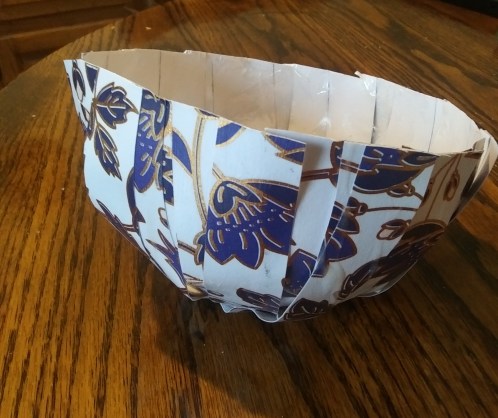
celebrate-picture-books-picture-book-review-fruit-bowl-craft-finished

Make your Own Fruit Bowl


Do your fruit need a home? Try this craft and make a place for all your fruit to hang out together (even tomato!)

Supplies

  • Modge Podge
  • Balloon
  • Plastic cup
  • 2 sheets of 12×12 cardstock
  • Foam brush
  • Scissors
  • Scrap Paper

celebrate-picture-books-picture-book-review-fruit-bowl-craft

Directions

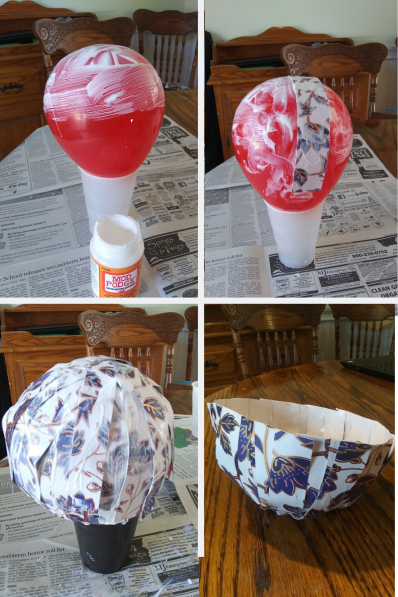
  1. Cut sheets of card stock into 1-inch strips
  2. Blow up balloon to the size of the bowl you wish
  3. Before gluing be sure to lay down scrap paper on your work surface. This is a messy project! 
  4. Rest balloon on plastic cup
  5. Cover the top and sides of balloon in Modge Podge
  6. Take a strip of paper and coat the bottom side of the paper with Modge Podge. This is a great activity for younger children to help with.
  7. Lay strip along the balloon. Coat the top of the strip until it can lay smoothly along the balloon. The ends of the strips will stick up a bit and that is okay. Laying down the strips can be tricky and should probably be done by older children or adults.
  8. Repeat steps 6 & 7 until half of the balloon is covered. You can make your bowl shallow or deep depending on how much of the balloon you cover.
  9. Go over all the strips with another layer of Modge Podge
  10. Let balloon and strips rest in a safe place over night
  11. Next pop or cut balloon
  12. Cut edges off to even out bowl

celebrate-picture-books-picture-book-review-fruit-bowl-cover

You can find Fruit Bowl at these booksellers

Amazon | Barnes & Noble | Books-a-Million | IndieBound

Picture Book Review

April 14 – National Gardening Day

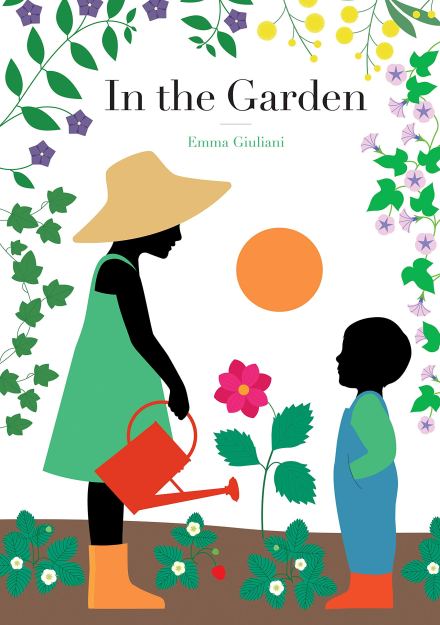
celebrate-picture-books-picture-book-review-in-the-garden-cover

About the Holiday

For many of us, spring means gardening. Today’s holiday encourages avid gardeners and those new to this rewarding activity to turn over some dirt, plant seeds, and prepare to tend the little sprouts on their way through the season. While this year may pose challenges to regular gardening routines, ordering options, creative solutions

In the Garden

By Emma Giuliani


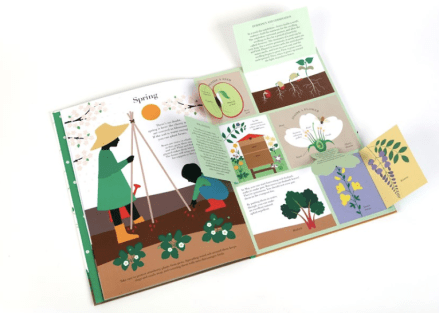
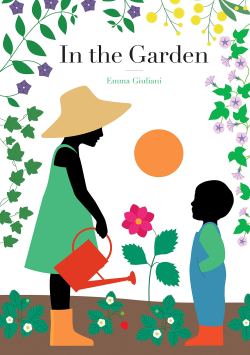
In her stunningly illustrated interactive guide through the seasons, Emma Giuliani introduces Plum and her little brother, Robin, and invites readers to join them as they tend to their garden and all the plants, animals, and birds that call it home. Plum and Robin begin at winter’s end. “This morning it’s cold. It’s not yet spring, but, in the garden, Plum and her brother Robin see the first catkins appearing on the branches of the willows and hazels. The blossoming mimosa makes the gardeners impatient for spring to come.” As Robin counts the long, drooping catkins, Plum rakes a layer of compost over the ground. On the facing page, children get a close-up view of the fuzzy catkins, can peek inside a bud, burrow underground with earthworms just waking from hibernation, and view a few early bloomers. They also learn about what makes up the earth’s soil and get a recipe for compost.
celebrate-picture-books-picture-book-review-in-the-garden-shed

Copyright Emma Giuliani, 2020, courtesy of Princeton Architectural Press.

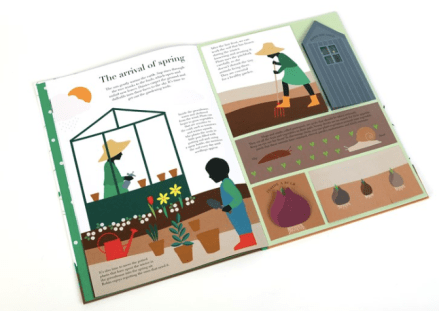
With the arrival of spring, Plum is in her little greenhouse, planting vegetable seeds and spritzing the soil with water to keep it moist while Robin repots some plants who have spent the winter in the greenhouse. Outside, Plum aerates the garden bed with a pitchfork, careful of any tiny creatures below. Children can open the door to Plum’s well-stocked shed to see all the tools tidily stored there and lift the flaps to look inside a bulb and help a hyacinth, a daffodil, and a tulip grow.

celebrate-picture-books-picture-book-review-in-the-garden-open-shed

Copyright Emma Giuliani, 2020, courtesy of Princeton Architectural Press.

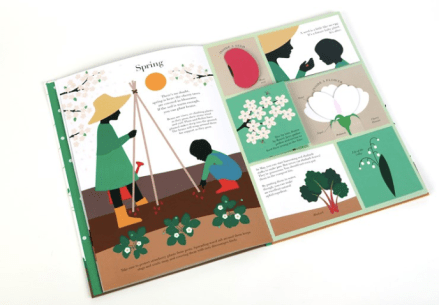
At last the warm weather of spring has arrived. The cherry trees are blossoming, and Plum and Robin are setting stakes and planting bean seeds. Next, they provide protection for the tender strawberry plants that are beginning to bloom. Young gardeners will enjoy opening a bean seed to learn what’s inside and then following its growing process. The bees are visiting the cherry blossoms, pollinating the flowers and making honey. What does a bee see as it hovers around the flower? Pull down the flap to see for yourself and learn all the parts of a flower. What other plants are flowering now? Open the flap to see!

celebrate-picture-books-picture-book-review-in-the-garden-spring

Copyright Emma Giuliani, 2020, courtesy of Princeton Architectural Press.

Summer begins and “what a joy to be in the garden in June! The gentle breeze, the smell of cut grass, and the tangy taste of strawberries and cherries make the gardeners smile.” While Plum waters the tomato plants, “Robin looks for ripe strawberries under the leaves.” Join him! Robin is also picking cherries before the birds eat them. How do those bright red, round fruits grow? Lift the flap to learn and see how they develop from flower to fruit. Plum is getting help with the aphids on the bean plants from industrious—and hungry—ladybugs. “Dragonfly larvae are transforming into graceful flying insects….Their presence is a sign of a healthy garden.”

celebrate-picture-books-picture-book-review-in-the-garden-open-spring

Copyright Emma Giuliani, 2020, courtesy of Princeton Architectural Press.

It’s high summer and the garden is glorious. Bean pods hang from the vines, and Plum contemplates whether they are ready to pick. She may leave some “husks dry out on the plant before picking them.” Dried completely indoors, they can be stored and eaten during the fall and winter. Take a look inside a pod to see the seven red beans there. Flowers greet you too: an orange marigold with petals like a pinwheel, a brilliant pink and purple fuchsia, and a perky mignon dahlia. Robin took cuttings of these plants and potted them to grow some more. Learn how you can do that with your plants too!

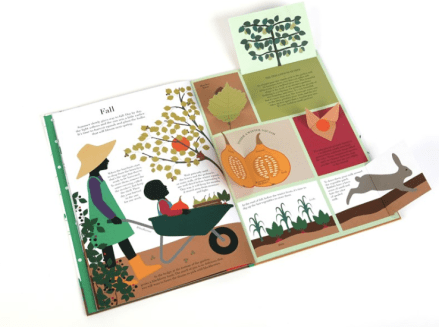
The summer heat is waning and the days are growing shorter. Fall is here. The catkins of early spring have become hazelnuts that are ready to be harvested. Even the squirrel approves! Plum and Robin teach you how to store them—and when to pick the winter squash and keep them for months as well. Can you count the number of seeds inside the winter squash? Plum’s beautiful trellised pear tree is bearing sweet fruit. Yum! But look out—a crafty rabbit is after the last leafy vegetables in the garden. No need for a fence, though. Milk will do the trick of shooing him away.

celebrate-picture-books-picture-book-review-in-the-garden-open-fall

Copyright Emma Giuliani, 2020, courtesy of Princeton Architectural Press.

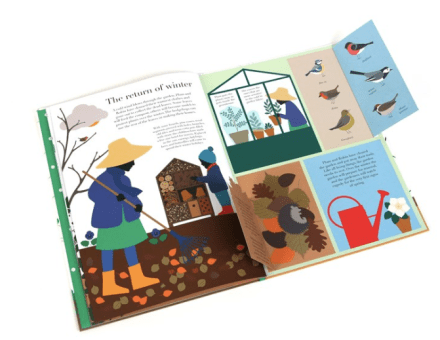
The air is chilly again and winter is on the horizon. “Plum and Robin have donned their warmest clothes and gone out to collect the dead leaves. Some leaves will feed the compost, others will become mulch to protect plants over the winter. The hedgehogs can use the rest of the leaves in making their homes.” Do you see the pile of crunchy leaves? Lift them gently…shhh! A hedgehog is snoozing underneath. Robin and Plum have built an insect hotel to keep the bugs cozy during the winter and have filled the greenhouse again. For the colorful birds who stay awhile or all winter, Robin and Plum put out a bird feeder and fill it with locally produced seeds.

After putting all of their tools back in the shed, Plum and Robin head indoors to plan next year’s garden and “watch eagerly for the very first signs of spring.”

celebrate-picture-books-picture-book-review-in-the-garden-open-winter

Copyright Emma Giuliani, 2020, courtesy of Princeton Architectural Press.

If your family tends a garden or is thinking of starting one, Emma Guiliani’s superb book is a must. At 16 inches tall, In the Garden provides fascinating facts about plants, insects, and animals; helpful tips on when and how to plant a variety of fruit, vegetables, and flowers, information on natural ways to ward off pests; and how to recognize when fruit and vegetables are ready for picking and how to store them. Through copious flaps, children get inside views of flowers, seeds, buds, and vegetables to learn the names of each part and how they contribute to the growth of the plant. Along the way, young and adult gardeners discover how early gardening can begin, directions on how to create and use compost, when bushes can be planted, information on pollination; and how to winter over the garden for the coming spring.

Giuliani’s crisp, lush illustrations are marvels, combining intricate paper cuts that replicate the shapes of delicate bulbs and buds, flowers and seeds, smooth and serrated leaves, the long bean pod, and even Plum’s garden shed with a window in the door. Her extraordinarily beautiful color palette immerses readers in the garden experience; you can almost smell the rich earth, hear the bees buzzing at the blossoms, and feel the air changing season to season.

A brilliant resource and a joy to peruse, In the Garden is a book that adults and children—both gardeners or nature lovers—will share throughout the seasons and from year to year. The book is most highly recommended for home, school, and public library collections.

Ages 7 – 12

Princeton Architectural Press, 2020 | ISBN 978-1616898939

You can connect with Emma Giuliani on Instagram.

National Gardening Day Activity

celebrate-picture-books-picture-book-review-flower-garden-game

Plant a Flower Garden Game


With this fun game you and your family and friends can grow gardens inside! Roll the dice to see whose garden will fully blossom first!

Supplies

Directions

Object: The object of the game is for each player to fill their garden or garden rows with flowers. Depending on the ages of the players, the game can be adjusted to fill all of the rows, some or all rows, or just one.           

  1. Print one Game Board for each player
  2. Print one or more sets of Flower Playing Cards for each player, depending on how  (for sturdier playing items, print on card stock)
  3. Cut the flowers into their individual playing cards
  4. Print one Flower Playing Die and assemble it (for a sturdier die, print on card stock)
  5. Color the “dirt” on the Garden Plot with the crayon (optional)
  6. Choose a player to go first
  7. The player rolls the die and then “plants” the flower rolled in a row on the game board
  8. Play moves to the person on the right
  9. Players continue rolling the die and “planting” flowers until each of the number of determined rows have been filled with flowers or one row has been filled with all six flowers.
  10. The first person to “grow” all of their flowers wins!

To play a printable Vegetable Garden Board Game, click here.

celebrate-picture-books-picture-book-review-in-the-garden-cover

You can find In the Garden at these booksellers

Amazon | Barnes & Noble | Books-a-Million | IndieBound | Princeton Architectural Press

Picture Book Review
April 11 – National Submarine Day

celebrate-picture-books-picture-book-review-boats-will-float-cover

About the Holiday

Today we commemorate the day in 1900 when the United States Navy acquired its first modern commissioned submarine, the Holland VI. The vessel was designed in 1896 by John Phillip Holland, an Irish-American inventor, and launched in 1897 in Elizabeth, New Jersey. It was later purchased by the U.S. Navy and commissioned on October 12 with Lieutenant Harry H. Caldwell commanding. It was renamed the USS Holland (SS-1). Submarines are now employed not only for military purposes but for scientific research as well. To celebrate, learn more about the history and service of these vessels. You can even take a virtual tour of the USS Torsk – part of the fleet of Historic Boats in Baltimore, Maryland.
Boats Will Float

Written by Andria Warmflash Rosenbaum | Illustrated by Brett Curzon


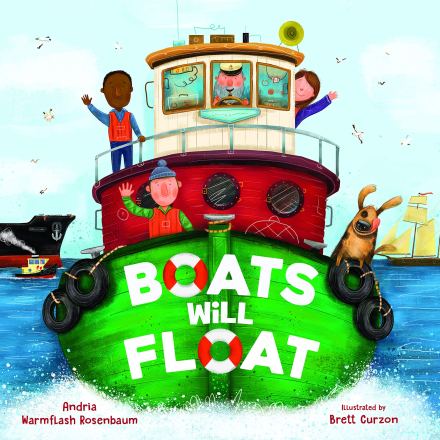
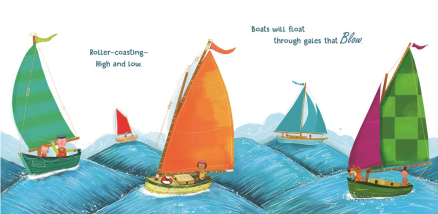
As the sun rises, “boats are bobbing in the bay, / waiting to be on their way. / Longing for the reaching tide. / Needing to explore and glide.” The day is clear and the sun shines brightly on fishing boats, where fishermen pull up their nets and drop their lines, and dragon boats, where rowers steer the boat to the rhythm of the drum. Captains hail each other as their boats pass on the way out to the open ocean. Seagulls swoop and call out too.

celebrate-picture-books-picture-book-review-boats-will-float-sailboats

Image copyright Brett Curzon, 2020, text copyright Andria Warmflash Rosenbaum, 2020. Courtesy of Sleeping Bear Press.

At a family picnic, the “speedboat launches human kite.” Is that Grandma taking flight? The ocean’s busy on this day with tugboats, a tanker, and an old-fashioned schooner. A fireboat’s needed to put some smoldering out. The coast guard is keeping the water safe while cruise ship passengers spy “passing pods of spouting whales.”

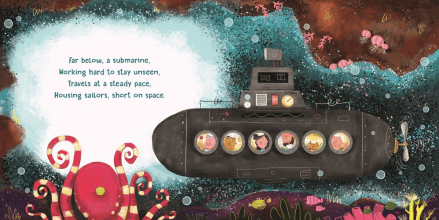
A research vessel way out to sea launches scientists and divers to learn more about what lies beneath. While “far below, a submarine, / working hard to stay unseen, / travels at a steady pace, housing sailors, short on space.” A trawler rounds a rocky shore where a lighthouse warns of dangers below. Nighttime brings a starlit sail and a houseboat rocks its family to sleep. “Safely moored in dreams all night– / Boats will float…toward morning’s light.”

An illustrated glossary telling more about each of the sixteen boats in the story follows the text.

celebrate-picture-books-picture-book-review-boats-will-float-submarine

Image copyright Brett Curzon, 2020, text copyright Andria Warmflash Rosenbaum, 2020. Courtesy of Sleeping Bear Press.

A day on the water has never felt so inviting as in Andria Warmflash Rosenbaum’s engaging tale of boats big and small sailing the ocean for work and pleasure. Rosenbaum introduces young readers to a community of boats all enjoyed by industrious and enthusiastic skippers, sailors, paddlers, and even a dog or two. Her lyrical storytelling brings the sights, sounds, and flowing rhythms of the sea inside for rousing and educational story times while the cozy nightly routine of the family who lives in a houseboat makes for snuggly bedtime reading.

celebrate-picture-books-picture-book-review-boats-will-float-houseboat

Image copyright Brett Curzon, 2020, text copyright Andria Warmflash Rosenbaum, 2020. Courtesy of Sleeping Bear Press.

You can almost feel the salty breeze in Brett Curzon’s bright and charming illustrations that place the boats in tranquil waters and amid roiling waves. Whitecaps and frothy spray, leaping dolphins and whales, and circling seagulls looking for a treat create a vivid experience for readers. Curzon faithfully recreates each vessel with clear details that will enthrall kids. The fun of the dragon boats, drama of the fireboat, and porthole view from the submarine will enchant readers. The nighttime sail by a child and father is gorgeously lit by an explosion of stars, a vibrant moon, and the stalwart lighthouse and buoy that guides them.

A captivating introduction to boats, work, and life on the sea for vehicle lovers and any child, Boats Will Float, will be a favorite for story times and as a take along on ocean, lake, river, and other outings.

Ages 5 – 7

Sleeping Bear Press, 2020 | ISBN 978-1534110410

Discover more about Andria Warmflash Rosenbaum and her books on her website.

National Submarine Day Activity

Sleeping-Bear-Press-Boats-Will-Float-Activity-Page

Boats Will Float Activity Page

Set sail with this Boats Will Float Activity Page available to download from Sleeping Bear Press.

celebrate-picture-books-picture-book-review-boats-will-float-cover

You can find Boats Will Float at these booksellers

Amazon | Barnes & Noble | Books-a-Million | IndieBound | Sleeping Bear Press

  |Picture Book Review