October 15 -Bridge Day

celebrate-picture-books-picture-book-review-this-bridge-will-not-be-gray-cover

About the Holiday

Today’s holiday hosts the largest formalized jumping event in the world and celebrates BASE jumpers, those intrepid souls who test their mettle against the highest points, including buildings, antennas, cliffs, and bridges. Recognized since 1980 Bridge Day is a world-wide event, and while it may not officially be about the bridges, it brings attention to these beautiful architectural marvels while extreme sports aficionados and their fans gather on spans across the globe to have fun.

This Bridge Will Not Be Gray

Written by Dave Eggers | Illustrated by Tucker Nichols


“In the beginning there was a bridge.” Well, to back up a bit there was a bay that led to the Pacific Ocean. The opening between the two shores that enclosed the bay was called the Golden Gate. “On one side of the Golden Gate was the Presidio, a military base at the top of the city of San Francisco. On the other side there were only hills, green and yellow, rising high above the sea.” Beyond these hills towns dotted the coastline.

People traveled between these shores by boat or by driving way out of their way. Many times people had thought about building a bridge across the bay, but they were afraid it would ruin the beauty of the land. At last it was decided that a bridge should be built. The year was 1928 and Joseph Strauss, an expert on bridges, was hired to design it. What he came up with looked more like the skeleton of a roller coaster, and while it would be strong, it would also be ugly.
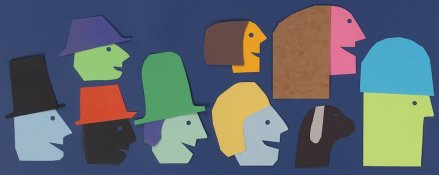
celebrate-picture-books-picture-book-review-this-bridge-will-not-be-gray-people

Image copyright Tucker Nichols, courtesy of mcsweeneys.net

People agreed that for such a beautiful spot, a beautiful bridge was needed. Joseph Strauss then asked for help in developing a plan for the bridge. Leon Moisseiff, known for designing the Manhattan Bridge in New York, came on board. Leon’s idea was for “a suspension bridge, one with swooping lines and tall towers.” The drawings were light and airy and…beautiful. People liked it very much.

“But still the bridge appeared a bit stern in style. So Joseph and Leon asked another person, named Irving Morrow, to help out.” Irving and his wife Gertrude had a different idea about what the bridge could be. With vertical fluting, “art deco flourishes,” pedestrian walkways, and curved lamps lighting the way, “the bridge could be both a bridge and something like art.”

Steelworkers in Maryland, Pennsylvania, and New Jersey built the pieces of the bridge. They were shipped to California by train and by boat. Finally, it was time to construct the bridge. Men had to dive deep into the icy waters of the Pacific Ocean and climb high into the sky while constructing it. It was estimated that it would take 4 years and thousands of workers to finish it.

celebrate-picture-books-picture-book-review-this-bridge-will-not-be-gray-irving-morrow

Image copyright Tucker Nichols, courtesy of mcsweeneys.net

First the tall towers were constructed. The day they were finished was one of “jubilation” and awe as“sometimes the things humans make baffle even the humans who make them. One aspect of the bridge that had not been decided was the color, and many people had opinions on that. “The Navy thought it should be yellow and black so that ships and planes could easily see it.”

“The Army wanted it to look like a candy cane for the same reason the Navy wanted it to look like a tiger with jaundice: so that it would be easily seen by planes and ships.” Most people, though, thought the bridge should be painted black, white, or gray like most other monuments, towers, and buildings. Right now, the bridge was orange—coated with a special anti-rust paint. As Irving Morrow watched the bridge go up, he thought this orange was a beautiful color.

He suggested that the bridge be allowed to stay this color. Others thought he was “nuts.” Never had there been an orange bridge before, “and for a good portion of the human race, because something has not already been, that is a good reason to fear it coming to be.” But the people of San Francisco began to see things Irving’s way. Still, gray seemed to be the safe choice.
celebrate-picture-books-picture-book-review-this-bridge-will-not-be-gray-people-talking

Image copyright Tucker Nichols, courtesy of mcsweeneys.net

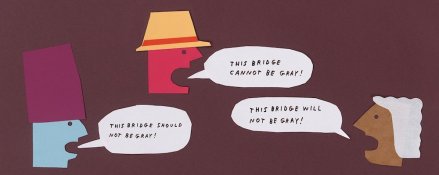
Irving, who was usually a shy and quiet sort, began to get vocal about his color preference as the completion date of the bridge came closer. Other’s began to echo his thoughts and arguments. “This bridge will not be gray!” they said. At last “the powers that be” agreed with Irving. The bridge remained orange: International Orange, in fact.

But because the wind, rain, and sun are harsh on the orange bridge, it needs to be repainted every year. Every day some part of it is being painted by dedicated workers. Is that crazy? Maybe, “But people love to paint it, and people love to look at it. The Golden Gate Bridge, which is orange, is the best-known and best-loved bridge in the world” because it is “bold and courageous and unusual and even strange.”

celebrate-picture-books-picture-book-review-this-bridge-will-not-be-gray-golden-gate-bridge

Image copyright Tucker Nichols, courtesy of mcsweeneys.net

San Francisco resident Dave Eggers has written a loving tribute not only about the very distinctive Golden Gate Bridge but to the equally distinctive, quirky, and even courageous Irving Morrow, other architects, and people of the Bay area who saw and championed art where others may only have seen function. Passages of straightforward narration are joined by rivets of whimsically inserted dialogue, soaring description, and moving insight to construct a lyrical story of vision and inspiration that both kids and adults will find fascinating.  

Tucker Nichols’ paper cut illustrations are as playful and full of imagination as a kindergarten classroom. Using simple shapes and a gorgeous palette Nichols crafts portraits, collages, and landscapes that are movingly effective in depicting the San Francisco Bay area, the rising Golden Gate Bridge, and the personalities involved in this fun history of a beloved monument.

This Bridge Will Not Be Gray is a must for school and public libraries, a wonderfully inspiring addition to children’s bookshelves, and a colorful coffee table book for any home.

Ages 4 – 10 and up

McSweeney’s, 2015 | ISBN 978-1940450476

Click here to learn more about Tucker Nichols and his work.

Bridge Day Activity

celebrate-picture-books-picture-book-review-golden-gate-bridge-coloring-page

Golden Gate Bridge Coloring Page


Get out your markers, colored pencils, or crayons and color this printable Golden Gate Bridge Coloring Page!

Picture Book Review

October 12 – Emergency Nurses Day

celebrate-picture-books-picture-book-review-nurse-soldier-spy-the-story-of-sarah-edmonds-cover

About the Holiday

Originating in Australia in 1989 and sponsored by the Emergency Nurses Association, today’s observance has become an international event and honors the dedication and care emergency nurses show for their patients in hospitals, at crisis centers, and in disaster and epidemic zones world-wide. This special day is part of Emergency Nurses Week, which runs from October 9 – 15. This year’s theme is Community. Connect. Care. Compassion, which defines the important role of nurses in both health care and wider society.

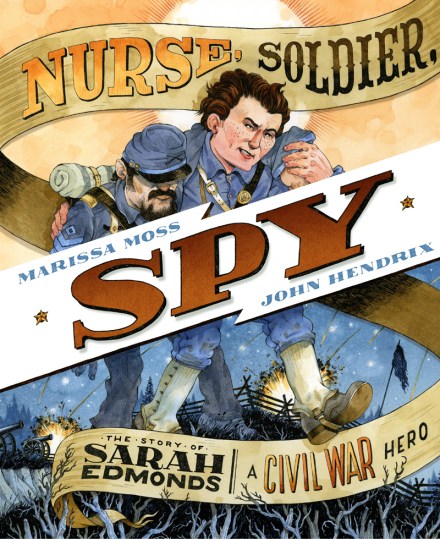
Nurse, Soldier, Spy: The Story of Sarah Edmonds, A Civil War Hero

Written by Marissa Moss | Illustrated by John Hendrix


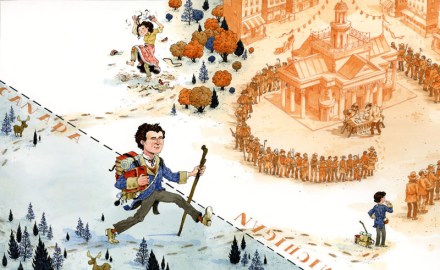
When President Abraham Lincoln called for young men to join the army fighting against the Southern states that wanted to secede from the Union, Frank Thompson signed up. One thing though, Frank wasn’t really a man but, instead, a 19-year-old woman named Sarah Edmonds. Sarah already knew the freedom that posing as a man could bring in her society. Three years earlier to escape a marriage arranged by her parents, Sarah cut her long hair, began wearing pants, and crossed “the border from Canada into the United States, trading a bridal gown for trousers, trading countries, without a single regret.”

celebrate-picture-books-picture-book-review-nurse-soldier-spy-the-story-of-sarah-edmonds-becoming-frank

Image copyright John Hendrix, courtesy of johnhendrix.com

Now, outside the Michigan courthouse, Sarah slowly moved her way along the line to the table where she could sign up to join the troops. When she finally stood in front of the recruiter, however, he stopped her. Sarah was mystified. How did he know she wasn’t a man? She had grown up on a farm, learning the work, copying the gestures, and even wearing the clothes of her brother. But the recruiter took one look at “Frank Thompson” and told her…she was too young to join the army. “He looked at her peachy cheeks free of any sign of a whisker. ‘We aren’t taking any sixteen-year-olds,’” he told her.

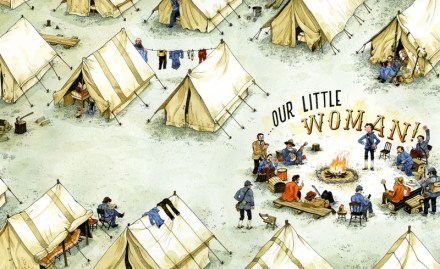
A month later, however, more men were needed, and Sarah was allowed to join up. Now a soldier, Frank was a valuable member of the corps. She was an expert at riding and shooting, and she felt at home among the men, enjoying the jokes, stories, and letters. Keeping her identity a secret was made easier by the fact that soldiers did not change clothes to go to sleep. Her small feet led the other soldiers to give her a nickname: “Our little woman.” A name Frank enjoyed immensely.

celebrate-picture-books-picture-book-review-nurse-soldier-spy-the-story-of-sarah-edmonds-union-camp

Image copyright John Hendrix, courtesy of johnhendrix.com

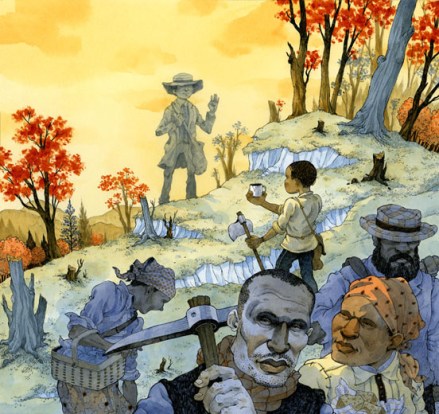
On the battlefield Frank trained to be a nurse, “which was something only men with the strongest stomachs did because of the long, draining hours and the horrors of surgery without anesthetic.” She fearlessly participated in the battles of Bull Run and Fair Oaks, risking her own life to rescue wounded soldiers. One night the regimental chaplain approached Frank. He wanted to recommend her for a very important—and very dangerous—job. The chaplain wanted to recommend to the generals that Frank become a spy for the North.

“Frank didn’t hesitate. ‘I’m your man!’” she said. Disguising herself as a freed slave, she infiltrated “a group of slaves bringing breakfast to the rebel pickets, the men who guarded the camp.” With so much work to do, the group quickly accepted her, but when the rest of the men, women, and children went off to their own assignments Frank hesitated, not knowing where to go next. Suddenly, a Confederate soldier caught Frank and ordered her to work on the fortifications. The work was backbreaking and left her hands blistered and bloody. The other workers helped when she had trouble.

celebrate-picture-books-picture-book-review-nurse-soldier-spy-the-story-of-sarah-edmonds-battlefield

Image copyright John Hendrix, courtesy of johnhendrix.com

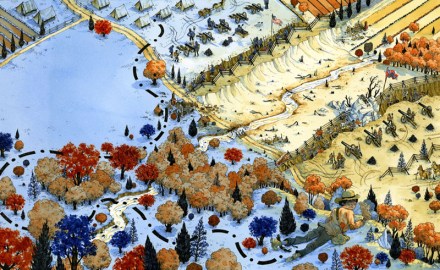
The work gave Frank an opportunity to count the number of guns the army had, sketch a layout of the fort, and notice that some cannons were fake—just logs painted to look like cannons. By switching jobs with the water boy, Frank was able to get closer to the troops, where she encountered another spy—one working for the Confederate army. When night fell, Frank returned to his Union battalion. Giving the password, Frank was let into camp and made her way to the general’s tent. “Freedom, she knew, wasn’t something to take for granted. It was something to fight for, to cherish. And so long as her heart was beating strong, that’s just what she would do.”

An extensive Author’s Note revealing more about Sarah Edmond’s life and an Artist’s Note on the creation of the illustrations follow the text.

Marissa Moss’s biography of Sarah Edmonds is a suspenseful, gripping, and enlightening story of a woman who broke molds, lived on her own terms, and paved the way for future generations of women. Her well-chosen vignettes from Edmonds’ time as a Union soldier demonstrate not only Edmonds’ bravery and abilities but also create a clear and exciting trajectory of her increasing responsibilities and the danger that went with them. Fascinating details of the Civil War period, the people and attitudes involved, and the duplicitous nature of warfare, add up to a rich account of Sarah Edmonds’ life as well as the Civil War era in general.

celebrate-picture-books-picture-book-review-nurse-soldier-spy-the-story-of-sarah-edmonds-as a spy

Image copyright John Hendrix, courtesy of johnhendrix.com

Meticulously researched and drawn, John Hendrix’s illustrations perfectly accompany and illuminate the text. Accurate depictions of Civil War-era buildings and clothing as well as Union and Confederate uniforms and weapons allow children to become fully immersed in the time period. Wide-view depictions of encampments and battlefields let readers peek into tents and scour trenches, and action abounds. In camp soldiers pick out tunes on banjos, write letters, and hang laundry; on the battlefield fires rage and ammunition explodes as soldiers follow the charge of their leaders; at the Confederate fortifications black workers steer wheelbarrows of rock; and in the medical tent Frank tends to wounded soldiers, the equipment used clearly visible. Scenes portrayed in both daylight and at night highlight the ongoing conflict and the dangerous, secretive work Sara Edmonds undertook.

Nurse, Soldier, Spy: the Story of Sarah Edmonds a Civil War Hero is historical and biographical work at its best. This fast-paced, fascinating look at one particular soldier informs readers about so many aspects of the Civil War era, including societal issues that shaped the United States and are still discussed today. The book is a must for school and public libraries and its in-depth, absorbing content makes it a welcome addition to home libraries for children who love history, art, biographies, and a well-told story.

Ages 5 – 12

Abrams Books for Young People, 2016 (Paperback edition) | ISBN 978-1419720659

Discover many more books, fun stuff, writing tips and more on Marissa Moss‘s website!

View a portfolio of picture book art, editorial illustration, a sketchbook, and more on John Hendrix‘s website!

Emergency Nurses Day Activity

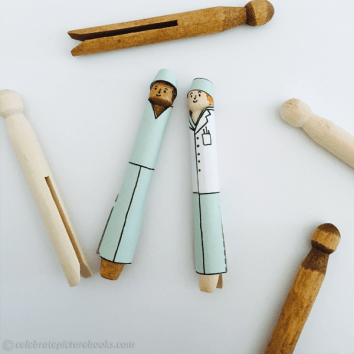
CPB - Doctors Clothespins

Emergency Nurse Clothespin Dolls


Make one of these clothespin figures that honors hard-working and compassionate emergency nurses!

Supplies

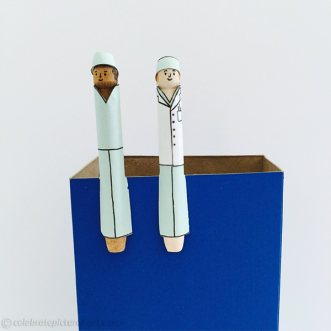
CPB - Doctors Clothespins on box

Directions

  1. Draw a face and hair on the clothespin
  2. Cut out the outfit you want your doctor to wear (color pants on your clothespin if you choose the lab coat)
  3. Wrap the coat or scrubs around the clothespin. The slit in the clothespin should be on the side.
  4. Tape the clothes together
  5. Wrap the cap around the head and tape it.
  6. If you’d like to display your clothespin doctor on a wire, string, or the edge of a box or other container, cut along the dotted lines of the clothes template.

Picture Book Review

October 10 – World Porridge Day

About the Holiday

Today’s holiday celebrates the history and origins of porridge, a food enjoyed around the world and Scotland’s national dish. Since 1996 the Scottish Highland Village of Carrbridge has hosted the World Porridge Making Championship, where culinary types from around the globe compete for the Golden Spurtle trophy and the honor of being named “World Porridge Making Champion.” In 2009 the championship event joined with Mary’s Meals, a charity based in Argyll Scotland that provides nutritional aid to children in developing countries. To celebrate today, why not mix up a batch of warm, delicious porridge. However you make it, a bowlful is just right!

Goldilocks and Just One Bear

By Leigh Hodgkinson


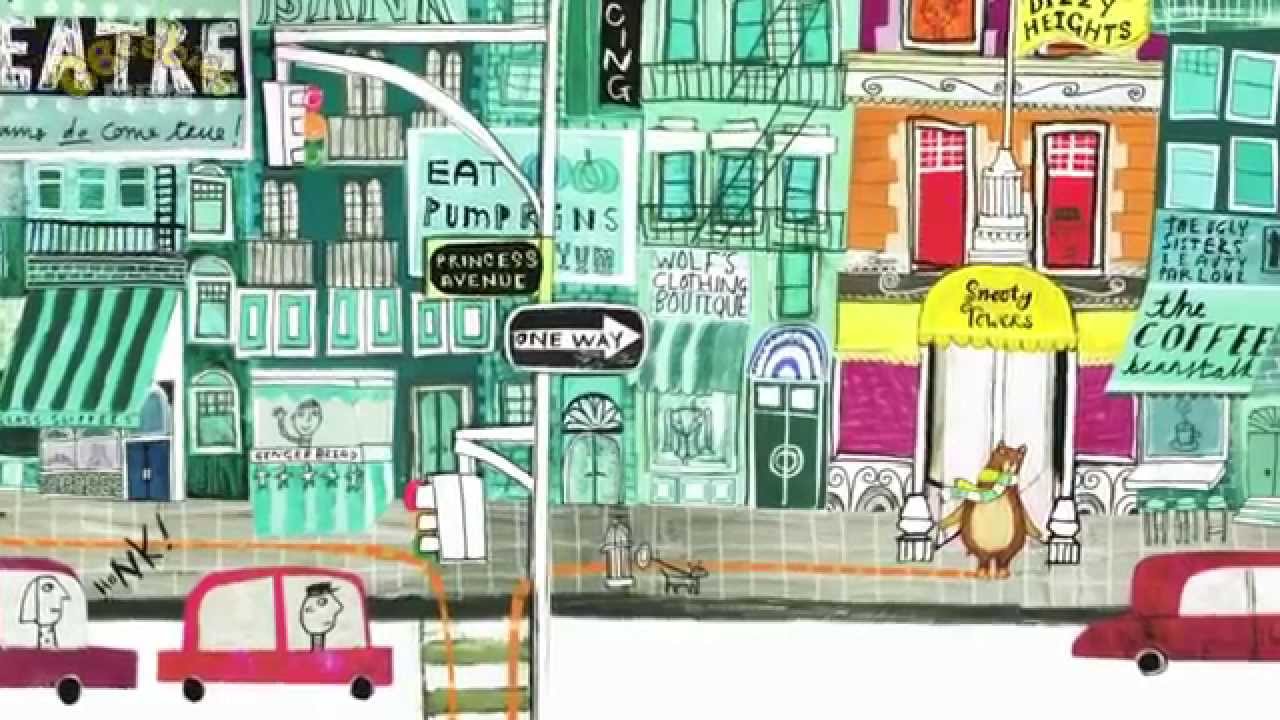
“Once upon a time there was this bear. One minute, he was strolling in the woods, all happy-go-lucky….The next minute, he didn’t have a crumb-of-a-clue where he was.” Somehow he, along with his tightly gripped spoon, had found his way to the big city. The bear didn’t like it: the lights were too bright, the streets were too noisy, and the bear’s legs had become too wobbly. He looked around at the “Wolf’s Clothing Boutique,” the “Three Little Piggies’ Bank, the “Gingerbread” stand, the “Glass Slippers” shoe store, and “The Ugly Sisters’ Beauty Parlor and decided to get away from it all. He took the elevator to the top floor of Snooty Towers, where he found a quiet place for a rest.

celebrate-picture-books-picture-book-review-goldilocks-and-just-one-bear-in-the-city

Image and text copyright 2012 Leigh Hodgkinson, courtesy of nosycrow.com

After “all that whooshy traveling,” the bear found that he was a mite hungry—hungry for porridge. He grabbed the first bowl he saw. “THIS porridge is too soggy,” he decided, slurping the water from the fish bowl. On the floor he found another bowl. “THIS porridge is too crunchy,” he said, spooning up a few cat nibbles. Next he tried the contents of a plate. “THIS porridge is a bit on the DRY side, but it’s better than nothing,” reasoned the bear.

celebrate-picture-books-picture-book-review-goldilocks-and-just-one-bear-porridge

Image and text copyright 2012 Leigh Hodgkinson, courtesy of nosycrow.com

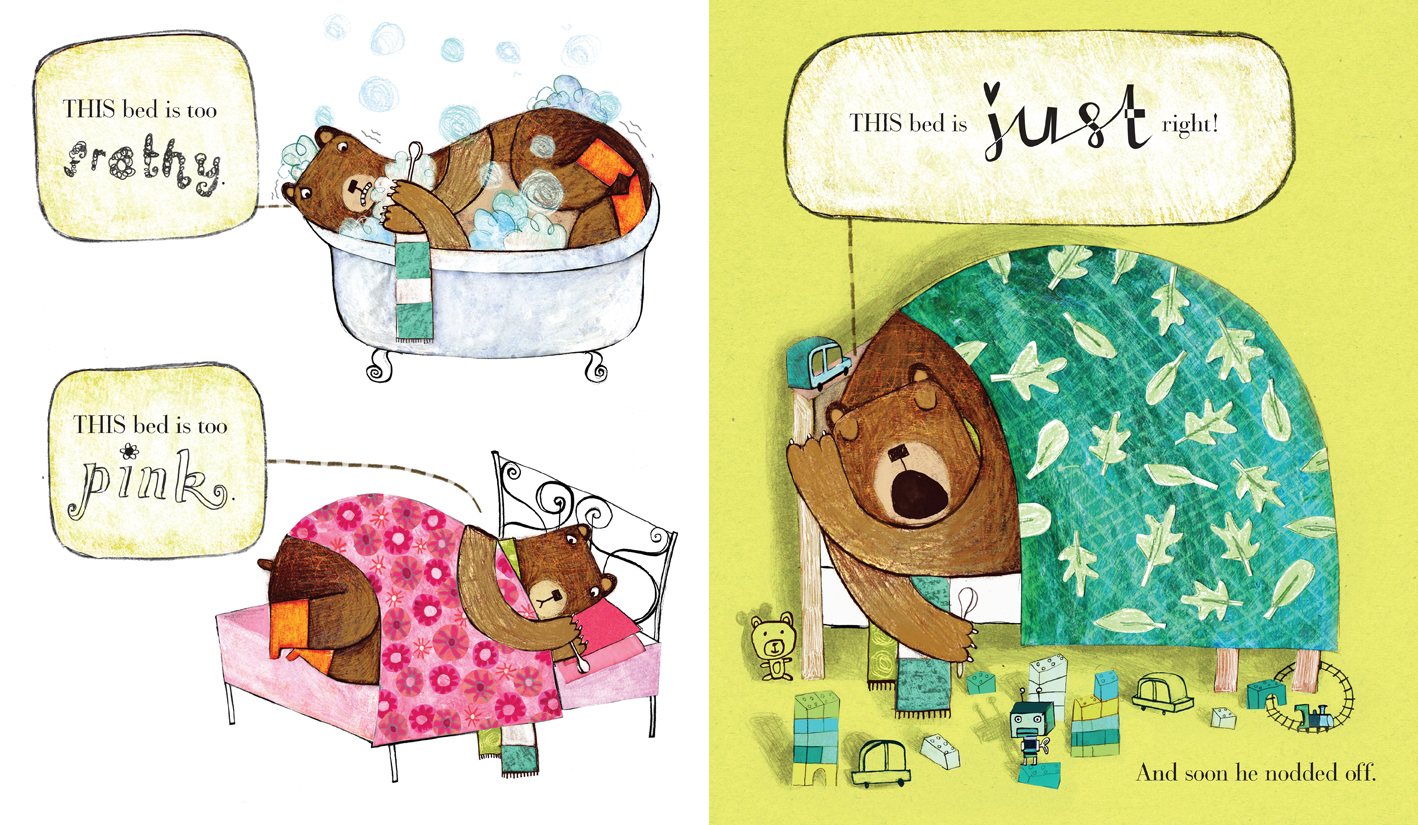
Nice and full, the bear went in search of a place to rest. He sat on something too “ouchy,” something too “noisy,” and something that exploded in a million Styrofoam beads but was “just right.” The short respite was nice, but not enough for such a tired bear. He sought out a place to take a proper nap. The bathtub was “too frothy”; the fancy bed was “too pink”; but the bed with the leaf-print comforter was “just right.”

While he slept the bear dreamed of his cozy house in the woods until he was unceremoniously wakened by a very, very loud “‘SOMEBODY has been eating from my fishbowl!’”; a very loud “‘Somebody has been eating my dear little Pumpkin’s kitty nibbles!’”; and a not-as-loud, but just-as-disturbing “‘And somebody has been eating my toast. And they’ve eaten it all up!’”

celebrate-picture-books-picture-book-review-goldilocks-and-just-one-bear-chair

Image and text copyright 2012 Leigh Hodgkinson, courtesy of nosycrow.com

The bear hid under the covers as the “daddy person” discovered his squished cactus, the “mommy person” comforted the cat, and the “little person” joyfully tossed Styrofoam peanuts in the air. It was only a matter of time before the daddy person laid eyes on the splashed about tub, the mommy person found her messy bed, and the little person pointed out the bear sleeping in her bed right that minute.

The bear took a look at the mommy person and thought she looked “slightly familiar.” At the same time the mommy person thought that three strikes in one house rang a bell. “‘Baby Bear?’” the mommy said. “‘Goldilocks?’” the bear gasped. Really, the reunion had been too long in coming! Goldilocks cooked up a big batch of porridge and the bear gobbled it down, because…well…you know! While the bear was glad to see that Goldilocks was “living so happily ever after,” he was just as glad to return home to the woods.

celebrate-picture-books-picture-book-review-goldilocks-and-just-one-bear-bed

Image and text copyright 2012 Leigh Hodgkinson, courtesy of nosycrow.com

Leigh Hodgkinson’s tale of Little Bear all grown up is a hilarious turn-about-is-fair-play take on the original Goldilocks story. The bear, out of his depth in the big city, makes a sweet and sympathetic character even as kids laugh at his misguided experiments in Goldilocks’ penthouse apartment. Hodgkinson’s story is full of wonderful, expressive language set off in animated type that enhances the look of the stylish pages.

Hodgkinson’s vibrant and airy mixed-media illustrations are visually stimulating—alive with the glitz and glamour of the city—and underscore the woodsy bear’s apprehension in his new surroundings. The signs and billboards along the busy thoroughfare allow Hodgkinson to include nods towards other favorite fairy tales, and the prints hanging on the wall of the Snooty Towers apartment hint at the identification of its owner.

Goldilocks and Just One Bear is a fun and funny fractured fairy tale, and one that kids will ask to have read over and over.

Ages 3 – 8

Nosy Crow Books, 2012 | ISBN 978-0763661724 (hardcover) | ISBN 978-1536234855 (paperback)

Discover more about Leigh Hodgkinson and her books on her website Wonky Button!

World Porridge Day Activity

bear-maze

It’s Just Right! Maze

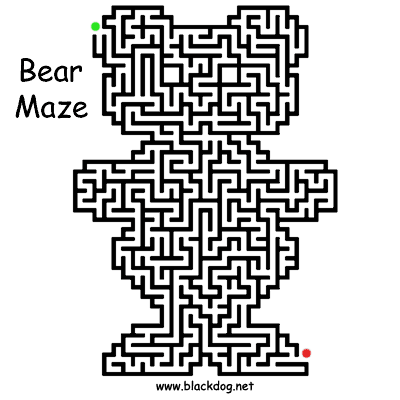
Sometimes a bear—or a person—will go to any lengths for a bowl of porridge. Can you find your way through this printable bear-shaped It’s Just Right Maze?

You can purchase Goldilocks and Just One Bear at these booksellers

Amazon | Barnes & Noble | Bookshop (to support your local independent bookstore)

Picture Book Review

October 1 – International Coffee Day

celebrate-picture-books-picture-book-review-undercover-one-of-these-things-is-almost-like-the-others-cover

About the Holiday

Is there anything better than sitting down with a steaming cup of coffee for a little break during the day? Today’s holiday lets people all over the world do just that. Whether you like your coffee strong and hot, with lots of milk, or flavored with tastes of the season, there are versions of this delicious drink just for you. With an ancient and storied history, coffee is one food that unites us all. To celebrate why not grab a cup of joe for yourself, stir up a foamy hot chocolate for your kids, and sit down with a good book – like today’s brain teaser!

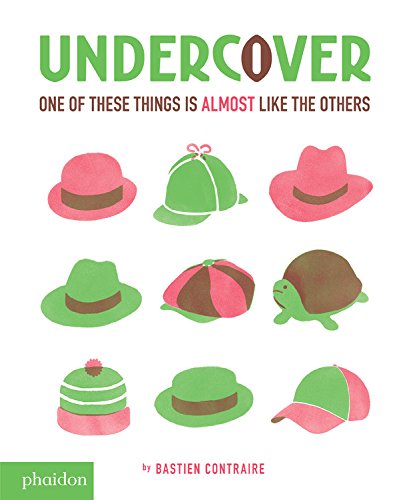
Undercover: One of These Things Is Almost Like the Others

By Bastien Contraire


Undercover agents complete successful missions by blending in with their surroundings and the people they encounter, but’s impossible for them to actually become the people they are investigating. In the same vein Undercover: One of These Things Is Almost Like the Others cleverly inserts a closely shaped item onto a two page spread that contains a family of objects (for instance a soccer ball among fruit).

celebrate-picture-books-picture-book-review-undercover-one-of-these-things-is-almost-like-the-others-beetles

Image copyright Bastien Contraire, courtesy of phaidon.com

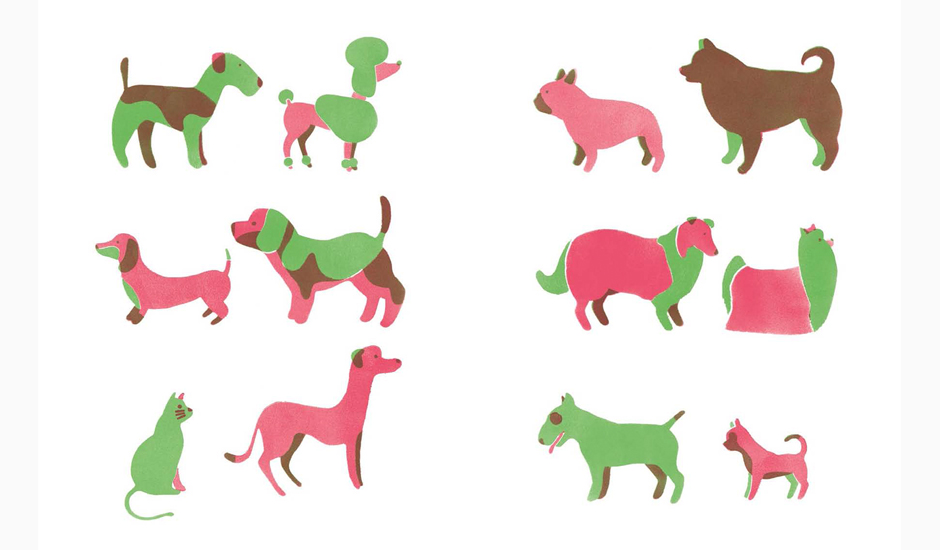
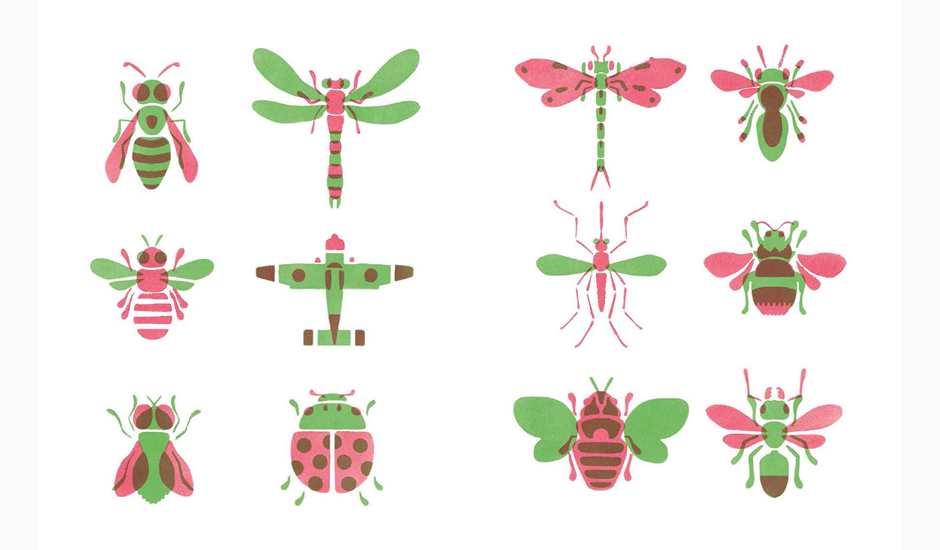
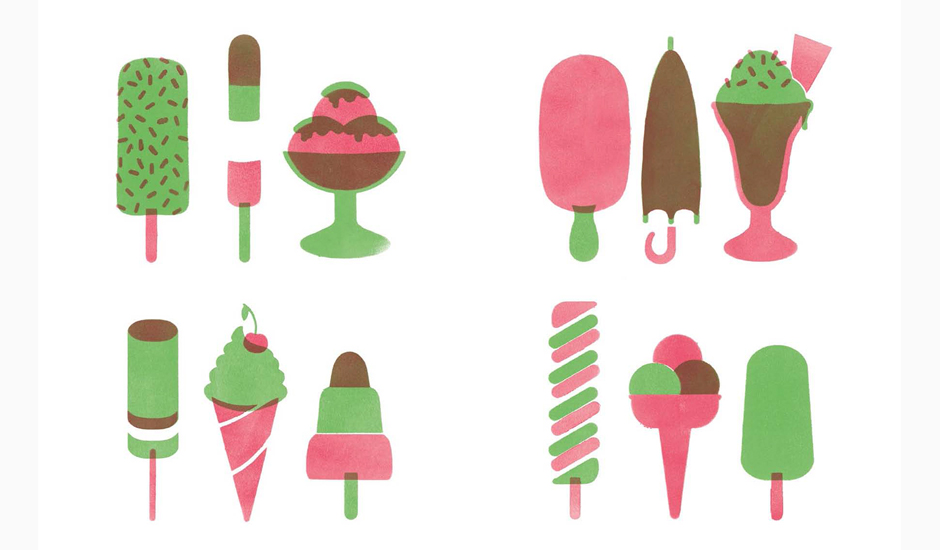
The pink, green, and brown stenciled illustrations boldly placed on a white background offer stimulating visuals while also making the task of discovering the interloper surprisingly tricky as out perceptions and even preconceived notions are tested. Many of the match-ups provide not only a challenge but sly humor as well, riffing on the shapes, purpose, relationship, and even history of the items on the page. 

Picking out the imposter is only the beginning of the fun readers can have with Undercover. Each page can start a discussion of how the odd item is different and how it is similar to the others; the similar objects can be categorized into smaller sets; industrious kids may like to design their own pages giving the “almost” image some companions; and wordsmiths may want to invent stories involving the groupings and how they came to be.

celebrate-picture-books-picture-book-review-undercover-one-of-these-things-is-almost-like-the-others-ice-cream

Image copyright Bastien Contraire, courtesy of phaidon.com

Fans of “I Spy” types of books and games will love testing their knowledge and observational skills against the pod of whales, city modes of transportation, insects and fish, sea-worthy craft, various types of food, office equipment, and a host of birds and animals in this 64-page wordless picture book. Perfect for classrooms and home bookshelves, Undercover: One of These Things is Almost Like the Others is sure to be asked for again and again on any day when fun, quiet entertainment is just what’s called for.

celebrate-picture-books-picture-book-review-undercover-one-of-these-things-is-almost-like-the-others-dogs

Image copyright Bastien Contraire, courtesy of phaidon.com

Bastien Contraire’s stylized stencil-print illustrations of long-antennae beetles; flat and spiny fish; friendly dinos; ice cream treats; farm, forest and antlered animals; musical instruments; and more will delight kids and spur them to discover the names of each. The rounded edges, sleek lines, and delineated details of the images may even inspire budding artists to try their own hand at stenciling.

Ages 4 and up

Phaidon Press, 2016 | ISBN 978-0714872506

International Coffee Day Activity

celebrate-picture-books-picture-book-review-ceramic-mug-craft

Mug Masterpiece


Somehow drinks taste better in a mug you’ve decorated yourself! With this easy craft you can design a mug for your hot chocolate, tea, juice, or any favorite drink!

Supplies

  • Ceramic mug, available at craft stores
  • Paint included with mug decorating kit
  • OR
  • Bakeable ceramic markers
  • Paint brush

Directions

  1. Design and decorate your mug
  2. Follow the directions on the mug kit to bake on the paint OR
  3. Follow the directions of the ceramic markers to finish your mug


September 29 – It’s National Piano Month

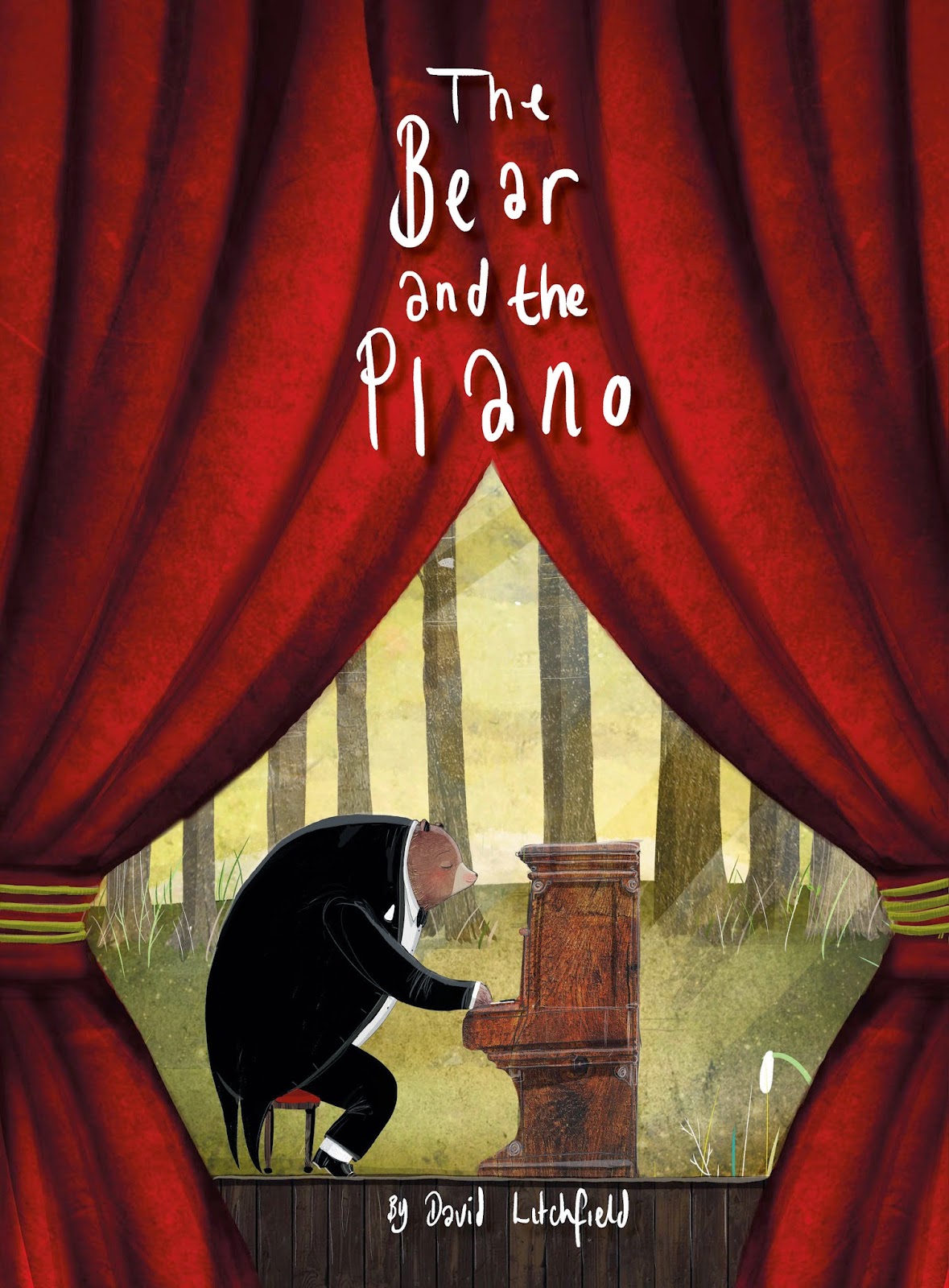
The Bear and the Piano by David Litchfield picture book review

About the Holiday

Invented around 1700, the piano was not an immediate hit with composers and performers. It took several decades before musicians embraced its versatility, and over the next 150 years the piano underwent many changes in tonality, size, and shape. In the 19th century the instrument became larger and more powerful to accompany soloists in concert and on tour with large orchestras. At the same time, individuals and families took the piano to heart – and hearth – as it became the primary source of home entertainment and piano lessons a must for all children. The United States became a major producer of pianos, with factories in Boston, New York, and Philadelphia. New technology in the twentieth century provided other types of entertainment that came to toke precedence over the piano, and domestic sales declined.

Today we celebrate the beauty of the piano—both in shape and sound—and all the musical artists who play and compose for this storied instrument.

The Bear and the Piano

By David Litchfield


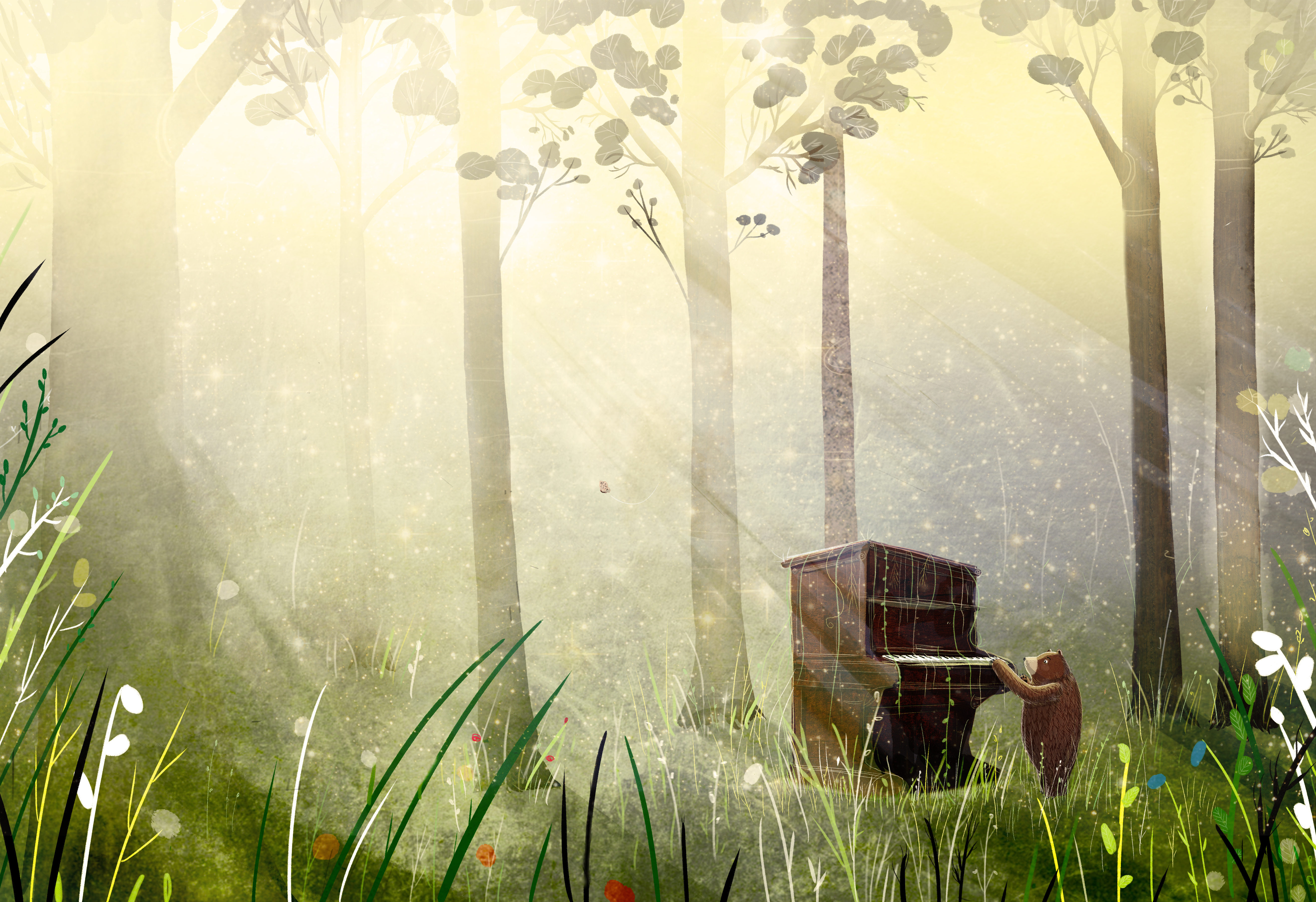
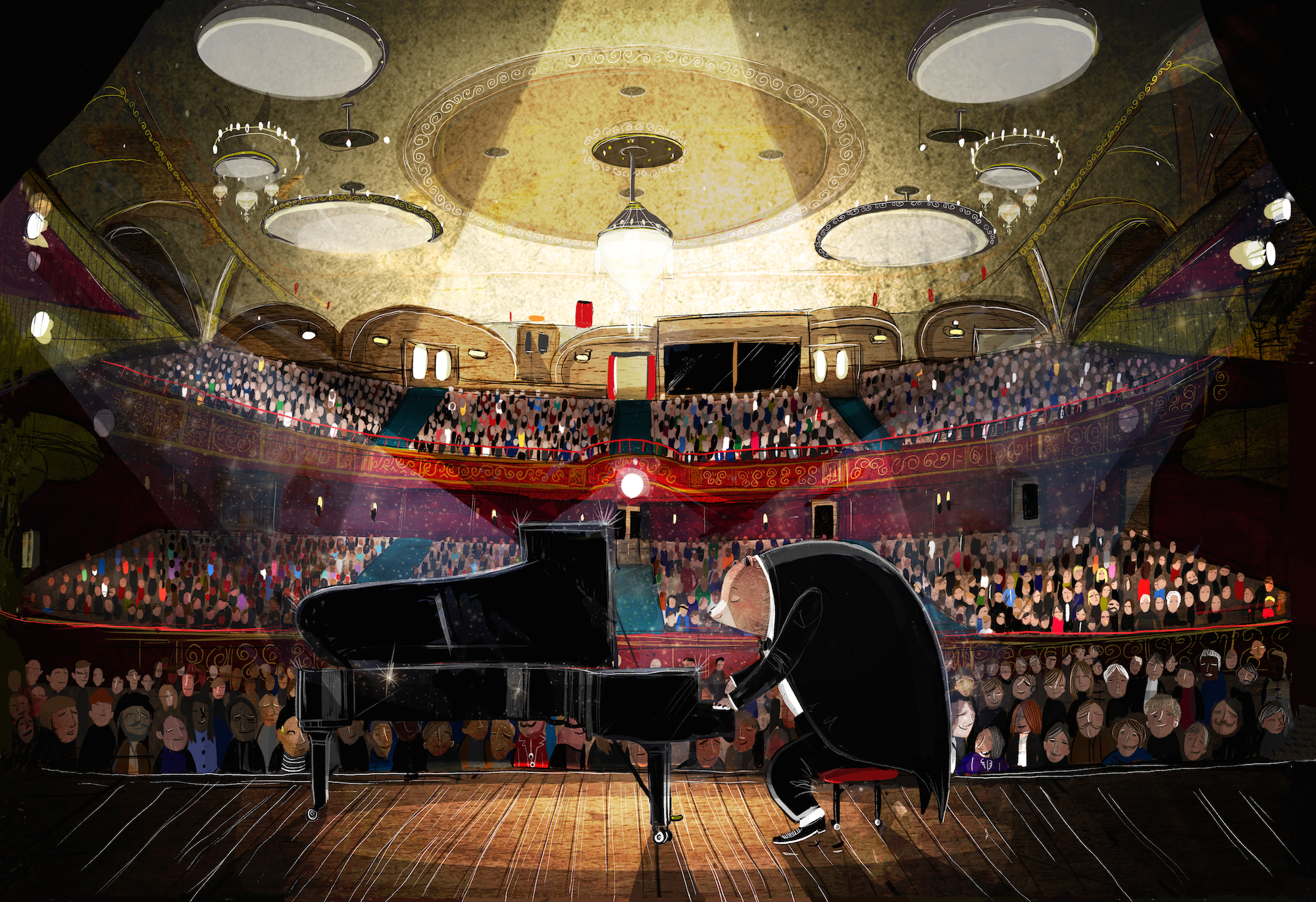
One day a bear cub happens upon a piano in a clearing in the middle of the forest. Wondering what it could be, he approaches and lays his paw on the keys. The strange thing goes PLONK!—such an awful sound. The bear cub leaves, but is drawn back again and again for days, months, and years. Over time the bear grows up and learns to play the piano. The music is beautiful and transports him to strange and wonderful places.

celebrate-picture-books-picture-book-review-bear-finds-piano

Image copyright David Litchfield, courtesy of davidlitchfieldillustration.com

Other bears soon gather in the clearing to hear the “magical melodies” the bear plays. The bear is happy entertaining his friends. One night a girl and her father hiking in the forest come to the clearing. They listen and then tell the bear what his strange instrument is. They invite him to move to the city with them, where he will be able to play grand pianos for hundreds of people. The music he will play and hear “will make your fur stand on end,” they tell him.

The bear is conflicted. One on paw he knows that leaving the forest will make the other bears sad; on the other he longs to explore the world, to play the piano better, and master more intricate music. He decides to go with the girl and her father.

celebrate-picture-books-picture-book-review-bear-in-big-city

Image copyright David Litchfield, courtesy of davidlitchfieldillustration.com

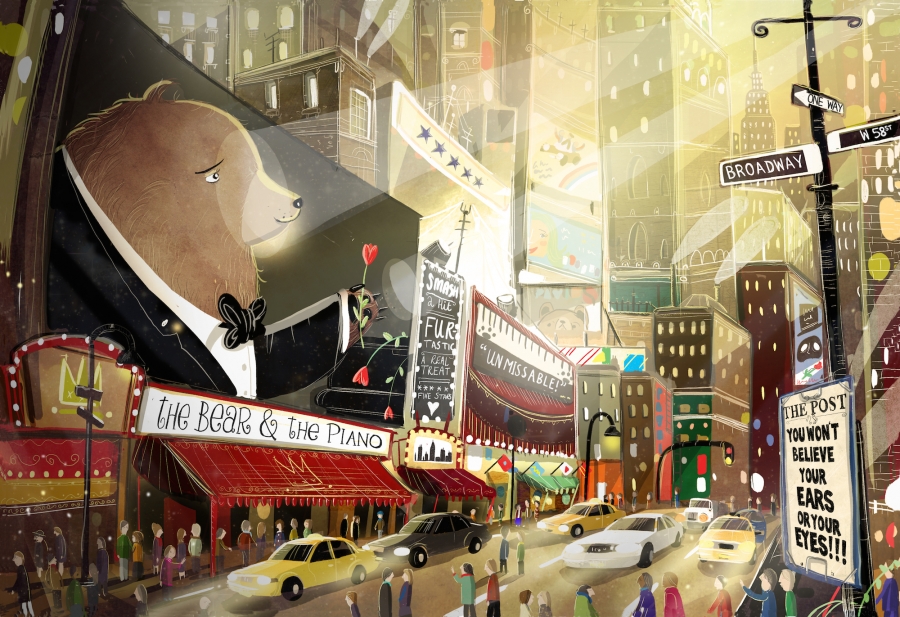
In the city the bear is a sensation! He quickly becomes a celebrity with his name on marquees and playing to sold-out crowds. The bear records albums that go platinum, he appears on the covers of magazines, and wins awards. His experience is everything he could ever wish for. But deep in his heart there is another longing. He misses the forest and his friends there.

He decides to leave the city and rows a boat across the expanse of water to his old home. Excitedly he runs to the clearing, but when he arrives everything has changed. His piano is gone and there are no friends to greet him. The bear worries that everyone is angry at him for leaving, or worse—that they have forgotten him.

celebrate-picture-books-picture-book-review-bear-playing-for-friends

Image copyright David Litchfield, courtesy of davidlitchfieldillustration.com

Suddenly an old friend peeks around the trunk of a tree. The bear hails him with a hearty “Hello!” The other bear remains silent, however, and then turns and runs into the trees. The bear follows, plunging deeper and deeper into the forest. Suddenly he stops. In front of him is a sight that makes his fur stand on end.

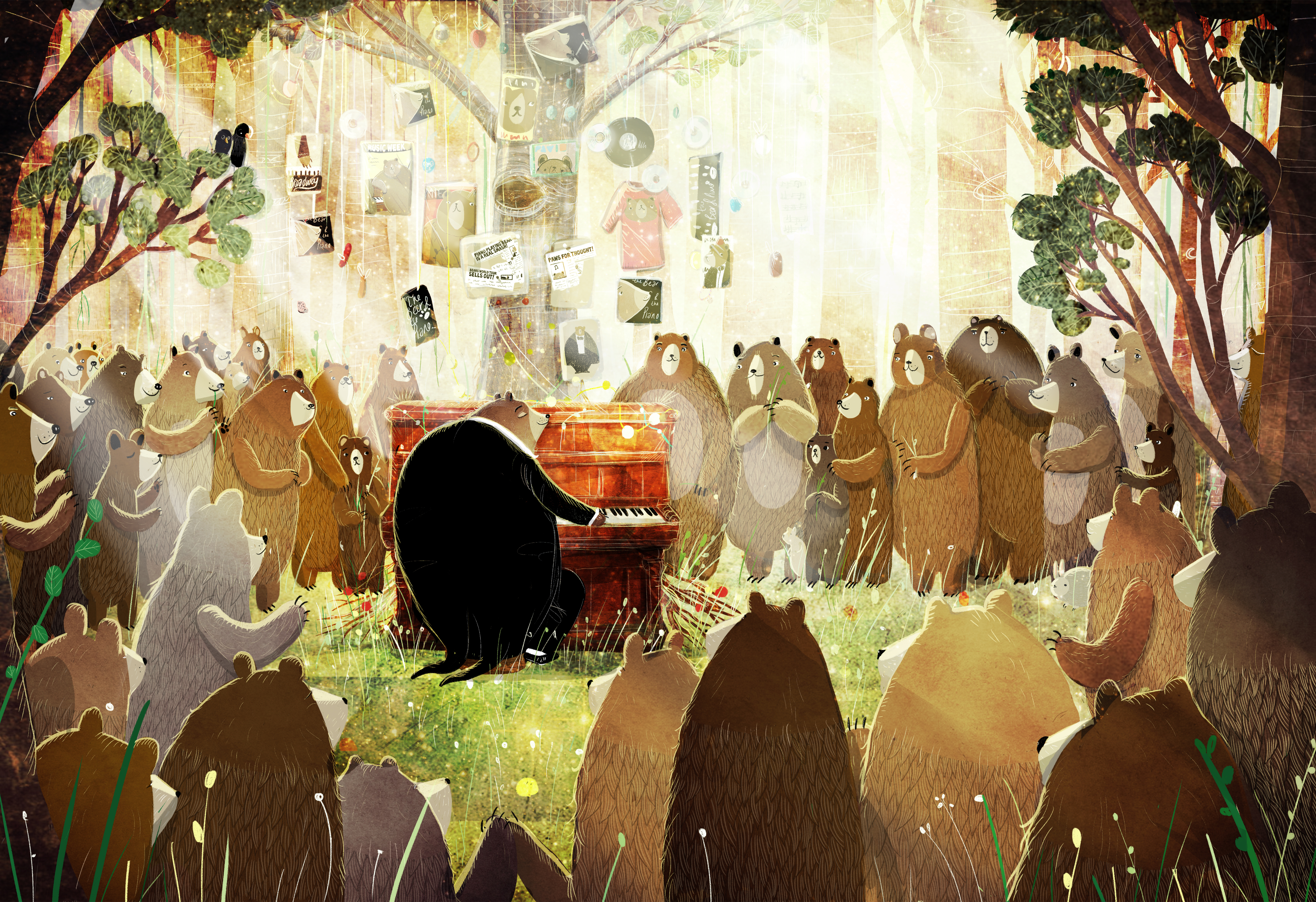
There, protected in the shade of a tree and surrounded by the albums, magazines, t-shirts, and other mementos of the bear’s success sits the old piano. The bear’s friends have not forgotten him and they are not angry. They are proud and welcoming. The bear tells them all about his adventures then sits down to play again—for the most important audience of all.

David Litchfield’s very original and moving story is such a wonderfully conceived microcosm of the changes life brings. Stumbling upon a talent, cause, or inspiration; opening up to other influences; and acting on hard decisions are all part of growing up. These concepts are honestly and sensitively presented in The Bear and the Piano, and the reassuring ending brings comfort as well as a tear to the eye.

celebrate-picture-books-picture-book-review-bear-giving-concert

Image copyright David Litchfield, courtesy of davidlitchfieldillustration.com

Litchfield’s touching illustrations—rendered in gorgeous hues of browns, greens, yellows, and blues—brim with yearning and mystery. The piano sits in a misty glow, silent and draped with vines, when the cub discovers it. While the bear grows and learns to play, the air clears and the colors become brighter. When the bear moves to the city, the pages glint and swirl with the glow of marquees and concert halls announcing his enormous achievements. But as he sits on a rooftop one night contemplating his life and looking out toward his old home, the lights around him are the elements of normal life—lamps in apartment windows, stars, and the moon glimmering on the water. His nostalgia to be home will resonate with both kids and adults.

The Bear and the Piano makes a wonderful gift for any age—especially as a graduation or new-job gift—and is a must-have for anyone’s personal library.

Clarion Books, Houghton Mifflin Harcourt, 2016 | ISBN 978-0544674547

To learn more about David Litchfield, his books, and his artwork, visit his website!

While I take a few personal days during this month, I am reposting earlier reviews updated with new links, interior art, and book trailers.

Watch the beautiful The Bear and the Piano book trailer!

National Piano Month Activity

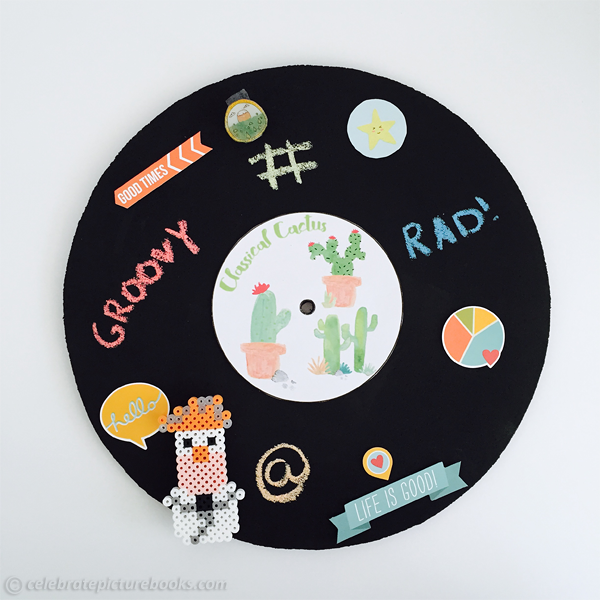
CPB - Record Bulletin Board

Make a Record Chalkboard Bulletin Board


Do you play the piano or another instrument? Would you like to make a record some day? Why wait? In this fun craft you can create your own record bulletin board—and even create your own label art! While this record may not spin on turntables around the world, it will drop in a more important place—your very own room!

Supplies

  • Printable Record Label for you to design
  • Foam board, or a corkboard at least 12-inches x 12-inches square
  • Adhesive cork
  • A 12-inch round plate, record, or other round object to trace OR a compass
  • Chalkboard paint, black
  • X-acto knife
  • Paint brush or foam paint brush
  • Mounting squares

Directions

  1. Cut a section from the adhesive cork a little larger than 12 inches by 12 inches
  2. Affix the cork to the foam board
  3. Trace the 12-inch round object onto the cork/foam board OR use the compass to make a 12-inch circle
  4. With the x-acto knife, carefully cut out the circle (adult help needed for children)
  5. Cut out a ¼ -inch circle in the center of the record bulletin board
  6. Paint the cork, sides and inside the spindle hole with the black chalkboard paint. Let dry
  7. Print the label template and design your own record label
  8. When the paint is dry, glue your label to the center of the bulletin board
  9. Hang your bulletin board with the mounting squares
  10. Decorate!

Picture Book Review
September 28 – Good Neighbor Day

celebrate-picture-books-picture-book-review-the-uncorker-of-ocean-bottles-cover

About the Holiday

With our busy lifestyles it’s sometimes hard to get to know our neighbors. We might give them a quick wave and smile as we’re driving in and out, but finding time to stop and chat can be more difficult. Today’s holiday encourages us to get to know our neighbors and become friends. Why not take the opportunity to say “hi” to someone on your block or in your building or even share a special note of thanks for being a great neighbor!

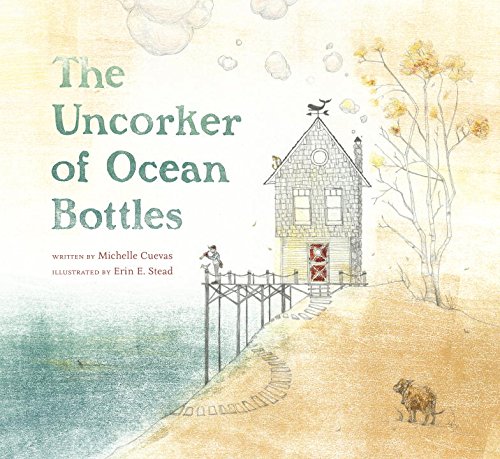
The Uncorker of Ocean Bottles

Written by Michelle Cuevas | Illustrated by Erin E. Stead


A man in a red stocking cap and clam digger pants sits at his kitchen table with a cup of coffee, sharing space with a tabby cat. His day as the “uncorker of ocean bottles” is about to begin. He follows the path from his isolated house on the hill down to the water’s edge, where he keeps “his eyes on the waves, watchful for a glint of glass.” When he sees a bottle floating past, it is his job to retrieve it and read the message inside.

“Sometimes to deliver a bottle, he needed only to stroll to the nearest village. Other times, he would journey until his compass became rusty and he felt loneliness as sharp as fish scales.” Some messages have been buffeted by the seas for a long time, and while some messages are sad, most make their recipients very happy, “for a letter can hold the treasure of a clam-hugged pearl.”

Although the man doesn’t mind living alone and loves his job, he sometimes feels a niggling wish to receive a letter himself. It is a fleeting dream, however, and as likely as finding a mermaid’s toenail on the beach,” because the man “had no name and no friends who would ever write him a letter.” One day, thoiugh, the man opens a very singular message: “I’m not sure you will get this in time, but I am having a party. Tomorrow, evening tide, at the seashore. Will you please come?”

celebrate-picture-books-picture-book-review-the-uncorker-of-ocean-bottles-beach-party

Image copyright Erin E. Stead, text copyright Michelle Cuevas, courtesy of Penguin Random House

Without a name or an address the Uncorker is at a loss as to how to deliver this very important invitation. It is such an intriguing invitation, in fact, that the man finds that he wants to go himself. With reasoned purpose, the Uncorker rides his bicycle into town to investigate who might know something about the letter. The maker of cakes studies the note but can offer no insight beyond the fact that he, too, would like to attend such a get- together.

At the candy shop neither the owner, nor a woman buying candy, nor a young girl know anything about the note, but they too wish they had been invited. The Uncorker meets others—a sailor, a seagull, and a one-man band—but no one can help him. The man goes home feeling dejected. Never before has he failed to deliver a message. Lying awake in bed he decides the only thing he can do is to meet the sender of the letter the next night at the seaside and apologize.

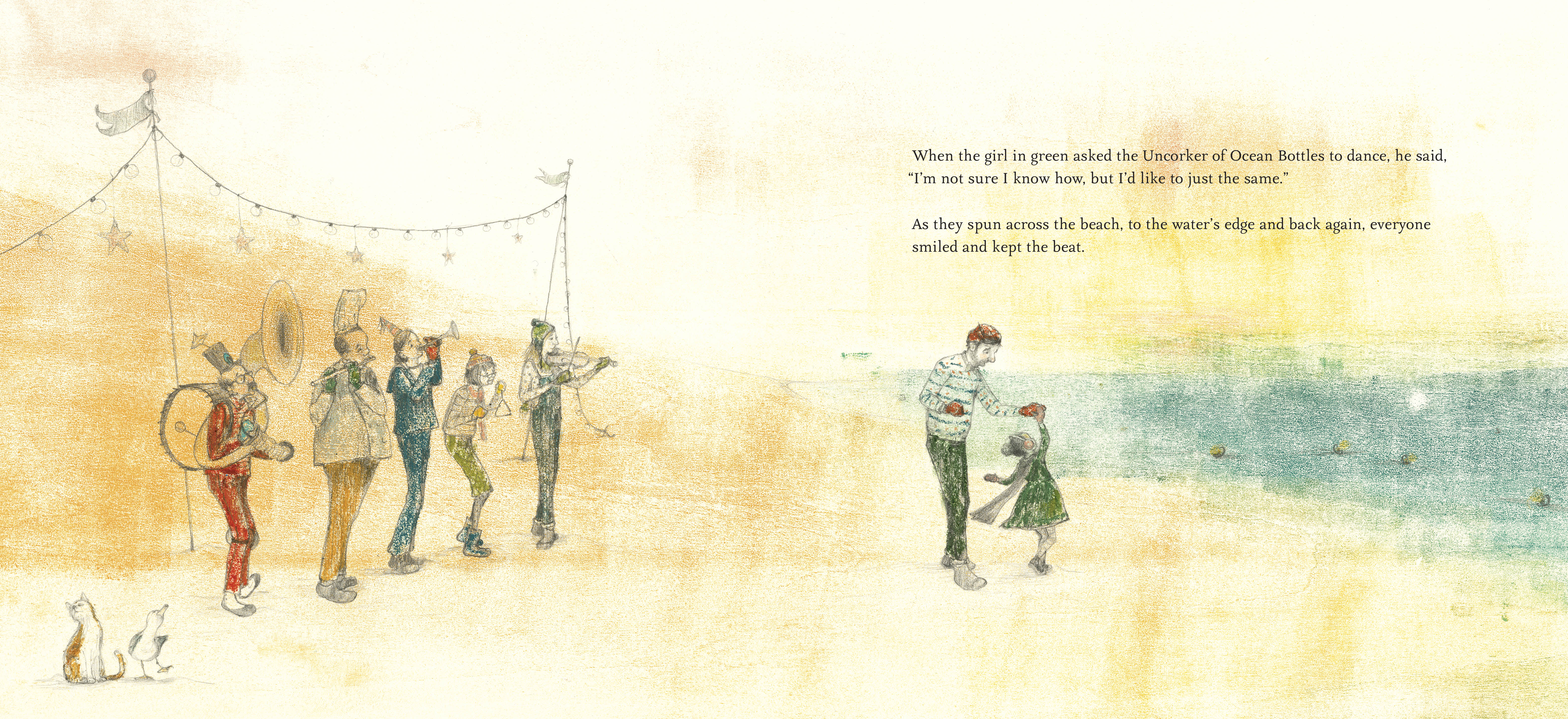
He arrives early with a gift of seashells and discovers the seashore “draped in seaweed and starfish. Candles floated in clamshells, There were sand sculptures and umbrellas.” Standing in the festive atmosphere are the maker of cakes, the candy shop owner, the woman and her daughter, and all the others the Uncorker had met in his search the previous day. As the rest of the group play music, the little girl asks the Uncorker to dance, and although the man says he isn’t sure he knows how, he twirls the little girl on the golden sand.

Later, sitting quietly the party gazes out at the ocean that has brought them together. The Uncorker has opened a gift chosen specifically for him and is enjoying a piece of cake while “his heart was a glass vessel filled to the brim.”

Michelle Cuevas’s unique story of a man adrift in life without the anchor of family or friends is a gorgeously written reminder that companionship is often waiting if we just invite it in. With moving language and fresh, evocative metaphors—in two of my favorites, loneliness is “as sharp as fish scales,” and some messages are “very old, crunchy like leaves in the fall”—Cuevas gently nudges readers to acknowledge the little voice inside and discover what else the world has to offer.

Erin E. Stead’s warm green, gold, and gray-hued illustrations rendered in delicate lines and gossamer washes are as wistful as the Uncorker himself. The man’s calm resolve is echoed in the serene ocean water, the soft companionship of his cat, and the tidy seaside town. There is a wonderful quiet, unhurried feeling to each page which seems to allow not only the Uncorker but the reader to enjoy contemplative moments. The final scene of the party happily enjoying the view and each other’s company fulfills not only the Uncorker’s deepest longing, but that of readers as well.

For it’s beauty and message The Uncorker of Ocean Bottles should find a place on every child’s and school library’s book shelf. Adults will enjoy this book as much as children and it would make a wonderful coffee table book.

Ages 4 and up

Dial Books for Young Readers, Penguin, 2016 | ISBN 978-0803738683

Discover more books by Michelle Cuevas on her website!

View a gallery of artwork and children’s book illustration by Erin E. Stead on her website!

Good Neighbor Day Activity

celebrate-picture-books-picture-book-review-bottle-of-friendship-craft

Bottle of Friendship


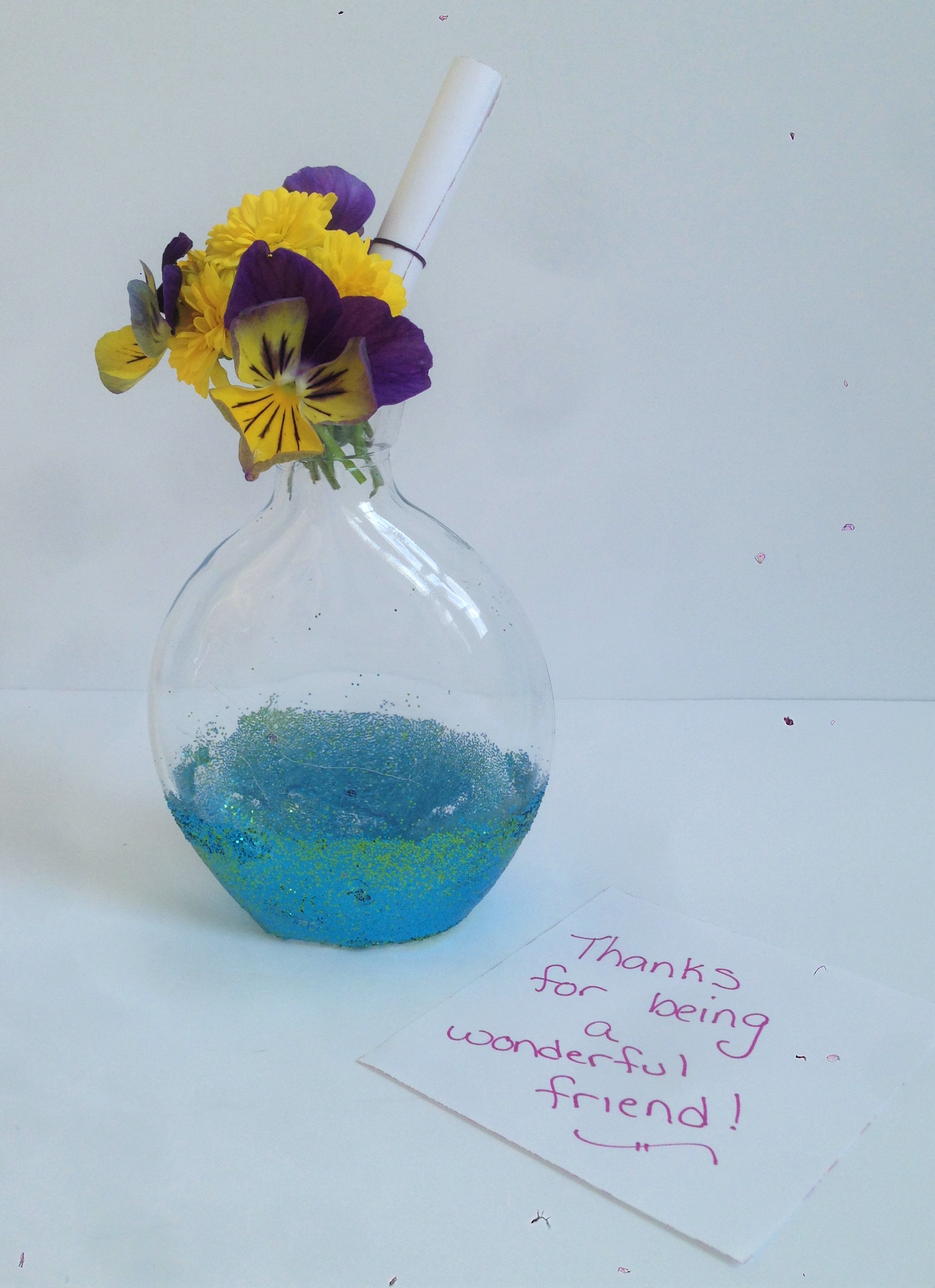
Sometimes a small gesture means so much more! With this easy craft you can make a unique-to-you message for a neighbor or friend that can later also be used as a vase. After making the Bottle of Friendship, take it to a recipient or leave it on the doorstep as a nice surprise!

Supplies

  • Recycled glass or plastic bottle, or a decorative bottle from a craft store
  • Glitter (Or Glitter Glue)
  • Glue
  • Real or imitation flowers
  • Small piece of paper
  • Thread or string

Directions

  1. Wash and dry the bottle
  2. Along the bottom (or in any design you’d like) spread the glitter glue. If using glue and glitter separately, spread glue and sprinkle with glitter.
  3. Let the bottle dry
  4. Write a note of thanks or friendship on a small piece of paper
  5. Roll and tie with thread or string
  6. Add flowers and the note to your bottle
  7. Deliver!

Picture Book Review
 

September 27 – It’s Fall Hat Month

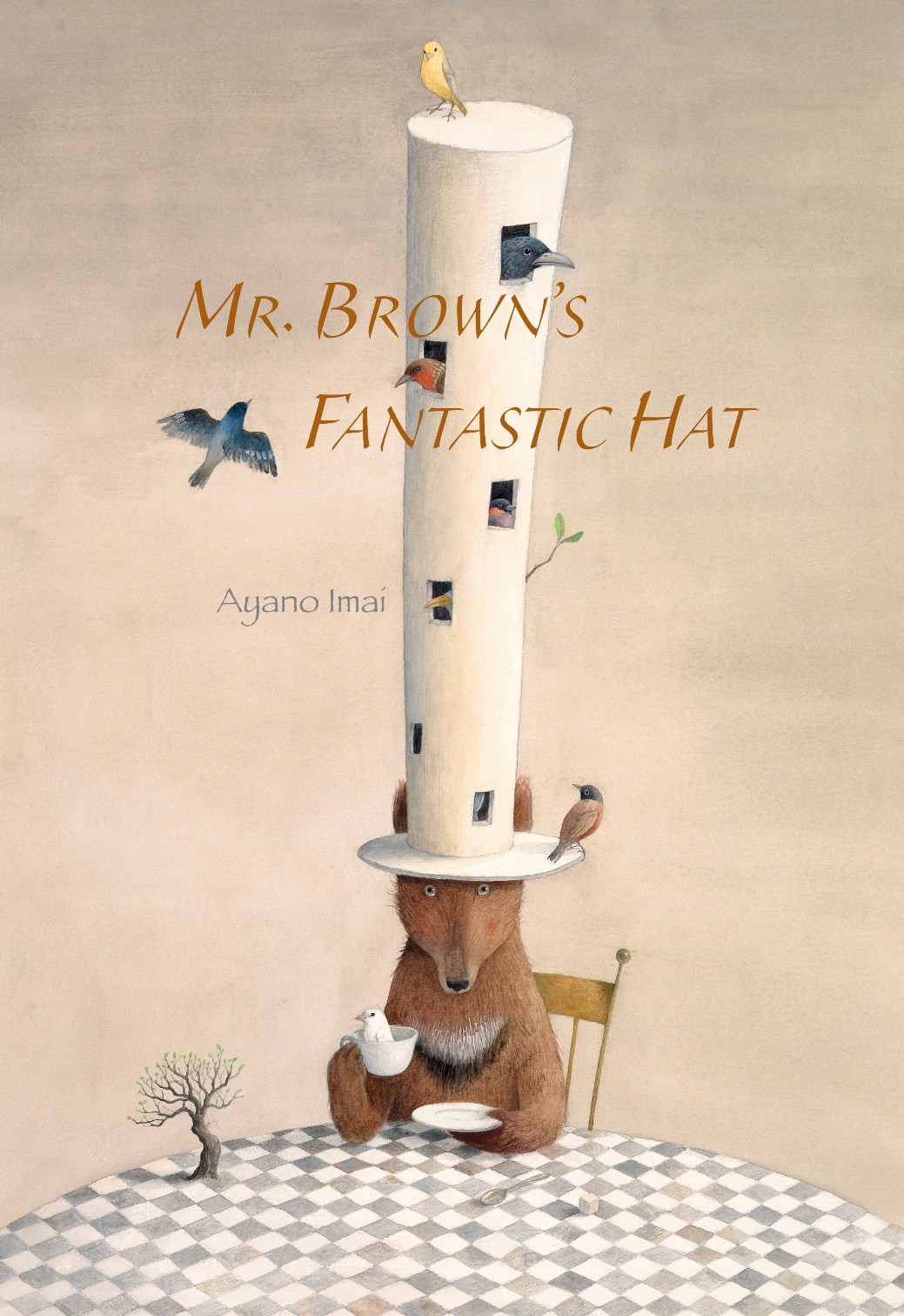
celebrate-picture-books-picture-book-review-mr-brown's-fantastic-hat-cover

About the Holiday

As the weather turns cooler in certain parts of the world, it’s time to pull out those old favorite cozy hats or buy a stylish new one to keep your head and ears warm! Whether you like wearing felt hats, knit hats, furry hats, or even top hats—like the character in today’s book—this is the season for you!
Mr. Brown’s Fantastic Hat

By Ayano Imaí


Mr. Brown lived alone and, if you asked him, he’d tell you he liked it that way. He “had no friends and he didn’t want any.” If you were privy to his secret thoughts, however, you’d learn that Mr. Brown was actually very lonely. Mr. Brown liked to take long walks, and when he went out, he always wore his “smart,” distinctive hat. “One day while Mr. Brown was sleeping, a woodpecker flew down and started tapping a hole in his hat, thinking, ‘What a wonderful nest this hat would make!’”

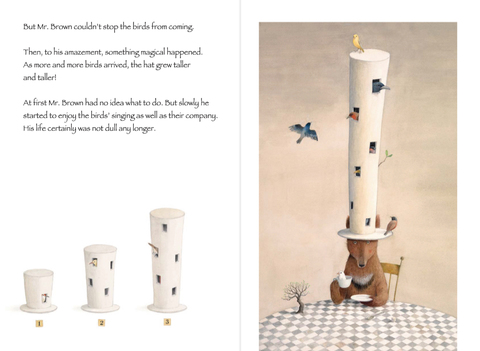
When Mr. Brown woke up he was shocked to discover that a bird had moved into his hat. Someone living this close to him was not what Mr. Brown had in mind at all. Then to Mr. Brown’s dismay the “woodpecker soon told all his friends about the wonderful new home and invited them all to join him.” Soon Mr. Brown’s hat was full of holes—and birds! You might think a regular hat would not have enough room for so many residents—but Mr. Brown’s hat was no ordinary one. As more and more birds moved in, his hat grew taller and taller!

celebrate-picture-books-picture-book-review-mr-brown's-fantastic-hat-birds-live-in-hat

Image copyright Ayano Imaí, 2014, courtesy of minedition

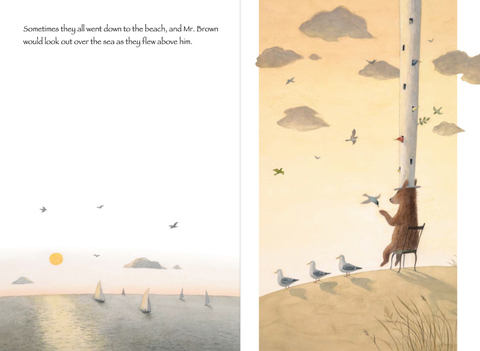
As the days went on Mr. Brown discovered that he was beginning to enjoy the birds’ singing and their company. Now Mr. Brown had renewed purpose in his daily walks: “He loved to show off his hat. Everywhere he went it was full of the music of singing birds.” People on the street took notice and wanted to emulate Mr. Brown. All over town people began wearing tall hats, “but the birds preferred to stay with Mr. Brown no matter how hard people tried to persuade them.”

One day as autumn settled in, Mr. Brown noticed that all the birds had flown away. He was sad and didn’t understand where they had gone or why they had left him. He wondered if he would see them again. The idea of a quiet life no longer held the appeal it once did, and Mr. Brown missed his friends. He tried to convince himself that he didn’t care that the birds had left, but he continued to fill the feeders and watch out for them every day.

celebrate-picture-books-picture-book-review-mr-brown's-fantastic-hat-looking-out-to-sea

Image copyright Ayano Imaí, 2014, courtesy of minedition

Even though it was time for Mr. Brown to take a long winter’s nap, he tried to stay awake, worried that there would be no one to care for the birds if they returned. But nature took its course, and Mr. Brown fell into a deep sleep. One morning after a particularly vivid dream in which Mr. Brown could hear the birds singing, he woke to a tapping sound. He went to the door and peered out.

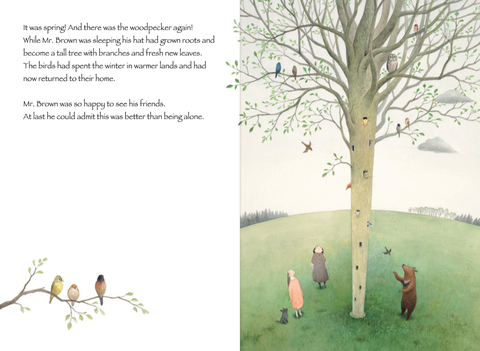
Spring had come and with it Mr. Brown’s hat had grown roots and sprouted branches and leaves. The old holes were filled with their previous tenants. The sight filled Mr. Brown with joy, and he finally could admit to himself that sharing his life with friends “was better than being alone.”

celebrate-picture-books-picture-book-review-mr-brown's-fantastic-hat-hat-grows-into-tree

Image copyright Ayano Imaí, 2014, courtesy of minedition

Ayano Imaí’s gloriously beautiful book plumbs the nature of solitude and loneliness as well as the value of friendship with an honesty that is at once heartrending and uplifting. For so many quiet, introspective people—children and adults alike—navigating the world of small talk, casual relationships, and making friends is similar to traveling uncharted territory, where the language and mores are foreign. It can become easier to tell oneself that it doesn’t matter, when in reality it matters a great deal. Many times happiness comes when one finds their niche or, in some surprising way, a niche finds them.

Imaí tells the story of Mr. Brown and his fantastical hat in straightforward narration, but more profound meaning is revealed in her illustrations. Mr. Brown, it is discovered, is a brown bear who has taken on the aspects of humans. He walks upright, carries an umbrella and bag, owns a home, and wears a hat. His fur is even the same color as the townspeople’s clothing. But while he may be among people, he is not of them. His home has a grass floor which sprouts mushrooms and weeds; another weed pokes out from the bristles of his brush; a tree branch juts from a wall; and mushrooms share space with the laundry on the drying line.

Mr. Brown comes from nature and belongs with nature, so it is no surprise that the birds flock to him and prefer him to humans, who in an ironic twist long to be like Mr. Brown. I especially like the ending of Mr. Brown’s Fantastic Hat, in which Mr. Brown stays true to himself. He does not suddenly discover his “wild” side and become someone that he is not. He is able to remain a quiet, introspective bear while also embracing his friends, his love for them, and his place in the world. He finds inner happiness and loved ones to share it with.

Ages 3 – 8 (and up)

minedition, 2014 | ISBN 978-9888240845

Fall Hat Month Activity

celebrate-picture-books-picture-book-review-favorite-hat-matching-puzzle

Favorite Fall Hat Matching Puzzle


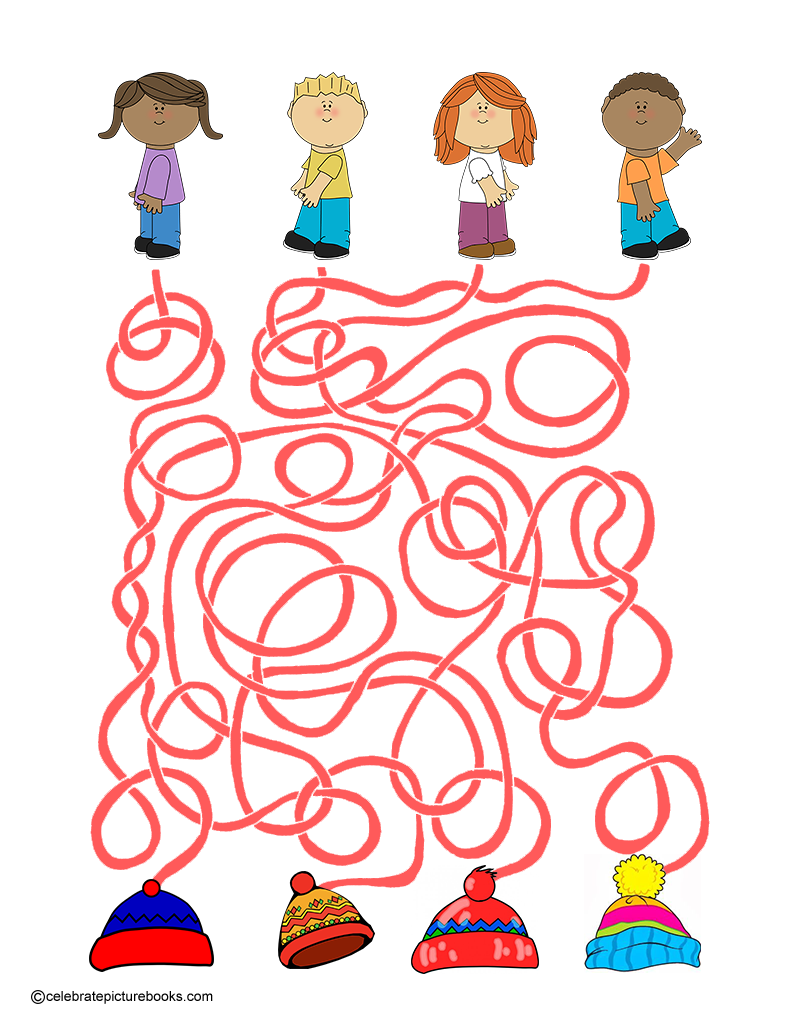
Each child has a favorite hat for cooler weather. Follow the paths in this printable Favorite Fall Hat Matching Puzzle to find out which hat each child chooses!

Picture Book Review