March 3 – World Wildlife Day and Interview with Author Heather Lang

celebrate-picture-books-picture-book-review-the-leaf-detective-cover

About the Holiday

A vast number of plant and animal species are facing endangerment or extinction due to human caused climate change. World Wildlife Day was created in 1973 as an effort to protect the many endangered species of the world. It is an international holiday with a new theme each year to celebrate the biodiversity of our earth while also promoting awareness and advocacy. The theme for this year’s observance is “Forests and Livelihoods: Sustaining People and Planet.” There are many wonderful ways to celebrate this holiday; spend some time in nature, pick up litter around your block, find out about activities going on in your hometown, and read books to educate yourself and others on the livelihood of forests, wildlife and the environment.  To learn more about World Wildlife Day, and the virtual events happening today, visit this webpage: https://www.wildlifeday.org/. If you are searching for books to celebrate, The Leaf Detective is a perfect fit!

Thanks to Boyds Mills for providing a digital copy of The Leaf Detective for review consideration. All opinions on the book are my own.

Reviewed by Dorothy Levine

The Leaf Detective: How Margaret Lowman Uncovered the Secrets in the Rainforest

Written by Heather Lang | Illustrated by Jana Christy


As a child, Meg was quite shy to make friends. She spent lots of time studying and playing with wildlife: “Meg wrapped herself in nature, like a soft blanket.” As she continued to grow, so did her passion for leaves, trees, and nature. Meg attended Sydney University in Australia. In 1979, she became the first person at her graduate school to study the rainforest. Through her studies Meg learned that people had been all the way to outer space to study, but nobody had ever ventured to the tippity top of a canopy tree. Instead, they studied trees from far away through binoculars. Oftentimes scientists would spray trees with chemicals so that the harmed leaves and animals would drop to the forest floor where people could study them up close. Meg sought to change this.

celebrate-picture-books-picture-book-review-the-leaf-detective-harness

Image copyright Jana Christy, 2021, text copyright Heather Lang, 2021. Courtesy of Calkins Creek.

“In the dark, damp forest the trees rose up to distant rustling, squawks and screeches, shadows in the treetops. How could she get up there?” Meg Lowman created her own slingshot and harness and inched up a coachwood tree. When she reached the canopy, she knew she’d found the perfect place to study and explore. Meg is quoted saying, “From then on, I never looked back…or down!”

Meg continued to create new strategies to study the canopy, as a scientist does. And in doing so she made so many discoveries, such as: “We now believe the canopy is home to approximately half the plant and animal species on land.” Many people tried to stop Meg along her journey. They told her she couldn’t take science classes, climb trees, or make inventions because she was a woman. But Meg ignored them. She continued to investigate.

She knew that rainforests were (and are) in danger, and that so many creatures rely on the rainforest ecosystem. People all over the world were cutting down large parts of the rainforests for wood, rubber, paper, and farmland. This worried Meg; she wanted to find a way to protect rainforests before they all disappeared. “She wondered, How can one leaf detective make a difference? How can I save the trees?…Then an idea crawled into Meg’s thoughts—a way to speak for the trees.”

celebrate-picture-books-picture-book-review-the-leaf-detective-bugs

Image copyright Jana Christy, 2021, text copyright Heather Lang, 2021. Courtesy of Calkins Creek.

Meg traveled around the world. She spoke to people across many different countries; taught them how to climb trees, build canopy walkways—she showed people the many gifts rainforests have to offer. Meg educated communities on how they could share their rainforest with outsiders, showcase its beauty to create revenue rather than chopping them down for resources. By using her voice and creative mind, Meg helped implement systems that have saved many trees and creatures across the world.

Meg Lowman continues to study trees, save rainforests, and teach people how to shift their economies to center around ecotourism and sustainable crops rather than resource extraction. She has used her voice to save rainforests across the world, and yet she still says, “If only I could have achieved as much as the tree!… But I have not. I have whittled away at relatively small goals in comparison to the grander accomplishments of a tree.”

Backmatter includes an author’s note detailing Heather Lang’s visit to meet Margaret Lowman in the Amazon rainforest in Perú. The note includes more information on Dr. Lowman’s advocacy work and is followed by an illustrated educational spread on the layers of canopies, and species featured throughout the story are labeled in the final spread, for readers to learn more about specific animals that make their homes in the rainforest.

celebrate-picture-books-picture-book-review-the-leaf-detective-trampoline

Image copyright Jana Christy, 2021, text copyright Heather Lang, 2021. Courtesy of Calkins Creek.

Heather Lang’s lyrical writing matches the carefulness with which Meg studies leaves, trees, and the rainforest canopy. Her compelling storytelling is rich with facts and sensory imagery that immerse readers in the environment and Meg’s determination to understand and, later, save it. Scattered images of leaves drop fun facts and definitions for readers about the rainforest, canopies, transpiration, herbivores, and more. Quotes from Dr. Lowman are thoughtfully placed throughout the story in a manner that neatly flows. The Leaf Detective urges readers to understand that “a tree is not just a tree” but rather “a shelter for animals and people, / a recycler and provider of water, / a creator of food and oxygen, / an inventor of medicine/ a soldier against climate change.”

Jana Christy’s digital drawings contain stunning detail and show an accurate scale of one small person in comparison to the vastness of the rainforest. Her mesmerizing wildlife creatures and immersive watercolor blues and greens transport readers right into the rainforest with “Canopy Meg.” The lush greens of the rainforests contrast strikingly with the spread on deforestation, in which fallen trees lay scattered on the bare, brown ground. Readers will also be interested to see the innovations that have made the trees more accessible to people. One can read the book over and over and notice new details every time. It is a book to treasure, to study, to read and re-read again. 

Come unearth the secrets of the rainforest with Margaret Lowman in this book that’s budding with knowledge, empathy, and magic, and is a tale of how one person can make a difference. The intriguing facts, poignant quotes from Dr. Lowman herself, and beautiful poetic writing will leave readers of this book inspired with wonder and with a hunger for advocacy. The Leaf Detective: How Margaret Lowman Uncovered the Secrets of the Rainforest is an urgent must-read for all ages.

A portion of Heather Lang’s royalties for this book go to TREE Foundation—an organization that funds field trips for children to get into nature, canopy projects, and science book distribution for children with limited access to STEAM, girls especially. 

Ages 6 – 10

Calkins Creek, 2021 | ISBN 978-1684371778

Discover more about Heather Lang and her books on her website.

To learn more about Jana Christy, her books, and her art, visit her website.

Meet Heather Lang

celebrate-picture-books-picture-book-review-Heather-Lang-headshot

Heather Lang loves to write about real women who overcame extraordinary obstacles and never gave up on their dreams. Her research has taken her to the skies, the treetops of the Amazon, and the depths of the ocean. Her award-winning picture book biographies include, QUEEN OF THE TRACK: Alice Coachman, Olympic High-Jump Champion, THE ORIGINAL COWGIRL: The Wild Adventures of Lucille Mulhall, FEARLESS FLYER: Ruth Law and Her Flying Machine, SWIMMING WITH SHARKS: The Daring Discoveries of Eugenie Clark, and ANYBODY’S GAME: Kathryn Johnston, The First Girl to Play Little League Baseball. When she is not writing, she enjoys going on adventures with her husband and four children. Visit Heather at www.heatherlangbooks.com.

Today I am thrilled to be interviewing author Heather Lang about her new biographical picture book The Leaf Detective: How Margaret Lowman Uncovered the Secrets of the Rainforest. Heather provides some thoughtful notes for shy readers, riveting stories from the rainforest and insight into the importance of exploring and caring for nature.

Can you tell us a little bit about what made you decide to write The Leaf Detective?  

We’ve caused enormous harm to our planet over the last few centuries, and I’m especially concerned about our rainforests. I knew I wanted to write a biography that was also a science book about the rainforest. When I read about Meg’s pioneering work and deep passion for trees, I was hooked! I couldn’t wait to find out how this quiet, nature-loving child, who didn’t know women could be scientists, became a world-class scientist and conservationist.

In the story you talk about how Meg was shy to make playmates with other kids. Were you also a shy kid growing up? Do you have any advice for readers who may relate to this aspect of Meg’s childhood? 

Like Meg, I was very shy as a child and remember wishing I were more outgoing. But as I grew older, I began to recognize the many advantages to being shy! My shy nature led me to sit back and observe. And that led to deeper thinking and understanding, a strong imagination, and creativity. Shy people often think more before they speak. They make their words count, which coincidentally is an important part of writing picture books. This also makes shy people good listeners and thoughtful friends. 

I’m still shy in many ways, and my recommendation to readers who might identify with this is to embrace your shyness! At the same time, don’t let it stop you from doing things you want to do. Meg Lowman told me she used to get so nervous before presenting in graduate school that she’d get physically sick. But with practice, practice, practice, she’s become a captivating presenter and educator. If you watch a few of her FUN FACTS FROM THE FIELD videos on my website, you’ll see what I mean! 

How would you describe your connection to nature? Would you consider yourself a “detective” in any ways? 

I’m constantly in awe of nature and its countless gifts and surprises. Nothing sparks my curiosity more than our natural world, and my curiosity is probably my most important tool as a writer. Being open-minded and asking questions not only generates ideas, but also leads me to think more deeply about a topic and examine it closely from lots of different angles. And of course that generates more detective work and more learning about my topic and myself. Being a detective is one of my favorite parts of writing books.

Do you have a favorite rainforest tree or creature? If so, tell me about it a bit!

When I arrived in the Amazon rainforest, I couldn’t wait to see a sloth! But during my time there I became fascinated with ants. They are everywhere in the rainforest, even in the canopy. I think it’s amazing how such tiny creatures can be so hardworking and organized. Their teamwork is unbelievable. And they are invaluable to the health of our rainforests. Among other things, they’re in charge of waste management on the rainforest floor, and they disperse seeds and aerate the soil!

What was the most rewarding part of writing The Leaf Detective?

This writing project was filled with rewards every step of the way! I learned so much about our rainforests and trees and gained a true understanding of how interconnected we all are—plants, animals, and humans. Getting to really know Meg Lowman and learning from her firsthand was thrilling and strengthened my writing in many important ways. It was also really rewarding to stretch myself as a writer and find a way to effectively write a book that seemed ambitious at first—a biography and conservation book that wove in quotes and science facts. 

Are there any stories from your trip to meet Meg that you did not get the chance to include in your author’s note that you’d like to share?

While I was on my Amazon adventure with Meg, I had many exciting moments. I loved learning from the Indigenous people how to use a blow gun, make clay, and braid palm leaves to make thatched roofs. The local shaman taught me how he uses different plants in the rainforest to treat and prevent injuries and illnesses—from bronchitis to poisonous snake bites. He also helped me confront my fear of snakes by bringing one over for me to touch. I even let it gently coil around my neck! But my favorite moments were exploring with Meg, especially at night and early in the morning when there’s so much activity in the rainforest.

What are you working on next?

I’m having a blast working on a new informational picture book series about extraordinary animals for Candlewick Press with my co-author/illustrator and close friend Jamie Harper. The first book, Supermoms!, features cool nonfiction facts about 18 amazing animal moms in a graphic format with humorous callouts. 

I’m also working on a collective biography for readers in grades 3 – 7. More to come on that soon!

Thanks so much for chatting with me Heather! I had a lovely time hearing about your inspiration, stories, writing process and tips for shy readers. Looking forward to learning and reading more from you in the months and years to come.

World Wildlife Day Activity

Screen Shot 2021-03-02 at 9.24.20 PM

You can create your own rainforest with this coloring page. Use the blank space around the picture to label the layers as shown on the last page of The Leaf Detective!

Rainforest Coloring Page

celebrate-picture-books-picture-book-review-world-wildlife-day-poster-2021

Three different beautiful World Wildlife Day 2021 posters in six languages are available for download here.

You can find The Leaf Detective at these booksellers

Amazon | Barnes & Noble | Books-a-Million

To support your local independent bookstore, order from

Bookshop | IndieBound

Picture Book Review

March 2 – Read Across America Day

celebrate-picture-books-picture-book-review-if-you-come-to-earth-cover

About the Holiday

Today’s holiday, established by the National Education Association in 1997, encourages children all across the country to celebrate reading and all of its joys and benefits. The NEA strives to create a nation of diverse readers and to provide teaching resources that promote diversity and inclusion. In NEA’s digital Read Across America calendar, the theme for March is “Cultivate Compassion.” This year teachers and parents can connect with authors, discover ideas for virtually celebrating Read Across America, and find lots of resources for a full year of reading. A love of reading is one of life’s greatest pleasures and a powerful force for future success. Celebrate today by reading with a child or on your own. There are fabulous worlds and stories waiting to be discovered. Just take a look into today’s book1 For more information on Read Across America, visit the NEA website.

If You Come to Earth

By Sophie Blackall


In Sophie Blackall’s beautifully—and often whimsically—illustrated If You Come to Earth, a child named Quinn who wears a red elfin hat writes a letter about Earth to any visitor from Outer Space who may venture to our planet. Quinn starts out with a map of sorts to guide the visitor through the cosmos to our “greeny-blue” home and, closer still, to the cities, towns, and villages where we congregate. A patchwork image shows the visitor the variety of houses people live in—from huts to trailers, castles to houseboats, cabins to treehouses to a familiar lighthouse. One space is also dedicated to those who have lost their homes “in a fire. In a flood. In a war.”

celebrate-picture-books-picture-book-review-if-you-come-to-earth-homes

Copyright Sophie Blackall, 2020, courtesy of Chronicle Books.

Turn the page to a sunny-day picnic and Quinn reveals that in those homes live “all kinds of families.” Sometimes people are quiet, but Quinn tells the visitor, “inside our heads, we are usually thinking. You can’t see our thoughts, but sometimes we show our feelings on our faces.” What kinds of feelings? Blackall’s portraits show sadness and glee, confusion and surprise, frustration and calm. The child mentions clothing, weather, and transportation. “I’m a kid,” Quinn says, “and kids go to school to learn stuff, so we’ll know what to do when we’re grown up.” Quinn’s class is seen drawing space aliens while they talk together and share colored pencils. One boy is making a face and another is sleeping on his blank piece of paper.

celebrate-picture-books-picture-book-review-if-you-come-to-earth-school

Copyright Sophie Blackall, 2020, courtesy of Chronicle Books.

What will these kids grow up to be? Forty snapshots of adults—including a beekeeper, potter, astronaut, tennis player, barber, chef, dancer, chess player, construction worker, veterinarian, doctor, singer, and scientist—will give the visitor an idea of the vast array of jobs people do “to make the world work.” There are ideas for leisure time too. And as a large group sits around table laden with all kinds of food, Quinn says that we “eat when we are hungry” and that “some of us have more food than others,” but that “we all need food and water to survive.”

From this introduction, the visitor learns about the ocean, which appears empty but “actually it’s full.” A stunning montage of sea creatures depicts what the child means. Likewise, the land hosts animals, which bound, creep, and lope across the pages, and the sky is home to birds of all colors and sizes.

celebrate-picture-books-picture-book-review-if-you-come-to-earth-jobs

Copyright Sophie Blackall, 2020, courtesy of Chronicle Books.

Quinn talks about the music in the world, made by animals and people, about deaf people who talk with their hands, and about blind people who read with their hands and includes images of the sign language and braille alphabets. He tells about things created by nature and those made by people; things that are big and things that are small and even things that are invisible but make a big impact. One of these is germs, which “can make you sick” just like “eating a woolly milkcap toadstool or breathing in smoke or getting spat on by a slow loris.”

Quinn reveals different ways people interact and how they grow up from babies to older people. He admits that “there are lots of things we don’t know…. But right this minute, we are here together on this beautiful planet.” Quinn ends his letter with some questions for the possible visitor from Outer Space and an invitation to stay in his room if, indeed, they come to Earth.

celebrate-picture-books-picture-book-review-if-you-come-to-earth-jobs

Copyright Sophie Blackall, 2020, courtesy of Chronicle Books.

Every page of Sophie Blackall’s mesmerizing and welcoming look at life on our planet invites readers to explore her detailed illustrations and imagine what their own additions would be to each topic. Blackall’s straightforward text is sprinkled with humor and poignancy and each line opens up a world of possibilities and the gifts of our rich diversity, both natural and human. The subjects Blackall chooses flow from each other like a long strand of yarn teased from a sweater with an intricate design and are sure to lead to fun, fascinating, and thoughtful discussions. Blackall’s ending will inspire as much as it makes you smile.

Accompanying Blackall’s text are her exquisite illustrations that are fresh and fun and, in many cases, will take your breath away. Both kids and adults will want to spend time carefully studying and talking about each page, as there is so much to see, so many connections to make, and so many secrets tucked away in each of them. Readers will notice allusions to other books and will want to point out all of the things that are “just like me!” Pages dedicated to transportation, birds, animals, sea creatures, and jobs will enthrall kids with these particular interests. Artists, collectors, and philosophers will also find pages to excite them too.

A book kids and adults will want to dip into again and again as well as an excellent read to spark writing workshops, nature studies, and social studies classes for schools and homeschoolers, If You Come to Earth is a must for home, classroom, and public library collections.

Ages 5 – 8 and up

Chronicle Books, 2020 | ISBN 978-1452137797

To learn more about Sophie Blackall, her books, and her art, visit her website.

celebrate-picture-books-picture-book-review-if-you-come-to-earth-cover

You can find If You Come to Earth at these booksellers

Amazon | Barnes & Noble | Books-a-Million

To support your local independent bookstore, order from

Bookshop | IndieBound

Picture Book Review
March 1 – National Reading Month

celebrate-picture-books-picture-book-review-agnes's-place-cover

About the Holiday

National Reading Month is a book-lover’s delight! With thirty-one whole days where taking extra time to read is not only allowed but encouraged can send one hurrying out to the bookstore or library to stock up! Kids love being read to, and setting aside time to read together every day builds strong bonds that can last a lifetime. The month is officially marked with special events in schools, libraries, bookstores, and communities that bring authors, illustrators, and educators together with kids. This year look for virtual events and make a plan with your kids to find new and old favorites books to share. 

Thanks to Amazon Crossing Kids and Blue Slip Media for sending me a copy of Agnes’s Place for review consideration. All opinions are my own.  I’m happy to be teaming with Amazon Crossing Kids and Blue Slip Media in a giveaway of the book. See details below.

Agnes’s Place

Written by Marit Larsen | Illustrated by Jenny Løvlie | Translated by Kari Dickson


In a city of “so many buildings,” Agnes lives on a neat little street where the trolley passes by and a café and corner grocery welcome their customers. In her apartment building, Agnes “knows she is at home before she even opens her eyes in the morning. She knows who is baking, who is playing, and who is saying shush.” When she opens her window, the birds come for the seeds she feeds them because “she knows that the birds are hungry and that she is the only one who remembers.” Agnes knows about all of the residents of her building and especially “what it is like to be the only child in a place full of adults who never have time.”

One day when she looked out her window at the rain coming down, she noticed a girl standing next to her favorite puddle with a tall pile of boxes and belongings. Agnes wondered if she was moving in. She watched through the peephole in her door as the girl and adults carried boxes and bags up the stairs to the fifth floor. Excited, Agnes drew a large picture of the swings outside the building, and she wrote an invitation—“HERE”—with an arrow. Then, when things were quiet, she went upstairs and slid it through the letter box, where it came to rest under a chest of drawers. Agnes skipped down the stairs. “She felt her heart pounding in her cheeks and ears.” But, later, she sat on the swing alone, which felt lonelier than playing on the swings by herself.

celebrate-picture-books-picture-book-review-agnes's-place-tenants

Image copyright Jenny Løvlie, 2021, text copyright Marit Larsen, 2021. Translation by Kari Dickson, 2021. Courtesy of Amazon Crossing.

When Agnes woke up the next day, she felt that everything was the same… but completely different. When she went to the window to feed the birds, they flew past her and up toward the new girl’s window. Later, Agnes practiced new tricks on the swing. After that, she played with her toys while she watched the new girl on the swing. Her home “was somehow a new place now,” and all she could think about was the new girl: did she hear and see the same things Agnes did?

Every day, Agnes waited by the swings until it was time to go in. The new girl discovered Agnes’s puddle by herself. She did a lot of fun things, and if she saw Agnes at the market, Agnes couldn’t tell because she walked right by. When Agnes went to get Emilia’s newspaper from the mailbox to deliver as she did every day, she found the box empty. And when she went to visit Emilia, she found Emilia already doing the crossword puzzle.

Agnes ventured: “‘it is a bit strange, isn’t it, that you can just move into a place without asking everyone who lives there if they think it’s okay?’” Emilia said, “‘Well, now—we’ve all been new at one time or another. Even me.’” Then Emilia offered her a waffle, but Agnes thought “a waffle is not much comfort when you are five and have no secrets left to share.”

But coming downstairs, Agnes was suddenly face to face with the new girl. They were the same size and “both just as quiet.” Agnes’s sweater matched the new girl’s hat, and when Anna opened her hands the marbles inside glowed as if “she had the whole universe in the palm of her hand.” They laughed together as the marbles flowed down the stairs like waves. Then Anna grabbed Agnes’s hand and led her upstairs to the roof, where Agnes had never been before but which Anna had transformed with birdhouses and little lights, and they had a picnic of waffles and hot chocolate. “It turned out that Anna had her own secrets. And they were wild and wonderful.”

Amazon Crossing Kids aims to increase the diversity of children’s books in translation and encourage children to read from a wide range of cultural perspectives. Agnes’s Place was originally published in Norway.

celebrate-picture-books-picture-book-review-agnes's-place-birds

Image copyright Jenny Løvlie, 2021, text copyright Marit Larsen, 2021. Translation by Kari Dickson, 2021. Courtesy of Amazon Crossing.

Marit Larsen has written a complex and thought-provoking story about making new friends and the nature of friendship, about loneliness, a sense of loss, and feelings of discovery. As the only child in the apartment building, Agnes has been left to make her own way and find her own entertainment and routines—her secrets. She is excited to see a new girl moving in and immediately invites her to play. But when her picture goes unseen and Agnes’s secrets are one-by-one discovered and, in some cases, “taken” by Anna, Larsen introduces the idea of how mixed signals, disappointments, and unfulfilled expectations can affect one’s own sense of self and place in the world.

Of course, Anna doesn’t know about Agnes and can’t know that the puddle, the swings, the birds, and Emilia’s newspaper have been “hers,” and in one illustration Anna can be seen as lonely too. When Agnes and Anna finally meet up and they realize that they are alike in many ways, they quickly become friends, and together they can their world more “wild and wonderful.” The events in the story give readers and adults excellent opportunities to discuss commonly felt emotions surrounding friendships and new experiences and what someone could and/or would do in similar situations.

In her gorgeous matte illustrations rendered in soothing hues, Jenny Løvlie creates a charming neighborhood and apartment building, in which cutaways show Agnes’s neighbors baking, reading, and tinkering in their own apartments. Through snapshot images Løvlie shows the disconnect between Agnes and Anna, and clearly shows how Agnes’s initial excitement at making a friend turns to sadness and uncertainty when her invitation goes unanswered and her comforting daily routine is seemingly usurped.

The moment when Agnes and Anna meet, however, is infused with acceptance, understanding, and promise. The final two spreads in which Anna and Agnes climb to the roof and have a picnic are stunning for their color and the magic they inspire. Kids and adults will want to linger over each page to soak up all of the details that are so true to home life as well as the whimsical antics of a pair of mice. Readers will also love to point out all of the cats and other animals that appear throughout the pages.

A heartfelt and lovely story about new friendships and growing up set in a vibrant apartment community, Agnes’s Place would be a captivating addition to home, school, and public libraries for thoughtful story times.

Ages 4 – 8

Amazon Crossing Kids, 2021 | ISBN 978-1542026758

Marit Larsen is a Norwegian songwriter and musician. Agnes’s Place, her debut picture book, was first published in Norway and will also be published in Denmark and Italy. She currently resides in Brooklyn, New York. You can learn more about the author at www.maritlarsen.com and on Instagram: larsenmarit

Jenny Løvlie is a Norwegian illustrator. Her previous picture book, The Girls, written by Lauren Ace, was the winner of the Waterstones Children’s Book Prize. She currently lives in Cardiff, Wales. You can connect with Jenny Løvlie at www.lovlieillustration.com and on Instagram: lovlieillustration.

Kari Dickson is a literary translator from Edinburgh, Scotland. In 2020 she won the Mildred L. Batchelder Award for best children’s translation for Brown, written by Håkon Øvreås and illustrated by Øyvind Torseter. She holds a BA in Scandinavian studies and an MA in translation.

celebrate-picture-books-picture-book-review-agnes's-place-cover

You can find Agnes’s Place at these booksellers

Amazon | Barnes & Noble | Books-a-Million

To support your local independent bookstore, order from

Bookshop | IndieBound

Picture Book Review

February 25 – It’s National Bird Feeding Month

celebrate-picture-books-picture-book-review-how-to-find-a-bird-cover

About the Holiday

Spring comes early for our feathered friends. You may have noticed more bird activity in the past few weeks as birds get ready to build nests and mate. February can be a tough month for these little creatures, though. In some places snow still covers the ground, and the spring blooms that offer nutrition haven’t sprouted yet. To remedy this situation, in 1994 John Porter read a resolution into the United States’ Congressional record recognizing February as National Bird-Feeding Month. One-third of the American population have backyard feeders that provide the sustenance birds need to survive. To celebrate, if you have feeders make sure they are well stocked. If you don’t have a feeder in your yard, consider hanging one. Enjoying the beauty and songs of birds is a day brightener!

How to Find a Bird

Written by Jennifer Ward | Illustrated by Diana Sudyka


If you have or know of a child who is fascinated by birds, then How to Find a Bird will pique their interest and entice them to get outside to look for birds—those obvious as they fly by and those who take a bit of detective work to spot. As Jennifer Ward assures young birders: “There are a lot of ways to find a bird. That’s the wonderful thing about birds.” She then reveals helpful tips for spying on birds without scaring them away. Being “quiet is good.” How quiet? “So quiet you can hear your heartbeat.”

celebrate-picture-books-picture-book-review-how-to-find-a-bird-swan

Image copyright Diana Sudyka, 2020, text copyright Jennifer Ward, 2020. Courtesy of Beach Lane Books.

But where can birds be found? Sure, we all know birds fly, but Ward reminds readers to “look down, low to the ground, where some birds forage” for food on land and in the water. And Ward reveals other reasons besides grabbing a meal that birds may be found at feet level instead of overhead. Between down below and up in the sky, there’s eye level. But to find a bird here, “you will have to have a sharp eye” as it may be cleverly camouflaged. “Of course, you can always look up to find a bird too!” But even here you may find surprises.

celebrate-picture-books-picture-book-review-how-to-find-a-bird-ground-birds

Image copyright Diana Sudyka, 2020, text copyright Jennifer Ward, 2020. Courtesy of Beach Lane Books.

If you make your home and yard welcoming, Ward says, you won’t have to search for them, the birds will come to you. They may talk to you or warn other birds about you. “And if you feed them, they will come. Then all you need is a window to find a bird.” But there is one sure way to find a bird that doesn’t involve looking at all. So closer your eyes… and listen: “‘Honk! Honk!’ ‘Cheerily cheerily cheerily.’ ‘Who cooks for you who cooks for you?’ That’s the wonderful thing about birds.”

Backmatter includes a discussion about birdwatching, a list of tools and tips, where to find distinguishing marks on birds, how to create a life list, and resources for becoming a citizen scientist.

celebrate-picture-books-picture-book-review-how-to-find-a-bird-desert

Image copyright Diana Sudyka, 2020, text copyright Jennifer Ward, 2020. Courtesy of Beach Lane Books.

Jennifer Ward’s joyful, lyrical storytelling invites kids to engage in the rewarding activity of birdwatching. Whether readers would like to make it a hobby or just become more observant to their surroundings, How to Find a Bird shows kids easy ways to enjoy watching birds and discovering their behaviors without disturbing them or their habitats. By reminding children to take a broad approach to finding birds, Ward reveals the wide variety of birds that populate our planet, their behaviors, and their defenses. Ward’s direct address makes readers feel they’re already part of this exciting activity that can become a lifelong love.

Diana Sudyka’s charming, realistic illustrations of more than fifty species of birds take kids to marshlands and rocky deserts, lakeshores and beaches, a bright blue sky and a flower-filled backyard. Along the way kids get a look at families of California quails and tundra swans; a northern flicker gobbling ants; an anhinga tossing a minnow; burrowing owls underground; and a long-eared owl, an eastern whip-poor-will, and a brown creeper hiding in plain sight among many others. Readers will also see some birds who have become extinct and several matched with their song. Sudyka’s vibrant images show birds in motion and at rest. A careful study of the pages will reward kids with enchanting details and a couple of surprising hidden birds.

For nature buffs, bird lovers, and school or homeschooling environmental lessons, How to Find a Bird is an enchanting introduction to birds and birdwatching and would be a terrific take-along on outdoor outings. The book would be a quick favorite on home bookshelves and an excellent reference for classroom and public library collections.

Ages 4 – 8

Beach Land Books, 2020 | ISBN 978-1481467056

Discover more about Jennifer Ward and her books on her website.

To learn more about Diana Sudyka, her books, and her art, visit her website.

National Bird Feeding Month Activity

celebrate-picture-books-picture-book-review-bird-on-reed-coloring-page

Bird Coloring Pages


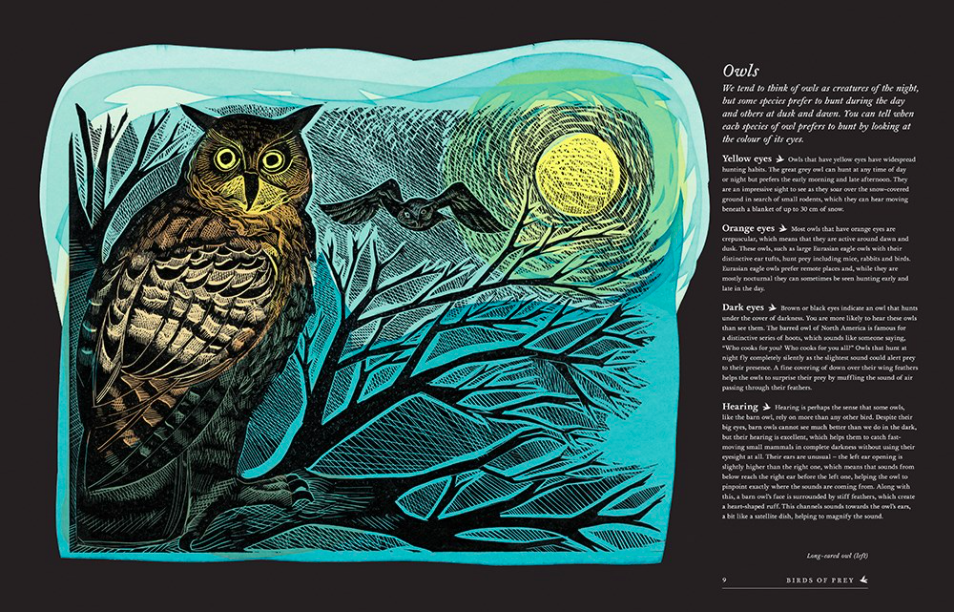
The birds you usually see in your area may not be back from their winter vacation yet, but you can still enjoy some beautiful birds with these coloring pages.

Owl in the Forest | Bird on a Reed | Bird on a Branch

celebrate-picture-books-picture-book-review-how-to-find-a-bird-cover

You can find How to Find a Bird at these booksellers

Amazon | Barnes & Noble | Books-a-Million

To support your local independent bookstore, order from

Bookshop | IndieBound

Picture Book Review
February 25 – It’s Bake for Family Fun Month

celebrate-picture-books-picture-book-review-ginger-and-chrysanthemum-cover

About the Holiday

Whether you and your family have always liked to bake together or you’ve found a new hobby in the past year, February is a great time to scour cookbooks or find recipes online and add some new taste sensations to your traditional favorites. Baking together teaches valuable cooking skills and is a creative way to engage with math. It can also bring your family closer as you talk about old memories that revolve around baking or cooking and make memories for the future. Of course the best part of baking together is eating the delicious treats afterward!

Ginger and Chrysanthemum

Written by Kristen Mai Giang | Illustrated by Shirley Chan


Ginger has come to visit her cousin Chrysanthemum. “They’re as close as two beans in a pod,” but they don’t always see things the same way. Today is their grandmother’s birthday, and they want to make it perfect. Chrysanthemum has made a list of things they must do. First, she says they must dress up. While Chrysanthemum puts on the tidy checked dress she brought along and slips on a matching headband and cool, white sandals, Ginger tries on everything in her closet.

celebrate-picture-books-picture-book-review-ginger-and-chrysanthemum-visiting

Image copyright Shirley Chan, 2020, text copyright Kristen Mai Giang, 2020. Courtesy of Levine Querido.

When Ginger’s ready, Chrysanthemum consults her list again and finds it’s time to shop for decorations and a gift and then head to Grandma’s New Asian Kitchen restaurant to decorate. Ginger doesn’t want to take time to read a list, though, and pulls her cousin out the door. They hurry to the market to do their shopping. Ginger finds paper lanterns in every color and thinks it’s fun to balance a stack of them on her head. Chrysanthemum knows Grandma loves flowers and chooses ginger and chrysanthemum flowers for the party. For Grandma’s gift, they buy a jade pendant.

One thing the cousins do agree on is that they love to help out at the grandmother’s restaurant. While each girl has their own favorite job to do, today they are decorating together. Ginger is running around hanging lanterns and Chrysanthemum  is carefully placing flowers on the tables when Grandma asks which of them would like to bake the birthday cake. Ginger has visions of making “an AMAZING cake with BLAZING candles” while Chrysanthemum says, “‘I’ll make a cake light and cool as a cloud.’” Grandma suggests they work together to make her green tea cake.

celebrate-picture-books-picture-book-review-ginger-and-chrysanthemum-utensils

Image copyright Shirley Chan, 2020, text copyright Kristen Mai Giang, 2020. Courtesy of Levine Querido.

Ginger rushes around the kitchen, banging pans and rattling bowls; Chrysanthemum makes another list and patiently lays out all of her utensils and ingredients. Ginger is mixing the flour, eggs, and sugar with such vigor that the batter splashes everywhere. “‘Ginger, you’re too messy,’” Chrysanthemum tells her. Ginger is upset with how slowly Chrysanthemum is working. “Chrysanthemum steams like a teapot.”

Both girls reach for the green tea powder at the same time, but Ginger’s faster and dumps it in the bowl. Chrysanthemum yells at her cousin that she’s not following the recipe, but Ginger grumbles that “‘a recipe is just a fancy list.’” With the cake ruined, the girls take a break and decide to make another cake. But there’s no more green tea powder. They mull over the problem then Ginger suggests using chrysanthemum tea instead of green tea, and Chrysanthemum thinks of using ginger ice cream for the frosting. Ginger cleans up the mess while Chrysanthemum measures out the ingredients. “Ginger mixes. Chrysanthemum pours.” When they lick the spoon, the batter tastes delicious.

celebrate-picture-books-picture-book-review-ginger-and-chrysanthemum-baking

Image copyright Shirley Chan, 2020, text copyright Kristen Mai Giang, 2020. Courtesy of Levine Querido.

At the party, Chrysanthemum and Ginger take Grandma by the arms and lead her over to show her their cake. “The cake looks a little lopsided, the color slightly strange…. Ginger and Chrysanthemum hold hands – and their breath” as Grandma takes a bite. “She loves it!” She hugs her “little soybeans.” Then Ginger and Chrysanthemum share a slice. “Warm cake, cool icing. Perfect together. Like two beans in a pod.”

An Author’s note explaining the traditional Chinese belief that foods have warming or cooling characteristics and should, ideally, create a balance follows the text.

celebrate-picture-books-picture-book-review-ginger-and-chrysanthemum-party

Image copyright Shirley Chan, 2020, text copyright Kristen Mai Giang, 2020. Courtesy of Levine Querido.

In her entertaining story of two cousins with opposite personalities, Kristen Mai Giang cleverly uses the Chinese concept of warm and cool foods to create impulsive Ginger and precise Chrysanthemum. As the girls dress and shop for Grandma’s party, readers will be charmed by the cousins while giggling at their differences. When mishaps while baking Grandma’s cake fray their nerves and lead to angry words, Giang introduces a gentle lesson on how to get back on track and cooperation. While taking a break, Ginger and Chrysanthemum rely on their close relationship to come up with a solution that pleases them both. Kids will appreciate the ingenuity in their new recipe that combines both of their personalities and may be inspired to try making up a cake recipe of their own.

Shirley Chan clearly sketches out Ginger and Chrysanthemum’s opposite personalities in the first pages as Ginger stands in the middle of her messy room sporting a mix-and-match outfit appropriate for a rock star while Chrysanthemum channels a runway model in her perfectly accessorized dress. Spontaneous kids will identify with Chan’s depictions of Ginger playing around at the market while careful children will admire Chrysanthemum’s thoughtfulness in choosing just the right flowers. Chan’s images of the two spirited girls in the kitchen will enchant young readers, and the party scene is vibrant and inviting.

A creative and relatable story to inspire teamwork and a celebration of individuality, Ginger and Chrysanthemum would be an engaging addition to home, school, and public library collections.

Ages 4 – 7

Levine Querido, 2020 | ISBN 978-1646140015

Discover more about Kristen Mai Giang and her books on her website.

To learn more about Shirley Chan, her books, and her art, visit her website.

Bake for Family Fun Month Activity

celebrate-picture-books-picture-book-review-bake-up-some-fun-word-search

Bake up Some Fun! Word Search Puzzle


Before this pan goes into the oven, can you find the eighteen baking-related words in this printable word search puzzle?

Bake up Some Fun! Word Search PuzzleBake up Some Fun! Word Search Solution

celebrate-picture-books-picture-book-review-ginger-and-chrysanthemum-cover

You can find Ginger and Chrysanthemum at these booksellers.

Amazon | Barnes & Noble | Books-a-Million

To support your local independent bookstore, order from

Bookshop | IndieBound

Picture Book Review
February 23 – International Dog Biscuit Appreciation Day

celebrate-picture-books-picture-book-review-madeline-finn-and-the-therapy-dog-cover

About the Holiday

People have holidays celebrating their favorite treats—like Popcorn Day, Cherry Pie Day, and Chocolate Chip Cookie Day—so dogs should have a food holiday of their own, right? Well, today is it! Today we remember that our best furry friends like to be rewarded with a special treat or just shown a little extra love with a tasty morsel. Before anyone thought about what dogs ate, dog “treats” included some pretty awful stuff—moldy bread and rotten leftovers included—but an American manufacturer named James Spratt was struck by an idea when he saw stray, hungry dogs gobbling up ship’s biscuits on one of his travels in Liverpool, England in the 1800s. While in London, he created the first dog biscuit, which was soft and made of fresh ingredients like meat and vegetables. The first commercial dog biscuit was developed in 1908 by the F. H. Bennett Biscuit Co. It was hard and made with meat products, milk, and important minerals.

Madeline Finn and the Therapy Dog

By Lisa Papp


Madeline gives her dog, Star, a hug at his first birthday party. While they have cake, Madeline’s mom asks if Star is ready for his test the next day. Madeline assures her he is because they have been practicing meeting people, like the postman, “sitting still when a bike goes by,” and even “meeting other dogs.” Madeline tells Star that he’s “going to make the best therapy dog ever.” The next day Madeline takes Star to the Walker Oaks Retirement Village, where he’ll meet three people. Mrs. Dimple greets them with her therapy dog, Bonnie, who helped Madeline when she was learning to read.

celebrate-picture-books-picture-book-review-madeline-finn-and-the-therapy-dog-practicing

Copyright Lisa Papp, 2020, courtesy of Peachtree Publishing.

Inside, Mr. Finch tells Madeline that he’ll be grading Star on his visits. First, Mr. Finch watches Star walk around the room, stop, and begin walking again on command. Even when Star sees other therapy dogs, he doesn’t stop to play. “Next, Mr. Finch pets Star, especially touching his ears and tail. Star doesn’t mind.” Star also sits still when a wheelchair rolls by. Finally, Star is supposed to stay where he is when Madeline and her mom walk away, but instead he walks across the room to a woman in a wheelchair and lays his paw on her knee. Mr. Finch writes something down, but he is smiling.

For Star’s next test, he’s taken into a room with a group of people. While Madeline is nervous, Star “walks right up and smiles.” One woman calls Star sweet, a man kisses Star right on his nose because he reminds the man of a dog he had when he was young, and another woman tells Star about her garden and reads him a letter. “Everyone seems happy,” but there’s one man sitting alone near the window.

celebrate-picture-books-picture-book-review-madeline-finn-and-the-therapy-dog-first-test

Copyright Lisa Papp, 2020, courtesy of Peachtree Publishing

A nurse introduces him as Mr. Humphrey, and Madeline asks him if he’d like to pet Star. Mr. Humphrey says nothing. Mr. Finch writes something down. Then Madeline, her mom, and Star leave. Madeline’s mom says that Star did well on his second test, but Madeline wonders about Mr. Humphrey. “‘Some people need time,’ Mom says” and reminds Madeline of how patient Bonnie was with her. At home, Madeline thinks about things that Mr. Humphrey might like. That night, Madeline practiced reading with Star before bedtime.

The next time they visit Walker Oaks, they have to ride the elevator. At first Star doesn’t want to get in, but Bonnie nudges him and they walk in. When they get out, they see that someone has dropped a plate of cookies, but Star doesn’t react. Mr. Finch takes notes. When they see Mr. Humphrey, Madeline approaches him and introduces Star and asks if he’d like to pet him, but he stays silent. A little later Madeline asks if he’d like to look at her magic cards, but he still says nothing. Then Mrs. Dimple called her over and talked to her.

celebrate-picture-books-picture-book-review-madeline-finn-and-the-therapy-dog-mr-finch

Copyright Lisa Papp, 2020, courtesy of Peachtree Publishing

 Afterward, Madeline thought that maybe Mr. Humphrey wasn’t ready to smile. She asked Mr. Finch if she and Star could see Mr. Humphrey again. This time, Madeline sat in a chair next to Mr. Humphrey with Star close by. In a little while, she took a book from her bag and whispers to Mr. Humphrey that she didn’t always like to read. Seeing Madeline with a book, Bonnie loped over and sat next to Star. Madeline began to softly read her book out loud.

Near the end of the story, Madeline saw Star move close to Mr. Humphrey and rest his chin on his knee. Mr. Humphrey put his hand on Star’s nose. Finally, Mr. Humphrey looked at Madeline. “‘My wife loved books,’” he said. “‘How about another story?’” While Madeline was choosing another book, Mr. Finch came over and handed her “a tag for Star. I AM A THERAPY DOG, it says.” Madeline “fastened his new tag onto his collar, right above his heart.”

celebrate-picture-books-picture-book-review-madeline-finn-and-the-therapy-dog-mr-humphrey

Copyright Lisa Papp, 2020, courtesy of Peachtree Publishing

Lisa Papp’s immersive storytelling will delight children as they follow Madeline through her practice sessions with Star and see her grow in confidence as she visits the retirement home and devises her own solution to engaging Mr. Humphrey. Kids will empathize with Madeline’s kindness as well as her nervousness over Star’s performance and will cheer each time he does well. Young readers will be fascinated to learn about all of the practice and testing a dog undergoes to become a recognized therapy dog.

Papp’s beautiful pencil, watercolor, and digital illustrations, rendered in soft hues invite kids to Star’s first birthday party and into the Walker Oaks Retirement Village, where the surroundings, the residents, and the staff are depicted in sensitive and realistic scenes. Madeline’s thoughtfulness and consideration for Star and the residents—and especially her concern for Mr. Humphrey—are clearly visible and mirror the natural empathy of children. 

Infused with love, empathy, and heart, Madeline Finn and the Therapy Dog will charm readers as a stand-alone story or to spark additional research into therapy dogs and other animals. The book will quickly become a favorite read aloud and is highly recommended for home, school, and public library collections.

Ages 4 – 8

Peachtree Publishing, 2020 | ISBN 978-1682631492

Discover more about Lisa Papp, her books, and her art on her website.

You can find an extensive Activity Kit to download on the Peachtree Publishing website.

International Dog Biscuit Appreciation Day Activity

CPB - Dog Biscuits

Homemade Dog Biscuits


These homemade dog biscuits are fun to make and a special treat for your dog at home, a neighbor’s pet, or dogs waiting for forever homes at your local shelter. 

*Children should have adult supervision when using the oven.

Supplies

  • 1 large bowl
  • Large spoon or whisk
  • Cookie cutters – shaped like traditional dog bones or any favorite shape

Ingredients

  • 3 cups Buckwheat flour
  • ½ cup powdered milk
  • 1 teaspoon salt
  • ¾ cup water
  • 1/3 cup margarine or butter, melted
  • 1 egg beaten

Directions

  1. Preheat oven to 325 degrees
  2. Add buckwheat flour to bowl
  3. Add powdered milk to bowl
  4. Add salt to bowl
  5. Stir to mix dry ingredients
  6. Add water
  7. Add melted margarine or butter
  8. Add egg
  9. Stir until liquid is absorbed
  10. Knead for a few minutes to form a dough
  11. If the dough is too dry, add a little more water, one Tablespoon at a time
  12. Place the dough on a board
  13. Roll dough to ½ inch thickness
  14. Cut into shapes with cookie cutters
  15. Bake at 325 degrees for 35 minutes
  16. Biscuits will be hard when cool.

Makes about 40 biscuits.

celebrate-picture-books-picture-book-review-madeline-finn-and-the-therapy-dog-cover

You can find Madeline Finn and the Therapy Dog at these booksellers

Amazon | Barnes & Noble | Books-a-Million

To support your local independent bookstore, order from

Bookshop | IndieBound

Picture Book Review
 

February 22 – It’s Bake for Family Fun Month

celebrate-picture-books-picture-book-review-little-calabash-cover

About the Holiday

Mid-winter is a perfect time to get out your favorite recipes, gather delicious ingredients, and bake with your kids! Not only does baking together teach valuable cooking skills, but it can bring a family closer. Talk about old family recipes and find new favorites. Of course the best part of baking together is eating the scrumptious treats afterward!
Little Calabash

Written by Margo Leipua’ala Sorenson | Illustrated by Anneth Lagamo


As Keoki’s mom rushed around the kitchen making mango cupcakes, guava frosting, haupia pudding, and starfruit cookies for her son’s birthday party, Little Calabash sat hidden behind the big calabash bowls on the shelf and sighed. The mixer, spoons, rolling pin, and even other bowls were needed. Everyone had a part to play in Keoki’s party… “everyone but him.”

celebrate-picture-books-picture-book-review-little-calabash-cooking

Image copyright Anneth Lagamo, text copyright Margo Leipua’ala Sorenson. Courtesy of Island Heritage.

Little Calabash asked when it might be his turn, but the cocoa mug just told him, “‘get a handle on yourself,’” and the refrigerator said, “‘You need to chill out.’” Little Calabash just wanted to be special, to be useful. One of the large calabashes said that he just wasn’t big enough to help out. When the coffee pot saw how sad Little Calabash was, she reassured him and told him to keep believing in himself.

But Little Calabash didn’t know how Keoki’s mom would ever see him stuck behind the other items on the shelf. None of the other kitchen tools seemed to want to help, so he began rocking himself side-to-side and finally, he “wiggled his way from behind all the big calabashes.” Even though he had found his way to the edge of the shelf, some in the kitchen didn’t think he had what it took to be part of the birthday celebration.

celebrate-picture-books-picture-book-review-little-calabash-coffee-pot

Image copyright Anneth Lagamo, text copyright Margo Leipua’ala Sorenson. Courtesy of Island Heritage.

When Keoki’s mother came towards the cupboard, Little Calabash hoped she’d see him. Instead “she took two big calabashes off the shelf.” Soon, it was almost party time. When Keoki saw the cupcakes, he asked if his could be put in a calabash. His mom wasn’t sure they had one the right size. Then Keoki reminded her that they had a little calabash. When she went to look, there was Little Calabash, nearly tipping off the edge. Keoki placed his special cupcake into the bowl and Little Calabash beamed. He’d always known he could be a big part of Keoki’s special day.

A Glossary describing the foods served at Keoki’s birthday party follows the story.

celebrate-picture-books-picture-book-review-little-calabash-cupcakes

Image copyright Anneth Lagamo, text copyright Margo Leipua’ala Sorenson. Courtesy of Island Heritage.

With charm and plenty of puns to keep kids giggling throughout the story, Margo Leipua‘ala Sorenson’s Little Calabash reminds readers that even though they may be small, they still have much to offer. Kids will empathize with Little Calabash’s wish to be given a job on this important family day and will cheer on his confidence and initiative when the other kitchen utensils and appliances try to hold him back.

Anneth Lagamo’s vibrant kitchen will engage kids as the utensils, appliances, and dishware get ready to celebrate Keoki’s birthday. Readers will enjoy scanning the pages to match the speakers of Sorenson’s clever puns with the characters. Kids can also clearly see Little Calabash’s sadness at being overlooked, determination to be noticed, and happiness at being chosen at last. Infused with the colors of the Hawaiian Islands, where the story is set, the illustrations will entice kids to learn more about this beautiful area.

Ages 4 – 8

Island Heritage, 2021 | ISBN 978-1617104459

Discover more about Margo Sorenson and her books on her website.

Bake for Family Fun Month Activity

celebrate-picture-books-picture-book-review-hawaii-fruit-coloring-page

Sweet Hawaiian Fruit Coloring Page


From watermelon to strawberries to starfruit, the treats are sweet in Hawaii! Enjoy this printable coloring page then find more from Nico Made and Honolulu Family.

Sweet Fruit Coloring Page 

celebrate-picture-books-picture-book-review-little-calabash-cover

You can order Little Calabash from Island Heritage

Picture Book Review