March 15 – Celebrating the Book Birthday of Let’s Pop Pop Popcorn!

celebrate-picture-books-picture-book-review-let's-pop-pop-popcorn-cover

About the Holiday

Today, I’m excited to be celebrating the Book Birthday of Let’s Pop Pop Popcorn!, a story that makes delicious fun of learning about nature, science, and one fantastic treat! 

Thanks to Sleeping Bear Press for sending me a copy of Let’s Pop Pop Popcorn! for review consideration. All opinions on the book are my own.

Let’s Pop Pop Popcorn!

Written by Cynthia Schumerth | Illustrated by Mary Reaves Uhles


A group of kids plants rows of seeds, which with rain and sun grow unseen until “Surprise! Like magic sprouts appear! / Green and tender, finally here.” The kids help their plants grow by pulling weeds and watching out for pests. The seeds grow and grow until they are taller—much taller—than the children. What are the kids growing? Corn, but not just any corn…. Can you guess?

celebrate-picture-books-picture-book-review-let's-pop-pop-popcorn-sprouts

Image copyright Mary Reaves Uhles, 2021, text copyright Cynthia Schumerth, 2021. Courtesy of Sleeping Bear Press.

When the ears are picked, shucked, and dried, the kernels are ready to be tossed “Plink, plunk, plink” into a pot and heated up. Do you know what kind of corn it is now, or do you need another hint? Okay… “Steam builds around each kernel’s germ, / puffs the starch called endosperm.” A bit of science brings about explosive results then “first one pop! Then pops galore!” You know now! The kids grew their own popcorn! When the pot is overflowing it’s time for “butter, salt, then give a swish. / Lick our fingers—Mmm! Delish!”

celebrate-picture-books-picture-book-review-let's-pop-pop-popcorn-stovetop

Image copyright Mary Reaves Uhles, 2021, text copyright Cynthia Schumerth, 2021. Courtesy of Sleeping Bear Press.

Fascinating backmatter reveals the science behind this favorite treat. Diagrams and photographs let kids see inside a popcorn kernel and view the progression of a kernel as it is heated. They also learn about the two different shapes of popcorn and how they are used. A science activity gives readers the steps for growing their own popcorn from seed to sprout and reveals what transformations take place inside the kernel as the little plant grows. A popcorn art project fills out this STEAM lesson that’s sure to be a favorite.

celebrate-picture-books-picture-book-review-let's-pop-pop-popcorn-party

Image copyright Mary Reaves Uhles, 2021, text copyright Cynthia Schumerth, 2021. Courtesy of Sleeping Bear Press.

There may be no more universally loved snack than popcorn, and Cynthia Schumerth makes learning about the science of growing the plants, preparing the ears for popping, and what happens when the kernels are heated lots of fun. Her bouncy rhyming storytelling will engage kids and get them excited about all the lessons these tiny kernels have to teach. Schumerth’s storytelling builds to its “kaboom” moment, mirroring the suspense popcorn lovers listening for that first Pop. Teachers and homeschoolers will love the resources following the story, which provide for a full lesson appropriate for science, nature, or cross-curricular lessons.

Mary Reaves Uhles’s action-packed illustrations will enthrall kids with their close-up perspectives and relatable details, like the little girl who’s wearing a cat’s ears headband as she digs up the ground for planting. Readers go underground to get a worm’s eye view of the kernels sprouting roots, get down in the dirt to pull weeds, and peek into the pot to make sure there’s going to be enough popcorn for the whole crowd. Images of the kernels pop, pop, popping show the process and will make kids plenty hungry. The final spread of all of the kids enjoying their harvest together is a celebration of popcorn and friendship.

An exuberant story that will spark enthusiasm for science learning and gardening, Let’s Pop Pop Popcorn! will be a quick favorite and is highly recommended for home, classroom, and public libraries.

Ages 5 – 8

Sleeping Bear Press, 2021 | ISBN 978-1534110427

To learn more about Mary Reaves Uhles, her books, and her art, visit her website.

Want to know more about Let’s Pop Pop Popcorn? You can read my interview with Cynthia Schumerth and Mary Reaves Uhles here!

Let’s Pop Pop Popcorn! Book Birthday Activity

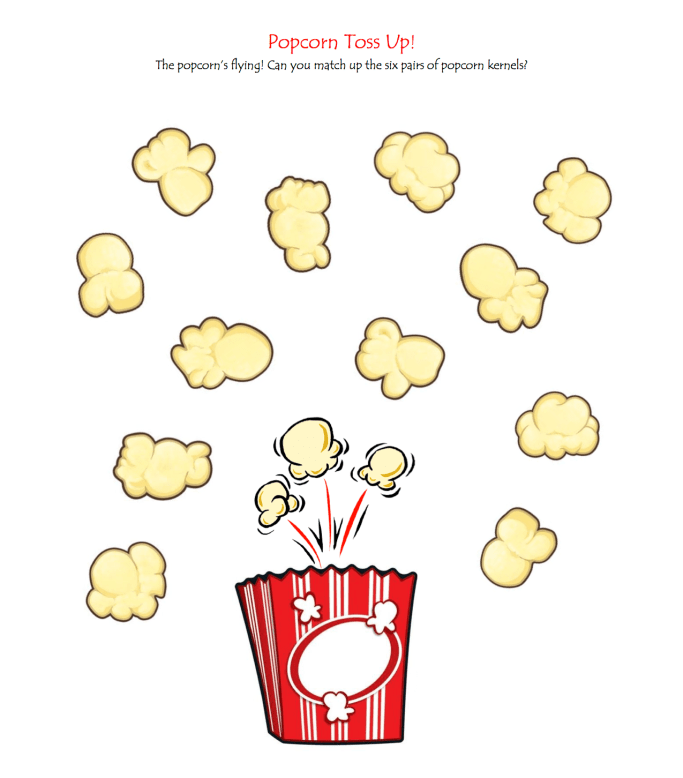
celebrate-picture-books-picture-book-review-popcorn-toss-up-puzzle

Popcorn Toss Up! Matching Puzzle


The popcorn’s jumpin’! Can you match the six pairs of kernels so you can enjoy a tasty snack in this printable puzzle?

Popcorn Toss Up! Matching Puzzle

You can find Let’s Pop, Pop, Popcorn! at these booksellers

Amazon | Barnes & Noble | Books-a-Million

To support your local independent bookstore, order from

Bookshop | IndieBound

Picture Book Review

March 14 – National Learn about Butterflies Day

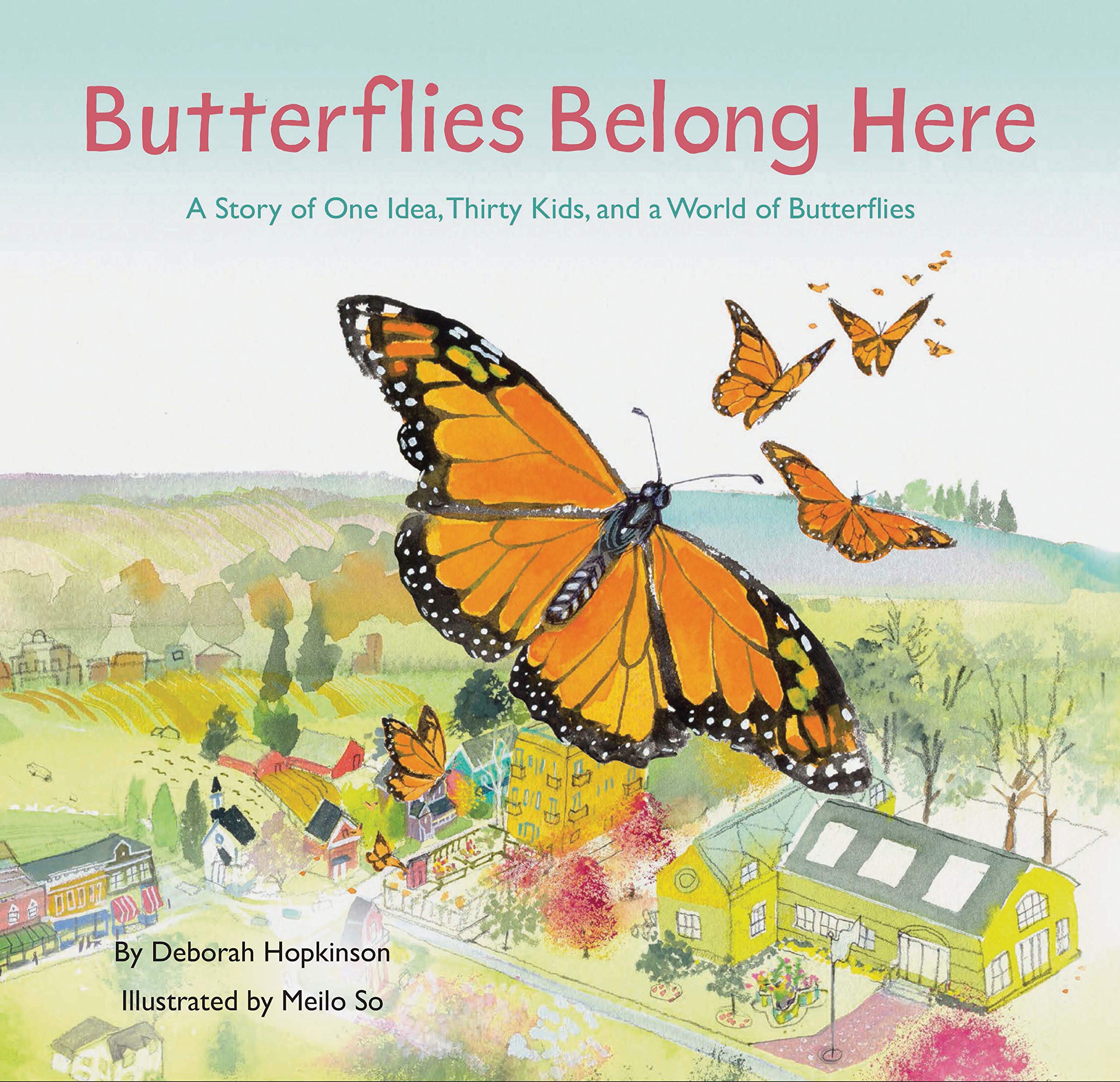
celebrate-picture-books-picture-book-review-butterflies-belong-here-cover

About the Holiday

Spring has sprung – or is right around the corner – so today’s holiday reminds us to watch out for the butterflies in your area. With more than 20,000 species of butterflies around the world, these delicate beauties are one of the most recognized and beloved natural wonders on earth. Butterflies are important to our ecosystem, too, but habitat destruction and climate change are decreasing their numbers by alarming amounts. You can help! By planting milkweed and other plants as well as nectar-producing flowers in your yard or community, you can create an area where butterflies can find shelter, food, and a place to lay their eggs. To learn more about saving monarch butterflies, visit Save Our Monarchs.

Butterflies Belong Here: A Story of One Idea, Thirty Kids, and a World of Butterflies

Written by Deborah Hopkinson | Illustrated by Meilo So


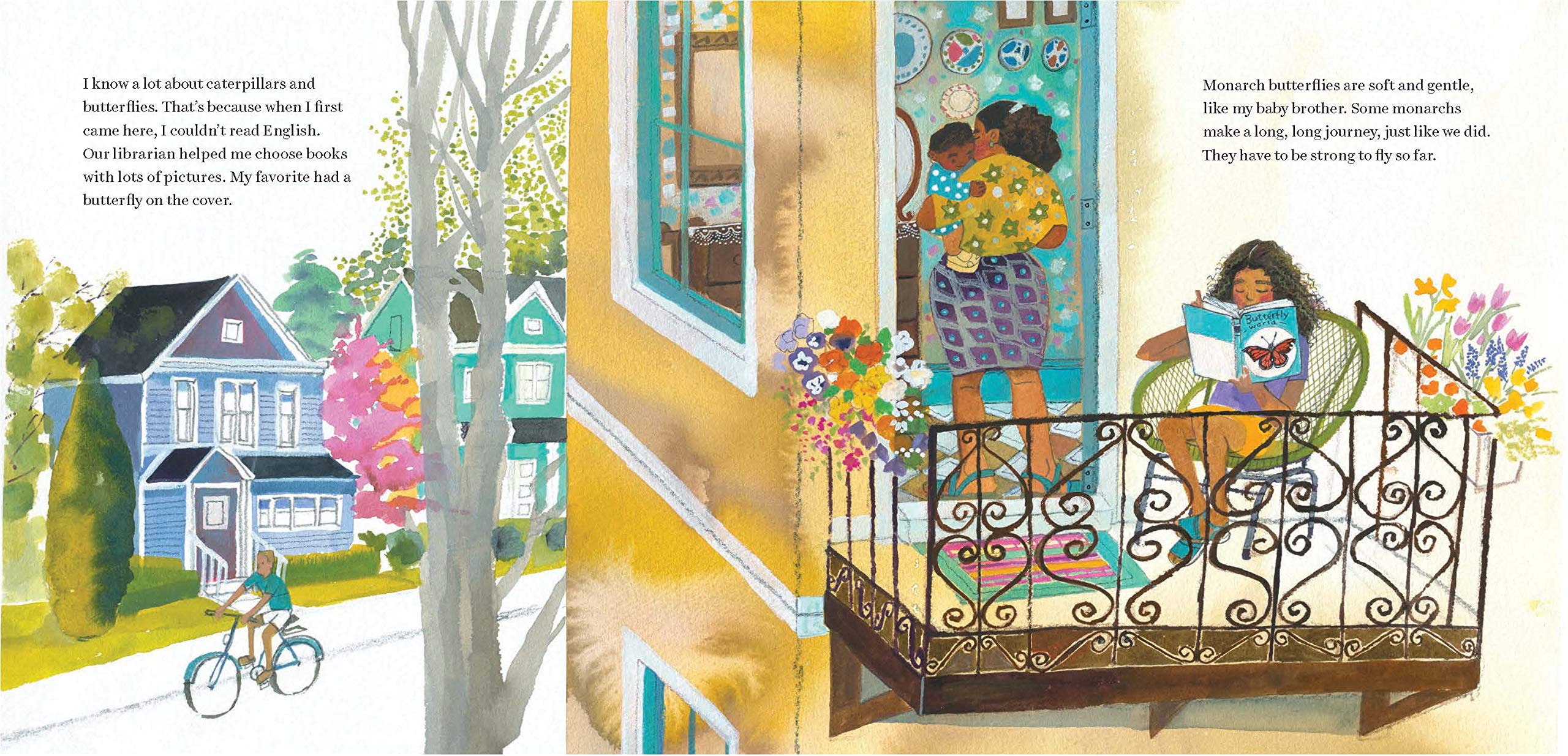
Last spring, the narrator of the story reveals, she was a “little like a caterpillar…quiet and almost invisible.” She had recently moved to the United States and couldn’t read English. The school librarian gave her books with a lot of pictures and her favorite was one about butterflies. Since then she has learned a lot about Monarch butterflies and how they “make a long, long journey” just like her family did. The frame of her story leads into a detailed discussion of the spring monarch migration and the life cycle of caterpillars.

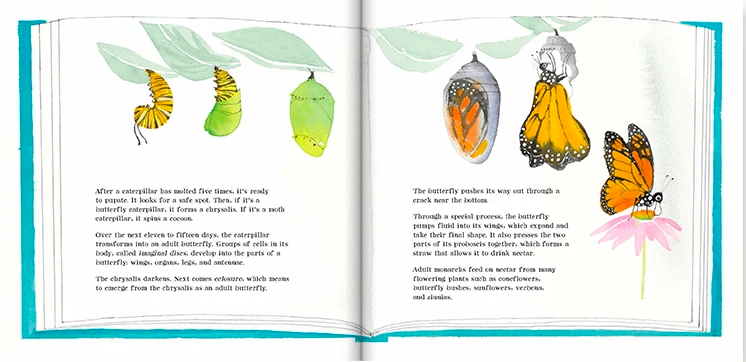
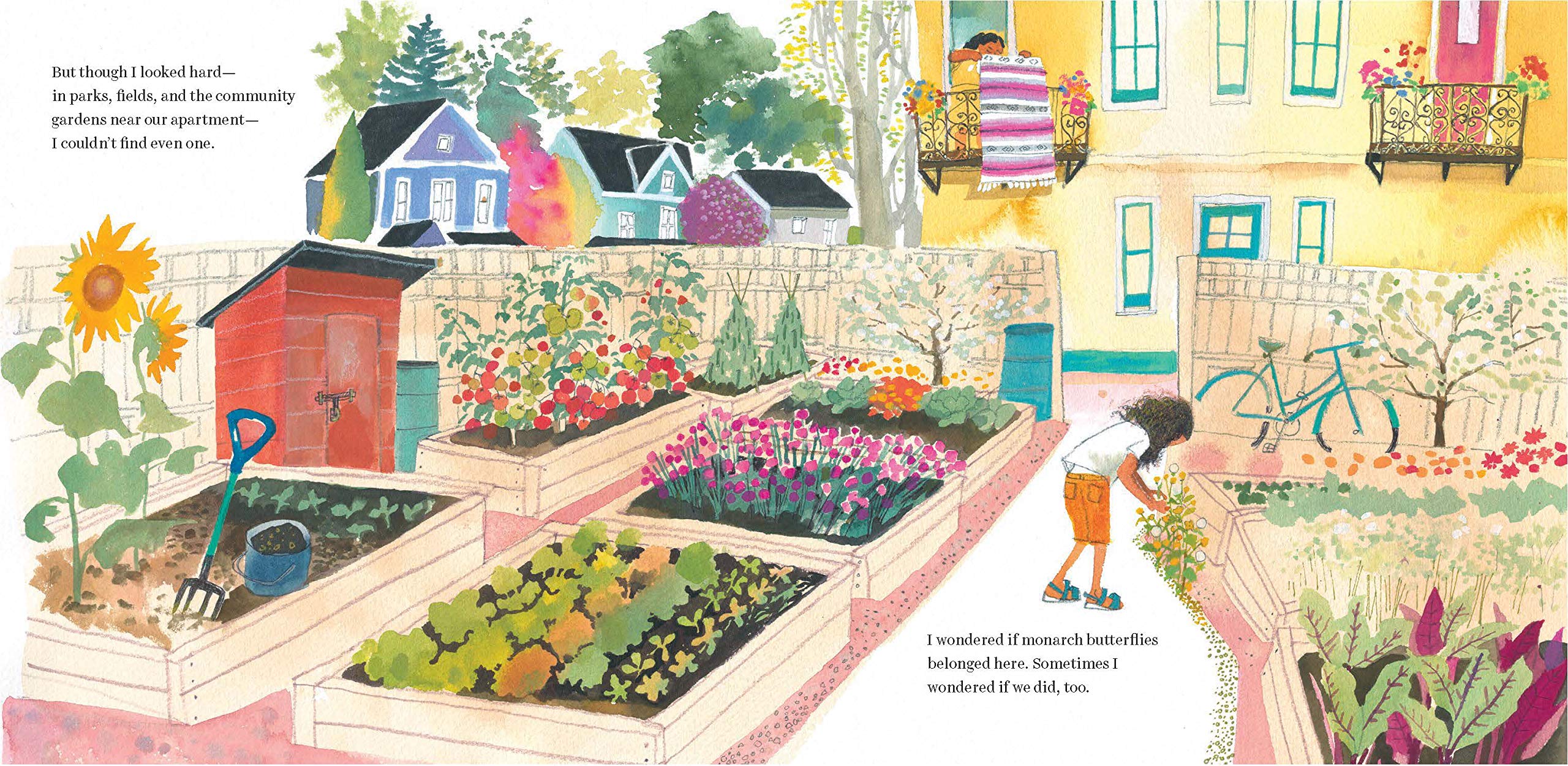
When summer came, the girl thought for sure she would see monarch butterflies. She “wanted to see them flit from flower to flower sipping nectar.” But no matter where she looked—the park, grassy fields, an even the community garden—she couldn’t find any. She began to wonder “if monarch butterflies belonged here.” Sometimes she wondered if her family did either. Turning the page, kids learn how a caterpillar transforms into a butterfly and how, once it emerges from its chrysalis, it “pumps fluid into its wings, which expand and take their final shape” and creates the “straw” it drinks nectar with.

celebrate-picture-books-picture-book-review-butterflies-belong-here-reading

Image copyright Meilo So, 2020, text copyright Deborah Hopkinson, 2020. Courtesy of Chronicle Books.

In the fall when school began, the girl rushed to find her favorite book. Now she could read it, and she discovered that butterflies need milkweed to multiply and thrive. She also learned that milkweed is sparse now, due to habitat destruction due to building, chemical use, and climate change. She also learned some shocking facts, such as “in 20 years, the number of monarchs has fallen by 90 percent.”

One day the librarian calls the girl over and tells her that she has ordered new butterfly books and offers them to her first. The librarian also explains that over the summer she created a monarch way station. The girl knows about these special butterfly gardens. She points out the library window at a place within the school yard that would make a perfect monarch way station. “‘It takes just one person to get things started,’” the librarian says. “‘I’m not that kind of person,’” the girl whispers. But the librarian is encouraging. She reminds the girl about the amazing trip monarchs take and says, “‘It’s surprising what such a tiny creature can do.’” Readers next learn about the generations of butterflies that are born during the summer and how the final generation is different from the rest.

celebrate-picture-books-picture-book-review-butterflies-belong-here-chrysalis

Image copyright Meilo So, 2020, text copyright Deborah Hopkinson, 2020. Courtesy of Chronicle Books.

During the winter, the girl remembers the monarchs who lived “high in the fir forests of Mexico, waiting out the cold to make their long journey north.” She thinks about what the librarian said, and wonders if she could “ever be brave enough to speak up, take charge, and be noticed.” But when she presents a research project on butterflies for her class, the kids loved it. At the end she tells the class how important butterflies are and that they need to help them.

She is surprised by how excited the class is to help and that they want to make a butterfly garden as the class project. The teacher turns to her and asks if she has any ideas on what they could do. The girl is prepared. She turns her poster around and shows them her “plan for a monarch way station, the beginning of a timeline, a list of supplies, and how much it might cost.” And so, they started on their garden. Over the next few weeks, the girl says “‘I could feel myself growing and changing, little by little.’”

celebrate-picture-books-picture-book-review-butterflies-belong-here-community-garden

Image copyright Meilo So, 2020, text copyright Deborah Hopkinson, 2020. Courtesy of Chronicle Books.

The class talked to the principal, made a presentation to parents, and invited gardeners and scientists to speak to the class. They also wrote letters to students in other places who were doing similar projects. Then they held an all-school assembly and asked for volunteers. Kids from all classes—even kindergarten—signed up. They even went to a town council meeting and explained how important milkweed was. They asked that it not be sprayed with poison but instead “be planted in every city park.” The mayor even shook the girl’s hand and told her the city needed citizens like her.

Finally, with a fence and garden plots built, it was planting day. When spring class picture time rolls around again, the girl can be found in the front row, right in the center and holding the class sign. The kids met students from another school who have been helping the butterflies for two years and now serve as monarch trackers, placing tags on their legs and following their migration routes. The class’s monarch way station is thriving, and while they don’t have monarchs yet, the girl is already thinking about how the class can become monarch trackers next year. Just like a caterpillar, the girl thinks again, she has grown and emerged “as something new, unexpected, surprising.”

Backmatter includes an Author’s Note about the story, a guide for making a school or home monarch way station, facts about monarchs, and books and internet resources for learning more about monarchs and how you can help.

celebrate-picture-books-picture-book-review-butterflies-belong-here-migration

Image copyright Meilo So, 2020, text copyright Deborah Hopkinson, 2020. Courtesy of Chronicle Books.

Deborah Hopkinson’s moving and educational story combines a fictional account of growing up with scientific information on butterflies. The structure is exceptionally effective in showing kids and adults that some children find their voice, discover a talent, or overcome hesitation or shyness when they become involved in a cause or activity they believe in. The school librarian and the teacher both model actions and words that can encourage children to express and extend themselves. The girl’s thoughts allow children to see that fears of speaking up or taking charge are not uncommon while also reassuring them that by taking even small actions one step at a time, their confidence will grow. The cyclical structure of the story enhances the idea that change is gradual—in nature and in people. Hopkinson’s text revolving around butterflies and making a butterfly garden way station will excite kids to do the same at their school, at home, or in their community.

Meilo So’s gorgeous and tender illustrations portray vibrant scenes of flower bedecked balconies, blooming community gardens, and a busy, colorful town. So cleverly depicts the library’s stacks of books in similar floral hues, connecting the nurturing of children and butterflies. The faces of all the children and the adults are thoughtful and enthusiastic. Readers can clearly see the protagonist’s physical growth throughout the seasons as well as her developing self-confidence and will want to watch for ways in which she mirrors a butterfly. The children in the classroom and the school are a diverse mix and demonstrate the enthusiasm and determination of kids who want to make a difference.

So is a master at illustrating butterflies, caterpillars, and other insects, and her realistic images will fascinate readers. Children get to see a caterpillar form a chrysalis, transform into a butterfly inside, and emerge. They also see the seeds inside a milkweed pod as well as the plants themselves, throngs of monarchs during migration, and maps of migration routes. 

Exhilarating, poignant, and inspirational on many levels, Butterflies Belong Here is highly recommended for home libraries and a must for school and public libraries.

Ages 5 – 8 and up

Chronicle Books, 2020 | ISBN 978-1452176802

Discover more about Deborah Hopkinson and her books on her website.

To learn more about Meilo So and view portfolios of her art, visit her website and heflinreps.

National Learn about Butterflies Day Activity

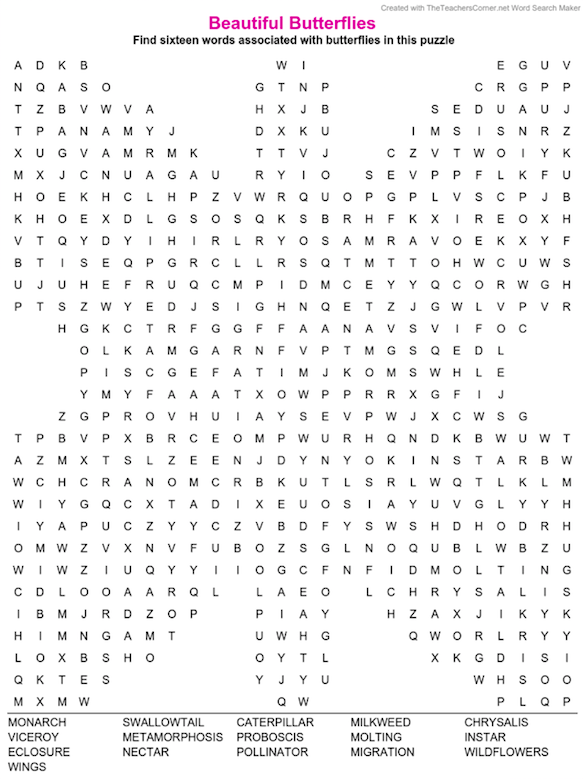
celebrate-picture-books-picture-book-review-beautiful-butterflies-maze

Beautiful Butterflies Maze


Can you find the sixteen words associated with butterflies in this printable puzzle?

Beautiful Butterflies Maze Puzzle | Beautiful Butterflies Maze Solution

celebrate-picture-books-picture-book-review-butterflies-belong-here-cover

You can find Butterflies Belong Here at these booksellers

Amazon | Barnes & Noble | Books-a-Million

To support your local independent bookstore, order from

Bookshop | IndieBound

Picture Book Review

March 5 – National Day of Unplugging

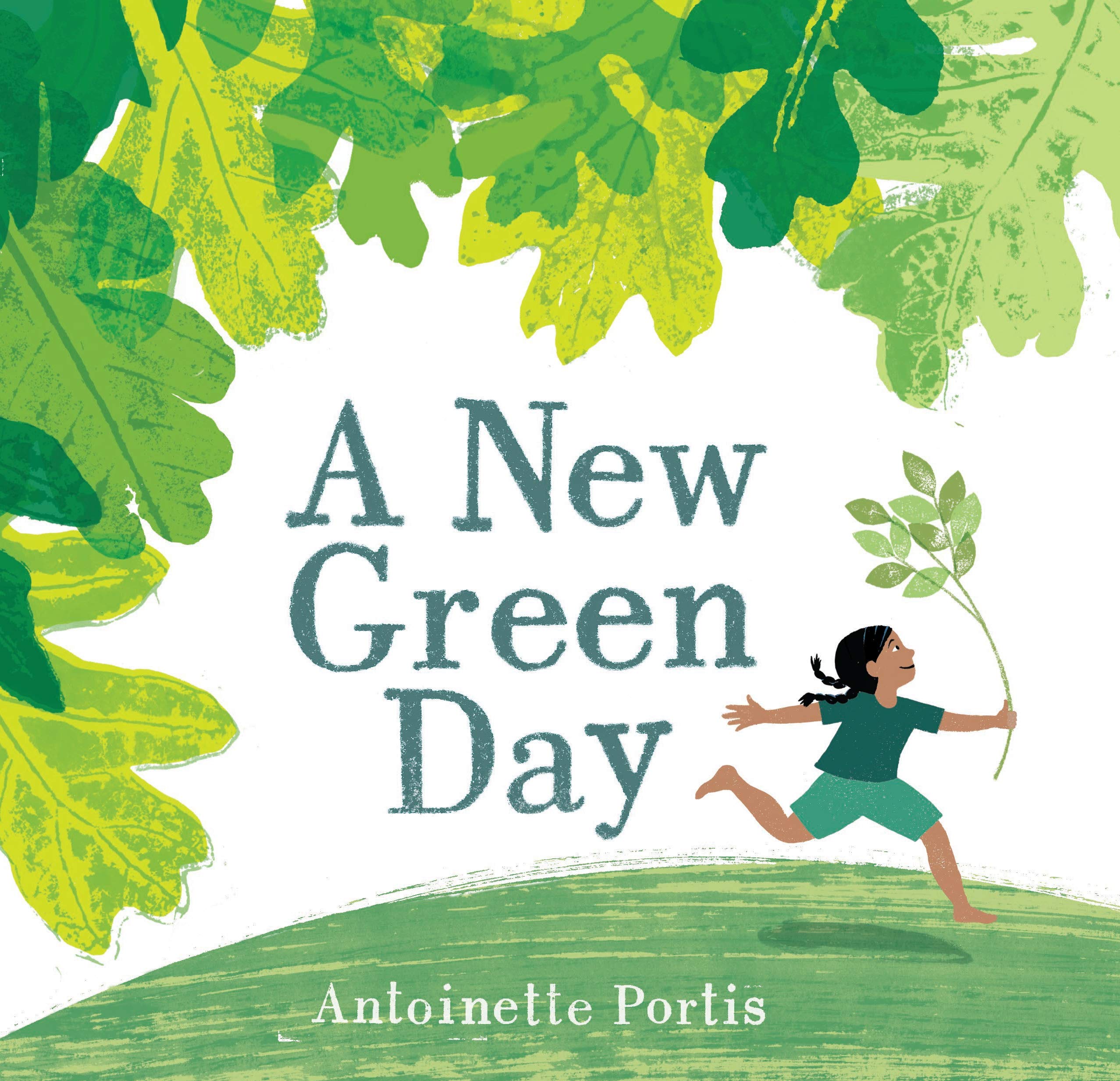
celebrate-picture-books-picture-book-review-a-new-green-day-cover

About the Holiday

National Day of Unplugging is a 24-hour respite from the ever-present technology that can rob us of seeing what’s right in front of us, of actively participating in events, or partaking in activities like playing outside or even reading a physical book. Constant digital connections can also disrupt sleep. This year we’ve been even more tied to our devices for work, school, and socializing, but taking a day to decompress and enjoy nature or just some quiet, contemplation can be refreshing and revitalizing. To celebrate today, push the off button and enjoy a more relaxing day! What you discover may be surprising – just like today’s book!

A New Green Day

By Antoinette Portis


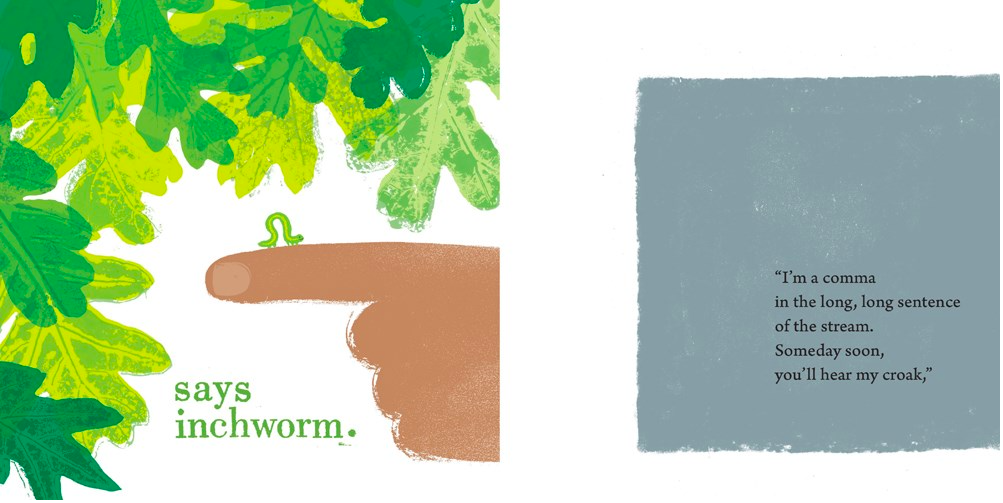
Nature provides many surprises from tiny glimpses of underground industry to shocking displays of overhead power. In between are moments that often go unremarked but which enrich our days and, when we stop to think about them, provide new insights. In her lyrical riddles, Antoinette Portis invites readers to listen as animate and inanimate parts of nature describe themselves and then to guess at their identities.

celebrate-picture-books-picture-book-review-a-new-green-day-inchworm

Copyright Antoinette Portis, 2020, courtesy of Neal Porter Books.

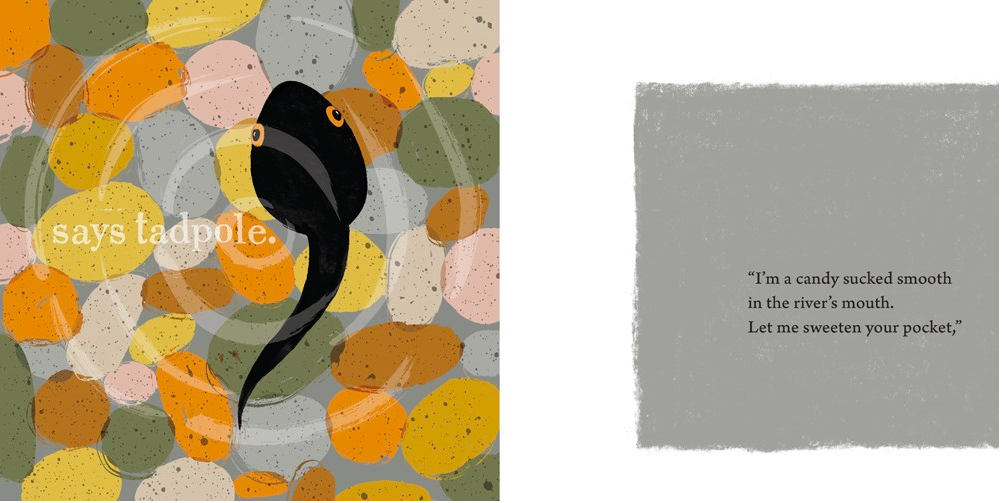
The day begins with this riddle: “‘Morning lays me on your pillow, / an invitation, square and warm. / Come out and play!’” Can you guess? Will you answer? Or will you doze a minute more? When you do rise and go outside, you may notice a “‘glistening ink’” on the sidewalk that tells you someone passed through during the night. Who might it have been?

celebrate-picture-books-picture-book-review-a-new-green-day-tadpole

Copyright Antoinette Portis, 2020, courtesy of Neal Porter Books.

Each riddle, composed of poetic perceptions and whimsical metaphors, is printed in a monochrome square on the righthand pages, enticing readers to contemplate the possibilities before flipping the page. There they discover the answers in sumptuous and lovingly crafted illustrations designed with sumi ink, vine charcoal, leaf prints, and hand-stamped lettering. Each pairing gives kids reasons to head out the door or watch through the window with new perspectives. Who wouldn’t revel in an experience like this: “‘I am cool pudding / on a muggy day. / Let your toes / have a taste!’”

Dynamic, absorbing, and fun, A New Green Day is a perfect take-along for summer outings as well as a captivating addition to any story time. The book is highly recommended for home, classroom, or public library bookshelves.

Ages 3 – 7

Neal Porter Books, 2020 | ISBN 978-0823444885

Discover more about Antoinette Portis, her books, and her art on her website.

National Day of Unplugging Activity

celebrate-picture-books-picture-book-review-dragonfly-craft-3

Dragonfly Decoration


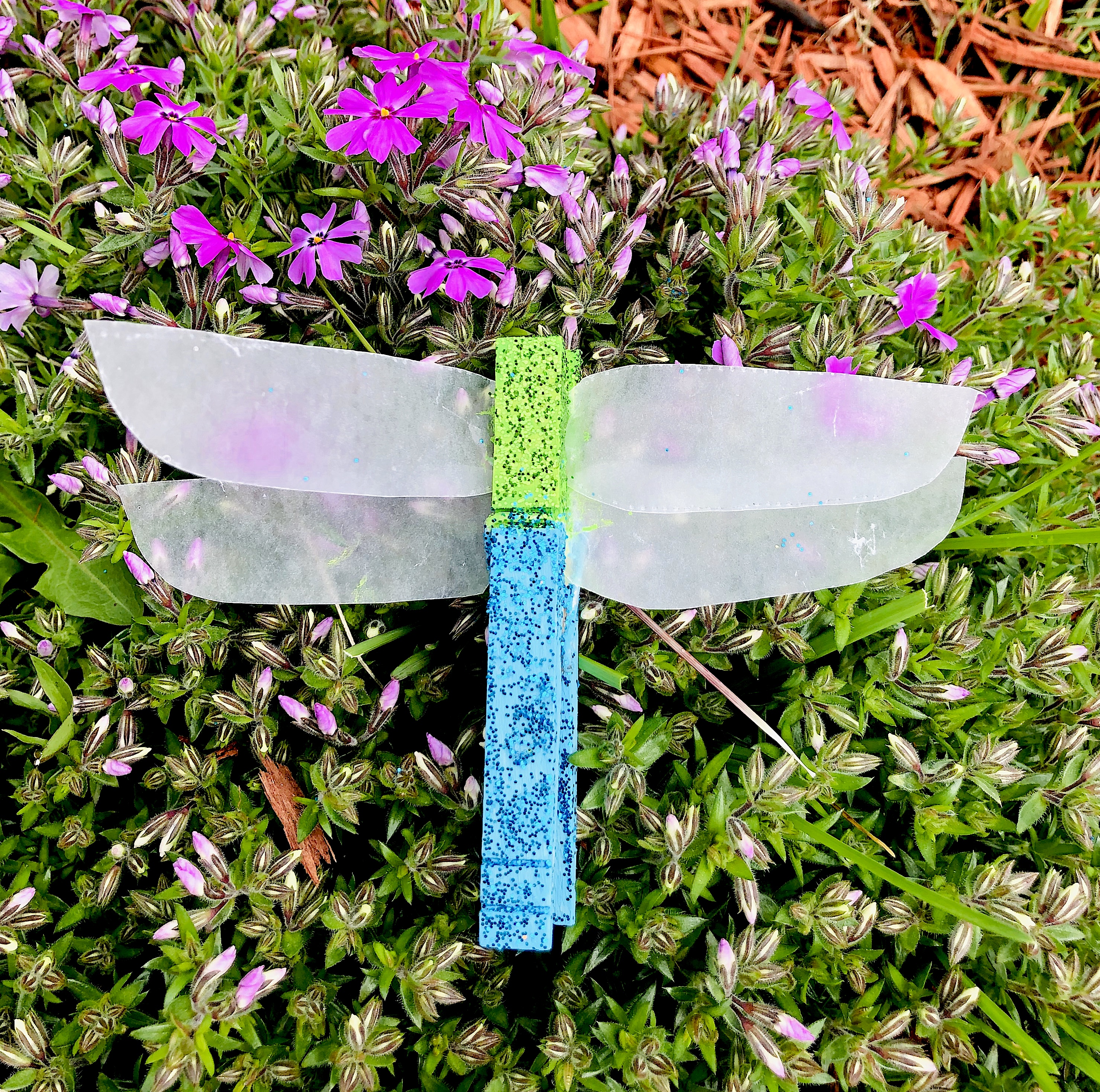
After enjoying the outdoors, bring the beauty of nature inside with this easy-to-make dragonfly craft.

Supplies

  • Wooden clothespin
  • Wax paper
  • Bright green craft paint
  • Bright blue craft paint
  • Green glitter
  • Blue glitter
  • Paint brush
  • Thread or fishing line (optional)
  • Adhesive magnet (optional)

celebrate-picture-books-picture-book-review-dragonfly-craft

Directions

To Make the Body

  1. Paint the top part of the clothespin (to the point where the metal hinge crosses the wood) green
  2. Sprinkle green glitter on the wet paint, let dry
  3. Paint the bottom part of the clothespin blue
  4. Sprinkle blue glitter on the wet paint, let dry
  5. If the glitter doesn’t completely stick, apply a thin layer of glue with a toothpick and add more glitter

To Make the Wings

  1. Cut two 5-inch-by-3/4-inch strips from the wax paper
  2. Cut a curved edge at each end of the wax paper strips, cutting straight down from the top and curving around the bottom corner
  3. Cut curved notches in the center, top and bottom, of each wing to allow the wings to fit into the clothespin
  4. Open the clothespin and slip the wings in, curved edge down and allowing the top wing to overlap the bottom wing slightly

To Finish

Attach the thread or fishing line to the dragonfly to hang, or to make a refrigerator magnet, attach an adhesive magnetic strip to the back.

celebrate-picture-books-picture-book-review-a-new-green-day-cover

You can find A New Green Day at these booksellers

Amazon | Barnes & Noble | Books-a-Million

To support your local independent bookstore, order from

Bookshop | IndieBound

Picture Book Review


March 4 – National Reading Month

celebrate-picture-books-picture-book-review-once-upon-another-time-cover

About the Holiday

The month of March is dedicated to reading! Starting off with Read across America Day on March 2nd, the month celebrates all the joys and benefits of reading. When you read with your child or children every day you’re helping them develop the language and literacy skills that will promote future success in school and beyond. Even if your child isn’t talking yet, they’re listening and learning about their language as you read to them. Older kids also love being read to, and setting aside time to read together builds strong bonds that can last a lifetime. The month is typically marked with special events in schools, libraries, bookstores, and communities that bring authors, illustrators, and educators together with kids. This year, you can find virtual story times,  resources, and activity ideas on the National Education Association website

Thank you to Beaming Books for sharing a digital copy of Once Upon Another Time for review consideration. All opinions on the book are my own. I’m excited to be teaming with Beaming Books in a giveaway of the book. See details below.

Once Upon Another Time

Written by Charles Ghigna and Matt Forrest Esenwine | Illustrated by Andrés F. Landazábal


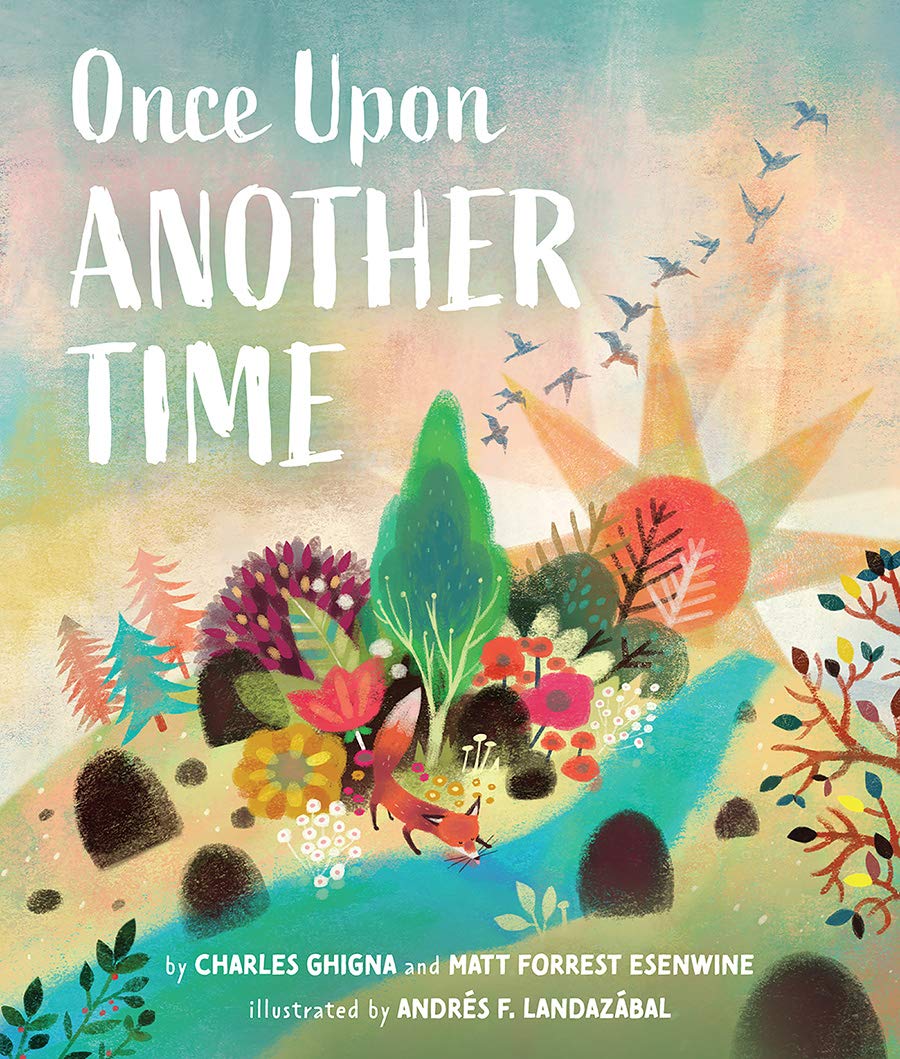
In their contemplative story, Charles Ghigna and Matt Forrest Esenwine entreat readers to look at the world in a way that’s new yet also as old as time itself. Beginning with the wistfulness of a fairytale, the hypnotic verses take children back to a “land of long ago”… where “wonder waited in the hush / of every new sunrise.” Back to when mountains rose into clean skies and rivers ran though lush valleys. Back to when “there were no cities made of steel, / no buildings, no concrete, / no highways, byways, / billboard signs, / no traffic in the street.”

For kids it may seem impossible that there was ever a time that gazing upward offered no chance of seeing a plane or drone and that all “the webs were spider-spun.” It’s hard to imagine a world with no machines, no mining for gold or oil, no farming, and even no human footprints in the soil. But “before one human step was taken… Earth and moon and stars awakened.”

This world’s still waiting to be found by stepping out, taking along no distractions. Then once outside, really look at the smallest things, “feel the wind,” and “taste the rain.” Listen closely, breathe in smells, and climb a tree. In the dark, “watch the moon. / Listen to the cricket’s tune.” And soon the dawning “sun will climb… / just as it did another time.”

celebrate-picture-books-picture-book-review-once-upon-another-time-deer

Image copyright Andrés F. Landazábal, 2021, text copyright Charles Ghigna and Matt Forrest Esenwine, 2021. Courtesy of Beaming Books.

The collaboration between Charles Ghigna and Matt Forrest Esenwine has created a rhyming story that doesn’t just celebrate nature but invites children to rediscover its awesome power to inspire, nurture, and excite. Ghigna and Esenwine’s story structure takes children backward in steps, reflected in page turns, from noisy cities and cluttered skies to the introduction of dams and factories to simple mining practices to the first humans and finally to the birth of our solar system. The impression these pages forge exposes that well-known duality of time: it moves so quickly; it moves so slowly. And so it is with childhood—that time when one can embrace nature—and life—with innocence and wonder. Esenwine and Ghigna ask kids to leave behind the phones, computers, and games to experience sights, sounds, smells, and feelings for real as well as to imagine the past and all the ways we are connected to it.

Andrés F. Landazábal’s lovely illustrations portray the grandeur of nature as well as its simple surprises that are no less breathtaking. A pink, turquoise and golden sunset over desert plateaus contrasts with a twilit wildflower field where a tiny sparrow watches a flock of birds fly away under the eye of a pale crescent moon. Landazábal’s images of nature are soft and mottled while his depictions of modern society show stark lines and the impenetrable nature of concrete, glass, and metal. As the story invites kids to discover the world unhindered, one page spread that will be a particular favorite of readers shows two children walking into their backyard underneath which a fossilized dinosaur sprawls. In his final pages, Landazábal assures readers that no matter where they live—country, suburbs, or city—there are places where they can experience the wonders of nature.

A unique, beautifully poetic invitation for children to explore nature and their place in it, Once Upon Another Time is a story readers will love to hear again and again. The book can also provide a spark for environmental, science, writing, and history lessons. Once Upon Another Time is highly recommended for home, school, and public libraries.

Ages 4 – 8

Beaming Books, 2021 | ISBN 978-1506460543

Discover more about Charles Ghigna, his books, and his poetry on his website.

To learn more about Matt Forrest Esenwine, his books, and his poetry, visit his website.

You can learn more about Andrés F. Landazábal and view a portfolio of his work on his website.

National Book Day Activity

celebrate-picture-books-picture-book-review-shark-and-books-maze

Book-Loving Shark Maze


If you’re like this shark, you love devouring books – the more the better! Can you help this shark find its way to the stack of books in this printable puzzle?

Book-Loving Shark Maze | Book-Loving Shark Maze Solution

celebrate-picture-books-picture-book-review-once-upon-another-time-cover

You can find Once Upon Another Time at these booksellers

Amazon | Barnes & Noble | Books-a-Million

To support your local independent bookstore, order from

Bookshop | IndieBound

Picture Book Review

March 3 – World Wildlife Day and Interview with Author Heather Lang

celebrate-picture-books-picture-book-review-the-leaf-detective-cover

About the Holiday

A vast number of plant and animal species are facing endangerment or extinction due to human caused climate change. World Wildlife Day was created in 1973 as an effort to protect the many endangered species of the world. It is an international holiday with a new theme each year to celebrate the biodiversity of our earth while also promoting awareness and advocacy. The theme for this year’s observance is “Forests and Livelihoods: Sustaining People and Planet.” There are many wonderful ways to celebrate this holiday; spend some time in nature, pick up litter around your block, find out about activities going on in your hometown, and read books to educate yourself and others on the livelihood of forests, wildlife and the environment.  To learn more about World Wildlife Day, and the virtual events happening today, visit this webpage: https://www.wildlifeday.org/. If you are searching for books to celebrate, The Leaf Detective is a perfect fit!

Thanks to Boyds Mills for providing a digital copy of The Leaf Detective for review consideration. All opinions on the book are my own.

Reviewed by Dorothy Levine

The Leaf Detective: How Margaret Lowman Uncovered the Secrets in the Rainforest

Written by Heather Lang | Illustrated by Jana Christy


As a child, Meg was quite shy to make friends. She spent lots of time studying and playing with wildlife: “Meg wrapped herself in nature, like a soft blanket.” As she continued to grow, so did her passion for leaves, trees, and nature. Meg attended Sydney University in Australia. In 1979, she became the first person at her graduate school to study the rainforest. Through her studies Meg learned that people had been all the way to outer space to study, but nobody had ever ventured to the tippity top of a canopy tree. Instead, they studied trees from far away through binoculars. Oftentimes scientists would spray trees with chemicals so that the harmed leaves and animals would drop to the forest floor where people could study them up close. Meg sought to change this.

celebrate-picture-books-picture-book-review-the-leaf-detective-harness

Image copyright Jana Christy, 2021, text copyright Heather Lang, 2021. Courtesy of Calkins Creek.

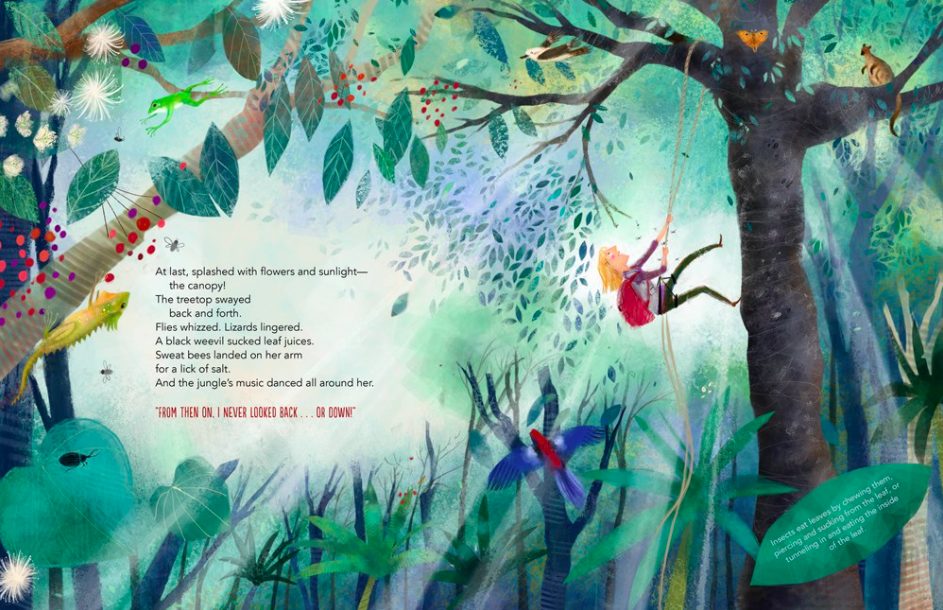
“In the dark, damp forest the trees rose up to distant rustling, squawks and screeches, shadows in the treetops. How could she get up there?” Meg Lowman created her own slingshot and harness and inched up a coachwood tree. When she reached the canopy, she knew she’d found the perfect place to study and explore. Meg is quoted saying, “From then on, I never looked back…or down!”

Meg continued to create new strategies to study the canopy, as a scientist does. And in doing so she made so many discoveries, such as: “We now believe the canopy is home to approximately half the plant and animal species on land.” Many people tried to stop Meg along her journey. They told her she couldn’t take science classes, climb trees, or make inventions because she was a woman. But Meg ignored them. She continued to investigate.

She knew that rainforests were (and are) in danger, and that so many creatures rely on the rainforest ecosystem. People all over the world were cutting down large parts of the rainforests for wood, rubber, paper, and farmland. This worried Meg; she wanted to find a way to protect rainforests before they all disappeared. “She wondered, How can one leaf detective make a difference? How can I save the trees?…Then an idea crawled into Meg’s thoughts—a way to speak for the trees.”

celebrate-picture-books-picture-book-review-the-leaf-detective-bugs

Image copyright Jana Christy, 2021, text copyright Heather Lang, 2021. Courtesy of Calkins Creek.

Meg traveled around the world. She spoke to people across many different countries; taught them how to climb trees, build canopy walkways—she showed people the many gifts rainforests have to offer. Meg educated communities on how they could share their rainforest with outsiders, showcase its beauty to create revenue rather than chopping them down for resources. By using her voice and creative mind, Meg helped implement systems that have saved many trees and creatures across the world.

Meg Lowman continues to study trees, save rainforests, and teach people how to shift their economies to center around ecotourism and sustainable crops rather than resource extraction. She has used her voice to save rainforests across the world, and yet she still says, “If only I could have achieved as much as the tree!… But I have not. I have whittled away at relatively small goals in comparison to the grander accomplishments of a tree.”

Backmatter includes an author’s note detailing Heather Lang’s visit to meet Margaret Lowman in the Amazon rainforest in Perú. The note includes more information on Dr. Lowman’s advocacy work and is followed by an illustrated educational spread on the layers of canopies, and species featured throughout the story are labeled in the final spread, for readers to learn more about specific animals that make their homes in the rainforest.

celebrate-picture-books-picture-book-review-the-leaf-detective-trampoline

Image copyright Jana Christy, 2021, text copyright Heather Lang, 2021. Courtesy of Calkins Creek.

Heather Lang’s lyrical writing matches the carefulness with which Meg studies leaves, trees, and the rainforest canopy. Her compelling storytelling is rich with facts and sensory imagery that immerse readers in the environment and Meg’s determination to understand and, later, save it. Scattered images of leaves drop fun facts and definitions for readers about the rainforest, canopies, transpiration, herbivores, and more. Quotes from Dr. Lowman are thoughtfully placed throughout the story in a manner that neatly flows. The Leaf Detective urges readers to understand that “a tree is not just a tree” but rather “a shelter for animals and people, / a recycler and provider of water, / a creator of food and oxygen, / an inventor of medicine/ a soldier against climate change.”

Jana Christy’s digital drawings contain stunning detail and show an accurate scale of one small person in comparison to the vastness of the rainforest. Her mesmerizing wildlife creatures and immersive watercolor blues and greens transport readers right into the rainforest with “Canopy Meg.” The lush greens of the rainforests contrast strikingly with the spread on deforestation, in which fallen trees lay scattered on the bare, brown ground. Readers will also be interested to see the innovations that have made the trees more accessible to people. One can read the book over and over and notice new details every time. It is a book to treasure, to study, to read and re-read again. 

Come unearth the secrets of the rainforest with Margaret Lowman in this book that’s budding with knowledge, empathy, and magic, and is a tale of how one person can make a difference. The intriguing facts, poignant quotes from Dr. Lowman herself, and beautiful poetic writing will leave readers of this book inspired with wonder and with a hunger for advocacy. The Leaf Detective: How Margaret Lowman Uncovered the Secrets of the Rainforest is an urgent must-read for all ages.

A portion of Heather Lang’s royalties for this book go to TREE Foundation—an organization that funds field trips for children to get into nature, canopy projects, and science book distribution for children with limited access to STEAM, girls especially. 

Ages 6 – 10

Calkins Creek, 2021 | ISBN 978-1684371778

Discover more about Heather Lang and her books on her website.

To learn more about Jana Christy, her books, and her art, visit her website.

Meet Heather Lang

celebrate-picture-books-picture-book-review-Heather-Lang-headshot

Heather Lang loves to write about real women who overcame extraordinary obstacles and never gave up on their dreams. Her research has taken her to the skies, the treetops of the Amazon, and the depths of the ocean. Her award-winning picture book biographies include, QUEEN OF THE TRACK: Alice Coachman, Olympic High-Jump Champion, THE ORIGINAL COWGIRL: The Wild Adventures of Lucille Mulhall, FEARLESS FLYER: Ruth Law and Her Flying Machine, SWIMMING WITH SHARKS: The Daring Discoveries of Eugenie Clark, and ANYBODY’S GAME: Kathryn Johnston, The First Girl to Play Little League Baseball. When she is not writing, she enjoys going on adventures with her husband and four children. Visit Heather at www.heatherlangbooks.com.

Today I am thrilled to be interviewing author Heather Lang about her new biographical picture book The Leaf Detective: How Margaret Lowman Uncovered the Secrets of the Rainforest. Heather provides some thoughtful notes for shy readers, riveting stories from the rainforest and insight into the importance of exploring and caring for nature.

Can you tell us a little bit about what made you decide to write The Leaf Detective?  

We’ve caused enormous harm to our planet over the last few centuries, and I’m especially concerned about our rainforests. I knew I wanted to write a biography that was also a science book about the rainforest. When I read about Meg’s pioneering work and deep passion for trees, I was hooked! I couldn’t wait to find out how this quiet, nature-loving child, who didn’t know women could be scientists, became a world-class scientist and conservationist.

In the story you talk about how Meg was shy to make playmates with other kids. Were you also a shy kid growing up? Do you have any advice for readers who may relate to this aspect of Meg’s childhood? 

Like Meg, I was very shy as a child and remember wishing I were more outgoing. But as I grew older, I began to recognize the many advantages to being shy! My shy nature led me to sit back and observe. And that led to deeper thinking and understanding, a strong imagination, and creativity. Shy people often think more before they speak. They make their words count, which coincidentally is an important part of writing picture books. This also makes shy people good listeners and thoughtful friends. 

I’m still shy in many ways, and my recommendation to readers who might identify with this is to embrace your shyness! At the same time, don’t let it stop you from doing things you want to do. Meg Lowman told me she used to get so nervous before presenting in graduate school that she’d get physically sick. But with practice, practice, practice, she’s become a captivating presenter and educator. If you watch a few of her FUN FACTS FROM THE FIELD videos on my website, you’ll see what I mean! 

How would you describe your connection to nature? Would you consider yourself a “detective” in any ways? 

I’m constantly in awe of nature and its countless gifts and surprises. Nothing sparks my curiosity more than our natural world, and my curiosity is probably my most important tool as a writer. Being open-minded and asking questions not only generates ideas, but also leads me to think more deeply about a topic and examine it closely from lots of different angles. And of course that generates more detective work and more learning about my topic and myself. Being a detective is one of my favorite parts of writing books.

Do you have a favorite rainforest tree or creature? If so, tell me about it a bit!

When I arrived in the Amazon rainforest, I couldn’t wait to see a sloth! But during my time there I became fascinated with ants. They are everywhere in the rainforest, even in the canopy. I think it’s amazing how such tiny creatures can be so hardworking and organized. Their teamwork is unbelievable. And they are invaluable to the health of our rainforests. Among other things, they’re in charge of waste management on the rainforest floor, and they disperse seeds and aerate the soil!

What was the most rewarding part of writing The Leaf Detective?

This writing project was filled with rewards every step of the way! I learned so much about our rainforests and trees and gained a true understanding of how interconnected we all are—plants, animals, and humans. Getting to really know Meg Lowman and learning from her firsthand was thrilling and strengthened my writing in many important ways. It was also really rewarding to stretch myself as a writer and find a way to effectively write a book that seemed ambitious at first—a biography and conservation book that wove in quotes and science facts. 

Are there any stories from your trip to meet Meg that you did not get the chance to include in your author’s note that you’d like to share?

While I was on my Amazon adventure with Meg, I had many exciting moments. I loved learning from the Indigenous people how to use a blow gun, make clay, and braid palm leaves to make thatched roofs. The local shaman taught me how he uses different plants in the rainforest to treat and prevent injuries and illnesses—from bronchitis to poisonous snake bites. He also helped me confront my fear of snakes by bringing one over for me to touch. I even let it gently coil around my neck! But my favorite moments were exploring with Meg, especially at night and early in the morning when there’s so much activity in the rainforest.

What are you working on next?

I’m having a blast working on a new informational picture book series about extraordinary animals for Candlewick Press with my co-author/illustrator and close friend Jamie Harper. The first book, Supermoms!, features cool nonfiction facts about 18 amazing animal moms in a graphic format with humorous callouts. 

I’m also working on a collective biography for readers in grades 3 – 7. More to come on that soon!

Thanks so much for chatting with me Heather! I had a lovely time hearing about your inspiration, stories, writing process and tips for shy readers. Looking forward to learning and reading more from you in the months and years to come.

World Wildlife Day Activity

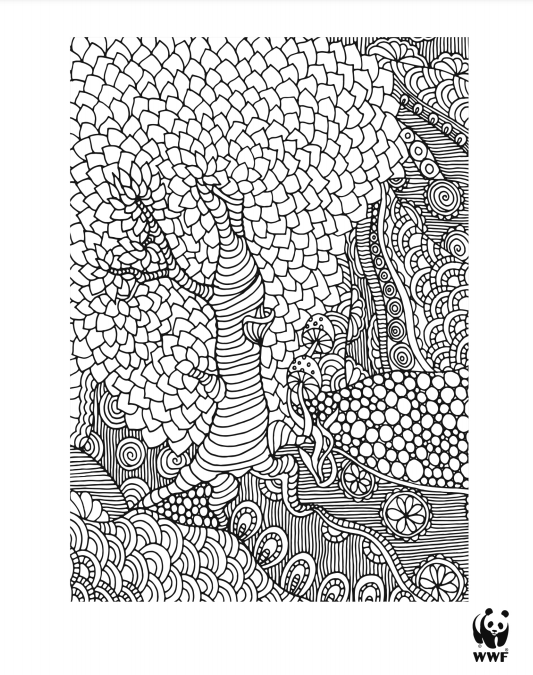
Screen Shot 2021-03-02 at 9.24.20 PM

You can create your own rainforest with this coloring page. Use the blank space around the picture to label the layers as shown on the last page of The Leaf Detective!

Rainforest Coloring Page

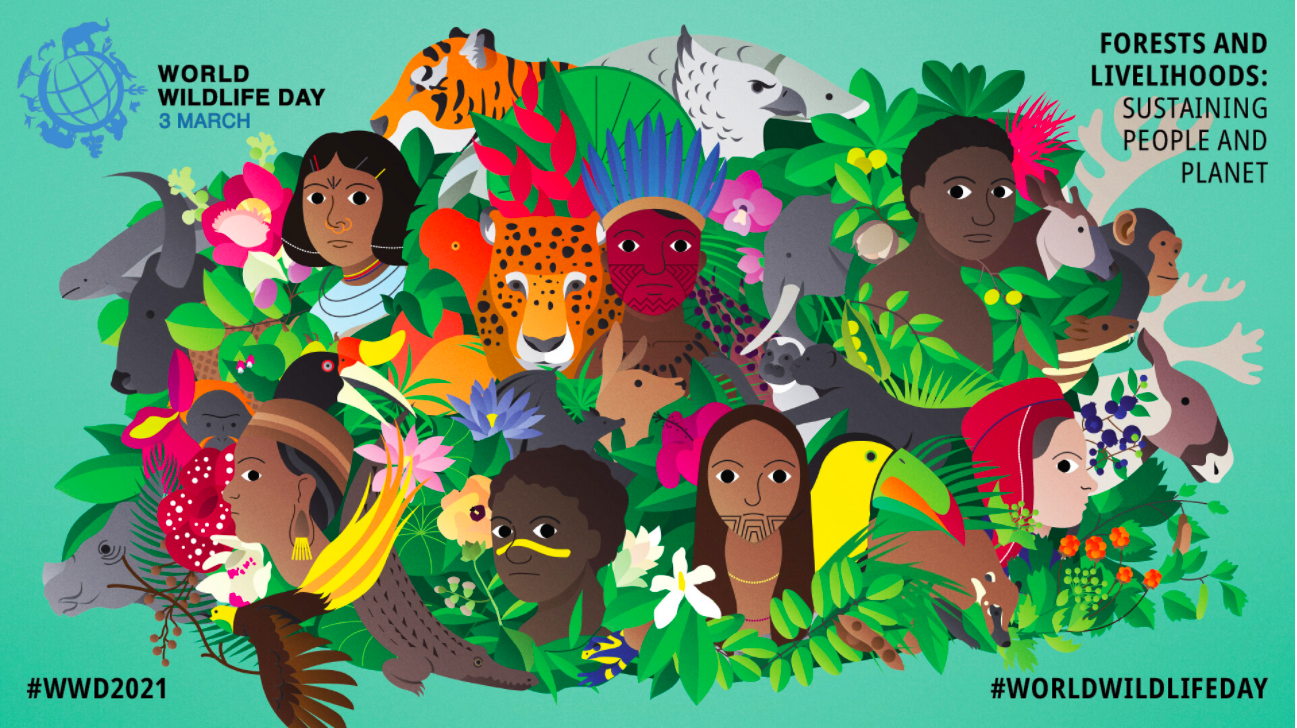
celebrate-picture-books-picture-book-review-world-wildlife-day-poster-2021

Three different beautiful World Wildlife Day 2021 posters in six languages are available for download here.

You can find The Leaf Detective at these booksellers

Amazon | Barnes & Noble | Books-a-Million

To support your local independent bookstore, order from

Bookshop | IndieBound

Picture Book Review

February 25 – It’s National Bird Feeding Month

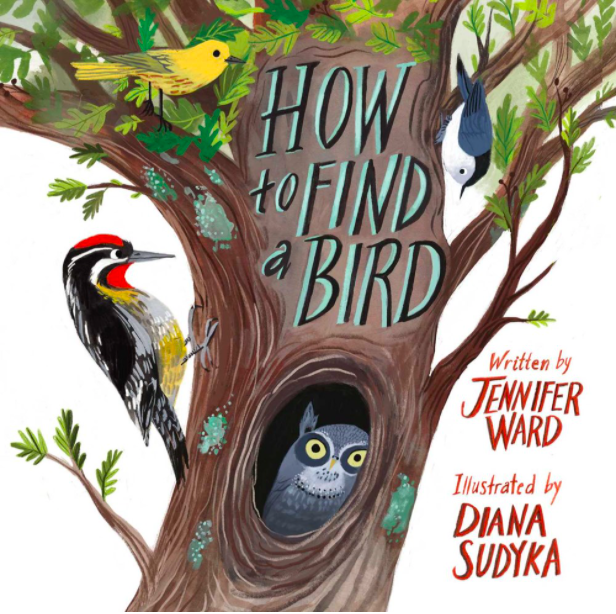
celebrate-picture-books-picture-book-review-how-to-find-a-bird-cover

About the Holiday

Spring comes early for our feathered friends. You may have noticed more bird activity in the past few weeks as birds get ready to build nests and mate. February can be a tough month for these little creatures, though. In some places snow still covers the ground, and the spring blooms that offer nutrition haven’t sprouted yet. To remedy this situation, in 1994 John Porter read a resolution into the United States’ Congressional record recognizing February as National Bird-Feeding Month. One-third of the American population have backyard feeders that provide the sustenance birds need to survive. To celebrate, if you have feeders make sure they are well stocked. If you don’t have a feeder in your yard, consider hanging one. Enjoying the beauty and songs of birds is a day brightener!

How to Find a Bird

Written by Jennifer Ward | Illustrated by Diana Sudyka


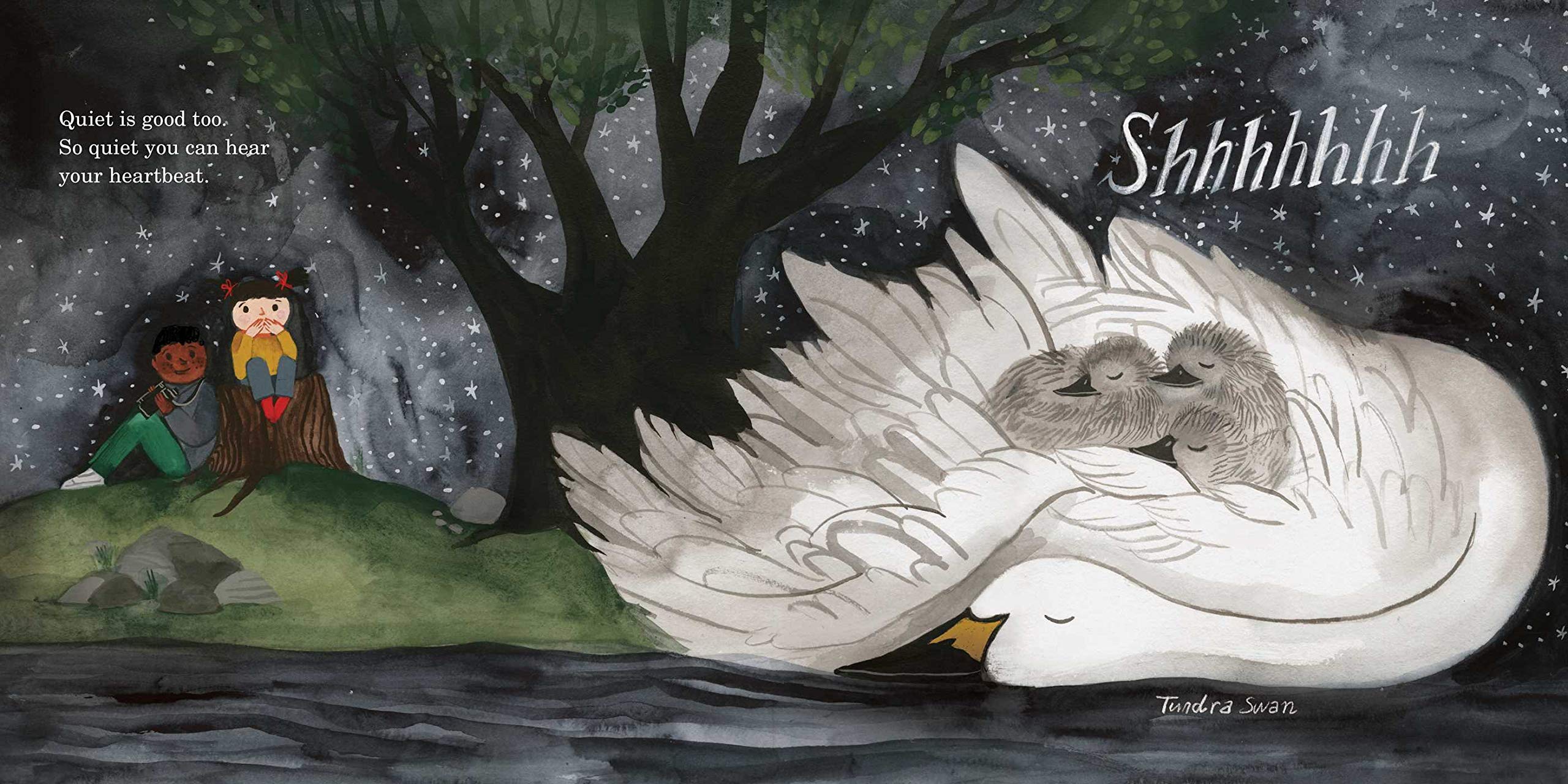
If you have or know of a child who is fascinated by birds, then How to Find a Bird will pique their interest and entice them to get outside to look for birds—those obvious as they fly by and those who take a bit of detective work to spot. As Jennifer Ward assures young birders: “There are a lot of ways to find a bird. That’s the wonderful thing about birds.” She then reveals helpful tips for spying on birds without scaring them away. Being “quiet is good.” How quiet? “So quiet you can hear your heartbeat.”

celebrate-picture-books-picture-book-review-how-to-find-a-bird-swan

Image copyright Diana Sudyka, 2020, text copyright Jennifer Ward, 2020. Courtesy of Beach Lane Books.

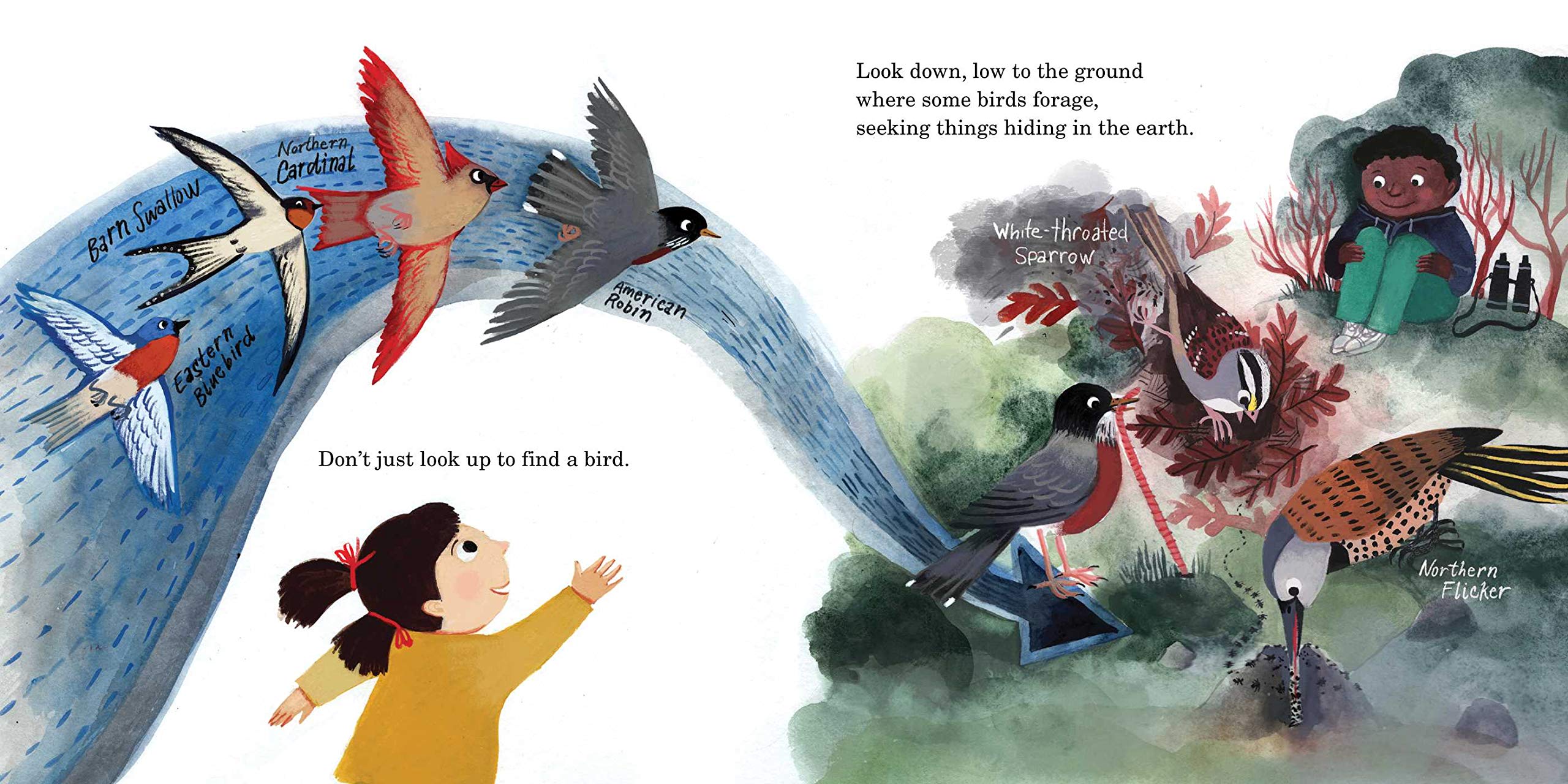
But where can birds be found? Sure, we all know birds fly, but Ward reminds readers to “look down, low to the ground, where some birds forage” for food on land and in the water. And Ward reveals other reasons besides grabbing a meal that birds may be found at feet level instead of overhead. Between down below and up in the sky, there’s eye level. But to find a bird here, “you will have to have a sharp eye” as it may be cleverly camouflaged. “Of course, you can always look up to find a bird too!” But even here you may find surprises.

celebrate-picture-books-picture-book-review-how-to-find-a-bird-ground-birds

Image copyright Diana Sudyka, 2020, text copyright Jennifer Ward, 2020. Courtesy of Beach Lane Books.

If you make your home and yard welcoming, Ward says, you won’t have to search for them, the birds will come to you. They may talk to you or warn other birds about you. “And if you feed them, they will come. Then all you need is a window to find a bird.” But there is one sure way to find a bird that doesn’t involve looking at all. So closer your eyes… and listen: “‘Honk! Honk!’ ‘Cheerily cheerily cheerily.’ ‘Who cooks for you who cooks for you?’ That’s the wonderful thing about birds.”

Backmatter includes a discussion about birdwatching, a list of tools and tips, where to find distinguishing marks on birds, how to create a life list, and resources for becoming a citizen scientist.

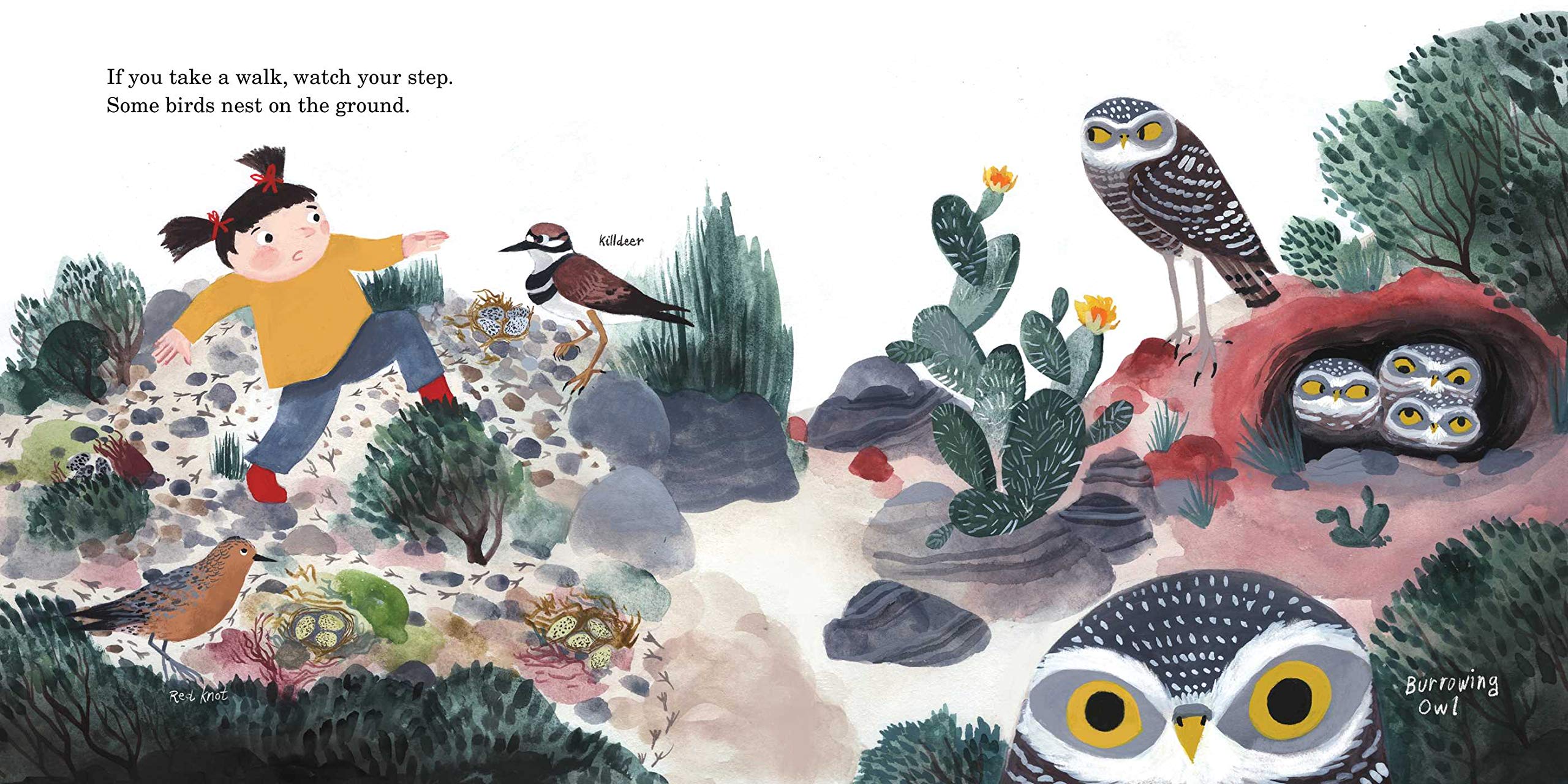
celebrate-picture-books-picture-book-review-how-to-find-a-bird-desert

Image copyright Diana Sudyka, 2020, text copyright Jennifer Ward, 2020. Courtesy of Beach Lane Books.

Jennifer Ward’s joyful, lyrical storytelling invites kids to engage in the rewarding activity of birdwatching. Whether readers would like to make it a hobby or just become more observant to their surroundings, How to Find a Bird shows kids easy ways to enjoy watching birds and discovering their behaviors without disturbing them or their habitats. By reminding children to take a broad approach to finding birds, Ward reveals the wide variety of birds that populate our planet, their behaviors, and their defenses. Ward’s direct address makes readers feel they’re already part of this exciting activity that can become a lifelong love.

Diana Sudyka’s charming, realistic illustrations of more than fifty species of birds take kids to marshlands and rocky deserts, lakeshores and beaches, a bright blue sky and a flower-filled backyard. Along the way kids get a look at families of California quails and tundra swans; a northern flicker gobbling ants; an anhinga tossing a minnow; burrowing owls underground; and a long-eared owl, an eastern whip-poor-will, and a brown creeper hiding in plain sight among many others. Readers will also see some birds who have become extinct and several matched with their song. Sudyka’s vibrant images show birds in motion and at rest. A careful study of the pages will reward kids with enchanting details and a couple of surprising hidden birds.

For nature buffs, bird lovers, and school or homeschooling environmental lessons, How to Find a Bird is an enchanting introduction to birds and birdwatching and would be a terrific take-along on outdoor outings. The book would be a quick favorite on home bookshelves and an excellent reference for classroom and public library collections.

Ages 4 – 8

Beach Land Books, 2020 | ISBN 978-1481467056

Discover more about Jennifer Ward and her books on her website.

To learn more about Diana Sudyka, her books, and her art, visit her website.

National Bird Feeding Month Activity

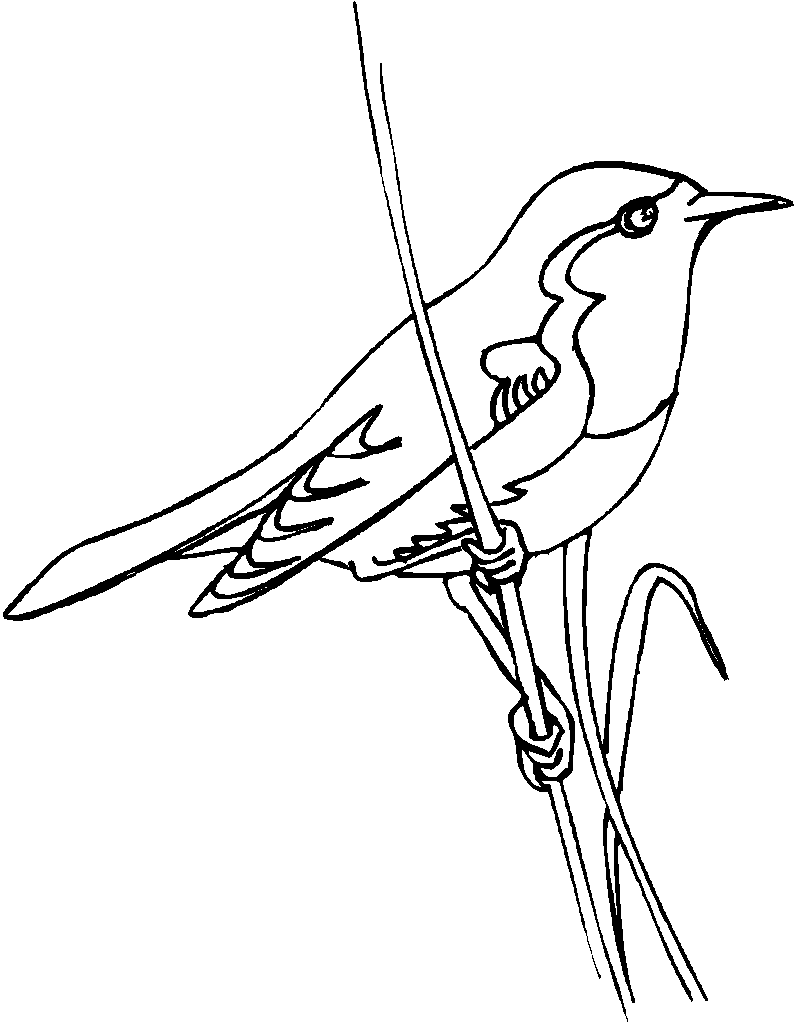
celebrate-picture-books-picture-book-review-bird-on-reed-coloring-page

Bird Coloring Pages


The birds you usually see in your area may not be back from their winter vacation yet, but you can still enjoy some beautiful birds with these coloring pages.

Owl in the Forest | Bird on a Reed | Bird on a Branch

celebrate-picture-books-picture-book-review-how-to-find-a-bird-cover

You can find How to Find a Bird at these booksellers

Amazon | Barnes & Noble | Books-a-Million

To support your local independent bookstore, order from

Bookshop | IndieBound

Picture Book Review

January 19 – National Popcorn Day Cover Reveal of Let’s Pop, Pop, Popcorn!

celebrate-picture-books-picture-book-review-let's-pop-pop-popcorn-cover

Let’s Pop, Pop, Popcorn!

Written by Cynthia Schumerth | Illustrated by Mary Reaves Uhles


Have you ever wondered what happens to your popcorn before it lands in the bowl? Kernel-by-kernel, step-by-step, this story takes readers through the process of growing, harvesting, and finally popping delicious popcorn! However you take it – salted, buttered, or caramelized, every variation of America’s favorite snack begins in the same place. 

Backmatter includes STEM-related discussions about corn kernels and why these kinds of kernels pop when heated, a science activity, and an art project.

With Cynthia Schumerth’s exuberant and educational rhymes that bounce like bursting popcorn and Mary Reaves Uhles’s vibrant, action-packed illustrations of a group of kids planting, harvesting, shucking, cooking (KABOOM!), and eating this favorite snack, Let’s Pop, Pop, Popcorn! makes the perfect reading treat for any movie night or story time! 

I’m excited to be talking with Cynthia Schumerth and Mary Reaves Uhles to discover how they turned America’s favorite snack into a book so deliciously fun!

Meet Cynthia Schumerth
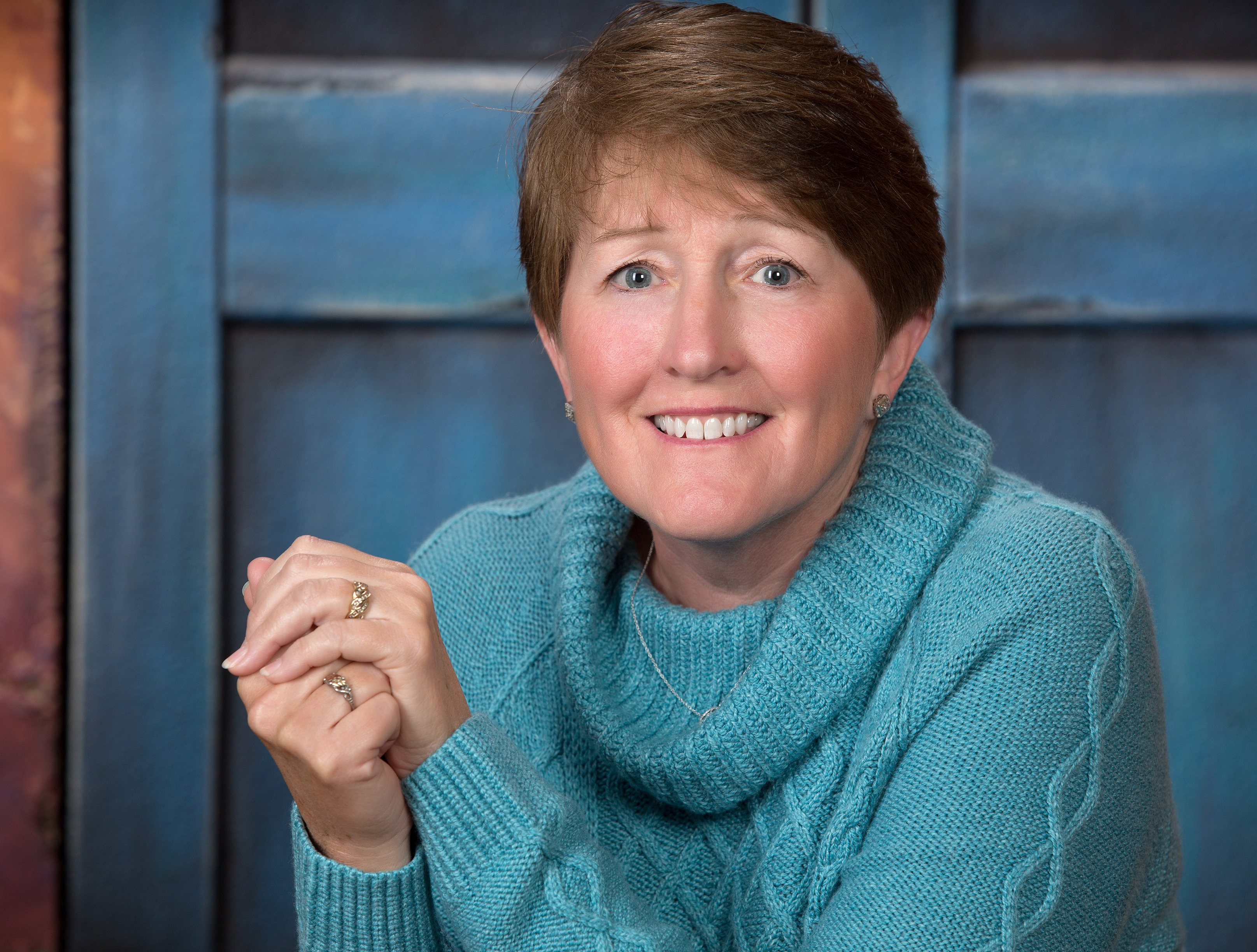
celebrate-picture-books-picture-book-review-Cindy-Schumerth-headshot

Cindy grew up in a small town in Wisconsin where kids played outside from sun-up to sun-down. Much of her writing reflects her love of nature, animals, and family. Cindy believes the power of words is magical and if even one child can find something they can relate to in a story, then that story just might change their world. Cindy lives with her husband and their rescue dog Chance in the same small town she grew up in. Together they raised two amazing children. You can connect with Cynthia on Twitter.

I’m really looking forward to learning more about popcorn when your book’s released! What inspired you to write Let’s Pop, Pop, Popcorn!?
 

My love of popcorn! Growing up, popcorn was a special treat. It was something that got our entire family sitting together, sharing stories, and having a lot of laughs. This is something I’ve shared with my own children as they grew up. The truth is that I’d been having a bit of writer’s block before I came up with the idea for Let’s Pop, Pop, Popcorn! I knew I needed something new, something fresh, but I was drawing a blank.

Then I got to thinking… at writing conferences and workshops there is one comment that you hear over and over—write what you love. Well, I love popcorn, so I thought why not write about that? Thoughts about popcorn floated around my head for a few days (maybe weeks).  I considered different ideas about how to use popcorn in a book before I came up with the idea of a farm-to-table story. I grew up in a gardening family and it seemed like a great idea to share the entire process—from seed to the end product of a fluffy, tasty treat—with young readers in a fun way.  

From planting to popping, so much goes into creating the popcorn we love to munch. Can you talk a little about how you decided on the structure of your book—which combines nonfiction with lyrical storytelling?

Initially, I wrote it as a basic farm-to-table story. I wanted it to be fun while still having an interesting takeaway for kids. During a critique, it was suggested that I bring more of the specific popcorn terms into the story instead of having them only in the backmatter. I really liked that idea, but I had worked very hard to get the rhyme and rhythm just right. I had a tough decision to make—keep the story written in rhyme and somehow figure out how to incorporate words like: germ, endosperm, and pericarp into it, or rewrite the story an entirely different way.

I don’t usually write in rhyme. Rhyme is hard because it has to be perfect, but I decided to stick with it because I really liked the flow of the story. I knew I had to make sure the rhyme worked perfectly while still keeping the story factually accurate, and that was a bit of a hurdle. However, I think it’s true that if you write what you love, things work out. When the final manuscript was accepted, my editor surprised me by saying, “Don’t change a thing. I think it’s perfect just the way it is!  In the end, we did change three words, but having to change only three words in the entire manuscript is something I am very proud of!

Did you learn anything surprising about popcorn while writing this book?
 

I was surprised by how simple the process of going from popcorn seed to popped popcorn actually is. It’s both fascinating and something that kids (and adults) can easily understand. How cool is it that after reading Let’s Pop, Pop, Popcorn!, the reader will be able to impress their friends with scientific knowledge about popcorn and how it pops?! It’s surprising how many people don’t know how the hard, little popcorn seeds turn into puffs of white yumminess.

Another thing that I found surprising is that some folks will pour milk over a bowl of popcorn with a little sugar and have popcorn as a breakfast cereal. I haven’t tried that myself, and to be honest, I’m not sure I will.

Mary’s cover is so enticing. What were your first thoughts when you saw the art for the cover and the interior illustrations.

When our editor told me Mary had been chosen as the illustrator, of course I searched out her work. I was so excited because I think she does great work and she was already an accomplished picture book illustrator! I had to wait over two years before I got to see the cover art, and then longer to see the inside pages, but it was well worth the wait. I think her drawings and her choice of color palette for Let’s Pop, Pop, Popcorn! are vibrant and inviting. And those kids in the story—I want to be friends with all of them!

I feel very lucky to share this book with Mary. I think this cover will stand out on the shelvesI know it would catch my own eye and I’d pick it up. I think kids will really like it, too.

Have you ever tried to grow popcorn?
 

Actually, one summer my kids and I did try growing popcorn!  Not all the plants made it and the ones that did, didn’t produce as much as we had hoped. After we harvested, dried, and shucked the ears, we were able to get enough kernels to make one pot of popcorn. You know what? It was the best popcorn we ever had! Growing something with your own hands is so satisfying. I hope after reading Let’s Pop, Pop, Popcorn!, kids will want to give growing their own popcorn a try.

Of course, I can’t let you go without asking—what is your favorite type or flavor of popcorn?
 

I like caramel corn, kettle corn, and I’ve sprinkled parmesan cheese on my popcorn, but if I have to choose a favorite, I’m a salt-only popcorn girl. There are yellow and white types of popping corn, and I prefer white. I think it has more crunch to it. I like my popcorn cooked the good old-fashioned way, in a pot on top of the stove. I have my grandmothers popcorn pan from when I was growing up—it’s over 75 years old! That pan has probably popped thousands of bowls of popcorn. Recently, I’ve started using coconut oil when I pop my corn, and I really like the flavor you get. If you’re worried about the taste, don’t be! It doesn’t taste like coconut; it’s just healthier than using other oils.

Meet Mary Reaves Uhles

celebrate-picture-books-picture-book-review-Mary-Reaves-Uhles-headshot

Mary Reaves Uhles has illustrated several children’s books, including The Little Kids’ Table, by Mary Ann McCabe Riehle; The Twelve Days of Christmas in Tennessee, by Alice Faye Duncan; and the poetry collection Kooky Crumbs, by Children’s Poet Laureate J. Patrick Lewis. Before illustrating books for children, Mary worked as an animator on projects for Warner Brothers and Fisher-Price Interactive. A graduate of Ringling College of Art and Design, Mary lives with her family in Nashville, Tennessee. Find her online at maryuhles.com.

What were your first thoughts when you received the manuscript for Let’s Pop Pop Popcorn!?

My first thoughts werewell this is great, I LOVE popcorn! I truly don’t think I could have done as good a job with the book if I didn’t love EATING popcorn and even tried growing it myself when I was about 9 or 10. I was excited about the concept of the cutaway pages where we see the seeds in the dirt, I always loved that kind of thing in illustrations when I was a kid.

celebrate-picture-books-picture-book-review-let's-pop-pop-popcorn-worms

Image copyright Mary Reaves Uhles, 2021, text copyright Cynthia Schumerth, 2021. Courtesy of Sleeping Bear Press.

And finally, I wanted to have a page or two to draw an environment that looked like where I grew uphuge fields dotted with trailers or houses. Kids and animals of all kinds would spill across the fields as if we owned them! While I didn’t have that many interiors to show in the book, the details of the inside of the blue trailer, such as the green fern curtains, are taken directly from memories of my friends’ houses.

Your cover illustration is so much fun! Did you go through many iterations and revisions before deciding on this final image? Could you take readers through the cover’s journey?

Thank you! I’m really happy with how it turned out. I knew I wanted the cover to have a lot of energy, with popcorn popping everywhere but how to get there? I went through several different thumbnails, some with characters on the cover, some with just popcorn.
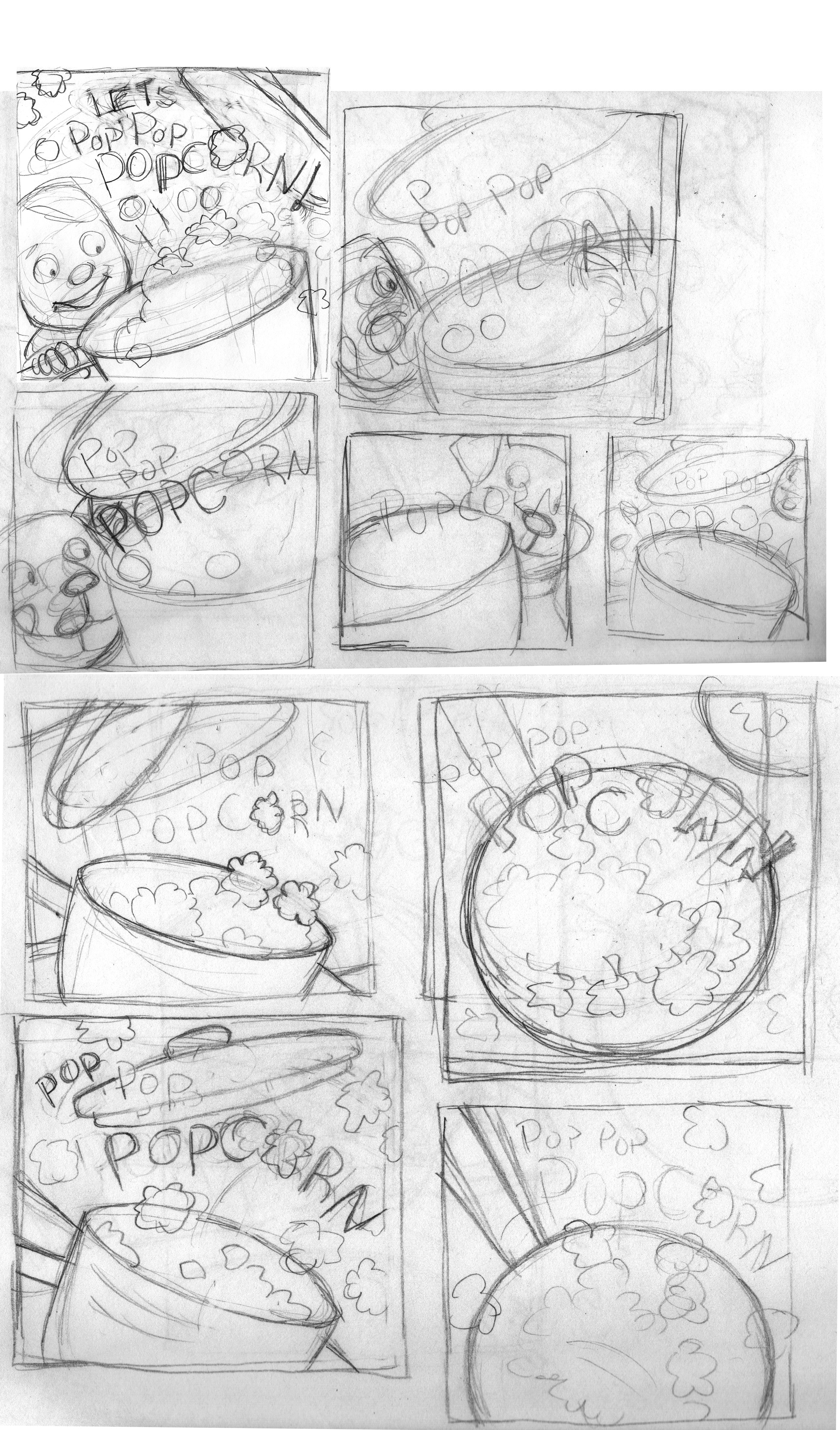
celebrate-picture-books-picture-book-review-let's-pop-pop-popcorn-thumbnails-1

Image copyright Mary Uhles, 2021

Finally I decided on having just one of the child characters. I picked the little girl with glasses because, well, I liked her glasses! Then it was a matter of getting her close to the pot but not so close it might feel a bit dangerous to have all that popcorn (and the lid) flying at her face.
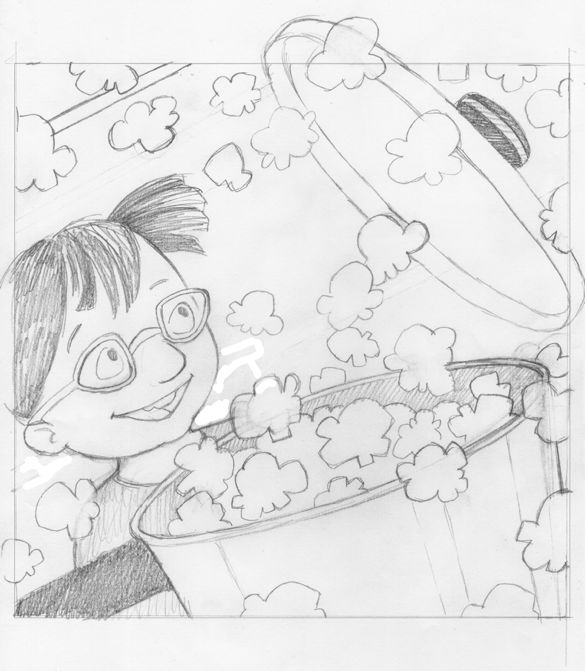
celebrate-picture-books-picture-book-review-let's-pop-pop-popcorn-thumbnails-2

Image copyright Mary Uhles, 2021

I did popcorn kernels on lots of different Photoshop layers so that, in the final design, the art director could move them to work around the final type. Since there was a lot of action with the popcorn I wanted the background behind the character to be a fairly flat color. I liked the idea of using the blue from the kitchen juxtaposed with the copper pot.

celebrate-picture-books-picture-book-review-let's-pop-pop-popcorn-cover-image

Image copyright Mary Reaves Uhles, 2021, courtesy of Sleeping Bear Press.

Now, I’m sure readers would love a little sneak peek into the interior. I’ve been lucky enough to see that they can certainly look forward to lots of action and different perspectives! Can you talk a little about how you translated Cynthia’s story into such dynamic illustrations?

Well I used to be an animator so when I begin laying out a book I do it like a film storyboard, with each page turn being a new camera angle. I really think so much of our emotional journey in a book (or movie or TV show) happens with how the camera makes us feel in proximity to the subject. As the plants start to grow I wanted to bring readers close to the tiny stalks and then move them farther and farther back as the plants get bigger and bigger.
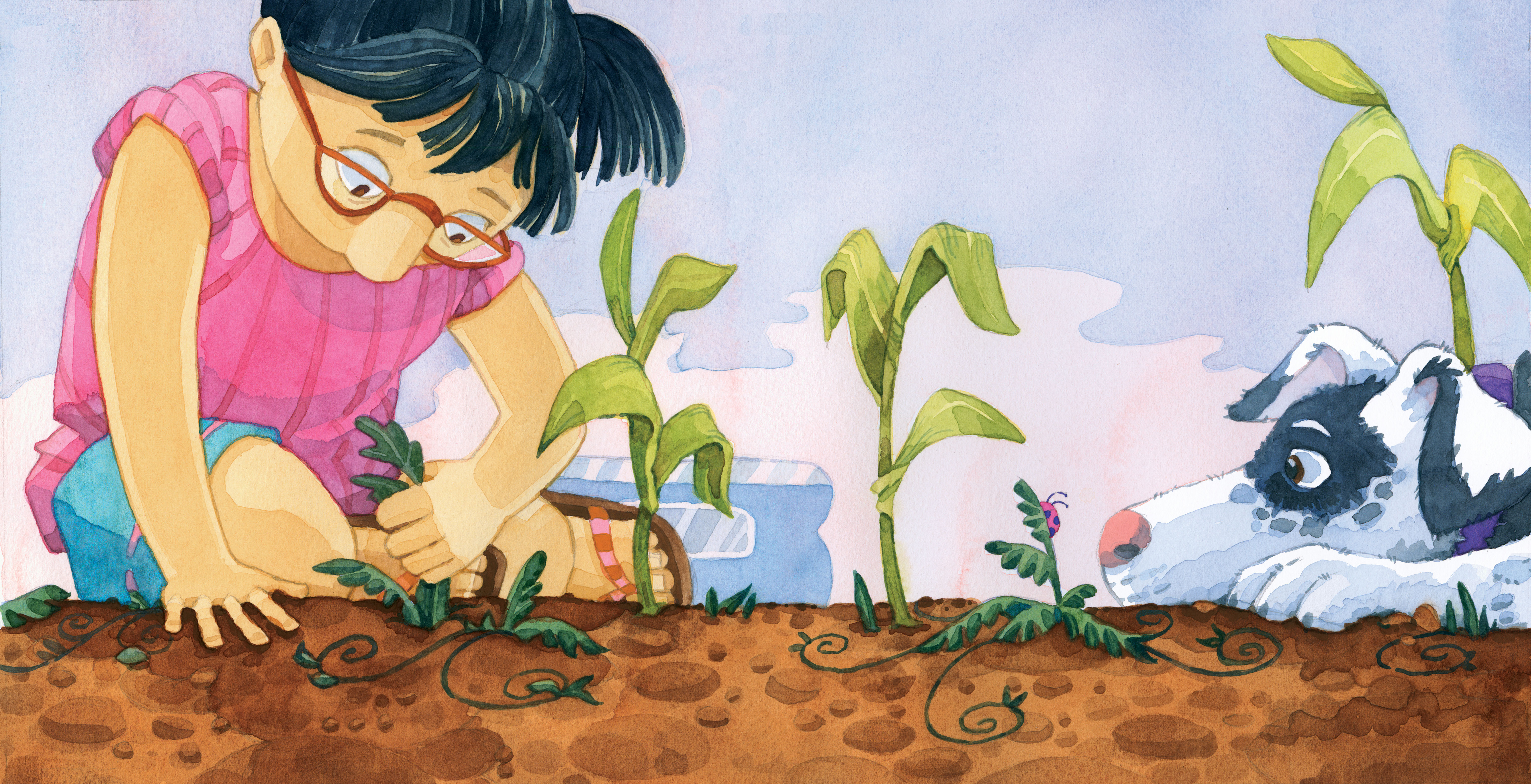
celebrate-picture-books-picture-book-review-let's-pop-pop-popcorn-weeds

Image copyright Mary Reaves Uhles, 2021, text copyright Cynthia Schumerth, 2021. Courtesy of Sleeping Bear Press.

 I did the same thing with the kernels in the pot.. I wanted to actually bring the camera down inside the pot so the readers were right next to the POP when it happened.

celebrate-picture-books-picture-book-review-let's-pop-pop-popcorn-kernels

Image copyright Mary Reaves Uhles, 2021, text copyright Cynthia Schumerth, 2021. Courtesy of Sleeping Bear Press.

In some of the illustrationslike the image of the kernels being pluckedI wanted the reader to feel like they were doing it… so the perspective is from over the bowl. Art director Felicia Macheske and I discussed having lots of different kids doing different tasks throughout the book but waiting until the very end to show all the kids together on a spread. I really liked that idea as it feels very celebratory but it was also a lot to keep track ofwhich kids were appearing on which pages so it stayed balanced. I actually had a visual spreadsheet at one point so I could keep track. I had to laugh that this is now my third book to have a big crowd at the end! In The Little Kids’ Table a huge family gathers around the table and in A Tuba Christmas we see the whole tuba orchestra.

Did you learn anything new about popcorn while working on this book?

Well I actually did not know there were only two kinds of popcorn! Also I looked at lots of different pictures of popcorn to get the details correct and I found it interesting how much smaller popcorn kernels are than ‘corn on the cob’ kernels. A friend of mine gave me a couple of popcorn cobs with the kernels still on when I started sketches and I kept them in my studio the whole time for reference.

In your dedication, I noticed that you give a shout out to Jackson (Team Popcorn) and Grace (Team Chex Mix). Is there a competition for favorite snack in your family?

Ha ha! I don’t know that there is a competition, but I knew from the beginning that this book’s dedication would have to say something about my son’s love of popcorn. Any time there’s family movie night he’s so excited because I’ll make popcorn. For the record I make it the stovetop way, just like in the book. But my daughter is not a fan of popcorn! So I always have to come up with alternate snacks. Her favorite is Chex Mix.

Now that we know Cynthia’s favorite popcorn, I know readers would love to hear what your type or flavor of popcorn is.

I do love just good, old-fashioned stovetop popcorn with a dash of butter and a few more dashes of salt. But I also love kettle corn! It’s my favorite ‘fair food’ as in, getting it at the state fair in giant greasy bags.

Thanks so much! You two have made me hungry! While readers check out where they can preorder Let’s Pop, Pop, Popcorn!, I’m going to go cook up some nice buttery, salty popcorn for myself! But first, I’d like to invite everyone to enter my giveaway of the book! You’ll find the details right here!

celebrate-picture-books-picture-book-review-let's-pop-pop-popcorn-cover

You can preorder Let’s Pop, Pop, Popcorn! at these booksellers

Amazon | Barnes & Noble | Books-a-Million

To support your local independent bookstore, order from

Bookshop | IndieBound

Picture Book Review