June 29 – International Day of the Tropics

celebrate-picture-books-picture-book-review-galapagos-girl-cover

About the Holiday

The International Day of the Tropics is a United Nations–sponsored holiday that celebrates the extraordinary diversity of the tropics while putting a spotlight on the unique challenges and opportunities the nations of the Tropics face. The Tropics are a region roughly defined as the area between the tropic of Cancer and the tropic of Capricorn and have in common a warm and typically unvaried seasonal temperature fluctuations and the prevalence of rain  determined by a region’s proximity to the equator. While it is projected that by 2050, the Tropics will be home to most of the world’s population and two-thirds of its children, the area faces challenges due to climate change, deforestation, logging, urbanization, and demographic shifts.  Today’s observance provides individuals, organizations, and governments an opportunity to take stock of progress across the tropics, to share stories and expertise, and to acknowledge the diversity and potential of the region. Today’s book tell the true story of one woman who is working to make a difference.

Thanks to Lee & Low Books for sending me a copy of Galápagos Girl/ Galápagueña for review consideration. All opinions about the book are my own. 

Galápagos Girl / Galapagueña

Written by Marsha Diane Arnold | Illustrated by Angela Dominguez | Translated by Adriana Dominguez


On the day when baby Valentina joined Mamá, Papá, and eleven brothers and sisters, even the sea lions, blue-footed boobies, and iguanas seemed to welcome her to the “island formed by fire.” Valentina loved growing up on the Galápagos Island of Floreana. She explored the lava rocks, where Sally Lightfoot crabs scuttled back and forth. She swam with dolphins and manta rays, and even played with penguins.

celebrate-picture-books-picture-book-review-Galápagos-Girl-crabscelebrate-picture-books-picture-book-review-Galápagos-Girl-crabs

Image copyright Angela Dominguez, 2018, text copyright Marsha Diane Arnold, 2018. Courtesy of Lee & Low Books.

“Valentina watched pink flamingoes wading near mangroves. Blue butterflies fluttering on the breeze. Red-and-green iguanas sneezing salt like tiny geysers.” The crashing waves, albatross, and finches created a symphony as Valentina stopped to rest on a grassy cliff overlooking the ocean. The lava lizards, blue-footed boobies, and twirling sea lions provided young Valentina with a variety of dance partners.

celebrate-picture-books-picture-book-review-Galápagos-Girl-iguana

Image copyright Angela Dominguez, 2018, text copyright Marsha Diane Arnold, 2018. Courtesy of Lee & Low Books.

At home, Valentina’s family shared their home with two giant tortoises—Carlitos and Isabella. One day Papá told Valentina their story as they fed the tortoises plums that had fallen from their backyard trees. Papá had gotten Carlitos and Isabella from a friend when he first moved to Floreana. Although it was nearly impossible to imagine now that the tortoises were grown, at the time they were so small that they fit into Papá’s pockets.

celebrate-picture-books-picture-book-review-Galápagos-Girl-tortoises

Image copyright Angela Dominguez, 2018, text copyright Marsha Diane Arnold, 2018. Courtesy of Lee & Low Books.

There was also a sad note to Papá’s story. He said that while giant tortoises still lived on other Galápagos islands, pirates and whalers had wiped out the population on Floreana. Papá went on to tell Valentina that many Galápagos animals were in danger. They were “threatened by other animals that don’t belong here. Threatened by people who don’t understand how to care for our islands.” Valentina promised that she would always protect them.

When she was older, Valentina left the island to go to school. She didn’t want to leave her beautiful home, but Mamá told her that she was “ready to learn about the world beyond.” And Papá reminded her that “like our islands, you have a heart full of fire.” On school vacations, Valentina always came back to study the wildlife on the Galápagos islands. She had not forgotten her promise to keep them safe.

celebrate-picture-books-picture-book-review-Galápagos-Girl-going-to-school

Image copyright Angela Dominguez, 2018, text copyright Marsha Diane Arnold, 2018. Courtesy of Lee & Low Books.

After she graduated with a degree in biology, Valentina returned to the islands as a nature guide to teach visitors about the beauty and uniqueness of the Galápagos. Some visitors were even lucky enough to meet Carlitos and Isabella when the plums dropped from the trees and the two old tortoises returned from exploring Floreana to eat them. Because of Valentina’s commitment to the Galápagos, her visitors also made a promise to always remember and protect them.

Extensive backmatter includes an Author’s Note about Valentina Cruz, the tortoises Carlitos and Isabella, and the history of tortoises on Floreana. There is also information on the Galápagos as well as fun facts about all of the animals in the story. A bibliography of sources invites readers to learn more.

Each two-page spread presents the text in English and translated into Spanish by Adriana Dominguez.

celebrate-picture-books-picture-book-review-Galápagos-Girl-guiding-visitors

Image copyright Angela Dominguez, 2018, text copyright Marsha Diane Arnold, 2018. Courtesy of Lee & Low Books.

Marsha Diane Arnold’s lyrical and buoyant passages sing with the carefree joy Valentina felt as a girl exploring her beloved Galápagos and which brought her back home as a biologist to protect them. After seeing Valentina playing and swimming with the native animals and feeding Carlitos and Isabella, readers will also feel Valentina’s sadness at the dangers they face and want to make a positive difference to the environment and the world around them. Arnold’s dialogue-rich storytelling highlights the personal nature of the subject and will draw children into Valentina’s world.celebrate-picture-books-picture-book-review-Galápagos-Girl-blue-footed-booby

Saturated with glorious color, each of Angela Dominguez’s illustrations is a celebration of the splendor of the Galápagos. Playful sea lions, high-stepping blue-footed boobies, scampering crabs, and even a sneezing iguana will captivate young readers and inspire them to learn more about these creatures and the islands. Images of Valentina camping out to study the animals during school breaks will excite environmentally conscious kids, and pictures of Carlitos and Isabella happily munching on plums will generate smiles and “awwws.”

Galápagos Girl / Galapagueña will excite kids to learn more not only about the Galápagos region but about their own local environment, and the call to action will spark an enthusiasm for protecting the earth’s animals. The book would make an inspiring addition to home bookshelves and an excellent way to begin classroom discussions on environmental issues and science lessons. The engaging Spanish translation will delight Spanish-speaking and bilingual families.

Ages 4 – 8

Lee & Low Books, 2018 | ISBN 978-0892394135

Discover more about Marsha Diane Arnold and her books on her website. You can also download activity sheets and teachers’ guides for most of her books here as well.

To learn more about Angela Dominguez, her books, and her art, visit her website.

Welcome Marsha Diane Arnold

celebrate-picture-books-picture-book-review-marsha-diane-arnold

In 2018, I was thrilled to talk with award-winning picture book author Marsha Diane Arnold about the backstory of Galápagos Girl / Galápagueña. Her interview, originally for National Wildlife Day, is just as timely today. Marsha was inspired to write this story after traveling to the Galápagos Islands, where she met Valentina Cruz and had the opportunity to swim with sea lions and dolphins.

Marsha Diane Arnold is an award-winning picture book author whose books have sold over one million copies. Her 21st book, Lights Out, was published in the fall of 2020. Arnold’s other books include Badger’s Perfect Garden, May I Come In? and Mine. Yours. Among Marsha’s honors are the Ridgeway Award for Best First Book, state Children’s Choice awards, IRA Distinguished Book, and Smithsonian Notable Book. Her bilingual book Galápagos Girl was selected as a 2019 Bank Street Best Books of the Year, a Campoy-Ada honor book, and a 2019 Green Prize in Sustainable Literature. The media has referred to her as, “a born storyteller.” Educators have called her a “true literary artist” whose books show “warmth and respect for one’s self.”  She lives with her family in Alva, Florida.

Thank you, Kathryn, for inviting me to celebrate Galápagos Girl / Galápagueña, along with conservation of wild places and animals!

As a child, would you have enjoyed swimming with sea lions? Feeding plums to giant tortoises by hand? Having warblers fly through your house? That was the life of Valentina Cruz. Galápagos Girl is based on her idyllic life on remote Floreana island in the Galápagos Islands, a volcanic archipelago west of Ecuador.

celebrate-picture-books-picture-book-review-galapagos-girl-blue-footed-booby

celebrate-picture-books-picture-book-review-galapagos-girl-marine-iguana

My photos of actual blue-footed booby and Galápagos marine iguana.

Valentina grew up surrounded by nature, but perhaps more accurately, she grew up in nature. I think when a child grows up seeing wild wonders every day, they grow up respecting and protecting nature and wildlife. Valentina and her siblings certainly did. She grew up to be a biologist and naturalist guide. One brother, Eliecer Cruz, was director of the Galápagos National Park and, later, director of the Galápagos branch of the World Wildlife Fund. Another brother, Felipe, worked on many projects with the Charles Darwin Research Station, including studying the challenges that face the Galápagos petrel. Her sister, Marilyn, is director of Galápagos Biosecurity Agency, which helps control and prevent invasive species in the islands.

In some ways, Valentina’s childhood was similar to mine. She was surrounded by a loving family—her parents and eleven brothers and sisters. I only had one brother, but along with my parents, cousins, aunts, and uncles, we gathered on many Sunday afternoons at my grandmother’s house. Valentina and I both delighted in nature, though hers was a more exotic nature—the distant Galápagos Islands, where Charles Darwin discovered those famous finches and came up with his theory of natural selection. Mine was a small farm on the Kansas plains—I didn’t see the ocean until I was an adult. Valentina had Galápagos tortoises as pets and swam with sea lions. (Of course, keeping tortoises as pets is not allowed today.) I played with my neighbor’s pet raccoon (also, not allowed today) and listened to the meadowlark’s song from the roof of my house.

Valentina loves nature, home, and family, but has the soul of an adventurer. I’m much the same. When I grew up I yearned to see as much of the world as possible. When my long-time traveling buddy, Jean Gallagher, asked me to travel with her to the Galápagos, one of my long-time dreams came true.

celebrate-picture-books-picture-book-review-galapagos-girl-blue-marsha-and-friends

The Galápagos Gang – fellow travelers to a far-off land. Jean is 3rd to right in front. I am 4th.

It was on that 2007 trip that I met Valentina, one of our naturalist guides. With her, we visited Floreana and saw the home where she grew up. I was enamored. I thought how wonderful a book about the islands and their unique wildlife, woven together with Valentina’s childhood, would be. Yet it wasn’t until April 2009 that I emailed Valentina and told her of my dream to write a picture book based on her life. Over months and years, Valentina generously shared her stories with me.

celebrate-picture-books-picture-book-review-galapagos-girl-valentina-showing-lay-of-land

Valentina showing us the lay of the land.

Valentina got her sense of adventure and love of nature from her father, Eliecer Cruz Cevallos, who first arrived in the Galápagos in 1939. He was one of only 100 people living in the Galápagos at that time!

Eliecer returned to Ecuador and married Valentina’s mother, Emma Bedon. She made him promise they would never live in the Galápagos. Who can blame her? They’d have almost no human neighbors! But in 1944, she changed her mind. Emma sailed to Floreana with Eliecer to build a life together. Valentina told me that even living in the wild, her mother taught her children “to keep all the rules of a city so we do not grow up wild.”

celebrate-picture-books-picture-book-review-galapagos-girl-valentina-and-father

Valentina and her father on Floreana

celebrate-picture-books-picture-book-review-galapagos-girl-valentina-mother-and-sister

Valentina, her mother, and her sister

Two Galápagos tortoises were a big part of Valentina’s childhood, so I had to include them in Galápagos Girl. Floreana tortoise had long been extinct (or so it was thought).  So when Eliecer moved to Floreana, his friend gave him young tortoises from other islands. Eventually, the family released the tortoises to roam free. One of the most exciting things that happened to Valentina as a child was seeing the tortoises return to their farm that first year after their release. The main reason was the tasty plums dropping from the trees. Every year after that, when the plums ripened, the family waited for the tortoises to return. They always did!

celebrate-picture-books-picture-book-review-galapagos-girl-isabella-eating-plum

An illustration of one of the family’s tortoises eating a plum treat by Angela Dominguez

The tortoise story changed several times during the writing of my book due to Valentina’s remembering more over time, checking facts with her family, and a discovery near Wolf Volcano on Isabela, another Galápagos Island. What’s in my book isn’t exactly the way things were, but it’s close to the real story. As Valentina wisely shared: “Each of us remember things in different ways. Our memory is like pictures of what impresses us in that specific moment, so everything can be true and everything can be fiction.”

celebrate-picture-books-picture-book-review-galapagos-girl-galapagos-tortoise

One of eleven species of Galápagos tortoise

Regarding the exciting discovery on Wolf Volcano, scientists recently found tortoises there that carry some of the Floreana tortoise genes! There is a project now to bring these tortoises back to Floreana. Wouldn’t it be wonderful to have partial Floreana tortoises wandering freely, restoring the ecology of Floreana?

You may ask, “How did Floreana tortoises get on Isabela Island?” That’s one more fascinating question about the Galápagos. If I visit your school, you can ask me and I’ll share more.

Thanks so much, Marsha, for sharing the fascinating story behind Galápagos Girl / Galápagueña!

You can connect with Marsha Diane Arnold on

Her Website | Earth’s Voices | Facebook

International Day of the Tropics Activity

celebrate-picture-books-picture-book-review-animals-of-the-galapagos-match-up-puzzle

Animals of the Galápagos Match Up Puzzle


There are so many fascinating animals that live in the Galápagos! Can you match the picture of each animal to its description in this printable Animals of the Galápagos Match Up Puzzle? You can find and download the activity sheet from the Lee & Low Books website:

Animals of the Galápagos Match Up Puzzle

celebrate-picture-books-picture-book-review-galapagos-girl-cover

You can find Galápagos Girl / Galapagueña at these booksellers

Amazon | Barnes & Noble | Books-a-Million

To support your local independent bookstore, order from

Bookshop | IndieBound

Picture Book Review
June 13 – National Weed Your Garden Day

celebrate-picture-books-picture-book-review-dandy-cover

About the Holiday

So, you’ve planted your seeds and seedlings and they’ve started coming up, but so is something else. Suddenly, it’s a race for ground space, water, and nutrition between the veggies, fruit, or flowers and a fast-moving intruder. How do you slow down the intruder or keep it at bay? That’s where today’s holiday comes in. National Weed Your Garden Day encourages people to set aside some time each day to weeding their gardens and give their crops the best environment to grow in.

Dandy

Written by Ame Dyckman | Illustrated by Charles Santoso


When Daddy Lion looked out the window and saw the little yellow flower of a dandelion nodding to him “on his perfect lawn. He ran for his clippers….” But when he got out there, his adorable daughter, Sweetie, was already there watering her “flower.” “‘Her name is Charlotte. She’s my best friend,’” the tyke said, gazing up at her daddy with her big, bright eyes.

celebrate-picture-books-picture-book-review-dandy-book-horror

Image copyright Charles Santoso, 2019, text copyright Ame Dyckman, 2019. Courtesy of Little, Brown Books for Young Readers.

Daddy may have let it go, except for the neighbors who railed over the hedge that the weed would take over his yard, the neighborhood, and even the universe. The giraffe caught Daddy in a steely gaze and said, “‘You KNOW what you have to do.’” While his daughter read in the family room, Daddy snuck out with his shovel, and even though the dandelion gave him its most winning look, he raised the shovel high above it, readied for the forward swing, and… “‘Hi, Daddy!’” Sweetie was there reading to Charlotte.

celebrate-picture-books-picture-book-review-dandy-book-charlotte

Image copyright Charles Santoso, 2019, text copyright Ame Dyckman, 2019. Courtesy of Little, Brown Books for Young Readers.

During nap time, Daddy tiptoed out of Sweetie’s room and ran pell-mell with his mower toward the little weed. “But Sweetie was there” camped out with a tent and sleeping bags for her and Charlotte. When Sweetie was preoccupied with raiding the cookie jar for snack time, Daddy leashed up a hungry goat… but Sweetie beat him to it with a tea party, complete with cookies for her, Charlotte, and the goat.

celebrate-picture-books-picture-book-review-dandy-book-neighbors

Image copyright Charles Santoso, 2019, text copyright Ame Dyckman, 2019. Courtesy of Little, Brown Books for Young Readers.

“Once again, Daddy hoped his friends wouldn’t notice. They did.” They spurred him on to get rid of that dastardly dandelion, and Daddy tried everything from nunchucks to chemicals to a jackhammer and, finally, a cannon. But each time, Sweetie was there. Until, that is, she took the bus to her swimming lesson. Promising his daughter to “take care of Charlotte,” Daddy waved goodbye and rushed out to the yard with the neighbors cheering him on.

celebrate-picture-books-picture-book-review-dandy-book-time

Image copyright Charles Santoso, 2019, text copyright Ame Dyckman, 2019. Courtesy of Little, Brown Books for Young Readers.

But there, propped up on Charlotte’s leaves, was a painting by Sweetie of Daddy standing next to Charlotte surrounded in hearts. When Daddy held it up, he and the neighbors shared a good cry. “(They were daddies, too.)” But just then, Daddy’s clippers slipped out of his hand. Daddy and the neighbors put Charlotte back together as best they could and “hoped Sweetie wouldn’t notice.” With tears in her eyes, though, she came to Daddy and pulled him outside to show him that something was “‘WRONG with Charlotte!’” And there, bent and broken but taped together, stood Charlotte, and where her bright yellow flower had been there was a cloud of white fluff.

celebrate-picture-books-picture-book-review-dandy-book-too-late

Image copyright Charles Santoso, 2019, text copyright Ame Dyckman, 2019. Courtesy of Little, Brown Books for Young Readers.

Daddy gazed out at the lawn and then down into Sweetie’s crumpled face and chose. He picked up Charlotte and blew, sending the fluff flying. And soon, Sweetie was introducing Daddy to “‘Charlotte Two! And Charlotte Three! And Charlotte Four! And…’” And Daddy thought they were all “DANDY.”

celebrate-picture-books-picture-book-review-dandy-book-sweetie

Image copyright Charles Santoso, 2019, text copyright Ame Dyckman, 2019. Courtesy of Little, Brown Books for Young Readers.

Smart, sweet, and surprising, Dandy is a delight from beginning to end. The book’s cover, dotted with posing dandelions, hint at the endearing personalities that preserve these sunny weeds while the front endpapers depict perfect lawns where kids play and dads snip, clip, and dig up any interlopers. The back endpapers show a change of heart on the part of these dads following the story.

In between, Ame Dyckman’s pitch-perfect, laugh-out-loud series of events in which Sweetie is always there to protect her best friend, Charlotte, will charm kids and adults. Dyckman’s Sweetie lives up to her name with her invitation to tea, love-filled painting, and ever enthusiastic “Hi, Daddy!” greeting from Charlotte’s side. Clever wording introduces a plot twist that will melt the heart of even the most stalwart lawn lover, and the touching suspense leads to a tender moment between father and daughter.

celebrate-picture-books-picture-book-review-dandy-neighborhood

Charles Santoso infuses every page of Dandy with humor that grows more and more hilarious as Daddy tries to placate the neighbors only to be bested by his adorable daughter who has enormous eyes, rosy cheeks, and even a heart-shaped nose. The action gets off to a fast start as Daddy Lion, his face plastered to the window in horror, is taunted by the waving dandelion. Clippers in hand, he’s caught up short by Sweetie’s introduction of her “best friend Charlotte,” a scene that only grows funnier as Daddy’s methods of destruction escalate.

The five neighbors—a modern day, suburban-dressed Greek chorus—keep up the pressure, but crumble in the end. As the dads surround the injured Charlotte, surgical masks in place and holding a variety of medical instruments, kids and adults will be thoroughly invested in Charlotte’s prognosis. The final illustration of Sweetie and Daddy happily watering their crop of Charlottes proves that love has the deepest roots.

Highly original, funny, and touching, Dandy is a must for home, classroom, and public libraries, and makes a perfect gift for dad on for Father’s Day or any day.

Ages 4 – 8

Little, Brown Books for Young Readers, 2019 | ISBN 978-0316362955

Discover more about Ame Dyckman and her books on her website.

To learn more about Charles Santoso, his books, and his art, visit his website.

National Weed Your Garden Day Activity

celebrate-picture-books-picture-book-review-dandelion-coloring-page

Dandelion Garden Coloring Page


With their bright yellow petals and soft fluff, it’s easy to see why dandelions can be a child’s favorite flower, so here’s a little patch of dandelions that kids can keep inside! Just add some color and maybe a bit of cotton or polyfill  to bring this printable garden to life.

Dandelion Garden Coloring Page

celebrate-picture-books-picture-book-review-dandy-cover

You can find Dandy at these booksellers

Amazon | Barnes & Noble | Books-a-Million | IndieBound

Picture Book Review
June 12 – National Get Outdoors Day

celebrate-picture-books-picture-book-review-southwest-sunrise-cover

About the Holiday

Established in 2008, National Get Outdoors Day was instituted to inspire people – and especially young people – to enjoy healthy, active outdoor fun and exploration. Celebrated in conjunction with national parks, people are encouraged to hike, explore, and enjoy the natural wonders near them. You can also head out into your yard to play games or into your neighborhood with bikes, scooters, skates, or just for a walk. There’s so much for kids to see and discover – even concepts that may seem simple are beautiful and complex in the eyes of a child, as you’ll see in today’s book. 

Thank you to Bloomsbury Children’s Books for sharing Southwest Sunrise with me for review consideration. All opinions of the book are my own. 

Southwest Sunrise

Written by Nikki Grimes | Illustrated by Wendell Minor


Jayden mopes all the way from New York to New Mexico, upset about moving from his beloved city to “a place of shadows.” Shadows and drabness are all he sees when he gets off the plane. In the morning, though, he wakes up “to a knife of sunlight slicing through” his room. Here, his window doesn’t have bars, and the view is of a “mountain striped in rainbow.” Jayden is surprised; he didn’t know that was there.

celebrate-picture-books-picture-book-review-southwest-sunrise-moving

Image copyright Wendell Minor, 2020, text copyright Nikki Grimes, 2020. Courtesy of Bloomsbury Children’s Books.

A string of chili peppers brightens the kitchen. Jayden isn’t optimistic that he’ll see any other colors in his new desert surroundings. His mom gives him a field guide to New Mexico at breakfast, and as he pages through it he doesn’t really think he’ll find any of the colorful flowers inside. But then, as he looks around, he spies the burgundy wine-cup and yellow bells that “wake up the desert with their silent ring.” He finds more flowers from the book that add red and purple to the landscape.

celebrate-picture-books-picture-book-review-southwest-sunrise-firewheel-flowers

Image copyright Wendell Minor, 2020, text copyright Nikki Grimes, 2020. Courtesy of Bloomsbury Children’s Books.

Jayden walks on, farther away from his new house. The unfamiliar silence is broken by “the mad chatter of winged gossips passing secrets” from one piñon tree to another. He watches the long-tailed magpies swoop through the “deep waves of turquoise overhead” and wonders why he never saw so much sky in New York. Still, he misses looking up and seeing the grandeur of the skyscrapers.

celebrate-picture-books-picture-book-review-southwest-sunrise-magpies

Image copyright Wendell Minor, 2020, text copyright Nikki Grimes, 2020. Courtesy of Bloomsbury Children’s Books.

Looking down again, Jayden finds a striped lizard that seems happy to run along his hand, tickle his fingers. Instead of seashells, he finds bones and an abandoned turtle shell. “What stories do they have to tell?” he wonders. He continues his walk and, upon turning the corner, finds himself in the shadow of a different kind of skyscraper—rugged, red, and rocky. On the air, Jayden hears his mom calling. He picks some flowers the colors of sunset to take home to her. He waves as he nears the house and sees her standing on the porch and flashes her “the first smile she’s seen since New York.” He thinks that maybe New Mexico can be Home.

celebrate-picture-books-picture-book-review-southwest-sunrise-mom

Image copyright Wendell Minor, 2020, text copyright Nikki Grimes, 2020. Courtesy of Bloomsbury Children’s Books.

Nikki Grimes’ lyrical story is in plot a tale about moving from one part of the country to another, but in spirit it is a invitation for children and adults alike to open their heart to new experiences, to find the beauty in the unfamiliar and the joy in the unexpected. As Jayden journeys from New York to New Mexico and then around his new environment, Grimes explores honest emotions—the disappointment and anger change can bring, the preconceived ideas about the unknown that can color feelings and actions, and even that moment when a person can reject or accept the new circumstance or opportunity. As a poet, Grimes excels at the perfectly chosen detail and sublime description. Here, her words put readers in the spotlight of New Mexico’s laser sun, let them feel the skittering feet of a lizard, meet a haughty raven, and bask in the rainbow of colors Jayden never expected he’d see. His final smile and resolve to give his new city a chance fulfills the new dawning inherent in the title and is uplifting encouragement for all.

celebrate-picture-books-picture-book-review-southwest-sunrise-flowers

Slouched down in his airplane seat, baseball cap pulled low over his eyes, Wendell Minor’s Jayden is a picture of despondency. But things begin to look brighter when, in the morning, he notices the mountains and colors he missed the night before. Minor’s sun-washed illustrations allow readers to discover the beauty of the New Mexico desert along with Jayden. His new home is light and open, with a timbered ceiling and windows free of the bars he’s used to. Minor’s use of perspective allows children to view sweeping vistas of the desert landscape as well as images of some of the creatures found there. Putting the raven front and center gives kids an idea of the size and attitude of this striking bird. Fiery reds and oranges, vivid yellows, pinks, and purples, and glorious blues punctuate the sandy backdrop as Jayden’s thoughtful expressions depict his growing appreciation for his new home.

An exquisite book for any child, whether they are moving to a new home, exploring new experiences, or keen observers of their surroundings, Southwest Sunrise would be a joyful addition to home, school, and public library collections.

Ages 3 – 6

Bloomsbury Children’s Books, 2020 | ISBN 978-1547600823

Discover more about Nikki Grimes  and her books as well as educator guides and resources on her website.

To learn more about Wendell Minor, his books, and his art, visit his website.

National Get Outdoors Day Activity

Screen Shot 2020-07-11 at 9.36.56 PM

Beautiful Desert Coloring Pages


The desert has plants, animals, and landmarks seen nowhere else. Grab your crayons or pencils and give these two printable scenes some of its unique color.

Curious Rabbit Desert Scene | Western Sun Desert Scene

celebrate-picture-books-picture-book-review-southwest-sunrise-cover

You can find Southwest Sunrise at these booksellers

Amazon | Barnes & Noble | Books-a-Million

To support your local independent bookstore, order from

Bookshop | IndieBound

Picture Book Review
June 10 – It’s National Rivers Month

celebrate-picture-books-picture-book-review-mae-the-mayfly-cover

About the Holiday

Rivers are beautiful, provide recreation, and are crucial to our water supply. Did you know that in the United States 65% of our drinking water comes from rivers and streams? This month environmentalists and others work to promote awareness of the importance of keeping the nation’s rivers pollution free to protect the fish and animals that call them home and increase enjoyment for all. To help the cause, find out how you can help an environmental organization in your area. This year get to know your local river system and the insects and animals that live in and near these rivers. 

Thanks to Sleeping Bear Press for sending me a copy of Mae the Mayfly for review consideration. All opinions of the book are my own.

Mae the Mayfly

Written by Denise Brennan-Nelson | Illustrated by Florence Weiser


“Near the bank of the river one warm spring day / a new life began, and her name was Mae.” Before her mama said goodbye, she hugged her daughter and told her that she had her “whole life—a day, perhaps more” to explore her world. As Mae flitted along the river, a large, hungry trout waited for just the right moment to lure her in. It smiled deceitfully and beckoned to her, and, even though her inner voice told her not to, Mae flew down closer to take a look.

celebrate-picture-books-picture-book-review-mae-the-mayfly-fish

Image by Florence Weiser, 2020, text copyright Denise Brennan-Nelson, 2020. Courtesy of Sleeping Bear Press.

That’s when the trout leapt from the water to snatch Mae from the air. But she darted and dodged and got away. Shaking with fear, Mae found a hole in a hollow tree and flew in. “I’ll stay here forever! I’m not coming out!” she told herself.  But once her heart stopped beating so loud, she heard a happy tweet and peeked out of the tree. She saw a mother robin feeding her chicks and a spider web glittered in the sun. “The mist on the river was a fine, pink cloak. / A bullfrog bellowed his morning croak.” 

Mae remembered what her Mama had said and “launched herself from the dark, hollow place.” She followed the river, where she saw flowers and birds, a deer and a bear and one “stubby toad.” Then, she came to a clearing where she found “a singing, dancing jamboree… a wild mayfly jubilee! / Joining in, Mae danced with glee!”

celebrate-picture-books-picture-book-review-mae-the-mayfly-bird

Image by Florence Weiser, 2020, text copyright Denise Brennan-Nelson, 2020. Courtesy of Sleeping Bear Press.

As morning turned to afternoon, Mae was floating on the breeze when she heard a call for help. She went in search of who it was and found Trout lying motionless and barely breathing. Fearful that he might leap at her again, she carefully went closer to inspect. “But Trout was weak, no flip or flail. / Tangled line had caught his tail.” Then Mae noticed something else—his shimmering “rainbow stripes in every hue, silver, pink, and shades of blue.” And in his eyes she saw his fear and realized that she and Trout were alike.

Mae went to work to try to free him. The knot was tight, but Mae worked patiently until the line slipped free and Trout swam away with the current. Mae hoped that he would be okay. Just then she saw a flash as Trout returned and with a flip of his tail said, “Thank you.” As nighttime settled over the river and the moon rose high, Mae settled on a cattail leaf. She listened to the bullfrogs and watched the fireflies glow. “The stars came out early for  sweet, little Mae. / She counted each one… then called it a day.”

Back matter includes a message about mindfulness, an exercise to try and facts about mayflies.

celebrate-picture-books-picture-book-review-mae-the-mayfly-fishing-line

Image by Florence Weiser, 2020, text copyright Denise Brennan-Nelson, 2020. Courtesy of Sleeping Bear Press.

Soaring and uplifting, Denise Brennan-Nelson’s unique story reminds children and adults alike to live each day to the fullest and reveals where the treasures that make life so fulfilling can be found. The short lifespan of a mayfly gives Brennan-Nelson a perfect canvas for compressing the lessons of a lifetime into one day, and her superlative storytelling incorporates parental love, fear, appreciation for our surroundings, courage, selflessness, and friendship. Her language is triumphant, carried breezily on rhyming couplets that are a joy to read aloud. The pitch-perfect ending may bring a tear to the eye but spur readers to find the beauty in every day.

Through Florence Weiser’s lovely textured illustrations, readers can almost feel the breeze ruffling the tall grasses, the spray of river water, and the warmth of the sun as they follow Mae on her adventure. Mae is a cutie with lacy wings and a sweet, expressive face. A powerful image of empathy comes in a close-up, two-page spread in which Mae, looking into Trout’s frightened eye, sees her own reflection. Whereas up to now Mae has been an observer of life, she now becomes an active participant by helping a fellow creature. Working in perfect tandem with Brennan-Nelson’s text, Weiser’s pages take readers on a journey of growth and discovery they’ll take to heart. Calming shades of green dotted with subtle pinks, purples blues, and browns reflect Mae’s mindful approach to life, making this a delightful book to share for quiet story times.

Beautiful and resonant, Mae the Mayfly is highly recommended and would be an often-asked-for addition to home, school, and public library collections.

Ages 5 – 8

Sleeping Bear Press, 2020 | ISBN 978-1534110519

Discover more about Denise Brennan-Nelson and her books on her website.

To learn more about Florence Weiser, her books, and her art, visit her website.

Meet Denise Brennan-Nelson

celebrate-picture-books-picture-book-review-Denise-Brennan-Nelson-headshot

Denise Brennan-Nelson has written a number of books for children, including Tallulah: Mermaid of the Great Lakes, Leopold the Lion, Someday Is Not a Day of the Week, My Momma Likes to Say, Santa’s Secret, and the popular Willow series. As a national speaker, Denise encourages adults and children to tap into their imaginations to create richer, fuller lives. She travels the country, sharing her reading and writing enthusiasm with schoolchildren and teachers. Denise lives in Howell, Michigan with her husband, Bob. She strives to spend each day teaching and learning with a creative spirit. Find out more about Denise at www.denisebrennannelson.com.

Today, I’m really thrilled to be talking with Denise Brennan-Nelson about her inspiring story, her journey in writing it, and how we can all appreciate the life around us. My blog partner Jakki’s sons, Jack and Steve, also loves Mae the Mayfly and had a few questions of their own. 

Jack wonders: What inspired you to write about a mayfly? 

The inspiration to write about a mayfly came when I discovered that they live, on an average, only one day. I started digging and discovered that while mayflies have many interesting qualities, it was their life cycle that reeled me in and set the basis for the story: a mayfly begins as an egg, then hatches into a nymph. It then lives as a nymph for one to three years before emerging from the water as an adult. Once they have molted––the only insect known to molt twice!––they only have about a day to live. ONE DAY? How do you live your entire life in ONE day? Where would you go? What would you do? I had so many questions. And so, the journey began!

Steve would like to know: Where is your favorite place to go and enjoy nature?

Our backyard has many trees and a few paths to meander on. One of those paths leads to a playhouse that my husband built years ago for our children, Rebecca and Rachel. I love to sit on the steps and take it all in––especially the forever-changing trees and the way the light filters through them. It’s quiet and I watch the birds and the chipmunks, squirrels, and occasionally deer show up. It’s far enough away from our house that I can forget about my “to-do” list and relax.

There are also a couple of parks nearby that have trails and lakes and offer a beautiful place to enjoy nature.

Jack and Steve asked if you spent a lot of time at a pond while creating the story.

No, I didn’t spend a lot of time at a pond, but I did a lot of research to help me visualize the setting.

In early drafts, I pictured Mae’s life beginning on a pond but as the story emerged it turned into a river. Unlike a pond, a river “flows.” It seemed to fit with the ebb and flow of Mae’s life.

The river became integral to the story; Mae’s life began there, she experiences a harrowing ordeal with Trout, which causes her to flee the river out of fear, but ultimately, Mae returns “home” to the river and completes her life. (This was in keeping with a mayfly’s lifecycle.)  

Hi Denise! I love your answers to Jack and Steve’s questions! What an amazing character a mayfly makes. You’ve published many, many books for kids. What inspired you to become a children’s writer? What’s the best part about your job?

I had been happily writing for myself – journals and poetry mostly – when inspiration came knocking at my door in the form of a documented study about bumblebees. According to scientists, bumblebees are not “equipped” to fly. Aeronautically, their wings are too small for their bodies. Upon hearing that, I was compelled to write what was in my head and my heart. I wanted to answer the questions I had: What would happen if bumblebees found out about their small wings? Would fear and doubt stop them from doing what they love to do? Once it was written, I felt I had written something that I wanted to share with others. Four years and many rejection letters later, my first book, Buzzy the Bumblebee was published.

The best part about my job is creating something – taking an idea and turning it into something new that entertains and inspires children and adults. I also love the freedom to work when and where I want to, often in my pajamas in the wee hours of the morning.

Mae the Mayfly is a gorgeous, poignant reminder for both kids and adults to look around and appreciate the beauty all around us. Not only the mayfly, but all of the sights that Mae sees are ephemeral parts of nature. How did you choose each of these?

I felt they had to be simple, yet remarkable acts of nature that would draw Mae out from the hollow of a tree. You know that awe-inspiring feeling you get when you discover a bird’s nest or a spider’s web? That was the basis for the sights and sounds Mae encountered.

I also drew from a trip to Yellowstone where the vivid images of rivers, flowers, bear cubs, and other magnificent acts of nature are forever embedded in my mind.

The rhymes of Mae the Mayfly are as light as she is, and your rhythm is as jaunty as a mayfly’s flight. Could you describe your journey in writing this story?

After learning of a mayfly’s short lifespan, the mulling-over period ensued. A lot of thinking and dialogue in my head takes place before taking pen to paper. Often, I share my initial thoughts with family and friends which helps the pieces come together.

I did more research, too. I watched a video showing how some mayfly nymphs resist the pull to come to the surface when it is time to shed their outer covering and expose their wings. After spending years at the bottom of the dark river, why would they resist? I wondered. Why would they want to stay at the bottom of the river when they could break through the surface into the light, and fly––if only for a day?

Ah, fear.

It was starting to come together – I would write about a mayfly and how beautiful and meaningful one day could be, if she can overcome her fears.

Initially, the story was written in prose and then I wrote it in verse. At one point, I even wrote a funny version for my kids about Mae being stubborn and not listening to her mama. That version didn’t end well for Mae, because, well, she didn’t listen to her mama! My kids got a kick out of it.

Before she was Mae, she was Martha. From Martha to Marvin. Then I changed it to May. And then May became Mae.

My first submission was declined. So, I gave it a rest. The idea was there but I needed to start over. I believed in this story with my whole being and I wasn’t giving up. In June 2018, I resubmitted it and in August I learned that Sleeping Bear Press wanted to move forward with it. I signed the contract in September and it was released in March of 2020 amid a pandemic. It wasn’t the launch I envisioned, but the story is about appreciating the simple things and living life to the fullest. It is also about empathy, fear, and gratitude. Perhaps the timing was just right.

Florence Weiser’s illustrations are adorable while truly highlighting the beauty of what Mae sees. Do you have a favorite spread? Why do you love it?

I love the cover and the end sheets, and the illustration of Mama saying good-bye to Mae tugs at my heart. But my favorite is the spread where Mae encounters Trout tangled in fishing line and Mae sees herself – literally and figuratively – in Trout’s eyes. Mae is confronted with a difficult decision between fear, or courage and compassion. This was a pivotal part of the story and Florence did a remarkable job capturing the emotion of both Mae and Trout.

You encourage people to be aware of and open to inspiration and those small moments in life that make them the best version of themselves they can be. How can kids and adults practice this kind of mindfulness while at home during this time of self-isolating and social distancing?

In a robust and enthusiastic voice my dad often proclaims, “This is living!” He says it with such conviction that you might think he won the lottery. On the contrary, he says it to express his delight over life’s simple/small pleasures; a sunset, eating a fresh-picked tomato from the vine, watching the birds, the daffodils sprouting, a delectable meal, a rainstorm . . .

I am by no means an expert on mindfulness, but I have learned a few things that help me enjoy life a little bit more:

  • Be aware/pay attention – the list of things to delight over is endless when we notice what is going on around us
  • Make room for quiet time and stillness every day
  • Focus on one thing at a time and do it with intention and purpose
  • Write down 3-5 things daily that you are grateful for. Do it as a family with a “family journal” or get a notebook for every member and make it a nightly ritual

Lately I’ve been asking people, “What do you like most about the shelter-in-place order that we are being asked to follow?” Over and over, I’ve heard, “It feels good to slow down . . . less hectic . . .” I hope we emerge from this unique experience with the realization that life is not a race, it’s a gift.

What inspires you each time you start a new story?

When I have an idea that interests me I feel invigorated and purposeful. What can I do with it? Where will it take me? What can I learn from it?

In Bird by Bird, Anne Lamott writes, “If you are writing the clearest, truest words you can find and doing the best you can to understand and communicate, this will shine on paper like its only little lighthouse.”

Each time I begin a story I am hopeful that what I write “will shine on paper like its own little lighthouse.”

Thanks so much, Denise! This has been such a wonderful talk! I wish you all the best with Mae, the Mayfly and can’t wait to see more from you in the future.

You can connect with Denise Brennan-Nelson on 

Her website | Facebook | Twitter

National Rivers Month Activity

celebrate-picture-books-picture-book-review-rivers-word-search

World Rivers Word Search Puzzle


The world’s rivers provide homes for fish, animals, and birds; offer opportunities for recreation; and supply drinking water for millions. Can you find the names of twenty rivers of the world in this printable puzzle? Then learn where each river runs!

World Rivers Word Search | World Rivers Word Search Solution

celebrate-picture-books-picture-book-review-mae-the-mayfly-cover

You can find Mae the Mayfly at these booksellers

Amazon | Barnes & Noble | Books-a-Million | Sleeping Bear Press

To support your local independent bookstore, order from

Bookshop | IndieBound 

Picture Book Review
June 5 – World Environment Day

celebrate-picture-books-picture-book-review-this-little-environmentalist-cover

About the Holiday

Sponsored by the United Nations, World Environment Day encourages worldwide awareness and action for the protection of the environment. Each year a different country hosts the day’s events. This year Pakistan has been chosen as the host country. Today’s holiday also launches the UN Decade on Ecosystem Restoration, which runs from 2021 to 2030 and “aims to prevent, halt, and reverse the degradation of ecosystems on every continent and in every ocean.” This work is crucial to the survival of our planet. The statistics are alarming. Studies have found that every three seconds the world loses enough forest to cover a soccer field and over the last century, half of our wetlands and as much as fifty per cent of our coral reefs have been destroyed. This year’s theme is “Reimagine. Recreate. Restore.” Everyone is needed to make a difference. You can learn more about World Environment Day, the UN Decade on Ecosystem Restoration, and how you can join the #GenerationRestoration movement on the UN World Environment Day website.

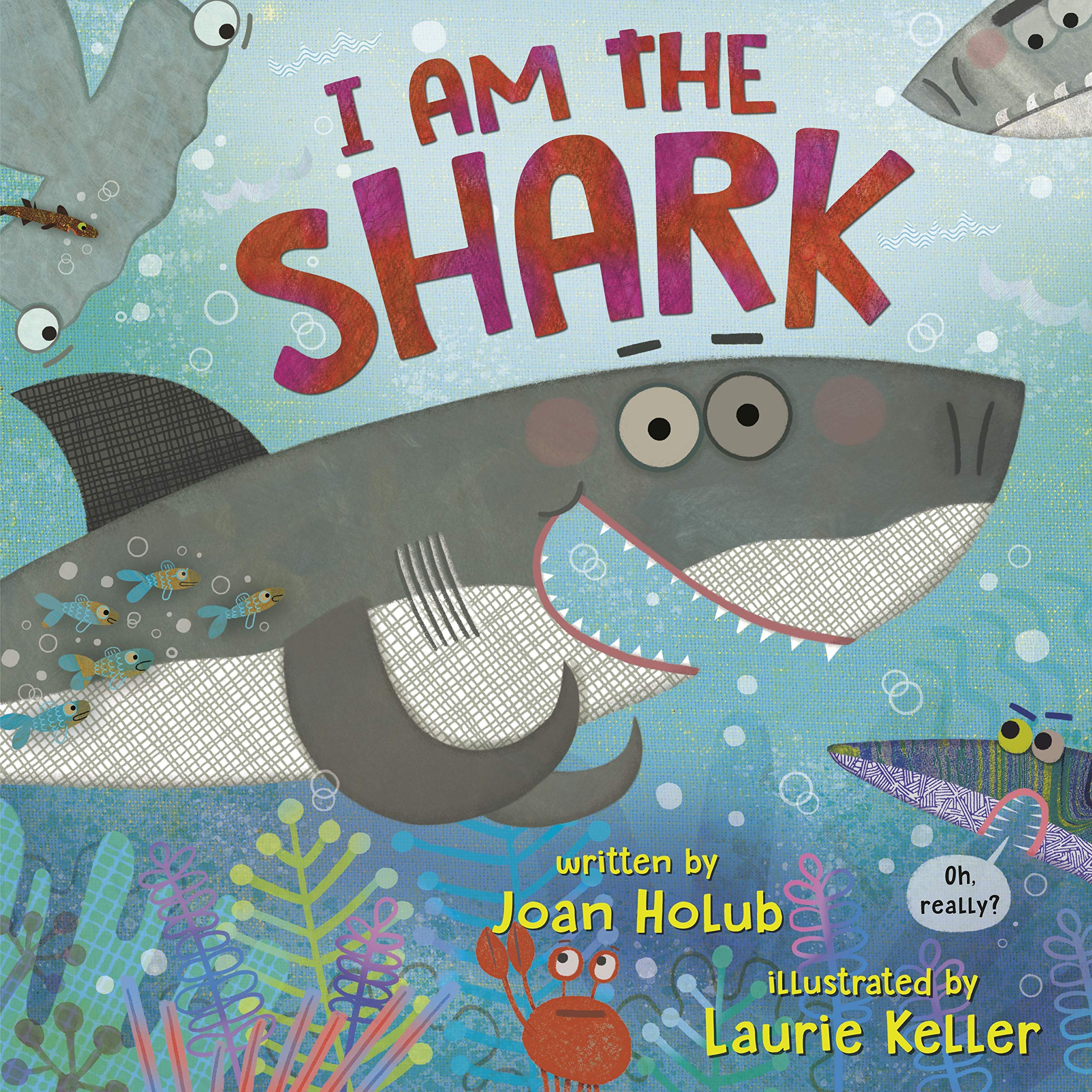
This Little Environmentalist: A Love-the-Earth Primer

Written by Joan Holub | Illustrated by Daniel Roode


Take any little one outside and they’re immediately fascinated with plants, animals, and bugs they see. They want to play in the water at the beach or lake. And who doesn’t like to take a boat ride on a river? When they look up, there are fluffy clouds and birds passing by, and, of course, the tall trees provide shade for outdoor play. Kids instinctively want to protect nature and seem to be born with compassion for animals – their pets and those that live in the wild. 

celebrate-picture-books-picture-book-review-this-little-environmentalist-sylvia-earle

Image copyright Daniel Roode, 2021, text copyright Joan Holub, 2021. Courtesy of Little Simon.

This Little Environmentalist: A Love-the-Earth Primer recognizes young children’s desire to help and learn more about nature with mini-biographies of ten people who have found distinct ways to preserve the environment today and for future generations. Each biography is introduced with a rhyming verse that makes it easy for little readers to understand and remember how each of these activists made an impact. They then learn more specifics about each person’s work to protect open land, inspire new environmental laws, save forests, support clean water, and fight against climate change.

celebrate-picture-books-picture-book-review-this-little-environmentalist-wangari-maathai

Image copyright Daniel Roode, 2021, text copyright Joan Holub, 2021. Courtesy of Little Simon.

Children learn about Edgar J. Helm, who created the Goodwill company that provided jobs and decreased trash; Wangari Maathai, who “got African women to plant millions of trees in Kenya to provide fruit, shade from the sun, wood for building , and firewood for cooking”; Vandana Shiva, who encourages farmers and communities to create seed banks for the future; Miranda Wang and Jeanny Yao who have devised a way to “break down hard-to-recycle plastic trash”; and six more influential environmentalists.

Following these ten biographies are one– or two-sentence profiles of seventeen other people, including writers, artists, politicians, scientists, and other visionaries who are involved in protecting our earth. The last frame is left blank for the next environmentalist on the scene – could it be you?

celebrate-picture-books-picture-book-review-this-little-environmentalist-chico-mendes

Image copyright Daniel Roode, 2021, text copyright Joan Holub, 2021. Courtesy of Little Simon.

With her straightforward and informative text, Joan Holub will inspire kids to follow in the footsteps of well-known personalities and community leaders and keep an eye out for ways they can make a difference at home, school, or in their neighborhood. Inclusion of environmentalists from around the world give readers knowledge about a wide range of environmental concerns and innovative ideas people have for addressing them.

Daniel Roode’s bright and engaging illustrations help kids visualize the place where each environmentalist lives and the type of work they do. Background details give kids and adults plenty to talk about as they read and as they take walks in the neighborhood, go to the park, visit the grocery story and farmers market, and notice more about their own area.

A smart, inclusive, and timely addition to the This Little series, This Little Environmentalist: A Love-the-Earth Primer is a must for fans of the series as well as for classroom and public library collections.

Ages 3 – 5

Little Simon, 2021 | ISBN 978-1534475588

World Environment Day Activity

celebrate-picture-books-picture-book-review-recycling-maze

Recycling Maze


This little boy wants to help the environment! Can you help him pick up recyclable items in this printable maze?

Recycling Maze

celebrate-picture-books-picture-book-review-this-little-environmentalist-cover

You can find This Little Environmentalist at these booksellers

Amazon | Barnes & Noble | Books-a-Million

To support your local independent bookstore, order from

Bookshop | IndieBound

Picture Book Review
May 27 – Rachel Carson Day and Interview with Shana Keller

celebrate-picture-books-picture-book-review-fly-firefly-cover

About the Holiday

Today’s holiday commemorates the birthday, on May 27, 1907, of Rachel Carson, the famous ecologist who launched the modern environmental movement with her 1962 book Silent Spring, which documented the dangers of pesticides to the environment. Silent Spring and Carson’s continued advocacy for the environment ultimately resulted in the banning of the pesticide DDT. To honor the day, learn more about the life and legacy of this influential woman whose work continues to impact our world. To learn more about Rachel Carson, visit rachelcarson.org.

I received a copy of Fly, Firefly! from Sleeping Bear Press for review consideration. All opinions about the book are my own.

Fly, Firefly!

Written by Shana Keller | Illustrated by Ramona Kaulitzki


As the wind curled through the forest on a breezy night, a little firefly was blown out to sea. “WHOOSH! Now he was farther than he meant to be.” Floating on the current, “he saw the sparkles that flashed and glowed.” He dove in search of the twinkling lights, but deep water was not the place for him.

celebrate-picture-books-picture-book-review-fly-firefly-whoosh

Image copyright Ramona Kaulitzki, 2020, text copyright Shana Keller, 2020. Courtesy of Sleeping Bear Press.

A woman and her niece, strolling along the beach, saw him sinking. The woman scooped him up and gently placed him in her niece’s hand. “‘Little firefly,’ Marjie said. / ‘It’s not flies that you see! / That’s bioluminescence swirling / and twirling through the great sea!’” Marjie carried her treasure up the beach to the edge of the woods, where hundreds of glittering friends and family were waiting to welcome him back, and she set him free.

Following the story, Shana Keller includes a discussion about Rachel Carson—scientist and author of Silent Spring and other books whose experience inspired this story­­—and a description of fireflies and bioluminescence.

celebrate-picture-books-picture-book-review-fly-firefly-marjie

Image copyright Ramona Kaulitzki, 2020, text copyright Shana Keller, 2020. Courtesy of Sleeping Bear Press.

Shana Keller’s glowing and lyrical story about one misdirected firefly that sparks an act of compassion and discovery will inspire children to learn more about both fireflies and the bioluminescent sea creatures that attracted him. The fact that the story is based on an actual event in the life of Rachel Carson will also appeal to readers, who may enjoy sharing one of their favorite marvels of summer with this influential environmentalist and author. Told in the first person, the story directly invites children to observe nature around them and lend a hand in protecting it.

celebrate-picture-books-picture-book-review-fly-firefly-sparkles

Image copyright Ramona Kaulitzki, 2020, text copyright Shana Keller, 2020. Courtesy of Sleeping Bear Press.

Ramona Kaulitzki’s illustrations are as beautiful as a summer sunset. Under the pink and lavender sky, dots of light flit among the bushes and low-standing trees. Children first meet the firefly at the center of the story as he’s tumbling head over tail in the wind toward the rippling ocean. As the firefly mistakenly dives into the waves, kids will empathize with his plight and be cheered when Marjie and her aunt rescue him. Kaulitzki’s gorgeous underwater images highlight the diversity of marine creatures found close to shore as well as those that glitter with bioluminescence. The brilliant glow of the firefly on the dusky pages glimmers like a precious jewel and serves as a beacon of the hope and promise of nature.

A unique book for kids who love nature and to inspire studies of bioluminescence, Fly, Firefly! would be a shining addition to home, school, and public library collections.

Ages 5 – 7

Sleeping Bear Press, 2020 | ISBN 978-1534110335

Discover more about Shana Keller and her books as well as extensive teacher and homeschool resources and readalouds of her books on her website.

To learn more about Ramona Kaulitzki, her books, and her art and find free coloring pages to download in her shop, visit her website.

Meet Shana Keller

celebrate-picture-books-picture-book-review-shana-keller-headshot

Shana Keller grew up a middle child in Middle America wondering exactly how clouds stayed in the air. She’s traveled all over the country and some parts of Europe with her family and moved too many times to count. She’s settled in Pittsburgh for now, a city built just for kids and one that she finds secretly inspiring. One of her favorite quotes is from Benjamin Banneker. “Every day is an adventure in learning.” That said, she graduated from the University of Miami, Florida, with a degree in Communications, from UCLA’s screenwriting program, and took a course in songwriting from Berklee College of Music. Her goal is to never stop learning.

You can connect with Shana Keller on

Her website | Twitter | Instagram

I’m excited to talk with Shana today about her books, her inspirations, and her extensive travels. My writing partner Jakki’s sons Steve and Jack also loved Fly, Firefly! and had some questions for Shana.

Steve asked: We like to capture fireflies. Did you capture fireflies as a kid?

I did! My brother and sister and I would compete to see if we could get one of them to land on us.

Jack wondered: Did you watch real fireflies to write your story?

I was so lucky and grateful to live close to where Rachel Carson lived in Pennsylvania while I wrote this story, and to have a pond in our yard. We had frogs, fish, birds, and a good number of fireflies. I watched them every night in the summer when the weather was warm. There was so much wildlife in our backyard! We had chipmunks, groundhogs, wild turkeys, voles, and woodpeckers.

celebrate-picture-books-picture-book-review-shana-keller's-backyard

Our back yard in Pittsburgh. On the bottom right is the pond. Our cat loved to sleep on the picnic table up the small hill. Can you see it behind the little tree? Back there is where the groundhog moseyed around.

celebrate-picture-books-picture-book-review-Shana-Keller-Koi-Image

One of the koi fish in our pond surrounded (and protected) by lily pads.

celebrate-picture-books-picture-book-review-Shana-Keller-groundhog-Image

A groundhog just past the picnic table in our (former) backyard.

CBP Shana Keller Toad Image

A picture of our frog in the same pond as the koi. Lots of critters lived in it and used it for water.

We don’t live in Pittsburgh anymore and I really miss that yard. Sadly, I haven’t seen any fireflies in my new neighborhood in North Carolina.

Jack and Steve said: We’ve brought frogs back to a pond. Have you ever rescued an animal?

Yes! In the traditional sense, our last dog Abby, was a pound puppy. (Though she has passed, I included a photo.) She always stayed up with me while I wrote, no matter how late it was. I still miss her, so it was the neatest surprise for me to see a beagle in the illustrations for Ticktock Banneker’s Clock. Abby was part beagle.

celebrate-picture-books-picture-book-review-Shana-Keller-Dog-Image

Abby running in the snow. She always looked like a deer or rabbit the way she bounded and jumped!

celebrate-picture-books-picture-book-review-Shana-Keller-cat-Image

Jazzy standing outside on our deck.

Today, one of our cats is also a rescue. Her name is Jasmine, but we call her Jazzy. And yes, in the literal sense I have rescued a handful of animals! My most memorable one was when I was about ten or eleven years old and I rescued a squirrel from my aunt’s swimming pool.

The little squirrel had tried to jump from one tall tree to the next and missed. He fell into their round pool. The water was too low, and the ledge was too high for him to climb out. I didn’t want him to drown, so I looked around the yard and grabbed a tree branch to see if he would climb onto it. He didn’t. Then, I ran into the shed and grabbed the biggest (which was also the heaviest) shovel I could find. The squirrel swam away from me even faster than before! I chased after him wielding the long shovel and tried not to rip the lining of the pool. Round and round we went until he finally slowed down long enough, I was able to scoop him out.

I’ve also stopped to scoot turtles along if I see them in the middle of the street. This one (photos are of the same turtle) was the littlest and also brightest green turtle I have ever seen in nature.  

celebrate-picture-books-picture-book-review-Shana-Keller-turtle-pavement-Image

A little turtle crossing the street.

celebrate-picture-books-picture-book-review-Shana-Keller-turtle-grass-Image

A picture of the same little green turtle after I moved him. It looked like he was headed toward a pond. I helped him cross the street so he could get there.

Hi, Shana! What fantastic stories about your love of nature and your pets! Thanks so much for sharing all of these beautiful pictures with us. I can see that nature has really been a life-long inspiration. What sparked your idea to write this particular story?

A few years ago, I read a letter Rachel Carson wrote to her friend Dorothy Freeman in a book called Always, Rachel. In her letter, Rachel and her niece, Marjorie (nicknamed Marjie), came across a firefly while at her summer home in Southport, Maine. Around midnight, Rachel and Marjie headed down to the shore to secure Marjie’s son’s raft.

On the shore, they turned their flashlights off and saw a sea filled with “diamonds and emeralds.” The sparkling was bioluminescence, a (likely) form of marine plankton called Dinoflagellates. Rachel joked with her niece how one gem “took to the air!” Of course, it was a firefly! Well, further in the letter, Rachel tells her friend that she had already thought of a children’s story based on her experience. That sentence is what sparked the idea! 

What kind of research did you do in writing Fly, Firefly! and the back matter about bioluminescence that follows the story? What was the most surprising thing you learned about fireflies?

With this story, I headed to the library first to learn as much about the area Rachel was located in (Maine), and the insects and bioluminescence there. Once I sorted through all of my facts, I reached out to an entomologist here in North Carolina, the director of the Rachel Carson Homestead in Springdale, Pennsylvania, and a marine biologist who studied at the very same Marine Biology Lab Rachel did.

I also read Rachel’s books to get a sense of her voice and style. It filters through in her letters, but her books definitely have a poetic aura about them.

The most inspiring thing I learned was the importance and prominence bugs have in our world. We take them for granted. We call many of them pests. But the truth is, they are an important part of our ecological system. As I discovered with fireflies, when you have them, it is a good indication that your ecosystem is in great health.

What inspired you to write Fly, Firefly! in verse?

While I was researching, I discovered Rachel Carson had a love of poetry. Though this is not pertaining (that I know of) to the children’s story she discusses; in another letter written to her, she was quoted by her friend Dorothy (regarding Rachel’s poetic aims), as having said, “I just want it to be simple and clean and strong and sharp as a sword—for it has work to do!”

I did my best to honor her vision in that way, so I kept it lyrical, simple, and clean!

In your bio, you describe how you’ve traveled and lived all over the country and in parts of Europe. What took you to all of these places? Can you name a favorite place in the US? In Europe? Why are those places special to you?

People always assume I was a military brat when I’m asked about the places I’ve lived. Family and school took me/us to Oklahoma (my birth state), Kansas, Florida, Pennsylvania and Texas. Adventure and jobs took me/us to Colorado, New Mexico, Virginia, Germany, & North Carolina.

My mom simply said she had wanderlust and gypsy blood. I definitely got my love of travel from her. Although now, with my kids in school we have settled down. At least until they graduate. J

My absolute favorite place in the United States is Big Bend national park. My mom and I camped there the year before I left for college. It’s right on the border of Texas and Mexico in a NO-FLY zone which means zero light pollution. Seeing the vast Milky Way at night is something I will carry with me forever. I wish every kid could see the sky that I saw.

My favorite place in Europe was in Berlin. It was the bombed Kaiser Wilhelm Memorial Church left as it was after the war and converted into a museum. When I first saw this monument of destruction but also of hope, it impacted me in a strong way. My photo from over ten years ago is on the left and does not do it justice. The photo on the right is what it originally looked like. It is definitely worth a Google search to see more pictures of it and compare the before and after.

celebrate-picture-books-picture-book-review-Shana Keller-Kaiser-William-Memorial-Church-after-Image

My photo of the Kaiser Wilhelm Memorial Church. Notice the top tower is broken.

celebrate-picture-books-picture-book-review-Shana Keller-Kaiser-William-Memorial-Church-Before-Image

An online photo of the Kaiser Wilhelm Memorial Church. See how big it was before the bombing?

You’ve also recently released Bread for Words: A Frederick Douglass Story from Sleeping Bear Press that relates how Douglass, born into slavery, taught himself to read and write despite overwhelming challenges. Your powerful telling of this story is written in first person. Why was writing Douglass’s story in first person important to you?

I was first introduced to Douglass’s autobiographies in college. I thought this was way too long of a wait to learn about someone who was the most photographed person in 19th century America and considered one of the greatest orators in our nation.

Frederick struggled for years in a hostile environment while he learned to read and write. To honor his accomplishment, one he was clearly proud of, I wanted to present this story in the same format he had and give children direct access to his own words.


celebrate-picture-books-picture-book-review-bread-for-words-cover

Can you describe a little about your process in writing Bread for Words?

I read Douglass’s autobiographies of course, but I also studied his speeches. I was able to take a trip to Baltimore and meet with Urban Ranger and docent, Bradley Alston thanks to the folks at Baltimore National Heritage Area. His insight and knowledge not just of Frederick Douglass but of the Baltimore Douglass grew up in was incredible. Touring the Frederick Douglass–Isaac Myers Maritime Park and museum (a place I highly recommend) with Bradley Alston rounded out my research. I’ve included a few photos from that trip!

celebrate-picture-books-picture-book-review-Shana-Keller-Frederick-Douglass-Museum-Image-1

A recreation of Frederick Douglass arriving in Baltimore. (Photo taken at the Frederick Douglass-Isaac Myers Maritime Park and Museum.)

celebrate-picture-books-picture-book-review-Shana-Keller-Frederick-Douglass-Museum-Image-2

A recreation of the letters Frederick Douglass saw carved into the wood. (Photo taken at the Frederick Douglass-Isaac Myers Maritime Park and Museum.)

celebrate-picture-books-picture-book-review-Shana-Keller-Frederick-Douglass-Museum-Image-3

This is me learning what it was like to caulk a ship, a job Douglass had. They took long rope, dipped it into tar and used the hammer and tool to wedge it in for a watertight seal. (Photo taken by Bradley at the Frederick Douglass-Isaac Myers Maritime Park and Museum.)

celebrate-picture-books-picture-book-review-Shana-Keller-Frederick-Douglass-Museum-Image-4

What Baltimore Harbor looks like today.

Did you always want to write for children? How did you get started?

I didn’t expect to, not at first. I always thought I would write screenplays. I got started when my oldest daughter came home with a small paragraph from school about a man named Benjamin Banneker. It was during Black History Month, and I was amazed that I had never heard of this scientist and astronomer. Curious, I began to research him. When I discovered he built a strike clock using only a pocket watch and a pocketknife, that was the story I shared with my daughter, and that’s when the idea to put it in picture book format took place. I haven’t stopped writing picture books since.

You’re really enthusiastic about connecting with readers. What’s your favorite part of book events and meeting kids? Do you have an anecdote from any event you’d like to share?

Yes! In fact, before all the quarantines, I had such a special moment with a group of fourth graders on the day I shared Bread for Words with them. A student referred to the picture that’s on the back of the cover and said, “See how Frederick wants to be with his friend?” The kids interpreted that image as Frederick waiting for his friend to finish with his tutoring so that they could play and hunt and eat together. But also waiting, so that his friend could teach him.

It seems so obvious now that they mentioned it, but my original interpretation was one of exclusion, not simply waiting. To them, all Fred had to do (which Fred actually did) was ask his friend for help. One of the 4th grade boys even said, “I’m glad he had a friend that could help him.” I agreed and said, “It’s amazing how all the kid’s helped each other, isn’t it?!” And there was the real ‘lesson’ which another student pointed out and said, “We have to help each other if we can.” That kind of interaction is my favorite part about school and library visits!

It does make me wonder how other students will interpret this image.

celebrate-picture-books-picture-book-review-Shana Keller Bread for Words Back Cover Image

Bread for Words – back cover. Courtesy of Sleeping Bear Press.

What’s up next for you?

Hopefully more picture books! I’m working on a WWI story, as well as a picture book that highlights the effects of light pollution on migratory birds. I also just finished a very cool Coast Guard story that I can’t wait to share with my editor.

Thank you, so much, Shana for this wonderful talk and your generous pictures! I wish you all the best with all of your books and am really looking forward to reading them as I’m sure kids are too!

You can connect with Shana Keller on

Her website | Twitter | Instagram

Rachel Carson Day Activity

celebrate-picture-books-picture-book-review-firefly-maze

Firefly Flight Maze


This little firefly wants to join her friends in the forest. Can you help her through the maze to find them in this printable maze?

Firefly Flight Maze Puzzle| Firefly Flight Mage Solution

celebrate-picture-books-picture-book-review-fly-firefly-cover

You can find Fly, Firefly! at these booksellers

Amazon | Barnes & Noble | Books-a-Million

To support your local independent bookstore, order from

Bookshop | IndieBound

Picture Book Review

May 20 – World Bee Day

celebrate-picture-books-picture-book-review-how-to-build-an-insect-cover

About the Holiday

Today is World Bee Day! These top-notch pollinators work hard to transport pollen from one flower to the next, so that plants can make their seeds, grow fruit, and launch the next generation of plants! In a larger sense, they keep the world spinning smoothly, by helping plants grow. World Bee Day was created by Slovenian beekeeper Bostjan Noc, president of the Slovenian Beekeepers Association, who first proposed the idea to the United Nations in 2014. The international holiday is meant to show appreciation for bees and other pollinators, and to acknowledge that some bee species are endangered. Make sure to respect and celebrate our bee friends today by reading books about bees, planting a pollinator garden, or installing a sustainable beekeeper. Visit https://www.worldbeeday.org/en/ and http://pollinator.org to learn about the importance of bees and the holiday. To summarize: bee friendly and keep reading.

Thanks to Millbrook Press for sharing a copy of How to Build an Insect for review consideration. All opinions about the book are my own.

Review by Dorothy Levine
How to Build an Insect

Written by Roberta Gibson | Illustrated by Anne Lambelet 


Have you ever wondered how to build an insect? Well, wonder no longer! Get ready to discover the world of creepy-crawlies with this hands-on, information-packed, quirky instruction-book! Ready to begin? First, gather your supplies. Got your “HEADS” jar? Great! Nearly every living creature has a head, and each one has a head that’s just right for them. So, pick a head from the jar and let’s get building. Next add a thorax and an abdomen to your creation. “What else should we add?” you may wonder. “What about bones like ours? Should we give it a skeleton? No. There isn’t any room for big bones inside a small insect. An insect has its skeleton on the outside. It is called an exoskeleton. The exoskeleton keeps the inside stuff in and the outside stuff out.” 

celebrate-picture-books-picture-book-review-how-to-build-an-insect-studio

Image copyright Anne Lambelet, 2021, text copyright Roberta Gibson, 2021. Courtesy of Millbrook Press.

After the correct number of legs and wings go on, the critical (and funky) five senses are added. “How will our insect see? Let’s give it some eyes! How many? Two? Guess again. Five!” The fun facts continue as sensory elements are added. Did you know, “An insect can have its ears anywhere”? This is “music to my knee ears!” a grasshopper chirps in, adding a comedic flare.

Finally, after adorning insects with “hair, or horns, or spikes, or spots” the builder is instructed to finally give their creation “a place to live and a snack.” The completion of the insect and its release into its habitat is followed by an detailed spread of a fly up close that contains further information about different insect body parts. The book also includes a glossary and information on how to create critters out of art materials and recycled parts.  

celebrate-picture-books-picture-book-review-how-to-build-an-insect-heads

Image copyright Anne Lambelet, 2021, text copyright Roberta Gibson, 2021. Courtesy of Millbrook Press.

The young narrator of How to Build an Insect leads readers on a journey of how to build an anatomically correct insect, with a new body part detailed on each spread. Readers will learn about comparative anatomy, what exactly classifies an insect as an insect, and how insect bodies compare to those of humans and other animals. With intricate illustrations detailing bug bits and parts, leaves, berries, skeletons, exoskeletons and a map of “how to” instructions, the book reads like a super-cool science scavenger hunt. The how-to pages are filled with scientific vocabulary that allows readers of all ages to learn the names of insect body parts, from thorax to mandibles, proboscis, cerci, spiracles, and more. 
celebrate-picture-books-picture-book-review-how-to-build-an-insect-abdomen

Image copyright Anne Lambelet, 2021, text copyright Roberta Gibson, 2021. Courtesy of Millbrook Press.

Roberta Gibson cleverly constructs a creative non-fiction storyline jam packed with enchanting scientific facts. Gibson pulled from her knowledge working as an entomologist and research specialist in crafting this fantastic premiere nonfiction picture book. Her well-crafted writing puts complex terms into digestible and interesting explanations that are accessible for kids and adults alike. The writing is snappy, humorous, educational and engaging, featuring silly insect dialogue, and questions bolded for readers to ponder. What more could one possibly ask for?

Anne Lambelet’s masterful illustrations not only provide visually entertaining content to accompany the story, but also provide further information and humor for curious, detail-oriented readers. Insects watch as a brown-skinned, unseen narrator assembles their own insect in their very own science learning space. Sometimes the insects pop in with silly dialogue or engage in human activities, all while maintaining their scientifically accurate appearances. The artwork matches the narrator’s curiosity and close attention to detail perfectly, while maintaining a funky, beautiful art style that is consistent throughout. Spreads are backed by beautiful bursts of purples and greens and feature labeled insect and human anatomy charts; intricate bug- and art-making tools are scattered throughout.

How to Build an Insect is a perfect book for science lovers, outdoorsy individuals, bug enthusiasts, and worm savers of all ages! Also, a good read for those who are less insect-lover-inclined to learn more about how these creatures are not all that different from us humans. A worthwhile addition to libraries, classrooms, and home collections. 

Ages 5 – 9

Millbrook Press, 2021 | ISBN 978-1541578111

Discover more about Roberta Gibson and her books on her website.

To learn more about Anne Lambelet, her books, and her art, visit her website.

World Bee Day Activities

celebrate-picture-books-picture-book-review-how-to-build-an-insect-activities

Bee an Insect Lover Activities


Enjoy these fun and creative How to Build an Insect Activities and Experiments from Millbrook Press!

How to Build an Insect Activities

celebrate-picture-books-picture-book-review-how-to-build-an-insect-pollinators-poster

Download this Pollinators and Agriculture Poster that artfully teaches about how pollinators work in harmony with agricultural landscapes.

Pollinators Poster

celebrate-picture-books-picture-book-review-how-to-build-an-insect-cover

You can find How to Build an Insect at these booksellers

Amazon | Barnes & Noble | Books-a-Million

to support your local independent bookstore, order from

Bookshop | IndieBound

Picture Book Review