October 1 – International Music Day and Interview with Author Gary Golio

celebrate-picture-books-picture-book-review-dark-was-the-night-cover

About the Holiday

International Music Day was established in 1975 by Lord Yehudi Menuhin, an American-born violinist and conductor  – widely considered to be one of the great violinists of the 20th century – to promote the art of music across all segments of society and to apply the UNESCO ideals of peace and friendship among all people, with an exchange of experiences and mutual appreciation of all cultures and their aesthetic values. To celebrate today’s holiday, listen to your favorite music and take some time to discover a new style – it might just become a favorite too!

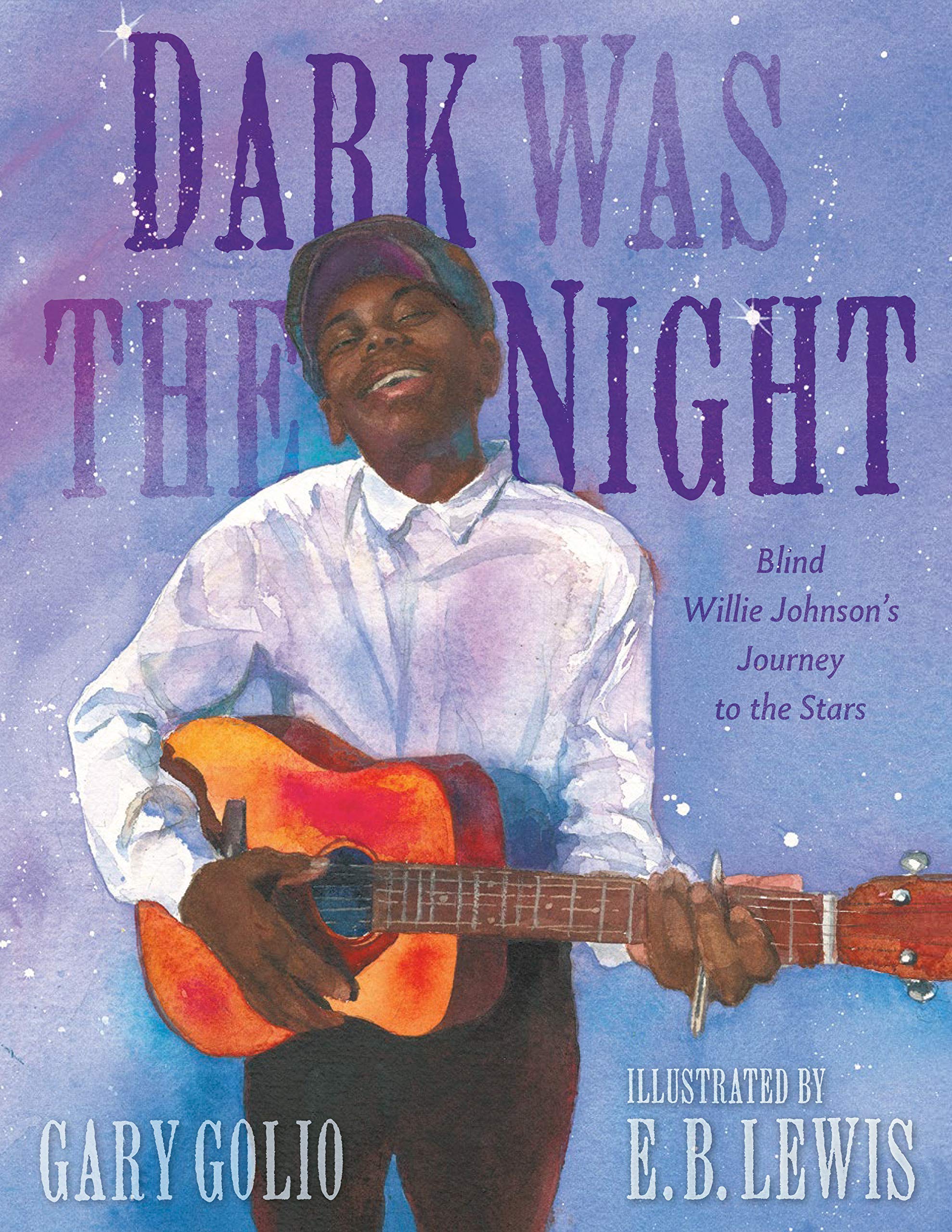
Dark Was the Night: Blind Willie Johnson’s Journey to the Stars

Written by Gary Golio | Illustrated by E.B. Lewis


As readers open the cover to Dark Was the Night, they discover a date: 1977. In this year Voyager I was shot into space carrying “a precious Golden Record, a message to the Universe from Planet Earth.” The record contained pictures of the people and things that make up our life, sounds we hear every day, music from Navajo chants and West African drumming to Beethoven and Chuck Berry. There was also one “ghostly song, about loneliness and the night….a tune of light and hope” from a blind man named Willie Johnson.
celebrate-picture-books-picture-book-review-dark-was-the-night-baby

Image copyright E.B. Lewis, 2020, text copyright Gary Golio, 2020. Courtesy of Nancy Paulsen Books.

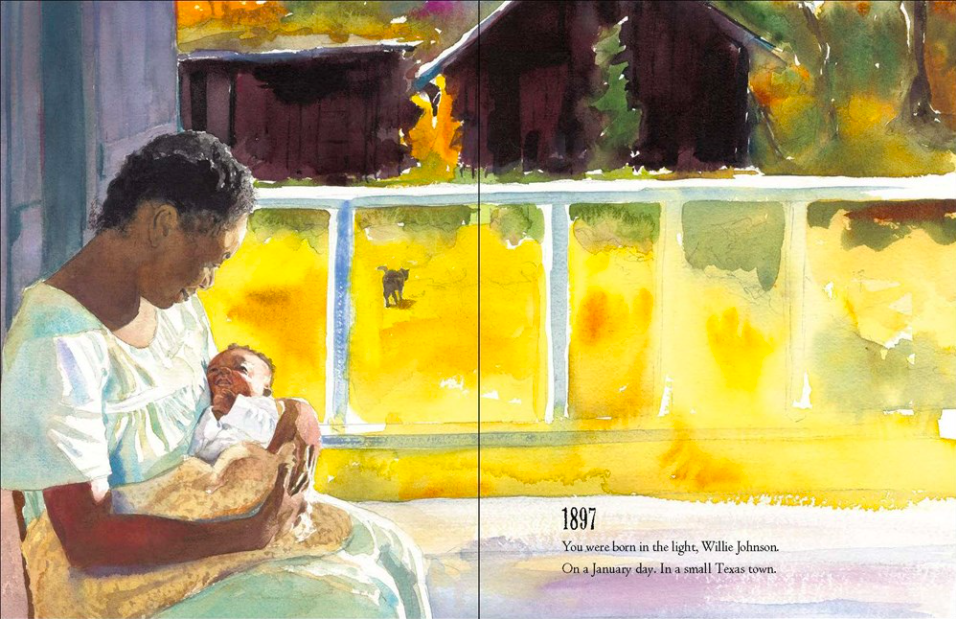
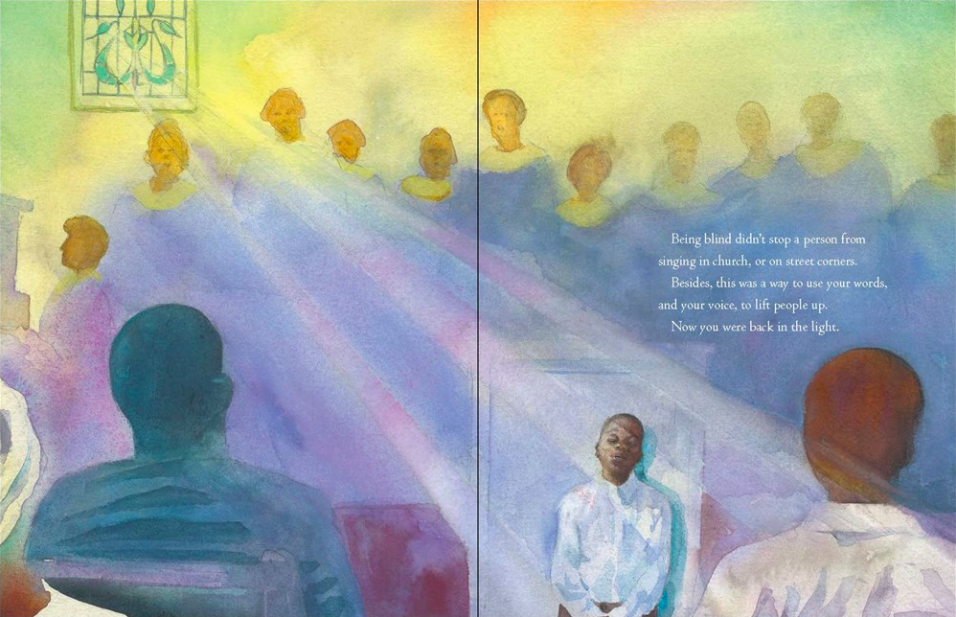
Who was Willie Johnson? In 1897, he was a newborn baby in a small Texas town wrapped in his mother’s love. narrator picks up the thread of Willie’s story when he’s become a small boy who “loved to sing” and play the cigar box guitar his father made him. But that joy was interrupted when “your mama died, and some light went out of your life.” Then at seven or eight, Willie became blind, “and that’s when things got darker still.” But Willie rose above these hurdles. His blindness didn’t keep him “from singing in church, or on street corners.” Using his voice to uplift people brought him “back in the light.”
celebrate-picture-books-picture-book-review-dark-was-the-night-choir

Image copyright E.B. Lewis, 2020, text copyright Gary Golio, 2020. Courtesy of Nancy Paulsen Books.

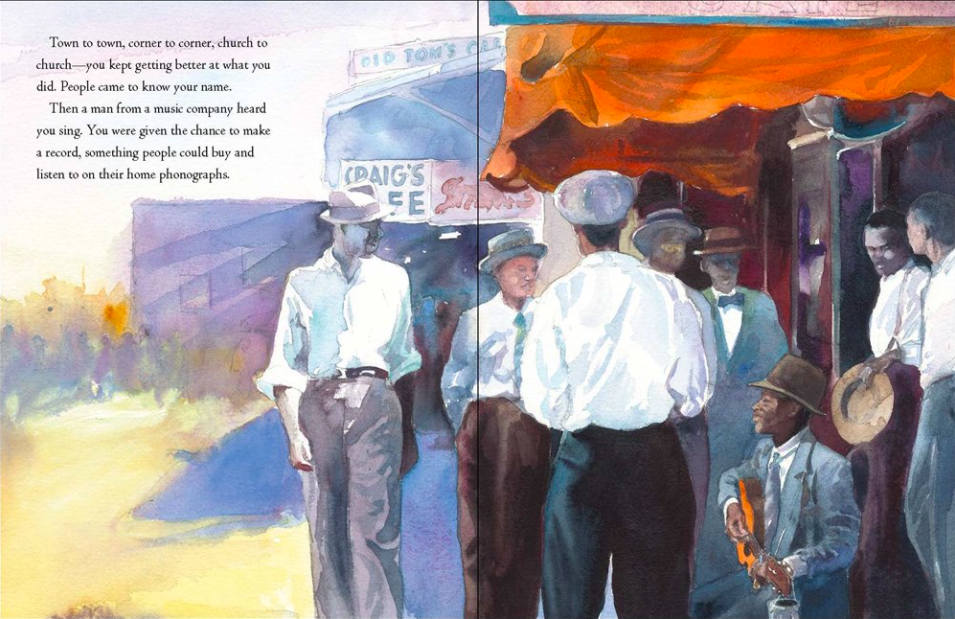
He sang blues and learned how to play a slide by running the edge of a pocketknife along the steel strings of his guitar. “This made a sound like someone laughing or crying, as if the guitar had a voice of its own.” He traveled from town to town in Texas, wherever farmers came to socialize and shop, setting up on street corners and collecting the coins people tossed into his tin cup. Little by little, people grew to know his name. “Then a man from a music company heard you sing. You were given the chance to make a record….”
celebrate-picture-books-picture-book-review-dark-was-the-night-street-corner

Image copyright E.B. Lewis, 2020, text copyright Gary Golio, 2020. Courtesy of Nancy Paulsen Books.

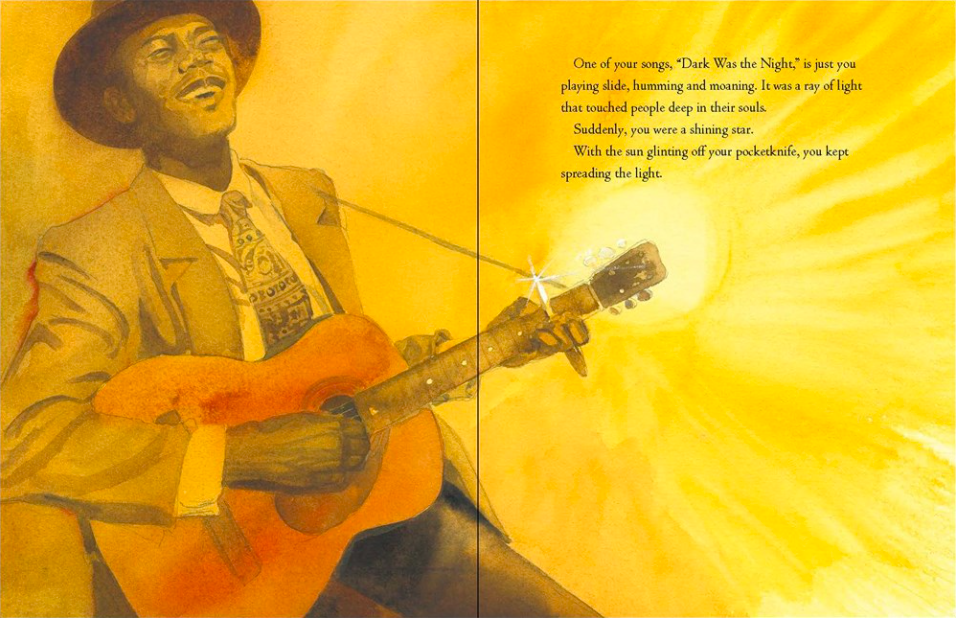
On that record listeners heard “the sound of one human being reaching out to all the others, telling them not to be afraid of the dark.” That first record was a hit, lauded for its unique sound. One song in particular, “Dark Was the Night,” “touched people deep in their souls” and made Willie “a shining star.” The light Willie brought to people has never dimmed; in fact it continues to shine through the darkness on Earth and through Space.

Back matter includes a discussion on what is known about Blind Willie Johnson and what still remains a mystery as well more information about Voyager I and why Johnson’s song Dark Was the Night was chosen for inclusion on the Golden Record. A link to NASA’s Jet Propulsion Laboratory website, where readers can access Voyager I—The Golden Record is also included.
celebrate-picture-books-picture-book-review-dark-was-the-night-song

Image copyright E.B. Lewis, 2020, text copyright Gary Golio, 2020. Courtesy of Nancy Paulsen Books.

Gary Golio’s ethereal tale of the life of Blind Willie Johnson and his song, which has touched and continues to move so many people, is a stirring tribute to a unique artist and the power of music to change lives. Golio’s use of the second person creates a poignant personal bond between the story and reader, which allows children to put themselves in Willie’s shoes and believe that they, too, can inspire others with their talent and life. Golio’s lyrical storytelling flows with the cadence of the blues, and his evocative vocabulary brings Willie Johnson’s voice and times fully to life for young readers.

E.B. Lewis transports readers to early 1900s Texas in his stunning watercolor paintings rendered in soft washes of grays, blues, and greens punctuated with yellows that reflect the hope and light that spurred Willie on and flowed from his music. As his mother holds him in her arms as a baby, the landscape outside the window blazes with gold that reflects on Willie’s and his mother’s face. As children learn about Willie’s blindness, the page turns dark, except for a swatch of light across Willie’s eyes, representational, perhaps, of his inner sight that sustained him.

Among the realistic depictions of his farm home, the outskirts of a Texas town seen from a train, and a bustling city, where Johnson plays on a street corner to an appreciative audience, his tin cup hanging from a tuner on his guitar, are transcendent images of Willie performing, his face always lifted to the light. As people gather around a radio listening to Blind Willie Johnson, light once again streams into the shop, and as Golio describes how “Dark Was the Night” becomes a hit, Willie is bathed in a golden glow, his face euphoric with the joy of singing.

At once sensitive, rousing, and inspirational, Dark Was the Night is a beautiful book about one man’s talent and dream that will resonate with all readers. The book is highly recommended for home libraries and is a must for school and public library collections.

Ages 5 – 8

Nancy Paulsen Books, 2020 | ISBN 978-1524738884

Discover more about Gary Golio and his books on his website.

To learn more about E.B. Lewis, his books, and his art, visit his website.

Listen to Blind Willie Johnson’s “Dark Was the Night.”

Meet Gary Golio

celebrate-picture-books-picture-book-review-gary-golio-headshot

Gary Golio is the author of the New York Times bestseller JIMI: Sounds Like a Rainbow – A Story of the Young Jimi Hendrixwinner of a Coretta Scott King Illustrator Award; Bird & Diz and Strange Fruit – Billie Holiday and the Power of a Protest Song, both ALA Notables; and other books about legendary artists. A writer and musician, Golio has been featured on NPR’s “Weekend Edition”, CBS-TV’s “Sunday Morning News,” and on radio stations nationwide. He lives in the Hudson Valley with his wife, children’s book author Susanna Reich.

Today, I’m thrilled to talk with the multi-talented Gary Golio about Dark Was the Night, his love for writing and art, his father’s influence in his life, and the power of music.

Welcome, Gary! To start off, can you tell readers about your journey with this Dark Was the Night from idea to publication?

A few years back I was listening to some early blues songs, and came upon Willie Johnson’s “Dark Was the Night.” The song stunned me—and gave me the chills. I knew of Willie’s connection with the Voyager I space probe, but had no idea that blues aficionados and amateur music sleuths were devotedly digging for details of his life through the decades. So much mystery surrounded this man—revered by Jimmy Paige, Eric Clapton, and Lucinda Williams—but what intrigued me the most was that, after dying in poverty and being forgotten, Willie and his work enjoyed a revival of interest during the 1960s Folk Movement. Then, in 1978, “Dark Was the Night” ended up on Voyager‘s Golden Record, hurtling through space. And what that said to me is, you never know how a life, and its effect on others, will play out. It’s a hopeful message that inspired me to write the book.

Your father was an artist and you have worked as a fine-artist since you were a teenager. Can you talk about what inspired you to begin writing picture books? Did you always like to write?

My father is an ongoing inspiration in my life. He was a talented amateur artist who provided me with a real-life example of the Art Spirit by how he thought and created. Most importantly, he was a skilled improviser, and didn’t allow himself to be limited by what he didn’t have, something that’s always meant a lot to me. As for writing picture books, I mostly read comics as a boy, and I think it was that combination of pictures and text that really struck a chord. For me, the picture book is a modern descendant of cave painting, Egyptian wall art (images + hieoroglyphs), and Etruscan/Pompeian murals: using words and pictures to tell a story.

In your Author’s Note you talk about the dearth of knowledge about Willie Johnson’s life. Can you share one thing you learned about Willie that didn’t make it into the book?

Willie has a unique voice that somehow manages to balance the rough and the tender. There’s raw power there, but also delicacy, which is very rare. So Willie was in New Orleans at one point—during a recording session there in 1928—and the story goes that he began singing “If I Had My Way I’d Tear this Building Down” in front of the Customs House. A crowd had gathered, listening to him, and a police officer reportedly became so worried—thinking Willie was instigating a riot—that he considered arresting the man. That’s the power of music—to rouse, protest, and stir up human souls—and it’s easy to see why it threatens authority and institutions.

Dark Was the Night is your eighth biography of a musician or entertainer for children. Could you discuss what drew you to write about these musicians?

While there are no actual musicians in my family-of-origin, my parents, grandmother, and maternal aunt all had strong musical interests. Each exposed me to very specific genres and musical tastes—from Frank Sinatra and Bing Crosby to Count Basie, Louis Armstrong, Ella Fitzgerald, Nat King Cole (whom I adore), Willie Nelson, and Elvis Presley. Many of these people were Black, and many were strongly influenced by blues and jazz, and I have vivid memories of watching them on TV with my beloved grandmother, even at five and six years old. That openness to all kinds of music really shaped me, and growing up I looked for clues, in the lives of artists, that would help me find my own path and direction. So my books often focus on the early years of an artist’s/musician’s life, highlighting the roots of their artistry—what inspired and shaped them—to provide young readers with roadmaps, of sorts, to a life in the arts.

In addition to being an artist and writer, you also admit to being “a pretty good musician” – something you share with kids on school visits that sound awesome. Which instruments do you play and how do you incorporate music into your book events?

I play acoustic and electric guitar, mandolin, banjo, and very simple piano, but love above all to improvise. Since my first book on Jimi Hendrix came out, I’ve used the guitar (both electric and acoustic) to demonstrate a wide range of effects and possibilities (Hendrix and Santana), but also to accompany singalongs I did for my Bob Dylan/Woody Guthrie book. At one school visit, the entire fifth grade and I sang “This Land is Your Land” in Spanish, which was both meaningful and fun.

Each of your books has such distinctive illustrations from incredible illustrators. Can you talk a little about E.B. Lewis’s gorgeous illustrations in Dark Was the Night and how he captured your story and Willie’s personality?

E.B. is truly a master of illustration, and specifically of the watercolor medium. His real superpower, however, lies in his ability to convey human feeling, to mysteriously imbue a person or setting with mood and life. That’s remarkable—reminiscent of watching my father draw an American Indian on horseback, straight out of his head—and it’s what lends E.B.’s work both its power and subtlety. Not surprisingly, he has a real love for human beings, a quality fed by his passion for traveling and teaching all over the world. Though we only met at a bookstore panel five years ago, Earl and I have become close friends, and spend a lot of time on the phone collaborating about the joining of text and image. He’s a pleasure to work with, and his art for Dark Was the Night is truly sublime. This book also gave him the chance to bring his use of color (in his own words) to another level, something that will be obvious to anyone who knows his artwork and sees the new images.

From your bio on your website, you sound as if you were a pretty inventive kid – creating all sorts of cool electronic devices. And I love your story about being “shocked” to find books with Van Gogh’s paintings in them as a child and how formative that was. Could you discuss the importance of nonfiction, and biographies in particular, to children?
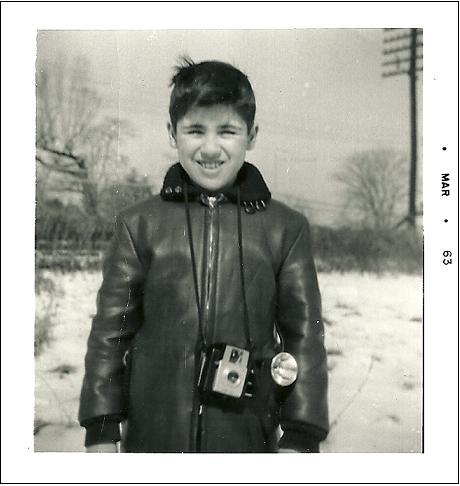
celebrate-picture-books-picture-book-review-gary-golio-childhood-photo

My father could fix most anything, and it was that spirit of improvisation and inventiveness that led me to create little electronic gadgets a la James Bond and The Man from Uncle. For a time, I wanted to be an inventor or electrical engineer, but Art won out. As for van Gogh, watching Lust for Life with my dad had a HUGE impact on me, and seeing a book in the middle school library with all those paintings reproduced made it clear to me—even at 10 years old—that there was gold in reading about the lives of artists.

While I love fantasy, myth, and good stories, the thing about nonfiction is that you’re reading about real people—with all their talents and troubles—and so it’s easier to believe that if someone else muddled through to achieve something, you can also. That’s why I don’t shy away from talking about a person’s “faults” and failures (particularly in my books about John Coltrane and Billie Holiday), because I want kids to see that great people and artists are just as human as everyone else.

What’s up next for you?

Author-wise, I’ve a book coming out next year on the revered jazz saxophonist Sonny Rollins (based on many phone conversations we’ve shared), to be illustrated by the great James Ransome. I’ve also sold, just this year, two new picture book texts: one on Roy DeCarava—a gifted artist who photographed the people of Harlem in all their humanity—and another on Walt Whitman, focused on his remarkable and moving nursing experience during the Civil War. After that, who knows where Destiny will lead me?

International Music Day Activity
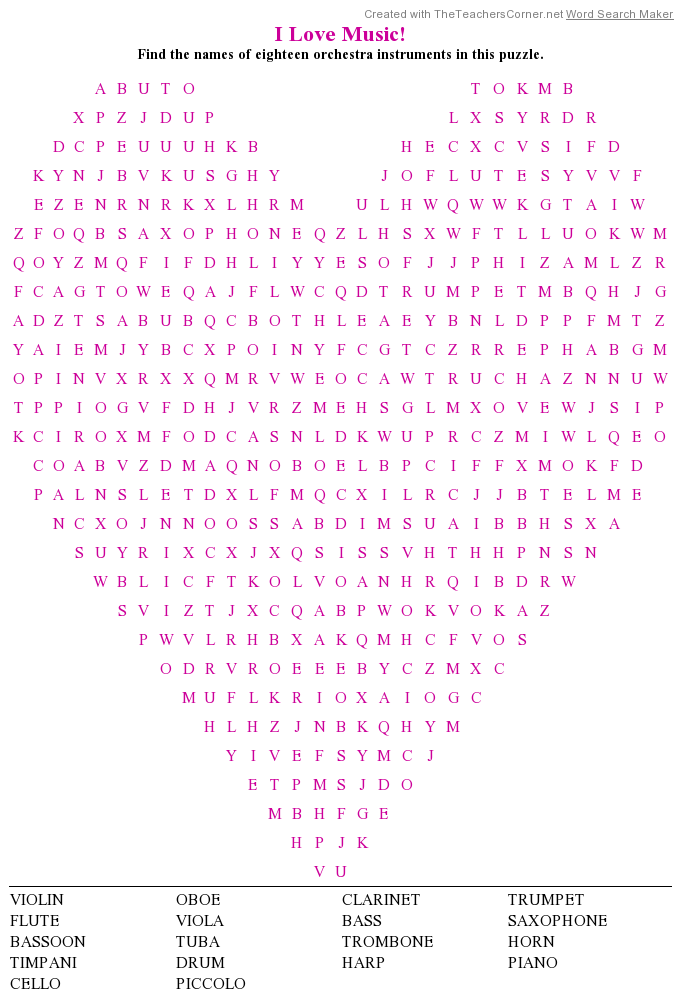
celebrate-picture-books-picture-book-review-musical-instruments-word-search

I Love Music! Word Search Puzzle


International Music Day celebrates all types of music and instruments. Can you find the eighteen different instruments in this printable word search puzzle?

I Love Music! Word Search Puzzle | I Love Music! Word Search Solution!
celebrate-picture-books-picture-book-review-dark-was-the-night-cover

You can find Dark Was the Night: Blind Willie Johnson’s Journey to the Stars at these booksellers

The Village Bookstore, Pleasantville, NY | Amazon | Barnes & Noble | Books-a-Million

To support your local independent bookstore, order from

Bookshop | IndieBound

Picture Book Review
 

September 18 – National Respect Day

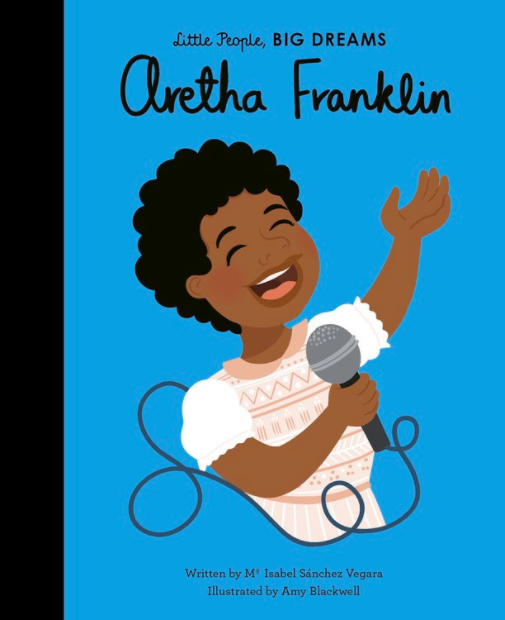
celebrate-picture-books-picture-book-review-aretha-franklin-little-people-big-dreams-cover

About the Holiday

Today’s holiday was established to help people focus on how they can be more respectful of others—family, friends, and strangers. It’s also a day to think about yourself. Do you respect yourself and your abilities? Self-respect is crucial for achieving your goals, both personal and professional. There are many ways to show respect. Good manners, listening to others, acknowledging others with a “thank you” or “great job,” and inclusion are only a few of the ways that people can start building the kinds of respectful relationships that lead to success.

Aretha Franklin (Little People, Big Dreams)

Written by Maria Isabel Sánchez Vegara | Illustrated by Amy Blackwell


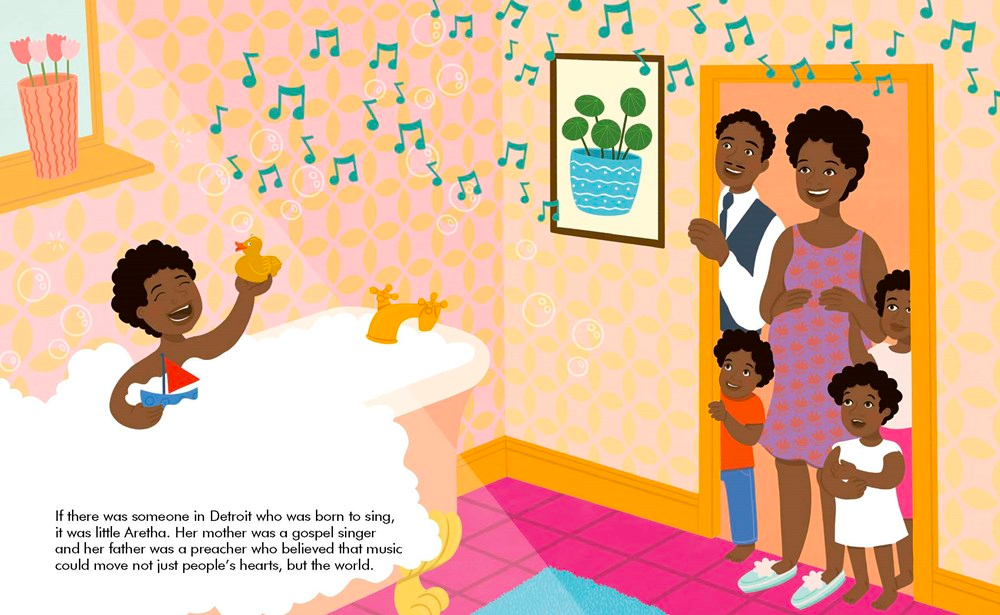
With a mother who was a gospel singer and a father who was a preacher and “believed that music could move not just people’s hearts, but the world,” Aretha Franklin was born to sing. Even though her mother left the family while Aretha was still young, Aretha found friendship and inspiration from the many musicians who often came to visit.

celebrate-picture-books-picture-book-review-aretha-franklin-little-people-big-dreams-bath

Image copyright Amy Blackwell, 2020, text copyright Maria Isabel Sánchez Vegara, 2020. Courtesy of Frances Lincoln Children’s Books.

When she was a bit older, Aretha began singing in the gospel choir at her father’s church. Her voice was “powerful and as smooth as silk” and made “the whole congregation [feel] that tomorrow would be a brighter day.” recognizing her talent, Aretha’s father took her on tour from church to church. Her poise and voice moved people wherever she went.

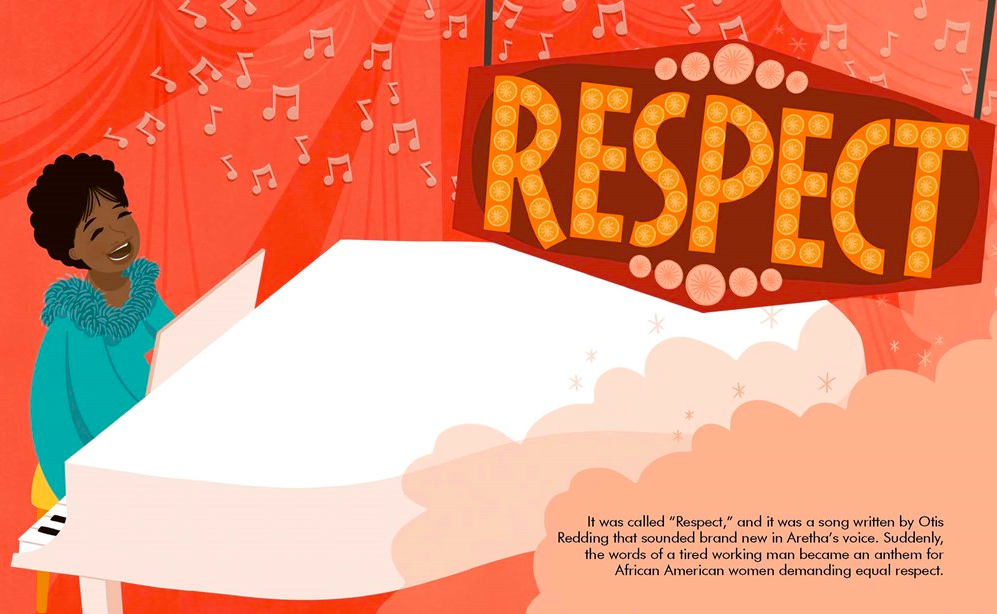
As much as she loved singing in church, though, Aretha dreamed of making records. It was a dream that came true, and soon Aretha’s songs were topping the charts. Her most popular song “was called ‘Respect.’” It had been written by Otis Redding, but “suddenly, the words of a tired working man became an anthem for African American women demanding equal respect.” She also lent her voice to the fight against racism, standing alongside her friend Martin Luther King Jr.

celebrate-picture-books-picture-book-review-aretha-franklin-little-people-big-dreams-respect

Image copyright Amy Blackwell, 2020, text copyright Maria Isabel Sánchez Vegara, 2020. Courtesy of Frances Lincoln Children’s Books.

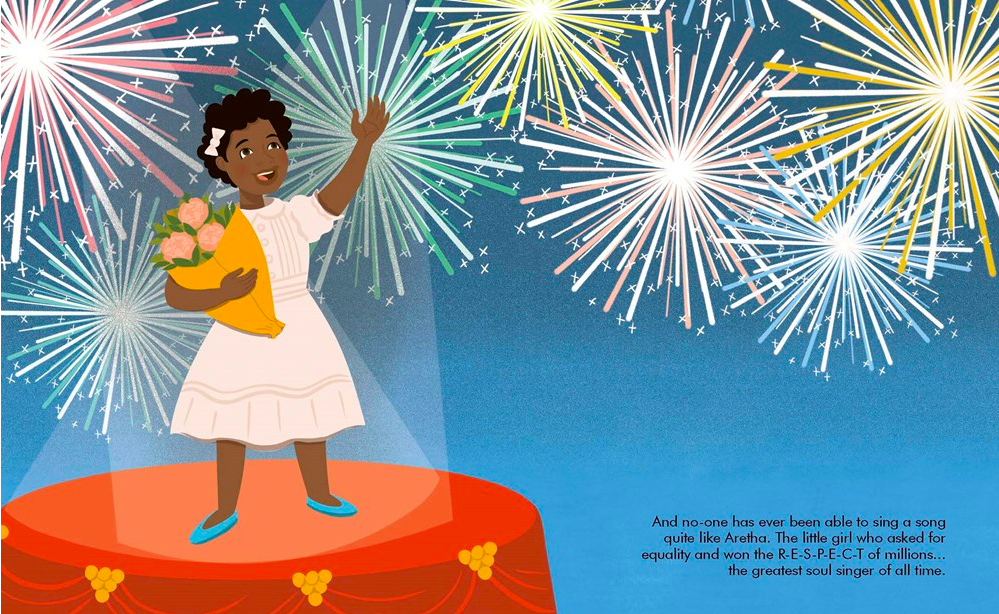
Aretha didn’t just sing, she wrote and produced her own songs too in nearly every genre from “jazz, doo-wop and pop, to rhythm and blues.” While she wrote and sang many different types of songs, they all had one thing in common: “They had to talk about everyday ups and downs.” Aretha Franklin was in many ways a pioneer in music. She was the first woman to be inducted into the Rock & Roll Hall of Fame, and she influenced many female artists. But she considered her greatest honor to sing at the inauguration of Barak Obama—the first African American president of the United States. Aretha was unique in so many ways. That little girl with the big voice who “won the R-E-S-P-E-C-T of millions.”

A timeline and more information about Aretha Franklin’s life follows the text.

celebrate-picture-books-picture-book-review-aretha-franklin-little-people-big-dreams-fireworks

Image copyright Amy Blackwell, 2020, text copyright Maria Isabel Sánchez Vegara, 2020. Courtesy of Frances Lincoln Children’s Books.

Maria Isabel Sánchez Vegara’s biography of Aretha Franklin will inspire all young singers—or artists of any kind—who dream of sharing their gift with the world. Her engaging storytelling will captivate little readers with descriptions of Aretha’s uplifting voice who could move people to cry, dance, and feel that positive change would come. This heartfelt depiction of Aretha Franklin’s amazing life will entice young children to discover or rediscover her music and follow her example.

Amy Blackwell’s bright and energetic illustrations are full of the joy that Aretha found in music and singing. Her interactions with choir congregation members show an early maturity and assurance that will inspire little readers. Images of a dance club and a performance of her signature song give kids portray the flair of the times, while pictures of her writing and a few of her many albums will impress children with her prolific talent. A later image of Aretha singing at President Barak Obama’s inauguration can inspire readers to watch this historic event once more.

Inspiring and uplifting, Aretha Franklin (Little People, Big Dreams) would be a welcome addition to home, school, and public library collections.

Ages 4 – 7

Frances Lincoln Children’s Books, 2020 | ISBN 978-0711246867

To learn more about Amy Blackwell, her books, and her art, visit her website.

National Respect Day Activity

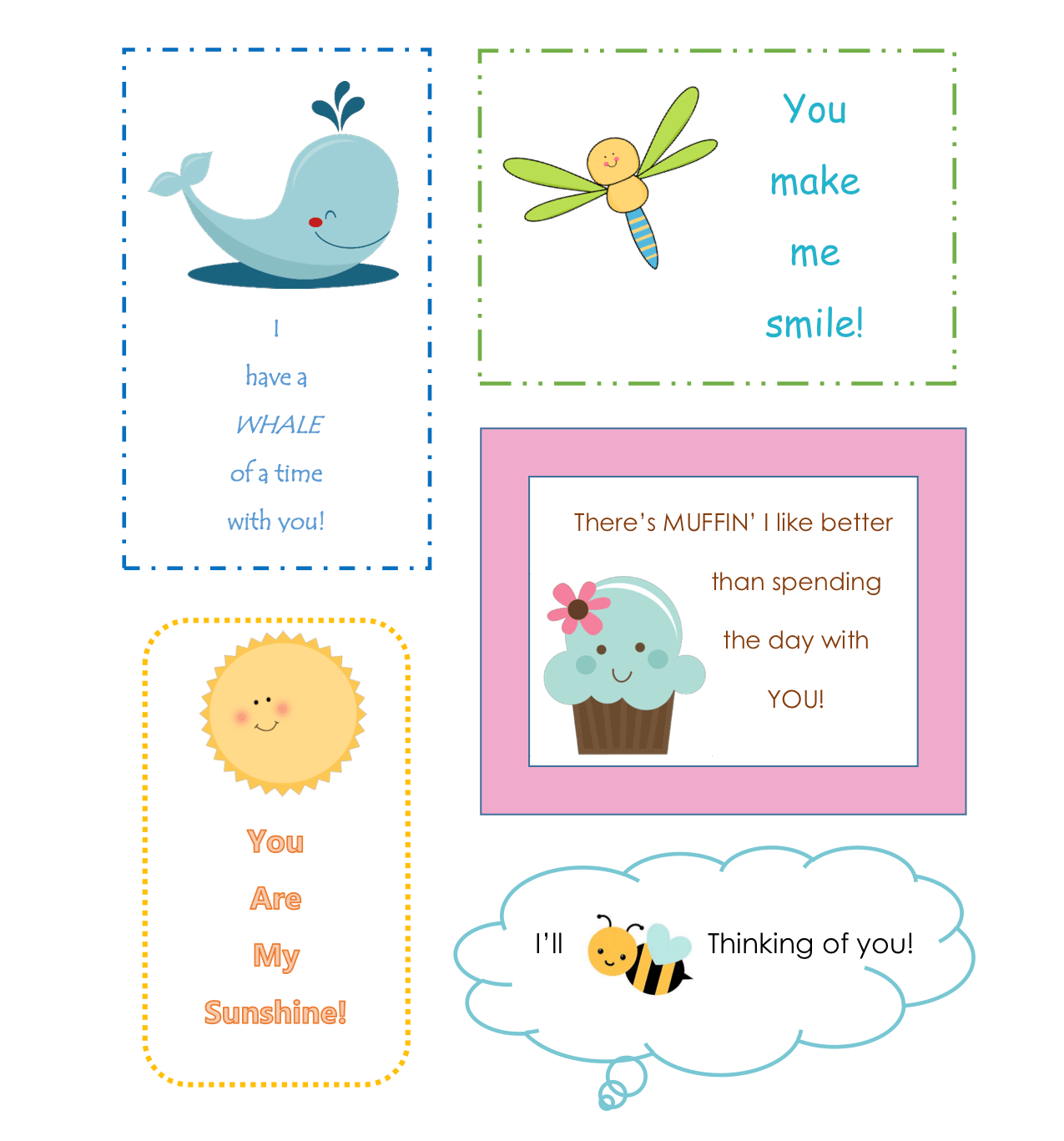
celebrate-picture-books-picture-book-review-kindness-cards

Kindness Cards


One way to show someone respect is to tell them how much they mean to you. These printable cards, make it easy for kids to tell a friend or family member how special they are.

Kindness Cards

celebrate-picture-books-picture-book-review-aretha-franklin-little-people-big-dreams-cover

You can find Aretha Franklin (Little People, Big Dreams) at these booksellers

Amazon | Barnes & Noble | Books-a-Million

To support your local independent bookstore, order from

Bookshop | IndieBound

Picture Book Review
August 12 – National Vinyl Record Day

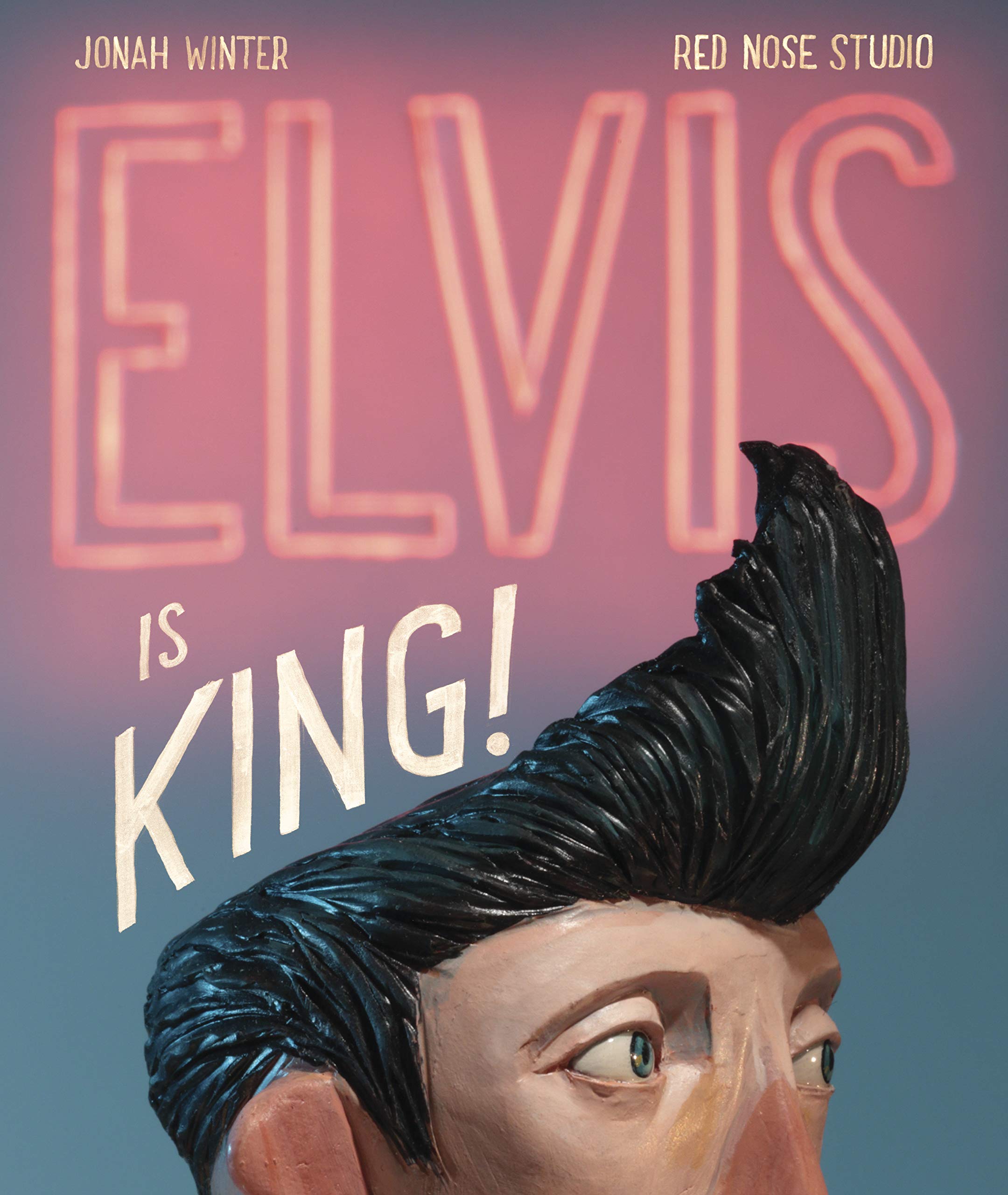
celebrate-picture-books-picture-book-review-elvis-is-king-cover

About the Holiday

Gary Freiberg chose the day in 1877 that Thomas Edison invented the phonograph to encourage people to enjoy music on vinyl records. Whether you grew up listening to records or are a recent convert to this art form that has had lasting appeal even in this technological age, today’s holiday gives music lovers an excuse to enjoy their favorite artists – and, of course, the subject of today’s book should be among them! 

Elvis Is King

Written by Jonah Winter | Illustrated by Red Nose Studio 

Elvis is King by Jonah Winter and Chris Sickels’ Red Nose Studio is an eye-popping wonder for fans of The King of Rock ‘n’ Roll wanting to share their love for Elvis with their kids. In short, lyrical chapters with dramatic titles that are cleverly reminiscent of the sensational headlines Elvis generated throughout his life (and even after), Winter peels back Elvis’s rags-to-riches story, encapsulating the depth of poverty, talent, and ambition that fueled his life. It’s all here—his birth “in a humble shack / on the wrong side of the railroad tracks, / the side where the poorest of the poor people live…;” his reason for being: singing; and the county fair talent show, where ten-year-old Elvis got his first taste of adoration and a “Fifth Prize!” award.

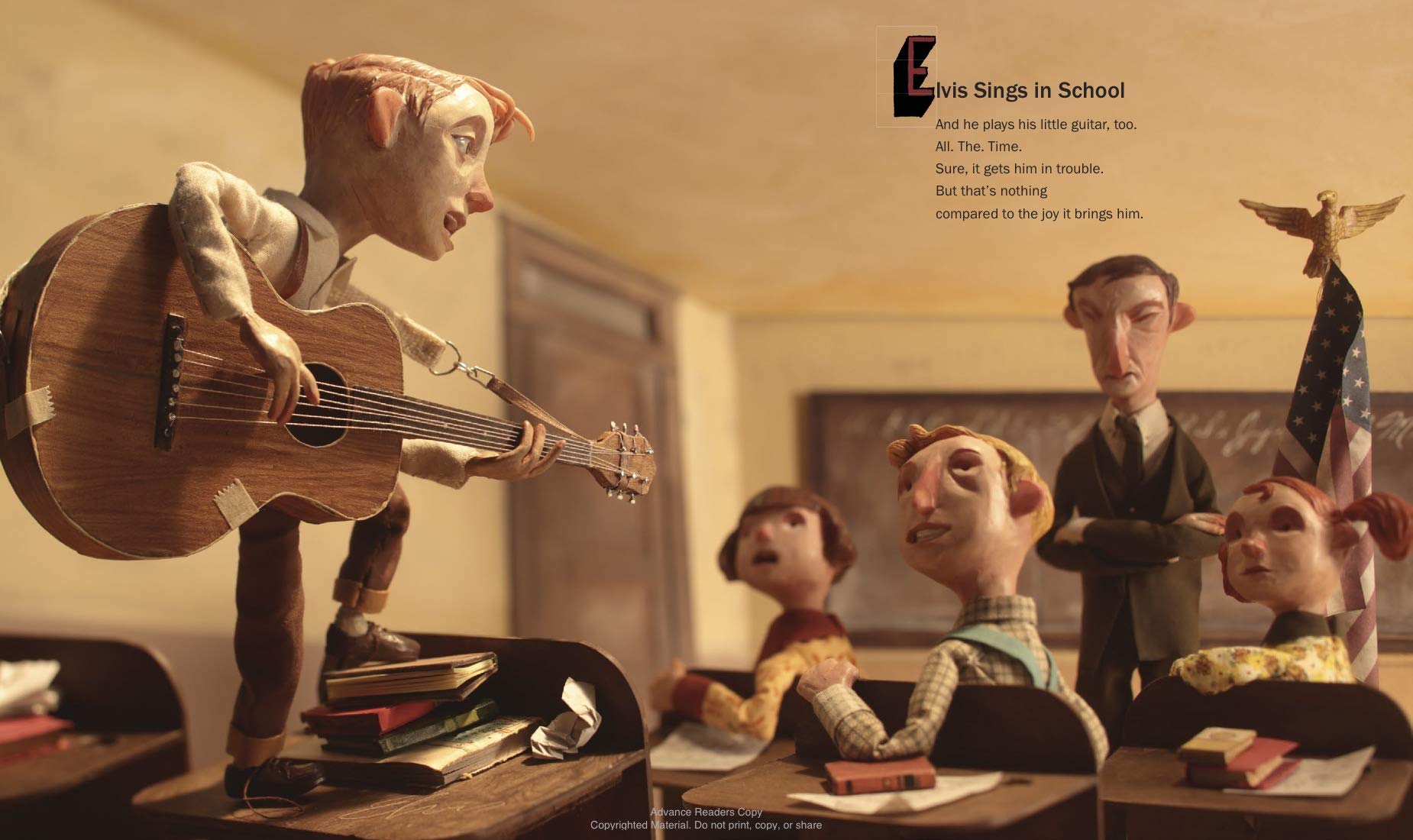
celebrate-picture-books-picture-book-review-elvis-is-king-school

Image copyright Red Nose Studio, 2019, text copyright Jonah Winter, 2019. Courtesy of Schwartz & Wade.

Kids walk into the hardware store with Elvis’s barefoot mama, who “with pennies she saved…/ buys her eleven-year-old birthday boy / the most important gift he will ever receive. / It will be the key to his salvation.” Elvis plays that guitar everywhere, “All. The. Time.” There’s the moment Elvis overheard gospel singing coming from the African American Church and “The First Cheeseburger Ever Eaten by Elvis.” And that question: Why peanut butter and banana sandwiches? The answer’s here too.

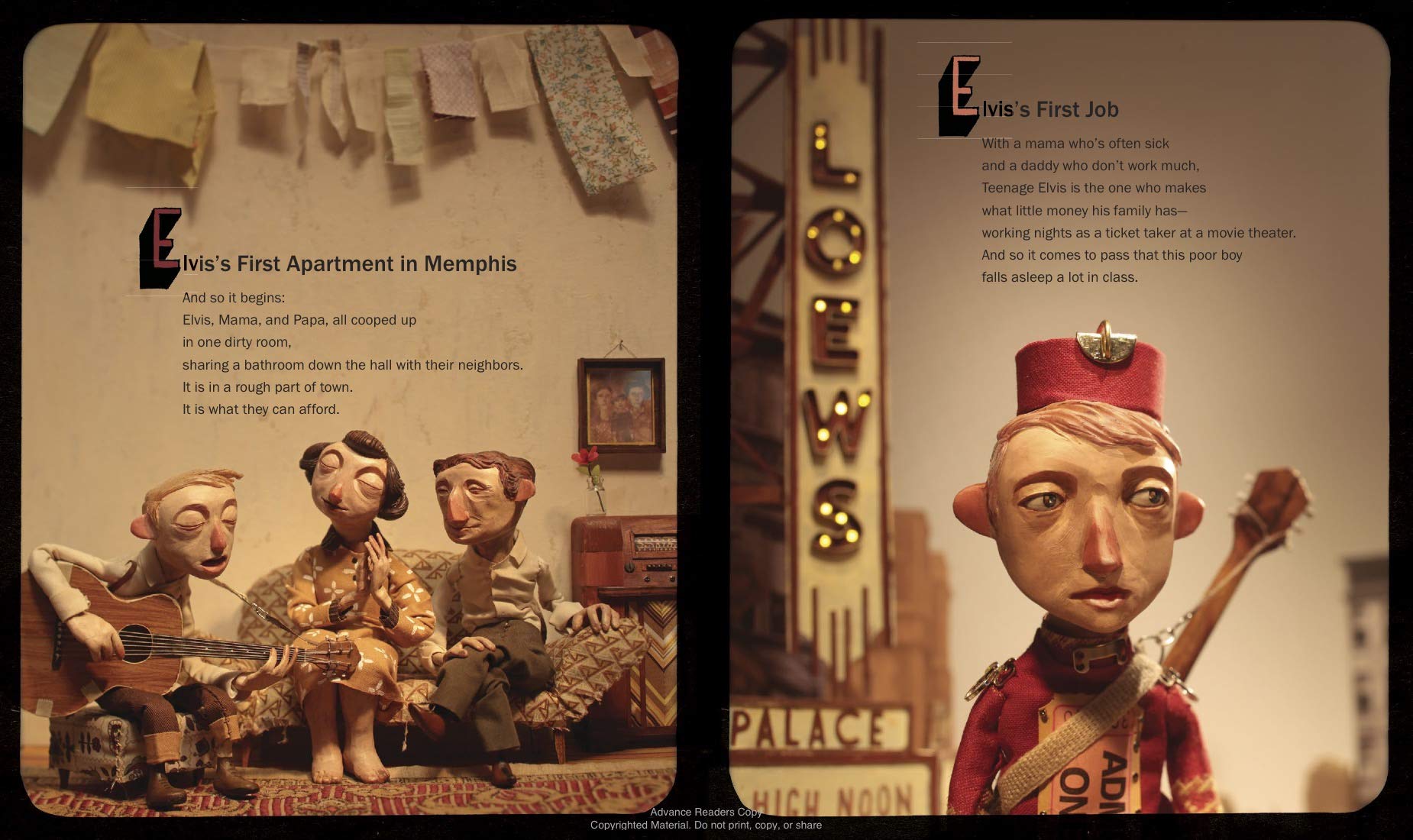
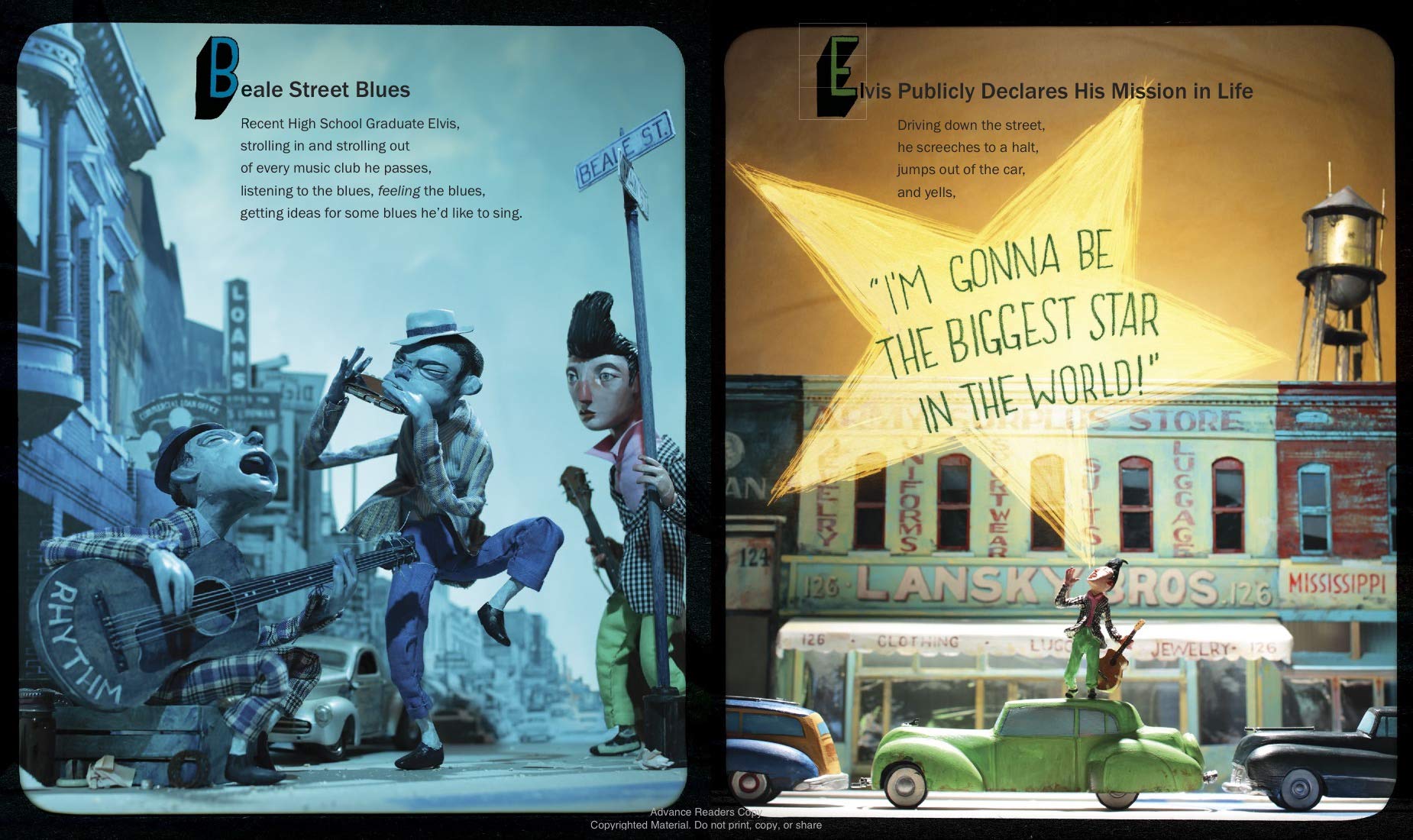
When the family moves to Memphis, it’s up to teenage Elvis to make the money by “working nights as a ticket taker at a movie theater.” Then, suddenly during those years, Elvis finds the “Weird Teenage Elvis” inside him. He dyes his blond hair black and waxes it into a wave. At a thrift shop he buys green pants, a pink shirt, and a checkered jacket. Then at the high school talent show, he “KNOCKS ‘EM DEAD with his song.” And not only that “something happens, something big, when he’s up there: / He is no longer shy! / He can be whatever he wants to be—let loose, go crazy!”

celebrate-picture-books-picture-book-review-elvis-is-king-memphis

Image copyright Red Nose Studio, 2019, text copyright Jonah Winter, 2019. Courtesy of Schwartz & Wade.

Along the way he falls in love, graduates from high school, and soaks up the sounds of the blues on Beale Street. For his mama’s birthday, he goes to Sun Studios, where anyone can record themselves singing. “(It also makes *real* records of big-time singers— / and Sly Elvis knows this.)” Elvis has his first recorded song for just $3.98. A bit later he gets the call he’s been hoping for from Sun Studios and discovers his signature sound and moves. The song—”That’s All Right”—plays on the radio, and where’s Elvis? Hiding out. Will people like it? Five thousand requests and fifteen replays in one night say Yes!

And when Elvis walks on stage for the first time to sing his song, he’s met with an “AVALANCHE of screaming—in a good way!” Goggle-eyed girls just want to be near him, and it’s the same no matter where he travels. This “Good-Lookin’ Heartthrob Elvis” is soon to lose his “One True Love, / his little darlin’, Dixie Locke. He uses that feeling, though, in a song—”Heartbreak Hotel” that “rises to number 1 on the pop charts.” So “What Is This Crazy Music, Anyway?” It’s not exactly country and it’s not exactly rhythm and blues. “It’s… / ROCK ‘N’ ROLL, baby. / And Elvis is its KING…!”

celebrate-picture-books-picture-book-review-elvis-is-king-beale-street

Image copyright Red Nose Studio, 2019, text copyright Jonah Winter, 2019. Courtesy of Schwartz & Wade.

Jonah Winter’s biography is in every way a loving tribute to Elvis Presley that also winks at his larger-than-life persona and the world’s obsession with him. Well-chosen adjectives presented in initial caps and attached to Elvis’s name, give titles to the phases of Elvis’s life and present an evocative way to show what and where he grew from and left behind on his rise to fame. Sprinkled with southern vernacular and touched with the cadence of a slow, considered southern drawl, Winter’s ingenious verses mirror song lyrics and echo themes that not only make up the country and blues standards that influenced Elvis’s music but that applied to his life. 

As always Chris Sickels’ Red Nose Studio artwork is nothing short of astounding. Each illustration is composed as a 3-D set handcrafted from polymer clay, wood, wire, fabric, and found objects. The intricate details and moving emotions, demonstrated in a look, by a gesture, and through perspective, give the illustrations a realism that goes beyond a photographic depiction to illuminate the heart of Elvis Presley’s story. Readers will want to linger over every page to absorb the cultural landscape and life-affirming moments that created The King of Rock ‘n’ Roll.

A joy to read aloud, Elvis Is King is an inspirational story for anyone with a dream, big or small. The personal, yet universal, story and phenomenal art make the book a stirring addition for home, school, and public libraries. 

Ages 4 – 8

Schwartz & Wade, 2019 | ISBN 978-0399554704

Discover more about Jonah Winter and his books on his website.

To learn more about the work of Chris Sickels and Red Nose Studio, visit his website.

National Vinyl Record Day Activity 

CPB - Record Bulletin Board

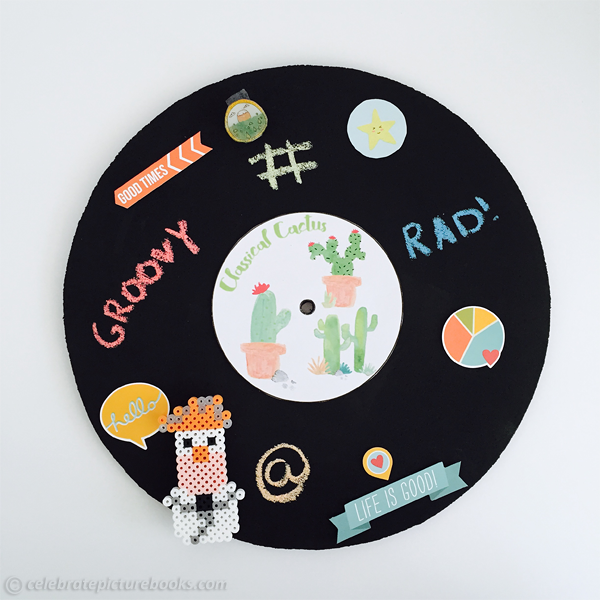
Make a Record Chalkboard Bulletin Board

Would you love to make a record some day? Why wait? In this fun craft you can create your own record bulletin board—and even create your own label art! While this record may not spin on turntables around the world, it will drop in a more important place—your very own room!

Supplies

  • Printable Record Label for you to design
  • Foam board, or a cork board at least 12-inches x 12-inches square
  • Adhesive cork
  • A 12-inch round plate, record, or other round object to trace OR a compass
  • Chalkboard paint, black
  • X-acto knife
  • Paint brush or foam paint brush
  • Mounting squares

Directions

  1. Cut a section from the adhesive cork a little larger than 12 inches by 12 inches
  2. Affix the cork to the foam board
  3. Trace the 12-inch round object onto the cork/foam board OR use the compass to make a 12-inch circle
  4. With the x-acto knife, carefully cut out the circle (adult help needed for children)
  5. Cut out a ¼ -inch circle in the center of the record bulletin board
  6. Paint the cork, sides and inside the spindle hole with the black chalkboard paint. Let dry
  7. Print the label template and design your own record label
  8. When the paint is dry, glue your label to the center of the bulletin board
  9. Hang your bulletin board with the mounting squares
  10. Decorate!

celebrate-picture-books-picture-book-review-elvis-is-king-cover

You can find Elvis Is King at these booksellers

Amazon | Barnes & Noble | Books-a-Million

To support your local independent bookstore, order from

Bookshop | IndieBound

Picture Book Review

June 24 – Bubble Kisses Book Tour Stop

celebrate-picture-books-picture-book-review-bubble-kisses-cover

About the Holiday

Bubble Kisses

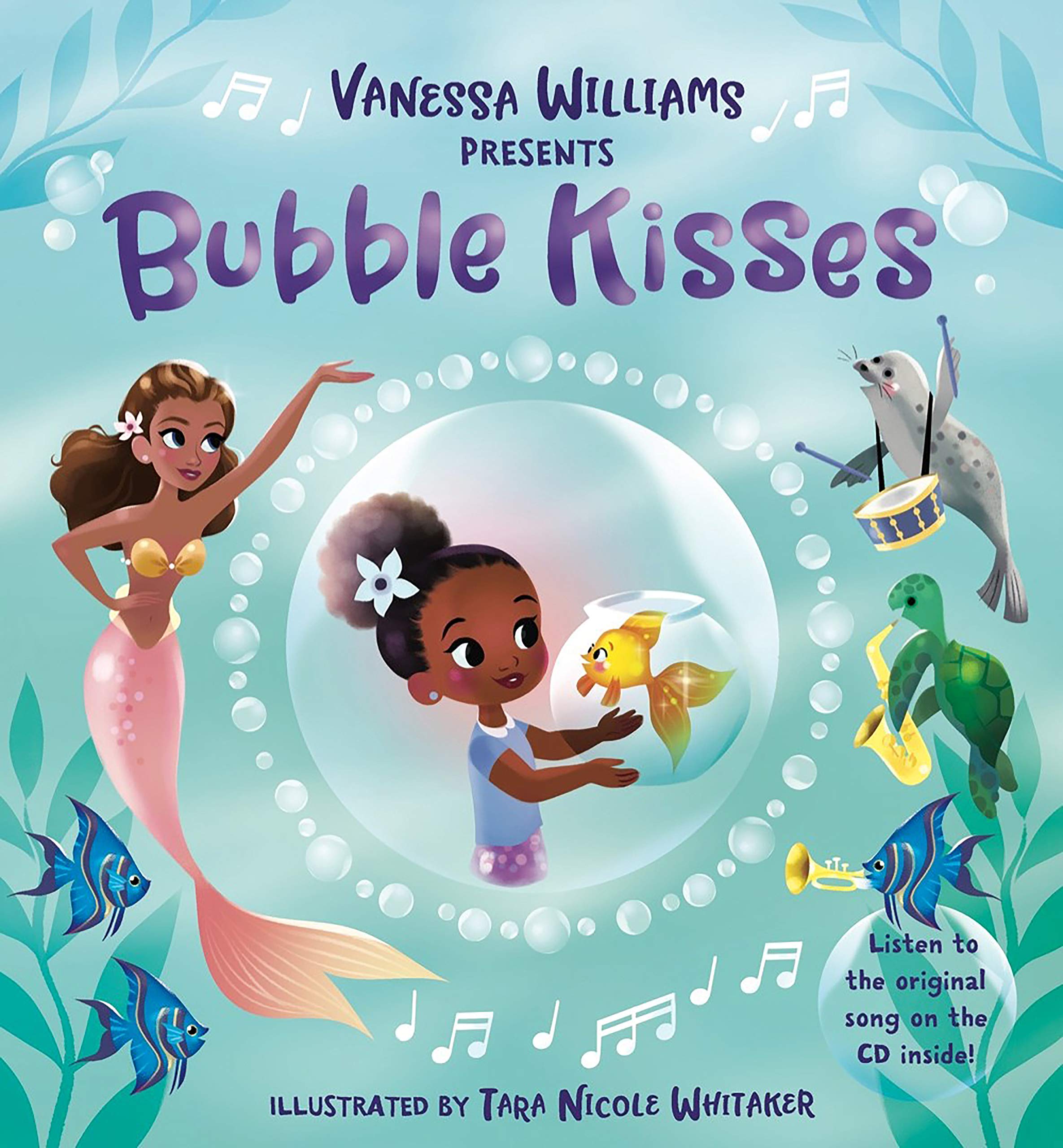
Presented by Vanessa Williams | Illustrated by Tara Nicole Whitaker


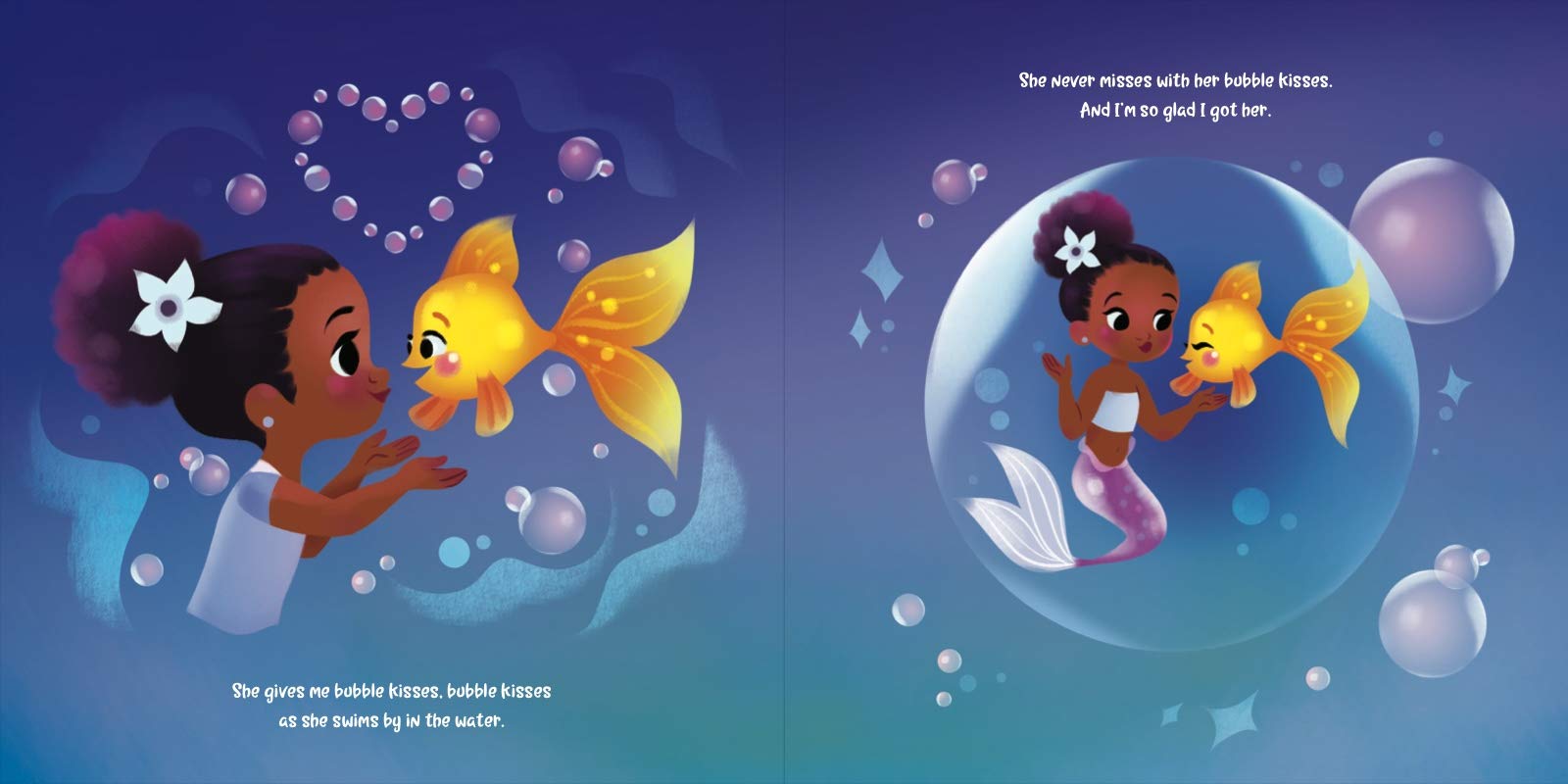
A little girl is playing pirates in her room with her special pet goldfish, Sal. As she holds up Sal’s bowl during the classroom pet show, the little girl admits that Sal can’t “bark like a dog, scratch like a cat, or jump like a frog” the way the other kids’ pets can. And Sal can’t do things that wild animals can do either. But Sal does have one amazing talent that makes the girl love her so much. She explains that Sal “gives me bubble kisses, bubble kisses as she swims by in the water. She never misses with her bubble kisses. And I’m so glad I got her.”

What’s so special about these bubble kisses? They’re more than a little magical! In fact, they transform the little girl into a mermaid and her bedroom into an underwater world where other mermaids, fish, sea turtles, porpoises and other sea creatures greet her with excitement. Watching the mermaids swim and play together, the girl is so happy that she’s included because “from people’s lives such things are missing as bub-bub-bub-bub-bubble-kisses.”

A sign points the way to a concert, and the five mermaids lead the little girl and Sal to a pirate ship sitting atop a blue whale. Music floats on the waves, and as they grow closer they see mermaid couples and even some merkids dancing. The little girl holds Sal’s fins as they twirl around too before entering the pirate ship, where the concert is taking place. A beautiful mermaid is singing, backed up by two of the five mermaids as well as porpoises and sea turtles on saxophone, a seal on the drums, two angelfish on trumpets, and one cool porpoise playing the bass.

celebrate-picture-books-picture-book-review-bubble-kisses-kisses

Image copyright Tara Nicole Whitaker, 2020, text copyright Vanessa Williams, 2020. Courtesy of Sterling Children’s Books.

As the band plays on, the star, her backup singers, and the other mermaids hold the little girl’s hands and Sal’s fins and swim in a circle of friendship. But the little girl and Sal are growing tired. They drift off to sleep in a big bubble as the singer sits nearby watching over them. Then they’re back home. Sal snoozes in her pirate ship-decorated bowl, and the little girl takes one more peek at her friend before dozing off in her cozy bed, reminded once again how lucky she is because “from people’s lives such things are missing as bub-bub-bub-bubble-kisses. With the funny, lovely Sal.”

Bubble Kisses is both a story and a jazzy, toe-tapping song that will have little ones singing and dancing along with every reading. Included with the book is a CD of Vanessa Williams singing Bubble Kisses plus a link to a digital download of the song.

Vanessa Williams’ delightful story is full of enchantment, imagination, and the love children have for their pets. Little readers will be charmed as one bubble kiss magically transforms the little girl into a mermaid and she and Sal begin an adventure together. Repeated phrases make it easy for kids to join in during story times or while singing, and the effervescent “Bub-bub-bub-bub-bubble kisses” will have kids giggling and asking for more.

Tara Nicole Whitaker’s violet-and-blue-hued digital illustrations are as sweet as cotton candy and transport readers into a world of imagination based on the little girl’s favorite activity: playing pirates in her sea-themed bedroom. Kids will have fun matching the décor and toys in the girl’s room to her underwater escapade. The diverse group of mermaids who invite the little girl to the concert are enthusiastic and welcoming. Whitaker’s pirate ship makes a fun venue for the fanciful concert, and the singer’s tender attention as the little girl and Sal drift off to sleep will remind readers that they too are watched over with love.

Ages 3 – 8

Sterling Children’s Books, 2020 | ISBN 978-1454938347

Discover more about Vanessa Williams and her multifaceted career, visit her website.

To learn more about Tara Nicole Whitaker, her books, and her art, visit her website.

Dive into this Bubble Kisses book trailer!

Vanessa Willams presents Bubble Kisses (40 second trailer) from Sterling Publishing on Vimeo.

celebrate-picture-books-picture-book-review-bubble-kisses-cover

You can find Bubble Kisses at these booksellers

Amazon | Barnes & Noble | Books-a-Million

To support your local independent bookstore, order from

Bookshop | IndieBound


Picture Book Review


April 30 – International Jazz Day

celebrate-picture-books-picture-book-review-birth-of-the-cool-cover

About the Holiday

International Jazz Day was instituted in November 2011 by the United Nations Educational, Scientific and Cultural Organization (UNESCO) to spotlight jazz and it’s role in uniting people worldwide. The holiday is celebrated by communities, musicians, students, teachers, historians, and especially jazz enthusiasts as a way to learn about jazz, its roots, and its influence. Every year, jazz is recognized for its part in promoting a dialogue among cultures, diversity, freedom, and respect for human rights. 

While the celebration was originally planned to take place in Cape Town, South Africa and in other cities around the world, this year International Jazz Day 2020 will take place online and be hosted by Herbie Hancock. The day’s centerpiece will be a Virtual Global Concert featuring artists from across the globe, streamed live on jazzday.com. The concert will begin at 3:00 p.m. US eastern time. This spectacular musical event is a great opportunity to introduce kids to jazz and to enjoy the masters of the form with jazz lovers around the globe.

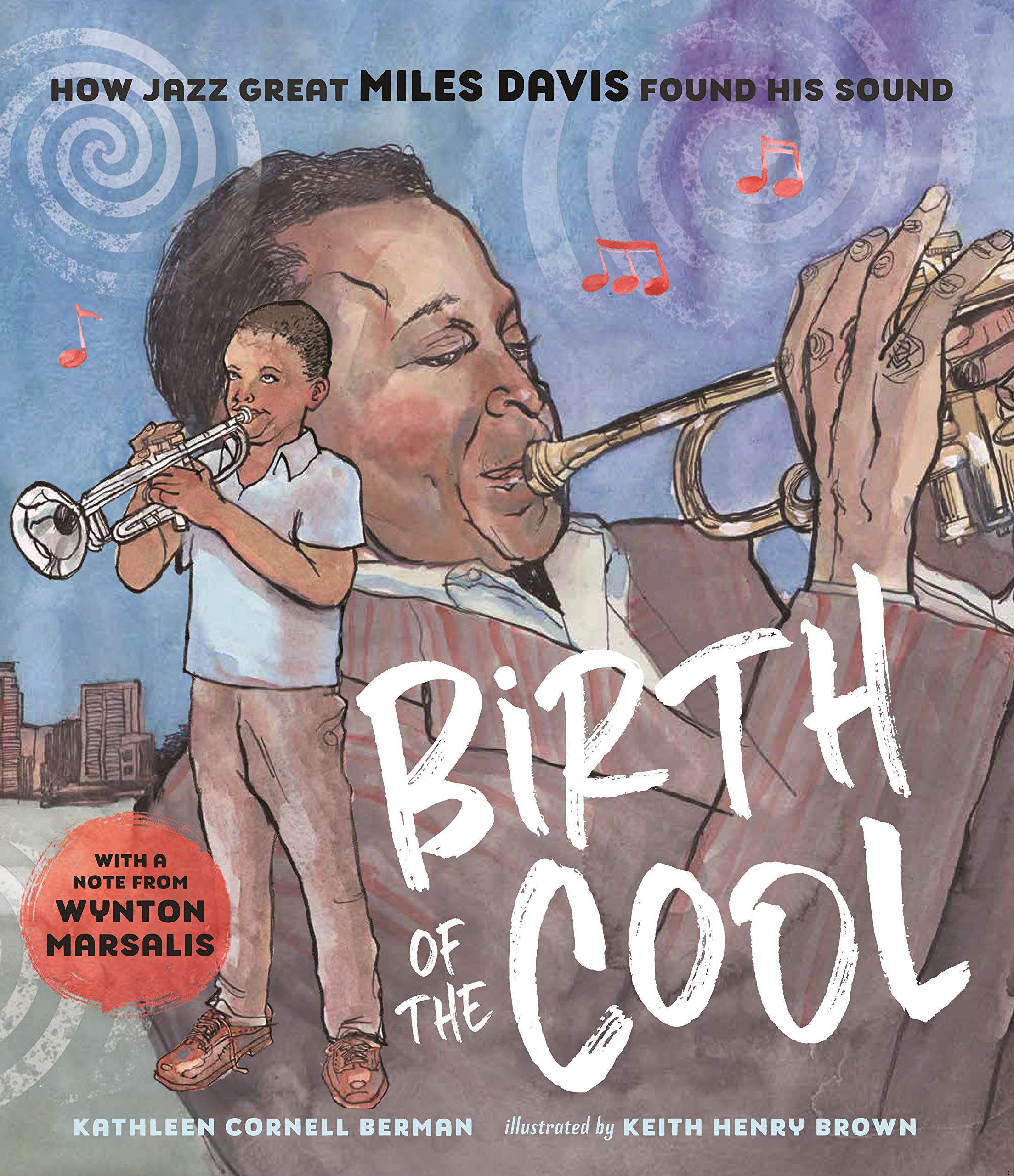
Birth of the Cool: How Jazz Great Miles Davis Found His Sound

Written by Kathleen Cornell Berman | Illustrated by Keith Henry Brown

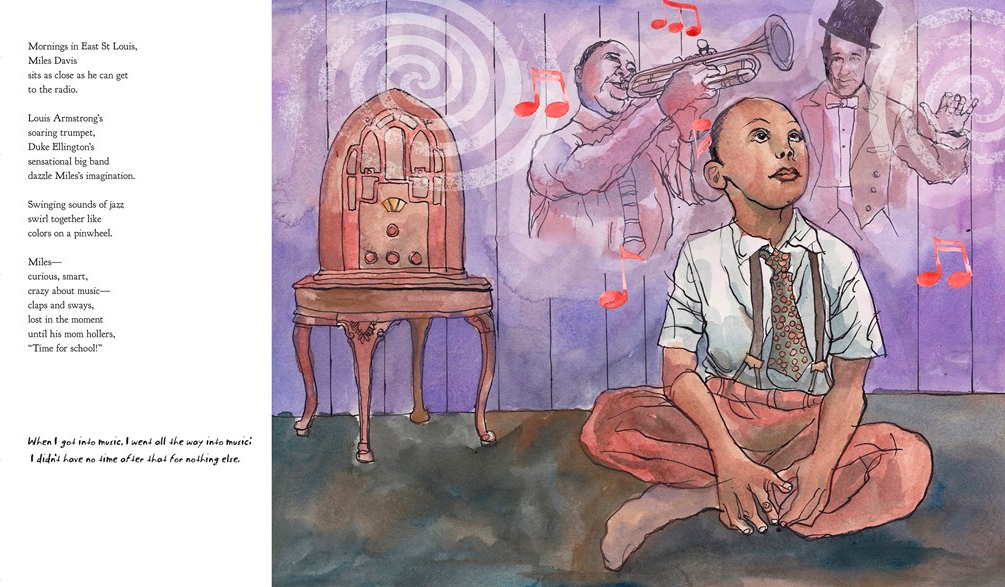
As a child, Miles Davis listens to the radio before school, clapping and swaying along to “Louis Armstrong’s soaring trumpet” and “Duke Ellington’s sensational big band.” The “swinging sounds of jazz / swirl together like / colors on a pinwheel.” When he’s older, Miles watches the riverboats on the Mississippi as they bring musicians from New Orleans to play in the East St. Louis clubs. At night he listens as “melodies drift down the street. / Some croon country, / some cry the blues. / Sassy saxophones wail / through the night.”

celebrate-picture-books-picture-book-review-birth-of-the-cool-growing-up

Image copyright Keith Henry Brown, 2019, text copyright Kathleen Cornell Berman, 2019. Courtesy of Page Street Books.

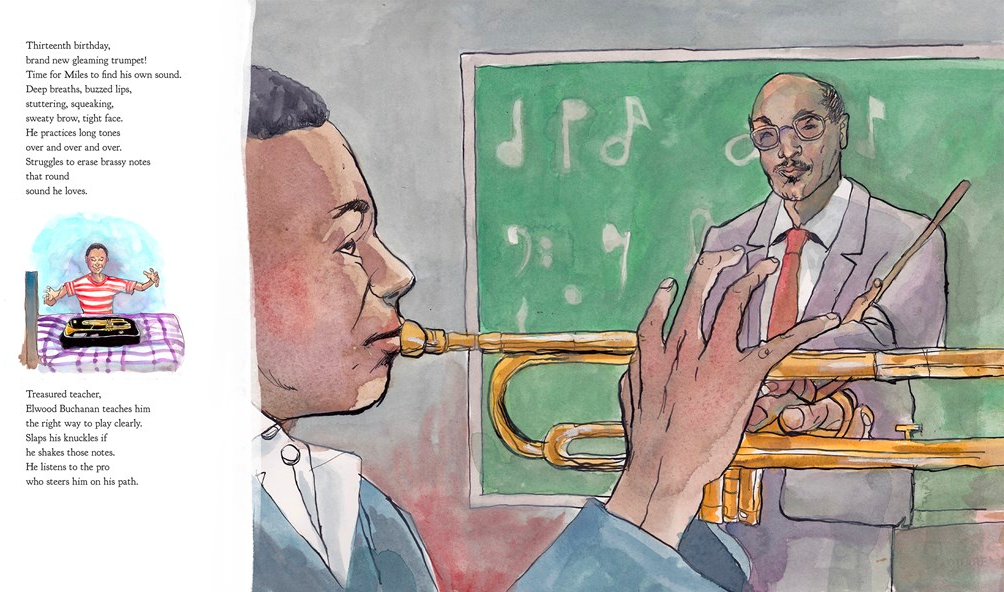
During the summer, Miles visits his grandfather’s farm in Arkansas. Here, he hears the music of horses’ hooves. On his walks through town, he listens to the sounds of guitars and singing, and at church he learns the notes of “soulful singing.” For his thirteenth birthday, Miles receives a trumpet. He takes lessons and practices again and again.

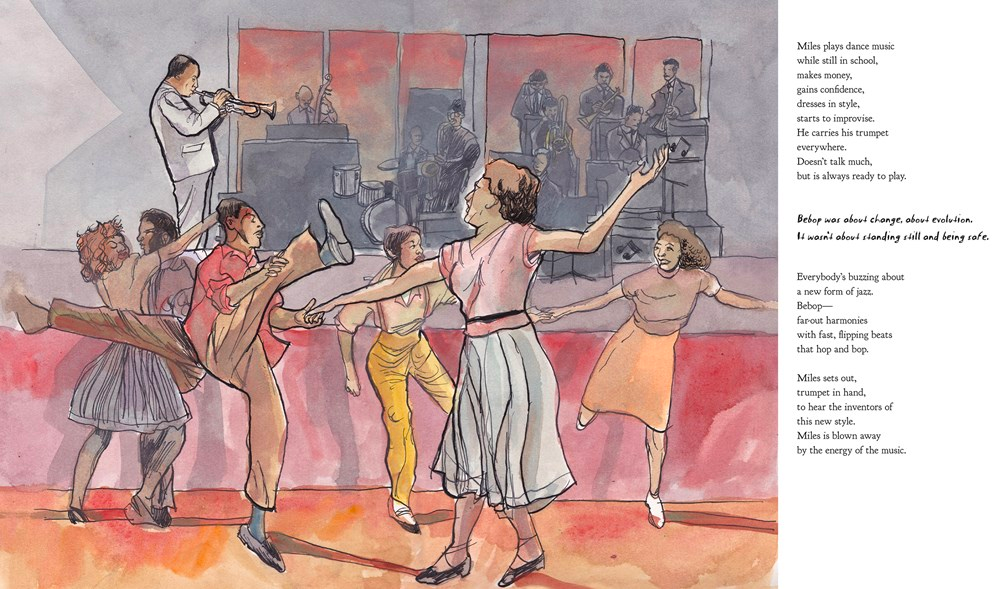
While he’s still in high school, Miles begins being paid to play at dance halls. His confidence grows and he begins to develop his own sound. A new form of jazz is attracting attention—Bebop: “far-out harmonies / with fast, flipping beats / that hop and bop.” He goes to clubs to listen to Charlie “Bird” Parker and Dizzy Gillespie play. He’s “blown away / by the energy of the music.”

celebrate-picture-books-picture-book-review-birth-of-the-cool-thirteen

Image copyright Keith Henry Brown, 2019, text copyright Kathleen Cornell Berman, 2019. Courtesy of Page Street Books.

Then one night, one of the band members doesn’t show up, and Miles—who always has his trumpet with him—is asked to fill the spot. In awe and a little intimidated in the presence of his idols, Miles’s playing “doesn’t shine.” But he knows that “jazz / is all he wants to play.” Miles moves to New York to go to school at Juilliard, but, really, to learn from Bird, Dizzy, and all of his idols. In the morning he goes to class, practicing between classes. At night he plays clubs throughout the city.

Soon, he leaves Juilliard to concentrate on playing and learning from the greats. His father advises him: “Don’t be like the mockingbird / that copies others. / Be your own man. / Be your own sound.” When Dizzy leaves Bird’s band, Miles takes his place. But he plays differently than Dizzy. “Some listeners put him down— / they want Dizzy’s rippling trumpet.” The criticism make Miles lose confidence and want to quit. But Bird encourages him.

celebrate-picture-books-picture-book-review-birth-of-the-cool-new-sound

Image copyright Keith Henry Brown, 2019, text copyright Kathleen Cornell Berman, 2019. Courtesy of Page Street Books.

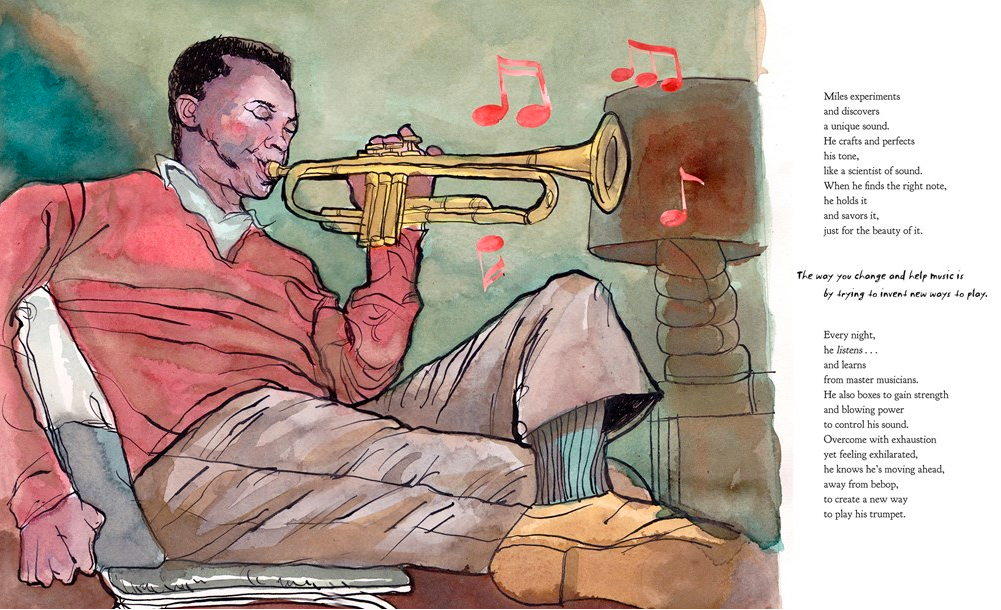
With practice and patience, he discovers his own sound, holding and savoring perfect notes “just for the beauty of it.” He forms his own group with talented musicians who want to create new sounds. The nine musicians play “slowly and mysteriously…. Cool— / relaxed, / with a lighter, / lyrical feel.” Miles’s solos enchant audiences.

But the endless work takes its toll. He begins to lose gigs; his health declines. Miles doesn’t give up. “He climbs out / of his dark days / by playing his horn again.” Then in 1955 he takes the stage at the Newport Jazz Festival and begins to play. “…His mystical voice hangs / like a cloud, / leaving space / for each listener’s / imagination to wander.” The crowd cheers and applauds. Miles is back with his unmistakable sound and new ideas for the future of the music he loves.

Notes about Miles Davis from Wynton Marsalis, Kathleen Cornell Berman, and Keith Henry Brown as well as a selected discography and bibliography follow the text.

celebrate-picture-books-picture-book-review-birth-of-the-cool-dancing

Image copyright Keith Henry Brown, 2019, text copyright Kathleen Cornell Berman, 2019. Courtesy of Page Street Books.

Kathleen Cornell Berman’s lyrical passages reveal a boy, a teenager, and a man who embodied music, listening to and absorbing the various sounds around him and incorporating them into his own unique sound. Her evocative vocabulary (swirl, rollicking, croon, rumbling, far-out, rippling, blizzard of notes, itching to play) and phrasing that blends short staccato lines with longer sentences echoes the rhythm of jazz and will keep readers riveted to the story. Berman emphasizes the listening, practice, and experimentation that informed Miles Davis’s original sound, showing children that innovation is built on hard work, dedication, and even history. Her inclusion of Davis’s setbacks also demonstrates that perseverance is part of the success of any endeavor.

Keith Henry Brown’s gorgeous, detailed pen-and-ink and watercolor illustrations take readers from Miles Davis’s living room, where he listens to the radio as images of Louis Armstrong and Duke Ellington swirl through his imagination to an overlook on the Mississippi River and its paddlewheel steam ships to the clubs and jam sessions of New York and, finally, to the Newport Jazz Festival. Brown’s color palette of cool blues, greens, purples, and browns, punctuated with Davis’s ever-present gleaming brass trumpet, brings Davis’s country and city experiences to life while mirroring the tone and feel of his unique sound. Quotes from Miles Davis are sprinkled throughout the story and set apart with type that looks handwritten, giving his words a personal touch.

Sure to inspire readers to learn more about Miles Davis and listen to his music, Birth of the Cool: How Jazz Great Miles Davis Found His Sound would be an excellent accompaniment to school music programs, an inspiring book for biography lovers and young musicians of all types, and a beautiful addition to home, school, and public library collections.

Ages 8 – 12

Page Street Kids, 2019 | ISBN 978-1624146909

Discover more about Kathleen Cornell Berman and her books on her website.

To learn more about Keith Henry Brown, his books, and his art, visit his website.

Meet Kathleen Cornell Berman

celebrate-picture-books-picture-book-review-kathleen-cornell-berman-headshot

In your author’s bio you say that you fell in love with Miles’s Davis’ music when you were 10 years old. Was there a particular spark that made you love his music?

As a kid I loved all kinds of music. When I first heard Miles’s trumpet sound, I fell in love. His trumpet sound was different. It wasn’t flashy, it was slow, haunting and very beautiful. I longed to hear it again.

Can you take readers on your journey of writing Birth of the Cool and having it published? What kind of research did you do? What was the most surprising thing you learned about Miles Davis?

I was thrilled when I got the email from Charlotte Wenger from Page Street. It’s beyond exciting when you find someone who loves your story as much as you do. And Charlotte was a dream editor to work with.

I read Miles’s autobiography and many other books about him, as well as journal and magazine articles. I listened to countless interviews and researched players in his band. And I listened to his music a lot. He went through many changes in his musical career. I realized I had to keep my focus on his early career. 

I was surprised to learn he had slave ancestors who played music in the main house on a plantation. It was interesting to discover that Miles loved rural life (from his visits to his relatives’ farms). When he first moved to NYC, he visited the stables and asked to ride their horses. He had fond memories of riding them on his grandfather’s farm.

Keith Henry Brown’s pen-and-ink and watercolor illustrations are gorgeous and full of expression. Can you talk about your reaction to seeing the illustrations for the first time. Do you have a favorite spread?  

celebrate-picture-books-picture-book-review-kathleen-cornell-berman-and-keith-henry-brown

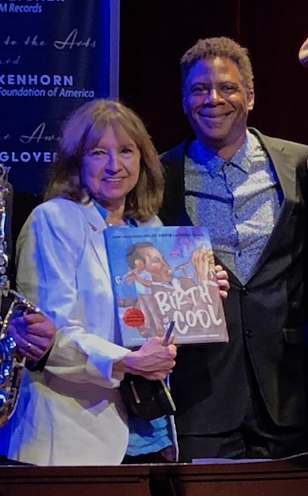
Kathleen Cornell Berman and Keith Henry Brown at the book launch for Birth of the Cool and the Jazz Gallery in New York City.

My first reaction to Keith’s illustrations was like an “out of the body” experience. To see my words come to life was a wonderful feeling. His art illuminated Miles’s journey in a jazz-inspired way. I was very happy when he accepted the job. I already knew he was a jazz fan, so he was a good choice.

Keith’s goal was to create drawings that weren’t too tight or realistic. He wanted to create a loose, abstract feeling. I think Keith achieved that beautifully. Kudos to his courage in creating illustrations in watercolor, a very unpredictable medium. It’s difficult for me to pick a favorite illustration, I really love them all.

Your inspirational biography highlights the ups—and downs—of Miles Davis’s early career. What message would you like readers to take away from the story?

Miles is a great example of how hard work pays off. Some kids today think it’s easy to play an instrument. For some it might be, but inventing your own sound, is extremely difficult. It takes perseverance and dedication to create your own voice on the instrument. That goes for anything you attempt, whether you become an architect, a visual artist, writer, or a singer. Unfortunately, many jobs don’t allow individuality, but finding something—anything—that you’re good at can boost happiness.

I hope this story inspires kids to reach for the stars, to find their own voice, and never give up. I also hope kids will take time to listen to jazz; it’s America’s classical music. Listening to music has so many benefits, intellectually as well as emotionally.

I saw on your website that you like to collect words. Can you tell me five of your favorites and what you love about them? Do you remember where they first caught your eye—or ear?

I’m usually attracted to words that tickle the tongue and have a unique sound, like mesmerizing, prickly, crumpled, nuzzle, etc. There are so many. I love alliteration. When words are paired with another, they sing and make the text come alive. I usually have my wordbook at my side as I read any kind of book. I also use my phone memo to jot words as I hear them in daily life.  

Besides writing, you paint, and create assemblages from found objects. Your sculptures are gorgeous and have so much personality! Which came first—writing or art? When creating an assemblage, do you start with one object or do you see how several of the materials you have can fit together?

Thank you very much. Creating found art sculptures is like therapy. I’ve always been into creating something out of ordinary things. The art and writing coincided with a strong desire to break out of the box of being a teacher.

I collect a lot of wood as well as words. When I find a piece that inspires me, I visualize what it might become and I begin the search for a complimentary piece. It’s kind of like doing puzzles.

Is there a similarity for you in constructing a sculpture and creating text for a picture book?

Yes, there is. I look for a seed of an idea that touches my senses or emotions. And in art I choose a piece of wood that inspires me visually. Then it all comes down to layering and adding details that make the story or art shine in a new way. Finally, adding the “just right” color or details can be compared to the continual revisions to discover perfect words that fit my story.

Birth of the Cool is your debut picture book. What are you looking forward to most as a picture book author?

Reading the book to children and getting them to reflect about their feelings. And, of course, introducing them to jazz.

I love writing picture book biographies. I also enjoy writing books that will amuse kids, as well challenge their thoughts about nature.

What’s up next for you?

I have a new picture book bio about another musician that I just started submitting. And I’ve started research on another interesting, relatively unknown musician that had a big impact on many.                   

What is your favorite holiday?

My favorite holiday is Thanksgiving. I love the traditions and the history. Holidays are so important in bringing busy families together. As a former teacher, Thanksgiving gave me the opportunity to discuss the importance of the Native American people. They taught us so much. At the Thanksgiving table, we as a family celebrate the Native American contributions to our country. I wish more people did the same.

You can connect with Kathleen Cornell Berman on

Her website | Facebook | Instagram | Twitter

Jazz Appreciation Month Activity

celebrate-picture-books-picture-book-review-jazz-trumpet-word-search-puzzle

Cool Jazz! Word Search Puzzle

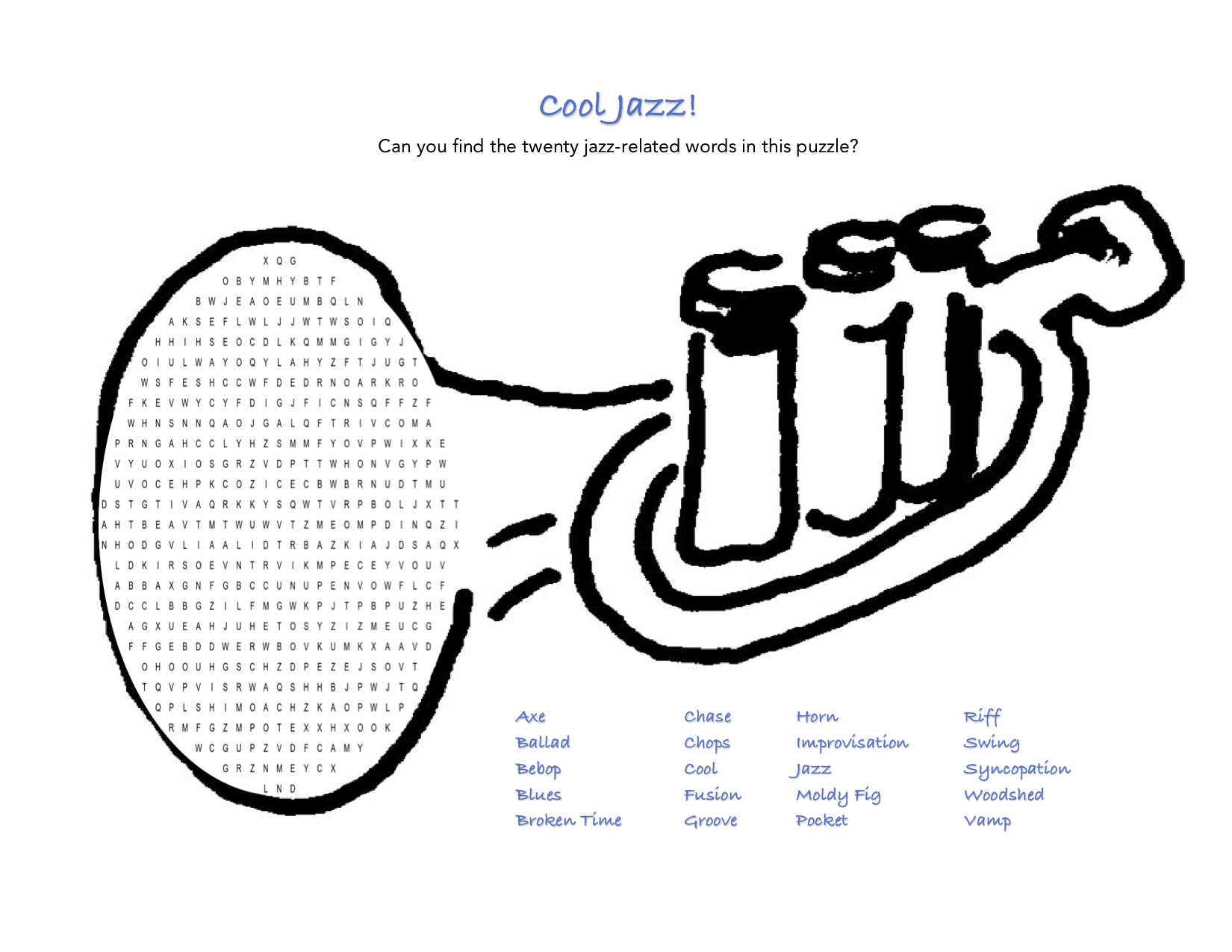
Jazz has a sound and vocabulary all it’s own! Can you find the twenty jazz-related words in this printable puzzle? Then have fun coloring it!

Cool Jazz! Word Search Puzzle | Cool Jazz! Word Search Solution

celebrate-picture-books-picture-book-review-birth-of-the-cool-cover

You can find Birth of the Cool: How Jazz Great Miles Davis Found His Sound at these booksellers

Amazon | Barnes & Noble | Books-a-Million

To support your local independent bookstore, order from

Bookshop | IndieBound

Picture Book Review
April 23 – National Frog Month

celebrate-picture-books-picture-book-review-pokko-and-the-drum-cover

About the Holiday

As the weather gets warmer, rain falls, and swampy areas and wetlands swell with water, the peeps and throaty croaks of frogs begins to fill the nighttime air. April is the perfect time to learn more about frogs and their importance to the ecosystem. Frogs are vital to the food system, and they eat insects that are harmful to crops and carry disease. Because they don’t drink water but absorb it through their skin, frogs are particularly susceptible to pollution. This, in addition to habitat destruction, climate change, and an increase in invasive species, threaten the frog population, making the conservation of their environment of utmost importance. This month, visit an aquarium, nature preserve, or zoo where you can learn more about these fascinating creatures.

By Jakki Licare

Pokko and the Drum

By Matthew Forsythe

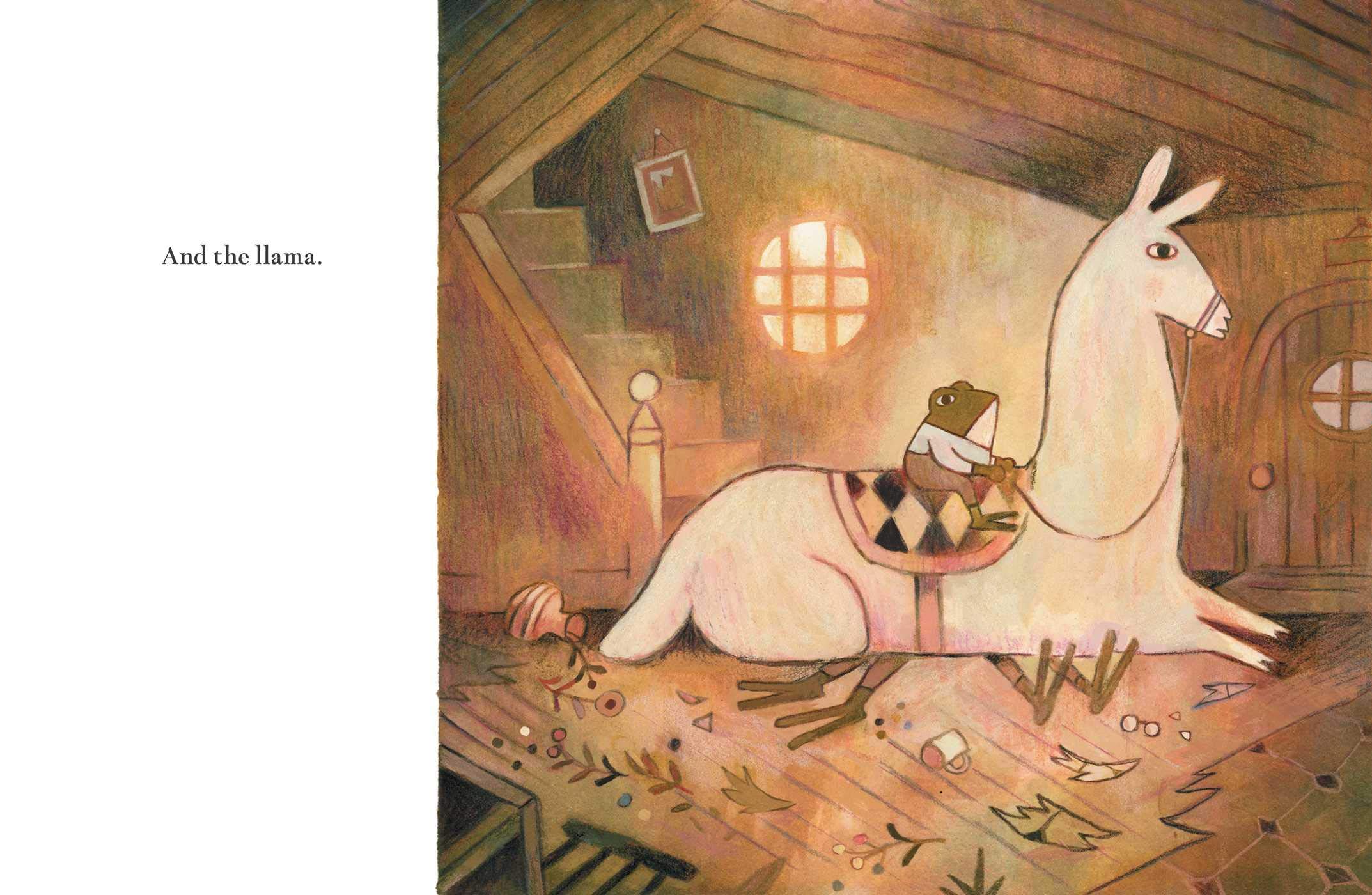
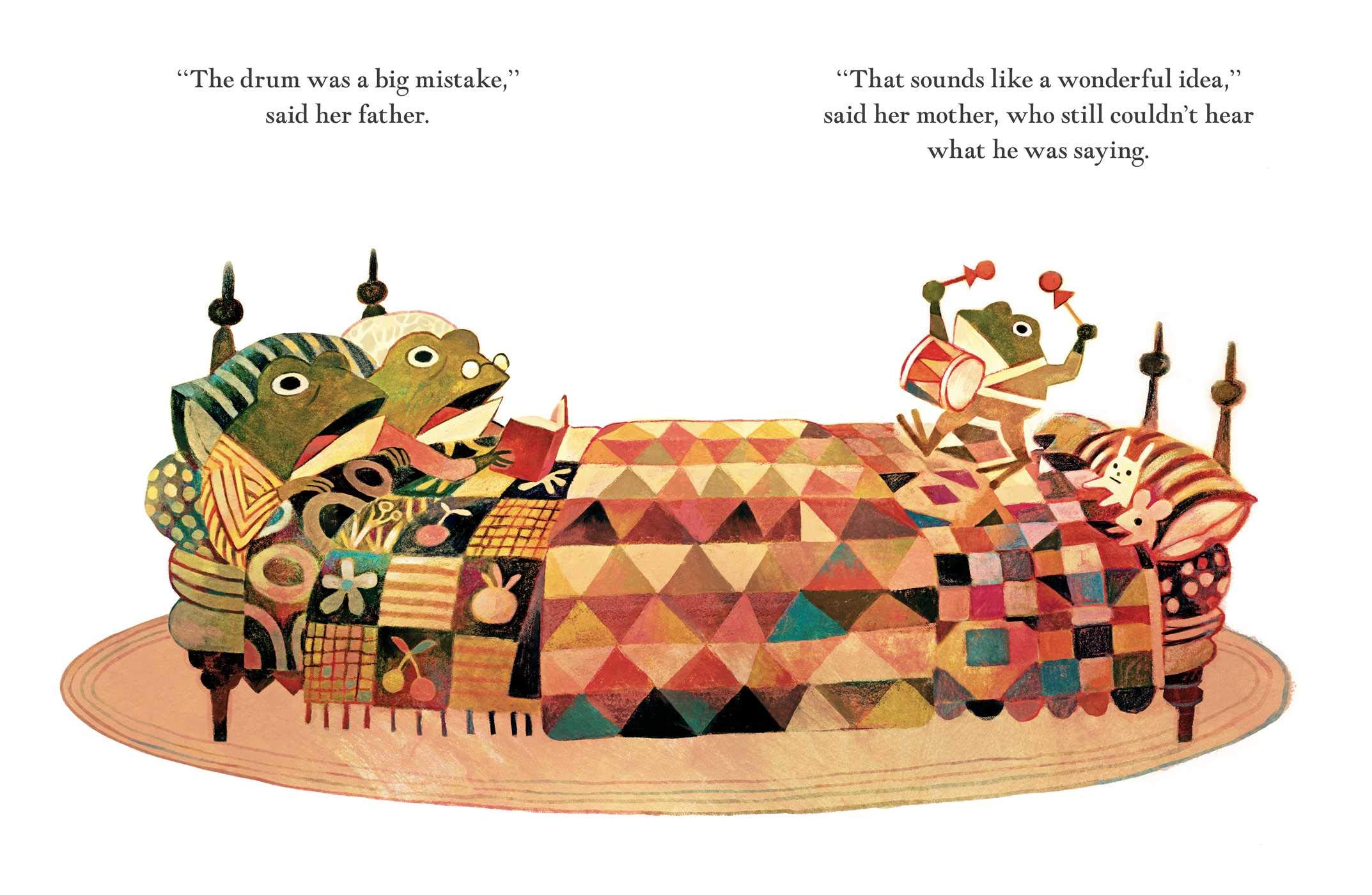
Pokko’s parents believe that giving Pokko a drum was the biggest mistake they have ever made. There had been other questionable gifts: Once, Pokko had tried to launch herself with the slingshot they had given her. The llama had been another poor choice since it liked to sit on Pokko’s parents. When Pokko’s parents had given her a balloon, it had carried Pokko away. “But the drum was the biggest mistake.” 

celebrate-picture-books-picture-book-review-pokko-and-the-drum-llama

Copyright Matthew Forsythe, 2019, courtesy of Paula Wiseman Books/Simon & Schuster.

Pokko’s father tries to complain to his wife about giving Pokko the drum, but she shouts back that she can’t hear him over the noise. In bed that night, Pokko continues to beat her drum. Her father continues to complain, but still no one can hear him. The next day, Pokko’s father suggests that Pokko take the drum outside. She can’t be too loud though, he explains, because they are a quiet family who likes to keep to themselves. Pokko agrees and takes the drum outside.

celebrate-picture-books-picture-book-review-pokko-and-the-drum-bed

Copyright Matthew Forsythe, 2019, courtesy of Paula Wiseman Books/Simon & Schuster.

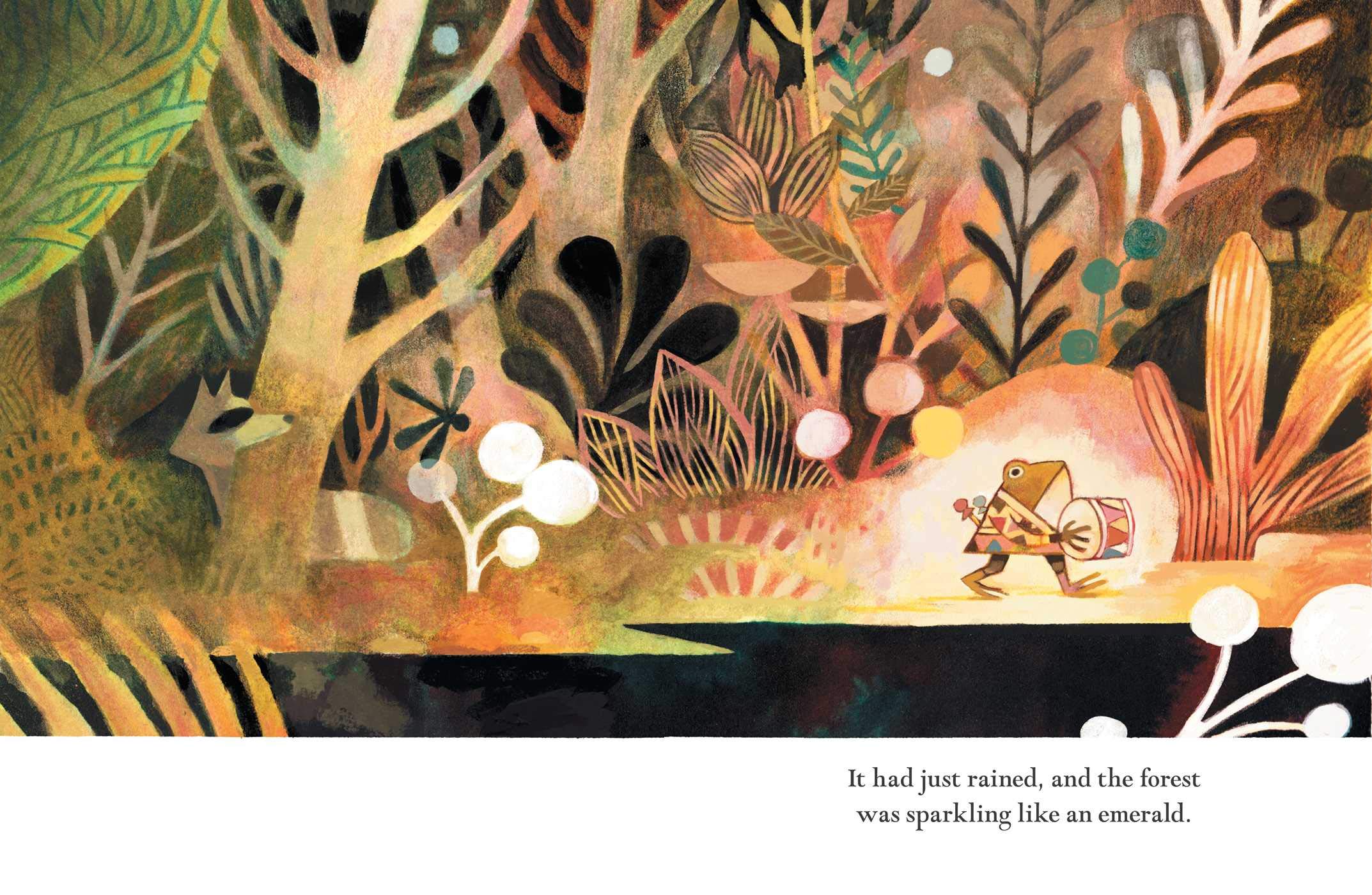
“It had just rained, and the forest was sparkling like an emerald.” Pokko thinks the forest is a little too quiet. She narrows her eyes and decides it is definitely too quiet. She starts to gently hit her drum. Behind her something moves. A raccoon playing a banjo emerges from the forest and joins Pokko. Pokko plays her drum proudly. Then a rabbit playing a trumpet tags along while Pokko continues to tap her drum. Next, a wolf appears and happily joins the parade. Pokko leads the group, continuing to beat her drum.

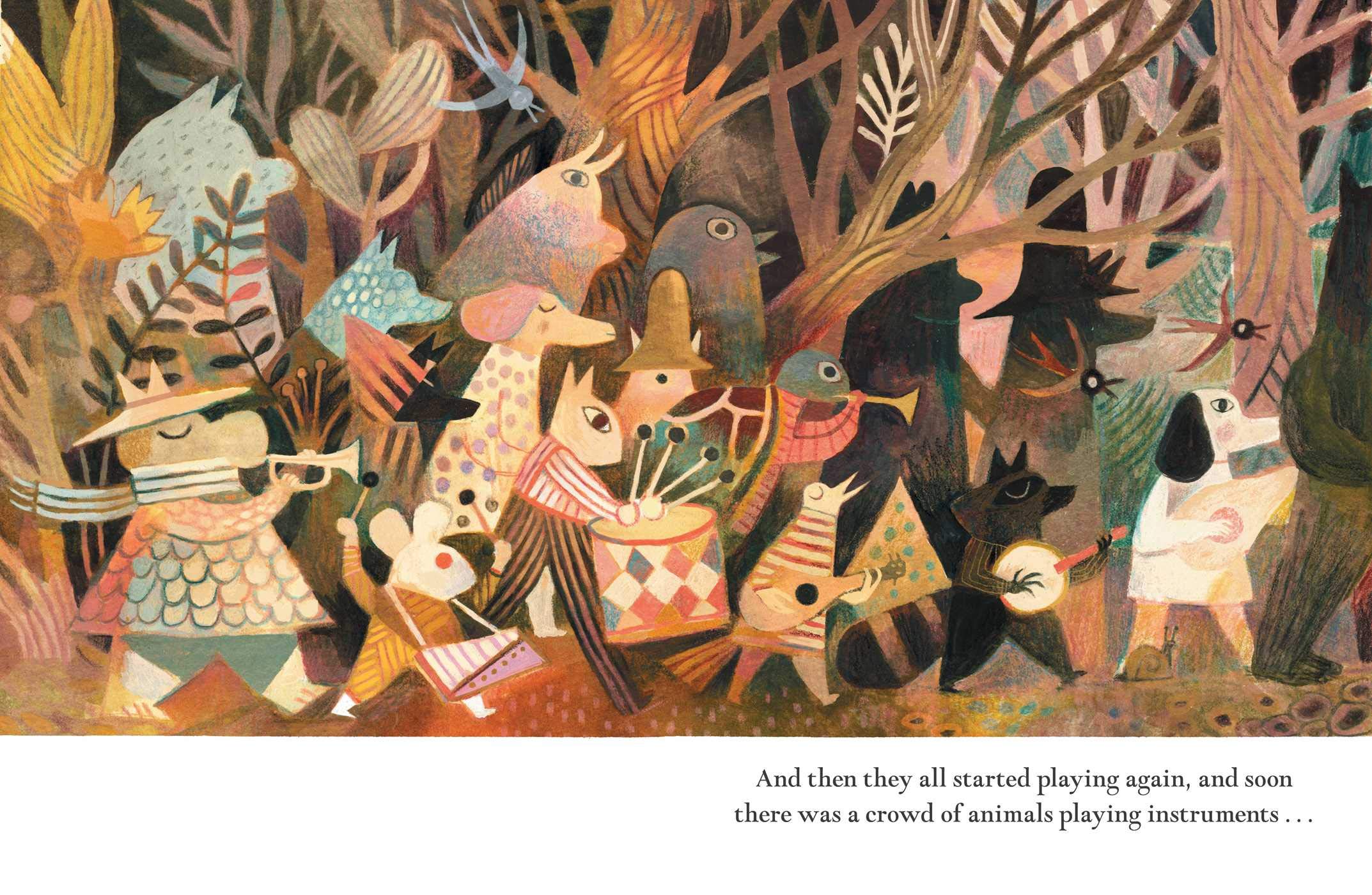
Suddenly, the wolf eats the rabbit and they all stop. Pokko turns to the wolf and tells him he can’t be in the band if he eats band members. The wolf apologizes. They continue on and play their instruments. A huge crowd gathers with instruments and joins them. More animals emerge from the forest. “And they were all following Pokko.”

celebrate-picture-books-picture-book-review-pokko-and-the-drum-raccoon

Copyright Matthew Forsythe, 2019, courtesy of Paula Wiseman Books/Simon & Schuster.

Pokko’s father shouts to her that dinner is ready, but Pokko doesn’t respond. Far away her father can hear music playing. He stands in the kitchen and can hear the music getting louder… and louder. The animal crowd spills into the house, sweeps up Pokko’s parents, and carries them off into the forest. Her father notices that Pokko is leading all the animals and listens thoughtfully. He admits to Pokko’s mother that Pokko is a great drummer. The music is too loud and no one can hear him speaking, but if they had…. “they all would have agreed.”

celebrate-picture-books-picture-book-review-pokko-and-the-drum-crowd

Copyright Matthew Forsythe, 2019, courtesy of Paula Wiseman Books/Simon & Schuster.

“The biggest mistake Pokko’s parents ever made was giving her a drum.” This beautiful beginning sentence sets the readers up for the witty adventures of Pokko. This book has the perfect combination of spirited characters, playful text, and illustrative humor. Pokko is a strong froglet who isn’t afraid of her individuality like her frog family is. She is warned not to attract attention to herself, but she can’t stand how quiet the forest is. She makes her beautiful music unashamed of the attention, and the forest animals can’t help but to follow her. 

Forsythe’s visual humor delivers  punchline after punchline, making young readers giggle throughout this book. He illustrates a balloon carrying Pokko away, the parent’s legs sticking out from under the llama’s body, and Pokko launching herself with a slingshot. But through all this humor there is a sweet message of female empowerment. Pokko is the leader of the band and she bravely admonishes the wolf for eating the rabbit. Forsythe also paints the father making dinner and wearing an apron through the whole story.  

Forsythe’s glowing watercolor and colored-pencil illustrations make for a magical world of cozy toadstool homes in the colorful forest. Forsythe uses close ups of his characters to show emotions and to add humor. The first close up  is when Pokko decides the forest is too quiet. Her narrow-eyed determination builds the reader’s anticipation for her to start drumming. The second zoom-in comes when Pokko’s father hears the music getting louder and closer. The father is wide-eyed and, once again, the reader cannot wait to see what will happen next. 

A fun read aloud that could be accompanied by a variety of instruments and/or hand clapping, Pokko and the Drum is a multi-award-winning book that will quickly become a favorite for home, school, and public library collections. 

Ages  4 – 8 years

Simon & Schuster/Paula Wiseman Books, 2019 | ISBN: 978-1481480390

To learn more about Matthew Forsythe, his books, and his art, visit his website.

National Frog Month Activity

celebrate-picture-books-picture-book-review-hopping-frog-craft

Hopping Frog

Ready to hop to the beat of your own drum? Follow the instructions below to make your own hopping frog.

Supplies

  • Paper Plate
  • Scissors
  • Pencil
  • Ruler
  • Crayons, colored pencils, or paint

celebrate-picture-books-picture-book-review-hopping-frog-craft

Directions

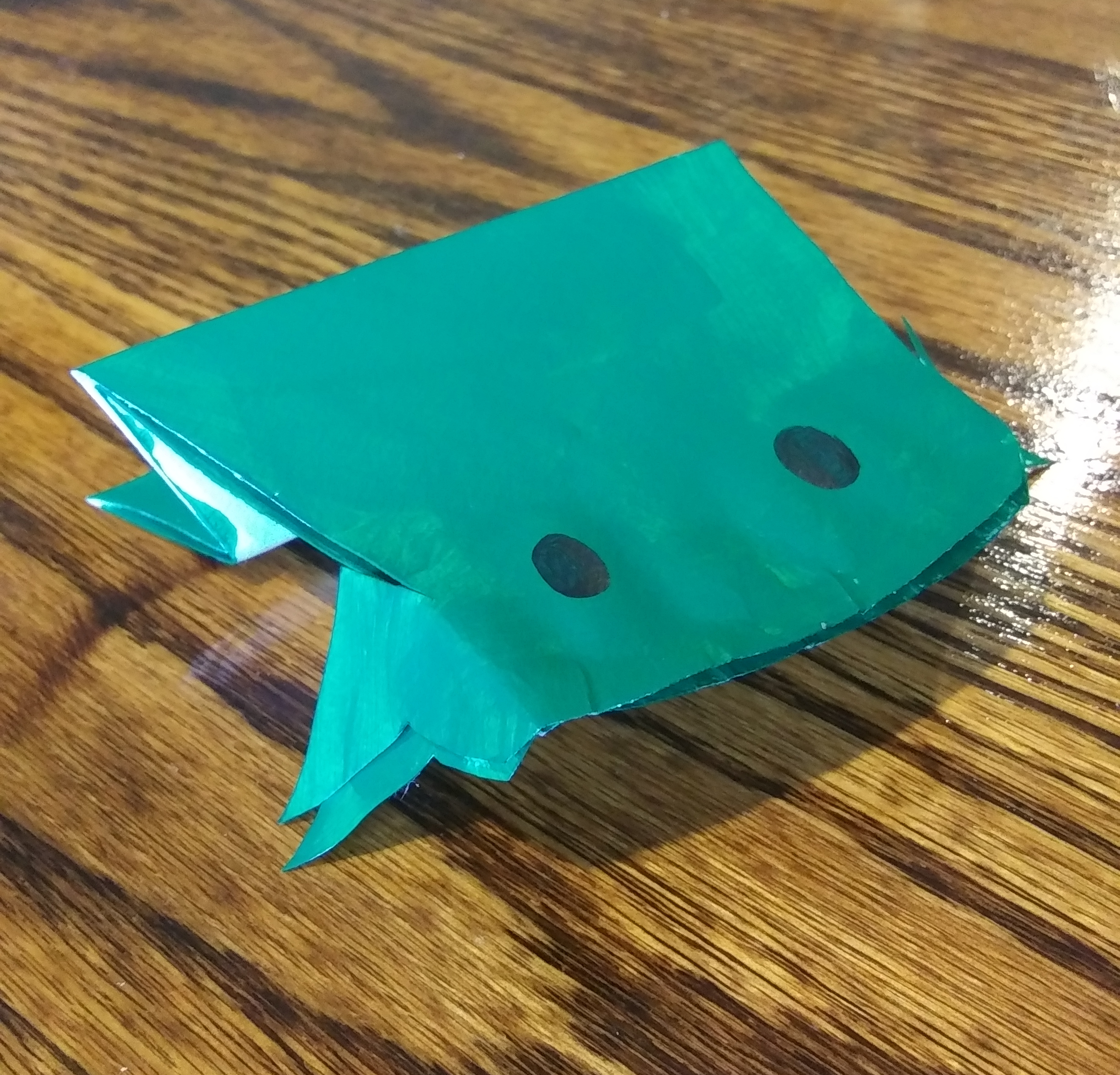
  1. Fold plate in half

  2. Fold the bottom of the plate (folded side) 2 inches up.

  3. Now fold the same part back down a one inch. This creates a zig zag fold and will make the spring for the frog to hop.

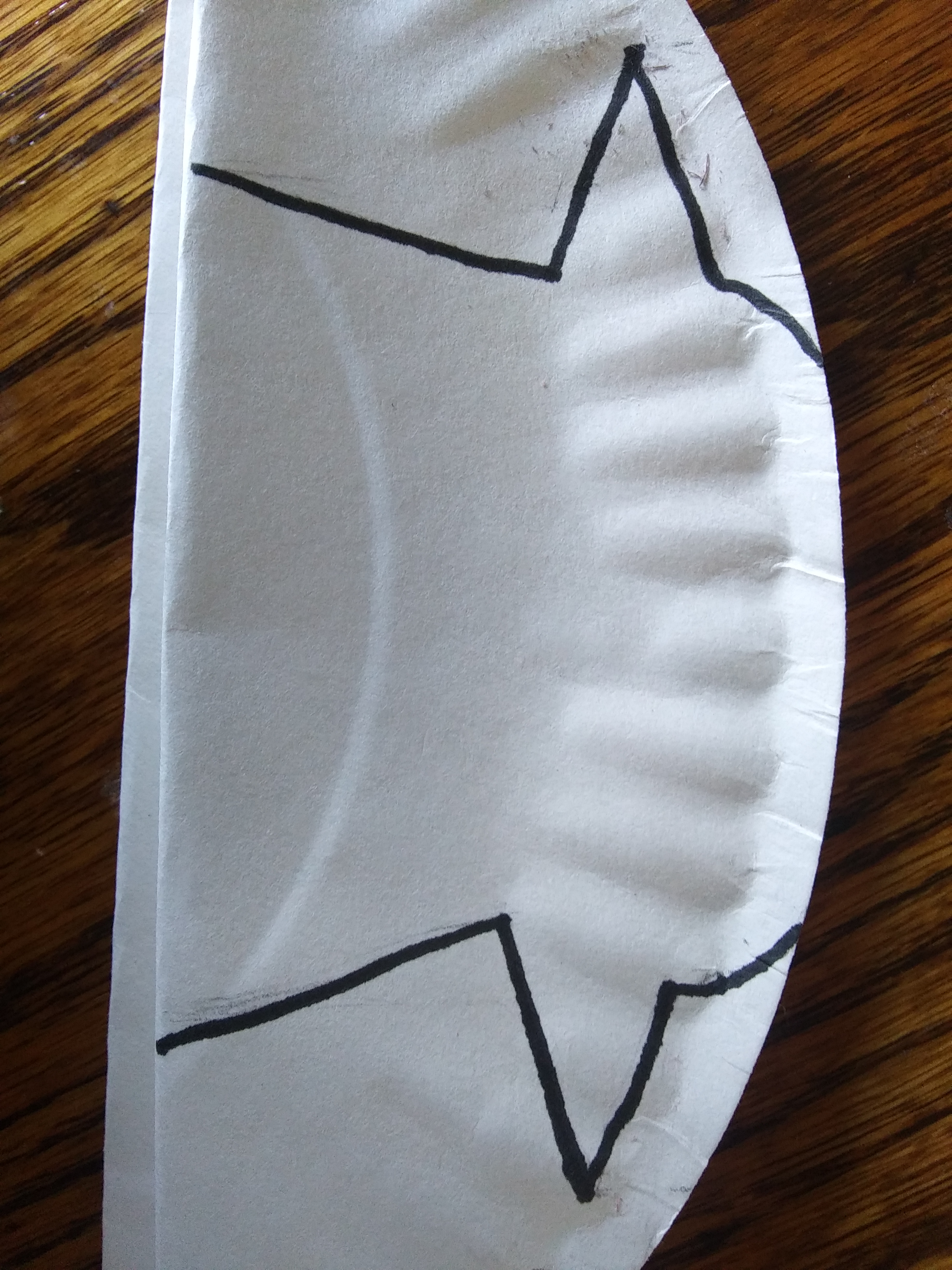
  4. Copy the shape in this picture onto your plate. You can make your frog bigger or smaller just be sure the triangles are the same height.

  5. Cut out your frog

  6. Fold triangles down to make front legs

  7. Color your plate green and add color in eyes

celebrate-picture-books-picture-book-review-pokko-and-the-drum-cover

You can find Pokko and the Drum at these booksellers

Amazon | Barnes & Noble | Books-a-Million |IndieBound

Picture Book Review

February 13 – World Radio Day

celebrate-picture-books-picture-book-review-a-fox-found-a-box-cover

About the Holiday

The radio has provided entertainment, news, comfort, and information and has united people both near and far ever since Guglielmo Marconi invented  it in 1895. Today, radio continues to be an important part of people’s lives around the world. February 13 was established as World Radio Day “to celebrate radio as a medium, improve international cooperation among broadcasters, and to encourage both major networks and community radio to promote access to information, freedom of expression and gender equality across the airwaves.” This year UNESCO calls on radio stations to uphold diversity, both in their newsroom and on the airwaves. According to UNESCO, this initiative encompasses three main sub-themes:

  • Advocating for pluralism in radio, including a mix of public, private and community broadcasters;
  • Encouraging representation in the newsroom, with teams comprised of diverse society groups;
  • Promoting a diversity of editorial content and program types reflecting the variety of the audiences.

To learn more about World Radio Day and find a Celebration Kit to download, visit the UNESCO World Radio Day website.

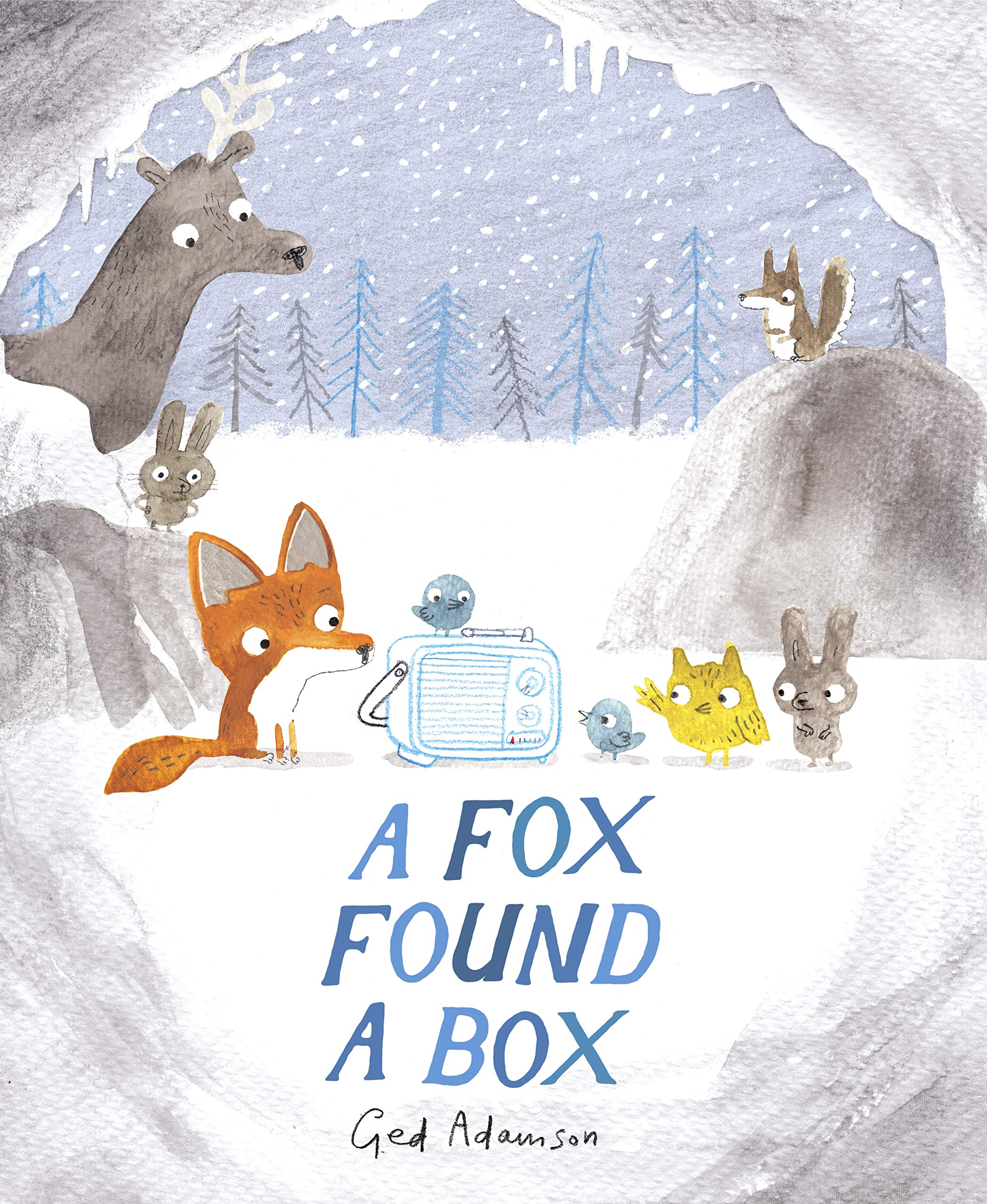
A Fox Found a Box

By Ged Adamson


Fox was diving over and over into the fluffy snow looking for food. But one head-first leap wasn’t so soft—“Ouch!” Fox discovered an unusual-looking object under the snow and pulled it out. Fox and the other animals gathered around to study it. Finally, Owl said, “‘I think it’s a box.’” The box had a “stick on top that moved,” and curious “round things” on the front. Fox tried turning one.

celebrate-picture-books-picture-book-review-a-fox-found-a-box-radio

Copyright Ged Adamson, 2019, courtesy of Schwartz & Wade.

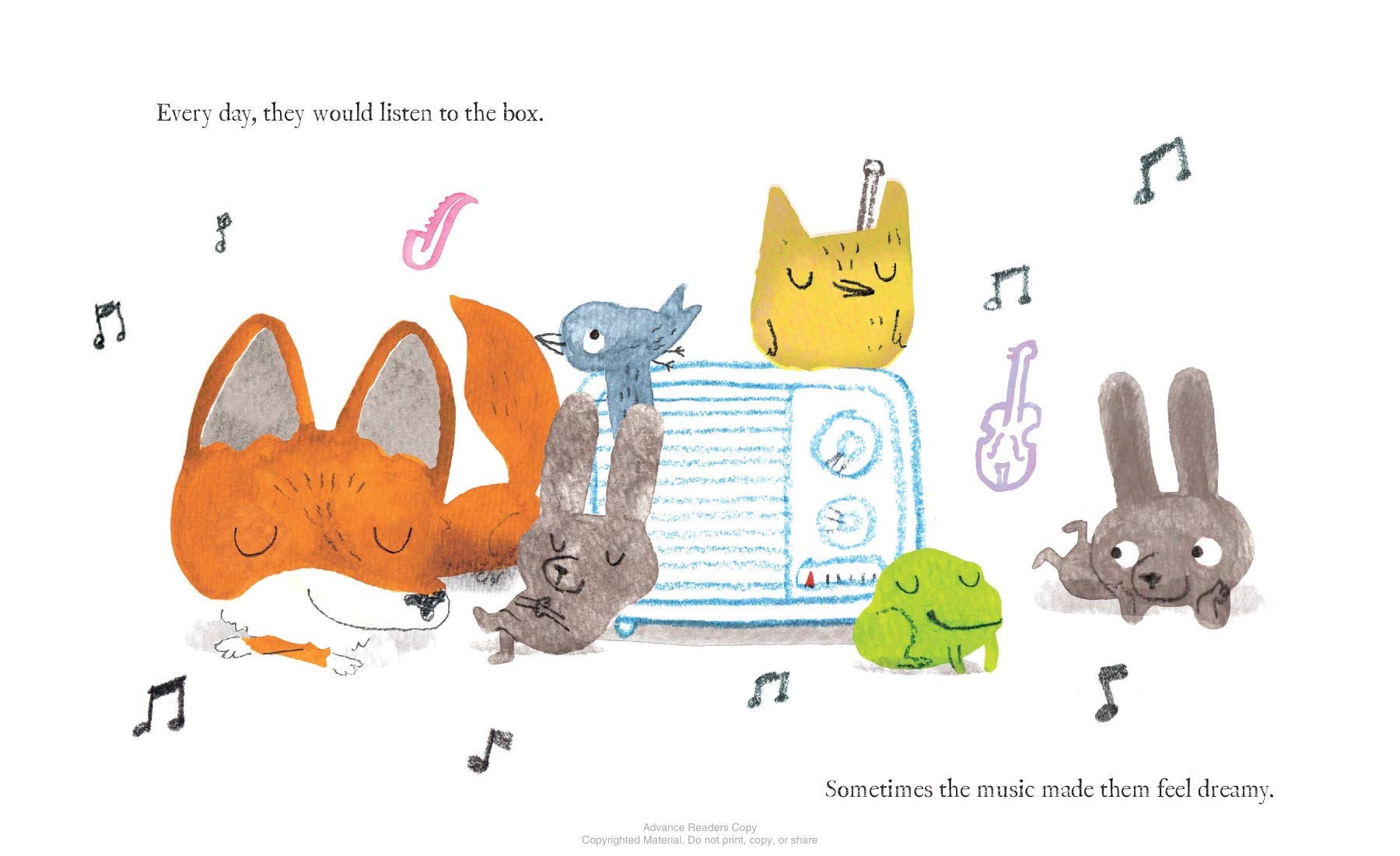
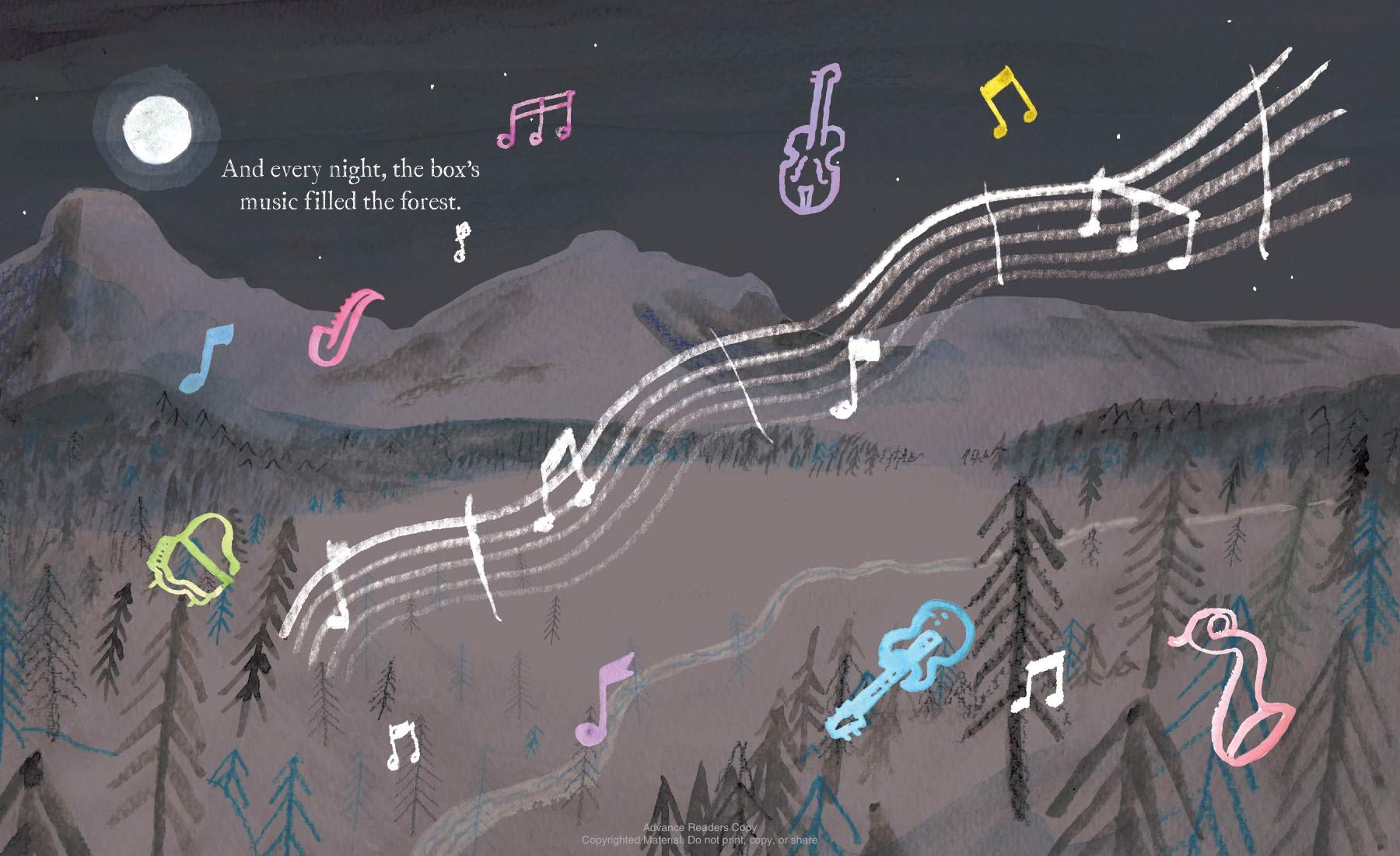
Suddenly, sound filled Fox’s den. “‘The box is singing,’” chirped the birds. The animals began to move along with the music. “It felt nice.” Every day the animals listened to the box. The music was always different. Sometimes the animals listened quietly; sometimes they danced. At night the music wafted through the forest.

celebrate-picture-books-picture-book-review-a-fox-found-a-box-listening

Copyright Ged Adamson, 2019, courtesy of Schwartz & Wade.

But one morning the box stayed silent. No matter what the animals did, the box refused to sing. The animals missed their box. But then Fox heard a “drip! drop! drip! drop!” He felt his ears twitch and his tail swish the way they did to the music from the box. The other animals began to notice the sound of the wind, the river, and the “chitter chatter of geese.” Even the snow made a beautiful sound when they walked in it.

And that wasn’t all they noticed. Smells tickled their noses and the drifting snow tasted delicious. There was always a gorgeous view. Now, every night the animals went to sleep to the music of the forest. “It felt nice.”

celebrate-picture-books-picture-book-review-a-fox-found-a-

Copyright Ged Adamson, 2019, courtesy of Schwartz & Wade.

There’s a quiet magic to this tale that is as enchanting as the first snow of winter. Ged Adamson’s simple entreaty for people to look on their surroundings with new eyes and appreciate all they see, hear, smell, taste, and experience also touches on the joys of the unexpected and on the melancholy of and recovery from loss. Through it all these friends—who exude the charm, kindness, and thoughtfulness of all of Adamson’s characters—relish their time together, sharing whatever comes. Adamson’s adorable forest animals, rendered in a smart, fresh color palette, will make readers of all ages smile as they revel in new-found emotions while gathered around the radio and, later, when rediscovering their familiar woodland home.
A charming layered story perfect for read alouds on its own or in combination with various styles of music for listening and movement story times, A Fox Found a Box would be a favorite on home, classroom, or public library bookshelves

Ages 3 – 7

Schwartz & Wade, 2019 | ISBN 978-1984830531

To learn more about Ged Adamson, his books, and his art, visit his website.

World Radio Day Activity

CPB - Radio Man box radios from side

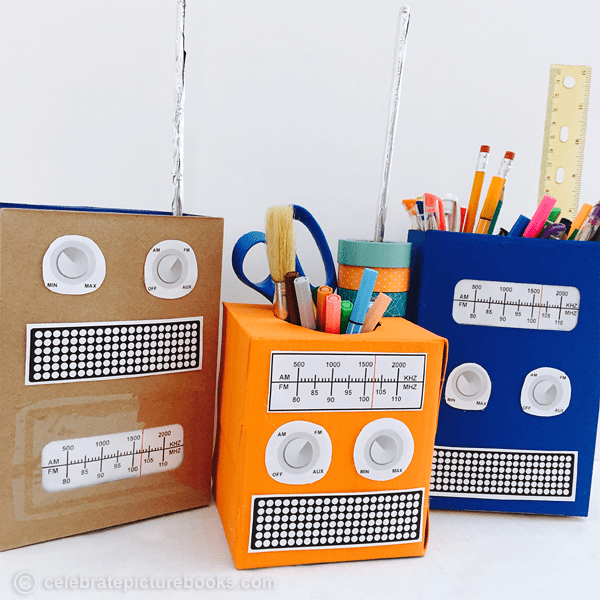
Box Radio Desk Organizer


With a recycled box and the provided printable templates  you can make a desk organizer that looks like a radio with this fun craft!

Supplies

  • Cardboard box – Use an empty cube-shaped tissue box, pasta box, or any small box
  • Wooden chopstick, stick, or straw
  • Printable Radio Face Template
  • Aluminum foil
  • Glue – a hot-glue gun works well on the cardboard; regular glue for the buttons and tape for the station tuner window
  • Paint (optional)
  • Paint brush
  • Scissors

Directions

  1. Prepare the box:
  • Choose a box to be your radio. In the pictures I used a cube-shaped tissue box and a penne pasta box with a cellophane window in it.
  • If you are using a box without an opening in the top, cut the top or bottom flaps off of one end of the box, depending on where you want the station tuner window to go.
  1. Paint the box:
  • You can paint the printed front, back and sides of the box.
  • OR if you want a plain box to use “as-is” or to paint: take the box apart at the seams and turn it “inside out.”
  • If you are using a pasta box with a window in it, tape the stations tuner template to the cellophane window before gluing the seams
  • Glue the original seam and flaps (a hot-glue gun works well).
  • Paint. Let dry
  1. Cut out the radio dials, speaker, and stations tuner window and attach to box
  2. To make the antenna, wrap the chopstick, stick, or straw in a strip of aluminum foil
  3. Attach the antenna to your box:
  • For pasta boxes tape the antenna to the inside corner of the box
  • For cube tissue boxes, make a hole in the right hand corner and push antenna in
  1. Use your Radio Desk Organizer to hold pencils, rulers, bookmarks, anything!

celebrate-picture-books-picture-book-review-a-fox-found-a-box-cover

You can find A Fox Found a Box at these booksellers

Amazon | Barnes & Noble | Books-a-Million | IndieBound

Picture Book Review