January 23 – National Handwriting Day & Multicultural Children’s Book Day Review

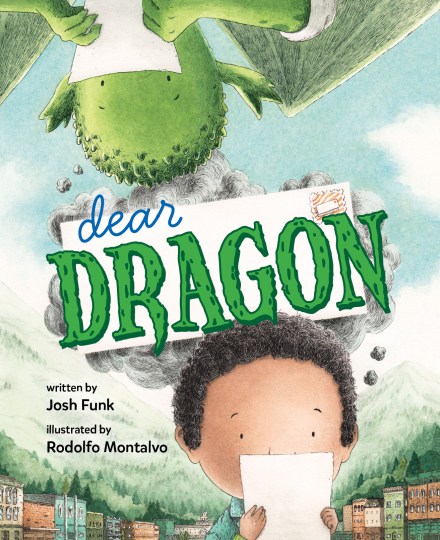
celebrate-picture-books-picture-book-review-dear-dragon-cover

About the Holiday

Established in 1977, National Handwriting Day commemorates the act of putting thoughts to paper with a pen or pencil. In this age of computer writing programs, email, and texting, the art and joy of penmanship is waning. Handwriting, though, is unique to each individual and should be celebrated and encouraged! One of the best ways for kids to develop handwriting skills is by writing letters to friends and family. Finding a pen pal either close to home or from another country is another fantastic way to make new friends that can bring joy, broaden horizons, build empathy and respect for others, and promote a lifetime love of learning about our world—just as today’s book that celebrates the ideals of Multicultural Children’s Book Day shows!

Dear Dragon: A Pen Pal Tale

Written by Josh Funk | Illustrated by Rodolfo Montalvo


Teachers know that when their students get to know other kids from nearby or far away, they gain an understanding of different traditions and cultures and develop the kinds of caring, empathy, and kindness that make the world a better place for all. Add in some poetry and the fun of sending—and receiving—letters, and you’ve got…Dear Dragon: A Pen Pale Tale—a clever tribute to creative communication and friendship.

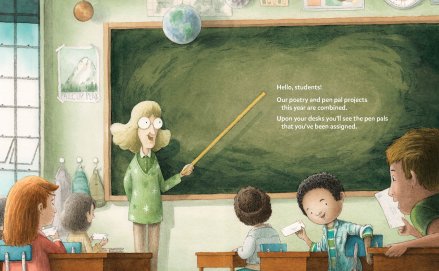
As the story opens, George and his classmates are learning about their new project. Elsewhere, Dragomir and his classmates are getting the details on their new project. And what is this new assignment? This year in each classroom the poetry and pen pal projects are being combined, so all correspondence must be written in rhyme.
celebrate-picture-books-picture-book-review-dear-dragon-teacher

Image copyright Montalvo Rodalfo, 2016, text copyright Josh Funk, 2016. Courtesy of Viking Books for Young Readers.

On each student’s desk is an envelope with the name of the pen pal they’ve been given. George Slair opens his envelope to discover that he’s been matched with Blaise Dragomir, and Blaise pulls George’s name from his envelope. What George doesn’t know—but readers do—is that Blaise is a dragon; and what Blaise doesn’t know—but readers do—is that George is a boy.

In his first letter, George begins with honesty and a bit about himself: “Dear Blaise Dragomir, / We haven’t met each other, and I don’t know what to say. / I really don’t like writing, but I’ll do it anyway. / Yesterday my dad and I designed a giant fort. / I like playing catch and soccer. What’s your favorite sport? / Sincerely, George Slair.”

celebrate-picture-books-picture-book-review-dear-dragon-castle

Image copyright Montalvo Rodalfo, 2016, text copyright Josh Funk, 2016. Courtesy of Viking Books for Young Readers.


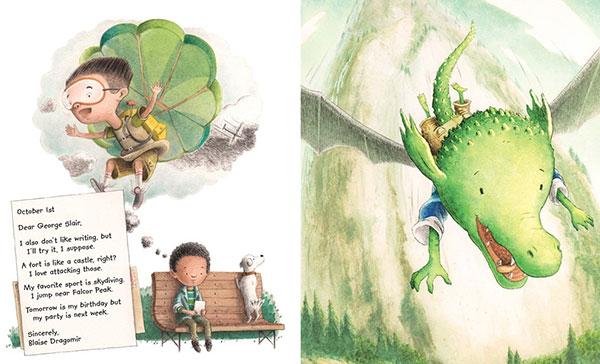
As Blaise reads the letter he pictures George’s fort as a medieval stone fortress with an iron gate and whittled-to-a-point log fencing instead of the cardboard box, blanket, and umbrella that it actually was. Blaise writes back: “Dear George Slair, / I also don’t like writing, but I’ll try it, I suppose. / A fort is like a castle, right? I love attacking those. / My favorite sport is skydiving. I jump near Falcor Peak. / Tomorrow is my birthday, but my party is next week. / Sincerely, Blaise Dragomir.”

In his next letter, dated October 31, more earth-bound George tells Blaise that parachuting is awesome, that his dog destroyed his fort, and that he is trick-or-treating as a knight—a revelation to which Blaise has a visceral response. But what is scary to one pal is tame to the other. On November 14th Blaise relates: “Knights are super scary! I don’t like trick-or-treat. / Brushing teeth is such a pain, I rarely eat a sweet. / My pet’s a Bengal Kitten and tonight she needs a bath. / What’s your favorite class in school? I’m really into math!”

celebrate-picture-books-picture-book-review-dear-dragon-washing-kitten

Image copyright Montalvo Rodalfo, 2016, text copyright Josh Funk, 2016. Courtesy of Viking Books for Young Readers.

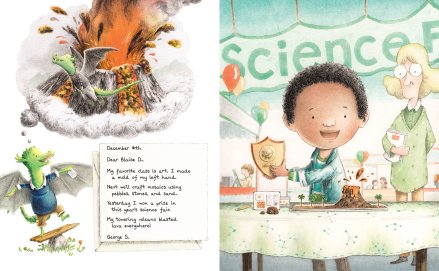
Reading December’s letter, Blaise learns that George likes art and imagines the table-top volcano science project George writes about as a roaring, lava-spewing mountain. In January George is impressed to learn that Blaise’s father is a fire-breather. He conjures up images of a dad in a fancy, caped costume creating fire out of nothing, but the truth is a lot more explosive. February brings word that George’s mom and dad are teachers and that a pen-pal picnic is planned for June.

When Blaise writes back in March, he reveals that his dad’s into learning too: “…every night we read a book / or pick a game to play.” Then he tells George about a special outing he’s looking forward to with his dad: “Soon he’s gonna take me flying, once it’s really spring. / It’s such a rush to ride the air that flows from wing to wing.”
celebrate-picture-books-picture-book-review-dear-dragon-volcano

Image copyright Montalvo Rodalfo, 2016, text copyright Josh Funk, 2016. Courtesy of Viking Books for Young Readers.

On April 11th George expresses his wonder at Blaise’s parents: “Hi, Blaise! / Skydiving and flying? Wow, your parents rock! / I’m lucky if my father lets me bike around the block.” Then George asks a question that shows this project’s worth: “Once the school year’s over and this project is complete, / should we continue writing? ‘Cause it could be kind of neat….” Signing off, George abandons the formal “Sincerely, George” for “Your friend.” 

Blaise is all in for continuing this friendship. In his May letter, he writes, “Hey, George! / I’m psyched about the picnic and I can’t wait to attend. / Who’d have thought this pen pal thing would make me a new friend? / Writing more sounds awesome. I was gonna ask you, too! / I’ve never liked to write as much as when I write to you.”
celebrate-picture-books-picture-book-review-dear-dragon-sky-diving

Image copyright Montalvo Rodalfo, 2016, text copyright Josh Funk, 2016. Courtesy of Viking Books for Young Readers.

With a growing sense of anticipation, readers know that with a turn of the page June will come, and that June brings the long-awaited picnic. How will George and Blaise react when they see each other? As the children approach the Pen Pal Picnic spot and see the friends they’ve been writing to all year, their mouths hang open and their eyes grow wide. And as the dragons peek out from behind the trees to see the friends they’ve been writing to all year, their mouths hang open and their eyes grow wide.

“‘Blaise?’” a surprised George ventures, as a slice of tomato drops from his hamburger. “‘George?’” an astonished Blaise guesses, while nervously holding his tail. “‘My pen pal is a dragon?’” says George. “‘My pen pal is a human?’” echoes Blaise.

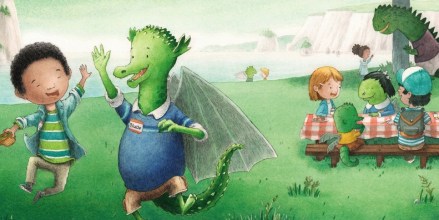
For a moment the celebration stops, but with the turn of the page, huge grins burst out on both George and Blaise as they exchange high fives (and fours). The other kid-and-dragon pals are having a blast too! And what do the teachers have to say? “‘Our plan was a success, my friend, or so it would appear!’ / ‘The Poetry and Pen Pal Project! Once again next year?’”
celebrate-picture-books-picture-book-review-dear-dragon-picnic

Image copyright Montalvo Rodalfo, 2016, text copyright Josh Funk, 2016. Courtesy of Viking Books for Young Readers.

In his inventive story that celebrates friendship, diversity, and the joy of discovering different viewpoints, Josh Funk shows the power of writing and communication to unite people of all backgrounds. Through the alternating letters from George and Blaise, Funk deftly demonstrates that many experiences are universal—like pets, school, hobbies, and parents—while others are just waiting to be shared.  Blaise Dagomir and George Slair’s names are inspired, and may introduce kids to the ancient legends of Saint George and the Dragon and the poem St George and the Dragon by Alfred Noyes. This shout out to this well-known poem of the past further highlights the importance of reading all types of literature for both children and adults in connecting us as global citizens.
celebrate-picture-books-picture-book-review-dear-dragon-flying

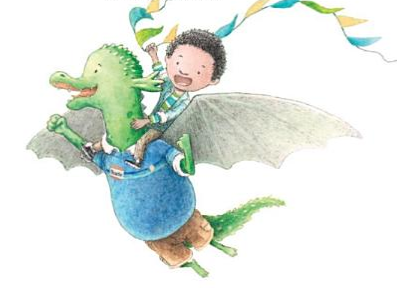
Following the alternating sequence of the letters, Rodolfo Montalvo depicts each pen pal’s perception of the message—along with the reality—in his illustrations that are, as George exclaims, “as awesome as it gets.” There is a special delight in seeing how sweet, earnest, and happily supportive of each other’s lifestyle Blaise and George are as they react to every letter. The full-bleed pages and vibrant colors dazzle with excitement, humor, and ingenious details. The final spreads build suspense as to how George and Blaise will react to each other, and the resolution is cheerfully satisfying.

One striking aspect of both the text and the illustrations is the similarity between the two pen pals. While their activities and experiences may be on different scales, they are comparable and understandable to each child. Likewise, in each painting Montalvo uses complementary colors to unite George and Blaise. This cohesiveness in both words and pictures beautifully represents the theme of inclusiveness.

Dear Dragon: A Pen Pal Tale is a fantastic read-aloud with multiple applications for fun and discussion at home and during classroom and library story times.

Ages 4 – 8

Viking Books for Young Readers, 2016 | ISBN 978-0451472304

Discover more about Josh Funk and his books and find plenty of fun activities to enjoy on his website.

Learn more about Rodolfo Montalvo and his artwork on his website

National Handwriting Day Activity
celebrate-picture-books-picture-book-review-dear-dragon-mcbd-word-search


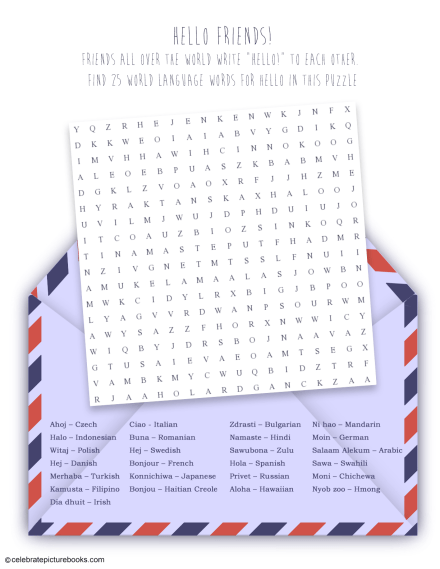
Hello, Friends! Word Search Puzzle


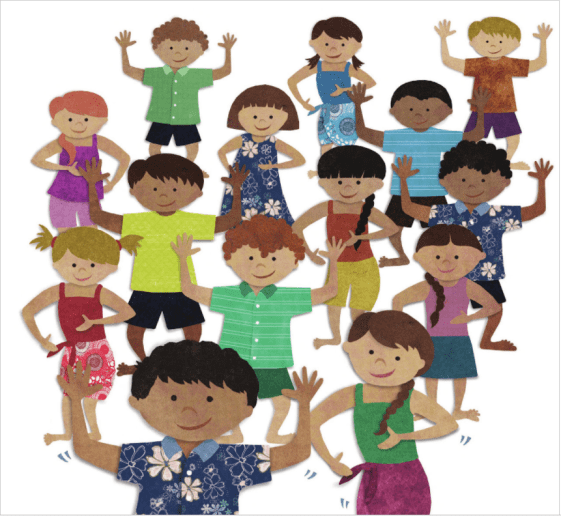
Friends say and write “hello” to each other all over the world. You can learn how to say “hello” in twenty-five languages as you look for them in this printable Hello, Friends Word Search Puzzle!

Hello, Friends! Word Search Puzzle | Hello, Friends! Word Search Solution

celebrate-picture-books-multicultural-children's-book-day-logo-2018

About Multicultural Children’s Book Day

Multicultural Children’s Book Day 2017 (1/27/18) is in its 5th year and was founded by Valarie Budayr from Jump Into A Book and Mia Wenjen from PragmaticMom. Our mission is to raise awareness of the ongoing need to include kids’ books that celebrate diversity in home and school bookshelves while also working diligently to get more of these types of books into the hands of young readers, parents and educators. 

MCBD 2018 is honored to have some amazing Sponsors on board. View our 2018 MCBD Medallion Sponsors here: http://multiculturalchildrensbookday.com/2106-sponsors/mcbd2018-medallion-level-sponsors/

We’d like to also give a shout-out to MCBD’s impressive CoHost Team who not only hosts the book review link-up on celebration day, but who also works tirelessly to spread the word of this event. View our CoHosts: http://multiculturalchildrensbookday.com/about/co-hosts/

TWITTER PARTY Sponsored by Scholastic Book Clubs: MCBD’s super-popular (and crazy-fun) annual Twitter Party will be held 1/27/18 at 9:00pm.

Join the conversation and win one of 12 5-book bundles and one Grand Prize Book Bundle (12 books) that will be given away at the party! http://multiculturalchildrensbookday.com/twitter-party-great-conversations-fun-prizes-chance-readyourworld-1-27-18/

Free Multicultural Books for Teachers: http://bit.ly/1kGZrta

Free Empathy Classroom Kit for Homeschoolers, Organizations, Librarians and Educators: http://multiculturalchildrensbookday.com/teacher-classroom-empathy-kit/

Social Media

Don’t forget to connect with us on social media! Be sure and look for and use our official hashtag #ReadYourWorld.

Picture Book Review


January 7 – Tempura Day

celebrate-picture-books-picture-book-review-my-first-book-of-japanese-words-cover

About the Holiday

Tempura is a delectable dish that originated in Japan when Portuguese Jesuits introduced the recipe in the 16th century. Traditionally, seafood and vegetables are breaded and fried, but other ingredients, including broccoli, zucchini, asparagus, chicken, and some cheeses, are also cooked tempura style around the world. The word tempura derives from the Latin word tempora, which means “times” and refers to Lenten times or Ember Days. To celebrate today’s holiday, enjoy a meal of tempura! You can also learn more about the Japanese culture with your child with today’s book!

My First Book of Japanese Words: An ABC Rhyming Book of Japanese Language and Culture

Written by Michelle Haney Brown | Illustrated by Aya Padron


Upon opening My First Book of Japanese Words, readers are immersed in the beauty of Japan—it’s homes, cities, natural environment, and cuisine. The first page introduces the alphabet with “A is for ari. / A teeny weeny / ant crawls / with teeny / weeny legs on / the bamboo plant.” Moving from the bamboo grove to the city, D takes children on a ride. A “densha—a train in Japan—goes choo choo down / the track as fast as it can.” They disembark at “E…for eki where trains come and go. / An eki in English is station, you know.”

celebrate-picture-books-picture-book-review-my-first-book-of-japanese-words-station

Image copyright Aya Padron, 2017, text copyright Michelle Haney Brown, 2017. Courtesy of tuttlepublising.com.

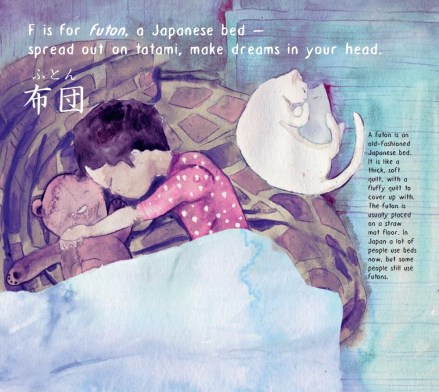
They may be on their way to G “for gakkō, / the word for school, / where we make lots of friends and / learning is cool.” At lunch time kids discover that “H is for hashi. / Chopsticks are nice / for picking up goodies / like veggies and rice.” After lunch there are games like Janken for J, “a game played in / Japan. It’s Rock, / Paper, Scissors / (make those with your hand.)”

celebrate-picture-books-picture-book-review-my-first-book-of-japanese-words-futon

Image copyright Aya Padron, 2017, text copyright Michelle Haney Brown, 2017. Courtesy of tuttlepublising.com.

“N is for neko / a kitty so sweet. / She says ‘nyah’ / when she wants / a treat.” If kitty is having a snack, kids want one too! “O is for onigiri / a Japanse / treat— / a rice ball / that’s yummy / and fun to eat!” Good manners are found when “R is for rei. / We bow when we say / ‘Good morning’ and / ‘Thank you’ and / ‘Have a good day.’”

celebrate-picture-books-picture-book-review-my-first-book-of-japanese-words-kitten

Image copyright Aya Padron, 2017, text copyright Michelle Haney Brown, 2017. Courtesy of tuttlepublising.com.

A child’s learning begins with S for sensei, a teacher from whom students learn aboutT for tanuki…a raccoon dog / with a twinkly eye” and U for uma, “a beautiful horse.” Learning new things is exciting and makes you want to cheer. Learn how with “W is for Waa! / which is how we say Wow!” “Y is for Yatta! / ‘I did it!’ ‘Yay!’ / This is a word / I like to say.” The alphabet ends with “Z is for zō, / an elephant BIG— / but if he sees a mouse / he might dance a jig.”

celebrate-picture-books-picture-book-review-my-first-book-of-japanese-words-dog

Image copyright Aya Padron, 2017, text copyright Michelle Haney Brown, 2017. Courtesy of tuttlepublising.com.

With language that invites readers to discover the connections between cultures, Michelle Haney Brown’s charming rhymes entice children to learn these Japanese words and will spark an interest in learning more. The verses on each page are accompanied by paragraphs that expand a reader’s knowledge of the object or idea presented. In some cases, Brown discusses the absence of particular letters or sounds in the Japanese language.

Aya Padron’s paintings transport children to Japan where they can experience life at home, school, and in nature. Whimsical, tranquil, and lively scenes help young learners absorb the full meaning of the words presented while also teaching them about the culture, sights, sounds, and games of Japan. Each word is also written in Kanji (when applicable) and Kana. Padron’s illustrations glow with a love of this lyrical language and will enchant children. 

My First Book of Japanese Words is a superb book for young language learners and transcends its alphabet book roots to become a book of poetry that would be a fine addition to any child’s bookshelf or classroom library.

Ages 3 – 8

Tuttle Publishing, 2017 | ISBN 978-0804849531

Discover more books for children and adults about Japan and a host of other countries  on the Tuttle Publishing website.

Tempura Day Activity

celebrate-picture-books-picture-book-review-dining-in-japanese-word-search-puzzle

Dining in Japanese Word Search Puzzle


Learning the Japanese words for some of your favorite foods is fun! Can you find the names of twenty Japanese words you’d use while eating in this printable Dining in Japanese Word Search Puzzle?

Dining in Japanese Word Search Puzzle | Dining in Japanese Word Search Solution

Picture Book Review

January 2 – Motivation and Inspiration Day & Multicultural Children’s Book Day Review

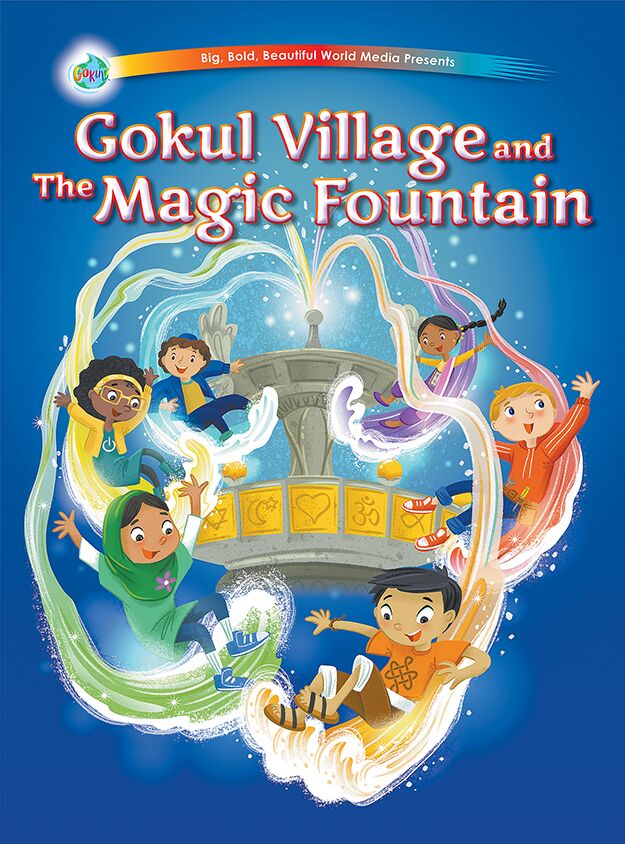
celebrate-picture-books-picture-book-review-gokul-village-and-the -magic-fountain-cover

About the Holiday

The beginning of a new year is often filled with optimism and excitement. We feel motivated and inspired to try new things, make positive changes, and accomplish goals—not only for ourselves but for the world around us. Finding new and diverse books is a fantastic way to get started.

To honor today’s holiday, I’m posting a review for Multicultural Children’s Book Day, an annual event that takes place every January and, this year, culminates on January 27 with a huge online celebration. Throughout the month bloggers, reviewers, and individuals post reviews of children’s books that offer multicultural themes, characters, and stories that inspire young readers and introduce them to peers, situations, and ideas around the world. To learn more about Multicultural Children’s Day and follow the fun, visit their website and see the information below.

Gokul Village and the Magic Fountain

Written by Jeni Chapman and Bal Das | Illustrated by Charlene Chua


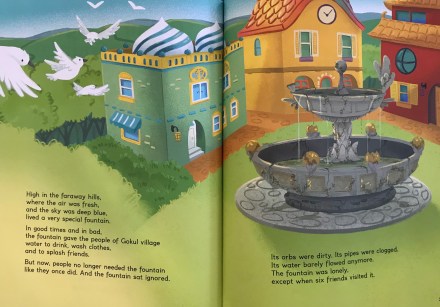
In a faraway land with fresh air and blue skies, Gokul Village was built around “a very special fountain.” The fountain had always provided the people of Gokul Village with “water to drink, wash clothes, and to splash friends.” But now the fountain had fallen into disrepair. The six orbs that circled the pool were dirty and broken, and the pipes were clogged so water could not flow anymore. “The fountain was lonely, except when six friends visited it.”

celebrate-picture-books-picture-book-review-gokul-village-and-the -magic-fountain-gokul

Image copyright Charlene Chua, 2017, text copyright Jeni Chapman and Bal Das, 2017. Courtesy of gokulworld.com.

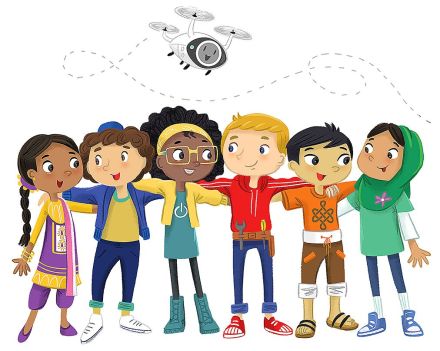
The friends met at the fountain on the way to school and gathered there in the afternoons. Zoya was an artist and loved to paint pictures of “how beautiful the fountain could be.” Christopher loved to build and had “plans to fix the fountain one day.” Riya was inspired by the music of the dripping water when she played her flute, and Dalai rode his bike faster and faster as he circled the fountain. Jacob would bring his own homemade treats, and Noelle experimented with the drone iDEA that she had designed.

celebrate-picture-books-picture-book-review-gokul-village-and-the -magic-fountain-children

Image copyright Charlene Chua, 2017, text copyright Jeni Chapman and Bal Das, 2017. Courtesy of gokulworld.com.

When the friends played together they imagined that the fountain connected to all the world’s waterways and could take them on adventures. They joined hands and skipped around the fountain singing, “‘Waters of the world, connect us this day. Waters of the world, take us away.’” New Year’s Day was approaching, and the children were looking forward to the big village party. Soon, they would be helping to decorate the square. But one day, Dalai brought bad news. The mayor had canceled the party because the fountain—the centerpiece of the celebration—could not be fixed in time.

The friends were disappointed, but then Christopher had an idea. If they all worked together, he thought, they could fix the fountain in time. They were all in! Riya gave each person a job to do. Noelle was to research the history of the fountain. She and Zoya were to find new orbs to replace the old ones. Christopher was going to fix the pipes. Dalai could restore the broken decorative stonework, and Jacob would keep them all working hard with his snacks.

celebrate-picture-books-picture-book-review-gokul-village-and-the-magic-fountain-fixed-fountain

Image copyright Charlene Chua, 2017, text copyright Jeni Chapman and Bal Das, 2017. Courtesy of gokulworld.com.

The next step was to convince the mayor that they could do it. Dalai, who loved talking with people, met with the mayor and got her approval. “If they could clean up the fountain, the celebration wouldn’t be canceled.” The kids went to work and in two days, the fountain was beautiful and the water flowed again. When the mayor came to look, she declared the New Year’s festival was “back on.”

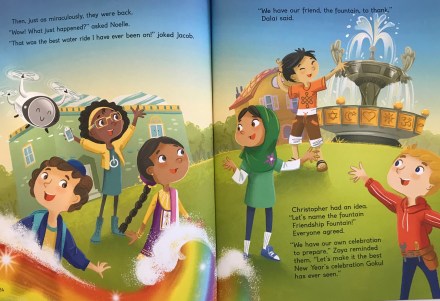
Suddenly, “the fountain glowed with extra shimmer,” and the water glistened. The orbs shone and granted each child “an extraordinary gift. Notes from Riya’s flute transformed into singing birds.” Zoya could paint pictures in the air. “The beads of Dalai’s bracelet glowed with light.” Jacob’s backpack suddenly filled with all types of cooking ingredients and utensils. Christopher’s tools grew, and iDEA gained the ability to speak.

celebrate-picture-books-picture-book-review-gokul-village-and-the -magic-fountain-song

Image copyright Charlene Chua, 2017, text copyright Jeni Chapman and Bal Das, 2017. Courtesy of gokulworld.com.

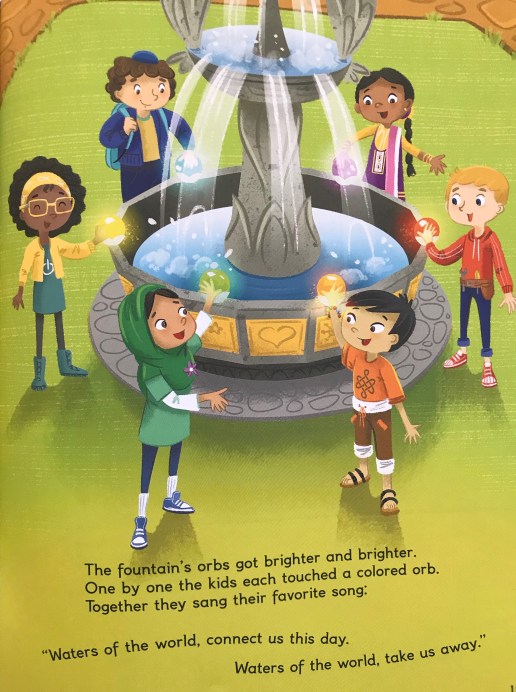
iDEA told Noelle to look in the heart of the fountain for its hidden words. There, the kids found an invitation: “The world is big, are you bold? / With my help you’ll soon know. / Say the words. Watch me glow / 1, 2, 3…and off you go!” Then each orb shone with a different color. The children each placed a hand on an orb and sang their song. All at once, they found themselves floating to places they’d always wanted to see. They “saw the jostling, jolly New York City crowd” and watched the ball drop in Times Square to celebrate “the arrival of the New Year.” They joined the Chinese New Year parade and “watched millions of people clap and sway together, hoping for happiness and good fortune for all.” Then they found themselves in the midst of the “dazzling glow of the Diwali festival in India, signifying the power of light over darkness.”

celebrate-picture-books-picture-book-review-gokul-village-and-the -magic-fountain-back-from-travels

Image copyright Charlene Chua, 2017, text copyright Jeni Chapman and Bal Das, 2017. Courtesy of gokulworld.com.

Just as quickly as they had left, the children were back at the fountain. To commemorate their magical adventure, the children decided to name the fountain “‘Friendship Fountain.’” But they had no time to waste! They made decorations inspired by all the celebrations they had seen and hung them in the town square. The next day, Gokul Village’s New Year’s celebration was the best ever.

The six friends were eager to have another adventure. Since Dalai had set the adventure in motion the first time, he whispered, “‘Friendship Fountain awake, Friendship Fountain activate.’” With that, Dalai’s bracelet glowed. Each child touched one of the fountain’s orbs and sang their song. As their voices soared into the sky, they felt themselves being lifted up too. “Where in the world would they go this time?”

celebrate-picture-books-picture-book-review-gokul-village-and-the -magic-fountain-bracelet-glowing

Image copyright Charlene Chua, 2017, text copyright Jeni Chapman and Bal Das, 2017. Courtesy of gokulworld.com.

There is much to entice young readers in Jeni Chapman and Bal Das’s enriching story of six friends who have their sights set on their connections to each other and the world and the positive things they can accomplish. As the diverse group of children is introduced along with their unique talent, readers will recognize their various personalities and be eager to learn more about them. The children’s enthusiasm is infectious as they team up to fix the fountain and are rewarded with magical gifts and a special power to travel the world. Organically incorporating ideas of inclusiveness, cooperation, compromise, volunteering, and teamwork through realistic dialogue, this story is upbeat and affirmative and one that readers will respond to.

celebrate-picture-books-picture-book-review-gokul-village-and-the -magic-fountain-all-kids

Copyright Charlene Chua, 2017, courtesy of gokulworld.com.

Upon opening the book to the first page, children are welcomed into the heart of Gokul Village where homes, each representing a different style of world architecture, circle the fountain. The effect is immediately inviting while introducing the story’s theme of unity. Each of Charlene Chua’s vibrant illustrations is infused with a joyful harmony as the children of diverse ethnicities pursue their individual talents while embracing each other as friends.

For today’s children, the Friendship Fountain—decorated with symbols of love, direction, and world religions—is a fitting metaphor for the global community, and the friends are excellent role models. The children of Gokul have inherited a monument that they love, that can provide for their needs, and that gives them a place to come together. The children want to improve it for all the townspeople, and without hesitation, they go about fixing it. Images of the festivals the children visit are full of light and cheer, and the decorated square shows that there is room for all traditions.

celebrate-picture-books-picture-book-review-gokul-village-and-the -magic-fountain-orbs

Image copyright Charlene Chua, 2017, text copyright Jeni Chapman and Bal Das, 2017. Courtesy of gokulworld.com.

Gokul Village and the Magic Fountain is the first in a planned series of books and other entertainment, including digital shorts, an animated series, and interactive games that prepare “children ages 4 -7 for success by fostering exploration, understanding and celebration of cultural diversity.” The book would be a welcome and relatable addition to home and classroom libraries to foster discussions, learning, and creative projects.

Ages 4 – 7

Big, Bold, Beautiful World Media, 2017 | ISBN 978-0692917381

Discover a portfolio of illustration work by Charlene Chua on her website.

You can find Gokul Village and the Magic Fountain at:

Gokul World | Amazon | Barnes & Noble | Books-a-Million | IndieBound

Motivation and Inspiration Day Activities

celebrate-picture-books-picture-book-review-friendship-bracelet-craft

World Friendship Bracelet


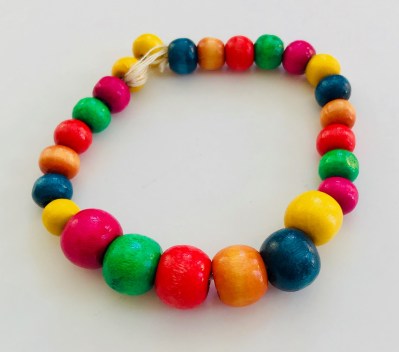
Like Dalai in the story, you can make and wear a special bracelet with colorful beads that represent your friends, your dreams, or various places in the world that you would like to visit.

Supplies

  • Wooden or plastic beads in six colors. For the center beads, get one of each color in a medium size. For the rest of the bracelet, get beads in a smaller size. (Dalai’s bracelet has red, purple, blue, yellow, green, and orange beads.)
  • Elastic, embroidery thread, or string
  • Scissors
  • Sewing needle with a large eye

Directions

  1. Measure your wrist and cut a length of elastic, embroidery thread, or string, leaving it long enough to tie on the first and last beads (and make a loop clasp if using thread or string).
  2. Thread the needle with the elastic, embroidery thread, or string.
  3. Thread the first bead onto the elastic, thread, or string, leaving about a half-inch at the end.
  4. Pull end of thread over bead and tie a knot with the end and the length of string.
  5. Approximate the center of your bracelet and thread several small beads in a color pattern onto the elastic, thread, or string.
  6. Thread the medium beads onto the bracelet in the same color pattern.
  7. Follow with more small beads to finish the bracelet.
  8. Tie the last bead onto the elastic, thread, or string.
  9. To make a loop clasp on the end if using embroidery thread or string, loop the thread or string.

celebrate-picture-books-picture-book-review-a-world-of-friends-word-search-puzzle

A World of Friends Word Search Puzzle


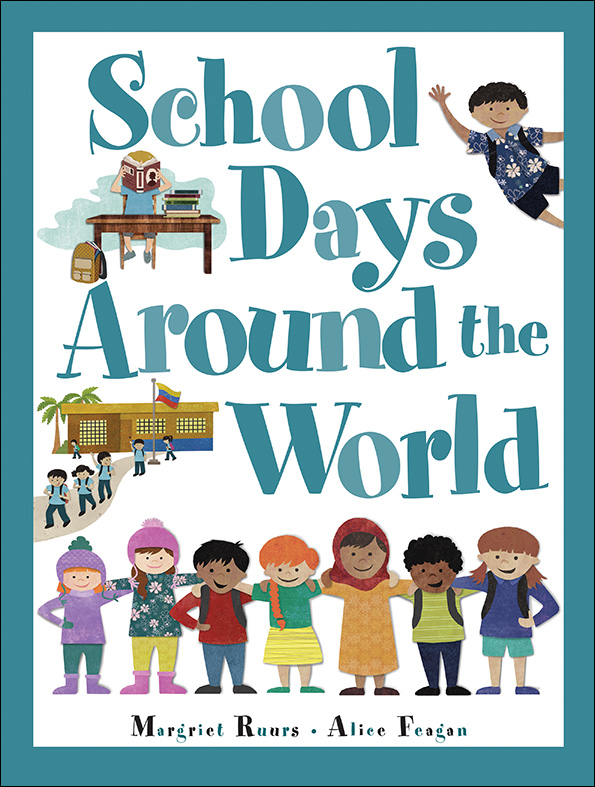
There are friends all over the world waiting to meet you! Learn the word for “Friend” in twenty-one languages and find them all in this printable A World of Friends Word Search Puzzle!

A World of Friends Word Search Puzzle | Word Search Puzzle Solution

celebrate-picture-books-multicultural-children's-book-day-logo-2018

About Multicultural Children’s Book Day

Multicultural Children’s Book Day 2017 (1/27/18) is in its 5th year and was founded by Valarie Budayr from Jump Into A Book and Mia Wenjen from PragmaticMom. Our mission is to raise awareness of the ongoing need to include kids’ books that celebrate diversity in home and school bookshelves while also working diligently to get more of these types of books into the hands of young readers, parents and educators. 

MCBD 2018 is honored to have some amazing Sponsors on board. View our 2018 MCBD Medallion Sponsors here: http://multiculturalchildrensbookday.com/2106-sponsors/mcbd2018-medallion-level-sponsors/

We’d like to also give a shout-out to MCBD’s impressive CoHost Team who not only hosts the book review link-up on celebration day, but who also works tirelessly to spread the word of this event. View our CoHosts: http://multiculturalchildrensbookday.com/about/co-hosts/

TWITTER PARTY Sponsored by Scholastic Book Clubs: MCBD’s super-popular (and crazy-fun) annual Twitter Party will be held 1/27/18 at 9:00pm.

Join the conversation and win one of 12 5-book bundles and one Grand Prize Book Bundle (12 books) that will be given away at the party! http://multiculturalchildrensbookday.com/twitter-party-great-conversations-fun-prizes-chance-readyourworld-1-27-18/

Free Multicultural Books for Teachers: http://bit.ly/1kGZrta

Free Empathy Classroom Kit for Homeschoolers, Organizations, Librarians and Educators: http://multiculturalchildrensbookday.com/teacher-classroom-empathy-kit/


Social Media

Don’t forget to connect with us on social media! Be sure and look for and use our official hashtag #ReadYourWorld.

Picture Book Review

December 30 – Baking Soda Day

celebrate-picture-book-picture-book-review-baking-day-at-grandma's-cover

About the Holiday

Baking soda is one of those little chemical compounds that is indispensable in so many ways. First produced in 1791 by French chemist Nicolas Leblanc, it’s used for everything from cleaning solutions to health remedies to black snake fireworks to science fair volcanoes. In 1846 two New York bakers, John Dwight and Austin Church, established the first factory in the United States to produce baking soda from sodium carbonate and carbon dioxide. Of course, baking soda is also used to make treats of all kinds – even the ones featured in today’s book!

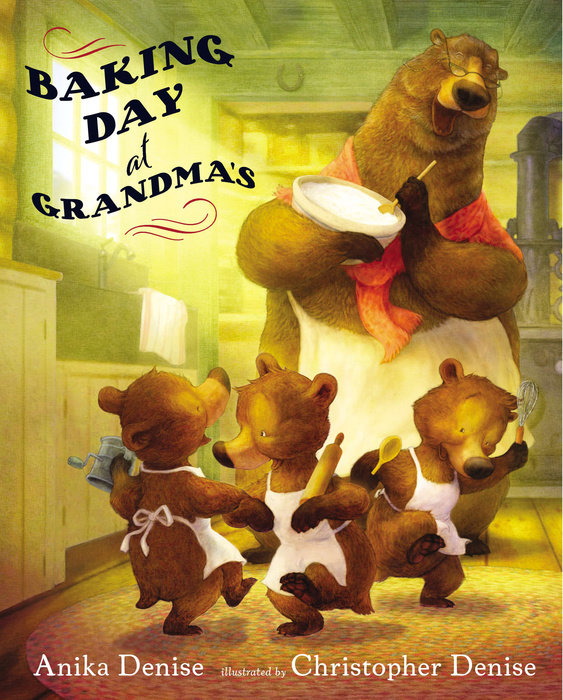
Baking Day at Grandma’s

Written by Anika Denise | Illustrated by Christopher Denise


Three little cubs bundle up in their winter coats, hats, scarves, and mittens and head out over the snowy hills to Grandma’s for baking day. Soon they see “past the pond so smooth and clear / little cottage drawing near.” A knock on Grandma’s door brings her closer, and when she opens the door the trio give her a kiss before entering the snug home.

celebrate-picture-book-picture-book-review-baking-day-at-grandma's-in-the-snow

Image copyright Christopher Denise, courtesy of Philomel Books

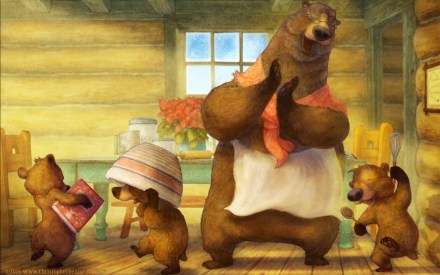
After warming their toes by the fire, the young bears grab the cookbook, a mixing bowl, a spoon, and a whisk because “It’s baking day! / It’s baking day! / It’s baking day! / at Grandma’s!” As her little bakers stand on chairs to reach the table, Grandma passes out aprons and reads the recipe. Happily crowded around the bowl, the cubs with “wooden spoon and measuring cup, / mix the batter; stir it up. / Fold it gently in the pan, / lick the spoon because we can.”

celebrate-picture-book-picture-book-review-baking-day-at-grandma's-marching-around

Image copyright Christopher Denise, courtesy of Philomel Books

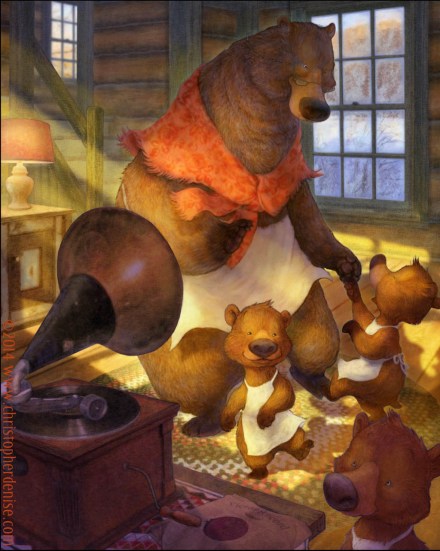
While they wait for their treats to bake, Grandma pours tummy-warming mugs of hot chocolate and one little bear draws a smiley face on the frosty window for a little chickadee to see. Grandma puts a record on her old Victrola, and as she sings the “soft and sweet skippy notes,” the cubs tap their feet. At last the kitchen timer rings, and the little bears dance arm in arm because “It’s baking day! / It’s baking day! / It’s baking day! / at Grandma’s!”

The chocolate goodies pop from the pan, and with icing and sprinkles are ready to be wrapped and tied with a red ribbon. Other treats get pretty bags, “each one marked with little tags.” The cubs are also bundled nice and warm, and with final hugs for Grandma, they are soon “Walking home under the moon. / Back to visit Grandma soon.”

celebrate-picture-book-picture-book-review-baking-day-at-grandma's-music

Image copyright Christopher Denise, courtesy of Philomel Books

Anika Denise’s sweet, rhyming story is as heartwarming as a cozy kitchen on a cold day. The buoyant rhythm is a joy to read, and Denise’s infectious repeated verse, “It’s baking day! / It’s baking day! / It’s baking day! / at Grandma’s!” invites little ones to join in the story. The bond between the three cubs and their grandma is full of love and hugs, and just like the young bears, readers will want to return again and again to Grandma’s house.

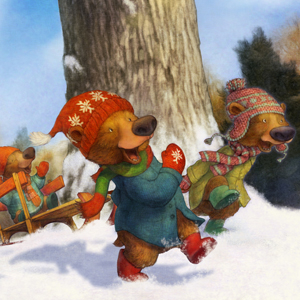
Christopher Denise infuses his winter landscapes and Grandma’s house with rich, warm colors that welcome readers into this special family baking day. The three cubs, wrapped in green coats and red knit caps, march with their sled over brilliant white snowy hills between their house and Grandma’s tidy log cabin. Inside, the rooms glow with golden sunshine, and it’s easy to see why the cubs love their attentive grandma so as she gently guides them in baking.

Newly available as a board book, Baking Day at Grandma’s is a book that young children will love to hear over and over at story time, naptime, or bedtime. It would also make an appreciated gift to or from a grandmother.

Ages 2 – 5

Philomel Books, 2016 | ISBN 978-0399171574 (board book) / 978-0399242441 (hardcover)

Learn more about Anika Denise and her books and find Reader Engagement and Activity Kits on her website!

Discover the illustrated world of Christopher Denise on his website!

Spend time baking with Grandma with this sweet book trailer!

Bake for Family Fun Month Activity

celebrate-picture-books-picture-book-review-cupcakes

Very Vanilla Cupcakes


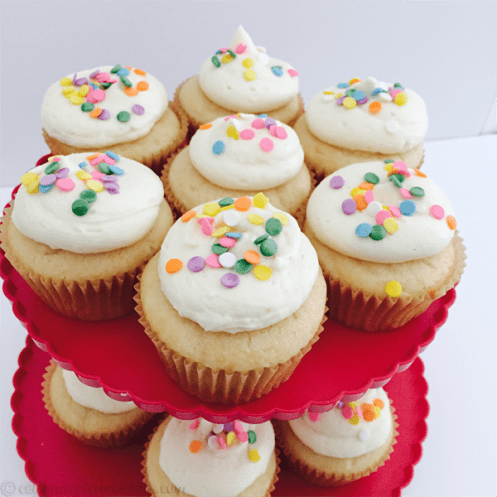
This delicious vanilla cupcake recipe from Sally’s Baking Addiction would definitely please Grandma—and they’ll become your favorite confection too!

Vanilla Cupcakes

  • 1 and 2/3 cup (210g) all-purpose flour (spoon & leveled)
  • 1/2 teaspoon baking powder
  • 1/4 teaspoon baking soda
  • 1/2 teaspoon salt
  • 1 cup (200g) granulated sugar
  • 1/2 cup (115g) unsalted butter, melted and slightly cooled
  • 2 large egg whites
  • 1/4 cup (60g) vanilla Greek yogurt (or plain; or regular yogurt; or even sour cream)
  • 3/4 cup (180ml) vanilla almond milk (or cow’s milk; or soy milk; or plain almond milk)
  • 2 teaspoons pure vanilla extract seeds scraped from 1/2 split vanilla bean1

Vanilla Bean Frosting

  • 1 cup (230g) unsalted butter, softened to room temperature
  • 4-5 cups (480-600g) confectioners’ sugar
  • 1/4 cup (60ml) heavy cream2
  • 1 teaspoon vanilla extract seeds scraped from 1/2 split vanilla bean1
  • Salt, to taste

Directions

  1. Preheat oven to 350F degrees. Line muffin tin with 12 cupcake liners. Set aside.
  2. In a medium bowl, mix together flour, baking powder, baking soda, and salt. Set aside. In a large microwave-safe bowl, melt butter in the microwave. Whisk in sugar – mixture will be gritty. Whisk in egg whites, yogurt, milk, and vanilla extract until combined. Split 1 vanilla bean down the middle lengthwise. Scrape seeds from half of the vanilla bean into batter. Reserve other half.
  3. Slowly mix dry ingredients into the wet ingredients until no lumps remain. Batter will be thick.
  4. Divide batter among 12 cupcake liners (or 24 mini) and bake for 20 minutes or until a toothpick inserted in the center comes out clean. Bake for 8-9 minutes if making mini cupcakes. Allow to cool.
  5. To make the frosting, beat softened butter on medium speed with an electric or stand mixer. Beat for about 3 minutes until smooth and creamy. Add confectioners’ sugar, cream, vanilla extract, and vanilla bean seeds with the mixer running. Increase to high speed and beat for 3 minutes. Add more powdered sugar if frosting is too thin or more cream if mixture is too thick. Add salt if frosting is too sweet (1/4 teaspoon). Frost cooled cupcakes (I used Wilton 1M piping tip). There may be leftover frosting depending how much you use on each cupcake.
  6. Store cupcakes in an airtight container at room temperature for up to 3 days and in the refrigerator up to 7.

Additional Notes

  1. If you can’t get your hands on vanilla beans, add an extra ½ teaspoon of pure vanilla extract instead.
  2. Strongly urged to use heavy cream. You may use milk or half-and-half, but heavy cream will give the frosting a thicker texture. I recommend it!

For ways to adapt this recipe and more scrumptious recipes, visit Sally’s Baking Addiction. I guarantee you’ll go back again and again!

Picture Book Review

December 23 – National Roots Day

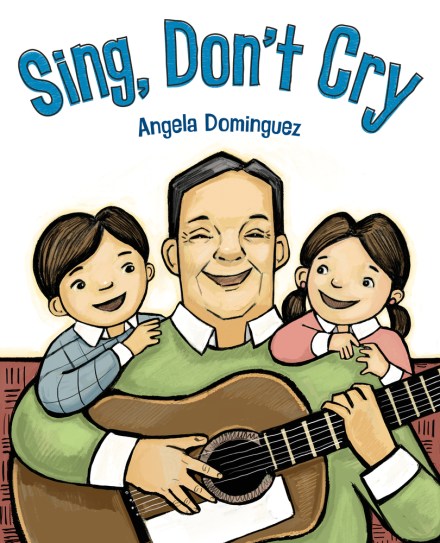
celebrate-picture-books-picture-book-review-sing-don't-cry-cover

About the Holiday

As families gather for holidays this month, National Roots Day encourages people to talk about their collective histories, look at old photographs, and tell family stories. Sharing laughs, traditions, and those “remember when…?” stories with children helps give them a sense of connection and belonging and ensures that important events, customs, and relationships aren’t lost to time.

Sing, Don’t Cry

By Angela Dominguez


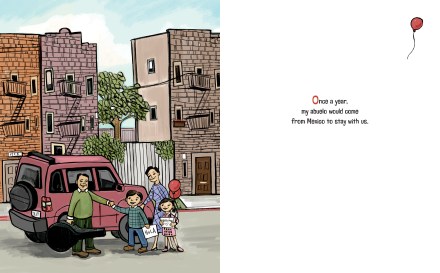
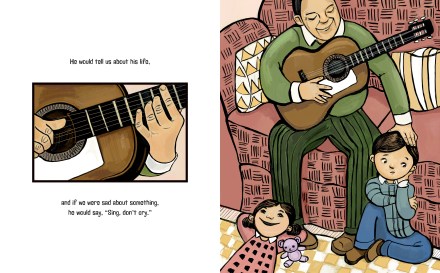
Once a year, Abuelo came from Mexico to visit his family in America. “He always brought his guitar,” and he sang to his granddaughter and grandson every night. Abuelo would talk about his life, and if the children were sad, his advice was “‘Sing, don’t cry. Because singing gladdens the heart.’”

celebrate-picture-books-picture-book-review-sing-don't-cry-abuelo-arrives

Copyright Angela Dominguez, 2017, courtesy of us.macmillan.com.

One of the stories Abuelo told was about a time when he was very young and his family “had to travel a long way to find a new home.” Just like his granddaughter and grandson’s family. He said that “singing made the distance seem smaller.” He also knew that when bad things happen, singing can make them better. “‘Some things may be lost forever,’” he said, “‘but maybe that makes room for new and wonderful things to be found.’”

celebrate-picture-books-picture-book-review-sing-don't-cry-playing-guitar

Copyright Angela Dominguez, 2017, courtesy of us.macmillan.com.

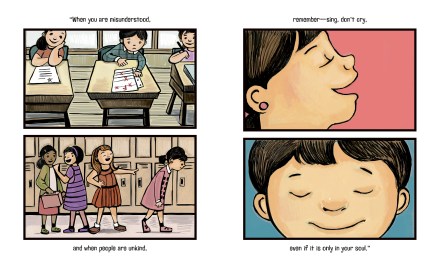
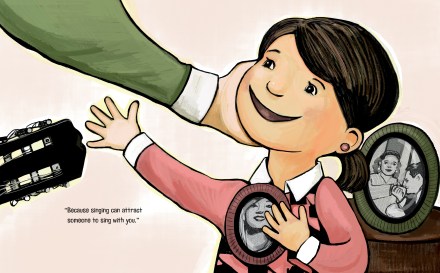
When you feel alone, Abuelo said, singing can attract friends. When there are days that are hard or when people are mean, singing—“even if it is only in your soul”—can cheer you. As Abuelo strummed his guitar and sang to his precious grandchildren, he reminded them that “‘I will always be singing with you.’”

celebrate-picture-books-picture-book-review-sing-don't-cry-singing-uplifts

Copyright Angela Dominguez, 2017, courtesy of us.macmillan.com.

Angela Dominguez pairs her heartwarming text with images that are at once simple and complex as they hold images that span the generations while also bringing them together. As Abuelo arrives as his daughter’s house, his grandchildren greet him enthusiastically with signs and balloons. The children are excited to see Abuelo get out his guitar, and as he sings, readers see that each child is comforted in different ways by their interactions with their grandfather.

celebrate-picture-books-picture-book-review-sing-don't-cry-singing-attracts-friends

Copyright Angela Dominguez, 2017, courtesy of us.macmillan.com.

A sepia-hued portrait on the wall of Abuelo as a young man as well as clothing choices offer color-coded clues to Abuelo’s history and reassurance for events in the lives of his grandkids. As Abuelo reveals the restorative power of singing, Dominguez portrays examples of three situations on a tri-paneled page. The top, sepia-colored image depicts a boy sick in bed as a worried mother looks on; the second image is rose-colored and shows a single teddy bear; and in the aqua-toned third, a boy sits forlornly on the sidelines of an American football game.

celebrate-picture-books-picture-book-review-sing-don't-cry-young-abuela

Copyright Angela Dominguez, 2017, courtesy of angeladominguezstudio.com.

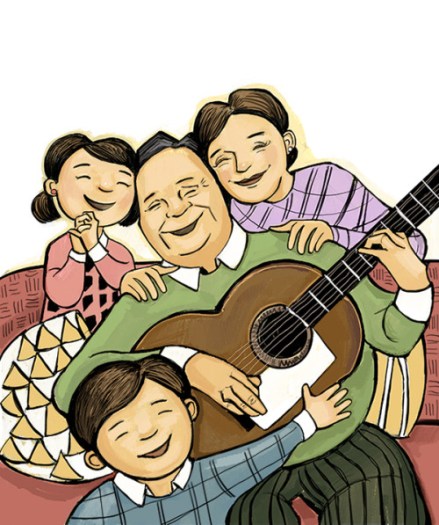
Turning the page, these three panels are more fully developed, letting young readers experience each characters’ disappointment in events that will resonate with them. Turn the page again, and children see that Abuelo’s assurance of brighter days comes true for all. Abuelo’s positive outlook is further revealed in cherished framed photographs, and the final image of the whole family gathered around Abuelo and his guitar is joyful.

celebrate-picture-books-picture-book-review-sing-don't-cry-family

Copyright Angela Dominguez, 2017, courtesy of angeladominguezstudio.com.

An Author’s Note includes the lyrics from Cielito lindo that inspired the story as well as a brief biography of Angela Dominguez’s grandfather, Apolinar Navarrete Diaz, that provides a deeper understanding of the story and the significance of Abuelo’s guitar.

An inspiring and uplifting story, Sing, Don’t Cry would be a welcome read for those times when encouragement is needed both at home and in a classroom setting.

Ages 4 – 8

Henry Holt and Company Books for Young Readers, 2017 | ISBN 978-1627798396

Learn more about Angela Dominguez, her books, and her art on her website.

National Roots Day Activity

celebrate-picture-books-picture-book-review-grandpa-fill-in-sheet

I Love Grandma and I Love Grandpa Pages


What are some of the favorite things you love about your grandmother and grandfather? Fill out, draw your and your grandparents’ faces, and color these printable I Love Grandma and I Love Grandpa Pages. They even make nice gifts that your grandparents’ will appreciate!

I Love Grandma | I Love Grandpa

Picture Book Review
December 15 – It’s Universal Human Rights Month

celebrate-picture-books-picture-book-review-school-days-around-the-world-cover

About the Holiday

December is Human Rights Month, an observance established by the United Nations in order to raise awareness of, promote, and protect the equality of the world’s citizens. Following World War II the United Nations General Assembly put forth thirty articles covering rights of education, freedom, health, and more. These articles serve to protect people in times of war and peace to help ensure that all people around the world are allowed to live in freedom and safety. It takes vigilance, compassion, dedication, and determination, but achieving the goal of equal human rights is a responsibility we all share.

School Days Around the World

Written by Margriet Ruurs | Illustrated by Alice Feagan


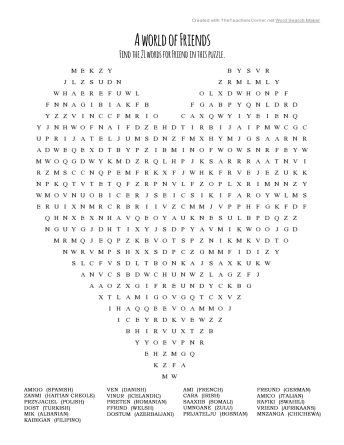
Every day millions of children around the world go to school, but schools can vary from place to place. Some classes are held in large buildings with libraries, science labs, and computer rooms while others gather in small buildings or even outside. “Schools around the world may be very different, but children everywhere like to have friends and learn new things.” In School Days Around the World, readers meet children from thirteen countries to learn what their educational day is like.

celebrate-picture-books-picture-book-review-school-days-around-the-world-violin.jpg

Image copyright Alice Feagan, 2015, text copyright Margriet Ruurs, 2015. Courtesy of Kids Can Press.

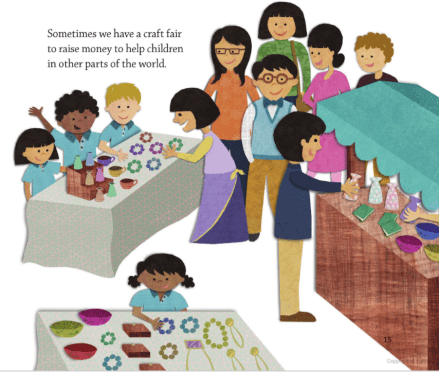
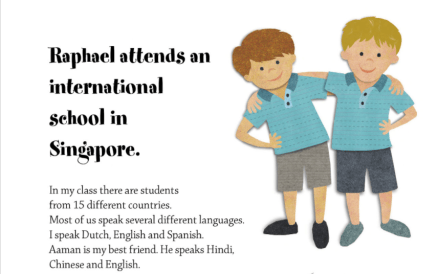
First, children meet Tamatoa, who attends school on Rarotonga, one of the Cook Islands in the South Pacific. Tamatoa arrives to school on a scooter just as the “thang-Thong-thang! of the wooden slit drum calls students inside. Tamatoa’s teacher is wearing flowers in her hair as she does every day. She teaches the children their Ura language, and in the afternoon they dance the hupa, the island’s traditional dance. In Singapore Raphael goes to an international school where the students speak many languages. Raphael knows Dutch, English, and Spanish. His best friend Aamon speaks Hindi, Chinese, and English. Raphael likes to read and write stories on the computer. Sometimes they “have a craft fair to raise money to help children in other parts of the world.”

celebrate-picture-books-picture-book-review-school-days-around-the-world-international-school

Image copyright Alice Feagan, 2015, text copyright Margriet Ruurs, 2015. Courtesy of Kids Can Press.

Marta walks to her school in Azezo, Ethiopi, even though she is blind. Her friend Ayana holds her hand tightly to help “her around potholes and cow patties.” There are so many students that there are two different sessions. Marta goes in the morning with 500 other children. There are 70 students in her class. They learn Amharic and about Ethiopia. At noon Ayana and Marta “hurry home to help feed the ox and cow and to fetch water from the village well.”

celebrate-picture-books-picture-book-review-school-days-around-the-world-china

Image copyright Alice Feagan, 2015, text copyright Margriet Ruurs, 2015. Courtesy of Kids Can Press.

Camilla is from Germany. Her older brother Johannes lives at a boarding school during the school year. He shares his room in an old stone house with three boys. Everyone eats together and cleans up afterward—just like in a family. In class he learns “about nature and science. They also learn how to sail.” Camilla can’t wait until it’s her turn to go to school.

If you visited Annika at school in Copenhagan, Denmark, you would probably spend most of the day outside. Some days the students take a bus to their forest school. There the “run and climb on an old boat.” They “play on swings and with a ball.” Outside they also listen to birds and learn about plants and insects and other parts of nature.

celebrate-picture-books-picture-book-review-school-days-around-the-world-craft-fair

Image copyright Alice Feagan, 2015, text copyright Margriet Ruurs, 2015. Courtesy of Kids Can Press.

While Annika enjoys spending cold days outside, Ana’s days are usually warm. She lives in San Luis, Honduras and walks an hour from her home in the hills to her new school. Inside, two teachers show the children how to read and write. Sometimes, Ana says, “a nurse visits our school. She teaches us how to brush our teeth and stay healthy.” One day a van delivers backpacks full of school supplies, books, and even running shoes.

In Alberta Canada, Shanika goes to a First Nations school where she learns her traditional Cree language along with math and language arts. After lunch, they hear stories, and elders teach them “powwow dances, drumming and how to raise a teepee. They also hold feasts where there are prayers, and the whole community shares tea, soup, bannock loaded with beans and cheese, and berries.

celebrate-picture-books-picture-book-review-school-days-around-the-world-turkey

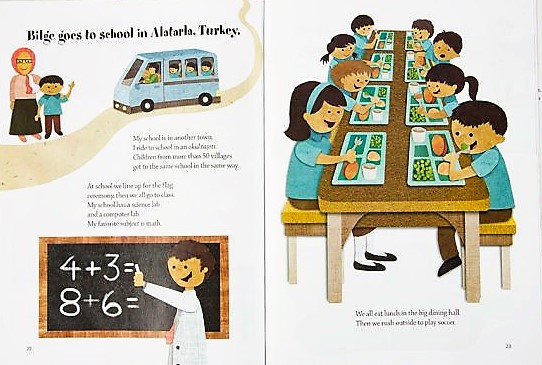
You can also spend school days with Lu in China, Alina in Kazakhstan, Mathii in Kenya, Bilge in Turkey, Luciano in Venezuela, and Amy and Gwen in Alaska, USA.

 In her short, engaging stories based on the lives of real families, Margriet Ruurs takes readers globe-trotting with new friends to show readers a typical school day in cities big and small. The details of each child’s experience—both familiar and unique—help readers learn more about their peers, promoting greater empathy and understanding now and for a better future.

celebrate-picture-books-picture-book-review-school-days-around-the-world-dancing

Image copyright Alice Feagan, 2015, text copyright Margriet Ruurs, 2015. Courtesy of Kids Can Press.

Alice Feagan’s cut paper collages are full of joy and personality as kids dance, play, read, and study together. While the students’ clothing, lunches, and school buildings may differ from country to country, readers will see that the enthusiasm to learn is universal. A world map at the beginning of the book points out where each featured child lives.

A discussion following the text gives teachers, homeschoolers, and individuals tips on using the book to expand on the stories told. A glossary provides definitions and a pronunciation key for the native words found throughout the book. School Days Around the World offers a wonderful opportunity to jumpstart lessons on world customs and geography.

Ages  3 – 8

Kids Can Press, 2015 | ISBN 978-1771380478

Discover more about Margriet Ruurs and her books as well as activities for teachers and readers on her website!

You’ll find more about Alice Feagan and a portfolio of her illustration work on her website!

Universal Human Rights Month Activity

celebrate-picture-books-picture-book-review-human-rights-month-coloring-page

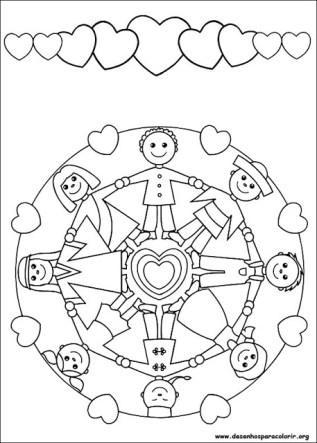
Friends Around the World Coloring Page


Having friends from all over the world is fun! Grab your colored pencils or crayons and enjoy this printable Friends Around the World Coloring Page!

Picture Book Review

December 4 – National Sock Day

celebrate-picture-books-picture-book-review-red-socks-cover

About the Holiday

Today’s holiday celebrates togetherness—the togetherness of matched socks that always seem to find each other even after being tumbled around in the washer, separated in the drier, stuffed into different shoes, and tossed onto the floor. Mismatched socks are fun, but having a pair of matching socks goes a long way toward looking neat and put together. To  honor today’s holiday, you might want to spend a little time organizing your sock drawer or doing a little laundry. As winter approaches, your tootsies will thank you for having warming socks ready to go!

Red Socks

Written by Ellen Mayer | Illustrated by Ying-Hwa Hu


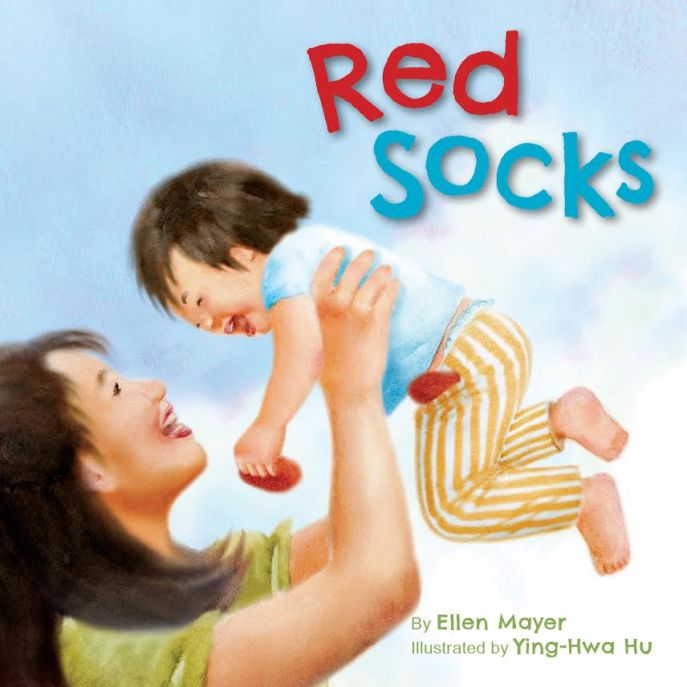
It’s laundry day and the clothes are all dried and soft and ready to wear. “‘Here is your blue shirt, with the goldfish on it,’” Mama says, pulling the top out of the basket and bending down to eye level to show it to her baby. Next, Mama describes the “yellow and white striped pants” she puts on her child. “‘Let’s see what else is in the laundry basket,’” she says.

celebrate-picture-books-picture-book-review-red-socks-shirt

Image copyright Ying-Hwa Hu, text copyright Ellen Mayer. Courtesy of starbrightbooks.com

Mama pulls a tiny red sock from the basket, but—“UH-OH!—where is the other red sock?’” Now it’s the baby’s turn to help. With a look down, the toddler shows Mama where the sock is. “‘You found the other red sock. Yay!’” she says, giving words to the baby’s action. She continues explaining while pointing to the sock poking out of the baby’s pocket: “‘It was hiding in your pants pocket!” Once the laundry is folded, Mama tells her child exactly what they will do next while she playfully slips the other red sock on the baby’s wiggling feet. “‘Let’s put that other sock on your foot. Then we can go play outside.’” As the baby flies in the swing outside, the red socks are brilliant dots against the blue sky.

celebrate-picture-books-picture-book-review-red-socks-pants

Image copyright Ying-Hwa Hu, text copyright Ellen Mayer. Courtesy of starbrightbooks.com

Ellen Mayer’s simple and charming story of a particular moment in a mother and child’s day will immediately appeal to even the youngest reader. Familiar words coupled with clear, vivid illustrations will engage toddlers who are pre-talking and just learning language and concept development. The mother’s use of complete sentences as well as step-by-step descriptions of the activities the child sees and is involved in demonstrates how adults can converse with their babies and young children to encourage strong language and literacy skills. Free of gender-specific pronouns, Red Socks is a universal story.

Ying-Hwa Hu’s illustrations show a mother and child interacting on a typical day while they complete common chores and go outside to play. The mother and child portray a range of emotions and gestures, giving further depth to the understanding of the ideas and conversation presented. Kids will giggle at the adorable puppy who causes a bit of mischief on each page.

Ages Birth – 5

Star Bright Books, 2015 | ISBN 978-1595727060

To learn more about Ellen Mayer and her Small Talk Books® (including other titles: Cake Day and Rosa’s Very Big Job) as well as to find activities to accompany each book, visit her website!

Discover more about Ying-Hwa Hu and view a portfolio of her illustration work on her website!
About Small Talk Books®

Ellen Mayer’s Small Talk Books® feature young children and adults conversing (or adults speaking to children who are not talking yet) while they have fun, do chores, shop, and bake together. Their conversations demonstrate the kind of excitement and close relationships that encourage learning and language advancement. Each Small Talk Book® includes an accompanying note from Dr. Betty Bardige, an expert on young children’s language and literacy development and the author of Talk to Me, Baby! How You Can Support Young Children’s Language Development. The introduction discusses how children connect actions, words, and meaning as adults speak to them while doing particular jobs or actions.

Other titles in the Small Talk Books® series include Cake Day and Rosa’s Very Big Job. Each book makes a wonderful gift for baby showers, new parents, or anyone with young children in the family. They would be a welcome addition to any young child’s bookshelf as well as libraries and preschool classrooms.
National Sock Day Activity

celebrate-picture-books-picture-book-review-sock-tumble-matching-game


Sock Tumble Matching Game


These socks were separated in the laundry. Can you find the matching pairs in this printable Sock Tumble Matching Game.


Picture Book Review