December 12 – International Sound Check Day

About the Holiday

Today’s holiday began with a bit of serendipity in 2012, when some people online noticed a connection with the abbreviated date notation 12/12/12 with the well-known phrase “check one two, one two” that musicians, speakers, and sound engineers use when testing microphones before a live event. This recognition grew over time to celebrate not only the suspense inherent in those momentary sound checks, but the importance of this preparation to performers and audiences alike as well as to all the creative professionals behind this technology. Likewise, today’s book sweeps readers away on a wave of sound.

Thank you to Eerdmans Books for Young Readers for sharing this book with me for review!

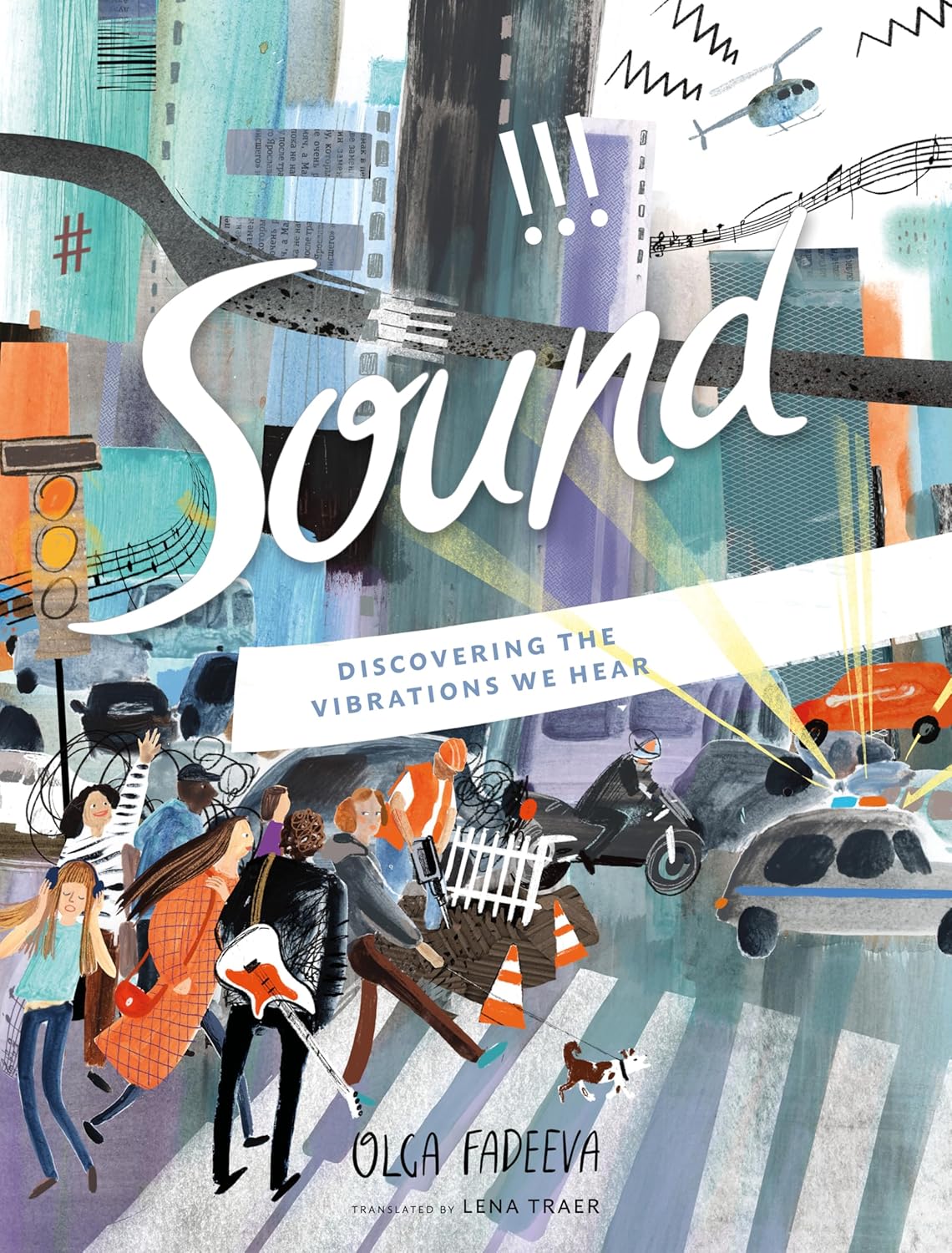
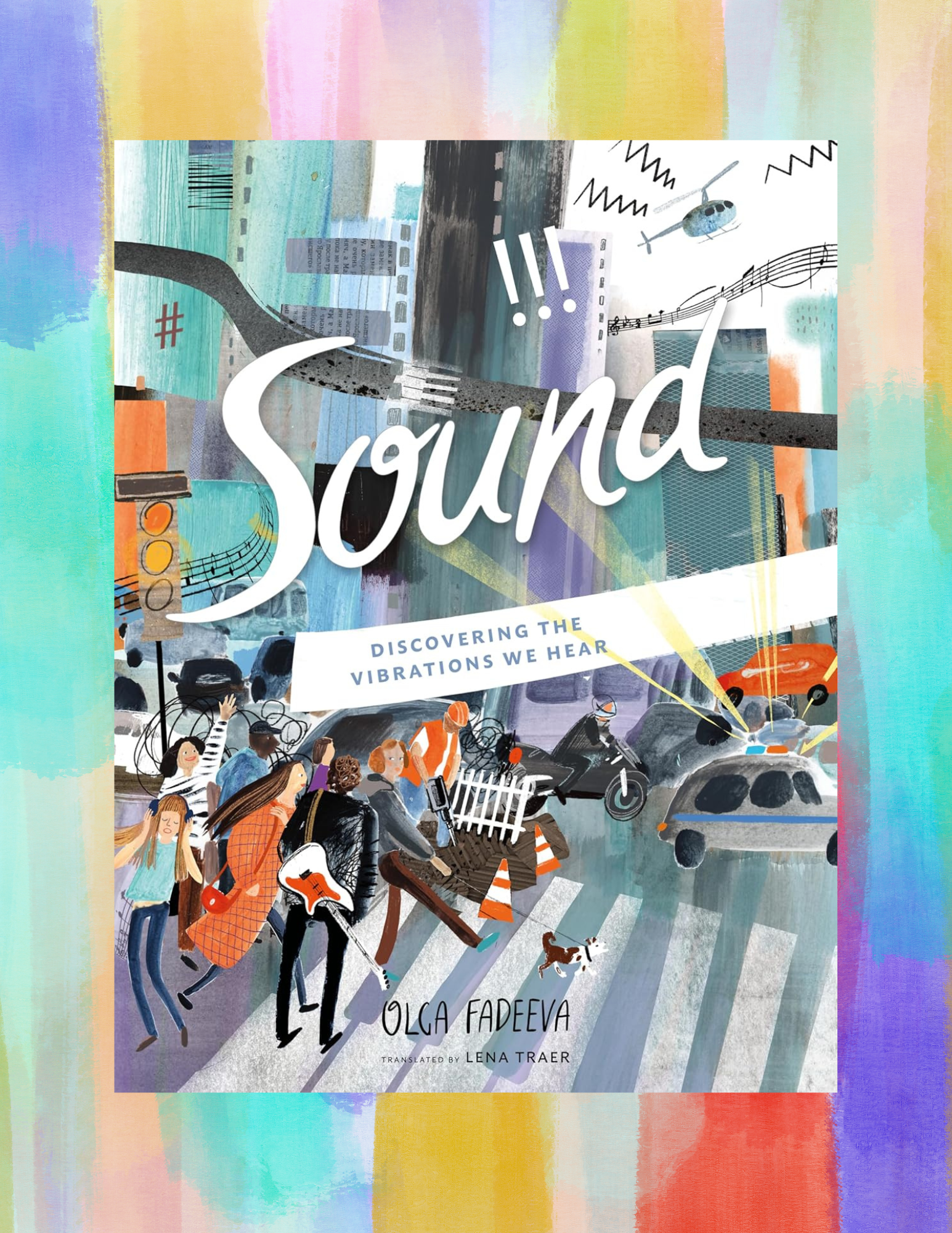
Sound: Discovering the Vibrations We Hear

By Olga Fadeeva | Translated by Lena Traer


If you have a child who loves sound—making it and listening to it—and who often asks, “Didja hear that?” then they’re sure to love today’s book. Olga Fadeeva begins her fascinating deep dive into sound with a quick discussion that pings from the most simple definition (sound is “what we perceive with our ears”) to how physics describes it as a “wave that creates a vibration that passes from molecule to molecule through almost any medium,” to a visual representation using the way a stone dropped into water creates waves, plus a couple of other interesting tidbits to boot.
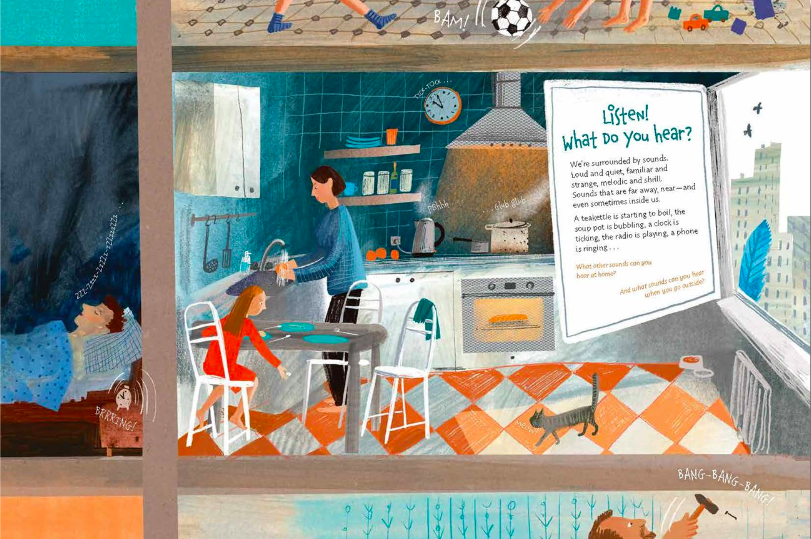
Text and illustration © 2025 by Olga Fadeeva. Translation by Lena Traer. Courtesy of Eerdmans Books for Young Readers.

Fadeeva addresses how humans produce sounds and how we hear them, reveals what an echo and echolocation are (as well as the longest recorded echo), and swoops into the world of birds to break down the “two different types of birdsong: songs and calls.” She talks about how birds learn their particular songs and how they adapt to humans’ noise so they can be heard. Fadeeva then wings her way from birds to the sounds that animals and undersea creatures make.

Next, Fadeeva touches on the 7,000 world languages as well as sign language and hearing aids before taking readers on a marvelous time-traveling odyssey. With the turn of a page, children find themselves in the prehistoric world, listening for “the hack of a stone ace, the murmur of the wind, the crackling of a fire, the distant roar of wild animals.” Fadeeva imagines how these sounds and the peoples’ natural clapping, stomping, and vocalizations became music accompanied by the first percussion instruments—”drums, mallets, and rattles made from dried gourds filled with seeds or stones”—and wind instruments—”pipes and flutes made from reeds, bones, animal horns, and seashells.”
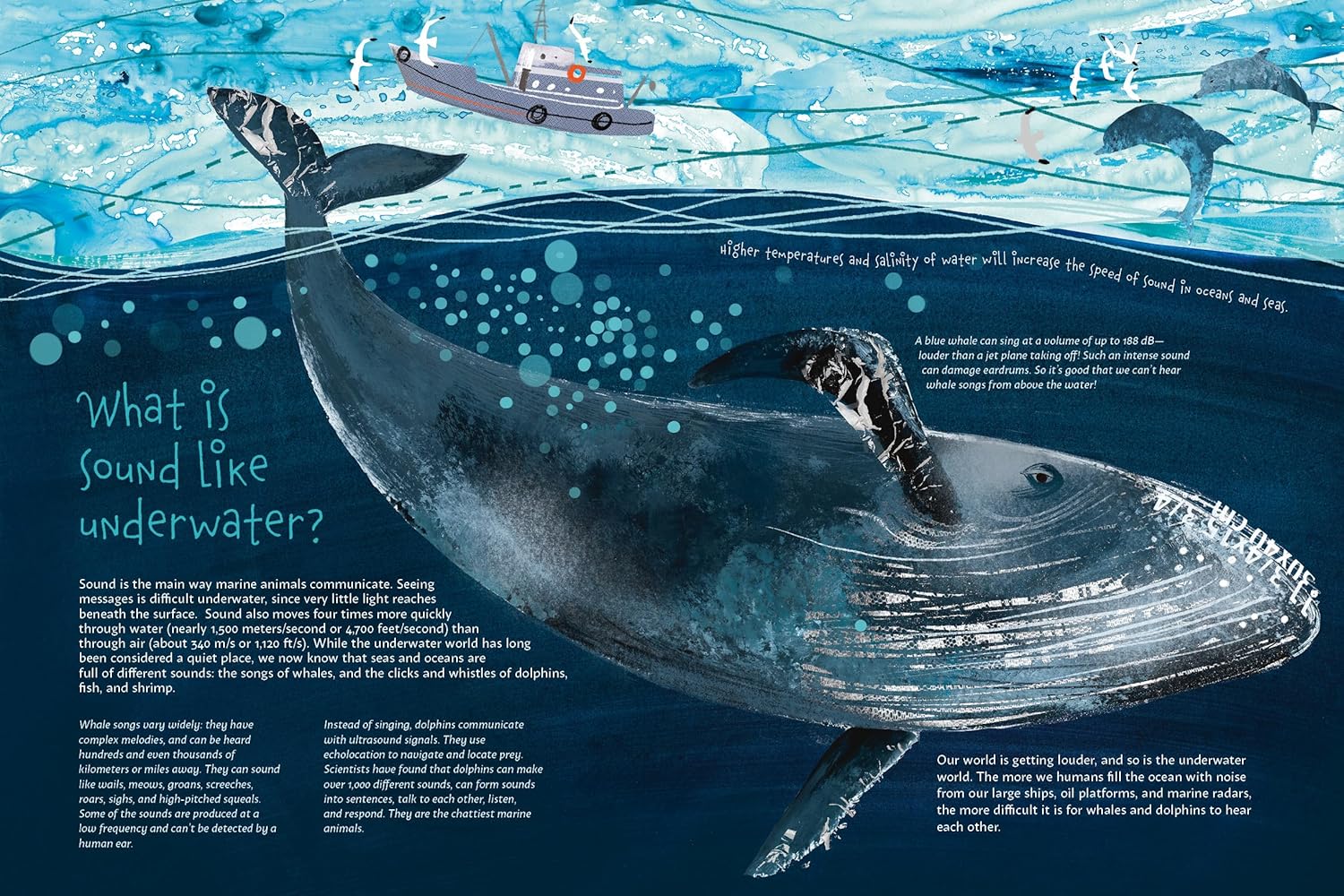
Text and illustration © 2025 by Olga Fadeeva. Translation by Lena Traer. Courtesy of Eerdmans Books for Young Readers.

From prehistoric times, readers move on to the Ancient World with its innovation and astounding amphitheaters and actors’ face masks, both created to amplify sound from dramatic performances in an age well before microphones. Kids also drop into the Middle Ages; the early Modern Period of the 16th to 19th centuries, during which the “‘hoot’ of a steamboat whistle, the puffing of a steam train . . . [and] the sounds of a piano” first filled the air; and today’s Modern Age, where so many disparate sounds meet our ears while the music scene has exploded with innovation and experimentation.
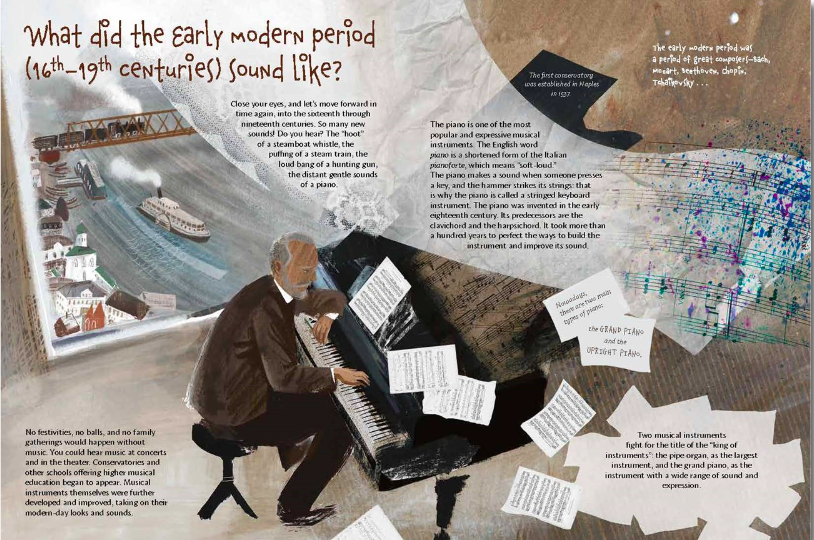
Text and illustration © 2025 by Olga Fadeeva. Translation by Lena Traer. Courtesy of Eerdmans Books for Young Readers.

Fadeeva’s coda to her absorbing work includes information on musical notation, orchestras, and various recording devices. Young readers will also be entranced by the different ways people interpret animal sounds around the world and how music can affect how we feel. Even the endpapers offer trivia and experiments to try. Sprinkled throughout the pages are fun “Try It!” activities that engage readers in experimentation.

Fadeeva’s text is dynamically accompanied by her enthralling acrylic-and-water illustrations that bring sound, history, the animal kingdom, cities, and the world of music vibrantly alive for young readers.

Lena Traer’s smooth and captivating translation of the text from Russian creates an engrossing and rewarding reading experience. She has also translated Olga Fadeeva’s Water: Discovering the Precious Resource All Around Us (2024) and Wind: Discovering Air in Motion (2023).
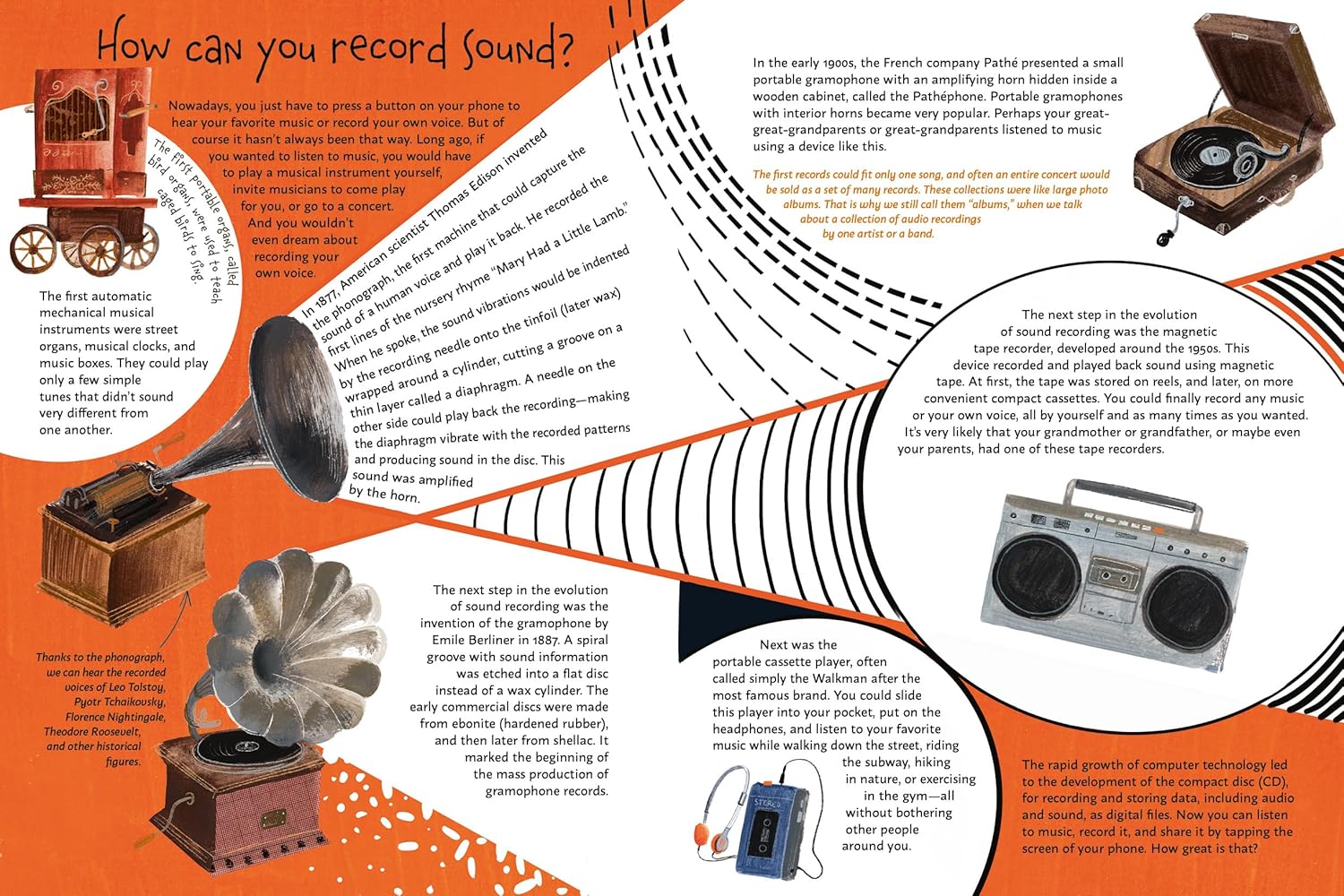
Text and illustration © 2025 by Olga Fadeeva. Translation by Lena Traer. Courtesy of Eerdmans Books for Young Readers.

Part of the Spectacular STEAM for Curious Readers series, Olga Fadeeva’s scintillating Sound: Discovering the Vibrations We Hear synthesizes all types of aural experiences and devices, inviting young readers to engage their sense of hearing and imagination as she introduces them to the mechanics, history, and impact of sound. The book is a must addition to any library collection as well as for media specialists and teachers looking for an exciting cross-curricular way to engage their students, music educators, and children who respond to sound or have music flowing through their veins.

Ages 8 – 14

Eerdmans Books for Young Readers, 2025 | ISBN 978-0802856487

Olga Fadeeva is the author and illustrator of Water: Discovering the Precious Resource All Around Us, Wind: Discovering Air in Motion (Eerdmans), and many other books for children. Wind earned a starred reviews from Kirkus and was named a USSBY Outstanding International Book, and Water earned starred reviews from Booklist and School Library Journal. Olga’s art has been honored in Italy, China, and her home country of Russia. Follow Olga on Instagram @olgafadeeva_illustrations.

Lena Traer is a Russian- and English-language translator with a focus on books for children and young adults. She has translated Wind: Discovering Air in Motion, Water: Discovering the Precious Resource All Around Us, and On the Edge of the World (all Eerdmans) into English and has also translated a variety of picture books and scientific materials into Russian. Born and raised in Siberia, Russia, Lena now lives in San Francisco.

International Sound Check Day Activity
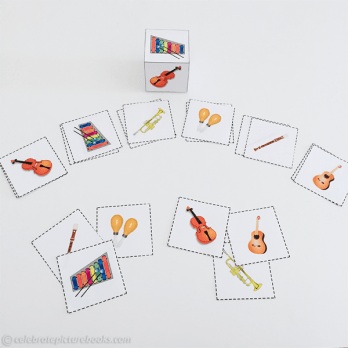
CPB - Music in Schools Day game

It’s Instrumental! Game


Roll the dice in this fun game to gather all the instruments you need to create a music group. The first person to collect all 6 instrument cards is the winner!

Supplies

Directions

  1. Print the Paper Cube Template, cut it out and assemble the cube die.
  2. Print the Musical Instruments cards, cut out cards, and separate the instruments into piles
  3. Players take turns rolling the die cube to collect musical instrument cards
  4. The first player to collect all 6 instrument cards is the winner
You can purchase Sound: Discovering the Vibrations We Hear from these booksellers

Amazon | Barnes & Noble | Bookshop

Picture Book Review

November 13 – World Kindness Day

About the Holiday

World Kindness Day began with a conference in 1997 in which organizations from across the globe met in Japan for the purpose of uplifting and recognizing kindness on a global scale. From this meeting they created a “Declaration of Kindness” and, later, a nonprofit called the World Kindness Movement was formed to support and honor community-scale kindness initiatives. Kindness on any scale, on any day, is important to celebrate. Today’s story shows the impact that one kind gesture can have. 

Thank you to Eerdmans Books for Young Readers for sending me a copy of this book for review! All opinions are my own.

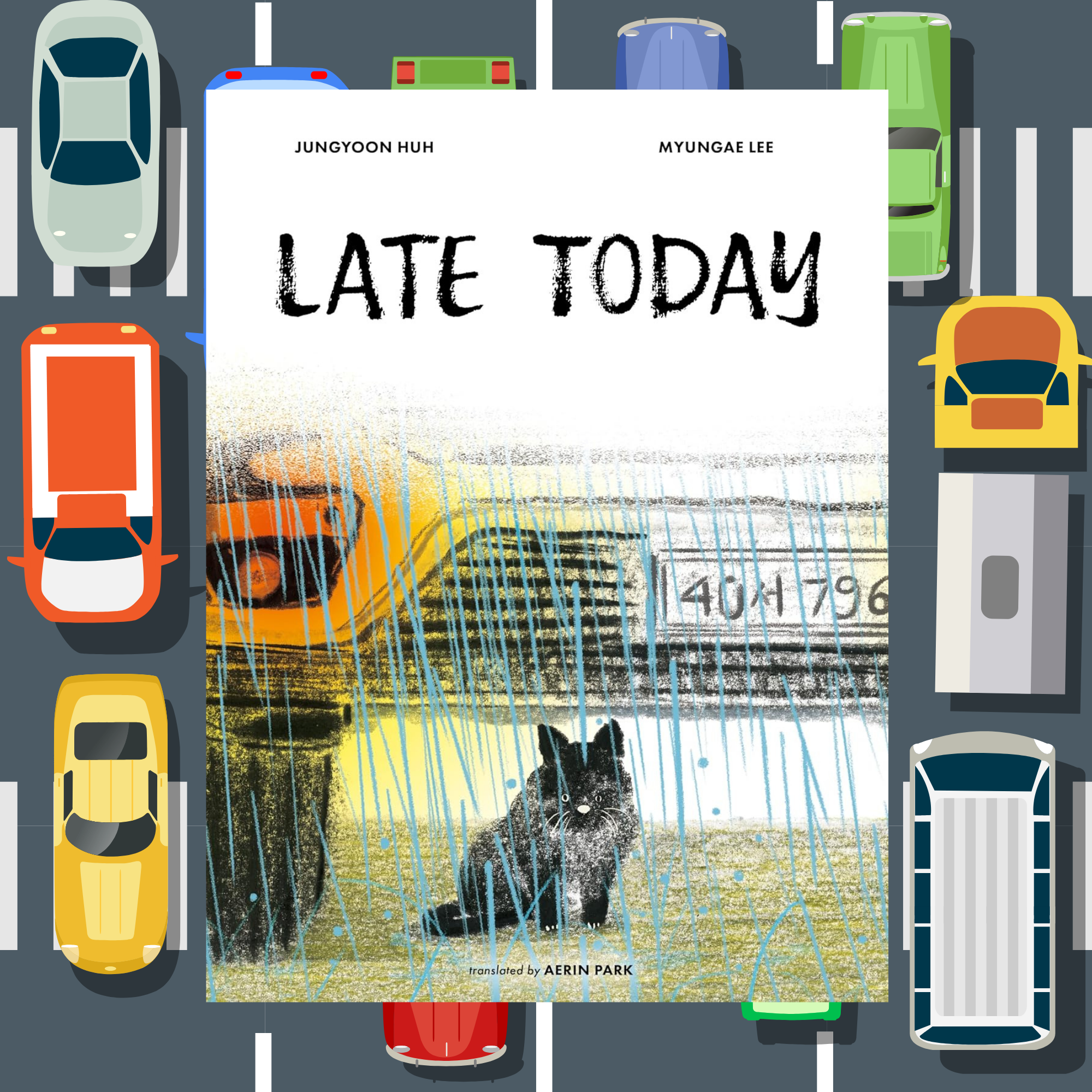
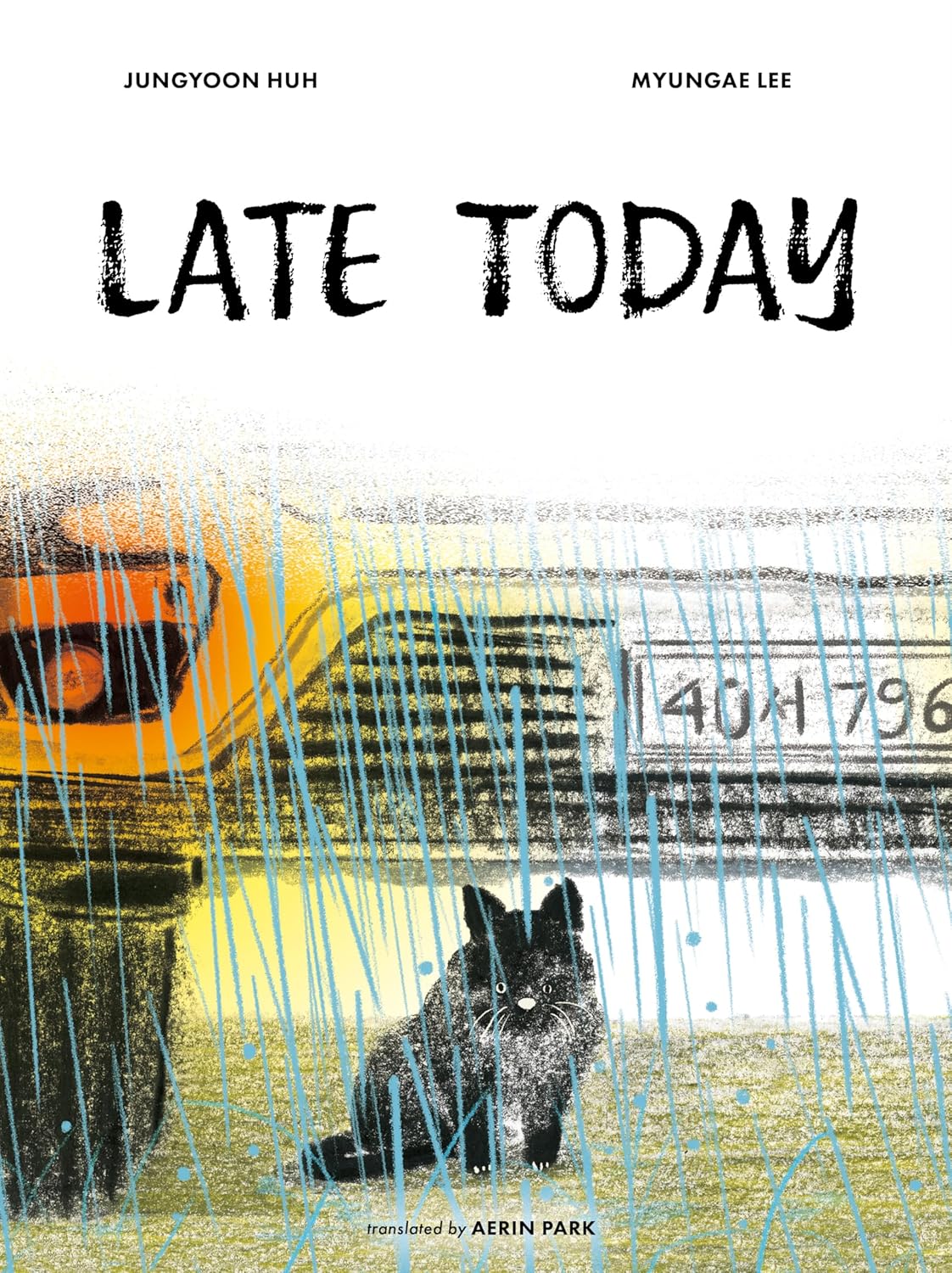
Late Today

Written by Jungyoon Huh | Illustrated by Myungae Lee | Translated by Aerin Park


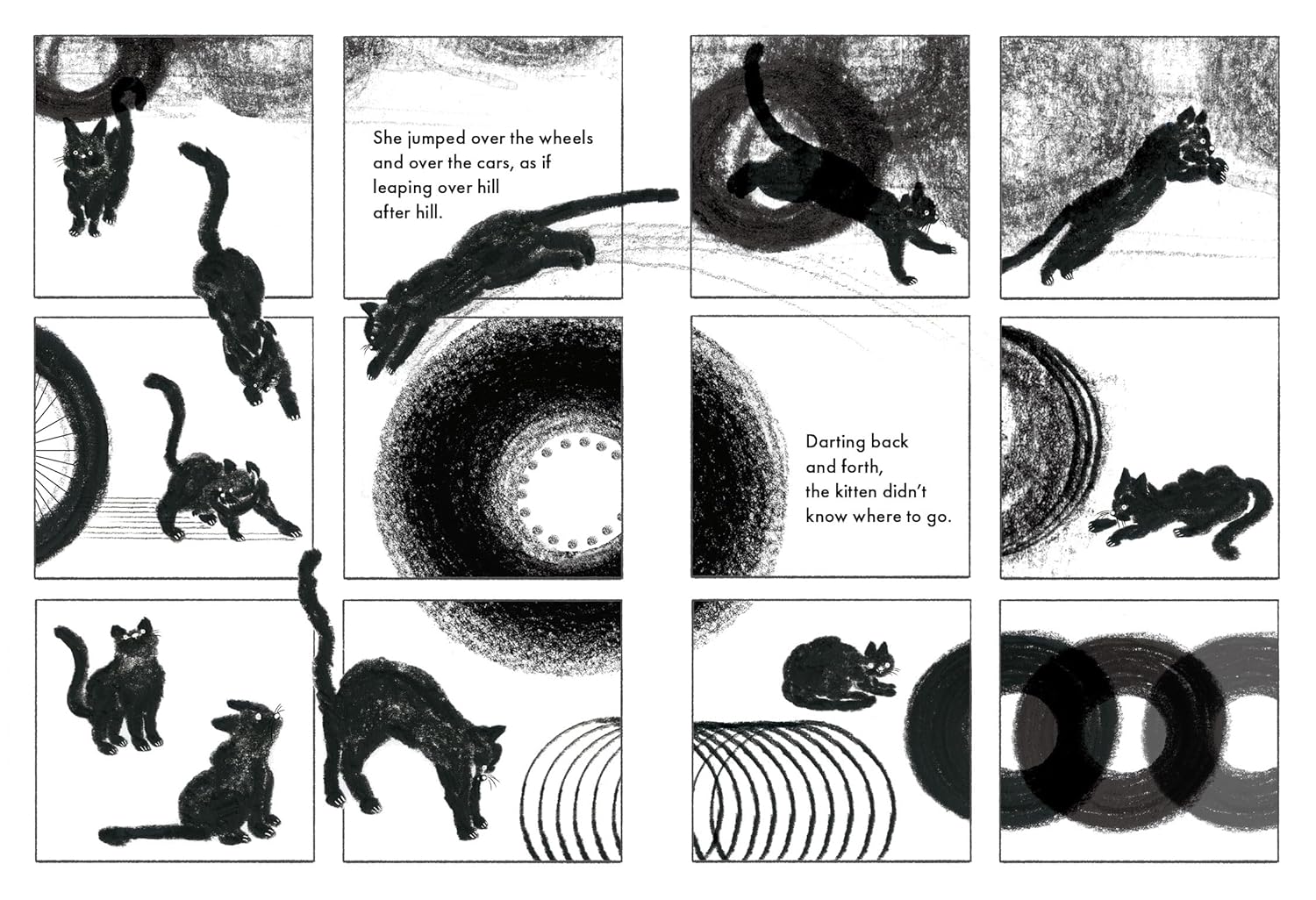
It’s 8:15 A.M.—rush hour in Seoul—and traffic is backed up bumper-to-bumper. No one wants to be late. Amidst the gridlock “a kitten, barely two weeks old, was crossing the bridge.” She darted back and forth, in front of wheels, over wheels, underneath cars and trucks.

Everyone saw her. Some worried about her, some wondered how she’d gotten there, some just looked away. “It was the kind of thing where no one can point a finger and call ‘coward,’ even when someone ignores what’s happening and just passes by.”

Illustration © 2025 Myungae Lee. Text © 2025 Jungyoon Huh. Translation © 2025 Aerin Park. Courtesy of Eerdmans Books for Young Readers.

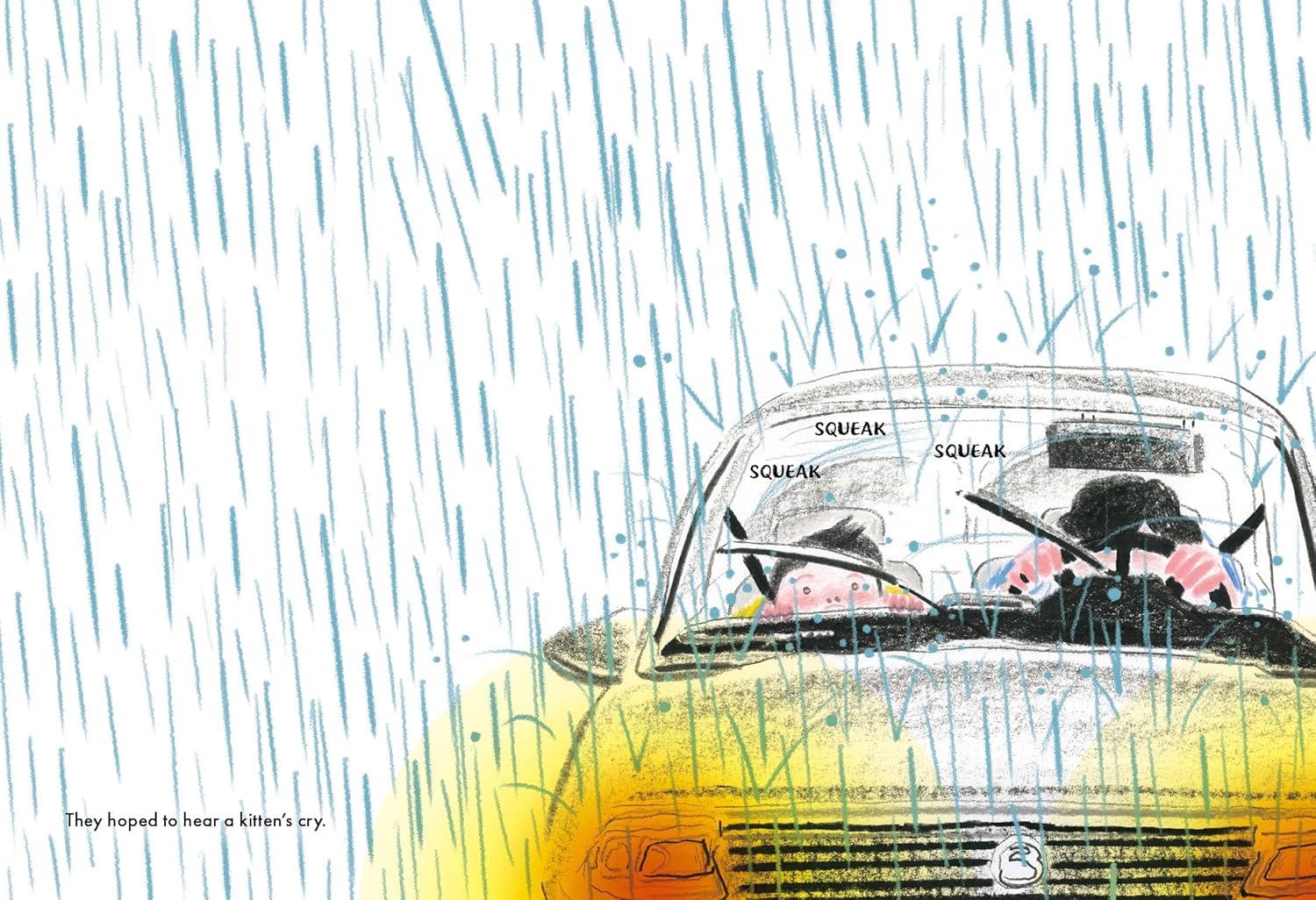
But one woman in one car lost sight of the kitten and pulled over, screeching to a halt. Through the earsplitting honks and the sudden downpour, the woman and her child tried to hear the kitten’s cry. Then—there!—they heard it. The woman hurried from her car, cradled the shaking kitten in her hands, and brought it into the car with her. On the bridge everyone sighed with relief. They would all be late, but that was okay. “Today was a good day to be late.”

Illustration © 2025 Myungae Lee. Text © 2025 Jungyoon Huh. Translation © 2025 Aerin Park. Courtesy of Eerdmans Books for Young Readers.

In Jungyoon Huh’s simply stated, yet powerfully thought-provoking story—translated from Korean by Aerin Park—she places readers in the middle of a traffic jam and invites each of us to reflect on what we would do in the circumstances. We all want to be the person who would decide to rescue the kitten, but are we? Taking time to stop during our day or putting ourselves in an uncomfortable or dangerous spot to lend a hand to an animal, another person, or a group can seem daunting or even ineffective. But Lee reminds us that even the smallest kindness or action is noticed by those around us, does make an impact on breaking paralyzing gridlock of action or thought, and can uplift us all and clear the way forward. 

Myungae Lee’s colored pencil and oil pastel illustrations grip readers from the first page, where not even an inch separates the cars hemmed in on the bridge. You can feel the urgency of the commuters as your eye flits from Lee’s soft neutral hues to the neon yellows of headlights, concrete barriers, and a bus. Turning the page, a smudge of a kitten, alone amidst the gray of exhaust and cloud, rivets your eye. With every page turn, your perspective alters as you dart among the wheels with the kitten and are introduced to various onlookers. When the kitten disappears from sight (although eagle-eyed kids may spy him) and the woman pulls over to listen, Lee imbues two full-page spreads with maximum emotion and suspense until the cat is seen and rescued and the commuters exhale a communal sigh of relief.

Late Today is an absorbing story and conversation starter that’s sure to stir your heart. It will become a much-loved addition to home bookshelves and is a must for library collections.

Ages 4 – 8

Eerdmans Books for Young Readers, 2025 | ISBN 978-0802856494

About the Author

Jungyoon Huh studied child development and education in college and graduate school, and she now works as a picture book author, animation director, and university professor in South Korea. Her books have been selected for the White Ravens catalog and for the BRAW Amazing Bookshelf. Late Today is her English-language debut.

About the Illustrator

Myungae Lee is a South Korean picture book author and illustrator who has twice been selected as illustrator of the year at the Bologna Children’s Book Fair. Her work has received honors including the Nami Concours Green Island Award, the BIB Golden Plaque Award, and the BIB Golden Apple Award. In 2020, Lee was shortlisted for the AOI World Illustration Awards. Late Today is her English-language debut. Lee lives near the Seogang Bridge in Seoul, South Korea, and she often meets stray cats while walking to her studio. Follow Lee on Instagram @myungaelee.

About the Translator 

Aerin Park is a Korean and English translator whose projects include the Korean-to-English translations of Okchundang Candy and The Legend of Tiger and Tail-Flower (both Levine Querido). She has also translated Korean source materials for Paula Yoo’s Rising from the Ashes (Norton) and served as an interpreter and cultural consultant for theatrical productions. Park lives in Minneapolis, Minnesota, where she enjoys reading Korean history with her children. Visit her website at aerinpark.com.

World Kindness Day Activity

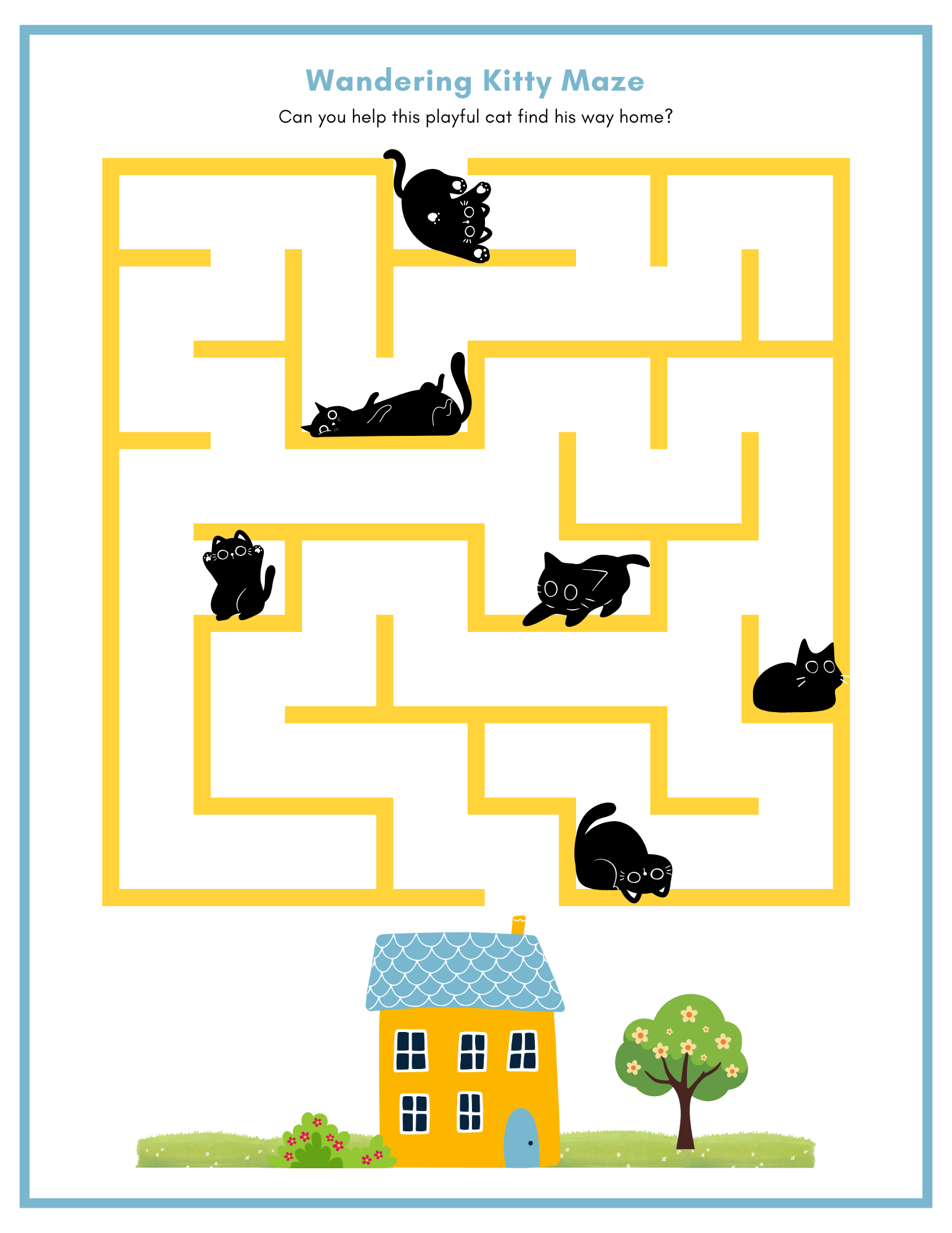
Wandering Kitty Maze


Can you help this kitten find his way back home in this Wandering Kitty Maze?

You can purchase Late Today from these booksellers

Amazon | Barnes & Noble | Bookshop

Picture Book Review
April 3 – Find a Rainbow Day

About the Holiday

As the old proverb goes, “April showers bring May flowers,” but all that rain brings something else—rainbows! The science behind rainbows was first discovered in 1693, when scientists realized that this phenomenon is caused by light from the sun being refracted through raindrops and causing a dazzling show. Today, I wish you a rainy day and happy rainbow hunting! A perfect place to find rainbows every day and in amazing places beyond the sky is in today’s book!

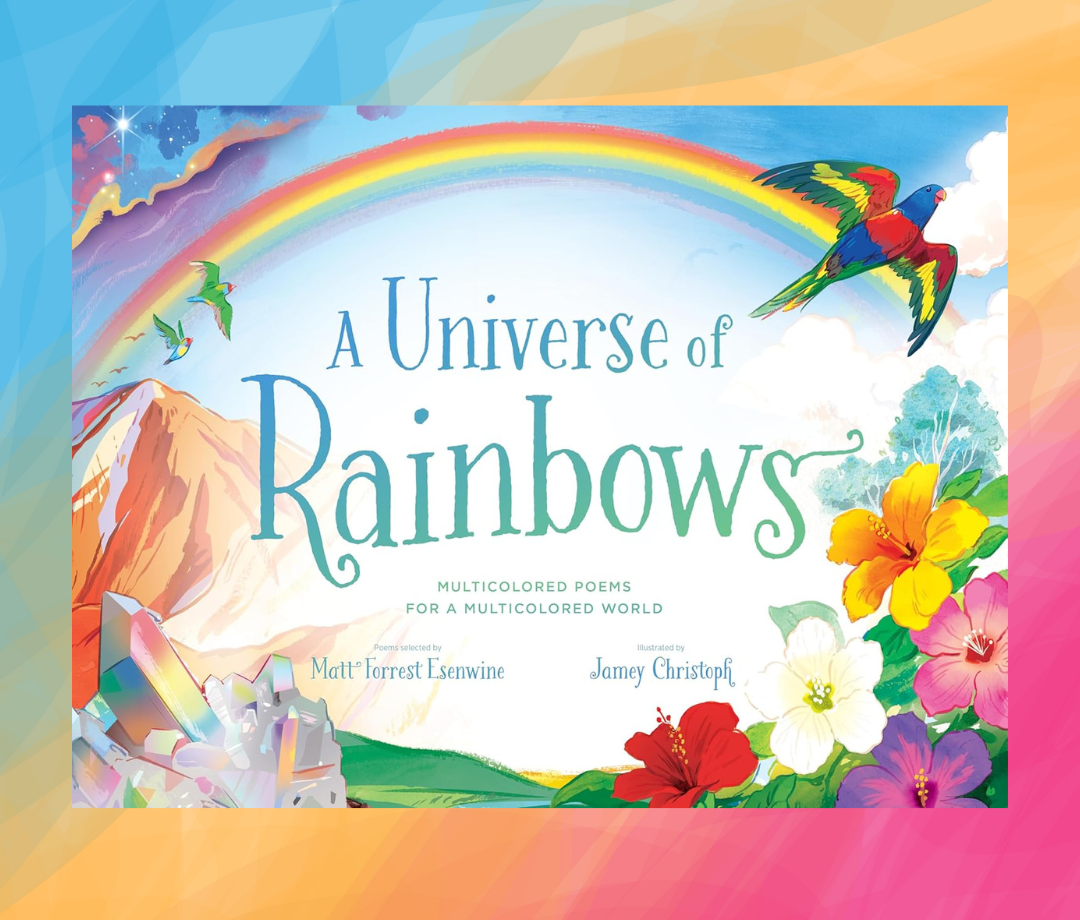
A Universe of Rainbows: Multicolored Poems for a Multicolored World


By Matt Forrest Esenwine | Illustrated by Jamey Christoph


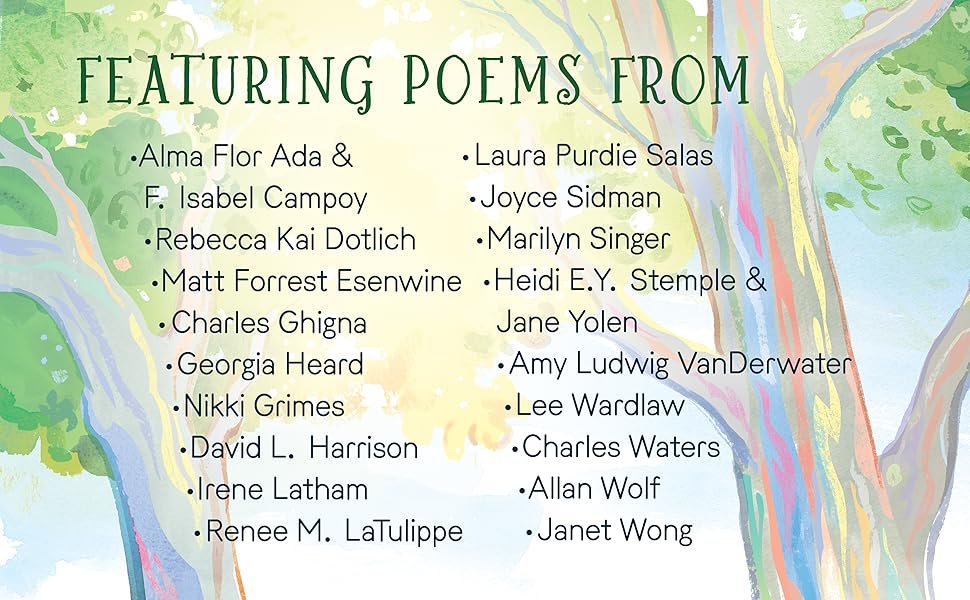
Rainbows are a universally loved natural phenomenon. The excitement of seeing a rainbow arcing across the sky never goes away no matter how old you get. And a double rainbow? For some people, seeing one of those can be like glimpsing a celebrity. In the 22 poems that make up A Universe of Rainbows, Matt Forrest Esenwine and 19 other poets reveal that you don’t always have to wait for rain to be awed by the brilliance of this spectrum of colors as they abound in nature: on land, in waters, on plants and animals, and even in the depths of space.

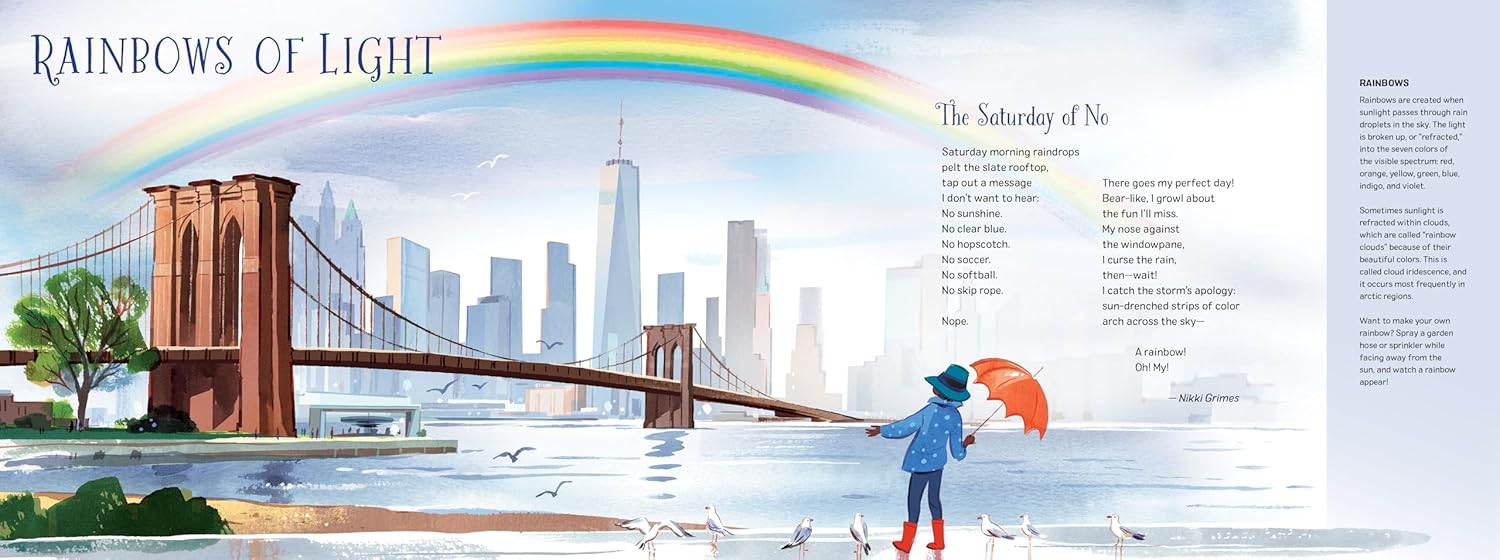
Illustration © 2025 by Jamey Christoph, text © 2025 by NIkki Grimes. Courtesy of Eerdmans Books for Young Readers.

Nikki Grimes leads off this lyrical odyssey that invites readers to travel around the world and beyond to discover rainbows in many forms. In Grimes’ “Rainbows of Light,” she channels the disappointment of a child facing a rainy day with “. . . No hopscotch. / No soccer. / No softball / no skip rope. . . .” The child “. . . curse[s] the rain” until they “catch the storm’s apology: / sun-drenched strips of color / arch across the sky— / A rainbow! / Oh! My!” 

You might think that rainbows occur in nature only during the day, but Joyce Sidman, reveals otherwise in her intricate and arresting pantoum “Along the Zambezi.” Sidman animates a moonbow, entreating readers to take a moment to look as “This dancer will not leap for long / over the span of Victoria Falls,” where “. . . a full moon crowns the darkened hill” while “. . . Mist swirls up in silver shawls, / bending moonlight’s slanting spill.” 

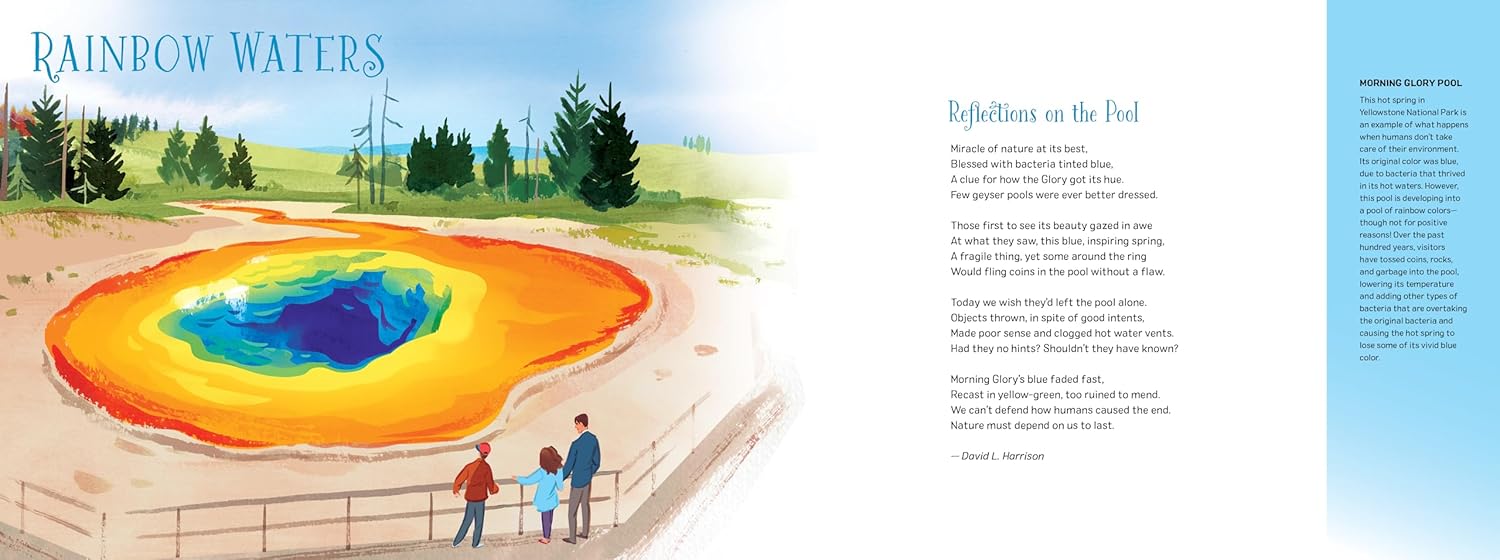
Illustration © 2025 by Jamey Christoph, text © 2025 by David L. Harrison. Courtesy of Eerdmans Books for Young Readers.

Rainbow seekers do not always need to look toward the sky to find the glorious hues of rainbows. In his rhythmic “Reflections on the Pool,” David L. Harrison nimbly combines assonance and consonance to introduce kids to the surprising Morning Glory Pool in Yellowstone National Park. Harrison describes how this hot spring—a “miracle of nature . . . / Blessed with bacteria tinted blue”—once appeared as vividly blue, but now, because of human interference, is developing a “rainbow of colors” as other types of bacteria take over. Together the poem and sidebar provide a concrete example of the value of conservation and a gripping entry into further study or research. 

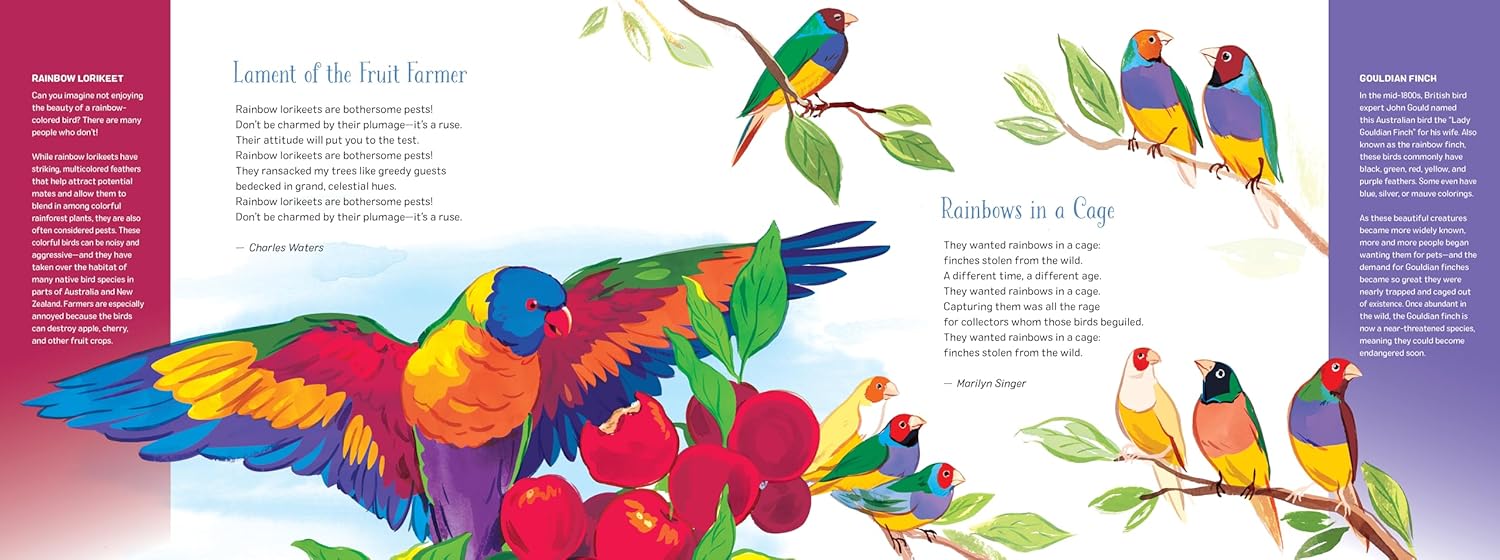
Readers also learn about a uniquely dressed tree, Rebecca Kai Dotlich’s “skirted pinwheel” of a flower, two varieties of birds, and incredible creatures of the sea and land that shimmer and glimmer with the colors of a rainbow. In “Elegant Danger,” Matt Forrest Esenwine exposes the “captivating beauty / with radiant appeal” of the peacock mantis shrimp that has “An appetite of titans. / Attitude of steel.”  into space to float within the Rainbow Nebula with poet Georgia Heard. 

Each poem is accompanied by a short and fascinating side bar offering more information about the natural phenomena that inspired the work.

Back matter includes a list of recommended books and websites where readers can find more information about the rainbows described in each poem as well as a glossary.

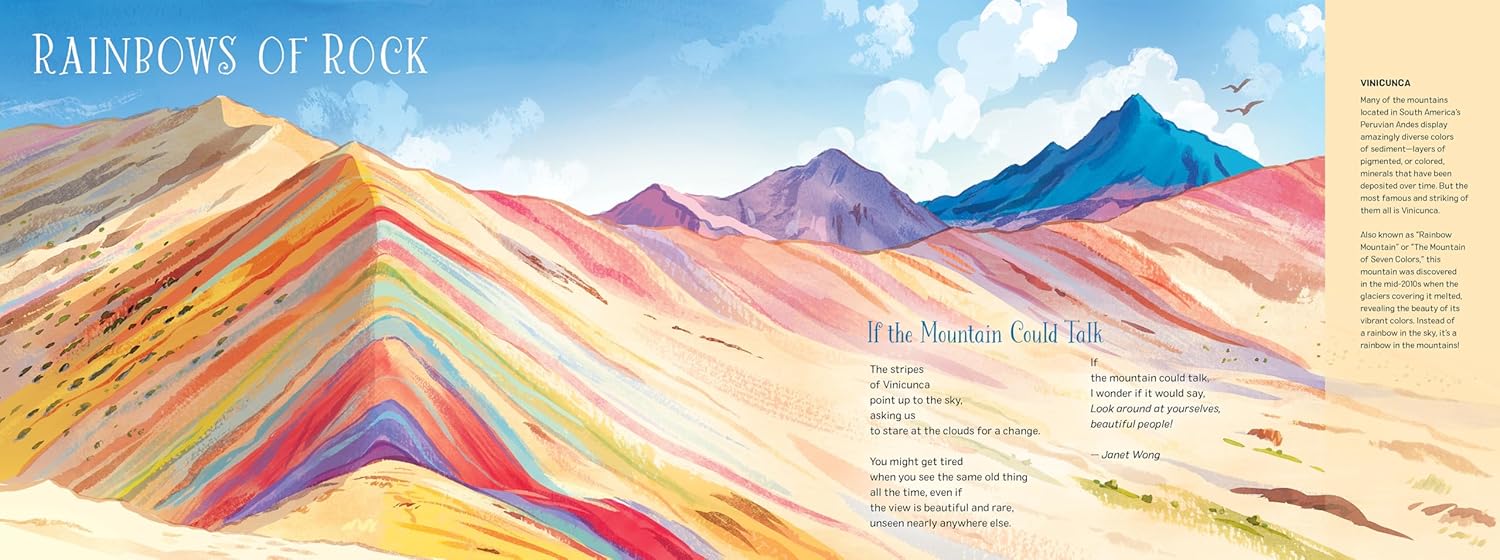
Illustration © 2025 by Jamey Christoph, text © 2025 by Janet Wong. Courtesy of Eerdmans Books for Young Readers.

For the twenty award-winning writers who’ve contributed to Matt Forrest Esenwine’s debut poetry anthology, unique rainbows occurring in nature have inspired a wide range of contemplation and poetic form. Some are awe-struck, others hold a touch of humor, and still others are conversational. One thing they all have in common is an ability to transport readers to another place or just the right moment to witness one of life’s most astonishing sights. Through each poem, readers learn facts but they also discover how to observe with curiosity, appreciate the miraculous, and commit to preserving our natural wonders. 

Jamey Christoph’s multi-media illustrations mesmerize with brilliant color that tantalizes like a magic spell, slipping through ice crystals, hiding in plain sight, turning pools of water and majestic trees into artists’ palettes, and clothing creatures of the air, sea, and land. You might be tempted to think that these natural phenomenon can’t possibly be so vivid in real life, but take a look (these poems encourage further research) and you’ll find that Christoph’s full-spread images mirror their inspirations. Beautiful and stirring, each page welcomes you to linger awhile.

Encompassing riveting writing by award-winning poets, spellbinding illustrations of natural phenomena, and nearly endless applications for science, writing, and art study and discovery, A Universe of Rainbows: Multicolored Poems for a Multicolored World is a must for school and public library collections as well as for any reader who loves inspired writing and nature.  

Ages 6 – 10

Eerdmans Books for Young Readers, 2025 | ISBN 978-0802855718

About the Author

Matt Forrest Esenwine is a children’s author and poet whose books include The Thing to Remember about Stargazing (Tilbury House), Once Upon Another Time (Beaming), and A Beginner’s Guide to Being Human (Beaming). His work has been nominated for a Pushcart Prize and featured in numerous anthologies. Also a voiceover actor and commercial copywriter, Matt lives in Warner, New Hampshire, with his family. Visit his website at mattforrest.com.

About the Illustrator

Jamey Christoph has illustrated over twenty books, including The Great Lakes (Knopf), Stonewall (Random House), and Outside My Window (Eerdmans). His books have been named to many best-of-the-year list, including from the CBC and NYPL. Jamey lives in New Hampshire with his husband and their crazy dogs. Visit Jamey’s website at jameychristoph.com and follow him on Instagram @jameychristoph.

National Find a Rainbow Day Activity

celebrate-picture-books-picture-book-review-rainbow-magnet-craft

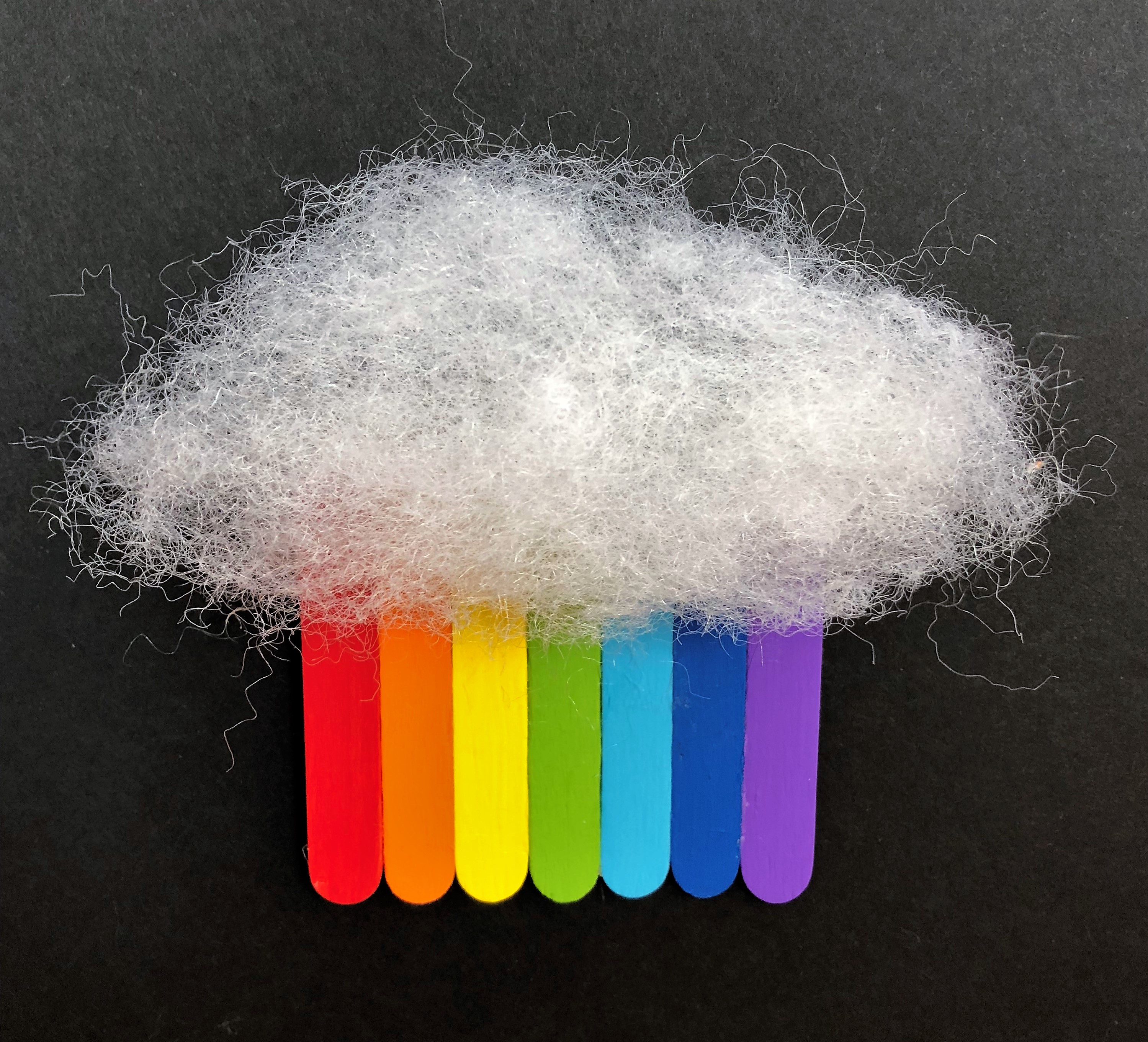
Mini Rainbow Magnet


If you’re stuck on rainbows, you can make this mini rainbow to stick on your fridge or locker!

Supplies

  • 7 mini popsicle sticks (or cut regular popsicle sticks in half)
  • Paint in red, orange, yellow, green, blue, Indigo, violet (ROYGBIV)
  • Adhesive magnet
  • A little bit of polyfill
  • Paint brush
  • Glue or hot glue gun

Directions

  1. Paint one popsicle stick in each color, let dry
  2. Glue the popsicle sticks together side by side in the ROYGBIV order, let dry
  3. Roll a bit of polyfill into a cloud shape and glue to the top of the row of popsicle sticks
  4. Attach the magnet to the back of the rainbow

You can purchase A Universe of Rainbows from these booksellers

Amazon | Barnes & Noble | Bookshop (discounted books and support for your local independent bookstore)

Picture Book Review 
March 3 – World Wildlife Day

About the Holiday

In December of 2013 the United Nations General Assembly proclaimed March 3rd as World Wildlife Day to promote awareness of our environment and the dangers to it. Every year a different theme is chosen to spotlight an area of the world, a particular species, or a group of activists. This year’s theme is “Wildlife Conservation Finance: Investing in People and Planet” and focuses on innovative ideas for financing can contribute to halting biodiversity loss, raising the interest of private sector stakeholders to invest in wildlife conservation, and creating a sustainable future. The day also celebrates successful conservation and sustainability initiatives. To learn more about the day, special events, and how you and your kids can get involved today and throughout the year, visit the World Wildlife Day website.

Thanks to Eerdman’s Books for Young Readers for gifting us a copy of Kingdoms of Life for review.

Reviewed by Dorothy Levine

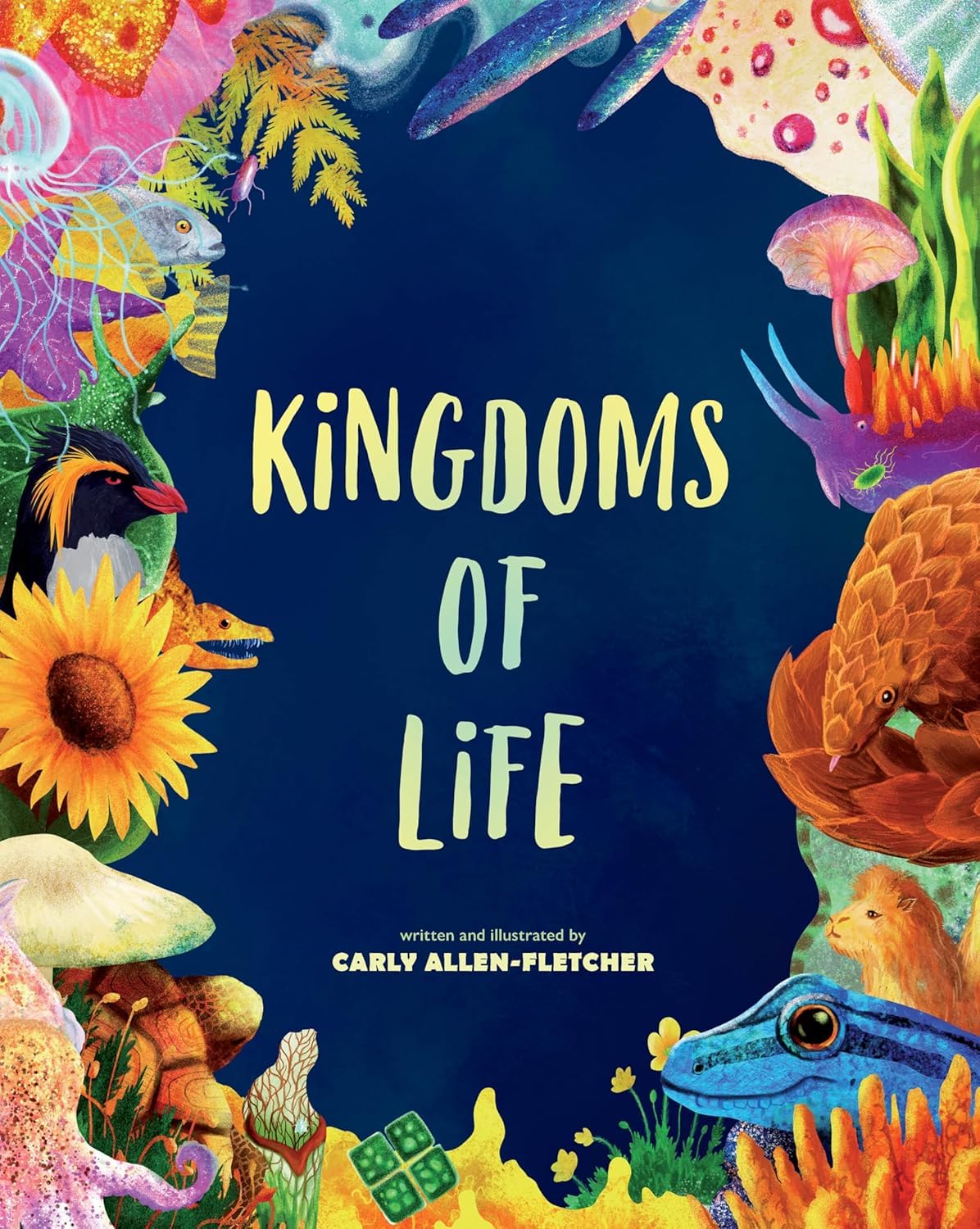
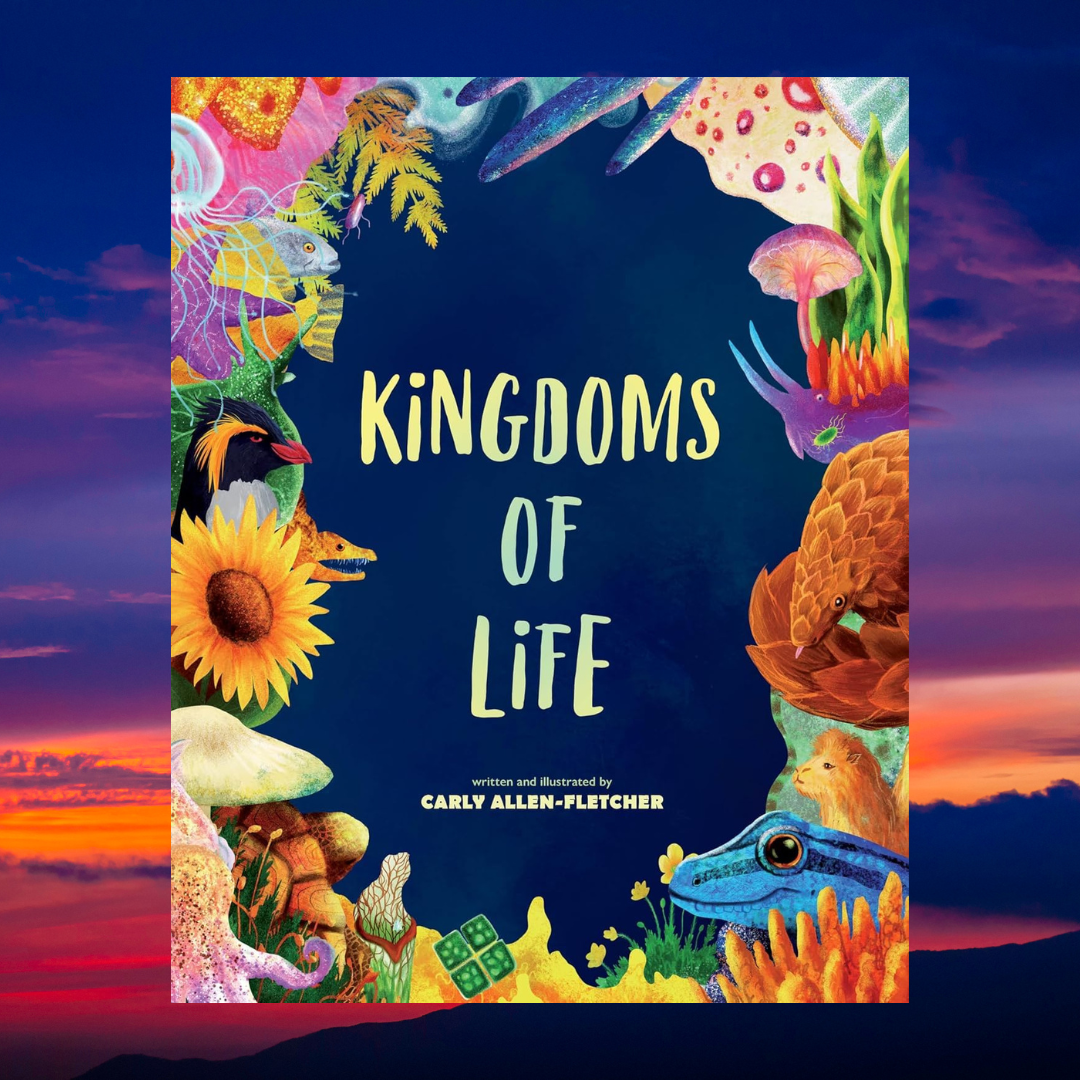
Kingdoms of Life

By Carly Allen-Fletcher


“Life is all around us…In the sky, the sea, and the soil, life exists in millions of different incredible ways.” 

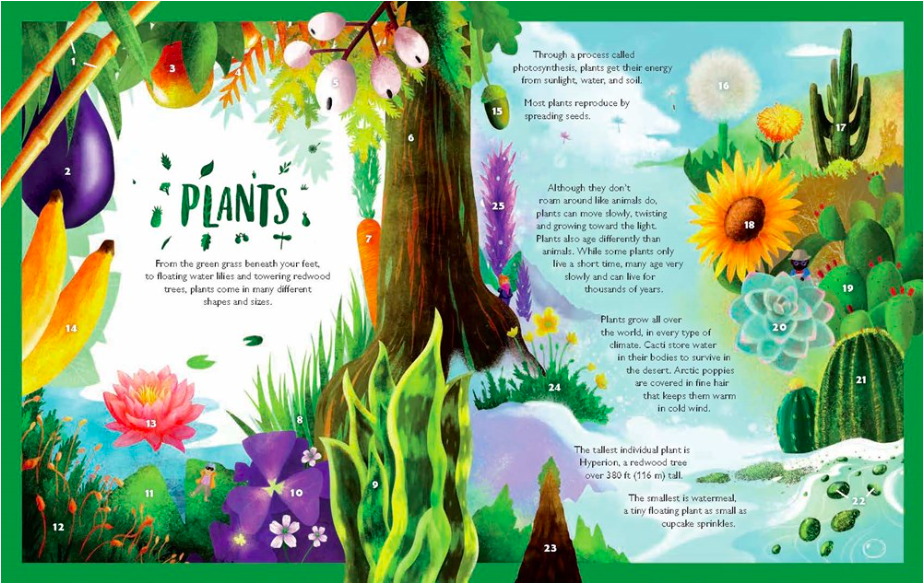
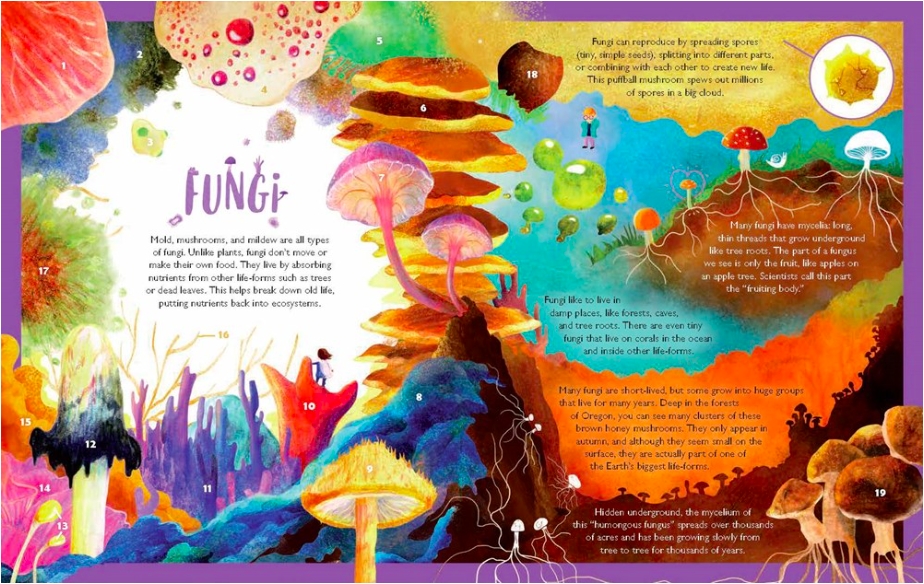
Jump into Carly Allen-Fletcher’s vibrant fact-filled guidebook for kids for a deep-dive exploration of the kingdoms of life. Each Kingdom rules over its own color-coded section, jam-packed with information on how the classified organisms feed, grow, and reproduce. Information also includes the ways in which the organisms across Kingdoms are related or work together with other lifeforms. The pages are royally packed with vibrant illustrations that appear to burst out from the very edges of the book. 

Allen-Fletcher begins with an explanation of how all life is formed—from tiny building blocks called cells. These cells can join to create complex multicellular life forms or just exist on their own as unicellular forms of life. She then zooms out to examine the six biggest categories of life. Allen-Fletcher makes sure to note that these categories are not fixed; they change as scientists learn more and arrange beings in different ways. 

Illustration and text © 2025 Carly Allen-Fletcher. Courtesy of Eerdmans Books for Young Readers.

The first category investigated in depth is the most complex of the life-form groups—animals. The animal pages are filled with a diverse range of species, each numerated to a corresponding key at the back. Allen-Fletcher shows the wide range of animals by comparing the smallest species (fairy wasps) to the largest (blue whales), while also explaining how even within one species (dogs) there can be glorious variety. Examples of animals that don’t quite fit in the animal category, such as a sea slug that can make energy from the sun, as well as animals that can survive extreme conditions or are thought to be practically immortal, are also discussed.

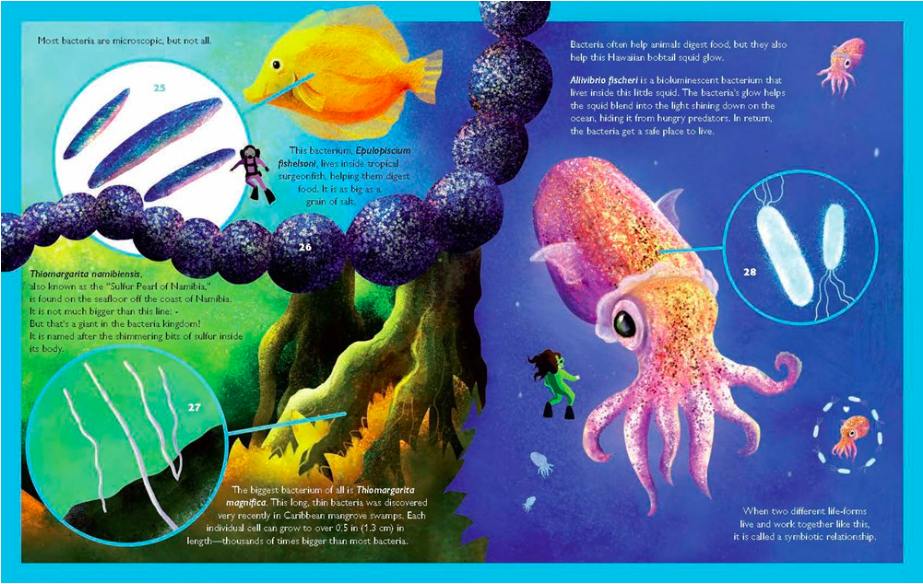
In addition to the animals, plants, fungi, protists, bacteria, and archaea are each given equal attention in their respective kingdom sections. From protists like giant kelp and slime mold to bacteria in our gut and bioluminescent bacteria found in squid, each kingdom is filled with fascinating examples of life and interesting facts on specific organisms. 

Illustration and text © 2025 Carly Allen-Fletcher. Courtesy of Eerdmans Books for Young Readers.

Kingdoms, Allen-Fletcher explains, can also be broken down further, into smaller and smaller groups such as family, genus, and species. A few taxonomists (scientists who study and sort lifeforms into categories) from around the world and throughout many different centuries are highlighted for their contributions to the field.

The book ends with a last dose of wonder: “We know more about the moon than we do about the deepest parts of our oceans. / Every year, we learn more about our home and the incredible life-forms we share it with. / What will we discover next?” The inclusion of “we” in this ending invites readers to feel welcome in this process of study and discovery. Taxonomy need not be only for adult scientists, but anyone who shares a passion for nature and careful observation. 

Back matter features each of the categories taxonomists use to sort life into groups as well as all the names of the featured life-forms throughout the book. The science is detailed while also distributed into easy-to-read bite-sized chunks.

Illustration and text © 2025 Carly Allen-Fletcher. Courtesy of Eerdmans Books for Young Readers.

Carly Allen-Fletcher illuminates a topic that is usually reserved for upper-level biology courses making it accessible and intriguing for young learners. The facts from her book will inspire a passion for all species—large or small, animal or bacteria—and help children to understand where in this big wide world we as humans stand and the symbiotic relationships that exist between creatures. Mini scientists dot the lusciously illustrated pages, comically examining life-forms in all the kingdoms up close.

Kingdoms of Life would make a valuable addition to home, school and library collections.

Ages 6 – 10

Eerdmans Books for Young Readers, 2025 | ISBN 978-0802855916

About the Author/Illustrator

Carly Allen-Fletcher is a British illustrator and author whose books include Goodnight Forest (Muddy Boots), Beastly Biomes (Creston), and Animal Antipodes (Creston). Inspired by nature and science, she creates her art by combining hand-drawn elements, painted textures, and graphic shapes. Carly loves reading about the latest biological discoveries, and if she hadn’t become a professional illustrator, she would have become a scientist instead. Follow Carly on Instagram or visit her website at carlydraws.com.

World Wildlife Day Activity

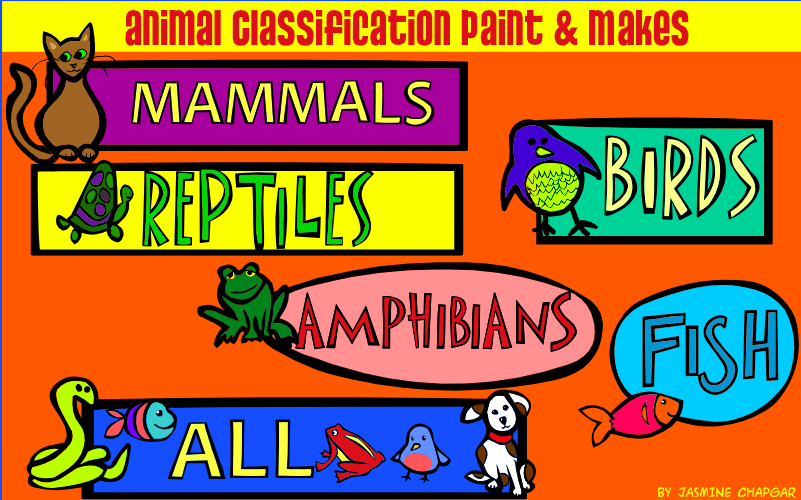
It Takes All Kinds game illustration courtesy of Science Trek.


Kingdoms of Life Fun

Watch a Kingdoms of Life Classification Video with Science Trek

  • As Allen-Fletcher notes in Kingdoms of Life, scientists are constantly evolving the categories for living organisms as they learn more. Do you notice any differences between the book and video kingdom categories? Since this video was published, scientists have started using the kingdom names bacteria and archaea instead of the previously used term, monera!

You can also explore their Online Games on kingdoms of life and animal classification, and practice sorting with Generation Genius’s Candy Classification Activity

You can purchase Kingdoms of Life at these booksellers

Amazon | Barnes & Noble | Bookshop (to support your local independent bookstore)

Picture Book Revie

February 11 – National Inventors’ Day

About the Holiday

Today’s holiday was established in 1983 and is celebrated on February 11 to honor the birthday of Thomas Edison. The day recognizes the spirit of inventors who look at life a little differently, let their imagination fly, and create a new . . . something! While we often think of inventions that change the world on a day like today, simple ideas implemented at home also make a big impact—or just lead to lots of fun. If you and/or your kids enjoy being creative, today’s the day to tinker around with your ideas. 

Thanks to Eerdman’s Books for Young Readers for sharing a digital copy of The Quiet One with me!

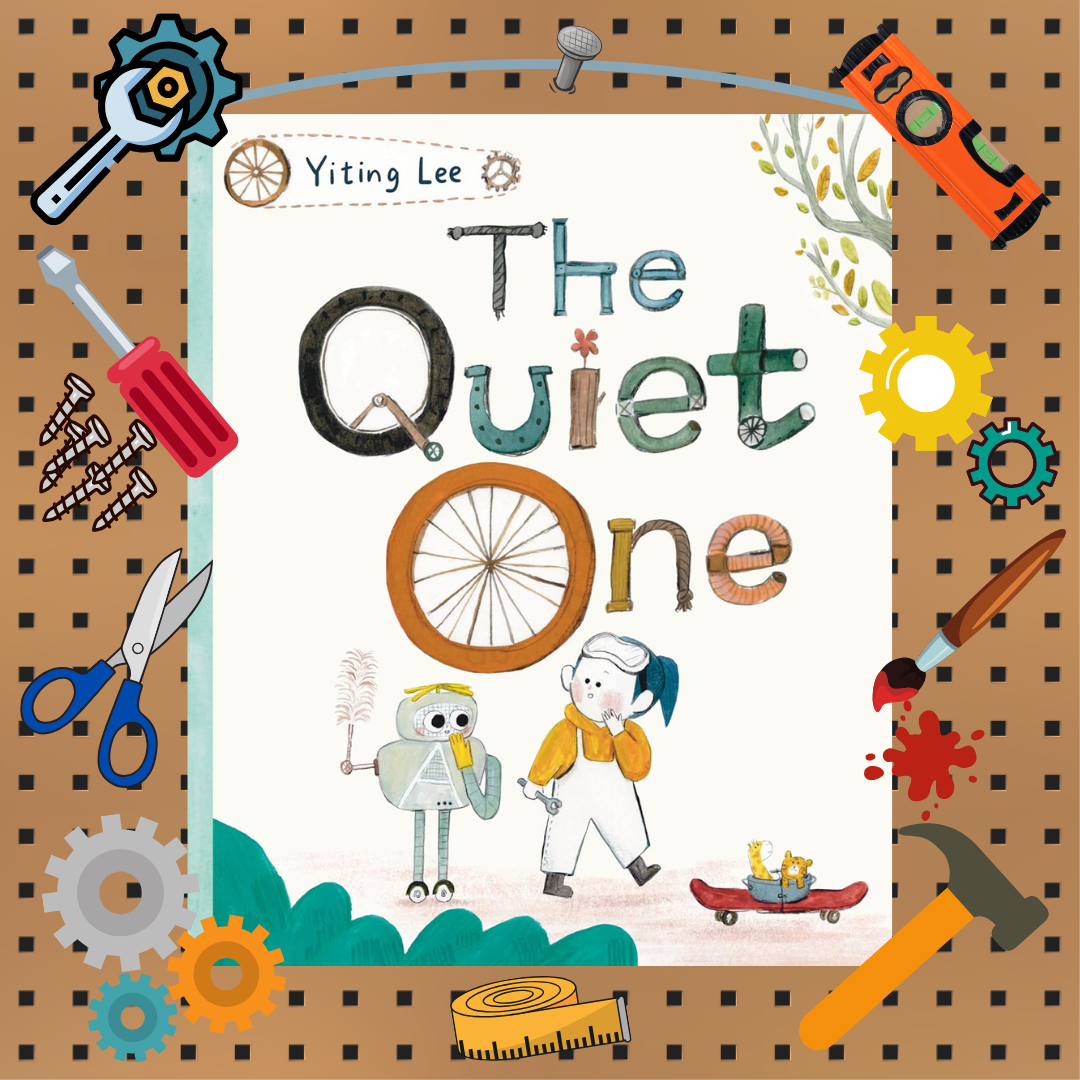
The Quiet One

By Yiting Lee


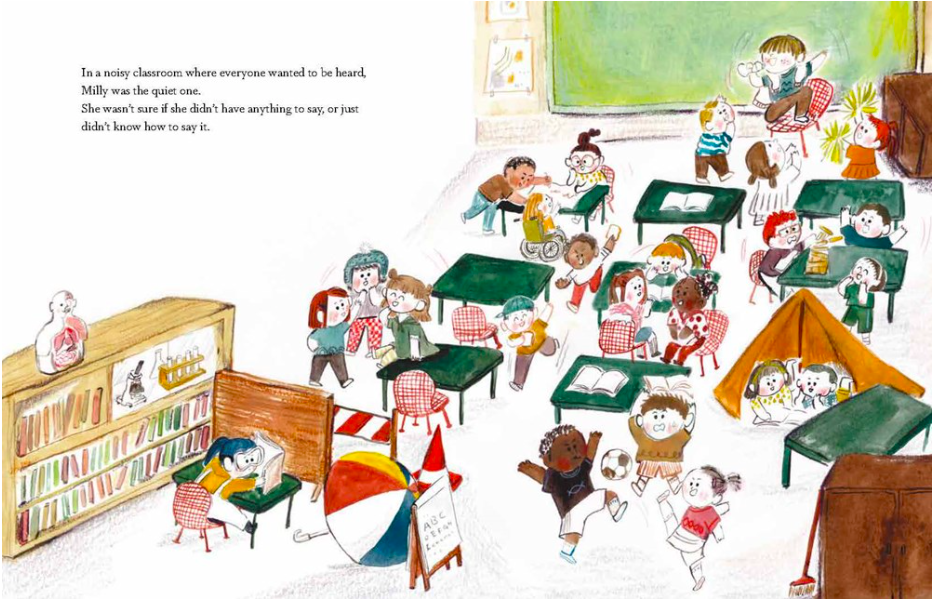
In her noisy classroom, Milly was the quiet one. She wasn’t exactly sure why she didn’t join in with her talkative classmates or why she especially dreaded Show and Tell, which was coming up on Friday. She most liked hanging out in her “secret place”—a shed filled with all sorts of things people didn’t need anymore or had forgotten. Milly was happy in her own company and liked to entertain herself by transforming other people’s old junk into amazing inventions like a running wheel for the shed’s mice and a working train from unused roller skates.

Copyright Yiting Lee, 2025. Courtesy of Eerdmans Books for Young Readers.

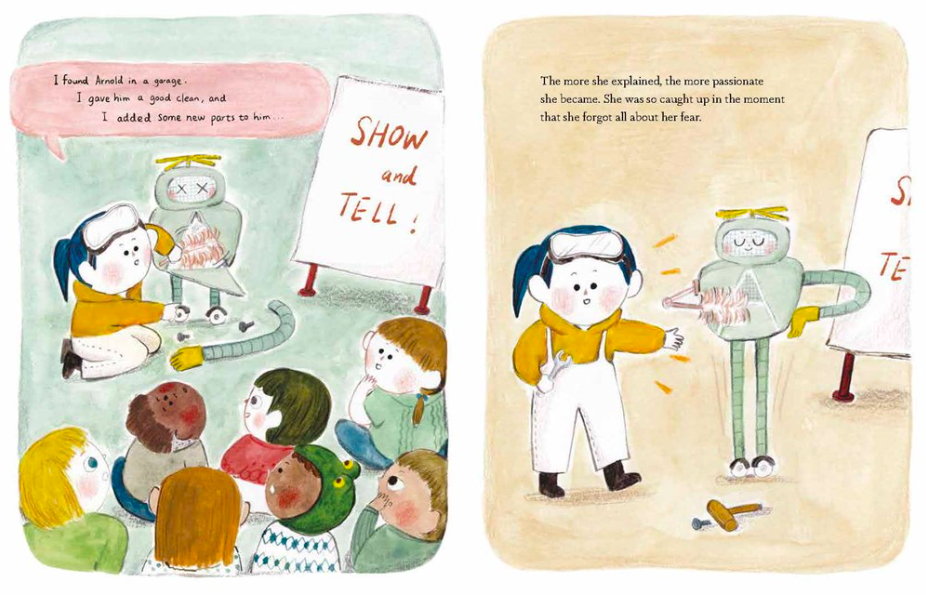
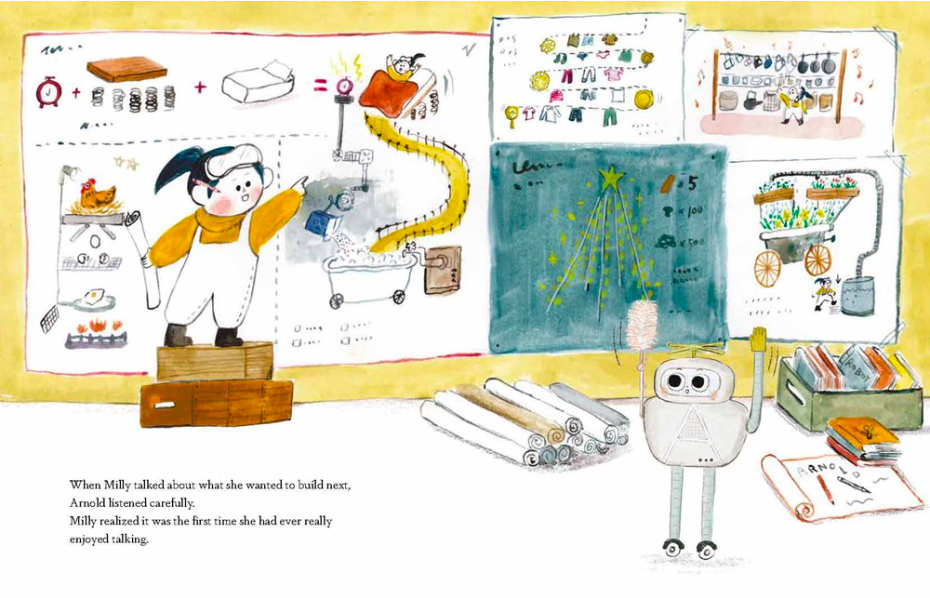
Then Milly found a broken cleaning robot. Getting out her toolbox, two caster wheels, and other supplies, Milly went to work. When she was finished and rebooted the robot, she was astonished to discover that it could talk—”Hi, I’m Arnold,” it said. Milly told Arnold her name. All afternoon Milly and Arnold worked to turn Milly’s secret place into a playground. Then as Milly explained what she wanted to build next, she “realized it was the first time she ever really enjoyed talking.”

Copyright Yiting Lee, 2025. Courtesy of Eerdmans Books for Young Readers.

Milly was still nervous about Show and Tell, but Arnold told her he would go with her and she could talk about him. On Friday, under the gaze of her classmates who seemed to loom above her, Milly froze. Arnold came to the rescue. He introduced himself and began: “Milly made me out of . . . of . . .”. He stopped, not knowing what came next. But Milly found her voice and finished the story, becoming more passionate about her subject as she went along. In fact, “she was so caught up in the moment that she forgot all about her fear.” Her classmates thought Milly was amazing, and Milly, later playing with her new friends on the playground she and Arnold had built, “was happy that she had been heard.”

Copyright Yiting Lee, 2025. Courtesy of Eerdmans Books for Young Readers.

Yiting Lee’s story offers reassurance to quiet, introspective children as well as to those who feel anxious when talking in or to a group. Through Milly’s experience, such children may feel encouraged to talk about a special skill, experience, or talent or to share the “stage” with a supportive friend who can help them overcome their fear. Lee also reminds readers that—as a favorite teacher of mine liked to say—”still waters run deep”, and that beneath a quiet exterior often bubbles unique perspectives, creativity, and loyal friendship.

Lee’s charming, cartoon illustrations contrast how Milly shrinks in her raucous classroom with how she comes alive in the junk shed—for her, a lab full of exploration, inspiration, and energy. Readers will enjoy stopping to look over all the images of Milly’s inventions and be inspired to create a few themselves.

A fast-paced, multilayered and inspiring story to spark confidence, foster understanding, and build connections among kids of all talents, The Quiet One offers a valuable resource for classrooms and school libraries and is a heartening choice for home and library collections.

Ages 4 – 8

Eerdman’s Books for Young Readers, 2025 | ISBN 978-0802856418

About the Author/illustrator

Yiting Lee was once the quiet one in class, much like Milly. She followed her love of art to earn her MA in children’s book illustration at the University of Cambridge. Originally from Taiwan, Yiting currently lives in Surrey, England, where she has illustrated books like What’s the Rush? (Princeton Architectural) and Little Dinosaurs, Big Feelings (Magic Cat). Follow her on Instagram @yitinglee_art and visit her website at yitinglee.com.

National Inventors’ Day Activity

celebrate-picture-books-picture-book-review-inventor's-box

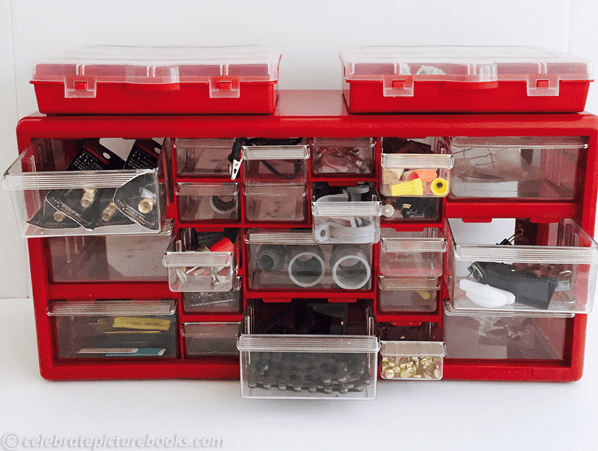
Inventor’s Box


For young inventors or tinkerers, having bits and pieces of this and that as well as some tools to work with all stored in one place encourages creative thinking. Filling the drawers of a tool case, a tool box, or a tackle box with items like springs, brads, wheels, hinges, plastic piping, pieces of wood, glue, tape, and simple tools can spark a child’s imagination. Take your child along to the craft or hardware store and choose items together!

You can purchase The Quiet One at these booksellers

Amazon | Barnes & Noble | Bookshop (to support your local independent bookstore)

Picture Book Review
January 6 – It’s National Be On-Purpose Month

celebrate-picture-books-picture-book-review-counting-winter-cover

About the Holiday

National Be On-Purpose Month emphasizes the importance of reflecting on whether your current actions are aligning with your actual personal and professional aspirations. In today’s busy and noisy world, it can be easy to veer from the real purpose for your life. Today’s holiday encourages those wanting to make a change or enhance their life to reflect on what they really want and begin planning how to make it happen. The beginning of the new year is a perfect time to take stock, put the breaks on autopilot living, and make your goals a reality. You might even want to look to the intentionality of nature as poetically revealed in today’s book for inspiration!  

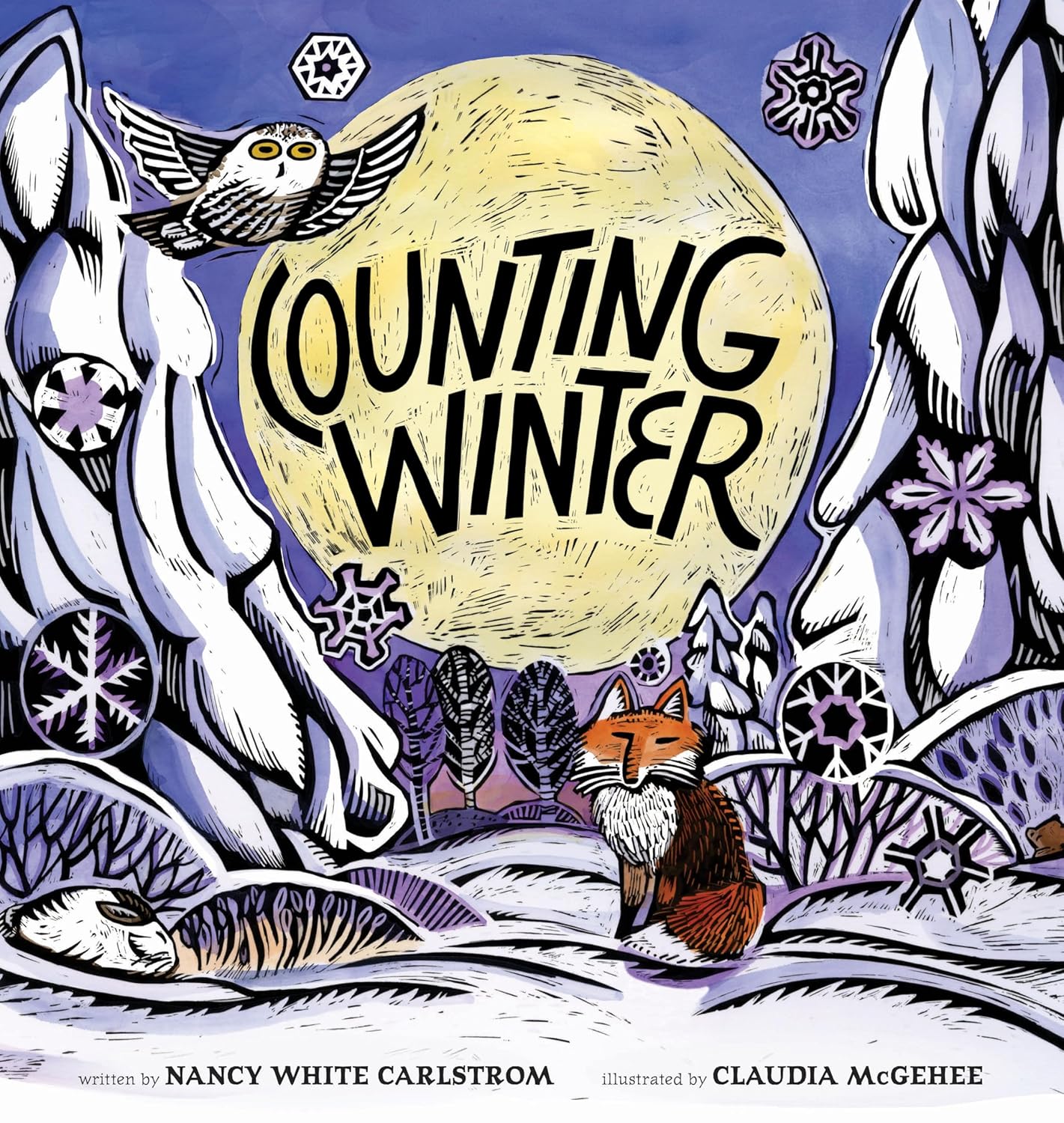
Counting Winter

Written by Nancy White Carlstrom | Illustrated by Claudia McGehee


In very northernly climes—like Alaska, where this book is set—winter is serious business. It also can be mysterious, beautiful, graceful, noisy, quiet, and fun! Animals and people who make their home in such regions and bravely face the elements are captured in their own unique ways through Nancy White Carlstrom’s lovely poetic verses that also invite readers to count from one to twelve.

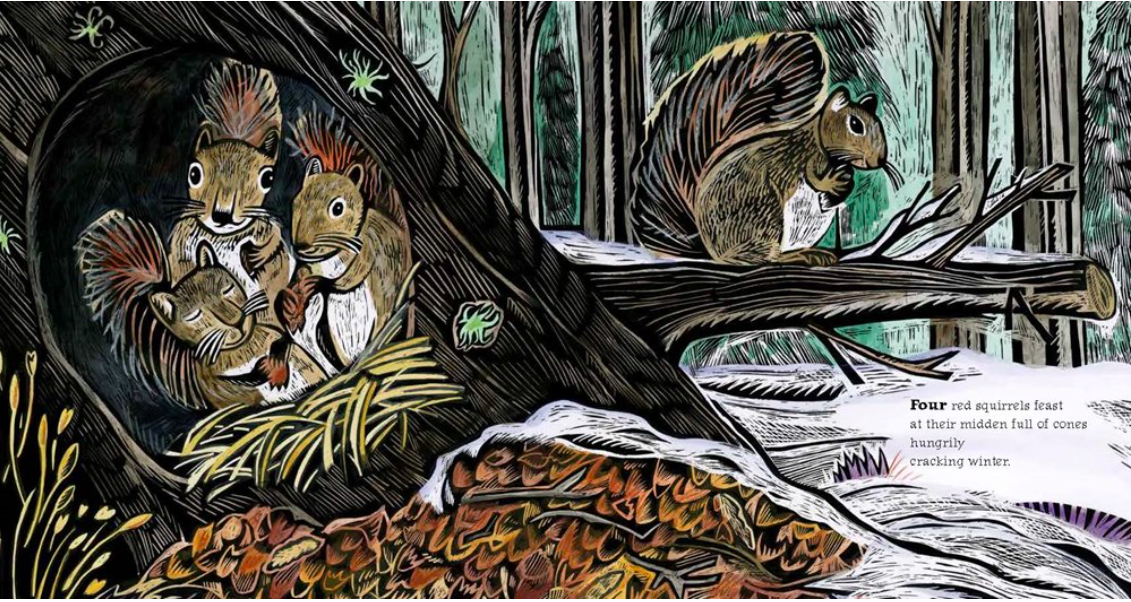
celebrate-picture-books-picture-book-review-counting-winter-squirrels

Image copyright Claudia McGehee, 2024, text copyright Nancy White Carlstrom, 2024. Courtesy of Eerdmans Children’s Books.

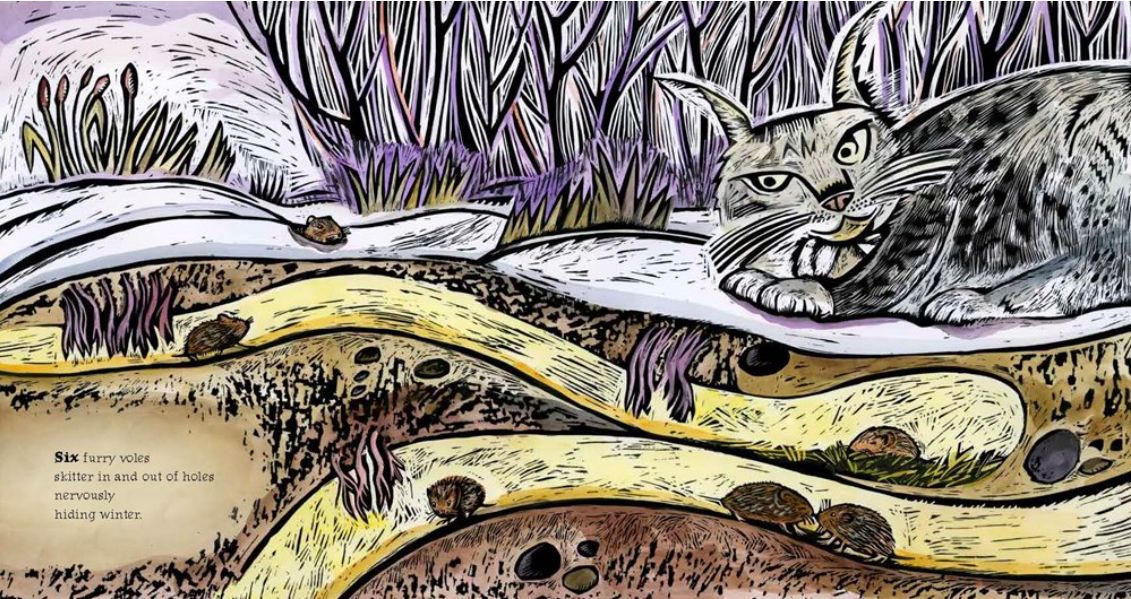
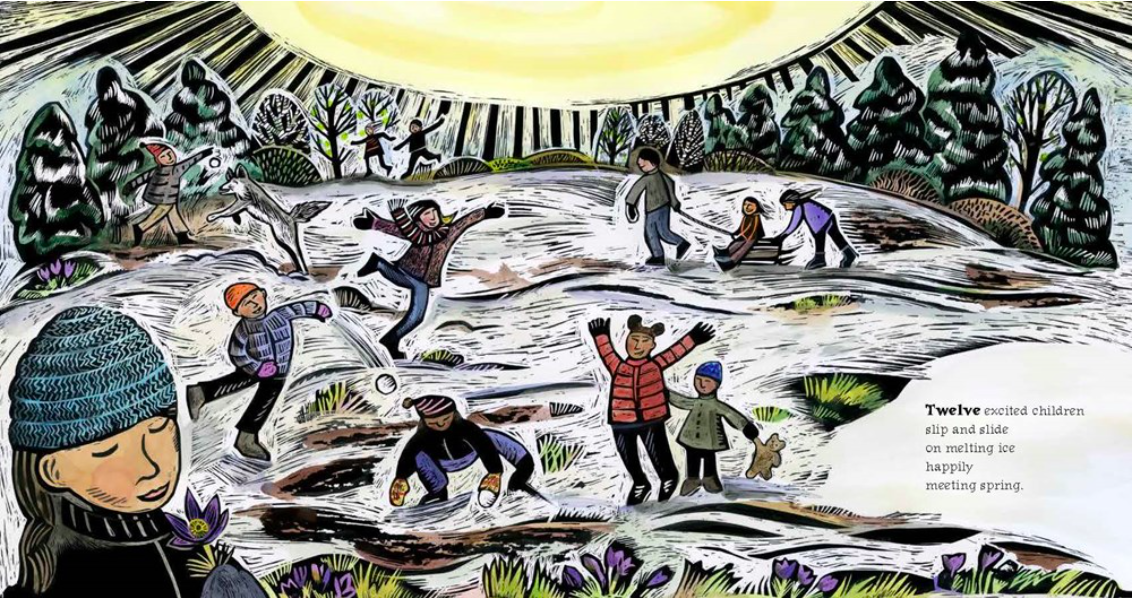
Through Carlstrom’s evocative language, kids meet red squirrels, tiny voles, freewheeling sled dogs, and a flurry of birds, among other animals, that “feast,” “skitter,” “rush through the trees / like wind whipping,” and “hoot,” “hammer,” and “flit” as they interact with Winter—a character in its own right that is tracked, named, tamed, and fed on its way to “meeting spring” as children “slip and slide / on melting ice.”

Carlstrom’s deftly formatted poems are riveting, too, for their portraits of these animals—sometimes majestic, sometimes stealthy, and sometimes seemingly too fragile to survive—that with heart and skill not only do survive, but thrive in this most distinctive season. Each lyrical verse flows with assonance and consonance and once or twice a clever rhyme, making them a joy to read aloud. Children will love Carlstrom’s vocabulary and the opportunity to learn here and there small facts, such as the idea of “forty below” temperatures, squirrels’ habit of building middens with pinecones, and how voles spend their winter. 

celebrate-picture-books-picture-book-review-counting-winter-voles

Image copyright Claudia McGehee, 2024, text copyright Nancy White Carlstrom, 2024. Courtesy of Eerdmans Children’s Books.

Claudia McGehee’s astounding scratchboard and watercolor illustrations bring these animals and the environment to life with their textured and intricate designs. Every page is a sensory-engaging showstopper. Readers can almost feel the cold, brittle air and sense the depth and weight of the snow as a fox stalks a well-hidden rabbit. Three snowshoe hares bound with unbridled energy as geometric and delicately floral snowflakes fall. Kids will be both awed and charmed by the seven musk oxen that greet them as a shaggy, sturdy wall and be nearly able to hear the clammer and feel the whoosh of the eight sled dogs racing by, their tongues out, tasting the stirred up snow.

McGehee’s stunning designs challenge kids to find the full number of animals on each spread, while making it neither too easy nor too hard for young readers of any age. In several spreads, McGehee offers the promise of the spring to come by including glimpses of what lies below the blanket of snow: seeds, grasses, and roots all await warmer weather, and by the time readers join the twelve children at the skating pond, tender green shoots appear on some trees and the crocus is blooming. 

celebrate-picture-books-picture-book-review-counting-winter-children

Image copyright Claudia McGehee, 2024, text copyright Nancy White Carlstrom, 2024. Courtesy of Eerdmans Children’s Books.

Back matter includes an illustrated Animal Profiles page that reveals interesting tidbits about the animals featured in the text and would be a terrific jumping off point for nature lovers, teachers, homeschoolers and other educators, and librarians looking for lesson or activity ideas. In an Author’s Note, Nancy White Carlstrom talks about her 19 years living in Alaska and the inspiration for this book. In her Illustrator’s Note, Claudia McGehee discusses the research she did as well as the intricate process of using a scratchboard and watercolors to create the art for Counting Winter.

Counting Winter is sure to be a repeat favorite the whole family will love cozying up with during winter—or even in the throes of summer when a little cool (or cold!) air sounds refreshing—and is highly recommended for home bookshelves. The book is a must for classrooms, school libraries

Ages 4 – 8

Eerdmans Books for Young Readers, 2024 | ISBN 978-0802855701

About the Author

Nancy White Carlstrom has written over sixty books for children, including Before You Were Born (Eerdmans), Mama, Will It Snow Tonight? (Boyds Mills Press), and the bestselling Jesse Bear series (Scholastic). Counting Winter was shaped by the nineteen years Nancy and her family called Alaska home. She currently lives in the Seattle area and enjoys seeing Alaskan wildlife—and her grandchildren—on trips back to the state. Visit her website at nancywhitecarlstrom.com.

About the Illustrator

Claudia McGehee is the illustrator and sometimes author of many picture books, including Begin with a Bee, Creekfinding (both University of Minnesota Press), and My Wilderness (Little Bigfoot). In starred reviews from Kirkus and School Library Journal, Claudia’s scratchboard illustrations have been praised as “meticulous” and “striking.” Raised in the Pacific Northwest, Claudia now lives in Iowa City, Iowa. Visit her website at claudia-mcgehee.com or follow her on Instagram @claudia.mcgehee.

National Be On-Purpose Month Activity

CPB - Polar Bear scarf

CPB - Polar Bear Banner

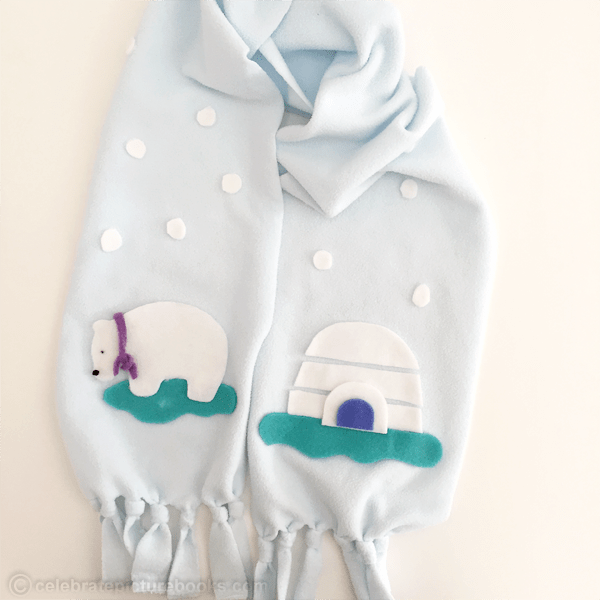
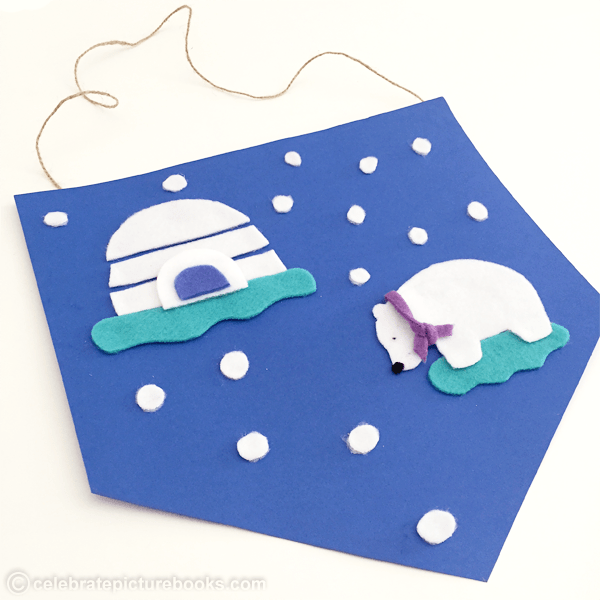
Polar Bear Scarf or Banner

Polar bears aren’t cold in the winter—and neither should you be! Here are directions and printable templates for making a cute scarf to keep you warm, or—if you’d rather—a banner to warm up your room.

Supplies

  • Printable Polar Bear and Igloo Template
  • 1 Strip of blue fleece 4 ½ feet long x 7 inches wide for the scarf
  • 1 Piece of blue scrapbooking paper for a banner
  • Pieces of white, black, blue, and purple (or other color) fleece or heavy stock paper to make the polar bear, igloo, snowflakes, and ice floes.
  • String or twine for banner
  • Scissors
  • Fabric or paper glue

Directions for Scarf

To make the fringe at each end of the scarf

  1. Make 7 cuts about 4 inches long
  2. Tie a knot at the top of each fringe section

To make the pieces for the scarf or banner

  1. Trace the polar bear and igloo sections onto white fleece and cut out
  2. Trace the two ice floes onto blue fleece and cut out
  3. Trace the door of the igloo onto blue fleece and cut out
  4. Trace the polar bear’s scarf onto purple (or other color) fleece and cut out
  5. Cut out circles for snowflakes
  6. Cut out a small circle from black fleece for the Polar Bear’s nose

On one end of the scarf

  1. Glue the smaller ice floe on one end of the scarf
  2. Tie the bear’s scarf around its neck before gluing the bear to the scarf
  3. Glue the polar bear onto the scarf with its feet on the ice floe
  4. Glue on the polar bear’s nose
  5. Make a small dot for the polar bear’s eye with a marker
  6. Glue snowflakes above polar bear

On the other end of the scarf

  1. Glue the bigger ice floe to the scarf
  2. Glue the three sections of the large igloo to the scarf, leaving a little space between sections
  3. Glue the small white door of the igloo on top of the last two igloo sections
  4. Glue the small blue door onto the white door
  5. Glue snowflakes above the igloo

Directions for Banner

  1. Cut a point at the bottom of your banner
  2. Trace the pieces of the polar bear and igloo from the printable template onto heavy stock paper
  3. Follow the directions above to glue the pieces of the polar bear and igloo to your banner
  4. Attach string or twine to back of banner to make a hanger

celebrate-picture-books-picture-book-review-counting-winter-cover

You can purchase Counting Winter at these booksellers

Amazon | Barnes & Noble | Bookshop (to support your local independent bookstore)

Picture Book Review
December 4 – International Cheetah Day

celebrate-picture-books-picture-book-review-fast-cheetah-slow-tortoise-cover

About the Holiday

The cheetah is the fastest land mammal in the world and also Africa’s most endangered big cat. With fewer than 7,500 cheetahs left in the wild, these beautiful and important animals are in a race with survival. Today’s holiday was established to raise awareness to the peril cheetahs and their ecosystem are in and to urge people to come to their aid. To learn more about cheetahs and how we can help them, and to find educational information and activities to download, visit the Cheetah Conservation Fund’s International Cheetah Day website.
Fast Cheetah, Slow Tortoise: Poems of Animal Opposites 

By Bette Westera and Mies van Hout | Translated by David Colmer


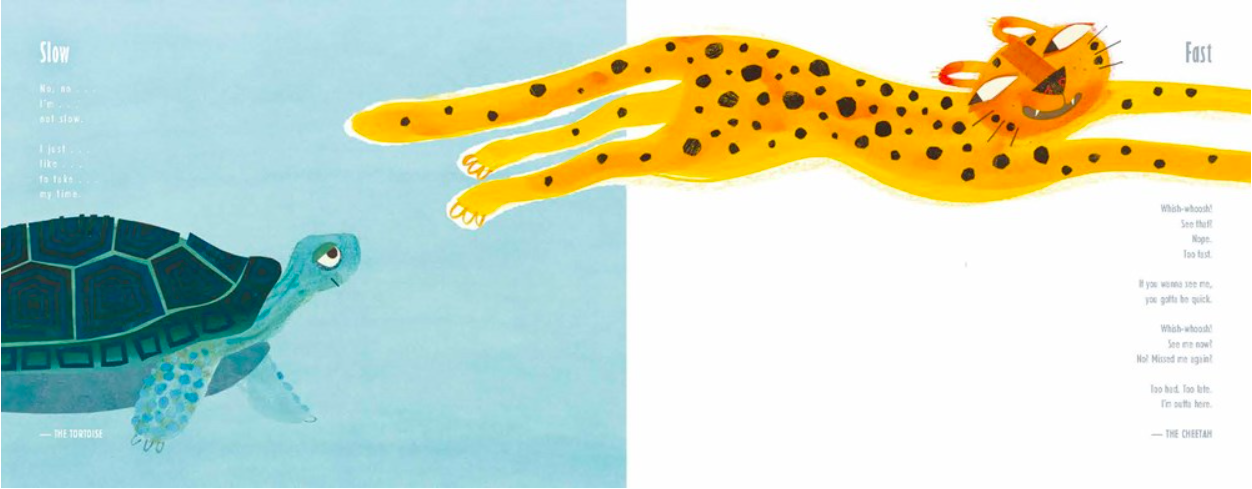
The world is full of animals (and people) of all sorts. Some are slow, like a tortoise—who, begging to differ, says, “I just like to take my time” while others are fast, like a cheetah—who with a “whish-whoosh! is “outta here.” There are those who identify with the “Tidy” pig, who loves to “. . . scrub and scrub / until I’m clean./ And put a fresh curl in my tail,” and those who aren’t so persnickety—like the “Messy” warthog: “Wash and comb my hair more often? / What for? Once a year is plenty. / These tangles suit me fine.”

celebrate-picture-books-picture-book-review-fast-cheetah-slow-tortoise-tortoise-and-cheetah

Image copyright Mies van Hout, 2024, text copyright Bette Westera, 2024, translation copyright David Colmer, 2024. Courtesy of Eerdmans Books for Young Readers.

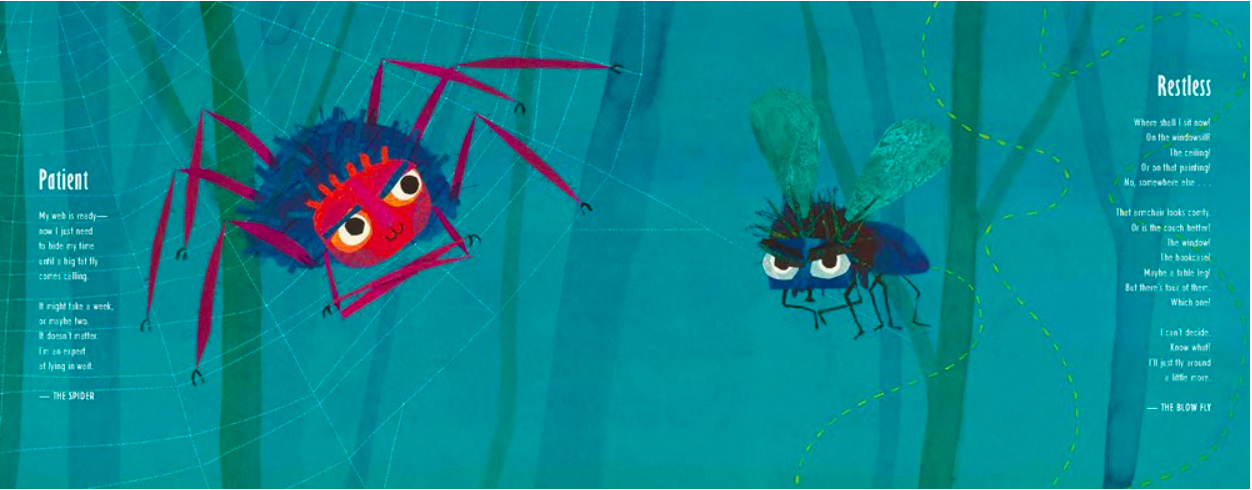
In sixteen two-page spreads, Bette Westera and Mies van Hout introduce thirty-two animals who are opposites—or antonyms, for the grammatically minded—and do admirable jobs of advocating for themselves through short, free-form poems that proudly promote the traits that make them . . . well . . . them. Take the “Fancy” turkey and the “Everyday” chicken.

celebrate-picture-books-picture-book-review-fast-cheetah-slow-tortoise-spider-and-fly

Image copyright Mies van Hout, 2024, text copyright Bette Westera, 2024, translation copyright David Colmer, 2024. Courtesy of Eerdmans Books for Young Readers.

The turkey and the chicken face off across the pages with the Turkey going first as it recalls in part “a quick look in the mirror: / very chic, this red collar / over those dark blue feathers. / And how do you like my tail? / The peacock pales in comparison!” The chicken, in contrast, reveals: “I don’t like frills / and frippery. / I don’t like fancy / showing off” then goes on to say “. . . just give me grayish brown / or brownish gray.”

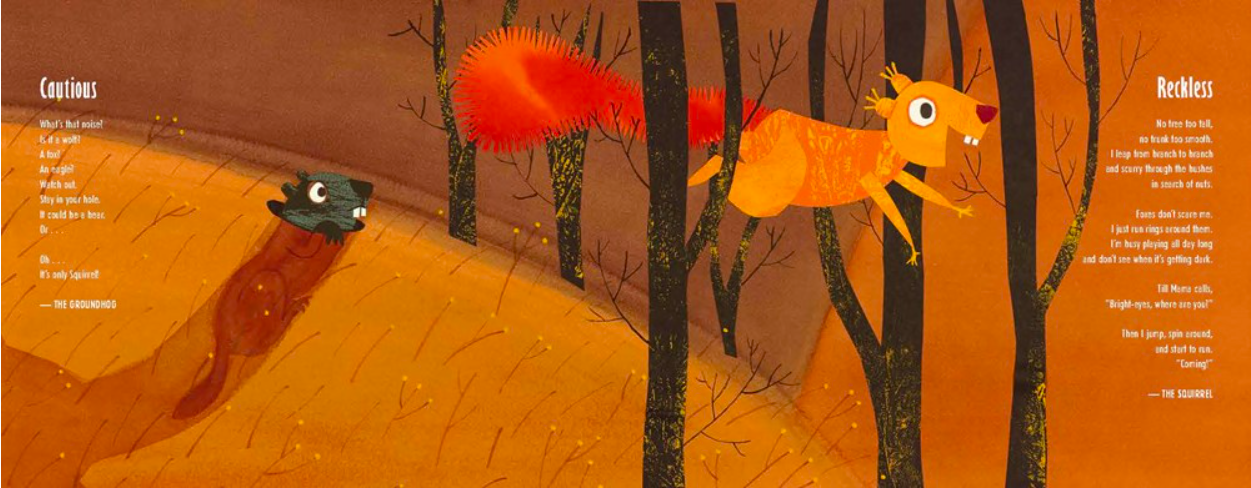
celebrate-picture-books-picture-book-review-fast-cheetah-slow-tortoise-groundhog-and-squirrel

Image copyright Mies van Hout, 2024, text copyright Bette Westera, 2024, translation copyright David Colmer, 2024. Courtesy of Eerdmans Books for Young Readers.

Each of Bette Westera’s poems, translated by David Colmer, delights with conversational rhythms and the humorous first-person descriptions within. Feisty attitudes meet plainspoken introspection meet playful nonchalance and energetic purpose—all divulged through snappy vocabulary and surprising turns of phrase. Kids will eagerly want to hear this charming read aloud again and again and will have fun deciding which of the animals they themselves most resemble. 

With her color-saturated and textured mixed-media illustrations, Mies van Hout presents kids and adults with a visual feast of expressive animals, each—like readers—with their own evident and endearing personality. You’ll want to linger awhile at every page to gaze into these animals’ eyes and fully appreciate their varied traits before meeting another pair of happy opposites.

An original take on learning—and valuing—the nature of opposites, Fast Cheetah, Slow Tortoise: Poems of Animal Opposites would be an entertaining addition for home story times as well as a terrific choice for libraries and classrooms, where the book could inspire fun writing projects.

Ages 4 – 8

Eerdmans Books for Young Readers, 2024 | ISBN  978-0802856357

About the Author

Bette Westera is the author of the Mildred L. Batchelder Honor Book Later, When I’m Big (Eerdmans) and over fifty other books for children. She has also translated books by Dr. Seuss, Astrid Lindgren, and Julia Donaldson into the Dutch language. Bette lives in the Netherlands, where her books have received two Golden Pencil awards and six Silver Pencil honors. Visit her website at bettewestera.nl.

About the Illustrator

Mies van Hout is a Dutch illustrator and author whose work has been published in over twenty countries. Her books in English include Happy, From One to Ten, This Is My Daddy!, and What Cats Think (all Pajama Press). Mies lives in the Drenthe province of the Netherlands. Visit her website at miesvanhout.nl or follow her on Instagram @miesvanhout.

About the Translator

David Colmer is an Australian writer and translator of Dutch and Flemish literature. He has translated over eighty books throughout his career, including Little Fox (Levine Querido), I’ll Root for You, and A Pond Full of Ink (both Eerdmans). His translations have won several prestigious awards, such as the PEN Translation Prize and the Independent Foreign Fiction Prize. David lives in Amsterdam.

International Cheetah Day Activity

Screen Shot 2024-12-03 at 6.19.59 PM

Cheetah Coloring Page

Learn more about cheetahs and see them in action with this video from National Geo Wild then color your own portrait of a cheetah with this Cheetah Coloring Page from the Cheetah Conservation Fund.

celebrate-picture-books-picture-book-review-fast-cheetah-slow-tortoise-cover

You can purchase Fast Cheetah, Slow Tortoise: Poems of Animal Opposites at these booksellers

Amazon | Barnes & Noble | Bookshop (to support your local independent bookstore)

Picture Book Review