January 1 – Commitment Day and Interview with Author/Illustrator Lindsay Ward

celebrate-picture-books-picture-book-review-don't-forget-dexter-cover

About the Holiday

The beginning of the year is a perfect time to think about your relationships and let all of the special people in your life know how much they mean to you. It’s easy to let time go by without telling friends, coworkers, and family members that they are important to you and that you appreciate everything they do for you and with you. Little ones are  committed not only to family and friends but—often with the same fervor—to their favorite toys as well. And vice versa? Perhaps—as today’s book shows!

Don’t Forget Dexter!

By Lindsay Ward


In an empty pediatrician’s waiting room, a little dinosaur calls out “Hello? Is anyone there?” Then he sees you! Yes, you, and he needs your help. It seems Dexter (that’s the dino’s name) has lost his best friend, Jack. Jack was just there a minute ago coloring with Dexter, but now he’s gone. Dexter’s been waiting “a really long time. Like forever.” He thinks that “maybe you’ve seen him?” Oh, right! You don’t know what Jack looks like! Dexter draws a quick picture of a kid with curly hair, stick arms, stick legs, and a smile. Have you seen Jack?

celebrate-picture-books-picture-book-review-don't-forget-dexter-drawing

Copyright Lindsay Ward, 2018, courtesy of Two Lions Publishing.

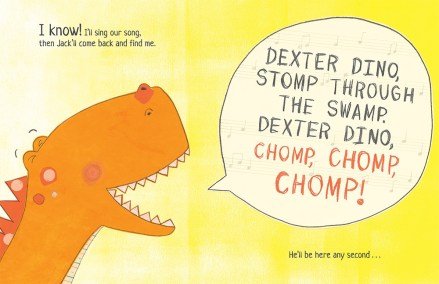
Maybe you and Dexter need a little more help. Suddenly, Dexter has an idea of who to ask. “Excuse me. Hello? Mr. Fish? Have you seen my best friend, Jack?” Or maybe the lady behind the window knows where Jack is. But she’s on the phone and doesn’t even seem to hear or see Dexter. Wait! Dexter knows what to do—he’ll sing his and Jack’s favorite song! “Dexter Dino, stomp through the swamp. Dexter Dino, Chomp, Chomp, Chomp!”

No Jack? Dexter sings louder, but still no Jack. Poor Dexter! He just doesn’t understand. Could it be…”Oh no! What if he left me here ON PURPOSE?” Dexter thinks, as his eyes with tears. But then denial kicks in. That can’t be…after all Dexter says, “I’m Dexter T. Rexter. The toughest, strongest, coolest dinosaur there has ever been. EVER!” And he’s pretty much right! He’s got a swishy tail, chompy teeth, pretty sharp claws, and feet that “make this really cool sound.”
celebrate-picture-books-picture-book-review-don't-forget-dexter-song

Copyright Lindsay Ward, 2018, courtesy of Two Lions Publishing.

But oh, dear…did you really just suggest the unthinkable? That maybe Jack “likes something more? Like another toy?” You know what kinds of great toys are out there—all sorts of cars, trucks, trains, and planes that have fancy moving parts, blinking lights, and swell sounds. “Wait, what did you say? You think dinosaurs ARE awesome?” Just that thought has given Dexter more oomph and confidence. So much, in fact, that he’s going to escape from this waiting room through the window and find Jack.

Dexter builds a pile of books to reach the supply closet handle, grabs some sturdy bandages to make a climbing rope, and—under the watchful gaze of the swimmy “unhelpful spectator,” swings into action and…into the fish tank! Oh no! As Dexter sinks to the bottom, he sees all of his favorite moments sinking with him. “No more playtime. No more bath time. No more bedtime snuggles. No more Jack.” Dexter’s tears mix with the aquarium water.

But what’s this? What is that sound? “DEXTEEERRR!” Dexter recognizes that voice. It’s Jack! See? “And you were so worried.”  But Dexter knew all along he’d never be forgotten. And now as Jack pushes him around the waiting room in a cool sports car, he and Jack even have a new song to sing!

celebrate-picture-books-picture-book-review-don't-forget-dexter-dexter-t-rexter

Copyright Lindsay Ward, 2018, courtesy of Two Lions Publishing.

What child can resist the roar of a dinosaur who needs help? The opportunity to be bigger, braver, and fiercer, than T-rex is irresistible, and in Lindsay Ward’s hilarious direct-address friendship story, it’s irresistible fun. As Dexter takes readers along on his roller coaster of emotions, asking readers for help and reassurance, kids will empathize with this lost toy who’s feeling small and alone. There will be plenty of giggles when Dexter draws his stick-figure portrait, rappels into the fish tank, and melts into a puddle of dinosaur tears. A spirited reading (and singing) will bring the story fully to life.

Ward’s bright, bold illustrations set Dexter center stage as his emotions play out on his very sweet face. From page to page, Dexter’s expressive eyes register uncertainty, hope, worry, bravado, angst, bravery, despair, and finally joy. Orange Dexter is a cutie with his scattered polka dots and kindergarten-style, writing-paper belly. Kids will recognize the doctor’s office with its universal fish tank; the “better” toys Dexter compares himself to are appropriately menacing; and Dexter’s memories of fun times spent with Jack show readers just how strong the bond between these two friends is. As Jack, wearing a Dexter t-shirt and also with tears in his eyes, searches for Dexter, readers will see that the love between toy and child goes both ways. Children will cheer when Jack reunites with Dexter with a huge hug.

Don’t Forget Dexter! is a funny and heartfelt choice for dinosaur lovers and for introducing discussions of various emotions and the nature of love for home, classroom, and public libraries.

Ages 3 – 7

Two Lions, 2018 |ISBN  978-1542047272

Two Lions sent me this book to check out. All opinions are my own.

Discover more about Lindsay Ward, her books, and her art on her website.

Commitment Day Activity
celebrate-picture-books-picture-book-review-heart-jar-craft

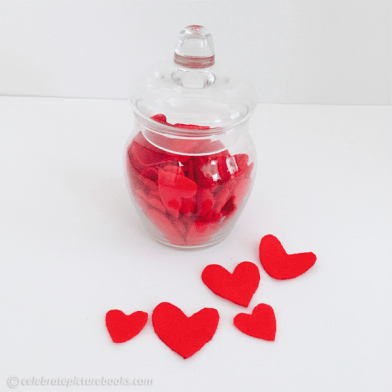
I Love You Jar


You can show the people you love how much they mean to you by giving them your heart! Make this I Love You Jar so you always have a little love on hand to share!

Supplies

  • A decorative clear glass jar, mason jar, or other kind of jar
  • Red felt (or other desired color or colors)
  • Heart stencils or cookie cutter (optional)
  • Scissors

Directions

  1. Cut 10 to 20 heart shapes from the red felt 
  2. Place the hearts in the jar for safe keeping
  3. When you want to tell someone that they are special to you, give them a heart!

Meet Lindsay Ward

celebrate-picture-books-picture-book-review-don't-forget-dexter-lindsay-ward-headshot

Today I’m excited to talk with Lindsay Ward about the text that inspired Dexter, the best part of meeting with students, and what makes Ohio home.

What inspired you to write Don’t Forget Dexter!?

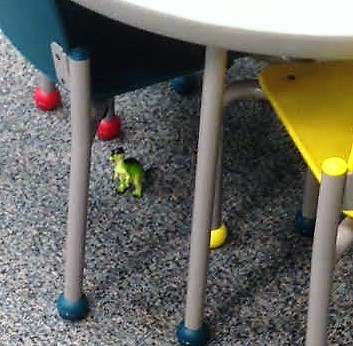
My husband and I were pregnant with our first child and my husband was required to get a T-DAP booster shot prior to our son’s birth. He went to get the shot and while he was waiting to be seen he texted me a photo with of a toy dinosaur lying underneath a chair with the line “well, they left me here.” I laughed out loud when I read the text and immediately sat down to write Dexter’s story. To this day it’s still the fastest idea-to-story moments I’ve ever had. I ended up writing the first draft within an hour and the rest is history.
celebrate-picture-books-picture-book-review-dino-photo-lindsay-ward

When did you know you wanted to write books for children? Has becoming a mom changed the way you work or the themes of your work? If so, in what way?

I always knew I wanted to be an artist of some kind, but I never thought about writing. That actually happened by accident years later once I was already published as an illustrator. When I was 15 I got my first job working in a children’s book store. After meeting authors and illustrators who would come do signings at Hicklebee’s (where I worked), I realized I wanted to illustrate children’s books. I loved the idea of working from a narrative. After I graduated high school I went on to study illustration in college and began trying to get published.

My books have always been connected in some way or another to personal experiences. Now that I have two boys, I definitely get inspired by them. I’m also a lot more critical of books as a mom than I was before. Prior to having kids, I would really only care about the quality of the art when I purchased a book for my home library. Now I expect a book to have the full package— great writing and illustrations. Seeing first hand which books my kids respond to has been really interesting too.

When you’re working on a project, does the story come first or the art?

With the exception of Dont Forget Dexter! and Henry Finds His Word, the story has always come first. Those two titles are the only books where I had a character in my head before the story was written. Generally, I come up with a concept first and then I consider all the directions I can take the story in before I settle on one. Writing is a very instinctual experience for me, I trust my gut to tell me when I’m heading in the right direction.

You hold many readings and events at schools, libraries, and book festivals. Do you have an anecdote from any event you’d like to share?

I love meeting with students and visiting schools and libraries. It’s one of my favorite parts of my job. So often I’m in my own head working on an idea, so when I get the chance to meet my readers, it’s such a wonderful experience. I don’t necessarily have a particular anecdote, but I have experienced more than once going into a school where the students have never met an author or illustrator before. I love being able to show them that they can do something creative with their lives and nothing is impossible. I think that’s a very important lesson for kids to learn. I was lucky enough to have a mom that always supported my dreams, and I can’t imagine what it would have been like to pursue this career if she hadn’t been so supportive.

What’s the best part of writing and illustrating children’s books?

I think that moment where you know you’ve tapped into something great creatively and the idea begins to really come together— that’s a wonderful feeling. I love getting to meet my readers too, that’s the best!

Your book Please Bring Balloons, a mystical story about a little girl who rides a carousel polar bear into a magical arctic dreamscape, has been made into a play and had a recent run at the New York Children’s Theater. Can you talk a bit about that and how it came to be?

I didn’t really have much to do with the process of Please Bring Balloons becoming a play. My agent called one day to let me know they were interested in adapting my book and next thing I know it was a production in New York. I remember my husband brought home a dozen roses for me the day we found out—it was incredibly sweet, saying “this is what they give actors on stage.” Months later, my husband and I had the opportunity to go to New York and see the play—which is one of the best moments of my career as a children’s book author/illustrator. I was so proud of what I had created, and so impressed with the writer, director, and actors who put it all together. Seeing my story come to life was an amazing experience that I’ll never forget.

Can you describe your studio a little? What’s your favorite thing in it? Why?

Currently, my studio is in a small bedroom in my house. It’s very cozy and has a beautiful view of the woods and river behind my house. I’m very type-A so I like to keep it organized, the only time it’s usually messy is if I’m working in cut paper on a book—then it looks like a bomb has gone off.  My favorite thing in it is my blue scissors that I’ve used on every book I’ve ever published. I’m a bit superstitious about them.

You grew up in California, lived in New York and Boston, and now live Ohio. What would you say are the three biggest differences in the West Coast, East Coast, and Midwest?

I get this question a lot, mostly from Clevelanders, who are fascinated by the fact that I grew up in California but choose to live in Ohio (sometimes I don’t think they realize how good they have it here). For me, the West Coast is laid back and goes with the flow, the East Coast is always moving, and the Midwest feels like home. I think the reason I fell in love with Cleveland is because the odds are always against it, a lot of people make fun of it or look down on it, but it’s got a lot of heart. Midwesterners are warm and passionate people. I’ve had the opportunity to live in many places and they’ve all given me wonderful experiences and shaped me into who I am today.

What’s up next for you?

I just wrapped up the sequel to Dont Forget Dexter!, titled Its Show-and-Tell, Dexter!, which will come out July 17th, 2018. I’ll be working on a new picture book about the relationship of colors, as told by the color Gray, titled This Book Is Gray, with Two Lions starting in January. And I’m thrilled to be starting a new original board book series, I Go, with HarperCollins next year.

What is your favorite holiday?

Hands down, Thanksgiving! Cooking for my family on a day filled with turkey, pie, and football…it doesn’t get better than that!

Thanks, Lindsay! It’s been fun getting to know more about you and your work! I wish you all the best with Don’t Forget Dexter! and all of your books!

celebrate-picture-books-picture-book-review-don't-forget-dexter-cover

You can find Don’t Forget Dexter! at these booksellers:

Amazon | Barnes & Noble | Books-a-Million | IndieBound

You can connect with Lindsay Ward on:

Her Website | Facebook | InstagramTwitter

Picture Book Review

December 20 – It’s Tomato and Winter Squash Month

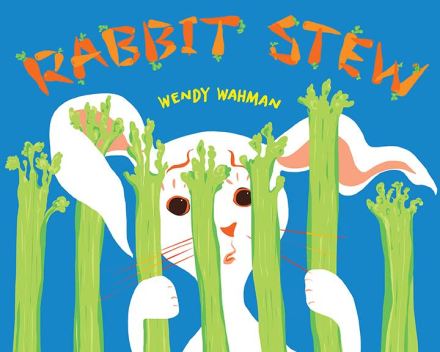
celebrate-picture-books-picture-book-review-rabbit-stew-cover

About the Holiday

The cold months of the year call for warm, hearty meals, and what better way to satisfy the desire for comfort food than to incorporate some of the most flavorful vegetables around? Tomatoes are a staple in many dishes, while the many varieties of winter squash (including acorn, butternut, spaghetti, kabocha, and delicate) are versatile and can add new taste sensations to any dinner. So as the temperature dips, scout out these vegetables and savor their rich flavors!

Rabbit Stew

By Wendy Wahman


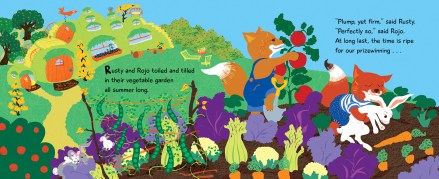
“Rusty and Rojo toiled and tilled in their vegetable garden all summer long.” But now the crops have ripened, and the two foxes are ready to enjoy the bounty of their hard work—so are their neighbors, the Rabbits. As Mommy Rabbit and the bunnies nibble away in a corner of the garden, Rusty gently squeezes the tomatoes and finds them “plump, yet firm.” “Perfectly so,” Rojo agrees as he lifts Daddy Rabbit from the carrot patch. “At last,” Rusty and Rojo exclaim, “the time is ripe for our prizewinning Rabbit Stew!”

celebrate-picture-books-picture-book-review-rabbit-stew-picking-veggies

Image copyright Wendy Wahman, 2017. Courtesy of wendywahman.com.

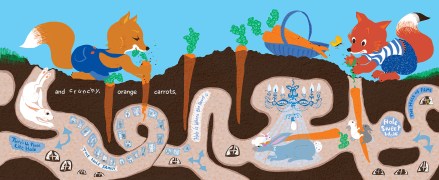
While Rojo picks “lean, green runner beans,” the Rabbits look on worriedly. Daddy tries to hide, but Rusty spies him in the wheelbarrow full of purple kale. Then, when the family dives back into their cozy “hole sweet hole,” they find that their convenient carrot snacks are being abruptly snatched away—only to be added to the pot of “splendid Rabbit Stew.”

celebrate-picture-books-picture-book-review-rabbit-stew-in-the-burrow

Image copyright Wendy Wahman, 2017. Courtesy of wendywahman.com.

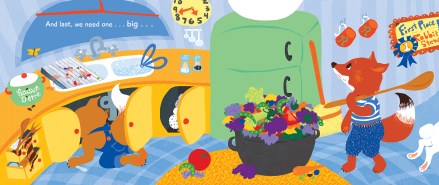
Next come raisins and celery “and roly-poly blueberries.” But what about those white and gray bits of fluff? Will they end up in the foxes’ buckets too? Of course “juicy red tomatoes, fresh sprigs of parsley, and sweet yellow peppers” are also musts for the foxes’ “finest-ever Rabbit Stew.” With the pot overflowing with colorful veggies, only one more thing is needed—“one…big…round…white…bowl…for our favorite Rabbit, Stew—and his family too!”

celebrate-picture-books-picture-book-review-rabbit-stew-kitchen

Image copyright Wendy Wahman, 2017. Courtesy of wendywahman.com.

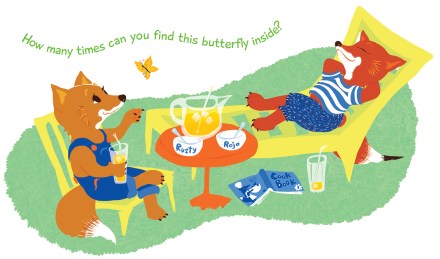
With her fertile imagination and a clever play on words, Wendy Wahman offers up a delightful story that will have readers guessing until the very end. Along with the mystery and the yummy descriptions of each ingredient, Wahman presents a counting game for readers. As Rusty and Rojo pick their vegetables, children can count the ten runner beans on the trellis, nine purple kale leaves in the wheelbarrow, eight carrots from the burrow, and all of the other ingredients on down to one. But do Rusty and Rojo need one big white rabbit or something else? Kids will love the twist at the end and cheer to see Daddy Stew, Mommy Strudel, and their little bunnies—Dumpling, Biscuit, and Ragu—dining on the special meal grown and created just for them.

Everyone’s garden should look as deliciously vibrant as Wahman’s riotous patch of vegetables! The vivid colors jump off the page while providing texture and nuance to the illustrations. They also give kids another concept to learn and talk about. Little details, such as the tiny caterpillar and the yellow butterfly that follow the bunnies from page to page, as well as the fancy burrow lined with photos of friends and family will enchant readers. 

celebrate-picture-books-picture-book-review-wendy-wahman-interview-Fox-Lemonade

Image copyright Wendy Wahman, 2017, courtesy o f Wendy Wahman.

Welcome themes of friendship, diversity, and inclusiveness can also be found within the illustrations and the story.

Rabbit Stew is a bright, humorously sly story that would be a wonderful addition to any child’s library. The book also makes a perfect companion for trips to the farmers market, on picnics, or to spur interest in home gardening. The attention to the details of what rabbits can safely eat, as well as the number and color concepts provided in the illustrations, makes Rabbit Stew a great choice for school story times and spring lessons.

Ages 3 – 7

Boyds Mills Press, 2017 | ISBN 978-1629795836

You can download a fun Rabbit Stew Activity Sheets from Boyds Mills Press!

Discover more about Wendy Wahman, her art, and her books on her website!

You’ll dig this Rabbit Stew book trailer!

National Garden Month Activity

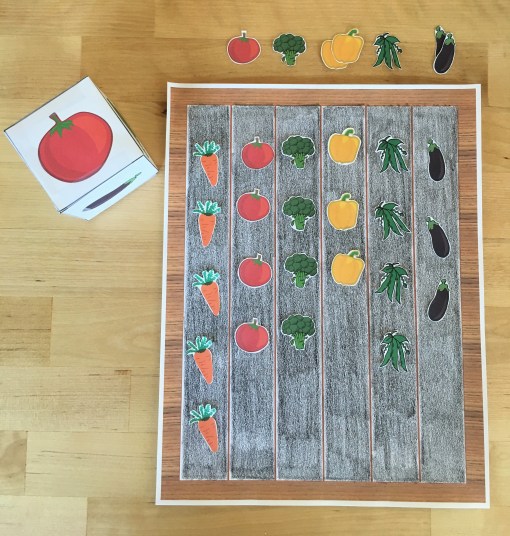
celebrate-picture-books-picture-book-review-garden-board-game

Grow a Vegetable Garden Board Game, copyright Celebrate Picture Books, 2017

Grow a Vegetable Garden Board Game


With this fun game you and your family and friends can grow gardens inside! Roll the dice to see whose garden will fully ripen first!

Supplies

Directions

Object: The object of the game is for each player to fill their garden rows with vegetables. Depending on the ages of the players, the required winning number of rows to fill and the number of vegetables to “plant” in each row can be adjusted.

  1. Print one Game Board for each player
  2. Print one set of Playing Cards for each player (for sturdier playing items, print on card stock)
  3. Print one Vegetable Playing Die and assemble it (for a sturdier die, print on card stock)
  4. Cut the vegetables into their individual playing cards
  5. Color the “dirt” on the Garden Plot with the crayon (optional)
  6. Choose a player to go first
  7. The player rolls the die and then “plants” the facing vegetable in a row on the game board
  8. Play moves to the person on the right
  9. Players continue rolling the die and “planting” vegetables until each of the number of determined rows have been filled with the determined number of vegetables.
  10. The first person to “grow” all of their veggies wins!

Meet Author/Illustrator Wendy Wahman

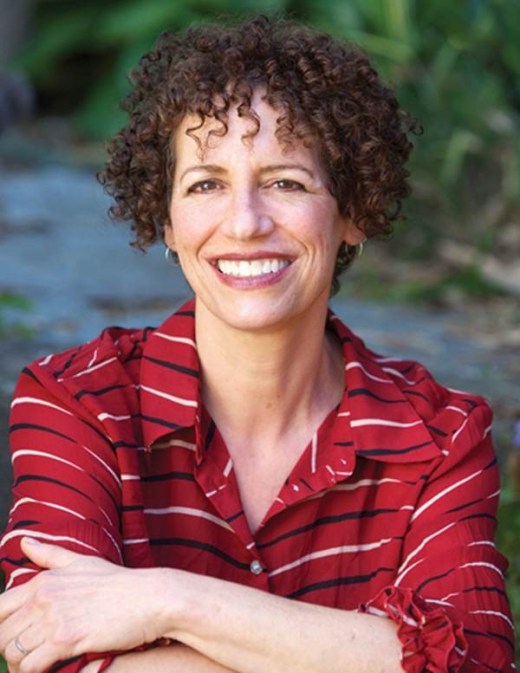
celebrate-picture-books-picture-book-review-Wendy-Wahman-head-shot

Today, I’m really happy to be chatting with Wendy Wahman about her art, her books, her inspirations, and a really sweet school visit she had recently.

Your bio mentions that you worked for the Seattle Post-Intelligencer until 2009. Can you describe your work there?

I worked in the art department doing maps, graphics, info-graphics and illustrations for every section of the newspaper. Ninety percent of the work was on deadline, so I learned to think and draw fast.

Our poor beloved P-I. It was 146 years old when Hearst closed it down. About 150 of us went down with the ship. Best job I ever had. I miss the variety and culture and importance — and honesty — of journalism. I miss my P-I family, very much.

How did you get started illustrating and writing books for children?

I was really just snooping around for illustration work. I had an idea for a book on dog body language I wanted to do, but imagined ‘a real writer’ should write it. I sent out some of the dog body-language art samples and heard back from four major publishers. Laura Godwin at Henry Holt called me, and was so passionate about dogs and kids—and my art. She asked to see a dummy. What dummy, right? I had no dummy, just an idea and some art samples. I took two weeks off from the P-I and put together a dummy. Laura helped me tremendously, as did my brilliant writer husband, Joe Wahman.    

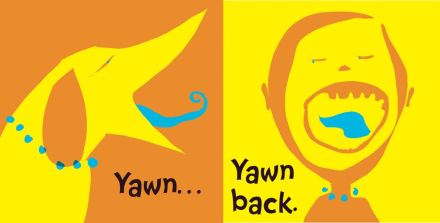
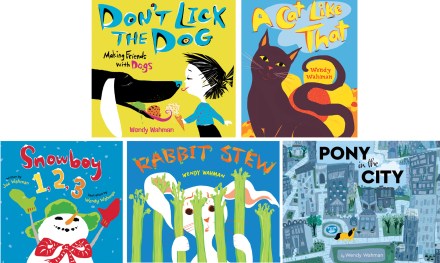
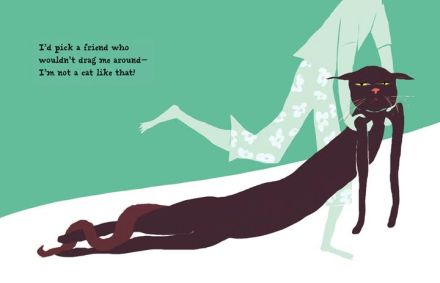
Don’t Lick the Dog is a how-to primer on being safe with dogs. We followed with the companion book, A Cat Like That. We never did do my dog body-language book. It’s sitting here patient as can be. “Good dog, book.”

celebrate-picture-books-picture-book-review-interview-with-wendy-wahman-yawn-back

Image copyright Wendy Wahman, Don’t Lick the Dog. Courtesy of Wendy Wahman.


celebrate-picture-books-picture-book-review-interview-with-wendy-wahman-cat-like-that

Image copyright Wendy Wahman, A Cat Like That. Courtesy of Wendy Wahman.

Your art is so varied—from humorous to infographics to striking, serious editorial work. You also work with crisp, clean lines and beautiful textures. Can you talk about your process and inspirations?

Thank you so much, Kathy. Well. I sit and think and read a lot. Mostly I just look and try to distract myself from thinking too hard. I like to thumb through my Thesaurus. When I’m stuck, I try to remember to move away. This can be physically—exercise or a walk; mentally—read or look through books; or emotionally—play with my dogs or call somebody. I say, try, because too often I sit rooted, thinking, thinking. Better to get up and move.

What was the inspiration for Rabbit Stew?

I feed my dogs a homemade stew of meat & veggies. Long ago, I was stirring up an enormous batch of dog food, when “rabbit stew” fluttered to mind. Rabbit Stew is also a counting book, counting down veggies from ten to one. It’s also a color book. It was a challenge to find ingredients safe for rabbits, in different colors and not give it away. Like, rabbits love dandelions and they’re very good for them, but I only know a couple of people who would knowingly toss dandelions into the pot. No potatoes; they are toxic to bunnies, and cabbage isn’t good for them either. 

celebrate-picture-books-picture-book-review-rabbit-stew-fan

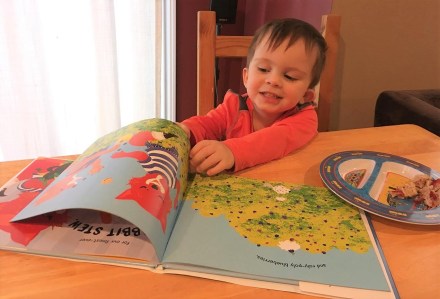
A happy fan enjoys reading “Rabbit Stew” with lunch! Photo courtesy of Wendy Wahman.

You give presentations at schools and libraries. Do you have an anecdote you’d like to share?

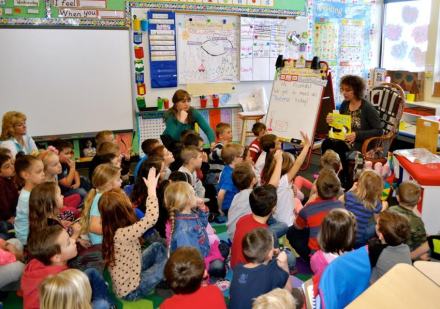
I did a school visit recently in southern California and got to take my mom to a presentation for 4th graders. I introduced her to the students, and they gave her a loud round of applause! Even more tender, when I was signing books (and the other stuff kids want signed), they asked if my mother would also give them an autograph. Is that the sweetest or what? Children can be so inspiring, healing, and wise. 

celebrate-picture-books-picture-book-review-interview-with-wendy-wahman-wendy-talking-to-a-class

Wendy reads “Don’t Lick the Dog” to enthusiastic kindergarteners in Kennewick, WA. Photograph courtesy of Wendy Wahman

You also teach bookmaking to kids. That sounds fun and fascinating! Can you tell me a little bit about these classes?

I’m so glad you asked about these little books, Kathy. I love making them and sharing the process. Anyone can make one. I’ve taught them to kindergarteners through seniors. I call them “Insight Books,” because what comes out can be surprising, revealing, and often cathartic. Random lines inspire images and ideas. Some people write, others write and draw. Sometimes we collage. Even if you do nothing at all put look, the lines may stimulate ideas. These book are fun to make with a partner too. 

What’s up next for you?

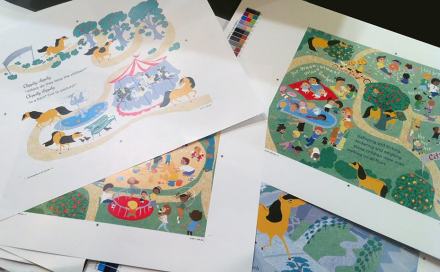
I’m very excited about my next book, Pony in the City (Sterling Publishers). Kevan Atteberry’s book, Swamp Gas, releases the same day, Sept. 9th, and we’re talking about having a co- launch party.

celebrate-picture-books-picture-book-review-interview-with-wendy-wahman-pony-in-the-city-proofs

Image copyright Wendy Wahman. Proofs of “Pony in the City” (Sterling, releasing Sept. 9 this year) courtesy of Wendy Wahman.

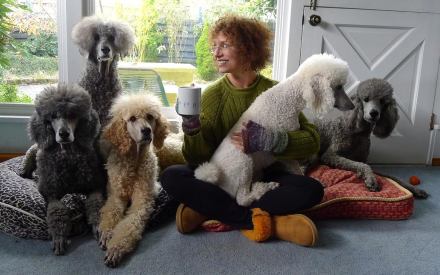
I’m working on Nanny Paws (Two Lions), a book inspired by my little white poodle, LaRoo, and the children next door. Here’s a picture of LaRoo and my other dog Jody with my friend Vikki Kaufman‘s poodles. Vikki is a breeder of beautiful silver and blue standard poodles. Vikki took the picture, can you tell?  Her dogs are staring straight at her. Poor LaRoo. She is a shy girl and just wants to get away from the masses.

celebrate-picture-books-picture-book-review-interview-with-wendy-wahman-poodles

Wendy with LeRoo and Jody and Vikki’s TinTin, Nickel and Eureka.

I’m also working on a dummy for a beautiful story written by Joe, “One Bird” (www.joewahman.com). I’m doing the art for both Nanny Paws and Joe’s story in a new/old style for me: pencil and watercolor.

celebrate-picture-books-picture-book-review-interview-with-wendy-wahman-one-bird

Image from “One Bird,” written by Joe Wahman, illustrated by Wendy Wahman. Courtesy of Wendy Wahman

Do you have a favorite holiday?

Thanksgiving.

Do you have an anecdote from a holiday you would like to share

If you come over for Thanksgiving, prepare yourself for a vegetarian feast. We don’t eat animals here — but we do make them big, round, splendid bowls of stew.

Thanks so much, Wendy! It’s been a lot of fun! I wish you all the best with all of your books!

celebrate-picture-books-picture-book-review-wendy-wahman-interview-all-covers

You can find Wendy’s books at these booksellers:

Amazon | Barnes & Noble | IndieBound | Boyds Mills Press

You can connect with Wendy on:

BēhanceFacebook | LinkedIn | PinterestTwitter

Visit Wendy’s shops:

Cafe Press: http://www.cafepress.com/profile/109591016

RedBubble:  http://www.redbubble.com/people/wendywahman/portfolio

Zazzle: http://www.zazzle.com/wendoodles/products

Wendoodles coloring book: http://www.amazon.ca/Wendoodles-Wendy-E-Wahman/dp/1517403456

Picture Book Review

November 1 – National Author’s Day & Interview with Author Linda Booth Sweeney

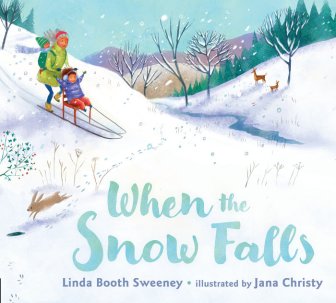
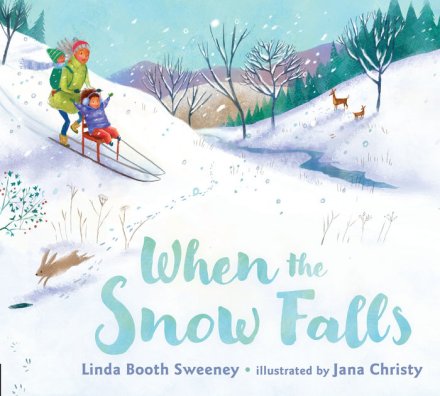
celebrate-picture-books-picture-book-review-when-the-snow-falls-cover

About the Holiday

There may be no better month to celebrate Author’s Day than in November. Not only is it Picture Book Month, but thousands of people set aside their usual routine to take part in NaNoWriMo or National Novel Writing Month, when writers try to complete at least a first draft of a novel in one month. To kick off all of this literary love today, we remember and honor American authors past and present. The holiday was instituted in 1928 by Nellie Verne Burt McPherson, president of the Bement, Illinois Women’s Club. An avid reader, she established Author’s Day to thank writer Irving Bacheller who sent her an autographed story in response to her fan letter. The day was officially recognized in 1949 by the United States Department of Commerce. McPherson’s granddaughter, Sue Cole, has promoted the holiday since her Nellie’s death in 1968 and encourages people to spend a bit of the day writing a note of appreciation to their favorite author.

When the Snow Falls

Written by Linda Booth Sweeney | Illustrated by Jana Christy


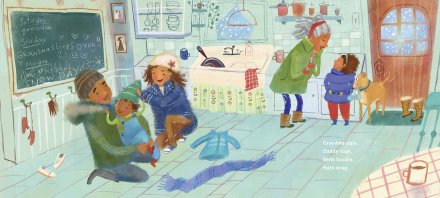
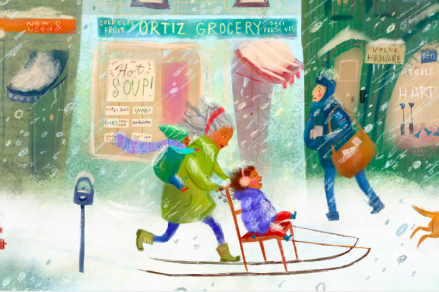
A little curly-haired girl and her younger brother wake up from a sleepover with Grandma to a magical sight. As they gaze out the big picture window in the little girl’s room, they’re dazzled to see “When the snow falls…Frost paints. / Skies gray. / Windows sparkle/ Snow? Yay!” There’s no school today, so Mommy and Daddy and Grandma bundle up and get the kids ready to head outdoors to take care of the farm animals.

celebrate-picture-books-picture-book-review-when-the-snow-falls-kitchen

Image copyright Jana Christy, 2017, text copyright Linda Booth Sweeney, 2017. Courtesy of G. P. Putnam’s Sons for Young Readers.

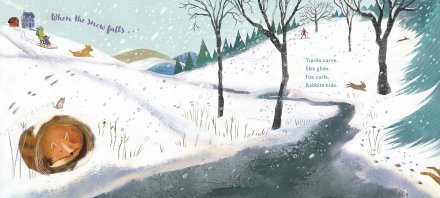
Soft flakes flutter down, piling into deep drifts and providing a little extra after-breakfast treat as “Boot sink. / Lashes flick. / Tongues tickle. / We lick.” In the barn the horses, puppies, and chickens are just as excited about the snowy day. Riding an old chair sled, Grandma and her grandchildren glide down the hill, following tracks left by lively rabbits and now-dozing foxes.

Deep in the forest the three take in the beauty: “Woods hush. / Fields glisten. / Wren sings. / We listen.” On the other side of the woods, people continue their daily routine but at a slower pace as “plows push” and “mountains grow.” Grandma and the kids slide into town, where people are hard at work keeping up with the storm: “Wheels crunch. / Shovels scoop. / Ice cracks! / Awnings droop.”

celebrate-picture-books-picture-book-review-when-the-snow-falls-barn

Image copyright Jana Christy, 2017, text copyright Linda Booth Sweeney, 2017. Courtesy of G. P. Putnam’s Sons for Young Readers.

The trio has reached Grandma and Grandpa’s house. They all grab shovels and help clear the walk. Now it’s Grandpa’s turn to have some fun. He takes his granddaughter by the hand, seats her little brother on a sled, and walk to the park. There, kids are making snowmen, building snow forts, and zipping down hills on their snow saucers. At the bottom of the hill everyone plops into the fluff and make snow angels.

It’s been an exhilarating, adventurous day, but twilight is on the horizon and now “toes tingle. / Lips quiver. / Cheeks glow. / We shiver.” As grandma calls from her front porch, the little girl and Grandpa, carrying his grandson, race toward home amid the swirling snowflakes. Inside, the light, warmth, and cozy comforts of warm soup, popcorn, and a crackling fire await. Later, the two kids enjoy quiet time with Grandma and Grandpa when “Cocoa warms. / Mittens puddle. / Day dawdles. / We cuddle.”

celebrate-picture-books-picture-book-review-when-the-snow-falls-fox

Image copyright Jana Christy, 2017, text copyright Linda Booth Sweeney, 2017. Courtesy of G. P. Putnam’s Sons for Young Readers.

With her brilliantly expressive staccato sentences—each only two words long—Linda Booth Sweeney evokes the sights, sounds, and joy of a care-free, snowy day. Each four-line, rhyming verse abounds with melodic verbs that spark readers’ imaginations and concrete nouns that in many places form delightful alliterative pairs that softly trip off the tongue. Readers will love the story line that takes them from a rustic farmhouse to Grandma and Grandpa’s cozy home through woods, over hills, past the highway, and into downtown all with the help of an old-style sled. Several verses full of snow day fun play out like a long afternoon spent with friends, leading naturally into the slower pace and loving comfort of the night spent with Grandma and Grandpa.

celebrate-picture-books-picture-book-review-when-the-snow-falls-sledding-with-grandma

Image copyright Jana Christy, 2017, text copyright Linda Booth Sweeney, 2017. Courtesy of G. P. Putnam’s Sons for Young Readers.

In glorious two-page spreads, the wind-swept snow swirls, spatters, and blankets the world in downy white fluff. Jana Christy takes children into the family’s large farmhouse kitchen where a blackboard announces Grandma’s Sunday sleepover as well as Monday’s snow day in place of the crossed-out piano lesson. The family steps out into the sparkling countryside where purple mountains form a backdrop for the barn and sheep pen. As Grandma and the kids start their journey, the forest, a quiet enclave of teal and greens, welcomes them. By the time they reach town, cars are stuck in snowdrifts, snow shovels scrape against the sidewalk, and kids are heading to the park.

celebrate-picture-books-picture-book-review-when-the-snow-falls-sledding

Image copyright Jana Christy, 2017. Courtesy of G. P. Putnam’s Sons for Young Readers.

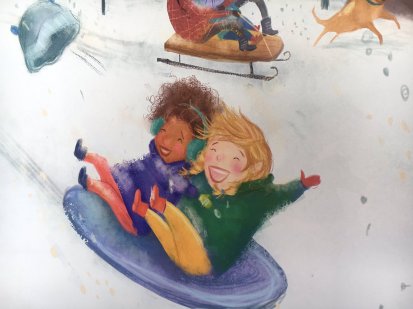
The thrill of playing in the snow is palpable as saucers zoom down hills, hats fly off, and hair blows in the wind. The final spreads of Grandma and Grandpa’s tidy home glow with love and laughter as the kids pull off their snow gear, their dog shakes off the snow, and they settle on the couch for cocoa and cuddles. The busy townspeople, happy playmates, and close-knit mixed-race family make When the Snow Falls a cheerful celebration of diversity.

When the Snow Falls is a joyous book to add to winter collections and would be often asked for during home, classroom, and library story times.

Ages 3 – 7

G. P. Putnam’s Sons Books for Young Readers, 2017 | ISBN 978-0399547201

Discover more about Linda Booth Sweeney, her books and her systems work, visit her website.

To learn more about Jana Christy, her art, and her books, visit her website.

National Author’s Day Activity

celebrate-picture-books-picture-book-review-sock-snowman-craft

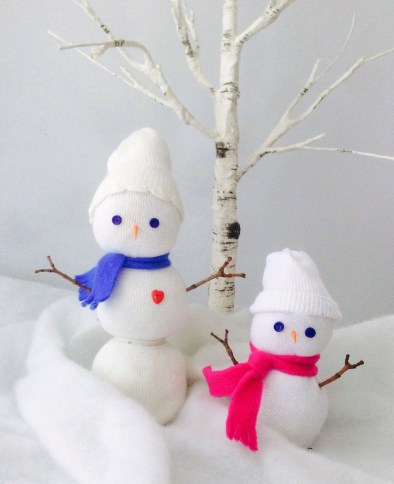
Snow Buddies

Even when there’s no snow, you can make yourself a snow buddy with this fun and easy craft!

Supplies

  • White dress ankle socks
  • Polyester Fiber Fill
  • Tiny buttons
  • Fleece or ribbon, enough for a little scarf
  • Toothpicks
  • Twigs
  • Orange craft paint
  • Cardboard
  • White rubber bands, one or two depending on the size of the snowman
  • Fabric or craft glue
  • Small hair band (optional)

Directions

To Make the Snowman

  1. Cut a circle from the cardboard about 2 inches in diameter for the base
  2. Place the cardboard circle in the bottom of the sock
  3. Fill the sock with fiber fill about ¾ full or to where the ribbed ankle cuff begins. Pack tightly while making a sausage shape. You can make your snowman different shapes with the amount of fill you use.
  4. Stretch out the cuff of the sock and tie it off near the top of the fill either with a loop knot or with the hairband.
  5. Fold the cuff down around the top of the filled sock to make the hat.
  6. Wrap a rubber band around the middle of the sock to make a two-snowball snowman. For a three-snowball snowman, use two rubber bands. Adjust the rubber bands to make the “snowballs” different sizes.

To Make the Scarf

  1. Cut a strip of fleece or ribbon 8 to 10 inches long by ½ inch wide
  2. Tie the fleece or ribbon around the neck of the snowman
  3. To Make the Nose
  4. Dip one end of the toothpick into orange paint, let dry
  5. Cut the toothpick in half
  6. Stick the toothpick into the head or top portion of the snowman

To Make the Arms

  1. Insert small twigs into each side of the body of the snowman
  2. You can also use wire or cardboard to make the arms
  3. Attach two mini-buttons to the face for eyes with the fabric or craft glue
  4. Display your Snow Buddy

Interview with Linda Booth Sweeney

celebrate-picture-books-picture-book-review-linda-booth-sweeney

As the weather turns cooler, I’m happy to talk with Linda Booth Sweeney about the event that inspired her first book for children, a favorite wintertime activity, and how we can learn to see and benefit from systems.

How did you get started writing for children?

It seems like I’ve always been writing though it has taken me a long time to call myself a writer. During our last move, I discovered an old cardboard box from my parents’ attic.  After moving it literally for years, I finally opened it this summer. Inside there must have been 15 diaries and journals. When I looked at the dates, I realized that I started writing in those when I was about twelve and I really haven’t stopped. 

celebrate-picture-books-picture-book-review-when-the-wind-blows

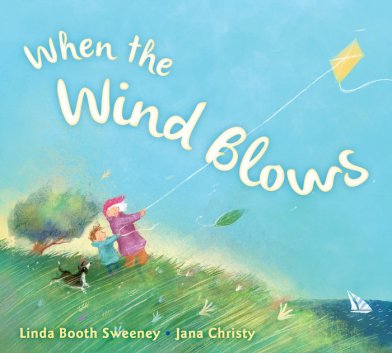
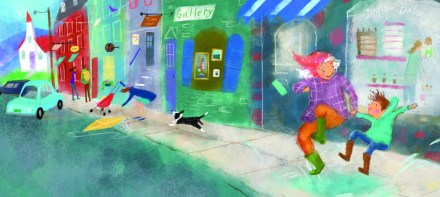
I actually remember the exact day I began writing for children! Jack, my oldest son (now 19), was three. I was pushing him around Cambridge in one of those $20 pop-up strollers. We were a good fifteen minutes from home when a gale force wind blew in. The little canopy on this stroller snapped off and I remember feeling like the stroller lifted up off the ground. This was before cell phones so there was no calling for a ride. I put my head down and ran for home. Well, Jack loved that, and the wind blowing! He was bouncing up and down, pointing to everything he saw: signs rattling, balls rolling, hats flying.

celebrate-picture-books-picture-book-review-when-the-wind-blows-city

Image copyright Jana Christy, 2017, text copyright Linda Booth Sweeney, 2017. Courtesy of G. P. Putnam’s Sons for Young Readers.

During his nap that afternoon, I flopped down at my desk, grateful we made it home in one piece. Jack’s excitement was contagious and his words were swimming around my head so I wrote them down. That was the beginning of my first children’s book, When the Wind Blows.

Using short, two-word phrases, your picture books are so evocative of actions outdoors and indoors as well as internal emotions. Can you describe your writing process?

I was mimicking the voice of a three-year old so the two words. Balls roll. Object and action. Noun and verb. It just made sense. In my other books like the one I’m working on now about the sculptor of the Lincoln Memorial, I am writing for older readers (ages 7-12). My sentences are longer. The book is inspired by big themes like being true to oneself, equality, social justice, and love for country so I find myself writing punchy sentences in the scenes and more lyrically the bridges, or the transitions, between scenes.

Do you remember your favorite picture book when you were a child?

As a little kid, I always loved Dr. Seuss books. My imagination was going full tilt as a kid. Dr. Seuss made me feel like the other worlds I created were not just okay but to be celebrated! As a nine-year-old, I devoured Encyclopedia Brown and anything by James Herriot.

Your first book for children, When the Wind Blows, takes readers on a jaunt through town on a blustery day. When the Snow Falls is a joyful romp through a winter day. What is it about weather that inspires you and your writing?

It’s the immediacy that weather brings. When the rain is pouring down or the snow is falling, that grabs my attention. Of course my attention is also on how to keep my fingers warm or my feet dry. But I can’t think of much else. I love that. I have to be in the moment. My favorite poet, Mary Oliver, captures this idea well in her “Instructions for living a life:
Pay attention.
Be astonished.
Tell about it.”

If you’re outside stomping in puddles or making snow angels, who needs to be on a phone? There’s a lot of research coming out that equates nature to a “vitamin” we all need. Richard Louv, the author of Last Child in the Woods: Saving Our Children from Nature-Deficit Disorder, says it well: “Just as children need good nutrition and adequate sleep, they may very well need contact with nature.” 

celebrate-picture-books-picture-book-review-linda-booth-sweeney

You mentioned in one of your blog posts that When the Snow Falls first took shape during “found time” during the winter of 2015 with its four nearly back-to-back snow storms. Do you have any advice for recognizing and taking advantage of found time not only for writers, but for anyone?

I think the biggest opportunity to enjoy found time comes when we’re willing to put down technology. Sure the photos we can take on our iPhone may be lovely but what if sometimes we are just there, fully present, open and even willing to be a little bored.  Maybe then we can be dazzled by the red Cardinal that lands on the white snowman or the hush that creeps in when no can one drive.

What is your favorite wintertime activity?

I love looking for snow art and especially love seeing it through the eyes of little ones. I’m always amazed by the “art” that forms during snow storms – polka-dotted fields, top hats on fence caps, intricate patterns on round porch tables, delicate animal tracks that look like instructions for some kind of dance move. 

And then of course there is cross country skiing with my family and my crazy friends.

Your other work involves Systems Thinking. Can you describe systems thinking and talk about your systems thinking work with children and schools?

Sure. Like a spider’s web, what happens on one part of the web affects every other part. The same is true of living systems. A pond, our family, our school, a city, the climate—these are all systems. They have two or more parts that interact over time. What’s really interesting is that these different kinds of systems share some similarities, and they can act in surprisingly similar ways. (You can learn more about my systems work here).

How does considering systems thinking and living systems benefit children and their education?

Systems thinking, or “Thinking about systems,” means paying attention to the interrelationships and patterns that surround us. My experience, and that of systems educators around the globe, shows that children are naturally attuned to this. They can read If You Give a Mouse a Cookie by Laura Numeroff and then recognize that same closed loop of cause and effect in their everyday lives.  

A few years back I wrote When a Butterfly SneezesA Guide for Helping Kids Explore Connections in our World as a resource for anyone who wants to help children think about interconnections in our world. Each chapter focuses on a favorite children’s picture book—like If You Give a Mouse a Cookie and The Sneetches by Dr. Seuss—and shows how to use the story to engage children in systems thinking. I just finished updating that book and the new version should be up and ready by next week!

To answer your question about how systems thinking benefits children, learning about systems, and about living systems in particular, can help children to make better decisions and avoid unintended consequences. It can also help them to develop a more compassionate and sustainable sensibility about what is beautiful and what is essential.

I always come back to the Joseph Campbell quote—“People who don’t have a concept of the whole, can do very unfortunate things.…”—and flip it: People—and especially children—who have a concept of the whole can do very fortunate things. If we encourage young people to look for the “whole” and not just focus on the parts, they will be geared toward seeing connections and will not see things in isolation. So much in our culture forces us into compartments. But just as we teach kids not to be victims of advertising, we can teach them to see beyond the obvious, to see the systems all around us.  

What’s up next for you? 

My next children’s book is a richly illustrated biography about Daniel Chester French, the sculptor of the Lincoln Memorial.  I am thrilled to be working with Shawn Fields a representational artist on this book.  The working title of the book is Monument Man, and that subject is very much a part of our public conversation at this point in our history. 

Thanks, Linda! Your books inspire us to look closure and pay attention to the moment, and I wish you all the best with them!

celebrate-picture-books-picture-book-review-when-the-snow-falls-cover

You can connect with Linda Booth Sweeney on:

Her Website | Twitter | Facebook | Linked in

You can find When the Snow Falls with these booksellers:

Amazon | Barnes & Noble | Books-a-Million | IndieBound | Penguin Random House

Picture Book Review

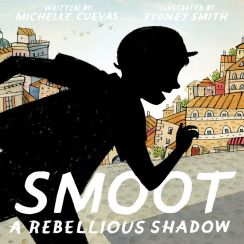
September 25 – World Dream Day and Interview with Author Michelle Cuevas

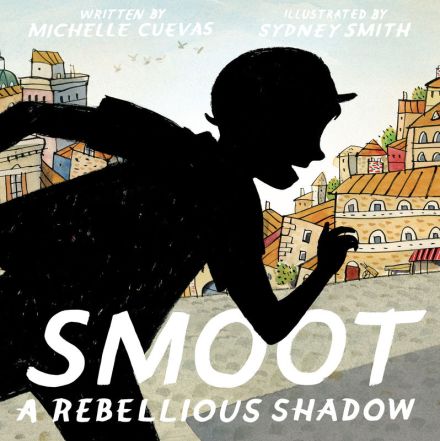
celebrate-picture-books-picture-book-review-smoot-cover

About the Holiday

World Dream Day is a global participatory holiday that encourages individuals, schools, businesses, and families to focus on their dreams and make them reality. Discovering and acting on your dreams can transform not only your life, but the lives of others. Imagine how the world could change if everyone had the opportunity to live their dreams. Today, feel inspired and empowered to do or become whatever you’ve always dreamed of!

Smoot: A Rebellious Shadow

Written by Michelle Cuevas | Illustrated by Sydney Smith


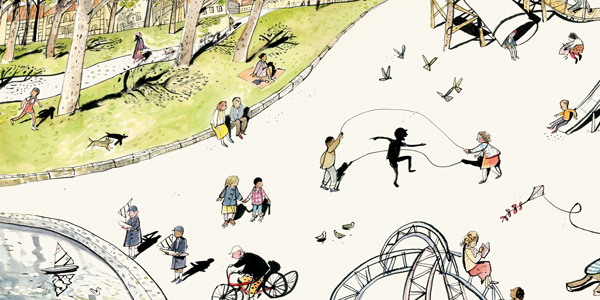
Smoot the Shadow was bored. Bored. Bored. For seven and a half years, he’d been doing the same things over and over. Every day, he and his boy—to whom he was firmly connected—“brushed the same teeth, frowned the same frown, and drew the same pictures—always staying perfectly inside the lines.” Smoot’s boy never jumped, ran, or even laughed, so Smoot never did either.

celebrate-picture-books-picture-book-review-smoot-jumping-rope

Image copyright Sydney Smith, 2017, text copyright Michelle Cuevas, 2017. Courtesy of Dial Books.

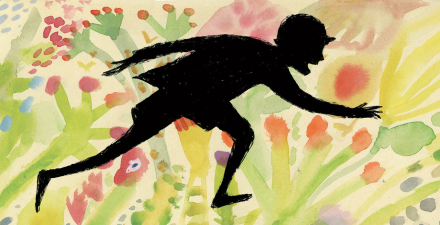
Excet at night. Then, while the boy slept, Smoot dreamed. He dreamed in a multitude of colors about singing, dancing, and having fun. One day, with an unexpected “pop” Smoot became free of his boy. He didn’t waste a moment, but packed a few things and headed out into the world. He jumped rope, rode a carousel and climbed a tree to say hello to a little bird. He even got to dance in a field of multicolored wildflowers just like in his dreams.

celebrate-picture-books-picture-book-review-smoot-climbing-a-tree

Image copyright Sydney Smith, 2017, text copyright Michelle Cuevas, 2017. Courtesy of Dial Books.

Suddenly, other shadows took notice. As they watched Smoot play, they became braver too. “‘If he can follow his dreams, we can too,’” they reasoned. The first shadow to take the plunge was a dandelion. As it soared away into the sky, becoming an indistinct form, people tried to guess what it was. All this attention emboldened the shadows of a cricket and a grasshopper who had “formed a band, but were nervous about playing music in public.” Their shadows, however, picked up their instruments and played “like cool shade on a hot afternoon.”

celebrate-picture-books-picture-book-review-smoot-jumping-dancing-in-flowers

Image copyright Sydney Smith, 2017, text copyright Michelle Cuevas, 2017. Courtesy of Dial Books.

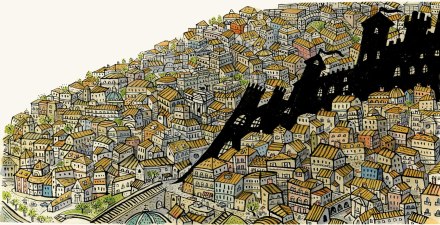
A frog’s shadow discovered his inner prince, and a dragonfly’s shadow floated out over the city as a ferocious dragon. Even a lowly rock’s shadow had dreams of greatness, transforming into “a cathedral, and then a skyscraper, and finally a castle that reached the clouds.” Smoot began to grow afraid of the imagination he’d unleashed. What if the shadows of zoo animals escaped and roamed through town or if the sun was eclipsed by the shadow of an enormous whale? How would anyone catch them?

celebrate-picture-books-picture-book-review-smoot-castle

Image copyright Sydney Smith, 2017, text copyright Michelle Cuevas, 2017. Courtesy of Dial Books.

But Smoot had an idea. He made a castle from the ambitious rock and some others. The frog moved in to live like a prince, and the dragonfly guarded the gate. Then Smoot sang with the grasshopper and cricket to give them more courage, and he blew the dandelion seeds into the air. The shadows all saw that their dreams had come true, so they returned to their owners, who also felt different.

And Smoot’s boy? All the excitement had inspired him to be more like his shadow. After he and his shadow reconnected, they ran, tumbled, jumped in puddles, and played in “singing, ringing, flying, vibrant, dancing color.”

Through her rambunctious shadows, Michelle Cuevas creatively externalizes that small (or loud) voice inside many people that is yearning to be heard and acted on. For many children and adults, giving free reign to their alter ego can feel uncomfortable or even frightening. In her lyrical and uplifting book, Cuevas reveals these dreams for greatness, recognition, or freedom and encourages readers to let go and chase them. She shines a light on how they can take that first step through play, teaming up, or using their imagination and talents to make their dreams come alive.

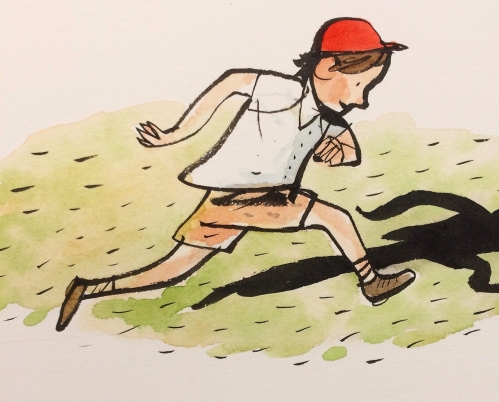
celebrate-picture-books-picture-book-review-smoot-a-rebellious-shadow-boy-runing

Image copyright Sydney Smith, 2017, text copyright Michelle Cuevas, 2017. Courtesy of sydneydraws.tumblr.com.

Sydney Smith’s striking images immediately orient readers to the monotone world the boy lives in. While outside the window colors abound, inside, the boy sits on a gray sofa with a black-and-white rug and his black-and-white dog nearby. The walls are white, the floor is dull, and even the plant—standing away from the light of the window—is browning. Perhaps, however, the painting above the boy offers hope and a little foreshadowing: Black images play on a white canvas, but a swipe of blue and a red dot add lively, colorful accents. Likewise, the red-covered book the boy reads is a bright spot in this otherwise dreary room.

The boy’s shadow, however, dreams in color. When Smoot pops free of his restraints and goes on a play-filled adventure, the illustrations are full of action and vibrancy. Smoot smiles and exults in his freedom. His joy is infectious, and his antics and clever ways of ensuring that each character gets to fulfill their aspirations will inspire children to uncover their own inner world.

Smoot: a Rebellious Shadow is a heartfelt and empowering book for hesitant and more adventurous children alike. It would make an ideal book for home libraries and classrooms.

Ages 4 – 8

Tundra Books, 2017 | ISBN  978-0525429692

Discover more about Michelle Cuevas and her books for children and tweens on her website!

View a portfolio of artwork by Sydney Smith on Tumbler!

World Dream Day Activity

celebrate-picture-books-picture-book-review-shadow-blackboard-2 (2)

Live Your Dream! Shadow Blackboard


Shadows are fun to create and play with! Making a black board from a shadow is a great way to show your imagination while making a useful decoration for your room. Put on your inventive thinking cap and devise a unique shadow by using toys or other objects from home. You can even make a shadow of yourself! Making the blackboard may require two people.

Supplies

  • Black thick poster board, 1 or 2 pieces or a tri-fold depending on how large your blackboard will be
  • Large sheet of white or light paper
  • Objects to create the shadow
  • Pencil
  • Scissors or x-acto knife
  • Mounting squares or tape
  • Chalk

Directions

To Make a Shadow Blackboard from an object or objects

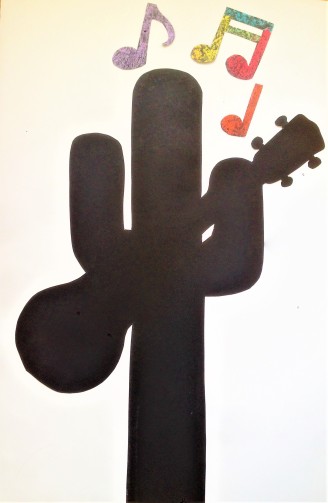
  1. Choose two or three objects, such as toys, musical instruments, shoes, knick-knacks, etc., that will make interesting shapes or ideas. Arrange the objects in a way to create the picture you want. (In the photo above, a cactus-shaped pillow and a ukulele were used to create the shadow)
  2. Either outside in a sunny spot or inside with a light, lay the white paper on the ground
  3. As one person holds the item or items above the paper, trace the shadow.
  4. Alternately, if the objects are large enough, you can arrange them and trace them on the white paper or directly on the black poster board.
  5. Cut the shadow out of the white paper
  6. Trace the shadow on the black poster board with the chalk
  7. Cut the image out of the black poster board
  8. Attach the shadow blackboard to your wall with the mounting squares or tape
  9. Use colored chalk to write or draw your dreams and doodles on your blackboard

To Make a Shadow Blackboard of Yourself

  1. Lie down on the white paper
  2. Strike a pose
  3. Have someone else trace you
  4. Cut out your figure
  5. Trace the figure onto the black poster board
  6. Cut out the figure from the black poster board
  7. Attach to the wall with the mounting squares

Meet Author Michelle Cuevas

celebrate-picture-books-picture-book-review-michelle-cuevas-head-shot

I’m excited to talk with Michelle Cuevas today about Smoot, her research adventures, and her very innovative Halloween costumes!

What draws you to write quiet picture books about introspective characters?

I actually think about this question a lot! I suppose it has to do with being a bit of a lone wolf as a kid – I loved making up song lyrics, building rock gardens, writing a newspaper about the lives of neighborhood animals. I was good at creating little worlds inside my own world, (I have three brothers, so I had company, but mostly the fighting-over-monopoly kind). I also think that in everyday life, it’s not always the big-bad-villain-monster that we’re up against. Often the things we face are inside – fear, loneliness, grief. I like characters who take on that kind of struggle, who make the everyday ‘okay this is hard but I’m going to keep trying’ feel extraordinary.

What was your inspiration for Smoot?

Smoot came to me when I had a couple candles lit and the shadows made me think I should do a book about shadow puppets… or a shadow puppeteer… something in that world. As I started writing, I realized that the most interesting character by far was the shadow. What were the shadow’s innermost dreams? Thoughts? Ideas? A lot of people ask about his name also. I think it’s a combination of “smudge” and “soot,” (though a child I met suggested it could also be “small” and “foot.” Definitely possible). I have such a great time naming characters in my books, I think I would thoroughly enjoy a career at Crayola in the color-naming department.

If you were a runaway shadow, where would you go or what would you do?

If I were a runaway shadow I might like to try being other things for a while – you could go be the shadow of a galloping horse, a skyscraper, a cloud across the surface of the ocean. The possibilities are pretty endless.

One of your activities is falconry, which conjures up such wonderful images. Could you tell how you became involved in falconry and a little bit about it?

celebrate-picture-books-picture-book-review-michelle-cuevas-interview

I like to do research for my books, so falconry started as research for my second novel about a boy who is half bird and hatched from an egg. I got very interested in it, even looking into getting my own Harris Hawk, but it takes many years and several days of hunting every week. Maybe someday!

I’ve also done research by riding elephants, bird banding with ornithologists, interviewing astrophysicists, spending time with butterflies, and more. It’s a really interesting part of my job!

Your research sounds fascinating and such fun! Is there anything you’d like to try that you haven’t yet?

I like to keep trying new things as a writer, and one new adventure I’m trying is artwork. I LOVED Shel Silverstein as a kid, so I’m pretty sure he’s my inspiration. I’ve been afraid to illustrate my own picture book, so far just sticking to little line drawings in my last two novels.

Perhaps I’ll take a cue from Smoot, be brave, and give picture books a try in the near future!

In your beautiful The Uncorker of Ocean Bottles, the main character collects and delivers messages sent through bottles tossed into the sea. If you were going to write such a note to your readers, what would you say?

My dedication for Uncorker read:

For the Ocean Bottle Senders and Ocean Bottle seekers:

Try. Want. Wish. Tell

Is everyone as intrigued by book dedications as I am? When I read a book, I love imagining who the people are in the dedications, why did the author choose them? I often think about themes of my books when I write a dedication to a specific person. Since Uncorker is about a man with no name, and since the messages sent in bottles are often to no one in particular, I decided my dedication should reflect both of these feelings too.

As an author of middle grade and picture books, what do you find is the best part of writing for children?

The best part of writing for children… well, from my perspective, the best part is the sense of fun. I started out during my fiction MFA writing stories for adults. I’d often turn in stories with talking plants or deer that broke into houses. These stories confused the other writers in my program. Who were they for? Not serious-thinking adults. My mom sent me care packages, often with books inside, mostly kids’ books I had loved when I was younger or new ones she thought looked cute. I read them and it was a light bulb-over-my-head moment. I started writing my first novel about a prolific painting elephant my last year of graduate school and suddenly, my writing felt like me. I was able to do all the wild, free, magical things I had wanted to do all along in my writing. I was finally having fun.

And I think the best part in the “interacting with the world” category is when a child (or adult) says they connected to a character, or that a character’s tale made them cry. We don’t know one another very well, but I know how it feels when a book makes me cry. It’s a remarkable connection, really blows me away every time.

What’s Up Next for You?

Up next for me are visiting schools to talk about my new books Smoot and The Care and Feeding of a Pet Black Hole. In April 2018 I have a new picture book out with Catia Chien called Town of Turtle. It’s about a turtle who decides to do some renovations to his shell, which of course get wildly out of hand.

Since Celebrate Picture Books is a holiday-themed blog, I have to ask: what is your favorite holiday, and do you have any stories you’d like to share?

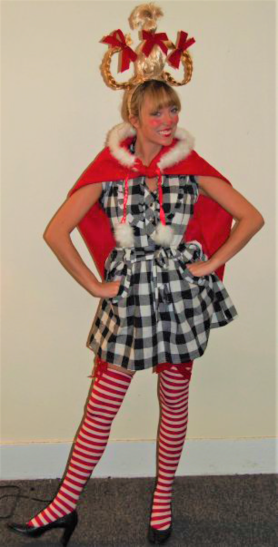
My favorite holiday… I’ve always loved making costumes and the idea of getting to be a character on Halloween. Even in the last few years I’ve been… a pro wrestler, a deer with branch antlers, Cindy Lou-Who, a falconer… the list goes on. Last year I was Lydia Deetz from the movie Beetlejuice. When I was Cindy Lou-Who I spent a couple days making a wire-rigged headpiece with some very architectural hair. Making the costume is half the fun. I have several glue gun burns to prove it.

celebrate-picture-books-picture-book-review-michelle-cuevas-cindy-lou-who.jpg

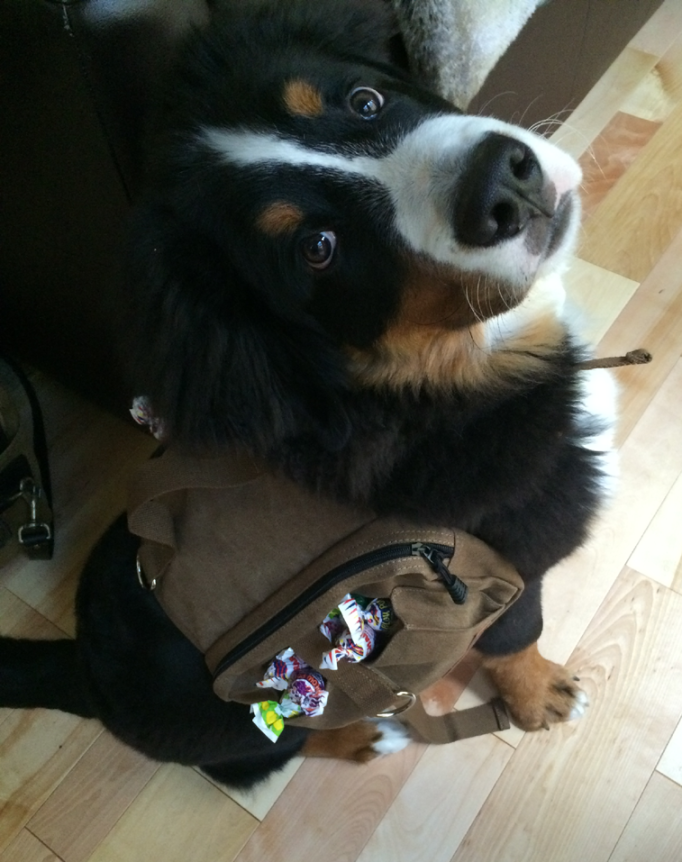
I also got my Bernese Mountain dog a backpack to hand out candy. I don’t usually let him wear clothing, but made an exception for lollipop duty.

celebrate-picture-books-picture-book-review-michelle-cuevas-interview

Thanks, Michelle, for the fun and inspiring interview—and all of the fantastic pics! I wish you all the best with Smoot and all of your other books!

celebrate-picture-books-picture-book-review-smoot-cover

You can find Smoot: A Rebellious Shadow at these booksellers

Amazon | Barnes & Noble | Books-a-Million | IndieBound| Tundra Books 

You can connect with Michelle on: her website | Twitter

Picture Book Review
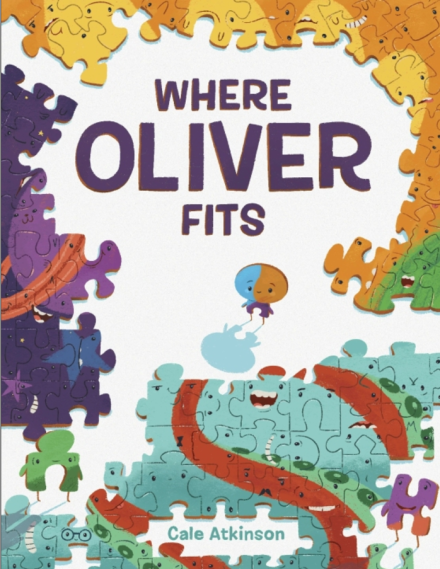
September 21 – It’s Self-Awareness Month and Interview with Author/Illustrator Cale Atkinson

celebrate-picture-books-picture-book-review-where-oliver-fits-official-cover

About the Holiday

Self-Awareness Month was established to encourage people to get to know themselves, not as others see them but as they really are. Only when a person really knows who they are, where they’ve come from, and what they want can they achieve happiness. While it can be hard not to compare oneself to others, each person’s value comes from their own spirit, talents, and thoughts. Once people accept themselves, they can find their place in the world and accomplish wonderful things. To celebrate this month’s holiday, take some time to reflect on your life and see if you are being true to yourself.

Where Oliver Fits

By Cale Atkinson


Opening the book, you might feel as if you’ve upended a jigsaw puzzle box. But as you look at all the pieces spilled across the page, you’ll realize that each one is so different—and they have legs and faces! So you look at the words: “Do you ever wonder where you fit?”, and you think, “yeah, I do.” Well, “Oliver wondered too.” Who’s Oliver? He’s the little roundish piece down in the corner. Yep, that’s him—the cute one (sure, they’re all cute in their own way, but you know what I mean).

celebrate-picture-books-picture-book-review-where-oliver-fits-world-of-pieces

Copyright Cale Atkinson, 2017, courtesy of Cale Atkinson and Tundra Books.

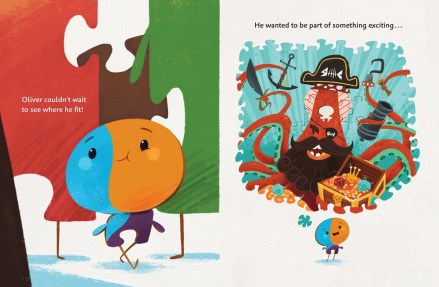
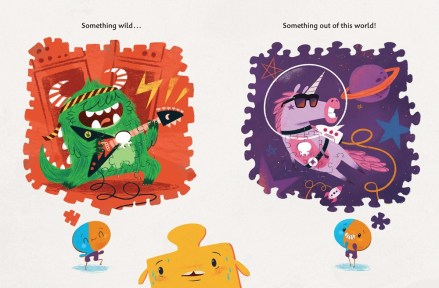
Oliver was just getting started on this journey called life, and he “couldn’t wait to see where he fit. He wanted to be part of something exciting…Something wild…Something out of this world!.” Maybe he’d sail the seas as part of a pirate kraken, rock out as the central piece of a guitar-shredding monster, or zoom to the moon as the heart of an astronaut unicorn.

Oliver was excited to start looking around for his perfect place. He met a group of blue and red guys who had a roundish space waiting to be filled, but when he asked about joining, it seemed his colors weren’t a good match. On his second attempt at friendship, Oliver was told he wasn’t square enough. (Didn’t that used to be a good thing?) The third group Oliver approached had a bumpy, angled space to fill. They just laughed when they saw him coming.

celebrate-picture-books-picture-book-review-where-oliver-fits-pirate

Copyright Cale Atkinson, 2017, courtesy of Cale Atkinson and Tundra Books.

Oliver was getting frustrated and feeling down. He decided that he had to change. “Maybe I have to be more like them and less like me,” he thought. Remembering the first group—the one that wanted “more red,” Oliver took a red marker and colored himself in. At first, when they saw him, the group accepted him happily. When the marker began to run, though, he was booted out. Maybe changing his color didn’t work, but what if he altered his shape?

He covered himself with connecting blocks and went in search of the square guys, but when he found them, they told him he was now “too square!” Oliver tried disguise after disguise. Some made him “too tall”; some made him “too short,” and others were just wrong, wrong, wrong. Poor Oliver was at his wit’s end. “If someone else is what they want, someone else is what they’ll get!” he determined.

celebrate-picture-books-picture-book-review-where-oliver-fits-too-much-blue

Copyright Cale Atkinson, 2017, courtesy of Cale Atkinson and Tundra Books.

He took some cardboard, glue, tape, and paint and fashioned himself the perfect bumpy, angled suit. Then he went back to the third group he’d met. Ohhh! They greeted him as an old friend. They loved his shape and his color and invited him to join them. At last Oliver had found a place to fit. In fact, “he fit so well that no one had a clue it was really him.” Oliver was happy—or was he? As he watched other pieces come and go, rejected for not being just right, Oliver began to wonder, “am I really still me?”

The fun of fitting in began to wear off, so he removed his disguise and left the group. While it was good to be himself again, he was back to square one with nowhere to go. Oliver felt dejected. All of his plans to be part of something wild and wonderful were falling apart. He was alone. Suddenly, Oliver saw two other pieces who had also changed to fit in. When they came near and took off their disguises, Oliver saw that he could join them in a—truly—perfect fit. Through his experiences, Oliver “discovered that you can’t rush or force your fit. All you can do is be yourself.” Then the exciting, wild, and out-of-this-world part will take care of itself, because the world isn’t complete without you—or Oliver.

celebrate-picture-books-picture-book-review-where-oliver-fits-too-square

Copyright Cale Atkinson, 2017, courtesy of Cale Atkinson and Tundra Books.

Kids will fall in love with little Oliver the moment they see him. Excited, earnest, and sweet, Oliver is navigating his way through the world, looking for the place he fits best—just the same as they are. Cale Atkinson understands the way children—and adults—try out various groups and even personas while forming friendships and even a sense of self. His conversational style will resonate with readers, many of whom have asked or will ask themselves the same questions as Oliver.

celebrate-picture-books-picture-book-review-where-oliver-fits-monster-unicorn

Copyright Cale Atkinson, 2017, courtesy of Cale Atkinson and Tundra Books.

Atkinson’s use of a puzzle piece as his main character is smart, sophisticated, and fun too. Young readers will giggle at some of Oliver’s disguises even while they recognize that each costume doesn’t “fit.” The image of Oliver encased in his bumpy, angled costume is particularly moving as he comes to the conclusion that hiding himself is not the answer. The final image of the completed puzzle is a delight that children will want to linger over. They’ll enjoy discovering little Oliver in the midst of the life he had imaginated as well as flipping back and forth through the pages to find how each group of pieces fits into the whole.

Where Oliver Fits is a fantastic book for classrooms and a child’s home library for fun story times and for those days when a little more encouragement is needed.

Ages 3 – 8

Tundra Books, 2017 | ISBN 978-1101919071

Discover more about Cale Atkinson, his books, and his art as well as some pretty amazing animation on his website!

Self-Awareness Month Activity

celebrate-picture-books-picture-book-review-jigsaw-puzzle-craft

I Am… Jigsaw Puzzle


Everyone is made up of various talents, personality traits, and feelings that make them unique. With this I Am… Jigsaw Puzzle, you can celebrate the things that make you…you!

Supplies

  • Wooden jigsaw puzzle, available at craft stores
  • Child’s wallet-size photo
  • Paint in various colors
  • Markers
  • Magnetic squares or strips (optional)
  • Paint brush
  • Glue

Directions

  1. Paint the puzzle pieces in any colors or patterns you like, let dry
  2. Glue the picture of yourself to the center puzzle piece
  3. On the other pieces write words that describe you
  4. Attach magnetic squares or strips to the back of the pieces (optional for hanging on a refrigerator)
  5. Put the puzzle together or use the individual pieces as separate magnets to display all of your wonderful qualities!

Q & A with Cale Atkinson

celebrate-picture-books-picture-book-review-where-oliver-fits-cale-atkinson-with-monkey

Today I’m happy to talk with Cale Atkinson about Where Oliver Fits, a major benefit of being a children’s author and illustrator, and his own early self-awareness.

What inspired you to write Where Oliver Fits?

As I was walking home one afternoon I watched everyone around me busily rushing around. Some were going this way, others that way, some in a group, some alone. It made me think how we are all running around, trying to find our fit in life and our fit in the world, much like a bunch of puzzle pieces.

How did you get involved in illustrating and writing picture books?

celebrate-picture-books-picture-book-review-where-oliver-fits-cale-atkinson-studio-1

Adorable characters inspire and keep Cale company while working.

Ever since I was young I was eager to tell my own stories, be it in the form of comics, cartoon strips, or picture books. I’ve been writing stories from an early age but only started to seriously attempt writing picture books years later, once I had been working as a professional artist and began to understand how to go about it.  I’m still amazed to see a book I’ve written sitting in a bookstore!   

You’ve said that you believe in tea more than sleep. As a fellow tea enthusiast, I’d love to know what your favorite tea is.

I’m actually a simple straight up Orange Pekoe guy! Give me a big box of that Tetley, and I’m happy. As my tea drinking friends dubbed it, I like my peasant tea!

In a letter you once wrote as a child, you show such self-confidence and self-awareness as an artist. Can you talk about that a little?

celebrate-picture-books-picture-book-review-where-oliver-fits-cale-atkinson-studio-2

Cale Atkinson’s studio – where the magic happens

I honestly don’t really know where that came from! I truly wasn’t a confident kid in most aspects, but for some reason I was always 100% confident that I would become an artist/storyteller in some form or another. I’ve always loved creating as well as sharing my latest story, drawing or idea. I was a shy child, but felt with art I could let the drawings do the talking for me.

If you were a puzzle piece would you rather be an edge piece or one in the center? Why?

I think I would be a corner piece, so I could still be near other pieces to hang out with, but also have my own space when I need it. Rather than being all crammed up on all sides somewhere in the middle!  I would also be able to glimpse the world beyond the puzzle’s edges, and let everyone know what’s out there!

What’s the best thing about writing and illustrating for kids?

Not having to pretend to be an adult.

Do you have an anecdote from a book signing or school visit you’d like to share?

celebrate-picture-books-picture-book-review-where-oliver-fits-cale-atkinson-spongebob-slide

Copyright Cale Atkinson, courtesy of Cale Atkinson

I always love sharing examples of the various things I’ve worked on in my school visits. When I showed a slide of SpongeBob SquarePants from a game I helped work on, the entire group of kids broke out into singing the SpongeBob theme song!

What’s up next for you?

I’m happy to report I have two written/illustrated books coming in 2018!

The first is titled Off & Away, published through Disney Hyperion.  It’s a story of courage, overcoming fears, and larger than life adventures.

The second is titled Sir Simon – Super Scarer, published through Tundra Books.  Simon the ghost introduces us to the world of haunting, what it means to be a ghost, and how much he dreads doing his ghost chores.

What is your favorite holiday?

Halloween, hands down! I love the fun of it! Costumes! Pumpkins! Candy! Old scary movies! What’s not to love?!

Do you have an anecdote from a holiday you’d like to share?

My dad was always into Halloween just as much as my brother and I.  Every year we would add more and more decorations out onto the front lawn. One year we added dry ice, making everything all foggy! Another year my dad made a giant, fully functioning Guillotine, which could cut a full pumpkin in half! Not the safest, but we thought it was amazing (and happy to report none of us lost our heads).

Thanks, Cale, for stopping by today! I’ve really enjoyed our fun, funny, and insightful chat. I wish you all the best with Where Oliver Fits and all of your other books!

celebrate-picture-books-picture-book-review-where-oliver-fits-official-cover

You can find Where Oliver Fits at these Booksellers:

Amazon | Barnes & Noble | Books-a-Million | IndieBound | Mosaic Books (signed copies available for order)

You can connect with Cale Atkinson on his:

Website | Instagram | Twitter | Tumbler

Picture Book Review
April 14 – It’s National Garden Month and Q & A with Author/Illustrator Wendy Wahman

celebrate-picture-books-picture-book-review-rabbit-stew-cover

About the Holiday

One of the wonderful activities of spring and summer is gardening. As the sun warms, farmers and gardeners till their land and plant seeds with eager anticipation of the harvest to come.  April is Gardening Month, and the second week is designated especially for vegetable gardening. Our meals would not be as tasty and nutritious without carrots, squash, peas, beans, peppers, potatoes, and all the rest of these colorful foods. Today’s container gardens give even reluctant gardeners great ways to grow their own—without the work of a large plot. Whether you enjoy gardening on a large or small scale, take the opportunity of this month to start planting the seeds of a rewarding hobby!

Rabbit Stew

By Wendy Wahman


“Rusty and Rojo toiled and tilled in their vegetable garden all summer long.” But now the crops have ripened, and the two foxes are ready to enjoy the bounty of their hard work—so are their neighbors, the Rabbits. As Mommy Rabbit and the bunnies nibble away in a corner of the garden, Rusty gently squeezes the tomatoes and finds them “plump, yet firm.” “Perfectly so,” Rojo agrees as he lifts Daddy Rabbit from the carrot patch. “At last,” Rusty and Rojo exclaim, “the time is ripe for our prizewinning Rabbit Stew!”

celebrate-picture-books-picture-book-review-rabbit-stew-picking-veggies

Image copyright Wendy Wahman, 2017. Courtesy of wendywahman.com.

While Rojo picks “lean, green runner beans,” the Rabbits look on worriedly. Daddy tries to hide, but Rusty spies him in the wheelbarrow full of purple kale. Then, when the family dives back into their cozy “hole sweet hole,” they find that their convenient carrot snacks are being abruptly snatched away—only to be added to the pot of “splendid Rabbit Stew.”

celebrate-picture-books-picture-book-review-rabbit-stew-in-the-burrow

Image copyright Wendy Wahman, 2017. Courtesy of wendywahman.com.

Next come raisins and celery “and roly-poly blueberries.” But what about those white and gray bits of fluff? Will they end up in the foxes’ buckets too? Of course “juicy red tomatoes, fresh sprigs of parsley, and sweet yellow peppers” are also musts for the foxes’ “finest-ever Rabbit Stew.” With the pot overflowing with colorful veggies, only one more thing is needed—“one…big…round…white…bowl…for our favorite Rabbit, Stew—and his family too!”

celebrate-picture-books-picture-book-review-rabbit-stew-kitchen

Image copyright Wendy Wahman, 2017. Courtesy of wendywahman.com.

With her fertile imagination and a clever play on words, Wendy Wahman offers up a delightful story that will have readers guessing until the very end. Along with the mystery and the yummy descriptions of each ingredient, Wahman presents a counting game for readers. As Rusty and Rojo pick their vegetables, children can count the ten runner beans on the trellis, nine purple kale leaves in the wheelbarrow, eight carrots from the burrow, and all of the other ingredients on down to one. But do Rusty and Rojo need one big white rabbit or something else? Kids will love the twist at the end and cheer to see Daddy Stew, Mommy Strudel, and their little bunnies—Dumpling, Biscuit, and Ragu—dining on the special meal grown and created just for them.

Everyone’s garden should look as deliciously vibrant as Wahman’s riotous patch of vegetables! The vivid colors jump off the page while providing texture and nuance to the illustrations. They also give kids another concept to learn and talk about. Little details, such as the tiny caterpillar and the yellow butterfly that follow the bunnies from page to page, as well as the fancy burrow lined with photos of friends and family will enchant readers. 

celebrate-picture-books-picture-book-review-wendy-wahman-interview-Fox-Lemonade

Image copyright Wendy Wahman, 2017, courtesy o f Wendy Wahman.

Welcome themes of friendship, diversity, and inclusiveness can also be found within the illustrations and the story.

Rabbit Stew is a bright, humorously sly story that would be a wonderful addition to any child’s library. The book also makes a perfect companion for trips to the farmers market, on picnics, or to spur interest in home gardening. The attention to the details of what rabbits can safely eat, as well as the number and color concepts provided in the illustrations, makes Rabbit Stew a great choice for school story times and spring lessons.

Ages 3 – 7

Boyds Mills Press, 2017 | ISBN 978-1629795836

You can download a fun Rabbit Stew Activity Sheets from Boyds Mills Press!

Discover more about Wendy Wahman, her art, and her books on her website!

You’ll dig this Rabbit Stew book trailer!

Meet Author/Illustrator Wendy Wahman

celebrate-picture-books-picture-book-review-Wendy-Wahman-head-shot

Today, I’m really happy to be chatting with Wendy Wahman about her art, her books, her inspirations, and a really sweet school visit she had recently.

Your bio mentions that you worked for the Seattle Post-Intelligencer until 2009. Can you describe your work there?

I worked in the art department doing maps, graphics, info-graphics and illustrations for every section of the newspaper. Ninety percent of the work was on deadline, so I learned to think and draw fast.

Our poor beloved P-I. It was 146 years old when Hearst closed it down. About 150 of us went down with the ship. Best job I ever had. I miss the variety and culture and importance — and honesty — of journalism. I miss my P-I family, very much.

How did you get started illustrating and writing books for children?

I was really just snooping around for illustration work. I had an idea for a book on dog body language I wanted to do, but imagined ‘a real writer’ should write it. I sent out some of the dog body-language art samples and heard back from four major publishers. Laura Godwin at Henry Holt called me, and was so passionate about dogs and kids—and my art. She asked to see a dummy. What dummy, right? I had no dummy, just an idea and some art samples. I took two weeks off from the P-I and put together a dummy. Laura helped me tremendously, as did my brilliant writer husband, Joe Wahman.    

Don’t Lick the Dog is a how-to primer on being safe with dogs. We followed with the companion book, A Cat Like That. We never did do my dog body-language book. It’s sitting here patient as can be. “Good dog, book.”

celebrate-picture-books-picture-book-review-interview-with-wendy-wahman-yawn-back

Image copyright Wendy Wahman, Don’t Lick the Dog. Courtesy of Wendy Wahman.


celebrate-picture-books-picture-book-review-interview-with-wendy-wahman-cat-like-that

Image copyright Wendy Wahman, A Cat Like That. Courtesy of Wendy Wahman.

Your art is so varied—from humorous to infographics to striking, serious editorial work. You also work with crisp, clean lines and beautiful textures. Can you talk about your process and inspirations?

Thank you so much, Kathy. Well. I sit and think and read a lot. Mostly I just look and try to distract myself from thinking too hard. I like to thumb through my Thesaurus. When I’m stuck, I try to remember to move away. This can be physically—exercise or a walk; mentally—read or look through books; or emotionally—play with my dogs or call somebody. I say, try, because too often I sit rooted, thinking, thinking. Better to get up and move.

What was the inspiration for Rabbit Stew?

I feed my dogs a homemade stew of meat & veggies. Long ago, I was stirring up an enormous batch of dog food, when “rabbit stew” fluttered to mind. Rabbit Stew is also a counting book, counting down veggies from ten to one. It’s also a color book. It was a challenge to find ingredients safe for rabbits, in different colors and not give it away. Like, rabbits love dandelions and they’re very good for them, but I only know a couple of people who would knowingly toss dandelions into the pot. No potatoes; they are toxic to bunnies, and cabbage isn’t good for them either. 

celebrate-picture-books-picture-book-review-rabbit-stew-fan

A happy fan enjoys reading “Rabbit Stew” with lunch! Photo courtesy of Wendy Wahman.

You give presentations at schools and libraries. Do you have an anecdote you’d like to share?

I did a school visit recently in southern California and got to take my mom to a presentation for 4th graders. I introduced her to the students, and they gave her a loud round of applause! Even more tender, when I was signing books (and the other stuff kids want signed), they asked if my mother would also give them an autograph. Is that the sweetest or what? Children can be so inspiring, healing, and wise. 

celebrate-picture-books-picture-book-review-interview-with-wendy-wahman-wendy-talking-to-a-class

Wendy reads “Don’t Lick the Dog” to enthusiastic kindergarteners in Kennewick, WA. Photograph courtesy of Wendy Wahman

You also teach bookmaking to kids. That sounds fun and fascinating! Can you tell me a little bit about these classes?

I’m so glad you asked about these little books, Kathy. I love making them and sharing the process. Anyone can make one. I’ve taught them to kindergarteners through seniors. I call them “Insight Books,” because what comes out can be surprising, revealing, and often cathartic. Random lines inspire images and ideas. Some people write, others write and draw. Sometimes we collage. Even if you do nothing at all put look, the lines may stimulate ideas. These book are fun to make with a partner too. 

What’s up next for you?

I’m very excited about my next book, Pony in the City (Sterling Publishers). Kevan Atteberry’s book, Swamp Gas, releases the same day, Sept. 9th, and we’re talking about having a co- launch party.

celebrate-picture-books-picture-book-review-interview-with-wendy-wahman-pony-in-the-city-proofs

Image copyright Wendy Wahman. Proofs of “Pony in the City” (Sterling, releasing Sept. 9 this year) courtesy of Wendy Wahman.

I’m working on Nanny Paws (Two Lions), a book inspired by my little white poodle, LaRoo, and the children next door. Here’s a picture of LaRoo and my other dog Jody with my friend Vikki Kaufman‘s poodles. Vikki is a breeder of beautiful silver and blue standard poodles. Vikki took the picture, can you tell?  Her dogs are staring straight at her. Poor LaRoo. She is a shy girl and just wants to get away from the masses.

celebrate-picture-books-picture-book-review-interview-with-wendy-wahman-poodles

Wendy with LeRoo and Jody and Vikki’s TinTin, Nickel and Eureka.

I’m also working on a dummy for a beautiful story written by Joe, “One Bird” (www.joewahman.com). I’m doing the art for both Nanny Paws and Joe’s story in a new/old style for me: pencil and watercolor.

celebrate-picture-books-picture-book-review-interview-with-wendy-wahman-one-bird

Image from “One Bird,” written by Joe Wahman, illustrated by Wendy Wahman. Courtesy of Wendy Wahman

 Do you have a favorite holiday?

Thanksgiving.

Do you have an anecdote from a holiday you would like to share

If you come over for Thanksgiving, prepare yourself for a vegetarian feast. We don’t eat animals here — but we do make them big, round, splendid bowls of stew.

Thanks so much, Wendy! It’s been a lot of fun! I wish you all the best with all of your books!

National Garden Month Activity

celebrate-picture-books-picture-book-review-garden-board-game

Grow a Vegetable Garden Board Game, copyright Celebrate Picture Books, 2017

Grow a Vegetable Garden Board Game


With this fun game you and your family and friends can grow gardens inside! Roll the dice to see whose garden will fully ripen first!

Supplies

Directions

Object: The object of the game is for each player to fill their garden rows with vegetables. Depending on the ages of the players, the required winning number of rows to fill and the number of vegetables to “plant” in each row can be adjusted.

  1. Print one Game Board for each player
  2. Print one set of Playing Cards for each player (for sturdier playing items, print on card stock)
  3. Print one Vegetable Playing Die and assemble it (for a sturdier die, print on card stock)
  4. Cut the vegetables into their individual playing cards
  5. Color the “dirt” on the Garden Plot with the crayon (optional)
  6. Choose a player to go first
  7. The player rolls the die and then “plants” the facing vegetable in a row on the game board
  8. Play moves to the person on the right
  9. Players continue rolling the die and “planting” vegetables until each of the number of determined rows have been filled with the determined number of vegetables.
  10. The first person to “grow” all of their veggies wins!

celebrate-picture-books-picture-book-review-wendy-wahman-interview-all-covers

You can find Wendy’s books at these booksellers:

Amazon | Barnes & Noble | IndieBound | Boyds Mills Press

You can connect with Wendy on:

BēhanceFacebook | LinkedIn | PinterestTwitter

Visit Wendy’s shops:

Cafe Press: http://www.cafepress.com/profile/109591016

RedBubble:  http://www.redbubble.com/people/wendywahman/portfolio

Zazzle: http://www.zazzle.com/wendoodles/products

Wendoodles coloring book: http://www.amazon.ca/Wendoodles-Wendy-E-Wahman/dp/1517403456

Picture Book Review
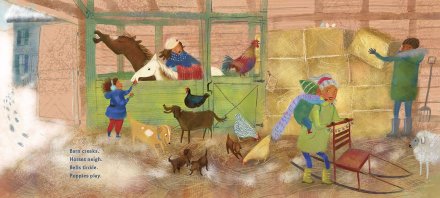
January 10 – It’s International Quality of Life Month and Q & A with Deborah Sosin

celebrate-picture-books-picture-book-review-charlotte-and-the-quiet-place-noisy-neighborhood

About the Holiday

How one achieves their definition of a good quality of life may differ for every person, but in general it encompasses being happy and satisfied with one’s relationships, work, living conditions, and self. Whether you find happiness and quality of life in outdoor or indoor pursuits, with others or alone, at work or at home, this month’s holiday gives you time to get in touch with your inner quiet place and reflect on changes or improvements to bring you more peace and happiness in life.

Charlotte and the Quiet Place

Written by Deborah Sosin | Illustrated by Sara Woolley


Charlotte is a girl who likes quiet who lives in a noisy world. Everywhere she goes, it seems, it’s impossible to escape from sounds that disturb her peace. At home the hallway creaks where “the floorboards groan,” the living room is like an arcade where the “TV bellows and blares,” and the kitchen is filled with Otto’s barks for his dinner. Even in Charlotte’s bedroom, “which is supposed to be a quiet place, the old steam radiator hisses, whistles, and whines. Where can Charlotte find a quiet place?”

celebrate-picture-books-picture-book-review-charlotte-and-the-quiet-place-noisy-home

Image copyright Sara Woolley, text copyright Deborah Sosin, Courtesy of sarawoolley.com

When Charlotte goes to school, things are no better. In the classroom kids are boisterous and bells ring; the lunchroom echoes with clattering trays and scuffing chairs; and the playground blares with big voices and stomping feet but also with the little squeaks and rattle of the swings. “Even in the library, which is supposed to be a quiet place, the children giggle, yammer, and yell. Where can Charlotte find a quiet place?”

celebrate-picture-books-picture-book-review-charlotte-and-the-quiet-place-noisy-subway

Image copyright Sara Woolley, text copyright Deborah Sosin, Courtesy of sarawoolley.com

The outside world resounds with the din of jackhammers, horns, sirens, shouts, cars, music, and the “screeches, rumbles, and roars” of the subway. “Even in the park, which is supposed to be a quiet place, the leaf blower buzzes, blusters, and hums.” Charlotte puts her hands to her ears. “‘Nooo!’” she cries, “‘I have to find a quiet place!’”

celebrate-picture-books-picture-book-review-charlotte-and-the-quiet-place-nooo!-charlotte-cries

Image copyright Sara Woolley, text copyright Deborah Sosin, Courtesy of sarawoolley.com

On Saturday Charlotte takes her dog for a walk in the park. Suddenly, Otto spies a squirrel and takes off running, wrenching his leash out of Charlotte’s hand. She chases after him down a hill, over a bridge, into the middle of a grove of trees. Out of breath, Charlotte and Otto sit beneath a tree. Gasping, Charlotte’s “belly rises up and down, up and down. Her breath goes in and out, in and out. Hooooo ahhhhh. Hooo ahhh.”

Slowly, Charlotte’s breath comes easier and “her mind slows down.” In this state, she discovers another, even quieter place. It is a place deep inside where her breath is soft and her “thoughts are hushed and low.” It is “a place as quiet as the small silence on the very last page of her favorite book, the silence right after ‘The End.’”

celebrate-picture-books-picture-book-review-charlotte-and-the-quiet-place-quiet-woods

Image copyright Sara Woolley, text copyright Deborah Sosin, Courtesy of sarawoolley.com

In a little while, Charlotte and Otto leave the grove, but now whenever home or school or the neighborhood is too loud, Charlotte remembers where she can find a quiet place. She simply closes her eyes and pays attention to that place deep in her belly and deep in her mind—“that quiet place inside.”

For so many children the world is a blaring, clattering place where their thoughts are drowned out by the noises around them. Deborah Sosin’s award-winning Charlotte and the Quiet Place validates these feelings and offers children a way to discover inner peace wherever they are. As a tonic to today’s hyper-stimulated environment, kids and adults alike will benefit from the method of mindful reflection Sosin presents. Sosin’s combination of evocative verbs and repetition makes the story fresh and an excellent read-aloud while also mirroring the sounds that are a part of our everyday life.

celebrate-picture-books-picture-book-review-charlotte-and-the-quiet-place-noisy-neighborhood

Image copyright Sara Woolley, text copyright Deborah Sosin, Courtesy of sarawoolley.com

Sara Woolley’s beautiful watercolor illustrations vividly depict not only Charlotte’s world but the sounds that disturb her peace. Amid the fully realized home, school, and neighborhood environments, complete with realistic details kids will recognize, sharp cracks of equipment, blaring bells and whistles, high-pitched voices, and other noises spark the page. Portrayals of Charlotte, her hands over her ears and her eyes sad, express her distress in a way kids will understand. When Charlotte finds the grove of trees in which she first experiences inner peace, Woolley’s color palette turns softer, with peaceful tones of green, blue, and yellow where, previously, “louder” purples, reds, and golds predominated.

Charlotte and the Quiet Place is a very welcomed book for those times when peace seems elusive and will give comfort to children who prefer quiet places and have more introverted natures. The book would make a wonderful addition to all children’s book shelves as well as to school and public library collections.

Ages 4 – 8

Parallax Press, 2015 | ISBN 978-1941529027

Visit Charlotte and the Quiet Place on her own website! You’ll find resources, images and videos, news about events, and more!

Discover more about Deborah Sosin, her writing for children and adults, writing workshops, mindfulness services, and more on her website!

View a gallery of artwork for books, comics,  and other illustration work by Sara Woolley on her website!

International Quality of Life Activity

celebrate-picture-books-picture-book-review-smile-cards-craft

Share a Smile Cards


Life is better when you share smiles with those you know—and those you don’t! Try it! When you’re out today at school or other places, look someone in the eye and smile. You’ll probably get a smile back—and you can be sure that you will have made the other person’s and your day better!

Here are some Smile Cards that you can share. Why not slip one into your dad’s pocket or your mom’s purse, put one in your friend’s backpack, or sneak one onto your teacher’s desk? You can even leave one somewhere for a stranger to find! Have fun sharing your smiles, and see how much better you and the others around you feel!

Click here to print your Share a Smile Cards.

celebrate-picture-books-picture-book-review-interview-with-author-deborah-sosin

Photo by Kevin Day Photography

Q&A with Author Deborah Sosin


Today, I’m thrilled to talk with Debbie Sosin, a writer, editor, and clinical social worker who specializes in mindfulness-based psychotherapy, about her first picture book, her choral singing, and how kids respond to her presentations.

In your career you write for adults and children, work within the publishing industry, provide publicity services, and teach. How did you get started? Did you always want to write?

I kept a diary starting at around age ten and always loved writing for school or for fun. I started getting more serious about writing for publication in the past ten years, studied at GrubStreet, attended the Kenyon Review Writers Workshop, and eventually went back to school to get an MFA in Creative Writing. I wish I had started earlier, but it’s been rewarding to finally follow my true passion.
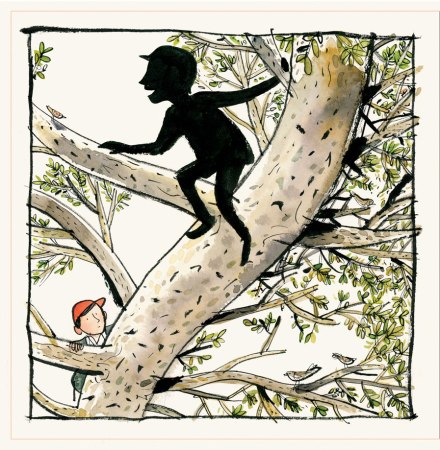
What influenced you to write Charlotte and the Quiet Place?

I wrote the book as an independent project as part of my MFA studies at Lesley University. They say “write what you know,” so I thought about my childhood growing up in kind of a noisy house, where my brother played the piano, my father had a radio and TV on simultaneously, and my mother was on the phone a lot. And then I thought about my longtime meditation practice and how tuning in to my breathing has helped me find a quiet place inside. So I wanted to write a story about children finding their own quiet place inside themselves.

You give school presentations on mindfulness and your picture book Charlotte and the Quiet Place for various ages. Is there an experience from any of these that you would like to share?

School visits are my favorite part of being an author! No matter what age the students are, they love to help me tell the story by repeating the “noisy” sounds and the “hoo ahh” breathing sounds. We usually do a few calming/breathing exercises together and, without fail, even the squirmiest group will settle into a beautiful, shared, often profound silence. Once, when asked where Charlotte finds her quiet place, one kindergarten girl said, “In her belly and in her brain, where it’s calm.” Many kids get that idea. What could be better? I also love showing them my early scribbles and illustrator Sara Woolley’s wonderful sketches and storyboards, and sharing the step-by-step process of publishing the book, from concept to completion
celebrate-picture-books-picture-book-review-author-deborah-sosin-visits-Newton-Monetssori-School

Deborah Sosin reads Charlotte and the Quiet Place to students at Newton Montessori School. Photo courtesy of Newton Montessori School.

Can you talk a little about mindfulness and how it can benefit children?
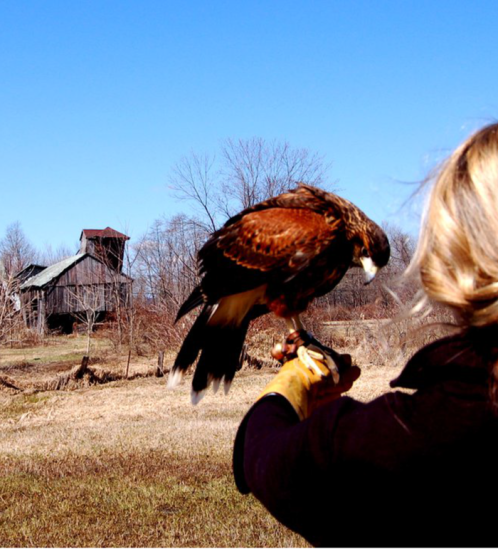
Mindfulness has become a catchword these days, but my favorite definition is from Dr. Amy Saltzman: “Noticing what’s happening right here and now, with a friendly, curious attitude, then choosing what to do next.” Many top-notch scientific studies show that mindfulness can help kids with concentration, attention, self-soothing, anxiety, depression, sleep, mood, compassion, confidence…I could go on. Compared with adults, most kids are naturally mindful, that is “in the moment,” but kids do get stressed out and worried about the past or the future, so mindfulness helps. I sometimes worry that parents and teachers might use it for disciplinary reasons (“Enough! Go be mindful in the corner!”), which is not the point. It’s a whole-life practice, not a technique or intervention. And, as the book shows, mindfulness can lead us to a quiet place inside that we can access whenever we want.

celebrate-picture-books-picture-book-review-interview-with-deborah-sosin-debbie-at-cottage-montessori-school

Students at the Cottage Montessori School in Arlington, Massachusetts play the Silence Game with director Karen Wagner, watching the sand in the hourglass. Photo courtesy of Stacey Moriarty.

Can you tell me a little about your work with Grub Street, a creative writing center in Boston?

I started taking classes at GrubStreet in 2008; my first class was “Six Weeks, Six Essays,” and from that class, I helped form a longtime regular writing group. I started blogging soon after and then submitted personal essays for publication, with some good luck. GrubStreet is a fantastic, inclusive community, with excellent faculty and a huge range of motivated, smart, and enthusiastic students, from beginners to veterans. After a few years, I applied to teach classes there and am proud to be on their instructor and consultant rosters now.

You are an accomplished choral singer, having performed at Lincoln Center, the United Nations, Boston’s Symphony Hall, and on an international tour. When did you begin choral singing? Do you have an anecdote you’d like to share from any of your experiences?

I’ve been singing my whole life and have been in choruses since elementary school. Singing with other people is extremely gratifying and, after all the “verbal”-type things I do, including my work as a psychotherapist, it’s a lovely change of pace. I spent about 15 years in the Zamir Chorale of Boston, which specializes in Jewish choral music. Our tours to Eastern Europe, Italy, and Israel were extraordinary. In 1999, when we sang at Auschwitz and Terezin, the sites of former concentration camps, it was hard to keep our emotions in check, but it felt important to revive the voices of the Jewish people that the Nazis had attempted to quell. A PBS documentary film, “Zamir: Jewish Voices Return to Poland,” chronicled our tour that summer. I think it’s still available through the Zamir Chorale website.

What’s the best part about writing for children?

After having focused almost exclusively on nonfiction for most of my writing career, it’s been wonderful to work in the very precise and rich world of picture-book writing with so many lovely, funny, imaginative, and supportive fellow writers I’ve met through SCBWI and the amazing Writers’ Loft in Sherborn, Mass.

celebrate-picture-books-picture-book-review-interview-with-deborah-sosin-debbie-at-The-Oblong-Bookstore-event

Children enjoy drawing their noisy and quiet places at an Oblong Bookstore event in NY. Photo courtesy of AM Media Group

What’s up next for you?

I have a couple of Picture Book manuscripts in progress and I’m participating in Storystorm (formerly PiBoIdMo) this month, so I hope to generate more ideas and get some new work out there soon.

Since this is a holiday-themed blog, I’d be remiss if I didn’t ask you at least one question about holidays, so…

What is your favorite holiday and why?

Thanksgiving is probably my favorite, as it means getting together with my family, which is now spread far and wide, and having an opportunity to express our gratitude.

Thanks, Debbie, for stopping by and chatting! I wish you all the best with Charlotte and the Quiet Place and all of your future endeavors!

You can connect with Deborah Sosin on

Her Website | charlotteandthequietplace.com | Facebook | Twitter

celebrate-picture-books-picture-book-review-charlotte-and-the-quiet-place-noisy-neighborhood


You can find Charlotte and the Quiet Place at these booksellers

Amazon | Barnes & Noble | Books-a-Million | IndieBound | Parallax Press |Porter Square Books (signed copies available)

Picture Book Review