May 10 – National Train Day

About the Holiday

You just have to love the train. With its storied past and iconic whistle, train travel is imprinted in our minds as a fun, efficient way to get from here to there and back again. Today’s holiday was established in 2008 to commemorate all the mystery and romance of train travel while also remembering the history of the railroad, especially the the May, 1869 completion of the transcontinental railroad, and its importance to the development of the United States. Suddenly, distances didn’t seem as far, and those seeking a new life out West or wanting to visit family back East had a safe, quick way of spanning the miles.

Thank you to Marsha Diane Arnold and Sleeping Bear Press for sharing a digital copy of today’s book with me!

Big Boy 4014 and the Steam Team: The World’s Largest Steam Engine Roars Back to Life!

Written by Marsha Diane Arnold | Illustrated by Adam Gustavson


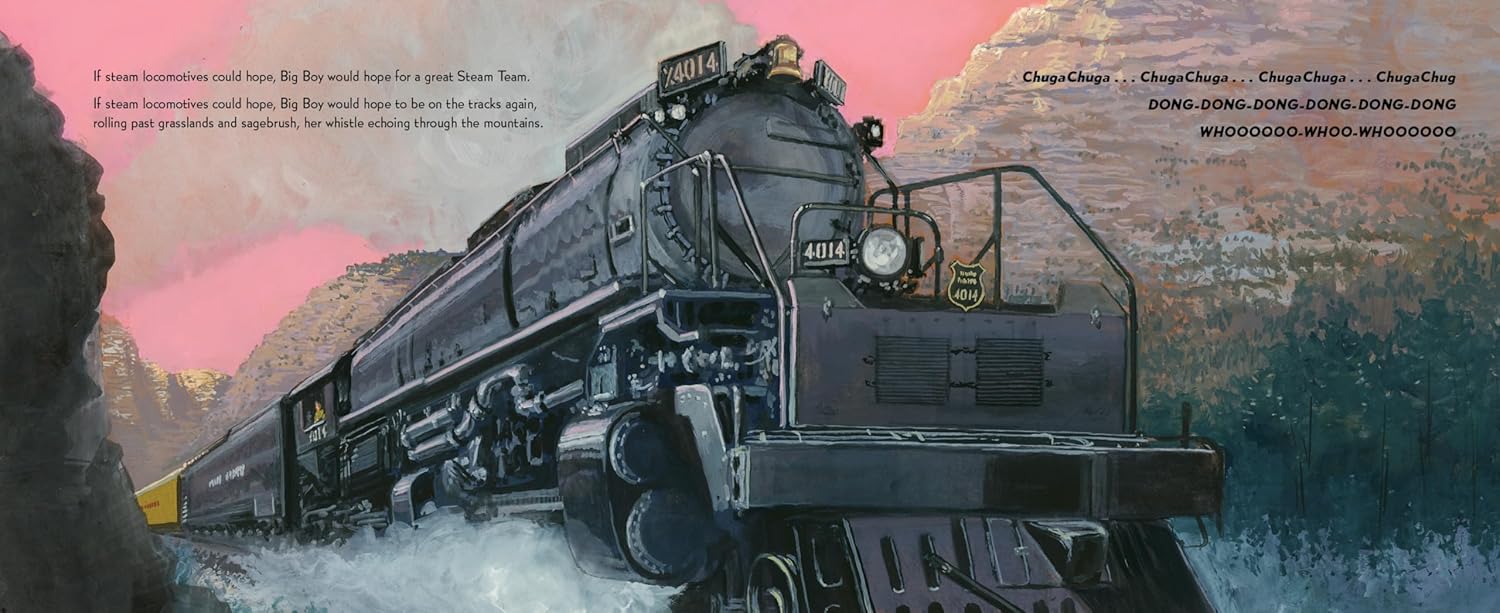
In 2013, Big Boy 4014, the largest steam train in the world, sat stranded in an outdoor museum in Pomona, California, her work carrying heavy freight across the Wasatch Mountains and her indispensable role in transporting American soldiers and military equipment across the western prairies only a memory (Arnold makes note that trains were referred to as “she” by engineers and crew). She had thrilled museum visitors for more than fifty years, but “cold ashes lay in her firebox / Cobwebs wove through her wheels. / Rust crept into her cab.”

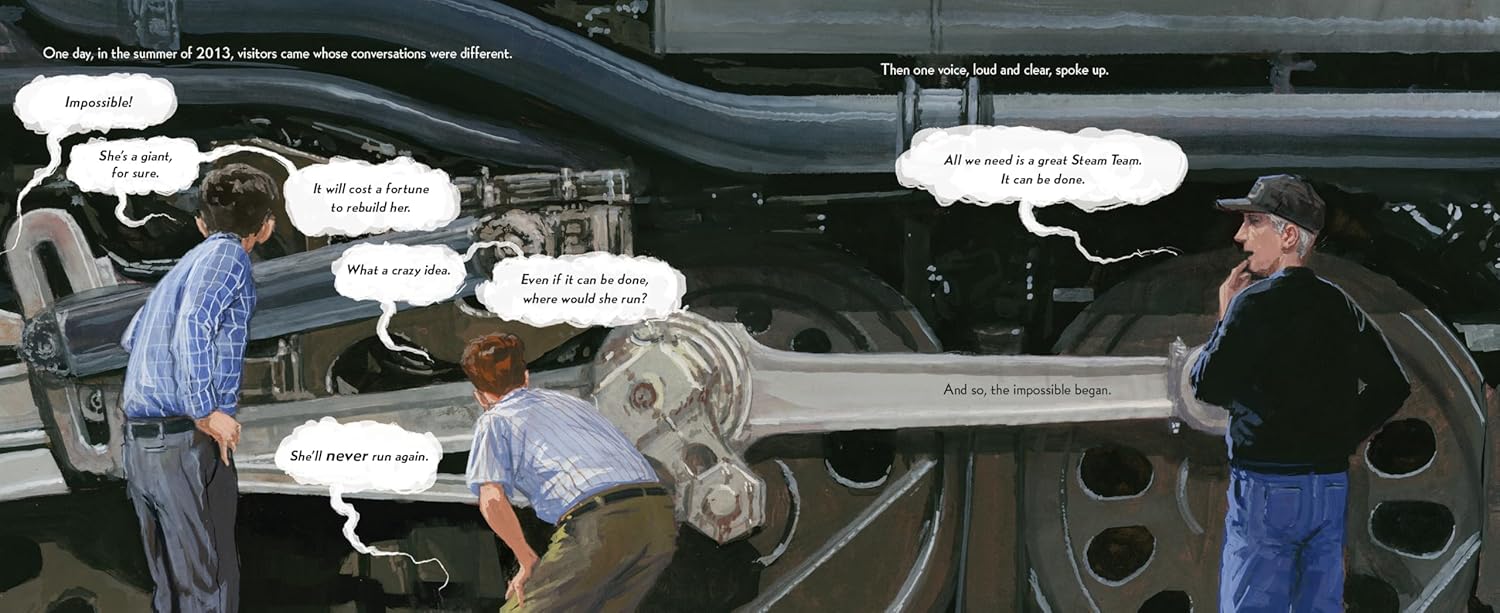
Then one day men came to visit her. As they inspected her, most decided that restoring her would be too expensive, too crazy, impossible. But one voice disagreed, saying “All we need is a great steam team. It can be done.” Nine men signed onto the Steam Team, with the aim to restore Big Boy for the Golden Spike Celebration in 2019 that would commemorate the finishing of the transcontinental railroad—the first railroad to stretch all across the America from East to West.

illustration © 2025 by Adam Gustavson, text © 2025 by Marsha Diane Arnold. Courtesy of Sleeping Bear Books.

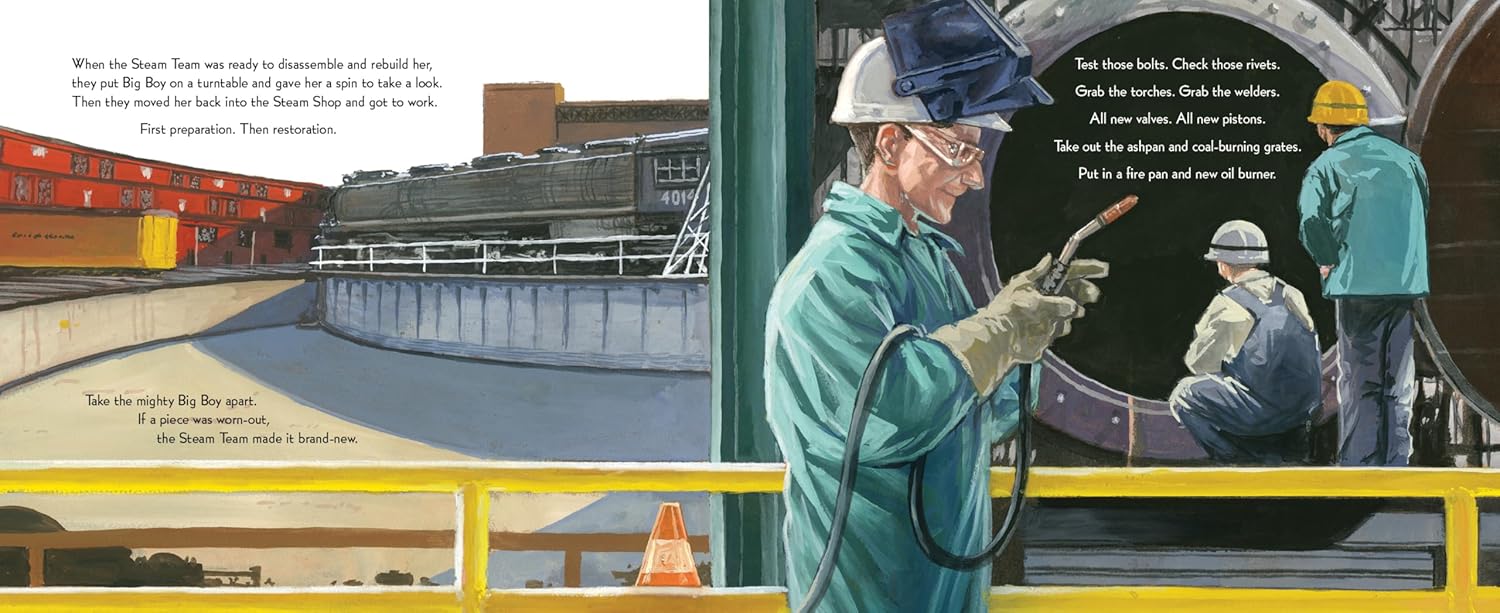
To move Big Boy from the museum to the tracks a mile away, temporary tracks were laid and a bulldozer slowly pulled her along inch by inch. She was then pulled and pushed 1,300 miles to Wyoming, where the work on her would be done. There, Big Boy underwent intensive scrutiny, getting new parts, being made to look like new. Years went by, the Golden Spike Celebration was months away, then days away. It was “time to test her out.” 

“Double-headed with the ‘Living Legend,’ locomotive 884,” Big Boy, pulling train cars behind her, chugged “to Ogden, Utah, for the celebration.” All along the route, people came out to watch, “to feel the rumble under their feet as Big Boy passed, to see the steam cloud billowing above her, to hear her whistle, loud and clear.” At the ceremony, Big Boy 4014 and Locomotive 884 faced each other, just as two steam engines had 150 years before, when a set of tracks moving east-to-west and another running west-to-east were united with a golden spike.

illustration © 2025 by Adam Gustavson, text © 2025 by Marsha Diane Arnold. Courtesy of Sleeping Bear Books.

Following the Golden Spike Celebration, Big Boy 4014 took another trip, a tour of more than 8,000 miles “past grasslands and sagebrush. / Past farmlands and rivers. / Past fields and cities and towns.” Whether it was raining or snowing or blisteringly hot, people came out to cheer Big Boy on and feel that awesome rumble as she passed by. No longer is her time only a memory from long ago. With more tours planned, “if steam locomotives could talk, Big Boy would say . . . “I’m ringing my bell and sounding my whistle.” DONG-DONG-DONG-DONG-DONG-DONG WHOOOOOO-WHOO-WHOOOOOO / “I’m chugging up the Wasatch Mountains at top speed, feeling the warmth of the oil in my firebox, as powerful as 7,000 horses.”

An in-depth discussion about the origins of the twenty-five Big Boy steam locomotives; the incredible engineering feat of designing and building them; how a steam engine works, How Big Boy 4014 was chosen for restoration; short profiles of the men instrumental in Big Boy’s restoration; a brief history of the building of the transcontinental railroad; and the research involved in making tours of Big Boy 4014 possible.

illustration © 2025 by Adam Gustavson, text © 2025 by Marsha Diane Arnold. Courtesy of Sleeping Bear Books.

Combining imaginative lyrical text with compelling nonfiction storytelling, Marsha Diane Arnold weaves an immersive tale of the restoration and triumphant comeback of the steam locomotive Big Boy 4014. Where once 25 of these behemoth machines conquered mountains and rough terrain to move freight and people across the country and contributed to our success in World War II, they have been relegated to history as diesel and electric trains took prominence.

Arnold recalls the importance of these storied locomotives for young readers and train enthusiasts of all ages, bookending her story with wistful “If steam locomotives could dream/talk” re-imaginings of Big Boy 4014’s glory days of leaving a station, sounding her bell and whistle, and “chugging up mountains” with the “power of 7,000 horses.” Readers will be wowed by the dedicated and painstaking work that went into moving and restoring Big Boy 4014, a recounting Arnold accomplishes with a deft hand for details that don’t overwhelm. She leaves readers with a new appreciation for steam locomotives and a hope that they too will be able to witness a tour of this earth-rumbling beauty.

Adam Gustavson’s stunning realistic paintings depict Big Boy 4014 from various perspectives, giving readers a sense of her scale compared to the adults and children, the mountainous landscapes she traversed, and the crowds who came out to celebrate her. Up-close renderings allow train lovers to get a glimpse into the steam-powered mechanics that propelled her while also seeing how run-down she had become over her nearly 60 years of disuse. Each page spread is a showstopper to linger and marvel over as readers gain insight and admiration for these trains and those who created them.

For train enthusiasts, history buffs, and those who simply love a story masterfully told, Big Boy 4014 and the Steam Team: the World’s Largest Steam Engine Roars Back to Life! is a book you won’t want to miss. The book is an exciting must-addition for all school and public library collections.

Ages 6 – 9+

Sleeping Bear Press, 2025 | ISBN 978-1534113145

About the Author

Marsha Diane Arnold is a multiple-award–winning author whose books have sold over one million copies. Called a “born storyteller” by the media, Marsha’s works include Badger’s Perfect Garden (Florida Book Awards Bronze Medal), the bilingual Galápagos Girl/Galapagueña (Bank Street Best Book and Campoy-Ada honor book), and Lights Out (Golden Kite finalist). Among her many pastimes, Marsha especially enjoys reading to her grandchildren and visiting schools to talk about writing and books. Born in rural Kansas, Marsha now lives with her husband and dog Sailor in Alva, Florida. Visit her at marshadianearnold.com.

About the Illustrator

Adam Gustavson’s illustrations have appeared in over thirty books for children. He is a teaching professor of art at Rowan University, and lives in a quirky little house in New Jersey with his lovely wife, their two sons, and two rather small dogs.

National Train Day Activity

Steam Engine Coloring Page


Steam locomotives once carried passengers and freight. Enjoy this coloring page of a steam train from days gone by from Monday Mandala!

You can purchase Big Boy 4014 and the Steam Team: the World’s Largest Steam Engine Roars Back to Life! from these booksellers

Amazon | Barnes & Noble | Bookshop

Picture Book Review

March 24 – Cover Reveal for ARLO

ARLO

Written by Sophia Gholz | Illustrated by MacKenzie Haley


ARLO works on the assembly line like the rest of the robots. But unlike the others, ARLO longs for something different. Then one day, a surprise changes everything. Follow this exciting adventure as ARLO discovers the unknown, learns home is where the metal heart is, and that “something different” can be created in many ways.

Meet Sophia Gholz

Sophia Gholz is an award-winning children’s book author, poet, magic seeker, and avid reader. Sophia enjoys writing fiction with humor and heart. When writing nonfiction, she pulls on her love of science and her strong family background in ecology. Since 2017, Sophia has helped oversee the Henry L. Gholz SEEDS National Field Trip Endowment for The Ecological Society of America, funding ecological field experiences for students. Sophia is the author of The Boy Who Grew a Forest: The True Story of Jadav PayengThis is Your World: The Story of Bob Ross, Bug on the RugA History of Toilet Paper (And Other Potty Tools), Bear at the Fair, and more. When she’s not writing from her home base in Florida, you can find Sophia reading, visiting schools, or exploring the great outdoors with her family. For more, visit Sophia at: www.sophiagholz.com.

Hi Sophia, I’m so excited to be sharing the cover for your adorable book! Just look at that face! ARLO melts your heart! I’m also happy to be talking to you about how ARLO came to be and so much more. I can’t wait to get started!

Robots are both timeless and timely—and, of course, always kid-favorites!  What was the inspiration behind ARLO?

ARLO actually began as a writing exercise a decade ago, in May of 2014. At the time, the buzzword in the picture book world was “character,” and agents and editors were hungry for “character-driven pictures books.”

Now, I know authors aren’t supposed to write for the market. Instead, you write the story that suits you and hope it fits into the market. However, at that time I was still fresh to the world of picture book writing. I wasn’t agented or published. I was still learning how to craft a story and hadn’t studied much on character building. So, I took the buzzword of the day and decided I wanted to explore that idea. In doing so, I created a metal bot that longed to swim, but couldn’t because—as the line when in my original manuscript said—“His boots sink like bricks, his gears rust, and oil and water don’t mix.”

Similar to the ARLO of today, this original bot worked on a factory assembly line and longed for something different. But unlike ARLO, that original bot had eight arms (like an octopus) and because he loved water, I called him Robotopus. It took me over a decade, 60+ drafts, and so many different variations to finally find ARLO at the heart of this story. And that is exactly why you don’t write for the market and instead write for yourself. It wasn’t until I let go of what I thought this story needed to be and allowed it to become what it was naturally that it clicked.

Growing up, did you have a favorite robot character in books, TV, or movies? What was it about that robot that you liked best?

I’ve always been a huge techy/sci-fi and fantasy fan! One of my favorite childhood movies was called Flight of the Navigator. I loved that film as a kid and it definitely sparked my interest in out-of-this-world robots at a young age. Flash forward, my daughter was on a competitive robotics team in school and that continued to fuel my love. But I’d be remiss if I didn’t shout out Disney’s WALL-E here. That little bot stole my heart from the get-go! In fact, I pitched ARLO’s story as “WALL-E meets The Wizard of Oz.”

Can you talk a little about the journey of this book from idea to publication?

Some books pour out in final form within a matter of hours. Other books take years. ARLO was one of the latter. The first draft was written in May of 2014. I’m one of those writers who likes to save all of their drafts as I revise in case I need to pull something from or revert back to a previous version of a story. So, it’s pretty easy for me to look back now and see exactly how this story changed and shifted over the years.

From the first draft, I fell in love with my little robot. I knew from the start he worked in an industrial factory, but needed nature and longed for something different. In those first drafts, my robot wanted to swim and he used his factory skills for building a suit to help him achieve that goal. That original story actually won an SCBWI Rising Kite Award in 2017. Still, I knew it was missing something. Like my little bot, the story longed for something more. I just couldn’t figure out what that was.

I eventually shelved this manuscript as I focused on other projects. But my bot lived on in my mind. Over the course of ten years, while I was in between other projects, I’d pull this manuscript out of the drawer and completely rework it again and again. Robotopus became Robbie, then Robotika, who morphed into Zigbee, then Ozzy, and ARO, who finally led me to ARLO.

It wasn’t until I let go of the idea of swimming (which I held onto for SOOOO long) and allowed ARLO to tell me what he wanted instead of me telling him, that his story finally poured out in late 2019. But in 2019, two things happened simultaneously: 1) my first book (a nonfiction book titled The Boy Who Grew a Forest) was released and 2) the pandemic struck. As a result, ARLO was shelved again, and it would be another two years before his story would be sent to editors for consideration.

When Sarah Rockett at Sleeping Bear Press made an offer, I jumped on it. I didn’t want the manuscript going anywhere else. Sleeping Bear makes such beautiful books and I knew Sarah really understood this character and the heart of ARLO’s journey.

Tell me about the first time you saw MacKenzie’s cover for ARLO.

I have loved MacKenzie’s art since I first saw it in The Scariest Kitten in the World. I was ecstatic when my editor, suggested MacKenzie as the artist to bring ARLO’s story to life. As soon as her name was floated, I couldn’t think of a better artist for this book.

When I first saw her cover sketch, I squealed in delight. I had no idea what to expect and Mackenzie completely nailed it. I mean, she really knew how to bring ARLO’s personality out and how to capture our little bot’s heart. I cannot wait for readers to immerse themselves in MacKezie’s art and ARLO’s world!

Since your first book The Boy Who Grew a Forest: The True Story of Jadev Payeng was published in 2019, you’ve written about a beloved artist, a famous paleontologist, a bug in a rug, a hangry bear, and even the evolution of toilet paper. These books have been recognized with multiple state and national awards. What do these honors mean to you?

When I began writing, I set out to complete one book. That was my only goal. I was a hopeful writer who wanted to know if I was even capable of crafting or sharing a story I loved. The fact that some of those stories actually became books that have been received in the way they have, is far beyond my wildest dreams. To say I am incredibly grateful, would be a vast understatement.

To this day, each time I sit at my desk, I question again if I’m capable. As an artist, you hope other people will love your art the way you do but that is far from guaranteed. I completely panic every time I release a new book. No matter how much time passes from that first story, I’m still just that girl, sitting behind a keyboard, hoping to complete a manuscript and praying someone out there might like it.

The last time we chatted, you were just getting started as a published author. Your career has really taken off since then. What do like best about being a children’s author? What have you found to be the most surprising?

I’m thankful you’ve been on this journey with me since the start! It feels so good to be back on the blog with you now.

As an author, there is nothing more gratifying than having a reader connect with your story or your character in some way. I absolutely love hearing from readers or seeing the spark in their eyes when I visit them in schools or events. Honestly, there’s nothing better than that.

The most surprising has been navigating book bans and political controversy. When I heard A History of Toilet Paper had been banned in some circles or when I got word from PEN America that Bug on the Rug had been flagged in Florida a while back, I was floored. I’m over here just trying to share stories I love. Call me naïve, but I had no idea how much people might pick them apart in search of negativity.

From the pictures of school, bookstores, and workshop appearances on your website, it’s clear you and the kids have a blast when you visit. Can you talk a little about what you do during a school visit? 

I love visiting schools and hosting author events. This past year, unfortunately, I had to cancel most of my appearances as my daughter went through some very scary health issues. Thankfully, we are on the other side of that now and I’m looking forward to reconnecting with everyone!

I’m not an educator by nature (shout out to all the amazing teachers out there!!!) and don’t know much about school curriculums. So, for me, I love to talk with people about the art of storytelling and finding inspiration in everyday life. One of my favorite things to do is work with an audience to create a story in real time during a visit.

What are you hoping kids will take away from this book?

ARLO is ultimately about finding yourself, learning to embrace differences, and stepping outside of your comfort zone. I hope readers of all ages will find inspiration in ARLO’s adventure.

When can readers look forward to seeing ARLO on bookstore shelves? Do you have tour or other plans you’d like to share?

 ARLO will be released August 1st, 2025 and is available now for preorder anywhere books are sold! Keep an eye out on my website for upcoming events and signings: sophiagholz.com.

Thanks, Sophia, for sharing so much about your journey with ARLO and your inspirations! It’s obvious that ARLO is very well loved!

Meet MacKenzie Haley
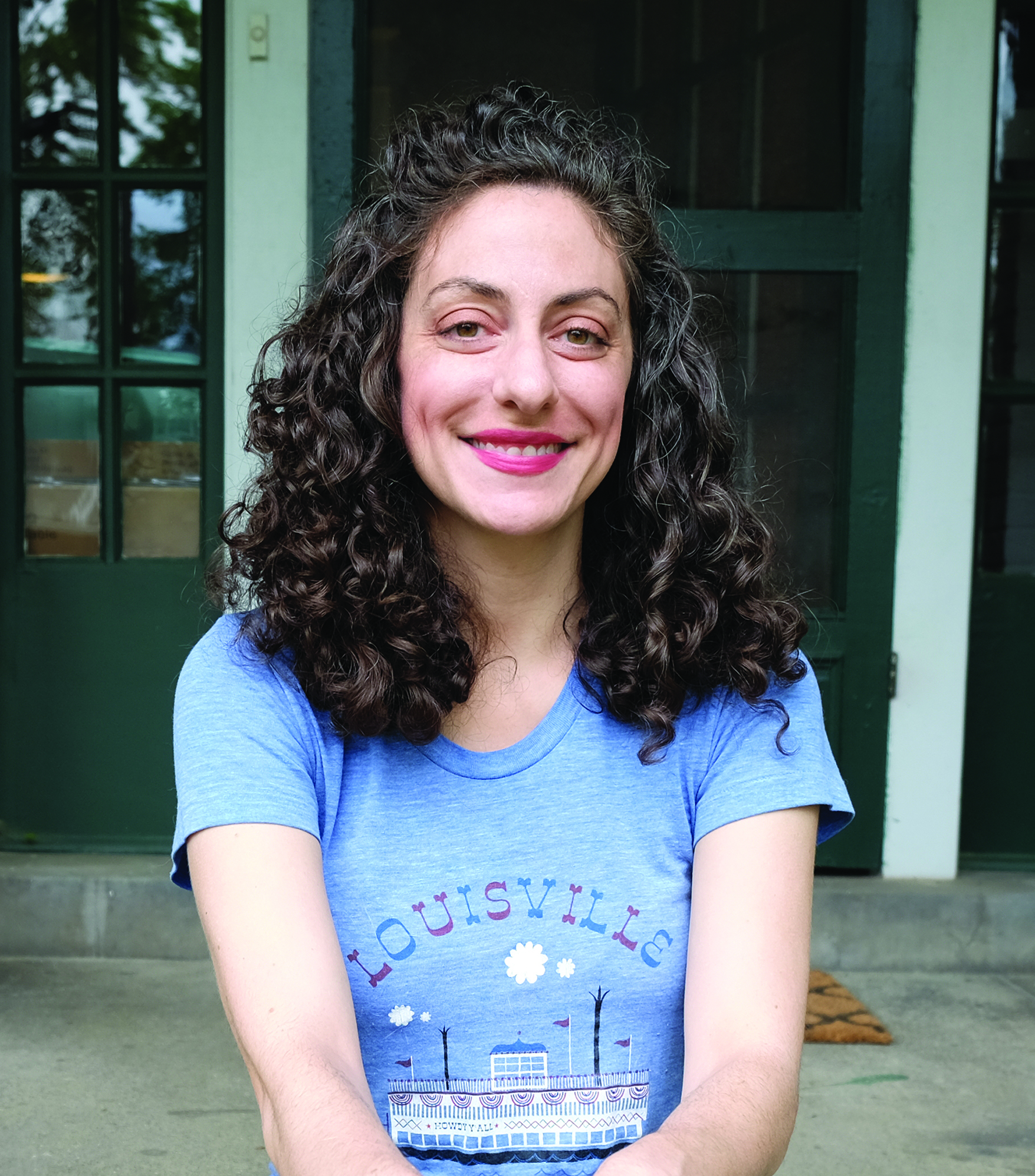
MacKenzie Haley is an award-winning illustrator born, raised, and living in Louisville, Kentucky with her two cats, Booger and Abby. She is the illustrator of Dolly Parton’s Billy the Kid series, as well as A Book for Bear, and The Scariest Kitten in the World. When she’s not drawing or playing with her cats, she can be found spending time with her friends and family, and learning what’s currently “cool” from her twelve-year-old niece, and eight-year-old nephew. To learn more about MacKenzie and view adorable “bits and bobs,” comics, and more, visit her at mackenziehaley.com

Hi Haley! I just fell in love with ARLO the moment I saw him, so I’m thrilled to get to talk to you about how you brought ARLO to life and all the considerations that go into creating illustrations for a picture book. I’ve also gotta know about the kitties you’ve fostered, but let’s start with ARLO.

What drew you to this project?

When I first got the ARLO manuscript, I immediately appreciated the idea of this little robot having the very human experience of daily mundanity. No matter how much we love our day job, our family, our friends, sometimes the day-to-day gets hard and we lose ourselves in that daily grind. The fact that ARLO is literally swept away into a whole new world, specifically into nature, was a reminder that as humans we can get stuck in our day-to-day existence, and begin to take things for granted, to let ourselves get run down. It reminded me that we need to go outside and appreciate the natural world around us. Take time to breathe and experience nature. When we do that, we bring some of that back into our daily lives, and it can change our daily experiences for the better, just like it does for ARLO.

Can you describe your process in creating and choosing this endearing cover image?

To start with, I’ve had good and not-so-good experiences in the past creating covers. I guess every illustrator has! In my earlier years I had publishers shut down my ideas for the cover and want me to just create their vision. When that would happen, the end result was usually not something I was happy with, or that I felt served the book very well. In more recent years I’ve been fortunate enough to work with some wonderful publishers and art directors who value my input and let me explore ideas and take the lead.

Creating the cover for ARLO was a really great example of the collaboration between myself and the publisher/art director/editor. Looking back, I can see I started the cover a bit more guarded than I realized. I can get too attached to my ideas, and sometimes feel like I’m losing my voice in how an image turns out when someone asks me to make certain changes that I’m not sure about at first.

Working with Sleeping Bear Press taught me that there is a good balance to be struck between having an idea you really like, and leaving room for creative feedback and space for positive changes. Not to be so precious with my ideas or images, so that when suggestions are made with a good team, I can step back and really hear what they are saying and work that into the cover vision. For example, I initially kept making ARLO too small in the cover sketches I was creating. So Jennifer took the time to talk with me on the phone and explain what they were looking for, and we were able to come up with an image that really showcases the main character, while hinting at the world he discovers in the story. I learned a lot throughout this process, and I’m really grateful for their endless patience with me.

Did you always want to be a children’s illustrator? How did your career begin?

Growing up, money was really tight. There was a time when my mom and dad didn’t buy themselves any new clothes for two years, but they made sure that I always had a full bookcase and a constantly growing little library of my own. I treasured those books and carry that love of books with me today. Each book was a little world I could explore and get lost in.

That being said, growing up I never realized you could make a living creating art. There was no one in my family’s sphere who did that, and I just didn’t know it was a possibility. I kept making art as I grew up though, and learned that there were jobs as artists. I got my BFA with an emphasis in illustration from The University of Dayton in 2002. While I always loved children’s books, I had no idea how to get into that field, so I cast my net wide and tried to get any and all illustration freelance jobs I could. I had a day job this whole time because my freelance income wasn’t paying my bills.

Around 2005 or 2006 I realized I needed to focus on one aspect of illustration. I had no idea how difficult the children’s book market was to break into, so I naively chose that, haha! I’ve heard it said that you don’t know what you can’t do if no one ever tells you. So I worked on my portfolio, submitted to agents, got rejected, worked on my portfolio some more, submitted again, and got rejected. I kept doing this, improving each round, until I finally got an agent in 2017. I was able to quit my day job in 2018 and have been illustrating children’s books full time ever since then!

What have you found to be the most rewarding aspect of being a children’s illustrator?

Seeing a book completed at the very end is such an incredible feeling and makes all the hard work worth every minute. To know that the author and I created this brand new thing where nothing existed before is an amazing feeling. The other most rewarding thing is hearing from parents or kids themselves about how much a book means to them, how much they like a book or what kind of impact it’s had on them. I remember being little and how important books were to me, how much I cherished them. I feel honored that I am able to be a part of children’s lives like that.

When you are given a manuscript for a picture book, what are your first considerations and how do you go about creating a detailed world for the story?

When I first get a manuscript, I read through it a number of times without trying to make any decisions, to just absorb the story. When I first started illustrating books, I didn’t really know what I was doing or have any kind of plan. That’s changed throughout the years, learning what works best for me and seeing what helps me create the best books I can.

For ARLO, I took a more holistic approach, considering characters, color palettes, emotional tones and shifts. The first thing a publisher usually wants are sketches for the main characters. This was the case with ARLO, but for this story I took it further. I listed all of the characters, distilled the main message of the story, and noted what the characters were feeling and when, along with the major emotional shifts in the book. The robots are characters in this story, but I also considered the two worlds or environments as characters as well—the factory and nature. I wanted a color shift to occur throughout the book. The factory was created using almost exclusively neutral colors, with a pop of bright blue here and there, hinting at the natural world ARLO would explore later (the bird he follows in the story is bright blue).

Illustration © 2025 by MacKenzie Haley, text © 2025 by Sophia Gholz. Courtesy of Sleeping Bear Press.

The shift from neutrals in the factory to an explosion of bright, bold colors in nature was really important. The neutrals portray the mundanity of ARLO’s daily life in the beginning of the story, and at the end when he has learned from his adventure, he brings the brightness from nature into the factory, and we see neutrals and bright colors together, indicating in a visual way how ARLO’s and the robots’ daily lives are more fulfilling and happy now. Colors carry such emotional weight, and my hope is that the reader feels this as they progress through the story.
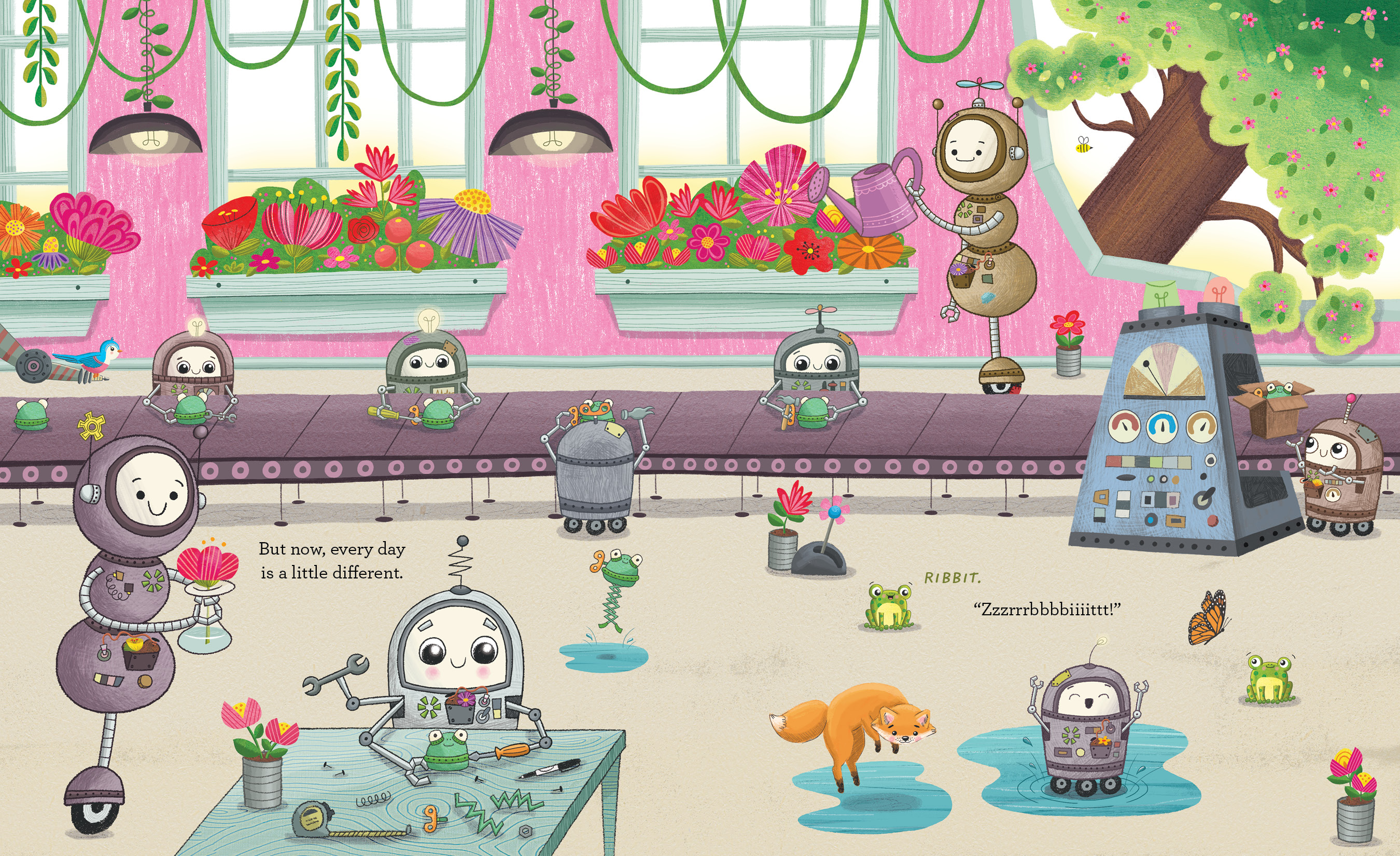
Illustration © 2025 by MacKenzie Haley, text © 2025 by Sophia Gholz. Courtesy of Sleeping Bear Press.

What was your favorite part of creating ARLO’s world?

My favorite part was creating ARLO himself. I had so much fun playing with basic shapes and forms and fun little details, such as the little compartments he has and what tools would pop out of them. But I also loved creating the outside world almost as much as ARLO. To make the flowers, I scanned in hand-painted swatches of watercolor, collaged shapes from them digitally in photoshop, and then drew on top of those shapes. I got to explore a lot and try several different things to see what worked best and what I was happiest with. It was a really fun process! I think the watercolor texture is a good contrast to the sleek metallics of the factory world.

Your bio on your website reveals that you’ve fostered around twelve cats and are a cat mom to two. How did you begin fostering cats? Your illustrations of cats are so adorable and true to cats’ goofy and sweet personalities. Do you use your own cats as inspiration? Will readers be meeting any kitties in ARLO?

I fostered my first kitties 13 or 14 years ago. At the time Louisville Metro’s animal shelter system had a really high kill rate. I didn’t have much money to donate, and they said the next best thing was to foster. They have food banks to cover that cost, and local vets who spay/neuter the cats for free, and take care of deworming, fleas, etc. I walked into the shelter that first day, having one cat at home, thinking to myself “okay, you get to foster one cat.” I ended up walking out of there with a huge crate holding a mom cat and her five one-day-old kittens. I obviously didn’t stick to my plan! I had asked them what their most immediate or urgent case was, expecting maybe a difficult or older cat. When they introduced me to mom cat and her kittens though, I couldn’t say no. I’m a sucker for kitties!

I definitely use my own cats for inspiration. The kitten in The Scariest Kitten in the World is basically my white cat, Booger. She’s so goofy and playful. She was one of the kittens in that first foster group I had, so I’ve known her since she was one day old. She would crawl up on my lap while I was working on an illustration and fall asleep, while the other kittens were playing with each other. I fell in love immediately. I think the situation is more that I’m her human, rather than that she is my cat. I adore her. There aren’t any kitties in ARLO. I should have tried to sneak one in! But there are some woodland creatures the readers will see along the way!

What would you like readers to take with them from your illustrations for ARLO?

I think I would like them to take away the idea of what an amazing wonder nature is, what a gift we have right in front of us, and what it can add to all of our lives. Just being outside for even five minutes a day, breathing in fresh air, feeling the sun on your skin, it all makes such a huge difference. I think it’s something humans crave and need to be whole and happy.

Thank you so much, MacKenzie, for this wonderful, in-depth look at your career in illustration and your process in creating ARLO’s world! I’m so looking forward to August 1, when readers everywhere will be able to bring ARLO home with them.

If you’re as eager to read ARLO as I am, you can preorder the book at these booksellers and from Sleeping Bear Press. ARLO will be released on August 1.

Sleeping Bear Press | Amazon | Barnes & Noble | Bookshop (to support your local independent bookstore)

Picture Book Review

February 19 – Random Acts of Kindness Week

About the Holiday

Random Acts of Kindness Week may be ending, but that only means it’s time to extend the spirit of the holiday day after day until it rolls around again next February! Today, I’m celebrating with one of my favorite stories about a little girl who sees someone in need of help or kindness and generously offers the comforts of tea and treats with a smile. Children are particularly good at offering such caring gestures that can have far-reaching effects. Adults can foster a child’s natural kindness by supporting their ideas and actions for helping their community.

Thanks to Sleeping Bear Press for sharing a copy of The Princess and the Café on the Moat with me!

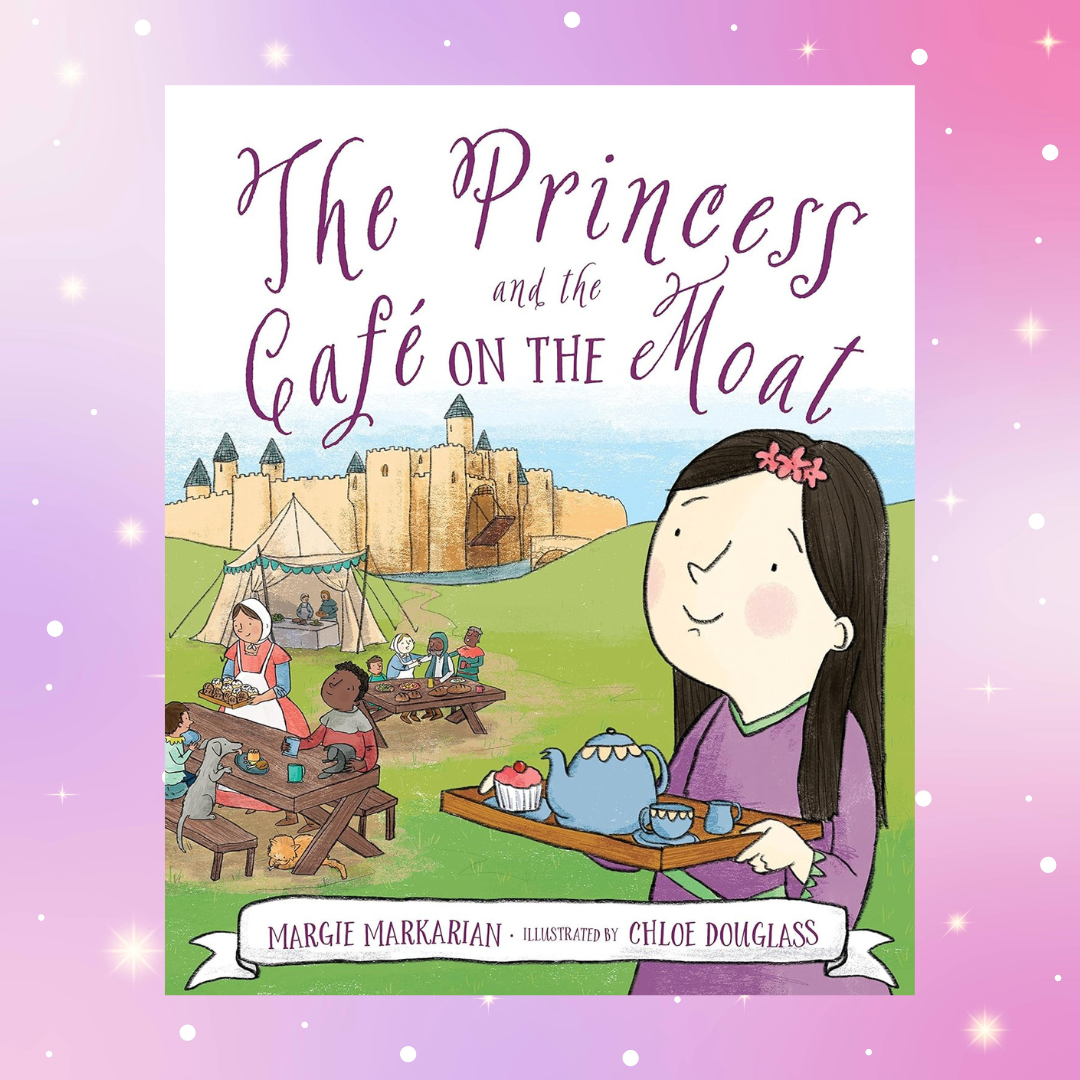
The Princess and the Café on the Moat

Written by Margie Markarian | Illustrated by Chloe Douglass


There once was a little princess who lived in a very busy castle. Every morning knights brought news of “enemies defeated, dragons seized, and citizens rescued.” Upstairs, ladies-in-waiting were given their duties for “silks to sew, invitations to ink, and chandeliers to shine.” The princess wanted a special job too, but her voice was never heard above the din, so she went in search of something to occupy her time.

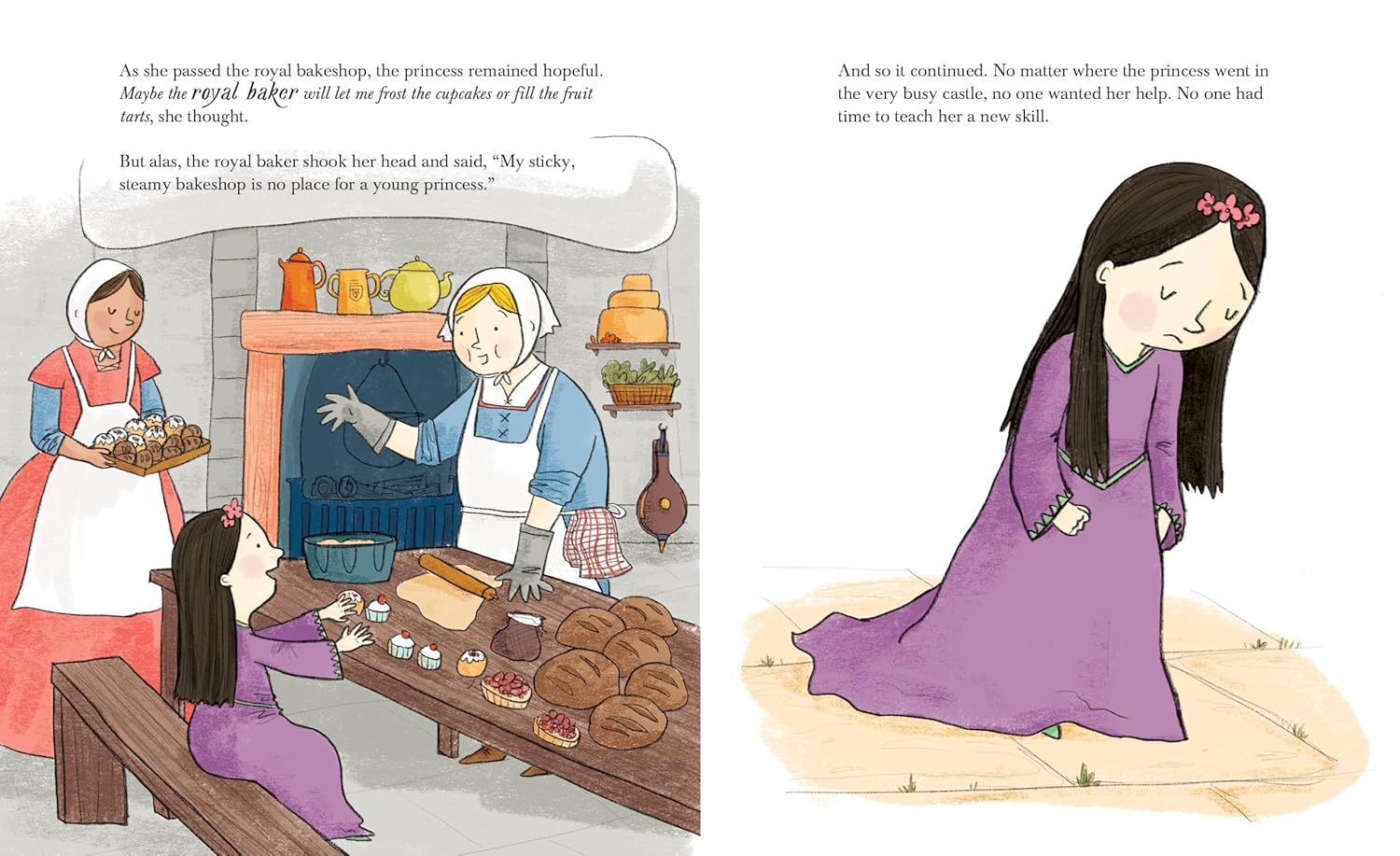
The court jester was too busy to teach her how to juggle. The wandering minstrel said her fingers were too delicate to pluck the wiry strings of a mandolin, and the wizard banished her from the tower, saying his potions were too dangerous. Even the royal baker thought her kitchen was no place for a princess. “The princess’s kind heart and eager spirit were not easily discouraged.” She wondered if there were people beyond the castle who could use her help. Just then the drawbridge descended, and the princess crept by the guard and ran outside.

Illustration © 2018, Chloe Douglass; text © 2018 Margie Markarian. Courtesy of Sleeping Bear Press.

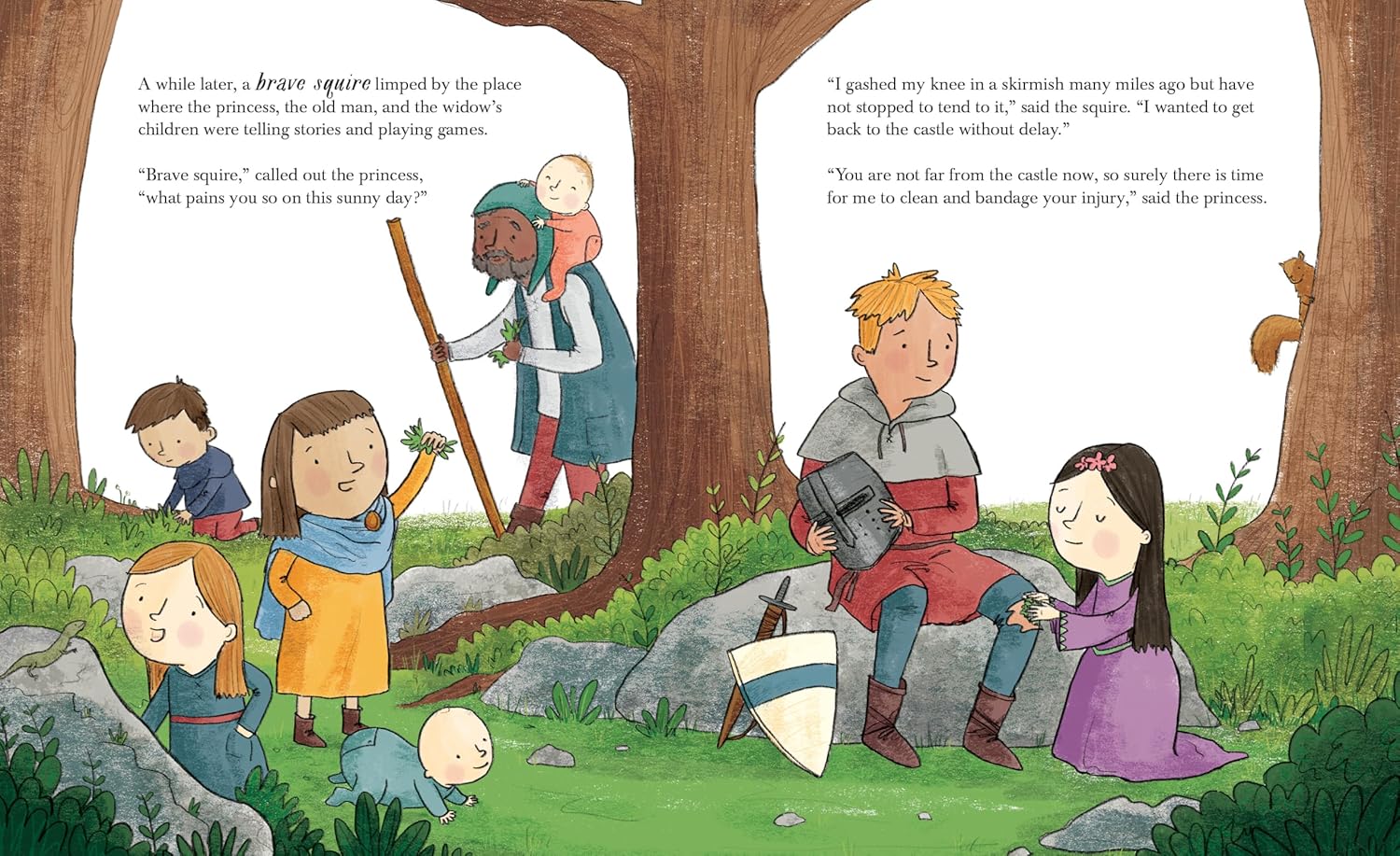
Right outside the castle, she met a sad old man who had gotten a letter from his far-away son, but because of his weak eyesight couldn’t read it. “‘I have time to read your letter and sit awhile,’ said the princess, happy to have found a task so quickly.” Next, she met a worried widow who had no one to watch her children as she traveled to the village market. The princess happily offered to watch them. And when a brave squire came limping by with an injured knee, she quickly bandaged.

Back at the castle, though, everything was in an uproar as everyone was hunting everywhere for the princess. When the king suddenly heard laughter and singing and saw through the window that it was the princess, everyone paraded out through the drawbridge to join her and her new friends.

Illustration © 2018, Chloe Douglass; text © 2018 Margie Markarian. Courtesy of Sleeping Bear Press.

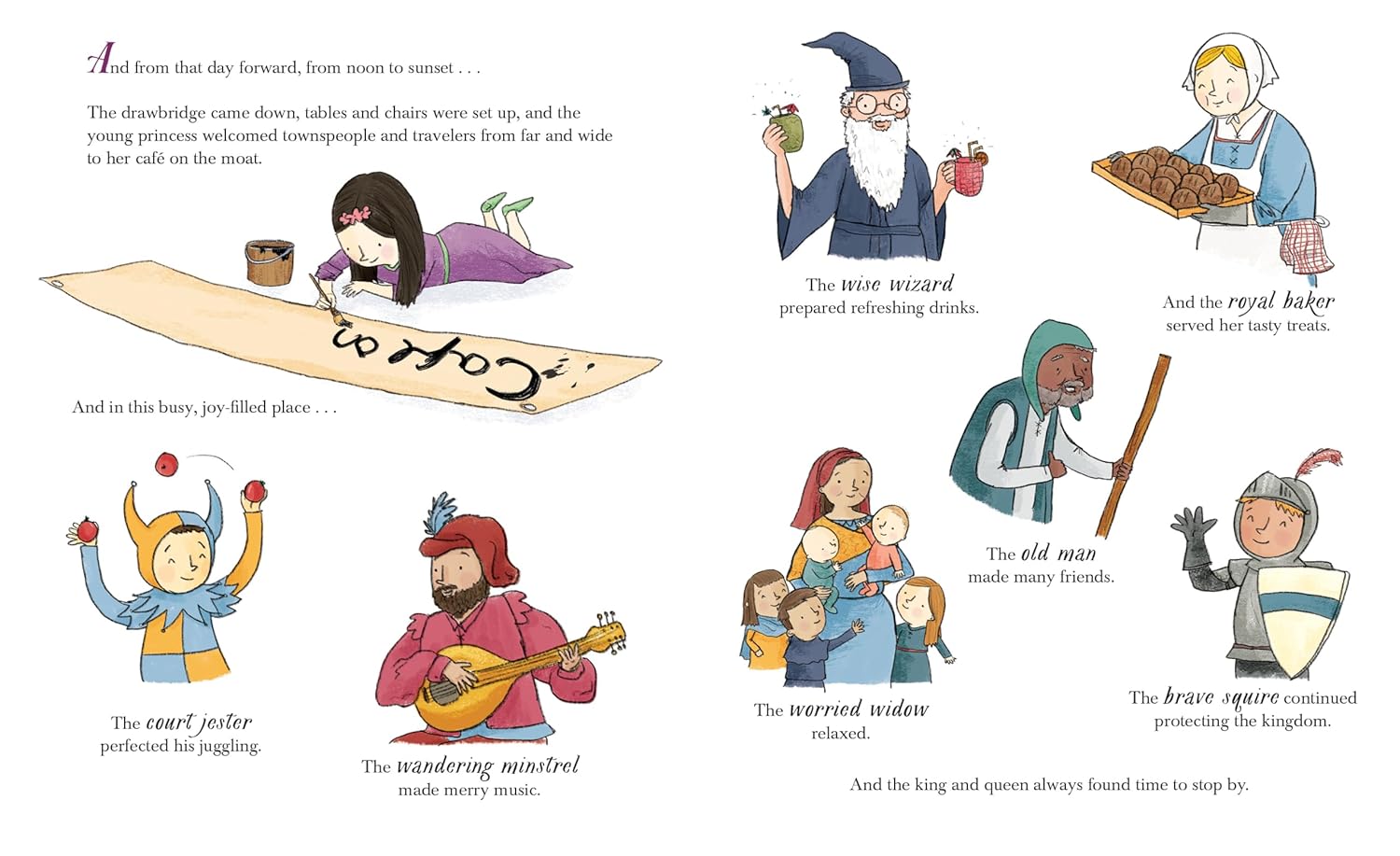
The princess ran to her mother and father and told them about all the things she had done for the old man, the widow, and the squire. The king and queen “were proud to have such a kindhearted daughter.” The king suggested that they “all celebrate together with treats and refreshments.” From that day on in the afternoon, the drawbridge was dropped and tables and chairs set up. Then the “princess welcomed townspeople and travelers from far and wide to her café on the moat.” The café welcomed everyone, and “indeed, they all lived happily and busily ever after.”

An Afterword about fairy tales and a kindness activity for children follow the story.

Illustration © 2018, Chloe Douglass; text © 2018 Margie Markarian. Courtesy of Sleeping Bear Press.

Margie Markarian’s sweet story is an enchanting fairy tale for today’s socially conscious and active kids. Instead of needing rescue, this princess looks for opportunities to help others. When she’s turned away from helping inside the castle, she leaves the comfort of home and reaches out to her community, an idea that children will embrace. Through her cheerful storytelling, Markarian also shows readers that in their talents and kind hearts they already have what it takes to make a difference to others. As the princess opens her café on the moat, both children and adult readers will be inspired to find ways to support each other in planned—or random—acts of kindness. Markarian’s language is charmingly “medieval,” making the story a fun read aloud. The story would also lend itself well to dramatic play for classrooms, child-centered organizations, or enterprising groups of friends and families.

Chloe Douglass’s adorable princess is a terrific role model for young readers. Her eagerness to help and positive spirit are evident in her smiles and persistent requests for a job to do. When she ventures out of the castle, she displays obvious empathy for the people she meets, and children will recognize her joy at being able to brighten the townspeople’s day. Despite their busy days, the king and queen are happy and supportive of their daughter. Children will love the bright and detailed images of the castle and town, where the crest of love rules.

The Princess and the Café on the Moat is a charming flip on the traditional fairy tale—one that children will want to hear again and again. It would make an inspiring spring gift and an enriching addition to home, classroom, and library collections.

Ages 5 – 8

Sleeping Bear Press, 2018 | ISBN 978-1585363971

To discover more about Margie Markarian and her picture book and to find fun activities, visit her website. 

Learn more about Chloe Douglass, her books, and her art on her website.

Random Acts of Kindness Week Activity

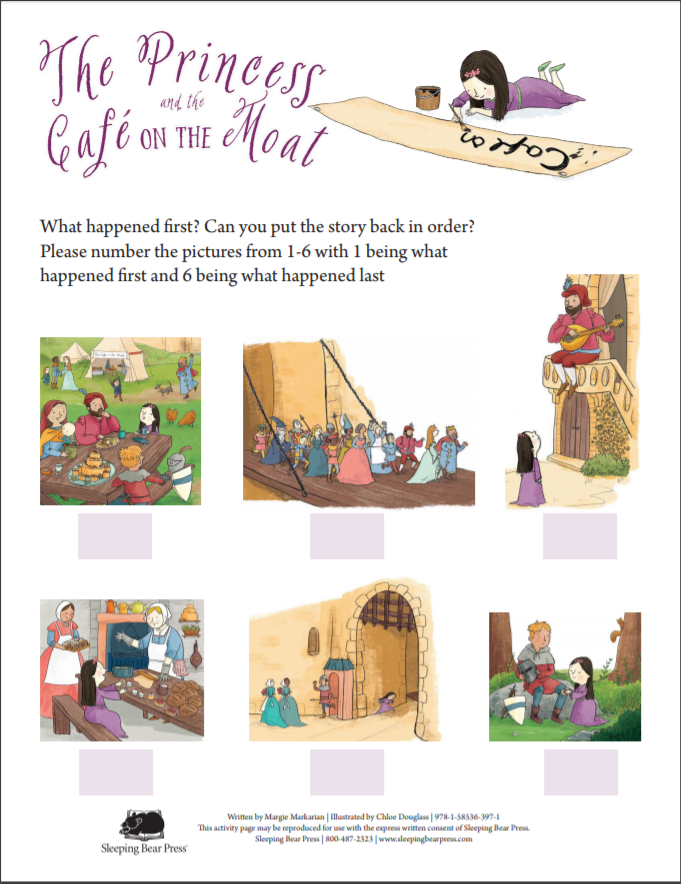
celebrate-picture-books-picture-book-review-the-princess-and-the-cafe-on-the-moat-number sequence-page

The Princess and the Café on the Moat Activities


The Princess likes to help people relax and have fun together! You can help her too with these four The Princess and the Café Activity Pages!

You can purchase The Princess and the Café on the Moat at these booksellers

Amazon | Barnes & Noble | Bookshop (to support your local independent bookstore)

Picture Book Review

March 28 – Something on a Stick Day

celebrate-picture-books-picture-book-review-make-more-smores-cover

About the Holiday

Can you celebrate a whole day of Something on a Stick? Of course! From French Toast on a stick for breakfast to fruit, veggie, and meat skewers, for lunch and dinner to popsicles for dessert, there are so many ways to enjoy meals on a stick. While we don’t know when this particular holiday was established, cooking and eating food from a stick has been around for a long, long time. In Germany, a stick with a burnt tip, indicating its use in cooking meat over a fire, was discovered in an archeological site dating from 300,000 years ago, the Lower Paleolithic era. And if you think I forgot a favorite ooey-gooey sweet treat that’s roasted on a stick, I didn’t—that’s what today’s book is all about!

Make More S’mores

Written by Cathy Ballou Mealey | Illustrated by Ariel Landy


Over a crackling campfire, Roscoe toasts a marshmallow on a nice, sharp stick. When that “fluffy puff” is perfectly soft and gooey, Roscoe grabs two graham crackers from the stack, adds a “creamy chocolate square,” and slides on the marshmallow. He’s just about to take a bite when… “‘Is that for me?’ asks Grizzly Bear.” With a smile, Roscoe shrugs and wishes Grizzly “‘Bon appétit!'”

celebrate-picture-books-picture-book-review-make-more-smores-Grizzly-Bea

Image copyright Ariel Landy, 2023, text copyright Cathy Ballou Mealey, 2023. Courtesy of Sleeping Bear Press.

Grizzly gobbles it down and is ready for more. Roscoe is happy to oblige and takes two more marshmallows out of the bag, two squares of chocolate and four graham crackers. But who is clambering down the branch of the tree overhead? Two bear cubs—two hungry bear cubs who sweetly ask, “‘Those smell yummy!’ ‘Will you share?’ / Roscoe looks at Grizzly Bear.” Now it’s Grizzly’s turn to shrug obligingly; he can wait. He and Roscoe give up their s’mores to the two cubs, and Roscoe gets to work to make four more. 

celebrate-picture-books-picture-book-review-make-more-smores-bear-cubs-munch

Image copyright Ariel Landy, 2023, text copyright Cathy Ballou Mealey, 2023. Courtesy of Sleeping Bear Press.

But Roscoe gets distracted and before you know it the stick bent, the stick broke, and the marshmallows all went poof! in the fire. The cubs climbed up the tree to find a better, stronger stick, and while doing so who else do they find but Mama! She likes the look of this party so much she asks to join in—and even offers to help. “Grizzly groans, ‘Another guest?’ / But Roscoe does not seem distressed.” With extra paws, the roasting and toasting, stacking and smooshing go quickly, and soon there’s a plate piled high with s’mores for everyone. Full and happy, Roscoe tucks himself into his hollow stump as Grizzly Bear and Mama Bear and her cubs head home, but not before leaving their host a sweet “Thank You” note.

celebrate-picture-books-picture-book-review-make-more-smores-bear-cubs-yummy

Image copyright Ariel Landy, 2023, text copyright Cathy Ballou Mealey, 2023. Courtesy of Sleeping Bear Press.

A triple-decker s’more invites kids in to Cathy Ballou Mealey’s sweet and adorable friendship story. The story’s warm-hearted central theme of sharing makes its appearance in the very first pages as a roaring fire glows and the marshmallow on Roscoe’s stick turns soft and golden. When Grizzly Bear shows up and asks if he can have the s’more Roscoe’s just made, Roscoe doesn’t hesitate or prevaricate, but hands the plate to Grizzly with a smile. From here, Roscoe’s planned night alone turns into a party with new friends as another bear family appears. All of the characters model the kind of manners that make a get together successful and build friendships. Both Roscoe and Grizzly are welcoming, generous, patient, and polite (even if Grizzly does grumble a bit), and the cubs and their mother offer to help out as the group grows larger and more work needs to be done. They even leave a thank you note for a sleeping Roscoe.

Throughout her story, Mealey’s smooth-flowing rhymes weave the joyful atmosphere of the party together with the excitement, sounds, smells, and taste of s’mores, creating a fast-paced romp full of dynamic phrasing that kids will want to hear again and again and that adult will love as a read aloud. 

Ariel Landy’s large, engaging illustrations put readers right in Roscoe’s campsite along with the rest of the guests and are loaded with charm as characters greet each other with kindness and hospitality. She brings out all the humor and fun of making s’mores as the graham crackers, marshmallows, and chocolate flies into the air when Grizzly plunks himself down on the log where they were neatly stacked; the marshmallows fall into the fire; and a plateful of the ooey-gooey treats are finally ready for all to enjoy. The bears’ and Roscoe’s facial expressions will make readers smile, and a visual subplot involving three curious squirrels that plays out in the background is delightfully resolved under the clear moon-and-star-lit sky.

If you’re looking for a book that’s fun for bedtime reading, summer vacations, classroom reading time, library story times, or anytime your kids get the taste for a heartwarming story, then Make More S’mores is a must addition to your home, school, and public library collection.

Ages 5 – 8

Sleeping Bear Press, 2023 | ISBN 978-1534111769

About the Author

Cathy writes picture books filled with heart and humor for readers of all ages, inlcuding Make More S’mores, Sloth & Squirrel in a Pickle (Kids Can Press, 2021), and When a Tree Grows (Union Square/Sterling Books, 2019). A former college instructor and administrator, Cathy holds a B.A. in Psychobiology and Classical Studies from Wellesley College and an Ed.M. from the Harvard Graduate School of Education. She blogs about bookish things on her website.

About the Illustrator

As soon as Ariel Landy learned how to draw a sky beyond a blue scribbled line, she knew she wanted to be an illustrator. Ariel aims to create illustrations that are imaginative, whimsical, and original. She lives in New York City. You can connect with Ariel on Instagram and Twitter.

Something on a Stick Day Activities

celebrate-picture-books-picture-book-review-make-more-smores-coloring-sheet

Make More S’mores Activity Kit


How do you like your s’mores? You can build your own perfect s’more with these two drawing and coloring pages from Sleeping Bear Press.

Make More S’mores Activity Kit

Roaring Campfire Craft

CPB - campfire craft 2

Kids and their friends and family can enjoy the cozy fun of a campfire in their own family room with this craft that’s easy to make from recycled materials. While the supplies might make the campfire artificial, kids will love it if the marshmallows are the real thing!

Supplies

  • Three or four paper or cardboard tubes
  • Cylindrical bread crumbs or oatmeal container (or tall can without sharp edges)
  • Tissue paper in red, orange, and yellow
  • Brown craft paint
  • Brown marker
  • Brown crayon (optional)
  • Brown construction paper or white paper colored brown
  • Strong glue or hot glue gun
  • Chopstick, stick, pencil or other such item (one for each person)
  • Marshmallows

CPB - campfire craft container

DIRECTIONS

To Make the Logs

  1. Cover the ends of the tubes with circles of brown construction paper or white paper and glue into place
  2. Paint the tubes and the ends if needed, let dry (or cover the tubes with brown or white paper colored brown)
  3. Paint the sides of the cylindrical container with the brown paint, let dry (or cover the container with brown paper or white paper colored brown)
  4. With the marker draw tree rings on the ends of the tubes. Decorate the sides with wavy lines, adding a few knot holes and swirls.

To Make the Fire

  1. Cut 9 squares from the tissue paper (3 in each color, about 8 to 6-inch square)
  2. Layer the colors and gather them together at one tip. Fold over and hold them together with a rubber band.

To Assemble the Campfire

  1. Stack the tube logs
  2. Put the tissue paper fire in the middle of the logs

To “Roast” Marshmallows

  1. Stick marshmallows on chopsticks, sticks, or pencils for “roasting” and eating!

You can keep your logs and fire in the cylindrical log until the next time!

celebrate-picture-books-picture-book-review-make-more-smores-cover

You can find Make More S’mores at these booksellers

Amazon | Barnes & Noble | Books-a-Million

To support your local independent bookstore, order from

Bookshop | IndieBound

Picture Book Review
January 17 – It’s National Skating Month

celebrate-picture-books-picture-book-review-the-three-canadian-pigs-cover

About the Holiday

National Skating Month was established by U.S. Figure Skating as a week-long celebration in March 2002 following the Olympic Winter Games in Salt Lake City. The holiday gives ice-skating rinks, clubs, and programs an opportunity to invite new families to the ice by offering free lessons and skating demonstrations. If figure skating isn’t your thing, you might like to take your skills to the hockey rink or just to a local pond for some free-style skating. However you choose to enjoy the ice, skating is fun and for everyone! To learn more about the holiday and find resources for bigger groups, visit the US Figure Skating website. To download and print fun skating-inspired puzzles and coloring pages from US Figure Skating, click here

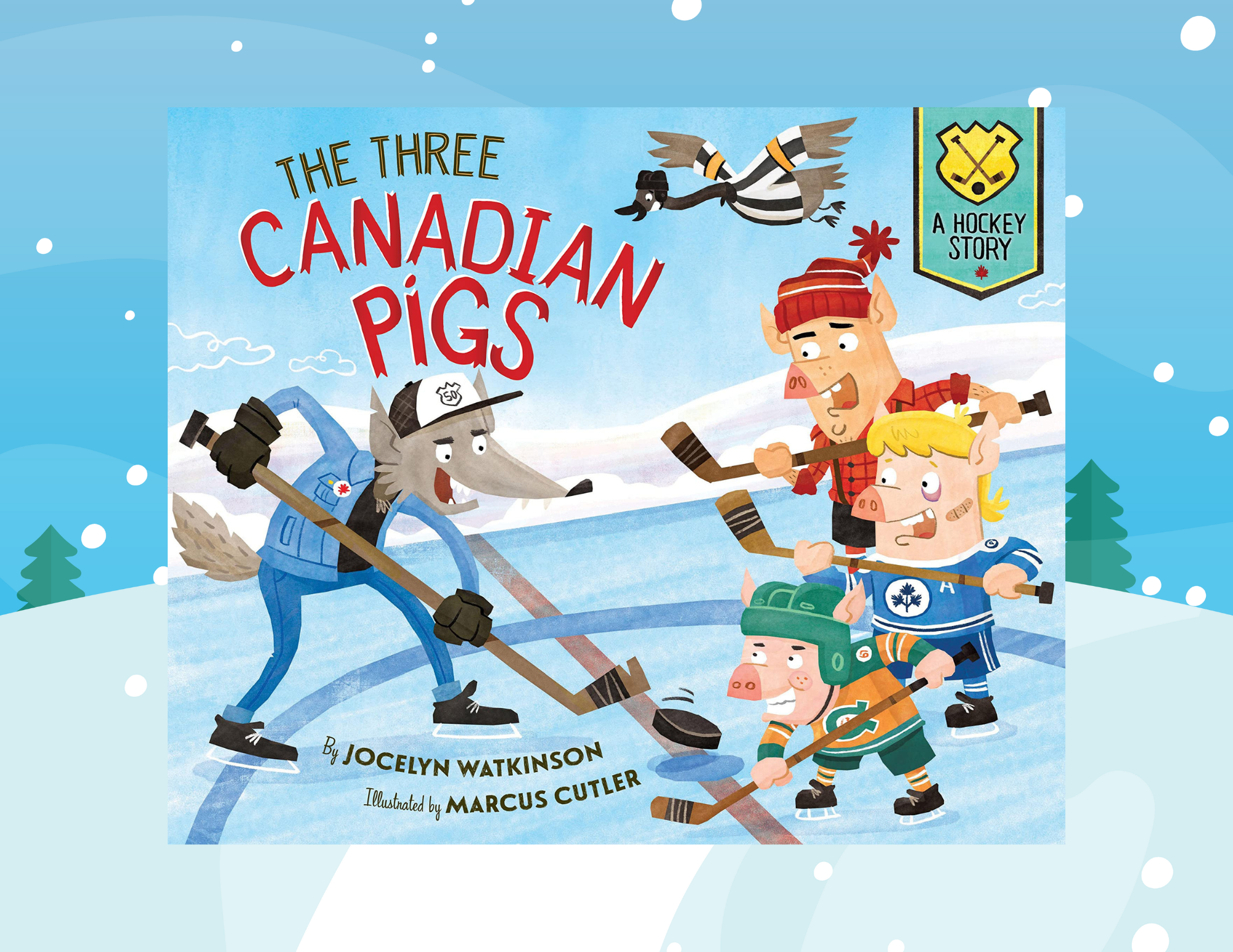
The Three Canadian Pigs: A Hockey Story

Written by Jocelyn Watkinson | Illustrated by Marcus Cutler


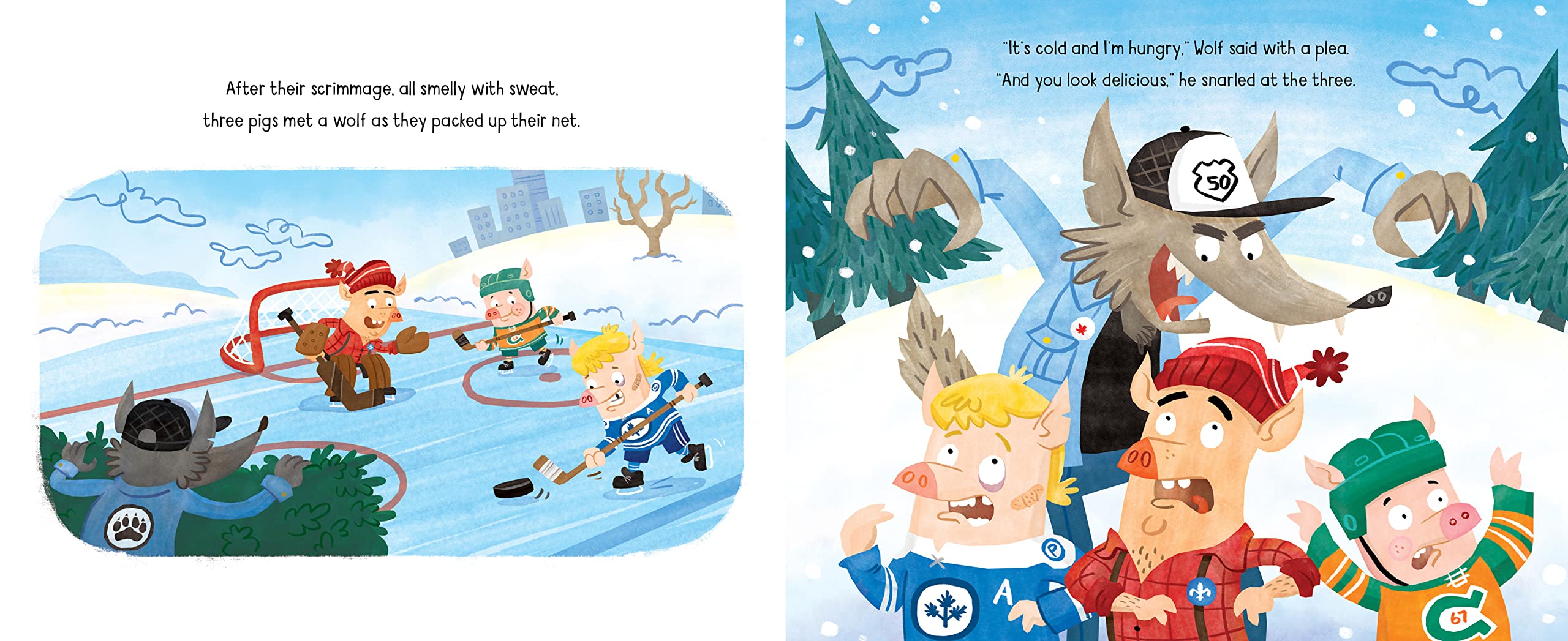
Three pigs were just finishing their hockey scrimmage when a wolf sprang from behind some bushes, fangs sharp and claws at the ready to satisfy his hunger since they looked so delicious. But as they quickly took off their skates and packed up their gear, they said, “‘I’m soorry there, Wolf, you are soorely mistaken—'” To which the wolf replied, “‘Oh no! But I’m not! You’re Canadian bacon!'” The pigs jumped on their snowmobile and hurried home to their snow fort in town. 

celebrate-picture-books-picture-book-review-the-three-canadian-pigs-fight-back

Image copyright Marcus Cutler, 2022, text copyright Jocelyn Watkinson, 2022. Courtesy of Sleeping Bear Press.

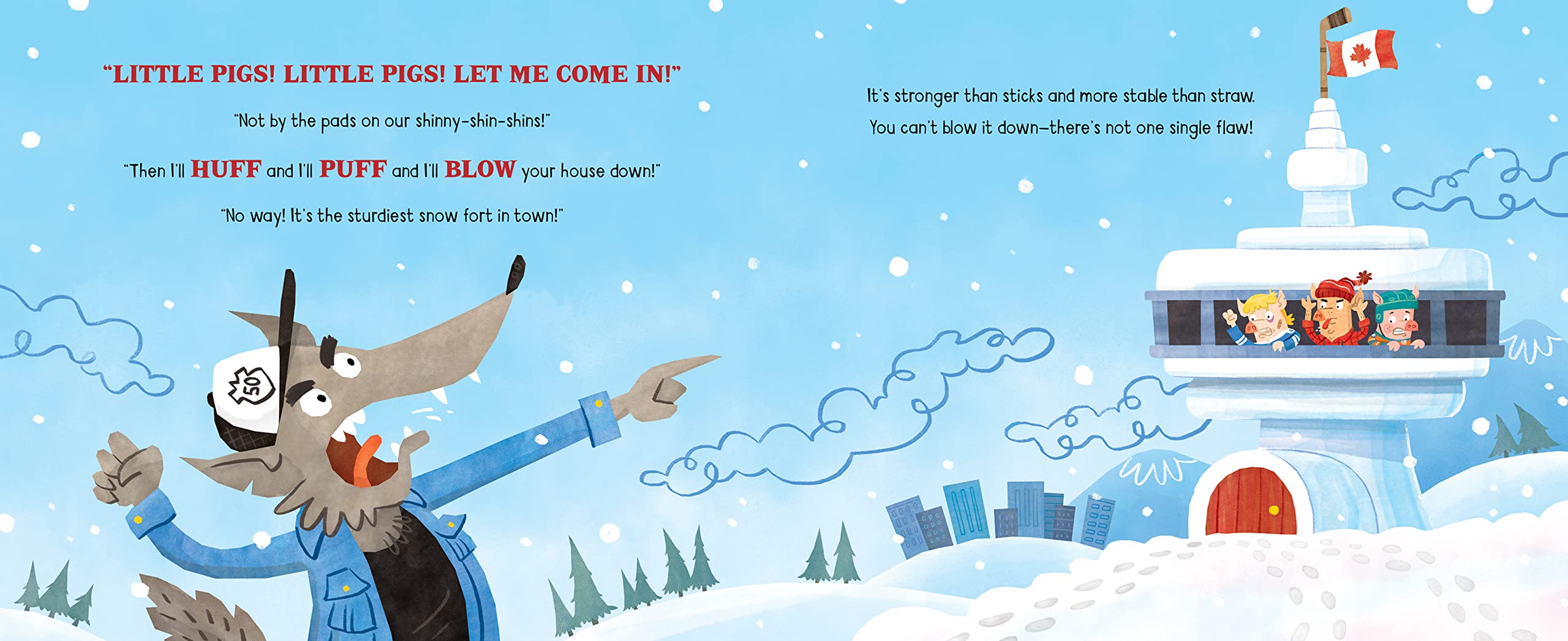
It didn’t take long for the wolf to catch up with them, and from outside their door, he shouted, “‘Little pigs! Little pigs! Let me come in!'” But they just replied, “‘Not by the pads on our shinny-shin-shins!'” The wolf threatened to blow the fort down, but this was no flimsy home built of sticks or straw. In fact, they told him, “‘there’s not one single flaw!'” The wolf wasn’t going to give up easily and he collected Moose and Bear to help him break in.

celebrate-picture-books-picture-book-review-the-three-canadian-pigs-snow-fort

Image copyright Marcus Cutler, 2022, text copyright Jocelyn Watkinson, 2022. Courtesy of Sleeping Bear Press.

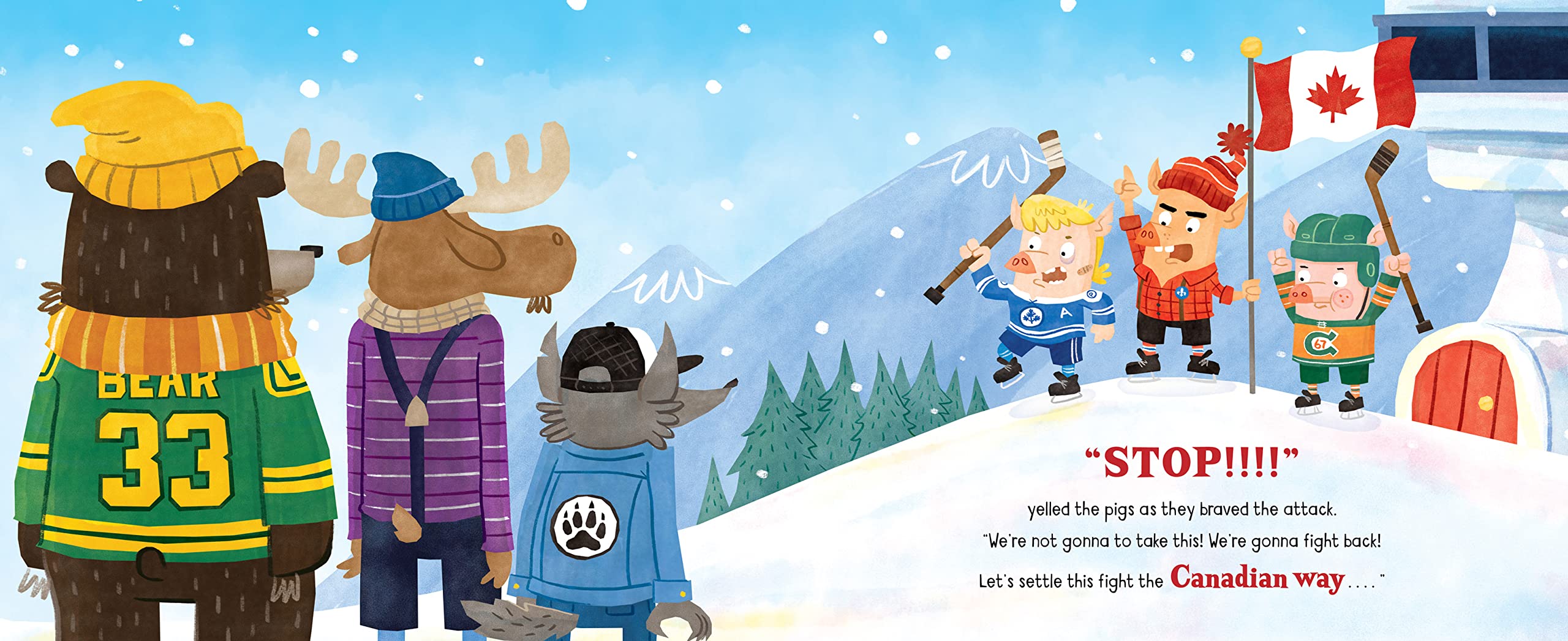
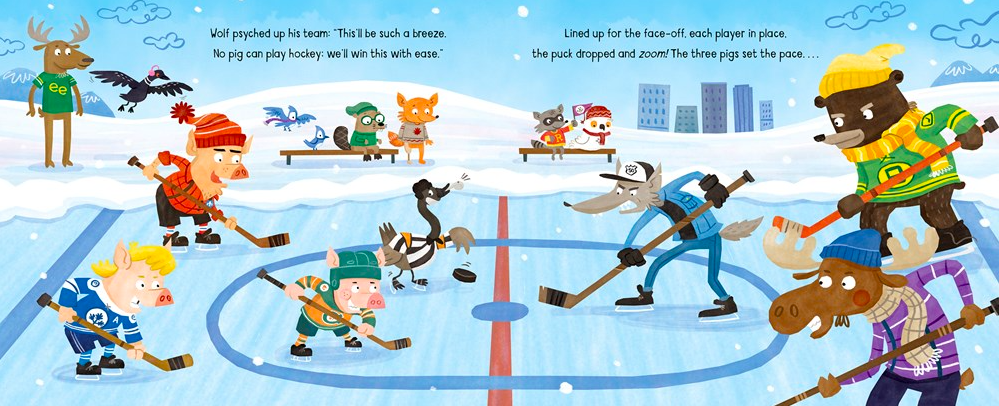
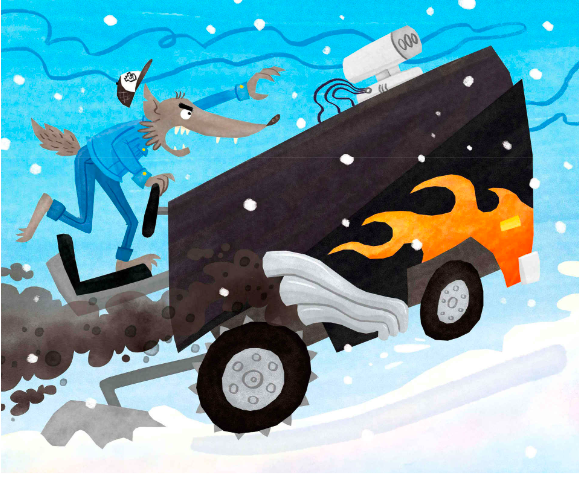
When the three pigs had just enough of the wolf’s team’s attack, they came out and challenged them to “‘settle this fight the Canadian way'” with “‘a hockey game showdown.'” With a Canada goose as a ref, they took to the ice, attracting a crowd of spectators. The wolf and his team thought they’d win with ease, but the pigs “deked and they cut: / the pigs couldn’t be caught,” and when they scored, the wolf took to underhanded measures to stop them. 

But the pigs were too quick and too nimble, and they ran up the score. When the ref blew her whistle ending the game, the pigs celebrated saving their home, but the wolf “… full of frustration and hunger and spite, / … threw down his gloves and dove in for a bite.” It looked like the pigs were goners for sure, but Bear and Moose called him out on his poor sportsmanship. Wolf dropped the three pigs, feeling ashamed but still hungry. 

celebrate-picture-books-picture-book-review-the-three-canadian-pigs-wolf

Image copyright Marcus Cutler, 2022, text copyright Jocelyn Watkinson, 2022. Courtesy of Sleeping Bear Press.

Dragging his stick and hanging his head, the wolf trudged off the ice, but one pig called out to him, inviting him to join them in a feast back at the fort. When the wolf saw their spread of poutine, tourtière, beaver tails, butter tarts, and so many other mouthwatering delicacies, he apologized: “‘Pigs, I’m so sorry that I was a brute.'” / “‘There’s nothing for you to be soorry a-boot.'” a pig graciously told him. The pigs, Wolf, Bear, and Moose all made amends and piled up their plates. Then they settled in to watch a game on TV. And as “they put up their feet,” the wolf had to agree that “‘being friends with Canadian bacon is sweet!'”

celebrate-picture-books-picture-book-review-the-three-canadian-pigs-hockey-game

Image copyright Marcus Cutler, 2022, text copyright Jocelyn Watkinson, 2022. Courtesy of Sleeping Bear Press.

Full of clever rhymes, puns, valuable lessons, and dialogue that winks at Canadian pronunciations, Jocelyn Watkinson’s story flows as smoothly as a hockey puck on ice. Her regional take on the traditional Three Little Pigs story is fast-paced and suspenseful while touching on themes of sportsmanship, remorse and forgiveness, and friendship all framed with high-energy hockey action and plenty of humor. Especially welcome is Watkinson’s depiction of Bear and Moose confronting Wolf when he reneges on his agreement to let the pigs go if they win the game. Standing up to a friend or for what’s right can be hard, but Watkinson shows readers that having the courage of your convictions is honorable, honest, and can often turn a negative situation into a positive experience.

Marcus Cutler scores with his funny, emotion-packed illustrations that will have kids laughing and cheering for the pigs from page to page. Winter sports fans will love all the hockey action and will want to linger over the pigs’ hard-won trophy, on which Cutler had fun hamming it up with the names of some of hockey’s greats, The spread of favorite Canadian foods is sure to inspire game-night treat feasts. Cutler also highlights the important role of Bear and Moose, who ultimately appeal to Wolf’s better nature.

celebrate-picture-books-picture-book-review-the-three-canadian-pigs-snow-mobile

Image copyright Marcus Cutler, 2022. Courtesy of Sleeping Bear Press.

In a humorous and foreshadowing scene, Bear halfheartedly scratches at the pigs’ snow fort with one paw while holding a steaming mug in the other as Wolf exhorts his friends to “ram and claw and maul” their way inside. When Bear and Moose finally challenge Wolf to live up to his deal, their disapproval is clearly visible to readers. Wolf’s resulting feelings, as well as their cause, are also evident, giving kids and adults openings for meaningful discussions on behavior.

Whether your kids wait all year for hockey season, are fans of fractured fairy tales, or simply love a great story, The Three Canadian Pigs is a funny and impactful read aloud that’s sure to become a story time favorite all year long and a book you’ll be glad you added to your home, classroom, school, or public library.

Ages 4 – 7

Sleeping Bear Press, 2022  ISBN 978-1534111608

Discover more about Jocelyn Watkinson and her books on her website.

To learn more about Marcus Cutler, his books, and his art, visit his website.

Skating Month Activity

celebrate-picture-books-picture-book-review-the-three-canadian-pigs-maze


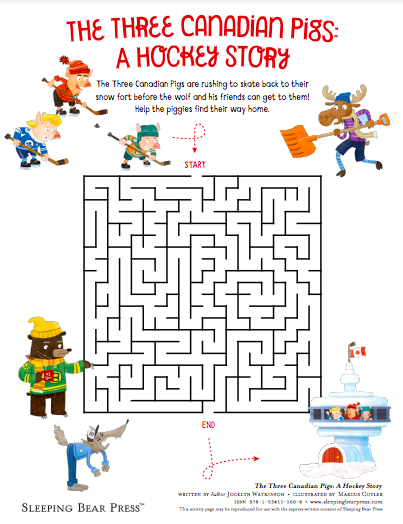
The Three Canadian Pigs Activity Kit


The game’s on with the two puzzles and two coloring pages inspired by today’s book! Just download and print them from the Sleeping Bear Press site here:

The Three Canadian Pigs Activity Kit

celebrate-picture-books-picture-book-review-the-three-canadian-pigs-cover

You can find The Three Canadian Pigs: A Hockey Story at these booksellers

Amazon | Barnes & Noble | Books-a-Million

To support your local independent bookstore, order from

Bookshop | IndieBound

Picture Book Review
January 10 – Houseplant Appreciation Day

celebrate-picture-books-picture-book-review-luna's-green-pet-cover

About the Holiday

Missing the green leaves and colorful flowers of spring and summer? Maybe it’s time to recreate the sights of warmer days inside with houseplants! Placed in a sunny window, some plants will continue blooming all winter long, making you feel happier. Houseplants also provide health benefits as they produce oxygen, release moisture into that dry winter air, and improve air quality. Add a few herb plants and even cooking will take on new life. Whether you add just one plant or create an indoor garden, today’s the perfect day to get started.

Luna’s Green Pet

Written by Kristen Pendreigh | Illustrated by Carmen Mok


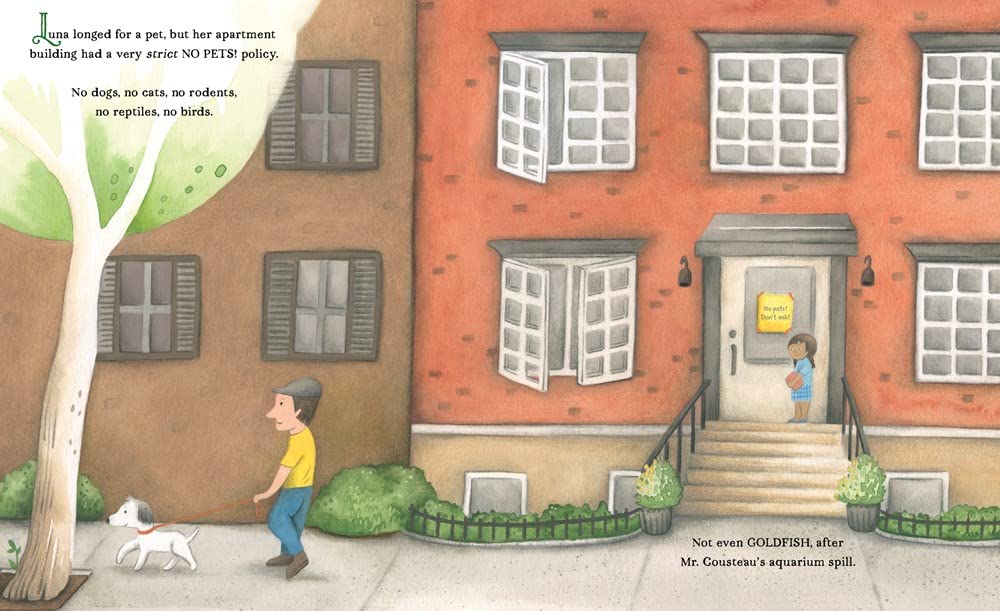
When Luna saw people on her block walking their dogs and playing with their pets, she wished she could have one. “But her apartment building had a very strict NO PETS! policy.” Luna’s friends tried to help out by suggesting other types of pets, including a pet rock, an expensive dog-shaped purse, and an ant farm, but none of these were quite what Luna was looking for. Then one day, she found a small discarded plant in a trash can. She decided it would be the perfect pet.

celebrate-picture-books-picture-book-review-luna's-green-pet-dog-walking

Image copyright Carmen Mok, 2022, text copyright Kirsten Pendreigh, 2022. Courtesy of Sleeping Bear Press.

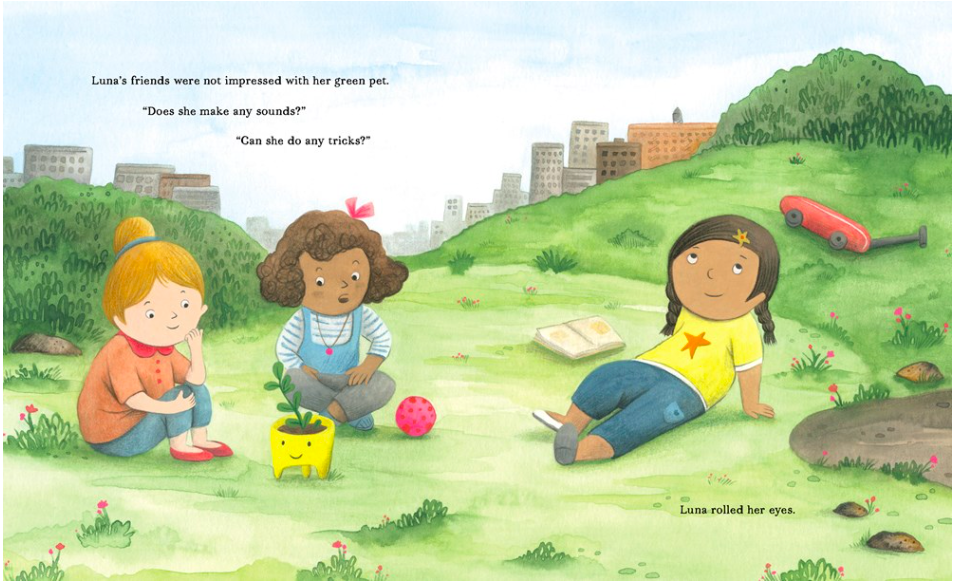
Luna took it home. The plant’s tag read Stephanotis Floribunda, which Luna shortened to Stephanie. Luna gave her pet a “bigger crate, new bedding, and fresh water.” Stephanie took to her new home right away. At night Luna read to her; every morning she took her to the park. Luna’s friends “were not impressed.”

celebrate-picture-books-picture-book-review-luna's-green-pet-tricks

Image copyright Carmen Mok, 2022, text copyright Kirsten Pendreigh, 2022. Courtesy of Sleeping Bear Press.

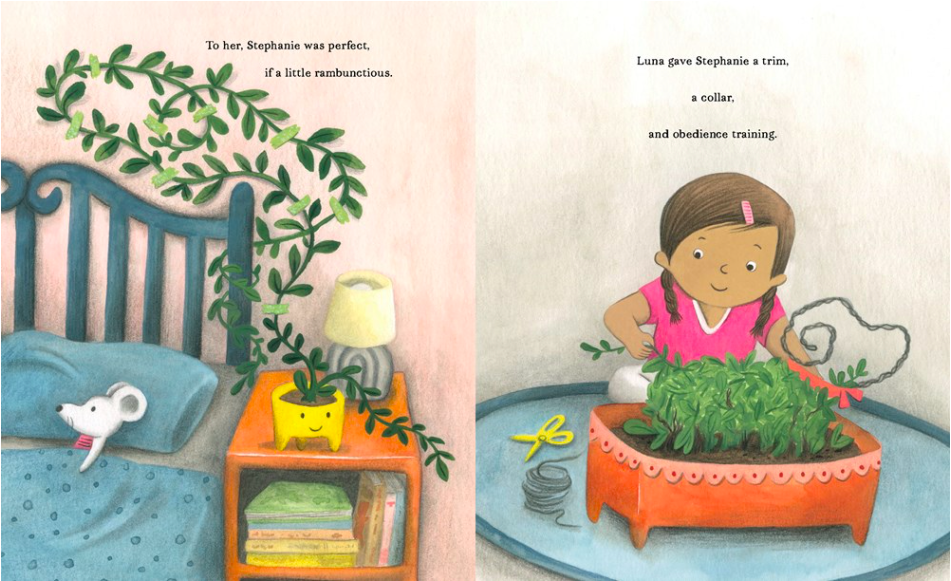
Stephanie turned out to be more “rambunctious” than she appeared, climbing the walls and wrapping herself around the headboard of Luna’s bed. Luna trimmed her and got her into shape with “obedience training” and a collar. One day unusual white “clumps of bumps appeared” among Stephanie’s leaves. As the bumps grew, Luna tried washing and hugging Stephanie, but the bumps only got bigger. 

celebrate-picture-books-picture-book-review-luna's-green-pet-training

Image copyright Carmen Mok, 2022, text copyright Kirsten Pendreigh, 2022. Courtesy of Sleeping Bear Press.

Luna decided she’d take Stephanie to the botanist the next day to see what was wrong. During the night under a full moon, though, “the bumps burst open!” Then a “powerful perfume woke Luna.” Luna couldn’t believe her eyes—or her nose. The sweet scent floated out the window and soon attracted bees, hummingbirds, and butterflies during the day and moths at night.

celebrate-picture-books-picture-book-review-luna's-green-pet-seeds

Image copyright Carmen Mok, 2022, text copyright Kirsten Pendreigh, 2022. Courtesy of Sleeping Bear Press.

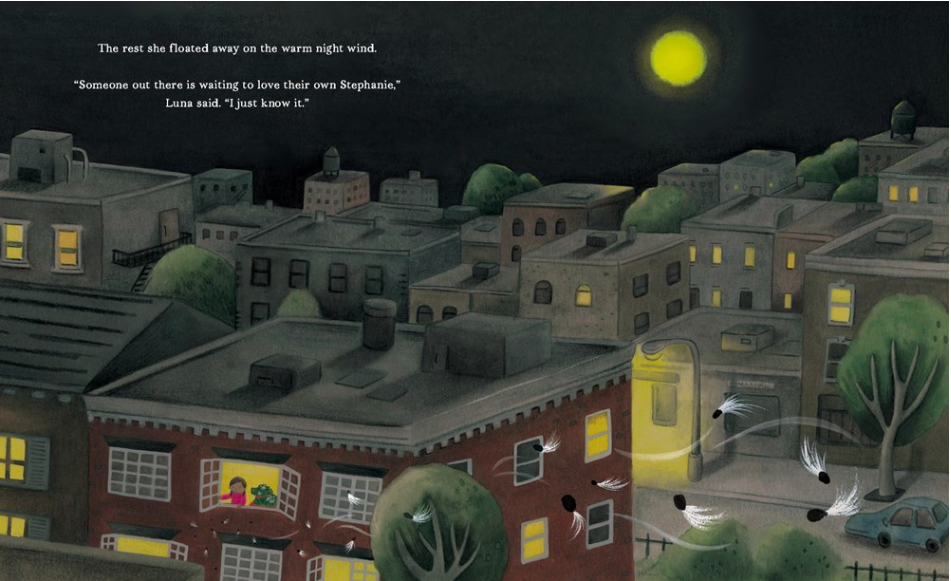
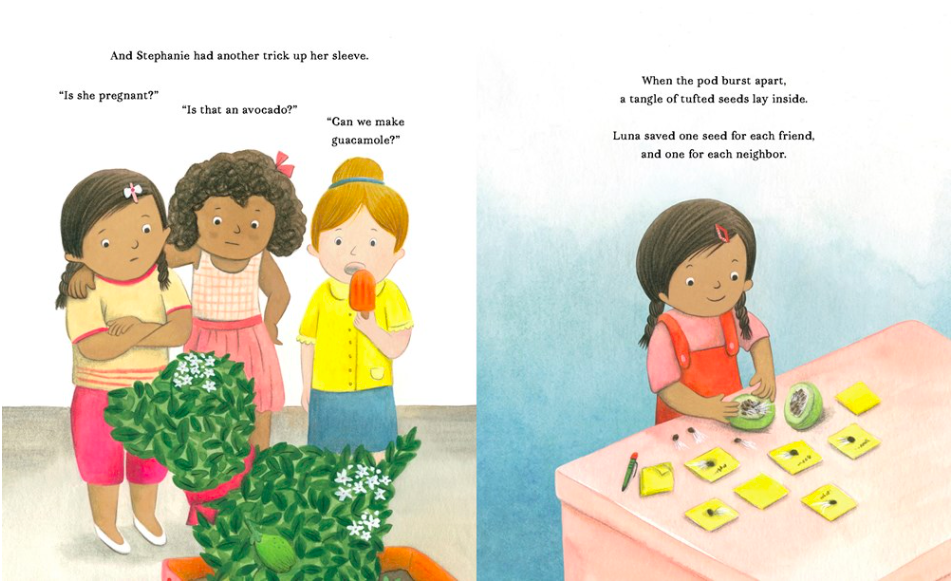
When Luna entered Stephanie in the neighborhood pet parade, she even “won a special prize—Best in Scent.” But Stephanie wasn’t finished with her tricks. A green fruit grew from her branches, and when it burst open Luna found that “a tangle of tufted seeds lay inside.” Carefully, Luna took out one seed for each of her friends and neighbors so they could grow their own Stephanotis Floribunda. And the rest, she let fly away on the “warm night wind” to find new homes where they would be loved as much as Stephanie.

Detailed back matter includes ways in which plants make great pets, a list of ten houseplants that are easy to grow, more information on Stephanotis Floribunda and how to care for it as a houseplant or in a garden.

celebrate-picture-books-picture-book-review-luna's-green-pet-nighttime

Image copyright Carmen Mok, 2022, text copyright Kirsten Pendreigh, 2022. Courtesy of Sleeping Bear Press.

Kirsten Pendreigh’s gentle and creative story will charm kids who have a natural tendency to anthropomorphize plants, toys, furniture, and anything they love, imbuing these inanimate objects with personalities all their own. As Luna repots her plant, cares for it, and reigns in its wandering tendrils, Pendreigh enhances her pet imagery by using terms commonly associated with pets, a detail that will also enchant kids. With Luna’s sharing of Stephanie’s seeds, Pendreigh sparks wider ideas of generosity, friendship, and nurturing the environment.

Carmen Mok’s soft-hued, yet vivid illustrations have a quiet grace that allow readers to identify with Lulu’s creative thinking and caring nature. During Lulu’s serendipitous discovery of Stephanie in a trash can, Mok emphasizes Lulu’s personality with a kitty purse, shirt decorated with hearts, and gentle way she examines the plant’s wilted leaves. Kids will love seeing tiny Stephanie grow from a straggly stem into a lush, dog-shaped shrub with the help of some topiary framing.

Any child who has raised plants from seeds or seedlings will understand Lulu’s love for Stephanie and her surprise when Stephanie blooms unexpectedly. Mok’s lovely nighttime spreads spotlight the starlike beauty of the Stephanotis Floribunda flowers and the heady scent that calls out to pollinators. With the appearance of Stephanie’s seedpod, Mok realistically depicts its size, the tufted seeds inside the pod, and how those tufts carry the seeds to new far-flung growing spots.

Unique and heartwarming, Luna’s Green Pet will enchant kids who love pets, plants, a well-told story, or all three and will become a quick favorite to be heard again and again. The book is sure to inspire young botanists and would be a creative way to introduce lessons on plants in school classrooms or for homeschoolers, to spark projects for extracurricular clubs or library programs, and to get kids excited about gardening as well as planting a pollinator space at home. Luna’s Green Pet will enhance any home, school, or public library collection and is highly recommended.

Ages 4 – 8

Sleeping Bear Press, 2022 | ISBN 978-1534111615

Discover more about Kirsten Pendreigh, her poetry her debut book on her website.

To learn more about Carmen Mok, her books, and her art, visit her website.

World Pet Day Activity

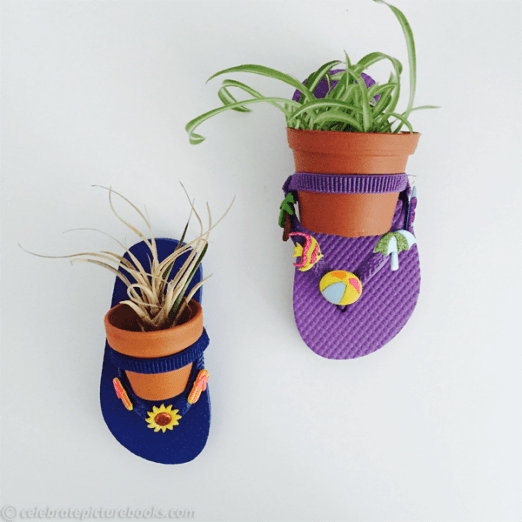
celebrate-picture-books-picture-book-review-flip-flop-craft

Flip-Flop Plant Holder


Have you outgrown your flip-flops or sandals this summer? Well, you can repurpose them with this easy craft that turns summer shoes into a creative way to hang small plants on walls or even windows!

Supplies

  • Child’s flip-flops with elastic heel straps
  • Buttons or charms
  • Small plastic solid-bottom pot
  • Small plant
  • Dirt
  • Hot glue gun
  • Heavy duty mounting strips
  • Small shovel or spoon

Directions

  1. Place the flip-flop toe down on your work surface. With the hot glue gun, attach the buttons to the plastic toe straps of the flip-flops.
  2. Add dirt to the pot
  3. Add plant to the pot
  4. Slip the pot into the elastic strap and gently push down so it is also supported by the plastic toe straps
  5. To hang, use appropriate-weight mountable strips.
  6. To make an interesting and attractive arrangement, use various sizes of flip-flops

celebrate-picture-books-picture-book-review-luna's-green-pet-cover

You can find Luna’s Green Pet at these booksellers

Amazon | Barnes & Noble | Books-a-Million

To support your local independent bookstore, order from

Bookshop | IndieBound

Picture Book Review
September 30 – It’s National Mushroom Month

celebrate-pciture-books-picture-book-review-mushroom-rain-cover

About the Holiday

Whether you say “Yes, please!” to mushrooms on pizza, in salads, and in soups, stews, and other dishes or just like to stop and admire them in your yard or on a walk, National Mushroom Month is for you! The holiday was first created by the U.S. Mushroom Council as part of the Mushroom Promotion, Research & Consumer Information Act of 1990 that was instituted to raise awareness and an appreciation for mushrooms, both non-edible and nutritious edible varieties. President George H.W. Bush signed the Act into law on November 28, 1990, and the holiday was first celebrated in 1993. Celebrate your love of mushrooms today and all through the year with your favorite mushroom dish—and today’s book!
Mushroom Rain

Written by Laura K. Zimmermann | Illustrated by Jamie Green


You know how it is with mushrooms—they appear suddenly on the path you take every day, on trees, in the middle of lawns, and each with their own shape and color. Mushrooms are surprising, beautiful, and mysterious. In her evocative, lyrical text, Laura K. Zimmermann takes readers into the forests, meadows, and even up into sky to learn about these plants that can oftentimes seem otherworldly. 

celebrate-pciture-books-picture-book-review-mushroom-rain-bizarre-blooms

Image copyright Jamie Green, 2022, text copyright Laura K. Zimmermann, 2022. Courtesy of Sleeping Bear Press.

Under a starlit sky, Zimmermann gives children a peek into a darkened woods where “delicate umbrellas open, red octopus arms rise from the ground, cupped nests with eggs appear,” and another cluster of mushrooms glow “a spooky green.” These fungi don’t just look unusual, they are “bizarre blooms with strange scents,” and Zimmermann describes them—”some like bubble gum, coconut, maple syrup…”— so readers can imagine the aromas that mix in the night air. Can you smell them?

celebrate-pciture-books-picture-book-review-mushroom-rain-animals-eating

Image copyright Jamie Green, 2022, text copyright Laura K. Zimmermann, 2022. Courtesy of Sleeping Bear Press.

You’ve seen mushrooms with notches and nibbles, scratches and scars, and even meandering trails on their stems and tops. “Many are tattered and torn by hungry visitors chomping, scraping, gnawing, and burrowing” into the soft flesh. And while some are consumed where they grow, others are taken away by a variety of mushroom hunters—”harvested and stored” for another day.

celebrate-pciture-books-picture-book-review-mushroom-rain-mushroom-hunter

Image copyright Jamie Green, 2022, text copyright Laura K. Zimmermann, 2022. Courtesy of Sleeping Bear Press.

Then, just as suddenly as they appeared, mushrooms disappear. But are they gone completely? Zimmermann leads children underground to explore the vast network of roots beneath a forest floor. She floats them on breezes that send spores far and wide. And she sweeps them into the sky to soar with other spores into the clouds, where they’ll discover that an astonishing phenomenon occurs to begin mushrooms growing once again.

Following the text, extensive illustrated back matter reveals more about mushrooms: where they live, who eats them, how spores grow into mushrooms, how they help seed rainclouds, and how they are different from plants. Zimmermann also defines each part of a mushroom, describes the biggest mushroom-producing fungus and the largest living organism in the world, and shows kids how to use a mushroom to make a spore print.

celebrate-pciture-books-picture-book-review-mushroom-rain-disappeared

Image copyright Jamie Green, 2022, text copyright Laura K. Zimmermann, 2022. Courtesy of Sleeping Bear Press.

While Laura K. Zimmermann is taking children on a verbal sensory tour through the darkened world where mushrooms thrive, Jamie Green provides a feast for the eyes with her glorious illustrations of these odd colorful fungi jutting from the ground, posing, and  jockeying for position. Some stand close together, as endearing as a parent and child, or like a large family at a photo shoot while others reach upwards like roaring campfires. Turn the page and readers find themselves in the midst of a glowing alien landscape staring up into the dark night sky along mushrooms frilled and gilled while also aware of the small creatures on the forest floor having dinner or a snack. Green then takes kids underground and into the air, to show how spores find ingenious ways to grow and break the soil once again.

Arresting in both its beauty and enlightening facts that will excite readers’ curiosity, Mushroom Rain is a glowing invitation into the mysterious world of mushrooms and will spur readers to learn more about these delights of nature. The book, along with its extensive back matter and the materials found on Laura K. Zimmermann’s website (link below), would make a superb addition to any lessons on nature, the environment, and ecosystems for schools and homeschoolers, and is a must for school and public library collections.

Ages 5 – 8

Sleeping Bear Press, 2022 | ISBN 978-1534111509

Discover more about Laura K. Zimmermann, her book, and her other writing for children on her website. You’ll also find lots of mushroom-related activities, crafts, posters, puzzles, and more to enjoy with Mushroom Rain. There’s also a Teacher’s Guide for educators.

To learn more about Jamie Green, her books, and her art, visit her website.

celebrate-pciture-books-picture-book-review-mushroom-rain-cover

You can find Mushroom Rain at these booksellers

Amazon | Barnes & Noble | Books-a-Million

To support your local independent bookstore, order from

Bookshop | IndieBound

Picture Book Review