February 24 – It’s Bake for Family Fun Month

About the Holiday

This time of year is perfect for gathering with family and friends and spending those cold, indoor days making sweet treats and savory dishes! Baking together is a great way to teach valuable cooking skills and a little math. Talking with kids while baking is fun too! Tell old family stories, talk about favorite recipes, and share funny or memorable culinary experiences. Of course, the best part of baking together is eating the delicious meals or treats afterward!

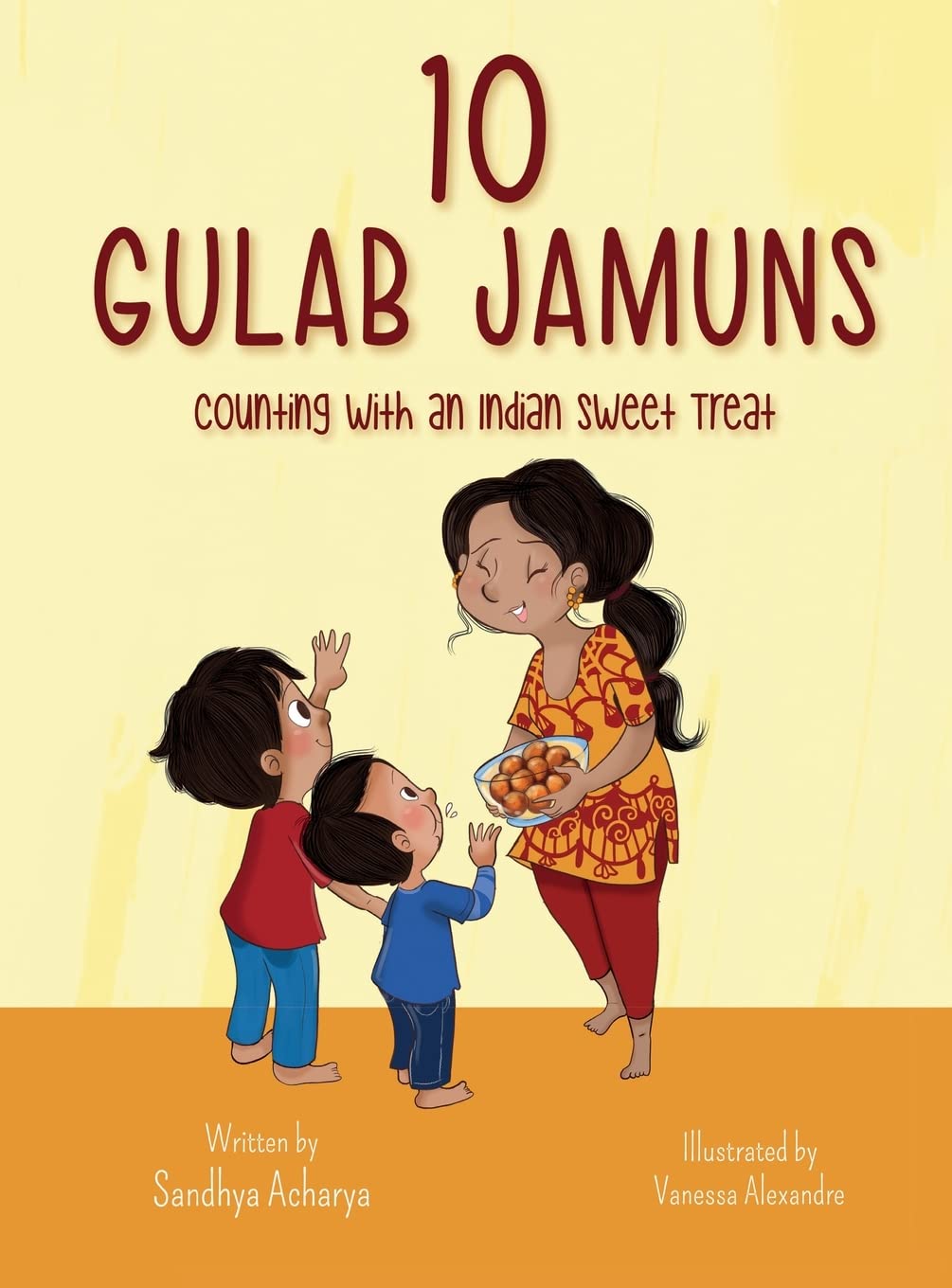
10 Gulub Jamuns: Counting with an Indian Sweet Treat

Written by Sandhya Acharya | Illustrated by Vanessa Alexandre


Idu and his little brother Adu were excited to help their mom get ready for their friends Dia and Mia and their parents who would be coming later that evening for dinner. The delicious aroma of spices Mamma’s cooking already perfumed the house. At last it was time for Mamma to make the dessert: gulab jamuns! Idu and Adu tried to imagine what gulab jamuns were. “‘They are little round sweets that look like doughnuts,'” their mother explained. “‘They are soaked in sugary syrup so when you bite into one, they melt in your mouth.'” Idu and Adu thought they sounded yummy.

After the treats were finished, Idu counted them in the bowl. “‘1, 2, 3, 4, 5, 6, 7, 8, 9, 10. 10 gulab jamuns!'” Adu echoed his big brother: “’10 gulab jamuns!'” Mamma sent the boys off to play, but the bowl of sweets was too enticing. Adu climbed onto the table and ate one. Then he stuffed his cheeks with two more.
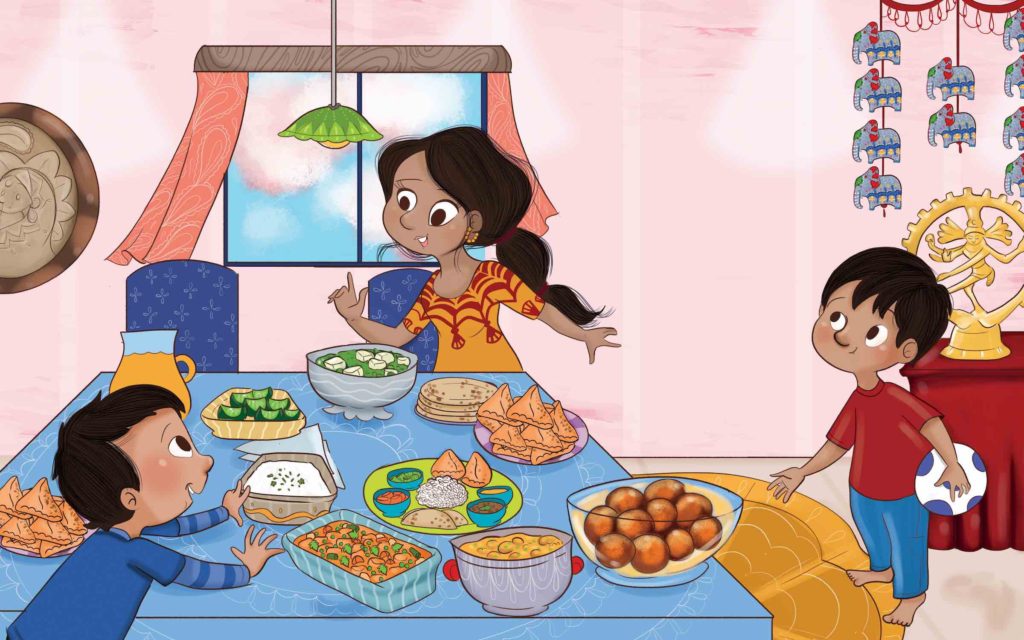
Illustration © 2022 Vanessa Alexandre, text © 2022 Sandhya Acharya.

Idu thought his brother was funny until Mamma caught them. She asked Idu to tell her how many gulab jamuns she had made and then count how many were left. “‘1, 2, 3, 4, 5, 6, 7. 7 gulab jamuns,'” he answered. “‘Swa gua amoons,’ Adu repeated” through his full mouth. When Mamma asked what had happened to the other three, Idu told her. Then she wanted to know how it had happened.

Idu obliged, exactly imitating Adu’s actions. Adu then turned and gave Mamma a big sweet-treat smile. Mamma laughed, then grabbed one gulab jamun for herself and handed one each to her sons. That left just one more for . . . Daddy, who was just coming home from work. But what would they serve their special guests for dessert now? Idu and Adu enthusiastically offered to help their mother make more. Later, after dinner, Idu and Adu helped pass out the gulab jamuns, but there were two left over. Why? Idu’s and Adu’s bellies were already full of their new favorite dessert!

A recipe for gulab jamuns follows the story.
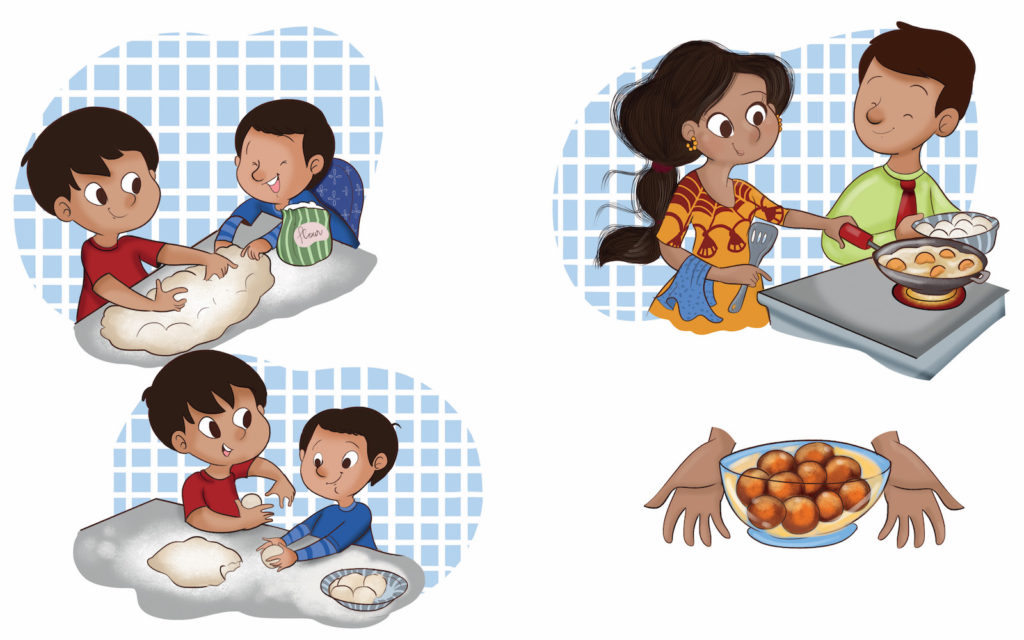
Illustration © 2022 Vanessa Alexandre, text © 2022 Sandhya Acharya.

Sandhya Acharya’s humorous counting story is the recipe for an entertaining read aloud the whole family will enjoy. Adu and Idu’s sibling shenanigans will have young readers giggling, and the naturally occurring opportunities for kids to count the gulab jamuns offer a fun way for them to engage with math. The exercise can even be extended at home or in classrooms as children add or subtract treats or other foods from their own plates. A multilayered story, 10 Gulab Jamuns also contains gentle lessons in honesty, taking responsibility, and making amends for one’s behavior, 

Vanessa Alexandre’s vivid and expressive illustrations bring out all the comical fun as Adu and Idu sneak the sweet treats, get caught, and ultimately help their mother make more. Children will especially like images of the brothers’ playful mischief-making, the bright kitchen and table laden with delicious Indian foods, and the cheerful depictions of a traditional Indian home and clothing.

A heartwarming, dialogue-rich story you can count on to become a favorite, 10 Gulab Jamuns would be a delightful addition to home, classroom, and library collections.

Ages 2 – 7

Sandhya Acharya, 2022 | ISBN 979-8985609516

About the Author

Sandhya Acharya grew up in Mumbai, India and now lives in the Bay Area. She is a mother to two young boys from whom she often draws inspiration for her writing. She worked in corporate finance and is a dance enthusiast as well. She hopes her readers have as much fun as she did with this story.

Bake for Family Fun Month Activity
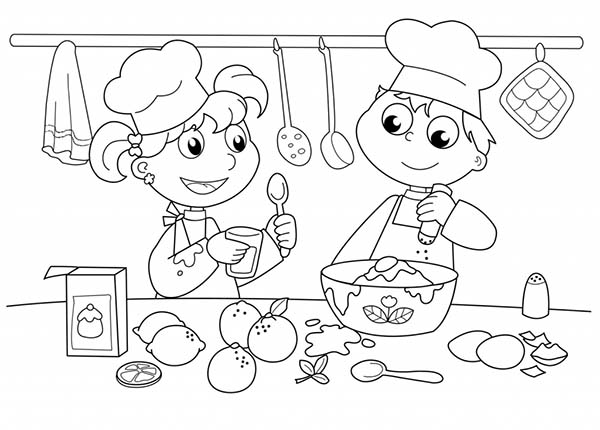
celebrate-pictureb-books-picture-book-review-Kids-Baking-Cake-in-Cooking-Show-Bakery-Coloring-Pages

Let’s Bake Together Coloring Page


It’s fun for friends or siblings to create new recipes or just cook up some favorite treats! Have fun with this sweet coloring page!
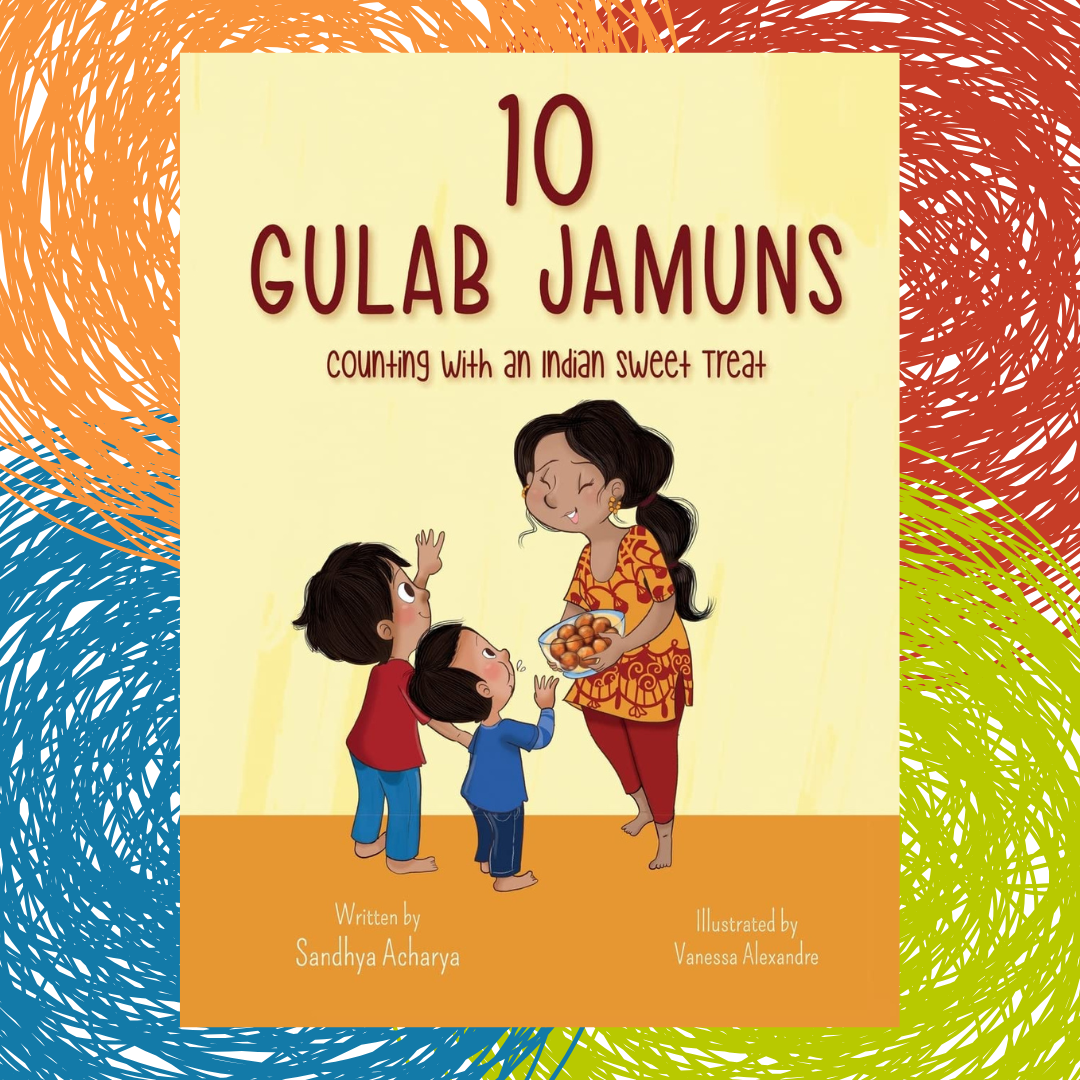
You can purchase 10 Gulab Jamuns at these booksellers

Amazon | Barnes & Noble | Bookshop (to support your local independent bookstore)

Picture Book Review

February 21 – It’s National Nest Box Week

About the Holiday

National Nest Box Week was established in the United Kingdom in 1997 to highlight how birds are often displaced from their natural nesting places with the destruction of the woodlands and fields birds call home. The holiday encourages people to pay attention to their local nesting birds and put up nest boxes to support the conservation of breeding birds. No matter where you live, birds’ ecosystems are fragile. You can make a big difference in the survival of your local bird population by building and maintaining nesting boxes for the spring and summer months. To learn how more about the holiday and how you can help, visit nestboxweek.com.

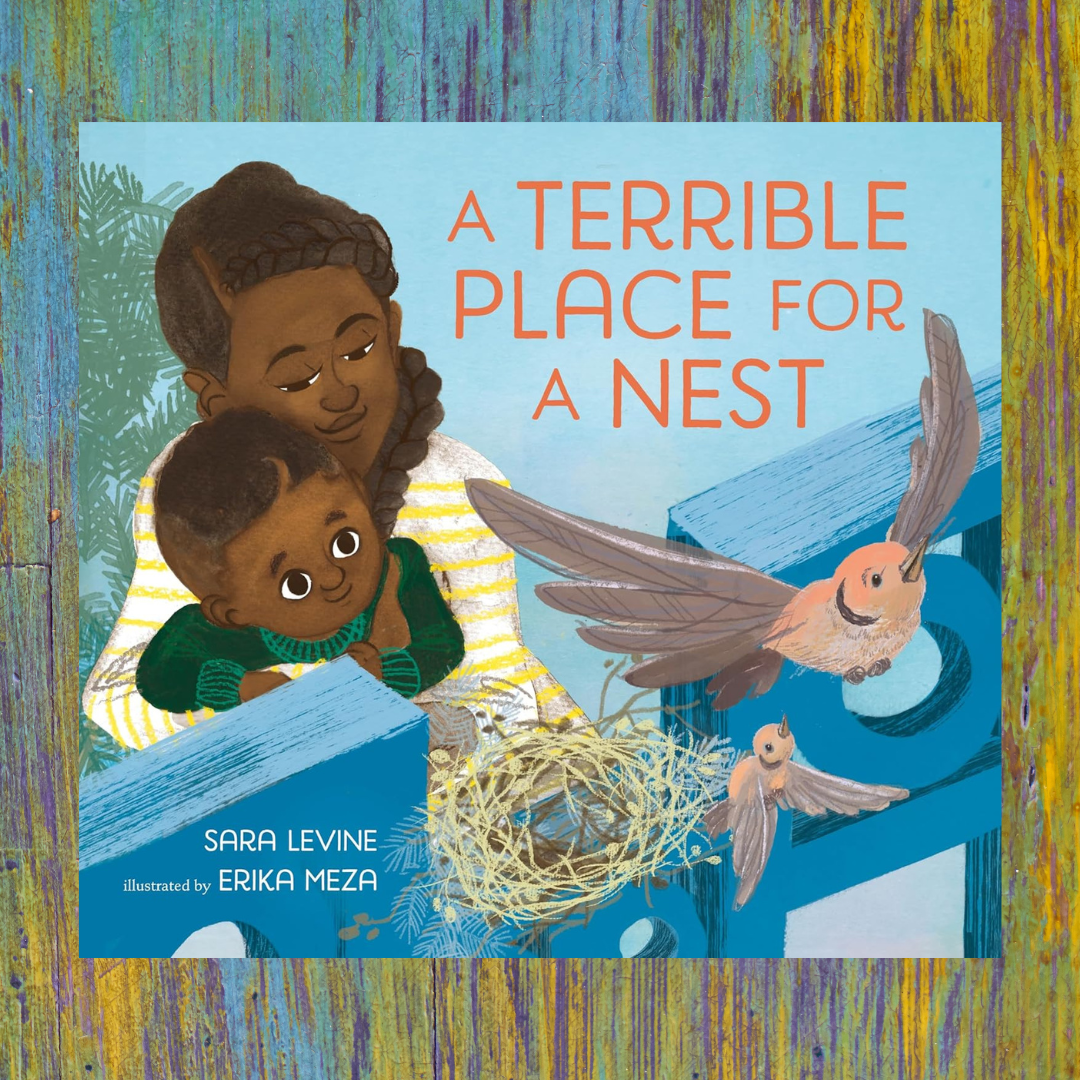
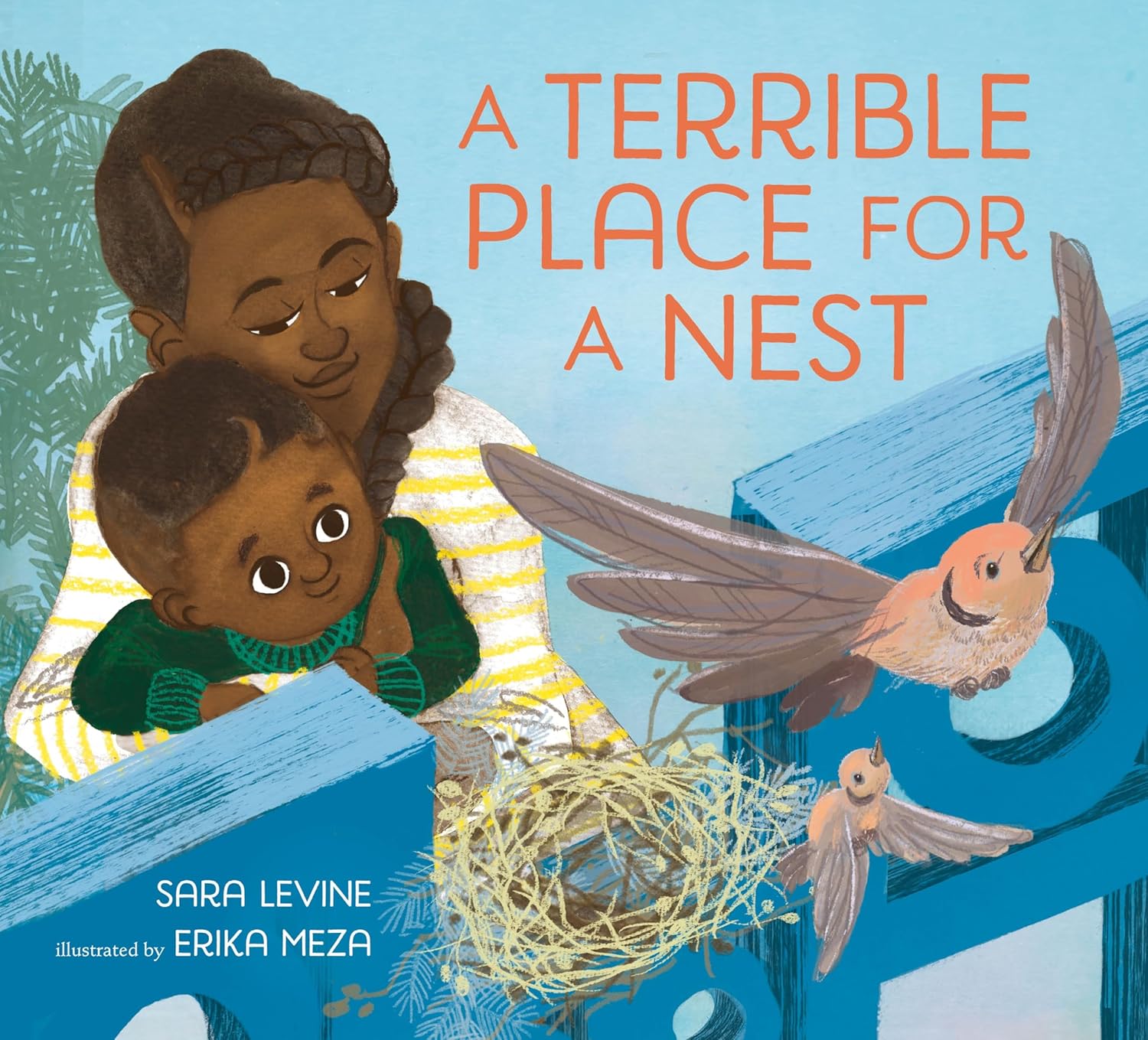
A Terrible Place for a Nest

Written by Sara Levine | Illustrated by Erika Meza


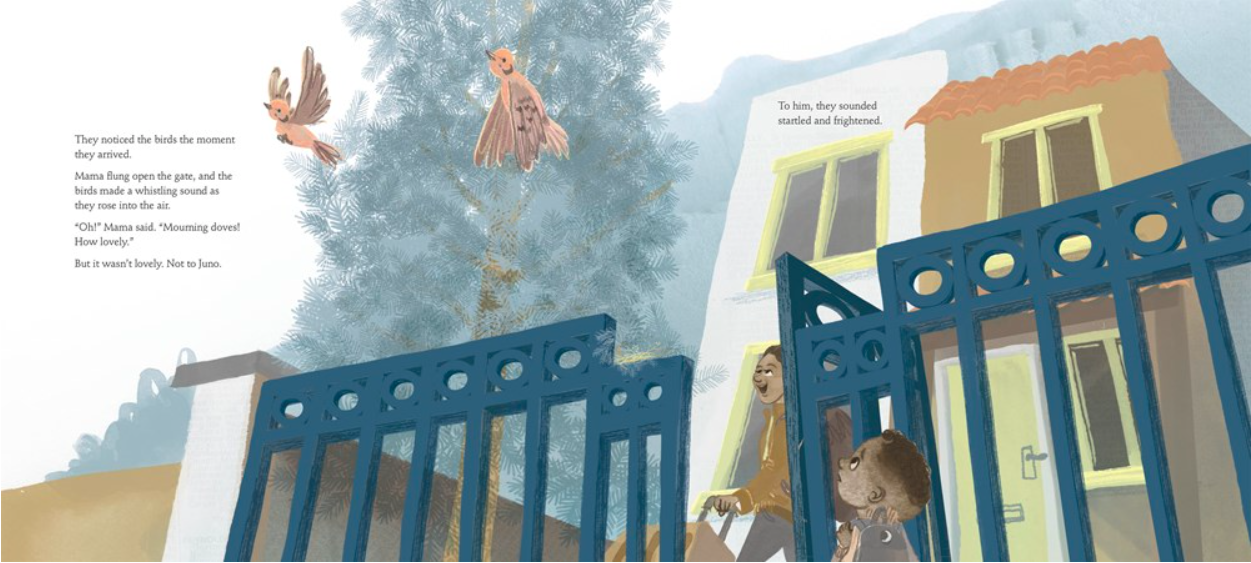
Displaced from their home, a mother and her son, Juno, move to a new place in a new neighborhood. Juno’s mother takes solace in the mourning doves that greet them, but Juno hears sadness and fear in their whistling coos. Nothing about the move feels right to Juno. He can’t get his favorite cereal at the grocery store, and he tells his mama that he’s “‘never going to fall asleep'” in his new room. 

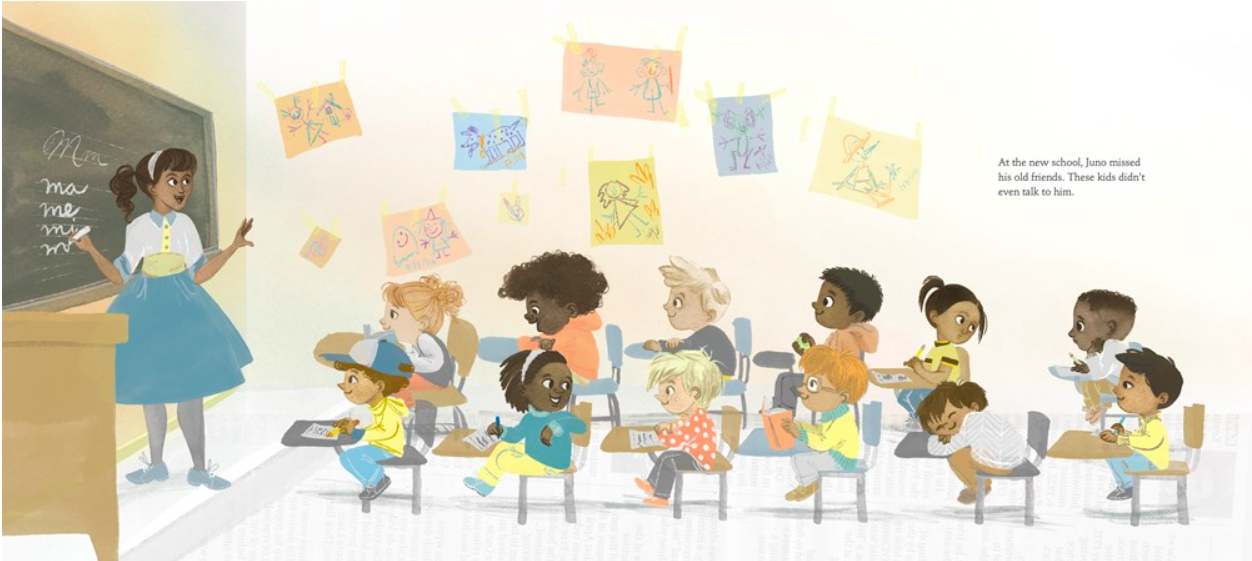
At school he sits alone with no one to talk to. When he gets home he yells, “‘This is a terrible place!,'” frightening the mourning doves from their nest on the gate. The next day, when the movers come, they knock the nest from its perch, breaking the eggs and confirming to Juno his feelings about their new home.

Illustration © 2024, Erika Meza; text © 2024 Sara Levine. Courtesy of Roaring Brook Press.

Later, Juno tries to rebuild the nest, and he and his mom buy millet seed to feed them. They’re happy to see the birds return to the yard—although the nest sits empty for days and weeks. Meanwhile, at school, Juno makes a friend of the girl who sits in front of him, talking and drawing and making paper birds together.

Still, no birds occupy the nest. At night in his unfamiliar room, where unpacked boxes of books and art supplies stand stacked against the wall, Juno thinks “maybe it didn’t feel safe to them.” But then one day, Juno notices with excitement that, just as he and his mom are settling into their new home, a dove is snugged into the nest. “Mama said this meant there were eggs.”

Illustration © 2024, Erika Meza; text © 2024 Sara Levine. Courtesy of Roaring Brook Press.

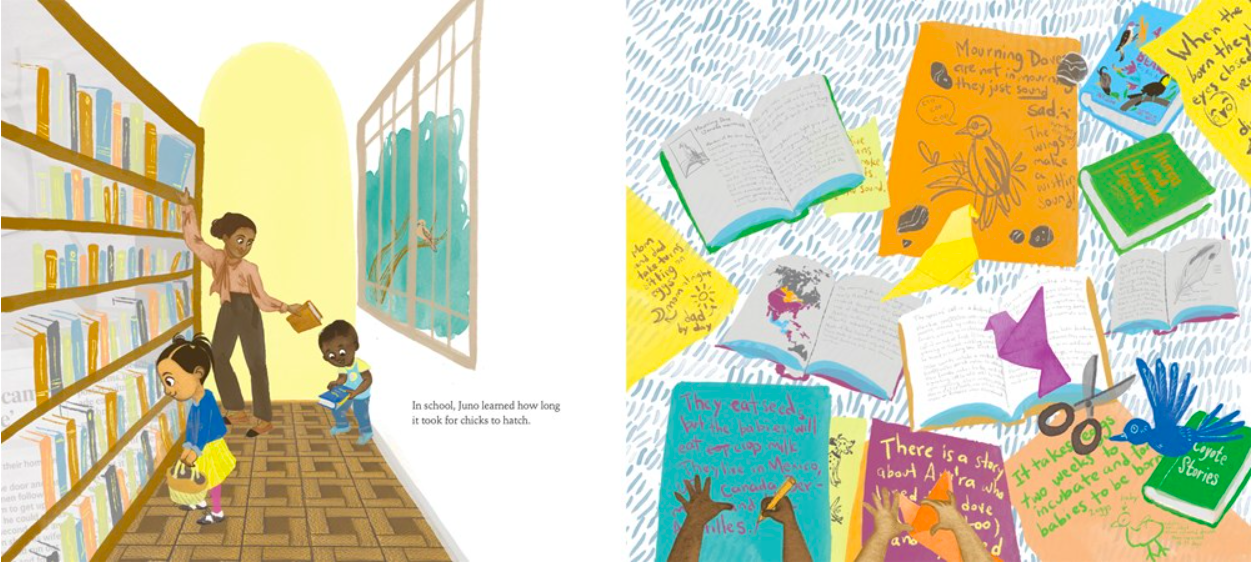
Juno and his new friend go to the school library to learn everything they can about mourning doves. On colored paper they write facts and draw pictures of adult and baby birds. And most importantly they make signs for the fence and gate, alerting people to the fragile nest and baby doves.

Then one bright, sunny morning, Juno looks out his window and sees babies! In their protected nest, the small mourning doves grow until one afternoon as Juno, his friend, and his mom enjoy a picnic in the yard, he watches as the fledglings fly from their nest. “‘I told them it wasn’t a great place for a nest,'” Juno says, but later that night, happily cuddled up with his mom, they agree, “But we made it work.”

Illustration © 2024, Erika Meza; text © 2024 Sara Levine. Courtesy of Roaring Brook Press.

In her honest and poignant story, Sara Levine allows her young protagonist to give vent to his true feelings. While he first reproaches the mourning doves for their poor choice of nesting place, his own deep disappointment, sorrow, and loneliness spill out when the eggs break. As weeks pass, however, Levine shows that just as Juno repairs the nest and makes his yard inviting for the doves again, he also makes a new friend, assimilates into school, and finds comfort in books and creating once more. Levine’s child-centered story is all the stronger for the quiet support Juno’s mother gives him, allowing him the space, time, and freedom to feel his emotions and work them out in his own way. Her final line, “‘But we made it work,'” offers optimism, camaraderie, and confidence in the face of change—the type of powerful spirit that can sustain us all.

In her affecting illustrations, Erika Meza uses color, facial expressions, and visual metaphors to compellingly show readers Juno’s transition as he navigates his way to acceptance of his new home. As the story begins, Meza uses darker and muted colors on the house and gate. As the doves accept Juno’s help, the colors brighten. Likewise, in the beginning, Juno and his mother appear sad and at a loss. Meza portrays Juno’s brown-painted room from above, as if readers are peering into a cardboard moving box. But as Juno makes friends, regains his love of learning, and the doves return, Meza’s color palette turns vivid, smiles return to Juno’s and Mama’s faces, and even the dark of night is dispelled by the dazzling light of the bedroom lamp as Juno and his mom snuggle together.

A candid story about moving away from home that is also applicable for other types of unexpected changes, A Terrible Place for a Nest validates the emotions children can experience when adjusting to new surroundings. For children struggling with change, especially, the story’s focus on taking time to adapt offers comfort and reassurance.

A Terrible Place for a Nest is highly recommended for families with a child or children who have difficulty with change and a must for school and public library collections.

Ages 4 – 8

Roaring Brook Press, 2024 | ISBN 978-1250861221

About the Author

Sara Levine is an award-winning picture book author, veterinarian and science educator. Her books, which include Bone by BoneTooth by ToothFlower TalkSensitive, and The Animals Would Not Sleep!, have received the AAAS/Subaru SB&F Prize, Bank Street College Best Book of the Year, Beehive Book Award, Cook Prize and the Mathical Book Prize. She loves doing school and library programs. Visit Sara at saralevinebooks.com.

About the Illustrator

Erika Meza grew up in Mexico and moved houses more often than she had birthdays. Having studied illustration in Paris, she now lives in London―her thirty-sixth address―where she paints, writes her own stories, and practices her uncanny ability to pack efficiently. Erika loves exploring, learning about many different places and cultures, and finding joy in the people who allow you to be yourself. Visit Erica at ericameza.com.

National Nest Box Week Activity

Watch a pair of mourning doves raise their nestlings from hatching to leaving the nest in this sweet video from Gary’s Backyard.

You can purchase A Terrible Place for a Nest at these booksellers

Amazon | Barnes & Noble | Bookshop (to support your local independent bookstore)

February 20 – National Love Your Pet Day

About the Holiday

Whether you have a dog or cat, hamster or fish, parakeet, iguana, or alpaca, your pet is one of the most beloved parts of your family. Sharing your life with a furry friend and their funny antics, eager personalities, and unconditional love simply makes things better. Today’s holiday encourages people to spend more time with their pet or pets by taking a longer walk, extending playtime, and giving special treats that show your them how much they mean to you. If you don’t have a pet, but have been considering getting one, maybe today’s the day!

Thank you to Beach Lane Books and Barb Fisch at Blue Slip Media for sharing a copy of Alpacas Here, Alpacas There with me!

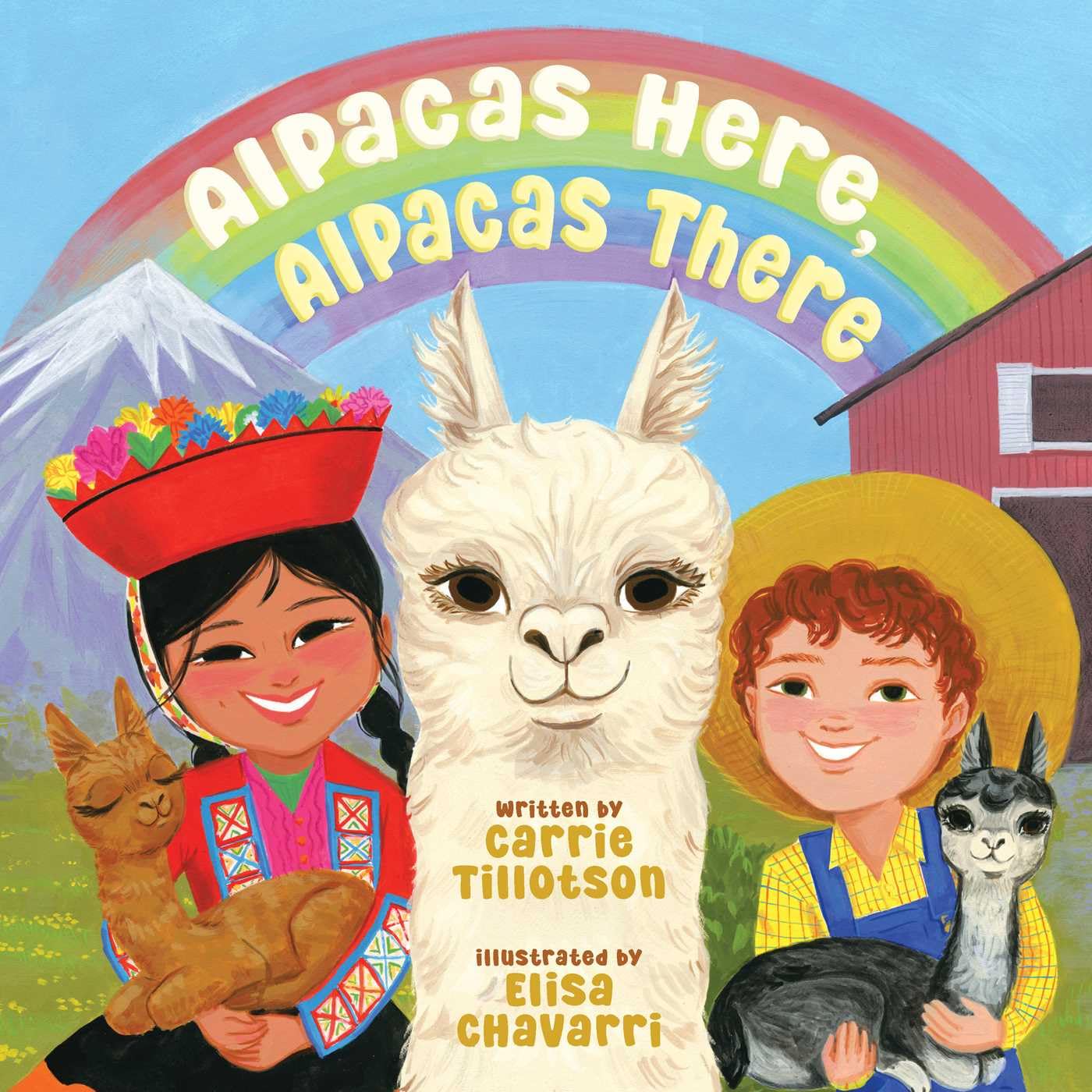
Alpacas Here, Alpacas There

Written by Carrie Tillotson | Illustrated by Elisa Chavarri


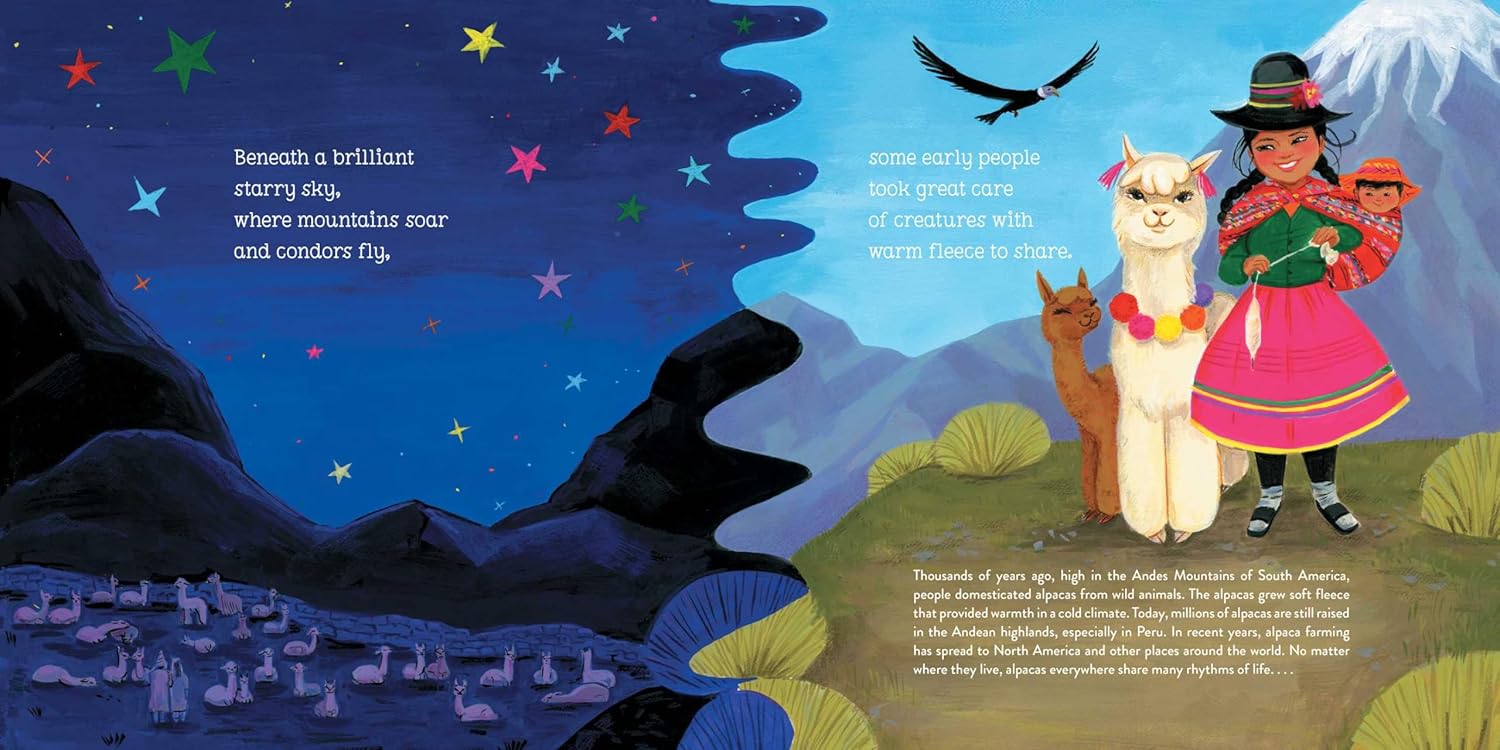
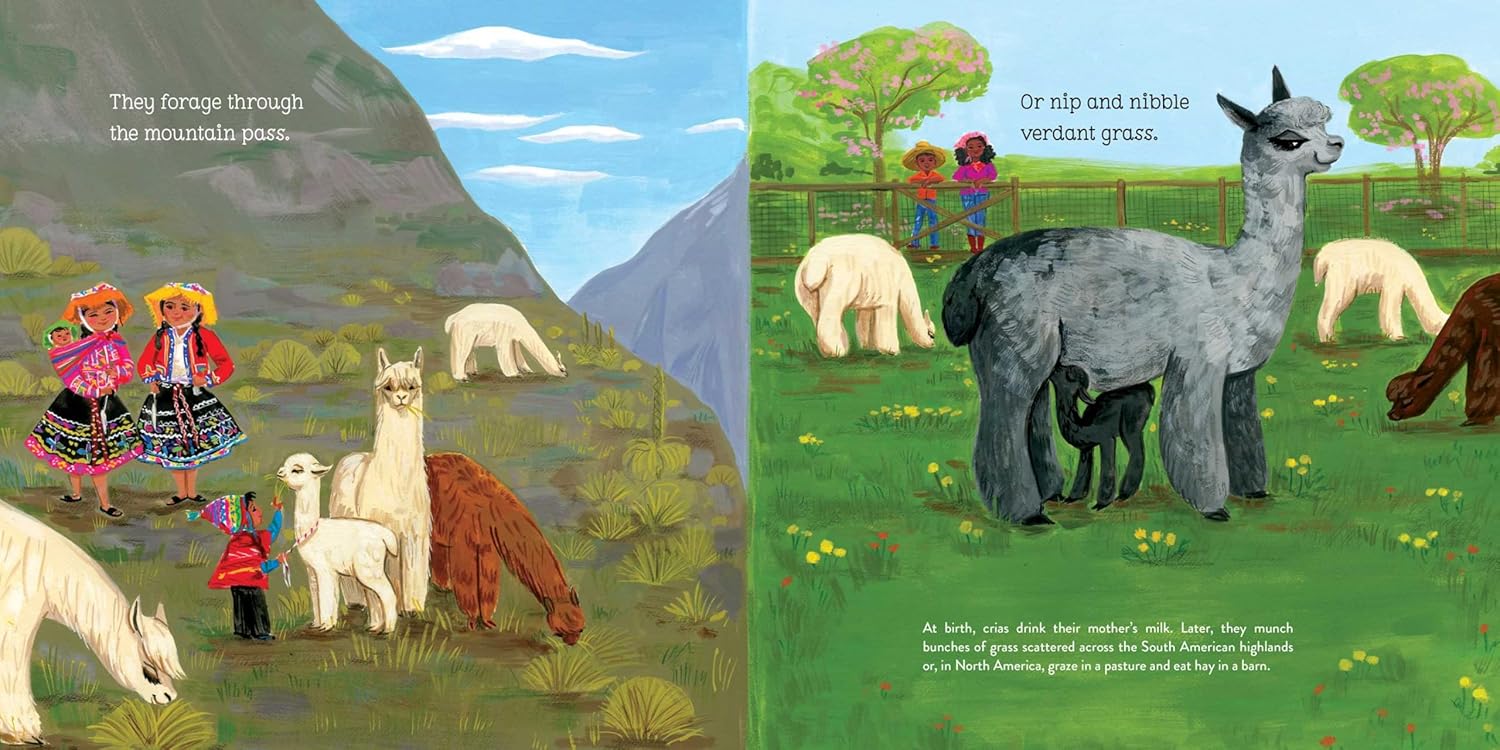
Alpaca lovers here, alpaca lovers there, alpaca lovers everywhere will be charmed by these oh-so-soft-coated animals brought to life through Carrie Tillotson’s lyrical verses that introduce fact-packed text and Elisa Chavarri’s vibrant illustrations. As readers visit alpaca farms in the animals’ native South America and comparatively recent homes in North America (Tillotson reveals that alpacas were domesticated 6,000 years ago by Indigenous peoples in South America and developed finer fleece under Incan advanced breeding programs but were first brought to North America only in the 1980s), they learn similarities and differences in the animals’ lifestyles—and even how they’re a bit like humans!

Illustration © 2025, Elisa Chavarri; text © 2025 Carrie Tillotson. Courtesy of Beach Lane Books.

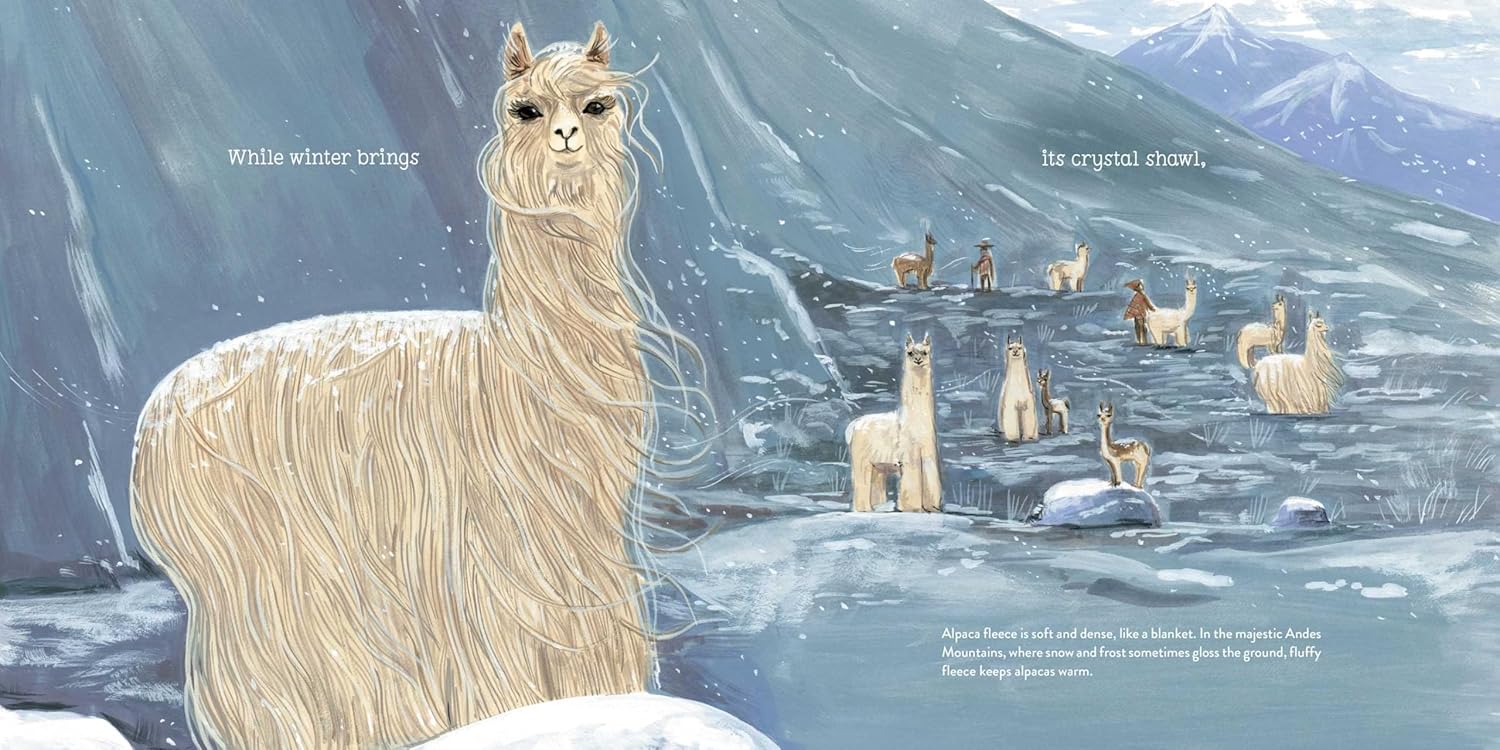
Just like human moms sing to their babies, mother alpacas and their newborn crias hum to each other as a way to bond and also find each other in the midst of the herd. In describing how South American alpacas survive the snowy mountains by developing thick coats and North American alpacas find relief during hot summers by lounging in cool wading pools, Tillotson writes: “While winter brings its crystal shawl, / in summer’s blaze they laze and sprawl.”

And kids who are wary of haircuts may be envious of an alpaca’s grooming schedule: “Their fleece grows long. Then, once a year, / the farmers gather . . . time to shear!” While South American farmers follow traditional methods “to trim their alpacas’ fleece with hand shears or a knife, . . . in North America, farmers usually use electric shears.” And what happens to all that cut fleece? “Assorted colors flurry, whirl! / From fleece to yarn, they spin and twirl.” Alpacas fleece is so diverse that in South America “alpaca fleece is often categorized into twenty-two colors  . . . and sixteen colors in North America.”

Illustration © 2025, Elisa Chavarri; text © 2025 Carrie Tillotson. Courtesy of Beach Lane Books.

While people everywhere love the soft warmth of alpaca fleece clothing, they’re also smitten by the playful way alpaca’s “pronk and prance,” springing into the air with “all four feet off the ground at once with stiff, straight legs,” a “bounding dance” they often perform at sunset. Having learned so much about these captivating creatures, readers of all ages will agree “they warm the hearts and heads and hands of everyone across the lands.”

Extensive back matter includes an Author’s Note; an Artist’s Note; a look at the history of alpacas in South America and North America; Alpaca-raising Practices; a description of the four types of camelids found in South America; a Glossary; and a list of Selected Sources.

Illustration © 2025, Elisa Chavarri; text © 2025 Carrie Tillotson. Courtesy of Beach Lane Books.

Carrie Tillotson’s enthusiasm for her subject spills over into her delightful verses that will enchant young readers and her fascinating supporting text that will captivate nonfiction lovers. Tillotson introduces facts and new vocabulary with a natural flow that makes it easy for readers to grasp concepts and definitions, enhancing their appreciation for these gentle, endearing animals and the soft, warm, fleecy products they provide.

Elisa Chavarri’s vivid illustrations of alpaca farming in South and North America will bring plenty of “Awww!”s from young readers (and not a few adults, too!) as they meet baby alpacas snuggling with their moms, beating the heat in an inflatable wading pool, and most especially pronking close to home as the sun sets. It’s impossible to resist these alpaca’s tender eyes as they gaze directly at readers, inviting them to join in the fun. 

Alpacas Here, Alpaca’s There is a wonderful compendium of facts and lore about these treasured animals. The poetic story is perfect for bedtime or story time, while the in-depth facts make the book a valuable resource for social studies lessons or school reports. The book would make a charming addition to home collections and an exciting choice for school and public library collections.

Ages 4 – 8

Beach Lane Books, 2025 | ISBN 978-1665942027

About the Author

Carrie Tillotson is the author of children’s books including Alpacas Here, Alpacas There and Counting to Bananas. After getting a master’s degree in public health, Carrie worked as a biostatistician for more than ten years and now sculpts her interests in science into playful picture books. Carrie lives in Oregon with her husband and son, two dogs, and two chickens. Visit her at CarrieTillotson.com. You can also find Carrie on Instagram and Bluesky.

About the Illustrator

Elisa Chavarri is an illustrator and artist working from Alpena, Michigan where she lives with her husband, daughter, and pets. Elisa attended Savannah College of Art and Design where she earned a degree in Animation. She is a native of Lima, Peru. You can visit her at ElisaChavarri.com and on Instagram.

National Love Your Pet Day Activity

celebrate-picture-books-picture-book-review-paw-print-magnet-smaller

Paw Print Magnet


A print of your pet’s paw makes a cute magnet for your locker to give you a paw…er, hand… holding those important messages and pictures. Here’s how to do this easy craft with your dog or cat.

Supplies

  • 1/2 cup flour
  • 1/2 cup salt
  • 1/4 cup water
  • Cookie cutter (optional)
  • Bowl
  • Wax paper
  • Strong multi-surface glue or hot glue gun
  • Strong magnet, available at craft stores or ribbon
  • Paint (optional)

Directions

  1. Mix the flour and salt in the bowl
  2. Slowly add the water and mix the dough, kneading it until it is smooth and soft. Add more water if necessary.
  3. Roll out the dough until it is about 1/4 – 1/2 inch thick
  4. Place the dough on the wax paper
  5. Carefully press your pet’s paw into the dough. 
  6. Place the cookie cutter over the print and cut out. If not using a cookie cutter, cut a shape about 1/4-inch around the paw print.
  7. Bake the dough at 250 degrees for 1 to 2 hours depending on thickness of dough
  8. When it’s cool, you may like to paint your paw print
  9. Glue the magnet to the back or make a loop hanger with ribbon and glue to back

You can purchase Alpacas Here, Alpacas There at these booksellers

Amazon | Barnes & Noble | Bookshop (to support your local independent bookstore)

Picture Book Review
 

February 19 – Random Acts of Kindness Week

About the Holiday

Random Acts of Kindness Week may be ending, but that only means it’s time to extend the spirit of the holiday day after day until it rolls around again next February! Today, I’m celebrating with one of my favorite stories about a little girl who sees someone in need of help or kindness and generously offers the comforts of tea and treats with a smile. Children are particularly good at offering such caring gestures that can have far-reaching effects. Adults can foster a child’s natural kindness by supporting their ideas and actions for helping their community.

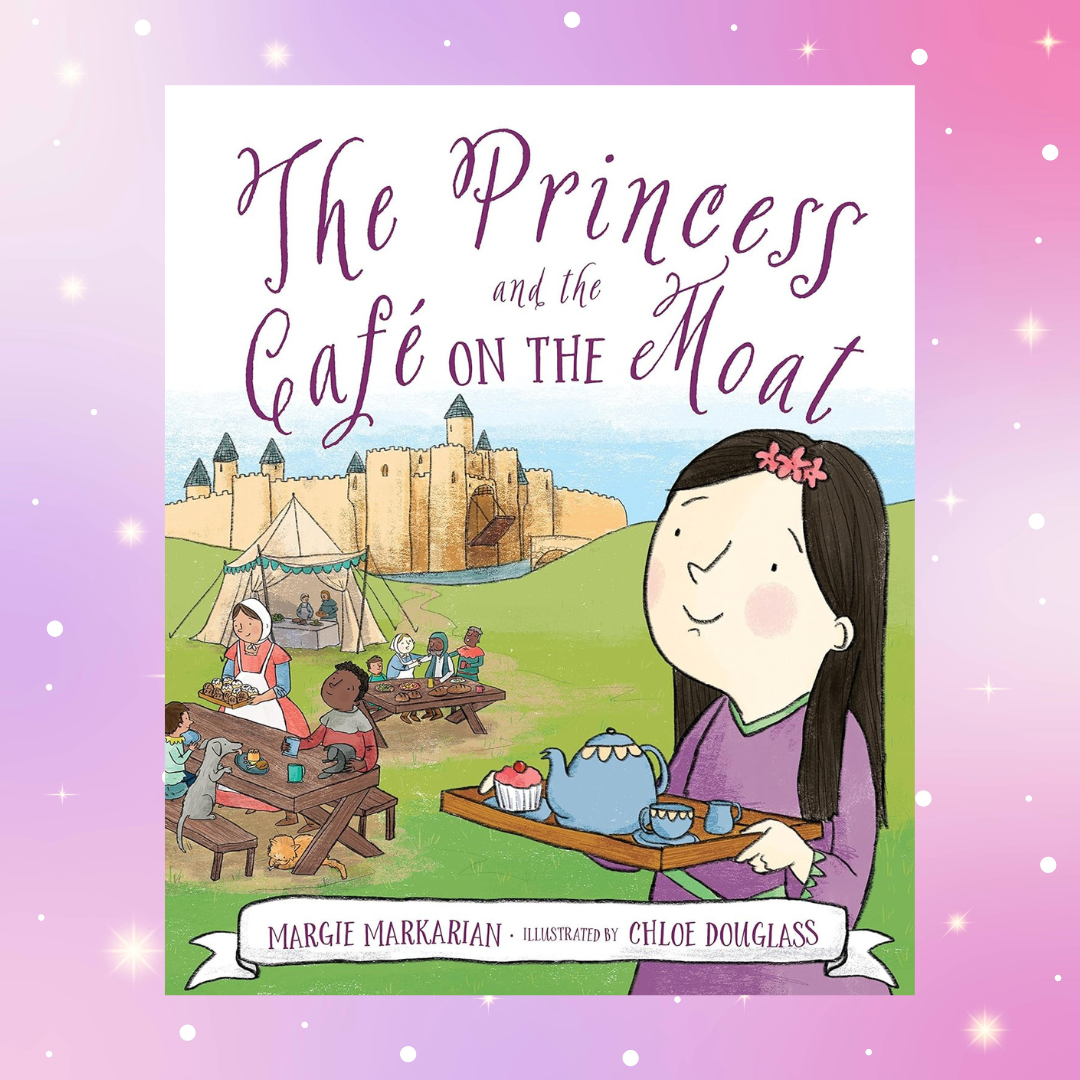
Thanks to Sleeping Bear Press for sharing a copy of The Princess and the Café on the Moat with me!

The Princess and the Café on the Moat

Written by Margie Markarian | Illustrated by Chloe Douglass


There once was a little princess who lived in a very busy castle. Every morning knights brought news of “enemies defeated, dragons seized, and citizens rescued.” Upstairs, ladies-in-waiting were given their duties for “silks to sew, invitations to ink, and chandeliers to shine.” The princess wanted a special job too, but her voice was never heard above the din, so she went in search of something to occupy her time.

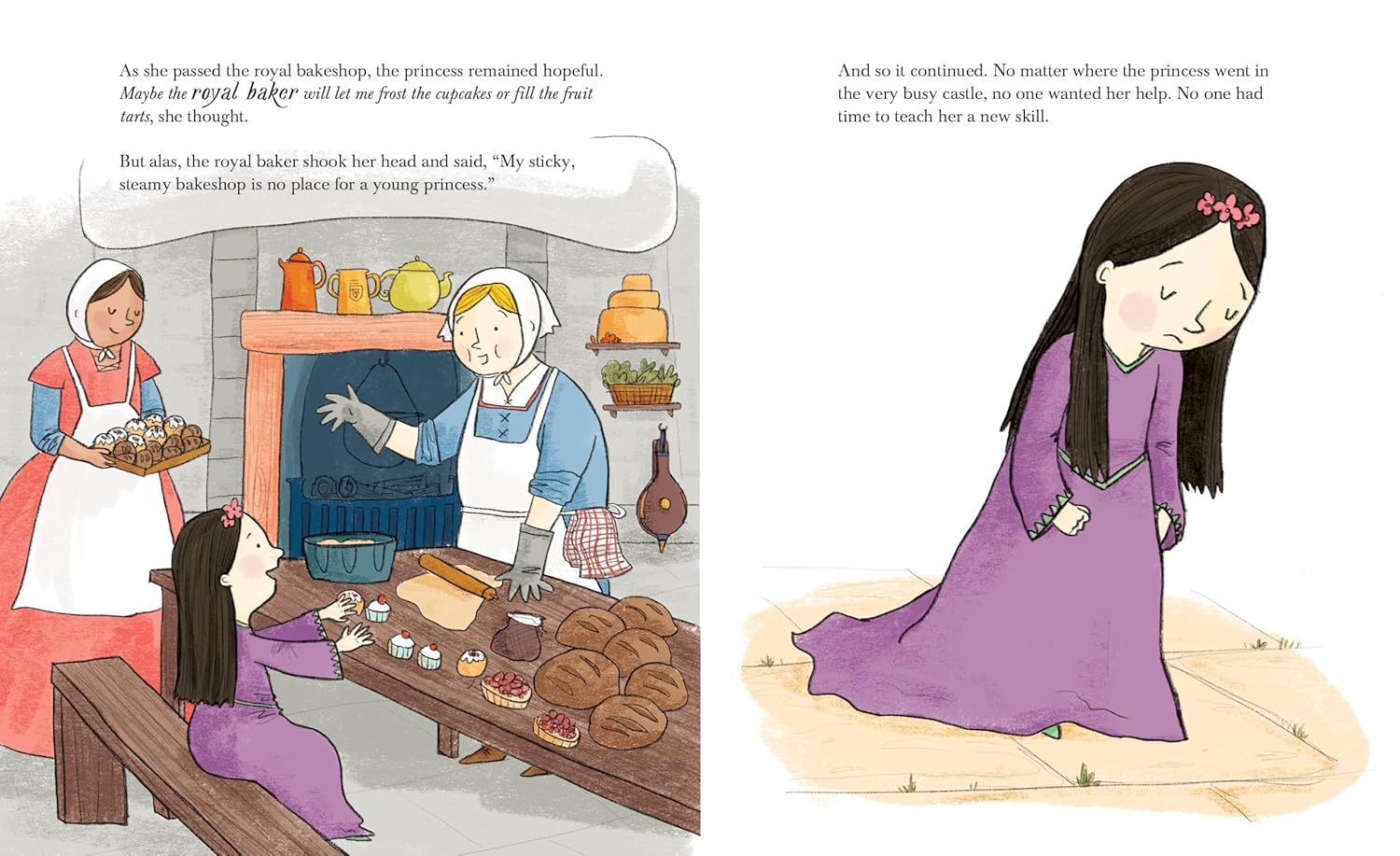
The court jester was too busy to teach her how to juggle. The wandering minstrel said her fingers were too delicate to pluck the wiry strings of a mandolin, and the wizard banished her from the tower, saying his potions were too dangerous. Even the royal baker thought her kitchen was no place for a princess. “The princess’s kind heart and eager spirit were not easily discouraged.” She wondered if there were people beyond the castle who could use her help. Just then the drawbridge descended, and the princess crept by the guard and ran outside.

Illustration © 2018, Chloe Douglass; text © 2018 Margie Markarian. Courtesy of Sleeping Bear Press.

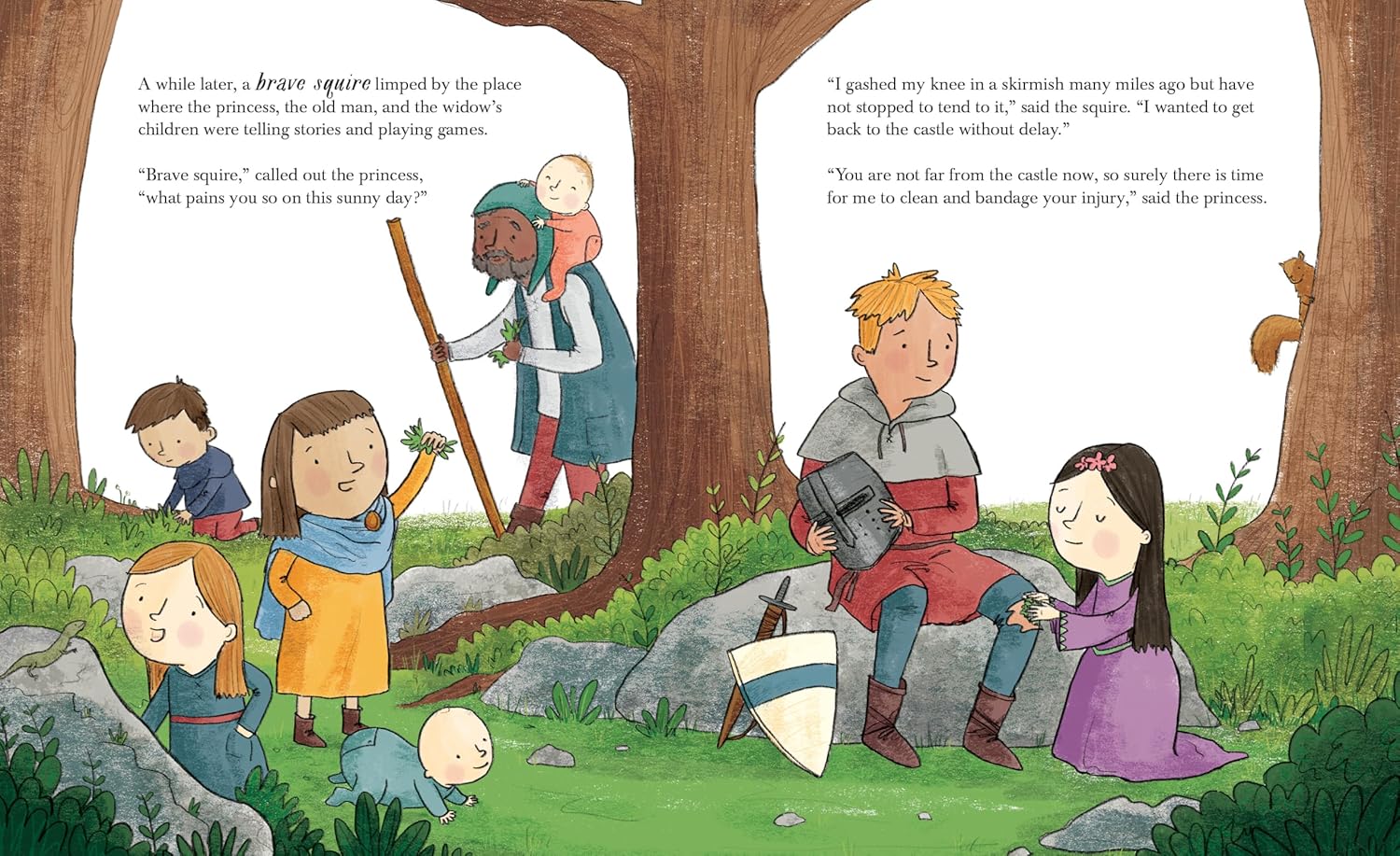
Right outside the castle, she met a sad old man who had gotten a letter from his far-away son, but because of his weak eyesight couldn’t read it. “‘I have time to read your letter and sit awhile,’ said the princess, happy to have found a task so quickly.” Next, she met a worried widow who had no one to watch her children as she traveled to the village market. The princess happily offered to watch them. And when a brave squire came limping by with an injured knee, she quickly bandaged.

Back at the castle, though, everything was in an uproar as everyone was hunting everywhere for the princess. When the king suddenly heard laughter and singing and saw through the window that it was the princess, everyone paraded out through the drawbridge to join her and her new friends.

Illustration © 2018, Chloe Douglass; text © 2018 Margie Markarian. Courtesy of Sleeping Bear Press.

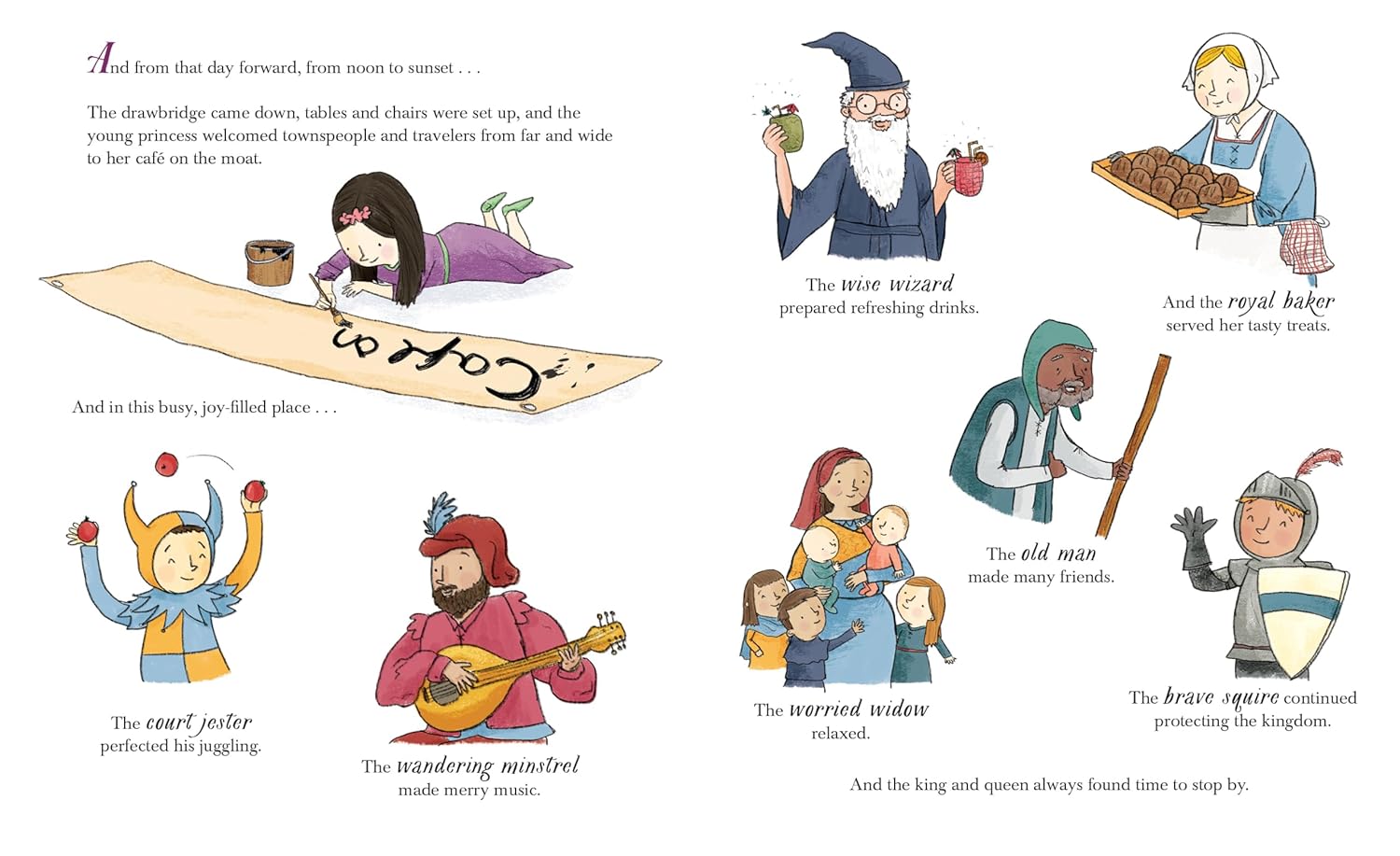
The princess ran to her mother and father and told them about all the things she had done for the old man, the widow, and the squire. The king and queen “were proud to have such a kindhearted daughter.” The king suggested that they “all celebrate together with treats and refreshments.” From that day on in the afternoon, the drawbridge was dropped and tables and chairs set up. Then the “princess welcomed townspeople and travelers from far and wide to her café on the moat.” The café welcomed everyone, and “indeed, they all lived happily and busily ever after.”

An Afterword about fairy tales and a kindness activity for children follow the story.

Illustration © 2018, Chloe Douglass; text © 2018 Margie Markarian. Courtesy of Sleeping Bear Press.

Margie Markarian’s sweet story is an enchanting fairy tale for today’s socially conscious and active kids. Instead of needing rescue, this princess looks for opportunities to help others. When she’s turned away from helping inside the castle, she leaves the comfort of home and reaches out to her community, an idea that children will embrace. Through her cheerful storytelling, Markarian also shows readers that in their talents and kind hearts they already have what it takes to make a difference to others. As the princess opens her café on the moat, both children and adult readers will be inspired to find ways to support each other in planned—or random—acts of kindness. Markarian’s language is charmingly “medieval,” making the story a fun read aloud. The story would also lend itself well to dramatic play for classrooms, child-centered organizations, or enterprising groups of friends and families.

Chloe Douglass’s adorable princess is a terrific role model for young readers. Her eagerness to help and positive spirit are evident in her smiles and persistent requests for a job to do. When she ventures out of the castle, she displays obvious empathy for the people she meets, and children will recognize her joy at being able to brighten the townspeople’s day. Despite their busy days, the king and queen are happy and supportive of their daughter. Children will love the bright and detailed images of the castle and town, where the crest of love rules.

The Princess and the Café on the Moat is a charming flip on the traditional fairy tale—one that children will want to hear again and again. It would make an inspiring spring gift and an enriching addition to home, classroom, and library collections.

Ages 5 – 8

Sleeping Bear Press, 2018 | ISBN 978-1585363971

To discover more about Margie Markarian and her picture book and to find fun activities, visit her website. 

Learn more about Chloe Douglass, her books, and her art on her website.

Random Acts of Kindness Week Activity

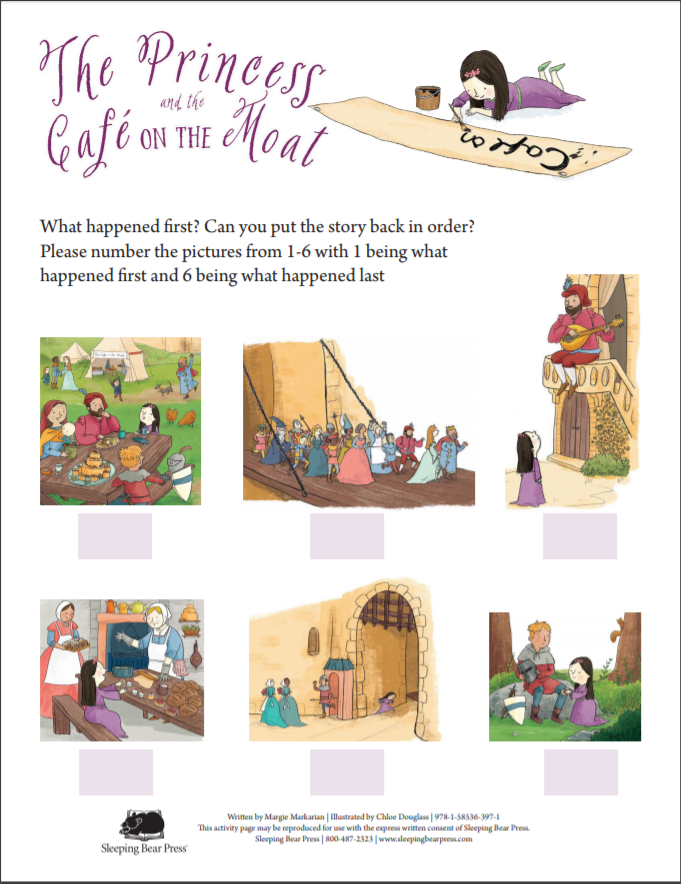
celebrate-picture-books-picture-book-review-the-princess-and-the-cafe-on-the-moat-number sequence-page

The Princess and the Café on the Moat Activities


The Princess likes to help people relax and have fun together! You can help her too with these four The Princess and the Café Activity Pages!

You can purchase The Princess and the Café on the Moat at these booksellers

Amazon | Barnes & Noble | Bookshop (to support your local independent bookstore)

Picture Book Review
February 17 – Random Acts of Kindness Day

About the Holiday

It’s Random Acts of Kindness Day! Coming mid-way through Random Acts of Kindness Week, today’s holiday offers the perfect time to begin or reconfirm your commitment to doing nice things for those around you. Simple gestures of kindness—like sharing a smile, giving a compliment, or helping out when you see someone struggling—make anyone feel better and create a bond that brings a community closer. To keep the good feelings flowing throughout the year, look for opportunities to help out and share books that encourage kindness, such as today’s book!

Thank you to Orchard Books/Scholastic for sharing a copy of Hop Helps Out with me!

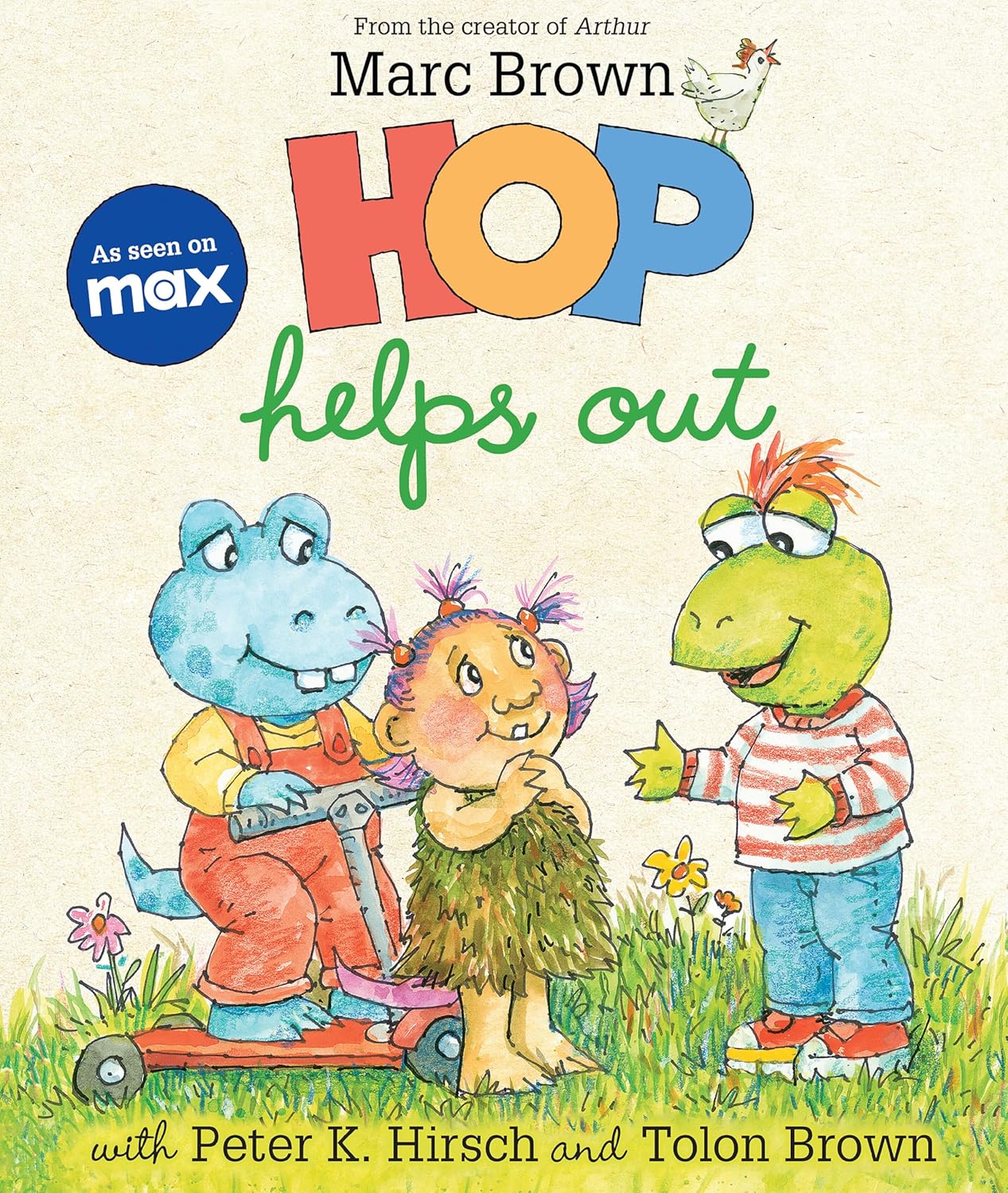
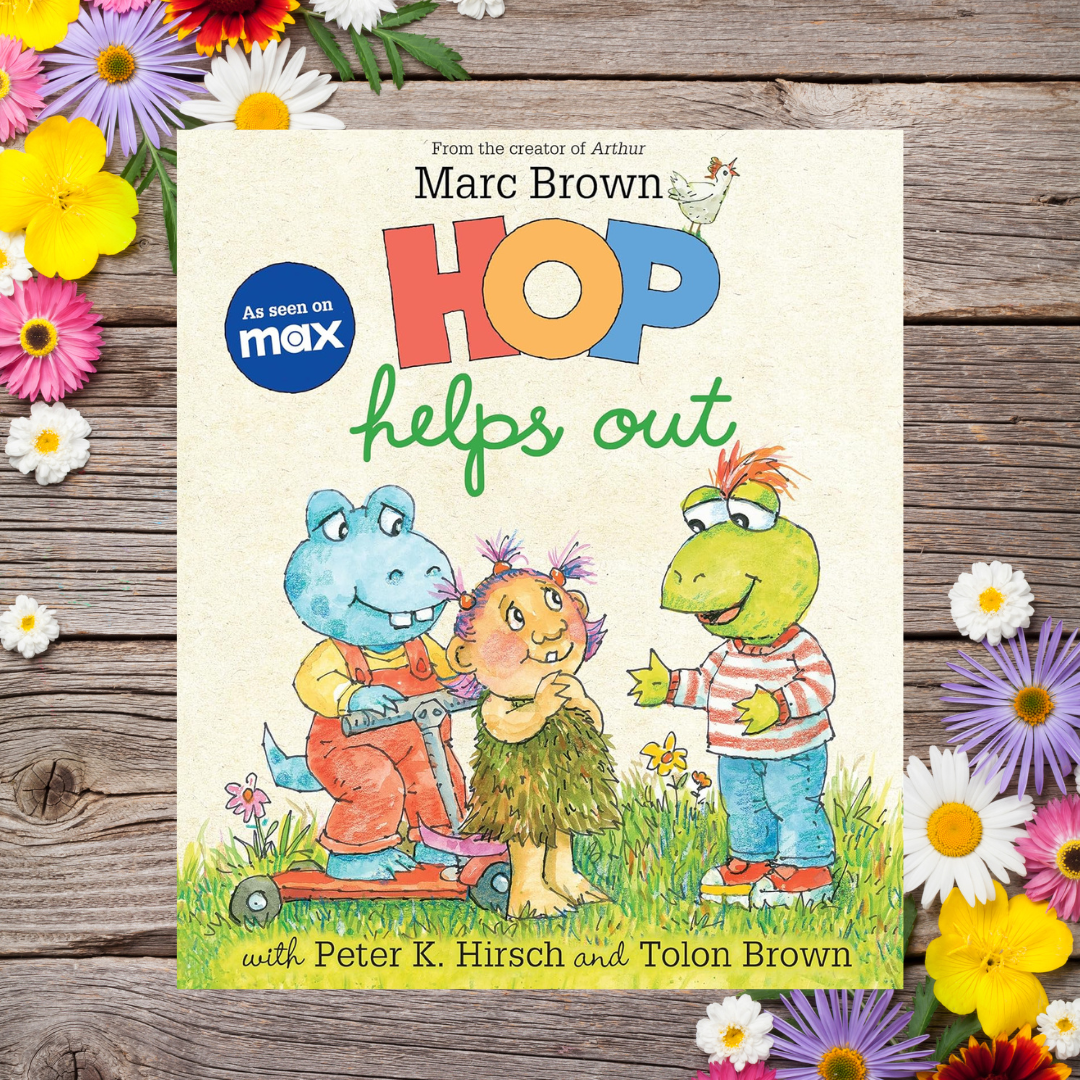
Hop Helps Out

By Marc Brown, Tolon Brown and Peter Hirsch


One morning as Hop and Benny are out exploring their town of Fair Village, they come across a troll named Helga, who’s crying because she’s too afraid to venture out into the world on her own. Hop immediately takes her by the hand and invites her to come adventuring with him and Benny. Hop and Benny are eager to show their new friend Helga some of their favorite places.

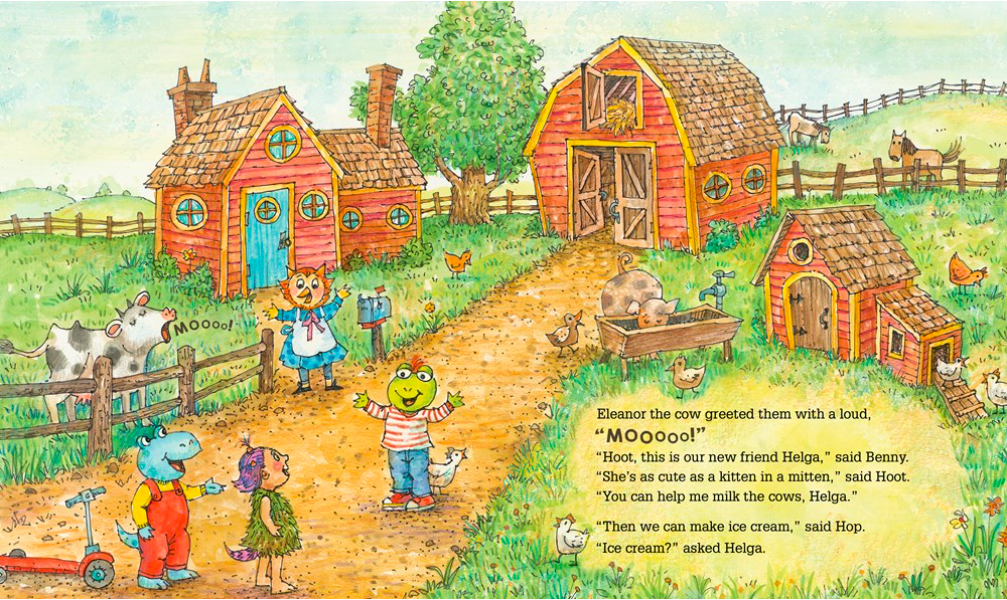
First, they visit a meadow, lush with clover, daisies, lupines, daffodils, and wildflowers in a rainbow of colors. Then Benny wants to show Helga the small mobile home he lives in. His yard, strewn with toys and games and sporting a garden, delights Helga, and when they go inside she is treated to a mug of hot chocolate and a story. Next, they take Helga to their friend Hoot’s farm. ‘”She’s as cute as a kitten in a mitten,'” Hoot declares. “‘You can help me milk the cows, Helga,'” Hoot says. Afterward, they’re all treated to homemade ice cream, dress up play, and a ride in Hoot’s talking car, Jinx.

Illustration © 2025, Marc Brown; text © 2025, Marc Brown, Tolon Brown, Peter Hirsch. Courtesy of Orchard Books/Scholastic.

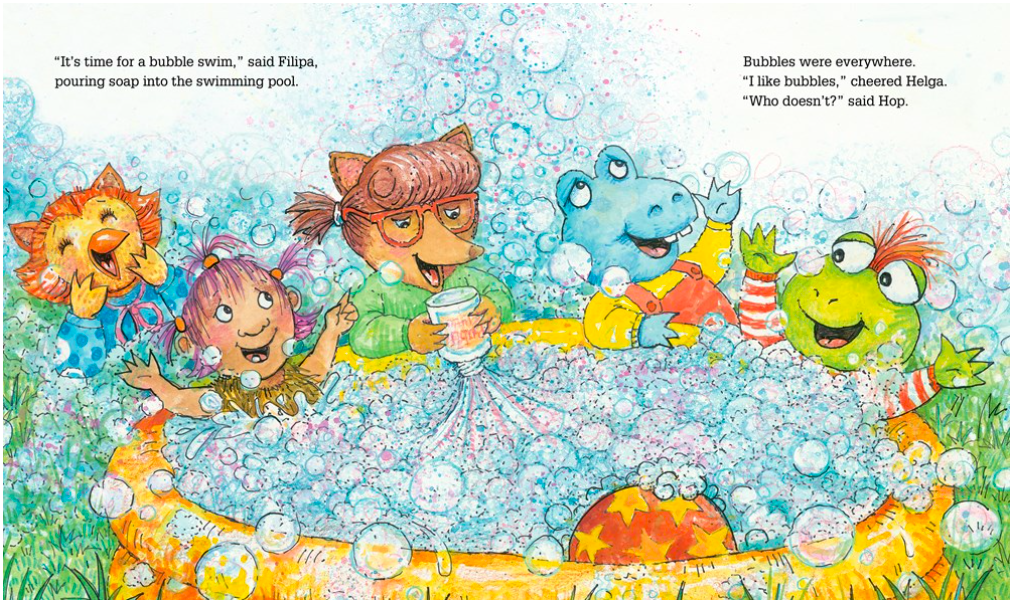
Jinx takes the merry group to see another friend, Filipa. Filipa is just filling the swimming pool underneath her treehouse when they arrive. Helga can’t believe her eyes. There are so many fun things to do here; even a swing! Even though Benny warns Helga not to swing too high, she falls off. But when Hop hurries over, Helga giggles and reveals that trolls “‘can bounce.'” In Filipa’s art studio, Helga gets to try out being creative—with herself as the canvas. Not to worry, though! Filipa fills her pool with bubbles for an impromptu (and colorful) bubble bath. “‘I like bubbles,’ cheered Helga.” “‘Who doesn’t?'” Hop agrees.

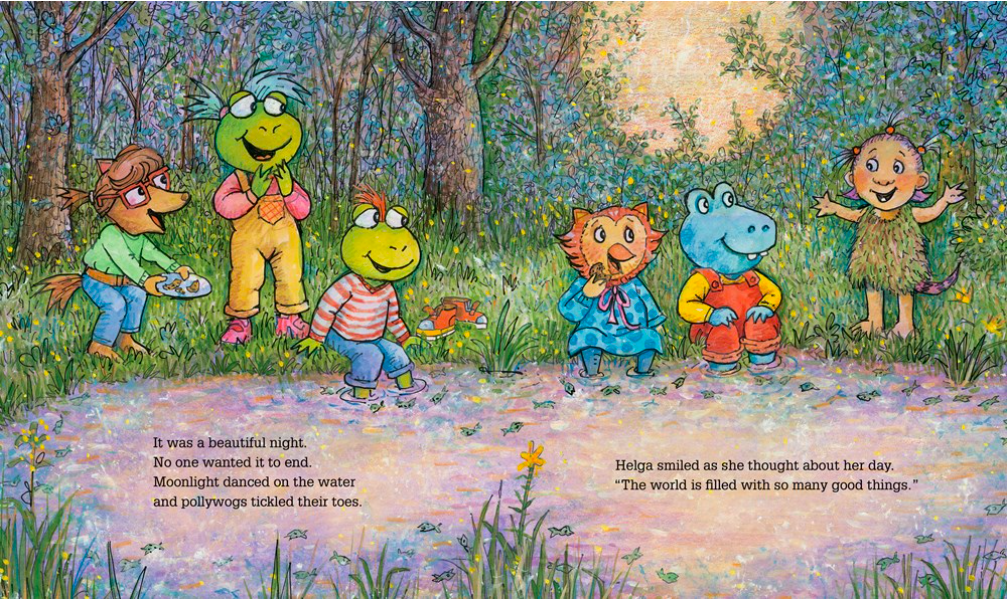
Next on the tour is Hop’s Lily Pad Diner, where Hop’s sister, Penny, plays the piano while the others dance. All this activity and excitement is making Helga tired and ready to go home. When they arrive, Helga treats her new friends to a Moon Snack of sassafras twigs and fungus chips. No one wants this fun day to end. Especially Helga, who is happy to be part of the group and to have discovered so much. “‘The world is filled with so many good things.'” she exclaims.

Illustration © 2025, Marc Brown; text © 2025, Marc Brown, Tolon Brown, Peter Hirsch. Courtesy of Orchard Books/Scholastic.

The story is followed by a detailed map of Fair Village with many homes, restaurants, farms, parks, and other landmarks for kids to explore. In an afterword, Marc Brown explains how the world of Hop—a new animated series streaming on MAX—started out as a doodle of a frog with one leg shorter than the other then joined by a host of other characters. Brown, with the help of his son Tolon (a producer on the Arthur series) and Peter Hirsch (the head writer for Arthur), expanded on this inclusive universe for a younger audience.

Brown shares, “It was important to me that Hop’s world introduced characters that were reflective of our communities and friends and inclusive of children who had been underrepresented in the media. In Fair Village, disabilities never define who you are or what you can achieve. Our goal is to create a safe, inviting world that challenges kids to appreciate others who are not like them and to act with understanding and kindness.”

Illustration © 2025, Marc Brown; text © 2025, Marc Brown, Tolon Brown, Peter Hirsch. Courtesy of Orchard Books/Scholastic.

Enthusiasm, kindness, and acceptance radiate from the pages, as Hop and Benny take charge of showing Helga around Fair Village—a name that reflects both the beauty of the town as well as how its residents treat each other—and introducing her to things she’s never seen before. Young readers will find pleasure in sharing so many of these favorites too, such as hot chocolate, bubble baths, ice cream, and playing dress up, with this crew of fast friends. Gentle humor is sprinkled throughout, and the simply stated, heartfelt ending invites readers to look around at their own family, friends, home, and community and find the “many good things” there.

Marc Brown’s illustrations are infused with color and offer children a multitude of familiar things to see and identify. The full-bleed spreads immerse readers in the community of Fair Village and the individual homes of the characters. Detail-oriented children will love lingering over the map to find each of the character’s homes as well as fun additions, such as the crooked house, the haunted castle, and the appropriately shaped Pie Shop, Pizza Palace, and Pet Hospital. As this book and the series are inclusive of children underrepresented in media, Brown depicts Hop’s anisomelia (having one leg shorter than the other) in his two different shoes—one of which has an extra, yellow layer to its sole. Helga is coded as having agoraphobia.

A tie-in to the new MAX series HOP, Hop Helps Out introduces children to some of the characters and the vast Fair Village community in a joyful and empathetic way. The story can stand alone as well, encouraging discussions about meeting new people, being open to new experiences, visiting unfamiliar places, and showing kindness to others. 

Ages 4 – 8

Orchard Books/Scholastic, 2025 | ISBN 978-1339035680

About the Creators

Marc Brown is the beloved creator of the bestselling Arthur Adventure book series and creative producer of PBS’s Peabody and Emmy award-winning television series Arthur, now the longest-running children’s animated show in history. He also has illustrated many other books for children, including the New York Times bestseller Wild About Books, as well as The Little Shop of Monsters and Mary McScary, both written by R.L. Stine. For more information, visit marcbrownstudios.com.

Peter Hirsch is the co-creator and head writer of the MAX series, HOP. Before then he was the head writer of the PBS series Arthur for over 20 years. He has won 7 Emmys and a Peabody award, and lives in New York City with his wife, playwright Cusi Cram, and their two overweight cats.

Tolon Brown is an Emmy award-wining producer of culturally significant shows such as Arthur on PBS, and co-creator of the animated series HOP on MAX. Long ago he discovered a fondness for complaining about “good coffee” and people who can’t change a flat tire, which inspired him to split his time between Brooklyn and Baldwin County, Alabama in order to pursue both. Somehow he managed to raise two amazing daughters, yet remains open to the possibility that was purely accidental.

You can purchase Hop Helps Out at these booksellers

Amazon | Barnes & Noble | Bookshop (to support your local independent bookstore)

Picture Book Review
February 14 – Read to Your Child Day

About the Holiday

Today’s holiday is one one of the best days of the year for kids and adults who love to read together. Reading to children has many benefits from helping with language development to instilling in children a love of books and learning to building bonds that last a lifetime. Today, as it happens, is also Valentine’s Day, and there’s no better way to say “I Love You” than by spending time together with a grrrreat book like today’s! For neat ideas on how to make the most of Read to Your Child Day, visit Days of the Year

Thanks to Bloomsbury Children’s Books for sharing a copy of Little Lion Girl with me!

Review by Dorothy Levine

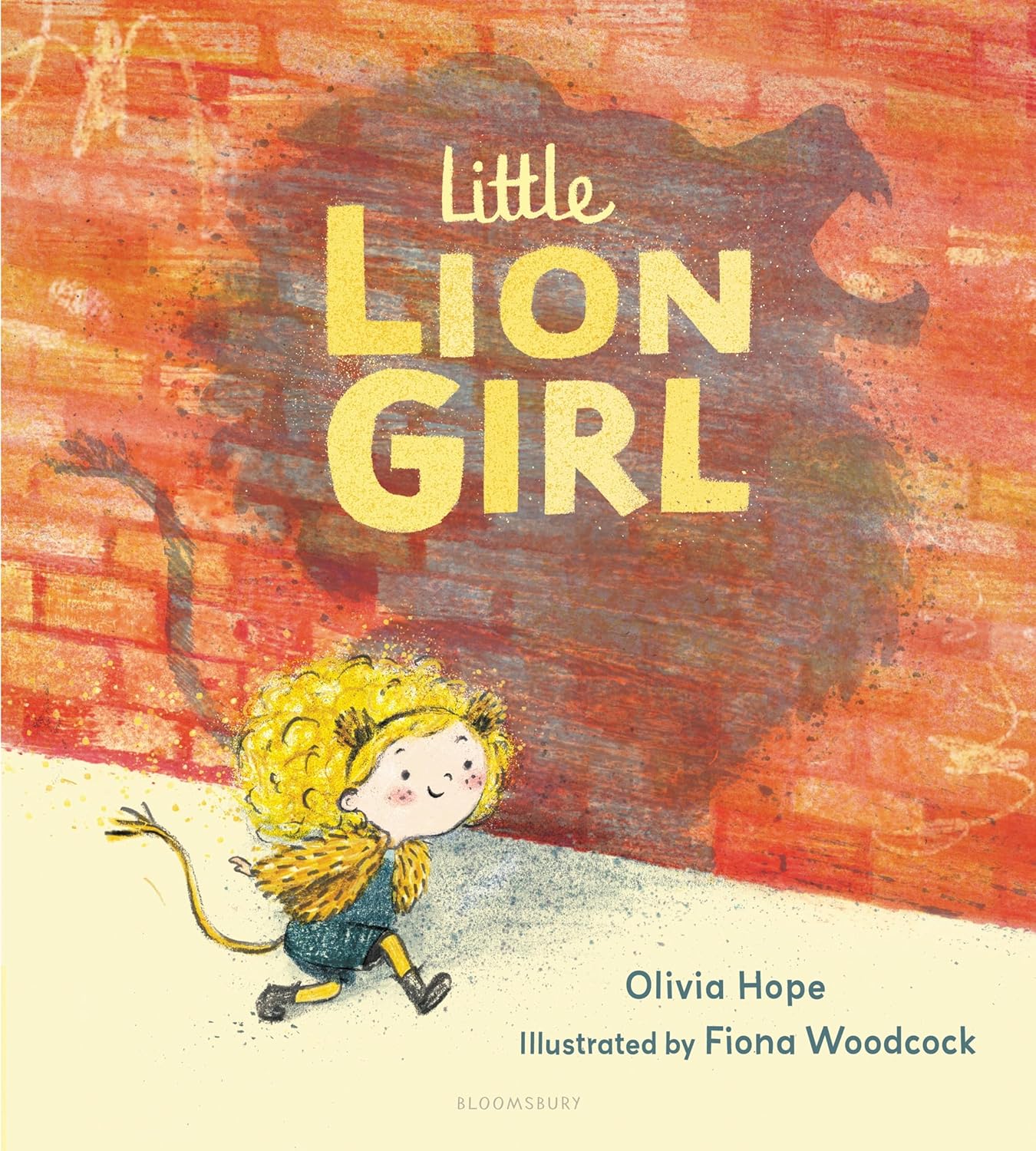
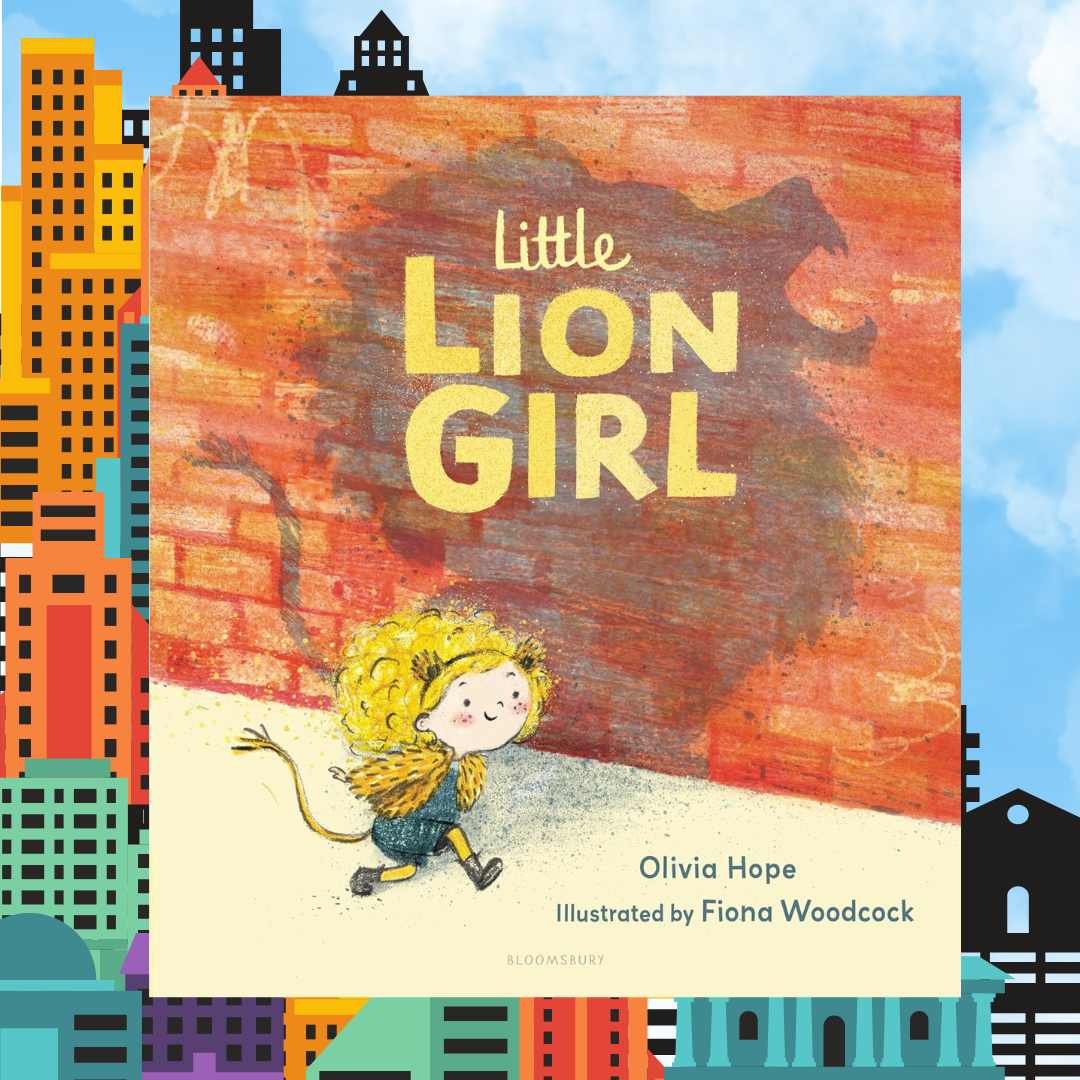
Little Lion Girl

Written by Olivia Hope | Illustrated by Fiona Woodcock

It’s time to line up for a copy of Little Lion Girl, a vibrant tale of mother and daughter taking on the roaring city.

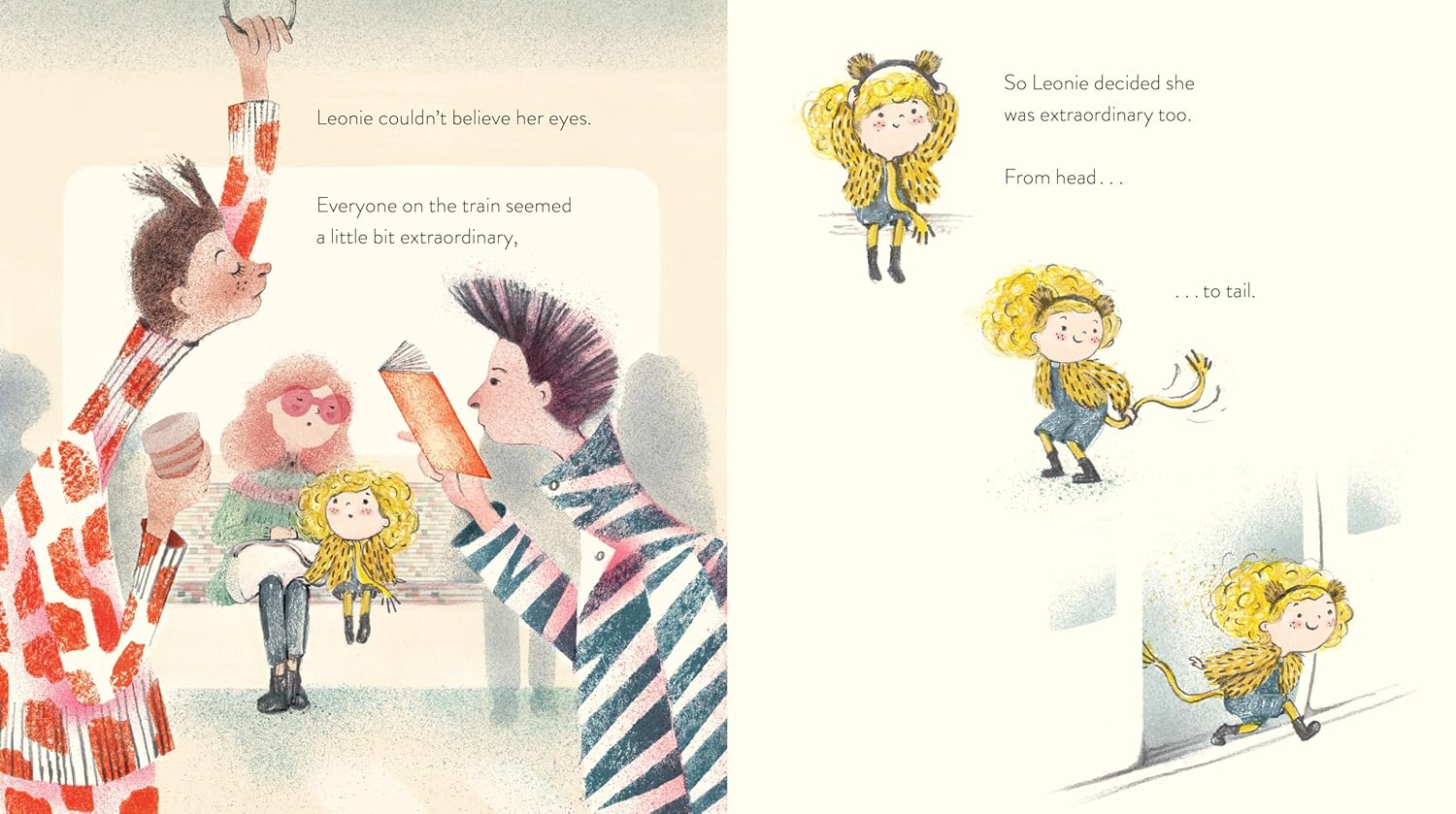
When Leonie spots the orange lights of the train coming to take her to the big city, she knows it’s time for an adventure. On the ride she notices unique characters around her and decides she too will meet the city with extravagance. With the help of a few accessories, Leonie cleverly transforms herself into a lion. When “the city roared like a jungle,” Leonie “roared back at the city. / She shook her mane and swished her tail. / She was lion girl.”

Illustration © 2025, Fiona Woodcook, text © 2025, Olivia Hope. Courtesy of Bloomsbury Children’s Books.

Lion girl spends the day stalking through bustling colorful streets, “through legs like trees between squawks, grunts, and shrieks” finding lions inside and out of a museum as she goes. In a cafe families sit in their “prides;” in the park she declares she is the king of the city.

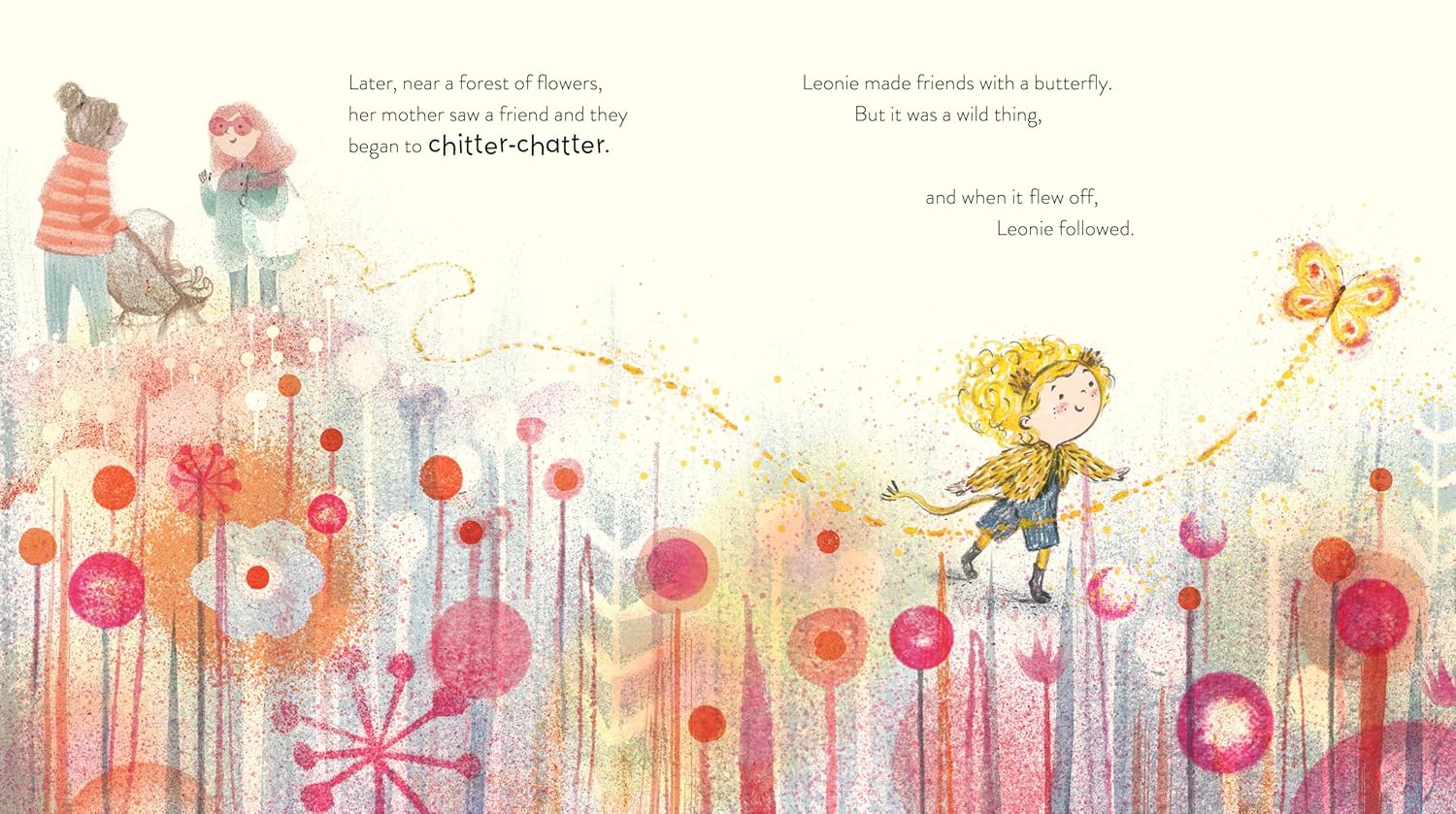
All is going lion-tastically when a butterfly—a real wild thing—causes her to wander a bit further from her mother. Without her mama lion, the city jungle starts to feel bigger, and lion girl curls up in fear. Just as she starts to lose her roar, her mother calls to her, and they reunite with a hug and a purr.

Illustration © 2025, Fiona Woodcook, text © 2025, Olivia Hope. Courtesy of Bloomsbury Children’s Books.

Olivia Hope’s upbeat tale will excite wild children and their animal-loving hearts. From barking engines to city bustle grunts and shrieks, Hope’s story is jam-packed with animal-based vocabulary to set the scene. As Leonie and her mother explore the city, the reader’s confidence will grow along with lion girl as she explores the feelings that come with each step of her journey. A sweet story that inspires children to venture out with bravery, while also offering a gentle reminder that staying close to the pack is important too. Little Lion Girl shows kids that it’s okay to feel scared sometimes and to receive comfort from adults.

Fiona Woodcock’s illustrations light up the city in soft primary color hues. Leonie’s cat ears and scarf-tail form an exciting shadow of a real lion as she prowls through the streets. Woodcock illustrates a wonderfully diverse range of characters, including two train passengers dressed to resemble a zebra and giraffe—one of whom is spotted again later at the park. Leonie’s detailed facial expressions reflect her awe, excitement, fear and ultimately comfort when she snuggles up against her mom.

Little Lion Girl would make a lovely addition to home and library collections. It’s the perfect read-aloud to take with you on a train ride or to read while gearing up for an adventure!

Ages 3 – 6

Bloomsbury Children’s Books, 2025 | ISBN 978-1547616688

About the Author

Olivia Hope is an Irish writer with a special love for fiction about wild children. Before becoming an author, she was a teacher, creative arts facilitator and even an international athlete. She currently lives in the wilds of Southwest Ireland with her family.

About the Illustrator

Fiona Woodcock is an illustrator and picture book author. She studied Graphic Communication at Glasgow School of Art and for many years worked in animation. Her debut book Hiding Heidi was nominated for the 2017 Kate Greenaway award. Look was the winner of the AOI World Illustration Awards 2019, and A Dot In The Snow by Corrinne Averiss was selected as one of ‘The Times Children’s Books of the Year 2016’ and nominated for the Kate Greenaway Award 2018. Fiona lives in London.

Read to Your Child Day Activity

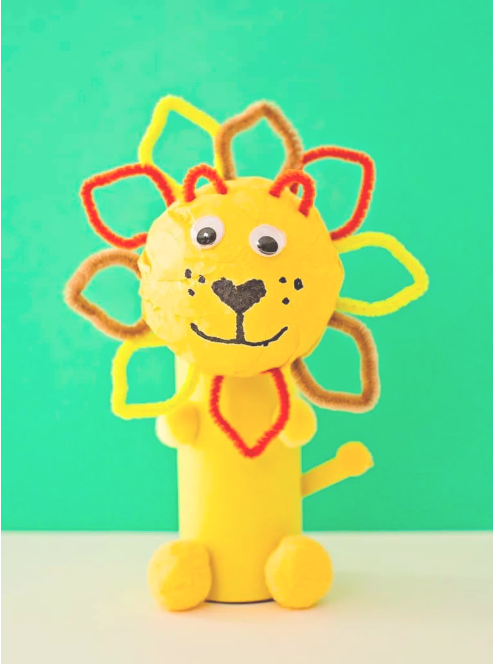
Image courtesy of Hello Wonderful

Paper Tube Lion

Kids can make and display this cute Paper Tube Lion from Hello Wonderful to remind themselves that they are as brave and confident as a lion.

You can purchase Little Lion Girl at these booksellers

Amazon | Barnes & Noble | Bookshop (to support your local independent bookstore)

Picture Book Review
February 13 – It’s Random Acts of Kindness Week

About the Holiday

If you’re celebrating Random Acts of Kindness Week (February 9–15 in the UK and February 14–20 in the US), you can consider yourself a RAKtivist—a Random Acts of Kindness Activist. Being a RAKtivist is awesome! And easy! All it takes is to be kind to anyone you meet. Acts of kindness don’t have to be big, or hard, or expensive. In fact, the best kindness acts are free! If you see someone having a bad day, give them a smile. If someone’s struggling with a box, a bag or keeping their stuff in their locker, give them a hand. Does someone always eat lunch alone? Sit with them and get to know them. There are many other ways to embrace the slogan of the Random Acts of Kindness Foundation: “Make Kindness the Norm” and show you care about people near and far. You can learn how to become a RAKtivist and find lots of free resources to download for schools, households, and workplaces at randomactsofkindness.org. Here’s a daily Kindness Calendar to get you started! 

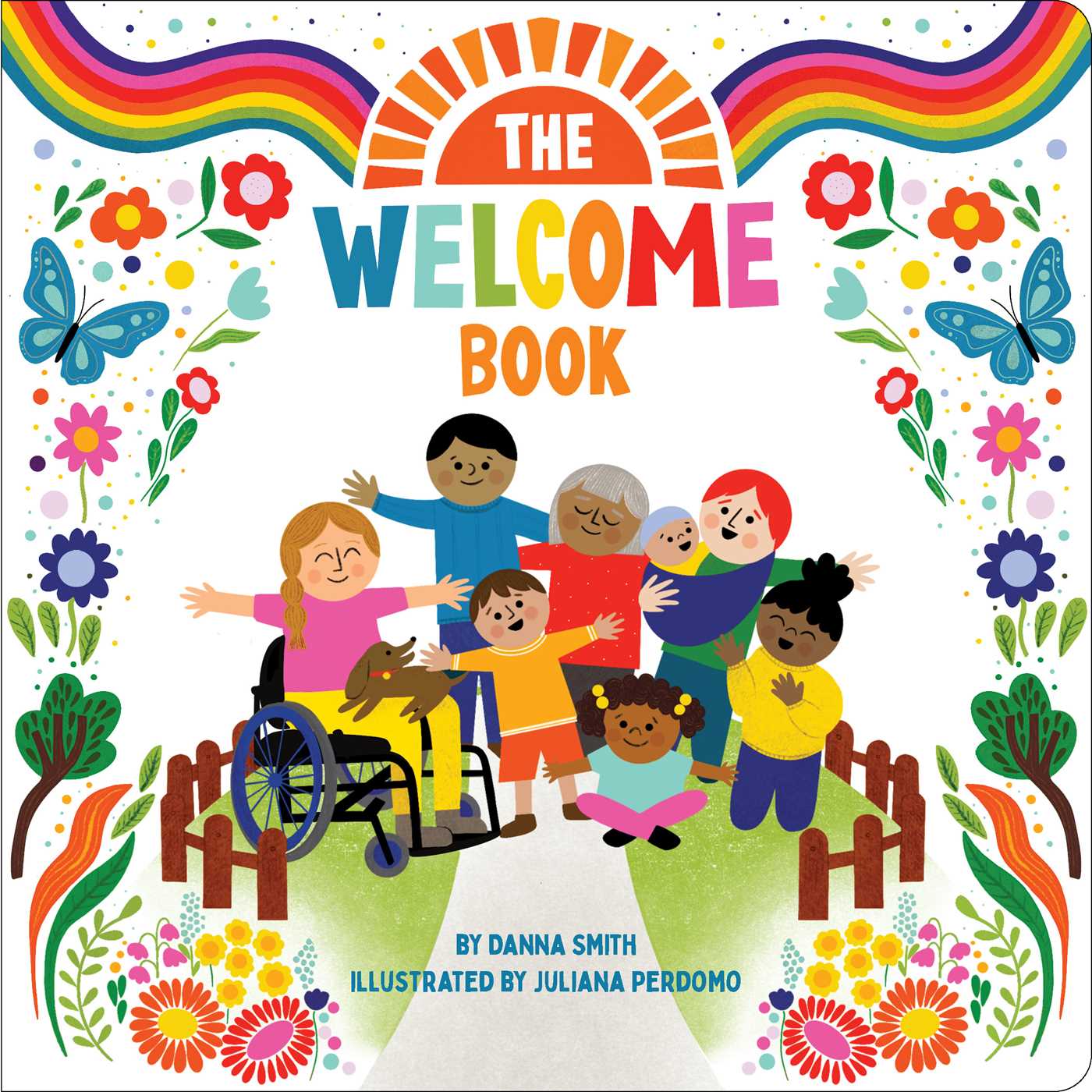
The Welcome Book

Written by Danna Smith | Illustrated by Juliana Perdomo


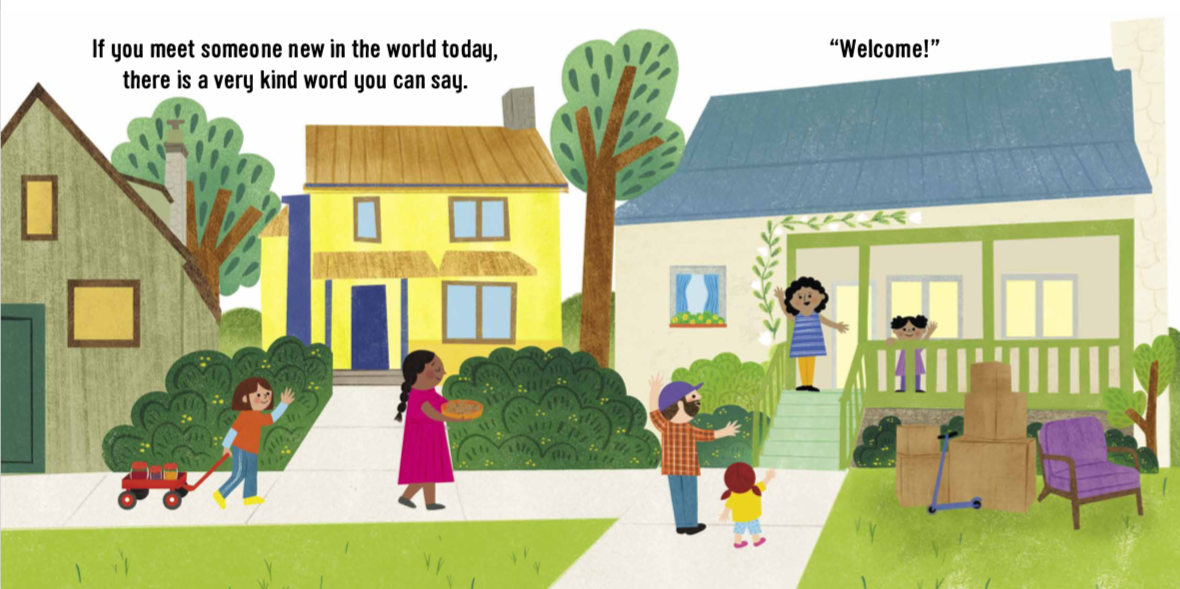
New experiences and new people to meet are all around us every day. This is especially true for young children as they begin exploring the world around them. On the playground, in the classroom, at the library, on the bus or subway, in stores, and even during visits by extended family, little ones are always learning how to work or play together with someone new.

In her joyful and openhearted story, Danna Smith celebrates all the opportunities children have to embrace others and make them feel at home. In her uplifting rhyming verses, she tells little ones how much the word “Welcome!” and the warm feelings behind it mean to someone new or someone who is alone: “Welcoming someone shows that you care. / You’re happy to see them. You’re glad they are there.”

Image © 2025 by Juliana Perdomo, text © 2025 by Danna Smith. Courtesy of Little Simon.

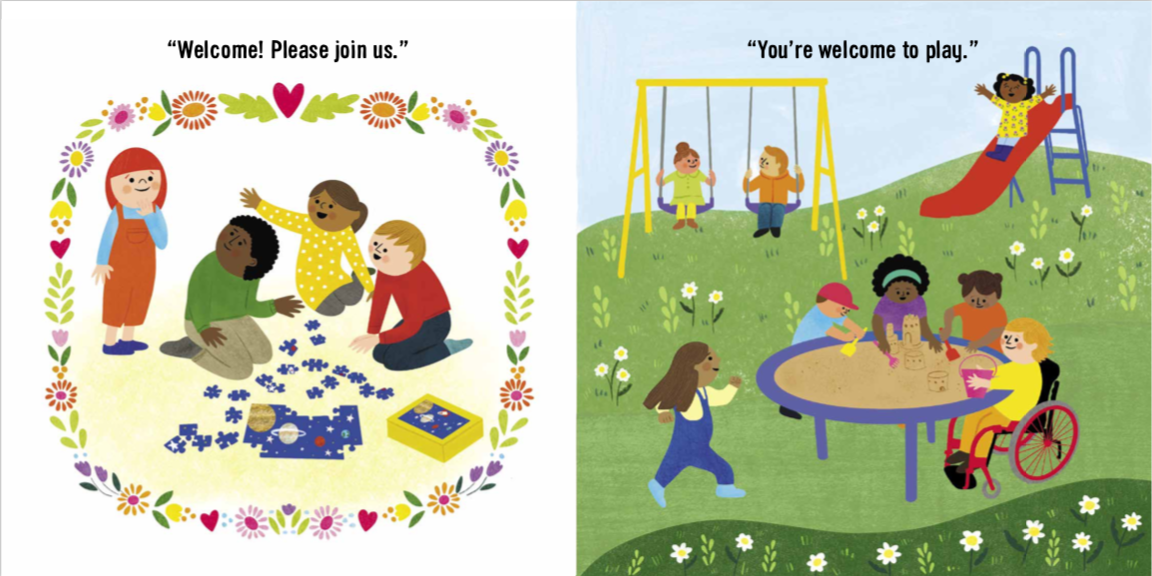
Smith also presents a pleasing array of examples of everyday and special occasions when children can make a difference by offering friendship—including calling someone over to join a lunch table or group activity, cradling a new sibling, greeting a dog with hugs, and listening when someone is sad. She ends her story with the reassuring knowledge that friendship shared is friendship gained.

Readers can’t help but smile at Julia Perdomo’s vivid illustrations that radiate the warmth of welcome on each page. Kids will connect with Perdomo’s varied scenes of diverse groups of kids supporting each other as they play and work together. Her expressive characters and clearly depicted situations invite kids and adults to talk about their own experiences in both being the new person and welcoming others as well as to role play “What if?” scenarios.

Image © 2025 by Juliana Perdomo, text © 2025 by Danna Smith. Courtesy of Little Simon.

A bright, cheerful, and thoughtful board book to open the world of kindness, empathy, and friendship to the youngest readers, The Welcome Book is a story parents, teachers, and other adults will love sharing with their little ones and that kids will eagerly reach for again and again. This sweet book would make a heartwarming addition to home bookshelves and is a must for daycare, school, and public library collections.

Pair The Welcome Book with The Thank You Book by Danna Smith and Juliana Perdomo to spark an understanding and appreciation for gratitude in young children.

Ages Baby – 4

Little Simon, 2025 | ISBN 978-1665952026 (Board book)

About the Author

Danna Smith is a poet and award-winning author of numerous books for children, including One Blue GnuRooftop GardenWake Up, Freight Train!; and several Little Golden Books. Her nonfiction picture book, The Hawk of the Castle: A Story of Medieval Falconry, received two starred reviews and is a Junior Library Guild Selection and a Bank Street College of Education Best Children’s Books of the Year. Danna currently lives in northern California, where she is hard at work on her next book. For more information about her books and teaching activities, visit her website at DannaSmithBooks.com.

About the Illustrator

Juliana Perdomo is a writer and illustrator born in Bogotá, Columbia, surrounded by a huge loving family, friends, bright colors, music, weird fruits, sunshine, and lots of rain but also rainbows. She now lives there with her amazing son, Luca, her rocker partner Iván, and their crazy old dog, Menta. Juliana has a background as a psychologist and an art therapist, but her passion is children’s literature. She tries to make her work diverse, heartfelt and personal, folkish, a bit retro, joyful, and with a Latin touch. She feels deeply grateful to have participated in many beautiful projects: books, puzzles, animations, branding, family portraits, and magazines all over the world. Find out more at JulianaPerdomo.com.

Random Acts of Kindness Week Activity

Image © 2025 by Juliana Perdomo, 2025, text © 2025 by Danna Smith. Courtesy of Little Simon.

The Welcome Book Coloring Pages

Have fun coloring these cheerful pages from The Welcome Book

Welcoming the Rain | Welcoming a New Friend

You can purchase The Welcome Book from these booksellers

Amazon | Barnes & Noble | Bookshop (to support your local independent bookstore)

Picture Book Review