September 23 – Autumn Equinox

celebrate-picture-books-picture-book-review-leaf-jumpers-cover

About the Holiday

If you live in the Northern Hemisphere, fall has arrived! If you live in the Southern Hemisphere, welcome to spring! Today, daytime and nighttime will be equal, ushering in a changing of the seasons. For some that means cooler weather, shorter days, and a slowing down in nature which leads to our being able to see the brilliant reds, yellows, and oranges in the leaves of certain trees. The phenomenon featured in today’s book. For others nature is just awakening, with all the beauty warm weather and new growth bring. Wherever you live, enjoy the activities and events the change in season brings!

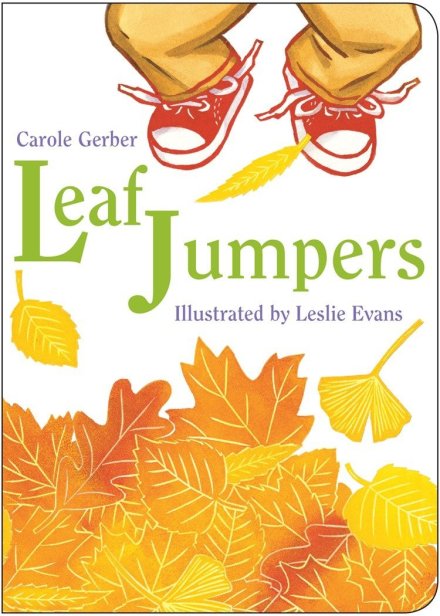
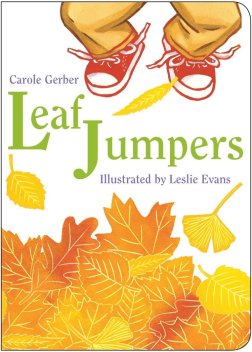
Leaf Jumpers

Written by Carole Gerber | Illustrated by Leslie Evans


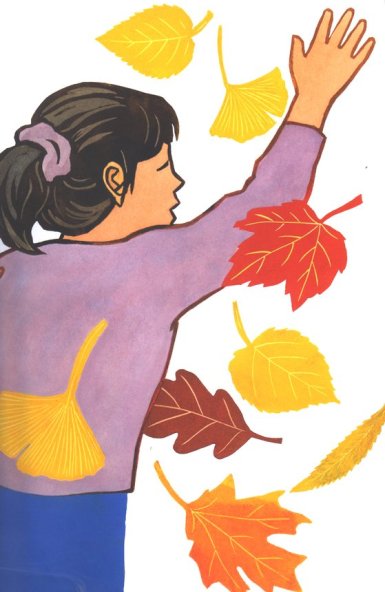
One of the marvels of autumn is watching the trees change their summer clothes for colorful cool-weather dress. In their classic, Leaf Jumpers, Carole Gerber and Leslie Evans teach young readers how to identify eight of nature’s beauties by the shape and fall color of their leaves. On a crisp afternoon, two children (and their dog) watch “a soft wind shake the trees. It lifts the leaves and sets them free.” As the leaves flutter down, the kids race to catch them in the air as they call out their names.

celebrate-picture-books-picture-book-review-leaf-jumpers-girl

Image copyright Leslie Evans, 2004, text copyright Carole Gerber, 2004. Courtesy of Charlesbridge.

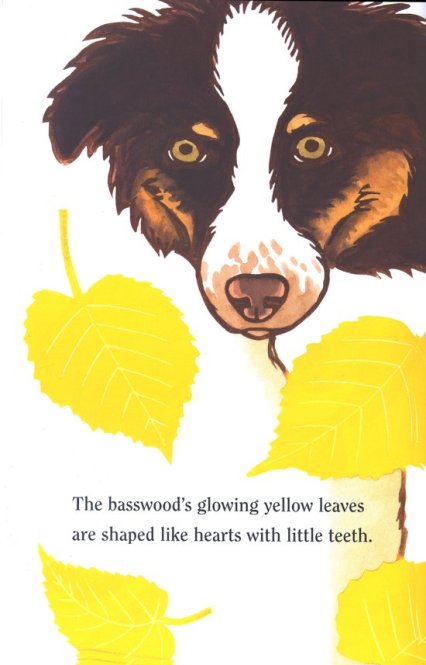
First come maple leaves “bright and vivid as a match.” Joining them, “the sugar maple’s leaves are orange, like pumpkins in a pumpkin patch.” The boy compares his hands to a white oak leaf and seeing birch leaves on the ground thinks they are as oval and sunny as an egg. Their dog likes hiding among the fringy yellow-green willow leaves, while the girl gently holds a ginkgo’s “wavy golden leaf” that’s “shaped just like a little fan.”

celebrate-picture-books-picture-book-review-leaf-jumpers-dog

Image copyright Leslie Evans, 2004, text copyright Carole Gerber, 2004. Courtesy of Charlesbridge.

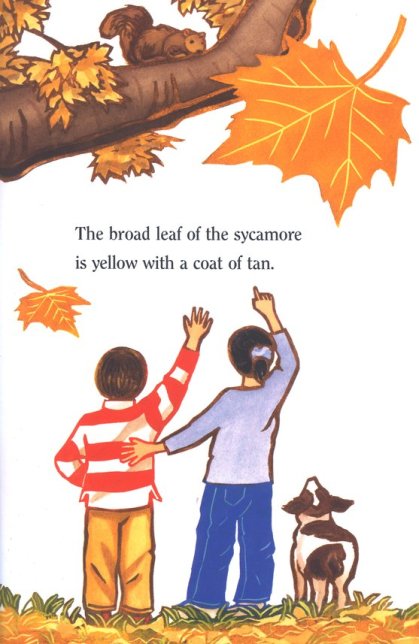
High up in the sycamore a squirrel crouches on a branch, camouflaged in the dense foliage. The boy and girl wave to it, and their dog, all attention, is ready for a chase. The kids pick up leaves by the handful and toss them into the air, dancing underneath. As the leaves land, the boy and girl giggle. “Leaf hats settle on our heads.” The girl grabs a rake and begins gathering the leaves, and when they are mounded deep, the three leap into the beckoning “pile of colors.”

celebrate-picture-books-picture-book-review-leaf-jumpers-squirrel

Image copyright Leslie Evans, 2004, text copyright Carole Gerber, 2004. Courtesy of Charlesbridge.

With lyrical verses, Gerber invites kids to enjoy the fun that comes when the vibrant fall leaves blanket the ground. Her sprightly descriptions are just right for teaching even the youngest readers to recognize trees by the intricate details of their leaves. Smooth or jagged, thin or wide, red, orange, or yellow, each leaf has a story to tell. Gerber’s also compares the color or the shape of each leaf to something children are familiar with, helps them to remember and distinguish each type of leaf. But, of course, Gerber understands that for little ones, autumn leaves mean just one thing, and she celebrates kids’ excitement and creativity in her final pages, where the leaves become enticing playmates.

celebrate-picture-books-picture-book-review-leaf-jumpers-maple

In her vivid illustrations, Leslie Evans spotlights each type of leaf while also infusing her pages with that giddy exhilaration that cooler weather and falling leaves creates in kids. The antics of the children’s brown-and-white dog adds humor as it hides in the willow leaves, anticipates a squirrel race, and frolics with the kids in the soft, welcoming pile. Touches of red, blue, violet and tan in the children’s clothing set off the dazzling leaves, producing a warm and cozy effect you’ll love snuggling up with.

Now in a board book edition, Leaf Jumpers makes a perfect book to have on hand at home to take along on fall trips to farmers markets and parks or on strolls around the block. It’s also a great book to share as leaves begin changing color and tumbling down and before those fun leaf-raking sessions. Leaf Jumpers is a wonderful resource for classrooms and libraries to include in their collections as well.

Ages 3 – 7

Charlesbridge, 2017 | ISBN 978-1580897822 (Board Book, 2017) | ISBN 978-1570914980 (Paperback, 2006)

Discover more about Carole Gerber and her books on her website.

To learn more about Leslie Evans, her books, and her art, visit her website.

Autumn Equinox Activity

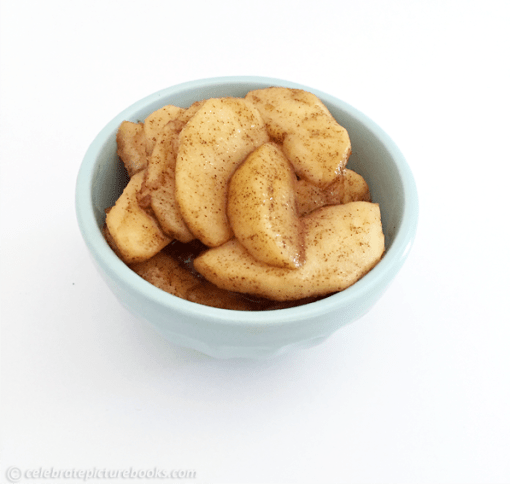
CPB - Cinnamon Apples (2)

Cinnamon Apples


Warm apples sprinkled with cinnamon sugar is one of the most delectable treats of autumn. Here’s an easy recipe for making this delicious dessert or side dish.

Ingredients

  • 4 cups of apples, Macintosh or Granny Smith apples are good choices
  • 2 tablespoons brown sugar
  • 1 teaspoon cinnamon
  • 1/4 teaspoon lemon juice

CPB - Cinnamon Apples ingredients (2)

Directions

  1. Mix brown sugar and cinnamon
  2. Peel and core 2 large apples
  3. Thinly slice apples
  4. Combine apples and cinnamon sugar/brown sugar mixture
  5. Stir until well combined
  6. Drizzle with lemon juice and stir again
  7. Cook apples on the stove at medium heat for 8 to 10 minutes or until desired texture

celebrate-picture-books-picture-book-review-leaf-jumpers-cover

You can find Leaf Jumpers at these booksellers

Amazon | Barnes & Noble | Books-a-Million | IndieBound

Picture Book Review


September 4 – National Wildlife Day

celebrate-picture-books-picture-book-review-migration-incredible-animal-journeys-cover

About the Holiday

National Wildlife Day was established in 2005 by author and pet lifestyle expert Colleen Paige in memory of conservationist Steve Irwin. The day promotes awareness of the importance of conservation of animals, habitats, and the environment worldwide and offers education on the number of endangered and threatened species across the globe. To honor today’s holiday, visit a local zoo, aquarium, or other nature preserve and take some time to learn about what you can do to help protect the environment.

I received a copy of Migration: Incredible Animal Journeys from Bloomsbury Children’s Books for review consideration. All opinions are my own.

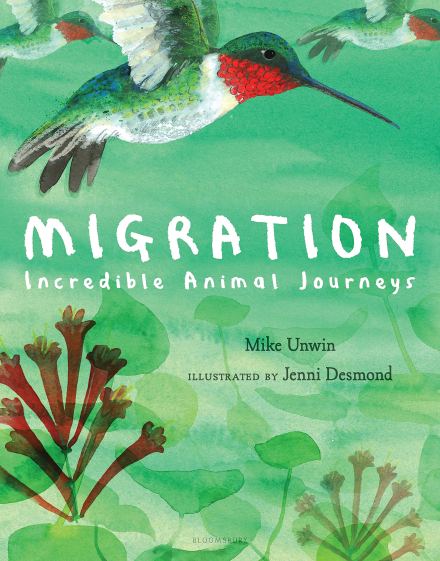
Migration: Incredible Animal Journeys

Written by Mike Unwin | Illustrated by Jenni Desmond


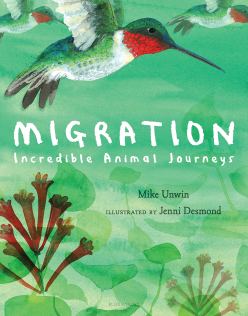
In their stunning book, Mike Unwin and Jenni Desmond take readers along as twenty diverse animals complete their annual travels to safer, warmer, or more fertile feeding grounds guided by inborn instincts. With compelling and conversational storytelling, Unwin introduces each creature, divulging fascinating and endearing facts about the adults and babies that undertake these epic trips—the shortest, 60 miles; the longest, a breathtaking 60,000 miles!

celebrate-picture-books-picture-book-review-migration-incredible-animal-journeys-whales

Image copyright Jenni Desmond, 2019, text copyright Mike Unwin, 2019. Courtesy of Bloomsbury Books.

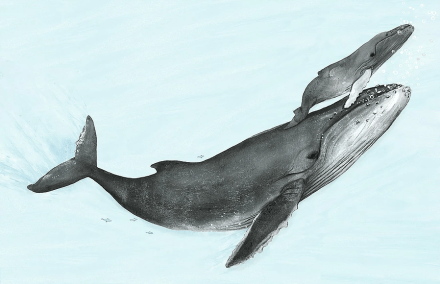
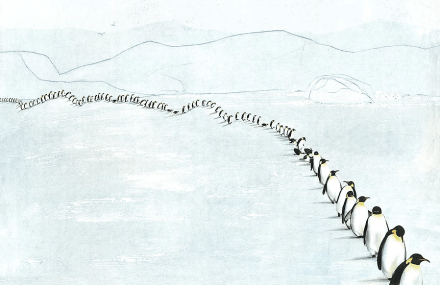
Readers will meet a humpback whale and her baby who stick together for more than 15,000 miles—“the longest swim of any animal on Earth”—as they head from the Pacific Ocean off the coast of Australia to the Antarctic and back in search of krill. As the baby eats, it “will start building up the thick layer of blubber that it needs to keep out the cold.” When it is ten years old, this baby will be fully grown and can look forward to many migrations to come.

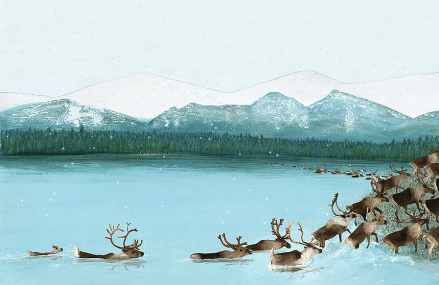
If you were stuck waiting at a caribou crossing, you’d want a good, long book on hand. More than 100,000 adults and their young swim across icy rivers and trek over grasslands of the frosty Arctic “inland toward the forests [where] the trees will help protect them when winter comes” and delicious moss and lichen await under snowy blankets.

celebrate-picture-books-picture-book-review-migration-incredible-animal-journeys-caribou

Image copyright Jenni Desmond, 2019, text copyright Mike Unwin, 2019. Courtesy of Bloomsbury Books.

Meanwhile in a warmer part of the world, a passenger cries, “Stop the car quick! There’s a red river flowing right across the road…. But look closer. It’s not water: it’s crabs. Big red ones. There are thousands of them. They pour across the road in an army of pincers, then scuttle down the bank on the other side, heading for the sea.” Where does this awesome sight take place? On Christmas Island in the Indian Ocean northwest of Australia as millions of red crabs move from the forests to the sea, en masse.

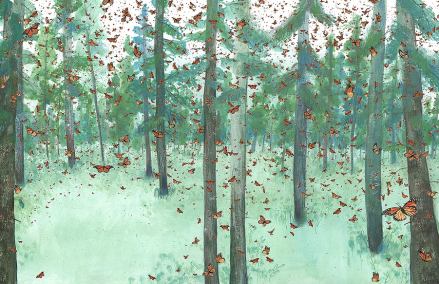
One of the most mysterious and intricately sequenced migrations is that of the monarch butterfly. Each year it takes four generations and four stops to lay eggs and breed along the way for these stained-glass-gorgeous insects “that can weigh less than a paperclip” to complete their journey from the northern United States and Canada to Mexico.

celebrate-picture-books-picture-book-review-migration-incredible-animal-journeys-butterflies

Image copyright Jenni Desmond, 2019, text copyright Mike Unwin, 2019. Courtesy of Bloomsbury Books.

And which creature has the stamina for that 60,000-mile voyage? That honor goes to the appropriately named wandering albatross, who “five to ten years ago…left the small rocky island where it was born. Ever since then it has been wandering, covering more than 60,000 miles a year—over a quarter of the distance from the Earth to the Moon. Never once has it touched land, though the birds often roost on the surface of the water.” In one or two years, this solitary traveler will return to land to breed and become a stay-at-home parent until its only child is ready to depart.

celebrate-picture-books-picture-book-review-migration-incredible-animal-journeys-wildebeasts

Image copyright Jenni Desmond, 2019, text copyright Mike Unwin, 2019. Courtesy of Bloomsbury Books.

Other creatures presented include the emperor penguin, arctic tern, whooping crane, barn swallow, globe skimmer dragonfly, southern African pilchard, ruby-throated hummingbird, bar-headed goose, great white shark, African elephant, pacific salmon, osprey, blue wildebeest, straw-colored fruit bat, and green turtle.

A map of the world—with each animal’s migratory journey outlined—orients children to the geographic locations and distances involved as well as a few more facts on migration and how pollution and habitat destruction affect migratory patterns follows the text.

celebrate-picture-books-picture-book-review-migration-incredible-animal-journeys-penguins

Image copyright Jenni Desmond, 2019, text copyright Mike Unwin, 2019. Courtesy of Bloomsbury Books.

Mike Unwin’s accessible, descriptive, and sensory snapshots turn this science-based book into an enthralling page-turner. As one astounding true story leads to another, readers will be eager to see which animal comes next and continue learning about this wildlife phenomenon. Well-known for his nature books for children and adults, Unwin captures the spirit of each animal as they take on the formidable challenges of their annual migration and in the process teaches a love and respect for nature.

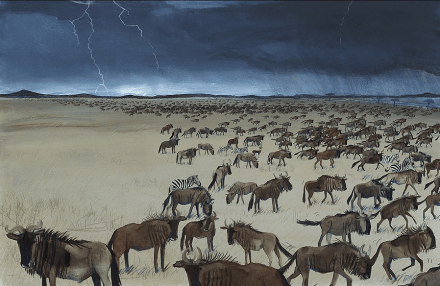
Accompanying Unwin’s text are Jenni Desmond’s gorgeous mixed-media illustrations, made all the more impressive by the book’s large format. The textured pages dazzle with the movement and grandeur of nature, transporting readers to far-flung parts of the world and showing them the beauty of each animal up close. Icy blues and greens lend images of the Arctic a frosty feel, while vibrant greens set off the brilliant oranges of the monarch butterflies and jeweled feathers of the ruby-throated hummingbird. Wildebeest are menaced by storm clouds and elephants parade along a brown, dusty road. The book concludes with first a dusky and then a moonlit night that welcome bats and turtles to begin their travels.

An excellent choice for home, classroom, homeschool, and public library collections, Migration: Incredible Animal Journeys will be a favorite of both kids and adults for lessons and more casual reading.

Ages 5 – 8 and up

Bloomsbury Children’s Books, 2019 | ISBN 978-1408889916

To learn more about Jenni Desmond, her books, and her art, visit her website.

National Wildlife Day Activity

celebrate-picture-books-picture-book-review-wonderful-wildlife-board-game

Wonderful Wildlife Board Game


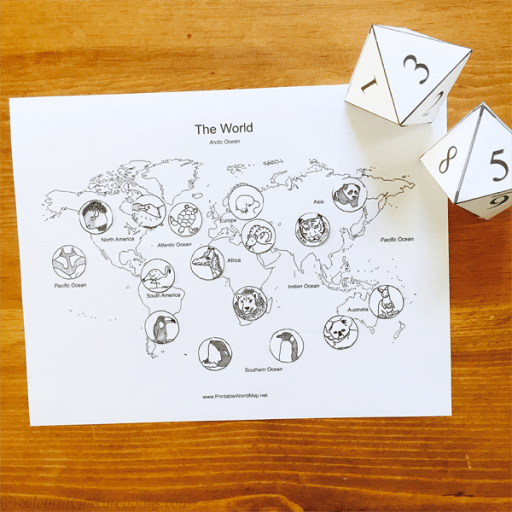
Fascinating animals are found in every part of the world. Play this fun printable Wonderful Wildlife Board Game to match each animal to the area where it lives.

Supplies

Directions

  1. Print a World Map for each player
  2. Print one set of 16 Wildlife Tokens for each player
  3. Print two copies of the 8-sided die, fold, and tape together
  4. If you would like, color the map and tokens
  5. Choose a player to go first
  6. Each player rolls both dice and places an animal on their map according to these corresponding sums of the dice below
  7. The first player to fill their map is the winner!
  • 1 = Flamingo – South America
  • 2 = Emperor Penguin – Antarctica (Southern Ocean)
  • 3 = Giraffe – Africa
  • 4 = Bald Eagle – North America
  • 5 = Ibex – Europe
  • 6 = Kangaroo – Australia
  • 7 = Panda – Asia
  • 8 = Orca – Antarctica (Southern Ocean)
  • 9 = Toucan – South America
  • 10 = Buffalo – North America
  • 11 = Koala – Australia
  • 12 = Lion – Africa
  • 13 = Etruscan Shrew – Europe
  • 14 = Manta Ray – Pacific Ocean
  • 15 = Sea Turtle – Atlantic Ocean
  • 16 = Tiger – Asia

celebrate-picture-books-picture-book-review-migration-incredible-animal-journeys-cover

You can find Migration: Incredible Animal Journeys at these booksellers

Amazon | Barnes & Noble | Books-a-Million | IndieBound

Picture Book Review

July 29 – Rain Day

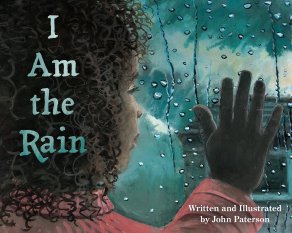
celebrate-picture-books-picture-book-review-I-am-the-rain-cover

About the Holiday

Here we are in the middle of the hot, hot summer. In many places the grass is turning brown and the plants are wishing for a little relief.  Are you wishing for rain to cool things off too? Well, today may be your lucky day, and if you live in Waynesburg, Pennsylvania the odds are with you! The holiday got its start back in 1874, when a local resident remarked to William Allison, the pharmacist at JT Rogers & Co drug store that it always rained on his birthday—July 29. Allison began keeping an annual record. Since that time all eyes have been on Waynesburg to see if the remarkable run—115 years out of 144—continues. The people of Waynesburg celebrate their notoriety with a festival that includes live entertainment, arts and crafts and food booths, kids’ games, and, of course, an umbrella decorating contest. So, watch the skies—and get your umbrella ready!

I Am the Rain

By John Paterson


“Sometimes I’m the rain cloud and sometimes I’m the rain.” So starts John Paterson’s lyrical and thoughtful tribute to the water cycle paired with beautiful illustrations that invite readers along to discover all the ways that water changes and affects our lives. From the flowing aftermath of a storm as “a roadside rapid roaring down a drain” to the creator of a rainbow “in mist or morning dew.” Water takes on various colors, shapes, and forms as the weather changes throughout the year.

celebrate-picture-books-picture-book-review-I-am-the-rain-rapid

Copyright John Paterson, 2018, courtesy of Dawn Publications.

Paterson’s short, yet compelling verses reflect the interconnectedness of the world’s water systems in poetic language that reveals the living, driving force of nature. In spring, water narrates: “Waiting, I’m the ocean bay that searching rivers seek.” He also recognizes the imagination that water inspires when, in summer, water rises “in rumbling thunderheads like castles in the haze.”

celebrate-picture-books-picture-book-review-I-am-the-rain-pool

Copyright John Paterson, 2018, courtesy of Dawn Publications.

But water is not just an Earthly phenomenon. Turning the book vertical to peer through a narrow canyon where a glowing object soars across the night sky, readers learn that water is found “in the comet high circling the stars. / I’m also carving canyons deep on Earth and cousin Mars.” And, finally, the most personal link with water is revealed: “All of life depends on me. I’m even part of you.”

Five detailed and illustrated pages of back matter explain the water cycle; the science behind Paterson’s poetry, including explanations of the three forms of water, why water flows downhill, the science of rainbows, the color of water, and more; STEM experiments for teachers to perform with students; and how people can preserve and protect the world’s water. A list of other books on water published by Dawn Publications rounds out this educational content.

celebrate-picture-books-picture-book-review-I-am-the-rain-waterfall

Copyright John Paterson, 2018, courtesy of Dawn Publications.

Paterson’s lovely, textured illustrations expose the power and splendor of water rushing in swirling streams, muddy slides, and roaring waterfalls; decorating the sky with colorful arcs and a spider’s web with crystal pearls; and resting in a rock pool and on a snowy bank. In a particularly atmospheric spread, low rolling fog creeps across a pumpkin patch on a frosty autumn morning.

A striking resource for classrooms, homeschoolers, and families, I Am the Rain makes a charming read aloud for story times as well as a captivating supporting text for science lessons. The book would be a welcome addition to any home, school, or library collection.

Ages 3 – 7

Dawn Publications, 2018 | ISBN 978-1584696155

Rain Day Activity

celebrate-picture-books-picture-book-review-rainy-day-match-up-puzzle

Rainy Day Match-Up Puzzle


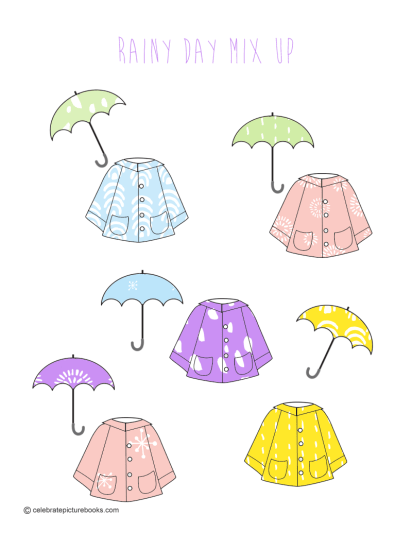
On a rainy day you need just the right raincoat and umbrella to stay dry! These matching umbrellas and raincoats have gotten separated. Can you find the matching pairs? There may be more than one way to do it. How do you match them up? 

Rainy Day Match-Up Puzzle

celebrate-picture-books-picture-book-review-I-am-the-rain-cover

You can find I Am the Rain at these booksellers

Amazon | Barnes & Noble | Books-a-Million | Dawn Publications | IndieBound

Picture Book Review

July 24 – It’s National Moth Week

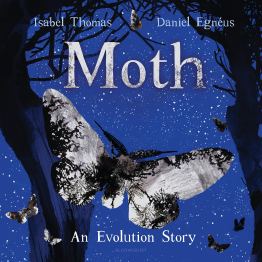
celebrate-picture-books-picture-book-review-moth-an-evolution-story-cover

About the Holiday

National Moth Week celebrates the beauty and diversity of moths, their habitats, and their life cycles. Scientists estimate that there are anywhere from 150,000 to 500,000 species of moths in the world, with varying markings and sizes. During the week people are encouraged to learn more about these fascinating insects and to join in on mapping moth distribution by observing and reporting moth sightings in parks, woods, neighborhood, and their own backyards. To get involved and learn more about today’s holiday, visit nationalmothweek.org.

I received a copy of Moth for review consideration. All opinions are my own.

Moth

Written by Isabel Thomas | Illustrated by Daniel Egnéus


“This is a story of light and dark. Of change and adaptation, of survival and hope. It starts with a little moth.” Long ago a peppered moth wiggled out of its cocoon, unfurled its “salt and pepper” wings, its legs, and its antennae and took to the air to avoid predators. It met up with other peppered moths flitting and fluttering among the trees in the night sky. Most of these moths “had speckled, freckled wings,” but some had “wings as dark as charcoal.”

During the day, the peppered moths rested, flattening themselves against the speckled bark of the trees, camouflaged from birds and other animals. But the black-winged moths weren’t so lucky. Easy to spot against the light bark, they began to vanish as birds nipped them up for themselves and their chicks. As the speckled peppered moths had more and more babies, they also sported a mottled pattern.

e-books-picture-book-review-moth-an-evolution-story-child-reading

Image copyright Daniel Egnéus, 2019, text copyright Isabel Thomas, 2019. Courtesy of Bloomsbury Children’s Books.

Over many years, the speckled moths became dominant while the dark-winged variety dwindled. But then, factories, trains, and other machines that burned coal were built. They spewed dark clouds of soot into the air. The soot settled everywhere, turning buildings and trees black. Now, the lighter-colored moths became the meals of birds and other predators, and the black-winged peppered moths had better camouflage. “Now they lived long enough to lay eggs of their own…and their wing color passed on to their offspring…and their offspring’s offspring.”

After decades of pollution and adaptation, the peppered moth population was still strong, but now most of the moths were dark, while the lighter moths were rare. But then, people came together to clean up the pollution. Less coal was burned as new ways to fuel machines were found. In time, the air cleared, the sky was again blue and the clouds white. “The trees shed their sooty bark.” Modern life brought many changes to the landscape, providing places for both dark and speckled peppered moths to hide. Today, a mix of peppered moth can be found flittering and fluttering in the night sky, offering their “story…of survival…and hope.”

celebrate-picture-books-picture-book-review-moth-an-evolution-story-book

Image copyright Daniel Egnéus, 2019, text copyright Isabel Thomas, 2019. Courtesy of Bloomsbury Children’s Books.

Isabel Thomas’s superlative nonfiction picture book masterfully combines lyricism with clear descriptions of the science of adaptation and natural selection to create a story that touches on natural history, human history, and the interactions of the two. Thomas’s conversational tone and direct address to the reader makes this a personal story and will captivate children sensitive to nature and the world around them. Her excellent pacing serves to show the passage of time involved in the evolutionary changes within the moth community. Thomas begins and ends her story with a note of hope that living things will adapt to today’s changing world. The underlying lesson may also encourage readers to find ways in which humans can adapt to promote the survival of all living things.

celebrate-picture-books-picture-book-review-moth-an-evolution-story-trains

Image copyright Daniel Egnéus, 2019, text copyright Isabel Thomas, 2019. Courtesy of Bloomsbury Children’s Books.

Exquisite mixed-media illustrations by Daniel Egnéus will immediately draw readers—both children and adults—into the nighttime forest where peppered moths take wing, silhouetted against the golden moon and the deep blues and purples of the midnight sky before finding a hiding place from hungry bats and birds. The story’s theme of light and dark in its variations is powerfully presented. In the early pages, images are set against bright, open backgrounds; foliage is vibrant green; and birds dazzle with color. As a bird brings a charcoal-winged moth back to her nest while speckled moths hide, children can easily see natural selection at work.

As the Industrial Revolution alters the skyline and the quality of the air, the images become denser and the hues of the sky, trees, and birds muted. For children who have not grown up with the air pollution of the past—even the near past—double spreads of smog-churning factories and trains will make a strong impression. The introduction of the child at the beginning and end of the story reminds readers of two things: that we owe it to our children to treat the world with kindness and that our children are the hope this story builds on.

Special mention must be made of the magnificent and poignant illustrations of the speckled peppered moths. Looking closely at their outstretched wings, you will see nature—trees, water, dappled sunlight—reflected in them. The stunning cover—with its foil-embossed lettering, stars, and moth—reflects the importance of each reader to our world: touch or look into the shining silver and you will find yourself mirrored there.

A beautiful book to enhance nature and science studies and help children develop an understanding of the impact of change, Moth is a must for school, public library, and home collections.

Ages 6 – 10

Bloomsbury Children’s Books, 2019 | ISBN 978-1547600205

Discover more about Isabel Thomas and her books on her website.

To learn more about Daniel Egnéus and his work, visit his website.

Take a look inside Moth with this beautiful book trailer.

National Moth Week Activity

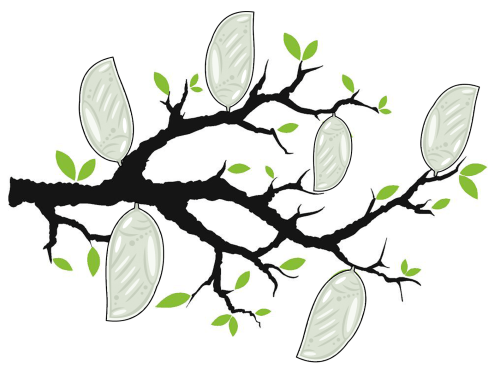
celebrate-picture-books-picture-book-review-tree-branch-with-white-cocoons

Beautiful Moths Game


Moths go through many stages of metamorphosis—from egg to caterpillar to cocoon— before they finally emerge as a moth. In this game, help six moths emerge from their cocoons to win!

Supplies

celebrate-picture-books-picture-book-review-moth-cards

Directions

  1. Print a Tree Branch Game Board and set of Moth Cards for each player
  2. Print one Moth Playing Die
  3. Choose a player to go first
  4. The first player rolls the die and places the matching moth card on one of the cocoons on the Tree Branch Game Board
  5. Play then moves to the player on the left
  6. Players continue to roll the die and place moths on each cocoon
  7. If a player rolls a moth that they already have placed on their game board, they pass the die to the next player and wait for their next turn.
  8. The player who fills their Tree Branch with moths first is the winner

celebrate-picture-books-picture-book-review-moth-an-evolution-story-cover

You can find Moth at these booksellers

Amazon | Barnes & Noble | Books-a-Million | IndieBound

Picture Book Review


July 12 – National Simplicity Day

celebrate-picture-books-picture-book-review-welcome-to-morningtown-cover

About the Holiday

Today’s holiday honors transcendentalist Henry David Thoreau, who was born on this date in 1817 and along with his many other talents and interests advocated for a simplified life. As summer heats up with a full calendar of camps, activities, vacations, work, day trips, and more, take today “off” and just enjoy the simple pleasures around you.

I received a copy of Welcome to Morningtown from Bloomsbury Children’s Books for review consideration. All opinions are my own. I’m also excited to be partnering with Bloomsbury in a giveaway of the book. See details below.

Welcome to Morningtown

Written by Blake Liliane Hellman | Illustrated by Steven Henry


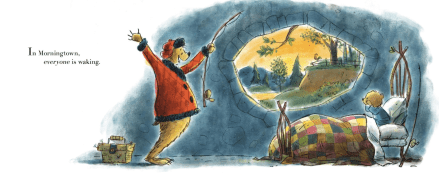
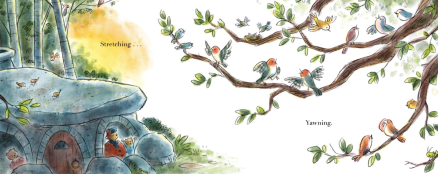
It’s the crack of dawn in Morningtown and “everyone is waking.” A little cub rubs his eyes and sees his dad standing at the foot of his bed, fishing pole in hand, tackle box at the ready. The little tyke yawns and stretches along with the birds in the tree outside his room. Down at the pond, the frogs are “hopping, flopping, splashing awake while the turtles and a beaver enjoying the first cup of the day look on. All over Morningtown the animals, the insects, and even the fish are leaving their beds, brushing their teeth, washing up, and getting dressed.

celebrate-picture-books-picture-book-review-welcome-to-morningtown-waking-up

Image copyright Steven Henry, 2019, text copyright Blake Liliane Hellman, 2019. Courtesy of Bloomsbury Children’s Books.

Next comes breakfast! “Some crunch, some nibble, some sip their morning feast.” Then in houses all around town the windows are opened and the shutters thrown wide. What will the day bring? Perhaps a banjo lesson, a new friend, and chance to help out. The cub dries the breakfast dishes while his mom washes. “Every day’s a surprise, and as the sun rises… busy bees buzz, fun bunnies bounce, and eager beavers slide into the day.” Yes, it’s a busy day in Morningtown. “Everyone is up…except one.” It’s a good thing Mom likes to go fishing too.

celebrate-picture-books-picture-book-review-welcome-to-morningtown-stretching

Image copyright Steven Henry, 2019, text copyright Blake Liliane Hellman, 2019. Courtesy of Bloomsbury Children’s Books.

Blake Liliane Hellman’s lyrical look at morning and all the promise it holds is an enchanting, cheerful way to start the day for little ones—and their adults. As the bear family wakes up in their stone home, the rest of Morningtown’s residents are also rising and greeting the day with all of those little details that go into getting ready to meet the world. Hellman’s evocative verbs, jaunty rhythms, and humorous ending make Welcome to Morningtown a joy to read aloud.

celebrate-picture-books-picture-book-review-welcome-to-morningtown-dawn

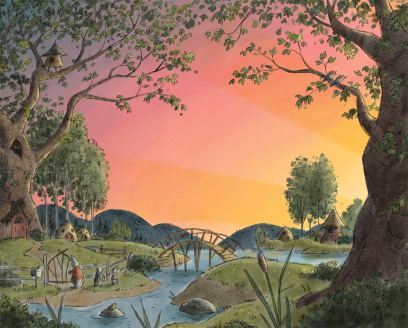
Accompanying Hellman’s story are Steven Henry’s beyond adorable forest creatures who populate this peaceful hamlet. The sky glows golden and then softens into a clear, light blue as the animals leave their beds. One snoozing butterfly catches a few more winks on her soft dandelion bed, a tiny turtle enjoys another minute on Mom’s back, and Mr. Mole climbs emerges from his “secret” bed underground while three chirping birds wake a little mountain goat on his snowy ledge. Smiles abound, and readers will find themselves smiling too as they follow the little cub as he gets ready to go fishing with Dad. Henry’s clever details and charming perspectives create a rich and, as the title invites, welcoming community that little ones will want to visit again and again.

To start a little one’s day with enthusiasm for what lies ahead, put them to bed looking forward to tomorrow, or share cuddly down time, the charming Welcome to Morningtown is as sweet as it gets and would be an often-asked-for addition to home, classroom, and public library bookshelves.

Ages 3 – 5

Bloomsbury Children’s Books, 2019 | ISBN 978-1681198736

To learn more about Steven Henry, his books, and his art, visit his website.

National Simplicity Day Activity

celebrate-picture-books-picture-book-review-pancake-game-four-edited

Pancake Flip-Out


Pancakes are served in a stack because they’re so delicious each one doesn’t last long! This game gives you the chance to see how many pancakes you can flip onto a plate! You can play this game several ways:

To Play Pancake Toss

  1. Give each player the same number of pancakes and see how many they can toss onto the plate during their turn
  2. Make a target with the plate in the middle and draw 3 concentric circles around it. Hitting the target can earn you 20 points. Getting your pancake in the first circle around the plate earns you 15 point, the second circle is worth 10 points, and the third is worth 5 points. Rotate through the players as many times as you like and add up the points at the end. The player with the most points wins!
  3. Instead of tossing the pancakes with your hands, try throwing them with a spatula!
  4. Make up your own rules—and have fun!

To Play With Dice

  1. Choose a number of pancakes that each player must add to their plate—say, maybe, a baker’s dozen.
  2. Take turns rolling the dice and adding the number of pancakes rolled to the plate. The first player to reach the agreed-upon number is the winner.

Supplies

Directions

  1. Print enough copies of the Pancakes and Breakfast Plates for the game you choose and cut them out. Playing pieces can be printed on card stock or on paper. 
  2. If printing on paper, you can glue the pancakes and plate to poster board, cardboard, or foam to give the pancakes more weight for throwing and the plate more support
  3. Once dry, the game pieces are ready for fun!

celebrate-picture-books-picture-book-review-welcome-to-morningtown-cover

You can find Welcome to Morningtown at these booksellers

Amazon | Barnes & Noble | Books-a-Million | IndieBound

Picture Book Review


July 10 – Don’t Step on a Bee Day

celebrate-picture-books-picture-book-review-bee-and-me-cover

About the Holiday

The bee population is in decline around the world due to habitat disruption and destruction, pesticide use, and colony collapse disorder. Bees (and other pollinators) are crucial to the world’s food supply. Today’s holiday is a reminder to protect bees and help preserve their habitats. By planting flowers and herbs that attract bees and providing safe nesting places for them, you can be part of the solution.

Bee & Me

By Alison Jay


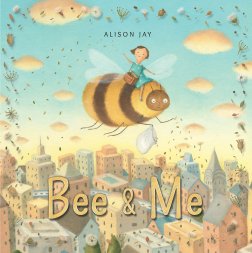
As you open the cover of Alison Jay’s glorious, wordless Bee & Me, don’t be surprised if your heart skips a little faster when you find yourself in a city that’s familiar but also magical. From a high vantage point, you look down on a main thoroughfare where a café, a music store, a hat shop, an optometrist, a barber, and a shoe shop line the busy street; stylized cars, buses, and trucks pass by; and people—tiny from this distance—walk a dog, ride a unicycle, carry bags, and try to keep up with two running children. Elevated trains traverse their arched track and helicopters and planes dot the sky.

celebrate-picture-books-picture-book-review-bee-and-me-scattering-apartment

Copyright Alison Jay, 2017, courtesy of Candlewick Press.

Turn the page and you’re looking into a four-story apartment house. On the first floor a woman does battle with a fly as her husband types at his green typewriter; on the third floor a boy tries to coax a pigeon to eat out of his hand; and in the fourth-floor apartment, a woman sits at her easel, painting. And what about the second floor? That’s where the story gets started.

A bee, attracted by flowered curtains, has just flown into a little girl’s window as she’s reading a book about flowers. The little buzzy guy flies right up to her face, causing her to toss the book aside and run away in fright. She procures her weapon and raises the fly swatter into position but reconsiders when she sees the bee’s scared face and little legs waving in his own defense. The girl decides to trap him under a drinking glass, but when the bee weakens and then faints, she reads up on bee culture and offers him a spoonful of sugar water, which he slurps up eagerly. The girl goes to the window and releases the bee under the interested gaze of the little boy upstairs.

celebrate-picture-books-picture-book-review-bee-and-me-scattering-rained-on

Copyright Alison Jay, 2017, courtesy of Candlewick Press.

That night a storm rages and the rain continues the next day. At her window, the girl finds the bee soaked through. She brings him in, feeds him another spoonful of sugar water, and then, while he sits on a playing die on her vanity, she dries him with her hairdryer and a toothbrush. Happy and fluffy, the bee decides to stay. He and the little girl become fast friends and begin doing everything together. They play checkers, dance, have tea parties, and go places with the bee riding in the girl’s doll carriage or bicycle basket. Nourished with cups of sugar water and popsicles, the bee begins to grow and grow, becoming as tall as the girl, and then taller. They play at the park on the slide and the swing, and the bee even learns how to ride the girl’s bike.

celebrate-picture-books-picture-book-review-bee-and-me-scattering-seeds

Copyright Alison Jay, 2017, courtesy of Candlewick Press.

But on a stroll downtown, the bee sees a beautiful bouquet of flowers in a florist’s window. He presses his face to the glass, and the little girl, noticing, buys him a flower. At home, the bee thinks of a meadow of flowers, and his sad face tells the little girl all she needs to know. She gets out a map and shows her friend where there’s open green space. The girl climbs on the bee’s back and they soar from the window, unseen by anyone except the little boy on the third floor.

They fly out of the city, over the river, and into farmland where they find a field of flowers. Carefully, they gather seeds in their bags and on the way back home scatter them across the city. The last seeds in the girl’s bag go into her new window box. Fall has come and the bee and the girl hug and then say goodbye as the bee flies away from her window.

celebrate-picture-books-picture-book-review-bee-and-me-flying

Copyright Alison Jay, 2017, courtesy of Candlewick Press.

With winter, an invitation comes from the boy upstairs in the form of a yellow-and-brown striped scarf dangled out of his window, and the two build a snow bee outside their apartment building. In the spring, they walk together through the rain under a polka dot umbrella, and summer sees the seeds in the girl’s window box begin to sprout. In fact the whole city has begun to sprout, with colorful gardens blooming on rooftops, along the edges of sidewalks and streets, and in yards sprinkled here and there.

The purple, yellow, blue, pink, and white flowers attract butterflies and bees, and the people on the street stop now to enjoy the beauty around them. And the girl’s BeeFF? He, of course, comes back to visit and play.

A Bee Aware! Author’s Note about the importance of bees, the kinds of flower and herb plants that attract bees, and how to create and help bees find places to nest follows the story.

celebrate-picture-books-picture-book-review-bee-and-me-scattering-blooming

Copyright Alison Jay, 2017, courtesy of Candlewick Press.

While following the story, which is played out with perfect pacing, humor, and sensitivity, readers can glimpse surprising, delightful, and funny details on every page that tell them more about the people who live in the little girl’s apartment house and the buildings nearby. Alison Jay cleverly uses these snippets of life to show the passage of time and the subplot of what is happening for the little boy who lives upstairs. The girl’s kindness and attention to the needs of the bee, whom she once feared, reminds readers of the benefits of education and opening your heart.

A superb story that encompasses awareness of nature, urban sprawl, the power of friendship, and the change one person can make on another and the world at large all wrapped in stunning art that invites multiple readings, Bee & Me is perfect for cuddly story times with little ones and impactful read alouds with older kids. The book is a must for home, classroom, and public library collections.

Ages 2 – 8

Old Barn Books, Candlewick, 2017 | ISBN 978-0763690106

You can learn more about Alison Jay and her books, and view a portfolio of her art on Children’sIllustrators.com

Don’t Step on a Bee Day Activity

CPB---Busy-Buzzy-Bee-Maze

Busy Buzzy Bee Maze


Can you help the little bee find her way through this printable Busy Buzzy Bee Maze? Here’s the Solution!

celebrate-picture-books-picture-book-review-bee-and-me-cover

You can find Bee & Me at these booksellers

Amazon | Barnes & Noble | Books-a-Million | IndieBound

Picture Book Review

June 28 – It’s Great Outdoor Month

celebrate-picture-books-picture-book-review-the-chestnut-challenge-cover

About the Holiday

The warmer weather begs to be enjoyed—whether you’re playing, working, or just lounging around. Established in 1998 as Great Outdoors Week, the holiday expanded to a month-long celebration in 2004. There’s so much to see and do outside as the wonders of nature are always changing and challenging you in new and surprising ways.

The Nocturnals Series

The Nocturnals series of books—early readers and middle grade novels—brings together a trio of friends for adventures and learning. The three main characters are Dawn, a gentle, kind, and wise red fox; Tobin, a shy, hesitant, and loyal pangolin; and Bismark, a chatty, romantic, impetuous sugar glider. Their distinct personalities serve them well as they meet up with various other woodland animals in mysterious, dangerous, and surprising ways. No matter what challenges they face, however, Dawn, Bismark, and Tobin support each other as best friends should.

Whether children meet the Nocturnal Brigade as an beginning reader or as an established reader, they will love following the friends’ adventures and be charmed by their close relationship, even when squabbles arise. As with any favorite series, kids will look forward to catching up with what this unique group of nighttime animals are doing next.

Grow & Read Early Reader Level 2 Books
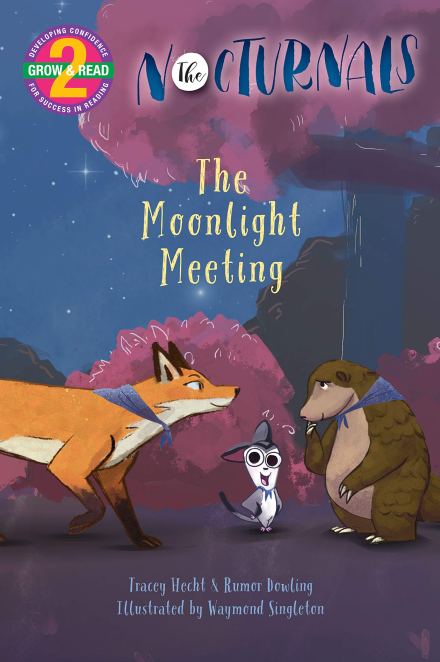
celebrate-picture-books-picture-book-review-the-moonlight-meeting-cover

The Moonlight Meeting

Written by Tracey Hecht and Rumur Dowling | Illustrated by Waymond Singleton


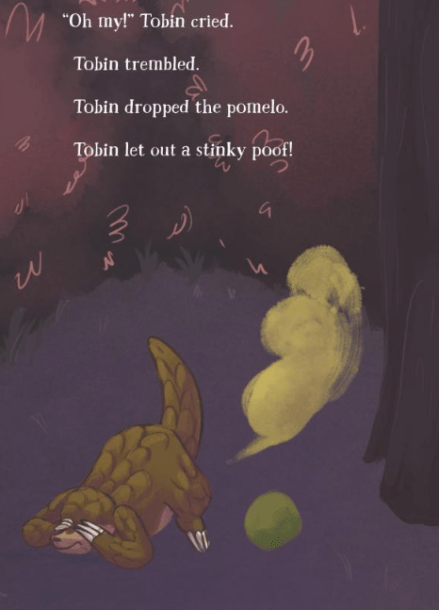
As the twinkling stars began to appear in the sky, a sweet pangolin by the name of Tobin woke up. “‘Oh my, Tobin said. ‘I smell something delicious!’” He yawned and stretched and went in search of that wonderful smell. It didn’t take long before he bumped into a pomelo—the perfect thing for breakfast. But before he could dig in, he heard a screech from the tree above. “‘Thief!’ it cried.” Tobin was so frightened that he “let out a stinky poof!”
celebrate-picture-books-picture-book-review-the-moonlight-meeting-tobin

Image copyright Waymond Singleton, 2017, text copyright Tracey Hecht, 2017. Courtesy of Fabled Films Press.

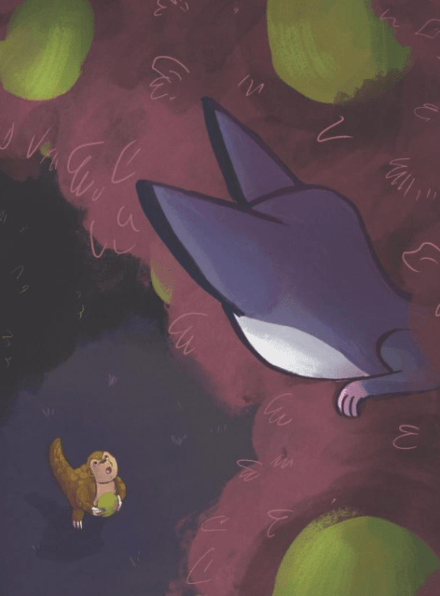
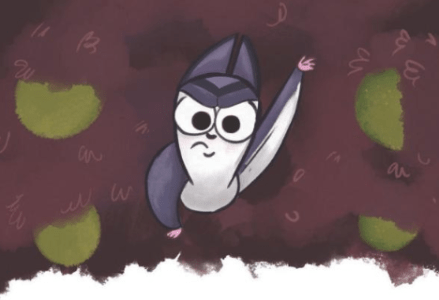
The small creature in the tree covered his nose. “‘That stench! That odor! That tang!’” he exclaimed. “‘This calls for the flaps!’” In a moment the animal leaped out of the tree and glided to the ground. Although a little scared, Tobin was curious. He wondered if perhaps this creature could become a friend. But it didn’t seem he was interested in anything but the pomelo. As he grabbed the green fruit, he introduced himself. “‘I am Bismark! Sugar glider spec-tac-u-lar! And the owner of this pomelo.’” But before Tobin could reply, a red fox emerged from the bushes.

She had smelled Tobin’s spray of fear and wondered if help was needed. The fox had “kind eyes” and “a warm smile.” Bismark spoke up and told the fox about Tobin and the pomelo and the thievery. The fox asked if all of this was true. “Tobin was shy, but the fox made him feel brave.” He answered that he was not stealing the fruit, but Bismark said he had seen it first.
celebrate-picture-books-picture-book-review-the-moonlight-meeting-pomelo

Image copyright Waymond Singleton, 2017, text copyright Tracey Hecht, 2017. Courtesy of Fabled Films Press.

The fox thought over the problem and…sliced the pomelo into three pieces. She gave a piece to Tobin and Bismark and kept one for herself. “‘Mmm,’ Tobin said. The pomelo was sweet! ‘Burp,’ Bismark belched. The pomelo was juicy. ‘Perfect,’ the fox declared. The pomelo was delicious!” It seemed the little sugar glider liked more than just the pomelo. After smoothing his hair and giving a deep bow, he introduced Tobin and himself. The fox smiled and told them her name was Dawn. Tobin was smitten.

Suddenly, they all realized that each of them slept during the day and were awake at night. Bismark exclaimed that they would be “a moonlight trio… a nocturnal brigade”… a…. Dawn broke in. “‘We will be friends,’” she said. Tobin and Bismark were happy. They were friends.

Facts about the nocturnal animals in the book and their favorite food, the pomelo, follows the story.
celebrate-picture-books-picture-book-review-the-moonlight-meeting-bismark

Image copyright Waymond Singleton, 2017, text copyright Tracey Hecht, 2017. Courtesy of Fabled Films Press.

Tracey Hecht introduces her unique band of friends in this story that brings a diverse group of animals together over the disputed ownership of a pomelo. The strong personalities of the characters lend humor and intrigue to their quarrel over this favorite fruit, and as Dawn raises her sharp claws to decide the issue, readers may join Tobin and Bismark in a moment of wide-eyed suspense. The fox’s solution, however, is one of inclusion and sharing and sets the tone for the rest of the series. Hecht’s short sentences are composed of active, high-interest vocabulary, and the story moves along at a quick pace, carried by realistic and funny dialogue.

Screen Shot 2019-06-27 at 7.56.43 PM


Kids will love meeting Dawn, Bismark, and Tobin through the illustrations on each page that convey their personalities and the storyline clearly. Tiny Bismark, with his big eyes, dramatic expressions, and energetic attitude is always ready for action. Tobin, the scaly pangolin with long claws, an anxious demeanor, and an inherent sweetness, is devoted and trustworthy. And Dawn, with her sleek red coat and gentle eyes, is caring, intelligent, and the glue that holds the three together. As readers get to know each character better, they’ll look forward to each one’s individual reactions to whatever adventure they encounter.

Ages 5 – 7 

Fabled Films Press, 2017 | ISBN 978-1944020149

You can find The Moonlight Meeting at these booksellers

Amazon | Barnes & Noble | Books-a-Million | IndieBound
celebrate-picture-books-picture-book-review-the-slithery-shakedown-cover

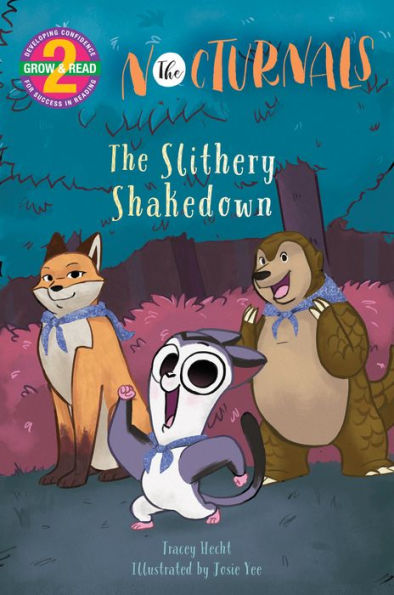
The Slithery Shakedown

Written by Tracey Hecht | Illustrated by Josie Yee


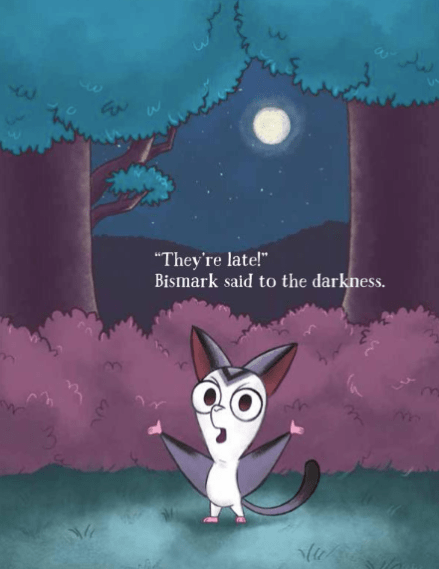
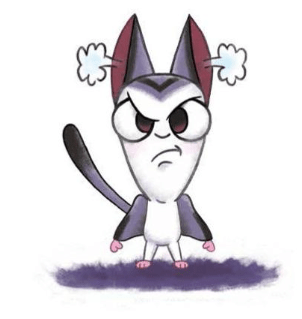
Although nighttime had come, Bismark was still waiting for his friends to arrive. “Bismark tapped his foot. Bismark put his fists to his hips. Bismark scrunched his tiny pink nose. This sugar glider was peeved!” Still, he was more relieved than angry when Tobin, the pangolin, came through the reeds. It wasn’t long before Dawn, a red fox, joined them. Bismark jumped on top of a rock and declared that he was going to take them on an adventure. After all he was “‘Bismark the Brave.’” Tobin and Dawn giggled at their tiny friend.
celebrate-picture-books-picture-book-review-the-slithery-shakedown-late

Image copyright Josie Yee, 2018, text copyright Tracey Hecht, 2018. Courtesy of Fabled Films Press.

Before they could get started, though, Dawn noticed something lurking in the bushes. It was a snake—a snake who seemed to have designs on eating Bismark for breakfast. “The snake slithered closer. ‘Sss-scrumptious!’ the snake said. ‘A sss-scrawny, little sss-sugar glider.’” Bismark ran and hit behind Dawn’s legs. Dawn stepped forward and confronted the snake. “Tobin summoned his courage” and joined her.

The snake prepared to attack. “Dawn snarled…. Tobin raised a sharp, taloned claw.” The snake took a look at the stalwart friends and decided it was time to “‘sss-skedaddle.’” Biskmark was trembling as he watched the snake slither away, but he would not admit that he had been scared. Dawn and Tobin reassured him that “‘You can be scared and brave, too.’” In fact, they told him, they had also been afraid of the snake.
celebrate-picture-books-picture-book-review-the-slithery-shakedown-peeved

Image copyright Josie Yee, 2018, text copyright Tracey Hecht, 2018. Courtesy of Fabled Films Press.

Just then something blue and shiny in the bushes caught Bismark’s eye. He went closer. The thing was long and thin, but it did not slither. “‘By the moon!’ Bismark said. ‘Look here! That snake slithered right out of its skin.’” He picked it up and tore it into three pieces. He gave a piece to Tobin and Dawn. They each tied the piece of snakeskin around their neck like a cape and admired themselves. Dawn thought it was the perfect symbol for their brigade. “‘The Nocturnal Brigade!’ Tobin cheered, and Bismark added, “‘Bold in adventure. And best of all, brave!’”

Information about the nocturnal animals in the book and their favorite food, the pomelo, follows the story.

When the three are threatened by a snake, will they be brave enough to send him packing? Even though Bismark considers himself the bravest of the brave, he turns out to be the one most frightened by the slithery bully. With his new friends behind him, Biskmark learns that fear and bravery often go hand in hand. Here, the three solidify their friendship with a physical symbol of the brigade, and their blue snakeskin capes become a regular feature of the series. Using lots of alliteration, dialogue and some sss-snakey onomatopoeia, Tracey Hecht weaves a fast-moving story that shows that sticking together and standing up for others is the best way to defeat a bully.

Josie Yee further develops her characters in this story that sees the usually uber-confident Bismark experience fear that he can’t hide. Tobin demonstrates another level of self-assurance by swallowing his usual shyness to confront the snake, and Dawn, true to her nature, serves as strong example to her friends and readers.

Ages 5 – 7 

Fabled Films Press, 2018 | ISBN 978-1944020170

You can find The Slithery Shakedown at these booksellers

Amazon | Barnes & Noble | Books-a-Million | IndieBound
celebrate-picture-books-picture-book-review-the-peculiar-possum-cover

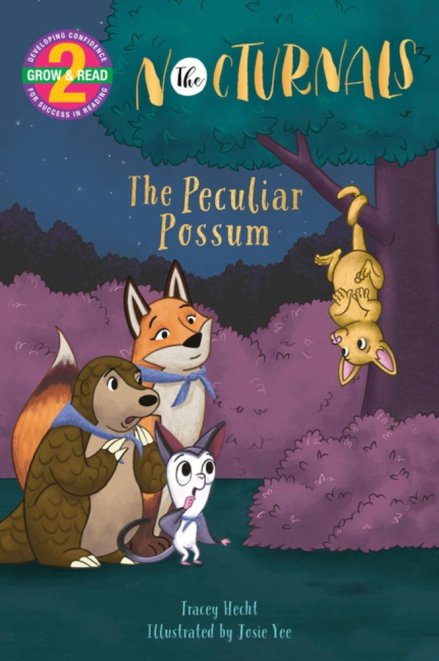
The Peculiar Possum

Written by Tracey Hecht | Illustrated by Josie Yee


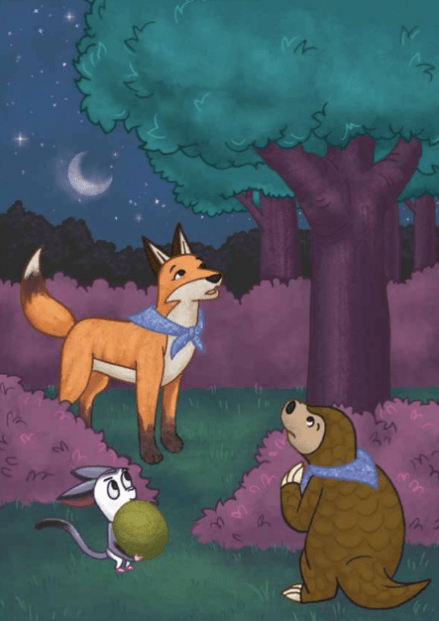
It was a bright, beautiful night when Dawn, a fox; Bismark, a sugar glider, and Tobin, a pangolin met under the pomelo tree. Bismark was dismayed because while the tree was usually full of fruit, tonight he could only find one. Just then they heard a strange “cluck cluck clatter! Chit chit chatter!” Bismark was sure it was a prowler who’d come for his pomelos. “Suddenly, the wind blew. The shadows shifted. A strange smell filled the air.”

Dawn looked up into the tree and saw “two shiny, brown eyes. And a paw, holding a pomelo! ‘Popping peepers!’ Bismark bellowed. ‘There is a prowler! And it has one of my precious pomelos!’” Quickly, the eyes disappeared and the pomelo came soaring out of the swaying branches. With a few more clucks and clatter, chits and chatter, the prowler plunked down in front of them. The three friends recognized the interloper as a possum. They gathered around it, but it lay motionless on the ground.
celebrate-picture-books-picture-book-review-the-peculiar-possum-brigade

Image copyright Josie Yee, 2018, text copyright Tracey Hecht, 2018. Courtesy of Fabled Films Press.

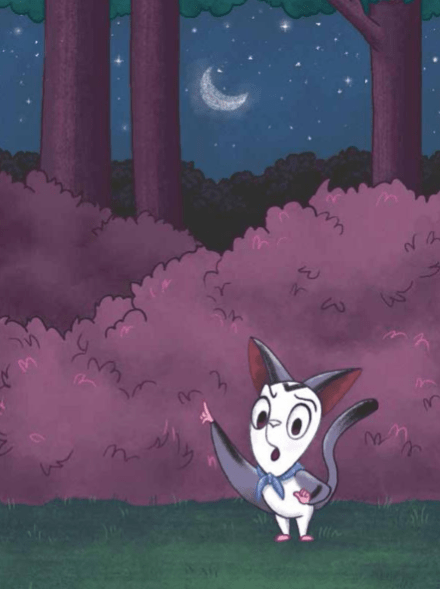
Dawn prodded it with her paw. “‘Perhaps this possum is feeling a bit peaky,’” she said. But the possum opened one eye and told them it was just playing possum. The possum got up and introduced herself as Penny. “‘Pleased to meet you,’” she said, sticking out her paw. But Bismark was not pleased to meet her. He did not like that she “prowls and pillages.” As evidence he pointed to the wayward pomelo.

Dawn gazed at her friend and said, “‘Bismark, these pomelos belong to everyone.’” Well, what about the way Penny chits and chatters? Bismark asked. He thought her way of speaking was strange. Dawn reminded him that he too had a unique way of speaking. Then Bismark pointed out the unusual hairless patch on Penny’s tail. “Dawn smiled gently. She looked down at Bismark’s bald spot. ‘Bismark, Penny is not the only one with a hairless patch.’” Still, Bismark wasn’t keen on Penny’s smell or the way she played possum.
celebrate-picture-books-picture-book-review-the-peculiar-possum-bismark

Image copyright Josie Yee, 2018, text copyright Tracey Hecht, 2018. Courtesy of Fabled Films Press.

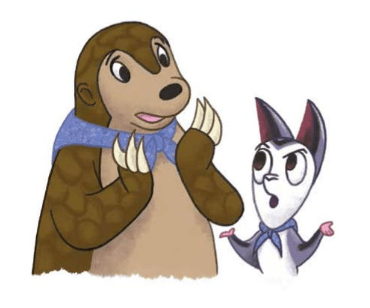
Tobin hurried to Penny’s side to defend her. “‘Penny, I spray a terrible odor when I get scared,’” he reassured her, reaching for her paws. Dawn told Bismark that no one is exactly like someone else. That everyone is unique. Then Penny told Bismark that she was proud of who she is. Bismark looked at Penny, and even though it was hard to admit he’d been wrong, he apologized to her and proclaimed, “‘You are your own possum. And that makes you perfect.’” Then Bismark split the pomelo into four sections and they all had a pomelo picnic.

Fun facts about pangolins, red foxes, sugar gliders, brushtail possums, and pomelos follow the text. Back matter also includes a Language Glossary showing forms of five words in the story as well as the translations of these words into Spanish, Portuguese, Mandarin, French, and Arabic.
celebrate-picture-books-picture-book-review-the-peculiar-possum-tobin

Image copyright Josie Yee, 2018, text copyright Tracey Hecht, 2018. Courtesy of Fabled Films Press.

When Bismark encounters Penny, a possum and an animal he’s never seen before, his adverse reaction to her disappoints Dawn and Tobin, who show him the errors in his thinking. Through her story, Tracey Hecht demonstrates that everyone has more similarities than differences and that what makes one person distinctive should be celebrated. Along the way, readers learn how to welcome a new friend.

Ages 5 – 7 

Fabled Films Press, 2018 | ISBN 978-1944020194

You can find The Peculiar Possum at these booksellers

Amazon | Barnes & Noble | Books-a-Million | IndieBound

Grow & Read Early Reader Level 3 Book

celebrate-picture-books-picture-book-review-the-chestnut-challenge-cover

The Chestnut Challenge

Written by Tracey Hecht | Illustrated by Josie Yee


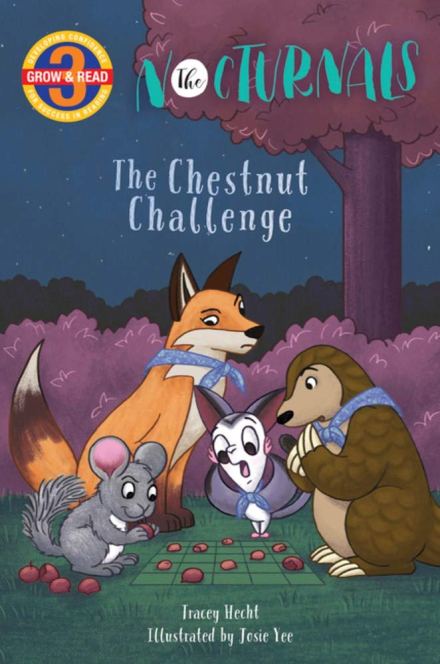
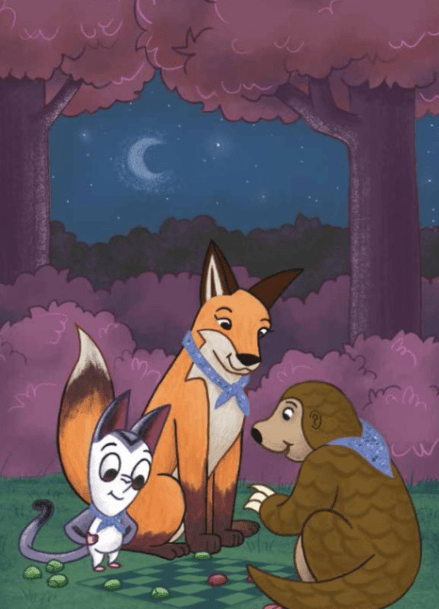
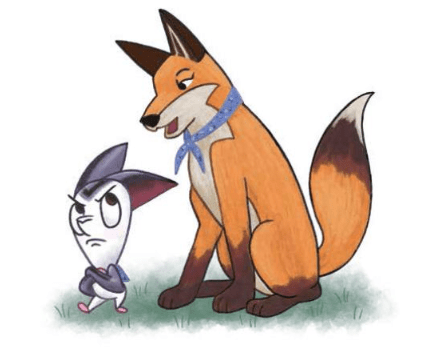
After sundown, while other animals slept, Dawn, a red fox; Bismark, a sugar glider; and Tobin, a pangolin “were playing a game of chestnut checkers.” Bismark thought Tobin was taking too long to move his chestnut. He snapped his fingers, tapped his foot, and finally said, “‘Hurry up!’” But Dawn chided Bismark and said Tobin should take the time he needed. At last Tobin moved his piece. Bismark was delighted. Tobin, it seemed, had set him up to win. Bismark moved one of his chestnuts. Now it was Tobin’s turn to be delighted. “Tobin jumped a chestnut across the board—and captured all of Bismark’s chestnuts.” Bismark was crushed. Tobin chuckled and said that it was only a game.
celebrate-picture-books-picture-book-review-the-chestnut-challenge-playing

Image copyright Josie Yee, 2019, text copyright Tracey Hecht, 2019. Courtesy of Fabled Films Press.

Suddenly, a voice called out and Chandler, a chinchilla, popped out from a nearby bush. He said that he was “‘the real chestnut champion.’” Bismark warned his friends against playing chestnuts with Chandler. He seemed to boastful to the little sugar glider, but Dawn wanted to give him a chance. Chandler chose Tobin to play first. Tobin didn’t like playing competitively; he just liked to have fun.

Bismark was all for Tobin taking up Chandler’s challenge, while Dawn said it was up to him to play or not. Chandler wanted an answer. Tobin decided to play—but just for fun. “Chandler and Tobin started to play. Chandler’s brow wrinkled. Tobin’s jaw tightened. No one seemed to be having fun.” Just then, Chandler shouted and pointed to the bushes. Tobin, Bismark, and Dawn all turned to look. “That’s when Chandler reached forward—and moved one of Tobin’s chestnuts!” When the three friends turned back, Chandler took his turn and Tobin’s chestnut that he had moved.
celebrate-picture-books-picture-book-review-the-chestnut-challenge-bismark

Image copyright Josie Yee, 2019, text copyright Tracey Hecht, 2019. Courtesy of Fabled Films Press.

Dawn thought something looked suspicious. Bismark begged Tobin to win against the “cheeky challenger.” Tobin was nervous. Suddenly, Chandler sneezed right in their faces. While their eyes were closed, he moved two chestnuts. He laughed when he saw that no one had seen him. Chandler only grew bolder. When Tobin closed his eyes for a moment, the chinchilla stole one of his pieces. This time Bismark caught him. He called on Dawn and Tobin, but Chandler denied it. Dawn, however, had also seen him steal the piece. She looked directly into his eyes and asked if he had stolen Tobin’s chestnut.

Now it was Chandler’s turn to be nervous. His cheeks reddened, his teeth chattered, “and then from Chandler’s paw, out dropped the chestnut.” With tears in his eyes, he admitted that he was a cheater. Dawn told him that champions don’t use tricks, and Tobin told him no one wins all the time and practice helps. Then they offered Chandler a second chance. So with Tobin cheering him along and Bismark keeping an eye on the board, “the four friends settled into a cheerful game of chestnut checkers.”

Fun facts about pangolins, red foxes, sugar gliders, chinchillas, and chestnuts follow the story.

celebrate-picture-books-picture-book-review-the-chestnut-challenge-game

Image copyright Josie Yee, 2019, text copyright Tracey Hecht, 2019. Courtesy of Fabled Films Press.

As the three friends meet a chinchilla with competitive streak, Tracey Hecht shows readers that cheating to win deprives all participants—even the champion—of the fun and pleasure of playing a game. In today’s super-charged world of competition at all levels, Hecht’s reminder that good sportsmanship wins out is welcome, and Tobin, Bismark, and Dawn, with their various personalities and generous offer to give him Chandler a second chance, make good companions as developing readers increase their skills while learning to play fair and for fun.

Josie Yee’s nighttime illustrations, rendered in dark blues, plums, and deep greens, take kids to the heart of a heated chestnut checkers match where they watch as Chandler concocts false alarms to cheat his way to victory. When Chandler is caught red-handed, readers see the positive effect his confession and the brigade’s offer of another chance have on him.

Ages 6 – 8 

Fabled Films Press, 2019 | ISBN 978-1944020231

You can find The Chestnut Challenge at these booksellers

Amazon | Barnes & Noble | Books-a-Million | IndieBound

You can learn more about The Nocturnals series; watch videos of games, face painting, and other activities; find educational language arts and science guides; download activity kits; and even join the Brigade by visiting The Nocturnals website.

You can find information about the Grow & Read program, Educator’s Guides, and The Nocturnals Book Club Kits with printable coloring pages and masks at Grow & Read.
Picture Book Review