January 5 – National Bird Day

celebrate-picture-books-picture-book-review-lion-and-bird-cover

About the Holiday

Today’s holiday celebrates all our feathered friends from the birds in our backyards to the chickens and turkeys that provide us with food to the penguins of Antarctica. They include wild birds and those in captivity, either as pets or in zoos or other aviaries. National Bird Day was established to promote an awareness of issues concerning the safety, health, and protection of the world’s birds. To celebrate put out birdseed and suet for winter birds or learn a little more about the birds in your area.

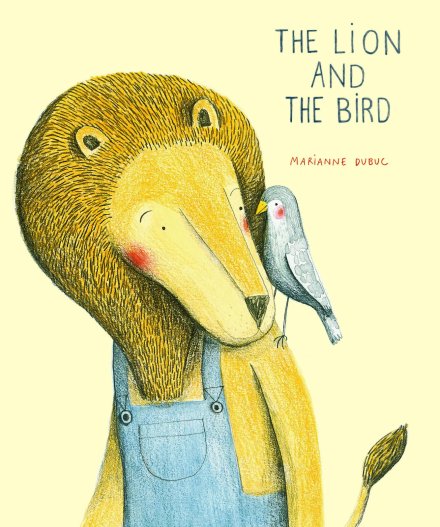
The Lion and the Bird

By Marianne Dubuc


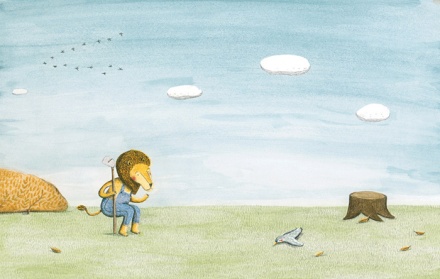
Lion was ready for a day in his garden and had just begun to hoe the rows when he spied a bird lying on the ground. “Oh, poor little thing,” Lion said. He felt he had to do something. He lifted Bird into his paws. Lion settled Bird on a tree stump and bandaged his wing.

celebrate-picture-books-picture-book-review-lion-and-bird-lion-finds-bird

Copyright Marianne Dubuc, 2014, courtesy of mariannedubuc.com.

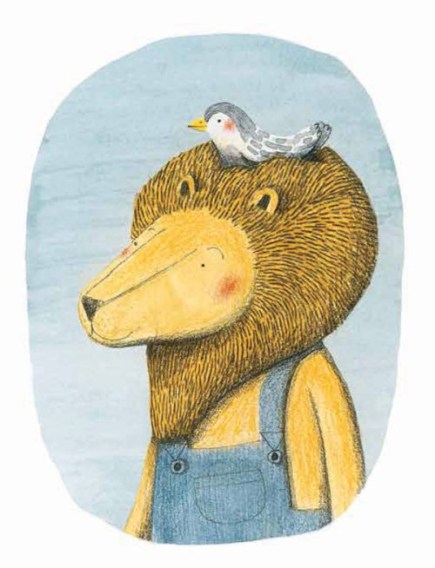
Just then Lion and Bird noticed that Bird’s flock was flying south for the winter. Without hesitation, Lion picked Bird up and placed him gently in his mane. ‘You won’t be cold here,” he told Bird. Then the two went inside Lion’s home, where there was a fire burning in the fireplace and a cozy atmosphere. Lion invited Bird to stay, saying there’s “plenty of room for both of us.”

celebrate-picture-books-picture-book-review-lion-and-bird-bird-in-mane

Copyright Marianne Dubuc, 2014, courtesy of mariannedubuc.com.

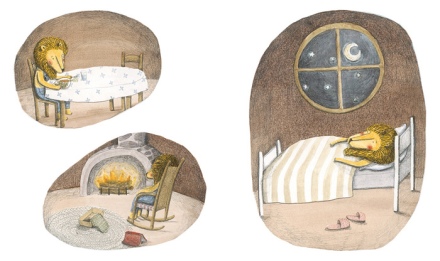
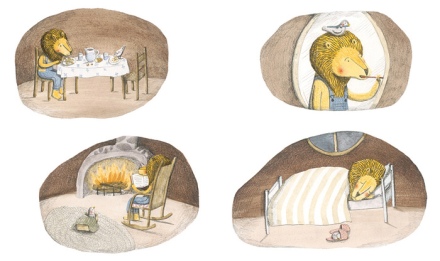
Lion and Bird ate dinner together, and Lion made a warm box for Bird to sit in next to his rocking chair in front of the fire. They sat side by side while Lion read. Then Lion brushed his teeth and Bird brushed his beak and they went to sleep. Bird found a comfortable bed in Lion’s slipper.

Autumn turned to winter with its snow and ice. But Bird was “snug and warm” nestled in Lion’s mane and under a special stocking hat Lion made. They went sledding and ice fishing and spent evenings reading by the fire. The snow piled high, but being with a friend made the winter feel less cold.

celebrate-picture-books-picture-book-review-lion-and-bird-lonely-lion

Copyright Marianne Dubuc, 2014, courtesy of mariannedubuc.com.

When spring returned the other birds did too. Bird pointed them out to Lion, and Lion told Bird he knew he had to join them. He watched his friend Bird fly off with his flock. “So it goes,” Lion thought. “Sometimes life is like that.” Still, Lion felt sad eating alone, with no one to read to, and without being able to say goodnight to Bird. In summer, Lion’s garden produced a good harvest of bright, red tomatoes, and he spent afternoons reading under his favorite tree.

celebrate-picture-books-picture-book-review-lion-and-bird-bird-stays

Copyright Marianne Dubuc, 2014, courtesy of mariannedubuc.com.

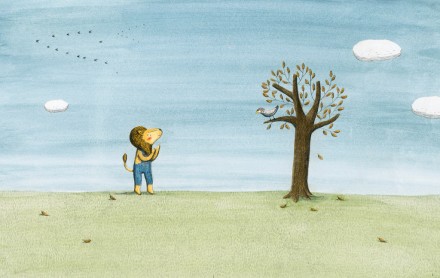
When autumn returned again, Lion wondered about Bird as he watched the flock flying south. Then he heard a familiar song. He looked and found Bird waiting on a branch of the tree. Once again Bird settled into Lion’s mane, and they went home to spend the winter together.

celebrate-picture-books-picture-book-review-lion-and-bird-bird-with-lion

Copyright Marianne Dubuc, 2014, courtesy of mariannedubuc.com.

Marianne Dubuc’s tender story of a deep and abiding friendship shows young readers that even distance and time cannot break bonds when love is shared between two people. Dubuc’s spare but profound text empathizes the warmth, attachment, and camaraderie felt between good friends. Her comforting words point to her poignant images in which Lion and Bird spend time together content in each other’s company. The idea that these two friends may not share the same language makes their devotion to each other all the more touching, and their consideration for each other’s feelings offers a moving lesson in kindness.

The Lion and the Bird is an enriching tale for quiet bedtimes and story times and provides a gentle way for parents, caregivers, and teachers to talk with children about friendship.

Ages 4 – 7

Enchanted Lion Books, 2014 | ISBN 978-1592701513

Discover a gallery of books and other illustration projects by Marianne Dubuc on her website.

National Bird Day Activity

celebrate-picture-books-picture-book-review-let's-go-birding-word-search

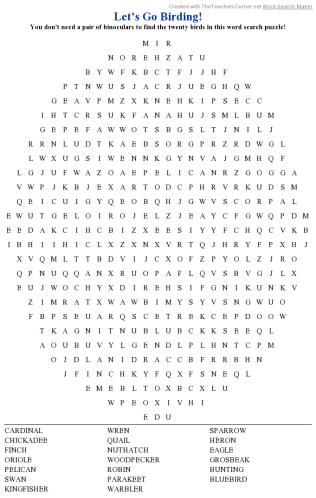
Let’s Go Birding! Word Search Puzzle


There are so many beautiful birds to celebrate on National Birding Day! You can find twenty kinds of birds without even going outside in this printable Let’s Go Birding! Word Search

Let’s Go Birding! Word Search Puzzle | Let’s Go Birding! Word Search Solution

Picture Book Review


January 1 – Commitment Day and Interview with Author/Illustrator Lindsay Ward

celebrate-picture-books-picture-book-review-don't-forget-dexter-cover

About the Holiday

The beginning of the year is a perfect time to think about your relationships and let all of the special people in your life know how much they mean to you. It’s easy to let time go by without telling friends, coworkers, and family members that they are important to you and that you appreciate everything they do for you and with you. Little ones are  committed not only to family and friends but—often with the same fervor—to their favorite toys as well. And vice versa? Perhaps—as today’s book shows!

Don’t Forget Dexter!

By Lindsay Ward


In an empty pediatrician’s waiting room, a little dinosaur calls out “Hello? Is anyone there?” Then he sees you! Yes, you, and he needs your help. It seems Dexter (that’s the dino’s name) has lost his best friend, Jack. Jack was just there a minute ago coloring with Dexter, but now he’s gone. Dexter’s been waiting “a really long time. Like forever.” He thinks that “maybe you’ve seen him?” Oh, right! You don’t know what Jack looks like! Dexter draws a quick picture of a kid with curly hair, stick arms, stick legs, and a smile. Have you seen Jack?

celebrate-picture-books-picture-book-review-don't-forget-dexter-drawing

Copyright Lindsay Ward, 2018, courtesy of Two Lions Publishing.

Maybe you and Dexter need a little more help. Suddenly, Dexter has an idea of who to ask. “Excuse me. Hello? Mr. Fish? Have you seen my best friend, Jack?” Or maybe the lady behind the window knows where Jack is. But she’s on the phone and doesn’t even seem to hear or see Dexter. Wait! Dexter knows what to do—he’ll sing his and Jack’s favorite song! “Dexter Dino, stomp through the swamp. Dexter Dino, Chomp, Chomp, Chomp!”

No Jack? Dexter sings louder, but still no Jack. Poor Dexter! He just doesn’t understand. Could it be…”Oh no! What if he left me here ON PURPOSE?” Dexter thinks, as his eyes with tears. But then denial kicks in. That can’t be…after all Dexter says, “I’m Dexter T. Rexter. The toughest, strongest, coolest dinosaur there has ever been. EVER!” And he’s pretty much right! He’s got a swishy tail, chompy teeth, pretty sharp claws, and feet that “make this really cool sound.”
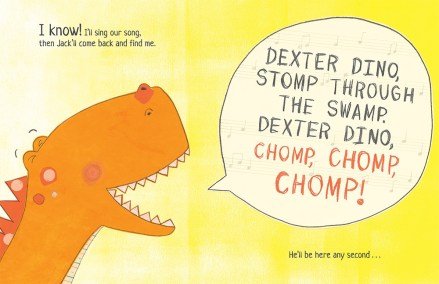
celebrate-picture-books-picture-book-review-don't-forget-dexter-song

Copyright Lindsay Ward, 2018, courtesy of Two Lions Publishing.

But oh, dear…did you really just suggest the unthinkable? That maybe Jack “likes something more? Like another toy?” You know what kinds of great toys are out there—all sorts of cars, trucks, trains, and planes that have fancy moving parts, blinking lights, and swell sounds. “Wait, what did you say? You think dinosaurs ARE awesome?” Just that thought has given Dexter more oomph and confidence. So much, in fact, that he’s going to escape from this waiting room through the window and find Jack.

Dexter builds a pile of books to reach the supply closet handle, grabs some sturdy bandages to make a climbing rope, and—under the watchful gaze of the swimmy “unhelpful spectator,” swings into action and…into the fish tank! Oh no! As Dexter sinks to the bottom, he sees all of his favorite moments sinking with him. “No more playtime. No more bath time. No more bedtime snuggles. No more Jack.” Dexter’s tears mix with the aquarium water.

But what’s this? What is that sound? “DEXTEEERRR!” Dexter recognizes that voice. It’s Jack! See? “And you were so worried.”  But Dexter knew all along he’d never be forgotten. And now as Jack pushes him around the waiting room in a cool sports car, he and Jack even have a new song to sing!

celebrate-picture-books-picture-book-review-don't-forget-dexter-dexter-t-rexter

Copyright Lindsay Ward, 2018, courtesy of Two Lions Publishing.

What child can resist the roar of a dinosaur who needs help? The opportunity to be bigger, braver, and fiercer, than T-rex is irresistible, and in Lindsay Ward’s hilarious direct-address friendship story, it’s irresistible fun. As Dexter takes readers along on his roller coaster of emotions, asking readers for help and reassurance, kids will empathize with this lost toy who’s feeling small and alone. There will be plenty of giggles when Dexter draws his stick-figure portrait, rappels into the fish tank, and melts into a puddle of dinosaur tears. A spirited reading (and singing) will bring the story fully to life.

Ward’s bright, bold illustrations set Dexter center stage as his emotions play out on his very sweet face. From page to page, Dexter’s expressive eyes register uncertainty, hope, worry, bravado, angst, bravery, despair, and finally joy. Orange Dexter is a cutie with his scattered polka dots and kindergarten-style, writing-paper belly. Kids will recognize the doctor’s office with its universal fish tank; the “better” toys Dexter compares himself to are appropriately menacing; and Dexter’s memories of fun times spent with Jack show readers just how strong the bond between these two friends is. As Jack, wearing a Dexter t-shirt and also with tears in his eyes, searches for Dexter, readers will see that the love between toy and child goes both ways. Children will cheer when Jack reunites with Dexter with a huge hug.

Don’t Forget Dexter! is a funny and heartfelt choice for dinosaur lovers and for introducing discussions of various emotions and the nature of love for home, classroom, and public libraries.

Ages 3 – 7

Two Lions, 2018 |ISBN  978-1542047272

Two Lions sent me this book to check out. All opinions are my own.

Discover more about Lindsay Ward, her books, and her art on her website.

Commitment Day Activity

celebrate-picture-books-picture-book-review-heart-jar-craft

I Love You Jar


You can show the people you love how much they mean to you by giving them your heart! Make this I Love You Jar so you always have a little love on hand to share!

Supplies

  • A decorative clear glass jar, mason jar, or other kind of jar
  • Red felt (or other desired color or colors)
  • Heart stencils or cookie cutter (optional)
  • Scissors

Directions

  1. Cut 10 to 20 heart shapes from the red felt 
  2. Place the hearts in the jar for safe keeping
  3. When you want to tell someone that they are special to you, give them a heart!

Meet Lindsay Ward

celebrate-picture-books-picture-book-review-don't-forget-dexter-lindsay-ward-headshot

Today I’m excited to talk with Lindsay Ward about the text that inspired Dexter, the best part of meeting with students, and what makes Ohio home.

What inspired you to write Don’t Forget Dexter!?

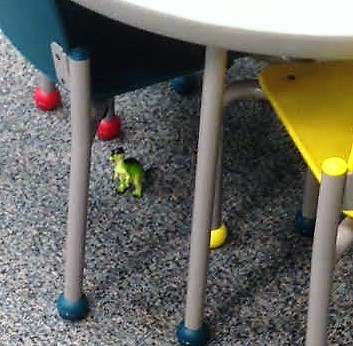
My husband and I were pregnant with our first child and my husband was required to get a T-DAP booster shot prior to our son’s birth. He went to get the shot and while he was waiting to be seen he texted me a photo with of a toy dinosaur lying underneath a chair with the line “well, they left me here.” I laughed out loud when I read the text and immediately sat down to write Dexter’s story. To this day it’s still the fastest idea-to-story moments I’ve ever had. I ended up writing the first draft within an hour and the rest is history.
celebrate-picture-books-picture-book-review-dino-photo-lindsay-ward

When did you know you wanted to write books for children? Has becoming a mom changed the way you work or the themes of your work? If so, in what way?

I always knew I wanted to be an artist of some kind, but I never thought about writing. That actually happened by accident years later once I was already published as an illustrator. When I was 15 I got my first job working in a children’s book store. After meeting authors and illustrators who would come do signings at Hicklebee’s (where I worked), I realized I wanted to illustrate children’s books. I loved the idea of working from a narrative. After I graduated high school I went on to study illustration in college and began trying to get published.

My books have always been connected in some way or another to personal experiences. Now that I have two boys, I definitely get inspired by them. I’m also a lot more critical of books as a mom than I was before. Prior to having kids, I would really only care about the quality of the art when I purchased a book for my home library. Now I expect a book to have the full package— great writing and illustrations. Seeing first hand which books my kids respond to has been really interesting too.

When you’re working on a project, does the story come first or the art?

With the exception of Dont Forget Dexter! and Henry Finds His Word, the story has always come first. Those two titles are the only books where I had a character in my head before the story was written. Generally, I come up with a concept first and then I consider all the directions I can take the story in before I settle on one. Writing is a very instinctual experience for me, I trust my gut to tell me when I’m heading in the right direction.

You hold many readings and events at schools, libraries, and book festivals. Do you have an anecdote from any event you’d like to share?

I love meeting with students and visiting schools and libraries. It’s one of my favorite parts of my job. So often I’m in my own head working on an idea, so when I get the chance to meet my readers, it’s such a wonderful experience. I don’t necessarily have a particular anecdote, but I have experienced more than once going into a school where the students have never met an author or illustrator before. I love being able to show them that they can do something creative with their lives and nothing is impossible. I think that’s a very important lesson for kids to learn. I was lucky enough to have a mom that always supported my dreams, and I can’t imagine what it would have been like to pursue this career if she hadn’t been so supportive.

What’s the best part of writing and illustrating children’s books?

I think that moment where you know you’ve tapped into something great creatively and the idea begins to really come together— that’s a wonderful feeling. I love getting to meet my readers too, that’s the best!

Your book Please Bring Balloons, a mystical story about a little girl who rides a carousel polar bear into a magical arctic dreamscape, has been made into a play and had a recent run at the New York Children’s Theater. Can you talk a bit about that and how it came to be?

I didn’t really have much to do with the process of Please Bring Balloons becoming a play. My agent called one day to let me know they were interested in adapting my book and next thing I know it was a production in New York. I remember my husband brought home a dozen roses for me the day we found out—it was incredibly sweet, saying “this is what they give actors on stage.” Months later, my husband and I had the opportunity to go to New York and see the play—which is one of the best moments of my career as a children’s book author/illustrator. I was so proud of what I had created, and so impressed with the writer, director, and actors who put it all together. Seeing my story come to life was an amazing experience that I’ll never forget.

Can you describe your studio a little? What’s your favorite thing in it? Why?

Currently, my studio is in a small bedroom in my house. It’s very cozy and has a beautiful view of the woods and river behind my house. I’m very type-A so I like to keep it organized, the only time it’s usually messy is if I’m working in cut paper on a book—then it looks like a bomb has gone off.  My favorite thing in it is my blue scissors that I’ve used on every book I’ve ever published. I’m a bit superstitious about them.

You grew up in California, lived in New York and Boston, and now live Ohio. What would you say are the three biggest differences in the West Coast, East Coast, and Midwest?

I get this question a lot, mostly from Clevelanders, who are fascinated by the fact that I grew up in California but choose to live in Ohio (sometimes I don’t think they realize how good they have it here). For me, the West Coast is laid back and goes with the flow, the East Coast is always moving, and the Midwest feels like home. I think the reason I fell in love with Cleveland is because the odds are always against it, a lot of people make fun of it or look down on it, but it’s got a lot of heart. Midwesterners are warm and passionate people. I’ve had the opportunity to live in many places and they’ve all given me wonderful experiences and shaped me into who I am today.

What’s up next for you?

I just wrapped up the sequel to Dont Forget Dexter!, titled Its Show-and-Tell, Dexter!, which will come out July 17th, 2018. I’ll be working on a new picture book about the relationship of colors, as told by the color Gray, titled This Book Is Gray, with Two Lions starting in January. And I’m thrilled to be starting a new original board book series, I Go, with HarperCollins next year.

What is your favorite holiday?

Hands down, Thanksgiving! Cooking for my family on a day filled with turkey, pie, and football…it doesn’t get better than that!

Thanks, Lindsay! It’s been fun getting to know more about you and your work! I wish you all the best with Don’t Forget Dexter! and all of your books!

celebrate-picture-books-picture-book-review-don't-forget-dexter-cover

You can find Don’t Forget Dexter! at these booksellers:

Amazon | Barnes & Noble | Books-a-Million | IndieBound

You can connect with Lindsay Ward on:

Her Website | Facebook | InstagramTwitter

Picture Book Review
December 23 – National Roots Day

celebrate-picture-books-picture-book-review-sing-don't-cry-cover

About the Holiday

As families gather for holidays this month, National Roots Day encourages people to talk about their collective histories, look at old photographs, and tell family stories. Sharing laughs, traditions, and those “remember when…?” stories with children helps give them a sense of connection and belonging and ensures that important events, customs, and relationships aren’t lost to time.

Sing, Don’t Cry

By Angela Dominguez


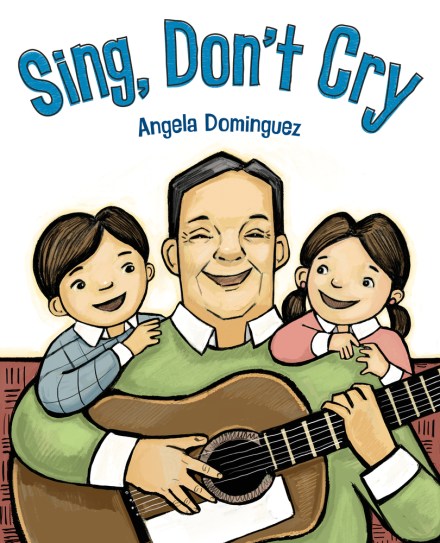
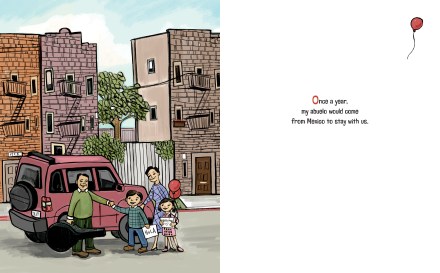
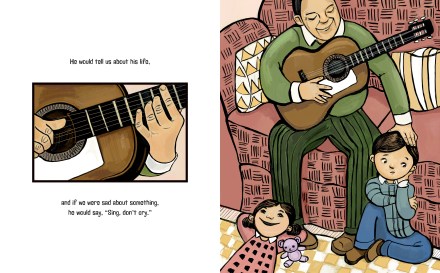
Once a year, Abuelo came from Mexico to visit his family in America. “He always brought his guitar,” and he sang to his granddaughter and grandson every night. Abuelo would talk about his life, and if the children were sad, his advice was “‘Sing, don’t cry. Because singing gladdens the heart.’”

celebrate-picture-books-picture-book-review-sing-don't-cry-abuelo-arrives

Copyright Angela Dominguez, 2017, courtesy of us.macmillan.com.

One of the stories Abuelo told was about a time when he was very young and his family “had to travel a long way to find a new home.” Just like his granddaughter and grandson’s family. He said that “singing made the distance seem smaller.” He also knew that when bad things happen, singing can make them better. “‘Some things may be lost forever,’” he said, “‘but maybe that makes room for new and wonderful things to be found.’”

celebrate-picture-books-picture-book-review-sing-don't-cry-playing-guitar

Copyright Angela Dominguez, 2017, courtesy of us.macmillan.com.

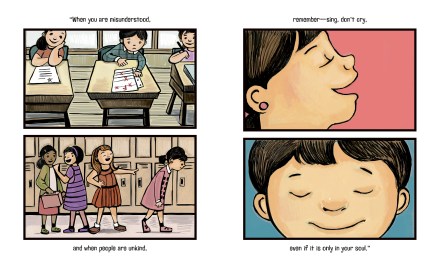
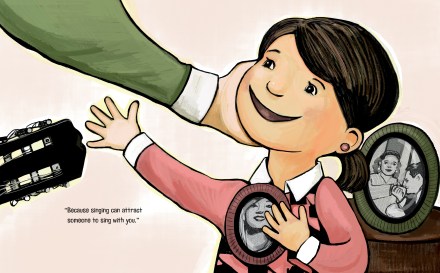
When you feel alone, Abuelo said, singing can attract friends. When there are days that are hard or when people are mean, singing—“even if it is only in your soul”—can cheer you. As Abuelo strummed his guitar and sang to his precious grandchildren, he reminded them that “‘I will always be singing with you.’”

celebrate-picture-books-picture-book-review-sing-don't-cry-singing-uplifts

Copyright Angela Dominguez, 2017, courtesy of us.macmillan.com.

Angela Dominguez pairs her heartwarming text with images that are at once simple and complex as they hold images that span the generations while also bringing them together. As Abuelo arrives as his daughter’s house, his grandchildren greet him enthusiastically with signs and balloons. The children are excited to see Abuelo get out his guitar, and as he sings, readers see that each child is comforted in different ways by their interactions with their grandfather.

celebrate-picture-books-picture-book-review-sing-don't-cry-singing-attracts-friends

Copyright Angela Dominguez, 2017, courtesy of us.macmillan.com.

A sepia-hued portrait on the wall of Abuelo as a young man as well as clothing choices offer color-coded clues to Abuelo’s history and reassurance for events in the lives of his grandkids. As Abuelo reveals the restorative power of singing, Dominguez portrays examples of three situations on a tri-paneled page. The top, sepia-colored image depicts a boy sick in bed as a worried mother looks on; the second image is rose-colored and shows a single teddy bear; and in the aqua-toned third, a boy sits forlornly on the sidelines of an American football game.

celebrate-picture-books-picture-book-review-sing-don't-cry-young-abuela

Copyright Angela Dominguez, 2017, courtesy of angeladominguezstudio.com.

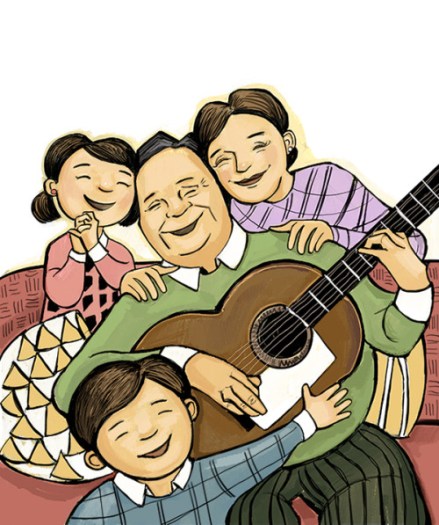
Turning the page, these three panels are more fully developed, letting young readers experience each characters’ disappointment in events that will resonate with them. Turn the page again, and children see that Abuelo’s assurance of brighter days comes true for all. Abuelo’s positive outlook is further revealed in cherished framed photographs, and the final image of the whole family gathered around Abuelo and his guitar is joyful.

celebrate-picture-books-picture-book-review-sing-don't-cry-family

Copyright Angela Dominguez, 2017, courtesy of angeladominguezstudio.com.

An Author’s Note includes the lyrics from Cielito lindo that inspired the story as well as a brief biography of Angela Dominguez’s grandfather, Apolinar Navarrete Diaz, that provides a deeper understanding of the story and the significance of Abuelo’s guitar.

An inspiring and uplifting story, Sing, Don’t Cry would be a welcome read for those times when encouragement is needed both at home and in a classroom setting.

Ages 4 – 8

Henry Holt and Company Books for Young Readers, 2017 | ISBN 978-1627798396

Learn more about Angela Dominguez, her books, and her art on her website.

National Roots Day Activity

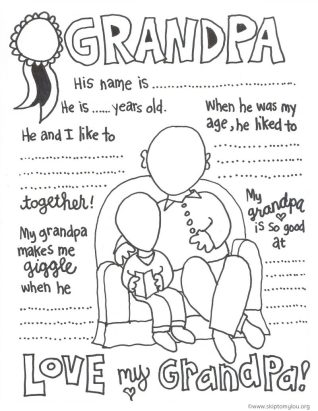
celebrate-picture-books-picture-book-review-grandpa-fill-in-sheet

I Love Grandma and I Love Grandpa Pages


What are some of the favorite things you love about your grandmother and grandfather? Fill out, draw your and your grandparents’ faces, and color these printable I Love Grandma and I Love Grandpa Pages. They even make nice gifts that your grandparents’ will appreciate!

I Love Grandma | I Love Grandpa

Picture Book Review
December 12 – It’s Cat Lovers Month

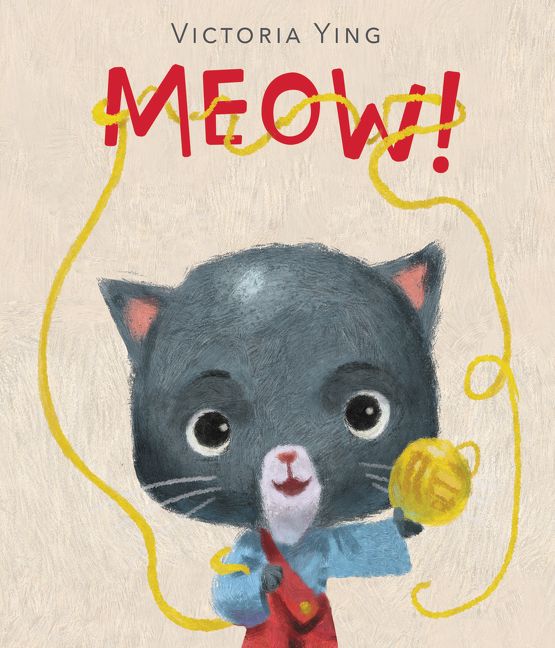
celebrate-picture-books-picture-book-review-meow!-victoria-ying-cover

About the Holiday

If you share a home with a cat, then you know how these furry friends can change your life. Whether you love them for their playful antics, for their companionship, or even for their independent spirit, your life just wouldn’t be the same without their daily presence. Cat Lovers Month is the perfect time to celebrate your cat or kitten with some extra attention and care. If you’re considering adopting a cat, visit your local animal shelter to give a cat a forever home.

Meow!

By Victoria Ying


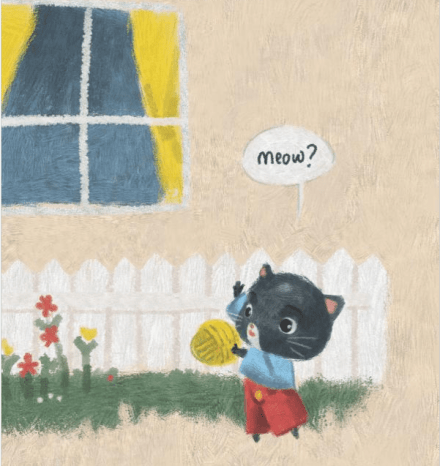
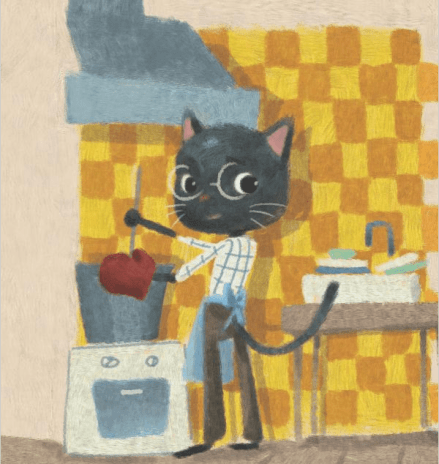
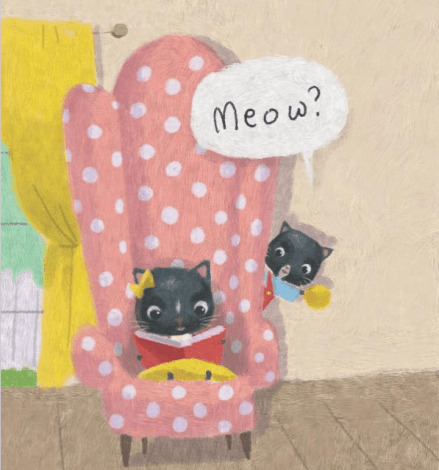
A little kitten finds his mom out in the garden planting seeds. He wants to play. “Meow?” he says, holding up a ball of yellow yarn. Next he tries his dad, who’s stirring up a big pot of something delicious on the stove. “Meow?” the little tyke asks.  Everyone seems busy in this house as the kitten’s sister ignores him while she reads her book in the tall-backed, polka dotted chair.

celebrate-picture-books-picture-book-review-meow-victoria-ying-garden

Copyright Victoria Ying, 2017, courtesy of HarperCollins.

“Mrreow…,” the disappointed kitten says. He begins to unwind the ball of yarn. If no one will play with him, he will show everyone how much fun they are missing (and maybe how upset he is too). Trailing yarn behind him, the kitten winds his way through the sitting room and around his sister’s chair, tangling yarn over the chandelier, around the flower in its vase, and around the little table it sits on.

celebrate-picture-books-picture-book-review-meow-victoria-ying-dad

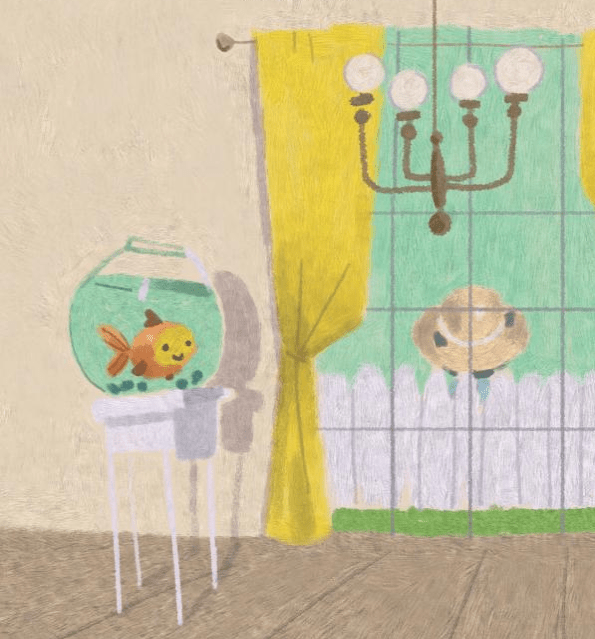
He nearly trips his dad as he carries a plate of snacks across the kitchen and then weaves in and out among the rows of flowers where his mom is working. “Meow!” But when he lassos and nearly knocks over the fishbowl with a loud “MEOOOW!!” everyone comes running. Mom and dad seat their little one in the time-out chair and give him a joint talking to: “Meow!!”

celebrate-picture-books-picture-book-review-meow-victoria-ying-reading

Copyright Victoria Ying, 2017, courtesy of HarperCollins.

The little guy didn’t mean to cause trouble. Are his parents really mad at him? What can he do? “meow…?” He really is sorry, “meow.” Dad and Mom understand. Dad hands his son a yellow cloth to clean up. The kitten mops up the spilled fishbowl water and begins rewinding his ball of yarn. His sister holds the tall chair as he reaches to remove the strings from the chandelier.

Mom lets her son help in the garden, and Dad shows him how to bake and decorate special mouse cookies, “meow!” Big sister scoots over and makes room for her brother in her chair and reads to him. “Meow!” Later the whole family enjoys the cookies and plays Cat’s Cradle with the yarn. After that it’s bath time and teeth-brushing time. Then with kisses and sweet dream wishes—“Meow. Meow…”—it’s bedtime. “purrrrr…”

celebrate-picture-books-picture-book-review-meow!-victoria-ying-cats-cradle

Copyright Victoria Ying, 2017, courtesy of HarperCollins.

Nearly wordless picture books don’t come much more adorable and full of emotion than Victoria Ying’s Meow! With only one syllable and well-placed punctuation, Ying presents the rollercoaster of emotion that little ones can feel when disappointed. Ying’s gauzy, textured illustrations are bright and inviting, and the facial expressions of each character perfectly portray the meaning behind their looks and meows—from hopeful and listening to surprised and frustrated to anger, reconciliation, and resolution.

Images of the family taking time to play with the littlest one are heartwarming and demonstrate a touching solution for restoring household harmony while showing children that they are loved and important.

celebrate-picture-books-picture-book-review-meow-victoria-ying-fish

Copyright Victoria Ying, 2017, courtesy of HarperCollins.

Meow! is a sweet and meaningful story that even the youngest readers will understand and appreciate. A dramatic reading of the various emotions involved in each “meow” as well as a bit of discussion and an invitation for little ones to read along can promote empathy and give children a voice for those feelings that are sometimes so hard to describe. Meow! would be a welcome addition to home and classroom bookshelves.

Ages 3 – 8

HarperCollins, 2017 | ISBN 978-0062440969

Discover more about Victoria Ying, her books, and her art on her website.

Cat Lovers Month Activity

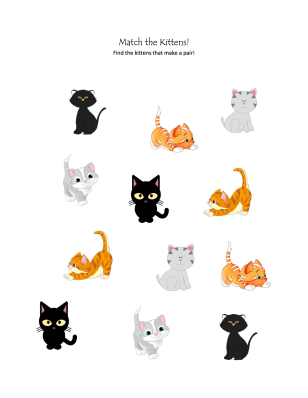
celebrate-picture-books-picture-book-review-cat-match-puzzle

Match the Kittens Puzzle


These playful kittens have gotten separated from their twin. Can you match them up again in this printable Match the Kitten Puzzle?

Picture Book Review
December 10 – Jane Addams Day

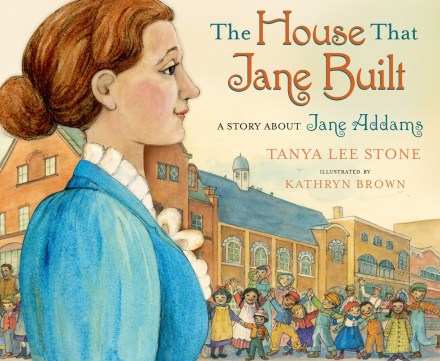
celebrate-picture-books-picture-book-the-house-that-jane-built-cover

About the Holiday

Today’s holiday was established in 2007 and commemorates the day in 1931 when Jane Addams became the first American woman to win the Nobel Peace Prize for her work to bring about social change, equality, and peace. Each year the Jane Addams Peace Association presents awards to outstanding children’s books that promote peace and justice. To learn more about Jane Addams and the Jane Addams Peace Association, visit janeaddamspeace.org.

The House that Jane Built: A Story about Jane Addams

Written by Tanya Lee Stone | Illustrated by Kathryn Brown


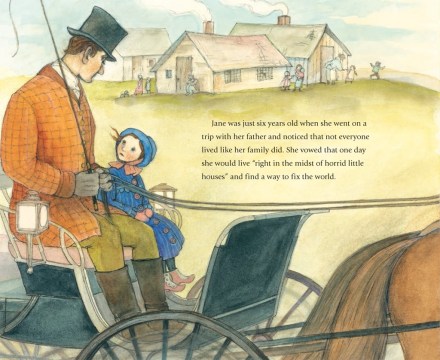
On a busy street stands a very special house where anyone is welcome and some find a home. In 1889 Jane Addams, a wealthy young woman, bought an elegant house in one of Chicago’s poorest neighborhoods. Why? At just six years old on a trip with her father, Jane “noticed that not everyone lived like her family did.” Right then she vowed that when she grew older, she would live in a poor community and “find a way to fix the world.”

celebrate-picture-books-picture-book-the-house-that-jane-built-trip-with-father

Image copyright Kathryn Brown, 2015, text copyright Tanya Lee Stone. Courtesy of us.macmillan.com.

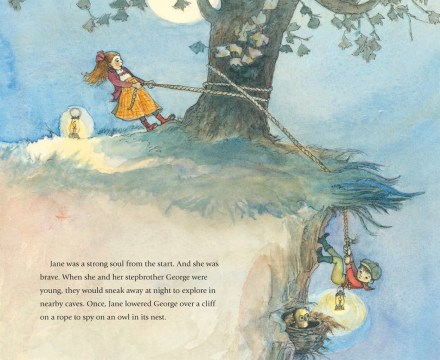
Jane was brave and strong. Sometimes she and her stepbrother George would “sneak away at night to explore in nearby caves.” Jane was also smart and “read and read her father’s book collection,” which also served as the town library. Unlike most women at the time, Jane went to college. She attended Rockford Female Seminary and “graduated at the top of her class.”

celebrate-picture-books-picture-book-the-house-that-jane-built-exploring-with-George

Image copyright Kathryn Brown, 2015, text copyright Tanya Lee Stone. Courtesy of us.macmillan.com.

After graduation, she didn’t know what she wanted to do, and when her father died that same summer, “Jane felt lost.” Two years later some friends invited her to travel to Europe with them. Although they went to the opera, museums, and many beautiful places, it was an experience in London that stuck with her. There she saw many “people in ragged clothes with outstretched hands, begging a cart vendor to buy his rotten fruits and vegetables that hadn’t sold at the market.” 

celebrate-picture-books-picture-book-the-house-that-jane-built-London-settlement-house

Image copyright Kathryn Brown, 2015. Courtesy of us.macmillan.com.

When Jane returned home, the question of how she could help nagged at her. She returned to London to learn about Toynbee Hall, where poor and wealthy people lived together and learned from each other. Here, skills, such as cooking, were taught to provide people with the education to find jobs. Toynbee Hall was called a settlement house, because the rich people who worked there lived there as well.

celebrate-picture-books-picture-book-the-house-that-jane-built-Chicago-neighborhood

Image copyright Kathryn Brown, 2015, text copyright Tanya Lee Stone. Courtesy of us.macmillan.com.

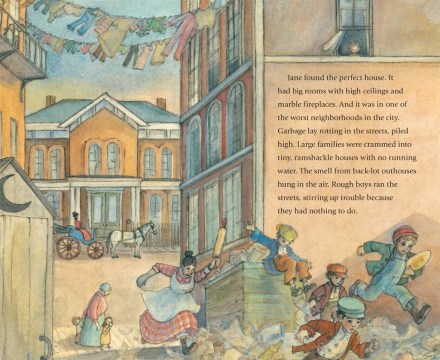
Jane now knew what she wanted to do. In 1889 Chicago was a diverse city with a large immigrant population. Many didn’t speak English, which made it hard for them to find jobs. “Large families were crammed into ramshackle houses with no running water.” Garbage lay in the street, and tough kids ran wild with nothing else to do.

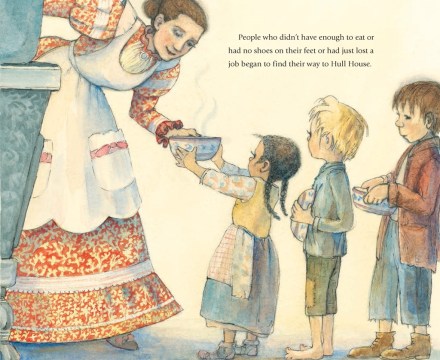
Jane found a large house in the middle of one of these areas that had once belonged to Charles J. Hull and upon his death had been given to his cousin, Helen Culver.  When Helen discovered what Jane wanted to do, she donated the house for free. Jane left the house unlocked, letting people know that they could come there whenever they needed. In time, people did find their way to Hull House when they were hungry or out of work. Jane also had her own way of dealing with unruly children or those who didn’t understand her generosity. Once when a man broke into Hull House twice because he had no job and no money, Jane gave him a job.

celebrate-picture-books-picture-book-the-house-that-jane-built-feeding-hungry

Image copyright Kathryn Brown, 2015, text copyright Tanya Lee Stone. Courtesy of us.macmillan.com.

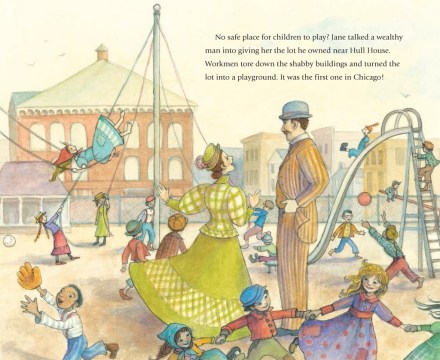
Jane helped the neighborhood in other ways too. She built a public bath so that people could stay clean and avoid illness. She convinced “public officials to build more public baths.” Because children had nowhere to play, Jane convinced a neighbor to give her his unused lot near Hull House. She tore down the buildings and built Chicago’s first playground. For kids whose parents worked long hours, she started a morning kindergarten and after school clubs. She also began offering evening classes for children who worked during the day.

celebrate-picture-books-picture-book-the-house-that-jane-built-kindergarten

Image copyright Kathryn Brown, 2015. Courtesy of us.macmillan.com.

Jane had help with her endeavors. Her friend “Ellen Gates Starr was her partner from the start.” Many other people also helped. They moved into Hull House and “taught literature, art, English, math, science, and cooking.” Hull House continued to grow, and by 1907 Jane oversaw thirteen buildings, including “a gymnasium, coffee house, theater, music school, community kitchen, and an art gallery.”

By the early 1920’s more than 9,000 people visited Hull House every week. Jane’s work “changed a bad neighborhood into a great and strong community.” Today, you can still see Jane Addams’ commitment to others in the community centers that bring people together in nearly every city and town.

An Author’s Note with more information on Jane Addams follows the text.

celebrate-picture-books-picture-book-the-house-that-jane-built-playground

Image copyright Kathryn Brown, 2015, text copyright Tanya Lee Stone. Courtesy of us.macmillan.com.

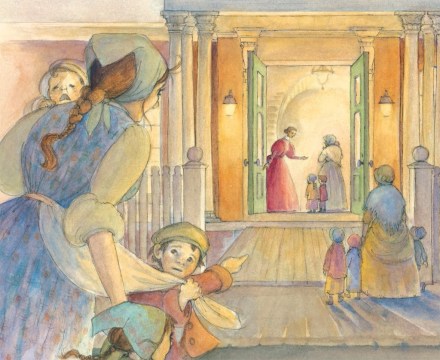
Tanya Lee Stone brings the story of Jane Addams’ work in Chicago to children in a compelling biography that gives readers a fully developed portrait of this most amazing woman. Stone’s active and evocative language puts children in the Hull House neighborhood, allowing them to get a feeling for and understanding of the issues of the time. Stone’s excellent examples of how Jane Addams responded to a variety of problems facing her community and even Hull House itself, demonstrate how generosity, empathy, and kindness can make positive changes in people’s lives. Depictions of Jane’s early compassion and commitment give children a sense that they too can make a difference in areas that are important to them.

celebrate-picture-books-picture-book-the-house-that-jane-built-front-door

Image copyright Kathryn Brown, 2015. Courtesy of us.macmillan.com.

Kathryn Brown’s riveting illustrations capture Jane’s early moments of concern for others, bravery, and study that informed her adult life; times of decision and cooperation that led to the establishment of Hull House; scenes of poverty, upheaval, and need that touched Jane’s heart; and images of her successes in Chicago that inspired others around the country. Brown’s softly hued watercolors are beautifully infused with realistic period details and honest emotion that provide readers with a strong foundation for understanding and appreciating the life of Jane Addams.

The House that Jane Built: A Story about Jane Addams is an inspiring choice for children with a philanthropic heart and to open discussions on how one person can make a difference. The book would be a welcome addition to home and classroom libraries.

Ages 6 – 10

Henry Holt Books for Young Readers, 2015 | ISBN 978-0805090499

To learn more about Tanya Lee Stone and her books, visit her website.

You can view a gallery of illustration work by Kathryn Brown on her website

Jane Addams Day Activity

celebrate-picture-books-picture-book-jane-addams-coloring-page

Jane Addams Coloring Page Poster


Jane Addams is an inspiration to all! Print this Jane Addams Coloring Page and hang it in your room or locker to inspire you to make a difference and be a positive influence in your community!

Picture Book Review
November 27 – Pins and Needles Day

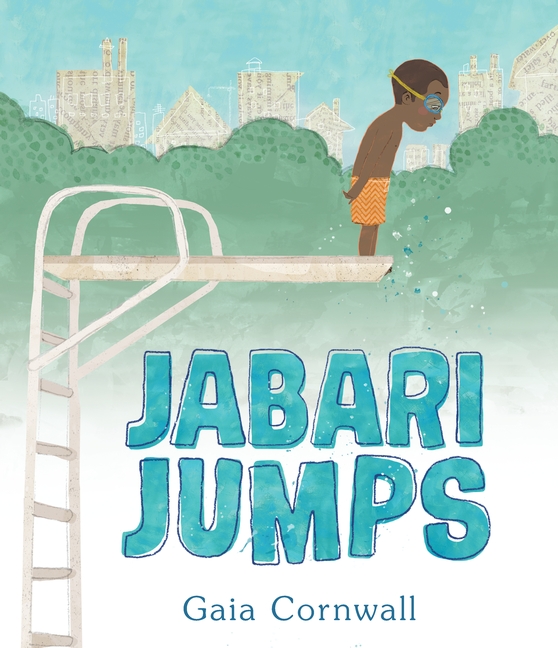
celebrate-picture-books-picture-book-review-jabari-jumps-cover

About the Holiday

Originally established to celebrate the pro-labor Broadway play Pins and Needles that opened in 1937 on this date, today’s holiday has come to commemorate that pins-and-needles nervous or excited feeling that certain events cause. That electric anticipation is especially experienced at this time of year and is often the lead-in to momentous achievements—as today’s book shows!

Jabari Jumps

By Gaia Cornwall


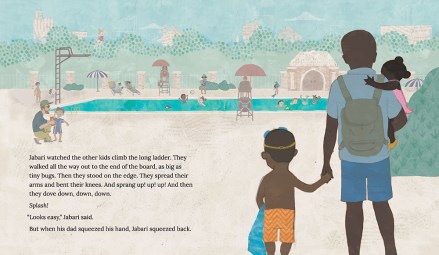
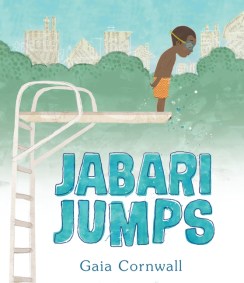
Today was the day! Jabari was going to jump off the diving board at the local swimming pool. Sure, the board “was high and maybe a little scary,” but Jabari had taken swimming lessons and passed his test, and he was ready. “‘I’m a great jumper,’ said Jabari, ‘so I’m not scared at all.’” As he and his dad approached the pool, Jabari watched other kids springing into the air from the diving board and plunging into the water below.

celebrate-picture-books-picture-book-review-jabari-jumps-at-the-pool

Copyright Gaia Cornwall, 2017, courtesy of Candlewick Press.

“‘Looks easy,’ Jabari said. But when his dad squeezed his hand, Jabari squeezed back.” Jabari stopped at the base of the ladder and looked up, up, up. He let the other kids in line go ahead of him while he thought about “what kind of special jump” he was going to do. Pretty soon he was the only one left at the ladder.

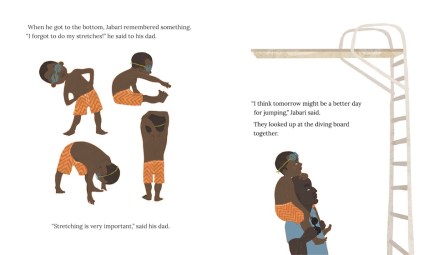
Jabari climbed up rung after rung. Part way up, he realized just how tall the ladder really was. When his dad asked him if he was all right, Jabari told him he was a little tired. His dad suggested “a tiny rest.” Jabari backed down, and when he got to the ground, he decided he needed to stretch. After loosening up, he and his dad looked at the diving board again. “‘I think tomorrow might be a better day for jumping,’ Jabari said.”

celebrate-picture-books-picture-book-review-jabari-jumps-stretching

Copyright Gaia Cornwall, 2017, courtesy of Candlewick Press.

Jabari’s dad knelt down and told his son that he felt scared too sometimes. When that happened, he said, he would take a deep breath and tell himself he was ready. Sometimes he realized he actually was, and it felt “‘a little like a surprise.’” That sounded good to Jabari because he liked surprises. He breathed deeply and began his climb. At the top, he walked to the end of the diving board, grabbed the edge with his toes, and looked down. Then he looked out at the horizon. “He felt like he was ready. ‘I love surprises,’ he whispered.”

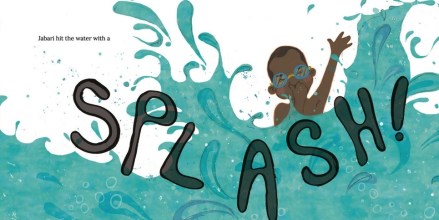
He bounced into the air and as the others below waited for him, he jumped. “Jabari hit the water with a SPLASH!” He floated down and then sprang back up. “‘You did it!’” his dad celebrated. “‘I did it!’ said Jabari. ‘I’m a great jumper!’” He ran to the ladder and climbed up for his next dive: a “surprise double backflip.”

celebrate-picture-books-picture-book-review-jabari-splash

Copyright Gaia Cornwall, 2017, courtesy of Candlewick Press.

Often in life taking big leaps can be scary—for adults as well as kids. Gaia Cornwall’s jubilant story of a little boy working up the courage to try the unknown of the diving board offers both support and comfort. Knowing that his son has it in him to accomplish his goal, Jabari’s dad provides not only the gentle nudge he needs but also the permission to decide on his own when the time is right. Cornwall’s straightforward telling sprinkled with good advice will resonate with children and is applicable for many new experiences.

Cornwall’s watercolor, pencil, and collage illustrations abound in the excitement of a day out with Dad. The loving relationship of the family is evident in their smiles, the way the father squeezes Jabari’s hand and bends down to offer encouragement, and the joyful celebration of both Dad and Jabari’s younger sister after Jabari’s jump. The diverse group of swimmers at the pool play, laugh, and talk together, giving readers much to enjoy on each detailed page. Cornwall’s beautiful palette of blues and greens accented by structures rendered from printed pages of text, highlights the buoyancy of the story.

Jabari Jumps is a wonderful story to add to any child’s or classroom bookshelf for those times when a little more encouragement is needed.

Ages 4 – 8

Candlewick Press, 2017 | ISBN 978-0763678388

Discover more about Gaia Cornwall and her work as well as activity sheets on her website

Jump into this Jabari Jumps book trailer!

Pins and Needles Day Activity

celebrate-picture-books-picture-book-review-kinetic-sand-craft

Soothing Sand


When you feel nervous or on pins and needles, this easy-to-make kinetic sand can help you relax as the sand slips through your fingers.

Supplies

  • 1 cup of play sand
  • ½ tablespoon cornstarch
  • 1 teaspoon dish soap
  • About ¾ cup of Water or as needed
  • Bin or larger bowl
  • Small bowl

Directions

  1. The amount of water you use will depend on the consistency of the sand
  2. In a bin or bowl, combine the sand and cornstarch and mix well
  3. In the small bowl combine the dish soap and water and stir until the water is bubbly
  4. Slowly pour some of the water/dish soap mixture into the sand/cornstarch mixture and mix well.
  5. Continue mixing, adding a little water at a time until the desired consistency is reached

celebrate-picture-books-picture-book-review-jabari-jumps-cover

You can find Jabari Jumps at these booksellers

Amazon | Barnes & Noble | Books-a-Million | IndieBound

Picture Book Review


November 22 – Go for a Ride Day

celebrate-picture-books-picture-book-review-molly-and-mae-cover

About the Holiday

Today’s holiday celebrates the joy of going for a ride to explore the unknown, revisit a favorite place, or spend time with friends or family. Whether you choose to go by bike, car, train, or plane, getting away can broaden your horizons and provide a much-needed dose of relaxation. November 22, coming close to the holiday season and commemorating several vehicle-related patents, is the perfect opportunity to go for that ride you’ve been wanting to take. Children, especially, love the excitement of and benefit from the new experience of travel.

Molly & Mae: A Friendship Journey

Written by Danny Parker | Illustrated by Freya Blackwood


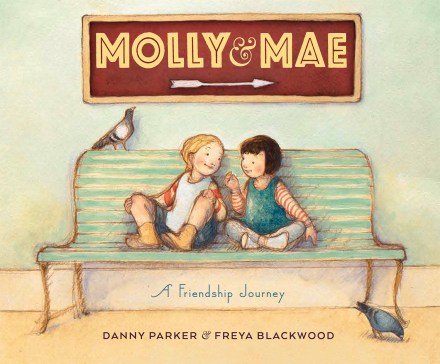
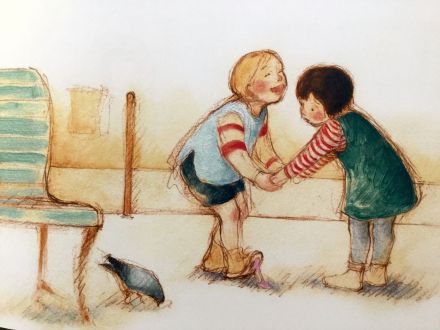
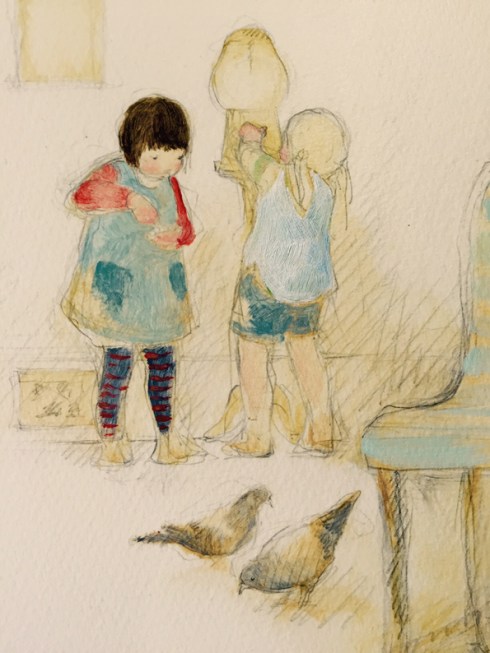
Waiting on the platform at the little train station, “Molly found Mae beneath a bench” then “Mae found Molly in the newspaper shop.” They spent their coins in the bubblegum machine and sat on a bench blowing big pink bubbles. “After that, Molly and Mae were stuck.” To pass the time they took pictures in the photo booth, walked a tightrope line on the floor, twirled like ballerinas, shared sherbet and secrets, and vowed to be friends forever.

celebrate-picture-books-picture-book-review-molly-and-mae-gum-stuck

Image copyright Freya Blackwood, 2017, courtesy of HMH Books for Young Readers.

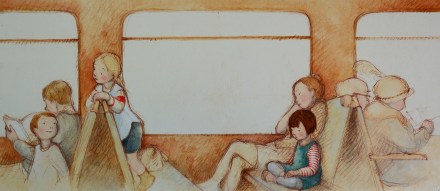
On the train they played with their dolls, got hungry, bounced on the seats and hung from the backs, skipped up the aisle, crawled under the seats, lounged in the seats, and played I Spy. But then Molly and Mae had an argument. Molly thought her younger friend was “silly,” and “Mae was tired of being bossed around.” They sat in silence watching the rain splatter the windows and the gray, misty world pass by.

celebrate-picture-books-picture-book-review-molly-and-mae-after-the-argument

Image copyright Freya Blackwood, 2017, courtesy of HMH Books for Young Readers.

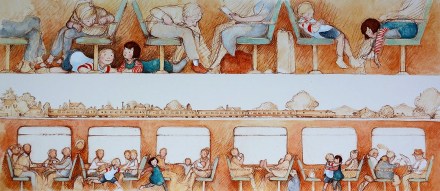
“Drawing on the glass, Molly and Mae missed each other.” Molly glanced at Mae and snuck under the seat and peeked at Mae. “Then she took the words she should have said and started to build a bridge.” Mae apologized and explained too “until the bridge was strong enough to hold them both.” As the train traveled on, the sky cleared and the girls saw hills, lakes, and bridges and zipped through dark tunnels. At night they watched the twinkling stars as the train passed through crossings in small towns until it reached their destination. Molly and Mae packed up their things and jumped onto the platform holding hands. Then they left the station together.
celebrate-picture-books-picture-book-review-Molly-and-Mae-train-car-interior

Image copyright Freya Blackwood, 2017, courtesy of HMH Books for Young Readers.

Danny Parker wonderfully captures the capacity for children to form deeply felt friendships that may only last a day or, under the right circumstances, can last a lifetime. As Molly and Mae bond over their common boredom in waiting for the train, they enjoy common jokes, treats, and games. But as the day wears on, they become short with each other, and their friendship is threatened. Molly’s willingness to apologize, and Mae’s eager reciprocation are welcome examples of how to mend hurt feelings. Parker’s simple, yet lyrical storytelling allows children to read between the lines and fill in their own similar experiences that makes Molly and Mae a beautiful universal story about the journey of life.

celebrate-picture-books-picture-book-review-molly-and-mae-gumball-machine

Image copyright Freya Blackwood, 2017, courtesy of HMH Books for Young Readers.

Freya Blackwood’s lovely illustrations give readers so much to see and talk about as Molly and Mae meet and spend the day together in the station and on the train. Rendered in quiet sepia tones, the images of the train station and the interior of the train cars could depict any trains anywhere in the world. The girls, in their colorful clothing and horsing around with the excitement of the journey and a new-found playmate, are the focal point of each spread. When their argument occurs, the pastel green fields and blue sky out the windows turn grey as rain pours down.

As Molly and Mae find words to rebuild their friendship, the train traverses a stone bridge, and as the girls make up, the sky once again turns sunny. Clever split pages give cut-away views of the train’s interior on top and bottom while the progress of the trip is shown in the middle, and the rectangular shape of the book allows for long two-page spreads that mirror the length of the train and also, perhaps, the long future friendship to come.

Molly and Mae: A Friendship Journey is a gorgeous quiet book for reflective children. With its detailed illustrations, it is also a wonderful book to share before a train trip or to take along on the journey.

Ages 4 – 7

HMH Books for Young Readers, 2017 | ISBN 978-1328715432

Discover more about Danny Parker and his books on his website

To learn more about Freya Blackwood, her art, and her books, visit her website

Go for a Ride Day Activity

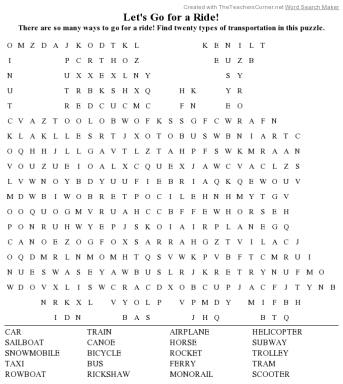
Let's Go for a Ride!-v6Hb1

Let’s Go for a Ride! Word Search Puzzle


There are so many ways to go for a ride! Find the twenty types of transportation in this printable Let’s Go for a Ride! Word Search Puzzle. Here’s the Solution.

Picture Book Review