November 19 – Children’s Grief Awareness Day

celebrate-picture-books-picture-book-review-the-boy-and-the-gorilla-cover

About the Holiday

Created in 2008 by the Highmark Caring Place, A Center for Grieving Children, Adolescents and Their Families in Pennsylvania, Children’s Grief Awareness Day is now recognized by organizations around the world. The day seeks to raise awareness of the painful impact that the death of a loved one has on a child and the fact that receiving support can make all the difference in their life as they grieve. It also provides an opportunity to make sure that these children receive the support they need.

The statistics are sobering. Before graduating from high school, one child out of every 20 children will experience the death of a parent. That number does not include those who experience the death of a sibling, a grandparent, an aunt, uncle or cousin, or a friend.

To learn more information on the needs of grieving children and find available resources, visit the Children’s Grief Awareness Day website.

Thanks to Candlewick Press for sending me a copy of The Boy and the Gorilla for review consideration. All opinions about the book are my own. I’m happy to be teaming with Candlewick in a giveaway of the book. See details below.

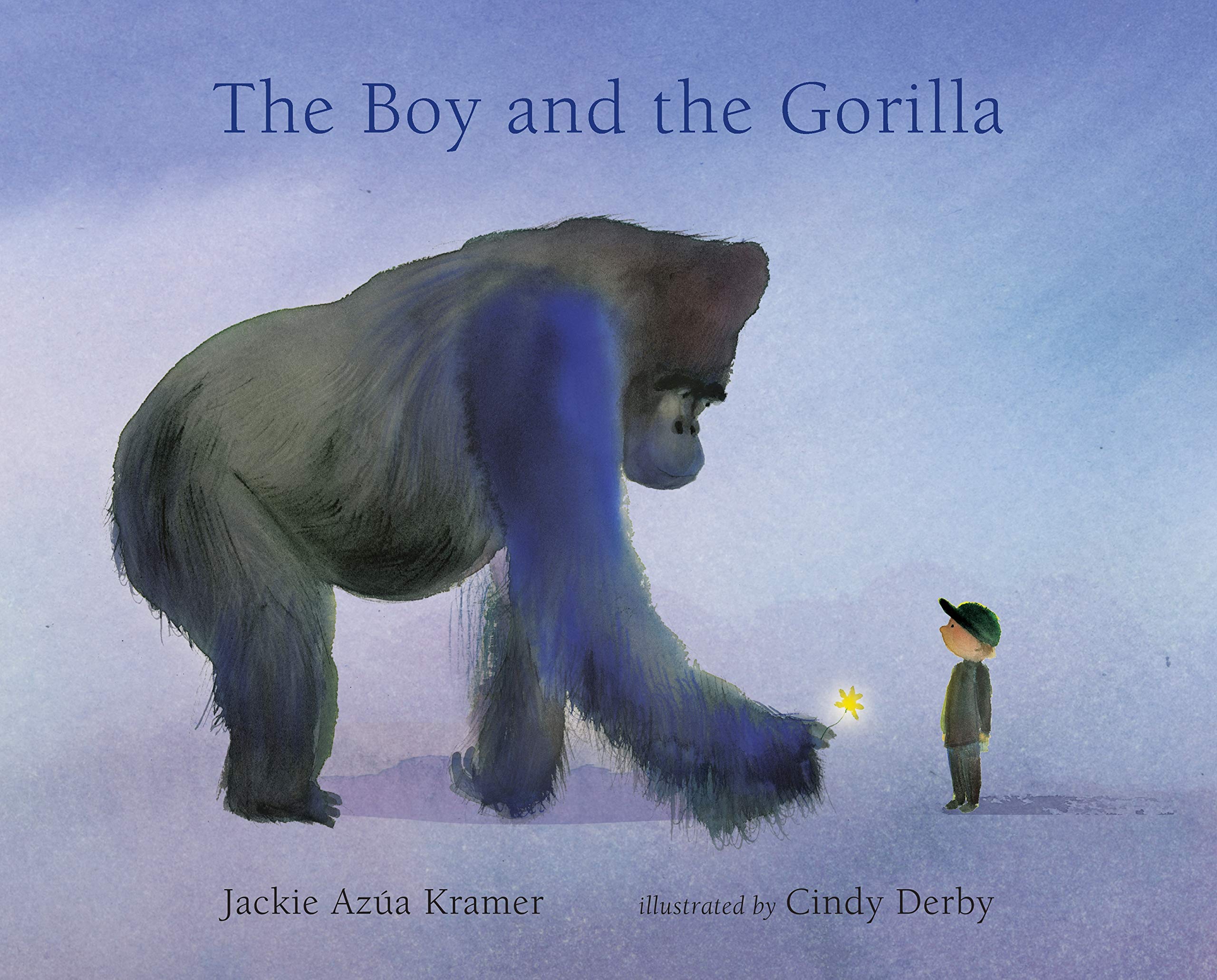
The Boy and the Gorilla

Written by Jackie Azúa Kramer | Illustrated by Cindy Derby


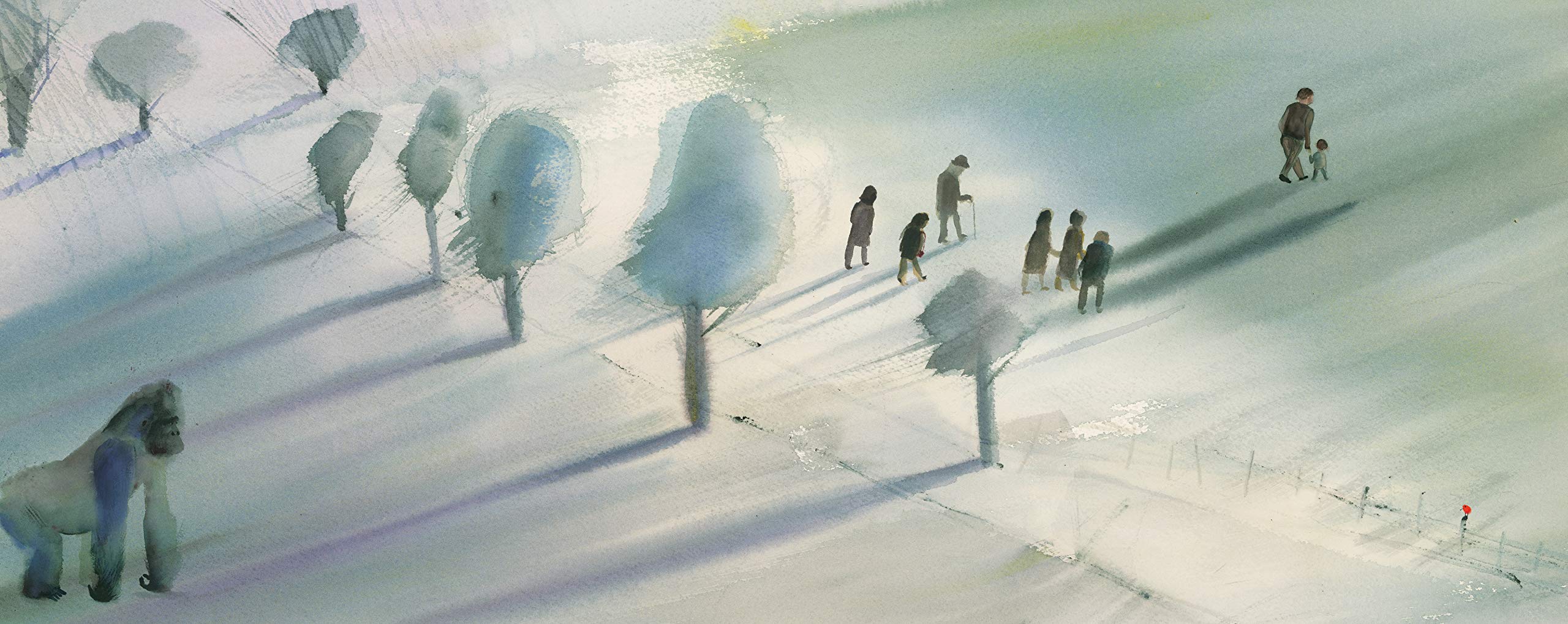
The sun casts long shadows as a little boy, his father, and a few mourners walk away from the cemetery. In the background a gorilla, strong and watchful, knows he’s needed. At home, the boy and his father sit on the sofa, aware of the family and friends gathered, but separated by grief. The gorilla waits silently nearby, filling some of the empty space. Escaping into the backyard, the boy kneels in his mother’s garden to pick a tomato. Now that he is alone, the boy acknowledges the gorilla, who asks if he can help. “Okay,” the boy says.
celebrate-picture-books-picture-book-review-the-boy-and-the-gorilla-cemetery

Image copyright Cindy Derby, 2020, text copyright Jackie Azúa Kramer, 2020. Courtesy of Candlewick Press.

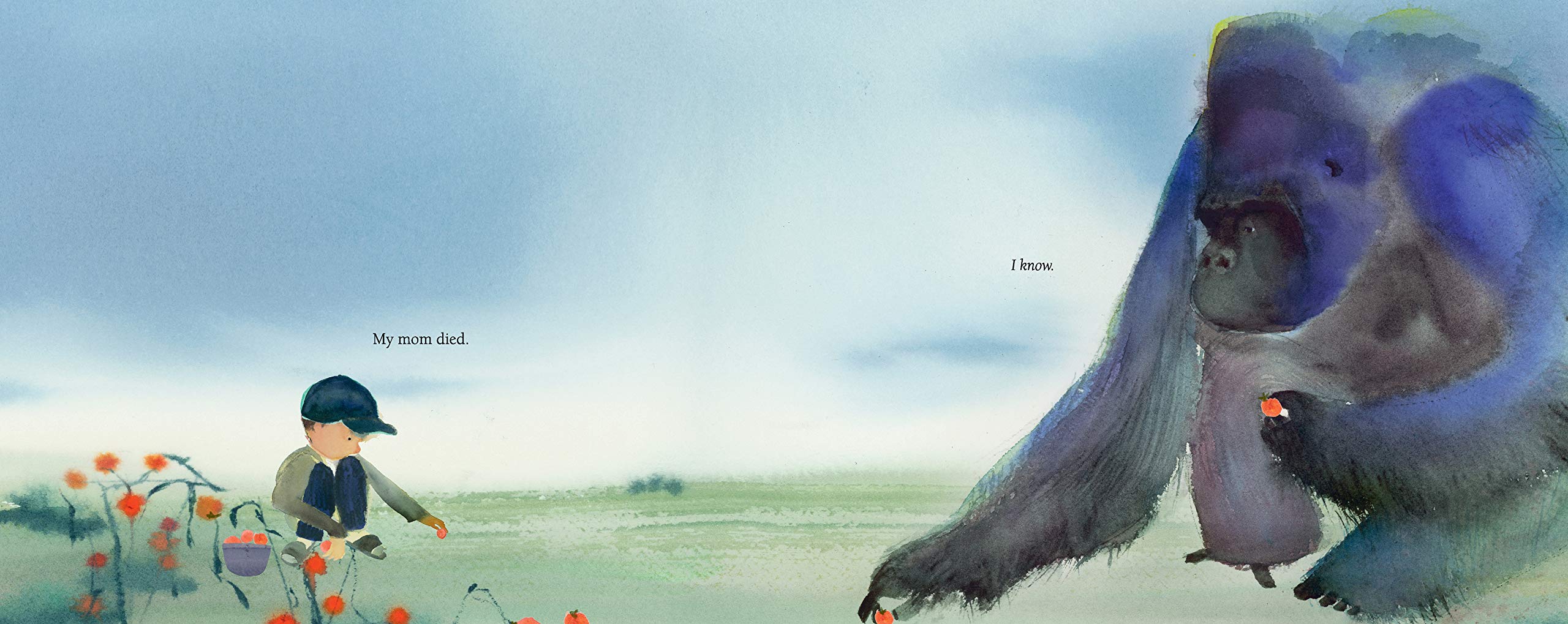
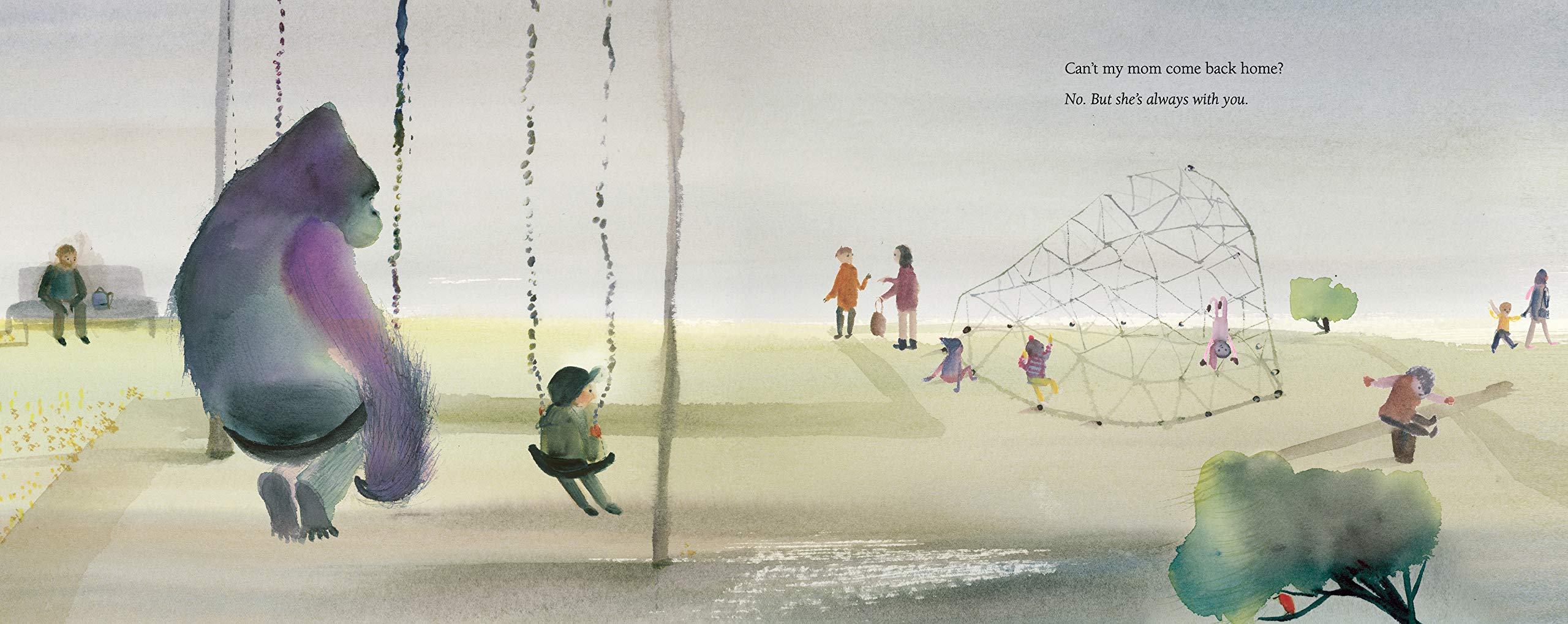
Here, to this friend of his heart, the boy can express his deep sadness as well as the questions he has about death. “My mom died,” he says. Gently holding one and picking up another tomato, the gorilla answers, “I know.” As some of the routines of life return, the boy and his dad are separated by their individual thoughts and the tasks that need to be done. But the boy works through his questions about whether all people die, where his mom went, and if she can “come back home” with the gorilla. To each question, the gorilla offers honest answers as well as comfort. His mom won’t come home, the gorilla explains, “But she’s always with you.”

When the boy misses the things he and his mom did together, the gorilla quietly suggests that his dad might do them too. The gorilla reassures the boy when he needs to be alone or look for his mother in out of the way places. Finally, the boy asks the question that tugs at his mind: “Why did she have to die?” The gorilla acknowledges his pain, saying “It hurts not to be able to be with someone we love.” When the boy wonders when he’ll feel better, the wise gorilla says, “When you know she’s still with you.”
celebrate-picture-books-picture-book-review-the-boy-and-the-gorilla-strawberries

Image copyright Cindy Derby, 2020, text copyright Jackie Azúa Kramer, 2020. Courtesy of Candlewick Press.

The boy is ready to see his mom in their shared activities, like baseball, baking, and gardening. Each of these are gifts from his mother that will stay with him forever, the gorilla reminds him. That day, the boy goes to find his father and tell him the feeling he’s been carrying: “I miss Mom.” His dad takes him in his arms and they share their grief. The gorilla embraces them with love and understanding. The boy and his dad sit together looking at photographs and talking about Mom. The gorilla watches them from across the room. Later, they plant new flowers together, and then as the sun sets and the gorilla ambles away across empty fields, the boy and his dad walk back to the house, hand in hand.
celebrate-picture-books-picture-book-review-the-boy-and-the-gorilla-swings

Image copyright Cindy Derby, 2020, text copyright Jackie Azúa Kramer, 2020. Courtesy of Candlewick Press.

In her emotionally resonant story, Jackie Azúa Kramer gives adults a poignant way to talk with children—and readers of any age—about the feelings of sadness, confusion, and loss that fill their hearts and days after someone they love passes away. Beginning with general questions that children have about death, Azúa Kramer offers honest answers or acknowledgements that “no one knows” the answers.

She then leads readers to ways they can accept a loved-one’s death and find comfort in memories, discover the constancy of their love in shared activities, and reach out to others. Told entirely in dialogue between the boy and the gorilla and, later, between the boy and his father, the story feels as personal as an embrace, allowing a grieving child to identify with it without any distancing. Beautifully paced, the story ends with a sense of acceptance, hope, and renewal.

Cindy Derby’s watercolor and mixed media illustrations will stir readers’ hearts with her touching depictions of the little boy and his father, both struggling in the wake of the loss of their mother and wife. The gorilla, painted in shades of purple and gray, is a hulking, yet soft, presence, a representation of the magnitude of the boy’s sadness but his capacity to understand too. Derby incorporates fragility and strength into her images that reinforce the boy and father’s changing awareness: On the day of his mother’s funeral, the boy goes into the garden to pick tomatoes. The gentle care the gorilla takes in helping hold these tender fruit reflects his mindfulness of the boy’s vulnerability. At the park, the chains on the swing set, where the boy and gorilla come to terms with the fact that his mother will not come back, as well as the climber appear precariously brittle, yet they are both capable of holding great weight. And a single branch, no thicker than a twig, supports them as they talk about why the boy’s mother died.

Derby also evocatively portrays how the boy and his father are each processing their feelings independently as two-page spreads allow for the boy to appear on one page while his father is on the other. They gradually grow closer—appearing on the same page, but in different places or rooms. When the little boy courageously approaches his dad, their reunion is moving, and to see them sitting next to each other after the page turn is uplifting and affirming. Derby’s use of color, especially touches of red, adds metaphorical depth to the story, and children will want to watch for the little red bird that seems to watch over this family from page to page, until the boy and his father reconnect and move forward.

For any child who has suffered a loss or knows a friend who has, or for families looking for a way to discuss death and the process of grieving, The Boy and the Gorilla is a must. The book also belongs in every school and public library collection.

Ages 4 – 8

Candlewick Press, 2020 | ISBN 978-0763698324

Discover more about Jackie Azúa Kramer and her books on her website.

To learn more about Cindy Derby, her books, and her art, visit her website.

The Boy and the Gorilla Giveaway


I’m thrilled to be teaming up with Candlewick Press in a giveaway of

  • One (1) copy of The Boy and the Gorilla, written by Jackie Azúa Kramer| illustrated by Cindy Derby

To enter:

This giveaway is open from November 19 to November 25 and ends at 8:00 p.m. EST.

A winner will be chosen on November 26. 

Giveaway open to U.S. addresses only. | Prizing provided by Candlewick Press

celebrate-picture-books-picture-book-review-the-boy-and-the-gorilla-cover

You can find The Boy and the Gorilla at these booksellers

Amazon | Barnes & Noble | Books-a-Million

To support your local independent bookstore, order from

Bookshop | IndieBound

Picture Book Review
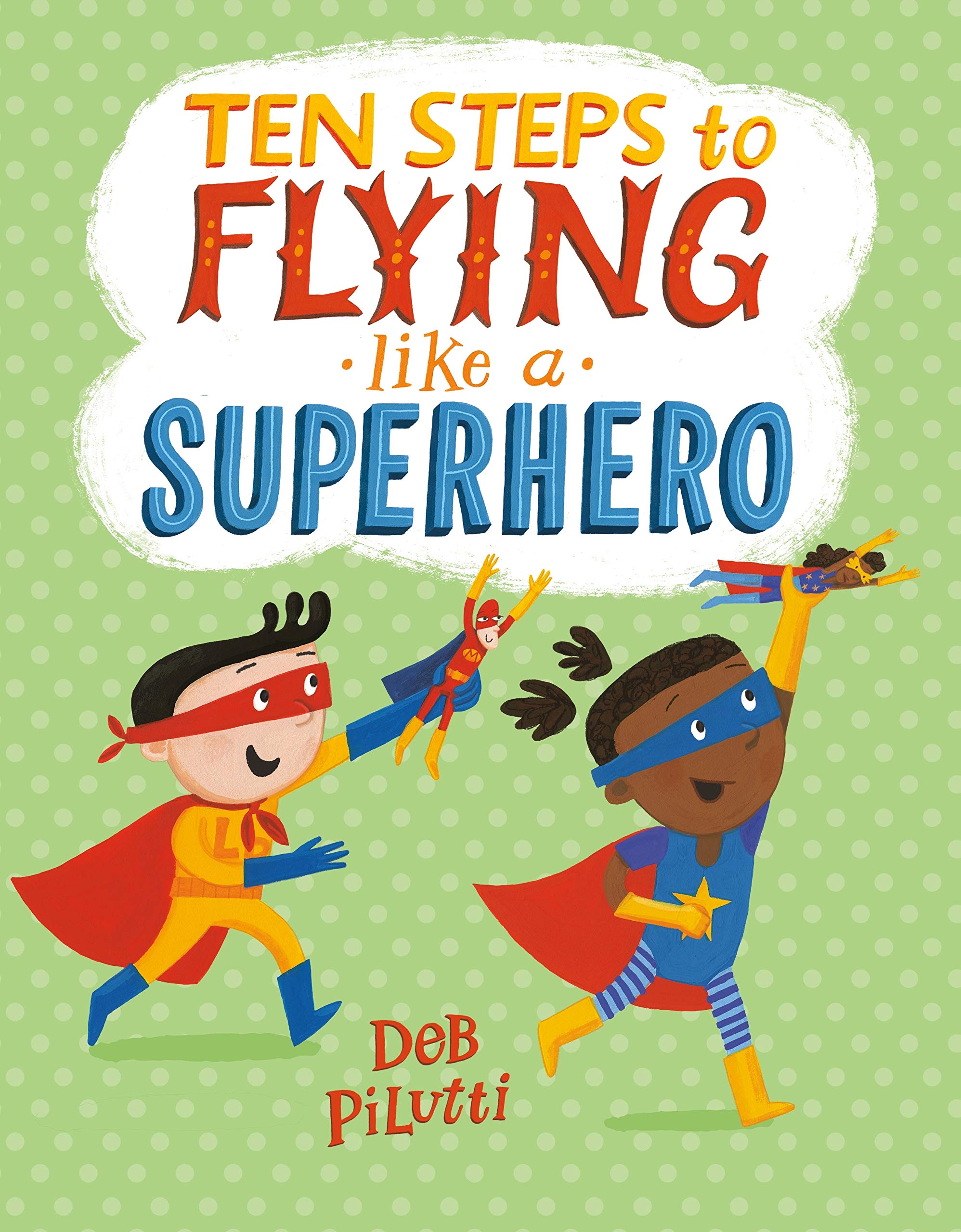
National 17 – Celebrating the Book Birthday of Ten Steps to Flying Like a Superhero

celebrate-picture-books-picture-book-review-ten-steps-to-flying-like-a-superhero-cover

About the Holiday

What better time to celebrate the launch of a new book than during National Picture Book Month?! A sequel to a favorite book is always something to eagerly look forward to, so I’m excited today to be featuring Deb Pilutti’s companion book to her acclaimed Ten Rules of Being a Superhero.  With these two clever books in hand, there’s no telling how high or how far a child can soar.

Ten Steps to Flying Like a Superhero

By Deb Pilutti


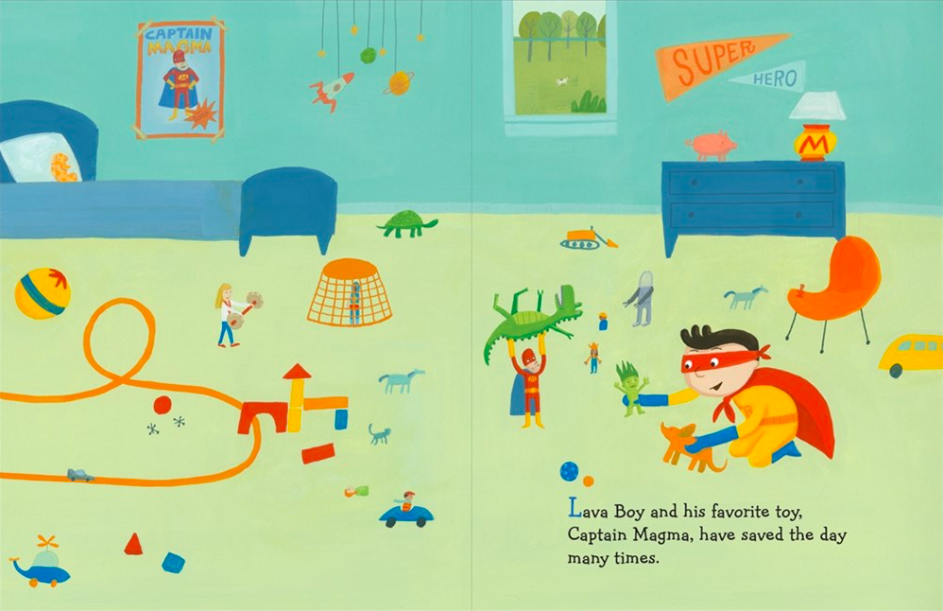
With his yellow suit, red cape, and red eye mask, Lava Boy and his toy sidekick Captain Magma are saving the earth (well, at least Lava Boy’s bedroom-floor town) from marauding dinosaurs by day. By night Captain Magma proves his superstrength during bath time by hoisting the bar of soap above his head, and he uses his “lava vision” to rescue a lost elephant from under the bed. And at all times, Captain Magma’s “friendly personality has won over even the most evil of the supervillains.”

celebrate-picture-books-picture-book-review-ten-steps-to-flying-like-a-superhero-bedroom

Image copyright Deb Pilutti, 2020, courtesy of Henry Holt & Company.

But while he’s sleeping, Captain Magma still dreams of the one time a bird picked him up and took him on an amazing journey of flight. He longs to repeat this feat, not only because it was fun but because Lava Boy has been fascinated by a new superhero, Meteor Shower, who can fly for real. Captain Magma thinks that with a plan and his smart sidekick Lava Boy’s help, he can learn to fly too.

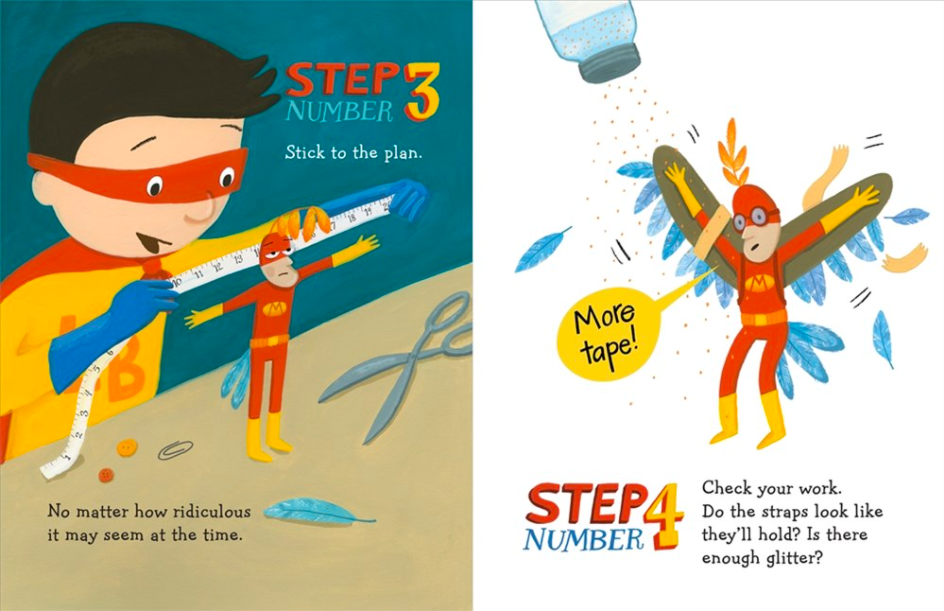
First they lay out the steps they need to take and then with all the necessary materials (especially plenty of glitter), they get to work. They pay particular attention to Step 3, sticking to the plan (even though Captain Magma feels a little ridiculous getting his “wingspan” measured) and Step 4, (“check your work”) which will bolster their chances of success. Then it’s time to launch—but not on some rickety tower of toys. Lava Boy takes Captain Magma to the stable railing of their tree house and… after the good advice at Step 6, he’s ready to “FLY!”

celebrate-picture-books-picture-book-review-ten-steps-to-flying-like-a-superhero-measuring

Image copyright Deb Pilutti, 2020, courtesy of Henry Holt & Company.

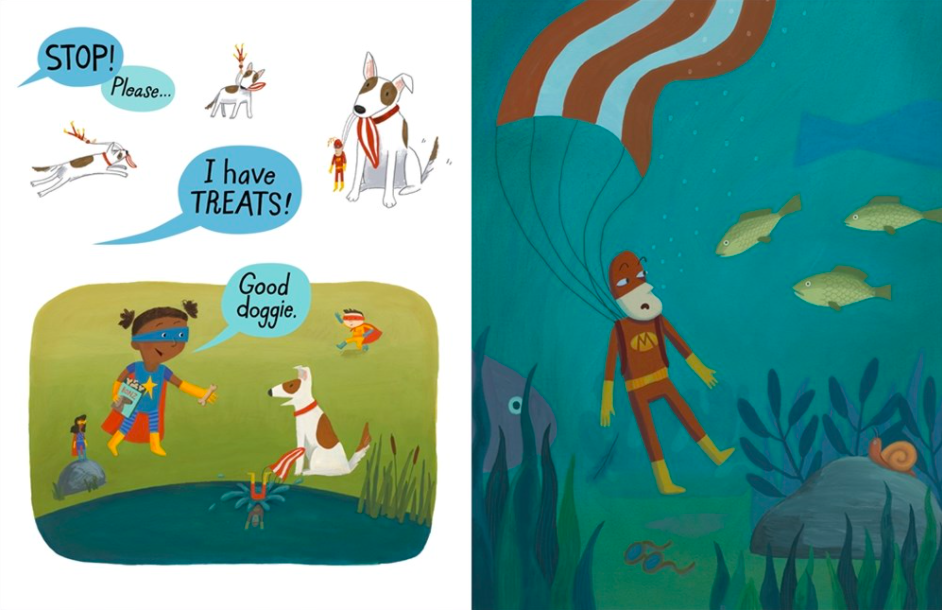
But what is that straight ahead? Captain Magma flaps his arms as hard as he can, but lands head first in a bird’s nest. “I should have learned to turn,” he tells the birds, who gaze at their uninvited guest curiously. Fortunately, Lava Boy was a very smart sidekick and had “prepared for anything,” but maybe not for everything. That’s where a new friend (like Meteor Shower and her sidekick, Star Girl) can come to the rescue and make trying again even more fun.

celebrate-picture-books-picture-book-review-ten-steps-to-flying-like-a-superhero-pond

Image copyright Deb Pilutti, 2020, courtesy of Henry Holt & Company.

With humor and imagination, Deb Pilutti outlines terrific advice on how children can achieve their goals—whether they revolve around school, sports, art, making friends, or any activity—and soar. Her straightforward steps, which can apply to any situation, are charmingly paired with specifics for helping Captain Magma fly and kid-centric reminders like “never skimp on the glitter.”

Kids will appreciate Lava Boy’s toy-strewn floor, where Lava Boy’s imagination takes flight with action, peril, animals, and people on the go. Captain Magma offers up lots of funny looks and asides (appropriately expressed in sunny yellow speech bubbles) that kids will recognize and empathize with. Hints on the identity of Lava Boy and Captain Magma’s new like-minded friends can be glimpsed early in the story through Lava Boy’s window and while he’s outside playing with his toys.

Wrapped in an exuberant story, Ten Steps to Flying like a Superhero is a super way to teach kids the steps that lead to success. The book would be a favorite for story times as well as times when encouragement is needed and would be a welcome addition to home, classroom, and public library collections.

Ages 5 – 9

Henry Holt & Company, 2020 | ISBN 978-1627796507

Discover more about Deb Pilutti, her books, and her art on her website.

Picture Book Month Activity

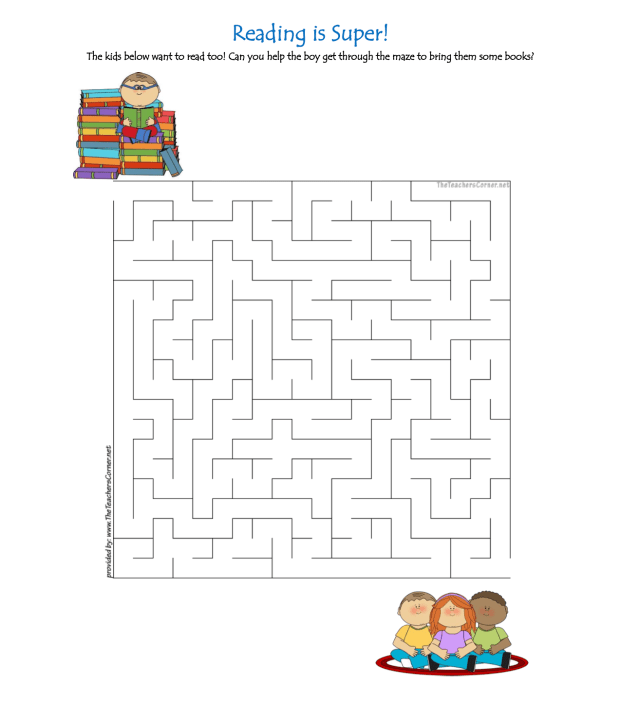
celebrate-picture-books-picture-book-review-reading-is-super-maze

Reading is Super! Maze


A super reader wants to bring books to his friends so they can all read together. Can you help him get through this printable Reading is Super Maze to reach his friends?

celebrate-picture-books-picture-book-review-ten-steps-to-flying-like-a-superhero-cover

You can find Ten Steps to Flying Like a Superhero at these booksellers

Amazon | Barnes & Noble | Books-a-Million

To support your local independent bookstore, order from

Bookshop | IndieBound

Picture Book Review


November 16 – National Button Day

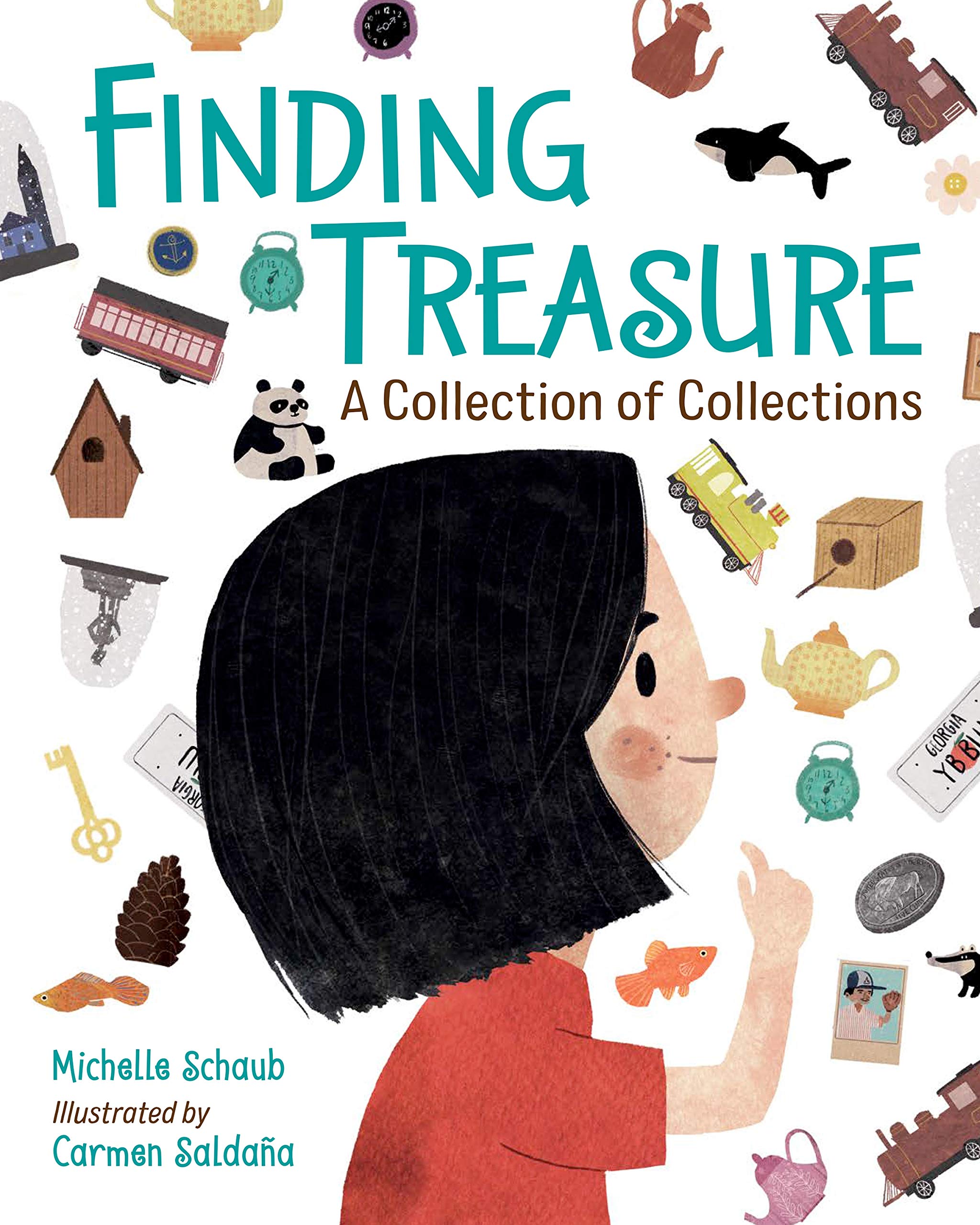
celebrate-picture-books-picture-book-review-finding-treasure-a-collection-of-collections-cover

About the Holiday

First designed in Germany in the 13th century, buttonholes revolutionized clothing, bags, and other objects that required closing and inspired a new art form. Designers and manufacturers took buttons to heart, making them not only functional but beautiful. Created from iridescent shells, sparkling glass, bone, and other materials, these little canvases were infused with paintings, intricate carvings, astonishing color, and more eye-catching features. To celebrate the artistic merits and popularity of buttons, the National Button Society was founded in 1938 and recognized button collecting as an organized hobby – something also celebrated in today’s collection of poems.

Finding Treasure: A Collection of Collections

Written by Michelle Schaub | Illustrated by Carmen Saldaña


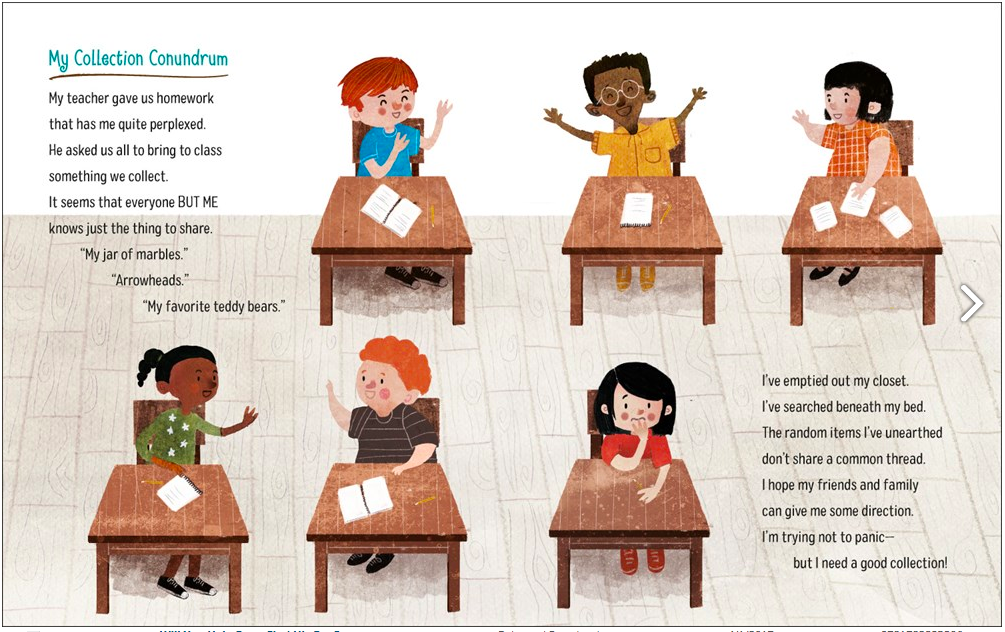
A girl finds herself with a conundrum. Her teacher has given the class an assignment to bring something they collect to school. While all the other kids cheer and talk about their collections, the girl sits at her desk, wondering. In My Collection Conundrum she thinks, “It seems that everyone BUT ME / knows just the thing to share. / ‘My jar of marbles.’ / ‘Arrowheads.’ / ‘My favorite teddy bears.’” The little girl has lots of random things at home, but they just don’t add up to a collection. She’s hoping that her family and friends can help.

At home, she asks her mom about her collection, and in My Mother’s Button Box, the little girl stands by mesmerized as her mom opens the box to show her. Inside are “shiny ones / of shell and glass. / Pearly circles, / swirls of brass…. / Daisies, paisleys, / bugs, and bows. / Bunnies saved / from baby clothes.” Each is so daintily different that it’s hard for her to choose a favorite.

celebrate-picture-books-picture-book-review-finding-treasure-a-collection-of-collections-classroom

Image copyright Carmen Saldaña, 2019, text copyright Michelle Schaub, 2019. Courtesy of Charlesbridge.

Next, the little girl tries to find inspiration in her dad’s train collection. In My Father’s Trains, she tells how she waits eagerly as he flips the switch and “round and round the crisscrossed lanes, / engines pull my father’s trains. / Box cars, tankers in a row, / circus cars with beasts in tow, / flatcars hauling toys and cranes….” / Signals flash and whistles blow. / I love to watch the dizzy show / when Daddy runs his model trains, / round and round.” Her sister and brothers have their own special collections, and her grandparents have both amassed items that bring them joy.

In Grampa’s Good Cents, the little girl talks about how her grandpa always keeps his eyes on the ground, searching for “a glint of silver / hiding in a sidewalk crack / or / a flash of copper / dropped in the street.” When he does see a coin, he stoops to pick it up and examines it carefully “hoping to find / a buffalo nickel, / a Roosevelt dime, / or some other bright prize / to make his set complete. / Gramps always says, / ‘Keep your eyes open wide— / for the treasure you seek / could be right / at / your/ feet.’”

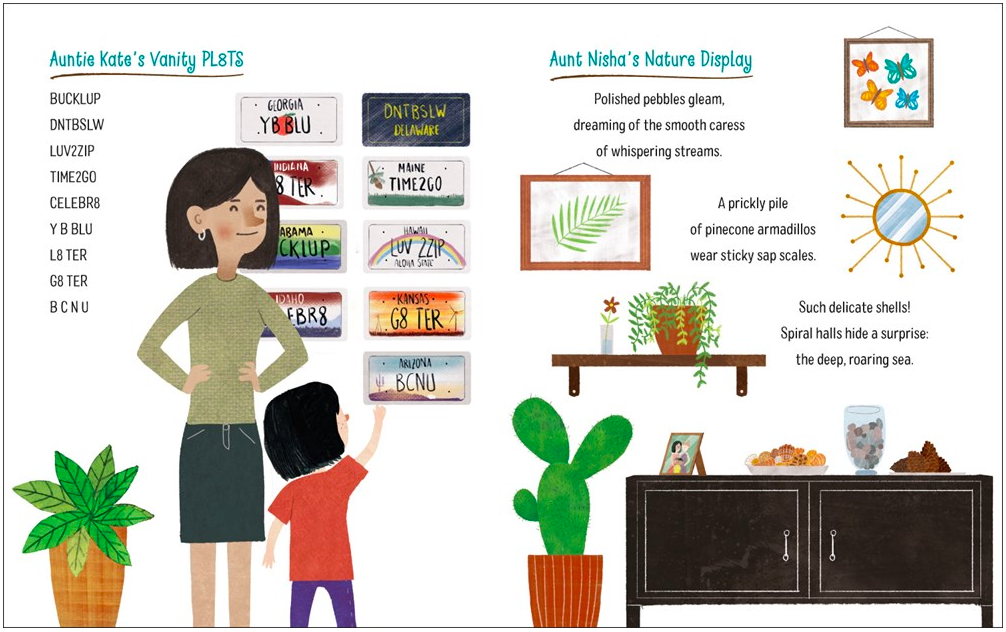
celebrate-picture-books-picture-book-review-finding-treasure-a-collection-of-collections-auntie-kate

Image copyright Carmen Saldaña, 2019, text copyright Michelle Schaub, 2019. Courtesy of Charlesbridge.

The little girl searches the attic and visits her Auntie Kate, who has lived in states all across the country. She goes to see her friend Asher, who has a collection that moves, and her friend Meg, who collects animal figures of a certain color. While she appreciates their cool collections, for her these aren’t quite right either. Even her mail carrier has a collection. It’s not made up of objects he can put in a box, she relates, but things he sees daily along his route. Even when she and her family eat at Mae’s “Rise and Shine Diner,” she finds that Mae has a special collection too.

The girl does a little research and accumulates a few new vocabulary words that she’s eager to use. Then she takes a break to go outside and enjoy the warm evening, where she describes what she sees in Collecting Stars?: “sparks of starlight / dance around the yard,” playing catch us if you can. She tells readers, “I fill a mason jar / and watch the embers / flash and glow…” and then, unscrewing the lid, watches as these “specks of light” fill the sky again. In the morning, the girl sits at her desk in her classroom, happy and as enthusiastic to share the treasured collection she’s created. Can you guess what it is? 

celebrate-picture-books-picture-book-review-finding-treasure-a-collection-of-collections-mail-carrier

Image copyright Carmen Saldaña, 2019, text copyright Michelle Schaub, 2019. Courtesy of Charlesbridge.

Michelle Schaub’s charming poems about all kinds of collections will have kids looking at their world in a whole new way. While some readers may already have amassed a collection of their own, much of the delight of Schaub’s poetry is in realizing how many types of collectibles there are and even in what constitutes a collection. Each of Schaub’s poems—some rhymed, some free verse—hold little treasures of their own with enchanting onomatopoeia, evocative synonyms and metaphors, and even snappy dialogue. The array of family, friends, neighbors, and community members and their individual collections will keep kids coming back again and again to this special poetry collection.

Carmen Saldaña’s homey, textured illustrations give a personal touch to each page as people of all ages proudly display their passion for their chosen collectable. Kids will love lingering over the glass cases, gallery walls, and well-stocked shelves to take in all the details of each collection. Saldaña’s work also provides plenty of opportunities for math extensions in counting and sorting. Her lovely color palette shines with warmth and the joy that comes from sharing the individual and the communal pleasure of this favorite hobby.

Sure to inspire children to start a collection of their own or to learn more about the collections of others, Finding Treasure is a perfect book for home, classroom, or public library collections.

Ages 4 – 8

Charlesbridge, 2019 | ISBN 978-1580898751

Discover more about Michelle Schaub and her books on her website.

To learn more about Carmen Saldaña and view a portfolio of her art, visit her website.

National Button Day Activity

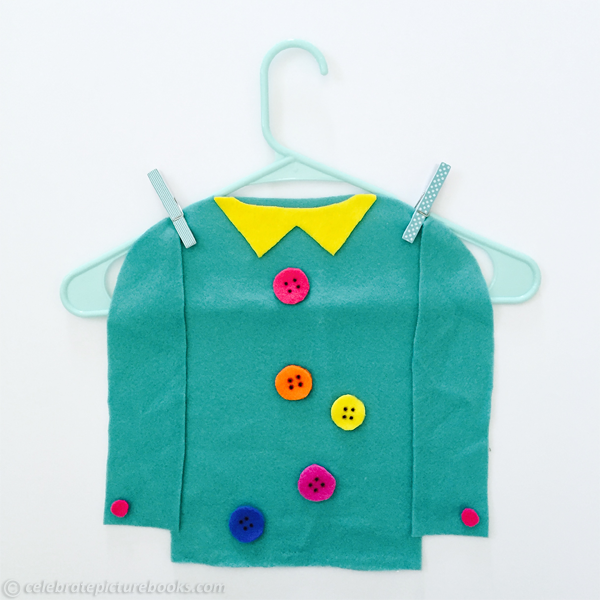
CPB - Button Coat

Pin the Button on the Coat Game


Pin the Button on the Coat is a fun game you can make yourself and play anytime! It’s great for a button-themed party or on any day that you’re holed up and wanting something to do! The game is played like “Pin the Tail on the Donkey,” and the object is to get the buttons lined up as close to the center of the coat as possible. Have fun!

Supplies

  • Fleece or felt of your choice of several favorite colors, 2 pieces of 8 ½” x 11” to make the coat and smaller pieces or scraps to make buttons
  • Fabric glue
  • Scissors
  • Black marker
  • Clothes hanger
  • Clothes pins

CPB - Button Coat II

Directions

  1. Cut out a coat shape from the fleece
  2. Cut out a collar from a different color fleece (optional)
  3. With the fabric glue, attach the sleeves to the edge of the coat, and the collar to the top of the coat.
  4. Let dry
  5. Cut circles to represent buttons from the other colors of fleece or felt, as many as you need
  6. With the marker make dots to represent holes in the “buttons”
  7. When the glue on the coat is dry, attach it to the clothes hanger with the clothespins
  8. Have fun playing!

celebrate-picture-books-picture-book-review-finding-treasure-a-collection-of-collections-cover

You can find Finding Treasure: A Collection of Collections at these booksellers

Amazon | Barnes & Noble| Books-a-Million

To support your local independent bookstore, order from

Bookshop | IndieBound

Picture Book Review
November 14 – It’s Geography Awareness Week

celebrate-picture-books-picture-book-review-into-the-forest-cover

About the Holiday

Today’s holiday was instituted in 1994 by National Geographic to get people excited about geography and its importance to education and everyday life. As defined by National Geographic, geography is “the study of places and the relationships between people and their environments.” This discipline includes how humans interact with the environment and the impact of location on people. These important questions affect a wide range of issues. More than 100,000 people across the country participate in Geography Awareness Week through special events, focused lessons and activities in classrooms, and attention by government and business policy-makers. To learn more about the week and discover resources for further education, visit the National Geographic website.

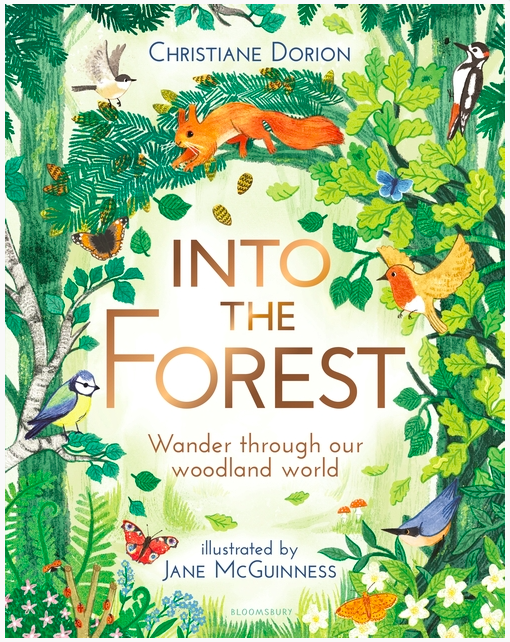
Into the Forest: Wander through Our Woodland World

Written by Christiane Dorion | Illustrated by Jane McGuinness


Forests, with their stands of ancient, towering trees capped with leafy canopies and thin saplings reaching for their bit of sun are mysterious, awe inspiring, and home to some of the world’s most fascinating creatures. In Into the Forest Christiane Dorion and Jane McGuinness take readers through coniferous forests, deciduous forests, and tropical rainforests around the world to introduce readers to the life found there.

Readers first learn how a single tree grows from a seed to a full-grown beauty and see how the tree is nurtured and how it nurtures insects and animals in return. But a single tree does not make a forest. Children discover the ways in which many trees work together to create a forest and how the creatures attracted to the forest interact as well.

celebrate-picture-books-picture-book-review-into-the-forest-winter

Image copyright Jane McGuinness, 2020, text copyright Christiane Dorion, 2020. Courtesy of Bloomsbury Children’s Books.

“Deciduous forests are found in places where there is plenty of rain and four distinct seasons through the year.” Animals roost in the trees’ trunks, root systems, and branches. “On the forest floor, small creatures snuffle, crawl, or hop under the thick carpet of fallen leaves in search of food and a safe place to shelter.” These trees have distinctive leaves and undergo changes as the seasons change. Like the trees, the animals that live in a deciduous forest also adapt to the weather, the abundance or scarcity of food, and sheltering needs. Readers learn fascinating facts about the ingenuity of the forest’s insects and animals.

After learning about the deciduous forest, readers will want to discover them for themselves. Through lyrical descriptions and charming, realistic illustrations, Dorion and McGuinness show children and adults how and where to look and listen to find the treasures the forest holds. But there can be so many different trees in a forest—or even in a backyard or neighborhood. How do you know which is which? Dorion and McGuinness provide an illustrated guide to the names, shape, size, and type of leaf of twenty deciduous trees.

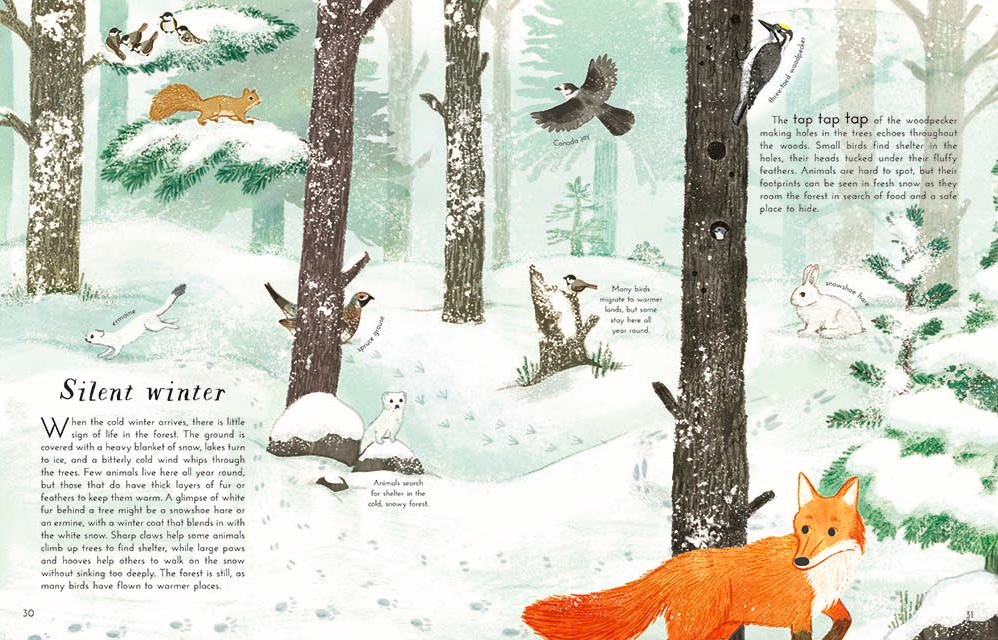
Across the northern hemisphere, coniferous forests stand tall and stalwart against bitterly cold winters while attracting some of the most majestic creatures in the animal kingdom. “Most trees in the coniferous forest are evergreens with needle-like leaves” that stay green and shed little-by-little all year round. Instead of flowers, coniferous trees produce their seeds in cones. Squirrels and birds, who can use their sharp beaks and acrobatic flying and hanging skills, find food in these cones during long winters.

celebrate-picture-books-picture-book-review-into-the-forest-redwoods

Image copyright Jane McGuinness, 2020, text copyright Christiane Dorion, 2020. Courtesy of Bloomsbury Children’s Books.

In coniferous forests, the floor is dark, wet, and can be rocky or even frozen year-round. Moss, fungi, lichen, and carnivorous plants are some of the vegetation found here. Readers learn how these plants grow, what they look like, and the animals that thrive on them. How do the forest animals survive the harsh winter conditions? Dorion and McGuinness follow ermine, grouse, a snowshoe hare, bats, chipmunks, bears, and other birds and animals as they navigate their cold home. They then take kids to the west coast to look up, up, up at the mammoth redwoods, some of which “have lived for more than two thousand years.”

There is a wide variety of coniferous trees, and again Dorion and McGuinness present a guide to the size, shape, and type of needles and cones of fourteen trees. And why are evergreens shaped like a triangle? The clever answer to that question is here too.

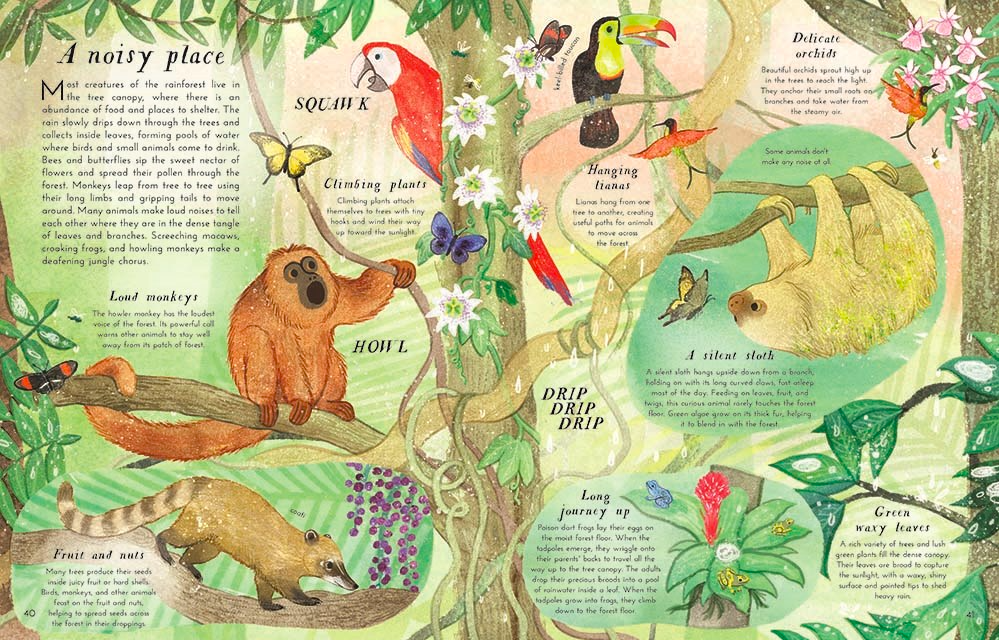
When you think of colorful birds and animals, you think about tropical rainforests. Dorion and McGuinness. Found near the equator, rainforests are home to “more than half of the know plants and animals in the world” and “more are yet to be discovered.” In a glorious riot of color, climbing vines, vibrant flowers and fruit, Dorion and McGuinness introduce readers to the denizens of these forests, where rain and warm weather provide plenty of food and water; “monkeys leap from tree to tree using their long limbs and gripping tails to move around;” and “screeching macaws, croaking frogs, and howling monkeys make a deafening jungle chorus” to “tell each other where they are in the dense tangle of leaves and branches.”

celebrate-picture-books-picture-book-review-into-the-forest-rainforest

Image copyright Jane McGuinness, 2020, text copyright Christiane Dorion, 2020. Courtesy of Bloomsbury Children’s Books.

Readers will meet animals including the howler monkey, coati, toucan, parrot, poison dart frog, and sloth. Kids also learn about hanging lianas, orchids, and why plants have waxy leaves. All of that vegetation above means that the forest floor is dark and damp, making it the perfect place for some of the world’s most unusual—and feared—creatures, including snakes, spiders, jaguars, the giant centipede, and the Hercules beetle.

Frequent rain is the lifeblood of these tropical forests, and Dorion and McGuinness describe and depict their unique atmosphere as well as the ingenious adaptations some animals use to hide in plain sight and fool predators and the way nighttime transforms the forest into a feeding ground for nocturnal animals. The guide to fourteen tropical trees introduces readers to a wide variety from palm trees to fruit trees, like mango and avocado, to trees that produce nuts, cinnamon, cacao, and chicle for gum.

Dorion and McGuinness close out their book with discussions on how plants, insects, and animals work together to ensure the growth and heath of a forest; the ways in which a forest benefits the planet; and how to plant a tree so that it will thrive. Readers will love the illustrated prompt to find twenty-seven creatures within the pages of the book, giving them an exciting way to turn back to discover all the gems included in the text.

A glossary defines twenty-two terms found in the text, and a list of organizations and links to their websites complete the back matter.

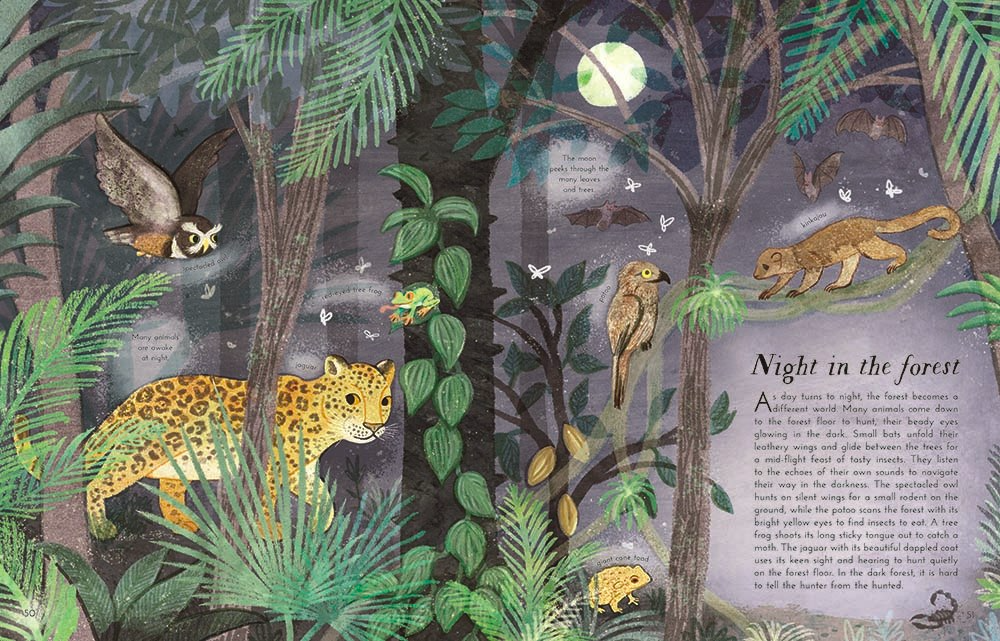
celebrate-picture-books-picture-book-review-into-the-forest-night

Image copyright Jane McGuinness, 2020, text copyright Christiane Dorion, 2020. Courtesy of Bloomsbury Children’s Books.

Christiane Dorion’s beautiful language and richly detailed narration take children into the three types of forests to see and hear how these natural communities of trees, plants, animals, birds, insects, and even weather patterns work together to maintain what are indispensable parts of our earth. The facts Dorion chooses to present will captivate young learners, telling them enough about each subject to educate while sparking a desire to know more. Perfectly paced, her text creates a lovely flow and visual accompaniment to Jane McGuinness’s gorgeous illustrations.

McGuinness astounds on every page with lush images of the various types of forests in warm weather and the coldest of conditions, during daylight and nighttime, during quiet periods and busy times. Her realistically portrayed intense textures, vivid colors, unique shapes, and furtive or carefree movements of nature invite readers into the depths of the forests to truly see what is there.

Lingering over the pages rewards readers with hidden delights, such as tiny animals peeking from the knot hole of a tree, little caterpillars inching their way across leaves, a nest with three eggs secured within the branches of a spring-green tree, and masters of camouflage motionless and nearly undetectable. Spotlighted facts and the intermittent detailed guides to specific trees, creatures, and the science of forests not only teach readers about these particular features but reinforce how nature collaborates to survive and grow.

Superbly conceived, Into the Forest is a must for home, classroom, and public library collections for nature lovers, school and homeschool lessons, and anyone who would like to learn more about our planet.

Ages 7 – 15

Bloomsbury Children’s Books, 2020 | ISBN 978-1526600707

Discover more about Christiane Dorion and her books on her website.

To learn more about Jane McGuinness, her books, and her art, visit her website.

Geography Awareness Week Activity

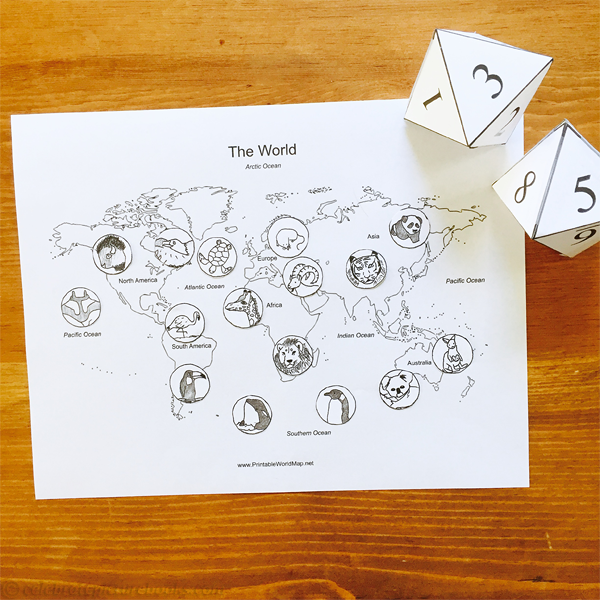
celebrate-picture-books-picture-book-review-wonderful-wildlife-board-game

Wonderful Wildlife Board Game


Fascinating animals are found in every part of the world. Play this fun printable Wonderful Wildlife Board Game to match each animal to the area where it lives.

Supplies

Directions

  1. Print a World Map for each player
  2. Print one set of 16 Wildlife Tokens for each player
  3. Print two copies of the 8-sided die, fold, and tape together
  4. If you would like, color the map and tokens
  5. Choose a player to go first
  6. Each player rolls both dice and places an animal on their map according to these corresponding sums of the dice below
  7. The first player to fill their map is the winner!
  • 1 = Flamingo – South America
  • 2 = Emperor Penguin – Antarctica (Southern Ocean)
  • 3 = Giraffe – Africa
  • 4 = Bald Eagle – North America
  • 5 = Ibex – Europe
  • 6 = Kangaroo – Australia
  • 7 = Panda – Asia
  • 8 = Orca – Antarctica (Southern Ocean)
  • 9 = Toucan – South America
  • 10 = Buffalo – North America
  • 11 = Koala – Australia
  • 12 = Lion – Africa
  • 13 = Etruscan Shrew – Europe
  • 14 = Manta Ray – Pacific Ocean
  • 15 = Sea Turtle – Atlantic Ocean
  • 16 = Tiger – Asia

celebrate-picture-books-picture-book-review-into-the-forest-cover

You can find Into the Forest at these booksellers

Amazon | Barnes & Noble | Books-a-Million

To support your local independent bookstore, order from

Bookshop | IndieBound

Picture Book Review
 

November 13 – World Kindness Day

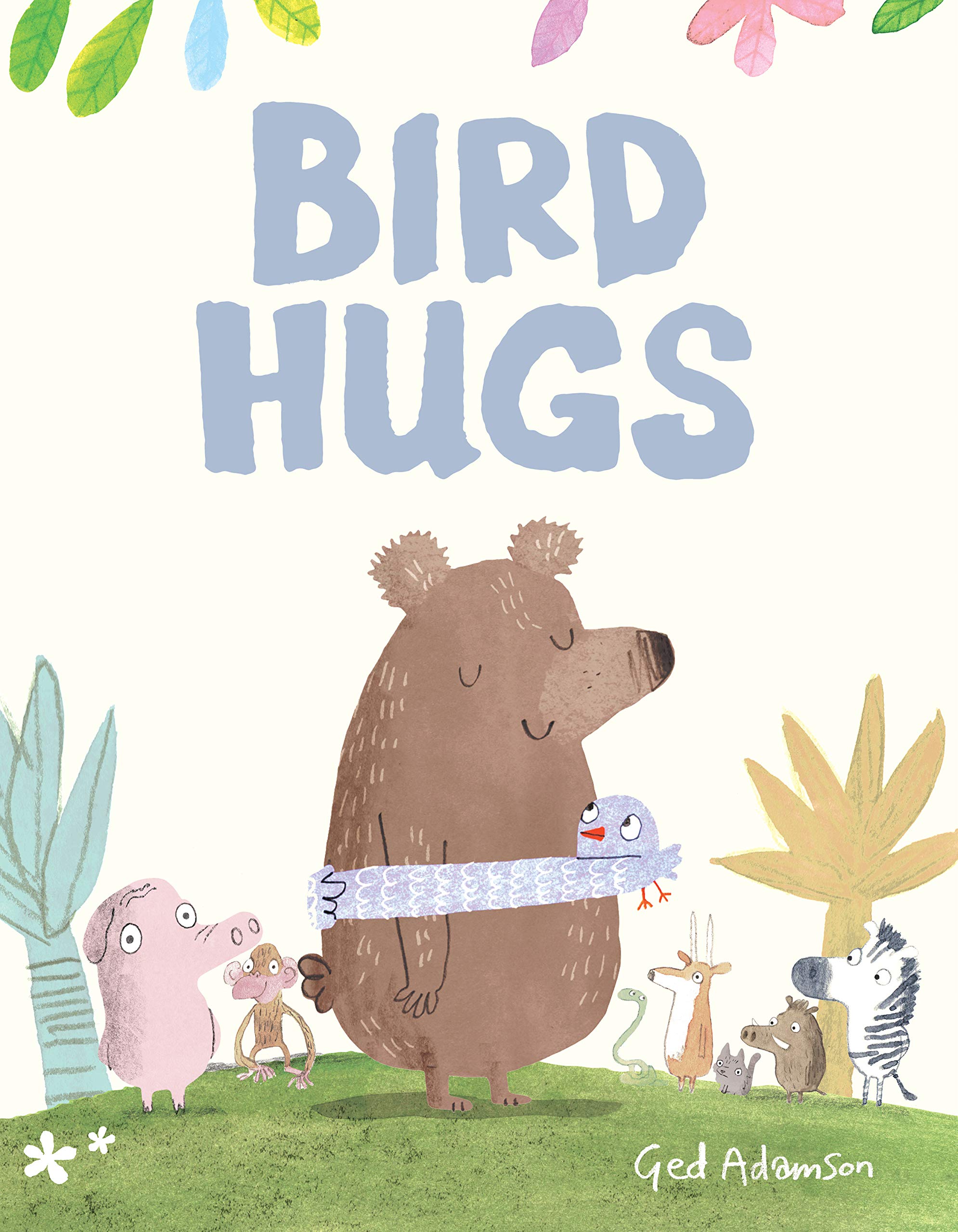
celebrate-picture-books-picture-book-review-bird-hugs-cover

About the Holiday

Instituted in 1998 by a coalition of nations, World Kindness Day is an international celebration that encourages people around the world to be mindful of others through mutual respect, inclusion, empathy, and gratitude. To celebrate, people are asked to perform acts of kindness—big or small. A simple “hi,” a smile, or an offer of help or support goes a long way in making the world a kinder and better place to live in. But don’t limit your care and concern to just one day. Promoters of the holiday hope that kindness becomes infectious, inspiring good relationships every day of the year.

Thanks to Two Lions for sending me a copy of Bird Hugs for review consideration. All opinions about the book are my own.

Bird Hugs

By Ged Adamson


Bernard had a feature quite unlike other birds, but as a baby, he didn’t know there was anything different about his extremely long wings. He made them work for him: he pretended to be a sleeping bat, wrapping his wings around his body as he hung from a tree. And he chased after his friends, waving his wings spookily. But when his friends learned to fly, Bernard knew something was amiss. “No matter how many times he tried, it was something he couldn’t seem to do himself.”

celebrate-picture-books-picture-book-review-bird-hugs-long-wings

Copyright Ged Adamson, 2020, courtesy of Two Lions.

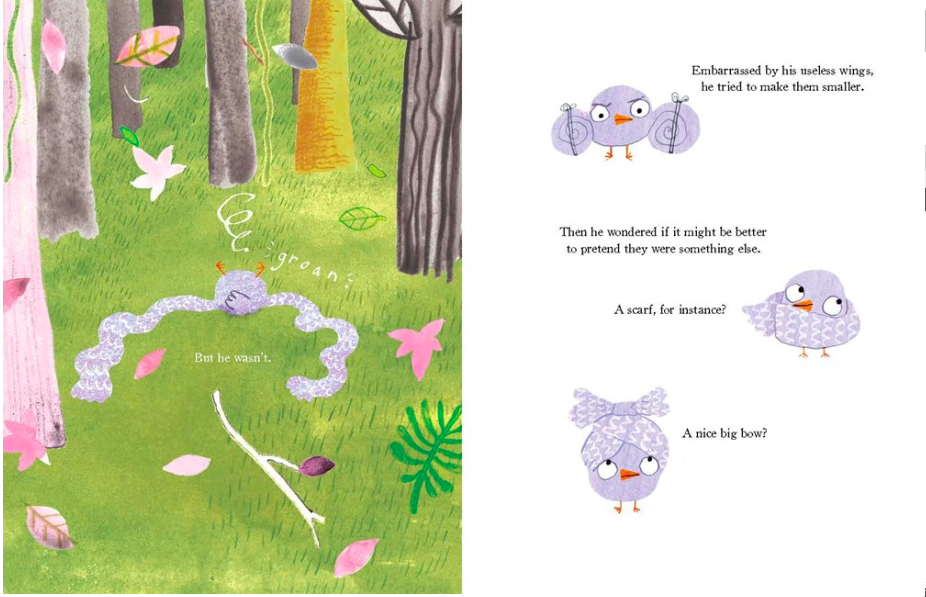
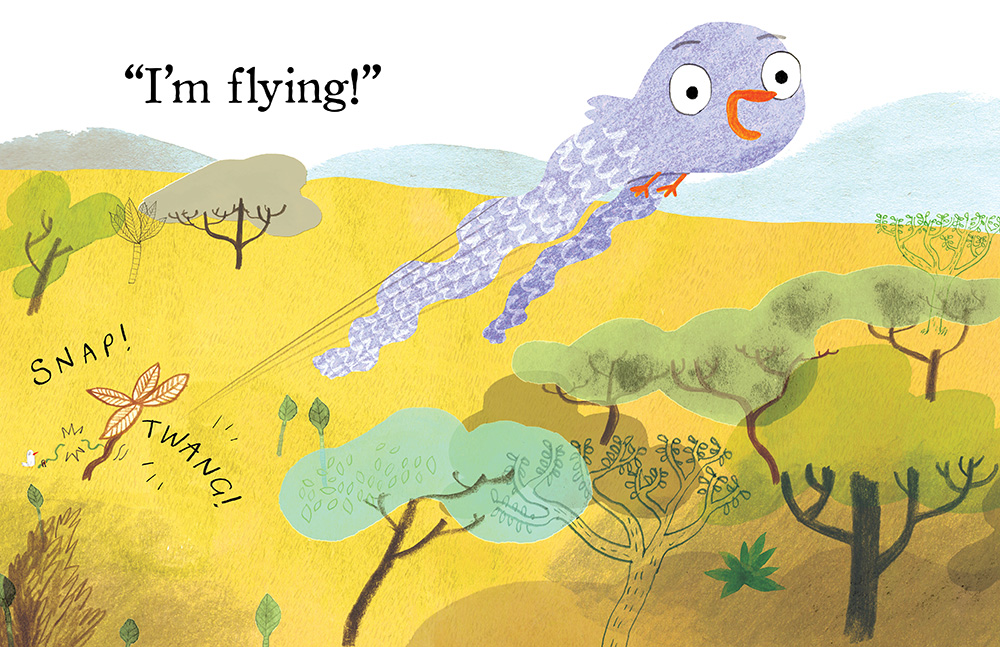
Soon all of his friends had flown away to other places. Longing to do the same, Bernard decided he just needed another approach. He had his friend Lawrence fling him into the air from a palm tree catapult. And for a glorious moment Bernard was flying. And then…he wasn’t. “Embarrassed by his useless wings, he tried to make them smaller.” He rolled them under and tied them up; he made them into a scarf, and he created a fancy headdress by tying them in a bow on the top of his head. But nothing worked.

“Bernard felt utterly sorry for himself.” He chose a branch where his wings could hang to the ground and “made it his home.” There he sat, day and night, all through the seasons feeling sorry for himself as the world went on around him. But one day he heard someone sobbing. Bernard left his branch to find out who was crying. He discovered an orangutan, who wailed, “‘I feel very sad and I’m not sure why!’”

celebrate-picture-books-picture-book-review-bird-hugs-flying

Copyright Ged Adamson, 2020, courtesy of Two Lions.

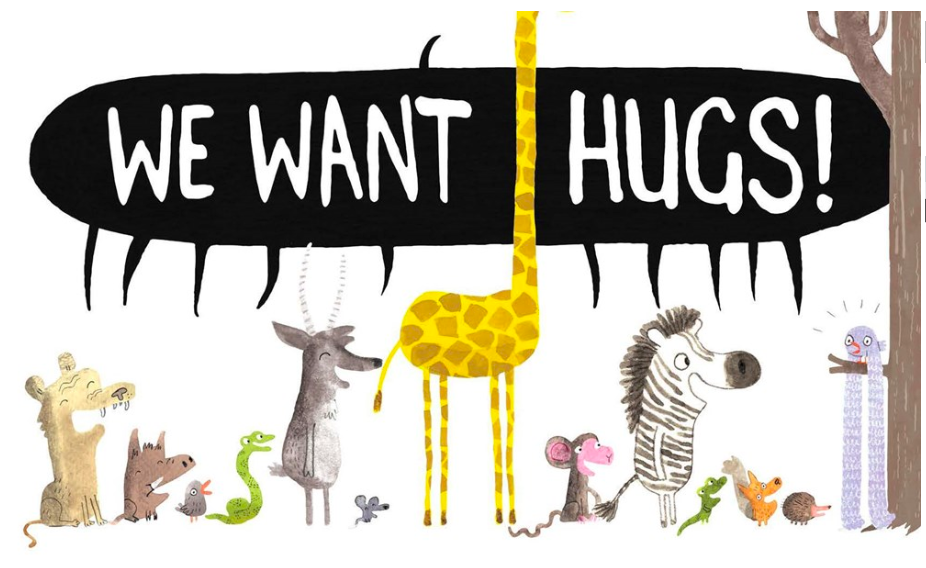
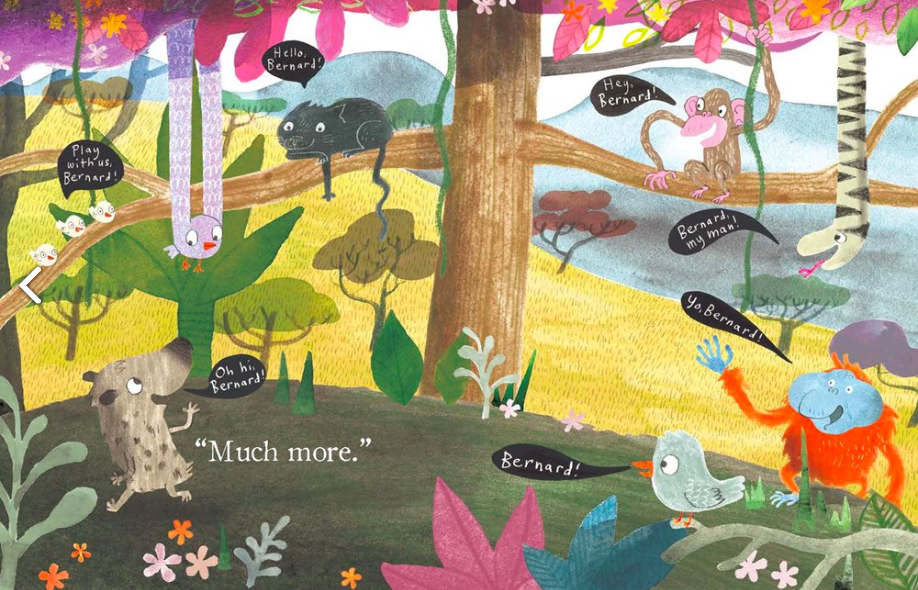
In an instant Bernard had wrapped his long wings around the orangutan in a “BIG HUG.” In a bit the orangutan felt better and thanked Bernard. Bernard was happy too. He began to think that “maybe his wings were good for something after all.” And he was right. In the morning a long line of animals was waiting for him—all looking for a hug. Bernard was busy all day…and the next day…and the next. Besides wanting hugs, “the animals told Bernard their problems.”

celebrate-picture-books-picture-book-review-bird-hugs-long-lines

Copyright Ged Adamson, 2020, courtesy of Two Lions.

All this hugging made Bernard happier too. His wings even felt stronger. He began to think maybe they were strong enough to fly. Bernard leaped from a cliff top and for a moment he was flying. And then…he wasn’t. But Bernard was philosophical: there was more to life than flying, he decided. And all the new friends he’d helped knew how they could help him. Taking him by the wings, they showed him that with a little support, anyone can soar.

celebrate-picture-books-picture-book-review-bird-hugs-tree

Copyright Ged Adamson, 2020, courtesy of Two Lions.

Trailing wings as long as a knitted winter scarf, little Bernard is an unforgettable cutie who only wants to be like all the other birds and fly. But is that his only talent? His only option? During Bernard’s year-long funk, it seems he finds the answers to these questions as his quick response to the orangutan’s sobs reveals, Bernard discovers that far from useless, his wings give him a gift more precious than flying––the opportunity to help his fellow animals. It’s a talent that brings him love in return. Readers can take comfort in and a lesson from Bernard’s hard-won but keen sense of empathy by embracing and using whatever makes them unique.

As in his other books, Adamson’s profound message is wrapped in images that combine kid-pleasing silliness, a bit of slapstick humor, and a diverse array of emotive characters. As Bernard mopes on his branch feeling lonely and sorry for himself, kids will notice that he’s not as alone as he might think. An anteater keeps him company on a rainy day, wide-awake nocturnal animals watch over him at night, and even the bees make room for him in their flight pattern. Bernard’s realization that life is filled with more than one might expect is welcome and heartening, and Adamson’s finale is wonderfully surprising and pitch perfect.

Bird Hugs is highly recommended for all kids and has multiple applications for story times at home, in classrooms, and for public libraries. The book would quickly become a favorite on any bookshelf.

Ages 3 – 7

Two Lions, 2020 | ISBN 978-1542092715

To learn more about Ged Adamson, his books, and his art, visit his website.

World Kindness Day Activity

CPB - Random Acts of Kindness cards

Kindness Cards


Here are some cheery cards that are sure to make the recipient’s day happier! Give them to a friend, a family member, your teacher, or your bus driver to show them that you care and that they mean a lot to you!

Random Acts of Kindness Cards Sheet 1 |  Sheet 2 | Sheet 3

celebrate-picture-books-picture-book-review-bird-hugs-cover

You can find Bird Hugs at these booksellers

Amazon | Barnes & Noble | Books-a-Million

To support your local independent bookstore, order from

BookshopIndieBound


November 12 – It’s Young Readers Week

celebrate-picture-books-picture-book-review-ronan-the-librarian-cover

About the Holiday

Established in 1989 by the Center for the Book and Pizza Hut as a way to celebrate reading and invite kids and adults to discover the fun and benefits of reading, Young Readers Week is a favorite on any book-lovers’ calendar. Bringing together businesses, schools, families, and libraries, the Book It! program offers encouragement and resources to get kids excited about reading. To learn more and find activities, printables, reading trackers, and other resources for schools and families, visit the Book It! program website.

Thank you to Roaring Brook Press for sending me a digital copy of Ronan the Librarian for review consideration. All opinions about the books are my own. I’m excited to be teaming with Tara Luebbe in a giveaway of the book. See details below.

Ronan the Librarian

Written by Tara Luebbe and Becky Cattie | Illustrated by Victoria Maderna


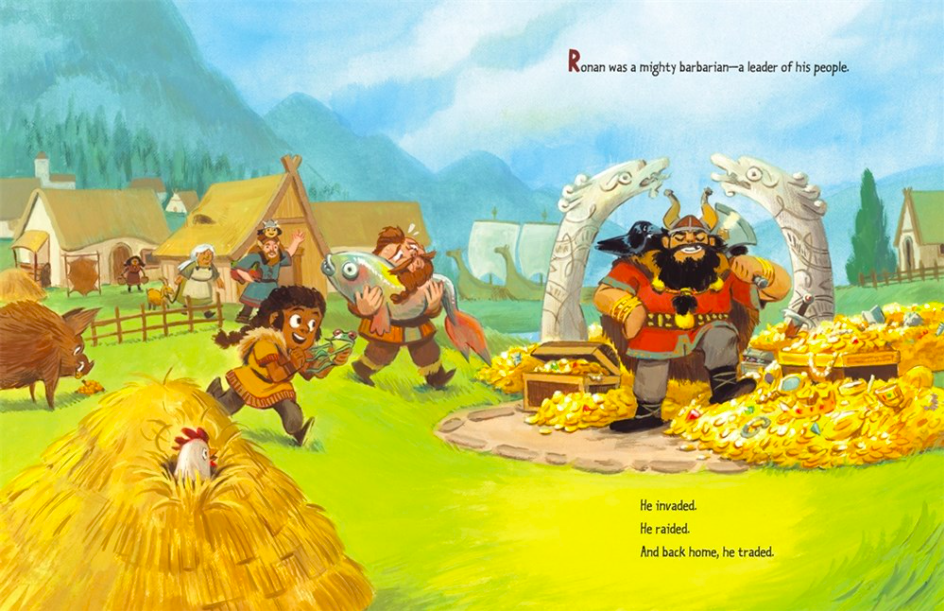
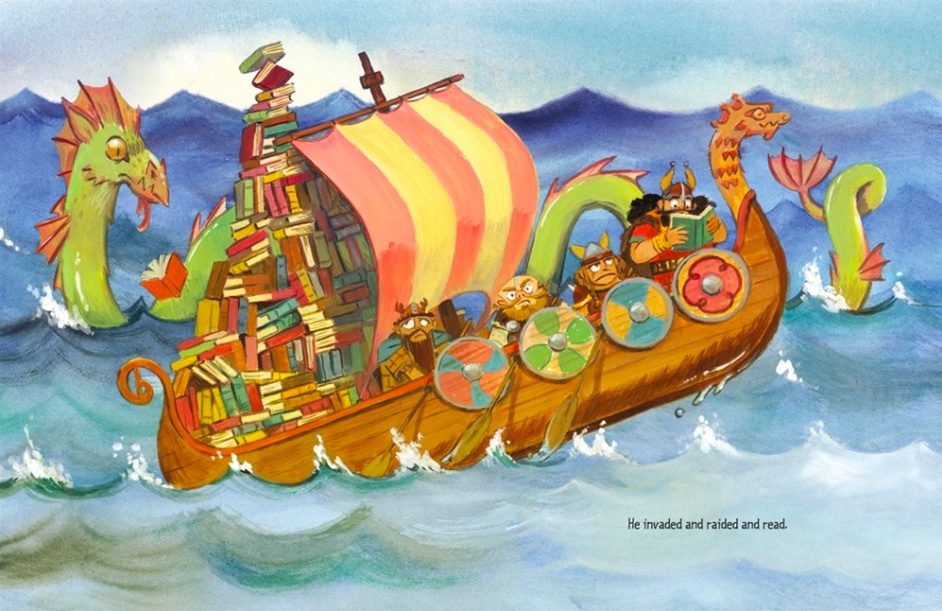
With his skills for invading, raiding, and trading, Ronan was a great leader of his barbarian community. “Ronan was legendary for finding the best pillage… until one raid went horribly wrong.” The traders took one look at the book he’d brought back and turned away. After all “barbarians didn’t read books.” Ronan contemplated all the ways he could use this “useless thing” and had finally settled on toilet paper, when he caught sight of a picture and was hooked.

celebrate-picture-books-picture-book-review-ronan-the-librarian-pillage

Image copyright Victoria Maderna, 2020, text copyright Tara Luebbe and Becky Cattie, 2020. Courtesy of Roaring Brook Press.

He was still reading the next morning when his raiding partners came to find out where he was. “‘Ronan, you dunga! What are you doing?’ asked Gunnar.” When they found out he was reading, Helgi thought he’d gone berserk. So he joined the crew on the day’s raid, but once they were done, he didn’t stick around for the trading, but hurried home to read some more.

Now whenever Ronan raided took the books while the other barbarians hauled away the gold and silver and jewels. Now he read at home and on the job, and his collection of books grew so enormous that formed tall, precarious stacks all over his house.

celebrate-picture-books-picture-book-review-ronan-the-librarian-sailing

Image copyright Victoria Maderna, 2020, text copyright Tara Luebbe and Becky Cattie, 2020. Courtesy of Roaring Brook Press.

But Ronan was not only a reading barbarian, he was a smart barbarian. He took all of those books and built a library. How did the other barbarians like his grand opening? They loved… the refreshments. “‘Uff da! I must conquer my own village,’ he declared.”

One day he looked around at his busy villagers and began to read a thrilling tale about Odin aloud. But this story didn’t make a dent in the din. The next morning, Ronan went to his library only to find that it had been invaded… and raided. Barbarians young and old sat on the floor with book, clung to the shelves with books, and clutched armloads of books. It turned out that “barbarians do read books.”

celebrate-picture-books-picture-book-review-ronan-the-librarian-storytime

Image copyright Victoria Maderna, 2020, text copyright Tara Luebbe and Becky Cattie, 2020. Courtesy of Roaring Brook Press.

Tara Luebbe and Becky Cattie’s clever old, old world tale will delight both avid and reluctant readers with hilarious dialogue, rambunctious characters, and enough invading and raiding to satisfy any little barbarian. Ronan’s conversion from raider to reader—complete with puns and fun-to-say words like “dunga” and “uff da”—is sure to entice reluctant readers to discover the joy of reading, and book lovers will cheer when the villagers embrace the new library.

Victoria Maderna’s laugh-out-loud illustrations shine with piles of gold, silver, jewels and other shiny pillage as well as kid-pleasing details that will bring on plenty of giggles. Late-night book-sneakers will appreciate the images of Ronan so busy reading in bed that he forgets to put on pajamas or even take off his shoes and trying to share his enthusiasm with his fellow barbarians. These long-haired villagers, decked out in fur and spikes and sporting Viking helmets are a tough bunch who ride wild boars to pillage, sail the wild seas, and… wear fuzzy wild boar slippers.

Kids will love keeping an eye out for the page-nibbling goat and Ronan’s constant companion (a raven that alludes to Poe’s famous poem?). Maderna’s dramatic rendering of the story of Odin that so fascinates the barbarians may well inspire children to invade their own libraries—just like a barbarian.

A treasure for all young readers, Ronan the Librarian will be a favorite for rollicking story times and is highly recommended for home, classroom, and public library collections.

Ages 4 – 8

Roaring Brook Press, 2020 | ISBN 978-1250189219

Discover more about sisters Tara Luebbe and Becky Cattie and their books on their website.

To learn more about Victoria Maderna, her books, and her art, visit her website.

Young Readers Week Activity

CPB - Bookmobile

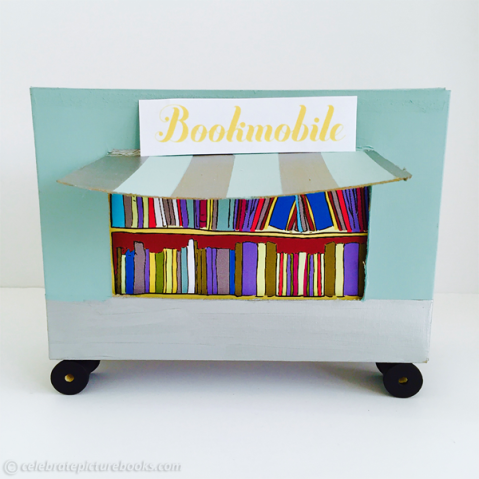
Bookmobile Craft


Bookmobiles are love on wheels! If libraries are some of your favorite places, you’ll like making this bookmobile from a recycled box! You can even use it as a desk organizer!

Supplies

  • Printable Book Shelves and Sign Template
  • Cardboard box, 16-oz pasta or other recyclable boxes work well (I used a 5” x 7 ¼ -inch pasta box)
  • Small wooden spools or wheels
  • Paint
  • Scissors
  • X-acto knife
  • Strong glue
  • Paint brush

Directions

1.Gently pull the box apart at the seam and lie flat with the unprinted side facing up

2. To Make the Awning:

  • On one of the wide sides of the box, measure a rectangle 1 inch from the top of the box, leaving at least 1 ¼ inches at the bottom of the box and 1 ¼ inches on both sides
  • With the x-acto knife or scissors cut the sides and bottom of the rectable, leaving the top  uncut
  • Paint the top and underside of the awning (if you want to make stripes on the awning lay strips of tape side by side across the awning. Remove every other strip of tape. Paint the open stripes one color of paint. When the paint dries replace the tape over the paint and remove the tape from the unpainted stripes. Paint those stripes a different color.)

3. Paint the rest of the box on the unprinted side any way you like, let dry

4. Cut the Printable Book Shelf template to fit the size of your window opening, leaving at least a ½ inch margin all around

5. Tape the book shelf to the inside of the window

6. Reconstruct the box, making the original seam an inside flap

7. Glue the flap and sides together

8. If using small spools for wheels, paint them black. Let dry

9. Glue the wheels to the bottom of the box

10. Attach the Bookmobile sign, found on the printable template, above the awning

To Make a Desk Organizer from the Bookmobile, cut an opening in the top of the bookmobile with the x-acto knife or a scissor

celebrate-picture-books-picture-book-review-ronan-the-librarian-cover

You can find Ronan the Librarian at these booksellers

Amazon | Barnes & Noble | Books-a-Million

To support your local independent bookstore, order from

Bookshop | IndieBound

Picture Book Review
 

November 11 – It’s National Gratitude Month

celebrate-picture-books-picture-book-review-duck-and-hippo-give-thanks-cover

About the Holiday

November has been designated as a time for reflecting on our lives and being grateful for our family, friends, opportunities, and the things we have. To celebrate Gratitude Month, take time to count your blessings and thank those who are important in your life.

Thanks to Two Lions for sending me a copy of  Duck and Hippo Give Thanks for review consideration. All opinions on the book are my own. 

Duck and Hippo Give Thanks

Written by Jonathan London | Illustrated by Andrew Joyner
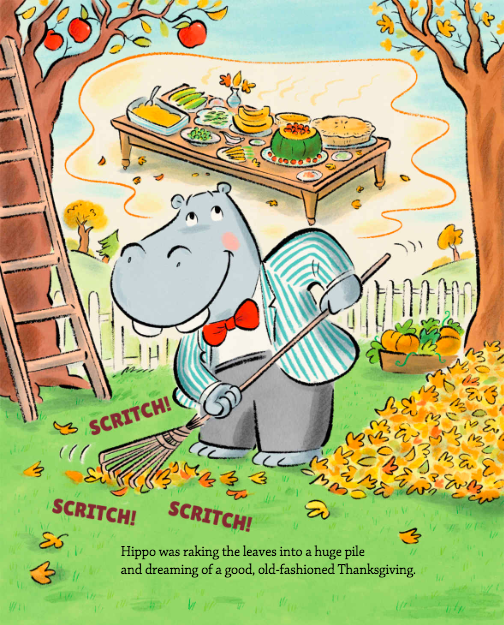
 

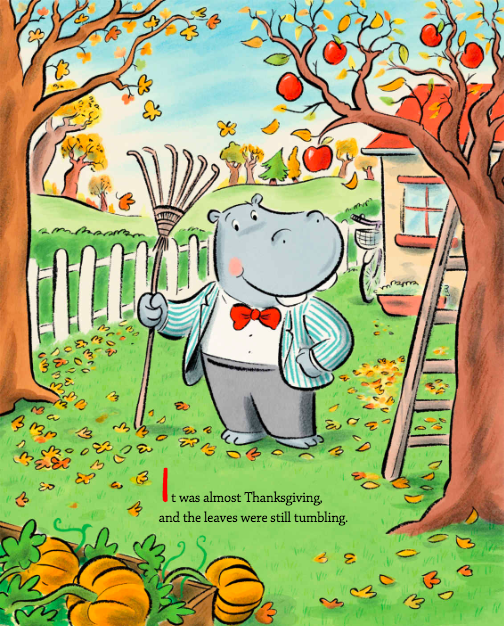
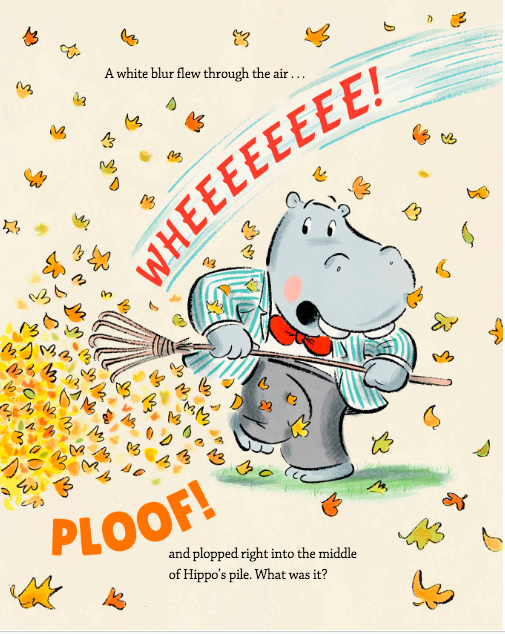
As Hippo raked leaves, he was “dreaming of a good, old-fashioned Thanksgiving,” but his reveries were interrupted by Duck, who landed with a plop right in the middle of Hippo’s leaf pile. When Hippo asked his friend what he was doing, Duck answered that she was having fun and invited Hippo to join her, but with a huff he said, “‘I’m trying to make the pile all nice and tidy!’” Just then, Hippo was bonked on the head by a falling apple. He handed it to Duck as a snack, who said, “‘Thanks, Hippo!’”

celebrate-picture-books-picture-book-review-duck-and-hippo-give-thanks-leaves-falling

Image copyright Andrew Joyner, 2018, text copyright Jonathan London, 2018. Courtesy of Two Lions.
That reminded Hippo that tomorrow was Thanksgiving and he asked Duck to celebrate with him. Duck suggested they invite all of their friends. They went to the grocery store to buy supplies. The shopping went quickly as Hippo whooshed down the aisles with Duck in the cart grabbing food as they went. When Hippo wanted a ride in the cart, though, he got stuck. Elephant rushed over and got him out. To thank him, Duck and Hippo invited him to their Thanksgiving feast.

celebrate-picture-books-picture-book-review-duck-and-hippo-give-thanks-poof

Image copyright Andrew Joyner, 2018, text copyright Jonathan London, 2018. Courtesy of Two Lions.

At the bakery, Turtle let them skip ahead of him in line, so he was invited too. For lunch, Duck and Hippo went to Pig’s Pizza. To thank her for the delicious slices, Duck invited her to their dinner the next day. “‘Yummy!’ cried Pig. ‘I can’t wait!’” Back home, they began preparations. They helped each other gather leaves, pumpkins, squash, and apples then decorated the table together. Duck even “did a dance on the tabletop and sang, ‘TA-DA!’” before going home with the promise of seeing Hippo tomorrow.

celebrate-picture-books-picture-book-review-duck-and-hippo-give-thanks-dreaming

Image copyright Andrew Joyner, 2018, text copyright Jonathan London, 2018. Courtesy of Two Lions.

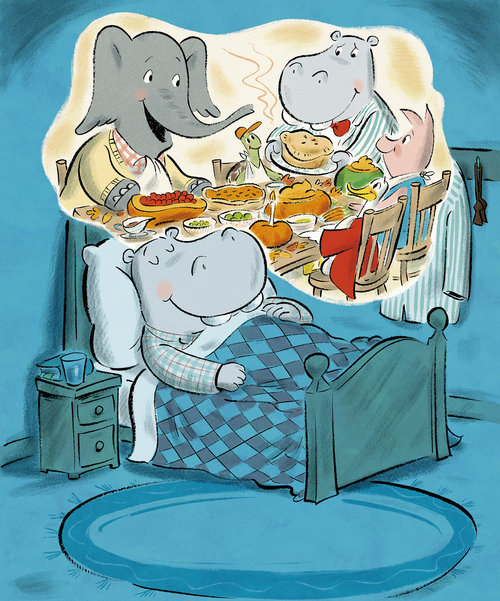
While Hippo was dreaming of his big old-fashioned Thanksgiving, Duck had called together Elephant, Pig, and Turtle. “‘Let’s make something special for Hippo!’” he told them. Thanksgiving morning Hippo was up early. He baked apple and pumpkin pie, acorn squash, and other goodies. Then he sat down to wait for his friends. He waited and waited. The sun went down and the moon rose. Still, Hippo’s friends hadn’t arrived. Finally, they burst through the door with a surprise for Hippo. Hippo eagerly wondered what it was.

celebrate-picture-books-picture-book-review-duck-and-hippo-give-thanks-hippo-dreaming

Image copyright Andrew Joyner, 2018, courtesy of Two Lions.

One by one, they showed what they had brought. Turtle held a tray of Chinese egg rolls, Elephant had made sea-cucumber sushi, Pig had created one of her famous pizza napoletanas, and Duck offered a plate of peanut-butter-and-jelly tacos. “‘SURPRISE!’” they all cheered. Hippo frowned. This was not the Thanksgiving feast he had imagined.

But then he saw how happy all of his friends looked. “He spread his arms wide and said, ‘WELCOME!’ And thank you for being who you are!’” They all sat around the table, held hands, and gave thanks for “being together, and for sharing natures bounty.” Then they gobbled up the best Thanksgiving feast ever. And when they were done? They went outside and dove into the leaves!

celebrate-picture-books-picture-book-review-duck-and-hippo-give-thanks-friends

Image copyright Andrew Joyner, 2018, courtesy of Two Lions.

In his warmhearted Thanksgiving story, Jonathan London presents gentle conflicts which are resolved with generosity, friendship, and understanding as Duck, Hippo, and their friends prepare what each considers the perfect Thanksgiving feast. The spirit of the story lies in Hippo’s quick realization that a “good old-fashioned Thanksgiving” doesn’t lie solely in one type of meal, but in including friends, new traditions, and togetherness. Other examples of acceptance, of thoughtfulness, and of shaking off trivial accidents and minor complaints between the characters show young readers that happiness can be achieved when one fully considers a situation from both sides.

Andrew Joyner’s bright, action-packed illustrations clearly show the fond friendship between Duck and Hippo as they plan Thanksgiving dinner together. Duck’s carefree personality contrasts and complement’s Hippo’s more fastidious nature. Through the wide smiles, playfulness, and generous acts of the supporting characters young readers will understand that instead of ruining Hippo’s feast, they are excited to participate and contribute to it. Clear facial expressions and highlighted text also spotlight the strong bonds among these friends.

A feel-good story with humor and a positive message about the true meaning of Thanksgiving, Duck and Hippo Give Thanks—the latest in the Duck and Hippo series, which includes Duck and Hippo in the Rain and Duck and Hippo Lost and Found—is a wonderful addition to the series for fans and a terrific holiday book for home and classroom libraries.

Ages 3 – 7

Two Lions, 2018 | ISBN 978-1503900806

To learn more about Andrew Joyner, his books, and his art, visit his website.

You’re invited to watch the Duck and Hippo Give Thanks book trailer!

National Gratitude Month Activity

celebrate-picture-bks-picture-book-review-thanksgiving-worksheets-i-spy-alphabet

Alphabet I Spy Gratitude Game


Things to be thankful for are all around you! What do you see? Find an entire alphabet of favorite things with this printable game!

Alphabet I Spy Gratitude Game

celebrate-picture-books-picture-book-review-duck-and-hippo-give-thanks-cover

You can find Duck and Hippo Give Thanks at these booksellers

Amazon | Barnes & Noble | Books-a-Million 

To support your local independent bookstore, order from

Bookshop IndieBound

Picture Book Review