July 13 – Go West Day

celebrate-picture-books-picture-book-review-southwest-sunrise-cover

About the Holiday

On this date in 1865, Horace Greeley, a writer and editor of the New-York Daily Tribune, is purported to have stated, “Go West, young man, go West and grow up with the country.” He was, supposedly, reacting to the adverse living conditions he found in his own city and echoing the sentiments of many, who did pack up their family and all of their possessions and begin the long, arduous trek across the country to find a better life. Those intrepid souls expanded our nation, and the idea to “go west” is now synonymous with a certain determination, bravery, and sense of adventure.

Thank you to Bloomsbury Children’s Books for sharing Southwest Sunrise with me for review consideration. All opinions of the book are my own. 

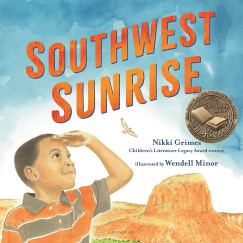
Southwest Sunrise

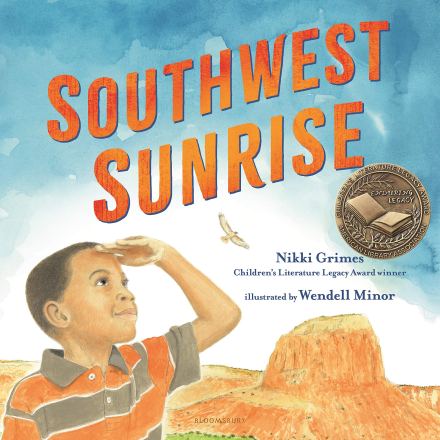
Written by Nikki Grimes | Illustrated by Wendell Minor


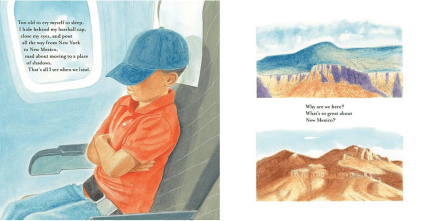
Jayden mopes all the way from New York to New Mexico, upset about moving from his beloved city to “a place of shadows.” Shadows and drabness are all he sees when he gets off the plane. In the morning, though, he wakes up “to a knife of sunlight slicing through” his room. Here, his window doesn’t have bars, and the view is of a “mountain striped in rainbow.” Jayden is surprised; he didn’t know that was there.

celebrate-picture-books-picture-book-review-southwest-sunrise-moving

Image copyright Wendell Minor, 2020, text copyright Nikki Grimes, 2020. Courtesy of Bloomsbury Children’s Books.

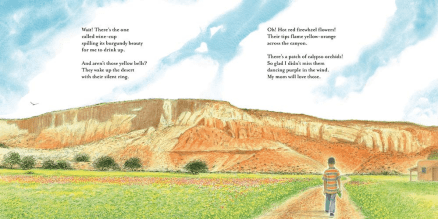
A string of chili peppers brightens the kitchen. Jayden isn’t optimistic that he’ll see any other colors in his new desert surroundings. His mom gives him a field guide to New Mexico at breakfast, and as he pages through it he doesn’t really think he’ll find any of the colorful flowers inside. But then, as he looks around, he spies the burgundy wine-cup and yellow bells that “wake up the desert with their silent ring.” He finds more flowers from the book that add red and purple to the landscape.

celebrate-picture-books-picture-book-review-southwest-sunrise-firewheel-flowers

Image copyright Wendell Minor, 2020, text copyright Nikki Grimes, 2020. Courtesy of Bloomsbury Children’s Books.

Jayden walks on, farther away from his new house. The unfamiliar silence is broken by “the mad chatter of winged gossips passing secrets” from one piñon tree to another. He watches the long-tailed magpies swoop through the “deep waves of turquoise overhead” and wonders why he never saw so much sky in New York. Still, he misses looking up and seeing the grandeur of the skyscrapers.

celebrate-picture-books-picture-book-review-southwest-sunrise-magpies

Image copyright Wendell Minor, 2020, text copyright Nikki Grimes, 2020. Courtesy of Bloomsbury Children’s Books.

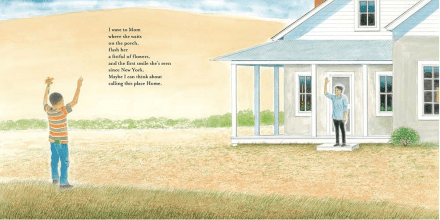
Looking down again, Jayden finds a striped lizard that seems happy to run along his hand, tickle his fingers. Instead of seashells, he finds bones and an abandoned turtle shell. “What stories do they have to tell?” he wonders. He continues his walk and, upon turning the corner, finds himself in the shadow of a different kind of skyscraper—rugged, red, and rocky. On the air, Jayden hears his mom calling. He picks some flowers the colors of sunset to take home to her. He waves as he nears the house and sees her standing on the porch and flashes her “the first smile she’s seen since New York.” He thinks that maybe New Mexico can be Home.

celebrate-picture-books-picture-book-review-southwest-sunrise-mom

Image copyright Wendell Minor, 2020, text copyright Nikki Grimes, 2020. Courtesy of Bloomsbury Children’s Books.

Nikki Grimes’ lyrical story is in plot a tale about moving from one part of the country to another, but in spirit it is a invitation for children and adults alike to open their heart to new experiences, to find the beauty in the unfamiliar and the joy in the unexpected. As Jayden journeys from New York to New Mexico and then around his new environment, Grimes explores honest emotions—the disappointment and anger change can bring, the preconceived ideas about the unknown that can color feelings and actions, and even that moment when a person can reject or accept the new circumstance or opportunity. As a poet, Grimes excels at the perfectly chosen detail and sublime description. Here, her words put readers in the spotlight of New Mexico’s laser sun, let them feel the skittering feet of a lizard, meet a haughty raven, and bask in the rainbow of colors Jayden never expected he’d see. His final smile and resolve to give his new city a chance fulfills the new dawning inherent in the title and is uplifting encouragement for all.

celebrate-picture-books-picture-book-review-southwest-sunrise-flowers

Slouched down in his airplane seat, baseball cap pulled low over his eyes, Wendell Minor’s Jayden is a picture of despondency. But things begin to look brighter when, in the morning, he notices the mountains and colors he missed the night before. Minor’s sun-washed illustrations allow readers to discover the beauty of the New Mexico desert along with Jayden. His new home is light and open, with a timbered ceiling and windows free of the bars he’s used to. Minor’s use of perspective allows children to view sweeping vistas of the desert landscape as well as images of some of the creatures found there. Putting the raven front and center gives kids an idea of the size and attitude of this striking bird. Fiery reds and oranges, vivid yellows, pinks, and purples, and glorious blues punctuate the sandy backdrop as Jayden’s thoughtful expressions depict his growing appreciation for his new home.

An exquisite book for any child, whether they are moving to a new home, exploring new experiences, or keen observers of their surroundings, Southwest Sunrise would be a joyful addition to home, school, and public library collections.

Ages 3 – 6

Bloomsbury Children’s Books, 2020 | ISBN 978-1547600823

Discover more about Nikki Grimes  and her books as well as educator guides and resources on her website.

To learn more about Wendell Minor, his books, and his art, visit his website.

Go West Day Activity

Screen Shot 2020-07-11 at 9.36.56 PM

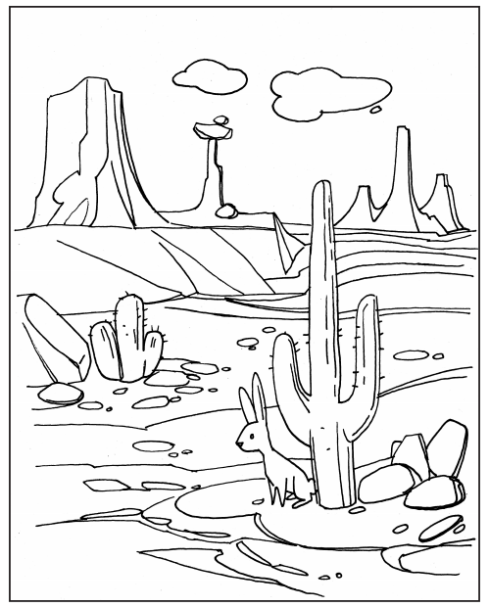
Beautiful Desert Coloring Pages


The desert has plants, animals, and landmarks seen nowhere else. Grab your crayons or pencils and give these two printable scenes some of its unique color.

Curious Rabbit Desert Scene | Western Sun Desert Scene

celebrate-picture-books-picture-book-review-southwest-sunrise-cover

You can find Southwest Sunrise at these booksellers

Amazon | Barnes & Noble | Books-a-Million

To support your local independent bookstore, order from

Bookshop | IndieBound

Picture Book Review

July 10 – Teddy Bears’ Picnic Day

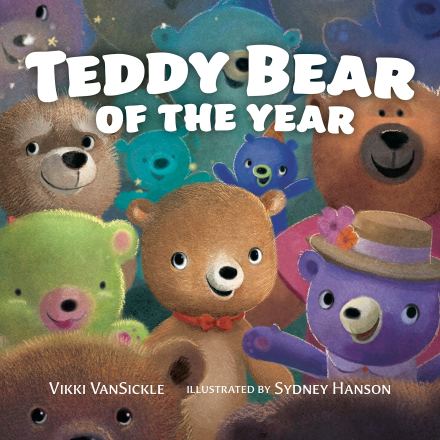
celebrate-picture-books-picture-book-review-teddy-bear-of-the-year-cover

About the Holiday

The classic picture book The Teddy Bears’ Picnic, written by Jimmy Kennedy and illustrated by Michael Hague has inspired kids for more than two decades to pack a basket of treats, grab their favorite teddy bear, and find a sunny or shady spot to enjoy a picnic. Today’s holiday reminds kids and their families of this simple summer pleasure and encourages them to celebrate with a teddy bear picnic of their own. Today’s book—a sweet, updated take on the original—as well as the  accompanying activity kit will spark ideas for fun, friendship, kindness and a picnic any time of the year.

I received a copy of Teddy Bear of the Year from Tundra Books for review consideration. All opinions are my own.

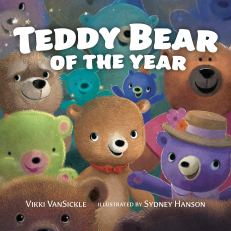
Teddy Bear of the Year

Written by Vikki VanSickle | Illustrated by Sydney Hanson


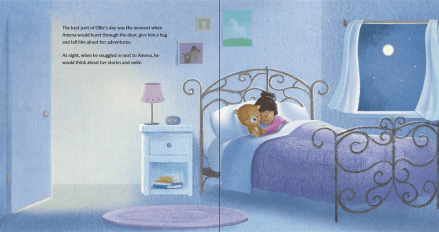
Ollie loved his job as Amena’s teddy bear. During the week his shift ran from three in the afternoon to after breakfast the next day. “On weekends and in the summer he was on call twenty-four hours a day.” Every day, Ollie looked forward to the moment when Amena came home and told him all about her adventures. “At night, when he snuggled in next to Amena, he would think about her stories and smile.”
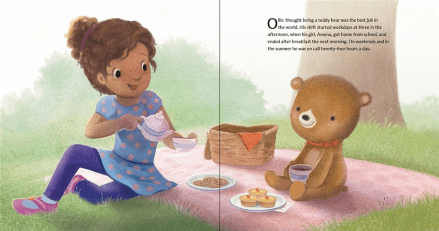
celebrate-picture-books-picture-book-review-teddy-bear-of-the-year-tea

Image copyright Sydney Hanson, 2020, text copyright Vikki VanSickle, 2020. Courtesy of Tundra Books.

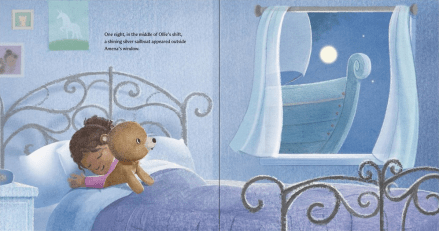
One night as Amena slept, Ollie saw a “shining silver sailboat” outside her window. The captain (Snuggles, aka The Snug) called to him and told him he was there to bring Ollie to the Teddy Bear’s Picnic. The picnic, Snuggles explained, was put on each summer by the Teddy Bears’ Association “to celebrate the year in teddy-care.” Ollie was excited but wondered about how Amena might feel if she woke up and he wasn’t there.

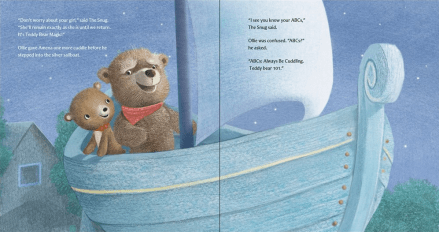
The Snug told him that for her time would stand still until Ollie returned. With one more cuddle for Amena, Ollie stepped aboard the sailboat. The Snug was impressed by Ollie’s knowledge of his “ABCs: Always Be Cuddling.” Soon, they arrived in the woods, where strings of lights glowed and a stage was set up. When they got closer, “Ollie saw teddies of all shapes and sizes.”
celebrate-picture-books-picture-book-review-teddy-bear-of-the-year-sleeping

Image copyright Sydney Hanson, 2020, text copyright Vikki VanSickle, 2020. Courtesy of Tundra Books.

Ollie met some of Snuggles’ friends, ate delicious sweets, played games, and even sang “bearaoke.” At last, Pinkie, the president of the Teddy Bears’ Association, took to the stage to begin the awards ceremony. Boo Bear won a star for comforting her boy through a long hospital stay. Fang received a star for accompanying “his girl, Tina, on her first sleepover party.” And Snuggles was given a star for his years of service to a family of six children and his many adventures.
celebrate-picture-books-picture-book-review-teddy-bear-of-the-year-ship

Image copyright Sydney Hanson, 2020, text copyright Vikki VanSickle, 2020. Courtesy of Tundra Books.

As Pinkie pinned stars on each of the teddy bears, Ollie “tried to think of a single thing that he had done that deserved a star, but nothing came to mind.” He felt that “he was just an ordinary bear.” But then he hear Pinkie announcing the Teddy Bear of the Year Award and…his name! Ollie couldn’t believe it. “‘I haven’t done anything special at all!’” he said.

But then Pinkie showed him how he’d helped Amena when she fell off her bike and “turned a bad day into a good day” by using the ABCs of teddy-care. The ability to do this is very special Pinkie told him. “‘Even the smallest actions—a cuddle, a kind word, a hug—have great impact’” and help their children feel strong. Pinkie pinned the star on Ollie’s chest and then all the teddy bears celebrated. When the picnic ended, The Snug sailed Ollie home. As Ollie snuggled in next to Amena, he whispered to her all about his adventures, and Amena smiled.
celebrate-picture-books-picture-book-review-teddy-bear-of-the-year-sailing

Image copyright Sydney Hanson, 2020, text copyright Vikki VanSickle, 2020. Courtesy of Tundra Books.

Vikki VanSickle’s well-conceived teddy bear world will captivate readers with its sweet combination of magic and reality. Details such as Ollie’s shift schedule and his excitement to hear Amena’s stories when she got home hit just the right note, mirroring both a young child’s imagination and their experience, especially if they have siblings. VanSickle’s message about the importance of kindness and providing comfort is woven naturally into the storyline, increasing its impact and allowing readers to see that simple acts of friendship are just as valuable, and often more so, than large, dramatic acts. Her Teddy Bear Picnic is sprinkled with humor and the kind of fun that makes it a party any child would love to attend.

Sydney Hanson’s illustrations are as soft and fuzzy as Ollie and as warmly glowing as a comforting nightlight. As Amena and Ollie snuggle side by side, the wispy bedroom curtains sway gently then frame the magical sailboat that arrives to take Ollie to the Teddy Bear’s Association picnic. From afar, the get-together in the woods twinkles with shimmering light. As Ollie and readers get closer, they meet a wide variety of teddy bears, from a pirate bear to a lavender koala riding a lavender-and-brown horse to teeny-tiny bears in a rainbow of colors. Kids will recognize the picnic activities from birthday parties and school events, and as all of the teddies gather around the stage, their anticipation for the awards will grow just as Ollie’s do. As readers watch scenes from Amena’s bad day along with Ollie, they see a specific example of how friendship can make anyone feel better.  

Cuddly and endearing, Teddy Bear of the Year will be a favorite for snuggly bedtimes with little ones (and their teddies, of course). The book would be an often-asked-for addition to home, school, and public library bookshelves.

Ages 3 – 7

Tundra Books, 2020 | ISBN 978-0735263925

Discover more about Vikki VanSickle and her books on her website.

A Chat with Vikki VanSickle

celebrate-picture-books-picture-book-review-vikki-vansickle-head-shot

Welcome back, Vikki! The last time we chatted your mythical and funny If I Had a
Gryphon had just been released. Since then If I Had a Gryphon has been named as a Best Book for Children and won multiple other honors, has been released as a paperback and a board book, and has even been recorded as a rap by some creative students. You’ve also published a award-winning middle grade novel, The Winnowing. Can you catch readers up on these successes and what else you’ve been doing?

Isn’t it bananas how much can happen in four years? I’ve been very fortunate, as you kindly pointed out, to receive such accolades for my books. A highlight was certainly winning the Red Maple Award for The Winnowing at the 2018 Festival of Trees. There’s nothing like bursting into tears in front of your peers and a few hundred readers! I’ve also had a lot of smaller, personal moments with readers who have shared their own artwork or story ideas with me, which I consider a great privilege. In addition to writing and presenting to kids, I am the director of marketing and publicity for the young readers program at Penguin Random House Canada, which means I get to work on amazing kids’ books all day, every day.

Teddy Bear of the Year is super sweet and a great reminder that kind acts are recognized and appreciated. What inspired you to write this story?

Small acts of kindness has always been a big theme for me and it shows up in a lot of my work. In my first novel, Words That Start With B, I wanted to address the idea of bravery with a lower-case b—meaning actions that might not appear typically brave or even noteworthy but made all the difference in the world to someone. This idea has manifested in many ways in all of my work. I am less interested in narratives about saving the world at large, and more interested in what little things we can do every day to change the lives of people around us.

When you’re a kid, so many goals seem huge and out of reach to you. Especially in an increasingly loud and bombastic society it’s easy to feel small or helpless or insignificant. But every major feat consists of a series of smaller actions and decisions and it’s the smaller, everyday things that can change a person’s entire outlook.

Ollie and the other teddy bears in your book reminded me of my own childhood teddy bear, Brownie, who is still with me even after much fur loss and a long-ago surgery to remove the music box that made him a little less cuddly than I wanted. Is there an Ollie in your life? Can you tell readers a little about this special friend?celebrate-picture-books-picture-book-review-Vikki-VanSickle-and-Teddy-Bear-Gang
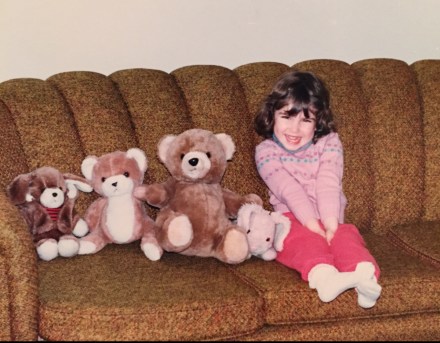
Vikki and her Teddy Bear Gang

I had a number of cherished stuffed animals that held major roles in my imaginary play and nighttime rituals. I was constantly worried that one would feel ignored or less loved, and therefore took great pains to treat them equally, including rotating which stuffed animal I slept with each night. But one toy did stand out above the rest, and that was a stuffed rabbit named Bunny. I’ve had Bunny as long as I can remember. He’s in pretty rough shape, but currently lives a quiet life of retirement in my closet.

Sydney Hanson’s soft illustrations are so dreamy and I love how all the different teddy bears mirror different kids and what they like. What was your reaction when you first saw her sweet interpretation of your story? Do you have a favorite spread?

I was so thrilled with Sydney’s sweet, fuzzy illustrations. A bedtime story is only as cozy as the art, and I think she really nailed it. I really enjoy the group scenes, especially the spread when Ollie arrives at the picnic for the first time and gets a glimpse of the snacks table. I love how all of the bears, even the unnamed ones, have their own personalities and storylines you can follow throughout the book.

Two of my favorite parts of your story are the Teddy Bear ABCs—which is inspirational for everyone, especially on National Hugging Day—and the idea of Teddy Bear Magic.  What ideas about friendship would you like young readers to take away from your story?

I love that those things resonated with you! The working title of the book was Teddy Bear Magic, which Ollie and the reader first associate with the magic of the flying sailboat and the stoppage of time, but eventually come to realize that the bigger magic is how kindness, comfort, and support can transform someone’s experience. I hope readers recognize that by being kind you have the magical ability to transform someone’s day.

The ABCs of Teddy Care—aka “Always Be Cuddling”—is a reference to the phrase “Always Be Closing,” a business philosophy made famous by the movie (and play) Glengarry Glen Ross. I modeled the Teddy Bear’s Picnic depicted in the book on contemporary office parties, and I got a kick out of taking such a cold corporate mantra and turning it into something warm and fuzzy.

I always enjoy watching your appearances on Your Morning, the Canadian breakfast-time show. You’re such a natural on camera and a fantastic advocate for children’s books. Can you talk about the segments you do and how you became involved with them? Where can people see past segments and when is your next one?

Thanks so much! I’m very much enjoying it. I read a lot and curating lists is something I have always loved doing. It must be my bookselling roots! I had visited CTV Your Morning as an author and chatted with the book producer about themed segments for major book-buying moments, such as back to school, summer reading, and the holidays. The first few segments were popular and so we’ve continued to find other themes—such as building your baby’s library and kids’ books that address mental health and wellness, which aired on January 20th of this year—that would resonate with their audience outside those traditional moments. You can find past clips at theloop.ca, and I also post them on my own website at www.vikkivansickle.com.

From the long events and presentations list on your website, I can tell you love meeting your readers! Do you have an anecdote from any event that you’d like to share?

I really love meeting readers! It’s important for me to stay connected to the audience, especially since I no longer work in a bookstore and I have less “kid contact.” One of my favorite anecdotes happened at an IF I HAD A GRYPHON event with second grade students. I noticed one boy in the front frowning the whole time—which was unusual, not to mention disconcerting— and when it came time for questions his arm shot up and he asked, “Do you know how many species of dragon there are?” I told him that no, I did not know, and he broke into a smile and responded, “Nobody knows. That was a trick question.” I realized he had spent the whole presentation waiting to ask me that question, wondering if I would trip up or give him false information. You can never lie to kids—they smell it a mile away—and it’s important to treat every question seriously. If you don’t respect your audience, why should they respect you?

Before you go, I’m sure readers would love to know how they can hold their own Teddy Bear Picnics.

Tundra also created an amazing downloadable Teddy Bear of the Year event kit so anyone can hold a similar event. You can find that kit below.

Teddy Bears’ Picnic Day Activity
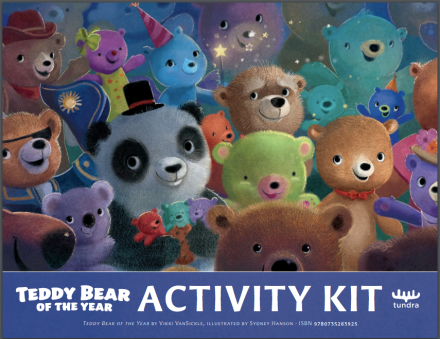
celebrate-picture-books-picture-book-review-teddy-bear-of-the-year-activity-kit

Teddy Bear of the Year Activity Kit


You can hold your own Teddy Bear Picnic with this fun activity kit that includes a puzzle, a coloring sheet, a headband, and even a Teddy Bear of the Year certificate for your special friend. You’ll also find ideas for hosting your own Teddy Bear Service Awards!

Teddy Bear of the Year Activity Kit
celebrate-picture-books-picture-book-review-teddy-bear-of-the-year-cover

You can find Teddy Bear of the Year at these booksellers

Amazon | Barnes & Noble | Books-a-Million

To support your local independent bookstore, order from

Bookshop | IndieBound

Picture Book Review

June 3 – Love Conquers All Day

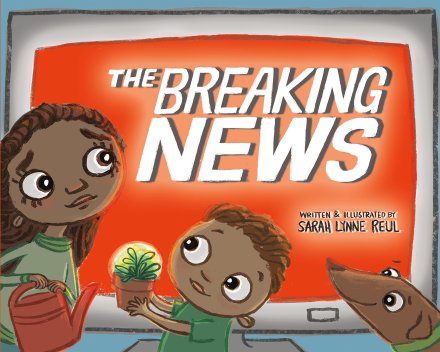
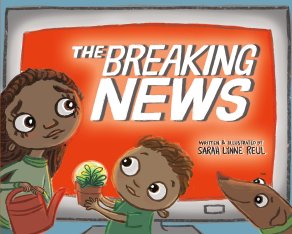
celebrate-picture-books-picture-book-review-the-breaking-news-cover

About the Holiday

The phrase “love conquers all” is attributed to the ancient Roman poet Virgil, but it’s veracity is still timely today. As the world is rocked by agonizing and heartbreaking events, children watch, worry, and wonder. Sharing today’s book can help adults and kids talk about their emotions and come up with ways they can show the love they feel for family, friends, and their community.

The Breaking News

By Sarah Lynne Reul


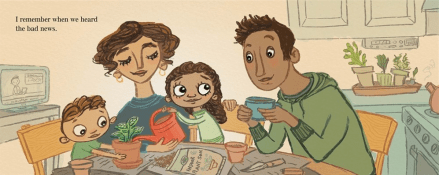
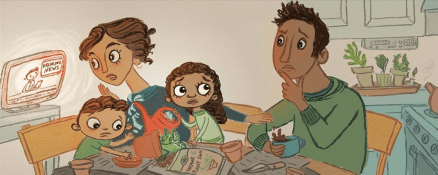
A little girl remembers “when we heard the bad news.” She was sitting at the kitchen table repotting plants with her mom, dad, and little brother. They were happy, her dad sipping coffee and her mom smiling. The TV was on in the background. And that’s how they heard the breaking news. Her mom’s head whipped around to see; coffee splashed out of her dad’s cup. And the plant tipped over spilling all of its new soil.

celebrate-picture-books-picture-book-review-the-breaking-news-before

Copyright Sarah Lynne Reul, 2018, courtesy of Roaring Brook Press.

After that, her parents can’t stop watching the news on the television and their phones. When they talk about it, they whisper, and the little girl pretends “not to hear. It is more than a little scary.” The regular routine no longer exists; happiness seems to be gone too. At school, the “teacher says to look for the helpers,” those “good people trying to make things better in big and small ways.”

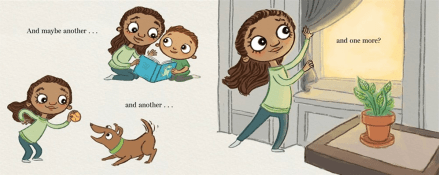
The girl wants to help. At home she tries to make her mom and dad laugh, she invents magical ways to keep her family safe, and she even helps out with the chores, but nothing seems to help. The failure of her plans to do something big, just makes her “feel small.” Then she sees her brother giving their dog a hug. It cheers her and she begins to think “maybe…I can try to do…just one…small thing?” So she does. And then again…and again.

celebrate-picture-books-picture-book-review-the-breaking-news-after

Copyright Sarah Lynne Reul, 2018, courtesy of Roaring Brook Press.

She starts by watering that newly potted plant, which has become droopy with neglect. She spends time with her brother and the dog, and she puts the now-perky plant in a sunny window. Outside, the bad news still lurks, but inside the girl’s parents notice this small change. She takes them by the hand and asks for the extra seeds, pots, and soil.

When the flowers sprout, the girl and her family take them outside. The bad news still exists, but as the girl gives the flowerpots away to their neighbors, they stop and smile. they sit on the stoop and in their front courtyards and talk. Here and there along the block of apartments, flower pots appear on the windowsills, and hope begins to dispel the gloom.

celebrate-picture-books-picture-book-review-the-breaking-news-sun

Copyright Sarah Lynne Reul, 2018, courtesy of Roaring Brook Press.

As children hear, see, and are directly affected by recent events—this week, over the past months, and in the future—feelings of fear, worry, anger, and helplessness impact their daily lives. Sarah Lynne Reul’s honest depiction of a time of upheaval reflects a child’s experience and offers them an opportunity to express their emotions. She also shows concrete ways that kids can channel their desire to help—ways that may seem small to them but that create much-needed connections among family members and the community they love.

Reul’s emotion-packed illustrations work hand-in-hand with her potent text to examine that moment when everything changed and its aftermath. The family’s happy, enthusiastic expressions are replaced with sadness and a world-weary stoop; a gray fog and somber hues predominate. An image of the little girl filled to the brim with everything that is happening around her will squeeze your heart and give kids a chance to say, “that’s how I feel.” The girl’s realization that small actions of kindness and love can help restore at least some of the lost light in their lives can be a revelation not only for children but for adults too who may be wondering how to process and respond to overwhelming circumstances and events. Reul’s two scenes of the neighborhood—one cast in shadow and the next washed in light (with an extra glow around the people and plants)—provide a strong visual of the results of positive action.

The Breaking News presents many openings for family discussion and shared comfort. The book a must-have for home, school, and public libraries.

Ages 4 – 8

Roaring Brook Press, 2018 | ISBN 978-1250153562

To learn more about Sarah Lynne Reul, her books, and her art, visit her website.

Love Conquers All Day Activity

CPB - Heart Jar

Jar Full of Hearts


If your kids ever feel the need for more love or reassurance in their life, this jar full of hearts can be a visual reminder of the love that surrounds them, can be used to encourage discussions about feelings, or can provides little gifts kids can give to family and friends––old and new.

Supplies

  • A clear jar with a lid—you can use a recycled jar, a mason jar or a decorative jar found at craft stores
  • Red felt
  • Scissors

Directions

1. Cut red hearts from the felt

2. Add hearts to the jar. The jar can start out full or hearts can be added over time. Here are some ideas for giving jars to family members or friends:

  • Add one heart for each thing you love about your child or that a child loves about their sibling or friend.
  • Give a new heart whenever the recipient of your jar does something nice for someone.
  • If talking about feelings is difficult for your child, encourage them to bring you a heart from the jar to start a conversation.
  • Encourage the recipient of your jar to pass the love along! Tell them they can give a heart from the jar to someone else.

celebrate-picture-books-picture-book-review-the-breaking-news-cover

You can find The Breaking News at these booksellers

Amazon | Barnes & Noble | Books-a-Million

To support your local independent bookstore, order from

Bookshop | IndieBound

Picture Book Review
April 29 – It’s National Month of Hope

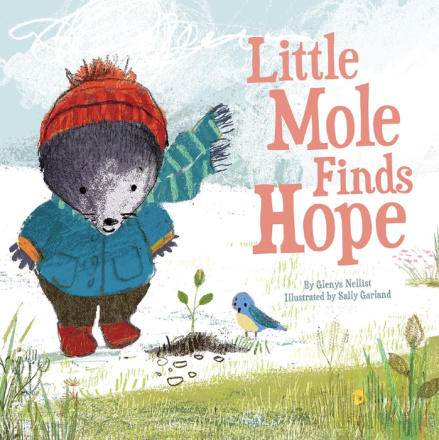
celebrate-picture-books-picture-book-review-little-mole-finds-hope-cover

About the Holiday

Founded in 1991, National Month of Hope encourages people to bring hope to those in need both emotionally and physically. Reaching out to let a friend know you’re there for them, volunteering to help out in the community or on a personal level, and simply sharing a smile with those around you are all ways to show others you care. These days, staying in touch online and checking up on family and friends spreads happiness and hope for when we can all be together again. 

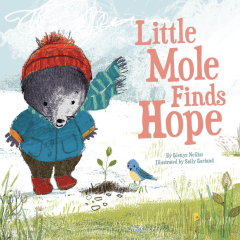
Little Mole Finds Hope

Written by Glenys Nellist | Illustrated by Sally Garland


Little Mole felt sad. He didn’t know why he felt bad inside, he just did. His mama told him he needed to find hope. Little Mole wondered where. As she took his paw, Mama said, “‘Sometimes, hope is hiding in the darkness. Sometimes it’s hard to see. But it’s always there.'” Mama led her son out of the tunnel, but on the way she pointed out a “brown, wrinkled” bulb hanging from the ceiling. Little Mole thought it was dead.

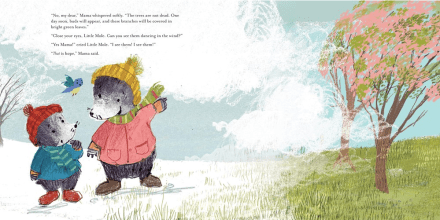
But Mama explained that that bulb would someday soon become a lovely daffodil. She asked her son to picture it swaying with the breeze, and when he said he could see it, she told him “That is hope.'” When they crawled out of the burrow, Little Mole saw trees without leaves. “They stretched out like skeleton bones silhouetted against the sky.” Little Mole thought they were dead. But Mama explained that buds and then leaves would soon appear. She asked Little Mole to imagine it. With excitement he told her he could see it. Again, Mama said, “‘That is hope.'”

celebrate-picture-books-picture-book-review-little-mole-finds-hope-trees

Image copyright Sally Garland, 2020, text copyright Glenys Nellist, 2020. Courtesy of Beaming Books.

Mama and her little one continued on past Mr. Rabbit’s garden, where they saw another example of hope hiding in an unexpected place. When they got home, Little Mole was happy.He said he’d had a wonderful day and understood that “there was always hope, even in the darkest places.” Mama tucked her son into bed with a kiss, and Little Mole fell asleep dreaming of the colorful spring to come.

Back matter includes a Discussion Guide for Caretakers that gives them tools for talking about the story, tips on helping a child who feels sad, and how to share their own experiences and where hope can be found.

Glenys Nellist’s uplifting story could not have come at a better time. With children at home and their normal lives disrupted, many may be feeling sad and unusually stressed. While many things have changed, there are still those aspects of life that remain constant. A parent or caregiver’s love is one; signs of spring and summer are another. Nellist’s honest and straightforward storytelling, acknowledges feelings of sadness and the fact that they are often unattributable to any concrete cause. Mama’s gentle acceptance of her son’s emotions and her actions in showing him signs of renewal will resonate with children familiar with the cycles of winter and spring and give adults models for conversations with their own children. Perfectly paced, Nellist’s book provides opportunities for adults and kids to look for other constants in their lives and to reaffirm their love for one another––now and always.

Sally Garland’s textured illustrations, rendered in warm tones that reveal the coziness of the Mole’s home and vibrant, sunny colors as Little Mole imagines springtime, will delight children and draw them into the meaning of the story. As Mama clearly points out the bulb, the bare trees, and a sleepy chrysalis, children will enjoy guessing what each will become and how they represent hope. Readers will also like finding other symbols of hope and signs of Mama’s and Little Mole’s love throughout the story.

Lovely in every way and highly recommended for talking with children about their feelings, Little Mole Finds Hope is a book kids will enjoy for its storytelling and its heart again and again.

Ages 3 – 6

Beaming Books, 2020 | ISBN 978-1506448749

Discover more about Glenys Nellist and her books on her website.

You can learn more about Sally Garland, her books, and her art here.

Month of Hope Activity

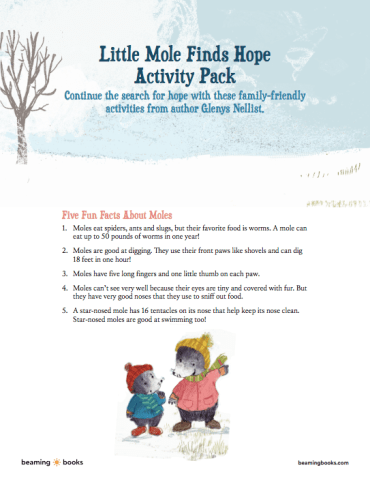
celebrate-picture-books-picture-book-review-little-mole-finds-hope-activity-kit-image

Little Mole Finds Hope Activity Pack


You can find lots of fun in this printable activity pack found on the Beaming Books website.

Little Mole Finds Hope Activity Pack

celebrate-picture-books-picture-book-review-little-mole-finds-hope-cover

You can find Little Mole Finds Hope at these booksellers

Amazon | Barnes & Noble | Books-a-Million | IndieBound


February 3 – It’s Children’s Authors and Illustrators Week

celebrate-picture-books-picture-book-review-what's-up-maloo-cover

About the Holiday

This week was established to raise awareness and promote literacy and the joys and benefits of reading. During the week, children’s authors and illustrators attend special events at schools, bookstores, libraries, and other community centers to share their books and get kids excited about reading. To learn more about how you can instill a lifelong love of learning in your children, visit ChildrensAuthorsNetwork!

I received a copy of What’s Up, Maloo? from Tundra Books for review consideration. All opinions are my own. I’m excited to partner with Tundra in a giveaway of the book. See details below.

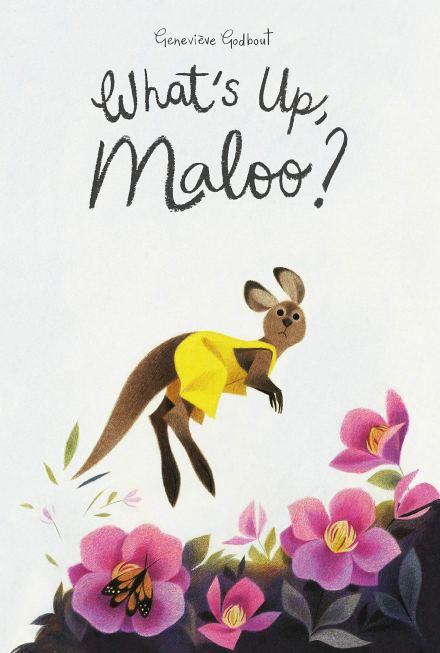
What’s Up, Maloo?

By Geneviève Godbout


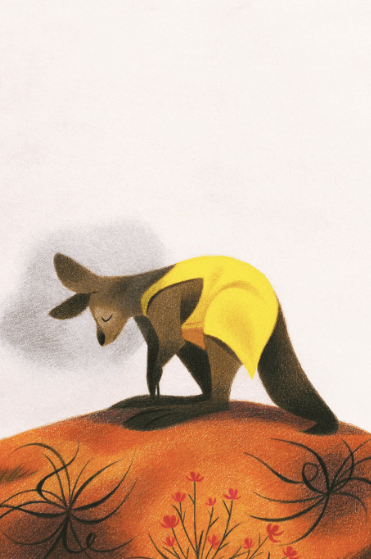
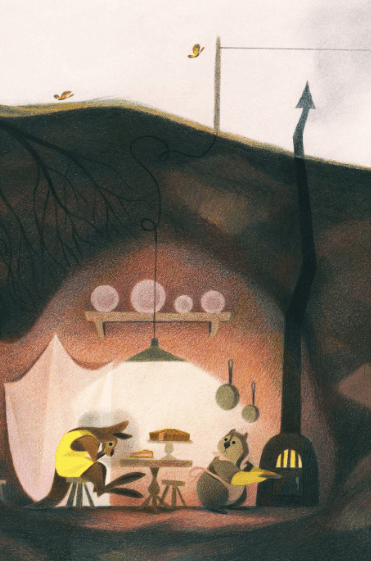
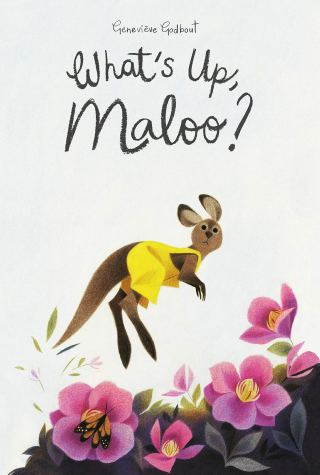
Maloo is a little kangaroo with an especially hoppy spring in his step. But one day he feels grounded. Instead of hop, hop, hopping to see his friend, he takes “One step. Two steps, Three steps.” Wombat immediately notices that something’s amiss and asks, “What’s up, Maloo?” She brings him inside her cozy den and gives him a slice of pie. While she slides another treat into the oven, Maloo sits forlornly at the table, not touching his pie.

celebrate-picture-books-picture-book-review-what's-up-maloo-one-sad

Copyright by Geneviève Godbout, 2020, courtesy of Tundra Books.

They go down to the river—“Four steps. Five steps. Six steps”—where Crocodile sees it too and asks Maloo what’s wrong. Perhaps a swim will cheer Maloo up, but he sits dejectedly atop his ball and floats with the current. The three go to see Koala. They all want to help Maloo feel better. They try giving him a lift with an electric fan, but the wind just knocks Maloo head over heels.

celebrate-picture-books-picture-book-review-what's-up-maloo-den

Copyright by Geneviève Godbout, 2020, courtesy of Tundra Books.

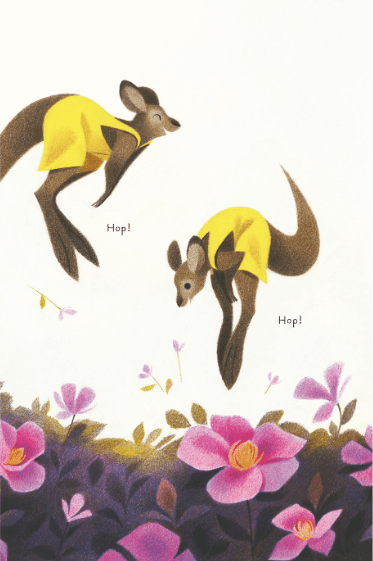
Maloo’s friends stay with him, though––“ten steps…one hundred steps…one thousand steps.” They stretch out a blanket and fling Maloo into the air, giving him encouragement. Can he hop? Maloo falls…but springs up again. “Hop!” He floats down, but this time instead of feeling dejected, he’s looking up. Back into the air he goes. He descends, but something is rising up in him. Maloo jumps with a gigantic “Hop!” He smiles. Koala climbs on Maloo’s back while Wombat and Crocodile balance on pogo sticks, and they all “hop like Maloo!’”

celebrate-picture-books-picture-book-review-what's-up-maloo-one-hop

Copyright by Geneviève Godbout, 2020, courtesy of Tundra Books.

With her powerfully emotional images and spare text, Geneviève Godbout allows readers to identify with Maloo as he experiences a time of sadness and recovers happiness with the help of his friends. In her soft, earth-toned illustrations, Godbout provides many perspectives and good examples for children and adults to discuss. Having lost his hop, Maloo seeks out one friend, who engages another friend and yet another, showing children the reassurance and help available by reaching out and having a supportive network. Maloo’s friends are also sensitive to Maloo’s mood, encouraging readers to pay attention to and acknowledge changes they may see in their friends and family. As readers count Maloo’s steps, they’ll see that sometimes the road back to feeling happy can be long, but that good friends stick with you no matter what or how long it takes. They also learn that asking for help starts with one step.

A moving and accessible resource for parents and caregivers to talk with their children about the ups and downs of life and the emotions of sadness and depression, What’s Up, Maloo? is a valuable addition to home, school, and public library collections.

Ages 3 – 7

Tundra Books, 2020 | ISBN 978-0735266643

To learn more about Geneviève Godbout, her books, and her art, visit her website.

Meet Geneviève Godbout

Born and raised in Quebec, Geneviève Godbout studied traditional animation in Montreal and at the prestigious Gobelins school in Paris. She is the illustrator of a number of books for children, including The Pink Umbrella, When Santa Was a Baby, Kindergarten Luck (Chronicle), and Joseph Fipps (Enchanted Lion). Some of her clients include The Walt Disney Company, Chronicle, HMH, Flammarion, Bayard, Les éditions Milan and La Pastèque. She also works for clothing designers like Nadinoo and Mrs. Pomeranz, creating illustrations and prints for their collections. Connect with Geneviève on her website.

Congratulations on What’s Up, Maloo, your debut picture book as both author and illustrator! Can you talk a little about the journey you’ve taken with this book?

Thank you! I never expected to be an author, but one day I woke up with the feeling I should write my own story about depression. I pictured this little kangaroo that lost his hop and told my French publisher (La Pastèque) about it. The whole creative process was natural, yet I felt incredibly insecure about my own capacities. But once published, we had such a fantastic response that I’m now working on a sequel with the little crocodile! 

What was your inspiration for this story and why this subject is important to you? What do you hope children will take away from your story?

I was inspired by my own experience of depression. I wanted to say that it’s ok to go through tough times and emphasize the importance of being surrounded without judgement. We should feel safe to confess our feelings to a friend. We don’t have to go through this alone. 

Your illustrations of Maloo feeling sad and losing the spring in his step are touching and instantly recognizable for children. How can adults use the book to talk with their children about the strong feelings of sadness and depression from multiple viewpoints, including the sufferer themselves and their friends?

I chose not to mention why Maloo lost his hop so that kids and adults can fill the gap in the text with their own experience. Maloo’s friends are sweet and full of empathy. I pictured this book as a comforter rather than a sad story. 

You’ve brought iconic characters Anne of Green Gables and Mary Poppins to books for the youngest readers. What are the challenges and joys of working with these beloved characters?
It was quite an intimidating challenge. These characters are so loved by readers (and myself!) that everyone has their own expectations of what they should look like. For instance, Mary Poppins is dramatically different in the original books by P.L. Travers from the Disney movie. But when we think about Mary Poppins, most people picture Julie Andrews, not a severe looking lady with very tall feet. With that in mind, I tried to find my own way of drawing both Mary Poppins and Anne Shirley. It was such an exciting opportunity, I reminded myself to have fun during the creative process without anticipating the public response too much. 

From characters’ round, expressive eyes, rosy cheeks, and sweet grins to animated action punctuated with humor to your gorgeous colors, your picture book illustrations are truly distinctive. How did you develop your signature style?

A style is the expression of one’s sensitivity and creativity. Mine evolved throughout the years as I gained experience and technique. And for some reason, I chose the most time-consuming medium: color pencils! I have always loved them. They’re delicate and precise. My background in traditional animation also has a huge part in the way I draw today. Everything is about movement and expressive posing. 

What do you love best about creating books for children?

I love the idea of touching people and offering them a safe bubble where they can smile and relax. There is nothing better than hearing a child or an adult say they love to curl up in bed with one of my books. 

You went to school in Paris, you’ve worked in London, and now you live in Montreal. Could you name one of your favorite places in each city and tell why you love it?

I was lucky to live in such fabulous and inspiring cities. I loved to get lost in Paris and walk by the Thames river near Hammersmith in London. Each time I go back, it feels a bit like home. As for Montreal, I think it’s the best place in terms of quality of life and I love the contrast between the seasons!

What’s up next for you?

I’m working on a couple of exciting projects including a sequel for What’s up, Maloo? and a third book in the Anne series. I’m kind of booked for the next year or so with Harper Collins, Random House, Comme des Géants, and perhaps Houghton Mifflin Harcourt, but I’m not sure what I’m allowed to say at this stage! 

Thanks, Geneviève! It was wonderful chatting with you. I’m really looking forward to seeing the sequel to What’s Up, Maloo? and all of your upcoming books!

celebrate-picture-books-picture-book-review-what's-up-maloo-cover

You can find What’s Up, Maloo? at these booksellers

Amazon | Barnes & Noble | Books-a-Million | IndieBound

Picture Book Review


September 12 – National Day of Encouragement

celebrate-picture-books-picture-book-review-ruby-finds-a-worry-cover

About the Holiday

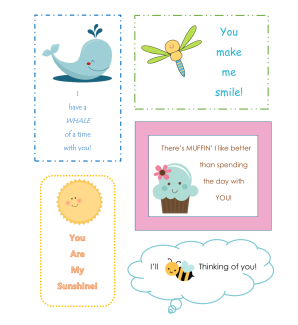
Today’s holiday got its start when a group of high school students attending a leadership conference were asked to devise a solution to what was perceived as a major problem facing young people: a lack of encouragement. Their solution led to the establishment in 2007 of a National Day of Encouragement on which people are prompted to perform deliberate acts of encouragement to cheer and inspire others. The theme for 2019 is “Share a Smile.” To celebrate, smile at those you meet, say a kind word, mail a card, make a call, or send a text to anyone who needs a little more encouragement to complete a goal, deal with a problem, or just to have a good day. You can also print and give out the Encouragement Cards below.

Bloomsbury Children’s Books provided me with a copy of Ruby Finds a Worry for review consideration. All opinions are my own. I’m thrilled to be teaming with Bloomsbury in a giveaway of the book. See details below.

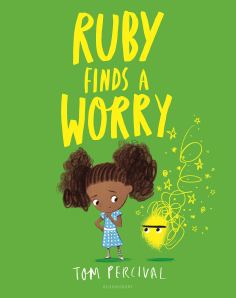
Ruby Finds a Worry

By Tom Percival


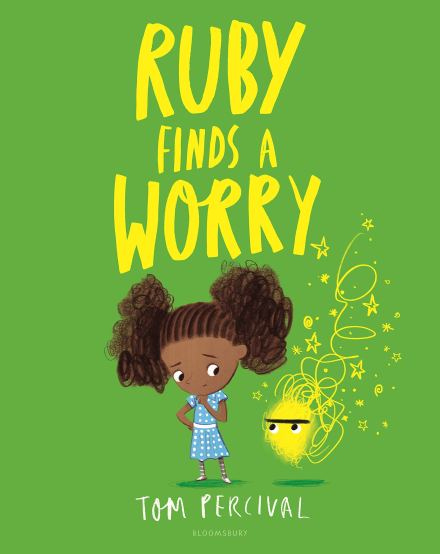
“Ruby loved being Ruby.” She was happy swinging on her swing set and exploring her backyard. But one day, she “discovered a Worry.” It wasn’t too big. At first it was just a little nudge, but then it started to grow…and grow. Then it began following her around—everywhere. It sat opposite her at the breakfast table and hung around while she brushed her teeth. Ruby was sure her teacher and the other kids in her class would see it, but they didn’t, “so Ruby pretended that she couldn’t see it either.”

celebrate-picture-books-picture-book-review-ruby-finds-a-worry-little-worry

Copyright Tom Percival, 2019, courtesy of Bloomsbury Children’s Books.

Ruby kept hoping that it would go away. Then she began to worry that it would never go away. Ruby’s worrying just made the Worry grow even bigger. It was soon so enormous that Ruby felt squeezed for space at home and in the school bus. The Worry filled up all of her thoughts; she couldn’t do the things she loved anymore and “it seemed like she would never feel happy again.”

celebrate-picture-books-picture-book-review-ruby-finds-a-worry-dragon-box

Copyright Tom Percival, 2019, courtesy of Bloomsbury Children’s Books.

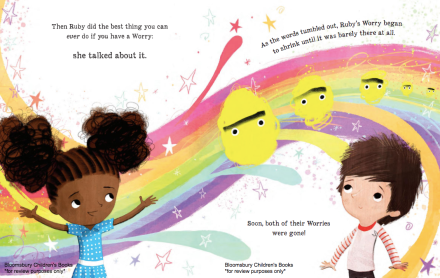
Then one day, Ruby saw a boy sitting glumly on a park bench. She recognized that look—and the Worry floating just behind him. For the first time, Ruby realized that other people had Worries too. She sat next to the boy, and they began to talk. As the boy told her what was troubling him, “his Worry began to shrink.” Then Ruby told the boy about her Worry, and it shrank away too. With both Worries gone, the world seemed brighter, and the boy and Ruby jumped for joy. Ruby “felt like her old self again.”  Ruby still found Worries sometimes, “but now that she knew how to get rid of them, they never hung around for long.”

celebrate-picture-books-picture-book-review-ruby-finds-a-worry-disappearing-worry

Copyright Tom Percival, 2019, courtesy of Bloomsbury Children’s Books.

Tom Percival’s reassuring story is so welcome for children who tend to let their worries crowd out other thoughts and even their happiness. Percival’s straightforward and honest depictions of the stages of worrying—first twinges, growing fears, pretending everything’s okay, and overwhelming anxiety—are both educational and helpful for kids struggling with these feelings. Two stand-out sentences in which Percival directly reveals to readers the worst and best things they can do with a Worry provide excellent guides for dealing with this common emotion.

Working hand-in-hand with the text, Percival’s clear illustrations show Ruby’s progression from a happy, carefree little girl to a child paralyzed by her worries. Ruby’s initial curiosity and courage, shown through full-color spreads, gives way to uncertainty and reticence as her once-happy expression turns sad and the world around her is washed in somber grays. As the Worry keeps up its constant presence, Percival depicts three vignettes—Ruby’s birthday, Ruby riding her bike, and Ruby practicing the piano—that depict activities that can cause worry but also be spoiled by it. Ruby’s discovery that other people also have worries comes with another bit of insight. As Ruby talks to the boy, she reveals that she—perhaps instinctively—knows just what he needs to feel better. Helping kids implement this awareness to advocate for themselves as well is what this book is all about.

A supportive and encouraging book for kids who have a high sensitivity for worrying as well as for those who have periodic doubts, Ruby Finds a Worry should be part of every classroom and public library collection and would be a comforting book to own and share for home libraries too.

Ages 3 – 6

Bloomsbury Children’s Books, 2019 | ISBN 978-1547602377

To learn more about Tom Percival, his books, and his art, visit his website.

Ruby Finds a Worry Giveaway

I’m happy to be partnering with Bloomsbury Children’s Books in a giveaway of:

  • One (1) copy of Ruby Finds a Worry by Tom Percival

To be entered to win Follow me on Twitter @CelebratePicBks and Retweet one of my giveaway tweets.

This giveaway is open from September 12 through September 19 and ends at 8:00 p.m. EST.

A winner will be chosen on September 20.

Giveaways open to US and Canadian addresses only | Prizing provided by Bloomsbury Children’s Books

National Day of Encouragement Activity

celebrate-picture-books-picture-book-review-random-acts-of-encouragement-cards

Random Acts of Encouragement Cards to Share


Today’s a day to spread a little encouragement to friends, neighbors, teachers, and anyone who looks as if they could use some cheering up.

Random Acts of Encouragement Cards 1Random Acts of Encouragement Cards 2

celebrate-picture-books-picture-book-review-ruby-finds-a-worry-cover

You can find Ruby Finds a Worry at these booksellers

Amazon | Barnes & Noble | Books-a-Million | IndieBound

Picture Book Review
May 13 – It’s National Egg Month

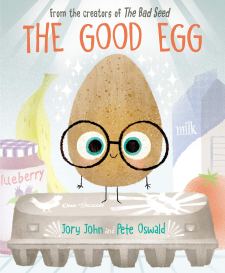
celebrate-picture-books-picture-book-review-the-good-egg-cover

About the Holiday

This month we celebrate the amazing egg! Since ancient days people have relied on eggs for protein and other nutrients as part of a healthy diet. Eggs also provide delicate canvases for incredible works of art. If you’re fond of eggs—on their own or whipped up into a quiche, frittata, or other delicacy—crack a few open and enjoy your favorite recipe!  
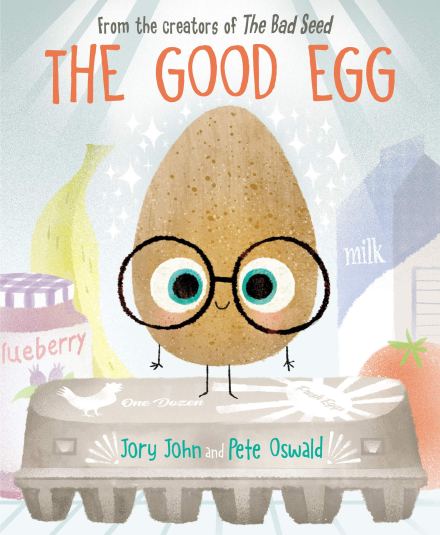
The Good Egg

Written by Jory John | Illustrated by Pete Oswald


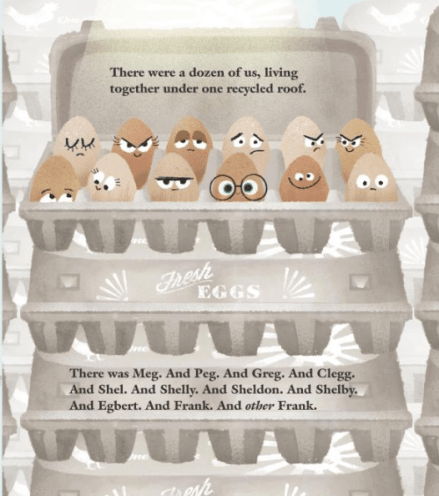
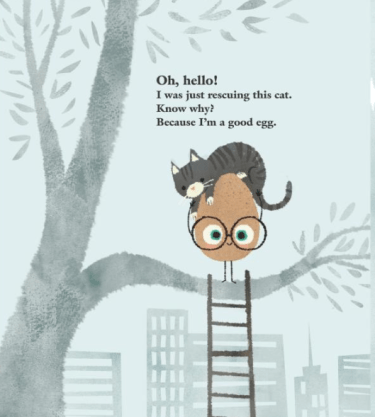
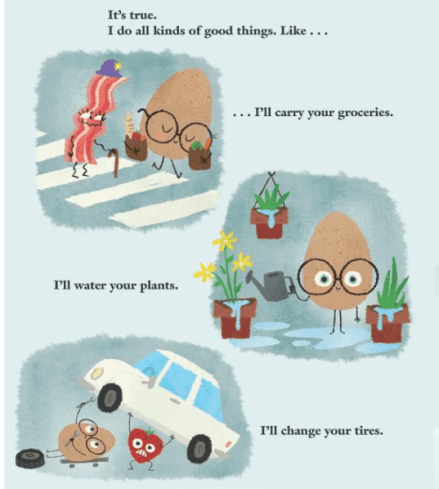
Have you ever met an egg that was so good he would rescue a cat from a tree, “…carry your groceries, …water your plants,” or “paint your house?” Well, you have now! And this isn’t some fly-by-night goodness, this little egg has always been this way even though all the other eggs in the carton exhibited less-than-stellar behavior.

celebrate-picture-books-picture-book-review-the-good-egg-good-deeds

Image copyright Pete Oswald, 2019, text copyright Jory John, 2019. Courtesy of HarperCollins.

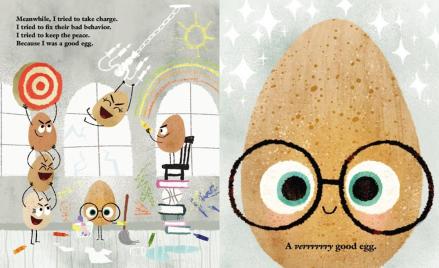
What did they do? Are you ready for this? “They ignored their bedtime. They only ate sugary cereal.” There were tantrums…and it only got worse. The good egg tried to help—after all, he was “a verrrrrry good egg,” but no one paid any attention. Eventually, the good egg cracked under the pressure of  trying to make his carton buddies as good as he was.

The good egg decided to leave the market and the other eggs behind. Did they care? It didn’t seem like it. The egg traveled far and wide and into his very own heart. The egg “took walks” and “read books.” He took up writing, painting, and meditation. Slowly, the cracks began to heal. Feeling better, the egg made a big decision. He decided to go back to the market and his friends. But this time, he would “try not to worry so much” and he’d be good to the other eggs and himself.

celebrate-picture-books-picture-book-review-the-good-egg-carton

Image copyright Pete Oswald, 2019, text copyright Jory John, 2019. Courtesy of HarperCollins.

The good egg had discovered that he missed the other eggs, but how would they feel about his come back? He needn’t have worried. They welcomed him home with egg-citement. It seems that while the good egg was gone, the other eggs became a little better behaved. And now? Here’s what the good egg “realized: The other eggs aren’t perfect, and I don’t have to be, either.” The whole experience gave the good egg a whole new perspective, and he’s glad to be home.
celebrate-picture-books-picture-book-review-the-good-egg-target

Image copyright Pete Oswald, 2019, text copyright Jory John, 2019. Courtesy of HarperCollins.

Behavior studies have never been as bewitching as in Jory John and Pete Oswald’s The Good Egg, a sequel of sorts to The Bad Seed. Everywhere he looks, the good egg finds ways to be helpful, peaceful, and…well…good. But his friends are a rowdy bunch, given to messes, tears, destruction—badness. When the good egg’s perfectionism meets this unruliness, he cracks. When the good egg leaves the carton in search of healing, John invites readers to consider the line between fun and rotten behavior from both sides.

Children prone to perfectionism see that it’s okay to give themselves a break and let go at times, while those who tend to be wild learn that reigning in some impulses can lead to more enjoyment. John’s clever egg names, funny examples of good and rotten behavior, and pun-filled wordplay will have kids giggling from the first page while his nod to self-care practices and the empowering ending give them moments for thoughtful contemplation.

celebrate-picture-books-picture-book-review-the-good-egg-cat

Image copyright Pete Oswald, 2019, text copyright Jory John, 2019. Courtesy of HarperCollins.

Pete Oswald dishes up a full menu of visual jokes from the wrinkled bacon slice getting help with her groceries to the intravenous yolk drip the good egg gets on his trip to the doctor to the stack of books with eggs-centric titles that are part of the good egg’s recovery. The dozen eggs—all with distinct personalities—may be “fresh” as the carton proclaims, but they make for eggsellent companions on this journey of self-discovery.

Witty and ingenious, The Good Egg will be an often-asked for addition to home, school, and public libraries for perfectly fun-filled story times.

Ages 4 – 8

Harper Collins, 2019 | ISBN 978-0062866004

Discover more about Jory John and his books on his website.

To learn more about Pete Oswald, his books, and his art, visit his website.

Take a crack at The Good Egg book trailer!

National Egg Month Activity

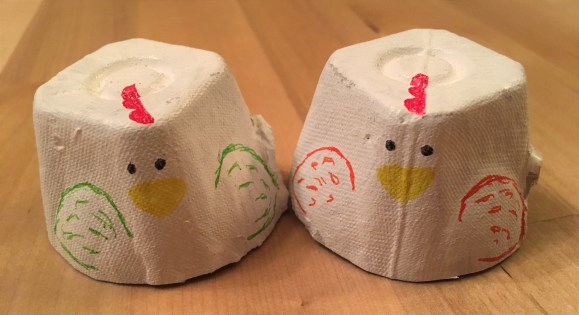
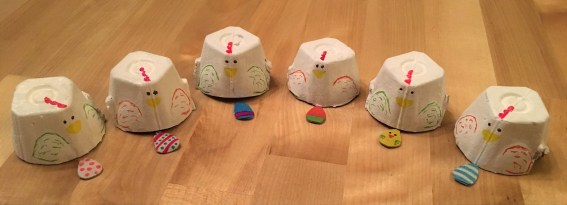
celebrate-picture-books-picture-book-review-egg-carton-chicken-double-chickens

Egg Carton Chickens and a Basket Full of Games


With these cute egg-carton chickens you can come up with lots of games to play! This fun craft and game activity is eggs-actly what you need to start hatching some real fun!

Supplies

  • Cardboard egg carton
  • White craft paint
  • Markers: red, yellow, black for the face; any colors you’d like for wings and eggs
  • Paint brush
  • Scissors
  • Glue
  • Construction or craft paper in white and a color of your choice

Directions

  1. Cut the notched flap off the egg carton and set aside
  2. Cut the top off the egg carton
  3. Cut apart all the egg cups and trim slightly so they sit flat
  4. Paint the egg cups with the white paint, let dry
  5. Add the face, comb and wings to the chicken with the markers. Make six chickens with one color wings and six chickens with another color wings.
  6. From the egg carton flap cut thirteen small egg-shaped playing pieces
  7. With the markers, decorate twelve of the eggs in pairs—each egg in the pair with the same design
  8. Color one egg yellow and add a beak, eyes, and wings to make it a chick

Games to Play

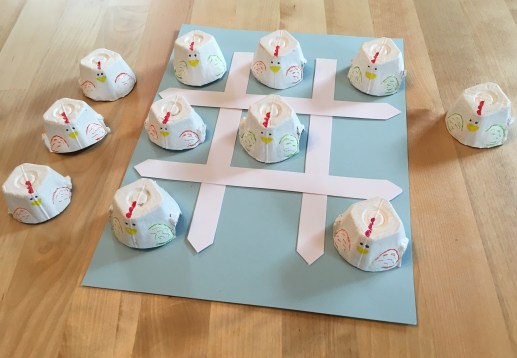
Tic-Tac-Toe (2 players)

  1. On a 8 ½” x 11” piece of paper draw a regular tic-tac-toe board or make it fancy – like the picket fence-inspired board in the picture
  2. To make the fence-inspired board on a colored background, cut 2 9-inch-long x 3/4-inch wide strips of white paper, cutting a pointed tip at one or both ends. Cut 2 white  8-inch x 3/4-inch strips of paper with a pointed tip at one or both ends. Glue the strips to the background.
  3. Each player chooses a set of chickens with the same colored wings
  4. Play the game as you usually do

celebrate-picture-books-picture-book-review-egg-carton-chicken-tic-tac-toe

Find the Matching Eggs (2 or more players)

  1. Have one player hide one egg under each chicken
  2. Shuffle the eggs around and form them into three lines of 4 chickens each
  3. Another player lifts one chicken at a time to find matching eggs. If the eggs don’t match, put both chickens back and start again

celebrate-picture-books-picture-book-review-egg-carton-chicken-matching

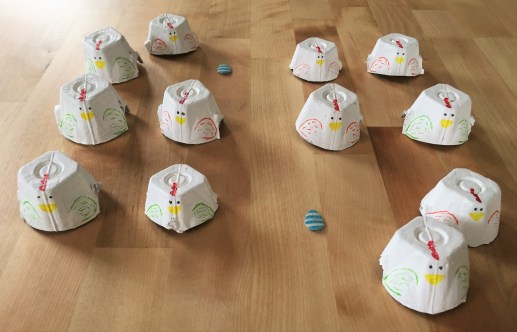
Where’s the Chick?

  1. Use as many chickens and eggs as you want (fewer for younger children, more for older)
  2. One player hides the chick under one of the chickens and eggs under the others.
  3. Another player has three chances to find the chick

celebrate-picture-books-picture-book-review-egg-carton-chicken-where's-the-chick

I’m sure you can also design your own games for your adorable chickens to play! With more chickens you can even make a checkers set or replicate another of your favorite board games!

celebrate-picture-books-picture-book-review-the-good-egg-cover

You can find The Good Egg at these booksellers

Amazon | Barnes & Noble | Books-a-Million | IndieBound

Picture Book Review