May 19 – National Learn to Swim Day

celebrate-picture-books-picture-book-review-the-whale-in-my-swimming-pool

About the Holiday

As summer heats up and school ends, the pool and beach are natural draws for fun and relaxation. If children are going to be around water, it’s important that they learn how to swim. Today’s holiday is a great reminder to sign children up for swimming lessons if they don’t know how to swim and to go over the rules and skills if they do. Young children should never be left unattended by an adult around any water source. Memorial Day Weekend, the official start of summer, is just ahead! Have a fun and safe summer!

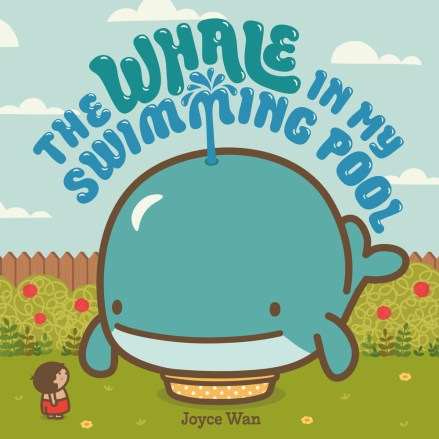
The Whale in My Swimming Pool

By Joyce Wan


A little boy runs pell-mell through the house to the pool. But when he gets to his little kiddie pool, “Whoa…” it’s already taken—I mean the whole thing—by a whale! The boy calls to his mom, who’s reading a book in a nearby chair, to tell her about the whale, but she’s more concerned about sunscreen. “Sunscreen? On a whale?” the little boy wonders.
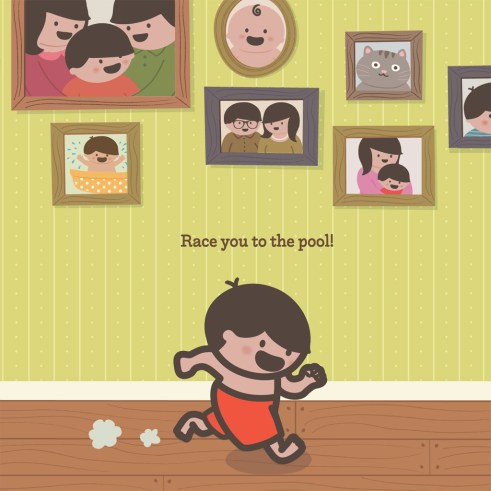
celebrate-picture-books-picture-book-review-the-whale-in-my-swimming-pool-racing

Copyright Joyce Wan, 2015, courtesy of us.macmillion.com.

He closes his eyes and counts to ten, hoping that by then the whale will have disappeared. But no. He tries pushing it out. But no. The boy can’t understand why the whale didn’t plop down in the neighbor’s much bigger and nicer pool. He throws a stick hoping to get the whale interested in a game of fetch, tries fishing for whale, and even tries bribing him away from his spot.
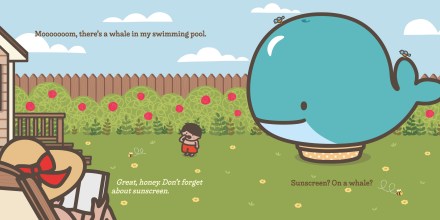
celebrate-picture-books-picture-book-review-the-whale-in-my-swimming-pool-calls-mom

Copyright Joyce Wan, 2015, courtesy of us.macmillion.com.

The boy has just about given up in frustration when he has an idea. He runs to get his floating ring and sunglasses and finds that sunning while held aloft on the whale’s spout is just dandy. In a while his mom calls him for naptime, and the boy slides down the whale’s back. He runs to his room only to find his bed—I mean the whole thing—by a bear (who snores)!
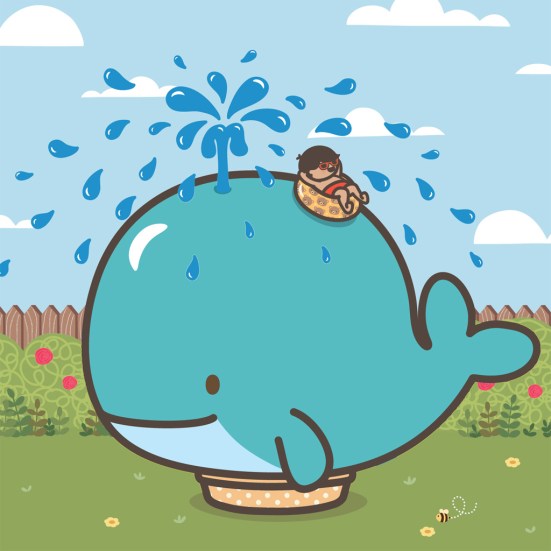
celebrate-picture-books-picture-book-review-the-whale-in-my-swimming-pool-sliding-down-whale

Copyright Joyce Wan, 2015, courtesy of us.macmillion.com.

Joyce Wan’s adorable story is a summertime favorite that keeps little ones giggling as the little boy tries everything he can think of to budge the whale from his little pool. The boy’s attempts to move the whale echo what most kids might do to remove an obstacle, which builds a sense of camaraderie and empathy between reader and character. The boy’s ingenious solution to his problem will delight kids, and his naptime nemesis will elicit plenty of “Oh nos!” and “Not agains” from happy kids.

Wan’s bold colors, thickly outlined characters, and stylized pages will attract little ones with their high cuteness factor. Youngest readers will enjoy pointing out and naming items around the neighbor’s pool and in the boy’s bedroom, discovering the reason why the whale didn’t choose the nicer pool, and maybe even finding some foreshadowing in the boy’s floating ring.

A fun and funny book for summer or anytime, The Whale in My Swimming Pool would be a favorite addition to any child’s library.

Ages 2 – 6

Farrar Straus, and Giroux, 2017, Paperback ISBN 978-1338196672  | 2016, Board Book ISBN 978-0374301880 | 2015, Hardcover ISBN 978-0374300371 

Discover more about Joyce Wan, her books, and her art on her website.

National Learn to Swim Day Activity
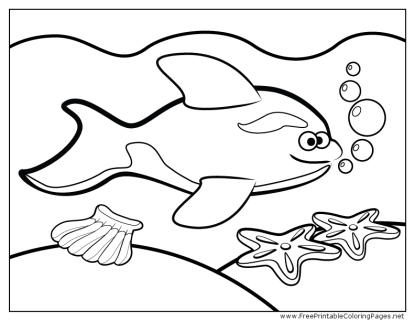
celebrate-picture-books-picture-book-review-whale-coloring-page

Cute Whales Coloring Pages


The sea is full of expert swimmers like the orca and narwhal in these printable coloring pages. Grab your crayons and give these seascapes some color!

Cute Orca Coloring Page | Cute Narwhal Coloring Page

Picture Book Review

May 18 – International Museum Day

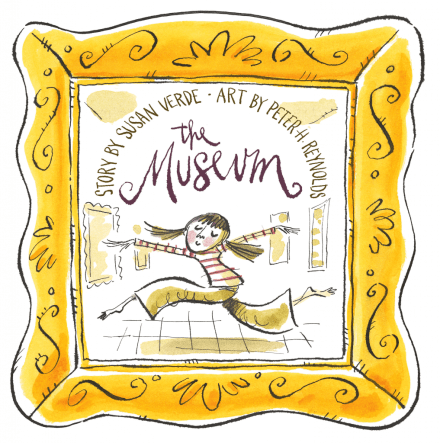
celebrate-picture-books-picture-book-review-the-museum-cover

About the Holiday

Created in 1946, the International Council of Museums established International Museum Day in 1977 to institute an annual event highlighting museums as “important means of cultural exchange, enrichment of cultures and development of mutual understanding, cooperation, and peace among peoples.” The day also aims to unify “the creative aspirations and efforts of museums and draw the attention of the world public to their activity.” Each year a theme is chosen to spotlight a relevant issue. This year’s theme is “Hyperconnected Museums: New approaches, new publics.” With today’s technology, museums have many more ways to share their exhibits and reach new audiences. Museums are also turning their attention to their local diverse communities, creating projects in collaboration with minorities, indigenous peoples, and local institutions. To learn more visit the International Council of Museums website! To celebrate today’s holiday show your support for museums by visiting and/or donating to your favorite museum!

The Museum

Written by Susan Verde | Illustrated by Peter H. Reynolds


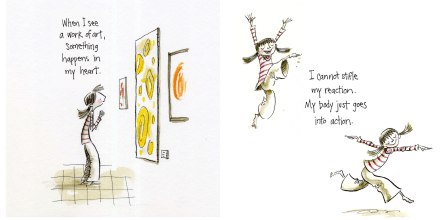
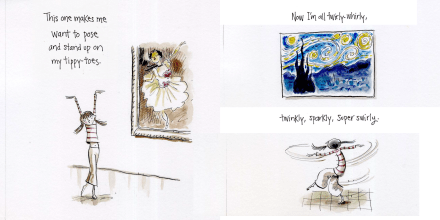
A lanky young girl enters an art museum and goes right up to an abstract painting of sunlight yellow circles. She says, “When I see a work of art, something happens in my heart.” The painting makes her feel like dancing and leaping, and in front of a painting of a ballerina, the girl lifts up on her toes and raises her arms gracefully.

Van Gogh’s Starry Night makes her “all twirly-whirly” and she spins around like the painting’s swirling winds. She sees off-beat sculptures that inspire her to turn upside down and become a human work of art with bent legs and pointed toes. She sits face to face with The Thinker, contemplating “the whos and whats and wheres and whys.” A woman’s abstract face painted in blues makes her sad, while a plate of apples reminds her she’s hungry.

celebrate-picture-books-picture-book-review-the-museum-coming-to-museum

Image copyright Peter H. Reynolds, 2013, text copyright Susan Verde, 2013. Courtesy of Harry N. Abrams Books for Young Readers.

The girl skips past a wall lined with paintings of flowers, mirrors The Scream, and makes “silly faces at a guy” by Picasso. Paintings of squiggles make her burst out in giggles. But then she sees a wall-sized painting that makes her stop and stare. The canvas is completely blank. She looks long and hard, then shuts her eyes and says, “I start to see things / in my head, / yellow, blue, then green / and red, / circles, lines, all kinds of shapes, / faces, flowers, and landscapes.” The idea of a world that’s hers to fill anyway she wants leaves her elated, and as she walks out the door at the end of the day, the girl is happy and content because, she says, “The museum lives inside of me.”

Through one girl’s trip to a museum Susan Verde celebrates the emotions and dreams that experiencing art can stimulate in visitors. Her jaunty rhymes and conversational rhythm create an atmosphere of active participation for her happy museum-goer as well as for readers, leading them to the realization that not only a canvas, but their life itself, is a unique work of art.

celebrate-picture-books-picture-book-review-the-museum-ballet

Image copyright Peter H. Reynolds, 2013, text copyright Susan Verde, 2013. Courtesy of Harry N. Abrams Books for Young Readers.

Peter H. Reynolds’ fluid, uninhibited line drawings are ideally suited to Verde’s inspirational story. As the girl flits, twirls, and skips from gallery to gallery and mimics the paintings and sculpture she sees, readers’ imaginations will also take off, remembering art that they’ve seen and conjuring up some of their own. Reproductions of famous works of art give younger kids a chance to learn about some pieces of world art and allows older children the opportunity to show their knowledge.

A smart and stylish tribute to art museums, the feelings expressed in The Museum are also fitting for any child who finds inspiration in a museum of history, natural science, science, or any discipline. The book makes a beautiful gift, a stirring addition to home bookshelves, and a terrific book to pair with museum trips, art classes, and inspirational story times in any classroom.

Ages 5 – 7 (and up)

Abrams Books for Young Readers, 2013 | ISBN 978-1419705946

Discover more about Susan Verde and her books on her website.

To learn more about Peter H. Reynolds and view a gallery of his books and art, visit his website

World Museum Day Activity

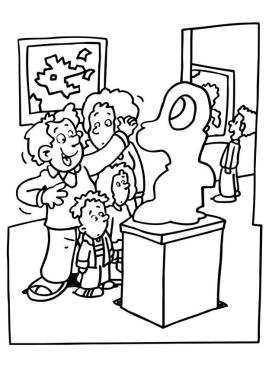
celebrate-picture-books-picture-book-review-museum-coloring-page

Museum Exhibit Coloring Page


Going to a museum is a terrific family outing! Here’s a printable Museum Exhibit Coloring Page for you to enjoy!

celebrate-picture-books-picture-book-review-the-museum-cover

You can find The Museum at these booksellers

Amazon | Barnes & Noble | Books-a-Million | IndieBound

Picture Book Review
May 17 – World Baking Day

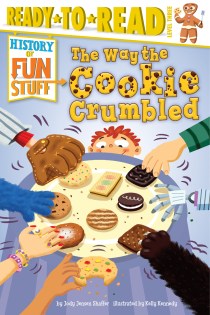
celebrate-picture-books-picture-book-review-the-way-the-cookie-crumbled-history-of-fun-stuff-cover

About the Holiday

What would we do without those sweet and savory baked goods that make meal time and snack time so delicious. The art of baking is something that is universally enjoyed as each country and region has their own delicacies and special treats. Today’s holiday was established to celebrate all types of baked goods and encourage everyone to try this rewarding activity. To enjoy the day, learn about a baked good from another culture, try a new taste sensation, or find a new or old recipe and make yourself a treat!

The Way the Cookie Crumbled: The History of Fun Stuff

Written by Jody Jenson Shaffer | Illustrated by Kelly Kennedy


You might love lemon cookies, chomp chocolate chip cookies, and munch macaroons, but do you know where cookies came from or their perhaps less-than-delicious beginnings? Well, one of our fav snacks most likely got its start on a hot rock around 10,000 years ago. Ingenious farmers created a paste of wheat and water and baked this concoction by the heat of the sun. Convenient? Sure! Tasty? Maybe not so much.

celebrate-picture-books-picture-book-review-the-way-the-cookie-crumbled-clay-oven

Image copyright Kelly Kennedy, text copyright Jody Jensen Shaffer. Courtesy of Simon Spotlight, Simon & Schuster.

Fast forward to the 600s and the Persians began making improvements to the recipe. “They added things like eggs, butter, cream, fruit, honey, and eventually sugar. By this time hot rocks had been replaced by clay ovens. But the temperature was hard to determine, so “bakers dropped a bit of batter in them as a test.” While the batter went on to be used for cakes, these “tiny test cakes became treats themselves—what we would now call cookies.”

As time went by and people began traveling more, new ingredients, such as ginger, cinnamon, nutmeg, and powdered deer horns were introduced. Wait!…What? That’s right…ground up deer horns were used like baking powder and baking soda are used today to make baked goods rise. It wasn’t until 1850 that those conveniences came around; and not until the early 1900s that ovens and refrigerators made baking and storing foods easier.

celebrate-picture-books-picture-book-review-the-way-the-cookie-crumbled-shopping

Image copyright Kelly Kennedy, text copyright Jody Jensen Shaffer. Courtesy of Simon Spotlight, Simon & Schuster.

English and Dutch immigrants brought these hand-held treats to America, and while everyone enjoyed them, during the Revolutionary War Americans didn’t want anything to do with British things. This might have been when we adopted the word “cookie” instead of the English “biscuit.” Whatever they were called, though, they were still mostly made in home kitchens. That changed when a New York company imported machines to make crackers in factories and cookie companies followed suit.

But why are cookies so popular at this time of year? It seems that long, long ago, fruit and nuts were considered party food. I know, right? As time went on people rethought their party platters, and cookies won out. Even Queen Elizabeth I got in on the fun, having “gingerbread men made in the shape of her favorite advisors. Sweet!” Of course, she’s not the only famous person to get special cookies—how about that jolly old elf in the red suit? You’ll have to read the book to see how that tradition got started. Let’s just say that around the same time, another tradition took off—that of putting chocolate chips in cookie batter.

Of course cookies kept evolving by adding different flavors, changing shapes, including filling and in other ways. Today, stores shelves and bakeries are loaded with a vast variety of cookies, and home bakers are inventing new recipes all the time. Cookies are favorites the world over, and lucky for us they have a very bright future!

celebrate-picture-books-picture-book-review-the-way-the-cookie-crumbled-vendors

Image copyright Kelly Kennedy, text copyright Jody Jensen Shaffer. Courtesy of Simon Spotlight, Simon & Schuster.

After becoming a “history of fun stuff expert on cookies,” readers can learn even more with pages dedicated to traditional cookies from around the world, the science behind baking cookies, and of course a recipe. There’s even a quiz so kids can test their newly acquired knowledge.

In her History of Fun Stuff: The Way the Cookie Crumbled early reader, Jody Jensen Shaffer introduces kids to the fascinating origins of one of their favorite snack foods. With tidbits sure to amaze and even raise giggles, Shaffer reveals not only the history of cookies, but facts on the development of cooking, the changes in baking methods, and the beginnings of automation. Her breezy, conversational style is perfectly aimed at her young audience, and the inclusion of facts on well-known favorites makes history relatable, relevant, and entertaining.

Kelly Kennedy infuses his cartoon-inspired illustrations with humor and realism to creatively depict the concepts in the text. His full and half-page vibrant and dynamic scenes of people baking in various types of ovens, shopping for ingredients, selling cookies, and more excellently bridge the transition from picture books to chapter books for developing readers. Images of clay ovens, Colonial homes, early-model refrigerators, factory assembly lines, and others bring the text to life is ways that kids respond to.

For developing independent readers or as a read-to for kids interested in history, baking, and the origins of one of their favorite snacks, The Way the Cookie Crumbled dishes up a winning gift or addition to a child’s library.

Ages 6 – 8

Simon Spotlight, Simon & Schuster, 2016 | ISBN 978-1481461801

To learn more about Jody Jensen Shaffer and her other books, visit her blog!

A gallery of illustration work for kids and adults as well as video awaits at Kelly Kennedy’s website!

World Baking Day Activity

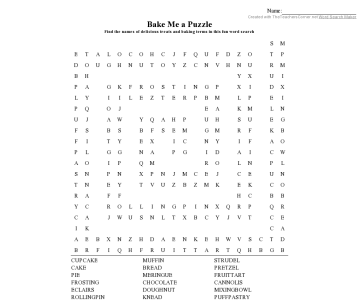
 celebrate-picture-books-picture-book-review-bake-me-a-puzzle-word-search

Bake Me a Puzzle! Word Search


Do  you know a recipe for fun? Finding the eighteen baking-related words in this printable puzzle!

Bake Me a Puzzle! Word Search | Bake Me a Puzzle! Solution

celebrate-picture-books-picture-book-review-the-way-the-cookie-crumbled-history-of-fun-stuff-cover

You can find The History of Fun Stuff: The Way the Cookie Crumbled at these booksellers

Amazon | Barnes & Noble | Books-a-Million | IndieBound


PicPicture Book Review

May 16 – National Biographers Day

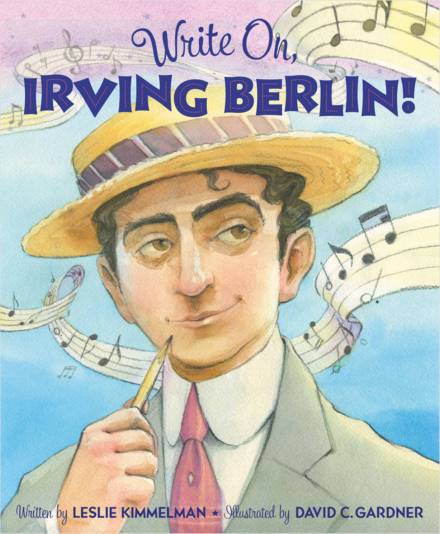
celebrate-picture-books-picture-book-review-write-on-irving-berlin-cover

About the Holiday

National Biographers Day commemorates a very special meeting that led to one of the most celebrated biographies in English literature. On May 16, 1763, James Boswell met with Samuel Johnson for the first time in a Covent Garden, London bookshop. Thirty years later, Boswell, who was also a poet, essayist, editor, literary critic, and lexicographer, published his biography of Samuel Johnson. Today’s holiday honors all those who delve into the life of others to bring their often fascinating and inspiring stories to readers. To celebrate today, read up on one of your favorite people and introduce your kids to biographies—like today’s book—that can encourage them to follow their dreams.

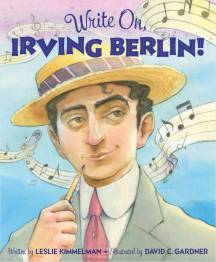
Write On, Irving Berlin!

Written by Leslie Kimmelman | Illustrated by David C. Gardner


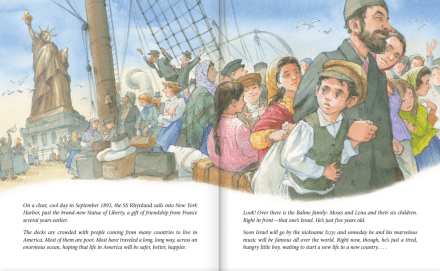
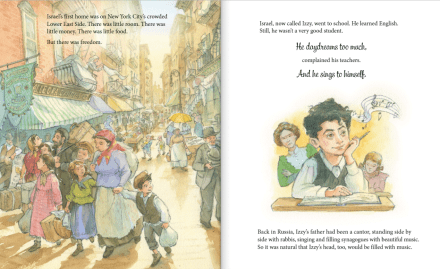
In September of 1893 Moses and Lena Baline and their six children, including 5-year-old Israel, sailed into New York Harbor hoping “to start a new life in a new country.” They came from Russia, where their home had been burned down by “gangs of angry men” who “rode from village to village in pogroms, destroying Jewish homes and hurting the people who lived in them.” In America, the Balines had a small apartment, little money, and little food. But they did have freedom.

celebrate-picture-books-picture-book-review-write-on-irving-berlin-immigrating

Image copyright David C. Gardner, 2018, text copyright Leslie Kimmelman, 2018. Courtesy of Sleeping Bear Press.

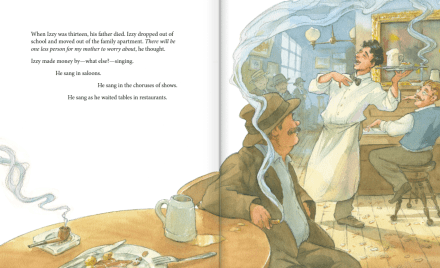
At school, Izzy—as Israel was nicknamed—paid less attention to his schoolwork than to the music in his head. When Izzy was only thirteen, his father died. Izzy knew that money was tight, so he moved out and made his own living singing in saloons, in the chorus line of New York shows, and even as he waited tables.  Irving as Izzy now called himself, became a professional song writer when he was paid 37 cents for his first song.

Irving continued to write the tunes that filled his head. When Ragtime was all the rage during the early 1900s, Irving tried this new, jazzy kind of music, and his “‘Alexander’s Ragtime Band’ was a smash.”  Irving married, but his wife died only a few months after their wedding. Irving consoled himself by writing. He became an American citizen, and when he was drafted into the US Army during WWI, he wrote songs to encourage his fellow soldiers. When he married again, he was inspired to write a song called “Always” about a love that lasts forever.

celebrate-picture-books-picture-book-review-write-on-irving-berlin-school

Image copyright David C. Gardner, 2018, text copyright Leslie Kimmelman, 2018. Courtesy of Sleeping Bear Press.

Irving never seemed to be without a tune in his head. He “wrote music for plays, for movies, for friends, for strangers. He scribbled ideas on napkins and on the sleeves of his shirt. He wrote songs in elevators and in taxicabs. He wrote songs in the bathtub.” During World War II, one of his older songs—“‘God Bless America’ became a HUGE hit.” In the winter of 1942, Irving wrote “White Christmas.” It’s sentimental words and catchy tune inspired the “American soldiers fighting fierce battles all around the world.”

Since Irving was too old to fight in the war, he developed a show called “This is the Army” that he took around the world to entertain the troops. His “cast was completely integrated—black and white soldiers lived, ate, and traveled together, which was rare in those days.” Even after the war ended, Irving continued to write songs that people still love today.

An Author’s Note about Irving Berlin and his songs as well as books for further reading follow the text.

celebrate-picture-books-picture-book-review-write-on-irving-berlin-thirteen

Image copyright David C. Gardner, 2018, text copyright Leslie Kimmelman, 2018. Courtesy of Sleeping Bear Press.

Leslie Kimmelman brings to life the story of one of America’s most prolific and beloved song writers with enthusiasm and wit and the kinds of details that capture kids’ attention and inspire them to learn more. Timely for this year’s 100th anniversary of the writing of “God Bless America” and the 80th anniversary of its public appearance, Write On, Irving Berlin would make an excellent centerpiece of school music units when paired with Berlin’s songs, many of which kids will recognize. Berlin’s success, as revealed in Kimmelman’s well-paced, upbeat, and converstional storytelling is a powerful motivator for any child with big dreams.

David C. Gardner’s beautiful, softly-washed and detailed paintings take readers from the New York neighborhoods, restaurants, and dance halls of the early 1900s to the battlefields of World Wars I and II to the bright lights of Broadway, where his last musical, “Annie Get Your Gun” is advertised on the marquee. Along the way, kids see Irving as a child, a young man, and an older professional, always with a pencil and paper in hand. Images of the Statue of Liberty seen throughout the book tie together the theme of the immigrant’s experience, Berlin’s love of America, and one of his most famous works, “God Bless America.”

Write On, Irving Berlin! is an excellent biography that should find a home in classroom, school, and public libraries as well as on home bookshelves for children who love history, music, and biographies and who have big ideas of their own.

Ages 6 – 9

Sleeping Bear Press, 2018 | ISBN 978-1585363803

Discover more about Leslie Kimmelman and her books on her website.

To learn more about David C. Gardner, his books, and his art, visit his website.

Write On, Irving Berlin! Giveaway

celebrate-picture-books-picture-book-review-write-on-irving-berlin-cover

I’m thrilled to partner with Sleeping Bear Press in this giveaway of:

  • One (1) copy of Write On, Irving Berlin!

To be entered to win, just Follow me on Twitter @CelebratePicBks and Retweet a giveaway tweet during this week, May 16 – 22. Already a follower? Thanks! Just retweet for a chance to win.

A winner will be chosen on May 23.

Giveaways open to US addresses only. | Prizing provided by Sleeping Bear Press.

National Biographer’s Day Activity

celebrate-picture-books-picture-book-review-biography-worksheet

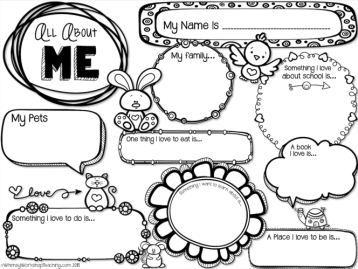
I Am…  Biography Page


How well do you know yourself – or your friends? This printable I Am… Biography Page can be fun to fill out and share with friends. Make a game of it and see if you can answer the questions for someone else in your family or among your friends!


Picture Book Review
May 15 – It’s Reading Is Fun Week

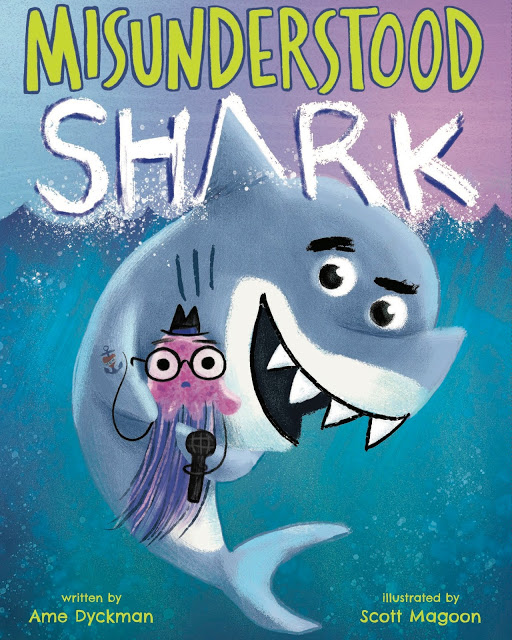
celebrate-picture-books-picture-book-review-misunderstood-shark-cover

About the Holiday

What’s your definition of fun? Is it going new places? Meeting new people? Laughing with friends? Getting in on the latest trend—or setting one of your own? If it’s one—or all—of these, you’ve just described reading! This week is dedicated to discovering the enjoyment that delving into a great book can bring at any age! To celebrate, stock up on books old and new and have fun reading!

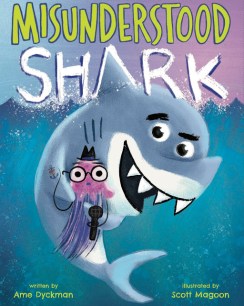
Misunderstood Shark

Written by Ame Dyckman | Illustrated by Scott Magoon


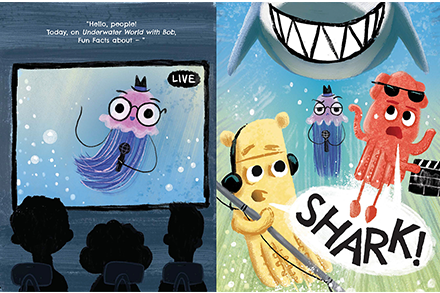
The camera crew is ready, the sound engineer is holding the mic, and the director is counting down to the snap of the clapper for the latest episode of Underwater World with Bob. Bob is holding his own against the current, poised to begin his monologue. The show goes live, and Bob, smiling at the people, is about to announce some fun facts when…Shark!…the broadcast is interrupted by the sharp teeth and wave-slicing fin of a Great White.

celebrate-picture-books-picture-book-review-misunderstood-shark-on-air

Image copyright Scott Magoon, 2018, text copyright Ame Dyckman, 2018. Courtesy of Scholastic.

Shark is just about to gulp down a little gold fish when Bob alerts him to the people watching. “‘The PEOPLE can see me?’” Shark says, a starlit glint in his eyes. Understanding the pulse of the audience, Shark offers, “‘You misunderstood! I wasn’t going to eat him.’” It seems Shark just wanted to show off his new pearly white. The consummate host, Bob uses this diversion to his advantage and reveals a Fun Fact about a shark’s tremendous dental abilities.

celebrate-picture-books-picture-book-review-misunderstood-shark-new-tooth

Image copyright Scott Magoon, 2018, text copyright Ame Dyckman, 2018. Courtesy of Scholastic.

Bob’s even willing to include this interloper in his show—kind of a Shark-on-the-sea type of interview—but when he looks, he discovers Shark zooming toward the surface and an unsuspecting baby seal, fangs at the ready. Bob shouts to leave the baby seal alone in front of the people, and, again, it seems Bob has misunderstood Shark. He has the seal gripped so tightly only because he’s taking her back home. This brings up another Fun Fact about a shark’s dining habits from Bob and a corny joke from the sound engineer.

Bob is humble enough to admit he may have been wrong—yet again—about Shark, but Shark has disappeared and his following his nose to…. Bob hurries after Shark in pursuit of his exclusive and the answer to the burning question “‘What do you smell, Shark?’” but Shark is on a mission to find the source of the red stuff tinting the water. Bob pops up with another Fun Fact, but his crew is scrambling to get out of the way.

celebrate-picture-books-picture-book-review-misunderstood-shark-baby-seal

Copyright Scott Magoon, 2018, courtesy of scottmagoon.com.

With Shark zeroing in on his human target, Bob drops his mic, throws out two tentacles and tries to stop him” “‘Nooo, Shark! Don’t eat the people—IN FRONT OF THE PEOPLE!’” But Shark is nothing if not a performer, and once again he’s been misunderstood. He only wanted to help. Now there’s chaos on the beach—screaming and running—but Shark is mystified. Then he breaks out in tears. No one, it seems, understands. 

Bob uses this touching moment to tell his audience that “you’re actually thousands of times more likely to be bitten by another person than bitten by a shark.’” Shark now needs a hug, and Bob obliges. Awww…so sweet! But, wait! Shark is a shark, and he just can’t help himself. And Bob? He’s suddenly got the inside scoop, but he rolls with it—after all, the show must go on!

celebrate-picture-books-picture-book-review-misunderstood-shark-band-aids

Copyright Scott Magoon, 2018, courtesy of scottmagoon.com.

I laughed, I cried, it became a part of me! Ame Dyckman’s hilarious fish tale will have kids rolling with laughter as the show Underwater World with Bob goes awry when a wily shark works the audience to gain sympathy and, ultimately, a little snack. The wise-cracking production crew adds to the freewheeling fun with jokes and humorous asides. As Bob maintains his professional composure amid the chaos, readers learn some fascinating shark facts and can’t be faulted for hoping Shark is at least nominated for an Emmy. Kids of all ages will love shouting along with the frightened crew as much as they enjoy echoing Shark’s reassuring phrase.

celebrate-picture-books-picture-book-review-misunderstood-shark-little-fish

Copyright Scott Magoon, 2018, courtesy of scottmagoon.com.

Scott Magoon is a master at eliciting a vast array of emotions from his cartoony characters. Jellyfish Bob is at turns professional, upbeat, disgruntled, apologetic, suspicious, and taken in with just a few touches to his eyebrows, eyes, and mouth. Likewise, the squid crew react to the ever-changing set with aplomb while also sharing their disbelief and some funny banter. Magoon’s stocky Shark, however, is the star of the show with his innocent guise and not-so-hidden ambitions. The histrionic waterworks at the end will tickle kids, and Bob’s resigned tip of the hat is the perfect send off to this fintasticly funny story. Magoon’s periodic shift from the ocean backdrop to the “audience at home” puts readers front and center to all the action.

Misunderstood Shark is must summer reading (dynamic readings are sure to inspire pool and beach fun), and the book would be a much-asked-for addition to home bookshelves now and classroom libraries for the fall.

Ages 3 – 7

Orchard Books, 2018 | ISBN 978-1338112474

Discover more about Ame Dyckman and her books on her website.

To learn more about Scott Magoon, his books, and his art, visit his website.

Swim on over and watch the Misunderstood Shark book trailer!

Misunderstood Shark Giveaway


I’m excited to partner with Orchard Books, Scholastic, Inc. in this giveaway of

  • One copy of Misunderstood Shark  by Ame Dyckman and Scott Magoon

To be entered to win, just Follow me on Twitter @CelebratePicBks and Retweet a giveaway tweet during this week, May 14 – May 21. Already a follower? Thanks! Just  Retweet for a chance to win.

A winner will be chosen on May 22.

Giveaways open to US addresses only. | Prizing provided by Scholastic, Inc.

Reading Is Fun Month Activity

celebrate-picture-books-picture-book-review-shark-and-books-maze

Book-Loving Shark Maze


This shark loves to read! In fact, she wants to devour that whole stack of books. Can you help her cross the sea to get them in this printable puzzle?

Book-Loving Shark Maze | Book-Loving Shark Maze Solution

celebrate-picture-books-picture-book-review-misunderstood-shark-cover

You can find Misunderstood Shark at these booksellers

Amazon | Barnes & Noble | Books-a-Million | IndieBound

Picture Book Review
May 14 – It’s Get Caught Reading Month

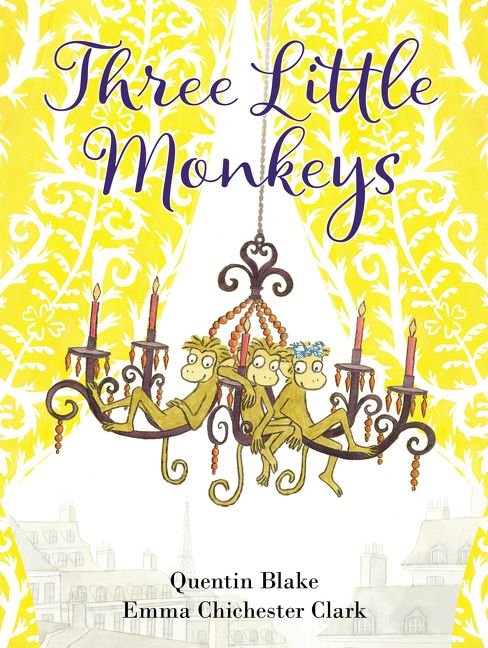
celebrate-picture-books-picture-book-review-three-little-monkeys-cover

About the Holiday

Reading is great all the time, but this month you like to be seen actually with the book in hand laughing at a funny line, shivering over a mysterious setting, or maybe even tearing up over a plot twist. Throughout the month, authors, illustrators, actors and actresses, athletes, business people, teachers, and students all upload pictures of themselves reading to encourage others to discover the joys of reading. To learn more and find resources for teachers and librarians to download and posters to order, visit the Get Caught Reading website.

Three Little Monkeys

Written by Quentin Blake | Illustrated by Emma Chichester Clark


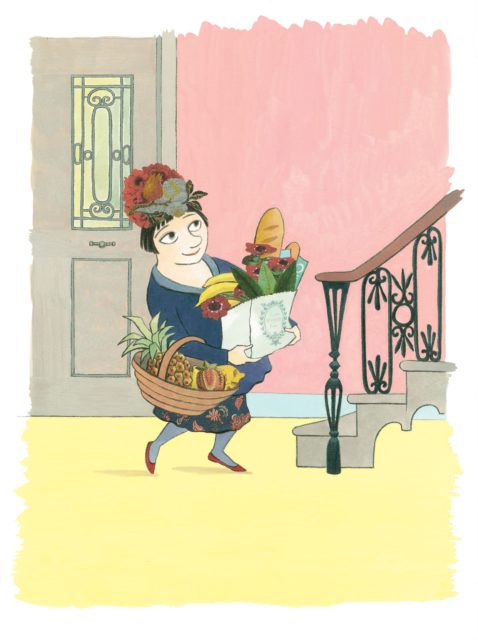
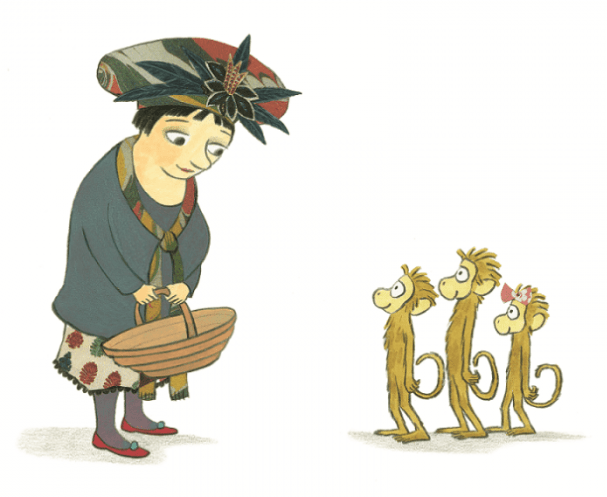
Whenever Hilda Snibbs came home, the first thing she did was call out “‘I’m home! Where are you?’” You  might think she was talking to her kids, her dog, or her cat, but she was actually addressing her three little monkeys whose “names were Tim and Sam and Lulu.” Hilda was sure to give them healthy snacks because “they were very lively.”

celebrate-picture-books-picture-book-review-three-little-monkeys-snack

Copyright Emma Chichester Clark, 2016, courtesy of HarperCollins.

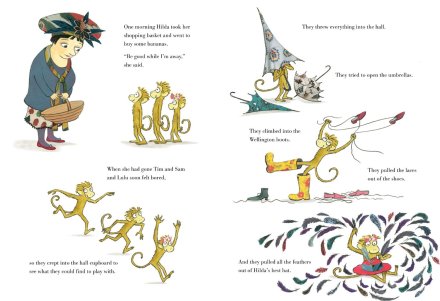
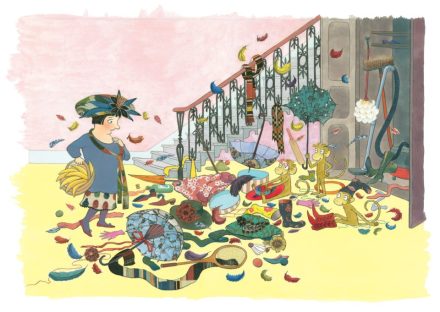
One day when Hilda went to the grocery store, the monkeys grew bored. They opened the hall closet and “threw everything into the hall.” They opened the umbrellas, tore the laces from all the shoes, and plucked all the feathers from Hilda’s favorite hat. When Hilda came home and saw the mess she had one thing to say: “‘I’m really very disappointed in such naughty little monkeys.” Tim, Sam, and Lulu just gazed at her silently.

celebrate-picture-books-picture-book-review-three-little-monkeys-hall

Image copyright Emma Chichester Clark, 2016, text copyright Quentin Blake, 2016. Courtesy of HarperCollins.

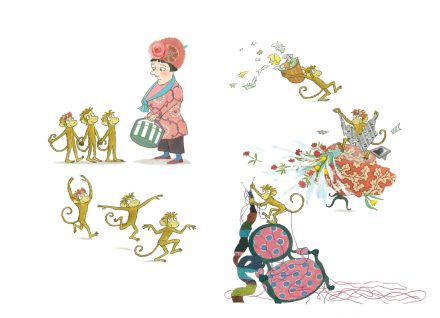
The next day Hilda went to the hat store. Before she left she told her little monkeys to be good. But as soon as she was out the door, they hurried to the living room to play. They upended the wastebasket, spilled the flower vase, tore the newspapers, and tangled Hilda’s knitting into knots. “When Hilda came home and went into the living room she found the most awful mess. There were flowers all over the place. And her poor knitting!” She admonished the little monkeys, but they just “looked at her with their big round eyes and said nothing.”

celebrate-picture-books-picture-book-review-three-little-monkeys-living-room

Copyright Emma Chichester Clark, 2016, courtesy of HarperCollins.

Needing more wool, Hilda headed into town the next day with a reminder to her monkeys to be good while she was away. But the kitchen was so enticing, and they tossed everything out of the cupboards, scattered the powdered soap, emptied the trashcan, and tipped the soup pan onto the floor. This time when Hilda got home, she became angry. “‘Great grief! How long can I put up with these terrible little monkeys?’” But Tim, Sam, and Lulu just smiled at her.

celebrate-picture-books-picture-book-review-three-little-monkeys-kitchen

Copyright Emma Chichester Clark, 2016, courtesy of HarperCollins.

The next day was market day again and once again the monkeys grew bored as soon as Hilda was gone. The bathroom was a perfect playroom with its toilet paper to unroll, toothpaste tube to squeeze, and shampoo to splash around. Hilda nearly tore her hair out when she returned to this mayhem. As she stared at her monkeys wrapped in toilet paper and sporting sudsy costumes, she cried, “‘Oh, for a peaceful life without these wicked little monkeys!’”

celebrate-picture-books-picture-book-review-three-little-monkeys-closet

Copyright Emma Chichester Clark, 2016, courtesy of HarperCollins.

Before going out the next morning, Hilda gave Tim, Sam, and Lulu a stern talking to. It was late when she returned and as she stepped through the door something seemed amiss. The living room was in perfect order, the kitchen was spotless, and the bathroom shone. Hilda broke down in tears. Something horrible must have happened to her three little monkeys. Her handkerchief was soaked through, and when she went to the closet to get a new one, she found Tim, Sam, and Lulu waiting quietly for her.

Hilda hugged them all and “that night…went up the stairs to bed with a happy heart.” As she got under the covers, she found herself lying on all her forks, spoons, and cans of sardines. “But that is the kind of thing you have to expect if you have three little monkeys.”

celebrate-picture-books-picture-book-review-three-little-monkeys-coming-home

Copyright Emma Chichester Clark, 2016, courtesy of HarperCollins.

Quentin Blake’s hilarious tale of three little monkeys has all the charm and style of classic storytelling that will set young readers giggling and eagerly anticipating each of Hilda’s trips into town. Adults with “little monkeys” of their own will anticipate the tenderhearted ending, and children will be delighted with the assurance of enduring love Hilda’s tears provide. A dramatic reading of Hilda’s increasing frustration with her mischievous charges will enthrall listeners as they gaze at the reader with the same sweet expression as Tim, Sam, and Lulu.

celebrate-picture-books-picture-book-review-three-little-monkeys-gazing

Copyright Emma Chichester Clark, 2016, courtesy of HarperCollins.

Emma Chichester Clark’s sophisticated illustrations begin on the endpapers, where Hilda is leaving her elegant brownstone under the watchful gaze of her little monkeys. Tim, Sam, and Lulu are as cute as can be as they happily eat their snack and give a hint of the shenanigans to come. With each new day, the monkeys get into more and more trouble, leading to wonderful, fully detailed two-page masterpieces of the mayhem they cause. Hilda’s growing consternation is clear in her facial expressions and gestures. Kids will love Hilda’s collection of hats and matching outfits and scenes of her home. When Hilda comes home to a pristine house, the brightly colored pages turn as gray as a cloudy day. The sunny hues return with the discovery of her precious little ones, and the bedtime surprise is a delight.

Ages 4 – 8

HarperCollins, 2017 | ISBN 978-0062670670

Discover more about Quentin Blake, his books, and his illustration work on his website

To learn more about Emma Chichester Clark, her books, and her paintings, visit her website.

Get Caught Reading Month Activity

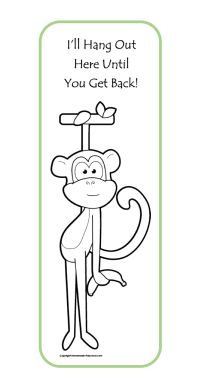
celebrate-picture-books-picture-book-review-monkey-bookmark

Just Hanging Around! Bookmark


Monkeys love hanging around! Print this Just Hanging Around! Bookmark, color it and then let this little one save your page until you come back to reading! 

Picture Book Review

May 13 – National Frog Jumping Day

celebrate-picture-books-picture-book-review-there's-nothing-to-do-cover

About the Holiday

Once upon a time there was a writer named Samuel Clemens who published his first short story titled Jim Smiley and His Jumping Frog. He later published the story under the title The Celebrated Jumping Frog of Calaveras County, which even later became The Notorious Jumping Frog of Calaveras County. The title of this story wasn’t the only name change in Clemen’s life. He is best known as Mark Twain, one of the best known and most read American authors. The story of this fabled jumping frog and the California Calaveras County’s actual annual Frog Jumping Contest, begun in 1849, are the origins of today’s holiday. The present day frog-jumping record was set by Rosie the Ribeter, who in 1986 jumped 21 feet, 5 ¾ inches.

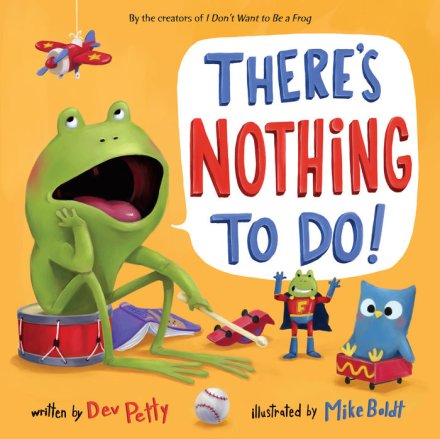
There’s Nothing to Do!

Written by Dev Petty | Illustrated by Mike Boldt


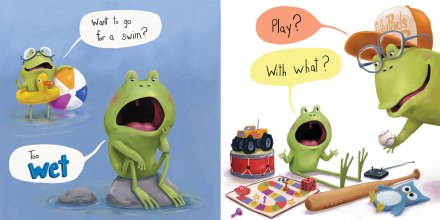
So… Frog has accepted that he’s a frog, and he knows it’s okay to get bigger, but now he can’t think of anything worth doing. His dad finds it hard to believe there’s nothing to do. He suggests swimming, but Frog says it’s “too wet”; playing, but none of the toys surrounding Frog inspire him, and even joining Pig in doing crafts, but Frog is so bored he has to rest up against Pig’s popsicle-stick Eiffel Tower.
celebrate-picture-books-picture-book-review-there's-nothing-to-do-too-wet

Image copyright Mike Boldt, 2017, text copyright Dev Petty, 2017. Courtesy of Penguin Random House.

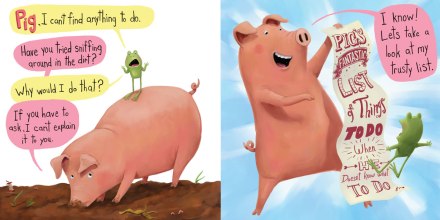
What’s left? Cleaning his room. This choice gets Frog hopping to see if his “friends have any better ideas.” Rabbit’s idea of a good time alternates between jumping and staring. Cat shows Frog how to lick between his toes, and Owl advises napping all day. Perhaps  Pig can come up with the perfect activity after all. Pig is happy to unfurl his “Fantastic List,” and he and Frog take a look.

celebrate-picture-books-picture-book-review-there's-nothing-to-do-pig's-list

Image copyright Mike Boldt, 2017, text copyright Dev Petty, 2017. Courtesy of Penguin Random House.

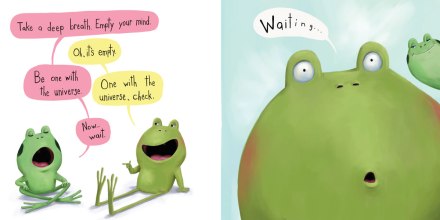
Frog’s not too keen on most of the to-dos and lies flat on his back in disgruntlement. Just then another frog comes by wondering what’s the matter. Frog complains that the whole day is almost over and he hasn’t done anything. Well, the frog says, when there’s nothing to do, do nothing. “Sometimes the best ideas come when you stop looking for them.” Then this amphibious guru shows Frog how to sit still, empty his mind, and wait.

Suddenly, the world glows with beauty and promise. Frog has never seen life in just this way. Later, when Dad asks Frog what he did all day, Frog is enthusiastic about the Nothing he did. In fact, he wants to do it all over again tomorrow. So what if there’s school the next day—Frog has a long To-Do List of his own now. What’s on it? Nothing!

celebrate-picture-books-picture-book-review-there's-nothing-to-do-deep-breath

Image copyright Mike Boldt, 2017, text copyright Dev Petty, 2017. Courtesy of Penguin Random House.

Dev Petty’s Frog is any child’s sure (web)-footed guide to the big issues of growing up. This time he’s looking for help in overcoming his boredom, but he learns that what’s good for the goose (or the Pig, Rabbit, Cat, and Owl) isn’t necessarily good for the gander. When he discovers that inner voice that leads him to his own kind of fun, Frog finds that his lily pad is loaded with possibilities. As in I Don’t Want to Be a Frog and I Don’t Want to Be Big, Frog’s impish questions and opinions will have kids giggling and hoppy to come to the same realizations about life as Frog does.

Mike Boldt’s Frog is sly and endearing as he jumps from friend to friend and activity to activity in search of the perfect day. Kids will love laughing at Rabbit’s goofy stare, ewwing along with Frog at Cat’s bathing ritual, and cheer Pig’s enthusiasm and do-anything attitude. Frog’s glowing revelation lets readers discover their own vistas, and Dad’s proud and satisfied look at the end shows kids that dreaming up their own fun leads to a day well-spent.

There’s Nothing to Do! is a terrific addition to the series, and it’s witty banter will make it an often-asked-for read on any child’s bookshelf. A ribeting choice for home and classroom libraries.

Ages 3 – 7

Doubleday Books for Young Readers, 2017 | ISBN 978-0399558030

Discover more about Dev Petty and her books and find fun activities on her website

To learn more about Mike Boldt, his books, and his art, visit his website.

Got nothing to do? Hop on over and watch this There’s Nothing to Do! book trailer!

National Frog Jumping Day Activity

celebrate-picture-books-picture-book-review-frog-dot-to-dot

Frog Dot-to-Dot Activity Sheet


Can you hop from number to number and help the frog appear in this printable Frog Dot-to-Dot Activity Sheet? Then give him a lily pad or other place to live and color it all in!

Picture Book Review