January 6 – National Cuddle Up Day

celebrate-picture-books-picture-book-review-where's-baby-cover

About the Holiday

As the icy temperatures of January settles in, one of the best ways to stay warm is to cuddle up with someone special or a favorite pet. Not only does snuggling take the chill off, it gives you those warm fuzzies inside that make you feel loved. Cuddling also has health benefits as it releases oxytocin, a natural pain reliever that can reduce heart disease and lower blood pressure, stress, and anxiety. Children especially benefit from snuggling that builds strong relationships with parents and other caregivers. So share cuddles—and books—today and all winter long!

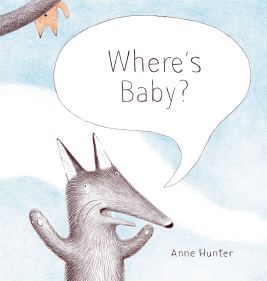
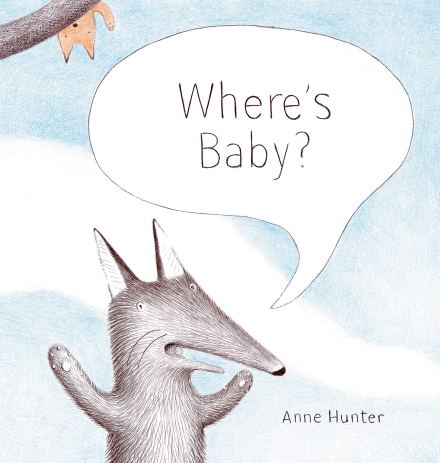
Where’s Baby?

By Anne Hunter

Papa Fox is looking for Baby and asks Mama if she’s seen her. Mama hasn’t but says she “must be somewhere” and so starts the search. “Ba-by!” Papa calls into their den, but there’s no answer. Papa decides to look outside. When he turns around, Mama spies Baby hiding right behind Papa; she smiles and waves and Baby waves back.
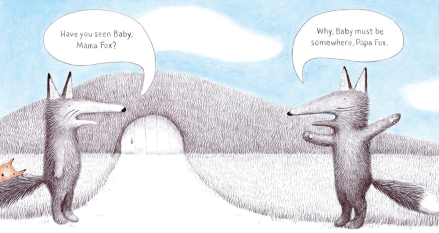
celebrate-picture-books-picture-book-review-where's-baby-Papa-looking

Copyright Anne Hunter, 2020, courtesy of Tundra Books.

Papa comes to a stand of tall trees and shouts, “Ba-by! Are you up in the tree?” This time he gets a response, but it’s from an owl, who is “up in the tree, but…not your baby.” Something black-and-white and potentially stinky is hiding in a log, but it’s not Baby. Next, Papa comes to a big hill. It’s so big that Papa can’t see over it, so he yells out, hoping his little one will hear him. Of course, Baby does hear him—but from much closer than over the hill. What is waiting for Papa if he climbs all the way to the top? A bear with very sharp teeth that frightens even Papa Fox.

celebrate-picture-books-picture-book-review-where's-baby-owl

Copyright Anne Hunter, 2020, courtesy of Tundra Books.

Since Baby isn’t high up, Papa tries down in the ground (where it’s his turn to frighten a little mouse) and in the lake (where he finds an extremely long fish). In the pasture, Papa spies a bull named Davy, but not his Baby. Papa goes back to Mama and states that he “can’t find Baby anywhere.” Mama suggests that Papa look behind him and, lo-and-behold, there’s Baby! “Where on earth have you been?” Papa says. “I’ve looked for you everywhere!” To which Baby has only one answer: “Can we do that again?”
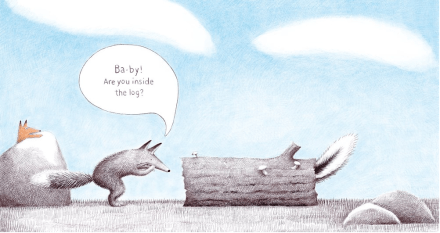
celebrate-picture-books-picture-book-review-where's-baby-log

Copyright Anne Hunter, 2020, courtesy of Tundra Books.

Little ones will love Anne Hunter’s hide-and-seek game in a book that perfectly captures the cadence and suspense of the real thing while adding a sprinkling of giggly humor to each page. Hunter’s soft-hued blue-and-grey illustrations, rendered in pen and colored pencil, are the perfect backdrop for little orange Baby, who pops up in corners, in a family portrait, from behind boulders and tree stumps, in the grass, and, of course, behind Papa.

Young readers will be proud to best Papa while pointing and shouting, “there’s Baby!” Kids will also have fun naming the other animals Papa encounters on his search, an adventure that also offers adults the opportunity to teach spatial relation words, such as up, inside, outside, under, over, down, around, in front of, and behind. And you can bet that when the story ends little ones will—just like Baby—want to do it again.

Sure to be a hit with little ones and a terrific take-along book for fun outings or for times when waiting is expected, Where’s Baby? would make an often-asked-for addition to home, classroom, and public libraries for cuddly or active story times that are sure to lead into real games of hide-and-seek.

Ages 3 – 7

Tundra Books, 2020 | ISBN 978-0735264984

To learn more about Anne Hunter, her books, and her art, visit her website.

National Cuddle Up Day Activity
celebrate-picture-books-picture-book-review-snuggle-buddy-craft

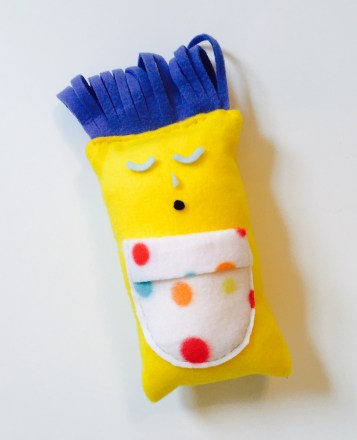
Snuggle Buddy Craft

It’s easy to make your own snuggle buddy with a few pieces of fleece, some fiber fill, and a needle and thread or fabric glue. The great thing about creating your own friend is you can personalize your pal anyway you want!

Supplies

  • 1 8-inch by 11-inch piece of fleece in the color or your choice for the body (or scraps if you have some from an earlier project). A larger piece of fleece can be used to make a larger buddy
  • 1 5-inch by 8-inch piece of fleece in the color or your choice for the hair (or scraps if you have some from an earlier project)
  • 1 small piece of fleece or other material for a pocket, clothes, or blanket
  • Small scraps of fleece or other material for the face
  • Fiber Fill
  • Thread and sewing needle OR fabric glue
  • Scissors

Directions

To Make the Body

  1. Fold the large piece of fleece in half lengthwise and sew along the open side and along the bottom. Alternatively, if using a larger size piece of fleece, fold upward and sew or glue the two sides closed.
  2. Turn the form inside out

To Make the Hair

  1. Cut a piece of fleece as wide as your buddy and about 7 – 8 inches long
  2. Fold the fleece lengthwise
  3. Insert both ends of the fleece into the opening at the top of the body
  4. Sew or glue the opening shut, securing the hair
  5. Cut strips about ¼-inch wide from the top of the hair to close to where the hair is sown into the body

To Make a Pocket or Clothes

  1. Cut a piece of fleece in the shape of a pocket, shirt, pants, diaper, or blanket
  2. Sew or glue the pocket or clothes to the buddy

To Make the Face

  1. Cut eyes, a nose, and a mouth in whatever way you would like your buddy to look. 
  2. Sew or glue the face to the buddy

celebrate-picture-books-picture-book-review-where's-baby-cover

You can find Where’s Baby? at these booksellers

Amazon | Barnes & Noble | Books-a-Million | IndieBound

Picture Book Review

January 3 – Festival of Sleep Day

celebrate-picture-books-picture-book-review-henry-and-leo-cover

About the Holiday

After all the celebrating, we’re finally ready for some down time – and when I say down time, I mean sleep! That feeling of sinking into a deep slumber and waking refreshed the next morning is so comforting. And the opportunity to sleep in – or sleep all day? That’s luxury! To take full advantage of today’s holiday, jump in bed, pull up the covers and…Zzzzzzzzzz…

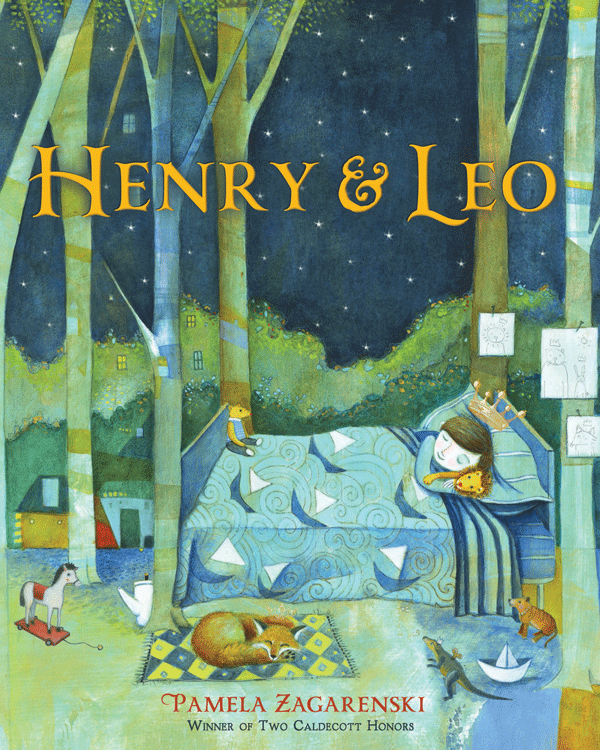
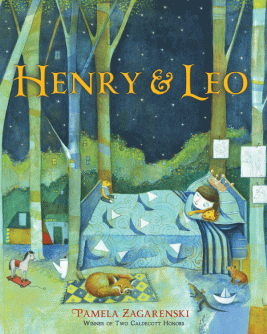
Henry & Leo

By Pamela Zagarenski


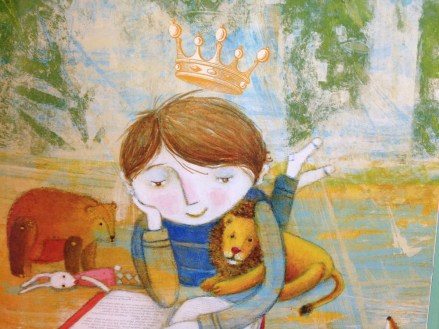
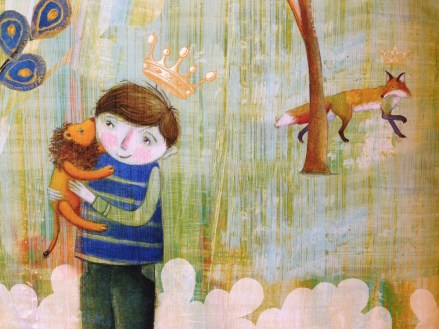
Ever since Henry was two, he and his stuffed lion, Leo, have been inseparable. “Perhaps it was his glass button eyes, which made him look as if he knew secret things” that made him so special and unlike Henry’s other toys. One Saturday Henry’s parents suggested a hike in the Nearby Woods. Henry was excited because he knew Leo would love the outing. Henry’s sister thought this idea was foolish, after all Leo wasn’t real, she said, and couldn’t love anything.

Henry didn’t care what his sister thought, and as they walked through the forest, he “could tell that Leo loved hearing the birds and finding the woodland animals as much as he did.” When evening began to fall, the family headed home, Henry riding on his father’s shoulders. At home, Henry discovered that Leo was missing. They looked everywhere, but Leo could not be found.

celebrate-picture-books-picture-book-review-henry-and-leo-henry-loves-leo

Image copyright Pamela Zagarenski, courtesy of Houghton, Mifflin Harcourt

Papa promised that they would resume the hunt in the morning, but Henry worried. He knew Leo would want to be home with him tonight, and asked that a light be left on for him. Henry’s mother suggested that since Leo was only real in Henry’s imagination that he “‘imagine Leo tucked into a safe place.’” In the morning, she said, they would return to the Nearby Woods and find him.

In the darkness of his room, clutching a stuffed rabbit and fox, with a toy bear nearby, Henry thinks about Leo. He “knows that his family just didn’t understand what it truly meant to be real.” But Henry and Leo were best friends. They cared for each other. “That’s real.”

Meanwhile, in the Nearby Woods, a bear, a rabbit, and a fox discover Leo sitting at the base of a tree. With a twig, Leo sketches a house in the dirt, washed white in the gleam of the full moon. The rabbit produces a compass as the fox consults the stars. The foursome takes off down the path, watched over by owls and other night creatures. As the trip grows longer, Leo rides on the bear’s back. At last they reach the edge of the forest, and in the distance Leo points to a house bathed white in the moonlight.

celebrate-picture-books-picture-book-review-henry-and-leo-leo-loves-henry

Image copyright Pamela Zagarenski, courtesy of Houghton, Mifflin Harcourt

With the dawning sun Henry and his family take up the search again. Suddenly, Henry spies Leo near the front door. “‘Leo!’” he shouts. His family sighs in relief, but his sister and father are both perplexed. They know they had “‘looked in that very spot last night.’” As Henry hugs Leo tightly, he whispers “‘You found home! I love you, Leo.’” And Leo whispers back, “‘I love you, too, Henry.’”

With her signature grace and lyricism. Pamela Zagarenski infuses her lost-toy story with the mystical imagination of childhood. As the title suggests, she presents the experience from both Henry’s and Leo’s perspectives, echoing the wonderful ability of young children to fully embrace and transfer their emotions, giving—and accepting—love from animate and inanimate objects equally. Zagarenski’s illustrations are glorious, with the richness of royalty—a motif that is carried through in the crowns that hover above and settle on the heads of Henry, his family, other toys, and the woodland animals. Children may enjoy discussing and interpreting the different crowns. The middle spreads of nighttime in the forest are wordless, allowing the animals to communicate in their own way and in a way children believe. Young readers will appreciate the gentle suspense and be satisfied with the correctness of Henry’s prediction as Leo finds his way home. Fans of Zagarenski’s work will notice familiar images, such as teapots, tea cups, and paper sailboats, scattered among the pages.

The beauty of Zagarenski’s art and her stardust magic of imagination make Henry & Leo an excellent choice for bedtime and quiet time reading, and would be an often-asked-for addition to children’s bookshelves.

Ages 4 – 7

Houghton, Mifflin Harcourt, 2016 | ISBN 978-0544648111

To learn more about Pamela Zagarenski, her books, and her art, visit her website.

Festival of Sleep Day Activity

celebrate-picture-books-picture-book-review-snuggle-buddy-craft

Snuggle Buddy Craft


It’s easy to make your own snuggle buddy with a few pieces of fleece, some fiber fill, and a needle and thread or fabric glue. The great thing about creating your own friend is you can personalize your pal anyway you want!

Supplies

  • 1 8-inch by 11-inch piece of fleece in the color or your choice for the body (or scraps if you have some from an earlier project). A larger piece of fleece can be used to make a larger buddy
  • 1 5-inch by 8-inch piece of fleece in the color or your choice for the hair (or scraps if you have some from an earlier project)
  • 1 small piece of fleece or other material for a pocket, clothes, or blanket
  • Small scraps of fleece or other material for the face
  • Fiber Fill
  • Thread and sewing needle OR fabric glue
  • Scissors

Directions

To Make the Body

  1. Fold the large piece of fleece in half lengthwise and sew along the open side and along the bottom. Alternatively, if using a larger size piece of fleece, fold upward and sew or glue the two sides closed.
  2. Turn the form inside out

To Make the Hair

  1. Cut a piece of fleece as wide as your buddy and about 7 – 8 inches long
  2. Fold the fleece lengthwise
  3. Insert both ends of the fleece into the opening at the top of the body
  4. Sew or glue the opening shut, securing the hair
  5. Cut strips about ¼-inch wide from the top of the hair to close to where the hair is sown into the body

To Make a Pocket or Clothes

  1. Cut a piece of fleece in the shape of a pocket, shirt, pants, diaper, or blanket
  2. Sew or glue the pocket or clothes to the buddy

To Make the Face

  1. Cut eyes, a nose, and a mouth in whatever way you would like your buddy to look. 
  2. Sew or glue the face to the buddy

celebrate-picture-books-picture-book-review-henry-and-leo-cover

You can find Henry & Leo at these booksellers

Amazon | Barnes & Noble | Books-a-Million | IndieBound

Picture Book Review
 

January 2 – It’s National Sunday Supper Month

celebrate-picture-books-picture-book-review-nothing-wee-about-me-coverAbout the Holiday

Isabelle Lessing began the Sunday Supper Movement in 2012 after her oldest child left home to attend college and she realized that the time spent around the family table would be something she missed most. Isabelle reached out to other food bloggers to share their experiences and recipes, and the Sunday Supper Movement was born. If you’d like to revive this tradition, which was once a staple of family life, you’ll find recipes and ideas on the Sunday Supper website.

Nothing Wee About Me! A Magical Adventure

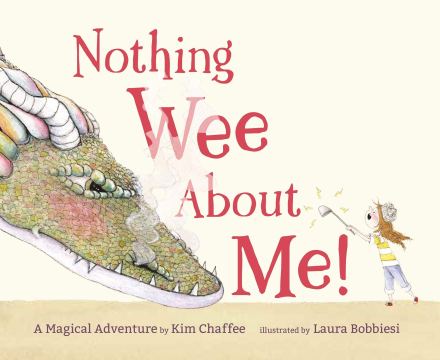
Written by Kim Chaffee | Illustrated by Laura Bobbiesi


It was time for Sunday Supper at Grandma’s again. Liesel ran past her brother and up the front walk into Grandma’s kitchen, where she began to search through the spoons, spatulas, and other baking utensils. Grandma held the large soup ladle aloft and asked, “‘Looking for this?’” When Liesel cheered, Grandma said, “‘Dear Liesel, you’re just like me when I was a wee girl.’” But Liesel let her know that there was nothing wee about her.

Grandma warned Liesel that the old ladle didn’t work quite as well as it used to and made her promise to “be back in time for Sunday soup.’” Liesel raised the ladle above her head and made a wish. Immediately, she was in a little submarine, her ladle-scope trained on an island where a rumbling volcano threatened the pretty castle and the villagers. Liesel hurried toward the island to warn its inhabitants.

When she landed on shore, she was met by a lion pirate who took in her wee size and sneered while informing her that the island belonged to him. In turn, she informed him that the volcano was about to blow and—in her loudest voice—that “‘THERE’S NOTHING WEE ABOUT ME!’” Then she brandished her “ladle-hook” hand at him and sent him running. Then she rushed through the town announcing the danger through her ladle-megaphone.

She came to the castle and knocked loudly on the door. But then she spied, crouched over the tallest tower and with its wings outstretched, a fire-breathing dragon who was keeping the prince prisoner. The dragon was not afraid of such a “wee girl,” but Liesel swung her “ladle-sword” at the dragon and ordered it to let the prince go. Surprised by Liesel’s bravery, the dragon relented.

But were they too late to get to the rescue boat? Lava was already streaming from the volcano as the earth shook. Once more, Liesel raised the ladle and made a wish. Immediately, Liesel found herself holding a stick with a marshmallow attached. She told the ladle that the volcano was “‘not a campfire’” and that this was “‘no time for s’mores.’” The prince, thought a snack sounded good, though.

Liesel made another wish and found herself holding a plunger; another wish presented her with a golf club. Liesel had to admit that Grandma had been right about the ladle being broken, but she tried one more time. When she opened her eyes, she was holding a fishing pole. The prince couldn’t see how that would help, but Liesel knew just what to do. She sent her line flying, “hooked the largest coconut she could find,” and…saved the day.

While Liesel wished she and the prince could stay on the island, she knew Grandma was waiting. At dinner, Liesel slurped up her whole bowl of soup and asked for another. As Grandma ladled up another serving of Sunday soup, she remarked that she’d never seen Liesel eat so much. “‘That must have been some adventure today!’” she said and then worried that perhaps it had been too dangerous. But Liesel reassured her grandma that there was “‘Nothing this WEE girl couldn’t handle.’”

Kim Chaffee’s enchanting and action-packed story is a celebration of imagination and the way that simple toys or objects can spark children to discover their own creativity. With evocative verbs, suspenseful encounters, rich dialog, and a sprinkling of humor, Chaffee creates a charming page-turner that’s sure to thrill readers. Kid-power, girl-power, and themes of family and tradition as well as a sweet and loving intergenerational relationship between the children and their grandmother make this a multi-layered story that kids will love. Liesel’s mantra “There’s nothing wee about me” is sure to become a rallying cry for readers.

Laura Bobbiesi’s watercolor and ink illustrations are filled with captivating details that revel in the joys of simpler times and hint at some of the adventures to come. As Liesel and her brother run to meet Grandma, Liesel wears a paper hat while her brother sports the gold crown and red cape of a prince, and the seagull that greets their little dinghy wears an eyepatch. The plump submarine, golden-maned pirate, and rainbow-scaled dragon are whimsical while highlighting the ingenuity of young minds at play. Subtle hints incorporated in the text and accompanying images may spur some readers to join in on the adventure and guess how Liesel will solve the problem of the volcano.

An inventive story with lots of heart, Nothing Wee About Me! A Magical Adventure would make a fun addition to home, classroom, and public library collections for story times that stir children’s imaginations.

Ages 4 – 8

Page Street Kids, 2019 | ISBN 978-1624146923

Discover more about Kim Chaffee and her books on her website.

To learn more about Laura Bobbiesi and see a portfolio of her work visit her website.

National Sunday Supper Month Activity

celebrate-picture-books-picture-book-review-souper-maze

Souper Maze!


Soup makes a souper meal for Sunday Suppers, but you can’t eat it without a spoon! Can you help the spoon get through the maze to the bowl in this printable maze?

Souper Maze Puzzle | Souper Maze Solution

celebrate-picture-books-picture-book-review-nothing-wee-about-me-cover

You can find Nothing Wee About Me! A Magical Adventure at these booksellers

Amazon | Barnes & Noble | Books-a-Million | IndieBound

Picture Book Review
January 1 – Z Day

celebrate-picture-books-picture-book-review-alphaoops-cover

About the Holiday

On this first day of the year it seems fitting to let the last letter of the alphabet shine. Today all of those with last names that start with Z get to move to the front row and the front of the line! You might get creative with your celebrations and eat only foods that start with Z—ziti and zucchini sound good, buy a zipper or something zany, read a zine about zombies, and of course go to the zoo to see the zebra!

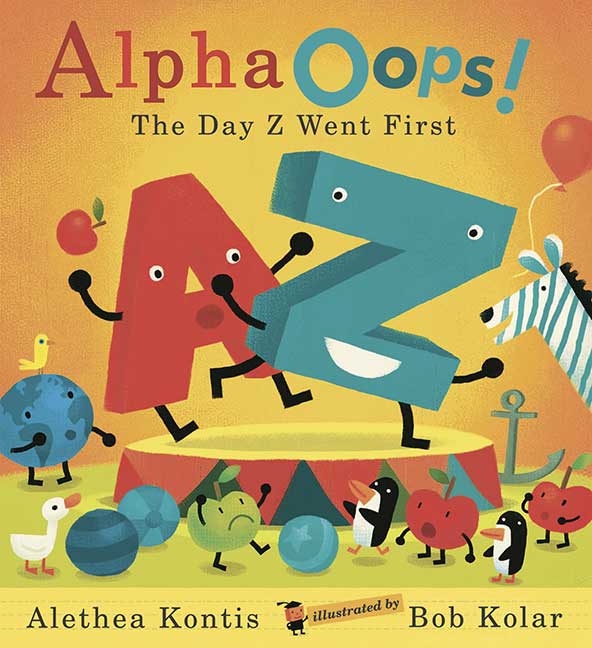
AlphaOops! The Day Z Went First

Written by Alethea Kontis | Illustrated by Bob Kolar


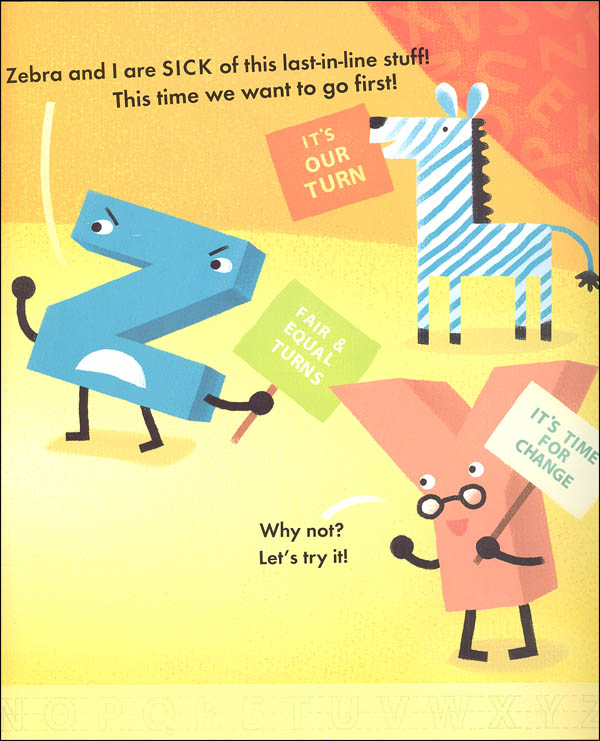
The letter A stands on a little pedestal holding aloft an apple. “A is for app—,” she starts, but is suddenly interrupted by Z, who states, “Zebra and I are SICK of this last-in-line stuff! This time we want to go first!” Y is all for this change and wants to give it a try. Z jumps on the pedestal, and with pride and a prop reveals, “Z is for zebra.” Next up is Y and with her knitting on her lap says, “Y is for yarn.” Although X is a bit wrapped up in Y’s craft, he still manages to plonk out, “X is for xylophone.”

celebrate-picture-books-picture-book-review-alphaoops-z-complains

Image copyright Bob Kolar, 2012, text copyright Alethea Kontis, 2012. Courtesy of candlewick.com

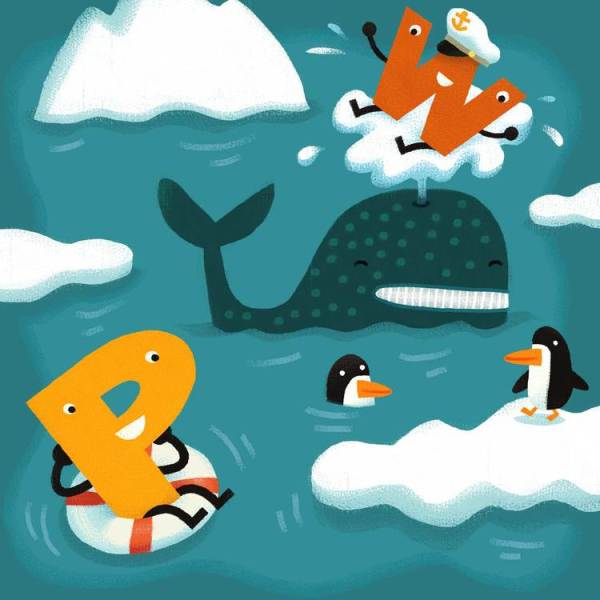
W spouts off that “W is for whale, and P, lounging in swimming ring, is happy to tell you that P is for penguins as two of the little fellows toddle nearby.” Wait a minute! P doesn’t come after W…or is it before W? Hmm…This is getting confusing. V wants her rightful place and confronts P, but P brings up the point that no matter how the alphabet runs, some letters “are still stuck in the middle.” N agrees, and M takes off running “closer to the end, just to mix it up a bit.”

celebrate-picture-books-picture-book-review-alphaoops-w-and-p

Image copyright Bob Kolar, 2012, courtesy of bobkolarbooks.com

A is perturbed by this whole state of affairs, but Z is excited. O takes over with “owl,” and N flies off in the “night.” H takes the spotlight with a tall stack of hats while G waits in the wings whispering, “H, dear, it’s not our turn yet!” A is now fuming. H, however, is happy with her usual lot in life, and R, leaning on her rainbow-colored umbrella, agrees. Z is jumping! “Go wherever you want! Just hurry up, or we’ll never get to the end.” S rushes off to be ready for the page turn where he wrangles a snake above his head. I is chased by insects, V plays the violin, and J runs away with a jack-o’-lantern.

E blasts off toward Earth, where “F is for flowers. And fairies.” Hold on there a minute! V is upset: “Hey, I didn’t get to pick two things. I think I should get another turn.” X, on the other hand seems ok with it because he doesn’t “have much to choose from.” All this fuss is making Z crazy. He just wants things to move along.

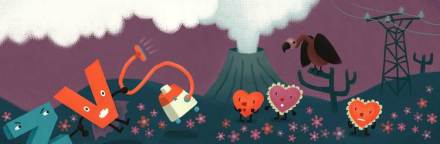
celebrate-picture-books-picture-book-review-alphaoops-v

Image copyright Bob Kolar, 2012, courtesy of bobkolarbooks.com

Ok, then…the next letters get in line. “T is for taxi and train. L is for lemons and lollipops. K is for kangaroo and kites. And C is for cat and canary in cages.” V is back, inserting and asserting herself with a vacuum in hand, a volcano in the background, a vulture lurking, and valentines scattered about. But Z yanks her away as G says, “Ooh, V is for violence.”

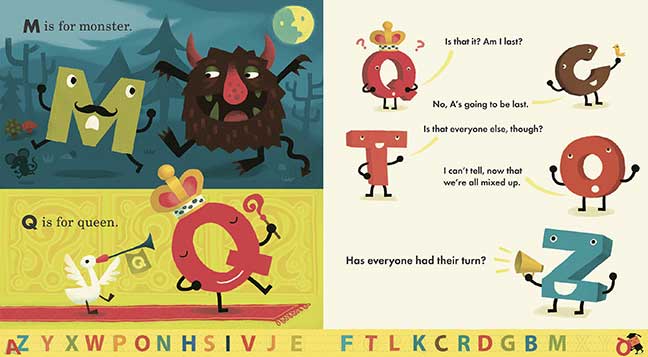
R gets his chance to pop open his umbrella, D fights a dragon, and G frolics with a great gorilla. B gets a bevy of words that make a big mess. M dashes away from a monster, and Q is queen for the day. And that’s that, right? Is it? It’s kind of hard to tell. Z shouts through a megaphone, “Has everyone had their turn?” No! It seems U has been in the bathroom since P.

celebrate-picture-books-picture-book-review-alphaoops-m-and-q

Image copyright Bob Kolar, 2012, text copyright Alethea Kontis, 2012. Courtesy of candlewick.com.

U is uncertain whether the other letters still want her, but they usher her to the podium. Finally, it is A’s turn, but where is she? “Yikes!” exclaims Y and it’s easy to see why. A has been rounding up the words! Twenty-two of them, in fact—23 if you count “and.” The other letters cheer, and Z says he’s sorry for being bossy, to which A says, “apology accepted.”

celebrate-picture-books-picture-book-review-alphaoops-a-at-last

Image copyright Bob Kolar, 2012, courtesy of bobkolarbooks.com

Alethea Kontis’s classic alphabet romp is a hilarious, personality filled celebration of the 26 letters that compose our language. As Z’s mixed up experiment goes awry, the letters’ sassy and squabbling comments make for laugh-out-loud reading. Sly wordplay adds to the fun, making this an alphabet book that older kids will enjoy as well. Subtle lessons on cooperation, teamwork, acceptance, and inclusion give readers of AlphaOops: The Day Z Went First lots to discuss while enjoying the show.

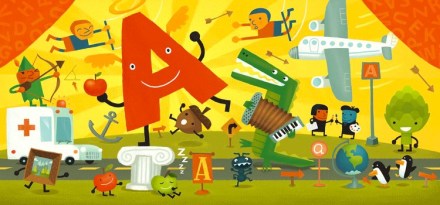
Bob Kolar’s bold, bright, and enthusiastic letters nearly pop off the page. Their expressive eyes and mouths display their excitement, distress, pride, and other emotions as the status quo is shaken up by Z. As each letter gets their turn, Kolar infuses the page with visual puns. For example, I is being chased by “insects,” that also happen to be bees (Bs?). His clever choices of nouns allow for discussion of other forms of the words too—as when S juggles a snake that…well…snakes above him. Kids will love lingering over the illustrations to find all of the jokes and letter-related images and to make sure that all of the letters get their due.

AlphaOops! The Day Z Went First is so much more than an alphabet book. Adding it to any child’s bookshelf will suit them to a T.

Ages 3 – 8

Candlewick, 2012 | ISBN 978-0763660840

To discover more about Alethea Kontis and her books for kids and older readers as well as book-related activities, visit her website!

Find a gallery of picture book art, personal art, and other projects by Bob Kolar on his website!

Z Day Activity

celebrate-picture-books-picture-book-review-zing-goes-my-heart-word-search

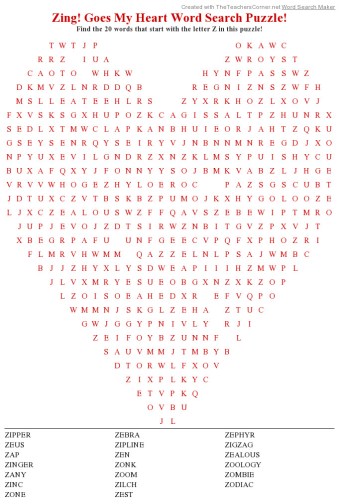
Zing! Goes My Heart Word Search Puzzle


Find the 20 words that begin with the letter Z in this printable heart-shaped Zing! Goes My Heart Word Search puzzle. Here’s the Solution!

celebrate-picture-books-picture-book-review-alphaoops-cover

You can find Alpha Oops! The Day Z Went First at these booksellers

Amazon | Barnes & Noble | Books-a-Million | IndieBound

Picture Book Review
December 31 – National No Interruptions Day

celebrate-picture-books-picture-book-review-patience-miyuki-cover

About the Holiday

If you yearn for a nice long stretch of peace and quiet in which to work, think, or play without the barrage of sounds, images, and other interruptions that make up modern life, then today’s holiday is for you. So how do you go about celebrating? Turn off your phone, TV, and music, tell your friends and family you’re taking a “me” day, and find a spot where you can shut the door and just…ahhhh…. For those on the other side of that door who want attention or need help, the day may require a bit of patience. But they might find that they appreciate a little quiet time too—just like the little girl in today’s book.

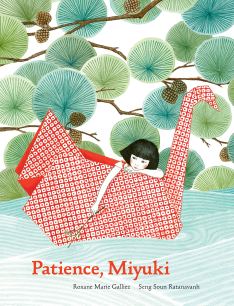
Patience, Miyuki

Written by Roxane Marie Galliez | Illustrated by Seng Soun Ratanavanh


“Blue earth, orange moon, Spring was all dressed up and ready for her first day of the year.” Up with the dawn, Miyuki was ready too. She rushed to her grandfather’s house eager to rouse him to watch the “last moonbeams of winter” and enjoy the first full day of spring. But Grandfather urged patience. He wanted to soak up the sunshine through his window. The day would still be there in an hour, he told her.

celebrate-picture-books-picture-book-review-patience-miyuki-flowers

Image copyright Seng Soun Ratanavanh, 2019, courtesy of Princeton Architectural Press.

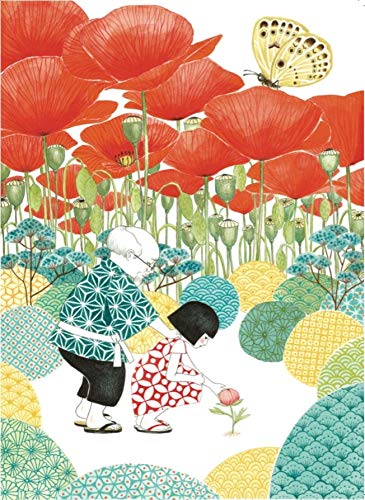
When her grandfather joined her, the two walked through the garden, greeting each tree, flower, and blade of grass. In the middle of the garden was a little flower still asleep. Miyuki called for it to wake up, but Grandfather said, “‘Be patient, Miyuki. This little flower is not ready to open. It is precious and delicate and needs the purest and finest water…’”

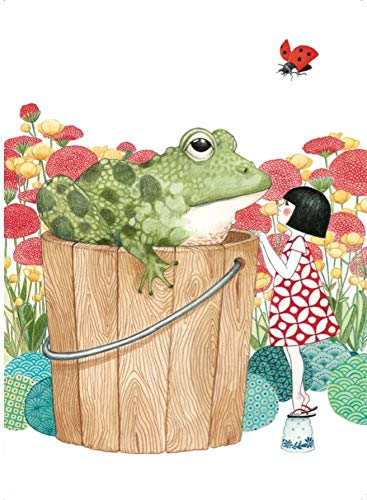
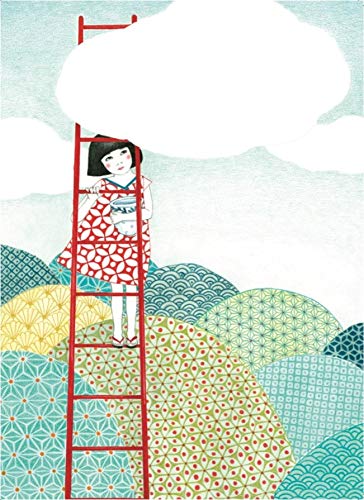
Determined to wake the little flower, Miyuki hurried away to the well. But when she raised the bucket, it was filled not with water, but with a frog. She pleaded with the well to give her water, but the well answered that she must wait for it to rain again. “But Miyuki did not want to wait.” Next, she tried approaching the clouds, but the ones full of water were too far away, a perfect little cloud did not want to give up its water, and the ones that did were too slow in filling up her little porcelain bucket.

celebrate-picture-books-picture-book-review-patience-miyuki-poppies

Image copyright Seng Soun Ratanavanh, 2019, courtesy of Princeton Architectural Press.

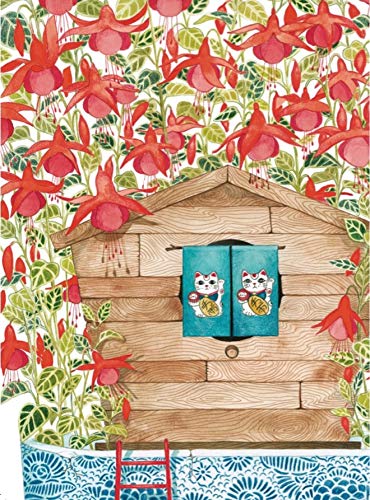
The first day of Spring was half over and still Miyuki had not gathered water for the little flower. She walked and walked until she came to a waterfall. When Miyuki asked for its purest water, the waterfall told her she would have to wait for night, when the water lessened and she could cross over to the lake beyond. But Miyuki did not want to wait. As Miyuki walked on, she spied a house covered in flowers and a boy watering his garden. She approached and asked for some of his purest water. In exchange, he wanted to know who she was and to hear her story.

celebrate-picture-books-picture-book-review-patience-miyuki-frog

Image copyright Seng Soun Ratanavanh, 2019, courtesy of Princeton Architectural Press.

The boy filled her bucket and Miyuki ran home. On the way, though, she tripped and fell. Her bucket shattered and the water spilled out. By now it was nearly evening. Miyuki had missed almost the entire day, and she still had no water for her flower. Just then she heard the river’s song. The river asked her what she was doing so far from home at that hour. It offered to show her the way and give her some of its water. The trip lulled her to sleep, and when she reached home, Grandfather put her to bed.

celebrate-picture-books-picture-book-review-patience-miyuki-cloud

Image copyright Seng Soun Ratanavanh, 2019, courtesy of Princeton Architectural Press.

When she woke, it was the second day of spring. Today, Grandfather was waiting for her in the garden. When Miyuki saw that the flower had not opened, “Two of the purest tears ran down her cheeks.” But Grandfather said, “‘Be patient, my little girl. Neither flowers no anyone in the world deserves to be watered by tears. Yesterday…you missed the first day of spring. Come, sit close to me, watch, and wait for once.’” Miyuki sat next to her grandfather and watched as he smelled a fragrant flower. Then he tipped a leaf and a few pure dewdrops fell onto the little flower. Slowly, the flower’s petals opened. It greeted Miyuki and apologized for being late, explaining, “‘I’ve been dreaming of Spring.’”

celebrate-picture-books-picture-book-review-patience-miyuki-bird-house

Image copyright Seng Soun Ratanavanh, 2019, courtesy of Princeton Architectural Press.

Roxane Marie Galliez’s gentle story encompasses two emotions that often spar within one mind: the desire to hurry, hurry, hurry and pack every moment with action or adventure and the longing to relax, observe, and really enjoy the peace of our own thoughts—or no thoughts at all. Miyuki wants to savor every moment of the first day of spring, but she spends the entire day rushing around to find water for the little flower who has her own time table. At last, lost and too tired to stay awake, Miyuki is put to bed by her grandfather only to wake the next morning ready to repeat her frantic pace. Only when Grandfather convinces her to sit and watch, can Miyuki appreciate the dawning sun, the fragrant flowers, and the fact that what she was searching for was right at hand all the time. In Miyuki, readers will recognize the strong feelings children often have when they want others to join in on their activities or viewpoints. Galliez reminds them that patience and paying attention to others’ needs can be a rewarding and a gift as well.

celebrate-picture-books-picture-book-review-patience-miyuki-bird

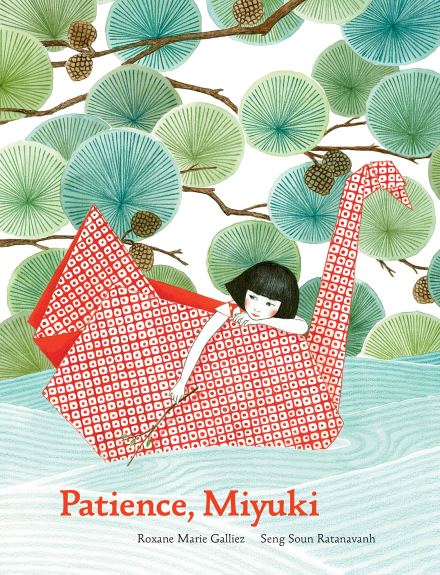
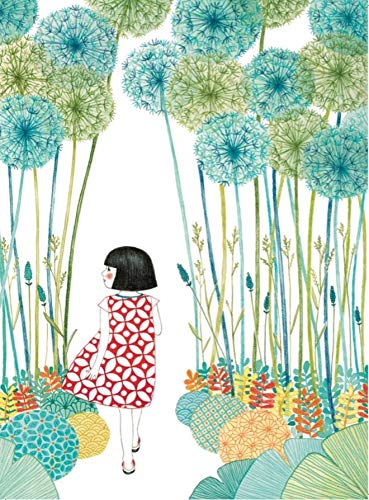
Seng Soun Ratanavanh’s striking illustrations combine dream-like scenes, surprising perspectives, and familiar elements of Japanese culture, including Kokeshi dolls, lucky cats, and origami, to draw readers into the story. Miyuki, smaller than a wren, tiny next to the well’s wooden bucket and the frog it catches, and able to ride in an origami swan boat, is a child of nature as is the boy who lives in a birdhouse and shares his gardening water. As Miyuki, with Grandfather’s hand on her shoulder, crouches down to wake the little flower, readers can see how small it is; that it is still new, growing, and learning. This touching image embodies the multi-layered themes of the story: the dual natures of children still new, growing, and learning with multigenerational support.

Lush and fantastical, yet rooted in mindfulness Patience, Miyuki is a visual feast that would quickly become a favorite for home, school, and public library collections.

Ages 5 – 8

Princeton Architectural Press, 2019 | ISBN 978-1616898434

Discover more about Roxane Marie Galliez and her books on her website.

To learn more about Seng Soun Ratanavanh and see a portfolio of her work, visit her website.

National No Interruptions Day Activity

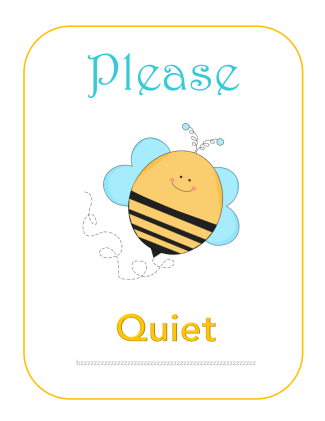
celebrate-picture-books-picture-book-review-be-quiet-posterPlease Bee Quiet Poster


Sometimes you just need a little time to yourself. When that happens put this cute printable poster on your door and get bzzzzzzzzy on your own projects. 

Please Bee Quiet Poster

celebrate-picture-books-picture-book-review-patience-miyuki-cover

You can find Patience, Miyuki at these booksellers

Amazon | Barnes & Noble | Books-a-Million | IndieBound

Picture Book Review


December 30 – It’s the Christmas Bird Count

celebrate-picture-books-picture-book-review-the-atlas-of-amazing-birds-cover

About the Holiday
Concerned with declining bird populations, ornithologist Frank M. Chapman suggested a new holiday tradition—a Christmas Bird Census that would count birds instead of hunting them. The first census took place on December 25, 1900. On that day, twenty-seven birders, centered mostly in northeastern North America, counted 90 species of birds. The tradition has grown tremendously from those humble beginnings. Today, tens of thousands of volunteers throughout the Americas brave all types of weather to conduct the count, which helps conservationists and scientific organizations create strategies for protecting the health and habitats of bird populations. The Christmas Bird Count is now held from December 14 through January 5. To learn more or to get involved yourself, visit the Audubon website.

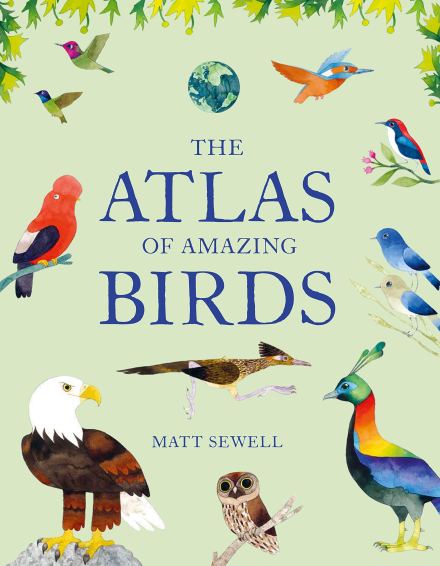
The Atlas of Amazing Birds

By Matt Sewell


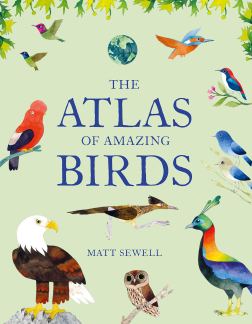
If you have a budding ornithologist in the family, they will be awed by Matt Sewell’s gorgeous compendium of more than 150 birds from around the world. Organized by continent—Europe, North and Central America, South America, Antarctica, Oceana, Asia, and Africa—each chapter begins with a green watercolor map of the area delineated into the countries within its borders and includes a short introduction to the size, climate, surrounding oceans, and number of birds found there.

celebrate-picture-books-picture-book-review-the-atlas-of-amazing-birds-painted-buntings

Copyright Matt Sewell, 2019, courtesy of Princeton Architectural Press.

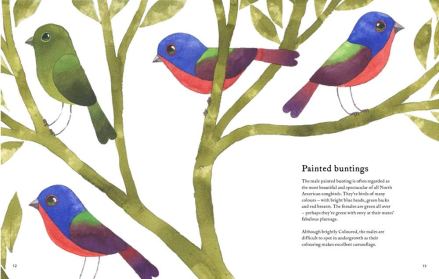
The first stop on this ornithological tour is Europe, where readers discover first the European roller, a lovely species with a cyan body and rust-and-blue-mottled wings that summers in Southern Europe and the Middle East and winters in Africa. This bird’s beauty belies the less-than-attractive way they have for protecting themselves as chicks in which “they can vomit a foul-smelling liquid over themselves to keep predators at bay.”

The European golden-plover chick—a little fluff of green and white that blends in with its mossy surroundings—takes a different tack: By looking like “a small clump of cotton balls flecked with gold leaf, it is possibly one of the cutest chicks out there.” With its speedy wingbeats, the European golden-plover also claims another mark of distinction as the “genesis for the idea for the book of Guinness World Records.”

celebrate-picture-books-picture-book-review-the-atlas-of-amazing-birds-woodpecker

Copyright Matt Sewell, 2019, courtesy of Princeton Architectural Press.

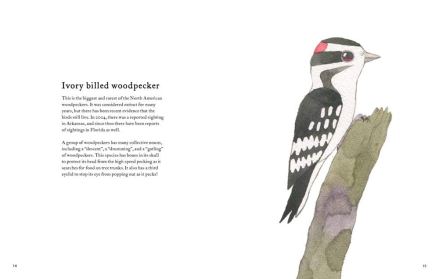
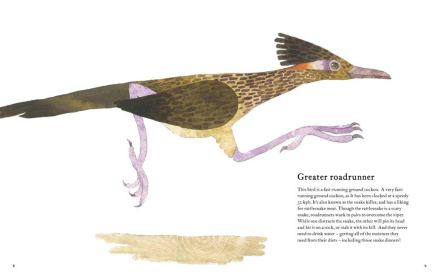
North America and Central America are home to more than 900 species of birds. Many are as colorful as a child’s painting, including the Montezuma oropendola, painted bunting, indigo bunting, and the resplendent quetzal, which boasts an iridescent blue tail that can reach over 2 feet long. Unique among birds is the common poorwill, a North American nightjar, which besides being nocturnal, “is possibly the only bird that hibernates.” Mottled gray and brown, the common poorwill perfectly blends into rocky crevices. “It has a low odor so it cannot be detected by predators, and it can descend into a sleepy torpor for months.”

celebrate-picture-books-picture-book-review-the-atlas-of-amazing-birds-riflebird

Copyright Matt Sewell, 2019, courtesy of Princeton Architectural Press.

South America, with its vast expanse of land and variety of climates hosts “more than 3,400 known species of birds, more than any other continent.” With that many different types of birds, South America offers ornithologists a full range of species to study from familiar faces, such as the hyacinth macaw and the keel-billed toucan, to truly wondrous creatures, such as these: the sunbittern, which upon opening its wings presents a frightening “mask” of markings to scare away predators; the white bellbird, which has a single wattle above its beak that can be inflated to appear much like a unicorn’s horn; and the oilbird, which you cannot be faulted for mistaking for a bat as it “breeds and roosts in the totally dark interiors of caves,” uses echolocation to navigate here, and flies at night. Among the other weird and distinctive birds of this region is the hoatzin, “known as the reptile bird” because it “dates back 64 million years, which is roughly when all the big land-based dinosaurs disappeared.”

celebrate-picture-books-picture-book-review-the-atlas-of-amazing-birds-roadrunner

Copyright Matt Sewell, 2019, courtesy of Princeton Architectural Press.

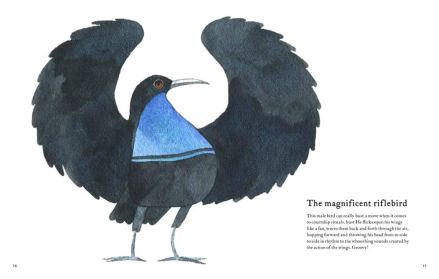
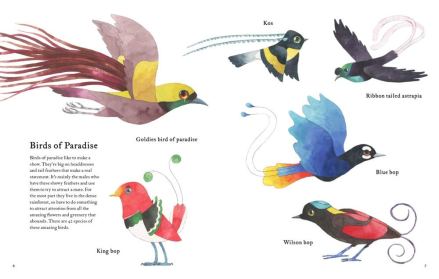
Oceania, comprising Australia, Papua New Guinea, the Solomon Islands, Vanuatu, Fiji, and New Zealand, provides shelter to “some of the most brilliant and flamboyant birds in the world….” These include a variety of birds-of-paradise, each of which sport colorful and intricate features that would look just as at home on ornaments and party favors. One of the most unusual birds may be the multi-talented superb lyrebird. Not only does the male possess fabulous peacock-like tail feathers that seem part quill-pen, part feather duster, it is a master mimic. “It can imitate just about any other bird it hears, as well as other sounds, such as chainsaws, telephones, barking dingoes, roaring cars, and crying babies—often repeated one after the next.”

celebrate-picture-books-picture-book-review-the-atlas-of-amazing-birds-birds-of-paradise

Copyright Matt Sewell, 2019, courtesy of Princeton Architectural Press.

Combined, Antarctica, Asia, and Africa also give homes to more than 6,000 species of some of the most adorable, beloved, brilliant, and extraordinary birds in the world. Readers will meet penguins and birds with vibrant blocks of color as sculpted as any stained-glass window—such as the Malabar trogon of India and Sri Lanka, the Himalayan monal, and Ruspoli’s turaco of southern Ethiopia.

They’ll also get to know towering birds, such as the secretarybird and the ostrich, and formidable-looking creatures, such as the marabou stork and the shoebill. To tie up this description that barely scratches the surface of all that bird-lovers will learn, I present the common tailorbird of tropical Asia—a clever and industrious little warbler that sews leaves together to create a cup of a nest that it lines with cobwebs to further confound predators.

celebrate-picture-books-picture-book-review-the-atlas-of-amazing-birds-condor

Copyright Matt Sewell, 2019, courtesy of Princeton Architectural Press.

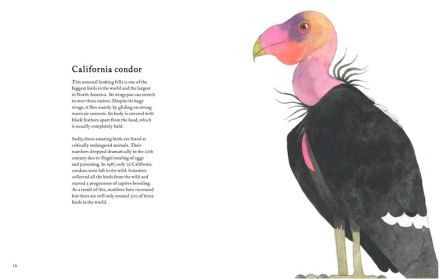
Matt Sewell knows just how to entice young readers with engaging, humorous, and insightful text that provides a robust and individual introduction to each bird as well as their status in the world. Every entry is accompanied by brilliant watercolors that highlight each species’ spectacular, surprising, and sometimes even seemingly Dr. Seussian plumage. Dipping in and out of the pages will inspire children and adults to learn more about birds, geography, and how they can become stewards for our feathered friends.

The Atlas of Amazing Birds is highly recommended for bird and nature lovers and would make an excellent addition to home, school, and public library collections.

Ages 5 – 10

Princeton Architectural Press, 2019 | ISBN 978-1616898571

To learn more about Matt Sewell, his books, and his art, visit his website.

Christmas Bird Count Activity

celebrate-picture-books-picture-book-review-beautiful-birds-word-search

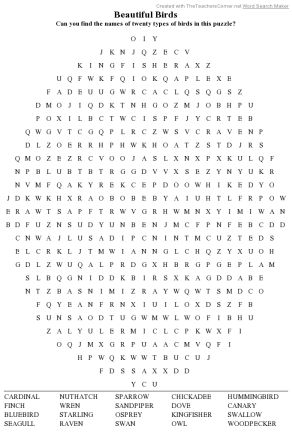
Beautiful Birds Word Search Puzzle


It’s fun to watch for different kinds of birds when you take a walk or in your own backyard. Can you find the names of twenty types of birds in this printable Beautiful Birds Word Search Puzzle? Here’s the Solution!

celebrate-picture-books-picture-book-review-the-atlas-of-amazing-birds-cover

You can find The Atlas of Amazing Birds at these booksellers

Amazon | Barnes & Noble | Books-a-Million | Indiebound

Picture Book Review

December 27 – Visit the Zoo Day

celebrate-picture-books-picture-book-review-I-love-you-elephant-cover

About the Holiday
After all the hustle and bustle of the holiday season, it’s nice to just take a relaxing outing with the family. What better place to go than the zoo, aquarium, or other animal park? Don’t let the cooler (or cold) weather deter you! The meandering paths, opportunities to learn about the world’s creatures, and chance to get some fresh air all add up to the perfect way to spend the day!
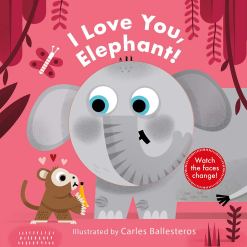
I Love You, Elephant!

Illustrated by Carles Ballesteros


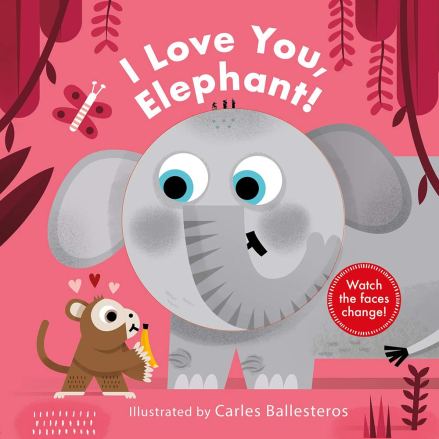
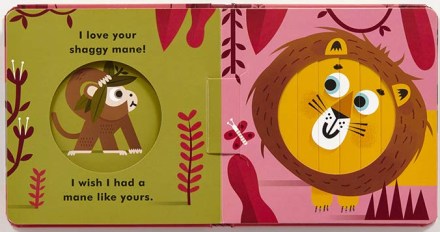
If you’re looking for a joyfully uplifting story to share with your baby or toddler, you’ll find it within the magically changing pages of I Love You, Elephant. The sweet sentiments begin on the cover as a little monkey, holding a banana and surrounded by hearts, comes to visit Elephant. Open the cover and Elephant’s small smile at seeing her friend becomes a wide-open grin as Monkey tells her, “I love your long trunk! I wish I had a trunk like yours.” Not only does Elephant get this compliment, but she also receives the banana as a snack.

celebrate-picture-books-picture-book-review-I-love-you-elephant-lion

Copyright Carles Ballesteros, 2019, courtesy of Harry N. Abrams.

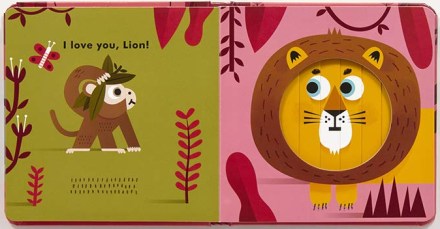
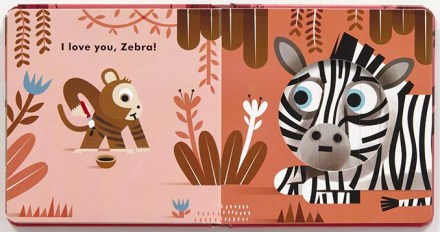
Monkey moves on and approaches Lion. “I love you, Lion,” Monkey unabashedly states as Lion glances in Monkey’s direction. Turn the page and Lion’s face lights up to hear how much Monkey loves his “shaggy mane.” The next animal to receive a visit from Monkey is Wildebeest, who looks a little skeptical while Monkey raises “thumbs up” fists to his head. But Monkey just wants to let Wildebeest know how much he admires his big horns. At this, Wildebeest gazes upward with a proud smile on his face. Zebra also gets a confidence boost that leaves her with a big grin of surprise.

celebrate-picture-books-picture-book-review-I-love-you-elephant-happy-lion

Copyright Carles Ballesteros, 2019, courtesy of Harry N. Abrams.

But what about Monkey? How do all the animals feel about him? It turns out they love Monkey as much as he loves them! What exactly do they love the most? Little ones will agree with Elephant, Lion, Wildebeest, and Zebra’s favorite traits about Monkey, and adults will love sharing the animals’ full assessment—“We love you just the way you are!”—with their kids.

celebrate-picture-books-picture-book-review-I-love-you-elephant-zebra

Copyright Carles Ballesteros, 2019, courtesy of Harry N. Abrams.

Adorably rounded faces that change with the turn of a page that sets in motion a “venetian blind” effect will delight little readers. The change in each animal’s expression reinforces the esteem-building result of Monkey’s spontaneous declarations of what he loves about his friends. The sweet examples in the story are wonderful springboards for discussion and are sure to inspire kids and adults to follow in Monkey’s footsteps and reveal what they love about each family member, their pets, their friends, their toys, their home, and, especially, about each other.

celebrate-picture-books-picture-book-review-I-love-you-elephant-happy-zebra

Copyright Carles Ballesteros, 2019, courtesy of Harry N. Abrams.

Carles Ballesteros cleverly includes a guessing game each time Monkey approaches a new friend. Through props and hand gestures, Monkey hints at what trait he loves best about each animal. Young readers will have fun trying to name what trait Monkey likes. With vibrant, yet soothing, colors and stylized flowers, vines, and plants, Ballesteros sets his story in a welcoming jungle landscape that children will want to visit over and over again.

A sturdy board book that will become a favorite of babies and toddlers, I Love You, Elephant! makes a heartwarming addition to home, preschool classrooms, and public library shelves as well as a terrific baby shower or new baby gift—for the baby or a young sibling.

Ages Baby – 3

Harry N. Abrams, 2019 | ISBN 978-1419738821

To learn more about Carles Ballesteros, his books, and his art, visit his website.

Visit the Zoo Activity

celebrate-picture-books-picture-book-review-hand-print-elephants-craft

Elephant Handprint Craft


This easy craft is fun for siblings to do together and can make a nice decoration for a child’s room or a gift for mom, dad, or other family members.

Supplies

  • Craft paint in two colors of the children’s choice
  • Yellow craft paint
  • Black fin-tip marker
  • Crayons, markers, or colored pencils to make a background
  • Paper
  • Paint brush

Directions

  1. Paint one child’s hand and press it on the paper. The thumb is the truck and the fingers the legs.
  2. Paint the second child’s hand and press it on the paper near the other “elephant.” A couple of examples are: the elephants standing trunk to trunk or trunk to tail 
  3. After the paint has dried, draw on ears and an eye
  4. Add a sun with the yellow paint
  5. Add grass, trees, or other background features

celebrate-picture-books-picture-book-review-I-love-you-elephant-cover

You can find I Love You, Elephant! at these booksellers

Amazon | Barnes & Noble | Books-a-Million | IndieBound

Picture Book Review