March 30 – Passover

celebrate-picture-books-picture-book-review-paulie's-passover-predicament-cover

About the Holiday

Passover is a Jewish spring festival that celebrates the Jews liberation from slavery in Egypt and their freedom of a nation under Moses. The holiday begins on the fourteenth day of the Hebrew month Nisan, which is the first ecclesiastical month and occurs in March or April and continues for seven or eight days. The holiday begins with a seder meal, for which family and friends gather to remember their history, have symbolic dishes, and celebrate the joy of freedom.

Thank you to Kar-Ben Publishing for sharing a copy of Paulie’s Passover Predicament with me! 

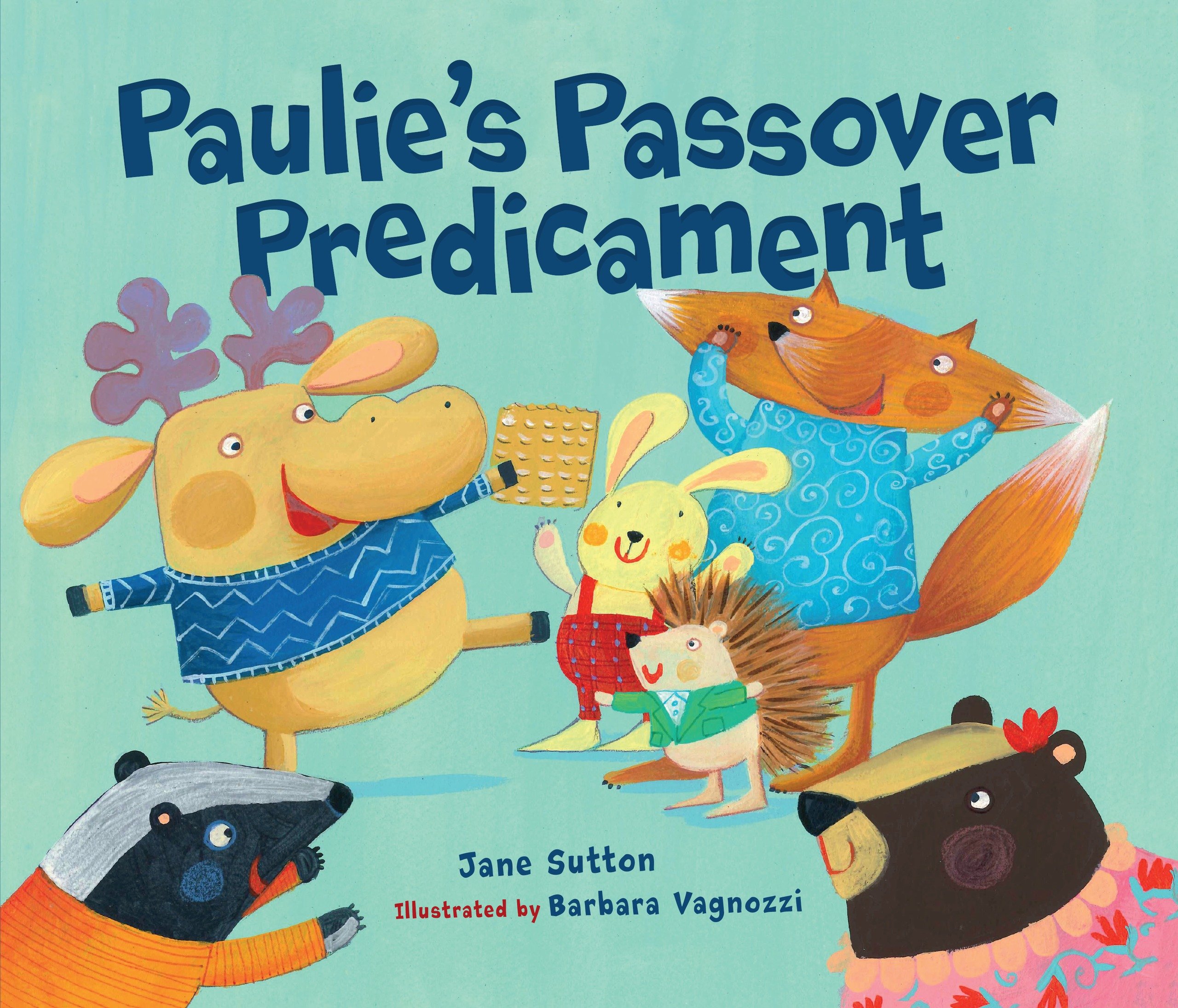
Paulie’s Passover Predicament

Written by Jane Sutton | Illustrated by Barbara Vagnozzi


Paulie was a moos-ician who loved practicing his guitar in his basement studio, but today he had to cut it short because there was so much to do. Passover was starting that night, “and Paulie wanted his Passover seder to be perfect!” He headed to the grocery store to buy everything he needed for the meal. At the store he ran into two friends, Sally and Irving. They were excited about coming to Paulie’s house later that day.
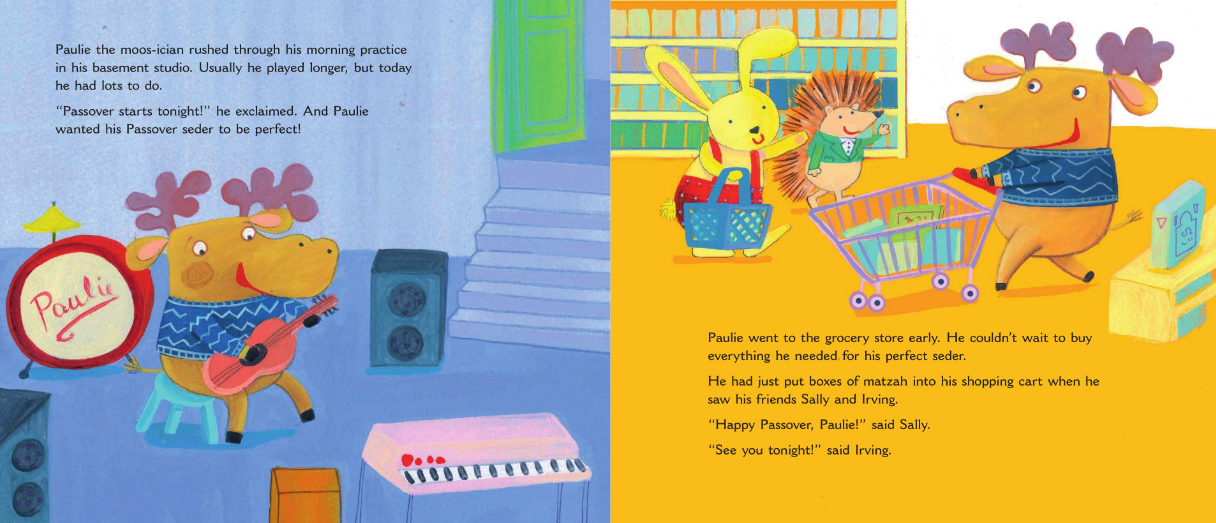
celebrate-picture-books-picture-book-review-paulie's-passover-predicament-studio

Image copyright Barbara Vagnozzi, 2018, text copyright Jane Sutton, 2018. Courtesy of Kar-Ben Publishing.

With his cart loaded with boxes of matzah, grape juice, two moose shaped candles, and other supplies, Paulie was ready. As soon as he got home, Paulie began cooking. Each dish was delicious. He set the table and “hummed happily as he placed the matzah cover over the matzah.” He smiled at the attractive picture of a moose printed on it. “‘Perfect!’ he thought.”

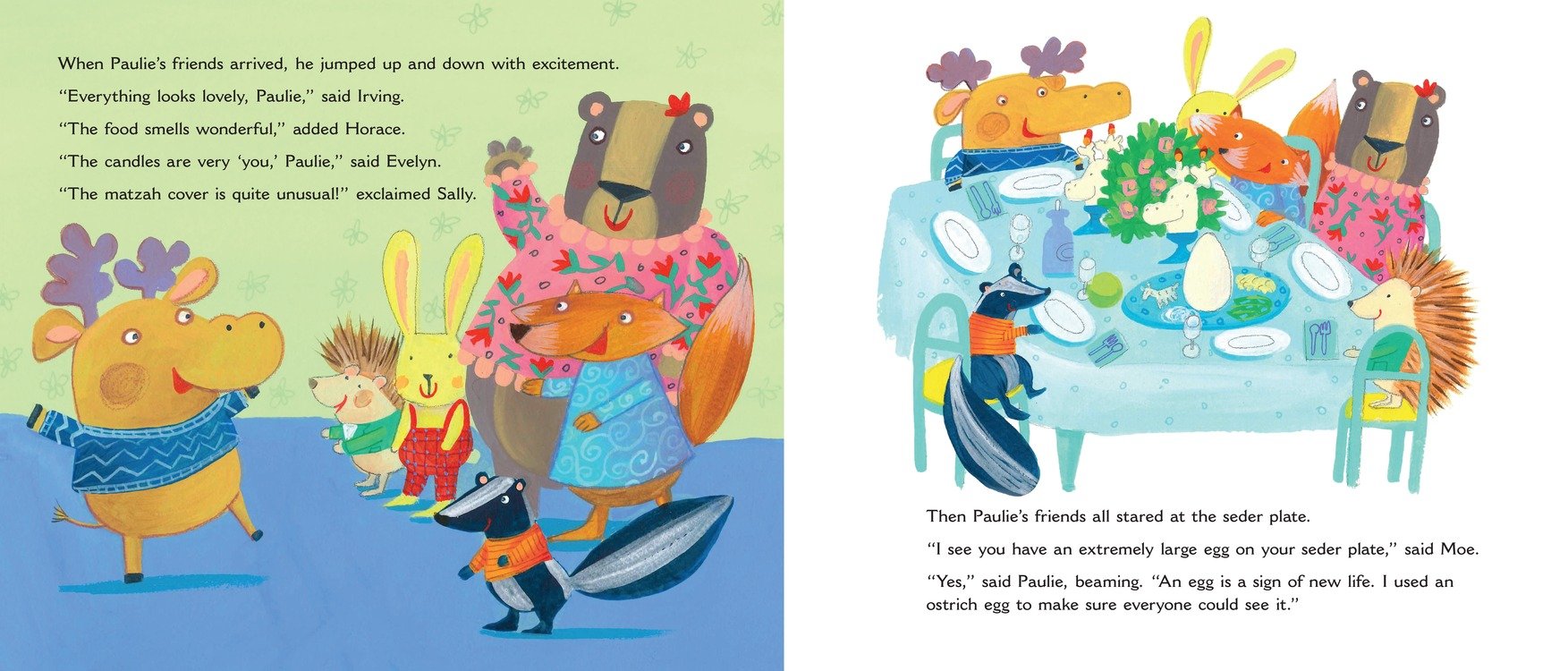
There was much excitement as Paulie’s friends arrived. They complimented Paulie on the yummy-smells from the kitchen and his decorated table. “‘The candles are very ‘you,’ Paulie, said Evelyn,” while Sally commented on the unusual matzah cover. When they sat down to eat, Moe noticed the extremely large egg on the seder plate. “‘Yes,’ said Paulie, beaming. ‘An egg is a sign of new life. I used an ostrich egg to make sure everyone could see it.’” Sally pointed out that the salt water representing the tears of their ancestors looked different too. As Paulie explained, he thought he heard a few giggles.

When Evelyn tasted the charoset that was to remind them of the bricks and mortar their “ancestors used to build the pyramids,” she questioned the recipe. Paulie admitted that he’d tweaked the recipe because he liked it with apples and pinecones instead of walnuts. In place of the usual parsley, Paulie had used his “favorite green thing”: grass. This was met with some chuckles. Paulie had taken the horseradish maror rather literally, and upon seeing it Horace couldn’t help but laugh out loud. The lamb bone had also creatively been reimagined, a change-up that had everyone else “roaring with laughter.”
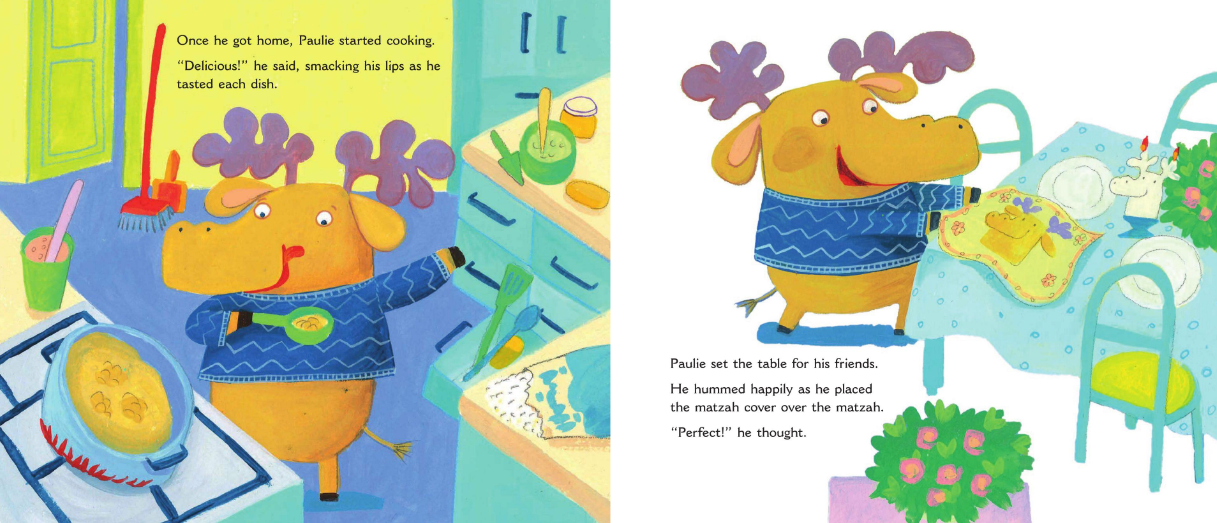
celebrate-picture-books-picture-book-review-paulie's-passover-predicament-cooking

Image copyright Barbara Vagnozzi, 2018, text copyright Jane Sutton, 2018. Courtesy of Kar-Ben Publishing.

“Big tears formed in Paulie’s eyes,” but his friends hugged him and told him that although his seder plate was a bit different, each element reminded them “‘of the meaning of Passover—in a Paulie way.’” Cheered, Paulie and his friends continued with the blessings, the Four Questions, and telling the Passover story. They ate and recited the Ten Plagues. Then it was time for Sally to hide the afikomen.

Paulie felt better, but he really wanted to find the afikomen. He looked under the table and behind the couch then Paulie went to look in the basement. The afikomen wasn’t under his drum set or in the laundry basket. At last, Paulie did find it! But when he tried to go upstairs, the door was locked! No one heard Paulie calling for help. He sat down on the stairs and considered his Passover seder. It “was not perfect at all…. And now he was stuck in the basement. ‘What a predicament!’ he thought.”

Just then he had a clever idea to alert his friends. They swung the door open, and Paulie was free! Paulie’s friends were excited to see that he had found the afikomen and would get the reward. But Paulie told them that being free like their ancestors was enough for him. Then everyone sang the song Dayeinu, happy to be together and free.
celebrate-picture-books-picture-book-review-paulie's-passover-predicament-seder-dinner

Image copyright Barbara Vagnozzi, 2018, text copyright Jane Sutton, 2018. Courtesy of Kar-Ben Publishing.

A short description of Passover follows the story.

Young readers will empathize with and cheer for Paulie in Jane Sutton’s sweetly emotional Passover story. In his excitement to host the perfect Passover seder, Paulie can’t help but include his favorite things instead of the traditional offerings. Even though his friends chuckle at Paulie’s missteps, they show their love for him with understanding and hugs. When he is freed from the basement, Paulie demonstrates the true spirit of Passover in his happiness to be with his friends again. Kids will giggle along at each unique seder dish while they also learn their symbolic importance.

Barbara Vagnozzi’s bright, joyful illustrations reflect the excitement children feel as they prepare for Passover—shopping, cooking, and setting the table with special foods and decorations. The camaraderie of the friends is infectious as they explain the various parts of the seder, enjoying Paulie’s unique, moose-centric spin on it. These good friends, smiling, talking, happily hunting for the afikomen, and singing together are adorable companions for this special holiday.

A fun and meaningful introduction to Passover for children and adults of all faiths, Paulie’s Passover Predicament would be a delightful addition to home and classroom bookshelves for any time of year.

Ages 3 – 8

Kar-Ben Publishing, 2018 | ISBN 978-1512420975

Jane Sutton is an award-winning author of picture books and novels for children. She grew up on Long Island and attended Brandeis University. Jane lives with her husband in the Boston area, as do their grown children and families. She is grateful to get lots of chances to babysit her grandchildren and hopes she makes fewer mistakes than Ruthie’s Zayde. Visit Jane at jane-sutton.com

Barbara Vagnozzi loves illustrating, especially inventing funny animals. She enjoys giving presentations, where she can tell stories to little ones near her home in Bologna, Italy.

Passover Activity

Celebrate Passover! Word Search


Celebrating Passover means honoring history, eating special foods, and having fun! Can you find the twenty words related to Passover in this Celebrate Passover! Word Search?

Celebrate Passover! Word Search Puzzle | Celebrate Passover! Word Search Solution

celebrate-picture-books-picture-book-review-paulie's-passover-predicament-cover

You can purchase Paulie’s Passover Predicament from these booksellers

Amazon | Barnes & Noble

Picture Book Review
March 26 – It’s National Optimism Month

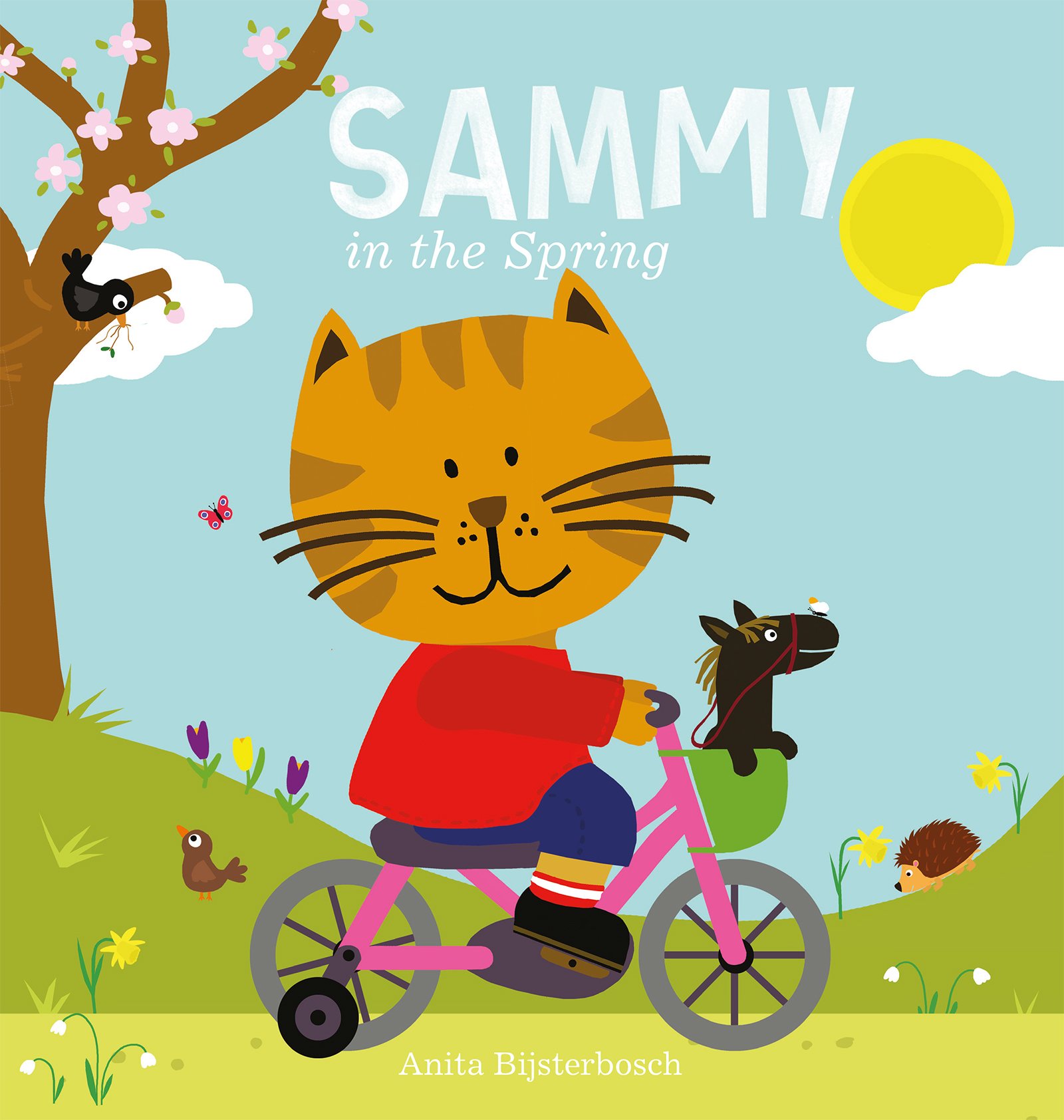
celebrate-picture-books-picture-book-review-sammy-in-the-spring-cover

About the Holiday

With its longer days, warmer weather, and blossoming flowers and trees, springtime puts us in a brighter frame of mind. There’s inherent optimism in seeing birds build nests and hearing the cheeps of baby birds, in shedding the coats and boots that weigh us down, and even in looking forward to summer vacation. Little ones love exploring during spring, just like Sammy in today’s book!

Sammy in the Spring

By Anita Bijsterbosch


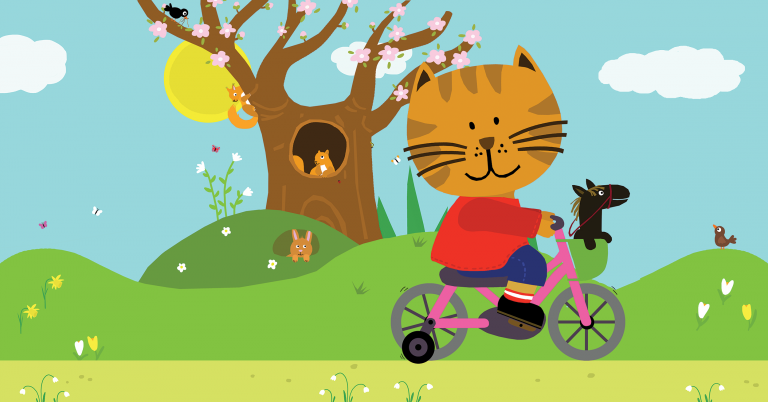
Sammy watches out his window as the birds sing and feed their babies. Sammy wants to play outside and asks his stuffed horse Hobs to come with him. He puts on his socks and shoes then grabs his bike and puts Hobs in the basket. “Sammy likes riding on his bicycle. The flowers smell so good! He can see yellow, white, and pink flowers.”

celebrate-picture-books-picture-book-review-sammy-in-the-spring-bike

Copyright Anita Bijsterbosch, 2018, courtesy of anitabijsterbosch.nl.

After his bike ride, Sammy jumps on his scooter and fits Hobs into the basket on the front. They tow a little car behind them. Squirrels scamper in the trees, a family of bunnies peeks through the grass, and butterflies flutter in the air. One even lands on Hobs’ nose! Behind a bush, Sammy spies some sleeping hedgehogs. But the time for hibernating is over. “‘Hey, hedgehogs, wake up! Spring has come,’ Sammy whispers.”

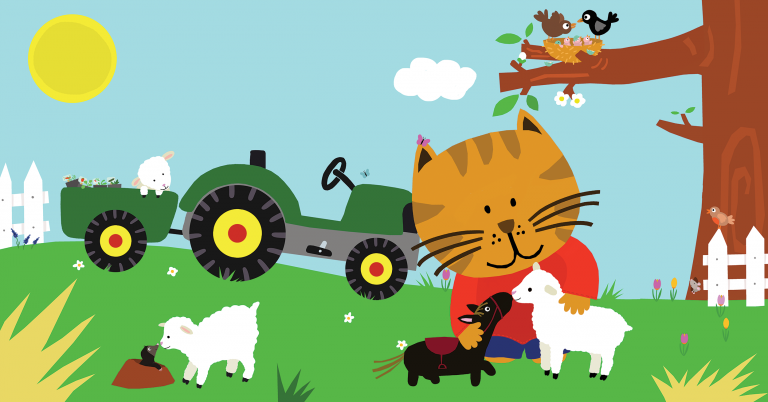
When the hedgehogs wake up, they keep Hobs company while Sammy plays with his car. Then it’s time to drive the tractor and tend the garden. They meet three woolly lambs. “How sweet they are! ‘Baaa, baaa,’ the little lambs bleat.” Next Sammy digs holes in the ground and plants carrot, strawberry, radish, and cucumber seedlings. After all that playing and hard work, Sammy and Hobs go back inside to wash up and have a nice dinner together.

celebrate-picture-books-picture-book-review-sammy-in-the-spring-lambs

Copyright Anita Bijsterbosch, 2018, courtesy of anitabijsterbosch.nl.

Little ones will be happy to spend time with Sammy and Hobs as they enjoy a spring day together in Anita Bijsterbosch’s adorably inviting story. The imaginative relationship that toddlers and young children have with their favorite toys is charmingly reflected here as Sammy includes Hobs on his bike, scooter, and tractor rides, shows him the lambs and hedgehogs, and gives him his own apple to eat at dinnertime. Bijsterbosch’s language is bright and cheery and paced with the same eager excitement of children playing and exploring.

Bijsterbosch’s bold images and brilliant colors are beautifully displayed in this large board book that cleverly uses full and half pages to show transitions in the action. Smiles abound as Sammy and Hobs meet birds, hedgehogs, lambs, bunnies, and even a tiny pink worm. Young readers are sure to smile too.

A joyful book that little ones will want to hear again and again, Sammy in the Spring would make a great take-along for picnics and other outdoor activities and a sweet addition to home and preschool libraries.

Learn more about Anita Bisterbosch, her books, and her art on her website.

Ages 2 – 5

Clavis, 2018 | ISBN 978-1605373676

National Optimism Day Activity

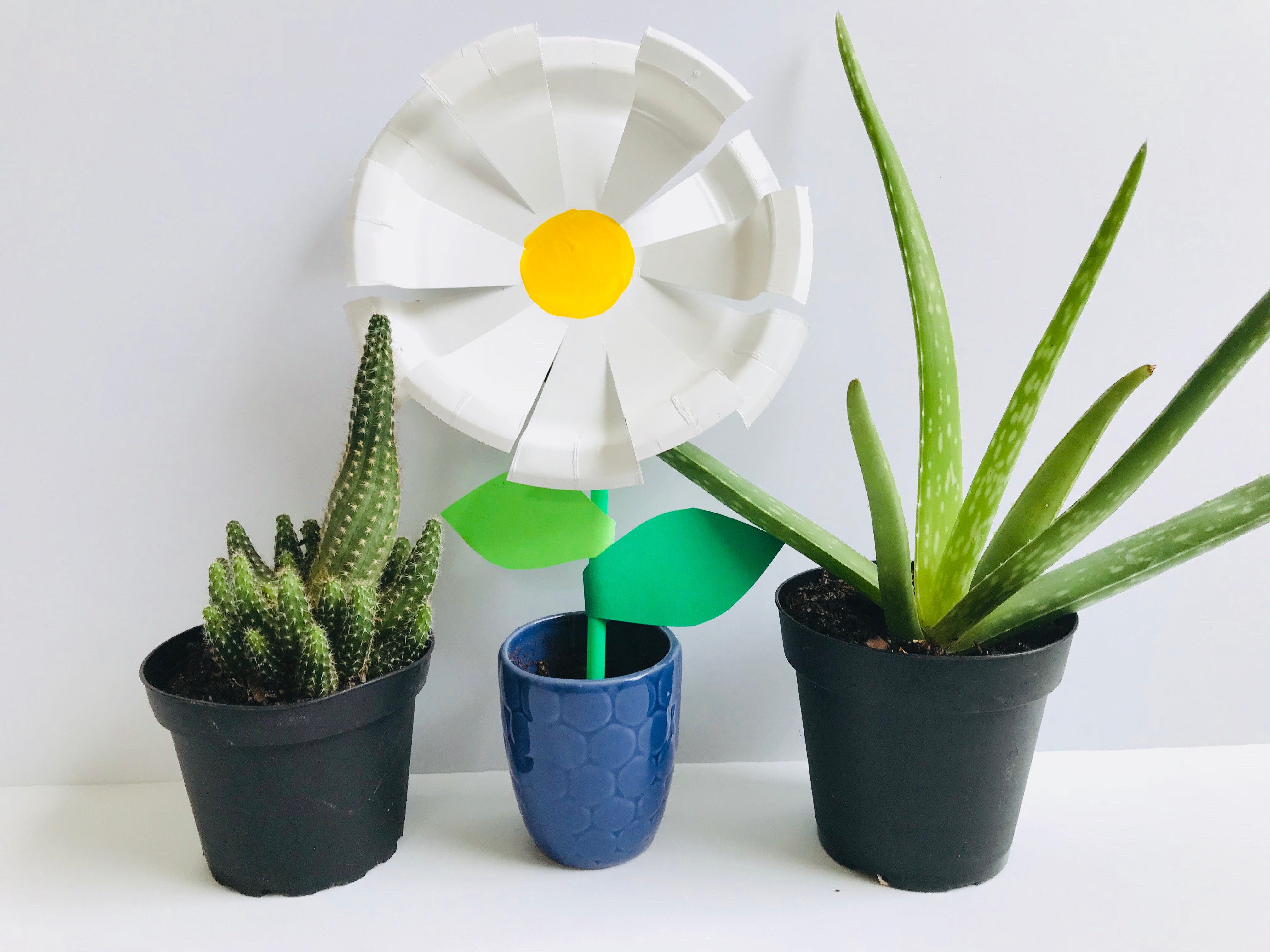
celebrate-picture-books-picture-book-review-sunny-daisy-paper-plate-craft

Sunny Daisy Craft


This cheery springtime flower is easy for little ones to make with some adult help and can brighten any room!

Supplies

  • Small paper plate
  • Green straw
  • Yellow paint
  • Green paper
  • Tape
  • Small flower pot (optional)

Directions

  1. Paint a circle in the center of the plate, let dry.
  2. Make petals by cutting around the plate about every 1 ½ inches angled toward the center
  3. Fold some petals forward and some back to give the flower dimension
  4. Cut leaves from the green paper
  5. Tape the straw to the back of the plate
  6. Display your flower!

Picture Book Review
March 14 – Moth-er Day and Interview with Author Karlin Gray

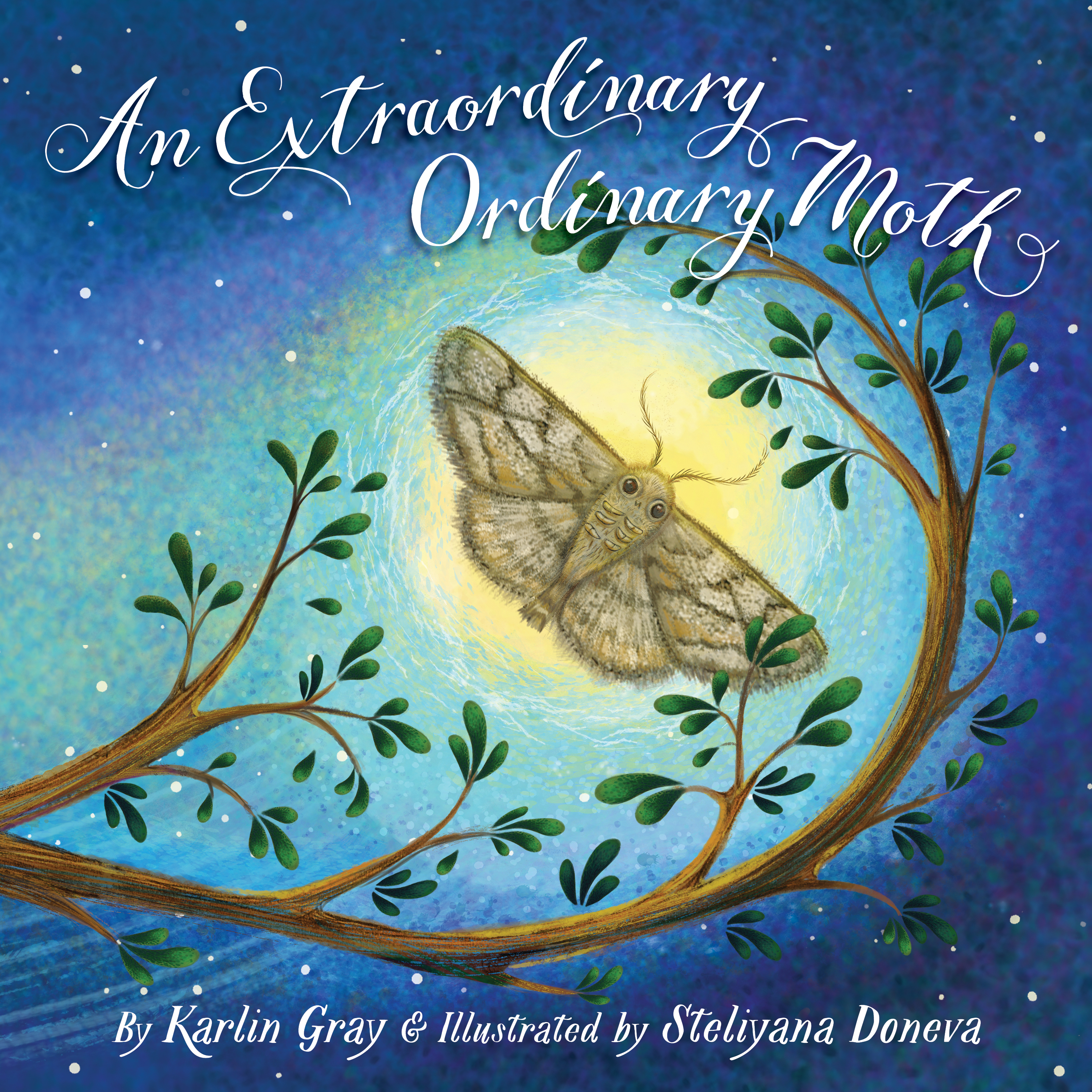
celebrate-picture-books-picture-book-review-an-extraordinary-ordinary-moth-cover

About the Holiday

Did you know that some moths are even more beautiful than butterflies? It’s true! Adorned in vibrant oranges, greens, blues, and reds and with patterns more intricate than the finest fabrics, moths are some of nature’s loveliest creatures. With spring right around the corner, moths will once again be emerging in woods, fields, and gardens, so today take a little time to celebrate these often overlooked insects and learn more about them and their habitats.

Sleeping Bear Press sent me a copy of An Extraordinary Ordinary Moth to check out. All opinions are my own. 

An Extraordinary Ordinary Moth

Written by Karlin Gray | Illustrated by Steliyana Doneva


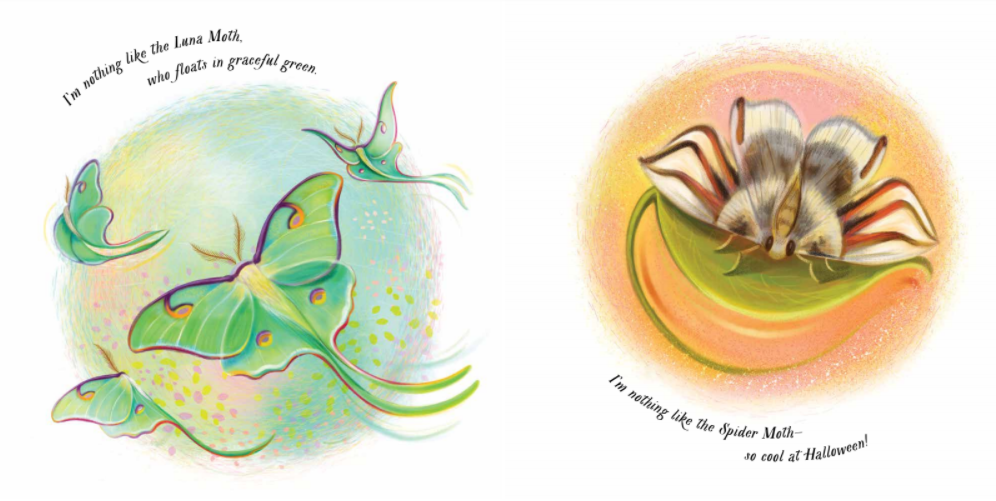
As a grayish-brown moth flits among the leaves framed by the full moon, he says, “I’m an ordinary moth, / as you can plainly see. / A dusty, grayish, dull insect— / nothing-special me.”  He compares himself to the Luna Moth “who floats in graceful green” and to the Spider Moth who’s “so cool at Halloween!” He’s nothing like the Hummingbird Moth who mimics its namesake bird, and he can’t hide like the Wood Nymph Moth that looks like “birdy dung.” He’s much smaller than the Atlas Moth and not as pretty as a butterfly. While all of these are special—extraordinary even—this little guy thinks he is just “a dusty, grayish moth— / very ordinary.”

celebrate-picture-books-picture-book-review-an-extraordinary-ordinary-moth-luna

Image copyright Steliyana Doneva, 2018, text copyright Karlin Gray, 2018. Courtesy of Sleeping Bear Press.

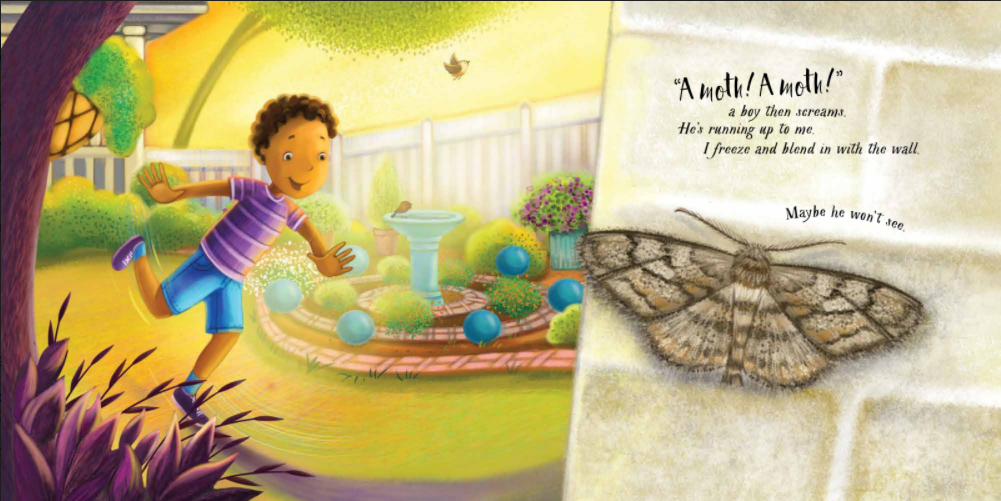
But then a little boy runs through the yard shouting “‘A moth! A moth!’” The moth freezes against a wall, afraid and unsure and hoping to hide. But when the moth sees the excitement in the boy’s eyes, he moves “toward his joyful light.” He lands in the boy’s hands, uncertain still if he’ll be shooed away. And sure enough, the boy’s sister screams, “‘Ew, a bug!’” When she knocks her brother’s hand away, the moth flies off.

celebrate-picture-books-picture-book-review-an-extraordinary-ordinary-moth-hiding

Image copyright Steliyana Doneva, 2018, text copyright Karlin Gray, 2018. Courtesy of Sleeping Bear Press.

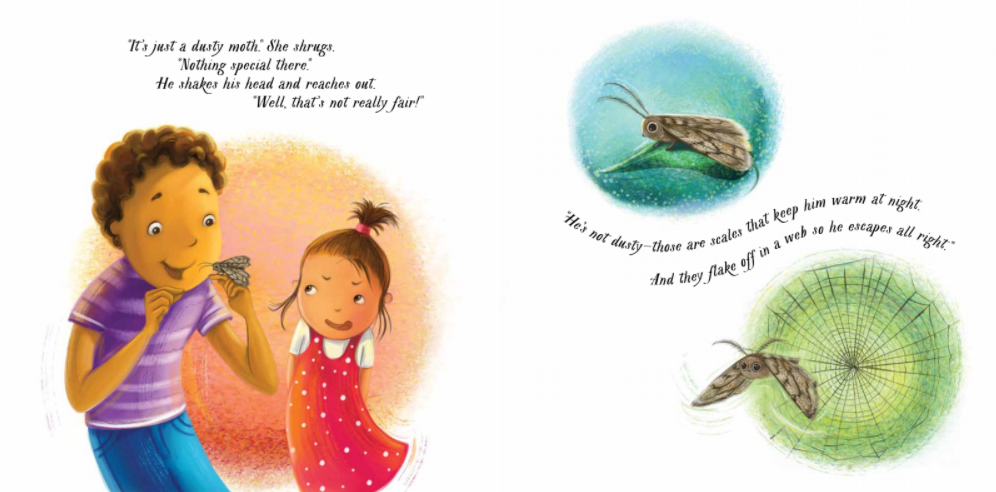
The moth hears the boy tell his sister, “‘Hey, it’s an insect—not a bug— / and my favorite kind!’” then he sees the boy trailing him “all through the yard. / with her two steps behind.” She thinks the moth is nothing special, but her brother disagrees. And as the moth alights on his finger, he shows her why. What looks like dust are really “‘scales that keep him warm at night. / And they flake off in a web so he escapes all right.’”

celebrate-picture-books-picture-book-review-an-extraordinary-ordinary-moth-web

Image copyright Steliyana Doneva, 2018, text copyright Karlin Gray, 2018. Courtesy of Sleeping Bear Press.

The little girl’s a bit more interested but thinks his color is “kind of blah.” The boy explains that the moth is the color of tree bark and can camouflage himself during the day while he sleeps. Then at night he’s ready to fly, guided by moonlight and the scents he smells through his antennae. Now the little girl thinks the moth is pretty cool. She calls their mom to come and see, and when Mom wants to know what bug they found, “the girl says, ‘Mom—a moth’s an insect, / and out favorite kind!’”

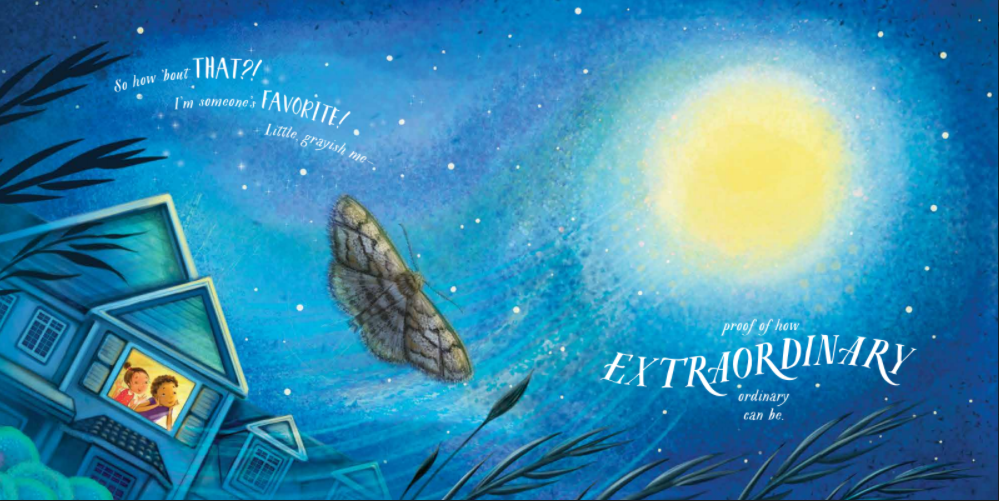
Hearing that, the moth soars in the moonlight with a new self image—“So how ‘bout THAT?! / I’m someone’s FAVORITE! / Little grayish me— / proof of how / EXTRAORDINARY / ordinary can be.”

celebrate-picture-books-picture-book-review-an-extraordinary-ordinary-moth-mom

Image copyright Steliyana Doneva, 2018, text copyright Karlin Gray, 2018. Courtesy of Sleeping Bear Press.

Ten Extraordinary Facts about Moths, as well as an activity for constructing a moth observation box follow the text.

Through her vivacious rhymes, Karlin Gray elevates the “ordinary” back-porch moth to star status with fascinating facts that will lure kids to discover more. The conversational verses echo a sweet sibling relationship while the moth, overhearing them, begins to appreciate himself. The bookending of the children’s story with the moth’s thoughts—first comparing himself to other moths and later realizing his own merits—will encourage readers to think about the nature of nature and about the importance of positive interactions with others. Told from the moth’s point of view, the story also has a deeper meaning, reminding readers that, like this moth, people also have special talents  that make them exceptional. Taking extra time to really learn about another’s unique qualities and to get to know them is exciting and has benefits for all.  

celebrate-picture-books-picture-book-review-an-extraordinary-ordinary-moth-moonlight

Image copyright Steliyana Doneva, 2018, text copyright Karlin Gray, 2018. Courtesy of Sleeping Bear Press.

Steliyana Doneva’s gorgeous illustrations of moths and butterflies will dazzle insect-loving kids and convert the more squeamish. Doneva captures each delicate marking and texture of the little grayish moth as it flits in the light and camouflages itself on the wall and tree. The moth is also well spotlighted against Doneva’s vibrant backyard oasis where the little boy and his sister discover him. Nighttime scenes sparkle with starlight, and the full moon brings out the rich blues of an evening sky. The boy’s enthusiasm for moths and nature is infectious and will captivate young readers, enticing them to look closer at the world around them.

An Extraordinary Ordinary Moth is a beautiful, eye-opening book that would spur further discovery for nature and science lovers at home and in science or STEM classrooms.

Ages 4 – 8

Sleeping Bear Press, 2018 | ISBN 978-1-58536-372-8

Discover more about Karlin Gray and her books on her website.

View a portfolio of work by Steliyana Doneva and learn more about her on her website.

Download and have fun with these An Extraordinary Ordinary Moth Activity Sheets!

An Extraordinary Ordinary Moth Matching | An Extraordinary Ordinary Moth Fill in the Blank

Moth-er Day Activity

celebrate-picture-books-picture-book-review-tree-branch-with-white-cocoons

Beautiful Moths Game


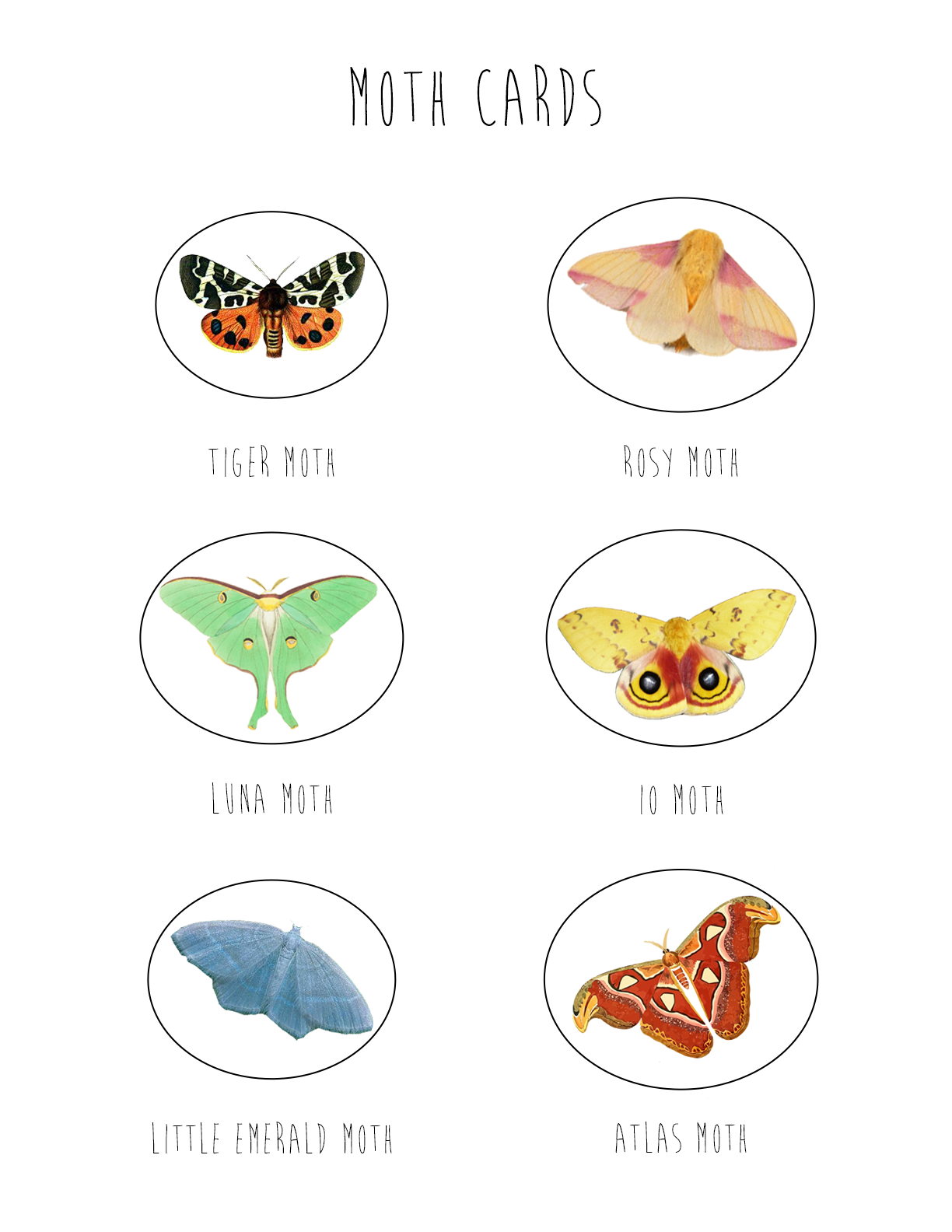
Moths go through many stages of metamorphosis—from egg to caterpillar to cocoon— before they finally emerge as a moth. In this game, help six moths emerge from their cocoons to win!

Supplies

celebrate-picture-books-picture-book-review-moth-cards

Directions

  1. Print a Tree Branch Game Board and set of Moth Cards for each player
  2. Print one Moth Playing Die
  3. Choose a player to go first
  4. The first player rolls the die and places the matching moth card on one of the cocoons on the Tree Branch Game Board
  5. Play then moves to the player on the left
  6. Players continue to roll the die and place moths on each cocoon
  7. If a player rolls a moth that they already have placed on their game board, they pass the die to the next player and wait for their next turn.
  8. The player who fills their Tree Branch with moths first is the winner

Meet Karlin Gray

celebrate-picture-books-picture-book-review-interview-with-karlin-gray-headshot

Today I’m excited to talk with Karlin Gray about how moths became extraordinary in her eyes, what types of characters she’s drawn to, and what might be the best holiday in the world

Did you like to write as a child? How did you get started writing books for children?

Yes, I did like to write as a child. When I was little, I would retell stories like Alice in Wonderland, changing the names and some details. Someone must have explained ‘plagiarism’ to me and, eventually, I learned to write my own stories.

I started writing picture books when my son was a toddler (about seven years ago). I joined a local writing center where I workshopped all three of my contracted books, including AN EXTRAORDINARY ORDINARY MOTH.

Before you began working in the publishing field and writing for children, you worked for newspapers. Can you talk a little about that experience? What did you like most about it? Has it influenced your work for children?

After college, my first two jobs were graphic design positions at weekly newspapers in Northern Virginia and D.C. I loved learning about the publishing process—how words and images were selected, designed, printed, and distributed. It’s a fast-paced, exhausting business. But those jobs taught me to work on a deadline which helps me as a children’s book writer, for sure!

What inspired you to write about moths?

My son. When he was three, he announced that the moth was his favorite insect. I imagined that moth was having a bad day—comparing himself to “cooler” moths like the Luna moth or Spider moth—and then overheard my son’s statement. It’s a nice reminder that sometimes it takes just one kind comment to improve someone’s day.

What do you think makes the “ordinary” extraordinary?

Perspective. My son saw something special in a creature that I never really considered. But his interest piqued my interest, so I did some research. That led me to learning several amazing things about moths. Now, instead of shooing them away, I celebrate moths in An Extraordinary Ordinary Moth.

What was your process in writing An Extraordinary Ordinary Moth?

Once the first line popped into my head—“I’m an ordinary moth, as you can plainly see…”—the story was set in rhyme. Usually, I research then write a story. But here, I did my research as I wrote the manuscript. The first draft took a couple days and was MESSY. I workshopped the manuscript on and off for two years, tightening the story, rhyme, and meter. I eliminated a whole stanza where the ordinary moth compares itself to other moths like the poodle moth. Trust me, it wasn’t easy cutting out the poodle moth! But, like they say, sometimes you have to kill your darlings.

Do you have a favorite place to write? If so, can you describe it a little? Do you have a favorite thing on your desk or in your writing space?

In my house I have an office but I don’t do much writing there. I usually move from the dining table to the kitchen table to the outside table when it’s warm.

In an earlier interview, you mentioned that you had “stories about presidents, magicians, explorers, athletes, mermaids, monsters, scarecrows, cats, mice, and one sad moth” in your desk drawer. What types of characters—or personalities—attract your creative interest? Do you have a preference for nonfiction? If so, why?

Oh yeah, I guess I’ll have to change that since the “sad moth” is out of the drawer and on the cover of a book. I’m a sucker for characters whose “flaws” are really their strengths, and I love a good finding-your-tribe story. Both nonfiction and fiction stories appeal to me but I enjoy the challenge of taking a true story and translating it into a picture book—selecting a character and timeframe, finding dialogue and active details, setting the tone and style, and staying true to the facts as well as the heart of the story.

In your website biography you have links to “things you like.” These are amazing and range from The American Mural Project to Storyline Online to the Landfill Harmonic. Can you talk about what draws you to these types of projects? Why do you think they are important not only for those directly involved in them, but for all kids—and adults?

Those two projects have a lot of heart. I met Ellen—she is a tiny person who has a big personality and a HUGE dream. The fact that one person had a goal to make the biggest indoor art installation is worthy of a book right there! And the Landfill Harmonic group—kids making music with trash!—was made into a book, Ada’s Violin by Susan Hood. I think both of those stories appeal to kids because it shows them that there are no limitations in art.

What’s the best part about writing for kids?

So many things…but probably the best is when kids tell me that they want to be a writer when they grow up. My response is always: “If I could do it, you can do it.”

You share your books at school and bookstore events. Do you have any anecdote from an event you’d like to share?

Twice a month I volunteer at a nearby school where I read books selected by the teacher. When I read my first book NADIA to the kids, the first graders had a hard time believing that I was the author. They knew me as someone who visited every other week and read a book from their shelves. They didn’t know me as a writer so that was a fun surprise for them.

What’s up next for you?

My next picture book is a biography of Serena Williams—SERENA: THE LITTLEST SISTER—and will be published in early 2019.

What is your favorite holiday and why?

Probably New Year’s Eve. We can see the town fireworks from our back deck so we invite a few families over for a casual get-together. It’s a nice way to end the year and the kids love staying up past midnight.

And, until your email, I didn’t know there was a Moth-er Day. (Not to be confused with Mother’s Day.) Very cool. The moth is also celebrated during National Moth Week in July: http://nationalmothweek.org

Do you have any anecdote from a holiday that you’d like to share?

When I was 10-14 years old, I lived in Japan because my dad worked with the military. I remember feeling sorry for Japanese kids because they didn’t celebrate holidays like Christmas or Halloween. But once I discovered that they had an even better holiday—Children’s Day!!—then I just felt sorry for myself.

Thanks so much for this great chat, Karlin! I wish you all the best with An Extraordinary Ordinary Moth and all of your books!

celebrate-picture-books-picture-book-review-an-extraordinary-ordinary-moth-cover

You can find An Extraordinary Ordinary Moth at these booksellers:

Amazon | Barnes & Noble | Books-a-Million | IndieBound | Sleeping Bear Press

You can connect with Karlin Gray on

Facebook | Pinterest | Twitter

Picture Book Review
March 4 – Marching Music Day

celebrate-picture-books-picture-book-review-bears-in-a-band-cover

About the Holiday

Taking place during Music in Our Schools Month, Marching Music Day was established by Drum Corps International and celebrates this ever expanding art form. Built on the drum beats that once kept military units in marching in unison, marching bands now include brass, woodwinds, and even electric guitars. Dance teams, baton twirlers, and color guards often interpret the music through motion, creating entertainment enjoyed by spectators of parades, football games, Broadway shows, and other events. The production of electronic and digital instruments has created an evolution in marching music to include string instruments and synthesizers, broadening its definition, sound, and audience.

Bears in a Band

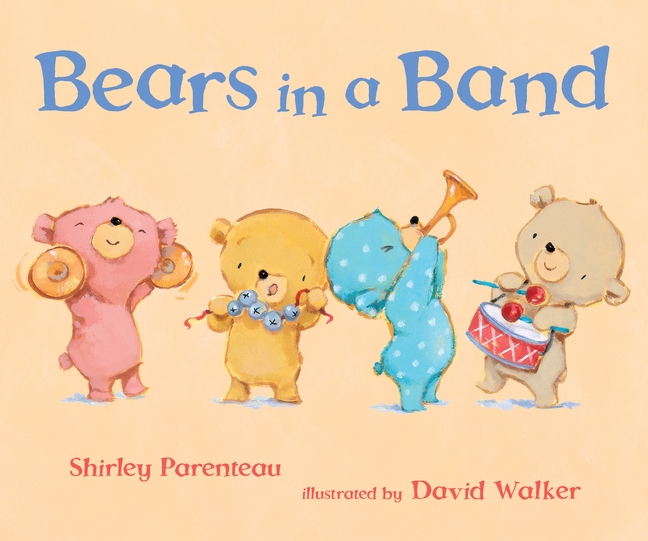
Written by Shirley Parenteau | Illustrated by David Walker


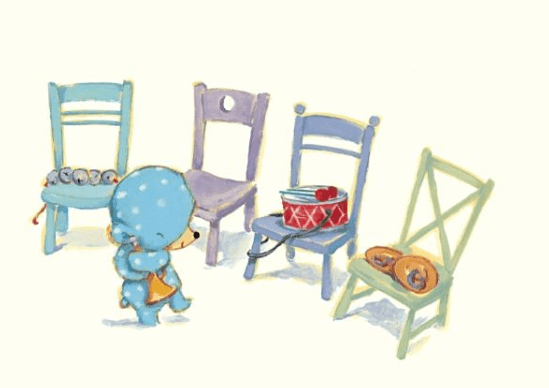
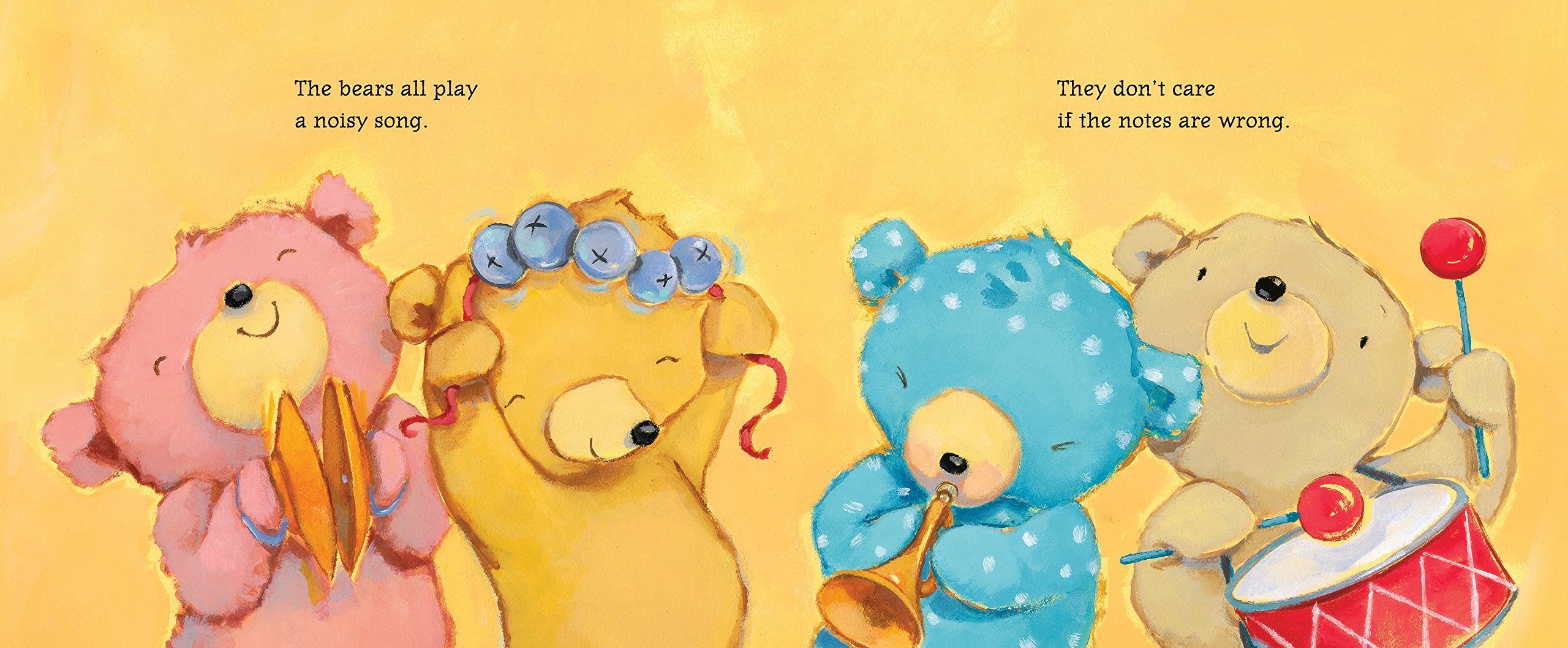
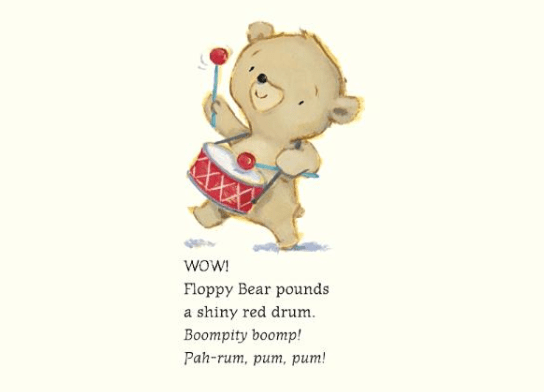
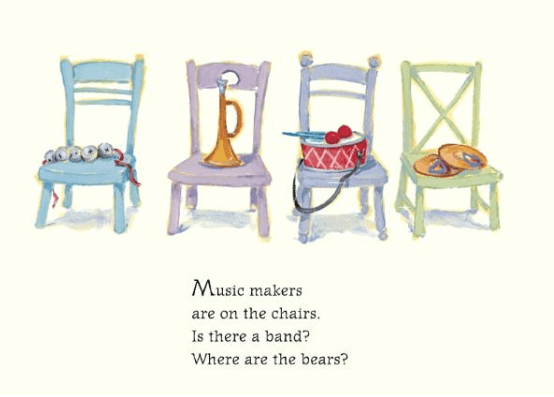
Four colorful wooden chairs are waiting with instruments on their seats, but “where are the bears?” “Here they come! / ‘Music! Hurray!’ / Each bear chooses / something to play.” Yellow Bear picks the bells on a string. He shakes them, making them “ding-a-ding-ding.” Floppy Bear puts on the little red drum and pounds it, creating a ‘Boompity boomp / Pah-rum, pum, pum!”

celebrate-picture-books-picture-book-review-bears-in-a-band-calico

Image copyright David Walker, text copyright Shirley Parenteau. Courtesy of Candlewick.

Calico blows the shiny brass horn “Tootley-tooo” while Fuzzy chooses the cymbals to “crash and bang.” Then “the bears all play / a noisy song. / They don’t care / if the notes are wrong.” But then the four little bears hear a snoring sound from behind the door. Who is sleeping there? It’s Big Brown Bear! Will all the practicing wake him up?

celebrate-picture-books-picture-book-review-bears-in-a-band-all-playing

Image copyright David Walker, text copyright Shirley Parenteau. Courtesy of Candlewick.

Sleepy Big Bear hears the drum bang and the cymbals clash. He opens one eye, sits up, and calls, “‘What’s going on?’” The dings and dongs, thrums and toots don’t sound like music to Big Bear. He covers his ears with his paws. “The big bear / rushes into the room. / The racket stops / with a small ka-boom.”

celebrate-picture-books-picture-book-review-bears-in-a-band-floppy-bear

Image copyright David Walker, text copyright Shirley Parenteau. Courtesy of Candlewick.

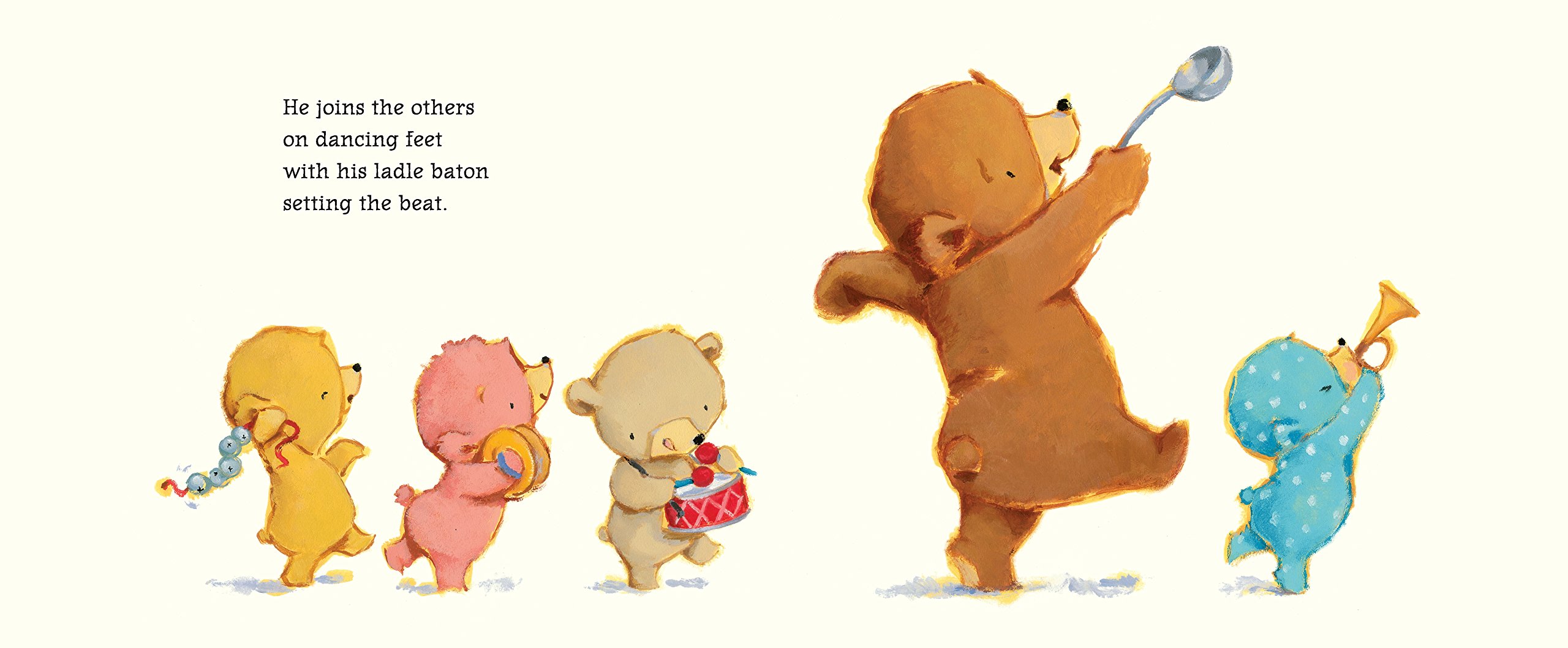
But he’s not there to stop the group. He picks up a ladle and waves it happily. “He joins the others / on dancing feet / with his ladle baton / setting the beat.” He shows Floppy Bear how to play the drum low, and when he raises the ladle, Yellow Bear shakes the bells loudly. Then all four bears stand in front of Big Bear with their instruments ready. When Big Bear gives the signal, they play together harmoniously. With a tinkling of the bells and a final drumroll, the concert is ended and the bears take a bow.

celebrate-picture-books-picture-book-review-bears-in-a-band-all-playing-with-big-bear

Image copyright David Walker, text copyright Shirley Parenteau. Courtesy of Candlewick.

Shirley Parenteau’s story for little music makers is as adorable as they come. With fun musical sounds to read aloud and a bit of gentle suspense, Parenteau’s rhymes will delight young children. When Big Bear wakes up and joins in, readers get a sweet lesson in inclusion that leads to harmony in both music and friendship. A spirited reading will no doubt turn story time into music time in no time!

celebrate-picture-books-picture-book-review-bears-in-a-band-chairs

Image copyright David Walker, text copyright Shirley Parenteau. Courtesy of Candlewick.

Little ones will fall in love with David Walker’s huggable bears. With eager, smiling faces they take to their instruments, shaking, pounding, and clanging with abandon. Even Big Bear rushing out from his interrupted nap is keenly curious and ready to play. Walker’s softly vibrant colors highlight the cuteness of this group of friends and will charm both the kids and adults reading together.

A sweet story that little ones will ask for over and over, Bears in a Band would be a terrific new baby gift and a lovely addition to children’s bookshelves.

Ages 2 – 4

Candlewick, 2018 (Board Book) | ISBN 978-1536203363; (Hardcover) 978-0763681470

Discover more about Shirley Parenteau and her books on her website.

To learn more about David Walker, his books, and his art, visit his website.

Marching Music Day Activity

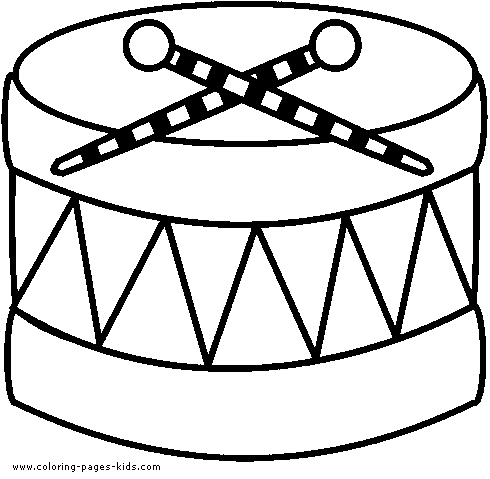
celebrate-picture-books-picture-book-review-drum-coloring-page

Drum Coloring Page


It’s fun to rat-a-tat-tat on a drum! It’s also fun to color! Grab your crayons, pencils, or markers and enjoy this printable Drum Coloring Page!

Picture Book Review
January 28 – International Have Fun at Work Day

celebrate-picture-books-picture-book-review-snowmen-at-work-cover

About the Holiday

Are you working today? Then have some fun! Listen to music, dress up or down or even a bit silly, enlist your coworkers for some games, share some jokes, or even throw a party—just don’t forget to include your boss!

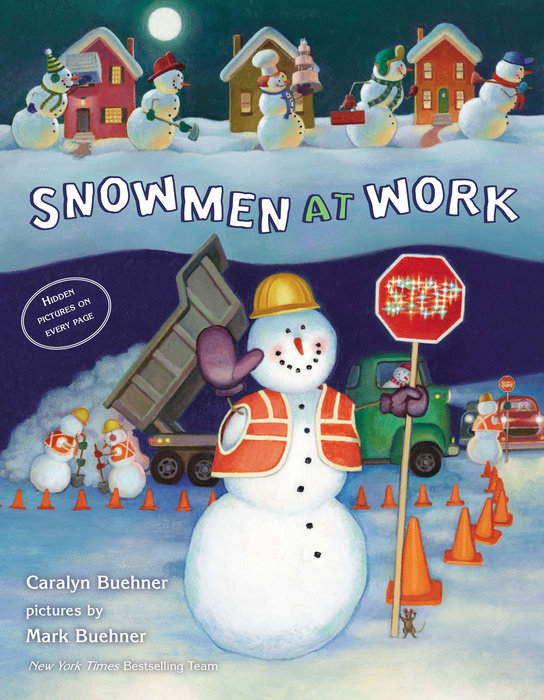
Snowmen at Work

Written by Caraline Buehner | Written by Mark Buehner


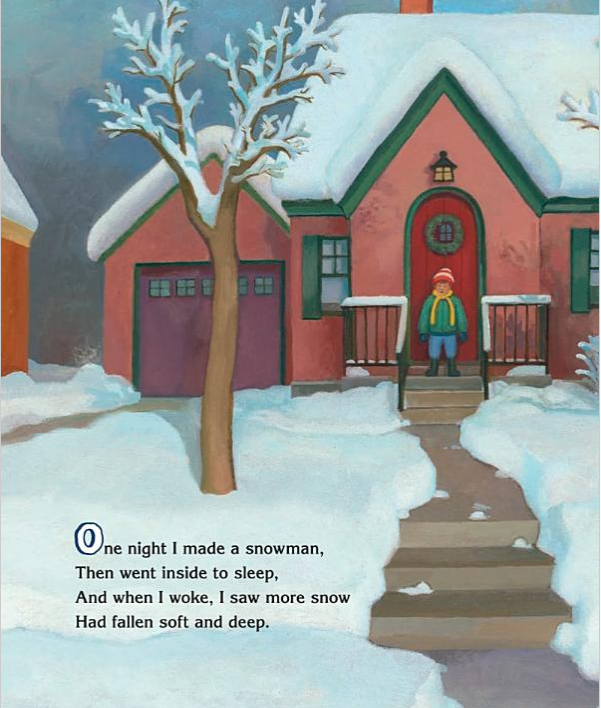
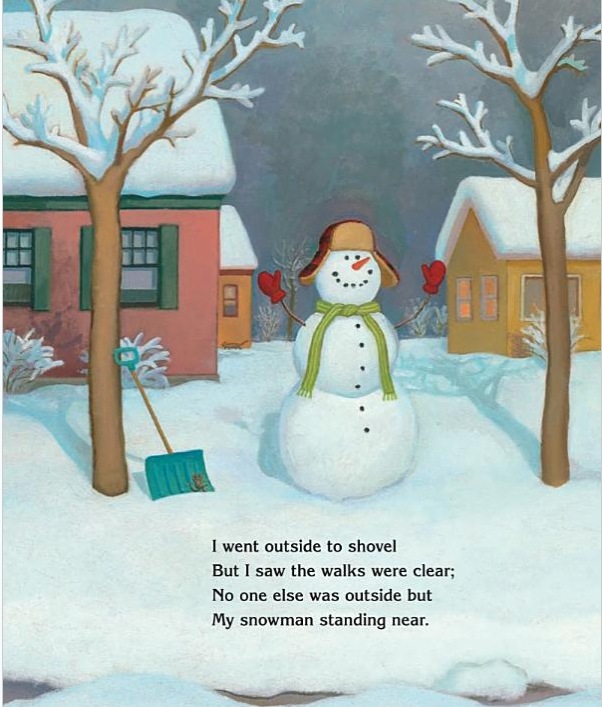
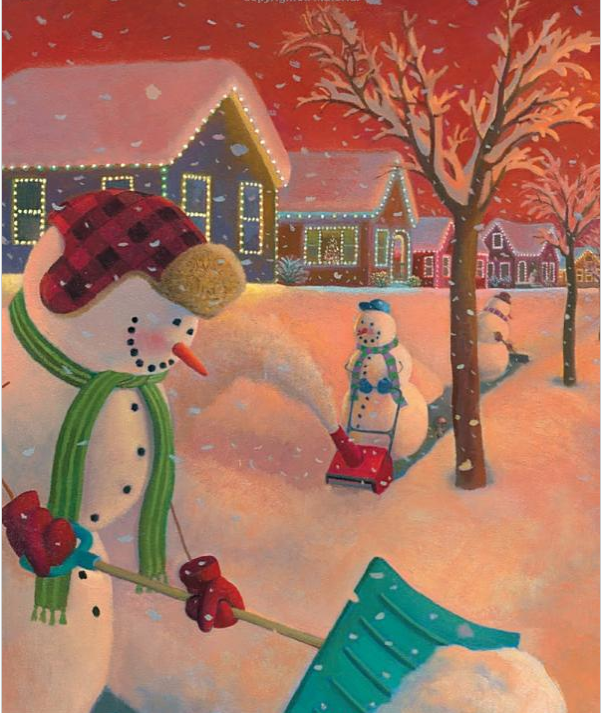
One day, a little boy says, he woke up to find that “more snow had fallen soft and deep” overnight, but there was something odd: the sidewalk and the walkway were already shoveled. The snowman that he’d made the night before was standing in its spot, yet the boy wondered, “Was he the one who shoveled with a snowman shoveling crew? / Could it be that I don’t see that snowmen have jobs too?”

celebrate-picture-books-picture-book-review-snowmen-at-night-sidewalk

Image copyright Mark Buehner, 2012, text copyright Caralyn Buehner, 2012. Courtesy of Dial Books for Young Readers.

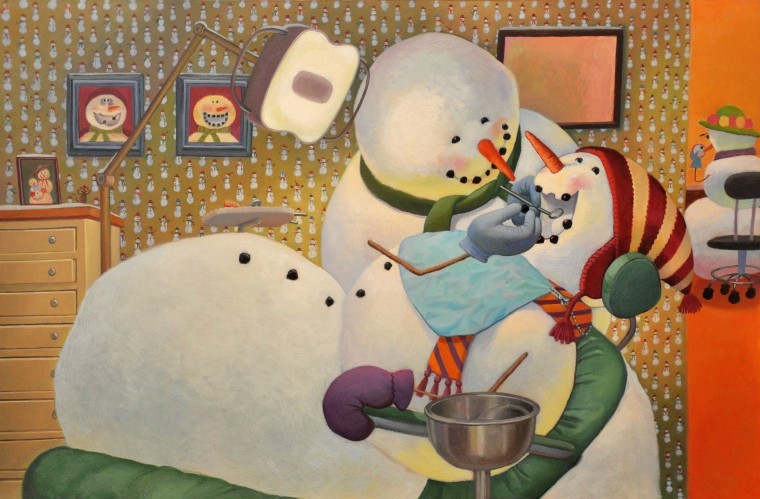
The boy imagines other jobs that snowmen might do.  Maybe there are snowmen dentists who drill “bits of coal to fix a snowman’s smile” before sending him “home in style.” If your sled has “crooked runners” perhaps snowmen mechanics can make them straight again. And the grocer at the snowmen’s favorite store would stock shelves “with food snowmen love to eat: / Frozen peas and Frosty Flakes / And ice cream for a treat.”

celebrate-picture-books-picture-book-review-snowmen-at-night-shovel

Image copyright Mark Buehner, 2012, text copyright Caralyn Buehner, 2012. Courtesy of Dial Books for Young Readers.

How about snow kids? Just like real kids, they’d like having pets too! They’d love to go to the snow pet store to see the snow pups and the swimmers in the cold fish tank. The snow baker would be an artist creating frozen treats and frosted cake—“enough for everyone.” Of course snow children would go to snow school where they’d be taught “To count snowflakes one by one. / And how to spell Antarctica, / Refrigerate, and fun.”

celebrate-picture-books-picture-book-review-snowmen-at-work-dentist

Image copyright Mark Buehner, 2012, text copyright Caralyn Buehner, 2012. Courtesy of Dial Books for Young Readers.

Snow magicians could do cool tricks, and when a snow cat got stuck in the branches of a tree, snow firefighters would get them down easy as can be. There could be snow librarians to read to little ones, and snow deliverymen to bring “frozen pizza to your door.” At the factory, snow workers would make toys for snow boys and girls, and snow truck drivers could haul “frozen goods to town.”

Yes, the little boy thinks as he goes back inside his home, “My snowman really might have / Shoveled, and I never knew / That all around us snowmen / Have a lot of work to do!”

celebrate-picture-books-picture-book-review-snowmen-at-night-night-plowing

Image copyright Mark Buehner, 2012, text copyright Caralyn Buehner, 2012. Courtesy of Dial Books for Young Readers.

Caraline and Mark Buehner’s snowmen are favorites of little ones with their sunny smiles and busy secret lives. In Snowmen at Work, young readers will love getting a sneak peek at how their favorite winter creations might fill jobs around town that they’re familiar with. The idea of snow puppies and kittens, snow school, and a snowman to do their chores will delight kids. Frosted cakes, frozen pizza, and frosty flakes are clever twists on children’s best-loved treats and may have kids thinking up other cold meals and tidbits they might enjoy.

Mark Buehner’s riotously colorful illustrations offer maximum joyfulness as the snowmen go about their jobs with ever-present grins. Children will want to linger over the pages to catch all the details and jokes tucked here and there: A framed quote on the dentist’s wall reads “Be true to your teeth or they’ll be false to you,” and the snow magician’s lion has a mane made up of mittens, just to name two. And is that snowman outside the little boy’s home reaching for his shovel again just as he closes the door?

The perfect antidote to gray winter days and a cheerful addition to those brilliant blue ones, Snowmen at Work would be welcome on any child’s bookshelf.

Ages 3 – 7

Dial Books, 2012 | ISBN 978-0803735798

Learn more about Caralyn and Mark Buehner and their books on their website.

International Have Fun at Work Day Activity

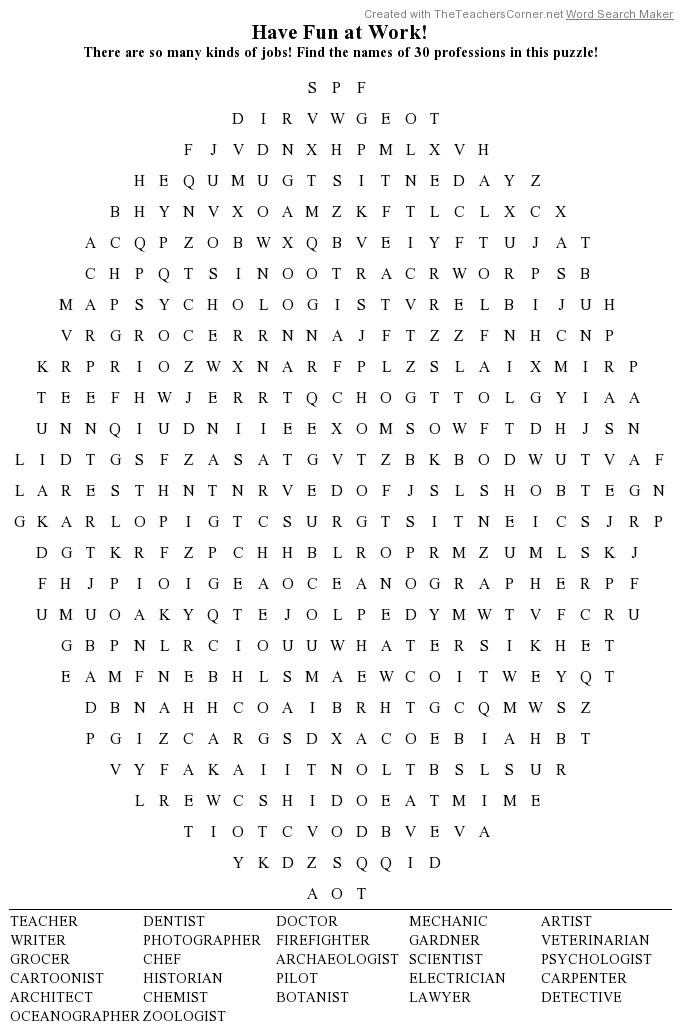
celebrate-picture-books-picture-book-review-fun-at-work-word-search

Fun at Work! Word Search


When you love your job, work is fun! Find the names of thirty professions in this printable Fun at Work! Word Search Puzzle.

Fun at Work! Word Search Puzzle | Fun at Work! Word Search Puzzle Solution

Picture Book Review

January 3 – Festival of Sleep Day

celebrate-picture-books-picture-book-review-trains-don't-sleep-cover

About the Holiday

I don’t know about you, but I could use a little extra sleep! But in this go, go, go world, it’s often hard to stop…relax…sleep. Getting enough sleep is vital to our wellbeing, however. Without the proper amount of rest, we’re more susceptible to illness, our work suffers, we’re not as alert when driving, and our mood can be a little…well…cranky. If you’re not getting enough sleep, today’s holiday encourages you to rethink your routines, make sure your mattress, pillow, and bedroom is comfortable, and put a priority on this also-important part of the day.

Trains Don’t Sleep

Written by Andria Rosenbaum | Illustrated by Deirdre Gill


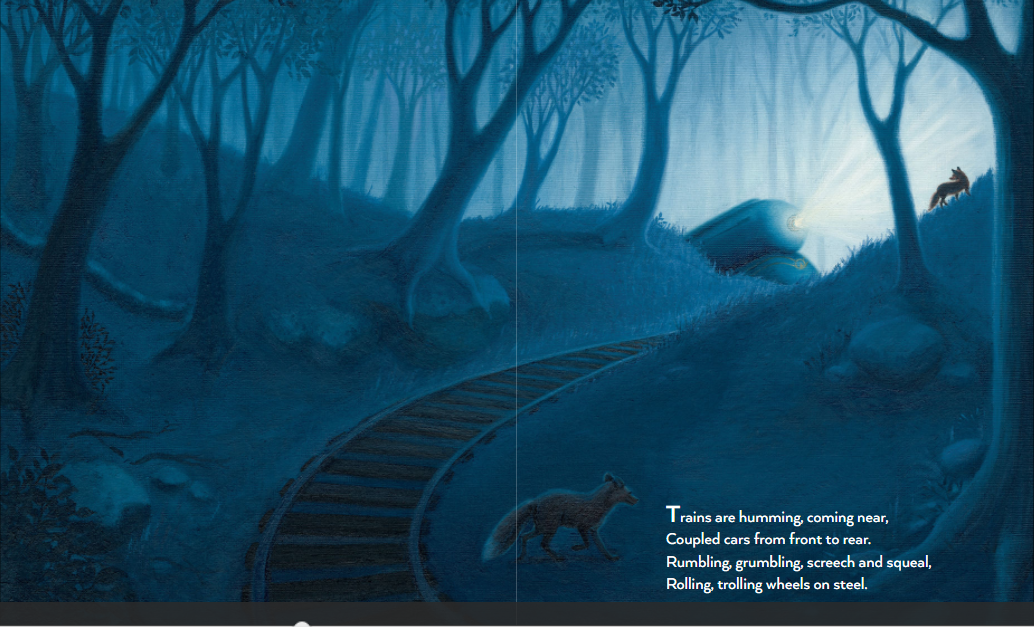
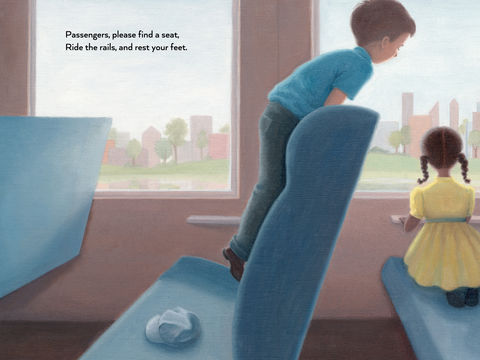
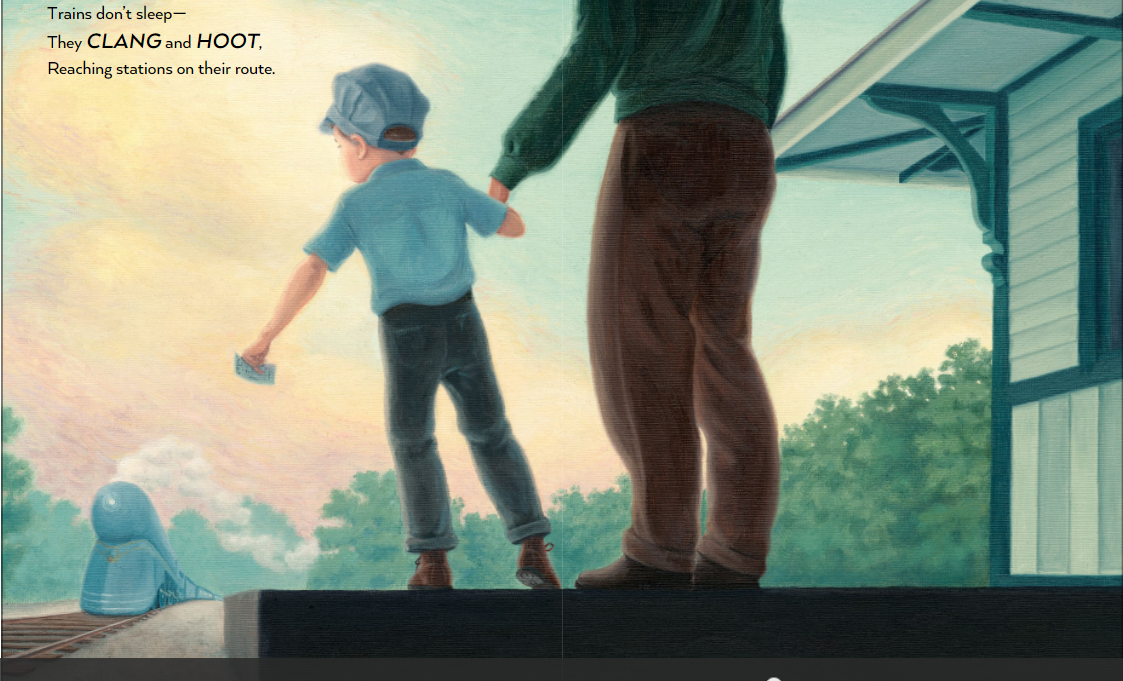
In the darkened forest cut by train tracks, the train approaches. Its headlight shines and its wheels “rumbling, grumbling, screech and squeal.” Without stopping the train continues “puffing, chuffing, never yawning. / Climbing hills as day is dawning.” It never sleeps but hurries on to each station on its route, picking up passengers from small towns and big cities and letting them ride to their destination.

celebrate-picture-books-picture-book-review-trains-don't-sleep-humming

Image copyright Deirdre Gill, 2017, text copyright Andria Rosenbaum. Courtesy of HMH Books for Young People.

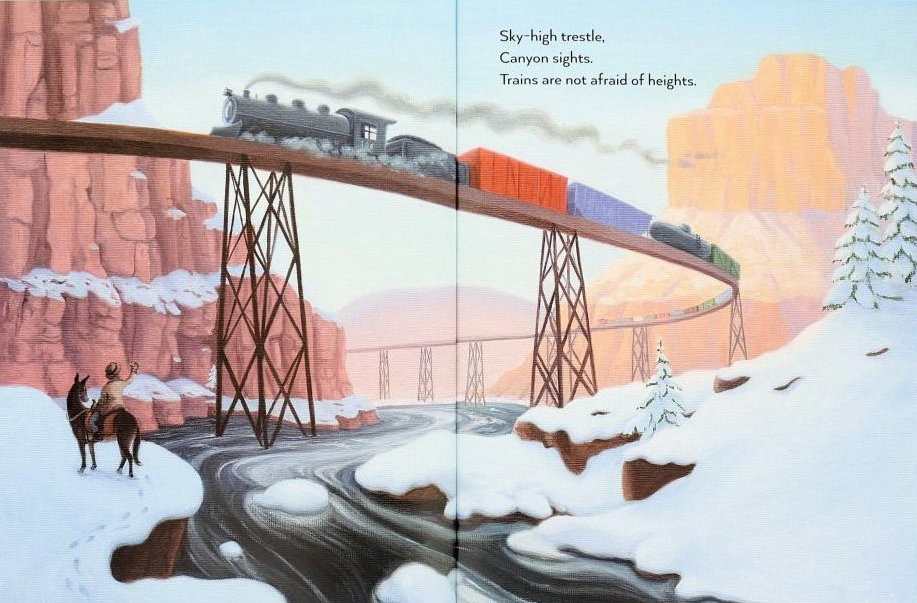
But there are other trains on the rails that stay up all night too. Trains that “tow / Freight and flat cars in a row.” Chugging through forests and deep canyons, freight trains pull tenders, reefers, logging cars, hoppers, boxcars, and auto racks through tunnels and over bridges and “sky-high” trestles, never once being “afraid of heights.”

celebrate-picture-books-picture-book-review-trains-don't-sleep-canyon

Image copyright Deirdre Gill, 2017, text copyright Andria Rosenbaum. Courtesy of HMH Books for Young People.

Through all kinds of weather, “in rain or snow, / trains will trudge and go, Go, GO!” When cars and trucks are stuck in jams, trains zip past. “Trains don’t sleep—they need to lead. / Roaring, rushing, gaining speed.” Trains don’t stop at traffic lights, but make cars wait as they go by. The circus train is always welcome with its cars filled with tents and animals and performers.

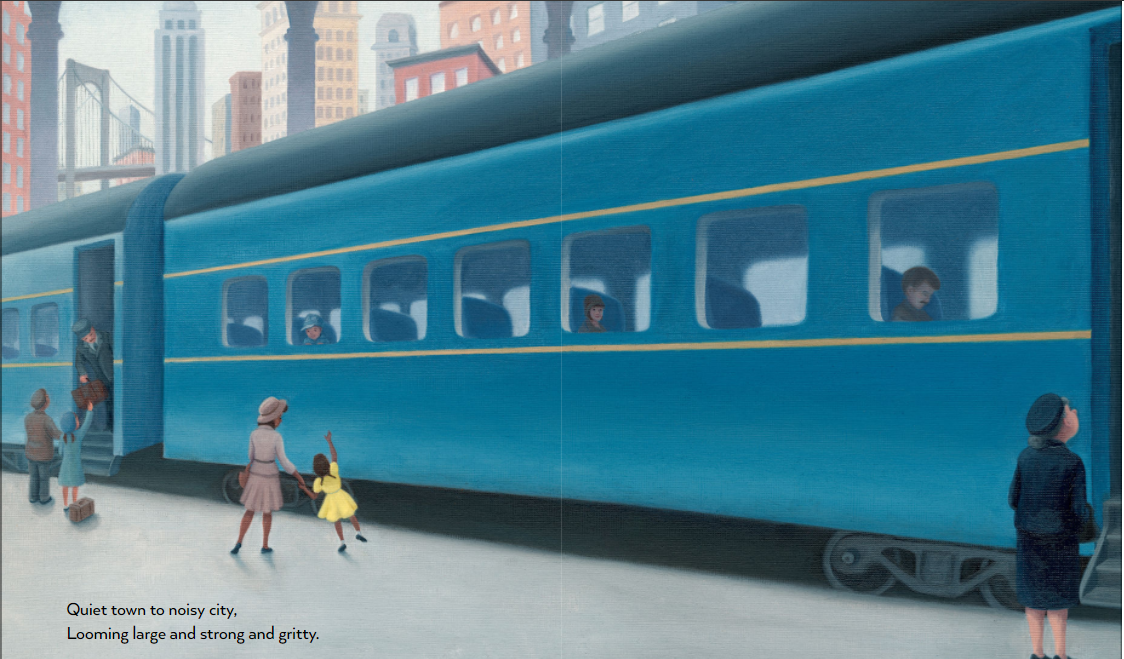
celebrate-picture-books-picture-book-review-trains-don't-sleep-passengers

Image copyright Deirdre Gill, 2017, text copyright Andria Rosenbaum. Courtesy of HMH Books for Young People.

As afternoon softens to dusk, the train’s light begins to shine. “Trekking toward the setting sun, / Trains are always on the run.” But as the moon rises and night settles in, “the wheels will whisper / Shush, shush, shush.” The station glows with cozy light as travelers come and go, ready to ride or go home to bed. Then it’s time to leave the station behind because “Trains don’t sleep—they roll away, / Racing toward a brand new day.”

An illustrated look at different kinds of trains and train cars follows the text.

celebrate-picture-books-picture-book-review-trains-don't-sleep-city-station

Image copyright Deirdre Gill, 2017, text copyright Andria Rosenbaum. Courtesy of HMH Books for Young People.

Andria Rosenbaum’s lovely story is part tribute, part lullaby as it takes readers on a lyrical journey cross country on passenger and freight trains. Her refrain “trains don’t sleep,” focusing on the dependability of trains as they chug along day and night over all terrain and in all weather, can also be read as a homage to a parent or caregiver’s love which, likewise, “never sleeps.” Rosenbaum’s sparkling rhymes beautifully convey the dichotomy of a train’s movement that seems to thunder through the daylight hours while slipping tranquilly through the night.

celebrate-picture-books-picture-book-review-trains-don't-sleep-station

Image copyright Deirdre Gill, 2017, text copyright Andria Rosenbaum. Courtesy of HMH Books for Young People.

Deirdre Gill’s gorgeous illustrations depict locomotives with tender affection and all the excitement train travel offers. Gill’s use of various perspectives—from a train’s approach from afar to its accepting passengers at the station to an aerial view as it snakes along winding tracks—provides all the mystery, majesty, and pleasure that this favorite mode of transportation provides. Throughout, Gill’s color palette and choices of scene, architecture, automobiles, and even clothing fuse the past and present to create a fully realized look at our love of trains.

Delightful from beginning to end, Trains Don’t Sleep is a heartfelt and heartening story for bedtime or story time, and would be a favorite of train lovers and any child with a bit of wanderlust in their soul.

Ages 4 – 7

HMH Books for Young Readers, 2017 | ISBN 978-0544380745

Discover more about Andria Rosenbaum and her books on her website

To learn more about Deirdre Gill, her books and her art, visit her website.

Festival of Sleep Day Activity


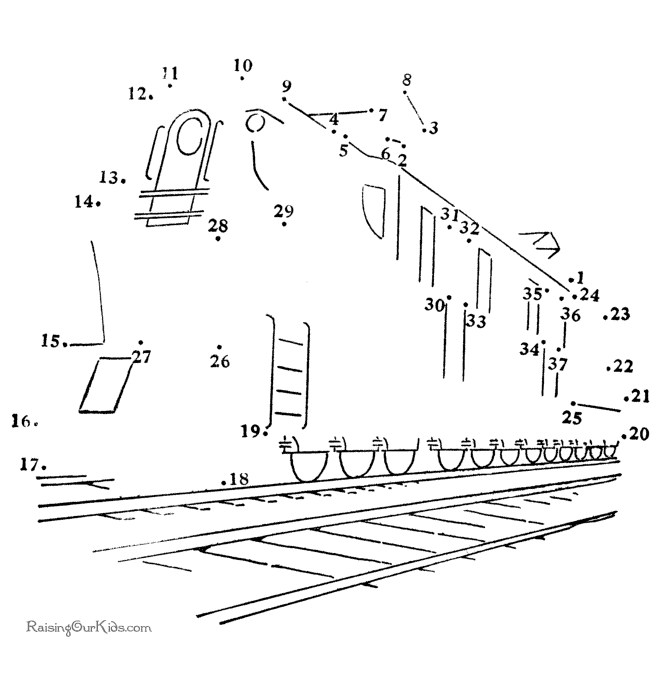
celebrate-picture-books-picture-book-review-train-dot-to-dot
Riding the Rails Dot to Dot


Taking a trip by train long distance can be fun—especially if you travel overnight in a sleeper car! Instead of counting sheep, count and follow the numbers in this printable Riding the Rails Dot to Dot.

Picture Book Review
December 9 – International Day of Veterinary Medicine

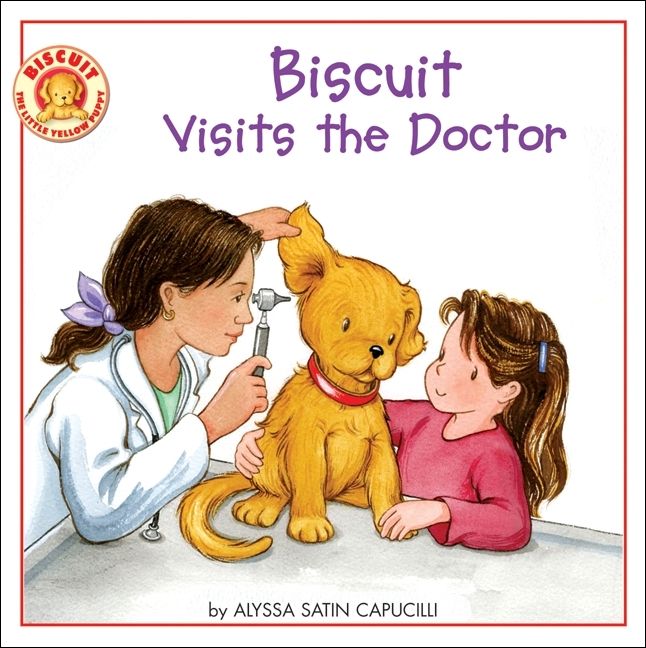
celebrate-picture-books-picture-book-review-biscuit-visits-the-doctor-cover

About the Holiday

Our pets are our best friends, and we show them how much we love them by making sure they’re healthy and happy. One major way to do this is to take them for regular visits to their veterinarian. Today’s holiday celebrates all of those doctors dedicated to ensuring that the furry friends in our lives have the best care possible. If you have a pet, why not send your veterinarian a quick Thank You email to tell them how much you appreciate all they do.

Biscuit Visits the Doctor

Written by Alyssa Satin Capucilli | Illustrated by Pat Schories


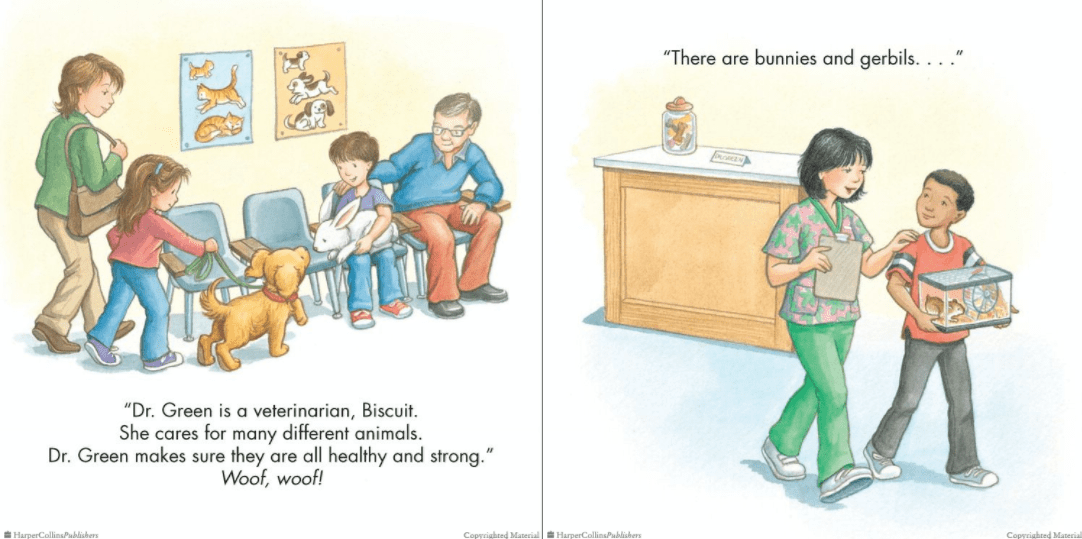
It’s time for Biscuit to have a checkup. The little girl gets out Biscuit’s leash, and Biscuit happily goes along to the veterinarian’s office. There a bunny, a gerbil, and a parrot are also waiting to see Doctor Green, who “cares for many different animals” and “makes sure they are all healthy and strong.” Soon it is Biscuit’s turn to see the doctor.

celebrate-picture-books-picture-book-review-biscuit-visits-the-doctor-going-to-the-vet

Image copyright Pat Schories, 2008, text copyright Alyssa Satin Capucilli, 2008. Courtesy of HarperCollins.

Doctor Green examines Biscuit’s paws and listens to Biscuit’s heart. “Woof, woof! Woof, woof!” says Biscuit. As Biscuit sits quietly, Dr. Green peers into Biscuit’s ears, eyes, and mouth. Then the little girl tells Biscuit, “‘You must hold still when Dr. Green gives you a shot, Biscuit. She wants you to stay healthy and strong too.’” After the shot, Biscuit wants to play! “‘It’s not time to roll over now!’” the little girl says. “‘Silly puppy!’”

celebrate-picture-books-picture-book-review-biscuit-visits-the-doctor-at-the-office

Image copyright Pat Schories, 2008, text copyright Alyssa Satin Capucilli, 2008. Courtesy of HarperCollins.

For being such a great patient, Dr. Green has a special treat for Biscuit. “‘Woof, woof!’” says Biscuit before gobbling down the bone-shaped cookie. Then Biscuit has a “special treat for Dr. Green. It’s a big kiss!” Biscuit’s checkup is over and it’s time to go home, but Biscuit has gone exploring. What is behind the curtain in the next examining room?

celebrate-picture-books-picture-book-review-biscuit-visits-the-doctor-parrot

Image copyright Pat Schories, 2008, text copyright Alyssa Satin Capucilli, 2008. Courtesy of HarperCollins.

It’s a mother cat and her three kittens! Biscuit says hello with a “‘Woof, woof!’” “Mew, mew, mew,” they answer. The little girl and her mother head home as Biscuit leads the way. “‘It was fun to visit with our friend Dr. Green,’” the little girl says. “‘And meet some new friends too.’” Biscuit agrees with a “Woof!’” 

celebrate-picture-books-picture-book-review-biscuit-visits-the-doctor-meeting-vet

Image copyright Pat Schories, 2008, text copyright Alyssa Satin Capucilli, 2008. Courtesy of HarperCollins.

Alyssa Satin Capucilli’s beloved Biscuit series helps young readers understand exactly what will happen when they take their pets to the veterinarian. Capucilli’s straightforward storytelling, lively dialogue, and plenty of tail-wagging “woofs” from Biscuit reflect the sweet, caring relationship that little ones have with their pets. 

Pat Schorie’s bright illustrations give readers a close-up view of what a visit to a veterinarian entails. Children will see that a trip to the doctor for their dog, cat, or other furry friend is much like their own checkups, which offers a source of familiarity and comfort for children who may have questions.  Biscuit is playfully adorable, and young readers will be intrigued to see what is behind the curtain.
Biscuit Visits the Doctor is a great book to pick up before any pet’s check-up to share the experience with children.

Ages 2 – 8

Harper Festival, 2008 |ISBN 978-0061128431

Discover more about Alyssa Satin Capucilli and all of her books on her website.

Learn more about Pat Schories and view a gallery of illustration work on her website.
International Day of Veterinary Medicine Activity

celebrate-picture-books-picture-book-review-vets-coloring-page

Your Pet Loves the Vet! Coloring Page


Veterinarians love helping your pet, and your pet loves the care and attention vets show them! Grab your colored pencils or crayons and enjoy this printable Your Pet Loves the Vet! Coloring Page.

Picture Book Review