July 5 – It’s National Culinary Arts Month

celebrate-picture-books-picture-book-review-how-to-bake-a-book

About the Holiday

July is designated as a time to recognize the creativity and dedication of professional chefs and anyone who makes the world a more delicious place. The way to celebrate this month is a no-brainer! Visit your favorite restaurants, cafes, and bakeries—and discover new ones!

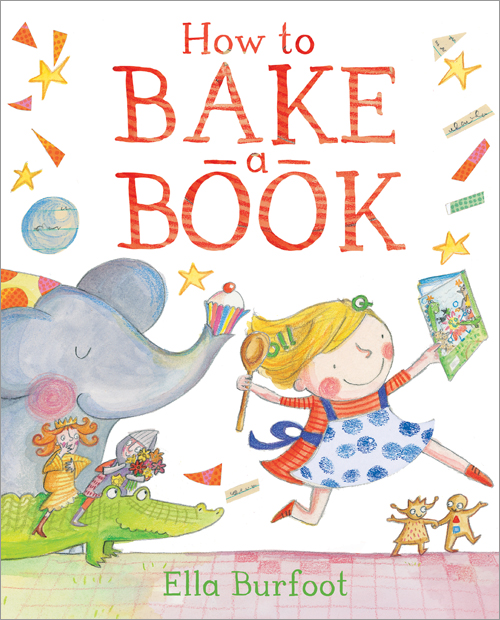
How to Bake a Book

By Ella Burfoot


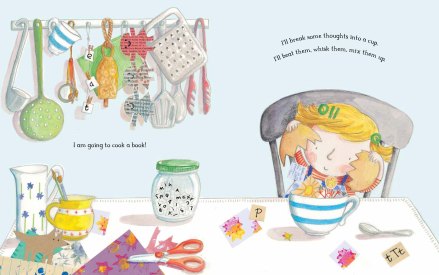
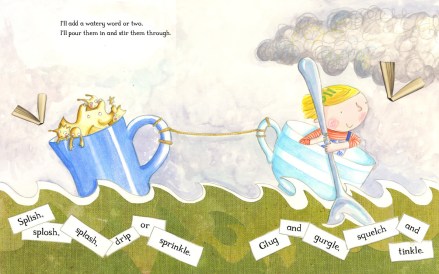
A little girl decides to bake a book. She gathers her ingredients and begins: “I’ll break some ideas into a cup. / I’ll beat them, whisk them, mix them up.” To the dough she adds words both small and big then feelings, colors, and pictures for flavor. To set the scene she drops in “watery words,” choosing from “splish, splosh, splash, or sprinkle”—or would “glug and gurgle” or “squelch and twinkle” be better? She cuts out characters of all kinds and sets them aside to play.

celebrate-picture-books-picture-book-review-how-to-bake-a-book

Image copyright Ella Burfoot, courtesy ellaburfoot.co.uk

With the dough set, the girl puts the lid on the bowl and waits while it rises. When it’s ready, she rolls it out, finding out what her story is all about. She lays the crust in the pan, letting her characters jump right in. Next she stirs up “the middle, the action, the filling” and adds a “spoonful of good and a pinch of bad” to get the pot bubbling and the plot to thicken.

A dash of good grammar finishes it up, and then the ending is pressed down tight. A cover design and a glaze of happiness are brushed on to make the book shine. Finally, the book is ready for baking. It comes out of the oven baked looking tasty. The little girl cuts a big slice and gets to reading her delicious book.

celebrate-picture-books-picture-book-review-interior-art-watery-words

Image copyright Ella Burfoot, courtesy ellaburfoot.co.uk

Ella Burfoot’s delightful recipe for writing a captivating book will enchant children who love to read and may spark an interest in writing a story themselves. The rhyme is as light and fun as chiffon and the homey ideas as satisfying as a warm chocolate cookie. Kids will love poring over Burfoot’s bright, colorful illustrations. The girl’s baked-up pages burst with dragons, knights, princesses, animals, kites, and more. There’s even a witch who’s having a tough time staying on her broom. The kitchen is a cook’s and crafter’s paradise with pantry shelves well stocked with jars of periods and capital letters among the monster flakes, alphabet spaghetti, porridge oats, and other writerly puns and ingredients.

A reading of How to Bake a Book would be a fun lead-in to getting out the pots, pans, and paper and creating an original recipe/story.

Ages 3 – 6

Sourcebooks Jabberwocky, 2014 | ISBN 978-1492606512

To discover more books by Ella Burfoot visit her website!

National Culinary Arts Month Activity

celebrate-picture-books-picture-book-review-whisk-bookmark

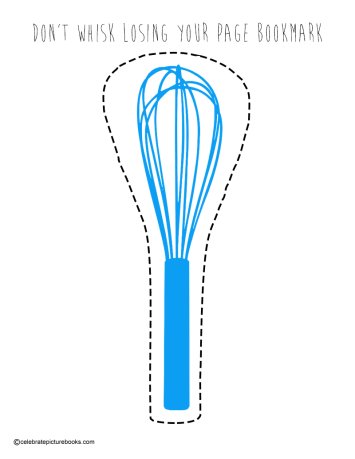
Don’t Whisk Losing Your Page Bookmark


The author’s of your favorite books have cooked up such fantastic stories that you don’t want to risk missing a word! To make sure that doesn’t happen, use this culinary-themed bookmark!

Supplies

Directions

  1. Print your bookmark
  2. Glue it to the poster board
  3. Cut out the bookmark
  4. Slip it into the book you’re reading now!

Picture Book Review

July 2 – I Forgot Day

celebrate-picture-books-picture-book-review-we-forgot-brock

About the Holiday

No, I didn’t forget what holiday it is today—the day is I Forgot Day! Today is the day to make up for all those missed opportunities and make amends for forgetting special events. Of course it may also be the perfect day to trot out that most-used excuse for not doing something—and get away with it! One thing you should not forget is to read today’s book!

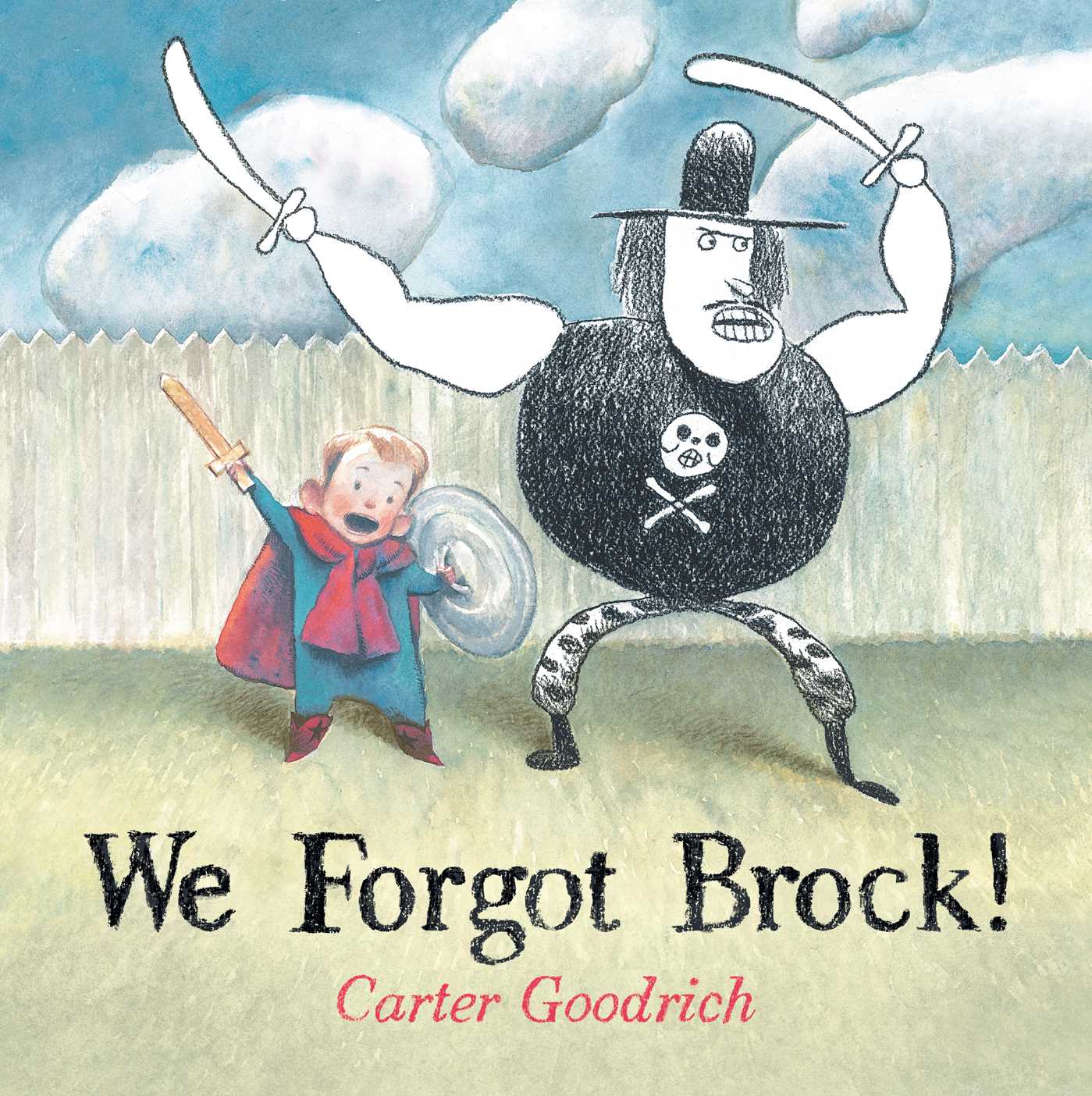
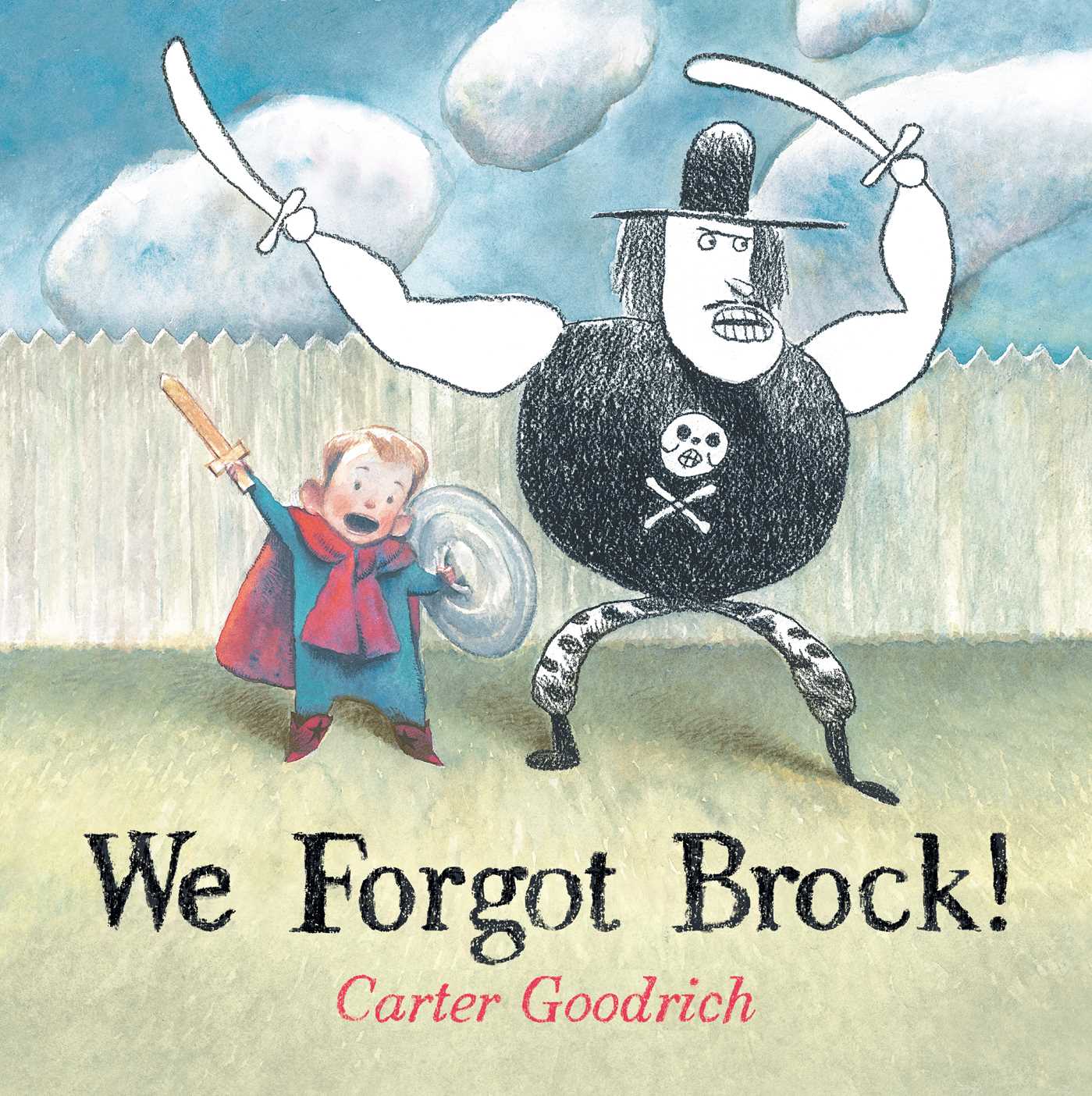
We Forgot Brock!

By Carter Goodrich


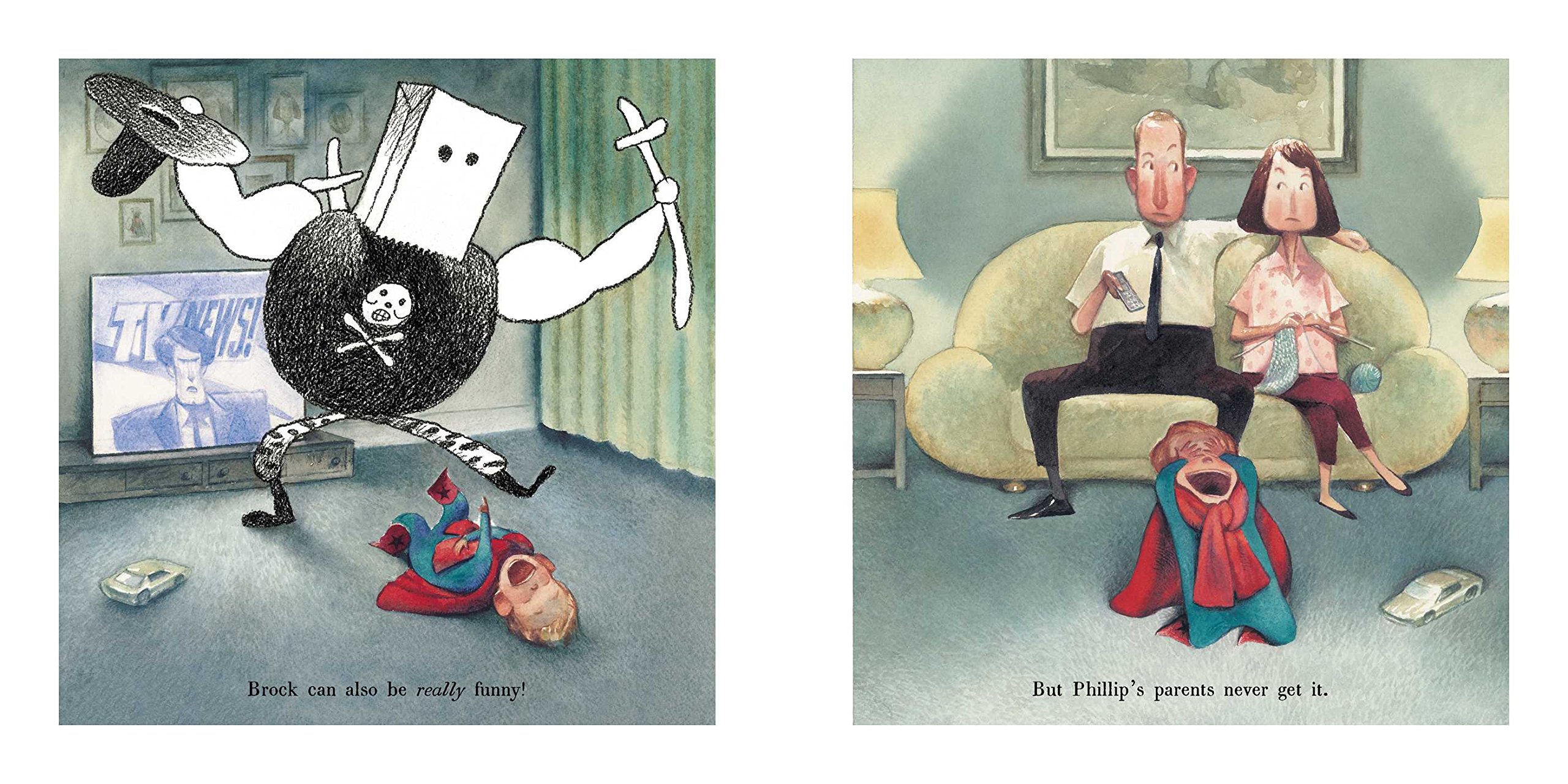
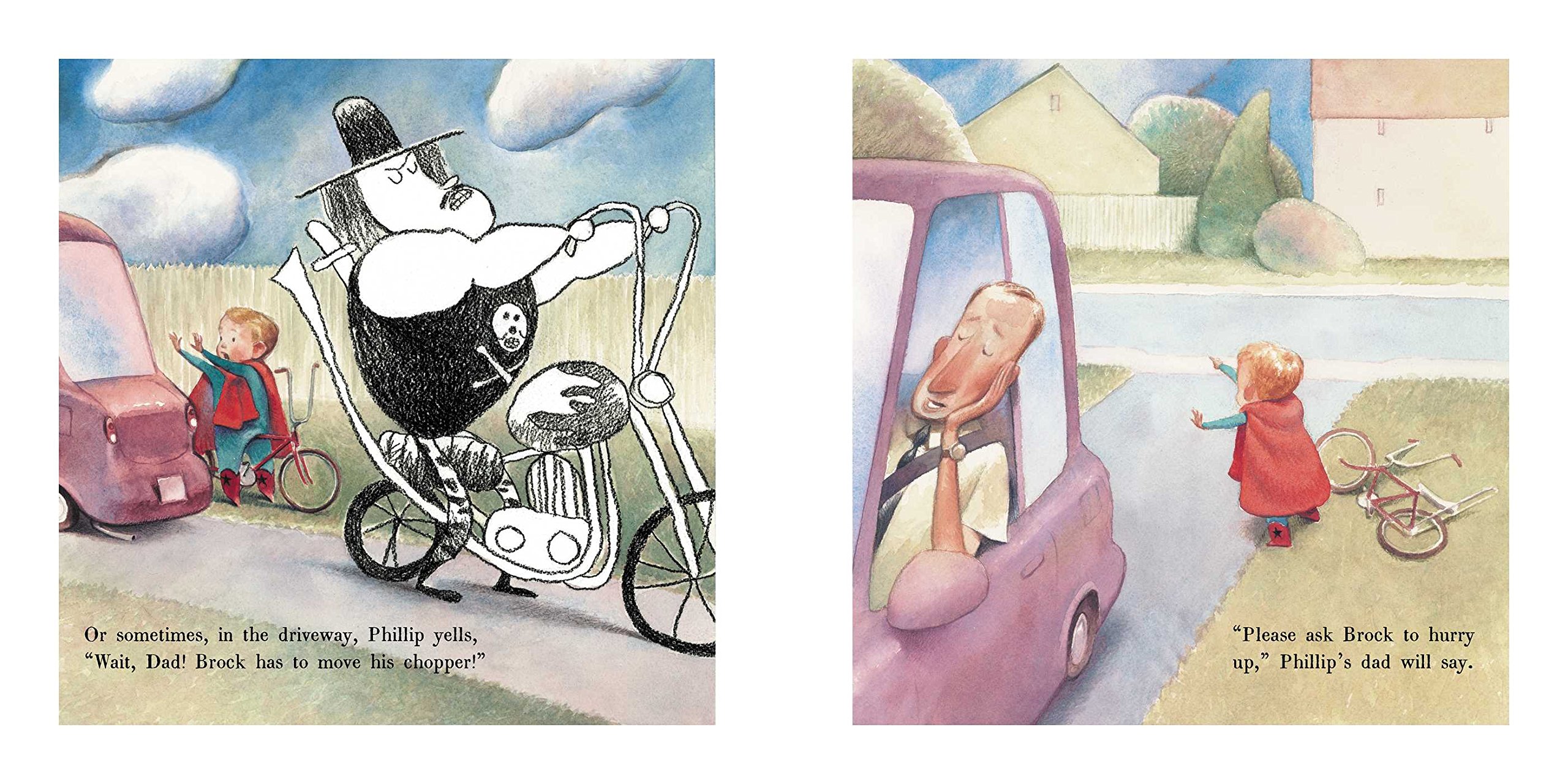
Phillip and Brock are best friends. They have a wonderful time goofing around together, but other people just can’t understand. They call Brock Phillip’s “imaginary friend.” As if!… For example, at dinner when Phillip says Brock wants seconds, Phillip’s mom only pretends to put food on Brock’s plate, and often Phillip’s dad almost backs over Brock’s motorcycle in the driveway. Philip’s parents also just don’t see how funny Brock can be.

celebrate-picture-books-picture-book-review-we-forgot-brock-funny

Copyright Carter Goodrich, 2015, courtesy of Simon & Schuster.

One evening the whole family goes to the Big Fair. “‘Brock wants us to ride the Brain Shaker!’” says Phillip. But his parents won’t listen. “‘Tell Brock the Brain Shaker is a big kids’ ride,’” his dad says. At the fair Phillip and Brock ride the merry-go-round, the bumper cars, and the Tilt-A-Whirl. Phillip has cotton candy, but there are no beans and spaghetti snacks for Brock. Finally, Phillip begins to feel sleepy. But Brock? He’s riding the Brain Shaker!

celebrate-picture-books-picture-book-review-we-forgot-brock-motorcycle

Copyright Carter Goodrich, 2015, courtesy of Simon & Schuster.

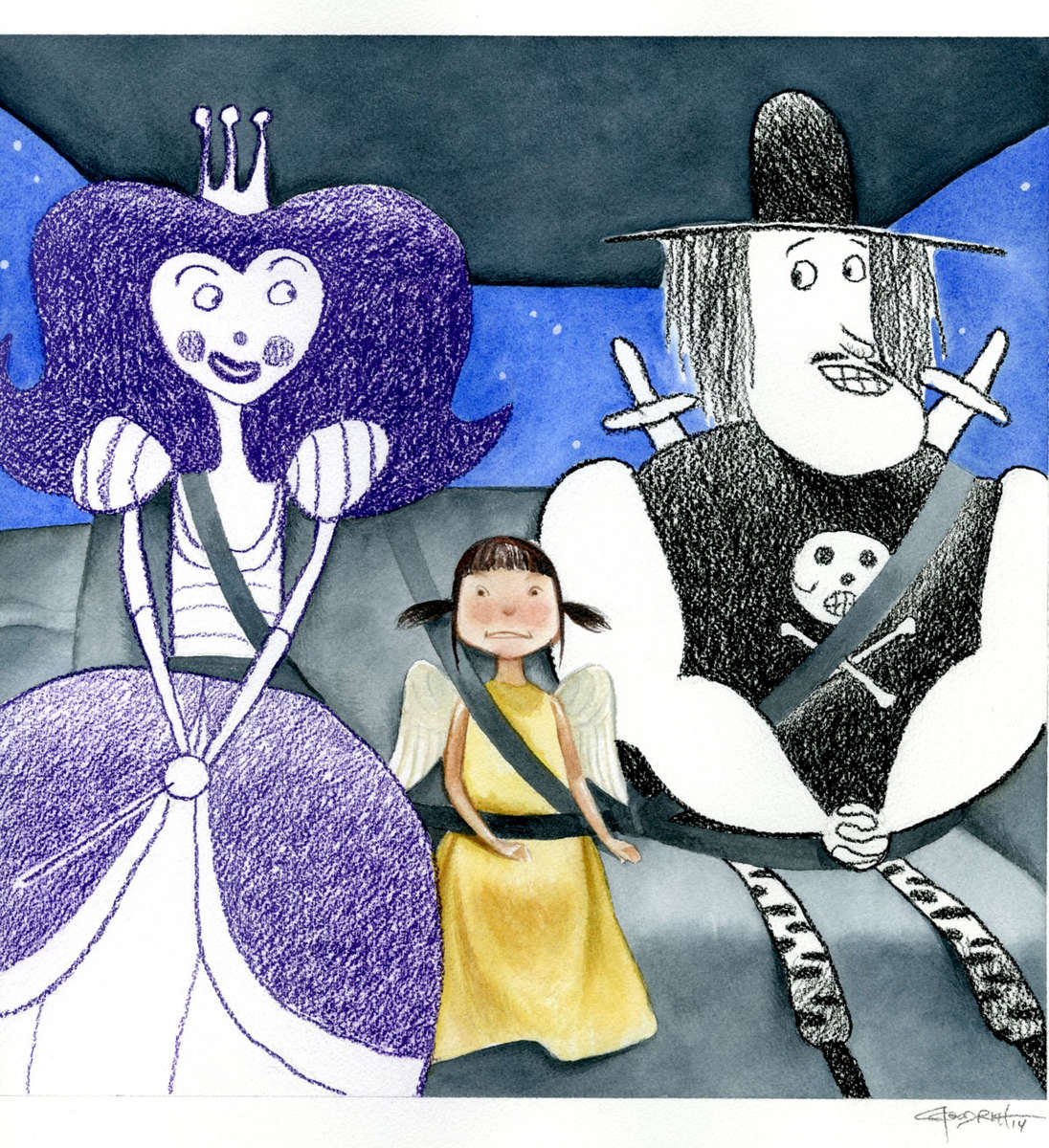
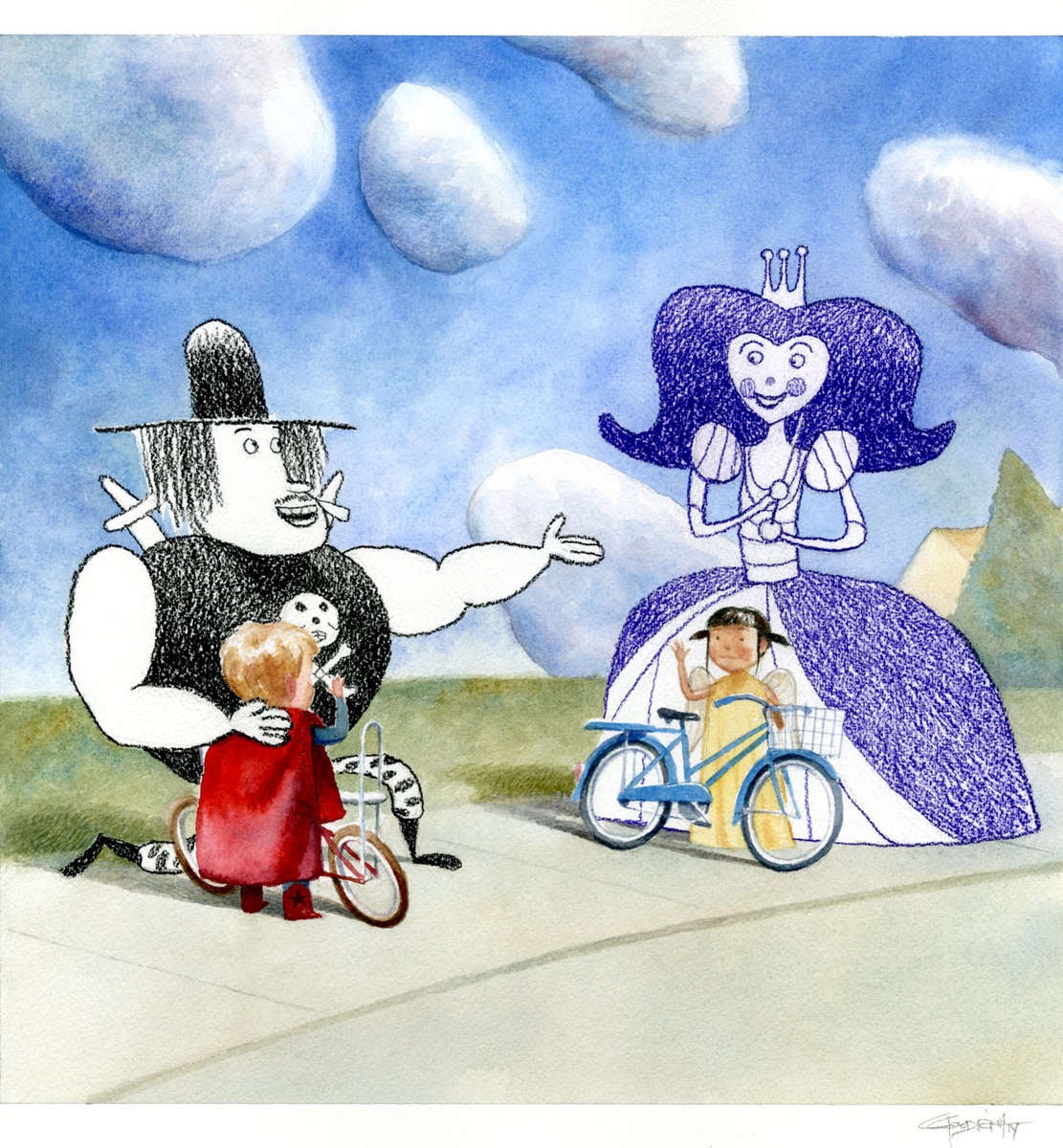
As the car pulls into the driveway, Phillip wakes up. “‘Where’s Brock?!’” he yells. Phillip runs into the house. No Brock. “‘We forgot Brock!’” Phillip sobs. “‘We Forgot Brock!’” Back at the fair Brock searches for Phillip from atop the Ferris wheel. Suddenly, a little girl asks him if he is okay. When Brock tells her he’s lost, she invites him to come home with her and her friend Princess Sparkle Dust.

celebrate-picture-books-picture-book-review-we-forgot-brock-in-the-car

Being at home with Anne and Princess Sparkle Dust is okay, but Brock misses Phillip. To cheer him up Anne and the Princess do magic tricks, and they all play games and tell each other stories. Meanwhile, Phillip is looking all over the neighborhood for Brock, but he’s nowhere to be found.

Both Brock and Phillip have almost given up hope of reuniting when… “‘BROCK!!!’” Phillip bumps into his friend on the street. Brock introduces Phillip to Anne and Princess Sparkle Dust and they all become fast friends. From then on “they spent all their time goofing around together. And everything was even better than before.”

celebrate-picture-books-picture-book-review-we-forgot-brock-princess

Image copyright Carter Goodrich, 2015, courtesy of Simon & Schuster

Carter Goodrich’s story of friendship and imagination bursts with charm and heart and will enchant both kids and adults. Written in a conversational manner, Goodrich immediately engages with a child’s perspective while offering plenty for adults to appreciate in his adorable and hilarious illustrations. Brock, depicted as a black-and-white crayon drawing, is Phillip’s foil—tall, muscular, a little mysterious, a little fierce—while incorporating a child’s sweetness and silliness. Princess Sparkle Dust is similarly drawn in purple and white, complete with a heart-shaped face and a crown.

Phillip, sporting a Superman costume and red cowboy boots, and Anne, wearing an angel dress complete with wings, everywhere they go are the embodiments of unselfconscious fantasy. Phillip’s parents share amused-but-loving glances even as they accept their son’s imaginary friend. Adults may laugh out loud at the illustration of Phillip rolling on the floor laughing at Brock’s funny antics while his parents watch the television news with a Keith Morrison look-alike anchorman. The softly lit and welcoming home environments as well as the vibrant, glowing Big Fair are everything a kid would dream them to be.

We Forgot Brock! is a book that will be remembered and asked for again and again, and is a must addition to any child’s library.

Ages 4 – 8

Simon & Schuster Books for Young Readers, 2015 | ISBN 978-1442480902

Visit Carter Goodrich’s Website to view a gallery of his work for other picture books and movies, such as Ratatouille, Despicable Me, and Brave, as well as cover art for “The New Yorker” and other publications.

I Forgot Day Activity

celebrate-picture-books-picture-book-review-great-idea-drawing-page

Great Idea! Drawing Page


Great ideas can come and go in an instant! Use this drawing page to sketch out your creative brain blasts—whether they are imaginative friends, ingenious inventions, or cool scenes—before you forget them! Here’s your printable Great Idea! Drawing Page.

celebrate-picture-books-picture-book-review-we-forgot-brock

You can find We Forgot Brock! at these booksellers

Amazon | Barnes & Noble | Books-a-Million

To support your local independent bookstore, order from

Bookshop | IndieBound

Picture Book Review

July 1 – International Joke Day

celebrate-picture-books-picture-book-review-a-funny-thing-happened-on-the-way-to-school

About the Holiday

The tradition of a Joke Day originated in America and now is celebrated around the world. There may be no better way to bring people together than with a truly funny joke. Although what is considered humorous may vary from country to country, the love of laughter is universal and its health benefits are well-known. Today, rediscover your favorite jokes and research what others consider funny around the world!

A Funny Thing Happened on the Way to School

Written by Davide Cali | Illustrated by Benjamin Chaud


Standing in front of his teacher, a little boy, his hair spiked with sweat, starts to explain why he’s late for school. It all began when giant ants stole his breakfast. This led him to his neighbors’ house to borrow a piece of bread, but he was thwarted because they were experimenting with a cannon and had just blown a hole in the wall.

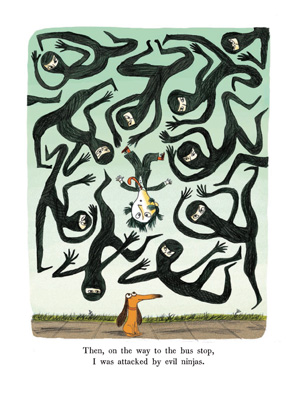
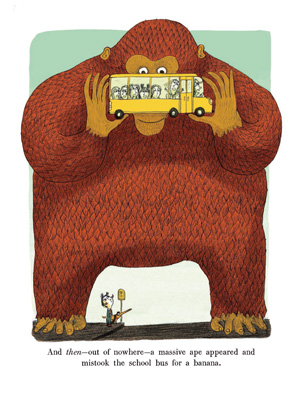
Evil ninjas attacked him at the bus stop and then a team of high-stepping majorettes barred  his way. The gorilla who thought the school bus was a banana and the mole people who abducted him didn’t help things either. “‘So is that why you’re late?’” the teacher asks. Oh no, the boy says. He escaped easily enough and would have been on time if he hadn’t shrunk and then expanded and then returned to normal size just to fall into a pond where he had to fight a yellow blob.

celebrate-picture-books-picture-book-review-a-funny-thing-happened-on-the-way-to-school-ninjas

Image copyright Benjamin Chaud, courtesy of Chronicle Books

As soon as the blob was taken care of, an elephant snatched him up. A mouse helped him out of that fix, but soon he met Little Red Riding Hood and had a very Hansel and Gretel snack with her. “‘So is that why you’re late?’” the teacher asks. Nope, the boy says. He then followed a pied piper, but discovered he was going in the opposite direction of the school. Somehow he fell and landed in a spider’s web, but thanks to his trusty gadget belt he was able to cut his way out. Next Bigfoot and Yeti dropped on the scene, and later there was an unfortunate mix-up with a flock of sheep and some ducks. After that the President required his special chess skills.

“‘So is that why you’re late?’” the teacher asks. “Oh, no. I actually made it to school on time,” the boy states. “But I forgot my backpack…” The boy went home to get it, and as anyone would do if they had an uncle with a time machine, he used it to return to school on time. A malfunction in the machine sent him a little too far back—to the age of dinosaurs. “And THAT is why I was late to school,” the boy reveals.

The teacher takes a close, disbelieving look at her tardy student, but it may only be a moment before she discovers he was telling…the truth?

celebrate-picture-books-picture-book-review-a-funny-thing-happened-on-the-way-to-school-ape

Image copyright Benjamin Chaud, courtesy of Chronicle Books

There’s nothing so vivid as the imagination of a child trying to explain away a transgression, and Davide Cali puts that fact to excellent use in A Funny Thing Happened on the Way to School. Part farce, part science fiction, part classic fairy tale, Cali’s story employs all the resources of childhood to come up with a whopper of a tale that will impress and entertain kids.

Benjamin Chaud’s detailed depictions of the boy’s tall tales as he gets embroiled in one fantastic adventure after another will delight kids. Chaud’s colorful, action-packed illustrations deftly bridge the fantastic and reasonable aspects of the boy’s imagination. Kids will love the humorous additions—as when the wolf from “Little Red Riding Hood” eats the witch from “Hansel and Gretel” and an unfortunate parrot gets his tail feathers clipped along with the spider web—and will want to go through the story again to pick up other clues scattered along the way. 

A Funny Thing Happened on the Way to School is a great choice for a fun story and snack time.

Ages 5 – 9

Chronicle Books, 2015 | ISBN 978-1452131689

International Joke Day Activity

celebrate-picture-books-picture-book-review-elephant-mask

Elephants Never Forget a Joke Mask


Elephants are well-known for their good memories—all the better to remember favorite jokes! Print out and color this elephant mask and then have fun with it!

Supplies

  • Printable Elephant Mask
  • Colored pencils, crayons, or markers
  • String, elastic band, or craft stick
  • Scissors

Directions

  1. Print and color the elephant mask
  2. Cut out the mask
  3. Color the mask
  4. Attach string, elastic, or a craft stick to the back of the mask at the marked places

June 11 – World Doll Day

celebrate-picture-books-picture-book-review-this-is-my-dollhouse

About the Holiday

World Doll Day came about through the efforts of Mildred Seeley, a doll collector and prolific author on doll-making and -collecting subjects and founder of Seeleys, the leading maker of porcelain dolls.Her collection of French dolls broke records when it sold in 2002. In 1986 she wrote an open letter to all media outlets and doll enthusiasts to join her in creating a special holiday about dolls on the second Saturday of June each year. Seeley envisioned World Doll Day as a time when dolls could be gifted to loved ones and strangers alike, promoting more universal understanding. She also hoped that museums, libraries, and stores would create interesting exhibits and that magazines and newspapers would run special editions. If you have a special doll collection, share it with others today, and if you know of a child or adult who would love a new or family heirloom doll, consider buying or giving them one!

This Is My Dollhouse

By Giselle Potter


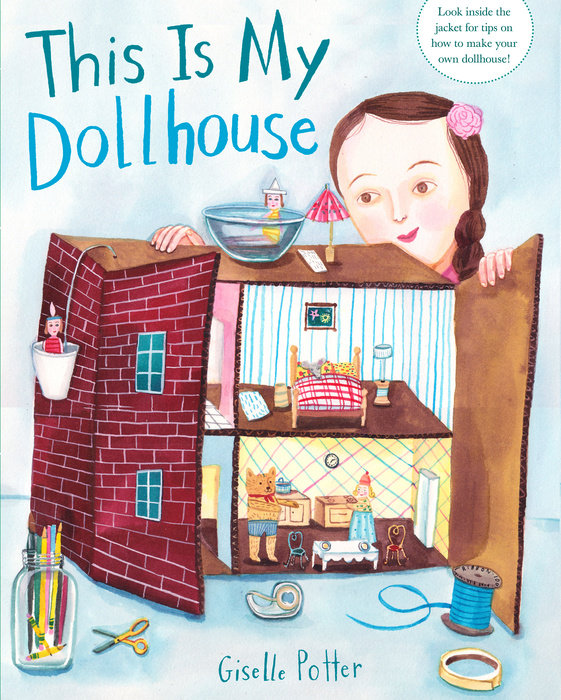
A little girl loves playing with her dollhouse every day. Her dollhouse began as a normal cardboard box, but the girl painted brick walls on the outside, divided the box into rooms, and drew wallpaper in each with her markers. Ingeniously, she filled the rooms with homemade furniture—a small box with a window cut out and a magazine picture placed inside became a TV; a wooden block decorated with burners and a door became an oven; a scrap of carpet became a rug, and the family eats pasta made from small bits of yarn served in a bottle cap.

Her diverse dollhouse family consists of Grandma Mousey, a toy mouse; Mommy, a doll with blond hair; Daddy, a stuffed teddy bear; and twins Lucy and Lola, two small dolls. Each morning Lucy and Lola dress in their fancy clothes made of ribbon. Mommy serves them fried eggs, which just moments ago were white circles of paper with colored yellow centers. After breakfast the twins ride the paper cup elevator to the cardboard box roof, where a bowl of water swimming pool awaits.

Later the pair relaxes in front of the TV while Daddy gives them tiny tissue-paper popcorn. When day fades into nighttime, the little girl tucks the whole family into the big bed and sings them a lullaby.

The girl has a friend named Sophie, who also has a dollhouse. Hers is store-bought and has perfect figures with painted on clothes, staring dot eyes, and plastic hair. All the furniture matches and the refrigerator comes stocked with plastic food. When the little girl visits Sophie they play with the dollhouse. The girl suggests various imaginative scenarios for the family—going on vacation, getting a new dog to walk, having the boy break his leg—but Sophie rejects her ideas. She doesn’t have an airplane for a vacation, the stuffed dog does not belong to the family, and the notion of a broken leg only elicits a look.

celebrate-picture-books-picture-book-review-this-is-my-dollhouse

The girls soon tire of their game and head outside. On the way home the little girl worries that if  Sophie came to play at her house she would hate the homemade dollhouse. Sophie does come over to play, however, and in preparation the girl hides her dollhouse under a pile of blankets. It doesn’t take Sophie long to uncover the dollhouse and want to play with it. The girl is so nervous about how Sophie will react to her “not perfect” toy that her knees begin to itch and a lump forms in her throat, but as they open the dollhouse, her fears are allayed.

The normal daily routine of the girl’s dollhouse family enchants Sophie, and she quickly takes up the whimsical scenarios she had rejected at her own house. All too soon Sophie’s mom arrives to pick her up. Given the promise that she can return tomorrow, Sophie heads home while the little girl makes plans for Lucy and Lola’s birthday party.

Doll and dollhouse lovers, crafters, artists, miniaturists and anyone with a fanciful bent will be charmed by Giselle Potter’s This Is My Dollhouse. The story of two friends from homes with different philosophies resonates beyond the subject of the two dollhouses. Being open to new experiences, allowing freedom of imagination, as well as having pride and confidence in one’s own talents and preferences are strong themes treated sensitively while set amid inspired creativity.

Potter’s folk-art-style illustrations are colorful and reinforce the homey appeal of handcrafted toys. Each page organically contains ideas for using recycled and common household items to make cute dollhouse furniture and objects. Inside the book jacket are more illustrated ideas for building a homemade dollhouse. Kids and adults will be inspired to save thread spools, corks, clothespins, ribbon, small bottles, and other items and will begin looking at common objects in a new light.

Ages 4 – 9

Schwartz & Wade Books, Random House, 2016 | ISBN 978-0553521535

World Doll Day Activity

celebrate-picture-books-picture-book-review-dollhouse-coloring-page


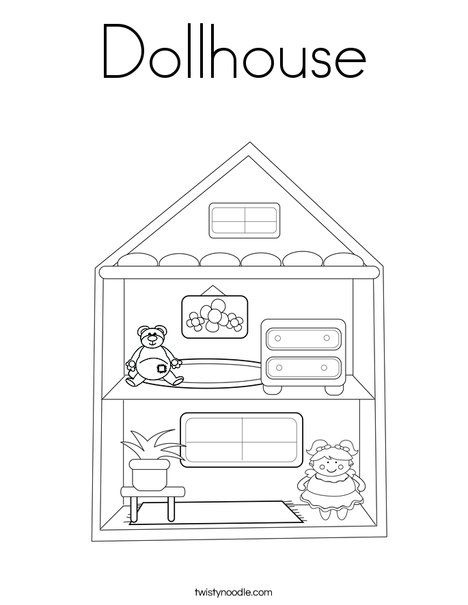
Dollhouse Coloring Page


Here’s a cute dollhouse that you can add to and color! So grab this printable Dollhouse Coloring Page and get creative!

Picture Book Review

May 24 – Brother’s Day

celebrate-picture-books-picture-book-review-the-day-glo-brothers

About the Holiday

Brothers share a special bond built on mischief, inside jokes, shared experience, and love. If you have a brother—either by blood or friendship—spend some time with him, give him a call, or just text and say, “hi.”

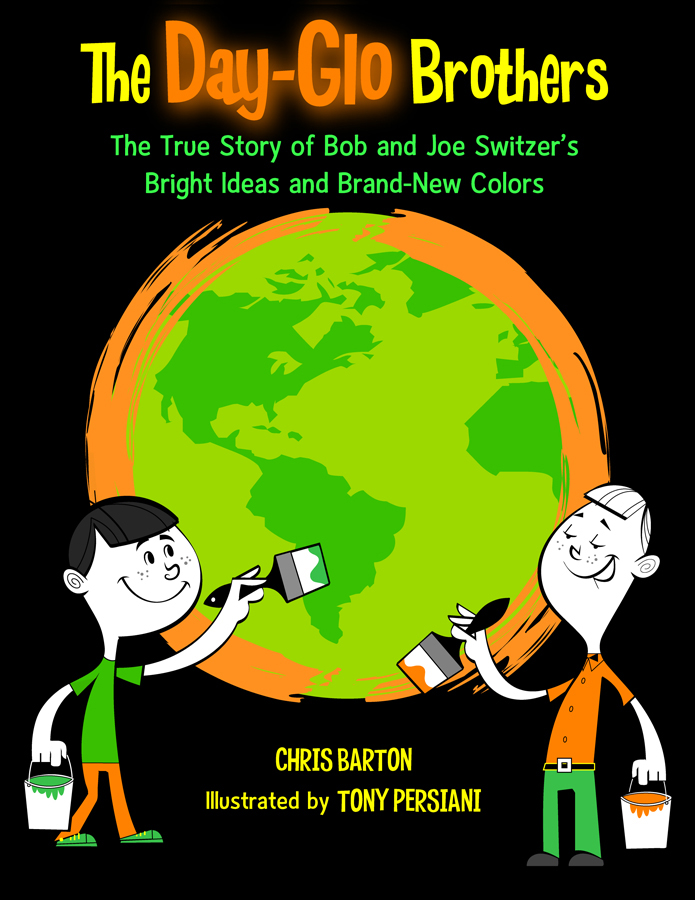
The Day-Glo Brothers: The True Story of Bob and Joe Switzer’s Bright Ideas and Brand-New Colors

Written by Chris Barton | Illustrated by Tony Persiani


Before the Switzer brothers had their bright idea, the world was a much less colorful place. Bob Switzer, born in 1914, loved to work and saved his money for exciting plans. His younger brother Joe loved magic and had an inventive mind. When the family moved to Berkley, California, Joe developed a magic act that included “black art” in which an object that was painted half black and half white seemed to float and disappear in midair.

Joe loved this trick but thought it could be better. Meanwhile Bob planned to become a doctor. But during the summer before he began college, Bob had an accident that ended his plans. Because his injury effected his head, he had to recover in a darkened room. While Bob healed, Joe spent time in the basement with him studying the glow of fluorescence, hoping to use it in his magic show. Together the brothers built an ultraviolet lamp which they tested in their father’s pharmacy. When they shone it on a shelf full of bottles, a container of eyewash glowed yellow.

celebrate-picture-books-picture-book-review-the-day-glo-brothers-inventing

Image copyright Tony Persiani, text copyright Chris Barton. Courtesy of Charlesbridge

The brothers had an idea. They experimented with chemicals that could make paints glow in the dark. In regular light the paint looked normal, but under ultraviolet light it radiated attention-getting colors. That was great for Joe’s magic act, but Bob thought these paints could be used for other things too, such as store-window displays. Selling the paint could help pay for Bob’s medical bills too.

Bob and Joe searched through the university and other labs for other fluorescent materials. They then combined them with other ingredients in their mother’s mixing bowl to create glowing paints and even once—when the mixing bowl was not cleaned well enough—a very colorful cake!

celebrate-picture-books-picture-book-review-the-day-glo-brothers-inventing

Image copyright Tony Persiani, text copyright Chris Barton. Courtesy of Charlesbridge

Joe used these paints to major effect in one of his acts in which a dancing woman “lost her head” as Joe, unseen by the audience in the darkened theater, took off her headdress as she danced away. This trick brought Bob and Joe lots of customers for their original paints. But there was one problem: these colors only shone under ultraviolet light.

One day in 1935, however, one of Bob’s experiments resulted in a surprising innovation—a dye that glowed even in daylight. Bob didn’t know how exactly it had worked, so the brothers continued experimenting. Finally, they discovered the secret when an orange billboard they had created glowed as if it were on fire even in the daytime! The brothers then created reds, yellows, greens, and other colors that could do the same thing.

During World War II these glowing colors were used on fabric panels used to send signals from the ground to airplanes overhead, in lifeboats, on buoys, and on other safety products. After the war the colors continued to influence culture and are still part of our lives today.

celebrate-picture-books-picture-book-review-the-day-glo-brothers-final

Image copyright Tony Persiani, text copyright Chris Barton. Courtesy of Charlesbridge

Older kids with a penchant for science and history will love this biography. Chris Barton goes in-depth to reveal the Switzer brothers’ dreams and motivations that resulted in a most astounding discovery. Barton infuses the story with humor and interesting details that will fascinate curious minds.

Using a retro style, Tony Persiani sets this biography in its time while also giving the story a modern feel. Gray scale tones become dotted with florescent color as the brothers’ experiments bear fruit and give way to eye-popping spreads with the ultimate success of Day-Glo paints and dyes.

Ages 7 – 12

Charlesbridge, 2009 | ISBN 978-1570916731

Brother’s Day Activity

celebrate-picture-books-picture-book-review-day-glo-maze

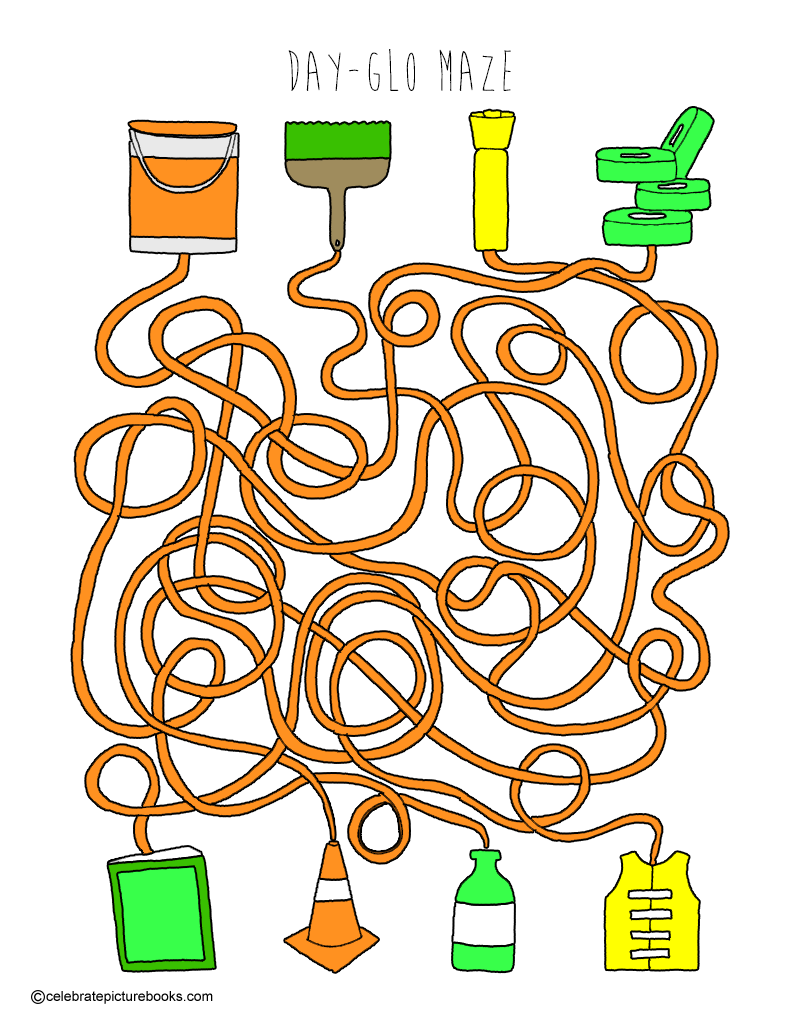
Day-Glow Maze


Follow the twisty glowing paths to match the Day-Glo product to the object they color! Print the Day-Glo Maze puzzle here!

Picture Book Review

May 16 -National Biographer’s Day

celebrate-picture-books-picture-book-review-the-noisy-paint-box

About the Holiday

On this day in 1763 James Boswell walked into a London bookshop and met Samuel Johnson—poet, critic, journalist, and writer of the first dictionary. They became friends, and 30 years later Boswell wrote a spirited biography of his companion that fully described Johnson’s feelings, quirks, opinions, and details of his life in a warm, conversational, unstinting way. The Life of Samuel Johnson changed forever the way biographies were written and is still popularly read today. Why not spend some time today with that fascinating biography or one on a favorite personality—or start writing the story of your own life!

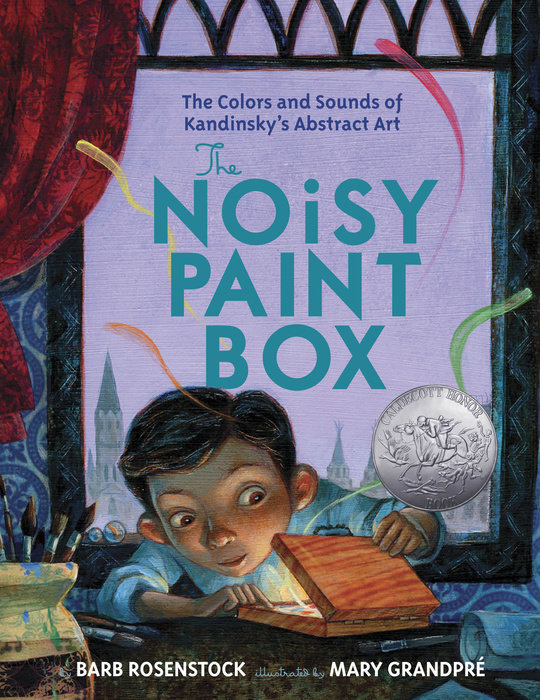
The Noisy Paint Box: The Colors and Sounds of Kandinsky’s Abstract Art

Written by Barb Rosenstock | Illustrated by Mary Grandpré


As a Russian child Vasya Kandinsky spends his days absorbed in learning math, science, and history. He takes piano lessons and attends formal dinners where the adults drone on and on. His life is polite, stiff, and colorless until the day his aunt gives him a small wooden paint box. “Every proper Russian boy should appreciate art,” Vasya’s aunt tells him while explaining how to mix colors.

Vasya takes up the brush and combines red with yellow then red with blue. As the colors change to orange and purple, Vasya hears a whisper that grows into a noisy hiss. “‘What is that sound?’” he asks, but no one else hears anything. “The swirling colors trilled like an orchestra tuning up for a magical symphony,” and “Vasya painted the sound of the colors.” A lemon yellow “clinked like the highest notes on the keyboard; a navy blue “vibrated deeply like the lowest cello strings.” Crimsons “blared” and greens “burbled.”

Vasya runs downstairs to show his family what he has created. His mother, father, and Auntie look at the canvas with its swoops, shapes, and angles. “What is it supposed to be?” they ask, and send him off to art school to learn how “to draw houses and flowers—just like everyone else.” Vasya finishes school and becomes a lawyer. He leaves his paint box untouched and lives the way he is expected, but the sounds of the colors are always with him.

One evening as he listens to an opera, the music surrounds him with color—“stomping lines of vermilion and coral; caroling triangles in pistachio and garnet; thundering arches of aqua and ebony…” Vasya can hear the colors and see the music. He knows then what he must do. He quits his job teaching law and moves to Germany to be a painter. He surrounds himself with artists and takes classes with famous teachers, and yet people still look at his canvases and asked, “What is it supposed to be?”

Once again he paints what is expected. His teachers love his houses and flowers, but Vasya does not. His friends understand. They too want to expand the meaning of art. They agree with Vasya when he says, “‘Art should make you feel.’” In his studio Vasya continues to paint the sounds he hears, to give music color and color sound. Bravely, he invites the public to view his paintings, which are named after musical terms—Composition, Accompaniment, Fugue, and more.

This is a new kind of art—abstract art—and it takes a long time before people understand. They look and still ask, “What is it supposed to be?” “It is my art,” Kandinsky replies “How does it make you feel?” 

An author’s note telling more about Kandinsky’s life and synesthesia, a genetic condition in which one sense triggers another, follows the story.

In the spirit of full disclosure, Kandinsky is one of my favorite artists, so I was excited to read this biography—I was not disappointed! With so many great artists, their work speaks for itself, but viewers wonder, “How did it come about?” “What influenced the artist?” Barb Rosenstock, with lyrical language and beautifully chosen descriptions, reveals the emotions and passion that fueled Kandinsky’s art from his earliest ages: as he walks through Moscow he can’t ignore “the canary-colored mailbox whistling as he rode to work. The scarlet sunset haze ringing above the ancient Kremlin walls.” Rosenstock’s inclusion of the conflicts and opposition Kandinsky faced and overcame will inspire children to listen to their inner voice and makes readers and lovers of his abstract art glad he never gave up.

Mary Grandpré’s unique style brilliantly depicts Kandinsky’s singular vision, allowing readers to experience the way he wielded his paint brush like a conductor’s baton. Vasya’s early life is painted in muted blues and grays, and the boredom on his face as he studies his schoolwork is obvious. Kids will appreciate his one-finger plinking at the piano and the rolled-eyed drowsiness of the formal dinner. Once Vasya is introduced to the paint box, however, Grandpré’s illustrations become vibrant, with swirling colors overlaid with the musical notes that Kandinsky associated with them. His uninhibited painting is gloriously shown as the young boy’s shirt comes untucked and the colors burst from the canvas upon his first painting.

As the adults look at his work, the room is again swathed in somber colors. The text revealing that Vasya attended regular art classes to learn to draw houses and flowers is set above a single wilting flower in a vase. The personal tug-of-war Kandinsky experienced even into adulthood is wonderfully rendered: Colors flow into his ears at the opera; he studies his own landscape and still life paintings with misgiving in a hazy studio, and the joy and freedom of his abstract art is demonstrated with wild abandon while a dove escapes its cage. The final image of a child sitting in front of a Kandinsky painting reinforces the idea that his art lives for all and for all time.

Ages 4 – 9

Alfred Knopf, Random House Children’s Books, 2014 | ISBN 978-0307978486

National Biographer’s Day Activity

celebrate-picture-books-picture-book-review-recipe-box-label

Recipe Box Label and Recipe Cards


People’s stories are written in all different ways: in the objects they surround themselves with, their activities, and the talents they exhibit. Today’s activity will help you tell your stories in the foods you bake! Or try this Recipe Card Writing Idea: Create a very short story and write it on one of the recipe cards! Read it to your family or teacher.

Supplies

celebrate-picture-books-picture-book-review-recipe-cards

Directions

  1. Glue the My Family’s Recipes label to the box you made
  2. Print out the recipe cards. Use them for your favorite dish and prepare for tomorrow’s treat to bake!

Picture Book Review

May 14 – International Astronomy Day

celebrate-picture-books-picture-book-review-star-stuff

About the Holiday

Instituted by Doug Berger in 1973, International Astronomy Day is held twice a year—in spring and fall—to raise awareness of the benefits and wonder of studying the stars. Museums, observatories, universities and astronomy clubs around the world provide public access to astronomical instruments and hold special programs about this interesting and ancient science. To celebrate, attend an International Astronomy Day event, take time tonight to gaze at the sky and pick out the constellations you recognize, or read about the stars and their importance to history and the future.

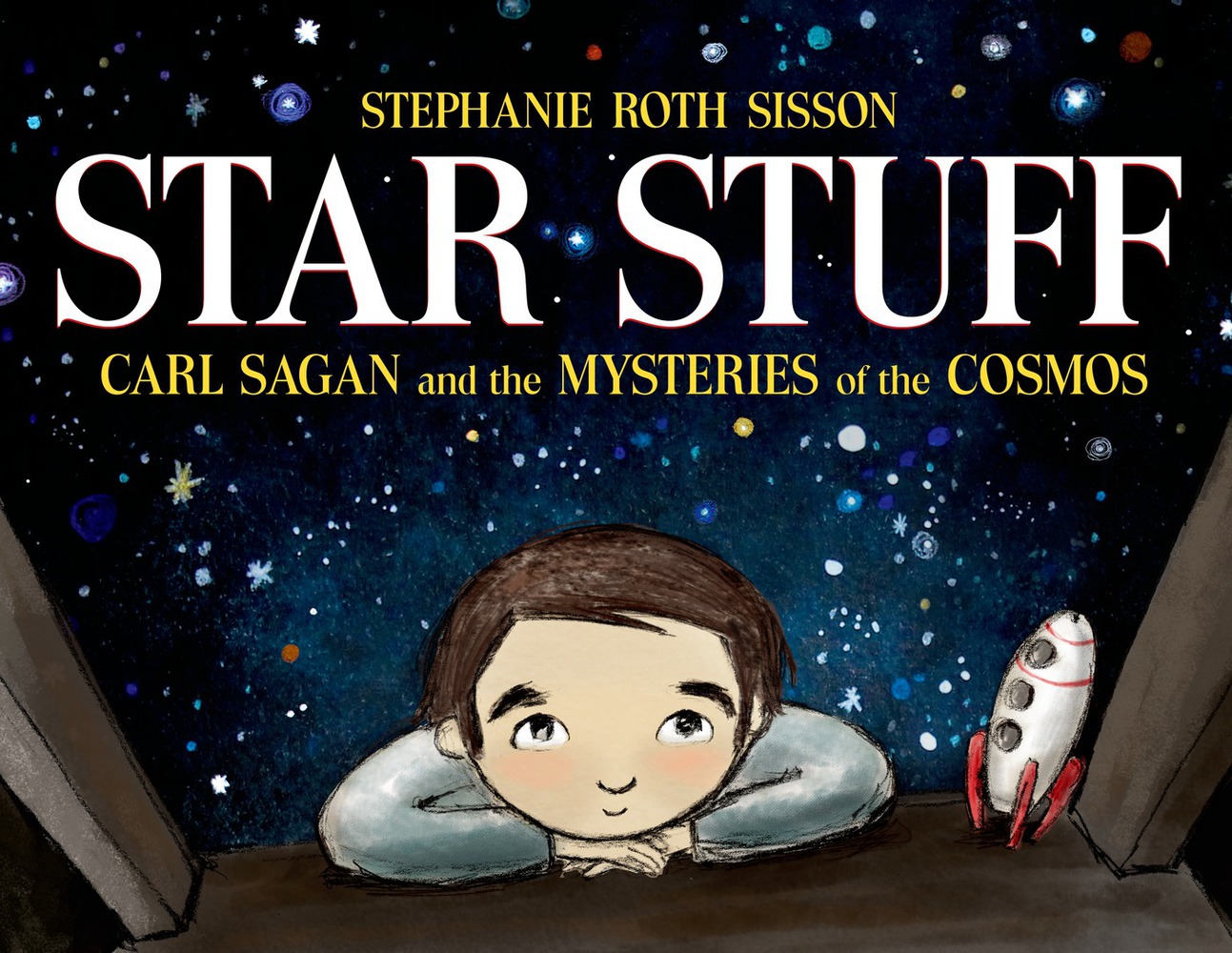
Star Stuff: Carl Sagan and the Mysteries of the Cosmos

By Stephanie Roth Sisson


A boy named Carl Sagan may have lived in a small apartment in Brooklyn, New York, but he was part of so much more—a large city on the third planet from the sun in a “neighborhood of stars” which are part of the Milky Way galaxy. Growing up, Carl marveled at the connections. He had an innate curiosity and was astonished by everything he saw; his imagination was out of this world!

When he attended the 1939 World’s Fair as a young child, he experienced things he had never seen before; he saw a robot, new inventions, and a time capsule filled with messages for the future. At night he looked up at the stars and wondered; he thought they looked like lightbulbs on long black wires. He went to the library to read about the stars.At first the librarian thought he meant movie stars, but soon he got the book he wanted. Reading it made his heart beat fast.

Carl imagined what kinds of creatures and sights he might discover if he were able to travel through space. He tried standing with his arms outstretched and wishing he was on Mars like his favorite science fiction character, John Carter, but nothing happened. He decided he would have to make his “life in space” a reality himself so he went to college and became an astronomer, cosmologist, astrophysicist, astrobiologist, and so much more.

Dr. Carl Sagan then worked with other scientists to develop the exploratory crafts Mariner 2, Mariner 9, and Pioneer 10 that have gone into space to investigate Mars, Venus, and Jupiter. When they sent back pictures, Carl analyzed them and learned more about our solar system

Carl wanted everyone to know and understand Space. He created a television program that explained in easy terms what the stars, planets, and other celestial bodies are made of, how they came to be, and how we are connected to them. The Earth and every living thing are made of star stuff, Carl told his audience. The show – Cosmos: A Personal Voyage – was a hit, watched by millions of people.

Scientists have long wanted to know if life exists on other planets, and as time went on they had the technology to explore the possibilities. Carl worked with other engineers to create Voyager 1 and Voyager 2 to tour the outer solar system and beyond. Remembering that time capsule he saw so long ago at the World’s Fair, Carl had a marvelous idea! He recorded messages and sounds from Earth and made a Golden Record that was carried on each Voyager mission.

Carl Sagan, that boy made of star stuff who grew up to be so many things—astrophysicist, explorer, educator, philosopher, writer, and more—changed the world through the power of his imagination.

Stephanie Roth Sisson’s biography of Carl Sagan wonderfully honors the dreamer and scientist whose imagination went into Space and brought it down to Earth for others to understand and enjoy. The story begins in Sagan’s neighborhood and home, where illustrations depict the curiosity that fueled his passion. Just as the mysteries of Space quickly captured his attention, the pages fill with the night sky and its twinkling lights and celestial bodies. A most ingenious page takes advantage of a two-page vertical spread that transforms Carl’s bedroom window into a space capsule that blasts him into the cosmos as he ponders the stuff of stars.

His work as an adult collaborating with scientists and engineers to develop deep space exploration craft is clearly drawn with pages containing multiple panels of his job and accomplishments up close and from the distance of outer space. A particularly arresting three-page fold-out spread reveals the moment Carl discovered his love of the stars and Earth’s sun (holding a flashlight behind the depiction of the fiery sun would be a show-stopper, especially during a night-time read).

Kids familiar with today’s space travel and the awe-inspiring images sent back to Earth will love this book. To quote Carl Sagan, Star Stuff will definitely elicit a “Wowie!” from readers.

Ages 4 – 8

Roaring Brook Press, 2014 | ISBN 978-1596439603

International Astronomy Day Activity

celebrate-picture-books-picture-book-glow-stars

Make a Room Observatory


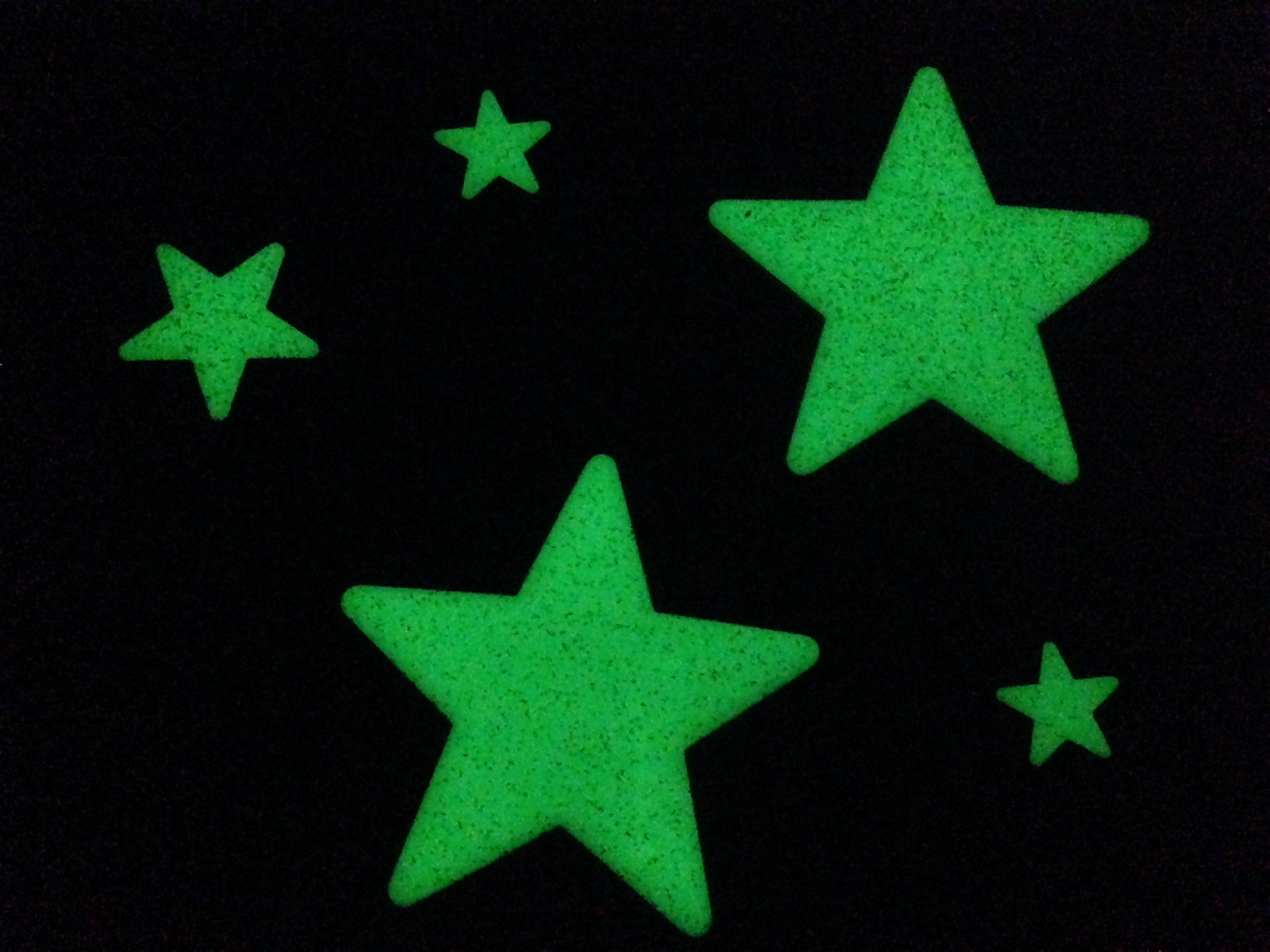
If you like gazing at the stars before going to sleep, why not bring them inside? With adhesive glow-in-the-dark stars, available at craft and toy stores, you can create a night sky full of celestial bodies that stay lit long after you’ve said goodnight. You can add planets, rocket ships—even your favorite constellation! This can be a nice alternative to a night light or transition children from a full night light to a gentle, comforting glow in their room.

Picture Book Review