June 30 – National Oceans Month

celebrate-picture-books-picture-book-review-the-big-beach-cleanup-cover

About the Holiday

During National Oceans Month, we celebrate the wondrous diversity of sea life. A majority of the earth’s surface is covered in water and yet we know only a fraction of what the oceans have to show us. With new technology scientists are diving deeper and deeper and discovering some of the most unique creatures in the world. The holiday also gives us an opportunity to pledge our help to preserving the fragile ecosystems that exist in and near the world’s oceans from climate change, pollution, and habitat destruction. To join in on this month’s holiday, visit a beach or aquarium, learn more about the animals and resources of the sea, and consider donating to or volunteering with an organization dedicated to protecting the world’s oceans. To learn more about the world’s oceans, including information on ocean health, life, science, and trivia; find education resources, podcasts, videos, and more, visit the National Ocean Service website.

The Big Beach Cleanup

Written by Charlotte Offsay | Illustrated by Katie Rewse


At the end of the summer, the Crystal Beach Sandcastle Competition would be held and Cora planned on being crowned the champion. She had all summer to practice and she had visions of castles she could build – from towering ones to funny ones to “ones that made you want to pack up your bags and move on in.” But when she got to the beach to begin practicing, she discovered a sign that said the sandcastle competition had been postponed because the beach was so filled with trash. In fact, everywhere Cora dug she unearthed more and more trash.

celebrate-picture-books-picture-book-review-the-big-beach-cleanup-fliers

Image copyright Katie Rewse, 2021, text copyright Charlotte Offsay, 2021. Courtesy of Albert Whitman & Company.

Cora asked Mama if she could fix it. “‘I wish I could,'” Mama answered. “‘I don’t have enough hands.'” Cora wondered if their four hands together could do the job. Mama took gloves from her truck and she and Cora began filling bags with trash. Cora wondered where all the trash came from and Mama explained that some of it could come from trash dropped in cities or towns that makes its way to the ocean or the beach through a drain. Before Cora and Mama could pick up much more, it started raining. Four hands just weren’t enough, thought Cora.

The next day Cora asked her grandfather to join them in cleaning up the beach, but when they got there Cora felt discouraged. The sand looked just as bad as it had the day before. After they’d worked a while, Grandpa suggested taking a “sandcastle break.” Nearby, Cora was upset to see a seagull eating a food wrapper. Six hands weren’t nearly enough, either. Then she looked at the posters on the beach bulletin board and had an idea.

celebrate-picture-books-picture-book-review-the-big-beach-cleanup-twelve-hands

Image copyright Katie Rewse, 2021, text copyright Charlotte Offsay, 2021. Courtesy of Albert Whitman & Company.

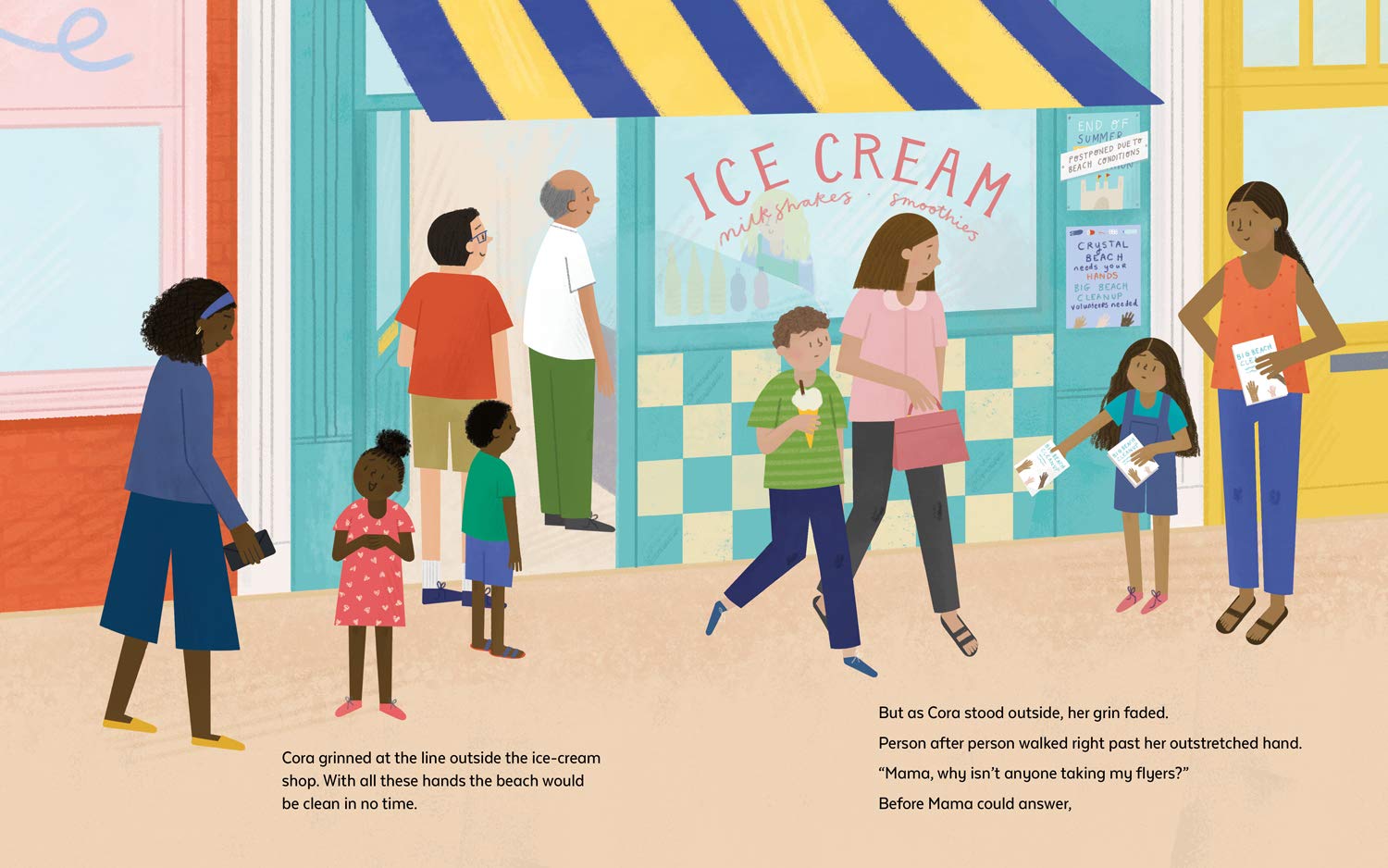
Cora drew her own posters, reading “Chrystal Beach needs your HANDS” and “BIG BEACH CLEANUP.” She and her mother posted the signs around town. Outside the ice-cream shop, Cora tried to hand out her fliers but everyone just walked past without taking one. Everyone seemed to busy to come to get involved. But Mama told Cora that there are many other ways people could help, “‘like not littering, or saying no to things we use only once, like straws, so that less trash ends up in the ocean.'”

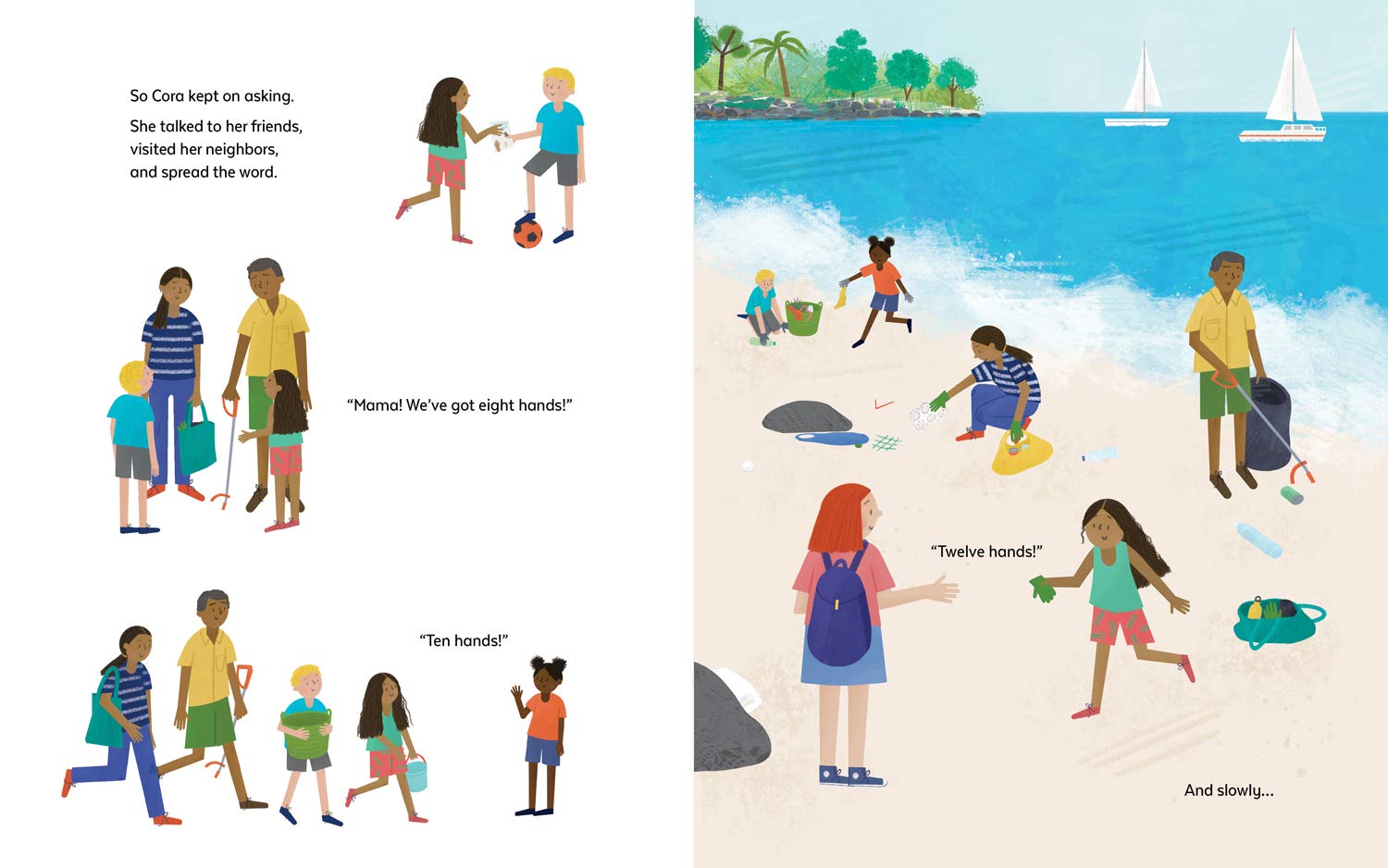
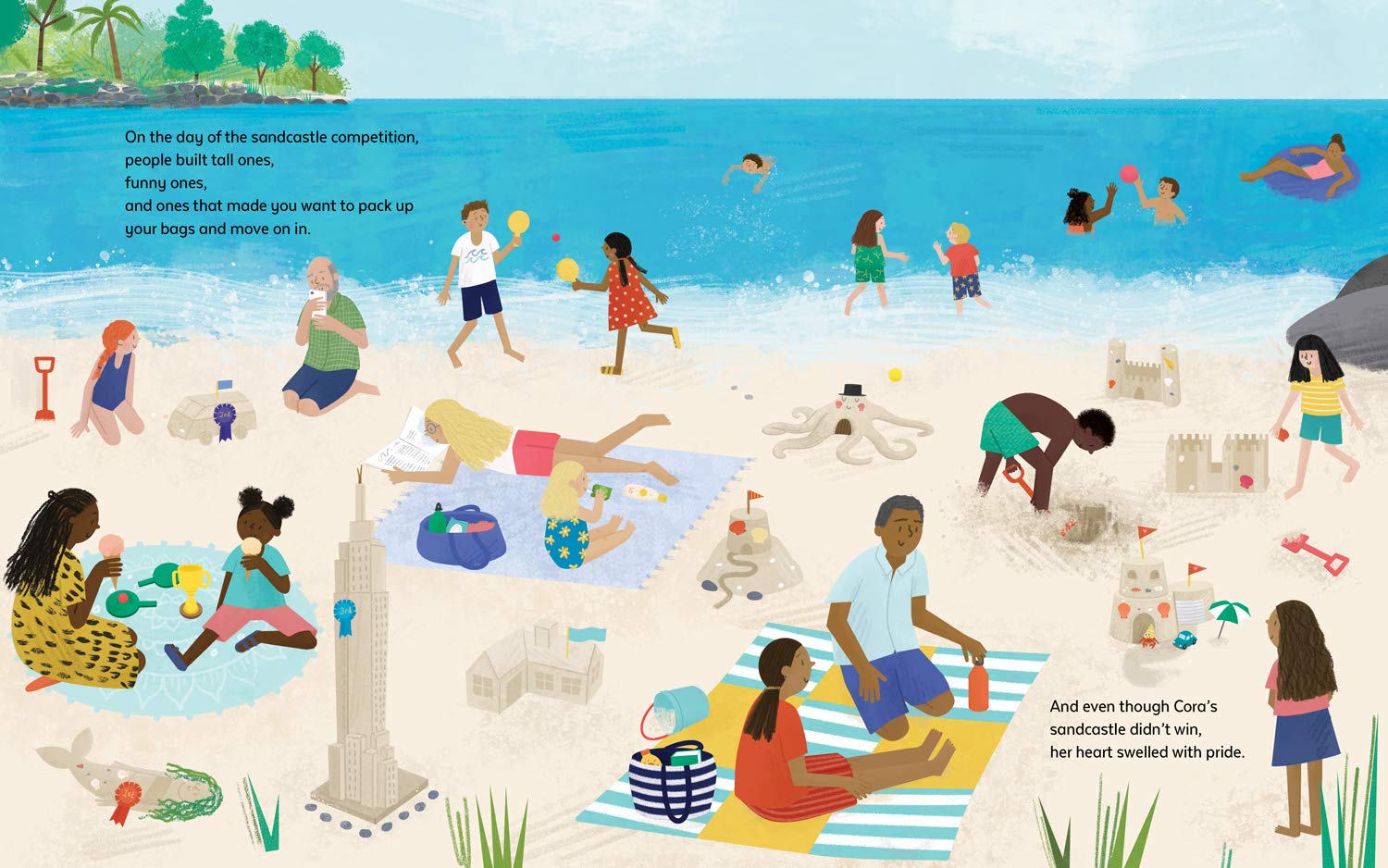
Cora understood, but she kept asking friends, neighbors, and others. Little-by-little, there were eight hands, then ten, and twelve. More people caught on and came out to the beach to pick up litter. Cora got so many hands that the sandcastle contest was reinstated “thanks to local activists.” On the day of the contest, families came out and built all kinds of creative castles. Cora wasn’t crowned champion, but “her heart swelled with pride” at what she had accomplished. And that was just the beginning….

An Author’s Note outlining steps everyone can take to reduce trash and prevent it from littering the oceans and beaches as well as a list of facts about ocean pollution follow the story.

celebrate-picture-books-picture-book-review-the-big-beach-cleanup-contest

Image copyright Katie Rewse, 2021, text copyright Charlotte Offsay, 2021. Courtesy of Albert Whitman & Company.

Through her earnest and activist protagonist, Cora, Charlotte Offsay gives a voice to those children who want to make a difference in their communities. While Offsay touches on how trash makes its way to oceans and beaches, the real appeal of the story is in her realistic, hands-on ideas that can empower kids to find activities for cleaning up their neighborhood or local beach, park, woodland, or other public space. Her straightforward and accessible storytelling reflects the questions children have about today’s issues and their enthusiasm to help solve problems as well as the disappointments that sometimes come with trying to solicit the involvement of others. Offsay’s well-paced narrative show kids that change can be or seem to be slow, but that sticking with any effort pays benefits.

Katie Rewse’s vibrant illustrations will keep children riveted to the pages as they watch Cora dig up more and more trash from an already well-littered beach. Images of Cora making and hanging posters will inspire kids to try similar outreach in their own communities. Page spreads depicting clean-up efforts realistically portray the types of trash found on beaches and other recreation areas. For children who may be unsure if one pair of hands can really make a difference, Rewse’s illustrations of Cora and Mama working together at the beginning of the story show the positive impact of just one or two people, while later in the story, as more and more people join in, they will see the transformative power that a group effort can make. Kids will love being invited to the sandcastle competition to see all the entrants as well as the winning sculptures.

Inspiring, empowering, and offering realistic ideas and expectations for budding environmentalists, The Big Beach Cleanup is sure to spark awareness and action for children at home and at school. The book would make an impactful addition to home, school, and public library collections.

Ages 4 – 8

Albert Whitman & Company, 2021 | ISBN 978-0807508015

Discover more about Charlotte Offsay and her books on her website.

To learn more about Katie Rewse, her books, and her art, visit her website.

National Oceans Month Activity

celebrate-picture-books-picture-book-review-kinetic-sand-craft

Kinetic Sand


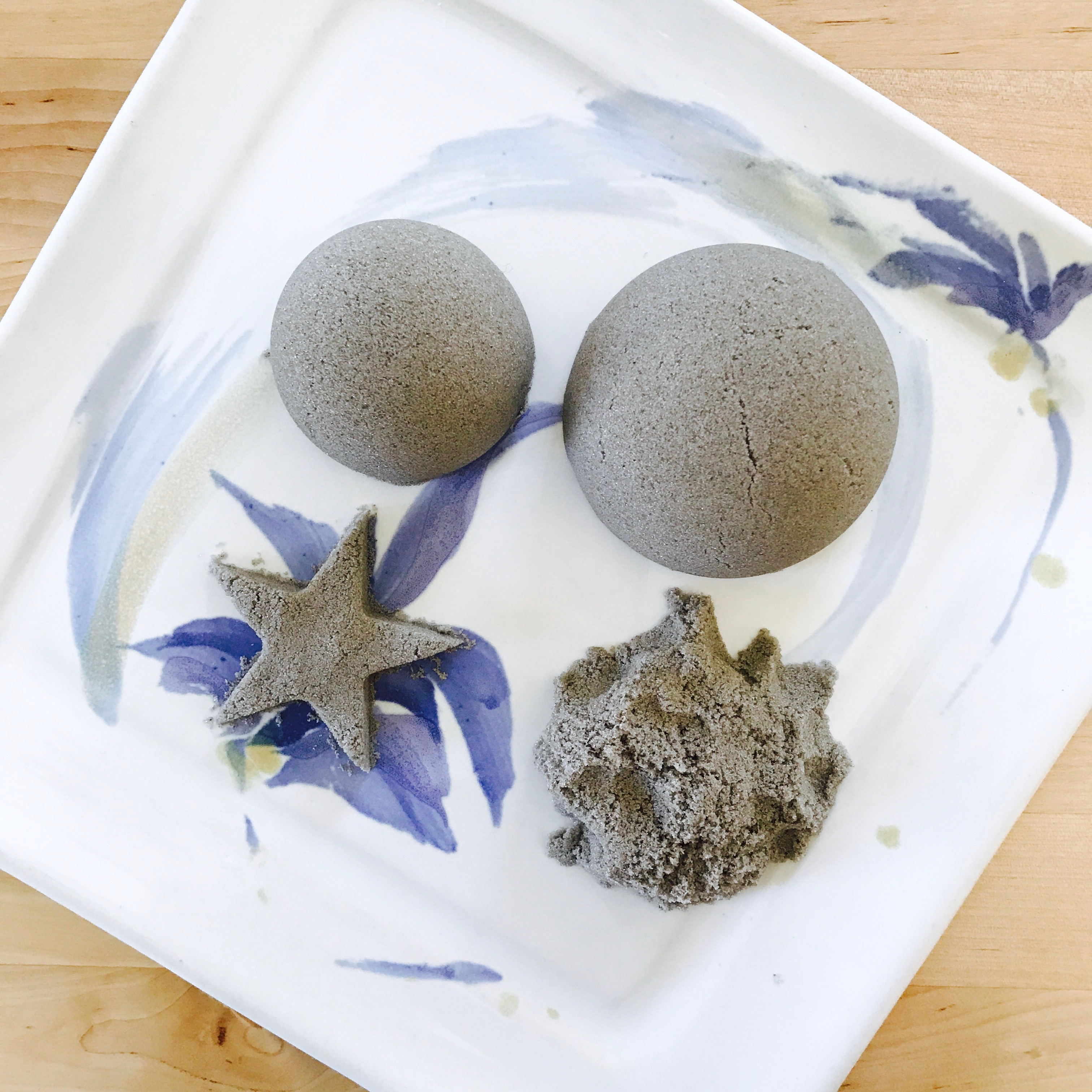
Sand is so much fun to play with at the beach that you just wish you could bring it home. Now you can! With this easy recipe you can create your own kinetic sand to form or let run through your fingers. It makes a great anti-stress reliever too!

Supplies

  • 1 cup sand
  • ½ tablespoon cornstarch
  • 1 teaspoon dish soap
  • Water as needed – about ¾ cup
  • Bin or bowl for mixing dry ingredients
  • Bowl for mixing dish soap and water

Directions

  1. In the bin combine the sand and cornstarch and mix well
  2. In the bowl combine the dish soap and water until the water is bubbly
  3. Slowly add the water mixture to the dry ingredients, mixing and adding water little-by-little until the desired consistency is reached. The grain of the sand will determine how much water is needed.
  4. The sand can be formed with cookie cutters, molds, hands, etc. and is strong enough to stack. Or just let it drip and ooze through your fingers.

celebrate-picture-books-picture-book-review-the-big-beach-cleanup-cover

You can find The Big Beach Cleanup at these booksellers

Amazon | Barnes & Noble | Books-a-Million

To support your local independent bookstore, order from

Bookshop | IndieBound

Picture Book Review

June 23 – It’s National Homeownership Month

celebrate-picture-books-picture-book-review-mr-mole-moves-in-cover

About the Holiday

Owning a home is a major goal for many people, and while home ownership provides security for individuals and families, it’s also good for cities and towns, offering stability, economic benefits, and community cohesion. To that end, today’s holiday was established as a week-long observance in 1995 by then-President Bill Clinton as a way to increase homeownership by helping people negotiate the sometimes confusing elements of finding and purchasing a home. In 2002, President George Bush extended the holiday to a full month. A home is so much more than just a building, and each person has their own idea about what makes a home—or a neighborhood—perfect. Sometimes you can’t really put your finger on it—it’s just a feeling. Today’s sweet book shows how one community welcomed its newest member.

Thanks to Tundra Books for sending me a copy of Mr. Mole Moves In for review consideration. All opinions on the book are my own.

Mr. Mole Moves In

By Lesley-Anne Green


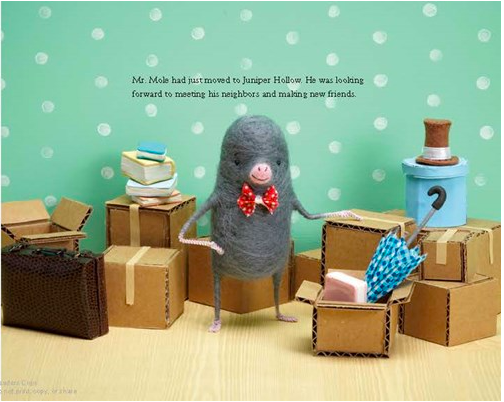
Mr. Mole was new to Juniper Hollow and couldn’t wait to meet his neighbors. “Now, Juniper Hollow doesn’t get too many new residents, so when they do, boy oh boy, do these critters get excited!” In fact, Raccoon had been playing close to Mr. Mole’s house, just waiting for him to come outside. When he did, Raccoon ran over, introduced himself, and stuck out his paw. Mr. Mole was happy to meet Raccoon, but instead of shaking Raccoon’s hand, he grabbed a branch from the bush next to him and gave “it a good shake.” Although a bit confused, Raccoon took it in stride and figured that’s just how things were done in Mole Town.

celebrate-picture-books-picture-book-review-mr-mole-moves-in-boxes

Copyright Lesley-Anne Green, 2021, courtesy of Tundra Books.

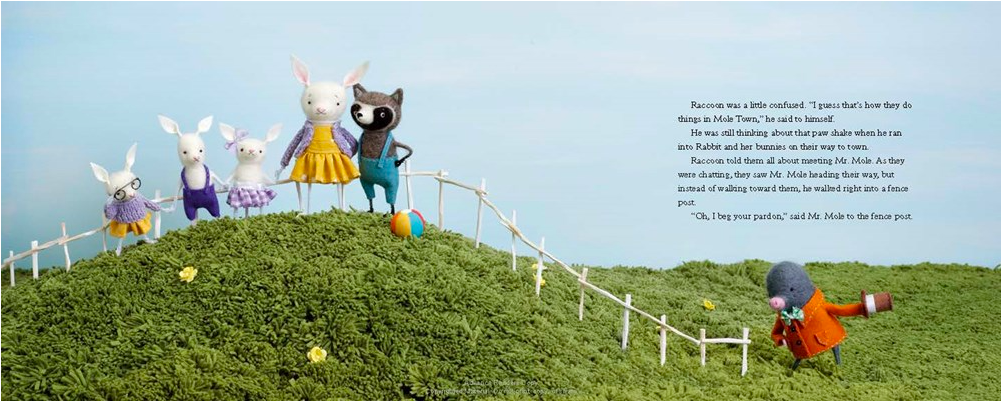
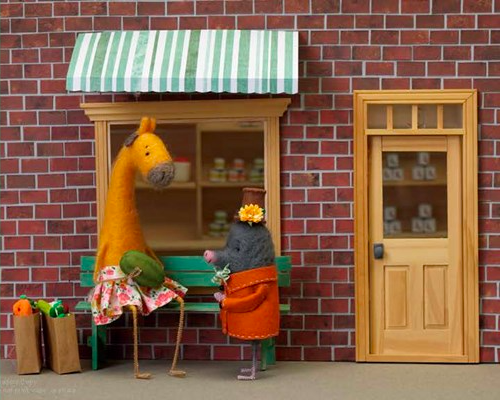
While Raccoon was relating this story to the Rabbit family, Mr. Mole ran into a fence post and apologized to it. Rabbit was impressed with Mr. Mole’s manners and hurried after him to introduce herself and her bunnies. They caught up with him at the general store, where he was talking to Giraffe. “‘What a beautiful baby!’ Mr. Mole said, looking sweetly at the watermelon Giraffe was holding.” When Mr. Mole went inside the store, Giraffe and Rabbit discussed what had happened. They decided that watermelons must be very prized in Mole Town. Inside the store, Cat and Chicken were talking about Mr. Mole too.

Mr. Mole stocked up on cans of worms and approached the counter, where Rabbit introduced herself and her bunnies. He was so thrilled to meet them that he immediately reached for a jar on the counter. “‘Bear, I will also take three of these candies for the little ones,’” Mr. Mole said as he handed them around. The bunnies looked at the erasers in their paws and decided to keep them for later.

celebrate-picture-books-picture-book-review-mr-mole-moves-in-fence

Copyright Lesley-Anne Green, 2021, courtesy of Tundra Books.

Watching all of this, Cat and Chicken decided that they would plan some kind of special event to welcome their wonderful new neighbor to Juniper Hollow. Everyone wanted to help. The next day they all went to visit Mr. Mole, and called out that they wanted to welcome him to town. A little nervously, Mr. Mole went out onto his front porch. All the critters had made him a welcome basket of all his favorite things.

Then “the littlest bunny hopped over to Mr. Mole and handed him her extra pair of glasses.” Mr. Mole was surprised and thanked her profusely. He had lost his glassed while moving, he told them, and couldn’t “‘see a THING without them.’” After the get-together, Mr. Mole took his basket inside and found—along with a handknit sweater and a pie—branches, erasers, and watermelon. Hmmm… he thought. “‘I guess that’s just how they do things in Juniper Hollow.’”

celebrate-picture-books-picture-book-review-mr-mole-moves-in-watermelon

Copyright Lesley-Anne Green, 2021, courtesy of Tundra Books.

Lesley-Anne Green’s story of friendship and acceptance charms with humor, clever misunderstandings, neighborliness, and one particularly sweet and empathetic bunny. Green’s enchanting storytelling immerses readers in the world of Juniper Hollow, a gentle, easy-going community that welcomes readers with the same warmth it extends to Mr. Mole. Kids will be especially pleased to see that the littlest bunny understands Mr. Mole’s plight and knows just how to help. Green’s adorable needle-felted critters, decked out in dapper outfits, shine with personality, conveying the critters’ confusion as well as their enthusiasm to embrace their newest resident and desire to make him feel at home. Her handmade backgrounds will also captivate readers with their rustic appeal, and readers will want to spend some time in the General Store exploring its well-stocked shelves.

The second book in Lesley-Anne Green’s Juniper Hollow series, Mr. Mole Moves In is a story with depth and charm and inspiring illustrations that will be asked for again and again. The book is a top choice for home, school, and public library bookshelves. You’ll also want to check out Fox and Raccoon, the first Juniper Hollow book.

Ages 3 – 7

Tundra, 2021 | ISBN 978-1101918029

You can connect with Lesley-Anne Green on Instagram.

You can watch Lesley-Anne Green talk about her work and create an adorable critter on Tundra Illustrator Studio.

National Homeownership Month Activity

celebrate-picture-books-picture-book-review-pop-up-houses-coloring-page

Pop Up Houses Play Set


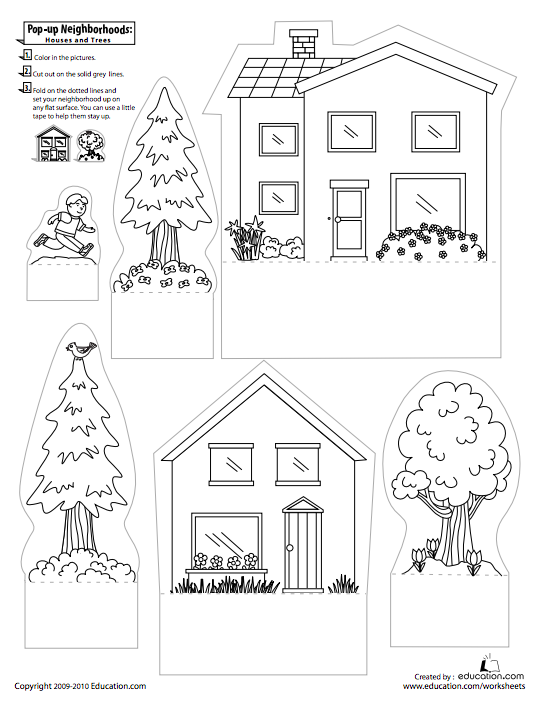
You can own your own home with this printable Pop Up Play Set thanks to Education.com. It has a house for you and one for a friend! Give your houses some color, plant the trees and move in! Print on heavy paper to make the figures sturdier.

Pop Up Houses Play Set

celebrate-picture-books-picture-book-review-mr-mole-moves-in-cover

You can find Mr. Mole Moves In at these booksellers

Amazon | Barnes & Noble | Books-a-Million

To support your local independent bookstore, order from

Bookshop | IndieBound

Picture Book Review

March 12 – It’s International Ideas Month

celebrate-picture-books-picture-book-review-the-floating-field-cover

About the Holiday

This month we celebrate something that you can’t see or hold but which is real all the same. What is it? An idea! Ideas are amazing things. Sometimes seemingly conjured up out of thin air; sometimes borne out of necessity as in today’s book; and sometimes the “Eureka!” result of long, hard work, ideas fuel our arts, sciences, education, and home life. So today, write down those ideas you have while driving or commuting to work, while in the shower, when you’re daydreaming, or just as you turn off the light to go to sleep. You never know what they might become!

The Floating Field: How a Group of Thai Boys Built Their Own Soccer Field

Written by Scott Riley | Illustrated by Nguyen Quang and Kim Lien


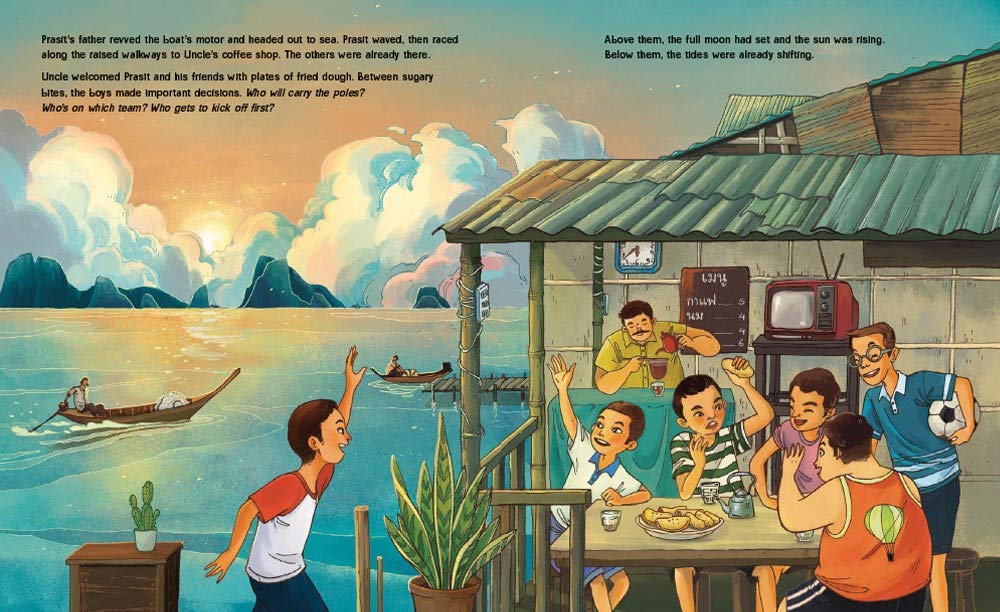
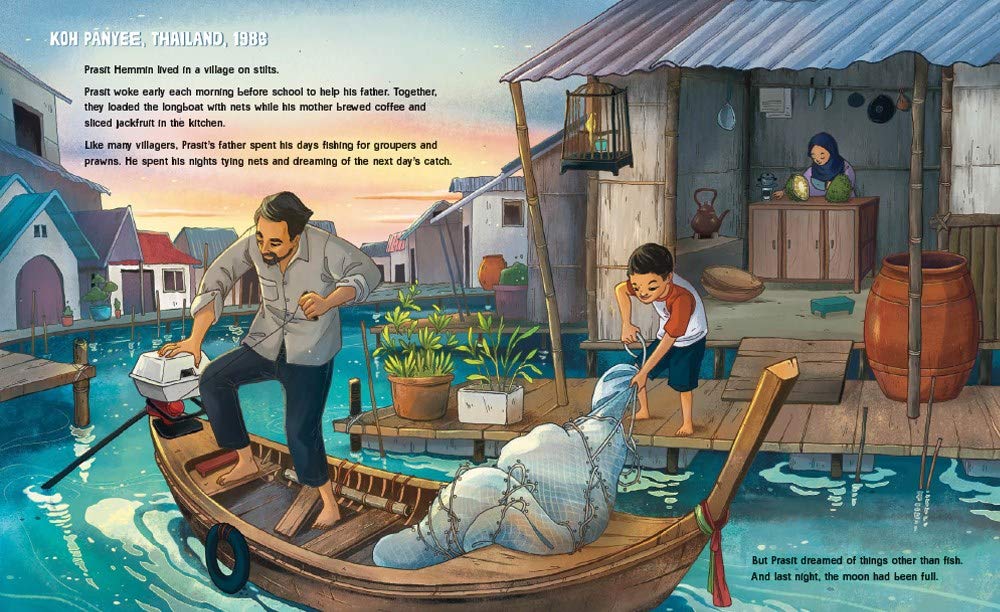
Like all of the villagers living on the small island of Koh Panyee, Prasit Hemmin’s home was built on stilts. His father was a fisherman, and every morning Prasit helped him load his boat before school. Today was an exciting day, and Prasit hurried to meet his friends at Uncle’s coffee shop. They had big decisions to make: “Who will carry the poles? Who’s on which team? Who gets to kick off first?” The full moon had come and later the tide would go out.

celebrate-picture-books-picture-book-review-the-floating-field-koh-panyee

Image copyright Nguyen Quang and Kim Lien, 2021, text copyright Scott Riley, 2021. Courtesy of Millbrook Press.

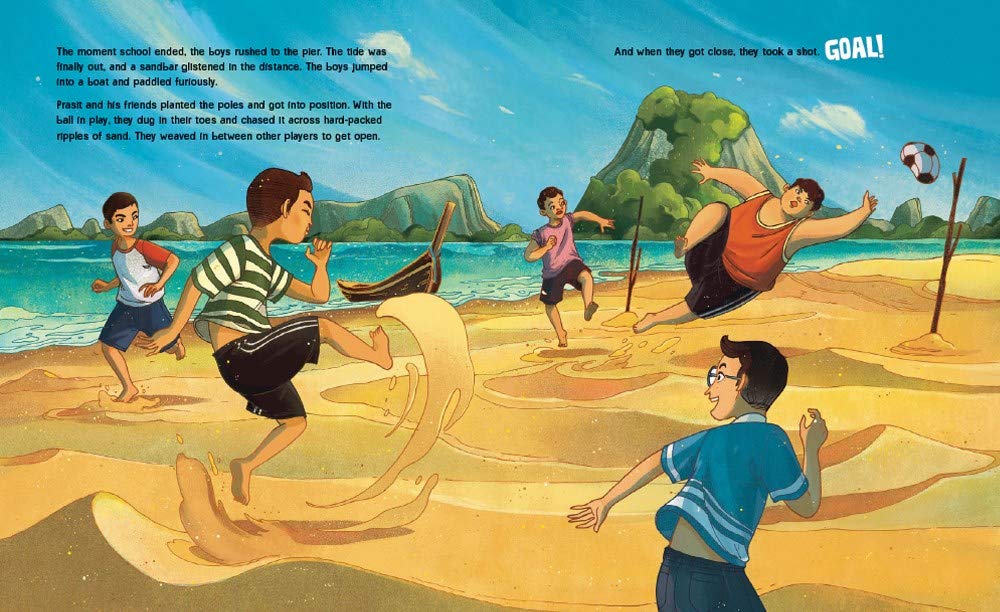
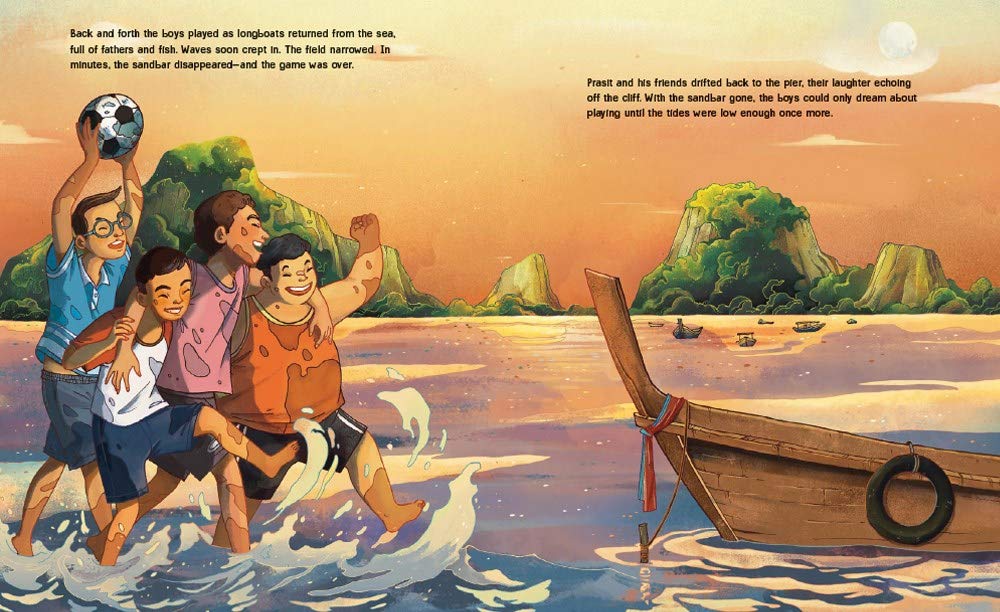
By the time school was over, the sandbar with its glittering sand was ready, beckoning to the boys to come play. They set up their goal and dropped the ball then “they dug in their toes and chased it across the hard-packed ripple of sand. They weaved in between other players to get open. And when they got close, they took a shot. GOAL!” The boys played until the sun went down and the fisherman’s longboats returned home. Then they “could only dream about playing until the tides were low enough once more.”

Fortunately, the World Cup was being held this month, and the boys watched the games on the small TV at Uncle’s coffee shop—“the only one on the island.” The boys decided that they needed a team of their own. But where would they play? Prasit looked around at their floating village and had an idea. They could build their own field. The next day, they collected materials and got to work. With planks and barrels, they built a platform. When it was ready, they tethered it in place, painted the lines, and put up goals.

celebrate-picture-books-picture-book-review-the-floating-field-coffee-shop

Image copyright Nguyen Quang and Kim Lien, 2021, text copyright Scott Riley, 2021. Courtesy of Millbrook Press.

Every day, Prasit and his friends played on their floating field, learning some fancy footwork to avoid rough spots on the boards. The villagers who once thought they were crazy for building the field now stopped to watch. One day the boys heard about a tournament being held on the mainland, and they signed up. On the morning of the tournament, just before they left for the mainland, the villagers surprised them with new uniforms and “the Panyee Football Club was born.”

The boys stood nervously on the field before their first game began, but once the ball was in play, they knew just what to do. “They passed it down the field. They weaved in between other players to get open. And when they got close, the took a shot. GOAL!” The Panyee Football Club won several games, but by the afternoon, the weather had turned and rain pelted the field. While their opponents knew how to play on the soggy field, the Panyee boys didn’t. At halftime they were down 2 – 0. Prasit had an idea.

celebrate-picture-books-picture-book-review-the-floating-field-beach

Image copyright Nguyen Quang and Kim Lien, 2021, text copyright Scott Riley, 2021. Courtesy of Millbrook Press.

Back on the field, the boys ran barefoot, just as they did at home. They were quicker and more agile, and they were able to tie the score. But with only minutes left in the game, the other team scored—and won. “But that day, in their very first tournament, the Panyee Football Club came in third place.” On the boat ride home, the boys celebrated, eager to get back on their floating field “where they could play the game they loved, whenever they wanted.”

Extensive backmatter includes an Author’s Note, complete with photographs, reveals some unusual places soccer is played and more about how this story came to be; a note from Prasit Hemmin about his childhood experiences and the future success of the football club he and his friends started; and a glossary of soccer vocabulary in English and Thai with pronunciation tips. There is also a list of resources for further reading.

celebrate-picture-books-picture-book-review-the-floating-field-sandbar

Image copyright Nguyen Quang and Kim Lien, 2021, text copyright Scott Riley, 2021. Courtesy of Millbrook Press.

Soccer fans and sports lovers of all kinds will find the story of Prasit Hemmin and the soccer field he and his friends designed enthralling. The idea that these boys could only play their favorite game twice a month will be eye-opening for kids used to daily or weekly practice, and their ingenious solution will inspire them to greater problem-solving. Through Scott Riley’s detailed storytelling, readers gain knowledge about life on the small island of Panyee as well as how the boys built their floating field. Riley also showcases the camaraderie between the boys and the pride of the villagers, making this a beautiful story of community.

Through various perspectives, Nguyen Quang and Kim Lien’s gorgeous and vibrant illustrations introduce readers to the island of Panyee with its dense collection of homes and businesses that left no room for a soccer field. The blue ocean water shimmers under the sun and ripples where longboats skim over the surface. Immersive images take kids into the Hemmin home and Uncle’s coffee shop, where Prasit’s mother makes breakfast while Prasit and his father ready the fishing boat for the day. Depictions of the boys playing soccer on the sandbar and later on the floating field they built are exciting and full of action. Soccer players may be fascinated by the proportions of the floating field and its goals and appreciate the precision with which Prasit and his friends scored. The contrast between the island and the mainland soccer field will also give readers an appreciation for the Panyee Football Club’s accomplishment in winning third place in their first tournament.

A stellar addition to any child’s library as well as to classroom and homeschool geography, STEM, and multicultural lessons, The Floating Field: How a Group of Thai Boys Built Their Own Soccer Field is highly recommended for home, school, and public library bookshelves.

Ages 7 – 11

Millbrook Press, 2021 | ISBN 978-1541579156

Discover more about Scott Riley and his book on his website.

To learn more about Nguyen Quang and Kim Lien, their books, and their art, visit their website, Kaa Illustration.

International Ideas Month Activities

celebrate-picture-books-picture-book-review-soccer-maze

Kick It In!


Use some fancy footwork to move the soccer ball down the field and score in this printable puzzle!

Kick It In Maze Puzzle | Kick It In Maze Solution

Visit Koh Panyee

Learn more about this unique village with this video about Koh Panyee!

celebrate-picture-books-picture-book-review-the-floating-field-cover

You can find The Floating Field: How a Group of Thai Boys Built Their Own Soccer Field at these booksellers

Amazon | Barnes & Noble | Books-a-Million

To support your local independent bookstore, order from

Bookshop | IndieBound

Picture Book Review

March 2 – Read Across America Day

celebrate-picture-books-picture-book-review-if-you-come-to-earth-cover

About the Holiday

Today’s holiday, established by the National Education Association in 1997, encourages children all across the country to celebrate reading and all of its joys and benefits. The NEA strives to create a nation of diverse readers and to provide teaching resources that promote diversity and inclusion. In NEA’s digital Read Across America calendar, the theme for March is “Cultivate Compassion.” This year teachers and parents can connect with authors, discover ideas for virtually celebrating Read Across America, and find lots of resources for a full year of reading. A love of reading is one of life’s greatest pleasures and a powerful force for future success. Celebrate today by reading with a child or on your own. There are fabulous worlds and stories waiting to be discovered. Just take a look into today’s book1 For more information on Read Across America, visit the NEA website.

If You Come to Earth

By Sophie Blackall


In Sophie Blackall’s beautifully—and often whimsically—illustrated If You Come to Earth, a child named Quinn who wears a red elfin hat writes a letter about Earth to any visitor from Outer Space who may venture to our planet. Quinn starts out with a map of sorts to guide the visitor through the cosmos to our “greeny-blue” home and, closer still, to the cities, towns, and villages where we congregate. A patchwork image shows the visitor the variety of houses people live in—from huts to trailers, castles to houseboats, cabins to treehouses to a familiar lighthouse. One space is also dedicated to those who have lost their homes “in a fire. In a flood. In a war.”

celebrate-picture-books-picture-book-review-if-you-come-to-earth-homes

Copyright Sophie Blackall, 2020, courtesy of Chronicle Books.

Turn the page to a sunny-day picnic and Quinn reveals that in those homes live “all kinds of families.” Sometimes people are quiet, but Quinn tells the visitor, “inside our heads, we are usually thinking. You can’t see our thoughts, but sometimes we show our feelings on our faces.” What kinds of feelings? Blackall’s portraits show sadness and glee, confusion and surprise, frustration and calm. The child mentions clothing, weather, and transportation. “I’m a kid,” Quinn says, “and kids go to school to learn stuff, so we’ll know what to do when we’re grown up.” Quinn’s class is seen drawing space aliens while they talk together and share colored pencils. One boy is making a face and another is sleeping on his blank piece of paper.

celebrate-picture-books-picture-book-review-if-you-come-to-earth-school

Copyright Sophie Blackall, 2020, courtesy of Chronicle Books.

What will these kids grow up to be? Forty snapshots of adults—including a beekeeper, potter, astronaut, tennis player, barber, chef, dancer, chess player, construction worker, veterinarian, doctor, singer, and scientist—will give the visitor an idea of the vast array of jobs people do “to make the world work.” There are ideas for leisure time too. And as a large group sits around table laden with all kinds of food, Quinn says that we “eat when we are hungry” and that “some of us have more food than others,” but that “we all need food and water to survive.”

From this introduction, the visitor learns about the ocean, which appears empty but “actually it’s full.” A stunning montage of sea creatures depicts what the child means. Likewise, the land hosts animals, which bound, creep, and lope across the pages, and the sky is home to birds of all colors and sizes.

celebrate-picture-books-picture-book-review-if-you-come-to-earth-jobs

Copyright Sophie Blackall, 2020, courtesy of Chronicle Books.

Quinn talks about the music in the world, made by animals and people, about deaf people who talk with their hands, and about blind people who read with their hands and includes images of the sign language and braille alphabets. He tells about things created by nature and those made by people; things that are big and things that are small and even things that are invisible but make a big impact. One of these is germs, which “can make you sick” just like “eating a woolly milkcap toadstool or breathing in smoke or getting spat on by a slow loris.”

Quinn reveals different ways people interact and how they grow up from babies to older people. He admits that “there are lots of things we don’t know…. But right this minute, we are here together on this beautiful planet.” Quinn ends his letter with some questions for the possible visitor from Outer Space and an invitation to stay in his room if, indeed, they come to Earth.

celebrate-picture-books-picture-book-review-if-you-come-to-earth-jobs

Copyright Sophie Blackall, 2020, courtesy of Chronicle Books.

Every page of Sophie Blackall’s mesmerizing and welcoming look at life on our planet invites readers to explore her detailed illustrations and imagine what their own additions would be to each topic. Blackall’s straightforward text is sprinkled with humor and poignancy and each line opens up a world of possibilities and the gifts of our rich diversity, both natural and human. The subjects Blackall chooses flow from each other like a long strand of yarn teased from a sweater with an intricate design and are sure to lead to fun, fascinating, and thoughtful discussions. Blackall’s ending will inspire as much as it makes you smile.

Accompanying Blackall’s text are her exquisite illustrations that are fresh and fun and, in many cases, will take your breath away. Both kids and adults will want to spend time carefully studying and talking about each page, as there is so much to see, so many connections to make, and so many secrets tucked away in each of them. Readers will notice allusions to other books and will want to point out all of the things that are “just like me!” Pages dedicated to transportation, birds, animals, sea creatures, and jobs will enthrall kids with these particular interests. Artists, collectors, and philosophers will also find pages to excite them too.

A book kids and adults will want to dip into again and again as well as an excellent read to spark writing workshops, nature studies, and social studies classes for schools and homeschoolers, If You Come to Earth is a must for home, classroom, and public library collections.

Ages 5 – 8 and up

Chronicle Books, 2020 | ISBN 978-1452137797

To learn more about Sophie Blackall, her books, and her art, visit her website.

celebrate-picture-books-picture-book-review-if-you-come-to-earth-cover

You can find If You Come to Earth at these booksellers

Amazon | Barnes & Noble | Books-a-Million

To support your local independent bookstore, order from

Bookshop | IndieBound

Picture Book Review
December 19 – Look for an Evergreen Day

celebrate-picture-books-picture-book-review-pick-a-pine-tree-cover

About the Holiday

Today’s holiday gives people an opportunity to learn about and appreciate the variety of evergreen trees that grow locally and around the world. During the winter these giants stand out against snowy landscapes with their deep-green needles that retain their color all year around and always offer the hope of spring. For those who celebrate Christmas, the evergreen is a highlight of the celebration. Decorated with lights and sparkly ornaments, the tree is where family and friends gather to exchange gifts and share time together. Look for an Evergreen Day was created by the National Arborist Association to encourage people to enjoy the beauty of these special trees.

Pick a Pine Tree

Written by Patricia Toht | Illustrated by Jarvis


A family of four and their dog head out to “pick a pine tree / from the lot,” but what kind do they want—“slim and tall or short and squat?” After looking them all over, they choose a nice big one and tie it to the roof of their car for the trip home. At home they clear a place for the tree to stand, give it a drink, and then “find the trimmings / stored within / bulging boxes, rusty tins, / paper bags, a wooden case. / Bring them to that / special place, / there, beside your tree.”

celebrate-picture-books-picture-book-review-pick-a-pine-tree-trees

Image copyright Jarvis, 2017, text copyright Patricia Toht, 2017. Courtesy of Candlewick Press.

But they don’t start decorating yet. They call their friends to come and help. With the house full of cheer, the kids string the lights, wrapping them around the branches. Next come the ornaments—“Jolly Santas, / Dancing elves. / Wooden reindeer. / Jingle bells. / Lacy snowflakes. / Paper dolls. / Candy canes and / bright glass balls.” With hooks and string the bright ornaments are hung on the tree.

celebrate-picture-books-picture-book-review-pick-a-pine-tree-friends

Image copyright Jarvis, 2017, text copyright Patricia Toht, 2017. Courtesy of Candlewick Press.

Finally, garlands are “strung / from bough to bough,” and tinsel is draped in “silver drips.” On the top a star shines bright and down below a tiny village springs up, complete with “a train that chugs around a track.” At last it’s finished and the lights are lit. “Look! It’s not a pine tree / anymore. / It’s a… / Christmas tree!” As everyone gathers to singing around the Christmas tree, Merry wishes are bestowed on “one and all.”

celebrate-picture-books-picture-book-review-pick-a-pine-tree-lights

Image copyright Jarvis, 2017, text copyright Patricia Toht, 2017. Courtesy of Candlewick Press.

Patricia Toht’s lively rhymes engage kids in one of the holiday season’s most fun activities—picking out and decorating the Christmas tree. Her step-by-step verses brim with the growing excitement of the day and encourage sharing the celebration with family and friends. As they read, kids will be caught up in the fun and memories of this favorite tradition.

Vivid, action-packed mixed-media illustrations in a rich color palette by Jarvis take readers to the Christmas tree lot with its rows and rows of different trees to choose from and back to the family’s cozy home—where a dog and cat are happy to help out. As friends and neighbors drop by for the decorating party, kids will love recounting their own experiences hanging the lights and pointing out ornaments that may look like their own. The fully decorated tree glows in a two-page vertical spread that will wow little readers.

A sweet family story full of smiles, eager anticipation, and a love of Christmas, Pick a Pine Tree is a magical read to add to holiday story times.

Ages 3 – 7

Candlewick Press, 2017 | ISBN 978-0763695712

Discover more about Patricia Toht and her books on her website.

To learn more about Jarvis, his books, and his art, visit his website.

Look for an Evergreen Day Activity

celebrate-picture-books-picture-book-review-Find-the-Perfect-Pine-Tree-maze

Find the Perfect Pine Tree! Maze


Can you help the kids sled their way to find the evergreen tree in this printable maze?

Find the Perfect Pine Tree! Maze | Find the Perfect Pine Tree! Maze Solution

celebrate-picture-books-picture-book-review-pick-a-pine-tree-cover

You can find Pick a Pine Tree at these booksellers

Amazon | Barnes & Noble | Books-a-Million

To support your local independent bookstore, order from

Bookshop | IndieBound

Picture Book Review

December 15 – International Tea Day

celebrate-picture-books-picture-book-review-teatime-around-the-world-cover

About the Holiday

Established in 2005 in New Deli, India, International Tea Day was created to raise awareness within the governments of tea-growing countries of the rights of tea workers, their conditions, and their economic contributions. Today, the holiday is commemorated widely in tea-growing nations. Some of the issues the day focuses on include wages, medical care, and education for women tea workers, who make up fifty percent of of the workforce on tea plantations. Following water, tea is the most widely drunk beverage in the world. To celebrate today, enjoy a cuppa with a cookie, a scone, or another favorite treat. 

Teatime Around the World

Written by Denyse Waissbluth | Illustrated by Chelsea O’Byrne


Two women sit at a table with steaming cups of tea in front of them, talking. “Tea for one. Tea for two.” To the side sits a teapot, its contents still warm. At their feet a child is having a tea party with a bear, jauntily clad in a feathered hat. Cookies, strawberries, and croissants fill out this feast served from a special tea set. “Tea for me. Tea for you.” Tea time continues in Morocco, where a father and child kneel on pillows. The father pours out three cups of mint tea. Made with green tea, mint, and sugar, each cup of tea will have “a slightly different taste.”

celebrate-picture-books-picture-book-review-teatime-around-the-world-sugar

Image copyright Chelsea O’Byrne, 2020, text copyright Denyse Waissbluth, 2020. Courtesy of Greystone Books.

In India a street vendor sells a cup of masala chai to a woman, who’s looking for a peaceful break during her day. The “strong tea and spices like cinnamon, ginger, cloves, cardamom, and pepper…boiled with milk and sweetened” will hit the spot. Hot tea is relaxing, but on a hot day there’s nothing more refreshing than a glass of iced tea. In Thailand, locals and tourists enjoy cha yen, sold from street vendors’ carts. This “strongly brewed sweet tea is poured over ice and drunk from a bag through a straw. Indigenous people in North America soothe fevers, colds, sore muscles, and even sleepless nights with tea made from “berries, plants, and roots.”

celebrate-picture-books-picture-book-review-teatime-around-the-world-russia

Image copyright Chelsea O’Byrne, 2020, text copyright Denyse Waissbluth, 2020. Courtesy of Greystone Books.

Special tea times—like chanoyu, the Japanese tea ceremony during which matcha, a powdered green tea is served, and afternoon tea, enjoyed with trays of treats world wide—bring people together for comforting respites. You’ll be interested to discover the origins of afternoon tea too! Tea can be served quietly or dramatically, like “teh tarik, or pulled tea…the national drink of Malaysia,” is “poured from up high, or ‘pulled’ between two mugs, to make it frothy.”

celebrate-picture-books-picture-book-review-teatime-around-the-world-poured

Image copyright Chelsea O’Byrne, 2020, text copyright Denyse Waissbluth, 2020. Courtesy of Greystone Books.

Tea is as old as its discovery thousands of years ago in China and as new as bubble tea, created in Taiwan in the 1980s. In Argentina, Chile, and Uruguay, yerba maté tea is served in hollowed-out gourds with a “special straw called a bombilla,” while in Jamaica sorrel, made from roselle hibiscus buds, “spiced with ginger, cloves, and sugar,” is perfect for any festive occasion. No matter where you live, what flavors of tea you enjoy, or how you serve it, you can always count on “tea for one. / Tea for two. / Loved by all / the whole world through.”

celebrate-picture-books-picture-book-review-teatime-around-the-world-for-group

Image copyright Chelsea O’Byrne, 2020, text copyright Denyse Waissbluth, 2020. Courtesy of Greystone Books.

With a lilting poem that flows from page to page, Denyse Waissbluth introduces unique flavors, special brew methods, and the comforting feeling a cup of hot or iced tea infuses into a day. The shared experience of tea drinking provides a fascinating touchstone for Waissbluth’s travelogue that takes kids around the world to experience the rituals, recipes, and traditions from each country that makes their tea unique. Waissbluth’s conversational style will appeal to kids looking to learn how global cultures are similar to and different from their own.

Chelsea O’Byrne’s lovely matte illustrations take children to cities, the countryside, and the seaside around the globe, revealing not only diverse scenes of how tea is made, served, and enjoyed, but homes, food, and clothing as well. Children will be excited to see such homey and intimate portraits of their peers around the world.

Sure to spur readers to learn more about the countries featured and entice them to try their signature teas, Teatime Around the World would enhance geography, history, and multicultural lessons for school and homeschooling and is highly recommended for school and public library collections.

Ages 3 – 7

Greystone Books, 2020 | ISBN 978-1771646017

You can connect with Denyse Waissbluth on Instagram.

To learn more about Chelsea O’Byrne, her books, and her art, visit her website.

International Tea Day Activity

celebrate-picture-books-picture-book-review-tea-word-search-puzzle

Tea for You! Word Search


Can you find the names of eighteen delicious teas from around the world in this printable puzzle?

Tea for You! Word Search Puzzle | Tea for You! Word Search Solution

celebrate-picture-books-picture-book-review-teatime-around-the-world-cover

You can find Teatime Around the World at these booksellers

Amazon | Barnes & Noble | Books-a-Million

To support your local independent bookstore, order from

Bookshop | IndieBound

Picture Book Review

November 30 – Get Ready for Hanukkah

celebrate-picture-books-picture-book-review-the-ninth-night-of-hanukkah-cover

About the Holiday

Hanukkah, the Festival of Lights, is the Jewish wintertime celebration that commemorates the victory of the small Maccabean army over the much more powerful Greek/Syrian forces and the rededication of the Holy Temple during the second century BCE. Hanukkah is celebrated for eight days in remembrance of the miracle of the oil lamp, which at the time only held enough oil for one day yet burned for eight days. This year Hanukkah takes place from December 10 through 18.

The Ninth Night of Hanukkah

Written by Erica S. Perl | Illustrated by Shahar Kober


A family has just moved into their new apartment. It’s the first night of Hanukkah, but they can’t find their Hanukkah things amidst all the boxes. So, without the menorah or delicious latkes, Mom, Dad, Rachel, and Max sit on the floor eating pizza. “It was nice…but it didn’t feel quite like Hanukkah.” On the second night, they still hadn’t found the menorah, but Rachel and Max made one from a piece of wood, their jar of nuts and bolts, and some craft paint. It was all ready to light, when Mom discovered that they didn’t have the candles either.

celebrate-picture-books-picture-book-review-the-ninth-night-of-hanukkah-missing-menorah

Image copyright Shahar Kober, 2020, text copyright Erica S. Perl, 2020. Courtesy of Sterling Children’s Books.

With the stores closed, Rachel and Max went next door to apartment 2C. They introduced themselves to Mrs. Mendez and explained their situation. She offered the only candles she had—a box of birthday candles. “Dad lit the shamash. Max and Rachel each used it to light a candle.” Then they opened presents. While it was nice, it still “didn’t feel quite like Hanukkah.
On the third night, the “lucky latke pan” was nowhere to be found, but Max appeared with a steaming plate of French fries from Joe, the super, who lived downstairs.

By the fourth night of Hanukkah, Mom and Dad were beginning to think the box with their Hanukkah things had gotten lost. Max wanted to play dreidel, so while Mom called the moving company, Max and Rachel met the Watson twins, who didn’t have a dreidel, but they did have a toy that spun and spun. On the fifth night, Rachel and Max had made their own dreidel, “which meant they needed gelt.” On the fourth floor, Max and Rachel met Mr. Patel, who handed Max the only chocolate he had—a bag of chocolate chips. All of these substitutions were “nice…but it didn’t feel quite like Hanukkah.”

celebrate-picture-books-picture-book-review-the-ninth-night-of-hanukkah-shamash

Image copyright Shahar Kober, 2020, text copyright Erica S. Perl, 2020. Courtesy of Sterling Children’s Books.

Each night of Hanukkah Max and Rachel missed a different part of their Hanukkah celebration, and each night a new neighbor did the best they could to supply it. On the morning after the eighth night of Hanukkah, a delivery person showed up at the door with Mom’s guitar. She suggested a sing-along, but Rachel reminded her that Hanukkah was over. Max, however, had another idea and pointed to the ninth candle on the menorah. This gave Rachel an idea too, and she and Max whispered and planned. Then they waited. Soon “there was a knock on the door. And another. And another.”
When all the neighbors had gathered, Max and Rachel explained their Shamash Night celebration. Like the Shamash candle “helps light all the other candles,” they said, their new neighbors had helped them celebrate Hanukkah. “‘So we wanted to say thanks—to the Shamash and to you,’” Rachel said. Just then the delivery person appeared with the long-lost box. On the ninth night in their new home, Mom and Dad, Rachel and Max ate, played, sang, and danced with all of their new friends, “and best of all, it felt exactly like Hanukkah.”

An Author’s Note following the story tells about the history and tradition of the shamash candle and the idea that sparked the writing of The Ninth Night of Hanukkah. Erica S. Perl also provides a guide on how families can hold their own “Shamash Night.”

celebrate-picture-books-picture-book-review-the-ninth-night-of-hanukkah-party

Image copyright Shahar Kober, 2020, text copyright Erica S. Perl, 2020. Courtesy of Sterling Children’s Books.

Community, resilience, and children’s creativity infuse every page of Erica S. Perl’s story that’s a wonderful Hanukkah read as well as a story families will want to share all year around. The apartment-house setting and the family’s just-moved-in situation combine to create a charming microcosm of making friends, getting to know new neighbors, and discovering the generosity of strangers. Rachel and Max, creative, close-knit, and accommodating, will captivate kids as they go along on their scavenger hunts for the makings of a homey Hanukkah celebration.

Perl’s substitutions—from birthday candles to French fries to a ukulele will appeal to readers. The repeated phrase “It was nice, but it didn’t feel quite like Hanukkah” applies to many make-do conditions and will resonate with children. It also provides suspense and a nice counterpoint for when the night does finally fulfill the Hanukkah feeling. Max and Rachel’s “Shamash Night” offers a message of gratitude not only for things but for friendship.

Shahar Kober’s warm-toned illustrations mirror the heartfelt story and the kindness of the diverse group of neighbors as they provide workable solutions to Max and Rachel’s requests. Images of Rachel and Max creating a homemade menorah, dreidel, and wrapping paper may inspire kids to design their own Hanukkah or other holiday decorations and traditional items. Kober’s cartoon-style characters are expressive, demonstrating their disappointment in missing their well-loved Hanukkah things but more so their cheerful acceptance of what the neighbors can provide. Kids will enjoy watching the antics of the family’s cat, who likes to be in the middle of the action, but also is happy to make do with a moving box as a new napping spot.

A heartwarming and joyful Hanukkah story with messages of kindness, generosity, acceptance and a loving sibling relationship, The Ninth Night of Hanukkah is highly recommended for all home, school, and public library collections.

Ages 3 – 8 and up

Sterling Children’s Books, 2020 | ISBN 978-1454940883

Discover more about Erica S. Perl and her books on her website.

To learn more about Shahar Kober, his books, and his art, visit his website.

Get Ready for Hanukkah Activity

celebrate-picture-books-picture-book-review-hanukkah-craft

Star of David Decoration


Kids can add a bit of sparkle to their Hanukkah celebrations with this Star of David craft.

Supplies

  • 6 mini craft sticks
  • 2 round lids from clear plastic deli containers
  • Silver glitter
  • Blue craft paint
  • Clear-drying glue
  • Thin ribbon or string, 8 – 10 inches long

Directions

To Make the Star of David

  1. Paint the craft sticks with the blue paint, let dry
  2. Glue three of the craft sticks together to form a triangle; repeat with the other three sticks
  3. Glue the two triangles together to create a Star of David
  4. Glue a short length of ribbon to the top back of the Star of David

To Make the Case

  1. Apply a thin layer of clear-drying glue to the top, indented side of one of the lids
  2. Sprinkle the lid with the glitter, let dry
  3. When the glue is dry, center the Star of David in the lid with the ribbon trailing over the rim of the lid. The Star of David will be free hanging inside the case from the ribbon.
  4. Glue the rim of the indented side of the second lid to the rim of the first lid
  5. When dry, tie the ribbon into a loop for hanging

celebrate-picture-books-picture-book-review-the-ninth-night-of-hanukkah-cover

You can find The Ninth Night of Hanukkah at these booksellers

Amazon | Barnes & Noble | Books-a-Million

To support your local independent bookstore, order from

Bookshop | IndieBound