September 8 – International Literacy Day

celebrate-picture-books-picture-book-review-the-summer-nick-taught-his-cats-to-read-cover

About the Holiday

In 1966 UNESCO (United Nations Organization for Education, Science and Culture) established International Literacy Day on this date to “actively mobilize the international community to promote literacy as an instrument to empower individuals, communities, and societies.” Marking its 50th anniversary, International Literacy Day is this year celebrating the theme “Reading the Past, Writing the Future” to commemorate five decades of efforts to increase in literacy rates around the world and the progress made. “It also looks to innovative solutions to further boost literacy in the future.” With a focus on innovation, International Literacy Prizes are also awarded to people with outstanding solutions that can drive literacy towards achieving future goals.

The World Literacy Foundation also celebrates today’s holiday with the 2016 campaign “The Sky’s the Limit,” which aims to eliminate the digital divide for students in the developing world.

The Summer Nick Taught His Cats to Read

Written by Curtis Manley | Illustrated by Kate Berube


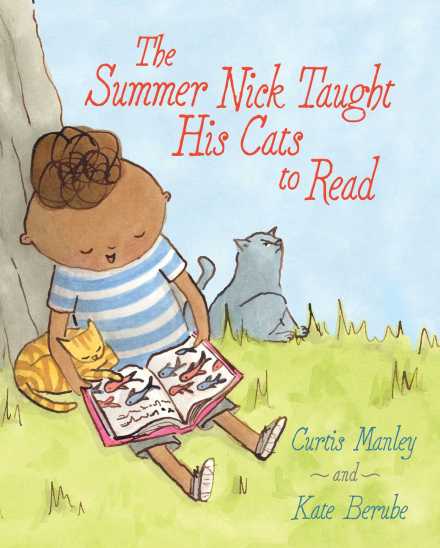
One summer Nick, Verne, and Stevenson did everything together. Nick is a little boy and Verne and Stevenson are two very different cats. Nick and Verne loved to spend time near the water—Stevenson tolerated it. Nick and Verne slept happily in a tent under the stars—Stevenson barely shut his eyes. While Nick rode his bike Verne eagerly sat in the front basket—Stevenson hunkered down in a box on the back. But when Nick sat down to read, both cats had their own ideas of fun—like lying on top of the book—and Nick could hardly read a sentence.
celebrate-picture-books-picture-book-review-the-summer-nick-taught-his-cats-to-read-ball

Image copyright Kate Berube, text copyright Curtis Manley, courtesy of simonandschuster.com

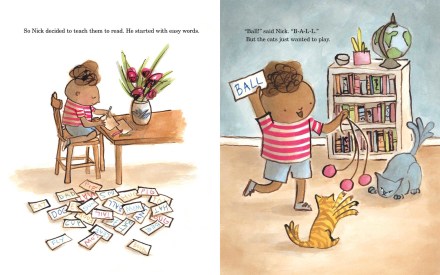
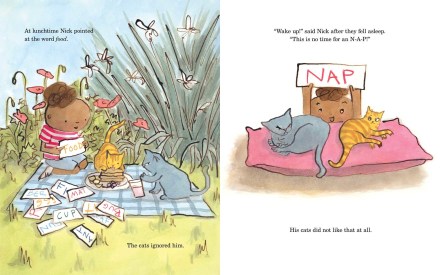
“So Nick decided to teach them how to read. He made flash cards and started with easy words” like “ball,” but Verne and Stevenson just wanted to play with the ball. While the three had a picnic on the lawn, “Nick pointed to the word food. The cats ignored him.” When the cats snoozed Nick woke them with a sign. “‘This is no time for an N-A-P!’” he said. Neither cat responded well, so Nick tried a new tactic. He made word-shaped flash cards. Verne took a nibble of “F-I-S-H,” but Stevenson hid under the bed.
celebrate-picture-books-picture-book-review-the-summer-nick-taught-his-cats-to-read-food-flash-cards

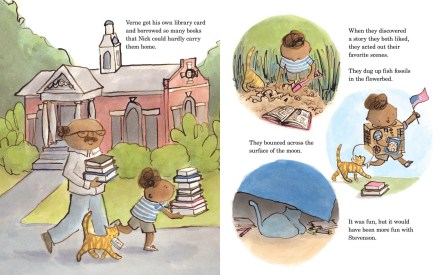
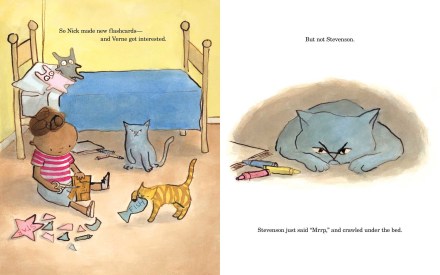
Nick began to see that Verne liked stories about cats and fish. “Verne loved fish. He followed along as Nick read, learning the sounds of the letters.” He even read by himself, discovering new stories, especially 2,000 Leagues Under the Sea. But Stevenson? When Nick spelled words for him, he merely ran under the porch, hissing. By this time Verne was reading so many books that he got his own library card and Nick needed help carrying all of his books home. Nick and Verne had fun acting out their favorite stories, but they missed Stevenson.

One day “Verne discovered a treasure under the bed—a great stack of Stevenson’s pirate drawings. “‘Wow!’” Nick whispered. “‘Stevenson drew a story.’” Nick and Verne put the pages together and began to write words to go with them. When the story was finished, Nick, Verne, and Stevenson “squeezed under the porch, gave Stevenson an eye patch, and read The Tale of One-Eyed Stevenson and the Pirate Gold. Stevenson listened and followed along. He didn’t run away. Or hiss. Not even once.”
celebrate-picture-books-picture-book-review-the-summer-nick-taught-his-cats-to-read-library

Image copyright Kate Berube, text copyright Curtis Manley, courtesy of simonandschuster.com


Suddenly, Stevenson couldn’t get enough of books.  Even before Nick woke up, Stevenson could be found with his nose in Treasure Island or another adventure book, and whenever Nick and Verne played pirates, Stevenson joined in. He helped bring down “scurvy mutineers” and found buried treasure. Now the three readers do everything together. They “hunt for dinosaurs in the lost world behind the garden…race around the yard in eighty seconds…and journey to the center of the basement.” And while they all like to read on their own, they also like it when someone reads to them. “Hmmm…,” Nick thinks, maybe next he could teach his cats to talk. “‘Meow,’ says Stevenson.”
celebrate-picture-books-picture-book-review-the-summer-nick-taught-his-cats-to-read-grumpy-stevenson

Image copyright Kate Berube, text copyright Curtis Manley, courtesy of simonandschuster.com

Curtis Manley’s adorable tribute to reading and learning to read using cats, with their variety of personalities, is inspired. Just as some people respond more to the words while others are attracted by the pictures, Verne and Stevenson have their own relationships with books. The names of the cats and their preferred reading material are also reminders that books are personal, and disinterest in one type of story does not reflect disinterest in all stories. Manley’s text makes for a joyful read-aloud as his language and phrasing is evocative, lyrical, and imaginative.

In perfect accompaniment, Kate Berube brings this creative story to life, illustrating the tender relationship between Nick and his pets as well as emphasizing the humor and distinct personalities inherent in orange striped Verne and smoky gray Stevenson that influence their journeys to literacy. Depictions of the various books Verne and Stevenson are drawn to highlight the literary references in the trio’s further play. Readers will want to stop and peruse the page of library shelves, where such books as “Harry Picaroon and the Swashbuckler’s Stone”, “Harold and the Purple Canon”, “Millions of Rats”, and “Where the Wild Pirates Are” wait to be checked out in the Pirates section.

Kids will eagerly want to adopt The Summer Nick Taught His Cats to Read, and it will snuggle in nicely on children’s bookshelves.

Ages 4 – 8

Simon & Schuster Books for Young Readers, 2016 | ISBN 978-1481435697

Discover “the facts, fictions, poems, and numbers” of Curtis Manley on his website!

View a gallery of Kate Berube‘s art on her website!

International Literacy Day Activity
CPB - Cat Bookmark (2)

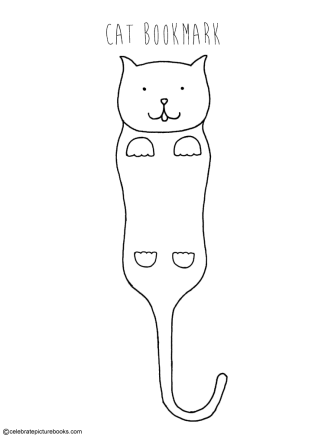
Feline Fine about Reading Bookmark


This want-to-be literary lion feels fine about reading! Let it hold your page while you’re away! Print your Feline Fine about Reading Bookmark and color it!

Picture Book Review

September 5 – Cheese Pizza Day and Q&A with Author/Illustrator Claire Lordon

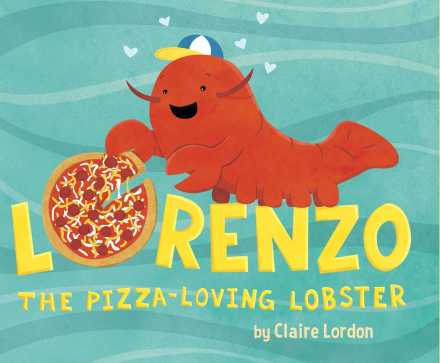
celebrate-picture-books-picture-book-review-lorenzo-the-pizza-loving-lobster-cover

About the Holiday

Once considered the food of Italy’s poorer classes who could not afford the prices of meat, cheese pizza has risen in stature to become a favorite of all. While perfect all on its own, cheese pizza is also a delicious beginning to any combination of ingredients—well, maybe not all, as the characters in today’s book discover!

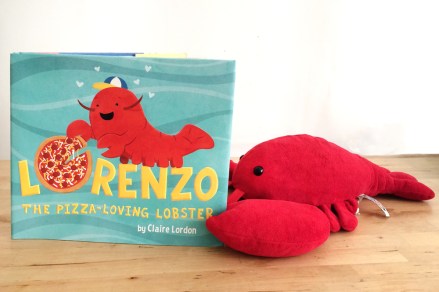
Lorenzo the Pizza-Loving Lobster

By Claire Lordon


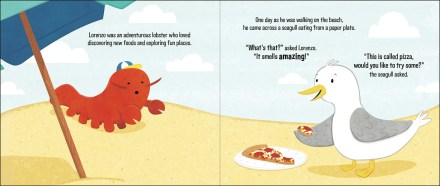
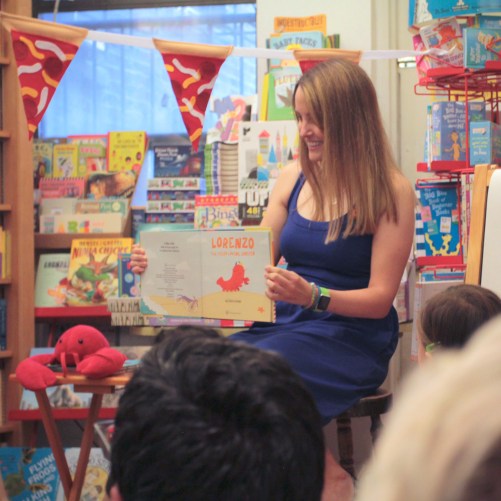
Lorenzo is one adventurous lobster! Not only does he like exploring new places, he loves getting his claws on new foods. One day while at the beach, Lorenzo meets a seagull who has found a tasty slice of pizza to nosh on. “‘What’s that?’” Lorenzo asks, “‘It smells amazing!’” The seagull tells him and invites him to try it. Lorenzo takes a nibble…and then a bigger bite. He loves this pizza thing so much that he eats it all up.

celebrate-picture-books-picture-book-review-lorenzo-the-pizza-loving-lobster-riding-introduced-to-pizza

Image copyright Claire Lordon, courtesy of simonandschuster.com

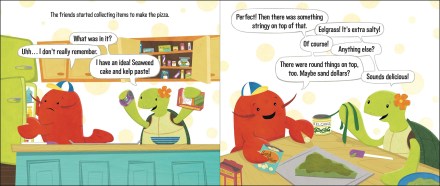
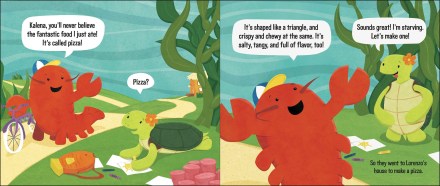
On his way home to tell his friends about his discovery, Lorenzo runs into Kalena, his turtle friend, and tells her all about the triangular food that is “‘crispy and chewy at the same time; salty, tangy, and full of flavor, too!’” Kalena is intrigued and suggests they try to make one themselves. At Lorenzo’s house they begin gathering the ingredients, but when Kalena asks what was in the pizza Lorenzo can’t remember. Kalena looks in the cupboard and pulls out seaweed cake and kelp paste. “‘Perfect!’” agrees Lorenzo. For the “stringy” part, Kalena suggests eelgrass, which also has the benefit of being extra salty. And the “round things on top”? Sand dollars sound delicious!

So the pair bake up their green concoction, and when the timer rings they dig in only to find that it “‘isn’t quite right.’” Not one to give up, Kalena offers a new set of ingredients: “‘kelp dough, squid ink, algae, and coral rings.’” This pizza isn’t right either—in fact, Kalena says, “‘This tastes icky! And the algae is stuck in my teeth!’” Suddenly, Lorenzo has a brainstorm. He remembers that the pizza was made of “‘sponge patties, jellyfish jelly, seaweed noodles, and seashells.’”

celebrate-picture-books-picture-book-review-lorenzo-the-pizza-loving-lobster-making-pizza

Image copyright Claire Lordon, courtesy of simonandschuster.com

Listening to that recipe, Kalena isn’t so sure, but they make it anyway. When this creation comes out of the oven, one small nip convinces Kalena that this one is “‘gross.’” Poor Lorenzo—he so badly wanted to make a delicious pizza with his friend. Kalena leaves Lorenzo’s house with the distinct impression that pizza is terrible. But as she heads up the beach toward home, she smells a delicious aroma. Coming closer she spies a “round food,” and buys one.

With one bite, she’s smitten! This round food is “‘so chewy, and salty, and…wait a minute.’” It dawns on Kalena that this might be the very pizza Lorenzo was talking about. There’s just one thing—why is it a circle? Even though Kalena wants to devour the whole thing, she thinks about how sad Lorenzo was and hurries back to his house with the steaming box. Sure enough, Lorenzo is moping about the afternoon’s debacle.

“‘Hey Lorenzo, look what I found!’” Kalena calls. “‘Holy anchovy!’” Lorenzo exclaims when he tastes it, “‘This is exactly like the pizza I had earlier, but this time it’s big and round!’” They are so excited to dig into their treat, but they carefully study the pizza’s ingredients before eating it all up. One pizza just isn’t enough, so Lorenzo and Kalena make another…and another…and another—and share them with all their friends at a huge pizza party.

celebrate-picture-books-picture-book-review-lorenzo-the-pizza-loving-lobster-telling-kalena

Image copyright Claire Lordon, courtesy of simonandschuster.com

Who knew pizza and the ocean had so much in common—the same salty tang, the same appealing aromas, the same recognizable shapes? Claire Lordon, that’s who! In her funny culinary adventure, Lordon captures the enthusiasm children have to share and replicate a new discovery  but also presents the moments of disappointment when reality and memory don’t match. Kids will “ewww…ohhh…yuck…and yuck it up at the alternative pizza ingredients Lorenzo and Kalena combine in their attempts at a “normal” pizza. These two friends are sweetly supportive of each other through kelp paste and pepperoni and know how to share life’s ups and downs.

Lordon’s adorable sea creatures populate very vivid underwater and beach environments that will be as vibrantly familiar to kids as their own homes and playgrounds with an oceanic twist. Images of the alternate ingredients are clever adaptations of the elements of a normal pizza as Lorenzo remembers the shapes but not the names of the fixings.

Lorenzo, the Pizza-Loving Lobster is a delicious ingredient to add to any child’s bookshelf, and kids will no doubt want to build their own pizzas just like Lorenzo—a crustacean who really knows his crust!

Ages 3 – 8

little bee books, 2016 | ISBN 978-1499802283

Learn more about Claire Lordon and her work on her website!

Cheese Pizza Day Activity

CPB - Pizza Day Toppings

Create Your Pizza Game


Play this fun game to build your pizza ingredient by ingredient before the others! For 2 – 8 players.

Supplies

Directions

Q & A with Claire Lordon

professionalphoto4


Today I’m thrilled to feature a fun interview with the delightful Claire Lordon in which she discusses her influences, her work, and one special “Rhodie” who turned out to be a very lucky lobster!

What were some of the books you enjoyed most as a child and why?

I had many favorite books growing up!  One of my favorites was The Biggest Pumpkin Ever by Steven Kroll. I think I liked this book so much because it had a competition in it and it was also about Halloween (two things I love!). I also enjoyed The Little Mouse, the Red Ripe Strawberry, and the Big Hungry Bear; Corduroy; Tops and Bottoms; Madeline; Curious George; Clifford the Big Red Dog; the Dr. Seuss books; and SO many more.

Lorenzo the Pizza-Loving Lobster is your debut picture book. What influenced you to write it?

Many people have asked me how I got my inspiration for this unique idea – a pizza-loving lobster! The answer is a bit silly and has a story behind it.

It started when I was back in college and my boyfriend and I were at a gift shop that sells Rhode Island merchandise (we went to school in Rhode Island).  My boyfriend noticed a cute lobster stuffed animal and said how much he liked it because it reminded him of a pet crawfish he had growing up.

12650560_10154116099906549_2062464805_n-2

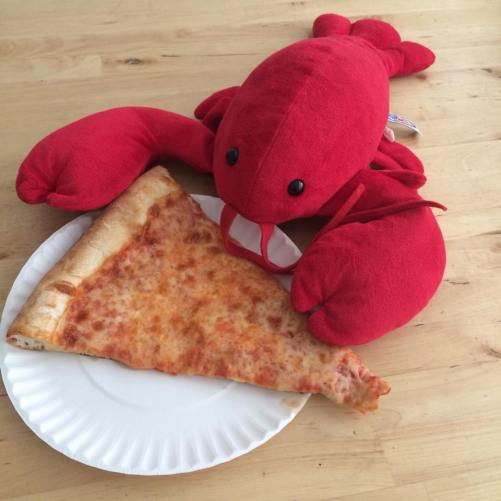
When his birthday came around I decided to give him the stuffed animal lobster that he had admired months earlier.  We chose the name “Rhodie” for the lobster stuffed animal because his backstory is that he is from Rhode Island.  Somehow, one day when we were eating pizza we decided that Rhodie was Italian and loved pizza. It became a joke and I thought how ridiculous it was that a lobster loved pizza!

I thought this would make a great character in a children’s book.  After many revisions and many sketches later Lorenzo, the Pizza-Loving Lobster is now an actual book!

What have you found to be the best part of writing and illustrating a picture book?

The best part, at least recently, has been having others contact me about my book. It could be a simple tweet showing it on the shelves in California or an e-mail saying how much a grandchild loves ‘Lorenzo’. It makes me so happy to know that others love my work too!

01

Your slogan is “Made with a Smile.” Can you talk about your philosophy and what influences your illustration work?

I strive to create art that makes me, and others, happy. My hope is that my art brings the viewer joy and even make them laugh. The influences for my work include traveling, being in nature, and reading many children’s books. I like to have my work be bold and fun.

Can you describe your work space a little?

My studio space is in my apartment in Brooklyn. It consists of a computer, a Cintiq monitor, and a desk for drawing and painting. I also have a giant printer and a scanner.

IMG_0907 (1)

Do you have any other books on the horizon?

At the moment I am ‘shopping’ around a book about a penguin named Bento who is apprehensive about school picture day. I also have two more manuscripts that I’m storyboarding.

Since Celebrate Picture Books is a holiday-themed blog, I can’t let you get away without asking you a few holiday-related questions.

What is your favorite holiday? 

My favorite holiday by far is Halloween. I love that it’s during the fall, with all the changing colors of leaves. My favorite parts are dressing up as a fun character as well as decorating and carving pumpkins. I also like to celebrate small holidays that I discover, such as grilled cheese sandwich day!

Do you have an anecdote from any holiday you’d like to share?

Growing up I never had a store-bought Halloween costume. I would design my own costume and my mom and I would go to the fabric store to see how we could create the design. Then my mom would work her magic and sew a unique costume for me. I’ve been a candy corn, a Beanie Baby, a fairy, and more!

Has a holiday ever influenced your work?

One of my new manuscripts I’m storyboarding now is about Christmas. My family always had a great collection of Christmas books when I was growing up, and I hope this one can make it into the collection someday!

Thanks, Claire! I wish you all the best with Lorenzo, the Pizza-Loving Lobster and your future books!

RhodieReading

You can find Lorenzo, the Pizza-Loving Lobster at:

little bee books | Amazon | Barnes & Noble | Books-A-MillionIndieBound

Picture Book Review

September 4 – National Wildlife Day

celebrate-picture-books-picture-book-review-finding-wild-cover

About the Holiday

Founded in 2005 National Wildlife Day was established to celebrate the diversity of nature and promote the awareness of endangered species worldwide. To celebrate visit an animal sanctuary, zoo, or aquarium—or think about donating your time to a worthy animal cause.

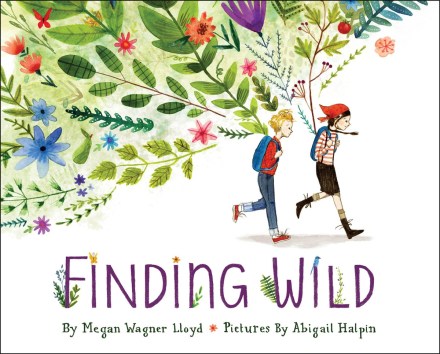
Finding Wild

Written by Megan Wagner Lloyd | Illustrated by Abigail Halpin

A girl and a boy stand with their backs to the stairs leading to the subway contemplating the jungle of growth in front of them. A single floating leaf seems to lead the way. They follow along the path, leaving the city behind and enter the wild. Here “Wild is tiny and fragile and sweet-baby new. It pushes through cracks and crannies and steals back forgotten places.” Wild comes in many guises—some obvious, some not.

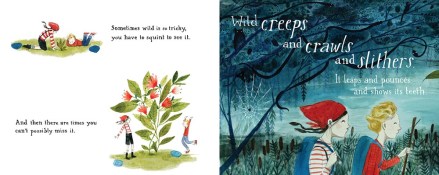
Wild also moves in various ways. As the boy and girl continue on the path passing a spider’s web and shadowy shapes with glowing eyes, wild “creeps and crawls and slithers. It leaps and pounces and shows its teeth.” Everywhere the pair ventures, wild has a distinct smell—fresh or musty, sharp or sweet, tangy or arid. They discover wild can be as hot as a forest fire or as cold as an icicle. Running through a field of flowers and climbing a rocky cliff the two find that wild is “as smooth as the petals of poppies, and as rough as the fierce face of a mountain.” They also find that wild can hurt in so many ways.

celebrate-picture-books-picture-book-review-finding-wild-creepy

Image copyright Abigail Halpin, courtesy of Alfred A. Knopf

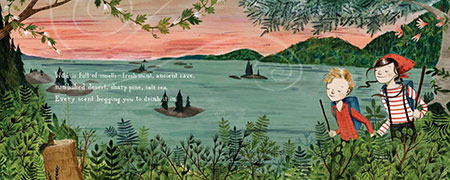
Plunging deeper into the wild the boy and girl uncover more secrets—delicious and quenching. The sounds of wild chill and soothe them. Suddenly, though, the girl and the boy find themselves outside of the wild, back in front of a subway entrance. The wild, now seems far away, invisible and unknown, as if “the whole world is clean and paved, ordered and tidy.” As the pair gaze upward the tall buildings and skyscrapers block the sky. But the girl points to a leaf swirling through the air. They follow it through an open door that leads to a most surprising discovery.  

celebrate-picture-books-picture-book-review-finding-wild-water

Image copyright Abigail Halpin, courtesy of Alfred A. Knopf

Megan Wagner Lloyd entreats readers to rediscover the wild no matter where they live. Her lyrical descriptions of the splendor of nature in all its incarnations—from gentle to intense, quiet to loud, mysterious to open—delightfully capture the way children interact with the environment. Lloyd reminds readers that tasting a single juicy blackberry, thrilling to a coyote’s howl on a dark night, even feeling the prick of a cactus needle connect them to the greater world and that searching for and finding the wild—especially in the midst of an “ordered and tidy” world—brings peace and happiness.

Abigail Halpin’s lush illustrations of the wild environment gorgeously depict the vibrant colors, sometimes chilling shadows, and refreshing water the two children discover in the middle of their city. The thick vegetation rendered in a palette of greens is a riot of ferns, pines, flowering trees, and vines that hide small birds and animals. As the children huddle in a tent, the indigo night crackles with lightning and the songs of coyotes. A two-page scrapbook-type spread displays various plants and insects that sting, burn, or cause itching. When the boy and girl reenter the city, buildings—old and new—billboards, and traffic meet their eyes, but they keep their gaze on the leaf leading them on. That leaf invites readers, also, to get outside and explore the wild.

Ages 3 – 8

Alfred A. Knopf, Random House Books for Young Readers, 2016 | ISBN 978-1101932810

Discover more about Megan Wagner Lloyd, the world of Finding Wild, and news on her upcoming book on her website!

View a gallery of artwork by Abigail Halpin on her website!

Wildlife Day Activity

celebrate-picture-books-picture-book-review-forest-coloring-page

Explore the Forest Coloring Page

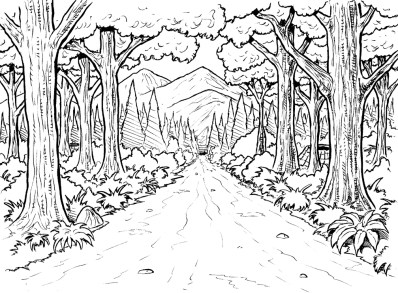
Take the path on this printable Forest Coloring Page to explore all nature has to offer. Add your own animals or birds to the picture—and maybe even yourself!

Picture Book Review
September 3 – International Vulture Awareness Day

celebrate-picture-books-picture-book-review-vulture-view-cover

About the Holiday

With their bald pink heads and dusty brown feathers vultures and turkey vultures may not be the peacocks of the bird kingdom, but they play a crucial role in the environmental cycle. These scavengers live on carrion, clearing away and “recycling” the carcasses of dead animals. Because of the vulture’s appearance and stereotypical depictions, their plight as an endangered species goes largely unnoticed. Environmental groups in South Africa and England established today’s holiday (also known as International Turkey Vulture Day) to promote awareness f the declining number of vultures, a cause that has been picked up by zoos and other conservation groups around the world.

Vulture View

Written by April Pulley Sayre | Illustrated by Steve Jenkins


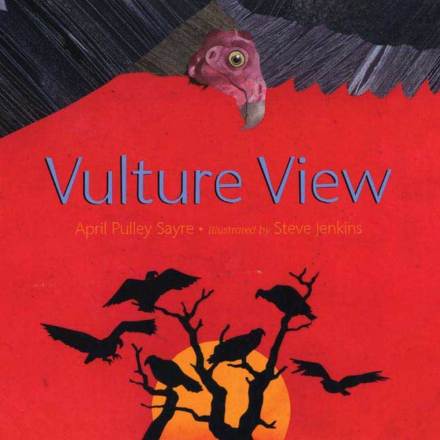
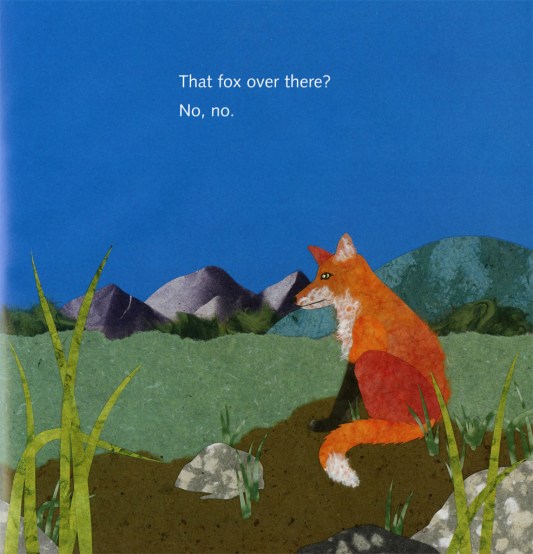
In the clear blue morning sky the vultures soar. “Wings stretch wide / to catch a ride / on warming air / Going where?” One turkey vulture scans the ground, dipping and tilting as it searches for its breakfast. A snake rattles and hisses in the rocks. The vulture passes it by. A golden fox gazes silently into the distance, but the vulture flies away. A bear half-way up a tree would be easy prey, but the vulture lets him continue his climb.

celebrate-picture-books-picture-book-review-vulture-view-fox

Image copyright Steve Jenkins, courtesy of us.macmillan.com

The turkey vultures are searching for a particular meal. They “smell the air. / They sniff, search, seek / for foods that… / REEK! The aromas of the landscape rise to the vultures. Are they attracted by the “fragrant flowers? / No, no.” “That spicy smoke? No, no.” Maybe “that stinky dead deer? Yes, yes!”

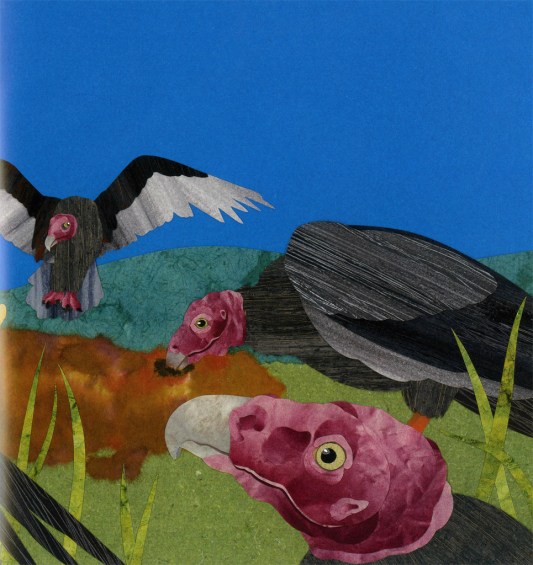
The vultures descend to dine on their “rotten” meal. Afterward they clean themselves in the nearby water and preen their feathers. Still hungry, “they hop, flap, soar / to look for more.” As the sun sets the vultures’ “wings glide, wings ride / through cooling air.” They come from all over to vulture trees—beautiful, bare silhouettes on the sky—to “settle and sleep, like families.”

celebrate-picture-books-picture-book-review-vulture-view-vultures-eating

Image copyright Steve Jenkins, courtesy of us.macmillan.com

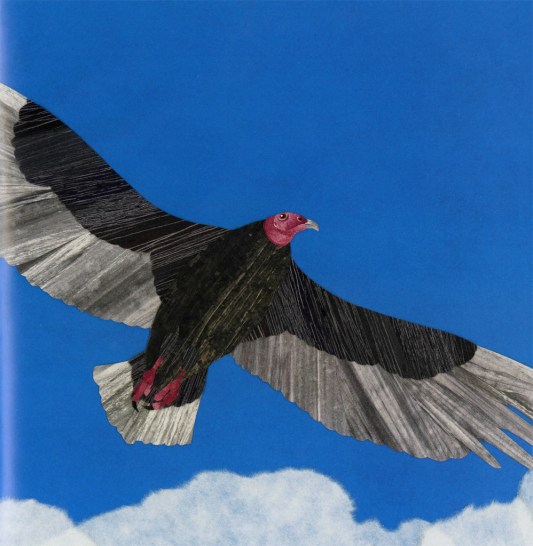
With the rising sun and the warmer air, the vultures take to the sky again in search of their singular meal.

Intriguing facts about how vultures fly, the seven species of vultures, why and how vultures feed on carrion, nesting behaviors, and vulture festivals around the United States follow the text.

In this Theodor Seuss Geisel Honor Book, April Pulley Sayre brings a poet’s sensibility to the misunderstood vulture. In her lyrical lines the sights and smells of the vulture’s terrain and the vulture’s flight patterns are elevated to educate young readers of the actual beauty of this distinctive species. The benefits vultures provide to the environment as well as their familial attachments make these birds some of the most fascinating animals in the wild kingdom. Who among us doesn’t look up at the circling majesty of birds of prey? Sayre’s text gives readers the bird’s eye Vulture View.

celebrate-picture-books-picture-book-review-vulture-view-soaring-vulture

Image copyright Steve Jenkins, courtesy of us.macmillan.com

With his signature cut-paper collage illustrations, Steve Jenkins gives shape to the vulture’s world. The mottled dark body and the wings and tail fringed with white meet layers of pink that form the vulture’s wrinkled head. The rattlesnake is a smooth combination of greens and browns while the fox is brilliantly orange and soft. Hills and mountains jut from the bottom of pages, and a bony carcass lays amid tall grass, decaying and attracting a vulture. As the birds streak through wispy fiber clouds to descend upon the vulture tree in the shadowy evening, readers will come to appreciate the life and role of the vulture.

Ages 4 – 8

Henry Holt and Company, 2007 | ISBN 978-0805075571

Wow! You will find a wealth of information on April Pulley Sayre‘s website which includes her many books, educators’ resources, and much more information on natural history topics.

Even just hovering over the icon links on Steve Jenkins‘ website is fun—and there’s so much more to discover once you click on them!

International Vulture Awareness Day Activity

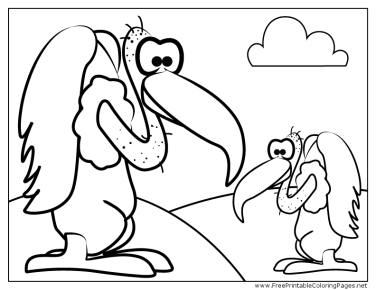
celebrate-picture-books-picture-book-review-vultures-coloring-page

Valuable Vultures Coloring Page


Vultures are a valuable part of our ecosystem. Here’s a printable Valuable Vultures Coloring Page for you to enjoy. Why not try your hand at using cut or torn paper like Steve Jenkins does in Vulture View to fill in the design?

Picture Book Review
September 2 – It’s Children’s Good Manners Month

celebrate-picture-books-picture-book-review-interrupting-chicken-cover

About the Holiday

As kids go back to school and interact with other students, teachers, coaches, group leaders, and others, this month is dedicated to the kinds of manners that promote good relationships and cohesive gatherings. Thinking about others and how your actions will affect them is part of being a great friend, teammate, or participant in any activity. Family life with parents and siblings is also better when everyone treats each other with good manners. So this month (and afterward) remember to say “please, thank you, you’re welcome, may I” and all the rest of the polite words!

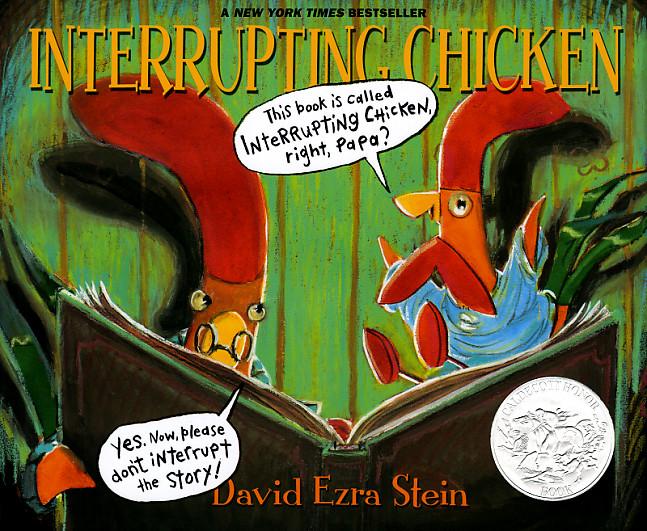
Interrupting Chicken

By David Ezra Stein


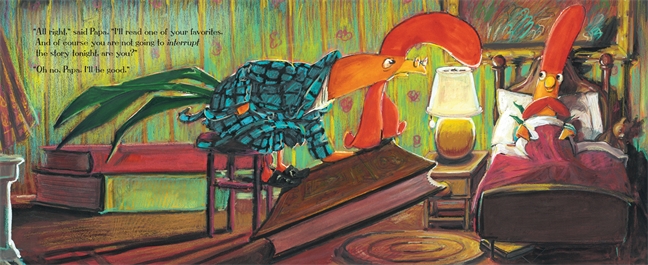
It’s time for a certain little red chicken to go to sleep, and Papa is about to plunk his chick into bed when the subject of a bedtime story comes up. Papa agrees to read one of his daughter’s favorites—after being reassured that she won’t interrupt the story tonight. “‘Oh no, Papa. I’ll be good,’” she says.

So Papa opens Hansel and Gretel and begins to read. He’s related that Hansel and Gretel were very hungry and that while out in the woods they found a house made of candy. “Nibble, nibble, nibble; they began to eat the house, until the old woman who lived there came out” and invited the children in. “They were just about to follow her when—”… the little chicken can’t help herself: “Out jumped a little red chicken, and she said, ‘DON’T GO IN! SHE’S A WITCH!’ So Hansel and Gretel didn’t. THE END!”

celebrate-picture-books-picture-book-review-interrupting-chicken-going-to-bed

Image copyright David Ezra Stein, courtesy of Candlewick Press

Papa peers over the top of his story book and he and his daughter give each other a long look. “‘Chicken.’” “‘Yes, Papa?’” “‘You interrupted the story. Try not to get so involved.’” “‘I’m sorry, Papa. But she really was a witch.’” Papa understands, but he also tells little chicken that she should relax and try to fall asleep. His daughter agrees to be good if he reads another story.

Papa turns the page to Little Red Riding Hood. He reads about how Little Red Riding Hood’s mother gave her a basket of goodies to take to Grandma and warns her about the dangers in the woods. “By and by she met a wolf who wished her ‘Good Morning.’ She was about to answer when—”…the little avid reader can’t help herself again! “Out jumped a little red chicken, and she said, ‘DON’T TALK TO STRANGERS!’ So little Red Riding Hood didn’t. THE END!”

Papa puts the story book down and gazes into his daughter’s wide-awake eyes. She apologizes for interrupting a second time and suggests “one more little story” and promises to behave. Papa picks a most appropriate story for the third go-around: Chicken Little. He starts off with the unfortunate event when Chicken Little is hit on the head by an acorn and mistakenly thinks that the sky is falling. “She was about to run off and warn Goosey Loosey, Ducky Lucky, Henny Penny, and everyone on the farm the sky was falling when—”…the little chicken loses control yet again. “Out jumped the little red chicken, and SHE said, ‘DON’T PANIC! IT WAS ONLY AN ACORN.’ So Chicken Little didn’t. THE END!”

celebrate-picture-books-picture-book-review-interrupting-chicken-one-more-story

Image copyright David Ezra Stein, courtesy of Candlewick Press

Papa is now flat out tired and—even though his little chick hugs him and vows that with only one more story she’ll fall asleep—out of stories. Little chicken exclaims, “‘Oh no, Papa. I can’t go to sleep without a story!’” Yawning, Papa suggests that his daughter tell him a story. She grabs her notebook and crayons and begins. “Bedtime for Papa by CHiKn Once there was a little red chicken who put her Papa to bed. She read him a hundred stories. She even gave him warm milk, but nothing worked: he stayed wide awake all—”

Suddenly, the sounds of snoring interrupt her storytelling. She looks up from her page to find her father fast asleep in her bed. She pats him on the head “‘Good night, Papa.’” she whispers before finally falling asleep herself.

David Ezra Stein’s Caldecott Honor book is a hilarious retelling of the nightly bedtime story scene in so many households. One story just isn’t enough, and familiar stories just beg to be finished by excited little voices. The father/daughter relationship in Interrupting Chicken is sweet and endearing, as the day-weary dad reads story after story and his daughter chimes in. Any parent or caregiver has gazed at their little charge in just the way Papa does, and they have all received the same knowingly innocent eyes back.

Stein’s glowing blue, green, and red illustrations of the adorable little chicken with her very tall comb tucked into bed and her father’s equally as long comb and waddles, cozy bathrobe and slippers will make kids fall in love with this duo. The stories Hansel and Gretel, Little Red Riding Hood, and Chicken Little are cleverly depicted in vintage black, brown, and white hues that are brilliantly interrupted by the little chicken and her well-timed warnings. In each even the original stories’ characters react to being so “rudely interrupted” and are left with dubious expressions as our little heroine saves the day.

Animated readings (there’s no way you’ll get away with just one!) will make Interrupting Chicken one of the favorite books on your child’s bookshelf.

Ages 4 – 8

Candlewick Press, 2010 | ISBN 978-0763641689

Don’t’ interrupt this funny book trailer!

Children’s Good Manners Month Activity

celebrate-picture-books-picture-book-review-good-manners-matter-word-search

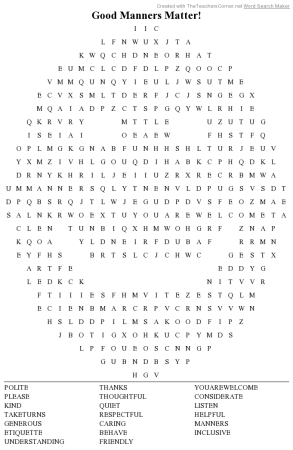
Good Manners Matter! Word Search


Using good manners makes you and those around you smile! Find the 20 manners-related word in this Printable Good Manners Matter! smiley-faced-shaped puzzle! Here’s the Solution!

Picture Book Review
September 1 – World Letter Writing Day

celebrate-picture-books-picture-book-review-dear-dragon-cover

About the Holiday

Remember the thrill of receiving a letter—a real letter full of exciting news, lovey-dovey stuff, photos, or a highly anticipated answer to some inquiry or application? The footsteps of the postal carrier on the stoop, the creak and small bang of the mailbox lid opening and closing, and the view of a long envelope sticking out the top could all set the heart racing. Or perhaps you were the letter writer, pouring your experiences, heart, and hopes onto a piece of paper that might have been colored or even scented. World Letter Writing Day celebrates those missives that allow for the development of higher vocabulary and story-telling skills and provided physical souvenirs of a life well lived.

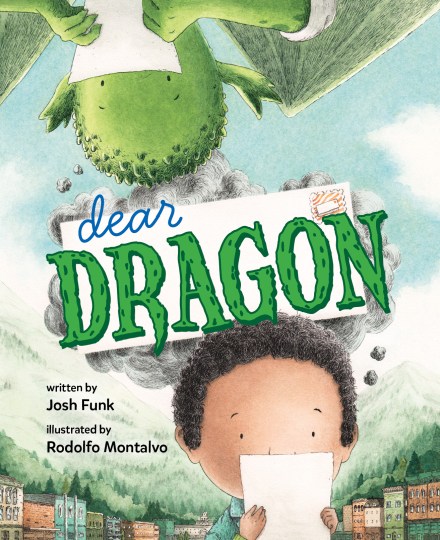
Dear Dragon

Written by Josh Funk | Illustrated by Rodolfo Montalvo


In a bit of cross-curriculum creativity, the teachers in two distinct school districts have combined the annual poetry units and pen pal projects. Not only do the kids get to make new friends, they must write their letters in rhyme. George Slair has been matched up with Blaise Dragomir. What George doesn’t know—but readers do—is that Blaise is a dragon; and what Blaise doesn’t know—but readers do—is that George is a boy.

In his first missive, George begins boldly and honestly: “Dear Blaise Dragomir, / We haven’t met each other, and I don’t know what to say. / I really don’t like writing, but I’ll do it anyway. / Yesterday my dad and I designed a giant fort. / I like playing catch and soccer. What’s your favorite sport? / Sincerely, George Slair”

As Blaise reads the letter he interprets George’s cardboard box, blanket, and umbrella fort as a medieval stone fortress with an iron gate and whittled-to-a-point log fencing. Blaise writes back: “Dear George Slair, / I also don’t like writing, but I’ll try it, I suppose. / A fort is like a castle, right? I love attacking those. / My favorite sport is skydiving. I jump near Falcor Peak. / Tomorrow is my birthday, but my party is next week. / Sincerely, Blaise Dragomir”

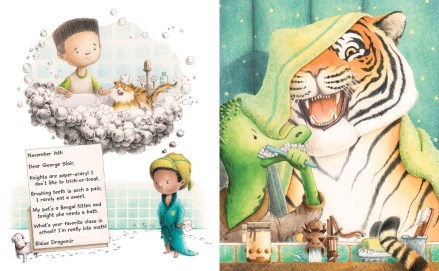
In his next letter, dated October 31, more earth-bound George tells Blaise that parachuting is awesome, that his dog destroyed his fort, and that he is trick-or-treating as a knight—a revelation to which Blaise has a visceral response. But what is scary to one pal is tame to the other. On November 14th Blaise relates: “Knights are super scary! I don’t like trick-or-treat. / Brushing teeth is such a pain, I rarely eat a sweet. / My pet’s a Bengal Kitten and tonight she needs a bath. / What’s your favorite class in school? I’m really into math!”

celebrate-picture-books-picture-book-review-dear-dragon-bengal-kitten

Image copyright Rodolfo Montalvo, courtesy, Viking Books for Young Readers

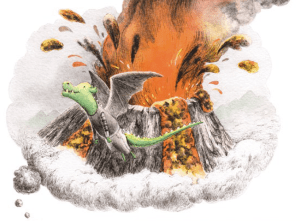
Reading December’s letter Blaise learns that George likes art and imagines George’s table-top volcano science project as a roaring, lava-spewing mountain while in January George is impressed to learn that Blaise’s father is a fire-breather. He conjures up images of a dad in a fancy, caped costume creating fire out of nothing while the truth is a lot more explosive. February brings word that there is a pen pal picnic planned for June, and in March Blaise tells George about a special outing with his dad: “Soon he’s gonna take me flying, once it’s really spring. / It’s such a rush to ride the air that flows from wing to wing.”

Springtime also sees the two becoming better friends. The formal “Sincerely, George” or “Sincerely, Blaise” sign-off of the first letters has evolved into “Your friend”  as George expresses his wonder at Blaise’s parents: “Hi, Blaise! / Skydiving and flying? Wow, your parents rock! / I’m lucky if my father lets me bike around the block.” Then it appears that this project has been a success in all areas as George asks, “Once the school year’s over and this project is complete, / should we continue writing? ‘Cause it could be kind of neat….”

Blaise is all in. In his May letter, he writes, “Hey, George! / I’m psyched about the picnic and I can’t wait to attend. / Who’d have thought this pen pal thing would make me a new friend? / Writing more sounds awesome. I was gonna ask you, too! / I’ve never liked to write as much as when I write to you.”

celebrate-picture-books-picture-book-review-dear-dragon-volcano

Image copyright Rodolfo Montalvo, courtesy of Viking Books for Young Readers

With a growing sense of anticipation, readers know that with a turn of the page June will come, and that June brings the long-awaited picnic. How will George and Blaise react when they see each other? As the kids approach the Pen Pal Picnic spot, their mouths hang open and their eyes grow wide. One even has his hands to his face. And as the dragons peek out from behind the trees, their mouths hang open and their eyes grow wide. One even has her hand to her face.

“‘Blaise?’” George ventures, as a slice of tomato drops from his hamburger. “‘George?’” Blaise presumes, although he wrings his tail. “‘My pen pal is a dragon?’”… “‘My pen pal is a human?’”

These two-page spreads say it all—or do they? Well, not quite…

Huge grins burst out as George and Blaise exchange high fives (and fours). The other kid- and-dragon pals are having a blast too! And the teachers? “‘Our plan was a success, my friend, or so it would appear!’ / ‘The Poetry and Pen Pal Project! Once again next year?’”

With his usual aplomb, Josh Funk charms with rhyme and reason in this clever tribute to friendship, diversity, and writing (on paper!). The letters between the two pen pals are endearingly kid-like, full of the subjects that are important in a child’s life, including pets, school, hobbies, and parents, and that can be brilliantly open to interpretation—or misinterpretation. Blaise Dagomir and George Slair’s names are similarly inspired, and may introduce kids to the ancient legends of Saint George and the Dragon and the poem by Alfred Noyes, St George and the Dragon. Kids will enjoy seeing how George and Blaise’s friendship grows over the school year, evidenced in the openings and closings of their letters. The letters are a joy to read aloud as the rhymes swoop and flow as easily as Blaise soars through the air.

Following the alternating sequence of the letters, Rodolfo Montalvo depicts each pen pal’s perception of the message along with the reality in his illustrations that are—as George exclaims—“as awesome as it gets.” Both characters are sweet and earnest, and while surprised by what they think the other’s life is like, happily supportive. The full-bleed pages and vibrant colors dazzle with excitement and humor and ingenious details. Kids will love the juxtaposition of George’s idea of Blaise’s Bengal “kitten” and the reality of a nearly full-grown tiger. The two views of fire-breathing will also bring a laugh, and readers will enjoy picking out features of the two homes. The final spreads build suspense as to how George and Blaise will react to each other, and the resolution is a delight.

One striking aspect of both the text and the illustrations is the similarity between the two pen pals. While their activities and experiences may be on different scales, they are comparable and understandable to each child. Likewise, everywhere in the paintings, Montalvo uses complementary colors to unite George and Blaise. This cohesiveness beautifully represents the theme of inclusiveness.

Dear Dragon is released September 6 and is certain to be a book children treasure. The fun dual meaning rhymes and endearing illustrations make Dear Dragon a must for kids’ (and dragon’s) bookshelves.

Ages 4 – 9

Viking Books for Young Readers, 2016 | ISBN 978-0451472304

From more books to activities for kids, there’s so much to see and do on Josh Funk’s website!

Discover the world of Rodolfo Montalvo’s books and artwork on his website!

Dear Reader, check out this blazing hot book trailer!

World Letter Writing Day Activity

celebrate-picture-books-picture-book-review-dragon-pencil-case-front-eyes-down

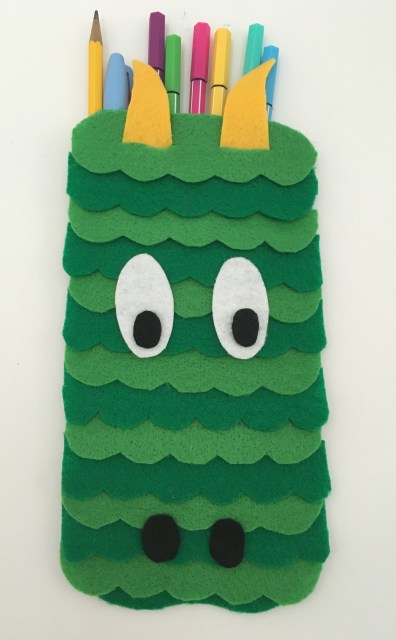
Dependable Dragon Pencil Case


U-knight-ing all your pens, pencils, and other supplies in this Dependable Dragon Pencil Case will fire up your imagination! Have a blast making this fun craft!

Supplies      

  • Printable Dragon Pencil Case Template – Wings | Face
  • Sheets of felt, 8 ½-inch by 11-inch
  • 2 Dark green
  • 1 Light green
  • 1 white
  • 1 black
  • 1 yellow
  • 1 purple
  • Fabric Glue
  • Glitter glue or Fabric paint (optional)
  • Scissors
  • Velcro
  • Green Thread (optional if you would like to sew instead of glue your case)
  • Needle (optional, needed if sewing)

Directions

  1. Print the Dragon Templates
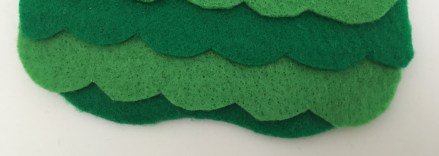
  2. Cut out alternating rows of scales from the dark and light green felt (7 each). For one row, cut a rounded top (instead of straight across) to make the top of the head (see picture). (One row of scales is longer so you can tile them. You will trim them later: see the double row of scales on the template for how the scales should look)
  3. Cut the eyes from the white felt, pupils and nostrils from the black felt, horns from the yellow felt, and wings from the purple felt. Set aside.

celebrate-picture-books-picture-book-review-dragon-pencil-case-top-of-head

To make the head

  1. Fold one dark piece of felt in half lengthwise
  2. Cut a wavy line along the bottom of the felt to make lips (see picture)
  3. Glue a ½-inch-wide strip along open side and along bottom (or you can sew it)

celebrate-picture-books-picture-book-review-dragon-pencil-case-bottom-snout

To add the scales

  1. Starting at the bottom, lay on row of scales a little above the wavy bottom. Glue the top to the base.
  2. Overlap an alternating green row of scales on the first row, glue the top
  3. Continue alternating dark and light green scales until you reach 9 inches
  4. Use the rounded row of scales for the top of the head (see how to insert horns before attaching top of head)

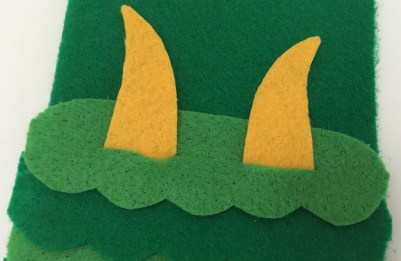
To insert the horns

  1. On the rounded row of scales, mark where you want the horns to be
  2. Cut two small slices in the felt where the horns will go
  3. Insert the bottoms of the horns into the slits

To finish the head

  1. Glue the top of the head to the base
  2. Trim any longer rows of scales to meet the edges of the base
  3. Add the eyes and nostrils to the face

To make the closure for the case

  1. Cut the base following the line of the rounded row of scales
  2. Glue or sew strips of Velcro along the inside edges

To attach the wings

  1. Turn the dragon case to the back
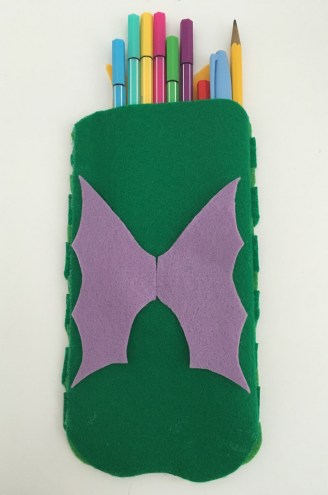
  2. Glue or sew the wings to the center of the back, attaching them at the center edge
  3. Outline the wings in glitter glue (optional)

celebrate-picture-books-picture-book-review-dragon-pencil-case-back

Picture Book Review
August 27 – International Bat Night

celebrate-picture-books-picture-book-review-bats-in-the-band-cover

About the Holiday

From the time that darkness falls on August 27 until the sun rises on August 28, people in more than 30 countries organize walks, talks, and all kinds of educational and fun activities related to bats and their conservation. Why not find an event in your neck of the woods—or cave—and celebrate this most unusual and beneficial animal!

Bats in the Band

By Brian Lies


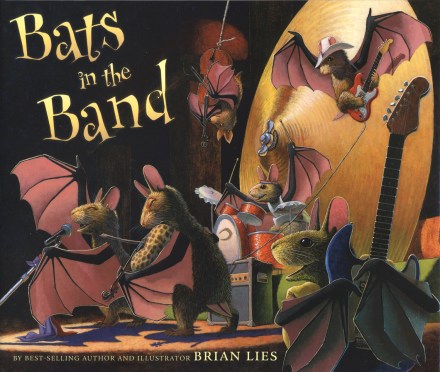
Huddled together a colony of bats sleeps through the winter, but as the icy weather warms they stretch their wings and take flight to find food. As they swoop through the air chasing the echoes they hear, these animals that live by echolocation sense “that something’s not right. / And then when a bugle blast shatters the night, / that one lonely note tells us just what is wrong: / We’re hungry for sound—we’ve been silent too long.”

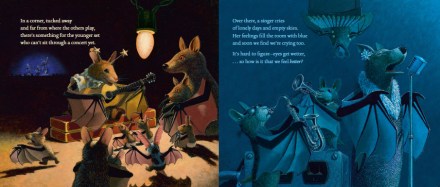
The bats swarm to a summertime theater now quiet and dark except for a small glow that invites  them inside. They enter the building—passing hawkers of T-shirts, posters, and hats—and set up the stage and the lights. Some bats have brought their own instruments while others improvise with the leftovers of last season’s concertgoers. “Behind the stage curtain, they’re getting in tune, / making up things out of straws, out of spoons.”

celebrate-picture-books-picture-book-review-bats-in-the-band-one-bat-band

Image copyright Brian Lies, courtesy of Houghton Mifflin Harcourt (hmhco.com)

Finally, the conductor lifts his baton, and the concert begins. “We sing together as one voice. / It seems the very walls rejoice! / All together, rafters ringing… / it’s as though our souls are singing.”  Then the strings “change the mood to sweet and mellow” before a one-bat band takes over. “Next up, there’s a country song—/ some lonesome bat done someone wrong. / He’s  gone and broken someone’s heart. / Now everything has come apart.”

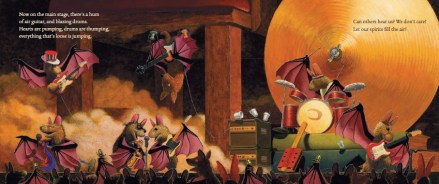
There’s even an entertainer for children far off in a corner where the pups can run and play. Now on stage a blues singer “cries of lonely days and empty skies” that make the bats cry. “It’s hard to figure—eyes get wetter, / …so how is it that we feel better?” There’s not much time for reflection though as a hard-rock band begins “blazing,” “pumping,” and “jumping.”

celebrate-picture-books-picture-book-review-bats-in-the-band-blues-singer

Image copyright Brian Lies, courtesy of Houghton Mifflin Harcourt (hmhco.com)

While everyone is dancing to the beat, the sun begins to rise signaling that it’s time for the bats to go. But in one last blast, all the musicians jam together. “The music soars. Finale’s here, the ending of the song. / It builds and builds—now here it comes! / It’s going…/ going…/ GONG!” With that last bang of the cymbal the bats, “worn out, wrung out, half asleep,” fly from the theater and out into the dawning day. In the air they discover the music in everything from “the roar of a car, or the bark of a pup—/ the sound of the rest of the world waking up.” As they fall into slumber up in their cozy rafters, the bats continue to sway unconsciously. “It’s not our intention, but you understand. / We’re dreaming of being the bats in the band.”

Brian Lies “Bat” books are well-known and well-loved. Bats in the Band continues the excellent storytelling and poetry of his other titles, this time to a rock-n’-roll beat. The idea of bats needing to hear sound after a long winter’s silence is brilliant, and these bats play almost as many different styles of music as there are species of bat. The rhyme scheme is true and musical, carrying the story well through its words and rhythm.

celebrate-picture-books-picture-book-review-bats-in-the-band-rock-n-roll-bats

Image copyright Brian Lies, courtesy of Houghton Mifflin Harcourt (hmhco.com)

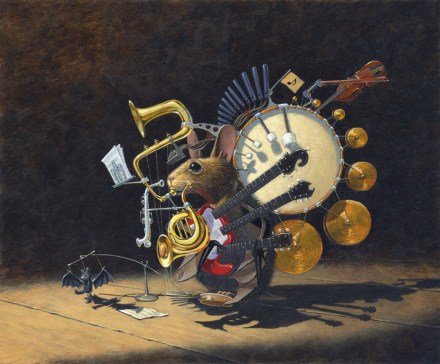
Lies’ illustrations remain as clever as ever. The two-page spread of the bats choosing and tuning up their instruments is a joy. Bats make a xylophone from keys hanging on a peg board and two nails for mallets. Instead of a harp, a bat plucks the tines of a plastic comb, and a bendy straw serves as a fine wind instrument. The string section plays while hanging upside down (of course!). The pups’ entertainer will bring a smile to readers’ faces, and the blues singer performs under cool blue lights.

Kids and adults will love lingering over the detailed pages, where allusions to actual concert atmospheres abound. Look for the bats holding aloft lightning bugs in a tribute to a long-held tradition.

Bats in the Band is a rockin’ addition to Brian Lies collection and will be welcome on any child’s shelf—whether they are completing the set or just starting it!

Ages 4 – 8

Houghton Mifflin Harcourt, 2014 | ISBN 978-0544105690

Visit Brian Lies‘ website to learn more about him, view his many books, and see a gallery of his artwork.

International Bat Night Activity

celebrate-picture-books=picture-book-review-spiral-bat-words-word-search

Spiraling Bats Word Search


Find the bat related words in this printable Spiraling Bats Word Search that dips and soars like the flight of a bat! Here’s the Solution.

Picture Book Review