April 9 – National Unicorn Day

About the Holiday

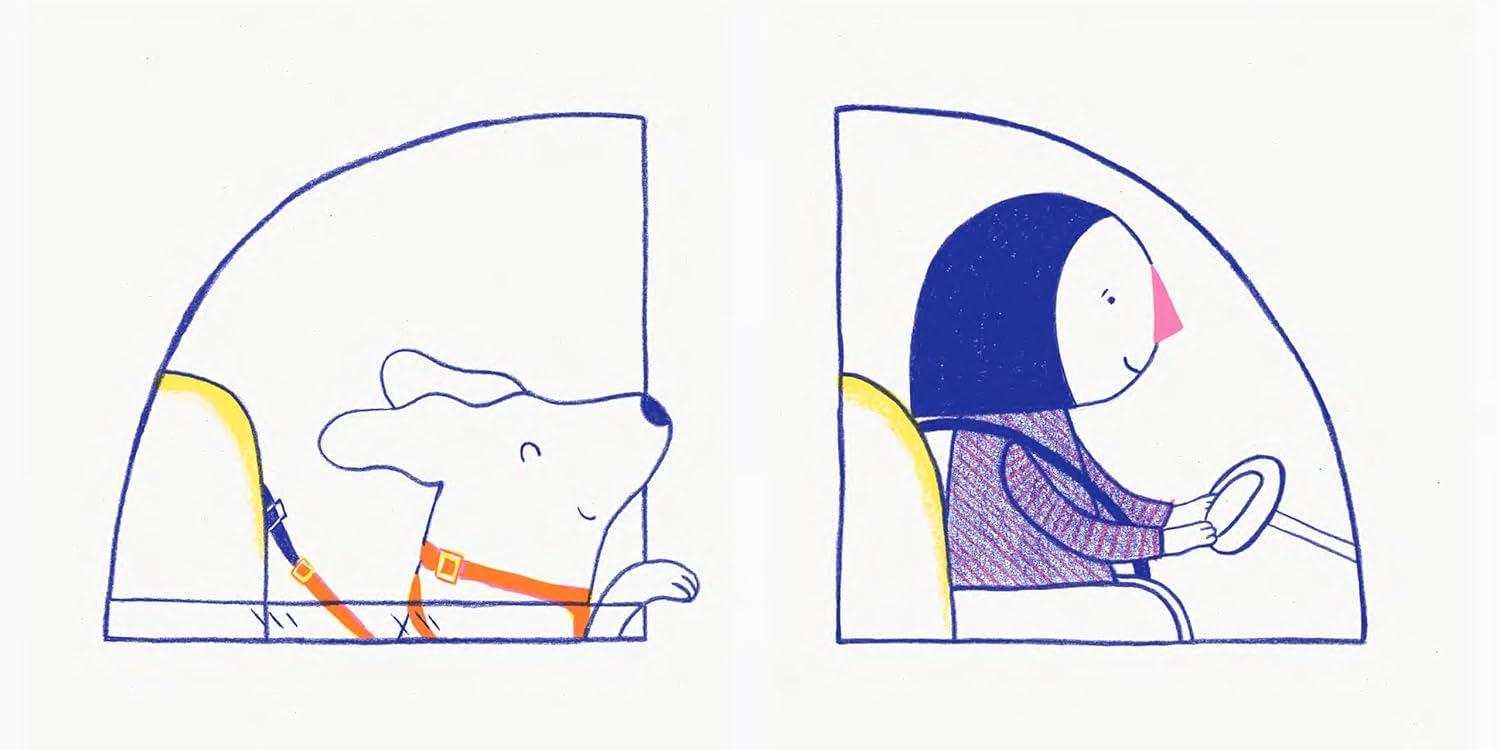
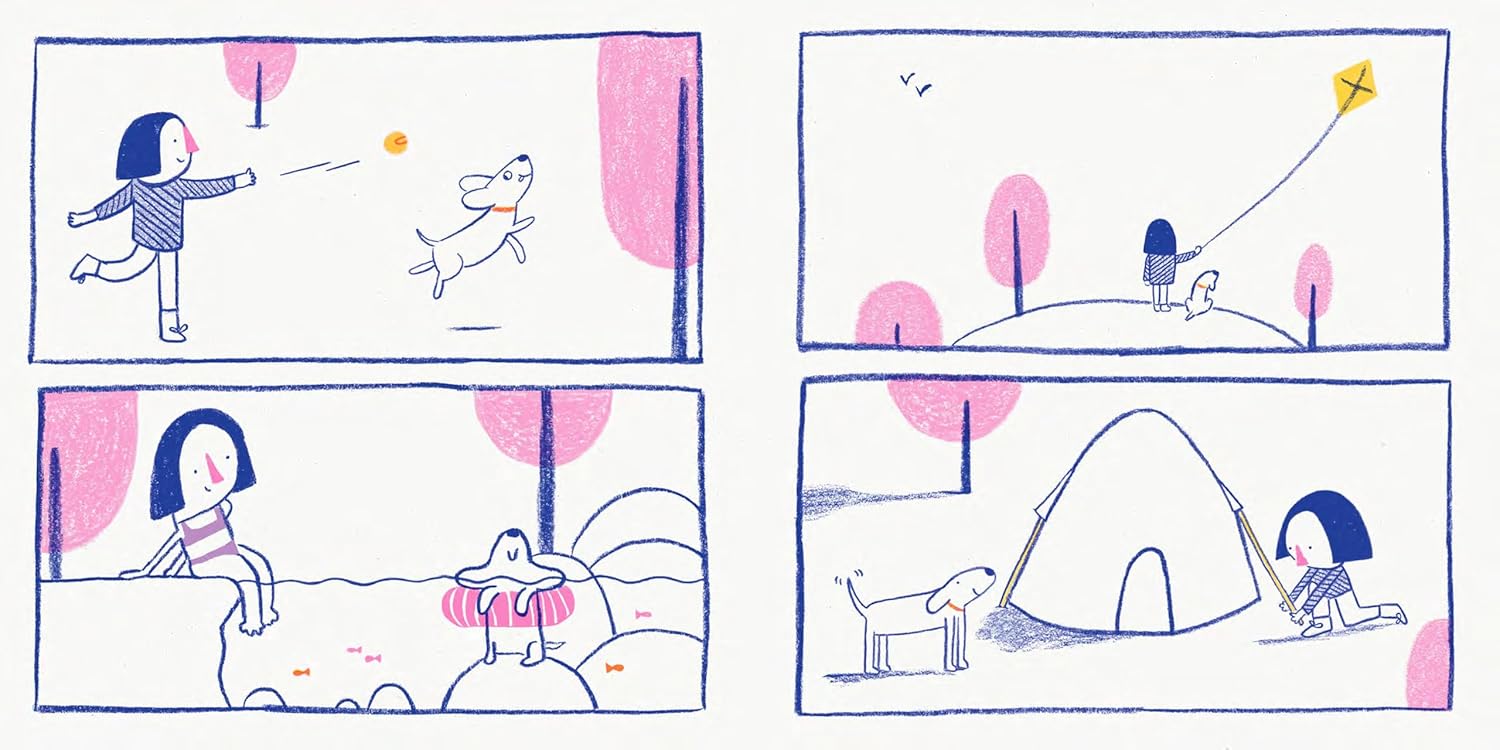
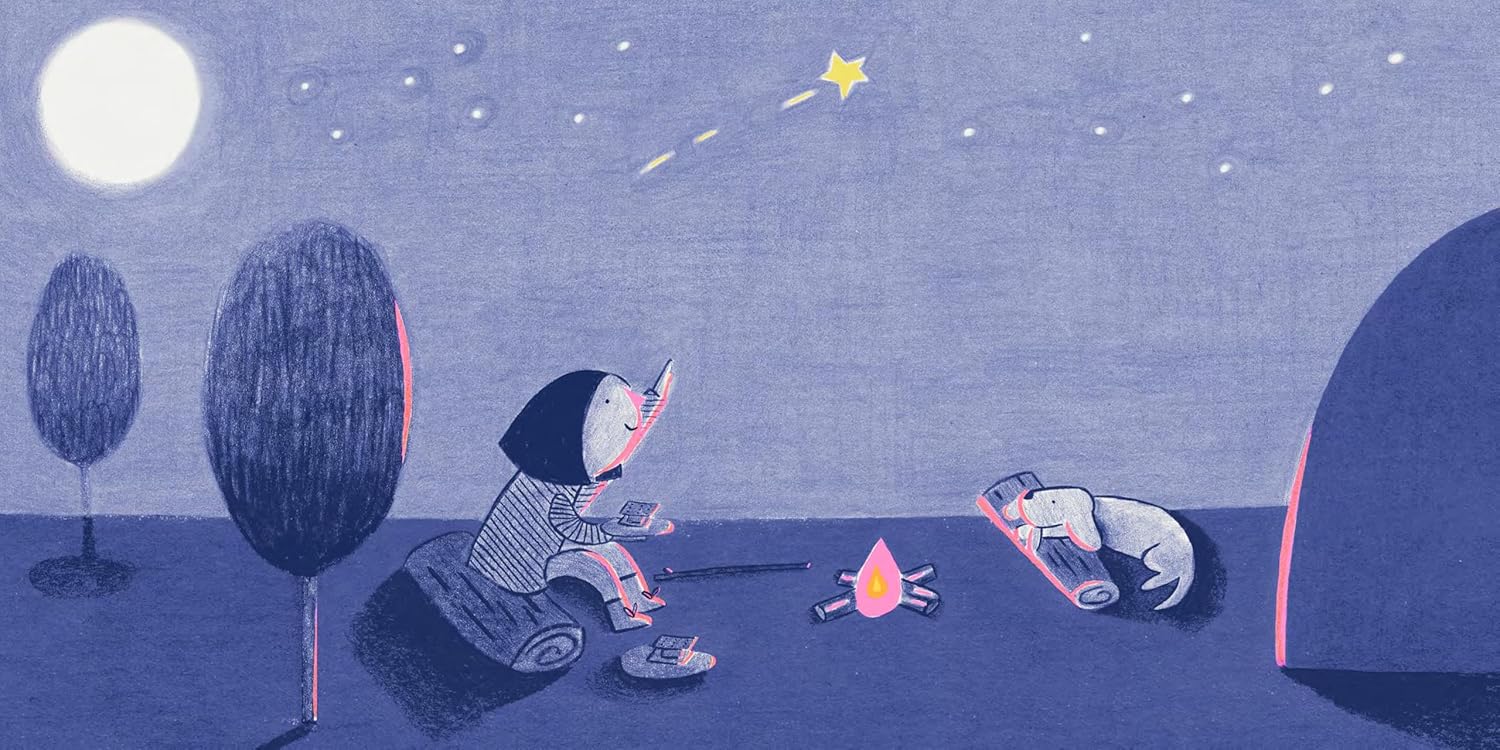
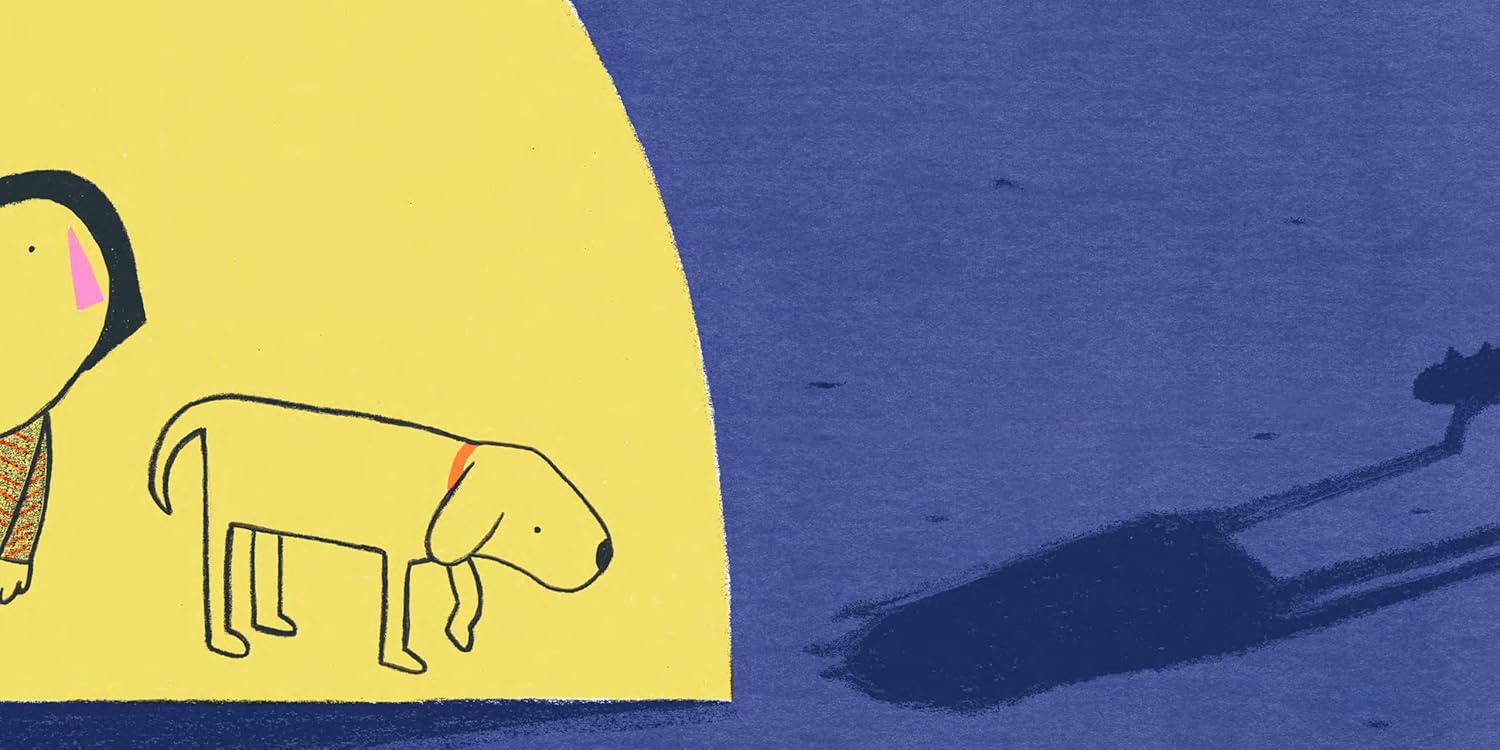
There may be no more beloved magical creature than the unicorn. Unicorns have been part of legend since ancient times, undergoing changes from an image of fierceness and power to a representation of strength and true love to today’s more glittery superstar. To celebrate today, learn more about the history of these mystical animals and check out the latest addition to the wildly popular unicorn-tastic Unicorn Diaries series!

Thank you to Scholastic for sharing a copy of The Secret of the Lost Gold with me.

The Secret of the Lost Gold (Unicorn Diaries #11)

By Rebecca Elliott


As the latest story in the Unicorn Diaries begin, Rainbow Tinseltail (Bo, for short) reveals that dark clouds and lightening foretell a storm, and over night winds, rain, and unipod-shaking thunder do sweep through Sparklegrove Forest, where the unicorns, gnomes, and other magical creatures live. In the morning, everyone wakes to find “a very big mess all across the forest.” It’s then that Mr. Rumptwinkle, the unicorn’s teacher at the Sparklegrove School for Unicorns (S.S.U.), cancels class for the day, instead sending his students out into the forest to see who needs help.

Illustration and text © 2025 by Rebecca Elliot. Courtesy of Scholastic.

They find that no one—from the fairies to the gnomes to the mermaids, dragons, and trolls—has escaped the storm unscathed. “But the great news was that no one was hurt.” The unicorns bring some friends home for hot tea and buttermoon biscuits as they all talk about how they can help rebuild. Edna Gnome remembers an “old Rebuild and Repair spell” from “long ago” that could restore the entire forest at once, but she needs “special ancient gold nuggets” to make it work. 

The next day, the unicorns head out for Queen Juniper’s castle to learn where to get the ancient gold only to discover that the castle has been damaged too. From Princess Greta, the unicorns learn that the gold has always been stored in a cave in the Dark Woods and is protected by a griffin named Edgar and from their werewolf friend Barry, they discover where the cave is: in the most dangerous part of the Dark Woods. 

Illustration and text © 2025 by Rebecca Elliot. Courtesy of Scholastic.

Undaunted (well, maybe a little) and brave, the unicorns continue their quest. Along the way they use their individual powers to outsmart a giant, calm upset night sprites, and cheer up “grumpy talking trees.” When they got to the cave, the unicorns were even able to befriend the griffin and retrieve the gold they needed.

Back at Queen Juniper’s castle, Edna makes the magic rainbow-colored dust and, as Bo writes, “Everyone worked together to rebuild our forest.” Queen Juniper held a royal ball with “scrumptious food, lots of desserts, and golden glitter fireworks” to celebrate. She even honored Edgar with a “majestic golden necklace as a special thank-you for protecting the forest’s gold.” And the unicorns? They earned their Treasure Hunt patches and made a new friend in Edgar!

Illustration and text © 2025 by Rebecca Elliot. Courtesy of Scholastic.

It’s easy to see why Rebecca Elliot’s Unicorn Diaries is so beloved by early and newly independent readers. Each book in the series is warm and welcoming, beginning with its first chapter, which introduces new readers to the unicorns and world of Sparklegrove Forest with an illustrated map; a fun-facts description of the book’s new featured magical being (the griffin, in this book); surprising details about unicorns (for instance, that their horn is perfect for carrying cotton candy and can be used as a flashlight and that a swish of their tail enacts their secret power); and information about their school.

The Secret of the Lost Gold, the 11th book in the series, is a perfect addition to Elliot’s unicorn lore. Full of imagination; friendship; high-stakes, yet solvable challenges; magic; and humor, the story will captivate readers with its positivity, gentle suspense, and underlying message that they have the power to be brave and to take action to give back to their communities. The diary format of the book allows Elliot to combine larger-size, easy-to-read text with colorful illustrations that provide a natural, confidence-building bridge from picture books to text-only chapter books.

Whether your child is a fan of the Unicorn Diaries series or just discovering this magical world of reading, The Secret of the Lost Gold is a book you’ll want to add to your child’s home bookshelves. For classrooms, school, and public libraries, this latest trip to Sparklegrove Forest is a must.

Ages 5 – 7

Scholastic, 2025 | ISBN 978-1546127161

About the Author/Illustrator

Rebecca Elliott has illustrated many children’s books, including Kiss, Kiss Good Night. She wrote and illustrated the New York Times bestselling Owl Diaries series, the Unicorn Diaries series, Just Because, and Zoo Girl, which was nominated for the Kate Greenaway Medal. She lives with her family in the countryside of Suffolk, England.

National Unicorn Day Activity

Unicorn Coloring Pages


Kids’ll have fun grabbing some crayons and glitter and making magical moments with these Unicorn Coloring pages! 

Happy Unicorn Coloring Page | Unicorn Leaping Over Rainbow | Unicorn Reading a Book

You can purchase The Secret of the Lost Gold from these booksellers

Amazon | Barnes & Noble | Bookshop (discounted books and support for your local independent bookstore)

Picture Book Review

April 3 – Find a Rainbow Day

About the Holiday

As the old proverb goes, “April showers bring May flowers,” but all that rain brings something else—rainbows! The science behind rainbows was first discovered in 1693, when scientists realized that this phenomenon is caused by light from the sun being refracted through raindrops and causing a dazzling show. Today, I wish you a rainy day and happy rainbow hunting! A perfect place to find rainbows every day and in amazing places beyond the sky is in today’s book!

A Universe of Rainbows: Multicolored Poems for a Multicolored World


By Matt Forrest Esenwine | Illustrated by Jamey Christoph

Rainbows are a universally loved natural phenomenon. The excitement of seeing a rainbow arcing across the sky never goes away no matter how old you get. And a double rainbow? For some people, seeing one of those can be like glimpsing a celebrity. In the 22 poems that make up A Universe of Rainbows, Matt Forrest Esenwine and 19 other poets reveal that you don’t always have to wait for rain to be awed by the brilliance of this spectrum of colors as they abound in nature: on land, in waters, on plants and animals, and even in the depths of space.

Illustration © 2025 by Jamey Christoph, text © 2025 by NIkki Grimes. Courtesy of Eerdmans Books for Young Readers.

Nikki Grimes leads off this lyrical odyssey that invites readers to travel around the world and beyond to discover rainbows in many forms. In Grimes’ “Rainbows of Light,” she channels the disappointment of a child facing a rainy day with “. . . No hopscotch. / No soccer. / No softball / no skip rope. . . .” The child “. . . curse[s] the rain” until they “catch the storm’s apology: / sun-drenched strips of color / arch across the sky— / A rainbow! / Oh! My!” 

You might think that rainbows occur in nature only during the day, but Joyce Sidman, reveals otherwise in her intricate and arresting pantoum “Along the Zambezi.” Sidman animates a moonbow, entreating readers to take a moment to look as “This dancer will not leap for long / over the span of Victoria Falls,” where “. . . a full moon crowns the darkened hill” while “. . . Mist swirls up in silver shawls, / bending moonlight’s slanting spill.” 

Illustration © 2025 by Jamey Christoph, text © 2025 by David L. Harrison. Courtesy of Eerdmans Books for Young Readers.

Rainbow seekers do not always need to look toward the sky to find the glorious hues of rainbows. In his rhythmic “Reflections on the Pool,” David L. Harrison nimbly combines assonance and consonance to introduce kids to the surprising Morning Glory Pool in Yellowstone National Park. Harrison describes how this hot spring—a “miracle of nature . . . / Blessed with bacteria tinted blue”—once appeared as vividly blue, but now, because of human interference, is developing a “rainbow of colors” as other types of bacteria take over. Together the poem and sidebar provide a concrete example of the value of conservation and a gripping entry into further study or research. 

Illustration © 2025 by Jamey Christoph, text © 2025 by Charles Waters. Text © 2025 by Marilyn Singer. Courtesy of Eerdmans Books for Young Readers.

Readers also learn about a uniquely dressed tree, Rebecca Kai Dotlich’s “skirted pinwheel” of a flower, two varieties of birds, and incredible creatures of the sea and land that shimmer and glimmer with the colors of a rainbow. In “Elegant Danger,” Matt Forrest Esenwine exposes the “captivating beauty / with radiant appeal” of the peacock mantis shrimp that has “An appetite of titans. / Attitude of steel.”  into space to float within the Rainbow Nebula with poet Georgia Heard. 

Each poem is accompanied by a short and fascinating side bar offering more information about the natural phenomena that inspired the work.

Back matter includes a list of recommended books and websites where readers can find more information about the rainbows described in each poem as well as a glossary.

Illustration © 2025 by Jamey Christoph, text © 2025 by Janet Wong. Courtesy of Eerdmans Books for Young Readers.

For the twenty award-winning writers who’ve contributed to Matt Forrest Esenwine’s debut poetry anthology, unique rainbows occurring in nature have inspired a wide range of contemplation and poetic form. Some are awe-struck, others hold a touch of humor, and still others are conversational. One thing they all have in common is an ability to transport readers to another place or just the right moment to witness one of life’s most astonishing sights. Through each poem, readers learn facts but they also discover how to observe with curiosity, appreciate the miraculous, and commit to preserving our natural wonders. 

Jamey Christoph’s multi-media illustrations mesmerize with brilliant color that tantalizes like a magic spell, slipping through ice crystals, hiding in plain sight, turning pools of water and majestic trees into artists’ palettes, and clothing creatures of the air, sea, and land. You might be tempted to think that these natural phenomenon can’t possibly be so vivid in real life, but take a look (these poems encourage further research) and you’ll find that Christoph’s full-spread images mirror their inspirations. Beautiful and stirring, each page welcomes you to linger awhile.

Encompassing riveting writing by award-winning poets, spellbinding illustrations of natural phenomena, and nearly endless applications for science, writing, and art study and discovery, A Universe of Rainbows: Multicolored Poems for a Multicolored World is a must for school and public library collections as well as for any reader who loves inspired writing and nature.  

Ages 6 – 10

Eerdmans Books for Young Readers, 2025 | ISBN 978-0802855718

About the Author

Matt Forrest Esenwine is a children’s author and poet whose books include The Thing to Remember about Stargazing (Tilbury House), Once Upon Another Time (Beaming), and A Beginner’s Guide to Being Human (Beaming). His work has been nominated for a Pushcart Prize and featured in numerous anthologies. Also a voiceover actor and commercial copywriter, Matt lives in Warner, New Hampshire, with his family. Visit his website at mattforrest.com.

About the Illustrator

Jamey Christoph has illustrated over twenty books, including The Great Lakes (Knopf), Stonewall (Random House), and Outside My Window (Eerdmans). His books have been named to many best-of-the-year list, including from the CBC and NYPL. Jamey lives in New Hampshire with his husband and their crazy dogs. Visit Jamey’s website at jameychristoph.com and follow him on Instagram @jameychristoph.

National Find a Rainbow Day Activity

celebrate-picture-books-picture-book-review-rainbow-magnet-craft

Mini Rainbow Magnet

If you’re stuck on rainbows, you can make this mini rainbow to stick on your fridge or locker!

Supplies

  • 7 mini popsicle sticks (or cut regular popsicle sticks in half)
  • Paint in red, orange, yellow, green, blue, Indigo, violet (ROYGBIV)
  • Adhesive magnet
  • A little bit of polyfill
  • Paint brush
  • Glue or hot glue gun

Directions

  1. Paint one popsicle stick in each color, let dry
  2. Glue the popsicle sticks together side by side in the ROYGBIV order, let dry
  3. Roll a bit of polyfill into a cloud shape and glue to the top of the row of popsicle sticks
  4. Attach the magnet to the back of the rainbow

You can purchase A Universe of Rainbows from these booksellers

Amazon | Barnes & Noble | Bookshop (discounted books and support for your local independent bookstore)

Picture Book Review 
April 2 – International Children’s Book Day

About the Holiday

Each year since 1967 Hans Christian Andersen’s birthday has served as the date for Children’s Book Day. The International Board on Books for Young People (IBBY), a non-profit organization founded in Zurich, sponsors the day to promote a love of reading. Seventy-five National Sections around the world alternate in hosting the event. The host for 2025 is The Netherlands, and this year’s theme is “The Freedom of Imagination.” Each year a prominent author and illustrator from the sponsoring country prepare materials used to raise awareness of books and reading. Rian Visser wrote this year’s message and the poster was designed by Janneke Ipenburg. To learn more about the initiative, download digital materials, and learn about how children can enter the international drawing competition, visit the IBBY website. Today’s story that tells the tale of a young girl writing a story is a perfect example of the eternal power and influence of children’s books.

Written and Drawn by Henrietta

By Liniers


Henrietta’s mom gives her a new box of colored pencils, which Henrietta says is “as close as you can get to owning a piece of the rainbow.” She sits down to draw her own book and titles it “The Monster with Three Heads and Two Hats.” She begins with an illustration of a little girl, Emily, in bed at night. “I’m scaring myself…,” she thinks. Her thought is played out in her next page which shows Emily asking her stuffed rabbit if it will sleep with her because she’s scared of an unexplained Creak, Creak.

celebrate-picture-books-picture-book-review-written-and-drawn-by-henrietta-three-headed-monster

Copyright © 2025 by Liniers. Courtesy of TOON Books.

“Hmm…What’s that noise?” ponders the young writer. Her fears make it to the page—Creeak…Creeak…Thump…Crash…Boom. What are those noises, my favorite? Emily asks, her eyes now wide. The Noises! They’re getting closer!!

Henrietta knows that in a good story something always happens “suddenly,” and so she draws a mysterious hand and a mysterious foot emerging from Emily’s wardrobe. The plot thickens and finally the full terrifying monster with three heads pops out of the wardrobe.

celebrate-picture-books-picture-book-review-written-and-drawn-by-henrietta-in-bed

Copyright © 2025 by Liniers. Courtesy of TOON Books.

They acquire names from Henrietta’s imagination—Huey, Dewey, and Louie Bluie. . She is stuck for a bit as to how to go on, then gives Emily a question: What were you doing inside my wardrobe? The monster answers that it is looking for a hat. Emily joins them in their search, entering her wardrobe. She’s aghast to find that it is full of…clothes! (The wardrobe had been made in Narnia, the well-read Henrietta tells her cat, Fellini).

When the monster and Emily wonder which way to go, they meet a direction-giving mouse, and the story takes off—even Henrietta can’t wait to see what happens. She draws a huge pile of hats (she’s learned about “hat-o-logy” from the encyclopedia—the printed version!). The creature’s two heads with hats begs the third head to choose a hat before “the monster” shows up. Emily is terrified again—Another monster? What has Henrietta concocted this time? A monster with one head and three hats! This horrible beast suddenly appears and chases the crew through the wardrobe. Everyone is shouting Aaaaaaaaaaa—even the author.

celebrate-picture-books-picture-book-review-written-and-drawn-by-henrietta-wardrobe

Copyright © 2025 by Liniers. Courtesy of TOON Books.

Emily and the first monster lose the tremendous beast, ask the direction-giving mouse how to escape, and burst out of the wardrobe just in time. Henrietta thinks the story should have a happy ending, and before the monster with three heads and now three hats flies out the window, they give Emily a present. What could it be? Henrietta is so curious! It’s a wonderful hat, of course!

The End

“Now,” Henrietta says, “to find a publisher!”

This classic Toon Book by Liniers is a wonder as it reveals the inner-workings of children’s imaginations and the spontaneous nature of their brilliant creativity. Henrietta’s thought process as she conjures up her story is shown in neat comic-style panels with speech bubbles, while her story is depicted in colorful kid-like drawings and dialogue written in all capital letters. This interplay between the young artist/writer and her work enhances the fun, suspense, and surprise of this story-within-a-story. 

Ages 5 and up

TOON Books, an imprint of RAW Junior, LLC, 2015 | ISBN 978-1935179900

International Children’s Book Day Activity

CPB - Comic Panel

Create Your Own Story


It’s so much fun to let your imagination fly! Use this printable Comic Style Page to create a story as unique as you are!

You can purchase Written and Drawn by Henrietta from these booksellers

Amazon | Barnes & Noble | Bookshop (discounted books and support for your local independent bookstore)

Picture Book Review
April 1 – Reading Is Funny Day

About the Holiday

Funny stuff abounds on April 1st, so why not share funny books too? Books that elicit giggles are not only entertaining but contribute to a lifelong love of reading and help kids see the world in a new, positive, and even quirky way. To celebrate today, read some laugh-out-loud books with your kids and find new ones to add to your home, classroom, or library shelves. Today’s featured book is a perfect place to start!

Thank you to Bloomsbury Children’s Books for sending me a copy of We Are the Wibbly!: A Tadpole’s Tail for review.

We Are the Wibbly!: A Tadpole’s Tail

Written by Sarah Tagholm | Illustrated by Jane McGuinness


A sweet, pink-cheeked frog egg heartily addresses whoever is gazing down upon the frogspawn with a warm welcome: “We are eggs.” Then they add a little: “We are egg friends.”  They become loquacious: “We float and are all very relaxing. It is niceable.” You can feel it, right? Bobbing along within the pond grass? But suddenly confusion reigns. Our little egg watches the other eggs become “longish,” and then—”What! What! What!”—they become longish. And it’s not even a minute later that—”OH MY CRIKEYS!” everyone is “bursting out of the Wibbly” except them. 

Illustration © 2025 by Jane McGuinness, text © 2025 by Sarah Tagholm. Courtesy of Bloomsbury Children’s Books.

They try to call the others back, but it’s too late. Despite not wanting to, they break out of the wibbly too only to find that there’s so much more room now and, instead of relaxing, their friends are “water-flying.” They begin waggling their tale the same as everyone else and jet off too, only not as fast. Perhaps harkening back a moment or so to their younger self, they sharply regret the loss of doing relaxing: “We are too OLD for relaxing.” But they don’t have time for such reminiscences since a “hunger-muncher” is on the prowl. The extra impetus speeds up this little tadpole’s water-flying, and they’re happy to feel at last that “we are the same!” 

Always exceedingly alert if but a bit behind, the excitable tadpole suffers and then exults as the group and finally they themselves grow legs and arms. They become smug as they watch the others lose their tails “because now, I am the fasterest and my tail is not doing a shrinking!” They dart away, not realizing that they are also becoming a frog. 

Illustration © 2025 by Jane McGuinness, text © 2025 by Sarah Tagholm. Courtesy of Bloomsbury Children’s Books.

When a passing water beetle points the baby frog to “the Up” during their search for their friends, they break the surface of the water only to . . . “OH MY CRIKEYS! The Up is BAD!” . . . come face to face with a “furry danger-monster.” But this intrepid frog musters all their courage to “do a water-flying to get away” and discovers “air-swimming,” much to the astonishment of their friends who are watching nearby. The friends are all so impressed that they want to “do air-swimming” and beg to be taught. Leading the way, our newly minted, rosy-cheeked frog proudly proclaims, “Now we ARE the same! WE ARE FROGS!” 

A factual account of the four steps of the frog life cycle follows the story.

Illustration © 2025 by Jane McGuinness, text © 2025 by Sarah Tagholm. Courtesy of Bloomsbury Children’s Books.

Who knew kids and frogs have so much in common? Sarah Tagholm, that’s who! As Tagholm taps into the idiosyncrasies of a frog’s metamorphosis, she also reassures human youngsters that everyone grows and develops at their own pace while encouraging them to accept challenges and embrace new experiences. Tagholm’s quirky and playful language bounces and zips from one unexpected development to the next, compressing time into hilarious juxtapositions as the little egg/tadpole/frog tries to keep up. Both kids and adults will laugh out loud at this young hero’s endearing pronouncements and cheer their eventual full assimilation into the group.

Adorable, expressive, and comical, Jane McGuinness’s lovely mixed-media illustrations, punctuated by her dynamic typography, buoyantly captures all the silly fun of Sarah Tagholm’s story while also clearly and empathetically depicting the emotions of the lovable narrator. Readers will have a blast diving into each frothy page to witness the transformation of these little tadpoles along with the snails and other creatures that call the pond home.

A tremendously joyful and rewarding read aloud that will instantly become an often-requested favorite, We Are the Wibbly! A Tadpole’s Tail is combined entertainment and learning at its best and a must for all home, classroom, and library collections. 

Ages 2 – 6

Bloomsbury Children’s Books, 2025 | ISBN 978-1547615742

Reading is Funny Day Activity

Hop Along Matching Game


Hop along now and help these frogs! Each of these fantastic frogs has a twin, but they’ve gotten separated. Can you spot the identical pairs? Print out the Hop Along Matching Game and draw a line between the pairs.

You can purchase We Are the Wibbly!: A Tadpole’s Tail from these booksellers

Amazon | Barnes & Noble | Bookshop (discounted books and support for your local independent bookstore)

Picture Book Review
March 27 – It’s International Ideas Month

About the Holiday

This month we celebrate Ideas! Ideas are amazing things, appearing in your mind seemingly out of nowhere, but really, they’re often fueled by curiosity, by something you’ve seen, or by something you think could be better or done differently. Innovations in science, technology, engineering, art, and math are like that. Ideas can even transform home life too. The spark behind this month’s holiday is to encourage adults and kids alike to write down the ideas they have and explore making them work. You never know what a good idea might lead to! 

The Little Lab: Fantastic Science for Kids

Margie Markarian (Text and Editing) | Rachel Rothman (Editing) | Ashley Prine (Design)


Whether you have kids who can’t get enough of hands-on learning, are exploring science with your children or students, or looking ahead to all those summer days to fill, The Little Lab: Fantastic Science for Kids has you covered! Inside, this go-to resource, you’ll find 22 exciting experiments accompanied by

  • Informative photographs
  • Detailed supply lists of items you probably already have at home
  • A “Make a Prediction” prompt
  • Step-by-step instructions that are simple to follow
  • A “What Happened?” explanation of the science behind the results

Photo courtesy of Hearst Home Kids.

Chosen and tested by nine scientists, engineers, and other experts at the Good Housekeeping Institute, these fantastically fun experiments encourage kids to think like a scientist while following the scientific method of observing, asking questions, and making predictions before doing the experiment and then evaluating what they see happen. The experiments also address core scientific concepts, such as the states of matter, energy, motion and force, and simple machines.

If your kids are anything like mine were while growing up, your kitchen is their favorite room in the house. Why not transform this gathering space into a little laboratory where food chemistry and creativity really cook?! With ingredients from your fridge and cupboards, kids can make an abstract masterpiece while learning about liquids; test the pH scale of various foods; experiment with puffed up marshmallows; challenge their nose to a taste test; and explore more with a “gadgets and gizmos” matching puzzle.

Photo © 2023 Michael Sapryhin. Courtesy of Hearst Home Kids.

Curious kids will really make a splash with the experiments in Chapter 2: Water Works as they get in the swim of discovering why certain objects float while others sink; blow rainbow-colored bubbles; test the strength and absorbency of various paper products; and—get this!—create a drawing that floats in water, without any paper or other medium.

Powerful learning comes in Chapter 3, where young scientists work with energy to make their own rainbows; bake up solar s’mores—yummy!; light a florescent bulb just by rubbing a balloon on their hair; put Newton’s three Laws of Motion to the test by launching pom poms and/or marshmallows; and play around with sound. The Explore More! exercises in this chapter spark kids’ interest in listening for high and low pitches in their environment and investigating the force of friction.

Chapter 4 sends kids outside, where they’ll try balancing like a flamingo; discover what makes balls bounce high, higher, and highest; get the dirt on what’s in dirt; give white carnations a bit of color; and— in a creative way to bring weather science down to earth—get to make “rain clouds” from shaving cream. The Explore More! section teaches kids how to read clouds—from wispy Cirrus to cotton ball-like Stratus—as well as the favorite flower colors of bats, bees, butterflies, and hummingbirds.

Photo © 2023 Carol Yepes. Courtesy of Hearst Home Kids.

In Chapter 5, the scientists at Good Housekeeping present experiments that are not only hands-on, but hands-all-in! Here kids get to clean old pennies to try and reclaim their original shine; discover the most reliable way to un-stink smelly sneakers; make slime; find out how long it takes to really wash away germs on your hands; and learn about the viscosity of various liquids.

Throughout the book, experiments are also accompanied by quick “Fun Fact” and “Did You Know?” information related to each section’s topic, and here and there the Good Housekeeping scientists pop up to impart interesting tidbits that will get kids thinking. There are even funny puns to get them laughing. Each experiment also includes a Time, Difficulty, and Mess-o-meter indicator.

Following the chapters are a glossary, a STEAM index that ticks off which disciplines (science, technology, engineering, art, and math) each experiment embodies, and an in-depth index.

Photo © 2023 Jeffery Coolidge. Courtesy of Hearst Home Kids.

Good Housekeeping’s The Little Lab: Fantastic Science for Kids is a treasure trove of intrigue, excitement, and discovery. Offering so many opportunities for fun learning, the book would be a favorite addition to any home library for rainy days, empty weekends, science-themed parties, playdates, or any time you hear “There’s nothing to do!” Teachers, child-centered organizations, libraries, and anyone involved in elementary age science education will also find this book a valuable resource.

Ages 4 – 8

Hearst Home Kids, 2023 | ISBN 978-1950785926

International Ideas Month Activity

celebrate-picture-books-picture-book-review-kinetic-sand-craft

Kinetic Sand


Sand is so much fun to play with at the beach that you just wish you could bring it home. With this recipe for kinetic sand, you can use science to make dry sand just the right consistency to form and play with. Kinetic sand makes a great stress reliever too!

Supplies

  • 1 cup sand
  • ½ tablespoon cornstarch
  • 1 teaspoon dish soap
  • Water as needed – about ¾ cup
  • Bin or bowl for mixing dry ingredients
  • Bowl for mixing dish soap and water

Directions

  1. In the bin combine the sand and cornstarch and mix well
  2. In the bowl combine the dish soap and water until the water is bubbly
  3. Slowly add the water mixture to the dry ingredients, mixing and adding water little-by-little until the desired consistency is reached. The grain of the sand will determine how much water is needed.
  4. The sand can be formed with cookie cutters, molds, hands, etc. and is strong enough to stack. Or just let it drip and ooze through your fingers.

You can purchase Good Housekeeping’s The Little Lab: Fantastic Science for Kids from these booksellers

Amazon | Barnes & Noble | Bookshop (discounted books and support for your local independent bookstore)

Picture Book Review
March 25 – National Reading Month

About the Holiday

No matter whether you live in a city, a small town, or a farm, in a house or an apartment, you can travel anywhere through books. The magic of reading lies in its ability to transport readers through history, to far-away places and long-ago times, or perhaps to the future, where all it takes is one’s imagination to make it so. National Reading Month invites readers of all ages to experience the world in new and unfamiliar ways through amazing books like today’s that celebrates the hands-on, individual learning of homeschooling.

A Thank You Letter to My Homeschool

Written by Deb Adamson | Illustrated by Airin O’Callaghan


A boy and his little sister stand on their front porch, backpacks on, supplies at the ready, and big grins on their faces. “I’m thankful to my homeschool. Because with homeschool, I’m free to be me!” the boy says. He and his sister are off on an adventure with other kids to a nature preserve, where they learn about owls, pan in a river, and draw what they see.

Illustration © 2025, by Airin O’Callaghan, text © 2025 by Deb Adamson. Courtesy of Sourcebooks Explore.

Other road trips have taken them into the city to visit museums, with hands-on experiences; to a farm, where they feed a cow, play with bunnies, and learn about chickens. Remembering other adventures, the boy says he’s “thankful for . . . gazing out from the tip-top of a lighthouse. For standing at the feet of a giant T. Rex.” As much as this student loves his field trips, he also welcomes the days at home when he can read to his sister and study in the way that’s right for him. These days provide “extra time to figure out the tough stuff” and let ideas percolate.

Illustration © 2025, by Airin O’Callaghan, text © 2025 by Deb Adamson. Courtesy of Sourcebooks Explore.

The siblings appreciate how their classroom isn’t just one room but the community garden, where they learn to watch and wonder and wait. They visit the beach, where they collect, count, and sort shells while exploring and learning by seeing living sea creatures; and spend time in a makerspace, where they invent, build, ask questions, and learn new skills. In fact, his classroom can be anywhere he and his sister go.

“I’m thankful that every homeschool day is as different as each snowflake,” he says. “And that I am always free to be me!”

Illustration © 2025, by Airin O’Callaghan, text © 2025 by Deb Adamson. Courtesy of Sourcebooks Explore.

Through the voice of her protagonist, Deb Adamson writes lovingly and enthusiastically about homeschool and all of the benefits this educational model provides for students. She emphasizes the individualized and exploratory nature of homeschooling that takes children into their communities and beyond to learn in a wide range of settings and from a variety of educators and professionals. Adamson also highlights the social aspects of homeschooling and making new friends, be these with others in a network or met along the way.

Airin O’Callaghan’s cheerful, action-packed illustrations buzz with the excitement kids feel when learning in hands-on environments and shine with smiles and curiosity. Every page has so many details for readers to explore and these are sure to spark ideas for projects, field trips, and collaborations for any homeschool family.

A Thank You Letter to My Homeschool is a welcome and vibrant portrait of homeschooling that homeschool families will happily embrace as a favorite read aloud. Those unfamiliar with homeschooling or who may be interested in it will find much to recommend this learning method. The book is a must for public library collections to round out back-to-school and classroom-based offerings.

Ages 4 – 8

Sourcebooks Explore, 2025 | ISBN 978-1464216183

About the Author

Deb Adamson is a former broadcast news journalist, freelance essayist, and syndicated columnist for Gatehouse News Service. Her column about homeschooling her son was read in over 250 print newspapers nationally and online, where it is still available as a resource to homeschool families. Deb writes picture books, board books, chapter books, and middle grade novels in both fiction and nonfiction, and she’s a member of SCBWI. In addition to authoring children’s books, Deb writes for adults and hosts workshops on memoirs, humor, and revision. Deb currently lives on the Connecticut shoreline with her husband. You can follow her on Twitter and Instagram at @DebAdamsonBooks. To learn more, visit debadamson.com.

About the Illustrator

Airin O’Callaghan is an illustrator, muralist and educator who mainly draws for children. Her work includes Some Bodies and The Mermaid With No Tail. She is the founder of Mural Wish, a nonprofit that donates murals for critically ill children. Airin lives in the Bay Area, California, where she finds inspiration in her son and in the beauty nature never fails to show. You can learn more about Airin and her work by visiting airinocallaghan.com.

National Reading Month Activity

A Thank You Letter to My Homeschool Activity Kit


You can show how much you love your homeschool—and go on a scavenger hunt with these A Thank You Letter to My Homeschool Activity Pages!

You can purchase A Thank You Letter to My Homeschool from these booksellers

Amazon | Barnes & Noble | Bookshop (discounted books and support for your local independent bookstore)

Picture Book Review
March 24 – Cover Reveal for ARLO

ARLO

Written by Sophia Gholz | Illustrated by MacKenzie Haley


ARLO works on the assembly line like the rest of the robots. But unlike the others, ARLO longs for something different. Then one day, a surprise changes everything. Follow this exciting adventure as ARLO discovers the unknown, learns home is where the metal heart is, and that “something different” can be created in many ways.

Meet Sophia Gholz

Sophia Gholz is an award-winning children’s book author, poet, magic seeker, and avid reader. Sophia enjoys writing fiction with humor and heart. When writing nonfiction, she pulls on her love of science and her strong family background in ecology. Since 2017, Sophia has helped oversee the Henry L. Gholz SEEDS National Field Trip Endowment for The Ecological Society of America, funding ecological field experiences for students. Sophia is the author of The Boy Who Grew a Forest: The True Story of Jadav PayengThis is Your World: The Story of Bob Ross, Bug on the RugA History of Toilet Paper (And Other Potty Tools), Bear at the Fair, and more. When she’s not writing from her home base in Florida, you can find Sophia reading, visiting schools, or exploring the great outdoors with her family. For more, visit Sophia at: www.sophiagholz.com.

Hi Sophia, I’m so excited to be sharing the cover for your adorable book! Just look at that face! ARLO melts your heart! I’m also happy to be talking to you about how ARLO came to be and so much more. I can’t wait to get started!

Robots are both timeless and timely—and, of course, always kid-favorites!  What was the inspiration behind ARLO?

ARLO actually began as a writing exercise a decade ago, in May of 2014. At the time, the buzzword in the picture book world was “character,” and agents and editors were hungry for “character-driven pictures books.”

Now, I know authors aren’t supposed to write for the market. Instead, you write the story that suits you and hope it fits into the market. However, at that time I was still fresh to the world of picture book writing. I wasn’t agented or published. I was still learning how to craft a story and hadn’t studied much on character building. So, I took the buzzword of the day and decided I wanted to explore that idea. In doing so, I created a metal bot that longed to swim, but couldn’t because—as the line when in my original manuscript said—“His boots sink like bricks, his gears rust, and oil and water don’t mix.”

Similar to the ARLO of today, this original bot worked on a factory assembly line and longed for something different. But unlike ARLO, that original bot had eight arms (like an octopus) and because he loved water, I called him Robotopus. It took me over a decade, 60+ drafts, and so many different variations to finally find ARLO at the heart of this story. And that is exactly why you don’t write for the market and instead write for yourself. It wasn’t until I let go of what I thought this story needed to be and allowed it to become what it was naturally that it clicked.

Growing up, did you have a favorite robot character in books, TV, or movies? What was it about that robot that you liked best?

I’ve always been a huge techy/sci-fi and fantasy fan! One of my favorite childhood movies was called Flight of the Navigator. I loved that film as a kid and it definitely sparked my interest in out-of-this-world robots at a young age. Flash forward, my daughter was on a competitive robotics team in school and that continued to fuel my love. But I’d be remiss if I didn’t shout out Disney’s WALL-E here. That little bot stole my heart from the get-go! In fact, I pitched ARLO’s story as “WALL-E meets The Wizard of Oz.”

Can you talk a little about the journey of this book from idea to publication?

Some books pour out in final form within a matter of hours. Other books take years. ARLO was one of the latter. The first draft was written in May of 2014. I’m one of those writers who likes to save all of their drafts as I revise in case I need to pull something from or revert back to a previous version of a story. So, it’s pretty easy for me to look back now and see exactly how this story changed and shifted over the years.

From the first draft, I fell in love with my little robot. I knew from the start he worked in an industrial factory, but needed nature and longed for something different. In those first drafts, my robot wanted to swim and he used his factory skills for building a suit to help him achieve that goal. That original story actually won an SCBWI Rising Kite Award in 2017. Still, I knew it was missing something. Like my little bot, the story longed for something more. I just couldn’t figure out what that was.

I eventually shelved this manuscript as I focused on other projects. But my bot lived on in my mind. Over the course of ten years, while I was in between other projects, I’d pull this manuscript out of the drawer and completely rework it again and again. Robotopus became Robbie, then Robotika, who morphed into Zigbee, then Ozzy, and ARO, who finally led me to ARLO.

It wasn’t until I let go of the idea of swimming (which I held onto for SOOOO long) and allowed ARLO to tell me what he wanted instead of me telling him, that his story finally poured out in late 2019. But in 2019, two things happened simultaneously: 1) my first book (a nonfiction book titled The Boy Who Grew a Forest) was released and 2) the pandemic struck. As a result, ARLO was shelved again, and it would be another two years before his story would be sent to editors for consideration.

When Sarah Rockett at Sleeping Bear Press made an offer, I jumped on it. I didn’t want the manuscript going anywhere else. Sleeping Bear makes such beautiful books and I knew Sarah really understood this character and the heart of ARLO’s journey.

Tell me about the first time you saw MacKenzie’s cover for ARLO.

I have loved MacKenzie’s art since I first saw it in The Scariest Kitten in the World. I was ecstatic when my editor, suggested MacKenzie as the artist to bring ARLO’s story to life. As soon as her name was floated, I couldn’t think of a better artist for this book.

When I first saw her cover sketch, I squealed in delight. I had no idea what to expect and Mackenzie completely nailed it. I mean, she really knew how to bring ARLO’s personality out and how to capture our little bot’s heart. I cannot wait for readers to immerse themselves in MacKezie’s art and ARLO’s world!

Since your first book The Boy Who Grew a Forest: The True Story of Jadev Payeng was published in 2019, you’ve written about a beloved artist, a famous paleontologist, a bug in a rug, a hangry bear, and even the evolution of toilet paper. These books have been recognized with multiple state and national awards. What do these honors mean to you?

When I began writing, I set out to complete one book. That was my only goal. I was a hopeful writer who wanted to know if I was even capable of crafting or sharing a story I loved. The fact that some of those stories actually became books that have been received in the way they have, is far beyond my wildest dreams. To say I am incredibly grateful, would be a vast understatement.

To this day, each time I sit at my desk, I question again if I’m capable. As an artist, you hope other people will love your art the way you do but that is far from guaranteed. I completely panic every time I release a new book. No matter how much time passes from that first story, I’m still just that girl, sitting behind a keyboard, hoping to complete a manuscript and praying someone out there might like it.

The last time we chatted, you were just getting started as a published author. Your career has really taken off since then. What do like best about being a children’s author? What have you found to be the most surprising?

I’m thankful you’ve been on this journey with me since the start! It feels so good to be back on the blog with you now.

As an author, there is nothing more gratifying than having a reader connect with your story or your character in some way. I absolutely love hearing from readers or seeing the spark in their eyes when I visit them in schools or events. Honestly, there’s nothing better than that.

The most surprising has been navigating book bans and political controversy. When I heard A History of Toilet Paper had been banned in some circles or when I got word from PEN America that Bug on the Rug had been flagged in Florida a while back, I was floored. I’m over here just trying to share stories I love. Call me naïve, but I had no idea how much people might pick them apart in search of negativity.

From the pictures of school, bookstores, and workshop appearances on your website, it’s clear you and the kids have a blast when you visit. Can you talk a little about what you do during a school visit? 

I love visiting schools and hosting author events. This past year, unfortunately, I had to cancel most of my appearances as my daughter went through some very scary health issues. Thankfully, we are on the other side of that now and I’m looking forward to reconnecting with everyone!

I’m not an educator by nature (shout out to all the amazing teachers out there!!!) and don’t know much about school curriculums. So, for me, I love to talk with people about the art of storytelling and finding inspiration in everyday life. One of my favorite things to do is work with an audience to create a story in real time during a visit.

What are you hoping kids will take away from this book?

ARLO is ultimately about finding yourself, learning to embrace differences, and stepping outside of your comfort zone. I hope readers of all ages will find inspiration in ARLO’s adventure.

When can readers look forward to seeing ARLO on bookstore shelves? Do you have tour or other plans you’d like to share?

 ARLO will be released August 1st, 2025 and is available now for preorder anywhere books are sold! Keep an eye out on my website for upcoming events and signings: sophiagholz.com.

Thanks, Sophia, for sharing so much about your journey with ARLO and your inspirations! It’s obvious that ARLO is very well loved!

Meet MacKenzie Haley

MacKenzie Haley is an award-winning illustrator born, raised, and living in Louisville, Kentucky with her two cats, Booger and Abby. She is the illustrator of Dolly Parton’s Billy the Kid series, as well as A Book for Bear, and The Scariest Kitten in the World. When she’s not drawing or playing with her cats, she can be found spending time with her friends and family, and learning what’s currently “cool” from her twelve-year-old niece, and eight-year-old nephew. To learn more about MacKenzie and view adorable “bits and bobs,” comics, and more, visit her at mackenziehaley.com
Hi Haley! I just fell in love with ARLO the moment I saw him, so I’m thrilled to get to talk to you about how you brought ARLO to life and all the considerations that go into creating illustrations for a picture book. I’ve also gotta know about the kitties you’ve fostered, but let’s start with ARLO.

What drew you to this project?

When I first got the ARLO manuscript, I immediately appreciated the idea of this little robot having the very human experience of daily mundanity. No matter how much we love our day job, our family, our friends, sometimes the day-to-day gets hard and we lose ourselves in that daily grind. The fact that ARLO is literally swept away into a whole new world, specifically into nature, was a reminder that as humans we can get stuck in our day-to-day existence, and begin to take things for granted, to let ourselves get run down. It reminded me that we need to go outside and appreciate the natural world around us. Take time to breathe and experience nature. When we do that, we bring some of that back into our daily lives, and it can change our daily experiences for the better, just like it does for ARLO.
Can you describe your process in creating and choosing this endearing cover image?

To start with, I’ve had good and not-so-good experiences in the past creating covers. I guess every illustrator has! In my earlier years I had publishers shut down my ideas for the cover and want me to just create their vision. When that would happen, the end result was usually not something I was happy with, or that I felt served the book very well. In more recent years I’ve been fortunate enough to work with some wonderful publishers and art directors who value my input and let me explore ideas and take the lead.

Creating the cover for ARLO was a really great example of the collaboration between myself and the publisher/art director/editor. Looking back, I can see I started the cover a bit more guarded than I realized. I can get too attached to my ideas, and sometimes feel like I’m losing my voice in how an image turns out when someone asks me to make certain changes that I’m not sure about at first.

Working with Sleeping Bear Press taught me that there is a good balance to be struck between having an idea you really like, and leaving room for creative feedback and space for positive changes. Not to be so precious with my ideas or images, so that when suggestions are made with a good team, I can step back and really hear what they are saying and work that into the cover vision. For example, I initially kept making ARLO too small in the cover sketches I was creating. So Jennifer took the time to talk with me on the phone and explain what they were looking for, and we were able to come up with an image that really showcases the main character, while hinting at the world he discovers in the story. I learned a lot throughout this process, and I’m really grateful for their endless patience with me.

Did you always want to be a children’s illustrator? How did your career begin?

Growing up, money was really tight. There was a time when my mom and dad didn’t buy themselves any new clothes for two years, but they made sure that I always had a full bookcase and a constantly growing little library of my own. I treasured those books and carry that love of books with me today. Each book was a little world I could explore and get lost in.

That being said, growing up I never realized you could make a living creating art. There was no one in my family’s sphere who did that, and I just didn’t know it was a possibility. I kept making art as I grew up though, and learned that there were jobs as artists. I got my BFA with an emphasis in illustration from The University of Dayton in 2002. While I always loved children’s books, I had no idea how to get into that field, so I cast my net wide and tried to get any and all illustration freelance jobs I could. I had a day job this whole time because my freelance income wasn’t paying my bills.

Around 2005 or 2006 I realized I needed to focus on one aspect of illustration. I had no idea how difficult the children’s book market was to break into, so I naively chose that, haha! I’ve heard it said that you don’t know what you can’t do if no one ever tells you. So I worked on my portfolio, submitted to agents, got rejected, worked on my portfolio some more, submitted again, and got rejected. I kept doing this, improving each round, until I finally got an agent in 2017. I was able to quit my day job in 2018 and have been illustrating children’s books full time ever since then!

What have you found to be the most rewarding aspect of being a children’s illustrator?

Seeing a book completed at the very end is such an incredible feeling and makes all the hard work worth every minute. To know that the author and I created this brand new thing where nothing existed before is an amazing feeling. The other most rewarding thing is hearing from parents or kids themselves about how much a book means to them, how much they like a book or what kind of impact it’s had on them. I remember being little and how important books were to me, how much I cherished them. I feel honored that I am able to be a part of children’s lives like that.

When you are given a manuscript for a picture book, what are your first considerations and how do you go about creating a detailed world for the story?

When I first get a manuscript, I read through it a number of times without trying to make any decisions, to just absorb the story. When I first started illustrating books, I didn’t really know what I was doing or have any kind of plan. That’s changed throughout the years, learning what works best for me and seeing what helps me create the best books I can.

For ARLO, I took a more holistic approach, considering characters, color palettes, emotional tones and shifts. The first thing a publisher usually wants are sketches for the main characters. This was the case with ARLO, but for this story I took it further. I listed all of the characters, distilled the main message of the story, and noted what the characters were feeling and when, along with the major emotional shifts in the book. The robots are characters in this story, but I also considered the two worlds or environments as characters as well—the factory and nature. I wanted a color shift to occur throughout the book. The factory was created using almost exclusively neutral colors, with a pop of bright blue here and there, hinting at the natural world ARLO would explore later (the bird he follows in the story is bright blue).

Illustration © 2025 by MacKenzie Haley, text © 2025 by Sophia Gholz. Courtesy of Sleeping Bear Press.

The shift from neutrals in the factory to an explosion of bright, bold colors in nature was really important. The neutrals portray the mundanity of ARLO’s daily life in the beginning of the story, and at the end when he has learned from his adventure, he brings the brightness from nature into the factory, and we see neutrals and bright colors together, indicating in a visual way how ARLO’s and the robots’ daily lives are more fulfilling and happy now. Colors carry such emotional weight, and my hope is that the reader feels this as they progress through the story.

Illustration © 2025 by MacKenzie Haley, text © 2025 by Sophia Gholz. Courtesy of Sleeping Bear Press.

What was your favorite part of creating ARLO’s world?

My favorite part was creating ARLO himself. I had so much fun playing with basic shapes and forms and fun little details, such as the little compartments he has and what tools would pop out of them. But I also loved creating the outside world almost as much as ARLO. To make the flowers, I scanned in hand-painted swatches of watercolor, collaged shapes from them digitally in photoshop, and then drew on top of those shapes. I got to explore a lot and try several different things to see what worked best and what I was happiest with. It was a really fun process! I think the watercolor texture is a good contrast to the sleek metallics of the factory world.

Your bio on your website reveals that you’ve fostered around twelve cats and are a cat mom to two. How did you begin fostering cats? Your illustrations of cats are so adorable and true to cats’ goofy and sweet personalities. Do you use your own cats as inspiration? Will readers be meeting any kitties in ARLO?

I fostered my first kitties 13 or 14 years ago. At the time Louisville Metro’s animal shelter system had a really high kill rate. I didn’t have much money to donate, and they said the next best thing was to foster. They have food banks to cover that cost, and local vets who spay/neuter the cats for free, and take care of deworming, fleas, etc. I walked into the shelter that first day, having one cat at home, thinking to myself “okay, you get to foster one cat.” I ended up walking out of there with a huge crate holding a mom cat and her five one-day-old kittens. I obviously didn’t stick to my plan! I had asked them what their most immediate or urgent case was, expecting maybe a difficult or older cat. When they introduced me to mom cat and her kittens though, I couldn’t say no. I’m a sucker for kitties!

I definitely use my own cats for inspiration. The kitten in The Scariest Kitten in the World is basically my white cat, Booger. She’s so goofy and playful. She was one of the kittens in that first foster group I had, so I’ve known her since she was one day old. She would crawl up on my lap while I was working on an illustration and fall asleep, while the other kittens were playing with each other. I fell in love immediately. I think the situation is more that I’m her human, rather than that she is my cat. I adore her. There aren’t any kitties in ARLO. I should have tried to sneak one in! But there are some woodland creatures the readers will see along the way!

What would you like readers to take with them from your illustrations for ARLO?

I think I would like them to take away the idea of what an amazing wonder nature is, what a gift we have right in front of us, and what it can add to all of our lives. Just being outside for even five minutes a day, breathing in fresh air, feeling the sun on your skin, it all makes such a huge difference. I think it’s something humans crave and need to be whole and happy.

Thank you so much, MacKenzie, for this wonderful, in-depth look at your career in illustration and your process in creating ARLO’s world! I’m so looking forward to August 1, when readers everywhere will be able to bring ARLO home with them.

If you’re as eager to read ARLO as I am, you can preorder the book at these booksellers and from Sleeping Bear Press. ARLO will be released on August 1.

Sleeping Bear Press | Amazon | Barnes & Noble | Bookshop (to support your local independent bookstore)

Picture Book Review