March 18 – International Ideas Month

celebrate-picture-books-picture-book-review-scampers-thinks-like-a-scientist-cover

About the Holiday

This month we celebrate something that you can’t see or hold but which is real all the same. What is it? An idea! Ideas are amazing things. They ideas fuel our arts, sciences, education, and home life. This month-long holiday invites all you would-be inventors and clever folk alike to think differently and pay attention to your brainstorms. So, write down those ideas you have while driving, while in the shower, when you’re daydreaming, or just as you turn off the light to go to sleep. You never know what they might become!

Scampers Thinks Like a Scientist

Written by Mike Allegra | Illustrated by Elizabeth Zechel


All the field mice gathered at the vegetable garden to play and eat, eat, eat. But one day an owl arrived, so the mice went off to the grassy fields far away where they were safe but not nearly as well-fed. “Still they all agreed that having a hungry belly was better than filling the belly of a hungry owl.” After that the mice kept their distance from the farm—all except Scampers, who hid nearby and watched the owl. She thought there was something a little suspicious about it since the owl never moved.

celebrate-picture-books-picture-book-review-scampers-thinks-like-a-scientist-band

Image copyright Elizabeth Zechel, 2019, text copyright Mike Allegra, 2019. Courtesy of Dawn Publications.

When Scampers’ friend Nibbles saw what she was doing, he was afraid for her safety. But Scampers was gung-ho on finding out what was going on. The next day they waved a rag-doll mouse above the cauliflower, but the owl stayed put. “‘Maybe owls can tell if a mouse is fake,’ Nibbles whispered.” That gave Scampers another idea. She jumped out and yelled “HELLO!” to the owl, but the owl didn’t blink. Nibbles thought maybe owls were hard of hearing, so Scampers put on her one-girl-band set. Nothing.

Next it was time to bring out the heavy machinery, but even when Scampers lobbed an egg at the owl from her homemade eggapult, the owl didn’t move. Nibbles thought that owls might not like eggs, but a soaring rock had the same result. Scampers decided it was time to try out all of her experiments on another owl—one they’d find in the woods.
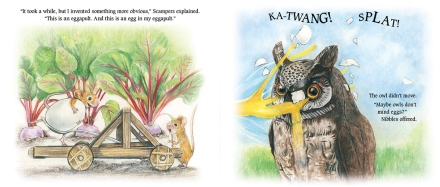
celebrate-picture-books-picture-book-review-scampers-thinks-like-a-scientist-owl

Image copyright Elizabeth Zechel, 2019, text copyright Mike Allegra, 2019. Courtesy of Dawn Publications.

While Nibbles hid in the hollow of a tree, Scampers called out “HELLO!” “An owl’s head spun around.” The owl nabbed the rag-doll mouse in a snap, and he did not sit still for the eggapulted rock. “‘Maybe you’ve figured out why the garden owl doesn’t move,’” Nibbles said. Now it was time to explain it all to the other mice. With a glittery display, Scampers and Nibbles presented their findings.

As Scampers and Nibbles raced to raid the veggies, the other mice lagged behind, skeptical about what they’d heard. “‘Sometimes a new discovery is so amazing that others need a little time to accept it,’” Scampers told Nibbles. “‘So while they’re thinking it over, let’s eat.’”

Extensive back matter includes an illustrated description of how scientists think over a problem, more information about Great Horned Owls and field mice, suggestions for teachers on reading the book to students, ways teachers can discuss science and engineering practices, and four activities kids can do at home or in school that engage them in science, technology, engineering, and math learning.
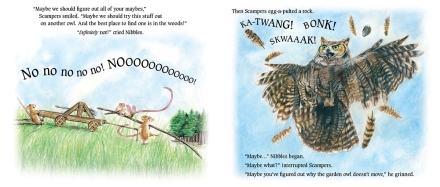
celebrate-picture-books-picture-book-review-scampers-thinks-like-a-scientist-catapult

Image copyright Elizabeth Zechel, 2019, text copyright Mike Allegra, 2019. Courtesy of Dawn Publications.

In his clever story, Mike Allegra infuses the scientific method with enthusiasm, humor, and a problem that will engage kids. When the field mice are run out of their vegetable garden by an owl who has taken up residence on a fence post, readers will love following Scampers as she uses her logical mind and a few experiments to restore their food source. Through Scampers’ keen sense of observation and engineering know-how, kids see how to go about proving a hypothesis correct. As Nibbles eats away at Scampers’ results with the kinds of alternate theories scientists must disprove, children get caught up in the suspense and thrill of discovery that fuels scientific advancement.

Elizabeth Zechel’s field mice know how to feast—and how to get things done. With bright eyes and jubilant expressions, the mice chow down on corn and tomatoes, and as Scampers performs her experiments her joy in the process is evident. More timid Nibbles bites his nails, wraps his tail tightly around himself, tries to stop the eggapult in its tracks, and cowers in the crook of a tree as danger looms. Zechel’s detailed drawings realistically depict the garden, forest, and wildlife. Her two Great Horned Owls beautifully demonstrate the difference between the false one and the real one, which has focused and piercing eyes, soft textured feathers, sharp talons, and quick reflexes.

Perfectly aimed at young scientists with charming characters, fun language, and a glittery final report that mirrors school projects, Scampers Thinks Like a Scientist is a terrific addition to home, classroom, and library STEM collections.

Ages 4 – 7

Dawn Publications, 2019 | ISBN 978-1584696438

Discover more about Mike Allegra, his books, and his other writing on his website

To learn more about Elizabeth Zechel, her books, and her art, visit her website

National Ideas Month Activity

celebrate-picture-books-picture-book-review-Green-Onion-Jar-Day1

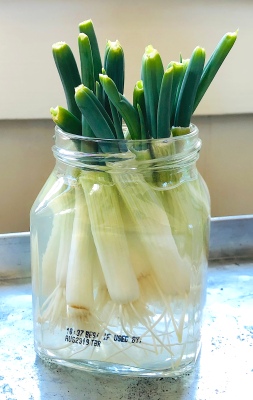
Green onions as they looked when put in the jar on Day 1

Green Onions Garden in a Jar


Kids will be wowed by this gardening experiment that shows results in as little as two days and just keeps getting more dramatic as the days go by.

Supplies

  • 1 or 2 batches of green onions (also called scallions and spring onions)
  • Jar
celebrate-picture-books-picture-book-review-Green-Onion-Jar-Day-2

Here’s how the onions looked two days later.
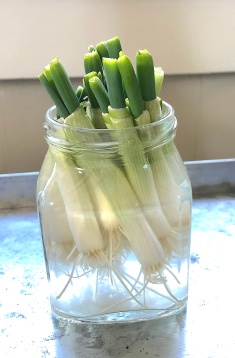
celebrate-picture-books-picture-book-review-Green-Onion-Jar-Day-3

Three days later, the green onions are really growing!
celebrate-picture-books-picture-book-review-Green-Onion-Jar-Day-4

In four days the stalks have gotten much longer and new shoots have appeared.

Directions

  1. Cut the stalks off of each onion so that the bulb and about two inches of stem remain. 
  2. Place all of the onions in a jar with the bulbs and roots in the water and the stalks above the rim of the jar
  3. Place the jar in a sunny spot and watch the onion tops grow taller day by day
  4. Harvest the stalks and enjoy them in a variety of recipes and as a substitute for chives

celebrate-picture-books-picture-book-review-scampers-thinks-like-a-scientist-cover

You can find Scampers Thinks Like a Scientist at these booksellers

Amazon | Barnes & Noble | Books-a-Million | IndieBound

Picture Book Review

March 15 – It’s National Reading Month

celebrate-picture-books-picture-book-review-the-boy-who-grew-a-forest-cover

About the Holiday

National Reading Month is a book-lover’s delight! With thirty-one whole days where taking extra time to read is not only allowed but encouraged can send one hurrying out to the bookstore or library to stock up! The month is only half over, so gather the kids and discover some new books to enjoy together–why not start with today’s book?!

The Boy Who Grew a Forest: The True Story of Jadav Payeng

Written by Sophia Gholz | Illustrated by Kayla Harren


On a large river island in India, there lived a boy who loved the trees that provided food and shade for the people and shelter for the many native animals. But each year, the floods of the rainy season took more and more of the land. “The boy’s precious island was shrinking—eroding away with the rushing river, leaving empty sandbars behind.” Animals’ homes were destroyed and the animals died or didn’t come back. The boy was afraid this would happen to the people of the island too.

celebrate-picture-books-picture-book-review-the-boy-who-grew-a-forest-erosion

Image copyright Kayla Harren, 2019, text copyright Sophia Gholz, 2019. Courtesy of Sleeping Bear Press.

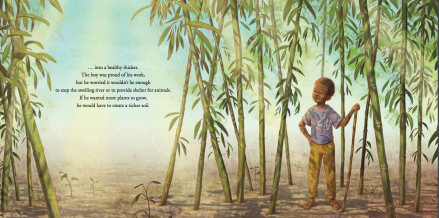
When he took his fears to the elders of his village, they gave him twenty bamboo saplings. He rowed over to one of the sandbars and began to plant the saplings. He came back every day to water the plants and then devised an easier way to water them. Under his care, the bamboo began to grow. In time they became “a healthy thicket.” But for the bamboo to spread further, the boy knew the soil needed to be richer.

He brought in “cow dung, earthworms, termites, and angry red ants that bit him on the journey to their new home.” From other villages, he got seeds of different trees and planted those too. Over the years, a forest grew, covering acres and acres of land. Animals like rhinos, elephants, birds, and monkeys began to return. But with these animals, dangerous predators also came. The villagers were afraid. To provide food for the tigers, the boy—now a man—sowed grasses to attract rabbits, mice, deer and other prey.

celebrate-picture-books-picture-book-review-the-boy-who-grew-a-forest-bamboo

Image copyright Kayla Harren, 2019, text copyright Sophia Gholz, 2019. Courtesy of Sleeping Bear Press.

To keep other animals fed, the boy planted fruit trees, and when the villagers cut down trees to build homes, the man sowed more seeds. Hunters came for the animals’ “horns and fur, but the man was there to protect.” Today, the forest is thriving and is called Molai for the man who planted and preserved it. His name is Jadav “Molai” Payeng.

More information about Jadav Payeng, an Author’s Note, and a seed-planting activity follow the text.

celebrate-picture-books-picture-book-review-the-boy-who-grew-a-forest-elephantscelebrate-picture-books-picture-book-review-the-boy-who-grew-a-forest-elephants

Image copyright Kayla Harren, 2019, text copyright Sophia Gholz, 2019. Courtesy of Sleeping Bear Press.

If anyone questions how much one person can do, Sophia Gholz puts these doubts to rest in her inspiring biography of a child who recognized a danger to the people and wildlife of his island and solved the problem for generations to come. Children will marvel at the story of Jadav Payeng’s dedication and lifelong perseverance told through Gholz’ lyrical text. As children learn about Jadav Payeng, they also discover the components of fertile soil and how a lush environment attracts the animals and other wildlife vital to a flourishing community.

Kayla Harren’s exquisite sundrenched illustrations transport readers to the Indian island where Jadav Payeng grew up and let them see the effects of eroded shorelines, stranded animals, and the overwhelming task Jadav took on. Harren’s realistic images show Jadav’s hard work and ingenuity as he cares for his first twenty plants and expand the forest little by little. With stunning texture and depth, Harren depicts the verdant foliage and diversity of wildlife Jadav recreated. The true-to-life illustrations will thrill nature and animal lovers and have them exploring each page to capture all the details.

A gorgeous and beautifully told story about the power of one, The Boy Who Grew a Forest: The True Story of Jadav Payeng will excite children to make a difference in their own way. The book is an excellent choice to add to home, classroom, and library collections for science, sustainability, and inspirational story times and discussions.

Ages 5 – 8

Sleeping Bear Press, 2019 | ISBN 978-1534110243

Discover more about Sophia Gholz and her books on her website.

To learn more about Kayla Harren, her books, and her art, visit her website.

Read an interview with Sophia and Kayla about their inspirations for this book and how it came to be!

The Boy Who Grew a Forest Giveaway

I’m excited to partner with Sleeping Bear Press in an Instagram giveaway of:

  • One (1) copy of The Boy Who Grew a Forest written by Sophia Gholz | illustrated by Kayla Harren

This giveaway is open from March 15 through March 21 and ends at 8:00 p.m. EST.

Just do these things to enter:

Giveaway open to U.S. addresses only. | Prizing provided by Sleeping Bear Press.

National Reading Month Activity

celebrate-picture-books-picture-book-review-the-boy-who-grew-a-forest-activity-sheet-2

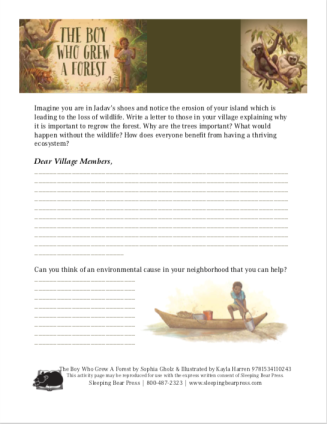
The Boy Who Grew a Forest Activity Sheets


You can be an environmental crusader in your neighborhood too! Print these activity sheets and challenge yourself with the questions. Then think about what you can do to help plants and wildlife in your neighborhood or even your own backyard!

The Boy Who Grew a Forest Activity Sheets

celebrate-picture-books-picture-book-review-the-boy-who-grew-a-forest-cover

You can find The Boy Who Grew a Forest: The True Story of Jadav Payeng at these booksellers

Amazon | Barnes & Noble | Books-a-Million | IndieBound

Picture Book Review


March 14 – It’s National Women’s History Month

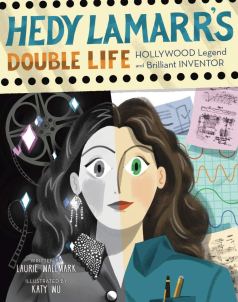
celebrate-picture-books-picture-book-review-hedy-lamarr's-double-life-cover

About the Holiday

National Woman’s History Month was established by the United States Congress in 1987 to recognize and celebrate the achievements of American women in the past and today. This year’s theme is “Balance for Better,” which encourages true gender equity in the workplace, in government, and at home. Only when all people are heard and treated equally will communities thrive. There’s no better time than now to get involved to ensure that all have the same rights and standing in all areas of their lives.

I received a copy of Hedy Lamarr’s Double Life for review consideration. All opinions are my own. I’m excited to be partnering with Sterling in a giveaway of the book. See details below.

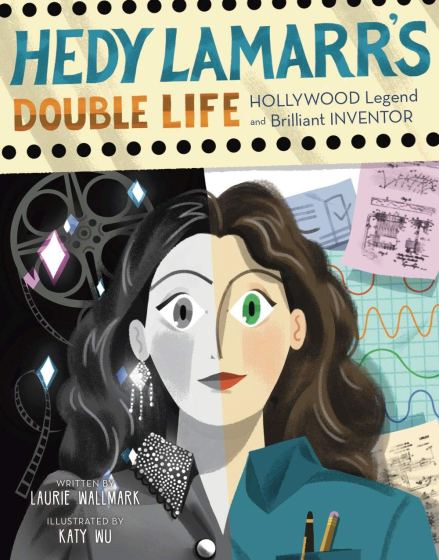
Hedy Lamarr’s Double Life: Hollywood Legend and Brilliant Inventor

Written by Laurie Wallmark | Illustrated by Katy Wu


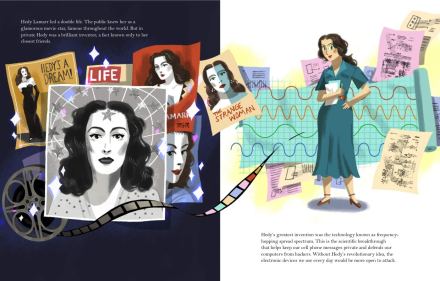
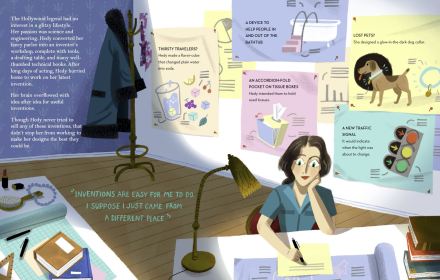
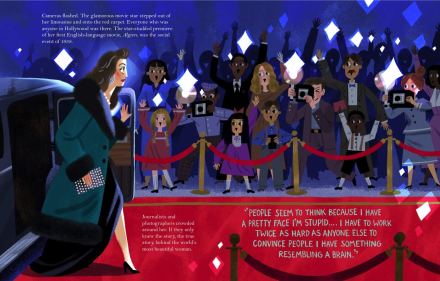
In 1938 people were lining up to see Hedy Lamarr in her first English-language movie Algiers. Hedy was the talk of Hollywood, and journalists and photographers captured her every move—almost. What movie-goers and the press didn’t know was that Hedy Lamarr was also a brilliant inventor. Instead of attending fancy celebrity parties, after a long day on the set, “Hedy hurried home to work on her latest invention. Her brain overflowed with idea after idea for useful inventions.” While she never tried to sell her ideas—like the collar to help find lost pets or the “flavor cube that changed plain water into soda”—she designed and redesigned them to perfection.

celebrate-picture-books-picture-book-review-hedy-lamarr's-double-life-magazines

Image copyright Katy Wu, 2019, text copyright Laurie Wallmark, 2019. Courtesy of Sterling Children’s Books.

But how did Hedy get her start? She was born in Austria and as a child took apart mechanical objects just to see how they worked. Hedy’s father also loved science, and he encouraged his daughter to hold onto her dreams. In addition to science, Hedy loved movies and would use her dolls to reenact the scenes she saw.

When she got older, Hedy got a job as a script girl and then worked as an extra in a movie. She loved acting and once said, “‘I acted all the time…. I was a little living copybook. I wrote people down on me.’” While playing the lead in a stage play, the Hollywood producer Louis B. Mayer saw her and offered her movie contract. Hedy moved to America. It only took her six months to land a starring role in Algiers. After that she starred in many movies with some of the most famous actors and actresses. 

By now, the world was at war. One day, Hedy met George Antheil, a former weapons inspector who now composed music. Hedy remembered a “discussion she had overheard back in Europe about a problem with the guidance system for torpedoes. The guidance system couldn’t prevent the enemy from jamming the weapon’s radio signals” and sending it off course. She learned from George Antheil that the US Navy had the same problem.

They decided to team up to see if they could figure out a solution. Hedy was also an accomplished pianist, and she and George often played musical games on the piano. Once, while they played the same song in different octaves, Hedy had a brainstorm for building “a secure torpedo guidance system.” At the time, torpedo guidance systems only worked if the ship launching a torpedo and the torpedo were on the same frequency.

celebrate-picture-books-picture-book-review-hedy-lamarr's-double-life-home

Image copyright Katy Wu, 2019, text copyright Laurie Wallmark, 2019. Courtesy of Sterling Children’s Books.

Hedy thought that if the ship and the torpedo could switch between a series of different frequencies, the enemy would be foiled. “Hedy called her discovery ‘the hopping of frequencies.” Working together, she and George devised a way to implement Hedy’s idea. When they presented their idea to the National Inventors Council, they were told the “idea had ‘great potential value.’”

There were still some issues to overcome to make the system automated, but Hedy and George answered those too. They applied for a patent, and a year later on August 11, 1942 it was granted. When they gave the idea to the United States Navy, “Hedy was proud her frequency-hopping idea might help America win the war.” But embroiled in the middle of the conflict, the Navy didn’t have “the time or money to implement a new system….”

Hedy, who still wanted to help America defeat the Nazis, was undaunted. She helped raise 25 million dollars by selling war bonds and volunteered at the Hollywood Canteen, where servicemen soon to be deployed gathered. Hedy went on to make more than twenty movies and continued to work on her inventions.

In the 1980s, the US Navy declassified Hedy’s frequency-hopping technology, meaning anyone could use it. Because the patent had long-ago expired, no one needed to give Hedy and George credit for the idea. “Companies raced to include frequency hopping in their own devices.” In 1997, Hedy and George were finally recognized when they “received the Pioneer Award from the Electronic Frontier Foundation for their significant contribution to computers.”

A timeline of Hedy Lamarr’s life, a description of how Hedy and George’s frequency-hopping technology worked, additional resources for further reading, and a list of Hedy’s movies follow the text.

celebrate-picture-books-picture-book-review-hedy-lamarr's-double-life-red-carpet

Image copyright Katy Wu, 2019, text copyright Laurie Wallmark, 2019. Courtesy of Sterling Children’s Books.

Laurie Wallmark knows how to weave a riveting tale that draws readers in to the lives of fascinating and scientifically minded women throughout history. Her detailed biography of Hedy Lamarr will wow kids with the twists and turns of how a vital feature of the electronics they use every day came to be. A history not only of this famous woman but of the times and policies that denied Hedy Lamarr the recognition and profits she deserved, the story is sure to spark plenty of discussion. The inclusion of a few of Hedy’s ingenious ideas as well as quotes on acting, inventing, and her views on life give children a glimpse into the mind of this unique woman.

Katy Wu takes readers back to the 1940s with her stylish illustrations reminiscent of magazine images of the time that depict both Hedy’s glamourous and inventive sides. Even as Hedy steps out of a limo to the glare of flashbulbs, acts under stage lights, and watches movies thrown by a projector’s beam, she’s dreaming of going home to work on her inventions in the light of a desk lamp. When the story turns to Hedy’s frequency-hopping idea, Wu clearly portrays the problems with the torpedo guidance system and the way single-frequency and multiple-frequency communications work. The way player pianos were controlled and how Hedy and George Antheil used this idea is also well portrayed. The final images of people using Hedy’s technology today lets kids fully understand the impact that Hedy Lamarr has had on their lives.

An important story about an extraordinary woman, Hedy Lamarr’s Double Life: Hollywood Legend and Brilliant Inventor will inspire children to follow and accomplish all of their dreams. The book will spur creative thought across subject matter and would be a motivational addition to home, classroom, and public libraries.

Ages 5 and up

Sterling Children’s Books, 2019 | ISBN 978-1454926917

Discover more about Laurie Wallmark and her books on her website.

To learn more about Katy Wu, and view a gallery of her book and art, visit her tumblr.

Hedy Lamarr’s Double Life Giveaway

I’m excited to partner with Sterling Children’s Books in a Twitter giveaway of:

  • One (1) copy of Hedy Lamarr’s Double Life: Hollywood Legend and Brilliant Inventor written by Laurie Wallmark | illustrated by Katy Wu

This giveaway is open from March 14 through March 20 and ends at 8:00 p.m. EST.

A winner will be chosen on March 21.

Prizing provided by Sterling Children’s Books

Giveaway open to U.S. addresses only. | No Giveaway Accounts 

National Women’s History Month Activity

celebrate-picture-books-picture-book-review-women-in-stem-coloring-book

Women in STEM Coloring Book


Discover five women who broke barriers  and made important contributions to the science, technology, engineering, and math fields in this printable  Women in STEM Coloring Book created by the United States Department of Energy.

celebrate-picture-books-picture-book-review-hedy-lamarr's-double-life-cover

You can find Hedy Lamarr’s Double Life: Hollywood Legend and Brilliant Inventor at these booksellers

Amazon | Barnes & Noble | Books-a-Million | IndieBound

Picture Book Review

March 13 – National Good Samaritan Day

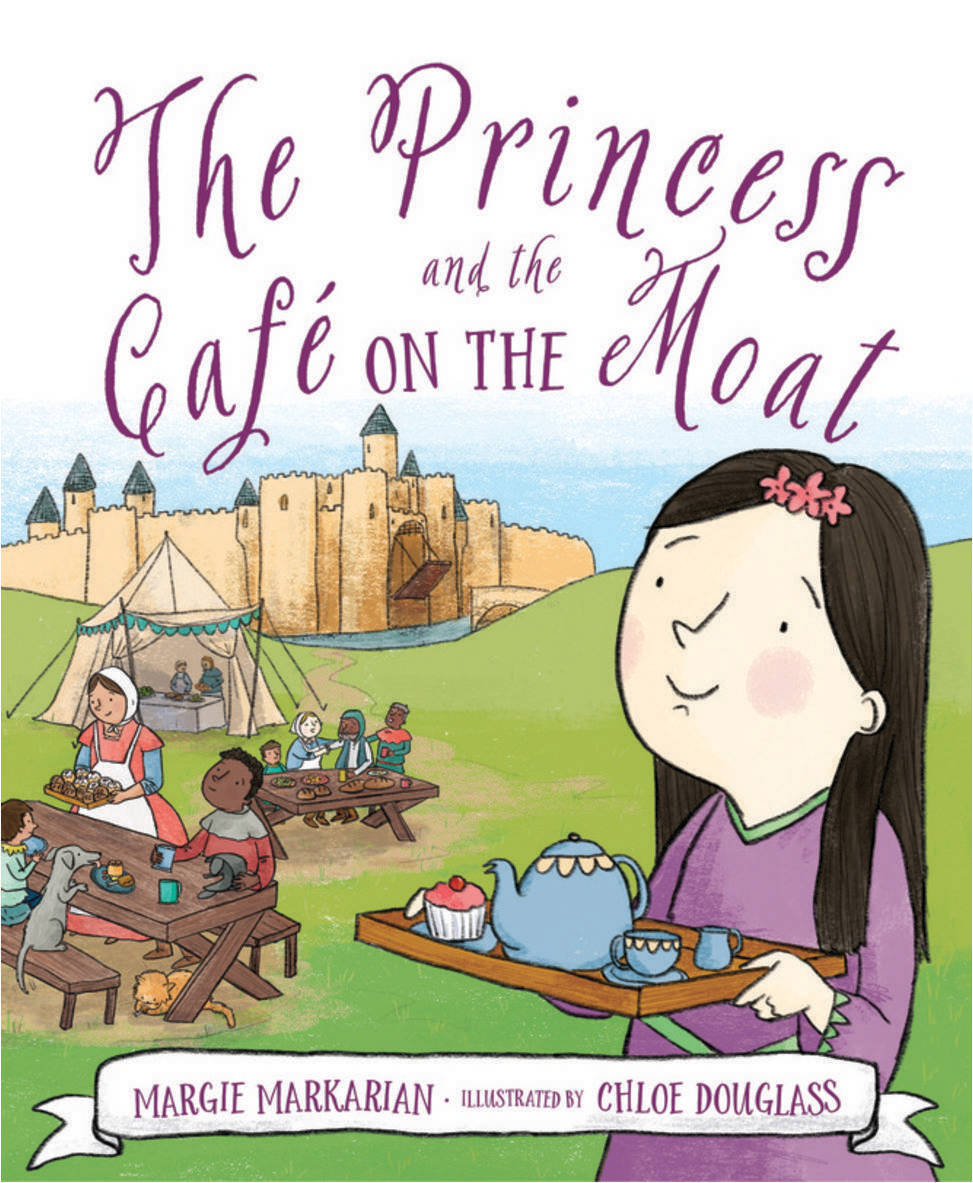
celebrate-picture-books-picture-book-review-the-princess-and-the-cafe-on-the-moat-cover

About the Holiday

A Good Samaritan is a person who sees someone in need of help or kindness and generously offers assistance or a smile. For today’s holiday, people are encouraged to notice those moments when someone could use a hand and go to their aid. You never know when a small gesture can have far-reaching effects. Children are particularly good at noticing those who need help or cheering up. You can foster their natural kindness by supporting their ideas and actions for helping their community.

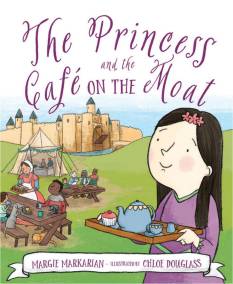
The Princess and the Café on the Moat

Written by Margie Markarian | Illustrated by Chloe Douglass


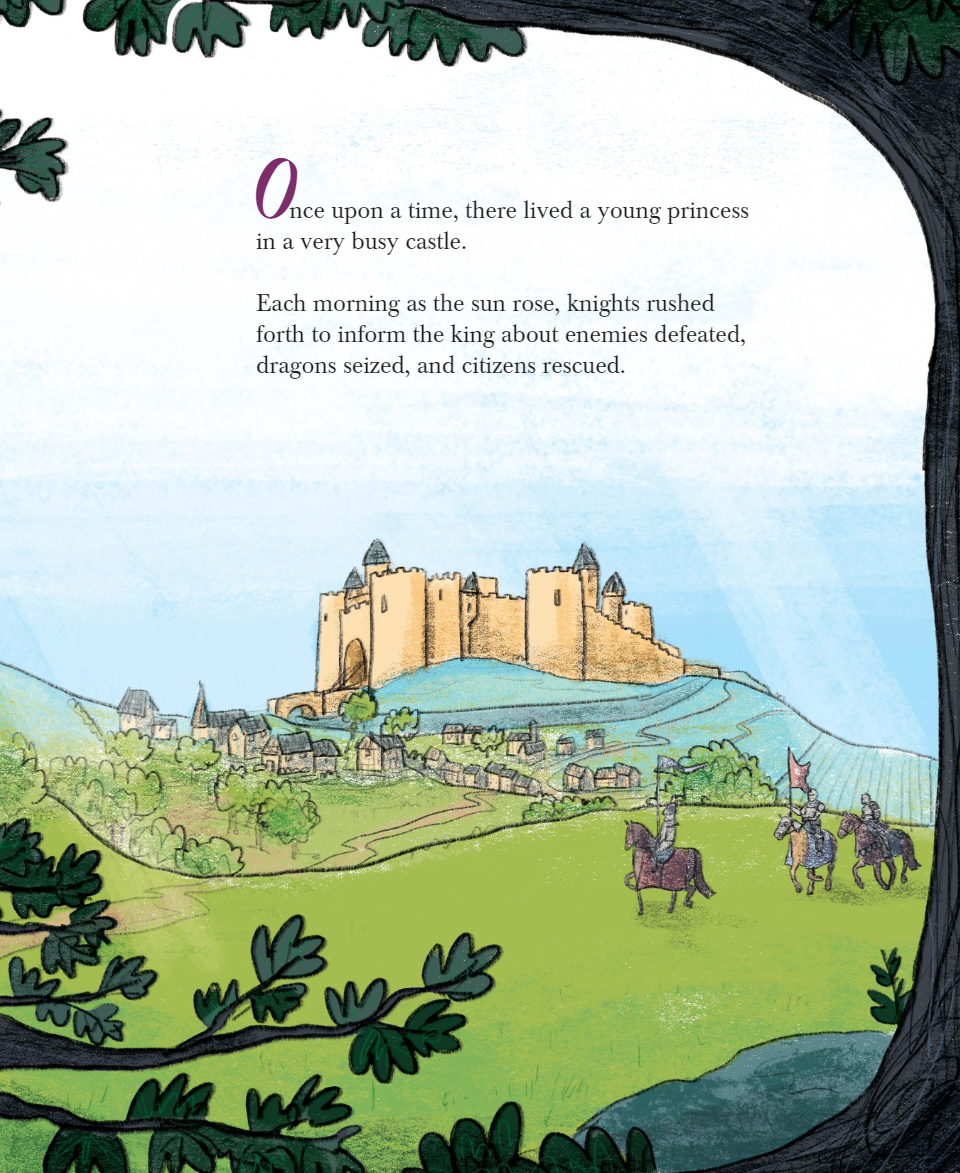
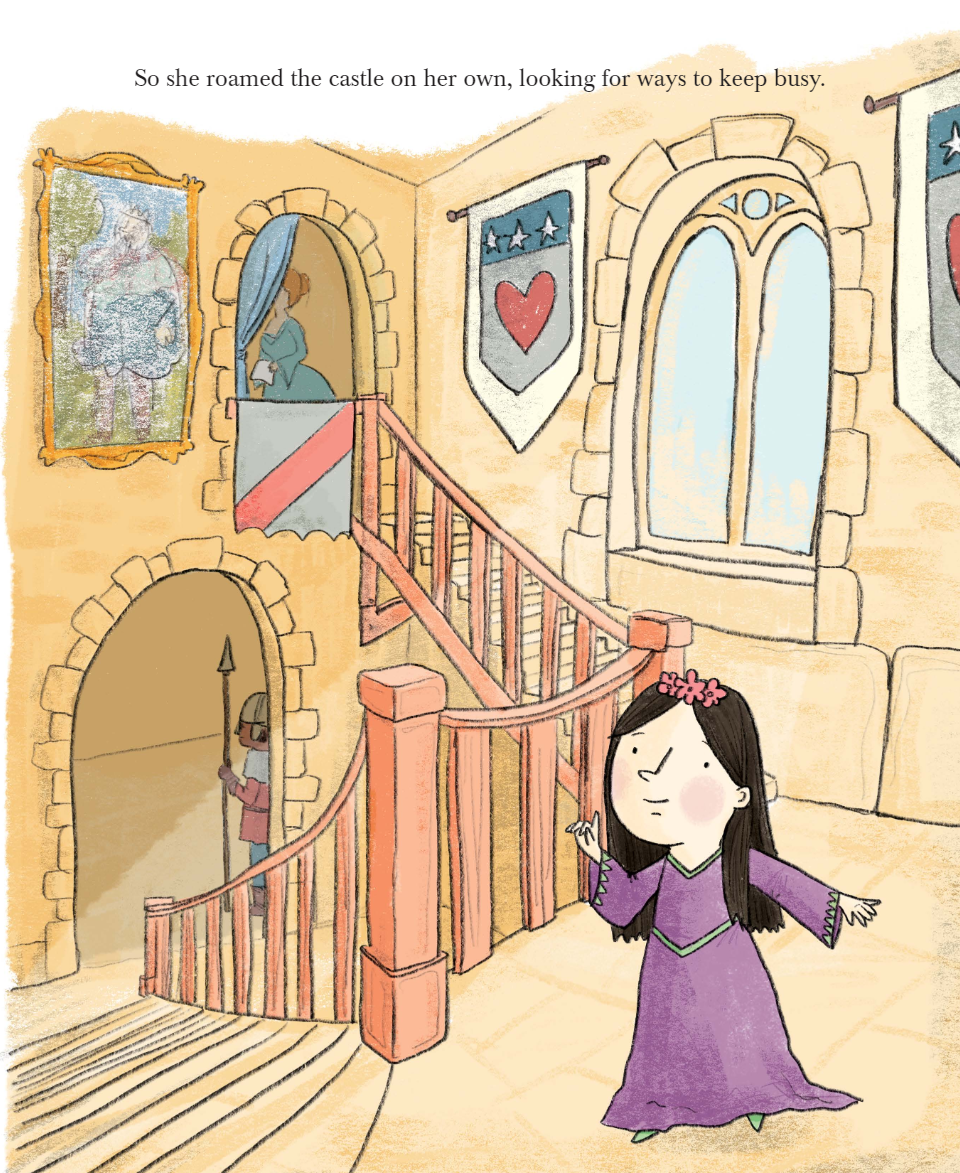
There once was a little princess who lived in a very busy castle. Every morning knights brought news of “enemies defeated, dragons seized, and citizens rescued.” Upstairs, ladies-in-waiting were given their duties for “silks to sew, invitations to ink, and chandeliers to shine.” The princess wanted a special job too, but her voice was never heard above the din, so she went in search of something to occupy her time.

celebrate-picture-books-picture-book-review-the-princess-and-the-cafe-on-the-moat-kingdom

Image copyright Chloe Douglass, 2018, text copyright Margie Markarian, 2018. Courtesy of Sleeping Bear Press.

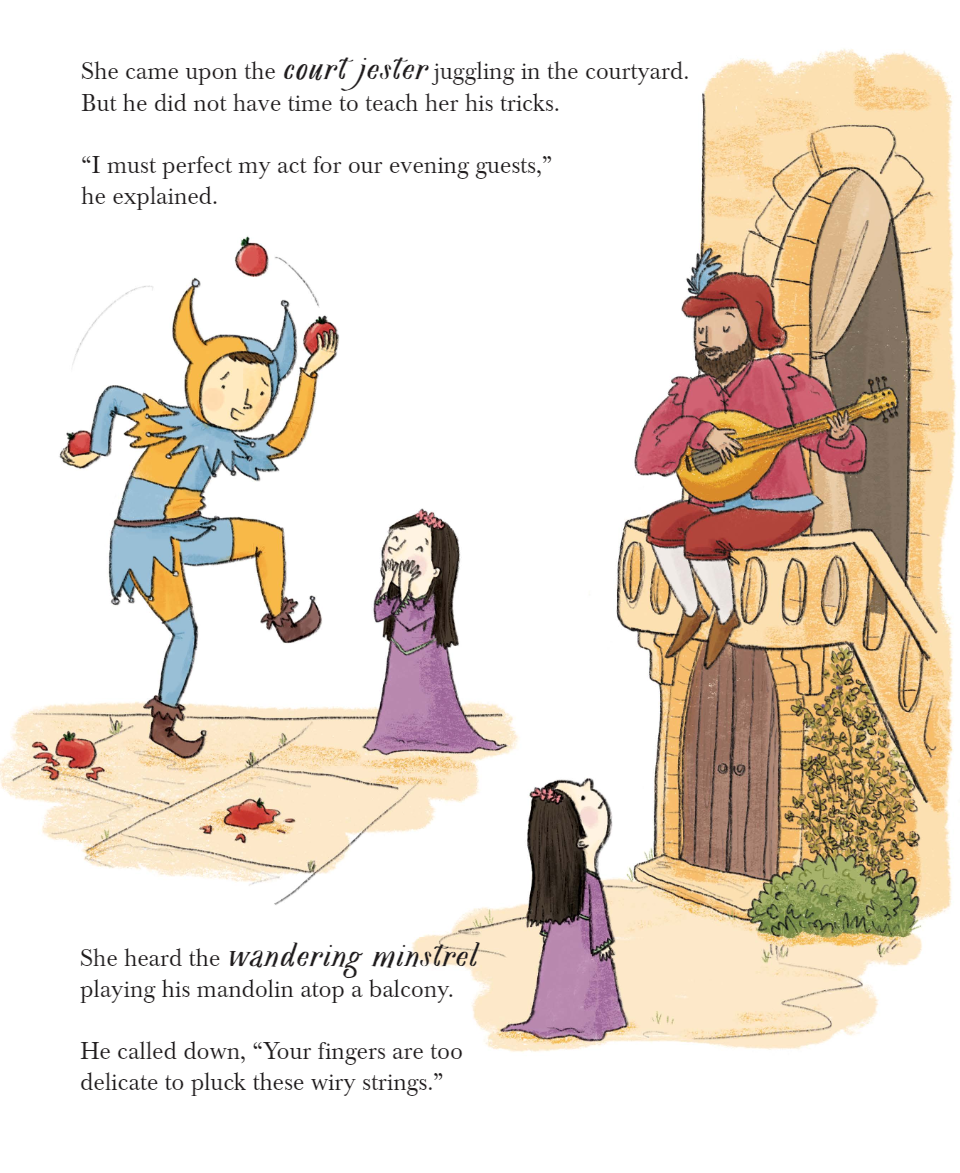
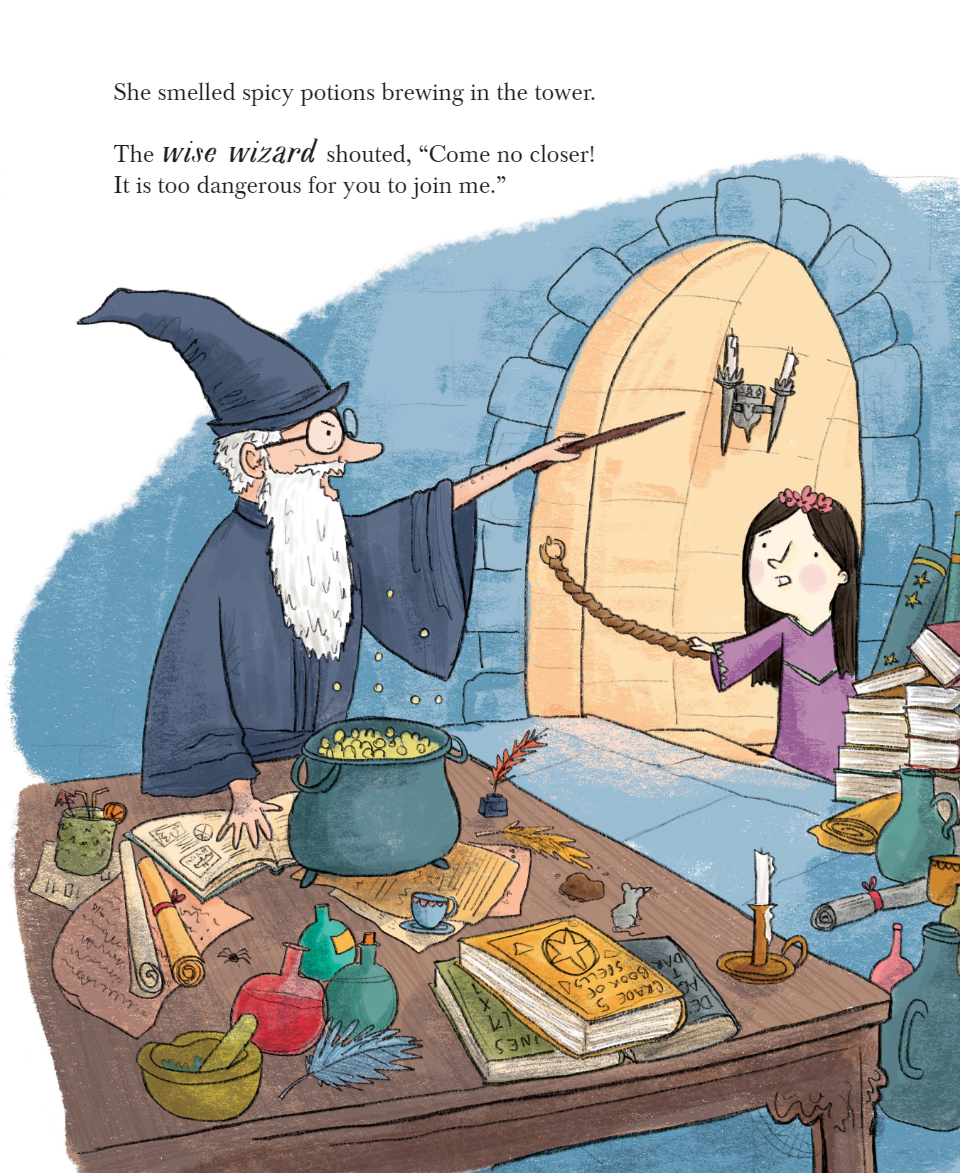
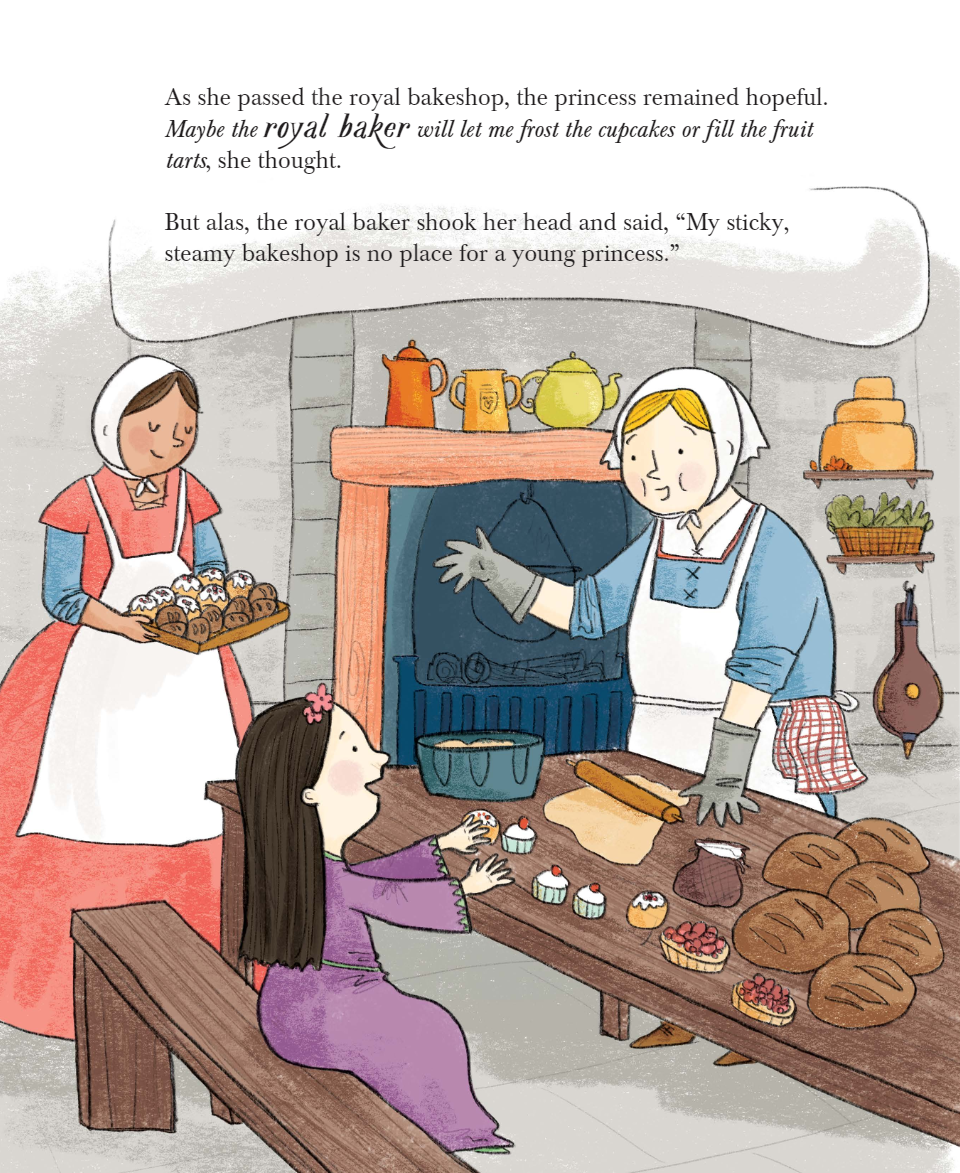
When she met the court jester, he told her he was too busy learning a routine for the evening’s guests to teach her how to juggle. The wandering minstrel who was playing his mandolin told her, “‘Your fingers are too delicate to pluck these wiry strings.’” And the wise wizard banished her from the tower because his potions were too dangerous. Even the royal baker thought her kitchen was no place for a princess. “The princess’s kind heart and eager spirit were not easily discouraged.” As she wandered past the front gate, she wondered if there were people beyond it who could use her help. Just then the drawbridge descended, and when the guard turned away for a moment, the princess crept by him and ran outside.

celebrate-picture-books-picture-book-review-the-princess-and-the-cafe-on-the-moat-wizard

Image copyright Chloe Douglass, 2018, text copyright Margie Markarian, 2018. Courtesy of Sleeping Bear Press.

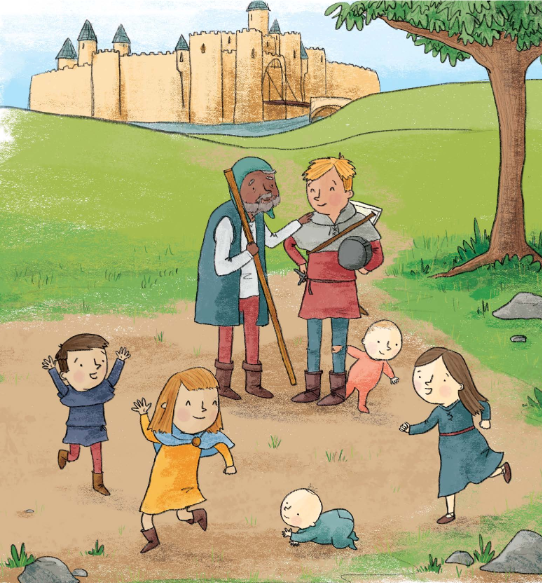
Right outside the castle, she met a “sad old man holding a scrolled parchment.” She approached him and asked why he was so sad. He told her that he had a letter from his far-away son, but because of his weak eyesight, he couldn’t read it. “‘I have time to read your letter and sit awhile,’ said the princess, happy to have found a task so quickly.” Next, she met a worried widow with five children coming down the path. The princess asked why they looked so tired.

celebrate-picture-books-picture-book-review-the-princess-and-the-cafe-on-the-moat-minstrel

Image copyright Chloe Douglass, 2018, text copyright Margie Markarian, 2018. Courtesy of Sleeping Bear Press.

The woman told her that she had no one to watch her children as she traveled the long way to the village market. The princess happily offered to watch the woman’s children. Soon, “a brave squire limped by the palace where the princess, the old man, and the widow’s children were telling stories and playing games.” When the princess asked the squire what pained him, he told her “‘I gashed by knee in a skirmish many miles ago but have not stopped to tend to it.’” The princess quickly cleaned and bandaged the squire’s knee so he could continue on to the castle.

Back at the castle, though, everything was in an uproar as the king and queen and staff hunted everywhere for the princess. Through a window the king suddenly heard laughter and singing. When the king looked out, he saw that the sound was coming from the princess. Everyone in the castle paraded out through the drawbridge to join the princess and her friends.

celebrate-picture-books-picture-book-review-the-princess-and-the-cafe-on-the-moat-kitchen

Image copyright Chloe Douglass, 2018, text copyright Margie Markarian, 2018. Courtesy of Sleeping Bear Press.

The princess ran to her mother and father and told them about all the things she had done for the old man, the widow, and the squire. The king and queen “were proud to have such a kindhearted daughter.” The king suggested that they “all celebrate together with treats and refreshments.” From that day on in the afternoon, the drawbridge was dropped and tables and chairs set up. Then the “princess welcomed townspeople and travelers from far and wide to her café on the moat.”

Here, the court jester practiced his juggling, the minstrel shared his music, the wizard made drinks, and the baker created delicious treats. The old man and the widow with her children often came by to meet new friends and relax. And the brave squire enjoyed refreshments while he guarded the castle. The café on the moat welcomed everyone, and “indeed, they all lived happily and busily ever after.”

celebrate-picture-books-picture-book-review-the-princess-and-the-cafe-on-the-moat-back-cover

Image copyright Chloe Douglass, 2018, text copyright Margie Markarian, 2018. Courtesy of Sleeping Bear Press.

An Afterword about fairy tales and a kindness activity for children follow the story.

Margie Markarian’s sweet story is an enchanting fairy tale for today’s socially conscious and active kids. Instead of needing rescue, this princess looks for opportunities to help others. When she’s turned away inside the castle, she leaves the comfort of home and reaches out to her community, an idea that children will embrace. Through her cheerful storytelling, Markarian also shows readers that in their talents and kind hearts they already have what it takes to make a difference to others. As the princess opens her café on the moat, children will see that the adults also find ways to support her efforts. Markarian’s language is charmingly “medieval,” making the story fun to read aloud while inspiring listeners.

celebrate-picture-books-picture-book-review-the-princess-and-the-cafe-on-the-moat-inside-castle

Image copyright Chloe Douglass, 2018, text copyright Margie Markarian, 2018. Courtesy of Sleeping Bear Press.

Chloe Douglass’s adorable princess is a terrific role model for young readers. Her eagerness to help and positive spirit are evident in her smiles and persistent requests for a job to do. When she ventures out of the castle, she displays obvious empathy for the people she meets, and children will recognize her joy at being able to brighten the townspeople’s day. Despite their busy days, the king and queen are happy and supportive of their daughter. Children will love the bright and detailed images of the castle and town, where the crest of love rules.

The Princess and the Café on the Moat is a charming flip on the traditional fairy tale—one that children will want to hear again and again. It would make a great spring gift and an enriching addition to home and classroom bookshelves.

Ages 5 – 8

Sleeping Bear Press, 2018 | ISBN 978-1585363971

To discover more about Margie Markarian and her picture book and to find fun activities, visit her website. 

Read an interview with Margie Markarian.

Learn more about Chloe Douglass, her books, and her art on her website.

National Good Samaritan Day Activity

celebrate-picture-books-picture-book-review-the-princess-and-the-cafe-on-the-moat-number sequence-page

The Princess and the Café on the Moat Activities


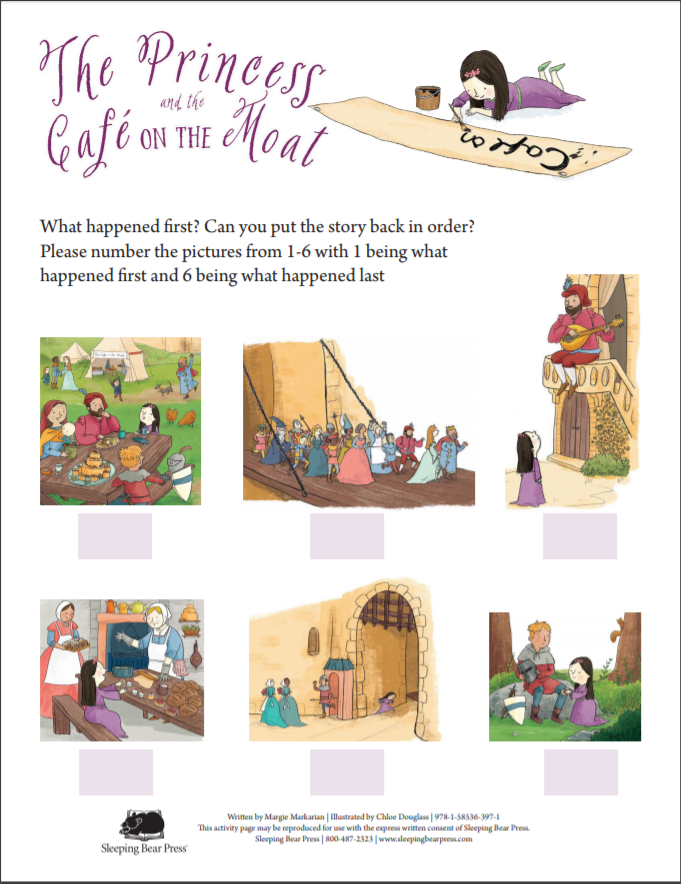
The Princess likes to help people relax and have fun together! You can help her too with these four activity pages!

The Princess and the Café Coloring Page |Castle Matching PageStory Sequencing Page Write a Fairy Tale Page

celebrate-picture-books-picture-book-review-the-princess-and-the-cafe-on-the-moat-cover

You can purchase The Princess and the Café on the Moat at these booksellers

Amazon | Barnes & Noble | Bookshop (to support your local independent bookstore)


March 12 – National Plant a Flower Day

celebrate-picture-books-picture-book-review-flower-talk-cover

About the Holiday

Spring is right around the corner and with it the beautiful blooms that color our yards, neighborhoods, and communities. In some places the flowers are already blossoming, while in others, people are eagerly waiting for the snow to melt so seeds and plants can grow again. If you’re looking forward to flower gardening—indoors or out—today’s the perfect day to start planning. Why not take a trip to your local nursery or garden supply store and stock up?

I received a copy of Flower Talk: How Plants Use Color to Communicate from Millbrook Press to check out. All opinions are my own. I’m happy to be partnering with Millbrook Press in a giveaway of the book. See details below.

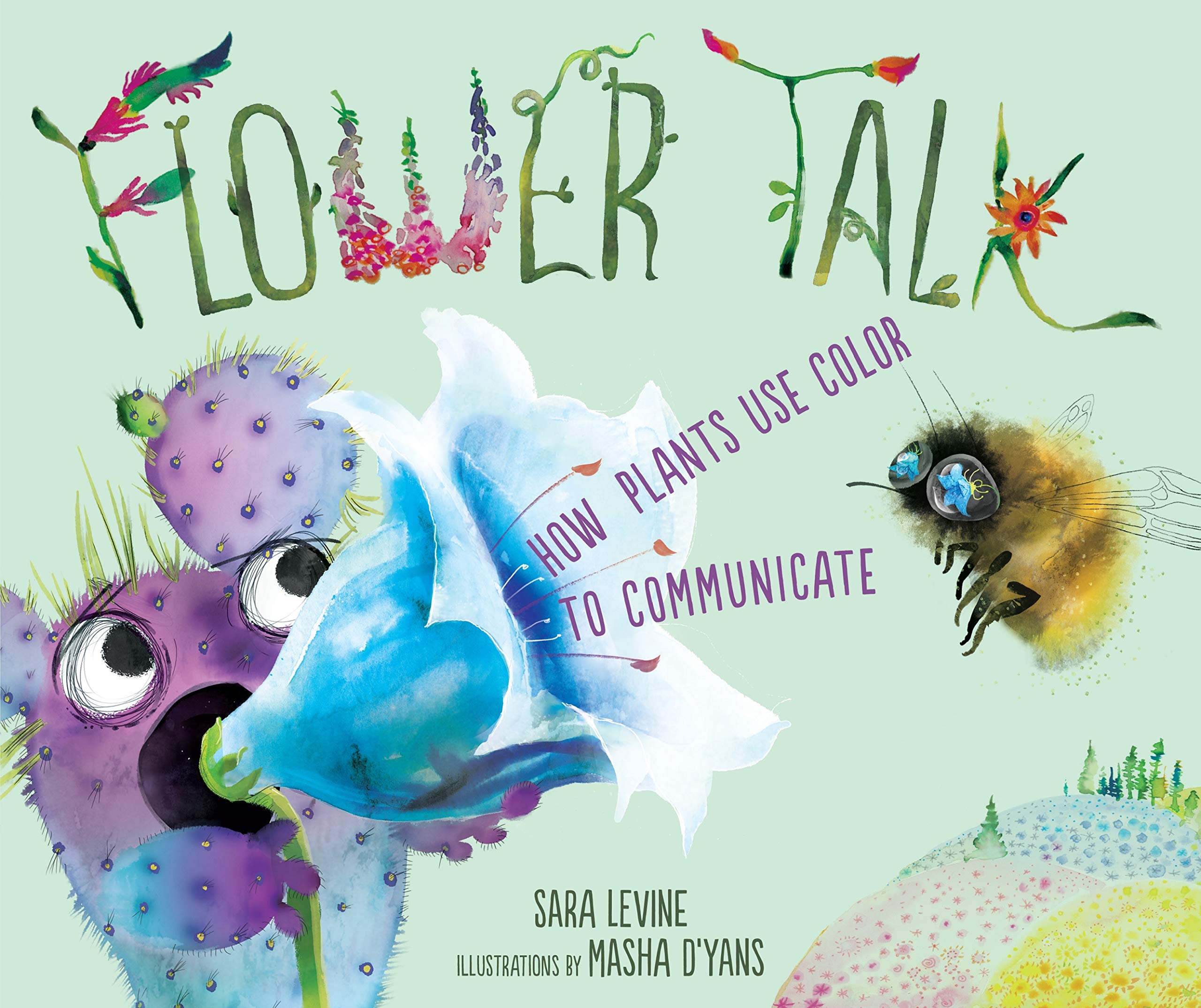
Flower Talk: How Plants Use Color to Communicate

Written by Sara Levine | Illustrated by Masha D’yans


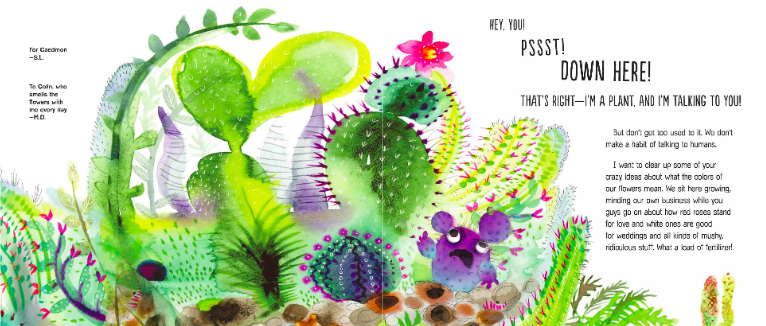
Do you hear something? Yeah, me too. Oh! It’s the little purple prickly pear down there with all the other cacti. It seems it has something to say about plants. Okay, we’re listening.

“I want to clear up some of your crazy ideas about what the colors of our flowers mean.” You’ve got it all wrong if you think “red roses stand for love and white ones are good for weddings.” While that may be how you interpret the colors, that’s not what they’re really for.

celebrate-picture-books-picture-book-review-flower-talk-cactu

Image copyright Masha D’yans, 2019, text copyright Sara Levine, 2019. Courtesy of Millbrook Press.

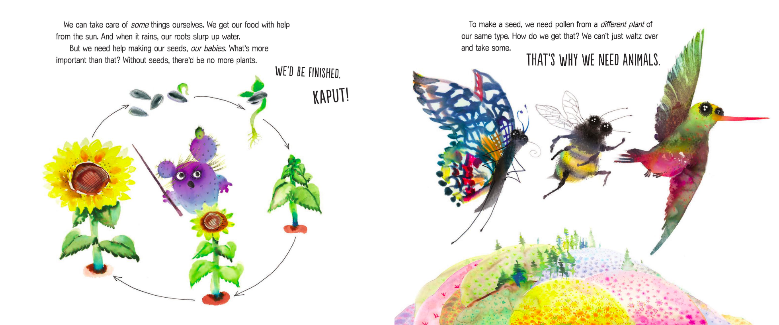
“We use our flowers to talk to the animals” so that we can make seeds and more plants. To do that each plant needs pollen from another plant that’s the same kind. Our flowers are like big ads that attract just the right birds, bees, or butterflies to help us out. Lots of times if they’re hungry they fly from flower to flower and bring pollen along with them.

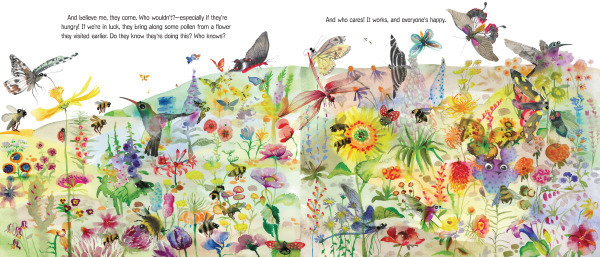
How does each bird or butterfly or bee know which flowers to visit? That’s where our colors come in! And it’s pretty fascinating. Birds can see a color that insects can’t, and they don’t have a good sense of smell. Can you guess which flowers they’re attracted to? How about bees? Which colors do you think they like the best? I’ll give you a hint: “scientists just figured out that bees have three favorite colors.” Of course, we flowers “have known this for ages. That’s why so many of us make flowers in these colors. We like the reliable help.” This is fun, right?

celebrate-picture-books-picture-book-review-flower-talk-insects

Image copyright Masha D’yans, 2019, text copyright Sara Levine, 2019. Courtesy of Millbrook Press.

How about moths and bats—which flowers do you think they visit? The flowers even assist them in finding their way by putting “out perfume as an extra guide.” You may not like flies buzzing around you, but these color flowers love it. They put out a smell too, but I wouldn’t call it perfume—I don’t think you would either. There’s even a certain color flower that doesn’t talk to animals or insects at all. Go on, try to guess….

Colors aren’t the only trick flowers have either. Some are just the right shape—like mine. In fact, I’ve got to get going. “I’m making a new flower” and “I’m just about done with it.” Oh—what are the answers to the game we were playing? You’ll have to read my book and see!

Back matter includes an illustrated discussion about pollination, information on how to protect pollinators, and a list of other books for further reading.

celebrate-picture-books-picture-book-review-flower-talk-field

Image copyright Masha D’yans, 2019, text copyright Sara Levine, 2019. Courtesy of Millbrook Press.

With appropriate attitude, Sara Levine’s hilarious and knowledgeable prickly pear narrator engages kids in witty banter while taking them on a colorful garden tour. As the cactus explains a plant’s growing cycle and the need for pollinators, the information it imparts is eye-opening for children and adults. Why and how each flower’s color and scent attract just the right pollinator is clearly described in conversational language that kids will laugh along with and learn from. Every page contains an “ah-ha” moment that will spark discussion and an excitement to plant a garden and watch nature at work.

Like a riotous field of wildflowers, Masha D’yan’s dazzling illustrations put colors on glorious display as the flowers lure insects and animals to them. D’yan’s detailed images provide a great place for young naturalists to start researching the various plants introduced. Depictions of the prickly pear, birds, and bees match the humor of Levine’s text . Kids will love lingering over the two-page spreads to point out the various animals and insects and how they interact with the plants. They’ll also like following the growth of the prickly pear’s bud as it grows bigger and blossoms.

A superb book for teaching children about this fascinating feature of flowers and plants as well as providing a guide for gardeners interested in attracting a variety of pollinators, Flower Talk: How Plants Use Color to Communicate would be an outstanding addition to home, classroom, and public libraries.

Ages 7 – 11

Millbrook Press, 2019 | ISBN 978-1541519282

Discover more about Sara Levine and her books on her website.

To learn more about Masha D’yans, her books, and her art, visit her website.

National Plant a Flower Day Activity

celebrate-picture-books-picture-book-review-flower-pot-stake-craft

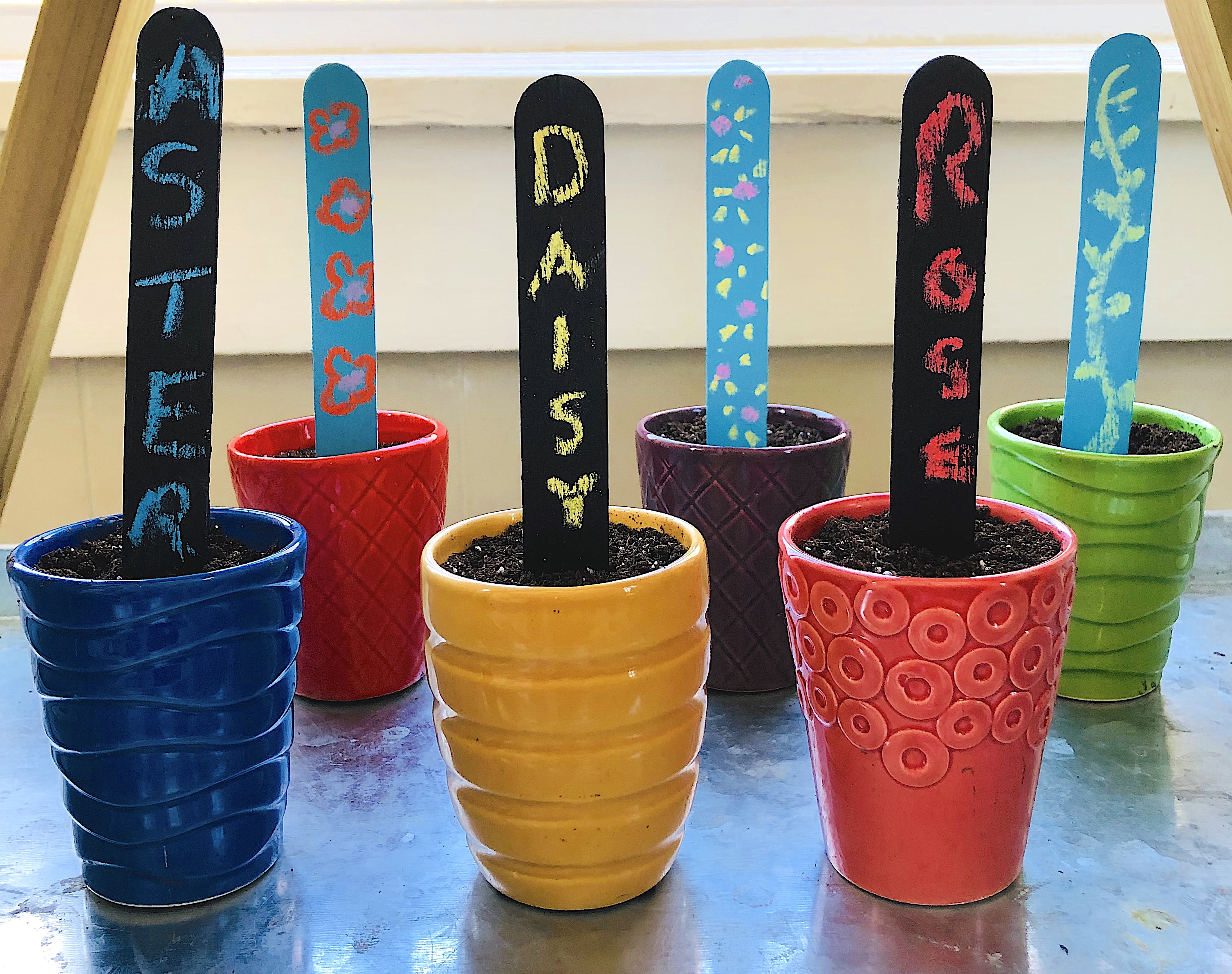
Flower Garden Stakes


It’s fun to start a garden from seeds, but how do you remember what you’ve planted where? With these easy to make garden stakes, you can mark your pots with style! 

Supplies

  • Wide craft sticks
  • Chalkboard paint in various colors
  • Colorful chalk
  • Paint brush

Directions

  1. Paint the stakes with the chalkboard paint, let dry
  2. With the chalk, write the name of the different flowers or plants
  3. After planting your seeds, stick the stake in the pot 
  4. Wait for your seeds to grow!

celebrate-picture-books-picture-book-review-flower-talk-cover

You can find Flower Talk: How Plants Use Color to Communicate at these booksellers

Amazon | Barnes & Noble | Books-a-Million | IndieBound

Picture Book Review
March 11 – It’s National Reading Month

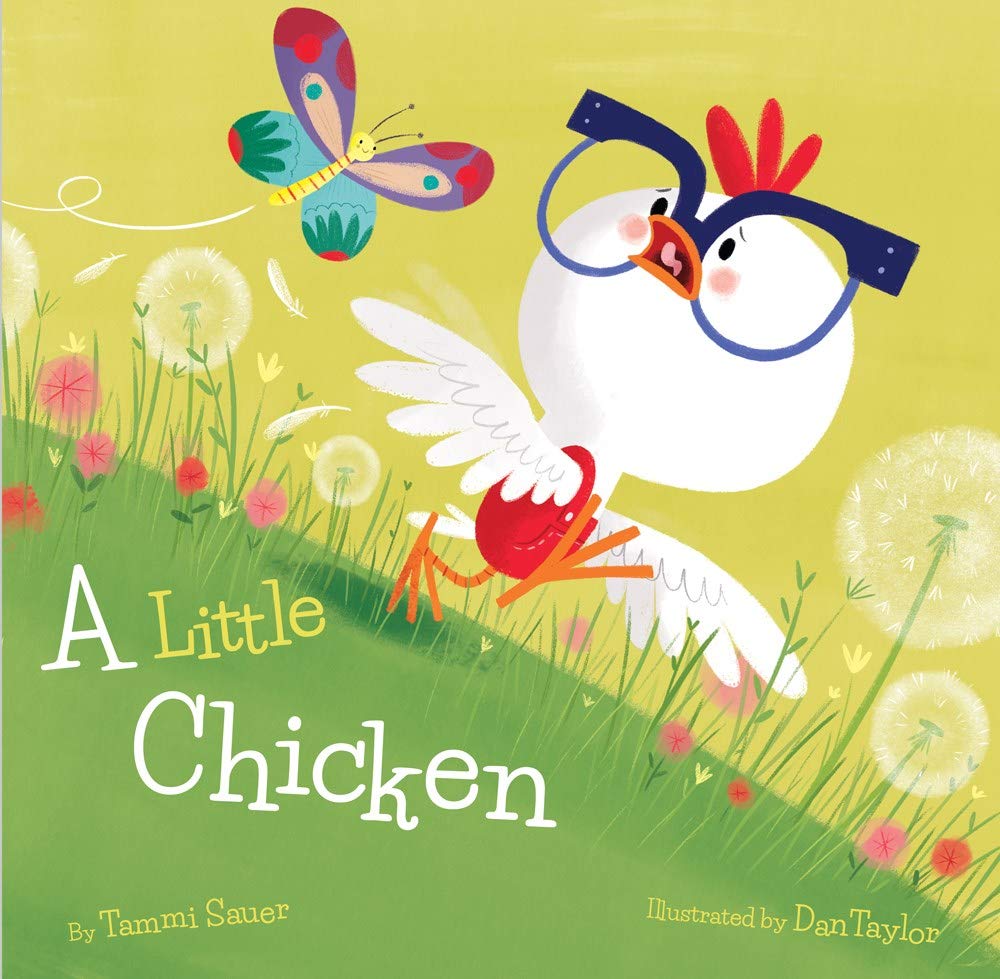
celebrate-picture-books-picture-book-review-a-little-chicken-cover

About the Holiday

The month of March is a reading lover’s favorite! Why? Because from the 1st to the 31st, every day is dedicated to reading. Special events for adults and children take place at libraries, bookstores, community centers, and schools, bringing authors, illustrators, educators, and readers together to get them excited about this favorite past time. A love of reading is a life-long pleasure with so many benefits. 

A Little Chicken

Written by Tammi Sauer | Illustrated by Dan Taylor


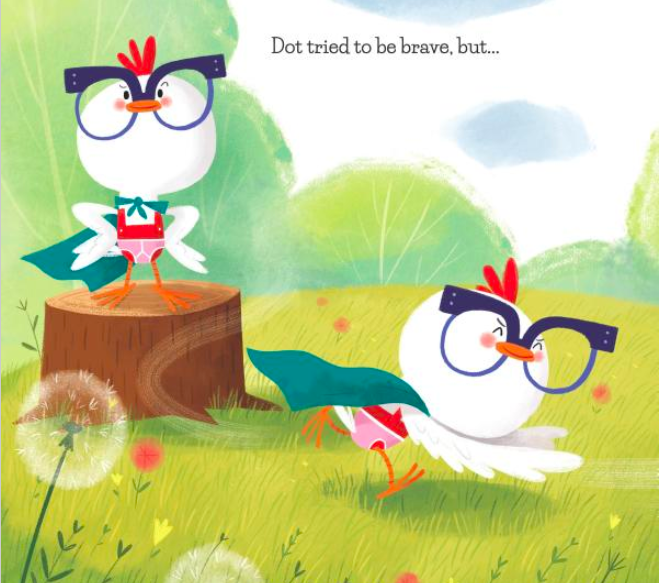
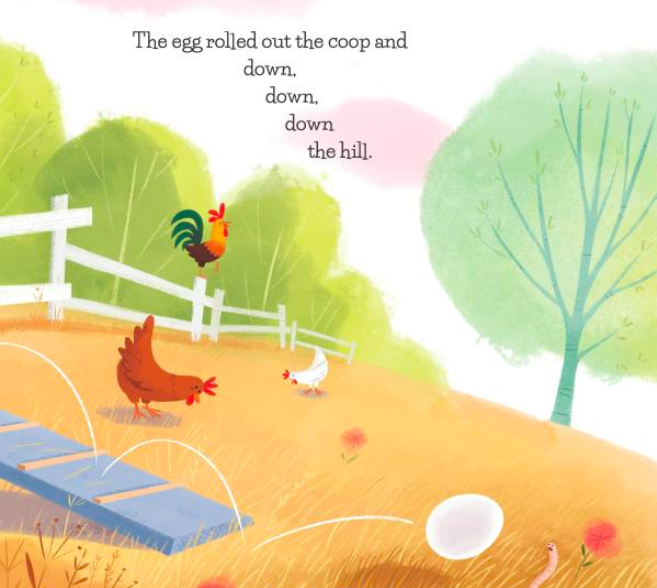
“Dot was a little chicken…who, let’s face it, was a little chicken.” There weren’t many things Dot wasn’t afraid of, including garden gnomes. Even though “Dot tried to be brave,” even the simplest things and the gentlest creatures frightened her. One day, though, while she was adding making their coop more secure, Dot knocked one of her siblings off the nest. All she could do was watch it roll away.

celebrate-picture-books-picture-book-review-a-little-chicken-Dot

Image copyright Dan Taylor, 2019, text copyright Tammi Sauer, 2019. Courtesy of Sterling Children’s Books.

Or was there something else she could do? She plucked up her courage and ran after it. The egg was just within reach when it bounced away and took two hops across lily pads into the middle of the pond. Dot swung over the egg on a tall strand of grass and was just about to grab it when it was catapulted into a tall tree.

Dot climbed the tree and inched out onto a long branch. “She was this close when…” the branch broke and the egg broke away too—”into the deep…dark…woods.” She took one look and…decided “this was no time to be a little chicken.” She ran down the path in pursuit of her little brother or sister and finally caught that egg just as it began to crack. These days, while Dot is still afraid of many things, her little sister and the other chickens think she’s a hero—just “a big hero” who’s “just a little chicken.”

celebrate-picture-books-picture-book-review-a-little-chicken-egg

Image copyright Dan Taylor, 2019, text copyright Tammi Sauer, 2019. Courtesy of Sterling Children’s Books.

Tammi Sauer’s upbeat story of a timid chicken who overcomes her fears in order to save her sibling is suspenseful, fast-paced, and sprinkled with humor. The story will have even the most cautious little ones cheering Dot on her quest and finding their own brave along the way. Dot’s sense of responsibility sparks the action and serves as a second gentle lesson in this well-conceived story. The ending, which embraces Dot’s wary nature while also revealing her heroic accomplishment, is a welcome message for hesitant children who are courageous in their own way.

Dan Taylor’s sweet Dot, with her oversized glasses and bright red overalls, will charm children looking for a hero who’s just their size. As Dot sets in motion her unhatched sibling and the story while installing a huge security camera and monitor in the coop, kids will alternately gasp and giggle at the suspenseful and humorous details on each page. The other chickens are delightfully supportive of Dot, which lends a sense of inclusiveness as they all rush out to cheer her heroic catch. Dot scrambles over a green meadow, hangs perilously over a lily pad covered pond, scurries up a tall tree, and flaps her way through a dark forest populated with a wolf, bears, and—most frightening of all—three garden gnomes.

A story of finding one’s courage at eggs-actly the right moment, A Little Chicken would be a heartening addition to home, classroom, and public libraries.

Ages 3 – 7

Sterling Children’s Books, 2019 | ISBN 978-1454929000

Discover more about Tammi Sauer and her books on her website.

To learn more about Dan Taylor, his books, and his art, visit his website.

National Reading Month Activity

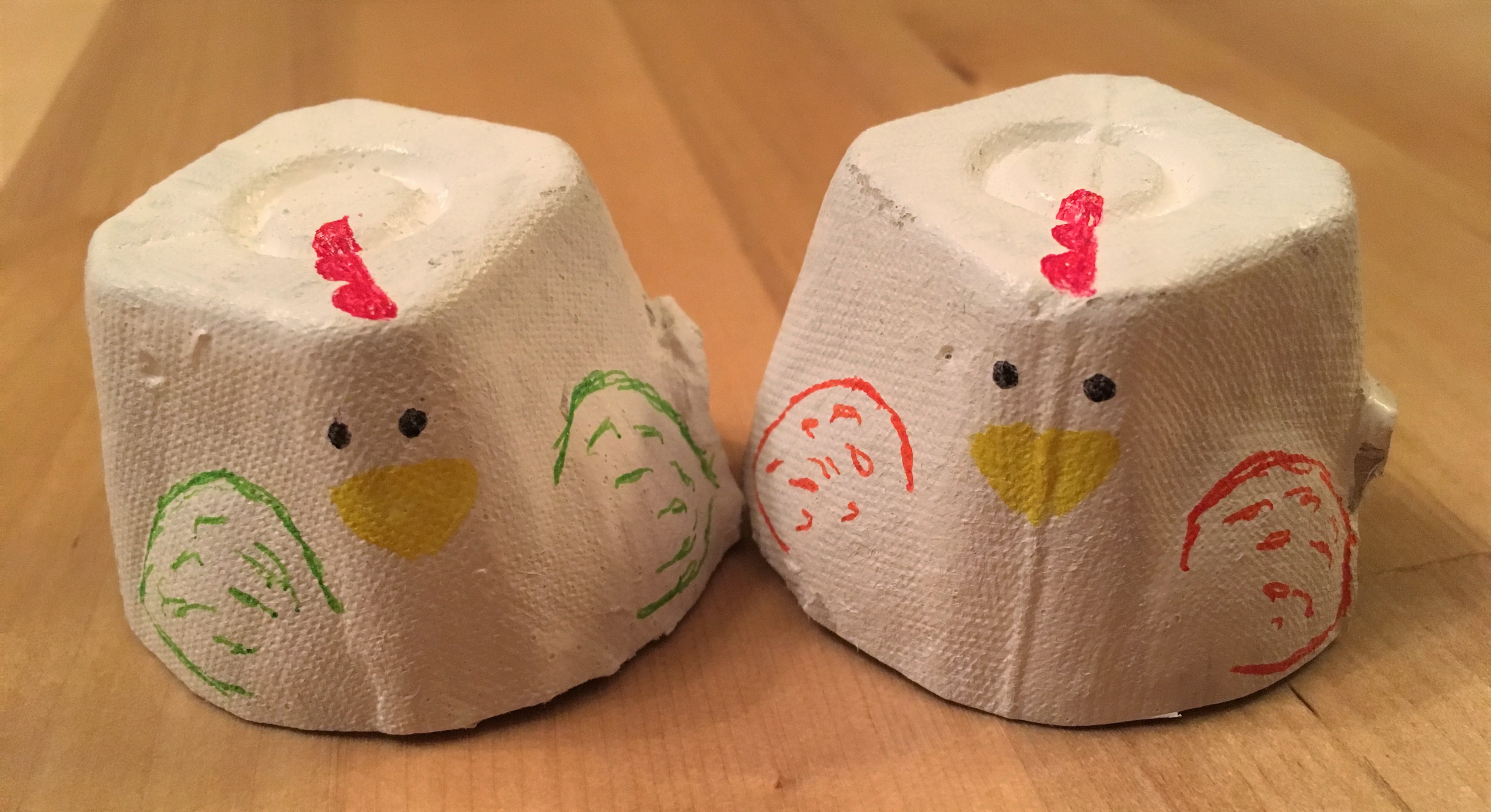
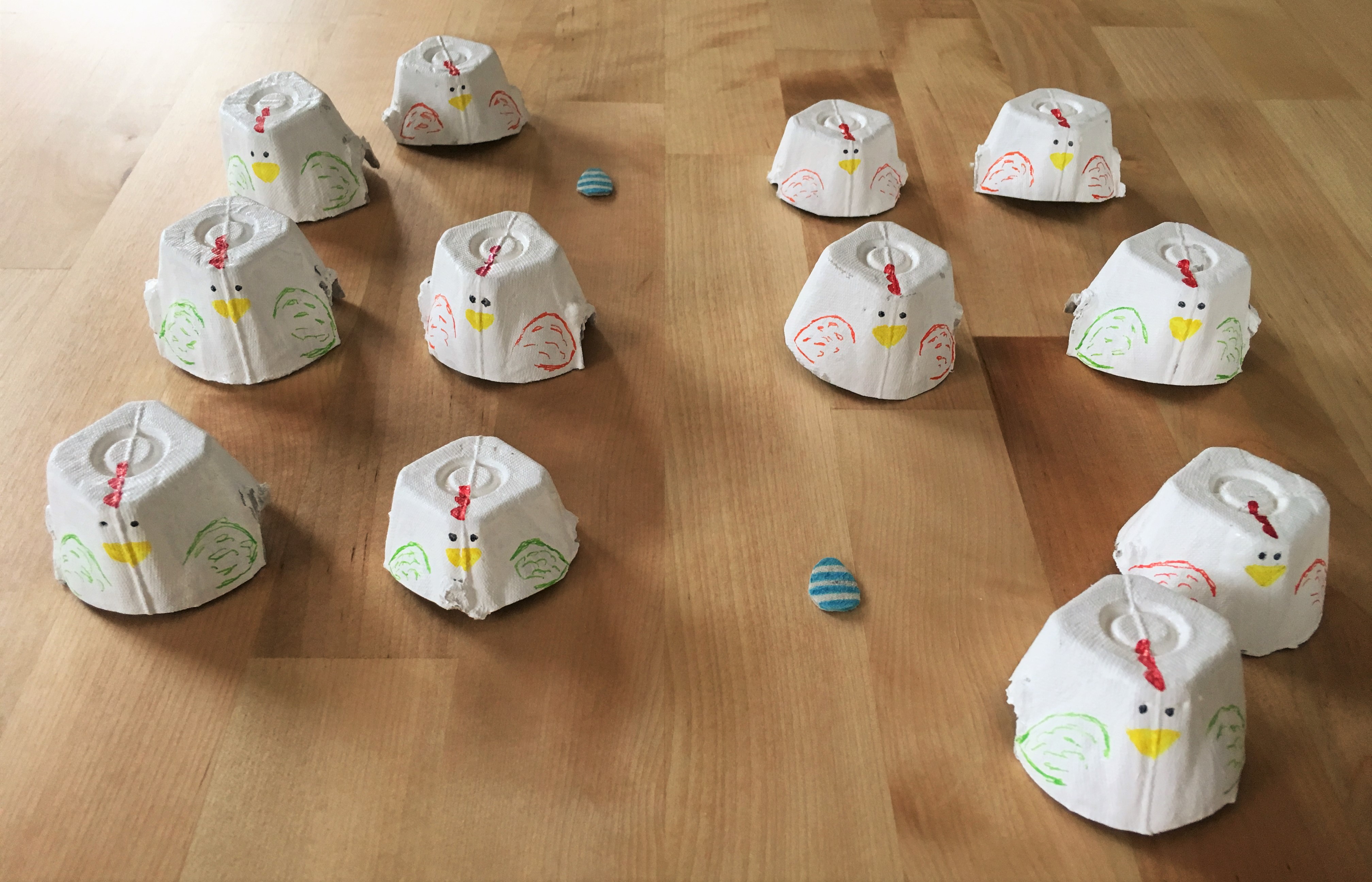
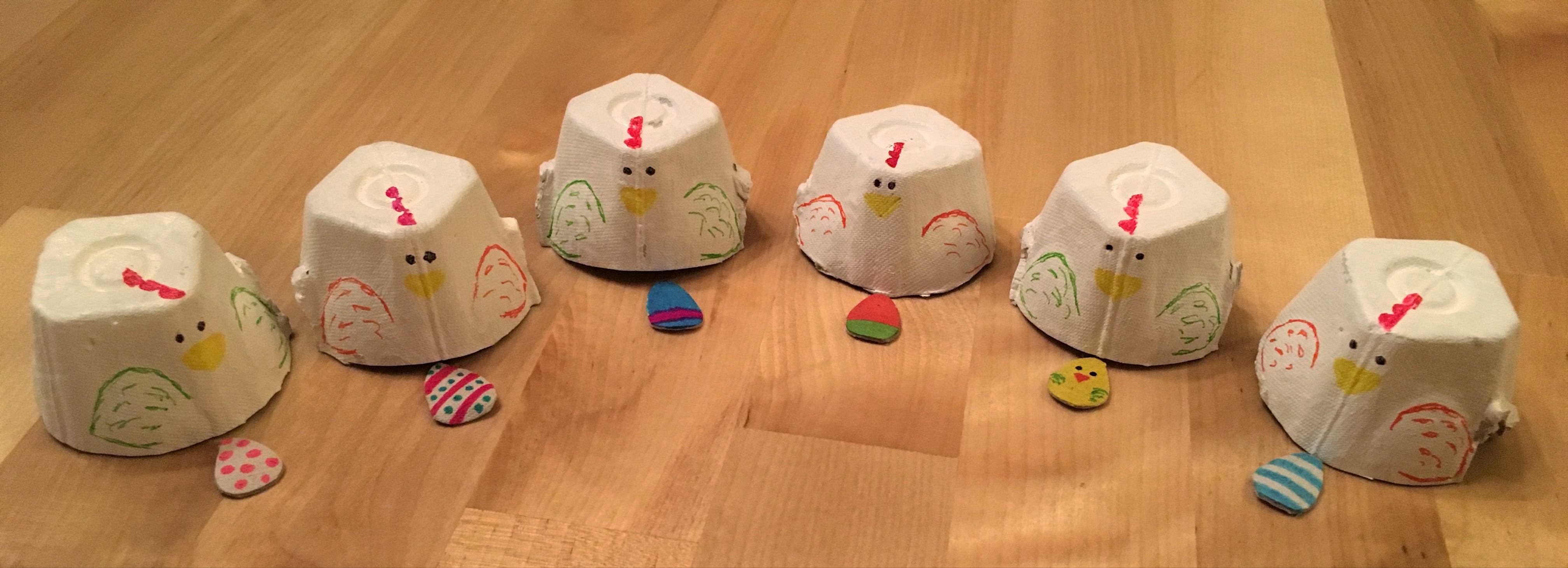
celebrate-picture-books-picture-book-review-egg-carton-chicken-double-chickens

Egg Carton Chickens and a Basket Full of Games


With twelve little chickens you can come up with lots of games to play! This fun craft and game activity is eggs-actly what you need to start hatching some real fun!

Supplies

  • Cardboard egg carton
  • White craft paint
  • Markers: red, yellow, black for the face; any colors you’d like for wings and eggs
  • Paint brush
  • Scissors
  • Glue
  • Construction or craft paper in white and a color of your choice

Directions

  1. Cut the notched flap off the egg carton and set aside
  2. Cut the top off the egg carton
  3. Cut apart all the egg cups and trim slightly so they sit flat
  4. Paint the egg cups with the white paint, let dry
  5. Add the face, comb and wings to the chicken with the markers. Make six chickens with one color wings and six chickens with another color wings.
  6. From the egg carton flap cut thirteen small egg-shaped playing pieces
  7. With the markers, decorate twelve of the eggs in pairs—each egg in the pair with the same design
  8. Color one egg yellow and add a beak, eyes, and wings to make it a chick

Games to Play

Tic-Tac-Toe (2 players)

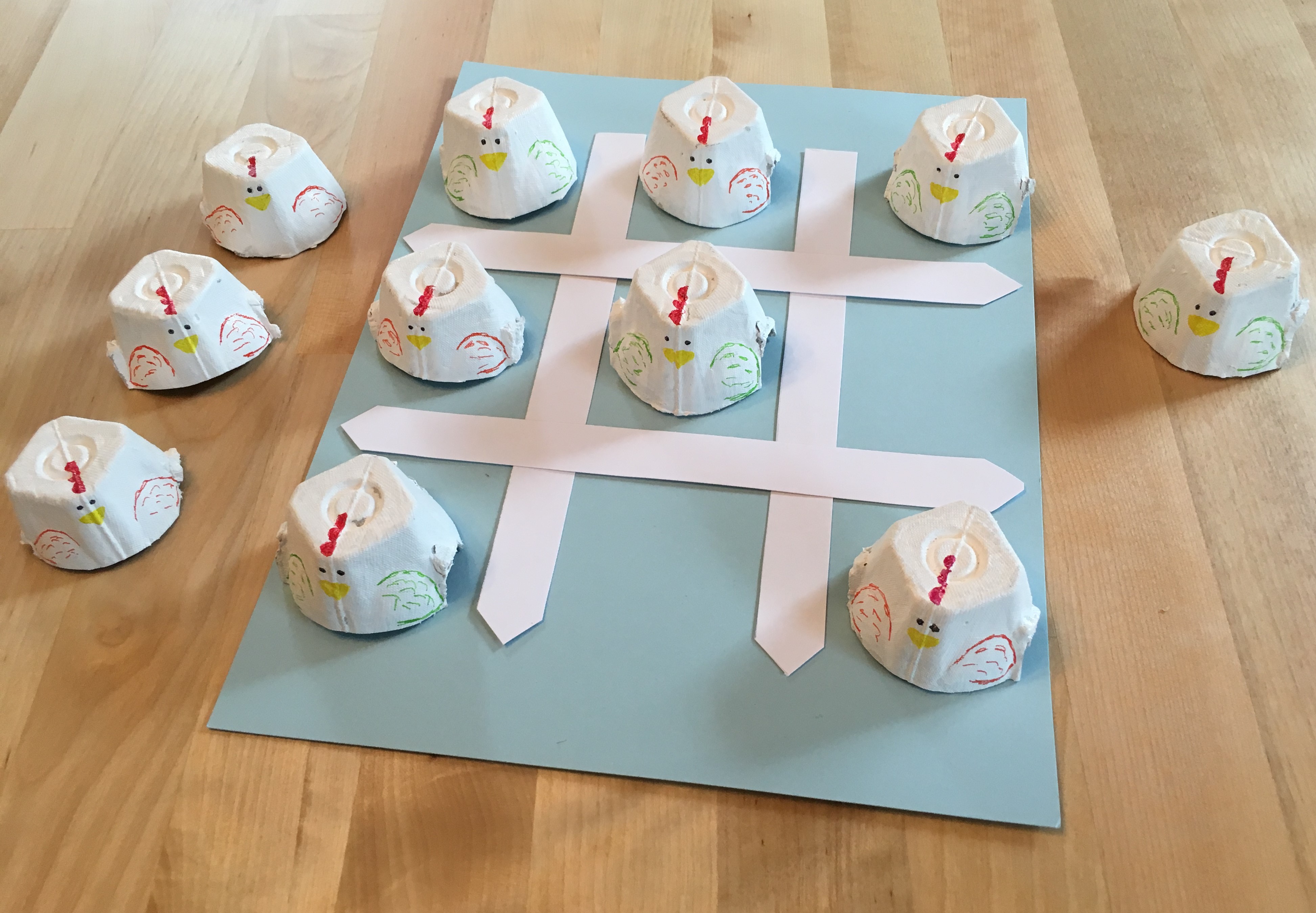
  1. On a 8 ½” x 11” piece of paper draw a regular tic-tac-toe board or make it fancy – like the picket fence-inspired board in the picture
  2. To make the fence-inspired board on a colored background, cut 2 9-inch-long x 3/4-inch wide strips of white paper, cutting a pointed tip at one or both ends. Cut 2 white  8-inch x 3/4-inch strips of paper with a pointed tip at one or both ends. Glue the strips to the background.
  3. Each player chooses a set of chickens with the same colored wings
  4. Play the game as you usually do

celebrate-picture-books-picture-book-review-egg-carton-chicken-tic-tac-toe

Find the Matching Eggs (2 or more players)

  1. Have one player hide one egg under each chicken
  2. Shuffle the eggs around and form them into three lines of 4 chickens each
  3. Another player lifts one chicken at a time to find matching eggs. If the eggs don’t match, put both chickens back and start again

celebrate-picture-books-picture-book-review-egg-carton-chicken-matching

Where’s the Chick?

  1. Use as many chickens and eggs as you want (fewer for younger children, more for older)
  2. One player hides the chick under one of the chickens and eggs under the others.
  3. Another player has three chances to find the chick

celebrate-picture-books-picture-book-review-egg-carton-chicken-where's-the-chick

I’m sure you can also design your own games for your adorable chickens to play! With more chickens you can even make a checkers set or replicate another of your favorite board games!

celebrate-picture-books-picture-book-review-a-little-chicken-cover

You can find A Little Chicken at these booksellers

Amazon | Barnes & Noble | Books-a-Million | IndieBound

Picture Book Review

March 8 – International Women’s Day

celebrate-picture-books-picture-book-review-born-to-ride-cover

About the Holiday

Instituted in 1911 and celebrated in Austria, Denmark, Germany, and Switzerland, International Women’s Day was recognized by the United Nations in 1975. In 1996, honoring the holiday under a united theme was established and this tradition has been followed ever since. During the 100th anniversary of International Woman’s Day in 2011, President Barak Obama proclaimed March to be National Women’s Month. Both International Women’s Day and National Women’s Month recognize the accomplishments and contributions of women throughout history and today. This year’s theme is Balance for Better and raises awareness of the need for gender equity across the spectrum of education, business, government, media coverage, rights, wealth, and more. The outreach and influence of International Women’s Day continues throughout the year. To learn more and get involved, visit the International Women’s Day website.

Abrams Books for Young Readers sent me a copy of Born to Ride to check out. All opinions are my own. 

Born to Ride: A Story about Bicycle Face

Written by Larissa Theule | Illustrated by Kelsey Garrity-Riley


Open the cover of this remarkable picture book to a two-page illustration and you might notice something unusual—for our time. What is it? Read on and see…

As Louisa Belinda Bellflower gazed out her window at a man riding a bicycle in Rochester, New York, in 1896, she wished that she could ride one too. But girls and women weren’t allowed to ride bicycles, just as they weren’t allowed to vote or wear pants. Louisa’s brother, Joe, had a brand-new bike, and “riding it looked like a whole lot of fun.”

celebrate-picture-books-picture-book-review-born-to-ride-falling

Image copyright Kelsey Garrity-Riley, 2019, text copyright Larissa Theule, 2019. Courtesy of Abrams Books for Young People.

One day, Louisa took off her frilly skirt and put on her brother’s pants and asked him to teach her how to ride. There were, however, a couple of concerns. One was what would their mother say? Another was the horrible medical condition, bicycle face. Everyone knew about it, and Doctor Brown was strict on this matter. He said, “‘girls aren’t strong enough to balance, that your eyes will bulge, and your jaw will close up from the strain of trying—maybe FOREVER.’”

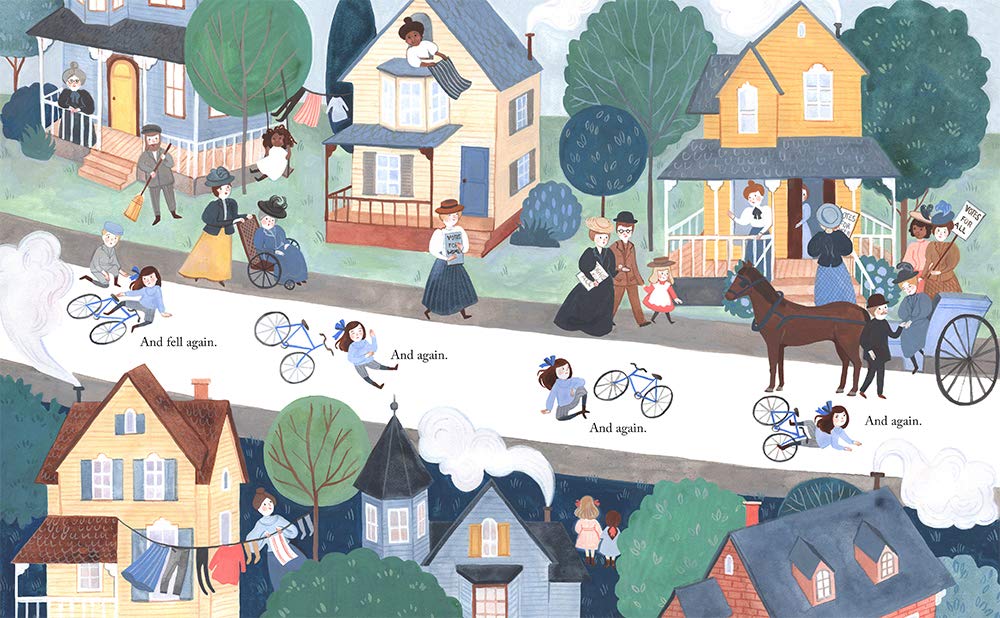
Louisa considered this fate, but Joe didn’t have any of these symptoms. Even though she was a little nervous, she tried it anyway. Louisa fell again and again, but when Joe asked her if she wanted to quit, she continued. She began peddling again and soon had the knack for it. “With some alarm, she felt her eyes bulge, and her mouth widen—into a gigantic, joyous smile.”

celebrate-picture-books-picture-book-review-born-to-ride-tea

Image copyright Kelsey Garrity-Riley, 2019, text copyright Larissa Theule, 2019. Courtesy of Abrams Books for Young People.

She rode back and forth down the path and when she got home, her mother said, “‘those pants look quite practical, Louisa Belinda,’” And Louisa turned a somersault just to show her she was right. Then Louisa’s mother asked Joe if Father’s bike was in good shape. Joe said it was, and their mother set about converting her skirt into a pair of pants. When they were finished, Louisa and her mother wheeled the bikes out side-by-side and took off. “‘Mother,’” Louisa said, “‘what will your bicycle face be, I wonder!’”

You only need to turn the page to see. Louisa’s mother is smiling and that original two-page spread has been transformed with lots of women and girls riding the roads that lead to the Votes for Women rally in the town green.

An extensive Author’s Note follows the text and explains the origin of “bicycle face” and other such imagined bicycle-related maladies as well as the opposition to women’s riding bicycles. Also included is a discussion on the women’s suffrage movement.

celebrate-picture-books-picture-book-review-born-to-ride-sewing

Image copyright Kelsey Garrity-Riley, 2019, text copyright Larissa Theule, 2019. Courtesy of Abrams Books for Young People.

Both children and adult readers will be astounded at Larissa Theule’s eye-opening story that reveals just one of the many obstacles women have had to overcome in their quest for equal rights. Theule’s story, told through the eyes of a girl with pluck and self-confidence, is well targeted to her young audience with an engaging undercurrent of humor at the nonsensical reasoning behind the ban on women’s bicycle riding and even the constricting clothing of the time for girls and boys. As Louisa falls again and again while learning to ride, Theule infuses her story with the idea that perseverance wins out—a concept she not only applies to learning a new skill, but to the parallel story of women’s suffrage that runs throughout the illustrations.

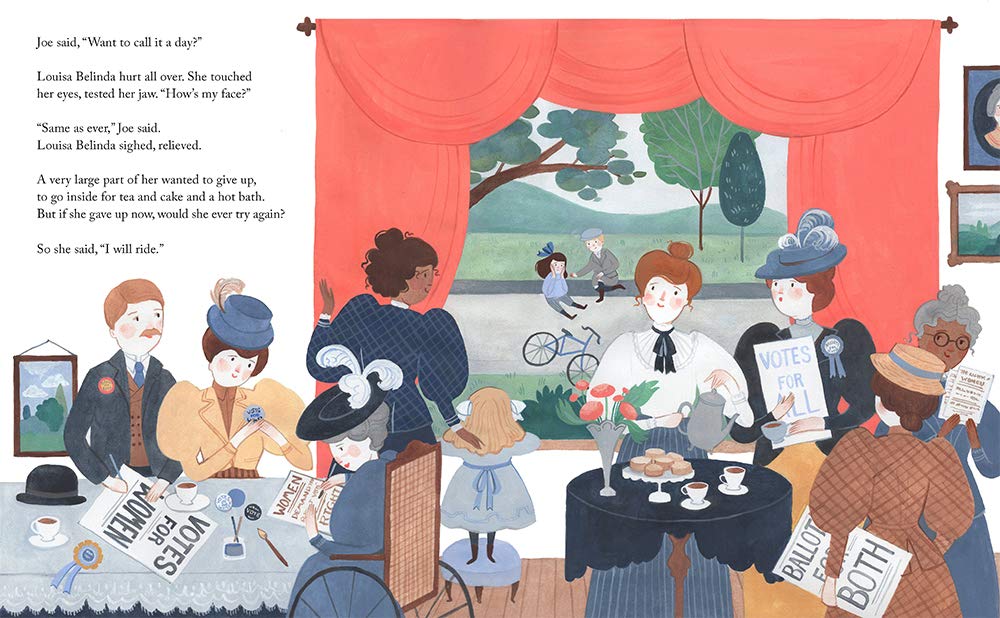
Kelsey Garrity-Riley’s charming illustrations evoke the late 1800s, giving kids a view of history with Victorian-style houses; skirts, bloomers, and pinafores for girls and short-pant suits for boys; and an old-fashioned sewing machine. Adding depth and context to the story, Garrity-Riley follows Louisa and Joe’s mother as she paints “Votes for Women” and “Ballots for Both” signs and later hosts a women’s suffrage tea attended by white and dark-skinned women, a woman in a wheelchair, and one progressive man. Garrity-Riley cleverly combines images of Louisa’s indomitable spirit with these depictions of protest to reinforce the theme and lesson of the story.
To  jumpstart discussions about equal rights for all, Born to Ride: A Story about Bicycle Face is a unique and fascinating addition to home, school, and public libraries.

Ages 4 – 8

Abrams Books for Young Readers, 2019 | ISBN 978-1419734120

Discover more about Larissa Theule and her books on her website.

To learn more about Kelsey Garrity-Riley, her books, and her art, visit her website.

International Women’s Day Activity

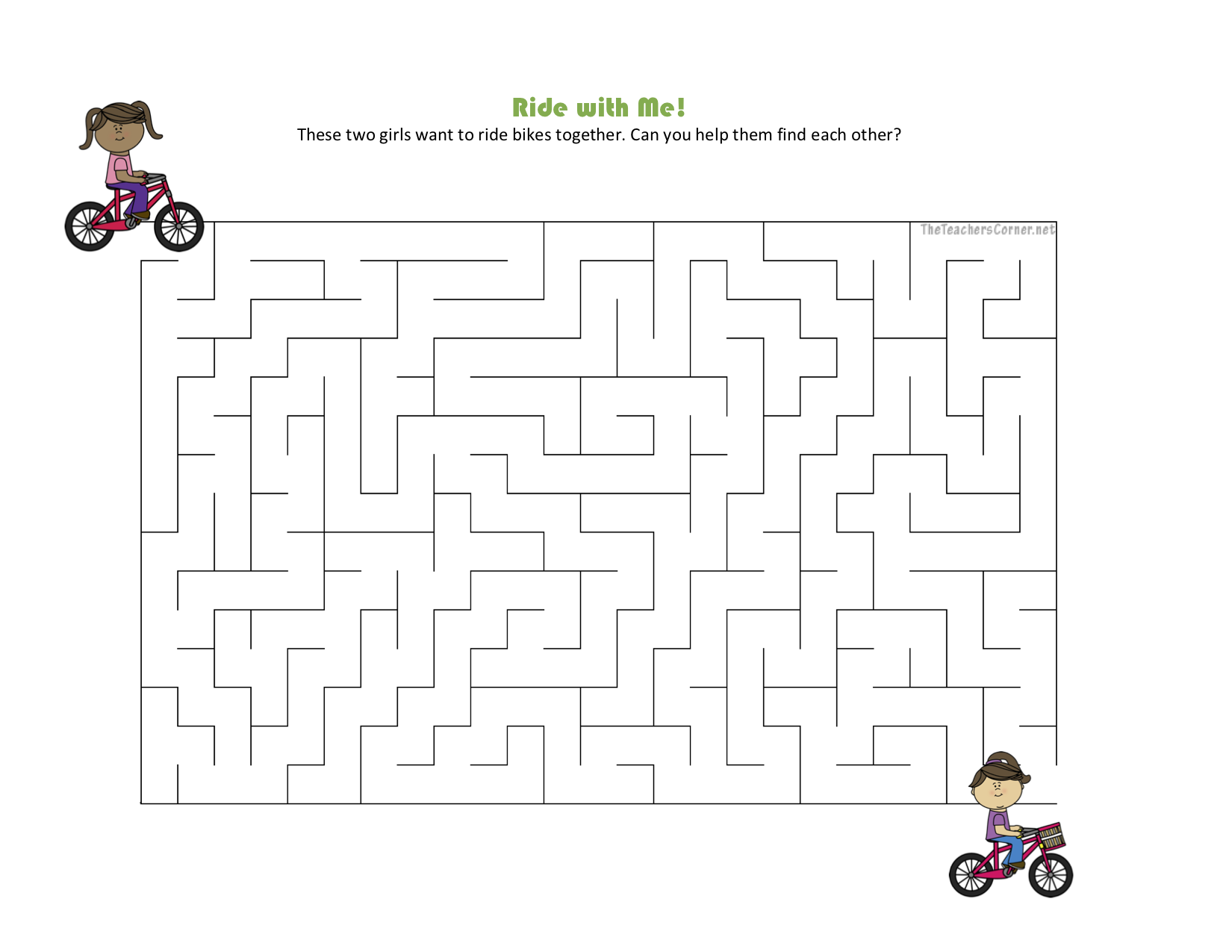
celebrate-picture-books-picture-book-review-bicycle-maze 2

Ride with Me! Maze


Two girls want to ride bikes together. Can you help them find each other in this printable maze?

Ride with Me! Puzzle | Ride with Me! Puzzle Solution

celebrate-picture-books-picture-book-review-born-to-ride-cover

You can find Born to Ride: A Story about Bicycle Face at these booksellers

Amazon | Barnes & Noble | Books-a-Million | IndieBound

Picture Book Review