July 17 – National Yellow Pig Day

The Boy Who Loved Math: The Improbable Life of Paul Erdős by Deborah Heiligman and LeUyen Pham picture book review

About the Holiday

Today’s holiday isn’t really about the color yellow or about pigs—it’s about math! Who knew? Well, plenty of people, actually! Mathematicians, college professors, and students spend the day celebrating the number 17 with special problems and yellow pig cakes, songs, parades, and more. The holiday was established in the 1960 when two Princeton University students, David Kelly and Michael Spivak began obsessing over the number 17. And the yellow pig? One story say it’s a reference to David Kelly’s collection of yellow pigs while another goes that the two concocted the idea of a yellow pig with 17 toes, teeth, eyelashes, etc. To celebrate, study up on the prime number 17 and have some more math fun!

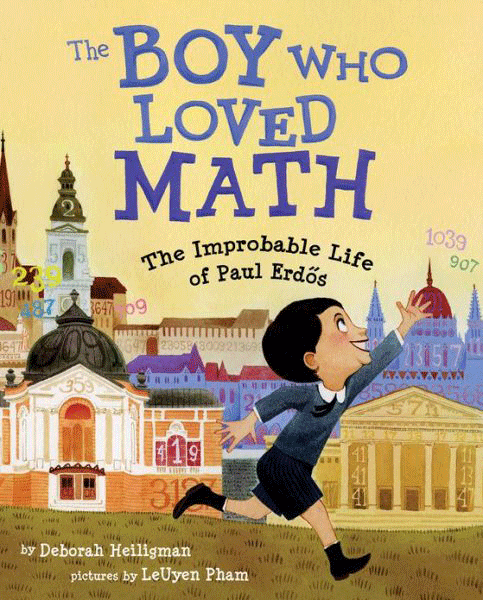
The Boy Who Loved Math: The Improbable Life of Paul Erdős

Written by Deborah Heiligman | Illustrated by LeUyen Pham


In Budapest, Hungary a boy is born who loves math. His name is Paul Erdős and he lives with his mother, who loves him “to infinity” just as Paul loves her. When she goes back to work as a math teacher, she leaves Paul with Fräulein, his nanny. Fräulein loves rules and tries to get Paul to sit still, eat all his lunch, take a nap—to obey. But Paul hates rules.
celebrate-picture-books-picture-book-review-the-boy-who-loved-math-the-improbable-life-of-paul-erdos-young-paul-calendar

Image copyright LeUyen Pham, 2013, text copyright Deborah Heiligman, 2013. Courtesy of usmacmillan.com.

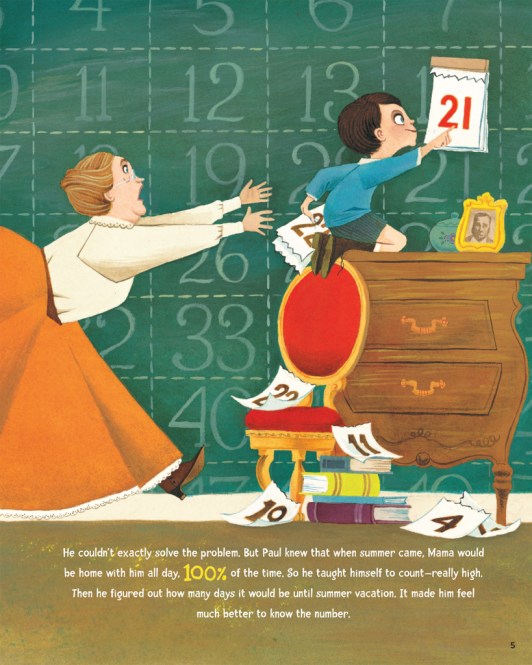
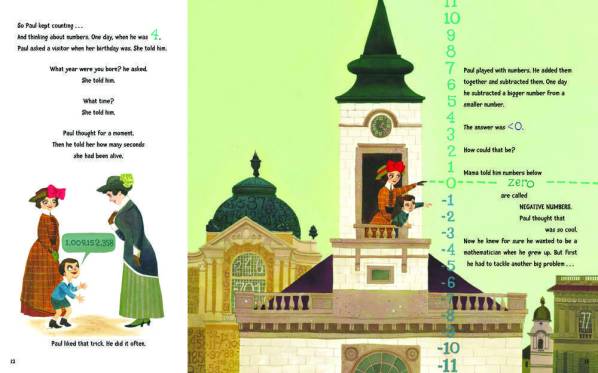
At three years of age he teaches himself to count the days until his mother will be home with him 100 percent of the time. Knowing the number makes Paul feel better as his head is constantly full of numbers and what they can do. One day when he is four years old, he meets a woman and asks her two questions—what year she was born and at what time. When the woman tells him, it only takes him a moment to reveal how many seconds she has been alive.
celebrate-picture-books-picture-book-review-the-boy-who-loved-math-the-improbable-life-of-paul-erdos-tower

Image copyright LeUyen Pham, 2013, text copyright Deborah Heiligman, 2013. Courtesy of usmacmillan.com.

He continues to play with numbers, learning more and more about the various types. He decides he will be a mathematician when he grows up. When Paul is old enough to go to school, he once again encounters rules he can’t abide. His mother decides he will be schooled at home, and even though this means more time with Fräulein, Paul considers it the better option.

There’s just one thing – while Paul thinks about numbers, Fräulein and his mother do everything for him. At meals they cut his meat and butter his bread; they dress him, and tie his shoes. When he becomes a teenager, he goes to high school and meets other kids who love math. He and his friends spend all their time doing math and by the time Paul is 20 he is famous around the world for his math equations.
celebrate-picture-books-picture-book-review-the-boy-who-loved-math-the-improbable-life-of-paul-erdos-paul-around-the-world

Image copyright LeUyen Pham, 2013, text copyright Deborah Heiligman, 2013. Courtesy of usmacmillan.com.

There’s just one problem – even as an adult, Paul is so focused on numbers and math that he still doesn’t know how to do basic things for himself. When he is 21 he’s invited to go to England to work. At his first dinner there he stares at his bread and he stares at his meat. What is he supposed to do? With a little experimentation, he figures it out, but he also figures out that he sees the world in a different way.

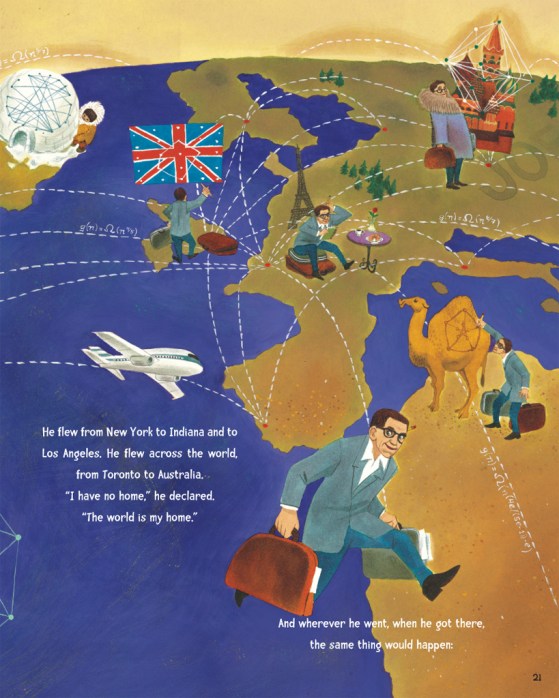
He doesn’t want a normal life with a family and a house and a regular job. He designs for himself a very unusual lifestyle. Everything he owns fits into two suitcases, and with a little money in his pocket he flies from city to city to do math. He knows so many mathematicians that wherever he goes they invite Paul to stay with them. These families take care of Paul just as his mother and Fräulein had! They do his laundry, cook his meals, and pay his bills.
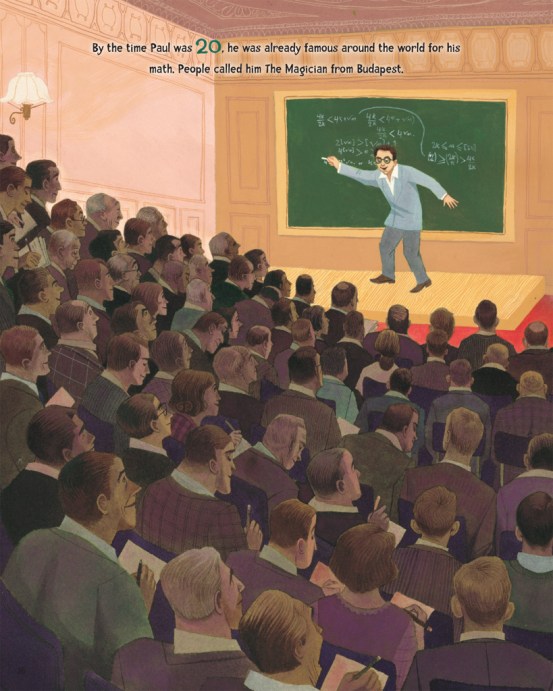
celebrate-picture-books-picture-book-review-the-boy-who-loved-math-the-improbable-life-of-paul-erdos-teacher-paul

Image copyright LeUyen Pham, 2013, text copyright Deborah Heiligman, 2013. Courtesy of usmacmillan.com.

But even so, everyone loves “Uncle Paul!” He brings people together and shares his knowledge. His work in mathematics has given the world better computers, better search engines, and better codes for our spies to use. He was so admired that even now people represent their relationship with Paul by giving it a number – the “Erdős number.” Paul was a unique person who counted numbers and people as his best friends and experienced the world in a way that added up to a very special life.
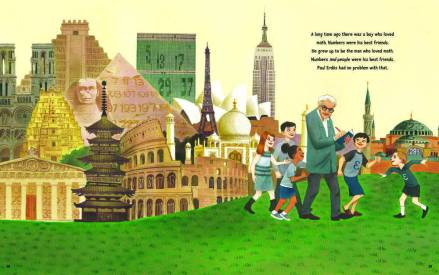
celebrate-picture-books-picture-book-review-the-boy-who-loved-math-the-improbable-life-of-paul-erdos-older-paul

Image copyright LeUyen Pham, 2013, text copyright Deborah Heiligman, 2013. Courtesy of usmacmillan.com.

Reading Deborah Heiligman’s The Boy Who Loved Math is a liberating experience. Her biography reveals not just what Paul Erdős did, but the quirky genius he was. It also honors all the people around the world who embraced his personality, allowing Erdős to focus on the work he was born to do. Heiligman’s engaging patter, full of interesting anecdotes, humor, and personality, is storytelling at its best and provides an absorbing look at a very unique life.

LeUyen Pham’s illustrations perfectly complement the text, exposing Erdős’s chafing under rules, his delight in math, and his development from youth to old age. Each fascinating page cleverly represents the way Erdős saw the world as numbers, equations, and geometric shapes appear on buildings, domes, and even in the very air! The text too is infused with numerals and mathematical symbols (“Paul loved Mama to ∞, too!), making this a prime book for any math lover!

Ages 5 – 9

Roaring Brook Press, 2013 | ISBN 978-1596433076

Discover more about Deborah Heiligman and her books on her website.

To learn more about LeUyen Pham, her books, and her art, visit her website.

Mathematics Awareness Month Activity
CPB - Math Mystery Phrase

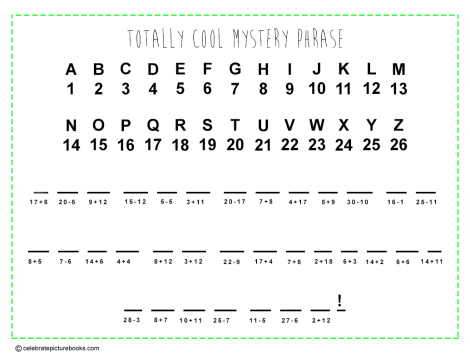
Totally Cool Mystery Phrase! Puzzle


What plus what equals an equation that can’t be beat? You and numbers, of course! Complete this Printable Totally Cool Mystery Phrase! puzzle to discover a coded sentence! Here’s the Solution!

The Boy Who Loved Math: The Improbable Life of Paul Erdős by Deborah Heiligman and LeUyen Pham picture book review

You can find The Boy Who Loved Math at these booksellers

Amazon | Barnes & Noble | Books-a-Million | IndieBound

Picture Book Review

July 16 – World Snake Day

celebrate-picture-books-picture-book-review-wee-beasties-huggy-the-python-hugs-too-hard-cover

About the Holiday

Of all the creatures in the animal kingdom, none may inspire such fierce emotions as snakes. And while there are plenty of species that rightly strike fear into people’s hearts, there are also many snakes that are beautiful and mild-mannered. As predators, snakes play a vital role in providing balance in the ecosystem. More than 3, 458 species are found in every part of the world, including frozen tundras and deep oceans, but habitat destruction, pollution, and other dangers threaten their population. To celebrate today’s holiday, read up on snakes or watch a documentary about these fascinating creatures. You may find yourself embracing them – just maybe not as much as the star of today’s book!

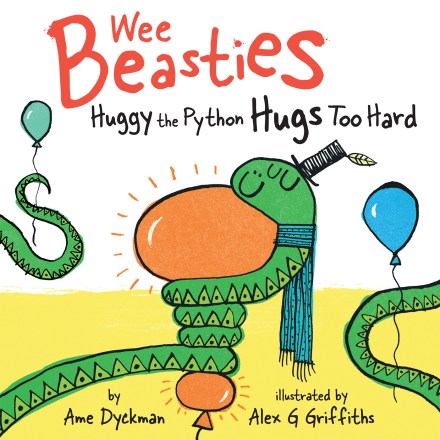
Huggy the Python Hugs Too Hard (Wee Beasties Series)

Written by Ame Dyckman | Illustrated by Alex G. Griffiths


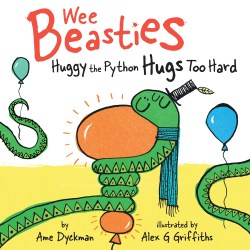
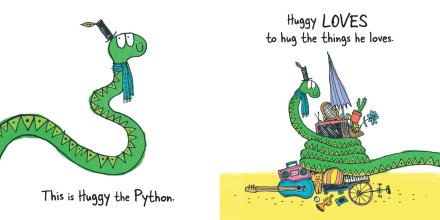
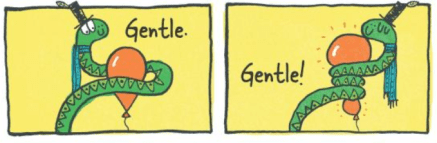
Huggy the Python LOVES a lot of things. And he “LOVES to hug the things he loves.” It’s just that Huggy is missing a bit of …well… hug control. When he sees something he loves—like a balloon—he rushes over and gently, gently wraps himself around it. But, really, one more little squeeze won’t hurt, right? Oh dear! “Pop! Oops! You hugged too hard, Huggy.”

celebrate-picture-books-picture-book-review-wee-beasties-huggy-the-python-hugs-too-hard-huggy

Image copyright Alex Griffiths, 2018, text copyright Ame Dyckman. Courtesy of Little Simon.

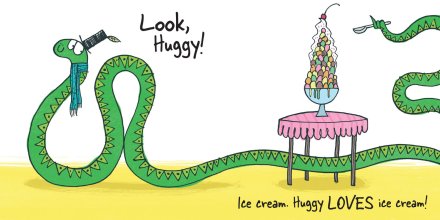
Maybe some ice cream will turn that frown upside down. Okay, spoon’s at the ready… so far so good. A little scoop… Yummm! That bowl needs just a leeetle hug. Oh no! What a mess! There’s even whipped cream and a cherry on top of Huggy’s very tall top hat! Perhaps a “fuzzy little dog” will cheer him up. Huggy’s all ready to give that puppy a hug when—“WAIT!” Maybe the reader can “show Huggy how to be gentle.” That’s right! So sweet!

Now it’s Huggy’s turn to show what he learned. Huggy looks a little uncertain as he stares down into those big puppy dog eyes. But he picks the puppy up and snuggles “just right.” But that tube of toothpaste in his tail? Well, you’ll see!

celebrate-picture-books-picture-book-review-wee-beasties-huggy-the-python-hugs-too-hard-ice-cream

Image copyright Alex Griffiths, 2018, text copyright Ame Dyckman. Courtesy of Little Simon.

Part of Ame Dyckman’s new Wee Beasties series of social skills board books—which includes Roary the Lion Roars Too Loud and Touchy the Octopus Touches Everything—Huggy the Python Hugs Too Hard addresses the penchant of little ones to show just how full of love their heart really is. Combining examples that will elicit giggles, wording that prompts fun dramatic readings that toddlers can easily join in on, and a page that allows kids to practice giving just the right squeeze, Huggy the Python Hugs Too Hard gently teaches restraint in a story little ones will want to read again and again.

celebrate-picture-books-picture-book-review-huggy-the-python-hugs-too-hard-gentle

Alex G. Griffiths’ Huggy is a dapper cutie with his blue scarf, feathered top hat, and big, ready smile. As he whips over to show the balloon how much he loves it or cozies up to a tall dish of ice cream, his enthusiasm is infectious, but a POP! and a SQUISH! later that happy grin is a full-on frown. When Huggy wants to show some love to the little puppy, it’s up to readers to show him how it’s done. And no little one will be able to resist giving the book a snuggle when they see the sweet puppy’s outstretched arms! Griffiths’ cleverly uses nearly identical imagery when the balloon and the ice cream succumb to Huggy’s squeeze in order to show young readers the unwanted consequence of over-zealous hugs. The smiles all around when Huggy and the puppy connect just right will have little ones smiling too—and ready to give plenty of hugs.

Offering a peppy, playful way to teach young children how to hug pets, babies, friends, and even their toys as well an opportunity to discuss various emotions, Huggy the Python Hugs Too Hard would be a favorite addition to any toddler’s home bookshelf and a terrific choice for daycare, preschool, and kindergarten libraries.

Ages 2 – 5

Little Simon, 2018 | ISBN 978-1534410800    

Discover more about Ame Dyckman and her books on her website.

To learn more about Alex G. Griffiths, his books, and his art, visit his website.

World Snake Day Activity

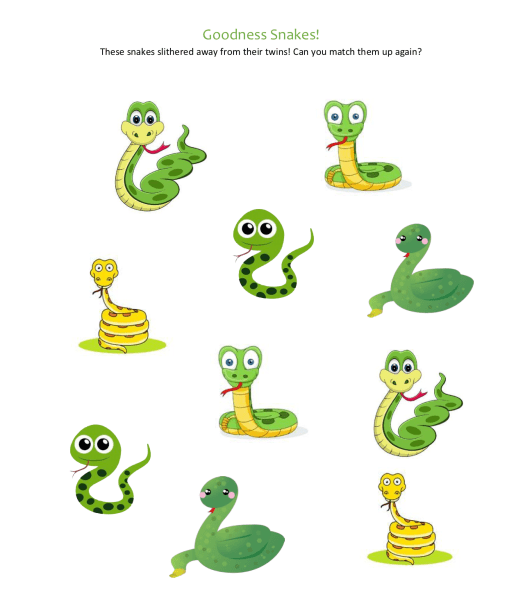
celebrate-picture-books-picture-book-review-goodness-snakes-matching-puzzle

Goodness Snakes! Matching Puzzle


These twin snakes slithered away from each other! Can you match them up again in this printable Goodness Snakes! Matching Puzzle?

celebrate-picture-books-picture-book-review-wee-beasties-huggy-the-python-hugs-too-hard-cover

You can find Huggy the Python Hugs Too Hard  at these booksellers

Amazon | Barnes & Noble | Books-a-Million | IndieBound

Picture Book Review
July 15 – I Love Horses Day

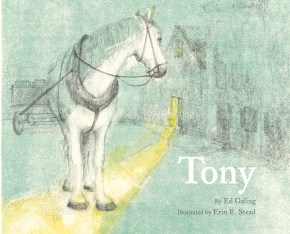
celebrate-picture-books-picture-book-review-tony-cover

About the Holiday

The dream pet of many children, a proud part of settling and farming early America, majestic free spirits of the West, and gentle therapy animals, horses are much-loved by kids and adults alike. Today’s holiday celebrates the special feeling people have for horses.  To honor today’s holiday, read a book or watch a movie about horses or consider donating to the cause of protecting horses. There are many homeless horses who need permanent homes, too. If you have the land and means, you may even think about adopting a horse in need.

Tony

Written by Ed Galing | Illustrated by Erin E. Stead


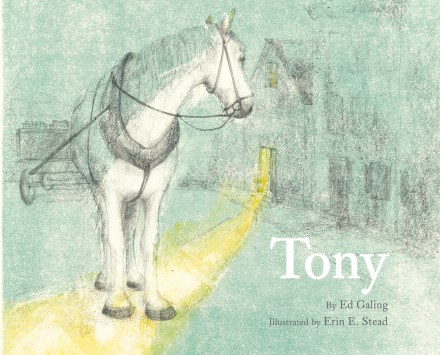
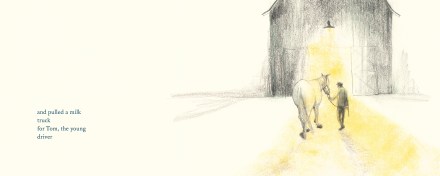
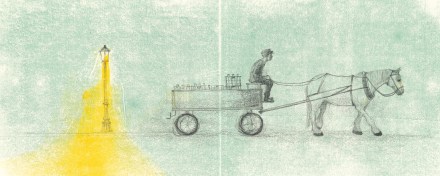
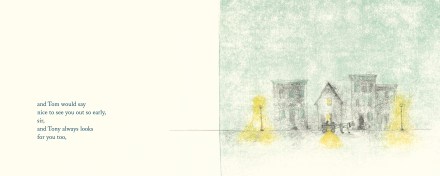
Tony “was such a wonderful horse.” Every morning, long before the sun came up, Tom would hitch him to the wagon and they would deliver milk, butter, and eggs to customers around town. “Tony was all white, large, sturdy, with wide gentle eyes and a ton of love….” While Tom jumped out of the wagon and carefully carried the products to waiting doorsteps, Tony stood silently by.

celebrate-picture-books-picture-book-review-tony-going-to-barn

Image copyright Erin E. Stead, 2017, text copyright Ed Galing, 2017. Courtesy of us.macmillan.com

At one house the lights were always already burning even though it was only 3:00 a.m. The occupant of the house would come out and gently pat Tony, whose eyes shone as he bowed his head to receive the daily affection. Before moving on to the next house, Tom and the narrator always exchanged pleasantries. “Wouldn’t miss Tony for the world,” the customer would respond, adding compliments for Tony. 

These kind words made Tom smile as he seated himself once again in the wagon, and while the narrator watched them continue down the street, he “knew that Tony did a little dance.”

celebrate-picture-books-picture-book-review-tony-pulling-wagon

Image copyright Erin E. Stead, 2017, text copyright Ed Galing, 2017. Courtesy of us.macmillan.com

Ed Galing’s touching memoir to a special horse and a daily routine that brought camaraderie and comfort to the story’s narrator reminds readers that happiness can be found in the simplest of actions, and profound love in the connections between people and animals. Implicit in this minimalist snapshot of a short, early morning meeting are all the mornings—perhaps years-worth—carried out in exactly the same fashion that have forged the bond between Tony and the narrator.

Underlining the story is the basis for this bond—the affection and respect the narrator gives Tony and receives in return. It is perhaps not too much of a stretch to imagine a young child similarly encouraged by such compliments. The early morning setting (also prime time for many babies) lends a dreamy mystery to the tale—who is the narrator, why are they up so early, and how old are they? (certain illustrations give intriguing clues)—that children will enjoy imagining and discussing.

celebrate-picture-books-picture-book-review-tony-houses

Image copyright Erin E. Stead, 2017, text copyright Ed Galing, 2017. Courtesy of us.macmillan.com

Erin E. Stead’s pencil-drawn illustrations, beautifully introduced by a page of vellum that sets the tone, are quiet, peaceful vignettes of Tony as he hitches up in the morning and takes Tom on his rounds. Bathed only in the glow of the light over the barn, a street light, or the light from the narrator’s open door, Tony makes his way through the dim streets with graceful dignity. Tony is gorgeously and expressively drawn.

As he waits outside the narrator’s house, Tony’s head is turned toward the doorway in expectation, and again as he pulls away from the curb, he gives one last look back. Children will love seeing the way milk and other farm products were once delivered and will respond to the gauzy sage and amber backdrop that makes Tony a perfect quiet time or bedtime book.

Tony is gentle, heartwarming triumph and a wonderful book to spur family-history stories. It would be a welcome addition to any child’s bookshelf.   

Ages 3 – 6

Roaring Brook Press, 2017 | ISBN 978-1626723085

Learn more about Erin E. Stead and view a gallery of her illustration work on her website!

I Love Horses Day Activity

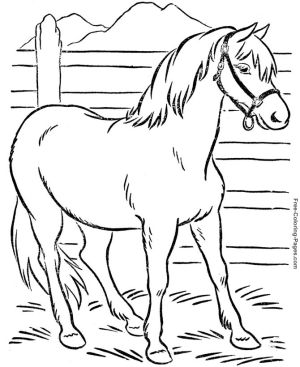
celebrate-picture-books-picture-book-review-horse-coloring-page

My Own Horse Coloring Page


Horses are such beautiful creatures! If you owned a horse, what kind and color would it be? Enjoy this printable My Own Horse Coloring Page!

celebrate-picture-books-picture-book-review-tony-cover

You can find Tony at these booksellers

Amazon | Barnes & Noble | Books-a-Million | IndieBound

Picture Book Review
July 14 – Shark Awareness Day

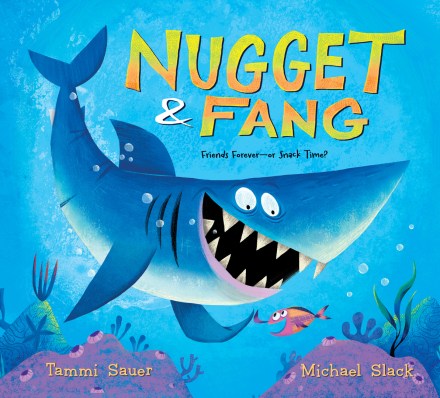
celebrate-picture-books-picture-book-review-nugget-and-fang-coverAbout the Holiday

Today we take a moment to consider the benefits sharks provide to the marine ecosystem. Every year thousands of sharks die and their species threatened due to misconceptions and misuse. As a predator at the top of the food chain, sharks play a crucial role in maintaining balance within the ocean. Protecting this often-misunderstood species is an important goal.

Nugget & Fang: Friends Forever—or Snack Time?

Written by Tammi Sauer | Illustrated by Michael Slack


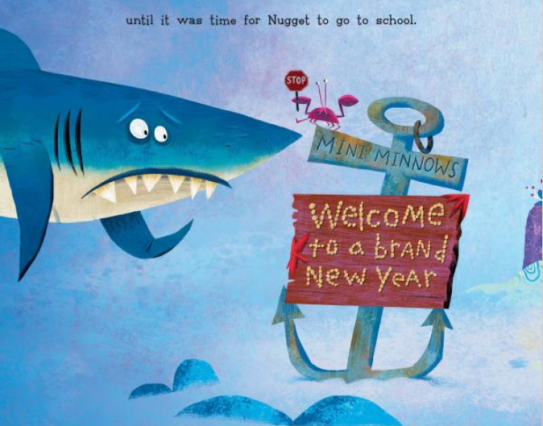
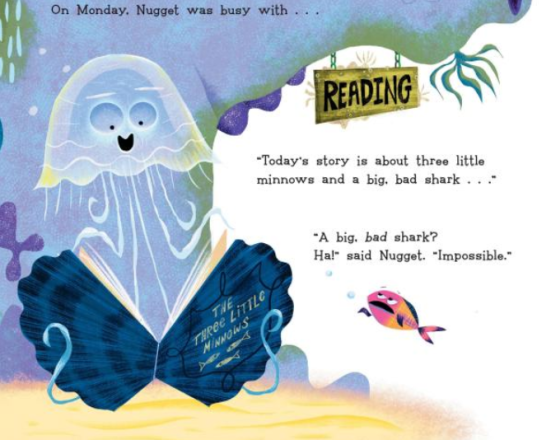
Deep in the ocean two friends do everything together and life is almost perfect as they swim over ship wrecks, under reefs, and all around. Nugget and Fang are as close as two friend can be—there’s just one thing: Nugget is a minnow while Fang is a shark. Neither of them consider their friendship unusual—until Nugget goes to school. There during Reading, Nugget hears the story of The Three Little Minnows and the Big, Bad Shark. “‘Ha!’” says Nugget. “‘Impossible!’”

celebrate-picture-books-picture-book-review-nugget-and-fang-jelly-new-year

Image copyright Michael Slack, 2013, text copyright Tammi Sauer, 2013. Courtesy of HMH Books for Young Readers.

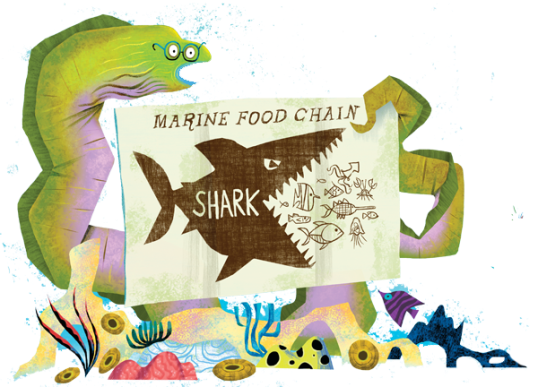
During Math class the students solve a word problem: “What if there were ten minnows and a shark came along and ate four of them? How many minnows are left?” Nugget is scandalized. “‘A shark would never do that!’” he says. But Science period reveals the facts of the Marine Food Chain. Nugget protests that sharks aren’t scary. “‘My best friend is a shark!’” he announces. His classmates are shocked. “Have you lost your gills?” one asks. Another snarks, “Hello—sharks eat minnows!” Nugget can’t believe it.

celebrate-picture-books-picture-book-review-nugget-and-fang

Image copyright Michael Slack, courtesy of HMH Books for Young Readers.

Back home Nugget gives Fang the bad news. “‘Sounds fishy to me,’” says Fang. Nugget assures him it’s true before swimming far away. “Fang’s heart sank.” He can’t help if he’s “toothy,” he thinks, and he knows he doesn’t mean to be scary. He wants his best friend back. To prove it Fang tries different tactics. On Tuesday he dresses like a mermaid, but Nugget and the other fish see through his disguise. “‘Oh, my algae!’” exclaims Nugget. On Wednesday Fang sends a beautiful sea plant arrangement with a note—“Dear Nugget, I’d love to have you over for dinner.”—which is misinterpreted in the worst possible way. On Thursday Fang pulls out all the stops. He gets a “Nugget” tattoo, sends a special message and gift, and performs an original song and dance, but nothing works.

celebrate-picture-books-picture-book-review-nugget-and-fang-jelly-fish

Image copyright Michael Slack, 2013, text copyright Tammi Sauer, 2013. Courtesy of HMH Books for Young Readers.

On Friday Fang is sadly resigned to being alone. While he mopes and cries, he doesn’t see that a fishing net has been lowered to the ocean floor, capturing Nugget and the other minnows. “Help!” shouts Nugget as the net is slowly lifted. Fang wrings his fins, uncertain of what to do. Suddenly, he has an idea. With his big sharp teeth he chomps and chews and tears the net to pieces. Nugget and the minnows swim to safety. They all stare at Fang wide-eyed.

celebrate-picture-books-picture-book-review-nugget-and-fang

Image copyright Michael Slack, courtesy of HMH Books for Young Readers.

Fang dejectedly begins to swim away. “‘I know, I know,’” he says, “‘I’m toothy. Too scary. Too…shark.’” “Wait!” calls Nugget and uses a little math of his own. “‘There were ten minnows, and a very special shark came along. How many friends are there altogether?’” Now eleven friends live happily deep in the ocean, and everyone—especially Fang—are all smiles.

celebrate-picture-books-picture-book-review-nugget-and-fang-over-and-under

Image copyright Michael Slack, 2013, text copyright Tammi Sauer, 2013. Courtesy of HMH Books for Young Readers.

Tammi Sauer’s tribute to true friendship reveals the danger when “facts” take precedence over what you know in your heart to be true. Her reminder to listen to your inner voice is approached with humor and the honest types of doubts that can niggle and cloud judgement. Throughout the story, her language is accessible and kid-conversational, including puns that will elicit giggles. Sauer’s use of a math word problem to both highlight contrary thinking and provide a solution underscores the influence of education. Nugget & Fang is a wonderful book for kids navigating the school and activities environment while making new—and keeping old—friendships.

celebrate-picture-books-picture-book-review-nugget-and-fang-swimming-together

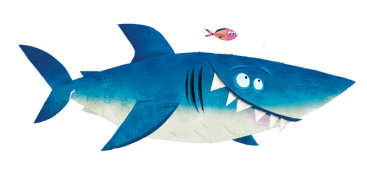
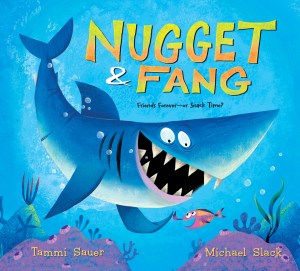
Michael Slack immediately sets kids in the right mindset with his bright, cartoon-inspired illustrations. Tiny, colorful Nugget and bold, blue Fang, his “toothiness” on display through his big grin, make a happy, nonchalant pair. They play together through vibrant green, yellow, and purple reefs unaware of marine stereotypes. When Nugget gets “schooled,” his astounded expressions and those of his classmates, humorously depict their predicament. The ocean environment gives Slack an opportunity for plenty of visual jokes and innovation. The Reading teacher holds a clamshell-shaped book, a piece of shipwrecked board serves as a Math blackboard, and the Science food chain poster is appropriately scary. Kids will laugh at Fang’s attempts at reconciliation, and cheer when he becomes a hero.

Nugget & Fang: Friends Forever—or Snack Time? is sure to be a favorite story time read and would be an often-asked-for addition to home and classroom bookshelves.

Ages 4 – 9

Houghton Mifflin Harcourt, 2013 ISBN 978-0544481718 | Lap Board Book, 2018 ISBN 978-1328768391

To learn more about Tammi Sauer and her books, visit her website!

View a gallery of work by Michael Slack on his website!

Visit the Houghton Mifflin Harcourt Nugget & Fang page for more goodies!

Will everything go swimmingly for Nugget and Fang? Watch the trailer and see!

Shark Awareness Day Activity

celebrate-picture-books-picture-book-review-shark-jar-craft

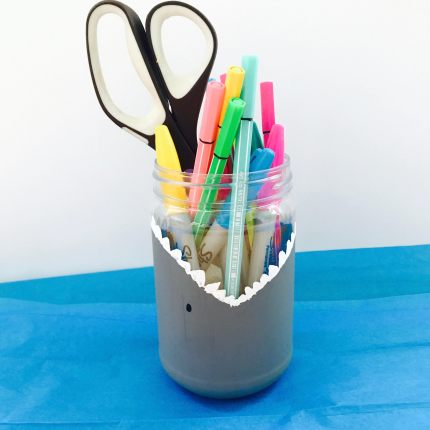
Shark Organizer Jar


Are some of your favorite things scattered here and there? Would you like to be able to get a good clamp on them? Then here’s a craft you can really sink your teeth into! This shark organizer jar is easy and fun to make and a fin-tastic way to keep your stuff tidy!

Supplies

  • Wide-mouth plastic jar, like a peanut-butter jar
  • Gray craft paint
  • White craft paint
  • Black craft paint
  • Paint brush

Directions

  1. Find a point in the middle of the jar on opposite sides of the jar
  2. Mid-way between these points on the other sides of the jar, find a point about 1 1/2 inches above the first points
  3. From the first point draw an angled line up to the higher point and down again to the lower point to make the shark’s upper jaw
  4. Repeat Direction Number 3 to make the shark’s lower jaw
  5. With the gray paint fill in the jar below these lines to make the shark’s head
  6. Along the jawline, paint jagged teeth with the white paint
  7. Add black dots for eyes on either side of the shark’s head
  8. Let dry

celebrate-picture-books-picture-book-review-nugget-and-fang-cover

You can find Nugget & Fang: Friends Forever—or Snack Time? at these booksellers

Amazon | Barnes & Noble | Books-a-Million | IndieBound

Picture Book Review


July 13 – International Rock Day

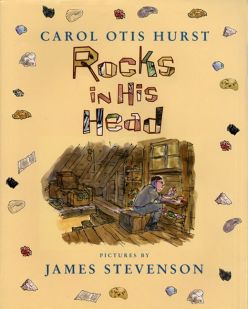
celebrate-picture-books-picture-book-review-rocks-in-his-head-cover

About the Holiday

Today’s holiday recognizes the importance and beauty of the rock that forms solid ground under our feet and soars majestically to meet the sky. From earliest times, rock has been used as building material—and even the tools to build with—and has provided us with valuable gemstones that beautify our lives. Geology and archaeology are just two of the sciences that explore the wonders of stone—what it is composed of and what secrets it keeps. Today, be more mindful of the rocks around you and take a closer look at the intricate patterns that lie within them.

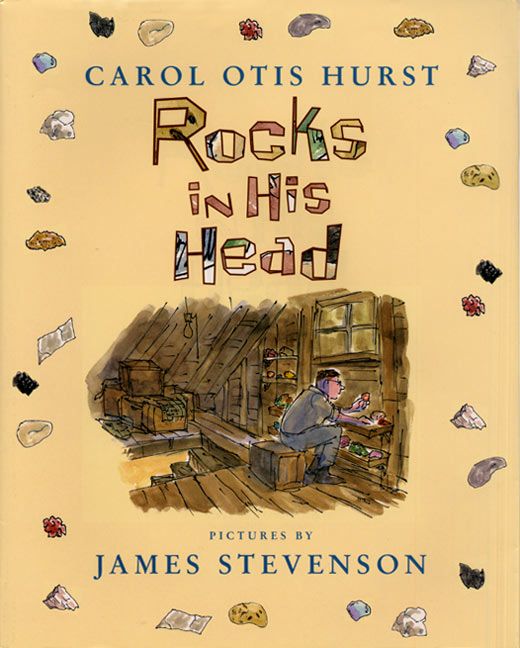
Rocks in His Head

Written by Carol Otis Hurst | Illustrated by James Stevenson


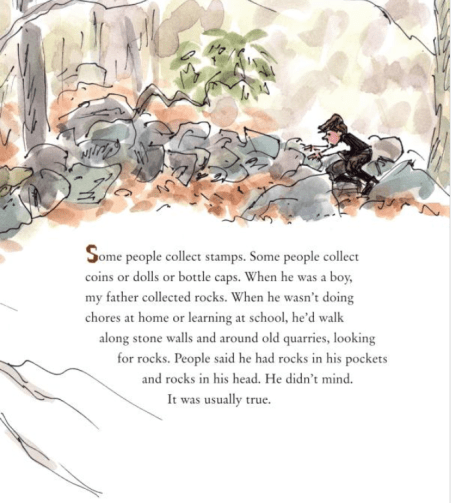
Carol Otis Hurst tells the story of her father, who—even when he was a boy—loved everything to do with rocks. He collected them and in his spare time walked “along stone walls and around old quarries, looking for rocks.” Everyone said “he had rocks in his pockets and rocks in his head,” and he had to agree. When he thought about what he wanted to do when he grew up, he imagined it would have something to do with rocks, and when he was told “‘There’s no money in rocks,’” he was okay with that. In the end, though, he opened a gas station in Springfield, Massachusetts with his father’s help. He called it the Antler Filling Station.

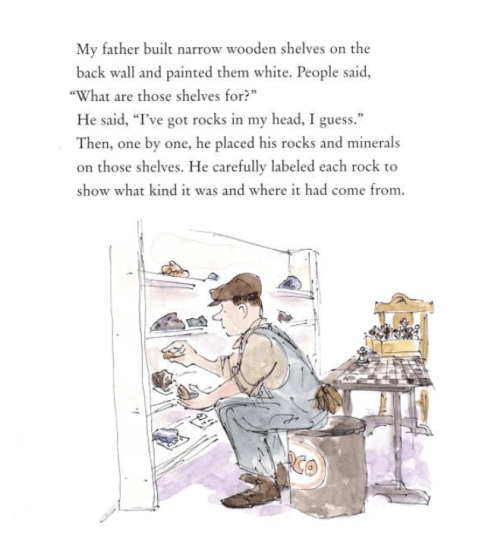
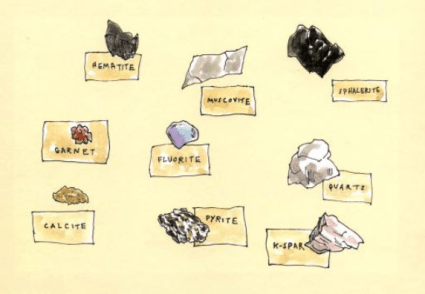
In the back of the filling station, Carol’s father displayed his rock and mineral collection. “He carefully labeled each rock to show what kind it was and where it had come from.” When the Model T automobile came out, more people could afford to buy a car. Carol’s father learned every inch of the Model T by taking it apart and reassembling it many times. He thought that someone who could repair the car and sell spare parts would have a good business, so he began collecting parts for the Model T—so many that “the pile of parts was bigger than the filling station.”

celebrate-picture-books-picture-book-review-rocks-in-his-head-stone-wall

Image copyright James Stevenson, 2001, text copyright Carol Otis Hurst, 2001. Courtesy of Greenwillow Books.

Most people in town said he “had rocks in his head” if he thought he would sell all those parts, but pretty soon drivers were flocking to the Antler Filling Station for gas and fixes to their cars. They also came inside to see the rocks, ask questions, and hear the stories of each rock and gemstone. Then the stock market crashed and people didn’t have the money for gas or to fix their cars. Things slowed down at the Antler, and when things were really slow, Carol, her father, and her friends would pile into their Model T and go searching for more rocks.

But while the collection at the filling station grew, people stopped coming because they were all out looking for jobs. Soon the Antler Filling Station closed and the family had to move to a new house. The house was falling apart, but Carol’s father began repairing it—after building shelves in the attic for his rock collection. When he wasn’t repairing the house, he was studying more about rocks. Along the way, he looked for work, taking any job he could even if they only lasted a day or two.

celebrate-picture-books-picture-book-review-rocks-in-his-head-antler-filling-station

Image copyright James Stevenson, 2001, text copyright Carol Otis Hurst, 2001. Courtesy of Greenwillow Books.

On days when he had no work, Carol’s father went to the Springfield Science Museum, where “they had a whole room full of glass cases containing many rocks. Sometimes he’d spend the whole day in that room.” One day, he met a woman who asked him what he was looking for. He answered “‘I’m looking for rocks that are better than mine.’” Out of the hundreds of rocks in that room, he told her, he’d only found ten, “‘maybe eleven,’” that were better. They smiled at each other.

Then the lady introduced herself as Grace Johnson, the director of the museum. “‘These rocks have come from all over the world,’” she told him, and he said that his had too. She wanted to see his collection, and so they drove out in her big car. Carol’s father showed her up to the attic. After looking around, she told him that while the board of directors wouldn’t allow her to hire him as a mineralogist because he lacked a college degree, she did need a night janitor. When he heard that the job sometimes included cleaning rocks, he took it.

One day, Mrs. Johnson discovered him correcting a label on one of the rocks. She smiled and told him that she had told the board of directors that she needed “‘somebody with rocks in his head and rocks in his pockets.’” Then she asked, “‘Are you it?’ Maybe I am,’” Carol’s father answered. “‘Maybe I am.’” And he was!

celebrate-picture-books-picture-book-review-rocks-in-his-head-antler-filling-station-shelves

Image copyright James Stevenson, 2001, text copyright Carol Otis Hurst, 2001. Courtesy of Greenwillow Books.

Carol Otis Hurst’s lovely and affectionate memoir of her father offers young readers a snapshot of history while introducing them to a man who stayed true to himself and his life-long love of rocks despite obstacles and good-natured jibes by those around him. Hurst’s easy-going, conversational storytelling represents her father well, allowing children to get a feel for his personality and steady outlook on life. His acceptance as a mineralogist (and ultimate position as director of the Springfield Science Museum as told in the author’s bio on the jacket flap) will satisfy readers.

celebrate-picture-books-picture-book-review-rocks-in-his-head-rock-samples

James Stevenson’s familiar watercolor-and-ink illustrations are infused with charm, taking children beside an old stone wall that meanders through the woods, back to old-style filling stations and Model-T cars, and into the heart of a true collector. Images of the author’s father attentively setting up his collection in the filling station and later in the attic will resonate with any young collectors reading the book, and the full-page illustration of Grace Johnson and the author’s father talking and smiling together is happy validation that kindred spirits do cross paths in life.

For children who love collecting, history, museums, and biographies, Rocks in His Head is a delightful choice for home libraries and would make am appealing lead in to science lessons or museum field trips for elementary classrooms.

Ages 4 – 8

Greenwillow Books, 2001 | ISBN 978-0060294038

International Rock Day Activity

CPB - Nasty Bugs magnet II (2)

Rock This Craft!


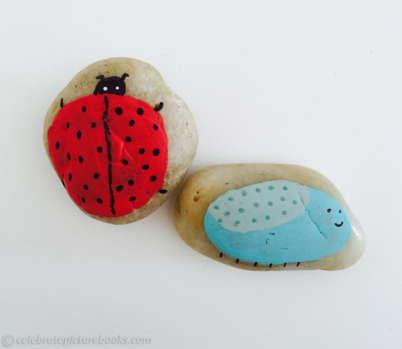
Smooth stones can give you a natural canvas for your creativity! With a little bit of paint, pins or magnets, and some imagination, you can make refrigerator magnets, jewelry, paper weights, and more!

Supplies

  • Smooth stones in various sizes
  • Paint or markers
  • Small magnets, available at craft stores
  • Jewelry pins, available at craft stores
  • Paint brush
  • Strong glue

Directions

To make magnets

  1. Design and paint an image on the stone
  2. Attach a magnet to the back with strong glue, let dry
  3. Use to hang pictures, notes, or other bits of important stuff on your refrigerator or magnetic board

To make jewelry

  1. Using a smaller, flatter stone, design and paint an image on the stone
  2. Attach a jewelry pin to the back with the strong glue, let dry
  3. Wear your pin proudly

To make a paper weight

  1. Using a large stone, design and paint an image on the stone
  2. Let dry
  3. Display and use on your desk to keep those papers in place

celebrate-picture-books-picture-book-review-rocks-in-his-head-cover

You can find Rocks in His Head at these booksellers

Amazon | Barnes & Noble | Books-a-Million | IndieBound

Picture Book Review
July 12 – New Conversations Day

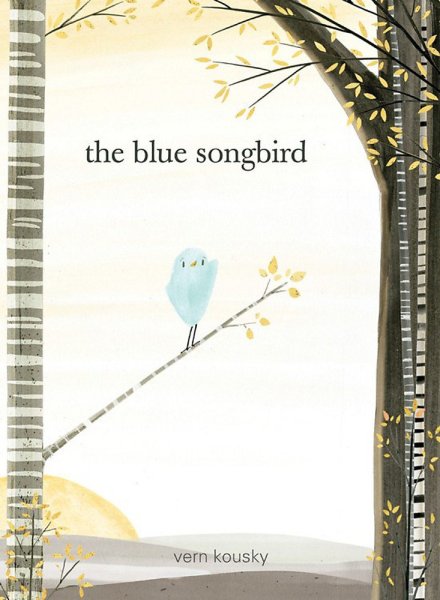
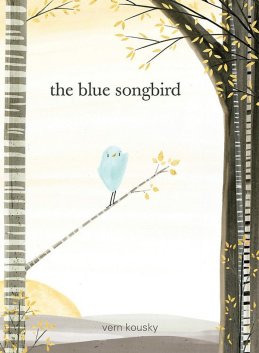
celebrate-picture-books-picture-book-review-the-blue-songbird-cover

About the Holiday

This brand-new holiday extols the virtues of a really good conversation. Too often our exchanges with others fall into the realm of small talk where the weather, the score of the latest game, or a cursory “how are you?” is as deep as it gets. But there are so many more interesting topics to discuss that would lead to better connections with and understanding of family, friends, and acquaintances. Take the opportunity of today’s holiday to get together with your friends and talk about the funniest thing that ever happened to you, the best meal you ever had, or your favorite work of art. Of course a perfect topic of conversation is your favorite book or character and why! You’ll find out a lot about your friends as well as about yourself!

The Blue Songbird

By Vern Kousky


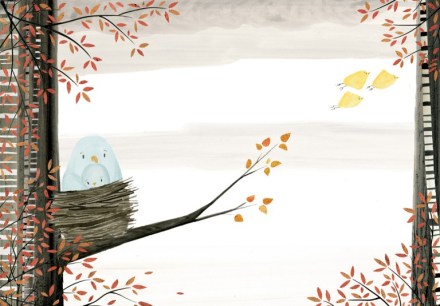
There once was a little blue songbird who loved to listen to her sisters singing in the morning, but when she tried to join in, the notes always fell flat. Sadly, she told her mother that she thought there were no songs for her, but her mother gently told her, “‘not just any notes will do. You must go and find a special song that only you can sing.’” So the little songbird began a journey to “find her special song.”

celebrate-picture-books-picture-book-review-the-blue-songbird-cuddling-with-mother

Copyright Vern Kousky, 2017, courtesy of vernkousky.com.

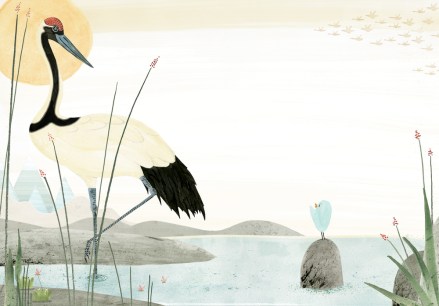
When she was far from home, she met a great crane and asked if he knew of any song made especially for her. The crane said he couldn’t help her, but pointed her in the direction of the mountains, where a wise bird lived. When she reached the pine forest on the other side of the mountains, the songbird explained to Mr. Wise Old Bird his quest for a song. But the owl could only ask, “‘Whoooo? Whoooo?’” so the songbird went on her way.

celebrate-picture-books-picture-book-review-the-blue-songbird-crane

Copyright Vern Kousky, 2017, courtesy of vernkousky.com.

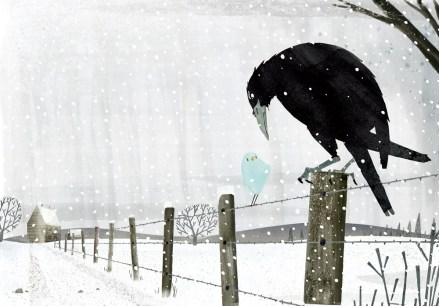
She stopped here and there to talk to a buzzard, a group of pigeons, and a family of penguins, but “no bird ever had the answer.” Then one snowy day the songbird saw “a bird who looked a little bit mean and more than a little hungry. Even so the songbird bravely chirped: ‘Please don’t eat me, Mr. Scary Bird. I was just wondering if you’ve ever heard of a very special thing—a song that only I can sing.’” The crow did know of such a thing and told the songbird about an island filled with enchanting music.

celebrate-picture-books-picture-book-review-the-blue-songbird-penguins

Copyright Vern Kousky, 2017, courtesy of vernkousky.com.

The songbird grew weary searching for the island, and then one day he saw a glow on the horizon and knew she had found it. She could hear the faint strains of beautiful music, and she flew faster and faster to get there. When she neared the island, though, she knew this place. It was home. “The songbird’s heart fell.” After all that time and all the conversations with other birds, “her quest had failed.”

When she saw her mother, however, her mood brightened. She wanted to tell her mother all about her travels and the other birds she’d met. When she opened her beak to tell her stories, though, “what came out was not words at all…but a song!” She sang about Crane and Owl and Crow, “of cities and of stormy seas and mountains capped with snow.” She told of warm days and cold days and most of all “of the love the songbird felt for her family and her home.”

celebrate-picture-books-picture-book-review-the-blue-songbird-crow

Copyright Vern Kousky, 2017, courtesy of vernkousky.com.

Vern Kousky gently nudges little ones out of the nest to begin exploring the world on their own, to test their wings, meet others, and discover their talents. Along the way young readers learn that they can trust their instincts, be brave, and that perseverance pays off. Kousky’s lyrical story also reassures children that home is always waiting and that no matter where they go or what they do, family will always welcome them.

Kousky’s tiny blue smudge of a bird is adorable as she cuddles with her mother to reveal her doubts and then demonstrates hopeful pluck as she talks with much larger birds on her way to self-discovery. Kousky’s settings delight with muted hues of blues, yellows, and reds and angled mountains, skyscrapers, and glaciers that point the little songbird—as well as readers—skyward. The image of the little songbird’s mother welcoming her home with outstretched wings is heartwarming, and the songbird’s elation at having found her song will fill readers with joy.

A joyful story for inspiring self-confidence, interactions with others, and personal growth, The Blue Songbird is a beautiful book for home and classroom libraries that will be asked for again and again.

Ages 4 –  8

Running Press Kids, 2017 | ISBN 978-0762460663

To learn more about Vern Kousky, his books, and his art, visit his website.

New Conversations Day Activity

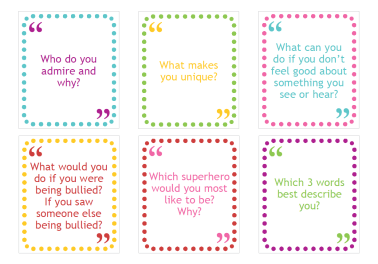
celebrate-picture-books-picture-book-review-conversation-starters

Family Conversation Starters


Because children have such fertile imaginations, great conversations can start from just one intriguing question. Put these printable conversation starters on the dinner table and let the fun and serious talk begin!

Conversation Starters Page 1Page 2Page 3Page 4Page 5Page 6

celebrate-picture-books-picture-book-review-the-blue-songbird-cover

You can find The Blue Songbird at these booksellers

Amazon | Barnes & Noble | Books-a-Million | IndieBound

Picture Book Review
July 11 – National Cheer Up the Lonely Day

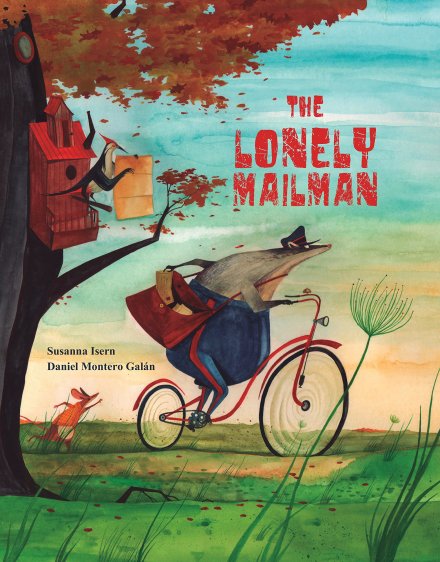
celebrate-picture-books-picture-book-review-the-lonely-mailman-cover

About the Holiday

There are many people who, due to age, health, lack of transportation, distance from family and friends, and other factors, feel lonely. Today’s holiday was established to bring awareness to this problem and to encourage people to reach out to those who are alone. There are many ways to cheer up someone who’s feeling lonely, including visiting, taking them for an outing, calling, and taking food, treats, or something else you know they would like.

The Lonely Mailman

Written by Susanna Isern | Illustrated by Daniel Montero Galán


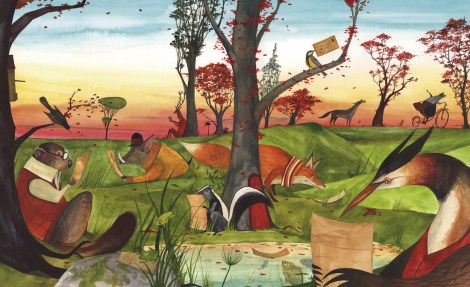
The mailman sets off on his bicycle at the crack of dawn to deliver letters all around the forest. “The mailman goes to each door, rings the bell, and only says four words: ‘Squirrel! Letter for you!’” Squirrel’s letter is from Hedgehog, who accidentally pricked him while at the market. He’s inviting Squirrel for dinner to make up for it. Next the mailman delivers a letter from Squirrel to Hedgehog. “He whispers so quietly that even he can hardly hear the words. “‘Hedgehog! Letter for you!’” Squirrel says all will be forgotten if Hedgehog invites him to dinner.

celebrate-picture-books-picture-book-review-the-lonely-mailman-squirrel-letter

Image copyright Daniel Montero Galán, 2016, text copyright Susanna Isern, 2016. Courtesy of danielmonterogalan.com.

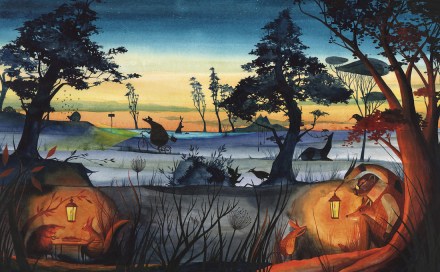
Sometimes the animals invite the mailman in for a cup of coffee, but he never accepts. In fact, “he never gets off his bicycle” as he makes his rounds. Today, that includes letters between Dormouse and Woodpecker, who are resolving a loud tapping issue. Even though the animals see the mailman every day, they don’t really know him or anything about him. It doesn’t occur to some of them to wonder about the mailman as he, say, tosses a letter to Turtle from the Butterflies, who want to visit “to flutter around and keep you cool, and sit awhile on your lovely shell, listening to your tales while we enjoy the sun” and delivers an invitation from Turtle to the Butterflies to “sunbathe in peace and quiet” on his shell and have a cup of tea inside if it rains.

celebrate-picture-books-picture-book-review-the-lonely-mailman-dormouse

Image copyright Daniel Montero Galán, 2016, text copyright Susanna Isern, 2016. Courtesy of danielmonterogalan.com.

Other animals, though, do think about the mailman. Some think he doesn’t say much because he’s sad. But as Bear reads his letter from Rabbit and Rabbit reads a letter from Bear, they don’t take time to ask the mailman how he’s feeling. At the end of the day, with “no more letters in his bag,” the mailman goes home feeling weary. But he still has much to do. In the flickering light of his candle, he sits down at an old typewriter and writes letters. “They are the letters he’ll be delivering the next day: invitations, apologies, plans, and messages full of love.”

celebrate-picture-books-picture-book-review-the-lonely-mailman-going-home

Image copyright Daniel Montero Galán, 2016, text copyright Susanna Isern, 2016. Courtesy of danielmonterogalan.com.

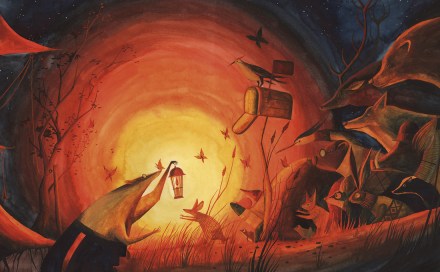
One day, as the sun is going down and the mailman is heading home, he sees that the last letter in his bag is addressed to him. He rushes home excited by the letter—the first he’s ever gotten. At home, he puts the letter in his own mailbox, “whispers four words: ‘Mailman, letter for you!’” then retrieves it and goes inside. As he reads the letter, a lump forms in his throat. The forest animals have discovered his secret and want to thank him.

Just then the doorbell rings—for the very first time. When he opens the door, he sees all the forest animals waiting for him. They surround him with cheers and hugs, and as the “old mailman smiles and blushes” he’s already composing the letters he will write tonight.

celebrate-picture-books-picture-book-review-the-lonely-mailman-embraced

Image copyright Daniel Montero Galán, 2016, text copyright Susanna Isern, 2016. Courtesy of danielmonterogalan.com.

The Lonely Mailman is a mesmerizing book in every way. Susanna Isern’s storytelling is straightforward, honest, and lyrical as she follows the mailman on his rounds, whispering those four words everyone wants to hear. Peeking into the letters that the animals exchange shows a world where mistakes happen, fears niggle, and grievances are expressed. It is also a world full of kindness, consideration, generosity, and love. The discovery that the mailman himself is the sower of this network of friendship will tug at readers’ hearts as they wish the same for him. The forest animals’ final response to one sharp-eyed mouse’s suggestion is touching and satisfying

celebrate-picture-books-picture-book-review-the-lonely-mailman-animals

Image copyright Daniel Montero Galán, 2016, text copyright Susanna Isern, 2016. Courtesy of danielmonterogalan.com.

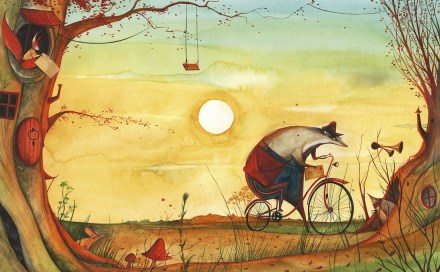
Daniel Montero Galán washes the soft, velum-like pages with gorgeous earth tones from the warm, golden light of dawn to the soft blues and greens of a summer day to the fiery reds of sunset. The dens, knotholes, and burrows of the forest creatures are cozy with homey details, and the letters each animal receives are called out in parchment-colored rectangles that add to the vintage feel. Alert readers will be intrigued to follow the little mouse who chases here and there, spying on the rotund mailman—who is shaped like half an inverted heart just waiting to be completed—and will be cheered when the animals embrace him, filling out his life with love.

Captivating and moving, The Lonely Mailman is a beautiful story that touches on themes of friendship, empathy, loneliness, kindness, and the power of the individual to create change. The book would be a superb choice for home and classroom libraries.

Ages 5 – 8

Cuento de Luz, 2017 Hardcover: ISBN 978-8416147984 | Paperback, 2018: 978-8416147977

Discover more about Susanna Isern and her books on her website.

To learn more about Daniel Montero Galán, his books, and his art, visit his website.

Cheer Up the Lonely Day Activity

CPB - Paper Flowers

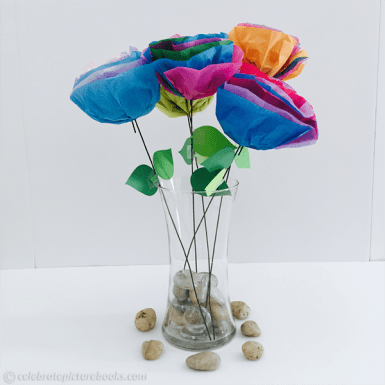
Paper Flower Bouquet


These paper flowers will brighten anyone’s day and come in a rainbow of colors. Make a bouquet to share them with a new friend.
Supplies

  • Tissue paper in many colors
  • Green paper
  • Green wire for stems
  • Scissors
  • Tape or glue
  • Pliers

CPB - Paper Flowers II

Directions

To make the stem

  1. Bend a 1 ½ -inch loop in the top of the wire
  2. Squeeze the wire together so it will fit tightly over the tissue paper

To make a flower

  1. Cut 6 or more 7-inch squares from tissue paper, mixing colors (you can make various sizes of flowers by making the squares larger or smaller and adding more squares)
  2. Gather all the squares together and fold them together accordion-style in 1-inch folds
  3. Slide the folded tissue paper under the wire loop, and tighten the wire
  4. Gently fan the tissue paper out on each side
  5. Beginning on one side, gently pull each sheet of tissue paper up toward the center
  6. Repeat step 5 on the other side

To make leaves

  1. Cut leaves from green paper, leaving a stem to wrap around the wire flower stem
  2. Fold the leaf stem around the wire and tape or glue

celebrate-picture-books-picture-book-review-the-lonely-mailman-cover

The Lonely Mailman can be found at these booksellers

Amazon | Barnes & Noble | Books-a-Million | IndieBound

Picture Book Review