February 13 – World Radio Day

celebrate-picture-books-picture-book-review-a-fox-found-a-box-cover

About the Holiday

The radio has provided entertainment, news, comfort, and information and has united people both near and far ever since Guglielmo Marconi invented  it in 1895. Today, radio continues to be an important part of people’s lives around the world. February 13 was established as World Radio Day “to celebrate radio as a medium, improve international cooperation among broadcasters, and to encourage both major networks and community radio to promote access to information, freedom of expression and gender equality across the airwaves.” This year UNESCO calls on radio stations to uphold diversity, both in their newsroom and on the airwaves. According to UNESCO, this initiative encompasses three main sub-themes:

  • Advocating for pluralism in radio, including a mix of public, private and community broadcasters;
  • Encouraging representation in the newsroom, with teams comprised of diverse society groups;
  • Promoting a diversity of editorial content and program types reflecting the variety of the audiences.

To learn more about World Radio Day and find a Celebration Kit to download, visit the UNESCO World Radio Day website.

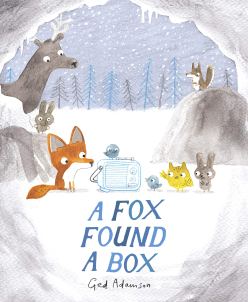
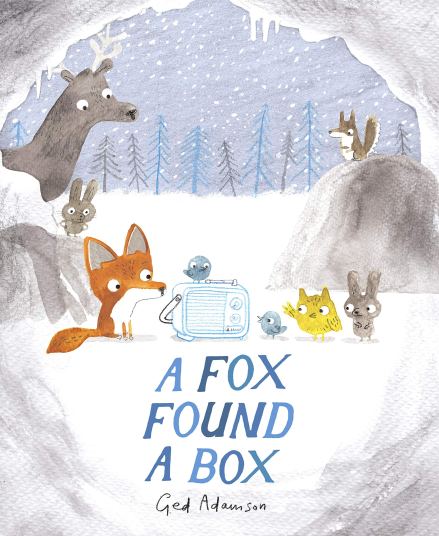
A Fox Found a Box

By Ged Adamson


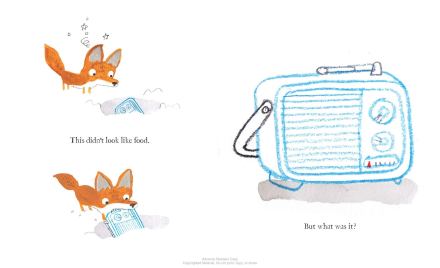
Fox was diving over and over into the fluffy snow looking for food. But one head-first leap wasn’t so soft—“Ouch!” Fox discovered an unusual-looking object under the snow and pulled it out. Fox and the other animals gathered around to study it. Finally, Owl said, “‘I think it’s a box.’” The box had a “stick on top that moved,” and curious “round things” on the front. Fox tried turning one.

celebrate-picture-books-picture-book-review-a-fox-found-a-box-radio

Copyright Ged Adamson, 2019, courtesy of Schwartz & Wade.

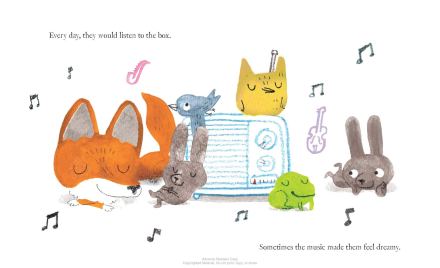
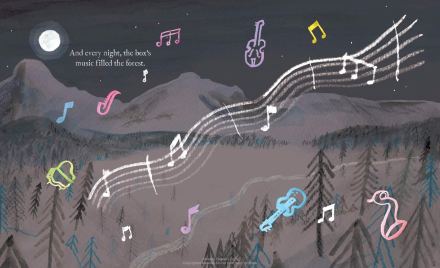
Suddenly, sound filled Fox’s den. “‘The box is singing,’” chirped the birds. The animals began to move along with the music. “It felt nice.” Every day the animals listened to the box. The music was always different. Sometimes the animals listened quietly; sometimes they danced. At night the music wafted through the forest.

celebrate-picture-books-picture-book-review-a-fox-found-a-box-listening

Copyright Ged Adamson, 2019, courtesy of Schwartz & Wade.

But one morning the box stayed silent. No matter what the animals did, the box refused to sing. The animals missed their box. But then Fox heard a “drip! drop! drip! drop!” He felt his ears twitch and his tail swish the way they did to the music from the box. The other animals began to notice the sound of the wind, the river, and the “chitter chatter of geese.” Even the snow made a beautiful sound when they walked in it.

And that wasn’t all they noticed. Smells tickled their noses and the drifting snow tasted delicious. There was always a gorgeous view. Now, every night the animals went to sleep to the music of the forest. “It felt nice.”

celebrate-picture-books-picture-book-review-a-fox-found-a-

Copyright Ged Adamson, 2019, courtesy of Schwartz & Wade.

There’s a quiet magic to this tale that is as enchanting as the first snow of winter. Ged Adamson’s simple entreaty for people to look on their surroundings with new eyes and appreciate all they see, hear, smell, taste, and experience also touches on the joys of the unexpected and on the melancholy of and recovery from loss. Through it all these friends—who exude the charm, kindness, and thoughtfulness of all of Adamson’s characters—relish their time together, sharing whatever comes. Adamson’s adorable forest animals, rendered in a smart, fresh color palette, will make readers of all ages smile as they revel in new-found emotions while gathered around the radio and, later, when rediscovering their familiar woodland home.

A charming layered story perfect for read alouds on its own or in combination with various styles of music for listening and movement story times, A Fox Found a Box would be a favorite on home, classroom, or public library bookshelves

Ages 3 – 7

Schwartz & Wade, 2019 | ISBN 978-1984830531

To learn more about Ged Adamson, his books, and his art, visit his website.

World Radio Day Activity

CPB - Radio Man box radios from side

Box Radio Desk Organizer


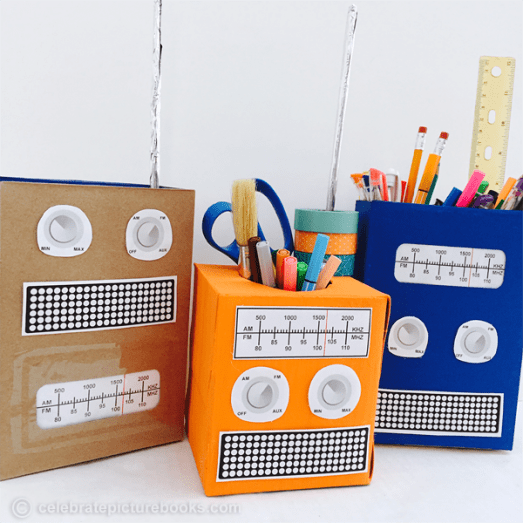
With a recycled box and the provided printable templates  you can make a desk organizer that looks like a radio with this fun craft!

Supplies

  • Cardboard box – Use an empty cube-shaped tissue box, pasta box, or any small box
  • Wooden chopstick, stick, or straw
  • Printable Radio Face Template
  • Aluminum foil
  • Glue – a hot-glue gun works well on the cardboard; regular glue for the buttons and tape for the station tuner window
  • Paint (optional)
  • Paint brush
  • Scissors

Directions

  1. Prepare the box:
  • Choose a box to be your radio. In the pictures I used a cube-shaped tissue box and a penne pasta box with a cellophane window in it.
  • If you are using a box without an opening in the top, cut the top or bottom flaps off of one end of the box, depending on where you want the station tuner window to go.
  1. Paint the box:
  • You can paint the printed front, back and sides of the box.
  • OR if you want a plain box to use “as-is” or to paint: take the box apart at the seams and turn it “inside out.”
  • If you are using a pasta box with a window in it, tape the stations tuner template to the cellophane window before gluing the seams
  • Glue the original seam and flaps (a hot-glue gun works well).
  • Paint. Let dry
  1. Cut out the radio dials, speaker, and stations tuner window and attach to box
  2. To make the antenna, wrap the chopstick, stick, or straw in a strip of aluminum foil
  3. Attach the antenna to your box:
  • For pasta boxes tape the antenna to the inside corner of the box
  • For cube tissue boxes, make a hole in the right hand corner and push antenna in
  1. Use your Radio Desk Organizer to hold pencils, rulers, bookmarks, anything!

celebrate-picture-books-picture-book-review-a-fox-found-a-box-cover

You can find A Fox Found a Box at these booksellers

Amazon | Barnes & Noble | Books-a-Million | IndieBound

Picture Book Review

February 4 – It’s Children’s Authors and Illustrators Week

celebrate-picture-books-picture-book-review-old-rock-is-not-boring-cover

About the Holiday

Children’s Authors and Illustrators Week was established with the idea of getting authors, illustrators, and children together to share great books, the joys of creating them and the fun of reading. During the week, authors and illustrators hold special events, including storytelling, exciting presentations, and writing workshops in venues around the country. To find out more about the Children’s Authors Network and discover classroom resources to use throughout the year, visit the Children’s Authors Network website.

I received a copy of Old Rock (is not boring) from G. P. Putnam’s Sons for review consideration. All opinions are my own.

Old Rock (is not boring)

By Deb Pilutti


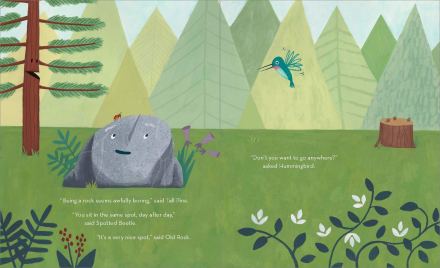
It seemed that Old Rock had been sitting in the same spot forever. Tall Pine and Spotted Beetle thought being a rock must be pretty boring. Hummingbird wondered, “‘Don’t you ever want to go anywhere?’” She knew she would be if she couldn’t fly all over the world and taste exotic nectars. But Old Rock had flown once, and he began to tell his story.

celebrate-picture-books-picture-book-review-old-rock-is-not-boring-hummingbird

Copyright Deb Pilutti, 2020, courtesy of G. P. Putnam’s Sons Books for Young Readers.

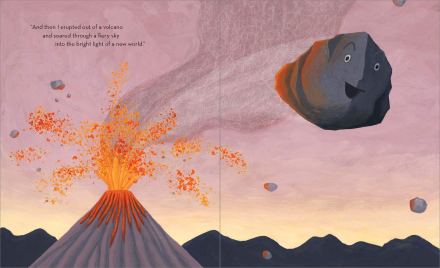
It was during the time when he was surrounded by darkness, but then the volcano erupted and Old Rock “‘soared through a fiery sky into the bright light of a new world.’” Tall Pine, Spotted Beetle, and Hummingbird weren’t very impressed. They still thought Old Rock must be bored. Spotted Beetle told him how much he might see if he climbed to Tall Pine’s very highest branch.

celebrate-picture-books-picture-book-review-old-rock-is-not-boring-volcano

Copyright Deb Pilutti, 2020, courtesy of G. P. Putnam’s Sons Books for Young Readers.

Old Rock countered that he had seen a lot. He’d watched dinosaurs pass by and had even hidden a spinosaurus from a hungry T. rex. He’d traveled in a glacier and been left teetering on a ridge overlooking a vast desert, where he “could see the place where the sky touches the earth.” Spotted Beetle and Hummingbird were intrigued, but Tall Pine dismissed these experiences as “ages ago.” He wanted to know about now. Didn’t Old Rock feel like moving? Tall Pine showed Old Rock how his limbs could dance in the wind.

celebrate-picture-books-picture-book-review-old-rock-is-not-boring-dinosaurs

Copyright Deb Pilutti, 2020, courtesy of G. P. Putnam’s Sons Books for Young Readers.

While Old Rock couldn’t dance, he did recall how he’d turned somersaults off the ridge, landing in a prairie where mastodons grazed near a lake. Tall Pine, Spotted Beetle, and Hummingbird were mesmerized by Old Rock’s story and wanted to know what had happened next. Out of the prairie, sprang a pine forest, Old Rock revealed. And from one of the pine trees a pinecone fell and a seed was released. That seed grew “to be the tall pine who dances in the wind and keeps me company.” Sometimes, he continued, a spotted beetle and a hummingbird meander by. Old Rock was very pleased with his spot, and the others had to agree that it was “very nice” and “not boring at all.”

An illustrated timeline of Old Rock’s life from 18 billion years ago to the present day follows the text.

celebrate-picture-books-picture-book-review-old-rock-is-not-boring-time-line

Copyright Deb Pilutti, 2020, courtesy of G. P. Putnam’s Sons Books for Young Readers.

So much clever thought went into Deb Pilutti’s Old Rock as she reveals to kids what a fascinating and active life the rocks and boulders we see every day have had. Tall Pine, Spotted Beetle, and Hummingbird’s skepticism keeps the suspense building as Old Rock rolls out stories of his various travels and talents. Once he has them hooked, they—like young readers—want to hear more, leading to the just-right ending that sweetly encompasses shared history, happiness with one’s place in life, and friendship. The trio’s questions to Old Rock and their related experiences also engage children to think about issues and opinions from a variety of perspectives.

Pilutti’s mixed-media illustrations are nicely textured to bring out Old Rock’s grainy surface while highlighting nature’s vivid colors. Her vignettes from the dinosaur eras, the ice age (where the skeletons of dinosaurs are also swept up and away in the same glacier as Old Rock), and beyond impress upon readers the long time-frame involved, how the earth has changed, and even the fascinating science of the fossil record.

A multi-layered story, perfect for general story times or as a lead in to science lessons and to promote discussion and research in the classroom, Old Rock (is not boring) would be an original and exciting addition to home, classroom, and public library collections.

Ages 4 – 8

G. P. Putnam’s Sons Books for Young Readers, 2020 | ISBN 978-0525518181

To learn more about Deb Pilutti, her books, and her art, visit her website.

Children’s Authors and Illustrators Week Activity

celebrate-picture-books-picture-book-review-rocks-word-search-puzzle

Rock This Puzzle! Word Search


You can discover a lot about an area by its rocks. Find the twenty rock-related words in this printable puzzle then learn more about them.

Rock This Puzzle! Word Search | Rock This Puzzle! Solution

celebrate-picture-books-picture-book-review-old-rock-is-not-boring-cover

You can find Old Rock (is not boring) at these booksellers

Amazon | Barnes & Noble | Books-a-Million | IndieBound

Picture Book Review
January 31 – Inspire Your Heart with Art Day

celebrate-picture-books-picture-book-review-nature's-friend-cover-2

About the Holiday

Today we celebrate the feeling you get inside when you create or experience art. Art can inspire, gladden, sadden, anger, teach, and compel action. It can also provide joy and inspiration when you need it most. Celebrate today’s holiday by visiting a museum, bookstore, library, concert, or gallery.

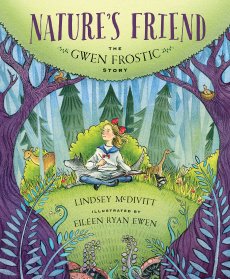
Nature’s Friend: The Gwen Frostic Story

Written by Lindsey McDivitt | Illustrated by Eileen Ryan Ewen


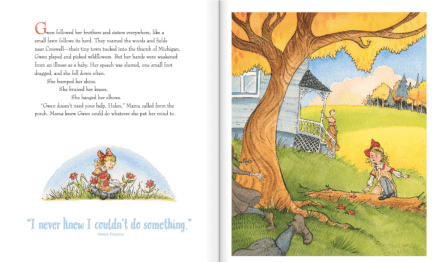
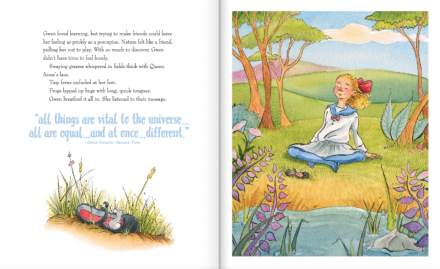
“Gwen followed her brothers and sisters everywhere, like a small fawn follows its herd.” Even though an illness in babyhood had left her hands and one foot weak and her speech slurred, Gwen grew up confident that she could do anything. Born in 1906, Gwen, as a child with disabilities, would normally have stayed home instead of attending school. But her mother had been a teacher, so she sent her to school and “pushed her to learn.”

celebrate-picture-books-picture-book-review-nature's-friend-the-gwen-frostic-story-young-gwen

Image copyright Eileen Ryan Ewen, 2018, text copyright Lindsey McDivitt, 2018. Courtesy of Sleeping Bear Press.

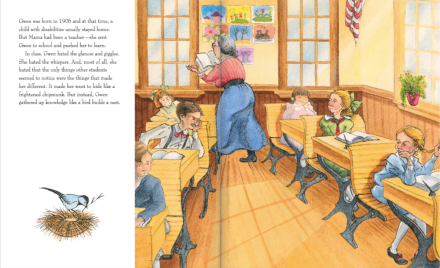
The other kids giggled and whispered behind her back, and while she wanted to hide, she instead “gathered up knowledge like a bird builds a nest.” Her teachers thought she would never be able to write. To strengthen her hands, her mother encouraged her to draw, keeping a drawer full of supplies within reach. As Gwen sketched, her grip grew firmer.”

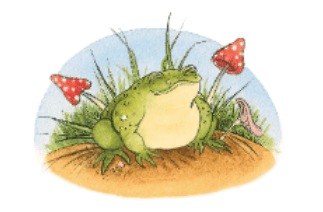
While making friends was difficult, Gwen found companionship in nature. She loved to spend time outdoors watching the unfurling ferns and frogs that “lapped up bugs with long, quick tongues.” From nature, Gwen learned, “‘all things are vital to the universe…all are equal…and at one…different.’”

celebrate-picture-books-picture-book-review-nature's-friend-the-gwen-frostic-story-school

Image copyright Eileen Ryan Ewen, 2018, text copyright Lindsey McDivitt, 2018. Courtesy of Sleeping Bear Press.

A move to Detroit when she was twelve introduced Gwen to the buildings and people of a big city. In high school, Gwen, now stronger, took mechanical drawing and shop class. Later, in art school, Gwen was introduced to linoleum, in which she carved intricate images for printmaking. Gwen’s dream was to be an artist, but she also knew she needed to earn money to pay expenses.

She started a business making objects from hammered metal. Word of her art spread quickly. It was bought by leading Detroit families, and Gwen was invited to exhibit her art at the 1939 World’s Fair in New York. When World War II broke out, Gwen went to work building bombers. She even designed tools for building the planes. Contributing to the war effort was important, but Gwen still “longed to create art.” She bought a printing press and opened “Presscraft Papers stationery company.”

celebrate-picture-books-picture-book-review-nature's-friend-the-gwen-frostic-story-gwen-in-nature

Image copyright Eileen Ryan Ewen, 2018, text copyright Lindsey McDivitt, 2018. Courtesy of Sleeping Bear Press.

Gwen began to miss the nature she loved so much, so she packed up and moved back to Michigan. There, “she walked deep into the wetlands” and began carving linoleum blocks, recreating nature as she saw it. “She wanted others to see nature as she did, to recognize the value of plants, trees, and animals.” She made prints from her linoleum blocks and created greeting cards on her press. Her beautiful artwork reminded people of nature’s bounty at a time when the environment was threatened with pollution. People came from all over to her shop in the Michigan woods to buy her art that spoke to them: “‘Love this earth, / Love it’s waters… / Care enough to keep it clear.’”

An Author’s Note reveals more about Gwen Frostic’s life and provides a sketching craft for readers.

celebrate-picture-books-picture-book-review-nature's-friend-the-gwen-frostic-story-drawing

Image copyright Eileen Ryan Ewen, 2018, text copyright Lindsey McDivitt, 2018. Courtesy of Sleeping Bear Press.

Lindsey McDivitt’s superb biography of Gwen Frostic—an artist, inspiration, and pioneer for career women and the disabled—introduces children to a woman who, through persistence and confidence, lived life on her own terms. McDivitt’s lyrical prose infuses the story with the poetry of nature that Gwen internalized and translated into the art that people continue to admire and seek out. McDivitt’s thorough storytelling and excellent pacing allow for a full understanding of Gwen Frostic’s achievements. Young readers will be fascinated by the life work of this talented and determined artist.

Screen Shot 2018-08-21 at 6.54.39 PM

Eileen Ryan Ewen captures Gwen Frostic’s strength of character, can-do attitude, and love of nature in her stunning artwork. Full-page illustrations follow Gwen from her beloved Michigan woodlands to Detroit to art school and through her life as an artist and business woman. Images of Gwen carving a linoleum block, sketching designs for new tools as she sits next to a fighter plane and the woman installing rivets, working an old printing press, and greeting visitors at her shop broaden readers’ understanding of the times and Gwen’s work.

An exceptional picture book that provides encouragement and inspiration, Nature’s Friend: The Gwen Frostic Story is a must for classroom libraries and would make a positive impact on young readers as part of their home library.

Ages 6 – 10

Sleeping Bear Press, 2018 | ISBN 978-1585364053

Discover more about Lindsey McDivitt and her books on her website.

To learn more about Eileen Ryan Ewen, her art, and her books, visit her website.

American Artist Appreciation Month

celebrate-picture-books-picture-book-review-nature-coloring-page

Nature Coloring Pages


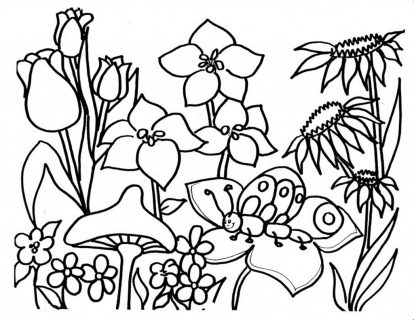
If you love nature like Gwen Frostic did, you’ll enjoy these printable Nature Coloring Pages.

Meadow Coloring PageOcean Coloring Page

celebrate-picture-books-picture-book-review-nature's-friend-cover-2

You can find Nature’s Friend: The Gwen Frostic Story at these booksellers

Amazon | Barnes & Noble | Books-a-Million | IndieBound

Picture Book Review
 

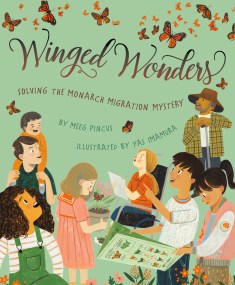
January 8 – COVER REVEAL! Winged Wonders: Solving the Monarch Migration Mystery

celebrate-picture-books-picture-book-revew-Winged-Wonders-Cover-Reveal-image

Winged Wonders: Solving the Monarch Migration Mystery

Written by Meeg Pincus | Illustrated by Yas Imamura


For hundreds of years as butterflies with orange-and-black wings as intricate as stained glass came and went in communities across North America, many people wondered “Where are they going?” In 1976, this question was finally answered—it was the Great Monarch Butterfly Migration! Each year, people discovered, millions of monarchs flew thousands of miles from Canada to a roosting place in the Sierra Madre mountains in central Mexico.

Winged Wonders: Solving the Monarch Migration Mystery reveals the diverse community of people who worked together to track the butterflies and find their migration path. Through vibrant illustrations, readers are taken on a journey following the monarchs and meeting the people they encounter along the way.

Backmatter includes an Author’s Note explaining more about the Monarch Migration as well as information on ways that readers can help sustain the Monarch population, making Winged Wonders a stirring book to share with nature lovers, young conservationists, backyard gardeners, and students in STEM/STEAM-related lessons.

When a book is this intriguing, you just can’t wait to see it! But before I reveal the cover of this book, which KIRKUS—in their starred review—calls “riveting” and “a fascinating and inspiring STEAM-driven tale,” let’s chat with author Meeg Pincus and illustrator Yas Imamura who have brought this extraordinary story to kids.

Meet Meeg Pincus

celebrate-picture-books-picture-book-review-Meeg-Pincus-head-shot

Meeg Pincus is a children’s author and speaker who loves telling stories about real people who have helped others, animals, and the planet. She lives in San Diego, California. To learn more about her and her books, visit her website.


Winged Wonders: Solving the Monarch Migration Mystery presents such a fascinating way to look at monarch butterflies. Can you describe the story a little and talk about what inspired you to write it from this perspective?

Thank you, Kathy! Well, I got sucked into the history of the mysterious monarch migration several years ago when I took my kids to see a movie about it at our San Diego science museum’s amazing domed IMAX theatre. (I went back two more times!) I originally started researching a person on the 1970s tracking team for a picture book biography, but then a series of events led me to rethink that. I came to realize that an even more interesting approach was a collective one. It took many people to put the pieces together of this great “discovery”—from scientists to citizen scientists to everyday folks paying attention to nature—and that’s an important lesson for kids. So, using questions, my story takes kids on a journey to meet different people who each played a part, large or small, in solving the great monarch mystery. Then, it comes back around to asking kids what part they might be able to play in keeping the (now threatened) monarchs alive today.

How did you go about researching this story?

To get information on the people involved in tracking the migration, I collected every primary source I could, from articles they wrote to interviews they gave (so, words from their own mouths) and photos of them during that time. I also found secondary sources—articles about the monarchs’ roosting place “discovery” in the 1970s as well as a whole book about all the drama in the world of monarch science (who knew?!). By the way, I use the term “discovery” in quotes because it’s important to realize that there were people in Mexico who knew the whereabouts of the monarchs’ remote roosting place for generations. I also turned to the citizen science organization Monarch Watch, at the University of Kansas (descended from the original tracking team), for information as well; and we were fortunate that one of their experts agreed to serve as the book’s fact-checker.

celebrate-picture-books-picture-book-review-winged-wonders-cover-reveal-national-geographic-cover

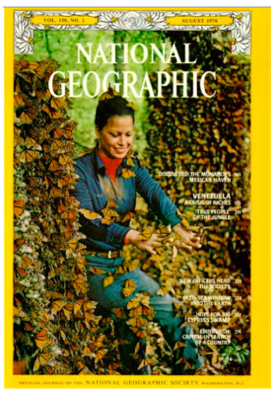
This is the 1976 National Geographic issue that broke the story of the Great Monarch Migration, with a story by the main scientist credited with the “discovery.”

What was the most surprising thing you learned while writing Winged Wonders?

Honestly, it was that drama in the world of monarch research. There’s been competition over who gets credit for what, over the sharing (or not sharing) of information, etc. For me, this was actually all the more reason to focus my picture book not just on one person but on how it takes a lot of people working together to further scientific knowledge—and protect species.

This gorgeous cover is just a peek at Yas Imamura’s illustrations. Can you give readers a taste of what they have to look forward to? Do you have a favorite spread?

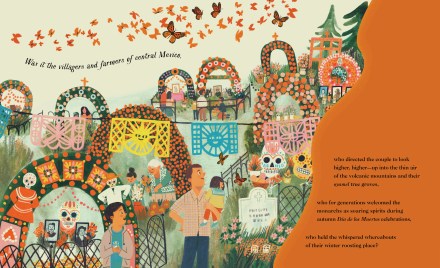
Oh, we could not have asked for more gorgeous and spot-on illustrations than what Yas created for this book! The whole team at Sleeping Bear Press has been thrilled with her vibrant images, which feel both 1970s and totally today, all at once. I like so many, it’s hard to pick just one—I love how she shows the monarchs flying through Dia de los Muertos celebrations, to them roosting in the trees of central Mexico, to the diversity of citizen scientists she created. I think readers are going to just eat up her illustrations!

celebrate-picture-books-picture-book-review-winged-wonders-Dia-de-Los-Muertos

Image copyright Yas Imamura, 2020, text copyright Meeg Pincus, 2020. Courtesy of Sleeping Bear Press.

On your website, you talk about your work as a Humane Educator. Can you describe Humane Education and its goal? Does being a Humane Educator influence your writing? In what way?

Sure! Humane education teaches about making conscious choices that help people, animals, and the planet. It focuses on empathy and compassion as means to taking action for a more humane, healthy, and just world. I found humane education when my kids were very young and it just brought together all my values and studies. So, I trained with two nonprofit organizations (The Institute for Humane Education and HEART) and started going into local classrooms as a humane educator to do lessons with the kids. As part of my lessons, I decided to read the kids picture book biographies about real people who’ve made a difference for people, animals, and the planet. I fell in love with these books, and realized they also perfectly brought together my background of 20+ years writing/editing nonfiction and my work in humane education—so, I decided to dive into writing them myself as my next career step as nonfiction writer/humane educator!

You also talk about teaching children to be solutionaries. I love that term! Would you define what a solutionary is? You also say that you now write “solutionary stories.” How does Winged Wonders fit into that description and how do you hope the book will influence young readers?

I love the term, too! I got it from my training in humane education. The full definition of a solutionary is “a person who identifies inhumane and unsustainable systems, then develops healthy and just solutions for people, animals, and the environment.” I simplify it for younger kids (I like to use the idea of “solutionary super powers” that we all possess to help others!). Kids really embrace being problem-solvers for people, animals, and the planet. As in Winged Wonders, I focus my books on solutionary people, ideas, and issues—ways people are helping, or can help, create that healthy, kind, and just world for all. I hope my books help inspire kids to find whatever issue affecting people, animals, or the planet sparks their own inner fire and then use their own unique talents and ideas to make a positive impact on it.

One last thing: We’re doing a special Winged Wonders Pre-order Offer with San Diego indie bookstore, Run for Cover—a signed hardback copy with a solutionary sticker and monarch bookmark—which can be sent anywhere in the U.S.

You can connect with Meeg Pincus on

Her website | Facebook | Twitter

Meet Yas Imamura

celebrate-picture-books-picture-book-review-yas-imamura-head-shot

Yas Imamura is an illustrator, graphic designer, and owner of the stationary company Quill & Fox. She grew up in Manila, Philippines, and now lives in Portland, Oregon. Discover more about her work on her website.

What about this story particularly resonated with you?

What I love most about the story is the community aspect to the monarch search—how every person from all walks of life came together in shared curiosity and helped get to the bottom of the monarch mystery.

Can you describe the process for creating and choosing this beautiful cover?

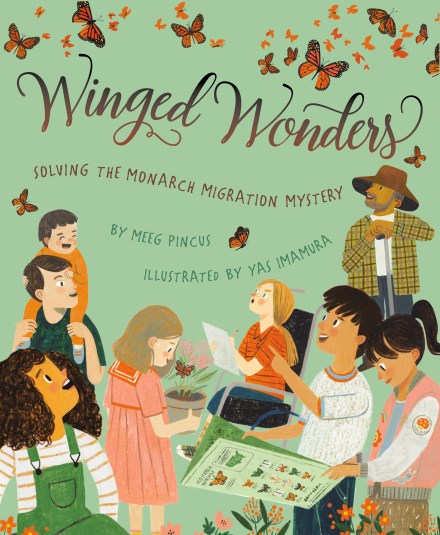
I started with a few sketches, focusing in different imagery. Some early concepts honed in on the monarch butterfly, some with playing on the mystery of their flight. But eventually I ended up emphasizing the people in the story as well, as they play such a huge part in tracking the monarch migration.

Many of your stationery products from your company Quill and Fox as well as your other illustration work incorporate nature themes. What is it about nature that inspires you?

What inspires me most about nature is how incredibly challenging it is for me to really capture. It can be simplistic and incredibly mercurial at the same time, which I think is the beauty of it. As an artist, I feel like I’m always trying to climb that hill.

What kind of research did you do to bring this story to life?

Researching this book was a lot of fun. I was fortunate enough to be given a lot of take-off point resources that I built from. I looked up Catalina’s story a lot to gain insight on her character, her clothes, the era. The movie Flight of the Butterflies also inspired me greatly in pushing the narrative visually. There was so much color to the whole story as we trace the journey of these butterflies, and I really wanted to incorporate all that.

What feelings from the story did you most want to express in your illustrations? What do you hope readers will take away from them?

I want to evoke a sense of fascination and curiosity for these butterflies. And that perhaps learning about the incredible journey and impact of the monarch butterflies could lay the groundwork for us, as caretakers of nature, to give respect and reverence for even the smallest members of our ecosystem.

What do you love about being a picture book illustrator?

Seeing readers, young and old, pour over the pages that I’ve illustrated, especially when they’re reading it to someone else, will never, never get old. It’s the ultimate payoff for me.

You can connect with Yas Imamura on

Her website | Instagram | Instagram: Quill and Fox | Twitter

Thanks so much Meeg and Yas! I’m sure readers are as excited to read Wings of Wonder: Solving the Monarch Migration Mystery as I am! We might have to wait a little bit longer until the book releases in March to read it, but we don’t have to wait any longer to see the stunning cover! 

And now I’m thrilled to reveal…

celebrate-picture-books-picture-book-review-winged-wonders-cover

Winged Wonders: Solving the Monarch Migration Mystery Giveaway

I’m excited to partner with Sleeping Bear Press in Twitter giveaway of:

  • One (1) copy of Winged Wonders: Solving the Monarch Migration Mystery, written by Meeg Pincus| illustrated by Yas Imamura 

Here’s how to enter:

  • Follow Sleeping Bear Press 
  • Follow Celebrate Picture Books
  • Retweet a giveaway tweet
  • Bonus: Reply with your favorite kind of butterfly for an extra entry (each reply gives you one more entry).
  • This giveaway is open from January 8 through January 14 and ends at 8:00 p.m. EST.

A winner will be chosen on January 15. Prize book will be sent from Sleeping Bear Press in February.

Giveaway open to U.S. addresses only. | Prizing provided by Sleeping Bear Press.

To learn more about Winged Wonders: Solving the Monarch Migration Mystery and other marvelous books from Sleeping Bear Press, visit their website.

celebrate-picture-books-picture-book-review-winged-wonders-cover

You can preorder Winged Wonders: Solving the Monarch Migration Mystery from these booksellers

Amazon | Barnes & Noble | Books-a-Million | IndieBound |Run for Cover

Picture Book Review


December 30 – It’s the Christmas Bird Count

celebrate-picture-books-picture-book-review-the-atlas-of-amazing-birds-cover

About the Holiday

Concerned with declining bird populations, ornithologist Frank M. Chapman suggested a new holiday tradition—a Christmas Bird Census that would count birds instead of hunting them. The first census took place on December 25, 1900. On that day, twenty-seven birders, centered mostly in northeastern North America, counted 90 species of birds. The tradition has grown tremendously from those humble beginnings. Today, tens of thousands of volunteers throughout the Americas brave all types of weather to conduct the count, which helps conservationists and scientific organizations create strategies for protecting the health and habitats of bird populations. The Christmas Bird Count is now held from December 14 through January 5. To learn more or to get involved yourself, visit the Audubon website.

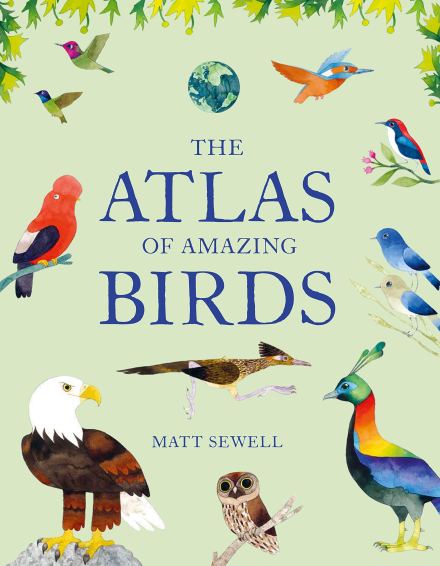
The Atlas of Amazing Birds

By Matt Sewell


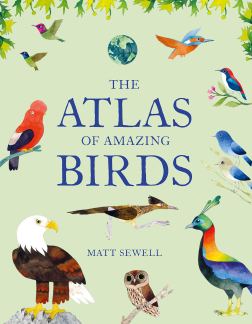
If you have a budding ornithologist in the family, they will be awed by Matt Sewell’s gorgeous compendium of more than 150 birds from around the world. Organized by continent—Europe, North and Central America, South America, Antarctica, Oceana, Asia, and Africa—each chapter begins with a green watercolor map of the area delineated into the countries within its borders and includes a short introduction to the size, climate, surrounding oceans, and number of birds found there.

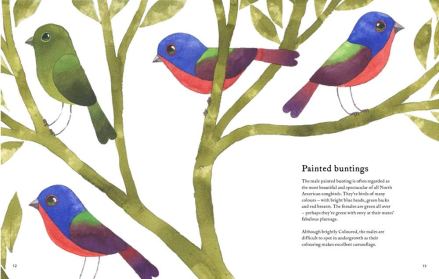
celebrate-picture-books-picture-book-review-the-atlas-of-amazing-birds-painted-buntings

Copyright Matt Sewell, 2019, courtesy of Princeton Architectural Press.

The first stop on this ornithological tour is Europe, where readers discover first the European roller, a lovely species with a cyan body and rust-and-blue-mottled wings that summers in Southern Europe and the Middle East and winters in Africa. This bird’s beauty belies the less-than-attractive way they have for protecting themselves as chicks in which “they can vomit a foul-smelling liquid over themselves to keep predators at bay.”

The European golden-plover chick—a little fluff of green and white that blends in with its mossy surroundings—takes a different tack: By looking like “a small clump of cotton balls flecked with gold leaf, it is possibly one of the cutest chicks out there.” With its speedy wingbeats, the European golden-plover also claims another mark of distinction as the “genesis for the idea for the book of Guinness World Records.”

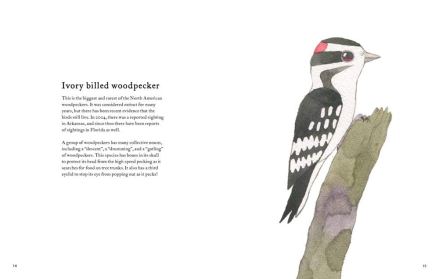
celebrate-picture-books-picture-book-review-the-atlas-of-amazing-birds-woodpecker

Copyright Matt Sewell, 2019, courtesy of Princeton Architectural Press.

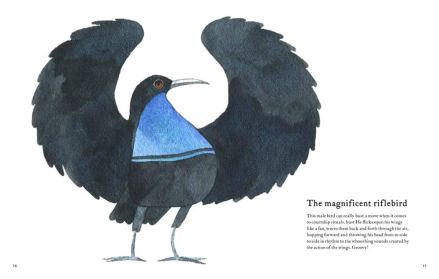
North America and Central America are home to more than 900 species of birds. Many are as colorful as a child’s painting, including the Montezuma oropendola, painted bunting, indigo bunting, and the resplendent quetzal, which boasts an iridescent blue tail that can reach over 2 feet long. Unique among birds is the common poorwill, a North American nightjar, which besides being nocturnal, “is possibly the only bird that hibernates.” Mottled gray and brown, the common poorwill perfectly blends into rocky crevices. “It has a low odor so it cannot be detected by predators, and it can descend into a sleepy torpor for months.”

celebrate-picture-books-picture-book-review-the-atlas-of-amazing-birds-riflebird

Copyright Matt Sewell, 2019, courtesy of Princeton Architectural Press.

South America, with its vast expanse of land and variety of climates hosts “more than 3,400 known species of birds, more than any other continent.” With that many different types of birds, South America offers ornithologists a full range of species to study from familiar faces, such as the hyacinth macaw and the keel-billed toucan, to truly wondrous creatures, such as these: the sunbittern, which upon opening its wings presents a frightening “mask” of markings to scare away predators; the white bellbird, which has a single wattle above its beak that can be inflated to appear much like a unicorn’s horn; and the oilbird, which you cannot be faulted for mistaking for a bat as it “breeds and roosts in the totally dark interiors of caves,” uses echolocation to navigate here, and flies at night. Among the other weird and distinctive birds of this region is the hoatzin, “known as the reptile bird” because it “dates back 64 million years, which is roughly when all the big land-based dinosaurs disappeared.”

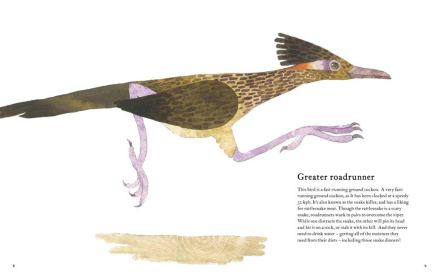
celebrate-picture-books-picture-book-review-the-atlas-of-amazing-birds-roadrunner

Copyright Matt Sewell, 2019, courtesy of Princeton Architectural Press.

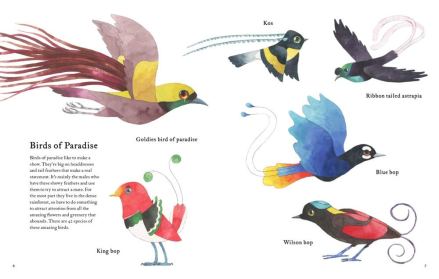
Oceania, comprising Australia, Papua New Guinea, the Solomon Islands, Vanuatu, Fiji, and New Zealand, provides shelter to “some of the most brilliant and flamboyant birds in the world….” These include a variety of birds-of-paradise, each of which sport colorful and intricate features that would look just as at home on ornaments and party favors. One of the most unusual birds may be the multi-talented superb lyrebird. Not only does the male possess fabulous peacock-like tail feathers that seem part quill-pen, part feather duster, it is a master mimic. “It can imitate just about any other bird it hears, as well as other sounds, such as chainsaws, telephones, barking dingoes, roaring cars, and crying babies—often repeated one after the next.”

celebrate-picture-books-picture-book-review-the-atlas-of-amazing-birds-birds-of-paradise

Copyright Matt Sewell, 2019, courtesy of Princeton Architectural Press.

Combined, Antarctica, Asia, and Africa also give homes to more than 6,000 species of some of the most adorable, beloved, brilliant, and extraordinary birds in the world. Readers will meet penguins and birds with vibrant blocks of color as sculpted as any stained-glass window—such as the Malabar trogon of India and Sri Lanka, the Himalayan monal, and Ruspoli’s turaco of southern Ethiopia.

They’ll also get to know towering birds, such as the secretarybird and the ostrich, and formidable-looking creatures, such as the marabou stork and the shoebill. To tie up this description that barely scratches the surface of all that bird-lovers will learn, I present the common tailorbird of tropical Asia—a clever and industrious little warbler that sews leaves together to create a cup of a nest that it lines with cobwebs to further confound predators.

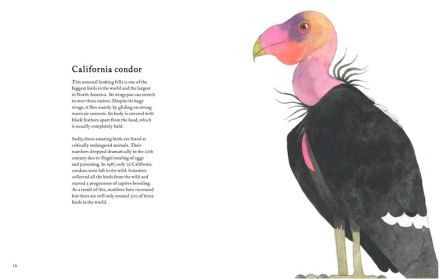
celebrate-picture-books-picture-book-review-the-atlas-of-amazing-birds-condor

Copyright Matt Sewell, 2019, courtesy of Princeton Architectural Press.

Matt Sewell knows just how to entice young readers with engaging, humorous, and insightful text that provides a robust and individual introduction to each bird as well as their status in the world. Every entry is accompanied by brilliant watercolors that highlight each species’ spectacular, surprising, and sometimes even seemingly Dr. Seussian plumage. Dipping in and out of the pages will inspire children and adults to learn more about birds, geography, and how they can become stewards for our feathered friends.

The Atlas of Amazing Birds is highly recommended for bird and nature lovers and would make an excellent addition to home, school, and public library collections.

Ages 5 – 10

Princeton Architectural Press, 2019 | ISBN 978-1616898571

To learn more about Matt Sewell, his books, and his art, visit his website.

Christmas Bird Count Activity

celebrate-picture-books-picture-book-review-beautiful-birds-word-search

Beautiful Birds Word Search Puzzle


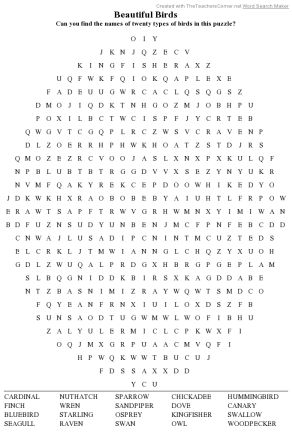
It’s fun to watch for different kinds of birds when you take a walk or in your own backyard. Can you find the names of twenty types of birds in this printable Beautiful Birds Word Search Puzzle? Here’s the Solution!

celebrate-picture-books-picture-book-review-the-atlas-of-amazing-birds-cover

You can find The Atlas of Amazing Birds at these booksellers

Amazon | Barnes & Noble | Books-a-Million | Indiebound

Picture Book Review

September 29 – World Rivers Day

celebrate-picture-books-picture-book-review-river-cover

About the Holiday

Following the 2005 launch of the United Nations Water for Life Decade, internationally known river advocate, Mark Angelo, proposed the establishment of World Rivers Day. The holiday celebrates the value of rivers worldwide and promotes awareness of the importance of keeping rivers pollution free. In the United States alone, 65% of drinking water comes from rivers and streams. Rivers in virtually every country face an array of threats, and only through our active involvement can we ensure their health in the years ahead. To help the cause, join a volunteer river clean-up crew, help monitor water quality, or learn more about your local river system. To learn more, visit the World Rivers Day website.

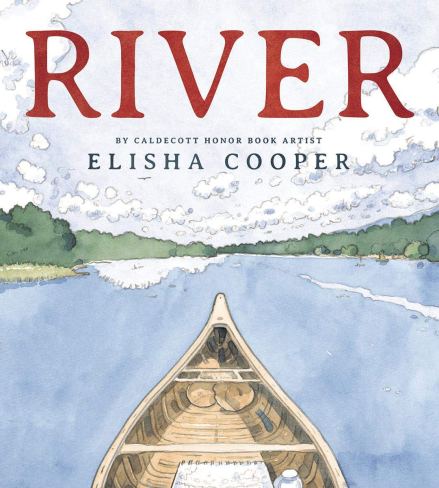
River

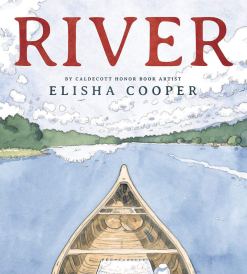
By Elisha Cooper


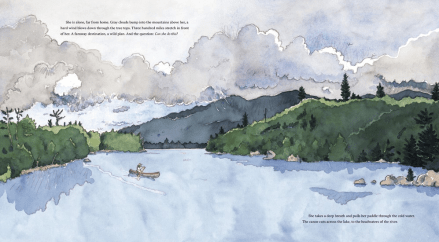
As a woman begins her solitary trip on a mountain lake, she turns and waves to her family. The familiar shore recedes, and she dips her oar into the blue water under gray skies and in the shadow of the tall mountains. “Three hundred miles stretch in front of her. A faraway destination, a wild plan. And the question: Can she do this?” As she enters the Hudson River, she plucks a pebble from the shallow water and places it beside her gear. Here, she must navigate the scattered rocks—and one that is not a rock at all, but a moose taking a dip.

celebrate-picture-books-picture-book-review-river-alone

Copyright Elisha Cooper, 2019, courtesy of Orchard Books, Scholastic, Inc.

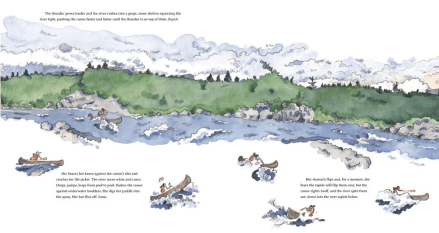
Ahead, she rides rapids that steal her hat and threaten to flip her. But she hangs on and makes it out on the other side. Now it’s time to set up camp for the night. Huddled in her tent, “she is alone, but not. The river stays beside her, mumbling to her and to itself all through the night.” With the dawn, she is on the river again, along with “otters, ducks, dragonflies, a kingfisher.” When she stops to pick blackberries, a bear cub ambles by to watch. The woman backs away slowly and continues down the river.

When she comes to a dam, she must carry her canoe. She trips, falls, and bloodies her knee, but on the other side of the dam, she returns to her paddling. When she comes to a waterfall, she gets in line for her turn to go through the lock. Once on her way again, she moves on to “farms with faded barns, to villages with white clapboard houses, to chimneyed factories on the outskirts of a town. Here, she pulls her canoe onto a levee where two boys are fishing. They ask her where she’s going, and she tells them. “It feels funny to talk.” As she walks into town, her legs also feel funny beneath her. She buys supplies and replaces her hat. That night is spent on a small island.

celebrate-picture-books-picture-book-review-river-rapids

Copyright Elisha Cooper, 2019, courtesy of Orchard Books, Scholastic, Inc.

When she wakes, the white fog has blanketed everything. She can’t see the river, but she watches an eagle high in a tree eating its breakfast. She takes out her sketchbook and draws. The fog lifts and she continues her journey. The days and nights are marked by her hardening callouses and darkening suntan, shortening pencils and waning sketchbook pages. She paddles past “craggy hills” and “around bell-ringing buoys, next to railway tracks and a clattering freight train.”

She dodges a tugboat oblivious to her presence and makes it to another village, where she mails postcards and buys a cookie. A rain drop falls just as she climbs back into her canoe. The raindrop turns into a drizzle and then “a single sheet blowing sideways. A squall.” Her canoe capsizes, “dumping her into the raging water.” When she is able, she drags her canoe and herself onto a rocky shore. “Shivering, she takes stock. Tent, gone, Clothes, soaked. Sketchbook, safe.”

celebrate-picture-books-picture-book-review-river-city

Copyright Elisha Cooper, 2019, courtesy of Orchard Books, Scholastic, Inc.

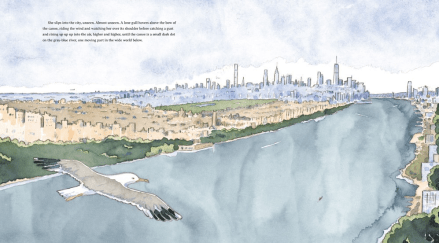
In the morning she starts again. As she rounds a bluff, the city spreads out in front of her. Far above her a gull watches as she makes her way past skyscrapers and boats large and small to the harbor and on to the boatyard, where “a bearded man in overalls—the builder of her canoe”—eagerly waits to hear about her trip and the sturdiness of her craft. After a cup of coffee, she launches her canoe for the last leg of her journey.

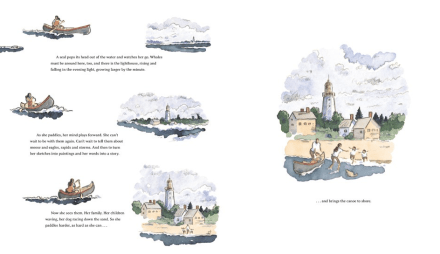
She is now in the open ocean with its wild waves. The horizon beckons, “but closer in she sees the lighthouse, and she knows it is time for her to be home.” She paddles harder and faster. “She can’t wait to be with them again. Can’t wait to tell them about moose and eagles, rapids and storms…to turn her sketches into paintings and her words into a story.” Her family is on shore waving, her dog running into the surf to greet her. She scuds into the shallows “…and brings the canoe to shore.”

An Author’s Note about the creation of River as well as a Note on the Hudson River and a list of sources and reading resources follows the text.

celebrate-picture-books-picture-book-review-river-home

Copyright Elisha Cooper, 2019, courtesy of Orchard Books, Scholastic, Inc.

Elisha Cooper’s loving and lyrical tribute to nature, courage, and self-reliance is nothing short of spectacular. His fluid storytelling plays out with the rhythm of an oar cutting and pushing a canoe along while transporting readers smoothly through this most evocative journey. With exquisite descriptions and compelling obstacles that will leave children wide-eyed and holding their breath, River is an expansive adventure story of one woman pitting herself against the power of the Hudson River and her own tenacity. The story is also one of love—respect for the environment, awe for community, and devotion to family and the support found there.

Cooper’s soft and sprawling watercolors envelop readers in the river setting, where the woman appears tiny against the rocky coastline, towering mountains, waterfalls, dams, and cityscapes. Double-page spreads swell the heart and invite wanderlust in even the most ardent homebodies. And there may be no better way to share this personal and universal journey than by gathering together and reading River in one sitting or—for younger children—breaking away at one of the many cliffhangers that will have everyone yearning to dip into the story again.

A must for school and public library collections, River is highly recommended for all home bookshelves as well for its inspiration for personal goals, it’s reflections on nature, and its encouragement that anything is possible.

Ages 4 – 8 and up

Orchard Books, 2019 | ISBN 978-1338312263

To learn more about Elisha Cooper, his books, and his art, visit his website.

National River Day Activity

celebrate-picture-books-picture-book-review-rivers-word-search

World Rivers Word Search Puzzle


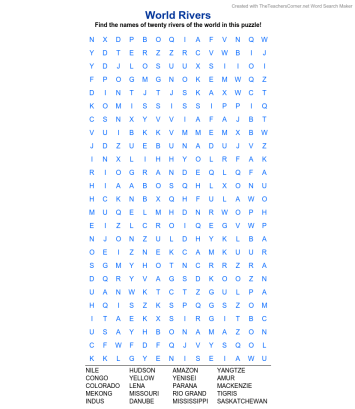
The world’s rivers provide homes for fish, animals, and birds; offer opportunities for recreation; and supply drinking water for millions. Can you find the names of twenty rivers of the world in this printable puzzle?

World Rivers Word Search | World Rivers Word Search Solution

celebrate-picture-books-picture-book-review-river-cover

You can find River at these booksellers

Amazon | Barnes & Noble | Books-a-Million | IndieBound

September 23 – Autumn Equinox

celebrate-picture-books-picture-book-review-leaf-jumpers-cover

About the Holiday

If you live in the Northern Hemisphere, fall has arrived! If you live in the Southern Hemisphere, welcome to spring! Today, daytime and nighttime will be equal, ushering in a changing of the seasons. For some that means cooler weather, shorter days, and a slowing down in nature which leads to our being able to see the brilliant reds, yellows, and oranges in the leaves of certain trees. The phenomenon featured in today’s book. For others nature is just awakening, with all the beauty warm weather and new growth bring. Wherever you live, enjoy the activities and events the change in season brings!
Leaf Jumpers

Written by Carole Gerber | Illustrated by Leslie Evans


One of the marvels of autumn is watching the trees change their summer clothes for colorful cool-weather dress. In their classic, Leaf Jumpers, Carole Gerber and Leslie Evans teach young readers how to identify eight of nature’s beauties by the shape and fall color of their leaves. On a crisp afternoon, two children (and their dog) watch “a soft wind shake the trees. It lifts the leaves and sets them free.” As the leaves flutter down, the kids race to catch them in the air as they call out their names.
celebrate-picture-books-picture-book-review-leaf-jumpers-girl

Image copyright Leslie Evans, 2004, text copyright Carole Gerber, 2004. Courtesy of Charlesbridge.

First come maple leaves “bright and vivid as a match.” Joining them, “the sugar maple’s leaves are orange, like pumpkins in a pumpkin patch.” The boy compares his hands to a white oak leaf and seeing birch leaves on the ground thinks they are as oval and sunny as an egg. Their dog likes hiding among the fringy yellow-green willow leaves, while the girl gently holds a ginkgo’s “wavy golden leaf” that’s “shaped just like a little fan.”

celebrate-picture-books-picture-book-review-leaf-jumpers-dog

Image copyright Leslie Evans, 2004, text copyright Carole Gerber, 2004. Courtesy of Charlesbridge.

High up in the sycamore a squirrel crouches on a branch, camouflaged in the dense foliage. The boy and girl wave to it, and their dog, all attention, is ready for a chase. The kids pick up leaves by the handful and toss them into the air, dancing underneath. As the leaves land, the boy and girl giggle. “Leaf hats settle on our heads.” The girl grabs a rake and begins gathering the leaves, and when they are mounded deep, the three leap into the beckoning “pile of colors.”

celebrate-picture-books-picture-book-review-leaf-jumpers-squirrel

Image copyright Leslie Evans, 2004, text copyright Carole Gerber, 2004. Courtesy of Charlesbridge.

With lyrical verses, Gerber invites kids to enjoy the fun that comes when the vibrant fall leaves blanket the ground. Her sprightly descriptions are just right for teaching even the youngest readers to recognize trees by the intricate details of their leaves. Smooth or jagged, thin or wide, red, orange, or yellow, each leaf has a story to tell. Gerber’s also compares the color or the shape of each leaf to something children are familiar with, helps them to remember and distinguish each type of leaf. But, of course, Gerber understands that for little ones, autumn leaves mean just one thing, and she celebrates kids’ excitement and creativity in her final pages, where the leaves become enticing playmates.

celebrate-picture-books-picture-book-review-leaf-jumpers-maple

In her vivid illustrations, Leslie Evans spotlights each type of leaf while also infusing her pages with that giddy exhilaration that cooler weather and falling leaves creates in kids. The antics of the children’s brown-and-white dog adds humor as it hides in the willow leaves, anticipates a squirrel race, and frolics with the kids in the soft, welcoming pile. Touches of red, blue, violet and tan in the children’s clothing set off the dazzling leaves, producing a warm and cozy effect you’ll love snuggling up with.

Now in a board book edition, Leaf Jumpers makes a perfect book to have on hand at home to take along on fall trips to farmers markets and parks or on strolls around the block. It’s also a great book to share as leaves begin changing color and tumbling down and before those fun leaf-raking sessions. Leaf Jumpers is a wonderful resource for classrooms and libraries to include in their collections as well.

Ages 3 – 7

Charlesbridge, 2017 | ISBN 978-1580897822 (Board Book, 2017) | ISBN 978-1570914980 (Paperback, 2006)

Discover more about Carole Gerber and her books on her website.

To learn more about Leslie Evans, her books, and her art, visit her website.

Autumn Equinox Activity

CPB - Cinnamon Apples (2)

Cinnamon Apples


Warm apples sprinkled with cinnamon sugar is one of the most delectable treats of autumn. Here’s an easy recipe for making this delicious dessert or side dish.

Ingredients

  • 4 cups of apples, Macintosh or Granny Smith apples are good choices
  • 2 tablespoons brown sugar
  • 1 teaspoon cinnamon
  • 1/4 teaspoon lemon juice

CPB - Cinnamon Apples ingredients (2)

Directions

  1. Mix brown sugar and cinnamon
  2. Peel and core 2 large apples
  3. Thinly slice apples
  4. Combine apples and cinnamon sugar/brown sugar mixture
  5. Stir until well combined
  6. Drizzle with lemon juice and stir again
  7. Cook apples on the stove at medium heat for 8 to 10 minutes or until desired texture

celebrate-picture-books-picture-book-review-leaf-jumpers-cover

You can find Leaf Jumpers at these booksellers

Amazon | Barnes & Noble | Books-a-Million | IndieBound

Picture Book Review