July 29 – It’s National Ice Cream Month

celebrate-picture-books-picture-book-review-the-sweetest-scoop-cover

About the Holiday

Ice cream has a long and elite history, dating back to Ancient Greece when a rudimentary version of the confection was made of snow, honey, and fruit. It wasn’t until the 16th century, when Catherine de’ Medici introduced the treat again, that a true ice cream was created. One hundred years later, Charles I of England used his royal clout to proclaim ice cream the prerogative of the crown. He paid to keep the recipe secret and forbid the common people from eating it. He and future royals must have known a thing or two about proprietary information, as the first recipes for ice cream were not recorded until the 18th century.

This favorite dessert received its true recognition in 1984 when President Ronald Reagan established July as National Ice Cream Month. Today, indulge in your favorite flavor or sundae!

The Sweetest Scoop: Ben & Jerry’s Ice Cream Revolution

Written by Lisa Robinson | Illustrated by Stacy Innerst


When you think of ice cream, does your mind immediately go to vanilla, chocolate, or strawberry? Or maybe you think a little fancier, like mint chocolate chip or fudge swirl. But there’s a whole other menu to choose from: “What about Wavy Gravy, Truffle Kerfuffle, or Chubby Hubby? What’s the scoop on those wacky flavors?” If you’re sweet on ice-cream, you’ll want to keep reading to find out!

celebrate-picture-books-picture-book-review-the-sweetest-scoop-ice-cream-truck

Image copyright Stacy Innerst, 2022, text copyright Lisa Robinson, 2022. Courtesy of Harry N. Abrams.

It all started back in 1963 with two friends—Ben Cohen and Jerry Greenfield—who loved to eat. And they especially loved to eat ice cream. When they were in high school, Ben got a job driving an ice cream truck, and Jerry rode along to help scoop and tell “goofy jokes.” When they graduated, Ben and Jerry went off to different colleges and pursuits, but their careers didn’t turn out the way they planned. 

They were both feeling pretty down until they got together and decided to start a business together—a business where they’d be their own bosses and have fun. Since they both loved to eat, they first thought about a bagel delivery business, but it turned out to be too expensive. Then they thought about how much they loved ice cream and discovered that making it was much less expensive than making bagels.

celebrate-picture-books-picture-book-review-the-sweetest-scoop-recipe

Image copyright Stacy Innerst, 2022, text copyright Lisa Robinson, 2022. Courtesy of Harry N. Abrams.

Next, in Vermont, they found the perfect place to open shop and began fixing it up (it needed a lot of work!). But when they got to the plumbing job, Ben and Jerry didn’t have enough money to pay the plumber. That’s when Jerry had a brilliant marketing idea that the plumber jumped on. With the shop (and the plumbing) out of the way, Ben and Jerry began tinkering with their ice cream recipe.

“Teamwork was the answer. Jerry, the scientist, experimented with cream, milk, sugar, and eggs for the ice cream base. Ben, the artist, crafted clever combinations of chocolate, caramel, and cookies.” After a lot of trial and error, they hit upon the perfect combination of “rich, creamy, and chewy.” “Finally, on May 5, 1978, the doors of Ben & Jerry’s Homemade ice cream shop opened. And people came. Lots of people!” 

celebrate-picture-books-picture-book-review-the-sweetest-scoop-shop

Image copyright Stacy Innerst, 2022, text copyright Lisa Robinson, 2022. Courtesy of Harry N. Abrams.

Still, despite their success, there were still obstacles to overcome. One of the biggest was “making their flavors stand out” among all the others. They decided to give their flavors “cool names, like Chunky Monkey, Phish Food, and Dastardly Mash.” They even invited customers to submit ideas. And while most of Ben and Jerry’s flavors were hits, there were some clunkers among the batches. But Ben and Jerry knew how to make even these failures fun with the “Flavor Graveyard” that commemorates “dearly departed flavors” like Vermonty Python, Oh Pear, and Peanut Butter and Jelly.

As their ice cream grew in popularity, Ben and Jerry wanted to do more with their product. “They believed they could use ice cream to help make the world a better place.” They began with paying their workers well and moved on to inventing an environmentally safe carton. Their factory sported solar panels and they looked for ways to reduce waste.

celebrate-picture-books-picture-book-review-the-sweetest-scoop-blockade

Image copyright Stacy Innerst, 2022, text copyright Lisa Robinson, 2022. Courtesy of Harry N. Abrams.

To draw attention to world issues, they created special flavors: “Save Our Swirled to promote awareness of climate change; Imagine Whirled Peace to demand an end to war; I Dough, I Dough to support same-sex marriage; and Empower Mint to call attention to the unfairness of the growing gap between rich and poor.” They donated profits to causes they cared about and “formed the Ben & Jerry’s Foundation to support ‘social and environmental justice around the country.'”

So now when you enjoy your favorite flavor of Ben & Jerry’s ice-cream, you’ll know that you’re also contributing to “making the world a better place.”

Back matter includes an Author’s Note, a Timeline, and a list of sources.

celebrate-picture-books-picture-book-review-the-sweetest-scoop-foundations

Image copyright Stacy Innerst, 2022, text copyright Lisa Robinson, 2022. Courtesy of Harry N. Abrams.

Lisa Robinson’s smooth-as-ice cream storytelling relates the facts of Ben Cohen and Jerry Greenfield’s uplifting and inspirational career while infusing her biography with Ben and Jerry’s personalities with a conversational cadence and clever, but not intrusive, puns sprinkled throughout.

Standout aspects of the book include how, as young men, both Ben and Jerry used their disappointments as a springboard to a creative, satisfying, and influential career; how they found strength in their diverse but complimentary talents; and how they relied on their personal compasses to design a business model that is mindful of employees’ needs as well as important social and environmental issues. And Robinson does all this while making her book fun to read aloud and including a comical cow that pops up on several pages to tell kid-pleasing ice cream jokes.

Stacy Innerst’s watercolor and ink illustrations top off Robinson’s story like luscious whipped cream on a six-flavor sundae. Soft, yet vibrant each page spread pops with grape purples, pistachio greens, lemon yellows, and plenty of chocolate waves and swirls. Ben and Jerry are front and center on most pages, coming up with unique ideas to make their ice cream as iconic as Ben’s hat. Young readers will benefit from seeing how these two life-long friends have each other’s backs, whether its “scarfing down pizza” as teens, rising above discouragement after college, or repairing the old gas station that will become their ice cream shop.

Spying the adorable cow on a page holding a mic, riding a pogo stick, fixing an ice cream truck, and even hanging out with a skeleton, kids will eagerly anticipate each new joke. Seen through Innerst’s eyes, Ben and Jerry’s world is one where ideas are colorful clouds and clouds are shaped like ice cream cones. It’s a pretty sweet world we all get to live in.

Inspirational and uplifting, The Sweetest Scoop: Ben & Jerry’s Ice Cream Revolution is an outstanding combination of biography, social activism, and the powers of positivity and creativity. The book would be a stirring and dynamic addition to home bookshelves and is a must for all school and public libraries.

Ages 4 – 8

Harry N. Abrams, 2022 | ISBN 978-1419748035

Discover more about Lisa Robinson and her books on her website.

To learn more about Stacy Innerst, his books, and her art, visit his website.

National Ice Cream Month Activity

celebrate-picture-books-picture-book-review-ice-cream-cone-game

How Many Scoops? Ice Cream Stacking Game


How many flavors do you like on your ice cream cone? If you say “All of them!” then this game’s for you! 

Supplies

Directions

This game can be played with as many scoops as you like. Younger kids may only want to gather three or four scoops before a winner is declared. Older kids may want to earn six or even more scoops before they’re done. 

  1. Print out one ice cream cone and one set of scoop playing pieces for each player. The number of playing pieces you need will depend on how many scoops players determine it will take to win.
  2. Cut out the ice cream cone.
  3. Cut out and color the ice cream scoop playing pieces in your favorite flavors (or make up your own flavors!).
  4. Color the scoops on the die. The scoops on the die must correspond to the colors on the playing pieces. If more than six scoops are needed to win, print and color two die with 12 different colors/flavors. Kids can roll both dice at once or one at a time until all the flavors are gathered.
  5. Tape the playing die together.
  6. Choose a player to go first. That player rolls the die and places the color scoop shown on their cone.
  7. Play continues to the left.
  8. If a player rolls a color/flavor they already have, they lose the turn and play continues with the next player.
  9. Play continues until one person has collected the number of scoop playing pieces decided on to win.

celebrate-picture-books-picture-book-review-the-sweetest-scoop-cover

You can find The Sweetest Scoop at these booksellers

Amazon | Barnes & Noble | Books-a-Million

To support your local independent bookstore, order from

Bookshop | IndieBound

Picture Book Review

July 21 – It’s National Zoo Keeper Week

celebrate-picture-books-picture-book-review-one-blue-gnu-cover

About the Holiday

This week we honor the zookeepers and aquarists who care for the animals in our nation’s zoo and aquariums. Not only do they see to the animals’ feeding, housing, and health needs; maintain the facilities; and educate guests, zookeepers and aquarists also help scientists conduct research that helps them learn more about how to protect and preserve the world’s varied species. To celebrate today, take a trip to your local zoo or aquarium or visit the website of a zoo far away and learn about the animals there. 

One Blue Gnu

Written by Danna Smith | Illustrated by Ana Zurita


Feeling lonely at the zoo and with a new cellphone from an accidentally dropped box in hoof, one blue gnu calls two white sheep and gets a party started. The sheep call three orange apes with an invitation, and they in turn call “four red pandas in the sun” who  “agree a party would be fun.” The invitation calls and texts get passed along to more and more animals at the zoo until a sleepy pig calls the wrong number, and instead of reaching the hippos, gets the tiger.

celebrate-picture-books-picture-book-review-one-blue-gnu-sheep

Image copyright Ana Zurita, 2022, text copyright Danna Smith, 2022. Courtesy of Amicus Ink.

Another try alerts those hippos and then, finally, “ten purple birds” receive an invitation. At last, it’s party time with “fifty-five beasts just keeping cool, / splashing around in Blue Gnu’s pool.” Floating and diving, the animals are having so much fun, but who is creeping closer and closer? One hungry-looking tiger! In no time, he’s in the midst of them all—and has a plan: “The tiger calls a pizza man!”

celebrate-picture-books-picture-book-review-one-blue-gnu-snakes

Image copyright Ana Zurita, 2022, text copyright Danna Smith, 2022. Courtesy of Amicus Ink.

Full and happy and dry, Blue Gnu’s friends decide it’s time to go back to their homes. The animals leave as they came. “Ten purple birds take off in flight. / Nine gray hippos slip from sight.” After each group finds their way home, Blue Gnu is alone once more. But not for too long—another party is in the works.

celebrate-picture-books-picture-book-review-one-blue-gnu-pool

Image copyright Ana Zurita, 2022, text copyright Danna Smith, 2022. Courtesy of Amicus Ink.

Danna Smith’s rollicking zoo story combines counting up to ten and back down to one for younger kids and more advanced addition and subtraction for older children with the names of colors, numbers, and animals in her clever rhyming romp that kids will want to visit again and again. And let’s not forget friendship—that’s here in abundance too, as sequence calls go out from one group to another to another to create one enormous bash! The added suspense of Tiger’s intentions is quickly resolved in a surprising and kid-favorite way that’s sure to please readers. Smith’s jaunty cadence is a joy to read aloud, and the non-stop action and exceptional vocabulary will captivate both kids and adults.

Ana Zurita populates this zoo with adorable animals, depicted in vibrant colors set against textured and wildly detailed backgrounds that also accentuate the educational aspects on each page. Readers will love pointing out the colors and patterns of the animals’ clothes, counting the animals in each group, and recognizing ascending and descending numbers set in circles on each page. Humorous details also reward careful searching of the pages, such as a sneaky hippo trying to nab a cupcake and the yak’s “snack.” Tiger’s determined stride and furrowed brow will have kids guessing, but only until the page is turned and the laughs ring out. Eagle-eyed future math whizzes may love discussing fractions as the pizzas are gobbled up, and saying goodbye to each group gives kids another chance to show their growing number skills.

Sure to be an immediate favorite read aloud, One Blue Gnu is a must on home bookshelves and for all classroom and public library collections.

Ages 4 – 8

Amikus Ink, 2022 | ISBN 978-1681527451

Discover more about Danna Smith and her books on her website.

To learn more about Ana Zurita, her books, and her art visit her website.

National Zoo Keepers Week Activity

celebrate-picture-books-picture-book-review-one-blue-gnu-pizza-activity

One Blue Gnu Activities


You’re invited to enjoy these One Blue Gnu activities that let you do everything from designing your favorite pizza to practicing your counting, coloring, writing, and observational skills in these printable activity sheets.

celebrate-picture-books-picture-book-review-one-blue-gnu-cover

You can find One Blue Gnu at these booksellers

Amazon | Barnes & Noble | Books-a-Million

To support your local independent bookstore, order from

Bookshop | IndieBound

Picture Book Review

July 20 – It’s Get Ready for Kindergarten Month

celebrate-picture-books-picture-book-review-puppy-bus-cover

About the Holiday

Starting Kindergarten is a major milestone in any child’s life and ushers in exciting growth in knowledge, friendships, and experiences. But children don’t all perceive and process the world in the same way. Being sensitive to individual differences and talking about issues as they arise are just two of the ways that kids can making navigating school or any new experience easier. Sharing picture books like today’s book can help too! 

Thanks to Harry N. Abrams for sending me a copy of Puppy Bus for review consideration. All opinions on the book are my own.

Puppy Bus

By Drew Brockington


As a boy’s parents unload the moving truck, he heads up the steps of the school bus with an anxious backward glance. once on the bus, his nerves take over and his mind races with all the new things he will encounter: “The teachers will be different. I’ll have to make new friends. I won’t even know where the bathroom is.” But in a minute, he gets a friendly lick of reassurance. Wait, what? That’s right, a big, slobbery lick of friendship. His seatmate even offers the boy his paw to shake. 

celebrate-picture-books-picture-book-review-puppy-bus-first-day

Copyright Drew Brockington, 2022, courtesy of Harry N. Abrams.

It’s just about this moment that the boy realizes he’s made a mistake. “I’m on the wrong bus!” he shouts with an attendant “AUGHHH!!!” Well, it’s too late to do anything about it now. The boy gets off at Leroy’s Puppy School with all the other students and decides to find an adult to talk to. He finds the principal’s office only to find that the principal is also a dog. “Woof! Woof! Bark! Bark!” The principal does his best to help, but there’s a definite communication problem.

celebrate-picture-books-picture-book-review-puppy-bus-school

Copyright Drew Brockington, 2022, courtesy of Harry N. Abrams.

The boy’s just wondering what he’s going to do now, when one of his fellow classmates gets a chomp on his shirt and drags him toward a doggie door leading to a classroom. Once everyone’s inside, the lessons begin. As the collie leads the class in learning how to roll over, the boy thinks, “Everything about this school is strange and different.” Math class doesn’t really add up. The bowlfuls of dry food are gross. And remember how the boy was worried about wondering where the bathroom was? Well, that’s not the worst of it! In the stall, he finds a fire hydrant next to the toilet paper roll. 

celebrate-picture-books-picture-book-review-puppy-bus-classroom

Copyright Drew Brockington, 2022, courtesy of Harry N. Abrams.

It all makes the boy miss his old school and friends even more. But then his puppy seatmate from the bus comes over to give him a cuddle, and the pup that sits next to him in math joins in, along with a couple of other “soft and fuzzy” students. Just then the recess bell rings, and they’re all off to have fun playing catch, digging in the dirt, running around and jumping, and just general piling on. The day ends with a song and a story, and by the time the boy gets on the bus home, he’s even speaking a little dog: “Arf! Arf!”

He gets home enthusiastic about his new school and the friends he’s made. He’s even excited to go back tomorrow. His parents are thrilled with his change of heart and send him off the next morning with big smiles and waves. There’s just one thing… could he be on the wrong bus again?

celebrate-picture-books-picture-book-review-puppy-bus-recess

Copyright Drew Brockington, 2022, courtesy of Harry N. Abrams.

Funny and relatable, Drew Brockington’s Puppy Bus is sure to reassure and delight all kids, whether they’re starting a new school or just a new grade. Being nervous about making new friends, meeting a new teacher, and navigating a school building is a universal emotion, even though it can often feel singularly personal. Brockington exposes the doubts kids have in a way that will make them laugh while discovering that friendships made and extended can make all the difference. His comical twist ending reminds kids that change is part of life and adapting is a valuable skill to have.

Brockington’s hilarious cartoon illustrations—well-known to his CatSronauts fans—depict the boy’s full range of emotions from panicky to uncertain to grossed out to perplexed. When he’s at his lowest point of the day, a group of canine classmates take notice and do what they do best—become enthusiastic and comforting best friends. As the boy and his new friends romp on the playground, kids get the message that reaching out to someone new or hesitant (or, conversely, accepting an invitation to join in) has benefits for all.

A terrific story to share as school starts up again or for any time a child is beginning a new activity or encountering change, Puppy Bus will be a favorite on home, classroom, or public library bookshelves.

Ages 4 – 8 

Harry N. Abrams, 2022 | ISBN 978-1419751912

To learn more about Drew Brockington, his books, and his art, visit his website.

Get Ready for Kindergarten Month Activity

celebrate-picture-books-picture-book-review-school-bus-craft

Small Box School Bus 


With a small tea box, some paint, and the printable template, kids can have fun making a model school bus (or Puppy Bus!) to play with or display. Make your bus as detailed or simple as you’d like!

Supplies

Directions

  1. Print 2 copies of the School Bus Template
  2. Carefully take the tea box apart at the seams, invert it, and glue or tape it back together

celebrate-picture-books-picture-book-review-school-bus-craft

To Make the Passenger Side of the Bus

  1. Cut the Door from the template
  2. Glue the door to the box near the front
  3. Cut out and trim the row of windows from the template
  4. Glue the windows near the top of the box
  5. Cut out and trim two of the solid black lines from the template
  6. Glue the stripes onto the side of the box below the windows
  7. Cut out two tires from the template and glue them to the box

To Make the Front of the Bus

  1. Cut out two of the red and orange paired lights
  2. Glue one on each side of the box near the top with the red light on the outside
  3. Add a School Bus sign between the lights
  4. Cut out the windshield in the lower corner of the template and glue it in place
  5. Cut and trim grill and glue it beneath the windshield
  6. Cut and glue white circles for headlights on either side of the grill
  7. Cut, trim, and glue the wide black strip to the bottom as the bumper.

To Make the Driver’s Side of the Bus

  1. Cut and trim the row of windows from the template
  2. Glue the windows near the top of the box
  3. Cut out and trim two of the solid black lines from the template
  4. Glue the stripes onto the side of the box below the windows
  5. Cut out two tires from the template and glue them to the box
  6. Cut out and glue the Stop sign over the two stripes near the front of the bus

celebrate-picture-books-picture-book-review-school-bus-craft

To Make the Back of the Bus

  1. Cut out two of the red and orange paired lights
  2. Glue one on each side of the box near the top with the red light on the outside
  3. Add a School Bus sign between the lights
  4. Cut out the two small rounded corner windows
  5. Glue them underneath the lights close to the edge of the box
  6. Cut out and glue the bigger rounded corner window between the smaller windows
  7. Cut out and glue the yellow, red, and white lights underneath the small windows with the yellow light on the outside
  8. Cut out and glue the black rounded corner window centered beneath the lights
  9. Cut and trim the wide black stripe and glue it near the bottom of the box for the bumper

celebrate-picture-books-picture-book-review-puppy-bus-cover

You can find Puppy Bus at these booksellers

Amazon | Barnes & Noble | Books-a-Million

To support your local independent bookstore, order from

Bookshop | IndieBound

Picture Book Review

July 12 – Cow Appreciation Day

celebrate-picture-books-picture-book-review-where's-my-cow-cover

About the Holiday

The brainstorm of the Chik-Fil-A Company as a clever advertising ploy to herd customers toward eating chicken, Cow Appreciation Day, also gives us an opportunity to really think about the importance of cattle. They have sustained humankind throughout history and even played an integral part in the defeat of small pox. Cows, with their gentle demeanor and soft, brown eyes, also appear as beloved characters in picture books, poems, and songs, making them one of children’s favorites. Today’s book continues that tradition in witty fashion.

Thanks to Sleeping Bear Press for sharing a copy of Where’s My Cow? with me for review consideration. All opinions on the book are my own.

Where’s My Cow?

Written by Susan Blackaby | Illustrated by Scott Brundage


In a seaside pasture, a flock of egrets and a herd of cows lived in perfect symbiosis. When the sun rose each morning, the birds would fly off toward the ocean. All but one little egret who preferred his perch atop his cow. “So much hubbub made him woozy. And the beach seemed so far.” As the cow went about her day, she and the little egret talked about all the places the cow had been and all that she had seen. She’d heard ukulele music and watched kites in the sky. She’d even tasted a toasted marshmallow. At night, the egret dreamed of the ocean while “snuggled into the cow’s neck.”

celebrate-picture-books-picture-book-review-where's-my-cow-morning

Image copyright Scott Brundage, 2022, text copyright Susan Blackaby, 2022. Courtesy of Sleeping Bear Press.

One morning, the little egret announced that he “‘might try flying.'” His cow was encouraging, reminding his trepidatious friend that she would be right there when he got back (which, the egret promised would be very soon). The egret took off and was soaring along, exhilarated by the view when he caught sight of the cows moving down below. Suddenly anxious, he wondered, “‘Where’s my cow?'” The egret swooned, then “spluttered”, then fell with a thud in front of his cow.

The egret confessed he was afraid he wouldn’t be able to find his cow if he left, but the cow suggested he just look for her ears. With such assurance, the egret took off again, and this time he made it to the beach, where he picked up a shell. When he got back to the herd, though, all of the cows’ ears looked the same. Feeling panicky, he flew back and forth thinking “Where’s my cow? WHERE’S MY COW?” At last egret found her and explained the situation. Next time, the cow said, she’d flick her tail.

celebrate-picture-books-picture-book-review-where's-my-cow-stick

Image copyright Scott Brundage, 2022, text copyright Susan Blackaby, 2022. Courtesy of Sleeping Bear Press.

The next morning, egret made the trip to the beach again and found a ribbon from the tail of a kite. Upon returning, though, all the cows were flicking their tail, and he was filled with the same dread: “Where’s my cow? WHERE’S MY COW?” By the time he found her, “the egret felt wobbly and weepy.” They agreed that the next day, the egret would shout and his cow would shout back. Then the egret showed his cow the ribbon he’d found. She thought it was lovely.

After the next day’s adventure, the egret found a gnarled stick, but when he shouted for his cow to look, all the cows answered back. Some trial and error later, the egret and the cow reunited and agreed that they needed a better system. The the egret had an idea. From the shell and the ribbon and the stick, he fashioned a flag that couldn’t be missed. Now, the little egret never has to worry “Where’s my cow? WHERE’S MY COW?” because she’s always right there, next to the flag and all the egret’s gifts.

celebrate-picture-books-picture-book-review-where's-my-cow-ribbon

Image copyright Scott Brundage, 2022, text copyright Susan Blackaby, 2022. Courtesy of Sleeping Bear Press.

Highly original and filled with heart, Susan Blackaby’s funny and reassuring story gently reminds young readers that their parents, grandparents, caregivers, and whoever they rely on are always there to guide them home. Blackaby perfectly captures the emotions of both children and adults navigating separation or new experiences—from the little egret’s initial fear of flying out with the flock to his growing confidence to his ingenious solution to their problem. The cow’s enthusiastic encouragement and continued support of the egret’s ideas shows kids that leaving their comfort zone can be a positive and exciting adventure. Blackaby’s storytelling shines with lovely imagery and humorous, realistic dialogue, and her clever frame, revealing one of nature’s most complimentary relationships, will charm readers of all ages.

Sweet, supportive, and trusting, Scott Brundage’s egret and cow are enchanting hosts for Blackaby’s story. From the first spread, where little egret perches on cow’s neck as the rest of the flock flies towards the rising sun, readers see that these two have a special relationship. Turn the page, and egret has decided that he will try flying. His courage and fear are clearly evident, as is the cow’s steadfast encouragement and reassurance. As the young egret discovers the fun of flying and is excited to bring back souvenirs from his travels, his eager posture and happy expressions show kids the benefits of independence and self-confidence.

Sure to be a reassuring story and discussion-starter for kids experiencing separation anxiety or venturing into new experiences as well as an often-asked-for read-aloud for story time, Where’s My Cow? is highly recommended for all home, school, and public library collections.

Ages 5 – 8

Sleeping Bear Press, 2022 | ISBN 978-1534111073

To learn more about Scott Brundage, his books, and his art, visit his website.

Cow Appreciation Day Activity

celebrate-picture-books-picture-book-review-cow-mug-craft

Moo Cow Mug


Milk, hot chocolate, or tea will taste so much better in a Moo Cow Mug you make yourself! 

Supplies

  • White ceramic mug, available at craft stores
  • Black permanent marker or paint for ceramics
  • Pink permanent marker or paint for ceramics
  • Brown permanent marker or paint for ceramics

celebrate-picture-books-picture-book-review-cow-mug-craft-back

Directions

  1. With the pink marker or paint, draw an oval shape for the nose near the bottom of the mug. Let dry.
  2. With the brown marker or paint, draw two angled nostrils inside the pink oval and color them in. Let dry.
  3. Color in the nose with the pink marker or paint.
  4. With the black marker, color the top tip of the handle where it meets the mug to make the tail.
  5. With the black marker or paint, draw two wavy lines on either side of the face starting at the top, angling toward the middle and returning to the bottom of the mug. Leave white space between the lines.
  6. Draw circles for eyes within the black lines. Add black pupils at the bottom of the eyes.
  7. Color inside the black lines and around the eyes to make the face markings.
  8. With the black marker or paint, make two or three splotches on the back of the mug.
  9. Let the mug dry and follow the directions for the markers or paint to set the color. Pour yourself a mug of milk and enjoy!

celebrate-picture-books-picture-book-review-where's-my-cow-cover

You can find Where’s My Cow? at these booksellers

Amazon | Barnes & Noble | Books-a-Million

To support your local independent bookstore, order from

Bookshop | IndieBound

Picture Book Review

May 23 – National Turtle Day

celebrate-picture-books-picture-book-review-turtle-and-tortoise-are-not-friends-cover

About the Holiday

Susan Tellem and Marshall Thompson, who founded American Tortoise Rescue in 1990, established World Turtle Day to raise awareness and respect for turtles and tortoises and to promote conservation to help them survive. Celebrations take many forms, from fun activities where participants dress as turtles to educational programs that teach about this fascinating creature and how people can help turtles in danger. To learn more about World Turtle Day and American Tortoise Rescue – and to meet some of their adorable residents – visit worldturtleday.org.

Turtle and Tortoise Are Not Friends

Written by Mike Reiss | Illustrated by Ashley Spires


Upon beginning the story, children learn that “far, far away” two eggs shared the same pen at a zoo. Eventually, the eggs hatched: first a turtle and then a tortoise. The two babies took to each other right away, excited about all the fun they would have together. “People will call us the terrible Turtle Twins!” the little turtle says. But the tortoise is not receptive to this idea and launches into a mirror-image description about the differences between a turtle, a “horrid beast” and a tortoise who is a “handsome creature.” Following this, they go their separate ways to separate parts of the pen.

celebrate-picture-books-picture-book-review-turtle-and-tortoise-are-not-friends-hatching

Image copyright Ashley Spires, 2019, text copyright Mike Reiss, 2019. Courtesy of Harper Collins.

Soon, the zookeeper, leading a school field trip, stops by and during his spiel reveals that turtles and tortoises can live 100 years. The little turtle and tortoise are surprised and impressed by this information, but they go on with their individual lives – for 14 years. The turtle finds – and eats – a worm that “looked just like Winston Churchill.” The tortoise was picked up by one eagle and returned by another. They endured nature’s worst weather and saw old years go and new years come. They could have commiserated and celebrated together, but they didn’t.

celebrate-picture-books-picture-book-review-turtle-and-tortoise-are-not-friends-lost-ball

Image copyright Ashley Spires, 2019, text copyright Mike Reiss, 2019. Courtesy of Harper Collins.

Then one day, a red ball came bouncing into their pen. Both the turtle and the tortoise rushed to catch it. “The turtle got there first…seven years later.” Once he had it, he wasn’t sure what it was or what to do with it. At last, he climbed on top of it and felt like “the king of the zoo” until he rolled off and landed on his back. Seeing an opportunity, the tortoise hurried over. Two years later he reached the ball. Passing the struggling turtle, he gave a snide laugh and claimed it for himself, with predictable results. 

celebrate-picture-books-picture-book-review-turtle-and-tortoise-are-not-friends-ball

Image copyright Ashley Spires, 2019, text copyright Mike Reiss, 2019. Courtesy of Harper Collins.

Both the turtle and the tortoise spent the days and months and years on their backs, staring up at the sky and at each other. Time passed – a lot of time. Eventually, a new zookeeper guiding a new group of children related some new information that changed the whole Turtle-Tortoise dynamic. The tortoise suddenly had an idea on how they might regain their footing, and not so suddenly the turtle agreed to try it. Managing it took some time – a lot of time – but they finally found themselves face-to-face again, and, with a different attitude and appreciation for their new “fast” friendship, they wandered off to enjoy some lettuce leaves together.

celebrate-picture-books-picture-book-review-turtle-and-tortoise-are-not-friends-on-backs

Image copyright Ashley Spires, 2019, text copyright Mike Reiss, 2019. Courtesy of Harper Collins.

Funny, thought-provoking, purposeful, and poignant, Mike Reiss’s story is at once an entertaining tale of two stubborn creatures wasting decades of a could-be friendship and a gentle prompting to really look at the senseless prejudice, lack of communication, and missed opportunities that keep our human race divided. A careful reading of the tortoise’s comparison of a turtle and a tortoise provides a humorous yet serious jumping off point for discussions about prejudice as well as the effect of not questioning such pronouncements. Reiss even cleverly inserts a nod to scientific advancements and other societal changes that if embraced can lead to better understanding, friendship, and community. His early introduction of a turtle’s life span likewise frames the story in human terms. As the years pass by in the blink of an eye (or three or four words), Reiss encourages readers to count up how many years it takes the tortoise and turtle to become friends and ponder how that might relate to their own lives.

How far, far away is this unnamed zoo? Taking a good look at Ashley Spire’s ingenious cityscape, kids will discover that, no matter where they live, it is closer than they might think. Spires goes on to make the turtle and the tortoise distinct individuals but with many similarities, an idea that adults may want to explore with children while reading the book together. The turtle and the tortoise are adorable, and kids will be rooting for them to put aside their misconceptions and become friends. The passage of time is charmingly represented by the clothing and demeanor of the two groups of children that visit the zoo.

Turtle and Tortoise Are Not Friends is an enchanting and multilayered story that kids will want to hear again and again for its humor and thoughtful treatment of friendship. 

Ages 4 – 8

HarperCollins, 2019 | ISBN 978-0060740313

You can connect with Mike Reiss on Twitter.

To learn more about Ashley Spires, her books, and her art, visit her website.

National Turtle Day Activity

celebrate-picture-books-picture-book-turtle-shell-game

Follow the Turtles! Game


You can make this fun game from recycled materials and a little creativity! When you’re finished making the turtle shells, have fun guessing where the marble, bead or bean is hiding!

Supplies

  • Cardboard egg carton
  • Green tissue paper in different hues
  • Green construction or craft paper
  • A marble, bead, or bean
  • Glue
  • Scissors

celebrate-picture-books-picture-book-turtle-game

Directions

  1. Cut the egg carton apart into individual cups. You will need 3 cups for each game made.
  2. Cut the rims of the cups so they sit flat on a table.
  3. If the cups have open sides, fit two cups inside one another to fill the gaps
  4. Cut the tissue paper into small shapes
  5. Brush glue on a cup (I used a paper towel to apply glue)
  6. Cover the egg cup with pieces of tissue paper. Repeat with other cups.
  7. Let dry
  8. Cut a head and feet from the green craft paper
  9. Tape or glue the edges of head and feet to the inside of the cups
  10. Add a face to the head

To play the game:

  1. Line up the cups on a table
  2. Put a bead, bean, or marble under one of the cups
  3. Show the other player which cup the object is under
  4. Quickly move the cups around each other several times
  5. Ask the other player which cup they think the object is under
  6. Take turns playing

Extra Game: Make three more and play turtle tic-tac-toe! 

celebrate-picture-books-picture-book-review-turtle-and-tortoise-are-not-friends-cover

You can find Turtle and Tortoise Are Not Friends at these booksellers

Amazon | Barnes & Noble | Books-a-Million

To support your local independent bookstore, order from

Bookshop | IndieBound

Picture Book Review
May 3 – Celebrating National Lumpy Rug Day with Author Sophia Gholz

celebrate-picture-books-picture-book-review-bug-on-the-rug-coverAbout the Holiday

Today’s holiday, in addition to having a humorous and whimsical bent to it, promotes some thoughtful consideration of two rug-related ideas. The onset of spring often inspires people to do some deep cleaning around the house, and that, according to the holiday, should include rugs – that cushy decor that can define a room or provide an impromptu place for pets to nap. As they age, though, rugs and carpets can develop lumps and bulges that compromise the safety and appearance of your home or office. If that’s the case at your house, a steam clean, day in the sun, or re-rolling may restore your rug to its original beauty. But National Lumpy Rug day isn’t all about outward appearance. The holiday also touches on that common practice of “brushing things under the rug” and encourages people to air any complaints, feelings, or topics that they have been avoiding. Making a full sweep of any problems underfoot is a great way to start the spring season, and sharing today’s book with your kids is a hilarious way to celebrate.

Hi Sophia! I’m thrilled to have you visit to talk about your latest book, Bug on the Rug, its endearing characters, inspirational message, and how the story changed from its initial idea. I also love your tips on how adults can use your book to foster discussion and awareness of those misunderstandings that can adversely affect friendships.

Sophia Gholz - headshot

Sophia Gholz is an award-winning children’s book author, magic seeker and avid reader. Sophia enjoys writing fiction with humor and heart. When writing nonfiction, she pulls on her love of science and her strong family background in ecology. When she’s not writing, you can find Sophia reading a book, visiting schools or exploring the great outdoors with her family.

Sophia’s debut book, The Boy Who Grew a Forest: The True Story of Jadav Payeng, was a NCSS Notable Social Studies Trade Book, a Florida State Book Award Gold Medalist, Eureka! Nonfiction Honor Book and a 2020 Green Earth Honor Book. She is also the author of Jack Horner, Dinosaur Hunter! You can connect with Sophia on her Website | Facebook | Instagram | Twitter | YouTube

Bug on the Rug

Written by Sophia Gholz | Illustrated by Susan Batori


Picture books are entire worlds and stories wrapped in a few hundred words. They share a mood, a lesson, a hug, a friend, a culture, an adventure. I’ve said it before, and I’ll say it again now: picture books are magic. That is why I am so excited to be here at one of my favorite blogs, Celebrate Picture Books, to share my newest book, Bug on the Rug. And today is the perfect day because it also happens to be National Lumpy Rug Day! Hooray! Did I mention that Bug on the Rug features a verrrry cozy rug? So cozy, in fact, it causes quite a stir.

celebrate-picture-books-picture-book-review-bug-on-the-rug-pug

Image copyright Susan Batori, 2022, text copyright Sophia Gholz, 2022. Courtesy of Sleeping Bear Press.

In Bug on the Rug a rug-loving Pug and a rug-stealing Bug battle over a lone rug. These two over-the-top characters both believe they’re right and their claim to the rug takes priority. That is, until Slug comes along and helps open their eyes to the truth of each of their actions. Through empathy, both Pug and Bug learn to take ownership of their mistakes and discover that, in this case, forgiveness and friendship go hand-in-hand.

celebrate-picture-books-picture-book-review-bug-on-the-rug-shaking

Image copyright Susan Batori, 2022, text copyright Sophia Gholz, 2022. Courtesy of Sleeping Bear Press.

I began writing this book with the idea of creating a light story that everyone can have fun with. But as I wrote and these characters took on a life of their own, the story grew. At first glance, Bug on the Rug is silly and filled with word play. But truthfully, this is a friendship book that we can all relate to. Sharing is hard. Making new friends is harder. And admitting to our mistakes? Oof. That is the hardest. But we all make mistakes. It’s natural and if we allow it, we can grow from those mistakes. So, with that in mind and remembering it’s National Lumpy Rug Day, let’s take a moment today to pull out what we may have swept under the rug. Let it go. Shake it out. Smooth out those lumps and enjoy a fresh start!

celebrate-picture-books-picture-book-review-bug-on-the-rug-tears

Image copyright Susan Batori, 2022, text copyright Sophia Gholz, 2022. Courtesy of Sleeping Bear Press.

Thanks, Sophia! I really laughed my way through Bug on the Rug and cheered at the end for these three new friends. I love your rollicking storytelling and know kids and adults will too!

For all you readers out there, Bug on the Rug is a hilarious rhyming romp with a rhythm made for dramatic readings that kids will want to hear again and again. The book will make a favorite addition to home, school, and public libraries for lively and meaningful story times. 

Ages 4 – 7

Sleeping Bear Press, 2022 | ISBN 978-1534111479

Susan Batori - Headshot

Susan Batori’s books include Don’t Call Me Fuzzybutt and
Letters from Space. She worked in advertising before switching to
children’s book illustration. Susan lives in Budapest, Hungary. To learn more about Susan Batori, her books, and her art, you can view a portfolio of her work here and connect with her on Bēhance | Instagram | Twitter
National Lumpy Rug Day Activity

celebrate-picture-books-picture-book-review-kids-on-rug-clip-art

Bug on the Rug-themed Social Emotional Learning (SEL) Activities 


  1. Use Bug on the Rug to start discussions on empathy and growth. Pull up a rug and ask readers to recall instances in their life when they have made a mistake or when they thought they were right when they were wrong. You can ask questions like: How did that moment make you feel? and How did you change in that instance? Readers can also discuss different instances when putting themselves in the shoes of others – empathizing with others – helped them change their point of view in some way.
  2. Ask readers to take a look at Bug and Pug and list how the characters changed from the start of the book to the end. This can be used to start a discussion about how we grow and develop emotionally through challenging experiences.

celebrate-picture-books-picture-book-review-bug-on-the-rug-cover

You can find Bug on the Rug at these booksellers

Amazon | Barnes & Noble | Books-a-Million

To support your local independent bookstore, order from

Bookshop | IndieBound

February 24 – Introduce a Girl to Engineering Day

celebrate-picture-books-picture-book-review-goldilocks-and-the-three-engineers-cover

About the Holiday

All this week, we celebrate Engineers and Engineering! Founded by the National Society of Professional Engineers (NSPA) in 1951, Engineering Week focuses on increasing an understanding of and interest in engineering and other technical careers to ensure a diverse and well-educated engineering workforce for the future. More than seventy engineering, education, and cultural societies and more than fifty corporations and government agencies cooperate to raise public awareness of engineers’ contributions to our quality of life. Throughout the week they work to foster a recognition in parents, teachers, and students of the importance of a technical education as well as a high level of math, science, and technology literacy. By reaching out to schools, businesses, and community organizations across the country, they hope to motivate young people to pursue engineering careers. For Introduce a Girl to Engineering, or Girl Day, educators, engineers, volunteers, and others demonstrate engineering activities, show girls how engineers change our world, and provide mentors to guide tomorrow’s engineers. To learn more about Engineering Week and today’s holiday in particular, visit the NSPA website.

Goldilocks and the Three Engineers

Written by Sue Fliess | Illustrated by Petros Bouloubasis


“In a tiny bungalow, / there lived a clever thinker. / Young Goldilocks invented things. She’d make and craft and tinker.” Goldilocks made lots of useful things, like machines to help you tie your shoes, to a self-zipping zipper to a hat outfitted with a flashlight, magnifying glass, and itty-bitty satellite dish to help you find the things you’ve lost. But one day, Goldilocks found that she had “inventor’s block,” so she decided to take a walk.

celebrate-picture-books-picture-book-review-goldilocks-and-the-three-engineers-bears

Image copyright Petros Bouloubasis, 2021, text copyright Sue Fleiss, 2021. Courtesy of Albert Whitman & Company.

At the same time, the Bear family was out gathering nuts and berries for their pre-hibernation celebration. Baby Bear had a nifty contraption that knocked fruit and nuts into a basket with a tennis racquet. Papa Bear had an ingenious wheelbarrow with mechanical arms and hands that picked berries one by one and deposited them in the cart—but only after tossing them through a tiny basketball hoop. Swish! And Mama Bear’s handy vacuum sucked fruit right off the bushes and collected them in a tank.

Their next stop was the beehive at the top of a hill. After they’d eaten all their goodies, Baby Bear spied a little bungalow. The Bears thought it was just the place to spend the winter. When they went inside, they found “the room was full of strange devices, / widgets, tools, and more!” Looking more closely, Papa Bear found a chair that was perfect for Baby Bear. He marveled that “it feeds you and it wipes your mouth, / and reads you stories, too!” Meanwhile, Mama Bear had discovered a bowl that stirred porridge and a bed that automatically rocked you to sleep.

celebrate-picture-books-picture-book-review-goldilocks-and-the-three-engineers-workshop

Image copyright Petros Bouloubasis, 2021, text copyright Sue Fleiss, 2021. Courtesy of Albert Whitman & Company.

Baby Bear loved the chair but wished for one more innovation that would make it just right. Papa Bear found parts and tools and fixed the chair to Baby Bear’s specifications. Mama Bear tasted the porridge and found it lacking one ingredient, so Papa Bear created a porridge-stirrer accessory to add it drop by drop. By now it was dark, and even though Papa Bear thought it wasn’t right to stay, Baby Bear convinced him that one night would be okay.

But when they crawled into bed and turned it on, it rocked so much that it tipped the Bears right onto the floor. There was only one thing to do: “Baby fixed the engine block. / Replace the gears that burned. / Soon the bears were fast asleep… / Then Goldilocks returned.” She saw the chair, tasted the porridge, and then… “heard snoring sounds.” Wide awake now, the bears began to explain. But Goldilocks was not upset. Instead she said, “‘You’ve improved my projects here, / and made them much more fun. / Proving that four brains, by far, / are better than just one!’”

Excited to be inventing again with the bears on board to lend their smart innovations, Goldilocks sends the family off amid promises to “‘…meet up in the spring’” when they will “‘…make the next big thing!’”

celebrate-picture-books-picture-book-review-goldilocks-and-the-three-engineers-bed

Image copyright Petros Bouloubasis, 2021, text copyright Sue Fleiss, 2021. Courtesy of Albert Whitman & Company.

With her fun flip on the Goldilocks story, Sue Fleiss invites kids to indulge their inner inventor with wacky contraptions that can make getting dressed, cooking, going to bed, and chores more exciting. Fleiss’s clever takes on the well-known “just right” chair, porridge, and bed get readers thinking creatively—perhaps even about their own household appliances. While the original story ends with the interloper being chased away, Fleiss’s version shines with the benefits of cooperation, collaboration, and being open to new ideas.
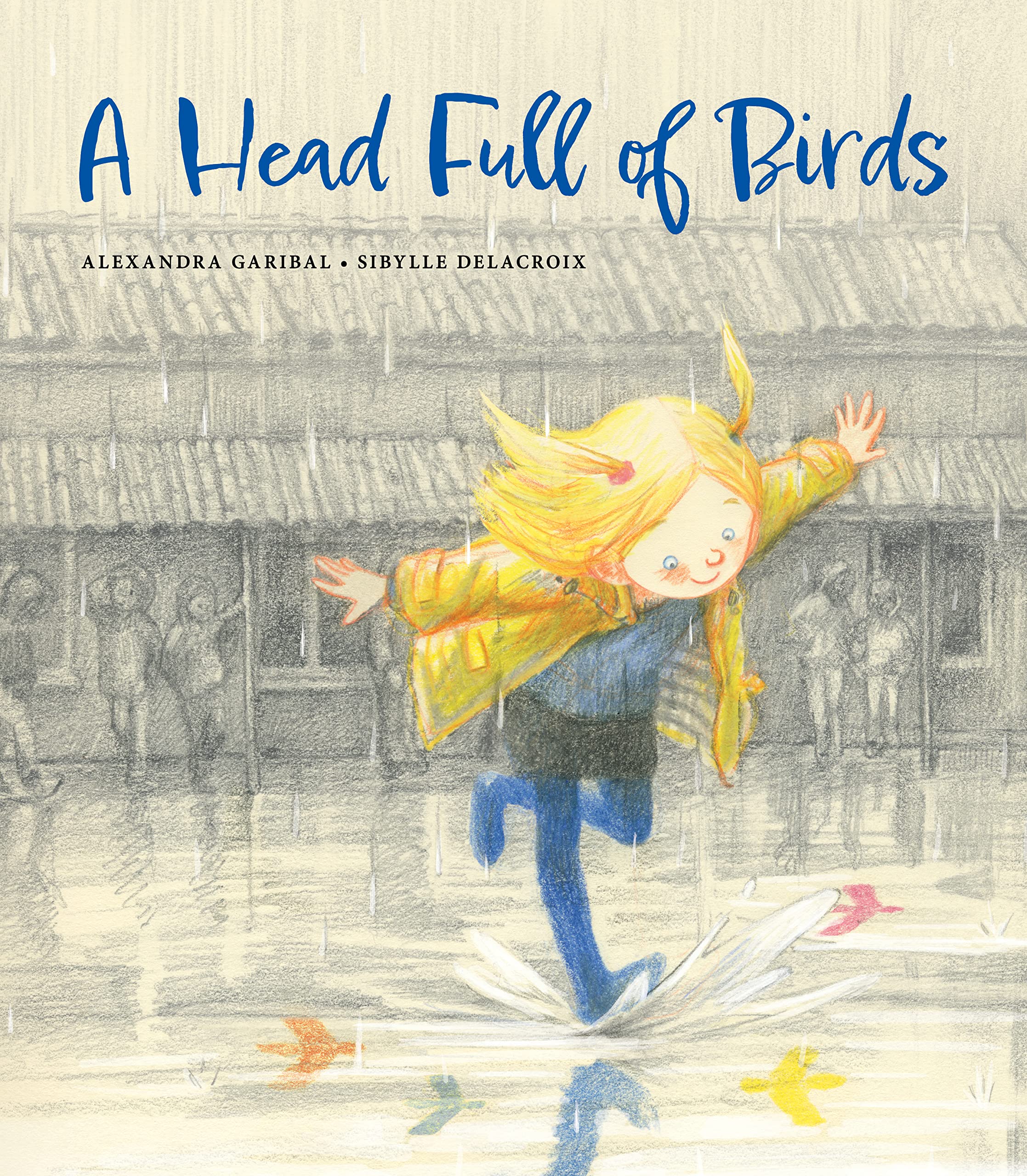
With so many cool inventions to discover on every page, readers will love taking extra time to find and talk about them all. Any young maker would swoon over Petros Bouloubasis’s well-stocked workbench, and readers would have a blast drawing their own gadgets using the tools and supplies depicted. Quirky, abstract landscapes add to the kid-centric ambiance, and just like the Bear family, who drives away in a new vehicle with their full wheelbarrow in tow, readers will look forward to returning to Goldilocks’ little bungalow again and again.

Imagination, creativity, teamwork, and friendship all wrapped up in a clever fractured fairytale—what could be better?! Goldilocks and the Three Engineers is one to add to home, classroom, and public library bookshelves.

Ages 4 – 8

Albert Whitman & Company, 2021 | ISBN 978-0807529973

Discover more about Sue Fleiss and her books on her website.

To learn more about Petros Bouloubasis, his books, and his art, visit his website.

Introduce a Girl to Engineering Day Activity

celebrate-picture-books-picture-book-review-spaghetti-box-bridge-craft

Build a Remarkable Recycled Bridge


Engineers are at the core of so many things that make our homes and neighborhoods what they are. Kids will have fun building a bridge from Using items you already have at home or that may even be slated for the recycle bin, kids will have fun making the bridge above and maybe even a whole town! Spaghetti boxes make great roadways, and cut-up egg cartons can be used as supports. Cereal boxes and pasta boxes make skyscrapers, apartment buildings, fire stations, and more. Need a farm silo? Grab a peanut butter jar, aluminum can, or bread crumb container. You can use them as is or—if your kids are sticklers for a little more detail—turn the boxes inside out, tape, and add paint and details! So look around, use your imagination, and get creative!

celebrate-picture-books-picture-book-review-goldilocks-and-the-three-engineers-cover

You can find Goldilocks and the Three Engineers at these booksellers

Amazon | Barnes & Noble | Books-a-Million

To support your local independent bookstore, order from

Bookshop | IndieBound

Picture Book Review