October 10 – World Space Week


About the Holiday

First declared by the United Nations in 1999, World Space Week has grown to be the largest public space-related event in the world. The week is an international celebration of science and technology, and their contribution to the betterment of the human condition. This year’s theme is “Living in Space” and “explores humanity’s journey toward making space a habitat, emphasizing the innovative technologies, challenges, and collaborative efforts that make this vision a reality.” Looking to celebrate this initiative with more than 15,000 events in more than 90 countries, the week sponsors space education and outreach events held by space agencies, aerospace companies, schools, planetaria, museums, and astronomy clubs around the world. To learn more about the week, visit worldspaceweek.org.

Thank you to Simon & Schuster/Paula Wiseman Books and Barbara Fisch at Blue Slip Media for sending me a copy of this book for review.

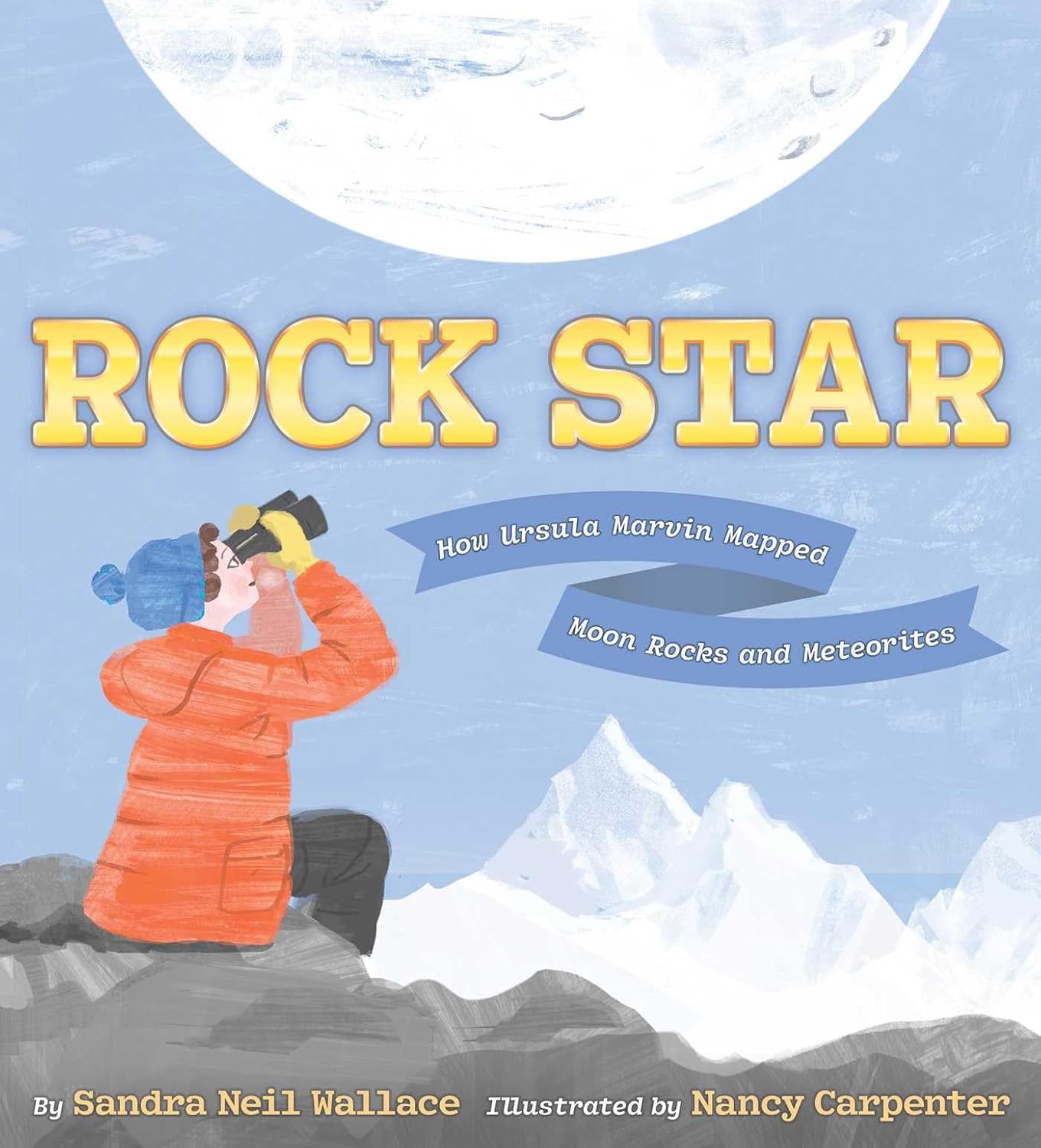
Rock Star: How Ursula Marvin Mapped Moon Rocks and Meteorites

Written by Sandra Neil Wallace | Illustrated by Nancy Carpenter

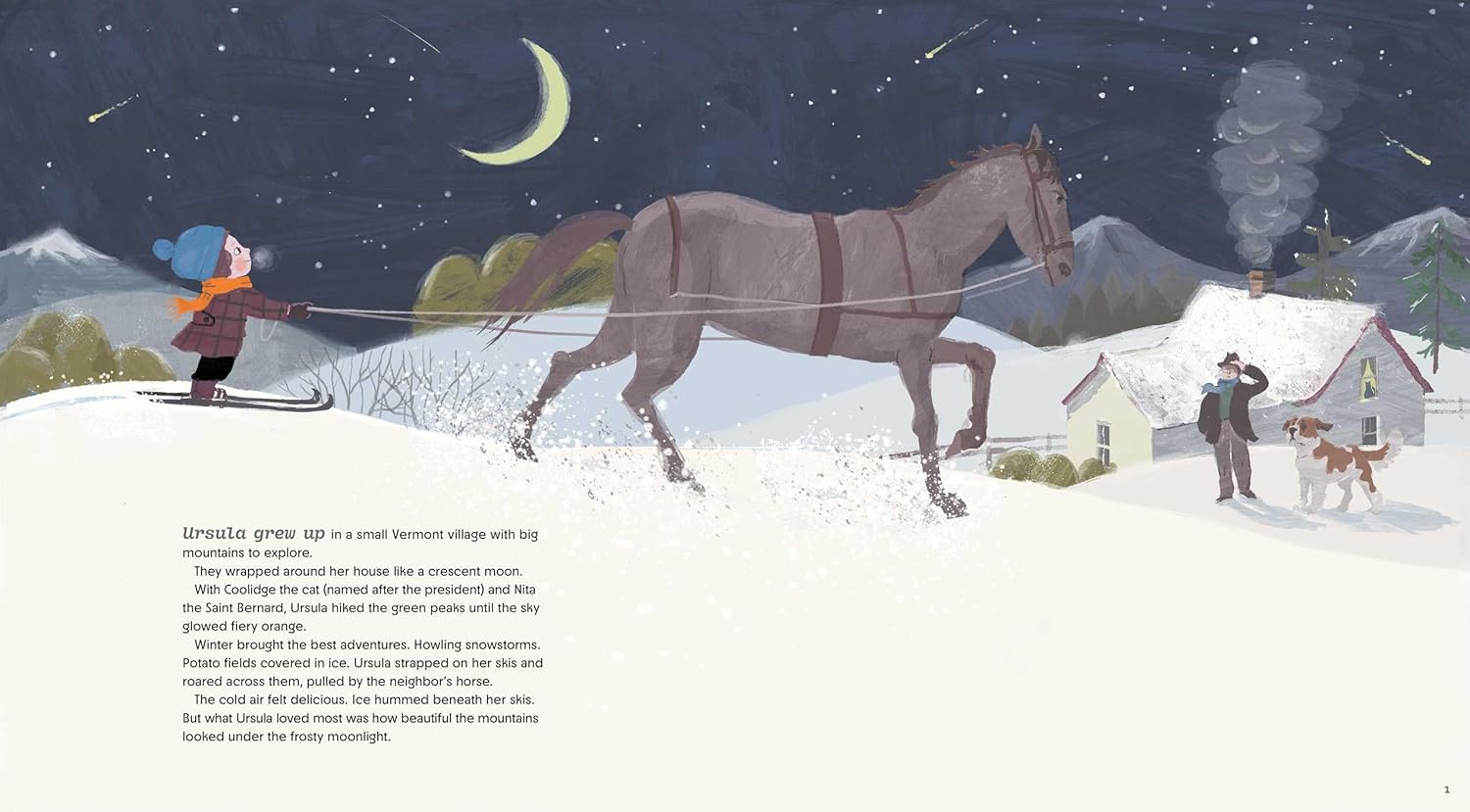
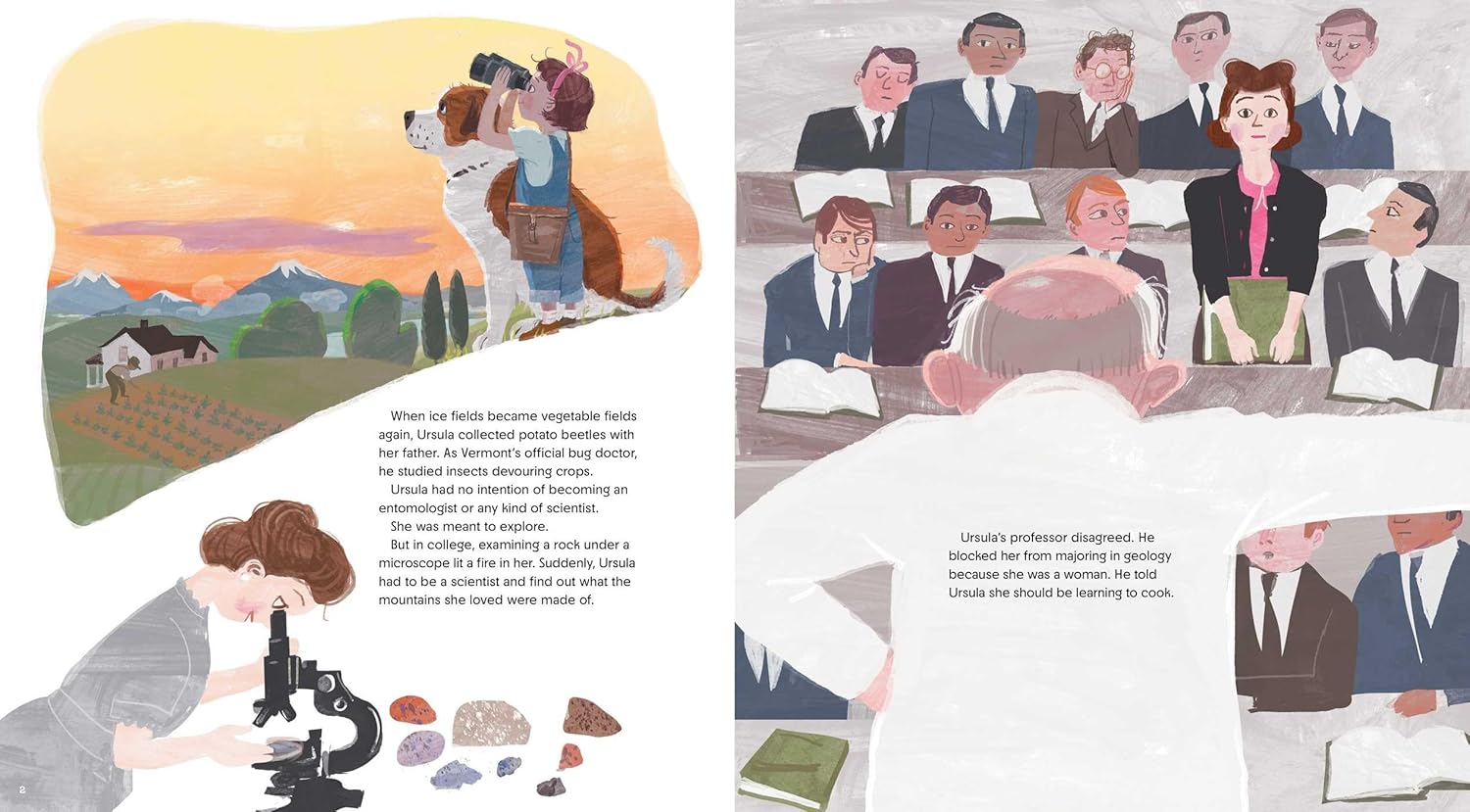
As a child growing up in Vermont, Ursula Marvin was captivated by the adventures winter brought. She was especially awed by the snowy mountains illuminated by “the frosty moonlight.” Her father was Vermont’s official entomologist, but Ursula had no intention of following in his footsteps or becoming any kind of scientist. She had her sights set on being an explorer. That was until she examined a rock under the microscope in college and decided to become a geologist. Her professor, however, denied her new major “because she was a woman.”

Illustration © 2025 Nancy Carpenter. Text © 2025 Sandra Neil Wallace. Courtesy of Simon & Schuster/Paula Wiseman Books.

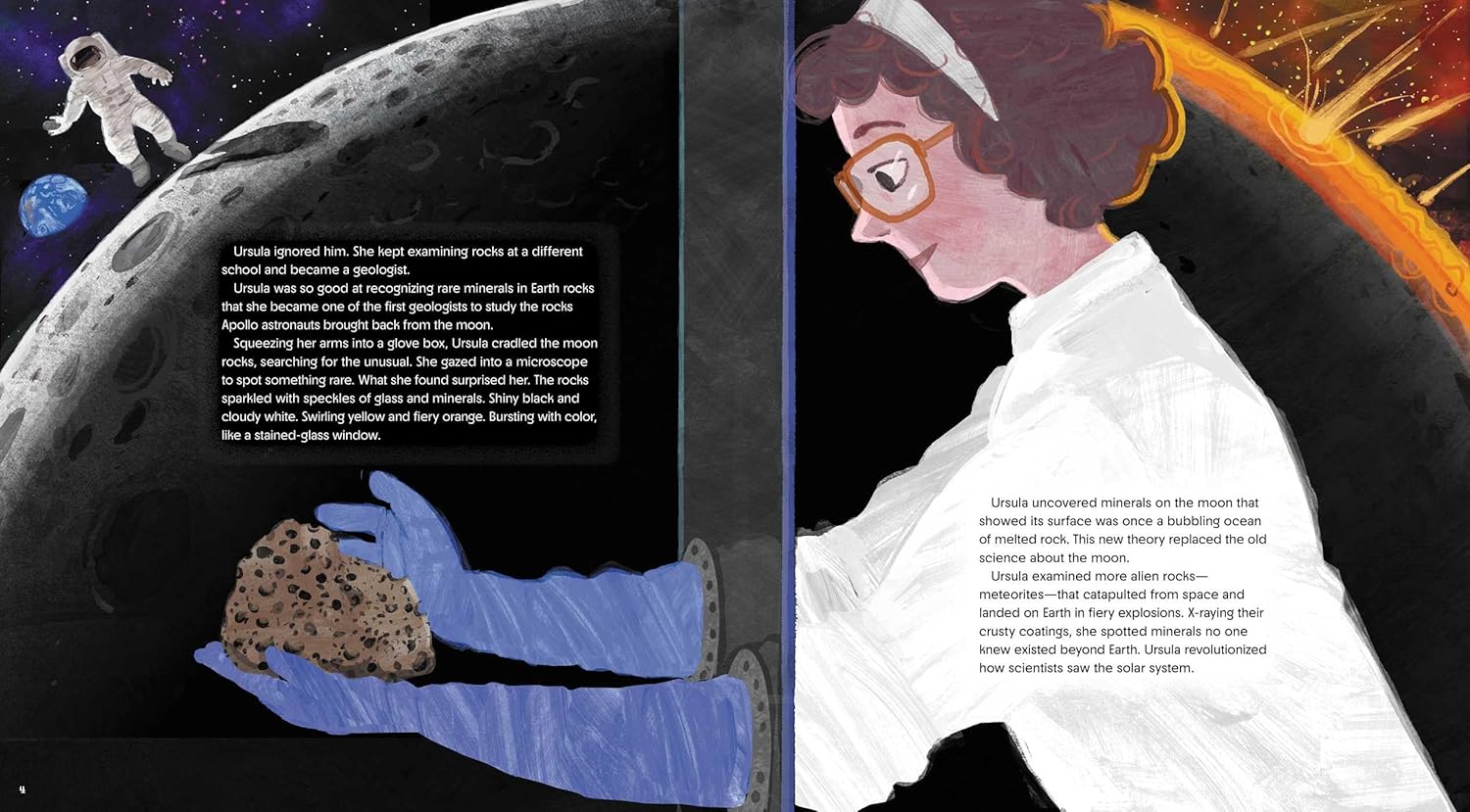
Ursula took her talents to another university and earned a geology degree. She was an expert in recognizing rare minerals in Earth rocks and was tapped to be one of the first geologists to study rocks brought back from the moon. What she found was a world of color, minerals that proved “its surface was once a bubbling ocean of melted rock.” Ursula also studied meteorites, finding “minerals no one knew existed beyond Earth.” Her work revolutionized scientists’ views of the solar system.

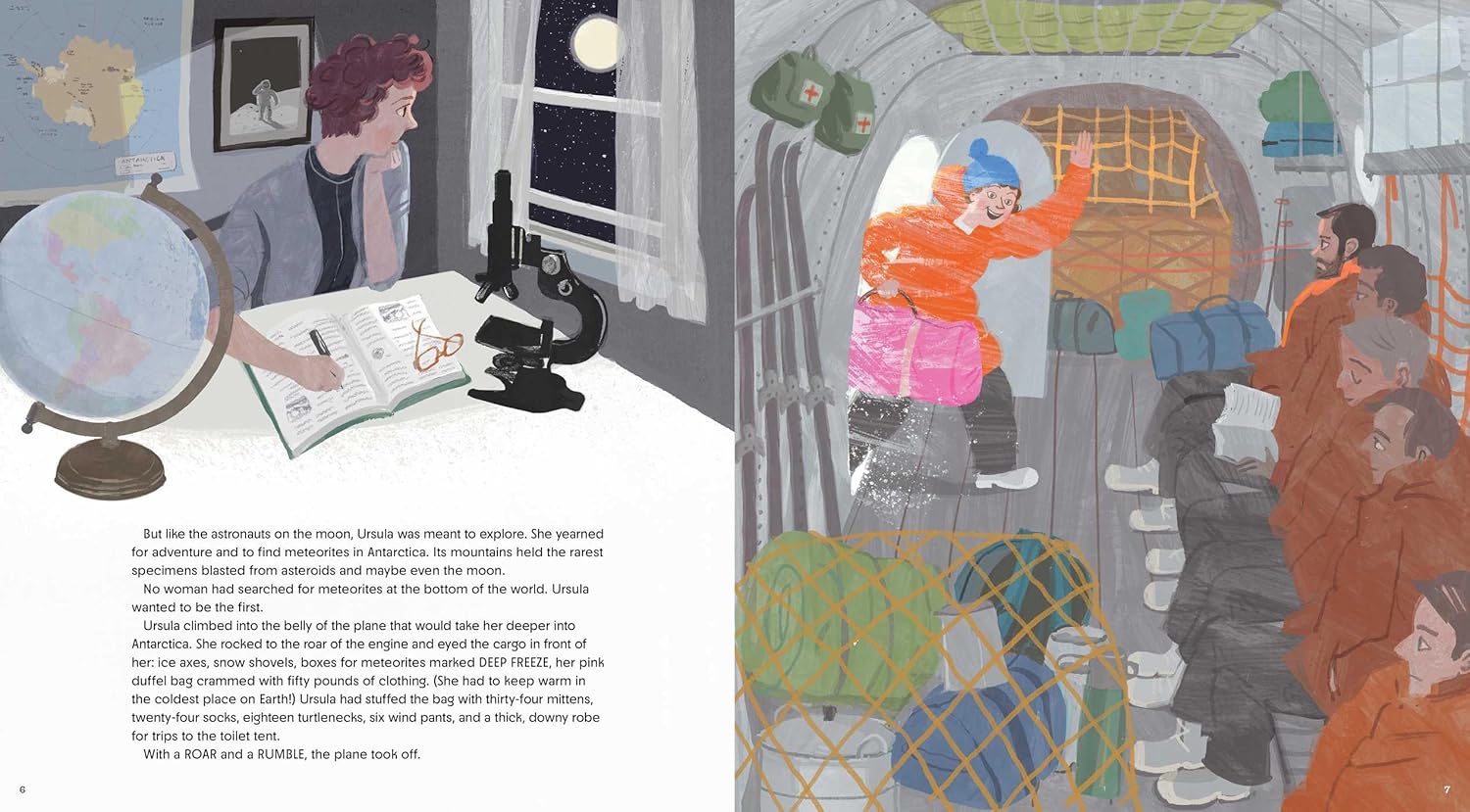
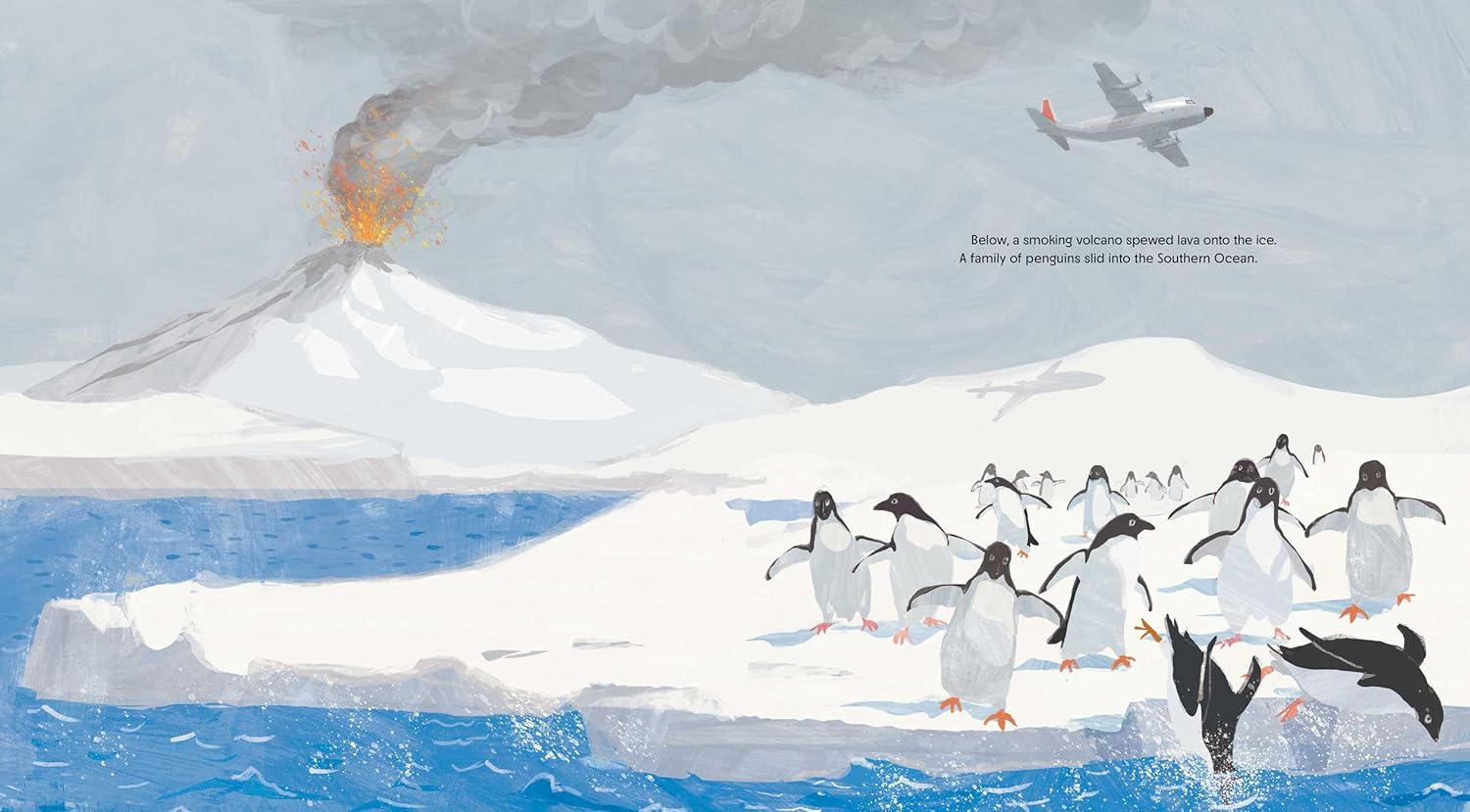
But Ursula still yearned to explore, in particular she wanted to be the first woman to find meteorites in Antarctica—the coldest place on Earth. She loaded up a bag with frigid-cold-weather gear and joined an expedition. When Ursula and her male teammates landed, they set up camp. They had to work fast because winter was on its way, threatening to bury any meteorites under ice and snow for another year.

Illustration © 2025 Nancy Carpenter. Text © 2025 Sandra Neil Wallace. Courtesy of Simon & Schuster/Paula Wiseman Books.

Ursula wondered if she’d be able to recognize meteorites under these conditions, but she needn’t have worried. On her first day, a rock caught her eye. Examining it, she discovered distinctive traits—she’d discovered her first meteorite! Ursula was in her element, thriving in the harsh weather and “collecting meteorites more than four billion years old.”

But not every day was a success. Ursula struggled to climb a mountain-like nunatak in her too-big boots, she mistook an ordinary Earth rock for a meteorite, and on the worst day, with one snowmobile broken, the team went exploring without her. Ursula vowed never to be left behind again.

Illustration © 2025 Nancy Carpenter. Text © 2025 Sandra Neil Wallace. Courtesy of Simon & Schuster/Paula Wiseman Books.

With only one week left in the expedition, Ursula rode across the ice to “unexplored places where the meteorites were bigger and rarer.” She wanted to be the one to find the last meteorite of the trip, to be the one to discover a meteorite from the moon. But a fall dashed those dreams as she was airlifted to the hospital, leaving her teammates to collect the final meteorite.

Illustration © 2025 Nancy Carpenter. Text © 2025 Sandra Neil Wallace. Courtesy of Simon & Schuster/Paula Wiseman Books.

Back at home, Ursula was excited to examine this small meteorite, which looked so different from the others. She recognized the world of color from her earlier studies. “Ursula’s teammates had discovered the first lunar meteorite on Earth without her.” Instead of feeling disappointed, she was “jubilant.” She went on to become a preeminent expert on this moon meteorite and others and to inspire women to become scientists, many exploring Antarctica, where they found more moon meteorites and even some from Mars more than four billion years old. Ursula’s influence can still be seen today in her work as well as in the Marvin Asteroid and Moon’s Marvin Crater named for her.

Extensive back matter following the story includes an Author’s Note about the astonishing life and influence of Ursula Marvin; quotations from Ursula’s Antarctica journals; facts about Antarctica; dated milestones of Ursula’s life, education, and work; resources; and two photographs.

Illustration © 2025 Nancy Carpenter. Text © 2025 Sandra Neil Wallace. Courtesy of Simon & Schuster/Paula Wiseman Books.

Sandra Neil Wallace’s exhilarating biography of Ursula Marvin transports readers to the snow and ice of Antarctica, where they get to ride along with this extraordinary woman as she fulfills childhood goals while changing the face of science and forging new opportunities for women. Wallace’s storytelling is fast-paced and evocative and infused with emotion, suspense, and scintillating details that will captivate readers no matter what their interests.

Nancy Carpenter’s beautiful mixed media illustrations allow children to see early influences and experiences that spurred Ursula Marvin to pursue geology and the study of meteorites in particular. Her images of Antarctica bring chills and thrills as Ursula sets up her tent, speeds over icy fields in the swirling snow on her snowmobile, and flops on the ground to inspect rocks up close. Carpenter also depicts Ursula’s victories and disappointments, giving children a well-rounded view of this remarkable woman. Rock hounds will be wowed by Carpenter’s drawings of moon rocks and meteorites.

With much to impart not only on the life of Ursula Marvin but on believing in yourself, overcoming disappointments, and chasing your goals with gusto, Rock Star: How Ursula Marvin Mapped Moon Rocks and Meteorites is a top pick for home, school, and public library collections.

Ages 4 – 8

Simon & Schuster/Paula Wiseman Books, 2025 | ISBN 978-1534493339

Sandra Neil Wallace writes about people who break barriers and change the world. She is the author of several award-winning books for children, including Love Is Loud: How Diane Nash Led the Civil Rights Movement, illustrated by Bryan Collier; Marjory Saves the Everglades: The Story of Marjory Stoneman Douglas, illustrated by Rebecca Gibbon; and Between the Lines: How Ernie Barnes Went from the Football Field to the Art Gallery, illustrated by Bryan Collier, which received the Orbis Pictus Book Award and was an ALA Notable Book. A former ESPN reporter and the first woman to host an NHL broadcast, she is the recipient of the Outstanding Women of New Hampshire Award and creates change as cofounder of The Daily Good, a nonprofit bringing twenty thousand free, culturally diverse foods to college students each year through its Global Foods Pantries. Visit Sandra at sandraneilwallace.com.

Nancy Carpenter is the acclaimed illustrator of Thomas Jefferson and the Mammoth HuntQueen Victoria’s Bathing MachineFannie in the Kitchen, and Loud Emily, among other books. Her works have garnered many honors, including two Christopher Awards and the Jane Addams Children’s Book Award. She lives in Brooklyn, New York. Visit her at nancycarpenter.website.

World Space Week Activity

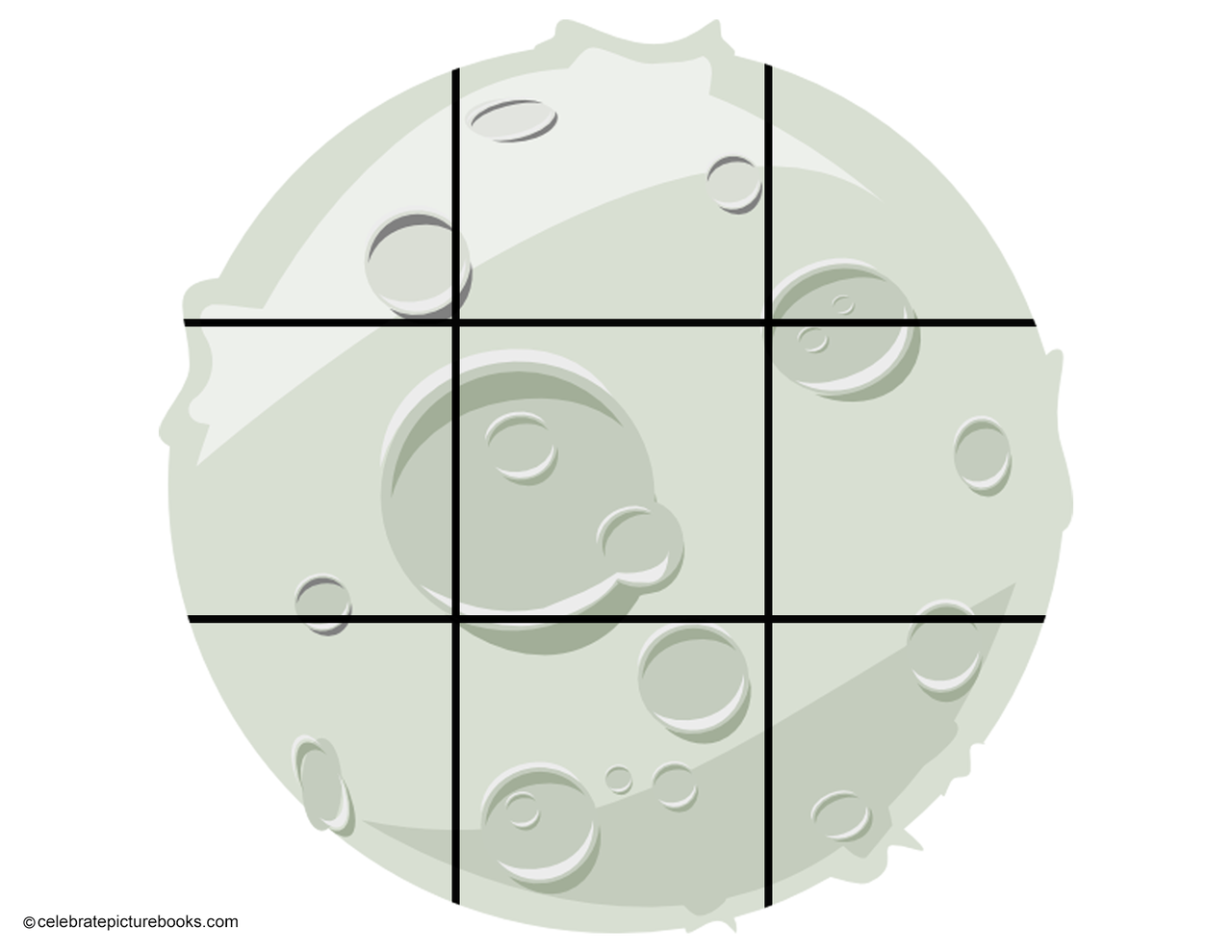
celebrate-picture-books-picture-book-review-rocket-to-the-moon-tic-tac-toe-game

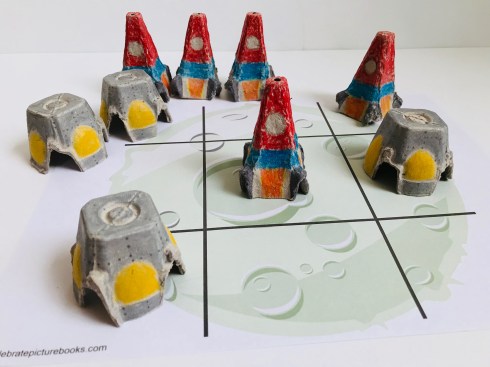
Out-of-this-World Tic-Tac-Toe Game

If you’re kids are fascinated by the moon, moon rocks, and meteors, they’ll enjoy making this tic-tac-toe game from simple materials you have at home!

Supplies

  • Printable Moon Tic-Tac-Toe Game Board
  • 2 cardboard egg cartons
  • Heavy stock paper or regular printer paper
  • Crayons
  • Black or gray fine-tip marker

Directions

To Make the Rockets

  1. Cut the tall center cones from the egg carton
  2. Trim the bottoms of each form so they stand steadily, leaving the arched corners intact
  3. Pencil in a circular window on one side near the top of the cone
  4. Color the rocket body any colors you like, going around the window and stopping where the arched corners begin
  5. With the marker color the arched corners of the form to make legs
  6. On the cardboard between the legs, color flames for blast off

To Make the Capsule

  1. Cut the egg cups from an egg carton
  2. Color the sides silver, leaving the curved section uncolored. (If your egg cup has no pre-pressed curve on the sides of the cup, draw one on each side.)
  3. Color the curved section yellow to make windows
  4. With the marker, dot “rivets” across the capsule

Print the Moon Game Board and play!

You can purchase Rock Star: How Ursula Marvin Mapped Moon Rocks and Meteorites from these booksellers

Amazon | Barnes & Noble | Bookshop

Picture Book Review

September 17 – International Country Music Day

About the Holiday

International Country Music Day was established in 2003 with September 17th chosen to honor Hank Williams, one of country music’s most influential artists. The day was created to bring together country music artists and fans from all over the world to celebrate their favorite music genre. To celebrate today, listen to your favorite artists from the past and today! And don’t forget to honor the Grand Ole Opry by adding today’s book to your family’s country music collection!

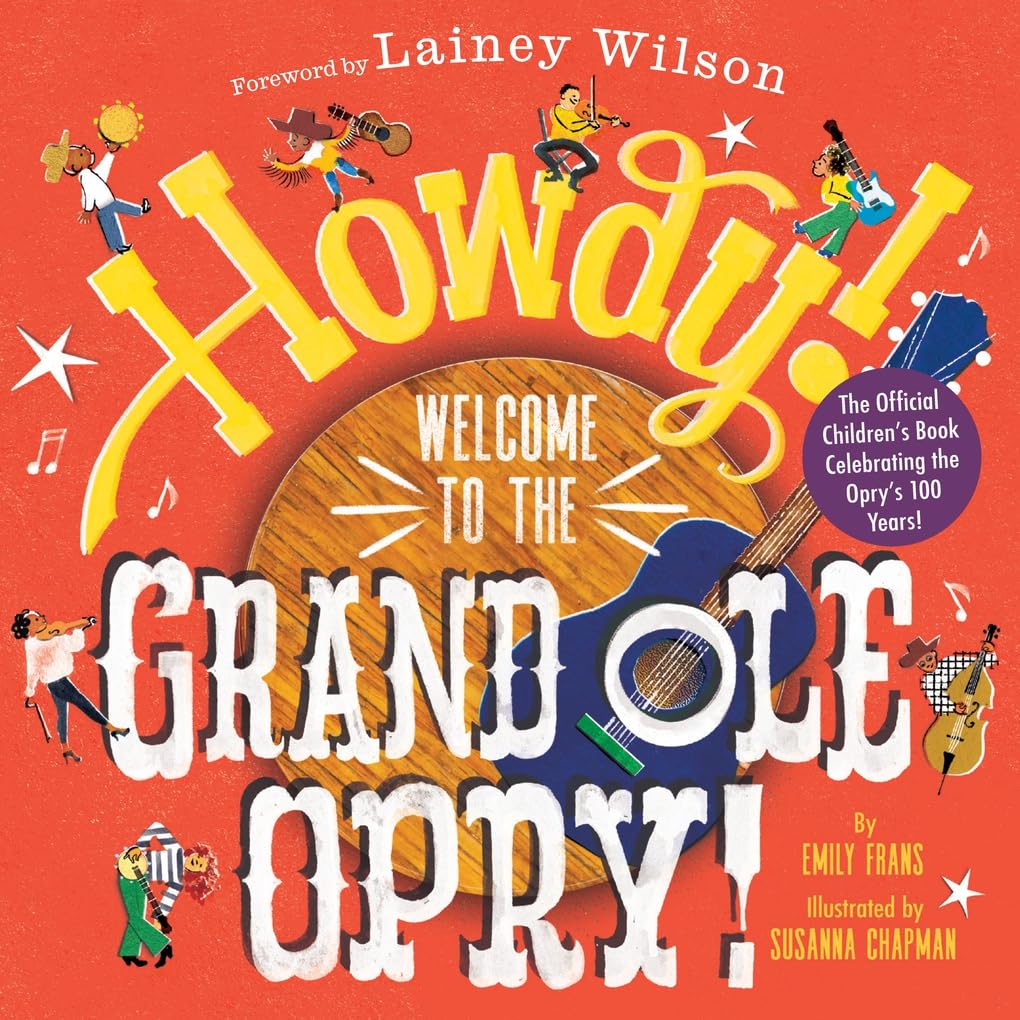
Howdy! Welcome to the Grand Ole Opry!

Written by Emily Frans | Illustrated by Susanna Chapman | Foreword by Lainey Wilson


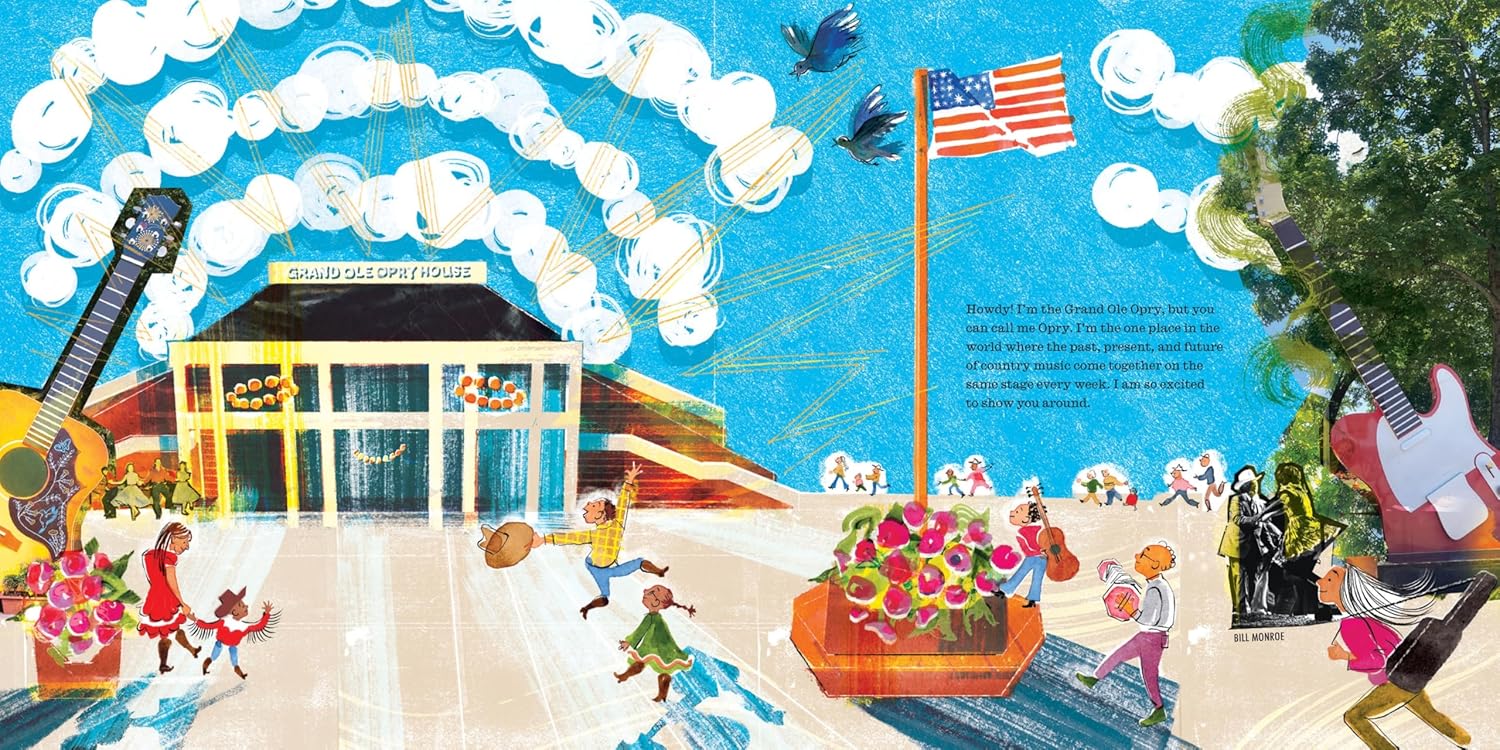
Celebrating its 100th anniversary with a buoyant “Howdy!”, the Grand Ole Opry (Opry for short) welcomes readers in for a personal tour of the beloved home of country music, where “history is made and stars are born.” Following their knowledgeable guide through the performers’ entrance, kids first check in with the security guard to get their backstage pass and dressing room number. Passes in hand, kids continue backstage, where they feel the excitement in the air and view pictures of past stars who graced the stage. “Did you know my show started way back in 1925?” The Grand Ole Opry asks.

Illustration © 2025 by Susanna Chapman. Text © 2025 by Emily Frans. Courtesy of Abrams Books for Young Readers.

While looking for their dressing room, children find themselves in the midst of today’s hottest stars all warming up or jamming together before the show. Prepped for their performance, kids stop by the Family Room to wait for their turn on stage. They’re in good company as photos of the “Opry family” surround them, and tonight’s other performers are hanging out there too. 

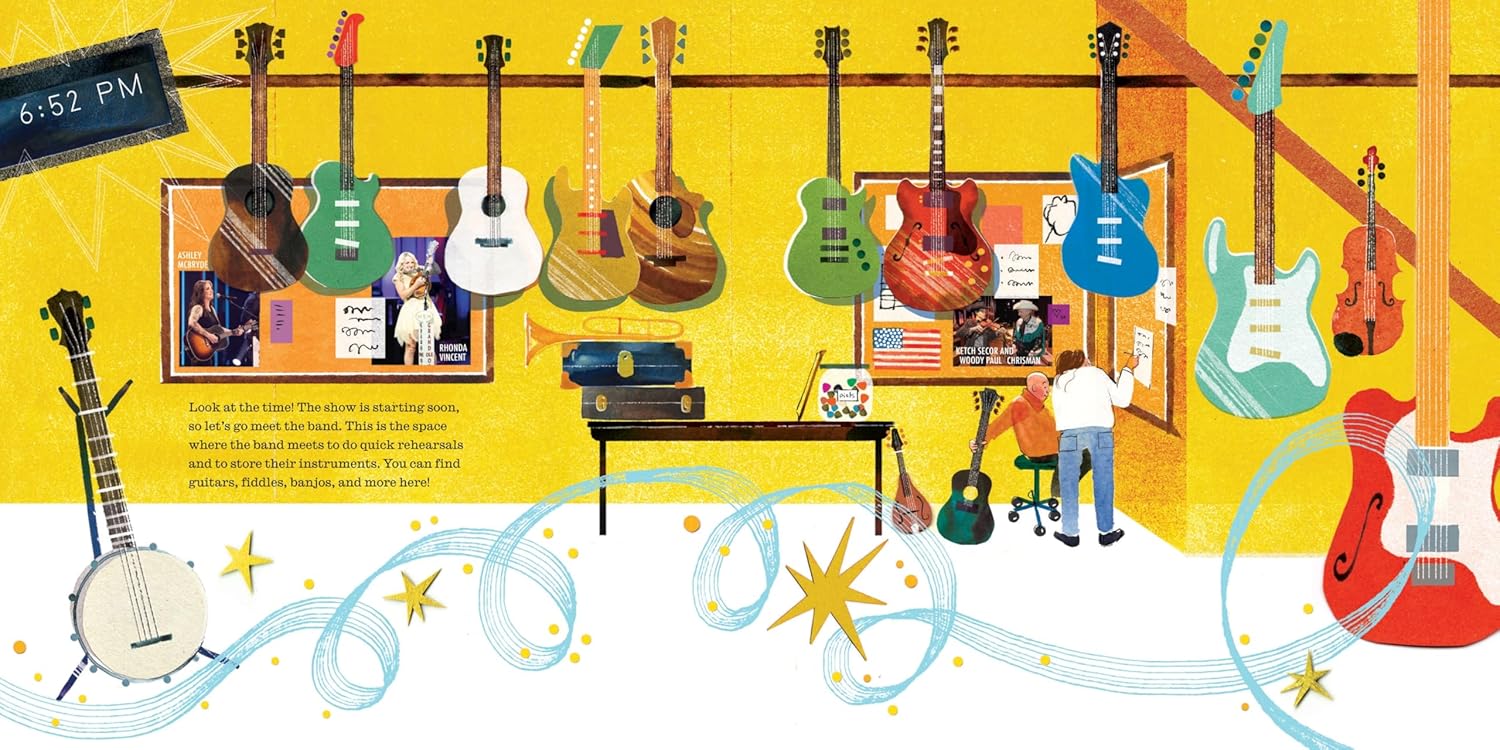
At seven minutes to showtime, kids meet the band in the rehearsal space. Five minutes to showtime, and kids are heading for the stage, where the crew is making last-minute adjustments. Nearby, “musicians and performers stand by waiting for their cue to walk on stage” while the Opry Square Dancers warm up on the sidelines.

Illustration © 2025 by Susanna Chapman. Text © 2025 by Emily Frans. Courtesy of Abrams Books for Young Readers.

Thirty seconds to showtime! Almost time for readers to stand center stage in the storied circle of wood cut from the Ryman Auditorium, country music’s original home. The countdown begins, and the Opry is there with encouragement. “10, 9, 8  . . . Take a deep breath . . . 7, 6, 5  . . . Don’t be nervous, you’ve got this! . . . 4, 3, 2, 1 . . . The curtain is coming up and the band is kicking off your song! Here we go!” 

The reader is met with thunderous applause as the drums beat and the bass thrums. Energy and love surround them! The Opry is full of congratulations—”You did it! You made your Opry debut!” And encouragement: “Wasn’t it fun imagining what it would be like to perform on country music’s most famous stage? If you work hard and dream big enough, anything is possible!” 

A brief history of the Grand Ole Opry, plus memories from Lauren Alaina, Kelsea Ballerini, Scotty McCreery, and Dolly Parton about their Opry debut follow the story.

Illustration © 2025 by Susanna Chapman. Text © 2025 by Emily Frans. Courtesy of Abrams Books for Young Readers.

The excitement inside the Grand Ole Opry is palpable in Emily Frans’ welcoming introduction to this historic venue, beloved by country music fans everywhere. Whether readers simply adore listening to country music or have the big stage in their sights, they’ll be enthralled with Frans’ personal, direct-address storytelling that makes them feel like one of the Opry family. 

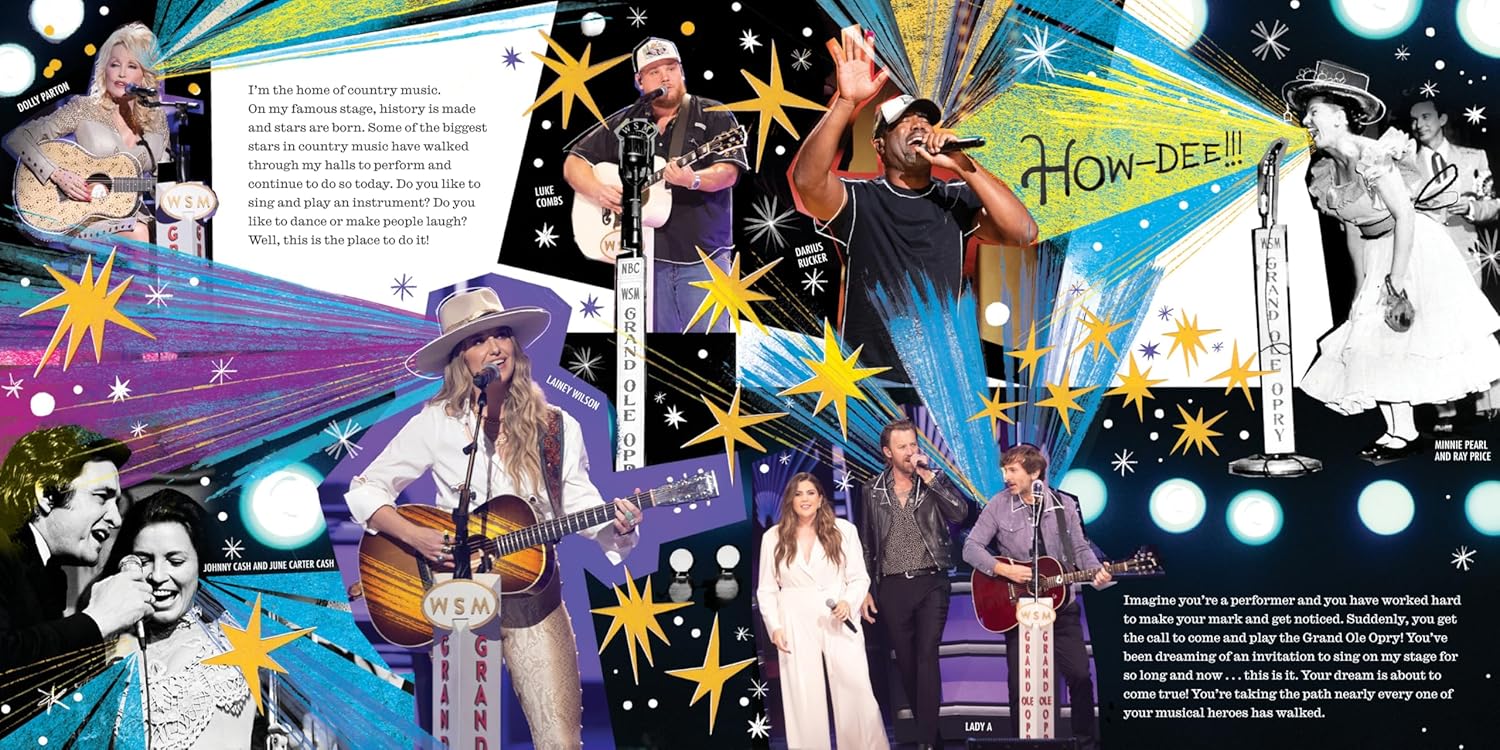
As raucous and inviting as the Grand Ole Opry itself, Susanna Chapman’s visually remarkable and whimsical collage-style illustrations are sure to have children and adults starstruck with the abundance of photographs of their favorite performers playing and singing. Fans of a certain age will be cheered to once again see Minnie Pearl with her signature “How-Dee!!!”, Johnny Cash and June Carter Cash, Roy Acuff, Charlie Pride, Little Jimmy Dickens, Patsy Cline, and Deford Bailey, among others. Reba McEntire, Vince Gill, Blake Shelton, Darius Rucker, Loretta Lynn, and others are also here, while the younger generation will be wowed by Lainey Wilson, Luke Combs, Lady A, Carrie Underwood, Scotty McCreery, Chapel Hart, Post Malone, and more. And, of course, the ageless Dolly Parton is celebrated throughout.

Inspiration and aspiration meet history and tradition in Howdy! Welcome to the Grand Ole Opry!, an extraordinary tribute to this one-of-a-kind music venue and it’s stars on its 100th anniversary. The book is a must for country music fans as well as for all library collections.

Abrams Books for Young Readers, 2025 | ISBN 978-1419774249

About the Illustrator

Susanna Chapman is an illustrator, muralist, and designer. Her illustrated picture books include Covered in Color: Christo and Jeanne-Claude’s Fabrics of FreedomElizabeth Warren’s Big, Bold PlansThe Girl Who Ran; and Ada and the Galaxies. She lives in Nashville, Tennessee. Visit her at susannachapman.com.

You can purchase Howdy! Welcome to the Grand Ole Opry! from these booksellers

Amazon | Barnes & Noble | Bookshop

Picture Book Review

September 12 – National Day of Encouragement and Interview with Caroline L. Perry


About the Holiday

Today’s holiday was conceived by the Encouragement Foundation at Harding University in Searcy, Arkansas as a day to prompt people to consciously engage in encouraging and inspiring others. On September 12, 2007 Arkansas Governor Mike Beebe signed a proclamation for a “State Day of Encouragement.” President George W. Bush later established September 12 as a National Day of Encouragement. To celebrate today, cheer on your friends, coworkers, and even those you don’t know as they go about their day, attempt to reach goals, or start new endeavors. A pat on the back, a simple “you can do it!,” or a reassuring “great job!” boosts people’s self-confidence and makes the world a happier place. 

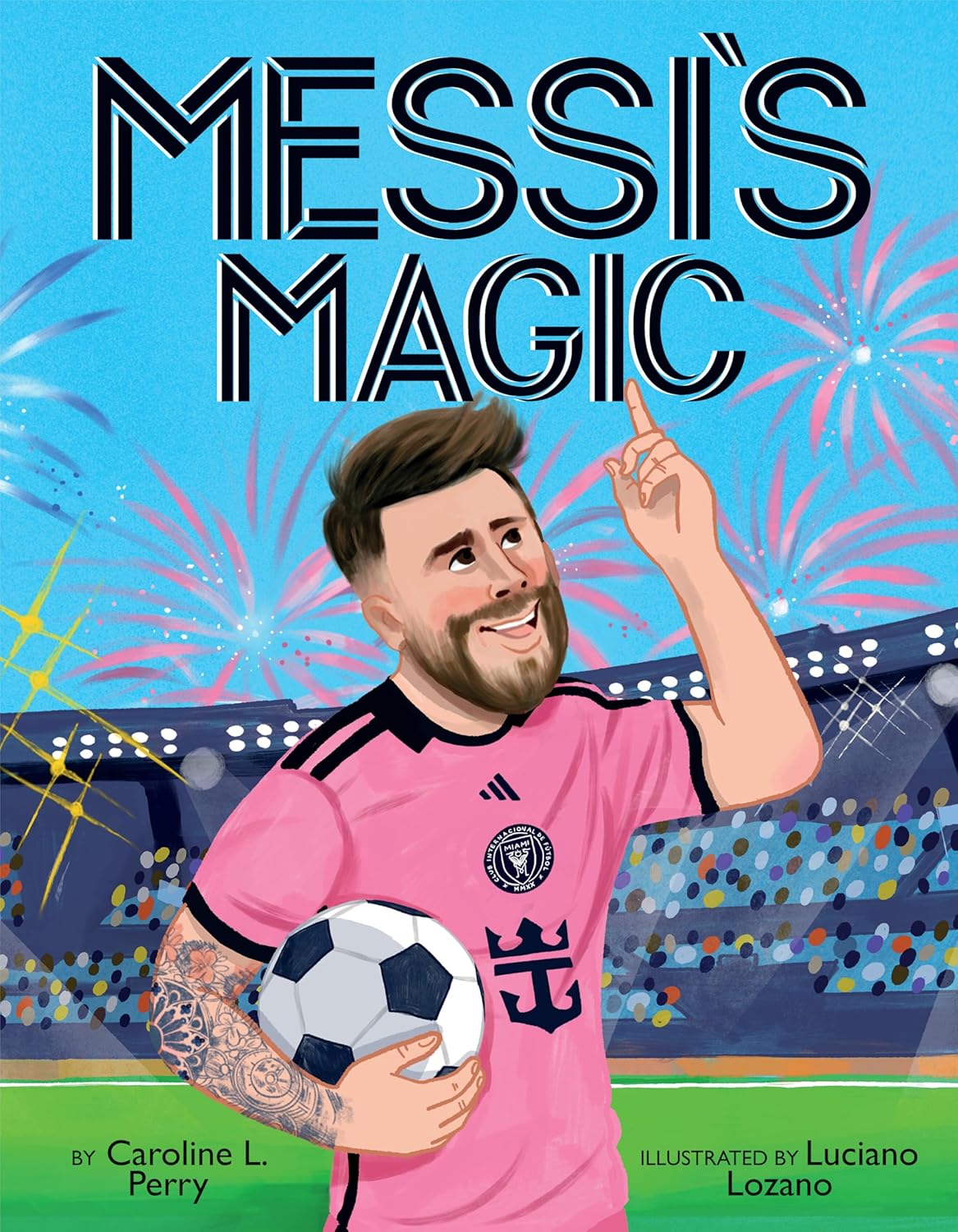
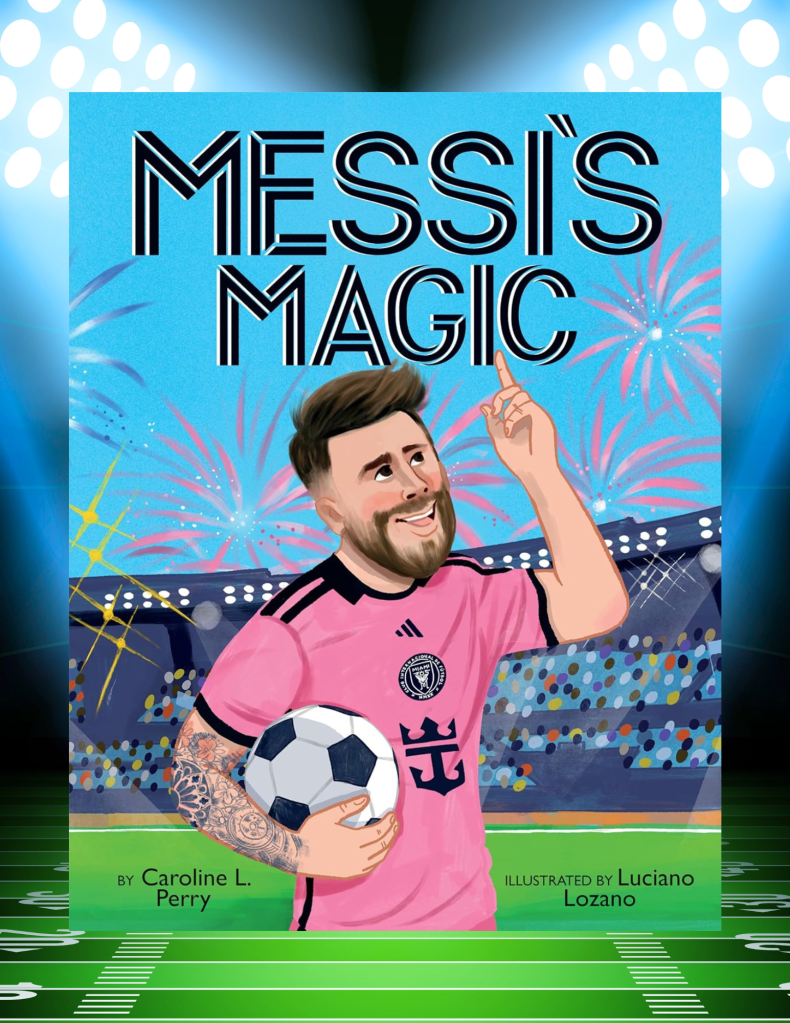
Thank you to Scholastic for sending me a copy of Messi’s Magic for review.

Messi’s Magic: How Lionel Messi Became the G.O.A.T

Written by Caroline L. Perry | Illustrated by Luciano Lozano

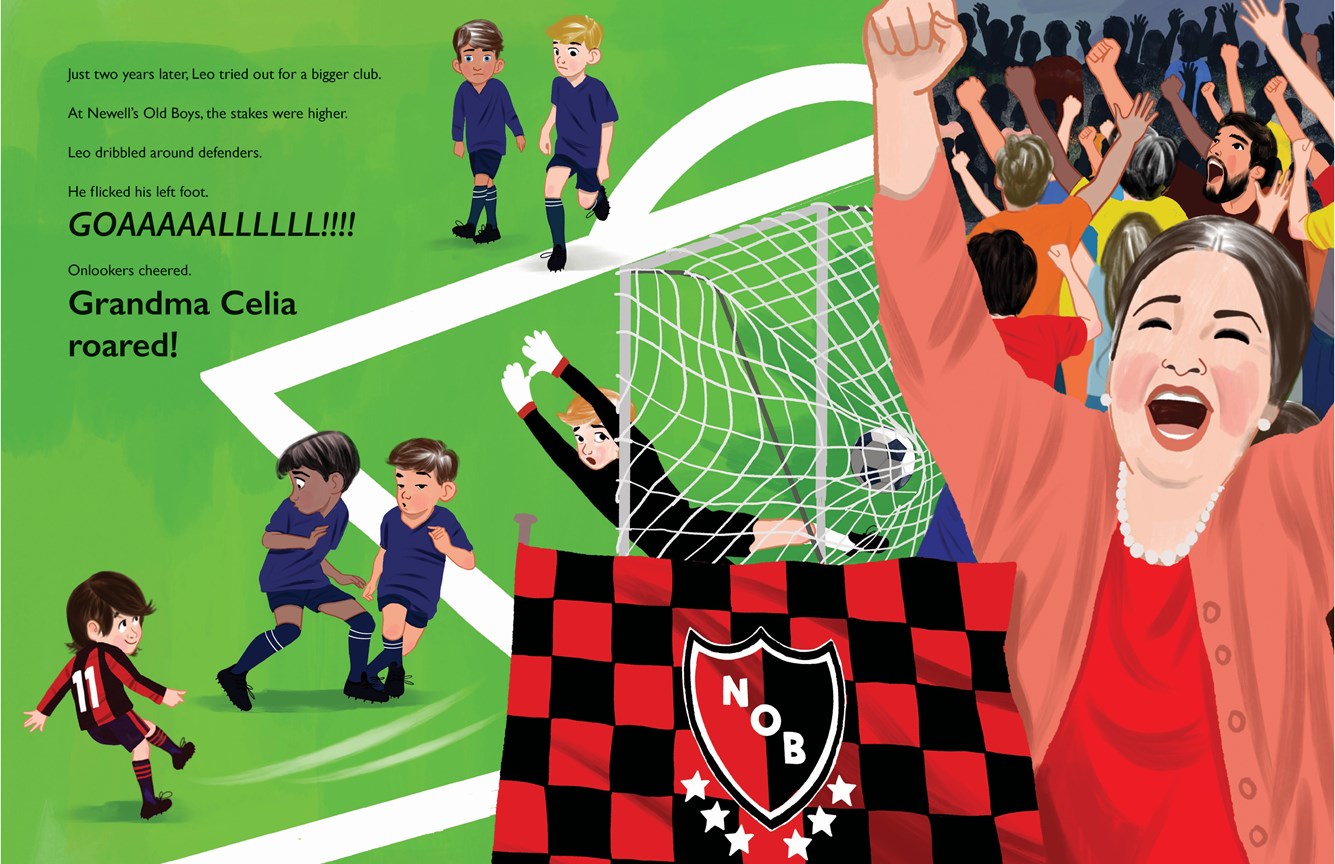
Lionel Messi was born in Rosario, Argentina, where no matter what was going on—work or play—”everything stopped for soccer.” Leo’s brothers loved to play soccer in the backyard and Leo joined in “as soon as he could stand.” With his grandma Celia’s support, he joined the neighborhood team when he was only four years old. His first time out, he scored two goals against the older players.

Illustration © 2025 by Luciano Lozano. Text © 2025 by Caroline L. Perry. Courtesy of Scholastic.

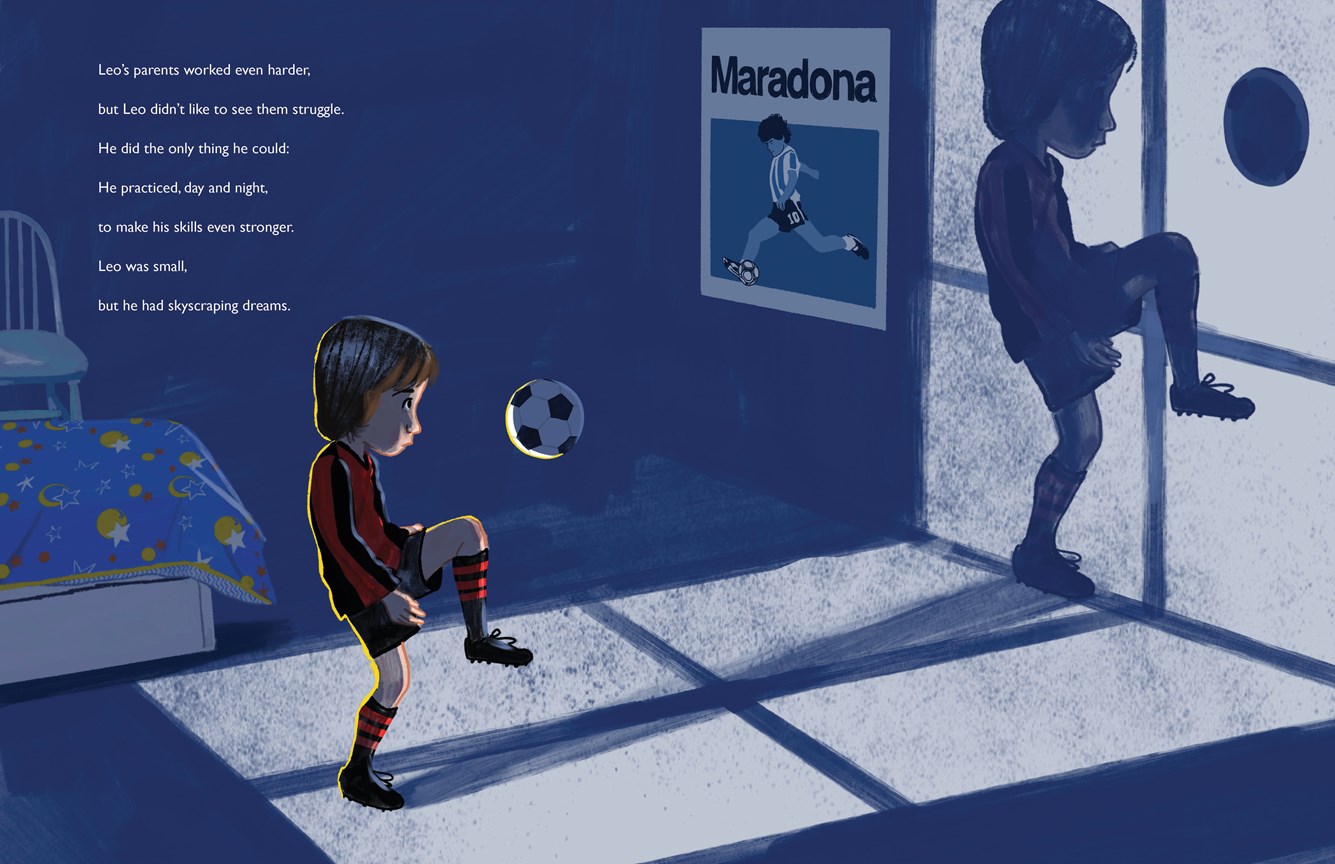
At six years old, Leo joined a bigger club. As he grew older, he became a formidable player, spurred on by natural talent and his coach’s chocolate cookies. Over six seasons his skills “became even sweeter” as he scored nearly 500 goals and became the club champion. Then he was rocked by two unexpected events. First, his beloved grandma Celia died. Second, Leo was not growing taller like his teammates. Tests showed that he had a growth hormone disorder. Treatment would be expensive—more than his family could afford. While Leo’s parents worked longer hours, he worked on his skills. His practicing paid off when, at just 13, he was “offered a trial with FC Barcelona, one of Europe’s top soccer clubs.”

Illustration © 2025 by Luciano Lozano. Text © 2025 by Caroline L. Perry. Courtesy of Scholastic.

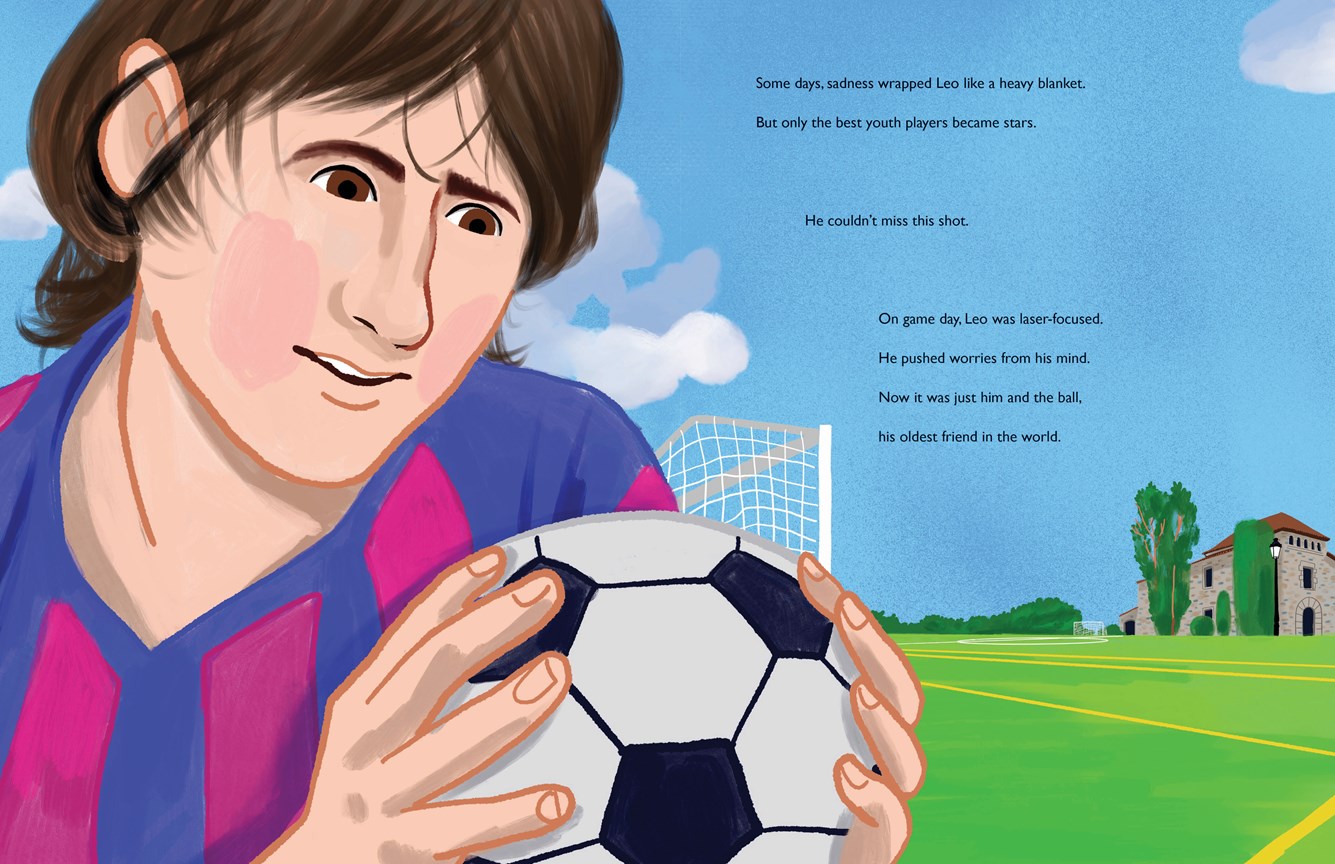
Even though he was nervous, “Leo dribbled, danced, and dazzled.” The team signed him right away and agreed to pay for his medical treatment. Far away from home, Leo struggled with his medicine and making friends. But Leo stayed focused, and when game days came he “dashed around defenders . . . set up stunning assists . . . glided past goalies” and made “GOAAAAALLLLLLLLL!!!” after “GOAAAAALLLLLLLLL!!!” At just seventeen, Leo joined FC Barcelona’s first team. 

Illustration © 2025 by Luciano Lozano. Text © 2025 by Caroline L. Perry. Courtesy of Scholastic.

Now, his goals were met with the cheers of 90,000 fans, and when the team lost, Leo simply practiced harder. Whenever he made a goal, Leo “pointed two fingers up to the sky, dedicating the goals to Grandma Celia.” Now, Leo has his own soccer-obsessed family, and in Rosario “everything still stops for soccer. Especially when Leo Messi is making magic.”

Back matter includes a timeline of Leo Messi’s life, a list of his professional awards won and records set, more facts about Leo’s life and family, an Author’s Note, and an Artist’s note. 

Illustration © 2025 by Luciano Lozano. Text © 2025 by Caroline L. Perry. Courtesy of Scholastic.

In her thrilling biography of Lionel Messi, Caroline L. Perry brings all the excitement of his phenomenal soccer skills as well as his resilience in the face of challenges to young readers. Her lyrical and descriptive storytelling hums with dynamic motion, honest emotions, and the long-held passion that kept Messi focused on his goals and his Goaaallll!s. Children—whether they play and watch soccer or engage in other activities—will find Lionel Messi’s childhood and teenage success fascinating, encouraging, and inspiring. 

Luciano Lozano takes readers from Leo Messi’s backyard soccer field to the big leagues in his vibrant and realistic illustrations that spotlight Messi’s extraordinary talent and the pleasure playing gave him while also sensitively depicting his struggles with loneliness, grief, and his health. In one evocative page spread, Leo’s small stature is contrasted with the enormity of his dreams through an image of him and his shadow. The strong family support Leo enjoyed and now shares with his own children is also highlighted in heartwarming spreads.

Ages 4 – 8

Scholastic, 2025 | ISBN 978-1546179078

About the Illustrator

Luciano Lozano is an award-winning author, illustrator, and graphic artist based in Lionel Messi’s adopted city of Barcelona, Spain. Luciano’s picture books include Boys Dance by John Robert Allman, Ciao Sandro! by Steven Varni, and his very own Diana Dances. A self-taught artist who studied creative illustration in a postgraduate course at EINA University School of Design and Art of Barcelona, he also creates editorial art for newspapers and magazines worldwide. Learn more at lucianolozano.com.

Meet Caroline L. Perry

Caroline L. Perry is the author of the acclaimed picture book The Corgi and the Queen illustrated by Lydia Corry, as well as several forthcoming books for children. A lifelong soccer fan, a youth soccer coach, and mum to three soccer-obsessed kids (who can frequently be found squabbling over goal stats), Caroline also volunteers as a public-school writing instructor. She lives in Southern California with her family. Learn more at carolinelperry.com.

Today I’m chatting with Caroline L. Perry about how her newest book Messi’s Magic: How Lionel Messi became the G.O.A.T came to be, her experiences as a children’s soccer coach, and a few of her favorite small museums.

Hi Caroline! Thanks for taking the time to talk with me today! What most inspired you to write Messi’s Magic?

Since Messi signed with Inter Miami in 2023, he’s inspired young fans in a way we haven’t seen before—I like to joke that he’s the Taylor Swift of the sports world! There are already middle-grade and fact-based books about Messi’s journey, but I wanted to create something for the youngest supporters: a beautifully illustrated tribute that captures the magic of his journey from a small, shy child to the greatest soccer player of all time.

Can you share the book’s journey with readers?

Absolutely! When I write biographies, I use a ‘full immersion’ approach: I read, watch, and absorb everything I can about my subject, always looking for the story’s heart, or its ‘north star.’  Messi’s story is incredible, he overcame loss, serious illness and immense challenges on his path to greatness, and I think that’s really what makes him such a hero. Yes, he’s an exceptional player, but there are also so many elements from his life that young readers can relate to. My editor, Tracy Mack, was the perfect partner for this book, and the Scholastic team have been wonderful to work with. I couldn’t be happier with the way Messi’s Magic turned out!

What was the most surprising thing you learned while researching this book?

There were many fascinating details, but I was most surprised to learn that Messi was a very picky eater as a child, and that his incredible goal-scoring was sometimes encouraged with cookies (as someone with a very sweet tooth myself, this resonated!) I also discovered that Messi’s famous ‘two fingers to the sky’ goal celebration is actually a tribute to his late grandmother Celia, who played a huge role in nurturing his love of the game. I thought this was really beautiful, and it also tells us a lot about Messi’s character.

On your website, you mention that you’ve had fun coaching kids’ soccer. What is it about the game of soccer that would you say makes it a good experience for kids? 

Me at the Inter-Miami vs LA Galaxy game with Leo Messi in the background.

Soccer is a wonderfully democratic sport—you don’t need anything except a ball, some determination and a willingness to learn. As a coach, it’s incredible to watch kids transform: I’ve seen really timid players become fearless defenders, and kids struggling with friendships form unbreakable bonds on the field. I’ve been lucky to witness so many moments of growth, teamwork, and pure elation after a win! Even in the sadder moments (following a loss, for example) magic happens when the team commiserates together.

Luciano Lozano’s realistic and action-packed illustrations really bring readers onto the field and into Leo Messi’s life. Did you get to see sketches along the way or how did the process go?

Yes! I was lucky to see sketches and artwork at various stages, and it was a very collaborative process. Luciano did an incredible job of capturing both Messi’s unique style of play and the electric energy of the stadium and crowd scenes.

Is there a certain spread that’s your favorite? If so, what makes it distinctive for you?

Oh, that’s tough! If I had to pick, it would be the spread showing Messi about to step onto the field at Camp Nou, FC Barcelona’s stadium, in front of 90,000 fans. The art radiates excitement and anticipation, and I love that Luciano included Messi’s contemporaries, Ronaldinho and Eto’o, as part of the scene. I hope young soccer fans will enjoy those details!

In your bio you mention that you love finding out-of-the-way museums. Which one of these museums stands out most in your memory and why?

There are a few! Pollocks Toy Museum in London is tiny, eccentric, and delightful, a real passion project filled with vintage treasures.  Over the summer, I also took my kids to the Royal Pharmaceutical Society’s museum—we were the only visitors, but it was fascinating to see how pharmacy and medicine have evolved over the years. In Stockholm, we stumbled across a small Wooden Horse Museum, and I honestly wanted to take half of the exhibits home with me!

What’s the best thing about being a children’s author?

Honestly, it’s getting to engage with young readers, who are endlessly imaginative, curious, and enthusiastic. Their energy is often contagious and always inspiring!

Since this blog highlights holidays and you’ve lived in and traveled to so many countries, could you share one of your favorite global holidays and what makes it special?

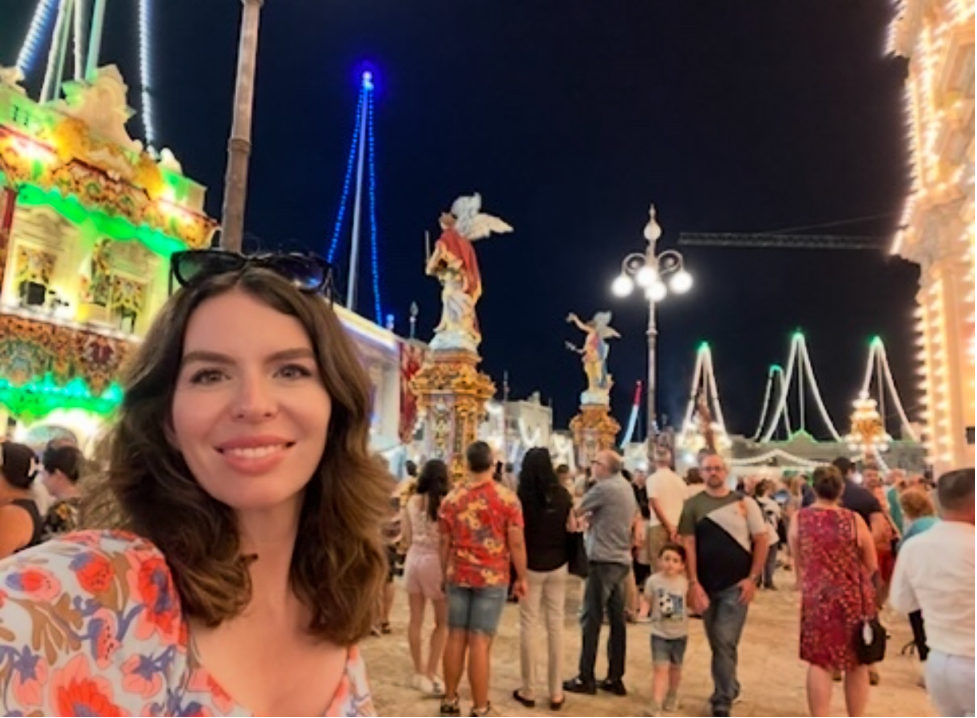
My visit to a festa in Malta.

Malta, the tiny Mediterranean island where my extended family lives, will always hold a special place in my heart. The festas there are absolutely magical—each village celebrates its patron saint with music, fireworks, and food, and the whole community comes together. Malta itself is unique, with more than 7,000 years of history, and it also happens to be the setting for my recently released book, The Memory Cake.

You must have had some amazing adventures! Would you like to share a couple of them with readers?

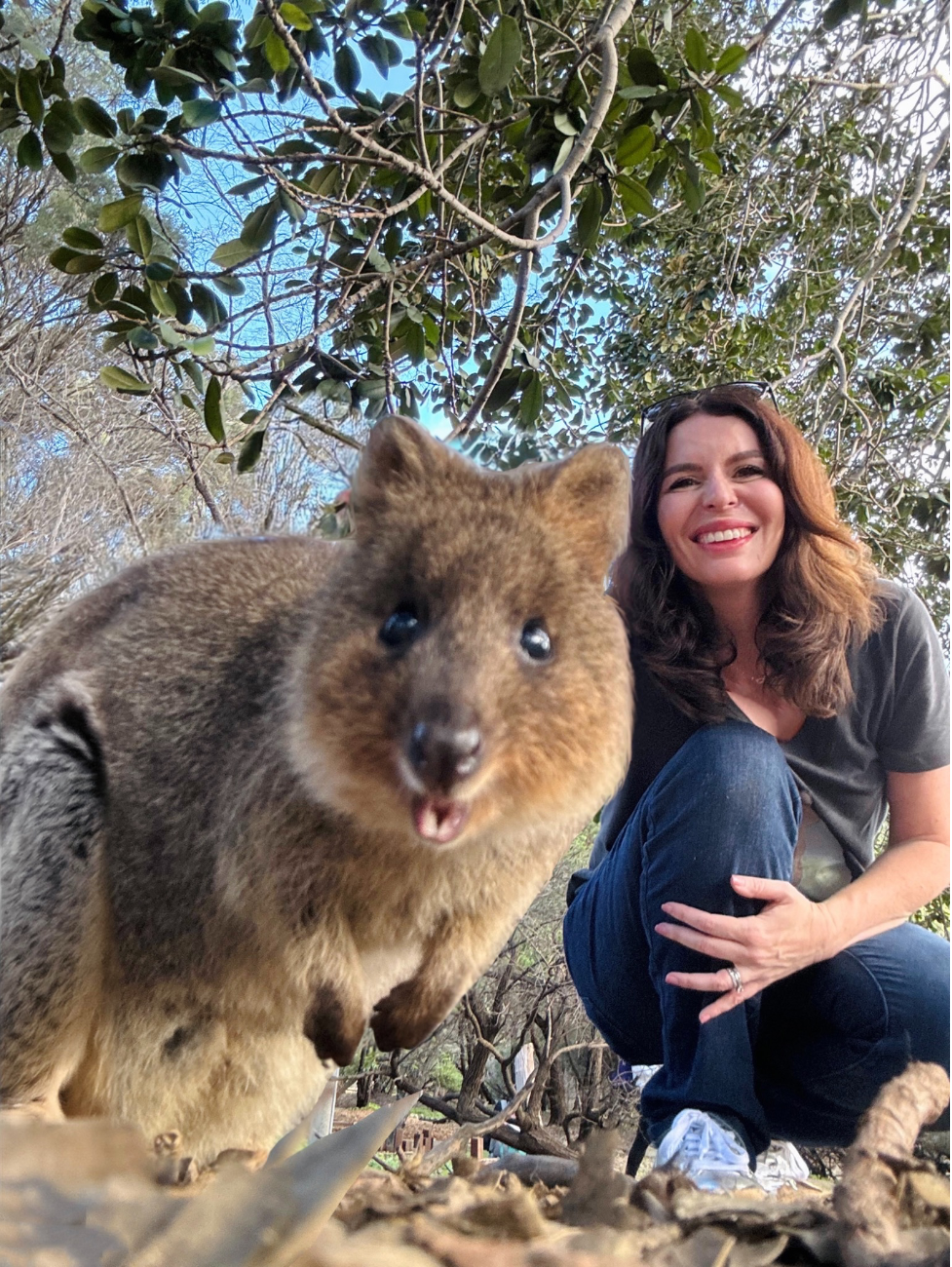
Me and a quokka on Wadjemup/Rottnest Island, Australia.

Another unforgettable experience was visiting Wadjemup/Rottnest Island in Australia, where I had the chance to meet a quokka up close. That really was a dream come true, especially since the main character of my upcoming book, I AM NOT HAPPY!, is a misunderstood marsupial.

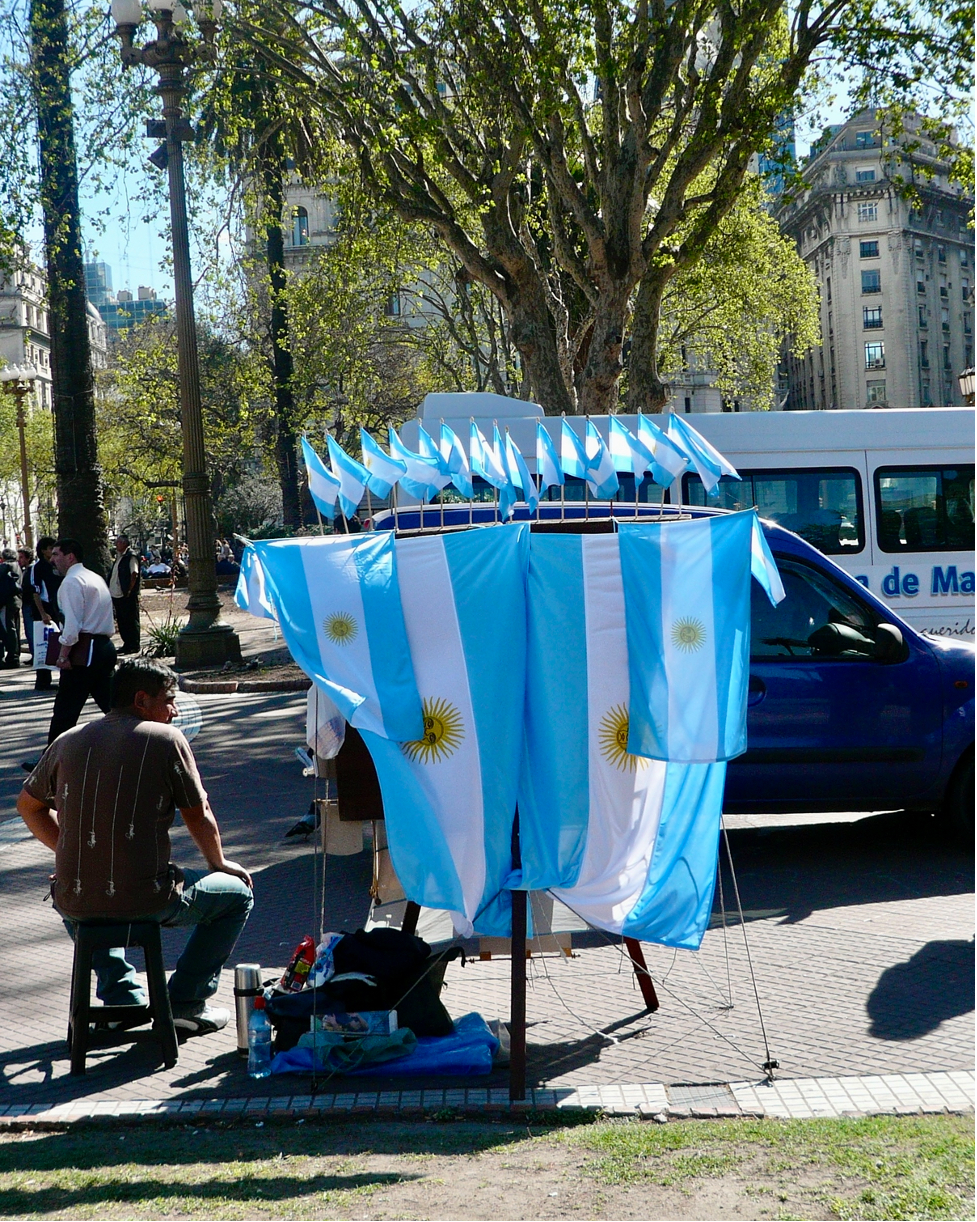
Argentinian flags in Buenos Aires

And then there’s Argentina, Messi’s homeland, where my husband and I honeymooned. I’d love to go back someday, hopefully to experience the joy of watching a fútbol match there. Each of these places has given me not only incredible memories but also inspiration for my writing.

What’s up next for you?

In October, my funny story about a mercurial quokka, I AM NOT HAPPY! (illustrated by Sydney Hanson) comes out with Simon & Schuster. I also have a humorous book scheduled for 2026, along with a few other exciting projects in the works. Plenty to look forward to!

Thank you so much, Caroline for stopping by and sharing so much about Messi’s Magic: How Lionel Messi Became the G.O.A.T.! I wish you all the best with this book! I’m sure kids are eager to read it—and your upcoming books as well!

National Day of Encouragement Activity

Be amazed by Leo Messi’s dazzling footwork in this YouTube video courtesy of Kyliann22Second!

You can purchase Messi’s Magic: How Lionel Messi Became the G.O.A.T from these booksellers

Amazon | Barnes & Noble | Bookshop (discounted books and support for your local, independent bookstore)

August 29 – Happiness Happens Month

About the Holiday

Happiness Happens Month reminds us that happiness doesn’t have to be something we plan for or spend money on. In fact paying attention to those little moments during each day, going on spontaneous outings with friends or family, or taking time to do a favorite activity may be all you need to feel happier every day! With summer coming to a close and school starting again, it’s a great time to reflect on the fun you’ve had over the past months and all the memories that are about to be made as another year of activities, education, new friendships, and excitement unfolds. Happiness really does come to you if you look for it and let it happen!

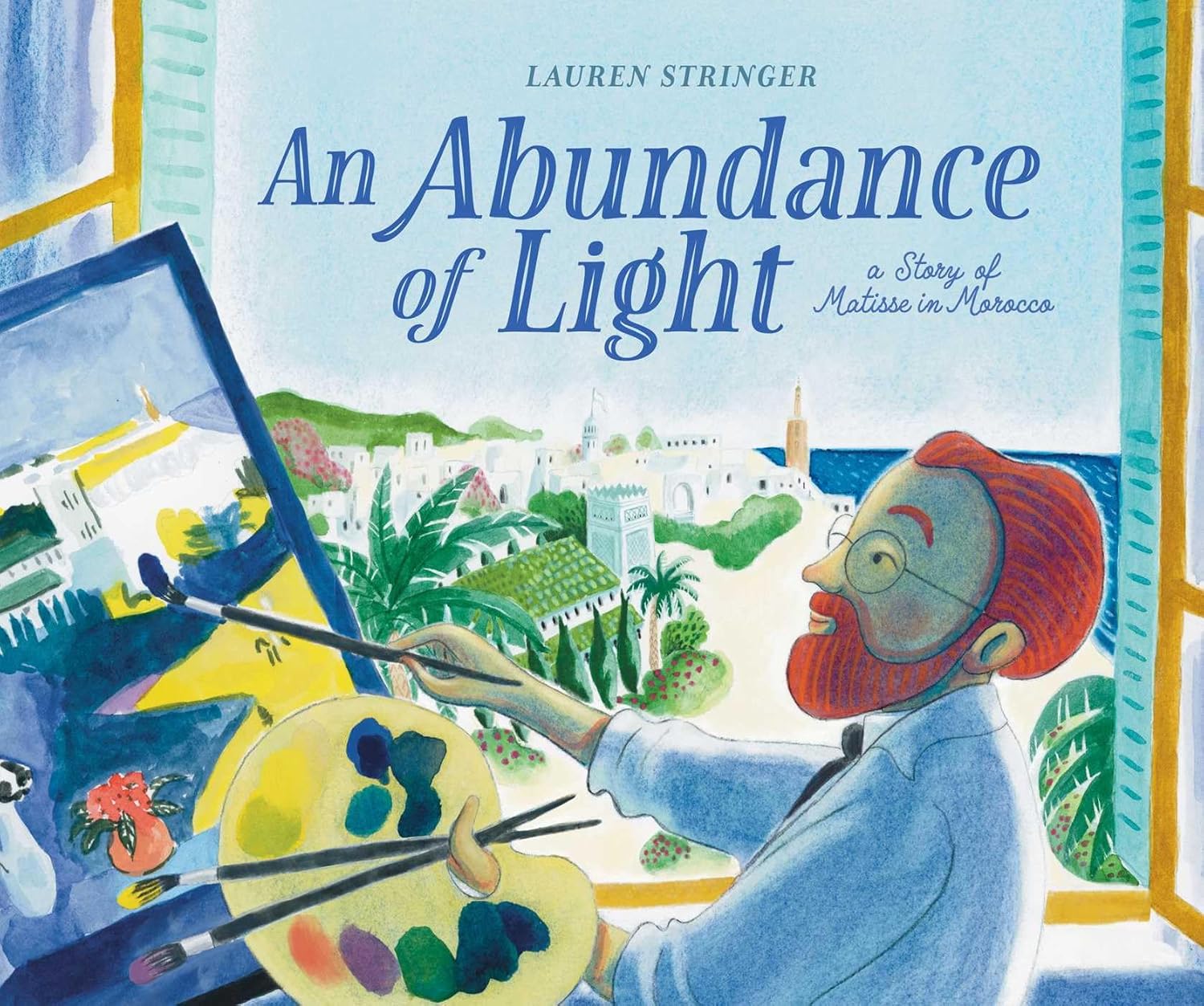
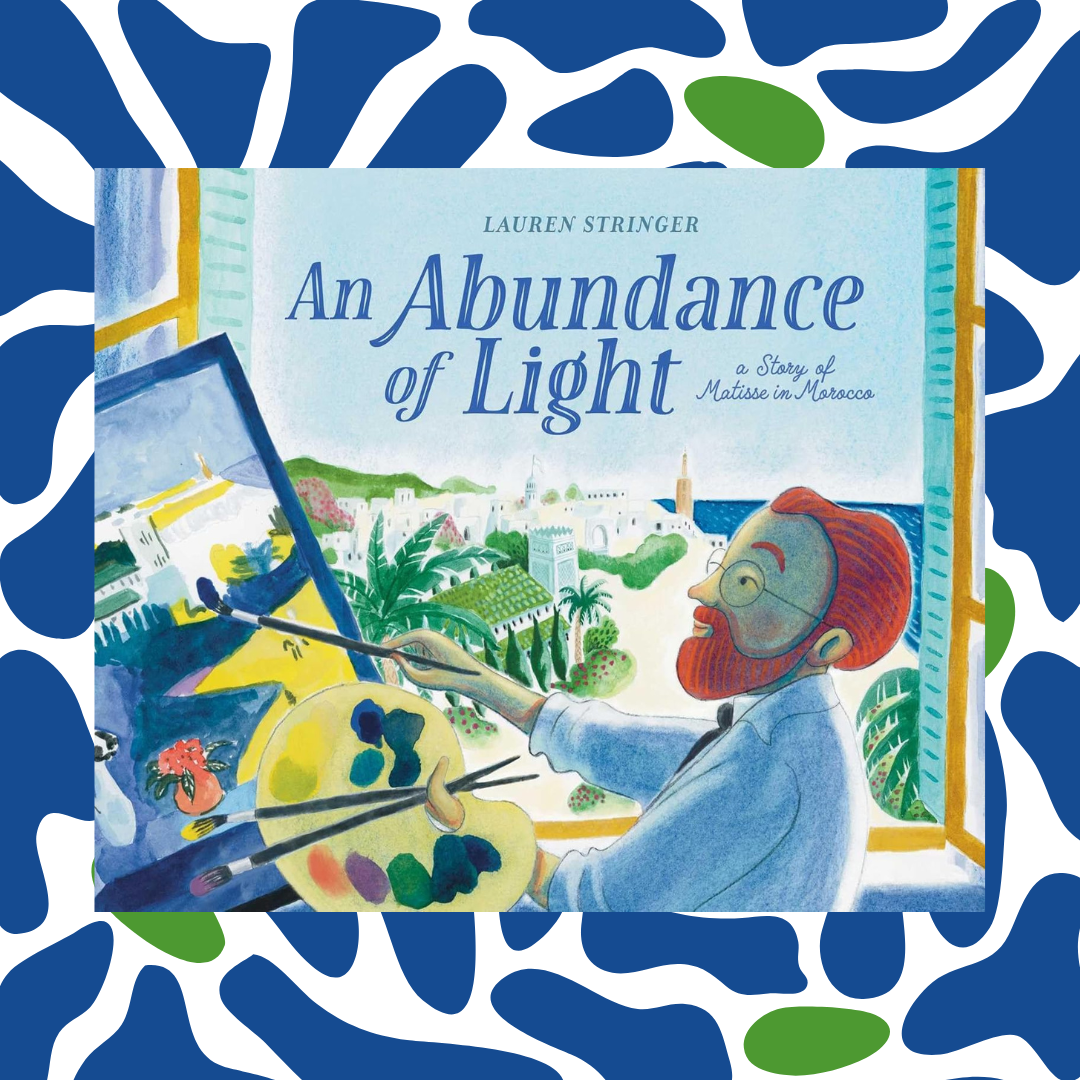
An Abundance of Light: a Story of Matisse in Morocco

By Lauren Stringer


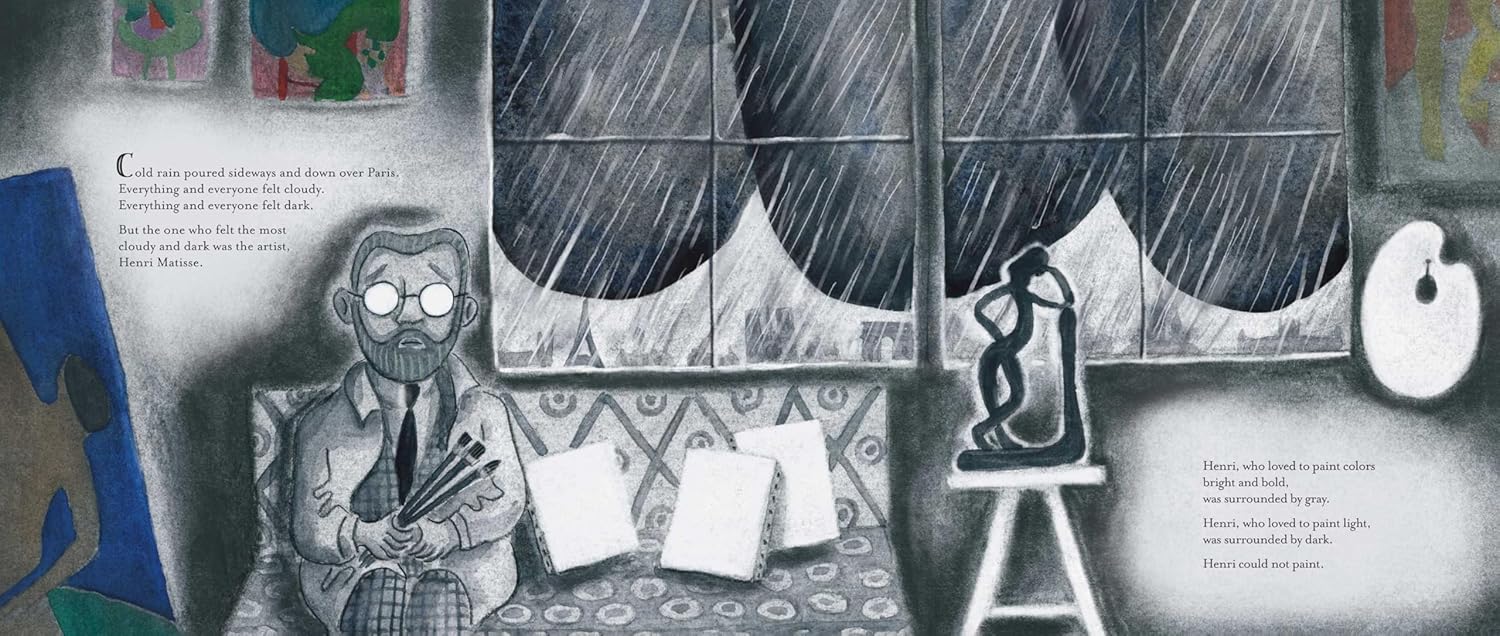
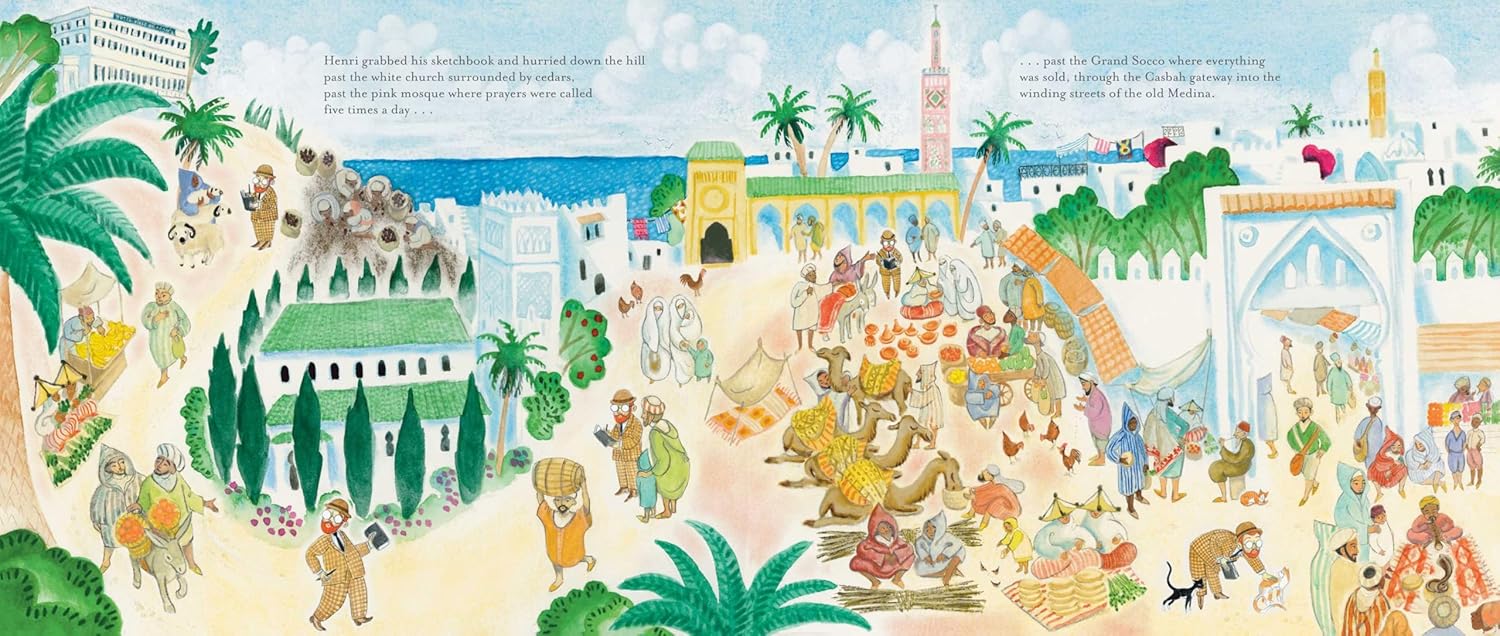
As Paris endured a cold and rainy season, Henri Matisse suffered. How could he paint light and colors when he was surrounded by gray? His friend Albert Marquet suggested he visit Tangier, Morocco, “where the Atlantic Ocean meets the Mediterranean Sea.” There, he said, “the sunlight was abundant!” Henri packed up all of his supplies and made the trip. But it seemed Henri had brought the rainy weather with him. He tried to paint colorful irises and a basket of oranges and lemons, but he still felt gloomy and trapped.

Text and illustration © 2025 by Lauren Stringer. Courtesy of Beach Lane Books.

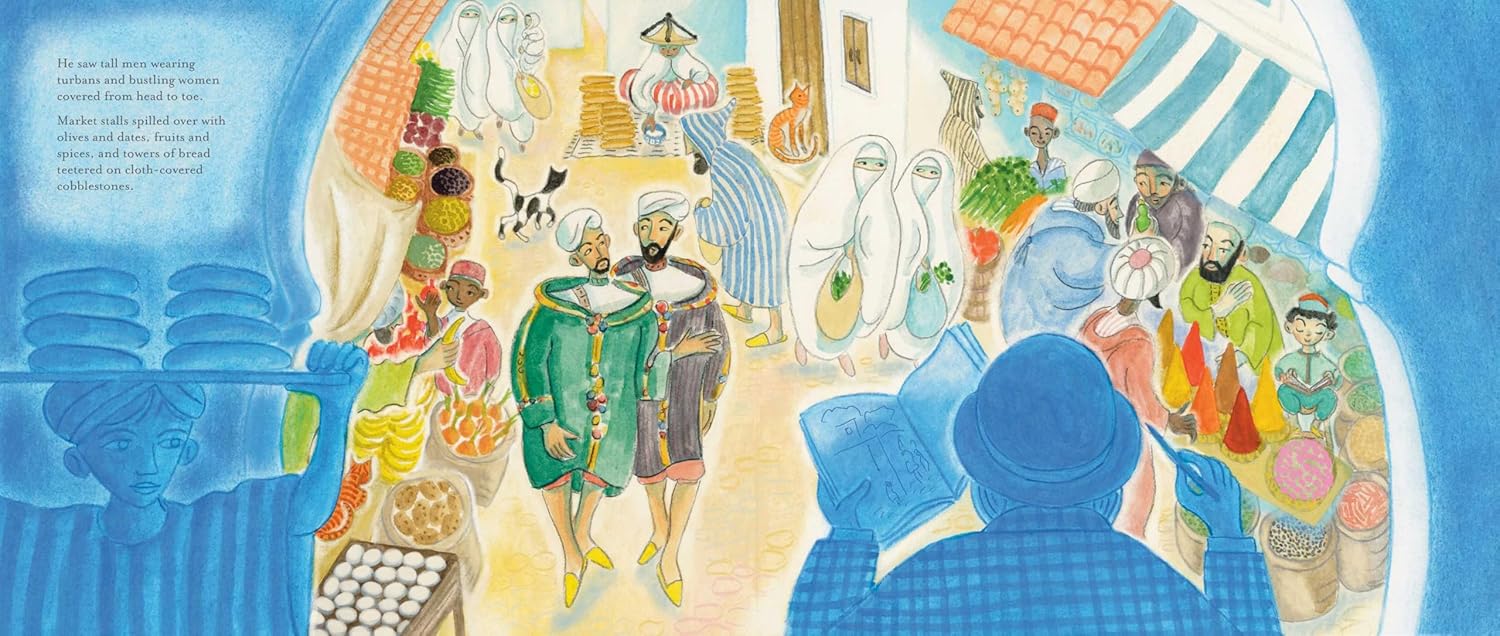
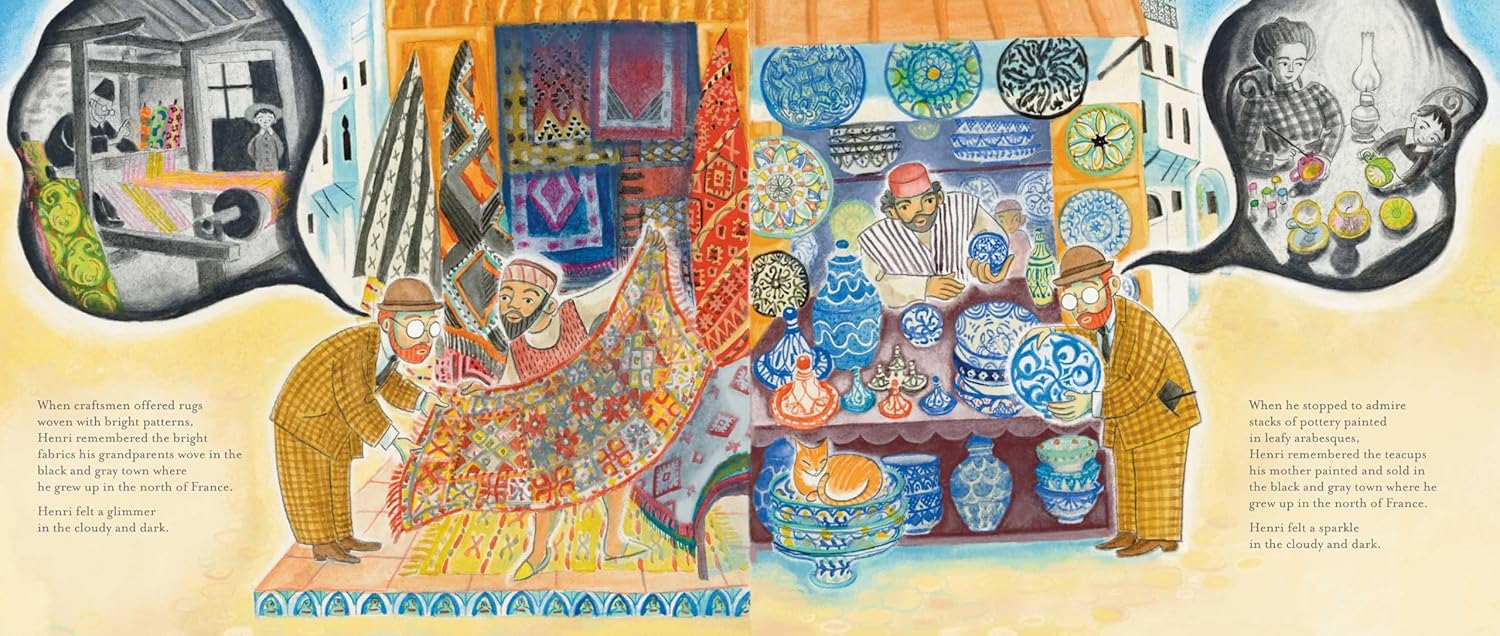
Then one night while Henri slept, the rain stopped. In the morning he woke to ” . . . an abundance of light. A luminous light. A dazzling light.” Henri took his sketchbook and hurried into town, where color shimmered from the pink mosque to the vibrant Grand Socco market to the Casbah gateway to old Medina. Everywhere he looked he saw the vividness of life. Brightly patterned rugs and painted pottery reminded him of the art his grandparents and mother created in their drab town. “Henri felt a glimmer in the cloudy and dark.”

Text and illustration © 2025 by Lauren Stringer. Courtesy of Beach Lane Books.

Henri found a large garden to paint in and began painting the lavender branches, green acanthus, blue periwinkles and “pink-tomato sky” he saw. Despite his “bright and bold” colors, he still felt something cloudy and dark. Then one day, following the music of fiddles, flutes, and drums that filled the air. Henri found a cafe, “where men in long robes gazed at goldfish in round bowls.” Henri was mesmerized by the reds and golds of the fish as well.

Text and illustration © 2025 by Lauren Stringer. Courtesy of Beach Lane Books.

When Henri left the cafe, “he saw an abundance of shadows.” In fact, the dark shadows accentuated the light. Finally, he understood that light and color and dark could work together. In his new paintings he surrounded his colorful subjects with colorful shadows. He interpreted light itself into brilliant color. And in a painting completed from his hotel window, Henri painted shadows of such a dark blue that he realized “he could paint light and color, even in the dark.” At home when Henri displayed his paintings in a gallery in Paris, they were a sensation. Now, whenever the skies turned gloomy and rainy, Henri remembered the abundance of light in Morocco and painted.

Back matter includes a short biography about Henri Matisse’s childhood, a discussion of Matisse and his time in Tangier, and a note from the Lauren Stringer about her trip to Tangier that inspired her story. She also includes an illustrated glossary of terms found in the book.

Text and illustration © 2025 by Lauren Stringer. Courtesy of Beach Lane Books.

Celebrated author, picture book illustrator, and painter Lauren Stringer immerses young children in a particular time in Henri Matisse’s life and reveals how he overcame obstacles to create some of this best-known paintings. His struggles and search for enlightenment are simply and honestly portrayed, lending to his eureka moment deep joy and surprise. The enthusiastic reception for these paintings, Matisse’s newly discovered ability to find light and color even during dark days, and the lessons his artistic parents demonstrated are all reminders that light shines from within.

Stringer’s striking pastel, charcoal, gouache, and digital media illustrations entice readers to join Henri Matisse on his journeys both internal and artistic. Her realistic depictions of Matisse’s circle of famous friends, and the sights of Tangier will entice readers to learn more. As Henri breaks out of his artist’s block, Stringer portrays him with a sprightliness of step, a perceptive eye, and a deft touch with the brush. Readers will be especially fascinated by the side-by-side models and paintings that reveal how Matisse transposed reality to canvas.

An Abundance of Light is a must addition to school and public libraries collections and is highly recommended for art-loving and artistic children. The book would also make an impactful resource for art classrooms and creative projects.

Ages 4 – 8 

Beach Lane Books, 2025 | ISBN 978-1534493629 

About the Author/Illustrator

Lauren Stringer has illustrated many celebrated picture books, including Deer Dancer by Mary Lyn Ray; The Princess and Her Panther by Wendy Orr; Scarecrow and Snow, both written by Cynthia Rylant; as well as her own Winter Is the Warmest Season, When Stravinsky Met NijinskyThe Dark Was Done, and An Abundance of Light. She lives with her family in Minneapolis, Minnesota. Visit her at LaurenStringer.com.

Happiness Happens Month Activity

CPB - Happiness typography

Happiness Is… Game


Happiness is all around you! Grab one or more friends to play a game that reveals what things make you happy. 

  1. Like the “Geography” game: the first player names something that makes them happy, the next player must think of something that starts with the last letter of the word the previous player said. The game continues with each player continuing the pattern. Players drop out as they cannot think of a word. The last player left is the winner.

You can purchase An Abundance of Light from these booksellers

Amazon | Barnes & Noble | Bookshop (discounted books and support for your local independent bookstore)

Picture Book Review
November 8 – National STEM/STEAM Day

celebrate-picture-books-picture-book-review-santiago-saw-things-differently-cover

About the Holiday

November 8th is National STEM/STEAM Day. This holiday was founded in 2015, and the date was partially chosen for its secret play on words: “NOV 8” can be read as (in)novate! On this day, we highlight the importance of science, technology, engineering, art, and math in education and society at large. This holiday is also meant to uplift voices and perspectives that are often given less representation in STEAM careers and fields of study.

On this National STEM/STEAM Day we review a biography of Santiago Ramón y Cajal, Father of Neuroscience. Despite many people discouraging him along his journey Ramón y Cajal found ways to merge his love for art and observation with his scientific background to create new and important discoveries. 

Reviewed by Dorothy Levine

Santiago Saw Things Differently: Santiago Ramón y Cajal, Artist, Doctor, Father of Neuroscience

Written by Christine Iverson | Illustrated by Luciano Lozano


Santiago always had a passion for creating and exploring. As a child in Spain, he spent time creating music and inventing toys with any scraps he could find, drawing elaborate charcoal scenes across neighbors’ walls and racing around his grandfather’s loom shop. There, as “he twirled and tangled woolen thread…. Dust sparked and soared in a kaleidoscope of motion.” Unfortunately, not everybody understood the magic of his creations. Neighbors, and particularly Santiago’s father, believed Santiago’s public displays of art were more bothersome than intriguing. 

celebrate-picture-books-picture-book-review-santiago-saw-things-differently-drawing-on-wall

Image copyright Luciano Lozano, 2024, text copyright Christine Iverson, 2024. Courtesy of MIT Kids Press.

As Santiago’s father ushered him through many different schools, aiming to leave room for no “distractions” from study, Santiago held on to his artistic practice and passion for exploring the natural world in secret. When once admonished for drawing on the margins of his paper, Santiago was forced to spend time in his school’s dark basement. But, in a stroke of luck, “The room was lit by a wisp of light leaking through an old shutter—just enough for drawing.” Another time, stuck in a classroom with no paper, Santiago used his pencil to unlock the door. 

As he grew up, Santiago developed a specific fascination for the human body. At medical school, Santiago observed the way blood vessels in our bodies mirror the canals of the Ebro River near his university. “He saw the human body as a work of art,” a work that replicates in nature and is connected more broadly to the world at large.

celebrate-picture-books-picture-book-review-santiago-saw-things-differently-graveyard

Image copyright Luciano Lozano, 2024, text copyright Christine Iverson, 2024. Courtesy of MIT Kids Press.

Years later, when scientists were focused on working out how the tiny connectors (or nerve fibers) in our brains worked, Santiago was able to use his microscope and drawing skills to sort out that the fibers spread in a similar fashion to the young trees he had spent so much of his time drawing and observing. With the help of ink stains, study, and lots of drawings of his observations, Santiago drew new conclusions about neurons and cells that helped scientists across the globe to understand the human brain better. 

All because “Santiago saw things differently” he was able to unlock new ways of understanding the brain, gaining him a Nobel prize and the eventual title of the Father of Neuroscience. 

celebrate-picture-books-picture-book-review-santiago-saw-things-differently-microscope-view

Image copyright Luciano Lozano, 2024, text copyright Christine Iverson, 2024. Courtesy of MIT Kids Press.

Iverson writes a detailed lyrical account of the life of Santiago Ramón y Cajal that is accessible for a wide range of readers. For interested older audiences, the book includes extensive back matter on the Anatomy of a Neuron, more biographical information on Santiago Ramón y Cajal and an explanation of the science behind one scene in the story. 

Interwoven with quotes and images from Ramón y Cajal’s original works are Lozano’s masterful swirling illustrations of Santiago and his environment as they both grow and change. Throughout the story, Lozano inserts details for readers to observe and make their own discoveries, such as the dog who follows Santiago throughout his childhood. Lozano illustrates the story mainly in blushing pinks, sky blues and light-yellow browns with accented vibrant greens and darker colors signifying location changes and key turning points in the story. There is a subtle humor helping to lighten the darker parts of Santiago’s life. The tale closes with the image of Santiago face-to-face with a cartoon-like human skeleton (filled with neurons) smiling back at him.

Santiago Sees Things Differently is a celebratory account of innovation, perseverance and appreciation for the often-interdisciplinary nature of outside-of-the-box thinkers. The title page opens with a poignant quote from Santiago Ramón y Cajal himself, encouraging “young investigators” to keep exploring the vast unknown of the natural world and to remember that what is left undiscovered is always larger than what has been already found. Santiago Sees Things Differently provides readers with the empowering knowledge that new perspectives are necessary for new discovery. And that while difference is often looked down upon, it is, often, in fact a superpower. 

(This book is available in both Spanish and English versions)

Ages 5 – 9

MIT Kids Press, 2024 | ISBN 978-1536238334

About the Author

Christine Iverson is a physical therapist with a strong interest in neural pathways. She holds a BS in history from the United States Military Academy at West Point, a doctoral degree in physical therapy from Baylor University, and an M.Ed. with a focus in children’s literature from Pennsylvania State University. She lives in Alexandria, Virginia. Visit her at christineiversonwrites. com.

About the Illustrator

Luciano Lozano is a Spanish author, illustrator, and graphic artist. He is the creator of several picture books, including Mayhem at the Museum: A Book in Pictures, and the illustrator of many others, including I (Don’t) Like Snakes by Nicola Davies. He lives in Spain. Visit him at lucianolozano.com.

STEM/STEAM Day Activities

celebrate-picture-books-brain-coloring-page


Neuroscience Coloring Pages

Follow Santiago’s footsteps by coloring pictures of different parts of the brain and scientific tools used in the story with these coloring pages from the University of Washington. You’ll also find brain games, plus loads of printable puzzles, worksheets, bookmarks, and even treasure hunts here too! (Coloring pages available in English and Spanish!)


Build a Hands-on Model of a Neuron

Have fun and learn about neurons by making a model! You can use almost any kind of material you like—clay, perler beads, bread dough, or even candy—to make it. So put on your thinking cap and get creative! You’ll find lots of ideas on this page from The University of Washington’s Neuroscience for Kids Page.

celebrate-picture-books-picture-book-review-santiago-saw-things-differently-cover

You can purchase Santiago Saw Things Differently at these booksellers

Amazon | Barnes & Noble | Bookshop (to support your local independent bookstore)

November 1 – National Author’s Day

celebrate-picture-books-picture-book-review-as-edward-imagined-cover

About the Holiday

Today’s holiday was instituted in 1928 by Nellie Verne Burt McPherson, president of the Bement, Illinois Women’s Club. An avid reader, she established Author’s Day to thank writer Irving Bacheller—author of 31 novels and founder of the first modern newspaper syndicate—who sent her an autographed story in response to her fan letter. The day was officially recognized in 1949 by the United States Department of Commerce. McPherson’s granddaughter, Sue Cole, promoted the holiday after Nellie’s death in 1968. To celebrate, people are encouraged to write a note of appreciation to their favorite author.

Thank you to Knopf Books for Young Readers and Barbara Fisch of Blue Slip Press for sharing a copy of As Edward Imagined with me for review consideration. All opinions on the book are my own.

As Edward Imagined: A Story of Edward Gorey in Three Acts

Written by Matthew Burgess | Illustrated by Marc Majewski


Edward Gorey’s artistic life began early—very early—and built on itself, bit-by-bit, experience-by-experience just like a play, and so it is fitting that Matthew Burgess’s biography is divided into three acts. In Act One readers meet Edward Gorey as a precocious preschooler, creating his first drawing at a year and a half and learning to read at three and a half.

As a voracious reader, he devoured books from his father’s library, including Dracula before he was six. It didn’t take long before he was writing and illustrating his own stories. One was “titled ‘Hand of Doom,’ in which a skeleton’s fingers crept from page to page.” But Edward didn’t consign his “delightfully peculiar” personality to the page, “he [dared] to live the life he imagined.”

celebrate-picture-books-picture-book-review-as-edward-imagined-fathers-library

Image copyright Marc Majewski, 2024, text copyright Matthew Burgess, 2024. Courtesy of Knopf Books for Young Readers.

In Act Two, Edward has graduated from college and is living in New York, where he took the subway to attend nearly every performance of the New York City Ballet, dressed in his singular look: a fur coat, tennis shoes, and “plenty of clinking rings.” While working as a book illustrator, he also wrote, illustrated, and published his own stories, and little by little people began to take notice of “his stylish drawings, his outlandish poetry, and his deliciously sinister sense of humor.”

This popularity earned him an invitation to design the costumes and sets for a Broadway production of that classic he had read long ago—Dracula. The play was a smash, and Edward was nominated for Tony awards. Eschewing the limelight, however, Edward watched the ceremony and his own win from the comfort of his home and surrounded by his six beloved cats.

celebrate-picture-books-picture-book-review-as-edward-imagined-city

Image copyright Marc Majewski, 2024, text copyright Matthew Burgess, 2024. Courtesy of Knopf Books for Young Readers.

His success on Broadway brings readers to Act Three, and his purchase of an old captain’s house on Cape Cod, Massachusetts, drew, wrote, and collected. “Teddy bears, sea stones, skeletons of all sizes and shapes, and books by the thousands” became his companions and his inspirations. He also worked with local actors to bring his original plays to theaters. Here, Edward was happy living “his life precisely as he wished.” For readers today, he lives on in his one-of-a-kind characters and inimitable stories. 

Back matter includes an Author’s Note, a Bibliography, a photograph of Edward Gorey and one of his cats, and a Chronology of his life that fleshes out experiences from his childhood, during which he once owned a baby alligator, to his higher education and military service to his publishing career and animations for PBS’s Mystery! series to his time living on Cape Cod.

celebrate-picture-books-picture-book-review-as-edward-imagined-mr-earbrass

Image copyright Marc Majewski, 2024, text copyright Matthew Burgess, 2024. Courtesy of Knopf Books for Young Readers.

Matthew Burgess’s charming storytelling highlights the quirky ingenuity of Edward Gorey’s stories, plays, and illustrations. Cleverly divided into three acts, his biography emphasizes how Edward remained true to himself throughout his life, finding jobs that complimented his skills and pastimes that fed his imagination. Inspirational and celebrating the individual, Burgess’s breezy and uplifting text will engage children and encourage them to listen to and stay true to their own unique voice.

Marc Majewski’s enchanting and atmospheric illustrations will captivate readers with their combination of realism and whimsy that give them a tour through Edward Gorey’s childhood home, New York City haunts, Dracula sets, and Cape Cod comfort. Kids and adults alike will enjoy dawdling over each page to discover the themes of and influences on Edward’s life as well as his eccentric decor and characters and, of course, to point out all the cats.

A fabulous introduction to a truly unique talent and individual, As Edward Imagined: A Story of Edward Gorey in Three Acts will not only fascinate kids but also spark their creativity and an appreciation for the happiness that comes from following their own path. The book would be an often-asked-for favorite on home bookshelves and for public libraries and offers many applications for school libraries and creative arts programs. Pair with readings of Edward Gorey’s books to acquaint young readers with his endearing characters.

Ages 4 – 8

Knopf Books for Young Readers, 2024 | ISBN 978-1984893802

About the Author

Matthew Burgess is the author of Enormous Smallness: A Story of E. E. Cummings, and The Unbudgeable Curmudgeon. He has been a poet-in-residence in New York City elementary schools through the Teachers & Writers Collaborative since 2001. His work has appeared in various magazines and journals, and he recently received an award from the Fund for Poetry. He teaches creative writing and composition at Brooklyn College and lives in Brooklyn, New York. Visit Matthew at matthewjohnburgess.com.

About the Illustrator

Marc Majewski is a French author-illustrator based in Berlin. After obtaining a degree in literature and arts, he studied illustration and painting for two years. His picture books include, Does Earth Feel?, and Butterfly Child. Visit Marc at marc-majewski.com.

National Author’s Day Activity

celebrate-picture-books-picture-book-review-the-doubtful-guest-cover

Watch The Doubtful Guest by Edward Gorey

To celebrate today’s holiday listen to this reading of Edward Gorey’s The Doubtful Guest, a short, eccentric and slightly eerie tale of an uninvited guest. Then check out your local library for more books by Edward Gorey. 

celebrate-picture-books-picture-book-review-as-edward-imagined-cover

You can purchase As Edward Imagined: A Story of Edward Gorey in Three Acts at these booksellers

Amazon | Barnes & Noble | Bookshop (to support your local independent bookstore)

Picture Book Review
May 18 – It’s National Family Month

celebrate-picture-books-picture-book-review-Arletis-Abuelo-and-the-Message-in-a-Bottle-cover

About the Holiday

Established by KidsPeace, a private, not-for-profit organization dedicated to helping children and families since 1882, National Family Month is observed during the five-week period between Mother’s Day in May and Father’s Day in June. It coincides with the usual end of the school year, and raises awareness of the important role mothers and fathers as well as grandparents and extended family play as a support system for their children. To observe the holiday spend time talking with your kids about topics of importance to them and plan activities for fun and to help them achieve their goals.  

Thank you to Star Bright Books for sharing a copy of Arletis, Abuel, and the Message in a Bottle for review consideration. All opinions on the book are my own.

Arletis, Abuelo, and the Message in a Bottle

Written by Lea Aschkenas | Illustrated by Cornelius Van Wright and Ying-Hwa Hu


Growing up in Cuba, Arletis loved studying maps and wondering about the people and places beyond her island. “Her whole life took place on the long, unnamed street that ran in front of the unnumbered house, where she lived.” Some afternoons, she took the horse-drawn carriage that transported people around town to visit her abuela. While she was there, Abuela told her funny stories about her abuelo, who had died before she was born. Sometimes tears would form in Abuela’s eyes as she talked about her husband. Then “Arletis would suggest they pick the grapefruits that grew like miniature suns in the trees Abuela had planted when she was young” to make her favorite treat cascos de toronja.

celebrate-picture-books-picture-book-review-Arletis-Abuelo-and-the-Message-in-a-Bottle-carriage

Image copyright Cornelius Van Wright and Ying-Hwa Hu, 2023, text copyright Lea Aschkenas, 2023. Courtesy of Star Bright Books.

Arletis’s life was rich with delicious fruit that grew in trees along her street, swimming in the river when the heat became “so heavy and thick it rolled down the street in dizzying waves,” and playing her favorite game: choreographer, in which she, her cousin, and neighborhood kids danced to the music on the radio. Arletis loved her street, but sometimes she wondered if there was more. In another part of the world—off the coast of Sausalito, California—a man named Steve lived alone on the tugboat with which he had once made his living. While Steve was content on his tugboat, he too wondered if there was more.

celebrate-picture-books-picture-book-review-Arletis-Abuelo-and-the-Message-in-a-Bottle-abuela

Image copyright Cornelius Van Wright and Ying-Hwa Hu, 2023, text copyright Lea Aschkenas, 2023. Courtesy of Star Bright Books.

For Arletis’s eighth birthday, her parents rented a beach house for a weekend vacation to Playa Bailén, about 30 miles from home. On the bus ride there, Arletis, for the first time, saw the ocean that surrounded her island. On her birthday, Arletis took a walk along the beach and found a green bottle. The top was sealed with tape, and inside she could see a rolled up piece of paper. The paper turned out to be a letter written in a foreign language. Arletis was excited to realize that the bottle had come from another country.

Even though Arletis couldn’t read the words, she wrote a letter about “her life, about her family and her beautiful street. She asked every question she could think of about life in this other country” and she mailed it to the address provided at the bottom of the message from the bottle. When Steve received the letter, he immediately knew it was a response to his message in the bottle that he had given to a friend who was sailing down the coast and through the Panama Canal. The friend had dropped the bottle into the sea after he’d sailed into the Caribbean Sea.

celebrate-picture-books-picture-book-review-Arletis-Abuelo-and-the-Message-in-a-Bottle-Steve-on-tug

Image copyright Cornelius Van Wright and Ying-Hwa Hu, 2023, text copyright Lea Aschkenas, 2023. Courtesy of Star Bright Books.

Steve was thrilled to receive Arletis’s letter. He had begun studying Spanish and “had been wishing for someone to practice with.” Two months had gone by since Arletis had sent her letter when she heard the mail carrier call out her name and hand her an envelope. It was the first letter Arletis had ever received, and she handled it with great care. Steve had answered all her questions and even sent a picture of himself and his tugboat. Arletis thought Steve looked “old enough to be a grandfather. Arletis had always wished for a grandfather, so she decided to address her next letter, ‘Querido Abuelo Esteban.’ ‘Dear Grandfather Steve'” and invited him to visit her and her family one day.

Arletis and Abuelo Esteban began writing to each other monthly then in one letter, Abuelo Esteban said he would be coming for a visit. “Arletis couldn’t stop smiling.” When Abuelo Esteban arrived, he brought a gift. It was a map he had drawn “showing the path his bottle had taken, first on his friend’s boat and then on the wide open sea to Arletis’s island. It was the most beautiful map Arletis had ever seen.” During the five days that Abuelo Esteban spent with Arletis’s family, he played baseball with her friends, swam in the river, and enjoyed some of Arletis’s favorite foods. 

celebrate-picture-books-picture-book-review-Arletis-Abuelo-and-the-Message-in-a-Bottle-fruit

Image copyright Cornelius Van Wright and Ying-Hwa Hu, 2023, text copyright Lea Aschkenas, 2023. Courtesy of Star Bright Books.

On Abuelo Esteban’s last night visiting, Arletis’s mother and Abuela made a special dinner, complete with Arletis’s favorite dessert, cascos de toronja. Abuelo Esteban loved it too. He showed everyone pictures of his tugboat and the dock where it was moored. Arletis thought the dock looked just like a little island surrounded by water. When she asked Abuelo Esteban if he thought an island was a good place to live, he replied, “‘Yes, I think so. Especially if there is another island where you have family you can visit.'” 

Backmatter includes an Author’s Note that outlines how Lea Aschkenas first met Abuelo Esteban at the Sausalito library where she worked and learned about his story. She adds an update to the story about both Arletis, now an adult, and Steve, who has continued to visit his “familia de corazón”— his family of the heart. A recipe for cascos de toronja, glossary of the Spanish words found in the story, and a list of references for further reading, viewing, and listening in both English and Spanish are also included.

celebrate-picture-books-picture-book-review-Arletis-Abuelo-and-the-Message-in-a-Bottle-Steve-playing-baseball

Image copyright Cornelius Van Wright and Ying-Hwa Hu, 2023, text copyright Lea Aschkenas, 2023. Courtesy of Star Bright Books.

Lea Aschkenas’s gentle and uplifting story immerses readers in the sights, sounds, flavors, and warm hearts of Cuba. Her comprehensive storytelling is filled with the types of details about Arletis’s life that will captivate readers and resonate with their own love for spontaneous fun, favorite foods, and family relationships. Aschkenas’s lovely descriptive language—Cuba is an “alligator-shaped island,” boiled grapefruit pith for cascos de toronja is as transparent as “a see-through fish,” Arletis and Abuelo Esteban exchange letters “as regularly as the monthly full moon”—and Spanish words and phrases sprinkled throughout the text paint pictures in children’s minds of the special beauty of Cuba.

Through Cornelius Van Wright and Ying-Hwa Hu’s stunning watercolor illustrations, readers travel to Cuba to revel in the brilliant colors of the buildings and homes, the luscious hues of tropical fruit, the jewel-like water of the rivers and ocean, and, especially, the sunny smiles of the country’s people. When the story turns to the Sausalito dock where Steve lives, children see that the landscape is similar, with homes and businesses painted in pinks, yellow, red, and blue. Palm trees dot the skyline, and the ocean is as blue as the sky. Van Wright and Hu enchantingly capture Arletis’s wanderlust and her excitement to connect with Steve, with whom she immediately forms a grandfatherly bond. Images of Arletis cooking with her Abuela, dancing and playing baseball with friends, and sitting around the family dinner table with Abuela Esteban will charm children as they take this true story into their heart.

Wonderfully evocative and multilayered, Arletis, Abuelo, and the Message in a Bottle is a remarkable story of family, friendship, pride in one’s country, and the joys to be found in reaching out to others across the world. The book is a heartfelt choice for story times at home and school and would make an impactful addition to any classroom or homeschool geography or social studies curriculum. Arletis, Abuelo, and the Message in a Bottle is highly recommended for all home, school, and public library collections. The book is also available in a Spanish edition: Arletis, abuelo y el mensaje en la botella.

Ages 4 – 8

Star Bright Books, 2023 | ISBN 978-1595729699 (English Hardcover) | ISBN 978-1595729705 (English Paperback) | ISBN 978-1595729729 (Spanish Hardcover) | ISBN 978-1595729712 (Spanish Paperback)

About the Author

LEA ASCHKENAS has written book reviews and articles for Washington Post Book World, Los Angeles Review of Books, and Salon. She is also the author of a travel memoir, Es Cuba: Life and Love on an Illegal Island. She fell in love with Cuba and its people on her first trip to the island in the year 2000 and has been returning nearly every year since. Arletis, Abuelo, and the Message in a Bottle is her first book for children. Lea lives in Northern California where she works as a public librarian and teaches with the California Poets in the Schools program. Visit Lea at: leaaschkenas.com
About the Illustrators

CORNELIUS VAN WRIGHT and YING-HWA HU are a husband and wife children’s book illustration team. They have worked on many assignments together, but have also illustrated numerous projects and books individually. They have won a number of awards for their books. Their work has been exhibited at the Bologna Book Fair and the Society of Illustrators’ “The Original Art” show. Cornelius and Ying-Hwa live in New York City. You can learn more about Cornelius and Ying-Hwa Hu and their work at pencilmoonstudio.com. Visit Ying-Hwa Hu at yinghwahu.com.
celebrate-picture-books-picture-book-review-Arletis-Abuelo-and-the-Message-in-a-Bottle-cover

You can find Arletis, Abuelo, and the Message in a Bottle or the Spanish Edition, Arletis, abuelo y el mensaje en la botella, at these booksellers

Amazon | Barnes & Noble | Books-a-Million

Arletis, abuelo y el mensaje en la botella

Amazon | Barnes & Noble | Books-a-Million

To support your local independent bookstore, order from

Bookshop: English Edition | Spanish Edition


Picture Book Review