April 26 – It’s Humor Month

celebrate-picture-books-picture-book-review-quit-calling-me-a-monster-cover

About the Holiday

As we near the end of April and wind down National Humor Month, let’s take one more opportunity to laugh at the ridiculous and the silly and to find joy in every day. Not only does laughter bring people closer together, it’s therapeutic both for body and soul.

Quit Calling Me a Monster!

Written by Jory John | Illustrated by Bob Shea


A purple, hairy guy with long stick legs and arms and long bent toes and fingers rides his bike along the street, catching a butterfly on his finger and carefully transporting a basket full of flowers and bread. But all the kids on the school bus see as he passes is the purple, the legs, the arms, the fingers, and the toes – a monste. And all the guy sees is the wide eyes and fearful expressions of the kids in the windows.
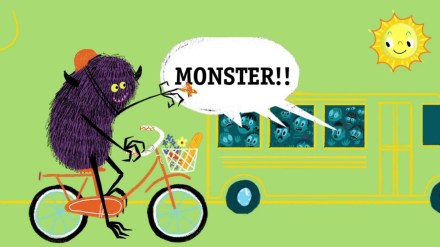
celebrate-picture-books-picture-book-review-quit-calling-me-a-monster-interior-art-bus      Image copyright Bob Shea, text copyright Jory John. Courtesy of Random House Books for Young Readers

So he stands his ground, craggy hands on hips and says, “Quit calling me a monster! Just…stop it, right this minute!” He’s serious! In fact he throws a bit of a fit, rolling on the ground and spouting, “It really hurts my feelings. I’m no monster!” Just because he may have a few monster-ish qualities like horns and fangs and wild eyes and crazy hair. And yes, he knows he has “a huge toothy smile that glows in the dark.” And, yeah, ok, so he’s not exactly a wallflower and can “roar, holler, scream, whoop, and cackle,” and likes to hide where his discovery will frighten someone most…he still says, “It really bothers me when you call me a monster without even thinking about it.”

Kids are always yelling, “‘Mommy, save me from that monster!” when he’s just trying to shop or complaining that there’s a monster under the bed when he’s just trying to sleep. Can he help it that his claws reach upward or that he growls when he dreams? Does he ever call kids names? Does he ever taunt someone as a “meat snack?” No! And that’s because he’s “a monster with excellent manners!”
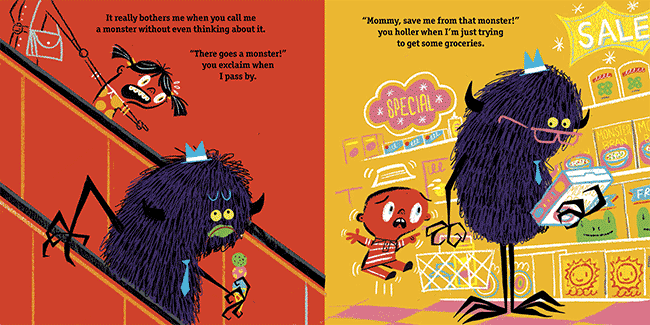
celebrate-picture-books-picture-book-review-quit-calling-me-a-monster-floyd-shopping-escalator

Image copyright Bob Shea, text copyright Jory John. Courtesy of Random House Books for Young Readers.

Umm…Well, I mean…he doesn’t “mean monster, exactly….” Oh, all right, if you’re going to get persnickety about it, he does have all those monster-ish traits and his parents are monsters, but he really doesn’t “like being called a monster one little bit.” If you want to call him, you can use his name, which is a very respectable Floyd Peterson. Now that that is settled, our purple friend is going to bed…in your closet. So if you hear him snoring in the middle of the night, you can rest assured that there is no monster in your closet, it’s just Floyd Peterson.
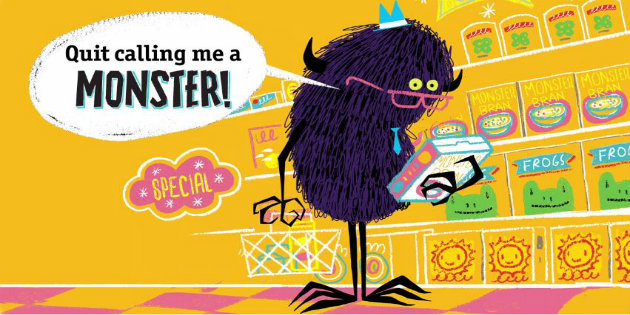
celebrate-picture-books-picture-book-review-quit-calling-me-a-monster-floyd-shopping

Image copyright Bob Shea, text copyright Jory John. Courtesy of Random House Books for Young Readers.

Jory John gives hilarious voice to the frustrations of being labeled as someone or something you’re not while also affirming that it’s okay to be who you really are. Snap judgements based on preconceived notions or stereotypes limits a person’s world view and the friends they can make. And what’s wrong with being a “monster” or “Floyd Peterson” or (insert word here) anyway? Kids and adults will laugh as Floyd lists page after page of his monster-ish qualities while also denying that he is, indeed, a monster. The ending is sweet and kid-like and puts to bed fear of the unknown.

Bob Shea’s monster, aka Floyd Peterson, is a frighteningly endearing character that kids will whole-heartedly embrace. Floyd’s coarse purple hair, scrawny legs and arms, and big grin along with his range of personas, from alarming to loveable, will make kids giggle. The bright solid backgrounds put the focus on Floyd and all of his roaring, flailing, and leaping—just as Floyd (and all little monsters) sometimes want and need.

Ages 3 – 7

Random House Books for Young Readers, 2016 | ISBN 978-0385389907

Jory John has a whole gallery of books for you to discover on his website!

Discover Bob Shea‘s “Books for Really Smart Kids” on  his website!

Quit what you’re doing and watch this Quit Calling me a Monster! book trailer!

National Humor Month Activity 

celebrate-picture-books-picture-book-review-merry-monsters-coloring-page

Merry Monsters Coloring Page 


These two cute monsters want to play, but first they need a little color! Get out your crayons, markers, or pencils and fix them up! Here’s your printable Merry Monsters Coloring Page! Now, it’s your turn – if you were a monster, what would you look like? Draw yourself as a Magnificent Monster!

Picture Book Review

April 21 – It’s Celebrate Diversity Month

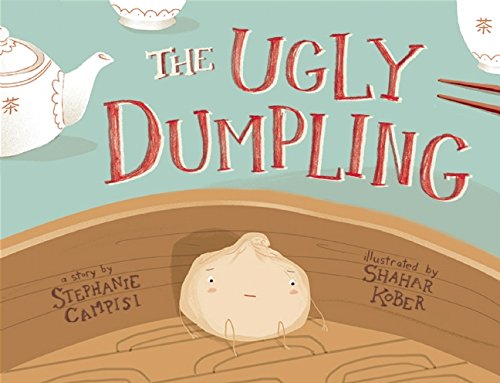
celebrate-picture-books-picture-book-review-the-ugly-dumpling-cover

About the Holiday

The month of April is set aside for people to recognize and appreciate the varied cultures and beliefs around the world. Instead of finding division and differences, we should celebrate the beauty and wonder of our multifaceted planet. This month offers a great opportunity to discover ways to incorporate acceptance and inclusiveness throughout your life.

The Ugly Dumpling

Written by Stephani Campisi | Illustrated by Shahar Kober


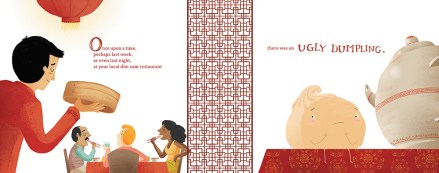
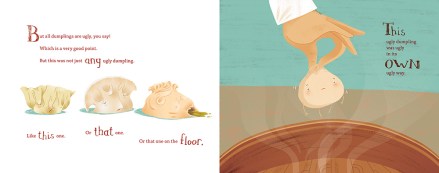
“Once upon a time, perhaps last week, or even last night, at your local dim sum restaurant…there was an ugly dumpling.” Sure, you might think all dumplings are ugly, but we’re talking about one particular ugly dumpling. It tried all sorts of tricks to make itself more attractive, but it still remained lonely and uneaten. It sat dejected until a cockroach traversing the kitchen caught sight of it and immediately fell in love.

celebrate-picture-books-picture-book-review-the-ugly-dumpling-interior-art-dim-sum-restaurant

Image copyright Shahar Kober, text copyright Stephani Campisi. Courtesy of Mighty Media Press.

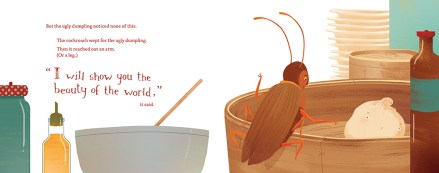
The cockroach “reached out an arm. (Or a leg)” toward the dumpling and offered to show it the beauty of the world. Together they traveled to cities near and far, experiencing them through culinary lenses—stacked-plate skyscrapers, piled-dishes skylines, and chopstick bridges that took them over flour mountains and folded-napkin peaks. Then, in a certain restaurant, the dumpling saw something astonishing! Not only one, but two, three, four, and more dumplings just like itself!

celebrate-picture-books-picture-book-review-the-ugly-dumpling-trying-to-fit-in

Image copyright Shahar Kober, text copyright Stephani Campisi. Courtesy of Mighty Media Press.

Suddenly the ugly dumpling realized that it was not a dumpling at all, but a “steamed bun—a golden-hearted, smooth-skinned steamed bun, exactly like all the other steamed buns in the world.” The ugly dumpling puffed with meaning, importance, and…yeast! The restaurant patrons and staff and even the other steamed buns took notice. The cockroach by the ugly dumpling’s side cheered to see its friend receiving so much attention.

celebrate-picture-books-picture-book-review-the-ugly-dumpling-roach

Image copyright Shahar Kober, text copyright Stephani Campisi. Courtesy of Mighty Media Press.

The people’s wide eyes and astonished expressions were not for the dumpling, however. Instead, they registered horror at the insect in their midst. The ugly dumpling was familiar with that look and did “something quite beautiful. It reached out an arm. (Or a leg.) And it led the cockroach out into the world, The beautiful, beautiful world.” And in that moment the ugly dumpling realized that it “was not like all the other steamed buns after all” and that “perhaps that was a good thing.”

celebrate-picture-books-picture-book-review-the-ugly-dumpling-leaving-together

Image copyright Shahar Kober, text copyright Stephani Campisi. Courtesy of Mighty Media Press.

Stephani Campisi’s The Ugly Dumpling is a fresh and delectable dish-up of the classic Ugly Duckling story for a new audience. Stuffed with charm and off-beat humor, this tale of friendship and diversity embraces all who feel at odds with their environment—with or without the recognition of why. Its sweet and insightful ending emphasizes the idea that finding your niche does not always mean fitting in with a certain crowd, and that having the courage to strike out on your own path leads to beautiful relationships and personal happiness.

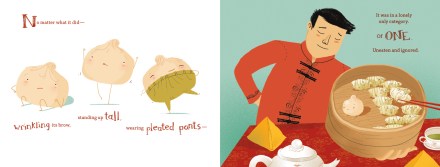
celebrate-picture-books-picture-book-review-the-ugly-dumpling-different-dumplings

Image copyright Shahar Kober, text copyright Stephani Campisi. Courtesy of Mighty Media Press.

Shahar Kober’s dumpling is anything but “ugly.” His adorable puffed dough, lonely and ignored for not adhering to the mold, will melt readers’ hearts as he tries anything and everything—including green pleated pants—to fit in. Kobar’s stylish drawings are the perfect underscore to Stephani Campisi’s quick, dry wit—as in his rendition of three uglier-than-the-next dumplings—and if cockroaches were really as cute as Kober’s, we’d all set out a different kind of Roach Motel. A clever bit of typography transforms steam coming from a wok into the word HISS, and the restaurant scenes will make readers hungry for their favorite Asian eatery.

As readers turn to the last pages and watch the steamed bun and the cockroach leave the restaurant hand in hand (foot in foot?) under the shade of a paper umbrella, they will want to turn back to the beginning and start over again. The Ugly Dumpling is a must read and a wonderful addition to children’s bookshelves.

Ages 2 – 9

Mighty Media, 2016 | ISBN 978-1938063671

Get to know more about Stephanie Campisi and her work on her website!

To view a gallery of art by Shahar Kober for books, magazines, animation, and more, visit his website!

Check out the Mighty Media Press website for more about The Ugly Dumpling and a-dough-able coloring pages!

Take a look at the trailer for The Ugly Dumpling!

Celebrate Diversity Month Activity

celebrate-picture-books-picture-book-review-dumpling plush craft

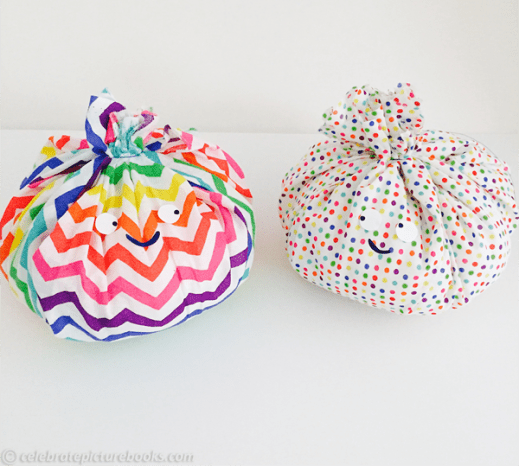
Embrace Your Inner Dumpling Plush


We are all beautiful “dumplings” in one way or another! With this easy craft you can create a huggable friend and show others what you’re made of!

Supplies

  • Square piece of cloth in any fabric and color. Size of plush depends on size of cloth (the plushes shown are made from 18”-square cotton fabric)
  • Poly fill (the plushes shown use about 1 1/8 ounces of fill)
  • White cloth for eyes and mouth
  • Twine or string
  • Fabric glue

Directions

  1. Cut the corners from the square cloth to make a circular piece of cloth
  2. Fill the middle with poly fill
  3. Pull the edges of the cloth up and around the fill
  4. Tie the top closed with the twine or string
  5. To make the face, cut small circles and a mouth from the white cloth
  6. Smooth out a section of the dumpling body
  7. Glue the face to the body with fabric glue

Picture Book Review
February 22 – It’s International Boost Your Self-Esteem Month

celebrate-picture-books-picture-book-review-toby-and-Tutter-therapy-dogs-cover

About the Holiday

February, on the horizon of sunny spring, is a great time to reflect on your emotional health. A strong sense of self-esteem – what a person thinks of themselves inside – is important for leading a happy life. With all of the pressures of work, school, and other activities, it’s easy to feel overwhelmed and anxious. Finding the positive in every day as well as understanding and appreciating one’s strengths and weaknesses can lead to a more peaceful and fulfilling life. One way both kids and adults find acceptance and a boost in self-esteem is by playing with pets or spending time with therapy dogs, like the canine helpers in today’s book.

Toby and Tutter: Therapy Dogs

Written by Kirsten DeBear | Photographs by Laura Dwight


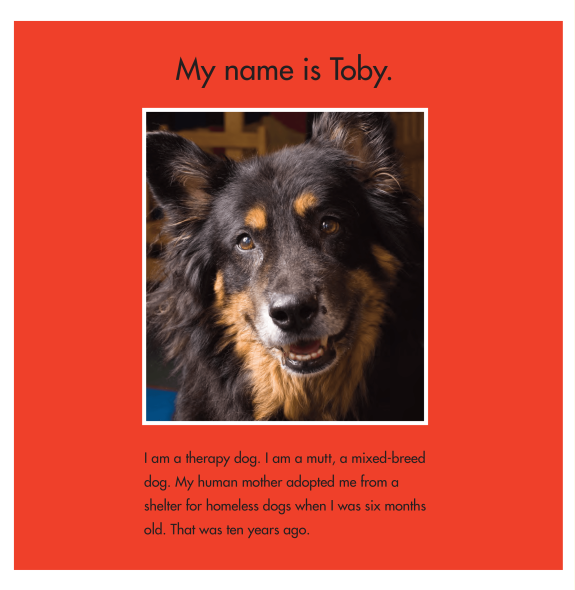
Ten years ago Toby, a mixed breed dog, was adopted from a shelter when he was only six months old and trained to be a therapy dog. He works with his mother, an occupational therapist, helping children learn and play. Like some of the kids themsselves, Toby has a little brother. His name is Tutter and he was adopted when he was four months old. Toby admits that it took awhile to get used to having Tutter around. Tutter is smaller and captures a lot of the children’s attention. He even wiggles in between Toby and the kids “stealing all the affection.”

celebrate-picture-books-picture-book-review-toby-and-Tutter-therapy-dogs-toby

Photography copyright Laura Dwight, text copyright Kirsten DeBears, courtesy of Toby and Tutter Publishing

Toby explains that when he was young, he “went to school…to study how to behave around children and how to follow directions.” He learned how to work with many different kids. Tutter wants to be a therapy dog too, but Toby is skeptical. He’s not sure that Tutter has the courage or patience it requires. Their mother, though, thinks that with enough training, he will be able to do it.

celebrate-picture-books-picture-book-review-toby-and-Tutter-therapy-dogs-swing

Photography copyright Laura Dwight, text copyright Kirsten DeBears, courtesy of Toby and Tutter Publishing

Tutter is an Italian greyhound, and while Toby may think he “looks goofy,” Tutter is proud that the kids call him “cute.” Tutter just wants to be like his big brother and help children even if he is small and often afraid. He follows Toby and tries to do what he does,but it’s hard  While Toby is good at lying down and letting the kids pet his fluffy fur, Tutter is just “learning to stay still. If the children sit quietly I will go to them and cuddle up on their laps. But if they’re wild I run away!” says Tutter. Toby likes to play ball with the kids. They throw it to him and Toby gives it back. Tutter doesn’t really like to share his toys. Toby likes to play on the equipment, such as the slide, balance beam, swing, and tunnel, but Tutter is afraid to use them. He prefers the hammock with its gentle motion.

celebrate-picture-books-picture-book-review-toby-and-Tutter-therapy-dogs-playing

Photography copyright Laura Dwight, text copyright Kirsten DeBears, courtesy of Toby and Tutter Publishing

While Tutter and Toby may seem very different, they are similar is some ways. Tutter likes to wear the necklaces the kids make, so he’s learning to sit still just like Toby while the children put them over his head. Tutter can also play peek-a-boo like Toby; and he tries to encourage the children by letting them know “that doing your best is all that you can do.”

Every day Tutter feels that he’s getting braver, and he knows that he has special talents that Toby doesn’t. Tutter is allowed in the ball pit with the kids, he can pretend to be in a greyhound race, and he can be carried in a bag. He’s also good at teaching the kids to be gentle and quiet and not to be afraid of dogs. Tutter is happy to be who he is and is proud of what he can do; Toby is proud of Tutter too for trying new things even if they are scary. Tutter and Toby are happy to be a team!

celebrate-picture-books-picture-book-review-toby-and-Tutter-therapy-dogs-playing

Photography copyright Laura Dwight, text copyright Kirsten DeBears, courtesy of Toby and Tutter Publishing

Children will love this story of two therapy dogs helping out at school. Kirsten DeBear’s engaging story of these brothers encompasses the emotions family members often feel, including the sibling rivalry and deep affection of brothers and sisters that readers will recognize. The alternating thoughts of the two dogs—one more mature and easy-going and for whom learning comes easily and the other younger and more hesitant who struggles with some tasks—echo the diversity of children found in any social situation. Toby and Tutter demonstrate that everyone can be proud of their abilities and accomplishments and have much to offer. DeBear’s honest and accessible language will resonate with kids who will be charmed by sweet Tutter and friendly Toby.

Laura Dwight captures the interactions of children playing and learning with Toby and Tutter in colorful photographs full of action and personality. Kids will love seeing how these two brothers perform their jobs by modeling actions, offering comfort, and being ready playmates. The obvious love the children show for their furry friends will make readers smile and wish they were part of the group.

Toby and Tutter: Therapy Dogs is a wonderful choice for opening discussions on empathy and social-emotional topics as well as the work of specially trained companion animals with children. 

Ages 4 – 8

Toby and Tutter Publishing, 2016; Paperback 978-0984781218 | Hardcover 978-0984781201 | Available on Amazon

To learn  more about Kirsten DeBear, her programs, and her work with disabled children and children with Down syndrome, visit her website.

Discover more about Laura Dwight and her photography for children’s books, textbooks, nonprofit agencies, and more on her website.

International Boost Self-Esteem Month Activity

celebrate-picture-boos-picture-books-review-I-love-dogs-word-search

I Love Dogs Word Search


Dogs of all types make great friends and companions and bring joy to life. Can you find the names of all the dogs in this printable I Love Dogs Word Search?

Picture Book Review

December 14 – It’s Human Rights Month

celebrate-picture-books-picture-book-review-emmanuel's-dream

About the Holiday

December is Human Rights Month, an observance established by the United Nations in order to raise awareness of, promote, and protect the equality of the world’s citizens. It takes vigilence, compassion, dedication, and determination, but achieving the goal of equal human rights is a responsibility we all share.

Emmanuel’s Dream: The True Story of Emmanuel Ofosu Yeboah

Written by Laurie Ann Thompson | Illustrated by Sean Qualls


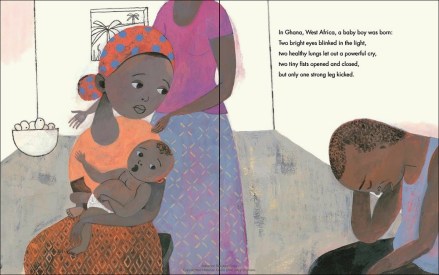
A baby is born in Ghana, West Africa with bright eyes, healthy lungs, and tiny, clasping fingers—but with only one strong leg. Most people think the baby will grow up to be a burden or worse—a curse. His father leaves the family, but his mother keeps the faith. Her name is Comfort and she names her child Emmanuel, which means “God is with us.”

celebrate-picture-books-picture-book-review-emmanuel's-dream-baby

Image copyright Sean Qualls, text copyright Laurie Ann Thompson. Courtesy of Schwartz & Wade

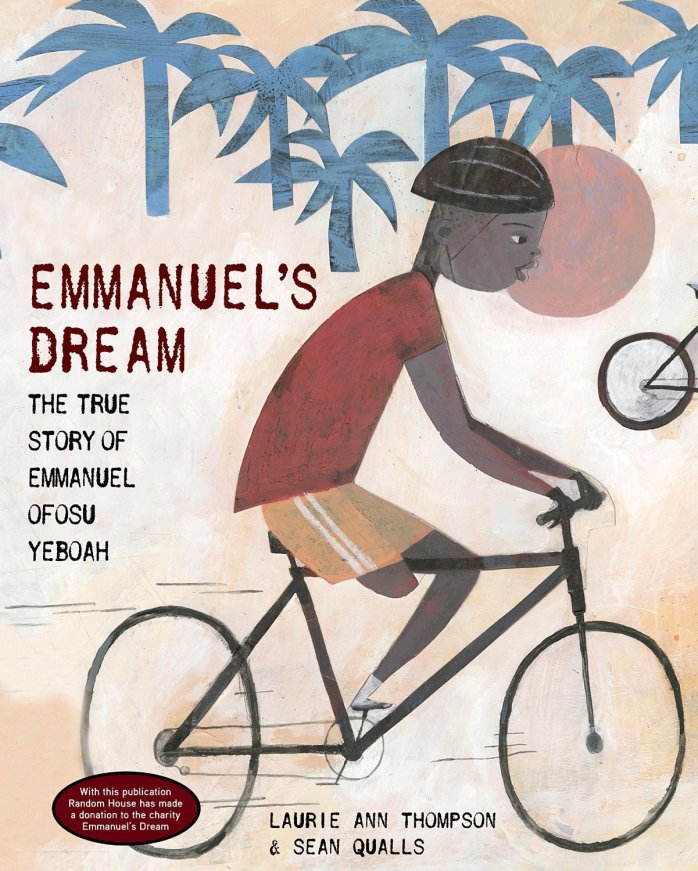
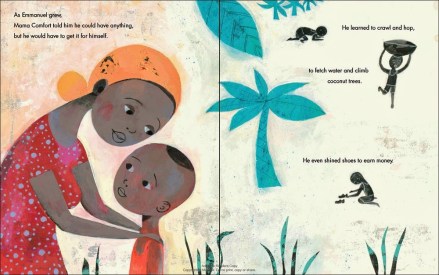
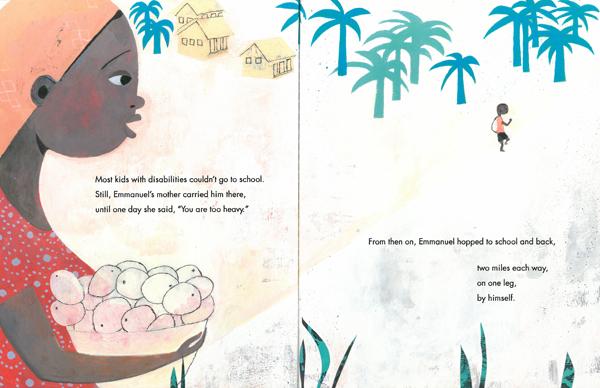
As Emmanuel grows, his mother encourages his independence. He learns how to crawl and hop to complete his daily work all with one leg. Most kids with disabilities don’t go to school, but Comfort carries her son back and forth until he becomes too heavy. From then on Emmanuel hops the two miles each way all by himself. At first the other kids won’t play with him, but Emmanuel is clever. He buys a soccer ball with the money he earns shining shoes and when he offers to share it, the kids include him. On crutches he is a fierce competitor and earns his classmates’ respect. Riding bikes is another favorite activity. Can Emmanuel pump those pedals with only one leg? He practices and falls, practices and falls some more until he masters the technique.

celebrate-picture-books-picture-book-review-emmanuel's-dream-growing-up

Image copyright Sean Qualls, text copyright Laurie Ann Thompson. Courtesy of Schwartz & Wade

When Emmanuel is 13 years old, his mother becomes ill. As the only family member capable of working, Emmanuel takes a train to a city 150 miles away to find a job. He doesn’t see his family again for two years. Because of his disability it is hard for him to find work. Finally, a food stand owner hires him and gives him a place to live. Over time Comfort grows sicker. When Emmanuel goes to be with her, she tells him to never beg and never give up. He takes these words to heart.

Emmanuel has an idea to show the world that “disabled does not mean unable”—all he needs is a bike. When the Challenged Athletes Foundation learns of his plan to bike around Ghana, they give him a bike, a helmet, and clothing. He trains and receives a blessing from the king of his region. Then accompanied by people who will document his trip, he takes off. “He pedaled through rain forests, over rolling hills, and across wide, muddy rivers….He pedaled as trucks roared past on the narrow highways and wild animals stalked his thoughts….He rode up, down, across, and around his country, proudly wearing the colors of its flag on a shirt printed with the words “The Pozo” or “the disabled person.”

celebrate-picture-books-picture-book-review-emmanuel's-dream-going-to-school

Image copyright Sean Qualls, text copyright Laurie Ann Thompson. Courtesy of Schwartz & Wade

Emmanuel talks to others with physical challenges and to those without. He meets farmers, landowners, government officials, and reporters. He wants everyone to learn of his message. People begin to pay attention—they ride and run alongside him; people with disabilities come out of their houses to see him (some leaving home for the first time ever). Emmanuel is becoming a national hero! Emmanuel completes his journey—nearly 400 miles—in only 10 days. In that short amount of time he proves that anyone can do great things and that one person is enough to change the world.

An Author’s Note expanding on Emmanuel Ofosu Yeboah’s life since his bike ride follows the text.

Laurie Ann Thompson tells this story of courage and achievement in straightforward language that highlights the difficulties and prejudices Emmanuel overcame to live the full life his mother envisioned for him. The details Thompson reveals—both within the school setting and in the world beyond—will inspire anyone who reads this special and moving true story.

Sean Qualls renders the story of Emmanuel Ofosu Yeboah in the vibrant colors and patterns of his native West Africa, giving energy and spirit to the fire that burned inside the young boy who rose above his disability and the expectations of his community. His relationship with his strong, supportive mother is drawn with obvious love and compassion. The use of a folk-art style combined with scenes of African markets, landscapes, and traditional tableaus, effectively sets the story for children. One particularly touching illustration shows a tiny Emmanuel hopping off to school as his mother, shown larger in the foreground, watches.

Ages 4 – 9

Schwartz & Wade, Random House, 2015 | ISBN 978-0449817445

Discover more about Laurie Ann Thompson and her books on her website!

To view a gallery of picture book illustration by Sean Qualls, visit his website!

Human Rights Month Activity

celebrate-picture-books-picture-book-review-change-your-world-coloring-page

Change Your World Coloring Page


You can make a difference in your school, your town, and the world around you. Here’s a printable Change Your World message that you can color and hang in your room or locker to remember how much power you have.

Picture Book Review

December 10 – Gingerbread Decorating Day

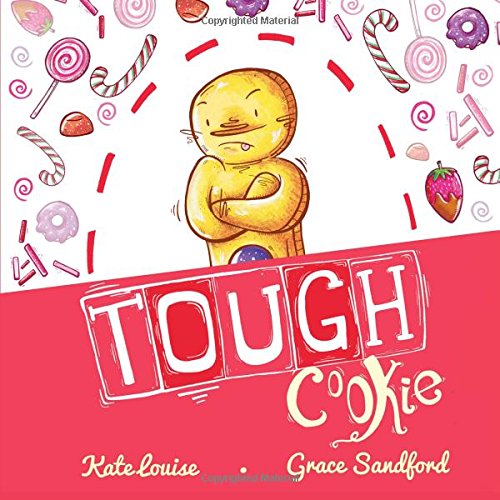
celebrate-picture-books-picture-book-review-tough-cookie-cover

About the Holiday

Instituted in 2007 by the Encouragement Foundation at Harding University in Searcy, Arkansas, today’s holiday entreats us to cheer on our friends, coworkers, and even those we don’t know as they attempt to reach goals or start new endeavors. A pat on the back, a simple “you can do it!,” or a reassuring “great job!” boosts people’s self-confidence and makes the world a happier place.

Tough Cookie

Written by Kate Louise | Illustrated by Grace Sandford


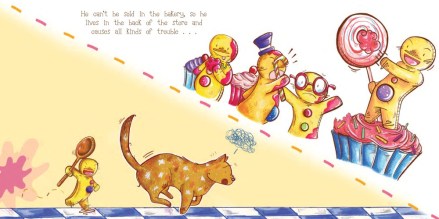
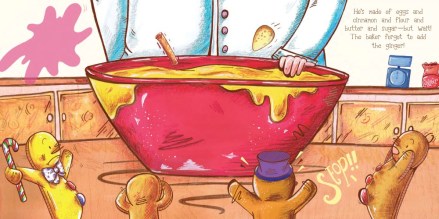
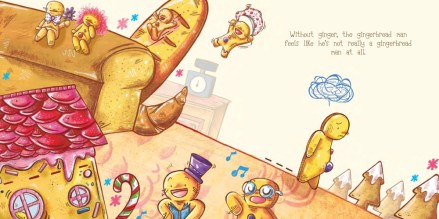
Although one gingerbread man in the bakery looks like all the others, there is one important difference. Yes, the batter had “eggs and cinnamon and flour and butter and sugar—but wait! The baker forgot to add the ginger!” Without this signature ingredient the gingerbread man just doesn’t feel like a gingerbread man at all. In fact his whole life has been turned upside down. He’s different from his friends, and what’s worse, he can’t be sold. Instead, he lives in the back of the bakery  and in his sadness makes all kinds of mischief.

celebrate-picture-books-picture-book-review-tough-cookie-gingerbread-man-feels-bad

Image copyright Grace Sandford, text copyright Kate Louise, courtesy of Sky Pony Press

The gingerbread man chases the cat, splatters icing on other cookies, and squirts icing on the walls. “‘I need that for my cupcakes!’” the baker yells, but the gingerbread man just laughs. He moves on to the decorative candies, stuffing them in his mouth as fast as he can even though the baker needs them for his other treats and stands by tapping his foot. Next the gingerbread man scatters sprinkles all over the counter and slips and slides along on his belly—“‘woohoo!’” But the baker is not amused. “‘I need those for the donuts!’” he shouts.


celebrate-picture-books-picture-book-review-tough-cookie-gingerbread-man-causes mischief

Image copyright Grace Sandford, text copyright Kate Louise, courtesy of Sky Pony Press

Finally, the baker has had enough. Not only is the gingerbread man upsetting the other gingerbread men and women, he is ruining the business. The baker orders the gingerbread man to leave the store. But this is one gingerbread man that does not want to run away. “‘I don’t want to leave!’” he cries. The baker relents. He takes the little cookie in hand and teaches him that even though he is missing an ingredient he can still be kind. The baker shows him by being nice he can become one of the group. 

Now, the little gingerbread man is happy. Instead of gobbling up all the candy, he helps create the other cookies. He no longer shoots icing on the walls or flings sprinkles around the kitchen. Rather, he helps the baker decorate the cupcakes and the donuts. He’s even learned how to sift flour and roll out dough, and he uses the cookie cutter to make new friends. And he never forgets to add the ginger!

celebrate-picture-books-picture-book-review-tough-cookie-baker-forgets-ginger

Image copyright Grace Sandford, text copyright Kate Louise, courtesy of Sky Pony Press

Grace Sandford’s bakery gleams with the golden hues of fresh-baked bread, the festive colors of sprinkles and icing, and the sparkle of sugar. Kids will love the vibrant pictures of cupcakes; lollypops; stacks of cakes, donuts, and candy; and decorated gingerbread houses surrounded by cookie forests. Her expressive gingerbread men and women register dismay at the wayward gingerbread man’s shenanigans and joy at his kindness. And the hero of the story? When he leaves behind his impish pranks he becomes a charming baker’s companion, sifting clouds of flour, running on the rolling pin to flatten dough, and passing out sugar-shiny gumdrop buttons to his new friends.

Young children will ask for this fun and funny read over and over. Tough Cookie makes an especially delicious accompaniment to an afternoon of baking or decorating gingerbread houses!

Ages 3 – 6

Sky Pony Press, 2015 | ISBN 978-1634501972

Discover more of Kate Louise’s books for kids and young adults as well as Tough Cookie Coloring Pages on her website!

Read an interview with Kate Louise!

View the colorful world and signature style of Grace Sandford’s artwork on her website!

Read an interview with Grace Sandford!

Gobble up this Tough Cookie book Trailer!

Gingerbread Decorating Activity

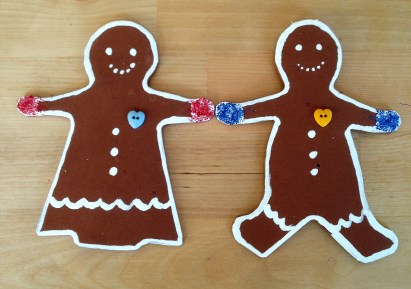
celebrate-picture-books-picture-book-review-gingerbread-kids-craftGingerbread Kids Decorations 


Way back in the past when gingerbread was new it was creatively iced and used to decorate windows. You can make decorations for your home or room with this easy craft!

Supplies

  • Printable Gingerbread Girl and Boy Template
  • 2 Brown foam sheets
  • White paint (or any color you like)
  • Glitter in two colors
  • Paint brush
  • 2 Small heart buttons (optional)
  • Mounting squares (for mounting)
  • Thread  and needle (for optional hanging)

Directions

  1. Cut out gingerbread girl and boy
  2. Trace gingerbread girl and boy on brown foam sheets
  3. Cut out gingerbread girl and boy
  4. Paint around the edge of the gingerbread boy and girl with the white paint
  5. Add trim to the edge of the gingerbread girl’s dress
  6. Add socks to the gingerbread boy
  7. Add buttons
  8. Add faces
  9. Paint the hands of each figure with the paint
  10. Sprinkle glitter on the hands to make mittens
  11. To use as decoration attach mountable squares or with a threaded needle make a hole in the top of the figures and tie the thread to create a hanger.
 Picture Book Review
December 7 – Letter Writing Day

celebrate-picture-books-book-review-exclamation-mark-cover

About the Holiday

With all the letter writing going on during December by young wishers, it should be no surprise that a letter-writing day be included in this month’s calendar. Today’s holiday celebrates all forms of personal communication written by hand and remembers the correspondence of the past that has given us such insight into our favorite poets, novelists, historical figures, and more. Sure email might be faster, but there’s a certain luxury in taking the time to write your thoughts and an unexplainable excitement in holding a heartfelt letter in your hands. The punctuation marks in today’s reviewed book not only help correspondents write more dramatically, but they remind us that we all have unique things to say!

Exclamation Mark

Written by Amy Krouse Rosenthal | Illustrated by Tom Lichtenheld


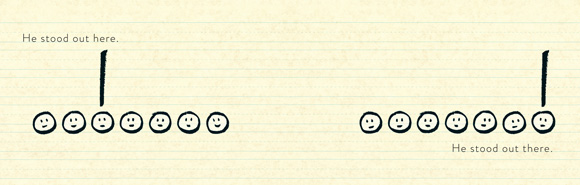
! “stood out from the very beginning.” When he was standing in a row of ……, it didn’t matter if he was in the middle or at the end—he still stuck out. The only time he wasn’t so noticeable was when he laid down to go to sleep. Sometimes he twisted himself into coils and did somersaults to be like the others, but nothing worked. “He just wasn’t like everyone else. Period.” This left him feeling “confused, flummoxed, and deflated.”

celebrate-picture-books-book-review-exclamation-mark-stands-out

Image copyright Tom Lichtenheld, text copyright Amy Krouse Rosenthal. Courtesy of Scholastic Press

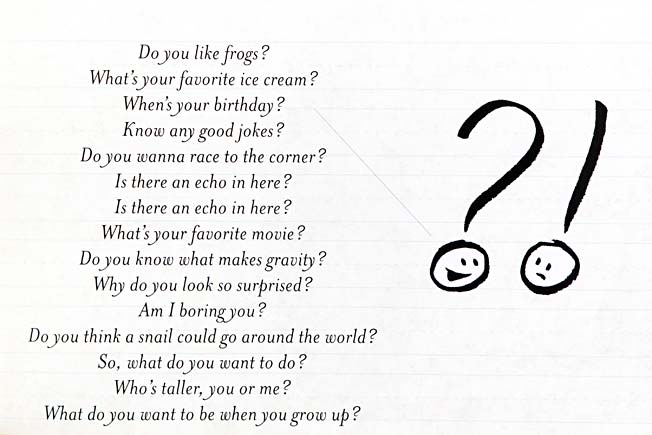
He was just about to run away from all his problems when he met ?. ? rushed right up to him and wanted to know everything. “Who are you?…What’s your favorite color? Do you like frogs?…Do you wanna race to the corner? Is there an echo in here? Is there an echo in here?…Why do you look so surprised?….” The list went on and on.

celebrate-picture-books-book-review-exclamation-mark-lots-of-questions

Image copyright Tom Lichtenheld, text copyright Amy Krouse Rosenthal. Courtesy of Scholastic Press

“STOP!” ! shouted. The sound stunned him. ? smiled and wanted him to do it again. ! didn’t know if he could, so he tried a small “Hi!” “That felt right, so he tried something bigger. Howdy!” And then he said, “Wow!” After that there was no stopping him: “You’re it!…Home run!…Yum!…Look out!…Thanks!…Boo!…Go!”

He rushed off to show everyone what he could do. The …… were delighted and “there was much exclaiming.” Now feeling happy and confident, ! “went off to make his mark.”

celebrate-picture-books-book-review-exclamation-mark-yippee

Image copyright Tom Lichtenheld, text copyright Amy Krouse Rosenthal. Courtesy of Scholastic Press

Amy Krouse Rosenthal’s clever story of an exclamation point searching for self expression is as moving as it is original. Kids will recognize his feelings of sticking out in a crowd and uncertainty of purpose and applaude when ? comes on the scene to befriend !. Readers will giggle knowingly at the barrage of questions, and feel emboldened themselves as ! finds his voice and his own unique contribution.

Tom Lichtenheld’s adorable punctuation marks hanging out on kid-ruled paper demonstrate all the expression and expressions of this well-crafted story. With simple dot eyes and small streak mouths, Lichtenheld animates the various emotions of the periods, exclamation mark, and question mark as they discover !’s special talent with individuality for each. The unbridled exuberance of ?‘s and !’s meeting makes this a terrific book about friendship as well.

! deftly points out “What would we do without exclamation points?” Likewise it asks, “What would we do without each one of us?” The positive message, creatively and humorously presented, makes this book a terrific addition to any child’s library.

Scholastic Press, 2013 | ISBN 978-054543679

You’ll find more about Amy Krouse Rosenthal, her books for children and adults, videos, other projects, and so much more on her website!

Discover a portfolio of books by Tom Lichtenheld as well as fun book-related activities and resources for teachers on his website!

!!!! for this ! book trailer!

National Letter Writing Day Activity

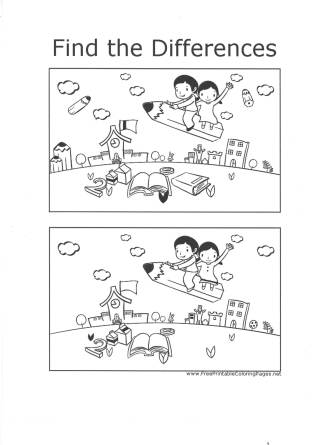
celebrate-picture-books-picture-book-review-pencil-riding-kids-find-the-differencesLetter-Writing Kids Find the Differences Puzzle


Sometimes writing a letter is a flight of fancy through the thoughts and stories you want to tell someone else. Can you find the 12 differences in this printable Letter-Writing Kids Find the Differences Puzzle?

Picture Book Review 
December 4 – It’s Universal Human Rights Month

celebrate-picture-books-picture-book-review-for-the-right-to-learn-malala-yousafzai's-story-cover

About the Holiday

In the aftermath of World War II the Four Freedoms that had guided the Allies—Freedom of Speech, Freedom of Religion, Freedom from Want, and Freedom from Fear—did not go far enough in defining the areas that need to be covered. In December 1948 the United Nations General Assembly put forth 30 articles to further delineate the freedoms and rights of the world’s citizens, including the freedom of education, thought, health, opinion, and expression as well as the right to take part in government, have a free choice of employment, and more. To honor today’s observance, speak out when you see inequality and work to bring freedom in all it’s forms to everyone.

For the Right to Learn: Malala Yousafzai’s Story

Written by Rebecca Langston-George | Illustrated by Janna Bock


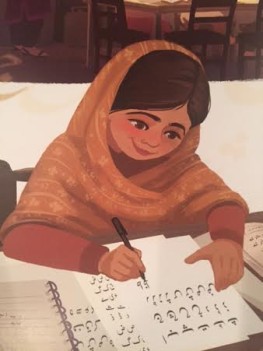
Malala Yousafzai lived in the Swat Valley of Pakistan, where her father, Ziauddin, ran a school in the town of Mingora. Malala loved school and even when she was tiny visited classes with her father often. Not all Pakistani children could go to school—some families couldn’t afford it and some believed girls should stay home to clean, cook, and keep house. But Malala’s father believed his daughter had the same right to an education as his sons. Malala thrived at school. She learned multiple languages and won many academic awards.

“But Taliban leaders who controlled the area were against letting girls go to school. They declared that females should be separated from males. They wanted to outlaw education for girls.” The Taliban leaders even tried to intimidate Malala’s father. “One ordered Ziauddin to close his school because girls and boys used the same entrance.” Ziauddin refused.

celebrate-picture-books-picture-book-review-for-the-right-to-learn-malala-yousafzai's-story-writing

Image copyright Janna Bock, courtesy of Capstone Press

While her father was worried, Malala’s determination grew stronger. She studied harder at school, and during the school holidays instead of covering her hands with henna flowers and vines as most Pakistani women did, Malala painted science formulas on hers. The Taliban continued to exert a tight grip on the Swat Valley, and instituted new rules: men could not shave, women had to cover their faces, movies were banned. And the radio “crackled with the sound of the Taliban preaching: No education for girls! Girls who attend school bring shame to their families!”

The Taliban frightened many, and empty seats in school classrooms began to be more frequent. Ziauddan and Malala appeared on TV to express the importance of education. In response the Taliban threatened Ziauddan and his school. Despite the threats Malala and her father continued to speak and write, “demanding equal education for girls.” The Taliban began patrolling the streets, perpetrating violence and destruction on anyone who didn’t obey their rules.

In December 2008, the Taliban announced that all girls’ schools would close by January 15. “Even before the deadline, bombs started to rain down on nearby schools as warnings.” The British Broadcasting Corporation wanted to reveal to the world what was happening. They wanted a girl to write a blog about her experience and “how it felt to be denied an education. Malala volunteered.

celebrate-picture-books-picture-book-review-for-the-right-to-learn-malala-yousafzai's-story-sneaking-to-school

Image copyright Janna Bock, courtesy of Capstone Press

She took the pen name Gul Makai and related her blog by phone to a reporter who typed and published her words for two months. The first post appeared on January 3, 2009. On January 14 Malala wrote: “‘They can stop us from going to school, but they can’t stop us learning!’” Because activists were growing angry, the Taliban let girls ages 10 and younger go to school. Malala and her friends were 11. They began dressing to look younger and hid school books in their clothes. If they had been caught lying about their ages, they and their teachers could have been beaten or executed.

In May 2009 the Pakistani army began battling the Taliban and ordered everyone to evacuate. Malala and her family had to pack their belongings and leave. Malala wanted to take her books along, but there wasn’t room. She could only hope that they—and her home—would survive the fighting. Three months later, the people of Mingora were allowed to come home, but the town was not the same as they had left it. Shops and buildings were destroyed, burned frames of cars were strewn across the roads. The school’s walls were riddle with bullet holes. But the Taliban was gone. Ziauddin reopened his school for boys and girls.

While Malala returned to school, her life was not the same. Because of her blog, speeches, and interviews, she was internationally famous. Everyone wanted to hear what she had to say—everyone but the Taliban. “Talban leaders began to threaten her on the Internet. Saying she was working for the West, they announced Malala was on their hit list. The police warned the Yousafzai family to leave, but Malala refused to hide. She refused to be silenced.”

Because of the danger, Malala’s mother wanted her to ride the bus to school instead of walk. On October 9, 2012 as Malala and her classmates rode the bus home after school, the bus was stopped and a man boarded, demanding to know which girl was Malala. While no one spoke, the girls couldn’t stop their eyes from flashing quickly toward Malala. That was all the man needed. He “pointed a gun at Malala. Three shots shattered the silence.”

The bus driver rushed Malala and two of her friends to the hospital. Word spread quickly about the shooting through the town and around the world. Malala lay unconscious for days as the Taliban threatened her again should she live. As determinedly as Malala fought for equal education, she fought for survival. Finally, she was flown to a hospital in England for more surgery and to keep her safe. Gifts and wished poured in from all over the world. Malala stayed in the hospital for three months and underwent many procedures to correct the damage done by the Taliban’s bullets.

When she had recovered, Malala returned to her family and to her place on the world stage where she continues to speak out for the rights of all. On July 12, 2013 in a speech at the United Nations, Malala “declared, ‘One child, one teacher, one book, and one pen can change the world.’” On December 10, 2014 Malala became the youngest recipient of the Nobel Peace Prize for her “strength, power, and courage” to “lift her voice for children everywhere.”

celebrate-picture-books-picture-book-review-for-the-right-to-learn-malala-yousafzai's-story-speaking-to-the-UN

Image copyright Janna Bock, courtesy of Capstone Press

Malala. Those three syllables have become synonymous with bravery, freedom, and education. Rebecca Langston-George tells Malala’s remarkable story with the same unstinting vision that fuels Malala’s mission. Told sensitively, but candidly, this compelling biography reveals the harrowing evolution of the Taliban’s reach that, far from intimidating young Malala, only served to make her more determined. Langston-George’s excellent command over her well-chosen details and gripping pacing enhances the power of this important true story. Readers should come away inspired—not only by Malala’s life, but the fact that they too can make a difference.

Janna Bock depicts the changing landscape of Malala’s hometown both physically and philosophically with illustrations that help readers clearly envision and understand Malala’s life and environment. The faces of the townspeople and the Yousefzai family register distress and fear, but also determination, courage, and optimism as schools close, Mingora comes under fire, and the citizens become refugees. Malala’s shooting, and recovery are portrayed with thoughtful consideration of the readers, and the ending takes children inside the United Nations to witness Malala’s ultimate triumph.

An Author’s Note detailing more about Malala’s story then and now as well as a glossary and index follow the text.

For the Right to Learn: Malala Yousafzai’s Story is an important biography of current events and people shaping the world and our children’s future and is a must read for all.

Ages 8 – 12

Capstone Press, 2016 | ISBN 978-1623704261

Discover more fascinating books by Rebecca Langston-George on her website!

View a gallery of art by Janna Bock on Tumblr!

Universal Human Rights Month Activity

celebrate-picture-books-picture-book-review-friends-of-the-world-coloring-page

Friends of the World Coloring Page


Love and understanding for others makes the world a smaller—and better—place. Have fun coloring this Friends of the World Coloring Page!

Picture Book Review